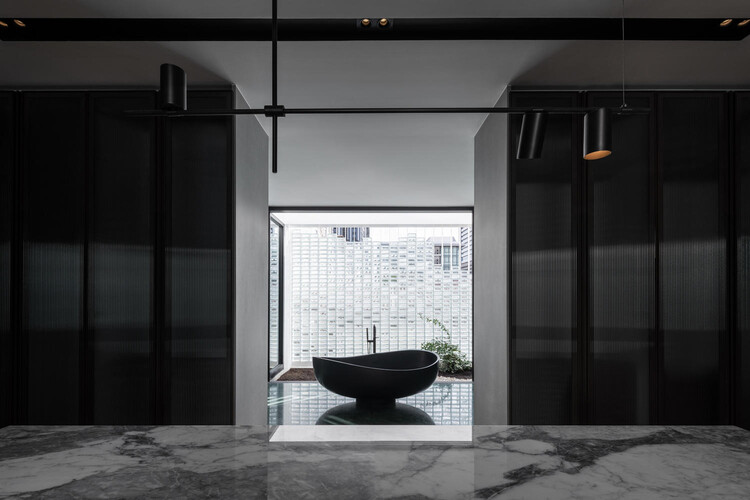
1/10
Low-Light Bathrooms That Swaddle You With Darkness
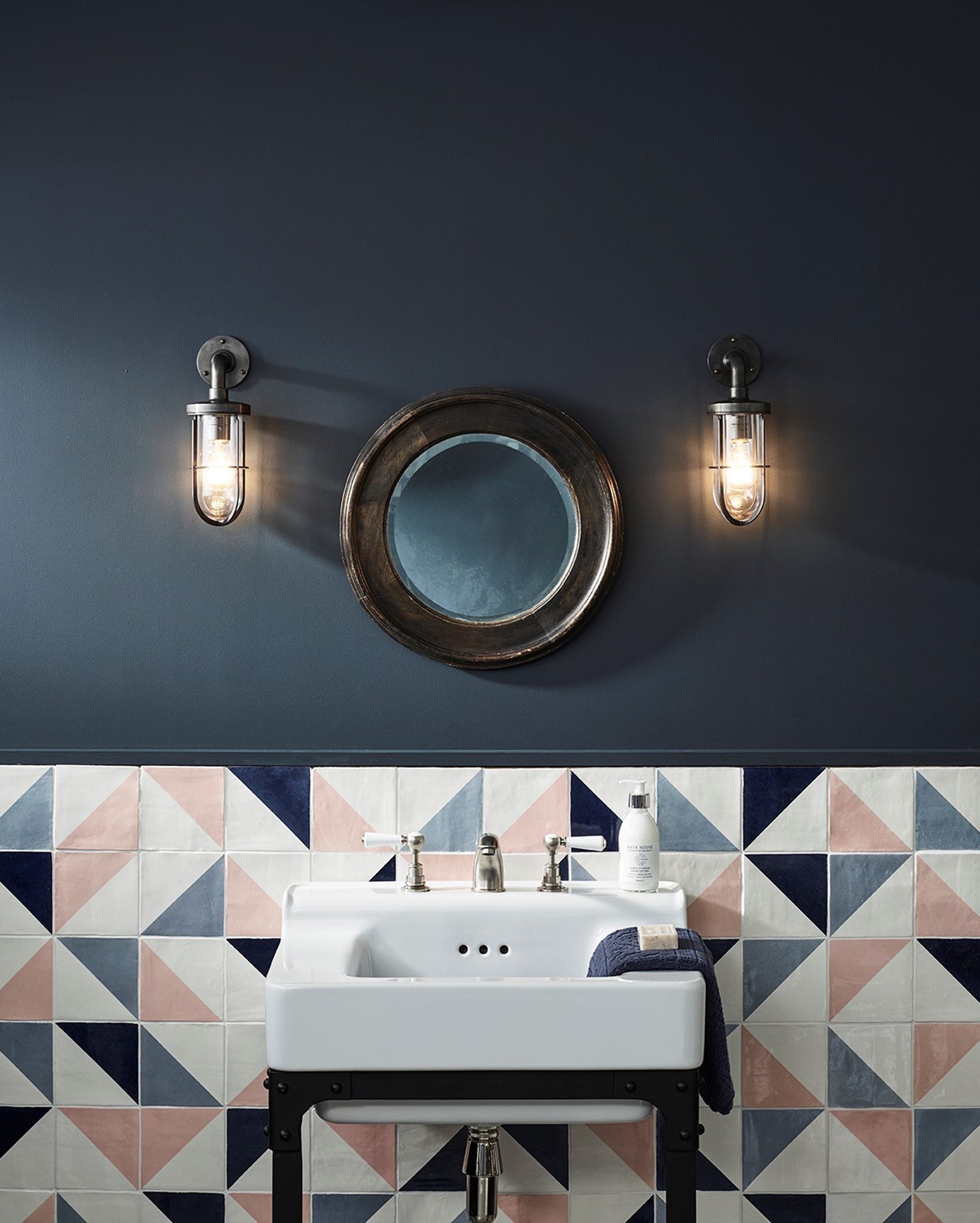
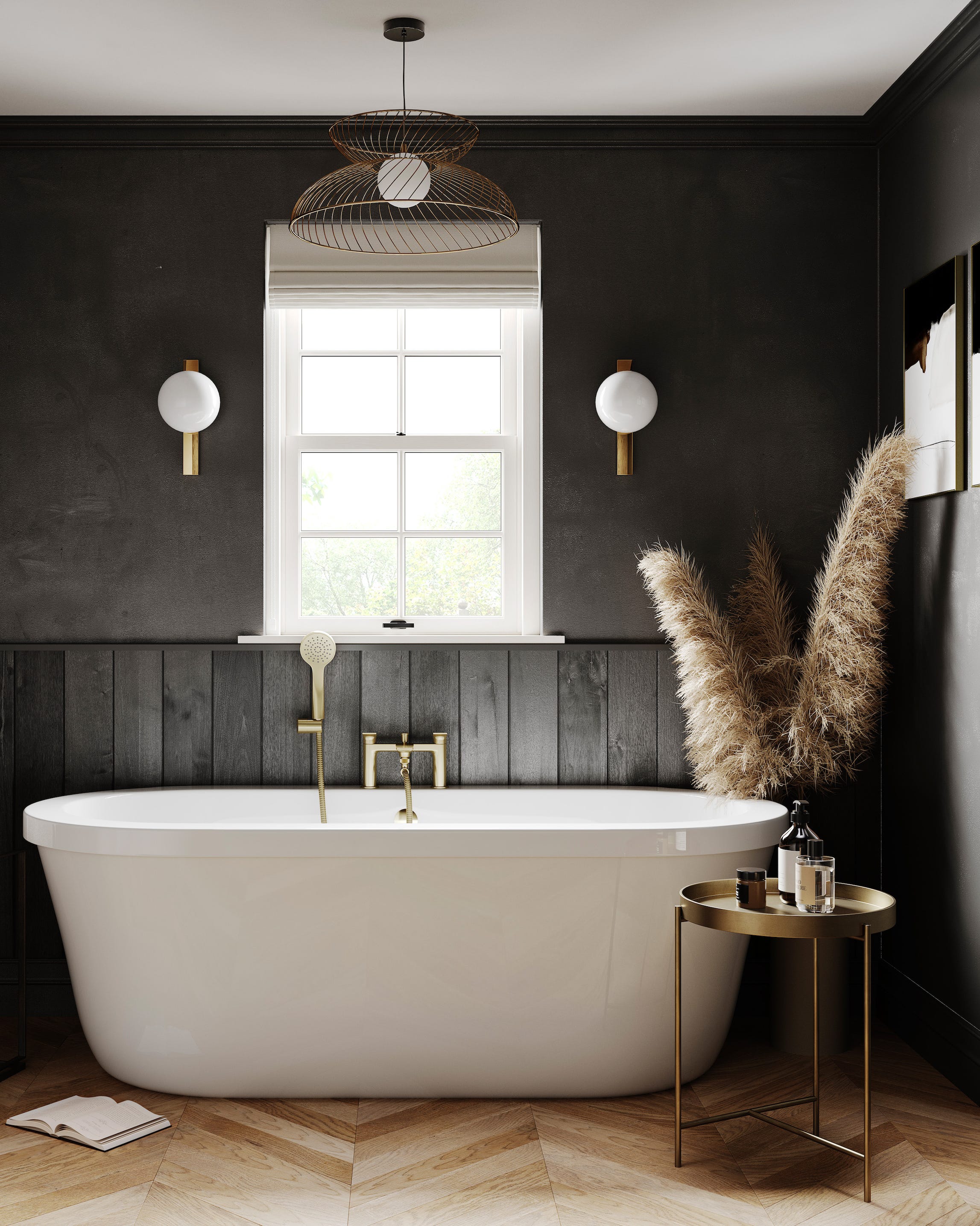
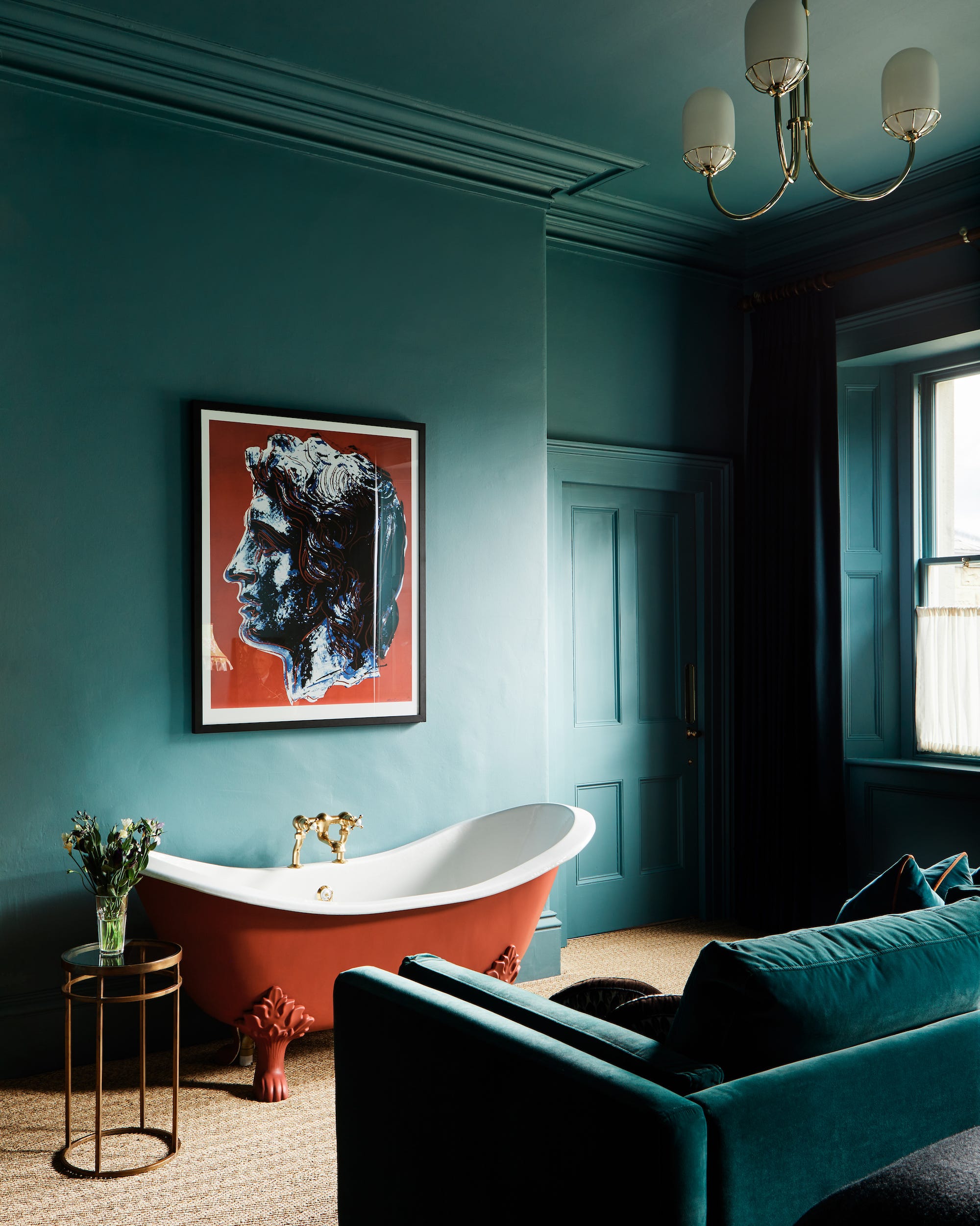
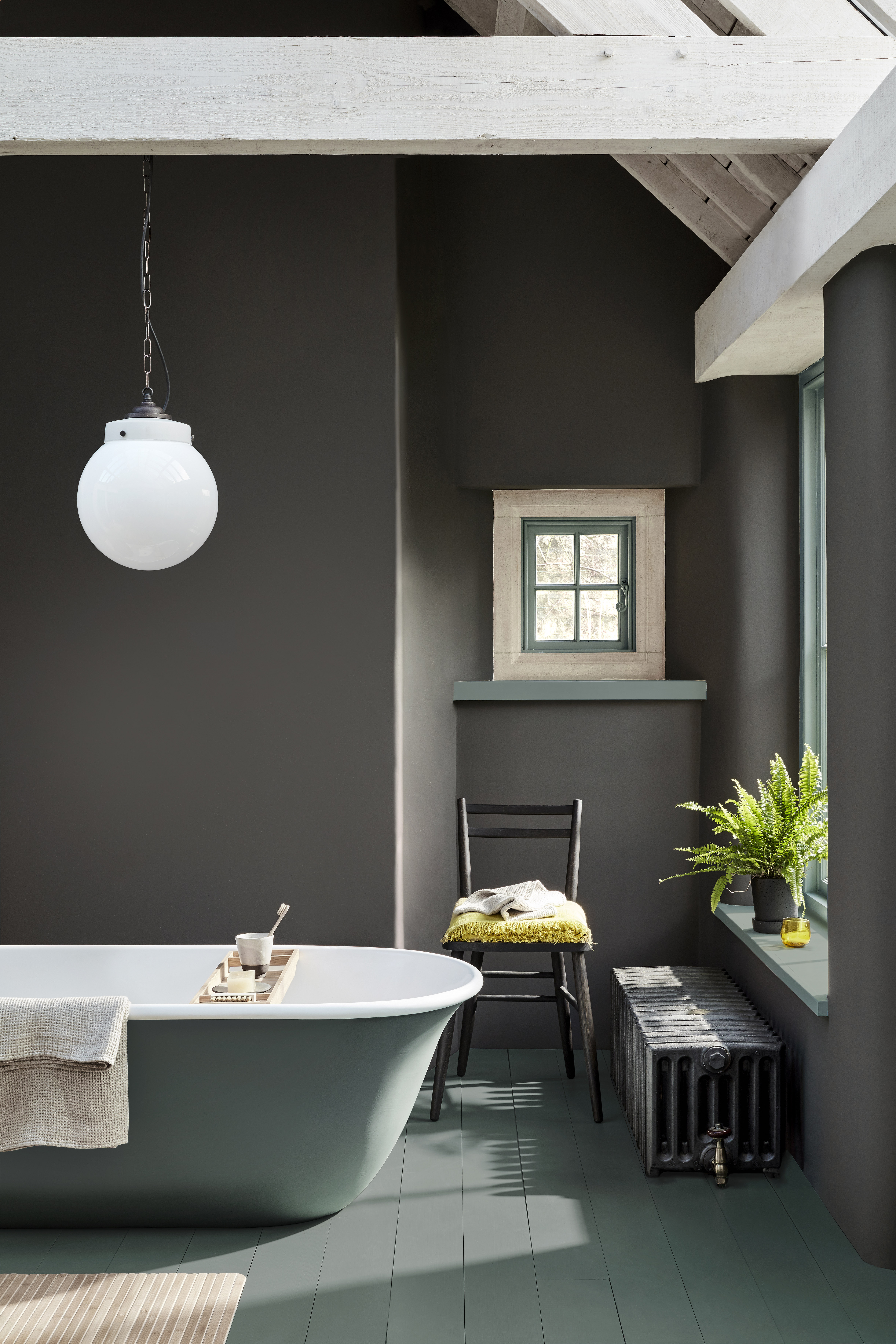
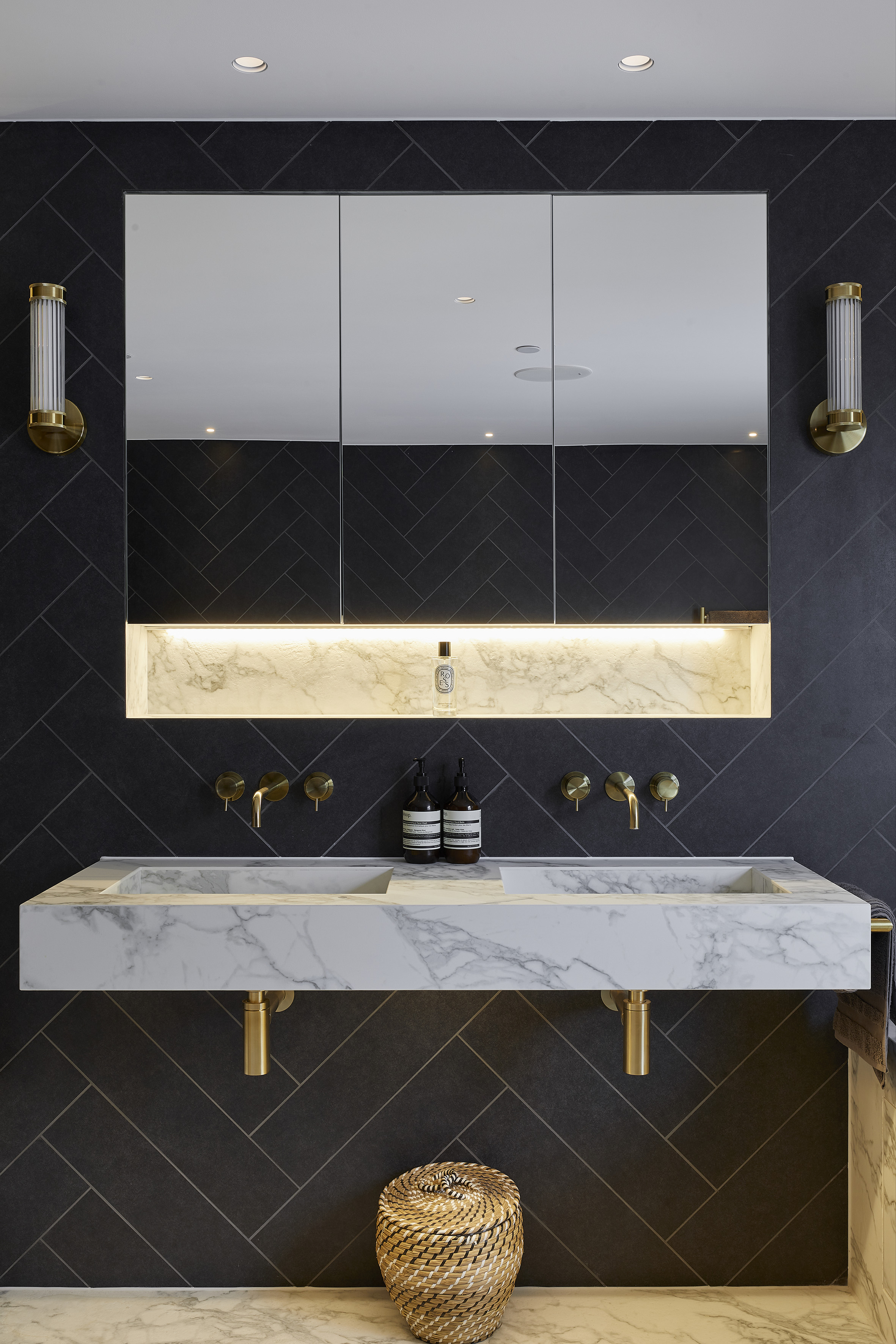
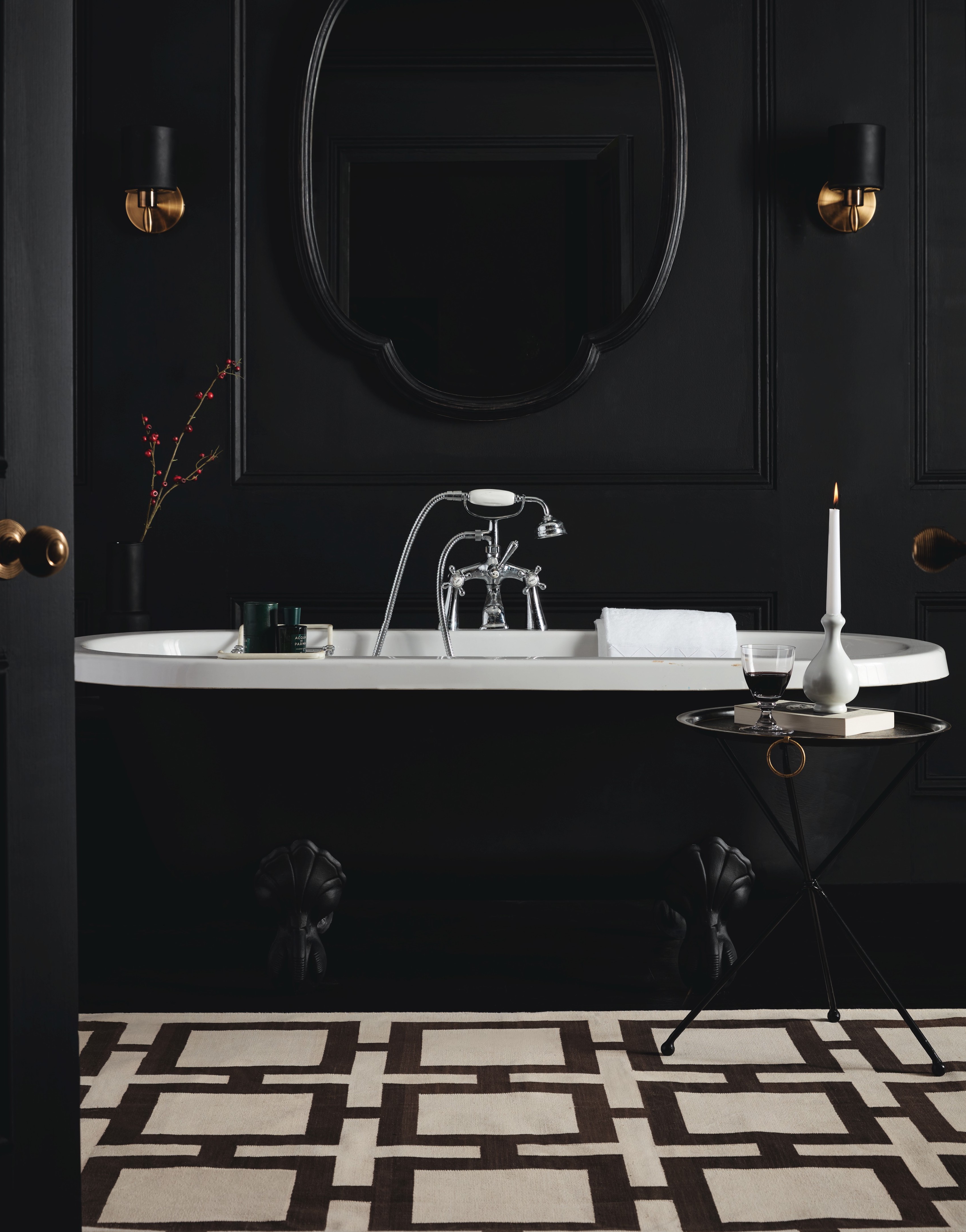
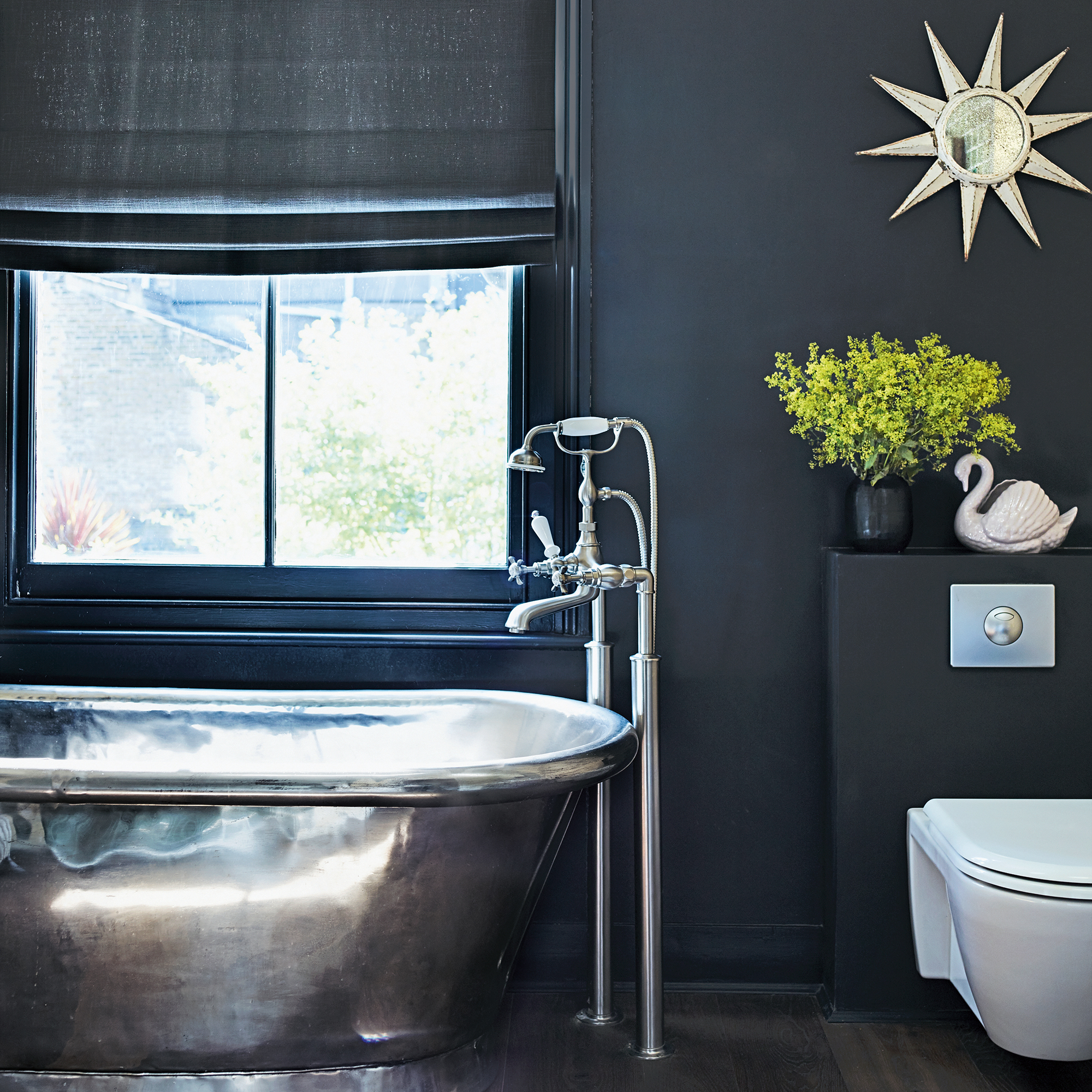
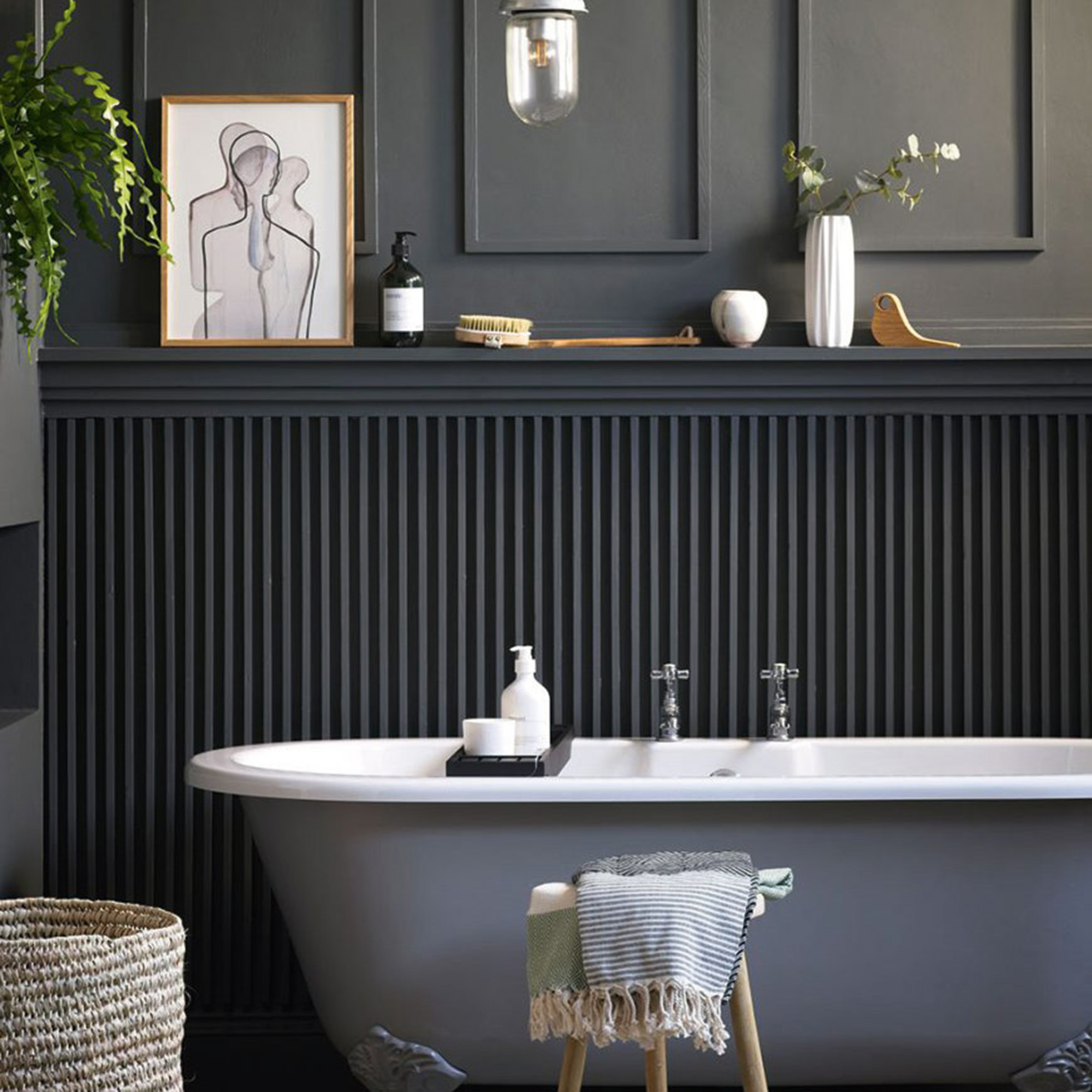
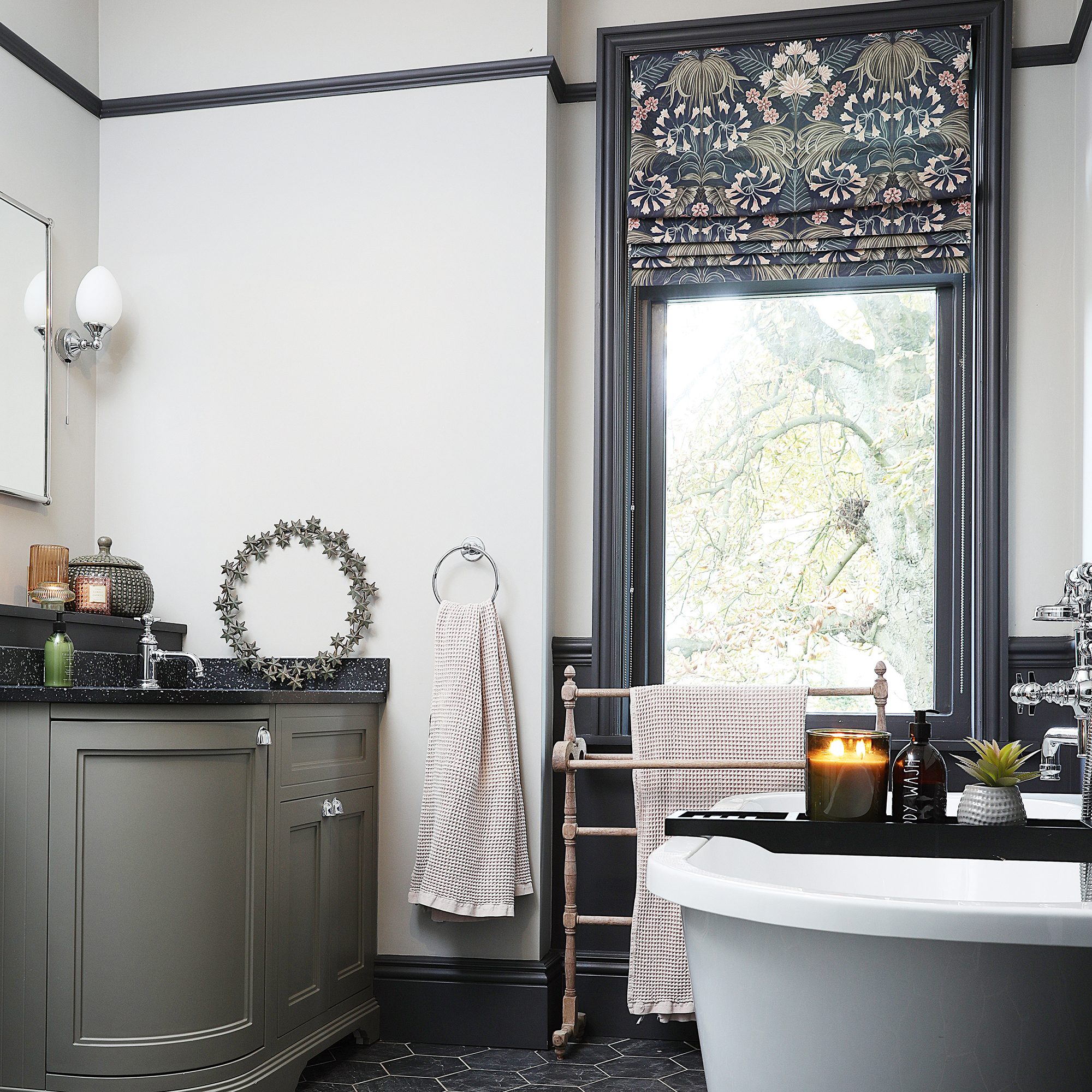
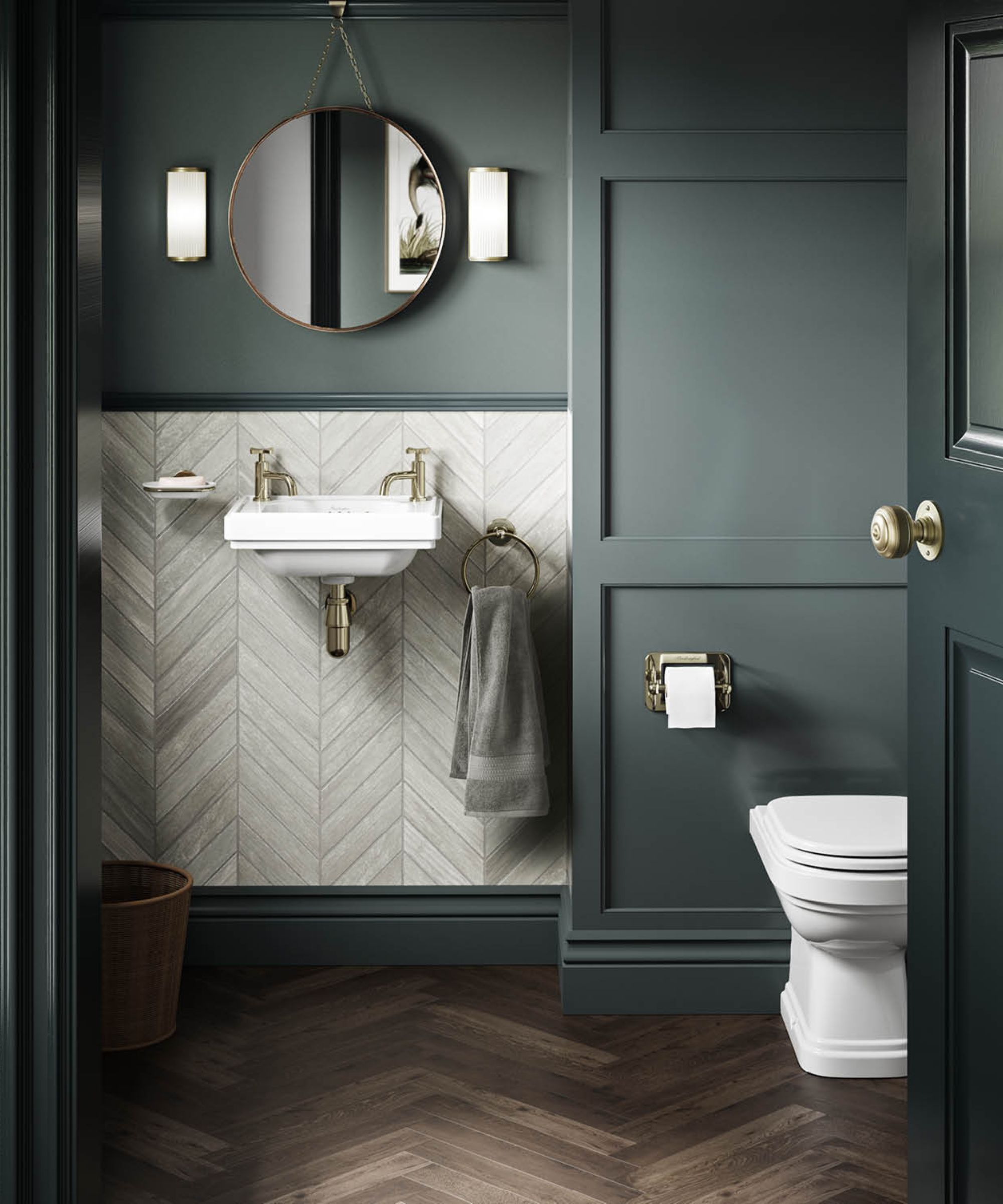
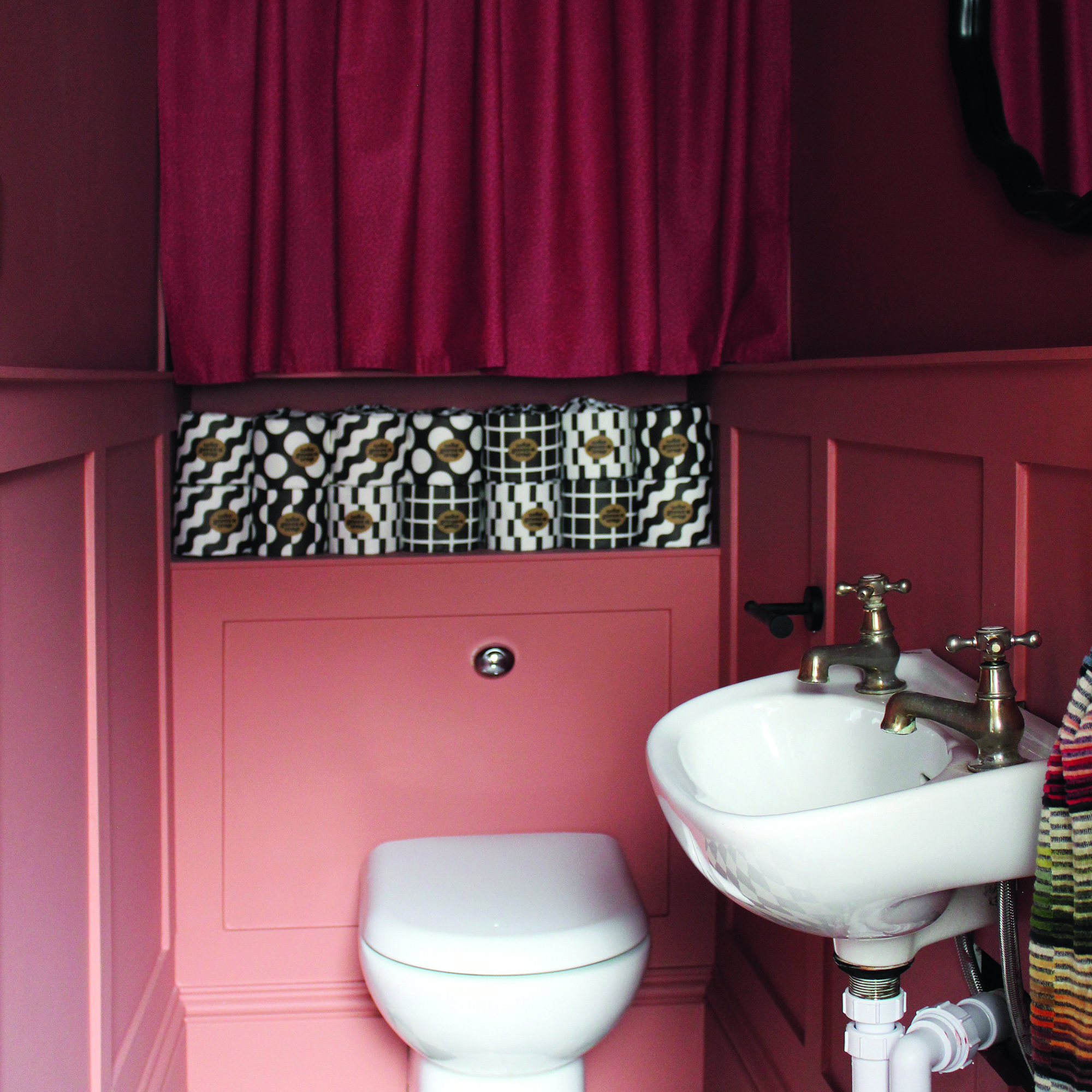
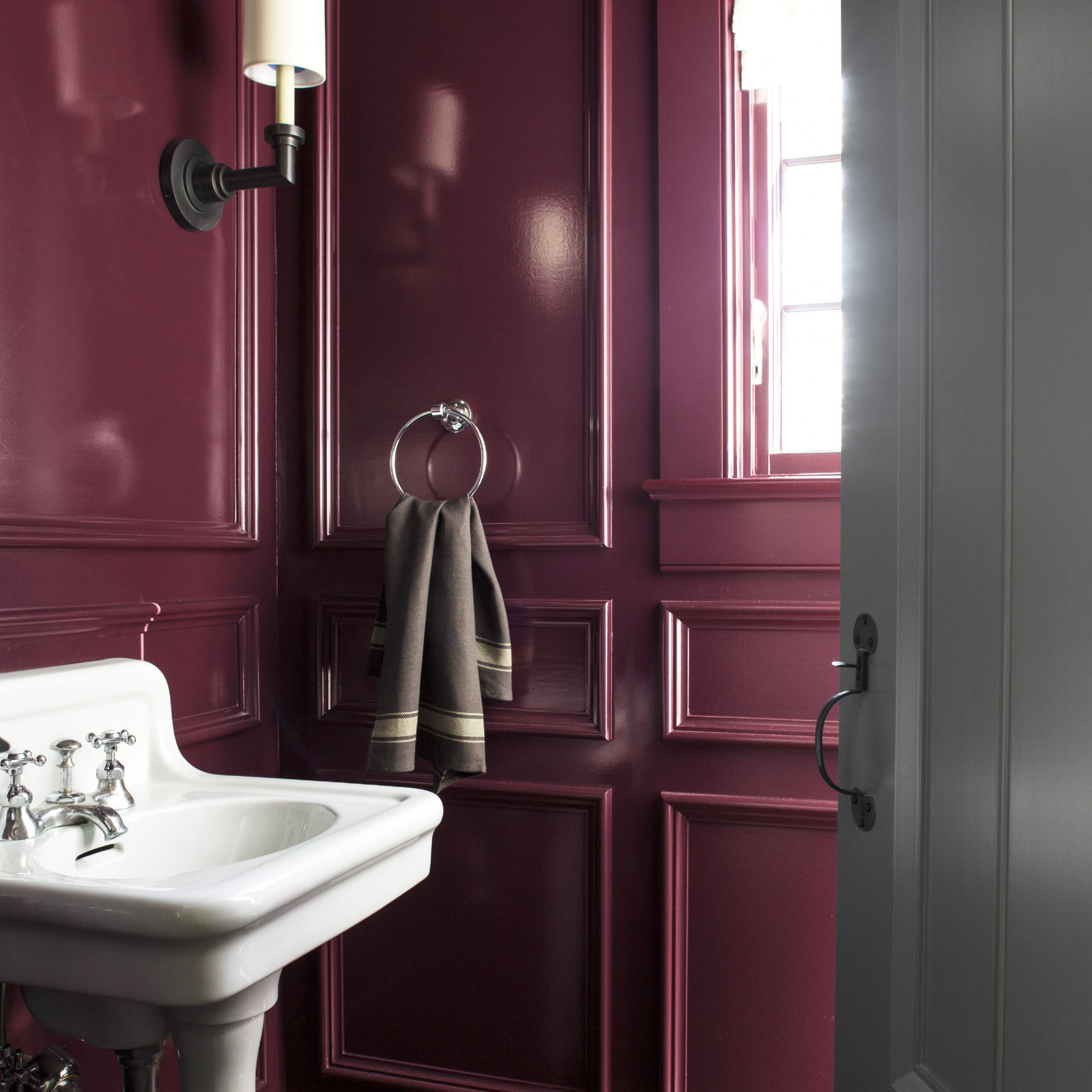
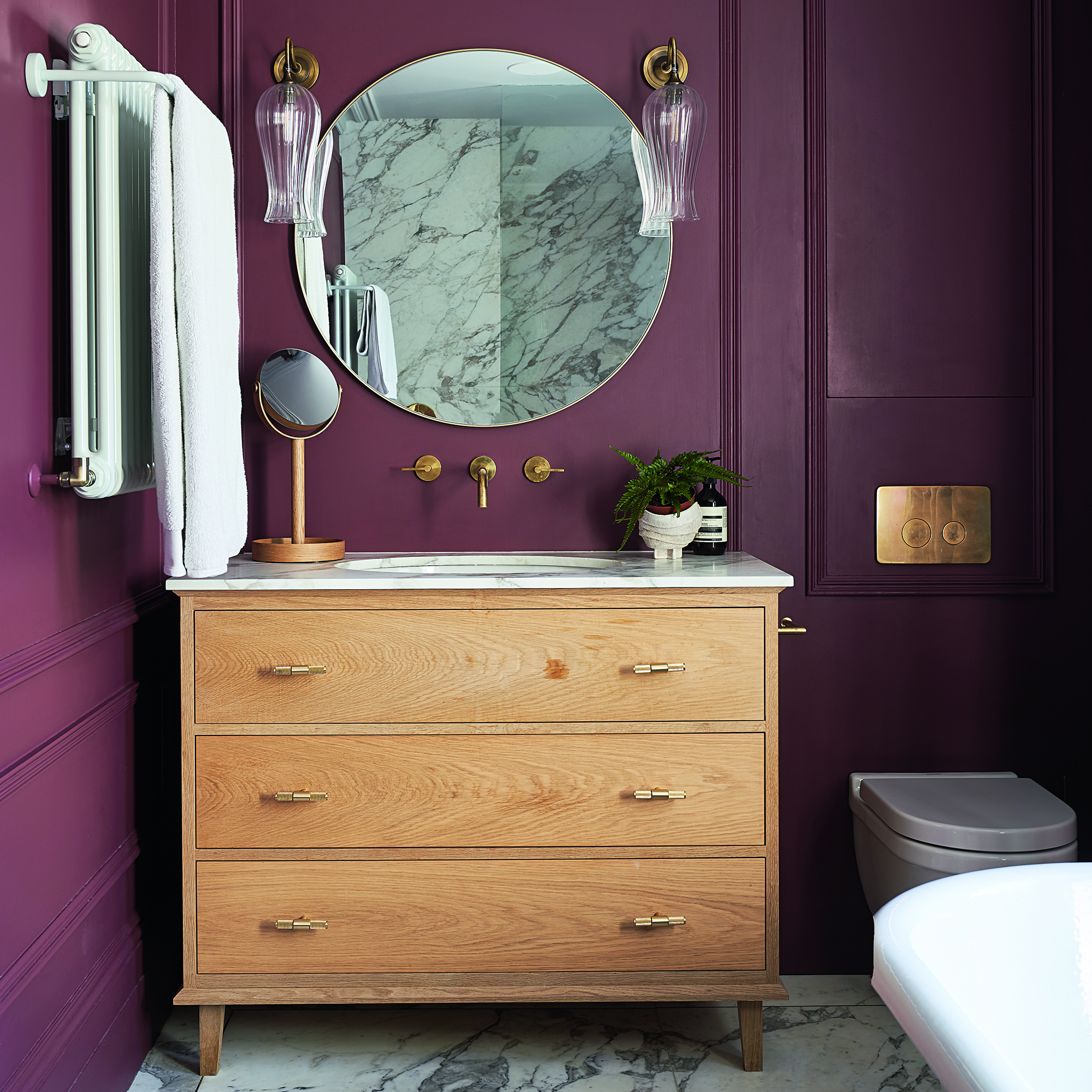
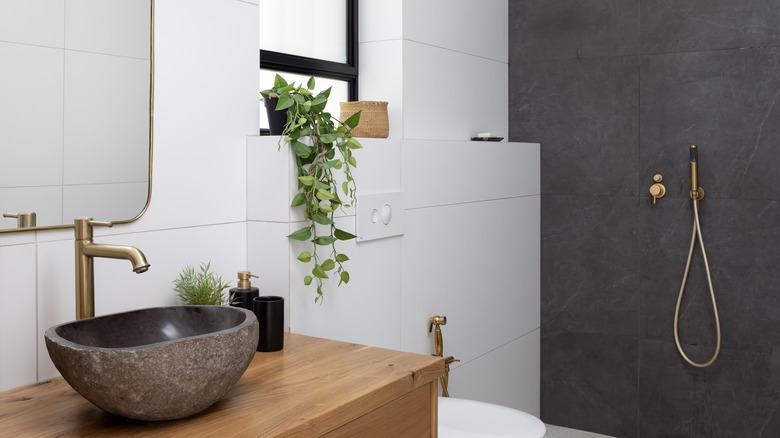
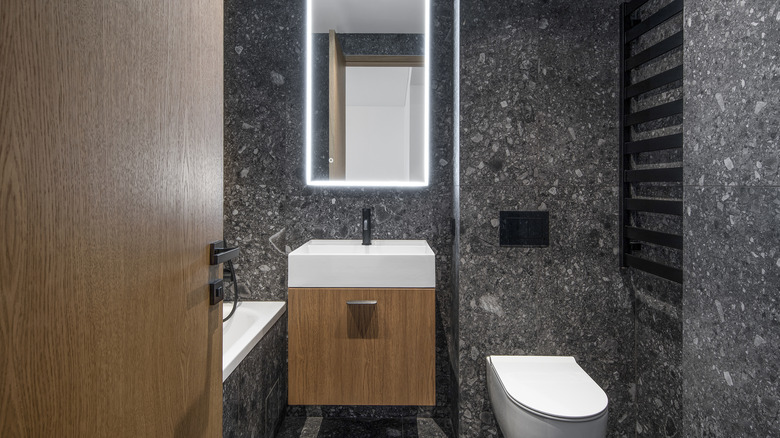
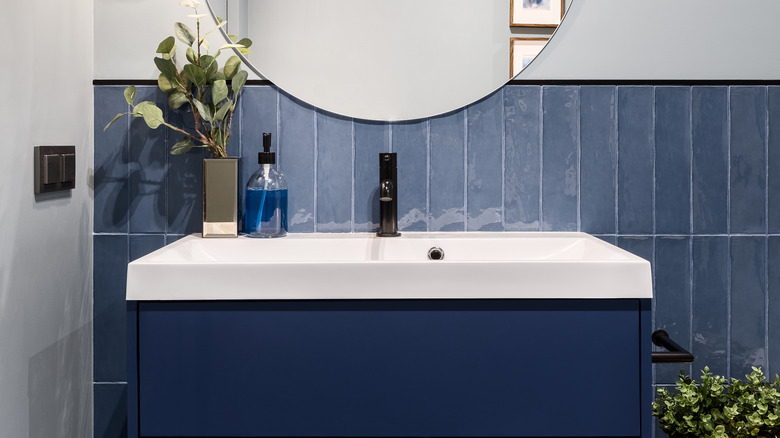
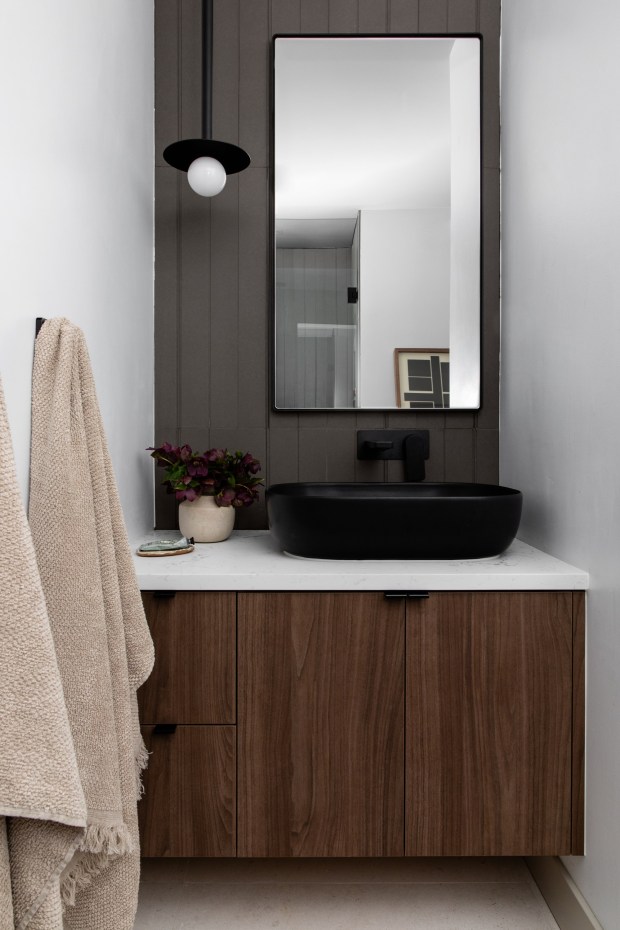
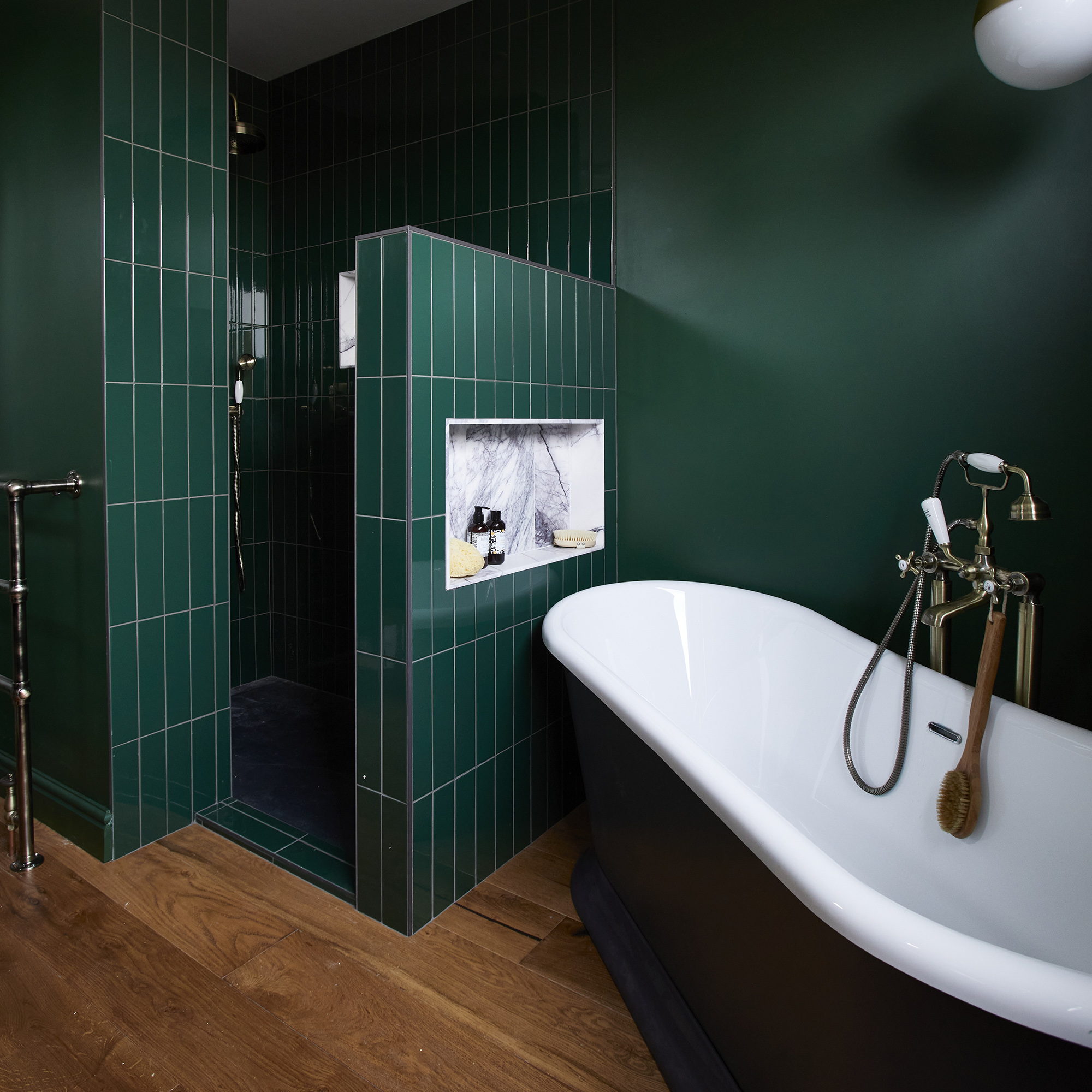
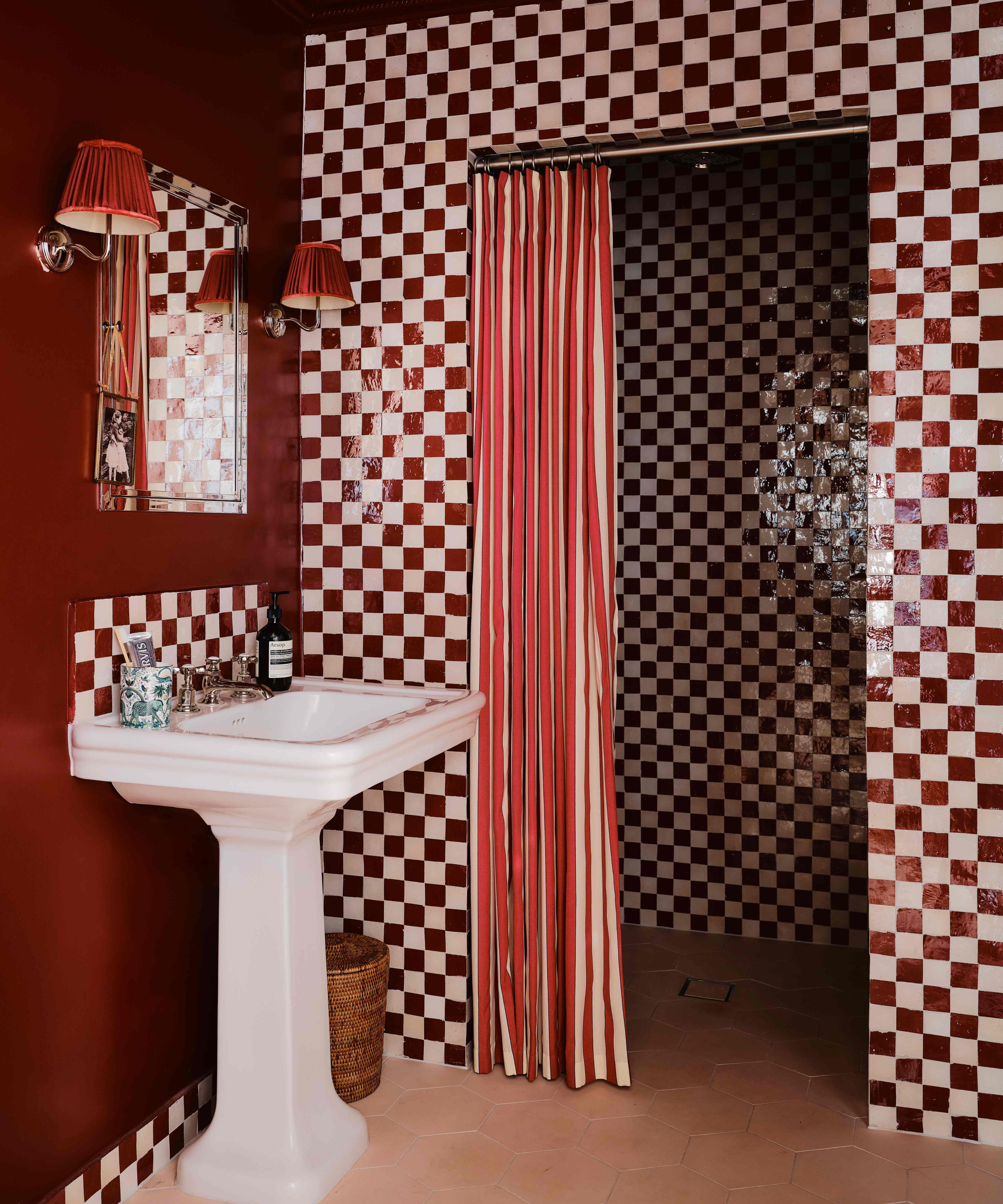
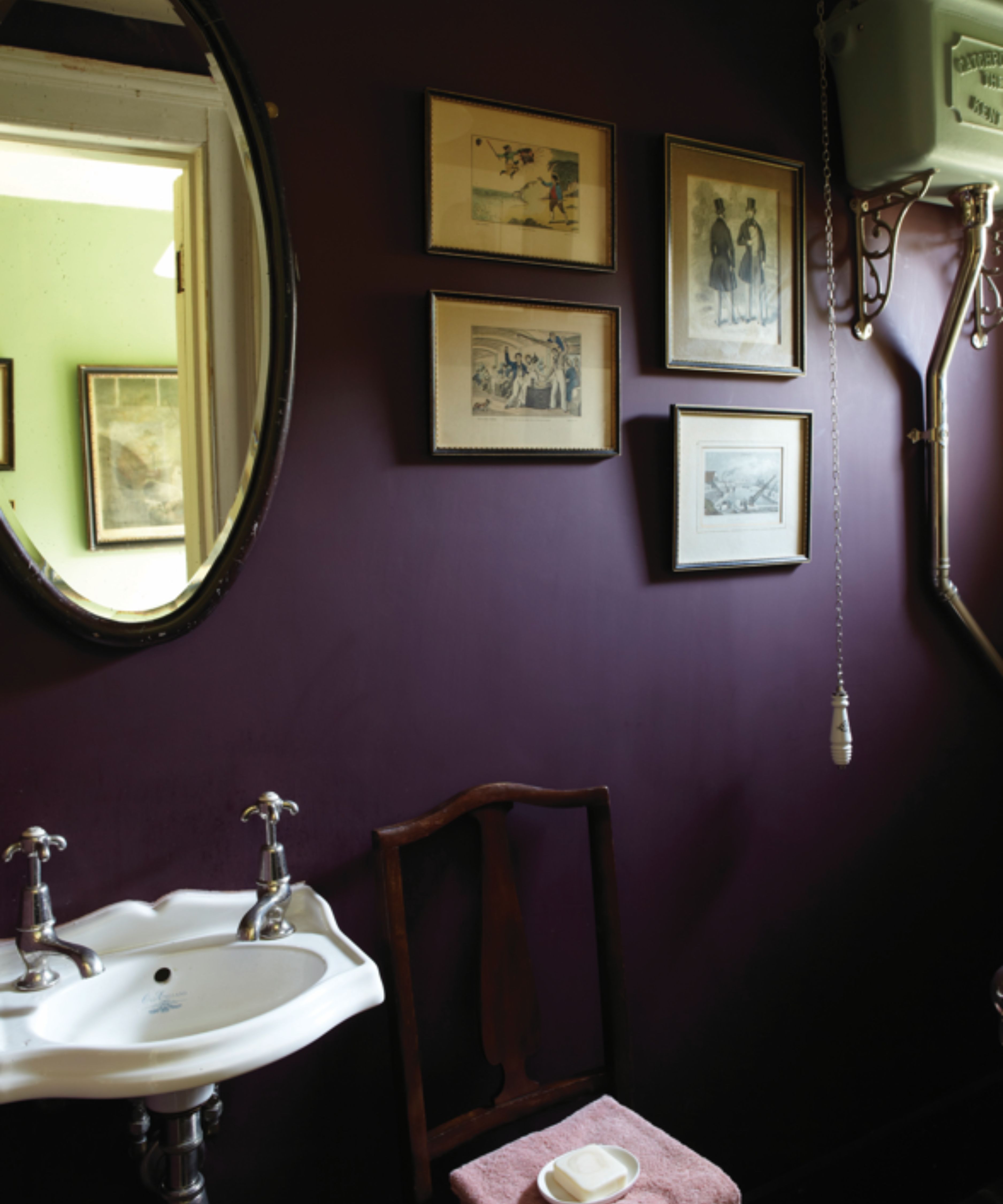
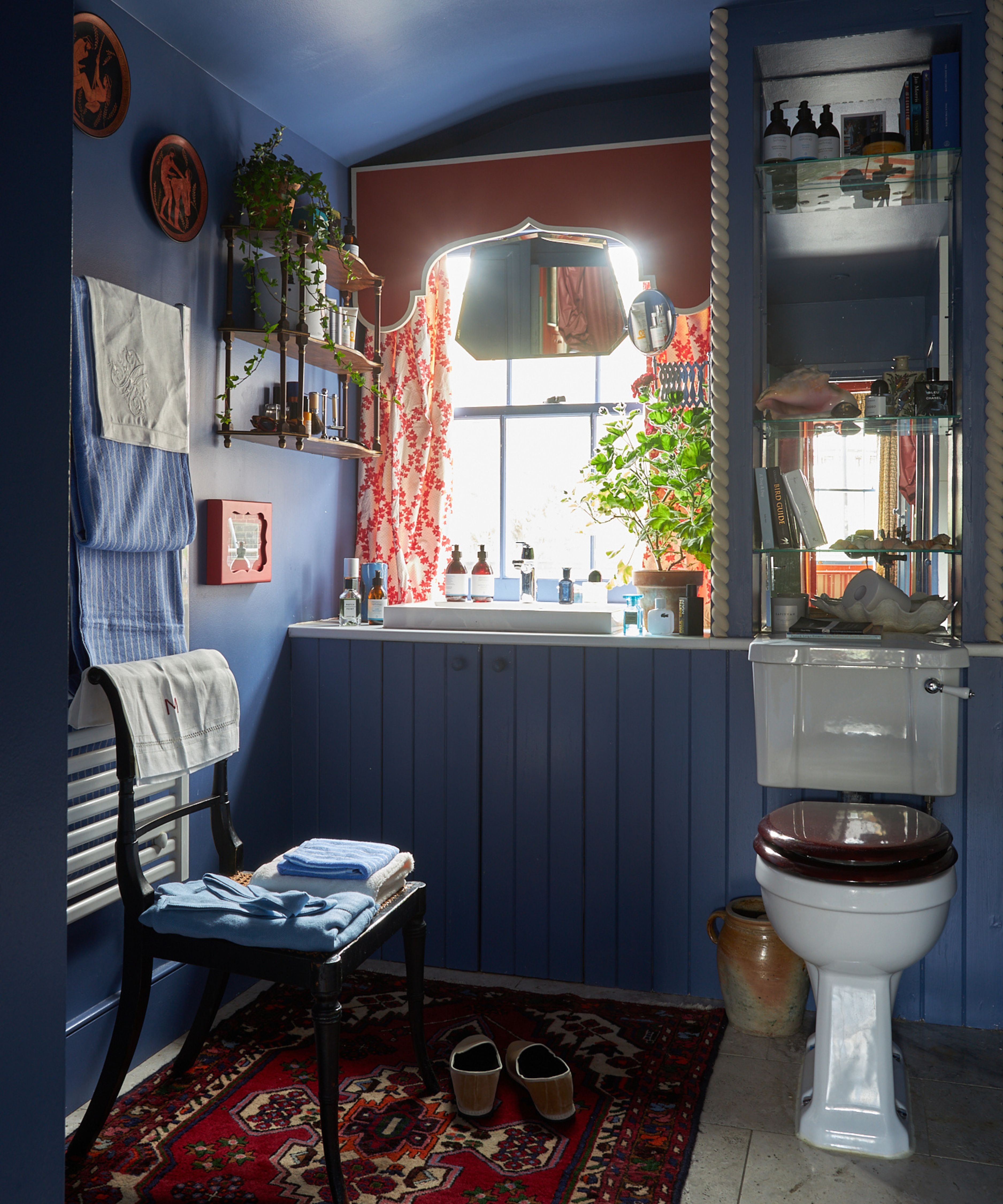
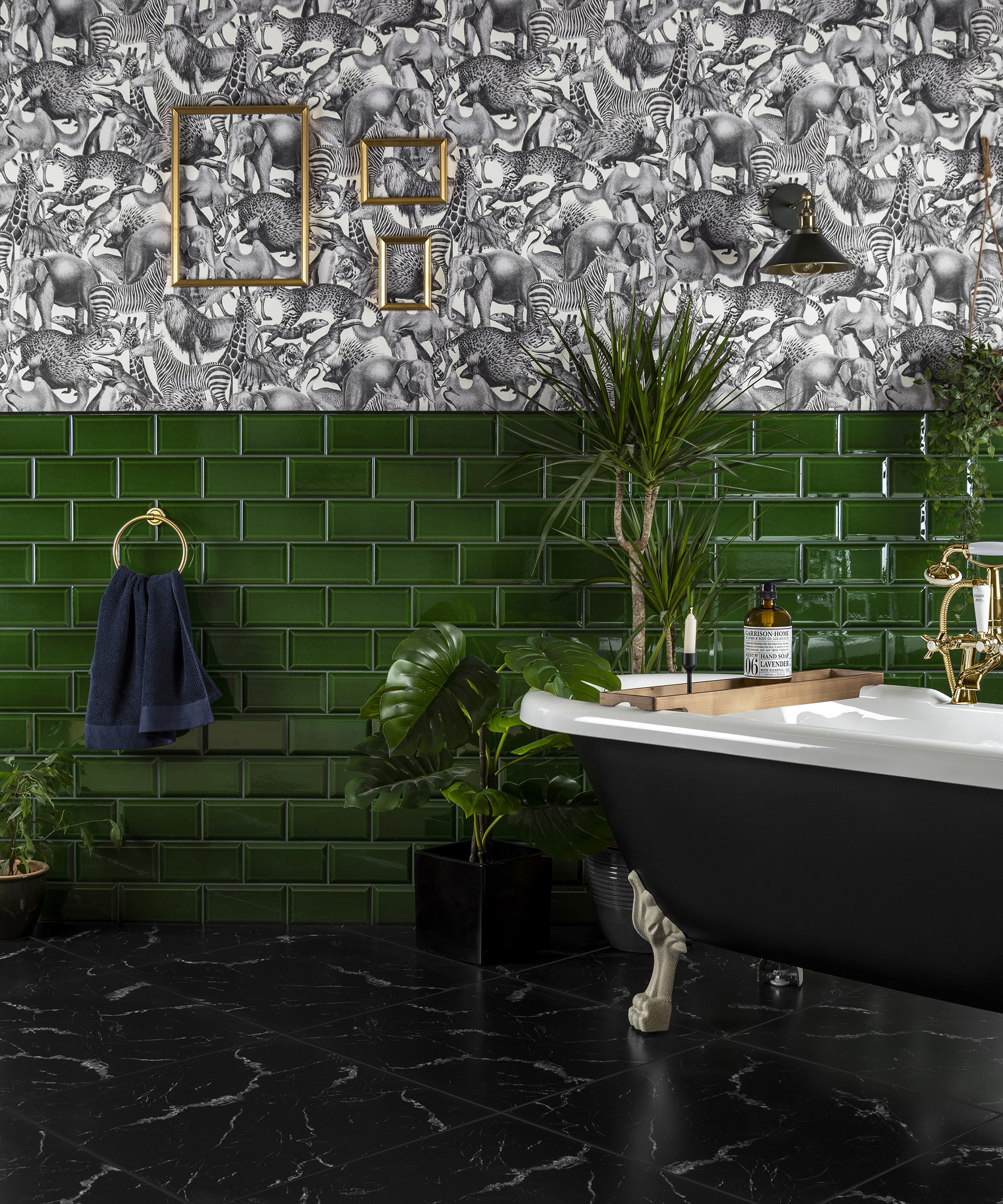
The article explores the growing trend of designing bathrooms with low, ambient lighting and dark surfaces to create a serene and tranquil atmosphere, challenging the conventional preference for bright, airy spaces. It highlights that while words associated with 'dark' often carry negative connotations like 'gloom' or 'despair,' for many, darkness in a personal space like a bathroom can be a source of comfort and peace. The concept draws parallels with the human tendency to close one's eyes for mindfulness and self-care, suggesting that dim lighting can facilitate a retreat inward.
The piece presents four examples of dark bathrooms from the ArchDaily catalog, each utilizing a combination of low ambient light, natural materials, and dark color palettes to achieve this calming effect. The first example, the Interlude House, features a black tub next to a glass-block wall. While naturally well-lit during the day, the surrounding dark surfaces transform the atmosphere at night, emphasizing intimacy and relaxation. This design choice leverages the interplay of natural light and dark finishes to alter the mood of the space throughout the day.
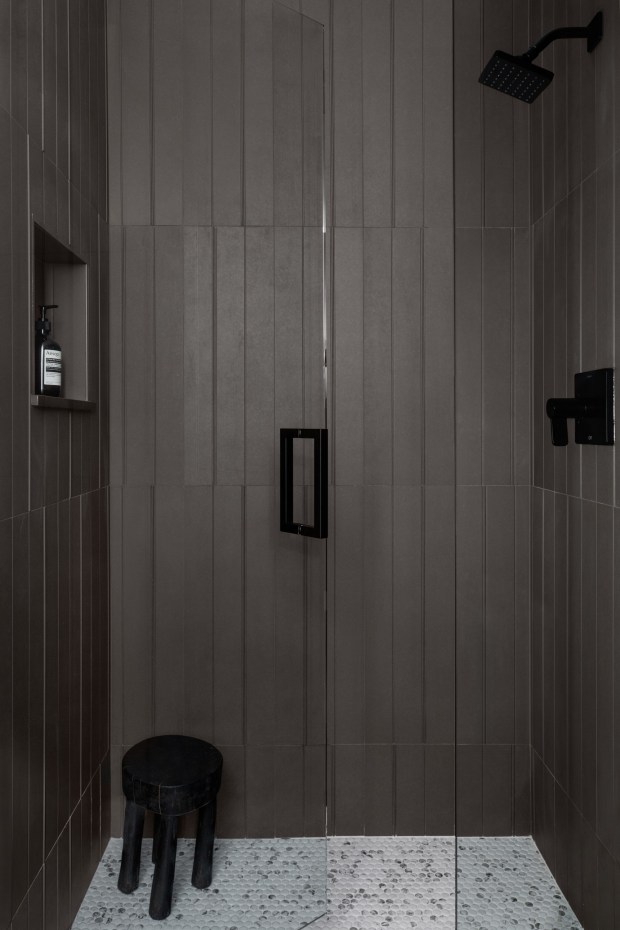
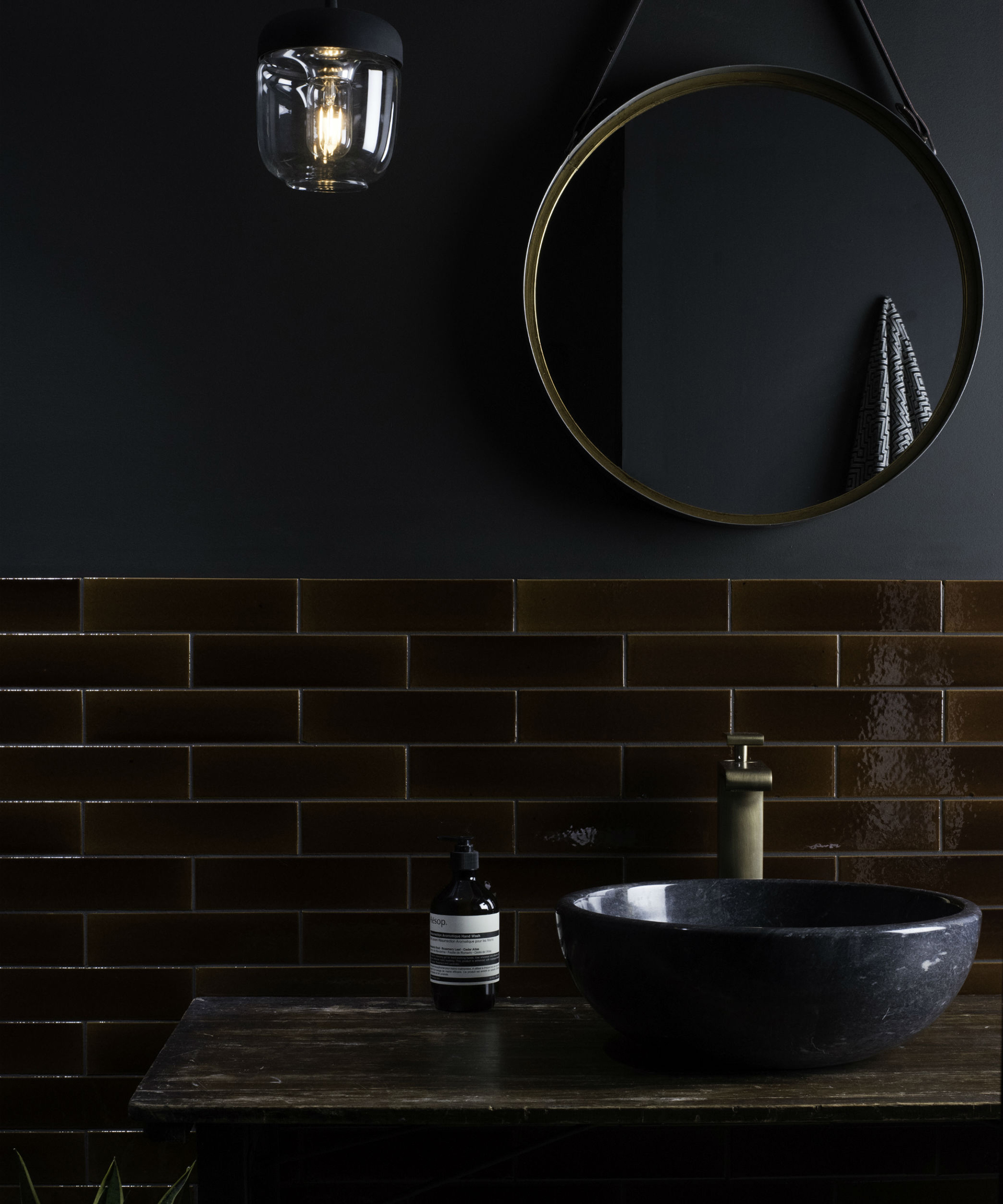
Another featured bathroom, House in Juso, designed by Tato Architects, employs dark grey tiles and minimal lighting to create a cave-like ambiance. The deliberate reduction of light sources enhances the feeling of enclosure and privacy, promoting a sense of calm. The use of uniform dark tiles further contributes to the cohesive, immersive experience, minimizing visual distractions.
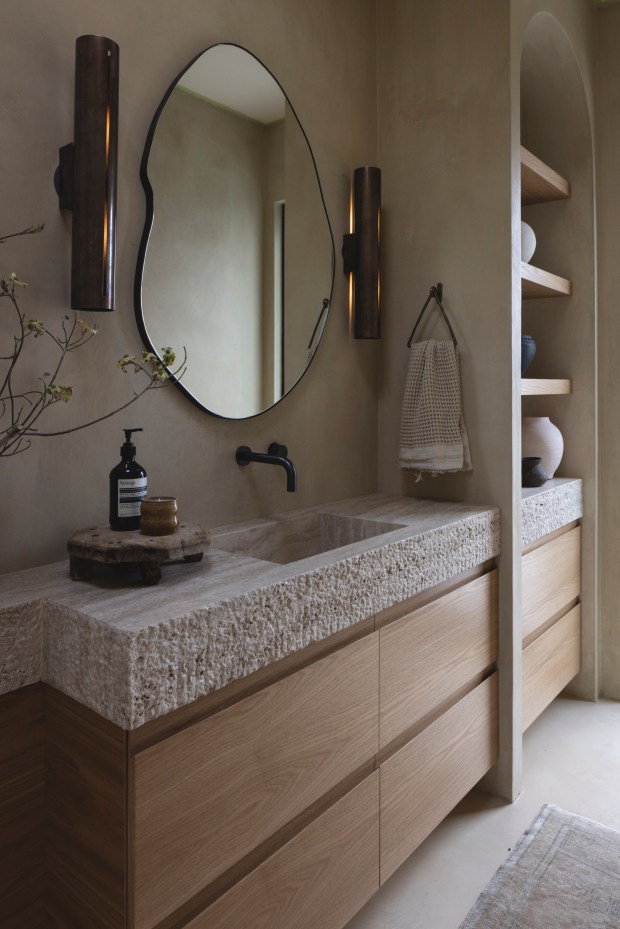
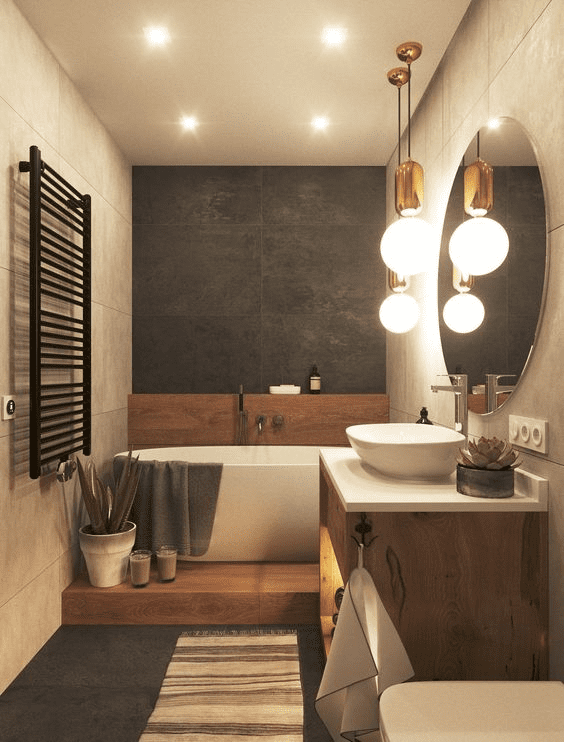
The article also discusses a bathroom in the Project for an Architect's Own House by Takeru Shoji Architects. This design integrates natural wood and dark stone, with light strategically introduced through a skylight. The controlled natural light, combined with the earthy tones of the materials, fosters a grounding and meditative environment. The skylight acts as a singular, focused light source, drawing attention to the quality of light rather than its intensity.
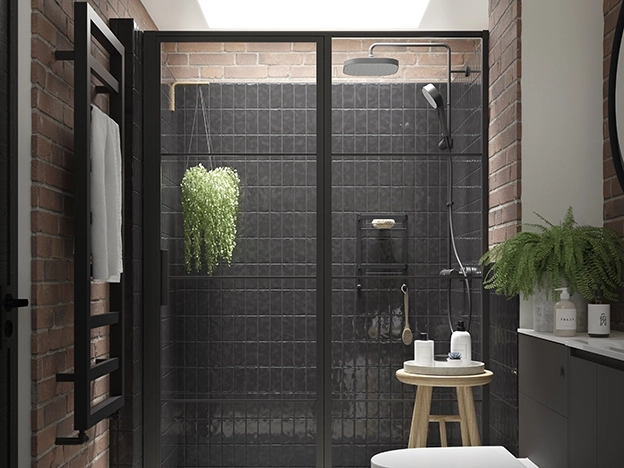
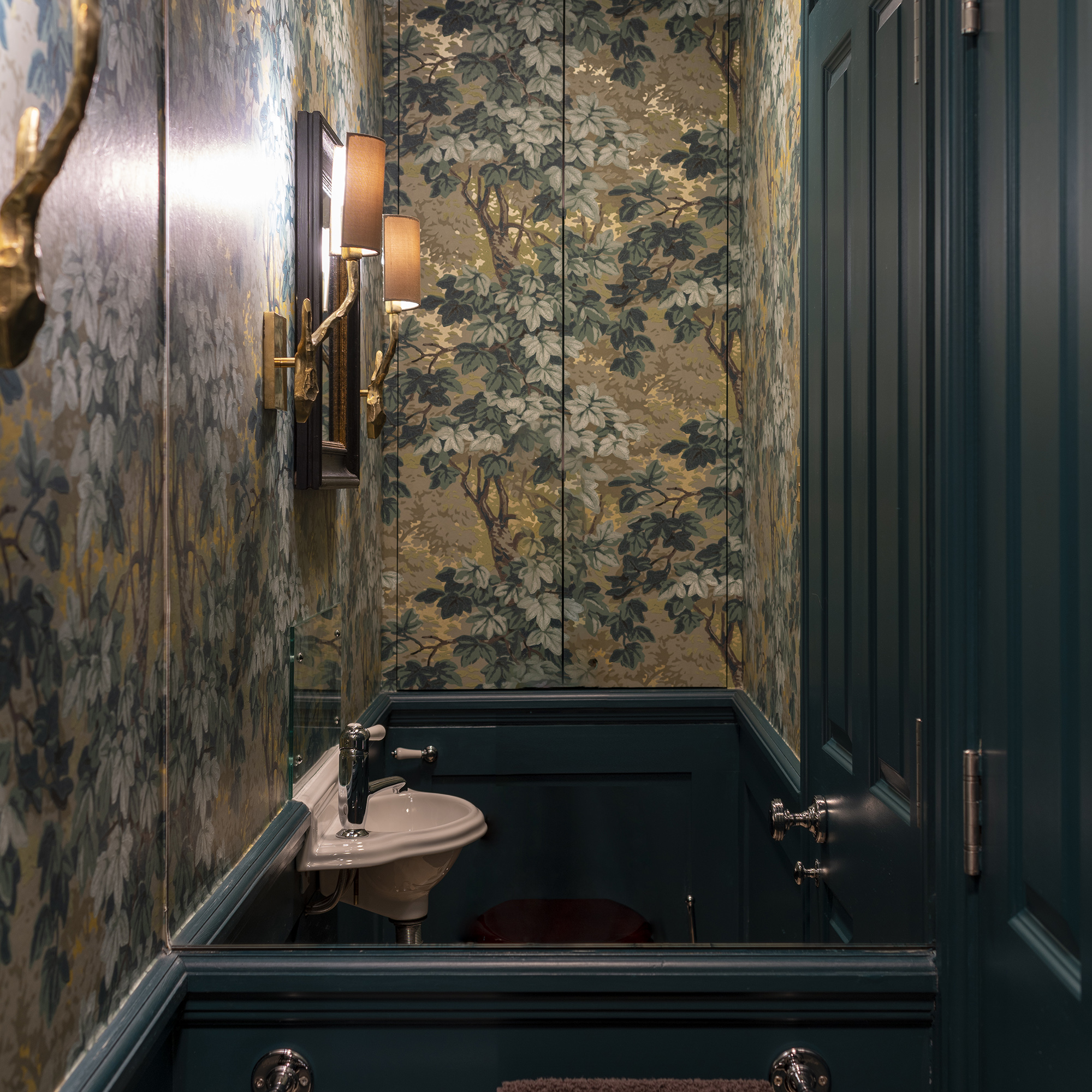
Lastly, the article highlights the bathroom in the Light-Filled House in London, designed by Proctor & Matthews Architects. Despite the article's focus on low light, this example demonstrates how even in a generally light-filled home, a dedicated dark bathroom can serve as a sanctuary. The bathroom uses dark, textured wall coverings and indirect lighting to create a cocoon-like space, offering a contrast to the brighter areas of the house and providing a distinct zone for relaxation. This illustrates that a dark bathroom doesn't necessarily mean a dark house, but rather a deliberate design choice for a specific mood.
Overall, the article advocates for a re-evaluation of bathroom lighting and design, suggesting that embracing darkness can lead to more intimate, peaceful, and self-reflective spaces. It implies that these design choices are not merely aesthetic but are rooted in a deeper understanding of human psychology and the need for personal sanctuaries in modern living. The examples provided showcase diverse approaches to achieving this effect, emphasizing material selection, controlled lighting, and the overall atmospheric impact of dark interiors.
#BathroomDesign #LowLightInteriors #AmbientLighting #DarkInteriors #TranquilSpaces #HomeDesign #InteriorDesign #NaturalMaterials #SelfCareEnvironment #BathroomDesign #LowLightInteriors #AmbientLighting #DarkInteriors #TranquilSpaces #HomeDesign #InteriorDesign #NaturalMaterials #SelfCareEnvironment
0 comment in total
 No comments yet
You may also like
14 Dark Bathroom Ideas

Can a small bathroom be painted a dark colour? Experts explain how to make a dramatic shade work
Dark Paint in a Small Bathroom: What I Wish I’d Known First

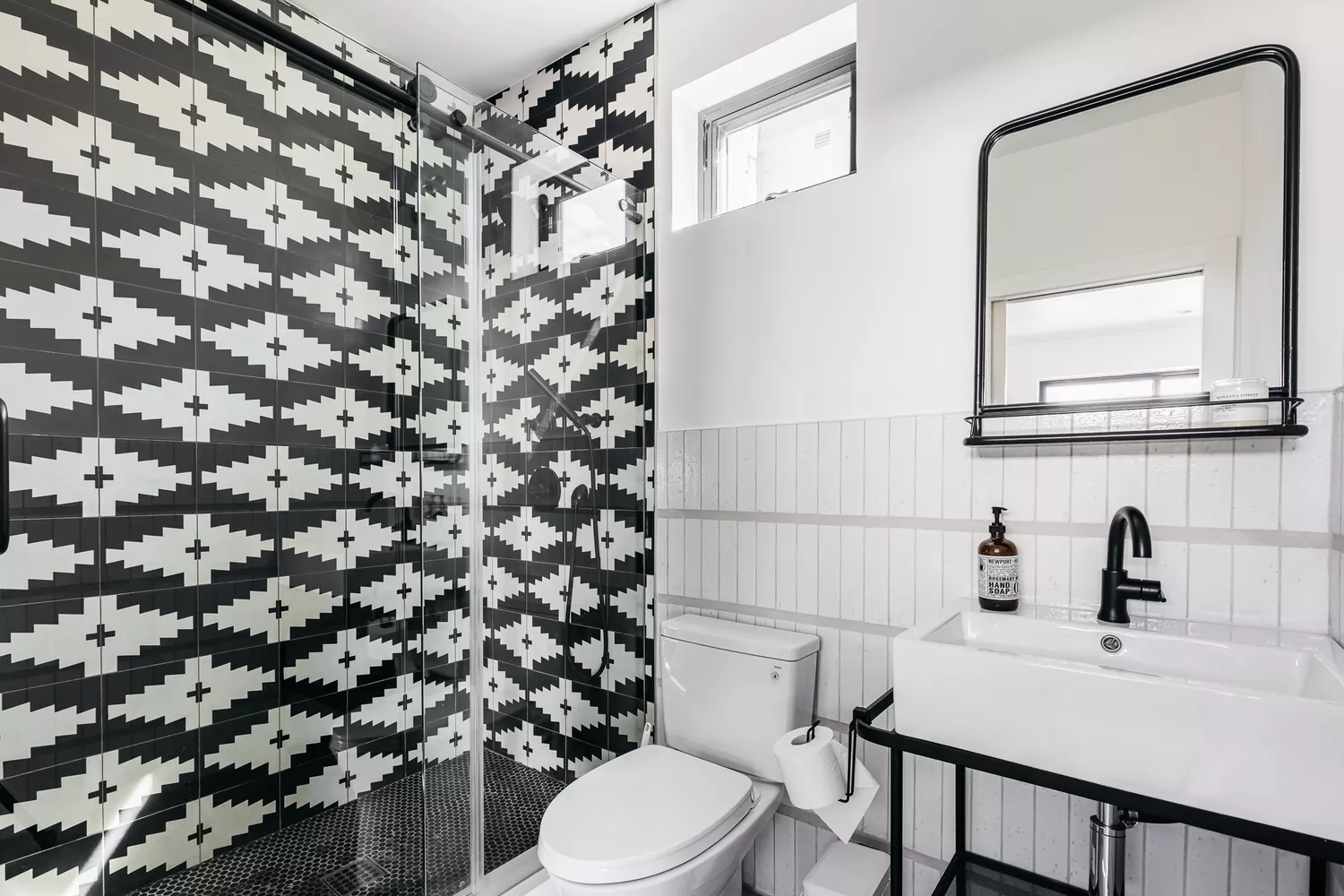
29 Black Bathrooms for an Ultra Chic Oasis

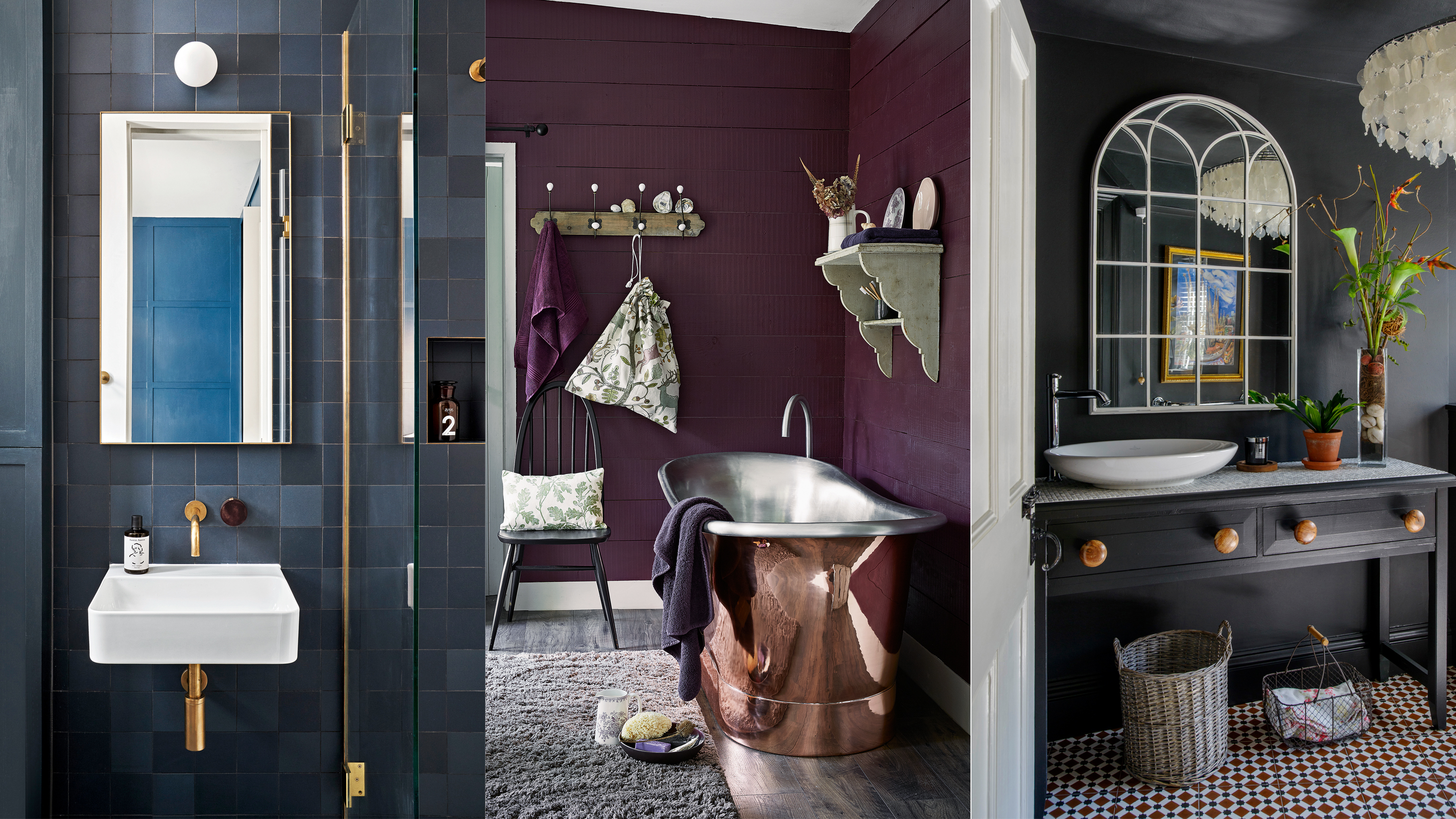
Dark bathroom ideas – 10 ways to turn your washroom into a dramatic space
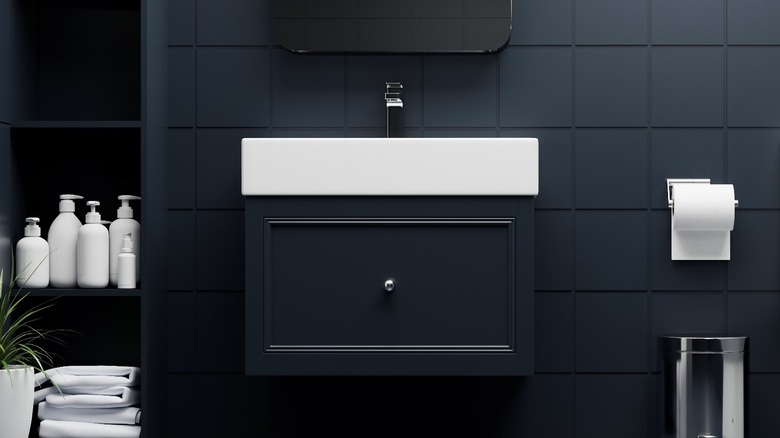
15 Colors That Will Turn Your Bathroom Into A Dark And Moody Oasis

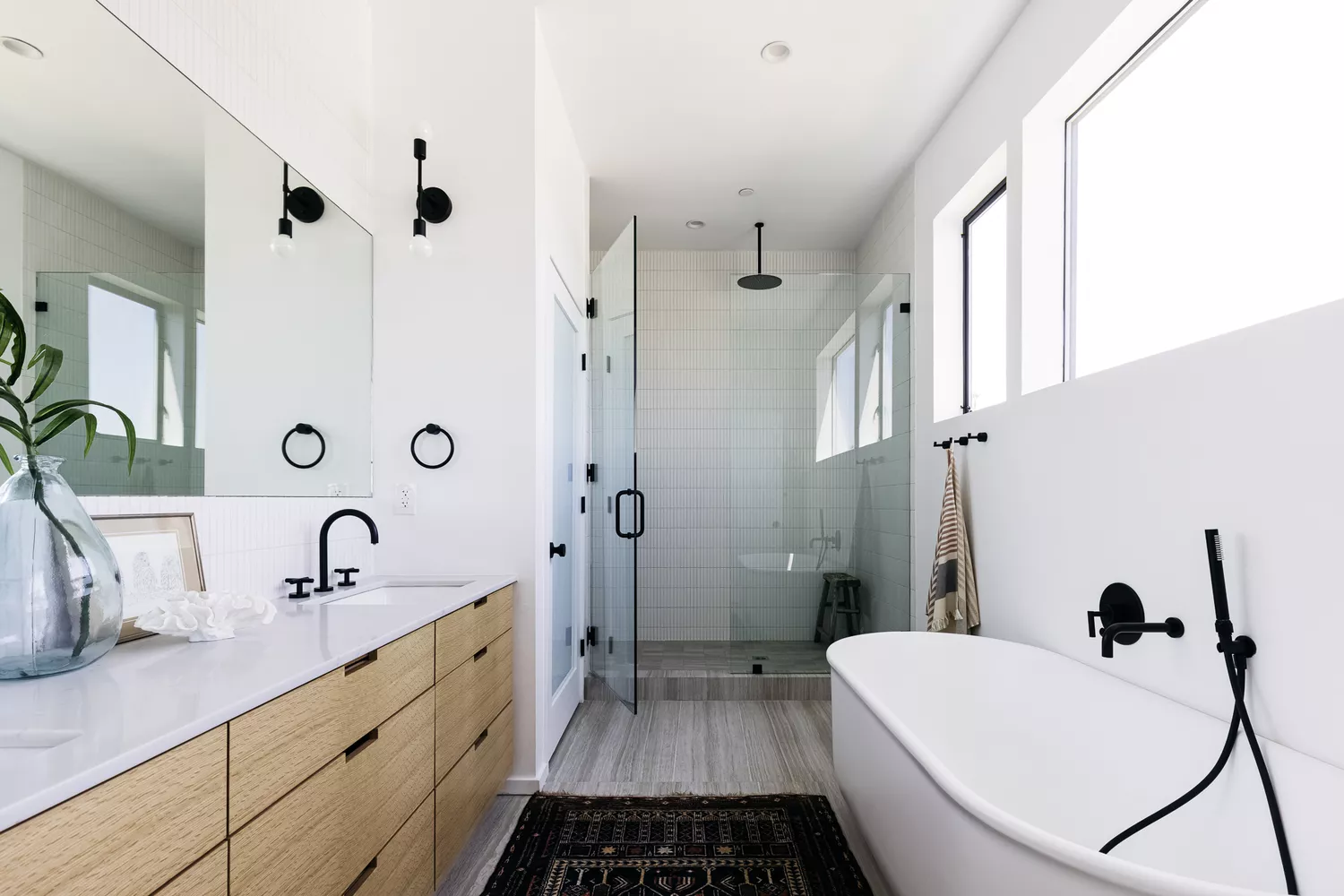
25 Dream Bathrooms You'll Wish You Could Move Into
The One Thing Your Bathroom Is Missing This Winter – Designers Say It's the Simple Answer to a Cozier, Warmer, More Welcoming Space
Dark bathroom ideas – how to embrace the dark side in your space
Bathroom ideas – beautiful bathroom designs you will love

5 design tips for your windowless bathroom - how to fake a light and bright look
Bathroom light ideas for your home
29 Dark Bathroom Ideas That Instantly Add Texture, Warmth, and Personality

Magnificently moody bathrooms strike a chord
I Caved and Painted My Small Bathroom a Chic Dark…

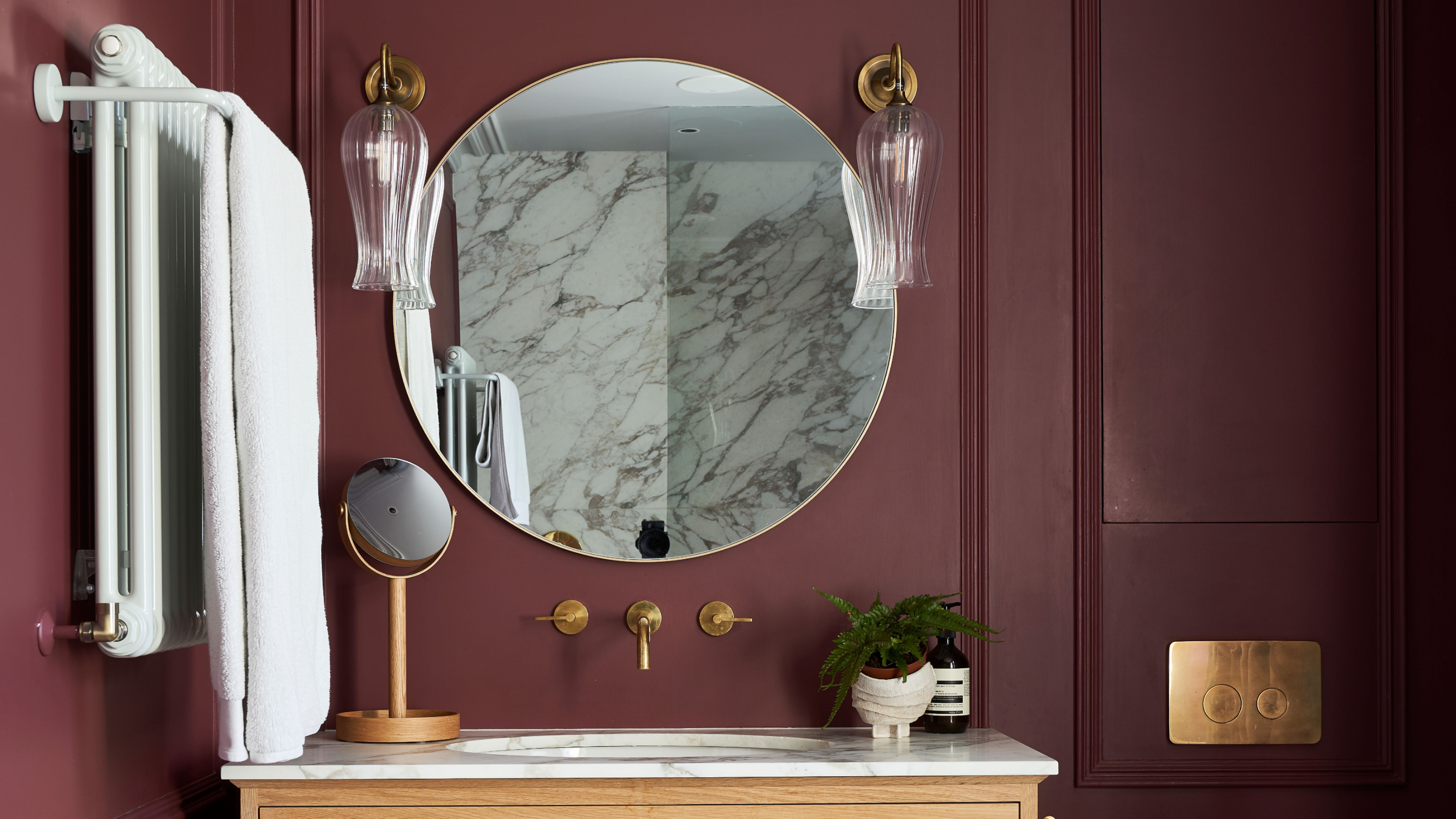
7 best colours to paint a windowless bathroom that will transform the mood of a dark wash space

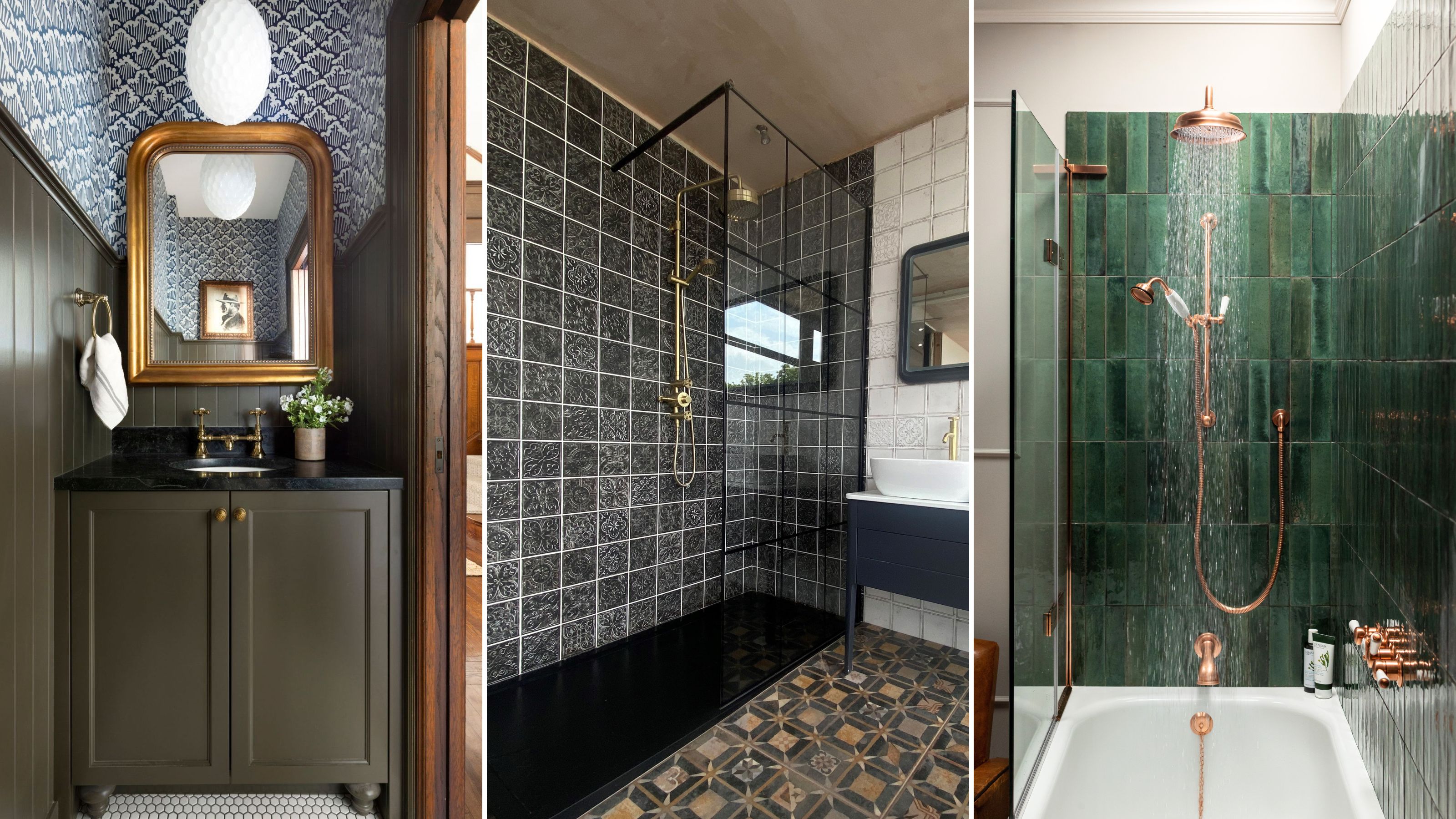
7 stunning dark small bathroom ideas — designers love using this aesthetic to give small spaces a "luxurious depth"


Bathrooms

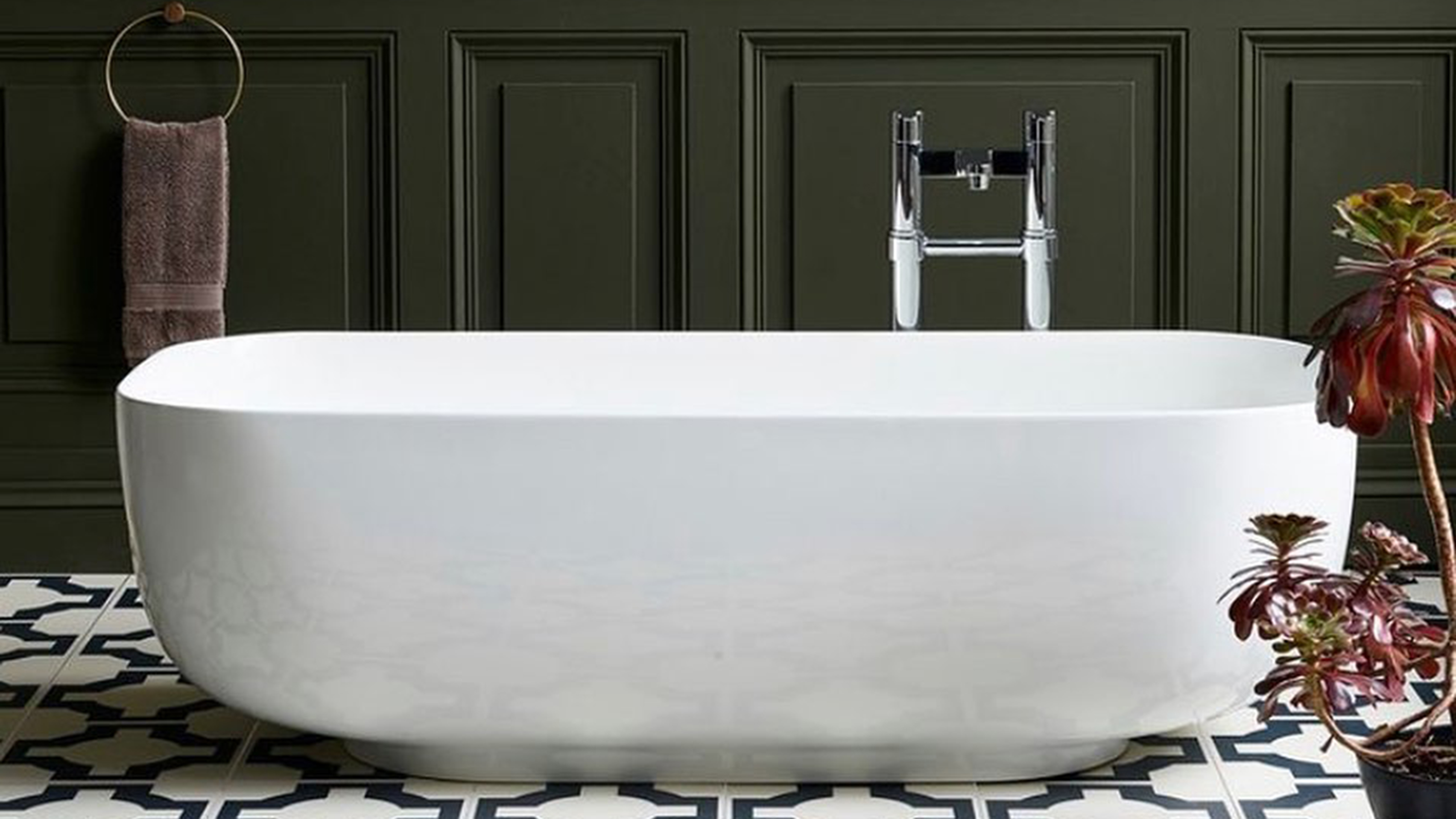
Dark bathroom ideas: 13 dramatic looks that deviate from the 'norm'
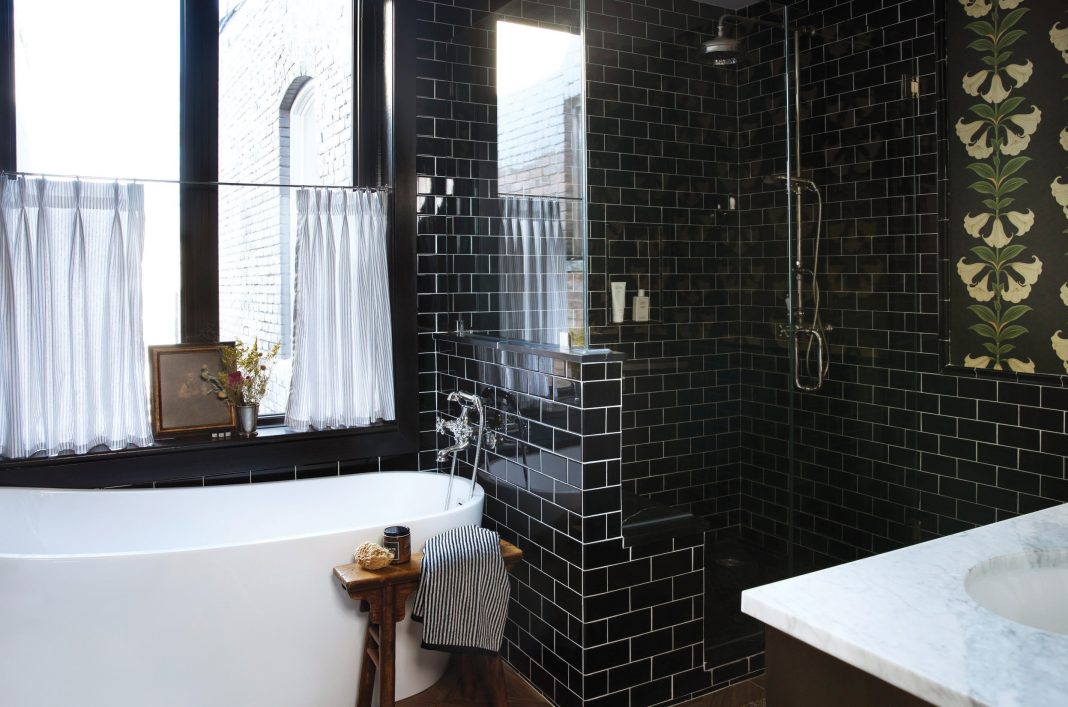
This Moody Bathroom Design in Hudson Is Oh So Eye-Catching