1/5
Love Seasonal Decor But Hate Tackiness? Designers Share How They Make It Look Good
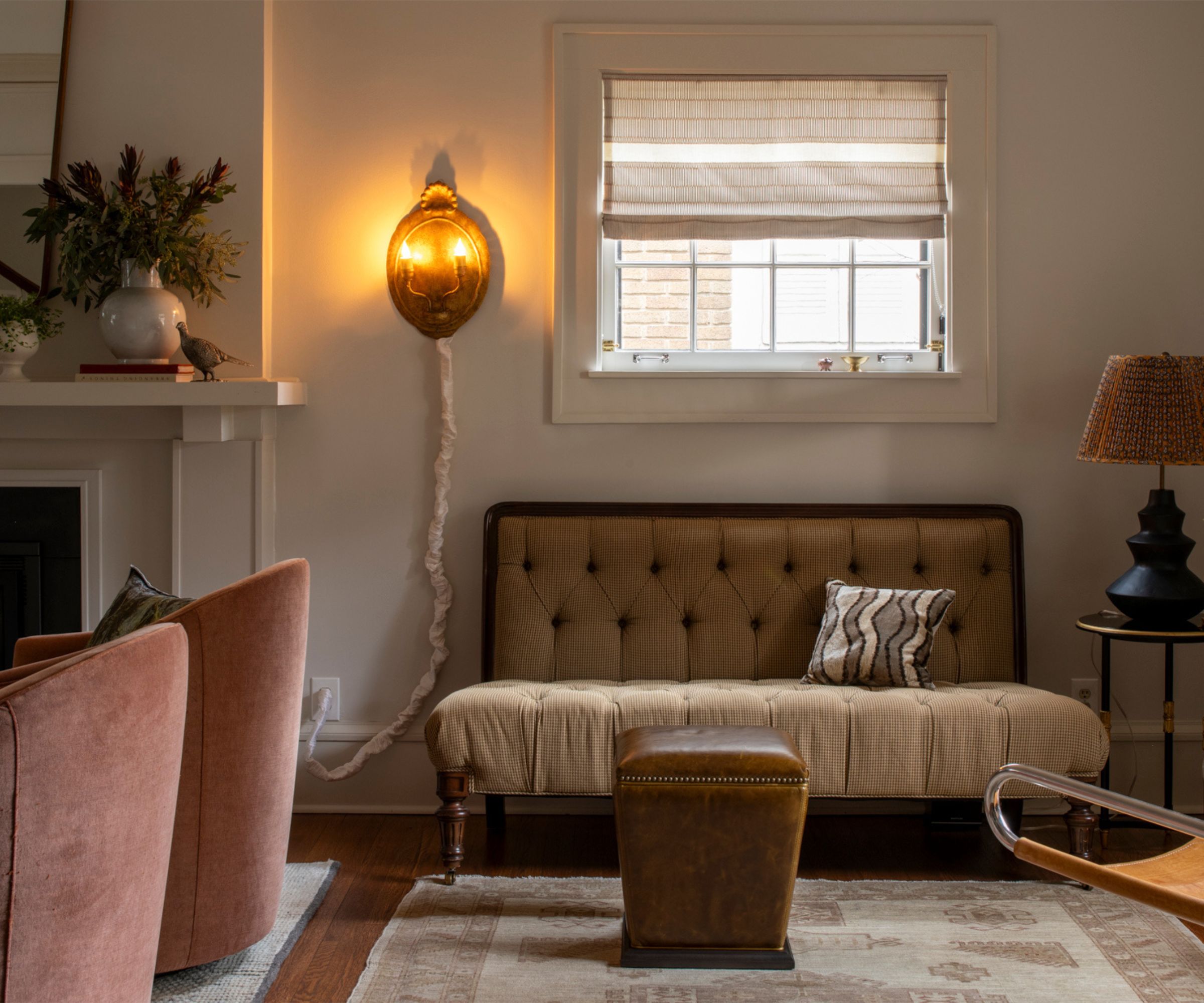
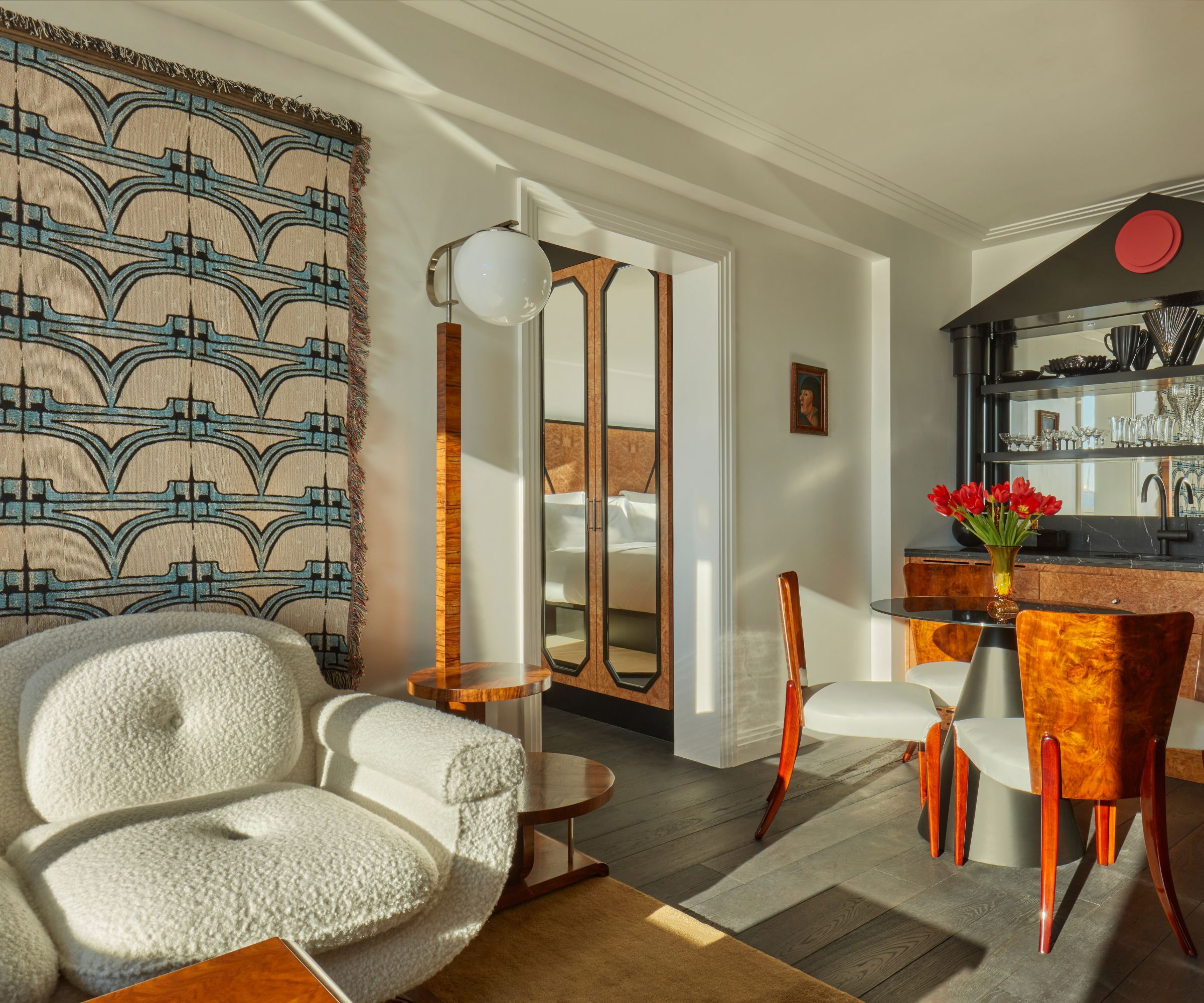
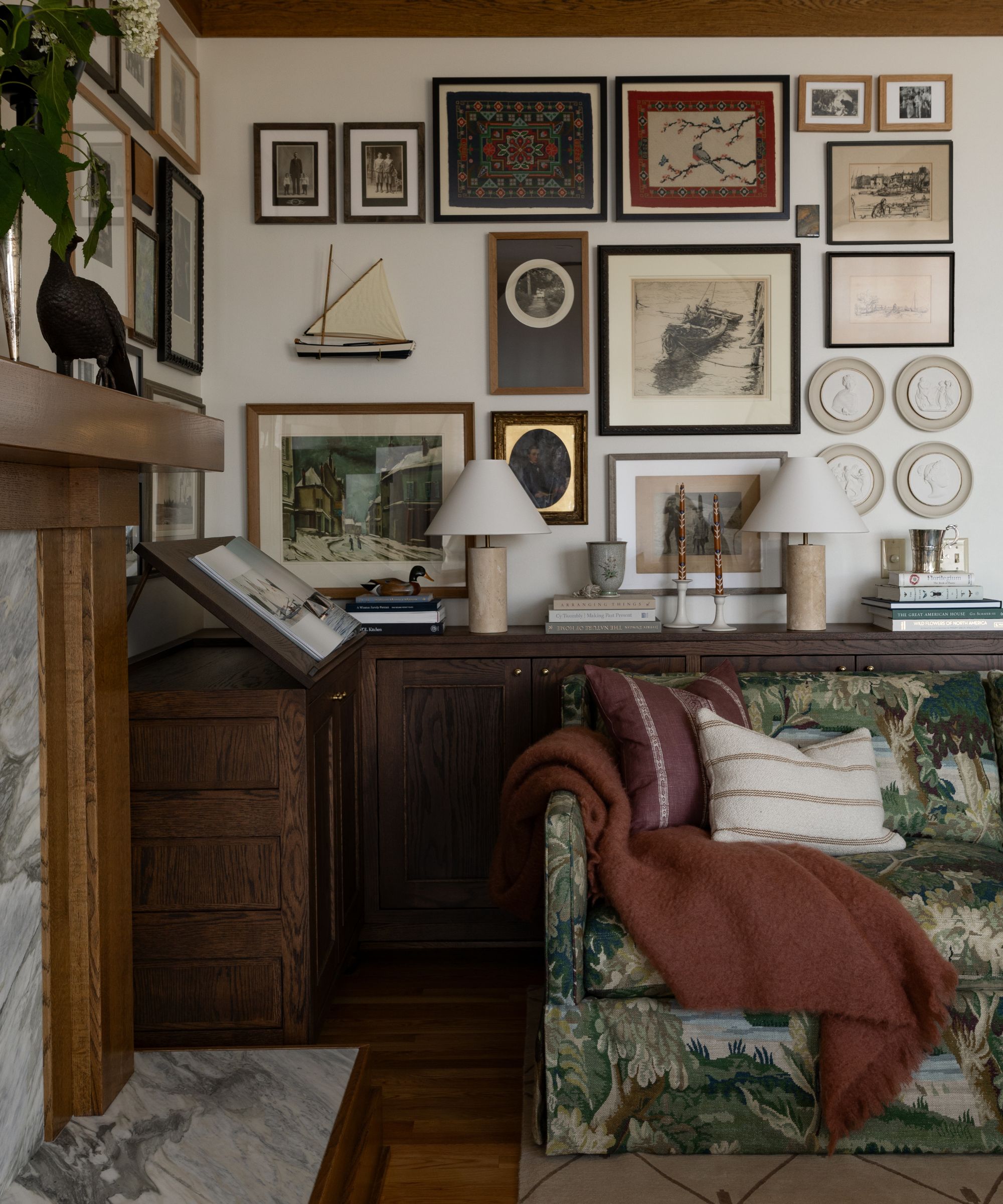
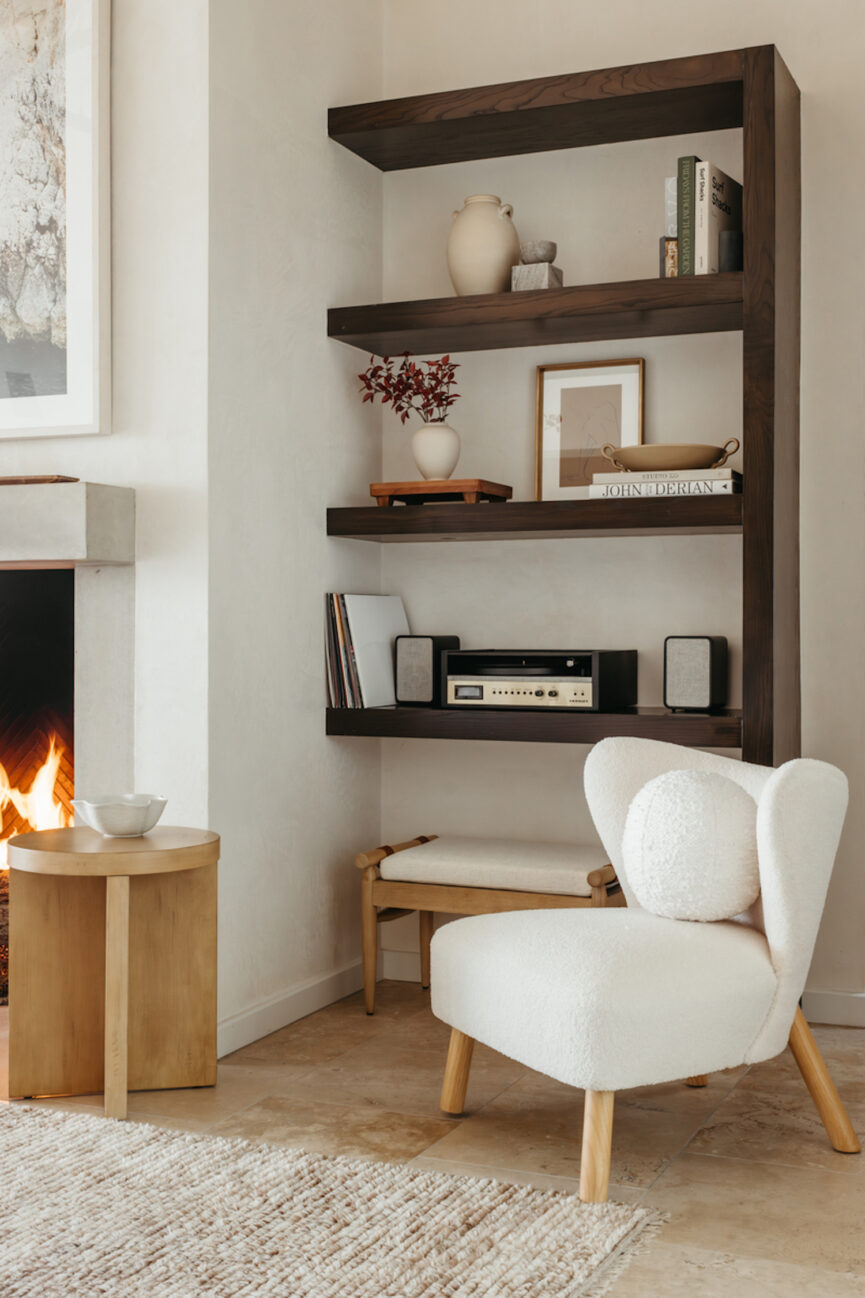
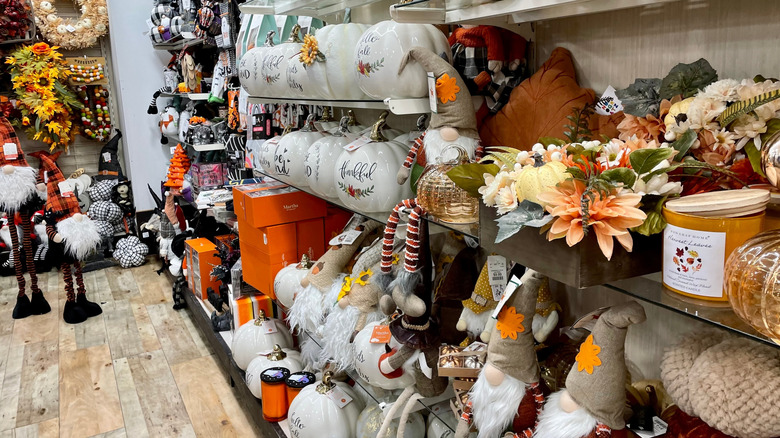
Decorating a home to celebrate a new season or holiday can be a fulfilling way to embrace the festive spirit, but it often runs the risk of appearing overly themed or "kitschy." The key to achieving stylish and fun seasonal decor lies in careful planning and expert advice, focusing on subtlety and timelessness rather than fleeting trends or overt iconography. This approach helps homeowners avoid the common pitfall of decorations that feel childish or gimmicky.
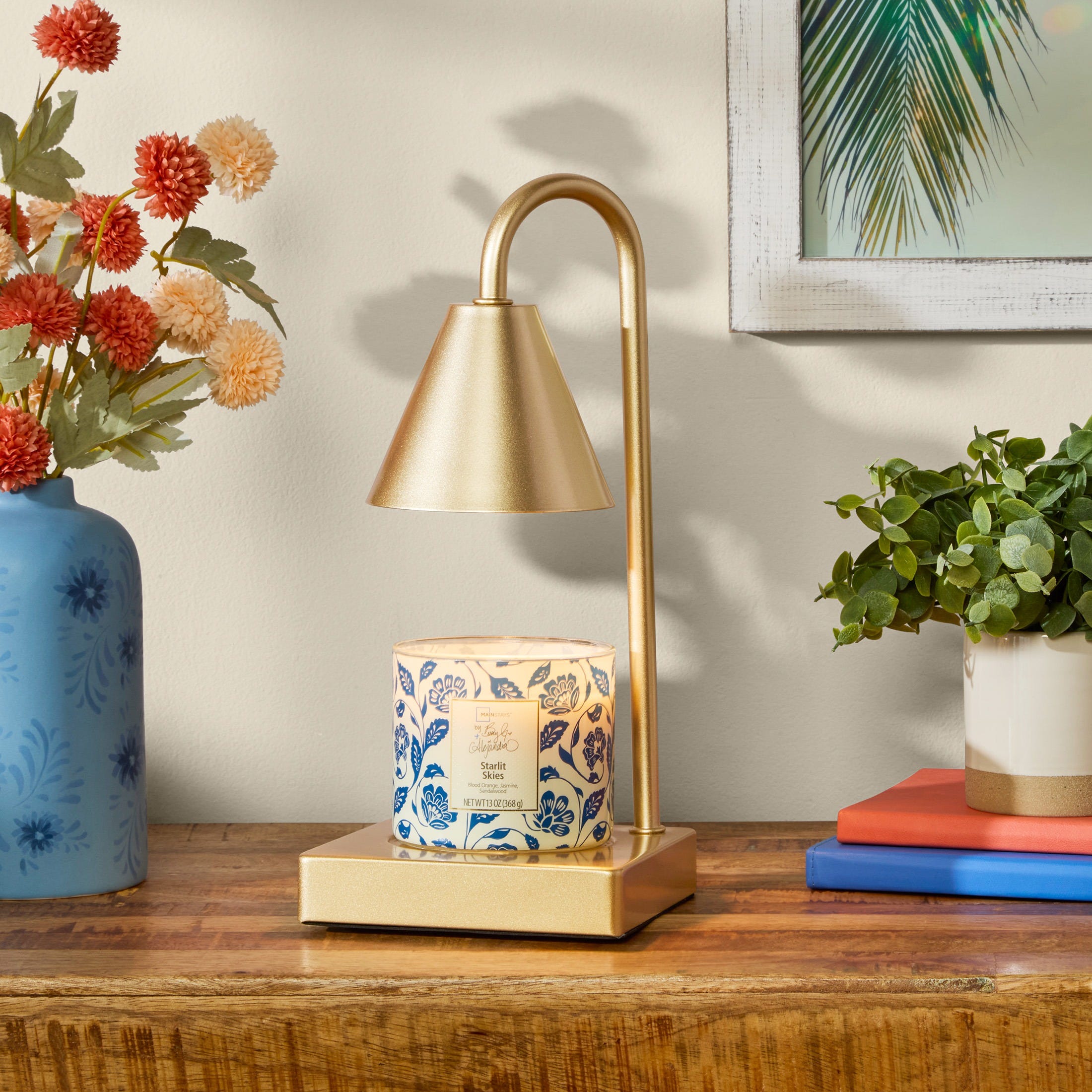
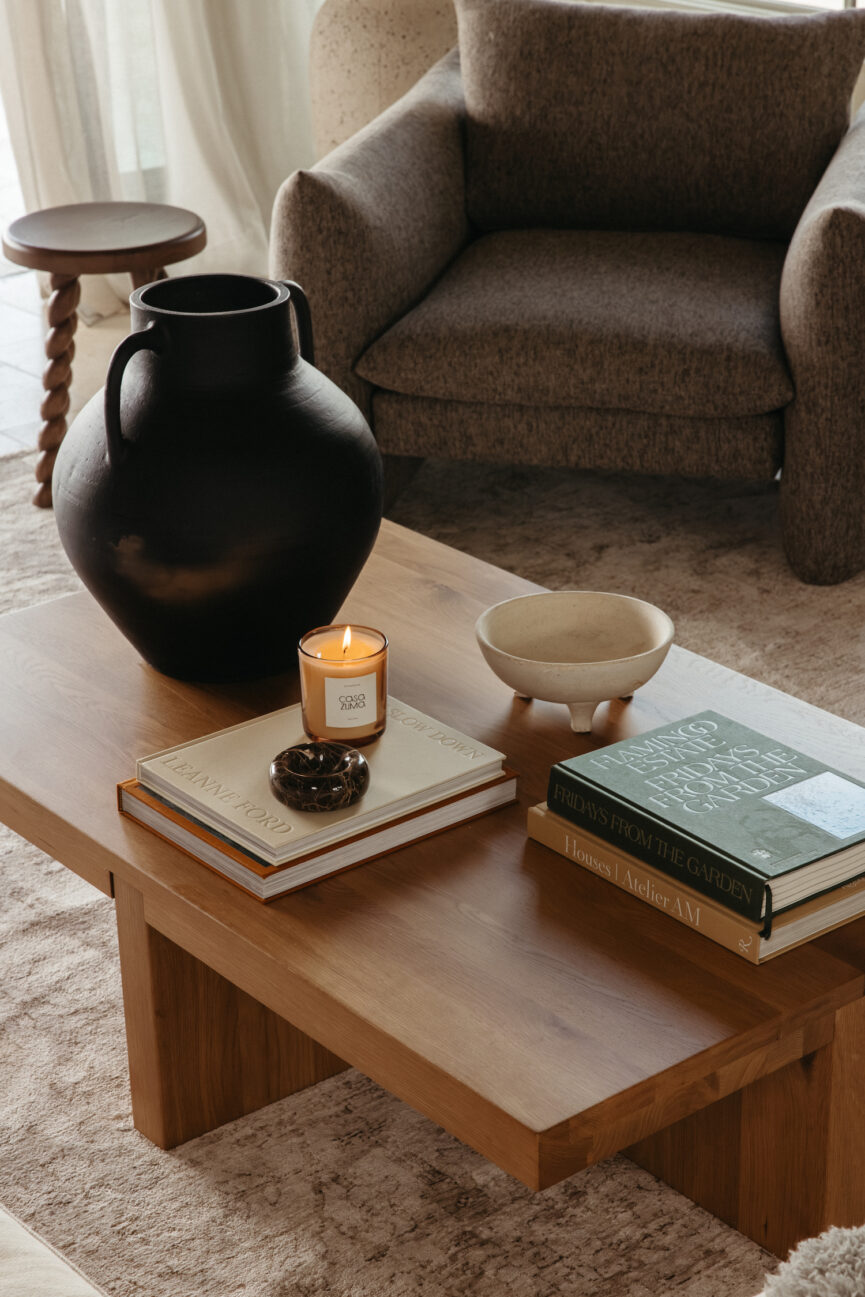
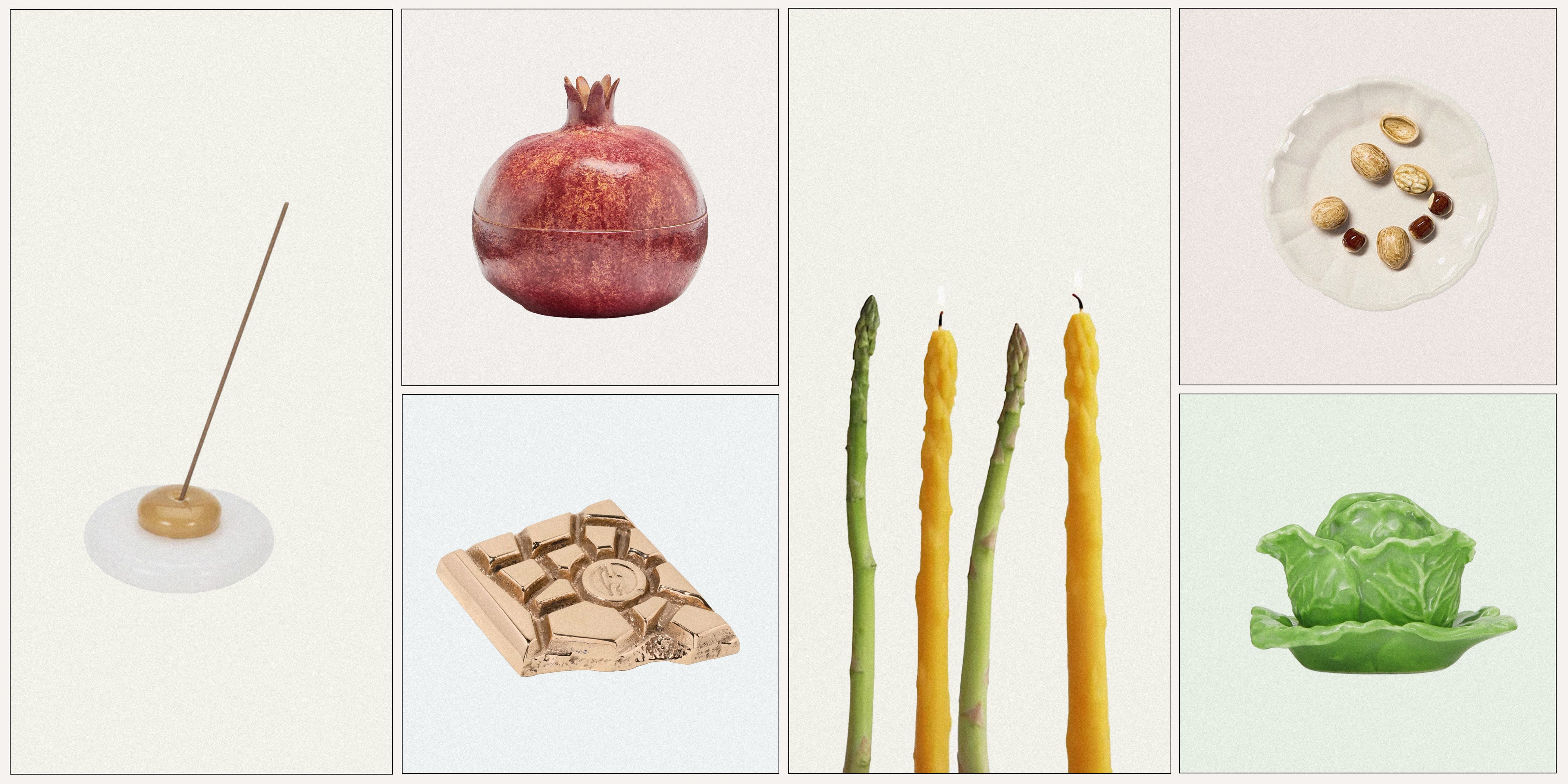
One effective strategy involves leveraging seasonal scents. Candles and aromatic elements offer a sensory dimension to decor that can transform a space without relying on visual clutter. For instance, black, natural amber, or green candles can evoke the fall or winter seasons in an understated manner, while floral oils, incense, or natural elements are ideal for warmer seasons like spring and summer. This method allows for a complete change in atmosphere through scent, which is often more impactful and less intrusive than physical decorations.
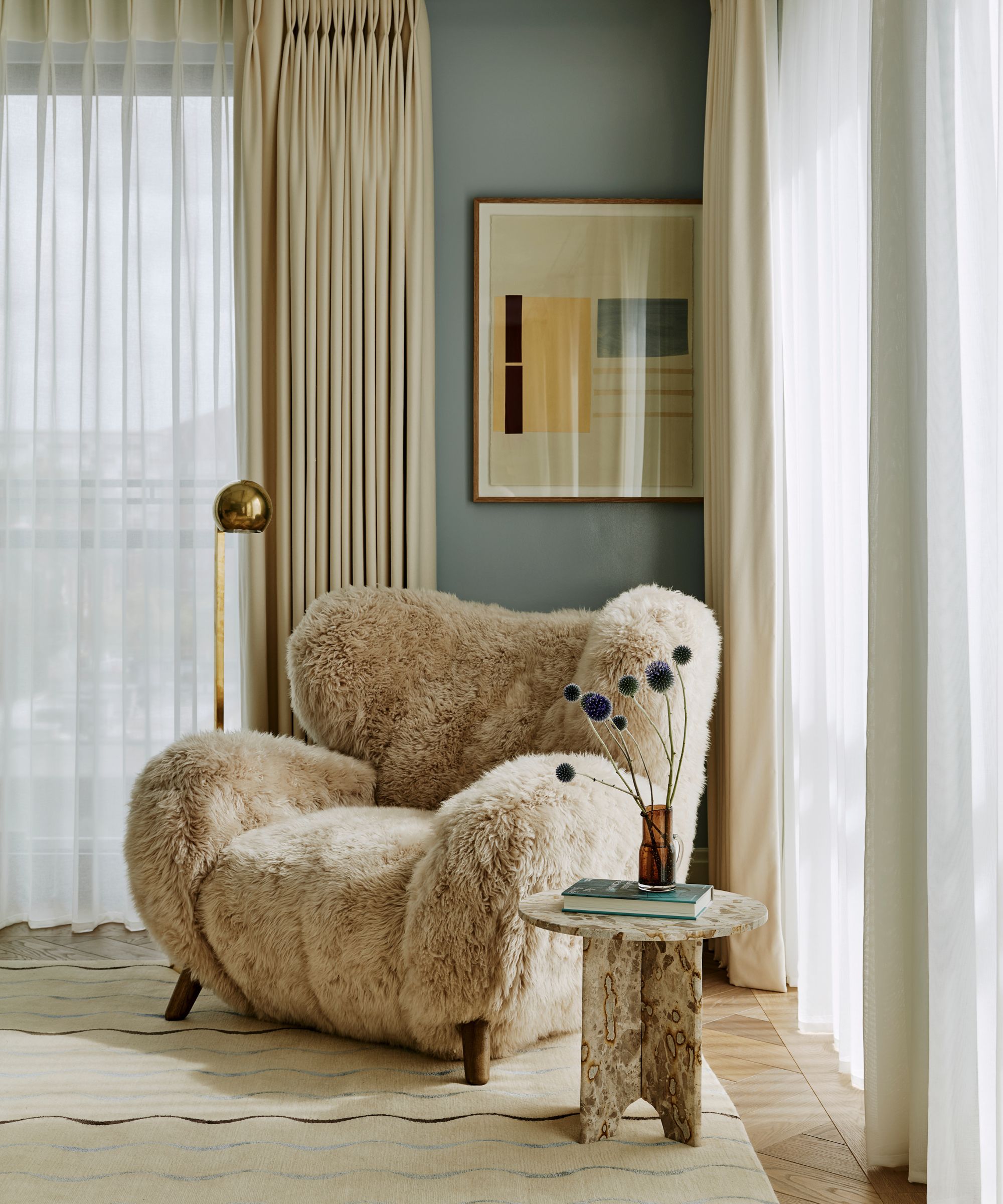
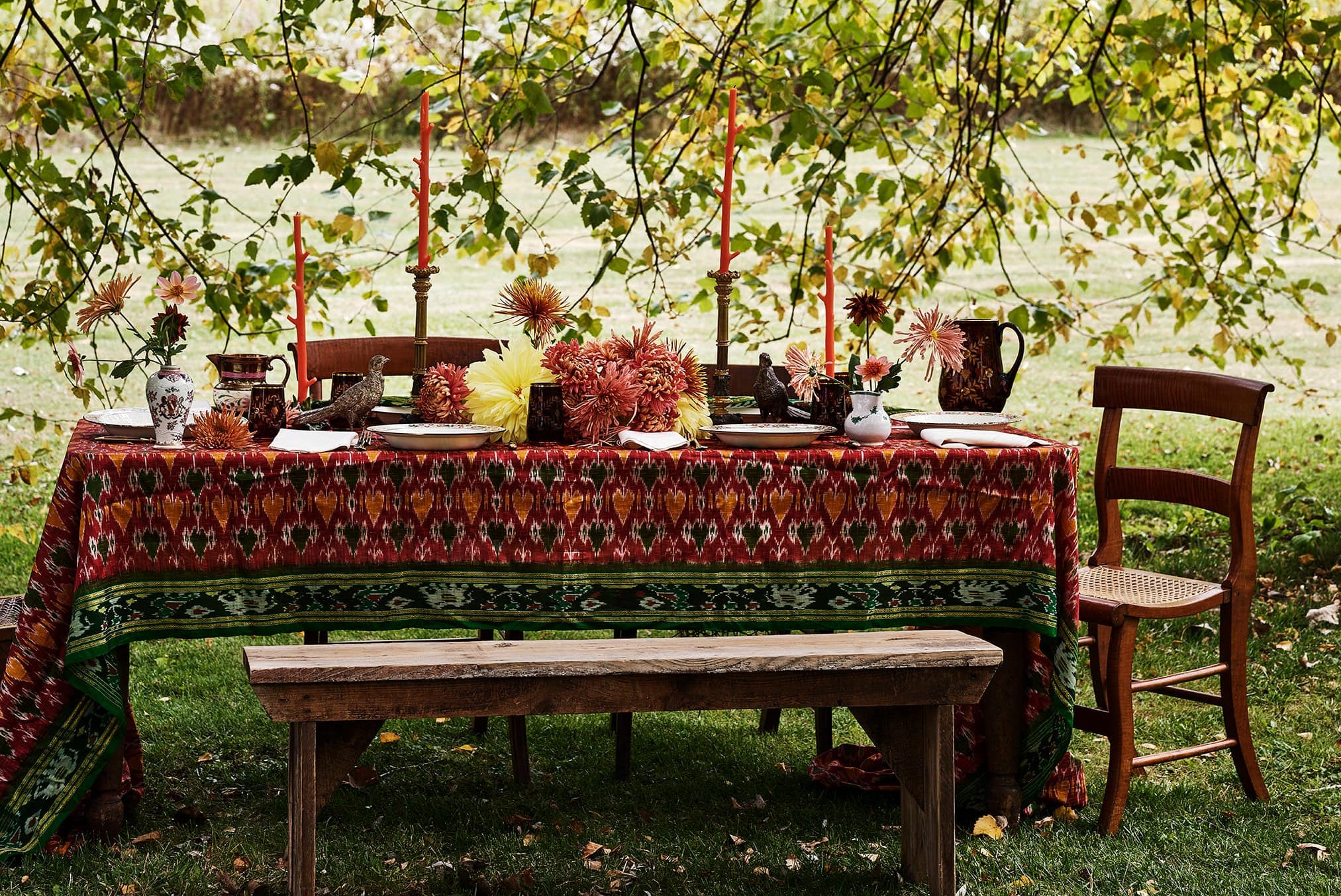
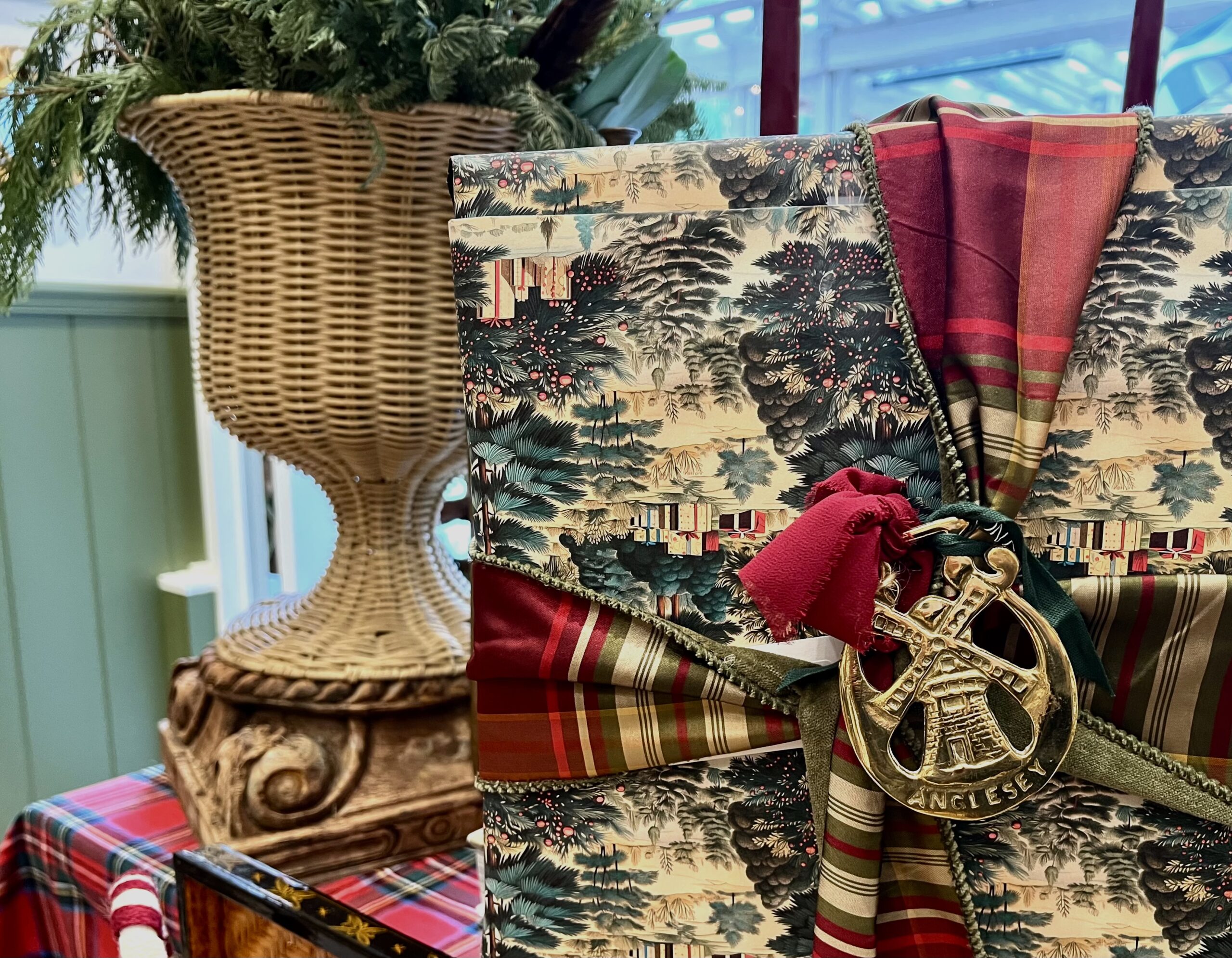
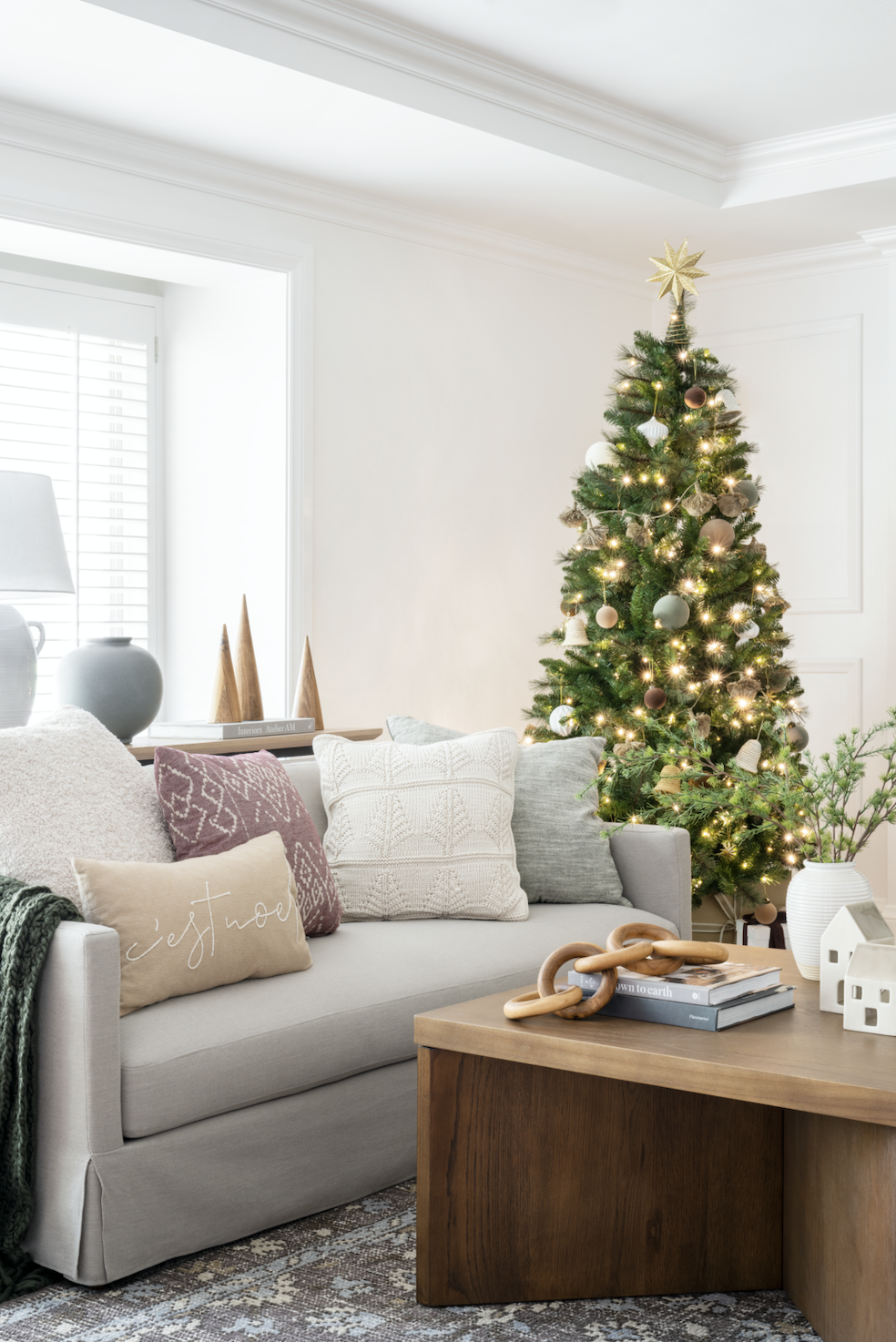
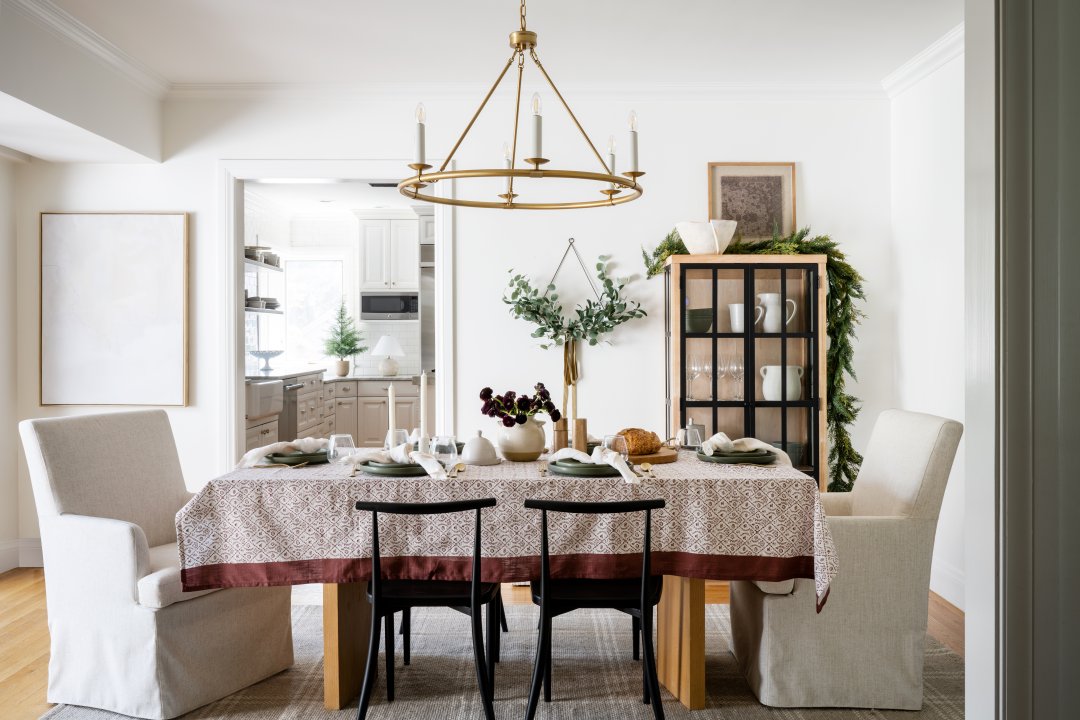
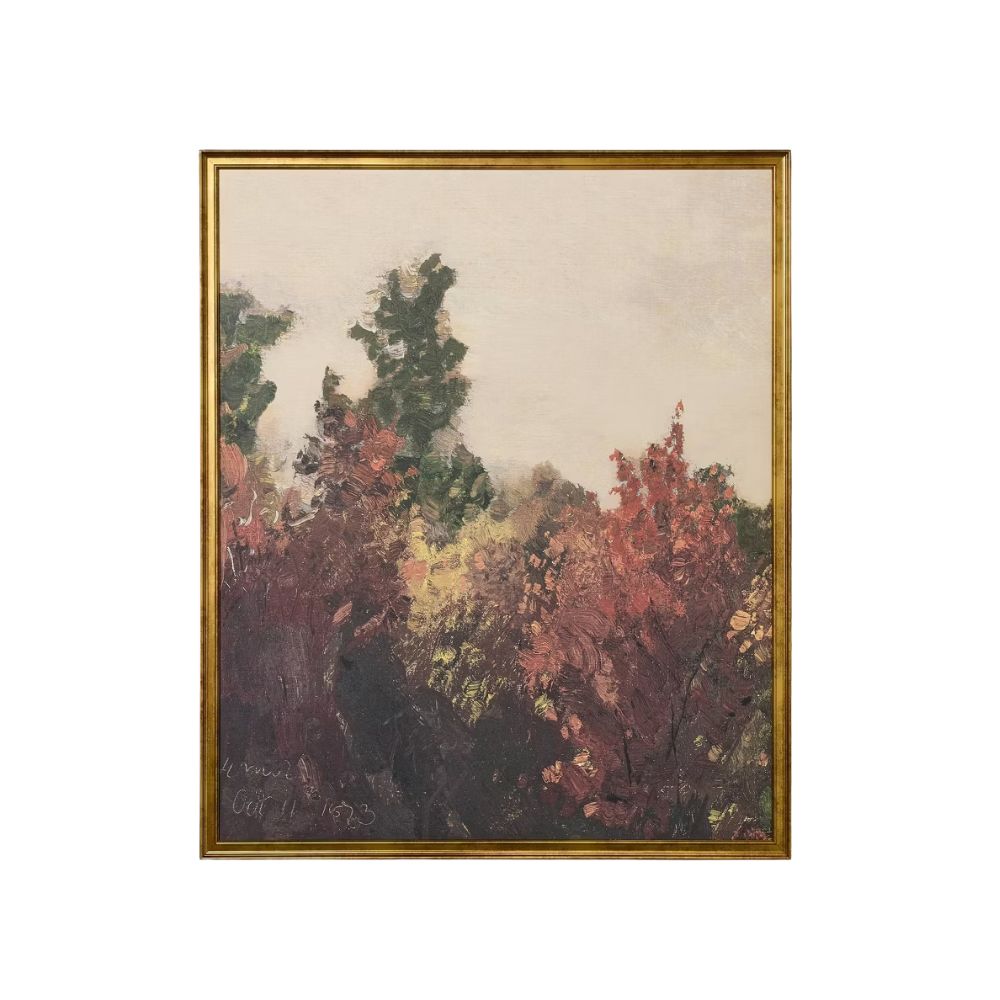
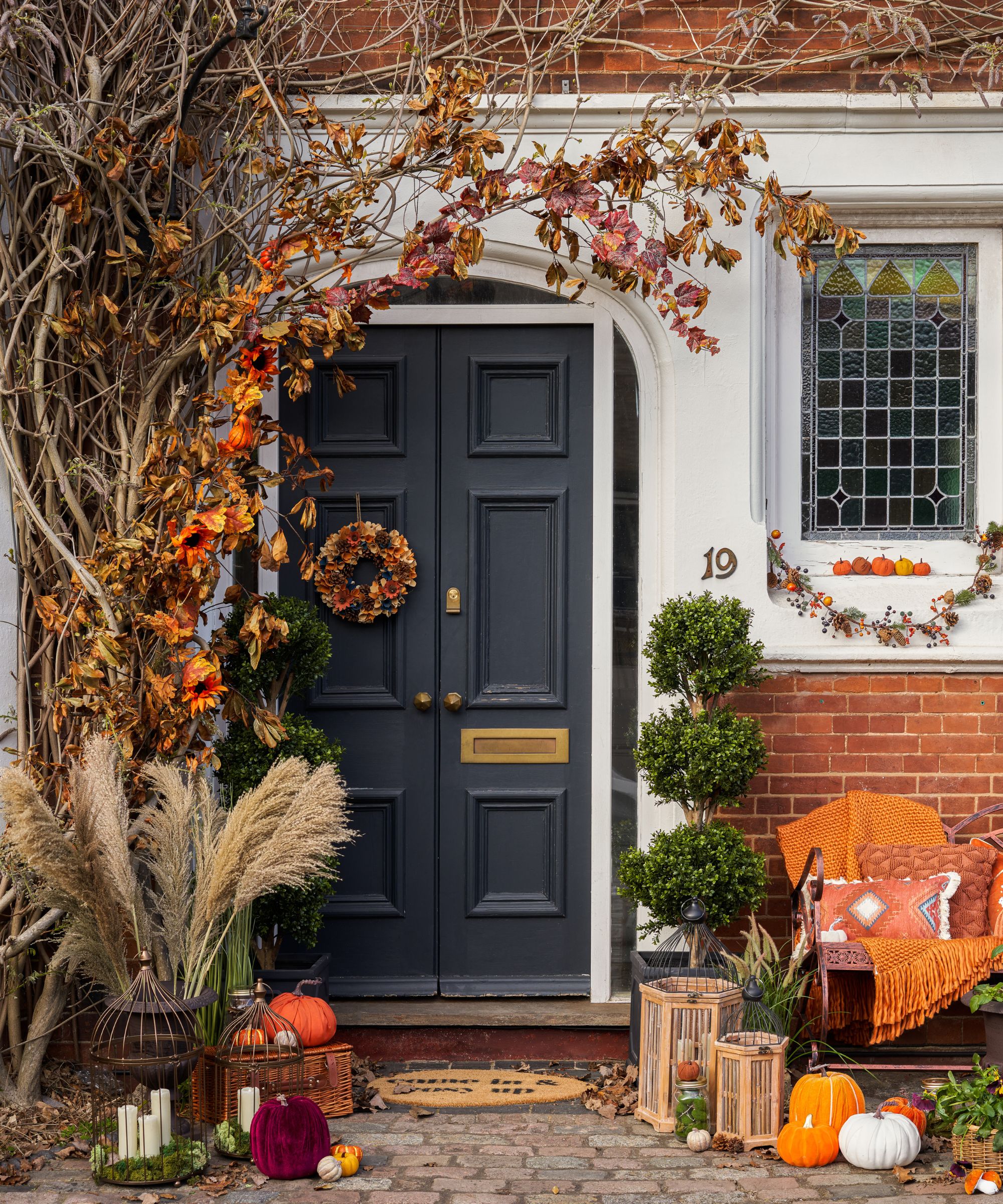
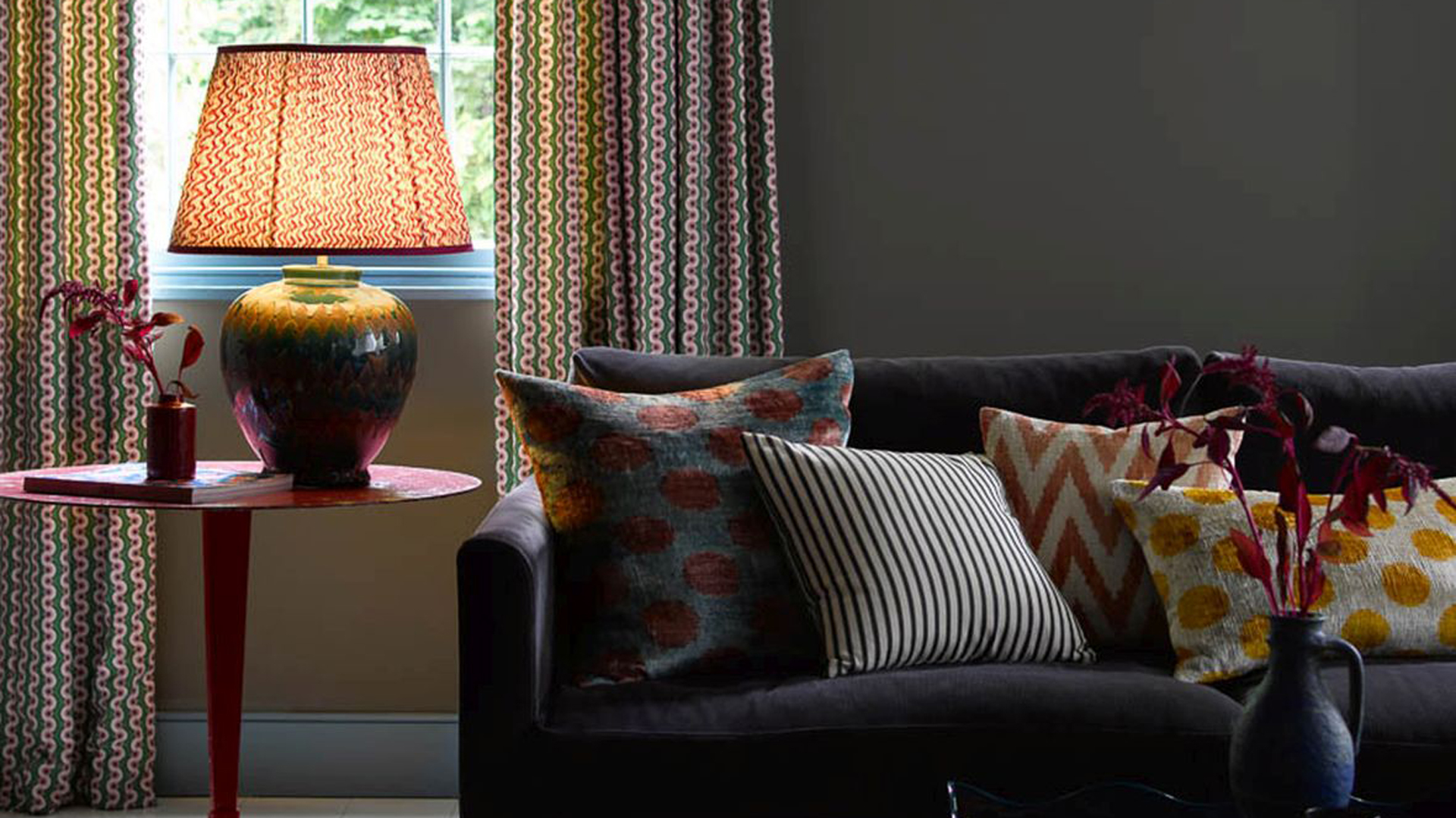
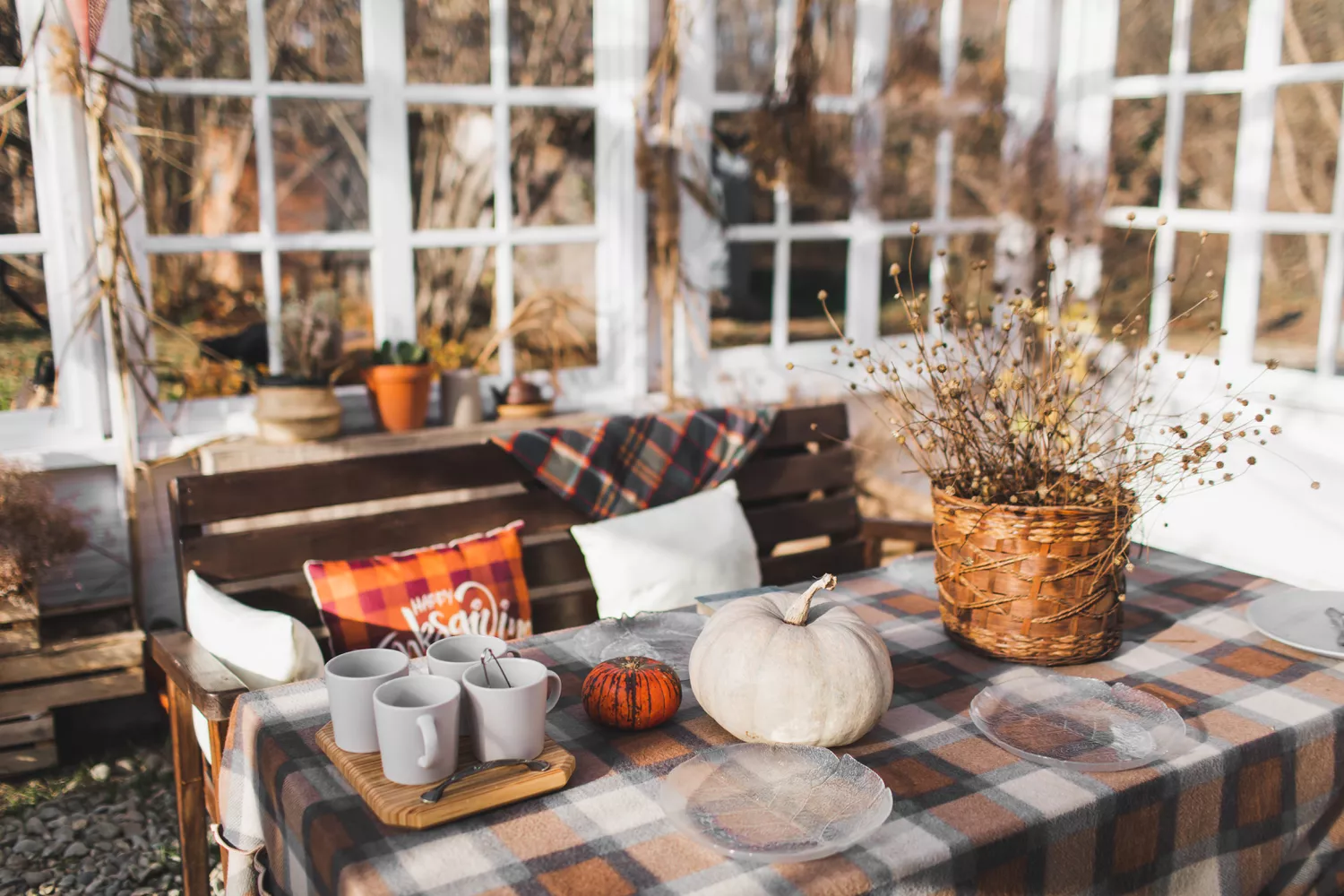
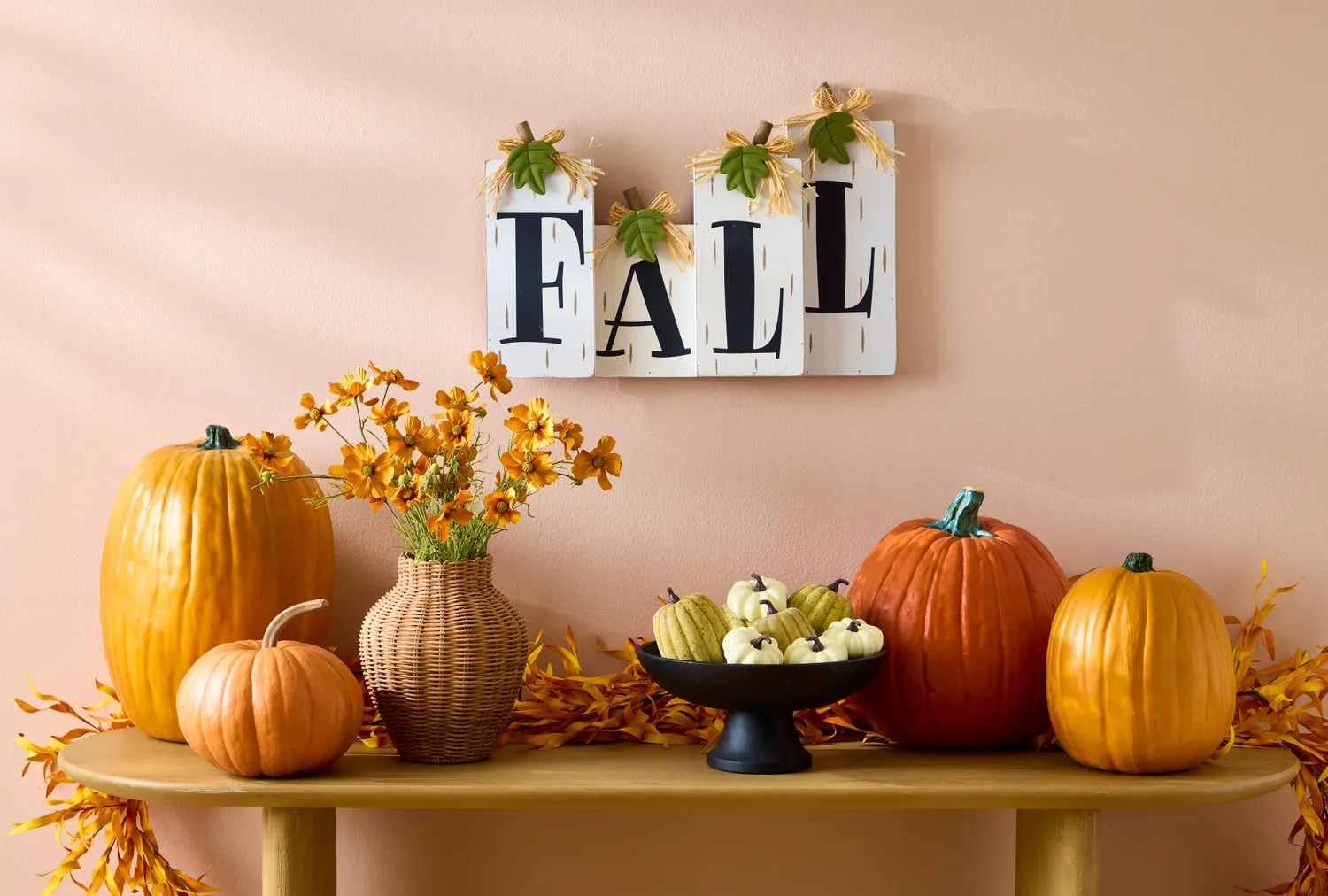
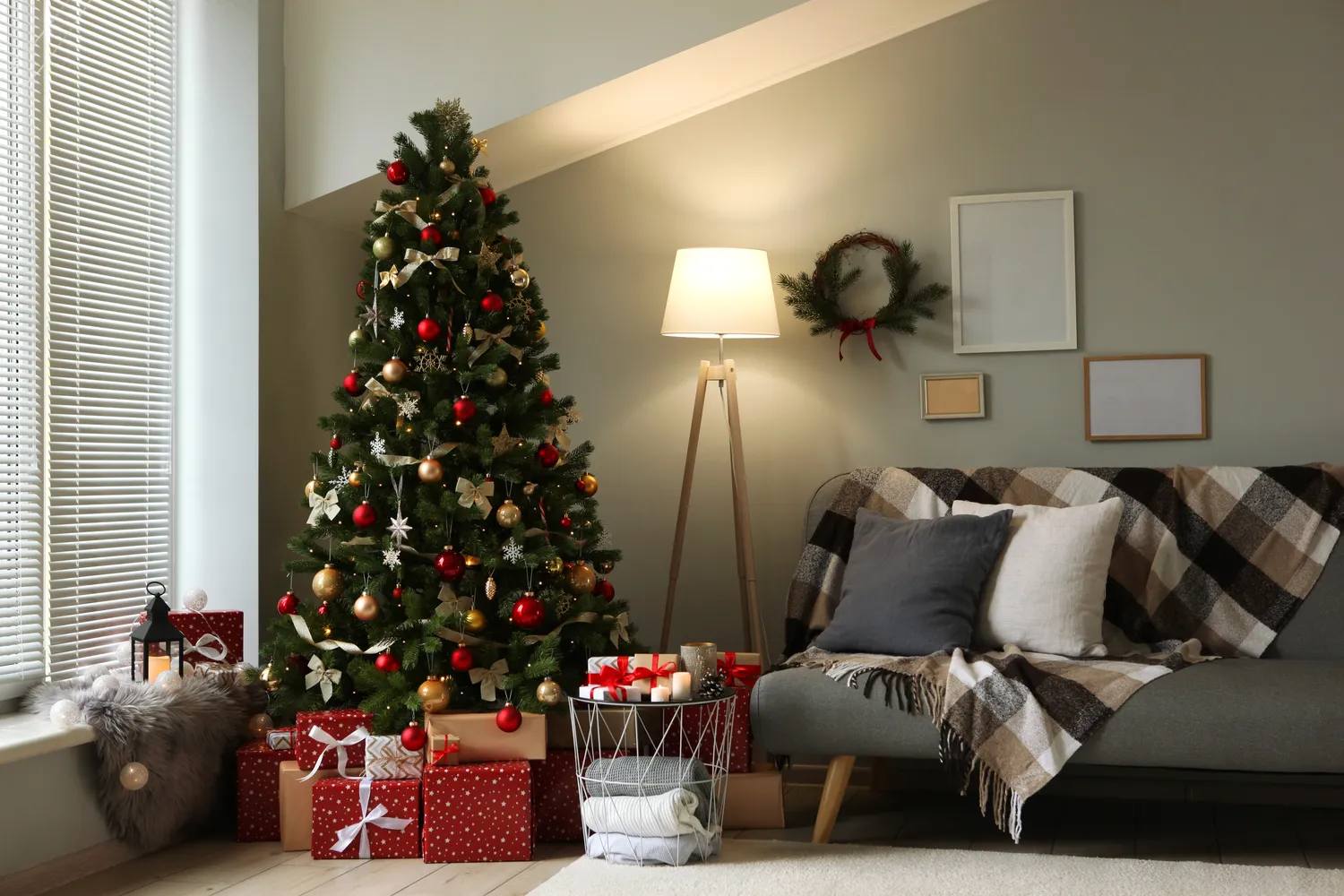
Another approach is to incorporate pops of color and subtle patterns rather than using loud prints or obvious holiday symbols. Interior designers suggest focusing on color pairings and hints of holiday colors that feel sophisticated. For example, a fall wreath might feature beige, brown, and sage with faux pumpkins and squash, offering a more refined aesthetic than a brightly orange and brown alternative. Similarly, for winter holidays like Christmas and Hanukkah, opting for a unifying color like blue can feel more sophisticated and evoke a broader wintery feel. Subtle patterns, such as tartan or plaid on tablecloths or blankets, can introduce festive motifs without being overtly thematic or garish.
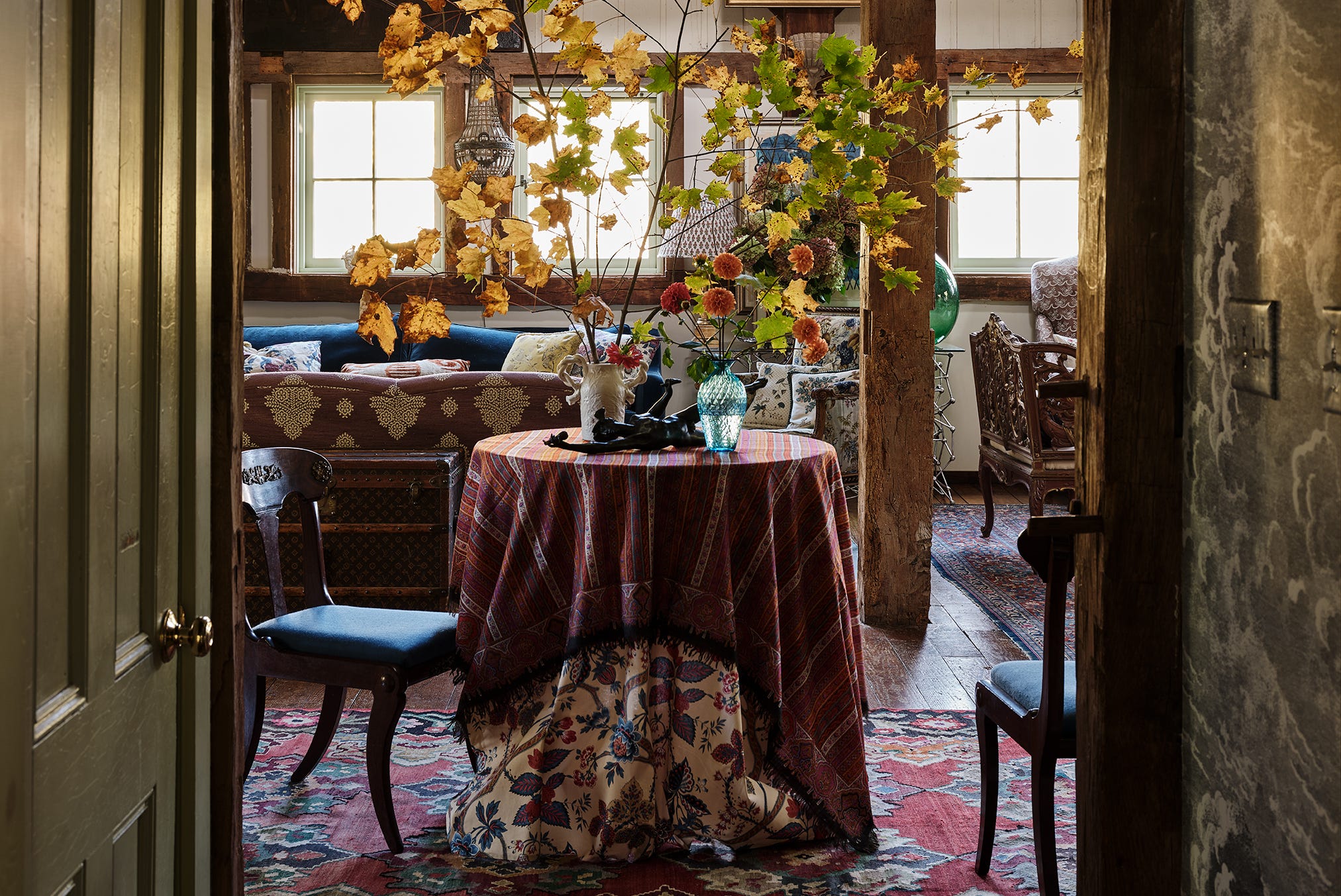
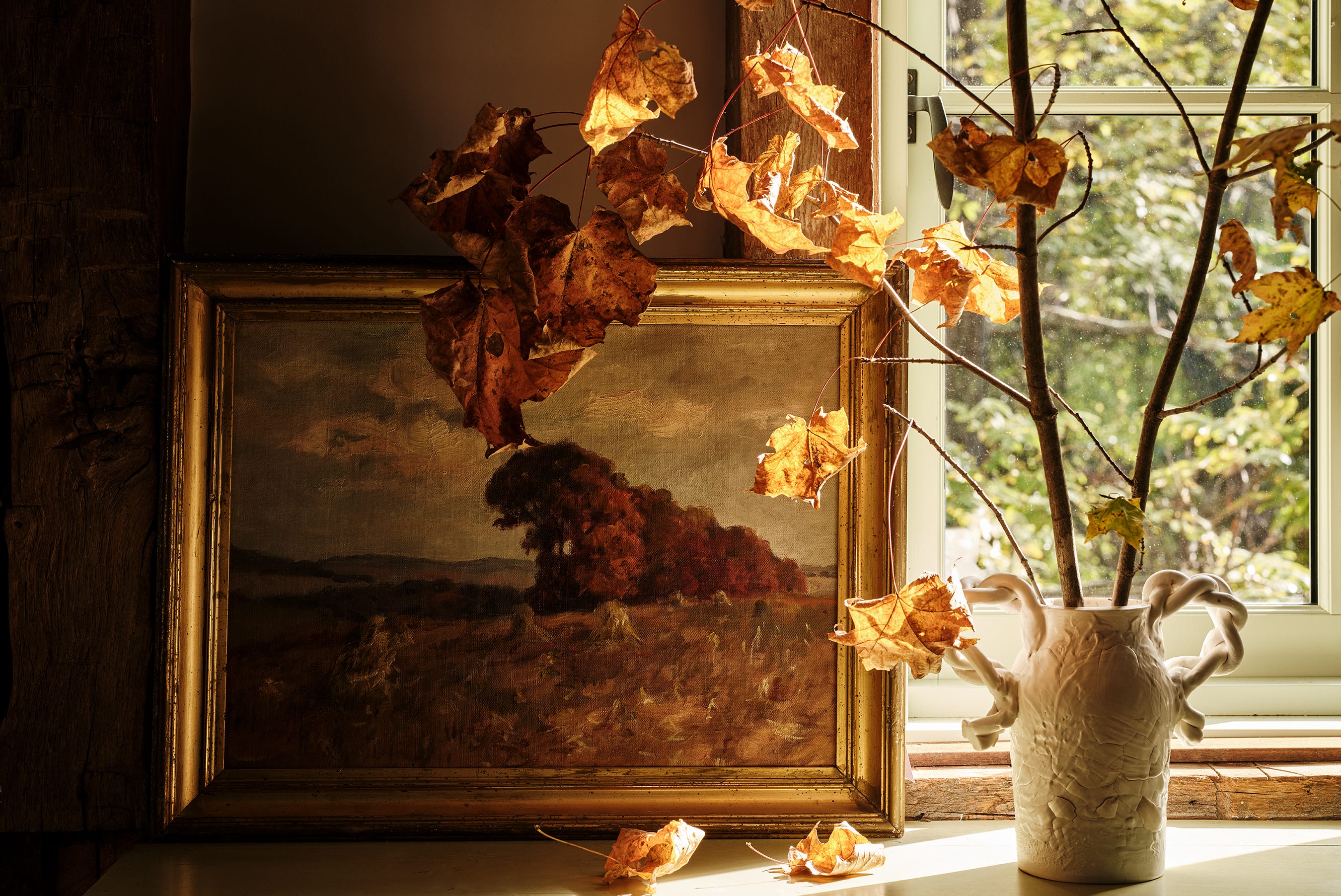
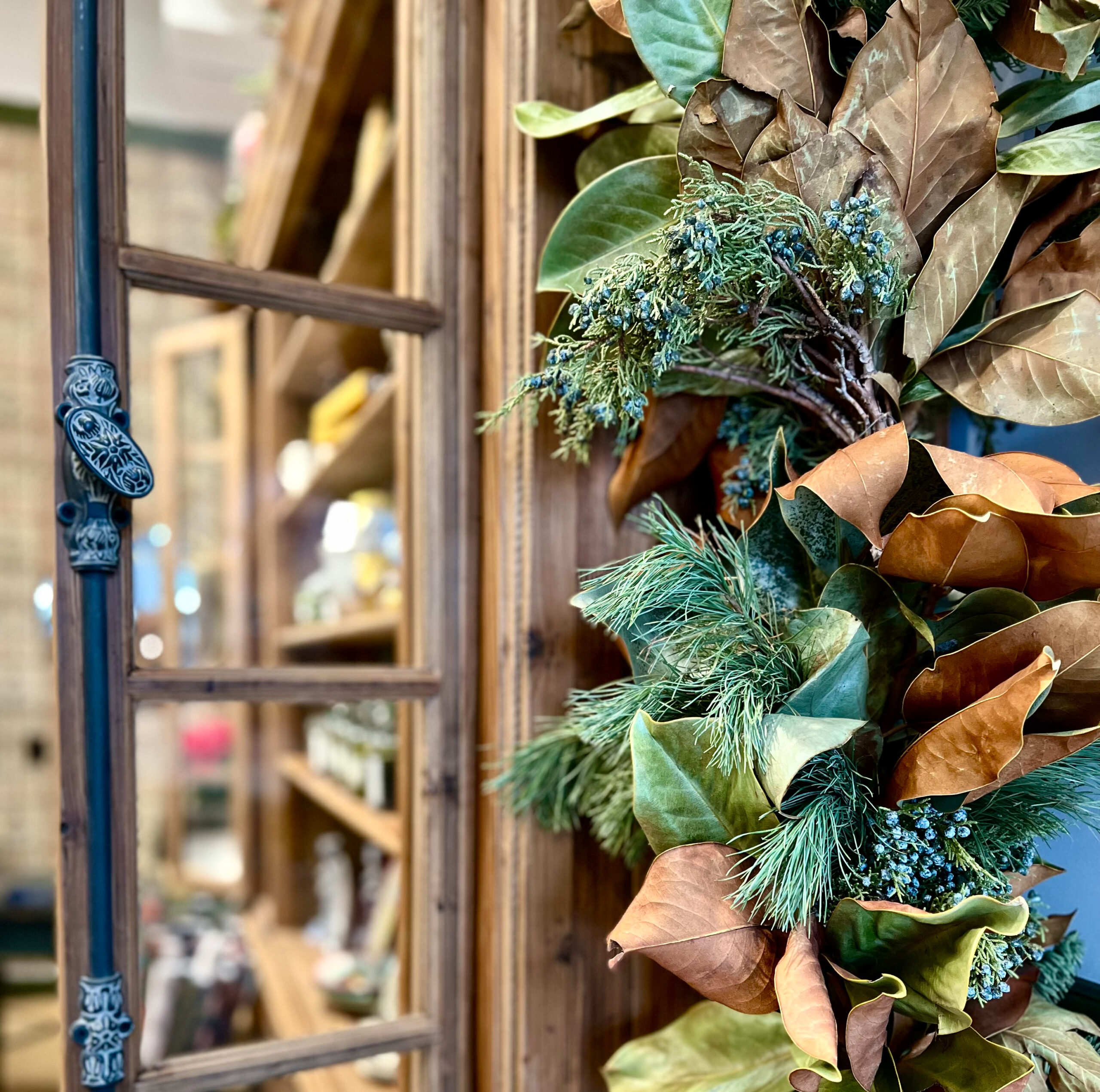
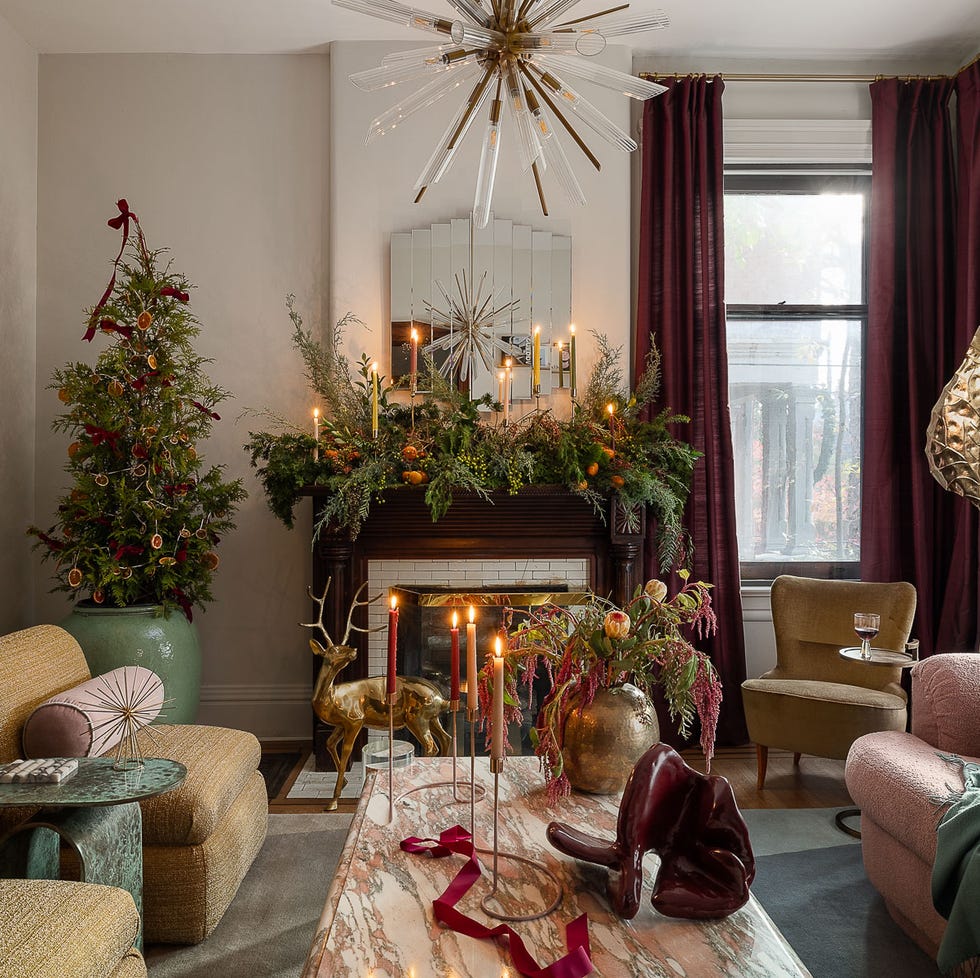
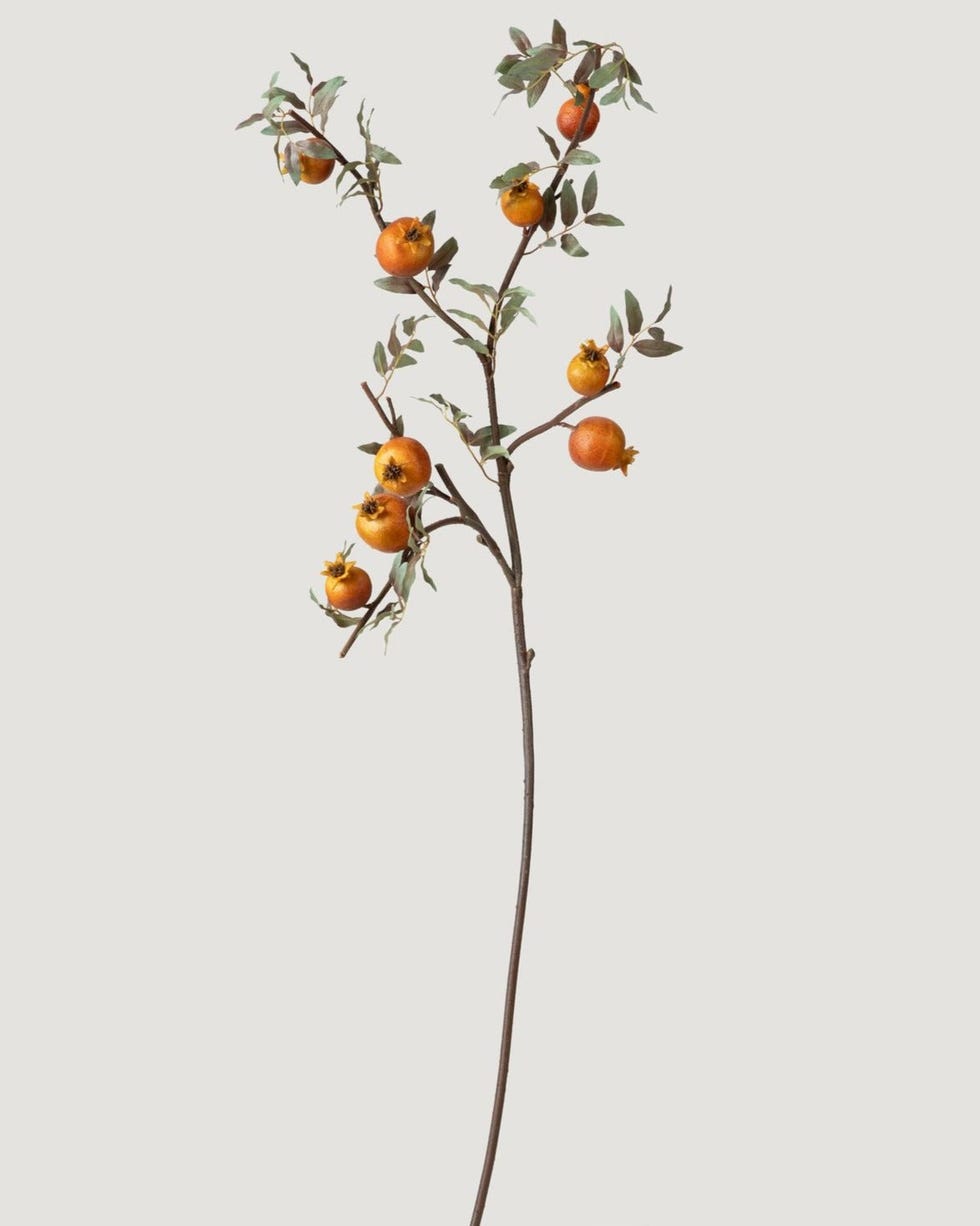
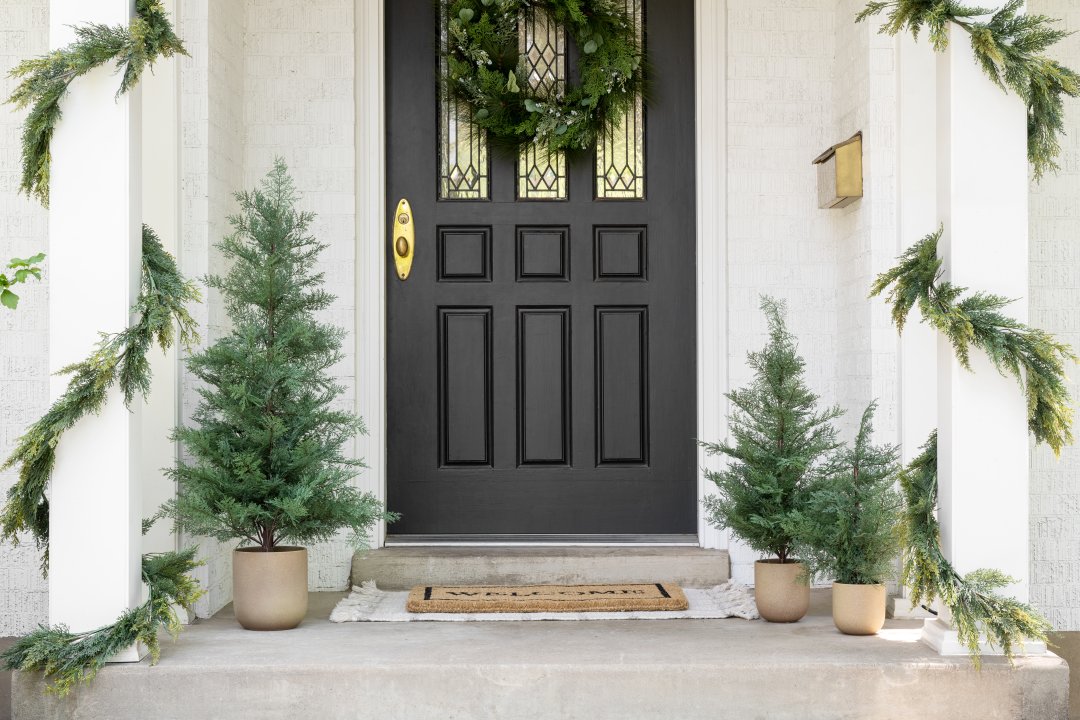
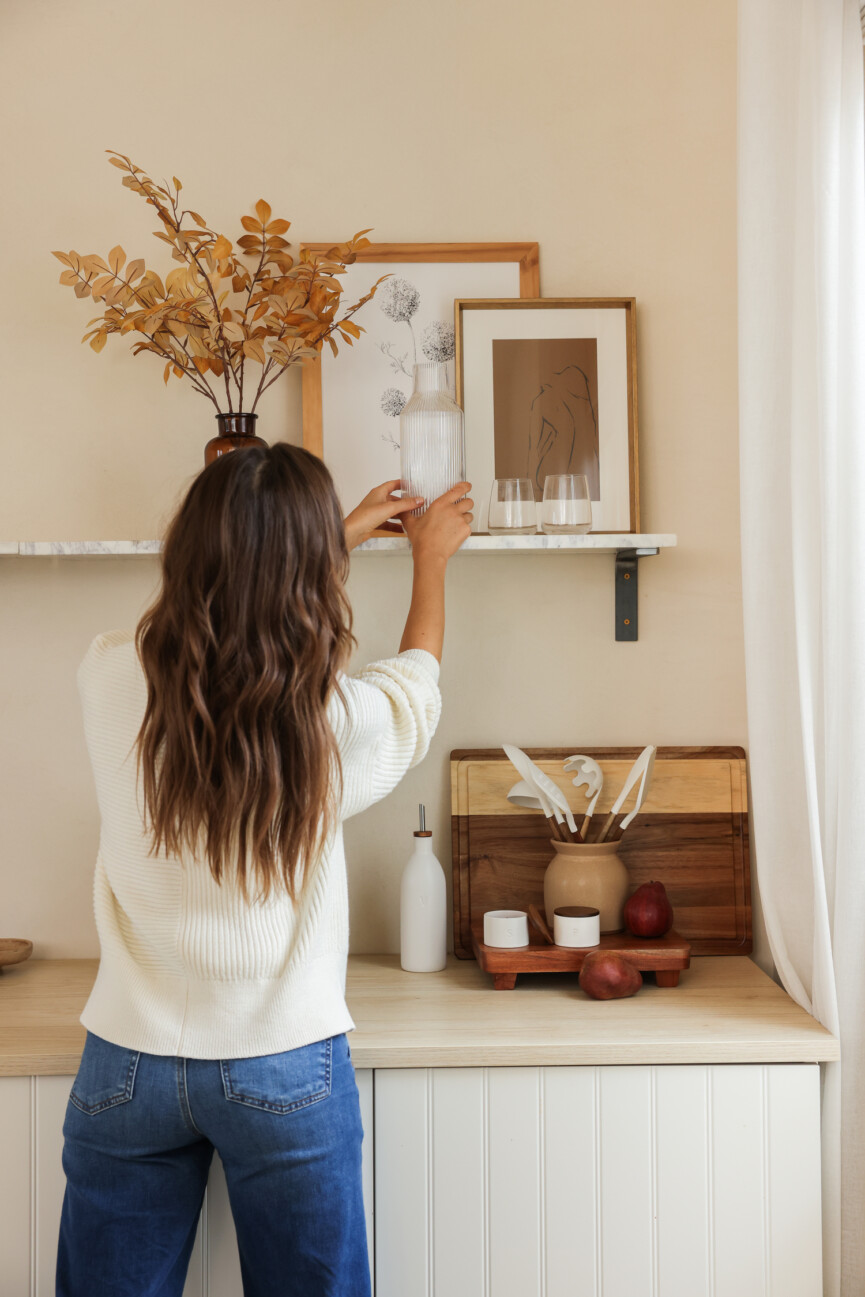
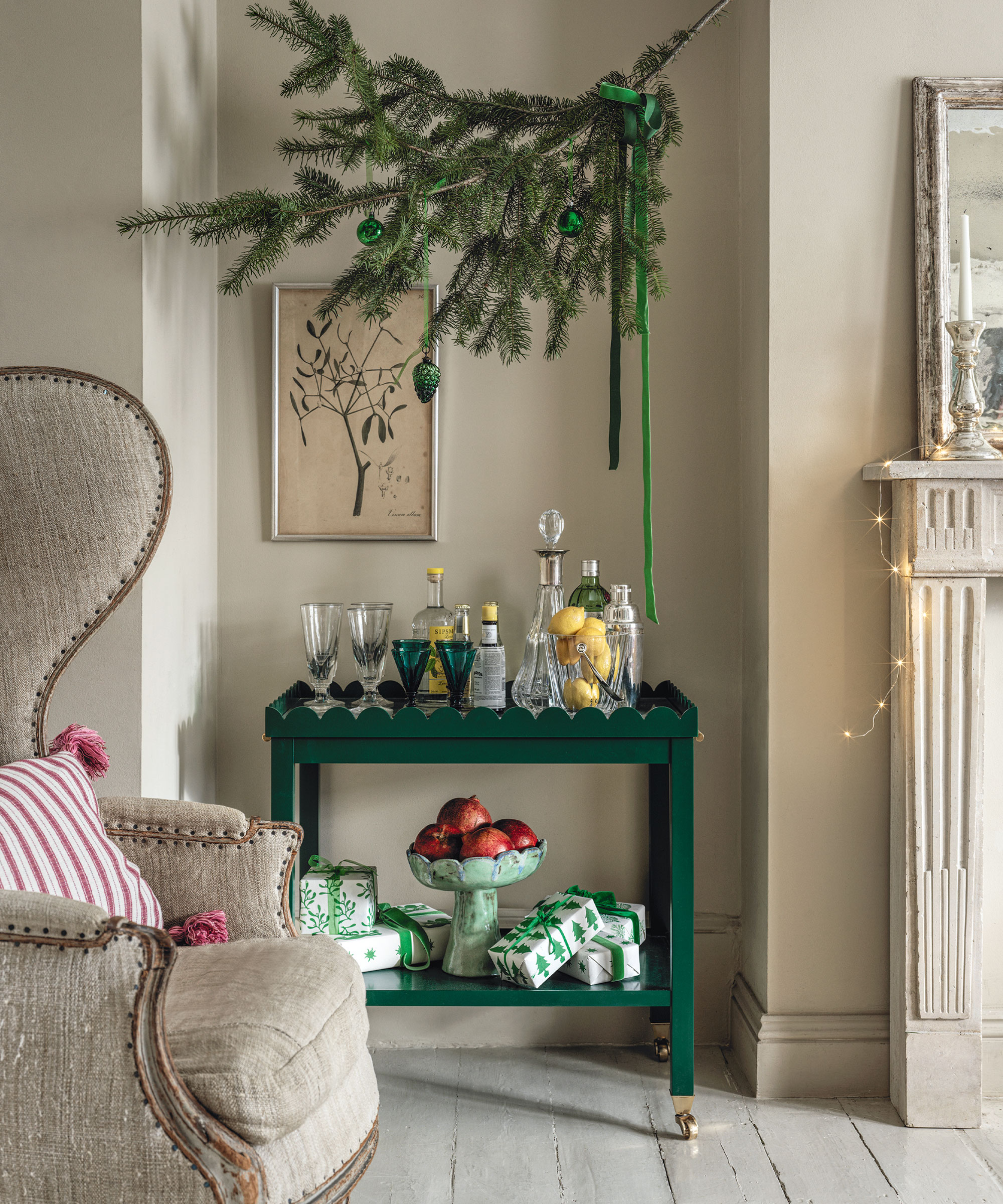
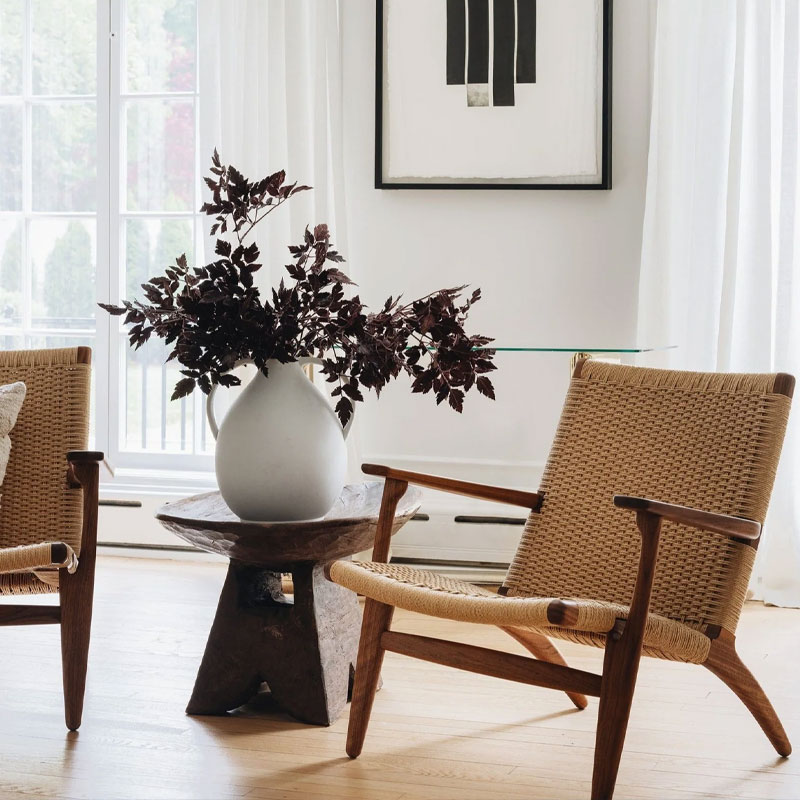
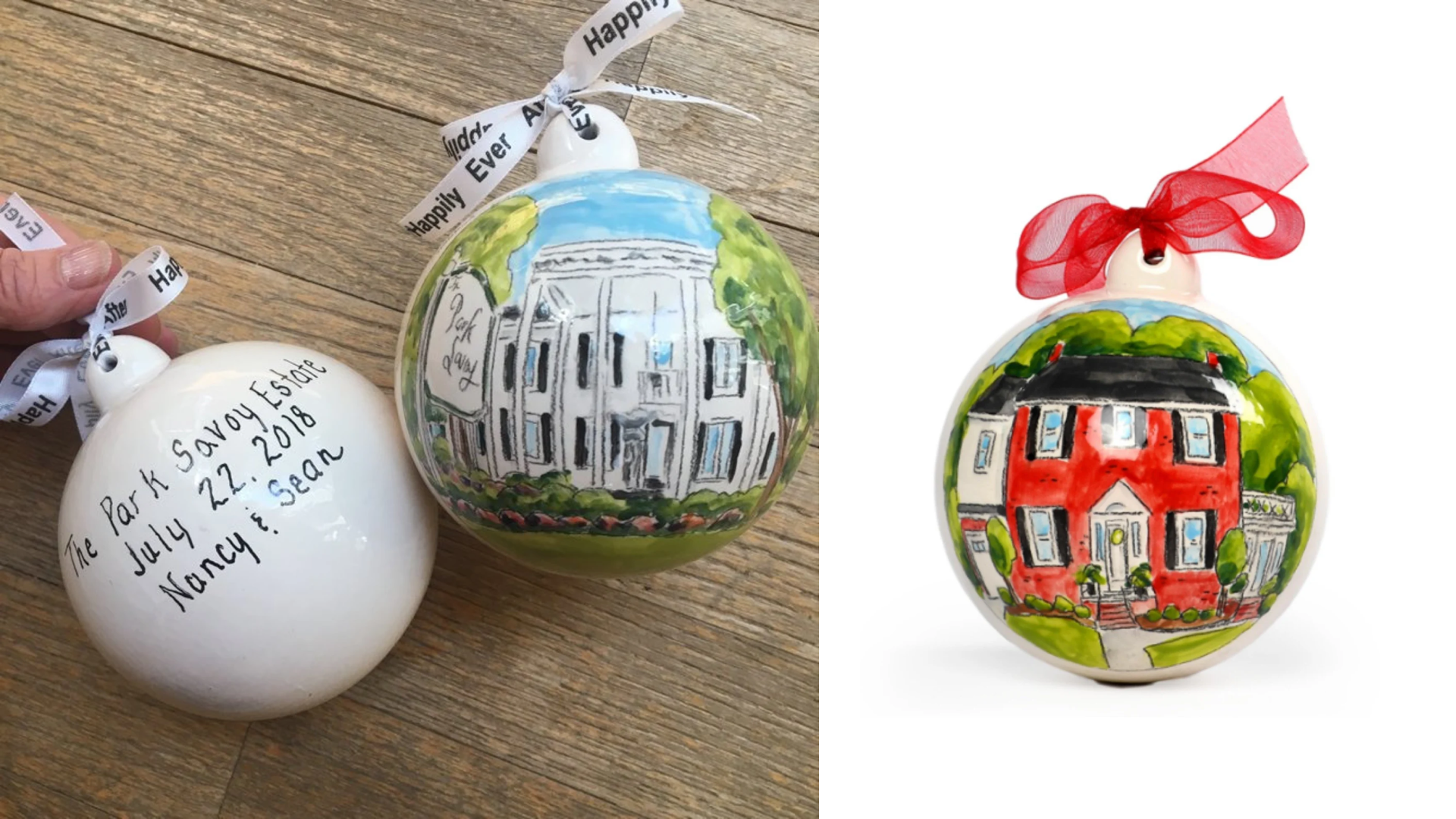
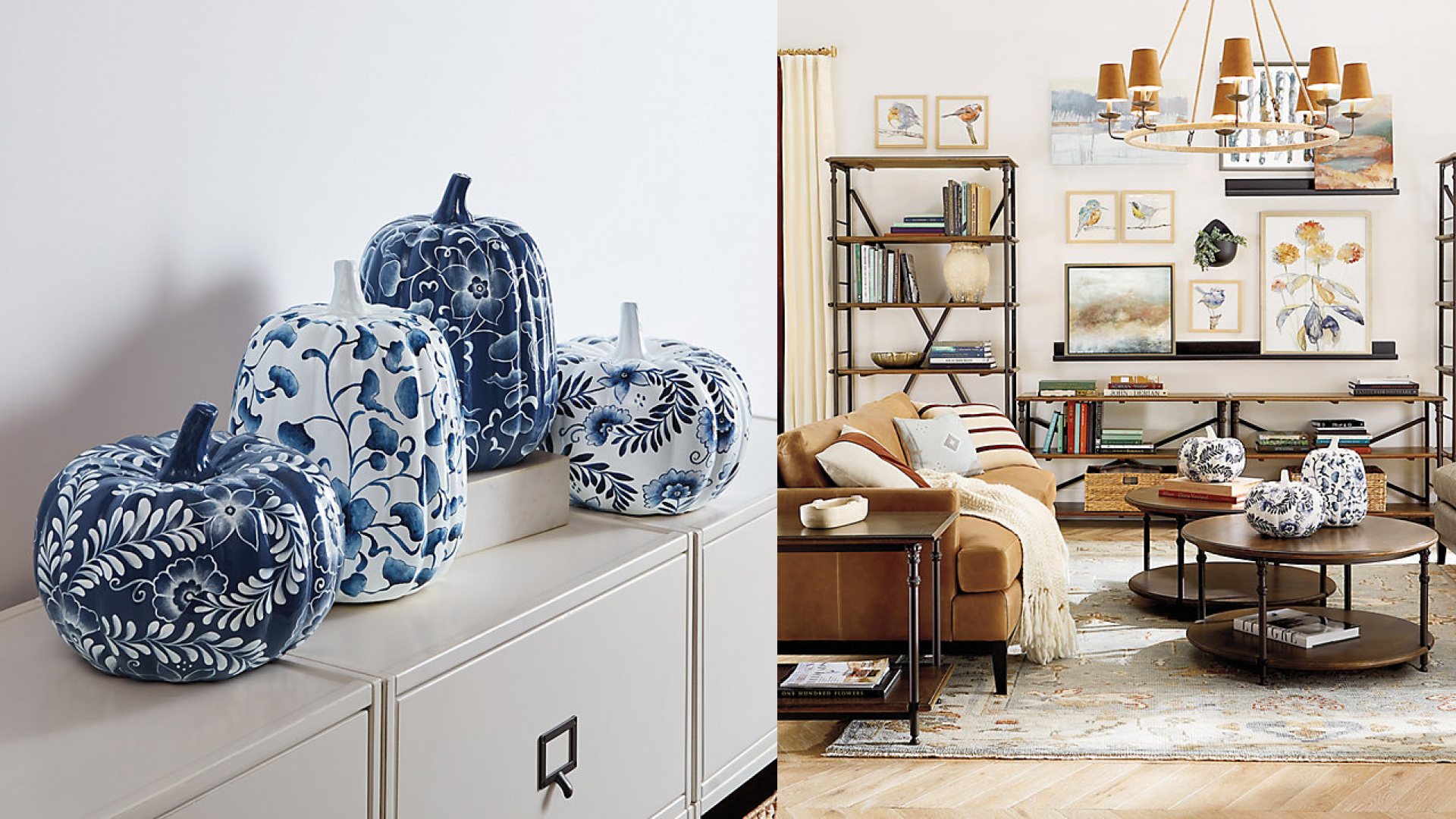
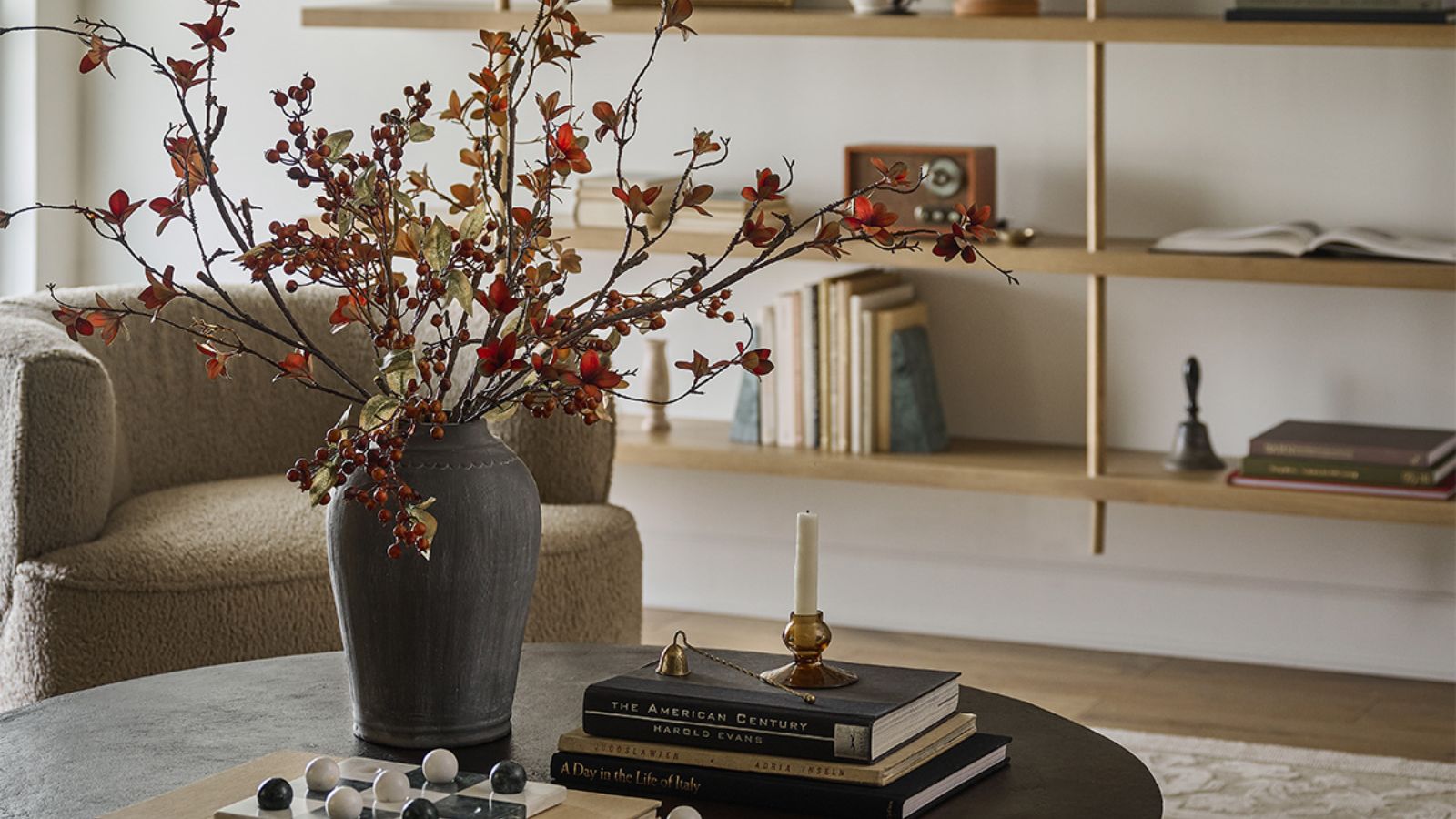
Incorporating natural elements, both indoors and outdoors, is a highly effective way to create seasonal decor that is inherently less kitschy. Branches, gourds, fruits, and flowers, used in moderation, provide an authentic and elegant touch. Creative DIY options include using pomegranates in a bowl, pinecones, or round ornaments for holidays, or classic pumpkins and gourds for autumn. For those able to forage, natural decorations can be affordable, though garden centers offer a wide array of options. Decorators can utilize cypress or pine for mantles and railings, magnolia branches for wreaths, or seasonal flowers like amaryllis or paperwhite to enhance the home’s natural beauty.
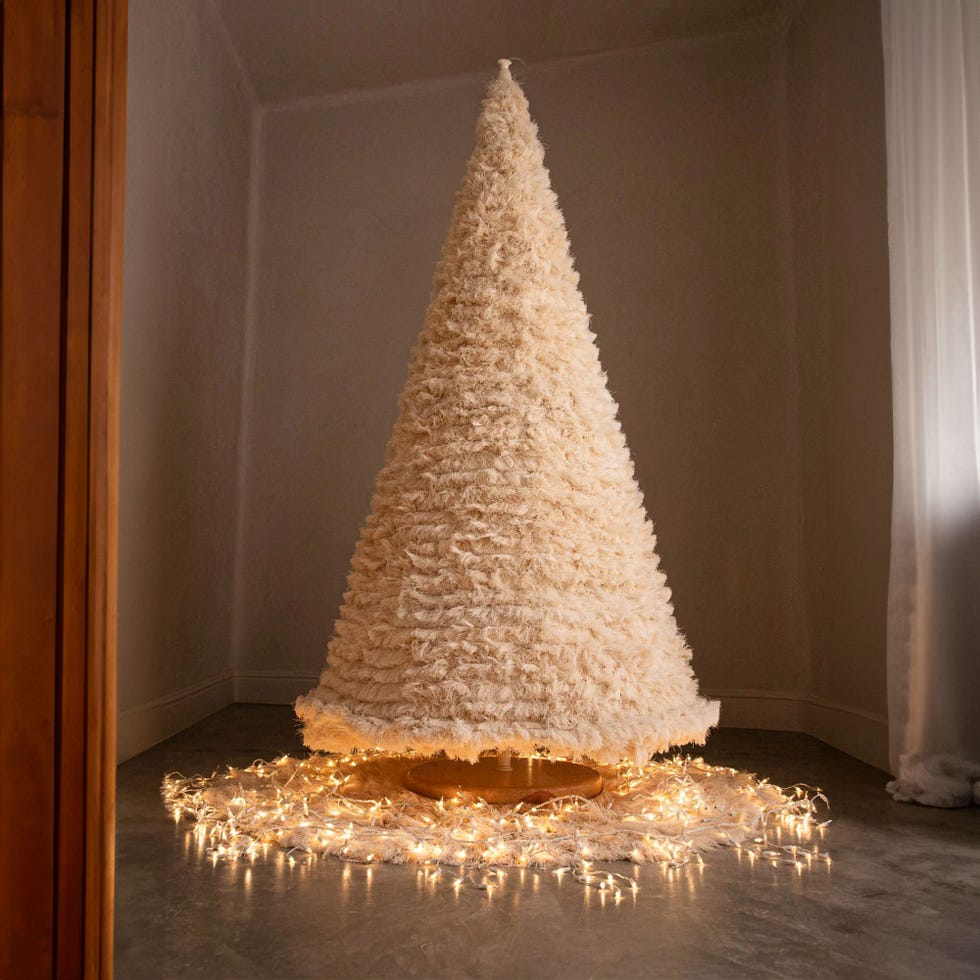
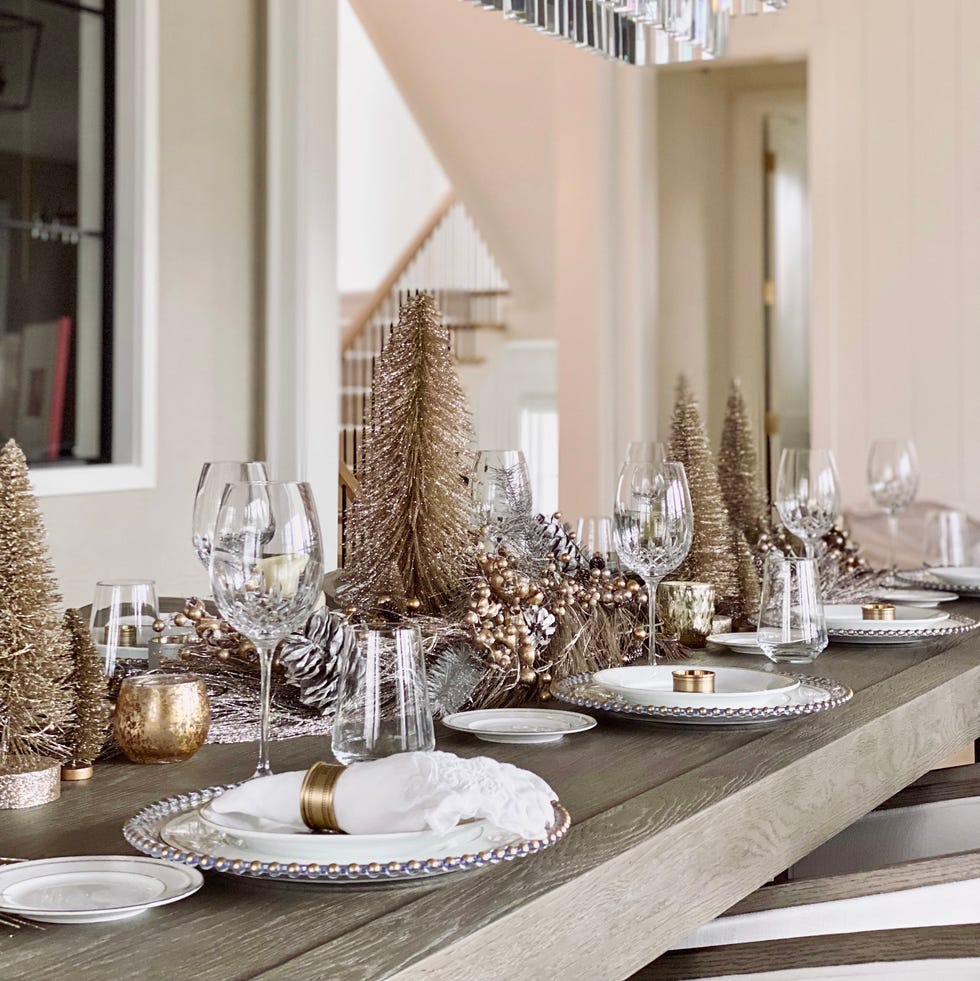
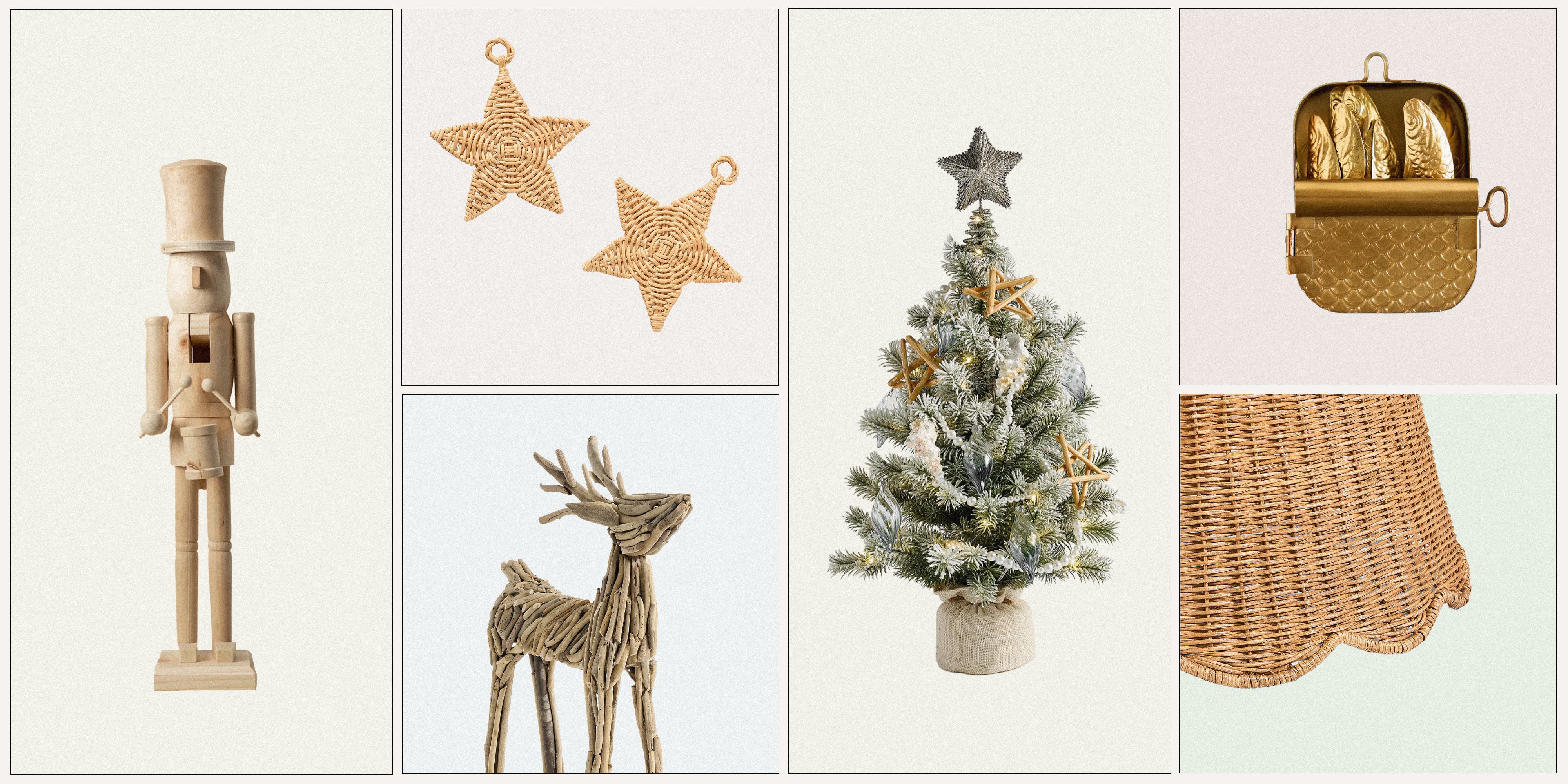
To avoid clutter and ensure longevity, it is advisable to steer clear of bulky, holiday-specific items, especially those that are highly character-based or trendy. Such items often require significant storage space and quickly go out of style. Instead, investment should be made in decor items that possess timeless appeal and can be reused across different seasons or occasions. Smaller, versatile pieces like themed place cards, painted candles, and other tablescape items that serve a functional purpose during gatherings are preferable to large, purely decorative items that will be stored for most of the year. The principle of reusing and repurposing is crucial for sustainable and stylish seasonal decorating. For instance, a deep orange tablecloth can be used in both fall and spring, or an abstract floral pattern can transition from spring to other seasons. Investing in durable items like faux trees, garlands, and wreaths also ensures they last through many holiday seasons. Ultimately, personal preference plays a significant role in seasonal decorating, with the emphasis on creating a home environment that brings joy and comfort to its inhabitants, rather than strictly adhering to trends.
#SeasonalDecor #HomeDecoration #InteriorDesign #HolidayDecorating #DesignTips #NaturalElements #ColorSchemes #SustainableDecor #SeasonalDecor #HomeDecoration #InteriorDesign #HolidayDecorating #DesignTips #NaturalElements #ColorSchemes #SustainableDecor
0 comment in total
 No comments yet
You may also like
Designer tricks for a cozy, layered look this fall

Meet Domino Editors—And Steal Our Fall Styling Secrets—At Joss & Main’s First Store Opening

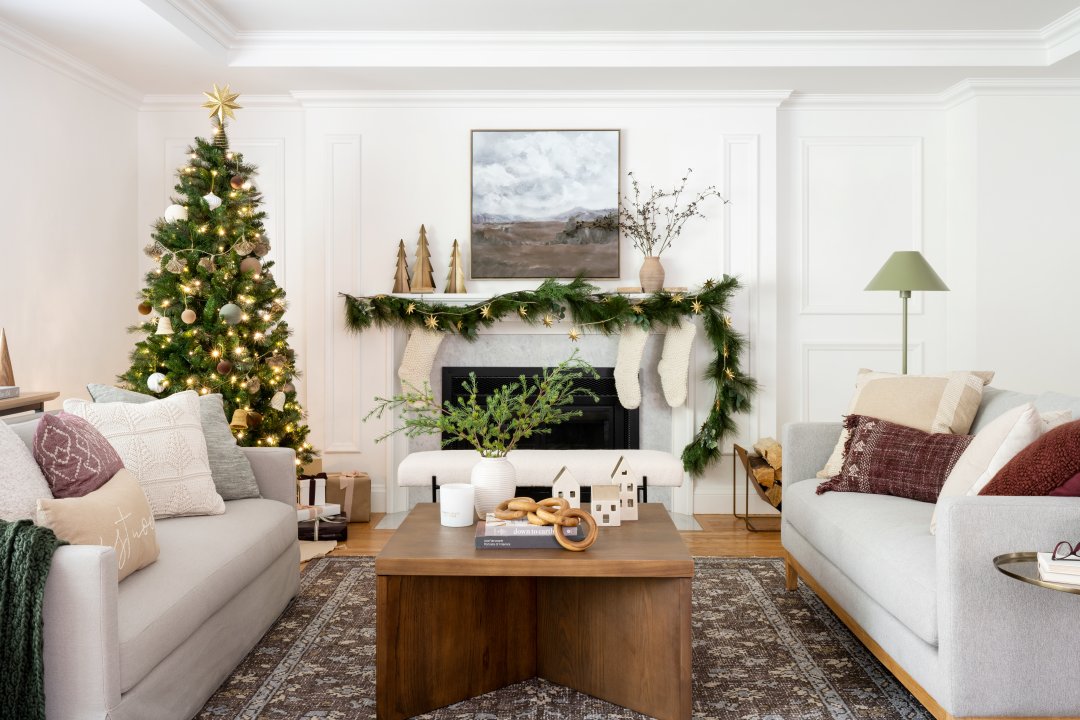
Curating A Holiday Space With Our Target Collection
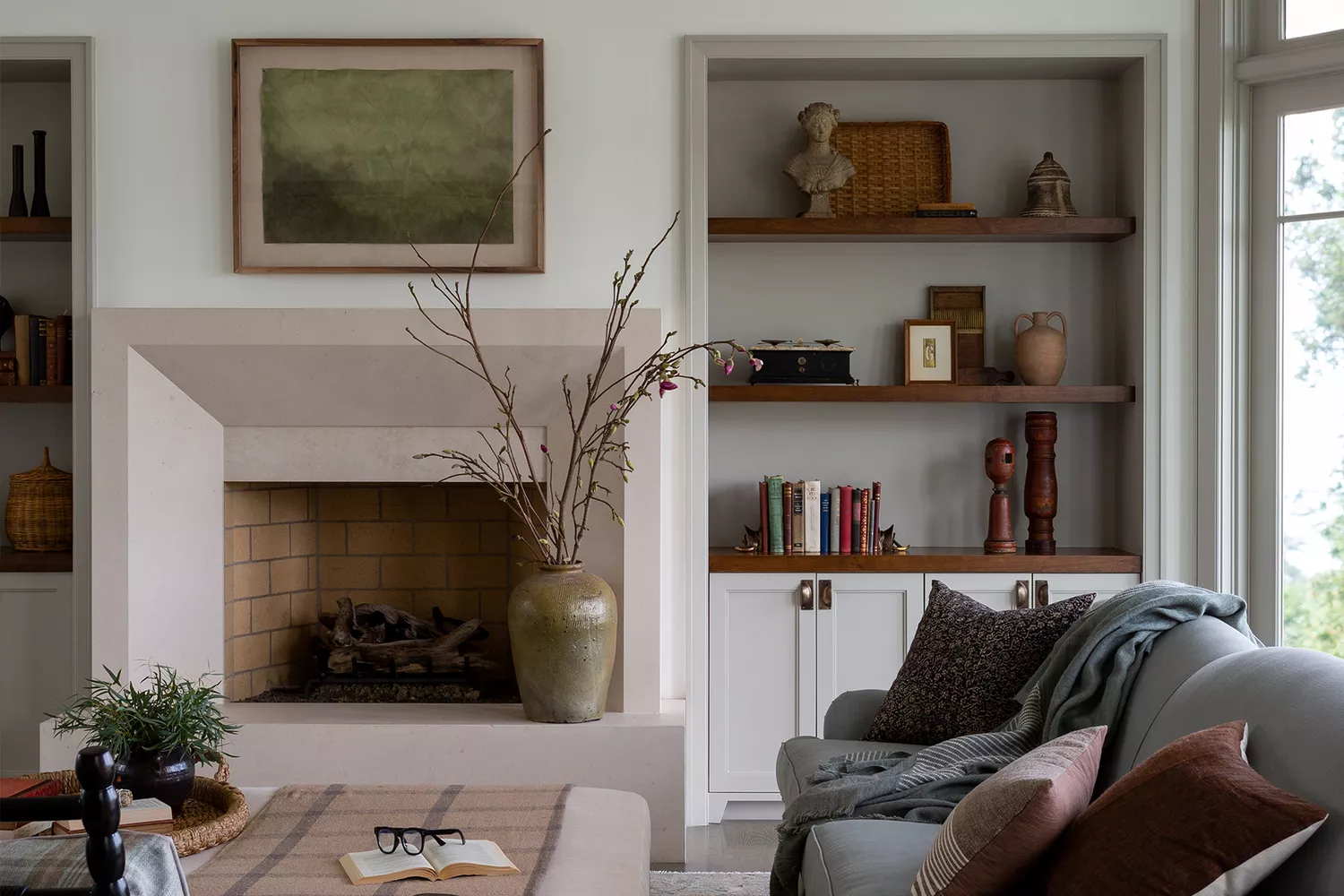
13 Winter Decorating Tricks Designers Rely On to Make a Home Feel Cozy
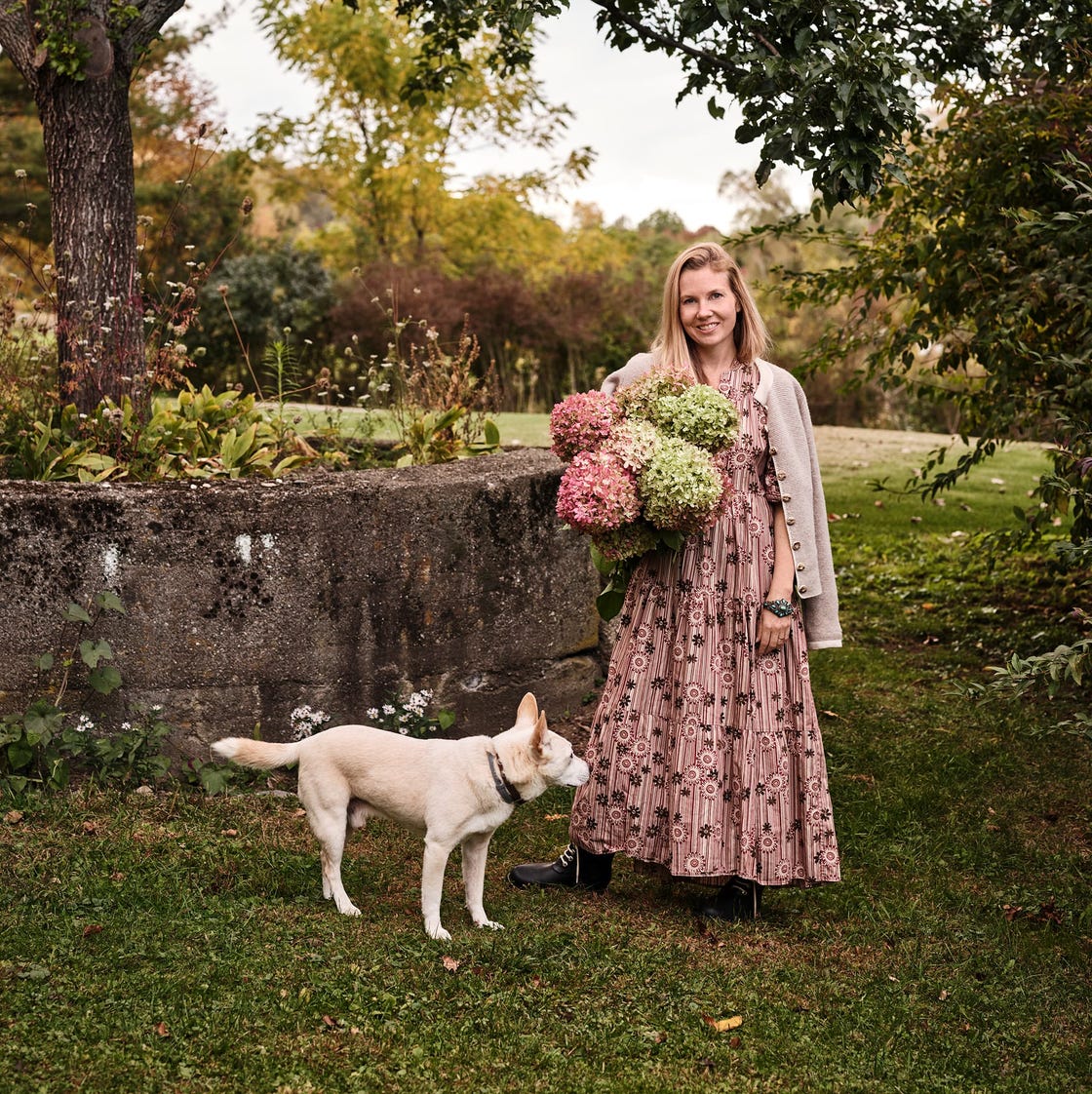
4 Foolproof Ways to Bring Cozy Fall Vibes to Your Home This Season

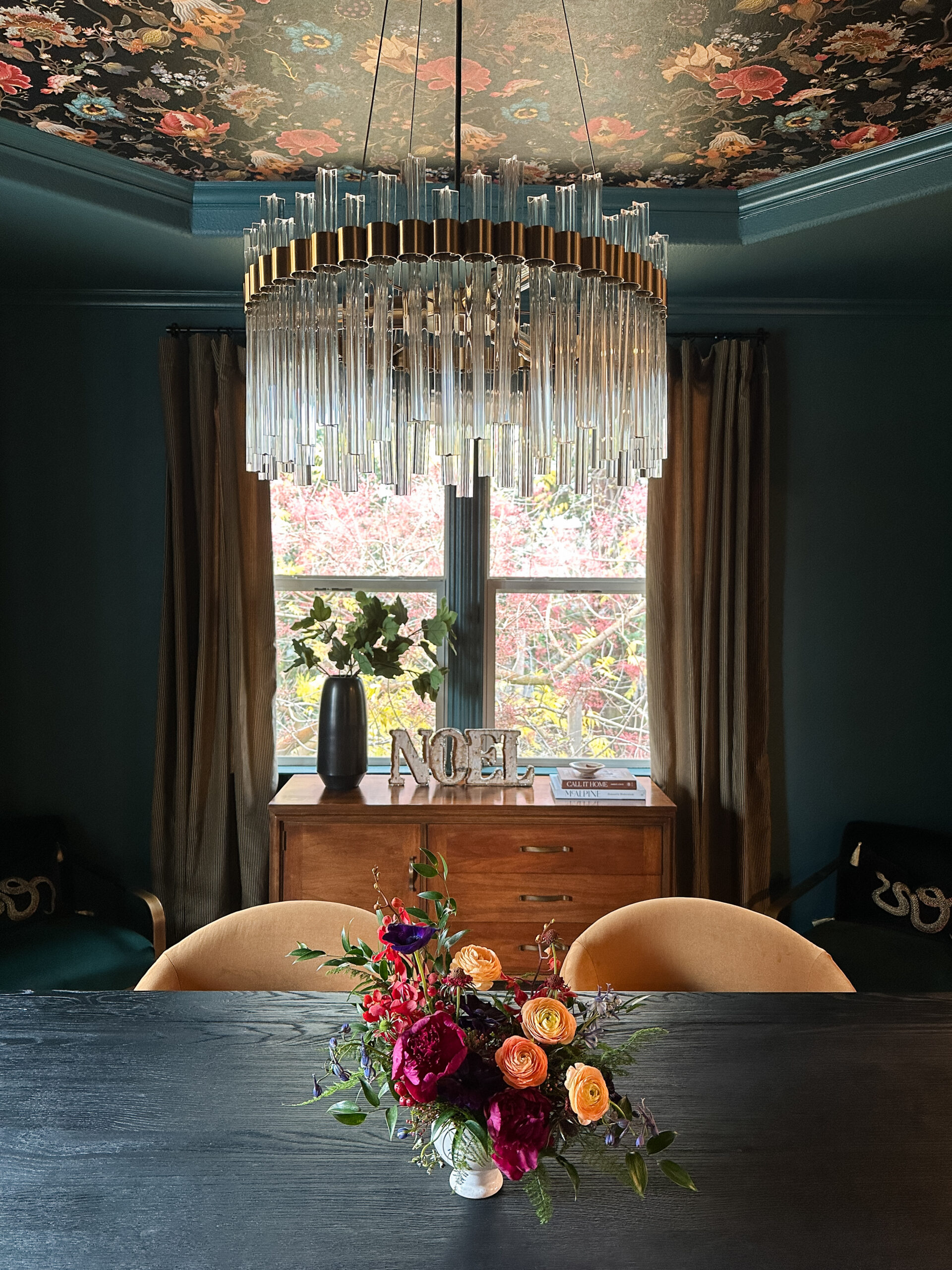
Sonoma Designers Share Their Decor Tips for a Merry Holiday

7 Decor Pieces Designers Ditch for a Cleaner, More Cohesive Look

Use These Dark & Stormy Accessories to Usher in Winter

The 4 Best Decor Items To Snag From HomeGoods This October

Seasonal Home Decor: 9 Expert Tips for Fall & Winter

The Cozy Layering Trick Designers Swear By for Fall – It Starts with Just 3 Things
Here's What's Trending in Home Decor This Fall/Winter, According to My Interior Designer Mom

7 Tacky Fall Decorating Choices That Instantly Make Your Home Look Bad, According to a Designer
These Famous TV Show Floor Plans Are What Your Naked Walls Have Been Missing

8 Simple Styling Swaps to Take Your Home from Summer to Fall
How to make a home cosy: 15 easy ways to make any space feel snug and inviting

The Holiday Hater's Guide to Decorating This Season
5 Ways to Style Your Holiday Mantelscape Like a Designer
How long should you leave up your fall decor? We asked the experts when it's time to start to shift from fall to festive
4 Ways to Hide Common Eyesores in Your Home Before the Holidays, According to Designers