1/4
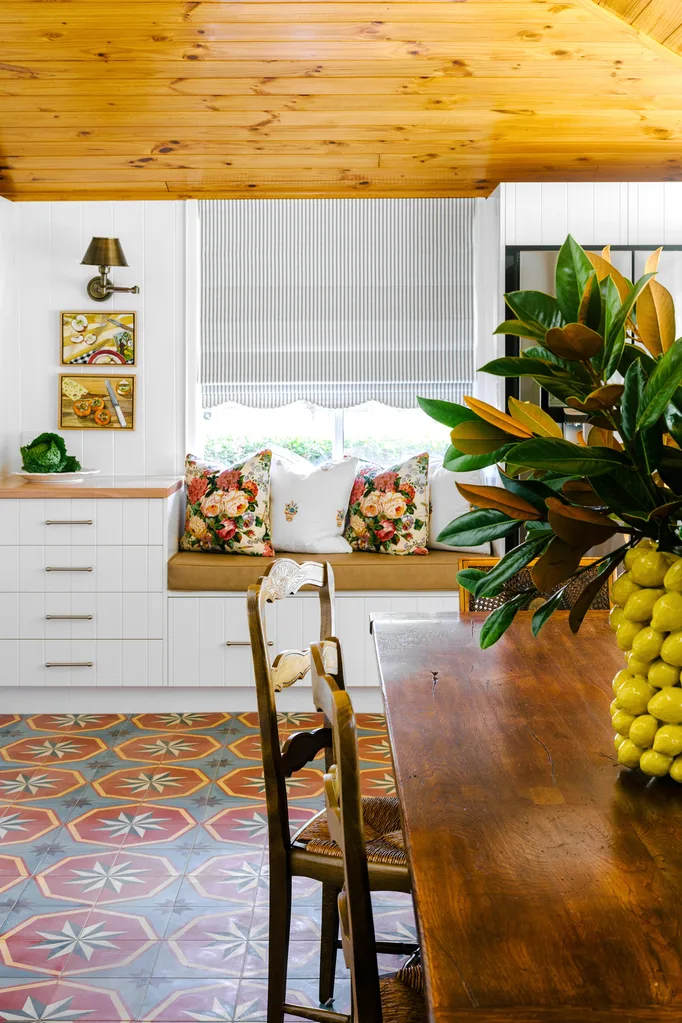
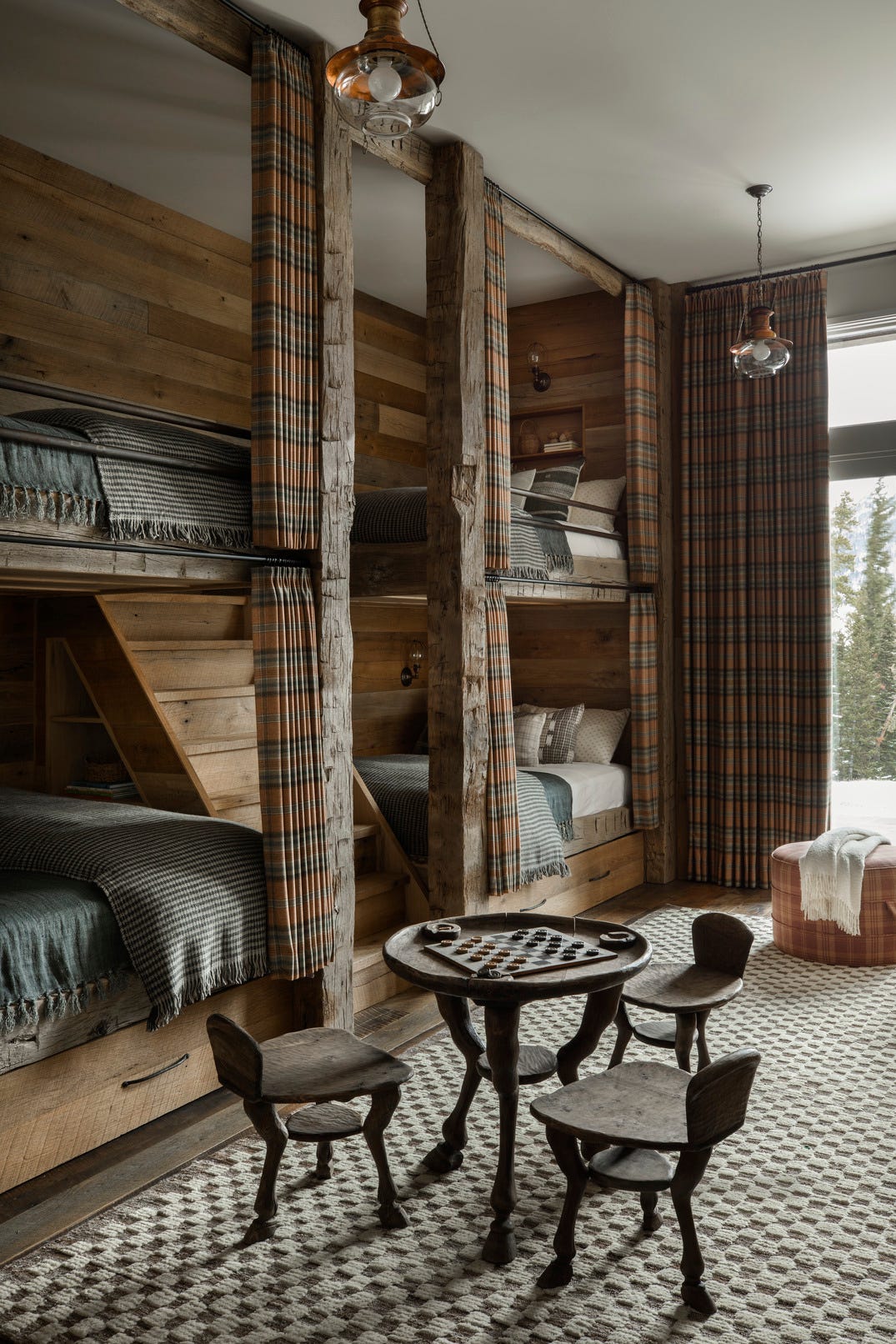
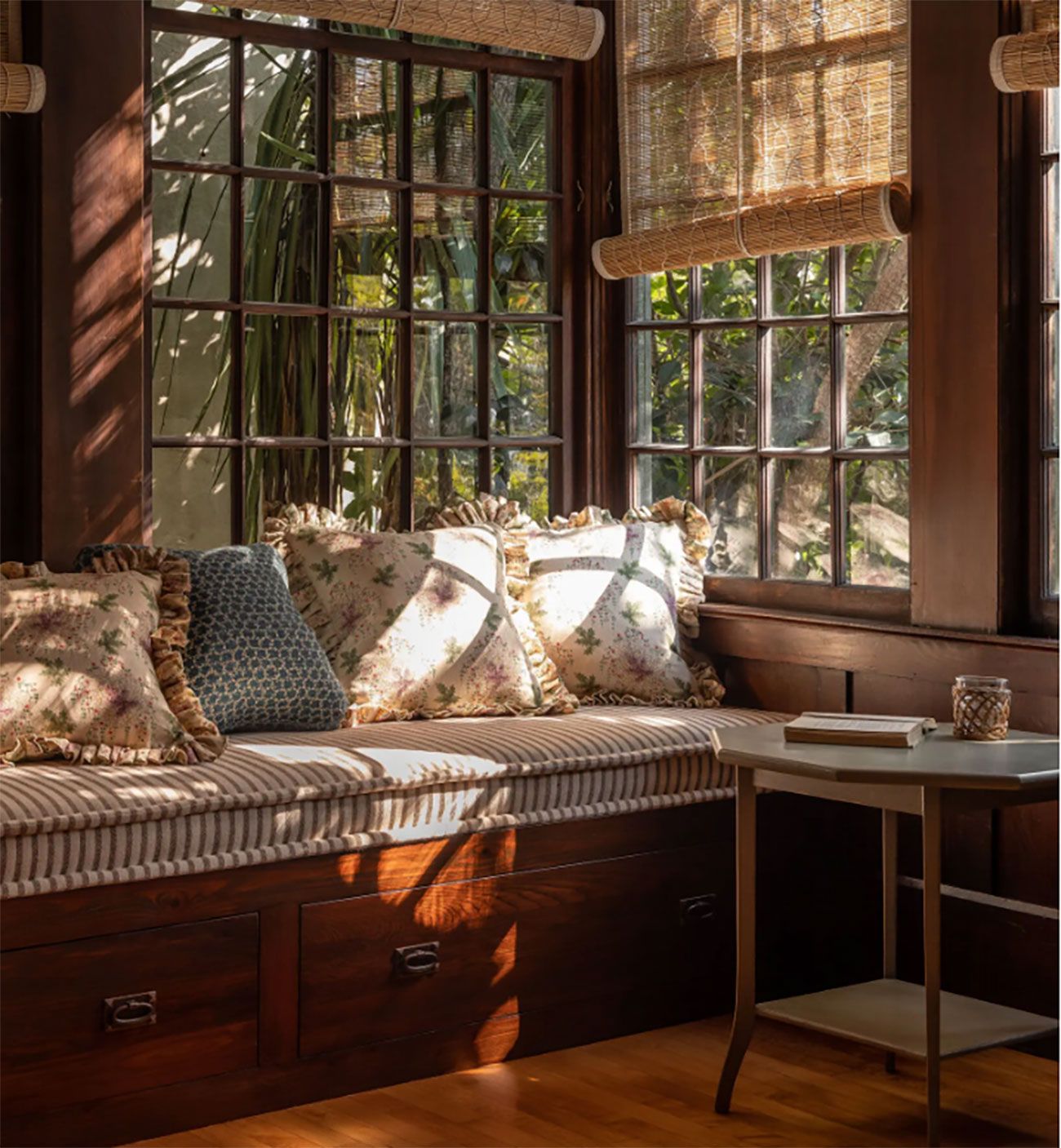
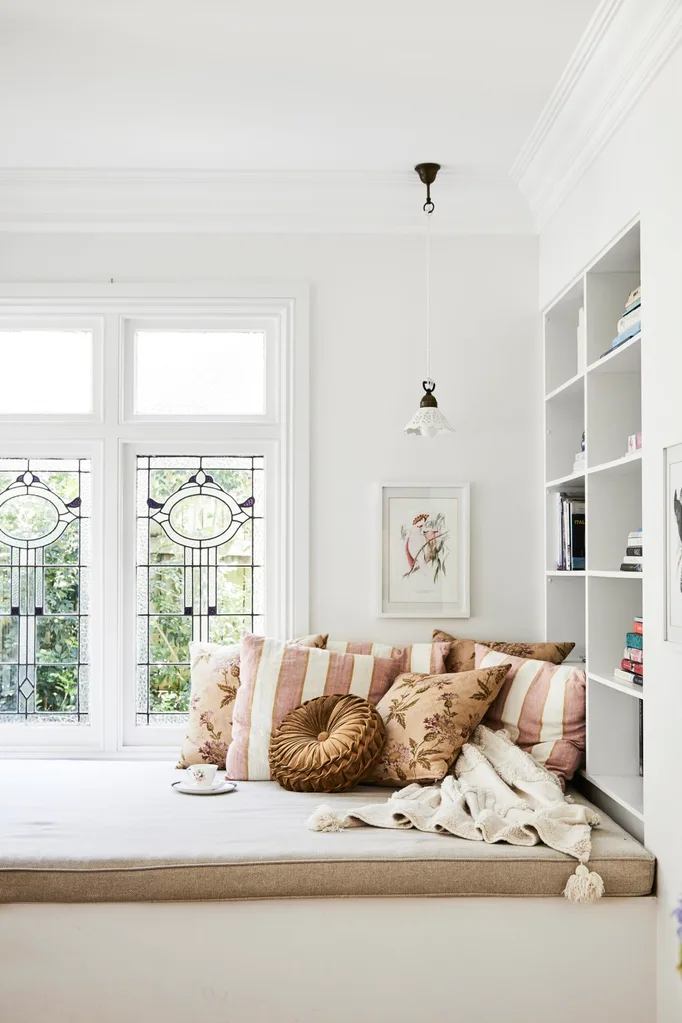
It’s hard to beat a cozy window seat in the fall
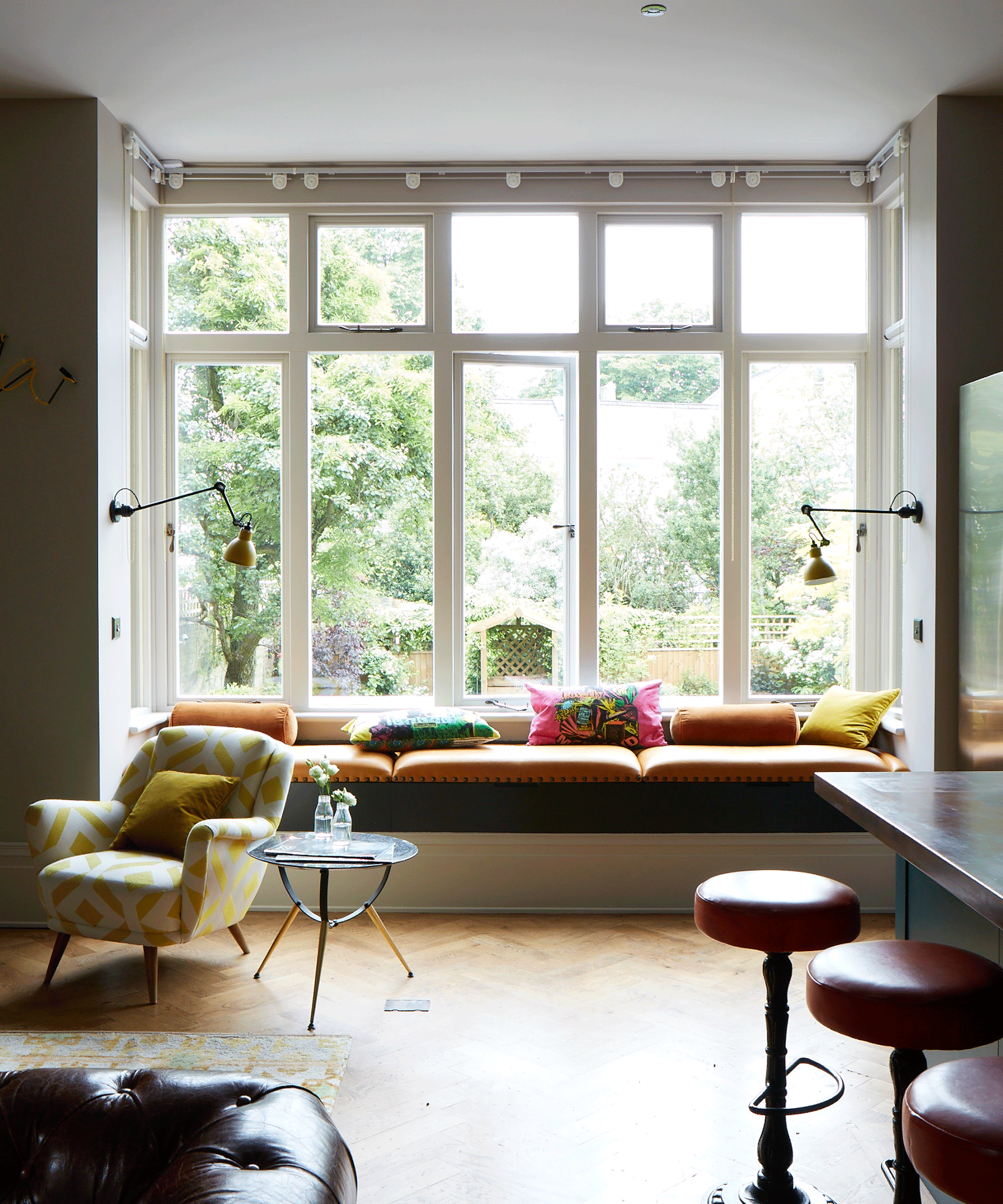
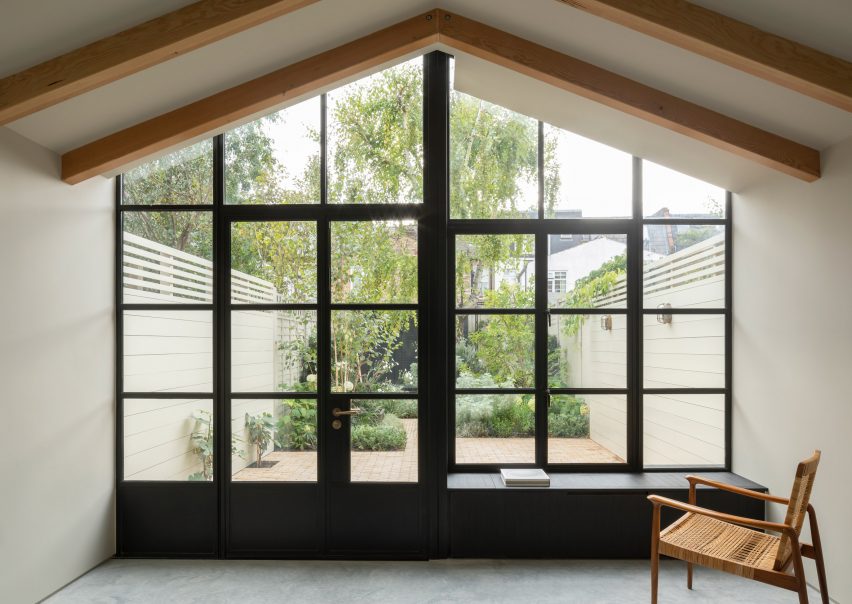
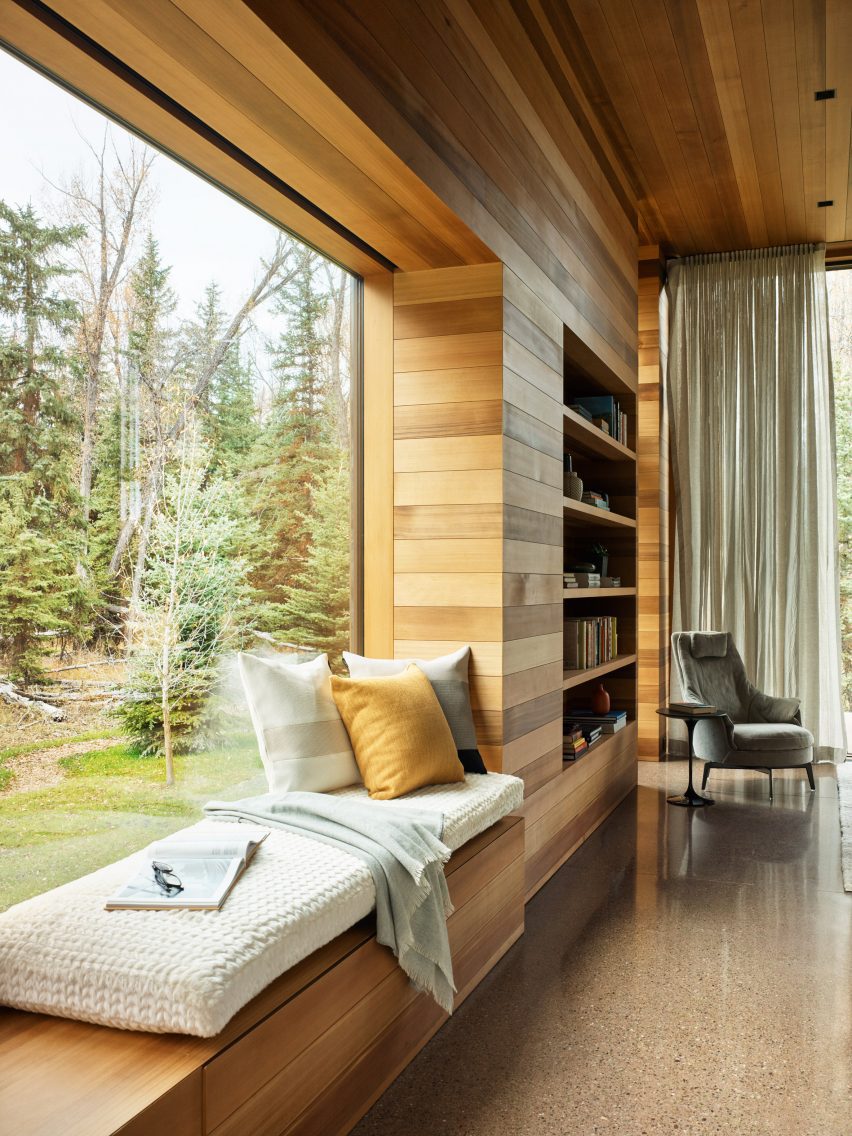
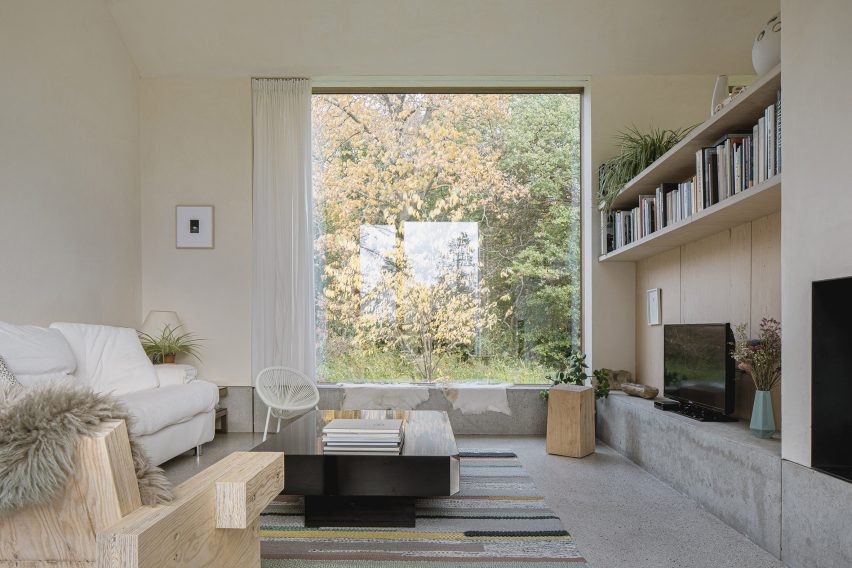
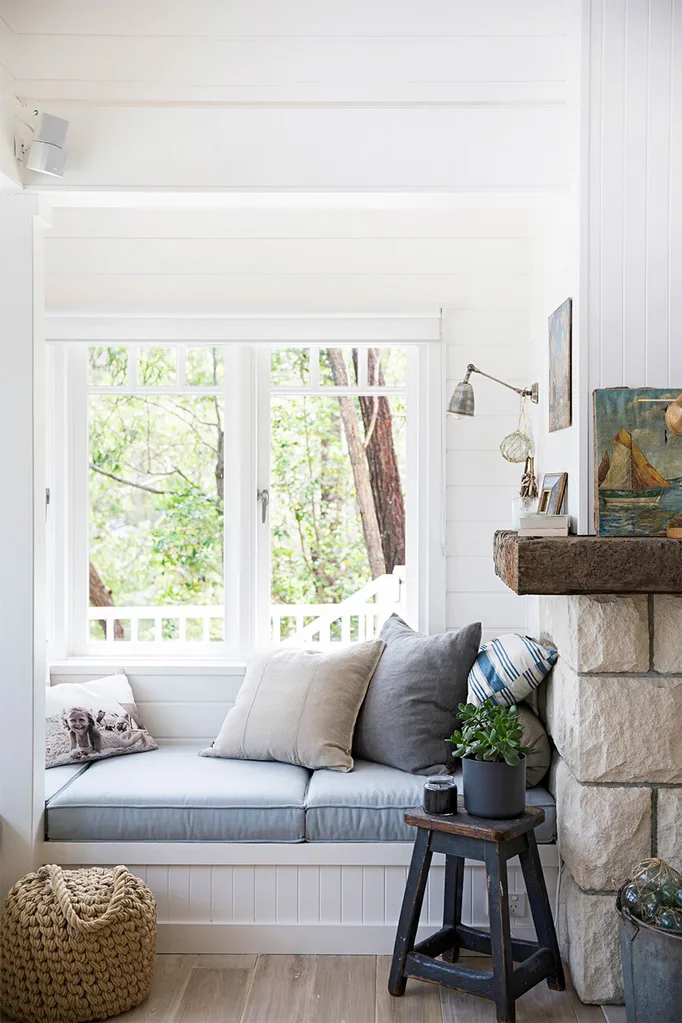
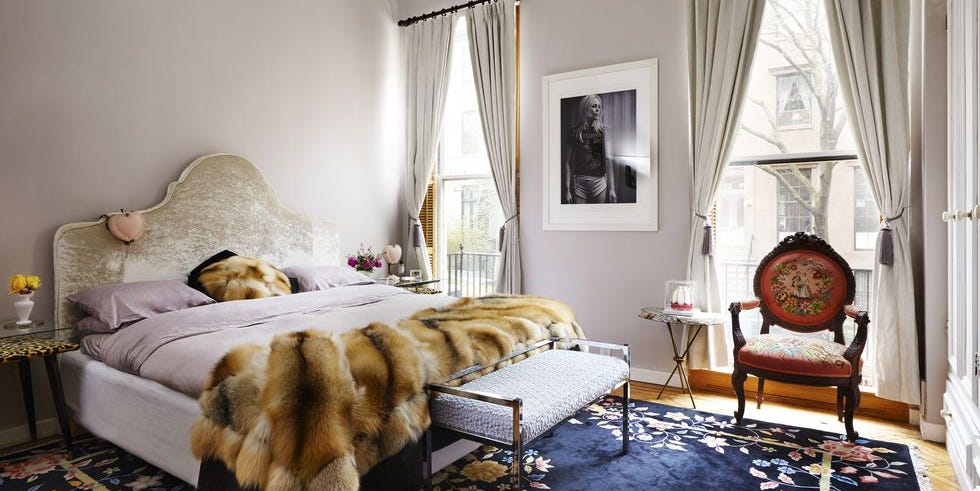
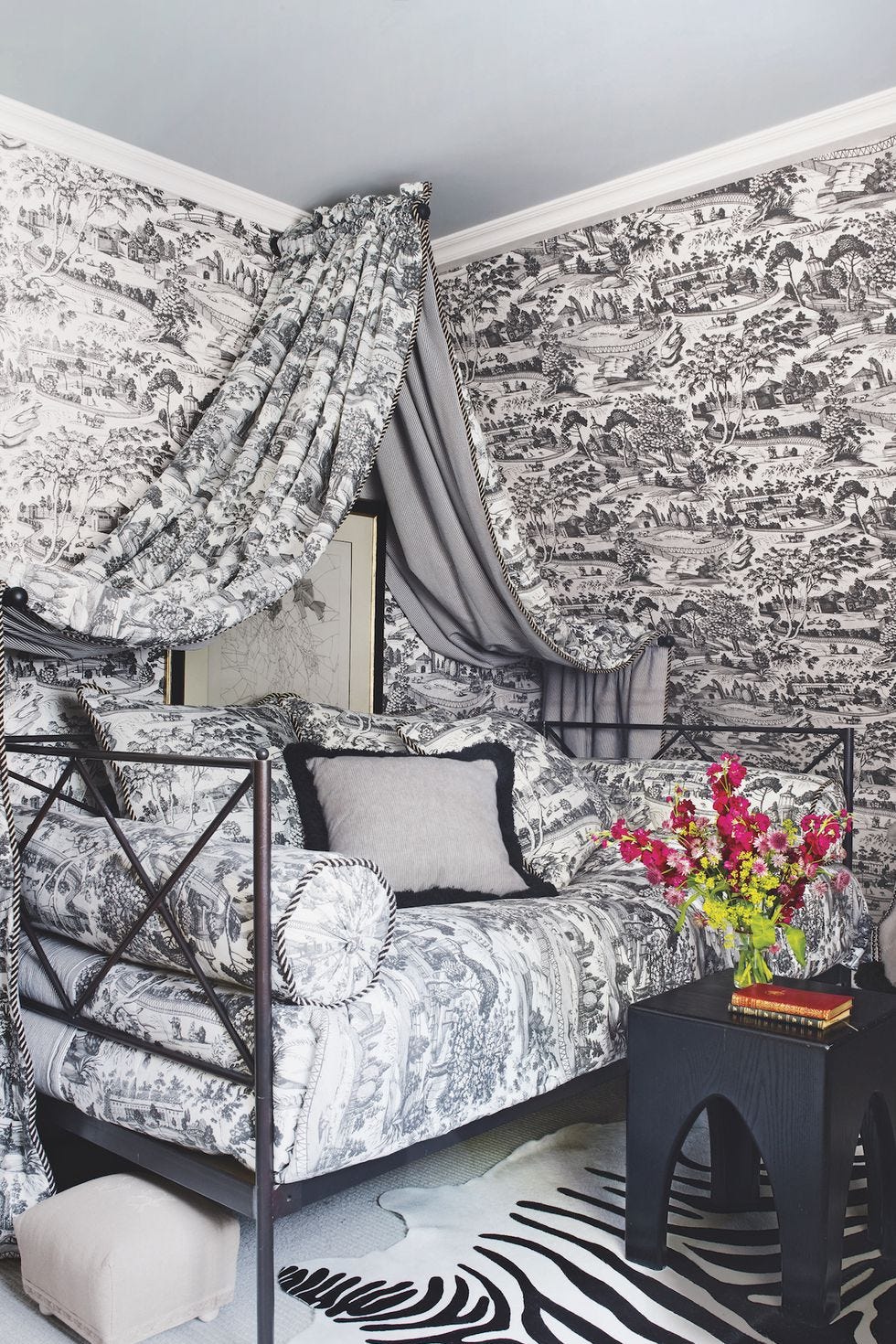
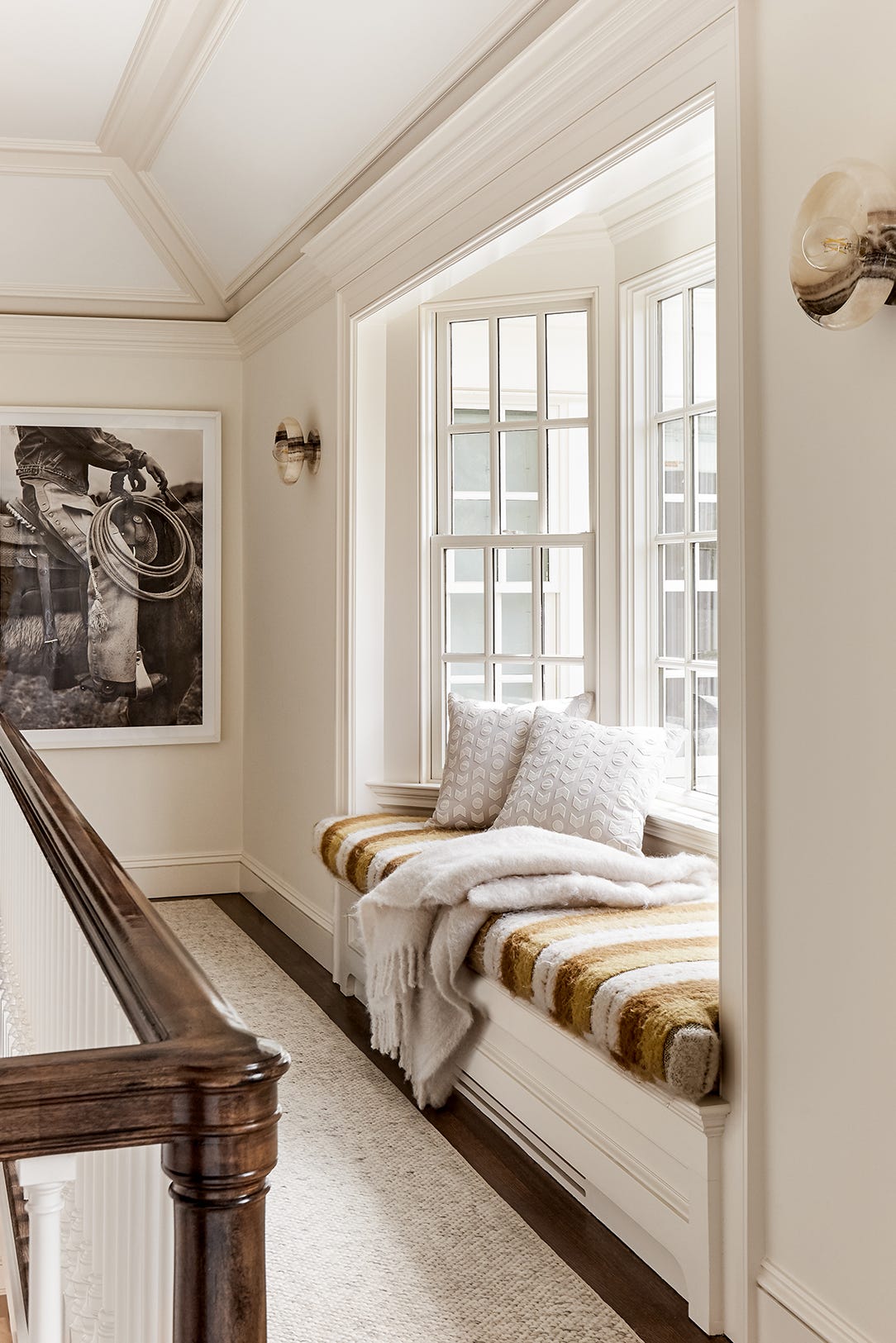
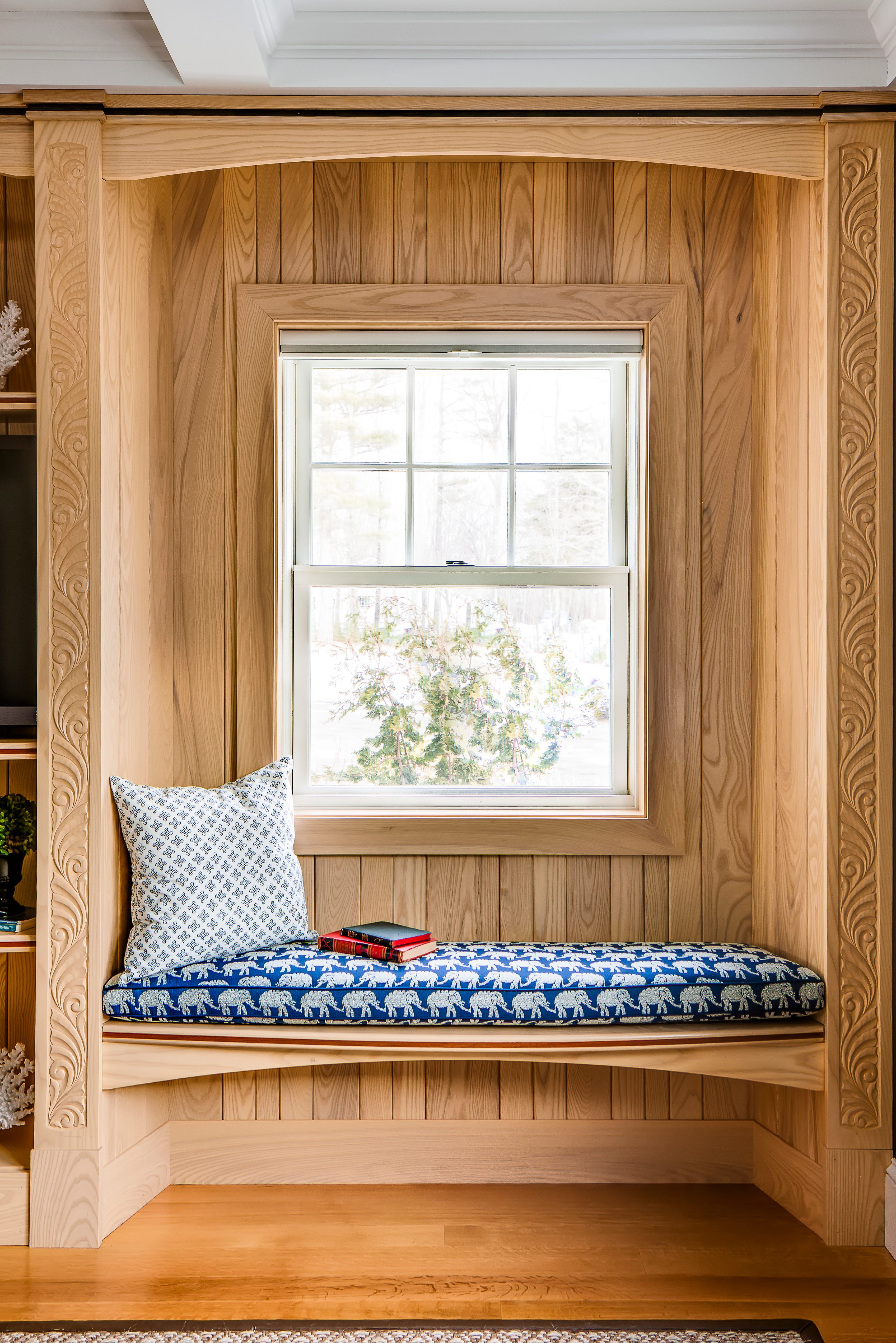
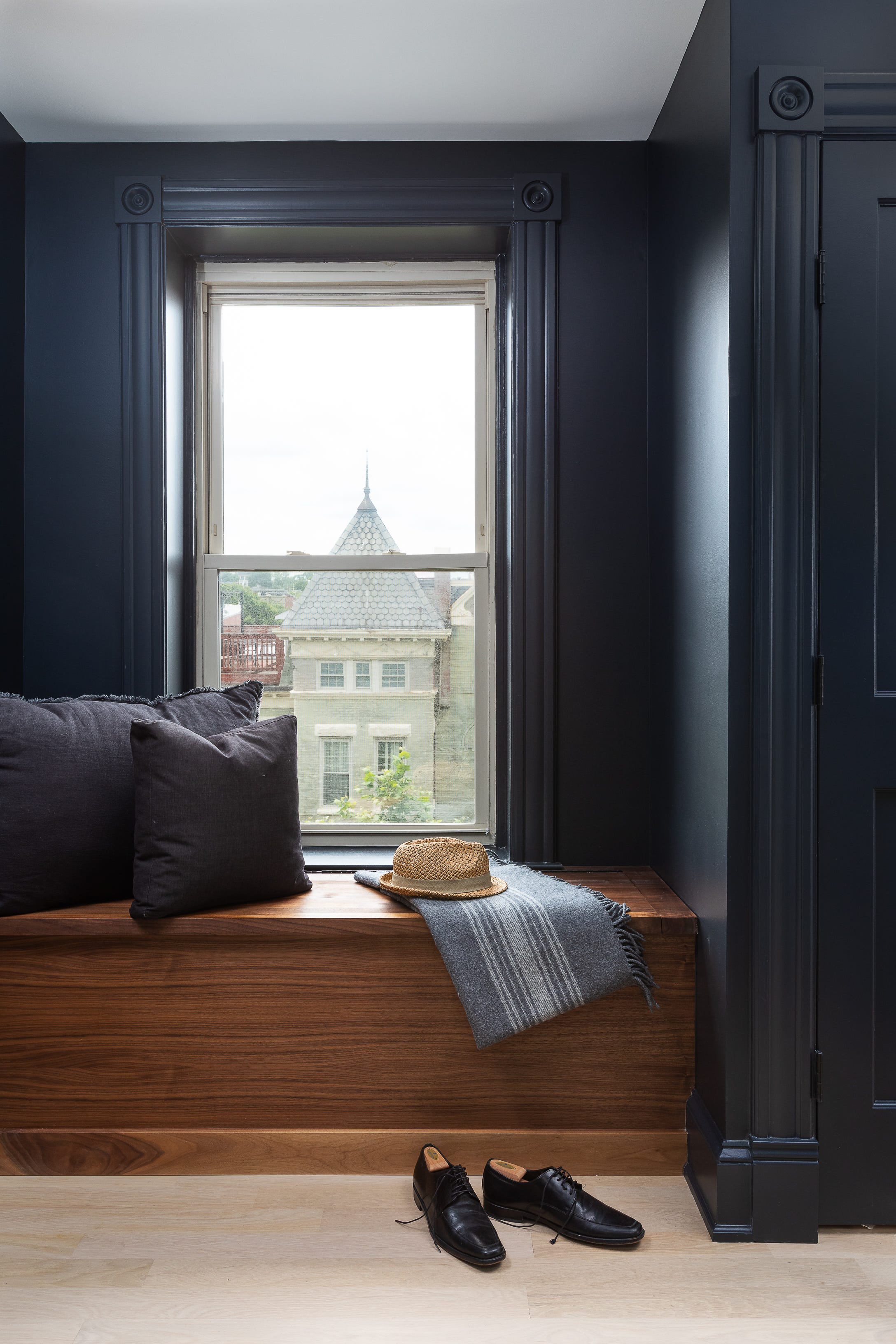
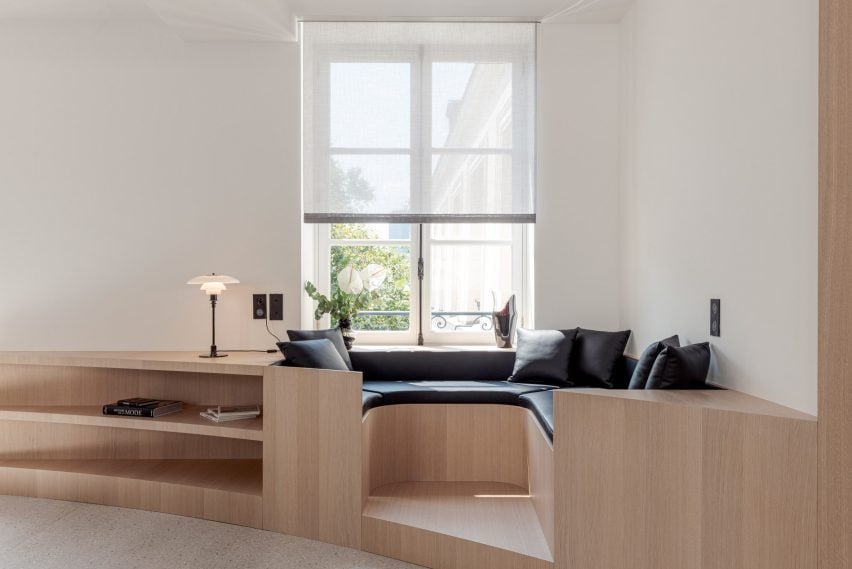
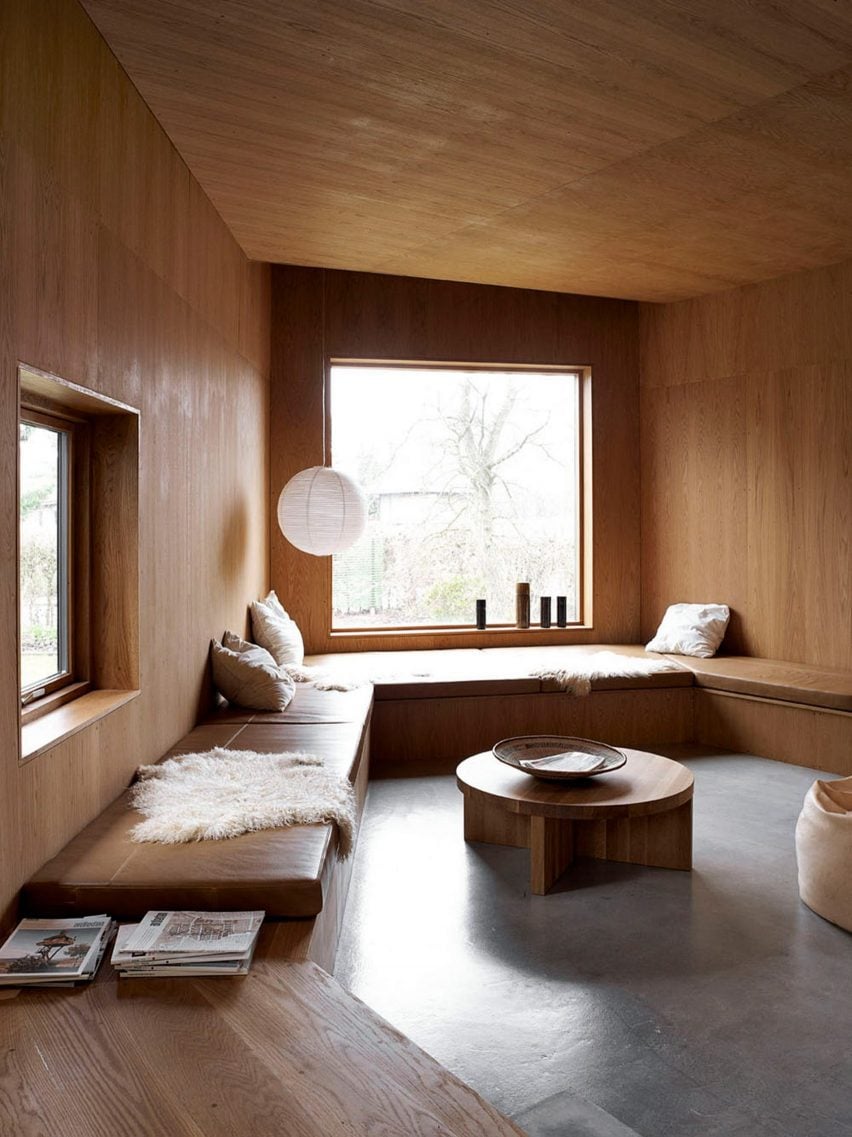
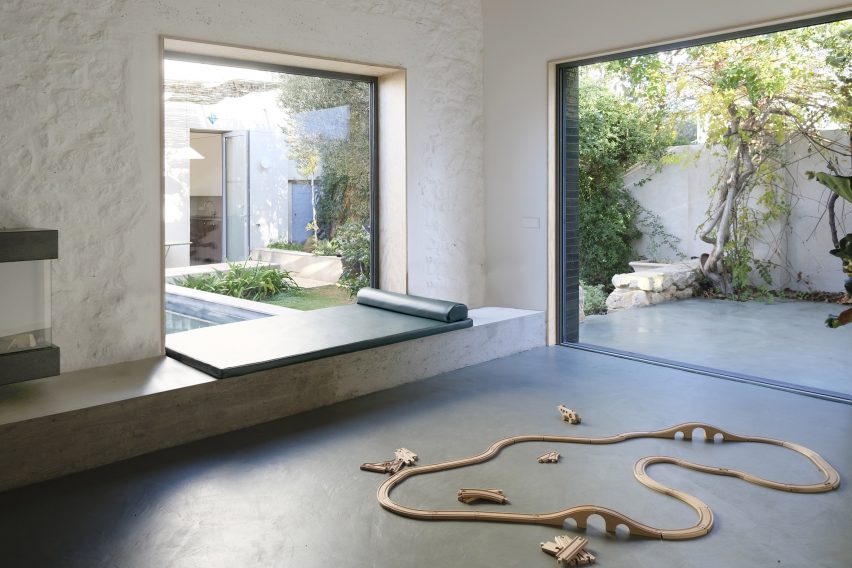
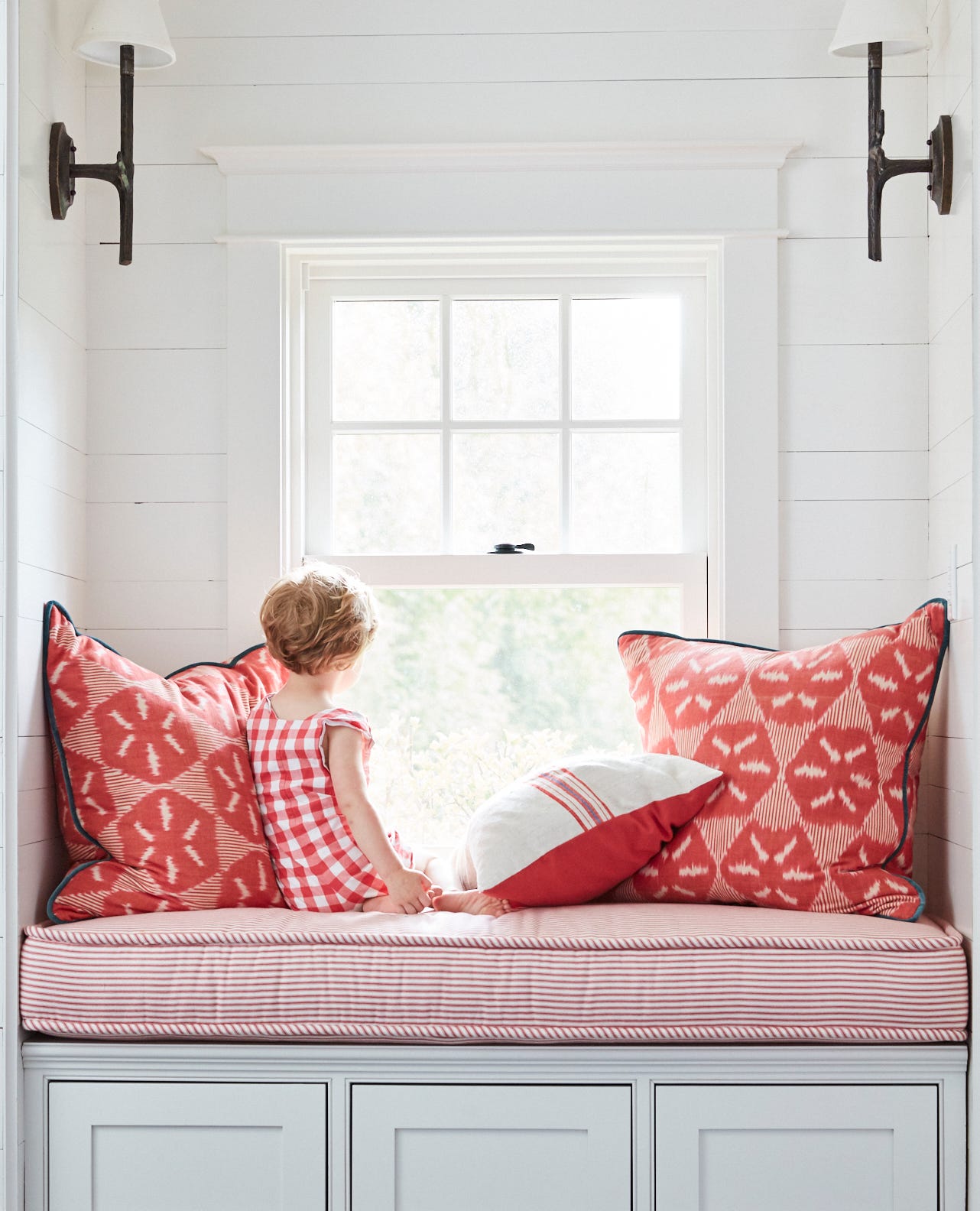
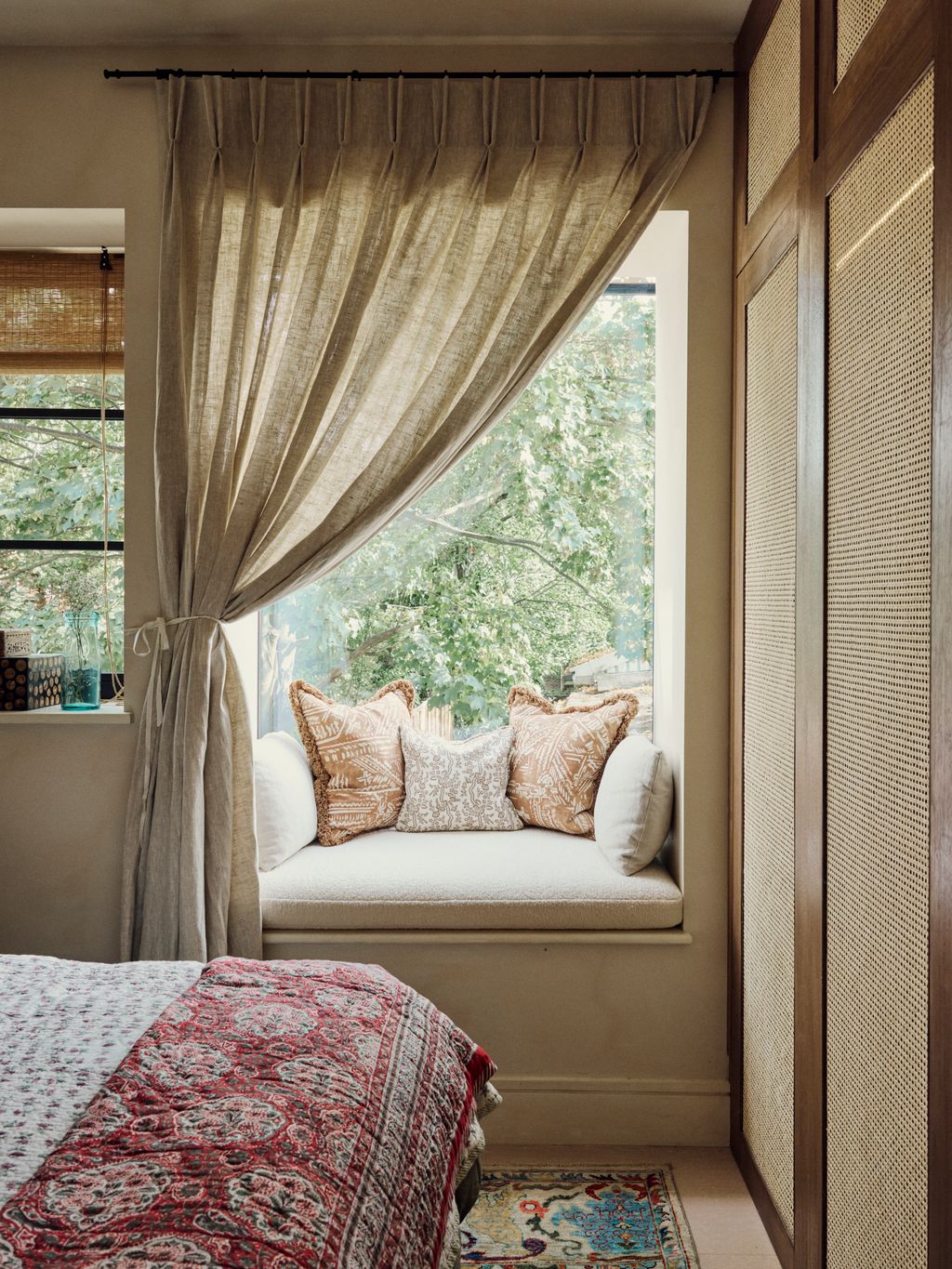
Window seats offer a comfortable and functional addition to various rooms, maximizing unused space and providing a versatile area for relaxation, reading, and other activities. Interior designers emphasize the appeal of window seats, highlighting their ability to create cozy nooks for snuggling with family, reading, doing homework, or conversing with friends. They can be strategically placed in areas where larger furniture, like sofas, might not fit, such as under roof dormers or between built-in bookcases.
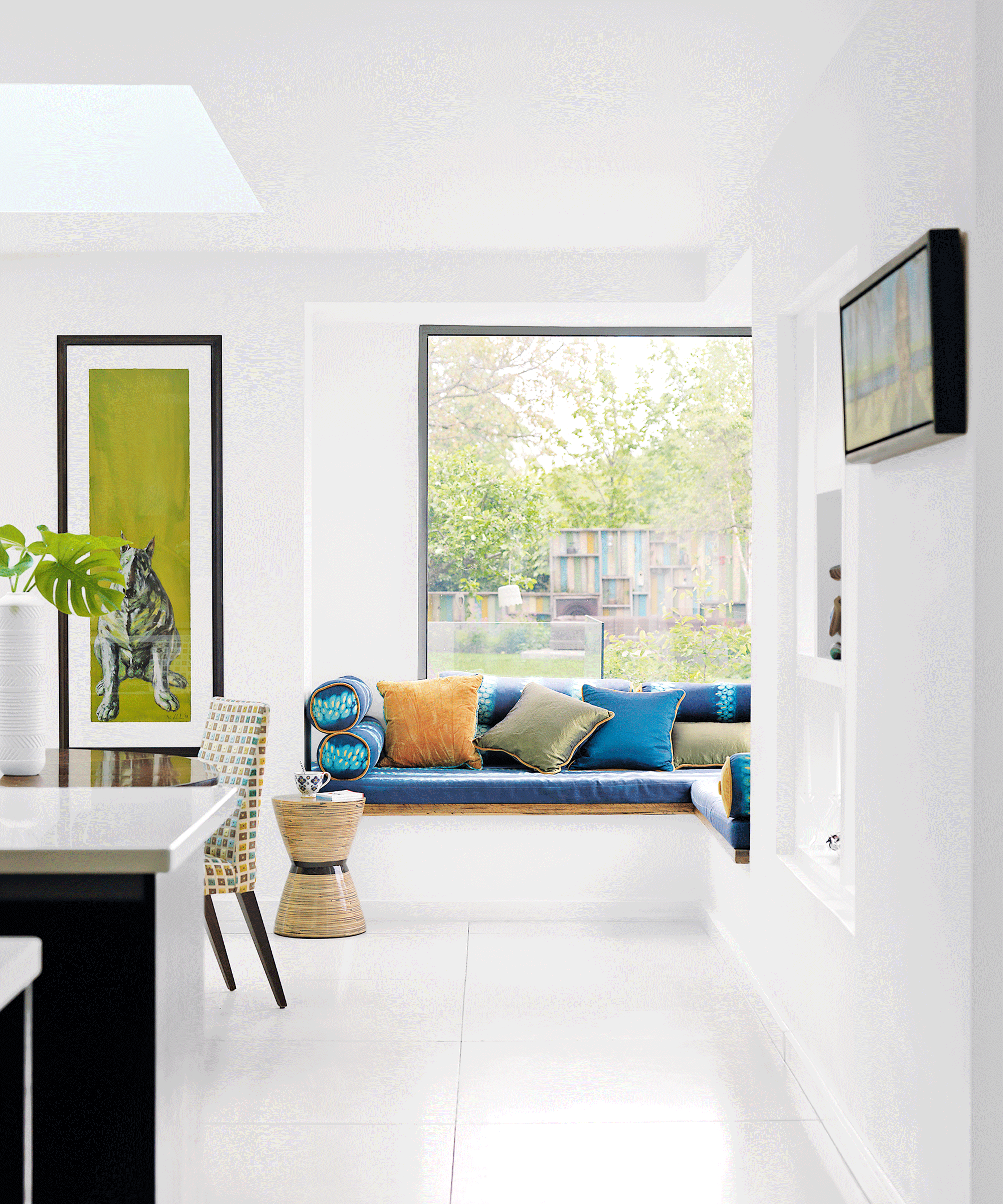
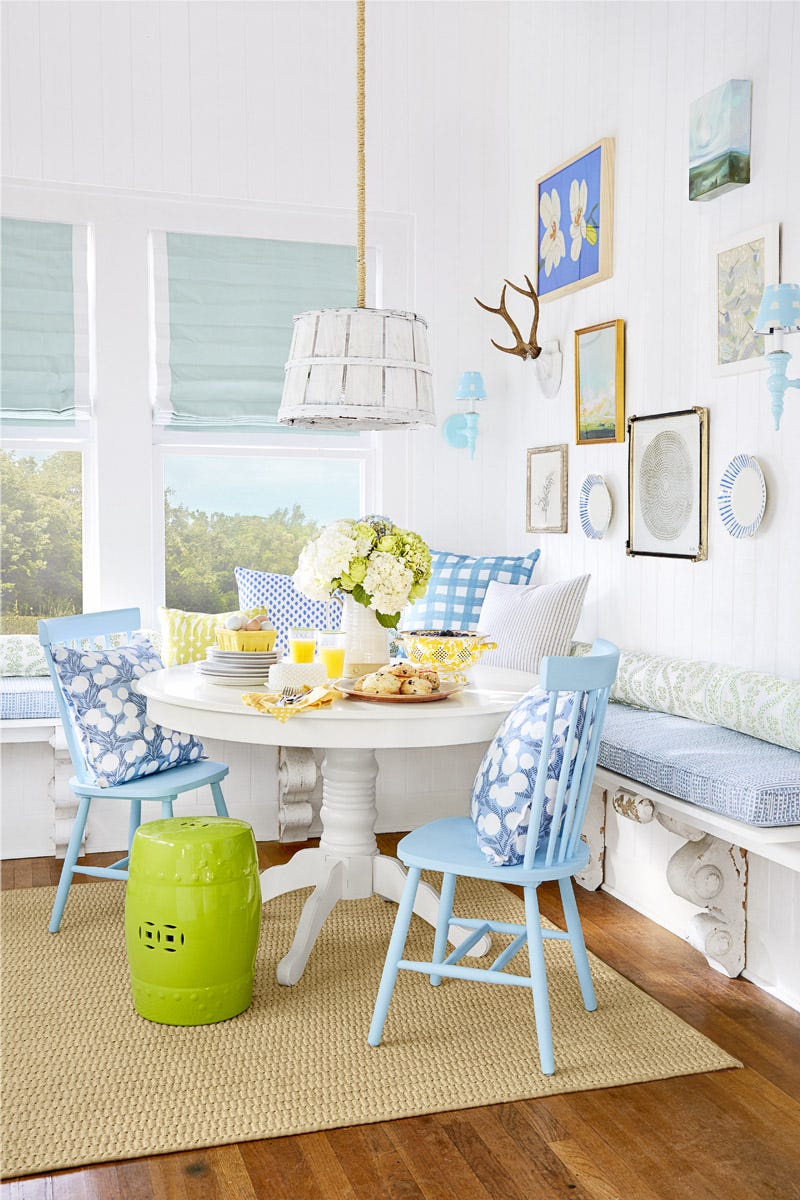
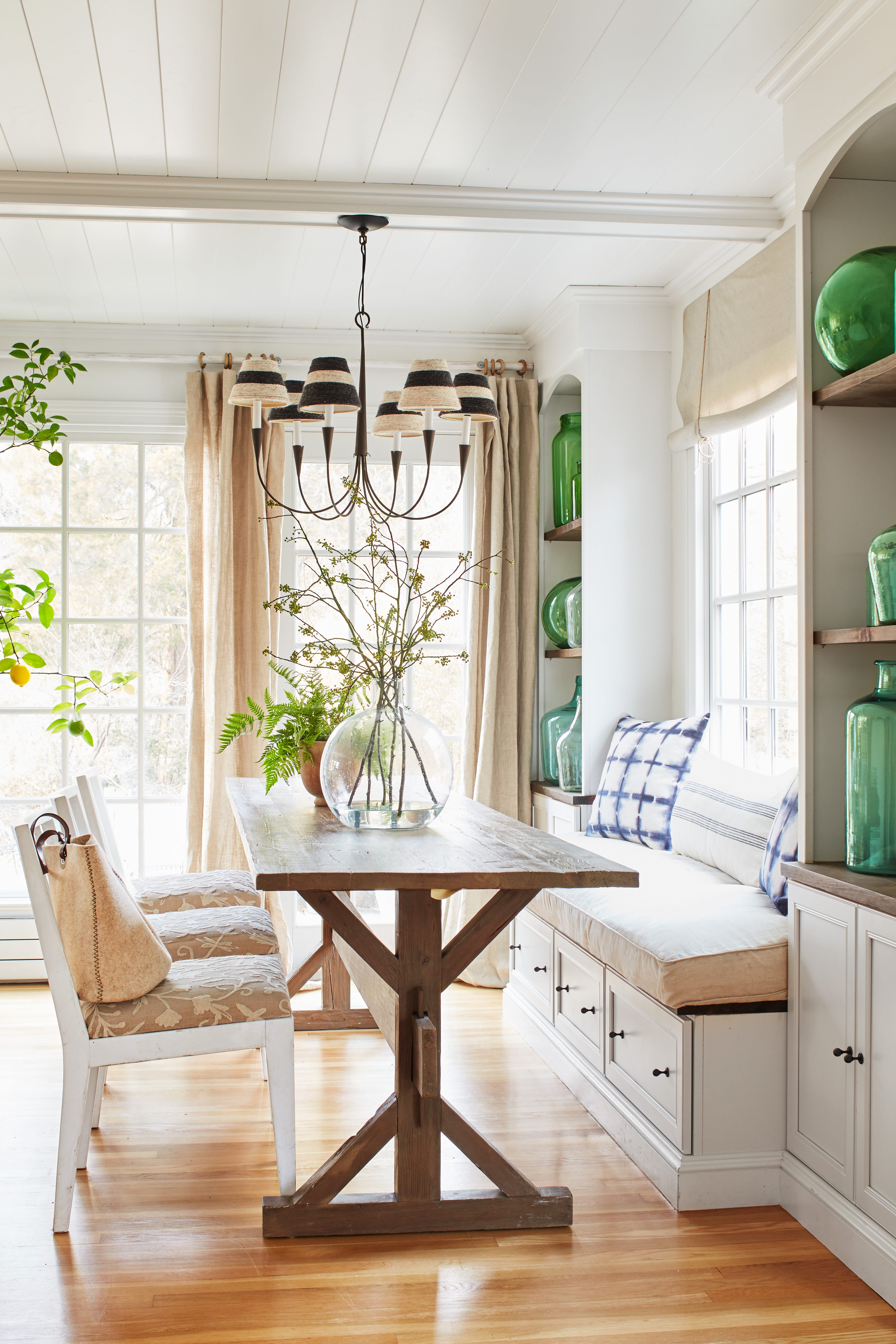
Key locations for installing window seats include bedrooms, where they provide a space for quiet activities distinct from the bed, and kitchens or adjacent dining areas, functioning as banquettes to create sunny eating spaces without obstructing circulation. In living rooms, window seats can serve as seating for game tables, enhancing the room's functionality. Sunrooms, entrance halls, or mudrooms also benefit from window seats, which can act as luxurious benches.
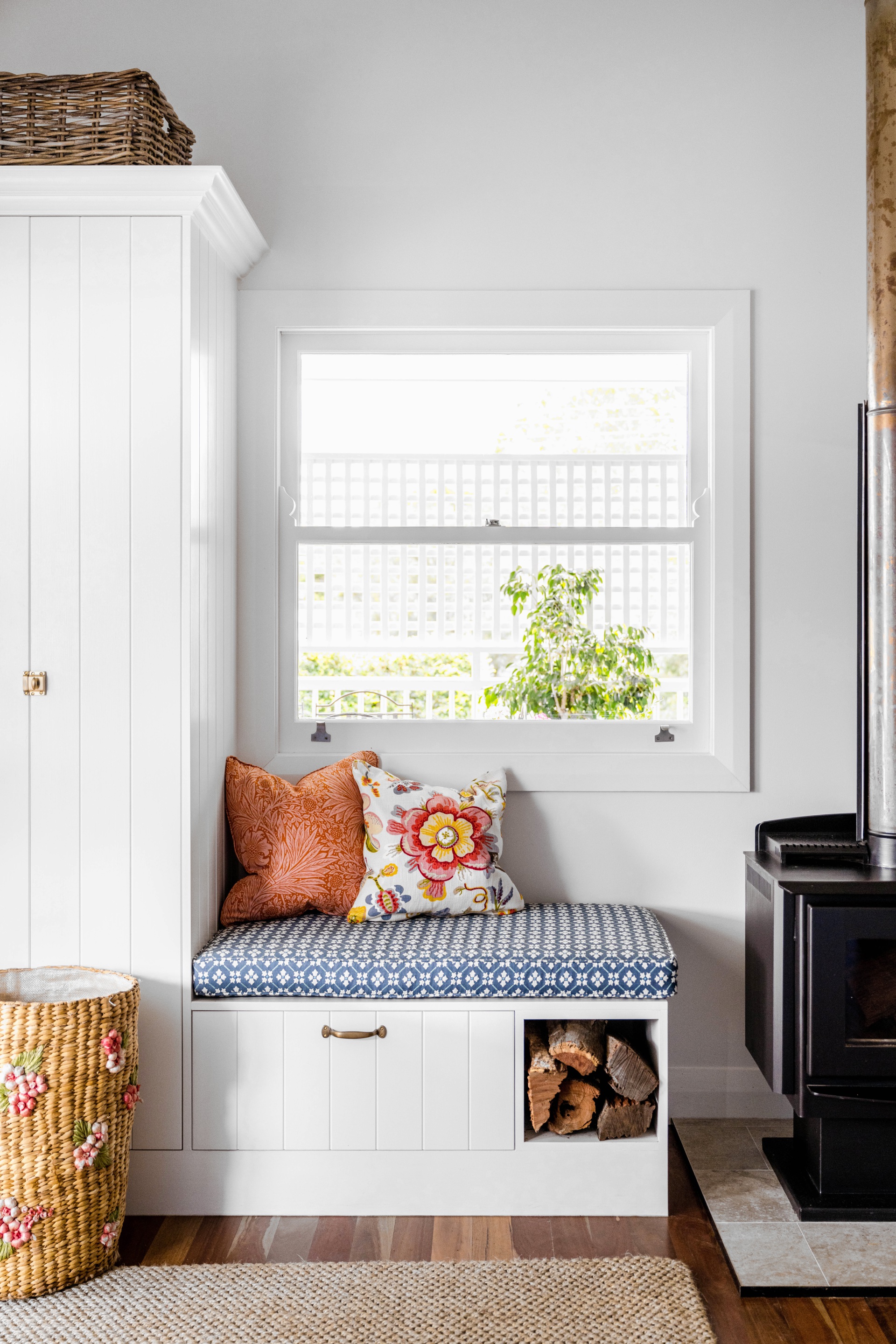
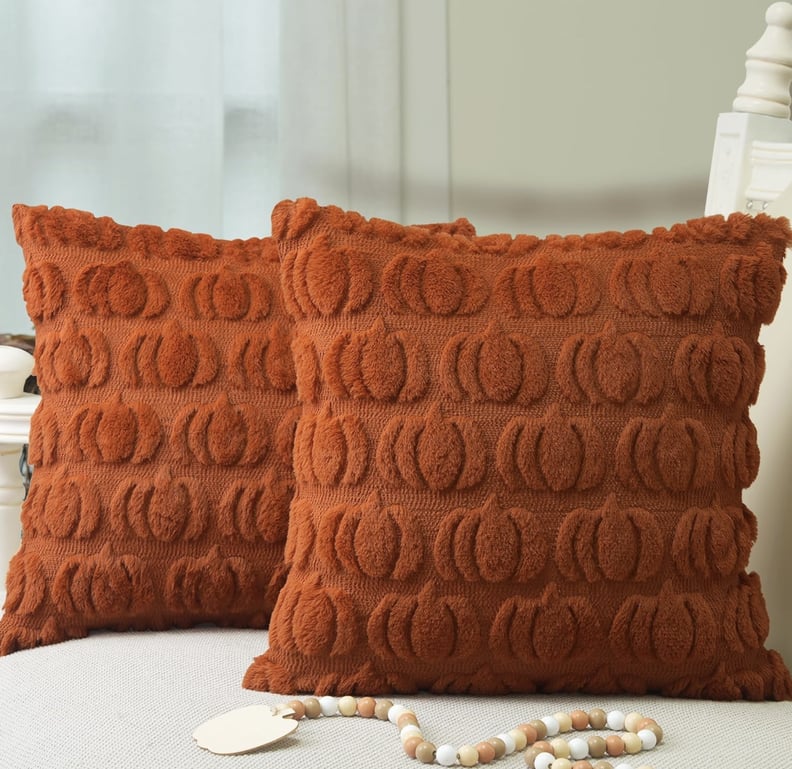
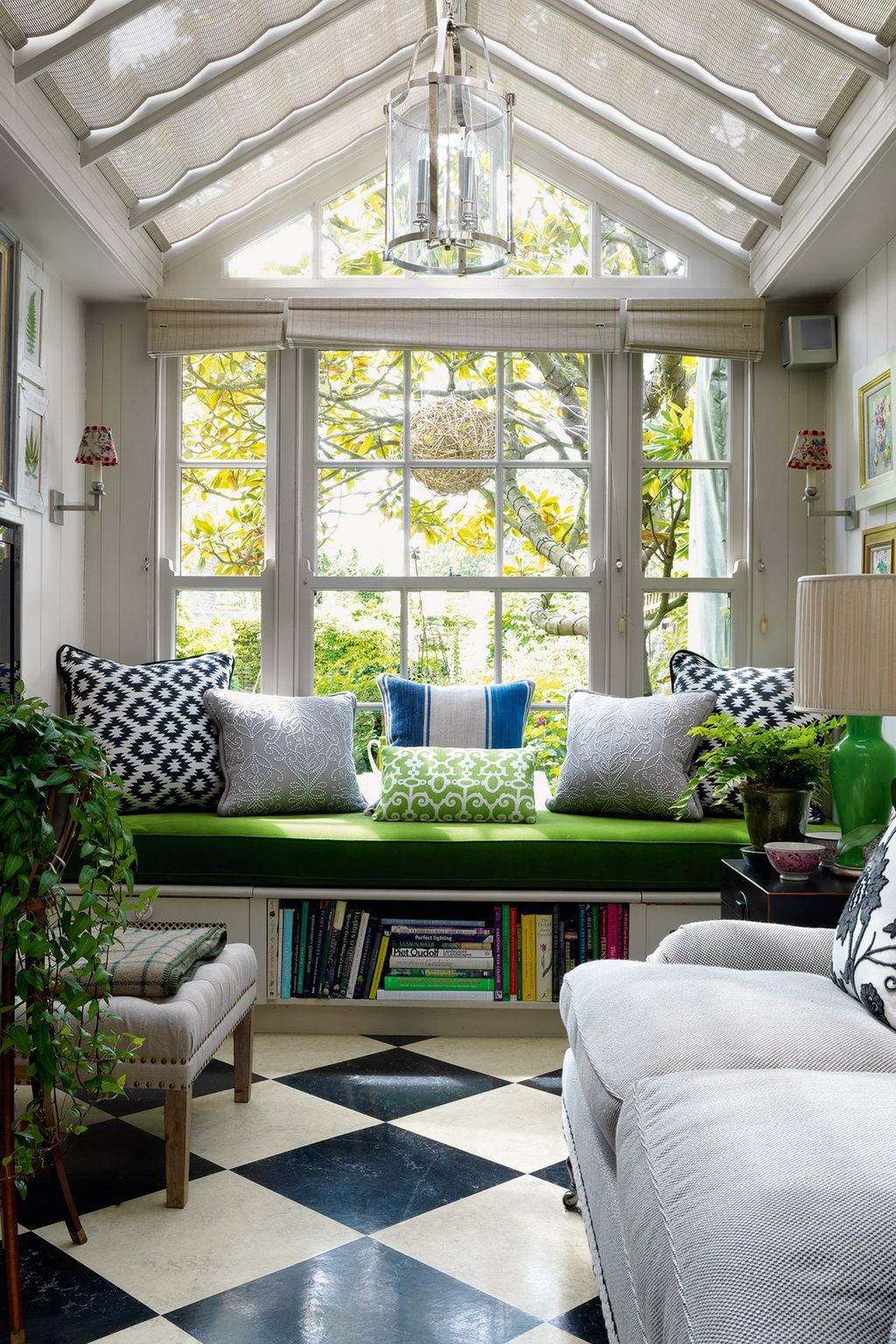
Comfort is a primary consideration for an effective window seat. Designers recommend a minimum seat depth of about 16 inches, with options for larger depths to accommodate lounging or even function as a daybed for overnight guests. The thickness of the seat cushion can vary from a few inches to a mattress-like depth, depending on desired plushness. To enhance comfort and style, throw pillows made from diverse textiles and patterns, including antique needlepoint designs, can be added. These pillows also serve a practical purpose as back cushions against walls, windows, and built-ins.
Window seats also offer valuable storage solutions. Many designs incorporate pullout drawers beneath the seat, ideal for storing items like sheets and blankets in a bedroom or large platters and craft supplies in a kitchen. Alternatively, a concealed hatch under the seat cushion can store seasonal items less frequently accessed. Window seats can also cleverly disguise radiators or air conditioners, provided adequate ventilation is maintained, by topping them with cushions or integrating decorative grates to deflect attention from ductwork.
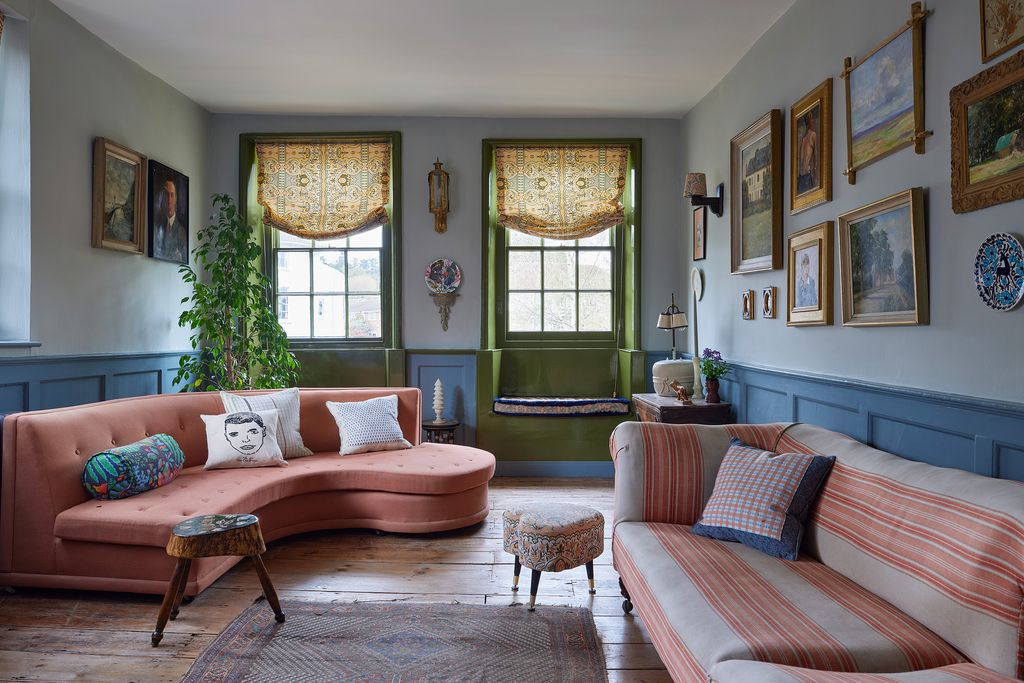
While most window seats are custom-built into the architectural structure to achieve an integrated look and maximize storage, freestanding options are also viable. Upholstered benches or compact sofas with low backs can function similarly. Examples include L-shaped sofas designed to fill window niches or upholstered benches extending from a deeper sofa to create an elegant, almost built-in appearance. Customization further enhances the utility and appeal of window seats. Incorporating sconces for reading, electrical outlets for charging devices, or shelves for books, candles, and photos can tailor the space to specific needs. Even without built-in features, a freestanding side table can provide a surface for drinks or decor. Adding small artworks to adjacent walls can make the space more inviting. Ultimately, the goal is to create a cozy, functional corner that naturally draws people in.
#WindowSeat #InteriorDesign #HomeDecor #SpaceSaving #CustomFurniture #StorageSolutions #CozyNook #HomeRenovation #WindowSeat #InteriorDesign #HomeDecor #SpaceSaving #CustomFurniture #StorageSolutions #CozyNook #HomeRenovation
0 comment in total
 No comments yet
You may also like
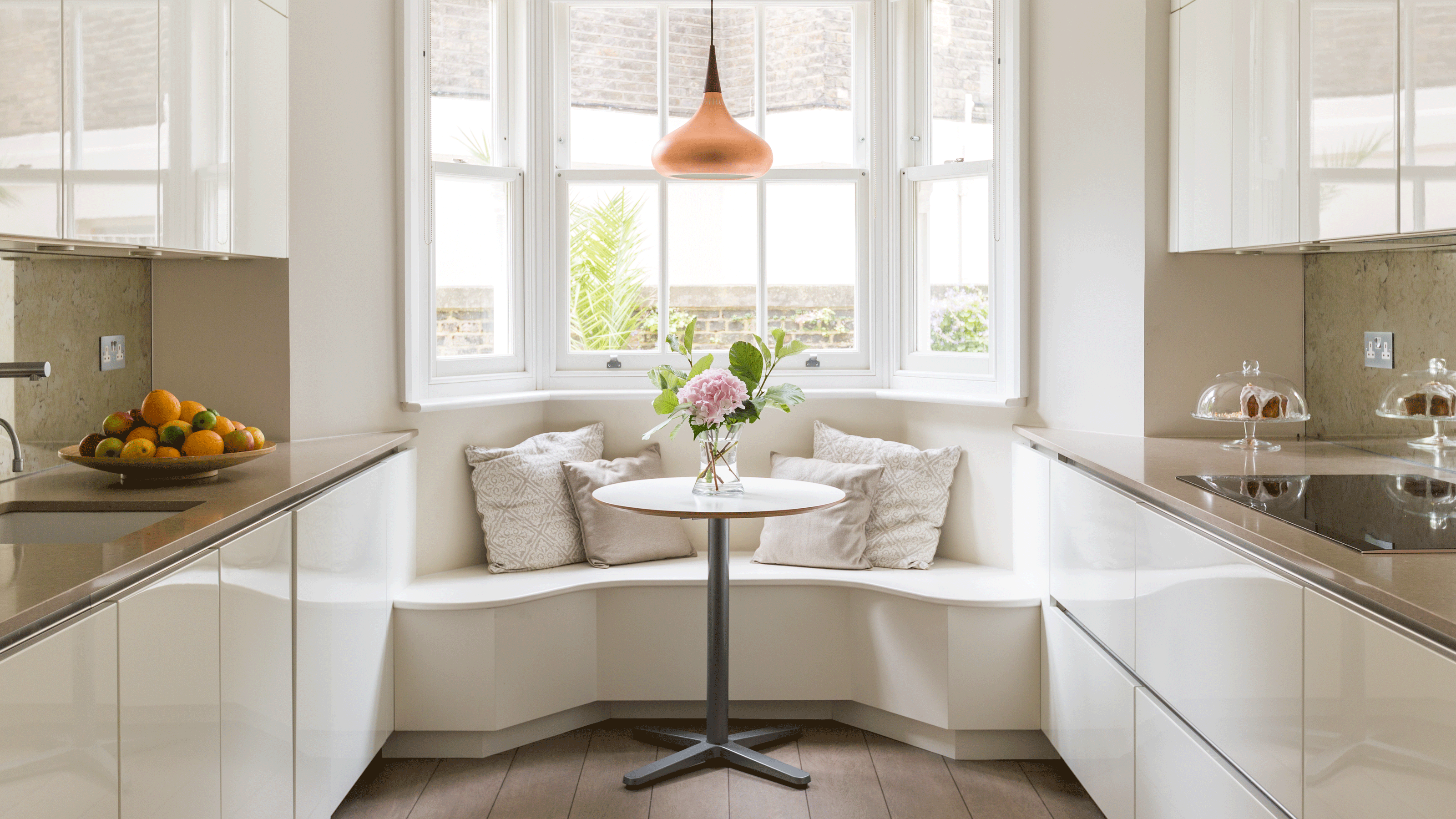
Window seat ideas – how to turn an awkward space into a cozy nook

Here's How to Cozy Up Your Room for Fall

Urban Outfitters's Fall Furniture Selection Has Something For Everyone
After Sitting In Over 40 Adirondack Chairs, These Won Us Over for Cozy Fall Evenings

Ten well-designed window seats for peaceful contemplation
Turn Your Home Into a Cozy Fall Dream With These Designer Ideas

Outdoor living additions can bring comfort during fall

23 inviting window seat ideas by the best interior designers
17 homes with cosy window seats you’ll want to escape to
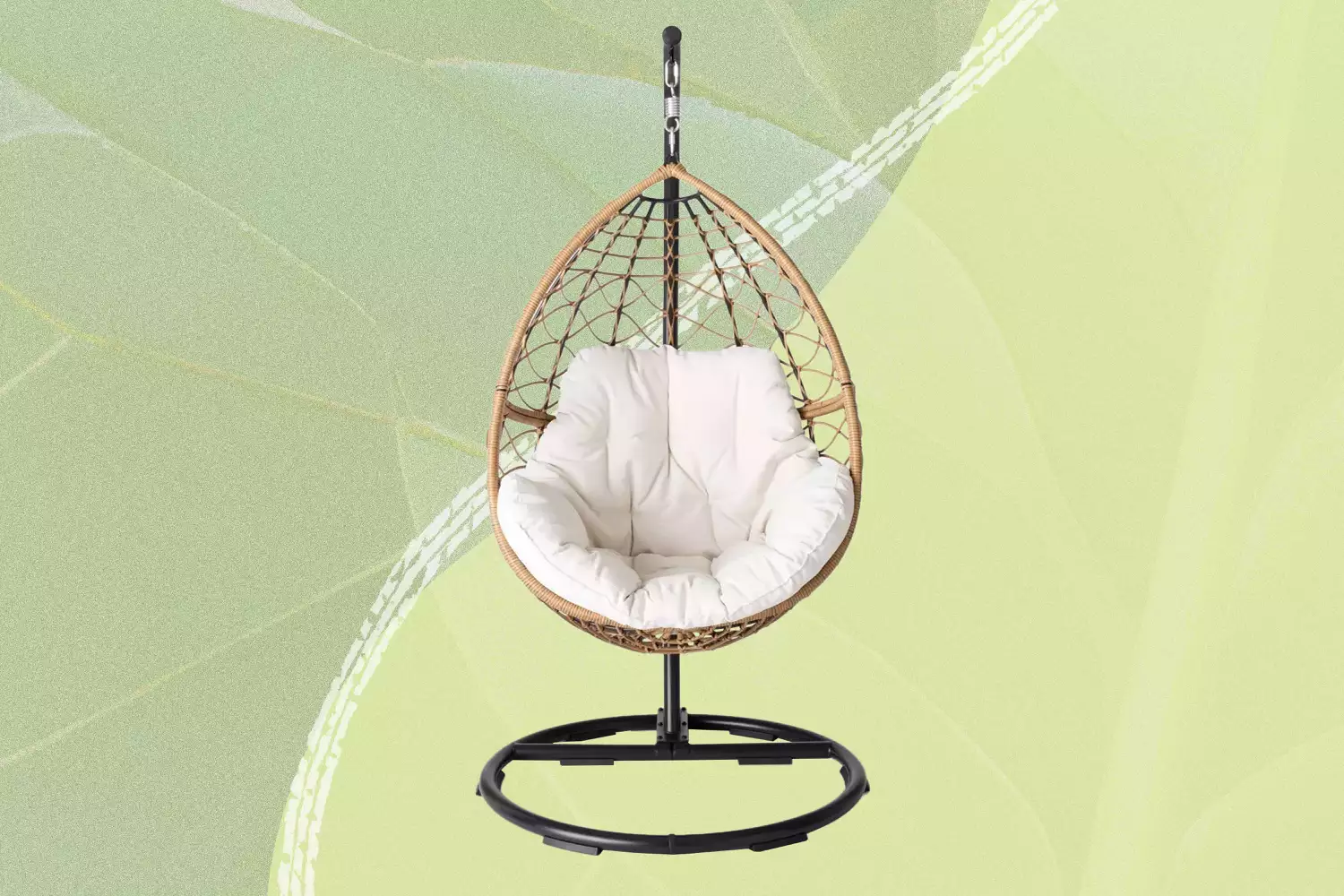
Kick Back and Relax in One of Our Favorite Hanging Chairs This Fall

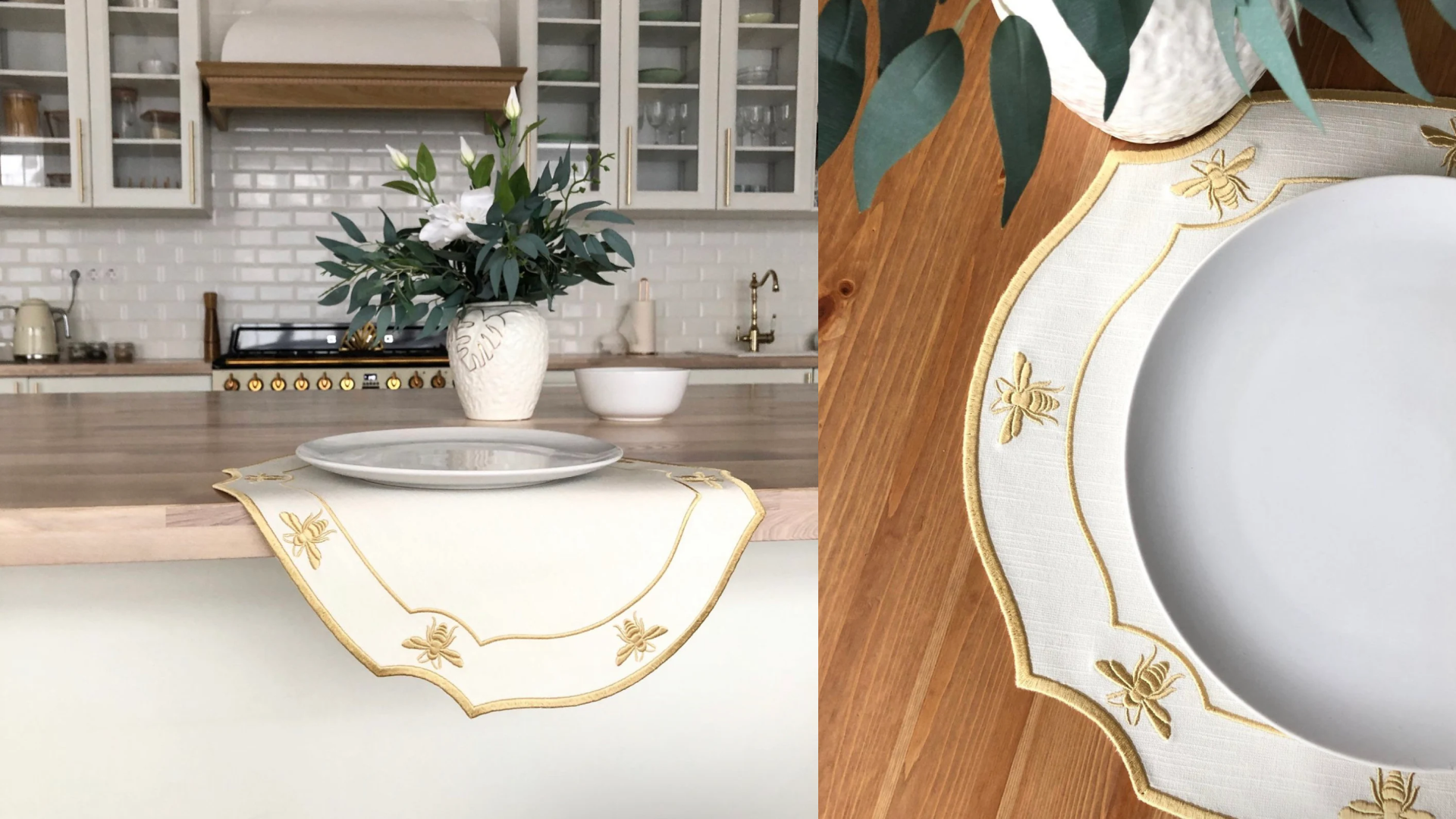
Here's What's Trending in Home Decor This Fall/Winter, According to My Interior Designer Mom

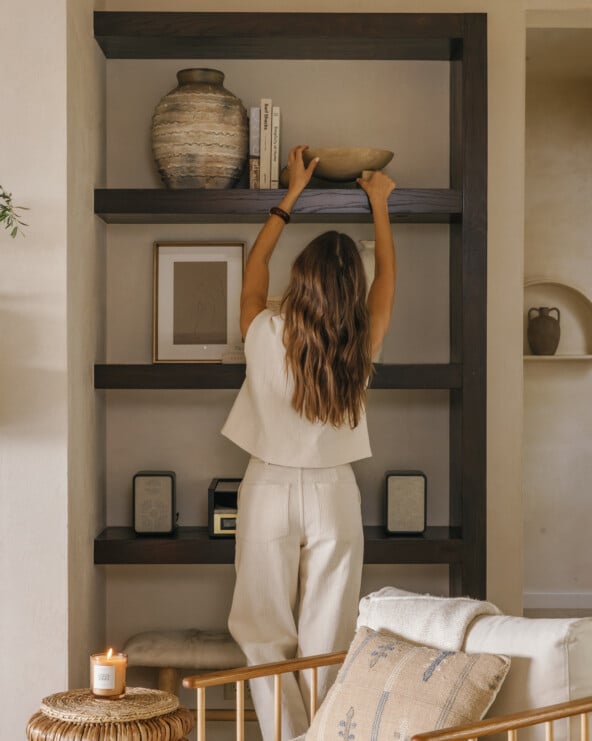
8 Simple Styling Swaps to Take Your Home from Summer to Fall
Sit Back and Enjoy the Fall in One of Our Favorite Patio Chairs
These Charming Window Seats Will Inspire Your Next Project

I Gave My Home a Seasonal Refresh — Here's How
11 Easy Updates to Get Your Bedroom Ready for Fall
Your Outdoor Space DESERVES One of These Super-Cozy Sectionals
Eight homes with practical and stylish built-in window seats
These Window Seat Ideas Will Turn a Tiny Nook Into Your Favorite Spot in the House

7 Window Nooks You Will Want to Cozy Up to This Fall