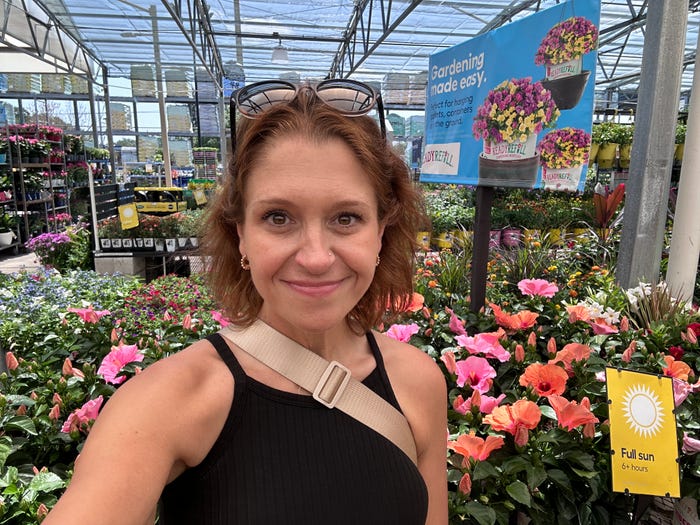
I shopped at Lowe's and Home Depot for plants and outdoor essentials. The winner earned my loyalty all summer long.
This article compares the shopping experience at Lowe's and Home Depot for summer outdoor and gardening essentials, focusing on plant selection, soil availability, outdoor furniture displays, and overall store layout and inspirational elements. The author, a 43-year-old living in a small Florida beach town, visited both retailers to determine which would be her preferred destination for her summer outdoor needs.
Regarding plant selection, both stores offered a variety of vegetables and herbs from Bonnie plants, with sales available at both locations. However, Lowe's provided a better deal on these plants, offering three for $10 compared to Home Depot's three for $12. For tomato plants, specifically, Lowe's had a more attractive sale, pricing large tomato plants at two for $30 ($15 each), while Home Depot sold them for $20 each. This pricing was particularly appealing given the challenging growing conditions in Florida, making the sale a practical consideration for gardeners.
The availability and convenience of potting soil also differed between the two stores. Home Depot presented a wide array of potting soil, topsoil, and mulch varieties directly at the entrance of its garden center, making it easy for customers to load heavy bags. Lowe's, while also offering sales on some soil brands, primarily stocked its soil and mulch at the back of the garden center, with only a few sale items positioned upfront for easy access. This layout gave Home Depot an advantage in terms of convenience for purchasing bulky items.
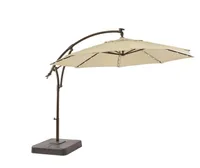
Outdoor furniture displays were a significant point of comparison. Home Depot's selection was limited, with few pieces assembled for viewing, despite a large section for grills. This made it difficult for the author to visualize how the furniture would appear in a home setting. In contrast, Lowe's featured an extensive and well-arranged display of outdoor furniture, including chairs, tables, umbrellas, and fire pits, many of which were assembled. This comprehensive display, combined with early holiday sales, made Lowe's the preferred choice for outdoor furniture shopping.
Lowe's also stood out for its inspirational DIY displays, which showcased ideas for raised gardens and stone flower beds throughout its garden center. These displays provided practical inspiration for customers looking to undertake gardening projects. Home Depot, while well-stocked with pre-potted arrangements, lacked these conceptual displays. Furthermore, Lowe's offered a clearance section for plants, where discounted plants requiring some care could be found, a feature not observed at Home Depot. The author frequently utilizes this section to rehabilitate plants, finding satisfaction in bringing them back to health.
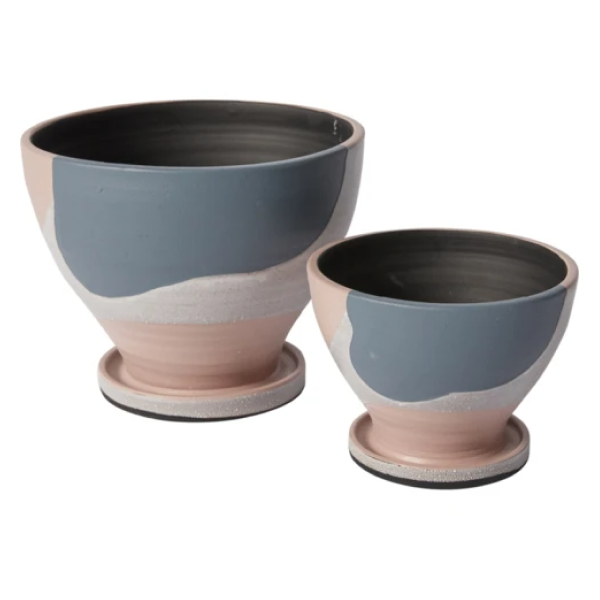
Both stores offered diverse selections of outdoor pots, ranging from plastic to ceramic and terracotta. While Lowe's had more terracotta options, Home Depot presented more colorful, patterned ceramic pots. A unique advantage of Lowe's was its clearly marked sections for plants that thrive in the local Florida climate, offering valuable guidance for gardeners in the region. Home Depot did not provide such localized recommendations.
Ultimately, Lowe's was identified as the preferred shopping destination for summer outdoor and gardening needs due to its superior plant deals, comprehensive outdoor furniture displays, inspirational DIY setups, clearance section, and local plant recommendations. The store's layout and product presentation were considered more beneficial for both experienced and beginner gardeners, suggesting a more user-friendly and value-driven experience.
#HomeImprovement #RetailComparison #Gardening #OutdoorLiving #SummerShopping #Lowe's #HomeDepot #PlantCare #DIYHome #HomeImprovement #RetailComparison #Gardening #OutdoorLiving #SummerShopping #Lowe's #HomeDepot #PlantCare #DIYHome
 No comments yet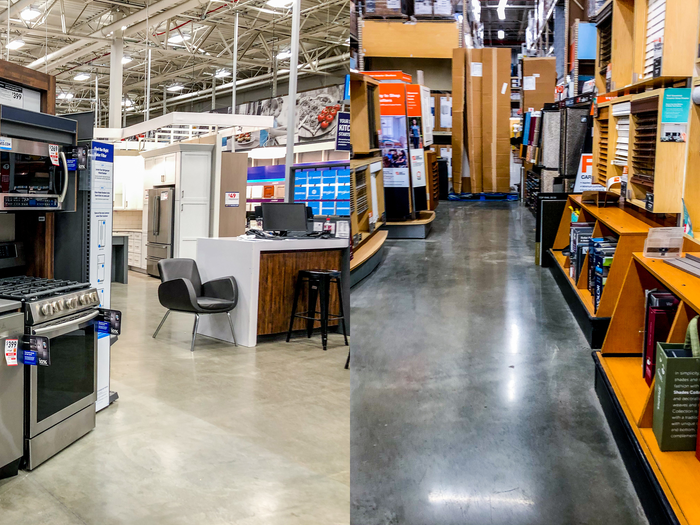
I shopped at Home Depot and Lowe's, the top home improvement stores in the US, and Lowe's was the clear winner
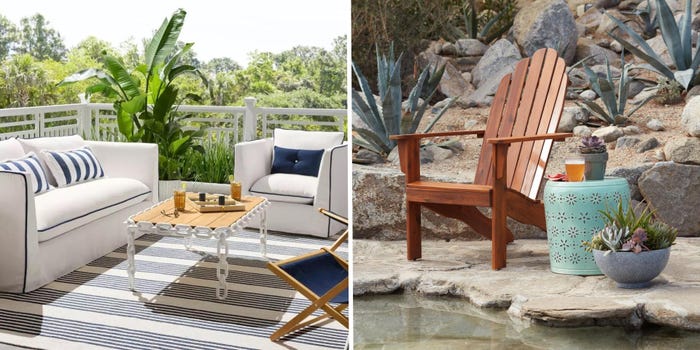
The 16 retailers we're shopping at to upgrade our outdoor furniture before summer ends
Outdoor living continues to drive sales for LBM dealers

I shopped at Michaels and Hobby Lobby for fall decor. The winner really depends on which holiday you're shopping for.
Home Depot's summer sale is live — 27 deals I'd buy for my backyard starting at $3

I Find the Best Deals, and My Favorite Outdoor Wayfair Pieces Are Finally Up to 75% Off

This Portland, Oregon shop is my favorite place to buy plants and home decor — both in person and online