1/2
How to Design an Alcove Bed for Any Space Like a Pro
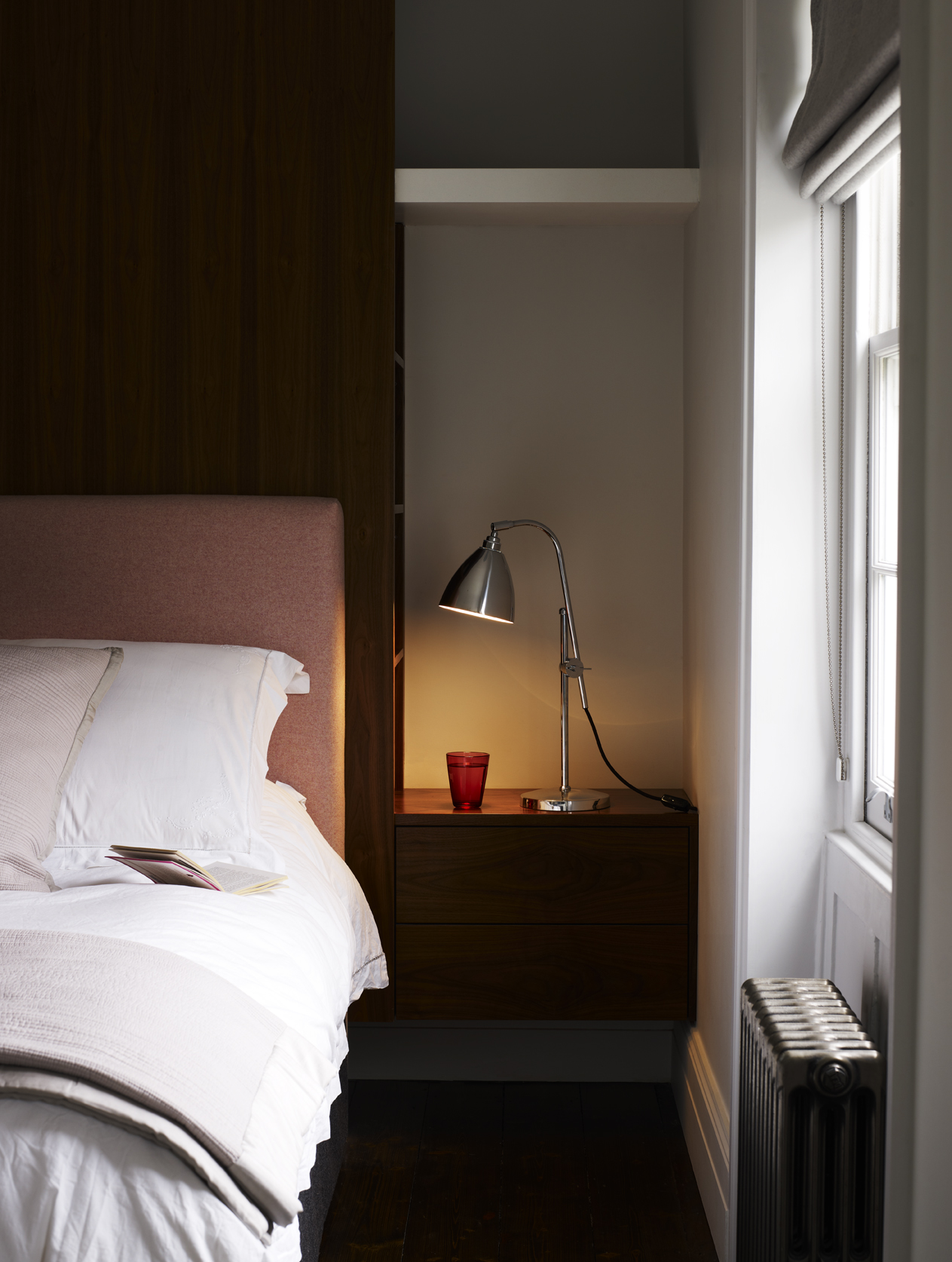
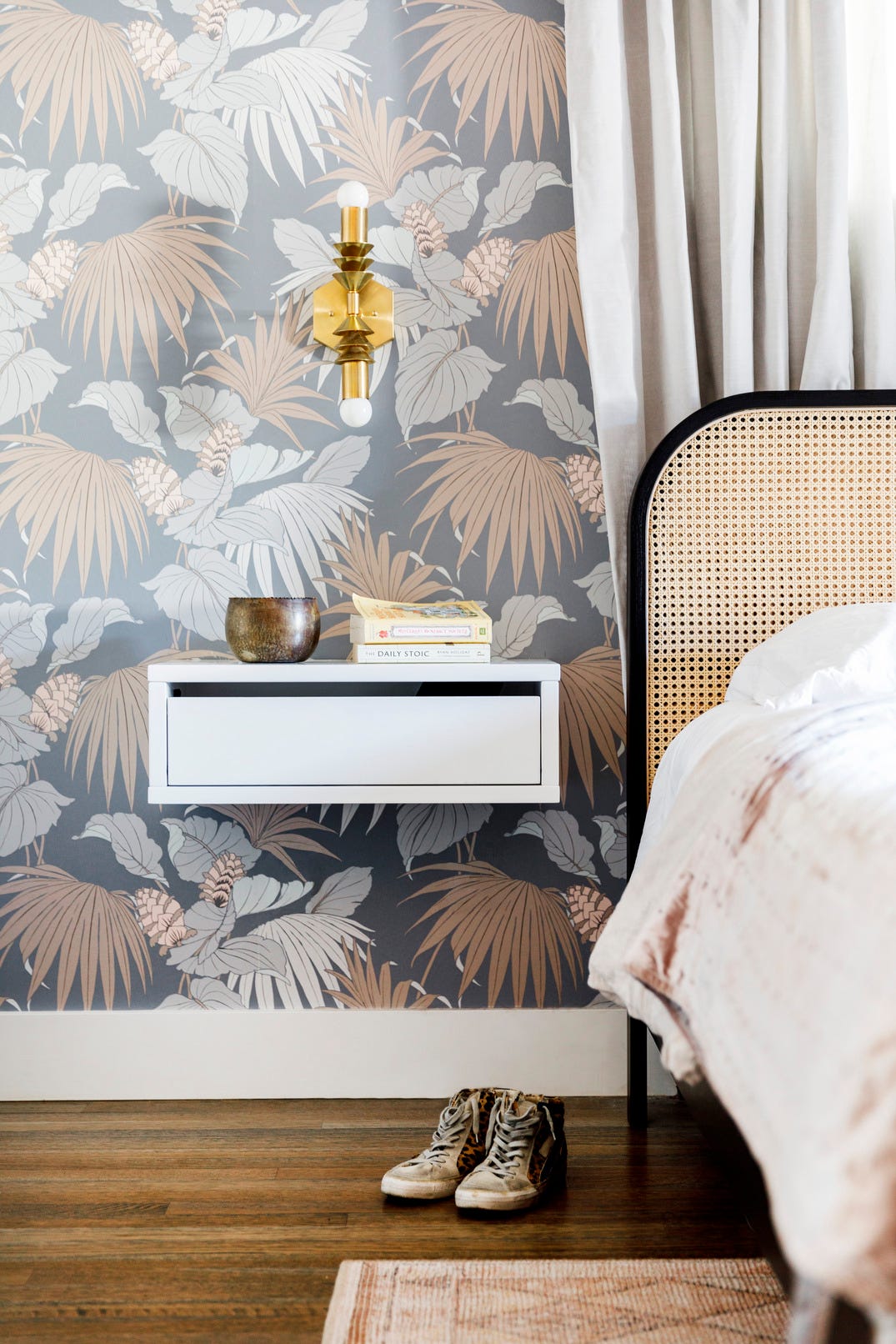
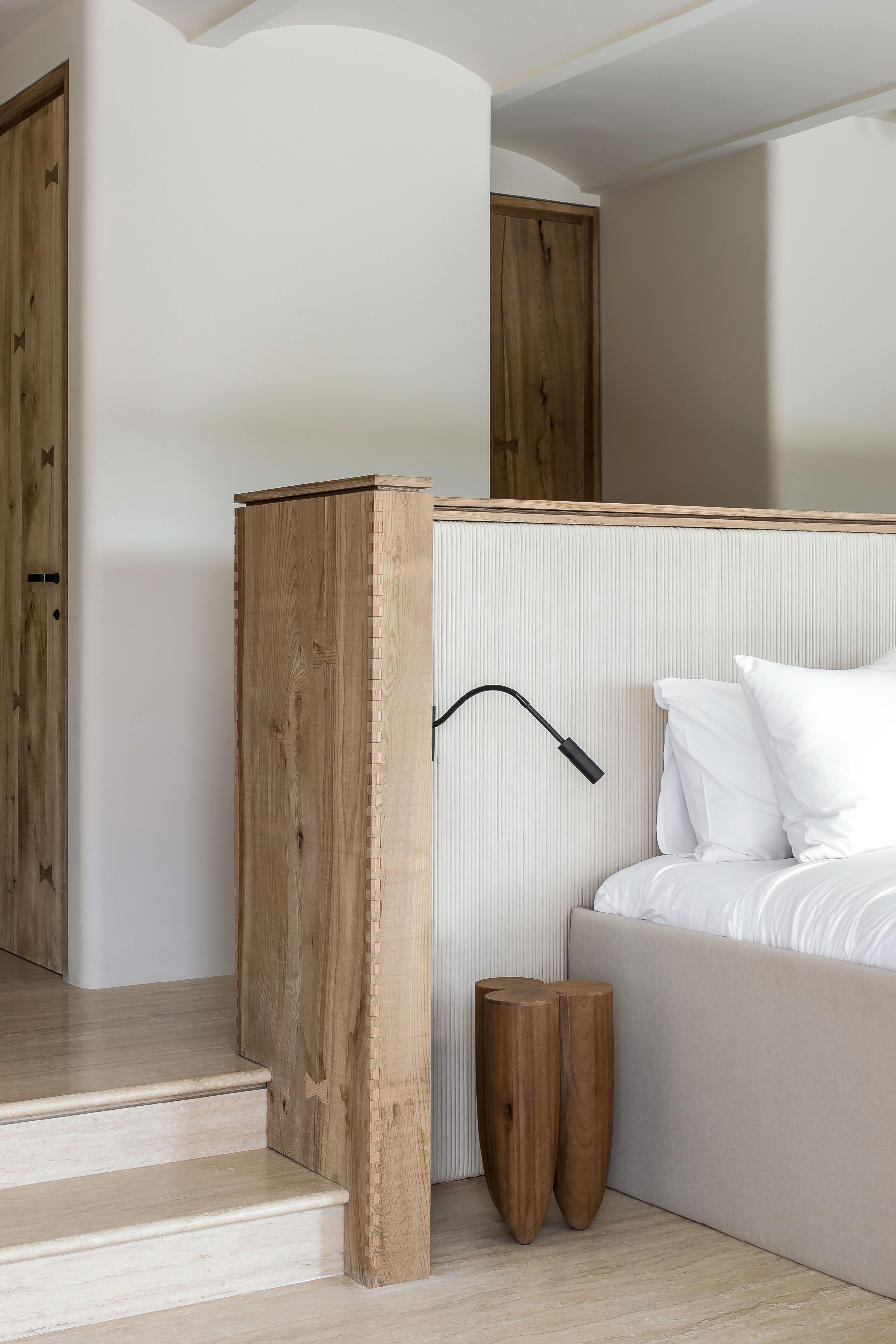
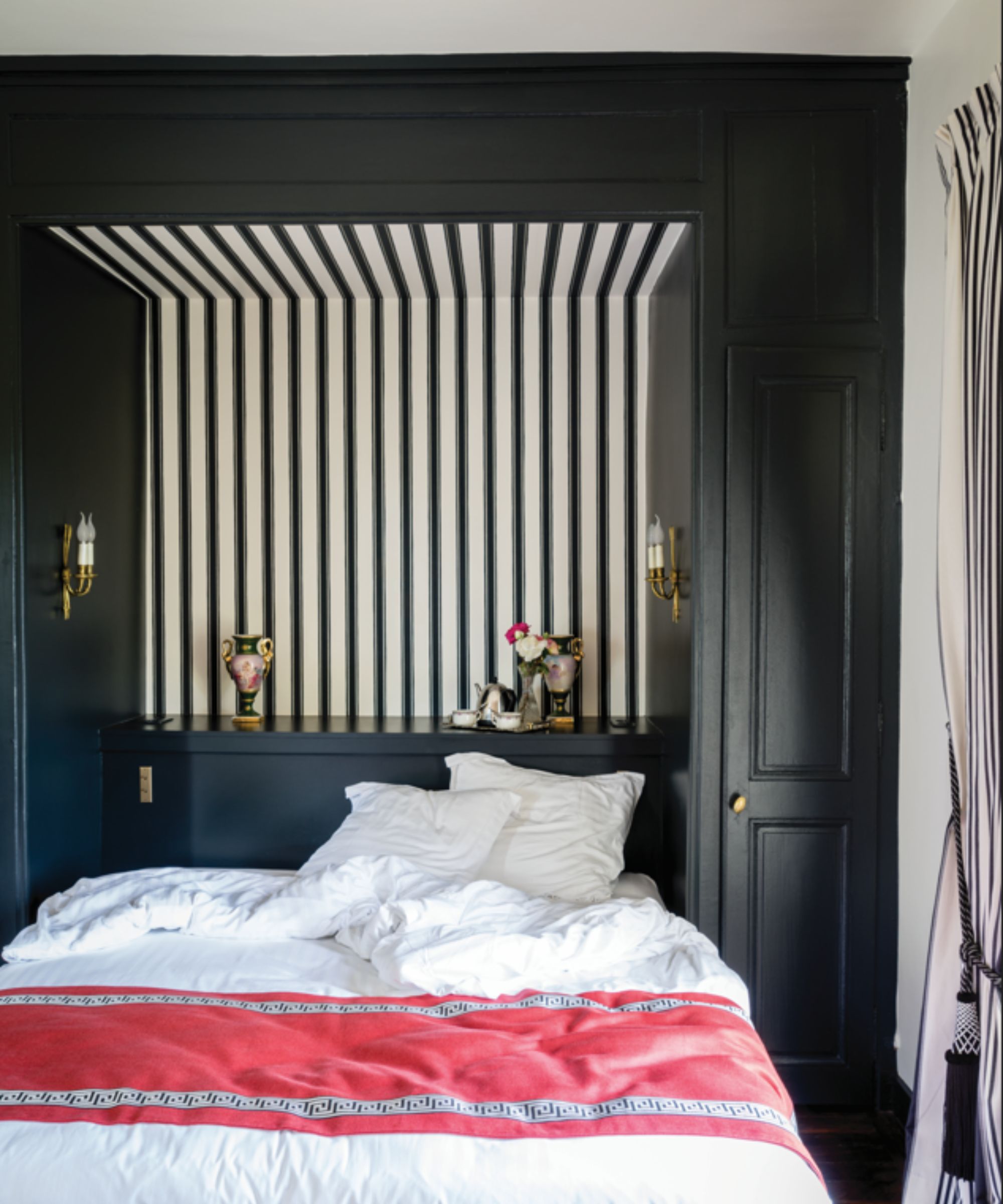
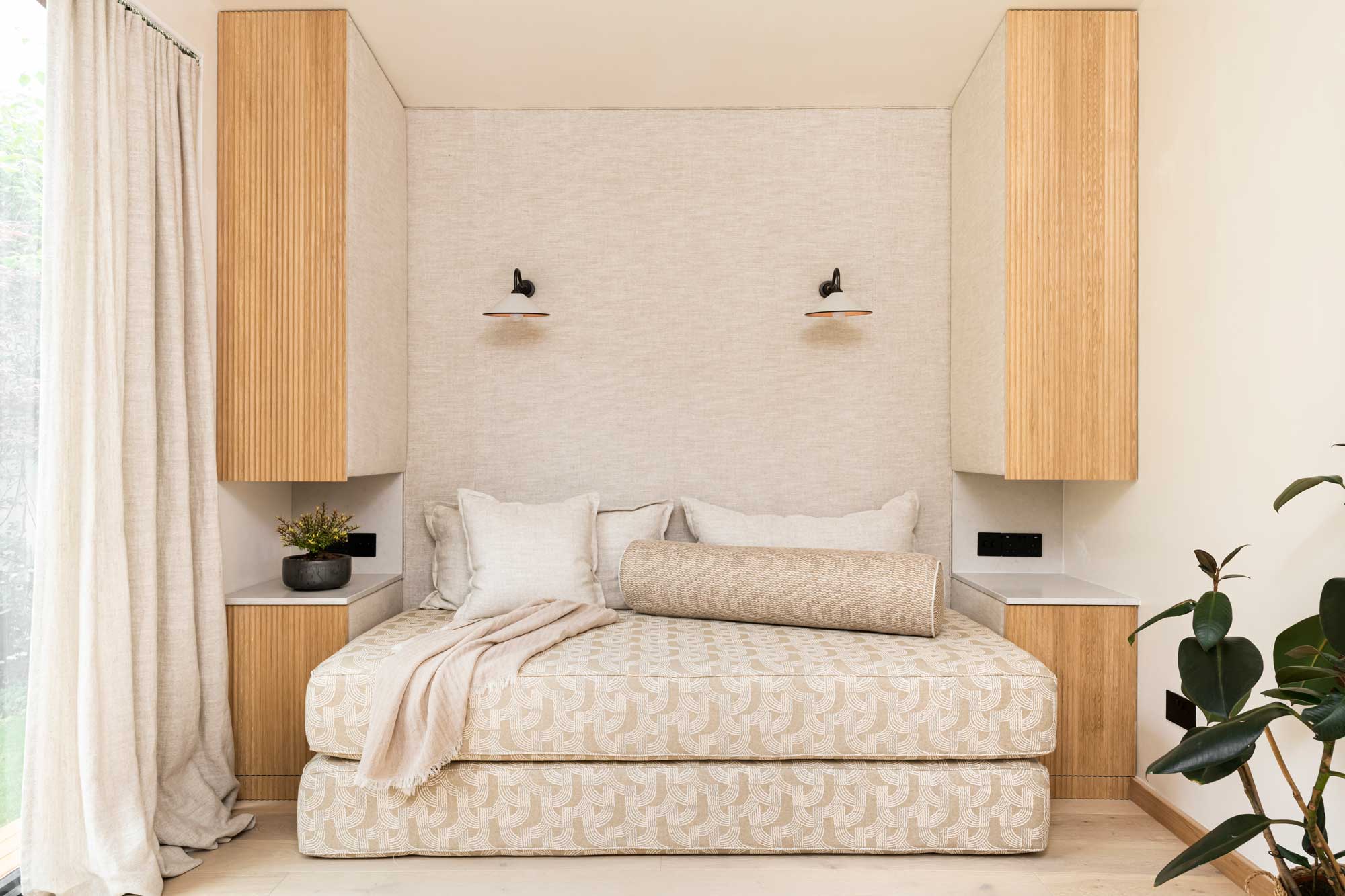
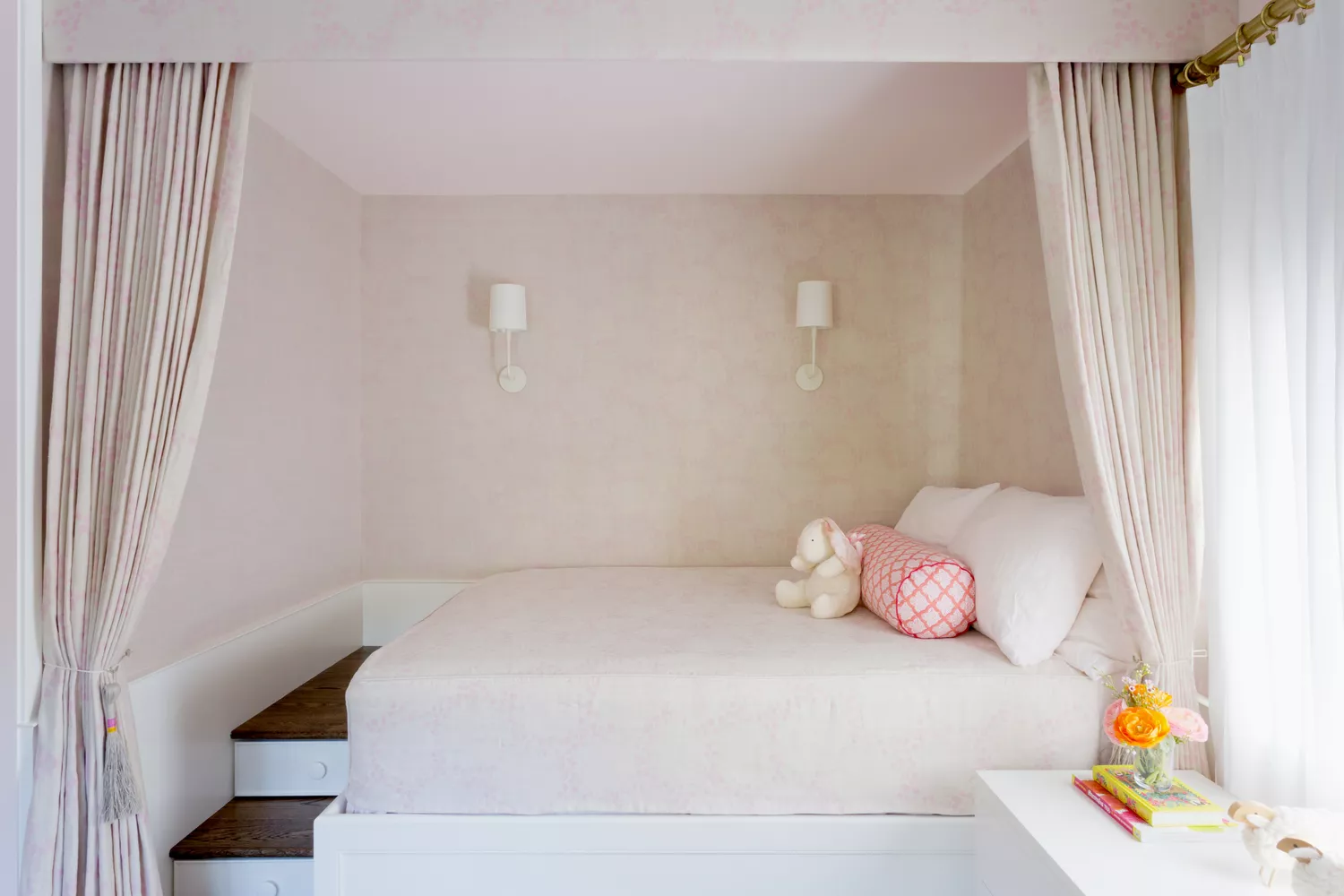
Alcove beds offer a practical and whimsical solution for maximizing space, particularly in smaller rooms or for accommodating guests. These integrated sleeping nooks can be designed as single beds or bunks, providing versatility and charm. When planning an alcove bed, careful consideration of design elements is crucial. Lighting, for instance, requires particular attention due to the inset nature of these beds, which often limits natural light. Interior designers commonly recommend installing sconces beside alcove beds to provide adequate illumination and eliminate the need for traditional bedside tables.
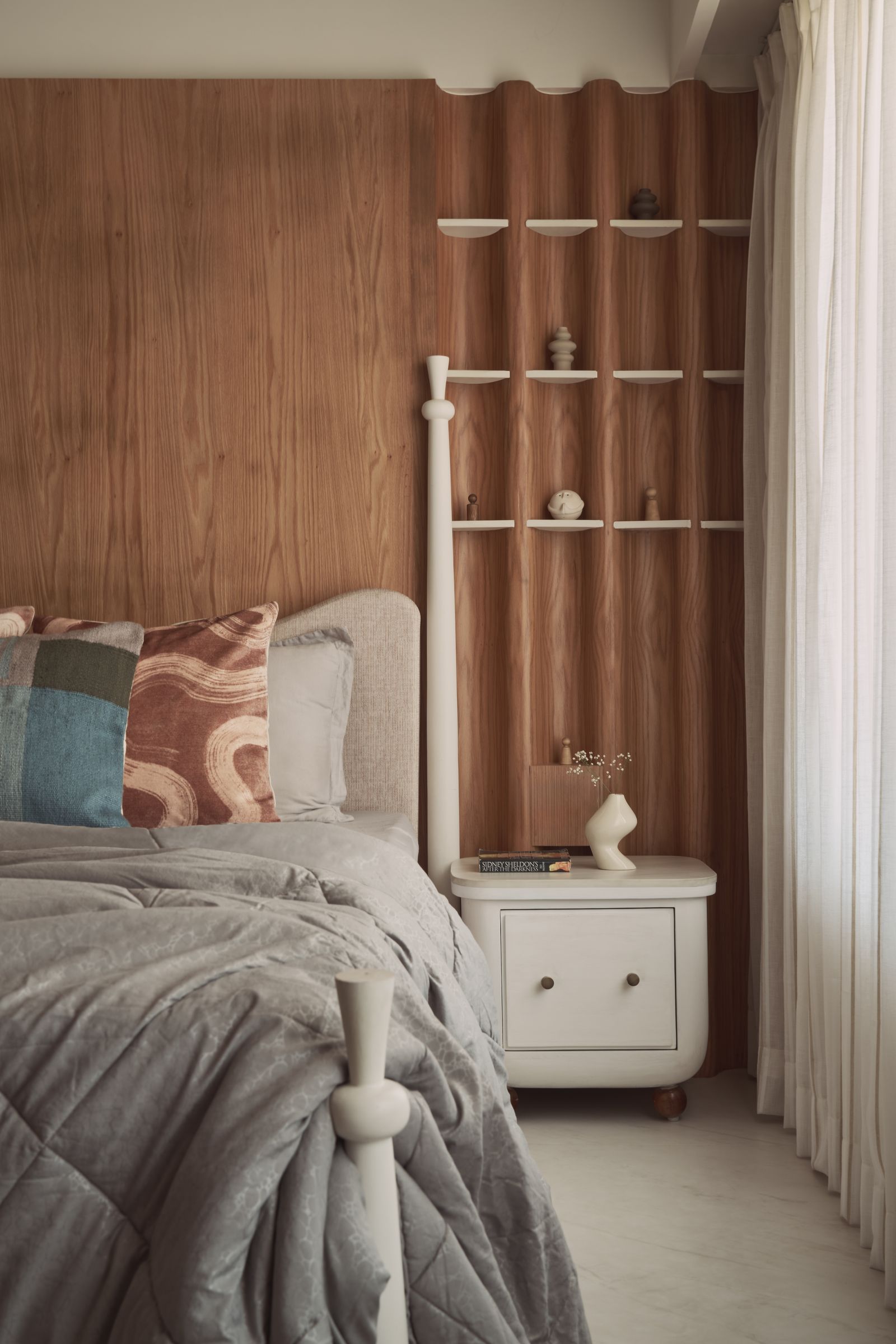
Privacy and coziness can be enhanced by incorporating curtains around the alcove bed, which also serve the practical purpose of concealing the bed when not in use. Essential for functionality, shelving should be integrated to allow users to conveniently place items like books, phones, or drinks. Hayden Dendy of BRNS Design emphasizes the importance of including electrical outlets at each shelf location for added convenience.
Beyond functionality, the aesthetic integration of an alcove bed into the existing room is paramount. Amy Sklar of Sklar Design highlights that an alcove bed should appear as an intentional and organic part of the room's design, not an afterthought. Thoughtful placement and design ensure that it complements the overall decor. Ease of access is another critical aspect, meaning the bed should be designed so that getting in and out is always convenient. In some instances, built-in stairs can be a beneficial addition to facilitate access.
Durability and adaptability are also important, as the design should cater to current users while also considering future occupants. This includes factoring in the potential height of users over time. Alcove beds are excellent for optimizing space, and they can be designed with integrated storage solutions such as filing cabinets, hidden compartments, or under-bed drawers, which are ideal for storing seasonal clothing or linens.
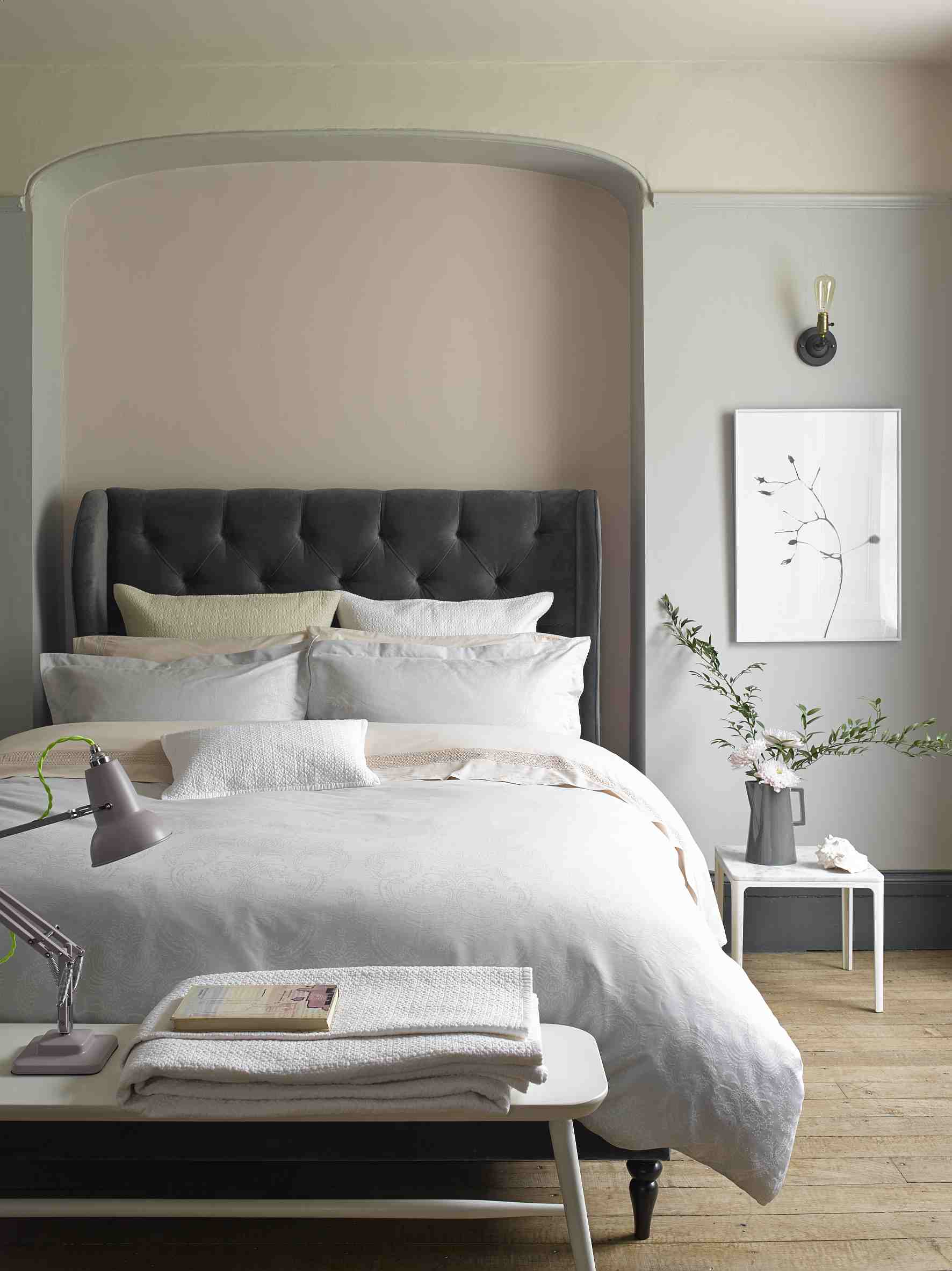
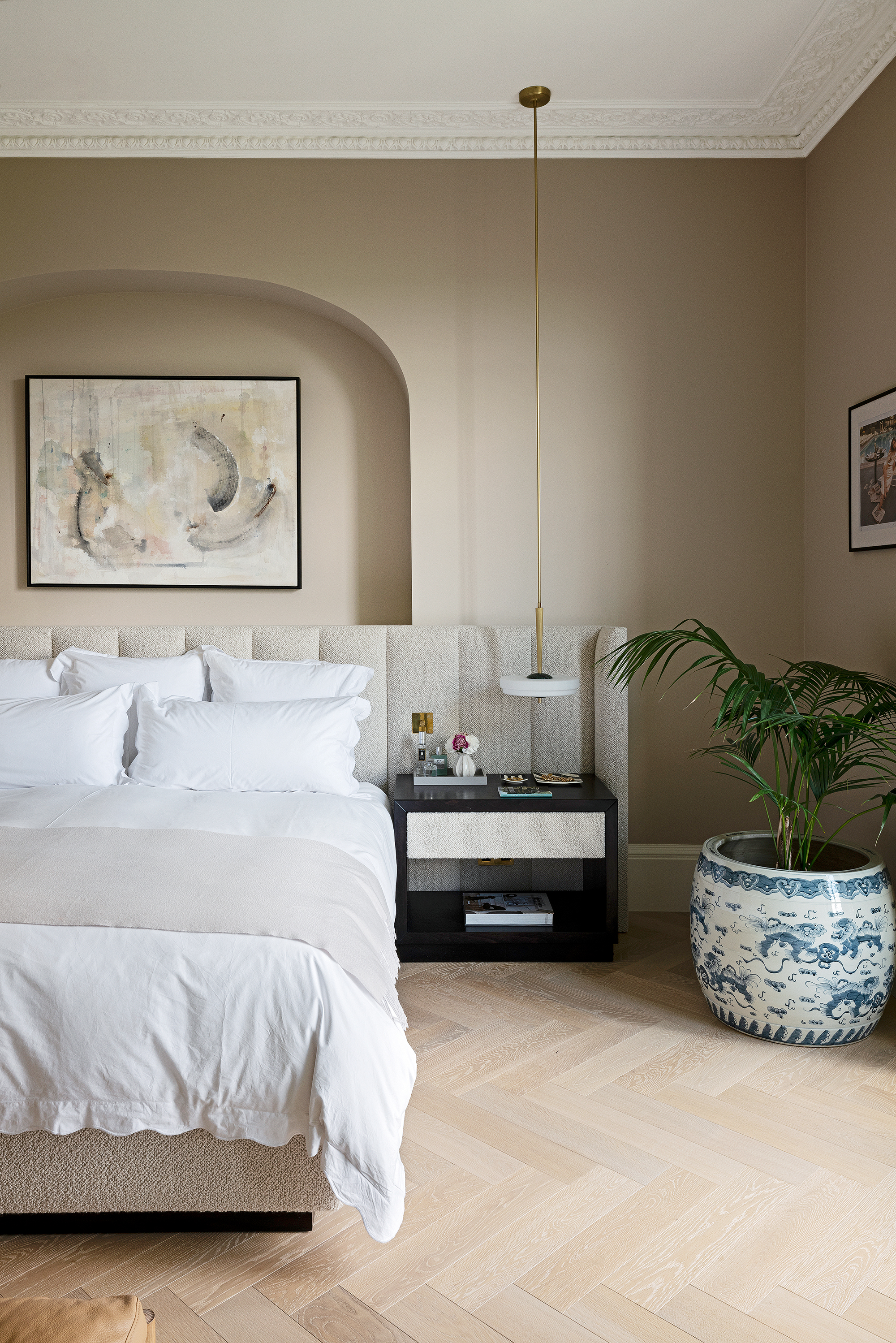
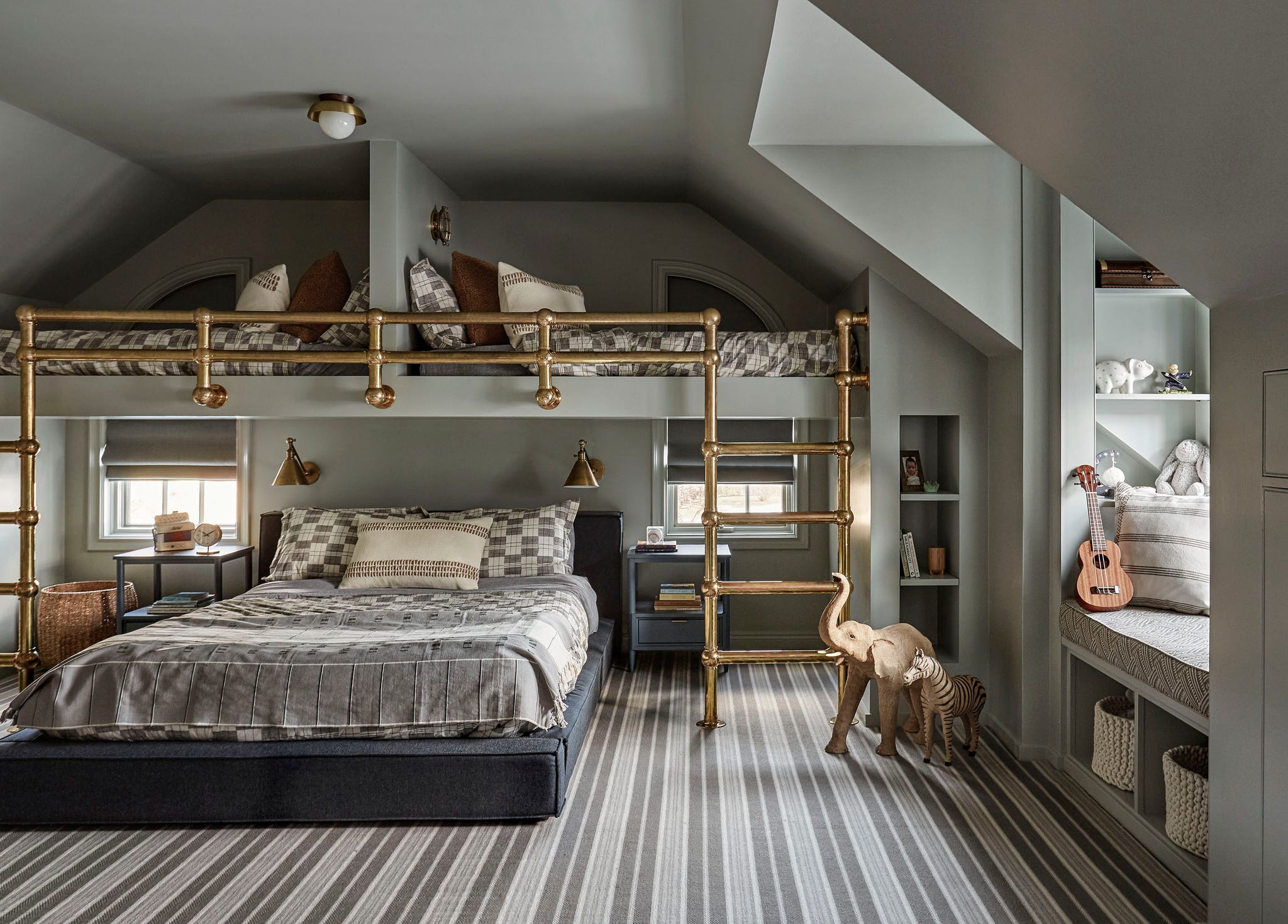
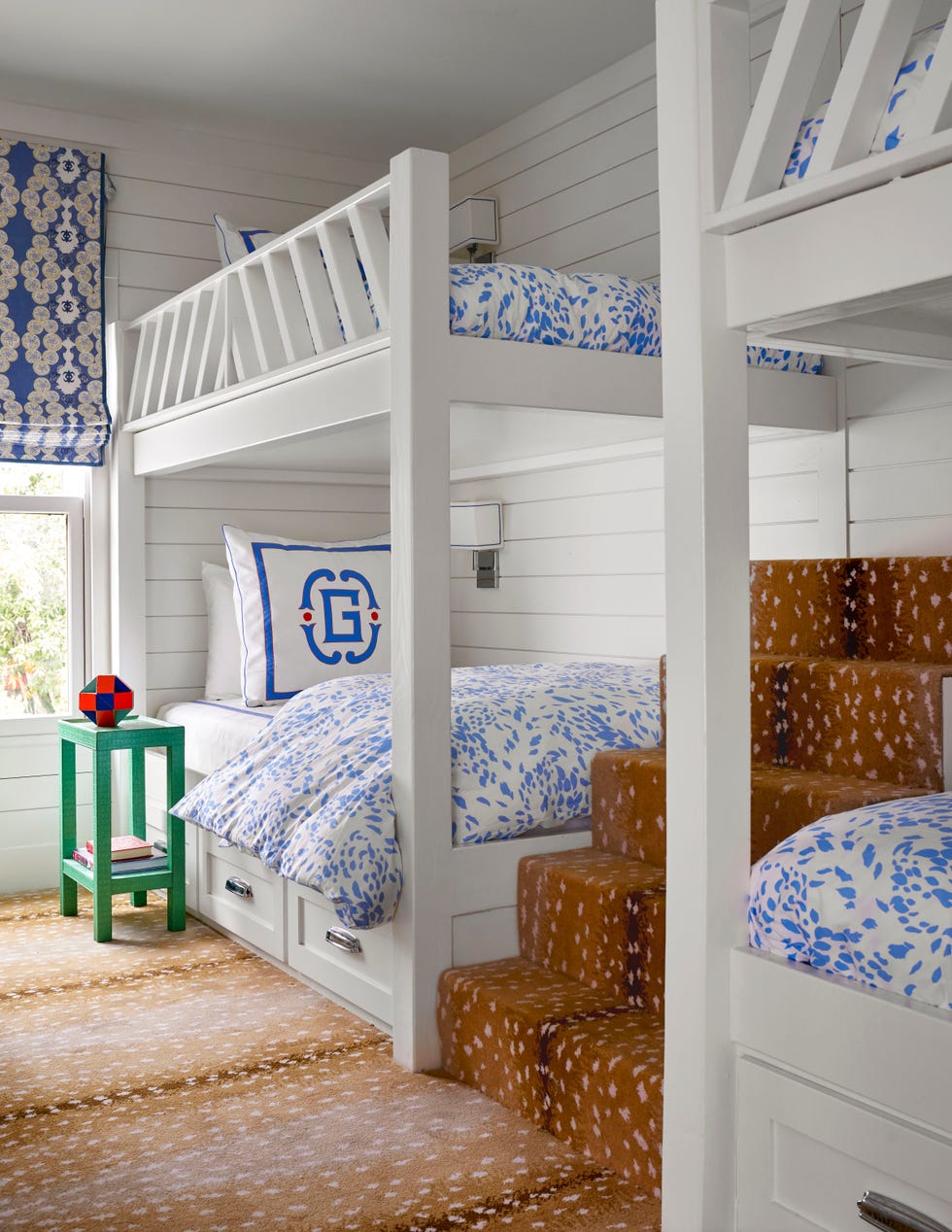
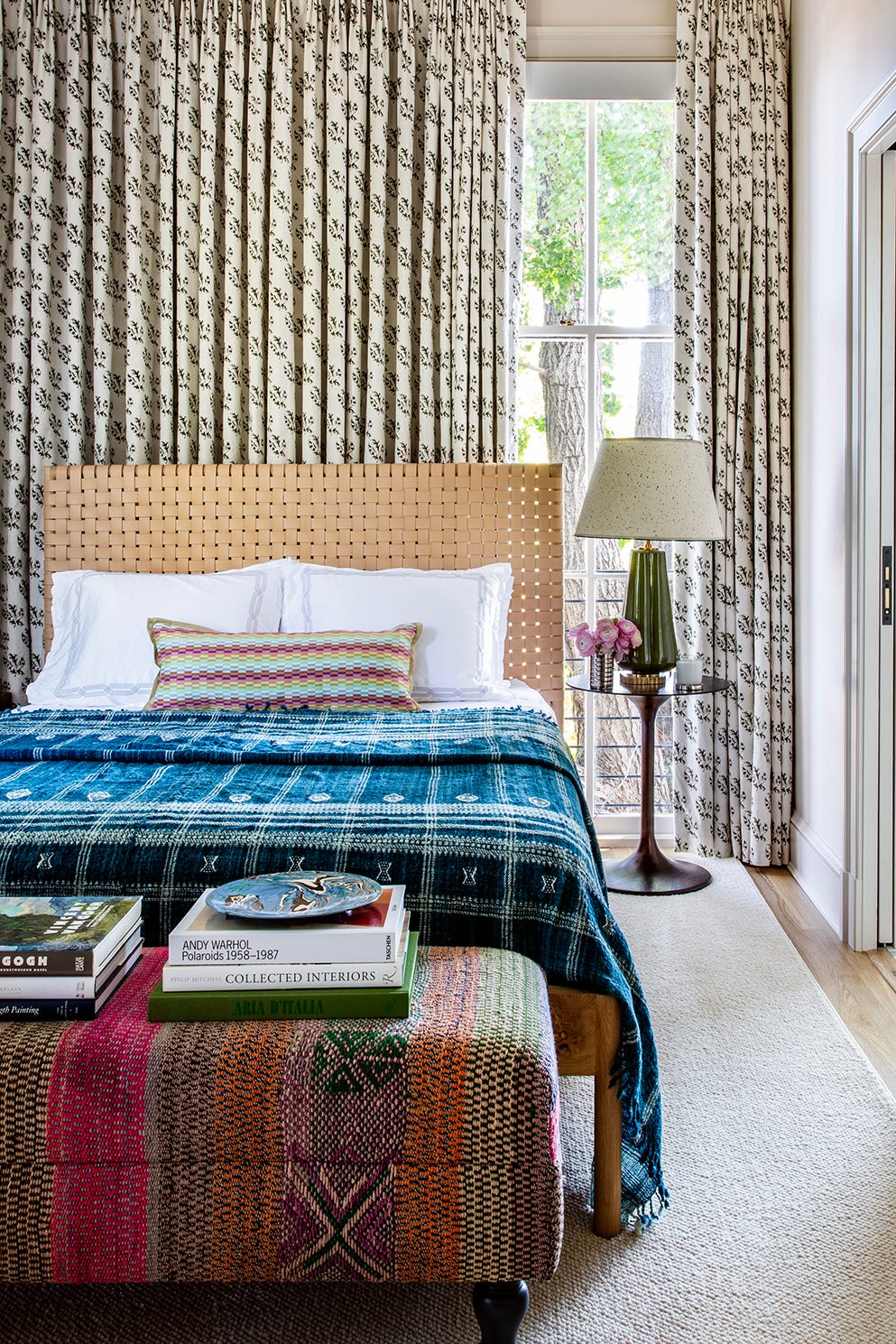
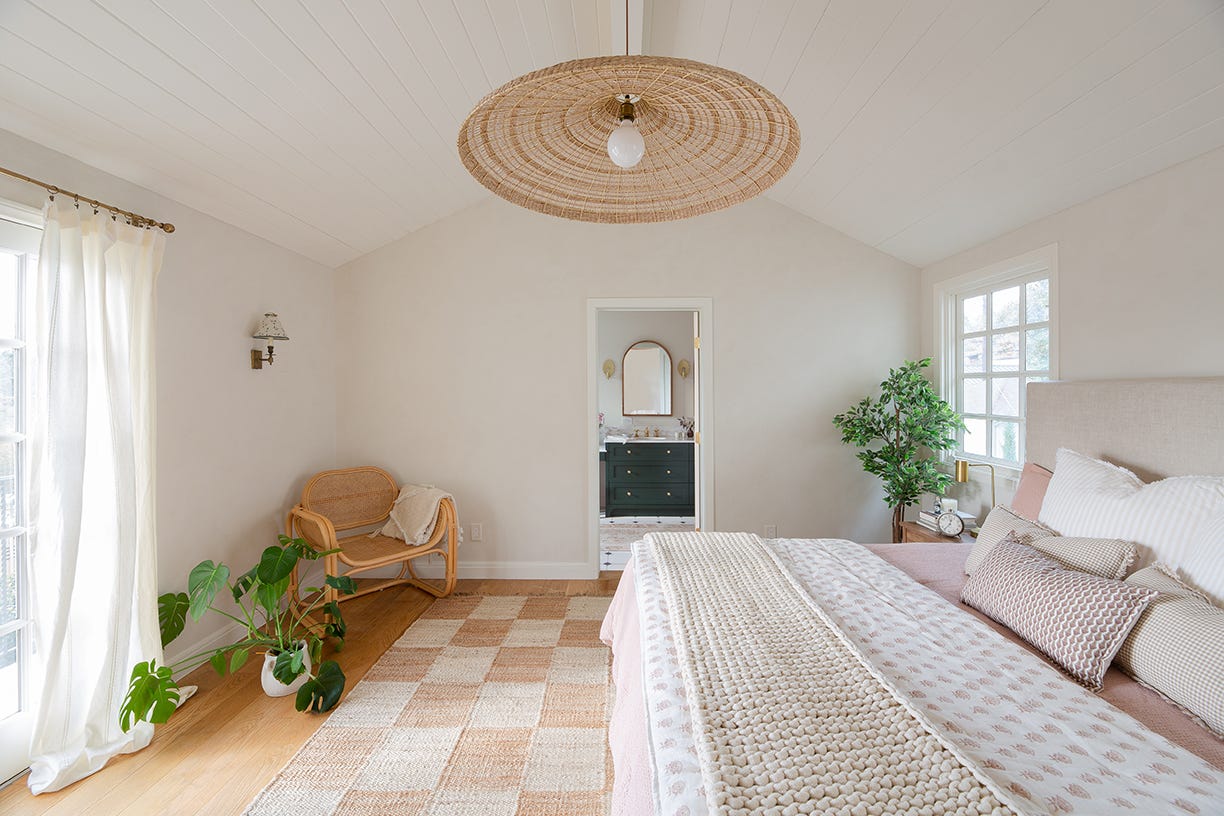
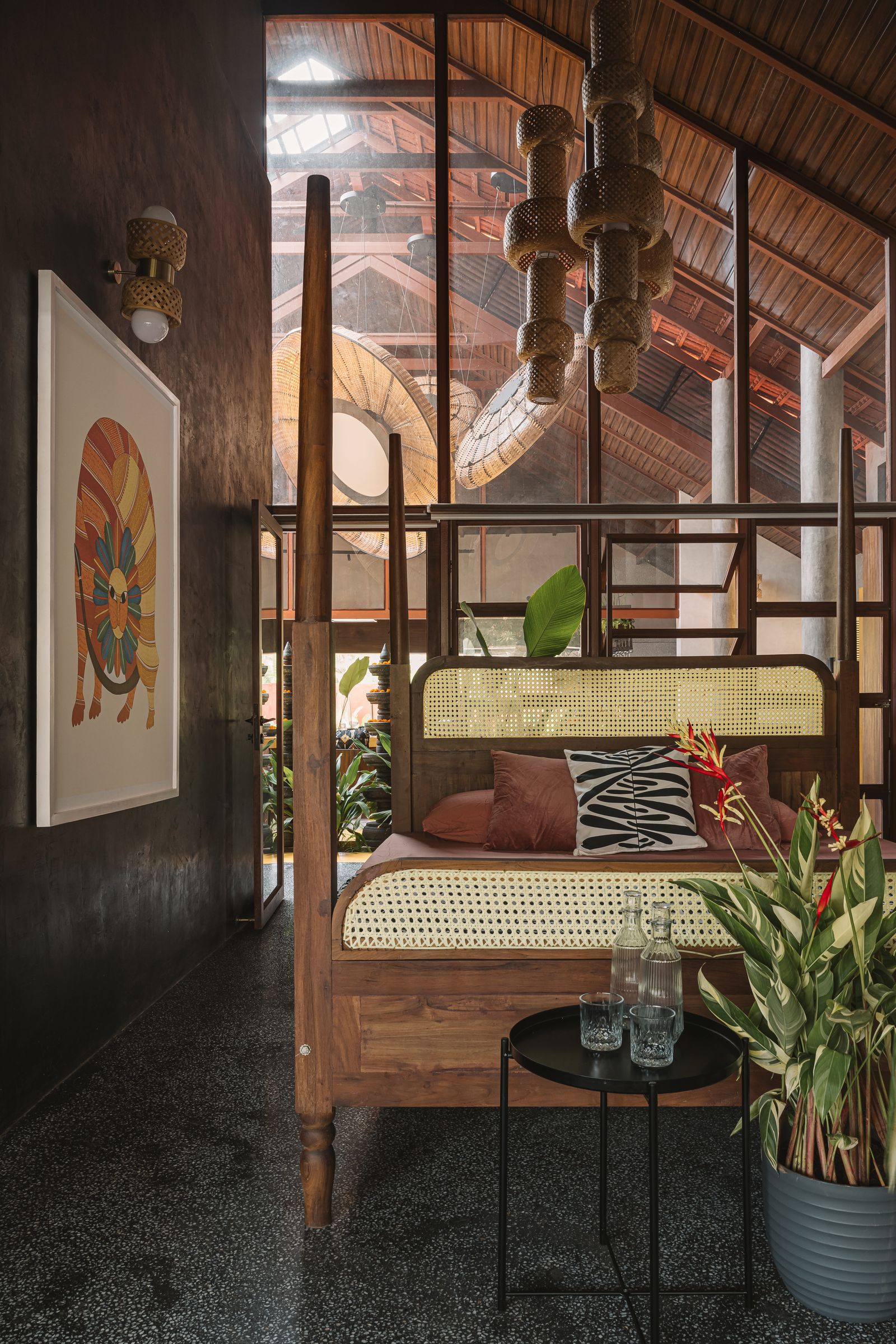
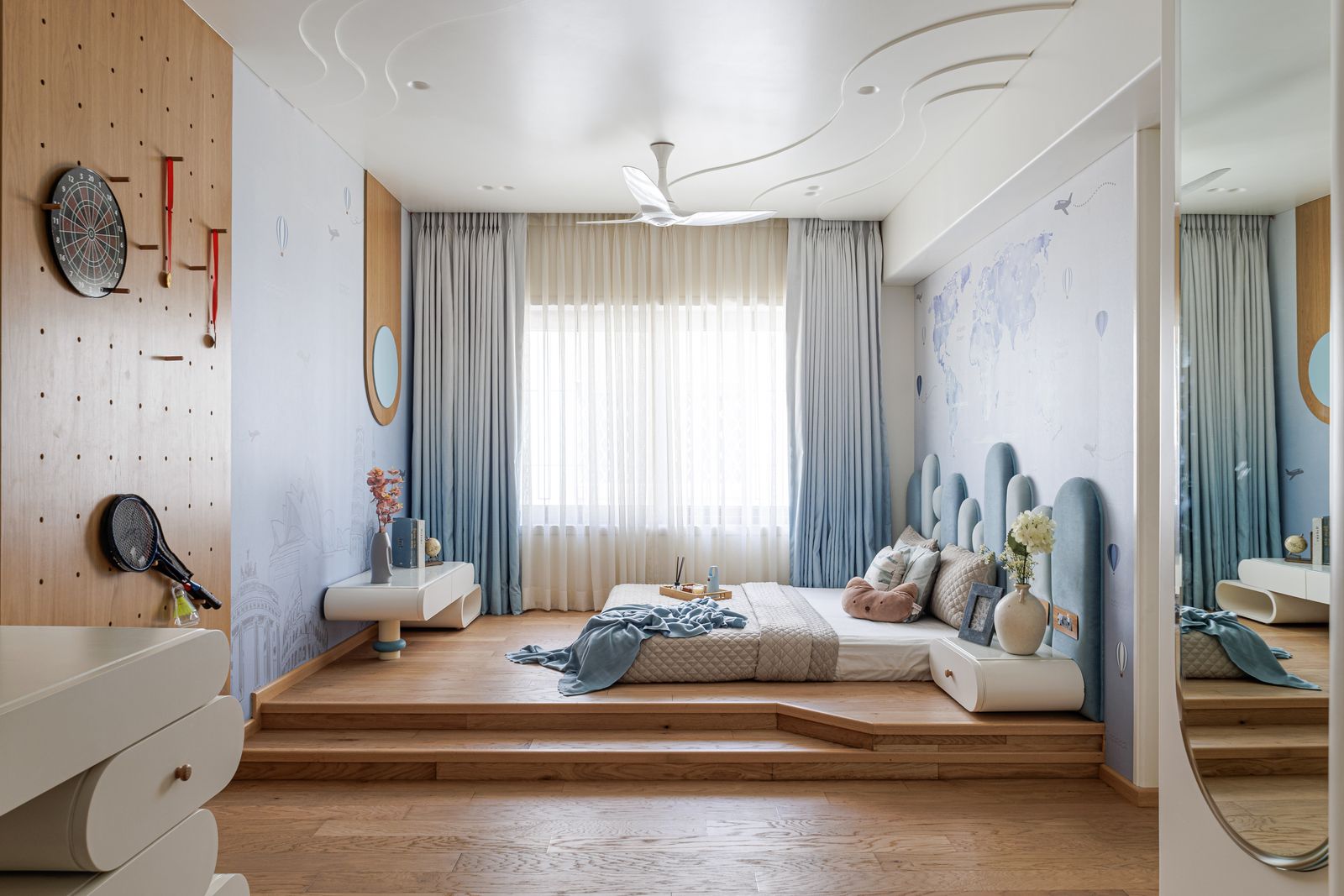
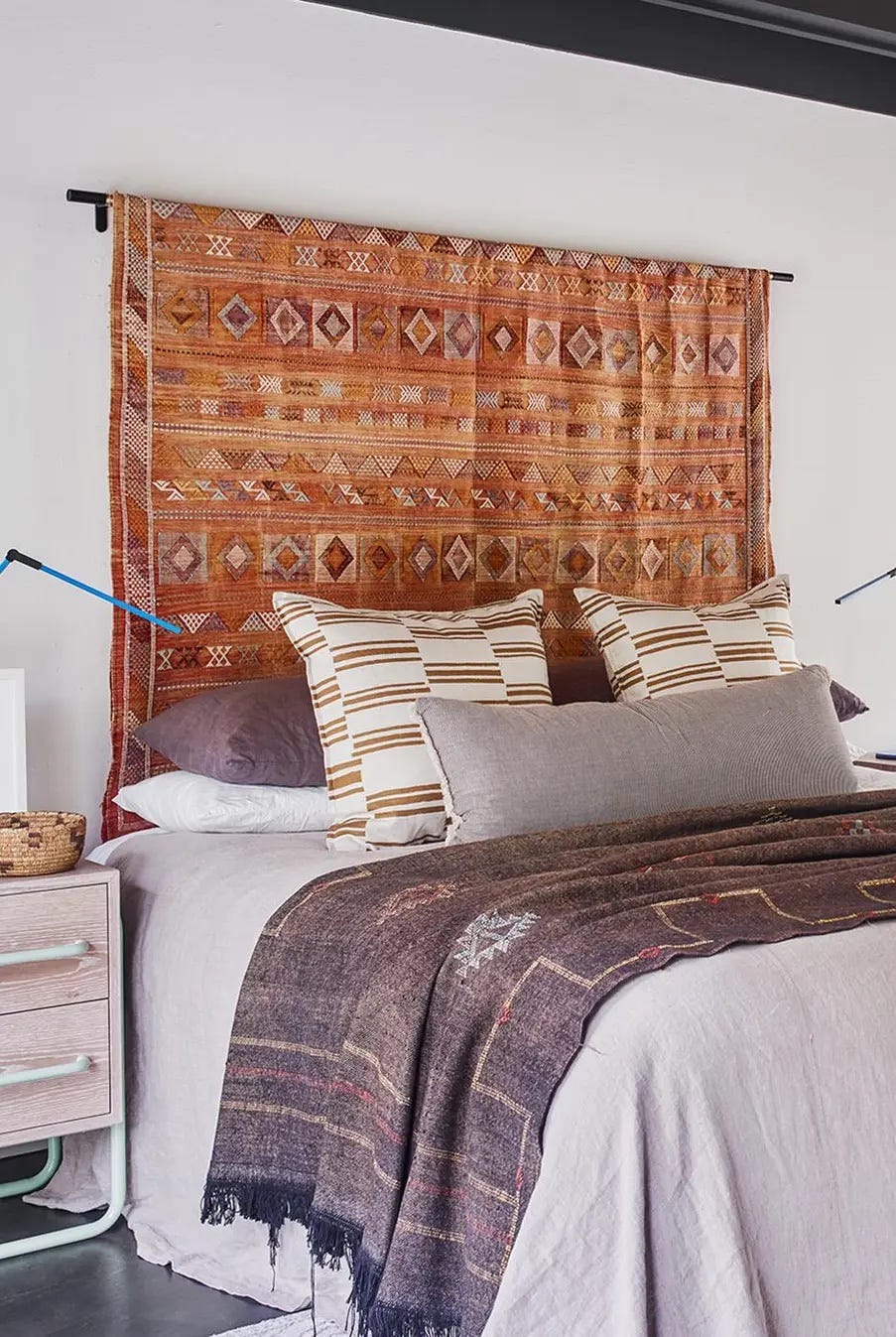

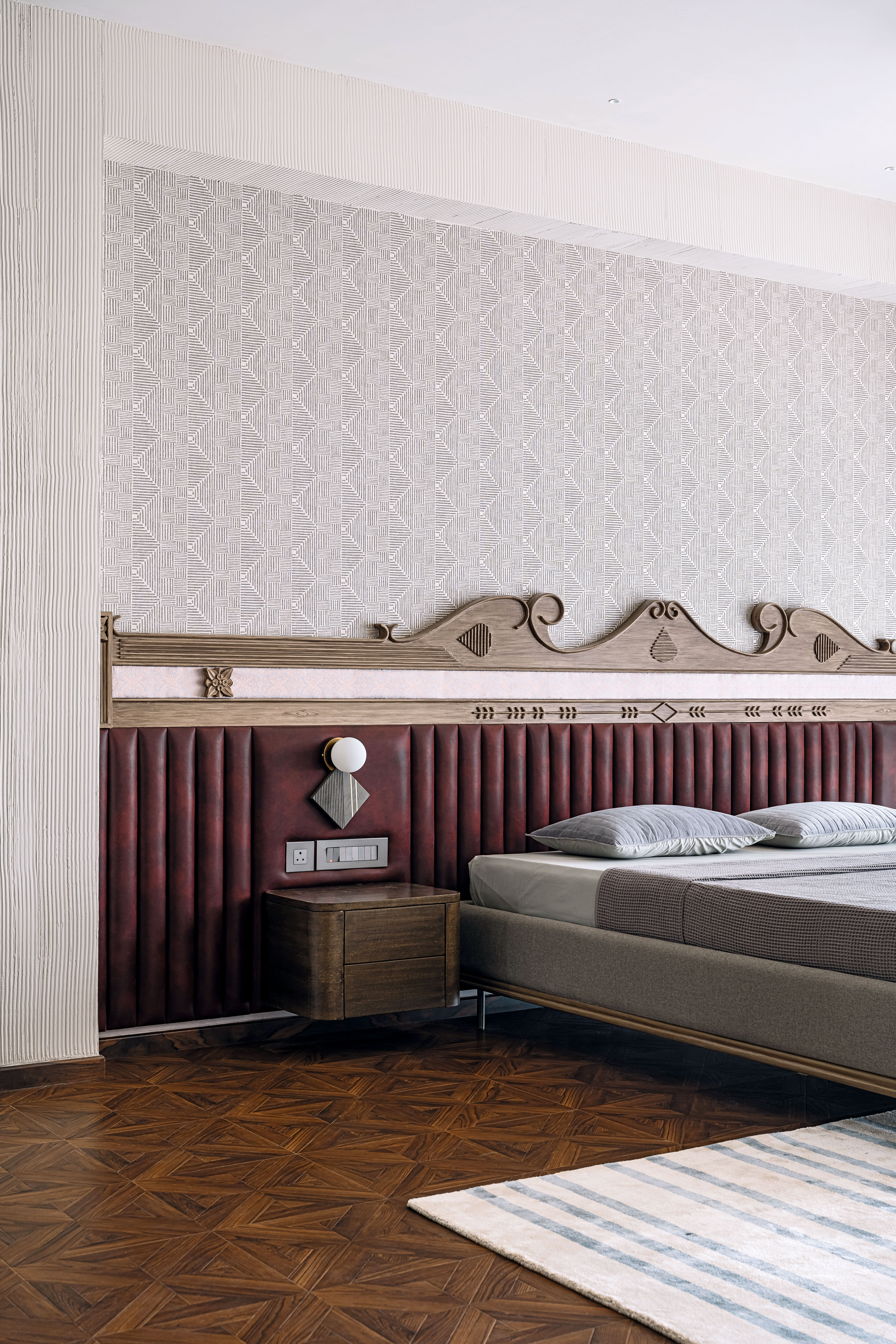
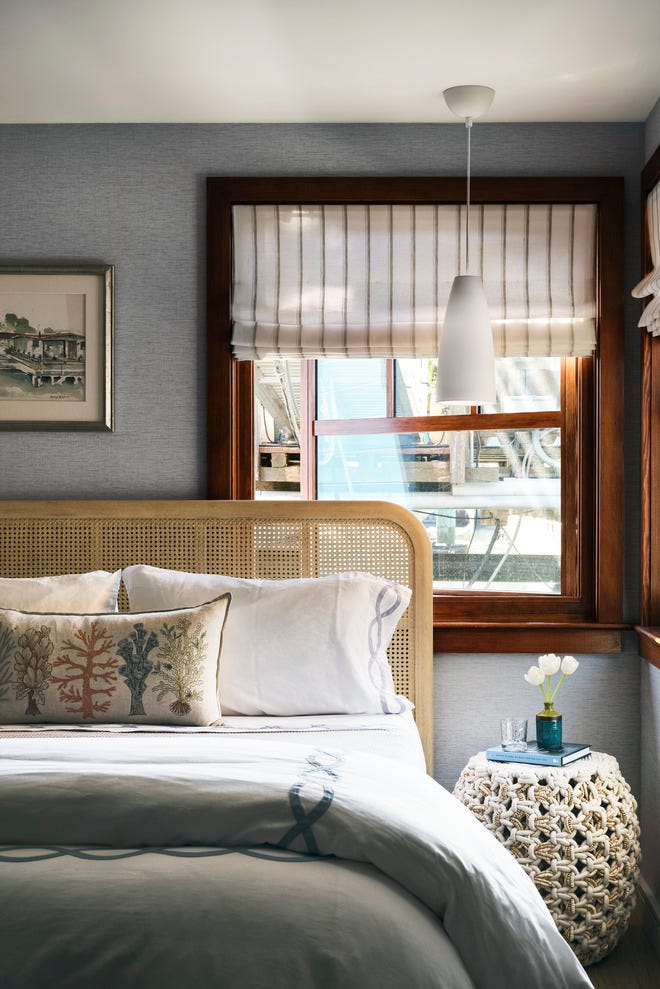
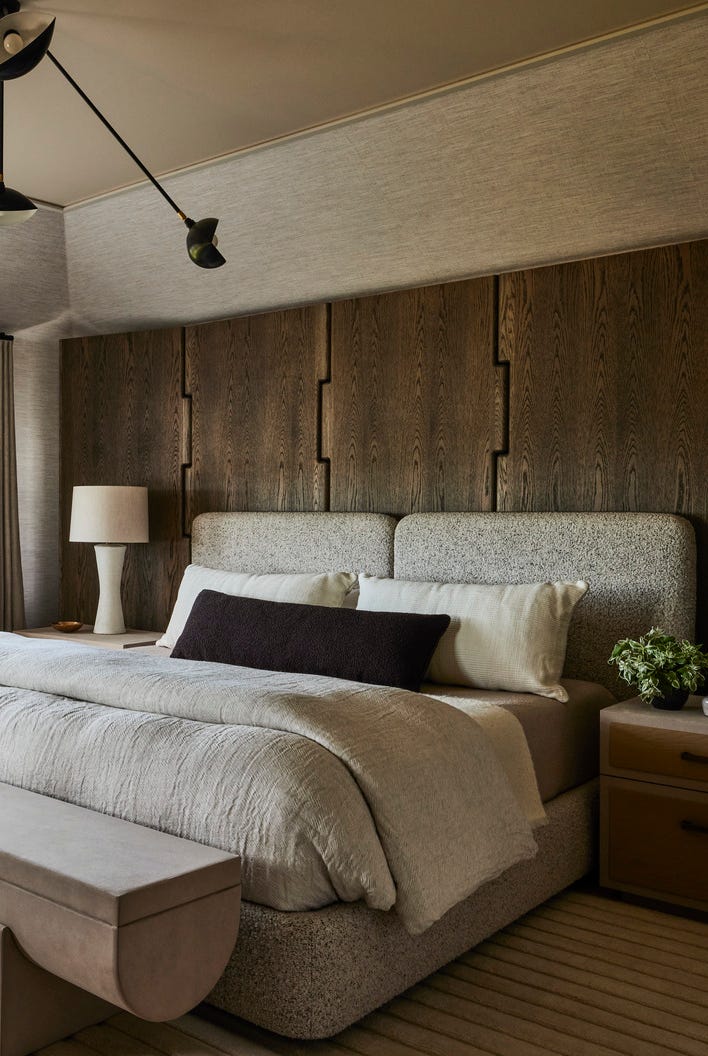
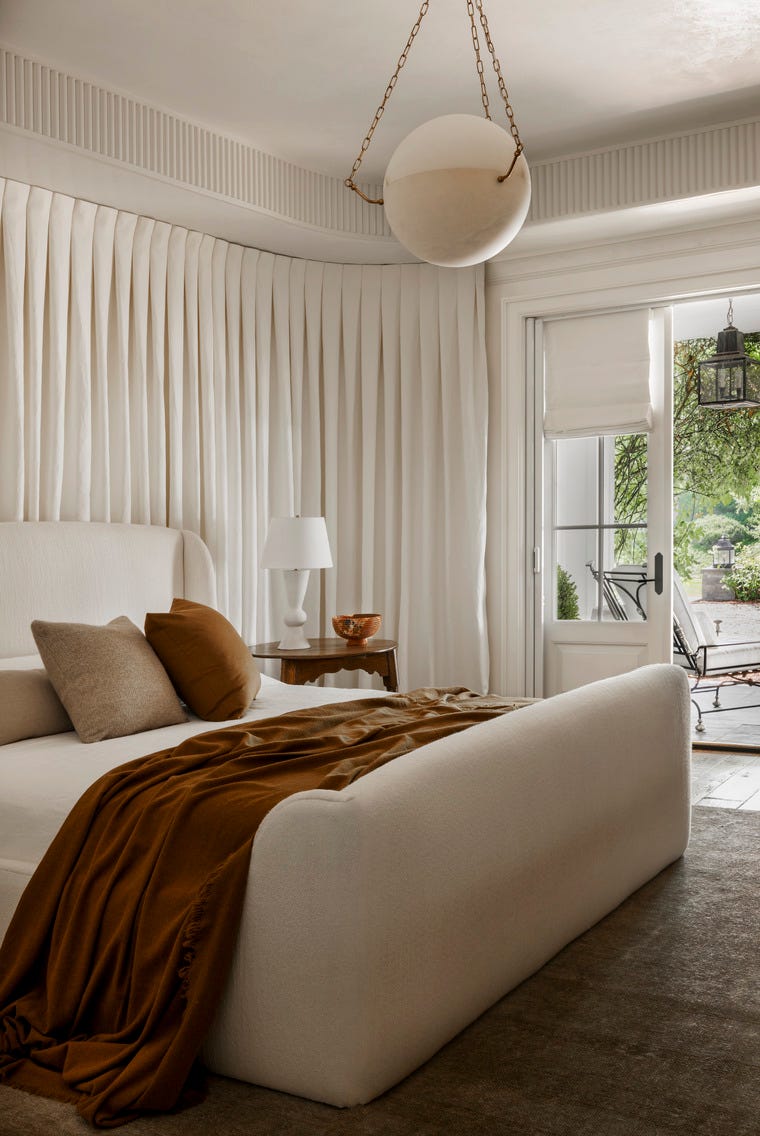
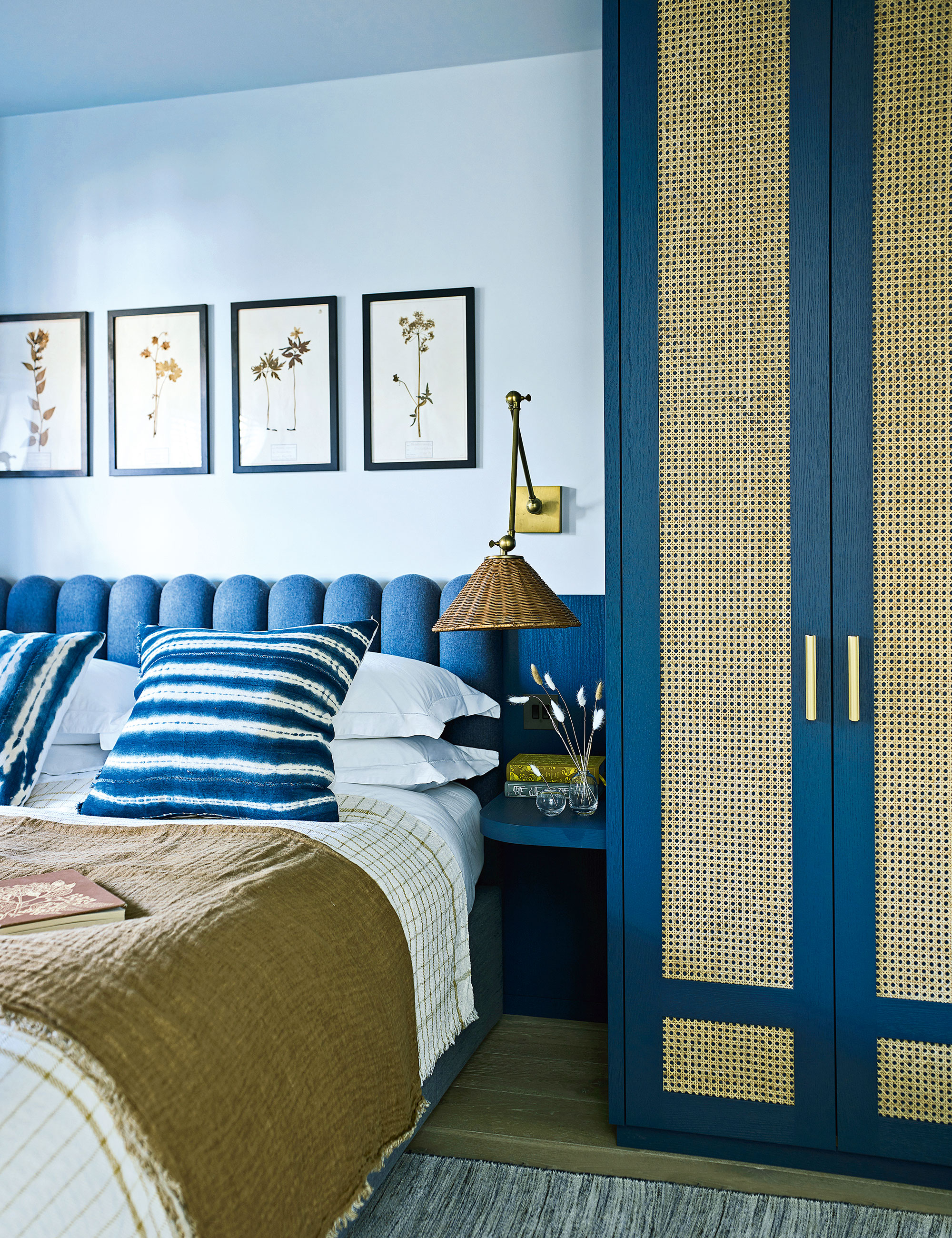
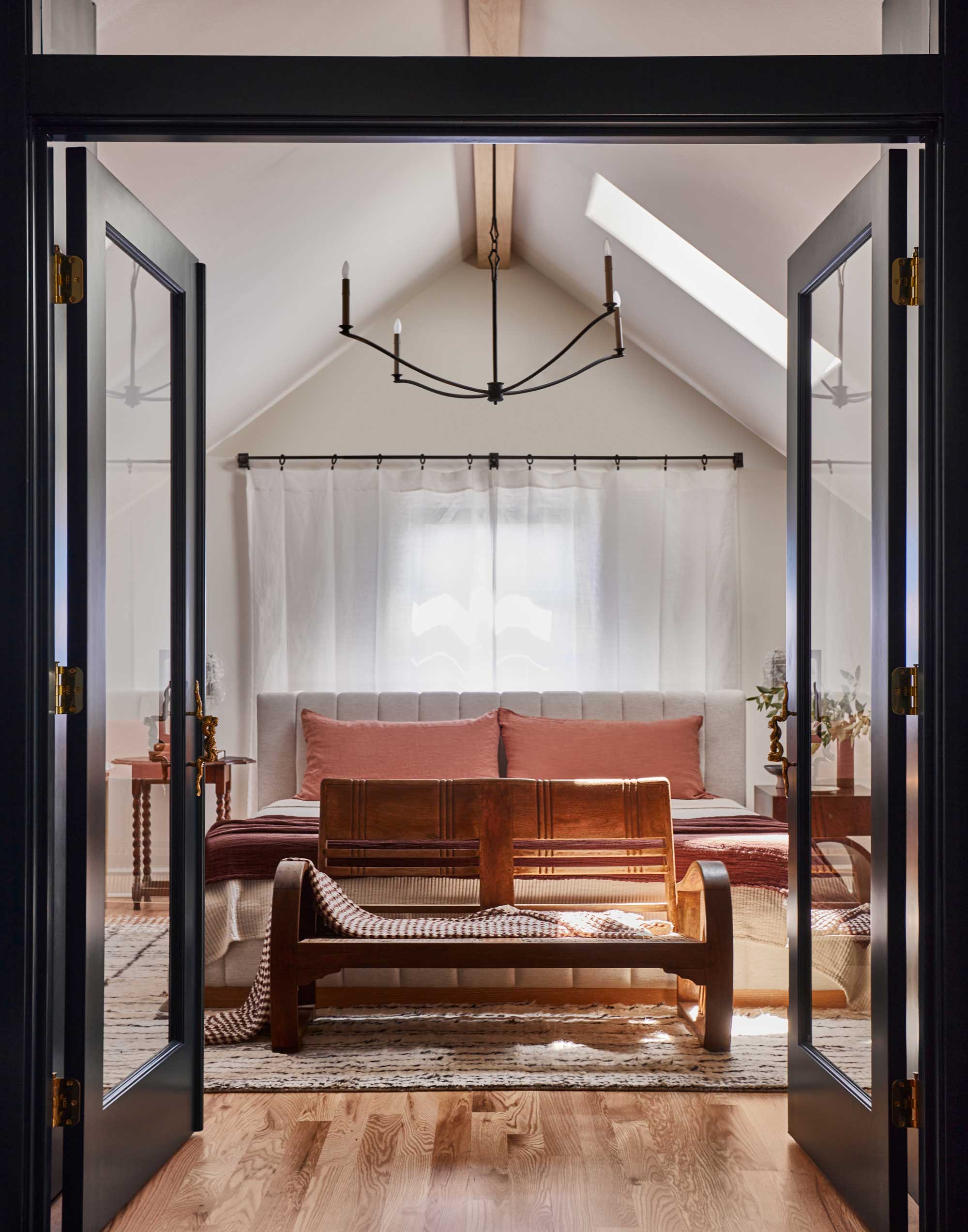
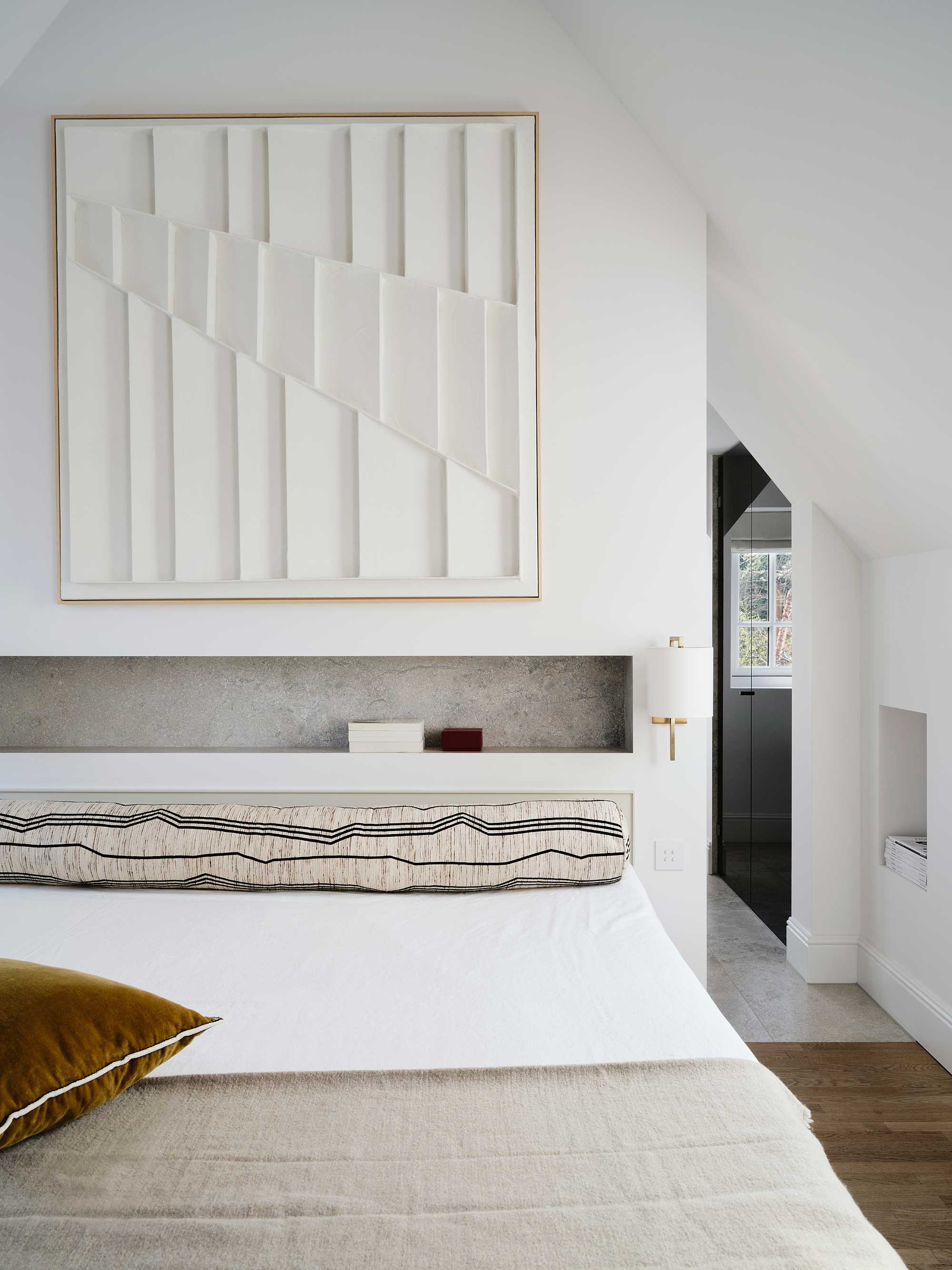
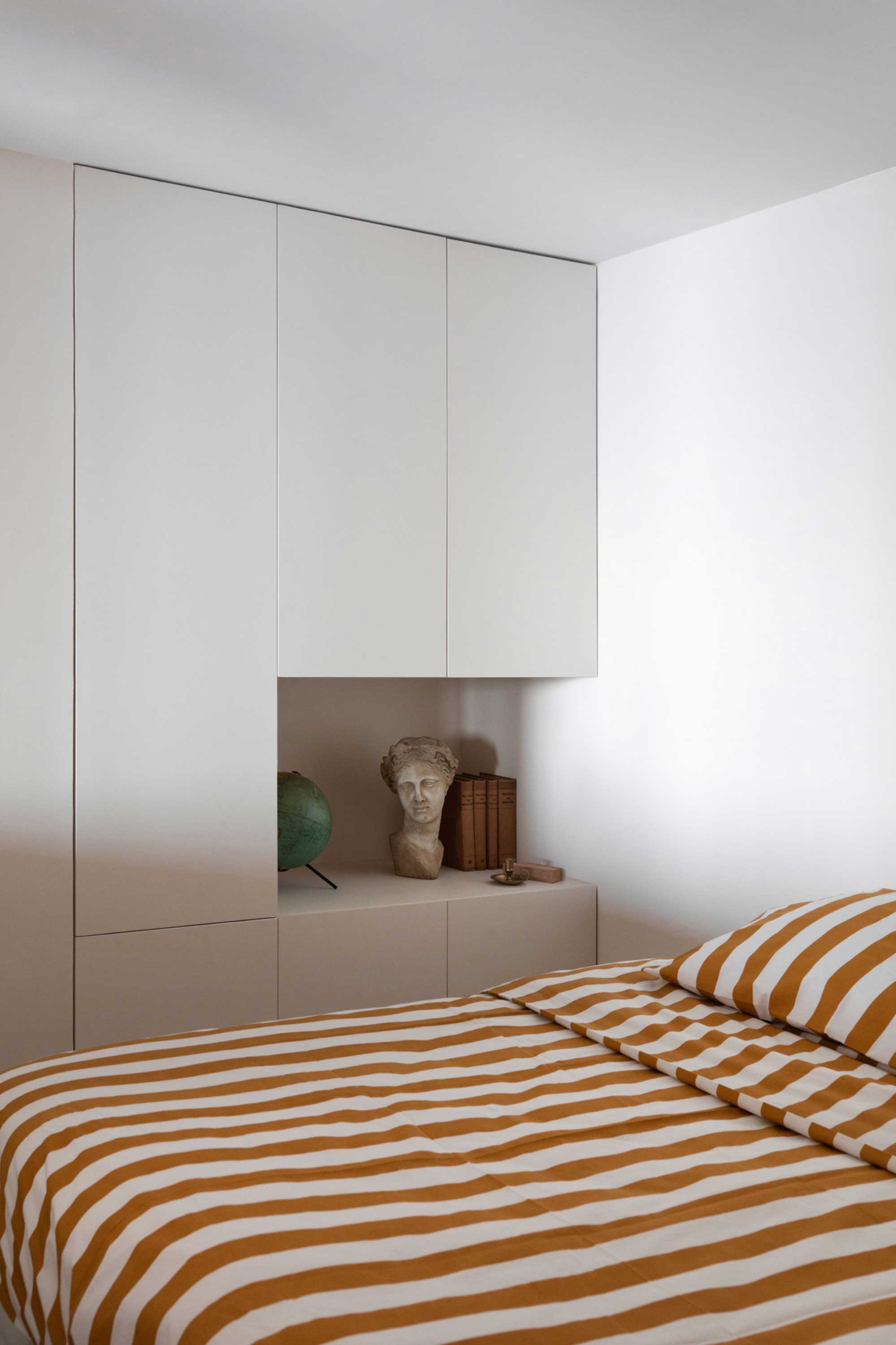
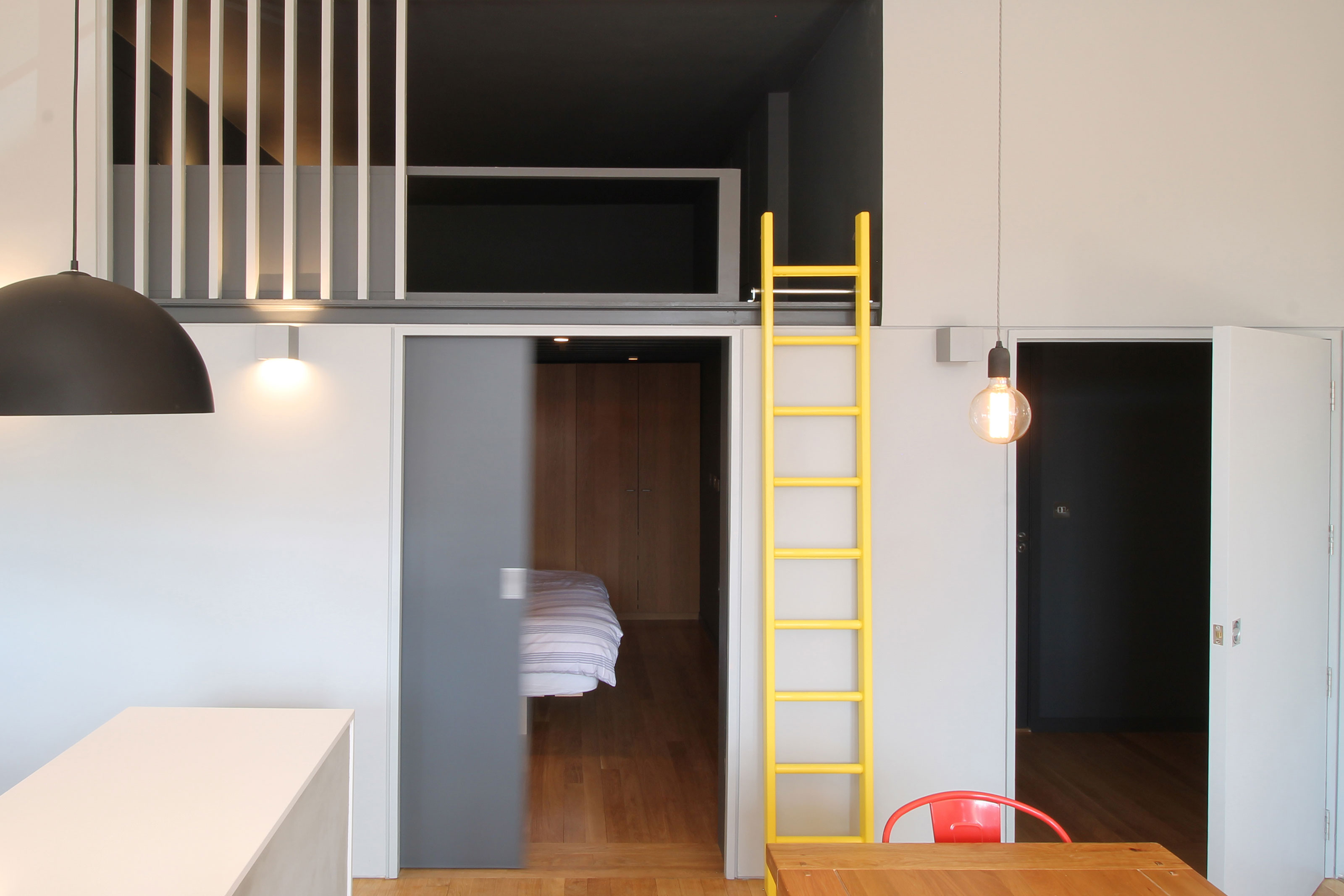
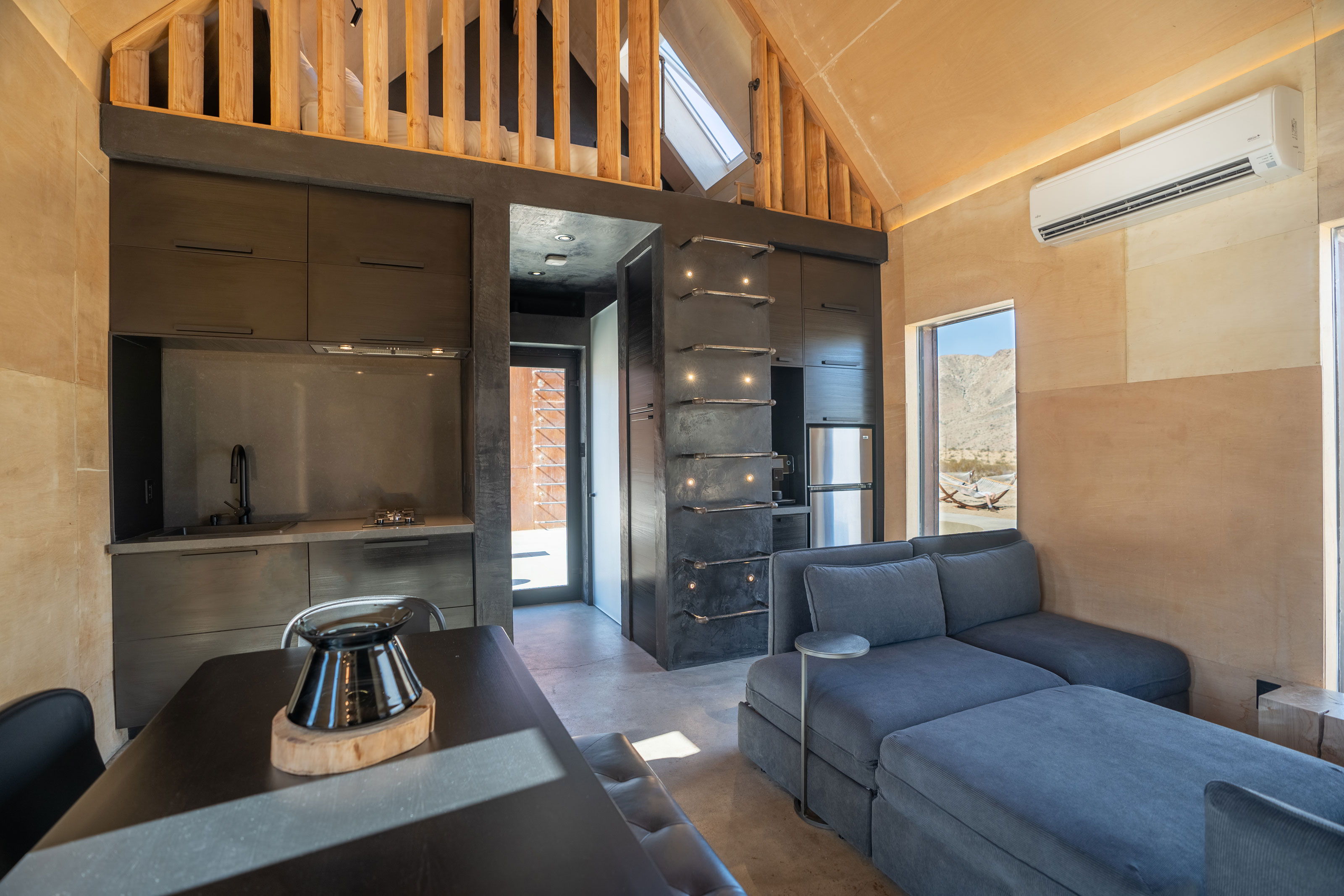
The article showcases 16 diverse examples of alcove bed setups, illustrating various design possibilities. These examples range from bunk beds with playful textures and colors, often incorporating tongue-and-groove paneling or wallpaper, to elegant single beds with integrated stairs and sconces. Some designs feature vibrant, monochromatic color schemes to create impactful moments, while others leverage window nooks for natural light, supplemented by hanging fixtures. Alcove beds placed under stairs demonstrate clever use of often-unused spaces, with designers recommending a minimum of three feet of headspace at one end. Custom-fit sleeper sofas in alcoves highlight the necessity of precise measurements. Other ideas include rustic twin-sized beds, closed-off alcoves with curtains for privacy, boho-style designs with layered textures, and beds with built-in shelves or indented wall nooks for storage. The use of subtle hues, such as gray tones, can help alcove beds blend seamlessly into a room's decor, making them a versatile and efficient design choice for any home.
#AlcoveBedDesign #SmallSpaceSolutions #HomeDecor #InteriorDesign #SpaceSaving #BedroomIdeas #CustomFurniture #FunctionalDesign #StorageSolutions #AlcoveBedDesign #SmallSpaceSolutions #HomeDecor #InteriorDesign #SpaceSaving #BedroomIdeas #CustomFurniture #FunctionalDesign #StorageSolutions
0 comment in total
 No comments yet
You may also like
Bedroom alcove ideas – 10 ways to decorate, design and use nooks and niches

How to create a stylish bedscape at home

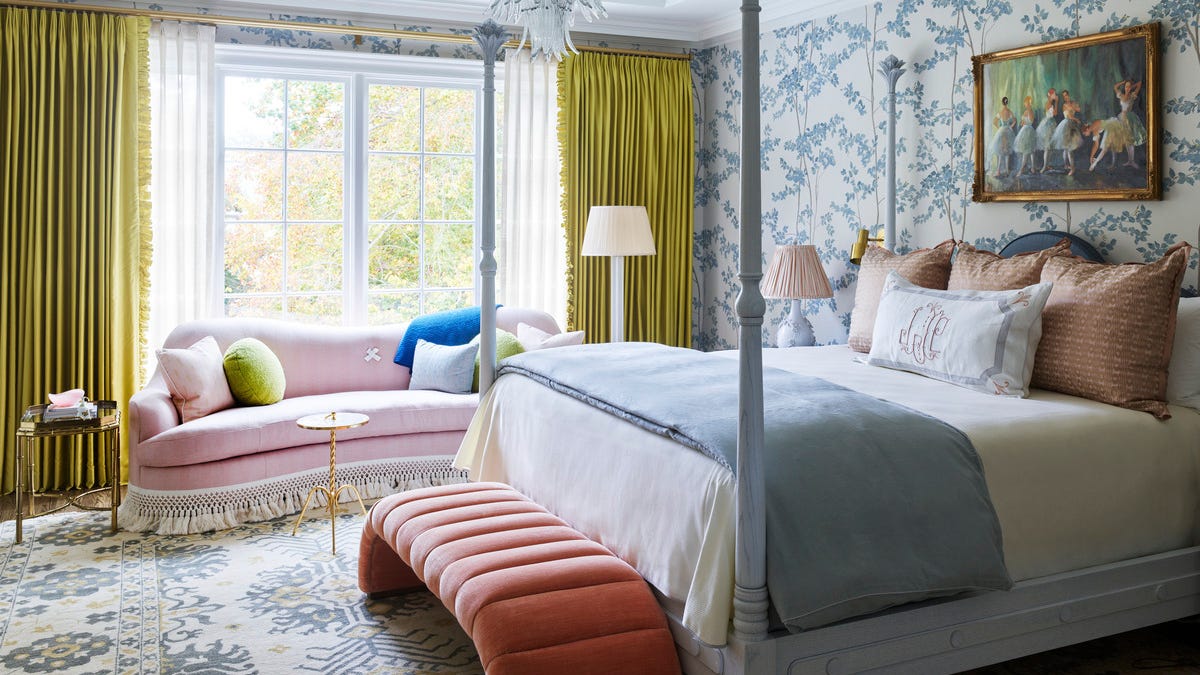
The Best Tips From Designers on Decorating the Bedroom of Your Dreams

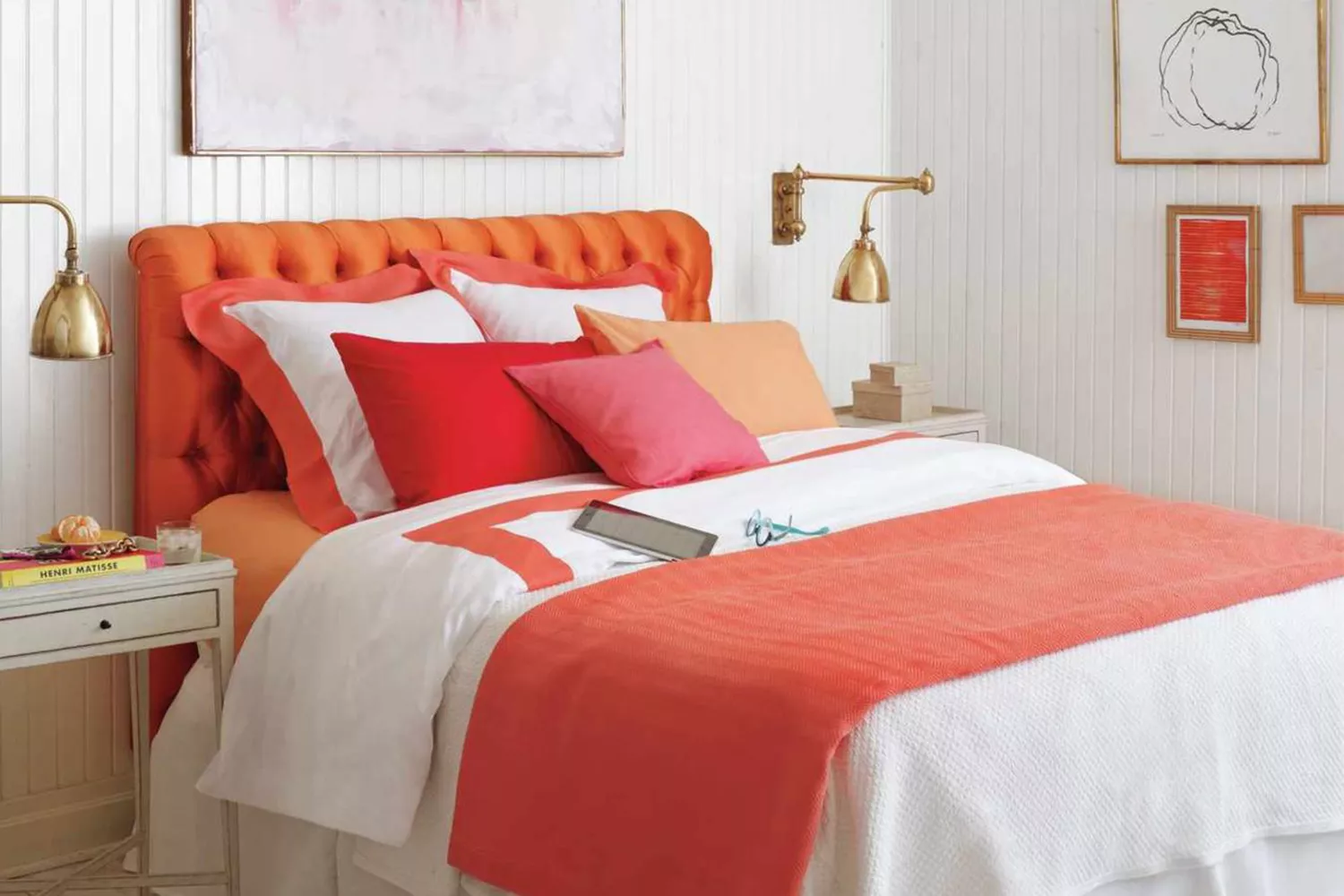
How to Make Your Bed—and Style It Like a Professional
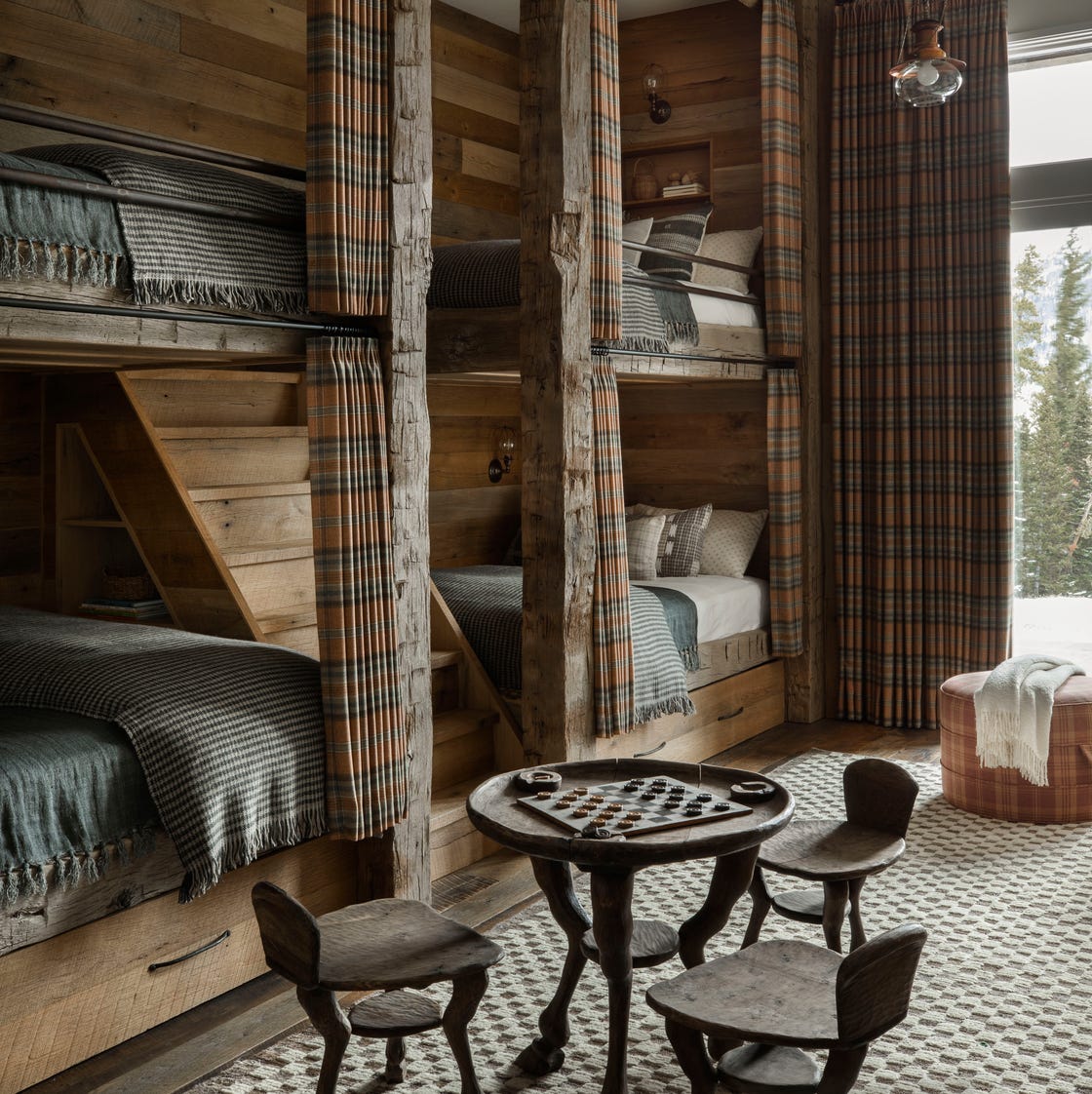
How to Build the Ultimate Bunk Room, According to Designers
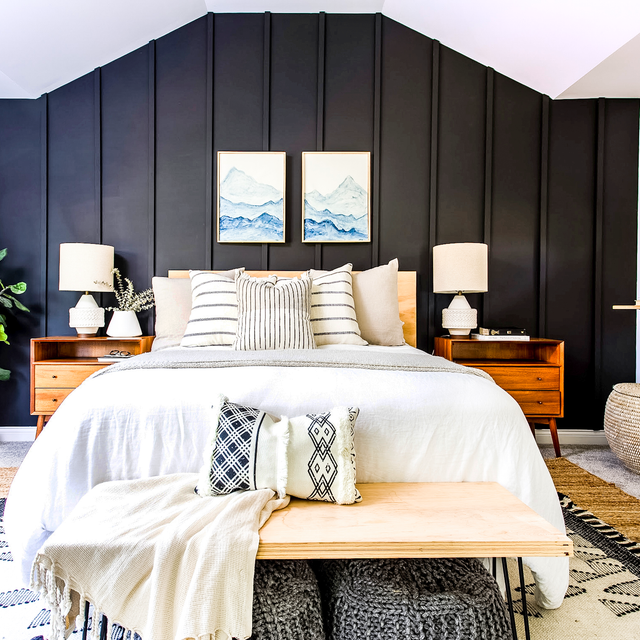
Build the Bedroom of Your Dreams With These Simple DIY Ideas
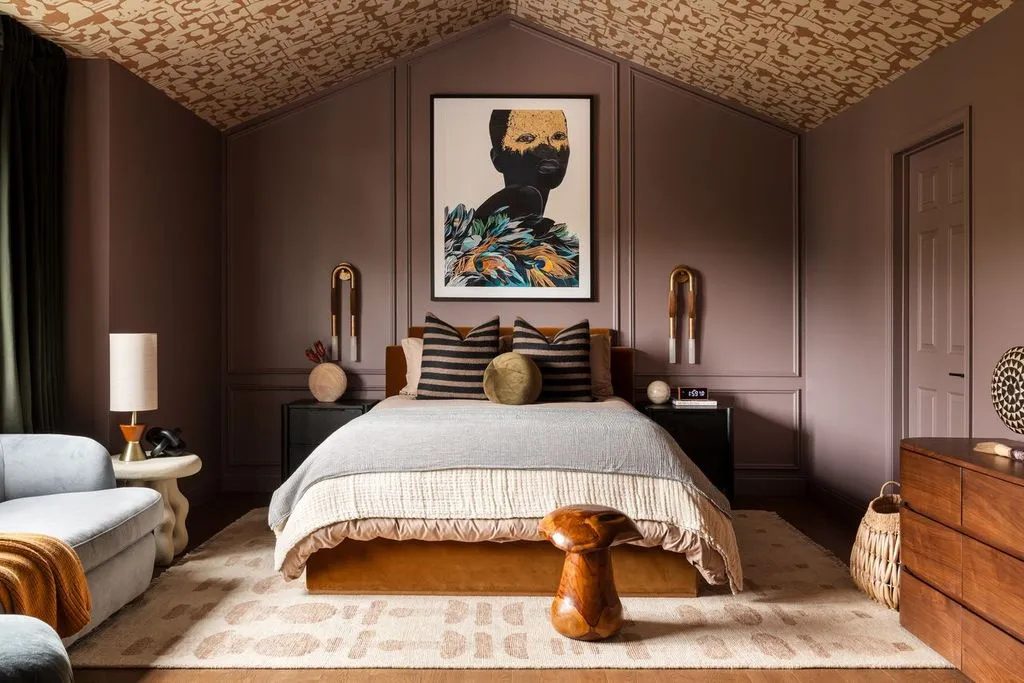
11 Bedroom Layout Ideas That Make Any Space Feel Serene and Stylish
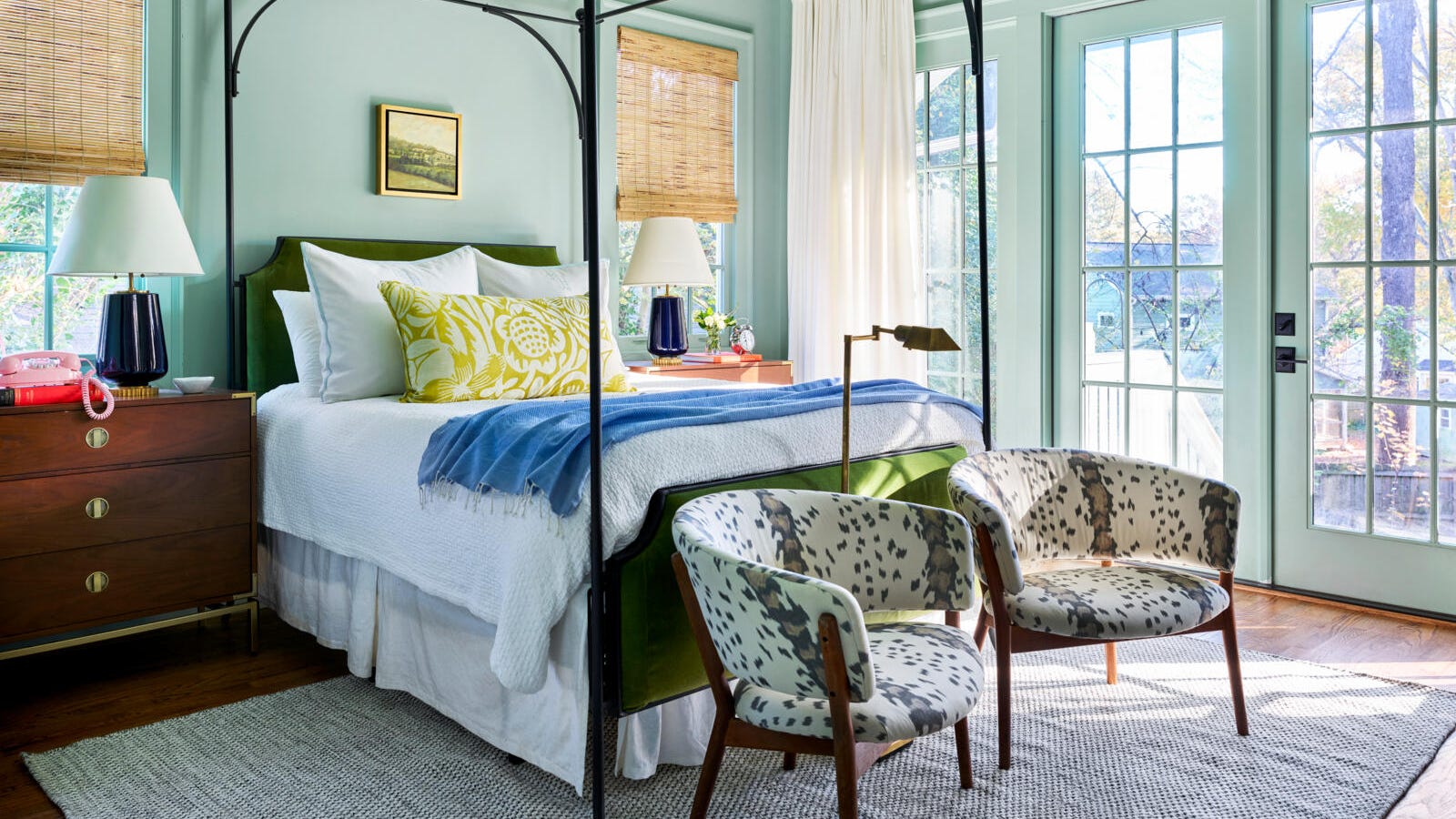
Our Complete Guide to Every Type of Bed
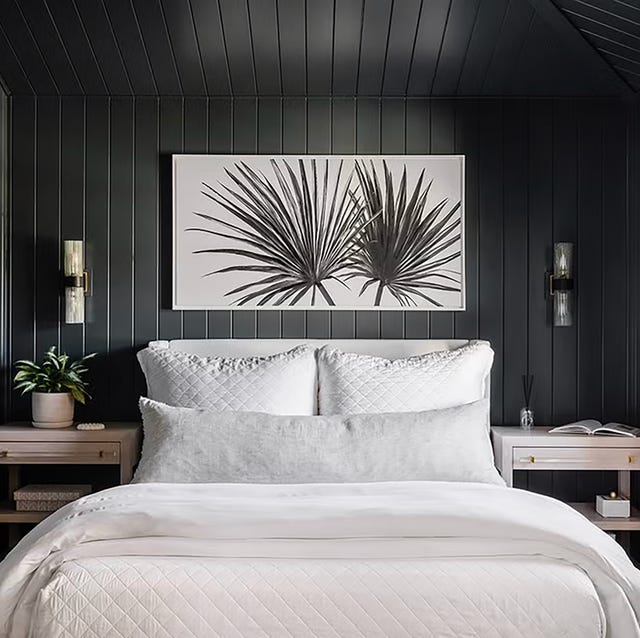
Pull off a Dreamy Bedroom Design — No Matter Your Square Footage
How To Create A Swoon-Worthy Bedscape, According To A Pro

How to make bedroom storage look more expensive – 9 expert tips to add some luxury to this practical space
A guide to bedroom clearances, measurements, and spacing
Move Over, Canopy Beds—This New Trend Will Give Your Space A Dreamy Edge
Interior Designers Are Choosing This Type of Bed for Rooms That Feel More Minimalist and Cohesive

This architect's trick for positioning a bed in the middle of a room makes me want to be braver with my bedroom layout
Loft bed ideas – 10 chic designs that will make you rethink platform sleeping
22 best bed designs that master every vibe


How to make your bedroom look more luxe – 6 tips for designing the ultimate space of your dreams
No room for a nightstand? These bedroom built-ins make use of every inch of small spaces
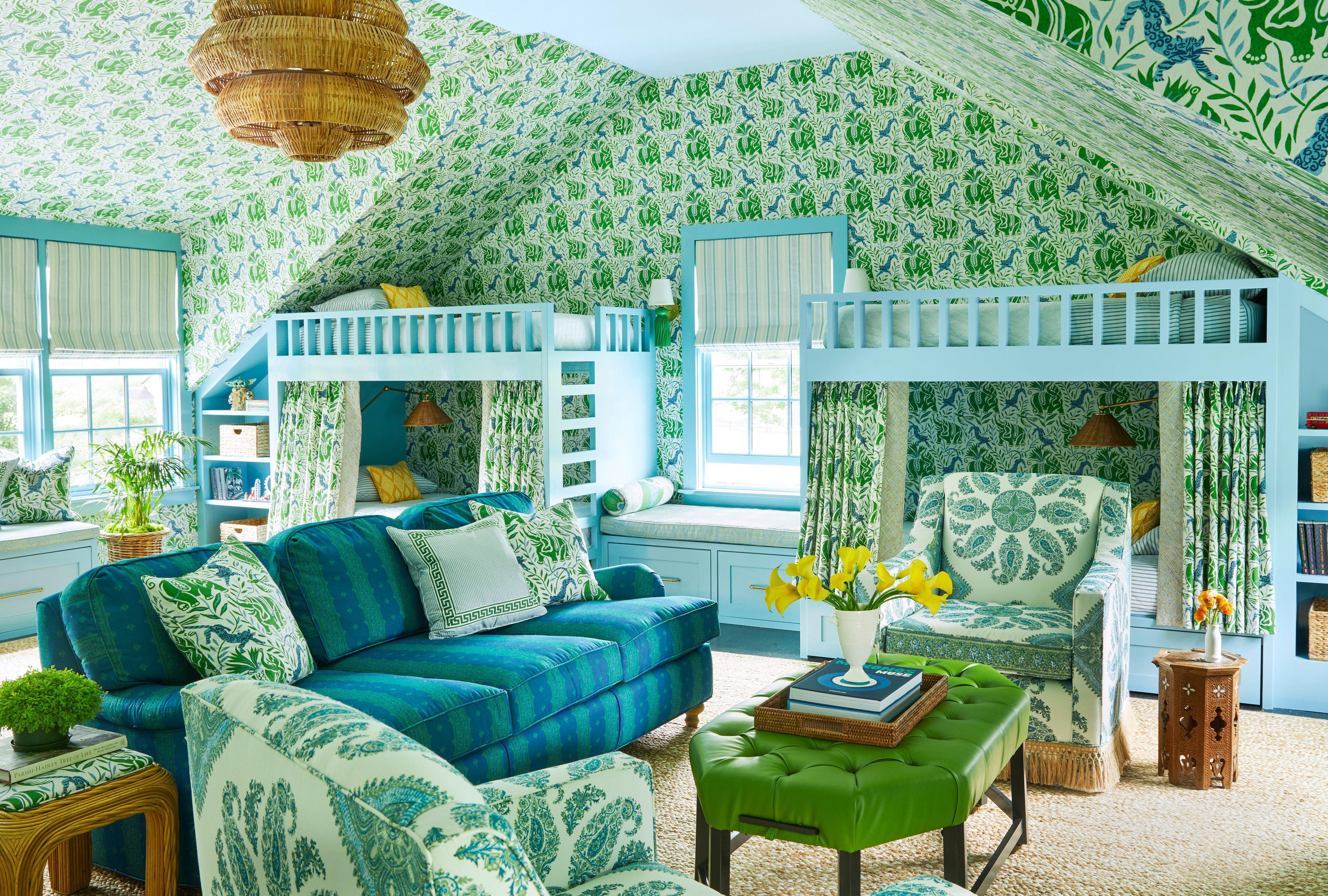
Bunk Rooms Are the Ultimate Bedroom Upgrade—Here's How to Design One in Your Home