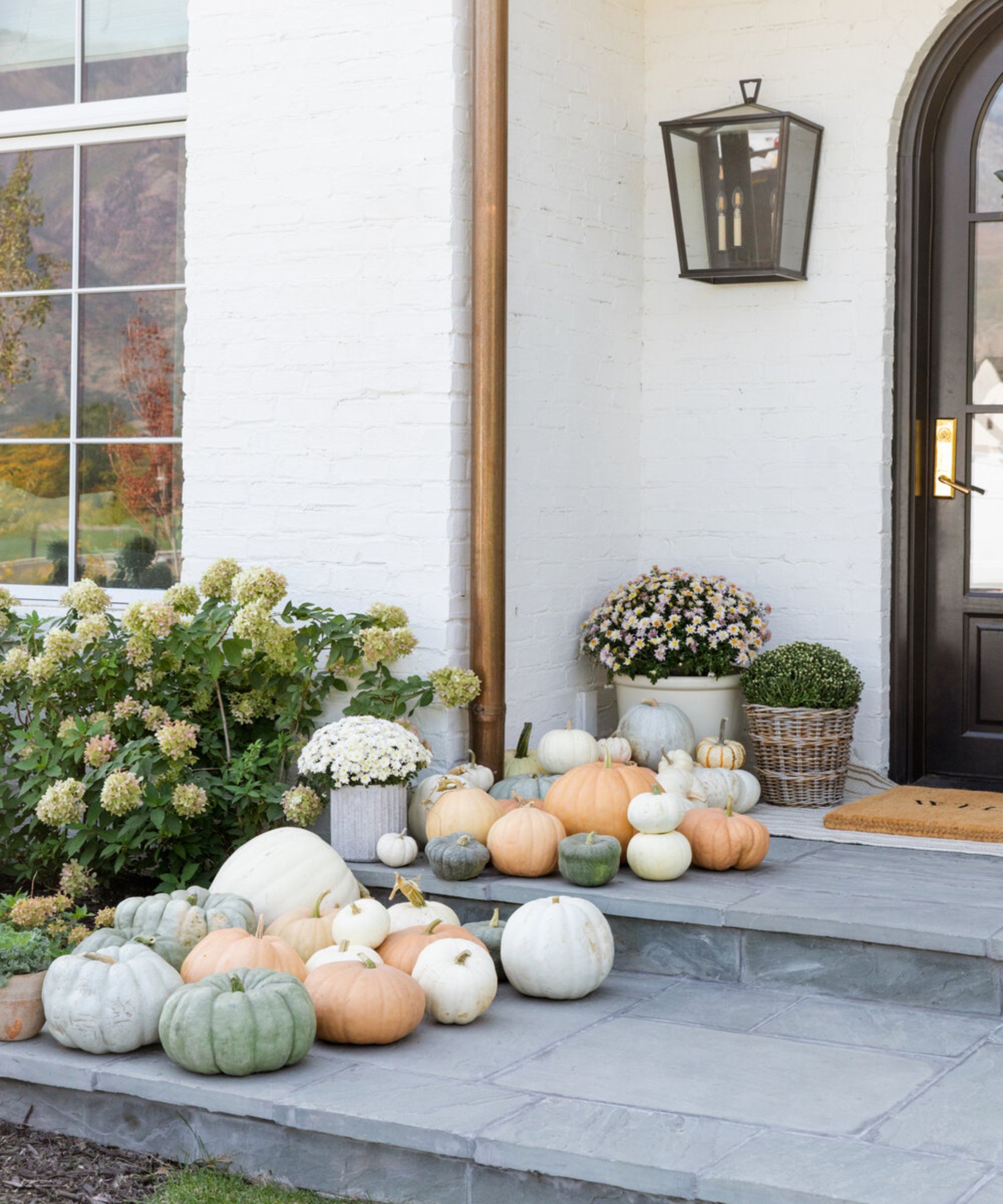
How To Decorate For Fall Without Touching A Single Pumpkin
This article explores various strategies for incorporating the autumnal spirit into home decor without relying on traditional pumpkin motifs. It emphasizes that a less literal approach to fall decorating can often result in a more sophisticated and elevated aesthetic. The piece draws insights from three interior designers, Rachel Peck, Bailey Ward, and Kristi Webb, who offer practical tips and creative suggestions.
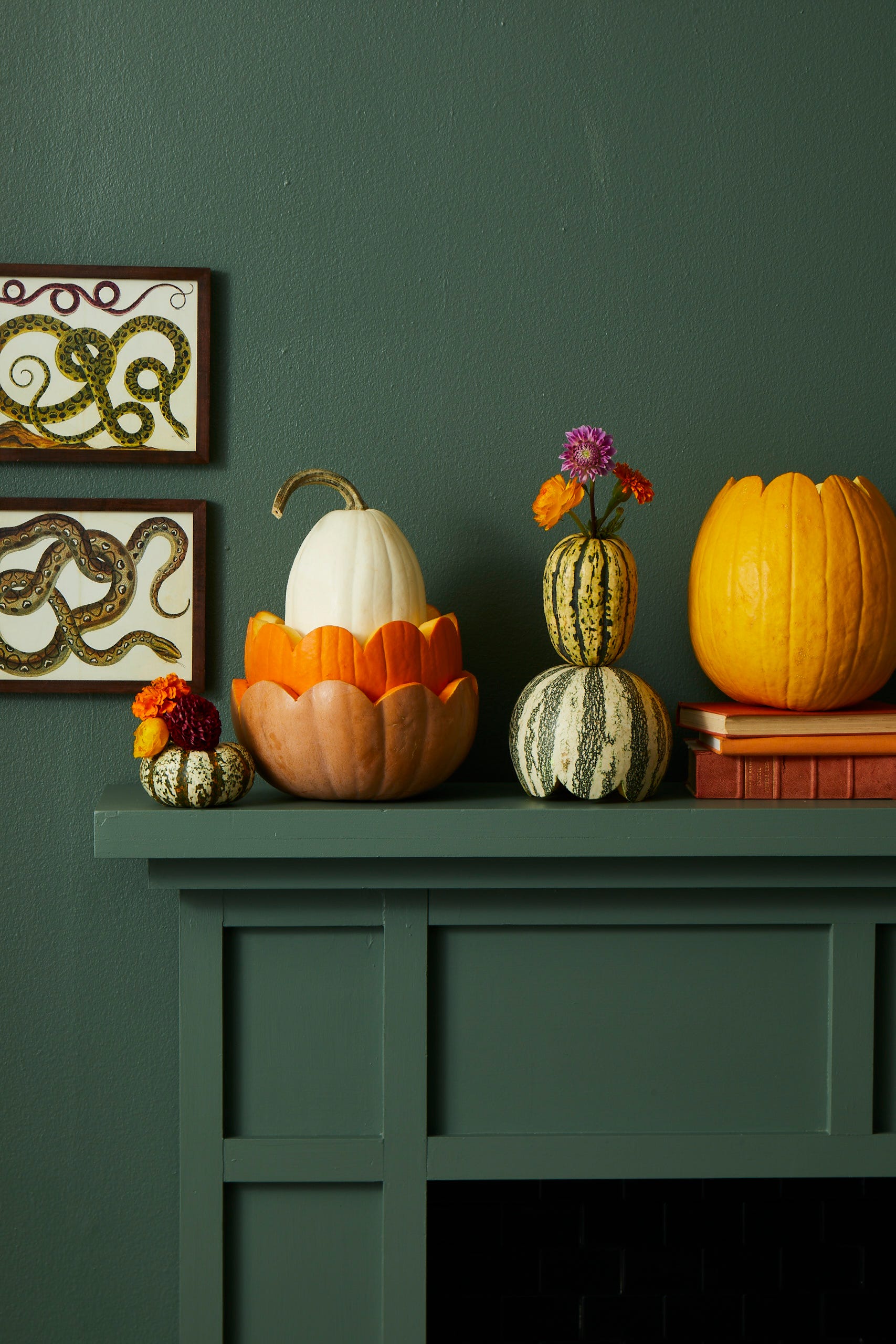
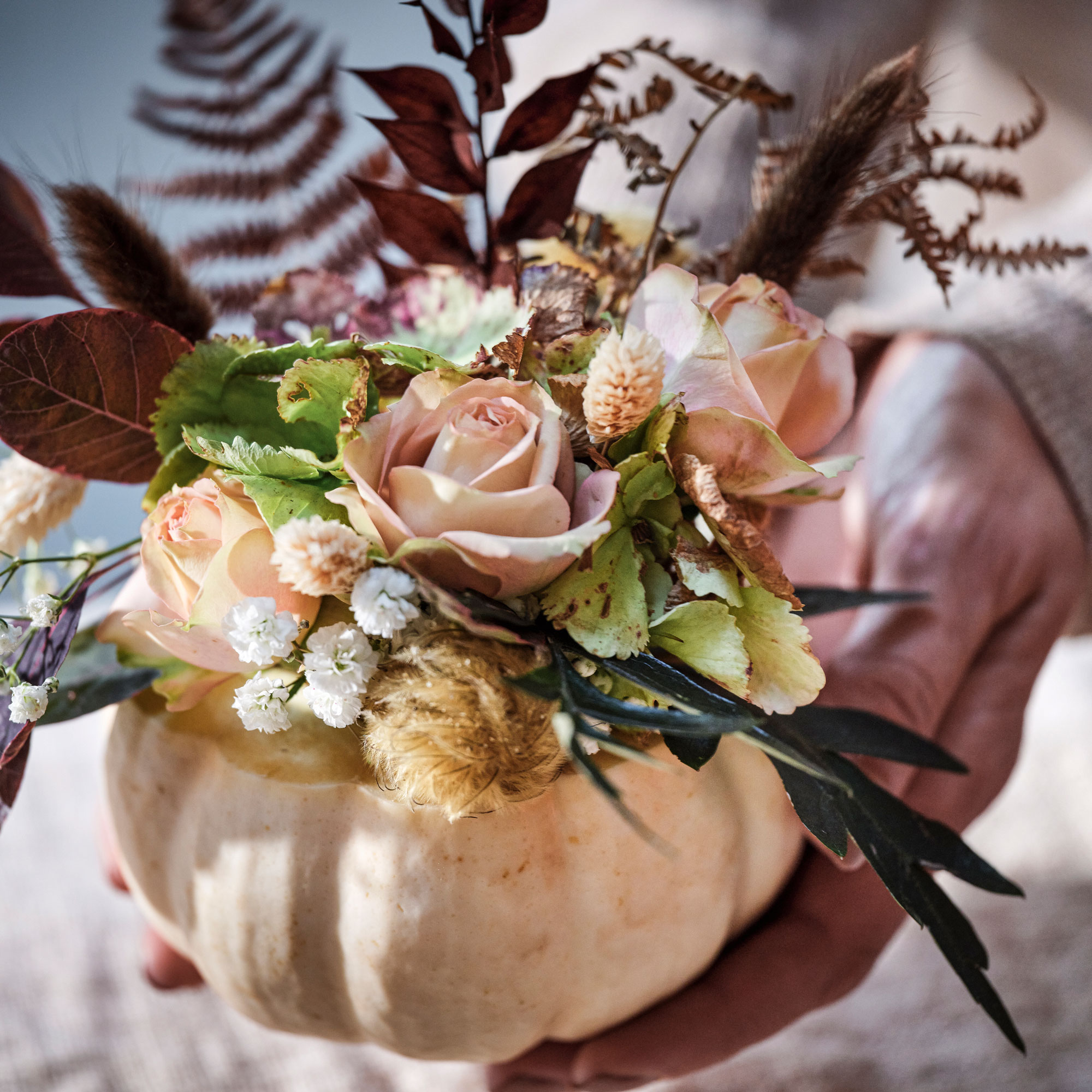
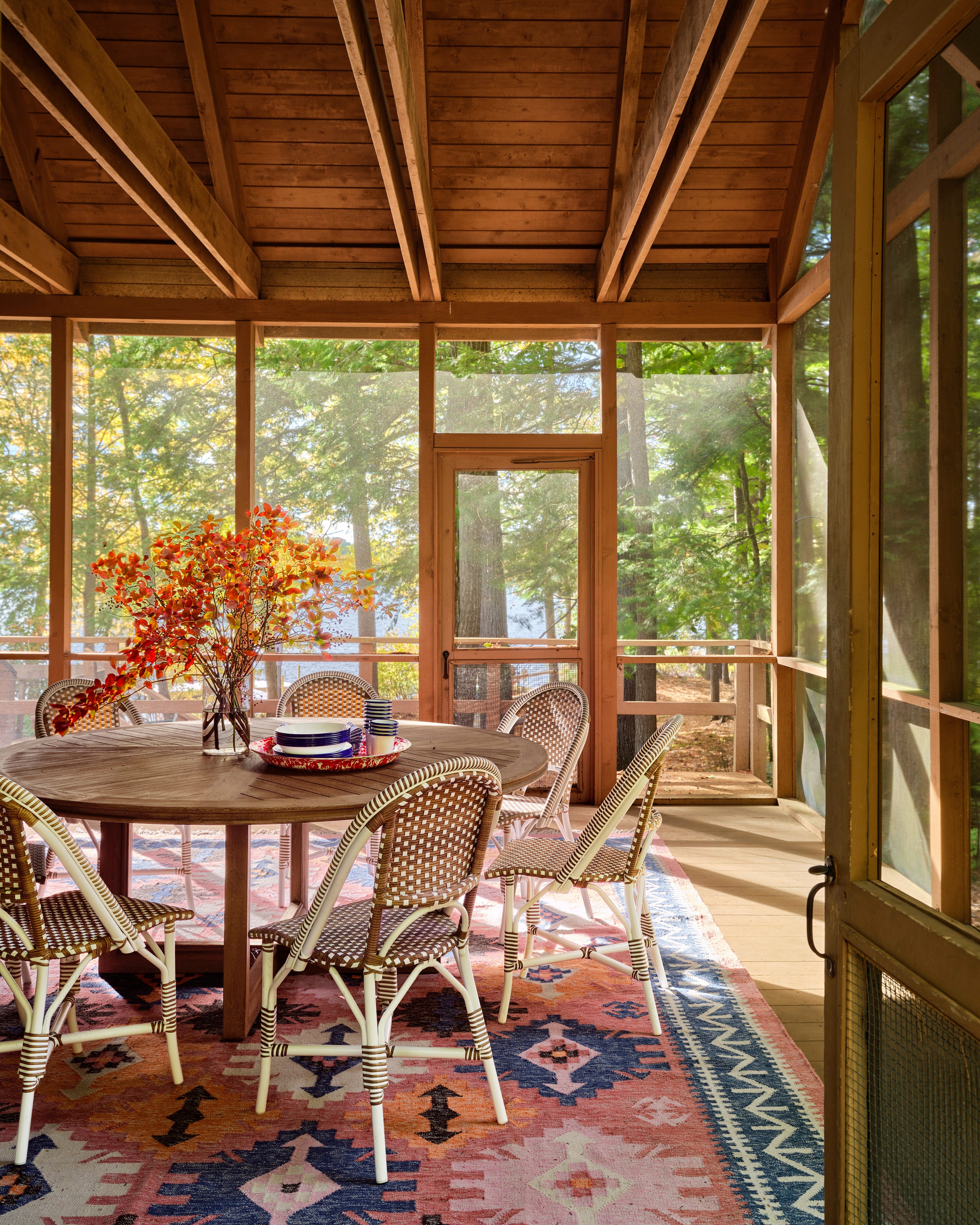
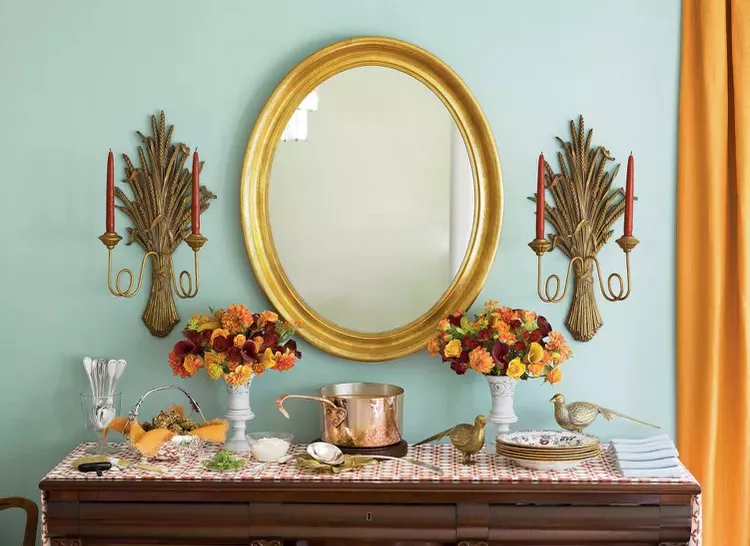
One key method discussed is the substitution of typical fall decorative items with seasonal botanical elements. Instead of pumpkins, designers suggest using fall plants and flowers such as marigolds, dahlias, and mums, which naturally offer the rich color palette associated with autumn. Rachel Peck, for instance, favors maroon and burgundy stems, while Bailey Ward reuses dried hydrangeas, whose muted tones blend seamlessly with the fall aesthetic. These floral choices allow for an elegant integration of seasonal colors and textures into the home.
Another significant recommendation involves adjusting the home's lighting to create a warmer, more inviting atmosphere. The article advises transitioning from bright summer lights to a "warm, moody glow" by using 2700 Kelvin bulbs, which are considered ideal for creating a cozy ambiance. Layered lighting is also highlighted as an effective technique, promoting the use of table and floor lamps over overhead fixtures to achieve better control over the room's mood and to enhance the overall inviting feeling of the space.
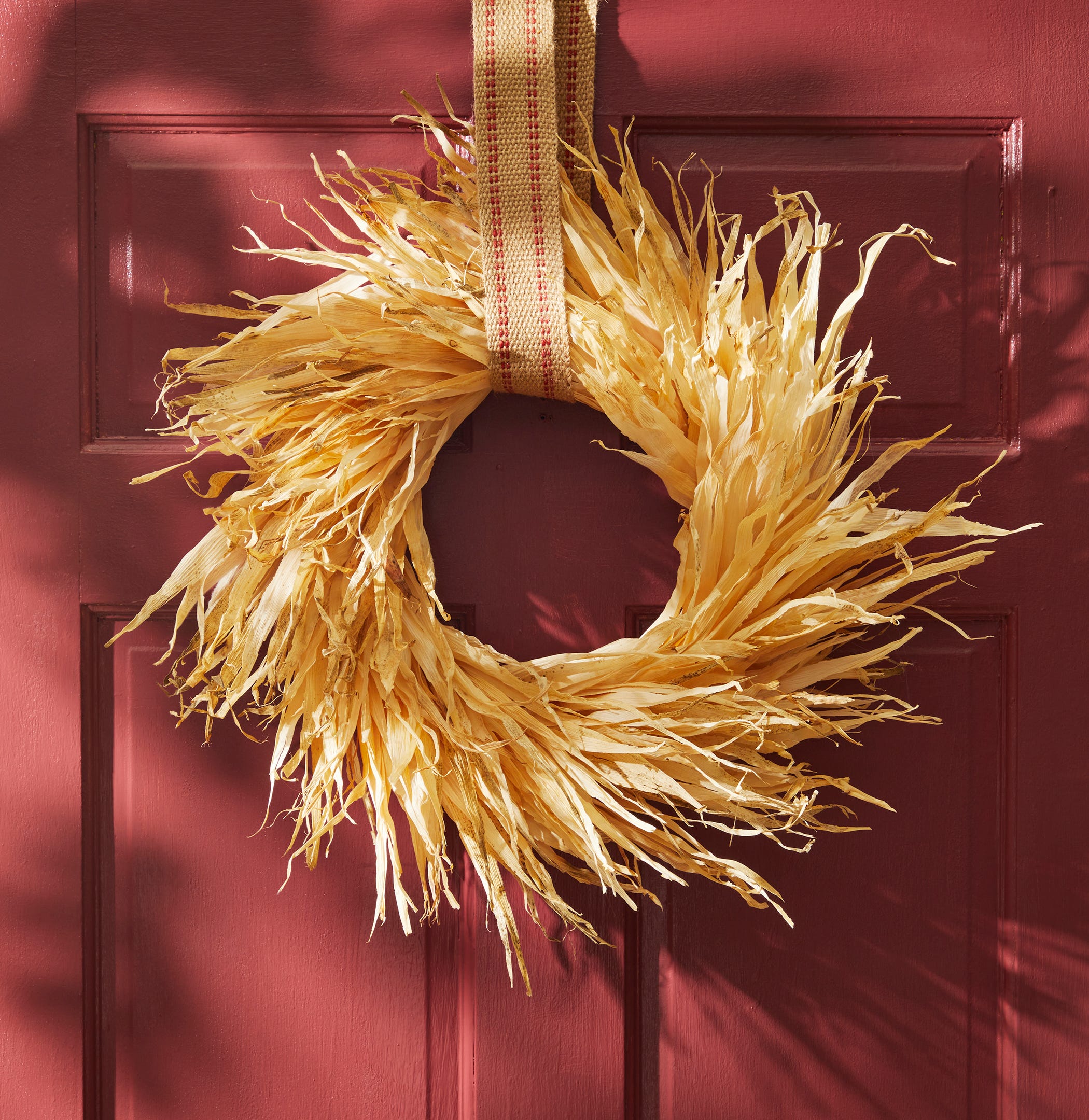
Furthermore, the article encourages the strategic use of wreaths beyond the conventional front door placement. Rachel Peck describes wreaths as a "warm welcome" and suggests incorporating fall-themed wreaths, adorned with elements like acorns and twigs, on interior doors, over fireplaces, on mirrors, windows, bookshelves, cabinets, or even chairs. This approach expands the decorative possibilities and allows for a more cohesive autumnal theme throughout different areas of the home.
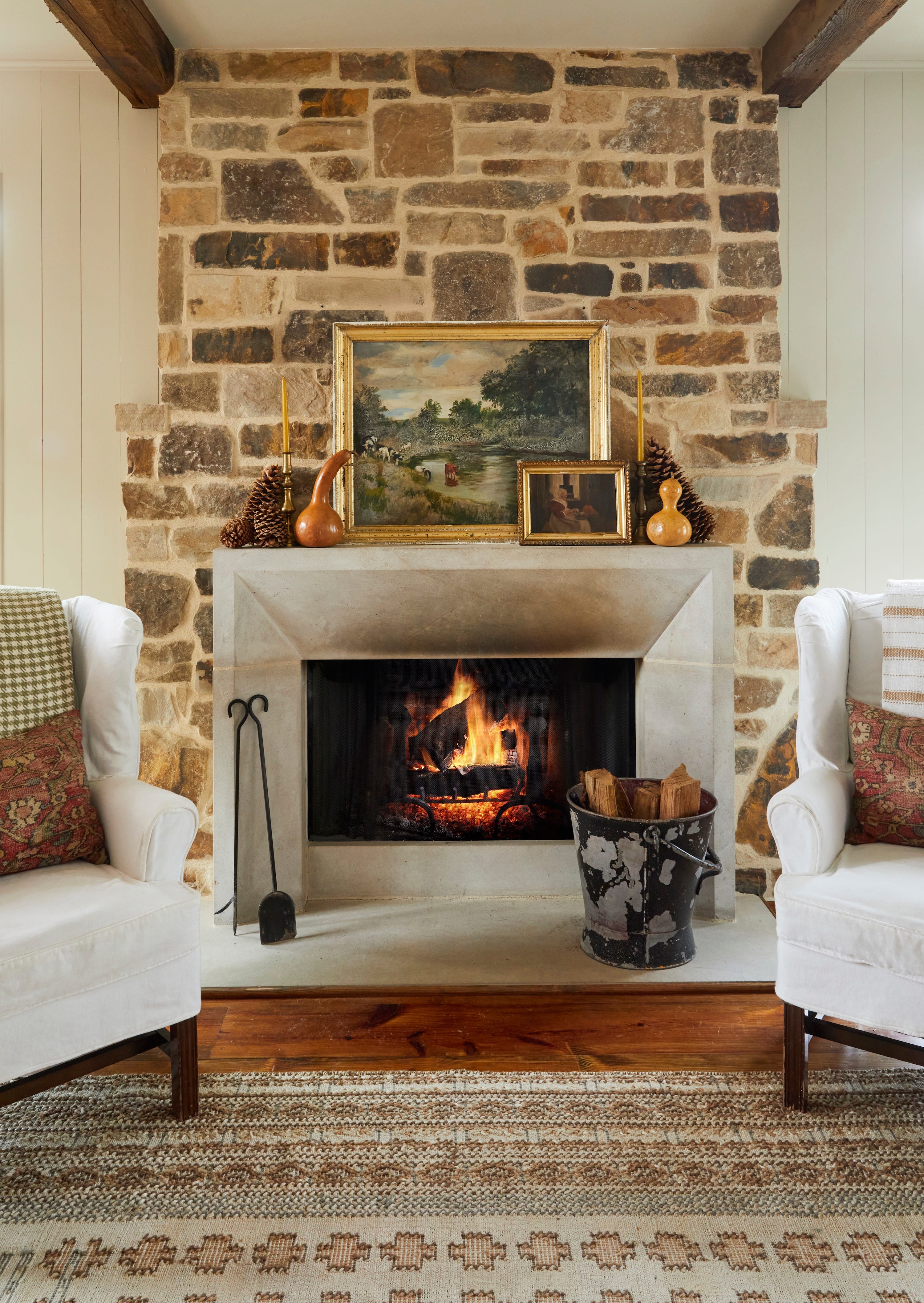
The integration of a fall-inspired color palette is also emphasized as a crucial element. The article points out that autumn's color scheme is inherently rich, warm, saturated, and nature-inspired. Designers recommend incorporating hues such as maroon, amber, olive green, and tan through various accessories. These can be small accents like taper candles and cloth napkins or larger decorative pieces. Even subtle touches of these colors can significantly impact the overall fall ambiance of a room.
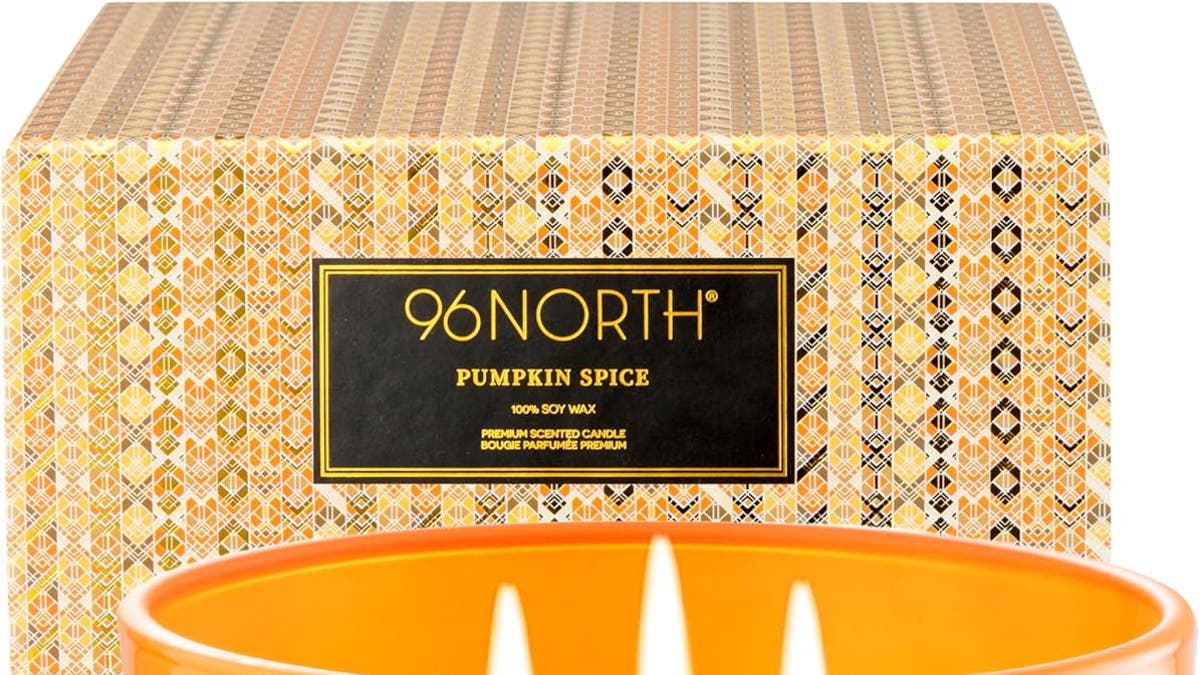
To further engage the senses, the article suggests using seasonal scents through candles. As the seasons change, switching to warmer, earthier candle fragrances is recommended. Bailey Ward prefers sandalwood for its clean, fresh, yet subtly spicy aroma, while Kristi Webb suggests scents like crisp leaves, spiced cider, or any fragrance that evokes a sense of coziness. These aromatic additions contribute to a multi-sensory fall experience within the home.
Finally, the article highlights the importance of layering in new textiles to enhance the coziness of a space. Kristi Webb advocates for "soft throws and rich textures," which can be introduced through pillow covers, tablecloths, and bedding. Fabrics like flannel, corduroy, wool, and suede are particularly effective in creating a warm and inviting feel. Even if one prefers a bright color scheme, incorporating fall-inspired fabrics in existing home colors can successfully convey the season's warmth and comfort.
#FallDecor #HomeDecoration #InteriorDesign #SeasonalDecor #AutumnalColors #LightingDesign #TextileDecor #FloralArrangements #CozyHome #FallDecor #HomeDecoration #InteriorDesign #SeasonalDecor #AutumnalColors #LightingDesign #TextileDecor #FloralArrangements #CozyHome
0 comment in total
 No comments yet
You may also like
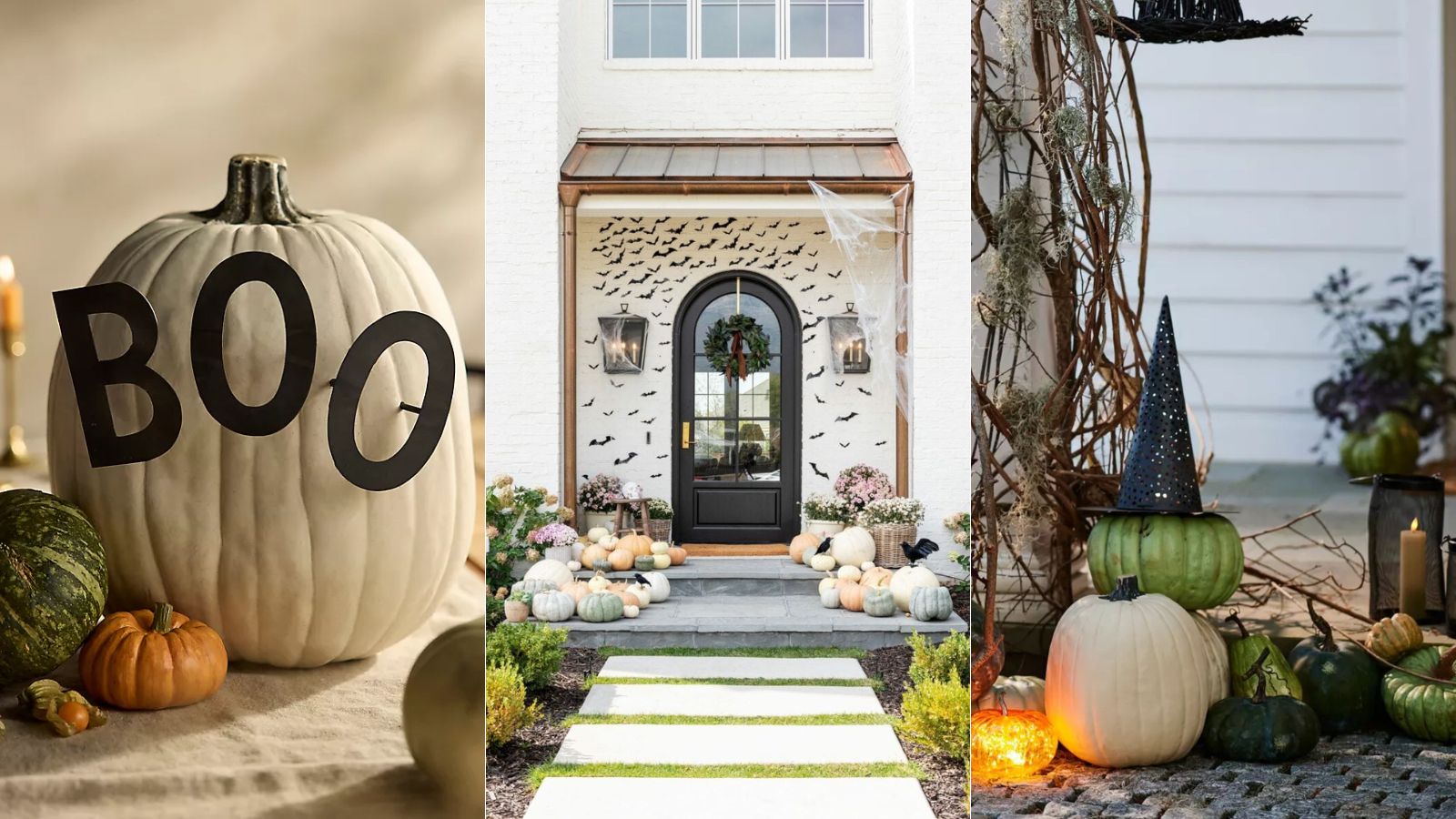
No one is carving their pumpkins this year – here are the most elegantly eerie no-carve pumpkin ideas I'm doing instead

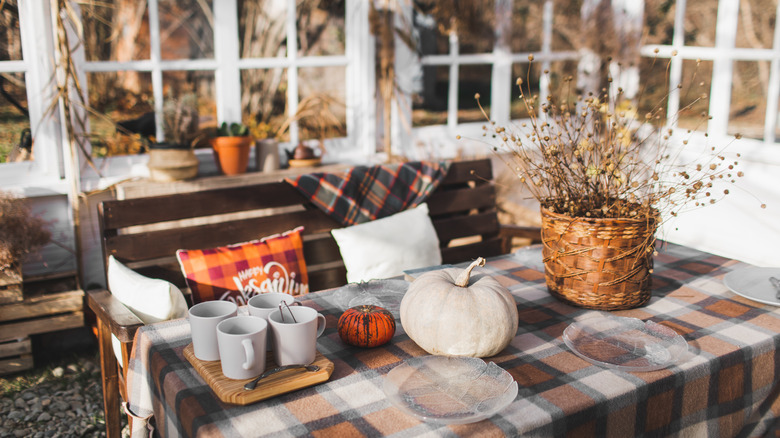
12 Dollar Tree Stacking Pumpkin DIYs You Need For Affordable Fall Decor
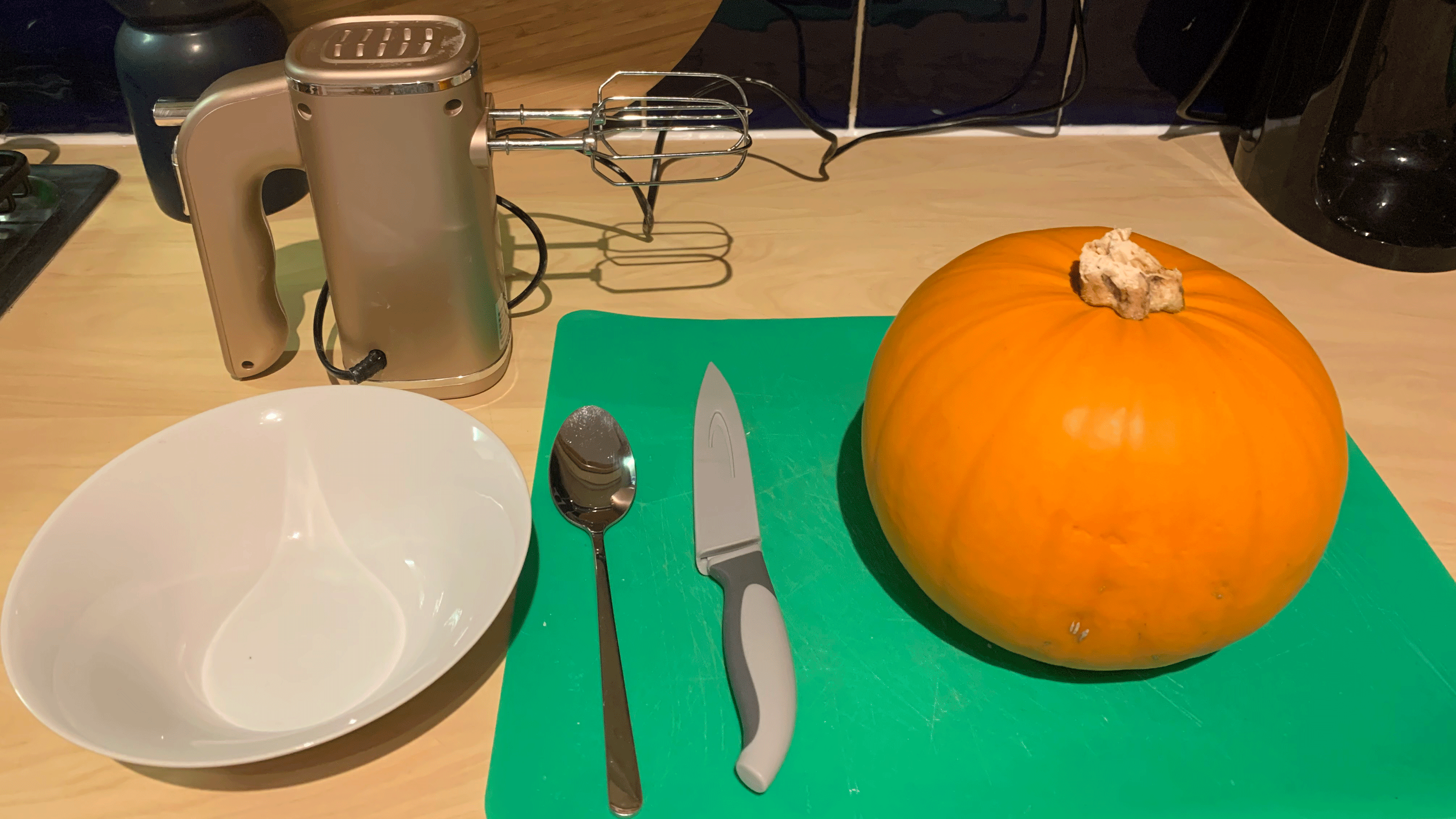
The five-minute pumpkin carving hack I swear by for quick Halloween decorations

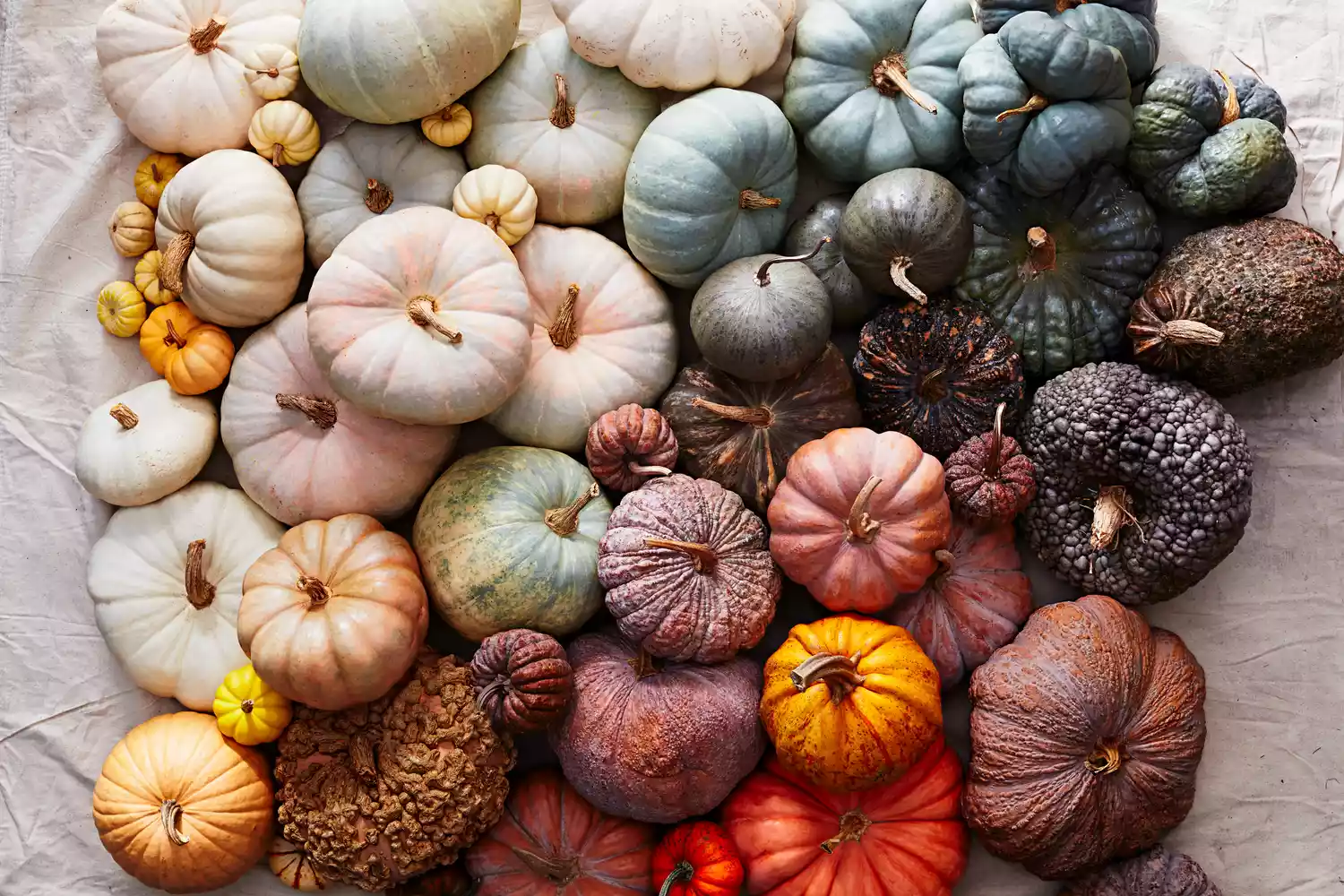
14 Types of Pumpkins You'll See This Fall

Forget Carving—Avoid the Mess With These Easy Pumpkin Painting Ideas

Give Basic Pumpkins an Entirely New Look with Nature-Inspired Patterns

33 DIY Fall Pumpkin Painting Ideas for All Ages
Festive pumpkin-themed decor to warm up your kitchen this fall season

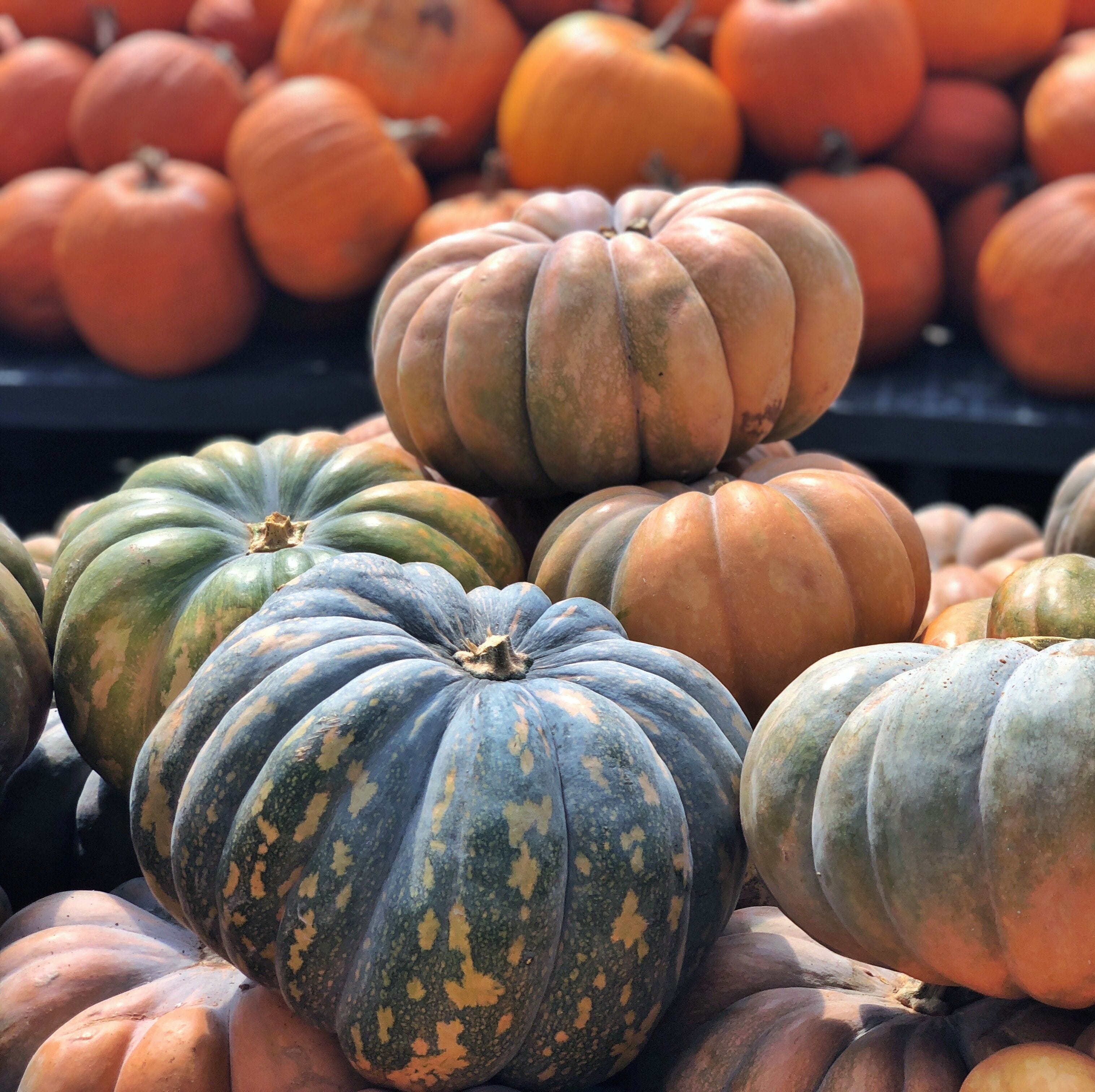
20 Different Types of Pumpkins That Are the Pick of the Patch

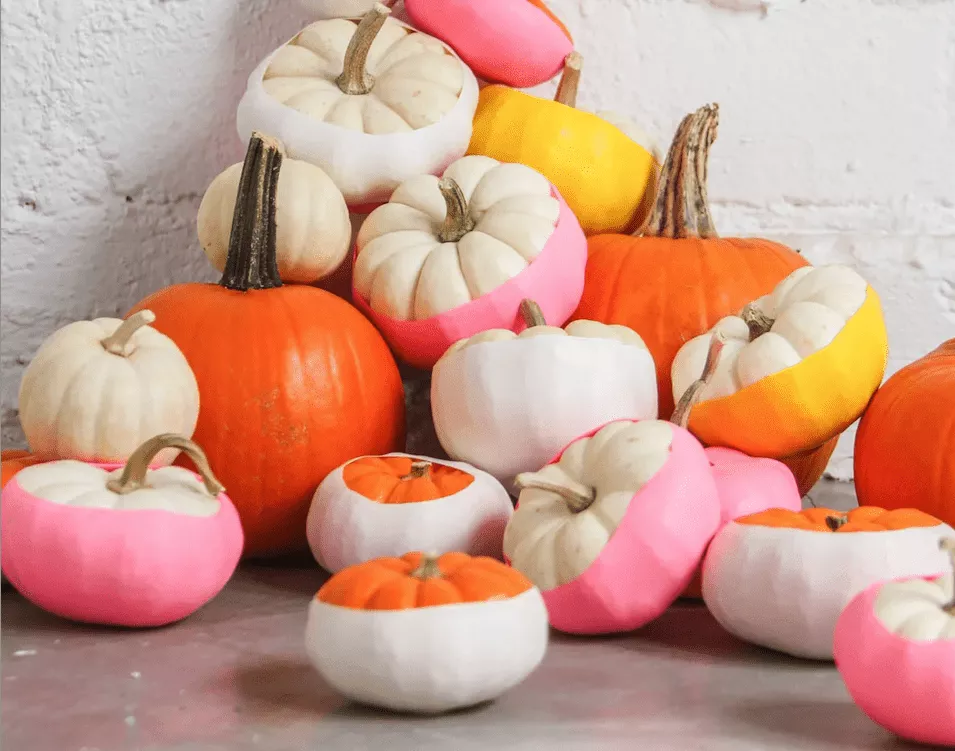
90 Pumpkin Decorating Ideas to Celebrate Fall, From Scary Ghosts to Wicked Witches

15+ Pumpkin Carving Ideas 2025 – Simple & Easy Pumpkin Ideas for Halloween

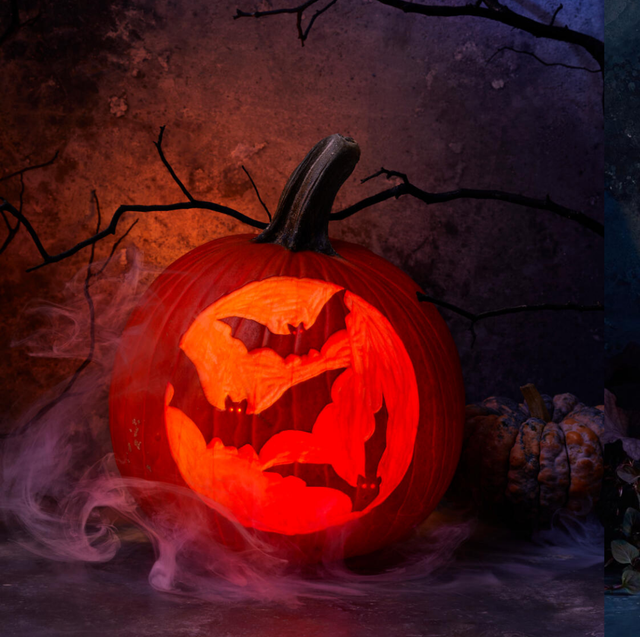
The Easy Starry Night Pumpkin Carving Idea Everyone on Your Block Will Talk About
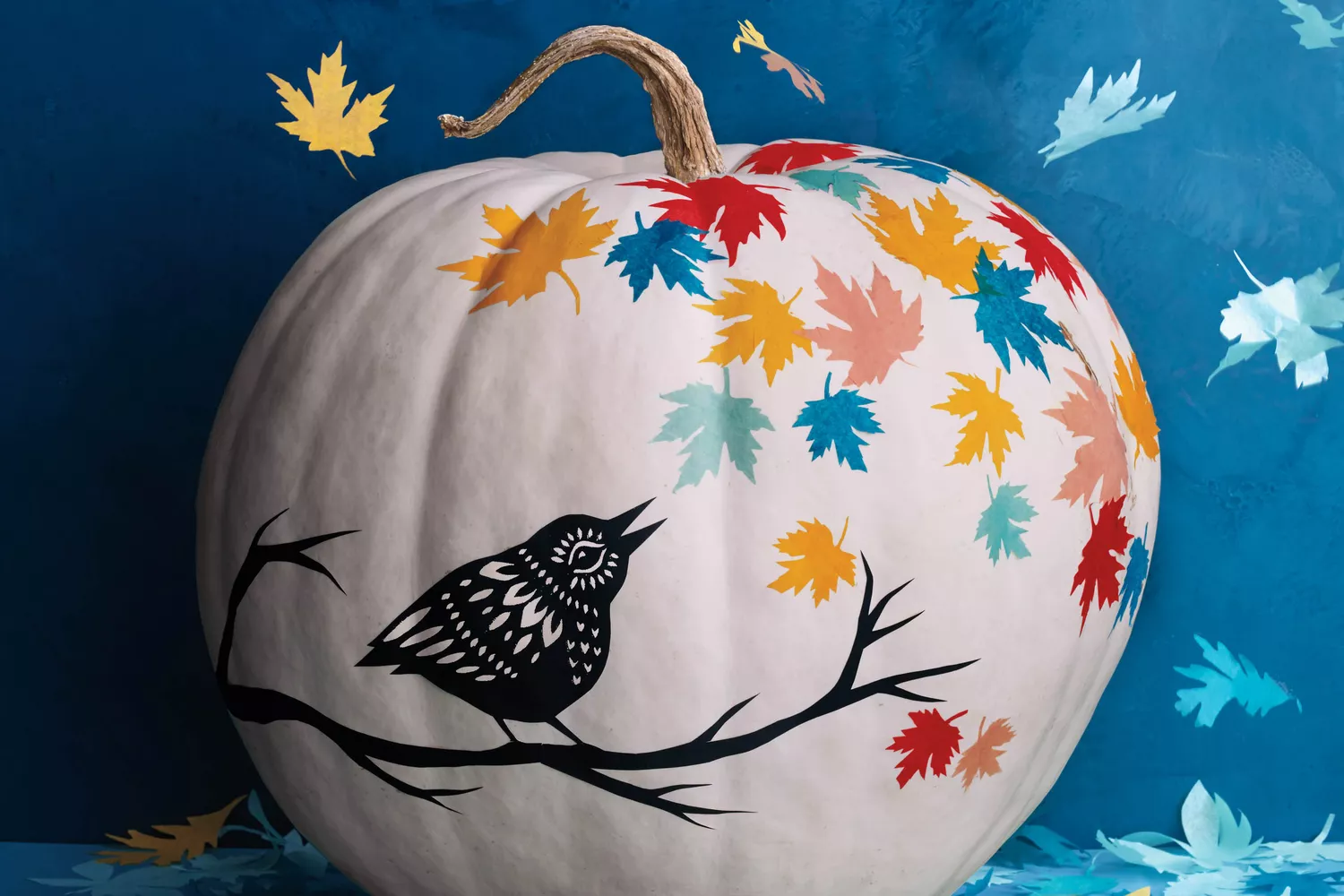
27 No-Carve Pumpkin Ideas That Anyone Can Try
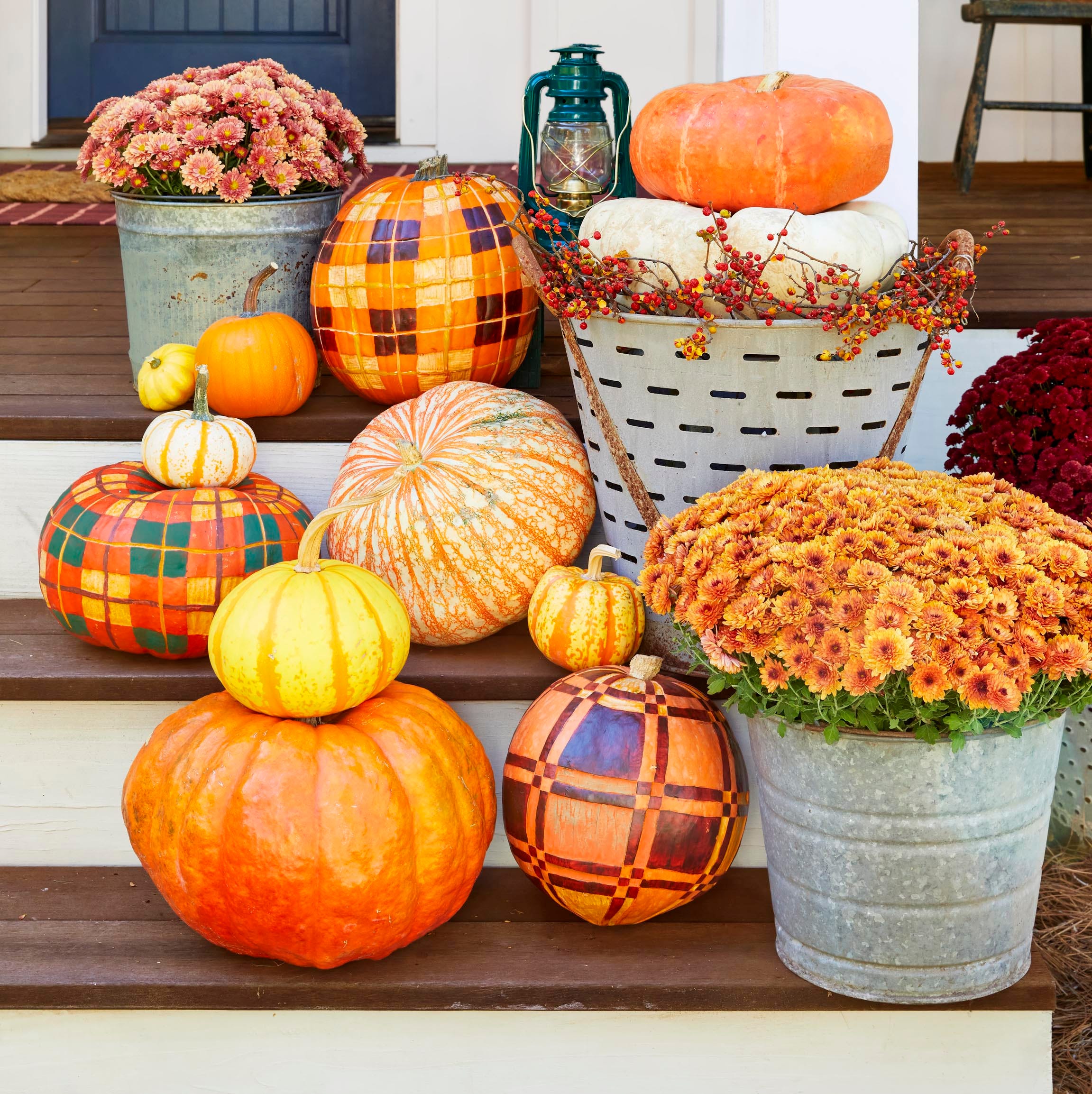
This Year’s Cutest Fall Trend? Painted Pumpkins You Can DIY in Minutes
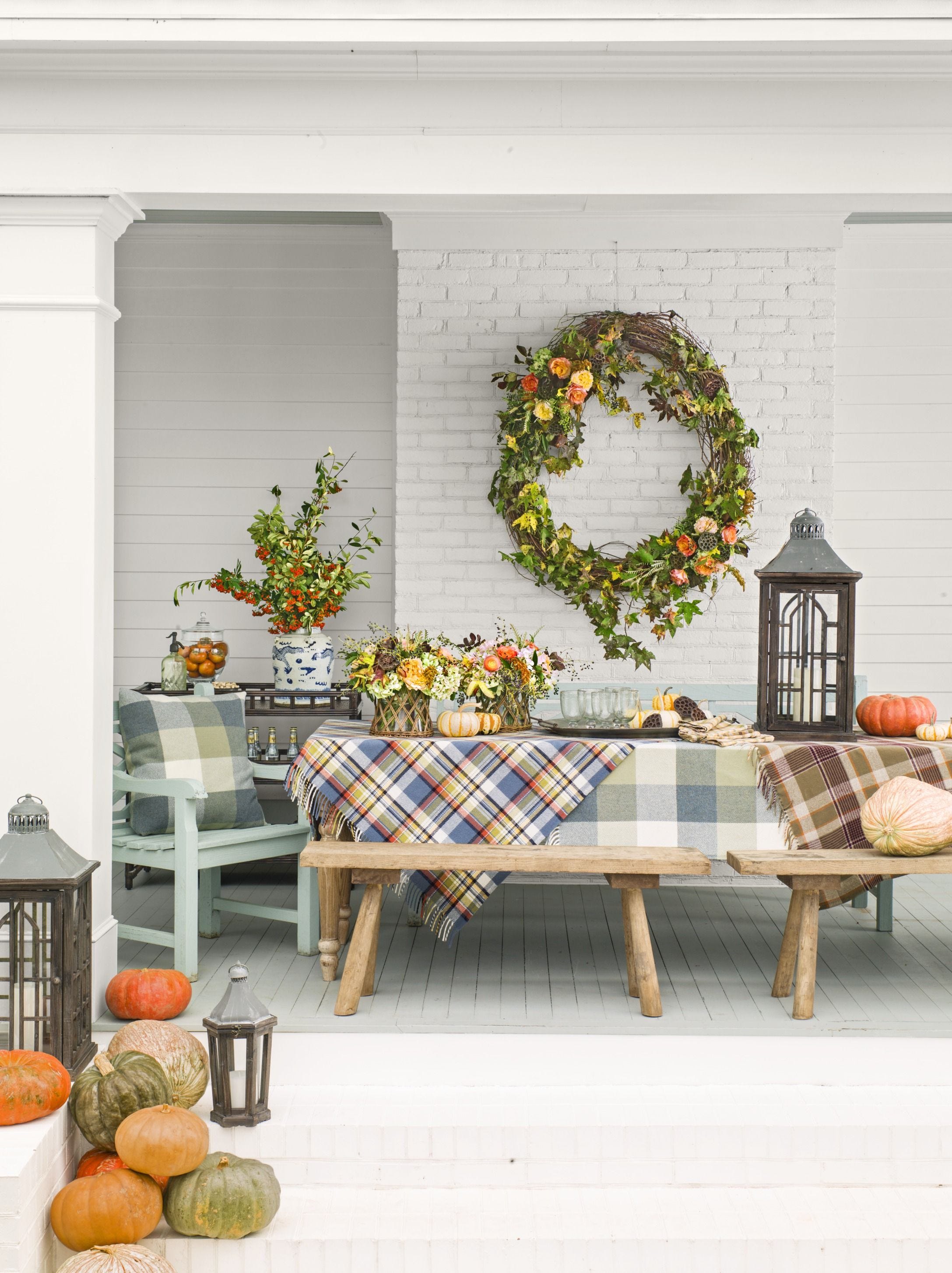
66 Best Fall Decorating Ideas to Turn Your Home Into a Seasonal Escape
These are the Most Boo-tastic Printable Pumpkin Stencils to Use this Halloween
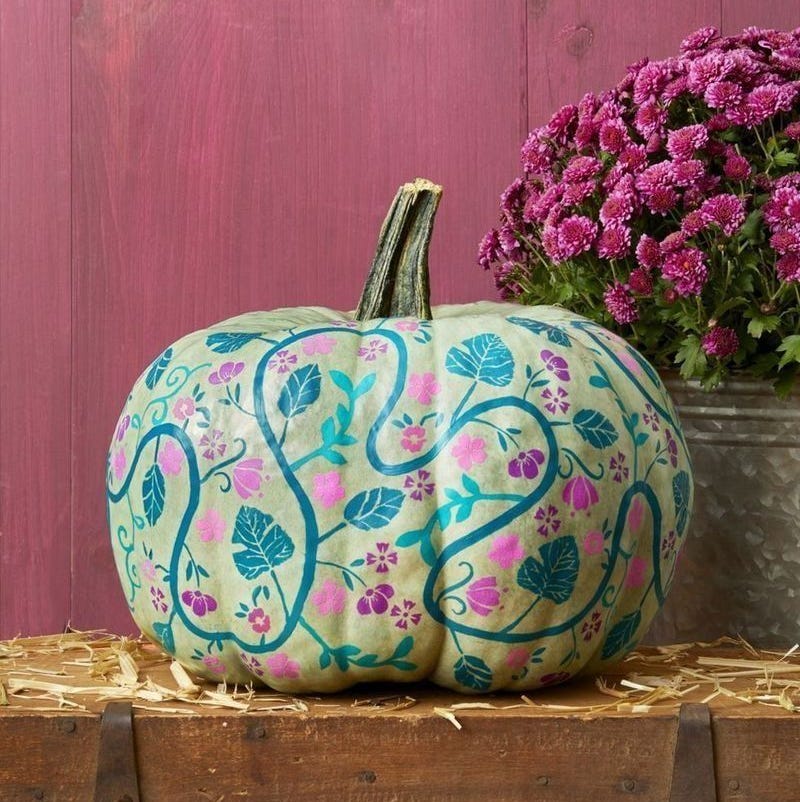
These Pretty Painted Pumpkin Ideas Will Convince You to Skip the Carving
These Clever Pumpkin Carving Ideas Will INSTANTLY Boost Your Seasonal Curb Appeal

53 creative pumpkin carving ideas to try this Halloween
It’s Not Too Late to Carve a Pumpkin—We Found the Most Unique Designs This Year