How Amazon Echo Works
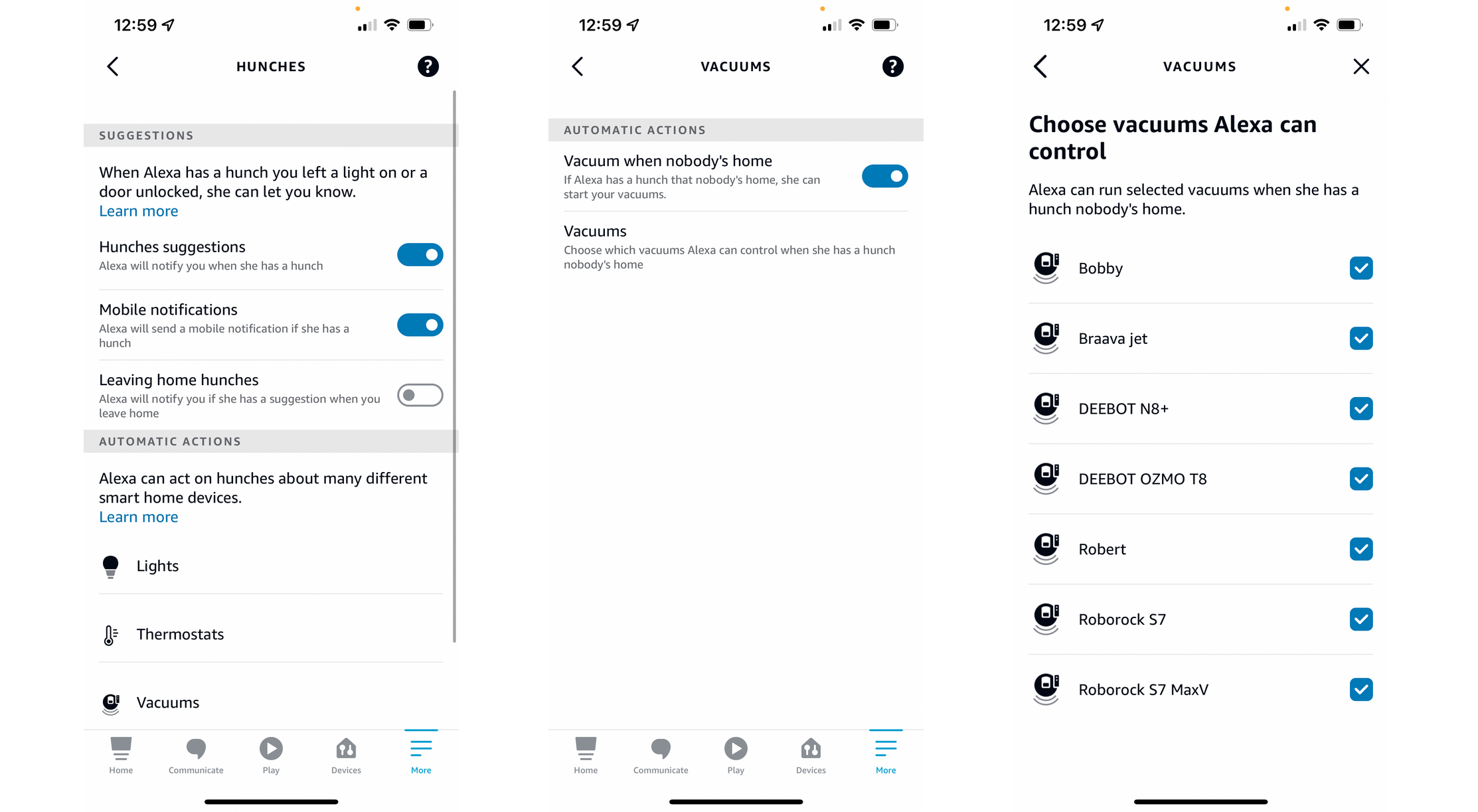
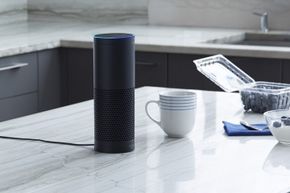
The Amazon Echo, a cylindrical device that measures approximately 9.25 inches in height and 3.27 inches in diameter, functions as more than just a Bluetooth speaker. It represents a step towards voice-controlled computing, enabling users to interact hands-free with technology. The device connects to the internet via a home WiFi network and is constantly listening for a "wake word." Once activated, it sends voice commands to the Alexa Voice Service in the cloud for interpretation and response. An array of microphones allows it to pick up voices from across a room, even amidst background noise. Amazon continuously integrates new services and has opened the Alexa cloud service to third-party developers, expanding its capabilities.
The Echo's hardware includes a microphone on/off button and an action button, alongside a rotatable ring for volume adjustment. A seven-microphone array, utilizing beamforming technology and noise cancellation, captures voice commands, which are then transmitted to the cloud. A light ring at the top indicates status through various colors and motions. The device is powered by a 21-watt adapter, making it non-portable. Internally, it features two downward-firing speakers: a 2.5-inch woofer and a 2-inch tweeter, covered in cloth for sound projection. Teardowns reveal three circuit boards: one for power and speaker drivers, another for control buttons, volume wheel, status LEDs, and microphones, and a third containing the primary processing and communication components, including a TI DM3725 ARM Cortex-A8 Core Digital Media Processor, NAND flash memory, LPDDR1 RAM, and a Qualcomm Atheros WiFi and Bluetooth module. An optional remote control is sold separately, offering a microphone, talk button, and directional trackpad.
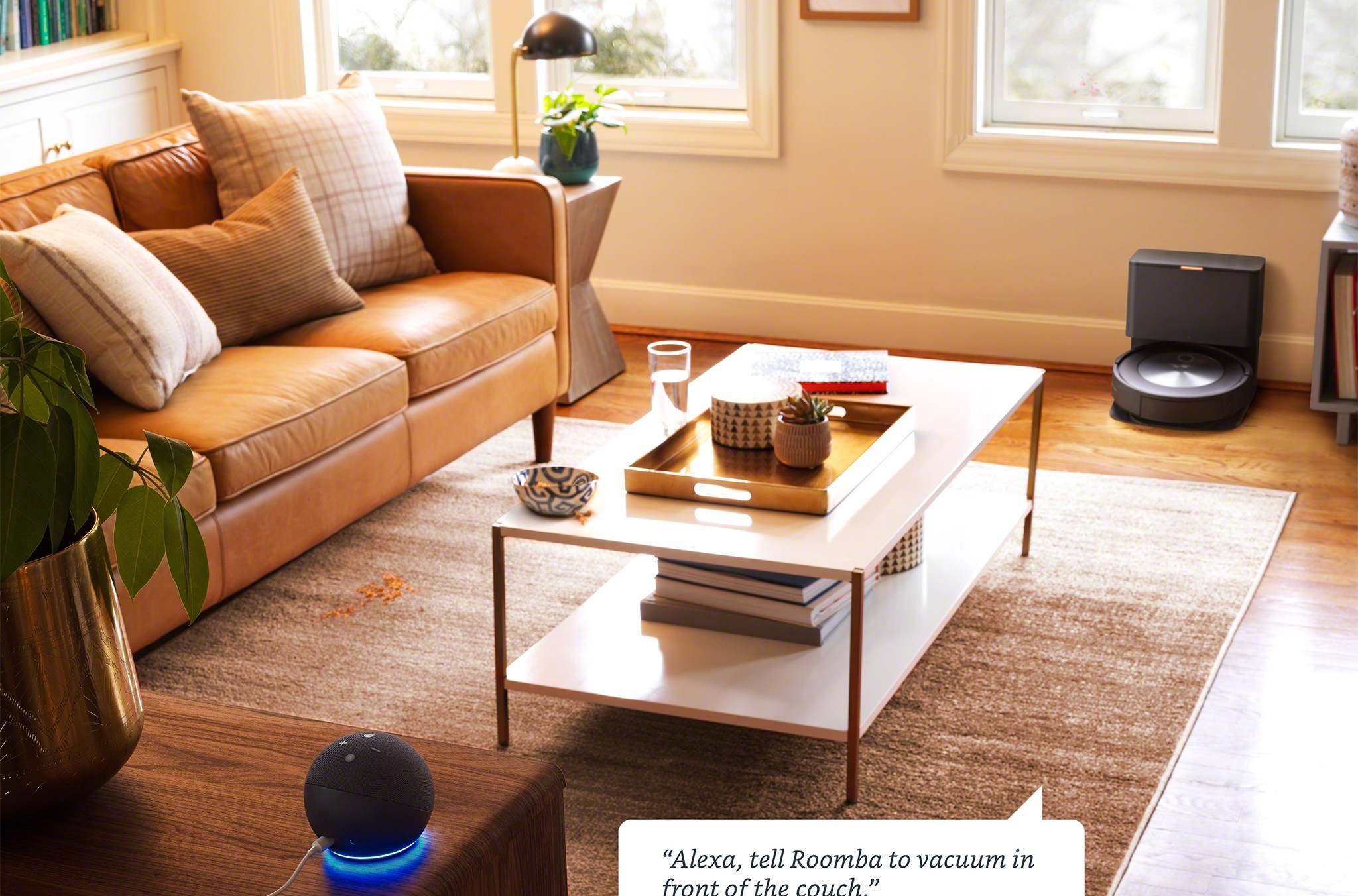
The Amazon Echo Dot, a smaller and more affordable version, was released in March 2016. The first generation cost $89.99, while a second generation with a more powerful processor was released in October 2016 for $49.99. The Dot's smaller speaker can be paired with external speakers via Bluetooth or a 3.5mm audio jack. Multiple Dots can be placed throughout a house, and Alexa uses Echo Spatial Perception (ESP) to respond from the nearest device.
Connectivity to a home WiFi network is essential for the Echo's operation, supporting dual-band 802.11 a/b/g/n WiFi. It does not support ad-hoc, peer-to-peer, enterprise, or public networks requiring extra authentication. The device itself performs minimal processing; instead, it sends voice commands to the cloud-based Alexa Voice Service. Alexa interprets these commands and routes them to appropriate web services, converting responses into audio for the Echo and displaying text and graphics on the Alexa app home screen. The Echo also connects to other devices, such as smartphones, via Bluetooth.
Users can manage the Echo remotely using the Alexa app, available for Amazon Fire OS, Android, or Apple iOS devices, or via Alexa's Amazon homepage. The app or website allows for setup, settings changes, help access, list management, timer and alarm control, and configuration of news and music services. Users can add household members, though this may authorize purchases from the primary account unless disabled. Alexa's voice-recognition algorithms improve over time, adapting to individual speech patterns. The app provides feedback options to correct misinterpreted commands and offers a "Voice Training" session. Third-party "skills" further expand functionality, allowing users to order rides, play games, get news, or control smart home devices.
Echo can answer a wide range of questions about time, weather, traffic, sports, news, and local establishments. It plays music from various services like Amazon Music, Pandora, iHeartRadio, Spotify, and TuneIn, and can stream music from smartphones via Bluetooth. Voice commands control music playback, and users can request specific songs or genres. It also plays audiobooks via Audible, utilizing Whispersync, and can set sleep timers. Users can order digital music, Amazon Choice products, and Prime-eligible items, with optional confirmation codes for security. The Echo integrates with compatible smart home brands like Insteon, Belkin WeMo, Philips Hue, ecobee, Samsung, Nest, SmartThings, and Wink, allowing voice-activated control of lights and appliances. Complex actions can be set up via IFTTT (If This, Then That) channels. As of early November 2016, the device understands North American and UK English, and German.
Echo was initially offered to Amazon Prime members in late 2014 and became widely available in June 2015 for $179.99, with an optional remote for $29.99. Amazon continually updates its capabilities, and the free availability of the Alexa service to third-party developers ensures ongoing expansion of voice-based services. Reviewers praise the Echo's accurate natural speech recognition, even at a distance or with background noise, and its useful responses and decent sound quality. While data collection and privacy are considerations, users can disable the microphone, and status lights indicate when audio is being sent to the cloud. The Amazon Echo represents a significant step towards integrated virtual home assistants, offering hands-free control for various daily tasks.
#AmazonEcho #SmartSpeaker #VoiceAssistant #AlexaVoiceService #SmartHome #InternetOfThings #GadgetReview #Technology #ArtificialIntelligence #AmazonEcho #SmartSpeaker #VoiceAssistant #AlexaVoiceService #SmartHome #InternetOfThings #GadgetReview #Technology #ArtificialIntelligence
 No comments yet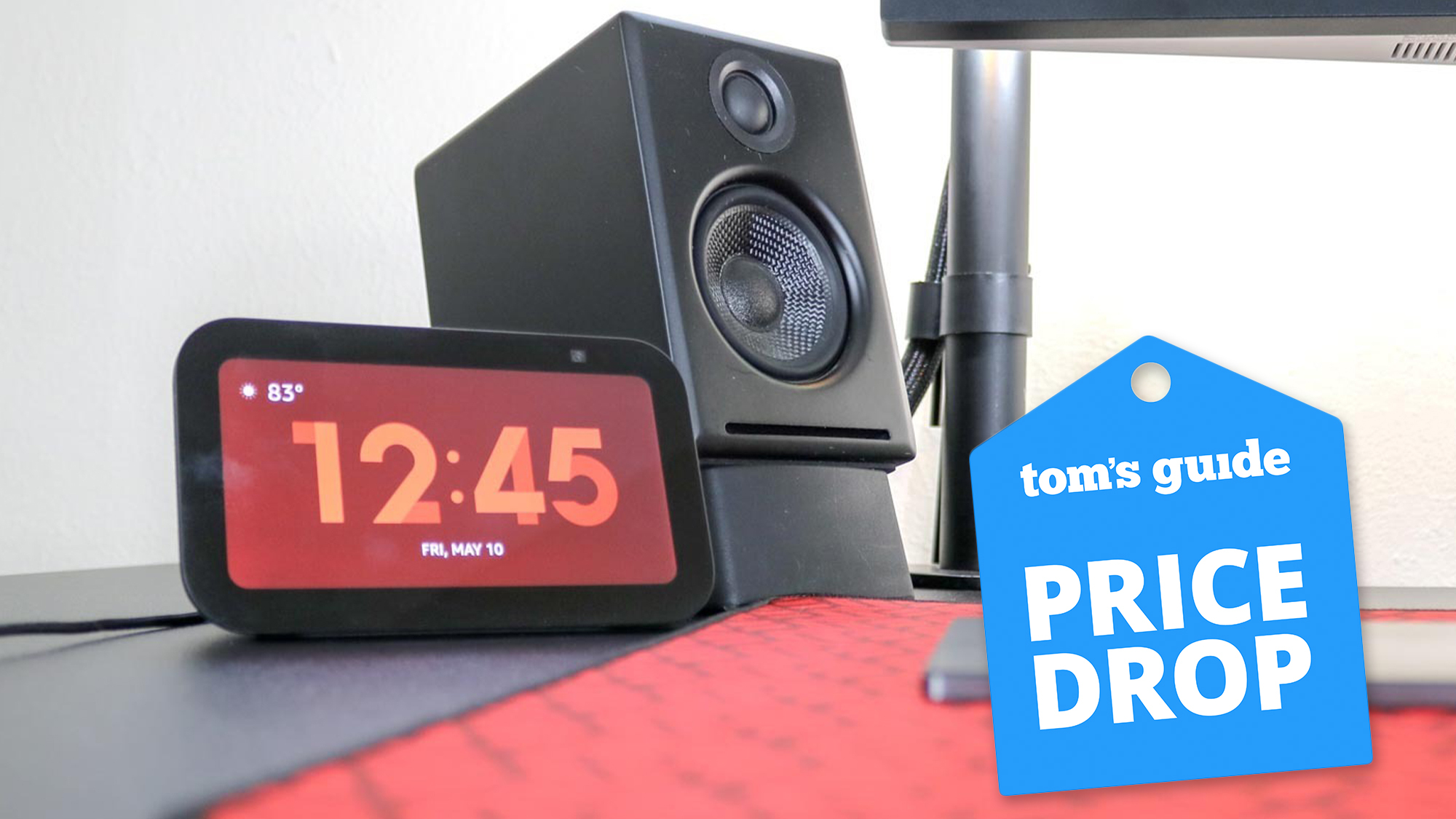
This smart display has earned a permanent spot on my desk — and it’s 50% off right now

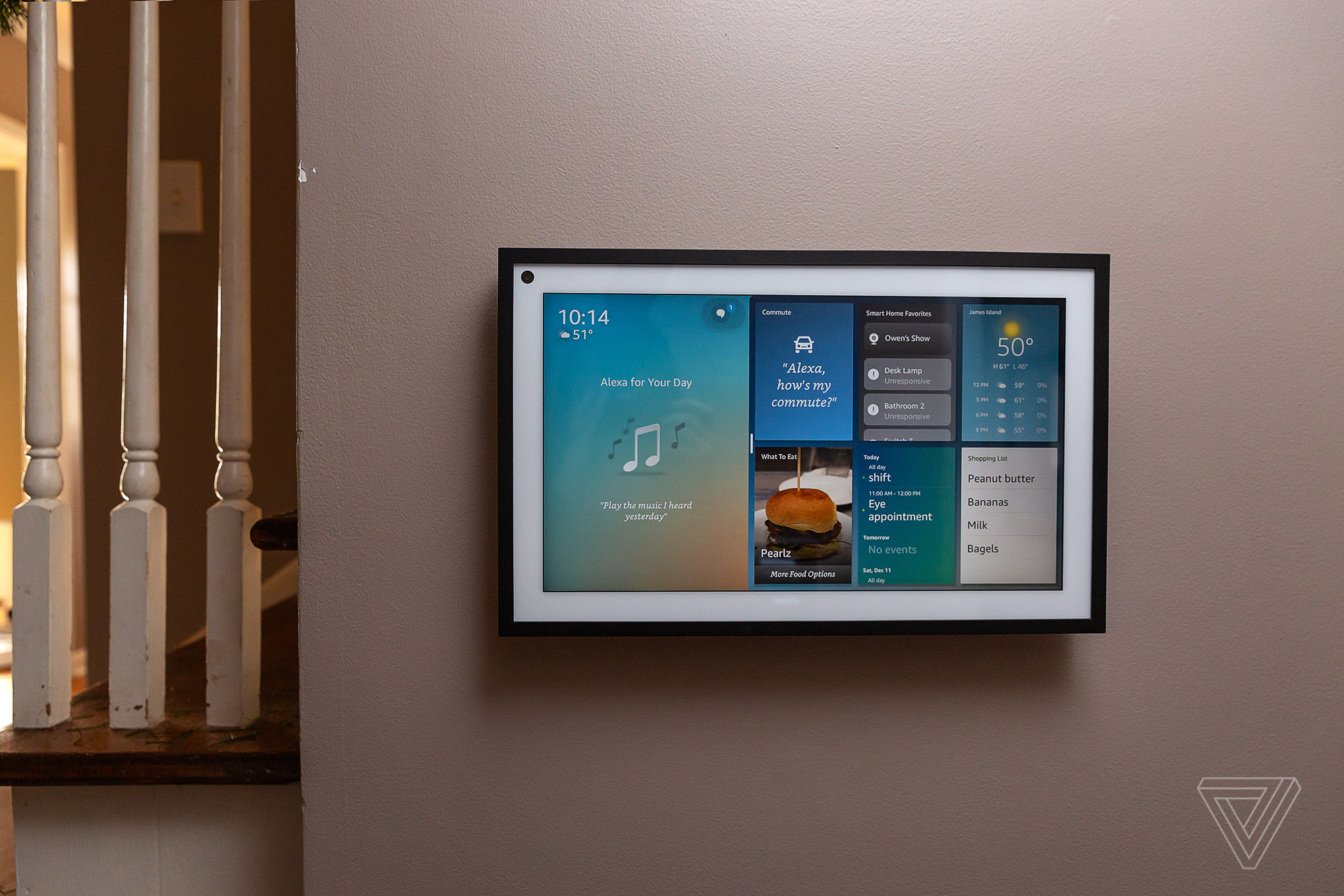
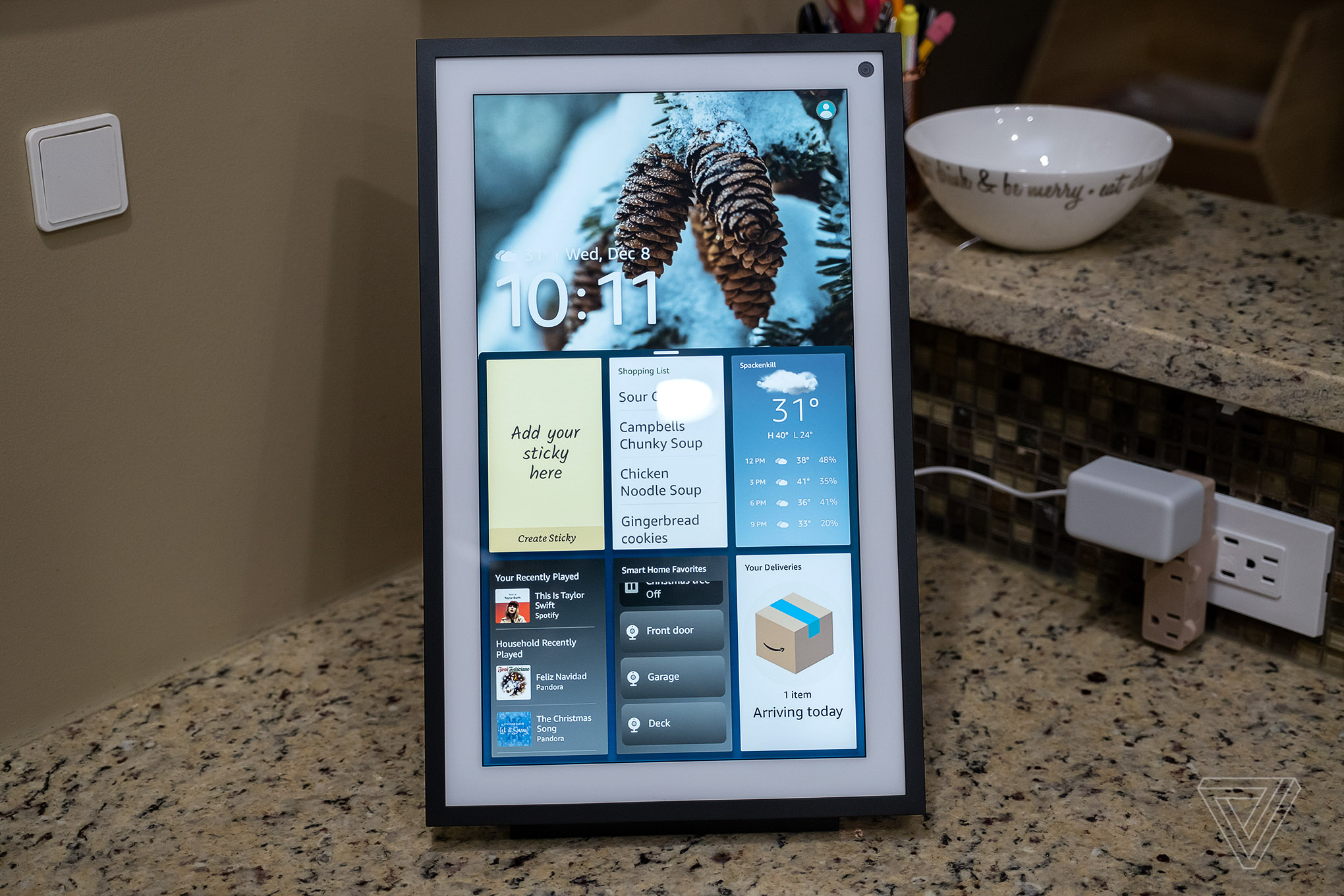
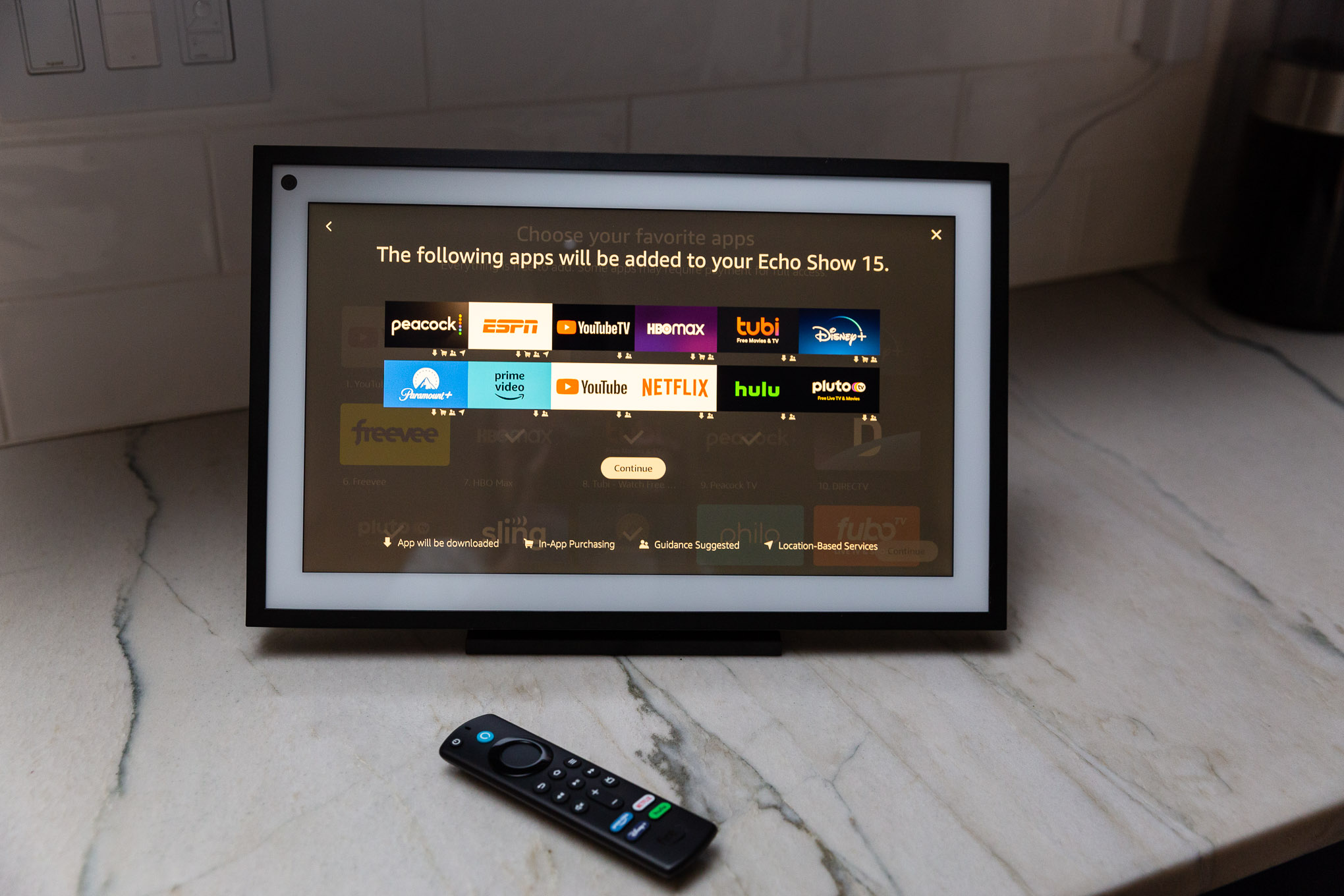
Amazon’s Echo Show 15 review: should anybody put Alexa on the wall?

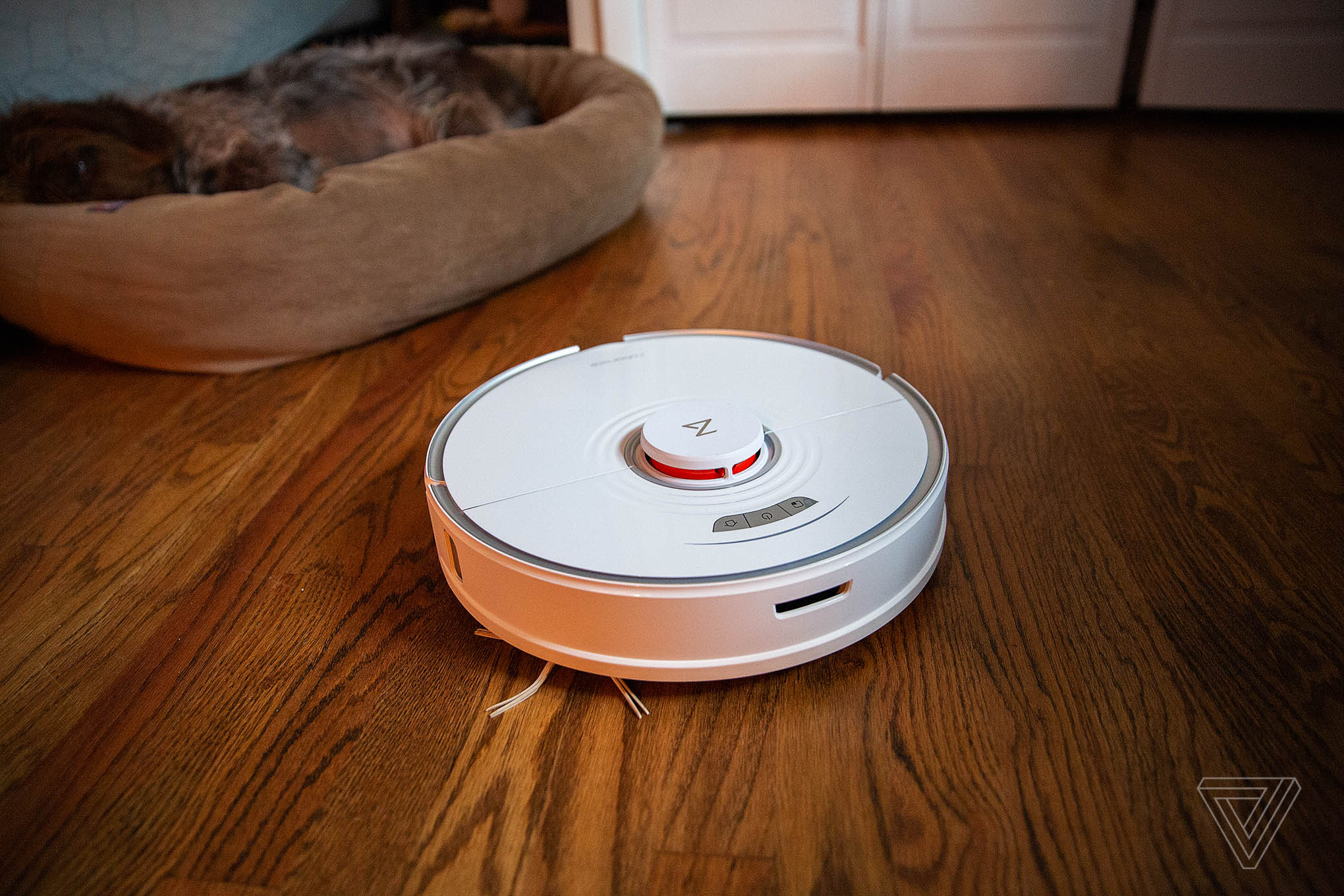
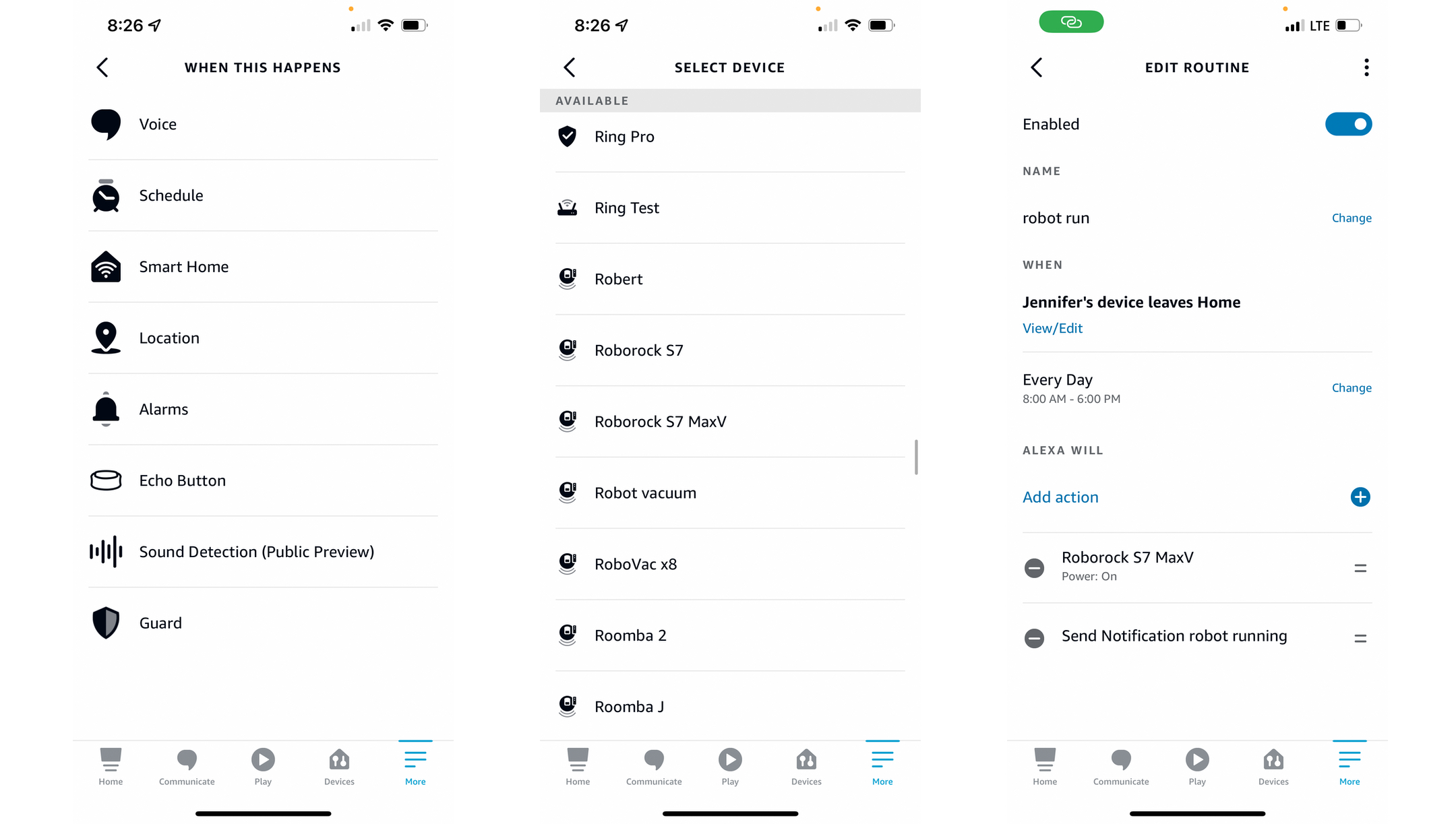
“Alexa, clean the kitchen, please”

Echo Chamber