



1/11
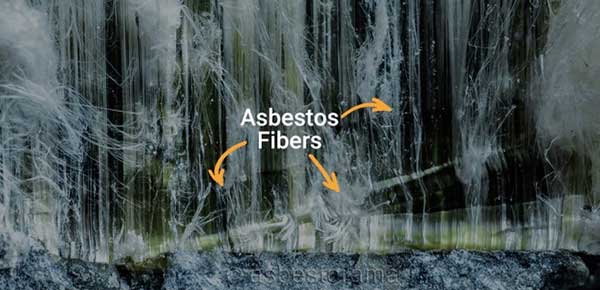
Guide to Asbestos in the Home: What Does Asbestos Look Like?
This comprehensive guide addresses the pervasive issue of asbestos in older homes, particularly those constructed before the 1980s. It emphasizes that asbestos, a naturally occurring mineral known for its strength and heat resistance, was widely used in various building materials such as cement, floor tiles, insulation, walls, and pipes. While asbestos in good condition and undisturbed poses a lower risk, its aging, wear, or disruption can lead to the release of toxic fibers into the air. Inhaling these fibers is extremely dangerous, with no safe level of exposure, and can lead to severe health conditions like mesothelioma and lung cancer, often diagnosed many years after initial exposure.
The guide details common locations where asbestos might be found in homes, including attics, around pipes, in drywall, vinyl floor tiles, and popcorn ceilings. It also points out that vintage consumer products like ovens, heaters, and refrigerators can contain asbestos, as can some imported building materials. The article highlights various scenarios that can lead to asbestos exposure within a home, such as DIY renovations, drilling into drywall, replacing old pipes, or removing popcorn ceilings. It contrasts 'risky scenarios' with 'safe scenarios,' illustrating how improper handling of asbestos-containing materials can release fibers, which can then spread throughout the home and pose a risk to occupants. For instance, disturbing loose attic insulation or scraping a popcorn ceiling without proper precautions can be highly hazardous.
To mitigate risks, the guide strongly recommends testing for asbestos if building materials are damaged, showing signs of wear, or if home renovations are planned. It advises against attempting to identify or collect samples of asbestos materials independently, as this can exacerbate exposure. Instead, it stresses the importance of hiring trained and accredited asbestos professionals for inspection, testing, repairs, and removal. These professionals possess the necessary expertise and equipment to handle asbestos safely and in compliance with regulations. The cost of professional testing varies, but it is presented as a worthwhile investment for safety and peace of mind, especially when compared to the dangers of DIY kits that still require lab analysis and carry exposure risks during sample collection.
Furthermore, the article provides a clear set of 'dos and don'ts' for homeowners. Key recommendations include avoiding contact with suspected asbestos materials, taking precautions not to damage them, discussing known asbestos risks with home inspectors or real estate agents, and exclusively employing certified professionals for any asbestos-related work. Conversely, it warns against activities like sawing, sanding, scraping, drilling, or disturbing asbestos-containing materials, as well as sweeping or vacuuming asbestos debris. It also prohibits the disposal of asbestos materials with regular household waste due to legal and health implications. The guide also touches upon the legal ramifications of violating asbestos laws, emphasizing that non-compliance can lead to significant civil penalties and even criminal charges. Finally, it advises individuals concerned about past exposure to consult their primary care physician and consider annual screenings from a lung specialist if confirmed exposure occurred, given the long latency period of asbestos-related diseases.
#Asbestos #HomeSafety #AsbestosExposure #HomeRenovation #Mesothelioma #BuildingMaterials #EnvironmentalProtection #HealthRisks #ProfessionalRemoval #Asbestos #HomeSafety #AsbestosExposure #HomeRenovation #Mesothelioma #BuildingMaterials #EnvironmentalProtection #HealthRisks #ProfessionalRemoval
 No comments yet