
1/27
Gio Ponti’s Parco dei Principi Hotel
The article explores the architectural and interior design of Gio Ponti’s Parco dei Principi hotel in Sorrento, Italy, originally published in June 2011. It highlights the hotel as a rare surviving example of a 20th-century design hotel by a master architect, contrasting it with other notable but no longer fully intact hotel designs by figures like Frank Lloyd Wright and Arne Jacobsen.
The hotel, built in 1961 on the grounds of the 1792 Villa Siracusa, was commissioned by Roberto Fernandes and constructed atop the ruins of a 19th-century English Gothic castle. Ponti's design for the 96-room hotel, situated amidst a tropical garden with exotic palms, merges hypermodern aesthetics for its time with a respect for its regal heritage, embodying his philosophy of combining the past with the future.
The design vocabulary of the hotel is immediately evident in the lobby, characterized by an almost exclusive use of blue and white surfaces, with wood accents. A significant feature is the incorporation of thousands of ceramic "pebbles" set into the walls, demonstrating a high level of craftsmanship. The lobby also retains vignettes of Ponti’s original furnishings, such as the 899 armchair and sofa, which have been restored with their original upholstery.
While some elements like elevator interiors have seen upgrades, Ponti’s graphic designs for the ceramic pebble surfaces remain untouched. Throughout the hotel, small, thoughtful details enhance the design, such as square overhead lights in hallways arranged to form diamond patterns, maximizing the use of post-war Italian materials.
The 96 guest rooms, all facing either the park or the ocean, feature nearly identical custom-designed furnishings. These include headboards covered in blue laminate with integrated mechanical louvers and bedside lights, and built-in cabinetry also prominently featuring blue laminate. Each room is also equipped with a custom desk, an attached mirror, and an iconic Superleggera chair. Even the reading lights align with the hotel's distinctive color palette.
A particularly celebrated aspect of the hotel is its collection of 30 custom tile patterns, designed by Ponti and produced by local manufacturer Ceramica D’Agostino. Each room offers a unique tile layout, with variations in placement, despite most patterns utilizing the same blue and white shades to create a calming effect. Specific patterns are noted for different areas, such as the main dining room, park-facing guest rooms, and the downstairs bar, which features a starburst pattern and a reverse color scheme of ceramic pebbles.
Additional design elements include sculptural tiles by Fausto Melotti in the lounge, which is furnished with a few non-Ponti pieces like the 865 series seats by Ico Parisi. Clever lamps made from folded metal are placed atop Melotti’s tiles throughout the lounge and lobby. Giant pillars in the lobby echo Ponti’s faceted design for the Pirrelli tower in Milan. Even the mailbox is an original vintage piece, contributing to the hotel's modernist appeal.
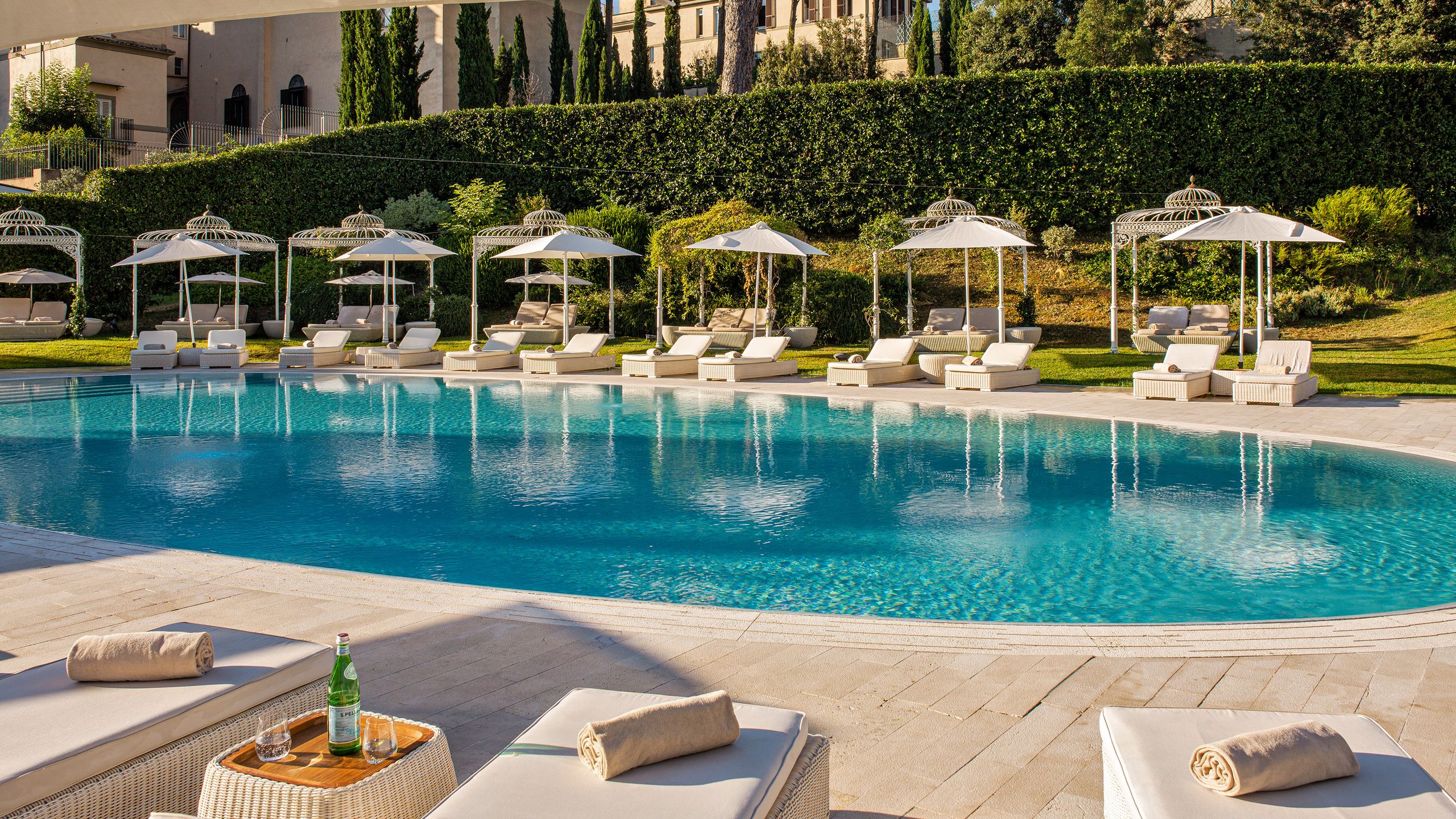
The hotel also features a free-form pool with a swim-through island and diving board, although it was closed during the visit. The property offers panoramic views across the Bay of Naples to Vesuvius, a vista enjoyed since Roman times, culminating in an Amalfi sunset. The article concludes by emphasizing the enduring design integrity of Parco dei Principi.
#GioPonti #ParcoDeiPrincipi #HotelDesign #MidCenturyModern #ItalianArchitecture #InteriorDesign #CeramicTiles #Sorrento #ArchitecturalHeritage #GioPonti #ParcoDeiPrincipi #HotelDesign #MidCenturyModern #ItalianArchitecture #InteriorDesign #CeramicTiles #Sorrento #ArchitecturalHeritage
0 comment in total
 No comments yet
You may also like
Hotel Hotel
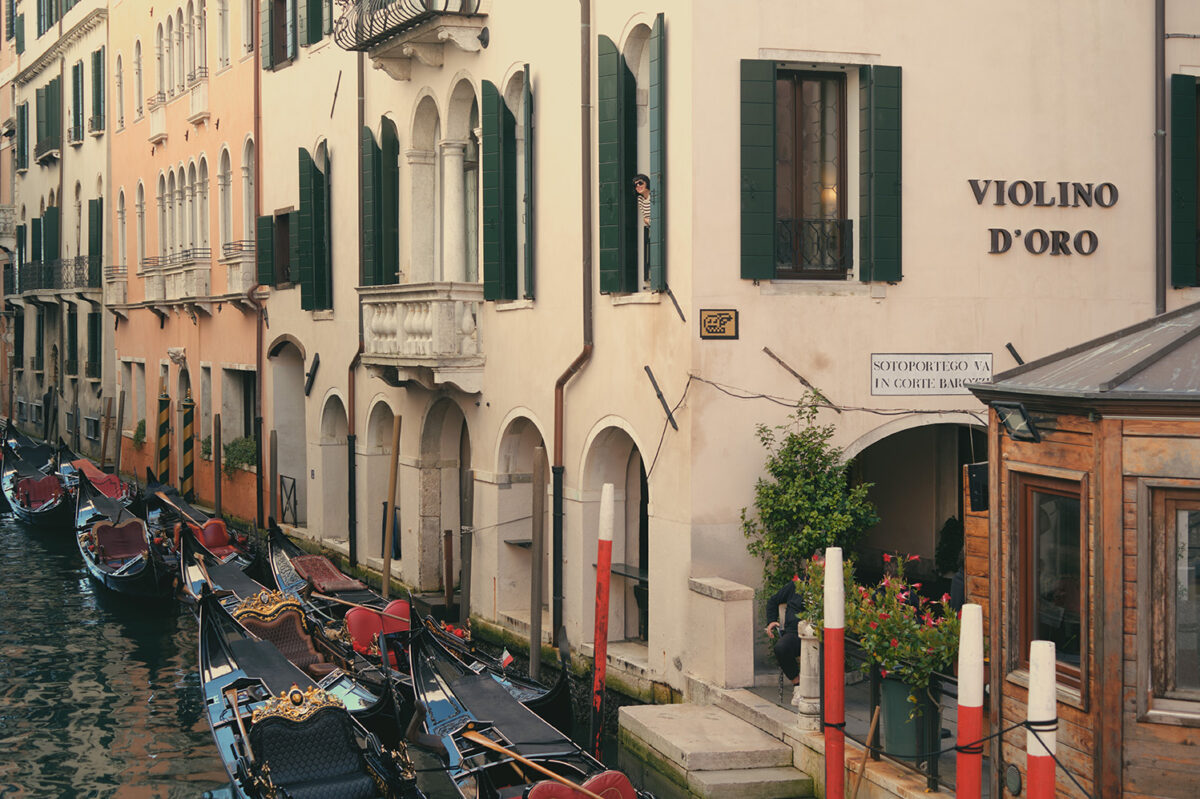
Violino d’Oro: the jewel hotel redefining venetian elegance
Living Like a Roman: The Artful Dialogue of Past and Present at Palazzo delle Pietre
Villa Agrippina Gran Melià — Hotel Review
Posh Venice hotel Villa F ideal for celeb spotters and thrill seekers alike

Inside a Historic Palace Turned Boutique Hotel in Italy

The Gritti Palace, a Luxury Collection Hotel

Brunch At Ivory Manor Boutique Hotel – Pretoria, South Africa

If You’re Headed to Rome This Summer, This Boutique 5-Star Hotel Is the One to Book