1/16
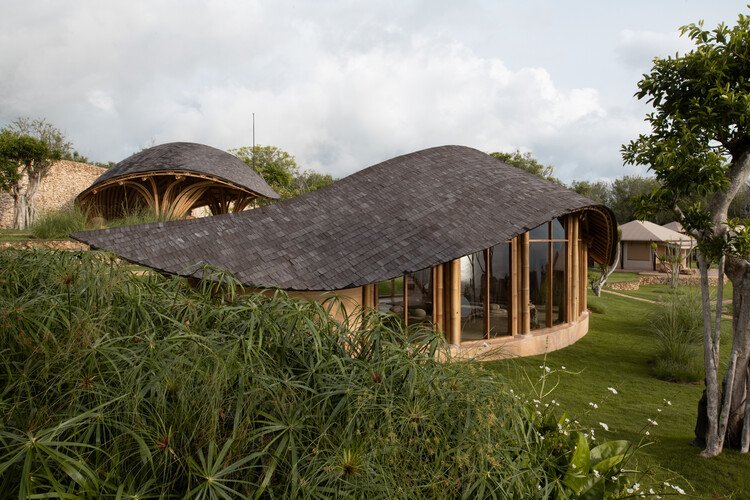
Fish Tail Tea Room / Pablo Luna Studio
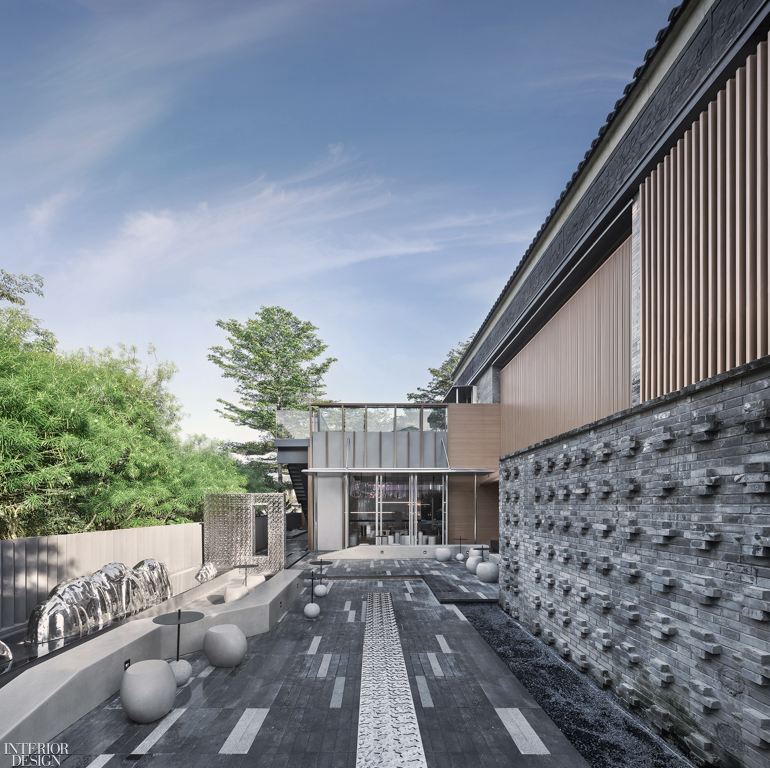
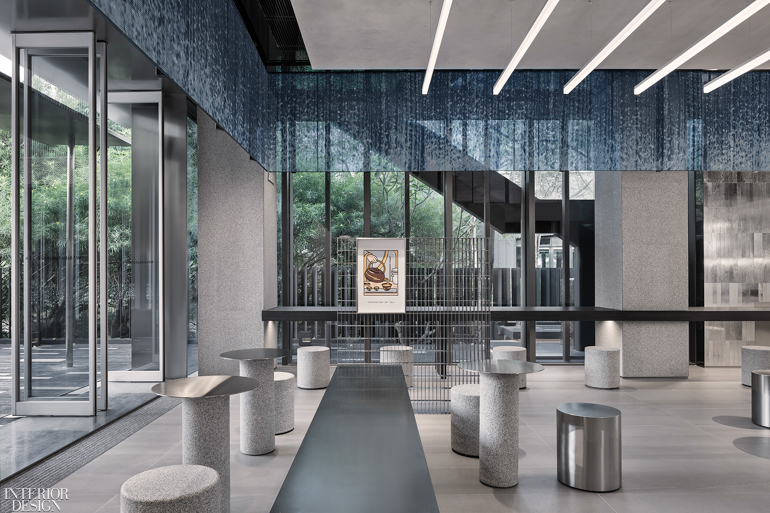
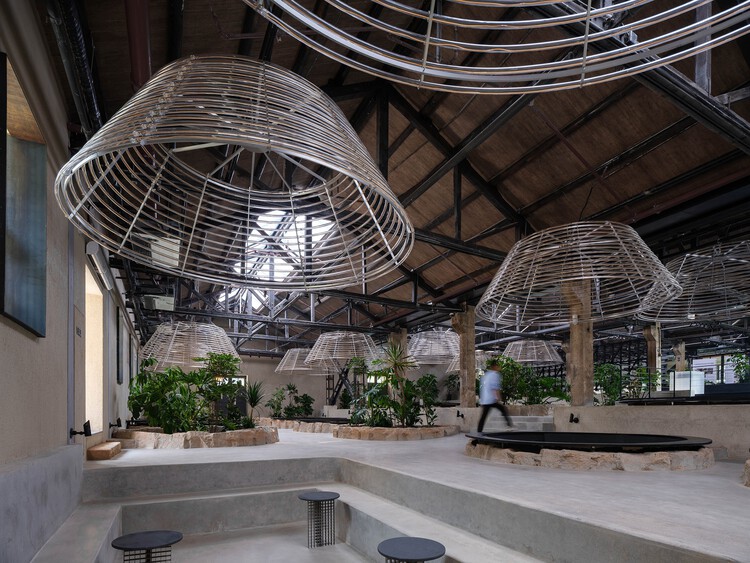
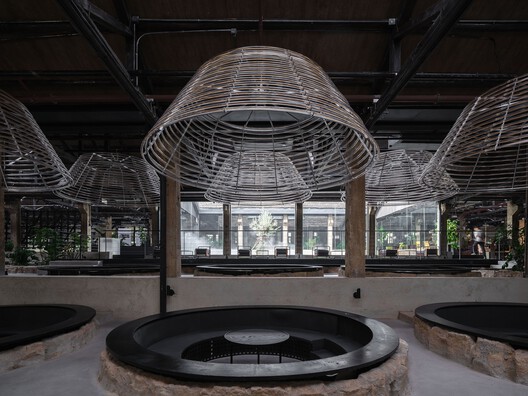
The Fish Tail Tea Room, a 70 m² structure completed in 2024, is an integral component of the Intaaya Retreat, a project conceptualized and executed by Pablo Luna Studio. Situated on the rugged cliffs of Nusa Penida, Bali, the tea room's design is a direct architectural response to its surrounding environment, with a strong emphasis on sustainability. The construction process was meticulously adapted to the natural terrain, and a core principle guiding the design was the exclusive use of locally sourced materials to minimize environmental impact. This approach ensures that the structure harmonizes with the landscape while adhering to eco-conscious practices.
Key design decisions for the Fish Tail Tea Room were driven by a commitment to blending architecture with nature. The studio focused on creating a building that not only respects but also enhances its natural setting. The selection of materials was particularly important, favoring those readily available in the local area to reduce transportation footprints and support the regional economy. This commitment to local sourcing extends to all aspects of the building's material palette, contributing to its sustainable profile. The project highlights a successful integration of modern architectural design with a deep respect for environmental preservation and cultural context.
The Intaaya Retreat, of which the tea room is a part, represents a broader vision of sustainable development and architectural sensitivity. The design team, led by Pablo Luna and including Fillologus Iryono, Adhi Guna Dharma, Raditya Manggala Hutama, Krisnantara Putra, and Muhammad Yusron Saputra, collaborated with Imaaya Creatives for interior design, further ensuring a cohesive aesthetic and functional outcome. The tea room functions as a space for wellbeing and relaxation, reflecting its category as a project focused on sustainability and health. Its location in Indonesia, specifically Bali, provides a rich cultural and natural backdrop that the design endeavors to complement rather than overpower. The studio's work demonstrates how contemporary architecture can be both innovative and environmentally responsible, setting a precedent for future developments in sensitive ecological areas.
#WellbeingArchitecture #Sustainability #LocalMaterials #NusaPenida #Bali #PabloLunaStudio #TeaRoomDesign #EnvironmentalImpact #ArchitecturalDesign #WellbeingArchitecture #Sustainability #LocalMaterials #NusaPenida #Bali #PabloLunaStudio #TeaRoomDesign #EnvironmentalImpact #ArchitecturalDesign
0 comment in total
 No comments yet
You may also like
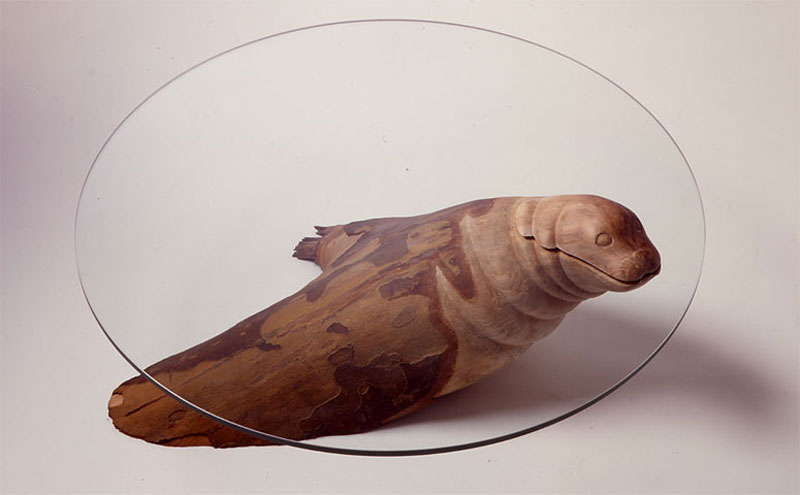
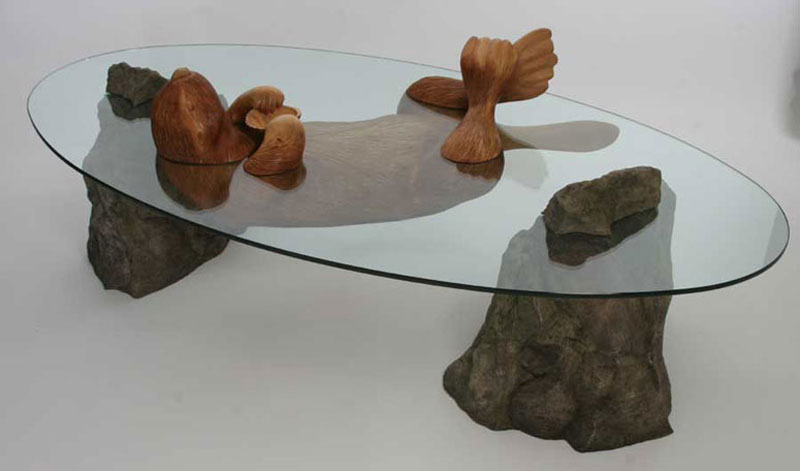
Amazing Coffee Tables Where the Glass is Water and the Base is an Animal


New Immersive Sauna + Art Experience by teamLab Will Put You in a ‘Sauna Trance’

Interior Design of Fanshan Alunite Crystallization Ponds / FLIP studio

The Platypus Cafe / Radius Interior Design Studio
Inside San Francisco’s viral dream home, the Floral House

The InterView: Keenan Johnson, Interior Designer for FleischmanGarcia

Tampa Bay Interior Design in 2020
11 Beautiful Restaurants In San Francisco To Try At Least Once

sunaba's zen, nature-infused japanese tearoom fosters sense of spirituality in urban tokyo
25 Fish Tank Living Room Ideas So Bold, You’ll Forget There’s a TV
9 Home Designs That Evoke the Flow of Water (Published 2024)
mifune design studio conducts shower curtain dance in hotel t'point
Blue Bottle Zhang Yuan Cafe / Neri&Hu Design and Research Office
Tomo Design Goes Futuristic for Heytea Lab Flagship in Shenzhen

A Work of Art