Evolution of pool coatings: From clay tiles to high-performance polymer finishes
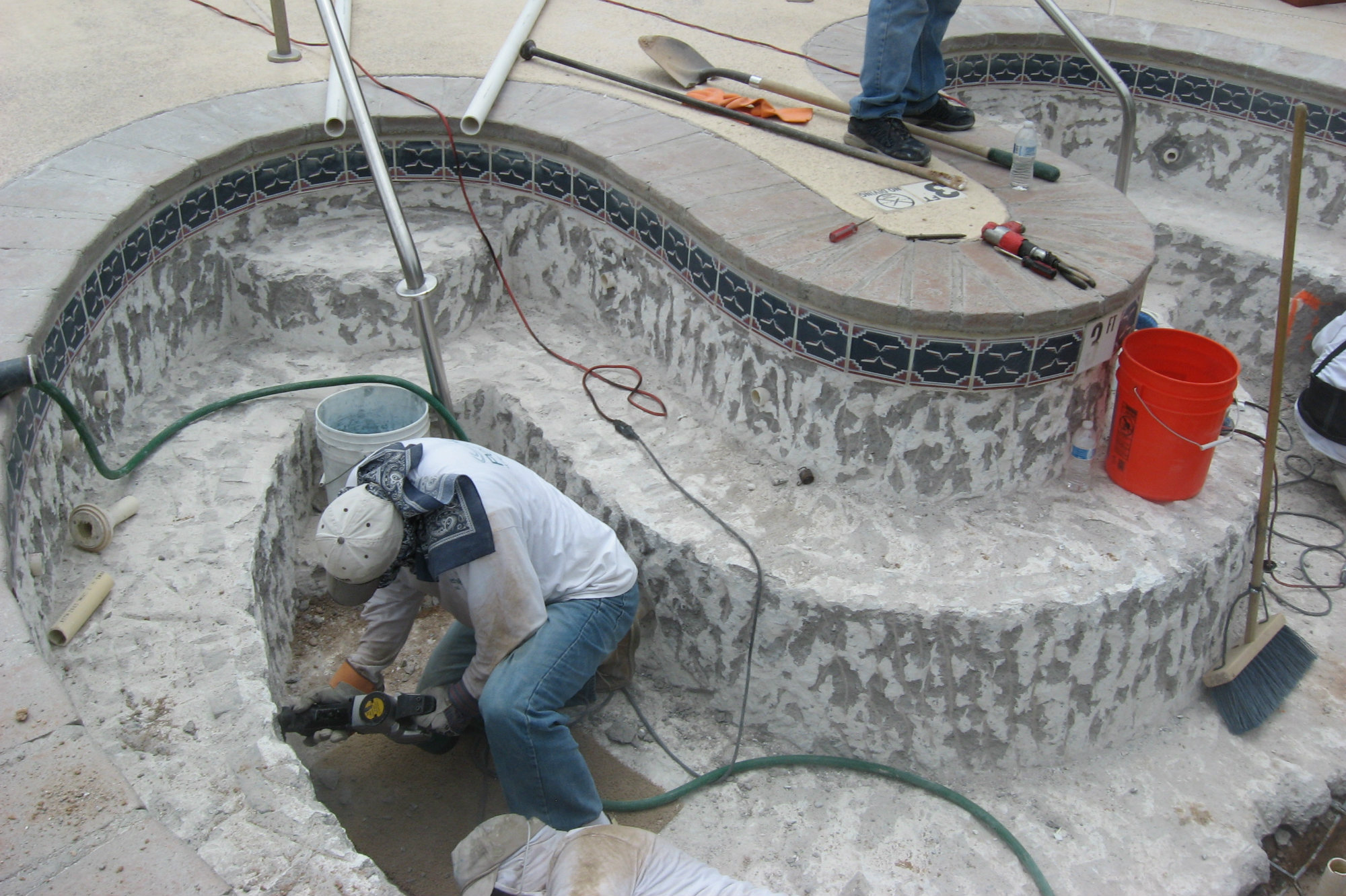
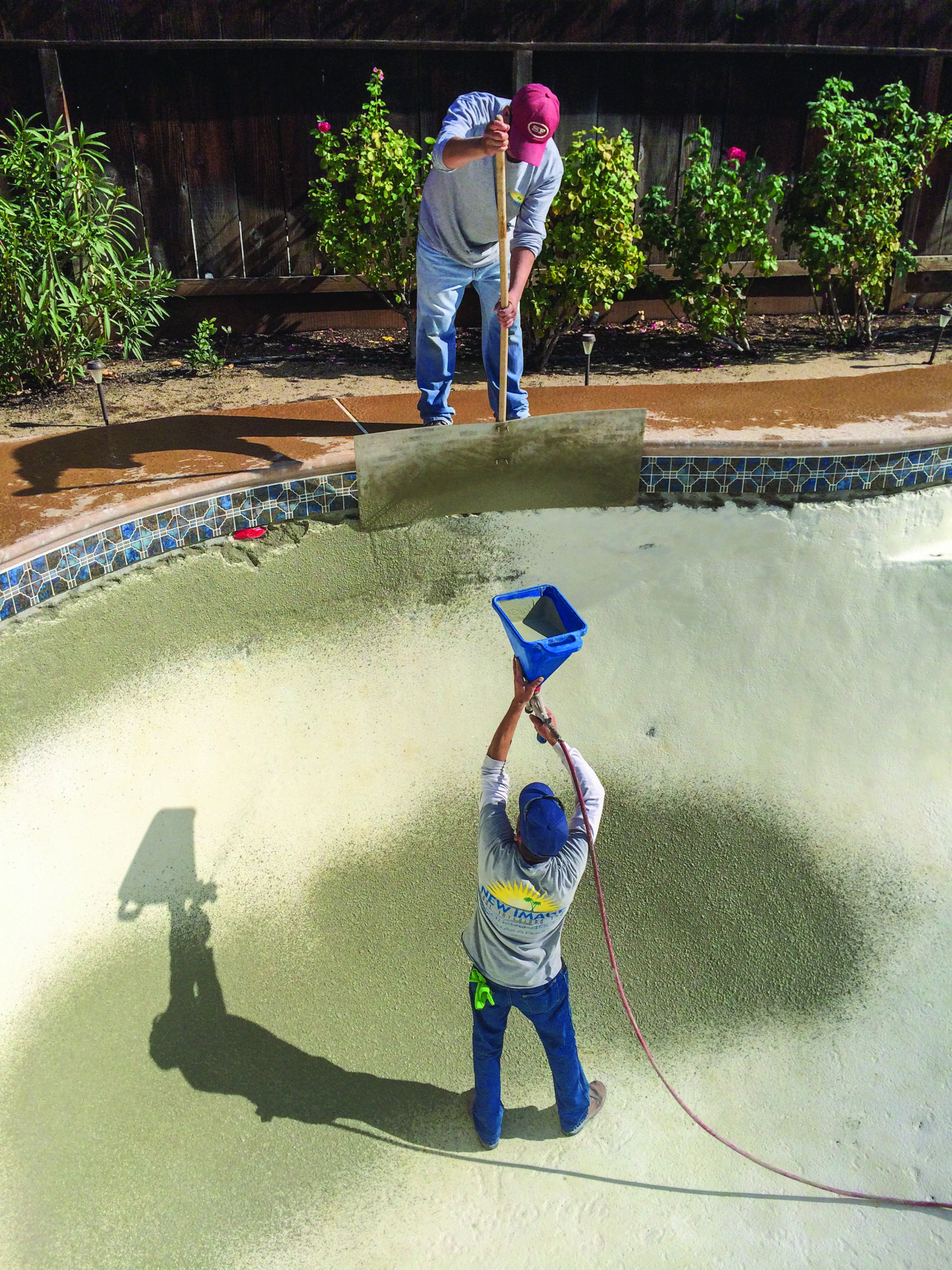
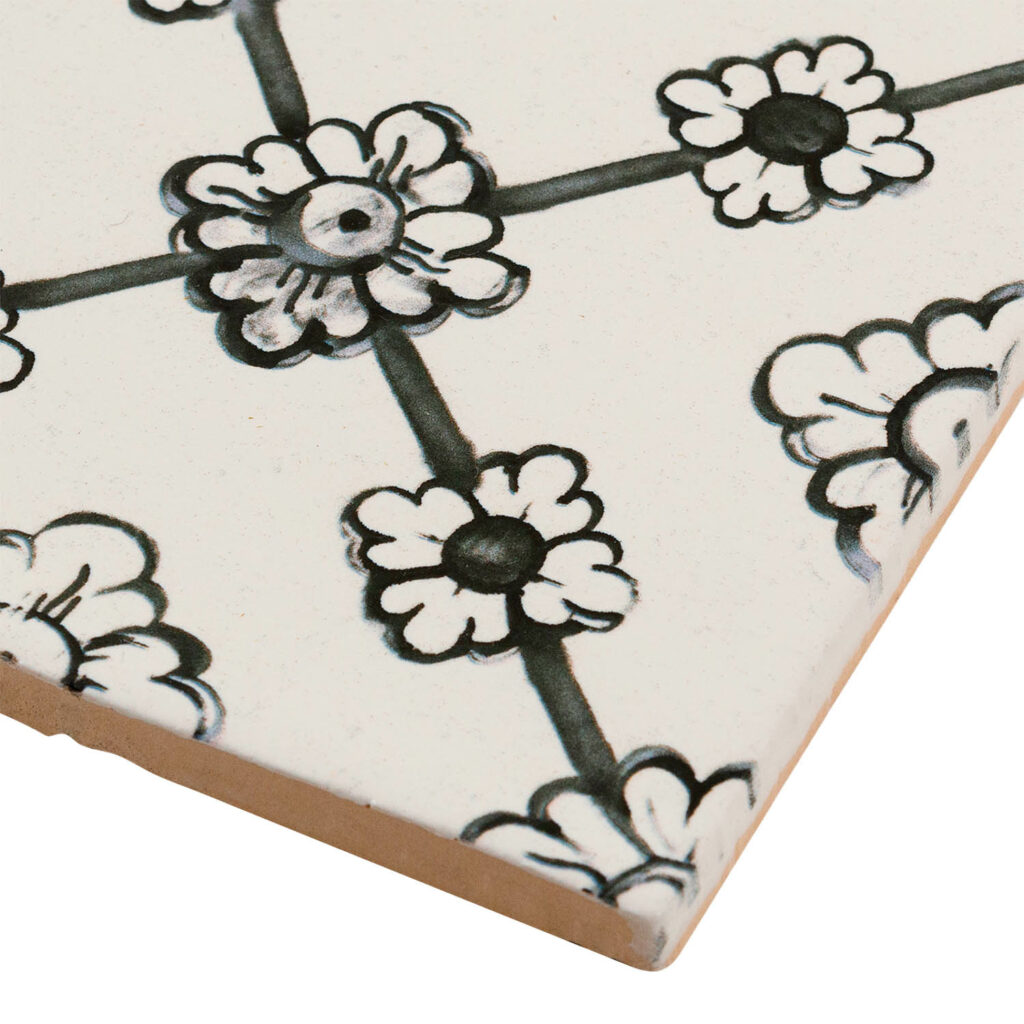
The history of swimming pool finishes demonstrates a continuous evolution driven by the need for enhanced durability, aesthetics, and ease of application. Before World War II, most pools were rectangular and constructed from formed concrete, often left unfinished or adorned with clay tiles. Post-war, rudimentary pool paints emerged, but their short lifespan necessitated frequent reapplication. The advent of rubber-based paints coincided with the boom in suburban housing developments and commercial pool construction. This era saw the introduction of gunite and shotcrete, which facilitated faster construction, particularly for freeform pools. However, these materials presented challenges for painting due to their rough texture, leading to the adoption of basic white cement with marble aggregate troweled over the gunite for a smoother finish.
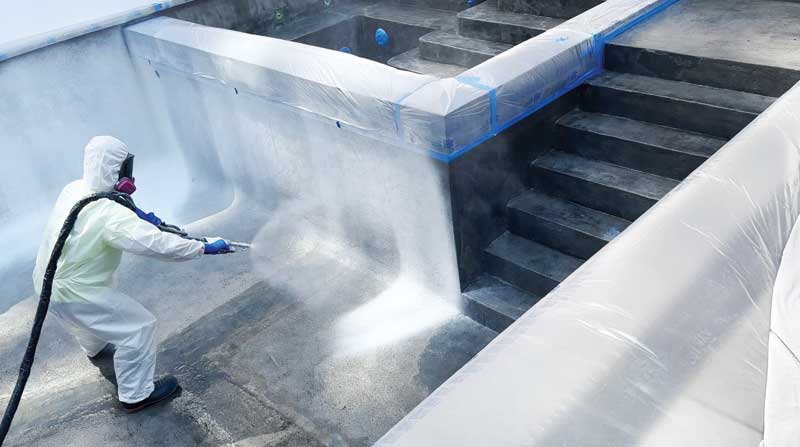
Over several decades, various cementitious products, including specialty plasters with quartz and pebble aggregates, dominated the pool industry. Despite their widespread adoption, these cement-based finishes began to exhibit performance issues over time. This prompted pool professionals and coating manufacturers to explore alternative materials, particularly for the DIY market. Simple roll-on pool paints became available, requiring minimal skill and no specialized equipment, unlike industrial-grade products that demanded high skill levels and sophisticated spray equipment.
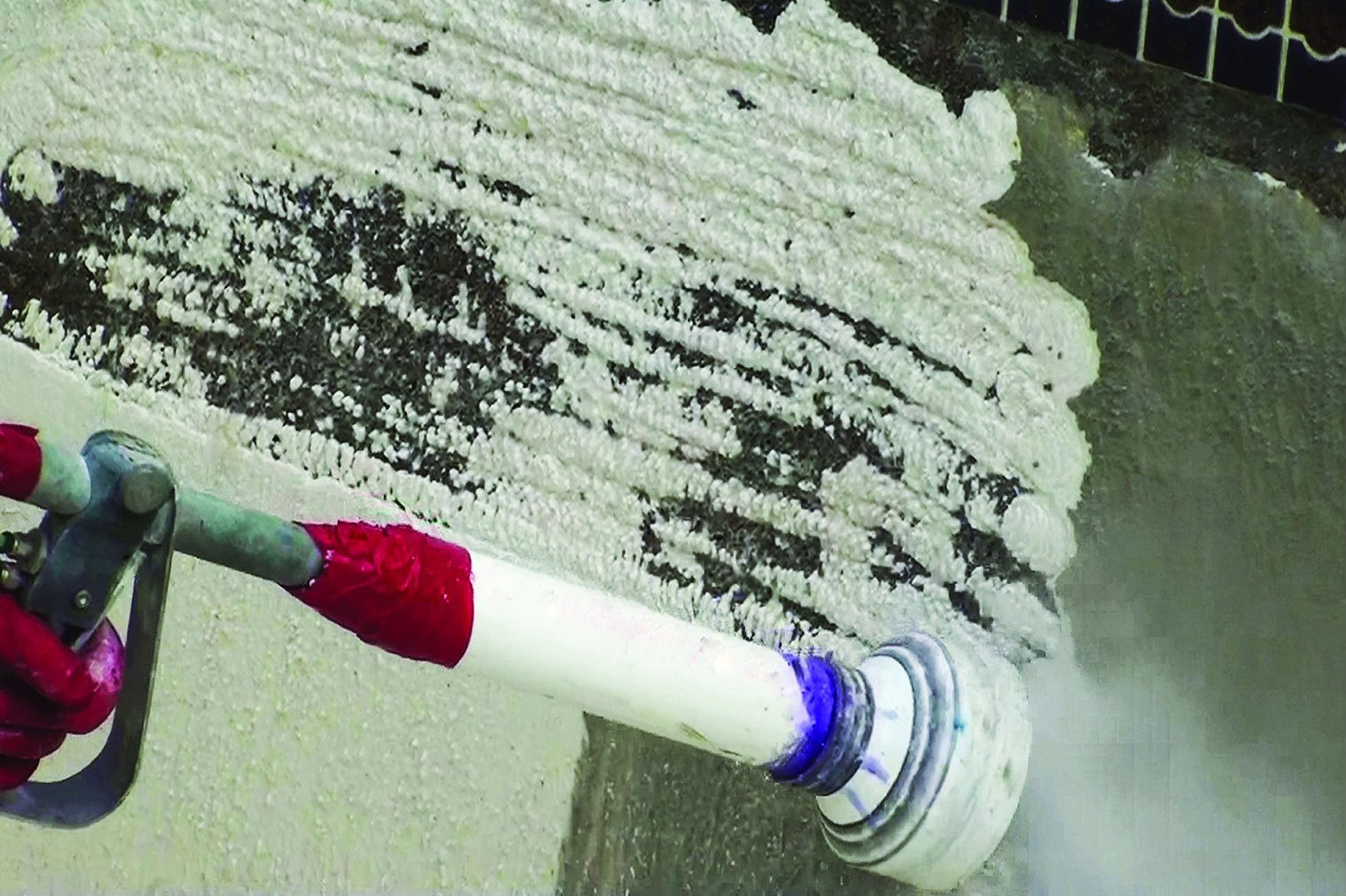
The search for more durable and efficient pool finishes led to the development of polymeric materials. Polymers are characterized by their long, repeating molecular chains, whose properties are determined by their molecular composition and bonding types. The coatings industry utilizes hundreds of polymer chemistries, each tailored for specific applications. For pool coatings, specific chemistries are chosen to ensure optimal performance and longevity. Polymers can exhibit diverse properties; some are flexible and elastic, while others, like epoxies and acrylics, are hard and tough.
Polymers are broadly categorized into three main groups based on their reaction to heat. Thermosetting polymers, commonly used as base resins in coatings, undergo chemical curing or free radical initiated chain growth polymerization and retain their solid form under heat once cured, without melting. Thermoplastic polymers, found in hot tubs and formed plastic products, will melt when exposed to high heat. Elastomeric polymers are known for their flexibility and are primarily used in adhesives and sealants. Understanding these different polymeric types is crucial for selecting the appropriate coating system that can withstand the unique environmental challenges of swimming pools, ensuring a lasting and aesthetically pleasing finish.
#PoolCoatings #PolymerFinishes #PoolConstruction #CementitiousProducts #Thermoplastics #Thermosetting #ElastomericCoatings #Epoxy #Acrylic #PoolCoatings #PolymerFinishes #PoolConstruction #CementitiousProducts #Thermoplastics #Thermosetting #ElastomericCoatings #Epoxy #Acrylic
0 comment in total
 No comments yet
You may also like
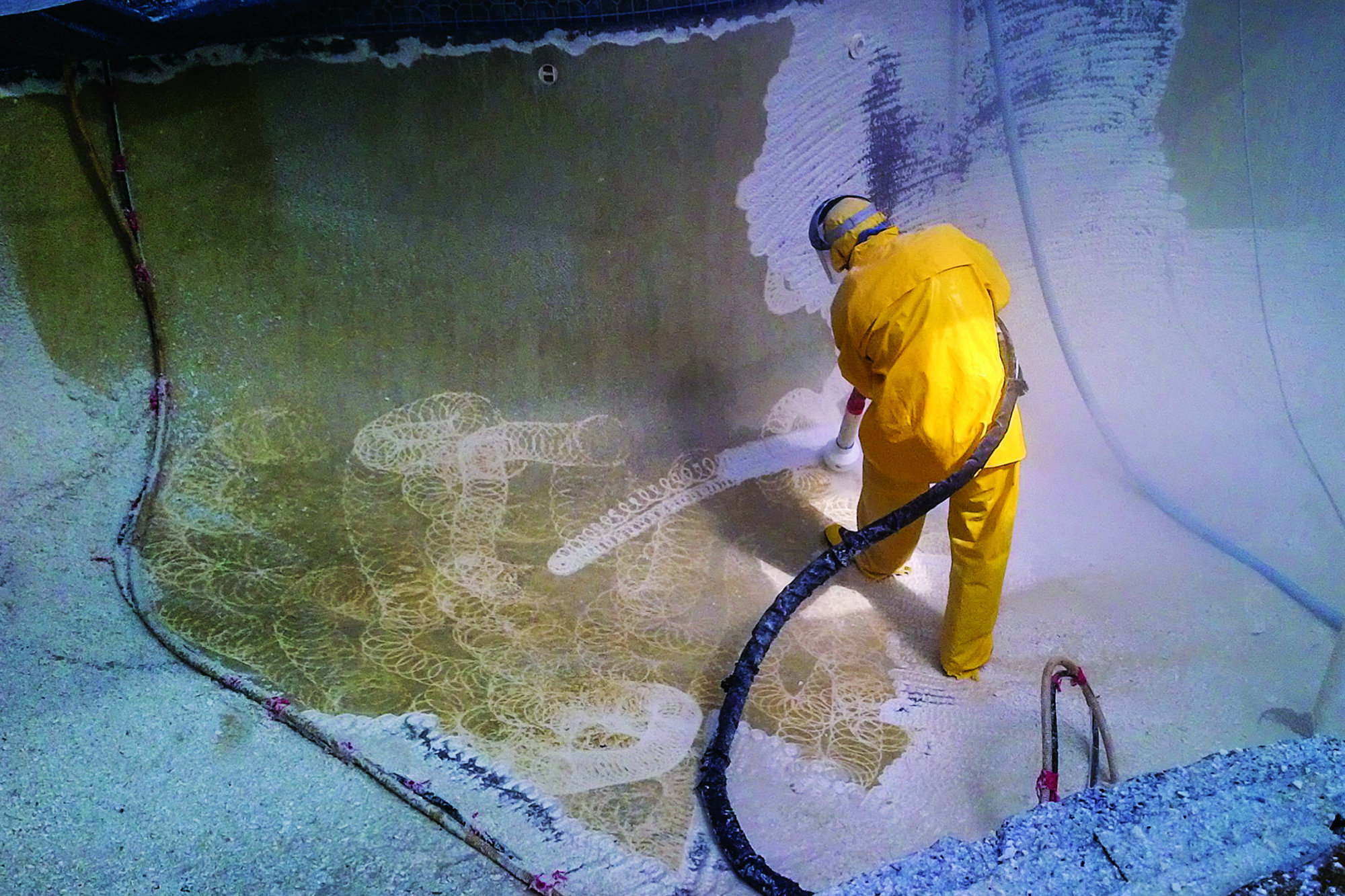
Your Primer for Preparing Surfaces for Plaster, Pebble and Other Interior Finishes

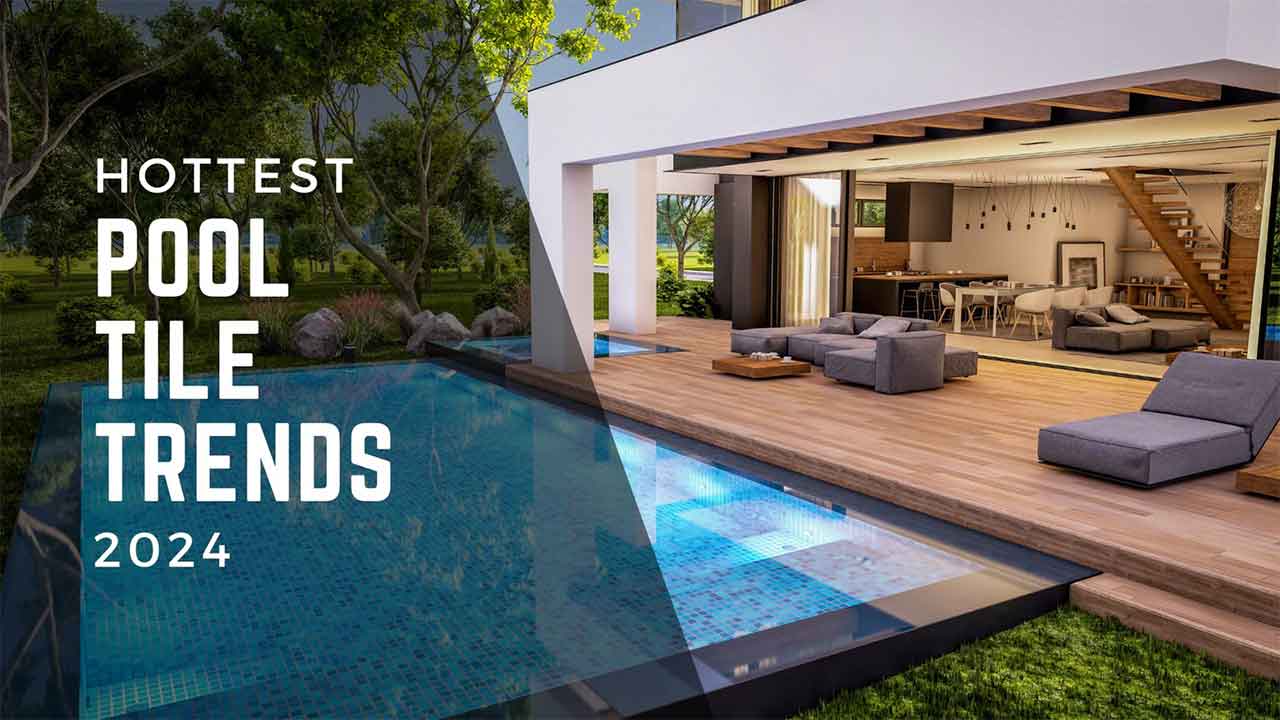
Hottest Pool Tile Trends of 2024

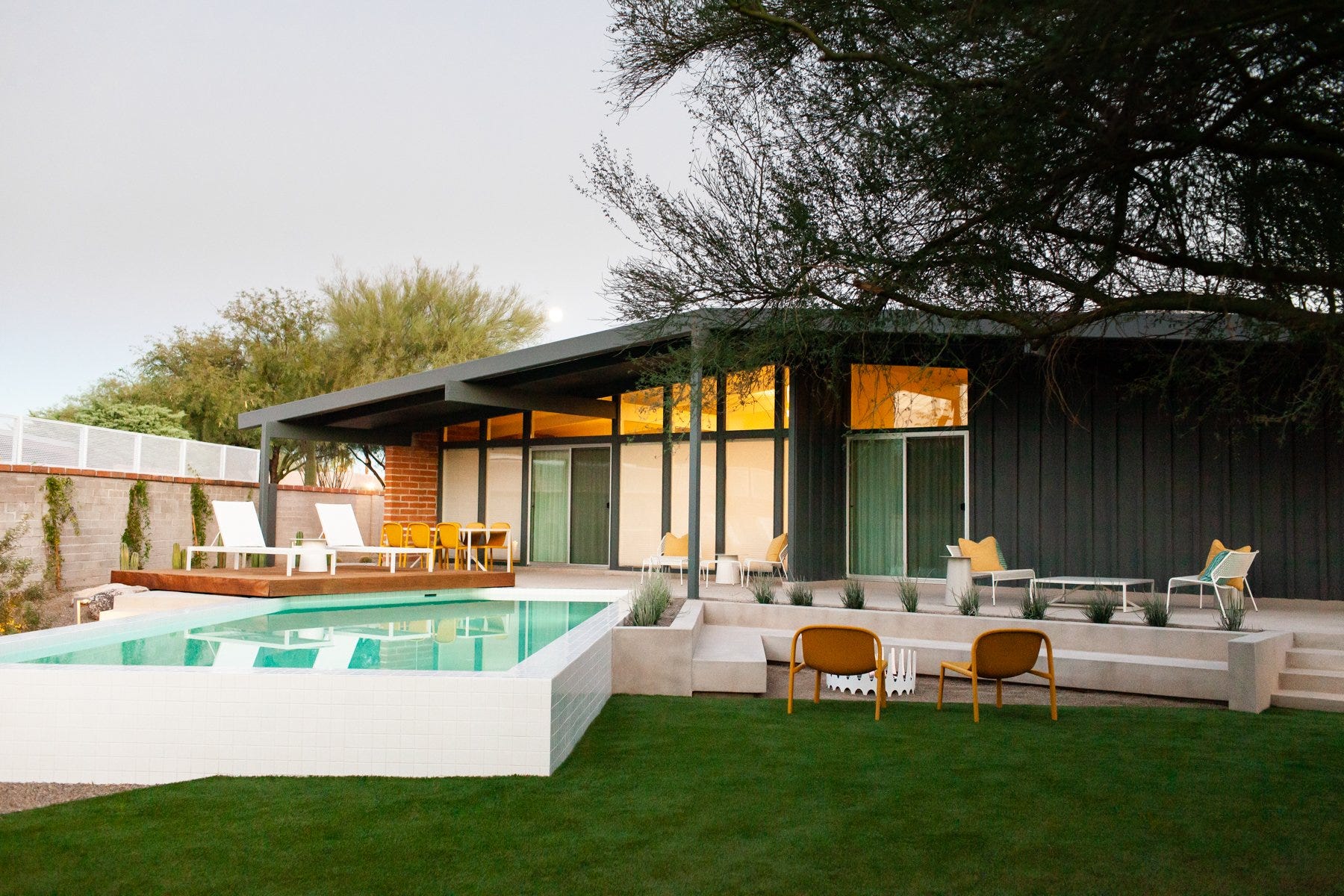
Above-Ground Pools Are Having a Serious Style Moment

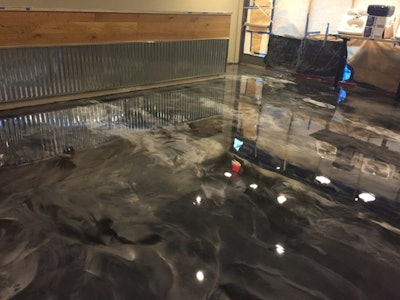
Durable Epoxy Coatings Provide Endless Design Possibilities

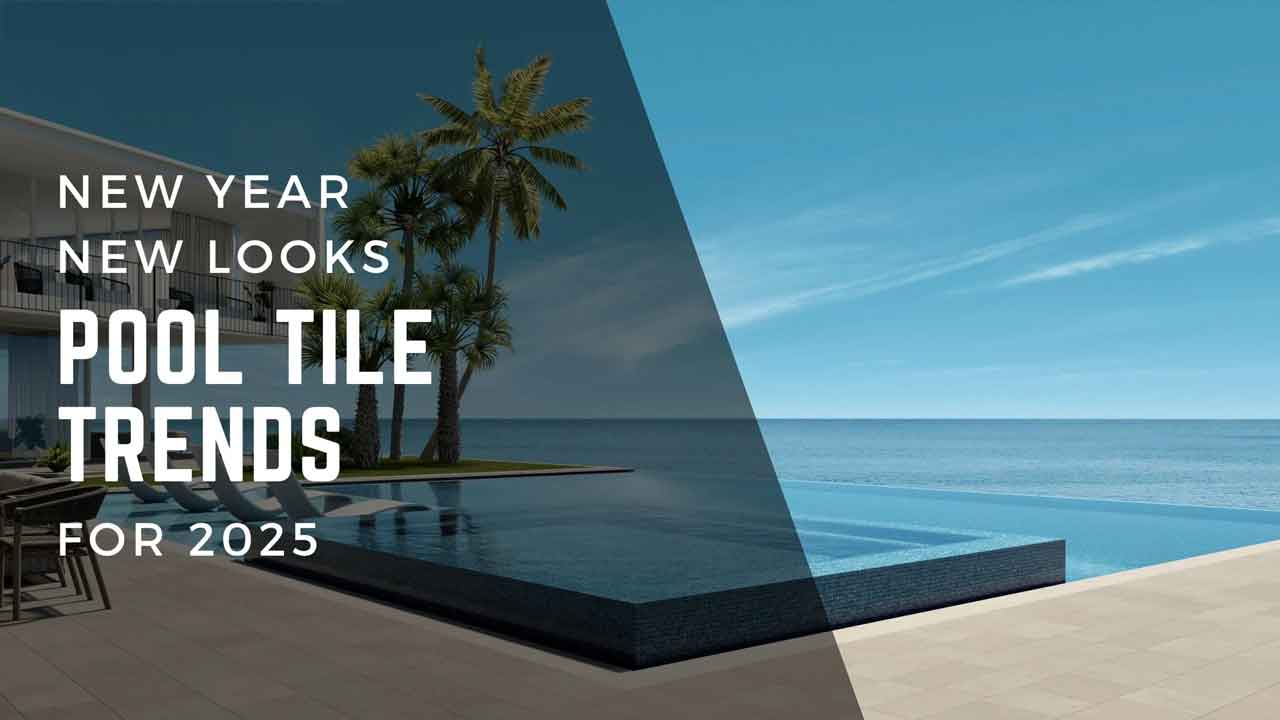
New Year, New Look: Exploring Pool Tile Trends for 2025
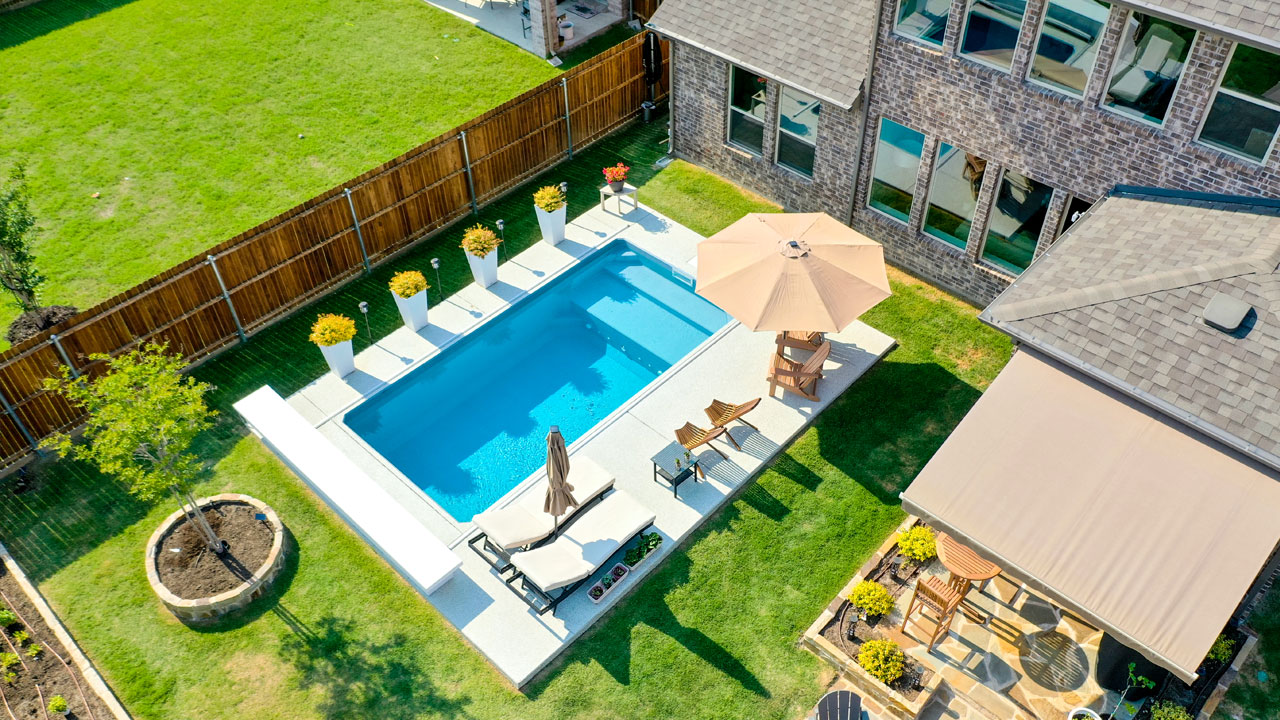
Plungie Pools: A Turn-Key Solution For Builders & Consumers

Why Plaster Finishes Are Trending Right Now (Plus 5 Types to Know)

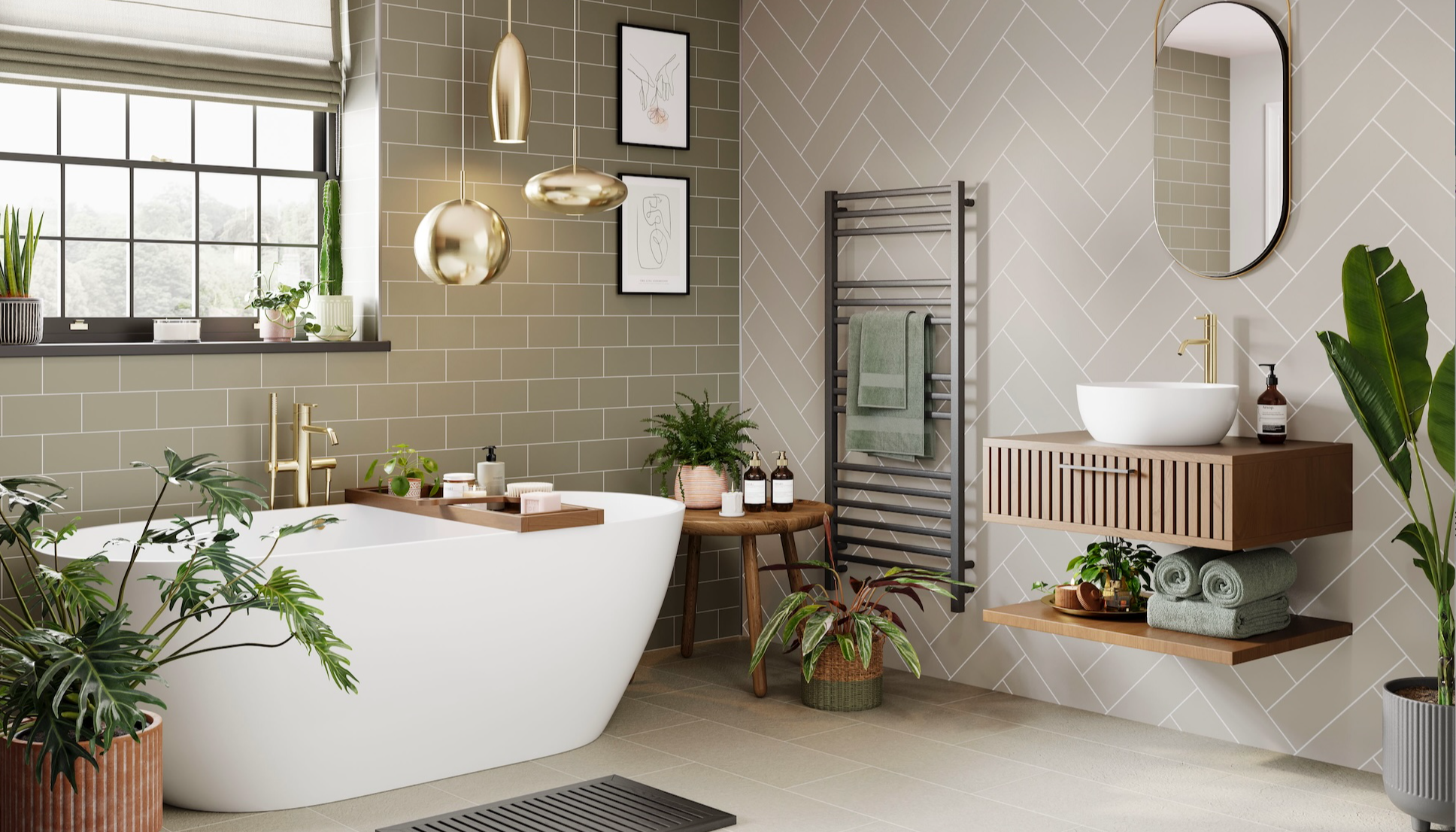
How sleek and stylish waterproof wall panels are taking on tiles
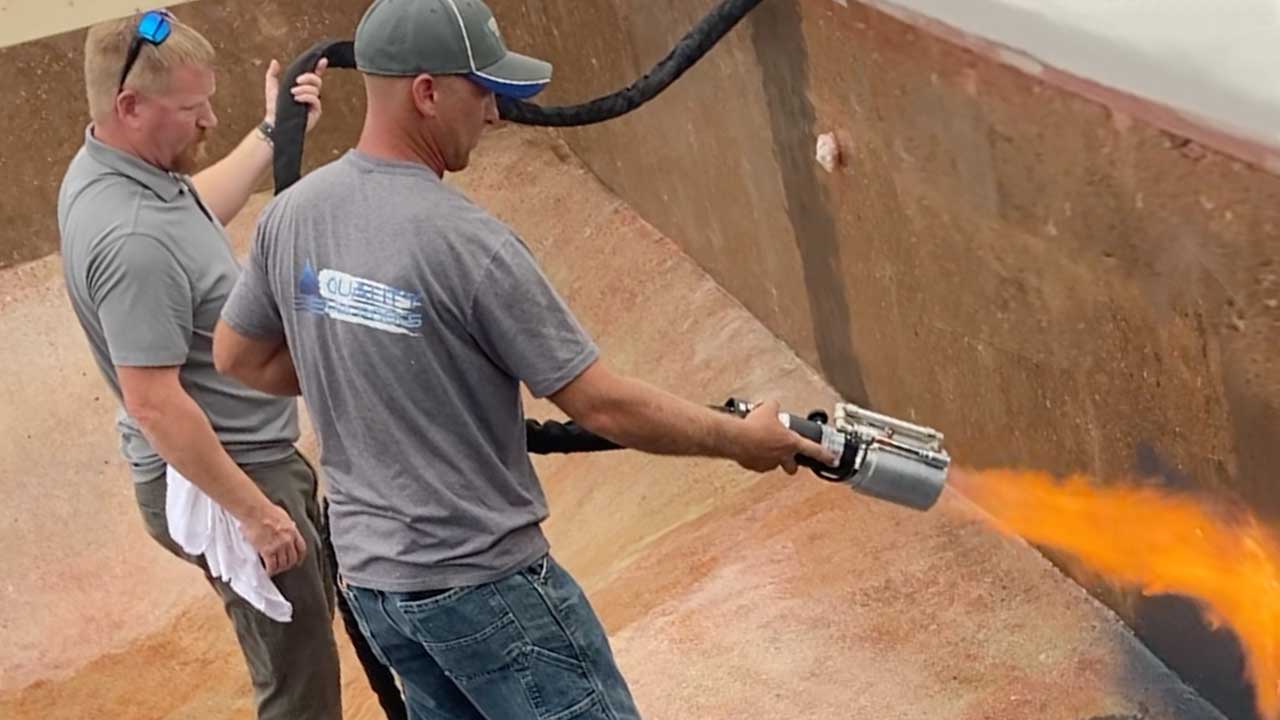
Ask The Masters: Who’s Using ecoFINISH & Why?
A Concrete Oasis
Top Tile Trends Spotted At Coverings 2025

Cool White Polymer Coatings based on Glass Bubbles for Buildings

Cutting-Edge Innovations in Pool Construction

Optical Illusions – Mosaic Tile Seascapes
Clay Plasters Rustic Range by Clayworks
Must-See Tile and Stone Designs From Coverings 2023
Modern Pool Tile Ideas for 2022


Discover The Top 10 Tile Trends Discusses at Coverings 2025
Coverings 2019: Color and graphics along with concrete and terrazzo were centerstage - May 2019


Soaring in Sugarland, Texas with Fogle Aviation