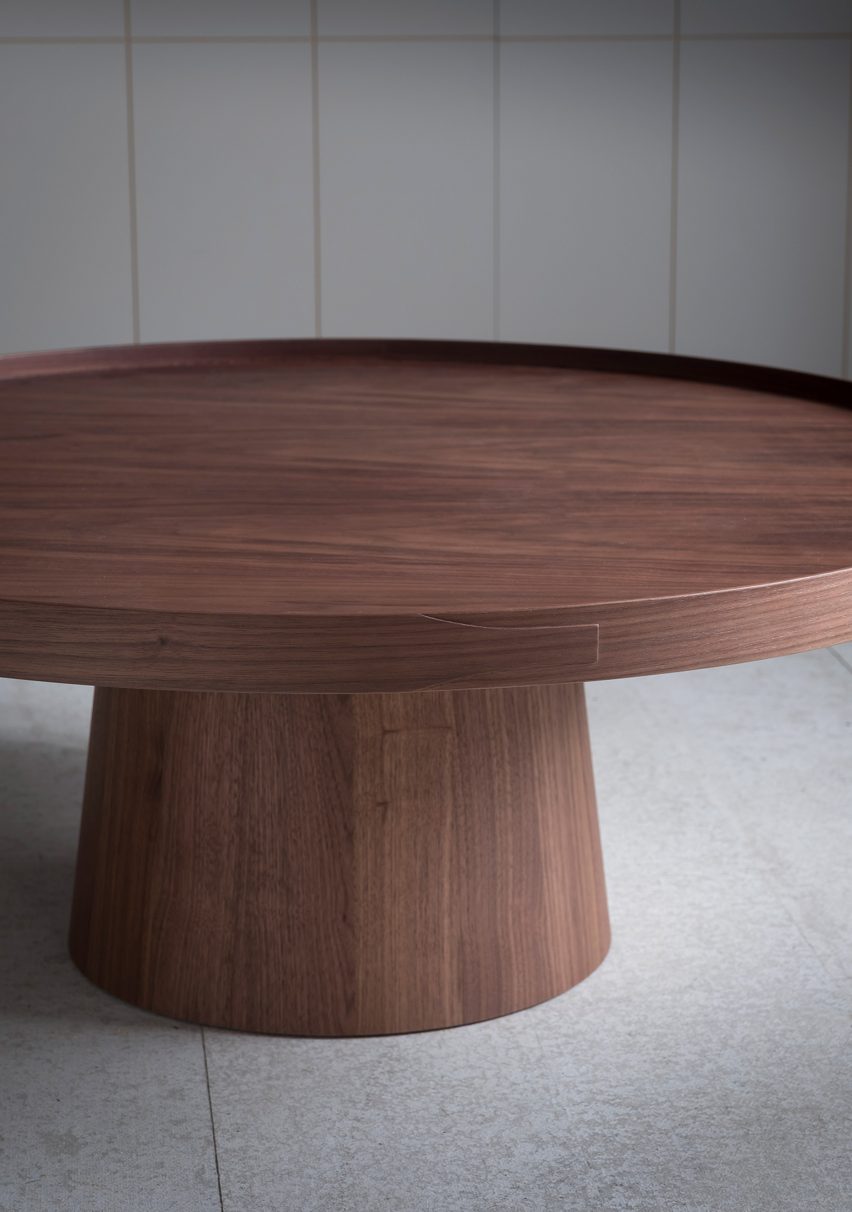
DIY Interactive Smart Coffee Table Uses Second-hand Products and Reclaimed Materials
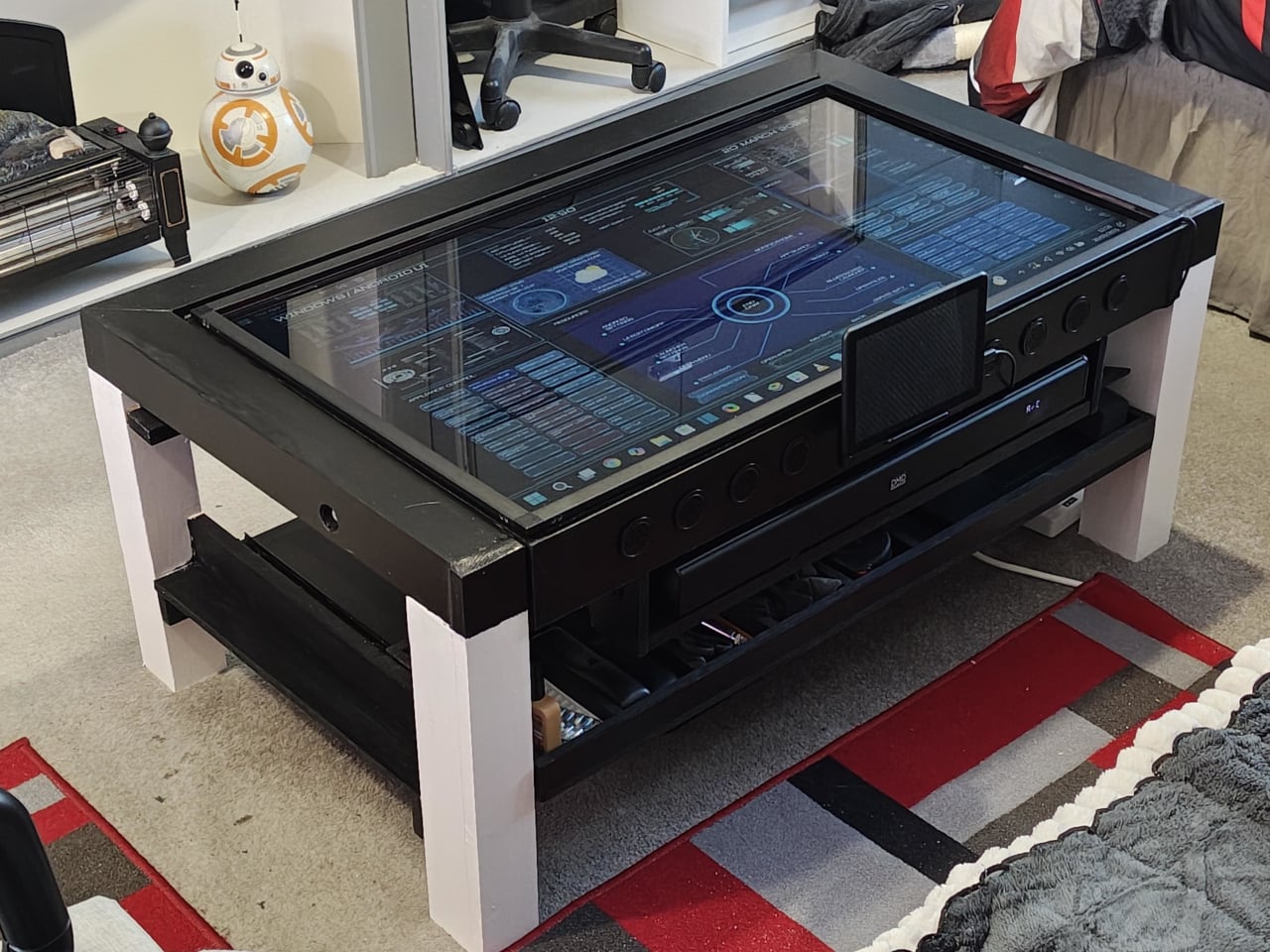
The concept of interactive, touch-enabled tables, often seen in science fiction, has begun to appear in high-end office and gaming setups. However, these products typically come with a hefty price tag, making them inaccessible to many consumers. This article explores a DIY approach to building a fully functional interactive smart coffee table for approximately $400, significantly less than commercial alternatives. This method not only offers substantial cost savings but also promotes the repurposing of existing technology and materials, allowing for personalized customization.
The core of this project involves transforming a second-hand 40-inch smart TV into the interactive display. This strategy bypasses the expense of a new touchscreen, utilizing readily available or affordable used technology. An old laptop is integrated to serve as the computing unit, managing all software and processing tasks without the need for additional new hardware. The only new component required is a touchscreen overlay, which provides the interactive functionality to the repurposed TV.
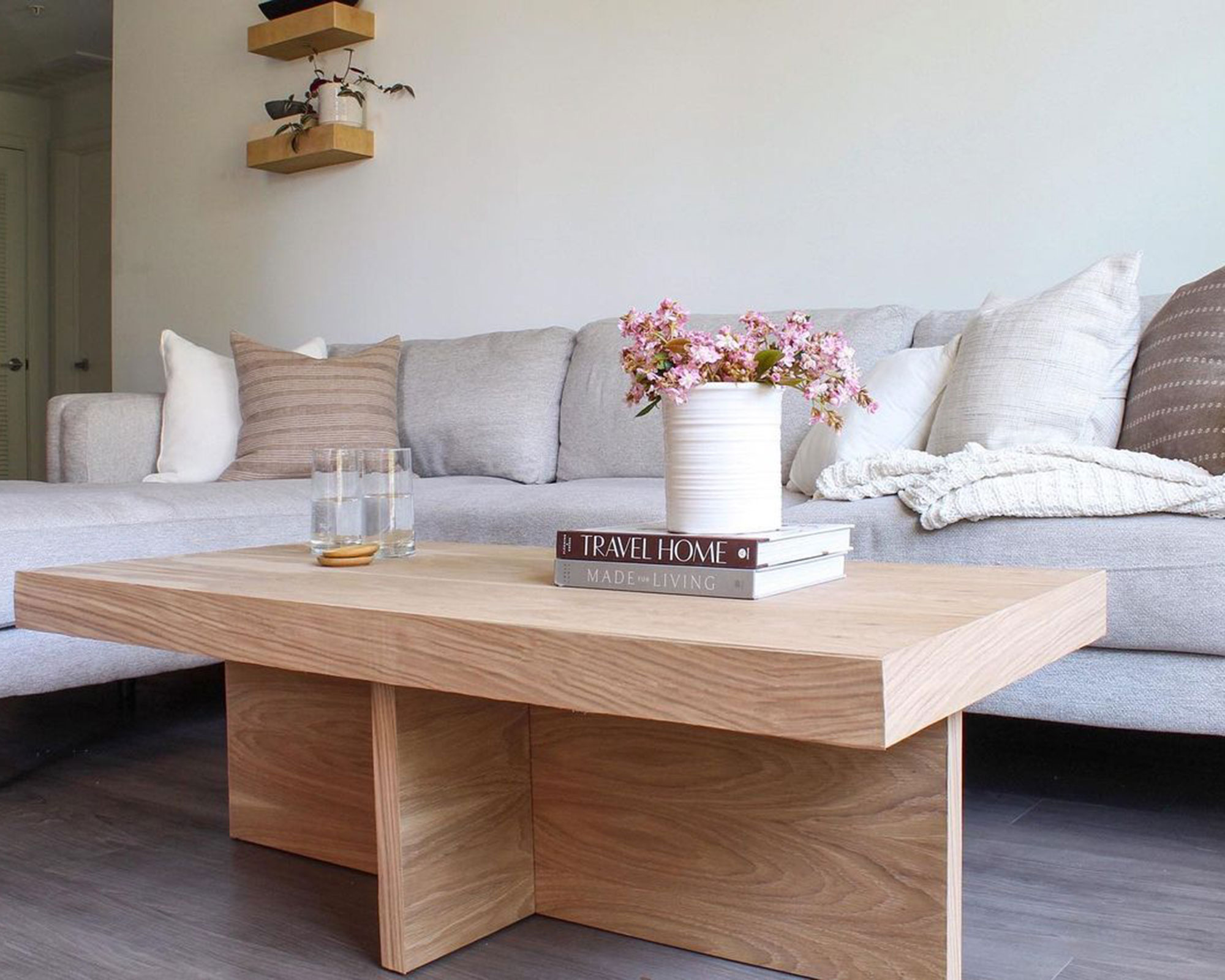
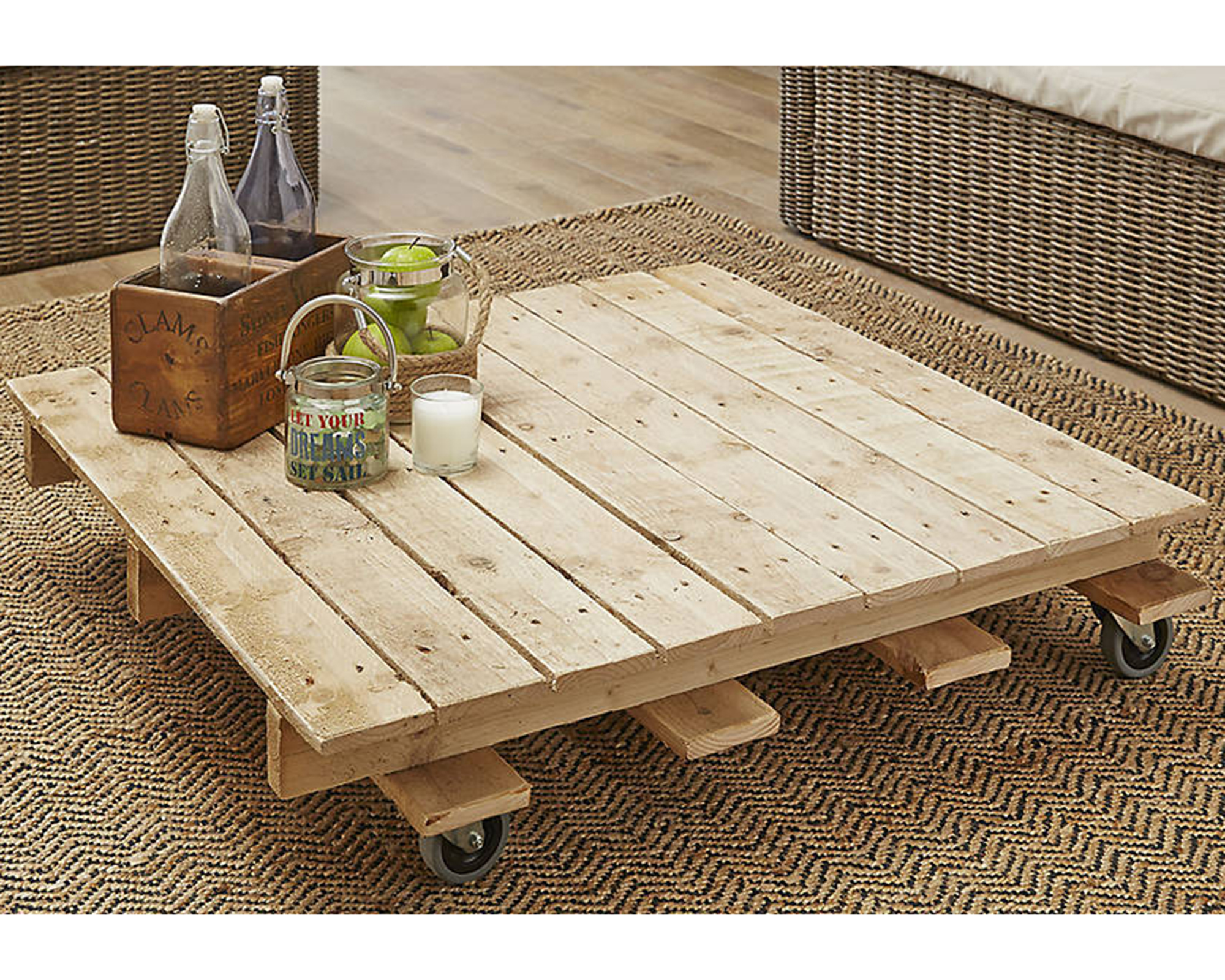
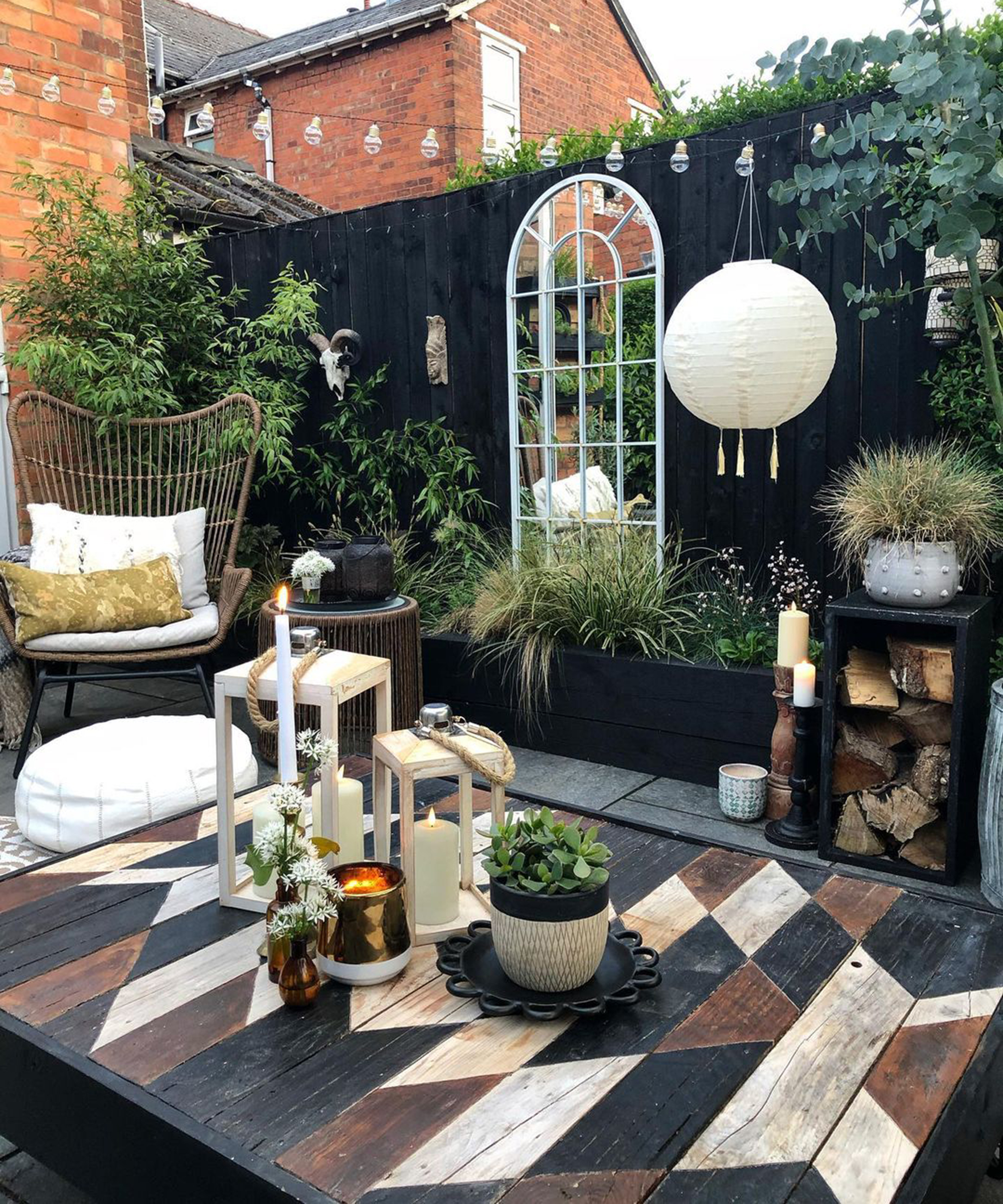
For the table's physical structure, the project advocates for the use of reclaimed wood. This choice is both environmentally sustainable and cost-effective, allowing builders to utilize materials such as pallet wood, old furniture pieces, or salvaged lumber. This not only keeps materials out of landfills but also lends a unique, bespoke aesthetic that distinguishes the DIY creation from mass-produced furniture.
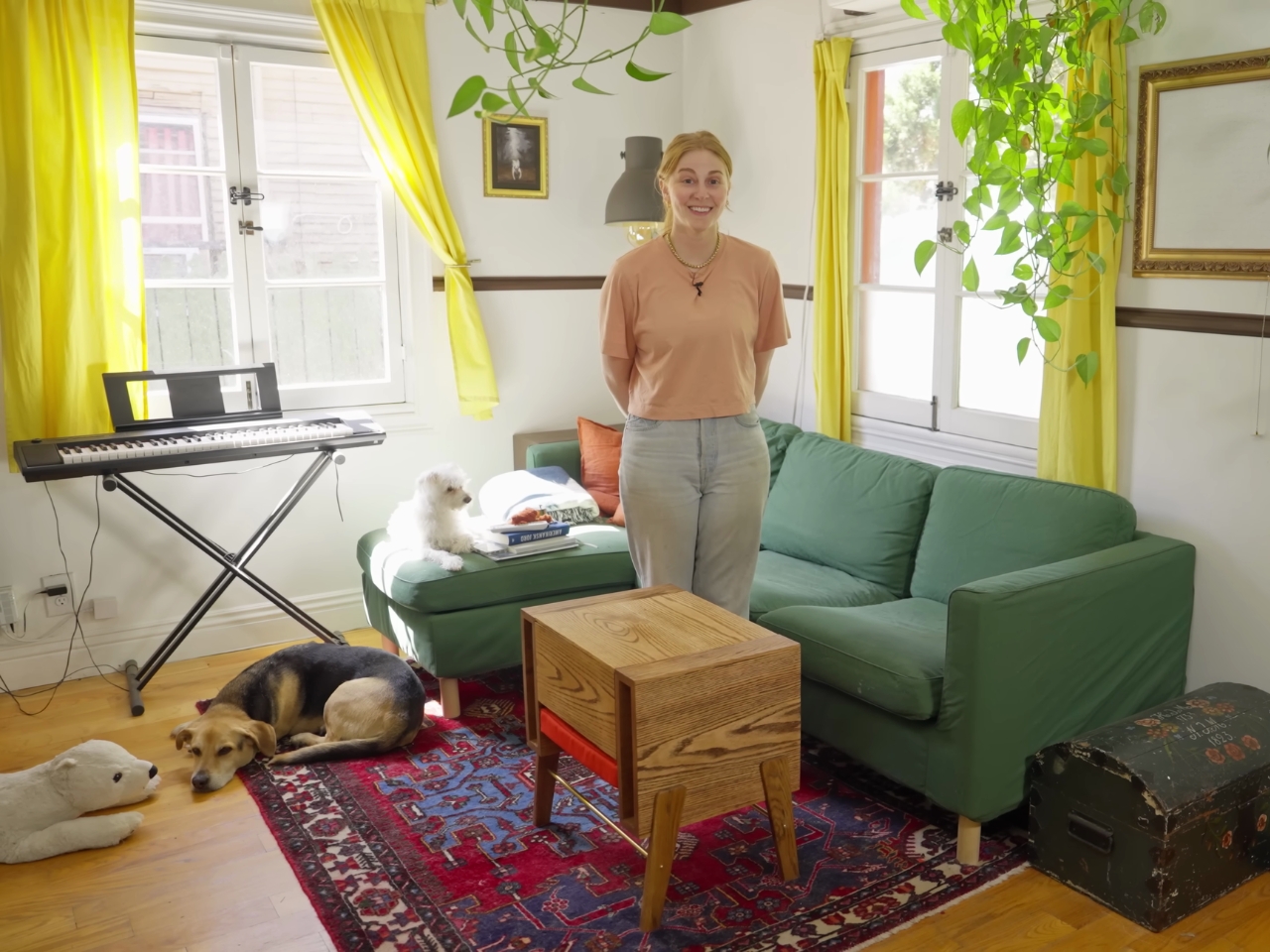
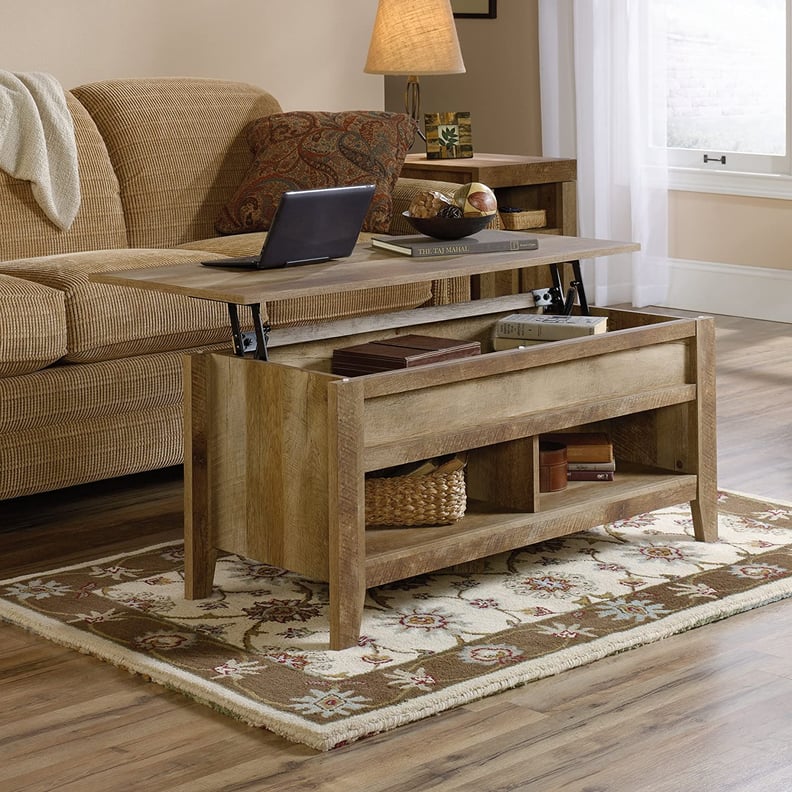
A key innovative feature of this DIY table is its tilting mechanism, enabling it to transition between a traditional coffee table and a functional workstation. By incorporating a hinge system, the screen can be angled forward, optimizing ergonomics for tasks requiring typing and direct interaction. The system supports both Windows 11 and Android, essentially providing a large-format tablet and computer within a single piece of furniture. Additionally, a sliding tray is integrated for storage or to hold work tools, enhancing the table's utility.
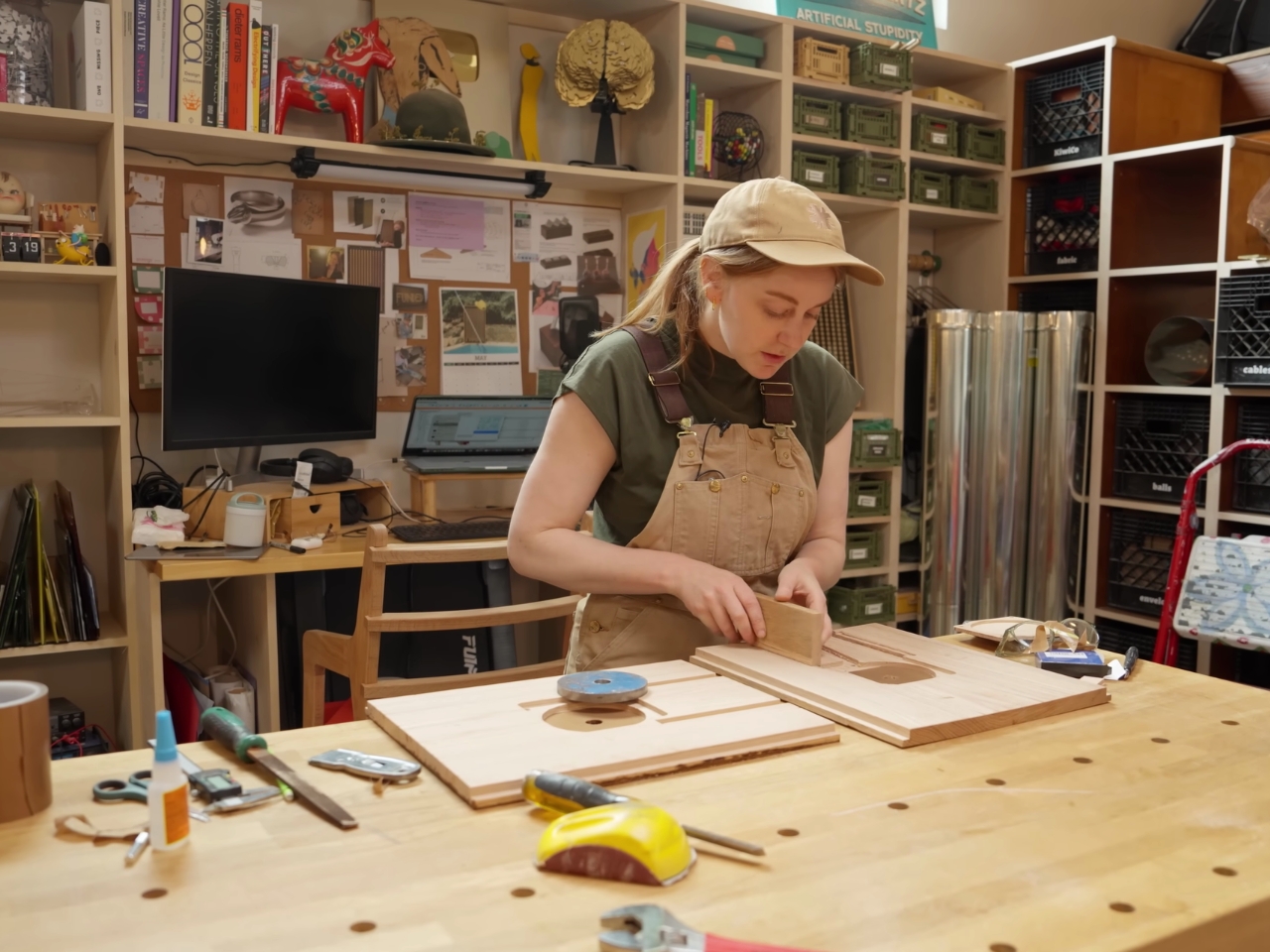
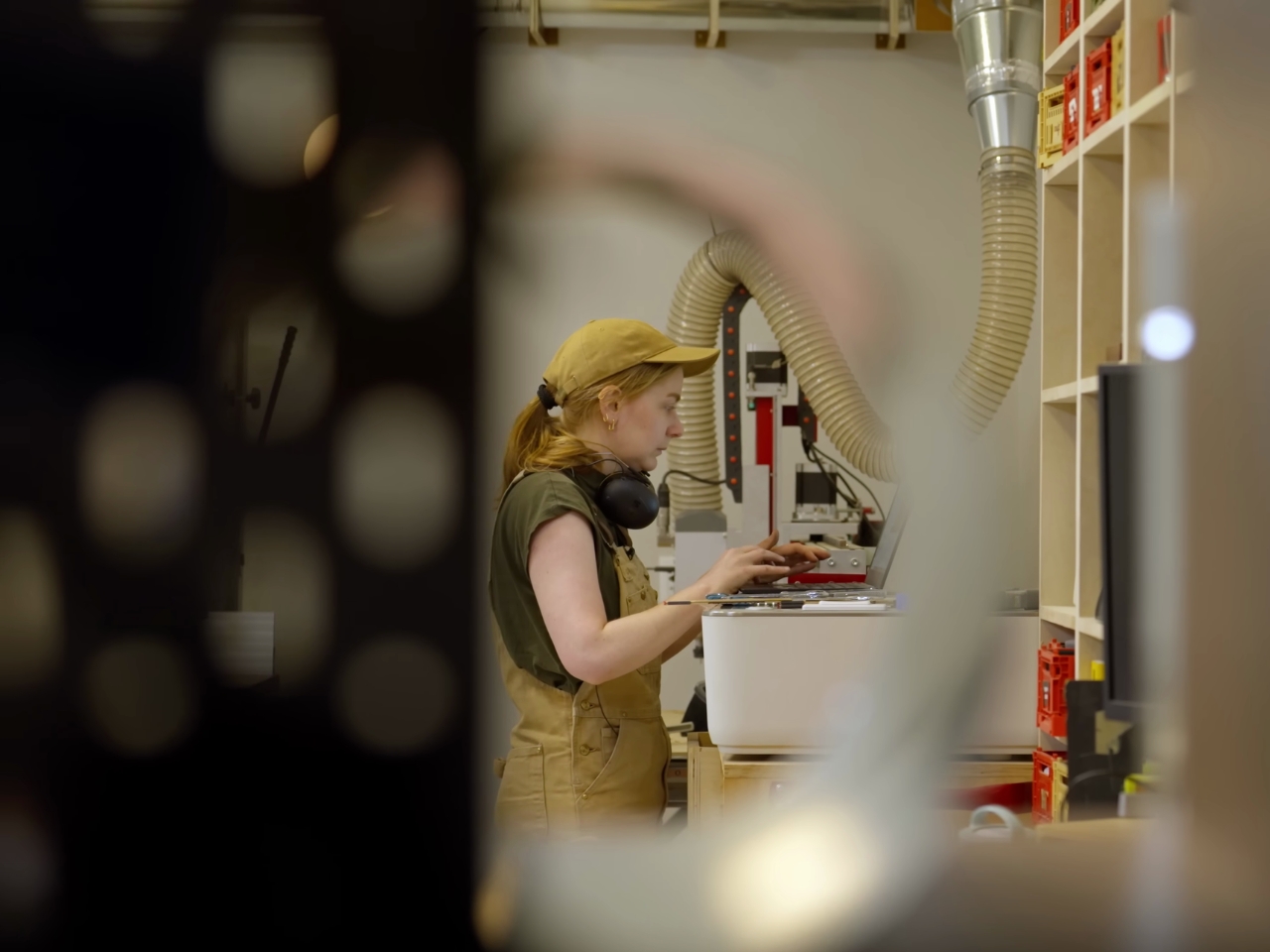
The construction process demands basic woodworking skills for creating the frame and housing, along with fundamental electronics knowledge for component connection. Careful planning is essential for internal layout, ensuring adequate ventilation for the electronics and meticulous cable management to maintain a clean and uncluttered appearance. The flexibility inherent in this DIY approach allows for future enhancements, such as ambient lighting, additional USB ports, or smart assistant integration, ensuring the table can adapt to evolving needs and technological advancements, positioning it as a long-term, customizable investment rather than a quickly obsolete gadget.
#coffeeTable #DIY #Interactive #Repurpose #Reuse #SmartTable #ReclaimedMaterials #HomeAutomation #SustainableDesign #coffeeTable #DIY #Interactive #Repurpose #Reuse #SmartTable #ReclaimedMaterials #HomeAutomation #SustainableDesign
0 comment in total
 No comments yet
You may also like
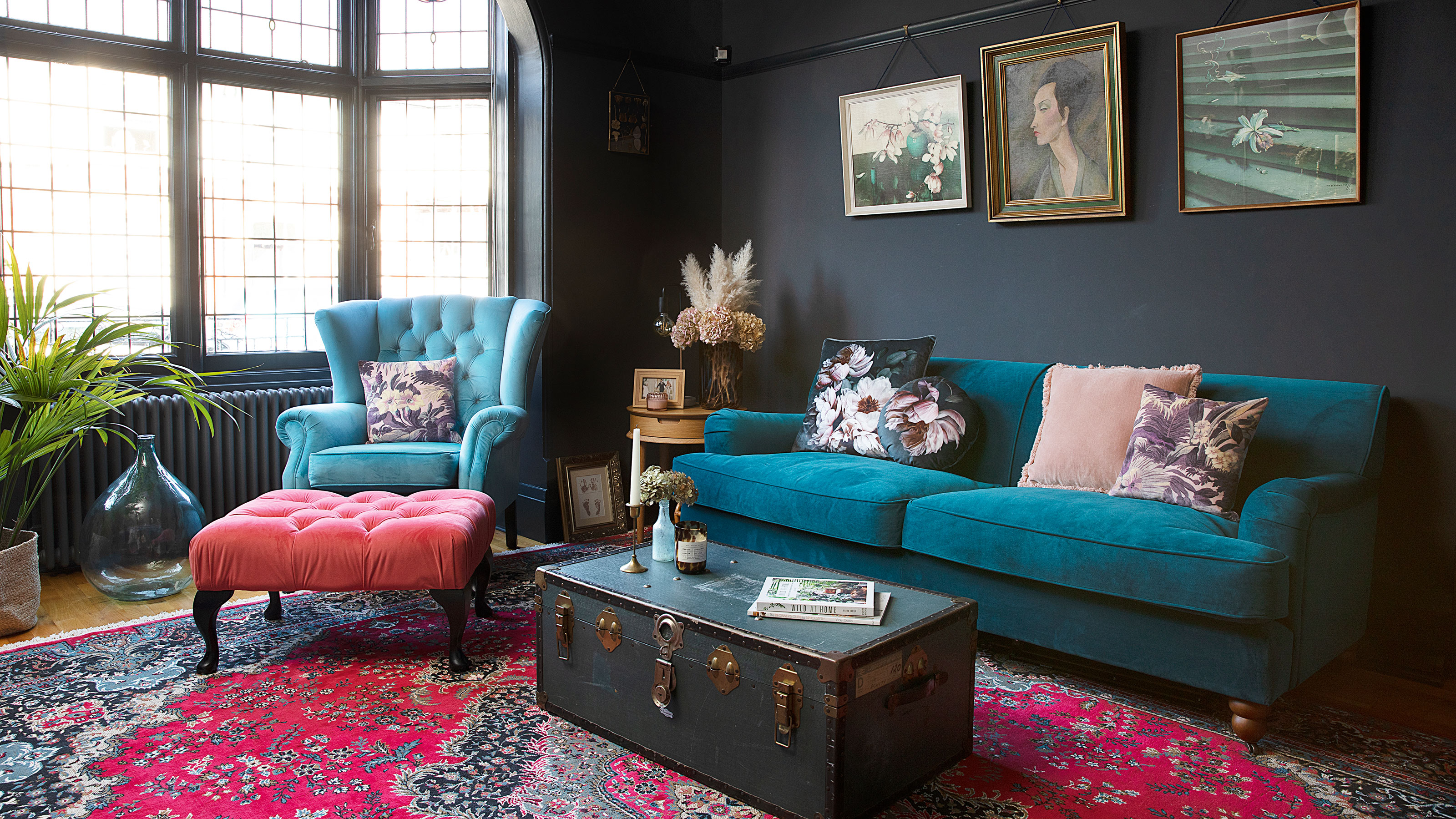
11 creative coffee table alternatives to sub into your living room space

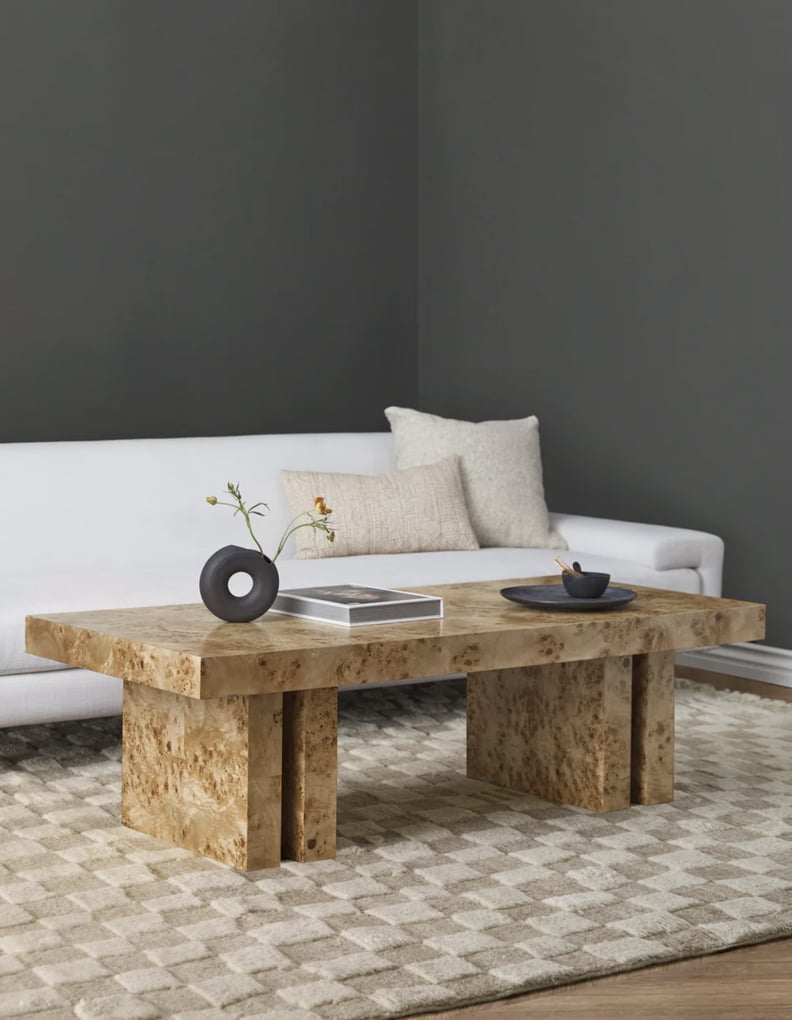
17 Coffee Tables That Are Perfect For Every Home Aesthetic and Budget
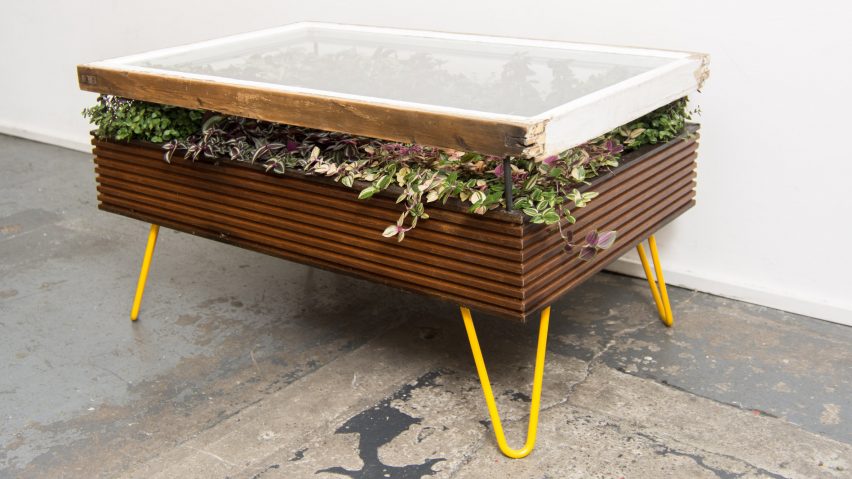
Hackney Botanical makes plant-filled coffee tables out of reclaimed windows
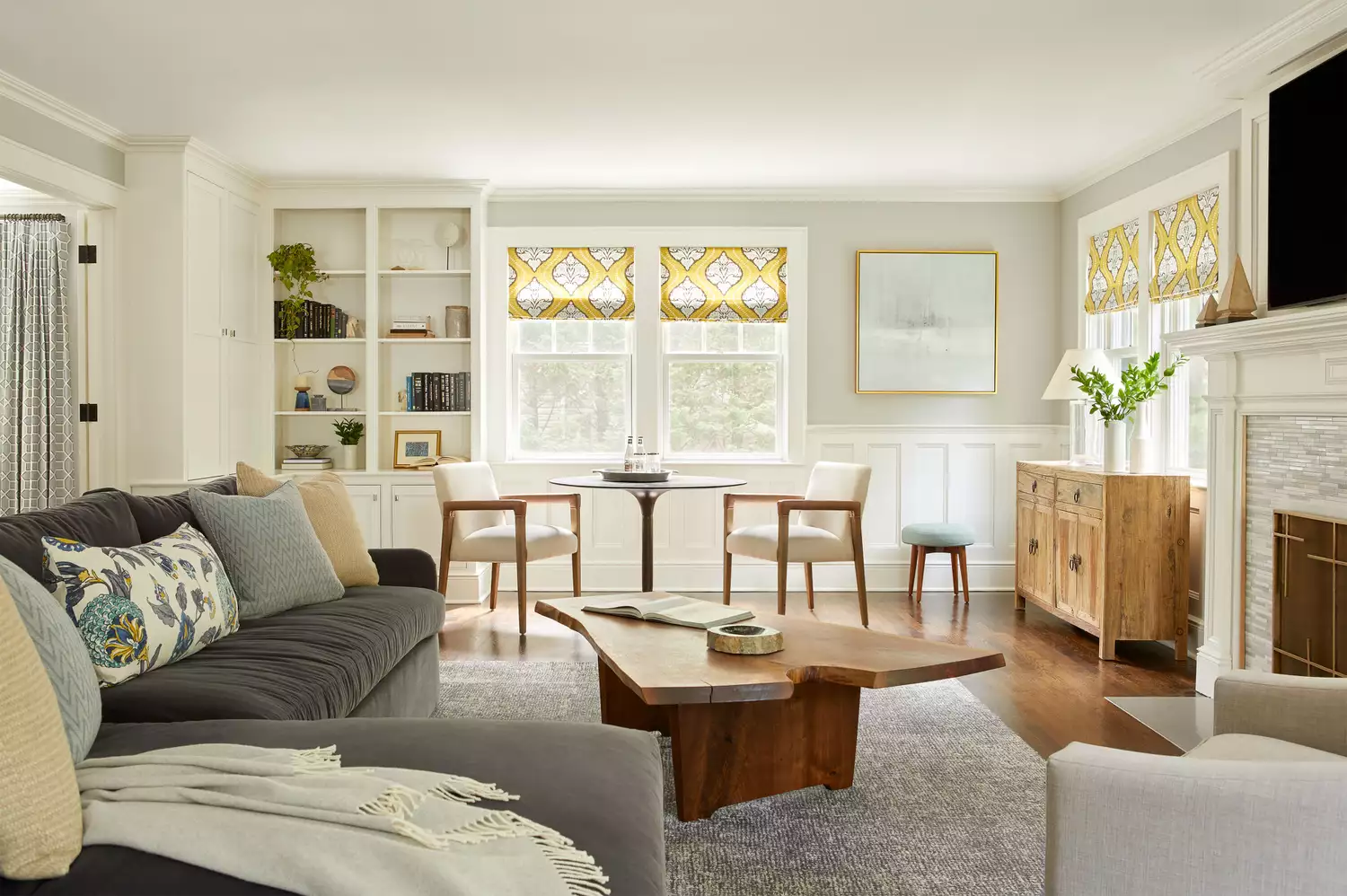
We Asked Interior Designers About Their Favorite Coffee Tables—Here Are Their Picks

DIY coffee table ideas – 11 designer dupes and inspiring styles to try

Gather round! The best coffee tables for design lovers, from the colourful to the sculptural

Sundays Makes Our New Favorite Coffee Table
homeware Lock coffee table uses flexible bamboo layers
DIY spinning coffee table turns into storage and ottoman

Top 10 coffee tables designed to be the center of attention of your living room

Pinch bases Rodan coffee table on Shaker storage box

The best new buys for your coffee table — from books to vases
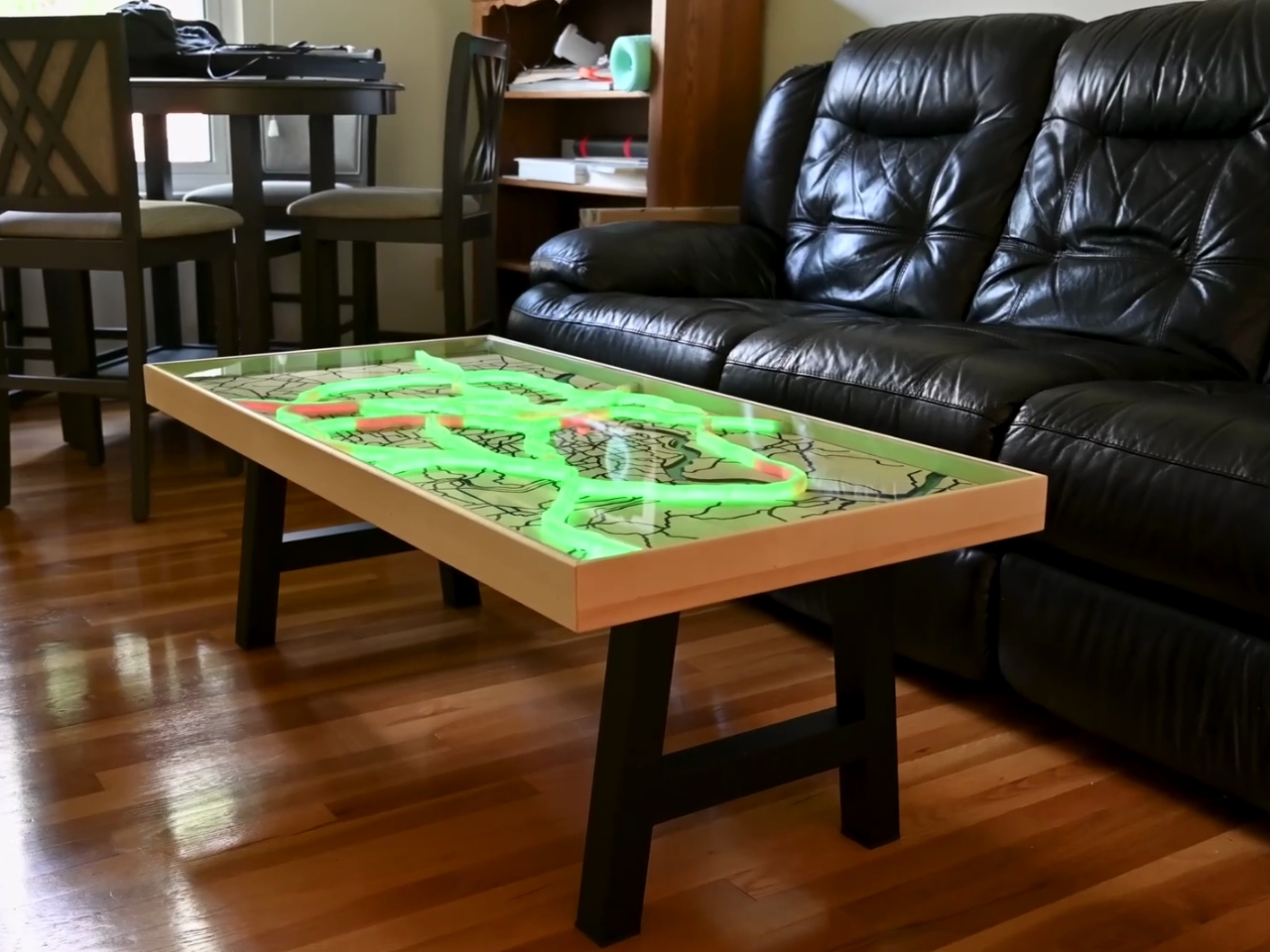
DIY smart coffee table features a map of Cincinnati

Coffee table decor ideas – 15 creative ways to bring style to your space
The 23 Very Best Coffee Tables
Reader project: From old coffee table to Hamptons-style ottoman

Pallet coffee table ideas – 11 ways to flip wooden crates into furniture
12 Best Coffee Tables for Every Budget

23 Coffee Table Decor Ideas That Will Make a Massive Impact On Your Living Space


Designer Drew Michael Scott creates an 'elevated vintage' console with this unexpected cheap material that you can pick up from the hardware store