1/2
David Mills: The parental delusion of sad beige parenting
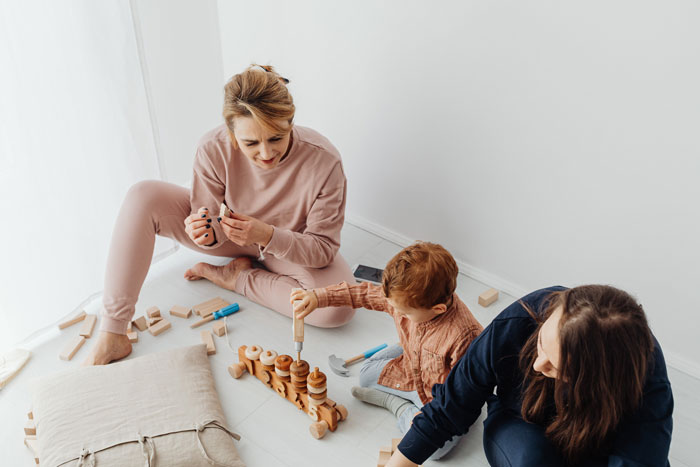
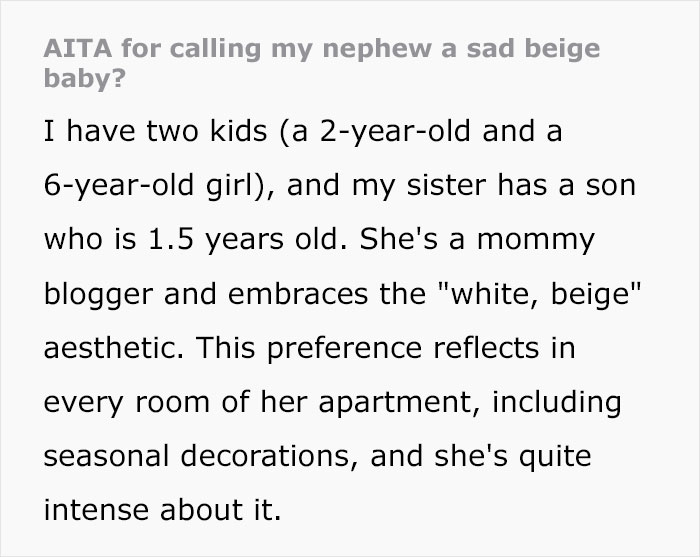
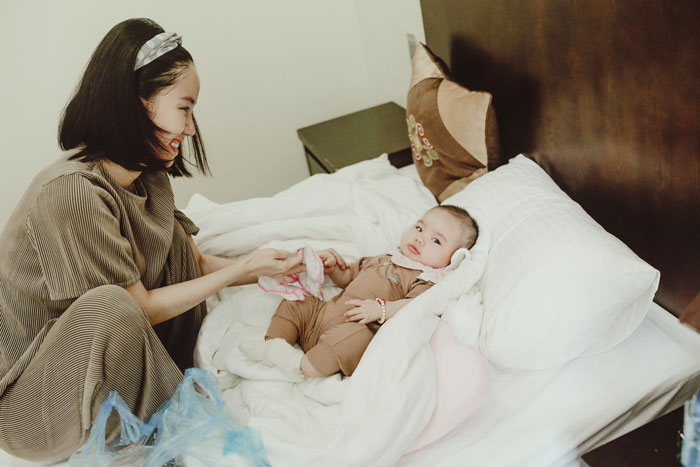
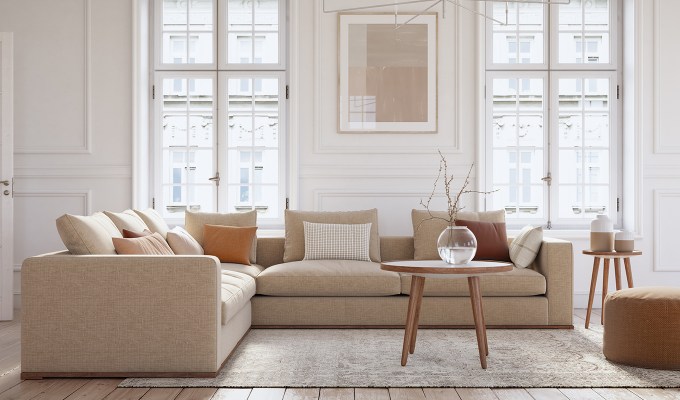
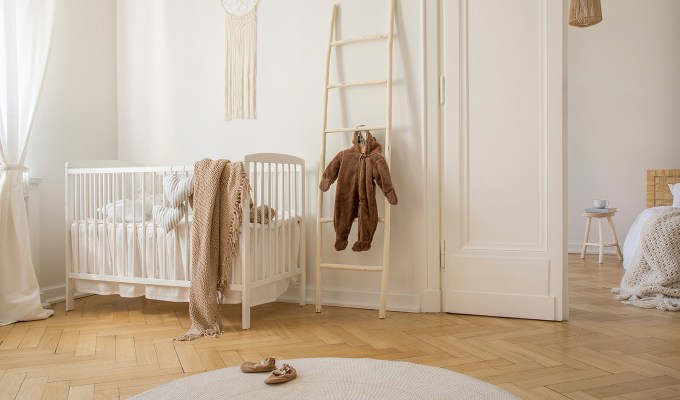
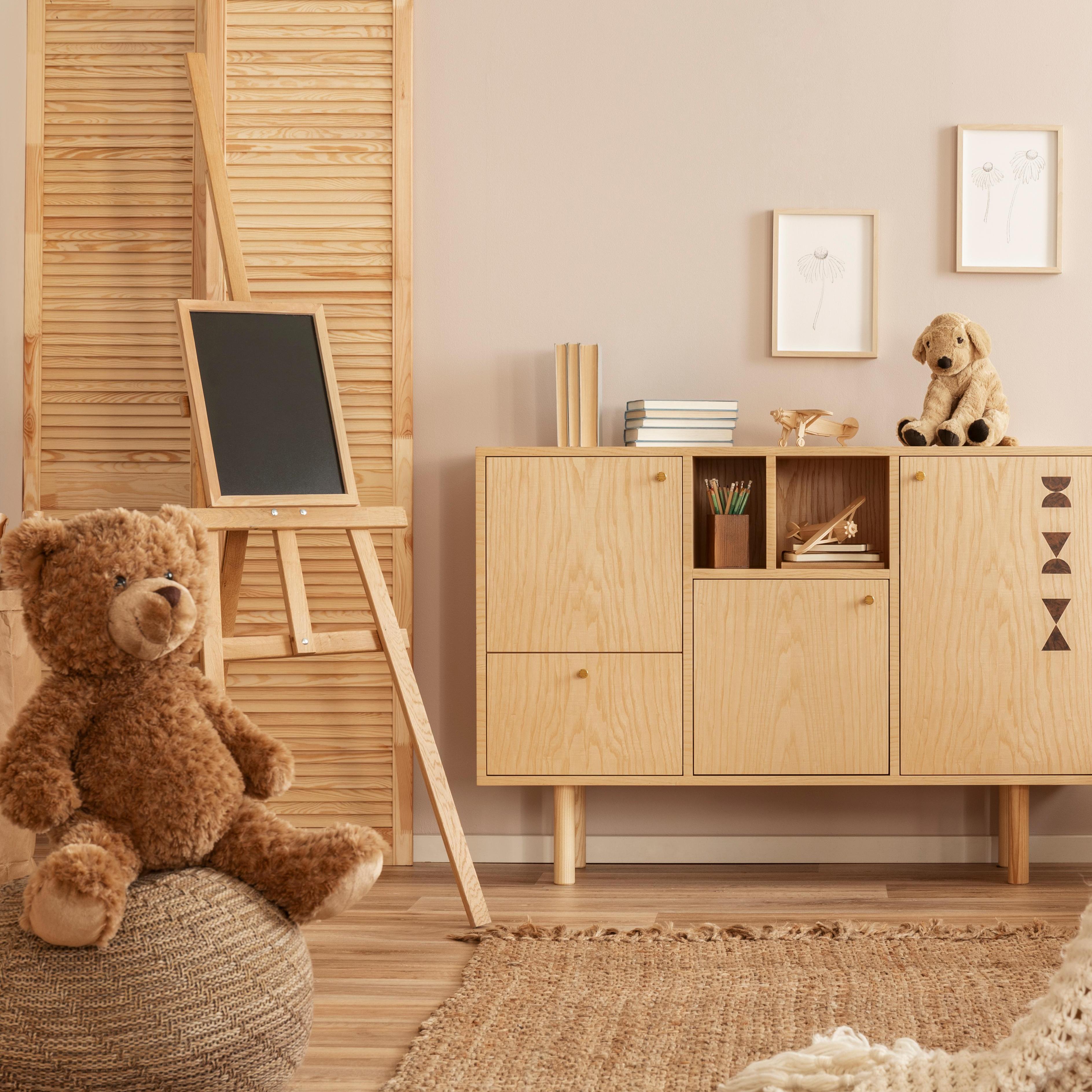
The article discusses the trend of "sad beige parenting," where parents opt for earthy, neutral tones in children's clothing, furniture, and toys, eschewing bright colors. This trend, gaining traction among suburban, upper-middle-class families, is reported to have been adopted by major retailers like Walmart and Baby Gap and featured in The Wall Street Journal. The author questions the motivations behind this aesthetic choice, pointing out that children naturally gravitate towards bright colors, as evidenced by their artwork. The term "sad beige" was coined by a satirist to describe this minimalist approach.
Proponents of sad beige parenting offer various justifications, such as creating a "nice, calm, clean environment" or allowing children to "discover their own self" without gendered color expectations. One mother suggested that whites and creams enable her daughter to develop her identity beyond traditional pink associations. However, the author argues that parenting inherently involves shaping a child's development, regardless of aesthetic choices. Dressing a child in neutral tones is still a form of formation, even if it is the desired one by the parent.
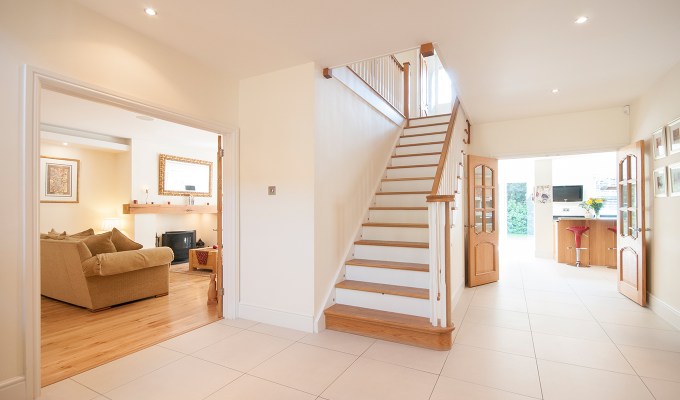
The article posits that this trend is more about the parents' aesthetic preferences and desires than the children's needs. A photographer mentioned that brown and beige evoke a sense of calm for her and that she finds bright colors worn by children annoying. A kids' room designer observed an increase in requests for beige rooms during the pandemic, particularly from parents working from home, who sought an office-like atmosphere characterized by calm, serenity, coziness, and neutrality. A celebrity hairstylist candidly stated that her entire house would not change because she had children, illustrating a parental determination to maintain personal aesthetics.
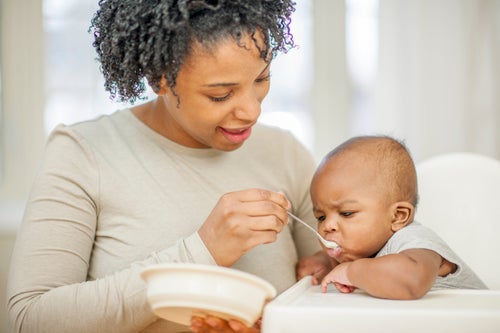
This aesthetic choice also extends to practicality for some parents, such as easier mixing and matching of children's clothes when everything is beige-ish, ensuring color coordination. The author counters that children often enjoy wearing clashing colors, indicating that their perception of color is not based on adult-defined coordination. Experts consulted in the Wall Street Journal article expressed uncertainty about the long-term effects of living in a "washed-out home" on children. One expert noted that children's brains require diverse colors and visual stimulation, while a neuropsychologist critically remarked on the motivation for an "Instagrammable house" over allowing children to explore and make messes, highlighting that beige is unlikely to be a child's favorite color. No expert suggested that sad beige environments benefit children.
The author suggests that "sad beige" is a trend primarily among affluent individuals who are susceptible to fashion fads and social influence. These parents are described as moving from one trend to another, willing to discard beige items for bright primary colors if a new fad emerges with a convincing rationale. The article concludes by emphasizing that having children necessitates significant life changes and a relinquishing of complete control over one's life. Children have their own preferences and do not necessarily share their parents' aesthetic tastes, and attempting to impose parental will in such matters can stifle a child's natural development.
#ParentingTrends #SadBeigeParenting #ChildDevelopment #ParentalInfluence #AestheticChoices #Minimalism #ChildPsychology #ConsumerCulture #ParentingTrends #SadBeigeParenting #ChildDevelopment #ParentalInfluence #AestheticChoices #Minimalism #ChildPsychology #ConsumerCulture
0 comment in total
 No comments yet
You may also like
Woman Doesn’t Understand Why Her Sister Got So Heated Over Her Calling Her Kid A “Sad Beige Baby”

What Is ‘Sad Beige’ Parenting — And How Did We Get Here?
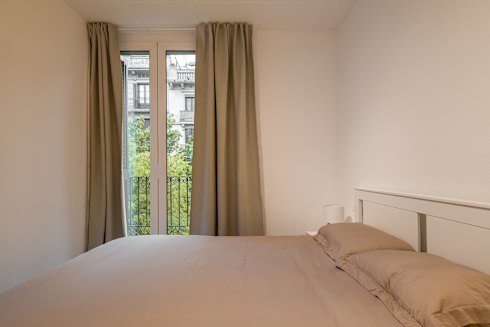
The colour that is tearing families apart
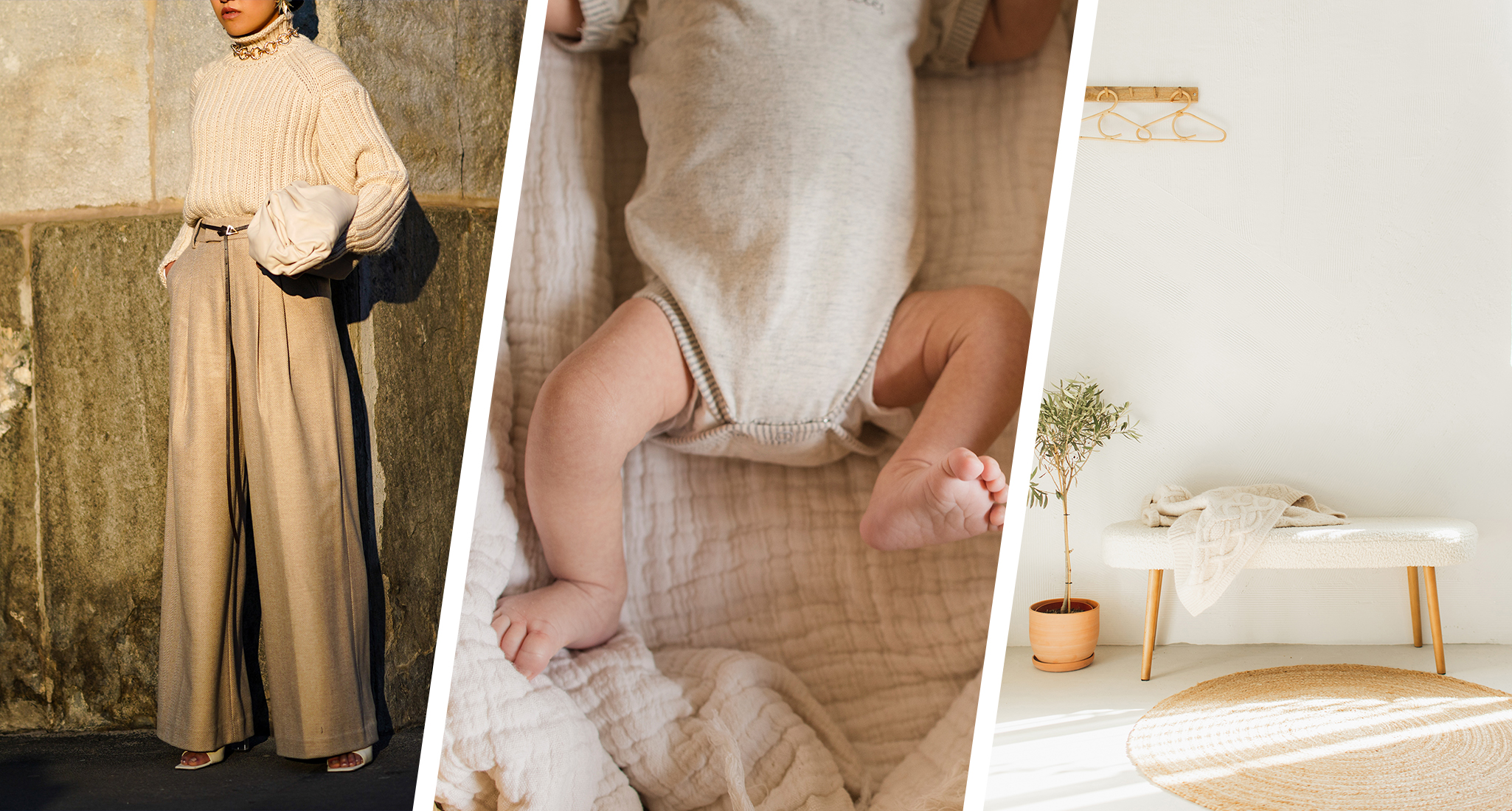
From Quiet Luxury to the Sad Beige Baby, When Will ‘Beigification’ End?

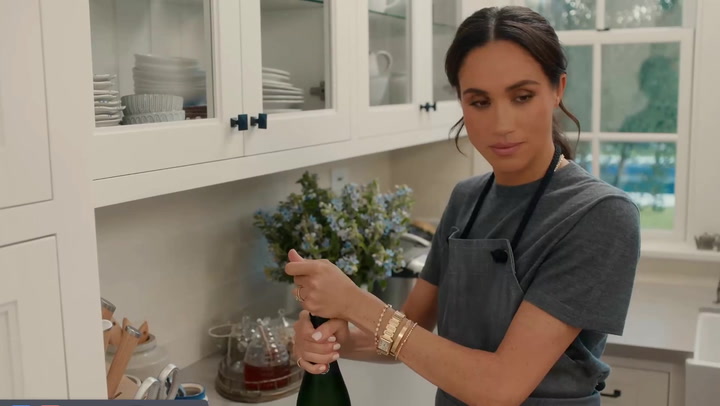
I’m a ‘sad beige mum’ like Meghan – it’s the only way I can cope
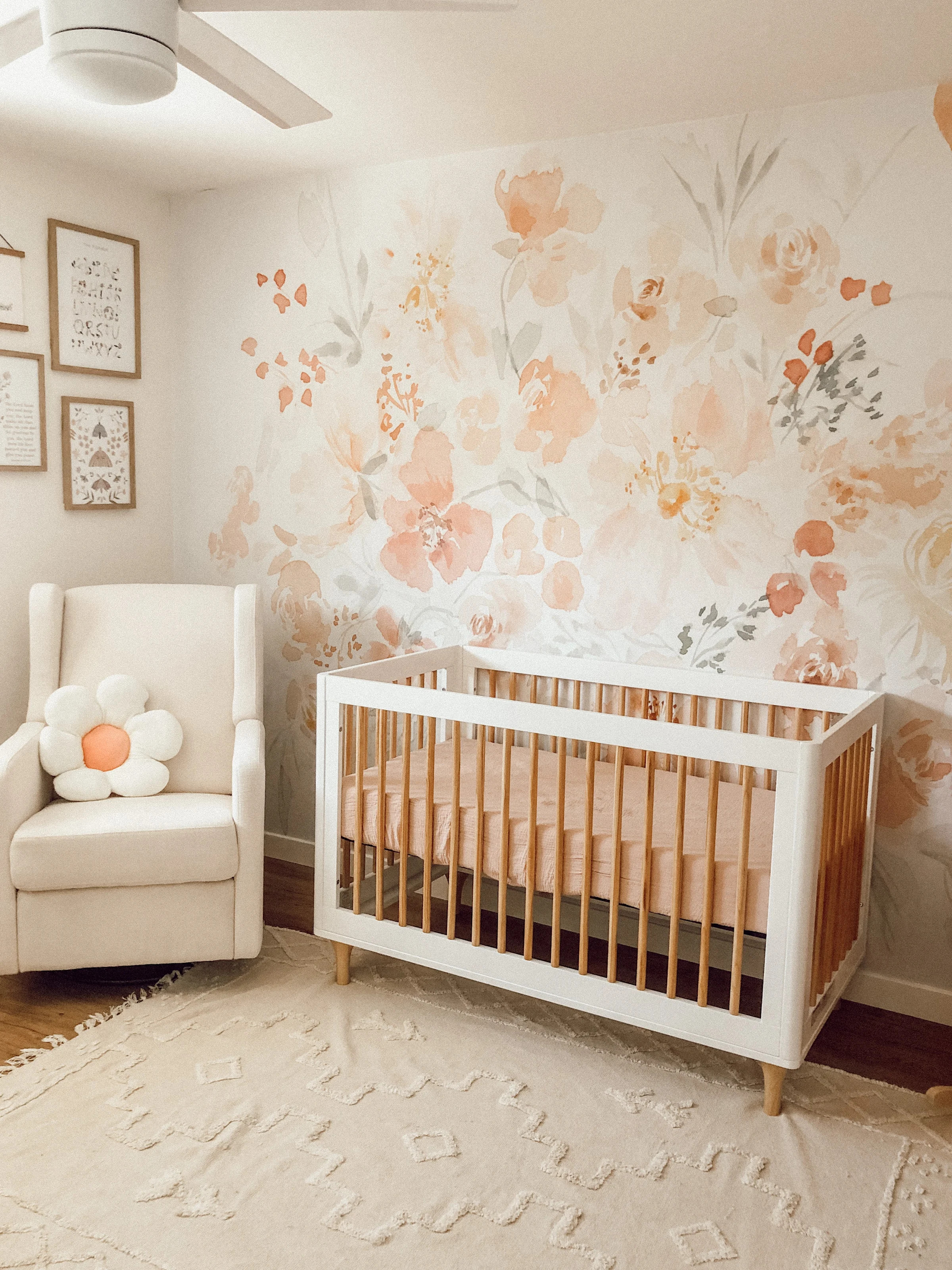
Unpacking the Beige Kids Decor Controversy Rocking the Internet

She Jokingly Called Her Sister’s New Kid A “Sad Beige Baby” And Now They’re Feuding

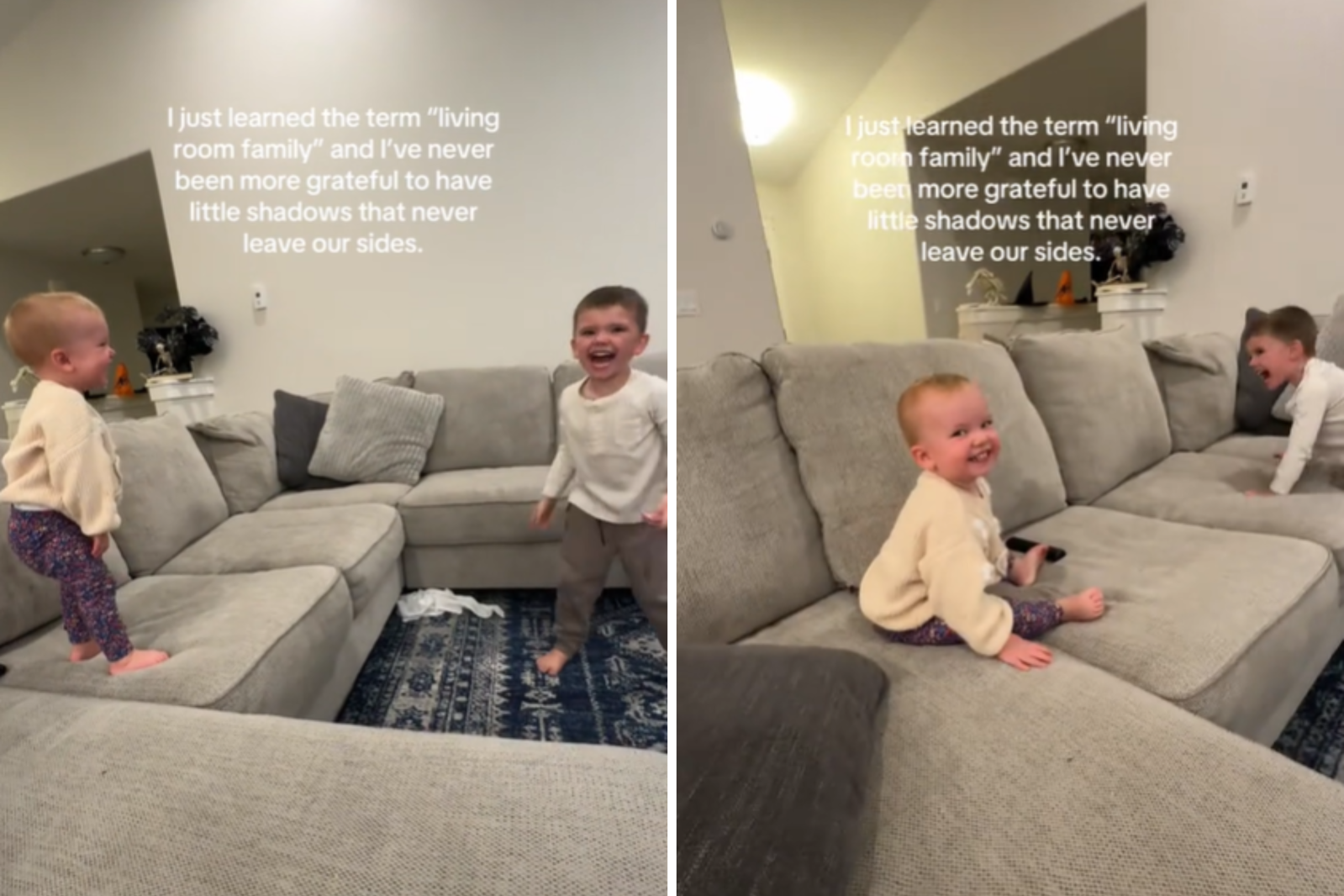
Are You Raising a ‘Living Room Child’? How This Trend Shapes Family Life

Millennial Discovers ‘Living Room Kids’ Theory—Has Eye-Opening Realization
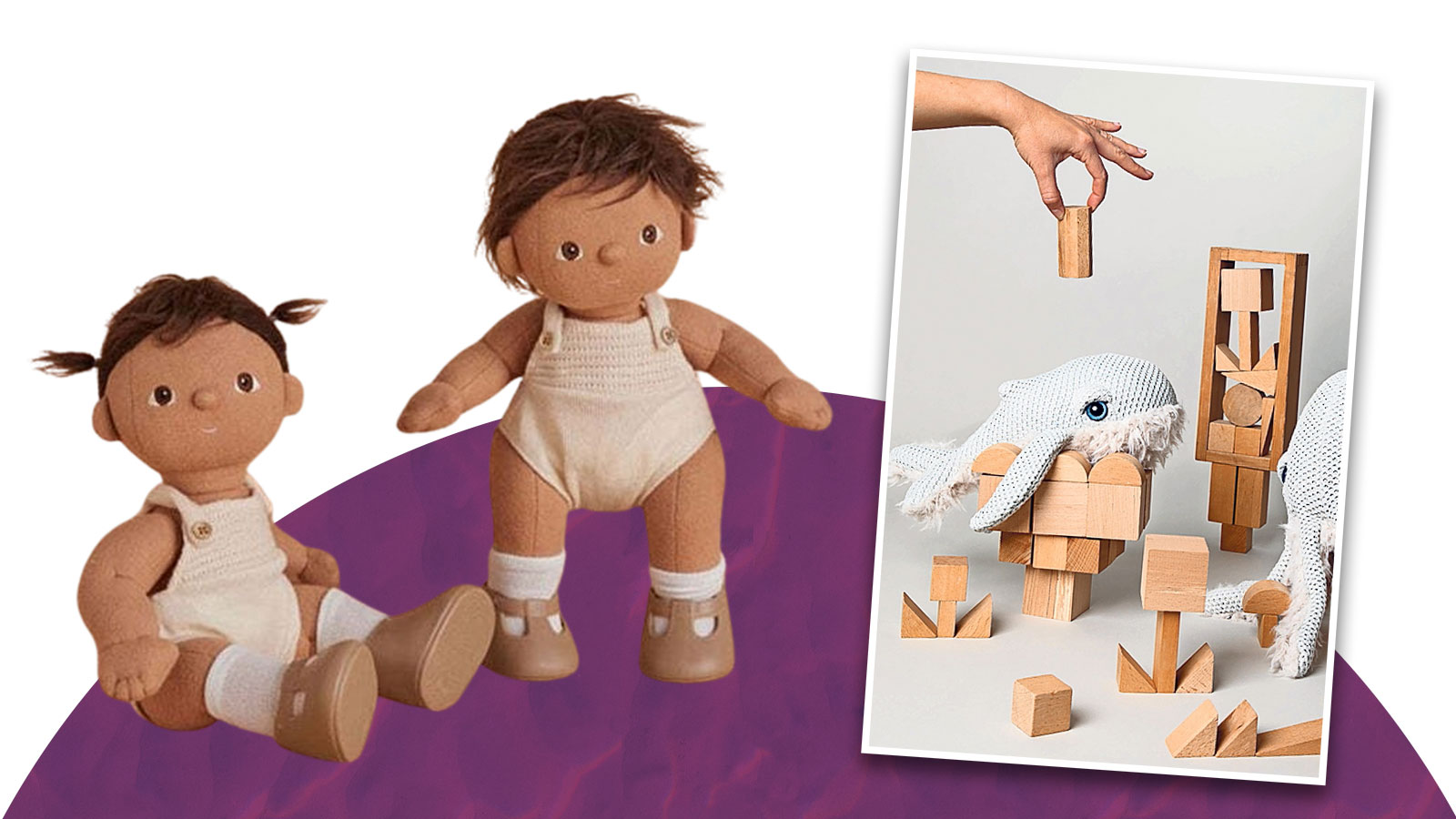
The ‘sad beige parenting’ trend — are your children drab enough?

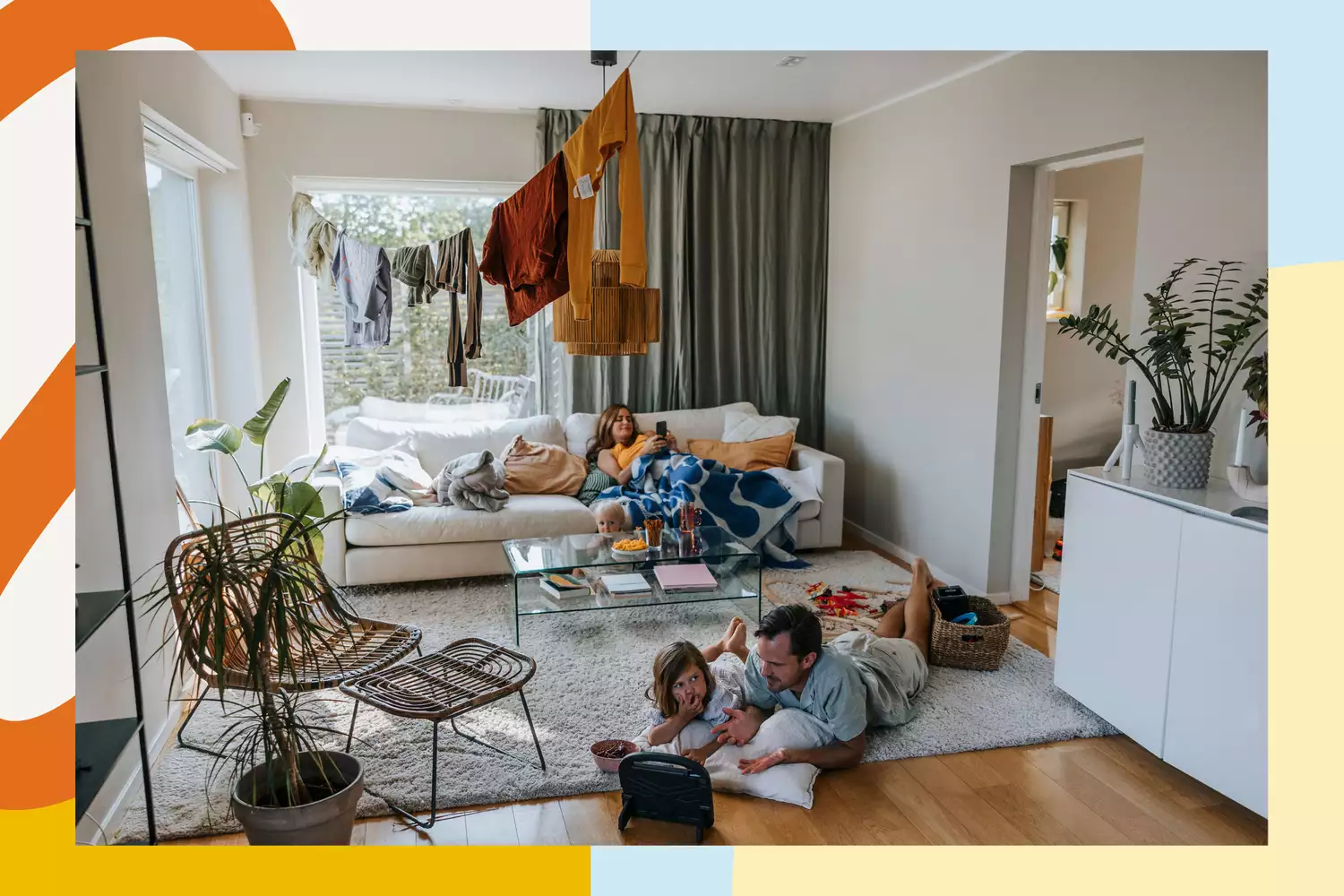
Do You Have a 'Living Room Family' or a 'Bedroom Family'?

Calls You "Mama" & Other Mom Friend Beige Flags
I’m a proud ‘sad beige parent’
"Living Room Families" Is The Newest Influencer Coinage & No Thank You

Bedroom or living room parent? Mom sparks debate over where parents hang out in the house.