1/11
Dark gray kitchen ideas – 10 sophisticated and timeless looks
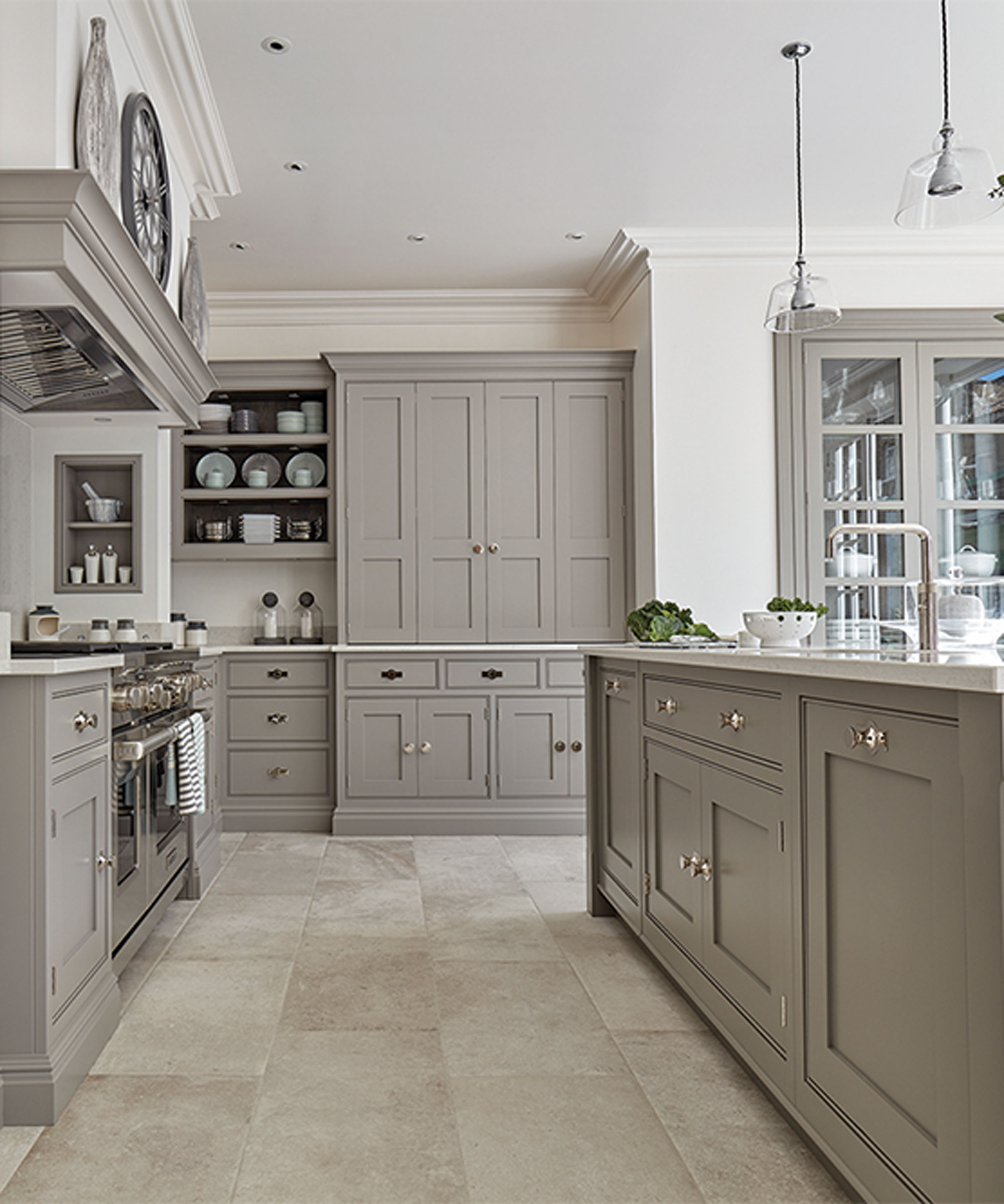
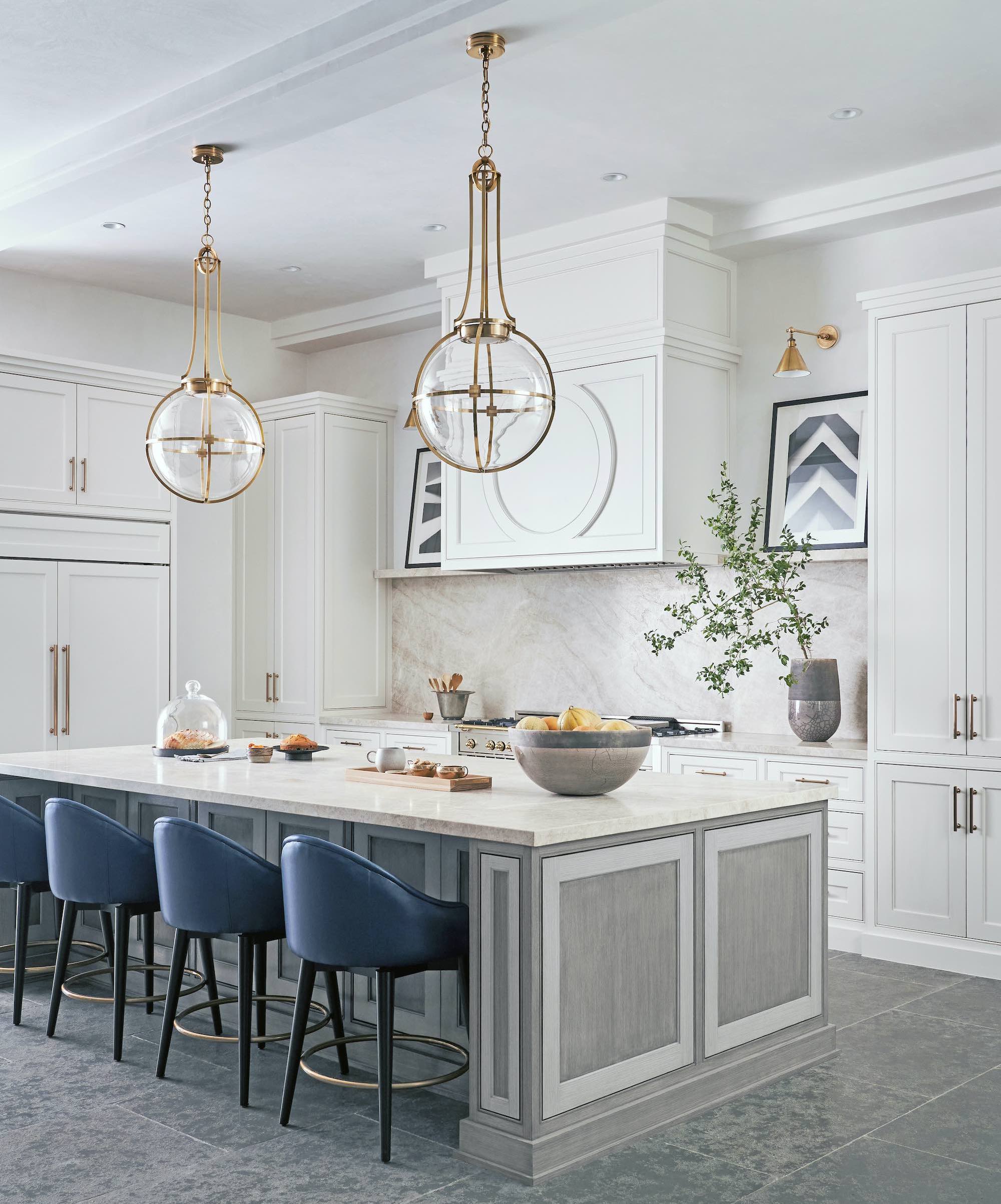
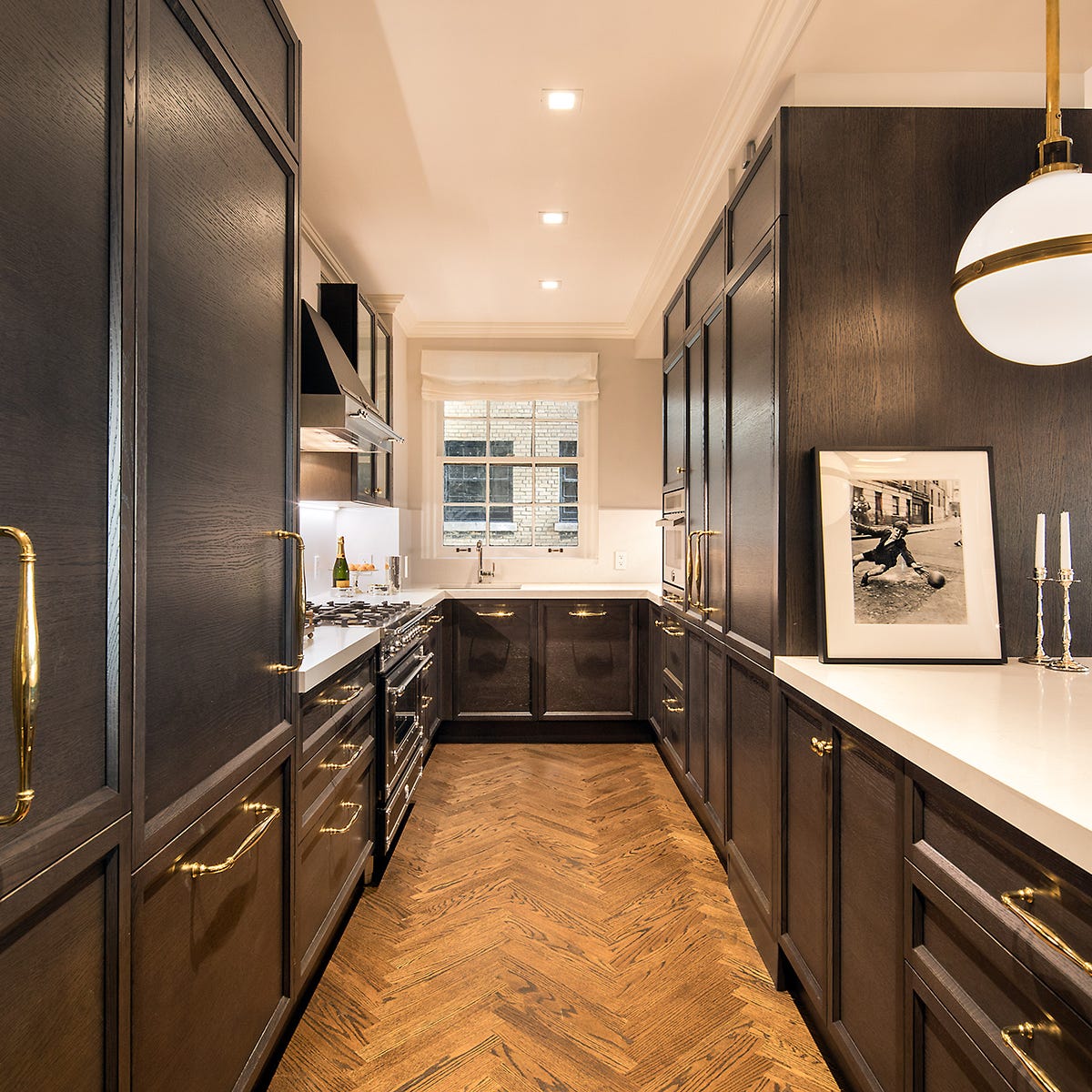
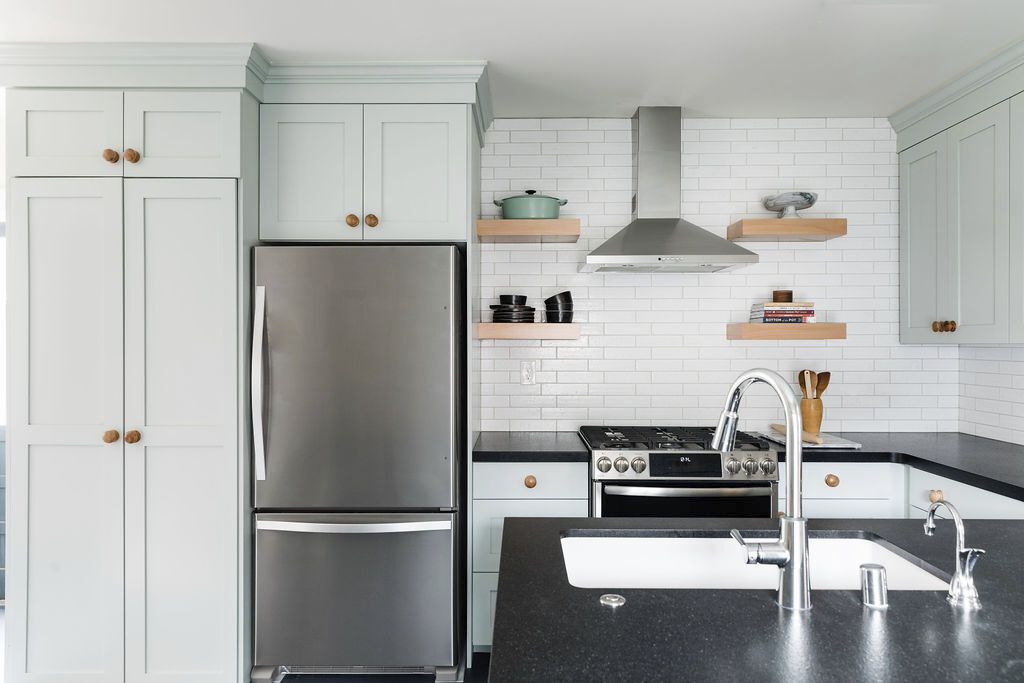
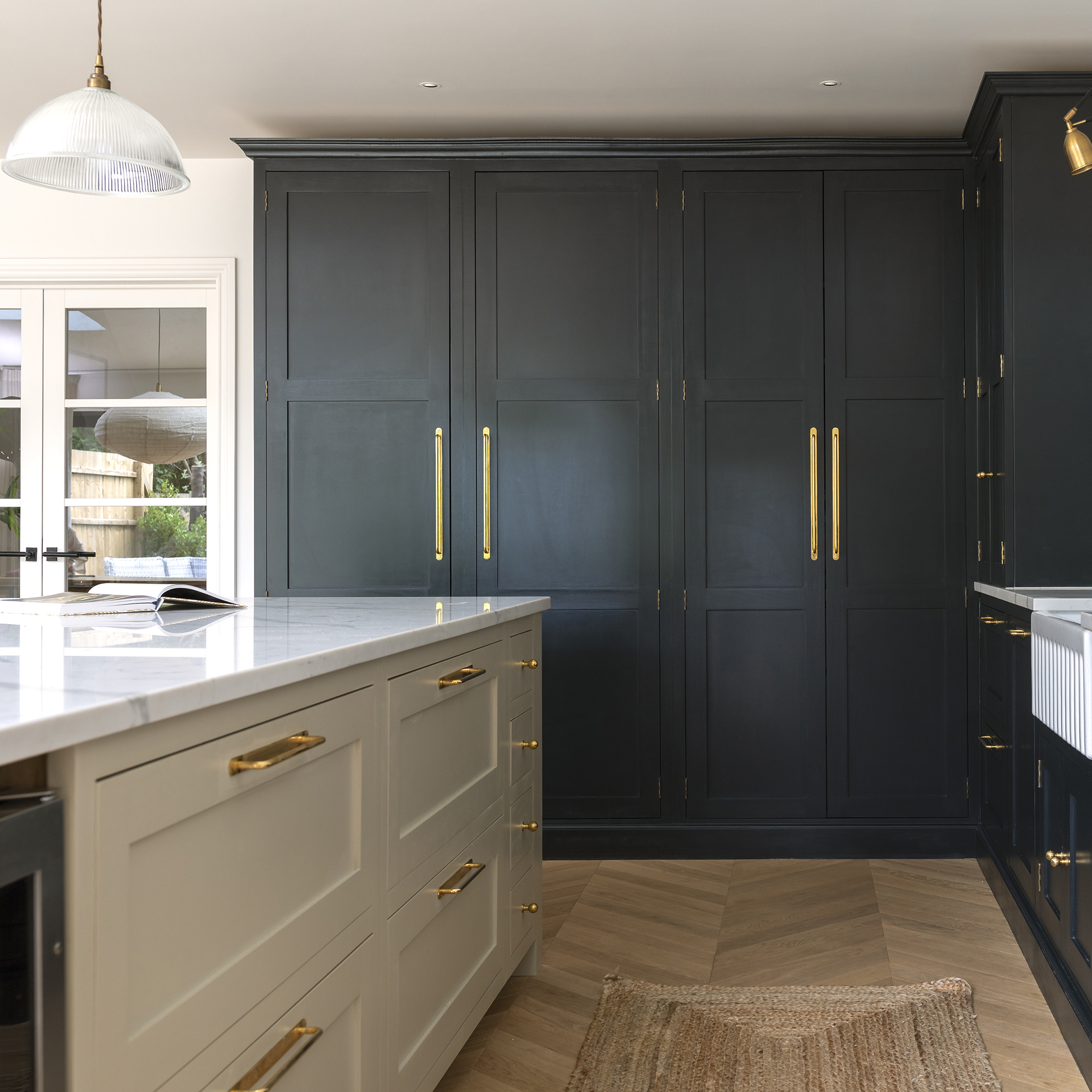
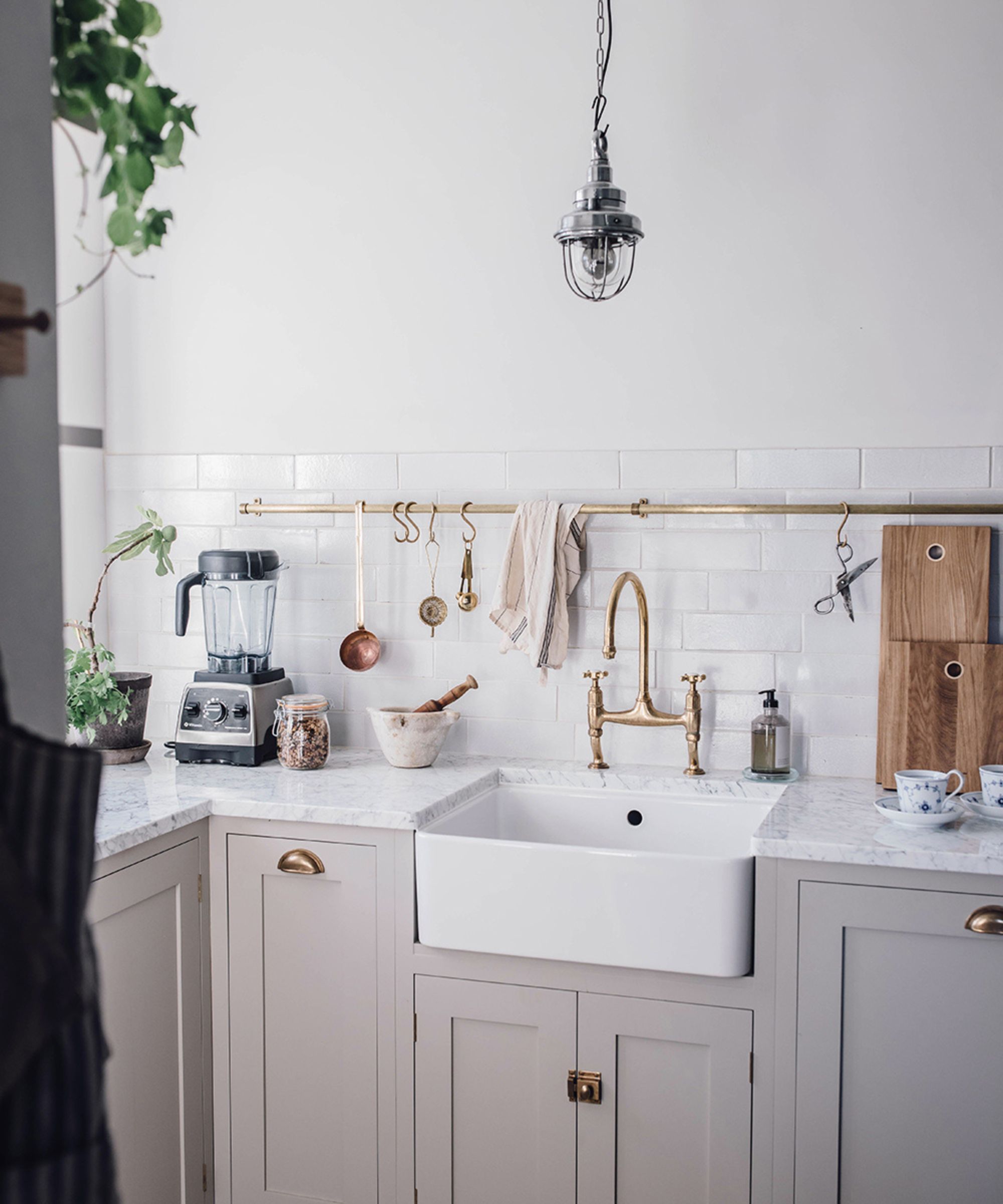
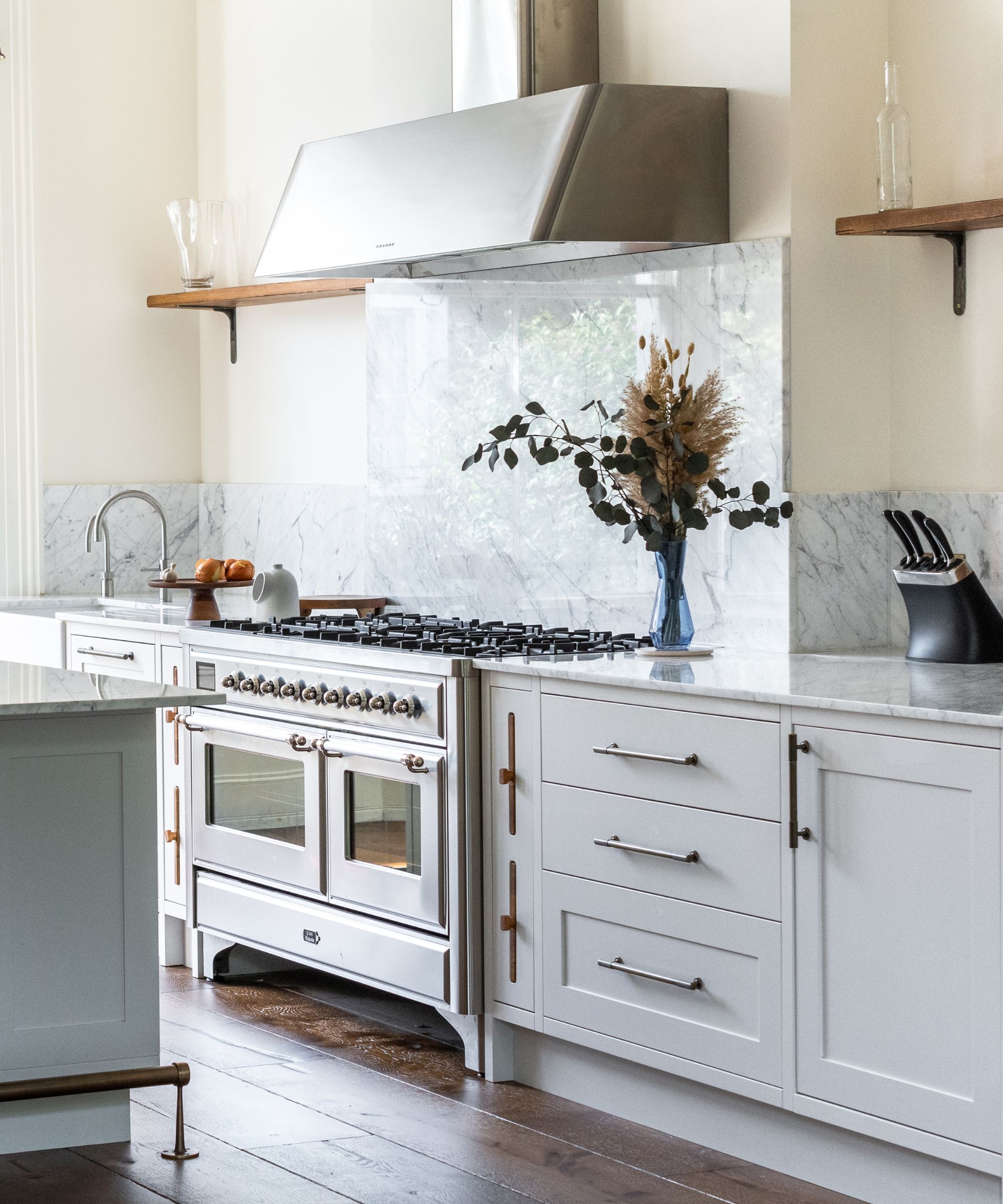
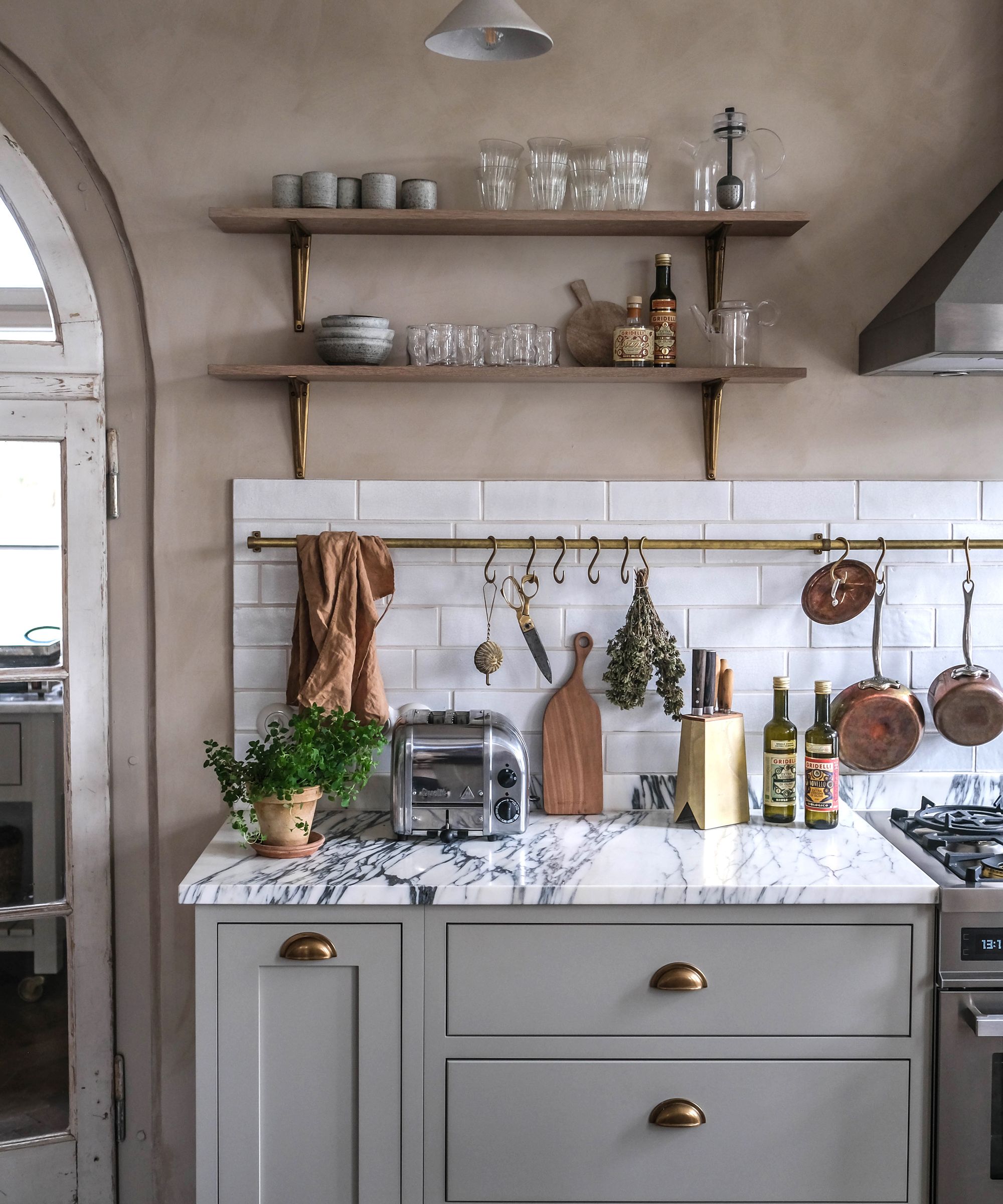
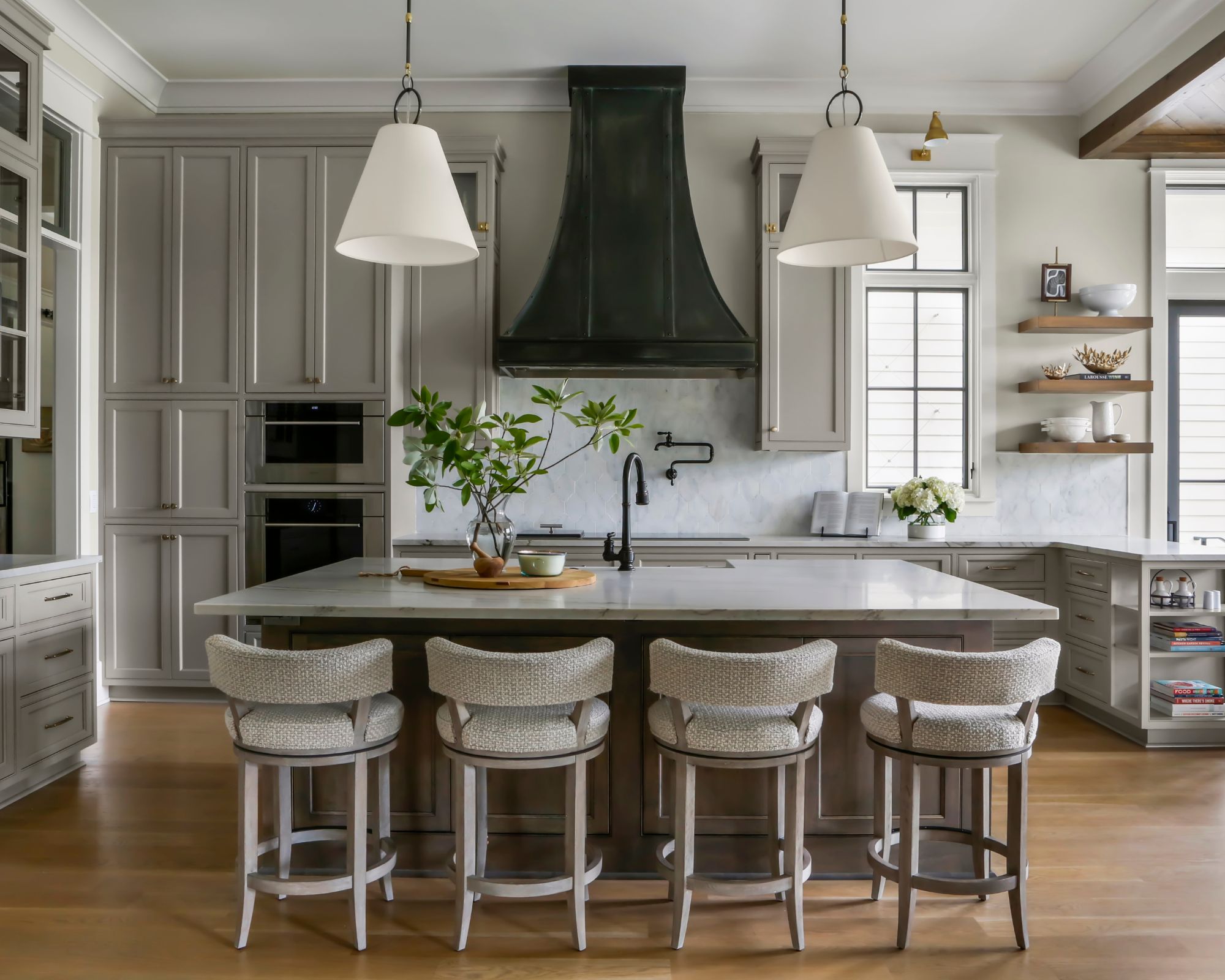
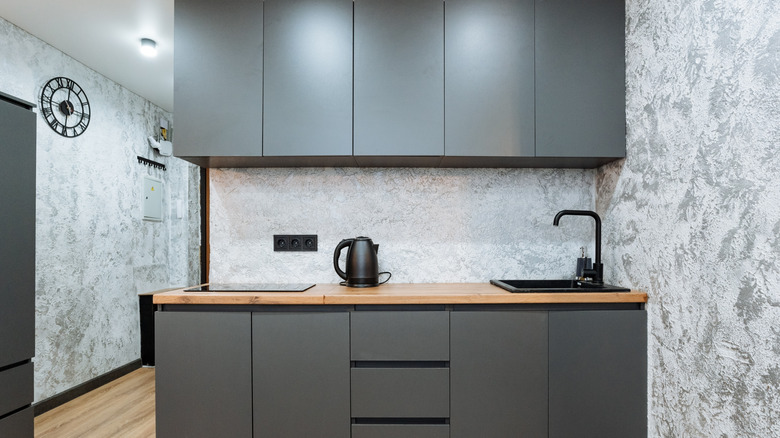
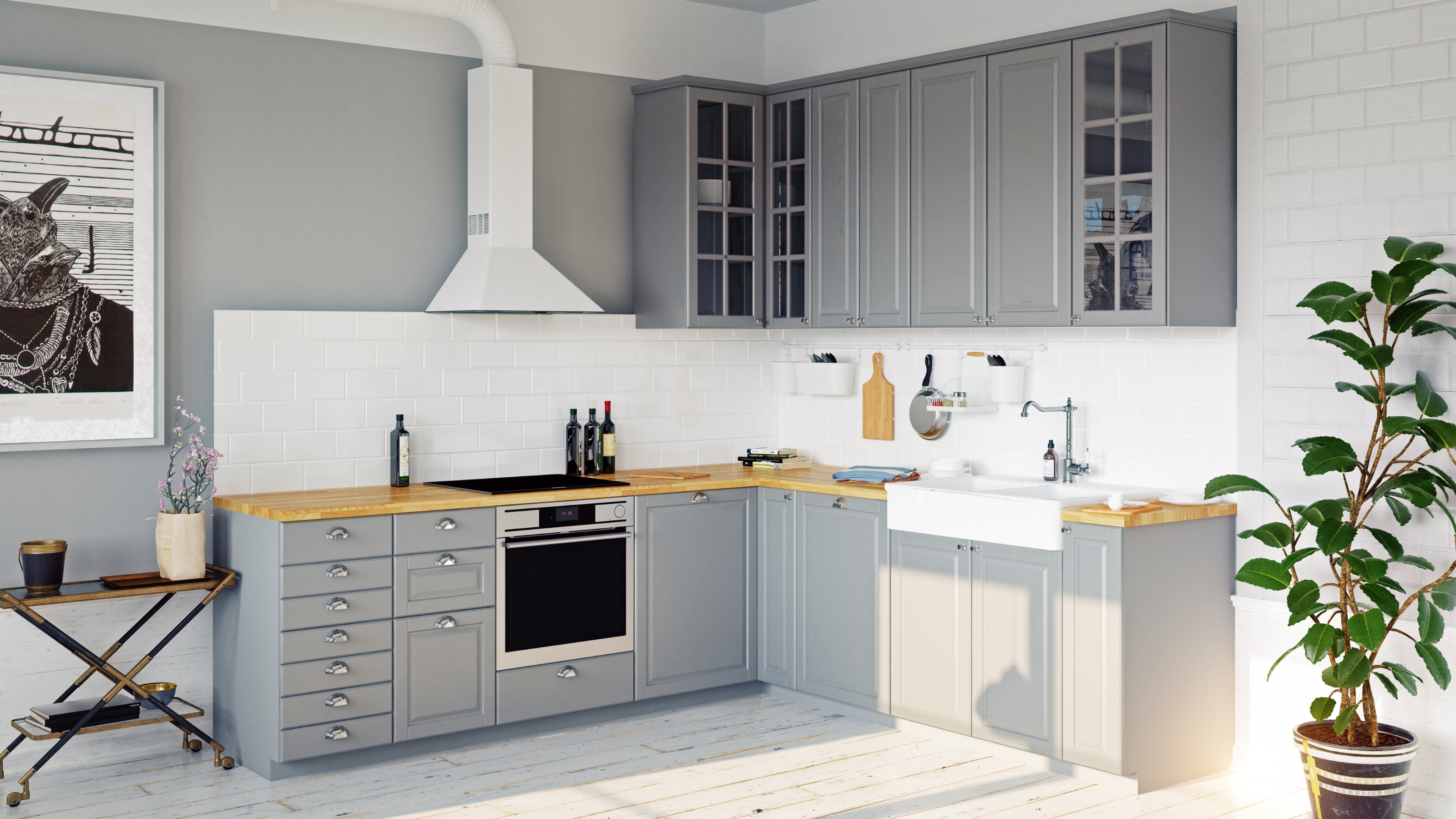
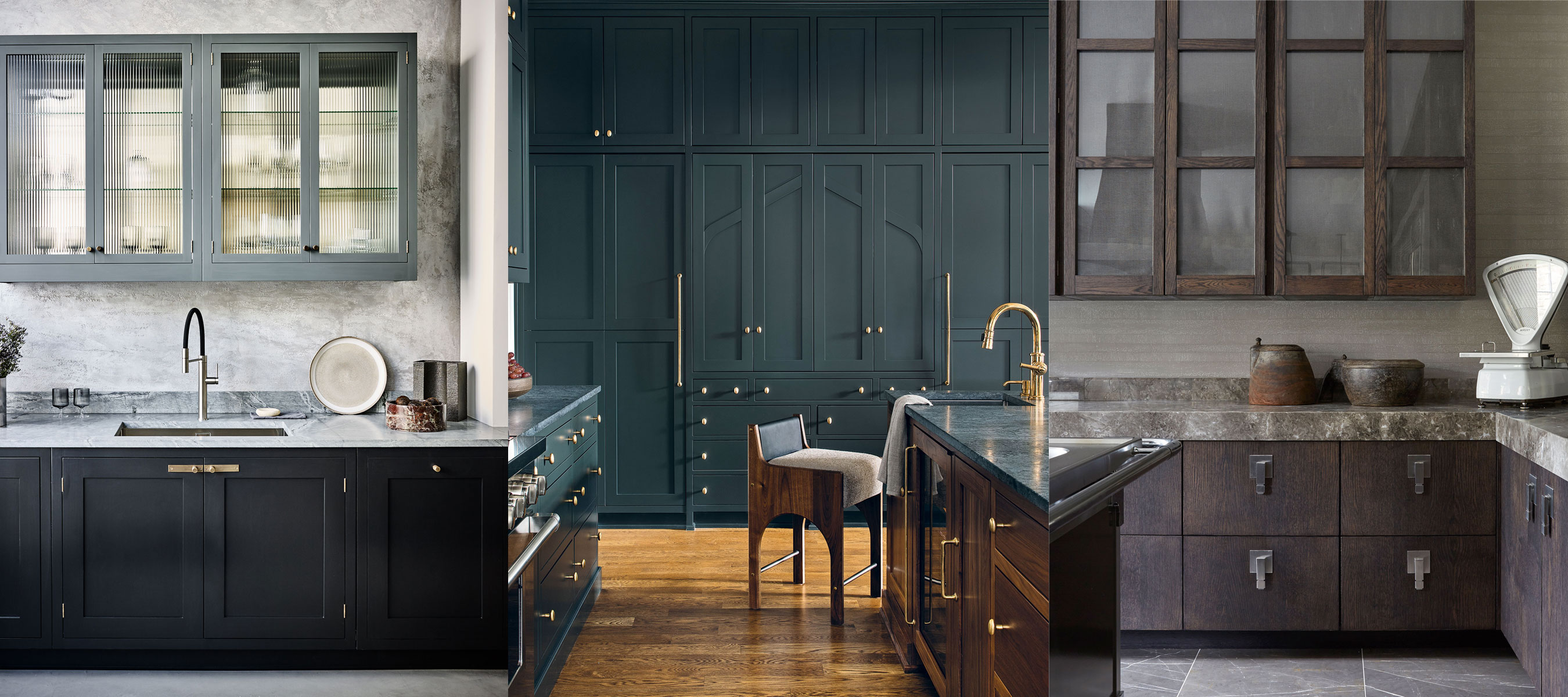
Dark gray kitchens offer a versatile, dramatic, and elegant cabinet color choice that balances modernity and sophistication. This color can make larger kitchens feel cozy and, counterintuitively, make smaller rooms appear deeper and taller. Its neutral tone serves as a perfect canvas, allowing other design elements to stand out, and its timeless quality ensures lasting style in both traditional and contemporary settings. When paired with appropriate lighting, dark gray creates a welcoming atmosphere.
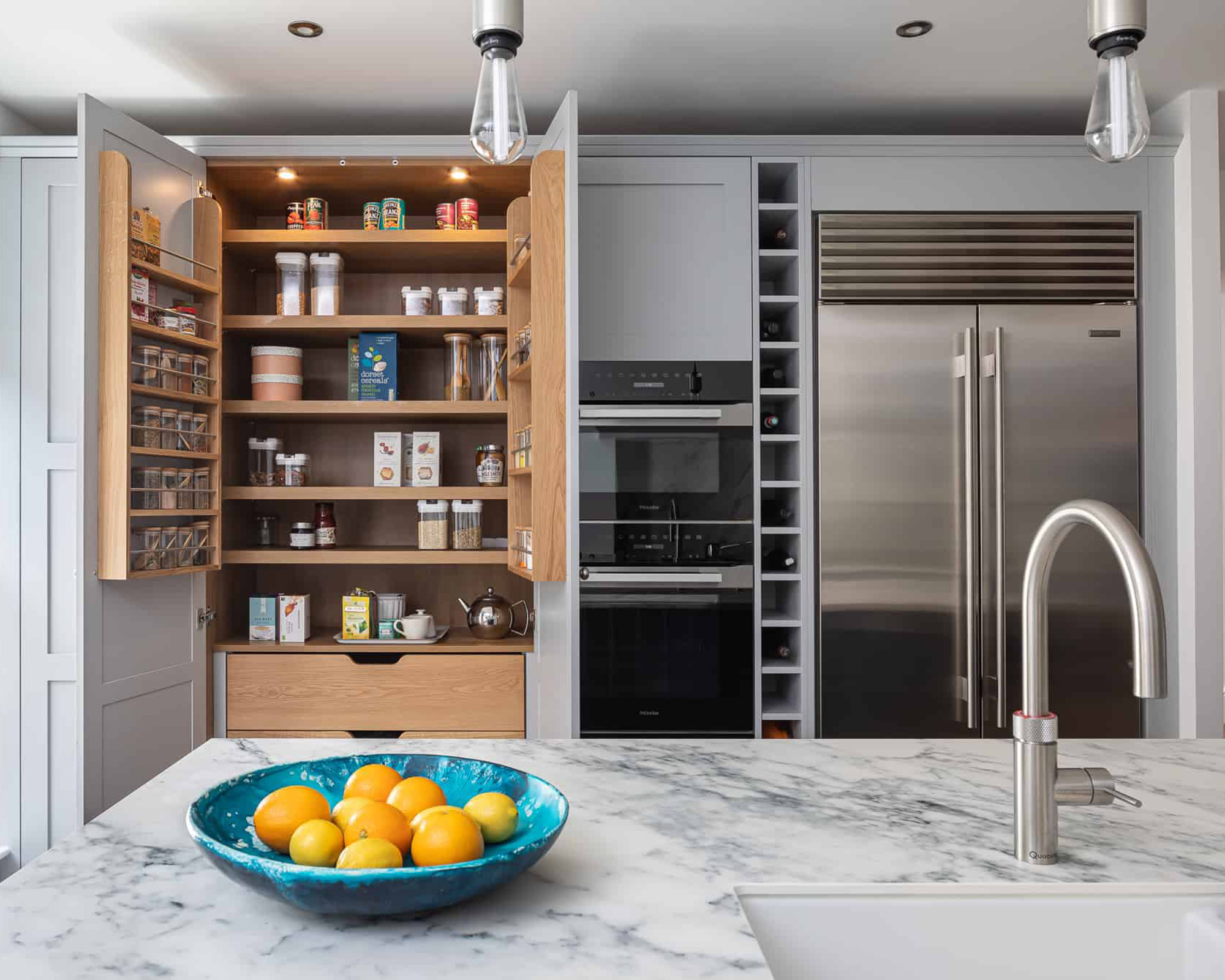
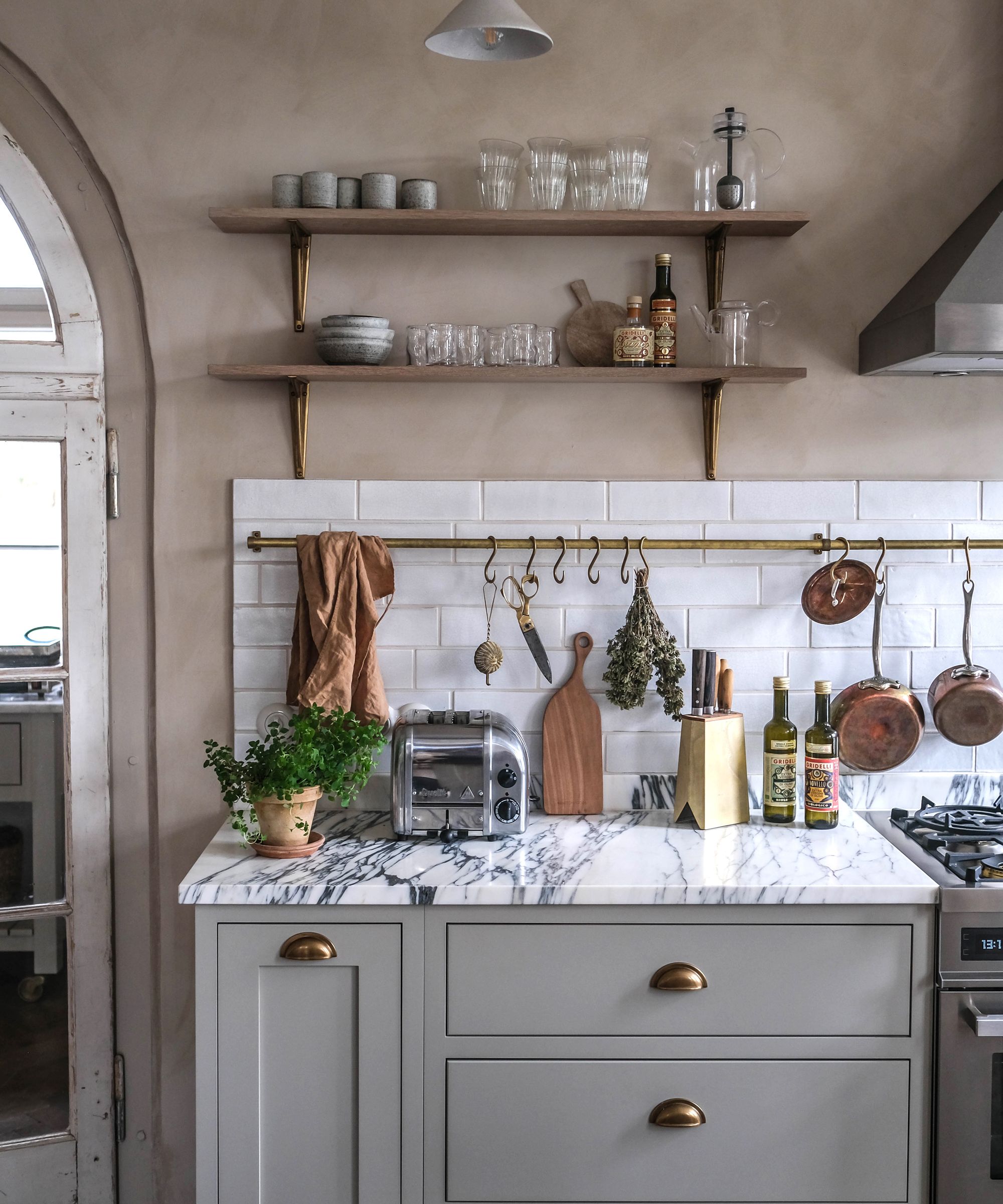
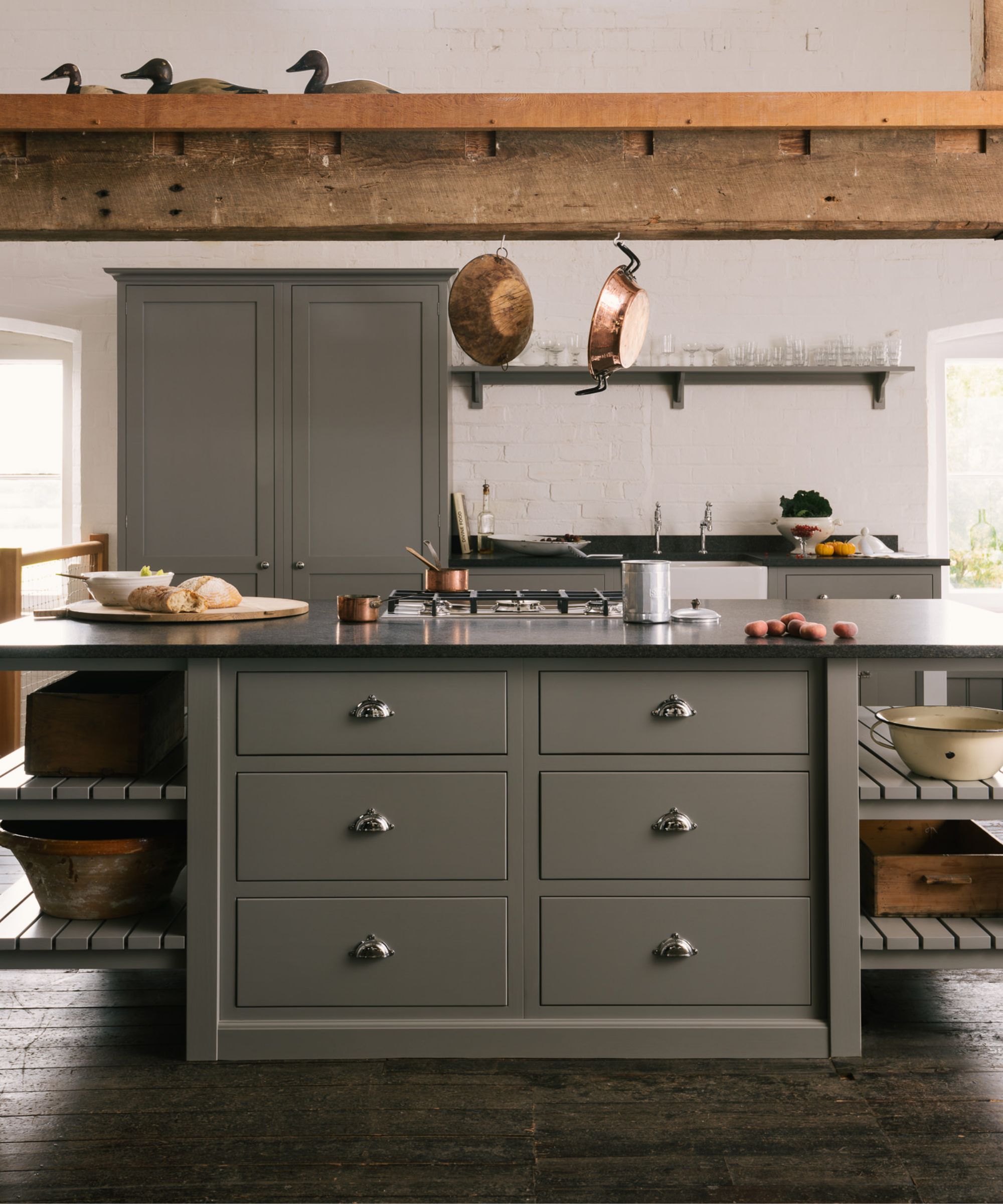
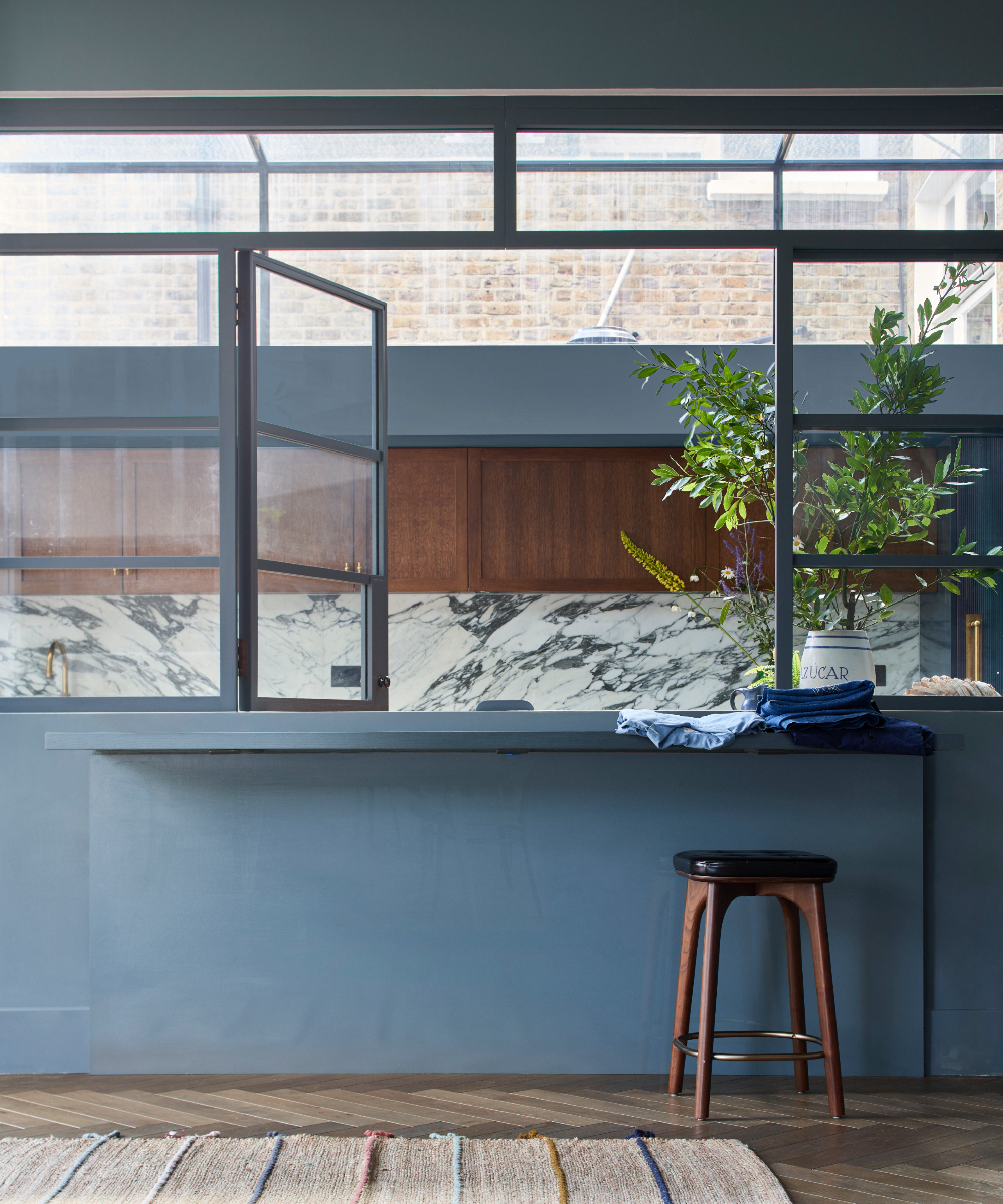
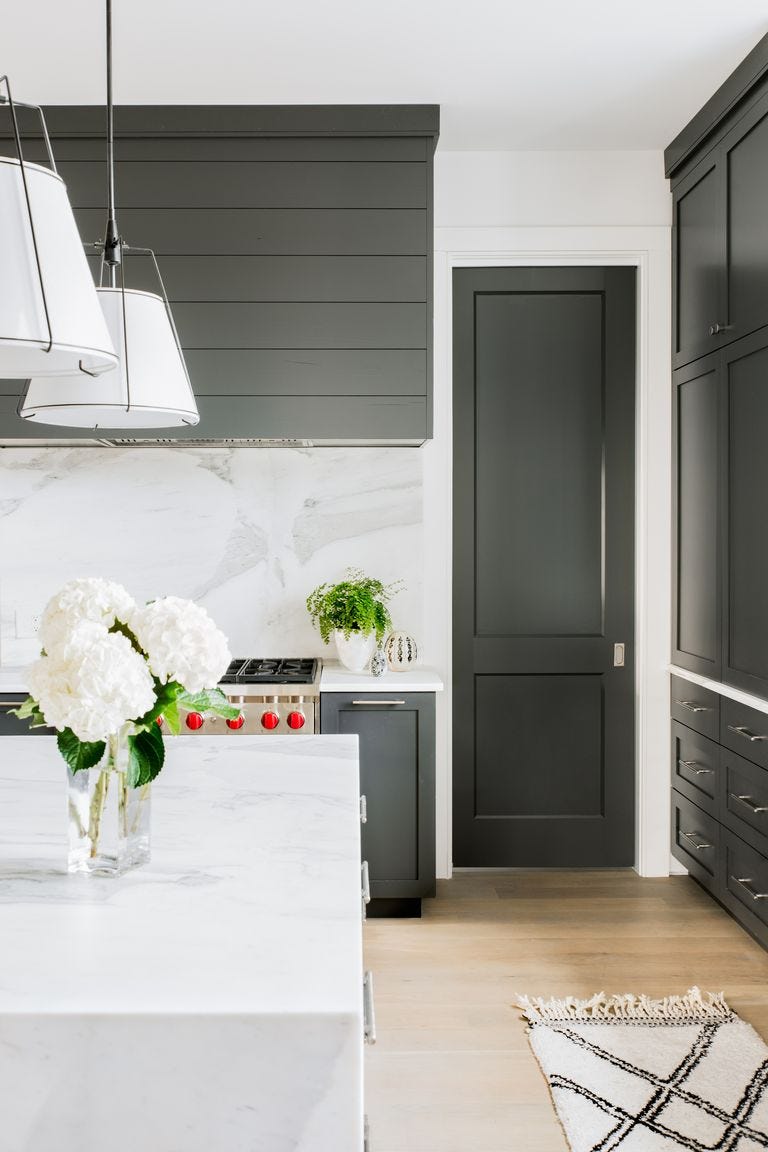
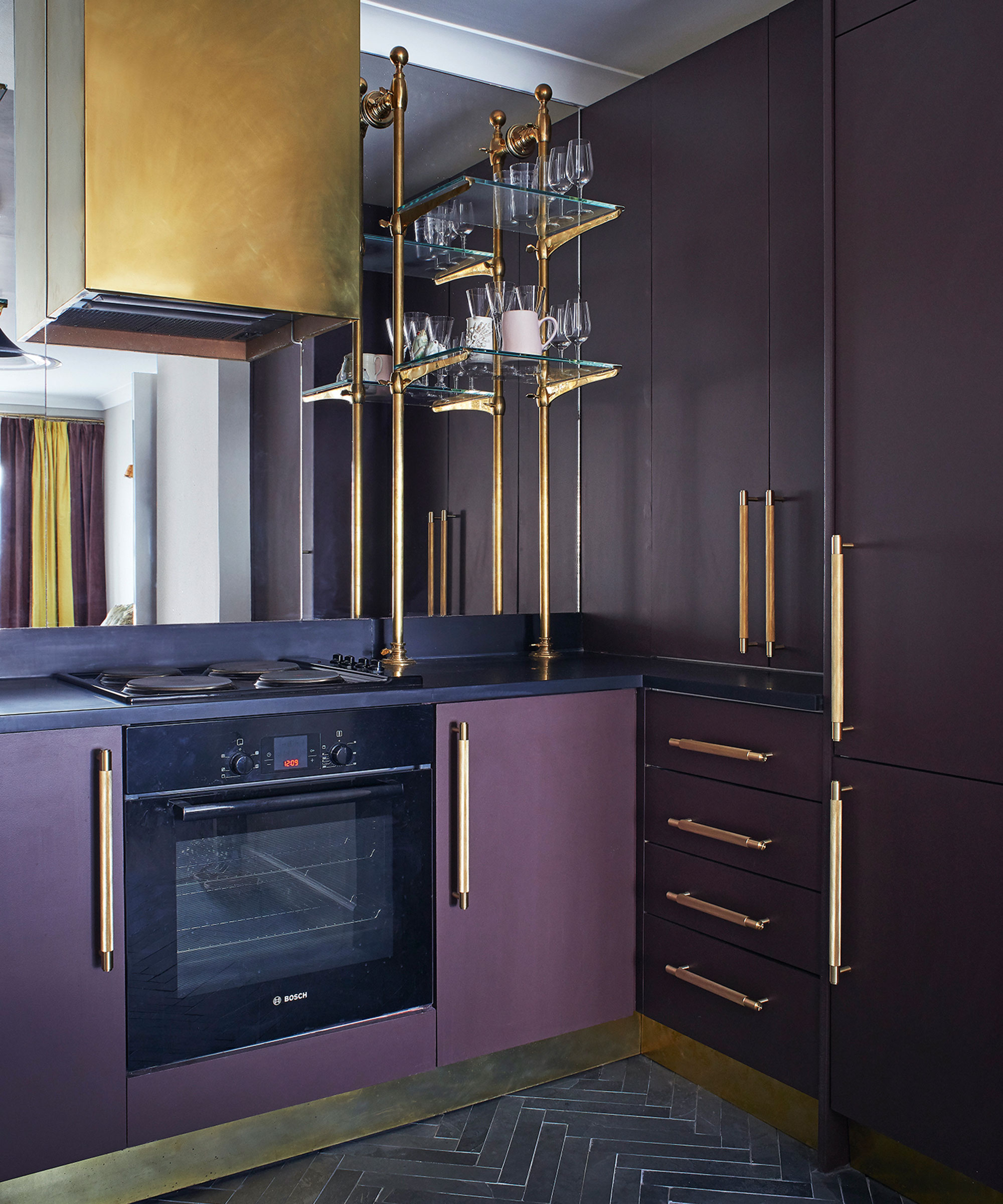
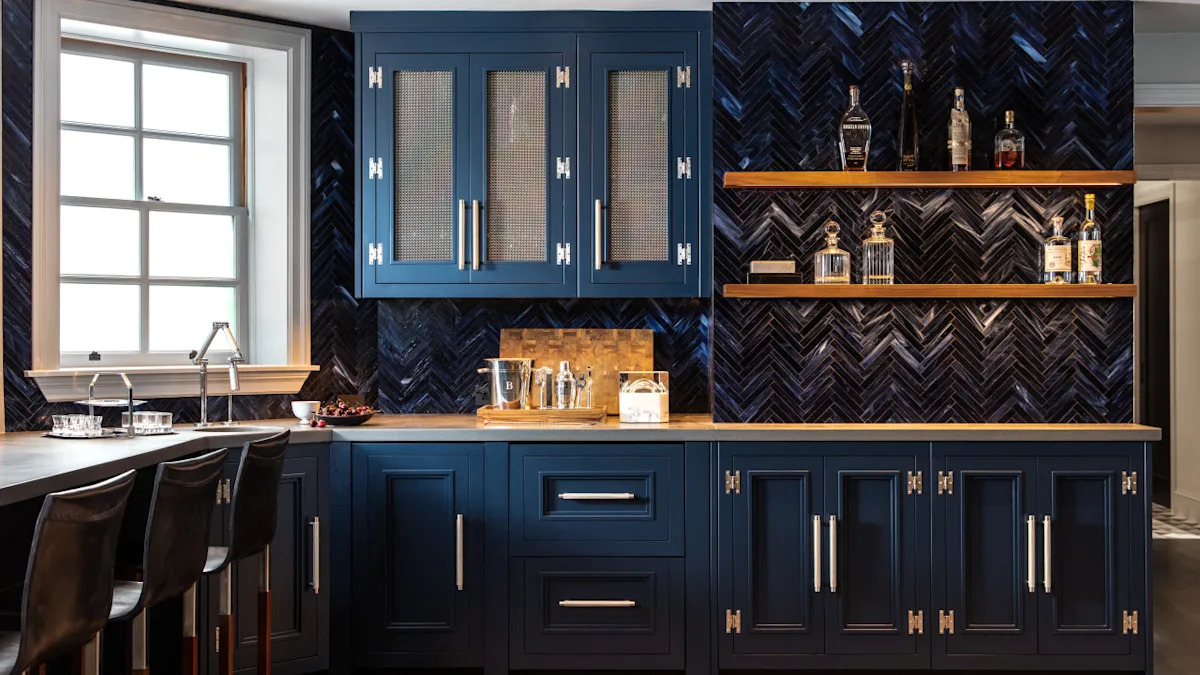
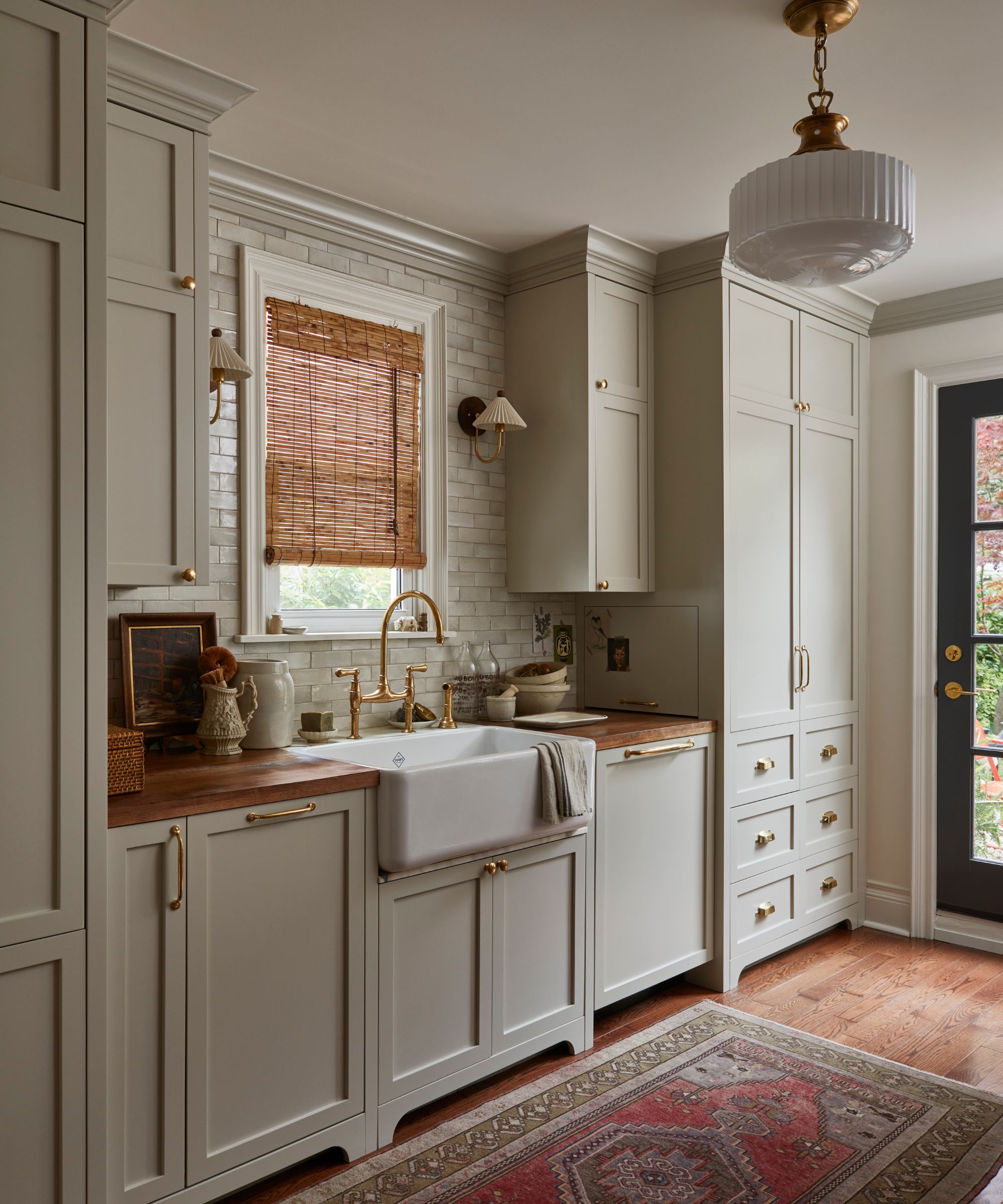
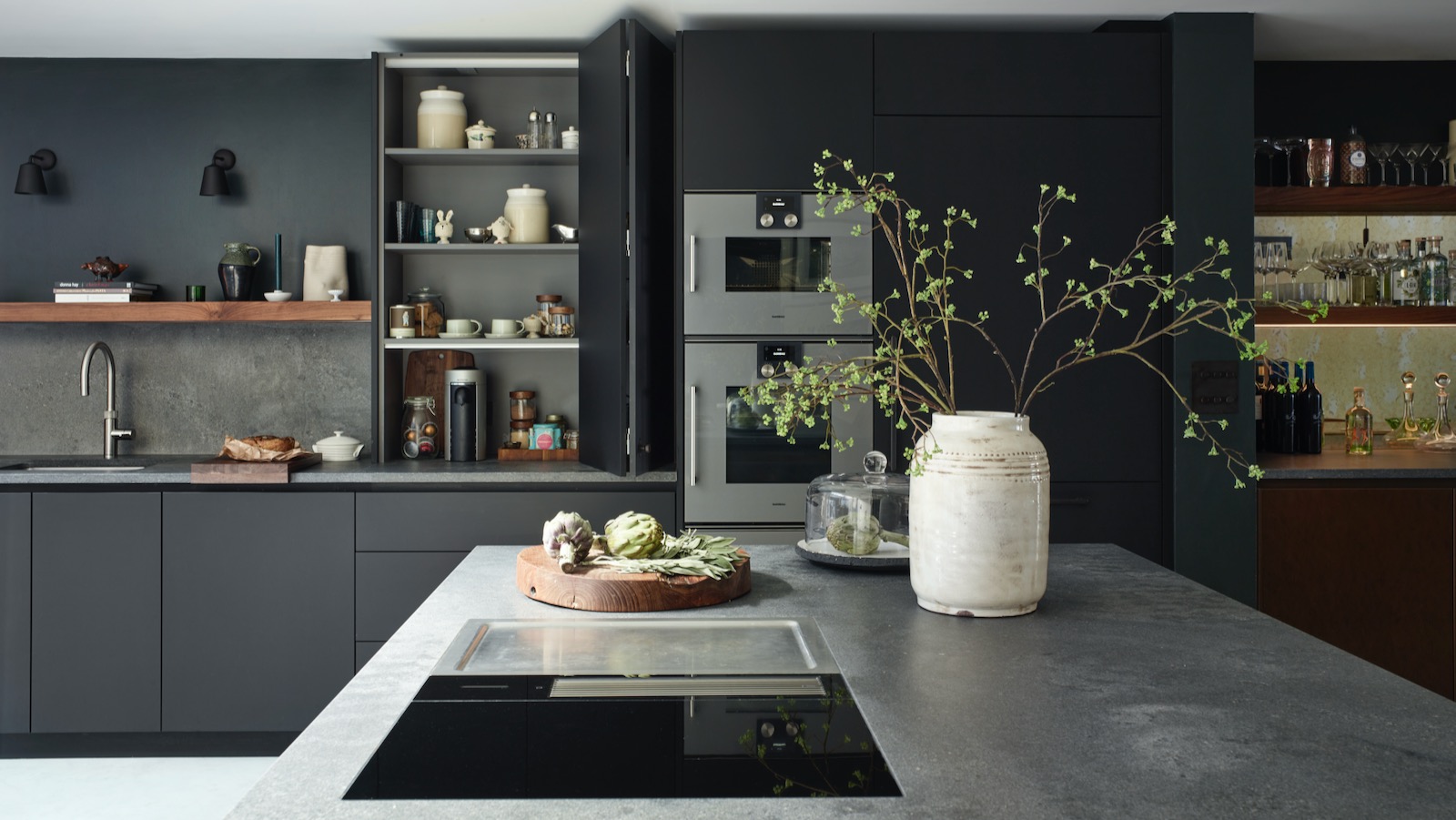
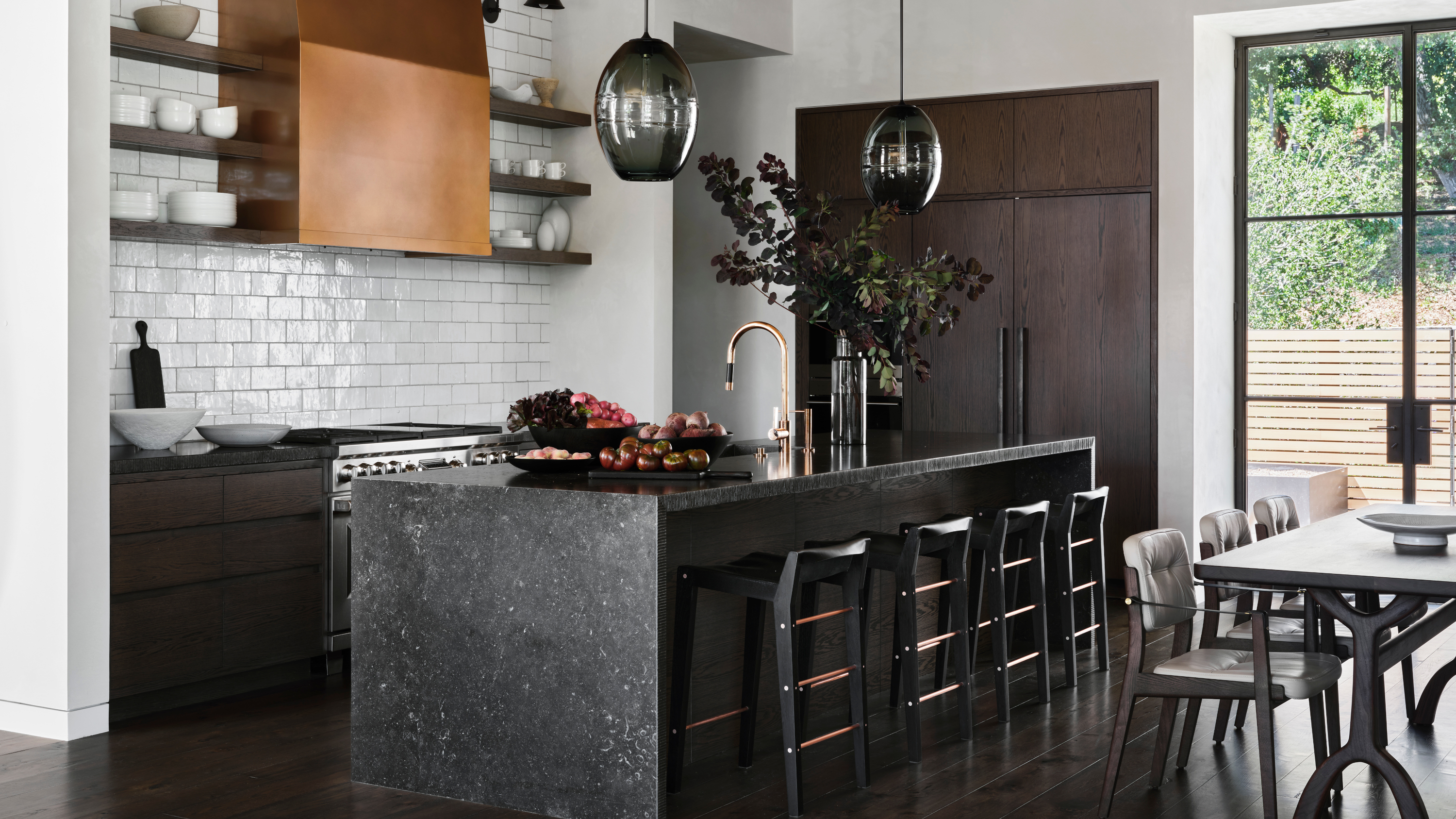
Dark gray pairs well with a wide range of colors and materials, including rich walnut, pale Scandi oak, deep burnt oranges, fresh greens, and pastel pinks. Hardware in black, bronze, copper, and brass can further enhance dark gray cabinets. However, specific strategies can maximize its aesthetic appeal. To counteract the potentially somber feel of dark gray, especially in smaller kitchens, mirrored backsplashes can be incorporated to reflect light and create an airy feel. For example, combining dark gray cabinetry with an antiqued-glass backsplash and golden-toned strip lighting can exude elegance. Simon Temprell of Neptune suggests pairing charcoal gray cabinetry with crisp white granite for a cleaner, streamlined look.
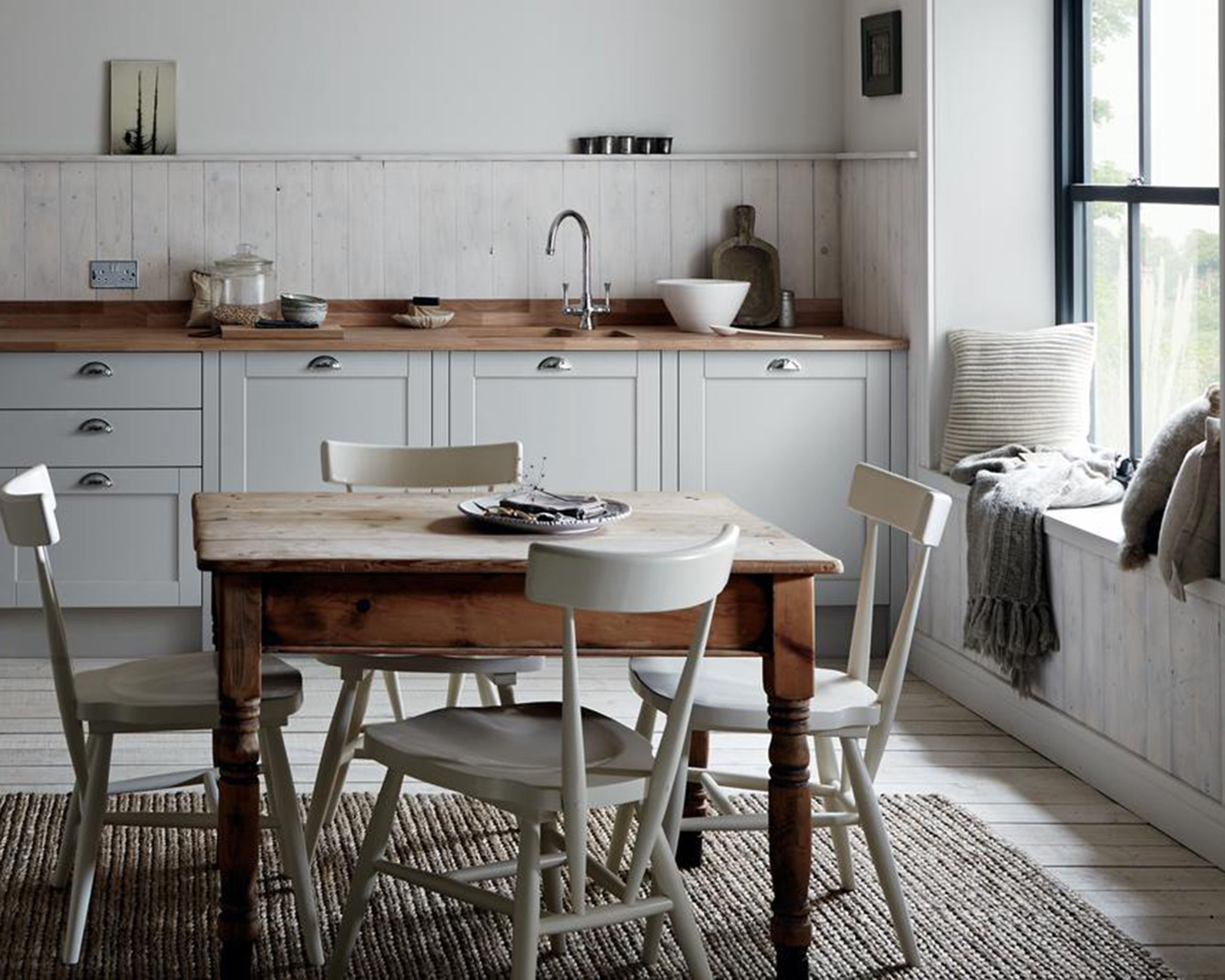
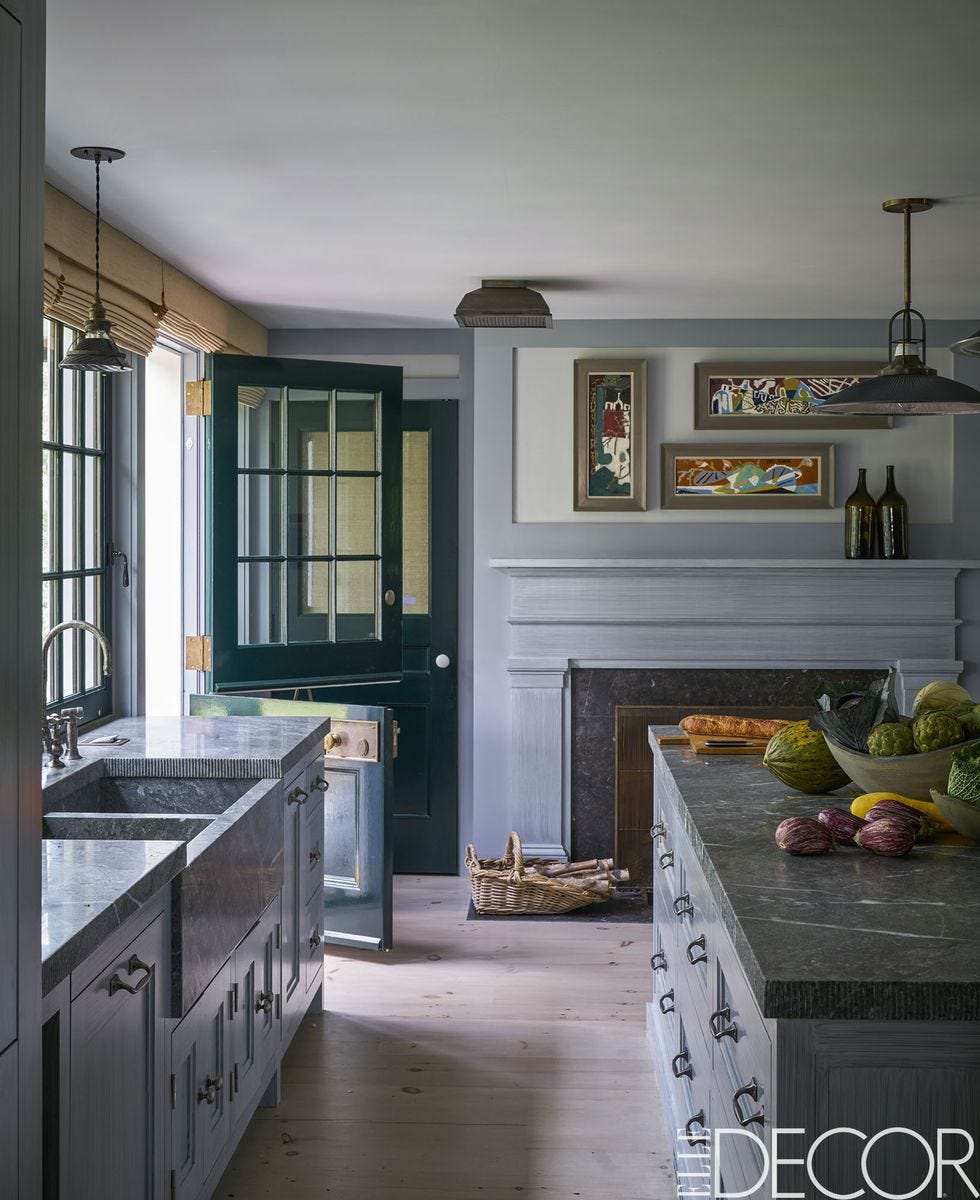
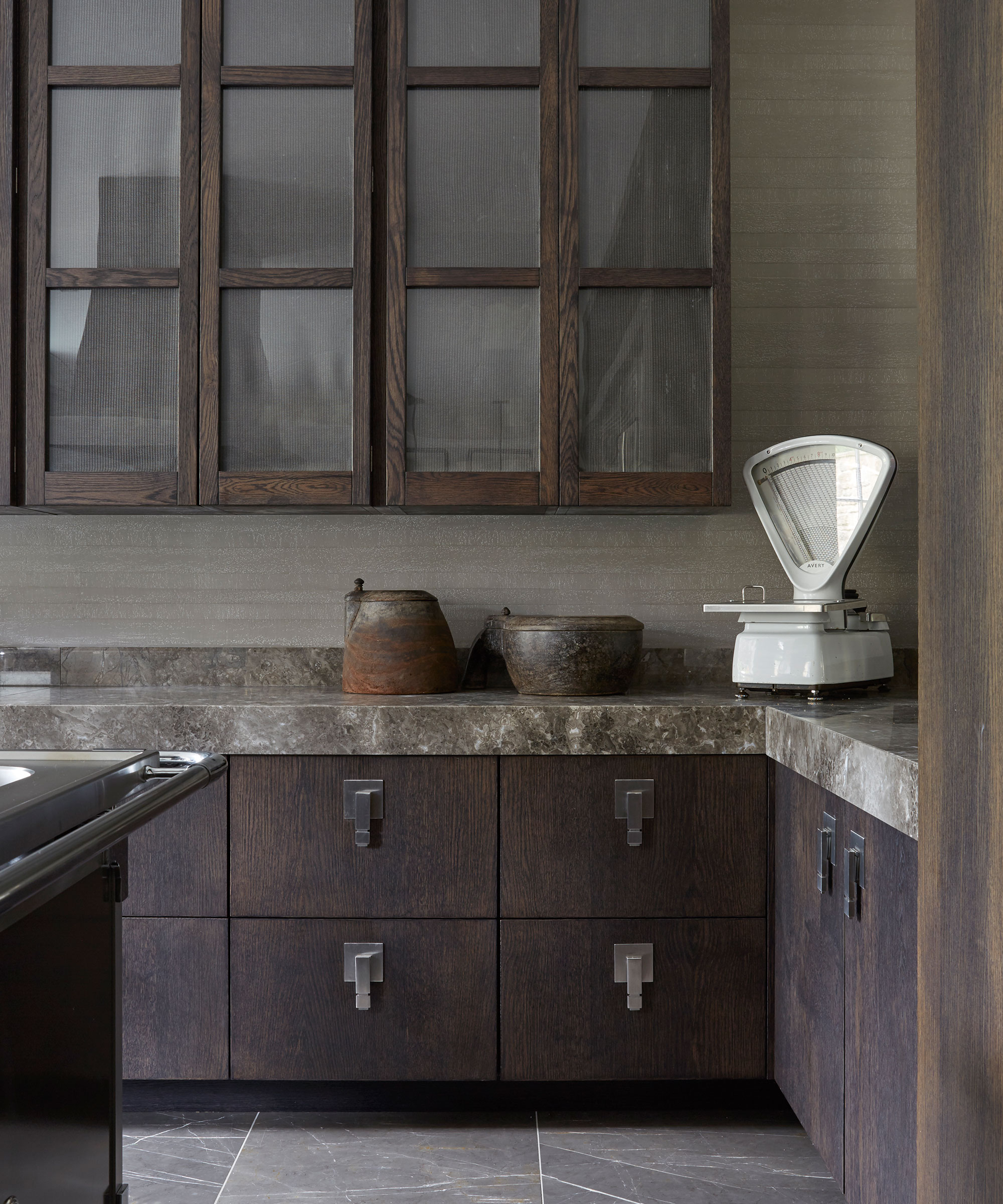
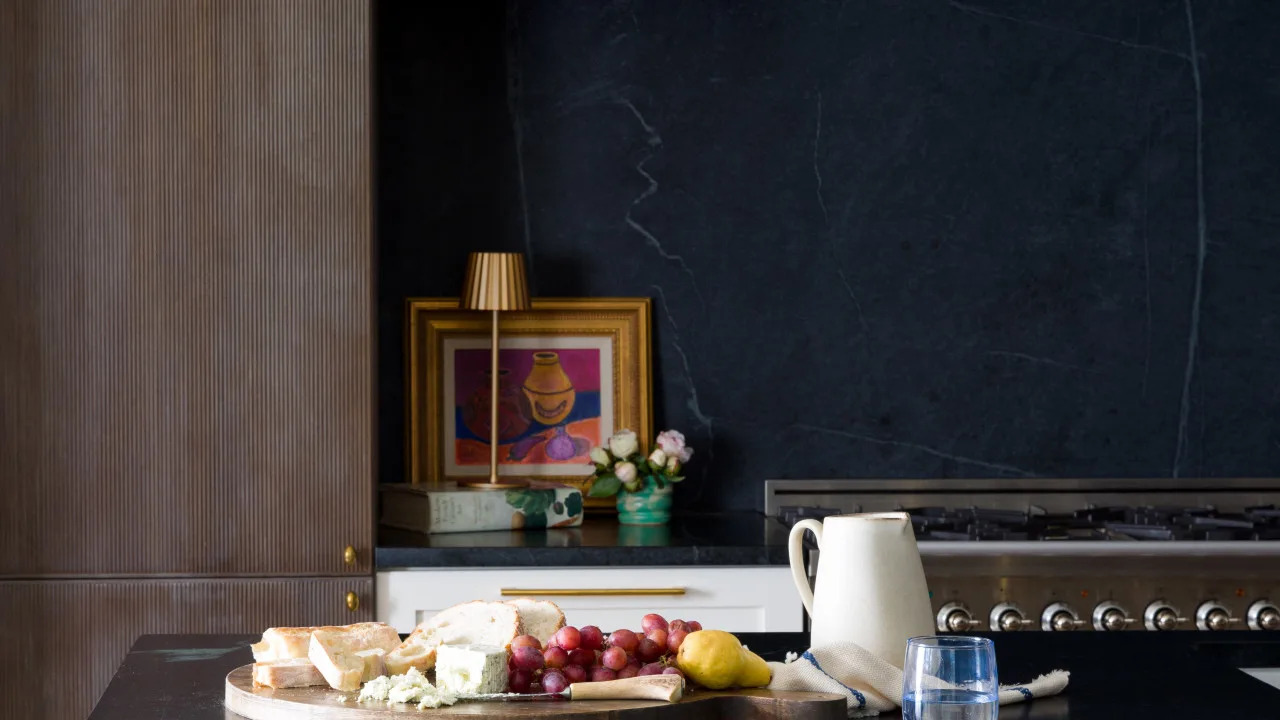
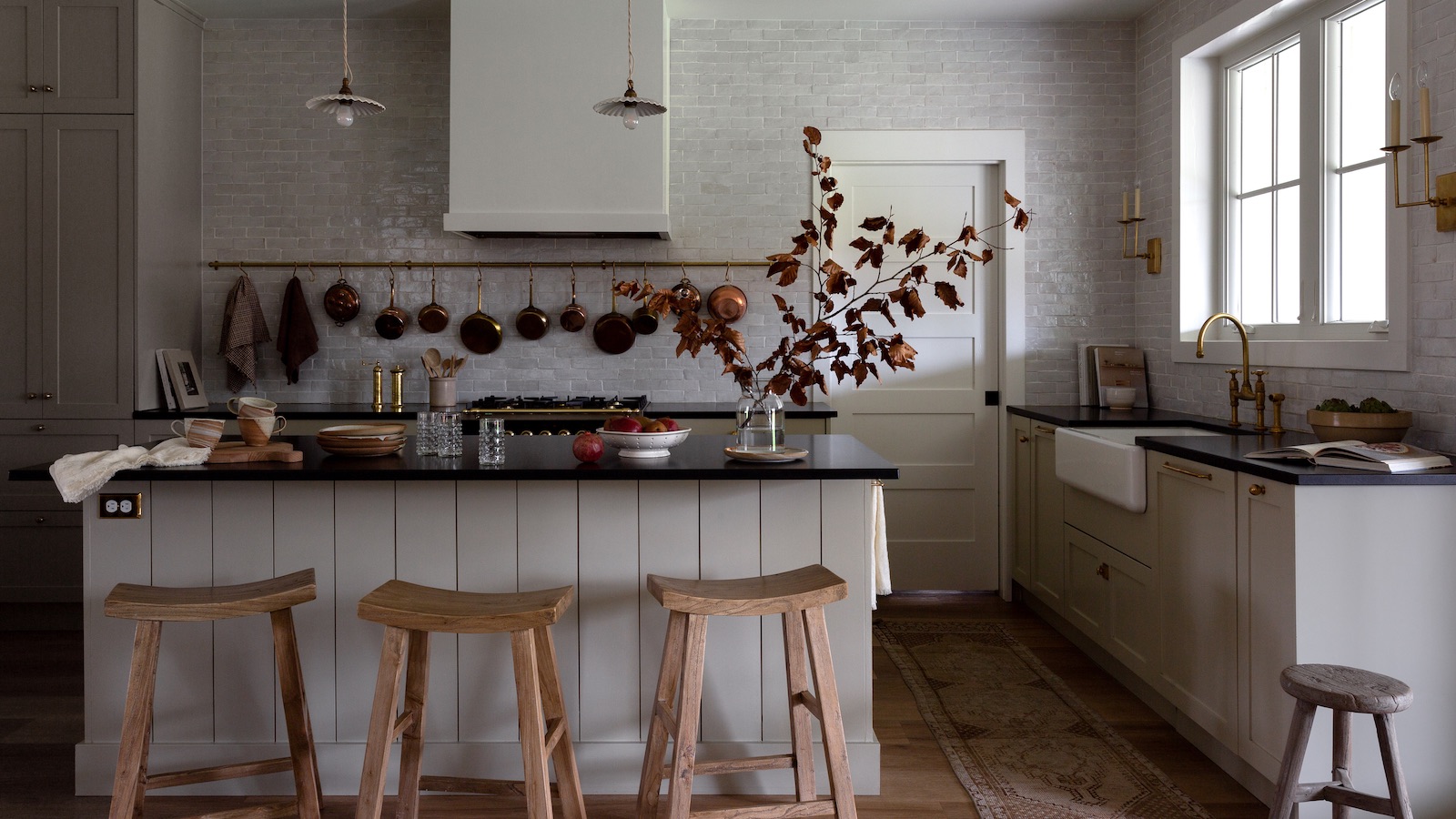
Adding texture is another way to enrich a dark gray kitchen. Grooved cabinets, such as those with vertical lines, introduce dynamic detail, offering a fresh finish to contemporary designs while subtly referencing rustic elements. To soften cooler gray tones, incorporating brown elements like warm timbers and specific tile treatments can create a warm and inviting space. Designers have successfully used warm grays with walnut accents, peachy-toned zellige backsplashes, and warm quartz countertops to achieve this effect, appealing to a broad audience.
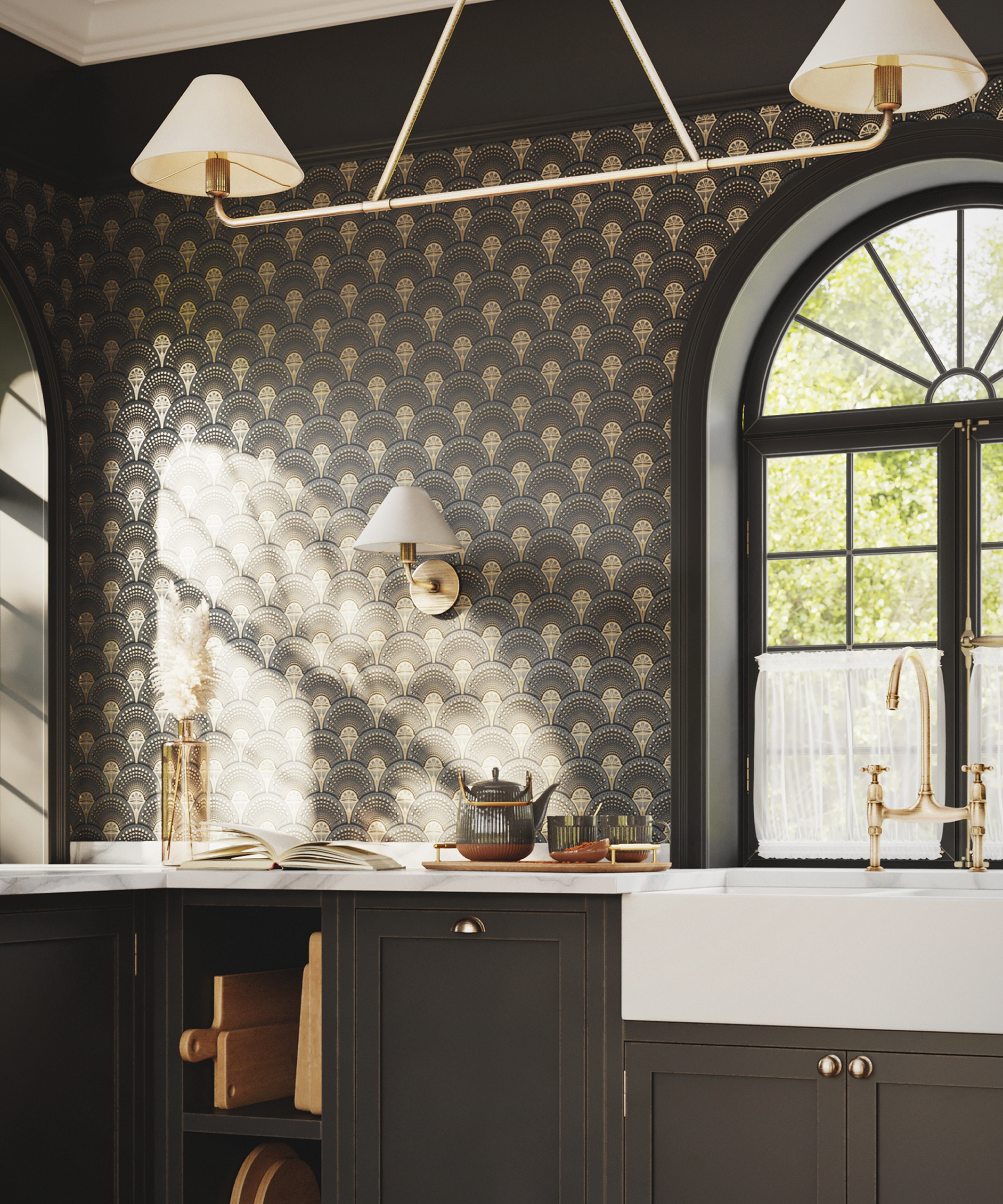
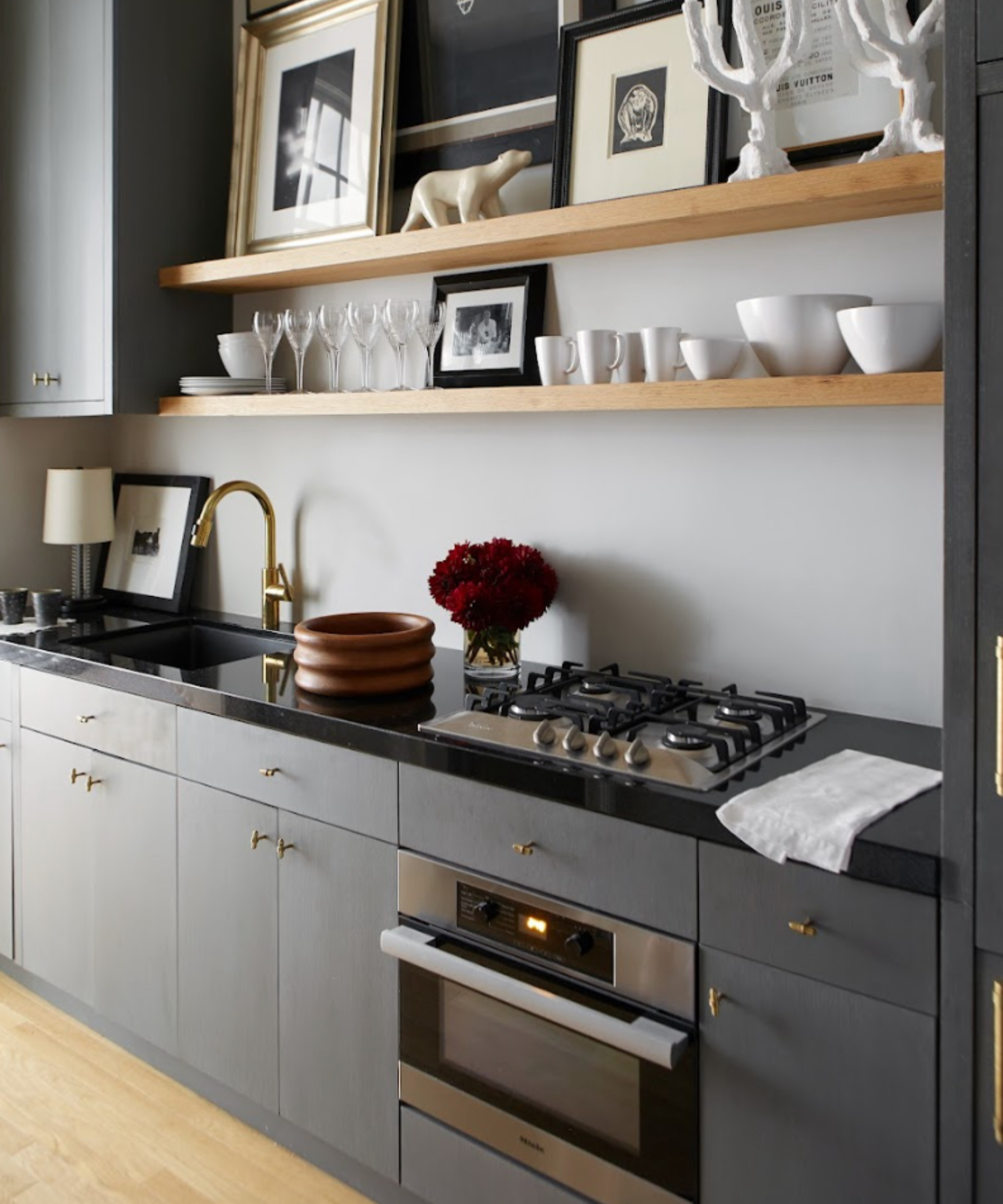
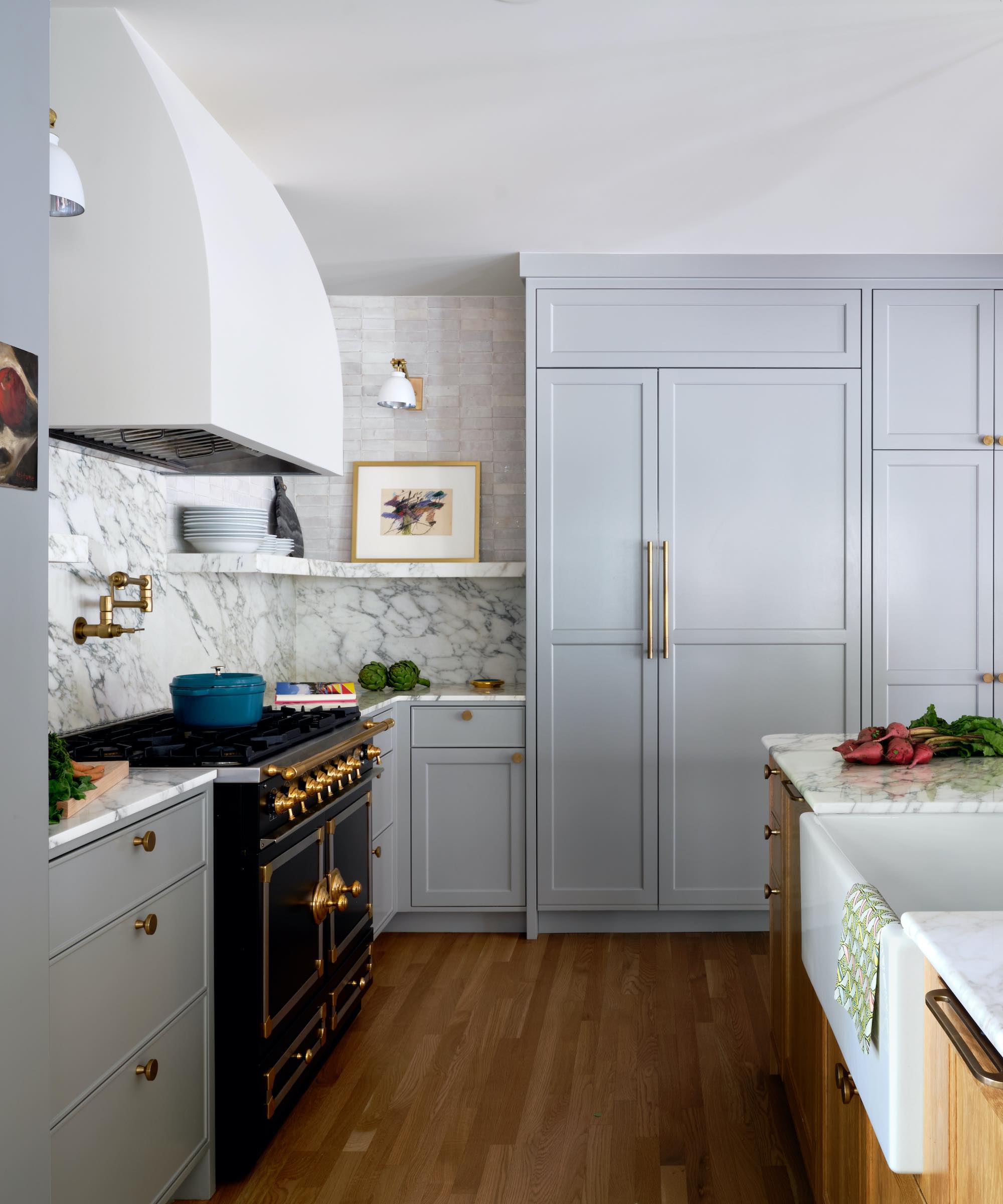
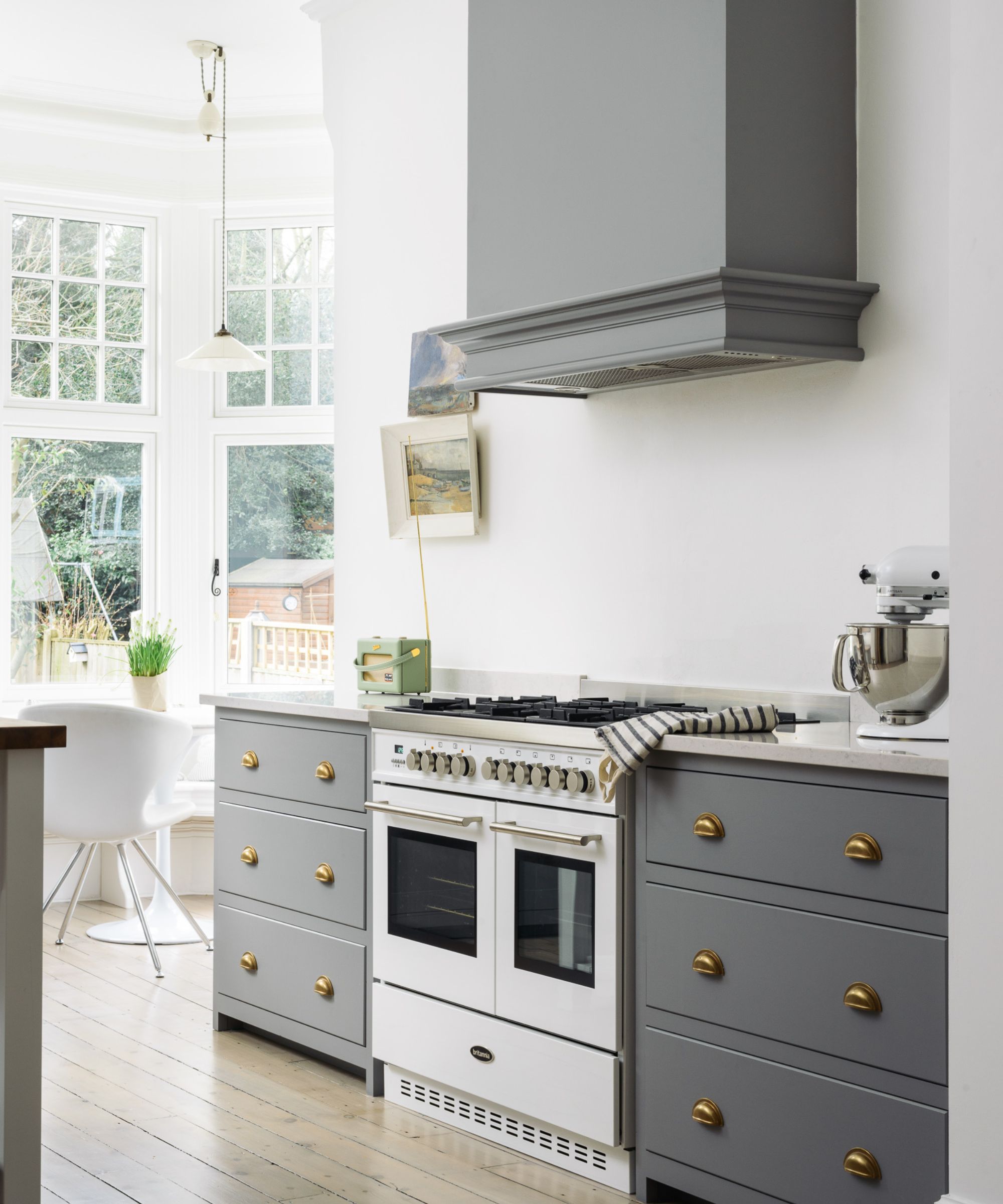
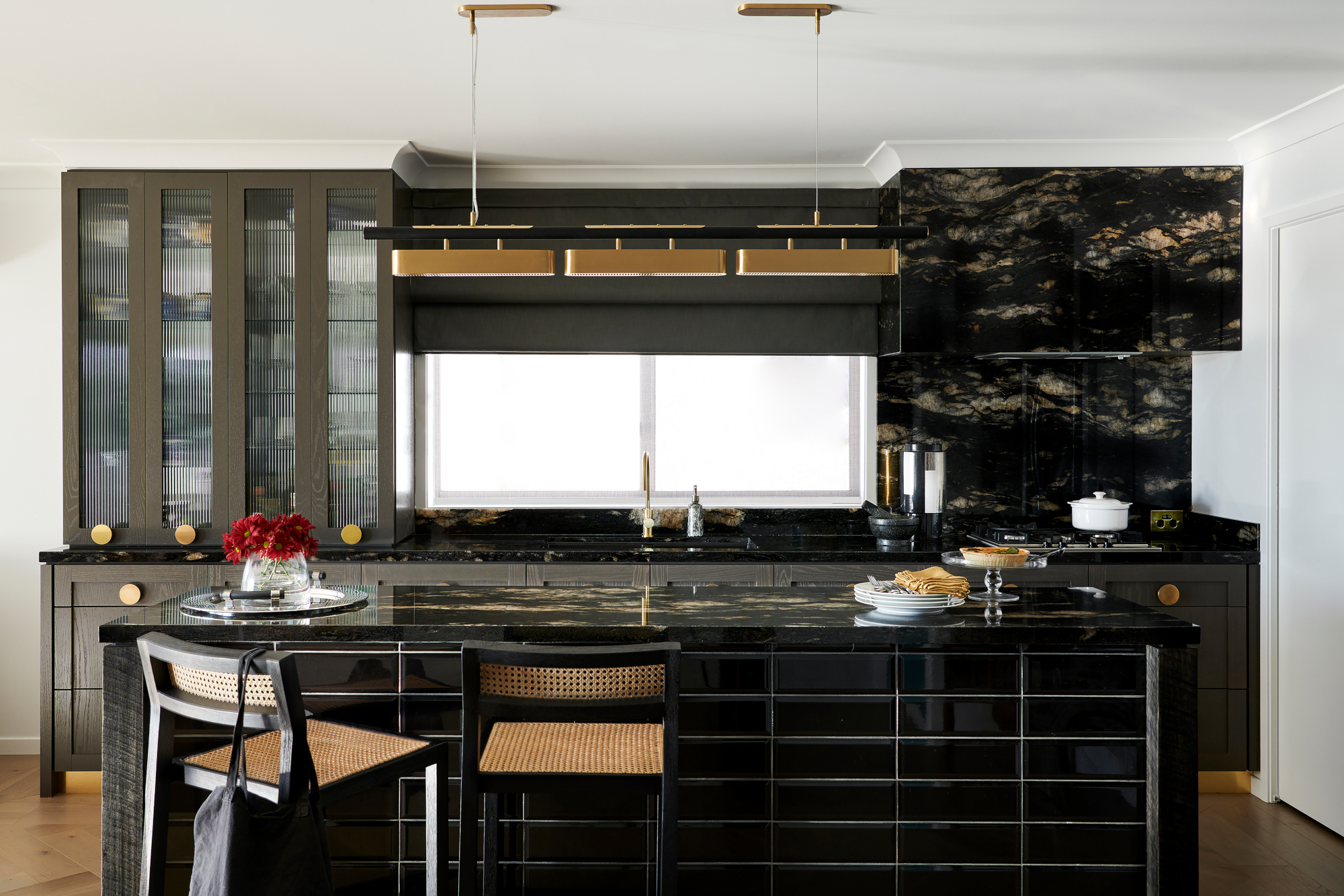
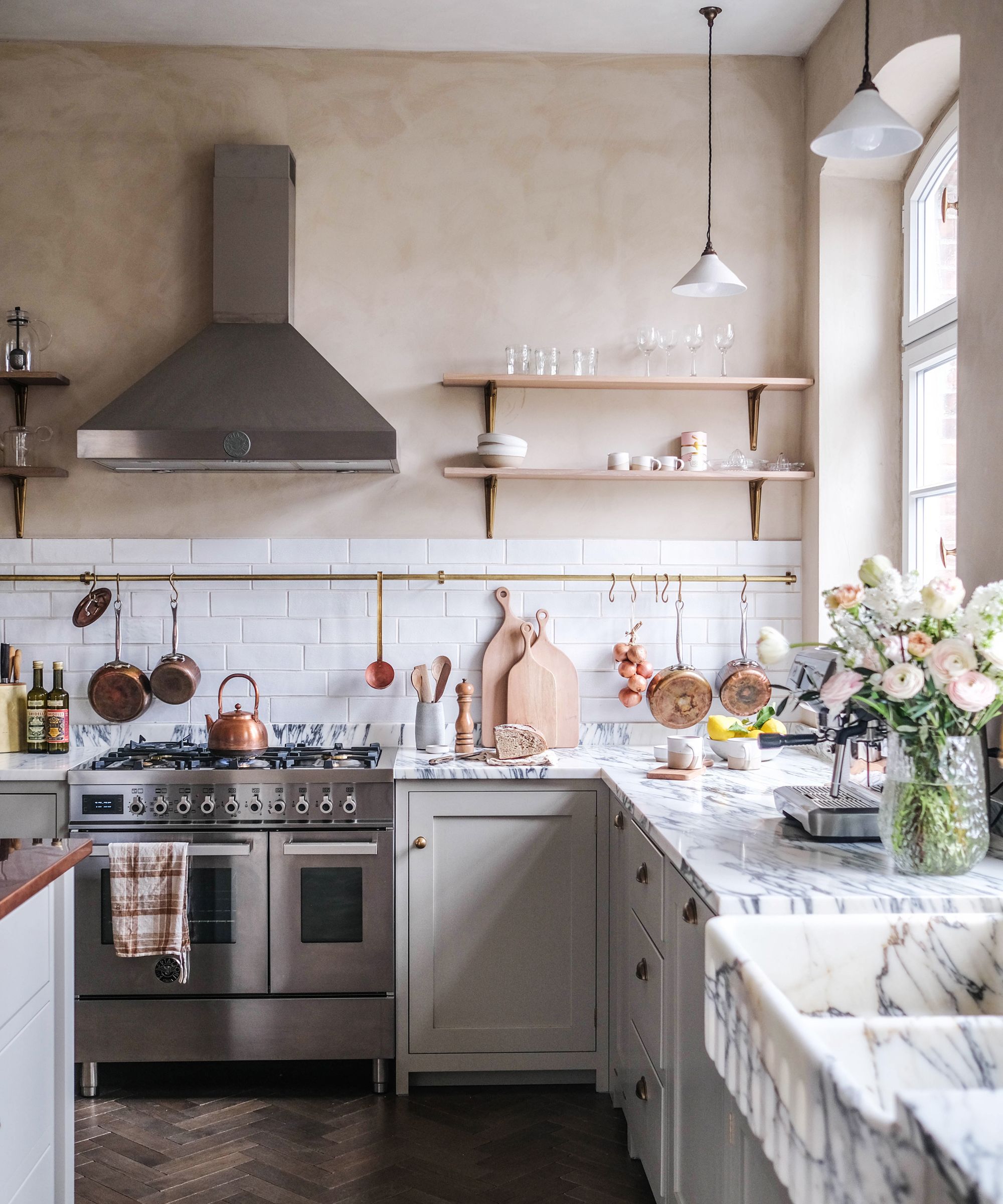
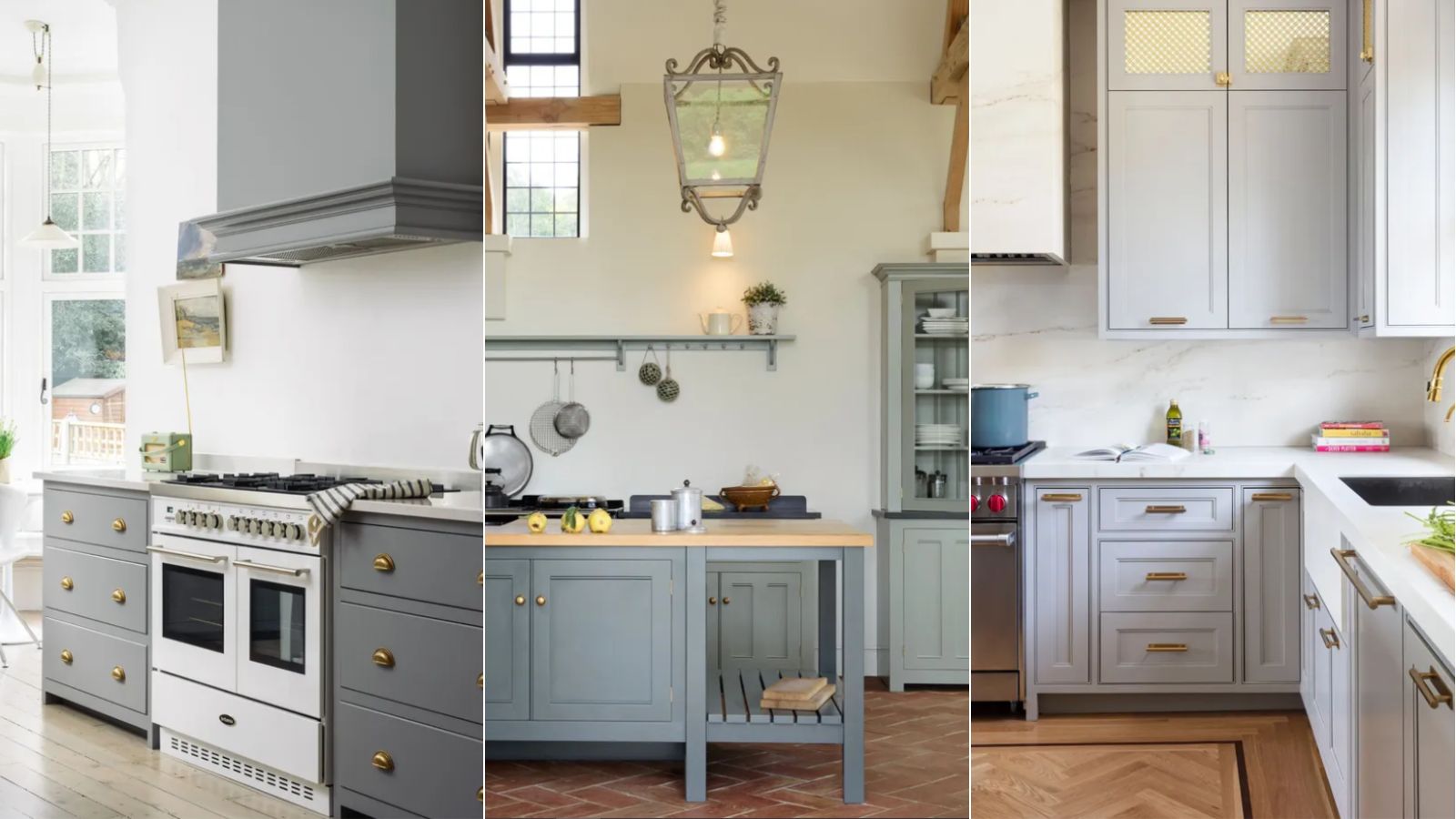
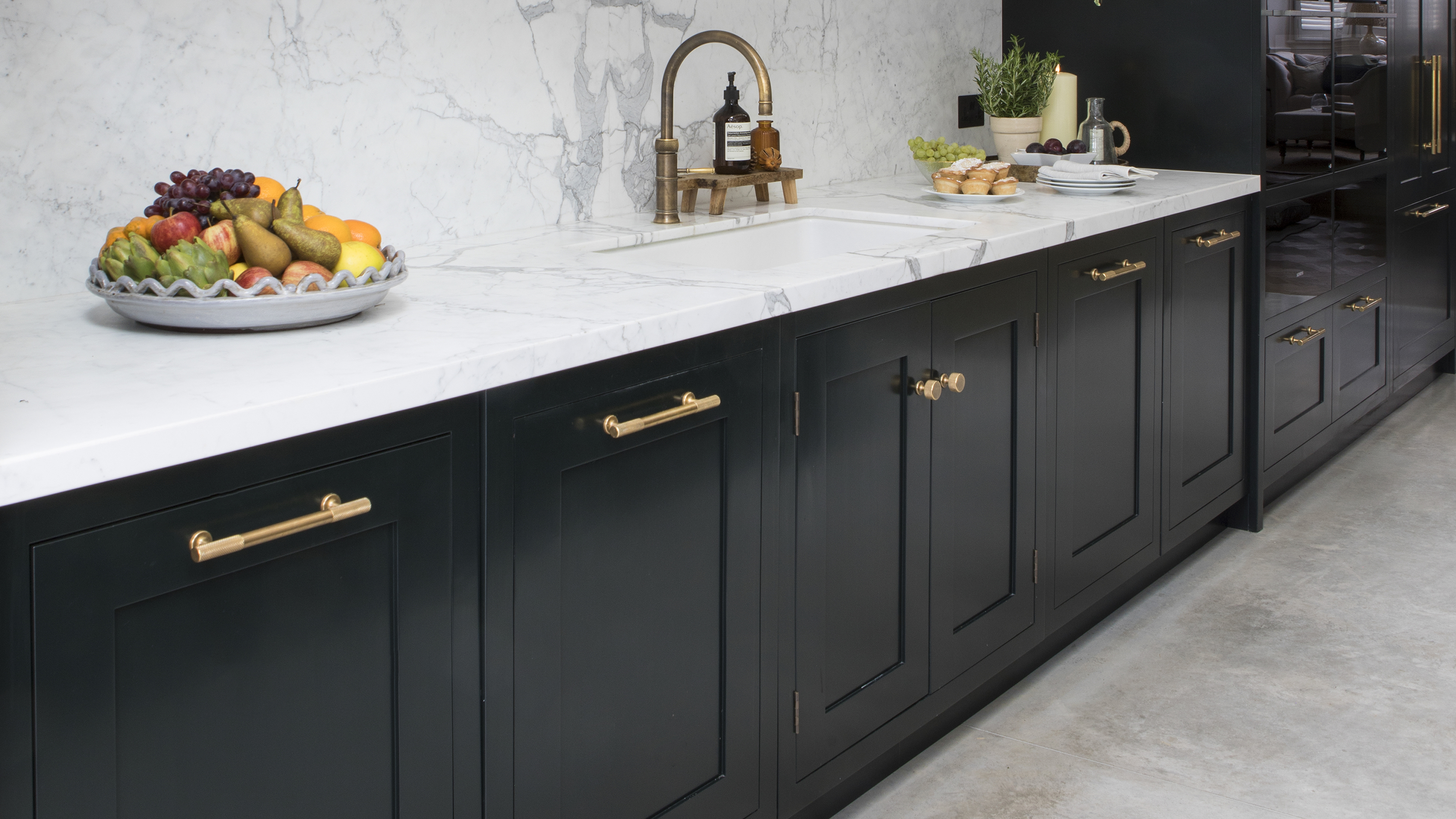
Metallic finishes can add glamour and sophistication. Gold accents, like brass, can be used to frame fluted glass cabinet fronts or appear in splashbacks, complementing the cool tones of dark gray and infusing a sense of luxury. Paul Welburn of Roundhouse highlights dark gray's versatility in accentuating details through brass, chrome, or copper, or by introducing complementary colors like green. Using pale worktops and flooring alongside these metallic accents helps maintain a bright and fresh overall scheme.
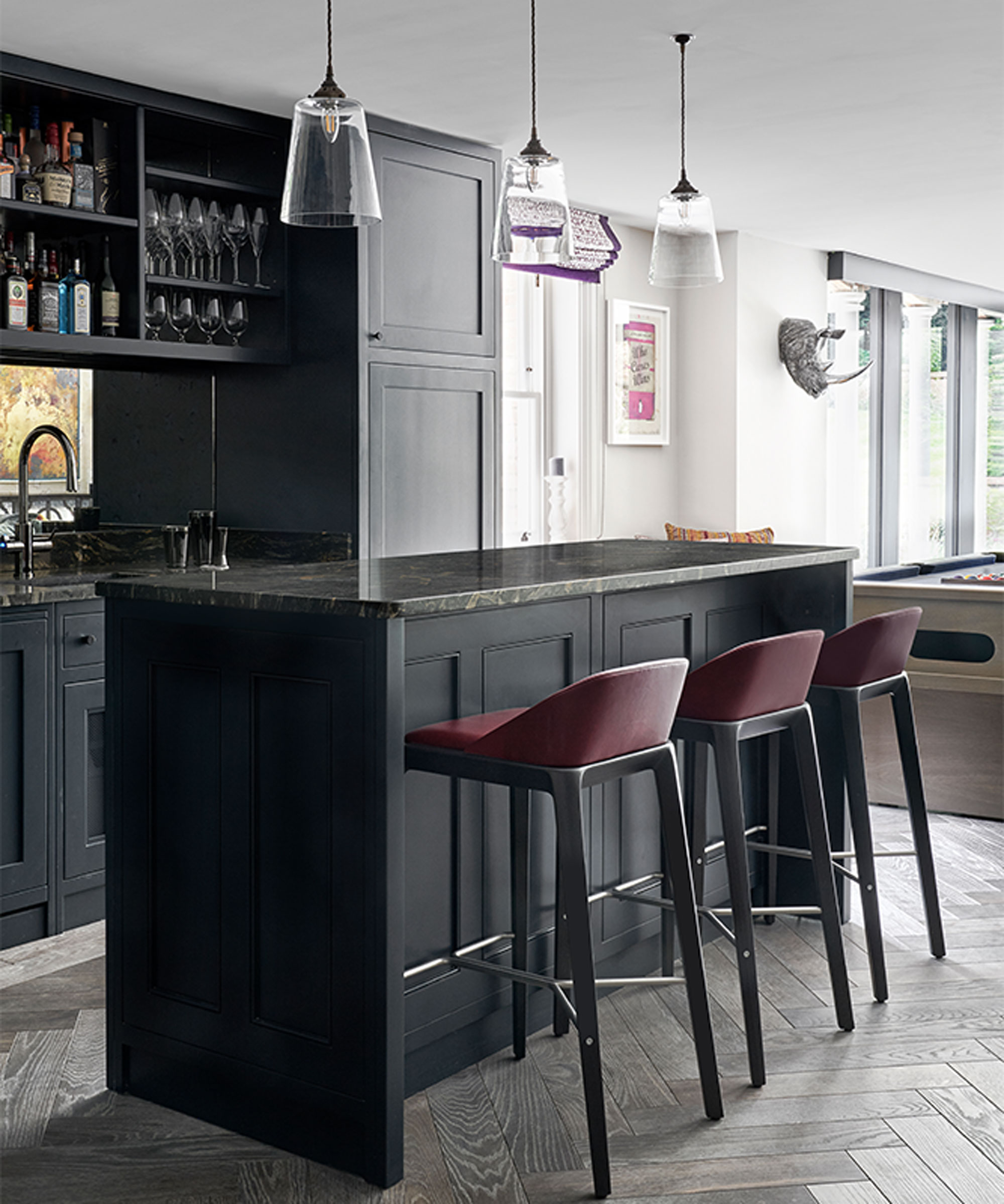
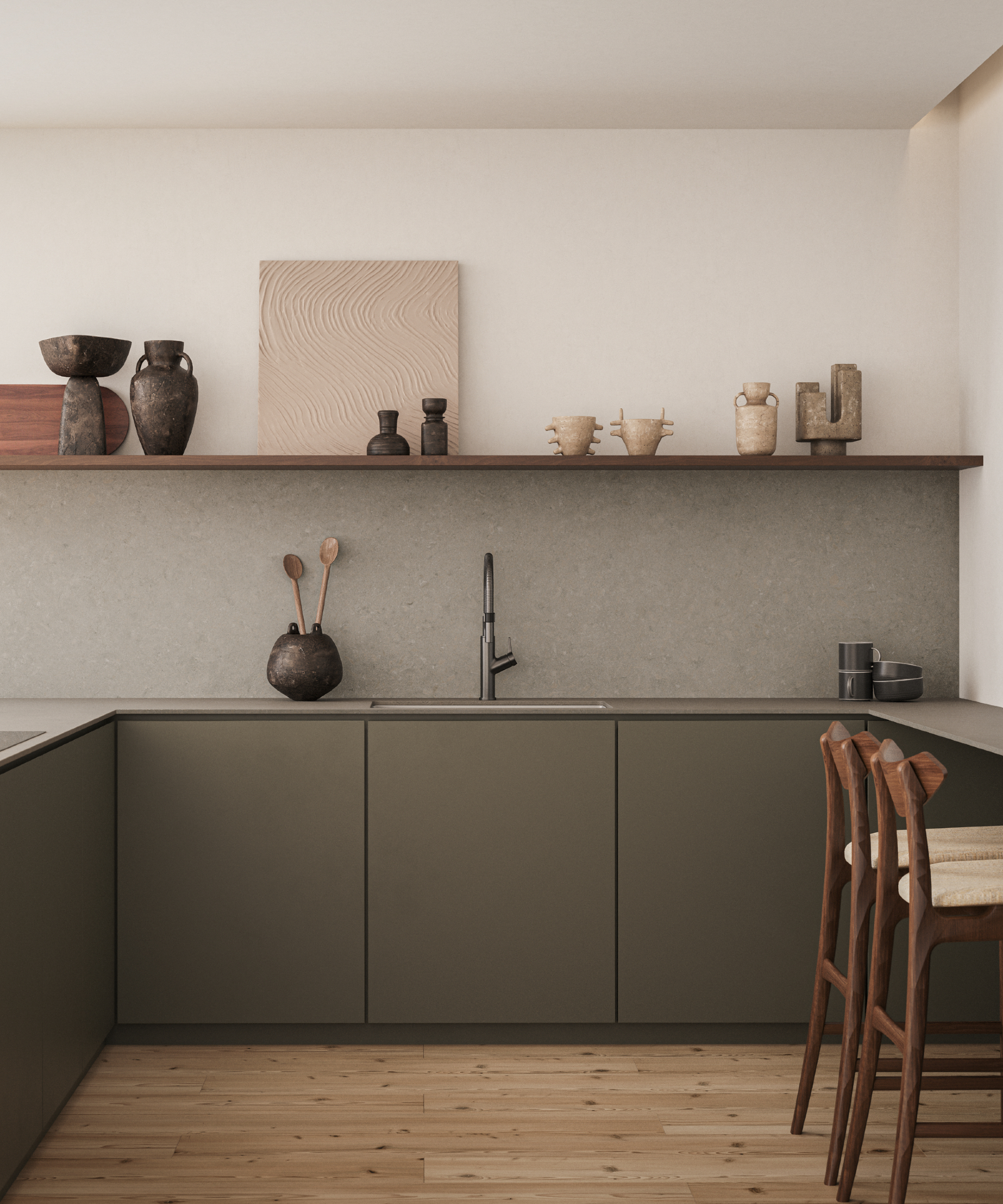
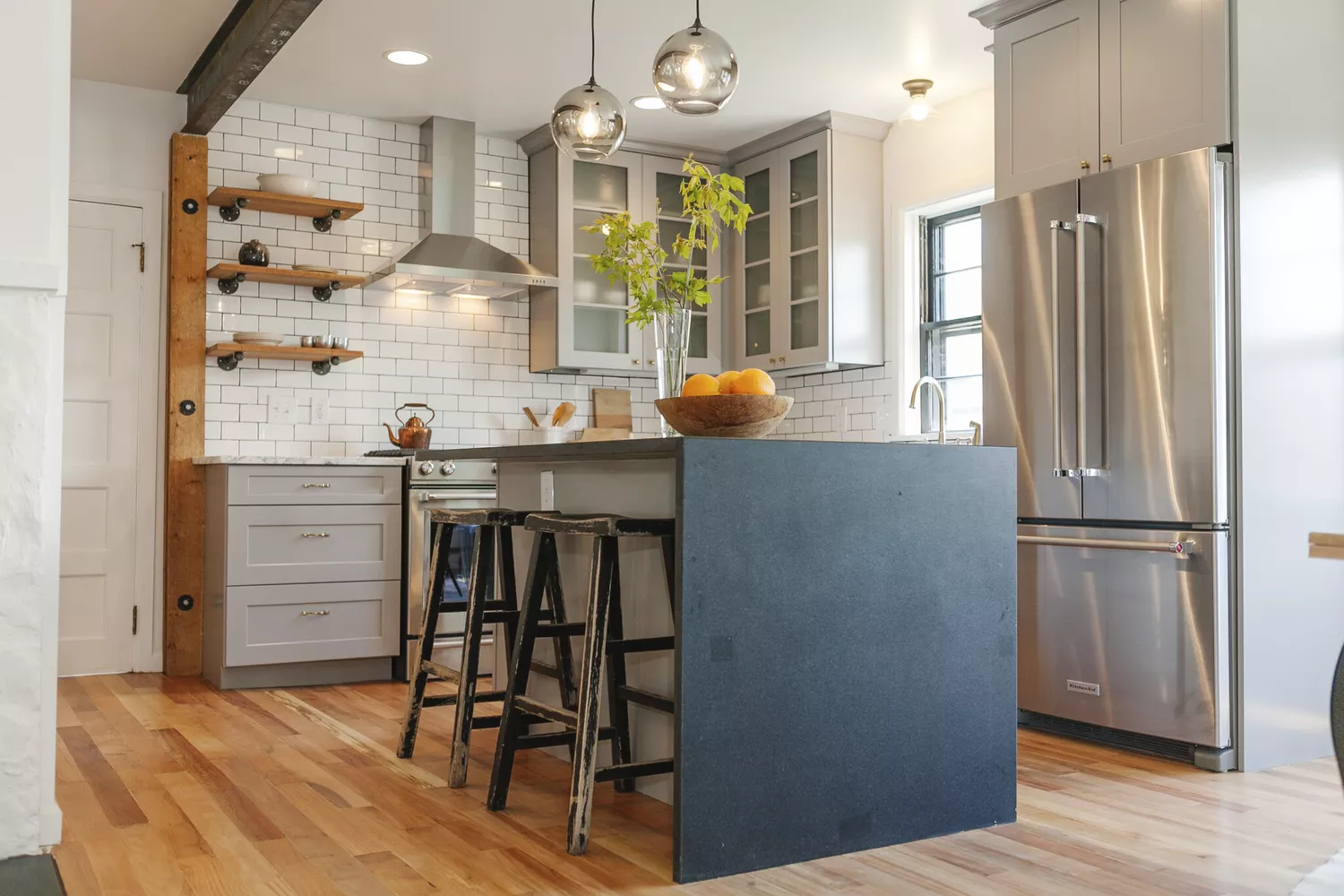
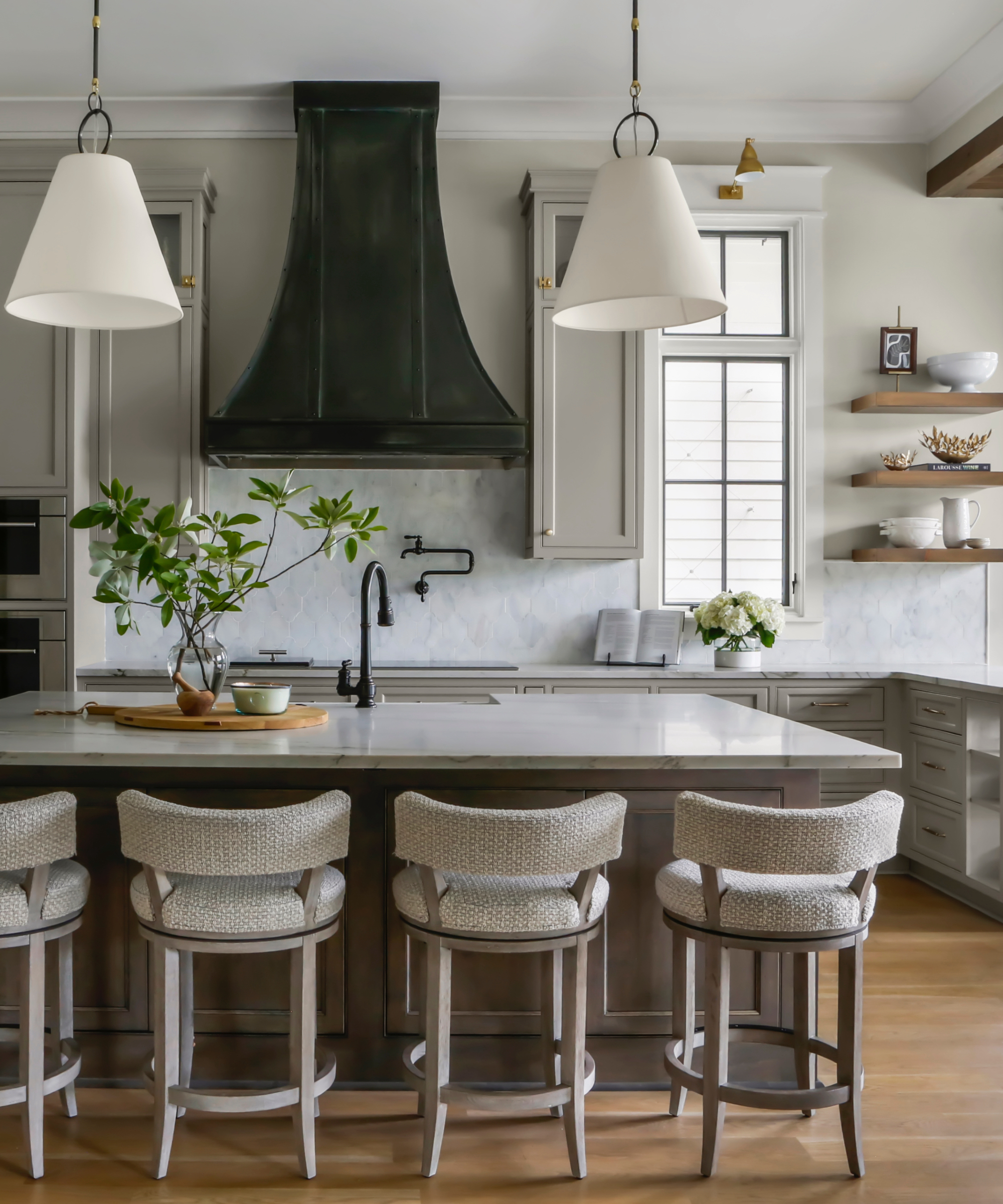
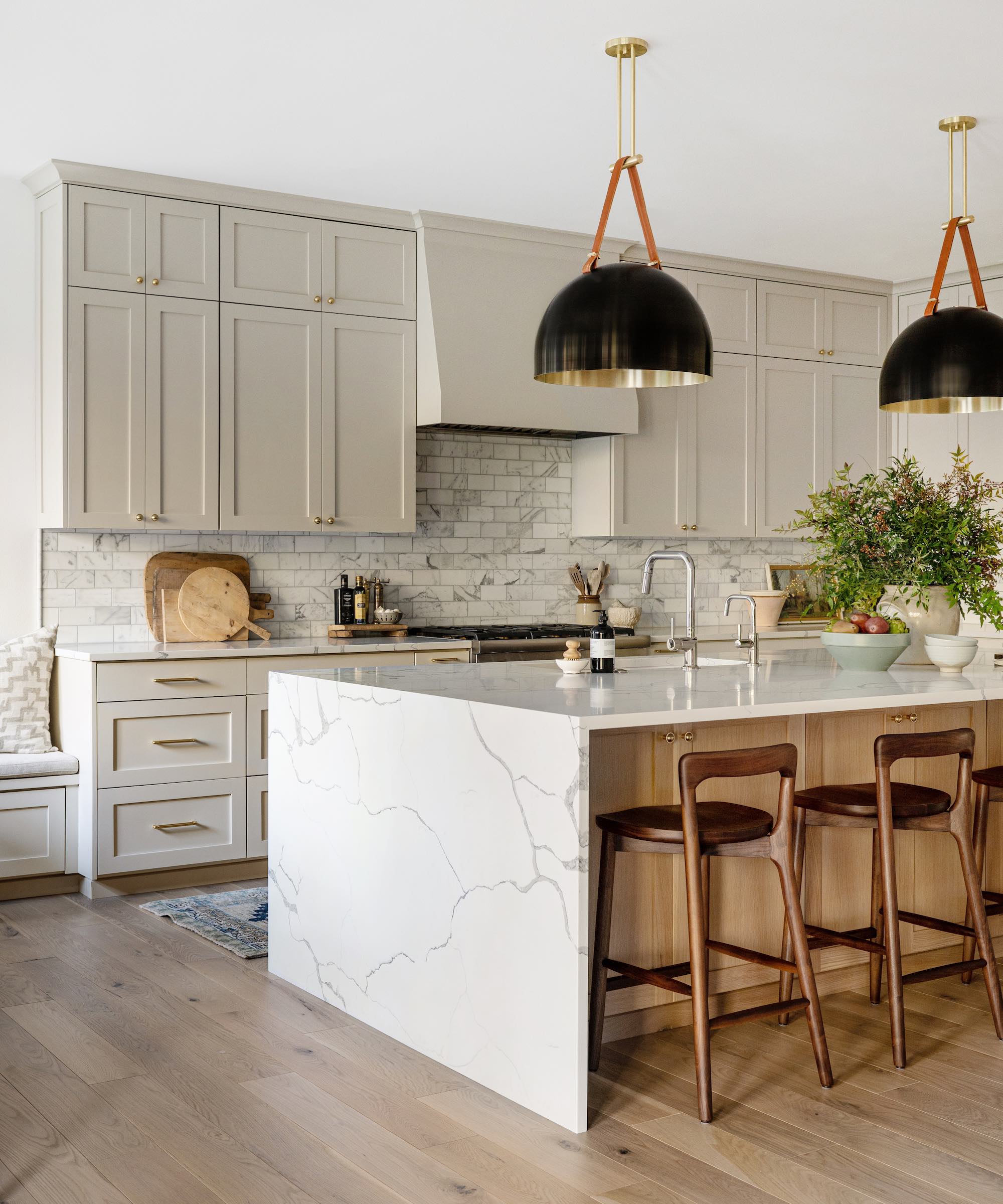
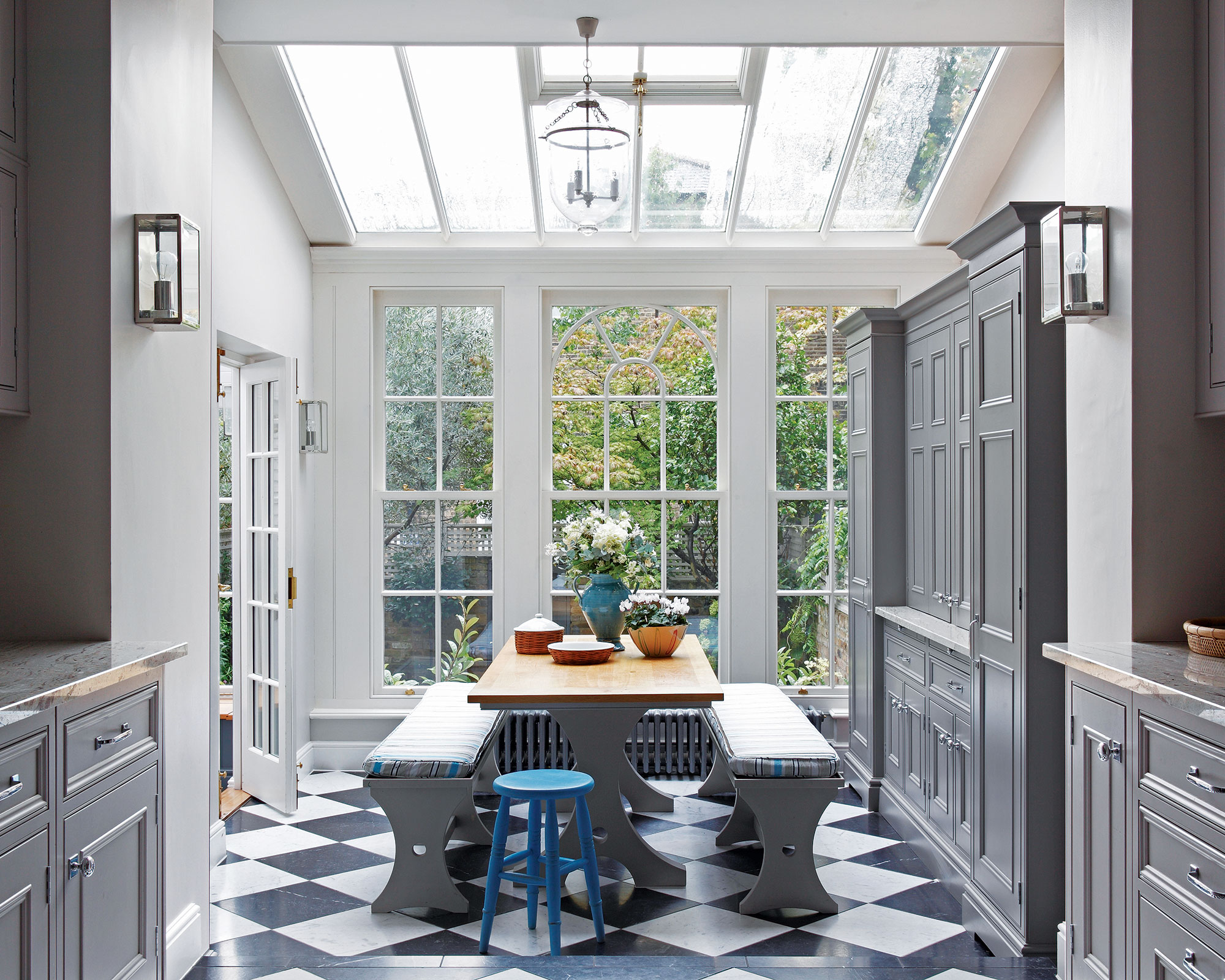
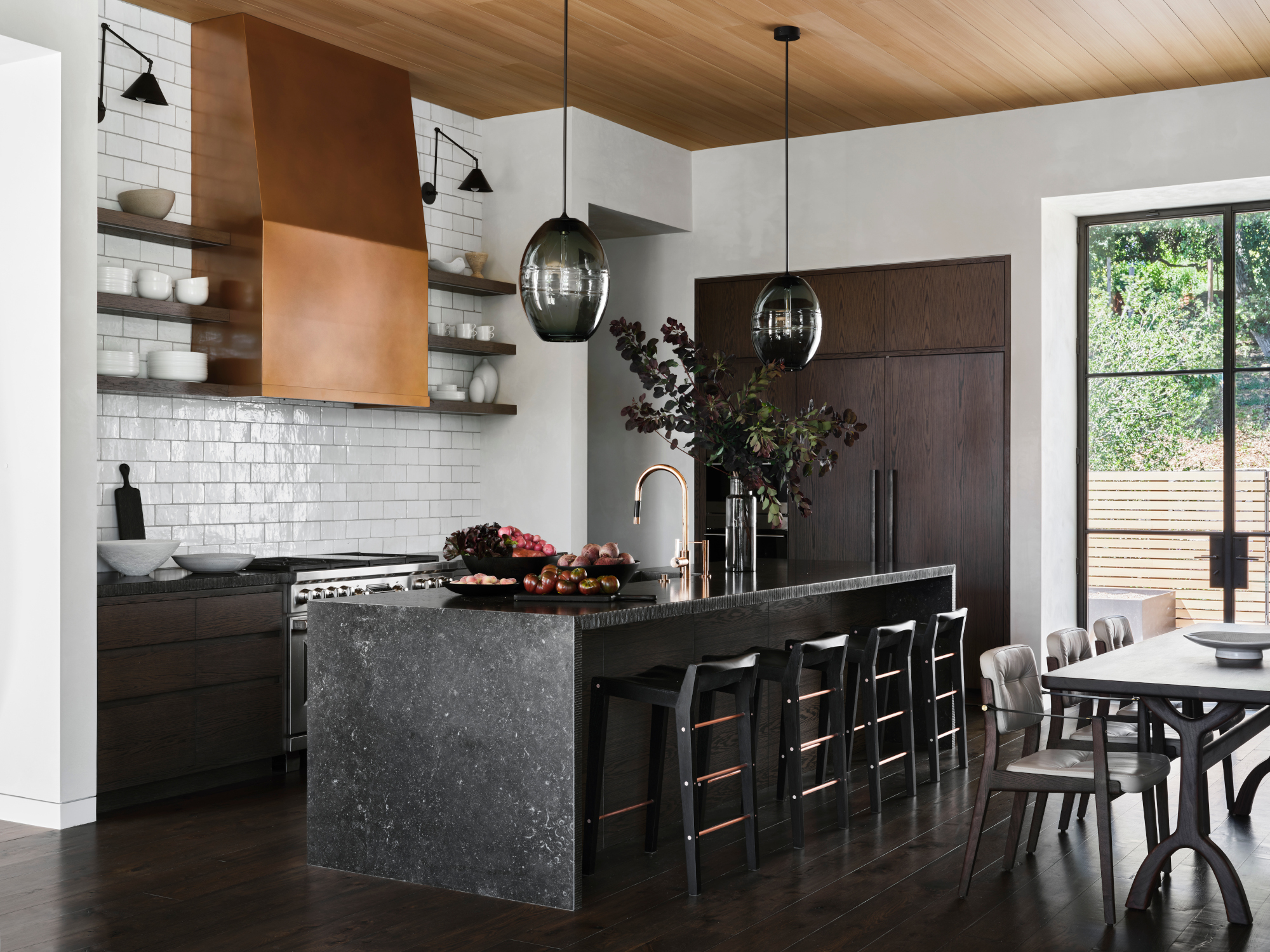
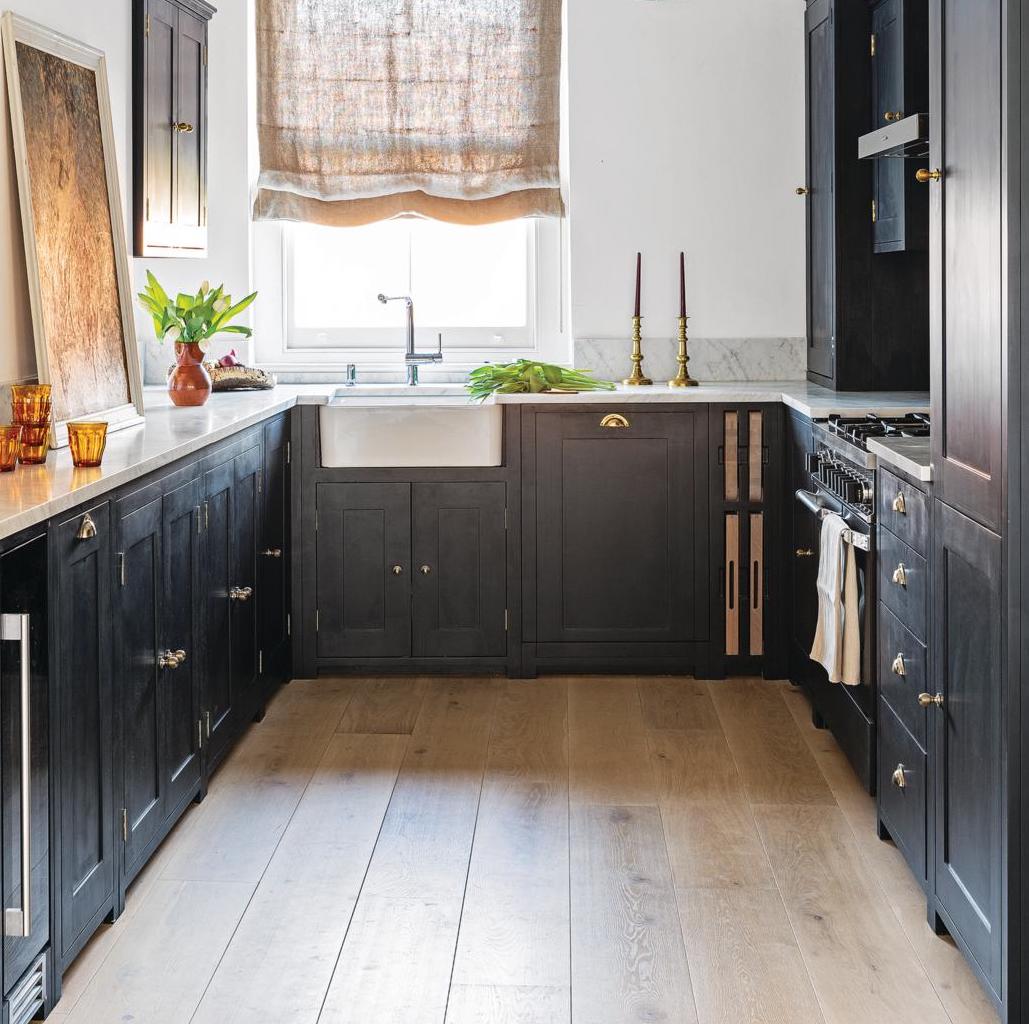
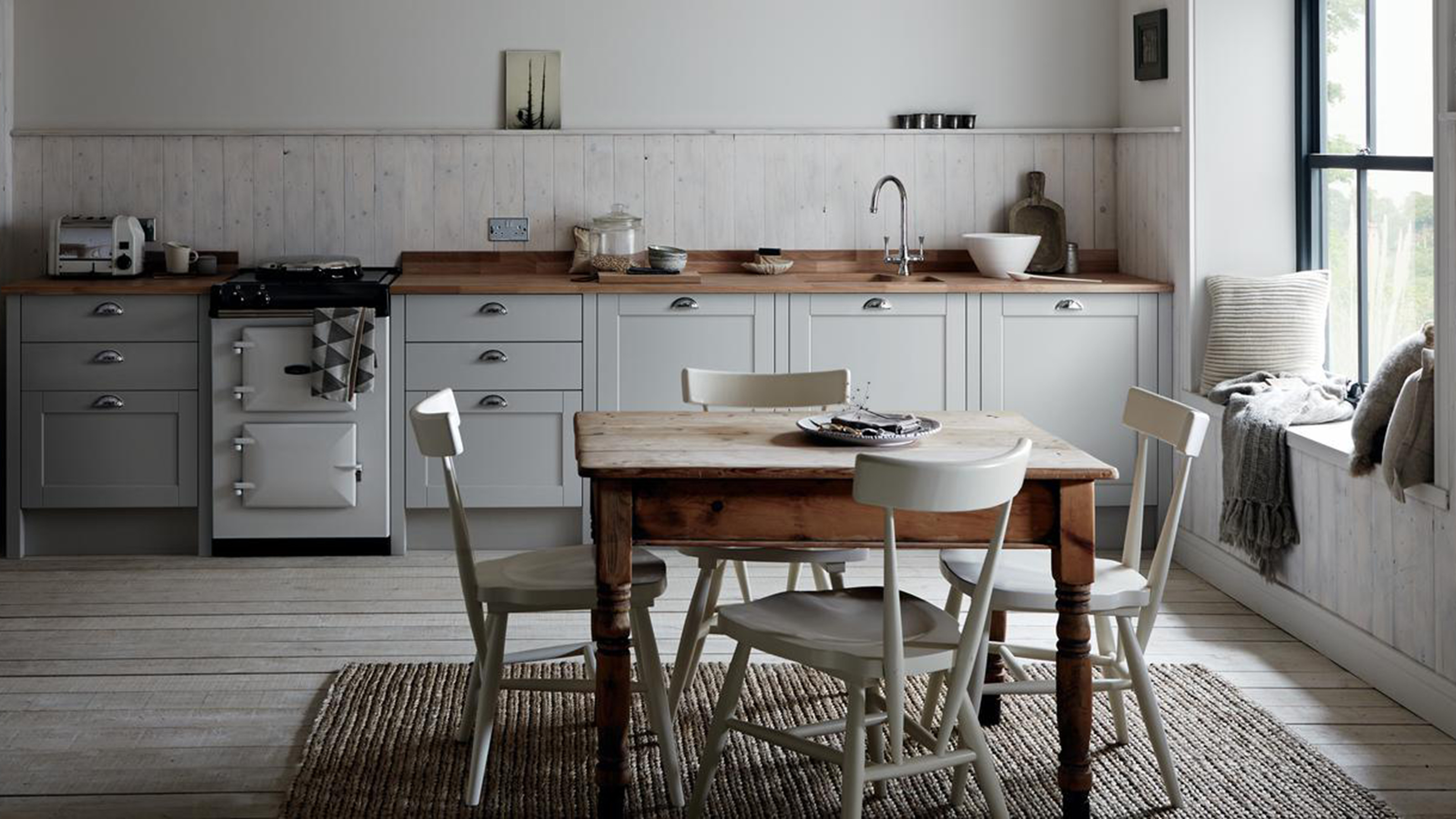
Flooring choices play a crucial role in contrasting and texturizing dark gray kitchens. Lighter hardwood floors or tiles with warm undertones can offset the dark cabinetry and add visual interest. Sleek, marble-inspired quartz designs in lighter shades are recommended for worktops, offering durability and elegance. Simon Temprell suggests walnut timber to warm up dark gray, as its depth of color complements the cabinetry. Thoughtfully chosen bar stools, in keeping with a monochrome aesthetic, can also enhance the design.
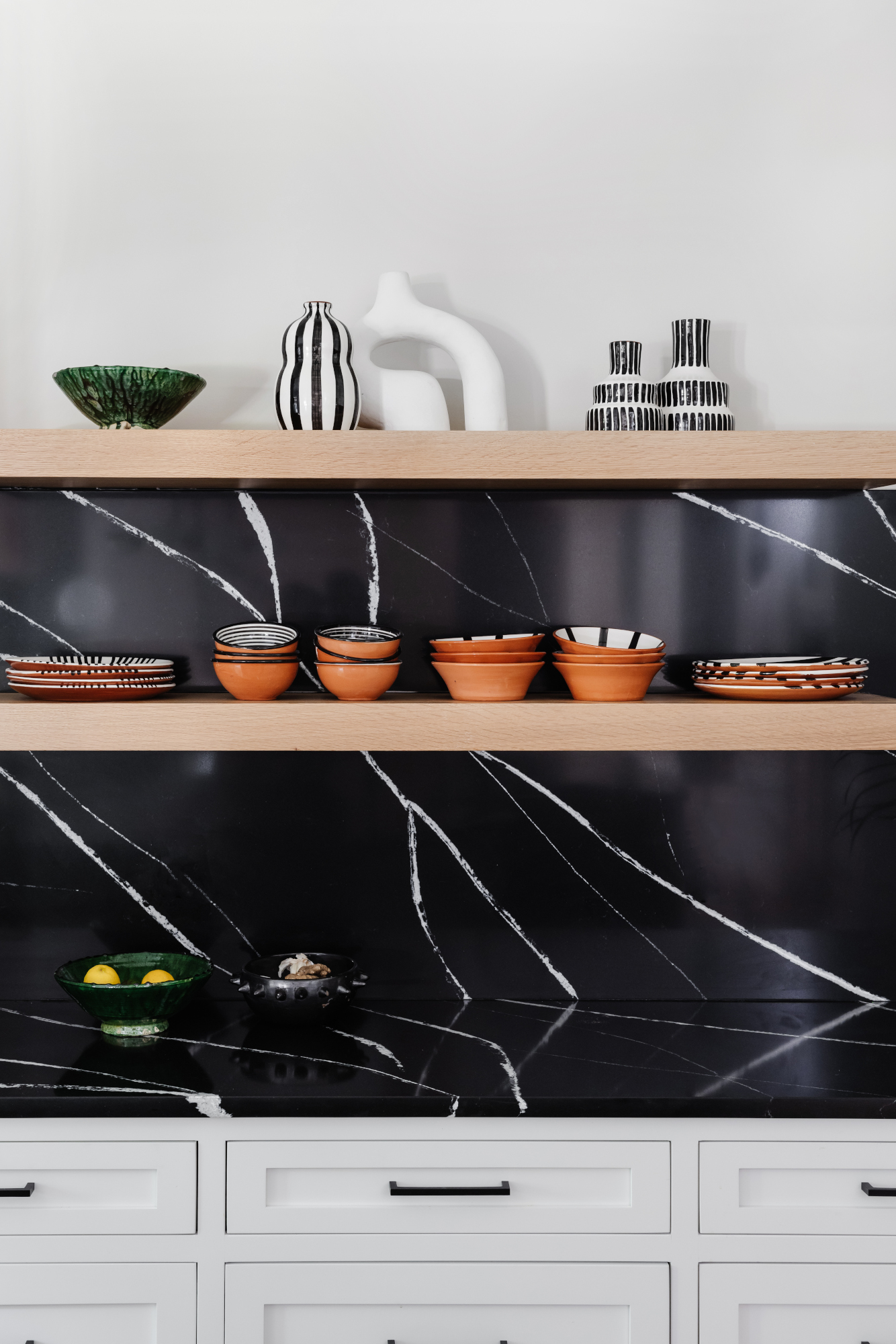
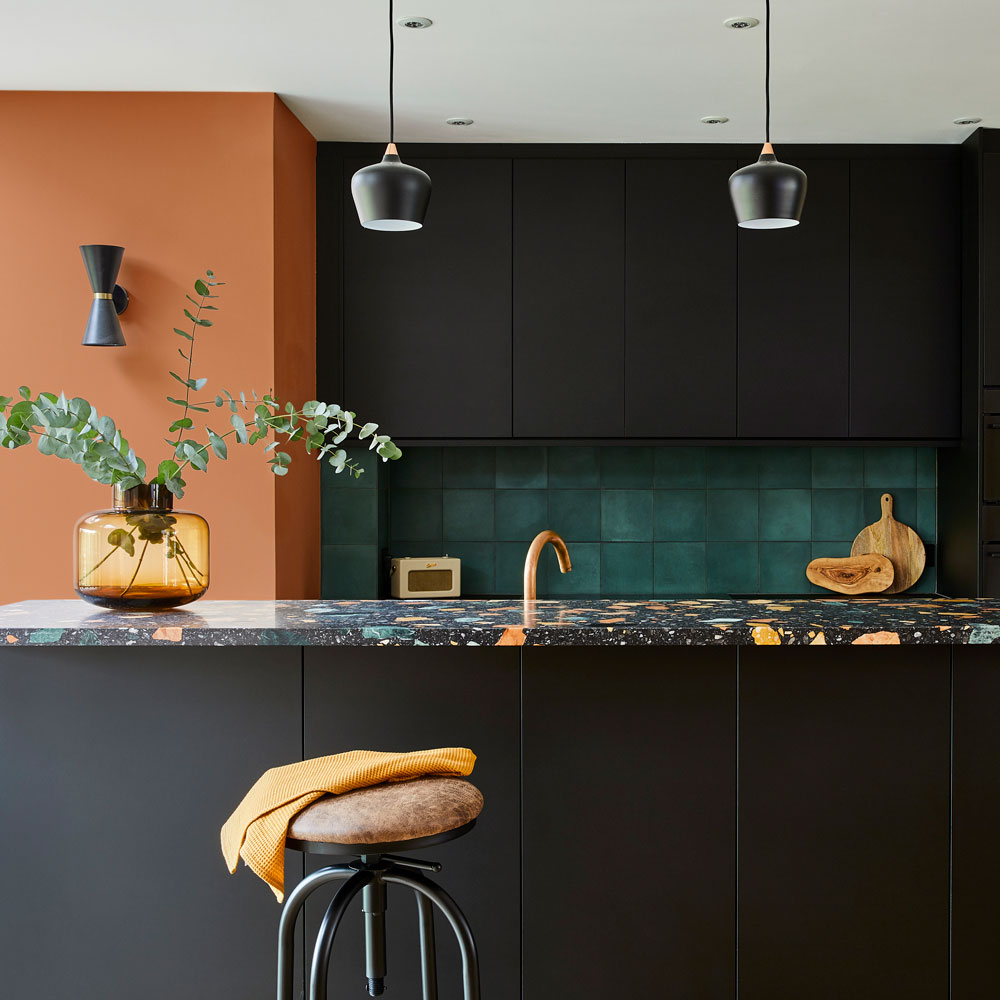
Dark gray's neutrality makes it highly adaptable for tile choices; almost any color tile can complement it. Designers can use bright pops of color or subtle, understated hues. Boldly patterned tiles can add depth and textural interest without clashing. Leveraging gray as a backdrop for timber can create a sleek and modern look. Denise Morrison emphasizes how deeper gray hues offer a sophisticated contrast against lighter timber elements, resulting in a dynamic, contemporary, and inviting feel. The key is to match the gray's undertones (blue, yellow, or red) with appropriate wood types like ash, pine, hickory, oak, mahogany, or maple, with neutral walnut being a safe bet.
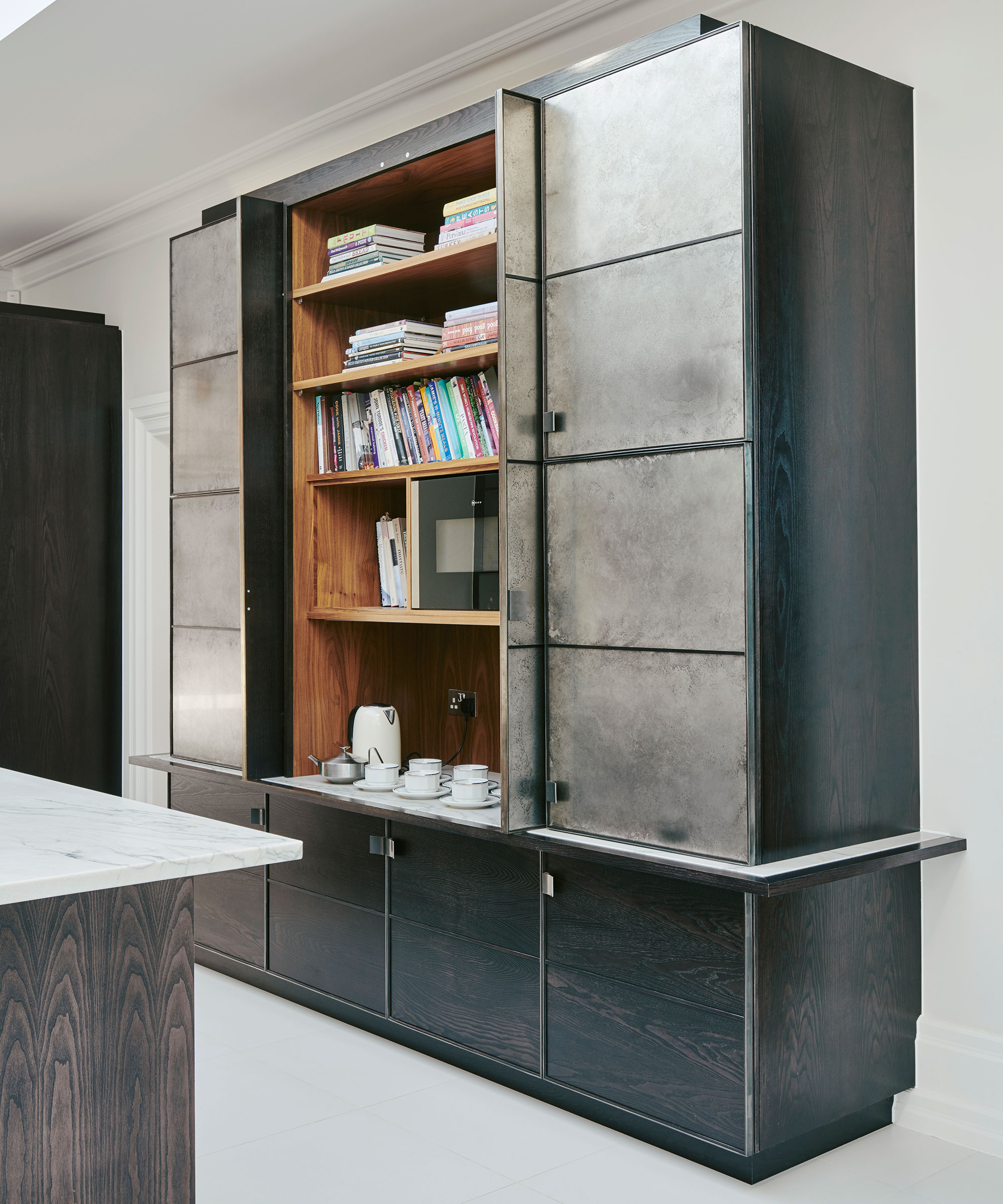
For a contemporary feel that avoids coldness, gray-stained wood veneers offer a natural approach. A real timber veneer kitchen can showcase texture, especially when combined with elements like richly patinated Antique Bronze backsplashes and striking African Fusion Quartzite counters. Selecting surfaces wisely involves opting for natural, sophisticated, and lighter-colored worktops such as beiges, grays, and whites. These hues, like Caesarstone's White Attica with its blue-gray veining, provide a timeless and multi-faceted design, bringing calm and serenity while allowing subtle detailing to make a statement. Tonal surfaces like concrete-inspired designs in lighter gray can add a striking textural element and balance the space.
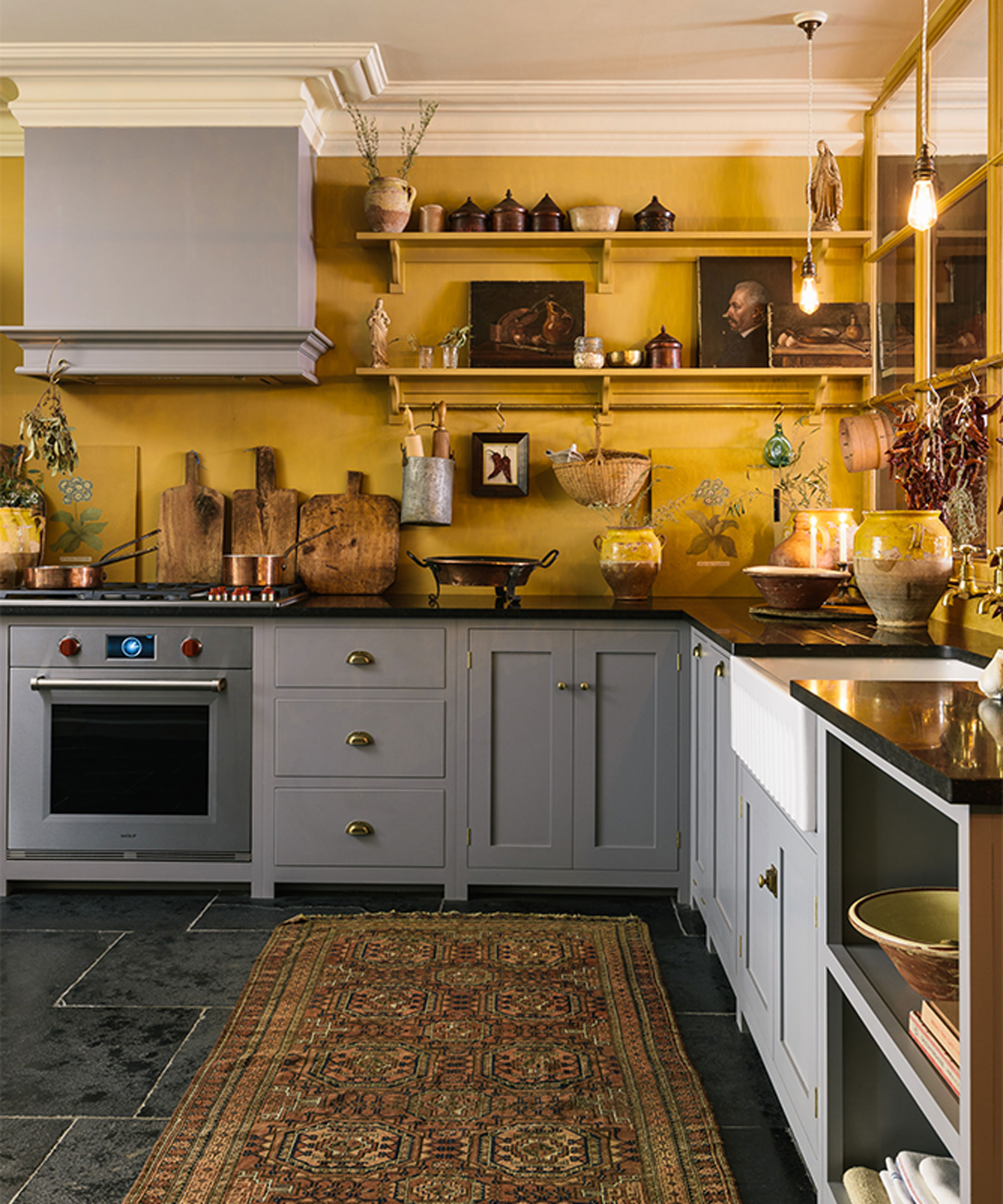
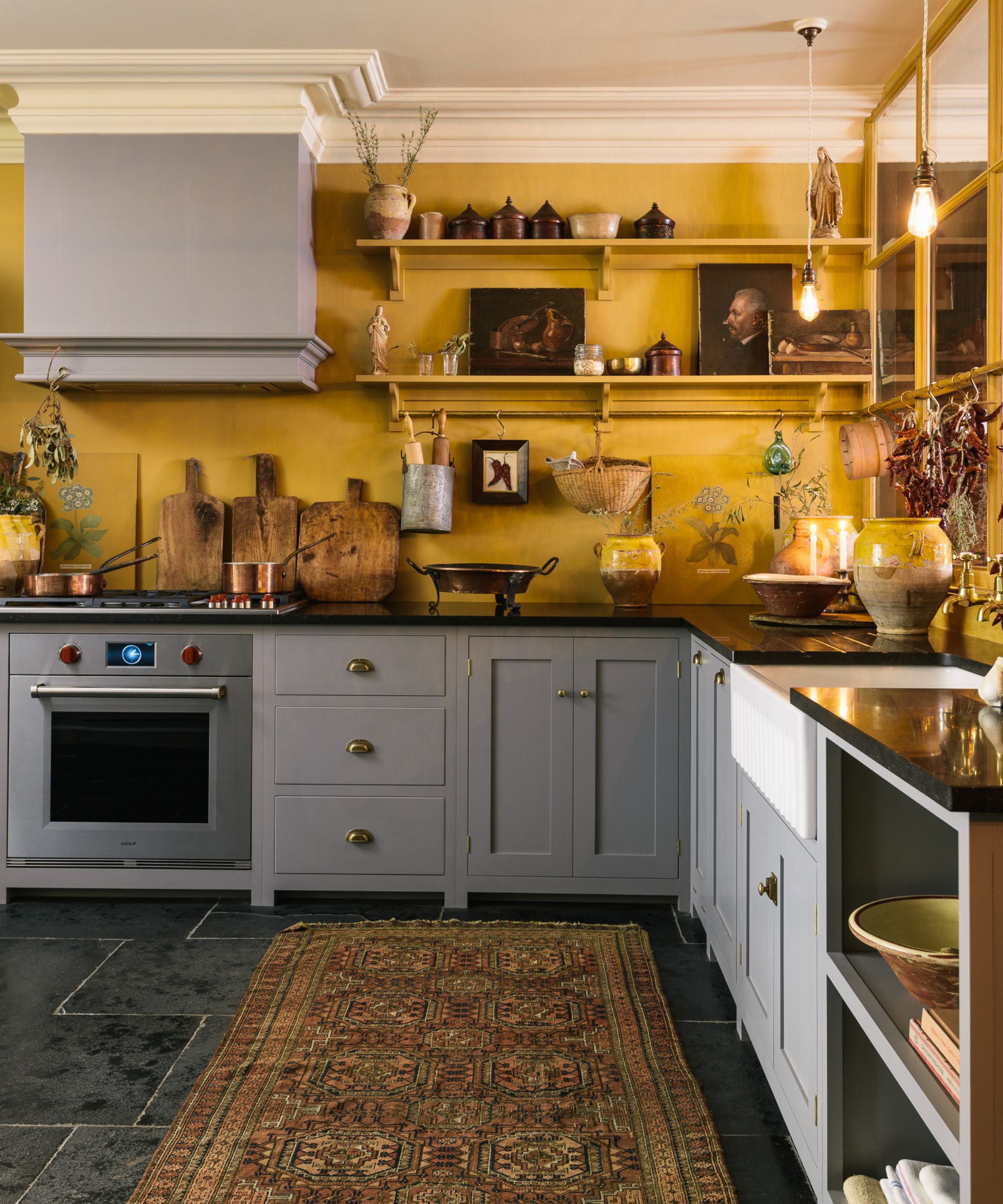
Finally, two-tone schemes can create rich and indulgent dark gray kitchens. Pairing dark gray cabinetry with complementary colors like rust-coral, saffron yellow, ochre, deep petrol blue, or emerald green can transform a space into an inviting and atmospheric setting. Helen Shaw of Benjamin Moore highlights the adaptability of grays nearing total black, making them popular for dramatic yet inviting kitchen designs when combined with rich, jewel-inspired tones.
#DarkGrayKitchen #KitchenDesign #InteriorDesign #Cabinetry #ColorPalette #KitchenRemodel #HomeDecor #DesignTrends #DarkGrayKitchen #KitchenDesign #InteriorDesign #Cabinetry #ColorPalette #KitchenRemodel #HomeDecor #DesignTrends
0 comment in total
 No comments yet
You may also like
Grey kitchen ideas – 35 classic designs you will love forever
10 gray kitchen cabinet ideas – from barely there to charcoal, we've got you covered

Are gray kitchens still in style? Designers weigh in on this cool-toned and divisive color scheme
Dark Kitchen Cabinets Are Back—22 Stunning Ideas to Try

25 gorgeous grey kitchen ideas

10 light gray kitchens that prove gray is making a comeback in its palest form
Designers Share the Best Paint Colors to Pair With Black Granite

I thought I hated gray kitchens, until I saw this design
Are gray kitchens out of date? We get the low-down from design experts
These Eye-Catching Kitchens With Gray Floors Are Perfect for Any Home
Black kitchen countertop ideas – 10 designer-approved looks that make the case for going dark

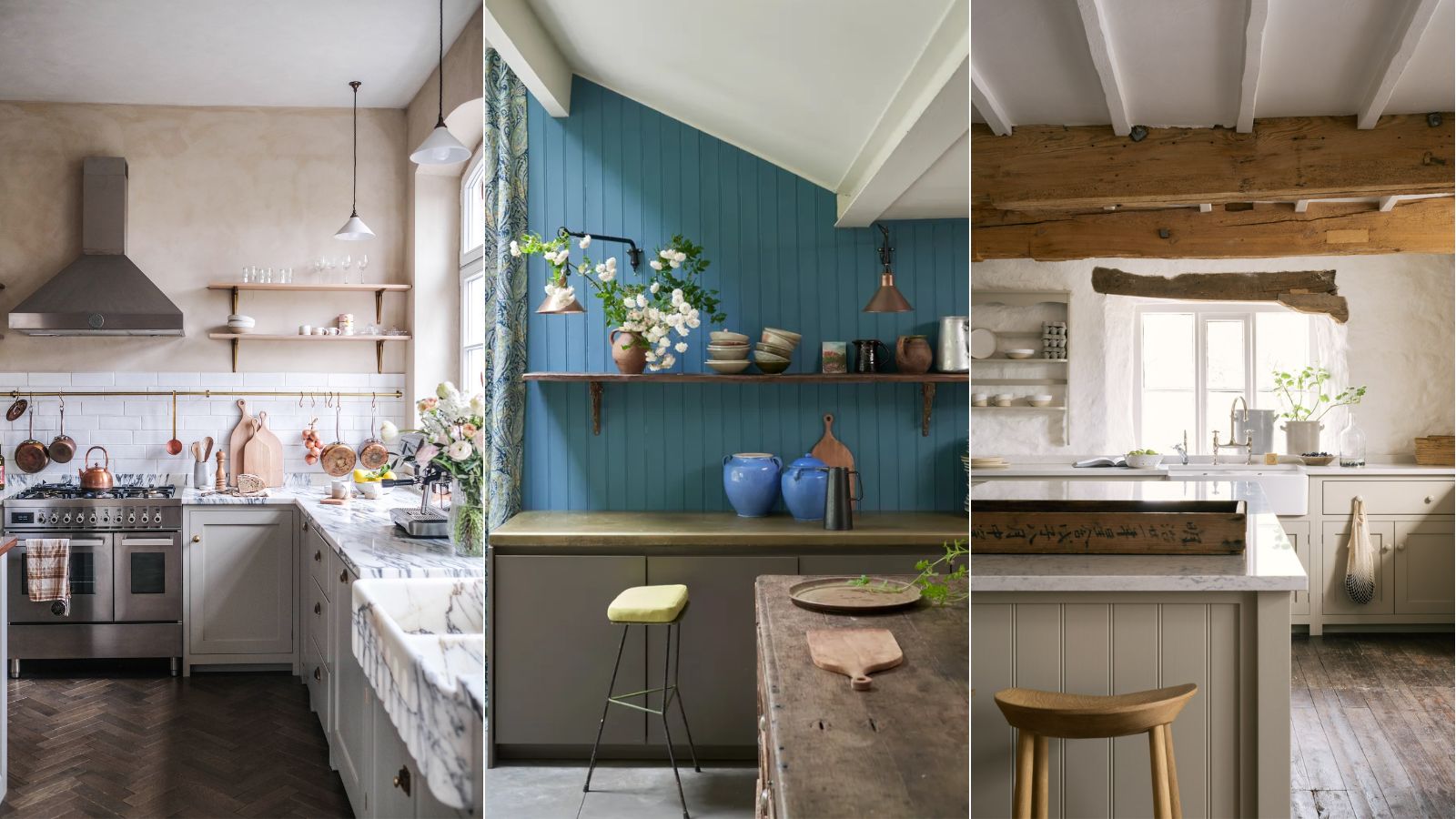
Greige kitchen cabinet ideas – 6 ways to style this versatile hue according to designers
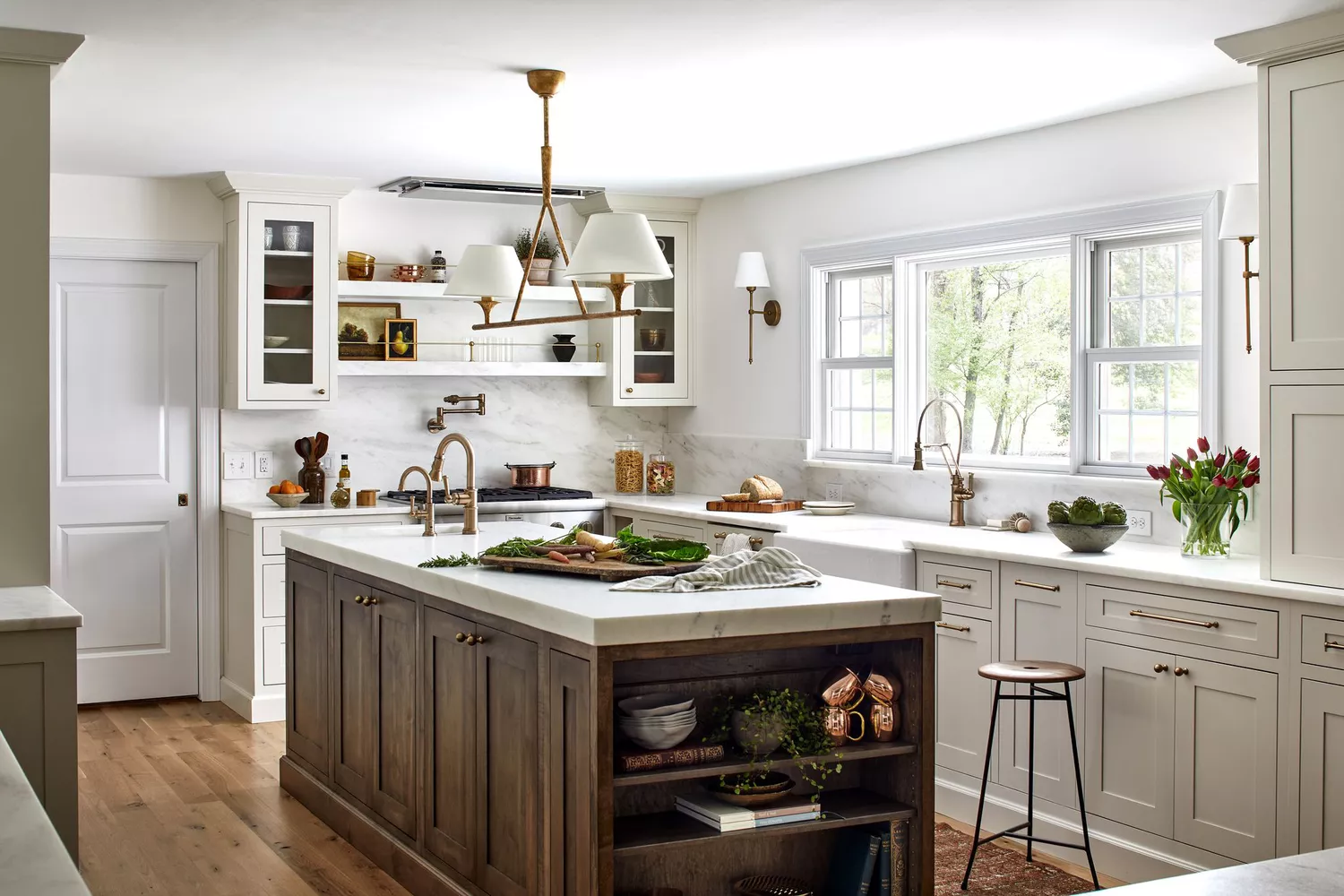
20 Stylish Greige Kitchen Cabinets That Will Make You Love the Color
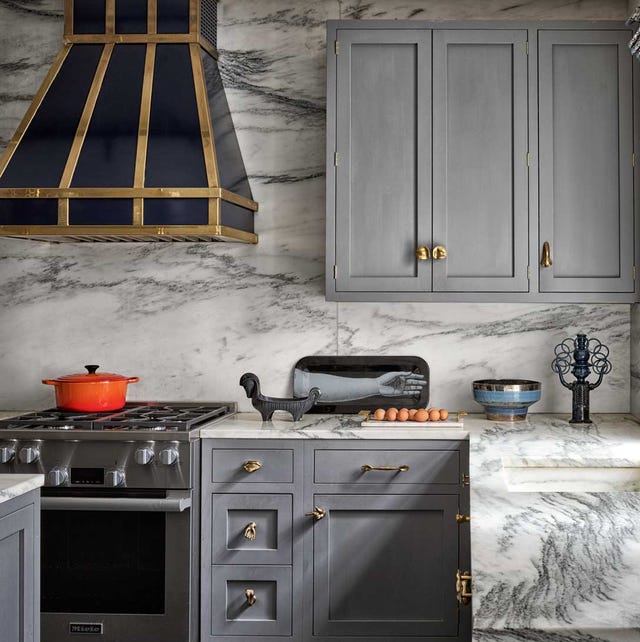
40 Gray Kitchens That Are Anything But Dull

Dark kitchen cabinet ideas – 10 ways to style a dramatically dark scheme
3 most common gray kitchen mistakes – and what designers advise to do instead
What colors go best with gray kitchen cabinets? Interior designers explain how to decorate with this cool neutral
26 Pinterest-Shattering Gray Kitchen Ideas That Have Designers Drooling in 2025
Black kitchen ideas for decadently dark cabinets, worktops and walls
Your Black Cabinets Are Quickly Dating Themselves, So Embrace This Chic New Color