1/2
Create Custom Kitchen Storage By DIYing Your Own Wooden Drawer Organizer
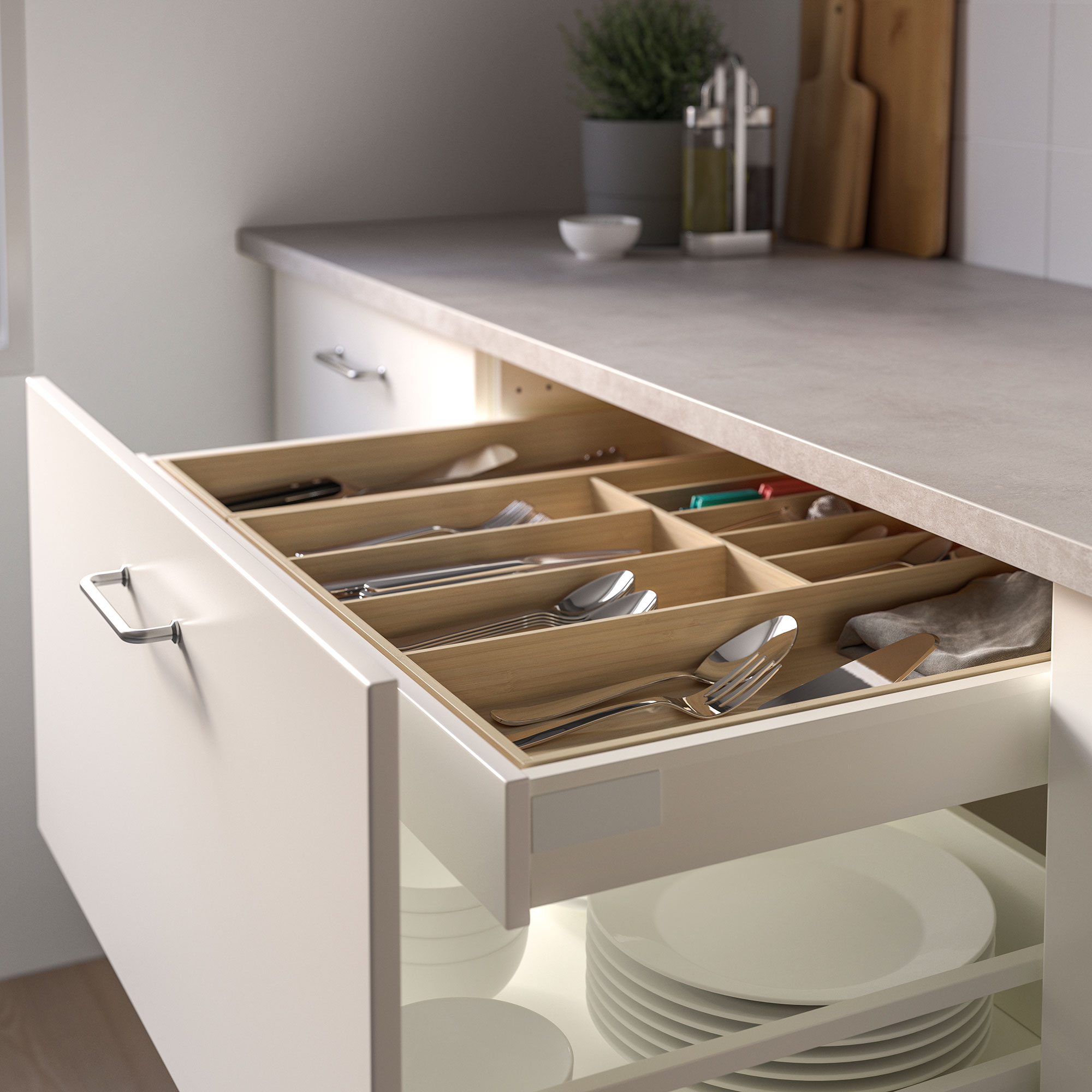
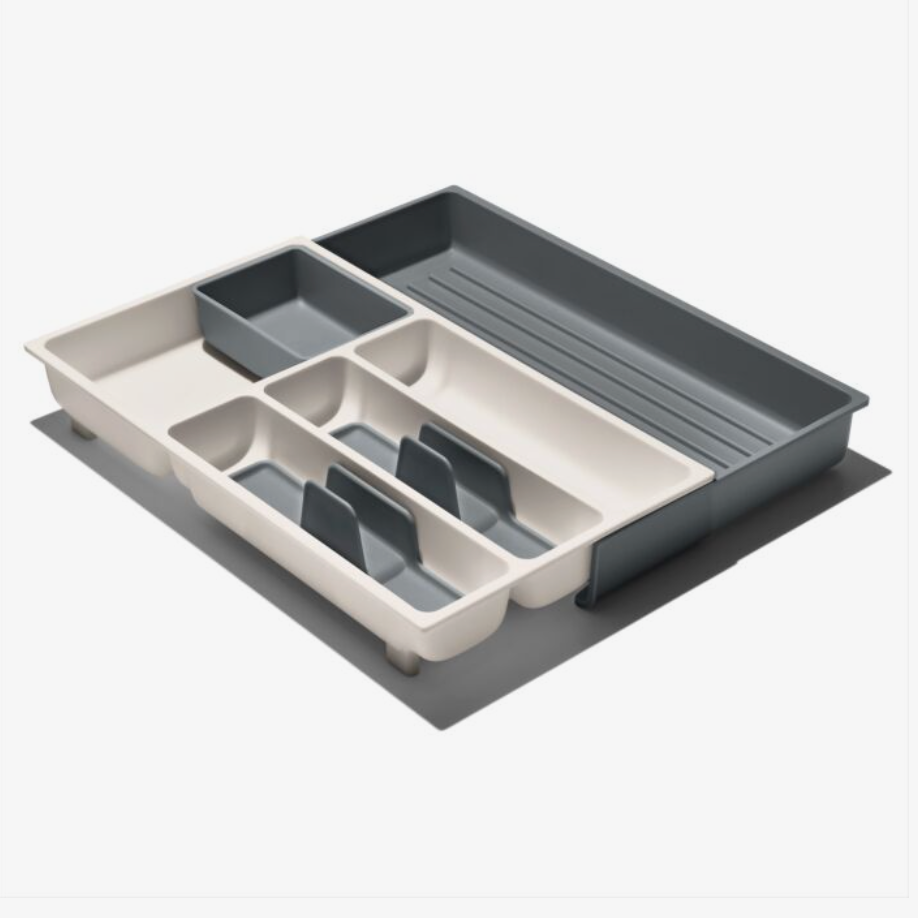
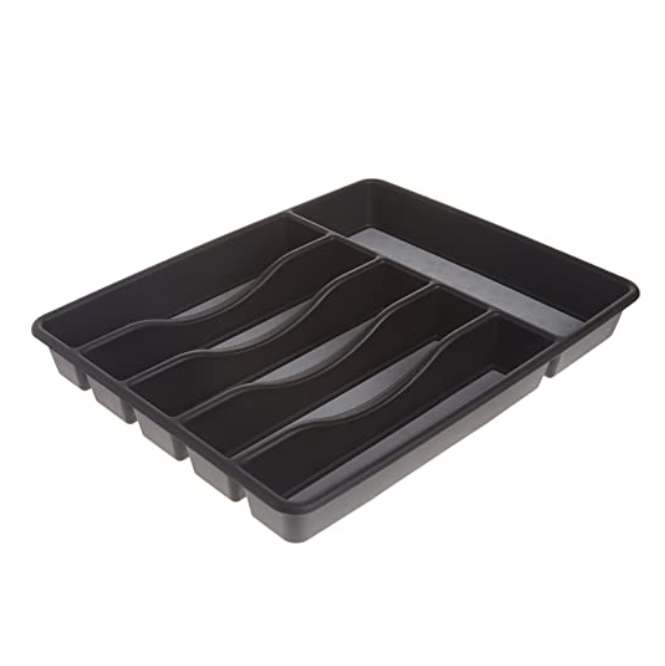
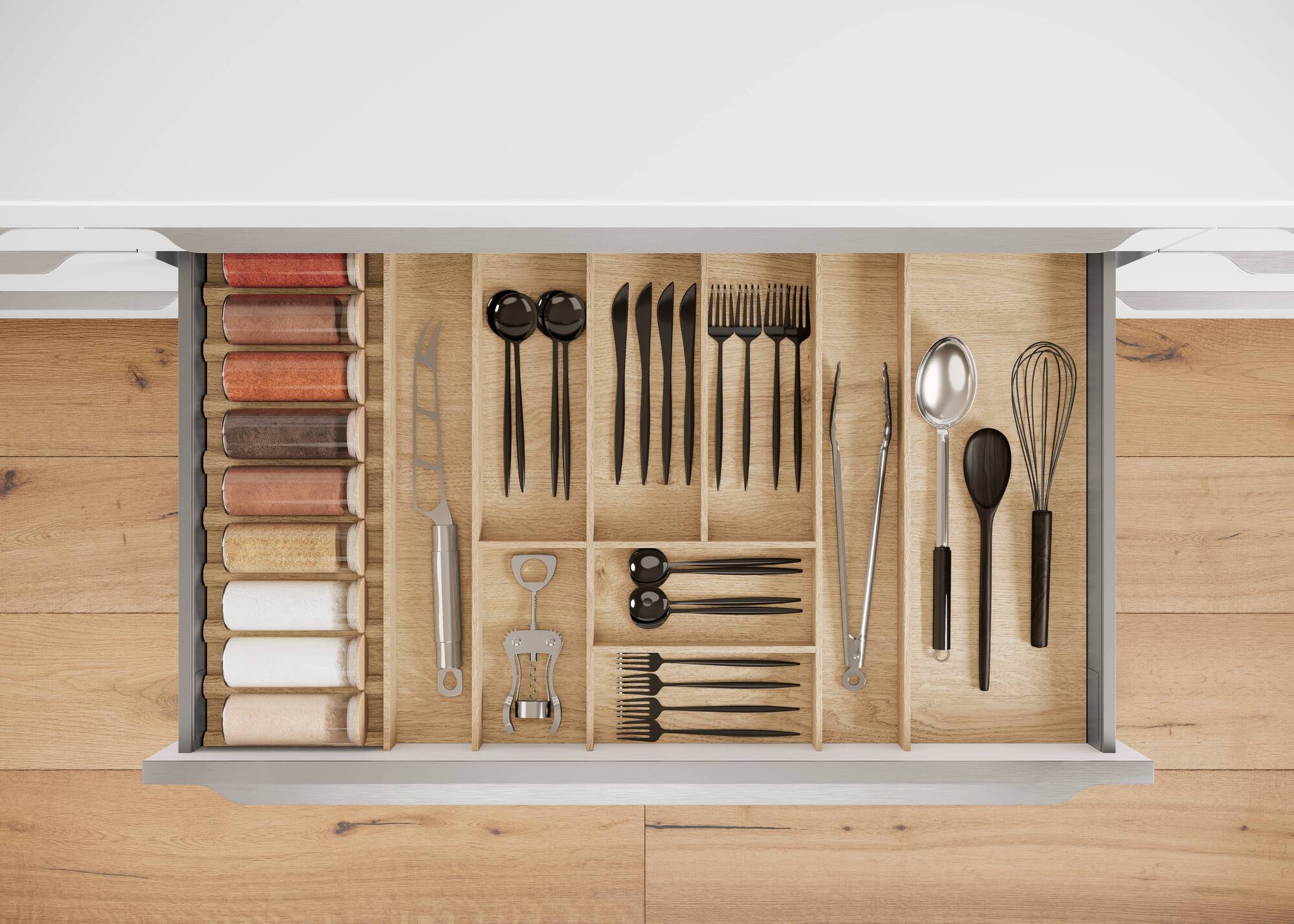
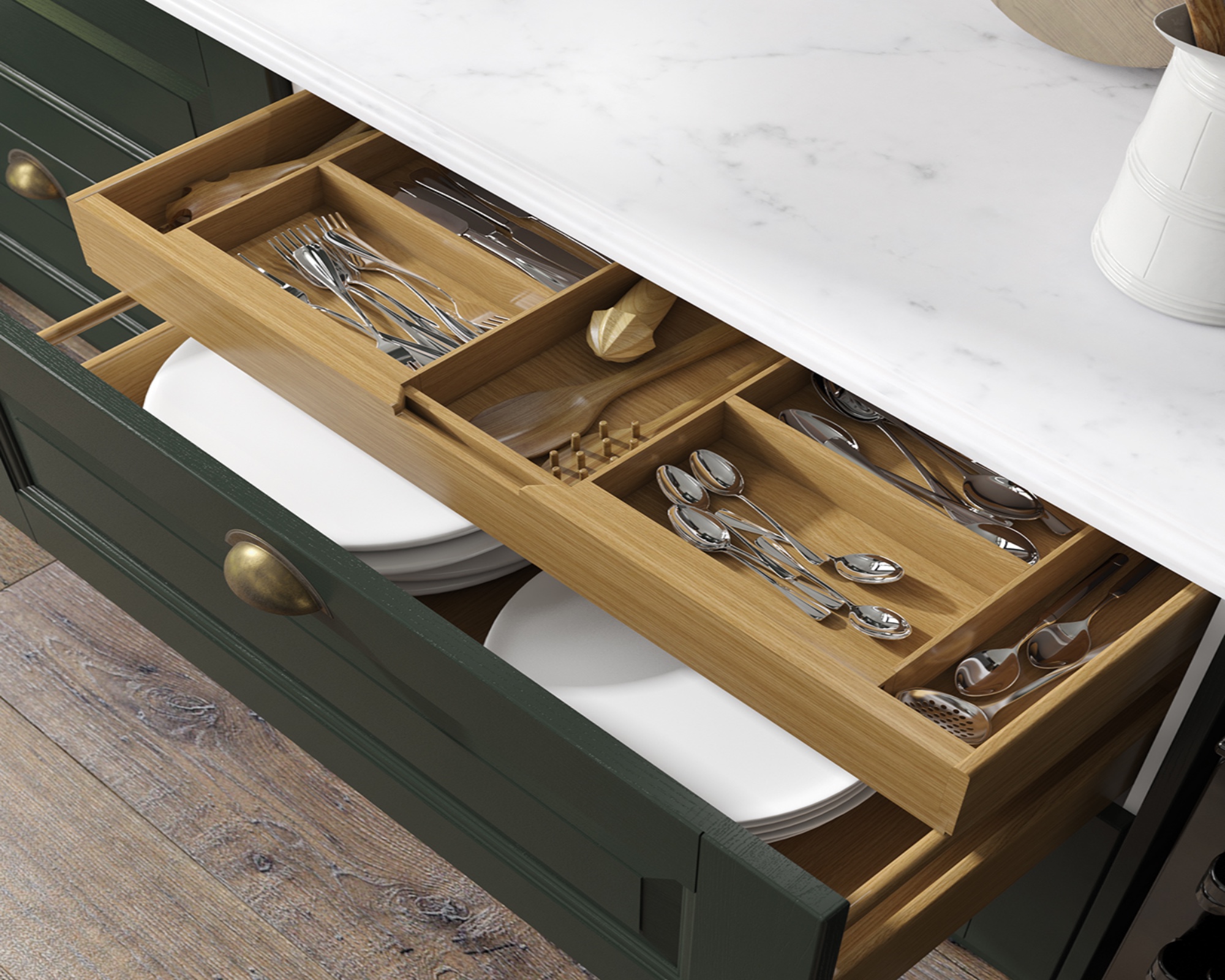
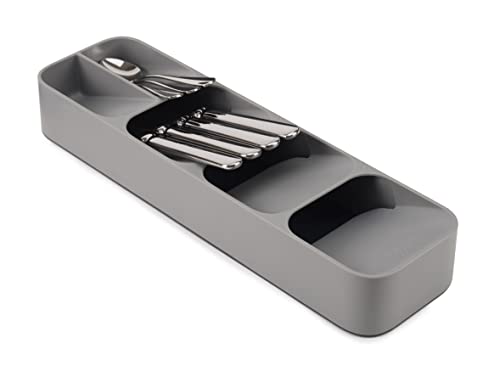
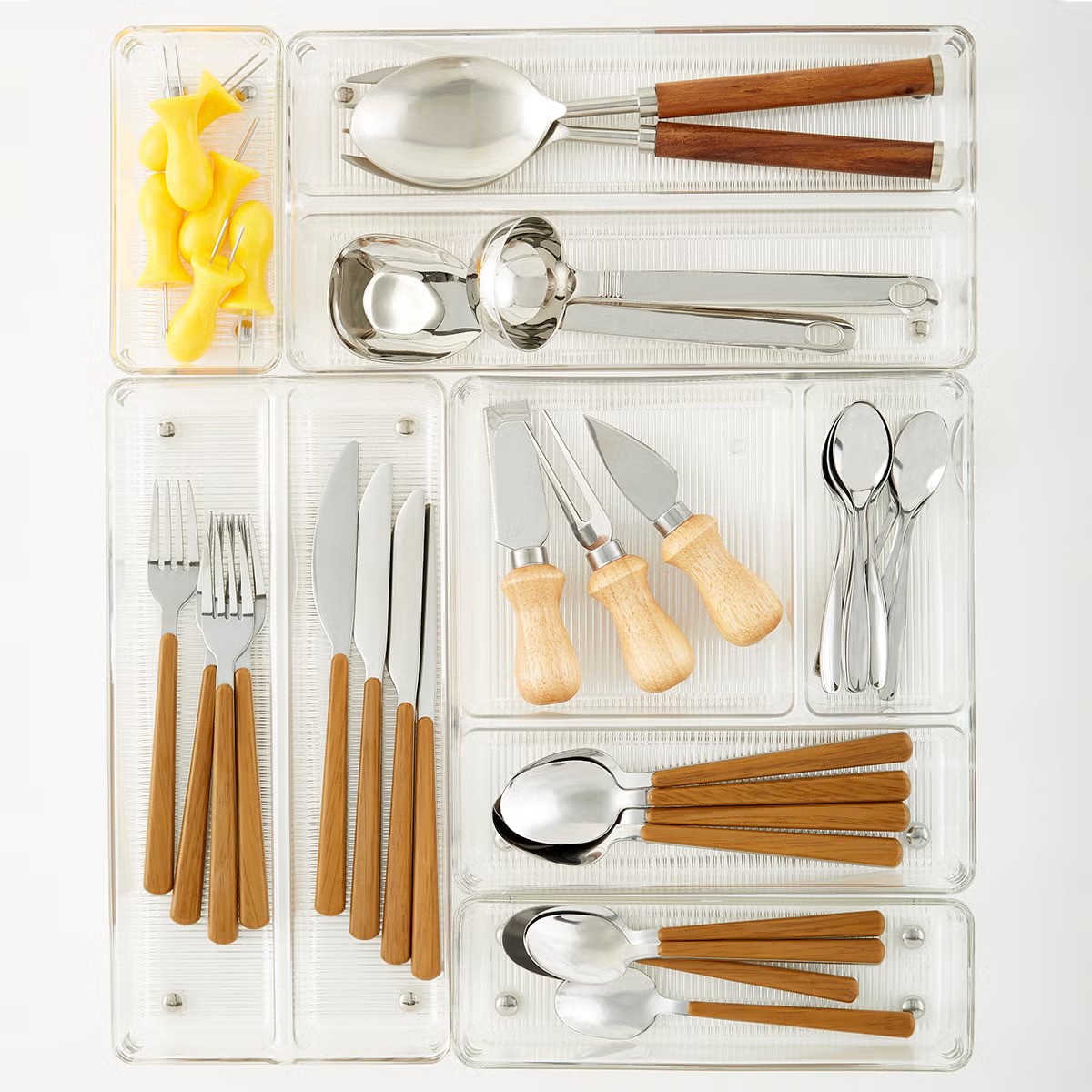
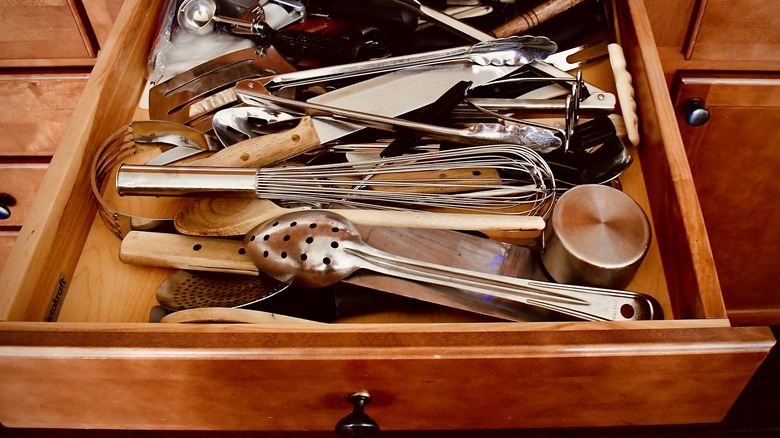
Many pre-made kitchen drawer organizers, particularly those for silverware, often feature impractical compartment sizes and shallow designs, failing to accommodate the diverse range of items found in modern kitchens, from flatware to protein shaker balls. This common frustration can be addressed through a DIY approach to drawer organization. A TikTok DIYer, @fromgrittopearl, demonstrates a simple yet precise method for creating custom wooden drawer dividers, highlighting the advantages of tailoring storage solutions to individual needs. This DIY method involves basic materials such as wood, a saw, wood glue, and clamps.
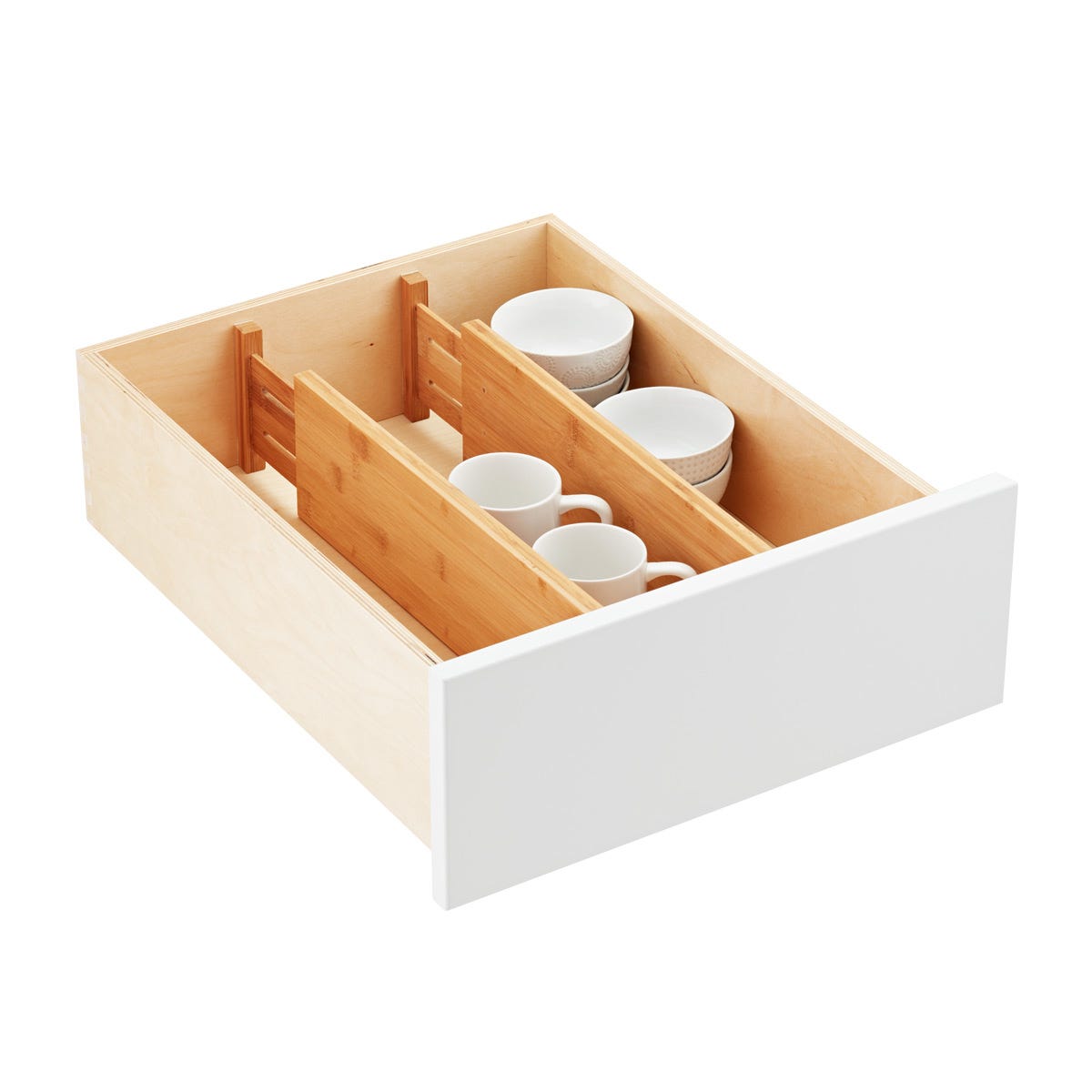
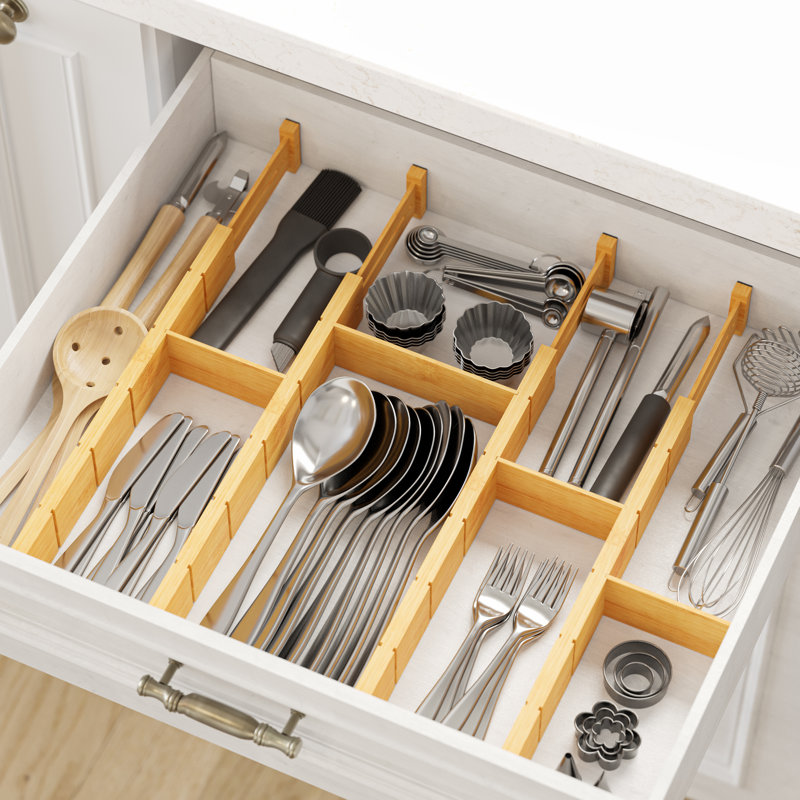
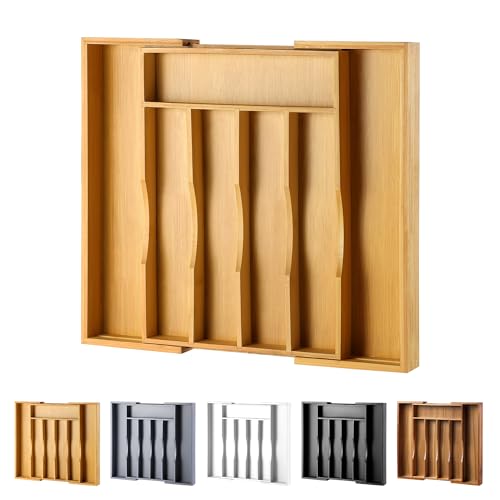
The decision to DIY a drawer divider depends on the specific organizational requirements. While generic drawer trays may suffice for random items in a "junk drawer," a custom-built solution is ideal for items like silverware, where precise compartment sizes are crucial. Economically, DIYing can offer significant savings. For instance, a popular bamboo expandable drawer organizer on Amazon costs approximately $24.57, and past Anthropologie organizers were around $40. In contrast, two 2-inch poplar craft planks from Home Depot, sufficient for a DIY project, cost about $6.26, assuming the user already possesses a saw, wood glue, and clamps. This cost-effectiveness, however, is secondary to the primary benefit of customization, allowing for dividers that perfectly fit the drawer and its contents. The TikToker also suggests creating custom vinyl labels for compartments using a vinyl cutter, further enhancing organization. Additionally, DIY dividers can be more easily cleaned than many removable plastic trays.
The construction of a DIY wooden drawer organizer begins with emptying and thoroughly cleaning the drawer. The next step involves a careful planning phase where each type of item is laid out in its intended area within the drawer. The TikToker uses painter's tape to mock up the dividers and then takes measurements. It's important to account for the thickness difference between the tape and the actual wood planks when taking measurements to ensure accuracy. For the dividers, boards at least 1.5 inches wide are recommended, with a maximum width of 3.5 inches to avoid creating compartments that are too deep and make items difficult to retrieve. The best-selling Amazon divider, for example, is about 2 inches deep. The chosen boards must be cut perfectly square to ensure a tight fit. Polyvinyl acetate (PVA) wood glue is used to secure the boards, and each joint should be clamped individually, as the glue dries quickly. If necessary, sanding the board ends can help achieve a snug fit for the completed organizer.
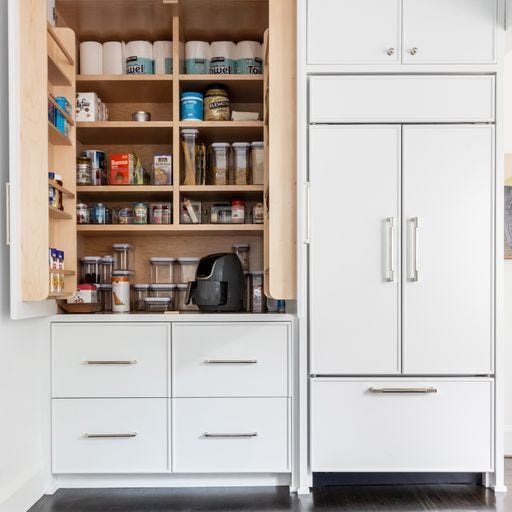
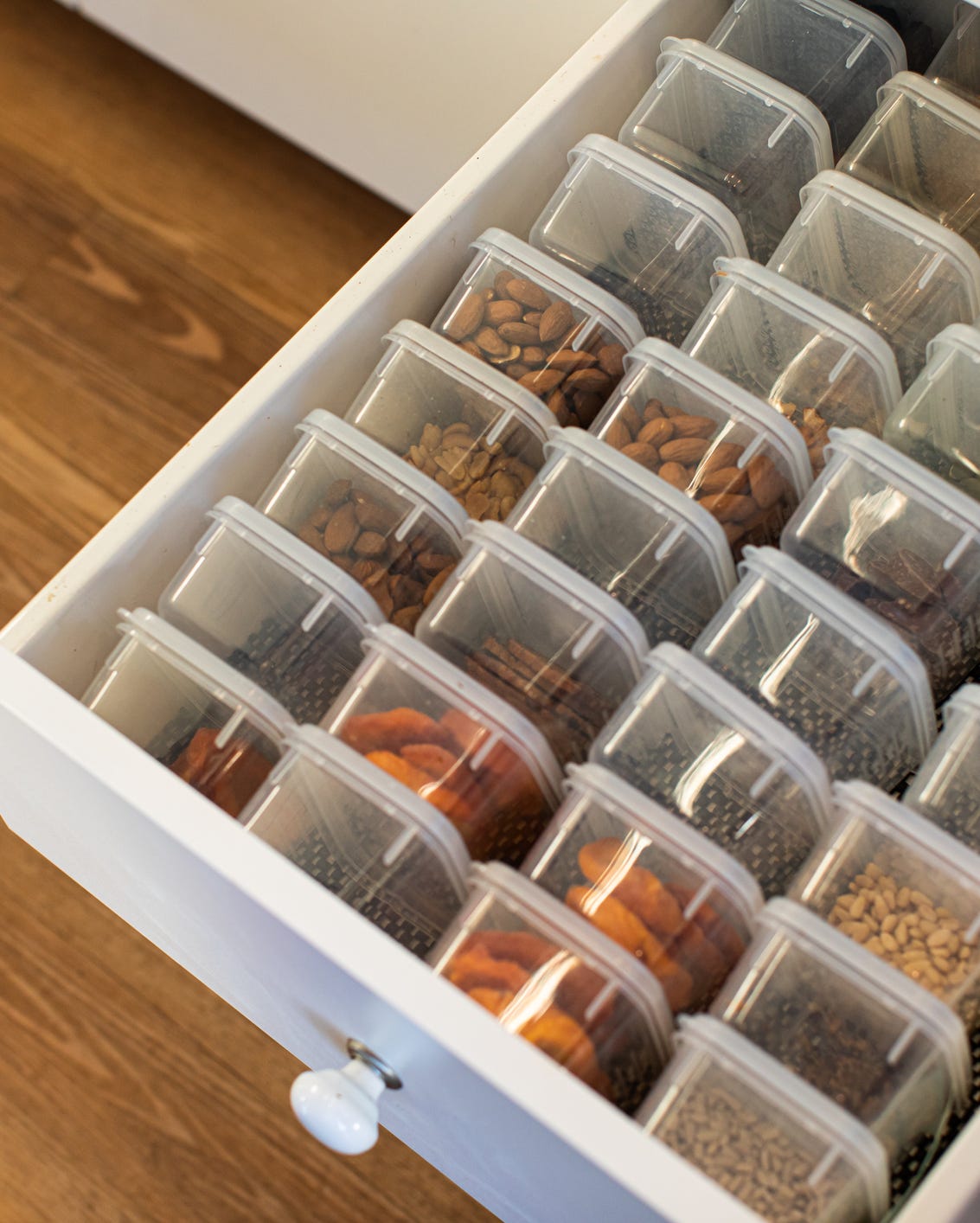
This method extends beyond silverware, being applicable to other storage needs, such as creating a snack storage drawer to supplement or replace pantry space. The core principle remains creating a bespoke solution that maximizes efficiency and eliminates clutter by designing storage around the specific dimensions of the drawer and the items it will hold, offering a personalized and often more functional alternative to mass-produced organizers.
#KitchenOrganization #DIYHomeImprovement #WoodenDrawerOrganizer #CustomStorage #HomeOrganization #KitchenDIY #SpaceSavingSolutions #CraftPlanks #WoodWorking #KitchenOrganization #DIYHomeImprovement #WoodenDrawerOrganizer #CustomStorage #HomeOrganization #KitchenDIY #SpaceSavingSolutions #CraftPlanks #WoodWorking
0 comment in total
 No comments yet
You may also like
Tips for organising kitchen drawers - 12 ways to banish clutter for good

Kitchen Storage

15 Kitchen Cabinet Organizers That Will Change Your Life

The 7 Best Drawer Organizers to Keep Your Kitchen, Home Office, and Bathroom Clean

14 Easy-To-Install Drawers That Make The Most Of Lower Kitchen Cabinet Space
5 Storage Mistakes You're Making With Your Kitchen Drawers That Are Sabotaging Your Space's Potential

The Easiest Kitchen Reset Starts with These Drawer Organizers and Pantry Storage Solutions
25 Smart Ways to Organize Your Kitchen Cabinets


Bulthaup's New Drawer Organizing System


Kitchen Cupboard Storage | Drawer Organisers
13 Awe-Worthy Kitchen Cabinet Organization Ideas

This genius Joseph Joseph drawer organizer transformed my tiny kitchen – it’s on sale and I’m buying a second one

Magnetic Drawer Organizer

These Cabinet Customizations are Totally Worth It, According to Pro Organizers

How to Fit Kitchen Drawers

The correct way to organise your kitchen drawers according to TikTok

Stop the Clutter With These Top-Tested Kitchen Drawer Organizers

Drawer organizers tidied my tiny kitchen drawers in 5 minutes
How to organize kitchen drawers – 12 ways to keep cooking essentials orderly
The 8 Best Drawer Organizers for (Almost) Every Room in Your Home