1/7
Contemporary Interior Design for Living Room Decoration (2020)
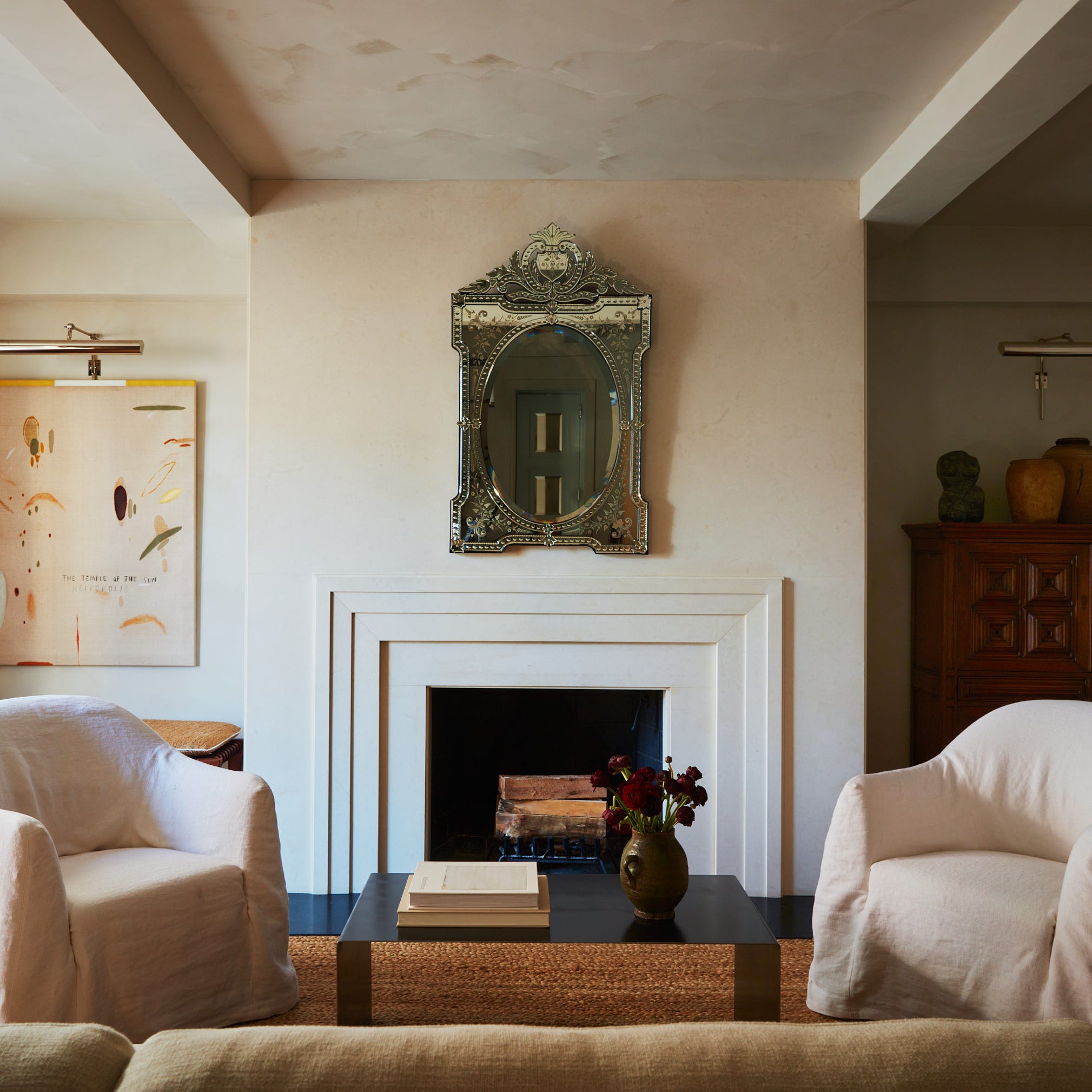
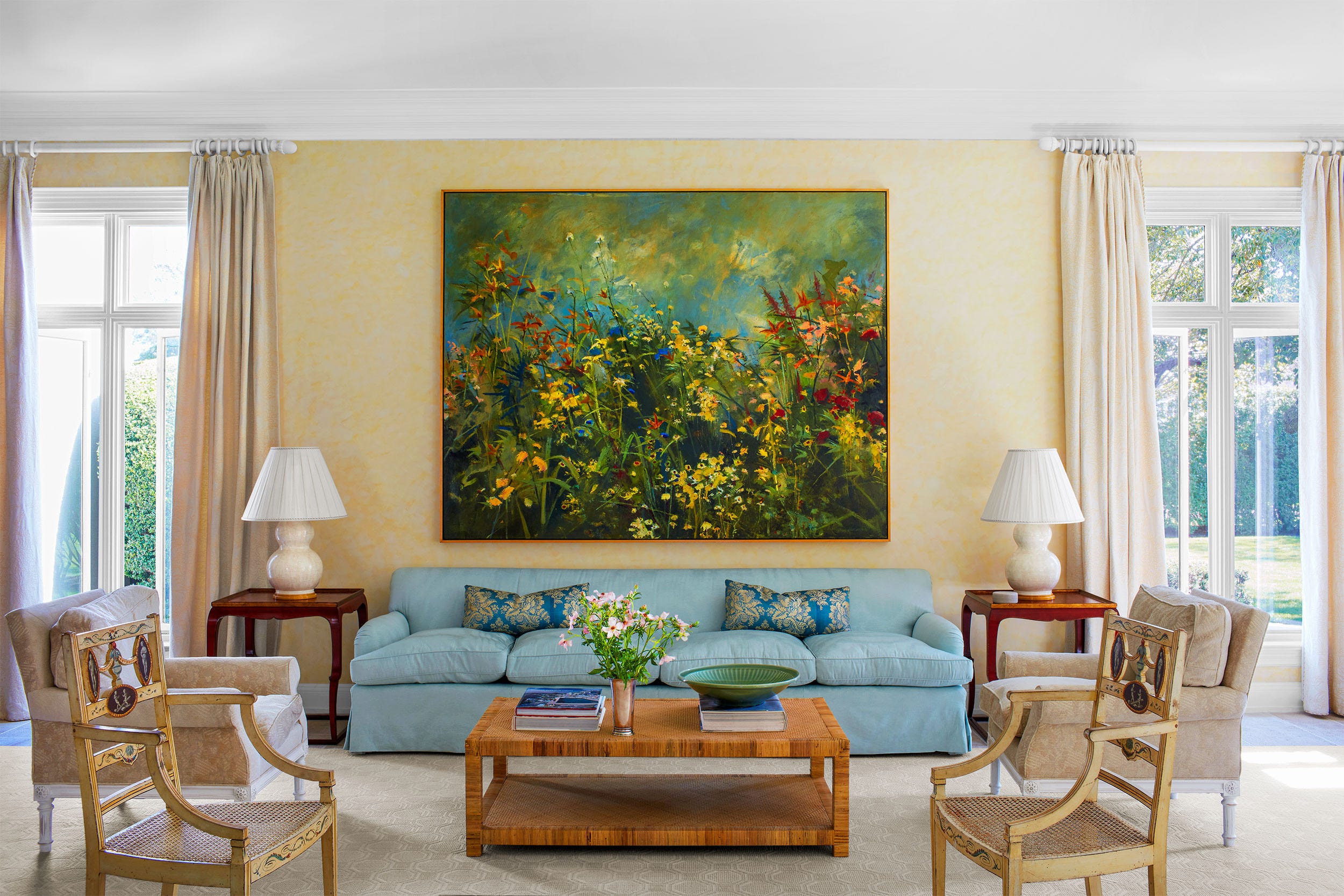
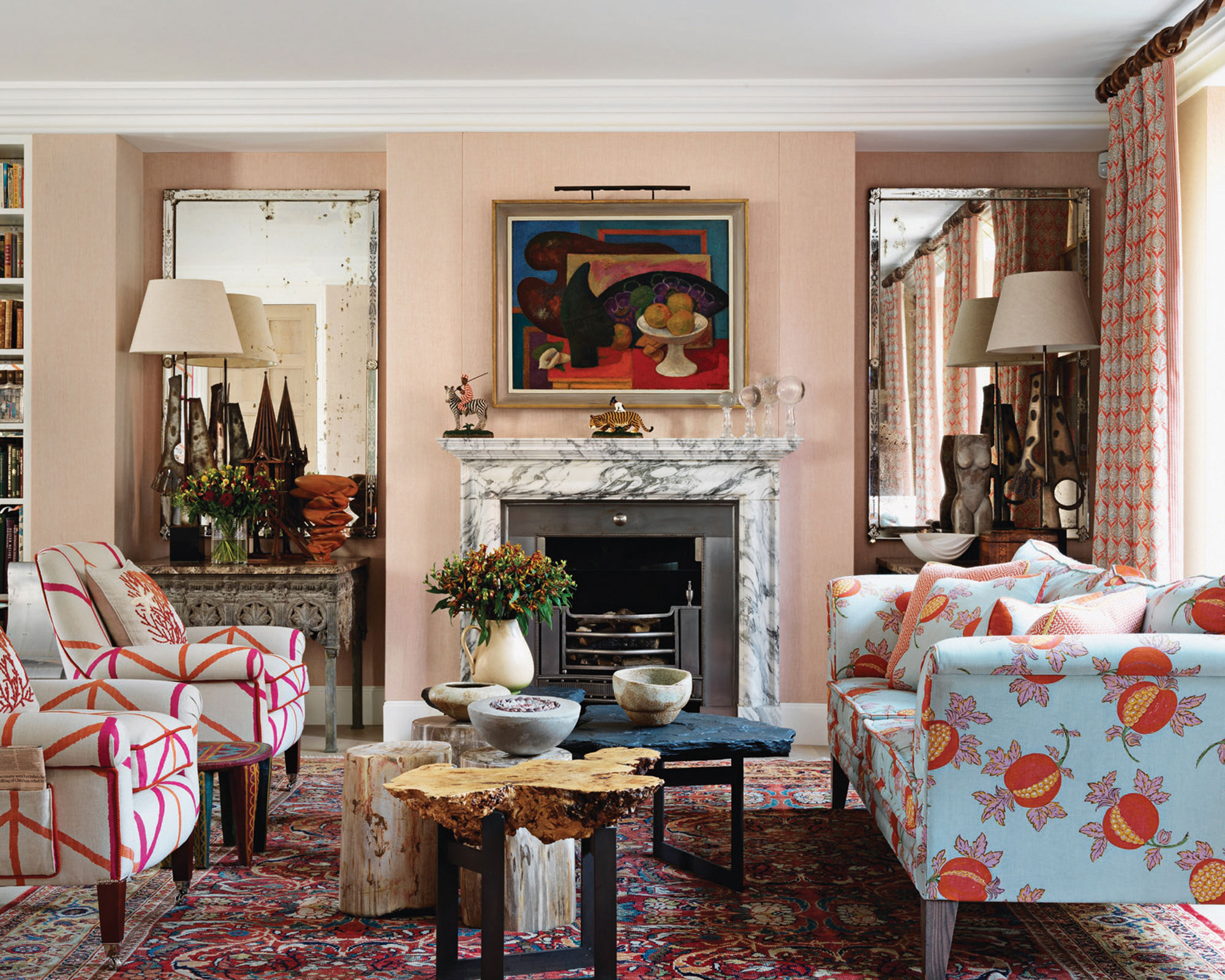
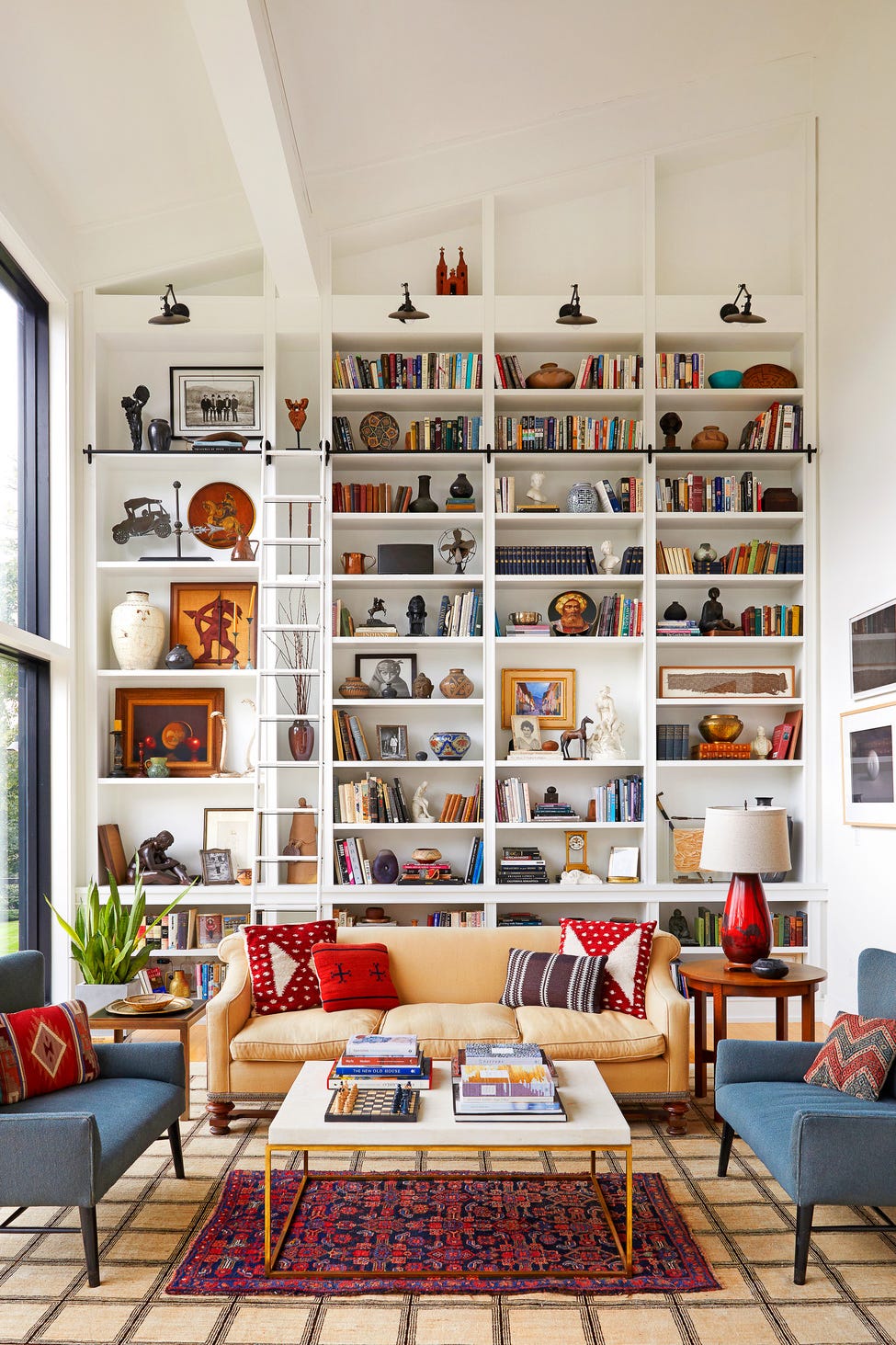
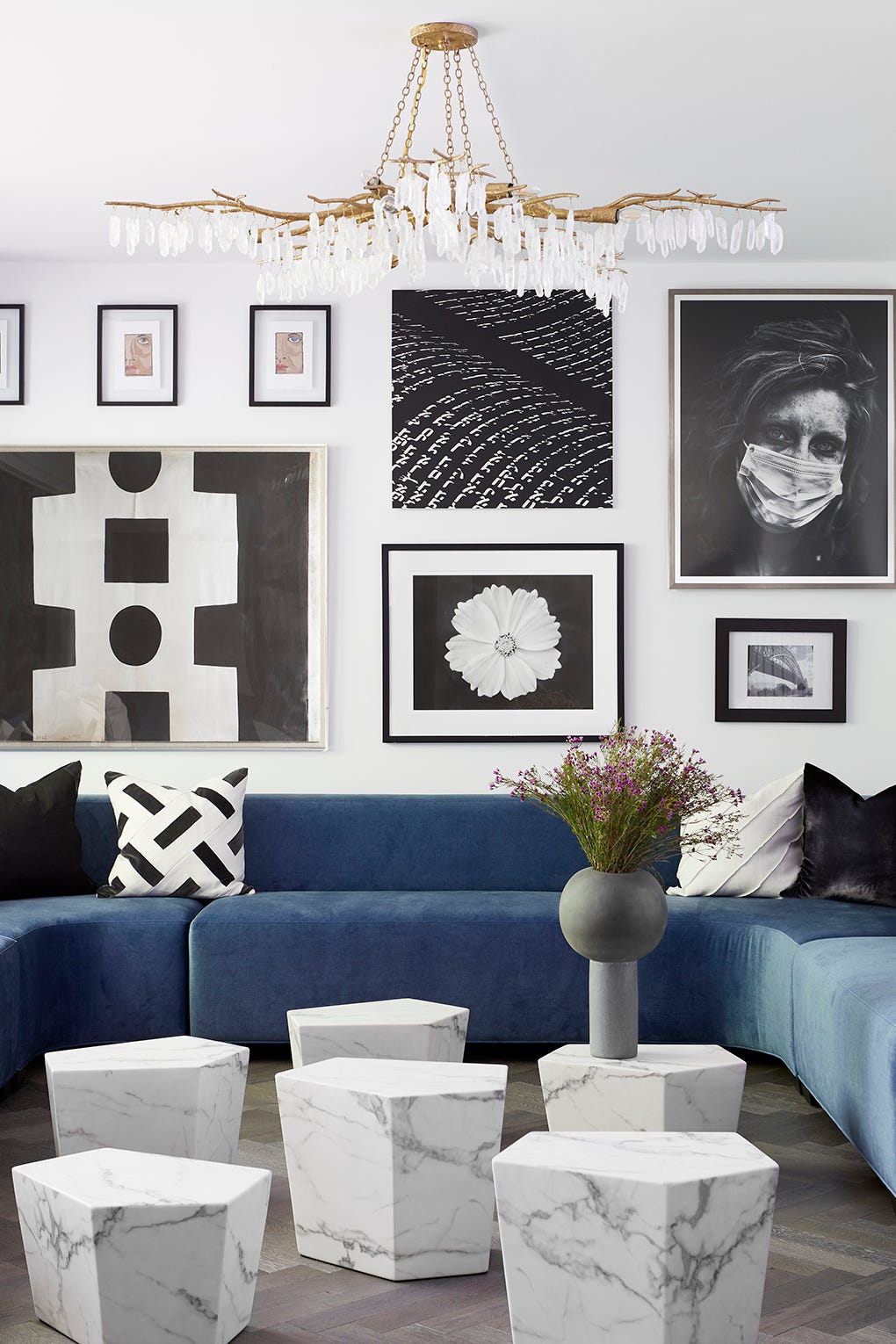
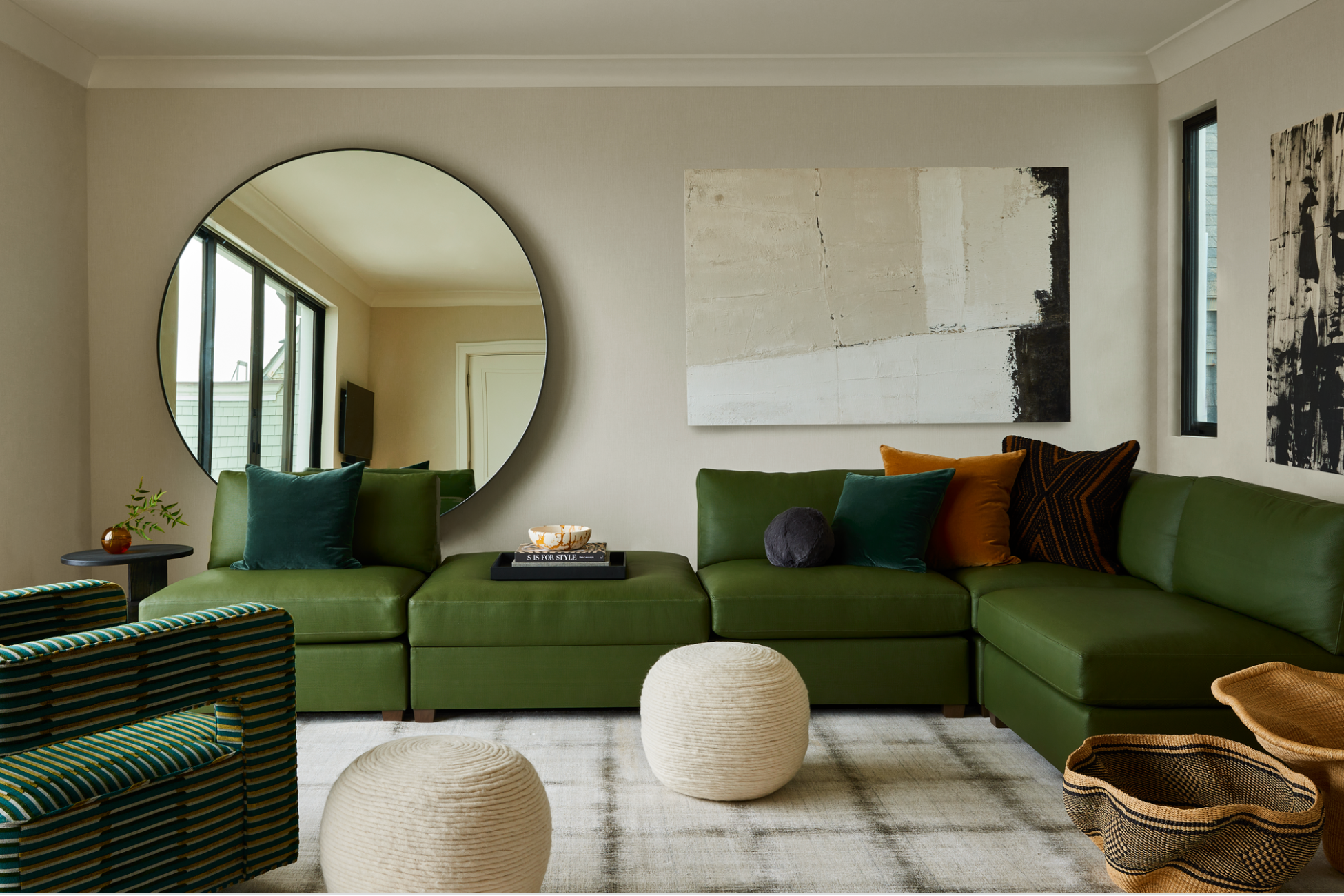
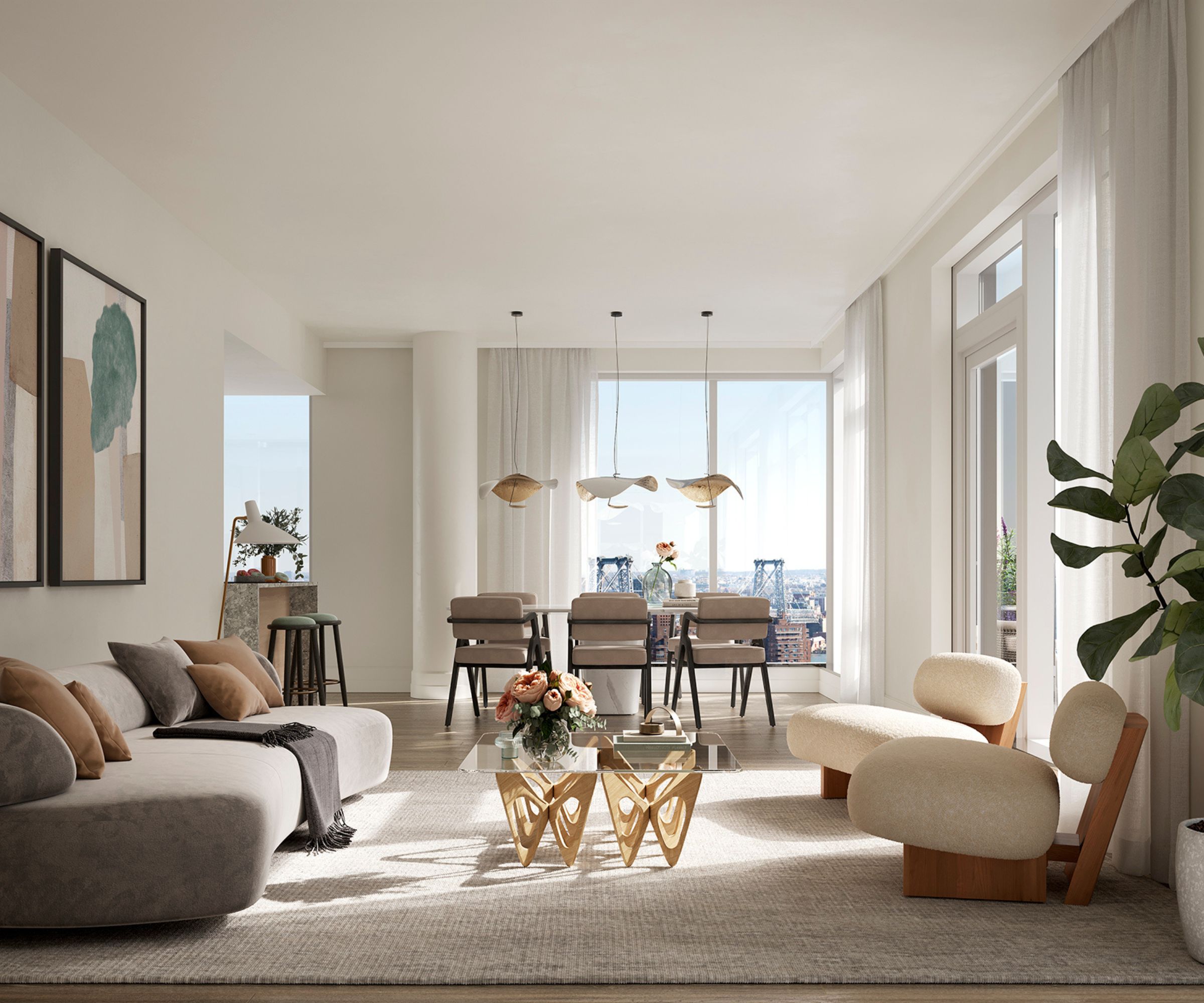
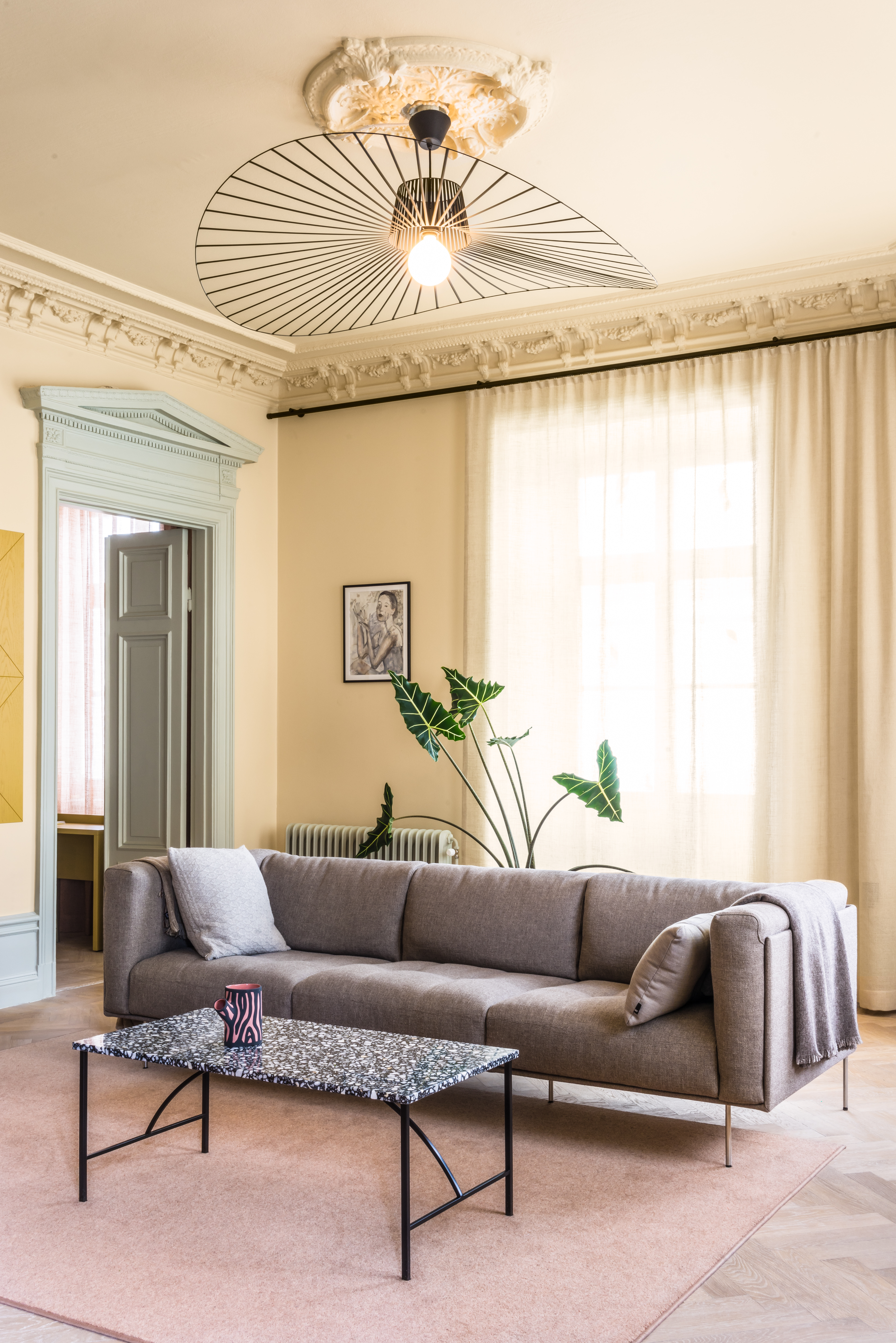
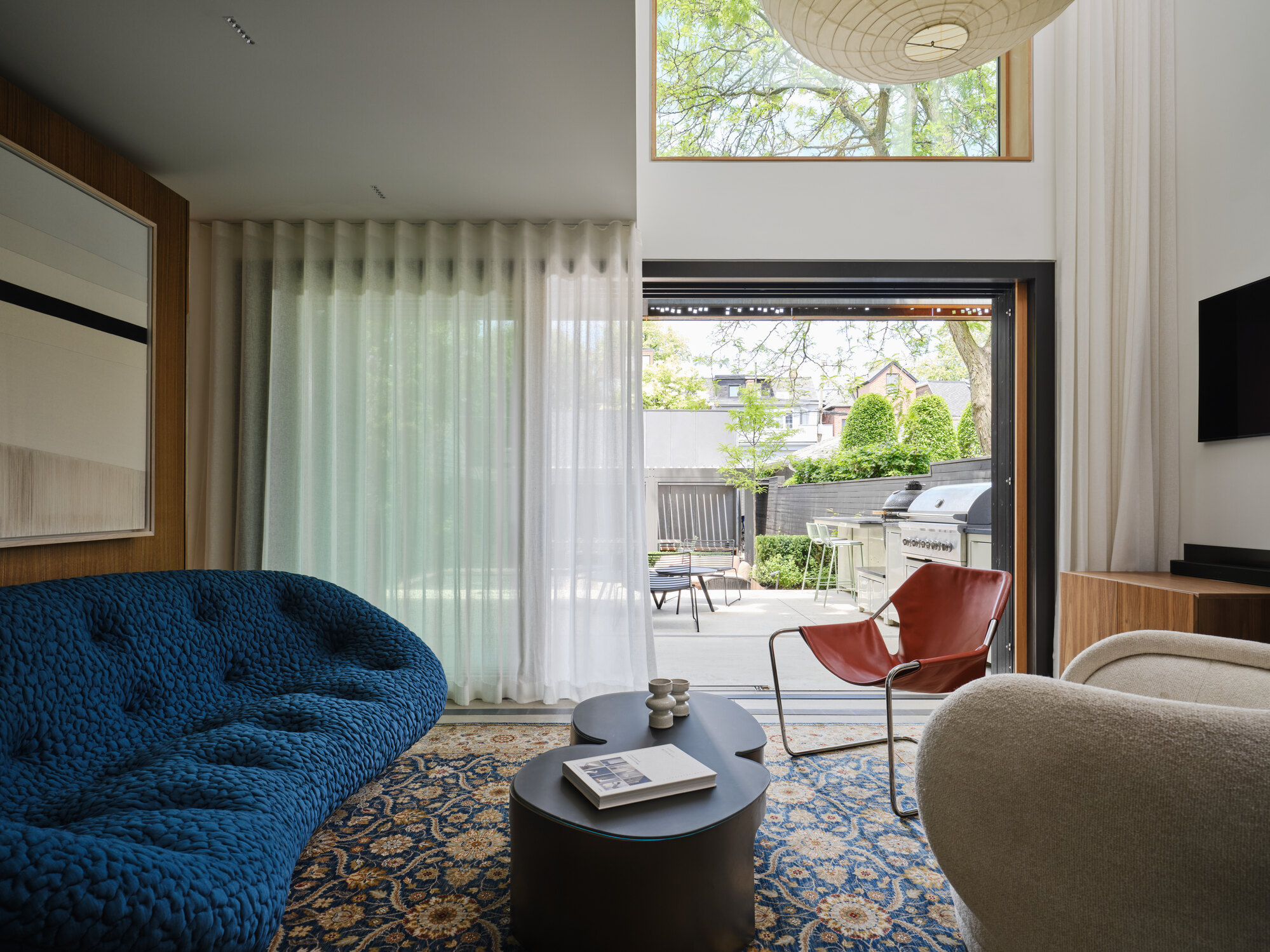
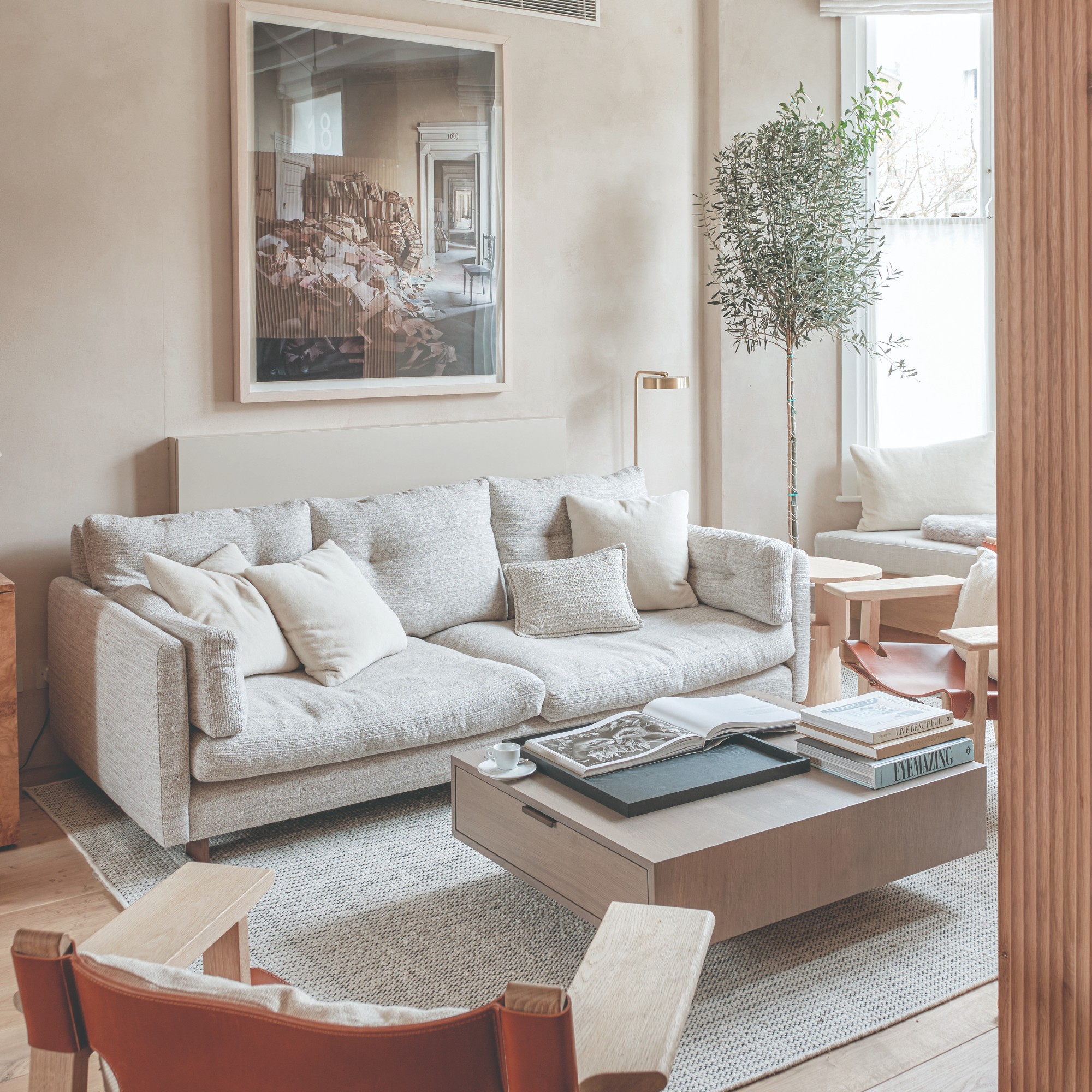
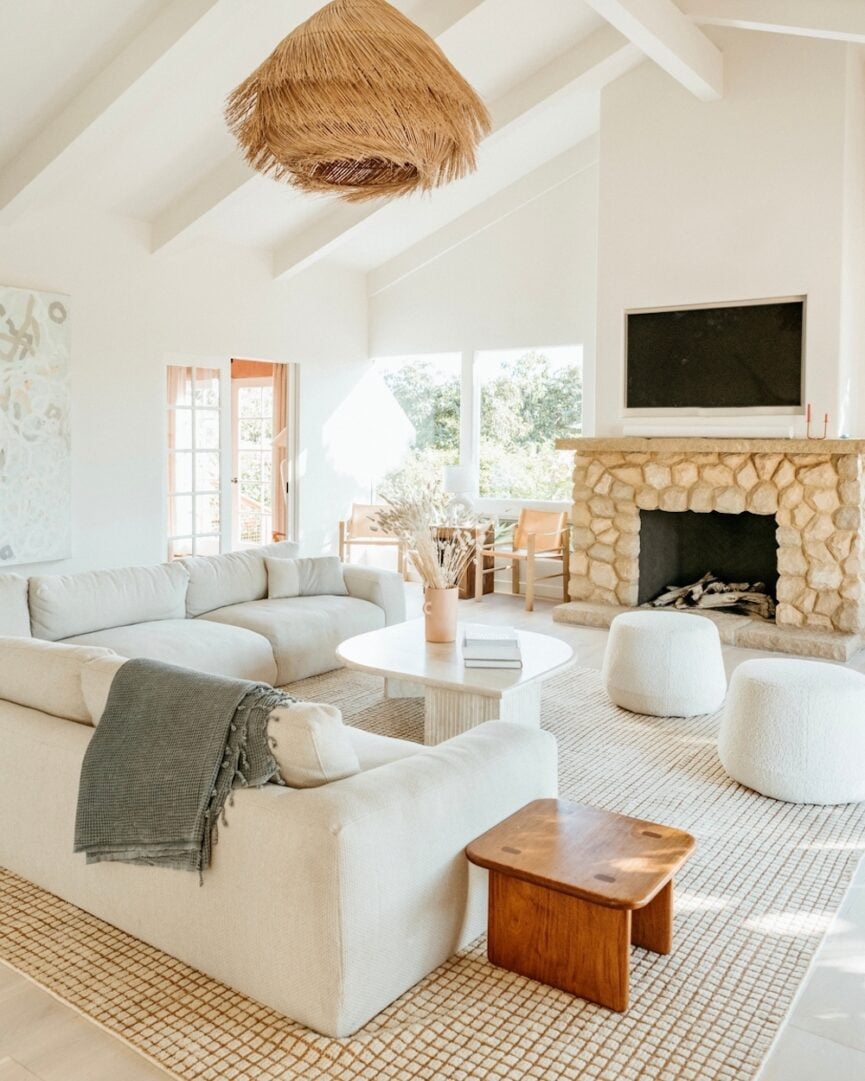
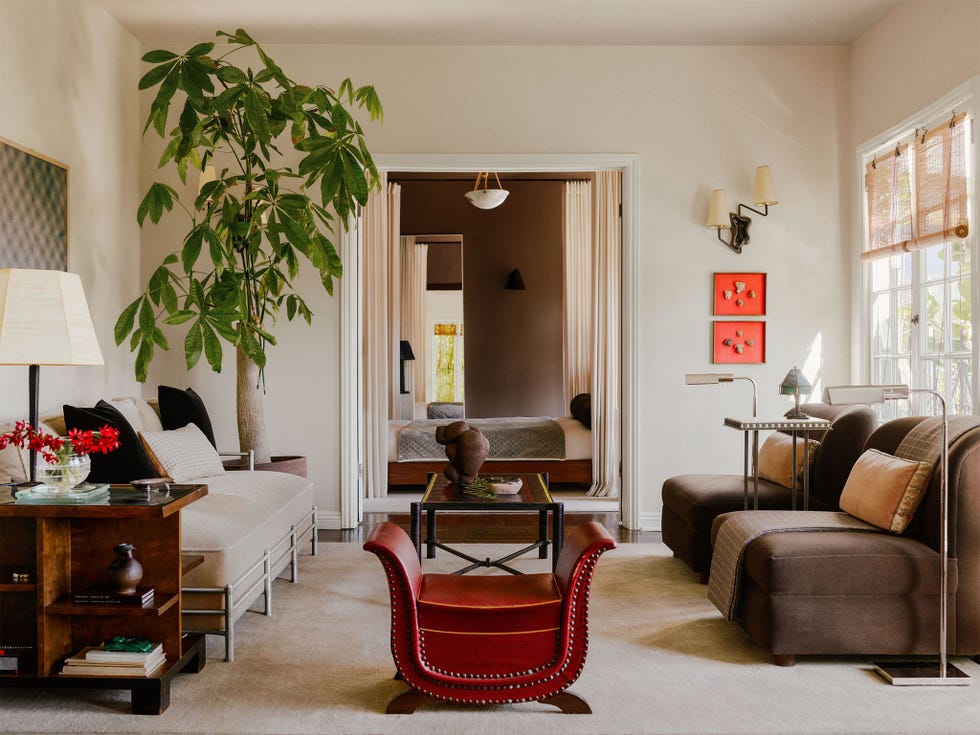
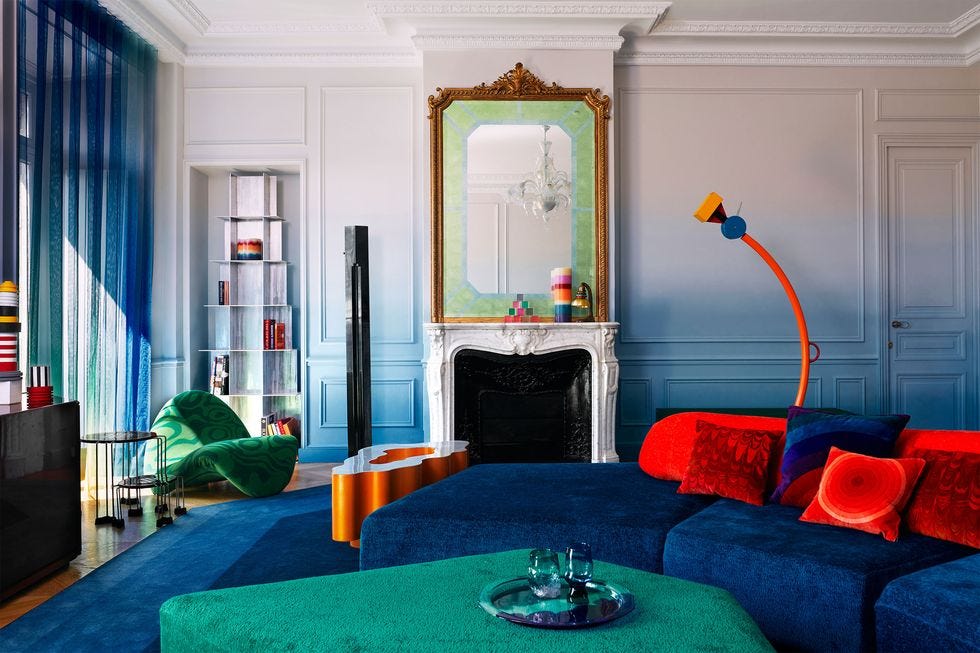
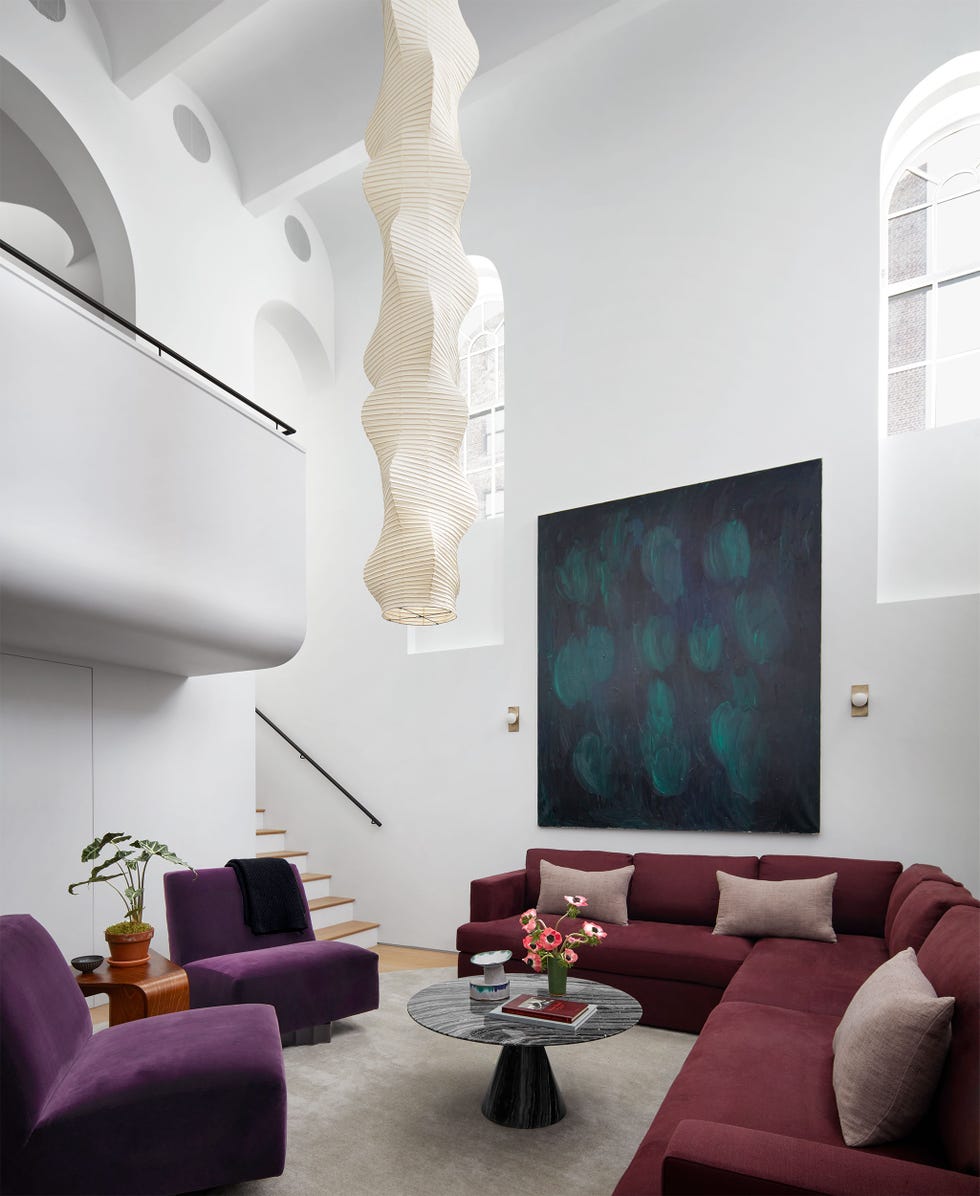
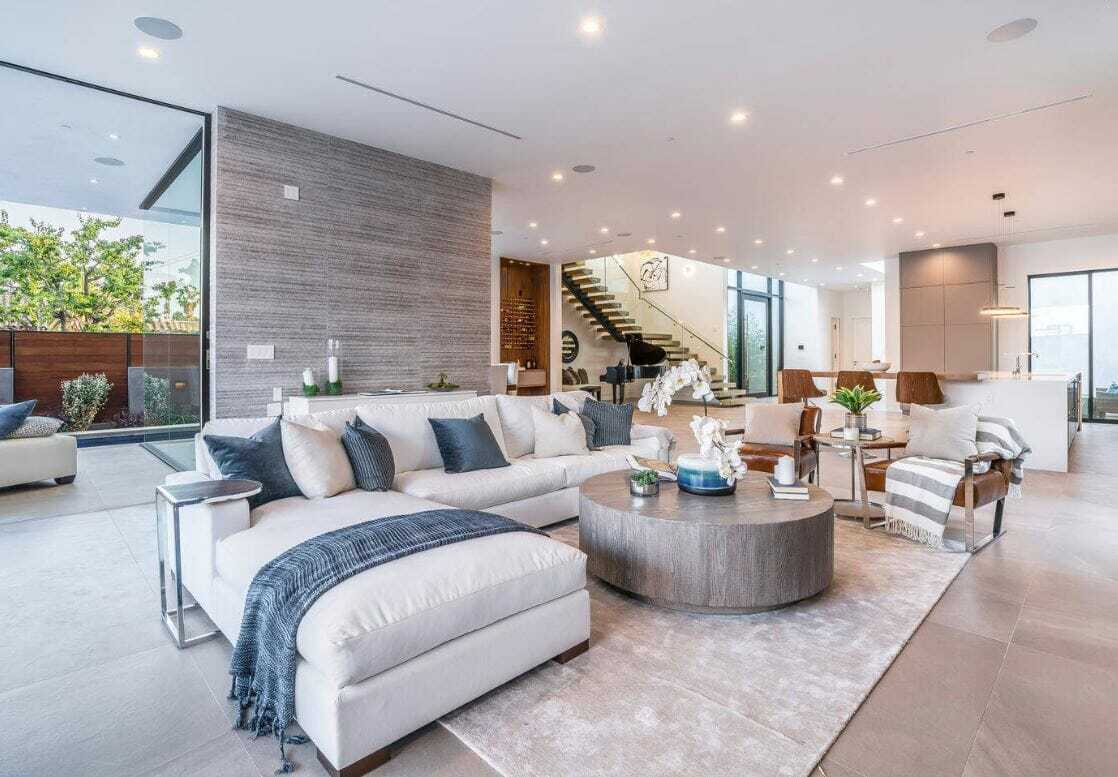
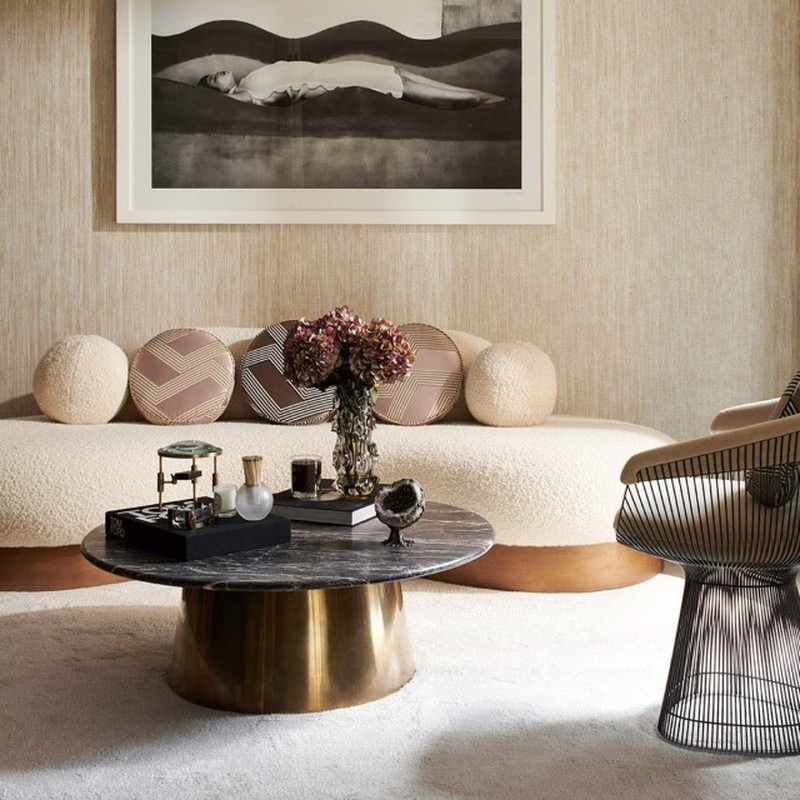
Contemporary interior design offers a vibrant alternative to minimalist modernism, for those who seek more visual richness in their home decor. Originating in the 1970s, this style is characterized by its dynamic nature, constantly evolving with current trends while incorporating elements from historical periods like 1920s Art Deco, Modernism, Neo Futurism, and Traditional design. The current manifestation of contemporary design emphasizes subtle sophistication, fluid curved lines, and a deliberate interplay of textures. To effectively integrate this style into a living room, specific guidelines regarding color palettes, furniture, accessories, and lighting are crucial.
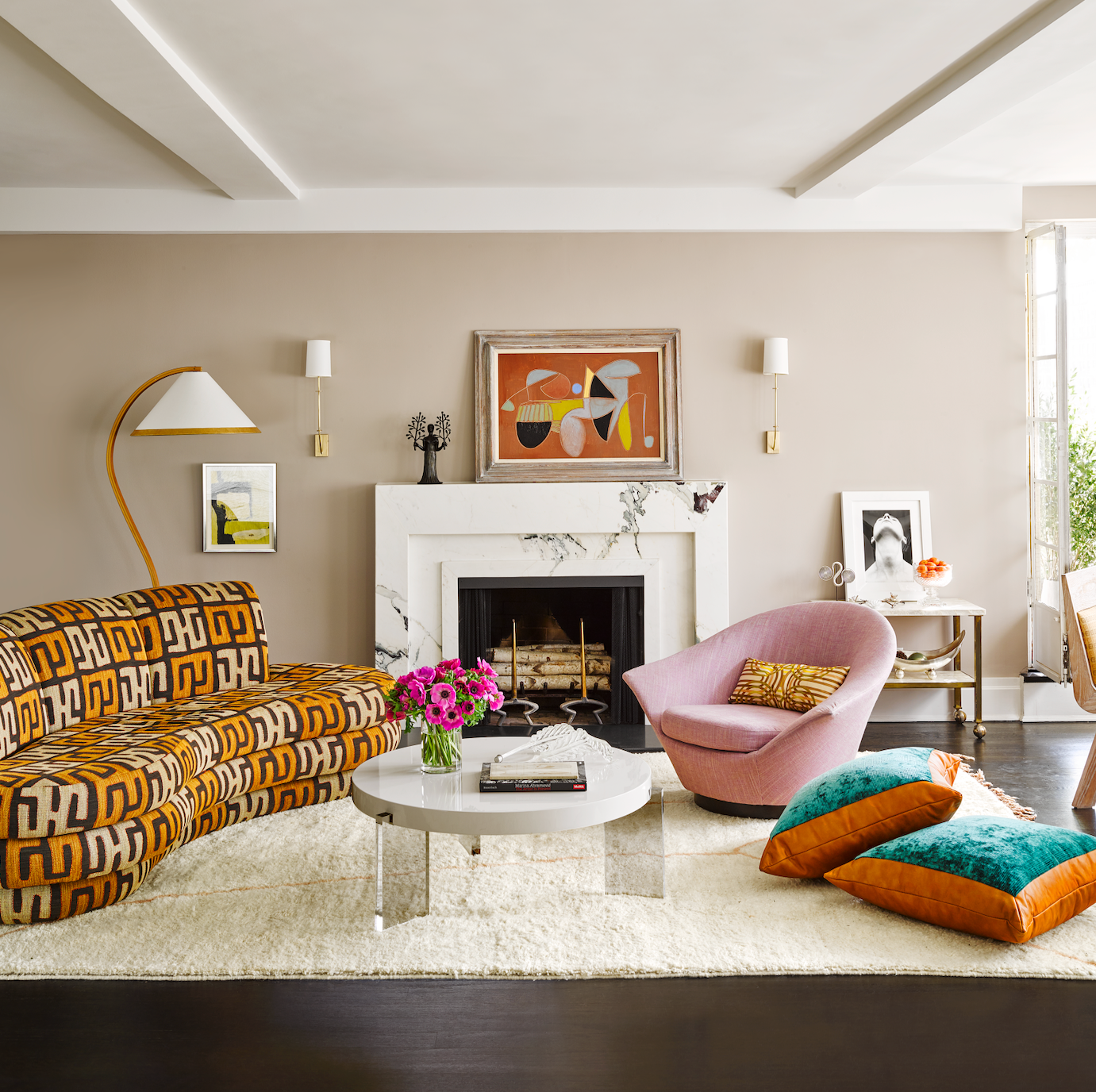
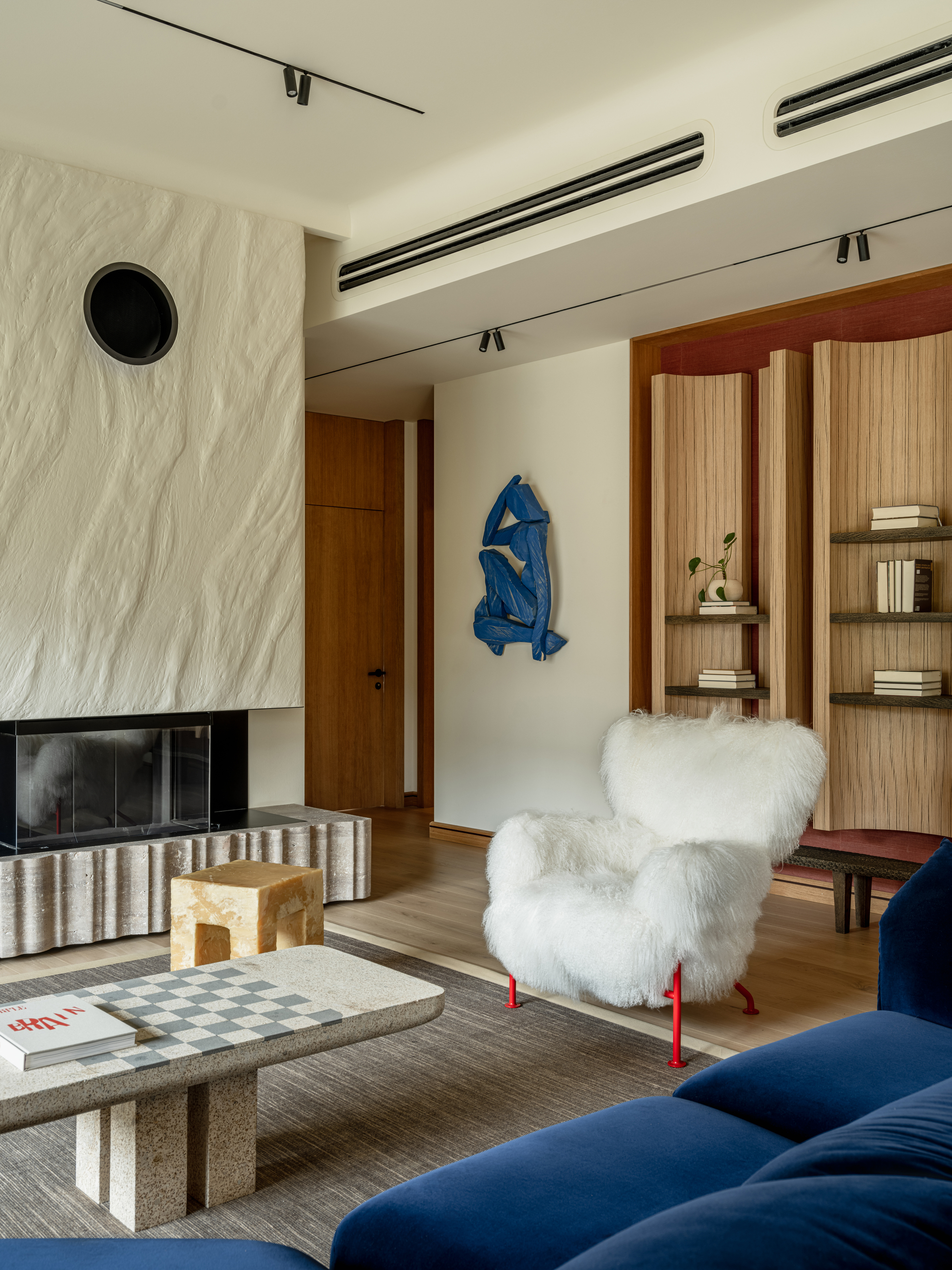
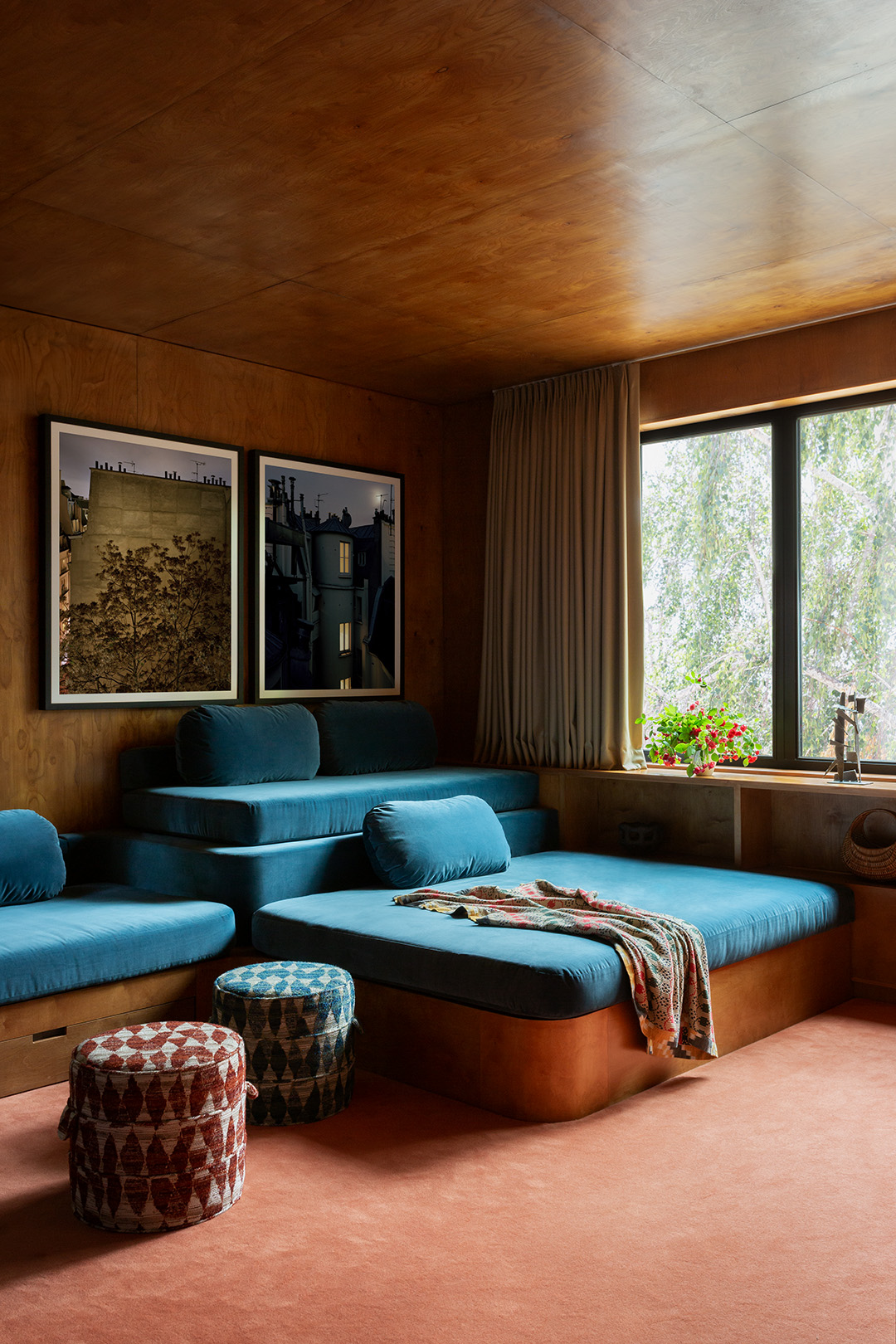
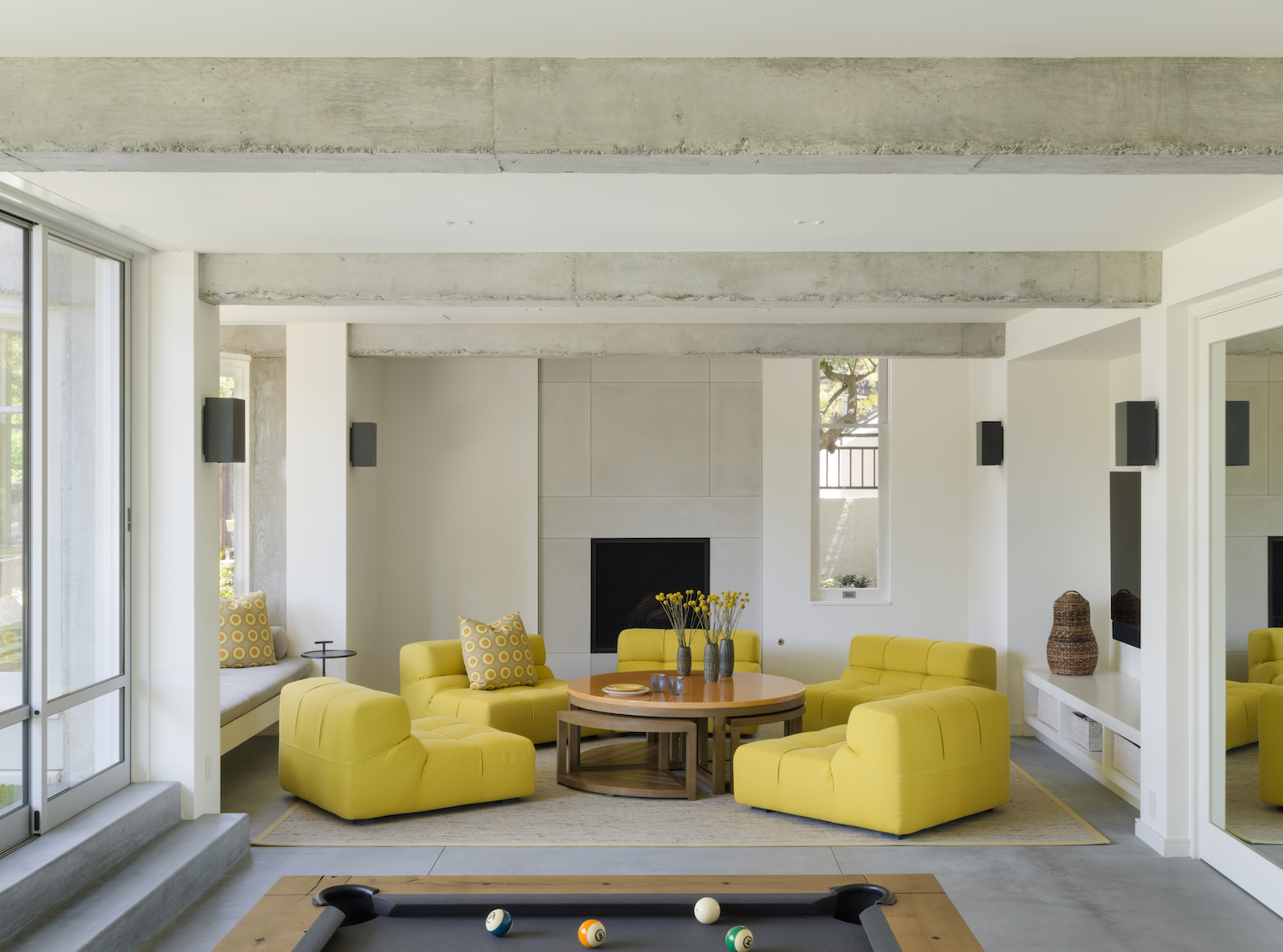
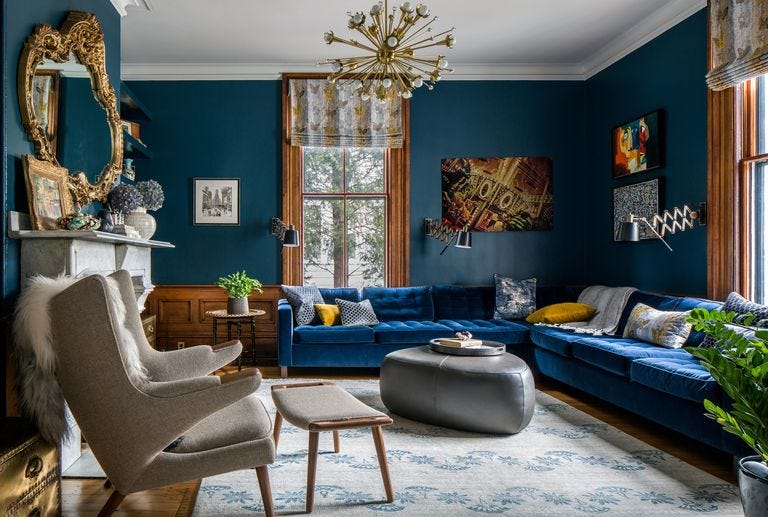
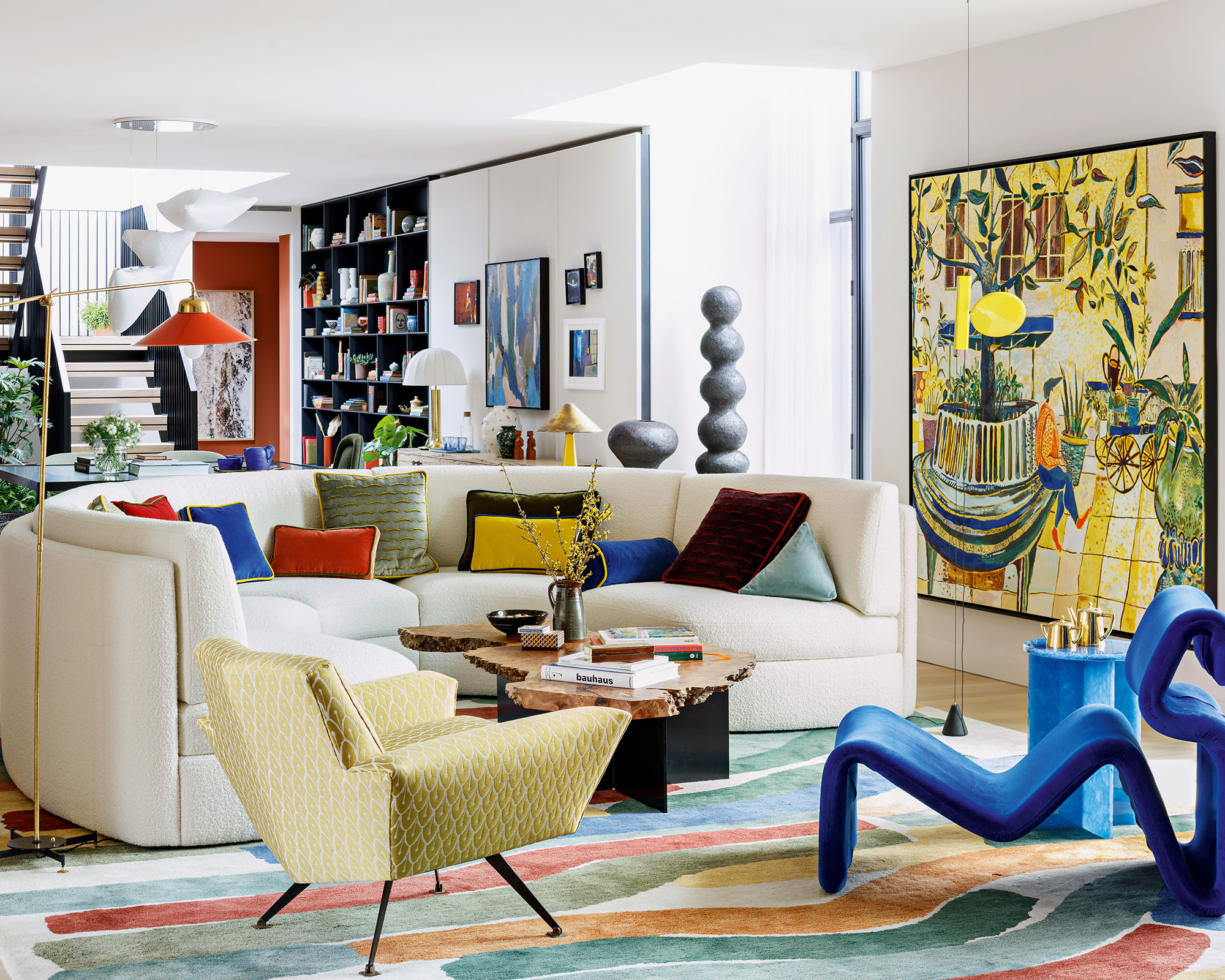
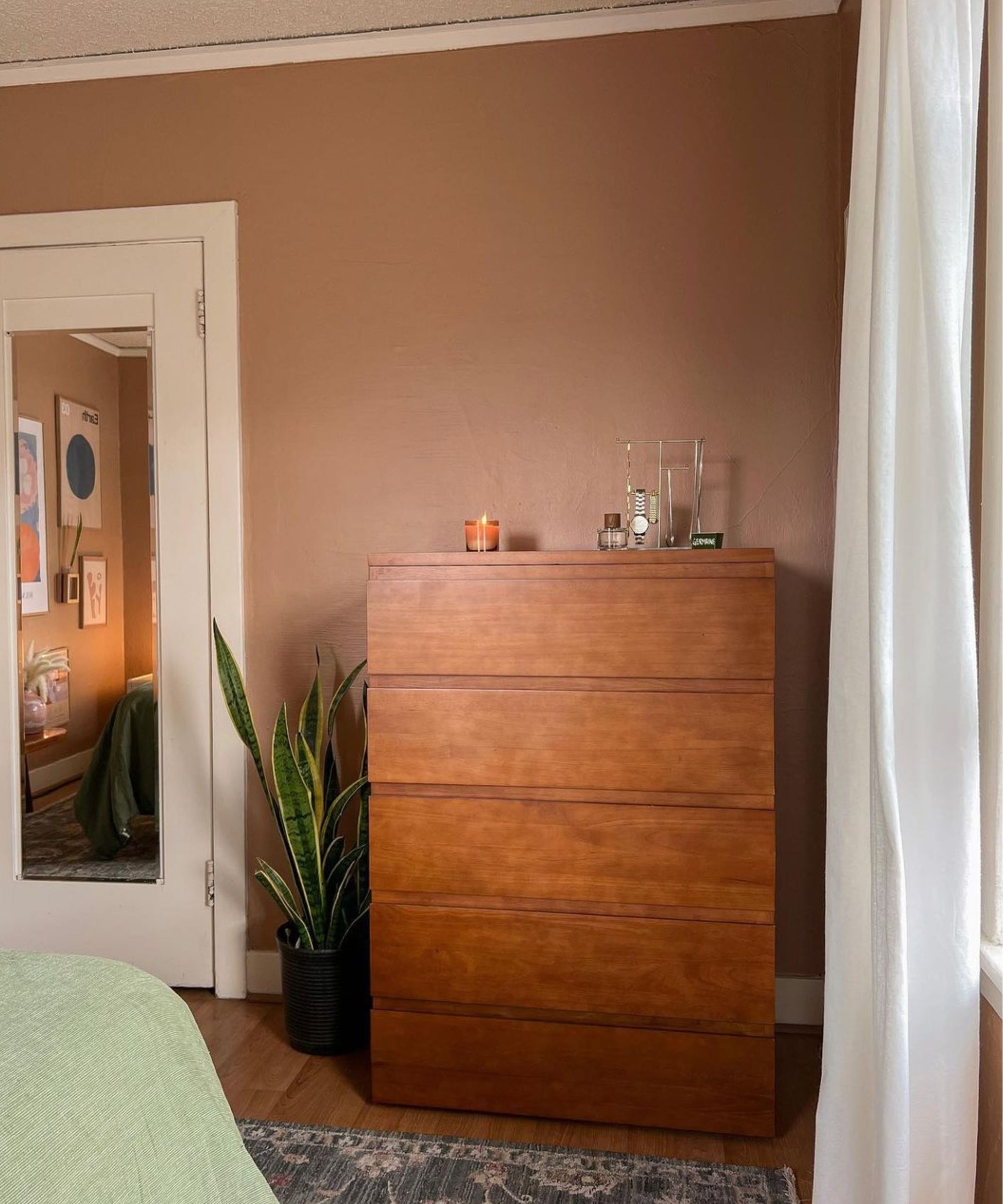
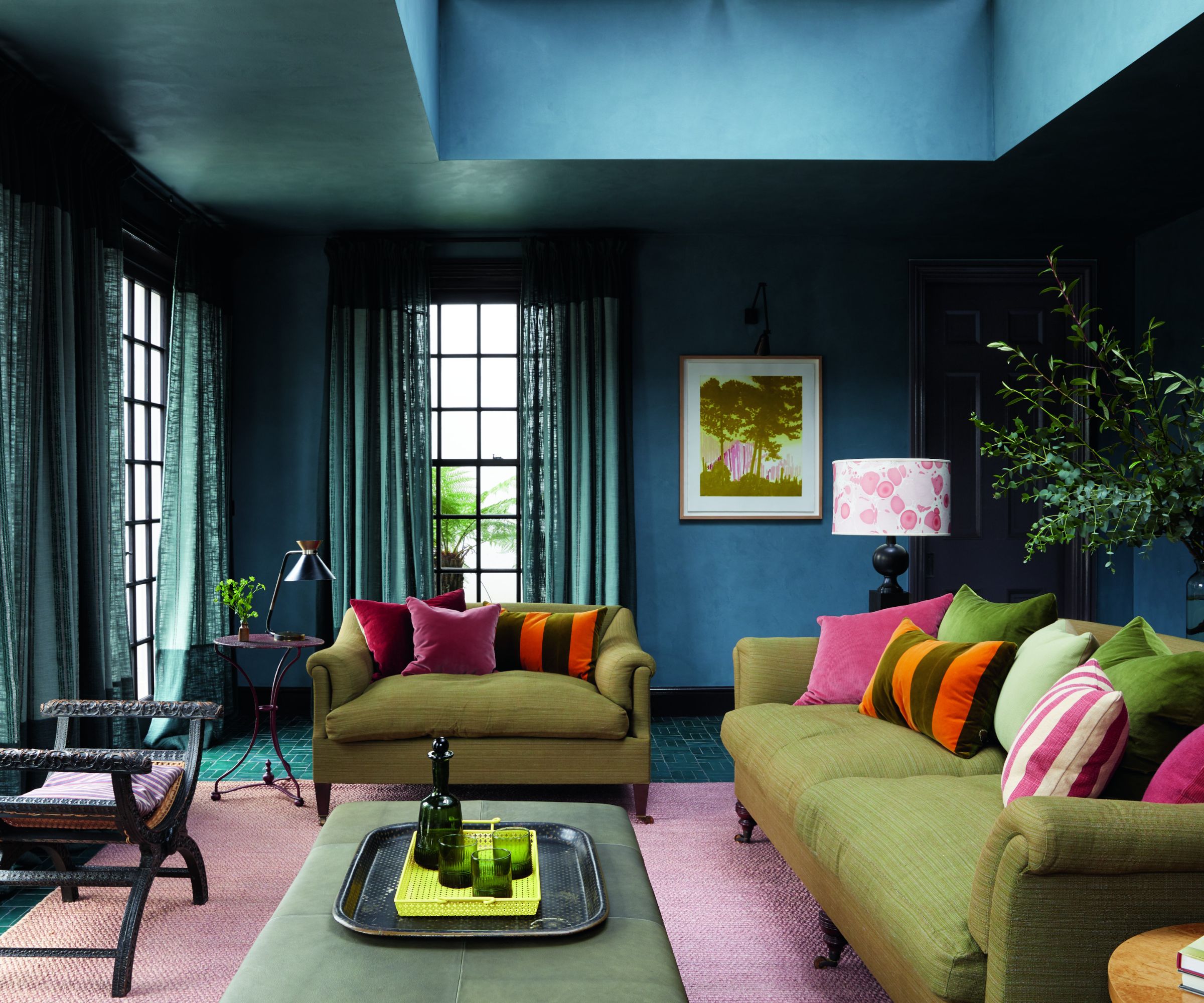
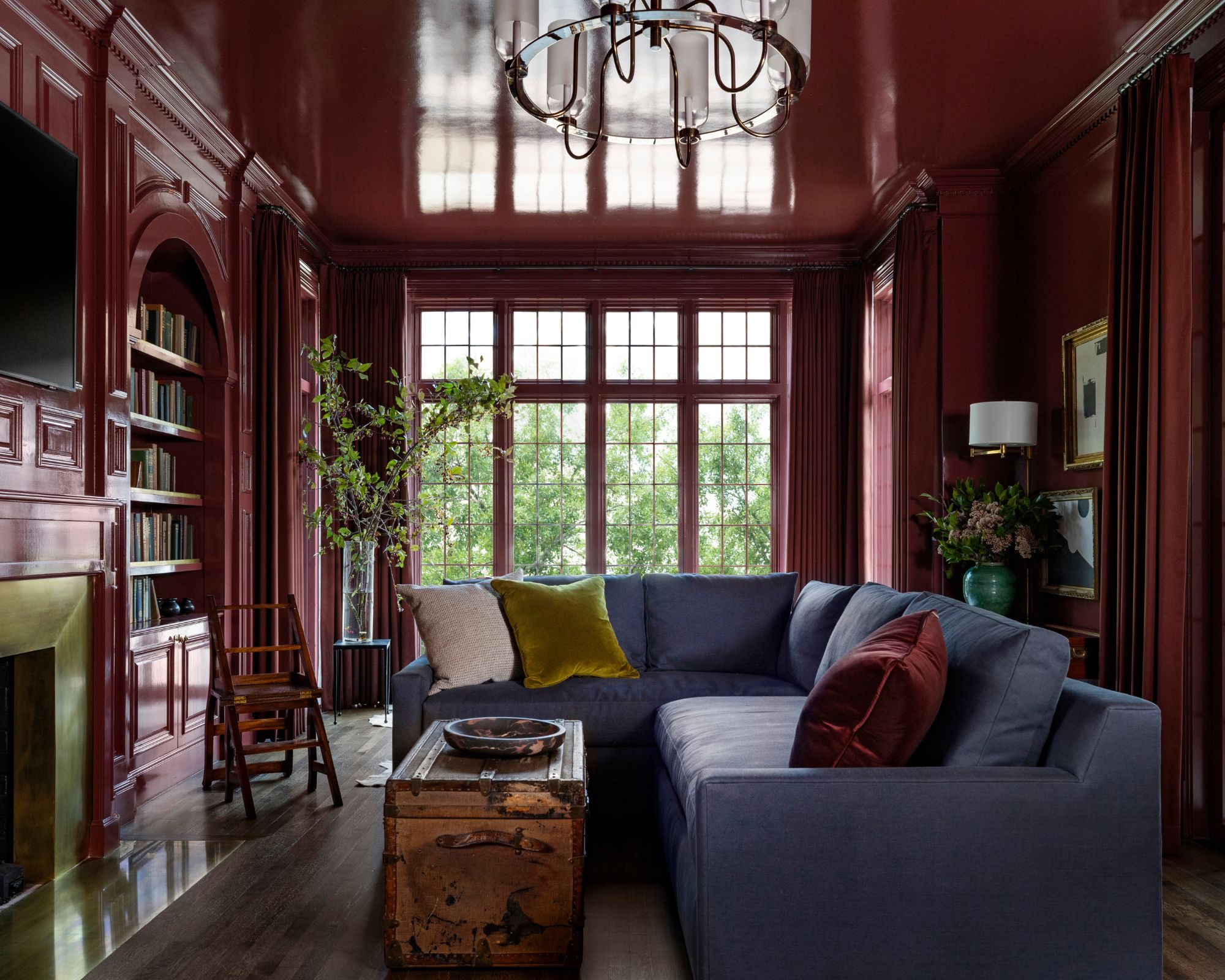
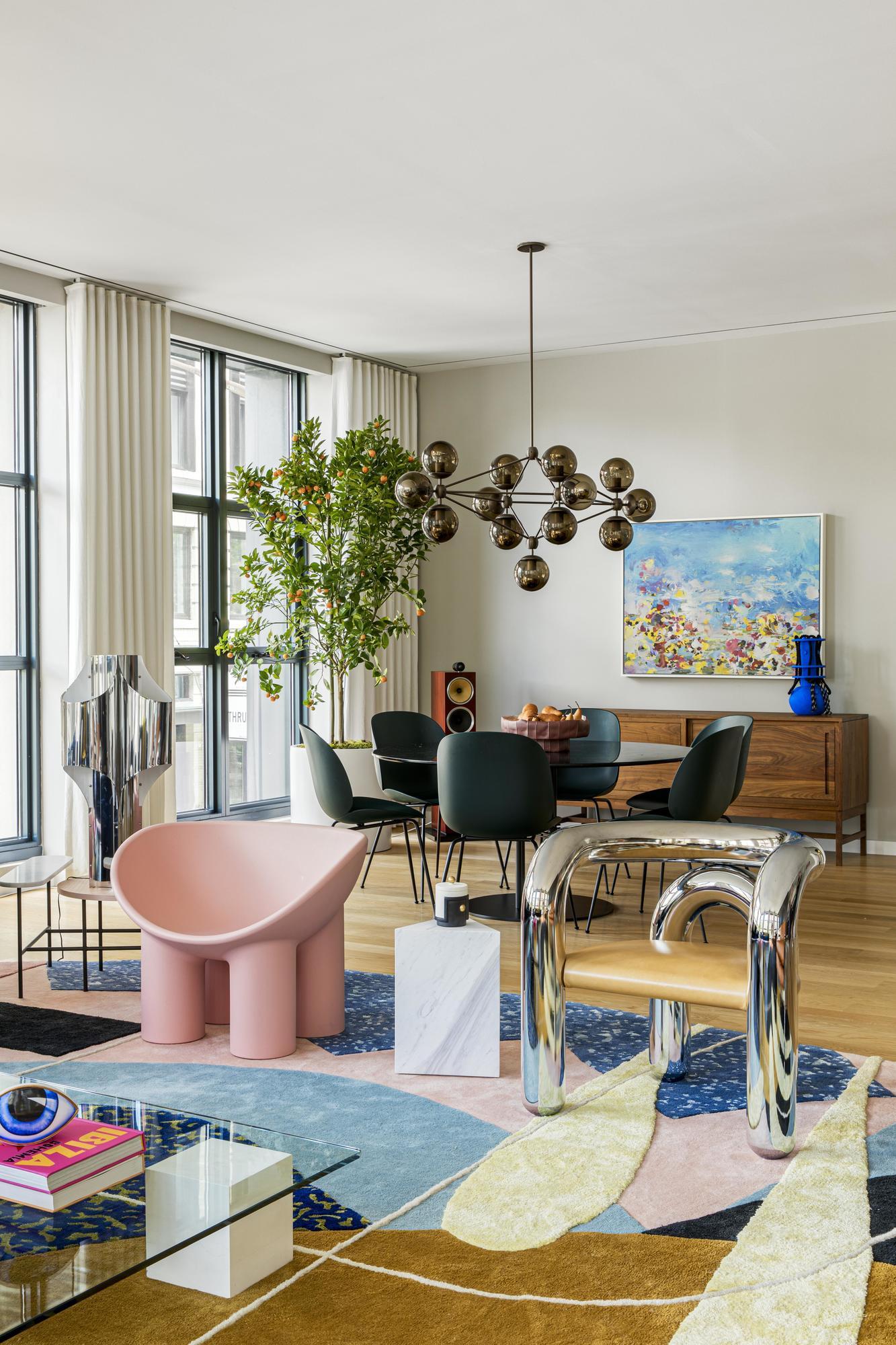
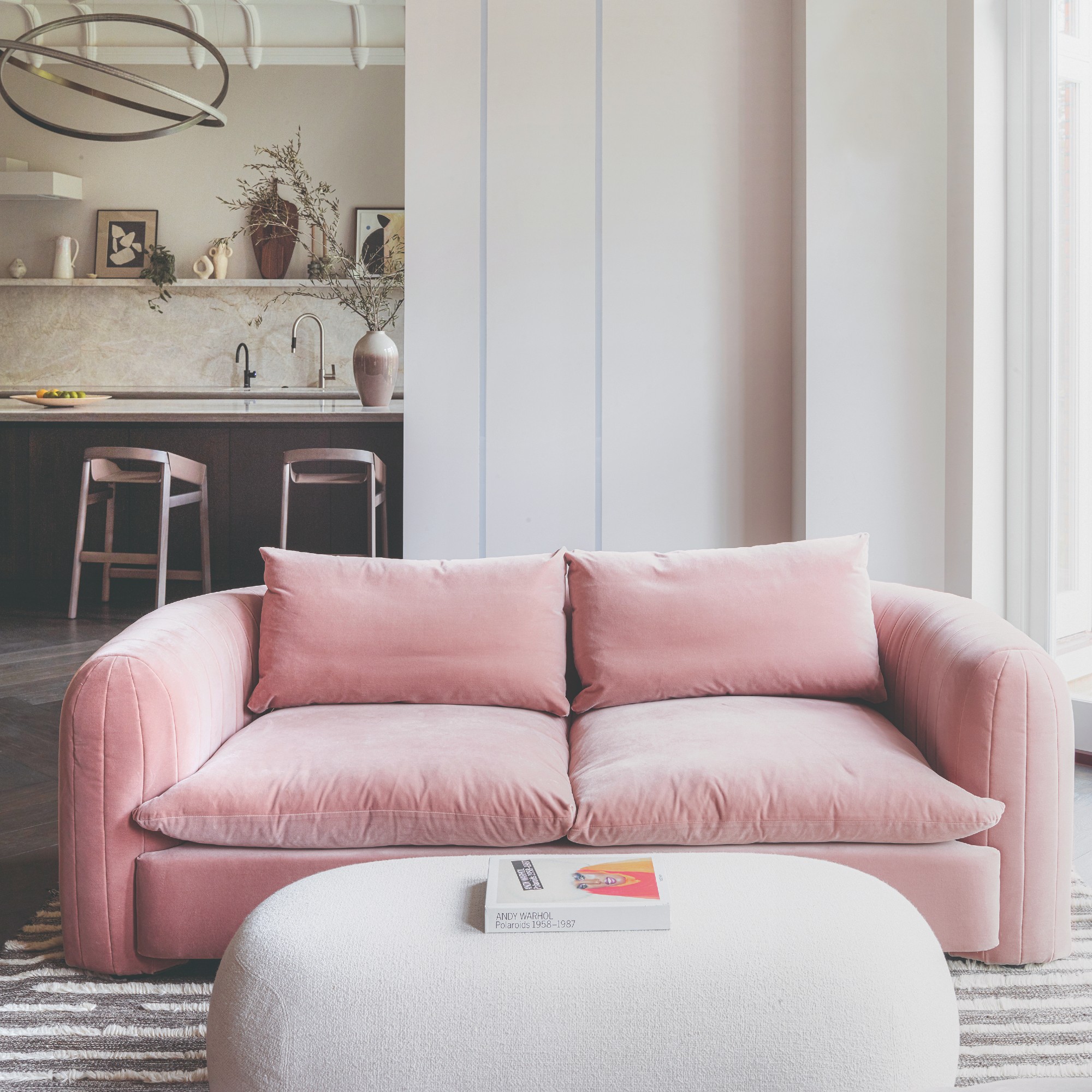
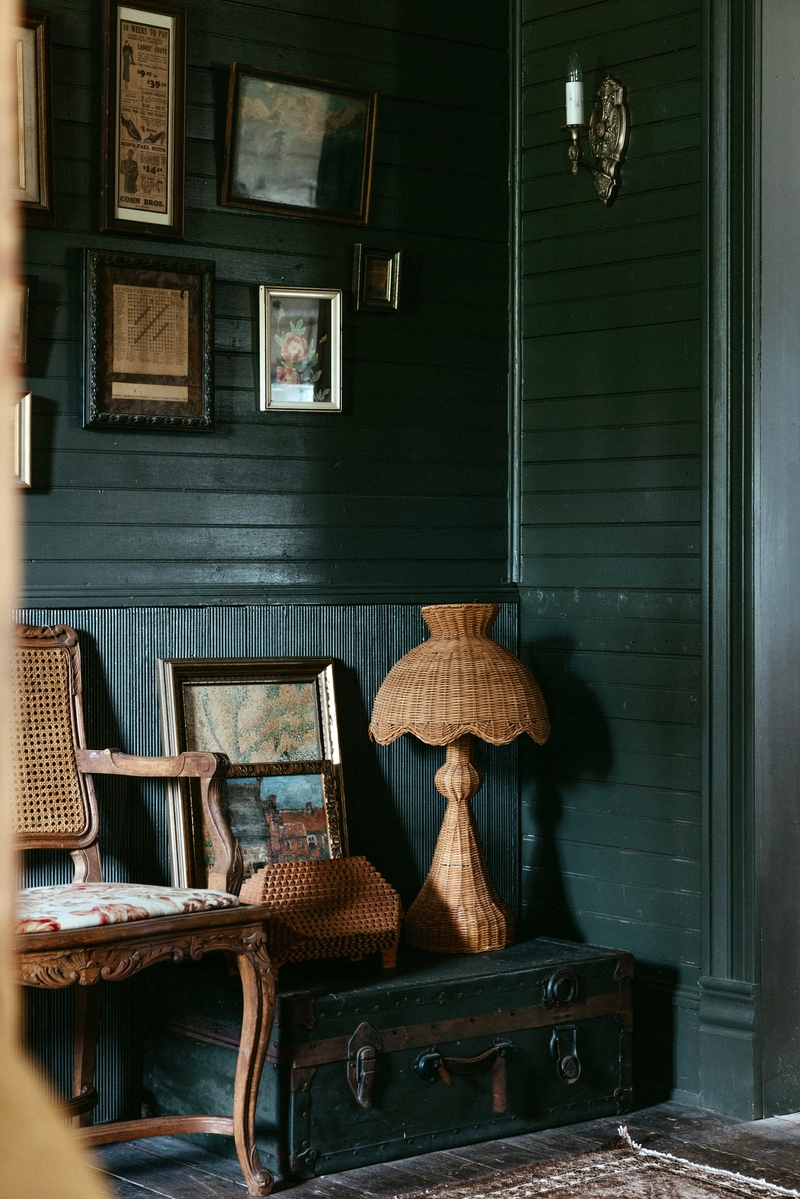
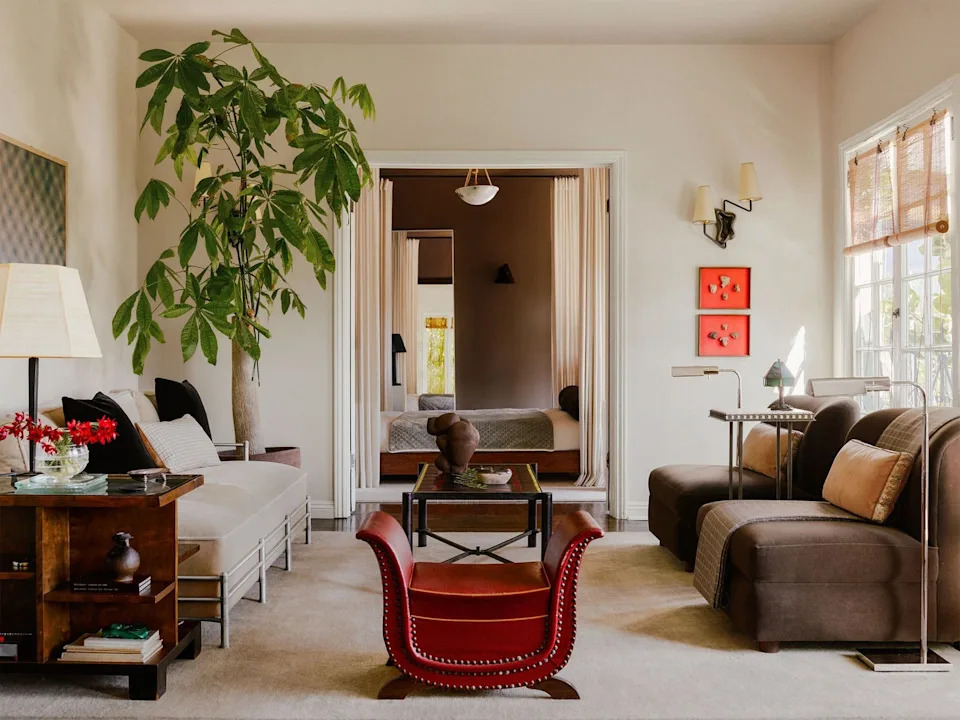
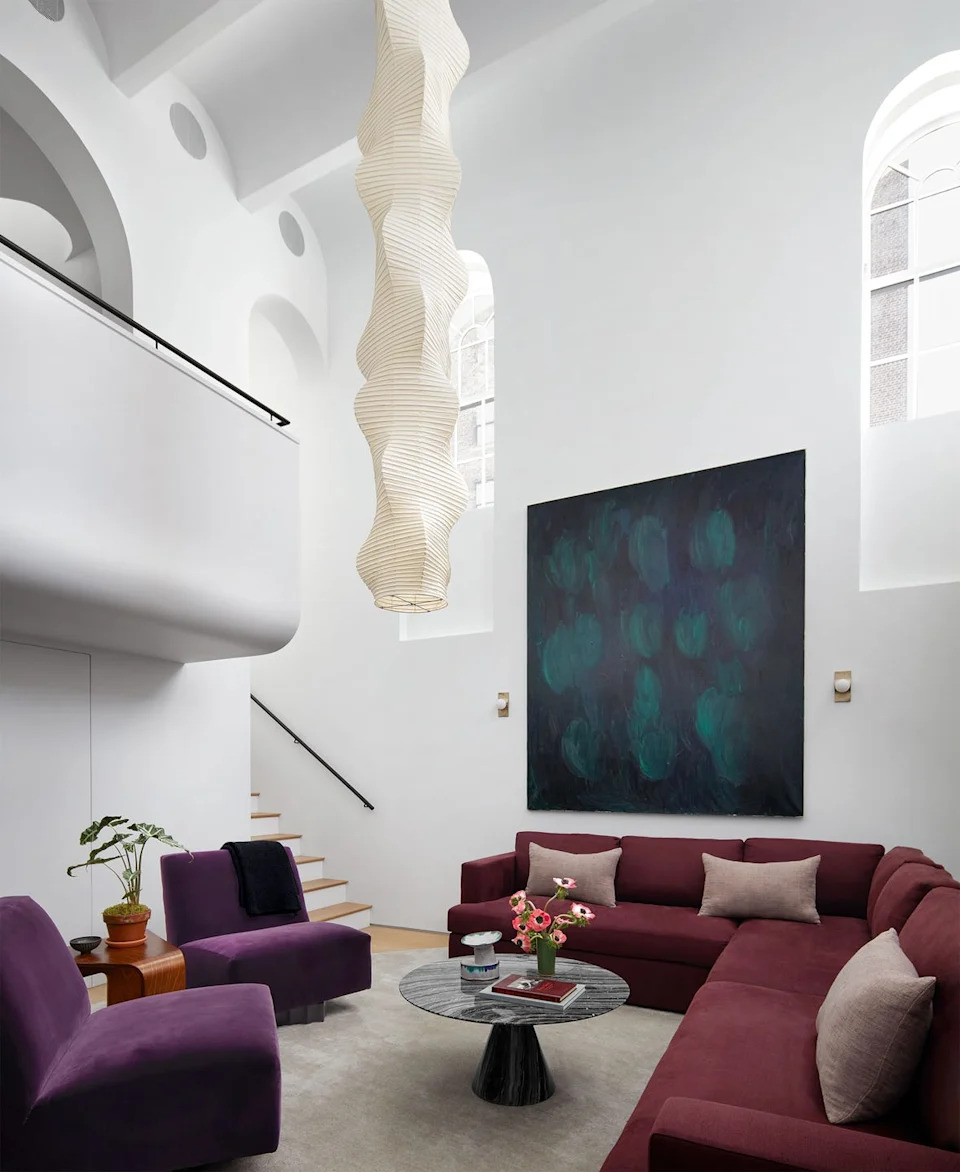
The color palette of contemporary interior design is a key differentiator from modern styles, which often lean towards earthier tones. Contemporary design prominently features a core of grey, black, and white, serving as grounding colors within a space. These neutrals are then complemented by strategic touches of bright and bold hues. When applying this principle, proportion is essential. For instance, if walls are painted in a deep neutral like black, vibrant accents should be introduced to create contrast. Conversely, if pastel shades adorn the walls, neutral tones should dominate the rest of the room. This approach allows for personalization, enabling the integration of expressive artworks, brightly colored cushions, or unique collectibles to stand out against a neutral background. Alternatively, a bold statement wall can be used, provided that trims, ceiling, and flooring maintain neutral tones to balance the visual impact.
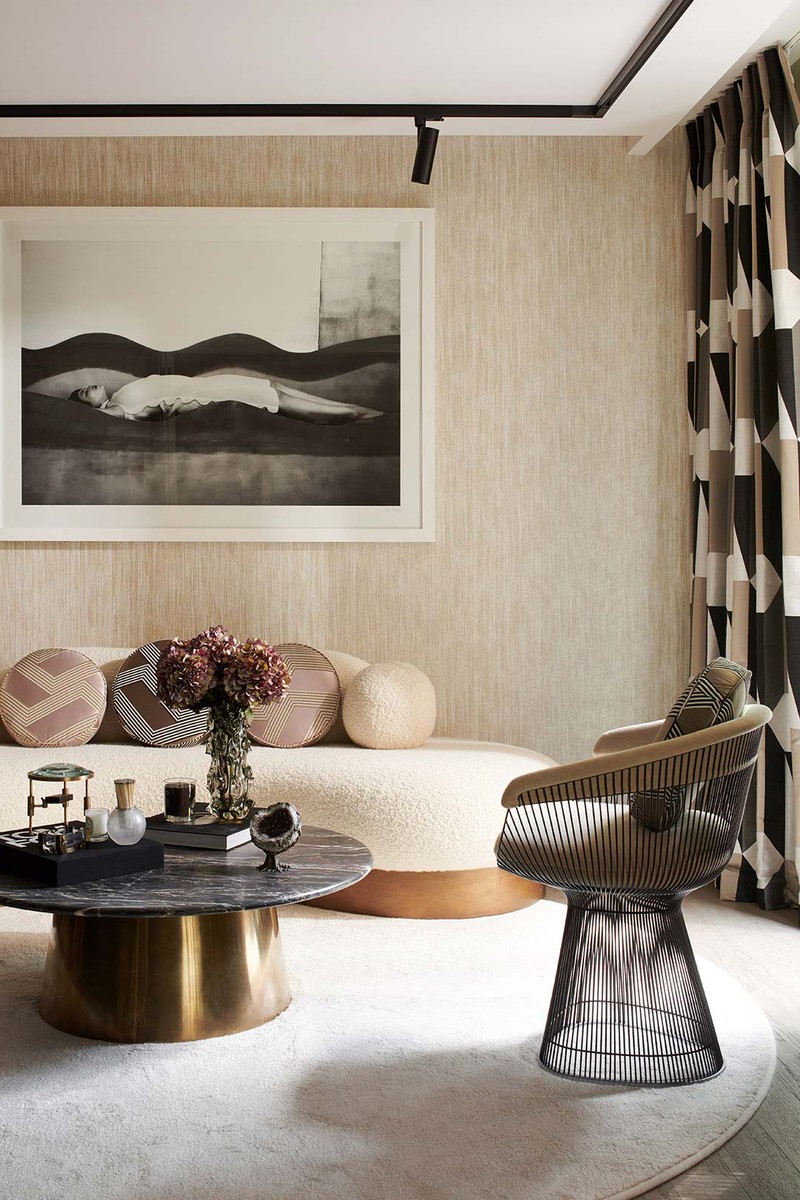
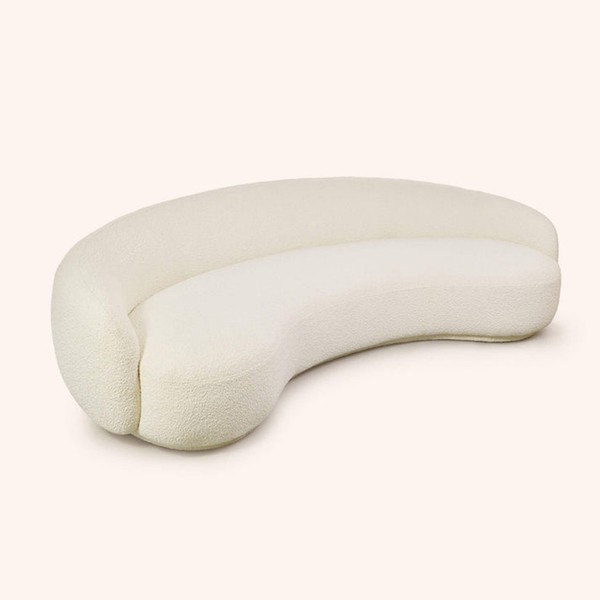
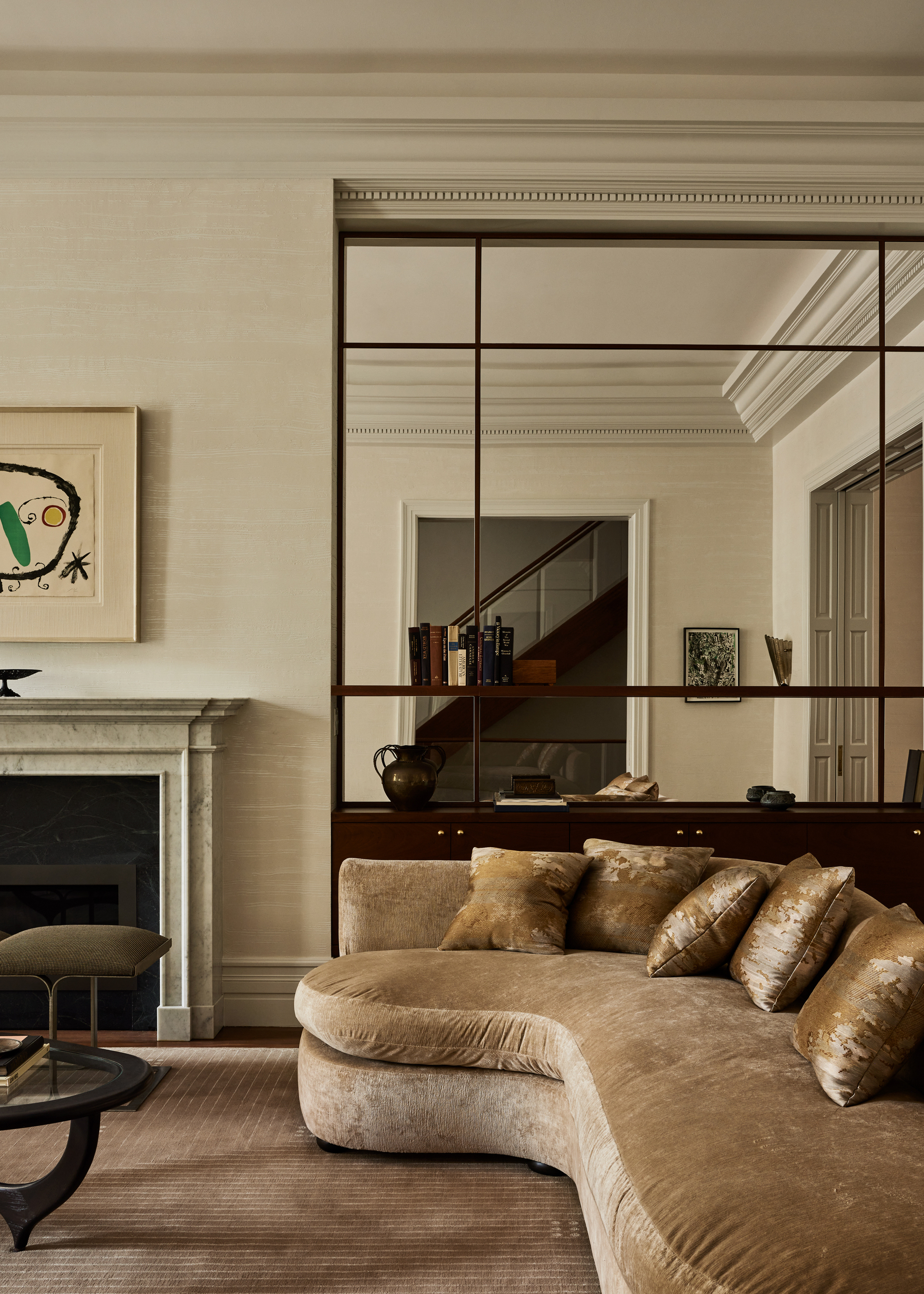
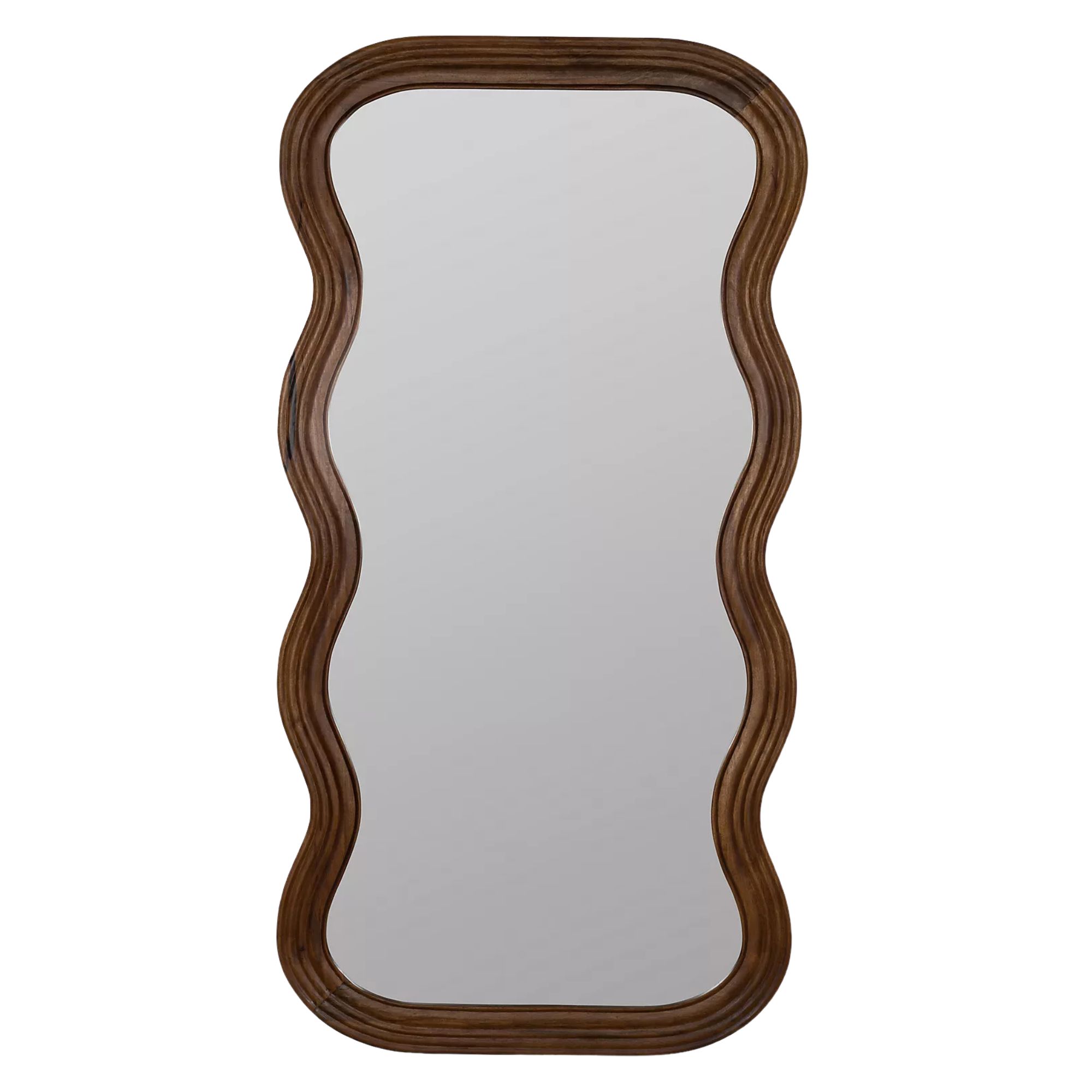
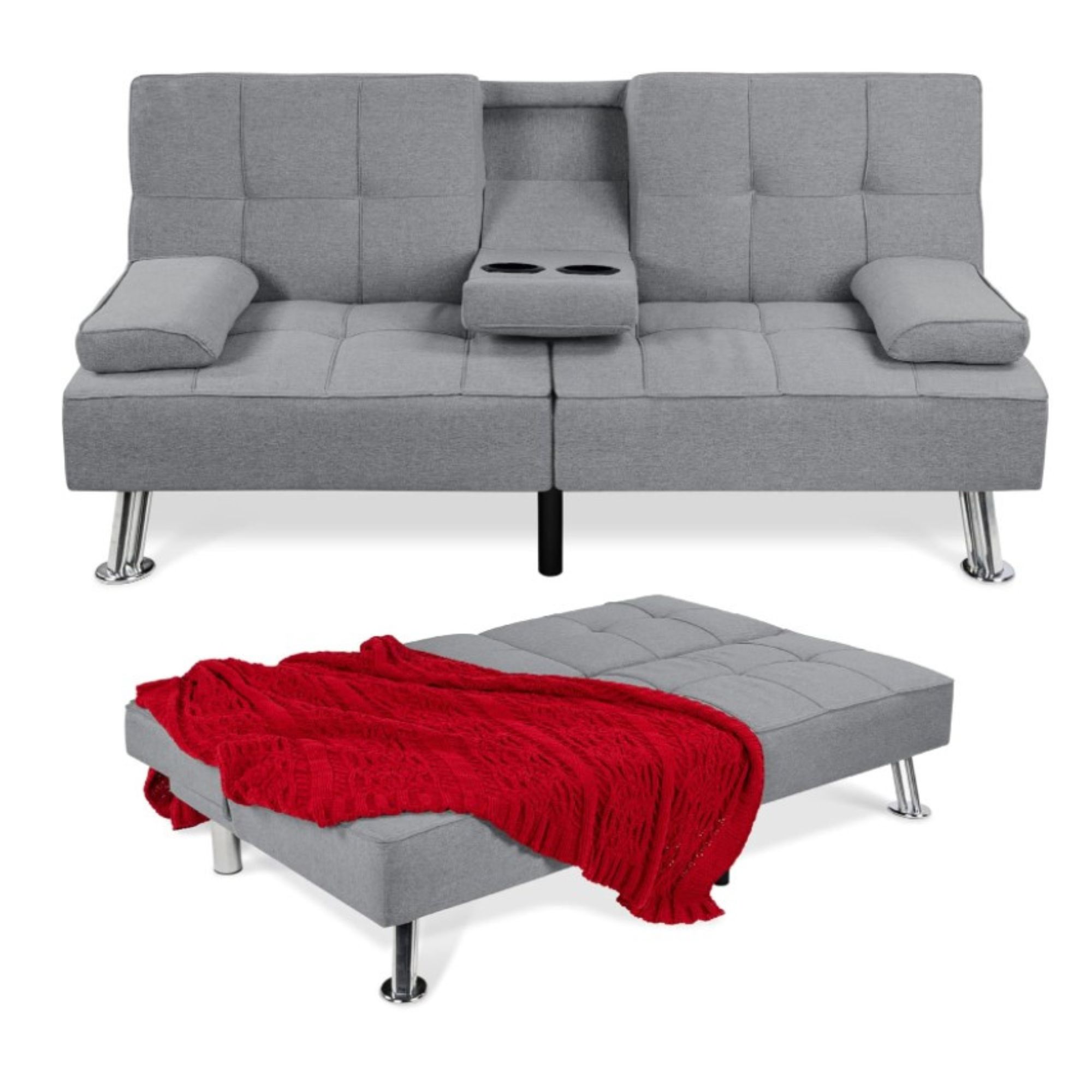
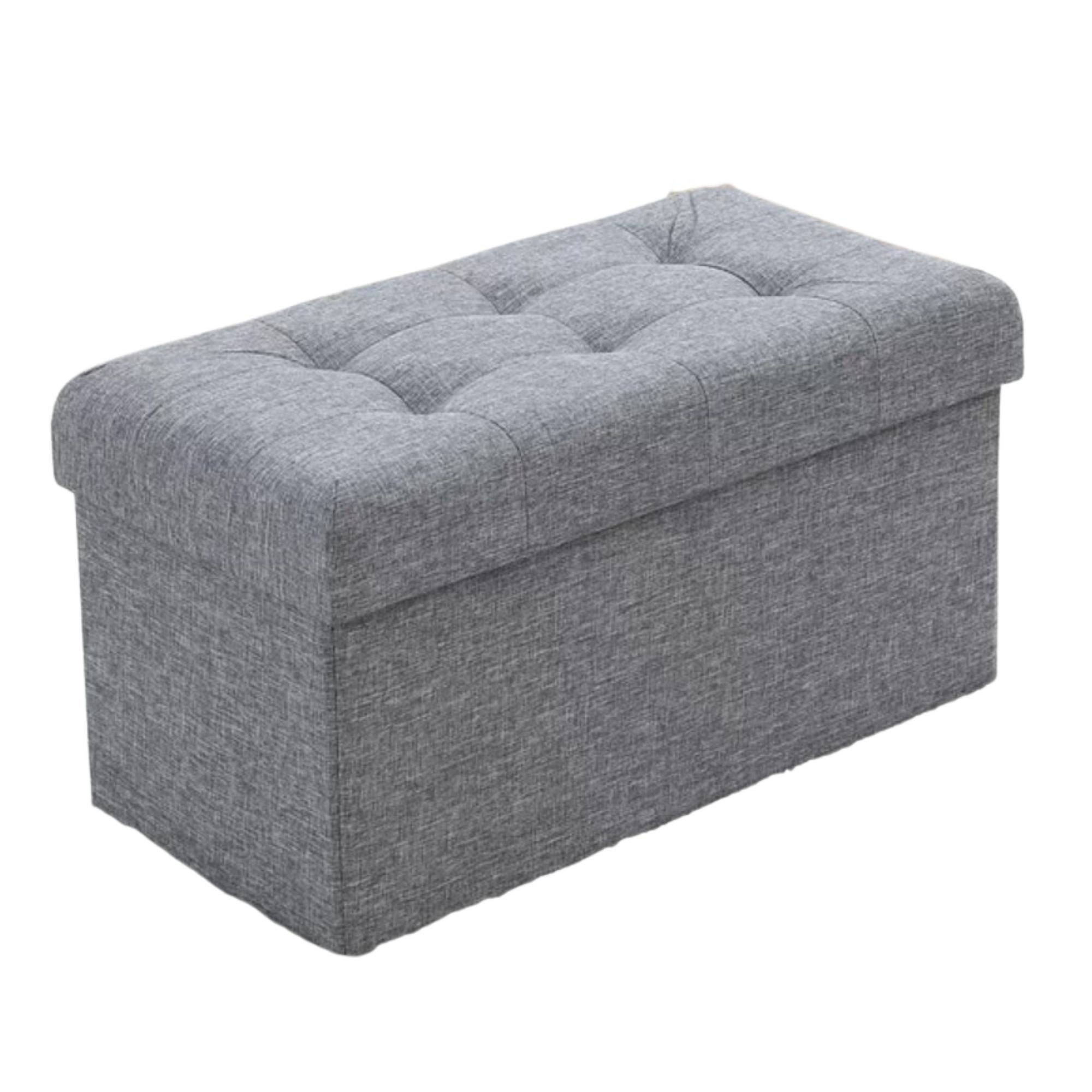
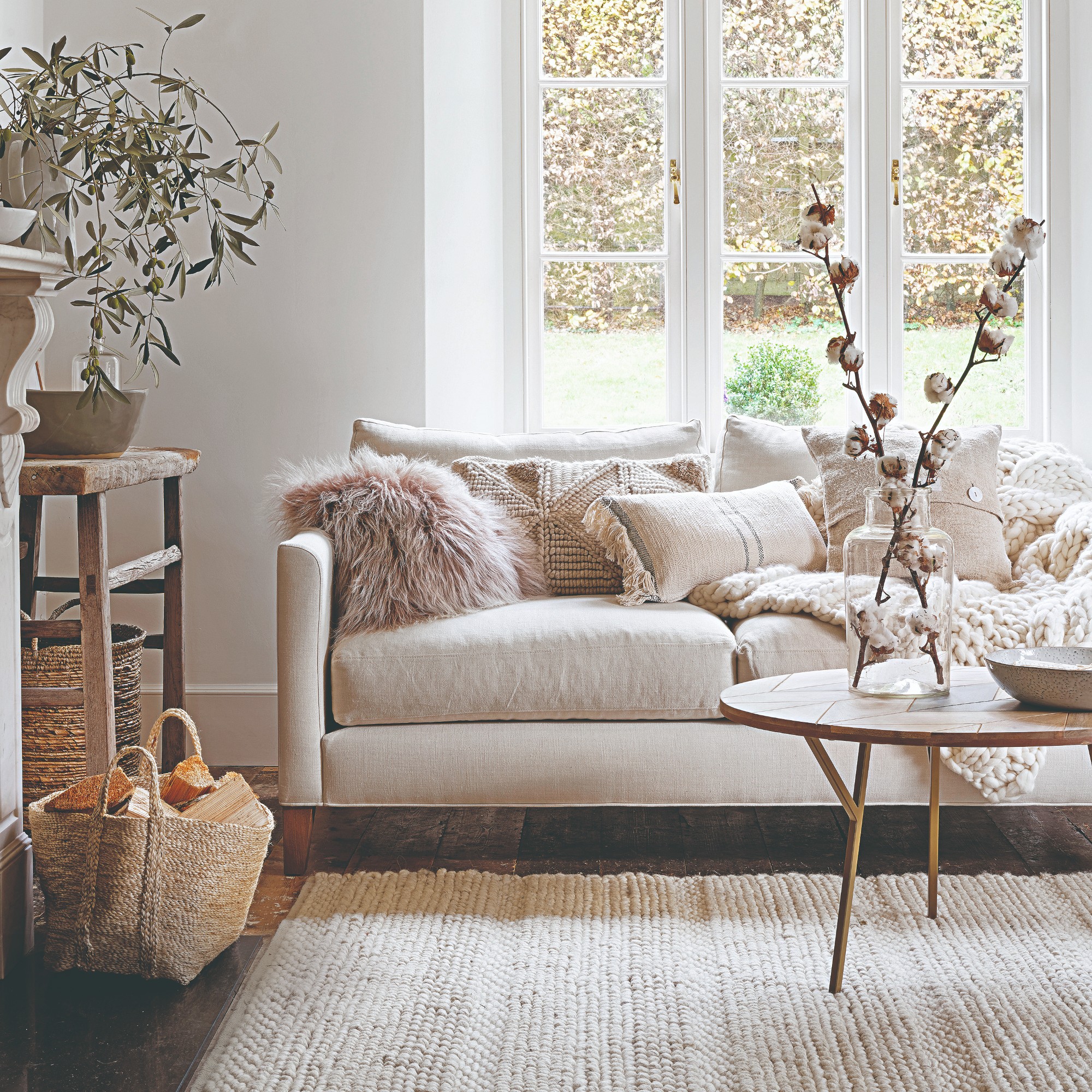
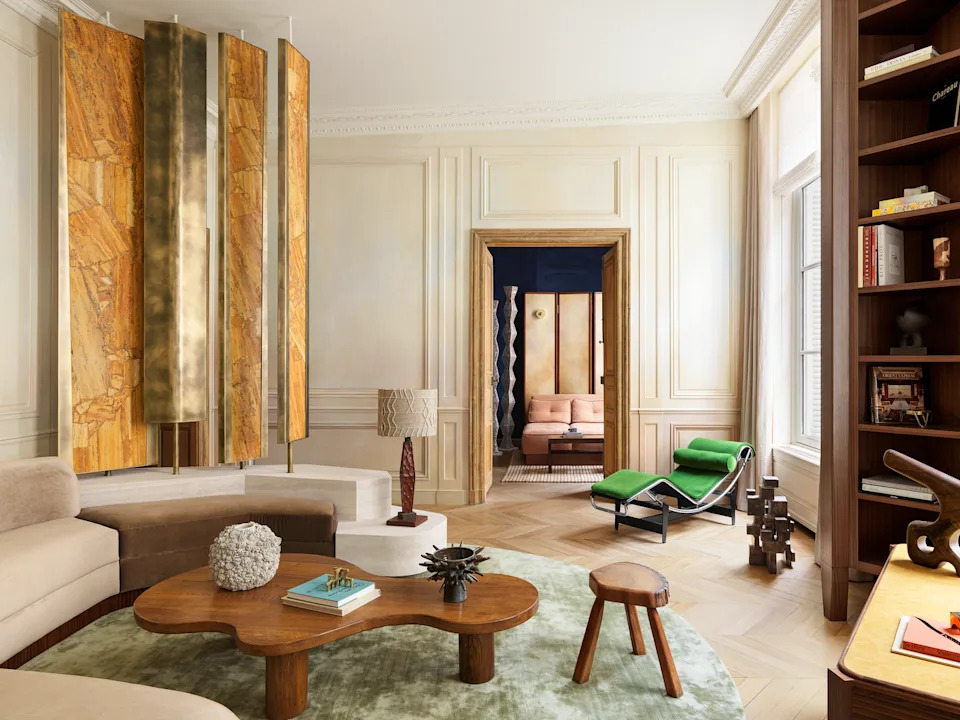
The philosophy of "less is more" is central to contemporary furniture selection. Living rooms designed in this style should feature sleek, iconic furnishings that act as statement pieces without being overly ornate. The focus is on pieces with smooth, curvy lines and geometric silhouettes, often crafted from natural materials in solid colors with unadorned surfaces. For upholstered items like sofas, natural textured fabrics such as wool, linen, cotton, silk, and jute in neutral shades are preferred. These can be enhanced with simple, brightly colored throws and cushions, while patterns are generally avoided to maintain a clean aesthetic.
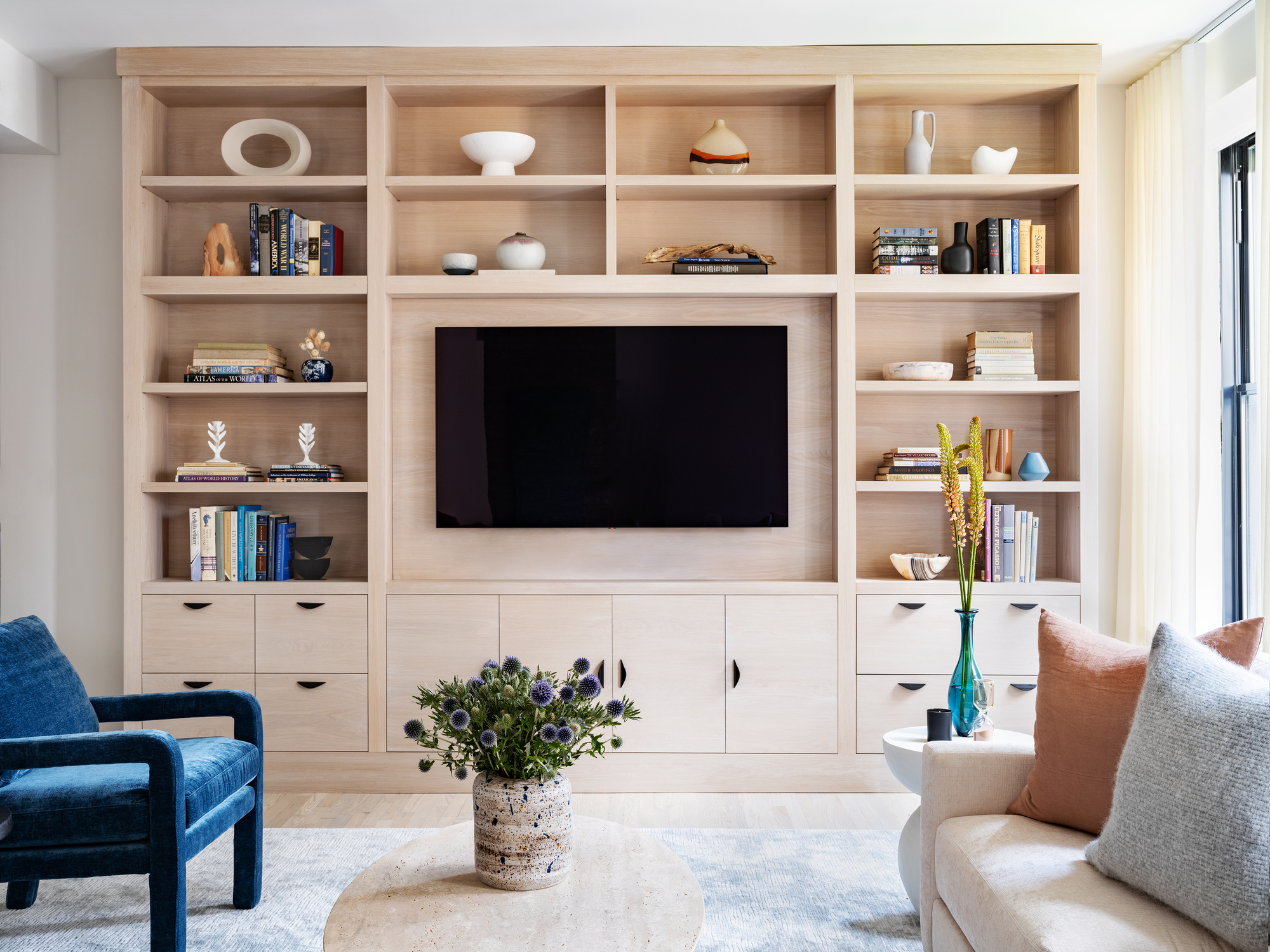
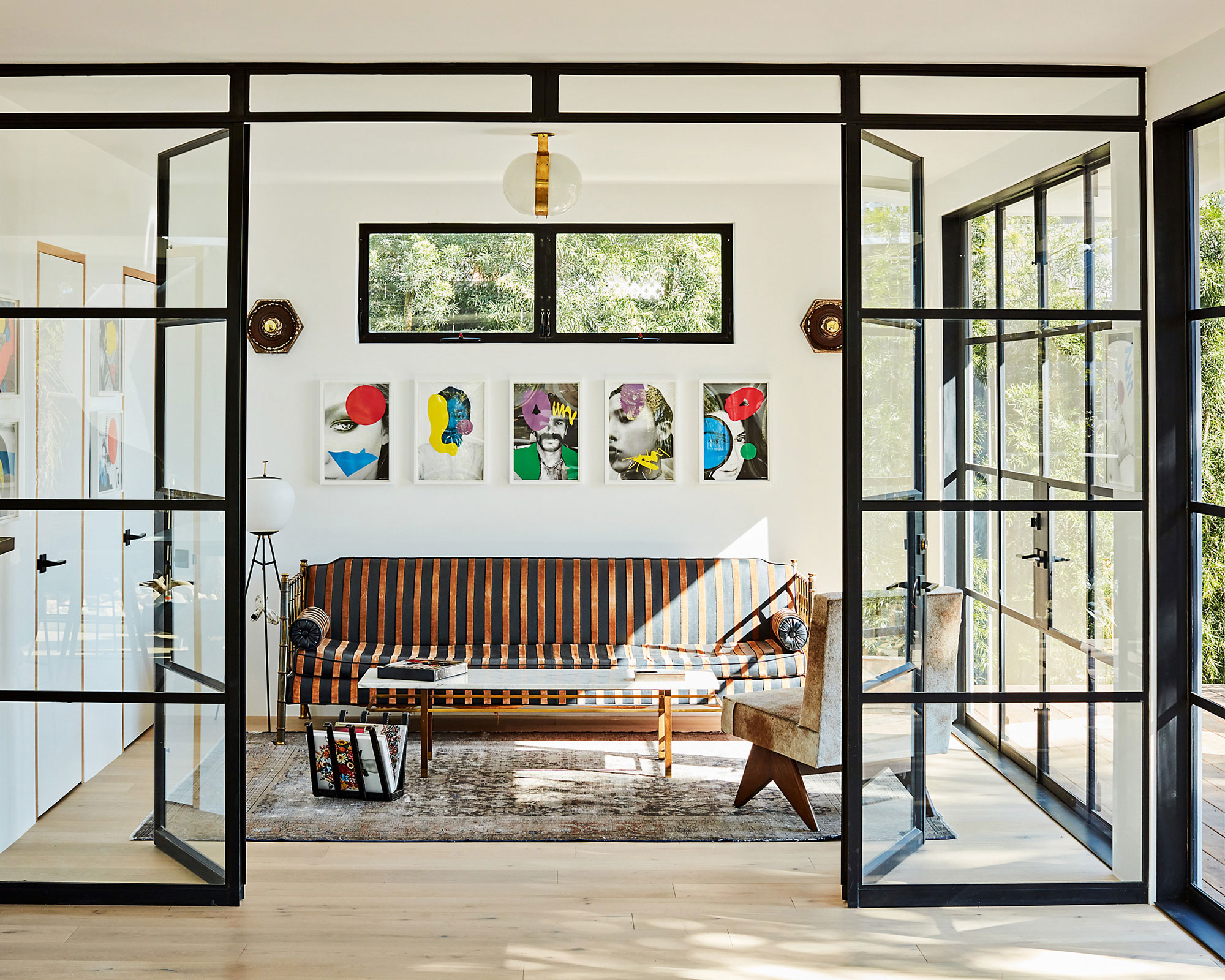
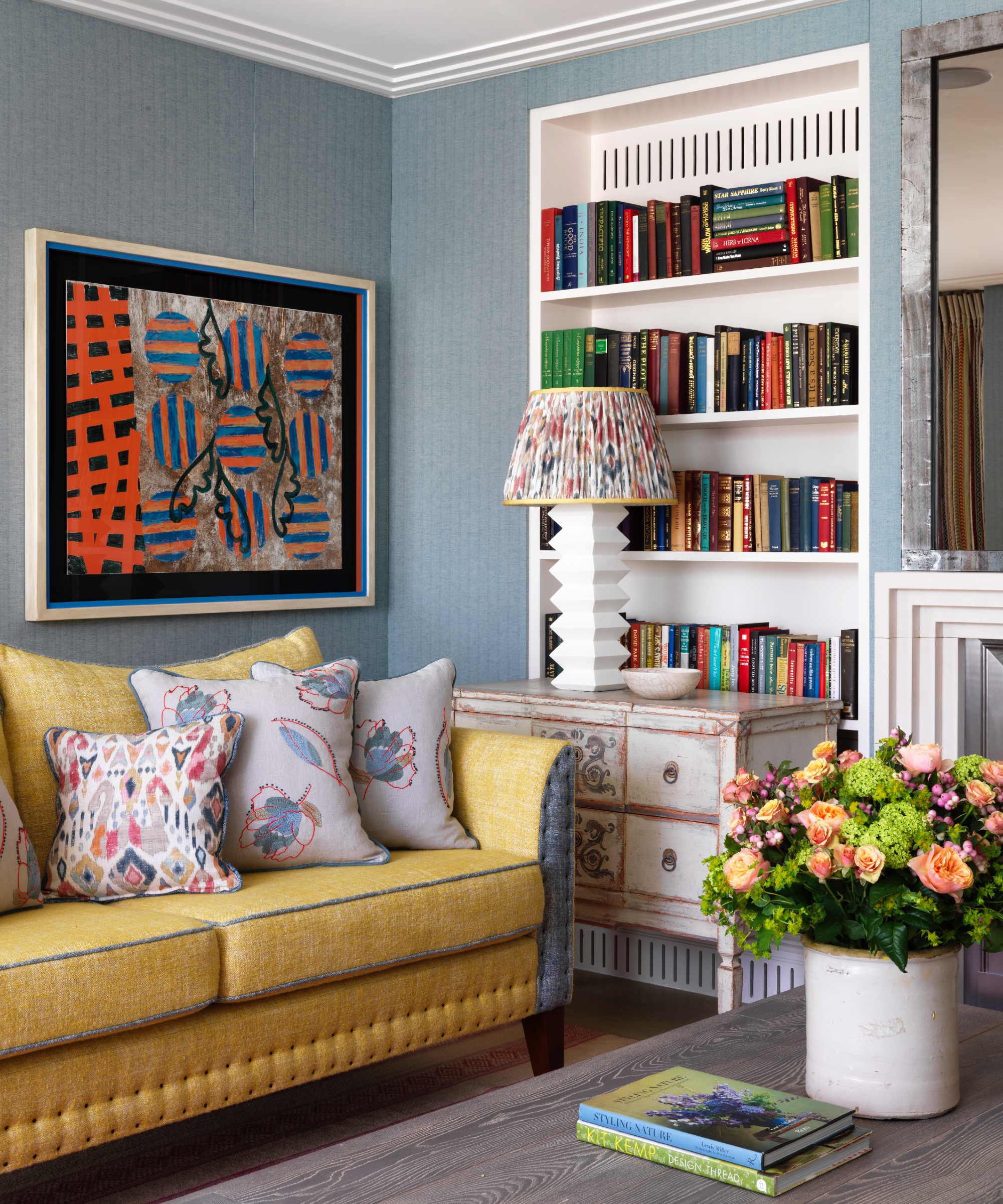
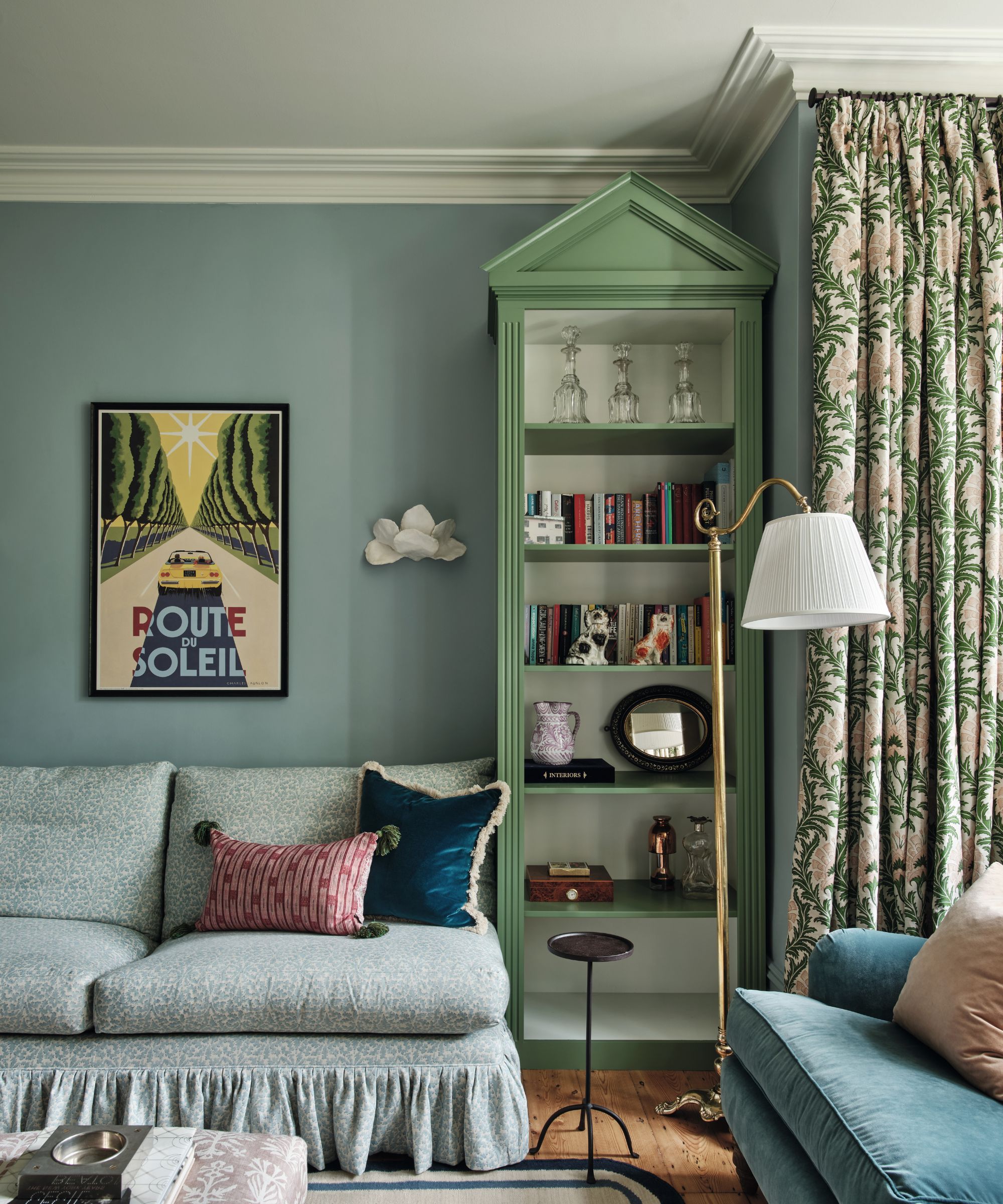
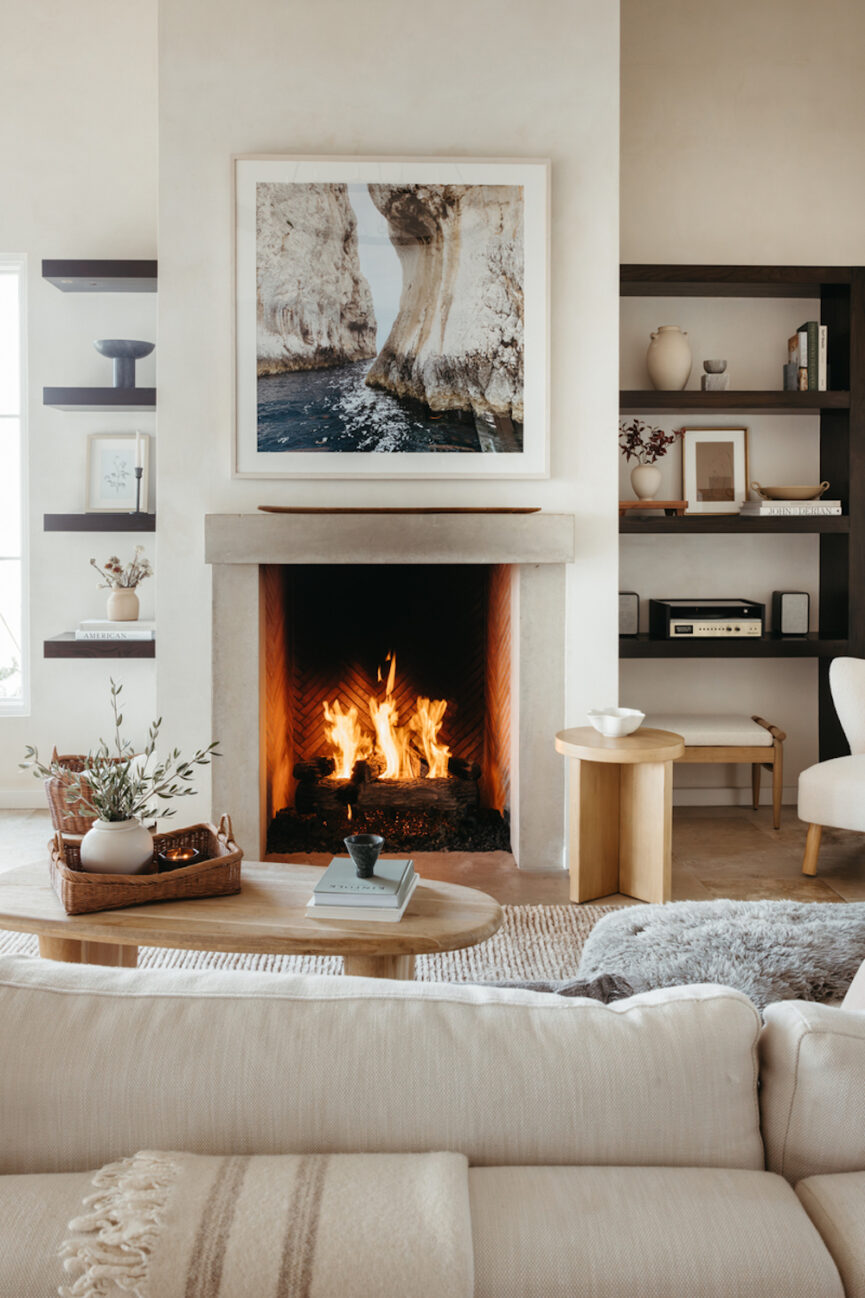
Accessories play a significant role in contemporary design, offering an avenue for creativity and personalization, especially given the minimalist approach to furniture. Unique lamps, sculptural figurines, and eye-catching small-scale artworks can add depth and individuality to a living room, serving as conversation starters. The use of stripes, tonal patterns, geometric prints, and concise color combinations in accessories can further complement the contemporary aesthetic, introducing artistic flair. However, it is important to exercise restraint, as contemporary design still incorporates elements of minimalism; therefore, an eclectic, over-decorated look is to be avoided. The ultimate goal is modern simplicity, with careful consideration given to line, space, shape, and a well-thought-out color scheme.
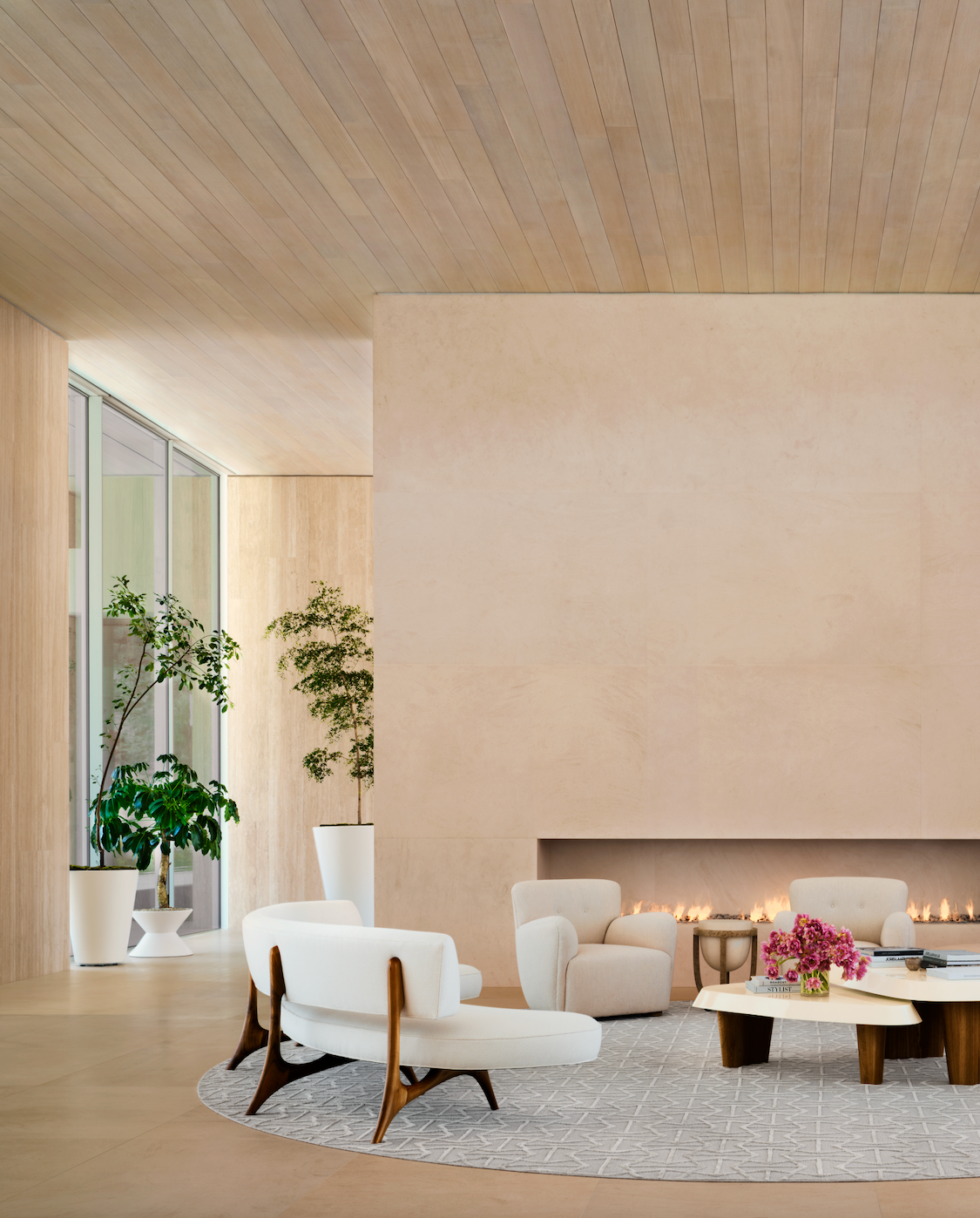
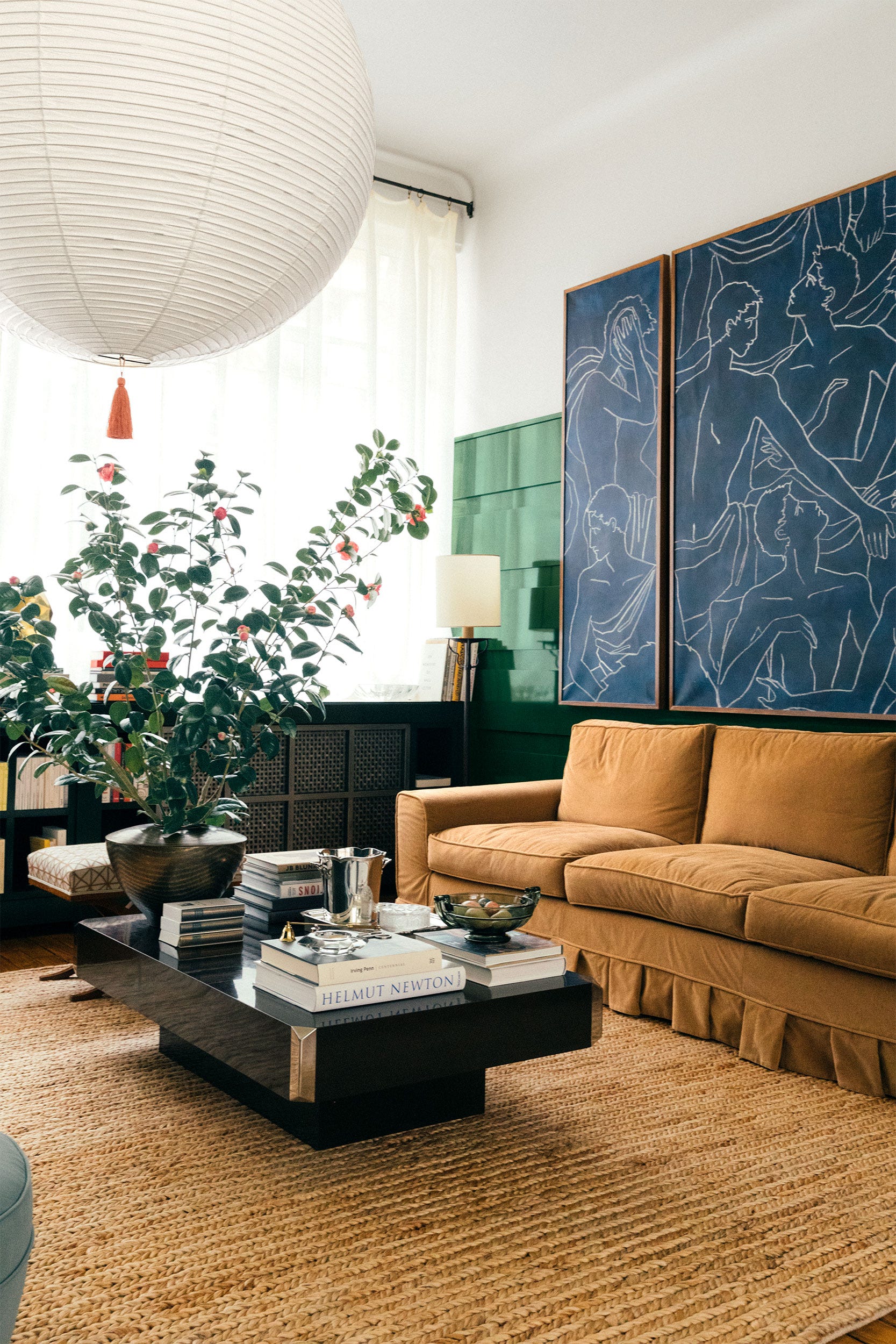
Lighting is another critical component of contemporary interior design, with a strong emphasis on natural light, a trait borrowed from mid-century modernism. Maximizing natural light through large windows is ideal. If large windows are not feasible, strategic artificial lighting can compensate. A contemporary living room should incorporate at least one element from each lighting category: ambient (general) lighting, accent lighting, and task lighting. Fixtures with shapely designs that align with the curvy lines of the furniture contribute to the contemporary vibe. Metal-based lighting pieces are a reliable choice for enhancing this aesthetic.
#ContemporaryInteriorDesign #LivingRoomDecoration #ColorPalette #FurnitureDesign #HomeAccessories #LightingDesign #ModernSimplicity #ArchitectureInterior #DesignTrends #ContemporaryInteriorDesign #LivingRoomDecoration #ColorPalette #FurnitureDesign #HomeAccessories #LightingDesign #ModernSimplicity #ArchitectureInterior #DesignTrends
0 comment in total
 No comments yet
You may also like
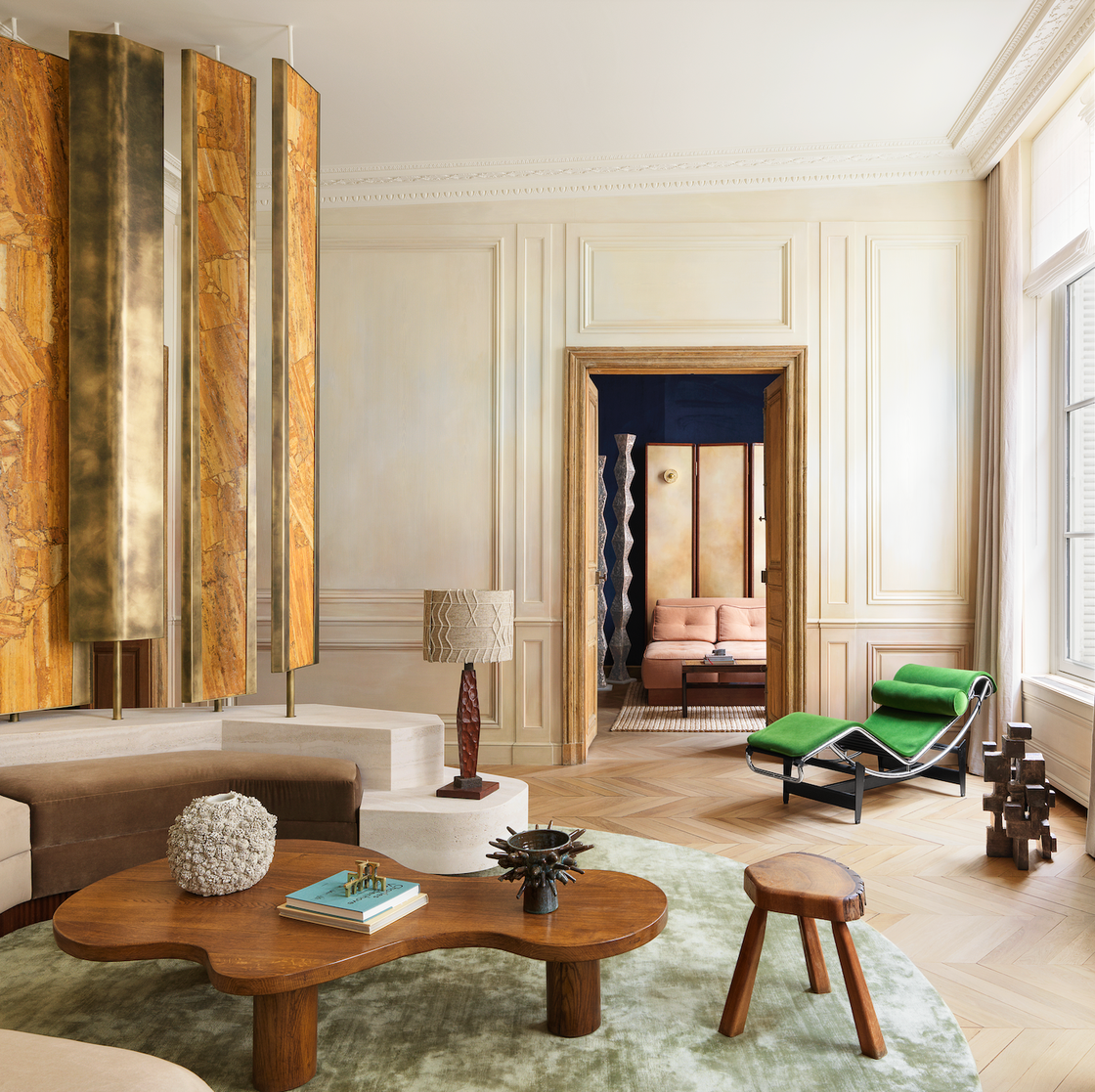
Looking to Redo Your Living Room? Start with These Designer-Approved Ideas

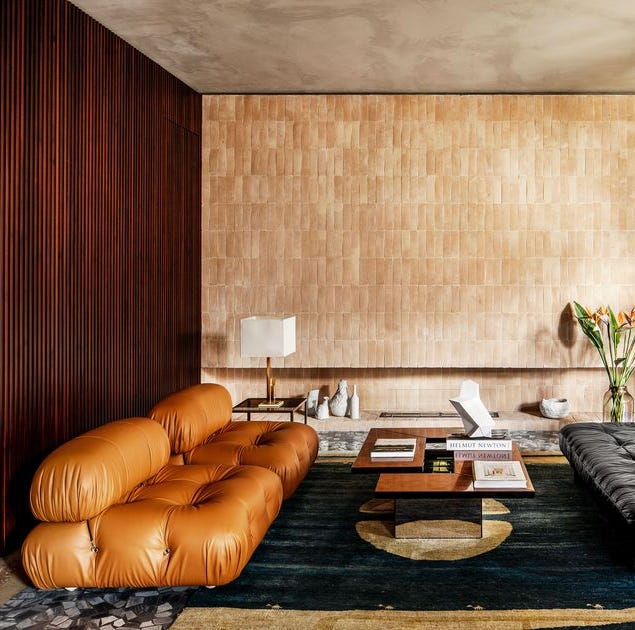
The Very Best Living Rooms of 2021
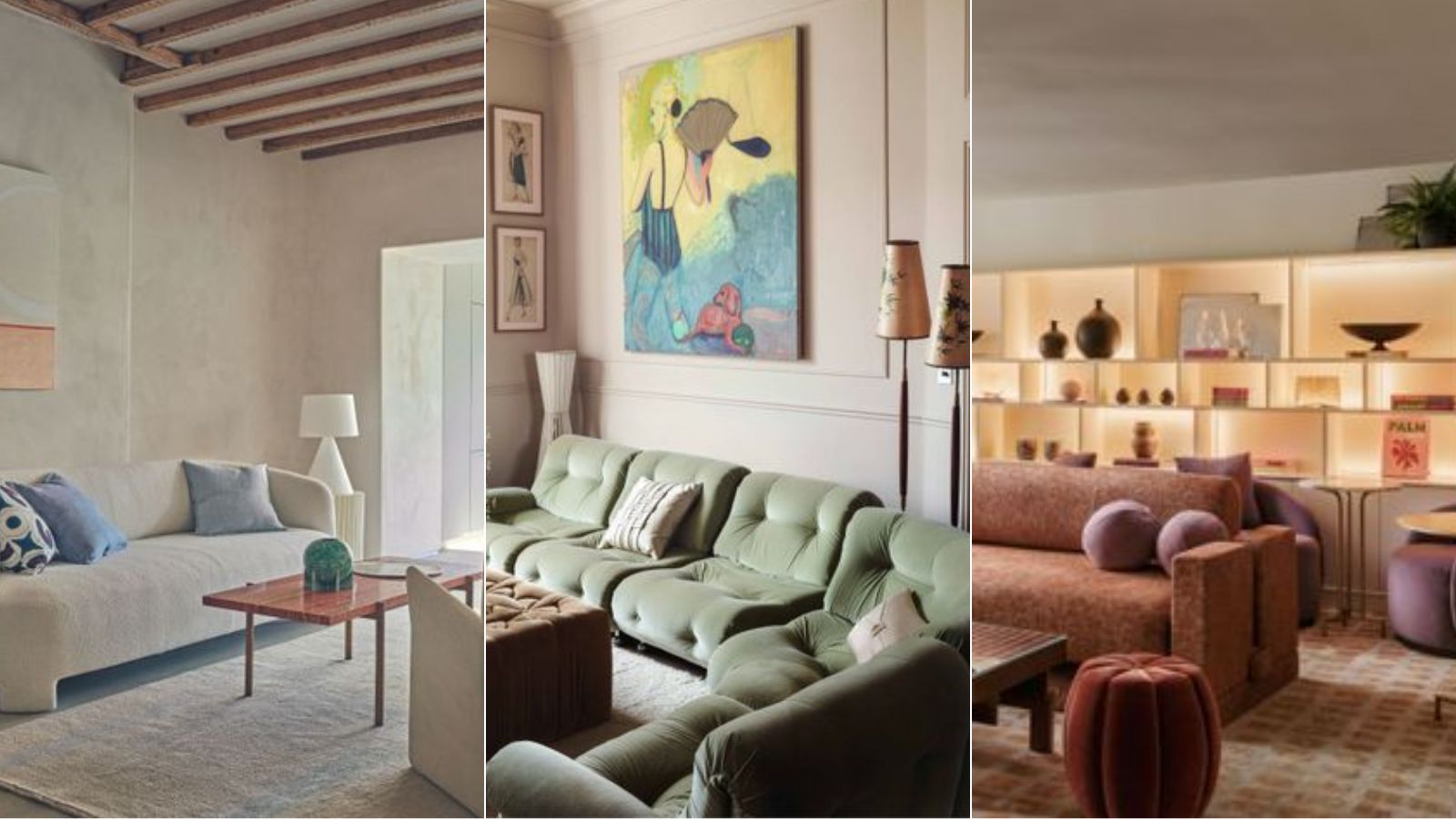
Dream living room upgrades homeowners always come to regret – according to the experts

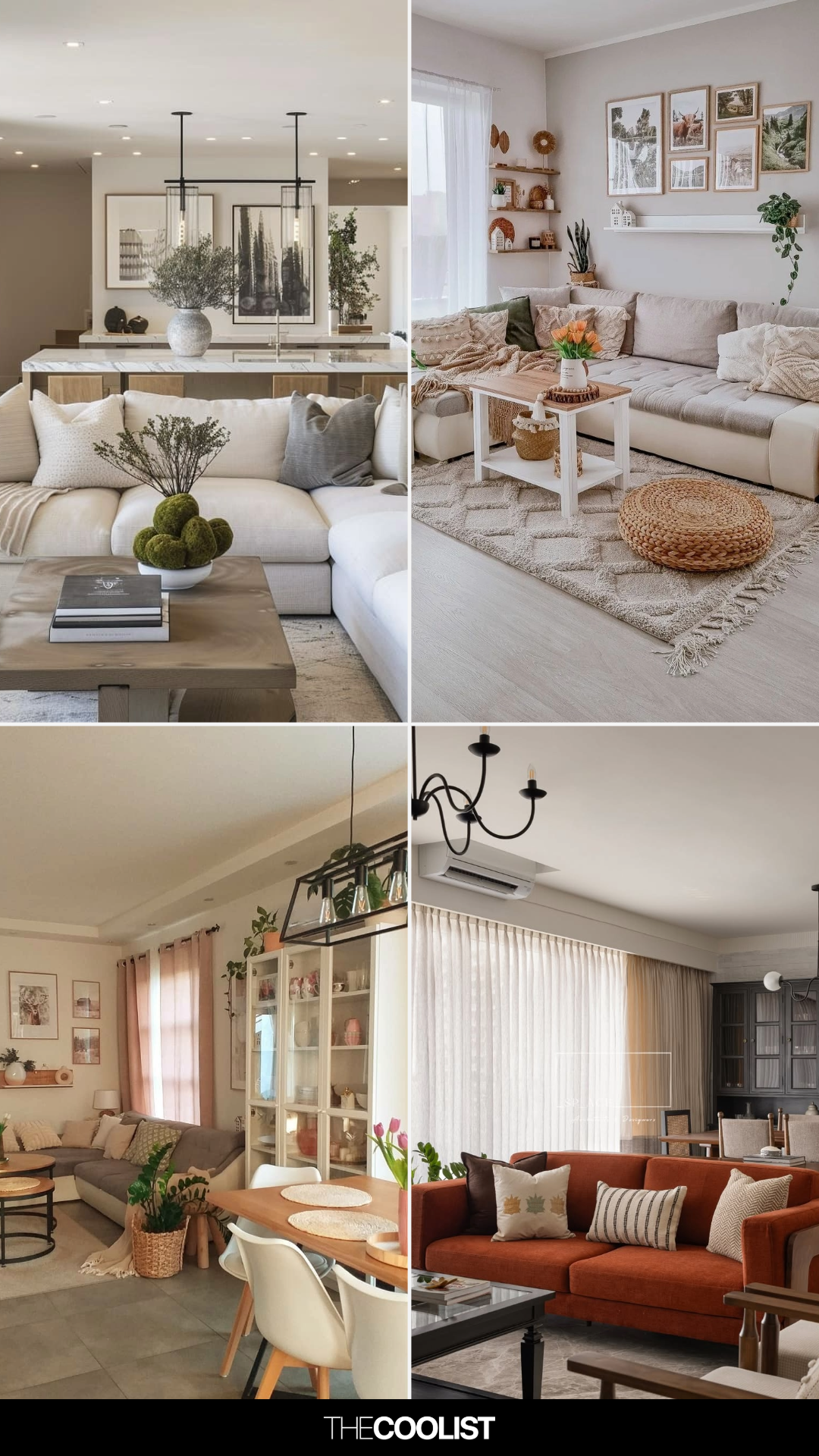
30 Living Room Ideas for Modern Homes You Can Try Without Replacing All Your Furniture

Get The Look: A Contemporary Living Room

9 of the best living rooms in the world – as chosen by the interior design experts
22 Contemporary Living Room Ideas That Blend Comfort with Cutting-Edge Design
And Now, the Best Living Room Decor Ideas for 2025

How do I make a living room look modern? The trends designers say to follow are not what you'd expect

These 5 Living Room Trends Are Aging Your Space, According to Designers

40 living room ideas for 2025 – stylish yet practical tips to help you design a space you’ll love to lounge in year-round
Why Formal Living Rooms Will Be Back in 2025, According to Design Experts
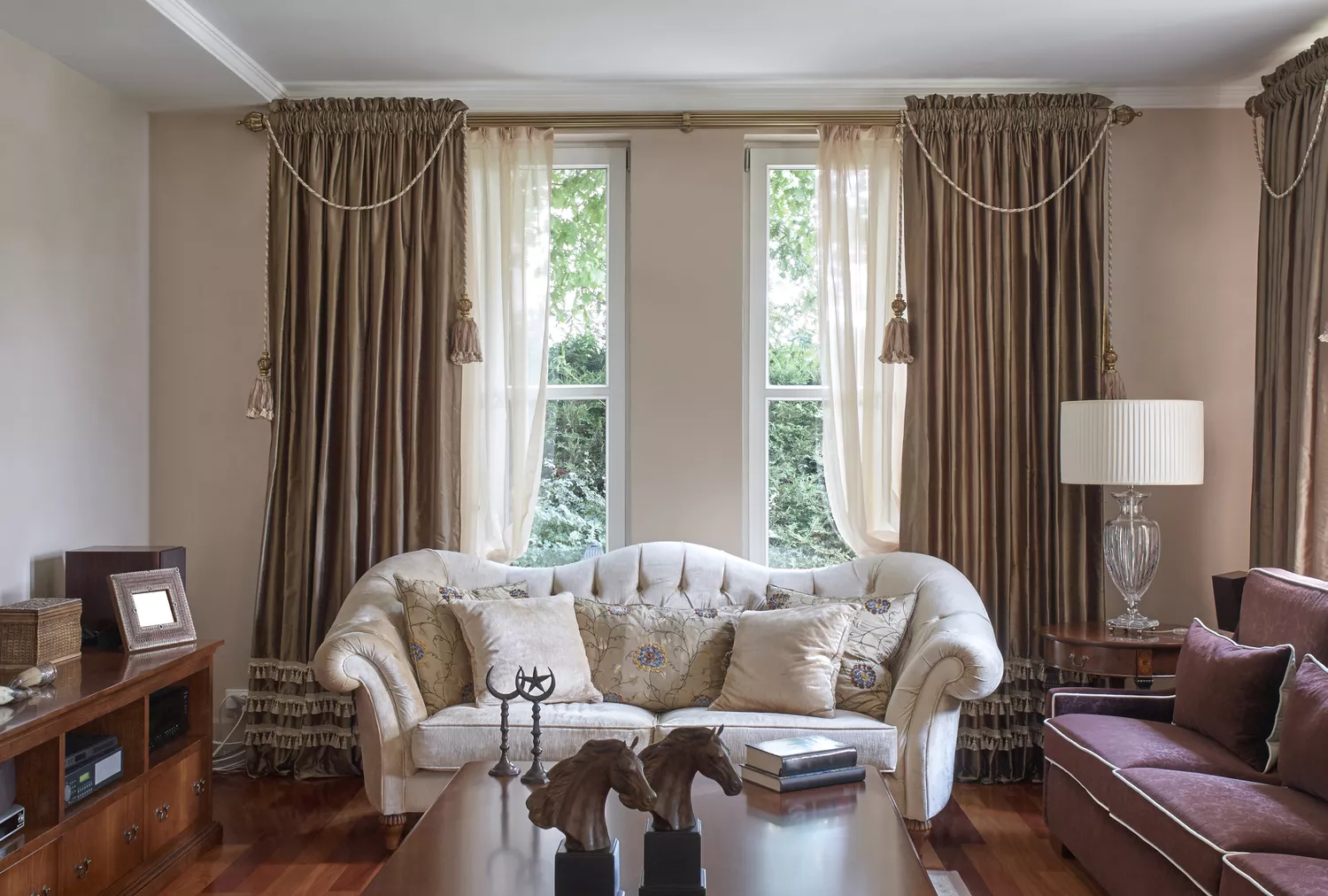
9 Things Making Your Living Room Look Dated, According To Designers
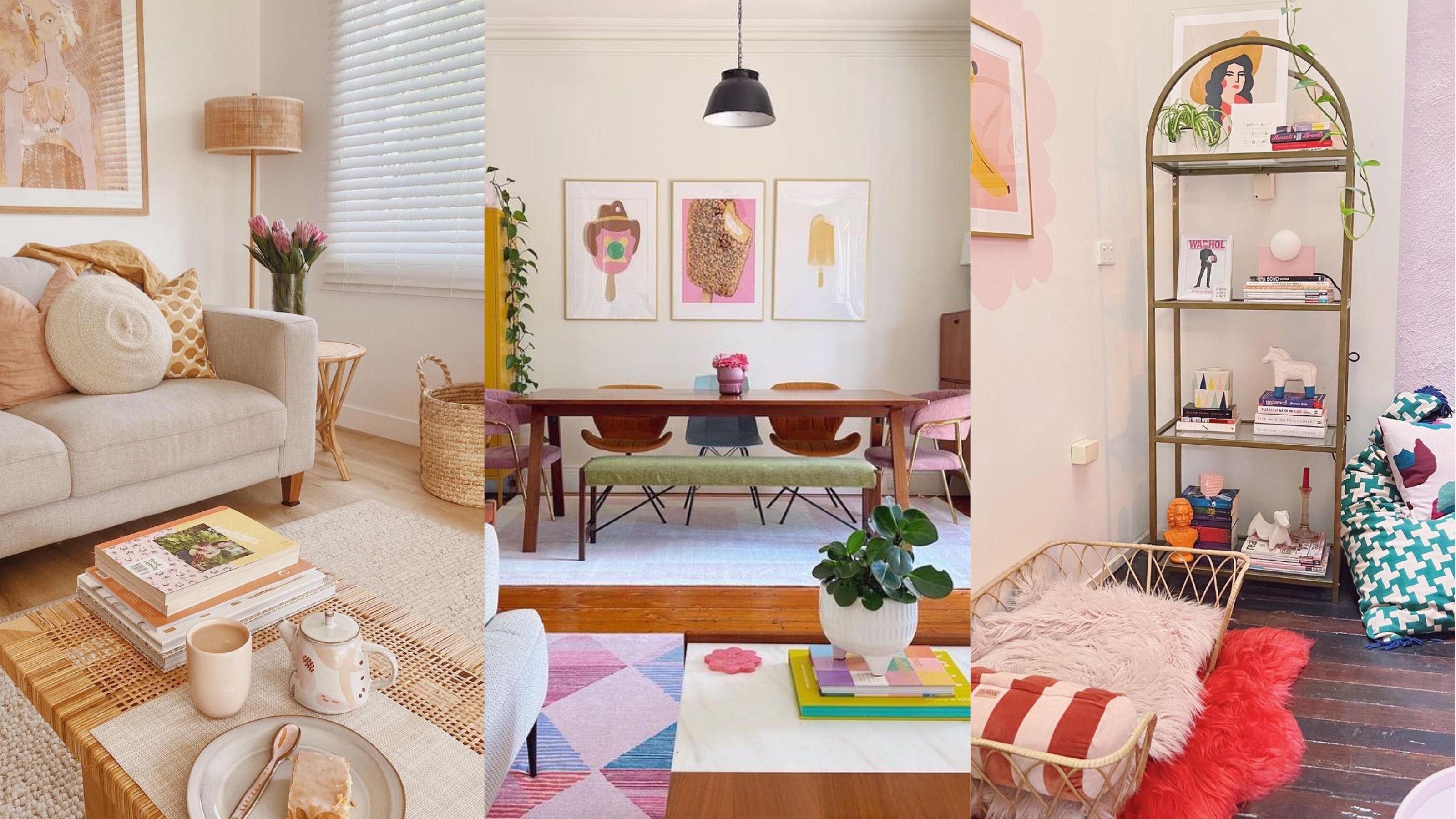
Top interior design trends 2020

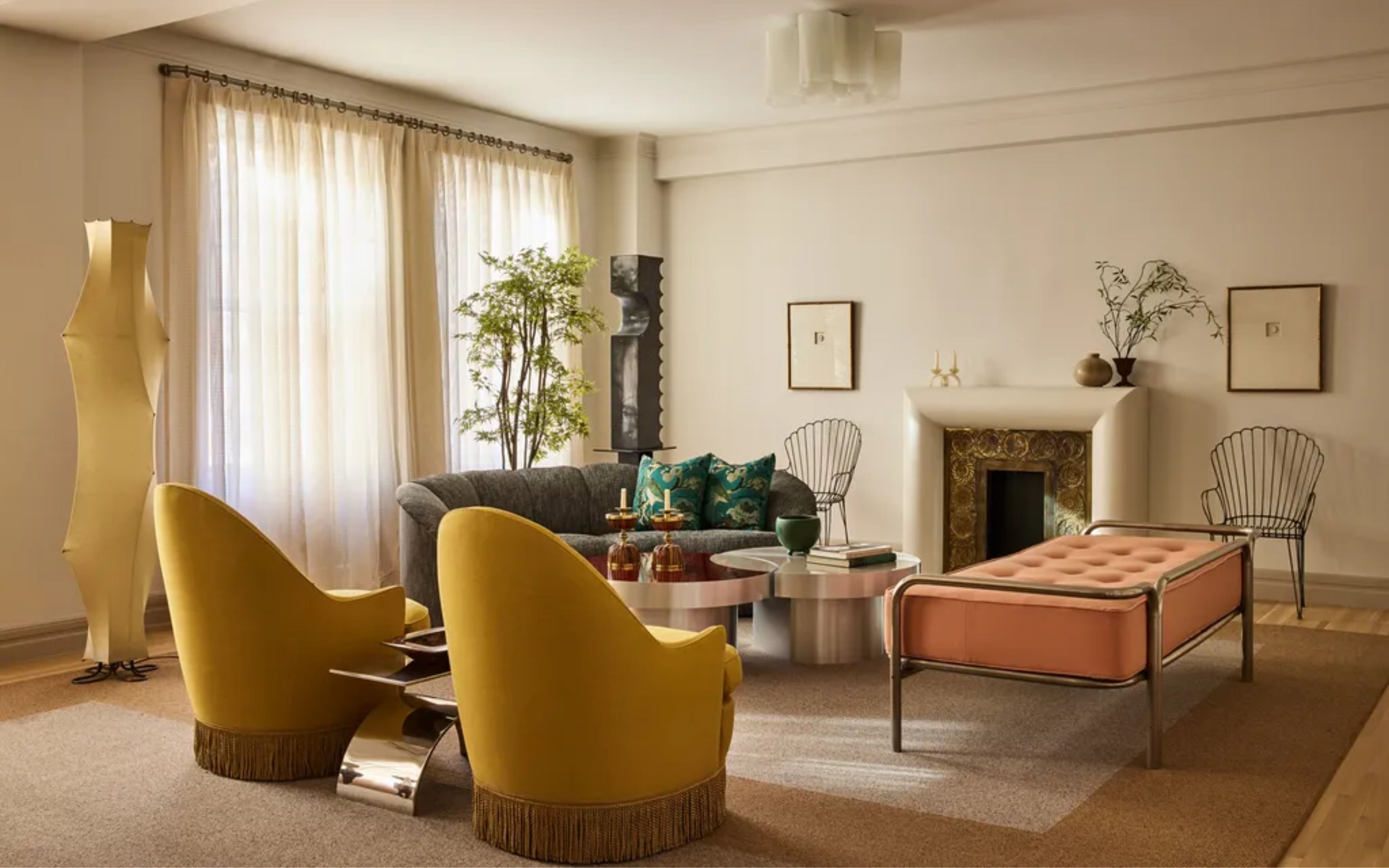
4 Outdated Living Room Trends Designers say you Should Move on From — and What to Replace Them With

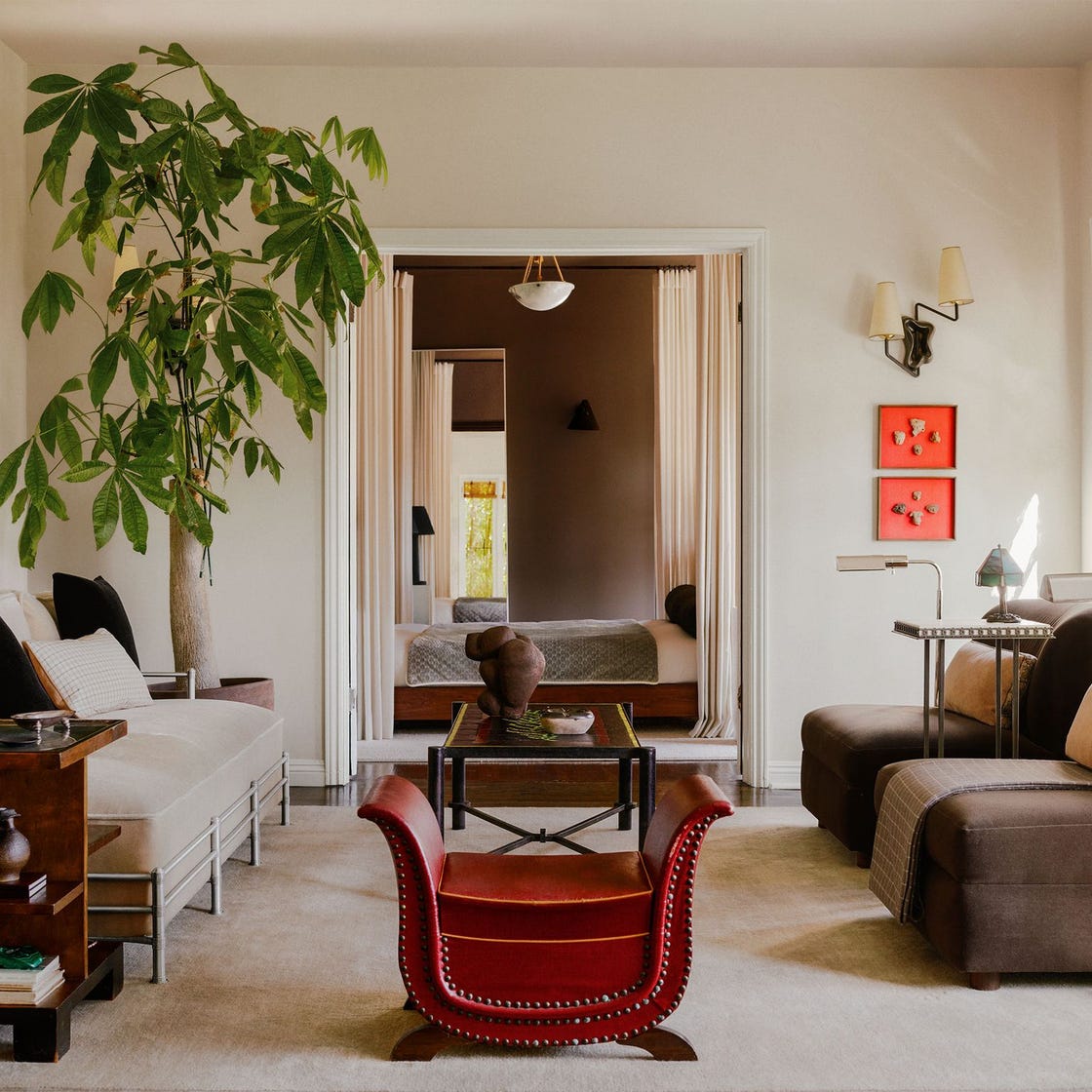
Why Formal Living Rooms Will Be Back in 2025, According to Design Experts
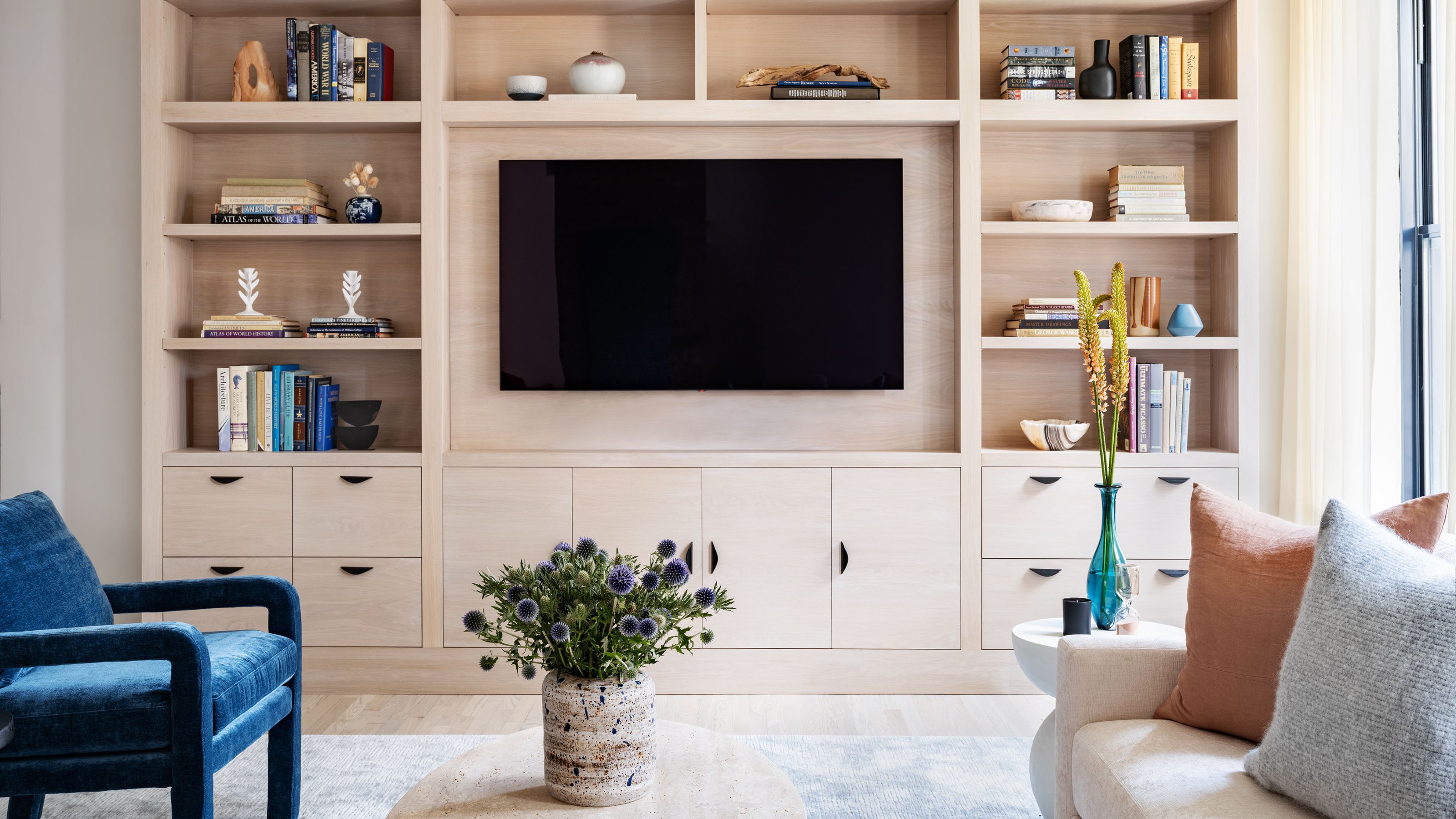
3 Dated Living Room Layouts That Have No Place in 2025 (and How to Fix It If You've Ended Up With One)
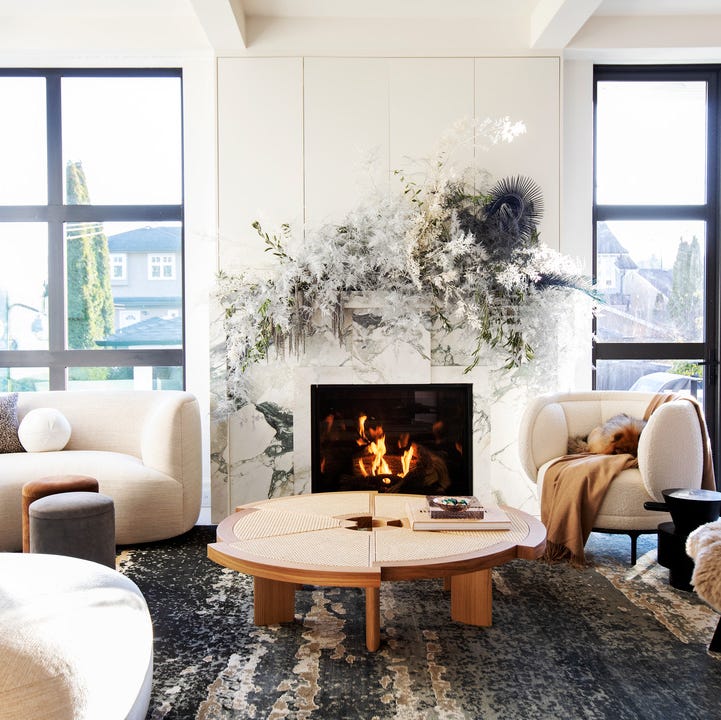
These Modern Living Room Ideas Are Far From Boring

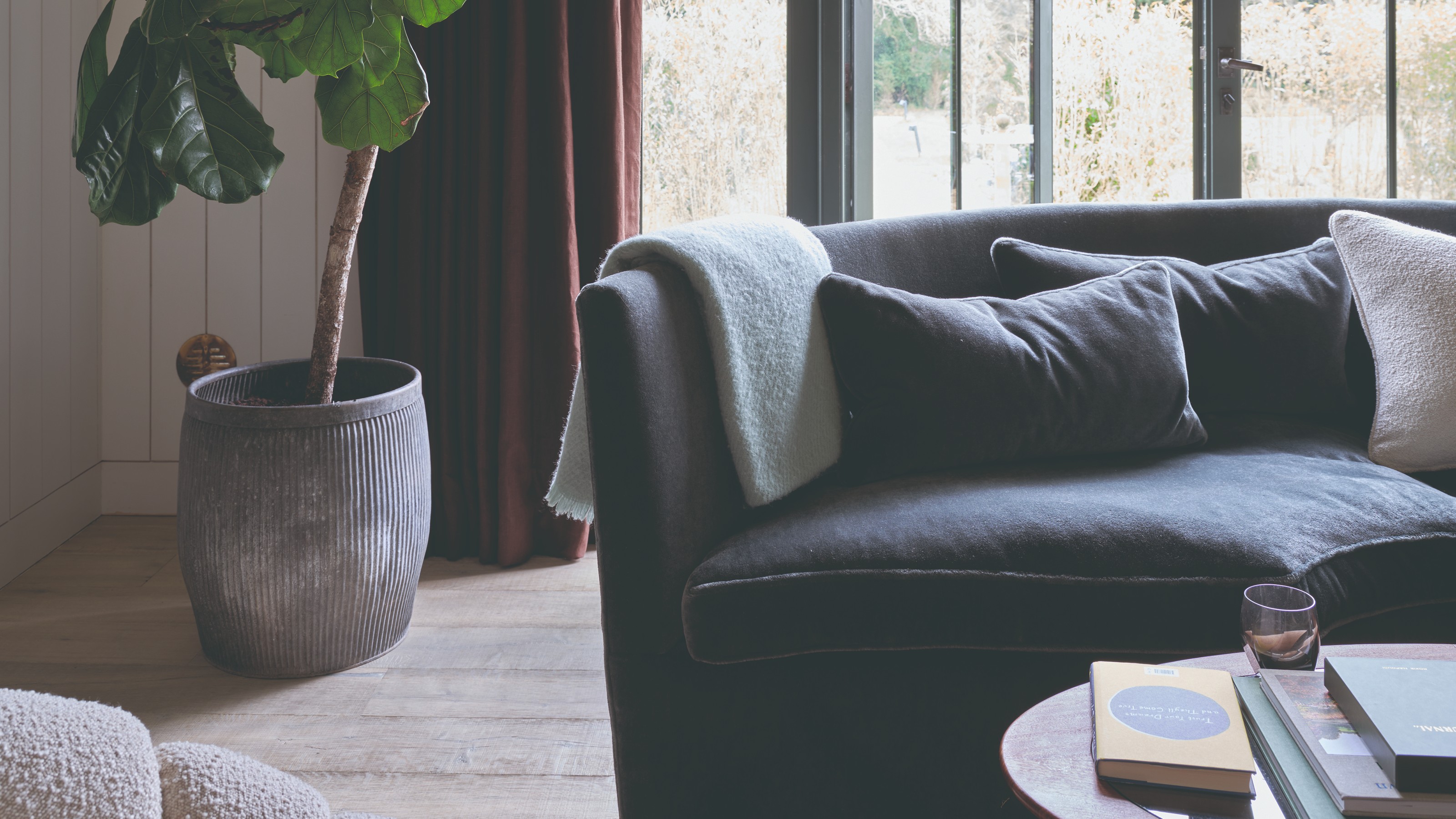
30 modern living room ideas for a clean and contemporary space that’s comfortable at the same time
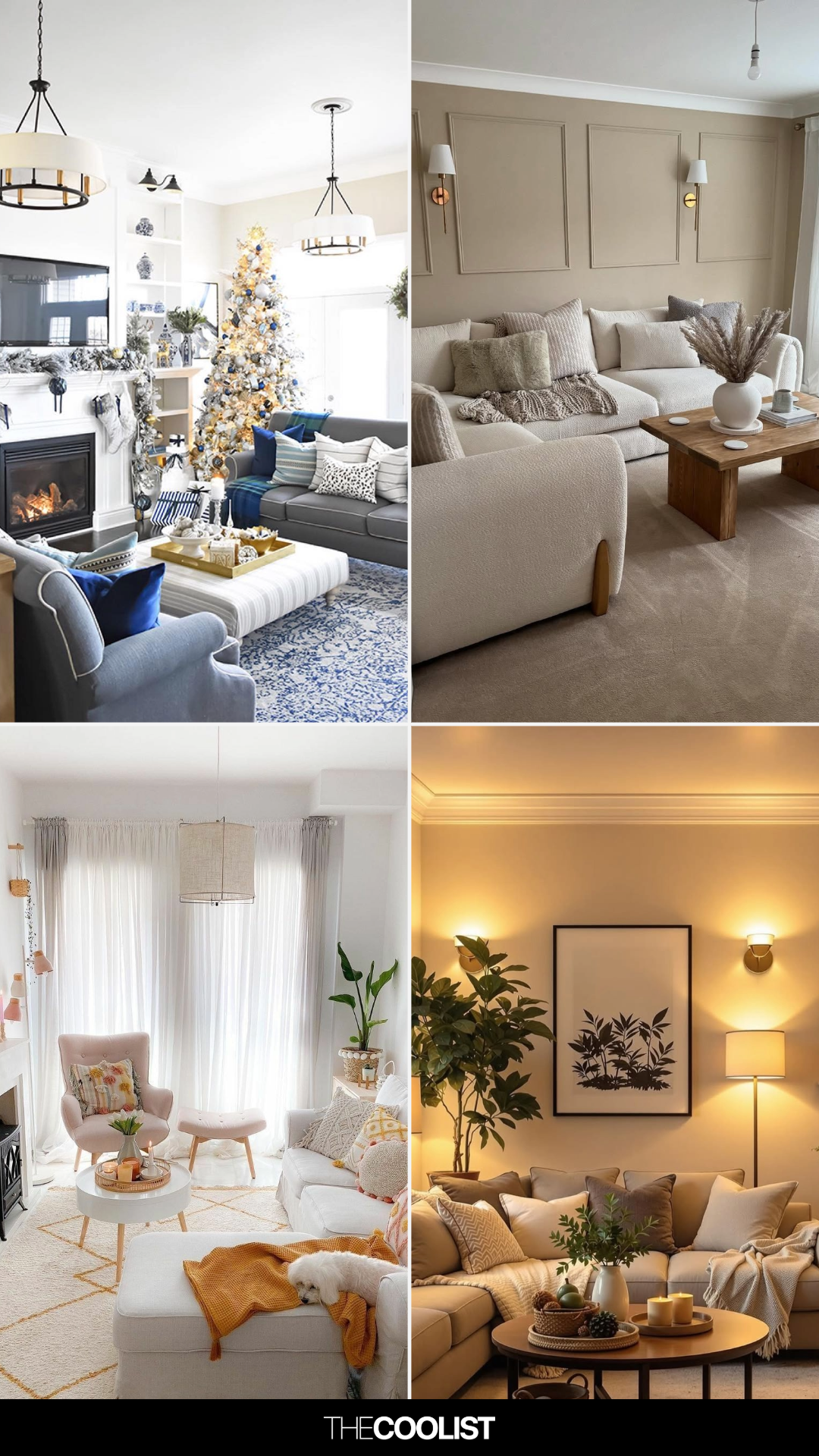
30 Long Living Room Ideas That Finally Make a Narrow Room Feel Designed, Not Stretched