Carpet Tile Overview: Carpet tile producers expand their programs and price points - Feb 2018
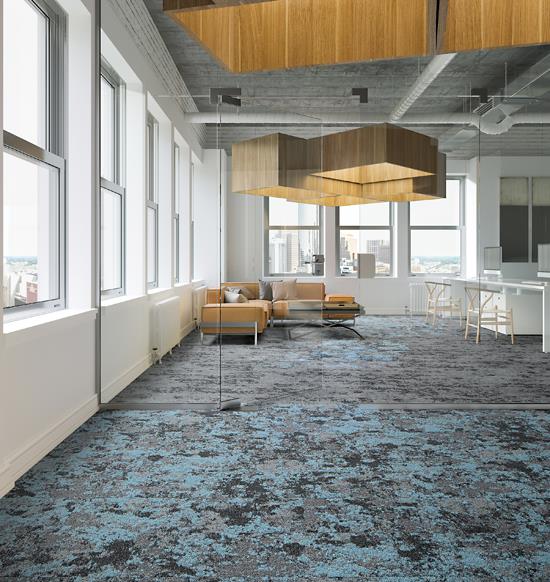
The carpet tile industry, a segment that has grown significantly over the past two decades to a $2 billion U.S. industry, has matured into a new phase of its existence. Initially a utilitarian, fusion-bonded, bitumen-backed square, it has evolved into a diverse range of high-performance, high-design, and environmentally friendly products that now dominate the $6 billion commercial flooring market, accounting for a third of total sales. While its growth rate has moderated compared to ten years ago, carpet tile continues to capture market share across all commercial segments. In the corporate sector, broadloom is largely supplanted, and carpet tile is now the dominant soft floorcovering in institutional sectors like education, government, public spaces, healthcare, and retail. It is also rapidly replacing broadloom in price-sensitive segments such as tenant improvement and mainstreet projects.
A significant challenge for the carpet tile industry involves penetrating more resistant markets, particularly the residential sector, which has proven difficult due to higher price points compared to broadloom. Previous attempts by companies like Milliken and Interface to enter this market were largely unsuccessful, and major retailers have only offered carpet tile for utilitarian applications like garages and basements. In contrast, the hospitality market, traditionally dominated by broadloom, is slowly adopting carpet tile. Shifts in design trends, especially in boutique hotels, have opened doors for carpet tile in public spaces. While guest rooms still largely use broadloom due to upfront cost advantages, carpet tile offers benefits such as quicker and cleaner installation, less waste, and the ability to replace damaged tiles individually. Similarly, the senior living market, sharing characteristics with hospitality, is also increasingly open to carpet tile installations. High-end corporate and retail sectors, which favor luxurious broadloom and hardwood, represent another niche that carpet tile has yet to fully penetrate, although this may change with evolving aesthetic trends.
The origins of carpet tile trace back nearly 60 years to Heuga in the Netherlands. Early U.S. development saw Collins & Aikman (now Tandus Centiva) start production in 1969, followed by Carpets International (founded by Ray Anderson, inspired by Heuga's concept) and Milliken using fusion-bonding technology. Early carpet tiles offered limited design options, confining their use to functional commercial applications. The 1990s brought significant advancements in tufting technologies, leading to denser faces and improved designs, which propelled carpet tile’s growth. Challenges like tile curling due to tufting tension were addressed through technological adjustments and primary backing developments, making carpet tile suitable for modern offices due to its ease of transport, handling, and installation compared to broadloom. This design evolution attracted new producers, including Shaw and Mohawk (through its acquisition of Lees).
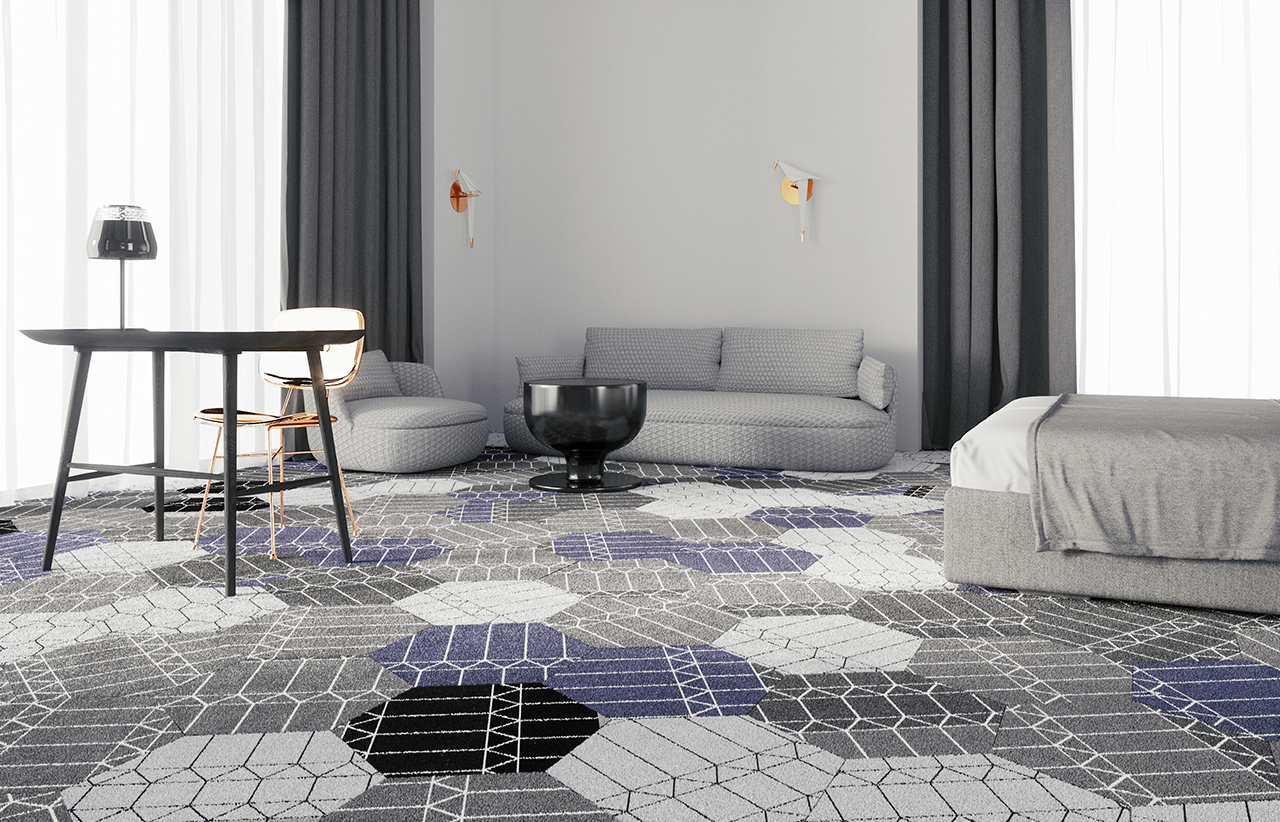
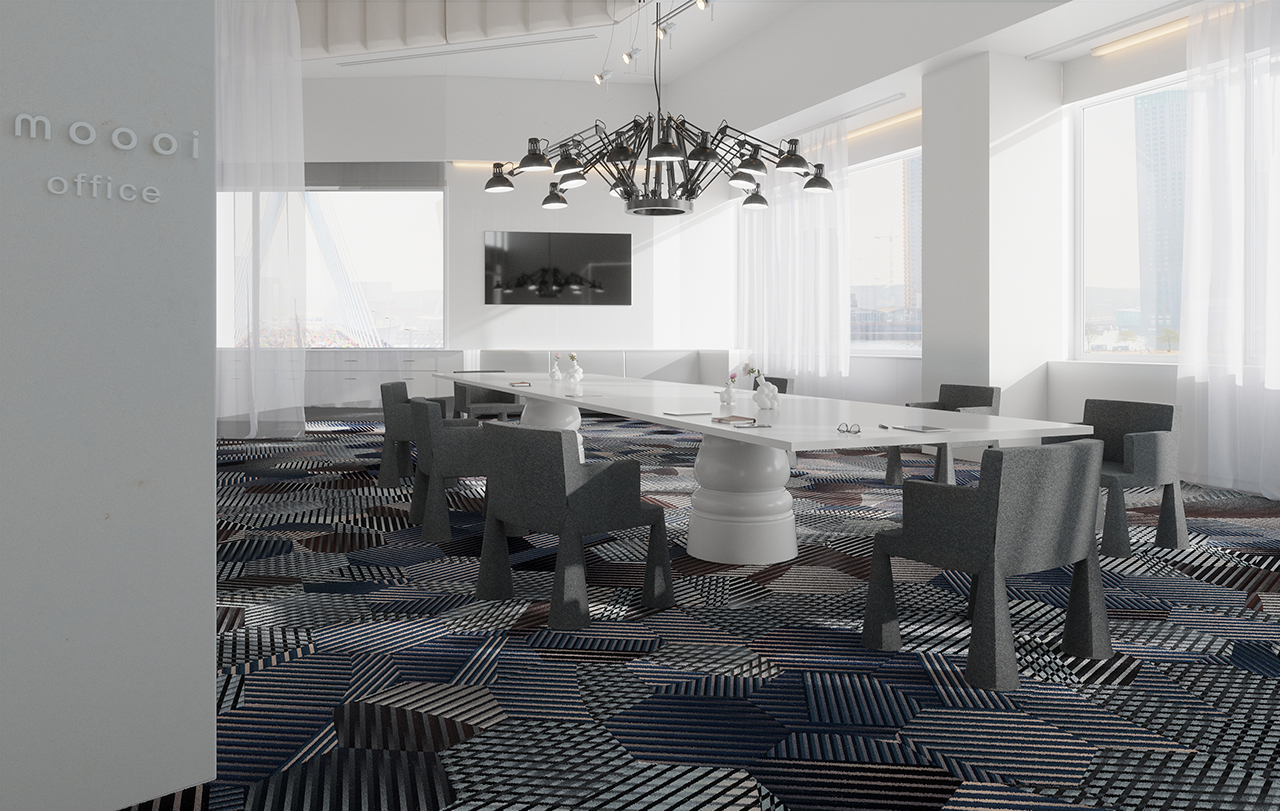
Over the last two decades, carpet tile design has diversified dramatically, incorporating various patterns, adhesive systems, floating floor methods, and new sizes and shapes, including plank formats. The industry is now adapting to integrate hard and soft surfaces, particularly with the rise of LVT. To compete with lower-priced broadloom, carpet tile producers have focused on creating more affordable options, often by reducing face weights. This strategy has allowed carpet tile to continue growing, with wholesale pricing now around $12 a yard, though broadloom can still be found at half that price. Innovations like direct tufting, bypassing traditional fiber processing, enable even lower face weights (around ten ounces per square yard) for a distinct, flat-woven aesthetic. While some of these microtuft constructions have limited application, they are gaining popularity in Europe and leading U.S. design markets, potentially signaling a future trend for lighter carpet tiles.
Key players in the U.S. market, such as Interface, Shaw Industries, Tarkett’s Tandus Centiva, Mohawk, Milliken, Mannington, J+J Flooring, Engineered Floors, Bentley Mills, and Masland Contract (part of the Dixie Group), offer extensive carpet tile programs. Each manufacturer employs distinct backing technologies, face weight ranges, and design capabilities to cater to various commercial sectors. Interface, a global producer, offers PVC and felted polyurethane backings, including its CushionedBac Renew, with a focus on recycled content. Shaw, the largest U.S. carpet tile maker, utilizes EcoWorx and EcoLogix backings, including the more affordable StrataWorx, to achieve diverse price points and performance specifications for different markets. Tarkett’s Tandus Centiva features ER3, Conserv, Ethos (a PVC-free option), and Flex-Aire backings, with Ethos being particularly popular due to its PVC-free nature and moisture barrier capabilities. Mohawk is expanding its global footprint with EcoFlex ITC, EcoFlex NXT, and EcoFlex NXT Air backings, emphasizing Declare Red List Free materials and plank formats.
Milliken, known for its Millitron dye-injection printing, primarily offers polyurethane cushion-backed carpet tiles, serving executive spaces and education, and has seen growth in hospitality. Mannington, with its carpet tile business now exceeding its broadloom sales, uses Infinity and Infinity RE PVC hardbacks, Revolve polyolefin, and Infinity Cushion, with a notable shift toward plank shapes. J+J Flooring, now part of Engineered Floors, offers Nexus PVC hardback and cushioned PVC backings, alongside its Kinetex PET soft surface tile, and is expanding its manufacturing capabilities. Bentley Mills, acquired by Balta Group, features NexStep polyurethane cushion and Affirma polyolefin backings, along with its Affixx floating floor system, and has significantly expanded its capacity. Masland Contract, part of the Dixie Group, has diversified its carpet tile offerings to include various face weights and sizes, utilizing PVC hardback and a cushioned backing with high post-consumer content.
Looking ahead, future growth in carpet tile will depend on sophisticated strategies, targeting niche markets with advanced performance attributes and refined designs. The trend towards floating floor installations, which eliminates adhesives and facilitates easier disassembly and reinstallation, aligns well with modern office trends favoring flexible spaces and growing environmental considerations. This approach echoes Interface’s Flor concept of customizable area rugs, suggesting that easily reconfigurable floorcoverings may integrate seamlessly with future trends in built environments.
#CarpetTile #CommercialFlooring #FlooringIndustry #DesignTrends #ProductInnovation #Sustainability #MarketAnalysis #InstallationMethods #ManufacturingProcesses #CarpetTile #CommercialFlooring #FlooringIndustry #DesignTrends #ProductInnovation #Sustainability #MarketAnalysis #InstallationMethods #ManufacturingProcesses
0 comment in total
 No comments yet
You may also like

Tiles & Flooring Offers

32 Spectacular Fabrics and Trims Coming to Market This Year

Top Tile Trends Spotted At Coverings 2025

Orient Ceramics & Industries Limited Long Term Buy Call : Fairwealth Securities
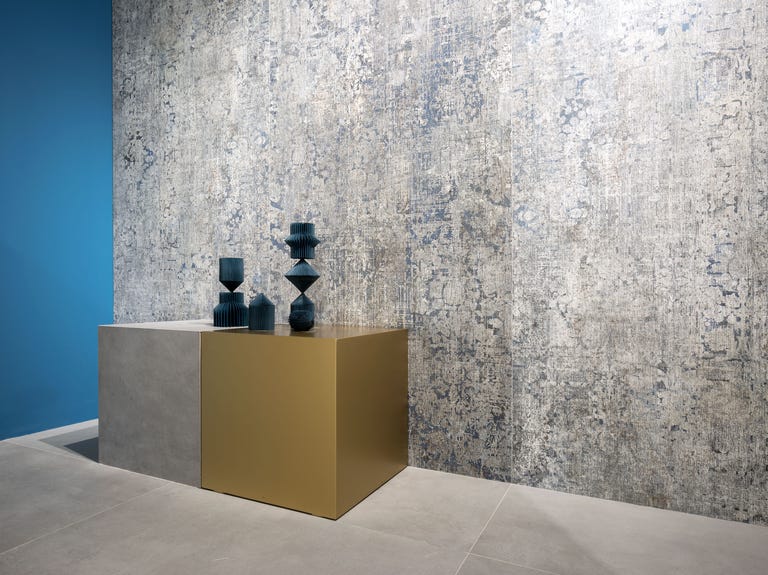
Ceramiche Refin launches Wide tile collection with line-drawn patterns
Decorative Tiles Are Back, Bigger and Better Than Ever
Top 10 Ceramic Tiles Manufacturing Companies In India

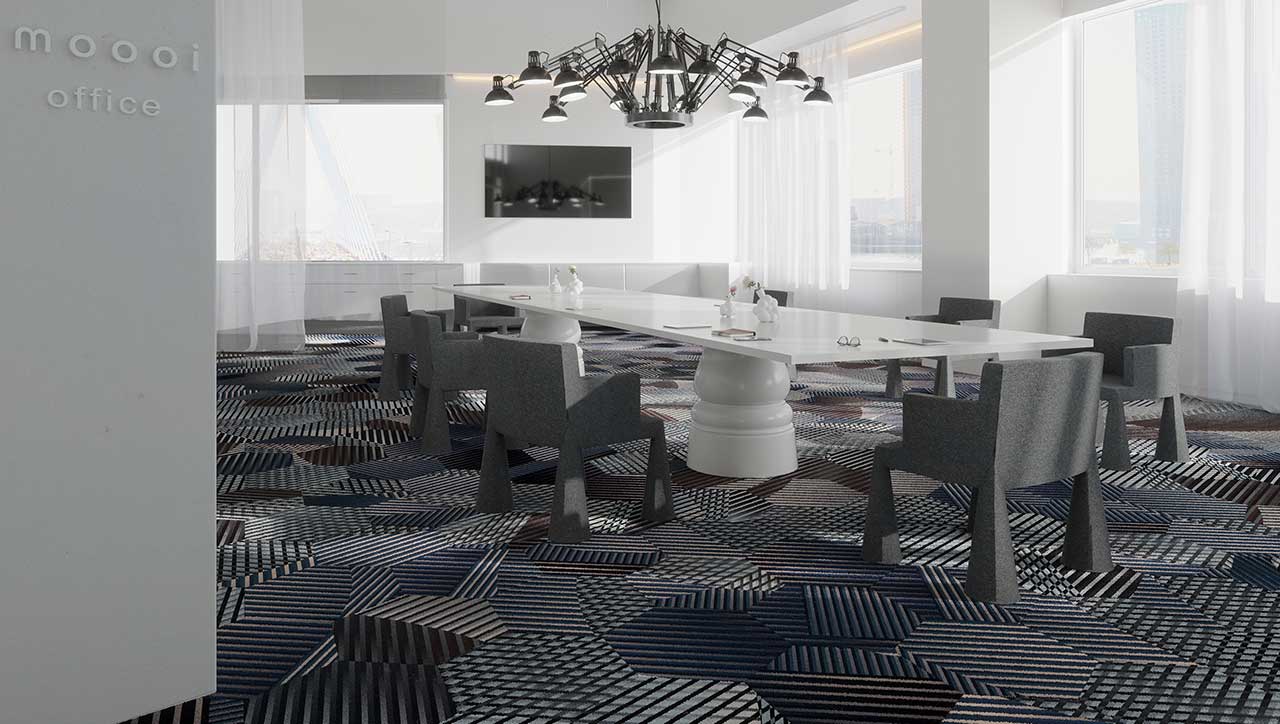
Moooi Carpets Tiles Bring Fresh Versatility To Flooring
Reliable companies to consider when looking to buy tiles
Carpetime offers flooring and excellent customer service
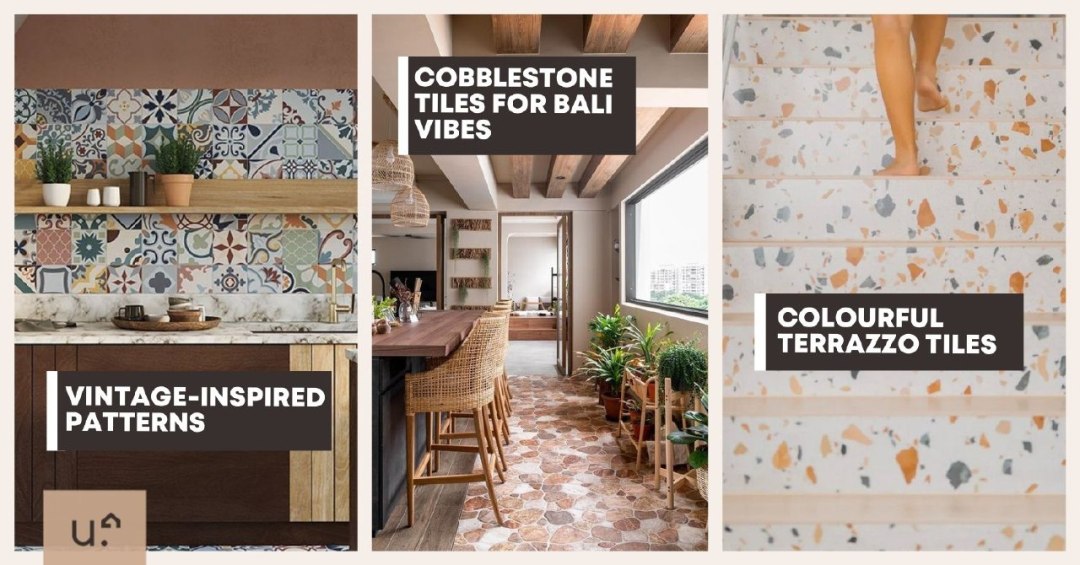
8 Best Tile Suppliers & Shops In Singapore For Flooring That Will Elevate Your Interior Design

The 5 Best Flooring Companies in America
GCC Ceramic Tiles Market Grows with Rising Construction Demand
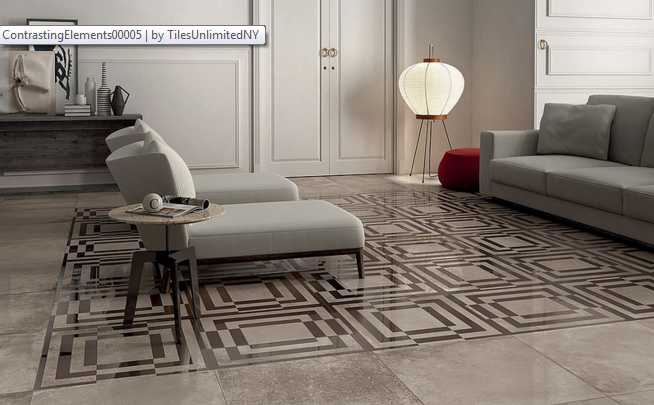
Tiles Unlimited of Queens has the latest 2016 trends and they’ll blow your mind

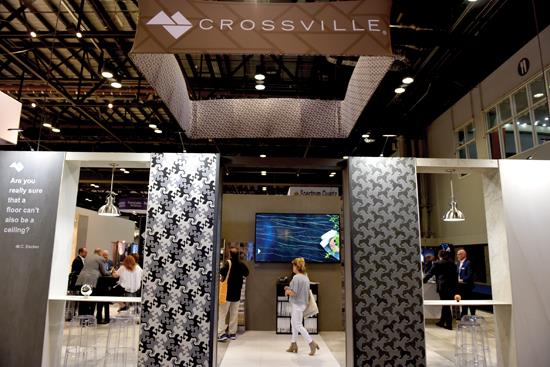
Coverings 2019: Color and graphics along with concrete and terrazzo were centerstage - May 2019

Vivid 202: An unprecedented colour carpet tile range with 202 colours across six colour families
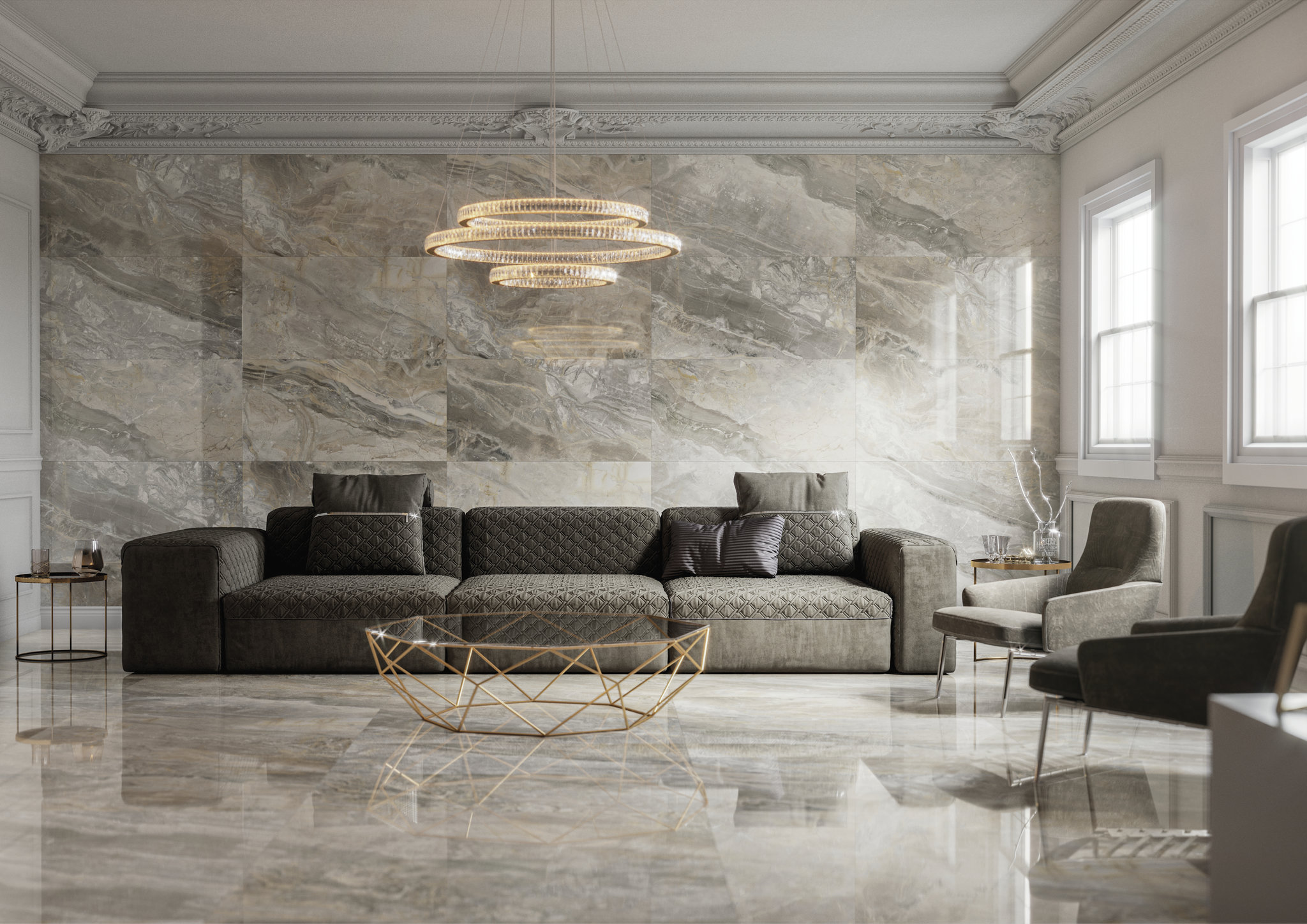
World Of Tiles Reveal This Year's Tile & Wood Flooring Trends


Vivid 202: An unprecedented colour carpet tile range with 202 colours across six colour families
Tile and Wood Flooring Trends 2022 - World of Tiles
Ceramic Tile Report: Tariffs put renewed focus on domestic supply – April 2025