Bookkeeping Tips for Plumbing Business Owners
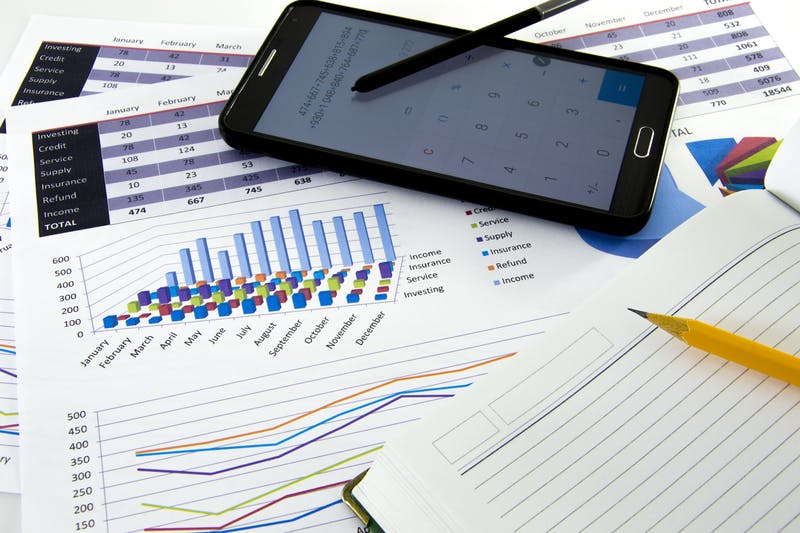
Effective bookkeeping is essential for plumbing business owners to make informed financial decisions and ensure a smooth tax season. This article provides practical advice on managing business finances, starting with the critical need to track all expenses meticulously. Running a plumbing business involves significant costs such as tools, vehicles, payroll, office space, and advertising. Knowing precisely where money is spent enables owners to make strategic choices regarding business expansion, asset acquisition, and hiring. The article emphasizes that accuracy in documenting these expenses is achievable by following specific practices.
A key recommendation is to strictly separate business and personal finances. Many small business owners or freelance plumbers might be tempted to use personal bank accounts and credit cards for business expenses. However, this practice complicates financial tracking and tax preparation. The article advises establishing a dedicated business bank account and obtaining a credit card exclusively for business use. While some financial software can help differentiate expenses, the goal is to make the process as straightforward as possible from the outset. Credit card statements typically categorize expenses, offering a clear overview of spending. Using separate cards for personal and business purchases, even at the same retailer, ensures proper tracking for tax write-offs. This method is also superior to cash transactions, which often result in lost or illegible receipts.
Beyond just bank and credit card statements, every business expenditure should be tracked. Consistent and diligent record-keeping of expenses leads to a less stressful tax season and supports better decision-making for business growth, such as investing in new equipment or hiring staff. Business owners should familiarize themselves with deductible expenses. The IRS Publication 535 offers comprehensive details, though simplified lists are also available. Essential criteria for a deductible expense are that it must be both ordinary and necessary for the business. Ordinary expenses are common in the plumbing trade, while necessary expenses are helpful and appropriate, not necessarily indispensable.
For plumbing contractors, a wide range of items qualifies as deductible expenses. These include tools, advertising, office expenses, phone and internet services, insurance, vehicles and their maintenance (if 100% business-owned), mileage (tracked via a log), and salaries and benefits for employees, including various federal and state unemployment taxes and payroll taxes. The article advocates for regular expense tracking, which can be done through notebooks, spreadsheets, or, more efficiently, through financial management platforms like Neat. These platforms can connect to business bank accounts and credit cards, digitize receipts and invoices, and match them with banking data. Such systems provide accountants with the necessary information for tax preparation, saving time and money.
Modern financial management platforms offer turnkey solutions that allow real-time monitoring of business finances from computers or mobile devices. They automate essential accounting reports like Profit & Loss statements, cash flow statements, balance sheets, and expense reports. These platforms also provide instant access to cash balances, total sales, and critical expenses. Additionally, comprehensive platforms facilitate creating and sending custom invoices and enable customers to make one-tap bank transfers or credit card payments. The article encourages business owners to select a user-friendly solution that automates data migration and does not require extensive accounting expertise. It concludes by highlighting critical financial aspects to continuously monitor: cash flow, revenue sources (preferring digital payments), regular financial health checks, and preparing for IRS audits by setting aside estimated taxes and maintaining meticulous records. Mike Michalowicz, author of *Profit First*, suggests using a separate account for tax money and making periodic deposits. By consistently managing financial records, plumbing business owners can alleviate stress and focus on growth.
#BookkeepingTips #PlumbingBusiness #ExpenseTracking #FinancialManagement #TaxDeductions #SmallBusinessFinance #CashFlowManagement #DigitalAccounting #IRSCompliance #BookkeepingTips #PlumbingBusiness #ExpenseTracking #FinancialManagement #TaxDeductions #SmallBusinessFinance #CashFlowManagement #DigitalAccounting #IRSCompliance
0 comment in total
 No comments yet
You may also like

Edelman: Plumbing Supply with a touch of history, panache

Choosing the Right Supplies for Commercial Plumbing Jobs: A Contractor’s Guide

9 year-end tax tips for general contractors

The Best Plumbing Services in America, Vetted


To Break Or Not To Break: A Drain Cleaning Tools Survival Guide

Green is paying off for Petri Plumbing & Heating

Navigating the Challenges of Retrofitting Plumbing Systems in Older Commercial Buildings
Storage Considerations for an Expanding Plumbing Business

Who Knew CX Could Make A Huge Difference In DIY Toilet Repair?


Could franchising be the route to your plumbing company’s success?
How to Decide Whether to Rent or Buy Drain Cleaning Equipment