1/11
‘Ask the Strategist’: How Do I Build a Plastic-Free Pantry?
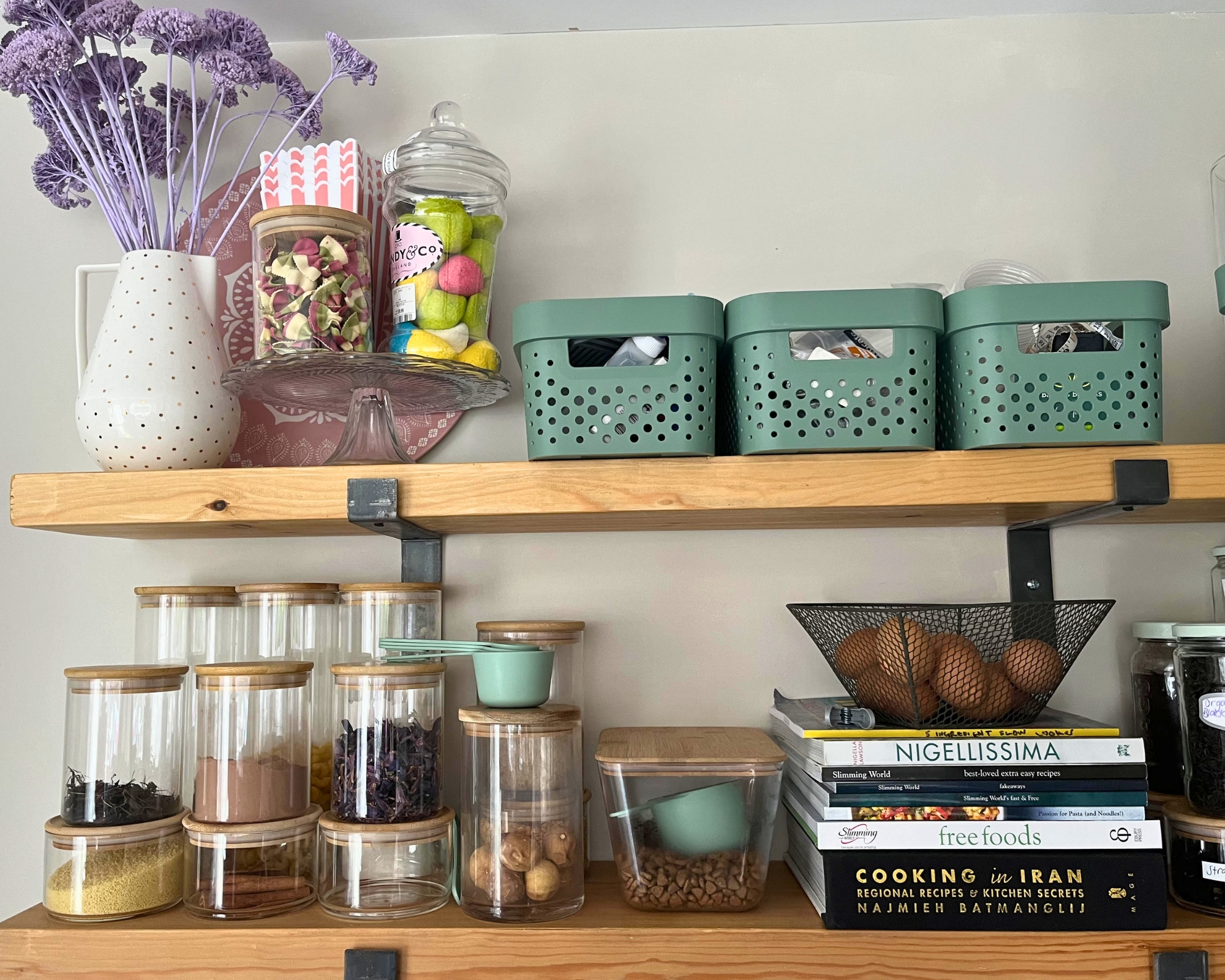
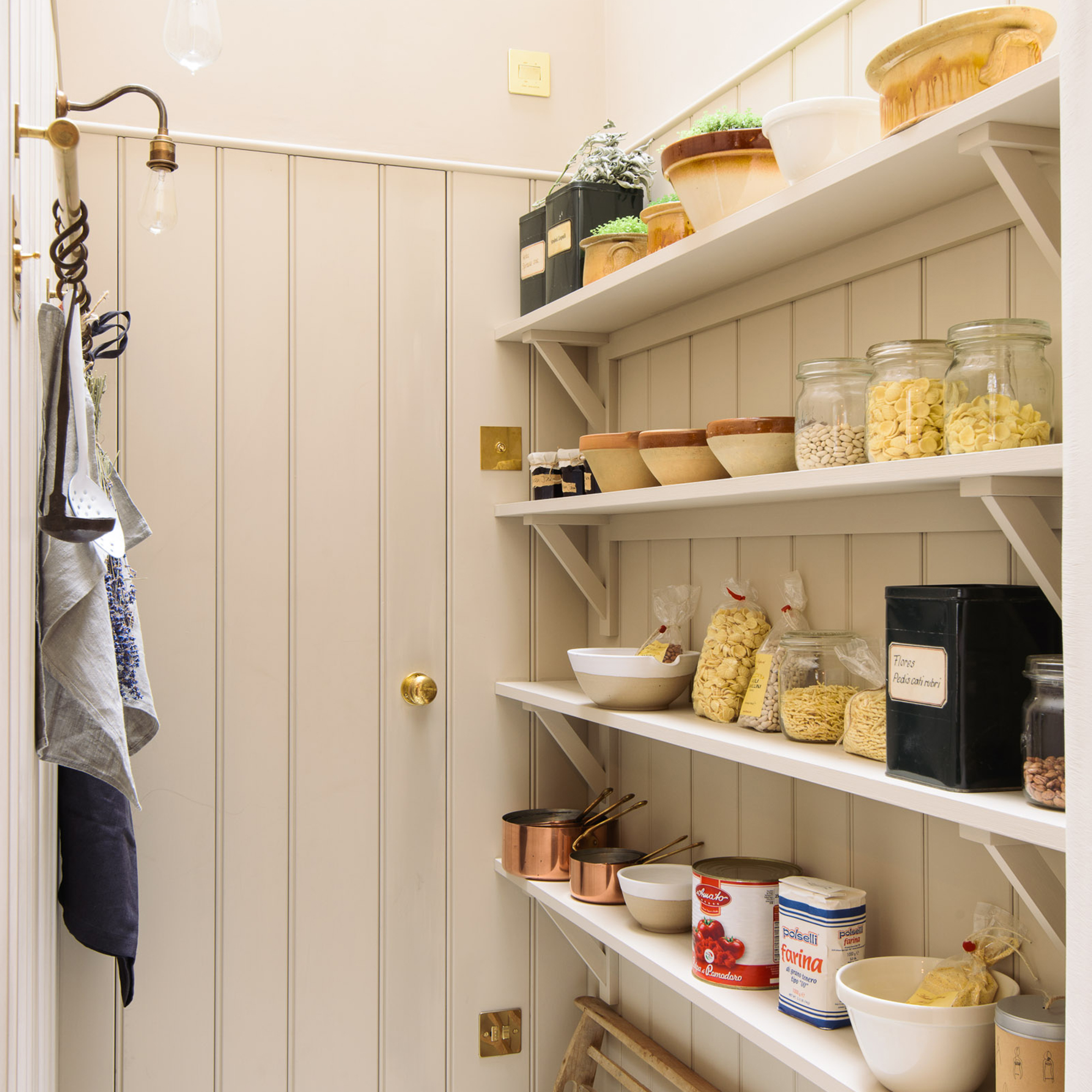
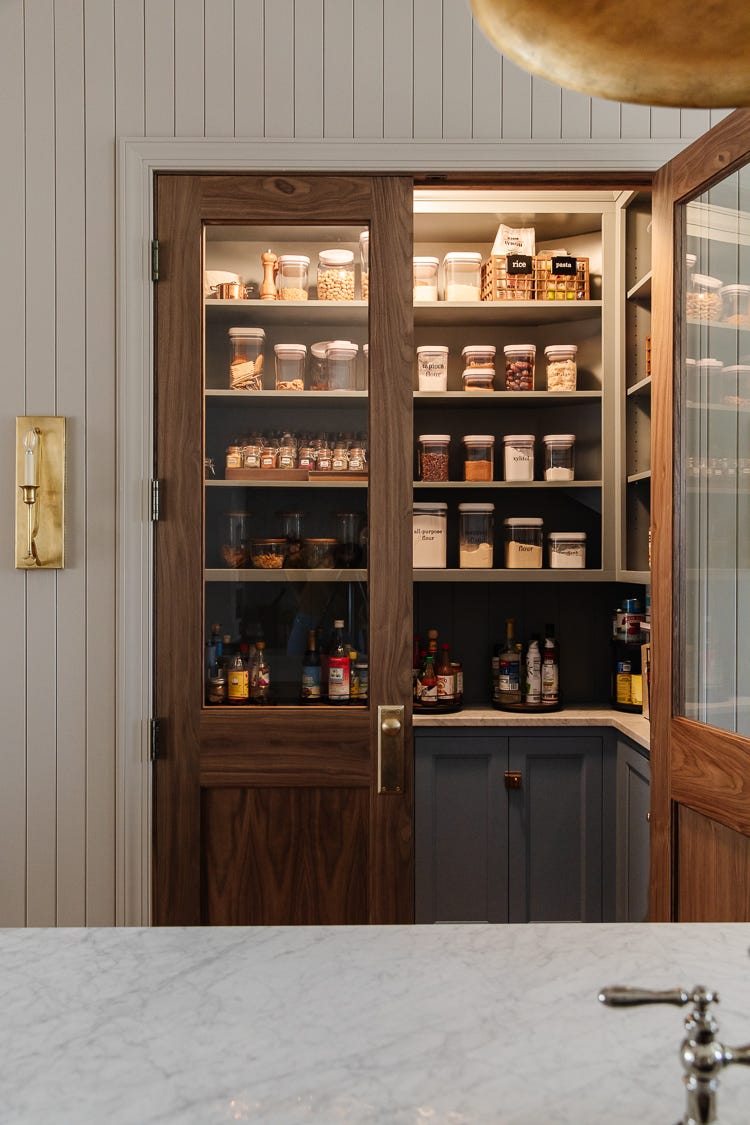
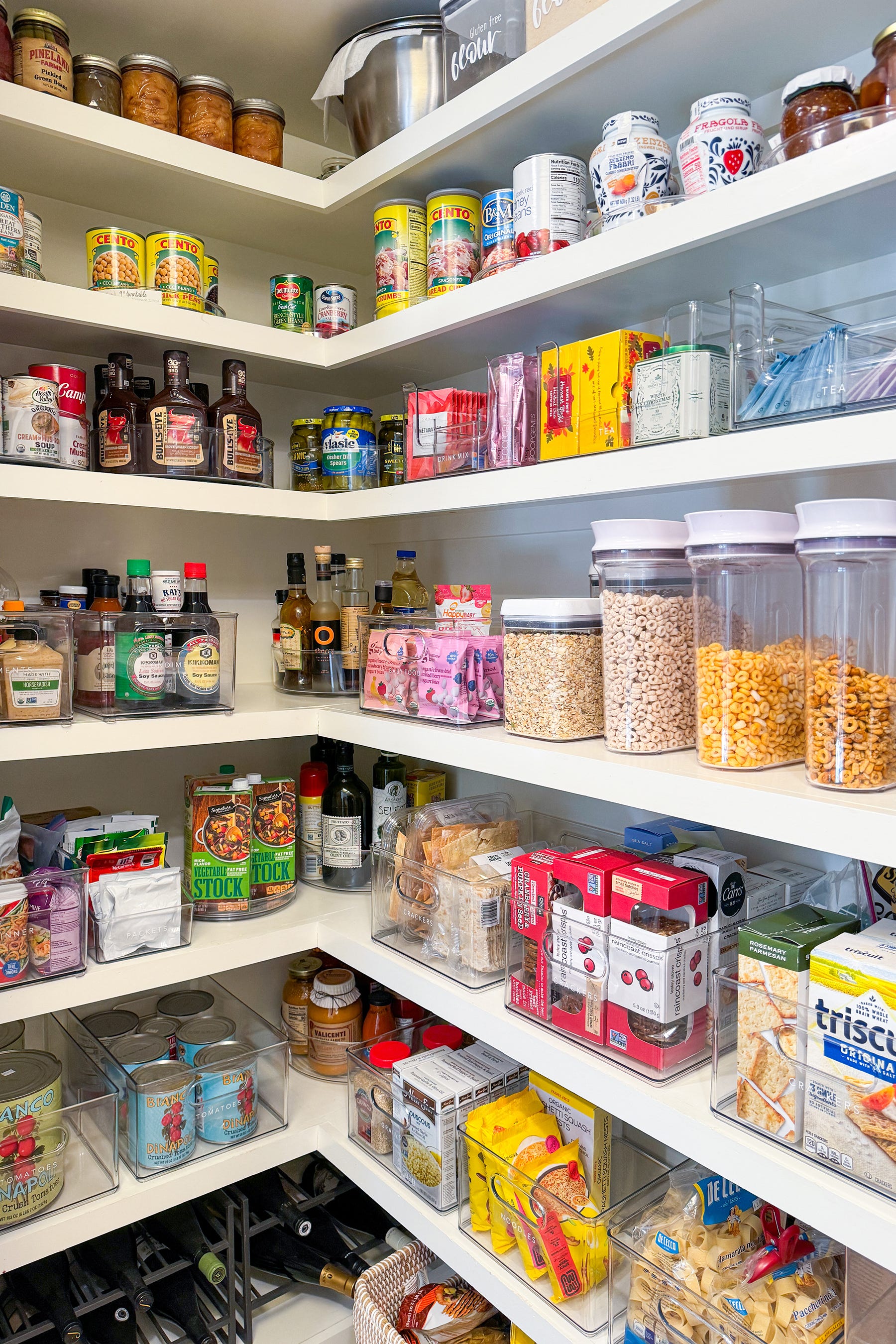
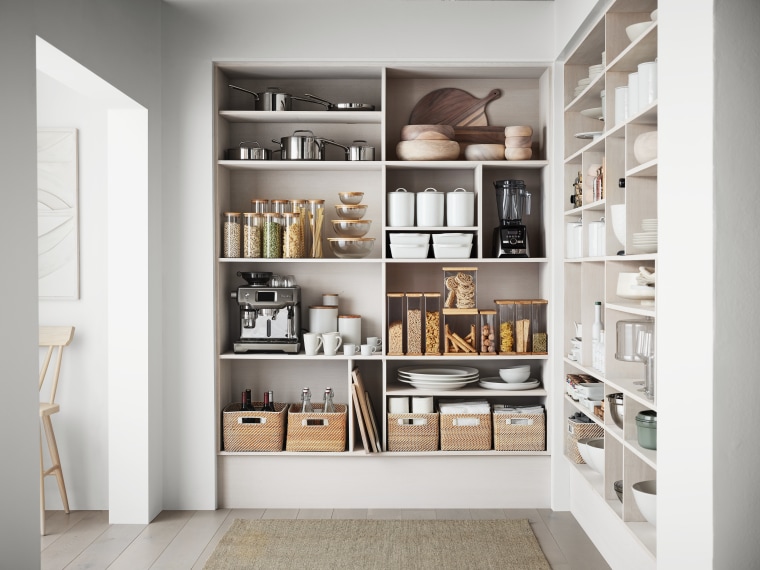
This article addresses the common challenge of establishing a plastic-free pantry, acknowledging the prevalence of plastic in food storage and offering various alternatives. It emphasizes that building a pantry, especially a plastic-free one, is a highly personalized endeavor, with optimal solutions varying based on individual dietary habits and shelf dimensions. The advice suggests a mixed-material approach, combining different styles and sizes of containers rather than adhering to a single type, and recommends a gradual accumulation of items to test their practicality before making large purchases.
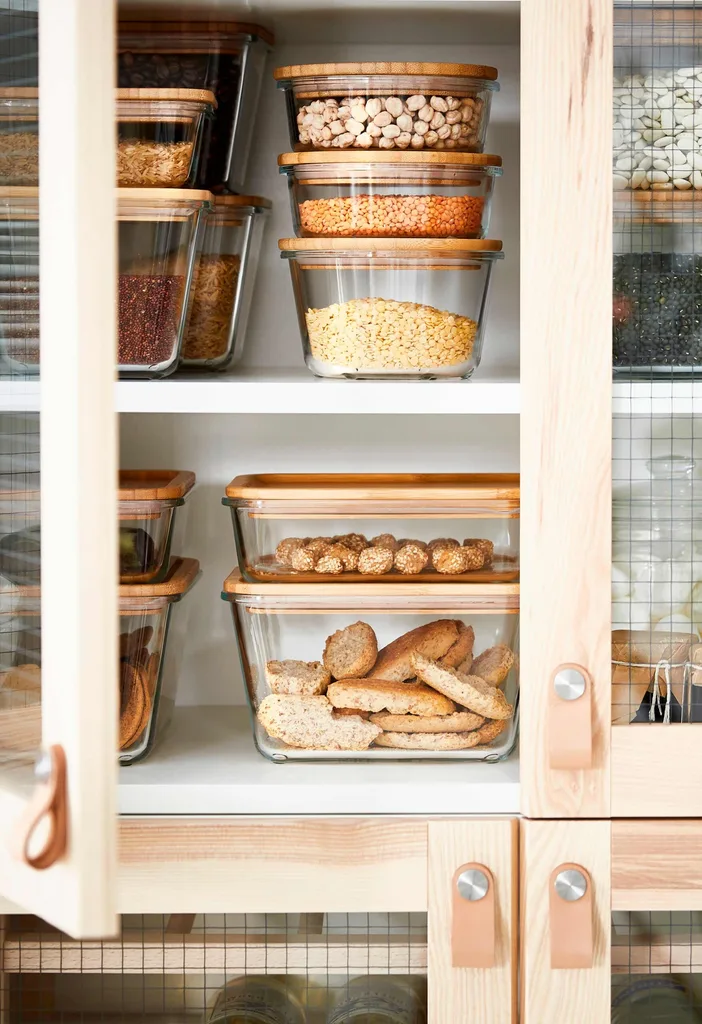
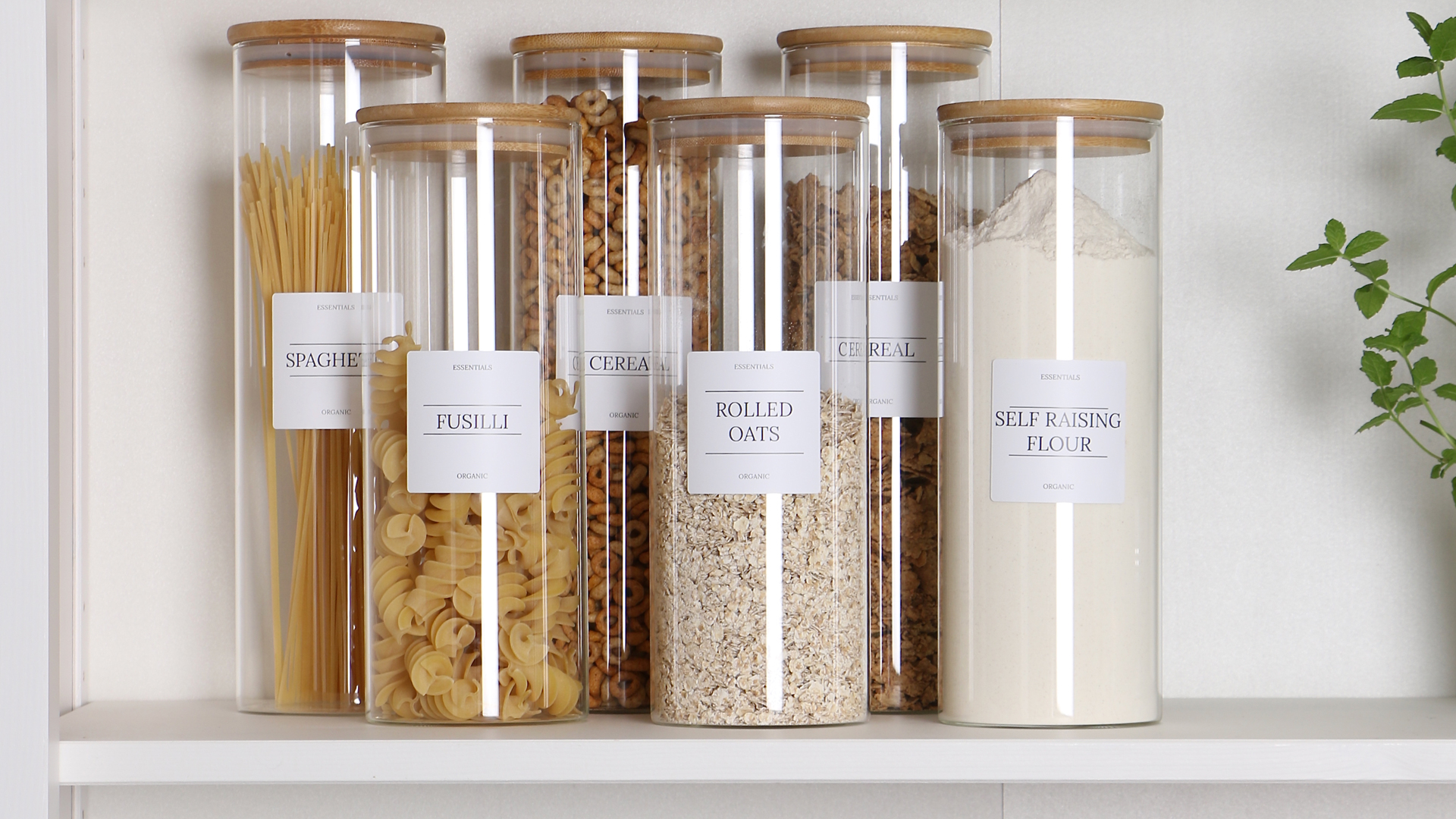
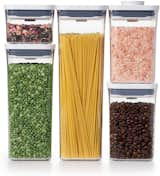
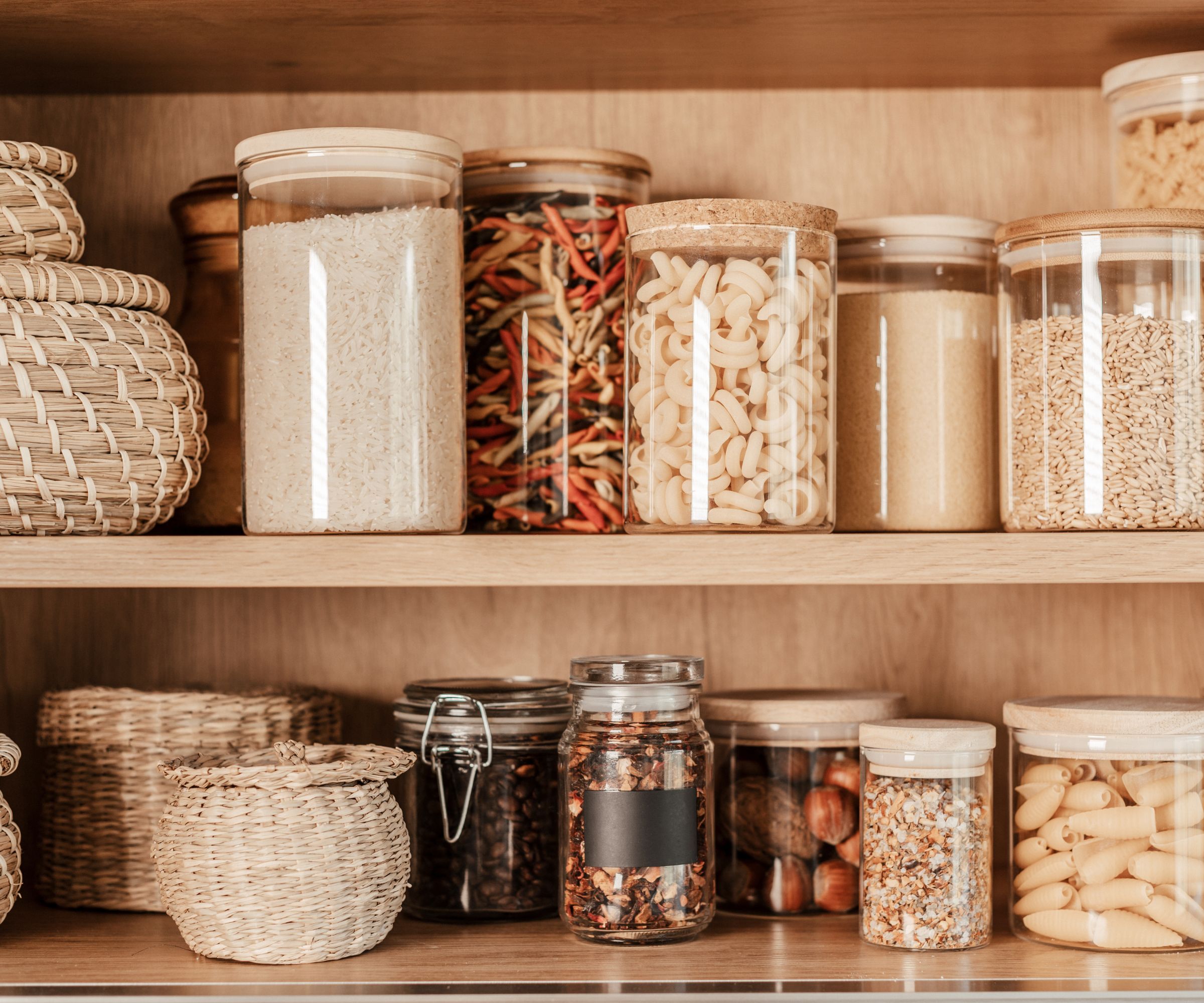
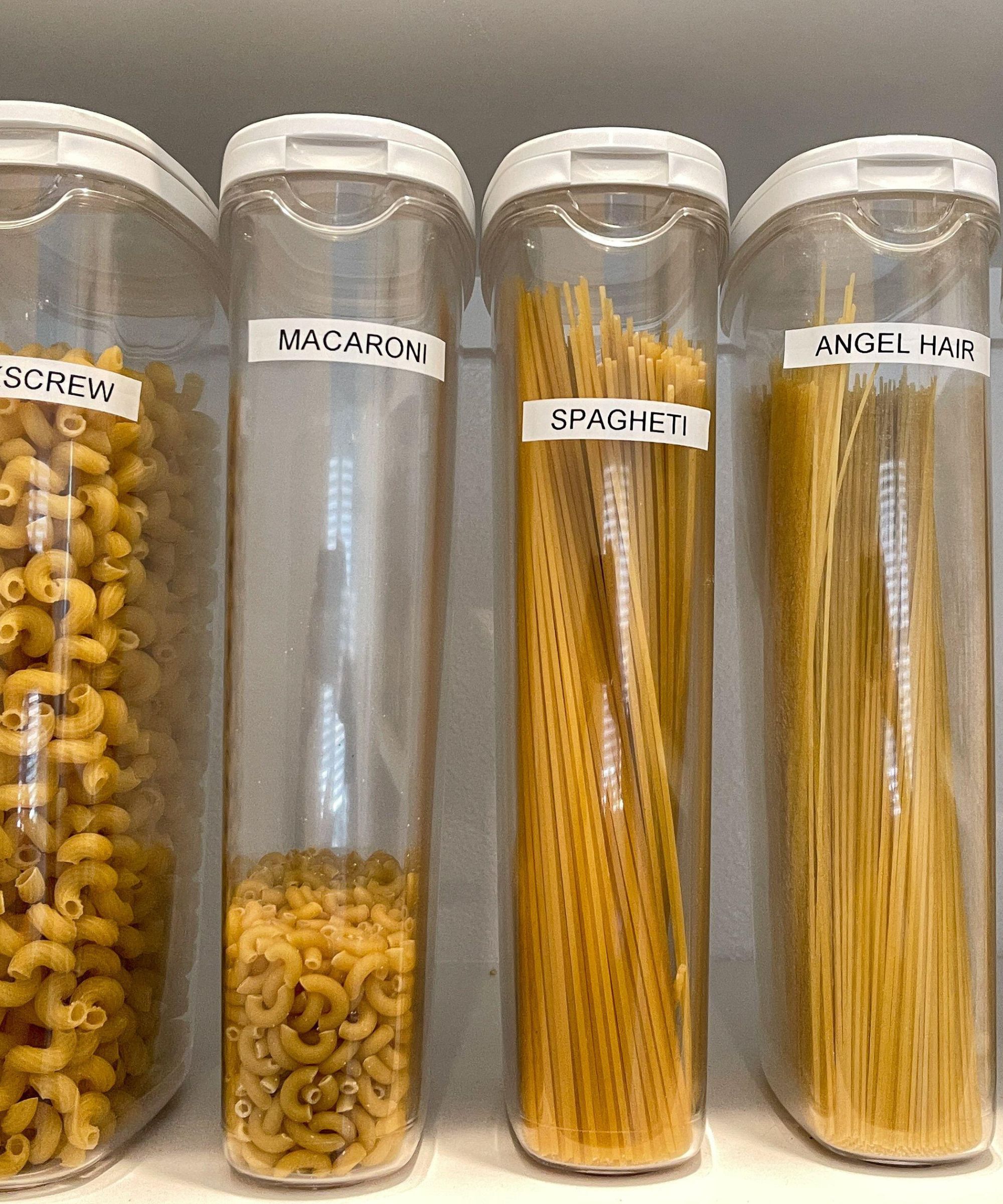
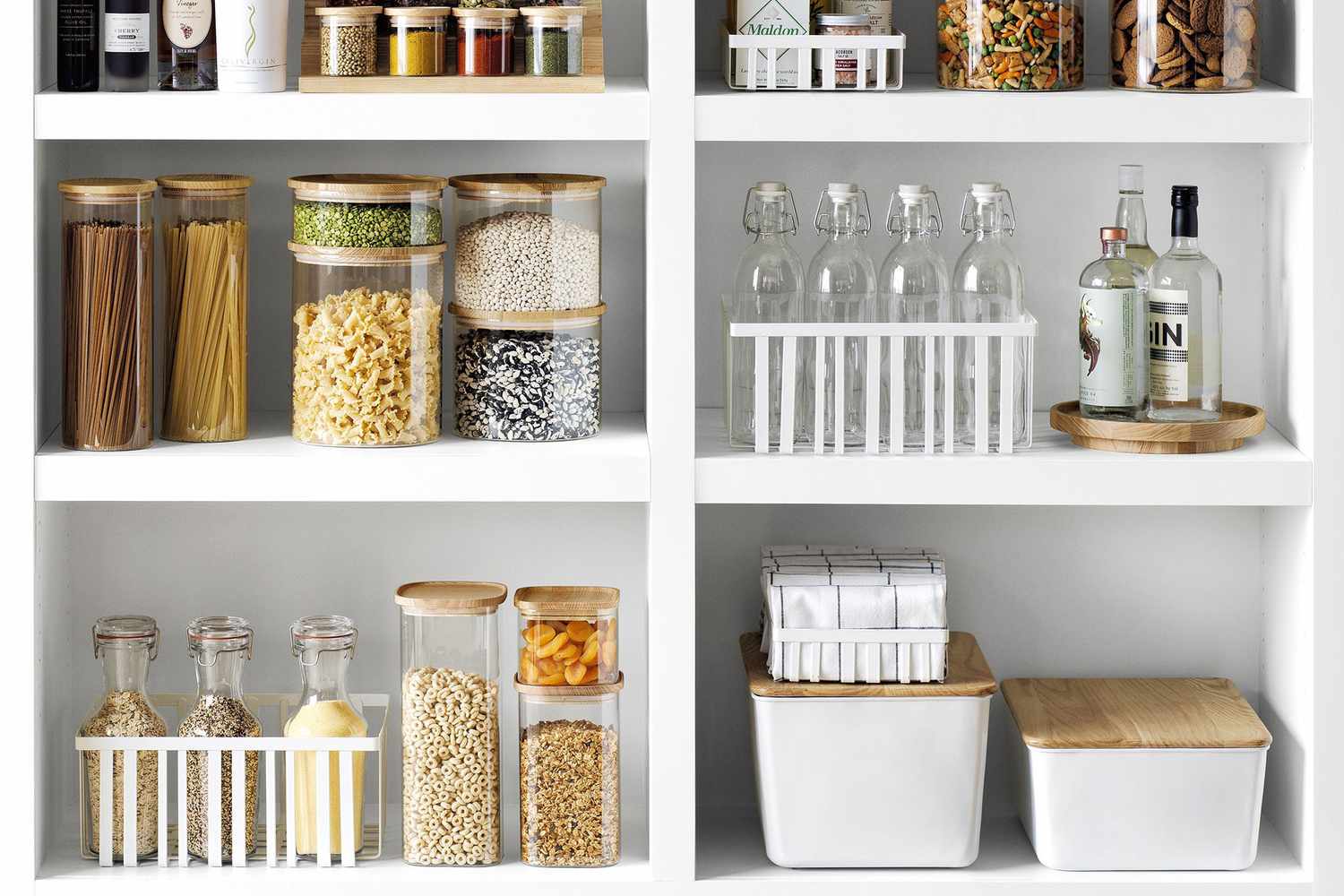
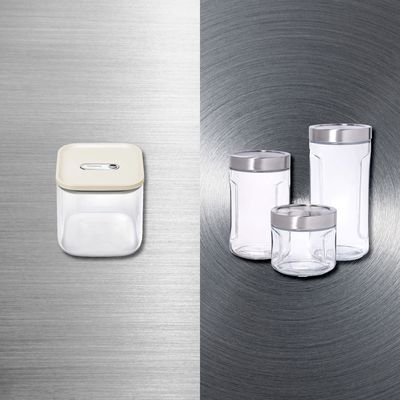
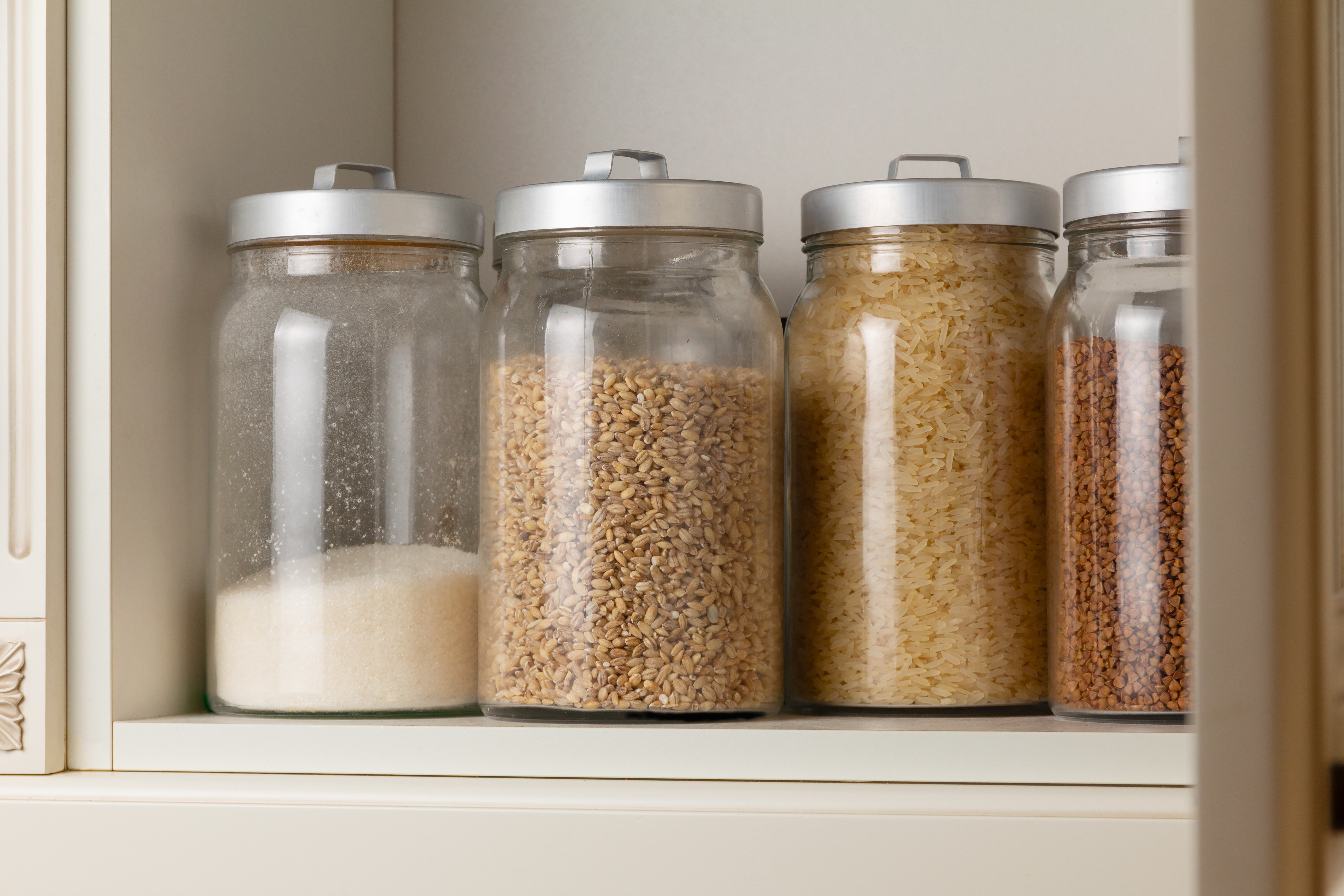
Several specific product recommendations are provided, primarily focusing on glass containers due to their transparency and reusability. Anchor Hocking features prominently, with multiple options highlighted. The Anchor Hocking Stackable Square Canisters are noted for their rectangular shape, which optimizes space in tighter pantries, and their varying heights (one, 1.5, and two quarts) while maintaining a consistent base size (4.25 by 4.25 inches) for stacking. These are made entirely of glass with a silicone gasket, though the article notes some user feedback suggesting they may not be perfectly airtight. Another Anchor Hocking option features an aluminum lid instead of glass, offering a similar range of sizes and sealing mechanism.
For those who prioritize aesthetics, the Anchor Hocking Montana Jars with Acacia Lids are presented as an attractive alternative, although they are round. They offer similar capacities (1.5, two, and three quarts) and also feature a silicone seal. Additionally, a three-piece Anchor Hocking Gripper Jar Set with screw-top metal lids is recommended for its ergonomic design, which facilitates handling and pouring, making them suitable for snacks or items that are easily crushed.
The article also showcases more premium and specialized options. Caraway Glass Airtight Container Trios are highlighted as a plastic-free solution, praised for their substantial yet not overly heavy glass construction and an effective lever-based airtight seal. These come in 2.5-quart and four-quart sizes, suitable for various dry goods like rice, flour, or cereal, and can also be used for refrigerating leftovers. For rice connoisseurs, a Paulownia Wood Rice Container from JOC Goods is introduced as a beautiful, though pricier, option for storing large quantities of rice. Stainless steel is also considered, with a Dynami 304 Stainless-Steel Storage Container, recommended by a chef known for building plastic-free restaurant kitchens, suggesting its utility for bulk items like 20-pound bags of rice. A key consideration for opaque containers like wood or stainless steel is the need for labeling due to lack of visibility.
Smaller storage needs are addressed with Brabantia Stackable Jars, which are lightweight, feature tight-fitting silicone lids, and are dishwasher-safe. These are useful for items like lentils or nuts, or even ground coffee. A similar, all-glass alternative from Hawkins New York is mentioned for those preferring glass lids. Finally, the article revisits the utility of Mason jars, specifically suggesting Ball Glass Half-Gallon Storage Jars for bulk items like granola or cereal, noting their wide mouth makes them practical for scooping ingredients like flour and sugar. The overarching advice encourages a thoughtful, iterative approach to building a plastic-free pantry, prioritizing functionality and personal needs.
#PlasticFreeKitchen #PantryOrganization #SustainableLiving #GlassStorage #KitchenEssentials #HomeOrganization #EcoFriendlyProducts #FoodStorage #PlasticFreeKitchen #PantryOrganization #SustainableLiving #GlassStorage #KitchenEssentials #HomeOrganization #EcoFriendlyProducts #FoodStorage
0 comment in total
 No comments yet
You may also like
Welcome to Plastic-Free Kitchen Week
How to Make Your Pantry Look Organized (Without Buying More Bins)

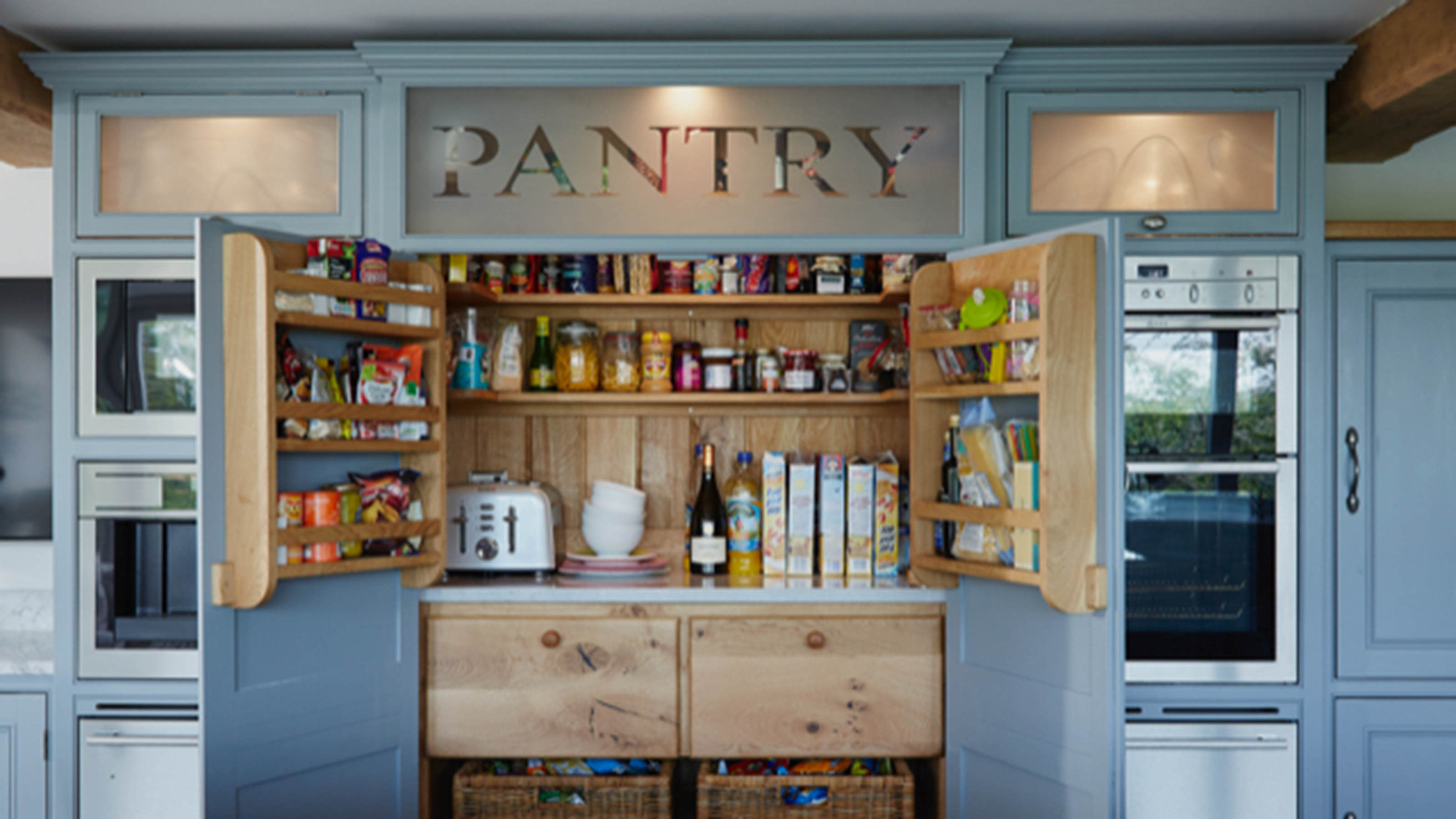
Top tips for organising a pantry – all the expert advice and tricks you need
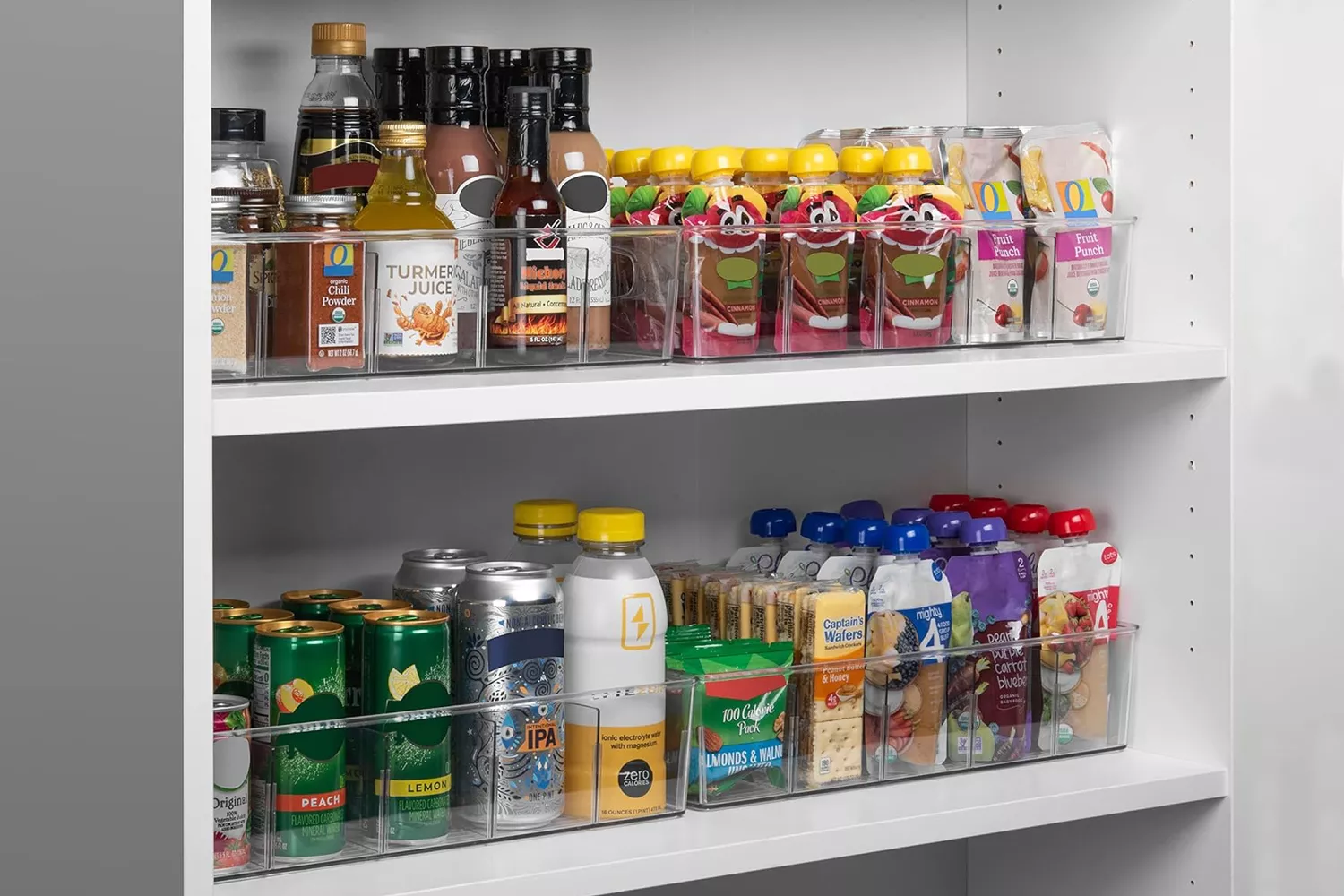
Amazon Shoppers Love These Pantry Organizers That Are a ‘Game Changer’ — They Start at Just $14

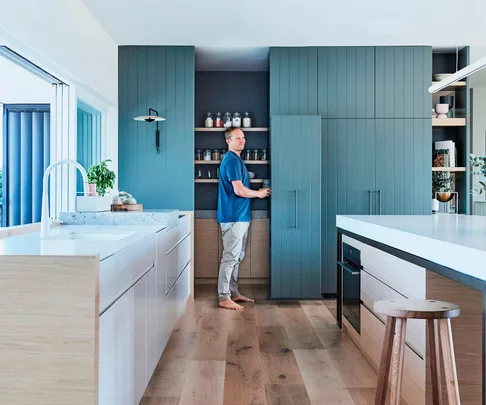
Pantry design tips: how to organise your kitchen storage

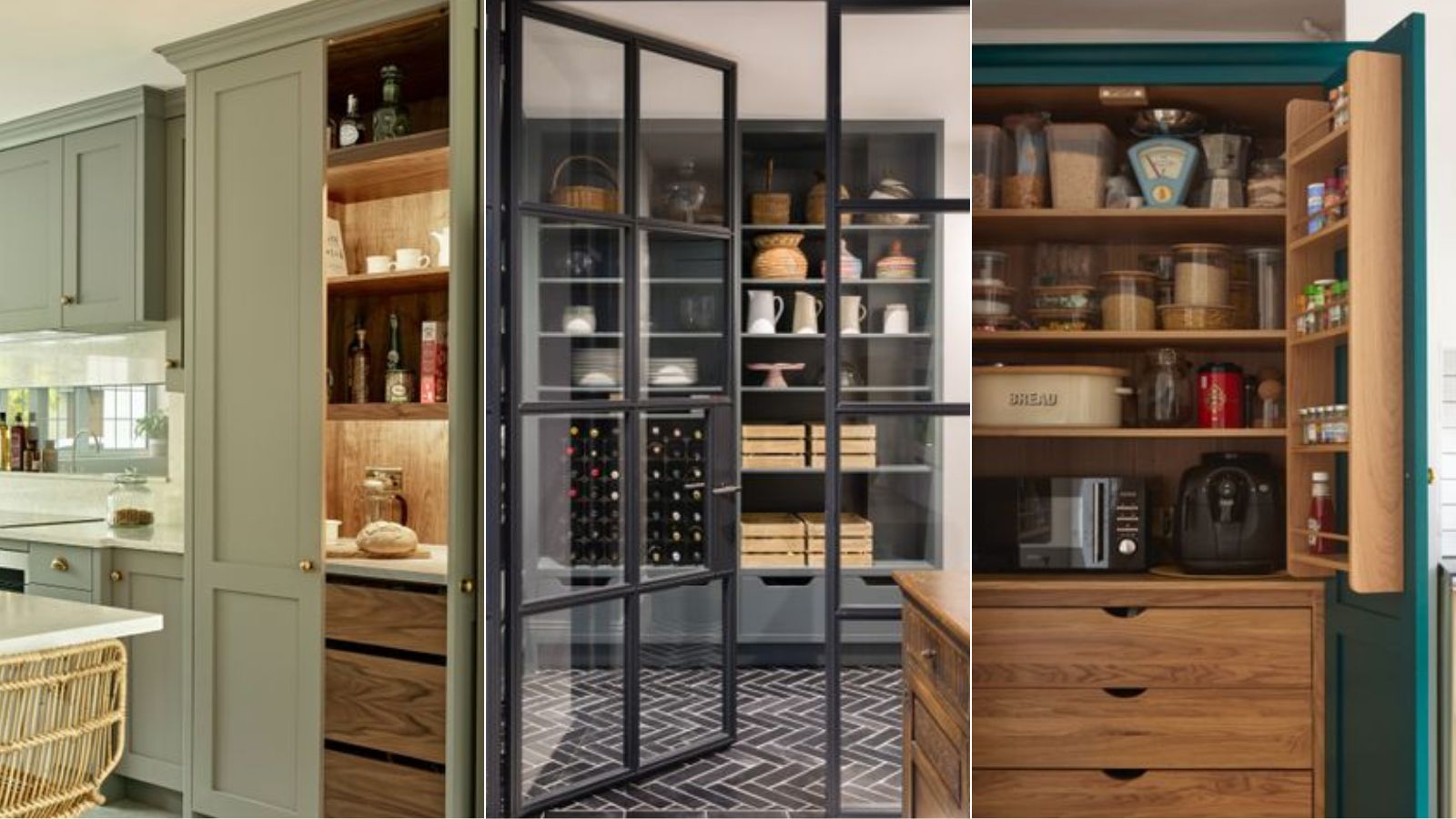
8 pantry organizers professionals always buy

No pantry? No problem! This viral hack shows you how to make one using a display cabinet

22 Best Pantry Organization Ideas to Maintain a Tidy Kitchen

How to organize a pantry: 23 expert tips and design ideas

How to Organize Your Pantry So It Works for You (Not Instagram) and Keep It That Way
Professional Organizers Use These 7 Products to Keep Their Pantries Beautifully Tidy

19 pantry and scullery ideas (with advice from Rita Konig on how to do them right)
I Went Weeks Without Using Plastic in My Kitchen—Here Are My Go-To Products for an Organized Pantry

13 pantry trends for an organized yet oh-so-stylish design in 2025
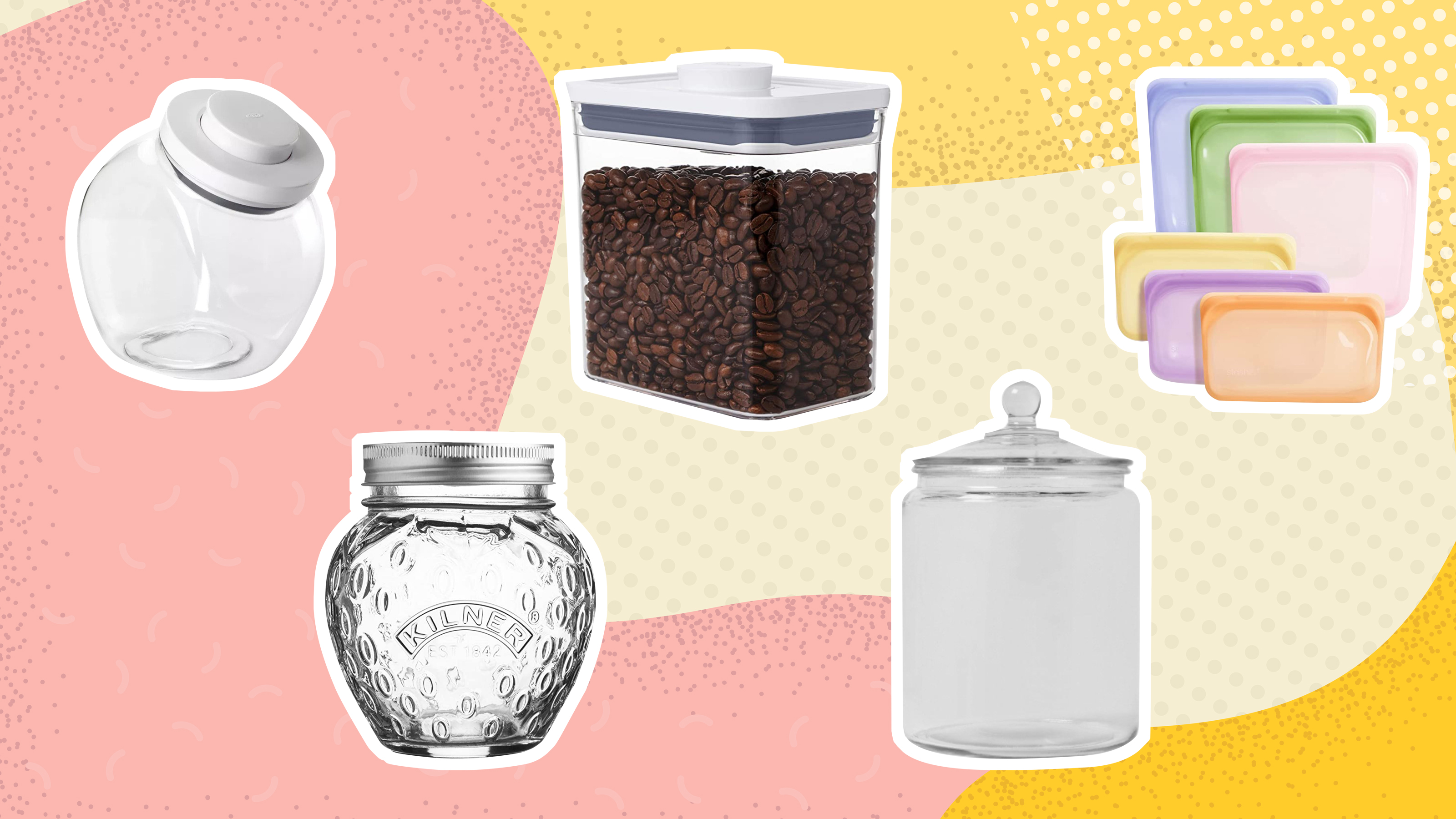
9 pantry storage containers to make your snack organization look TikTokable

Sorry, open shelving, but this is the beautiful and practical storage trend taking over kitchens in 2025
I Turned My Chaotic Pantry Into an Oasis of Organization

7 types of storage you should never use in a pantry – they'll make utilizing this space well 10 times harder, pros say
The Genius Way to Organize Your Pantry Without Spending a Ton of Money

18 of the Best Pantry Storage Ideas for Creating a Tidy Space