




1/6
Are pot filler faucets worth it? A definitive verdict on whether you should put your kitchen budget towards one
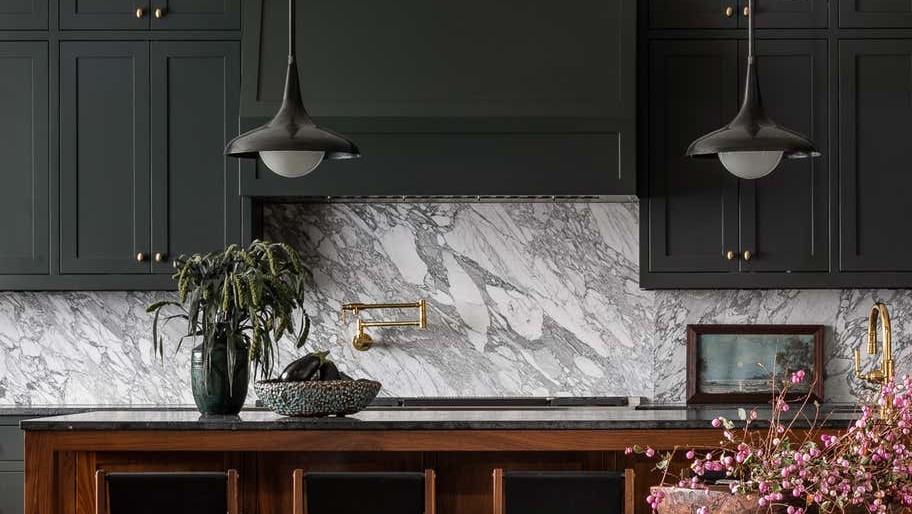
Pot filler faucets, also known as kettle faucets or pasta arms, are single-temperature faucets typically installed above a stove. Their primary purpose is to fill pots with water directly on the stovetop, eliminating the need to carry heavy pans across the kitchen. While not a new invention, they have gained popularity in modern kitchens as a symbol of convenience and a well-considered design element. However, integrating a pot filler tap involves significant cost, prompting a closer look into their actual worth.
Kitchen designers generally view pot filler faucets as a valuable addition, balancing both aesthetic appeal and practical utility. Ariel Bleich, an interior designer, highlights their ability to serve as a focal point in the cooking zone, enhancing the kitchen's materiality and providing an additional water source, especially in busy kitchens. Mindy O'Connor, principal of Melinda Kelson O'Connor Architecture & Interiors, emphasizes the convenience of wall-mounted faucets that extend to fill tall pots and retract when not in use, freeing up the sink area for other tasks like washing dishes and food preparation. This feature prevents arduous trips between the sink and the stove with heavy, water-filled pots.
Pot filler faucets are particularly well-suited for larger, active kitchens, especially those with multiple cooks or where the range is situated far from the main sink. They can complement various kitchen styles, from modern farmhouse to industrial, and even fit into simple apartment kitchens. These faucets can be wall-mounted or deck-mounted, depending on the plumbing accessibility behind or adjacent to the stove. Despite common perception, they do not occupy space typically used for other items, as they are mounted on the kitchen backsplash, an area often left unoccupied regardless of kitchen size or style.
Various styles of pot filler faucets are available, offering a range of price points, lengths, finishes (such as polished chrome, oil-rubbed bronze, aged brass, and brushed nickel), and installation options. When selecting one, considerations include the type of arm (single-jointed or double-jointed) to ensure it reaches all desired burners and the appropriate installation height. To determine the correct height, one can place a typical cooking pot under the stove and position the faucet on the wall accordingly, ensuring it is centered or appropriately offset.
Despite their benefits, pot filler faucets do have drawbacks. They are not a standard feature in all homes and can represent a considerable investment, particularly if new plumbing is required behind the range. Faucets themselves can range from $150 to over $1,000 for high-end designs, with installation costs starting from $300 and potentially increasing with the need for plumbing permits. For kitchens with tight budgets or limited space, this expense might be considered a luxury rather than a necessity. Furthermore, their location directly above the stove makes them prone to food splatters, oil, and sauce stains, necessitating regular cleaning to maintain their appearance.
Ultimately, a pot filler faucet enhances a kitchen's functionality and aesthetic, potentially increasing a home's resale value. However, due to the associated costs and installation complexities, it is often one of the first features to be reconsidered if a renovation project exceeds its budget.
#PotFillerFaucet #KitchenDesign #KitchenRemodel #HomeImprovement #KitchenAppliances #ModernKitchen #KitchenFaucets #KitchenConvenience #HomeDesign #PotFillerFaucet #KitchenDesign #KitchenRemodel #HomeImprovement #KitchenAppliances #ModernKitchen #KitchenFaucets #KitchenConvenience #HomeDesign
 No comments yet