1/2
Are “Boneless” Sleeper Sofas Worth the Hype?
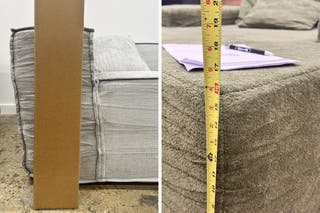
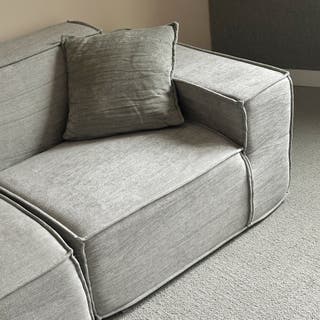
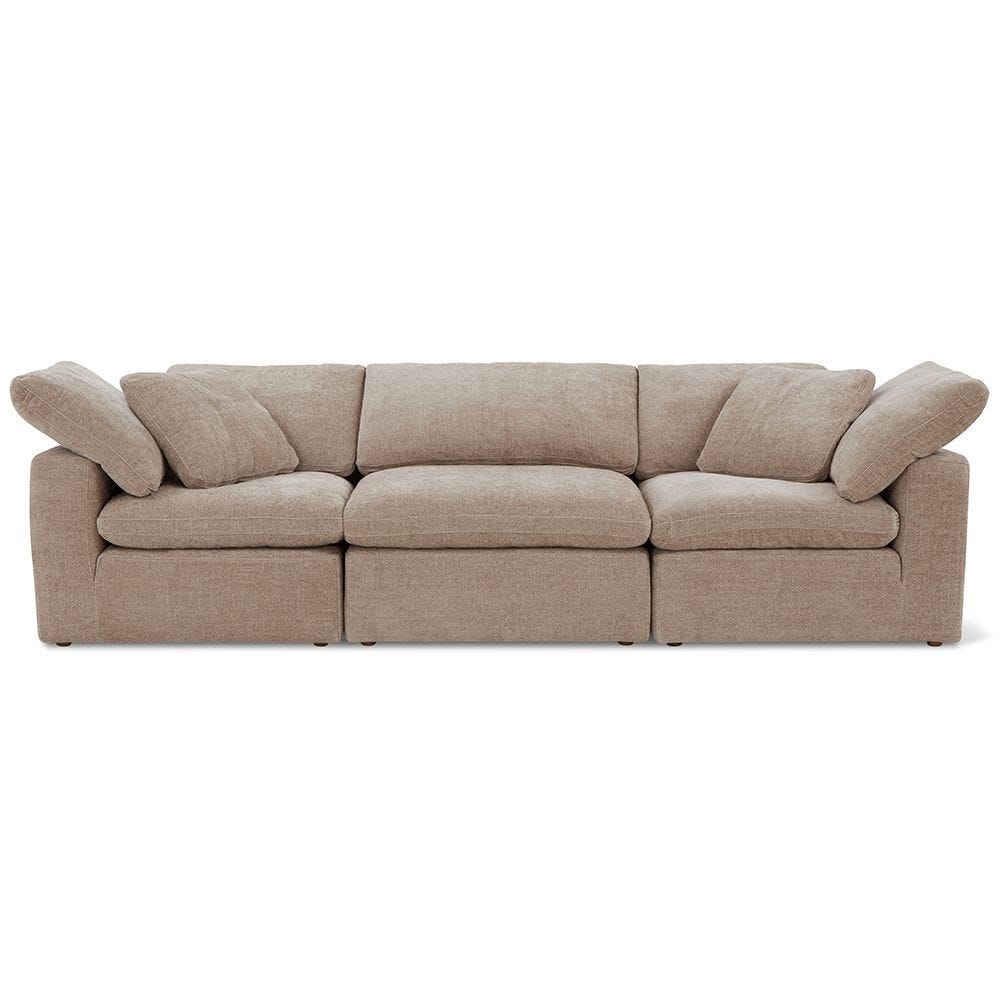
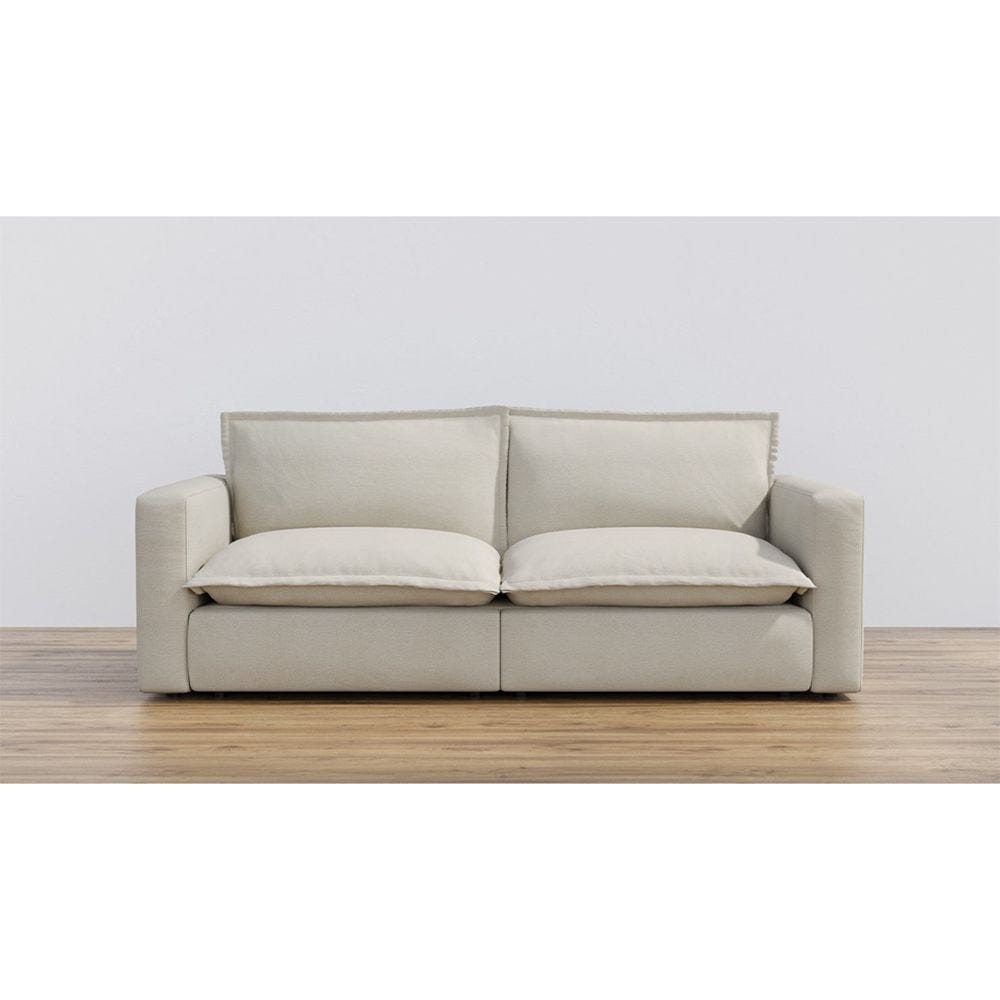
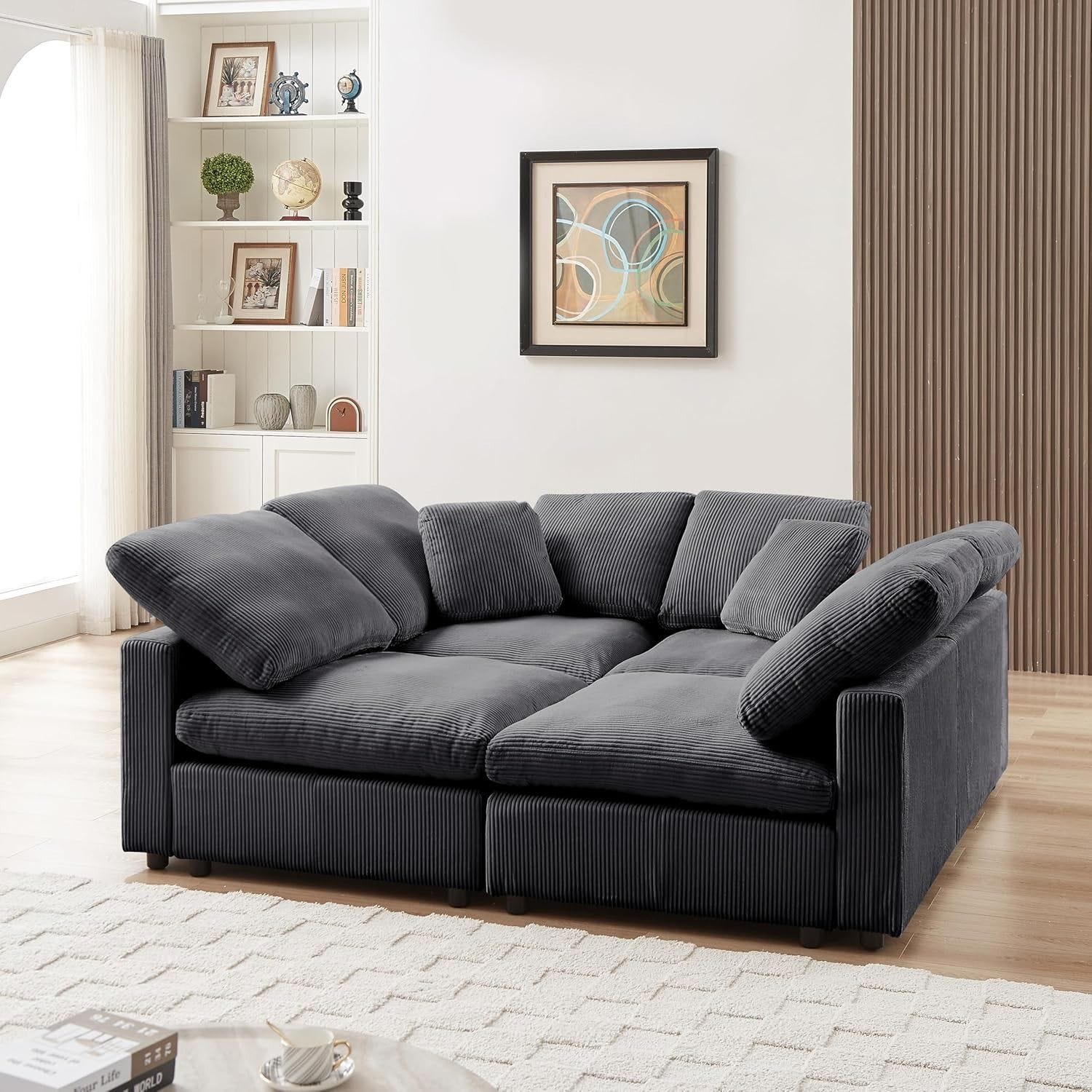
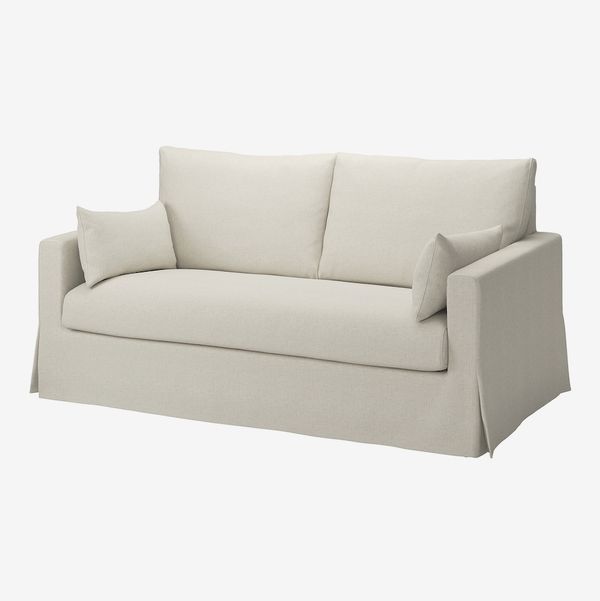
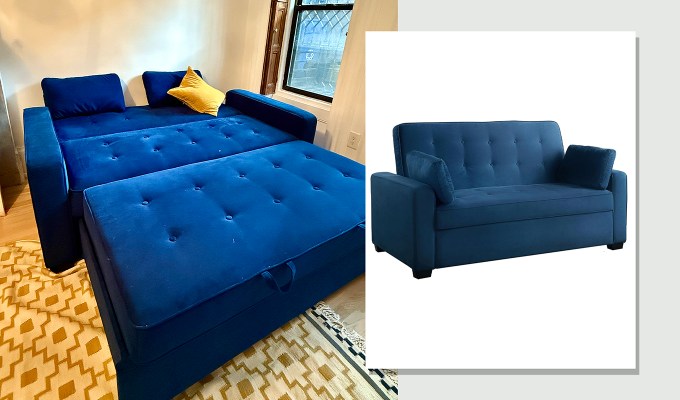
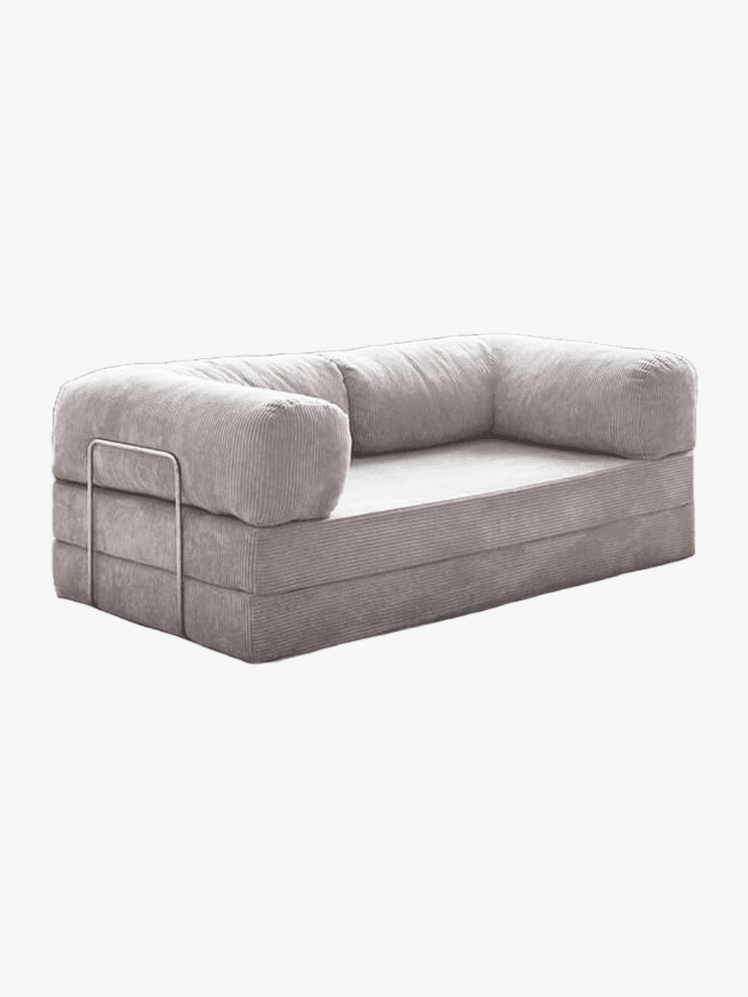
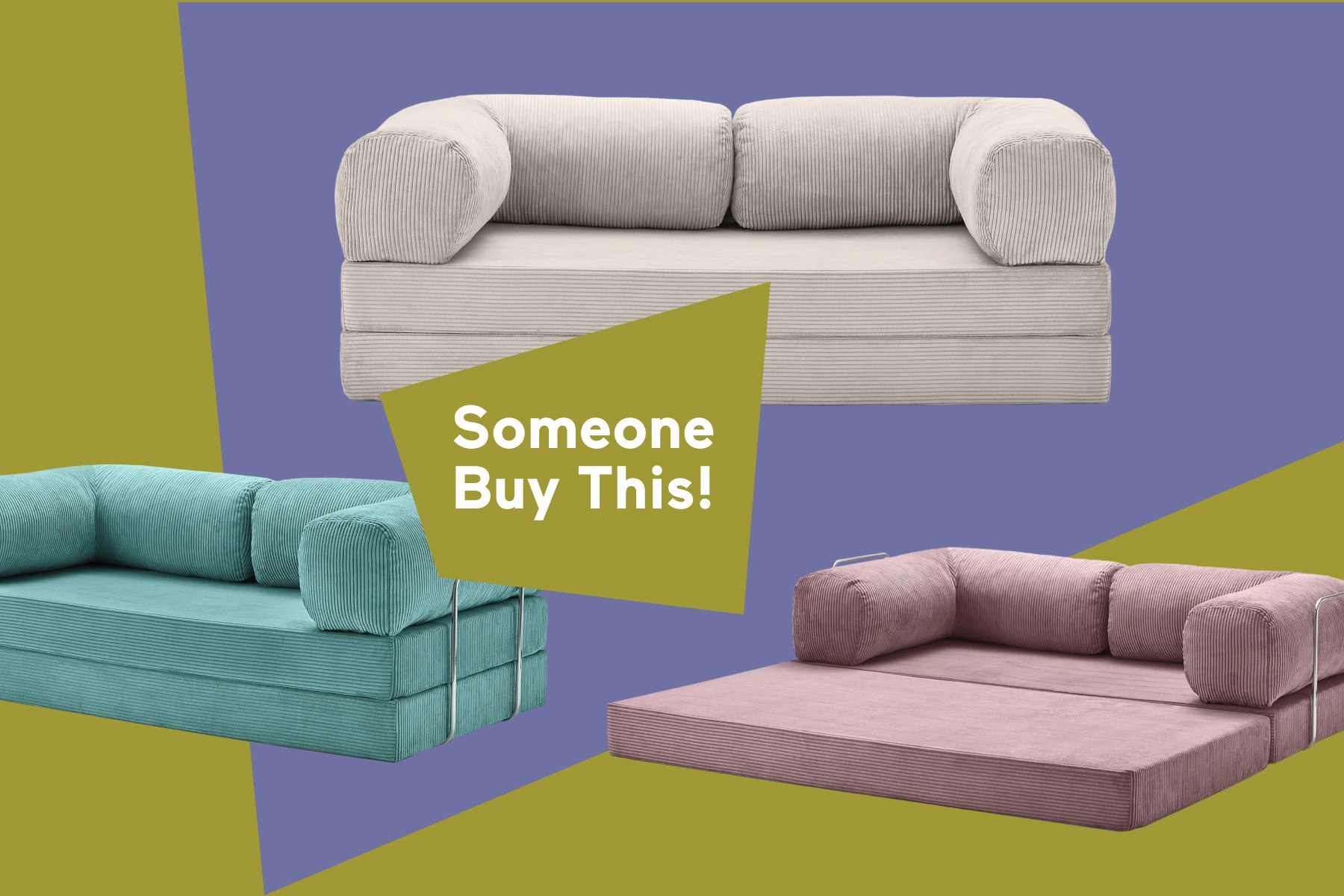
The article explores the growing trend of frameless sleeper sofas, also known as "boneless" sofas, particularly their popularity on TikTok. The author, seeking a versatile furniture piece for a new apartment's spare bedroom, investigates whether these all-foam couches offer a viable alternative to traditional, often clunky, sleeper sofas. The Teddy sofa by Danish brand OMHU is highlighted as the blueprint for this trend, leading to numerous "dupes" flooding the market, often at significantly lower prices.
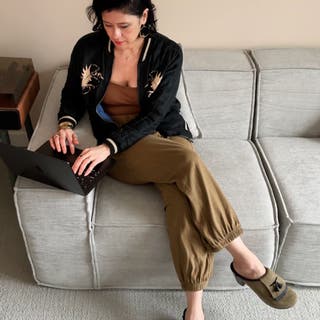
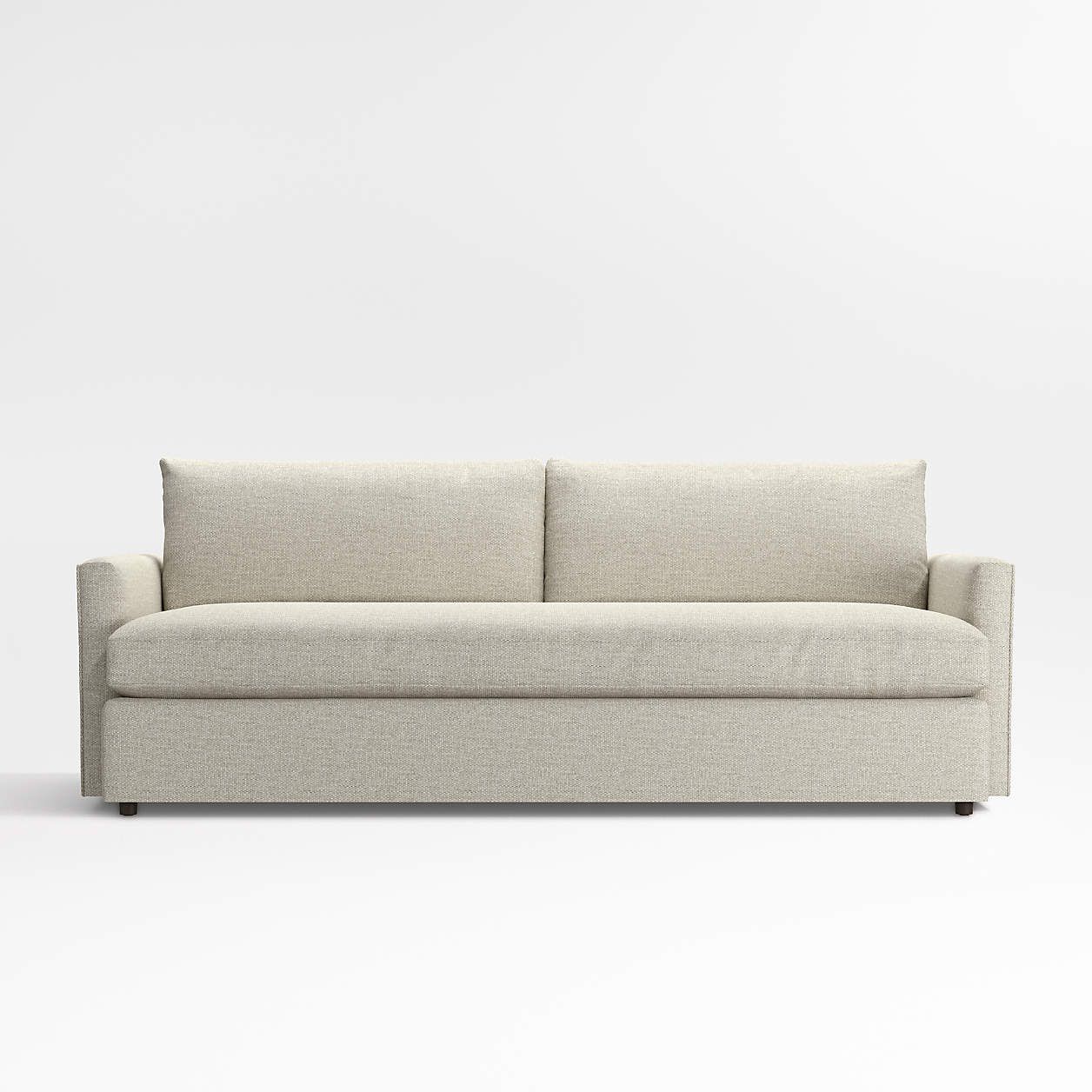
The author delves into the design and material considerations of boneless sofas, noting their suitability for secondary rooms like home offices or guest rooms where space and functionality are paramount. A key comparison is drawn between frameless sofas and those with traditional frames, with Laura Deutsch, who rehabilitates vintage sofas, suggesting that while frameless options may not compete with solid wood frames, they could be superior to newer, mid-range sofas made with cheaper materials like MDF.
Material composition is emphasized as a critical factor when considering a frameless sofa. The article cautions against vague product descriptions and advises thorough research into foam types. Specifically, memory foam is noted for its tendency to trap moisture, especially without proper ventilation, making cold foam a potentially better alternative due to its open-cell structure allowing for better air circulation and moisture-wicking properties. OMHU, the manufacturer of the Teddy sofa, confirms their use of mattress-grade T30 cold foam with an Indentation Load Deflection (ILD) of 45, indicating a high-density and firm material. They also incorporate a technical fabric on the underside of the sofa for enhanced breathability.
However, a discussion with Laura Deutsch reveals a nuanced perspective on foam density. While T30 foam is considered high-density for mattresses, its application in seating, where concentrated pressure is sustained for extended periods, raises questions about its long-term durability. Deutsch suggests that for a sofa to withstand time, a higher density foam (ideally 2.2 pounds per cubic foot or more) combined with a firm base is crucial, and she expresses skepticism that T30 foam alone can match the performance of higher-density upholstery foam on a solid wood frame.
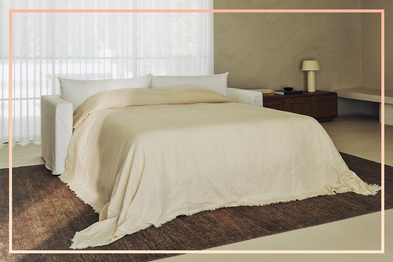
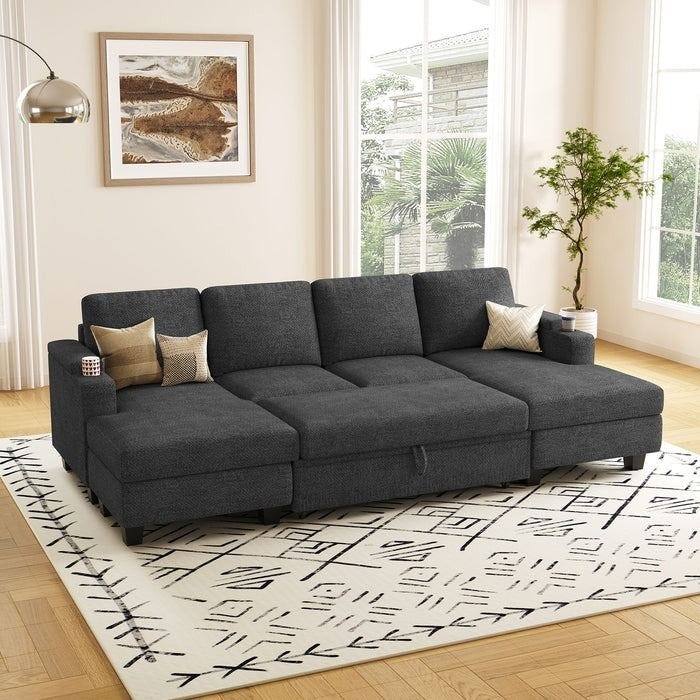
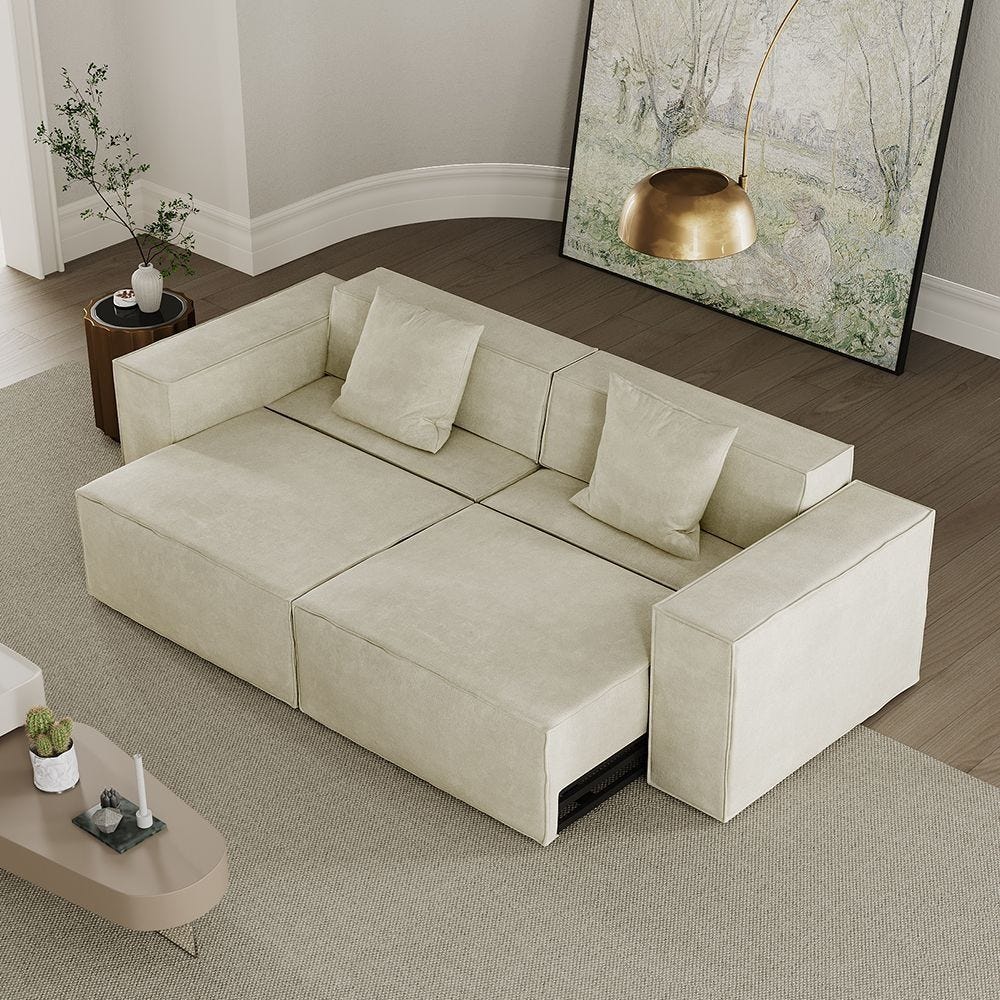
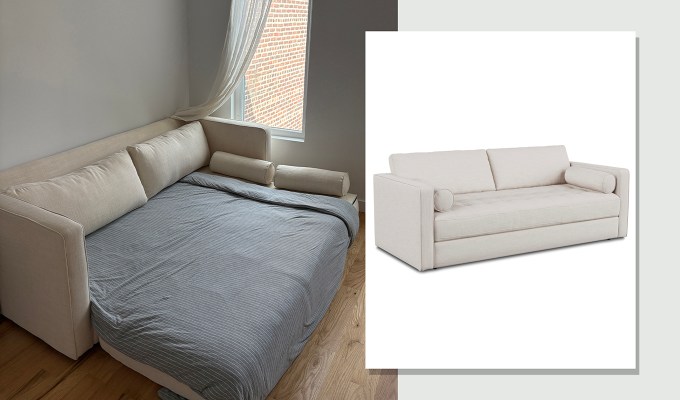
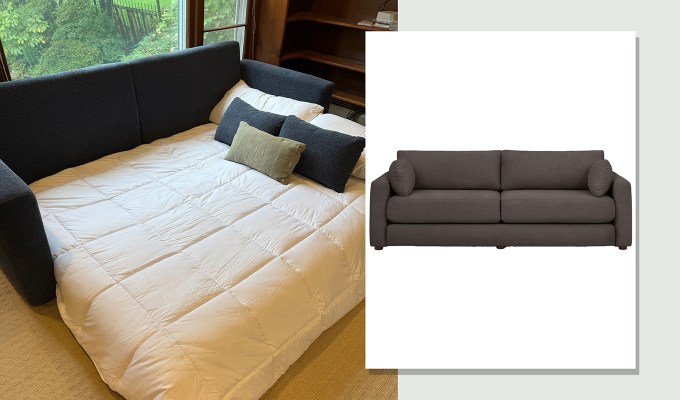
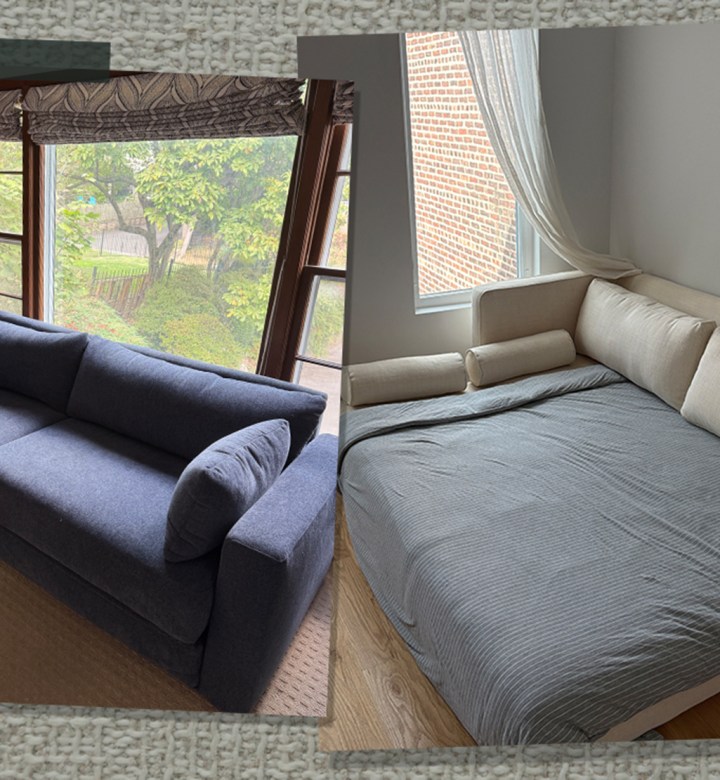
Despite these reservations, the author concludes that foam sofas, and specifically the original Teddy, are suitable for certain use cases, especially as guest beds. The Teddy's ability to convert into a twin XL or king-size sleeping surface, along with its freestanding design (not requiring wall support), are highlighted as significant advantages. The article strongly advises against purchasing cheaper "dupes" due to concerns about longevity and lack of product support, advocating for the original Teddy for its warranty, support, and modularity options. The overall appeal of boneless sofas lies in their transitional nature, offering flexibility for multi-functional spaces without sacrificing aesthetics or becoming a dominant fixture.
#SleeperSofa #BonelessSofa #FramelessFurniture #HomeOffice #GuestRoom #OMHUTeddy #FoamFurniture #InteriorDesign #ShoppingGuide #SleeperSofa #BonelessSofa #FramelessFurniture #HomeOffice #GuestRoom #OMHUTeddy #FoamFurniture #InteriorDesign #ShoppingGuide
0 comment in total
 No comments yet
You may also like
We Tested Viral Boneless Sofas. They’re Less Sofa, More Beanbag in a Business Suit.
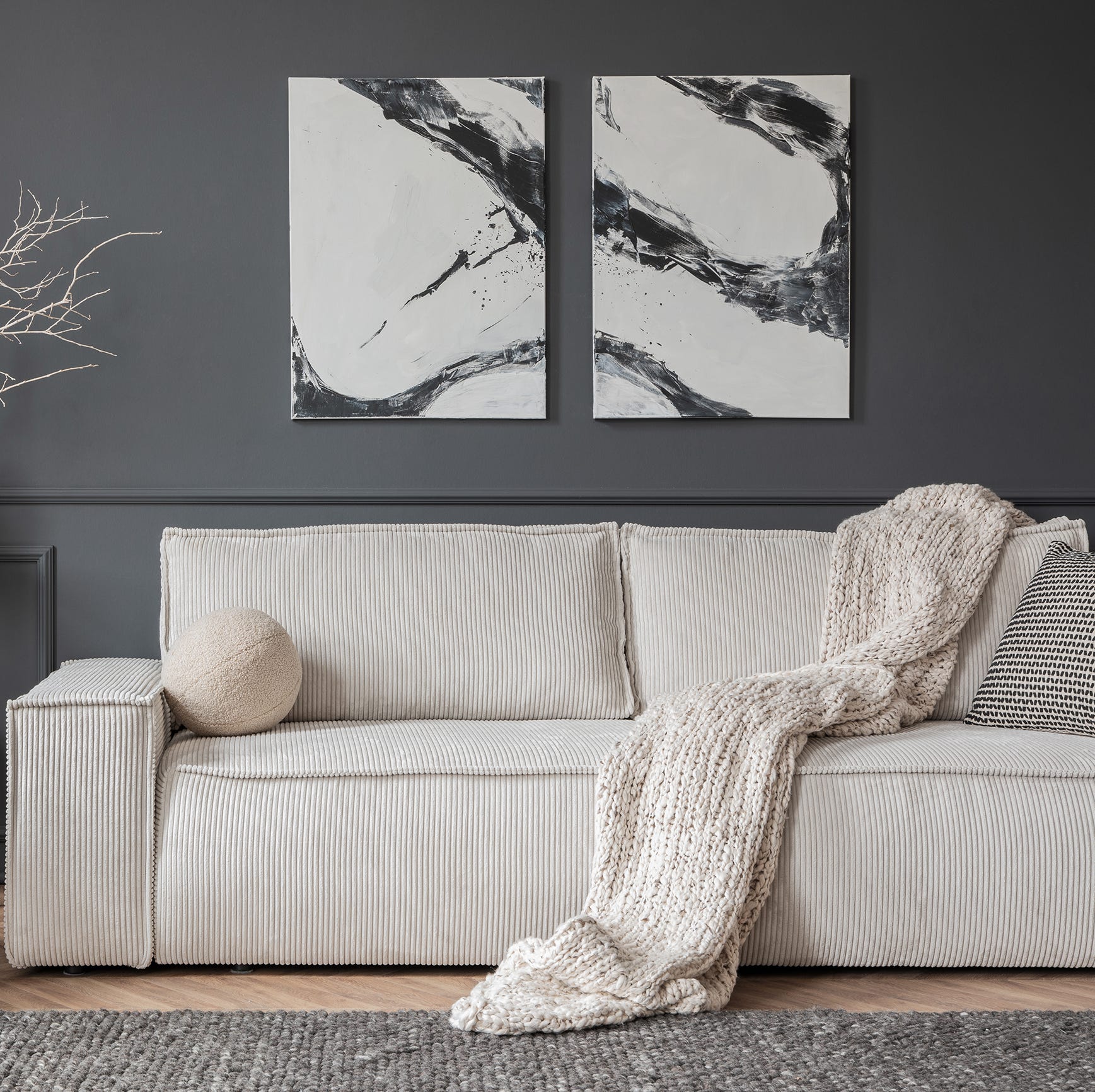
This Modular Sleeper Sofa Keeps Me and My Houseguests Happy

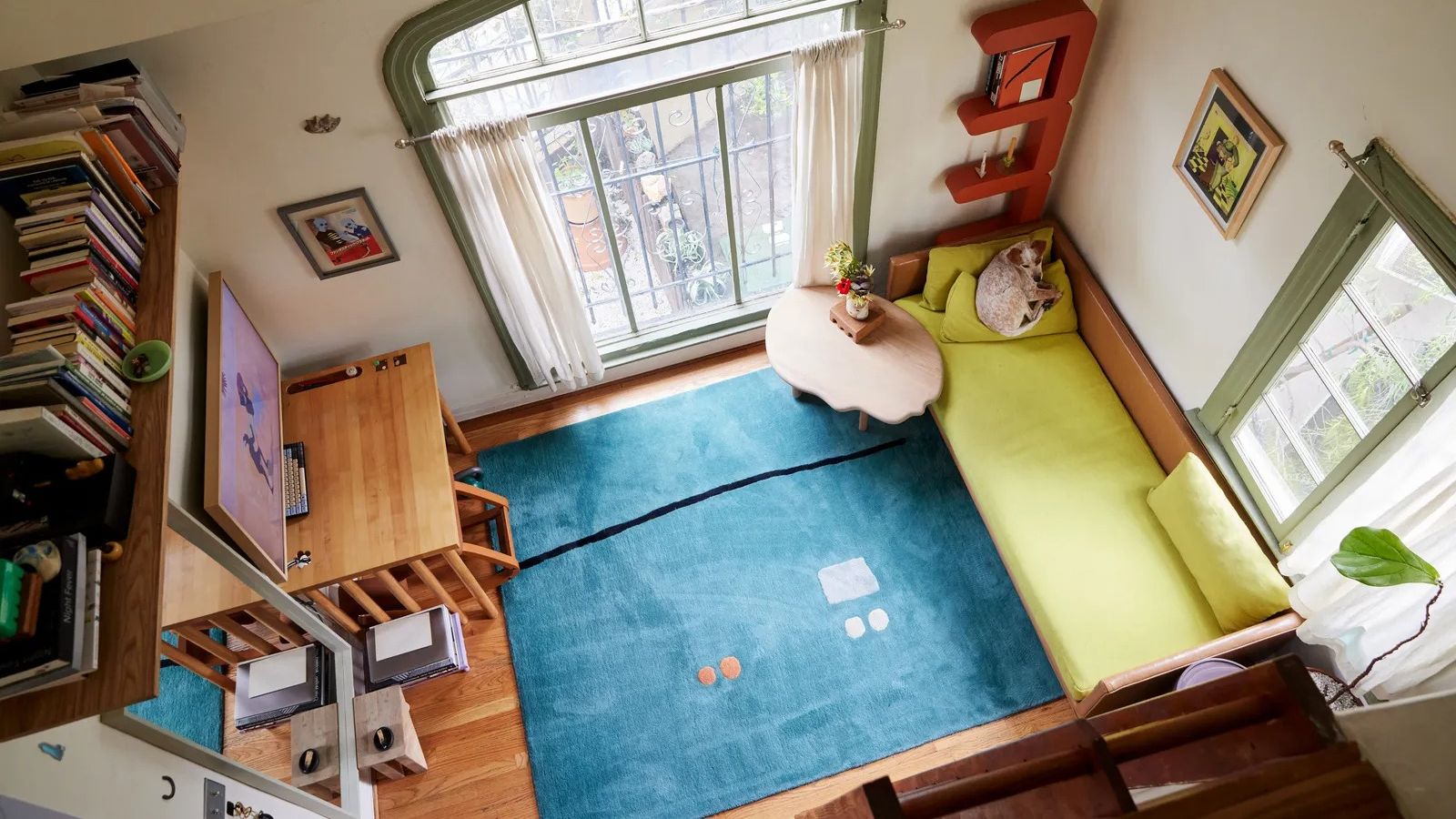
These Editor-Approved Sofa Beds Pass the Sleep Test With Flying Colors

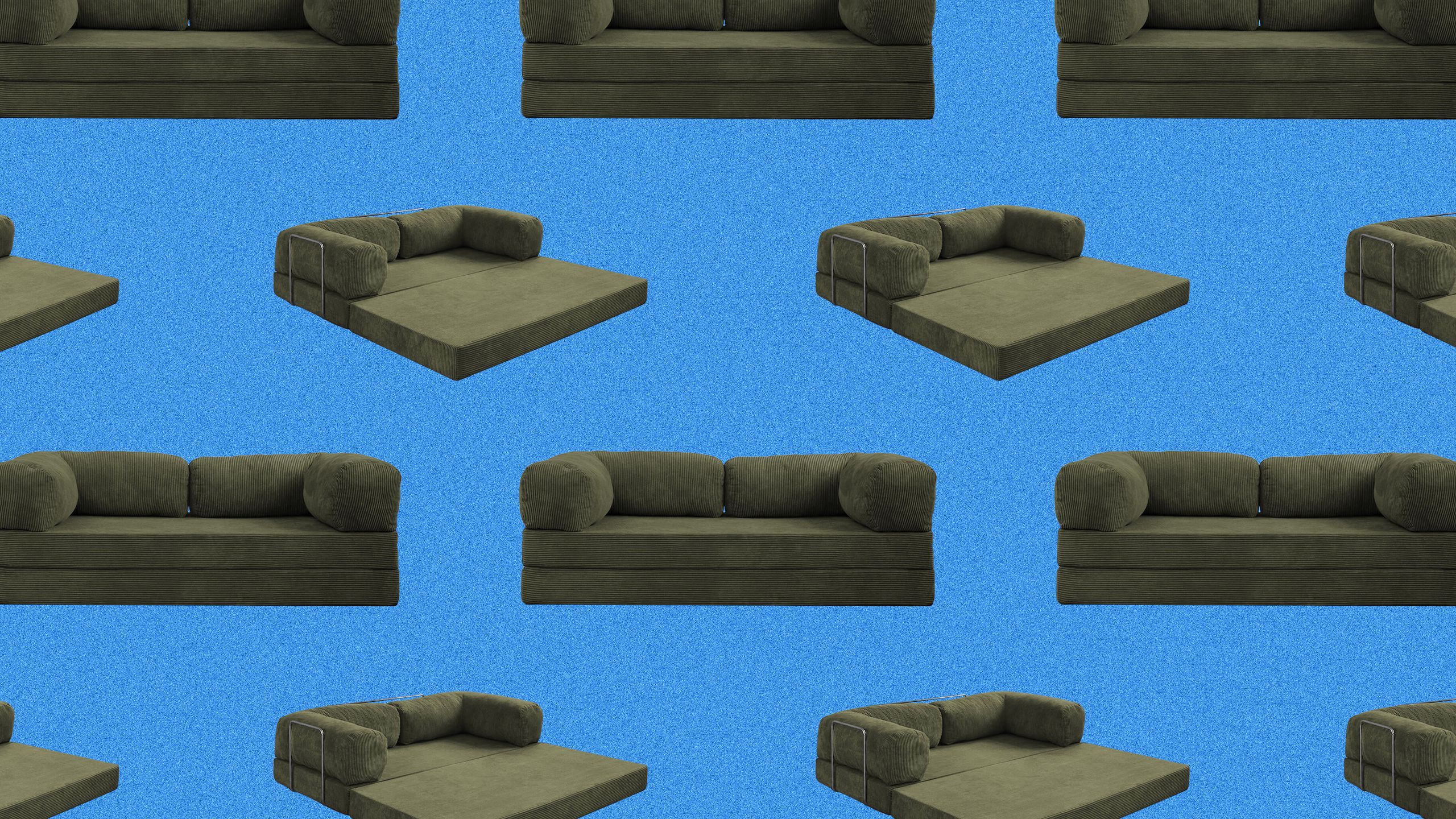
Sleeper Sofa Review: OMHU Teddy
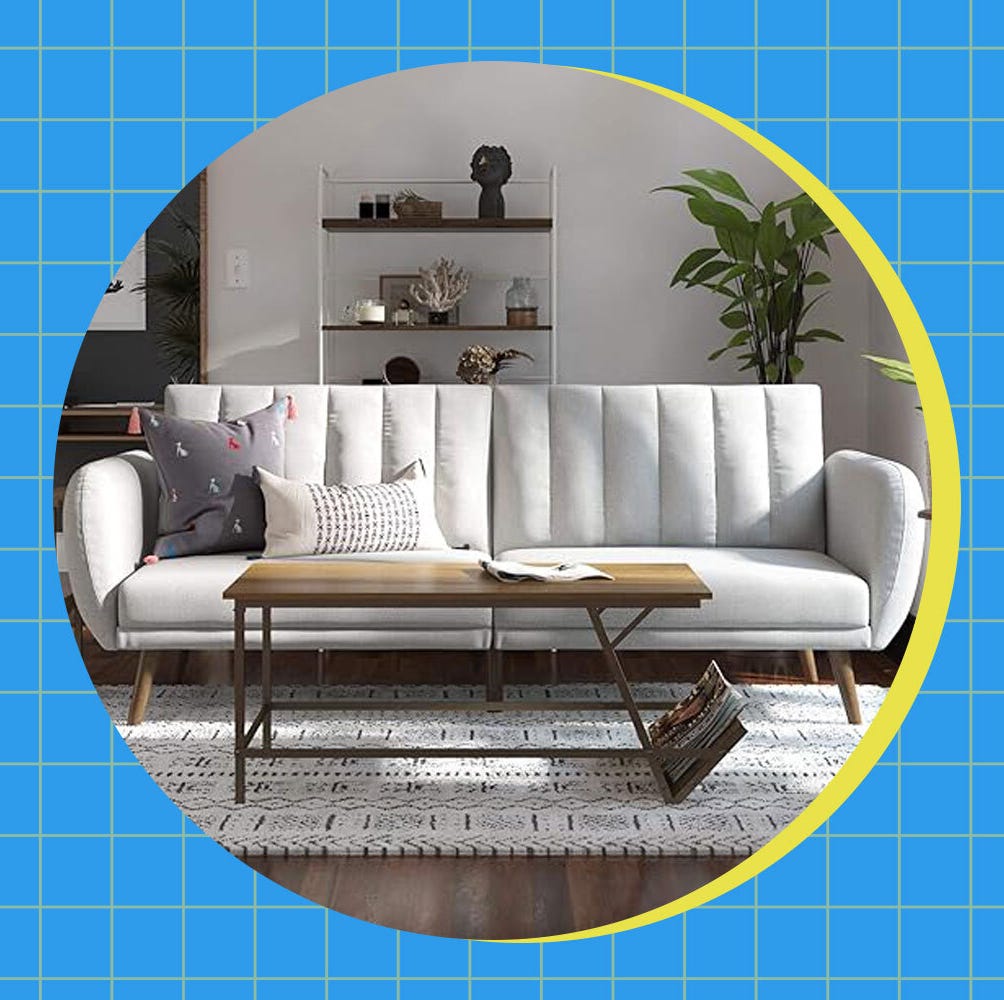
Lifestyle Editors Say These Sleep Sofas Are Actually Comfortable
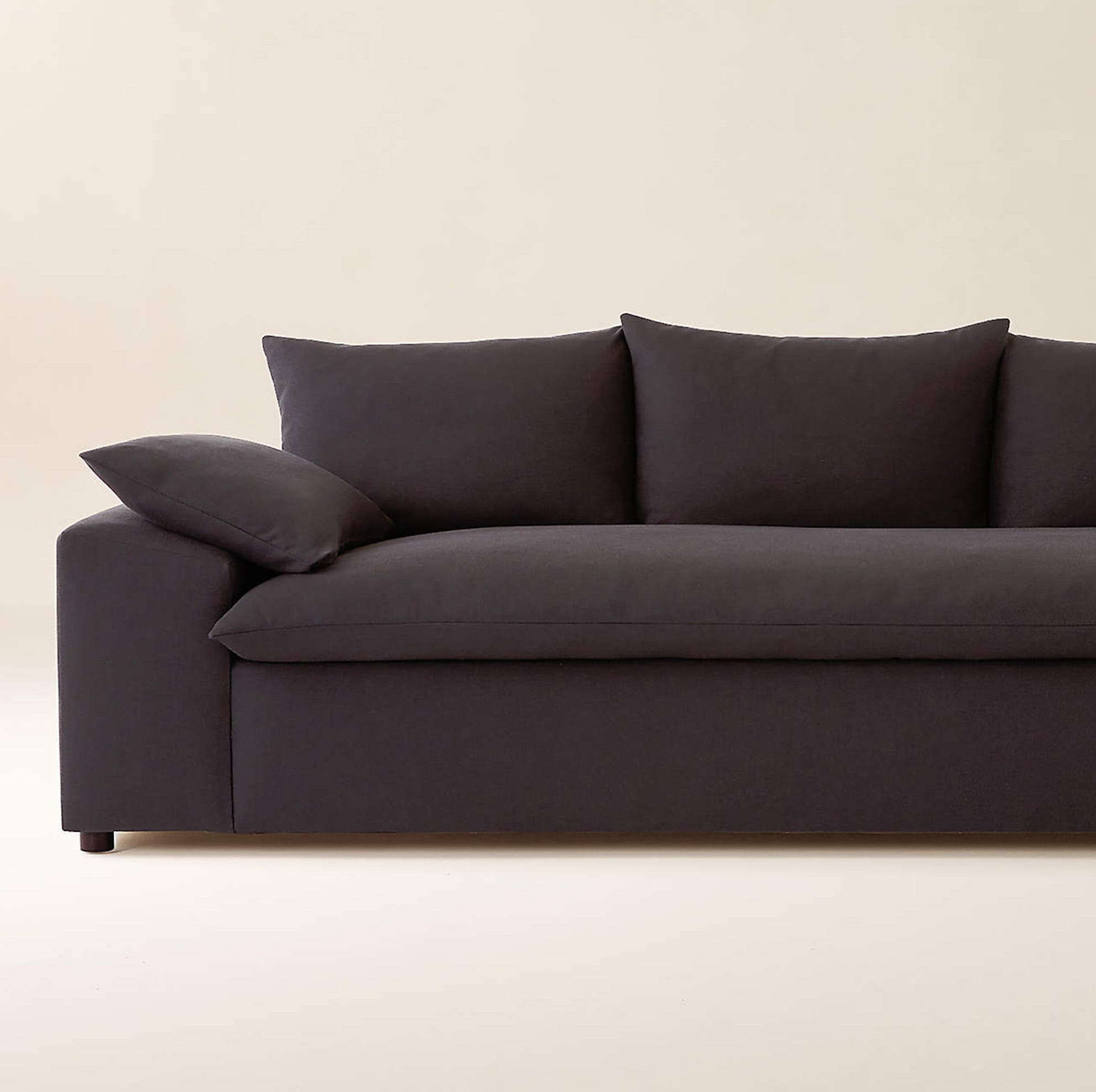
10 Sleeper Sofas That Don’t Look Like Sleeper Sofas

Upgrades to Make a Sleeper Sofa Worth Sleeping On

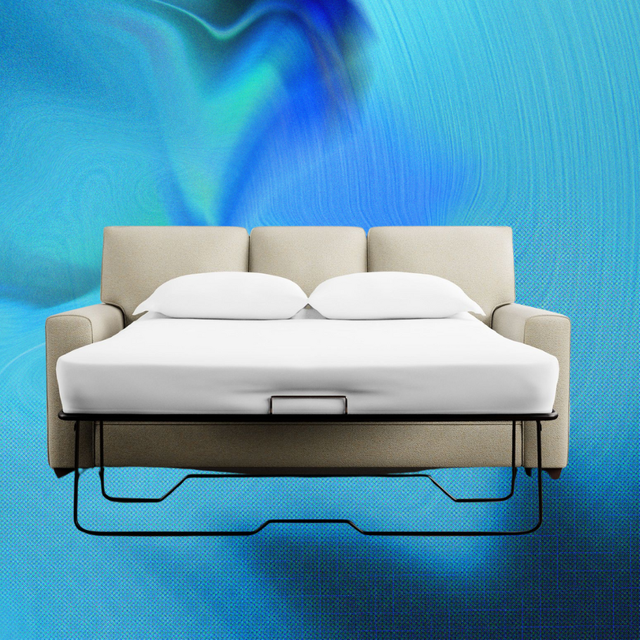
We Found Stylish Sleeper Sofas That Are Actually Comfortable to Sleep On

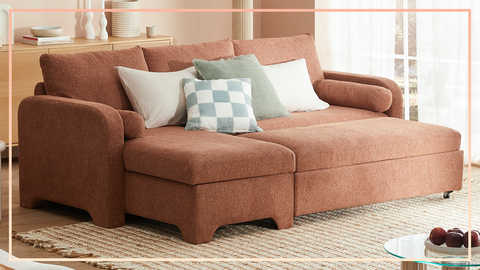
Quality sofa beds that don't look like sofa beds

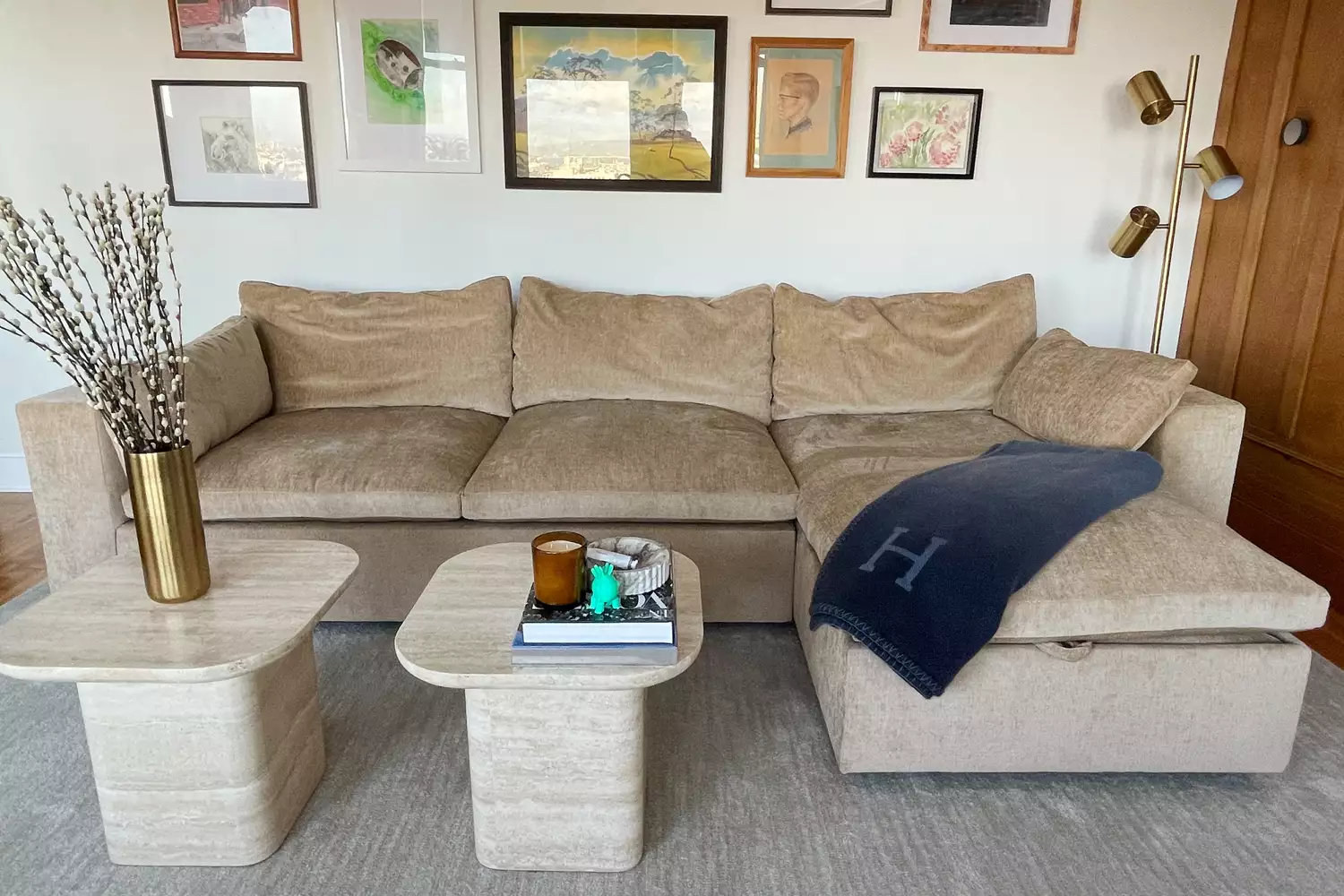
We Tested Sleeper Sofas: The Best Ones Are So Stylish They'll Turn Any Room Into The Perfect Guest Room

The 15 Very Best Sleeper Sofas
The Best Fainting Sofas You Never Knew You Wanted
Sit Back and Relax on These 7 Sleeper Sofas, Tested by Us

These Sleeper Sofas Are Your Best Bet for Comfortably Hosting Guests

Ranked and Reviewed: The Most Comfortable Sleeper Sofas We Tested in 2025
13 best sleeper sofas so comfortable, your guests won’t want to leave
These Sofas Are More Comfortable Than Your Bed
The 3 Best Sleeper Sofas of 2026
10 Comfortable Sleeper Sofas You'll Actually Want to Sleep On

30+ Couches Later, These Picks Totally Nail Comfy Couch Vibes