1/12
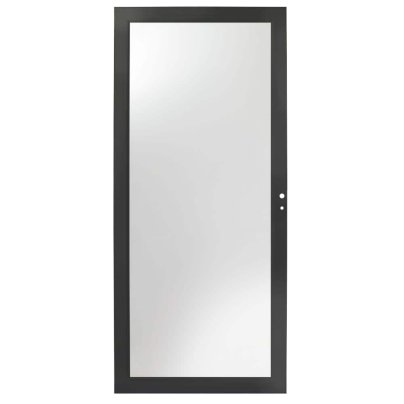
After Researching the Best Storm Doors, We Like These 6 the Most
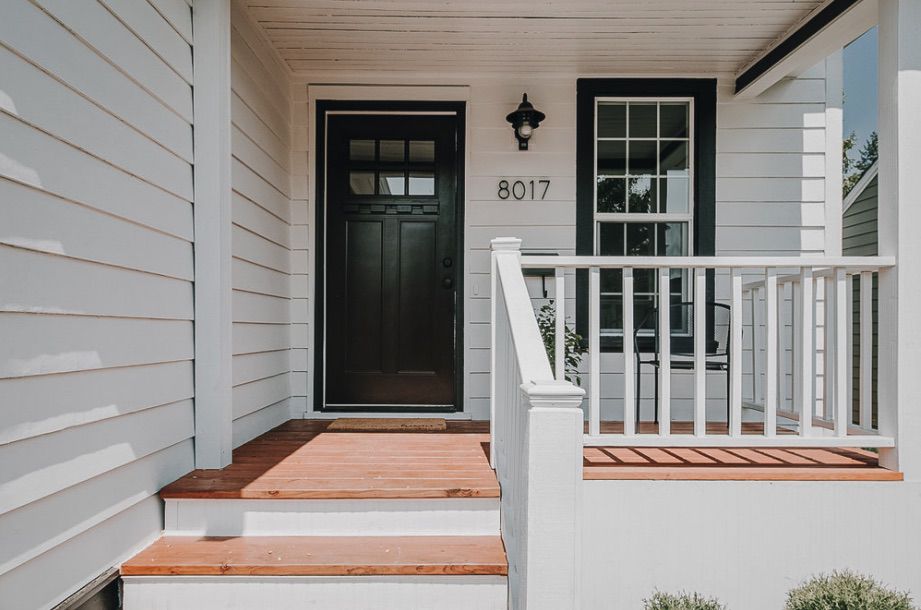
The article explores the functionality and benefits of storm doors, highlighting their role in enhancing home protection, insulation, and natural light. It clarifies the distinction between storm doors and screen doors, emphasizing that storm doors offer greater security and weather protection due to their glass panels and robust construction, while screen doors primarily facilitate ventilation and insect deterrence. Storm doors, with their ability to incorporate interchangeable glass and screen panels, provide year-round utility, improving energy efficiency by preventing drafts in cold weather and allowing airflow in warmer months. They also contribute to the aesthetic appeal of a home's entryway more significantly than standard screen doors.
The article outlines key considerations for selecting a storm door, including materials, styles, size, and additional design details. Common materials for storm doors include aluminum, steel, vinyl-clad, and wood-core options, each offering varying levels of durability, maintenance, and cost. Aluminum storm doors are popular for their lightweight yet durable and corrosion-resistant properties, while steel doors are known for their ruggedness. Vinyl-clad doors are economical and weather-resistant, though prone to color fading, and wood-core doors, while budget-friendly, may be less sturdy than their metal counterparts. Most quality storm doors incorporate tempered glass for safety.
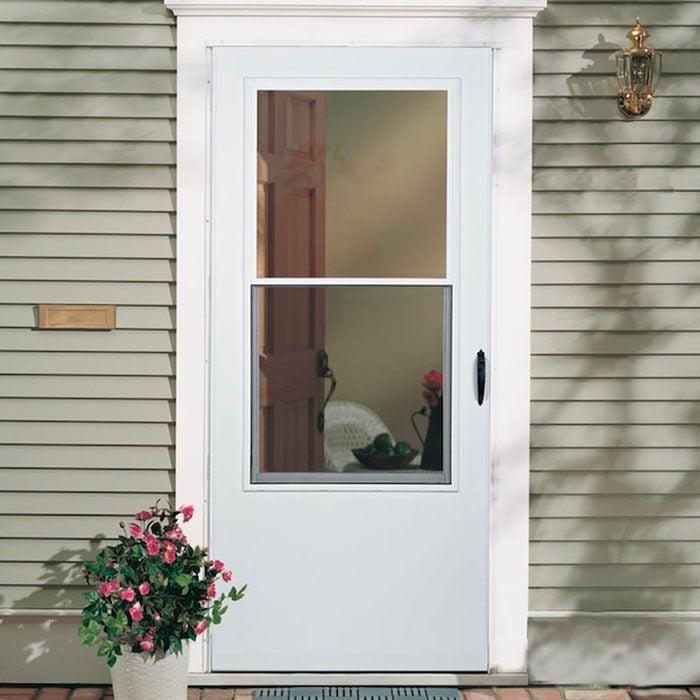
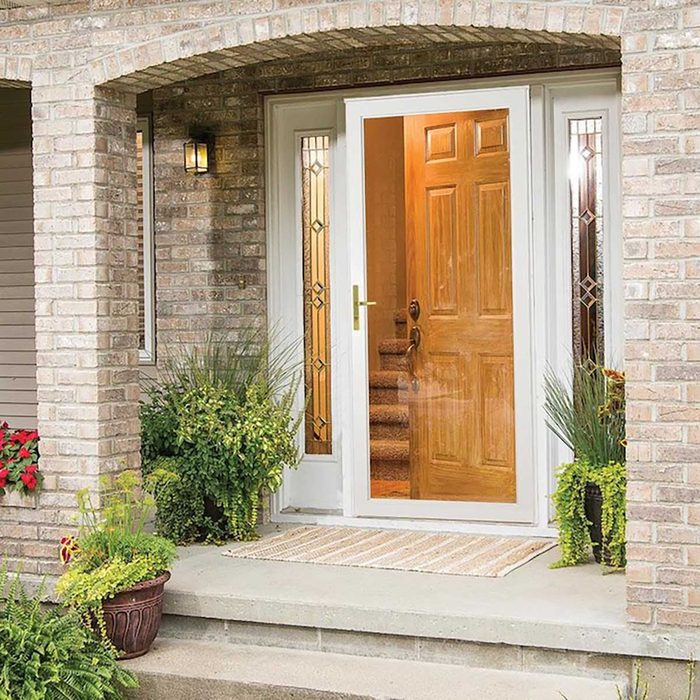
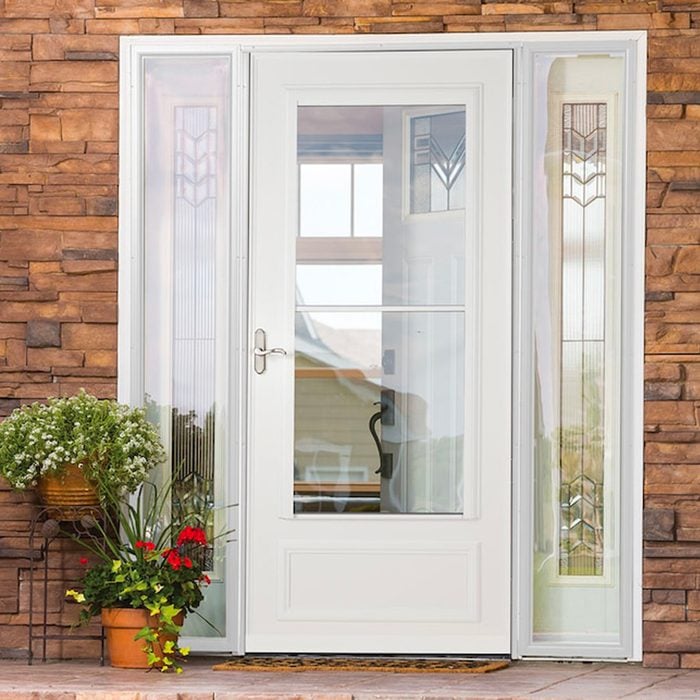
Different storm door styles are detailed, such as full-view, which maximize natural light and visibility; half-view or mid-view, offering a balance of light and solidity; French storm doors for double entryways; and high-view doors, which feature a glass panel at the top. The importance of accurate measurement for proper fit is stressed, with standard exterior doors typically being 80 inches tall and varying in width. Many storm doors are reversible, allowing for left or right opening, usually preferred to match the main entry door's swing.
Additional features discussed include low-emissivity glass for energy conservation, decorative glass options, and built-in pet doors for convenience. The article also touches upon the installation process, noting that storm doors are typically sold as boxed kits requiring assembly. Installation generally involves attaching a drip cap, hinge rail, and latch bar, along with a closer mechanism to prevent slamming. Experienced DIYers can usually manage this task.
Finally, the article addresses frequently asked questions about storm doors. It confirms their purpose in weather protection, energy efficiency, and security, and their potential to add slight value and curb appeal to a home. The lifespan of a storm door can range from 10 to 30 years, depending on materials and exposure. It is generally recommended that storm doors open outward to avoid interfering with the main door. A potential disadvantage is the risk of heat buildup between the storm door and the main entry door if constantly exposed to direct sunlight, which could damage the main door's finish, along with the necessity for regular cleaning and maintenance.
#StormDoors #HomeImprovement #EnergyEfficiency #HomeSecurity #DIYProjects #DoorInstallation #HomeEntryways #ProductReviews #StormDoors #HomeImprovement #EnergyEfficiency #HomeSecurity #DIYProjects #DoorInstallation #HomeEntryways #ProductReviews
0 comment in total
 No comments yet
You may also like

4 Best Energy Efficient Storm Doors For A Secure Home

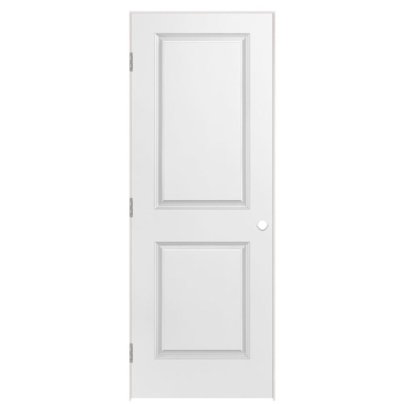
The Best Interior Doors
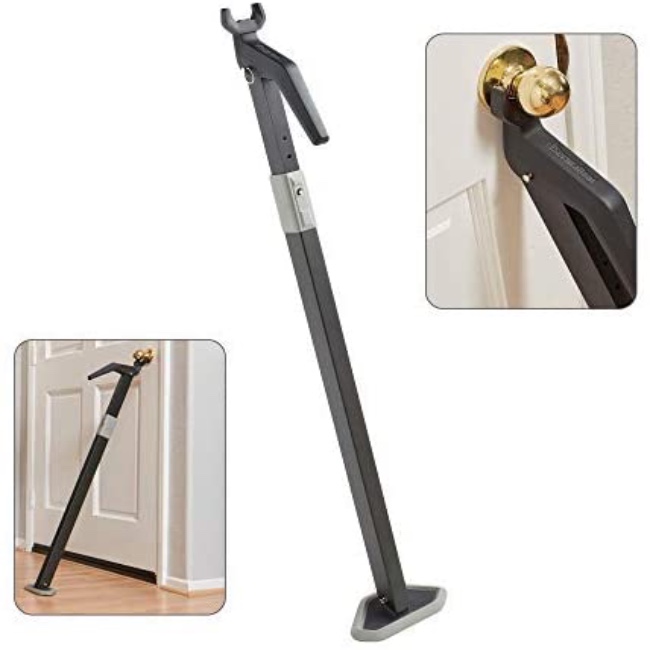
Keep Your Home Protected With Our Favorite Door Security Bars That We’ve Tested
Choose the Right Exterior Door With Our Buying Guide

6 Best Hurricane Shutters to Protect Your Home During Storm Season

After 10 Hours of Hands-On Tests, These Are The 5 Best Magnetic Screen Doors for Keeping Bugs Out

After Six Months of Testing, Here Are the 6 Best Smart Door Locks Worth Installing
We Tested the 9 Best Outdoor Doormats and Our Top Pick Surprised Us All
The Best Doors We’ve Seen This Year

Storm-Proof Your Garage Doors
Types of Patio Doors: the Pros and Cons of 3 Popular Go-To's
10 Modern Front Doors We are Loving Right Now
Keep Your Doors from Slamming with the 6 Best Door Stops Our Editors Love

We Tested The Best Door and Window Alarms to Keep Your Family Safe
The Best Patio Doors for Easy Access to Your Space
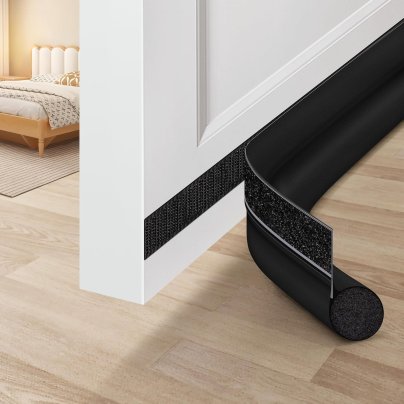
The Best Door Draft Stoppers to Keep the Cold Out, Tested
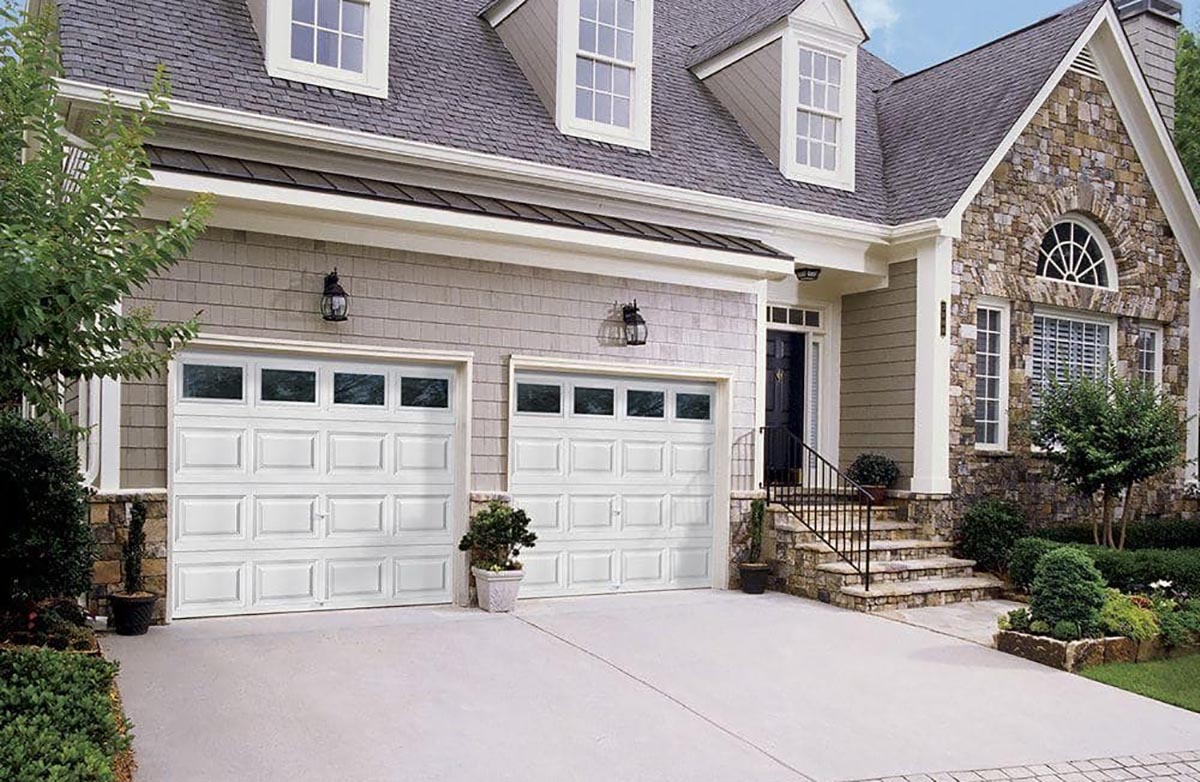
The 10 Best Garage Doors
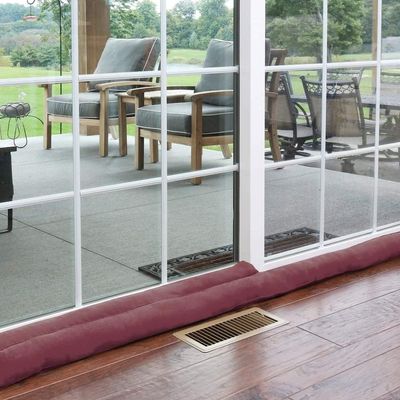
The Best Door Draft Stoppers on Amazon, According to Hyperenthusiastic Reviewers
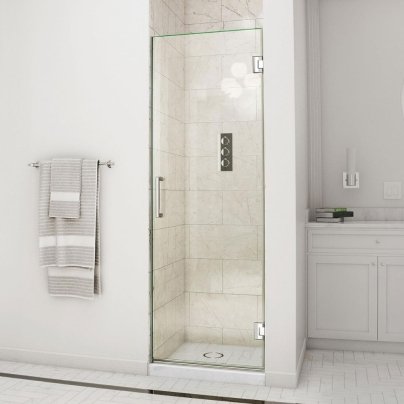
The Best Shower Doors
The Best Blackout Curtains, According to Our Editors