A taste of Asia
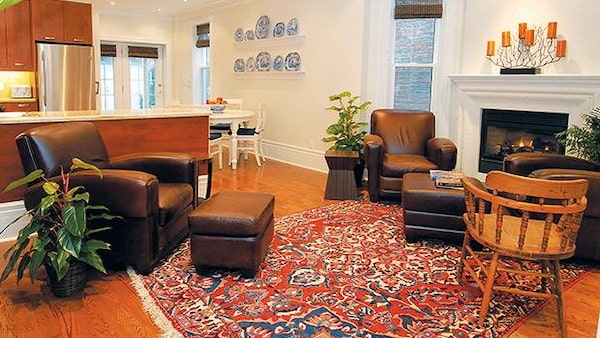
The article delves into the timeless appeal and versatile integration of traditional Oriental rugs within contemporary living spaces. It emphasizes that a high-quality Oriental rug, regardless of its color, pattern, origin, or age, remains a stylish and practical choice for home decor. These rugs are praised for their durability, ability to conceal dirt and stains, and adaptability to various design aesthetics. The current trend towards neutral color palettes and minimalist styles necessitates a thoughtful approach when incorporating such patterned elements.
Jennifer Reid, a designer from Barlow Reid Design Inc., advises homeowners to select the rug first, as it is often one of the most significant and long-lasting investments in a room. The rug serves as the primary source for the room's color palette, simplifying subsequent decor choices. Starting with a rug ensures that other design elements, such as fabrics or art, complement it rather than dictating the rug choice. Reid highlights the extensive selection at showrooms like Imperial Carpet, where clients typically gravitate towards one or two favored rugs, underscoring the importance of this initial decision. Existing furniture can be integrated by updating elements like paint colors or upholstery.
The article also notes the emergence of newer, more abstract, and colorful Oriental rugs, which may not suit every space, requiring an open mind from clients. An example is provided of a client who chose an abstract cream, yellow, and pink Oriental carpet with a custom pink border for a Lawrence Park home. This rug, with its slightly vintage and worn appearance, was paired with a muted grey sofa and bright yellow bergere chairs upholstered in a floral fabric, adding much-needed color to a often grey climate.
Room size is identified as another factor influencing rug selection. John and Helen Kozoronis, owners of Imperial Carpet & Home with over four decades of experience, observe a decline in demand for small carpets. Instead, customers in large rural or suburban homes and spacious loft condos prefer larger rugs to unify their spaces. These customers also seek modern color palettes to complement their contemporary furnishings. The Kozoronises design their own rugs, maintaining traditional designs but adapting them for Canadian and American markets. Their designs often feature toned-down colors, distressed or stone-washed finishes, and pale neutrals with raised textures. Materials include New Zealand and Himalayan wool, sometimes blended with new silk, and a new collection made from bamboo fibers that emulate the feel of wool.
Tapis Rugs and Carpet, another Toronto retailer, offers a diverse range of rugs, including Persian hand-knotted, traditional, tribal, antique, modern Gabbeh, and Tibetan carpets. Designer Jenn Hannotte suggests that traditional Oriental rugs can still work in modern settings but require careful balancing. She advises keeping surrounding elements cooler in tone, emphasizing that a more modern and minimal space can effectively accommodate a heavily patterned rug. The article clarifies the distinction between "Oriental" and "Persian" rugs, noting that Oriental rugs are hand-knotted in various Asian countries (Iran, China, India, Russia, Turkey, Pakistan, Tibet, and Nepal), while Persian rugs are specifically Oriental rugs made in Iran. Finally, practical tips are offered for matching Oriental rugs with modern decor, such as maintaining monochromatic color schemes, using white walls and furniture to dilute vibrant rug patterns, pairing traditional rugs with classic furnishings, layering smaller rugs for a tapestry effect, purchasing new rugs on approval, and considering professional chemical washes for vivid rugs to achieve a worn-in look.
#OrientalRugs #HomeDecor #InteriorDesign #ModernLivingSpaces #RugSelection #TraditionalMeetsModern #ColorPalette #TextileArt #HomeFurnishings #OrientalRugs #HomeDecor #InteriorDesign #ModernLivingSpaces #RugSelection #TraditionalMeetsModern #ColorPalette #TextileArt #HomeFurnishings
 No comments yet
Give Us the Tea! Where to Have a Sip in the South