1/5
A Smart In-Wall Outlet is the Short Cut Solution You Didn’t Know You Wanted
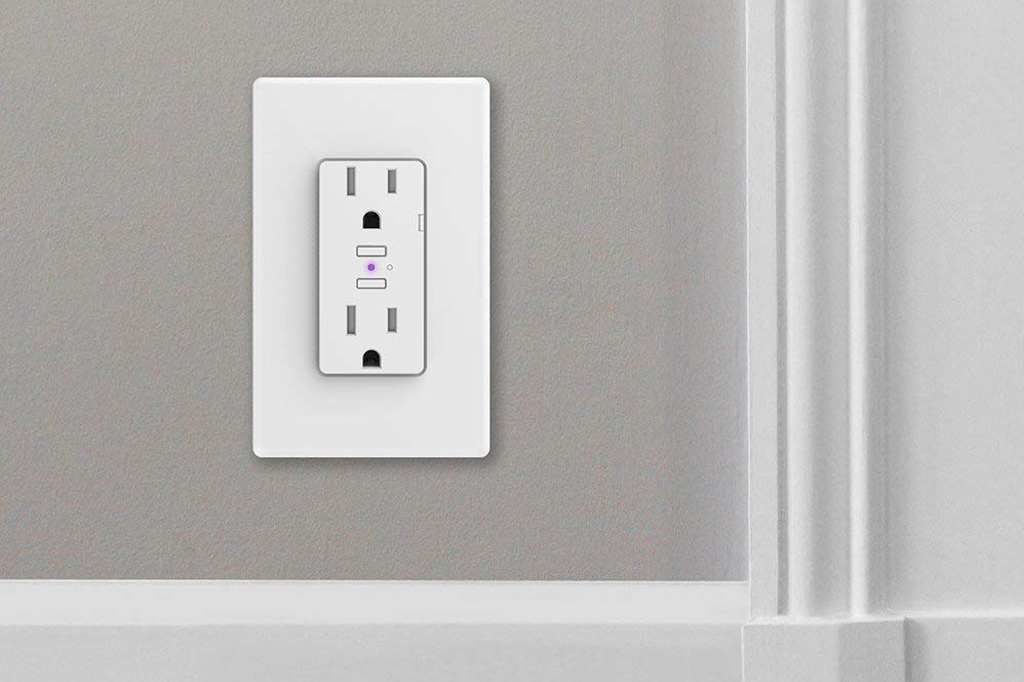
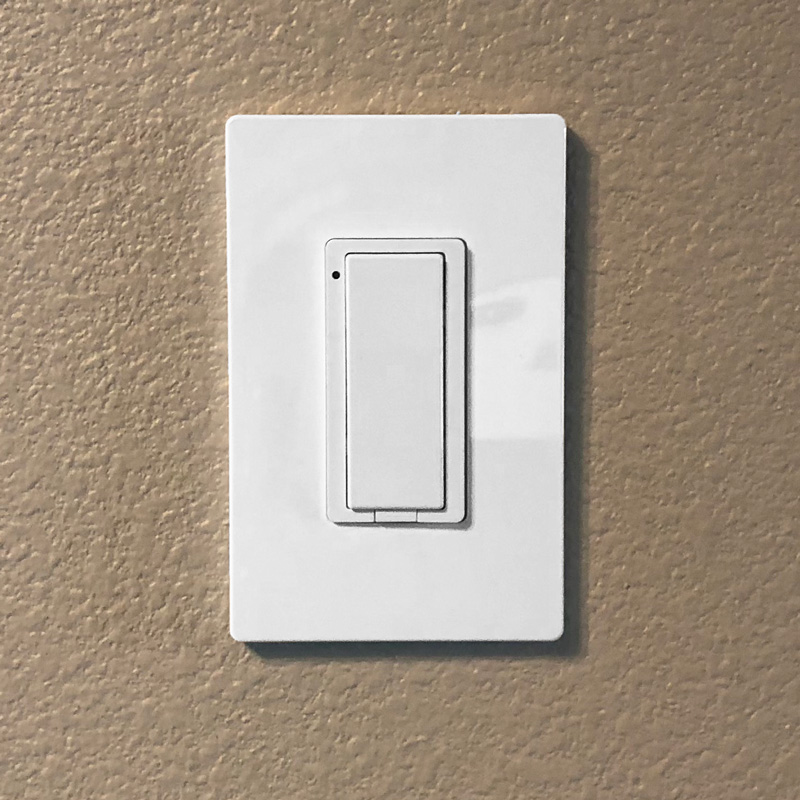
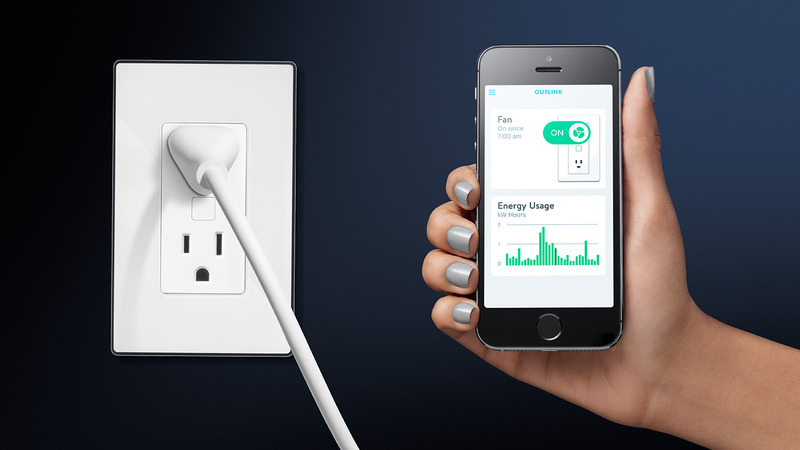
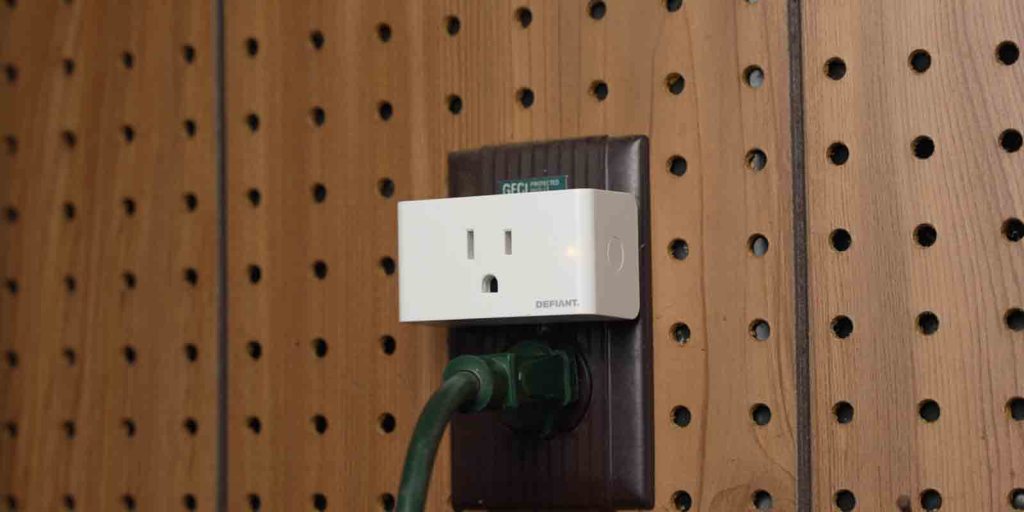
This article provides a comprehensive review of the best in-wall smart outlets, focusing on features, compatibility, and user experience. It highlights the benefits of smart outlets for home automation, including remote control of appliances, energy monitoring, and enhanced security features like 'Away Mode.' The guide differentiates between smart plugs and in-wall smart outlets, explaining that while smart plugs are easier and cheaper to install, in-wall options offer a cleaner, more permanent solution for integrating smart features into a home's electrical system. Key considerations for choosing an in-wall smart outlet are discussed, such as the number of controllable receptacles, the presence and controllability of USB ports, the physical size of the outlet for installation compatibility, and the importance of UL or ETL certification for safety.
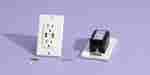
The TP-Link Tapo Smart Wi-Fi Outlet P210M is selected as the top pick. This model features two remote-controllable receptacles with real-time energy monitoring, reporting both running time and kWh consumption. Unique functionalities include Power Projection, which allows users to set a threshold for power draw to prevent excessive energy use, and Charge Guard, which automatically shuts off a receptacle once a rechargeable device is fully charged, thereby preserving battery life and mitigating fire hazards. The P210M also offers an 'Away Mode' to randomly cycle lights, simulating occupancy, and local control, ensuring functionality even during internet outages. Its Matter compatibility makes it highly versatile across various smart home platforms, including Amazon Alexa, Google Home, Apple Home, and SmartThings. A notable drawback is the absence of USB charging ports.
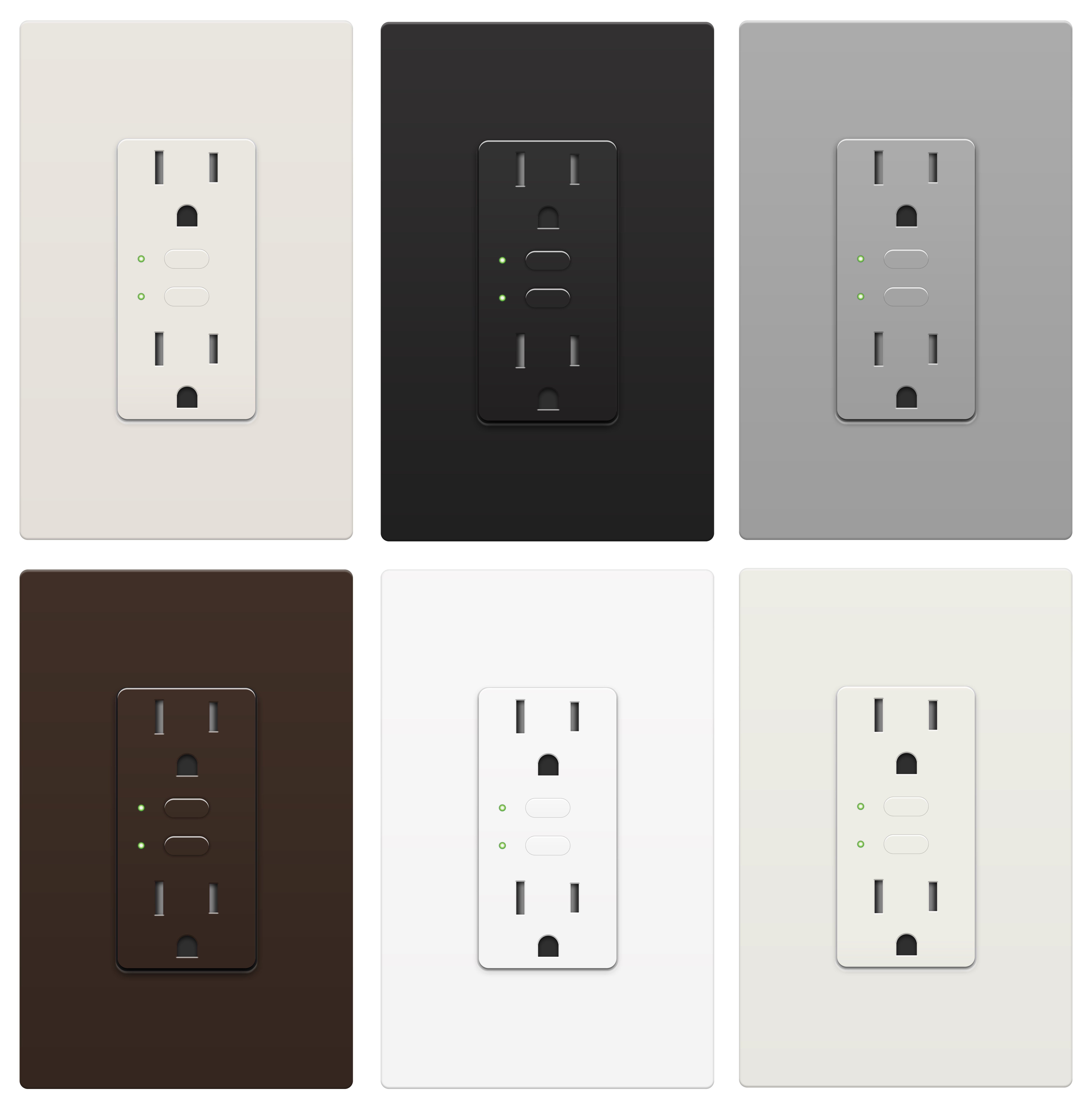
The Geeni Current Smart Wi-Fi Outlet is presented as a runner-up, particularly for users prioritizing USB charging capabilities. The latest version of this outlet provides two remote-controllable receptacles, one USB-A port, and one USB-C port, though the USB ports are not remotely controllable. A previous model, the Geeni Current+Charge Smart Wi-Fi Outlet, is also discussed for its two controllable USB-A ports. Both Geeni models offer features like scheduling based on time and local temperature changes, and the ability to send notifications if an outlet loses power. However, they lack energy monitoring and broader smart home platform compatibility beyond Alexa and Google Home. The Geeni Current is noted for its larger physical size, which might pose installation challenges in older electrical boxes. The article also touches upon other viable options, such as the Amazon Basics Smart In-Wall Outlet for budget-conscious Alexa users, the Leviton Decora Smart Wi-Fi Outlet for aesthetic choices, and the Leviton Smart GFCI Outlet for critical applications requiring outage notifications.
Rigorous testing methodologies are detailed, involving installation by a licensed electrician, evaluation of app interfaces on multiple devices, voice command integration with various smart speakers, and security assessments including privacy policy reviews and data monitoring using a firewall device. The guide also addresses a recent controversy regarding TP-Link's potential links to the Chinese government, with the company clarifying that its US operations are separate and products are predominantly manufactured in Vietnam. The importance of tamper-resistant outlets, as per the National Electrical Code, is also emphasized.
#SmartHome #SmartOutlet #HomeAutomation #EnergyMonitoring #MatterCompatibility #USBCharging #ElectricalSafety #HomeImprovement #TechReview #SmartHome #SmartOutlet #HomeAutomation #EnergyMonitoring #MatterCompatibility #USBCharging #ElectricalSafety #HomeImprovement #TechReview
0 comment in total
 No comments yet
You may also like

Our Favorite Smart Plugs for Inside and Outdoors and Anywhere Else

Philips Hue Wall Switch Module review: smart-ish, at last
This Is the One Smart Safety Device That Should Be in Every Home
Quilt Mini-Split Cool and Heat Your Home with Stunning Design Inside and Out
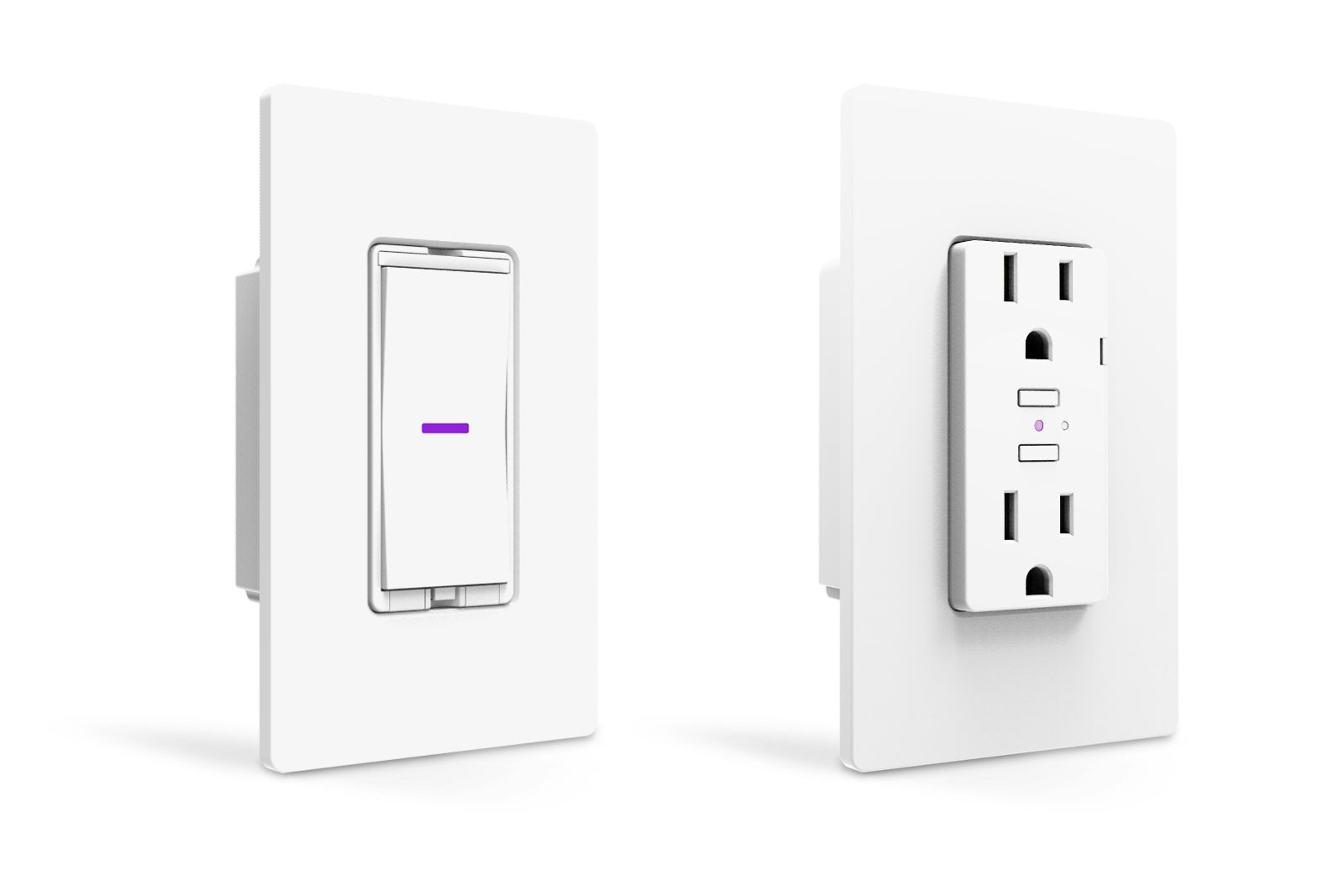
iDevices Dimmer Switch and Wall Outlet review: Smart home control—no hub required


Wireless wall lights are the secret to a fuss-free and budget-friendly sophisticated lighting scheme
Orro Smart Switch Review

![Simple and affordable: $100 Defiant Wi-Fi Deadbolt review [Video]](https://gstatic.ideal.house/news/images/df0090f08039467d884d5ecba58b2ad6.jpg)
Simple and affordable: $100 Defiant Wi-Fi Deadbolt review [Video]


This is the 'un-sexy, behind-the-scenes job' I wish I had done before starting my remodel – if you're renovating, don’t skip these must-know tips for your electrical walk-through
Remove Wall Plugs Fast With A Custom Tool


Smart bulbs vs. smart switches: The pros and cons of connected lighting


5 Budget Smart Home Accessories That Can Make Your Home Feel Luxurious

You Should Replace Your Dumb Ceiling Fan With This Smart One

Insignia Smart Light Switch (review)

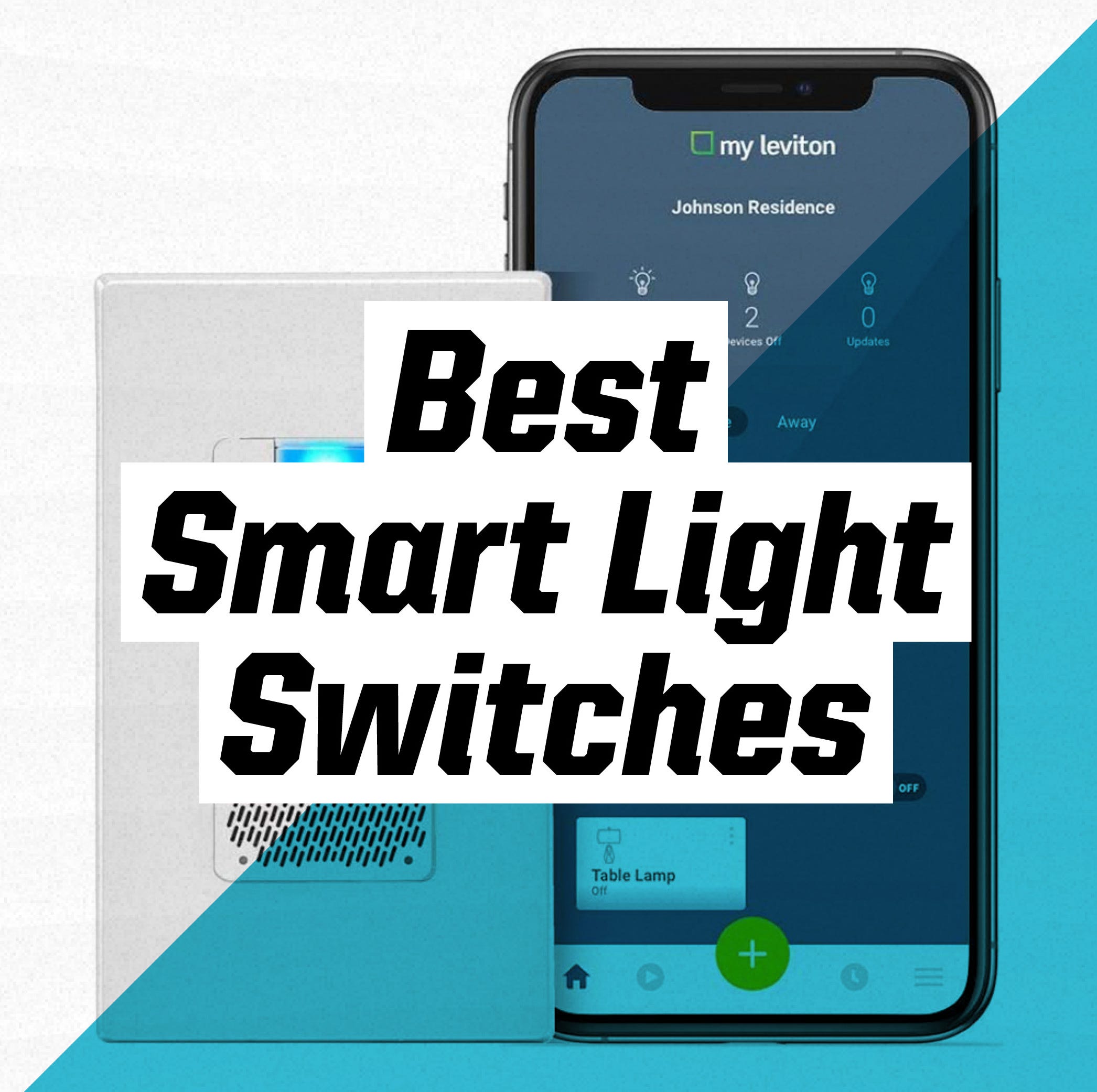
Upgrade Your Lighting With These Smart Light Switches

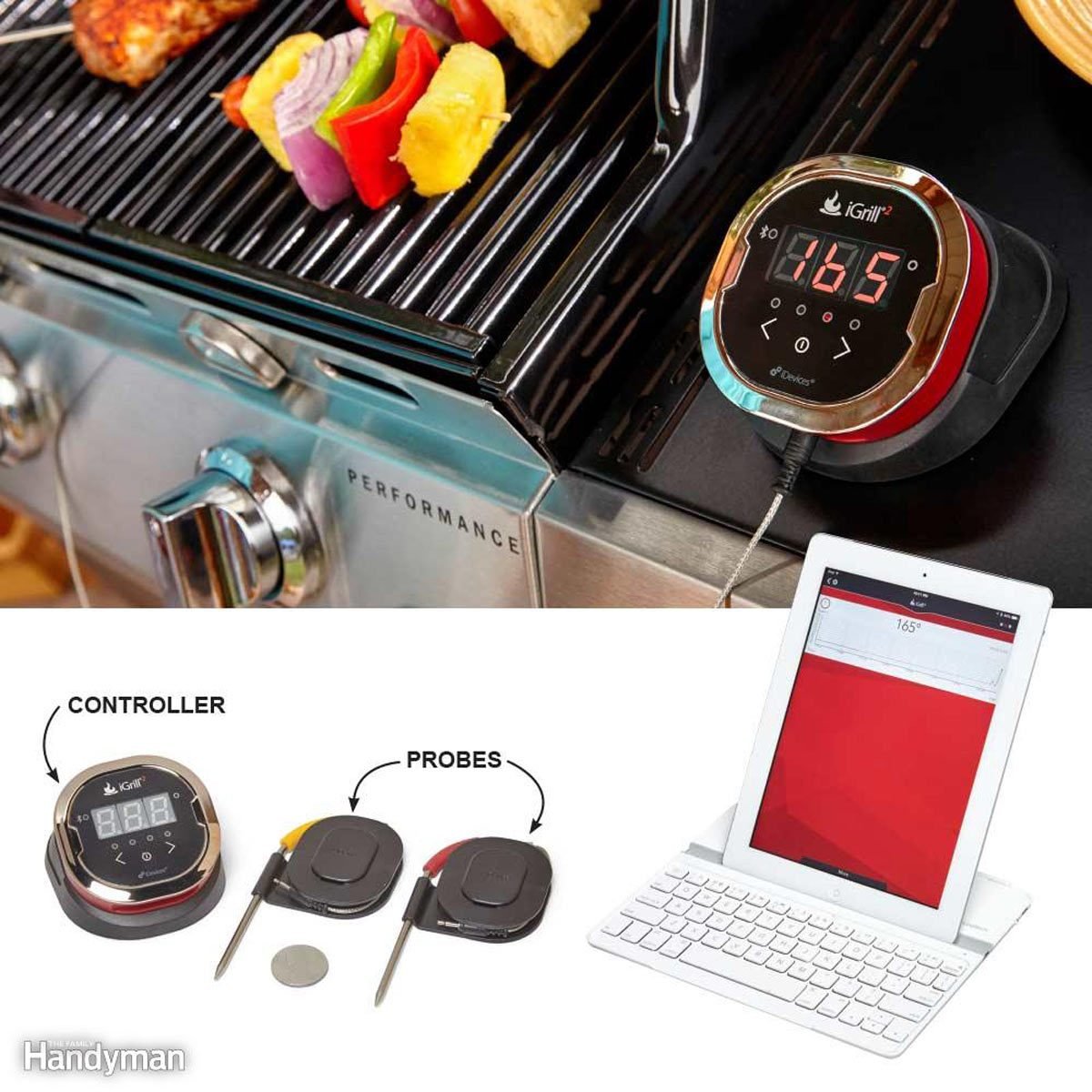
15 Cool Tech Gadgets That Turn Your Home into a Smart House


This Viral, Renter-Friendly Wall Light Installs in Mere Seconds
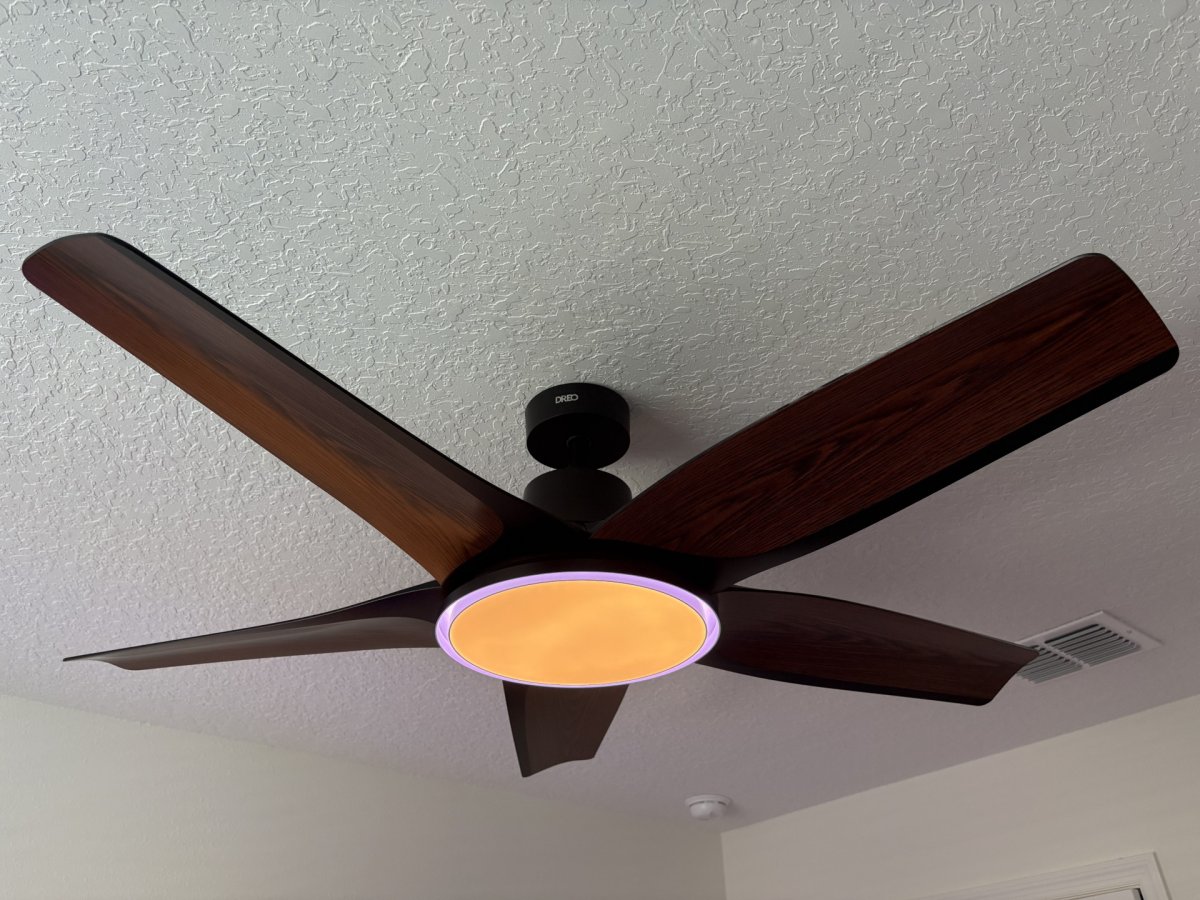
Finally, a Smart Ceiling Fan That Is Seriously Smart

This Smart Bulb Rescued My Rental Apartment From the Horror of ‘The Big Light’ | Reviews by Wirecutter
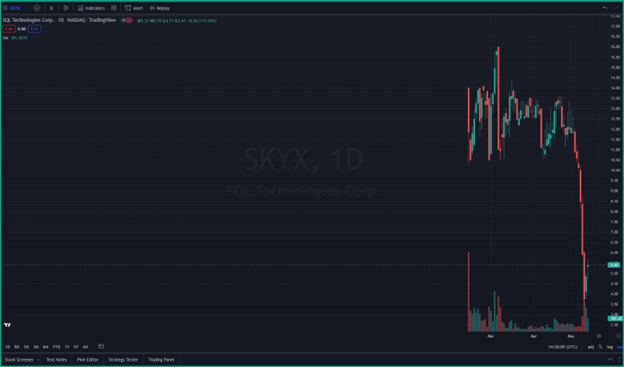
Electrical Tech Co. Teams With A-Lister to Make New Smart Product