1/17
8 Living Rooms With Leather Sofas That Prove This Material is Back in Style
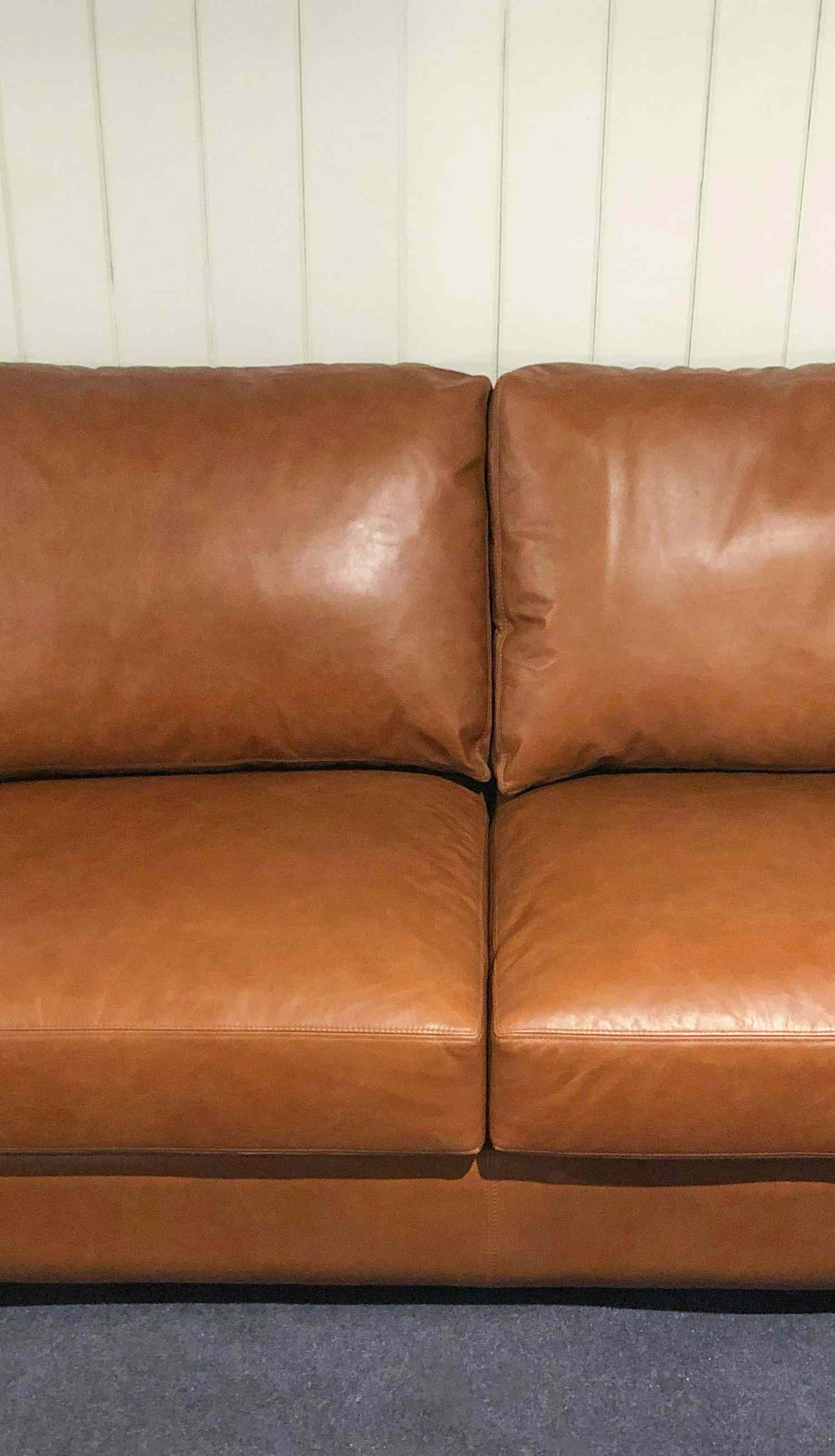
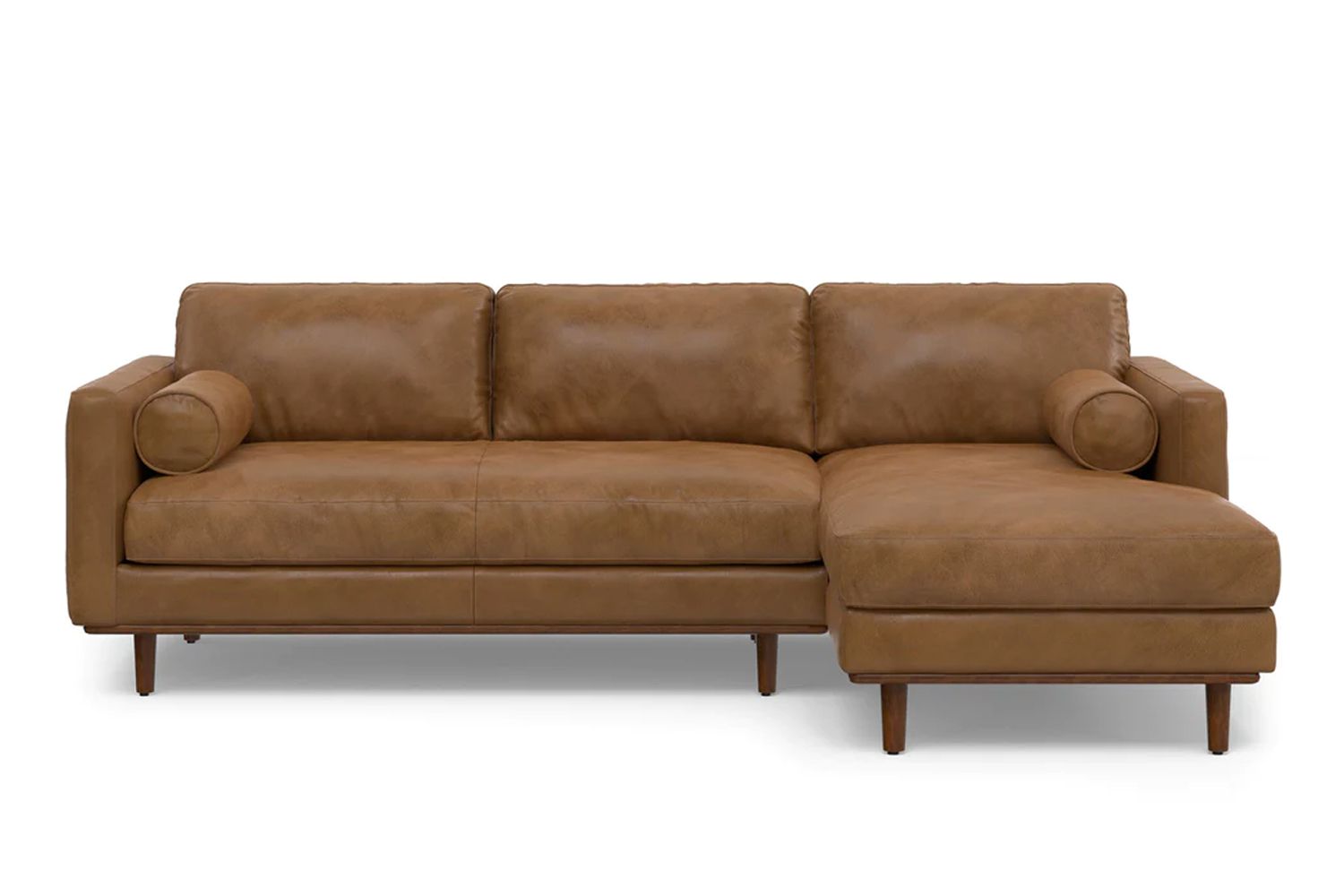
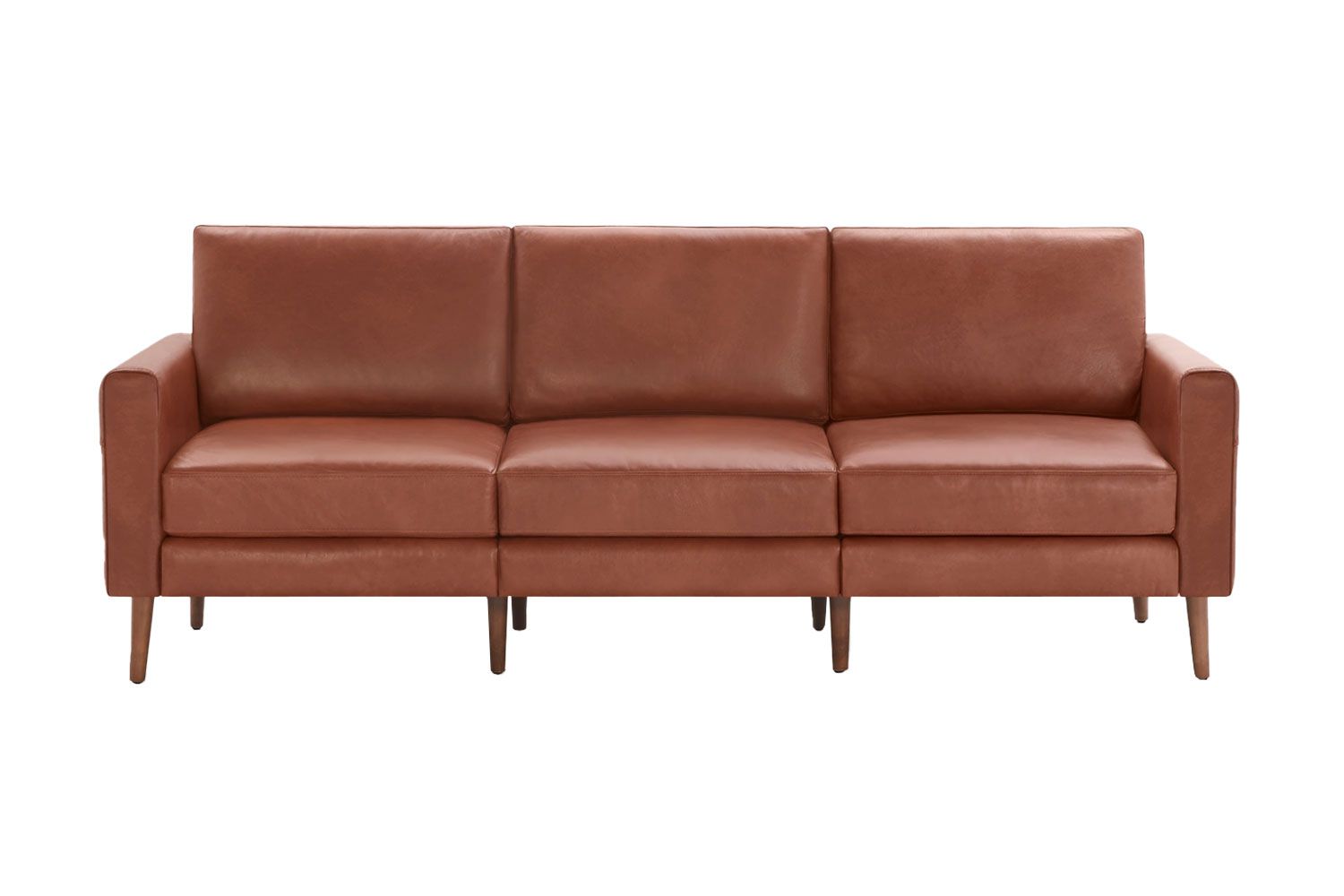
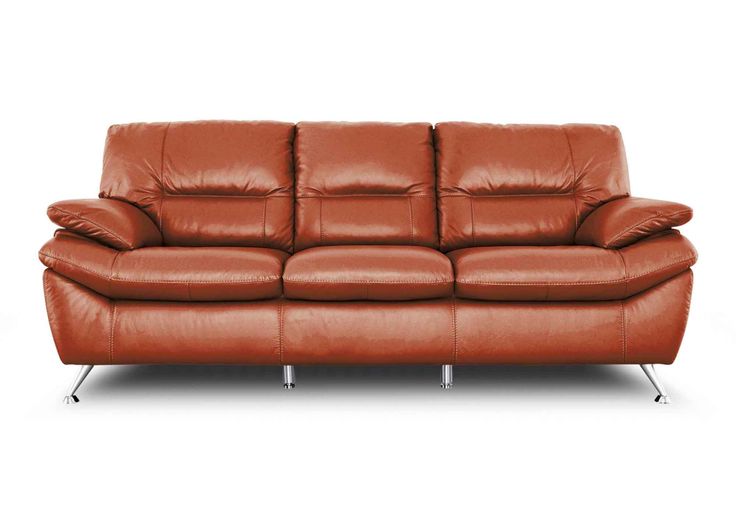
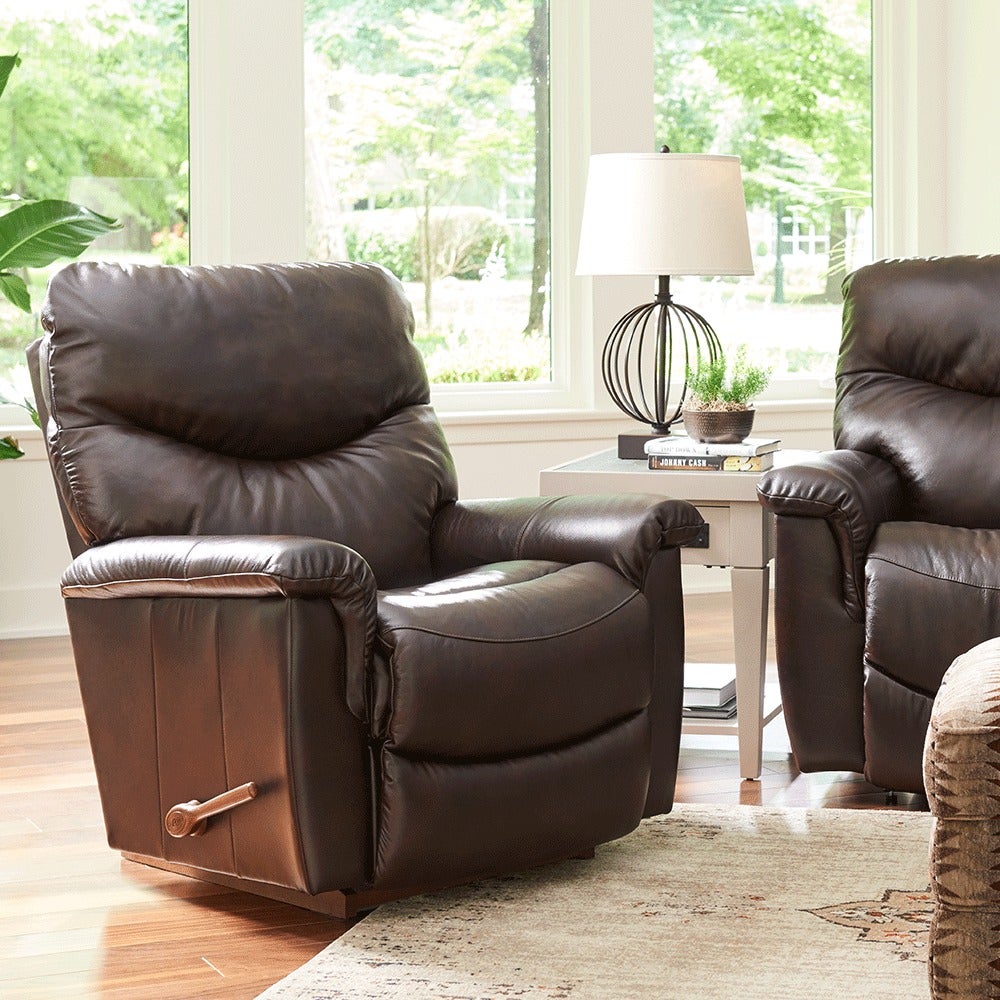
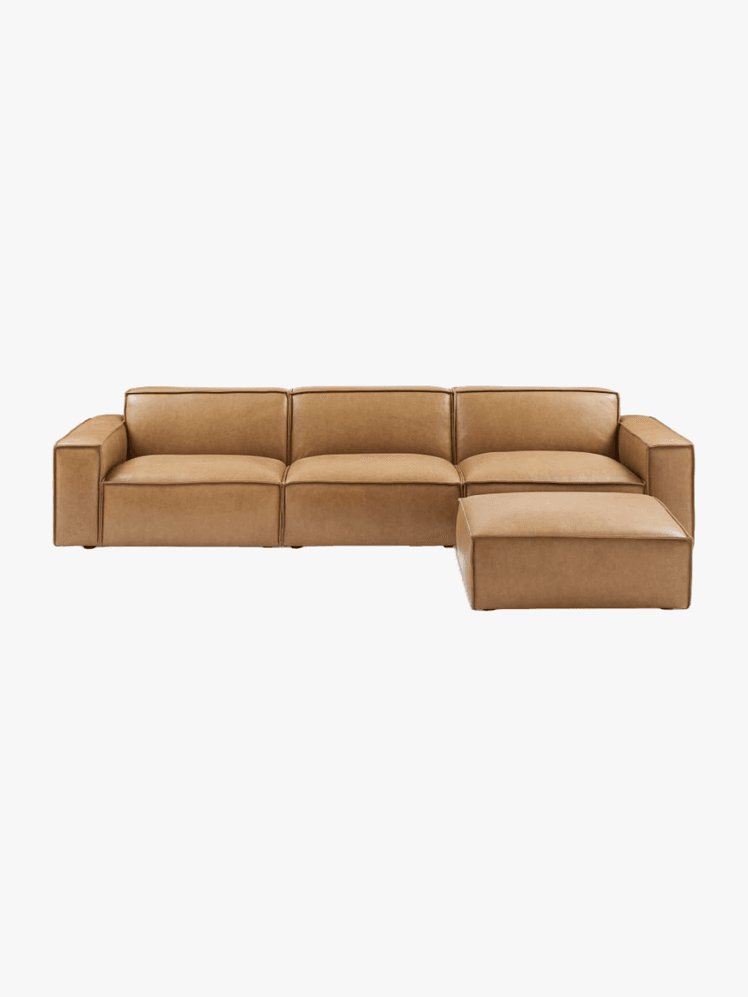
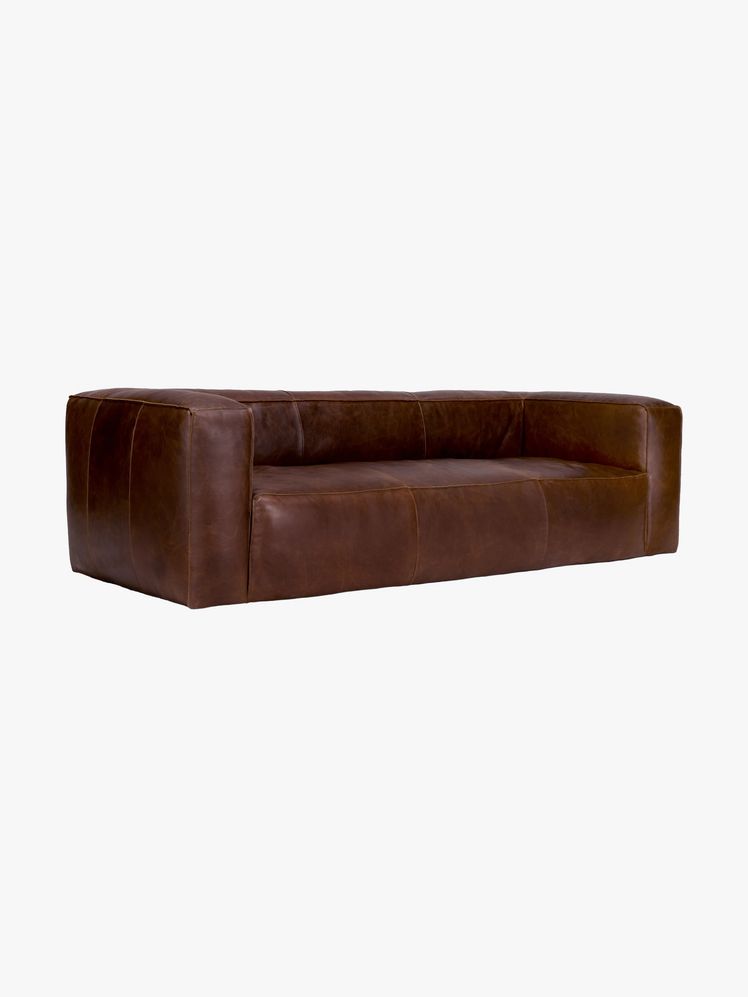
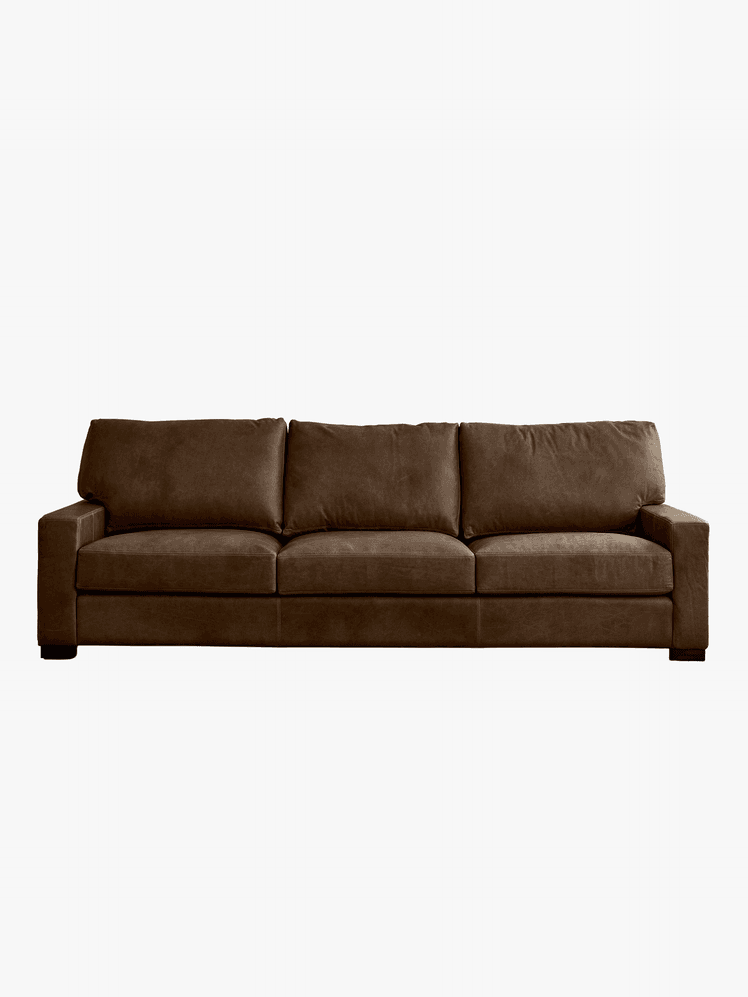
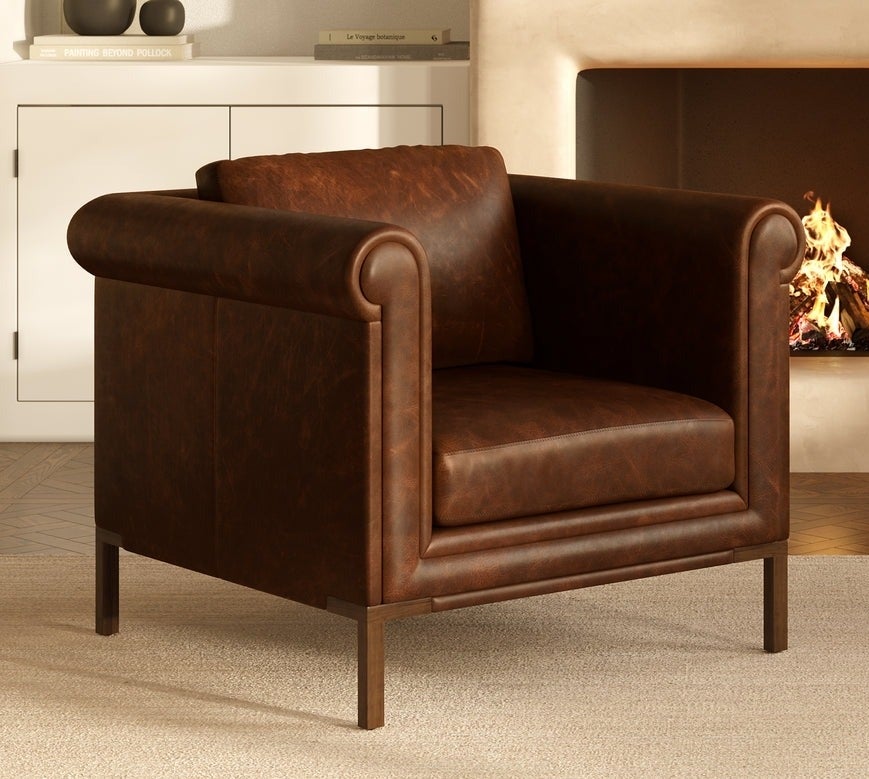
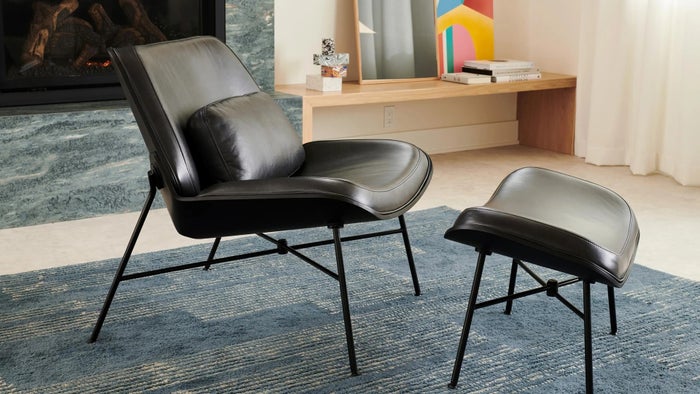
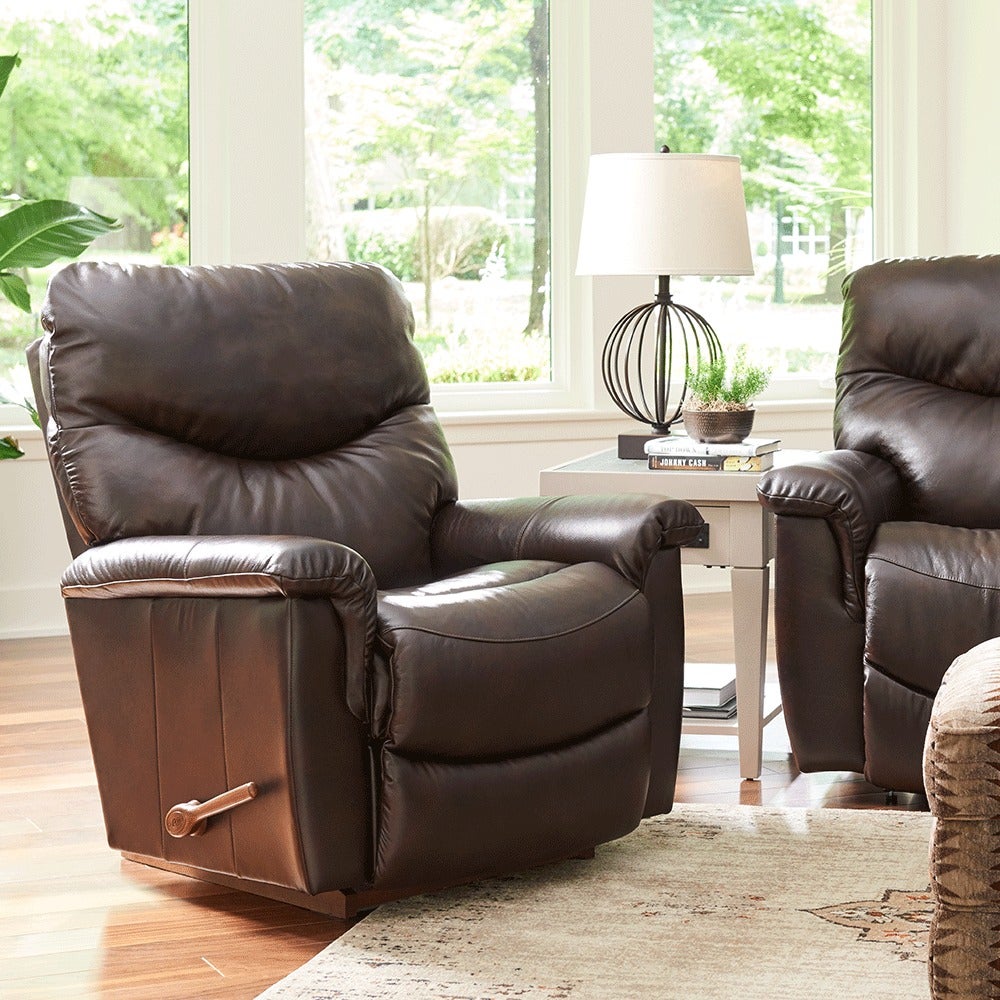
The article explores the resurgence of leather sofas in modern interior design, challenging the previous perception of them as outdated. The author, Luke Arthur Wells, initially considered leather couches unfashionable but has recently noticed a trend of their reappearance in contemporary living spaces, prompting him to investigate why this material is gaining popularity once again. The piece highlights that while leather previously suffered from associations with bulky and unstylish recliners, newer applications demonstrate its potential for sleek and sophisticated interiors.
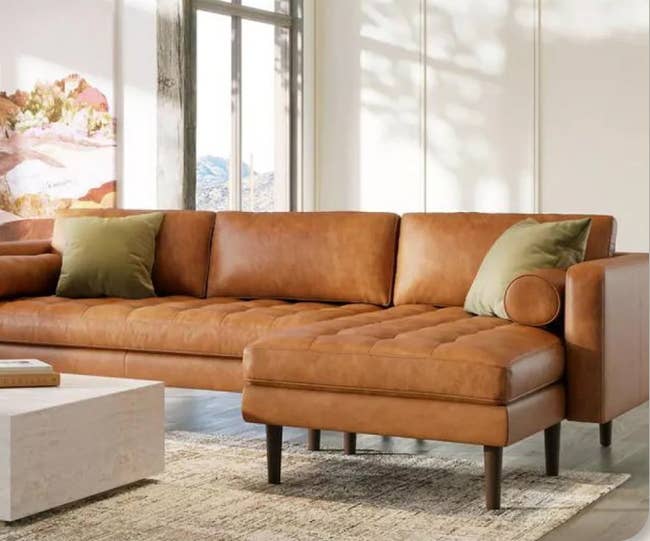
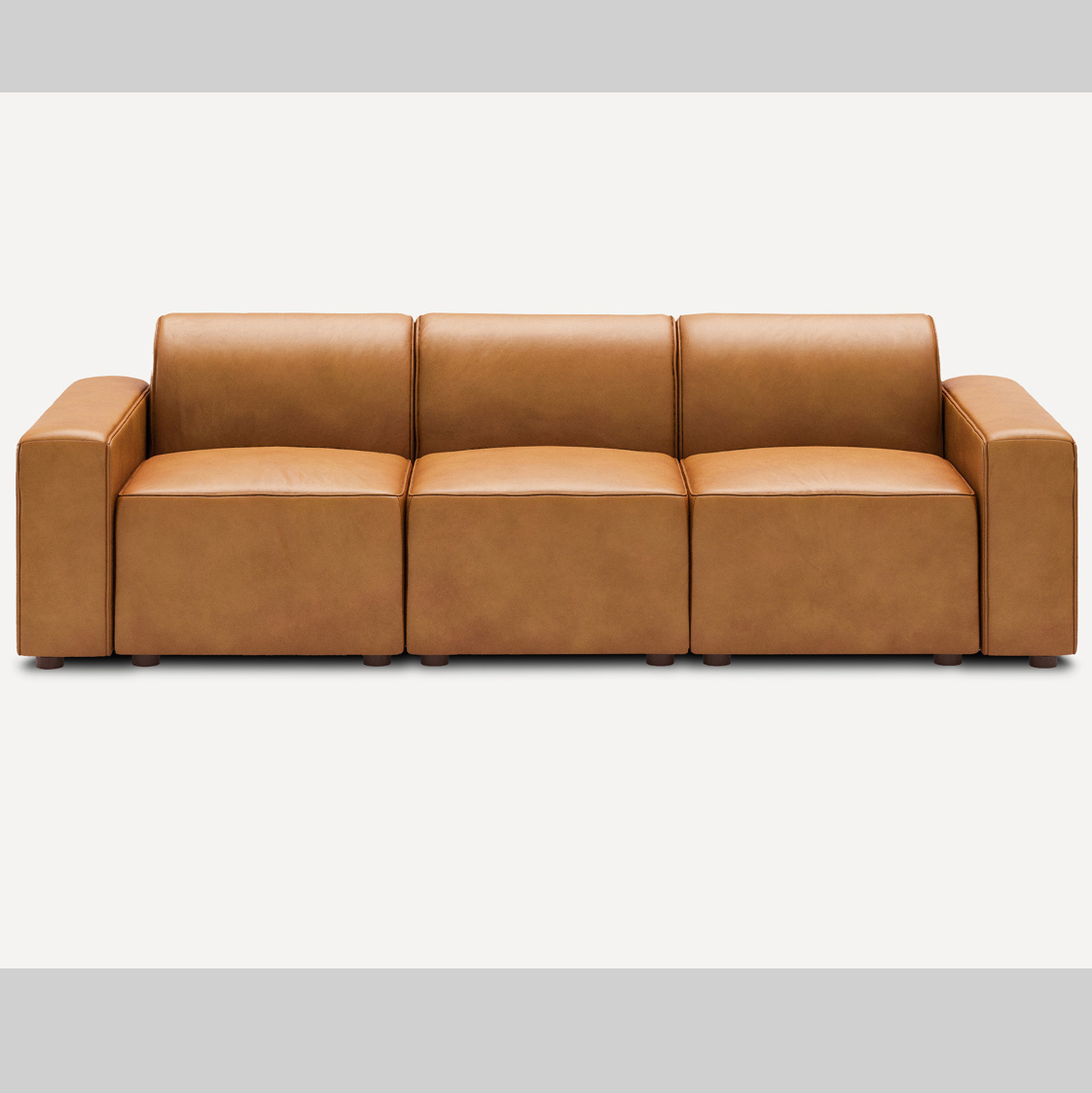
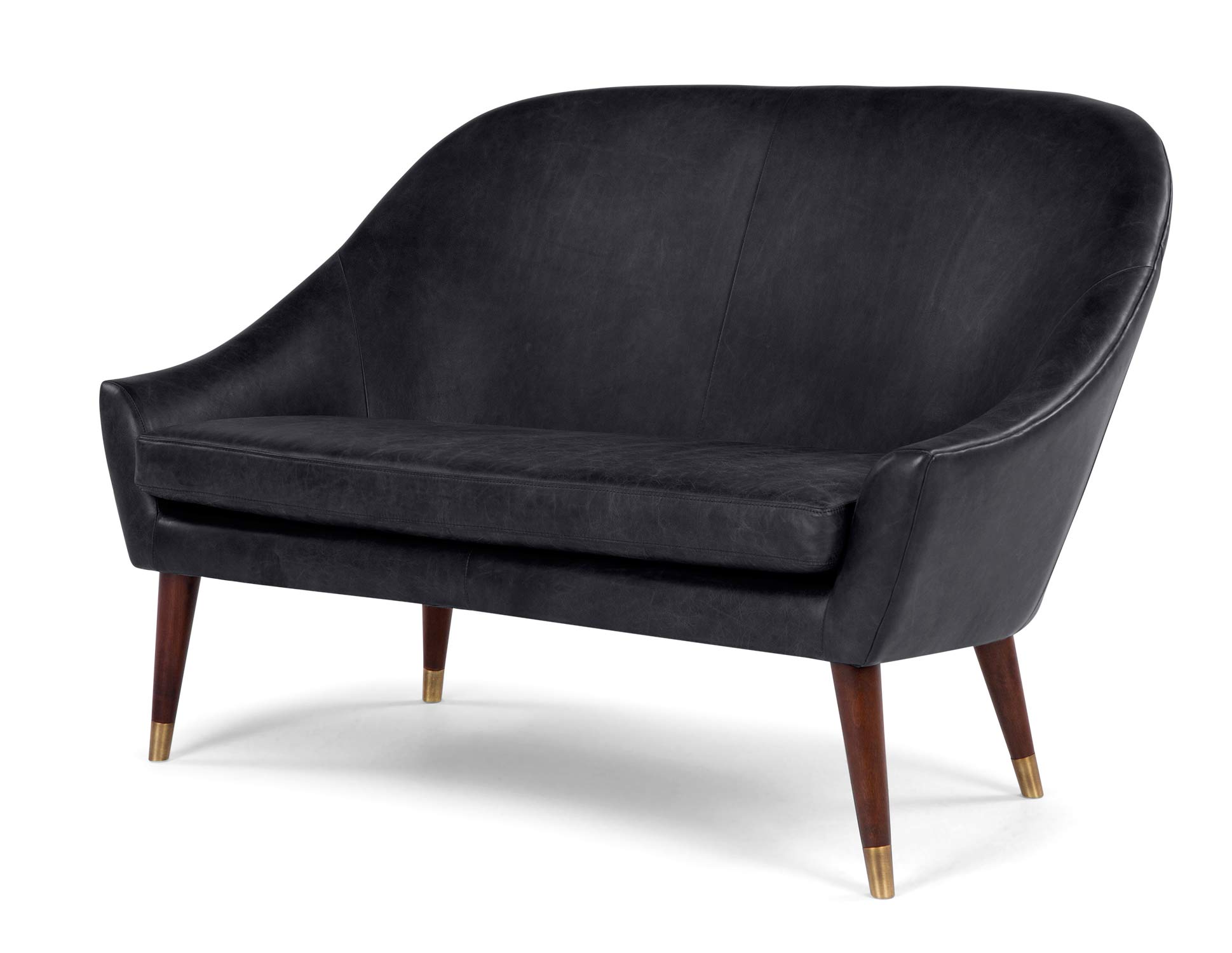
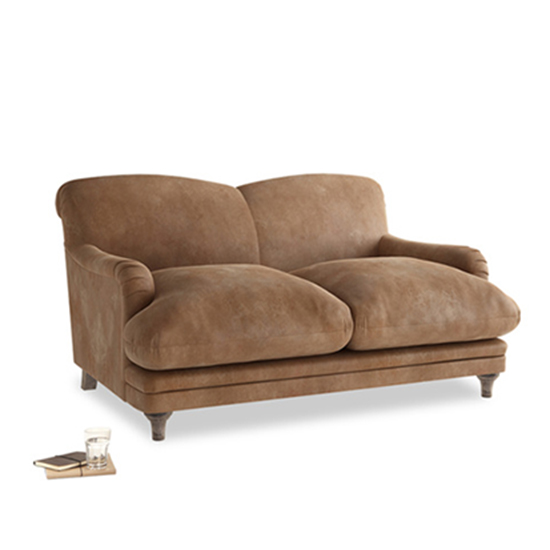
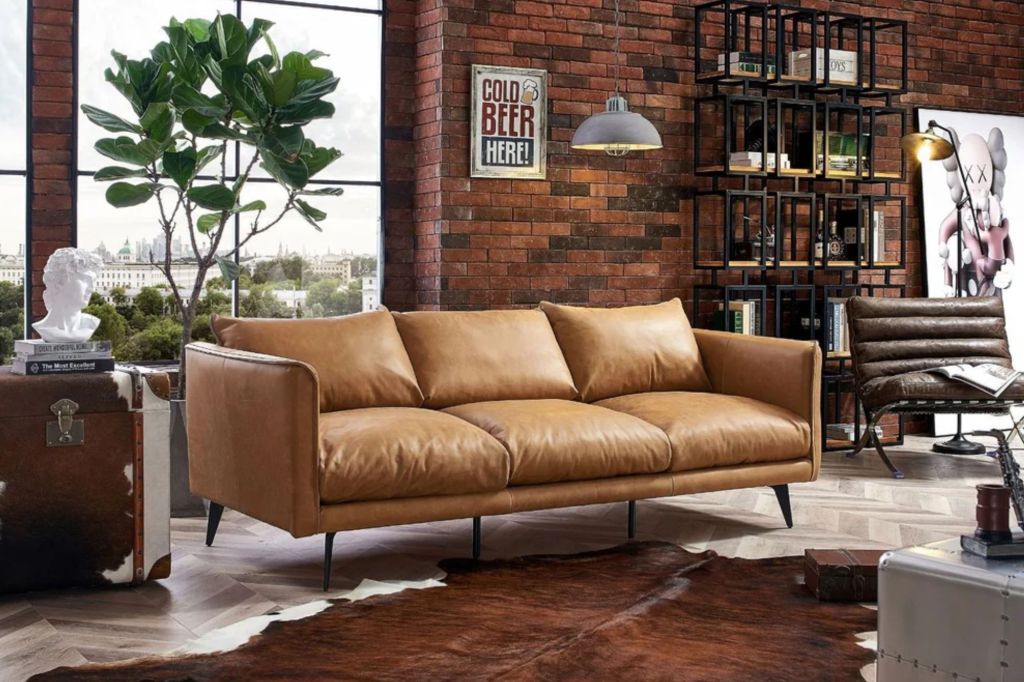
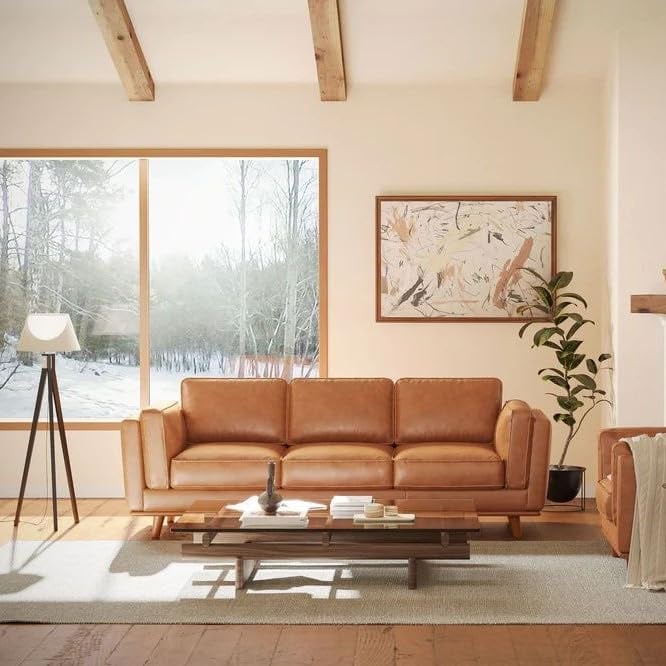
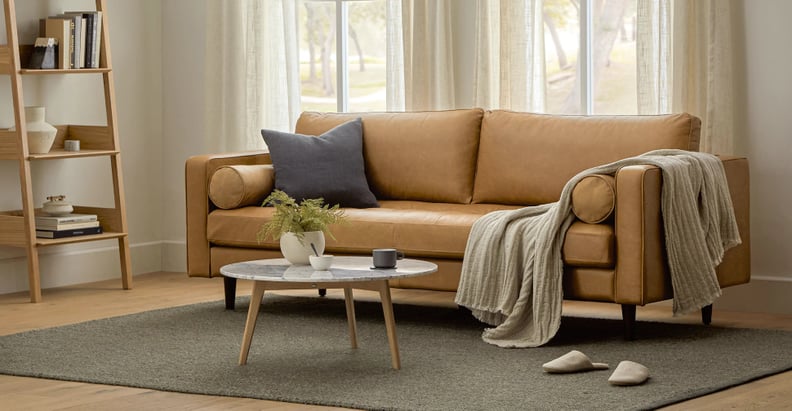
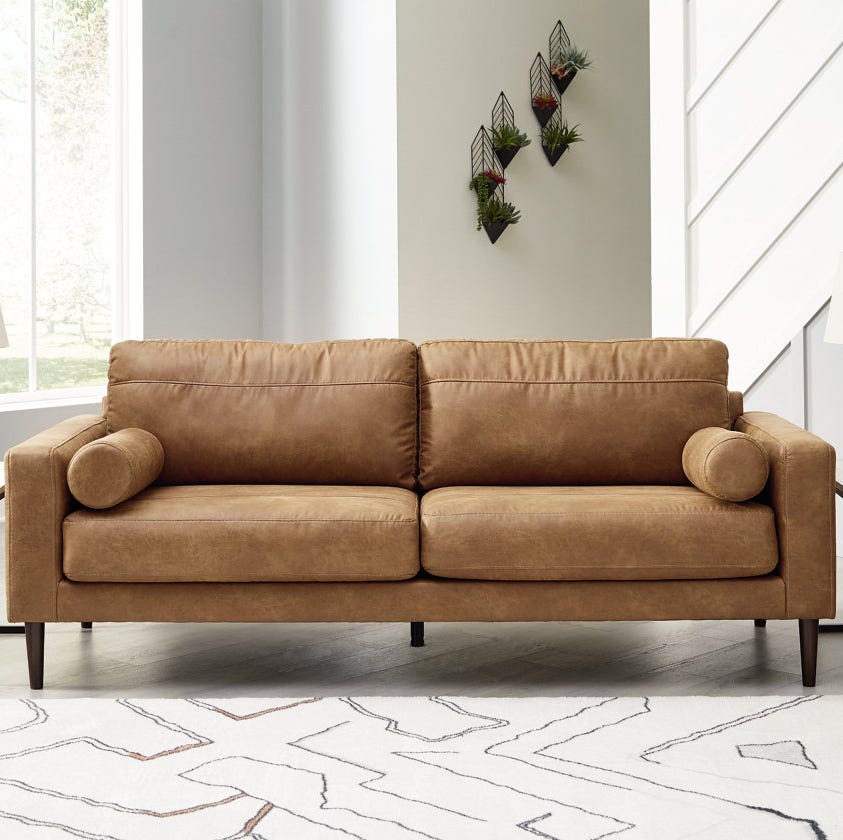
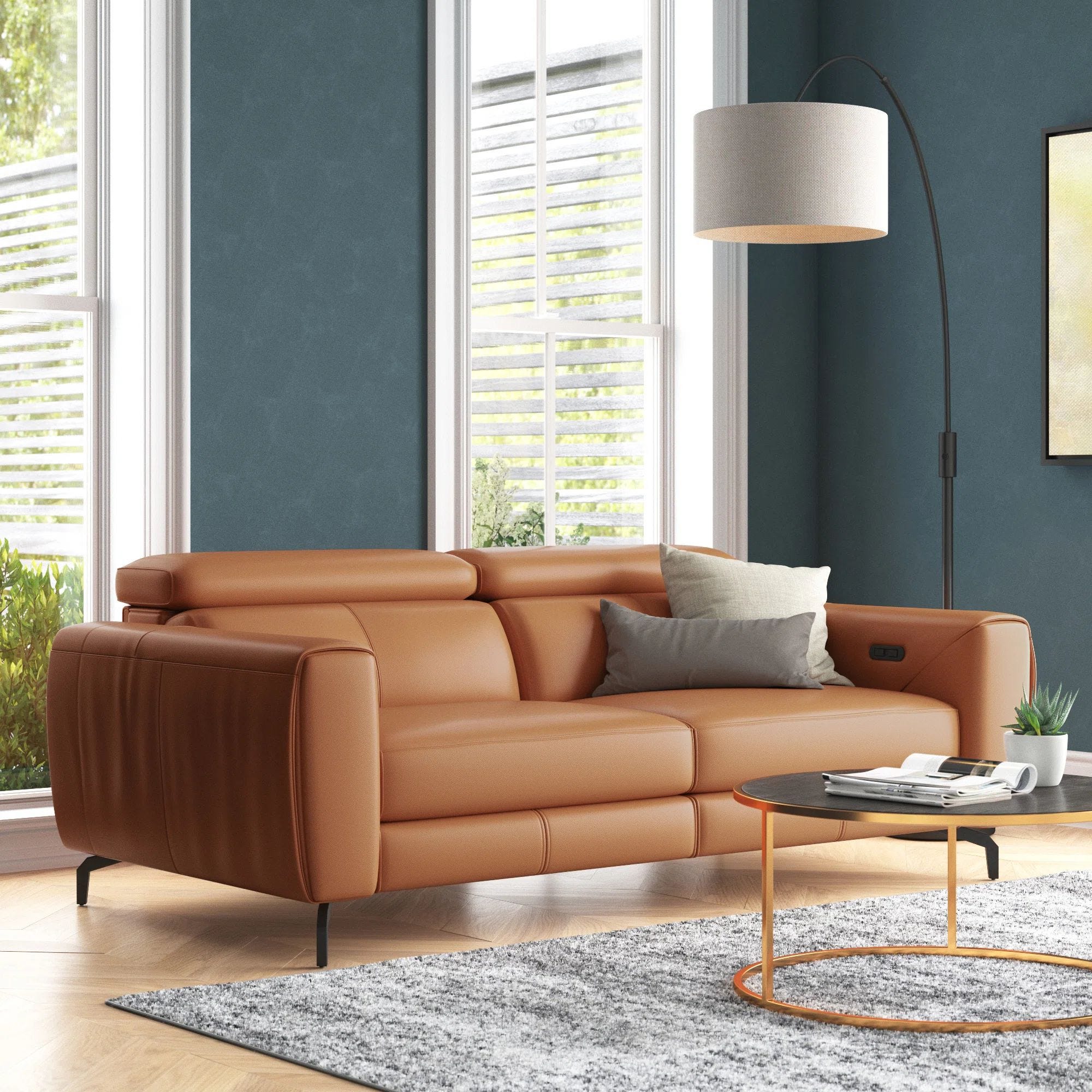
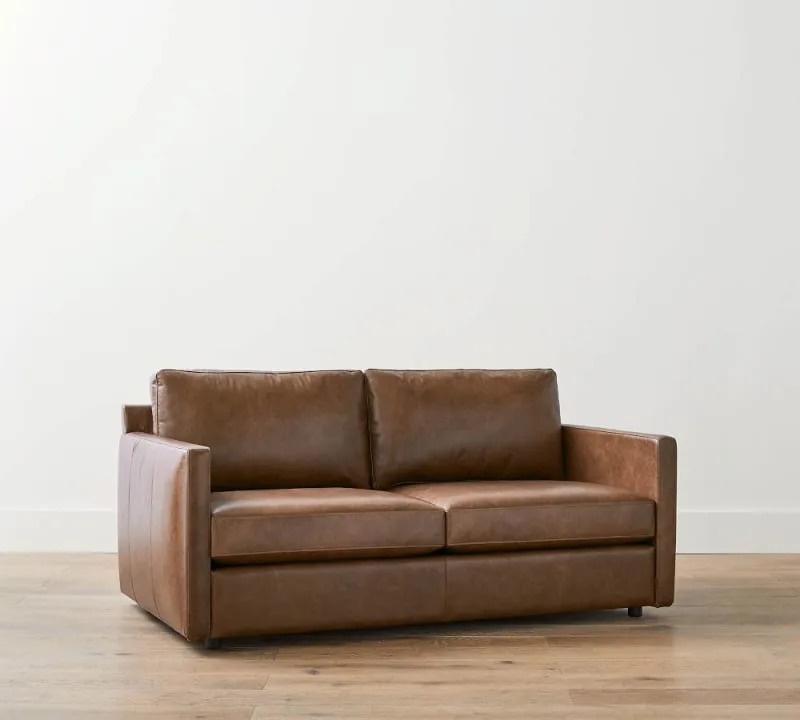
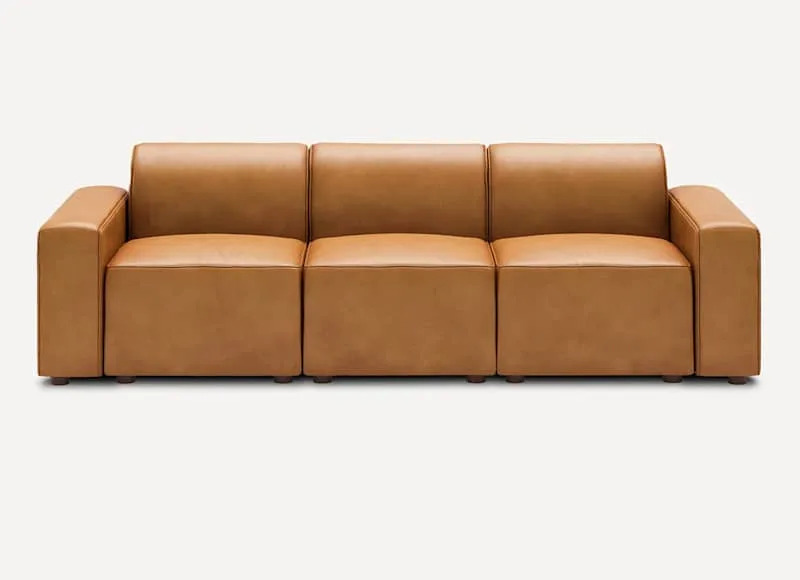
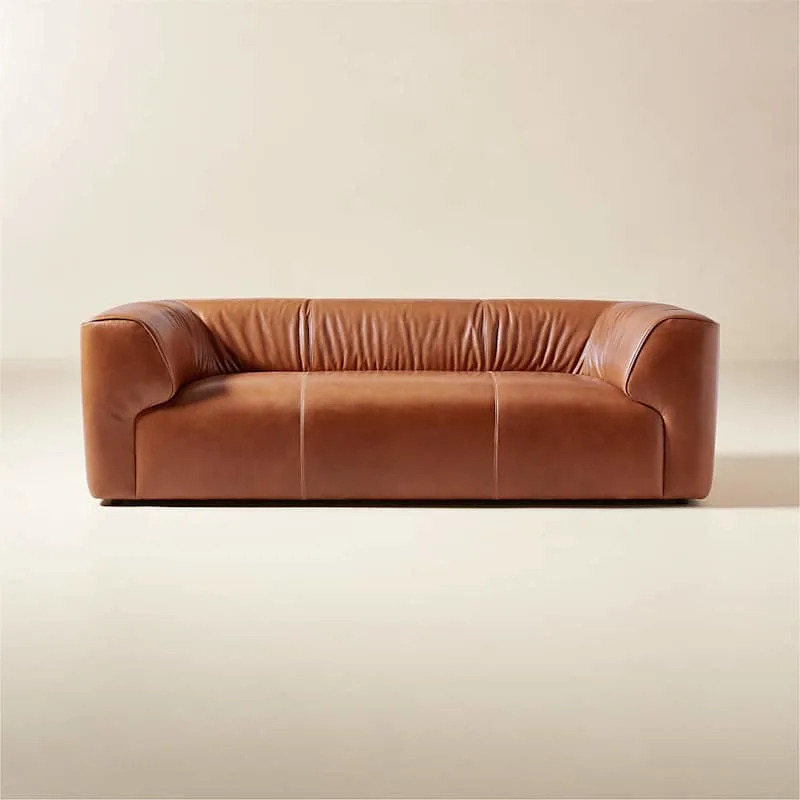
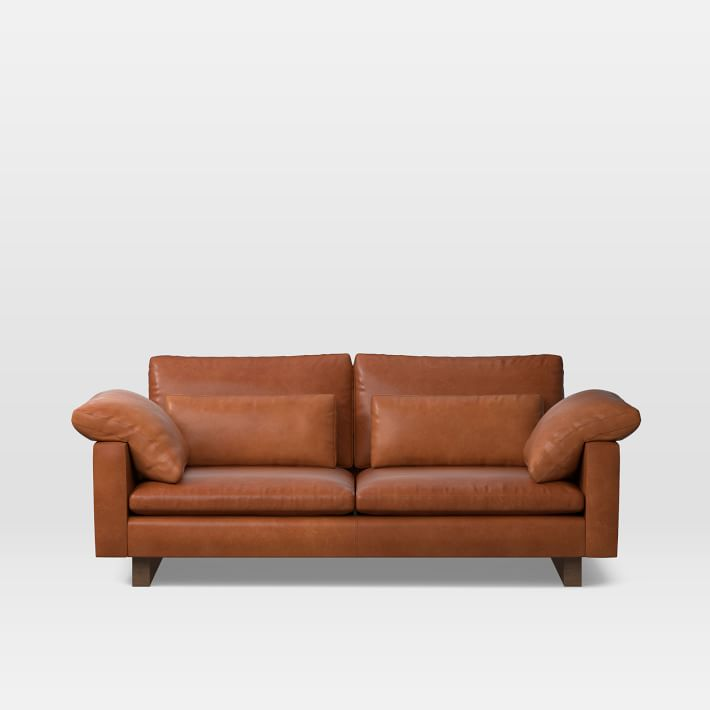
Interior designer Shona McElroy of Smac Studio explains that leather contributes to a sleek aesthetic and introduces Mid-Century design elements. The return of classic 'tan' leather is identified as a key trend, influencing many of the recommended leather sofa styles. The article presents eight specific ideas for integrating leather sofas into modern living rooms, offering insights from designers and examples of successful applications.
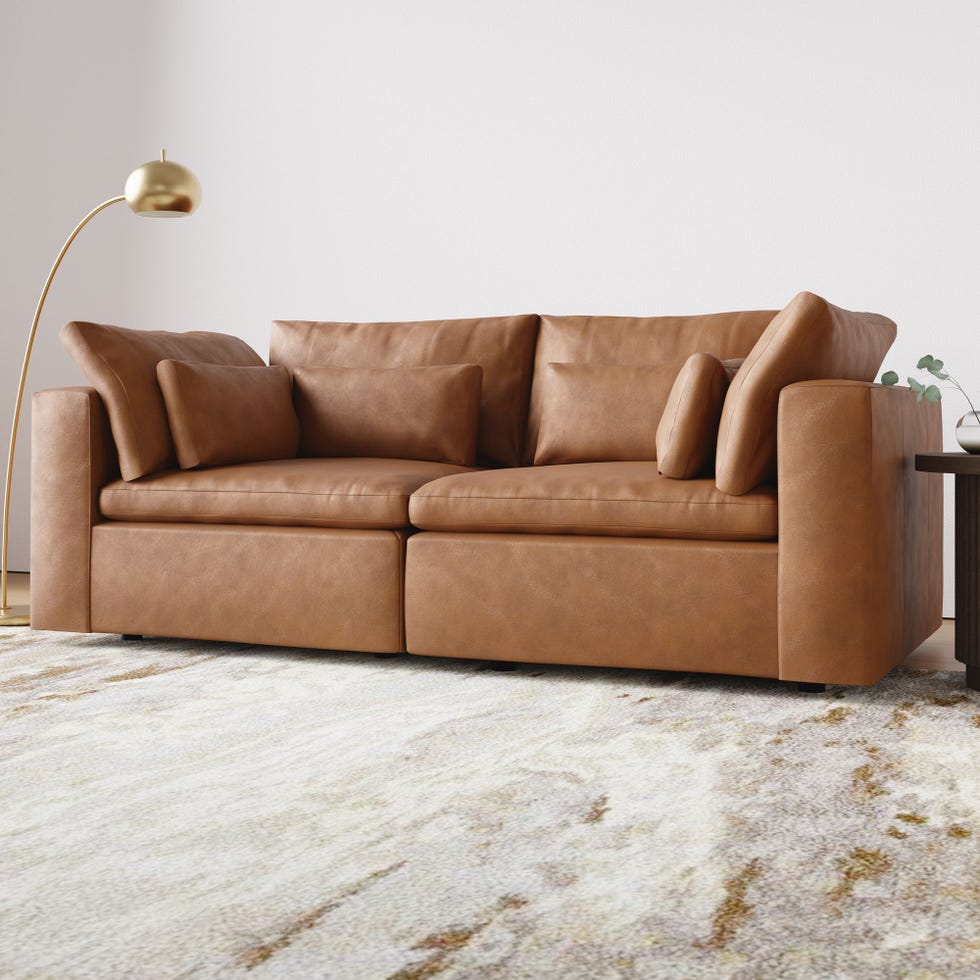
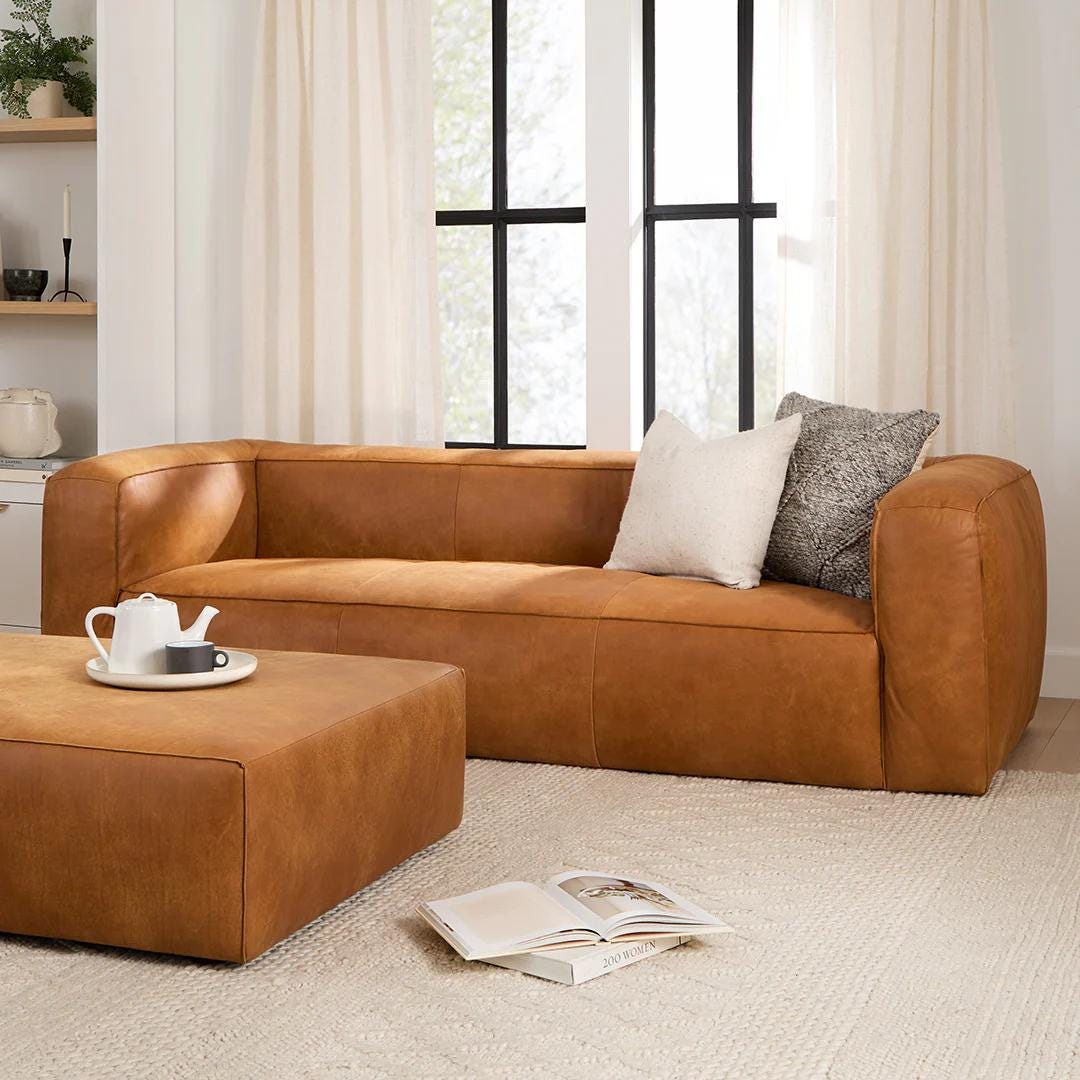
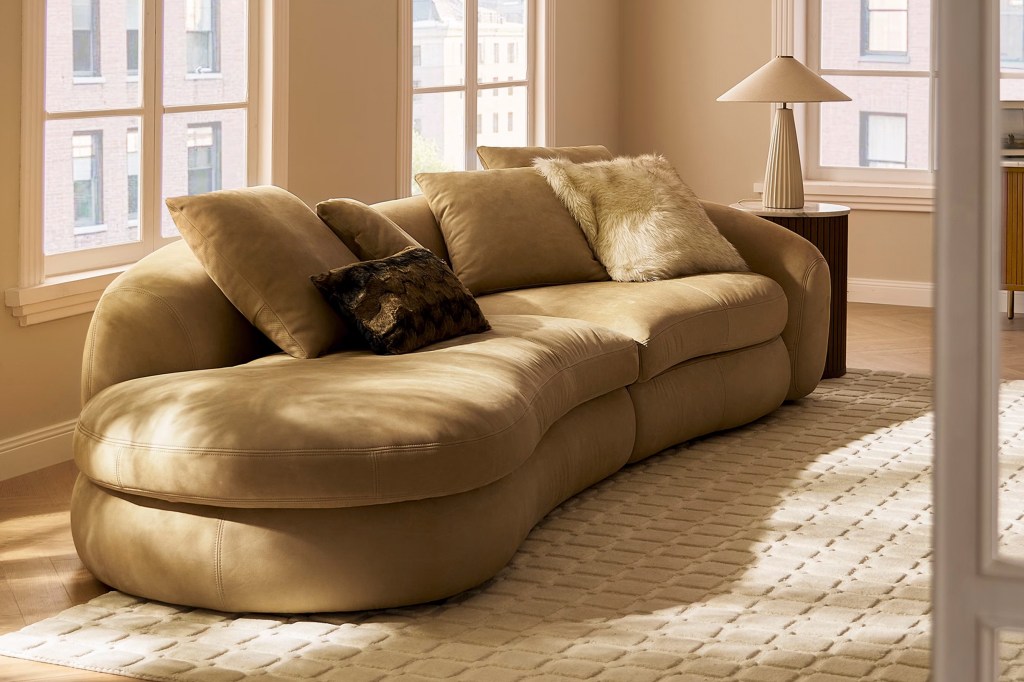
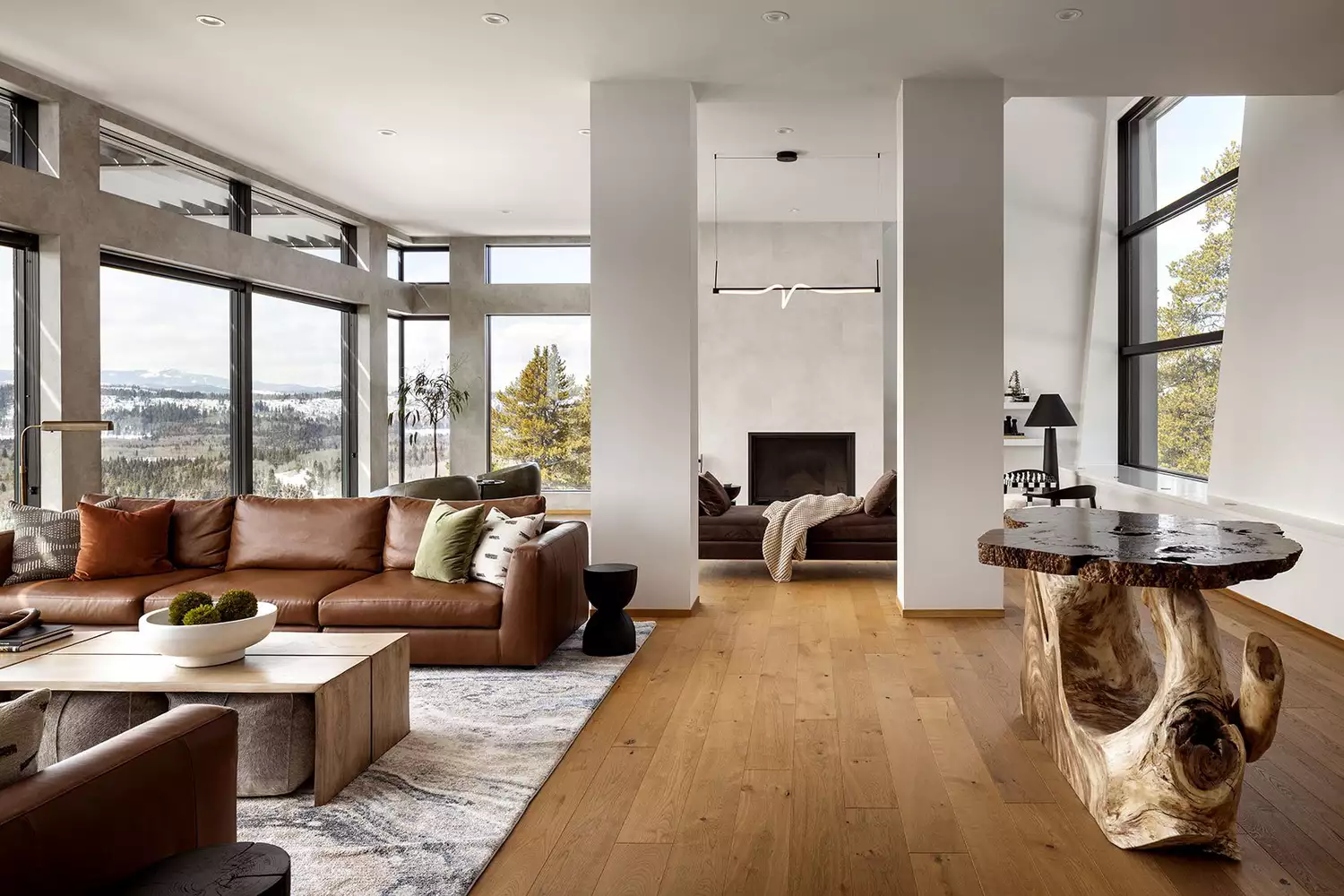
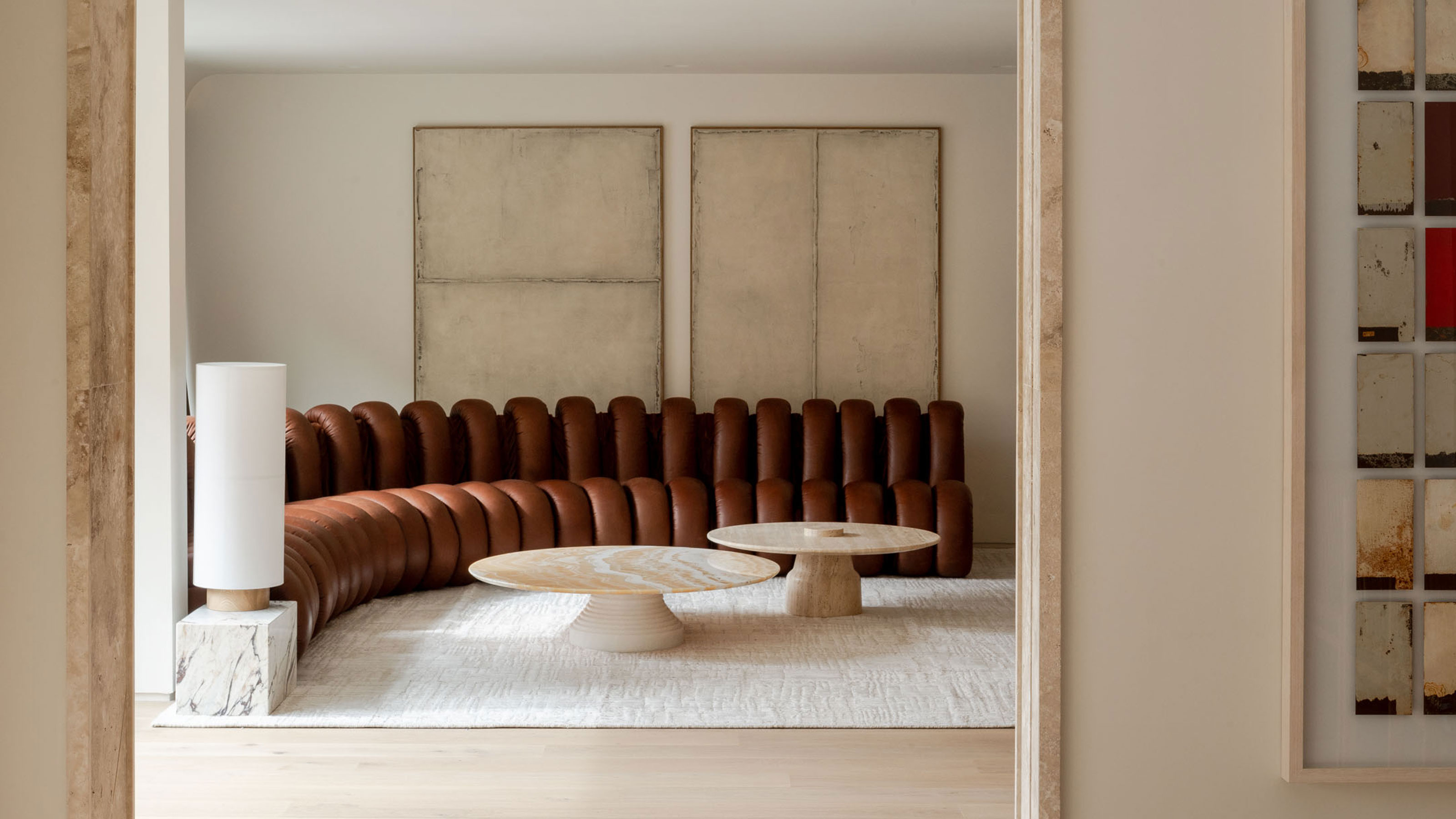
One approach is to make the leather sofa the central focus of the living room. An example cited is a vintage leather Croissant Sofa by Raphael Raffel for Honore Paris, which anchors an open-concept space. The designer, Lauren Moore of Design Assembly, chose a supersized, low-profile sofa to create an illusion of higher ceilings and prevent the room from feeling divided, emphasizing the comfort and inviting nature of certain leather designs.
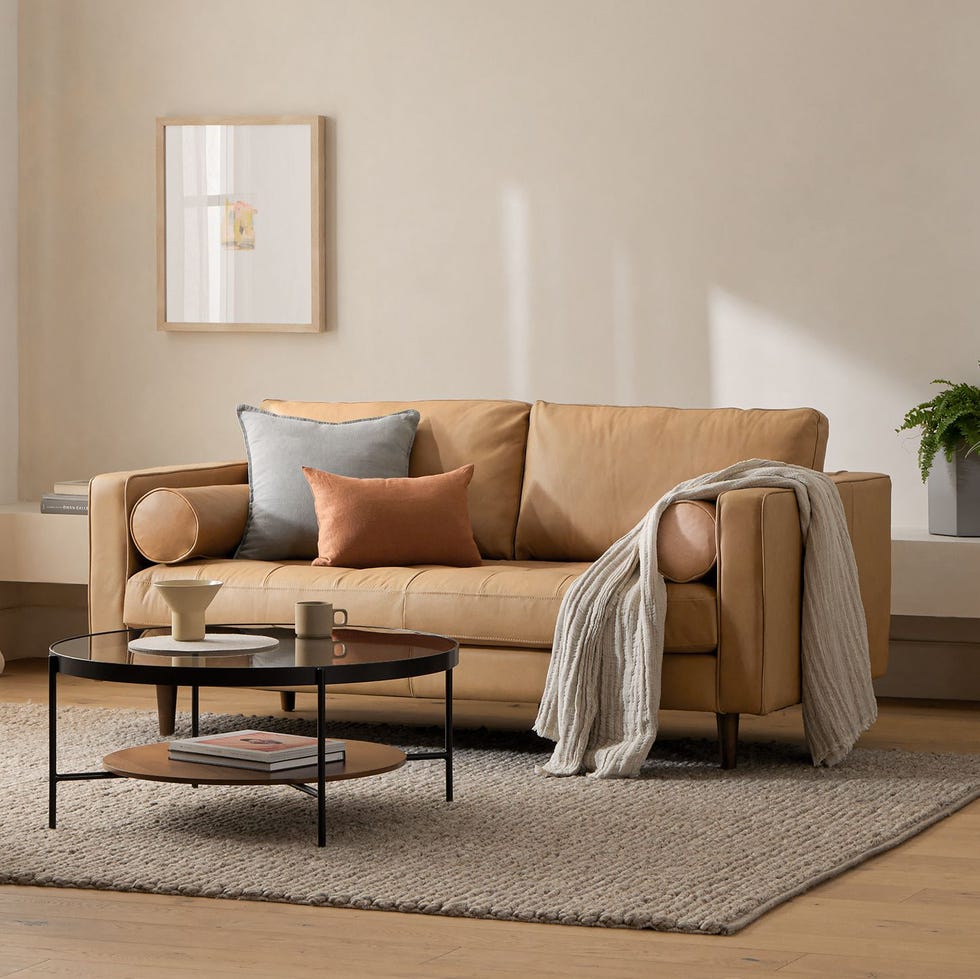
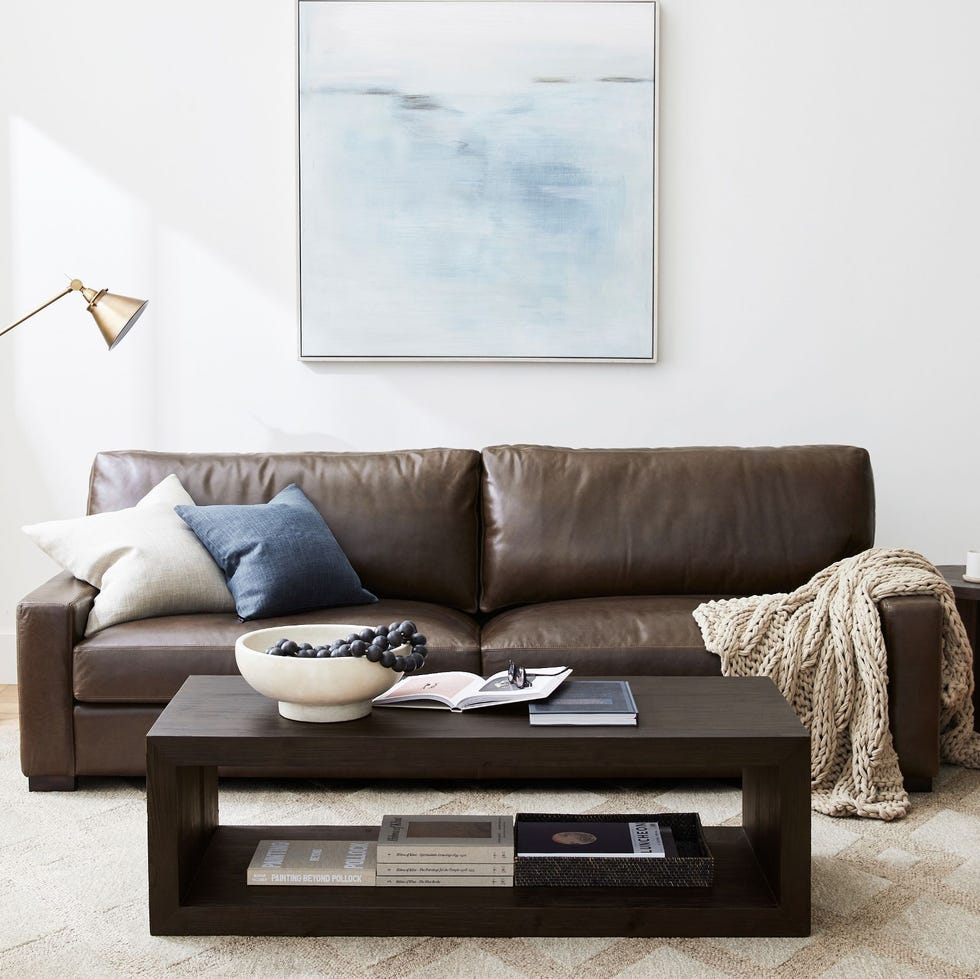
Another strategy involves opting for classic leather colors. The current popularity of brown color palettes is noted as a factor in leather's comeback, as it naturally adds textural contrast to neutral schemes. Hugh Metcalf, an editor for Livingetc.com, observes that leather, similar to velvet, reacts dynamically to light, making colors appear more vibrant and forms more pronounced. The De Sede 'snake' sectional is presented as an ideal piece for showcasing the material's best qualities. Alternatively, the article suggests experimenting with unusual leather colors. Leather can be dyed in various custom shades, offering a different aesthetic. Monica Fried's design, featuring olive green Air sofas by Atraform, exemplifies how unique colors can enhance the mid-century modern influence in a space.
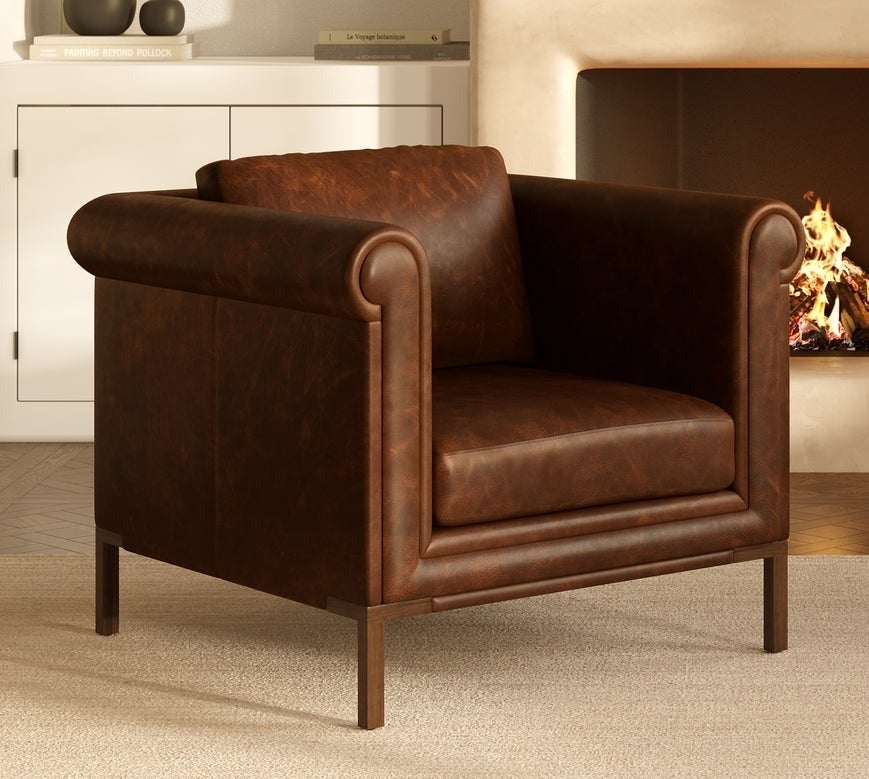
The article also advocates for choosing leather with character, particularly those with a worn-in or mottled appearance. An example from Arent&Pyke; shows a scheme built around an existing cream leather sofa by Edra, which possesses a comfortable, casual look due to its 'two-tone' leather, achieved by overlaying light and dark dyes. This technique not only adds depth and texture but also makes the material more forgiving of scuffs. Embracing the natural patina of leather is another key point; the article distinguishes between neglect and allowing leather to age gracefully, highlighting how designers like Emil Humbert and Christophe Poyet intentionally select aged leather to create textural contrast and warmth in their projects.
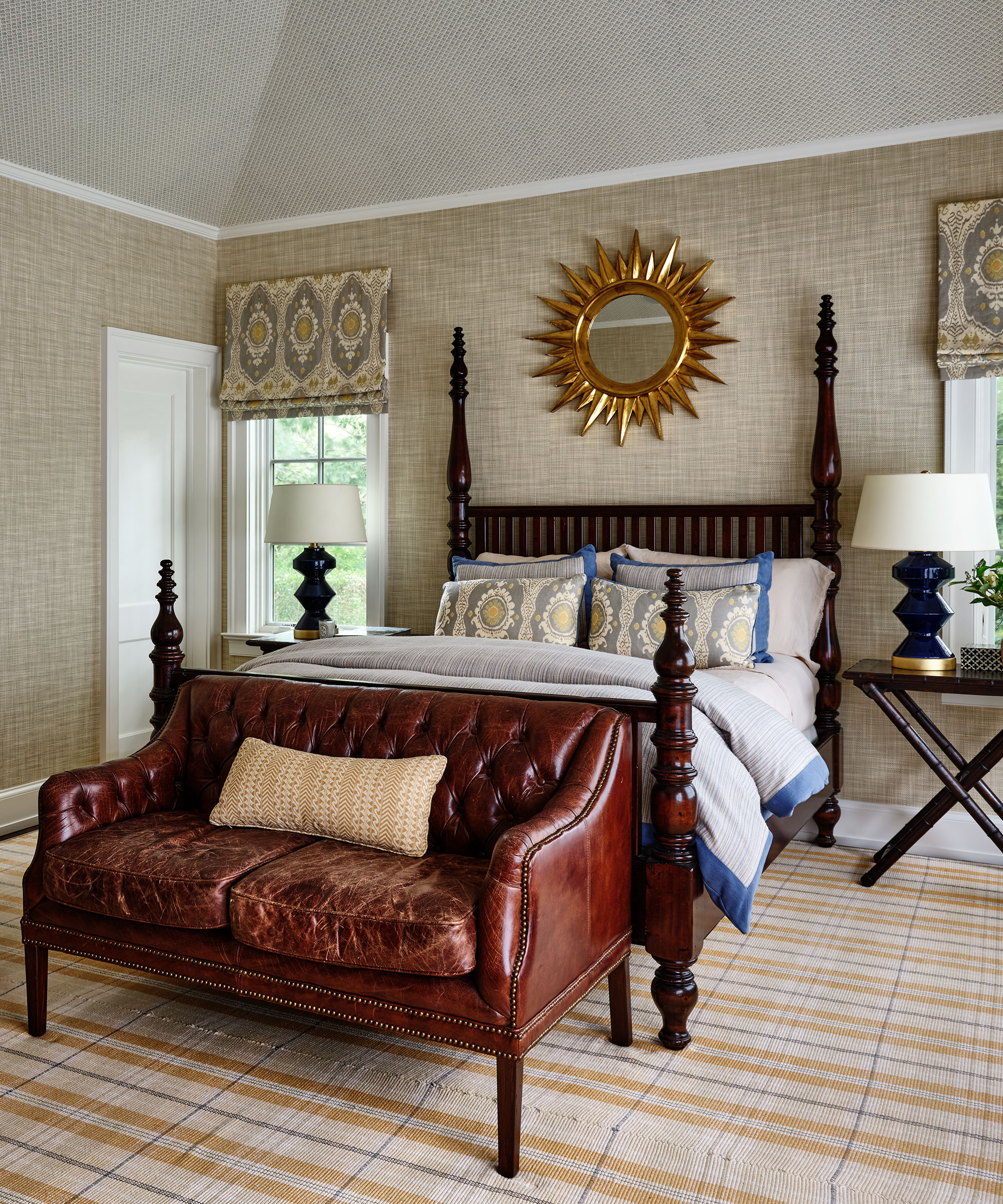
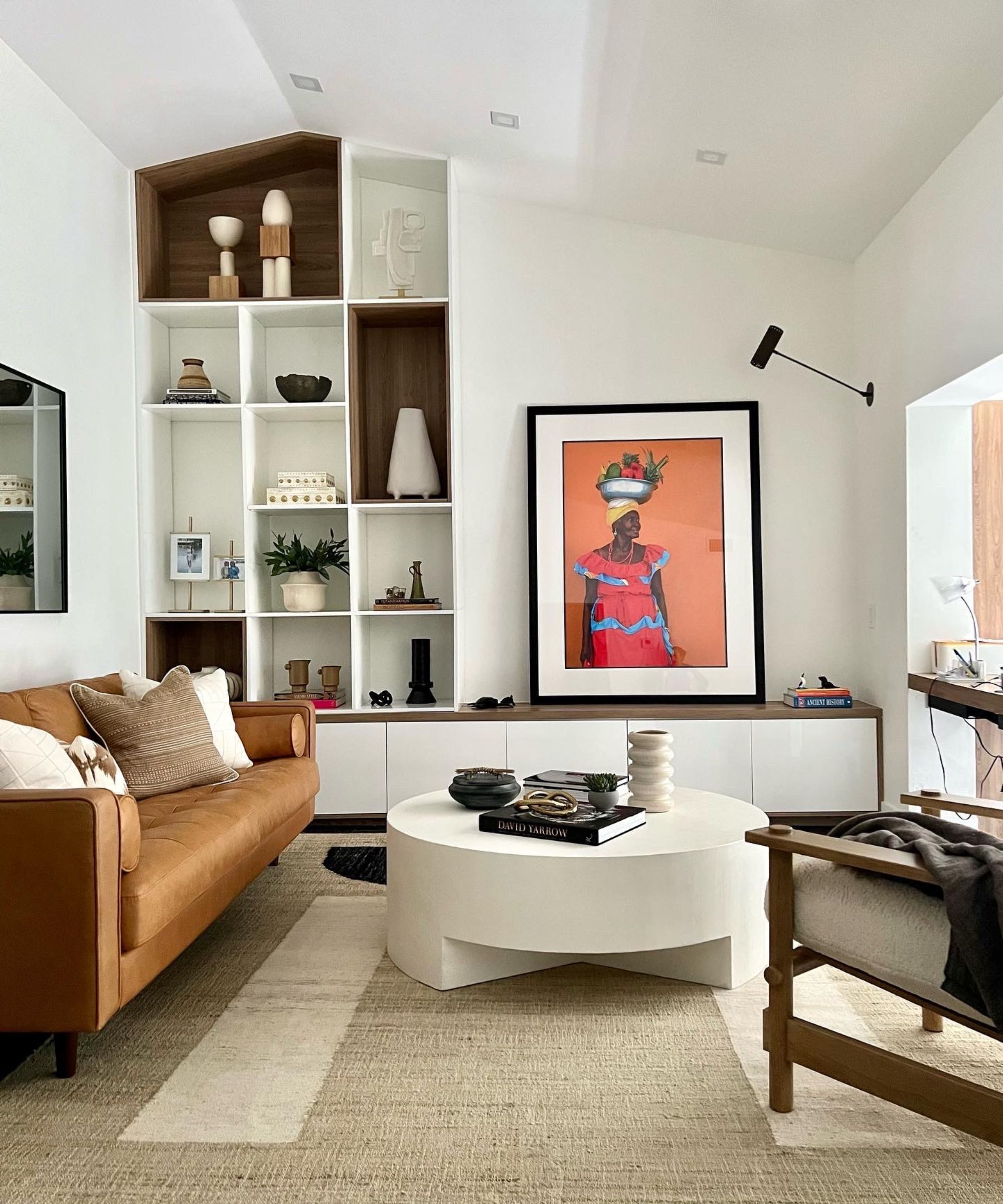
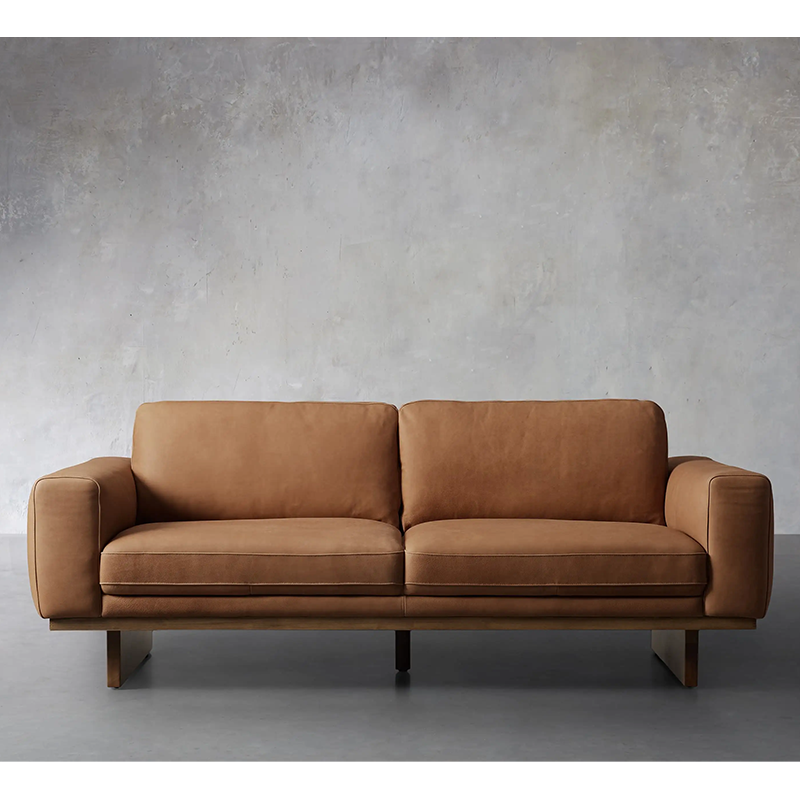
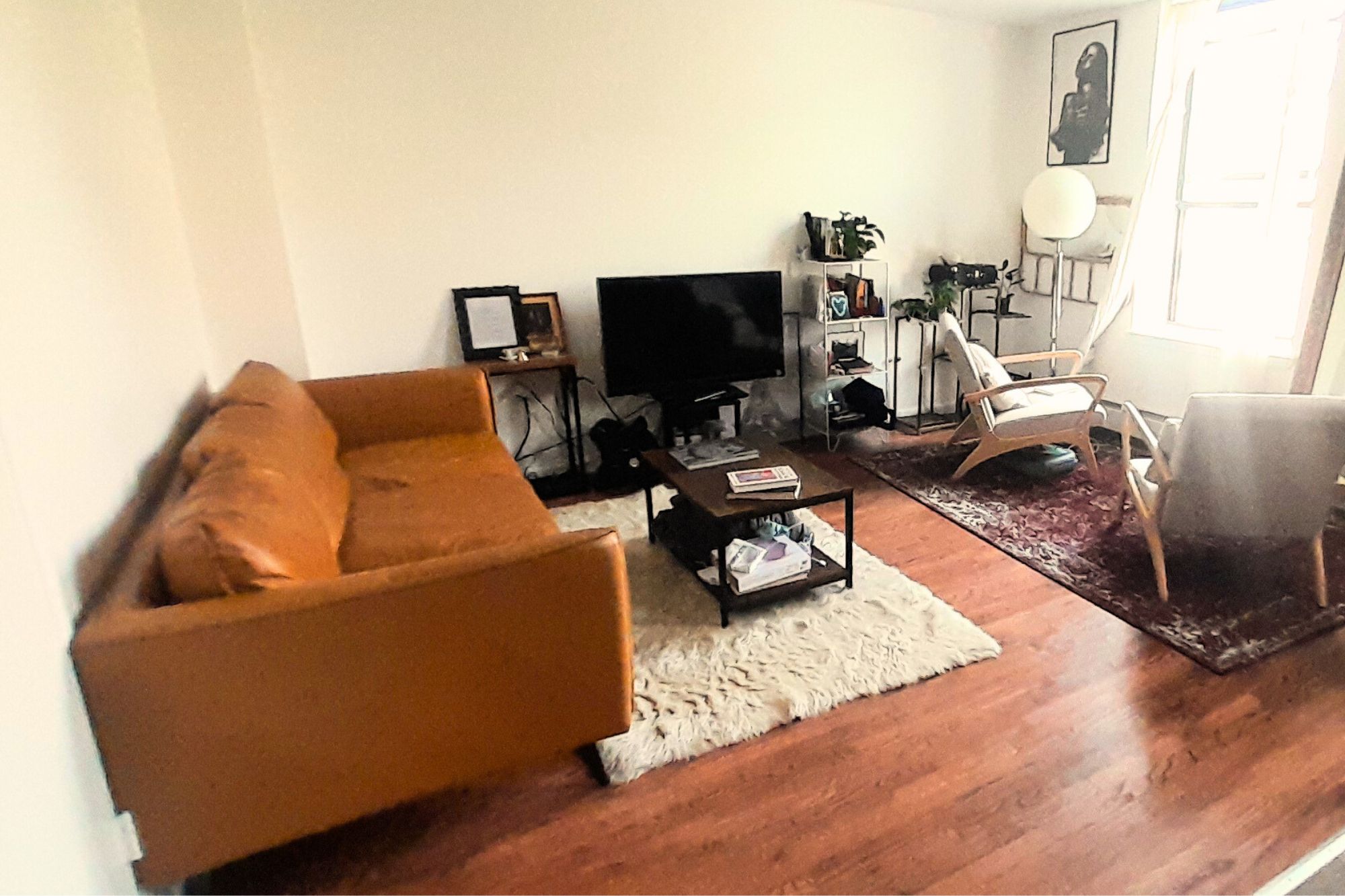
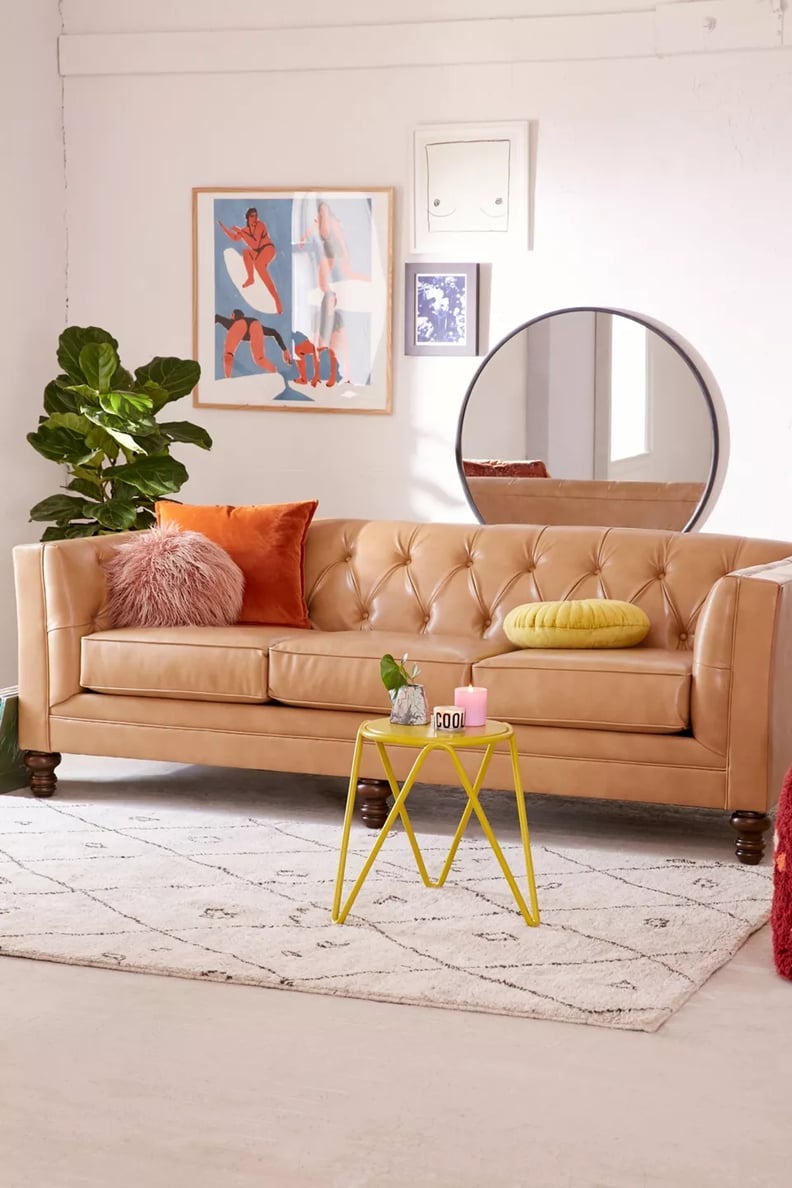
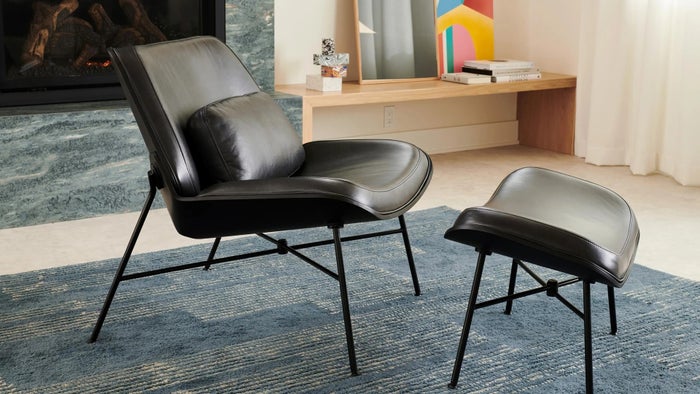
Mixing different styles and textures within the living room is crucial to avoid a monotonous look. Shona McElroy emphasizes the importance of selecting streamlined sofa shapes for a contemporary feel, contrasting them with older, bulkier designs like Chesterfield sofas. She advises against purchasing matching leather sets, suggesting that incorporating diverse living room accent chairs creates a more modern and curated space. To counteract a potentially cold or 'bachelor pad' vibe, the article recommends pairing leather sofas with plush textures such as deep-pile rugs and sheepskin throws, as demonstrated in a small living room design by Lisa Staton, where a wooden-framed leather couch balances the material's expanse.
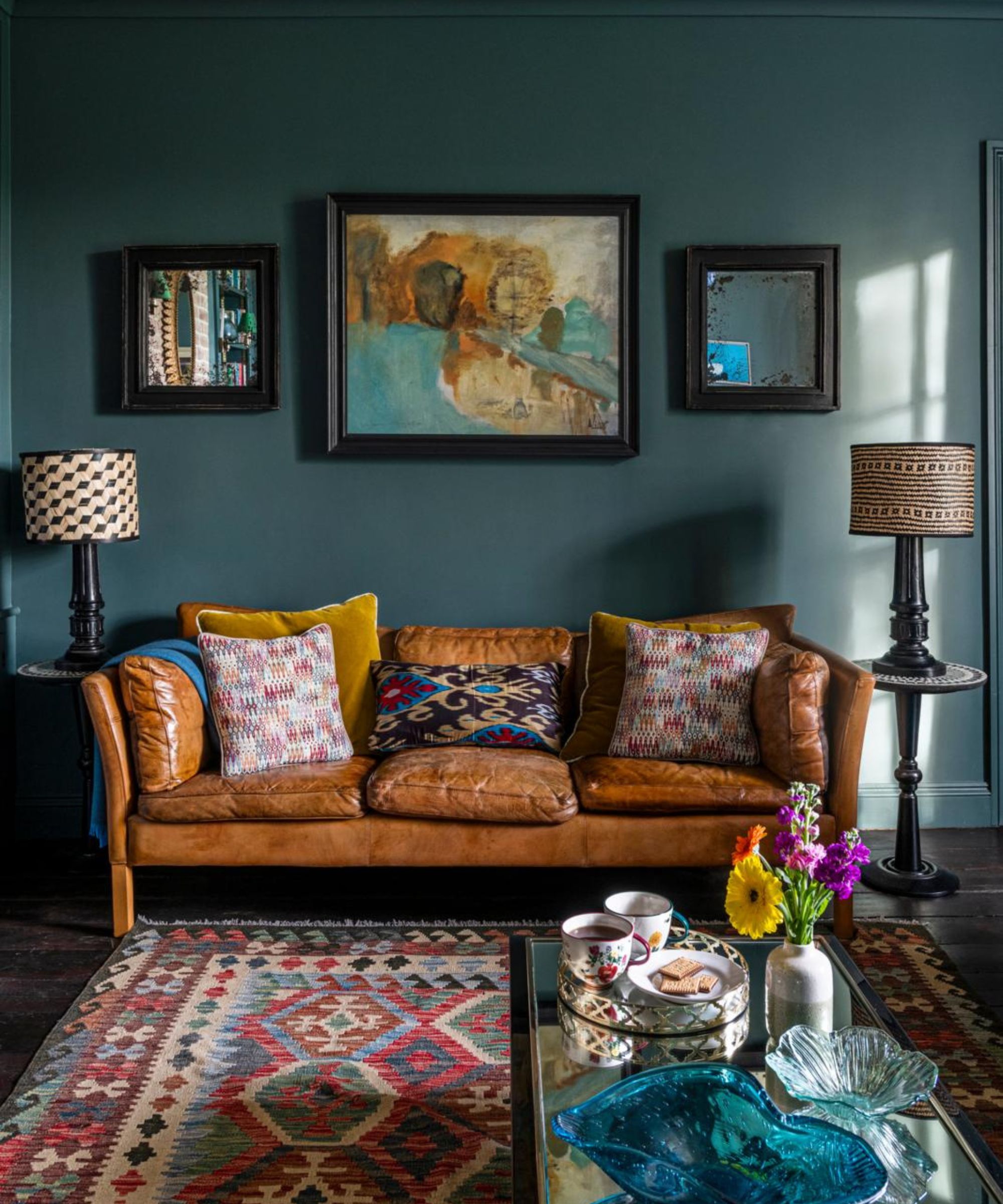
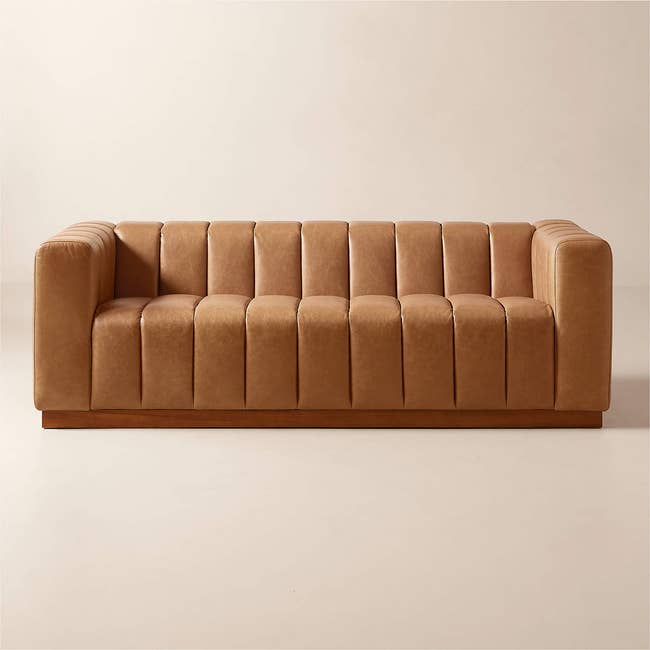
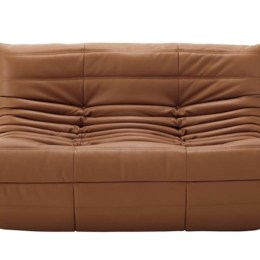
Finally, the article suggests selecting a design classic in leather, such as the Camaleonda sofa by Mario Bellini for B&B Italia, as a reliable way to incorporate leather. The tufting and unique form of this sofa showcase leather's aesthetic potential. The article concludes by offering advice on styling a leather sofa, suggesting color palettes that complement classic brown leather, including tonal neutrals, dark and dramatic hues like charcoal or deep green, and soft natural pairings like sage green and light blue, to create cohesive and inviting living room schemes.
#InteriorDesign #LeatherSofa #LivingRoomIdeas #HomeDecor #DesignTrends #MidCenturyModern #FurnitureStyling #TexturalContrast #ColorPalettes #InteriorDesign #LeatherSofa #LivingRoomIdeas #HomeDecor #DesignTrends #MidCenturyModern #FurnitureStyling #TexturalContrast #ColorPalettes
0 comment in total
 No comments yet
You may also like
Are leather couches still in style? Interior designers weigh in

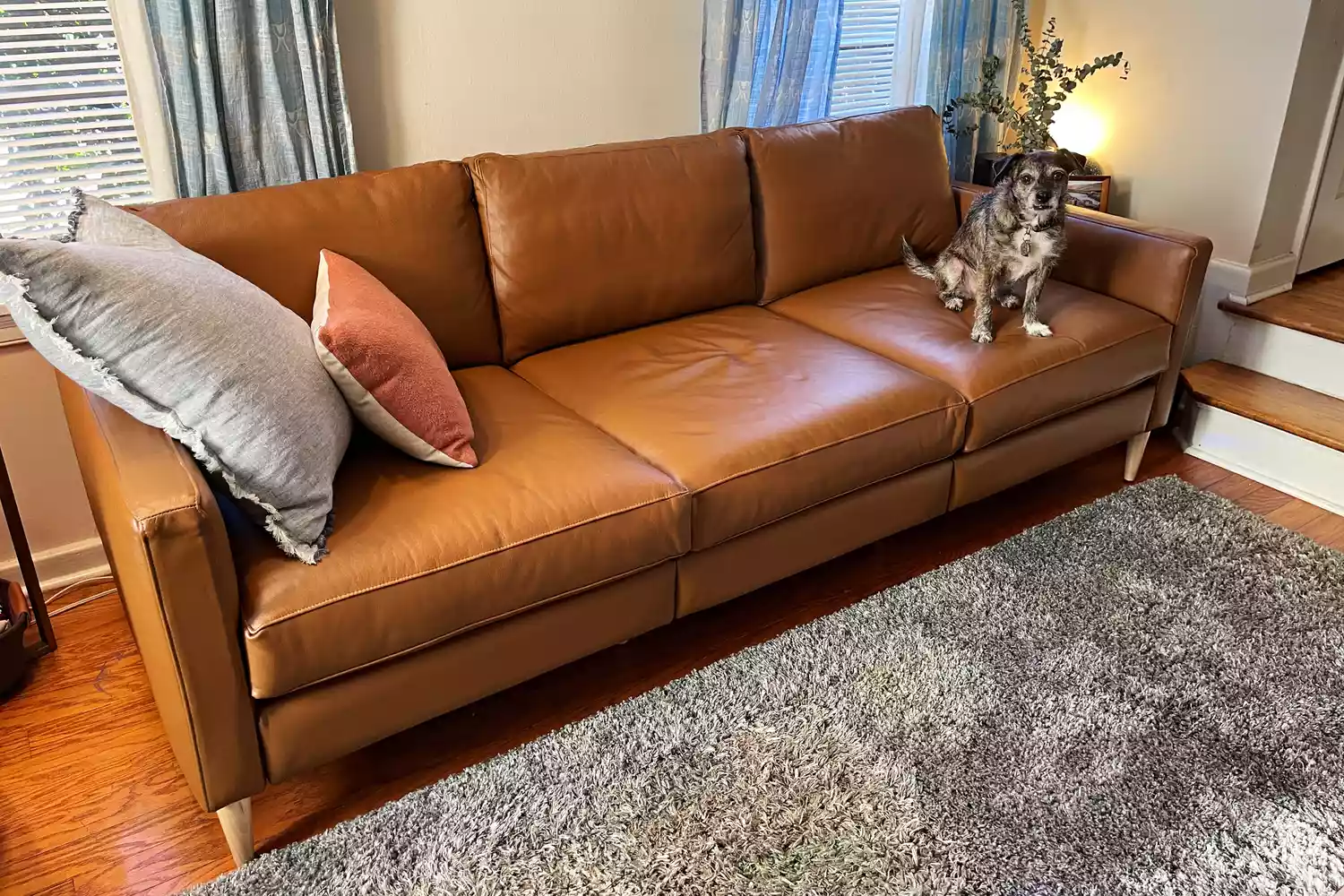
We Tested These Timeless Leather Sofas for Two Years—Level Up Your Living Room With Our Favorites

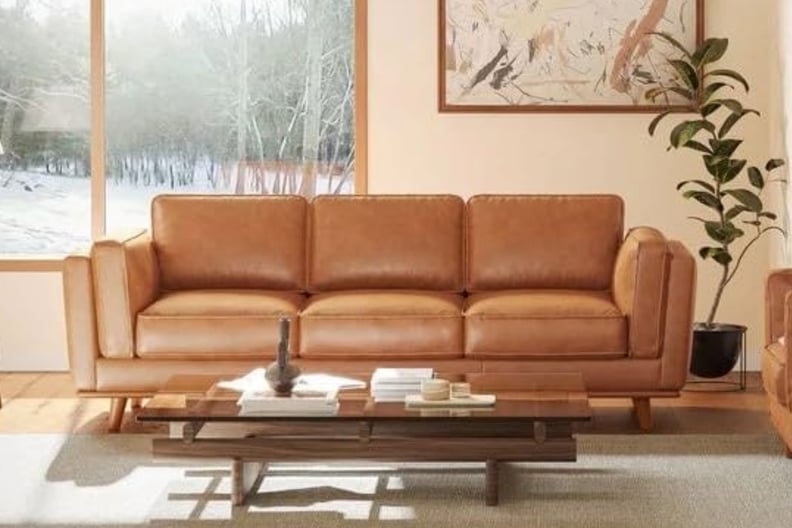
15 Leather Couches That Will Make Over Your Living Room
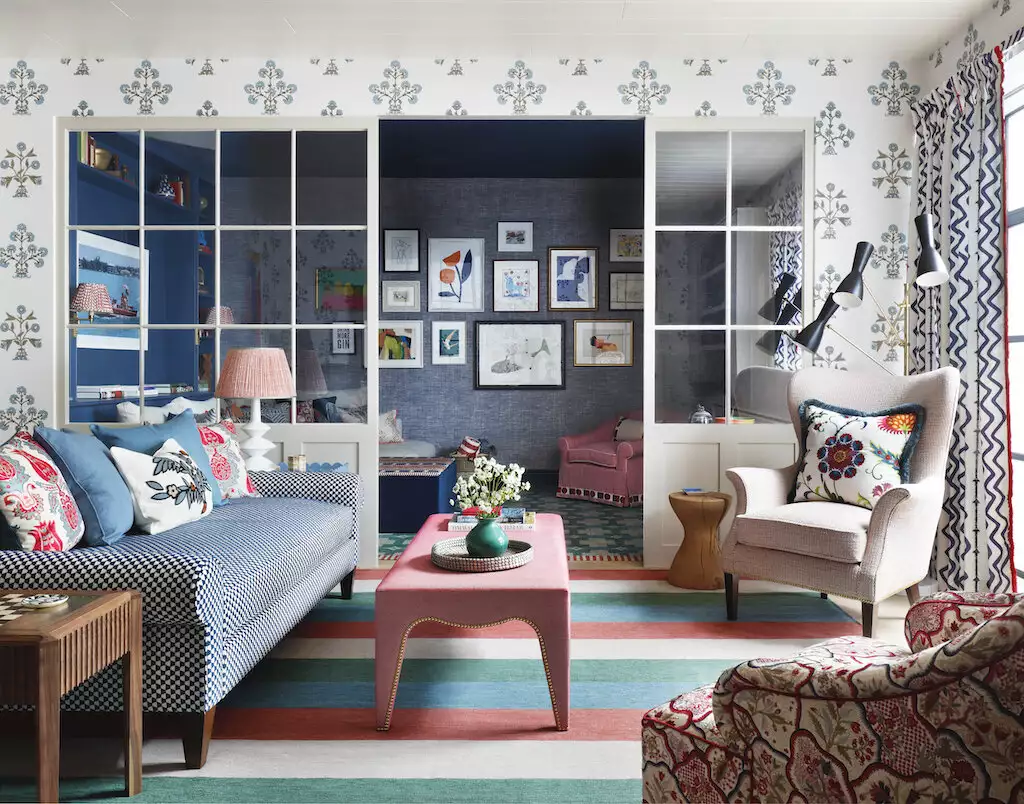
38 Living Room Couch Ideas Perfect for Every Design Style
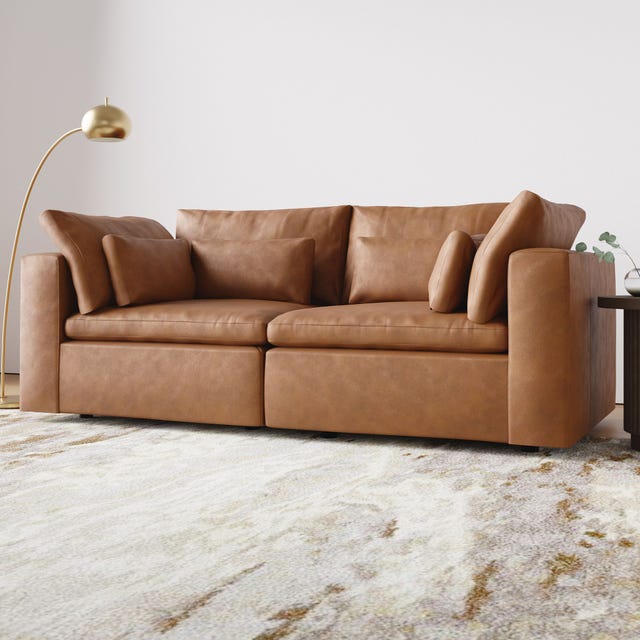
Leather Couches Have Come a Long Way — Shop Our Home Editors' Favorites

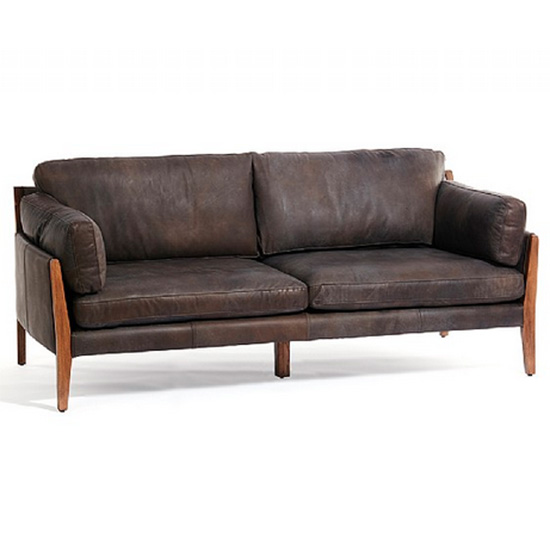
Leather Sofas – Our Pick of the Best
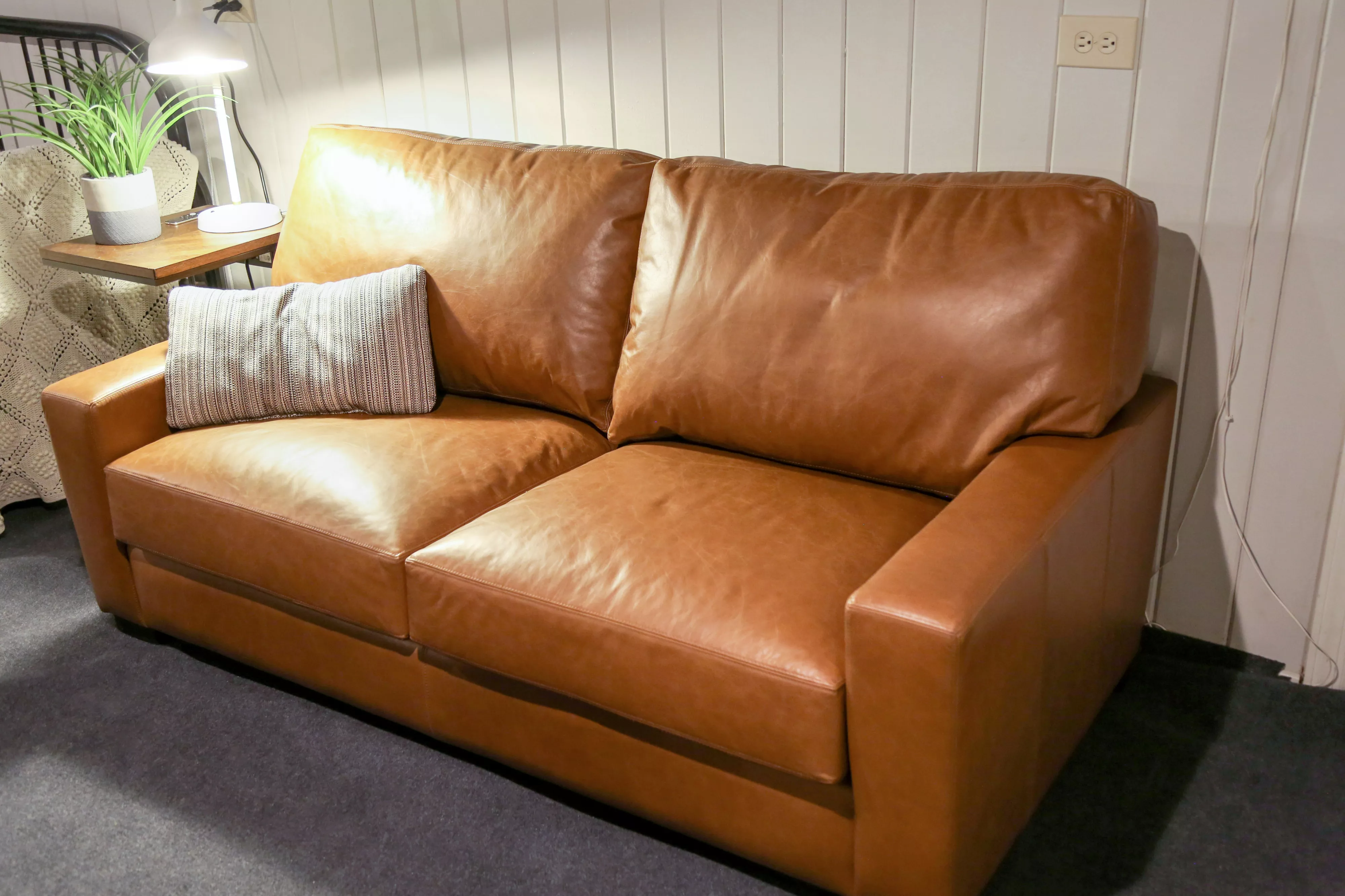
The 6 Best Leather Couches for Every Style—Tested by BHG

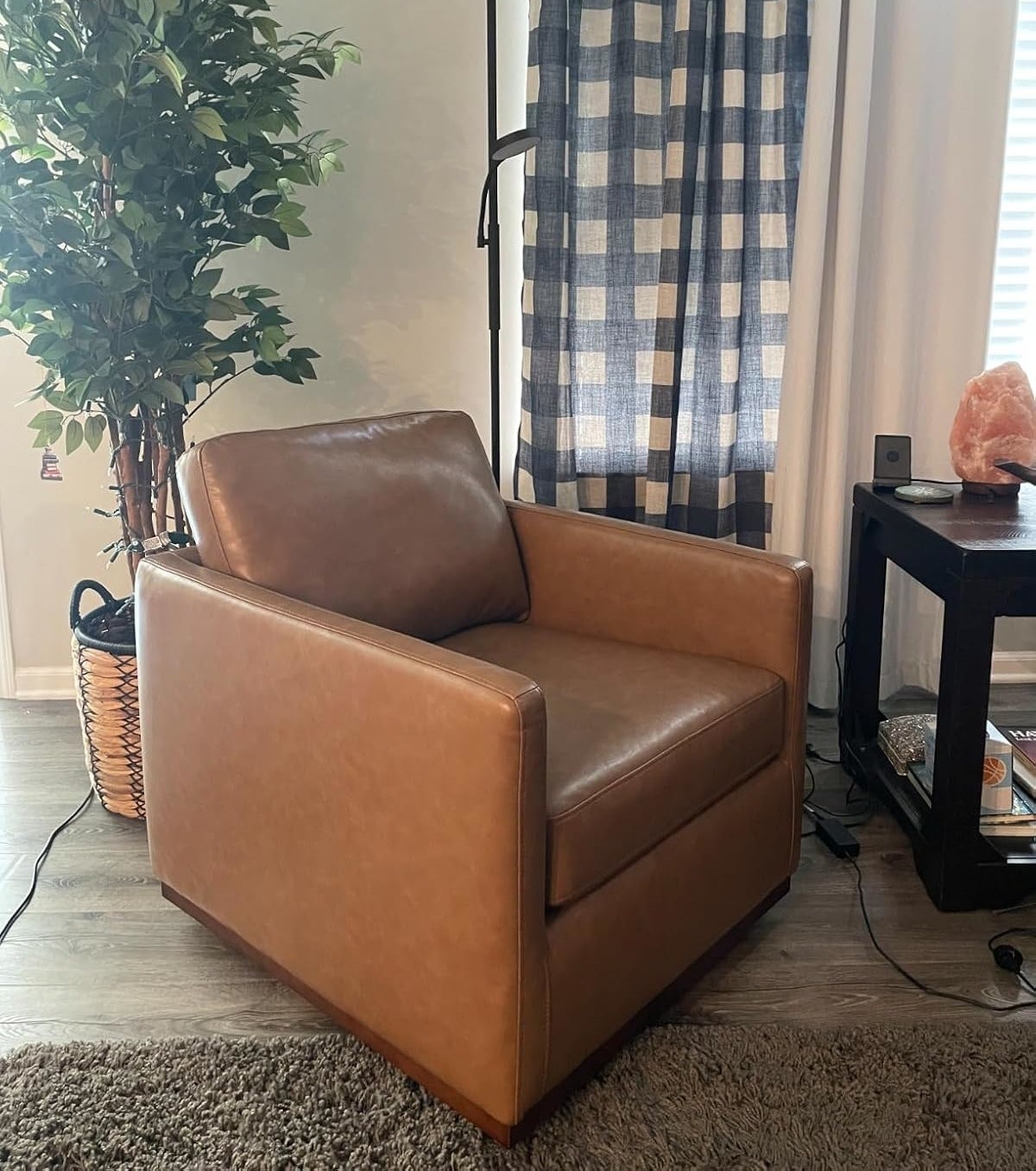
35 Stunning Leather Chairs That Make Interior Designers Wonder Why They Didn't Think Of That
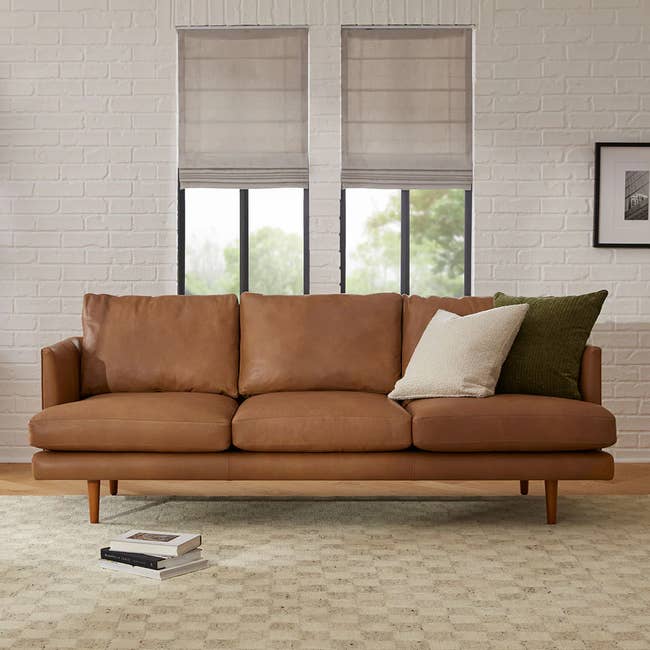
38 Comfy Leather Couches That’ll Elevate Your Space

28 Insanely Chic Leather Sofa Living Room Ideas That Feel High-End Without the Fuss
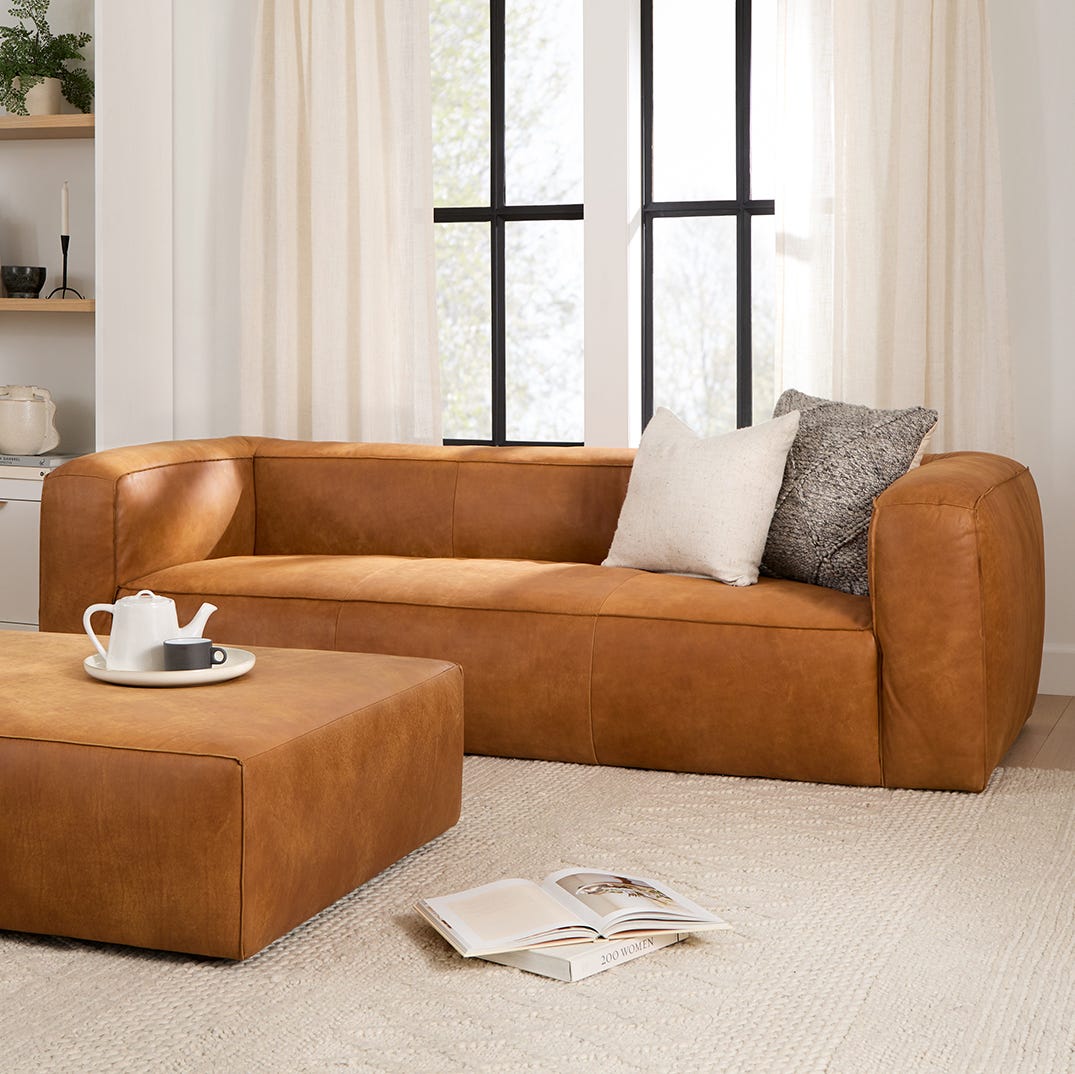
Whew, These 10 Leather Couches Are Serving Main Character Energy
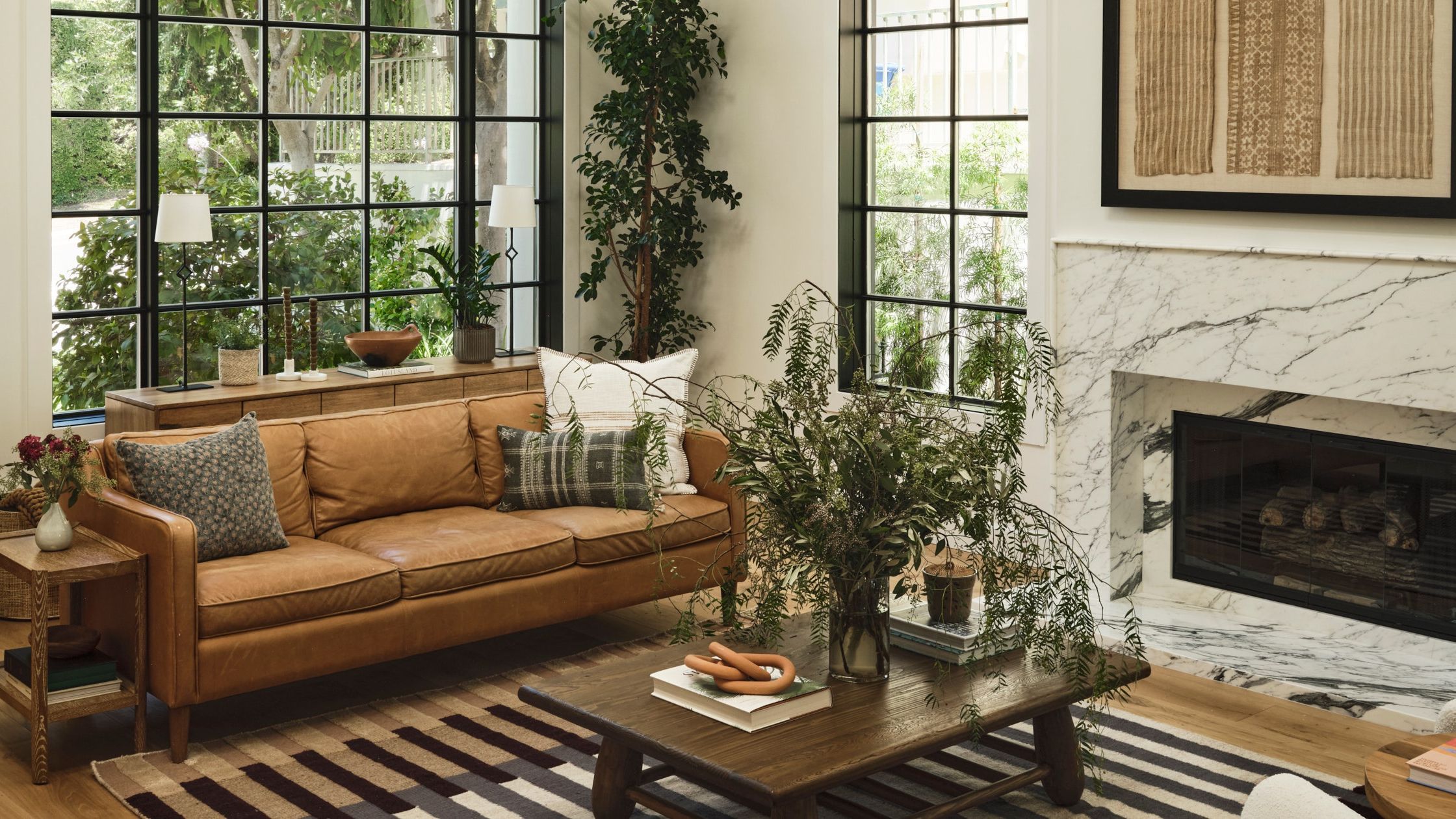
The Best Leather Sofas Go Way Beyond Bachelor Pad Aesthetics

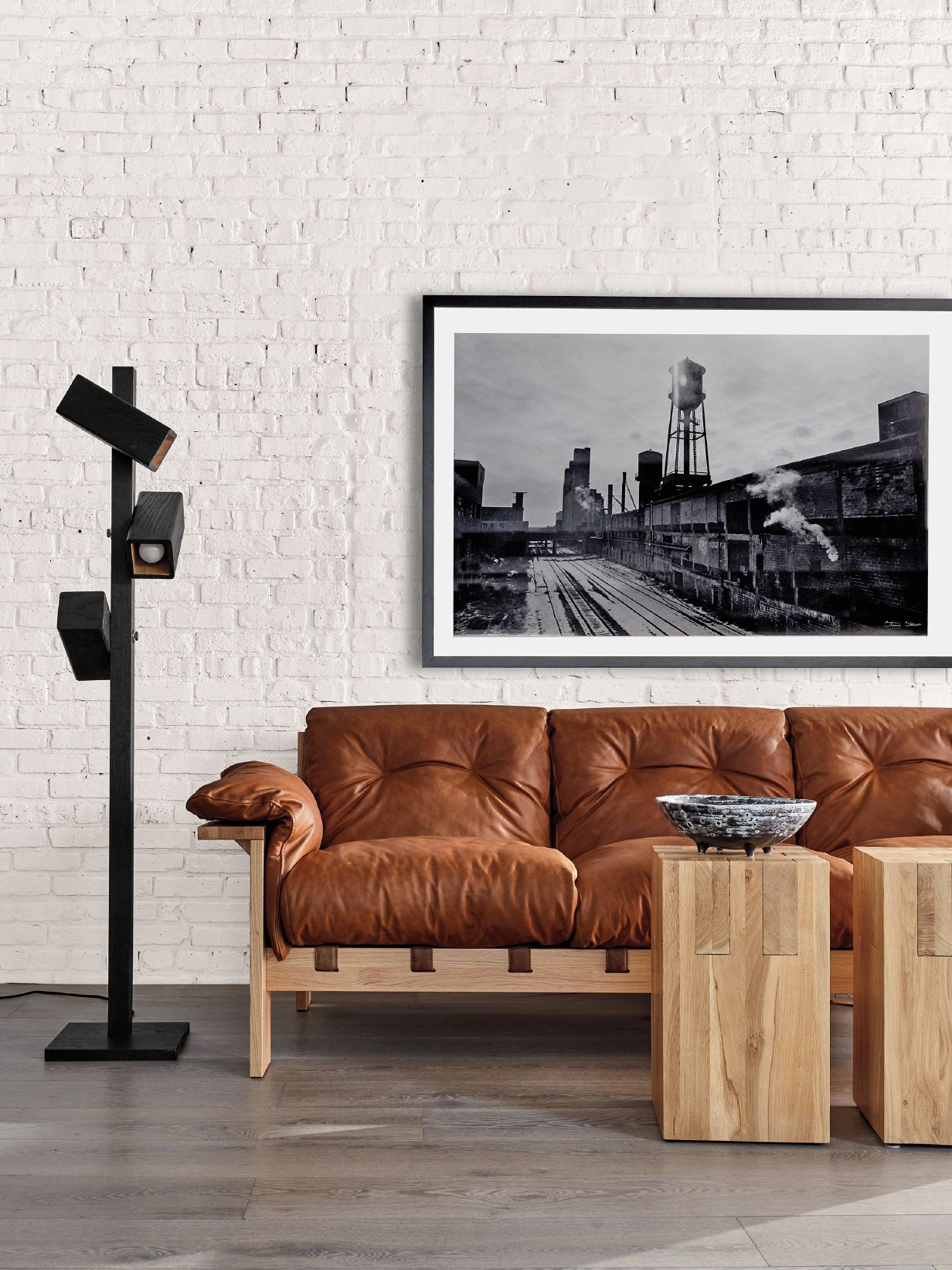
Leather Sofas That Won’t Make It Look Like You Live in a Brooklyn Bachelor Pad
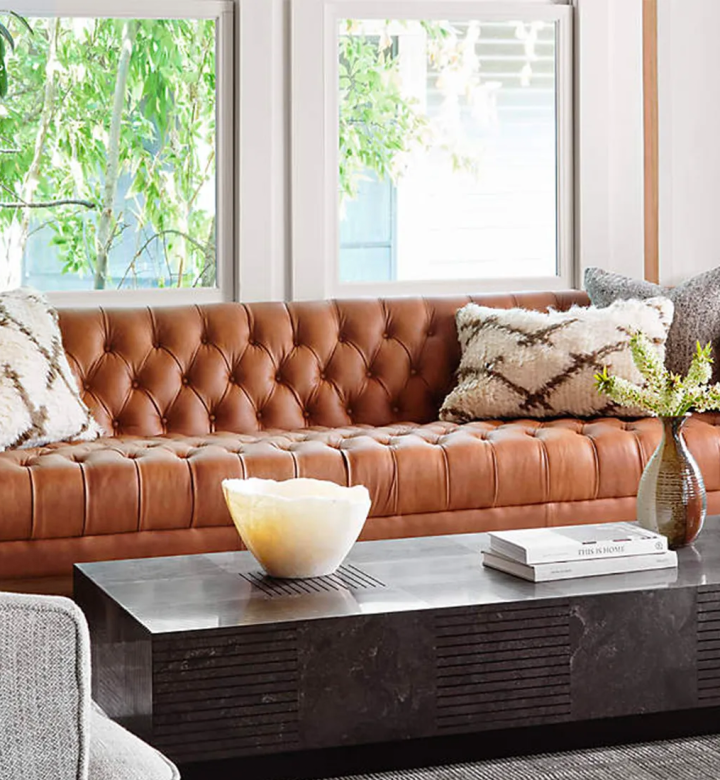
The Best Leather Sofas of 2025, Vetted by a Home Editor
I Test Sofas for a Living — These Are the 11 Best Leather Models for Every Space

30 Stunning Leather Chairs That Make Interior Designers Wonder Why They Didn't Think Of That
10 Timeless Leather Sofas That Offer Both Comfort and Class
The best leather couches for your living room in 2025
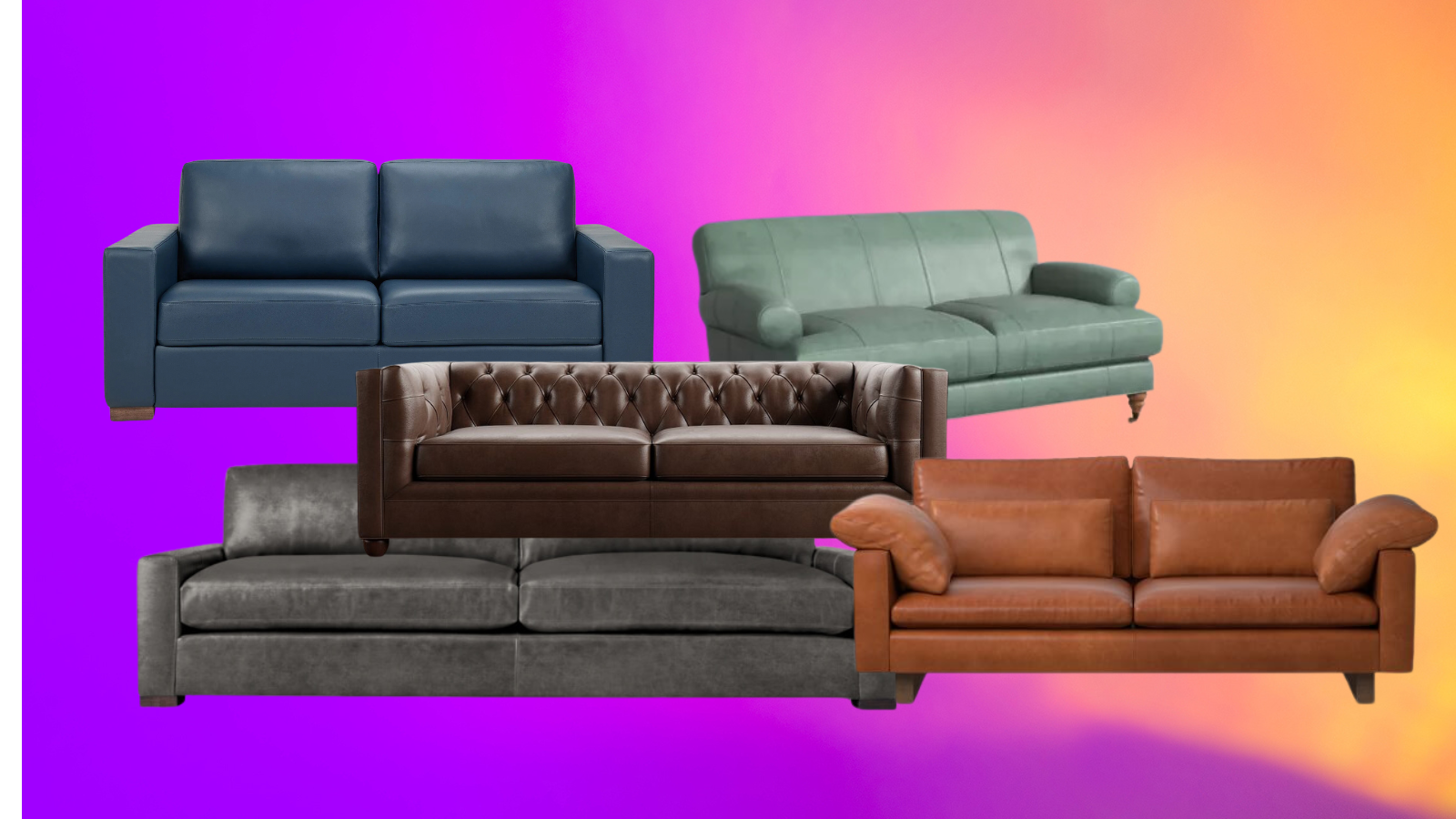
Smooth, Supple, and Stylish — The Best Leather Sofas That Get Editor Points for Both Looks and Construction

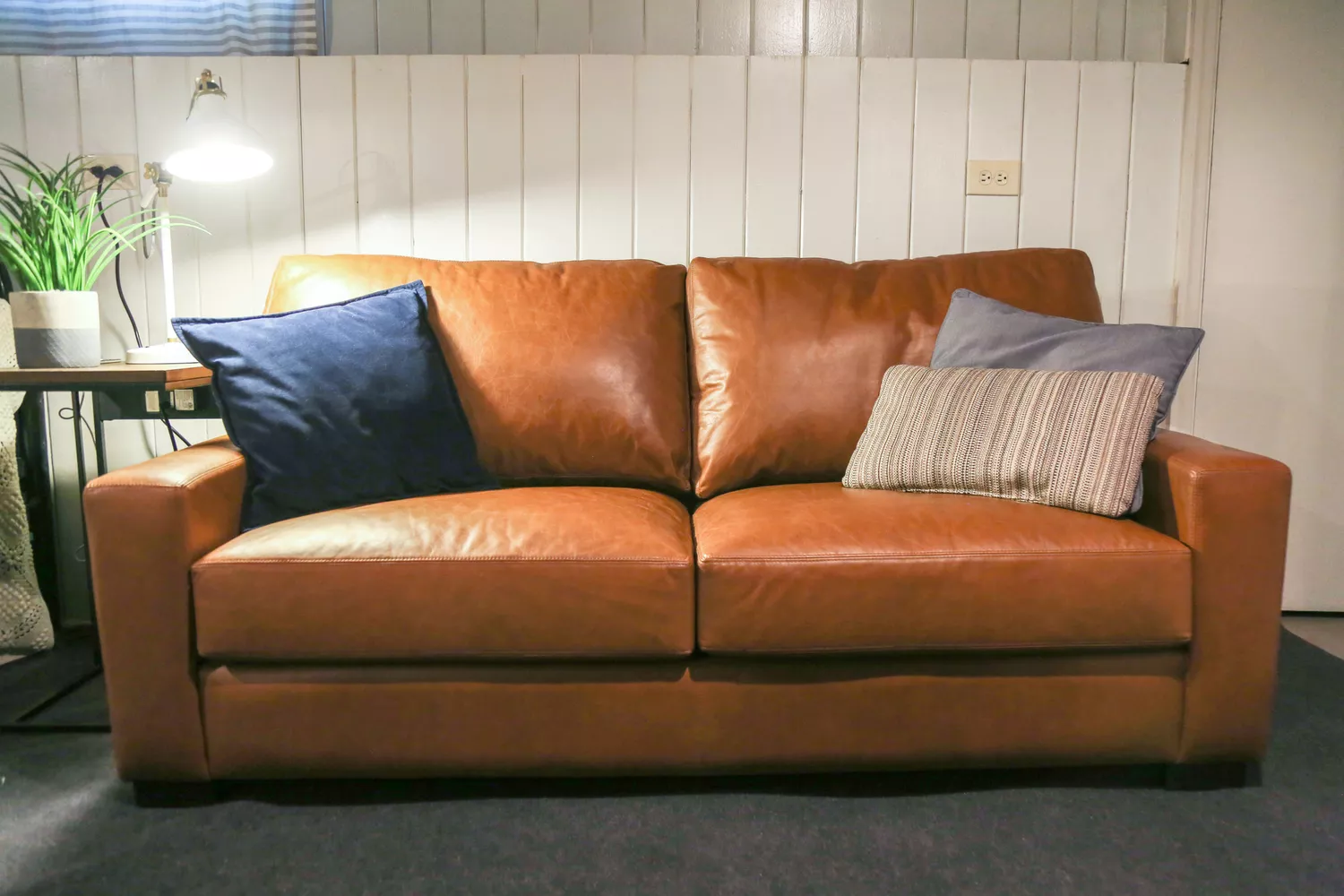
Looking for the Perfect Leather Sofa for Your Space? We Bet It's on Our List of the Best 17