1/9
8 Best Outdoor Lighting Options for 2025
Outdoor lighting significantly enhances a home's aesthetic appeal, warmth, and safety. There are numerous outdoor lighting options, each with distinct benefits and suitable applications. Key considerations when selecting outdoor lighting include the specific area to be illuminated, the primary purpose (e.g., security, decor, landscaping), and the budget. Before purchasing, it is crucial to verify that the lighting is certified for outdoor use, typically indicated by a UL Listing or ETL Listed Mark, which confirms safety testing by Underwriter Laboratories or Electrical Testing Laboratories, respectively. These certifications classify lights as safe for dry, damp, or wet locations.
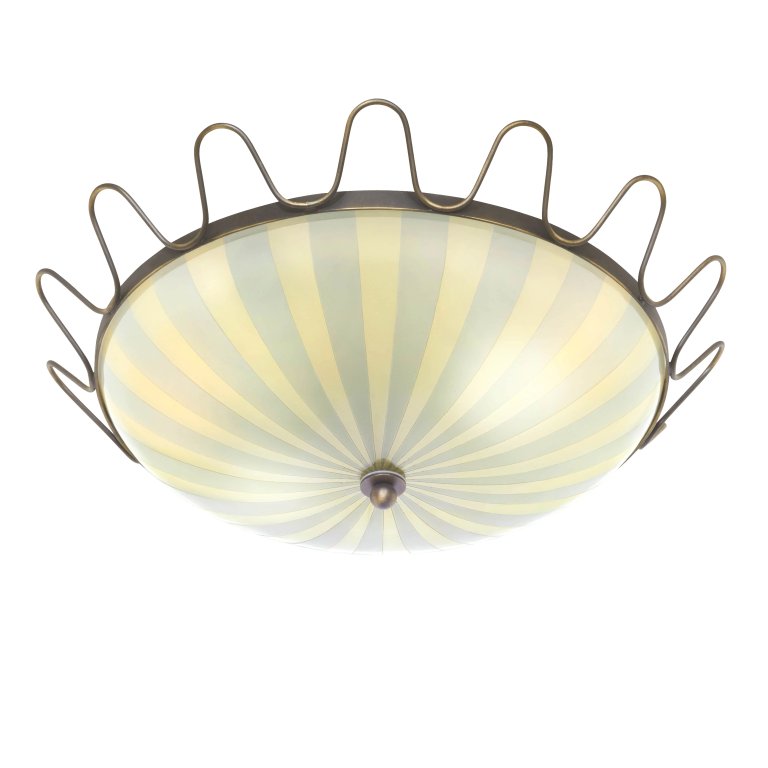
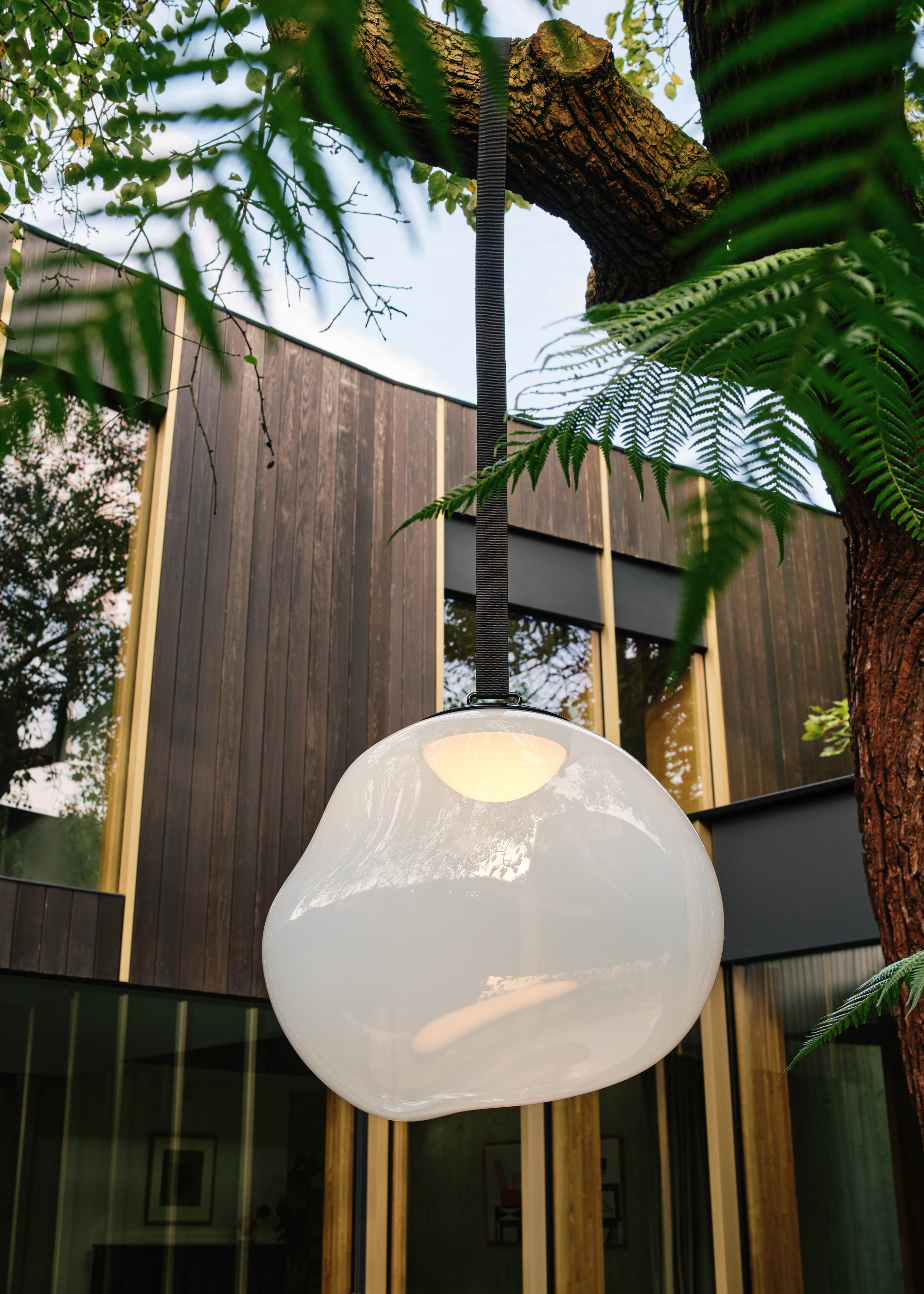
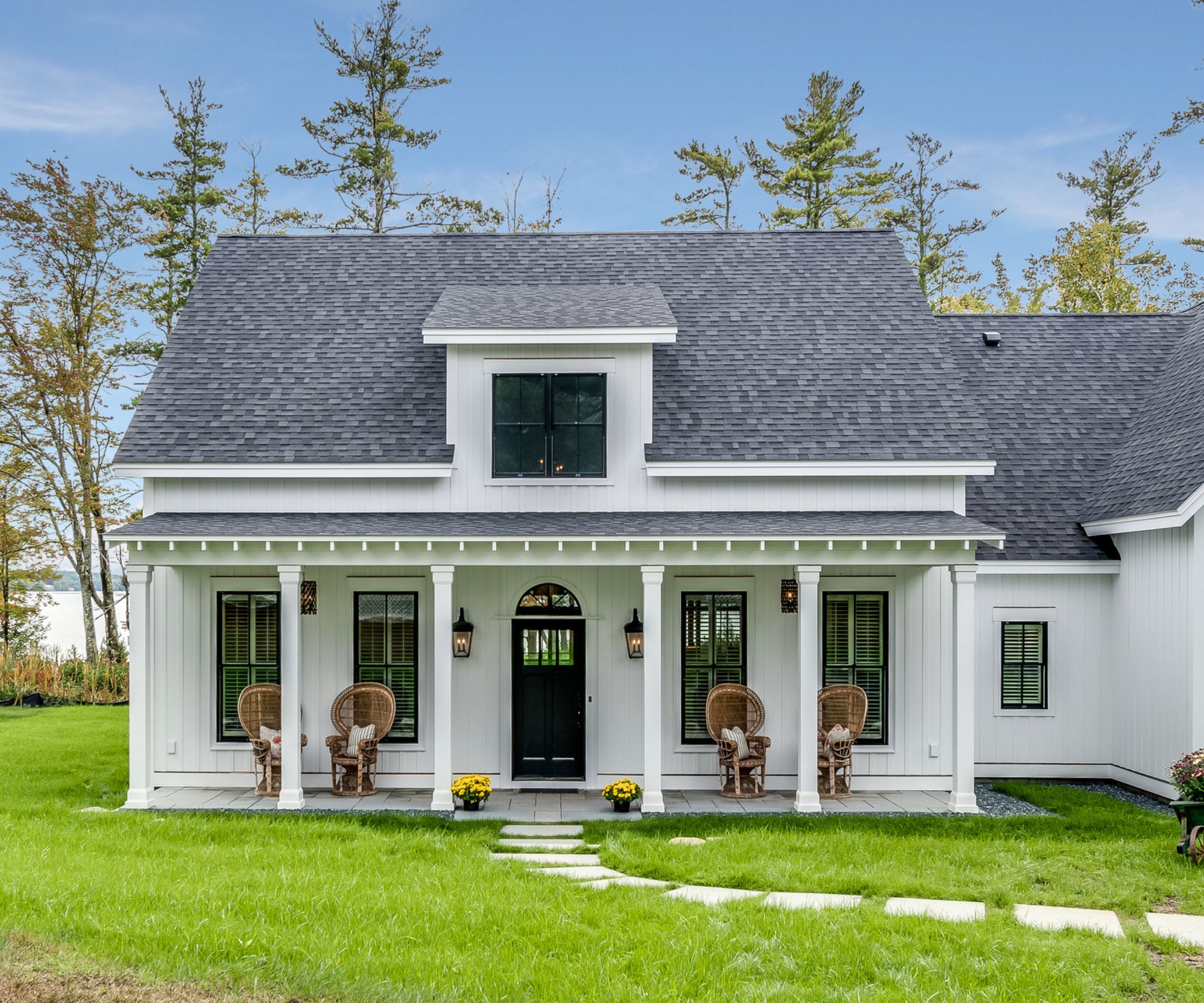
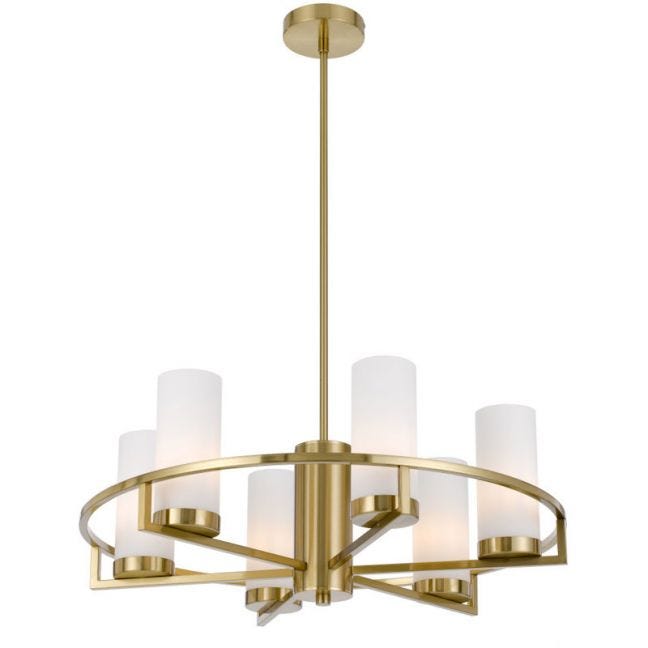
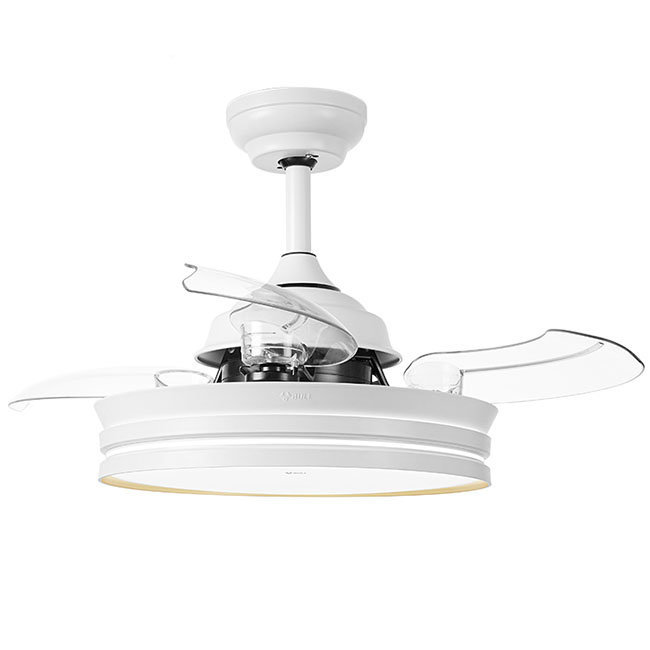
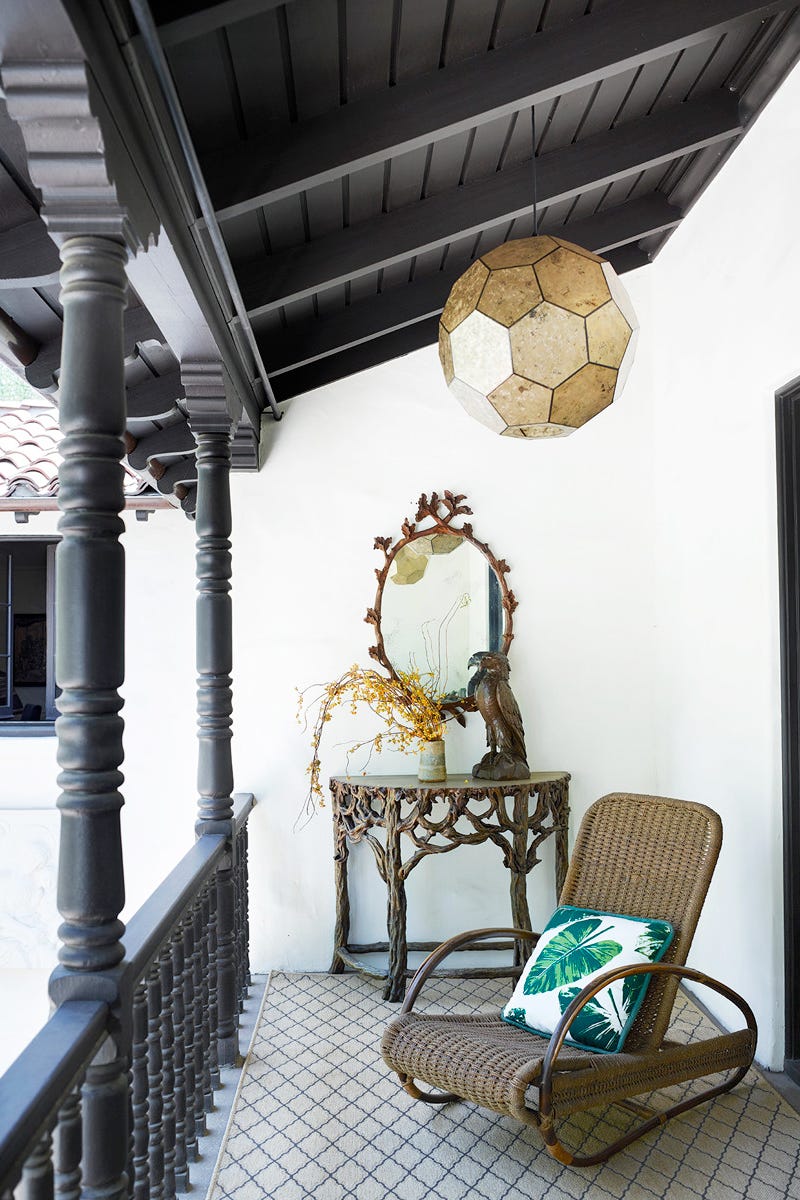
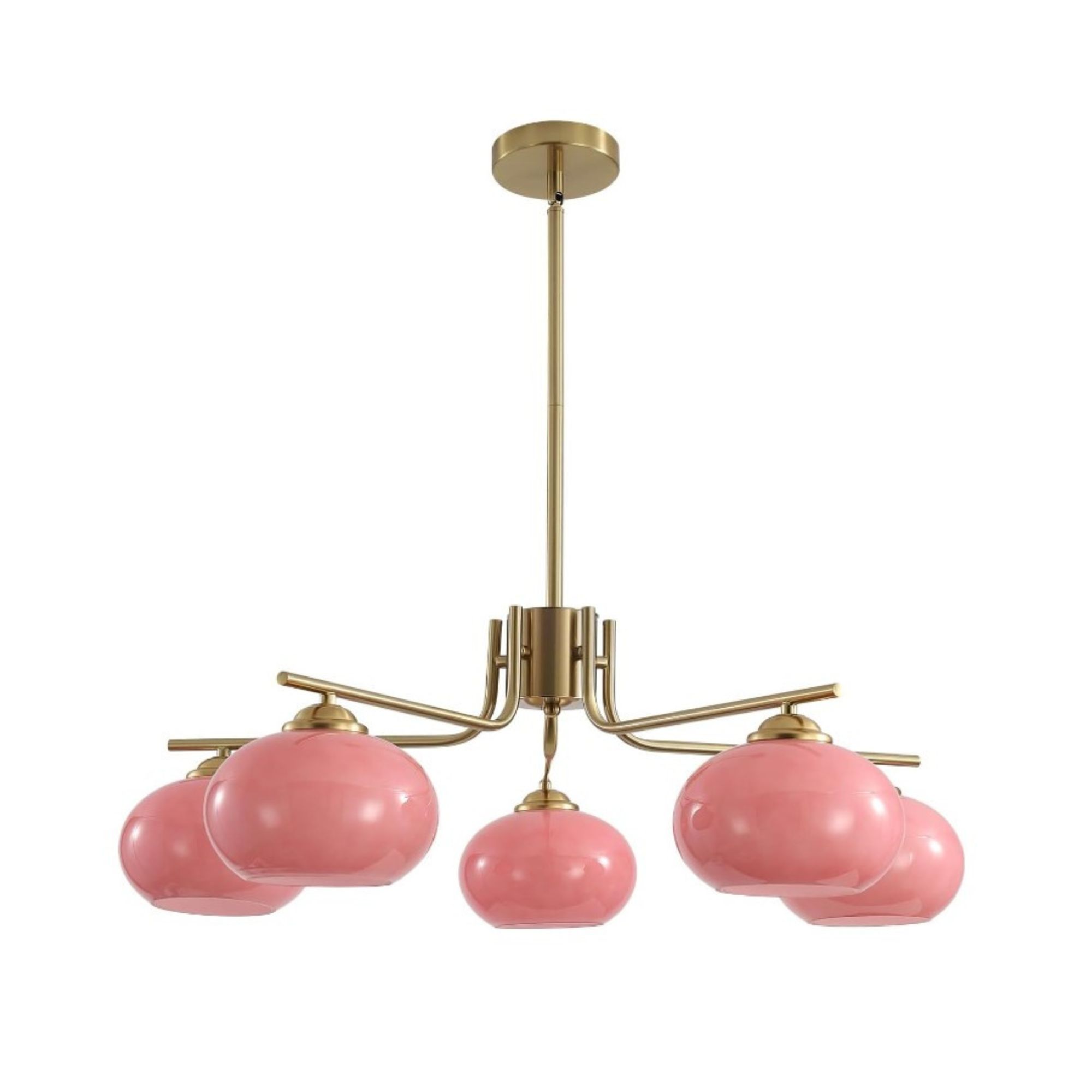
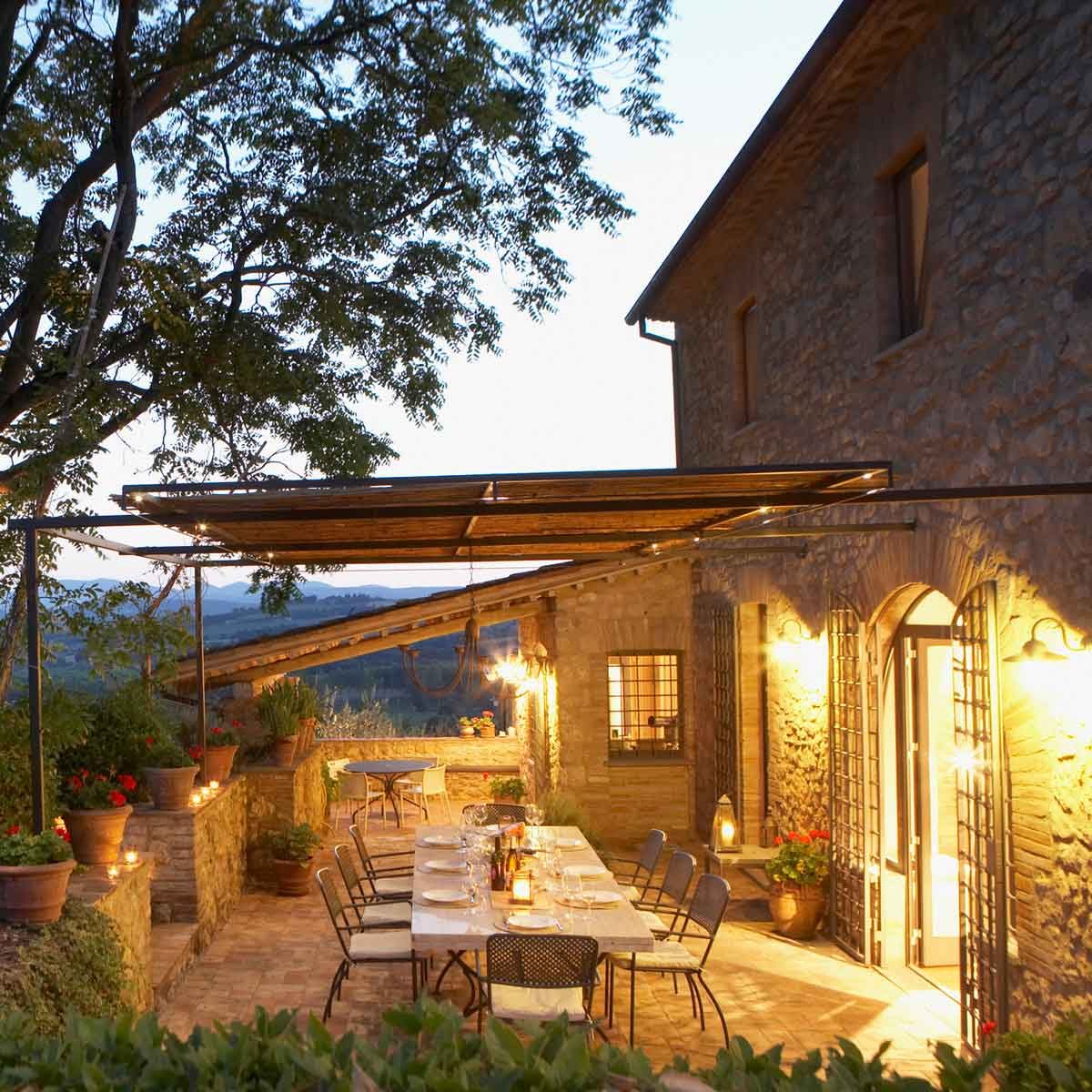
Ceiling-mount lighting is a popular choice for covered outdoor areas like porches, offering general illumination and decorative elements. Options range from flush-mount styles for lower ceilings to elaborate hanging pendants, catering to various tastes and spatial requirements. A potential drawback is the need for hardwiring, which might involve extending electrical power to the ceiling.
Floodlights are designed to emit a broad, high-intensity beam, providing excellent visibility and enhancing security by deterring intruders, who are less likely to target well-lit properties. They are commonly installed in driveways and backyards. While cost-effective for security, floodlights often require hardwiring into the home's electrical system.
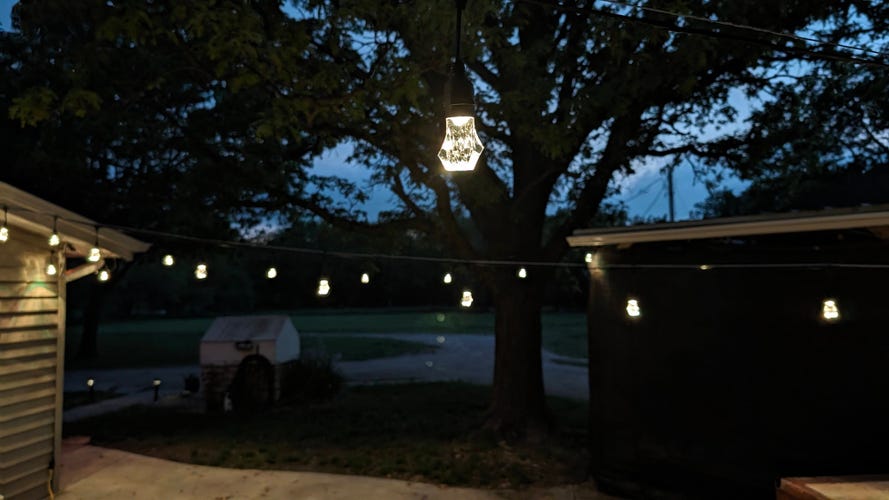
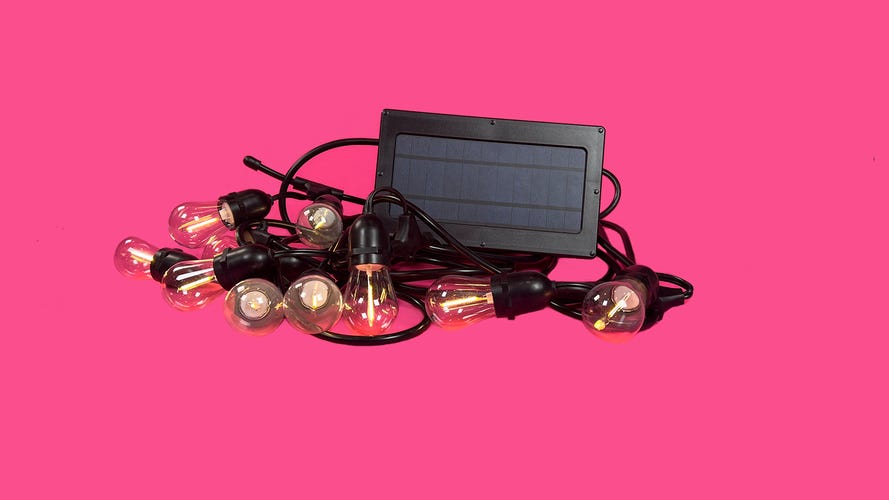
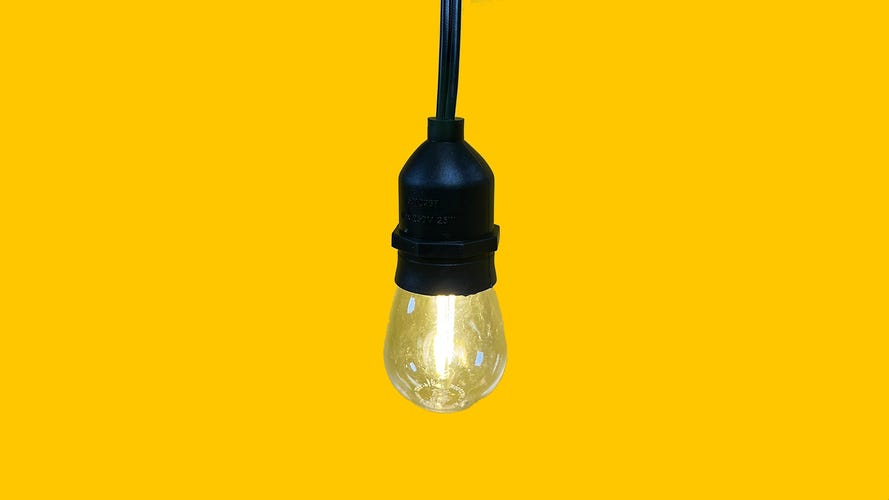
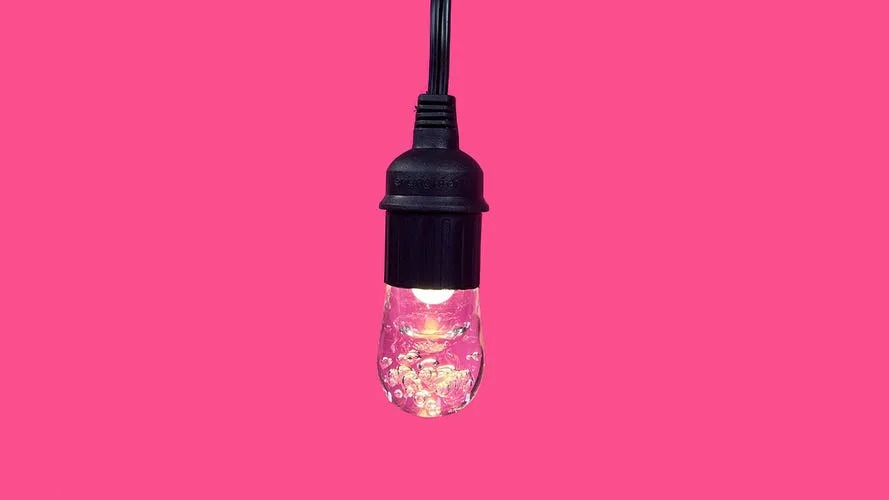
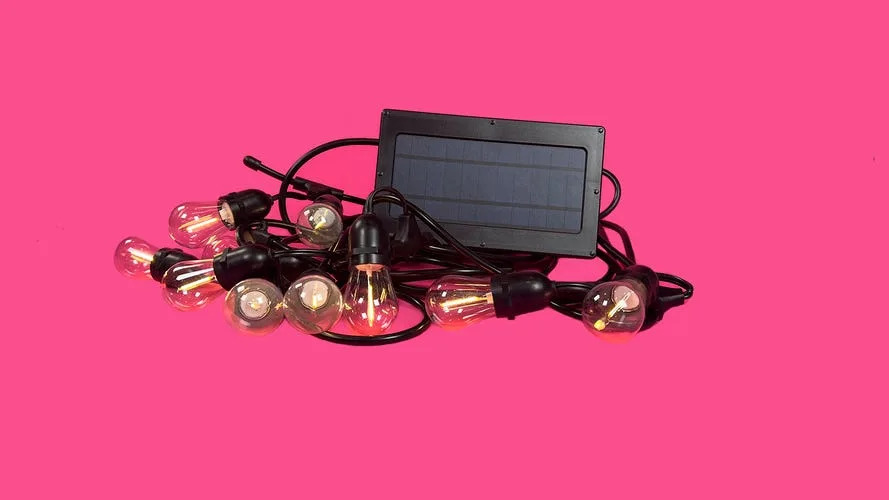
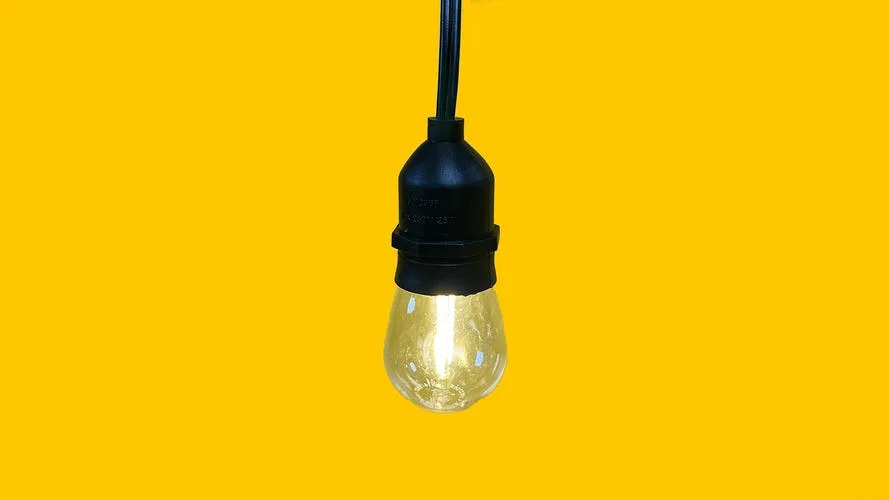
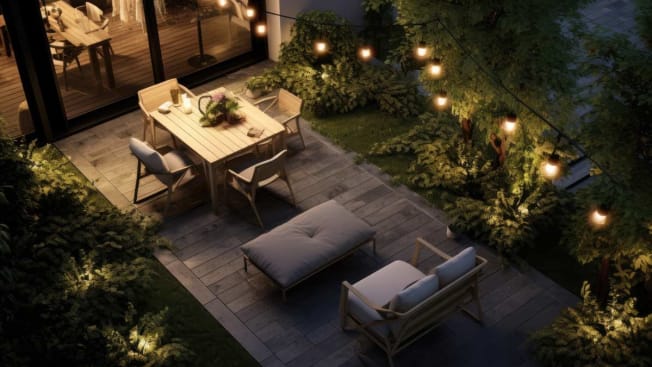
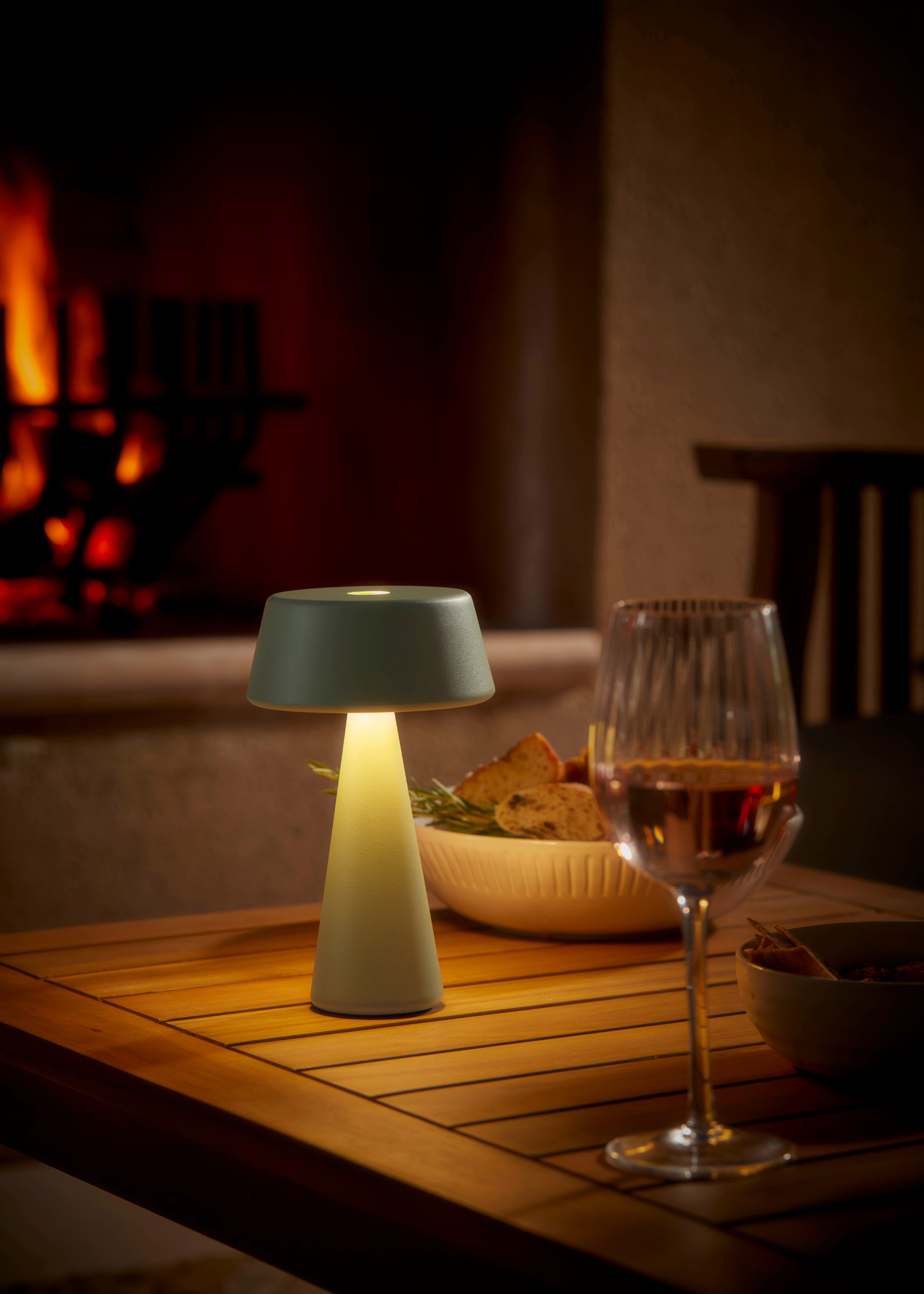
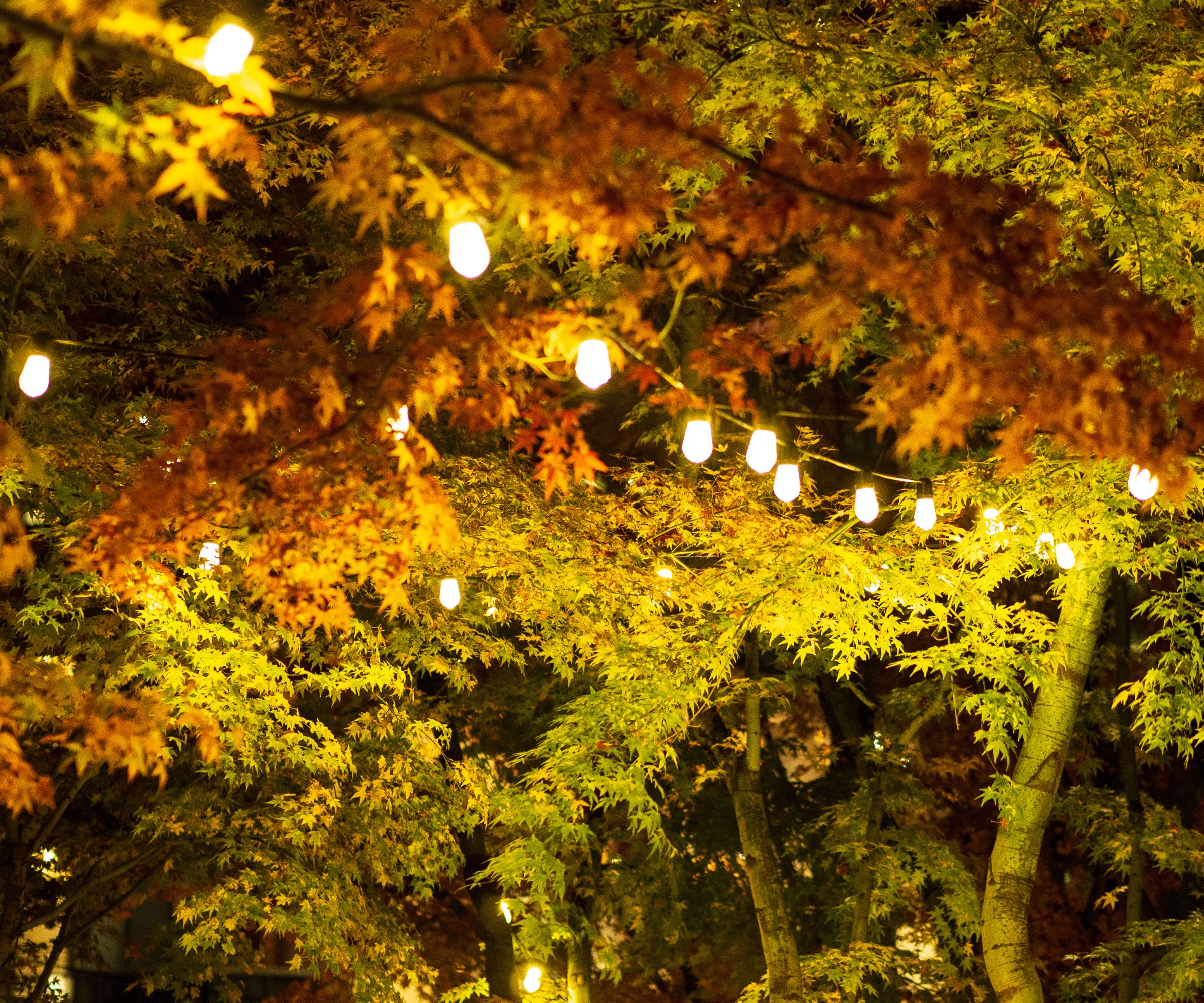
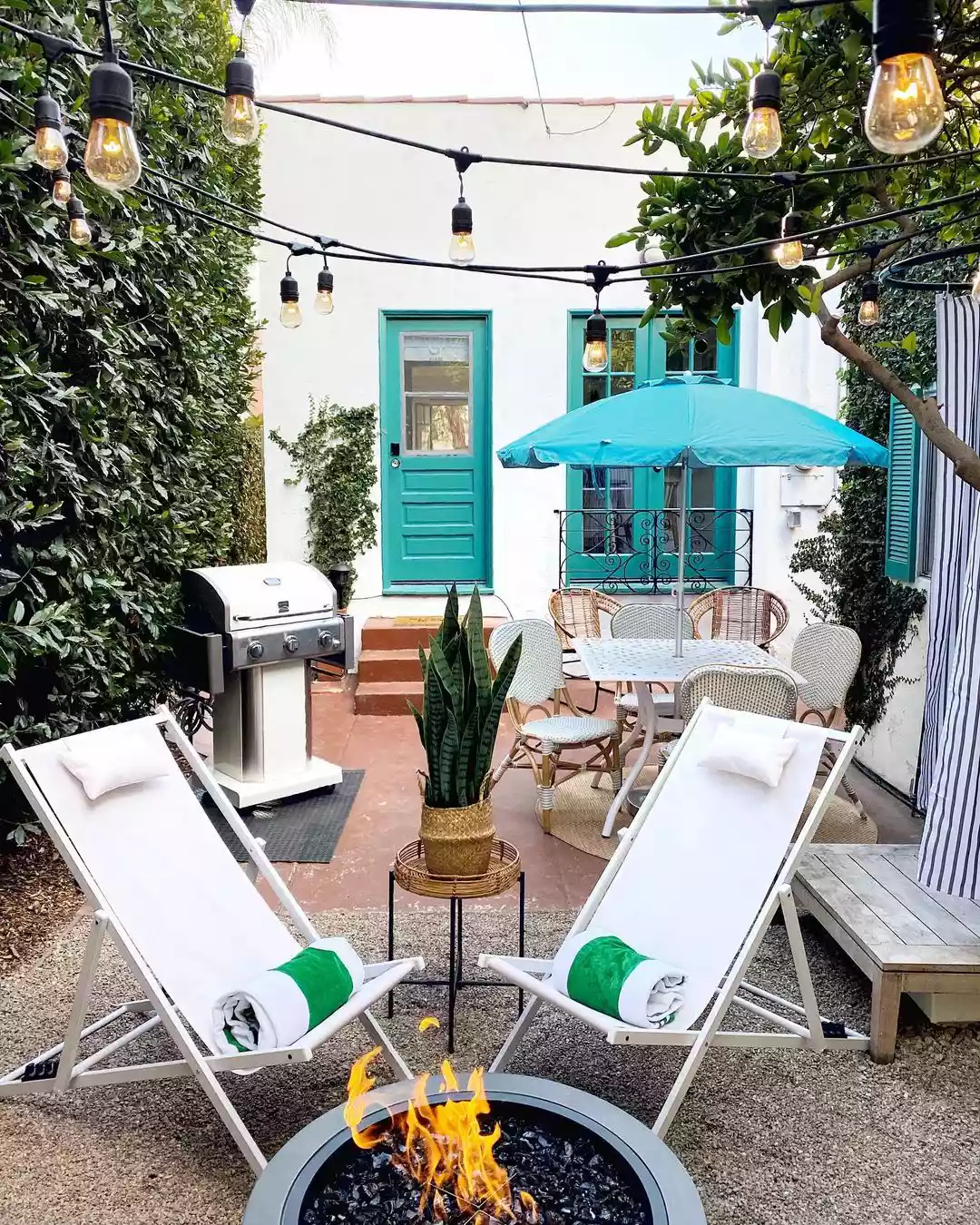
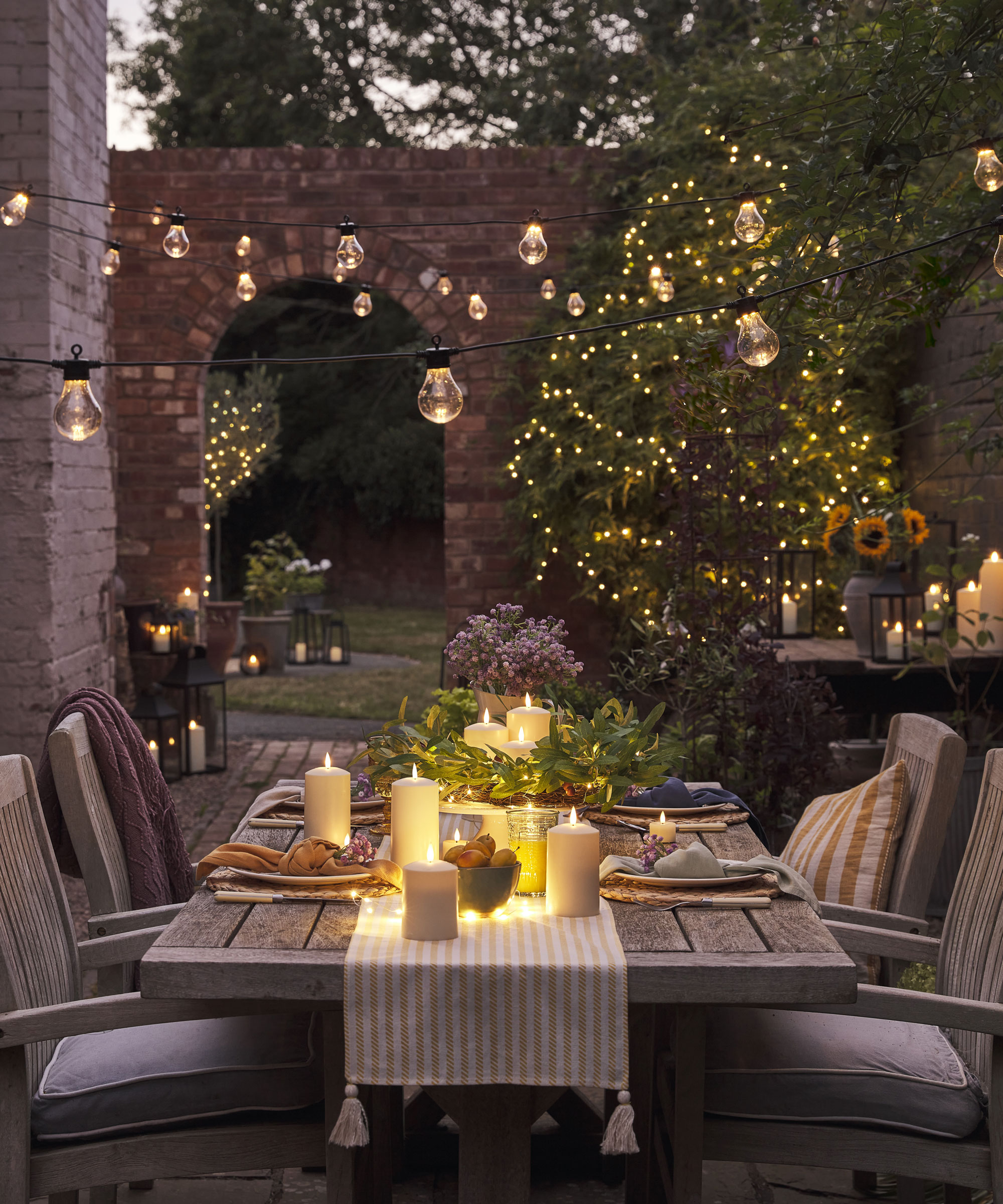
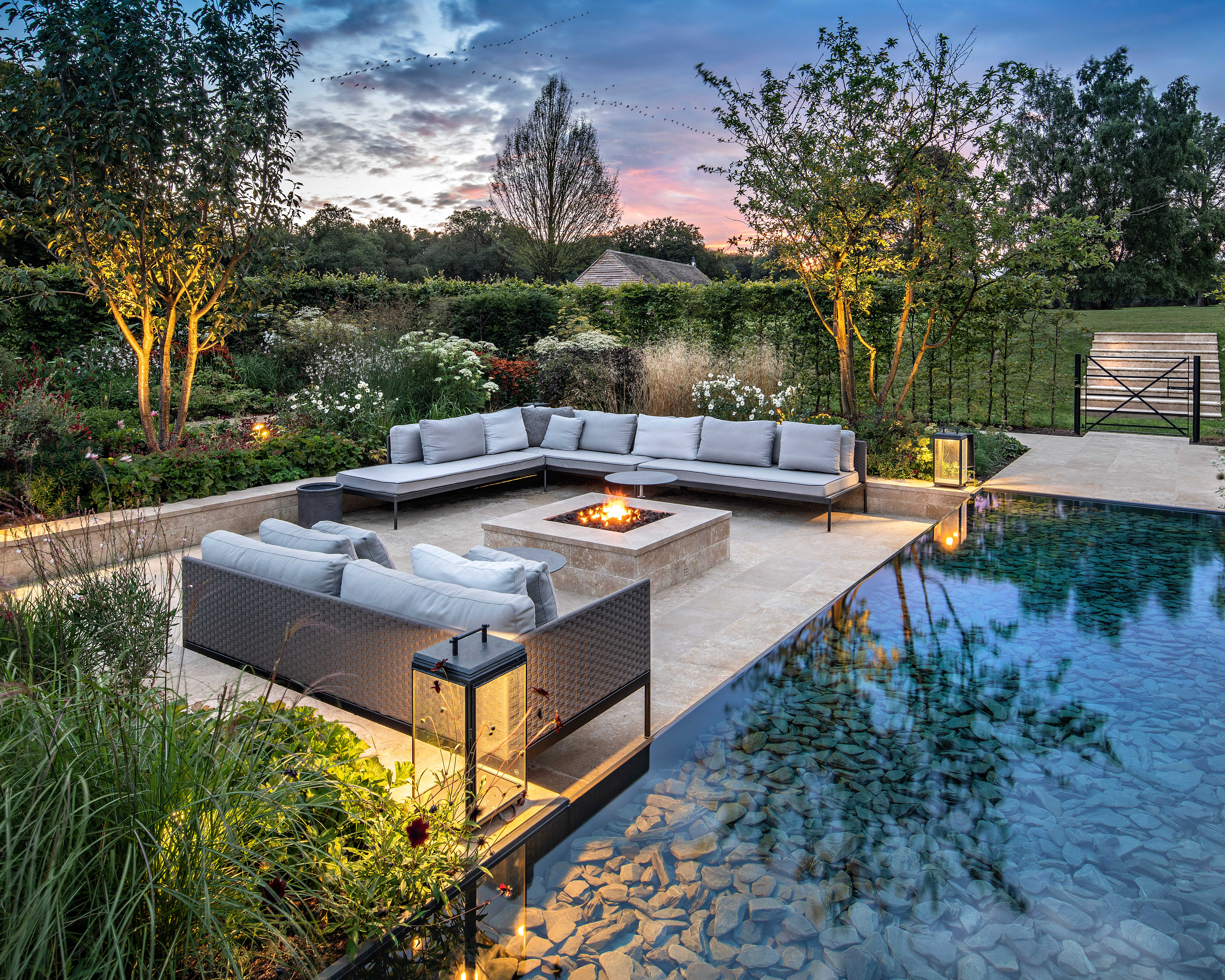
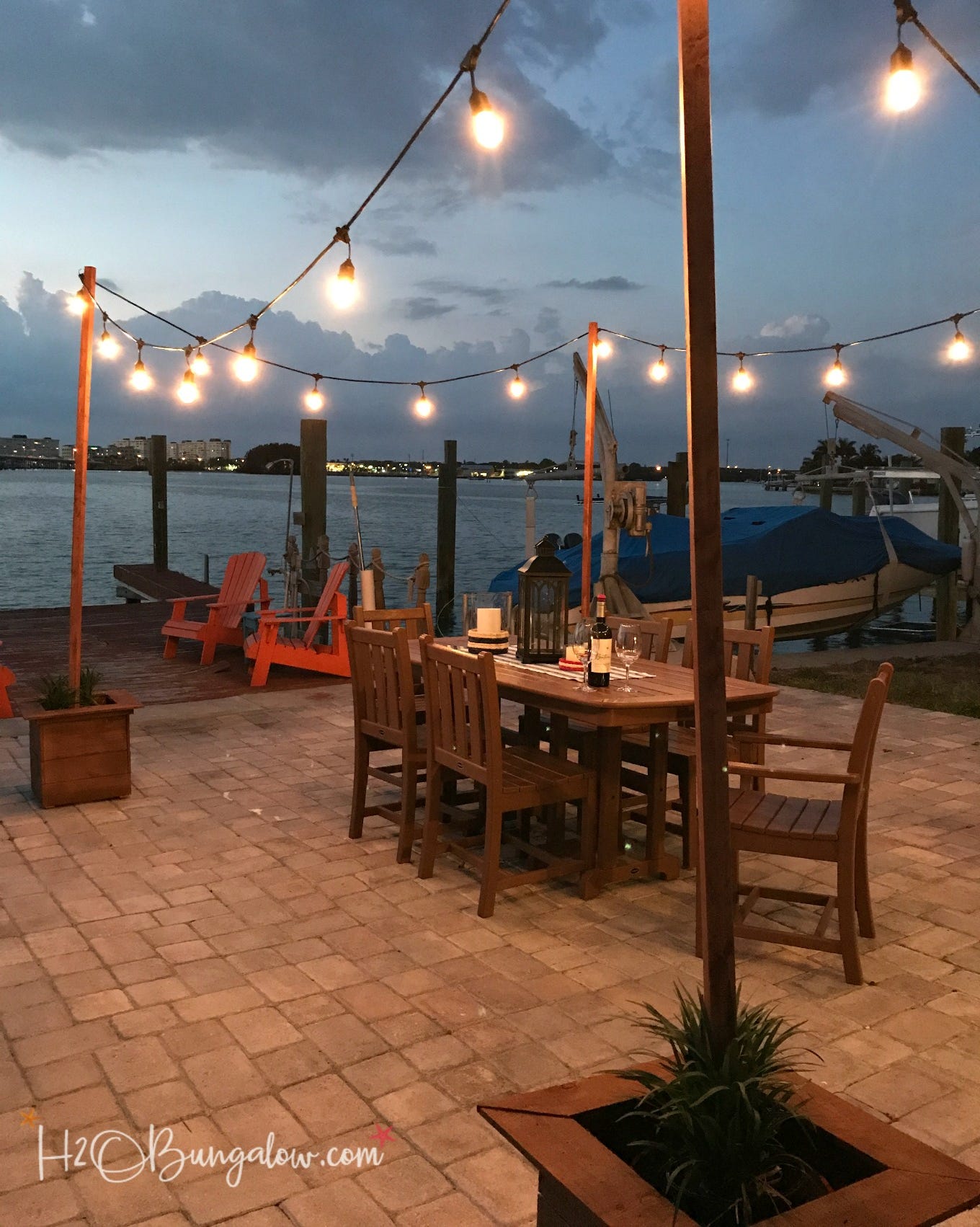
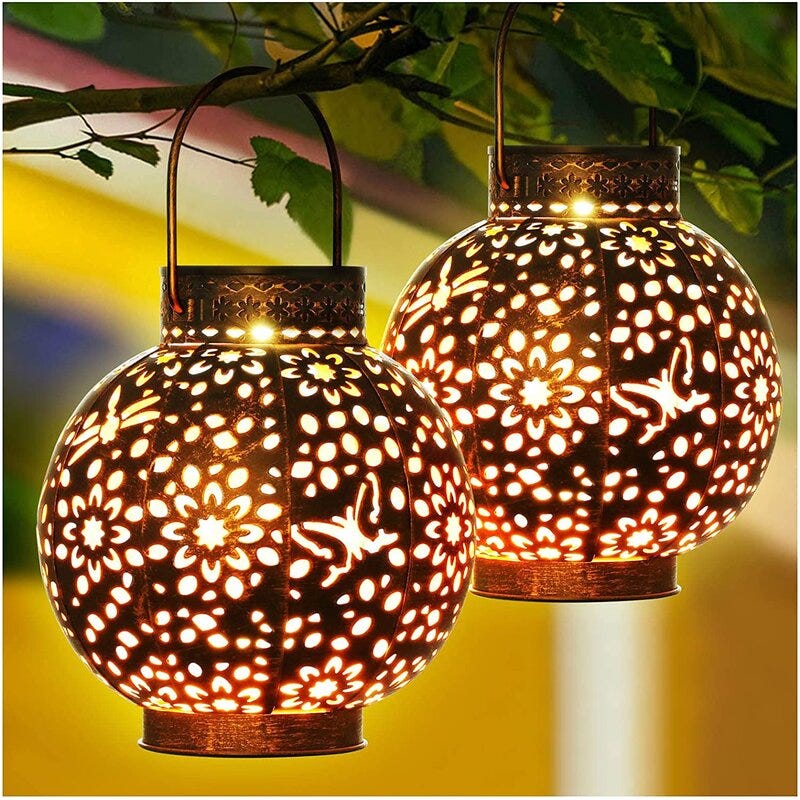
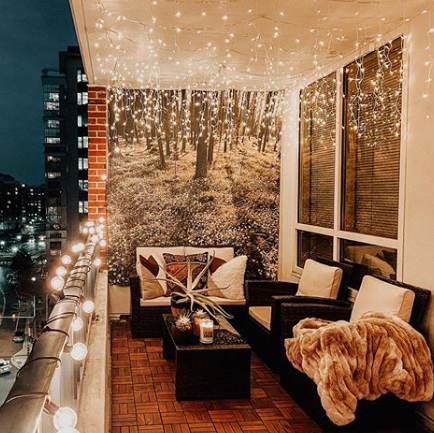
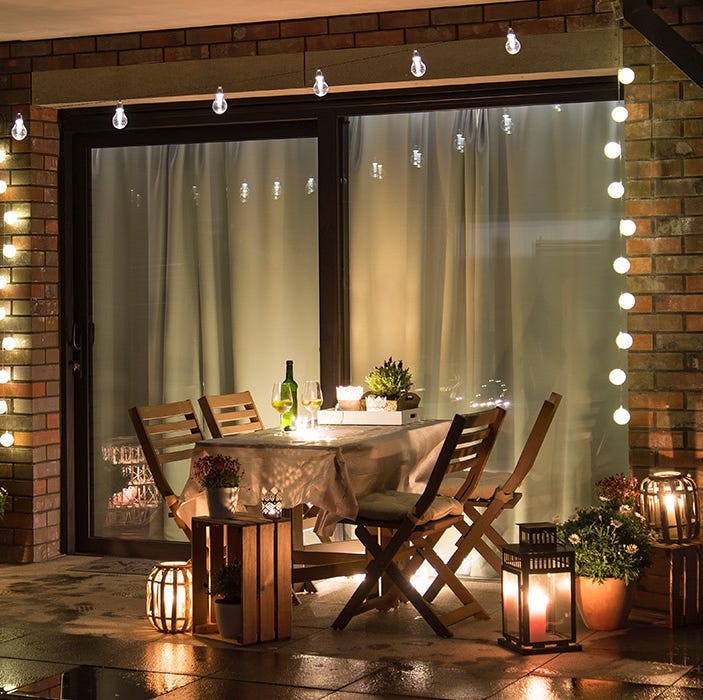
Lanterns offer a classic, timeless aesthetic and can be wall-mounted, hung from ceilings, or placed on surfaces. They are particularly effective near doors or on patios. Lanterns can be powered by electricity, solar energy, or batteries, with portable versions susceptible to being toppled by strong winds. String lighting provides a soft, magical glow and is easy to install, often suspended from ceilings, deck banisters, or trees. While affordable and ambient, string lights typically offer limited illumination and can be vulnerable to weather elements.
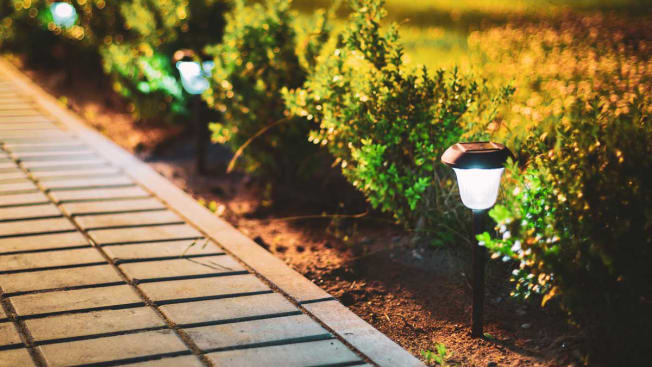
Solar lighting utilizes solar cells to harness the sun's energy during the day, automatically activating as darkness falls. These eco-friendly and generally inexpensive options are frequently seen as spotlights or path lights. However, their performance can be compromised on cloudy days, during winter due to shorter daylight hours, or if light access to the solar cell is obstructed by snow.
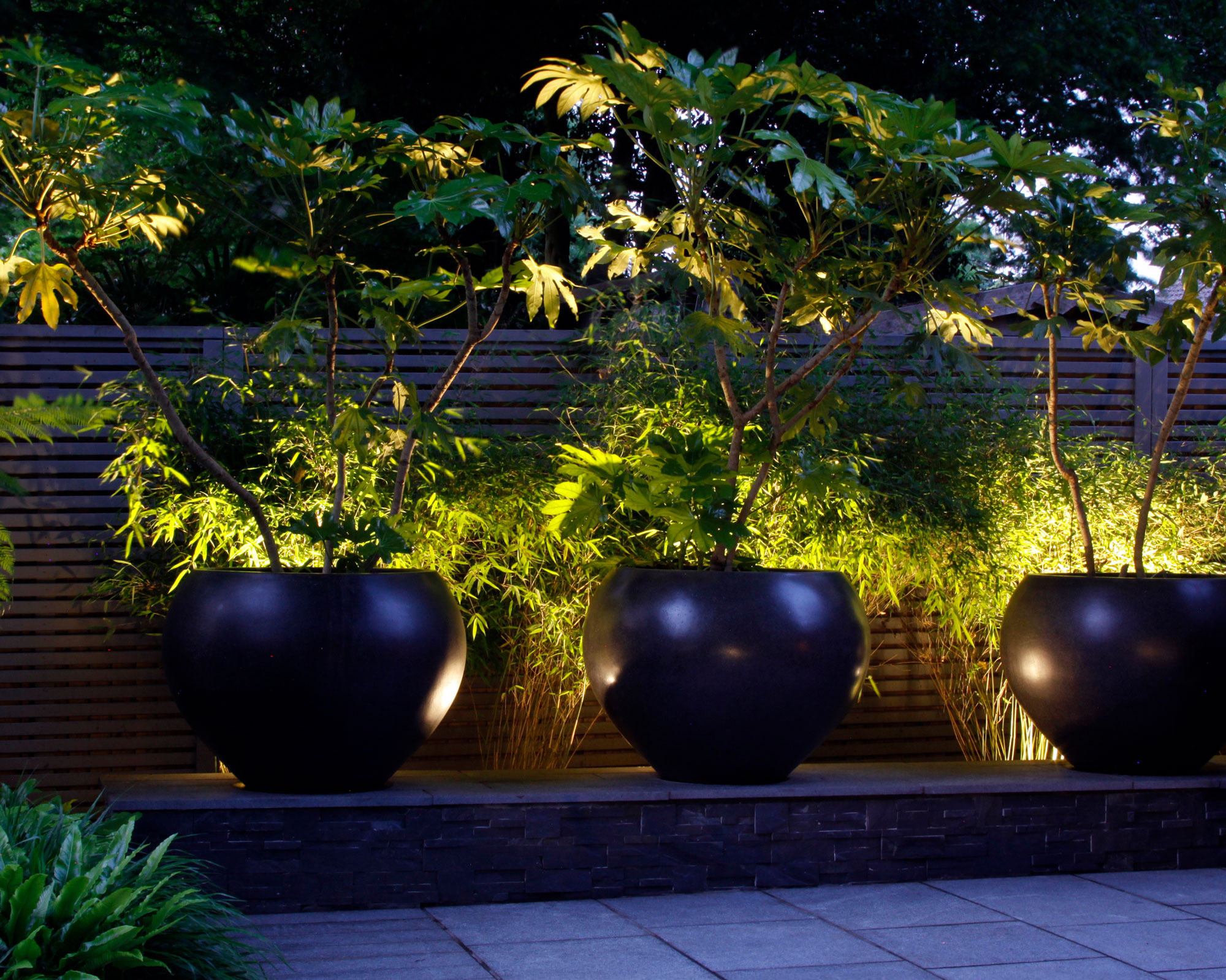
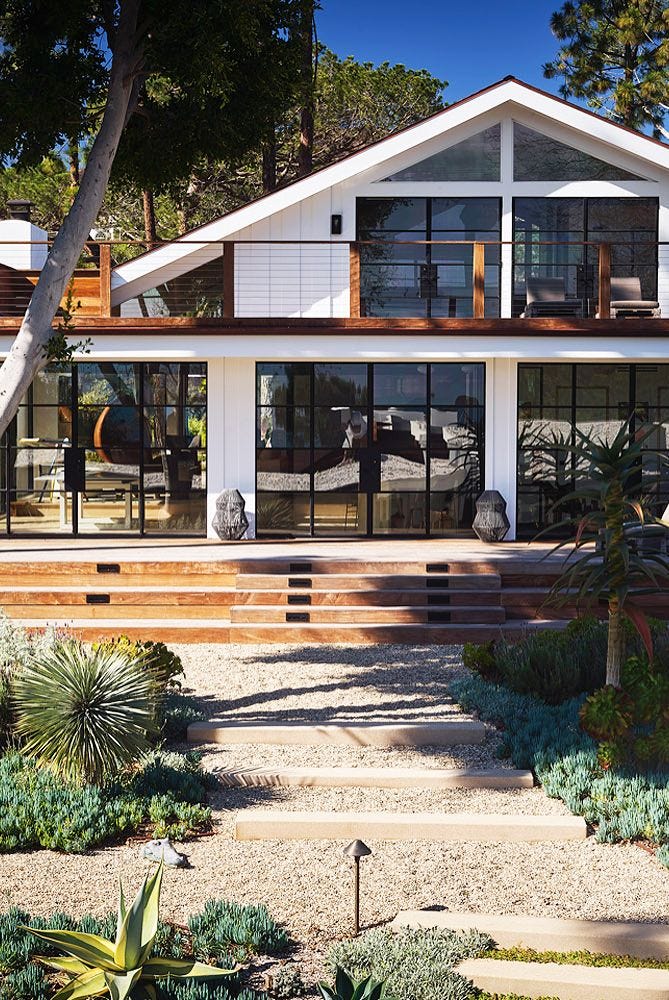
Path lighting illuminates and delineates outdoor pathways, and can also highlight specific garden or yard features. Most path lights are stake-mounted, though flush-with-path options exist. Non-solar path lights necessitate connection to a power source, often requiring wiring to be buried at least 18 inches deep or encased in conduit.
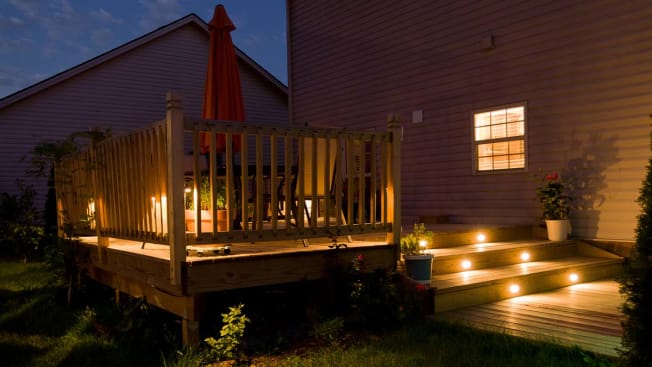
Motion sensor lighting enhances home security by automatically activating upon detecting movement within a defined range. Ideal for walkways, decks, patios, and potentially hazardous areas like swimming pools, these lights are an inexpensive deterrent against burglars compared to full home security systems. They typically require hardwiring into the electrical system and can be triggered by non-threats such as cars or pets.
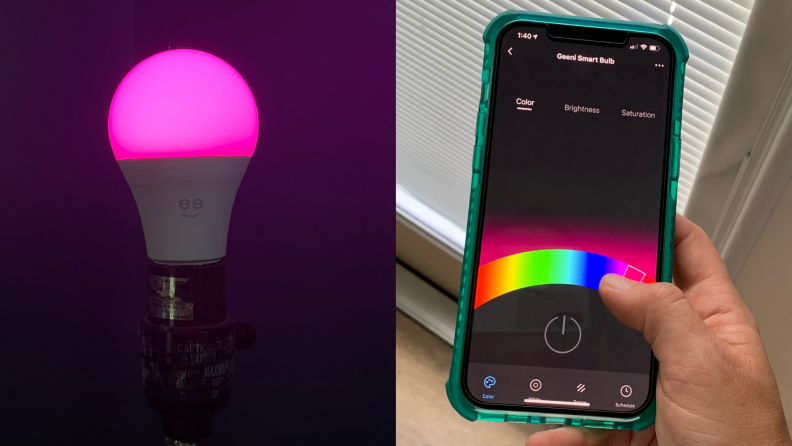
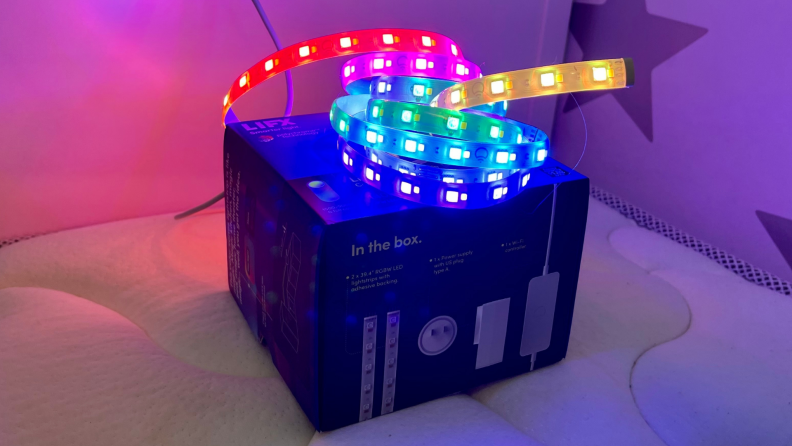
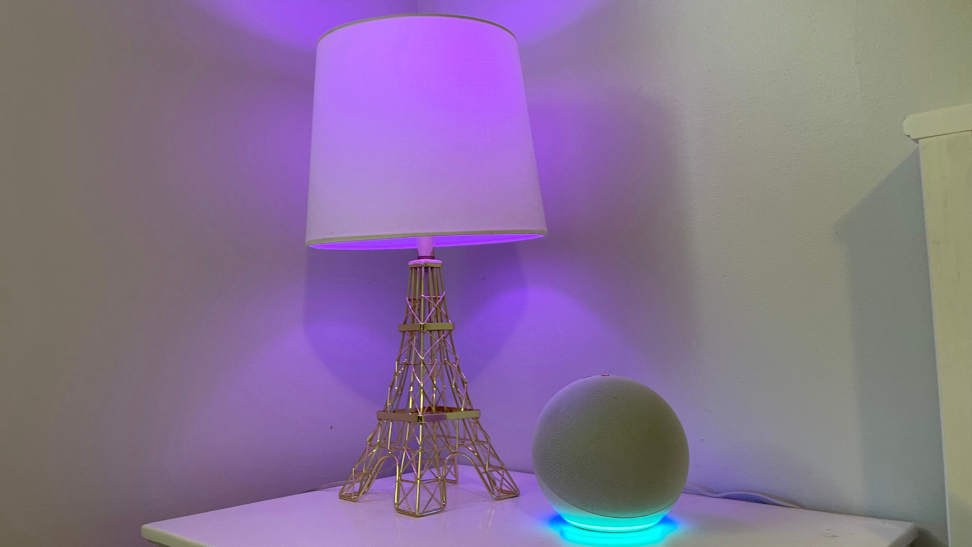
Smart lighting integrates with smartphone apps or voice assistants (e.g., Alexa), allowing remote control, scheduling, and integration with other smart home devices like security cameras. While offering significant convenience and customization for outdoor decor, smart lighting generally comes at a higher price point than conventional lighting solutions.
#OutdoorLighting #HomeSecurity #LandscapeLighting #SmartHome #DIYHomeImprovement #HomeDecor #ElectricalSafety #EnergyEfficiency #ExteriorDesign #OutdoorLighting #HomeSecurity #LandscapeLighting #SmartHome #DIYHomeImprovement #HomeDecor #ElectricalSafety #EnergyEfficiency #ExteriorDesign
0 comment in total
 No comments yet
You may also like
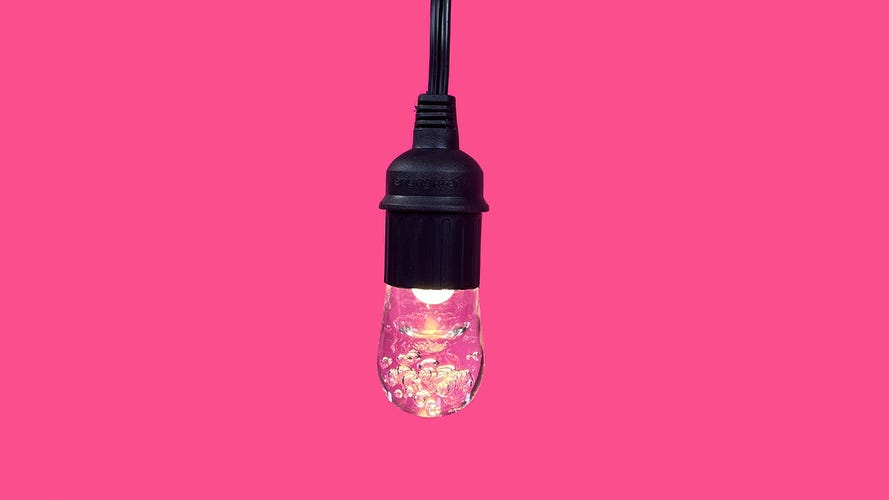
Best Outdoor String Lights for 2025: Illuminate Your Balcony, Patio, Backyard and More

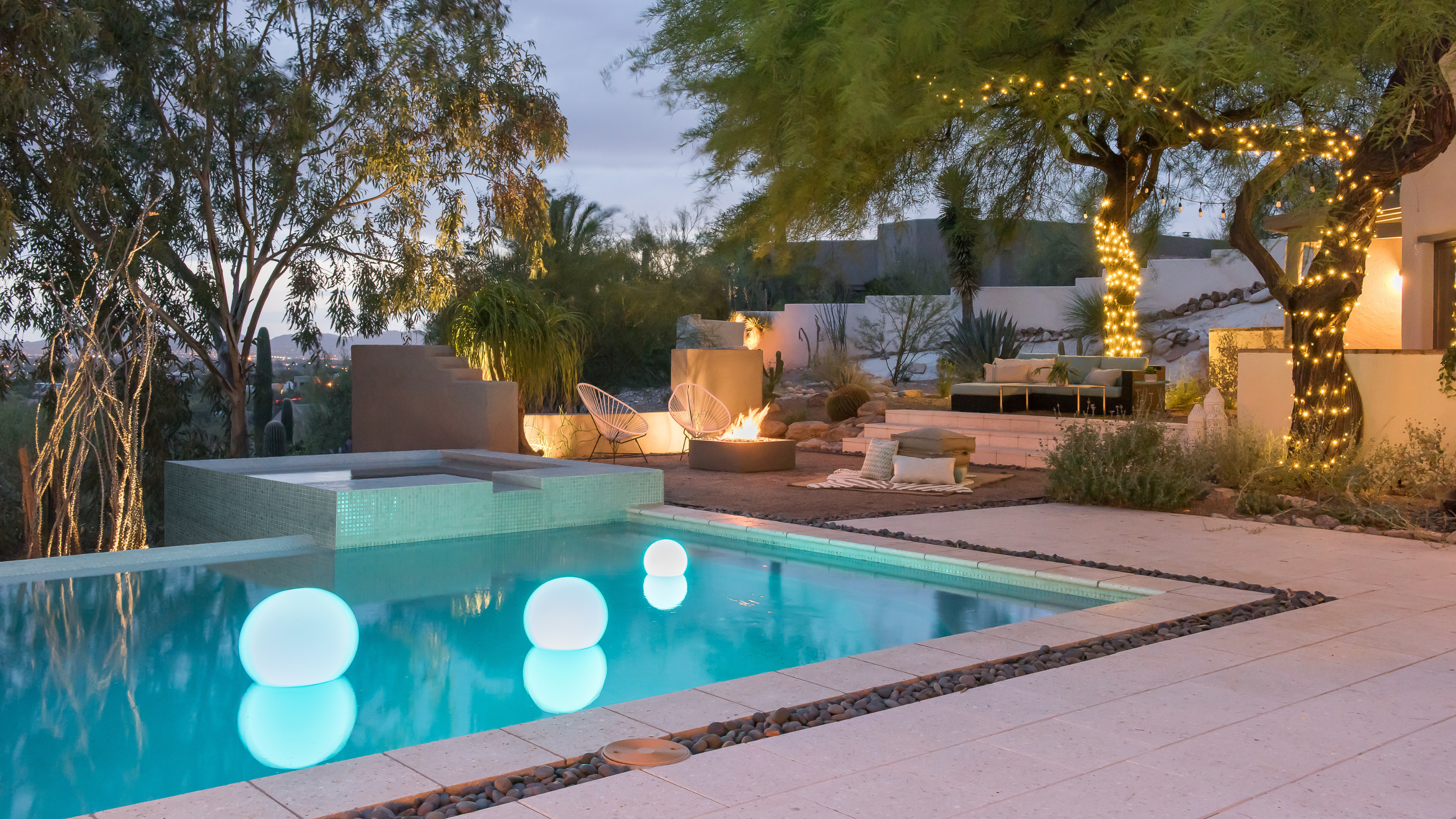
5 Outdoor Lighting Trends Designers Are Using to Give Gardens a Glow Up After Dark in 2025


Best Lighting Designs Spotted in 2023

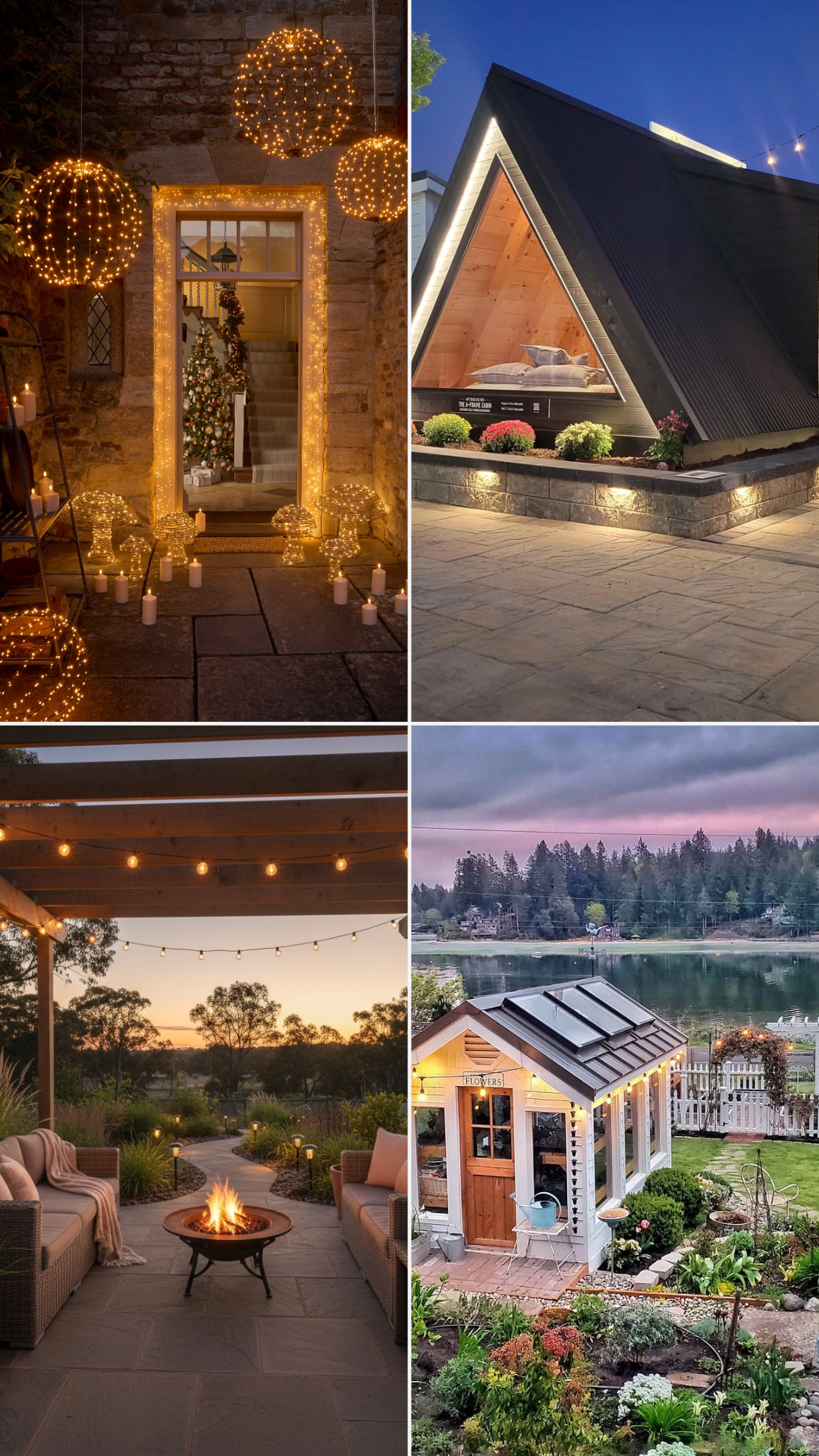
30 Outdoor Lighting Ideas Borrowed From Resorts, Rooftops, and Stunning Courtyards
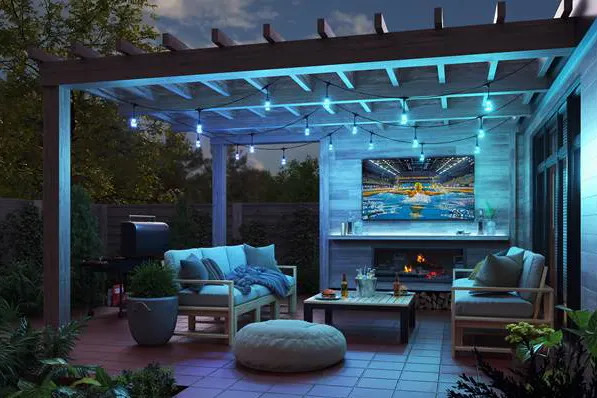
Best Outdoor String Lights for 2025: Our Experts Are Here to Brighten Up Your Garden and More

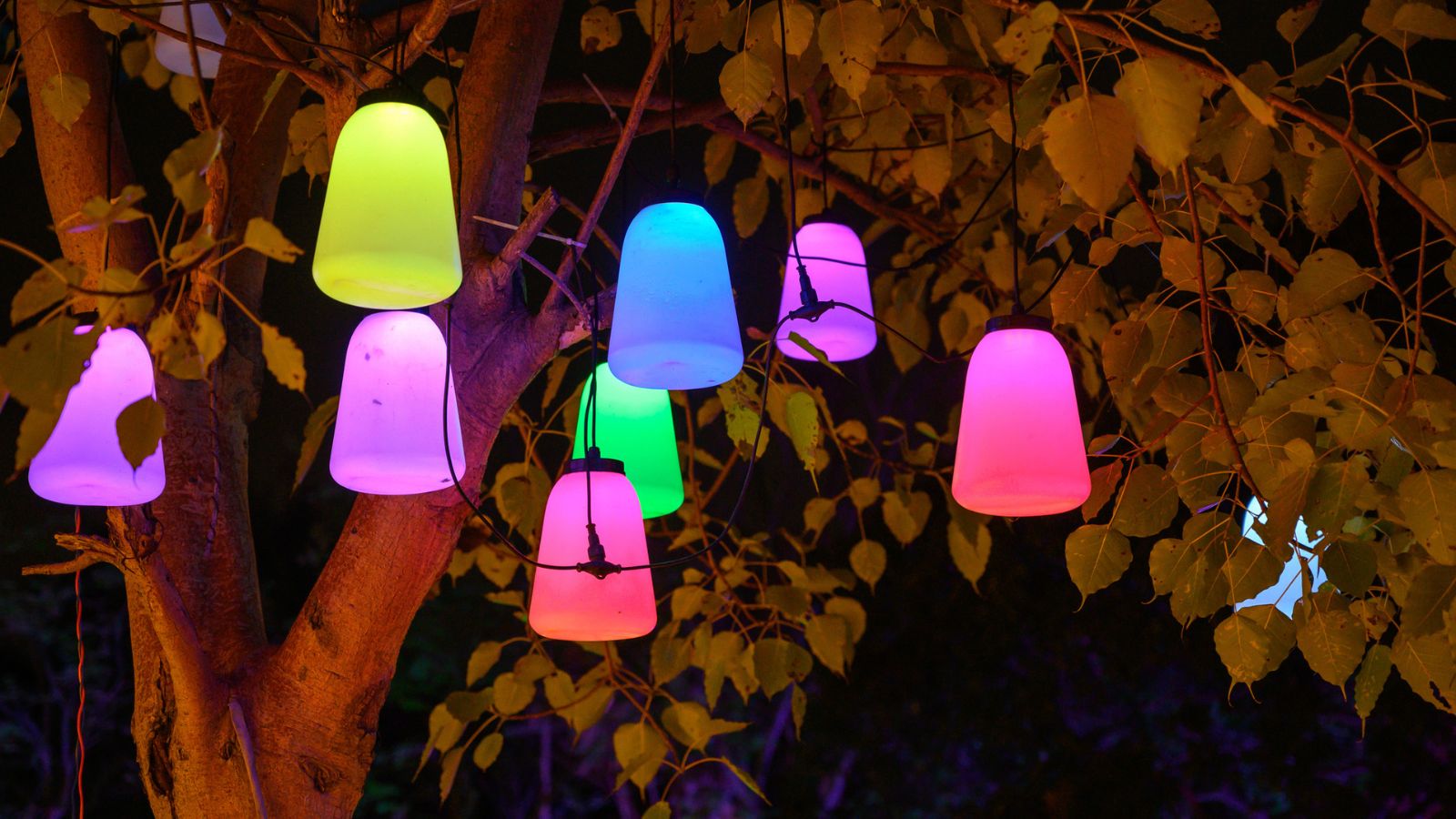
Garden lighting trends 2025 – smart lights are on the rise but string lights keep the crown


12 Best Lighting Trends of 2023, According to Designers


Throwing a Summer Party? You're Going to Need These Outdoor Lights

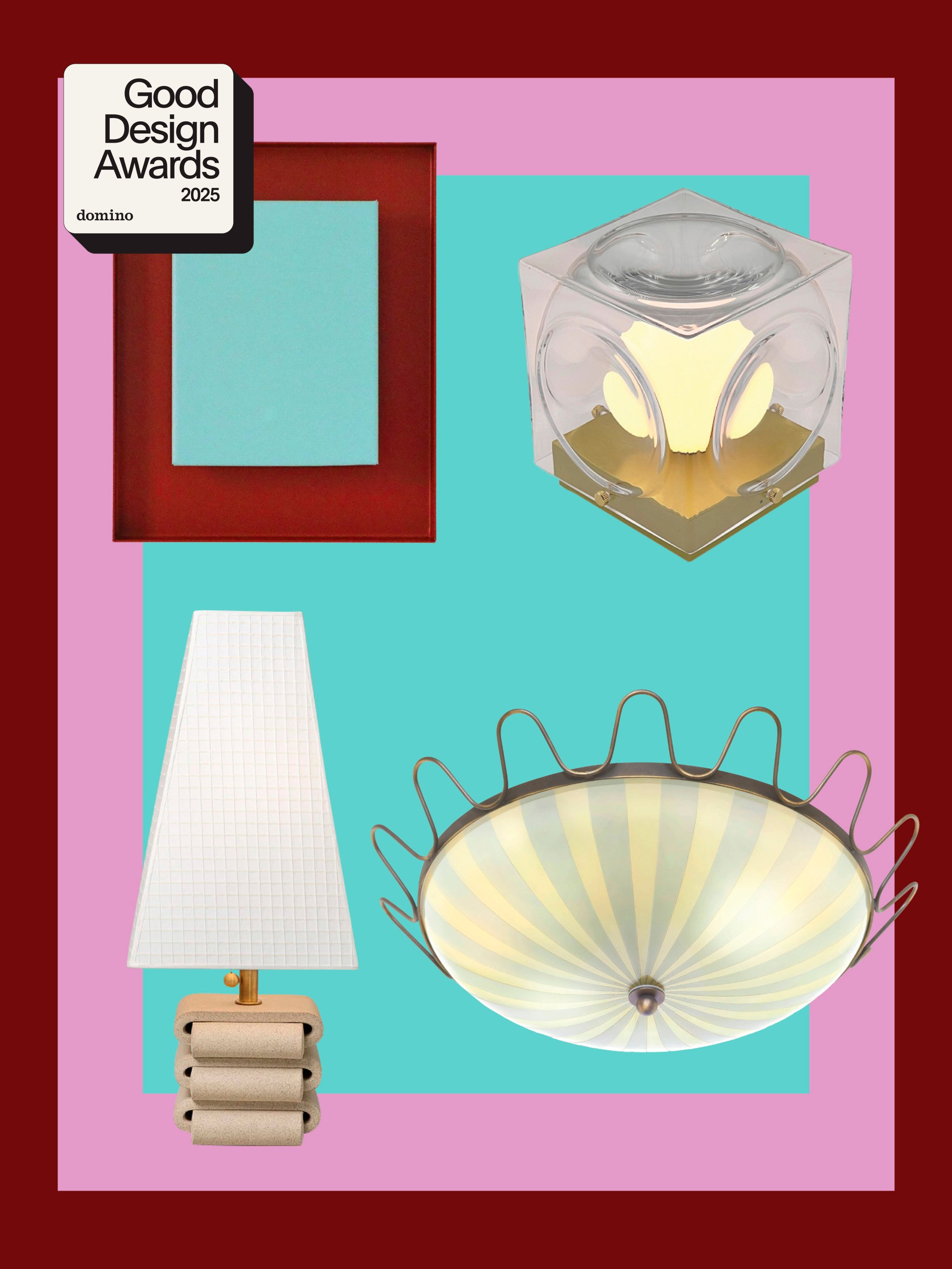
The Best New Lighting of 2025

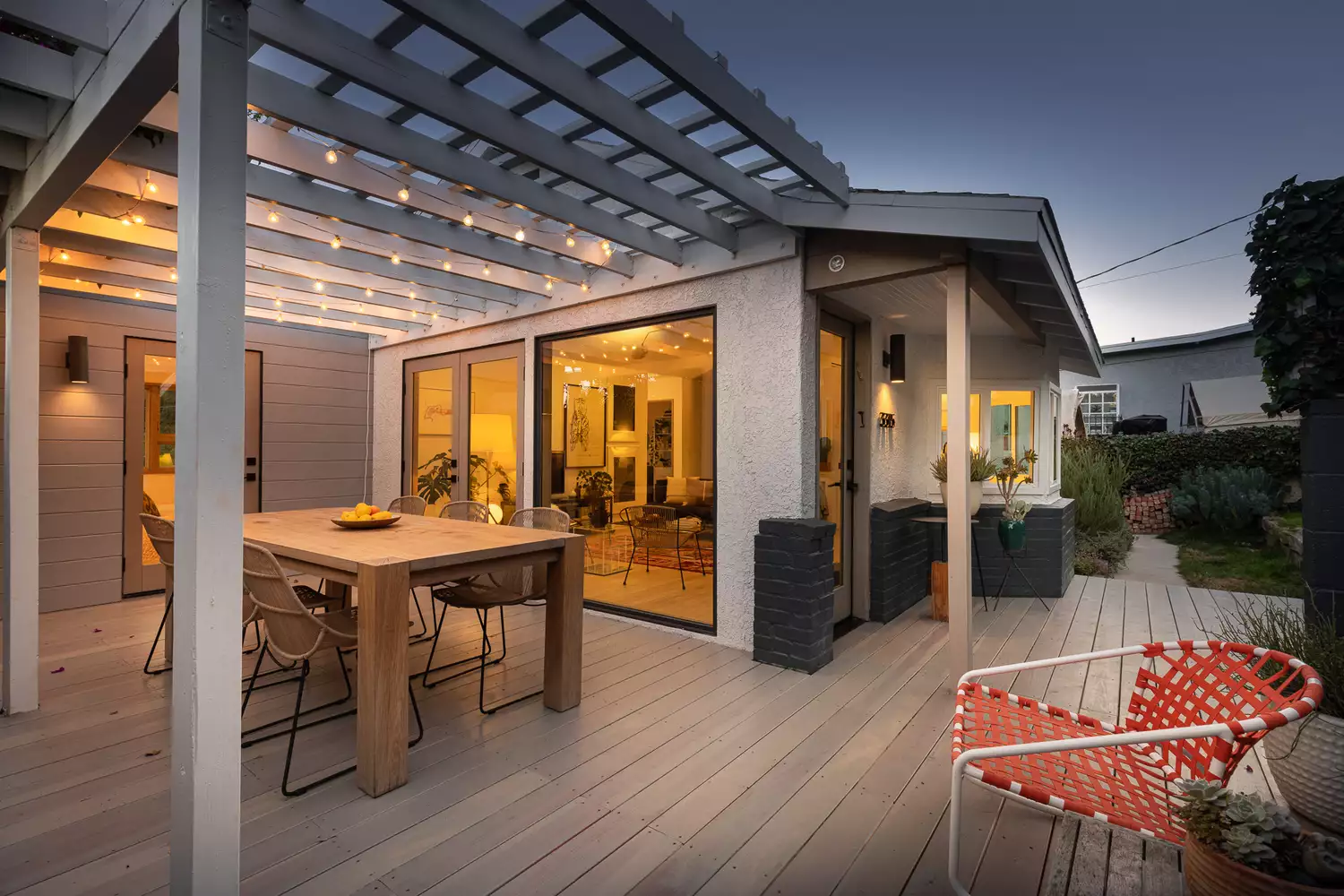
41 Outdoor Lighting Ideas to Brighten Up Your Yard

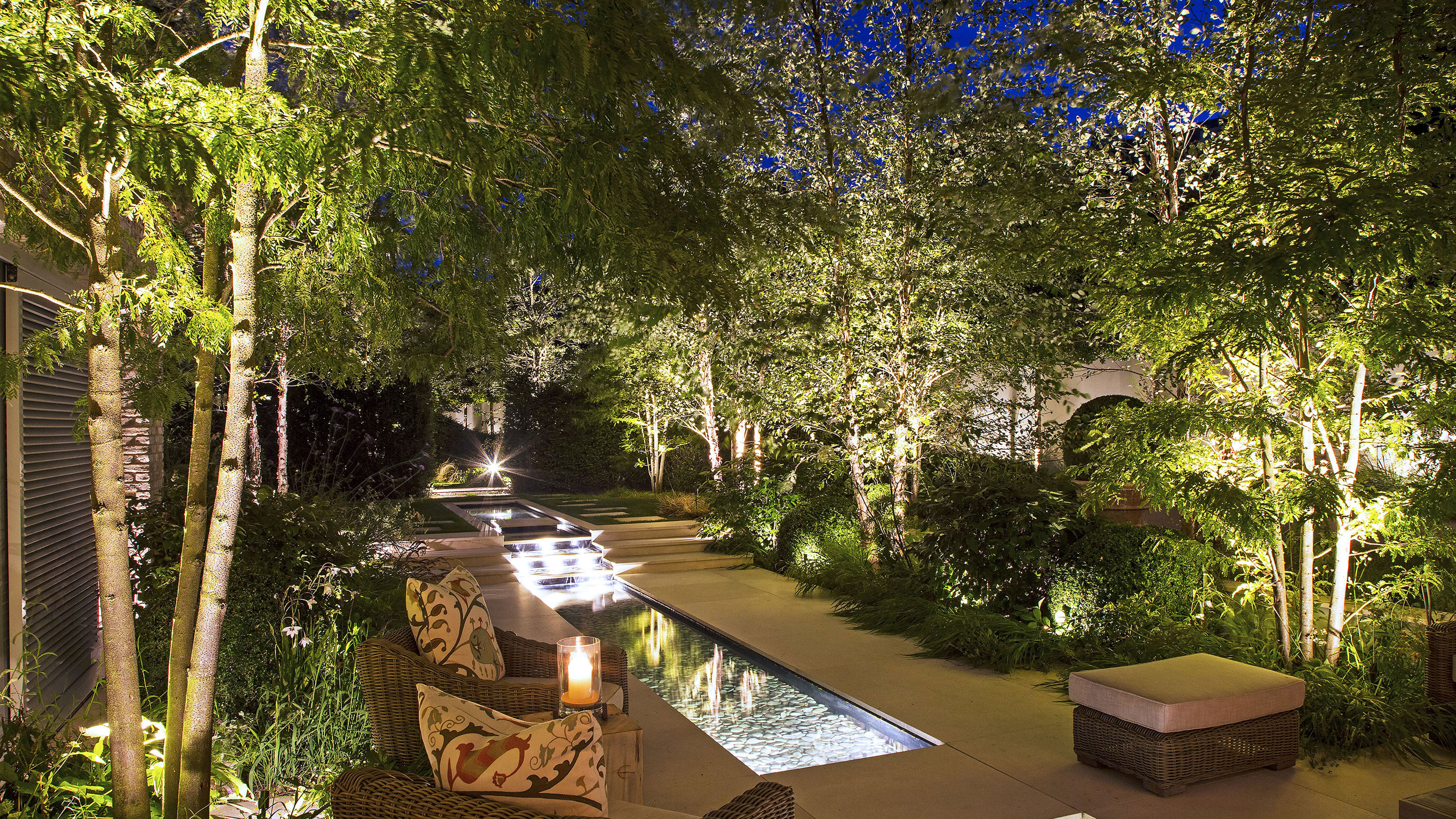
Outdoor tree lighting ideas – 13 ways to highlight your planting once the sun goes down

The 5 lighting trends that designers say will shine brightly in 2025


Try these outdoor lighting trends to up your hosting game


In 2025 the best lights are those that are mobile – 9 editor-approved portable lamps perfect for indoors and out
The Best Smart Lights of 2025

Make Your Backyard Magical with These Gorgeous Outdoor Lighting Ideas

Best Solar Outdoor Lights of 2025

Top Lighting Trends for 2024
Outdoor lighting ideas – 30 best ways to use garden lighting
Outdoor Lights Improve Curb Appeal and Enhance Security — Our Top Picks Start at Just $15