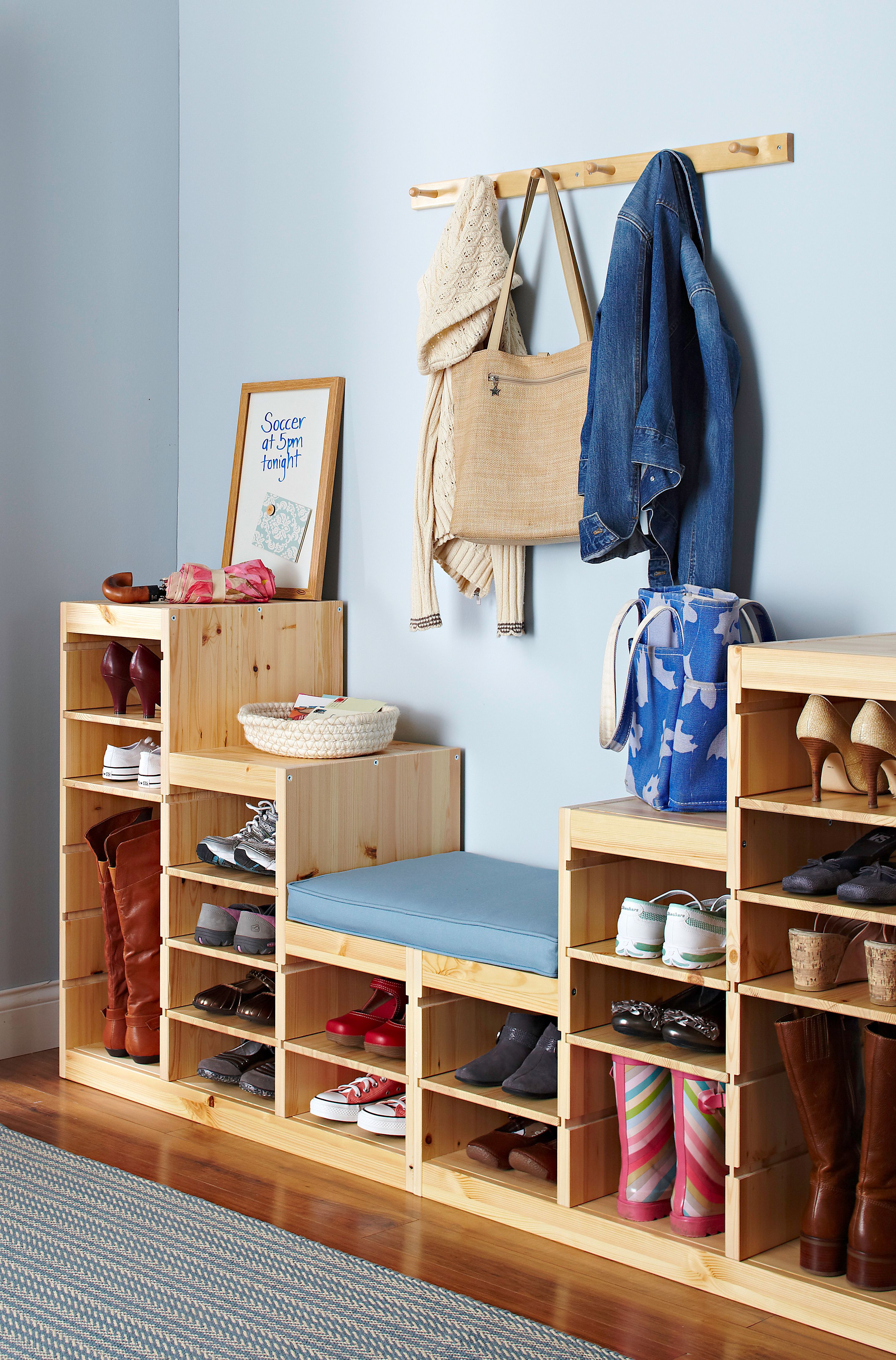
7 No-Fail Shoe Organization Methods to Keep Your Closets Tidy
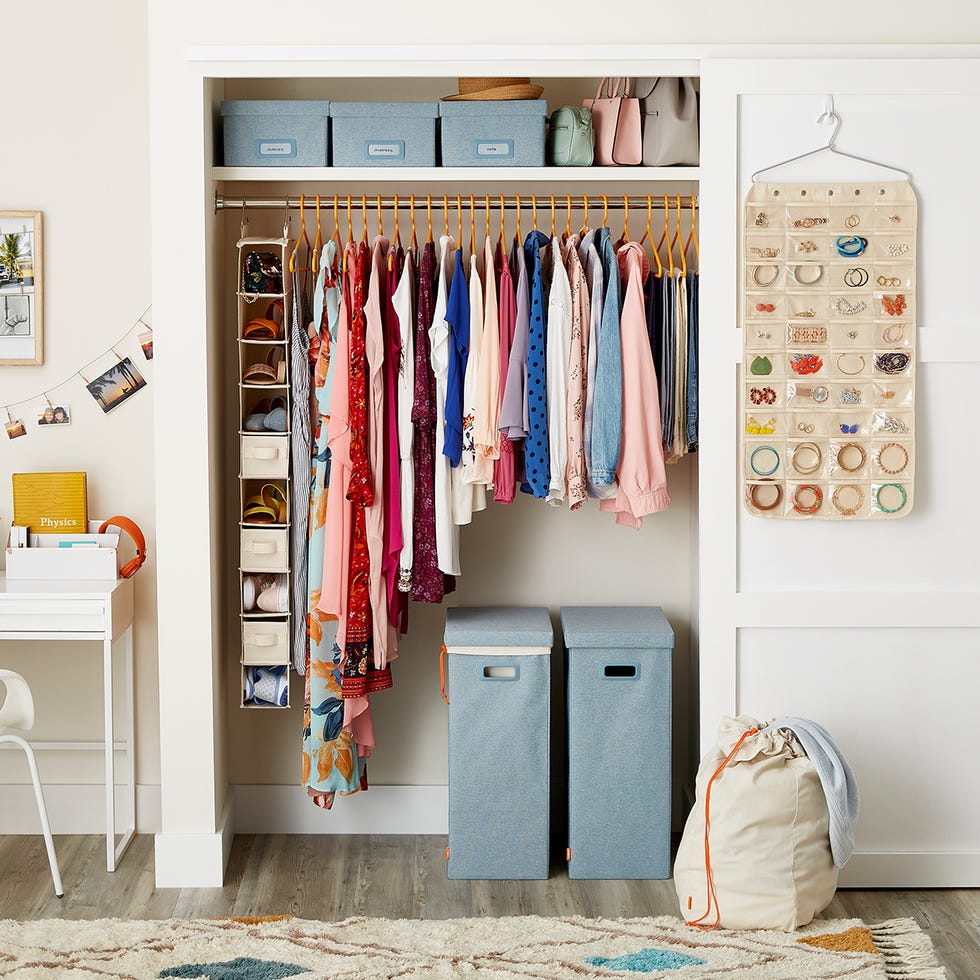
Efficient shoe organization is crucial for maintaining a tidy home and preserving footwear. This guide offers seven effective methods and practical tools, emphasizing a systematic approach to decluttering and storage. The initial step involves decluttering your shoe collection by removing items that are no longer suitable due to fit, style, comfort, or damage. This process helps in assessing the actual quantity of shoes to be organized and facilitates informed decisions about storage solutions. It is also an opportune moment to clean shoes, ensuring they are ready to wear once organized.
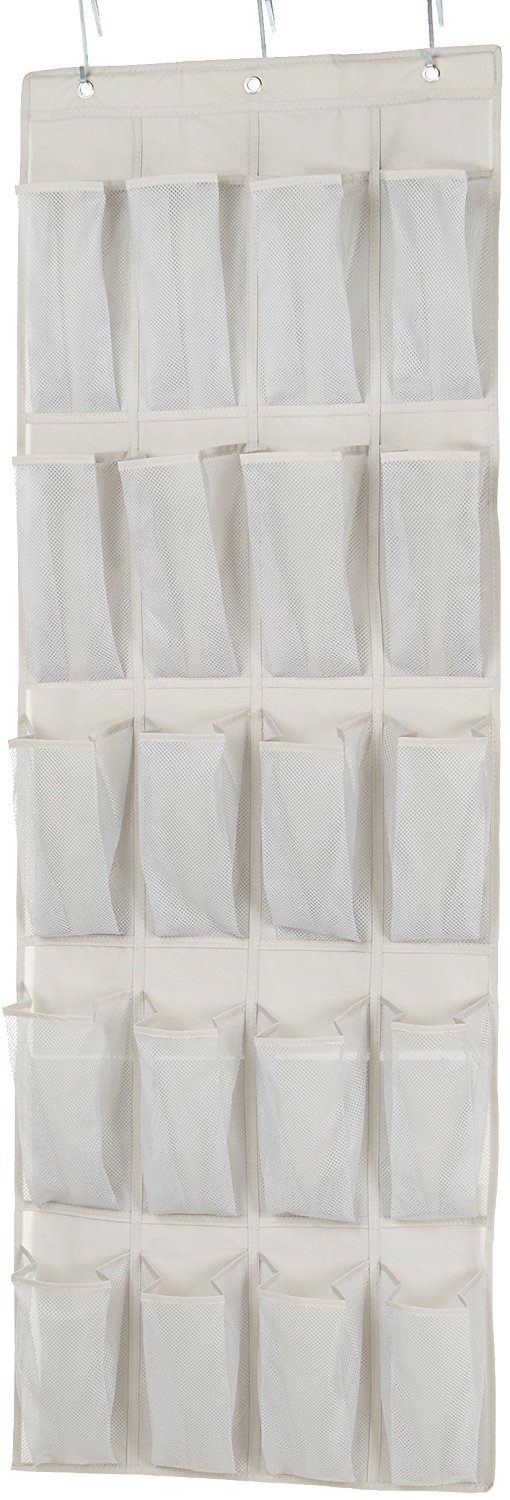
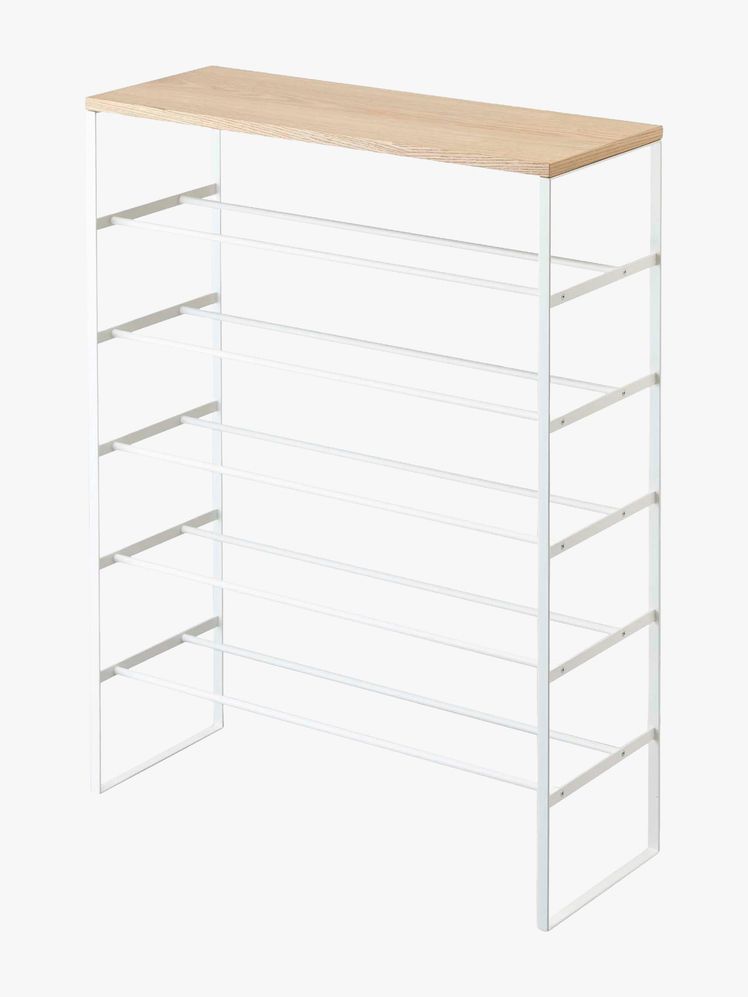
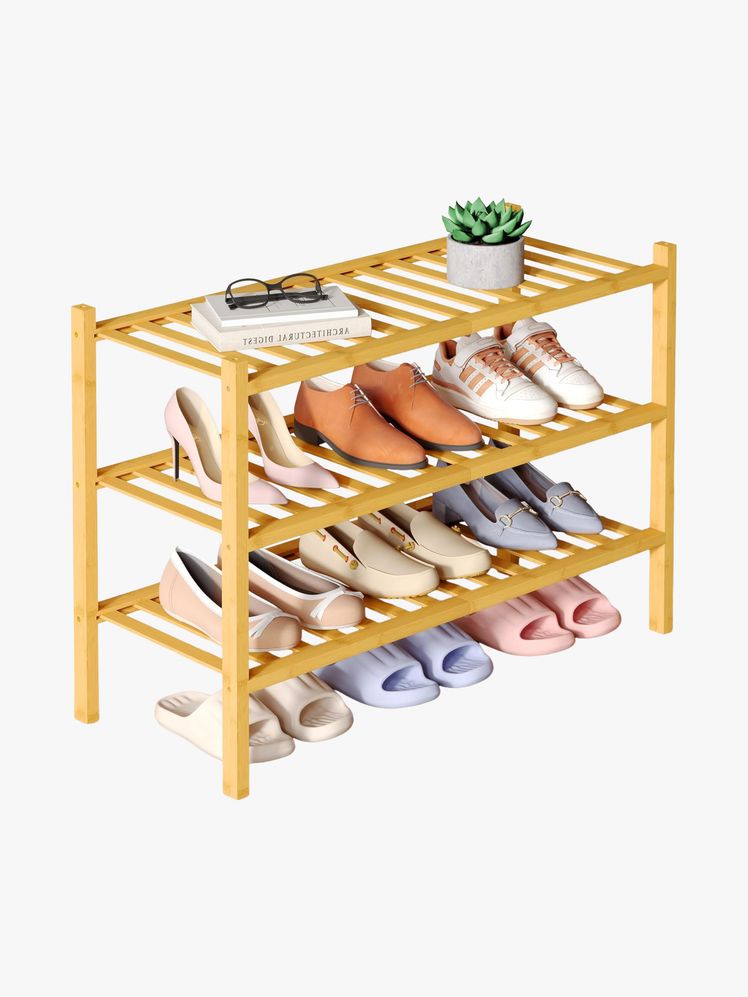
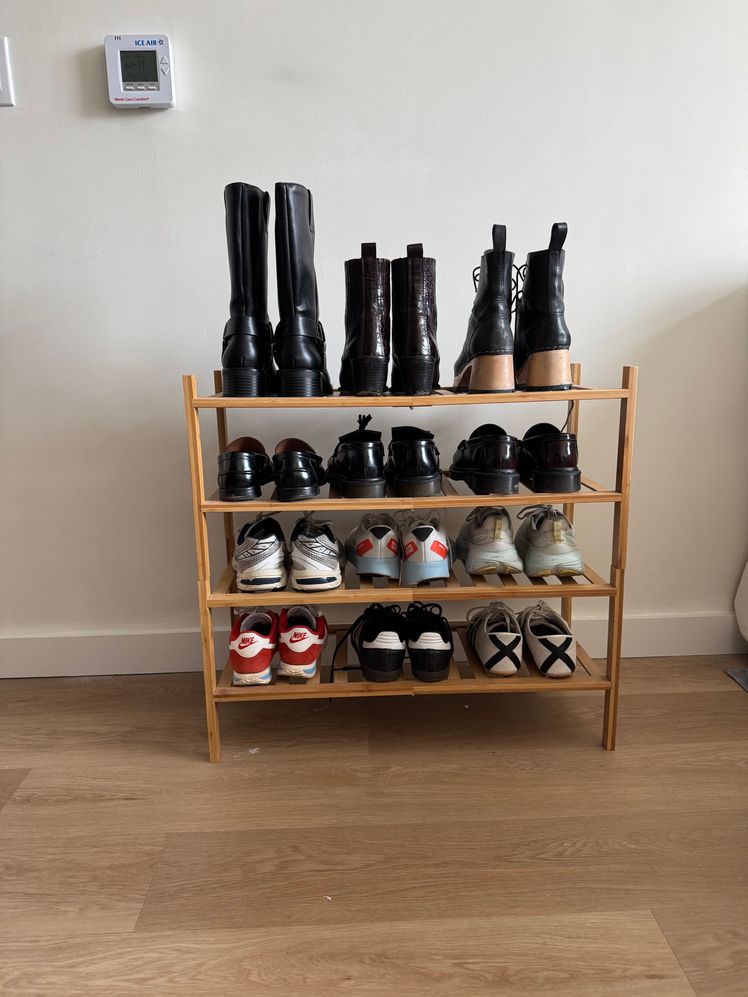
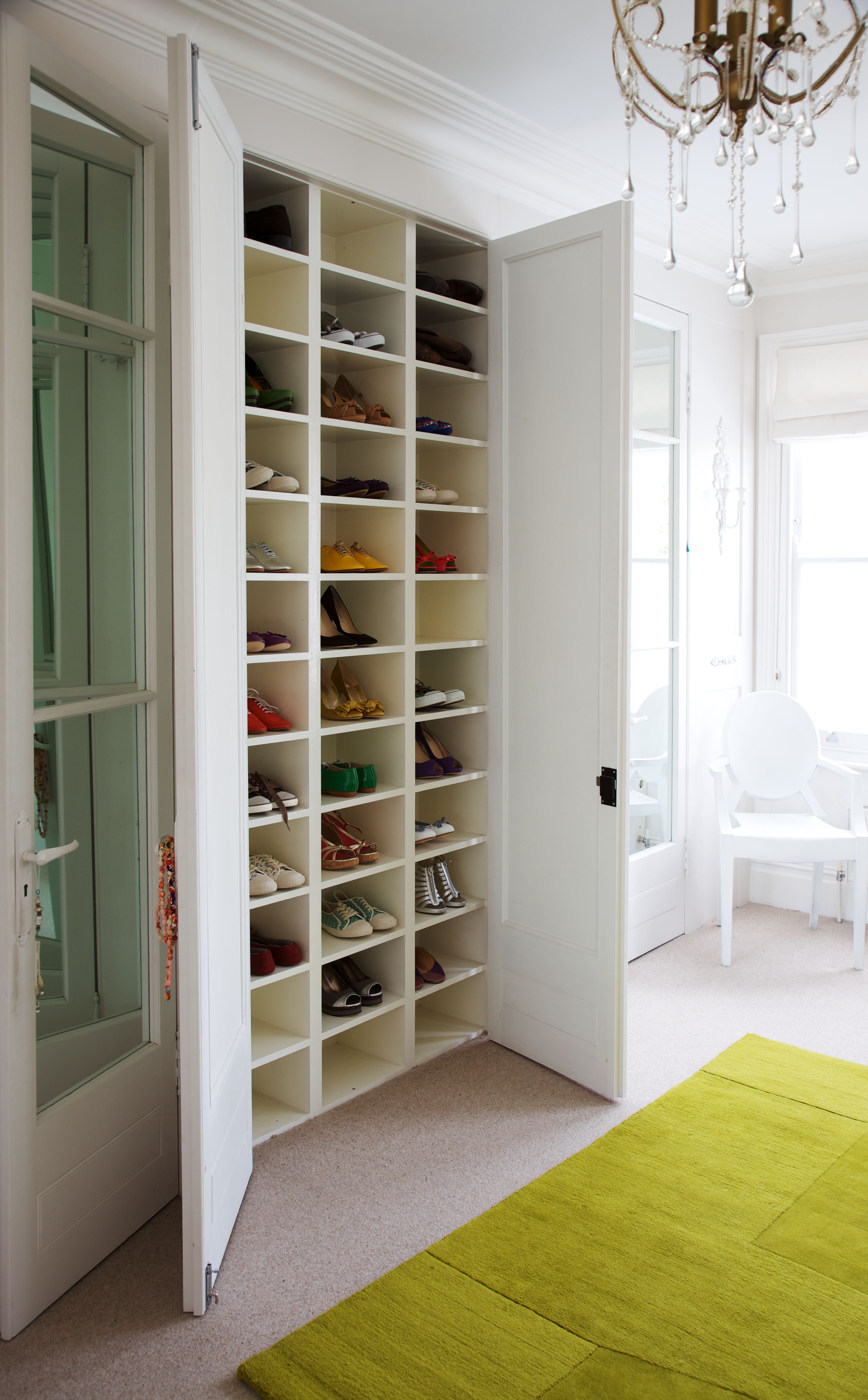
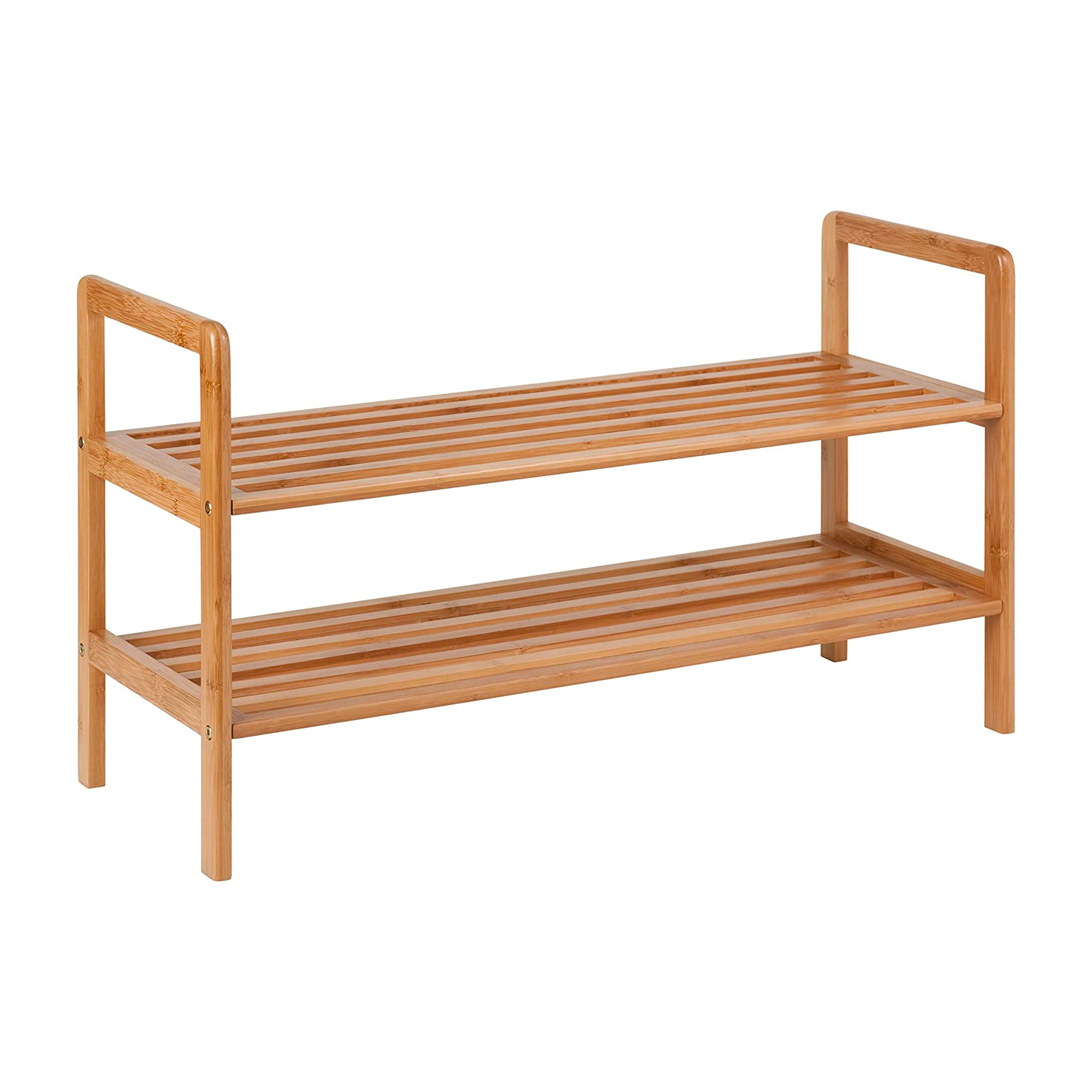
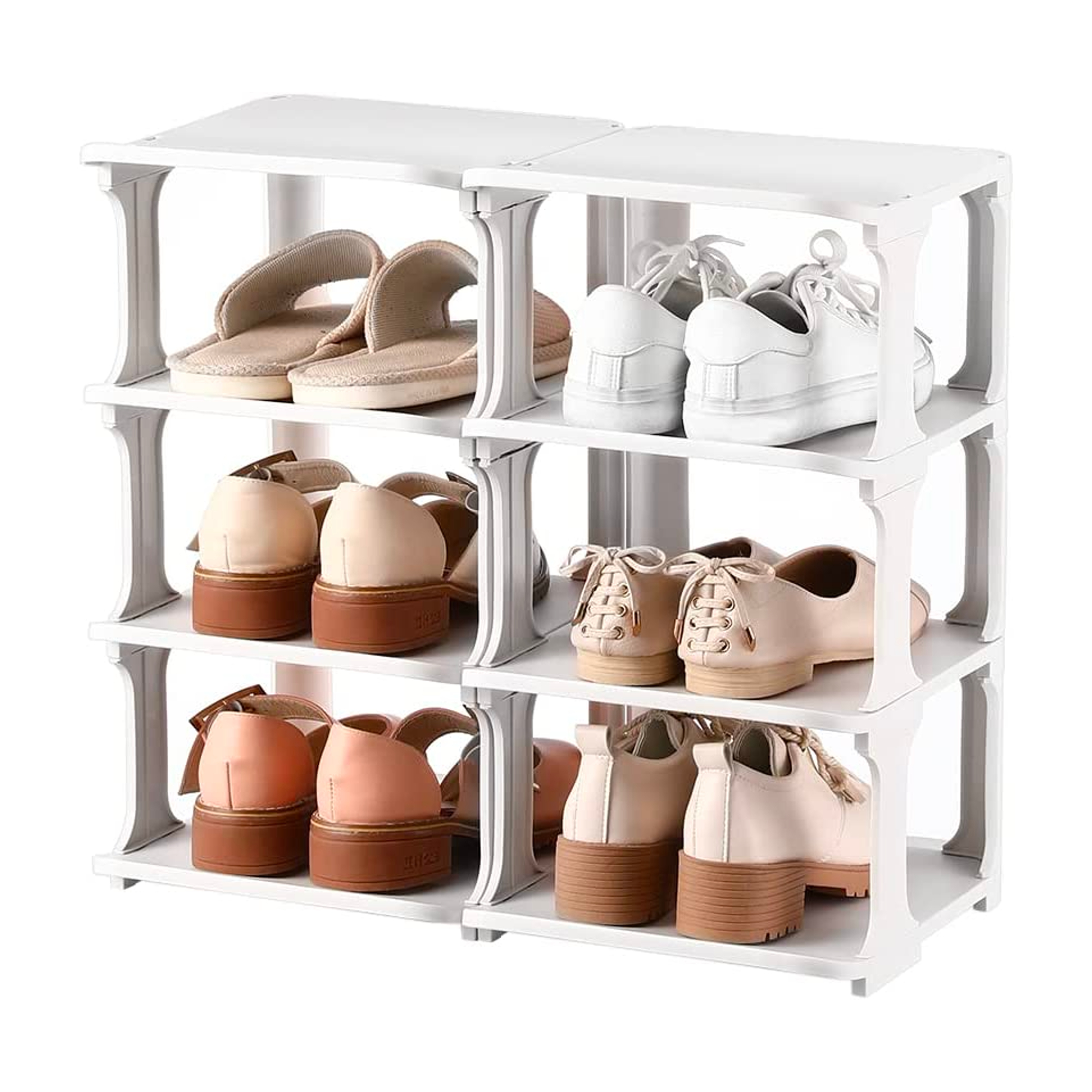
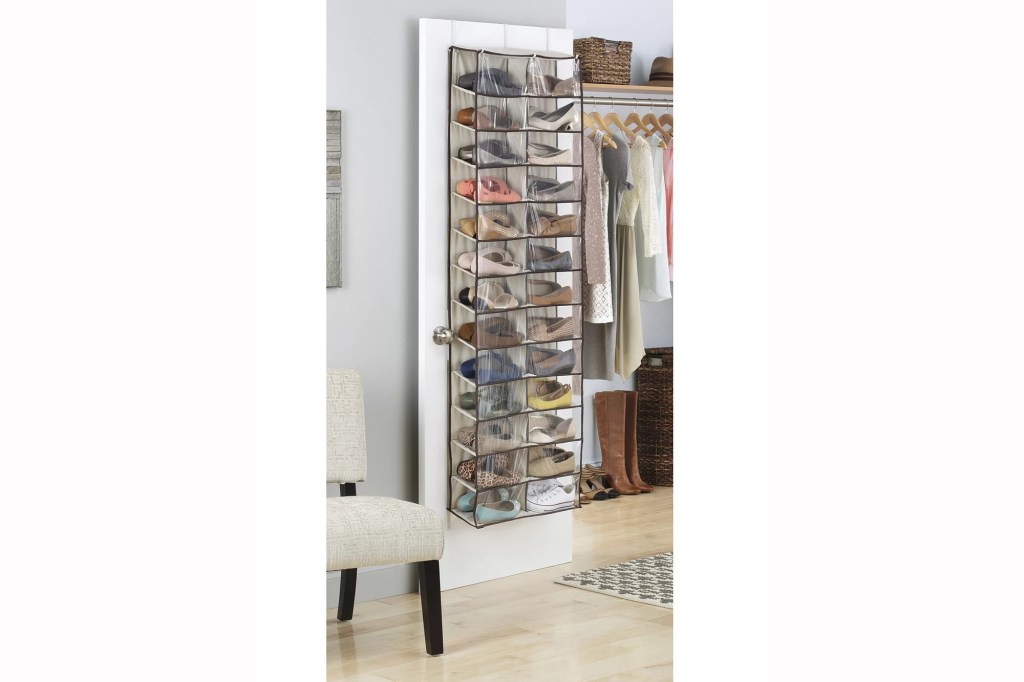
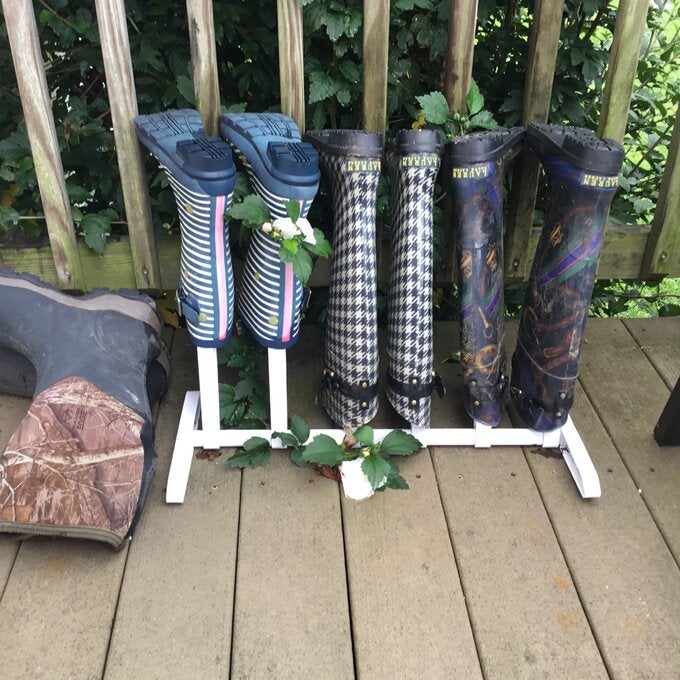
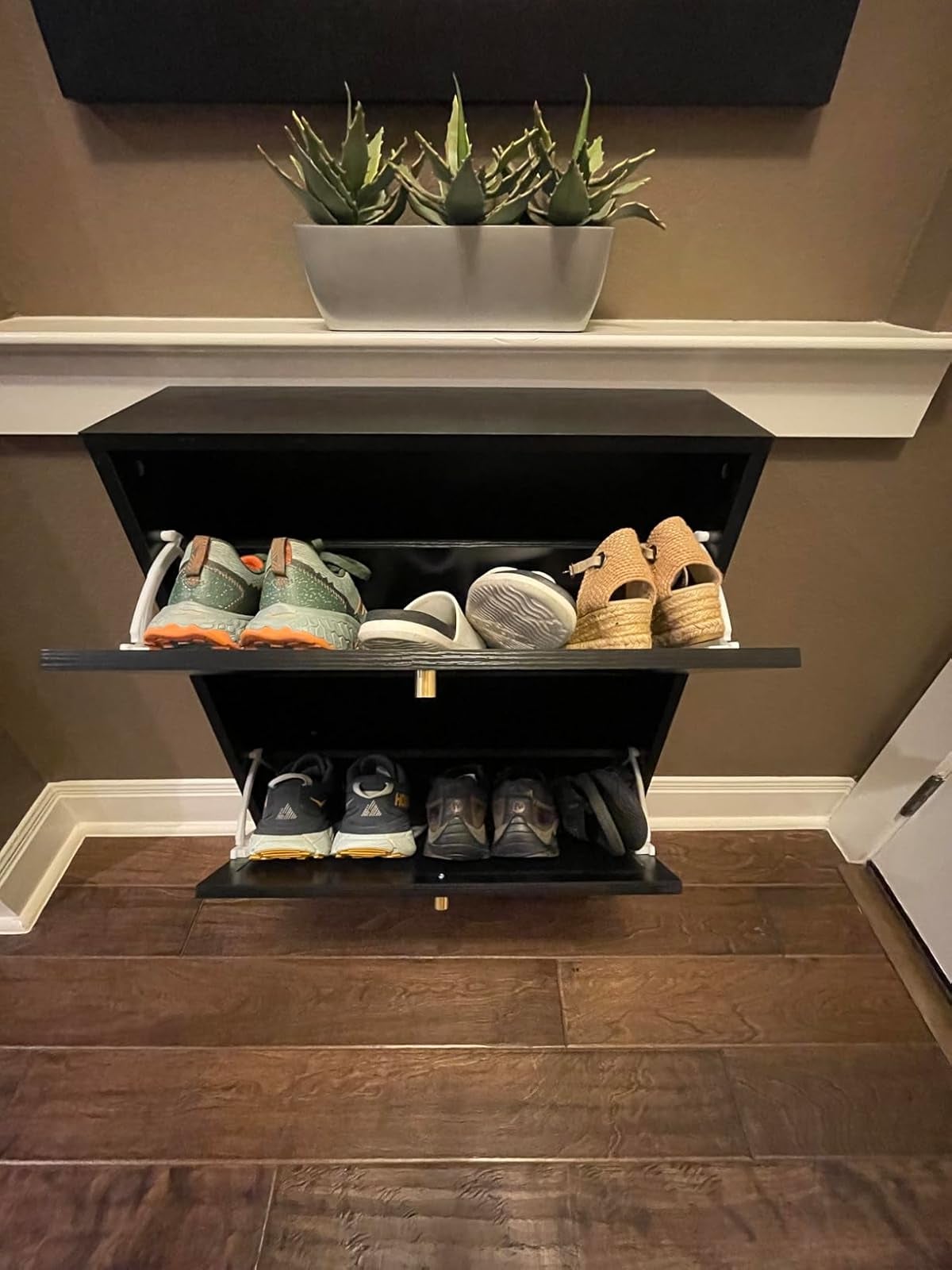
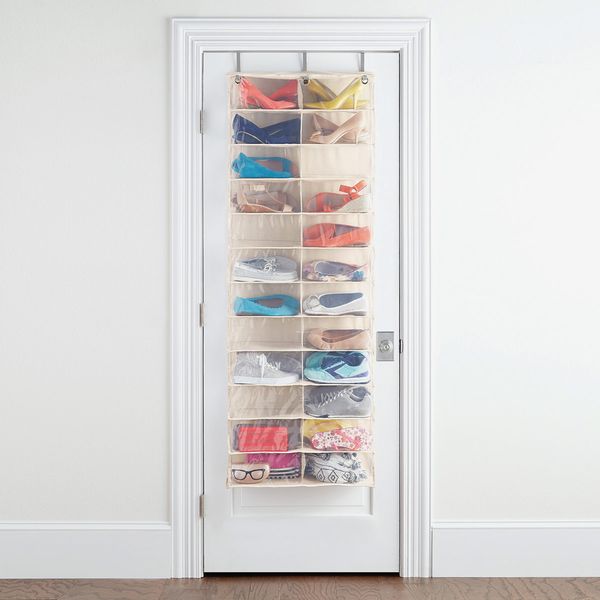
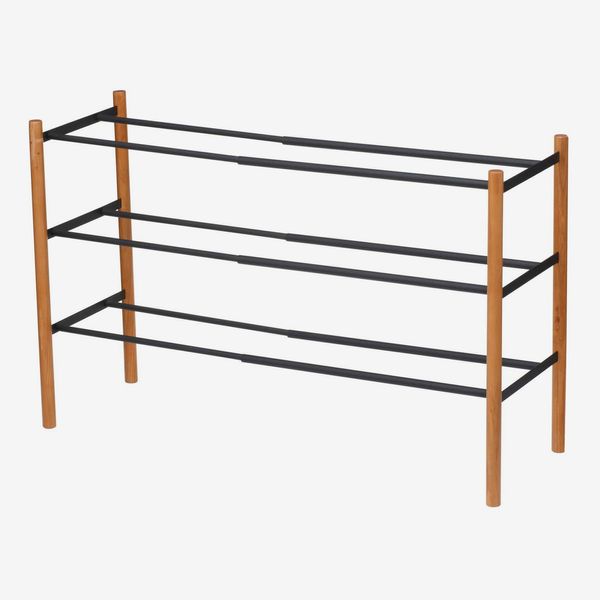
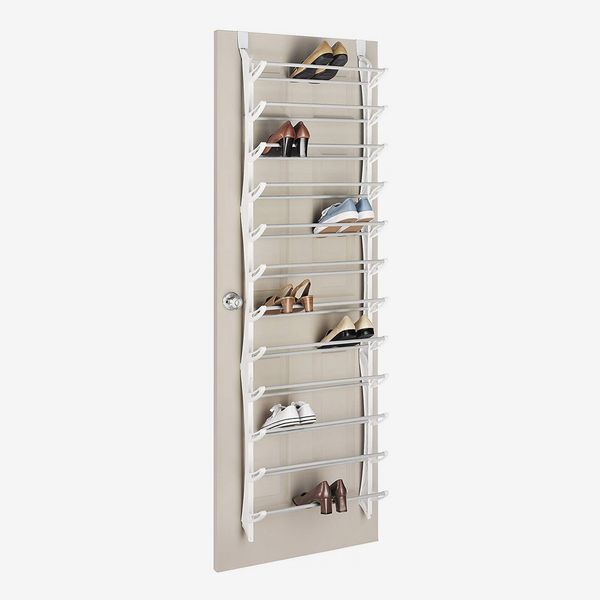
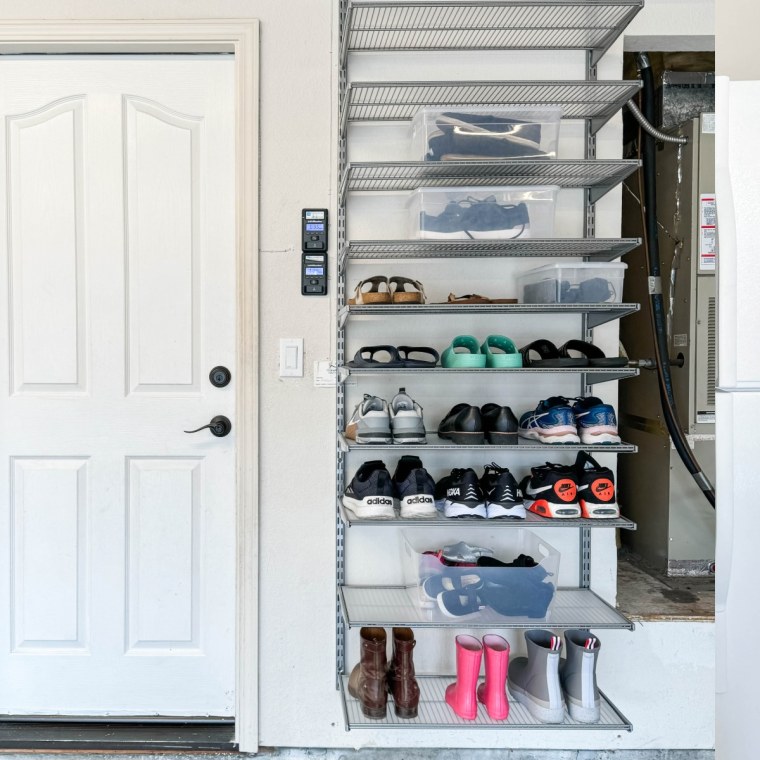
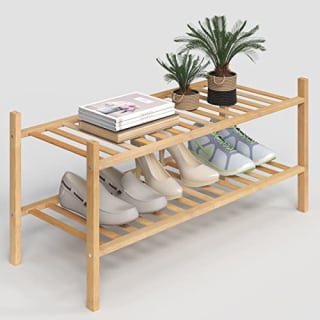
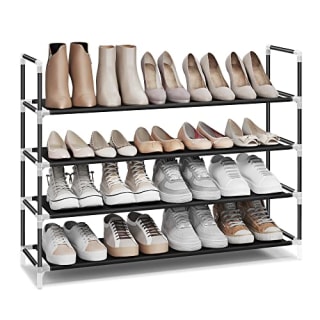
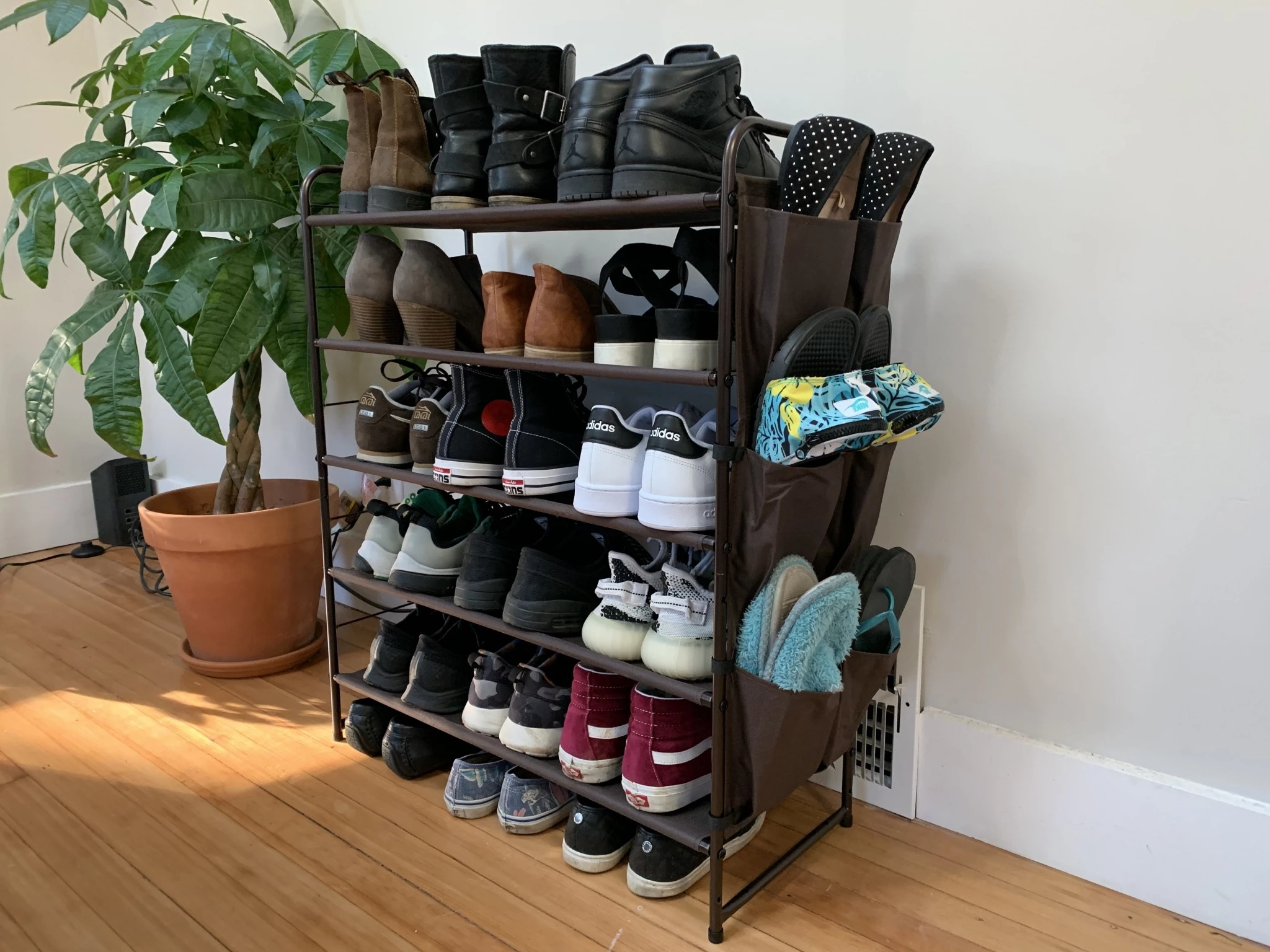
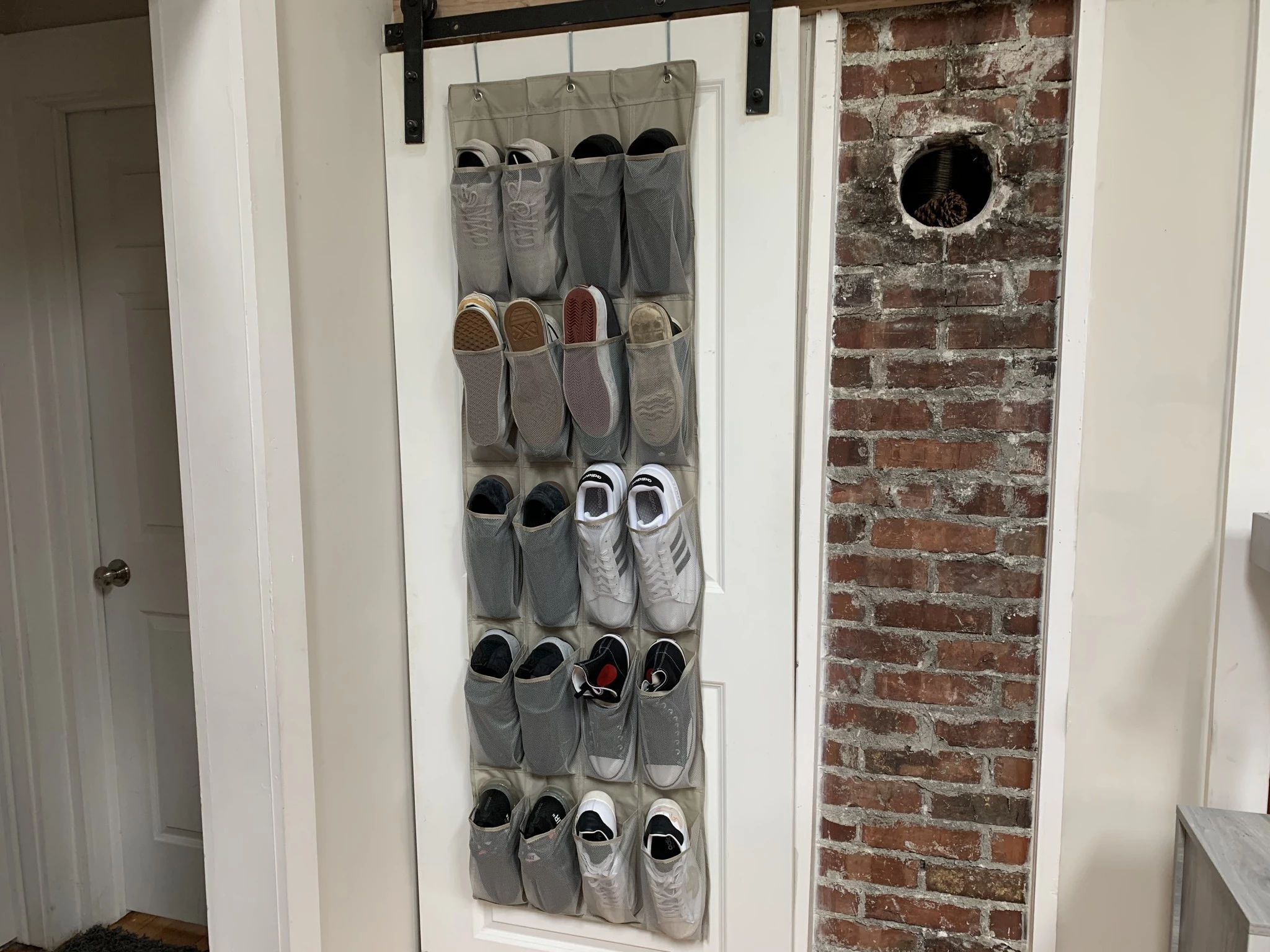
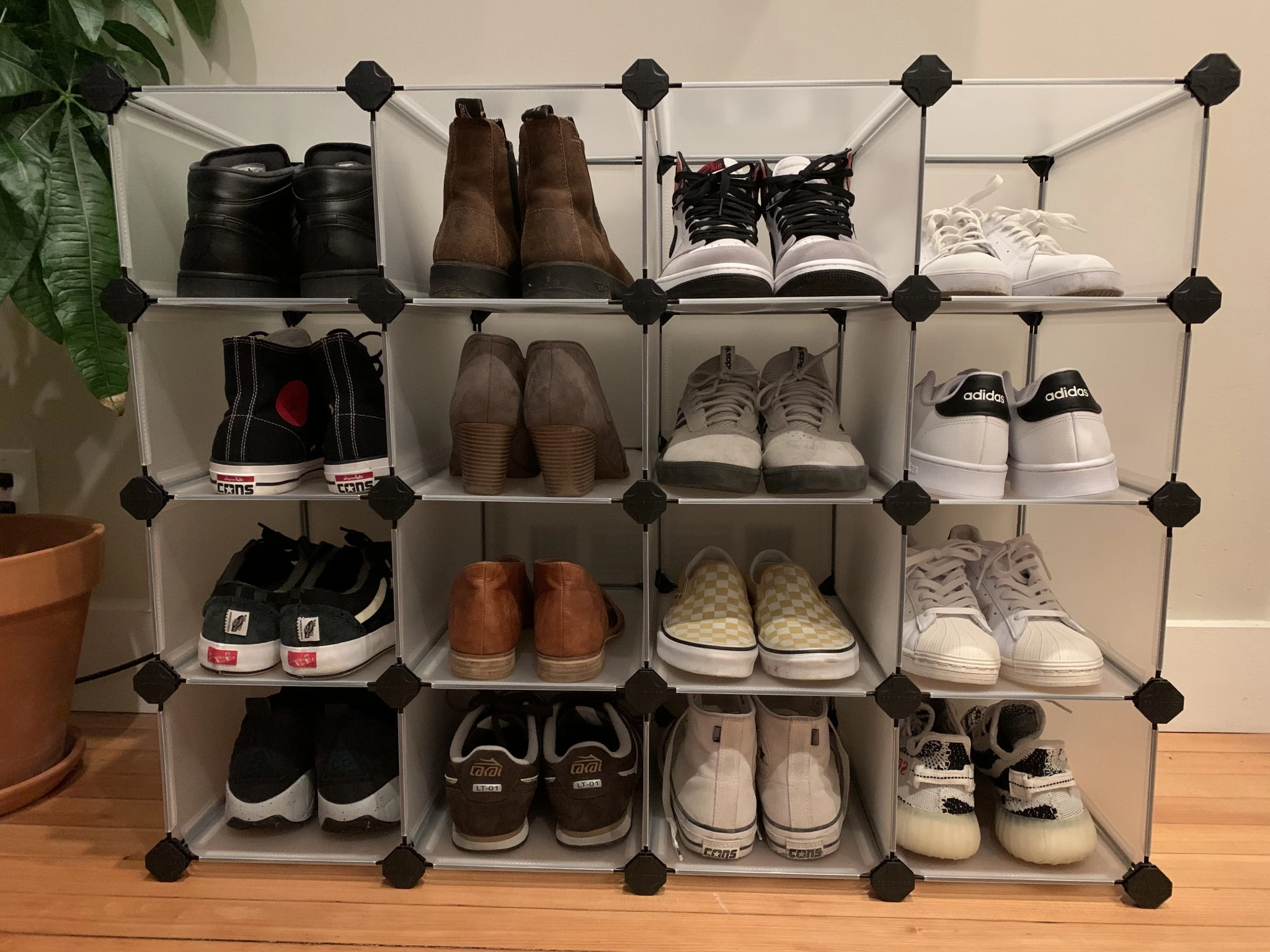
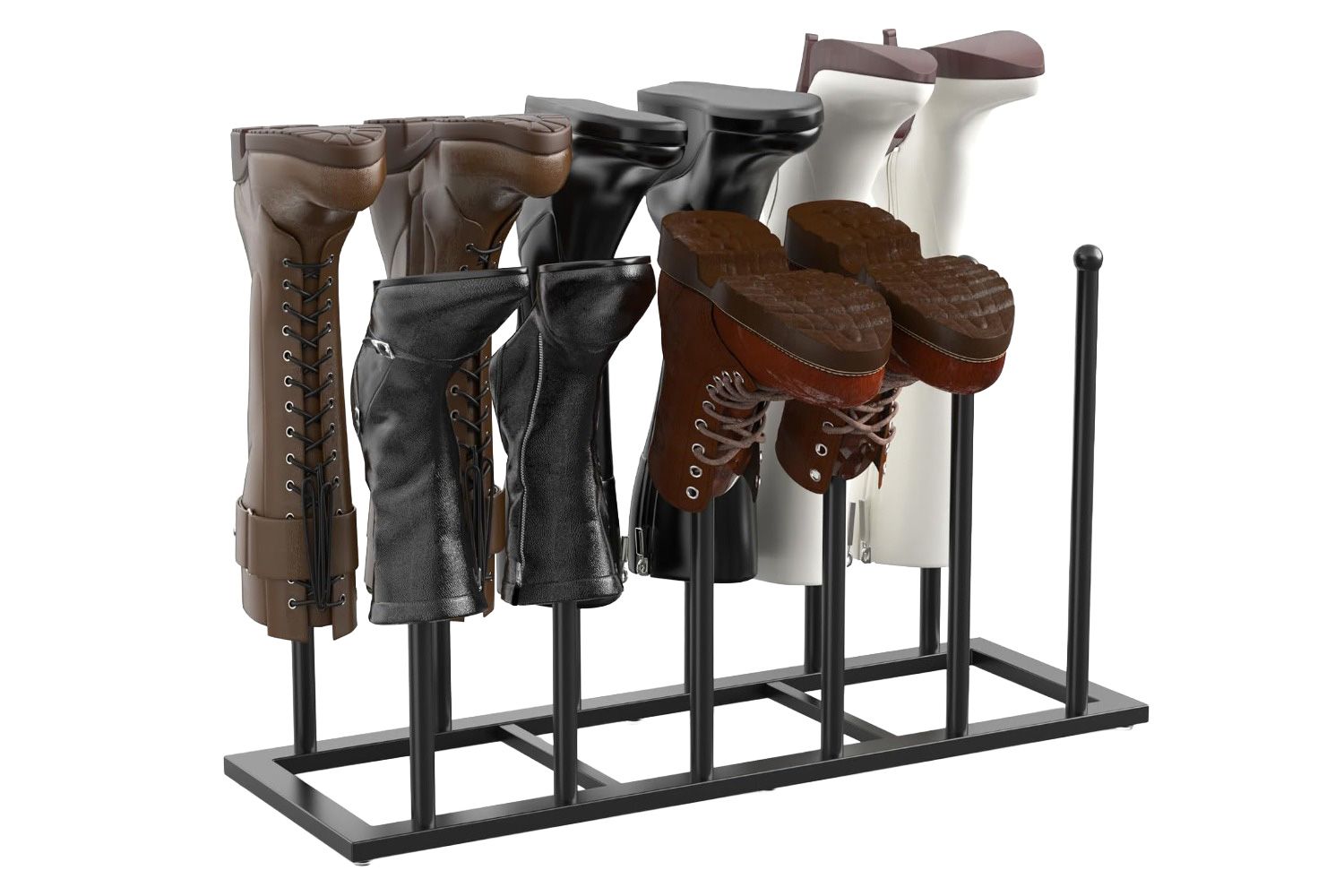
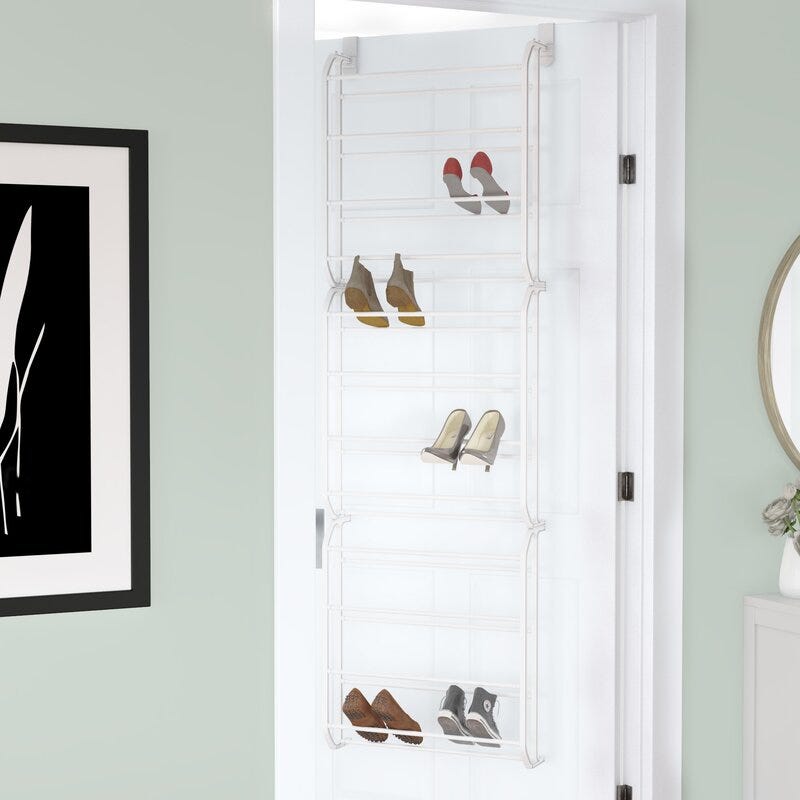
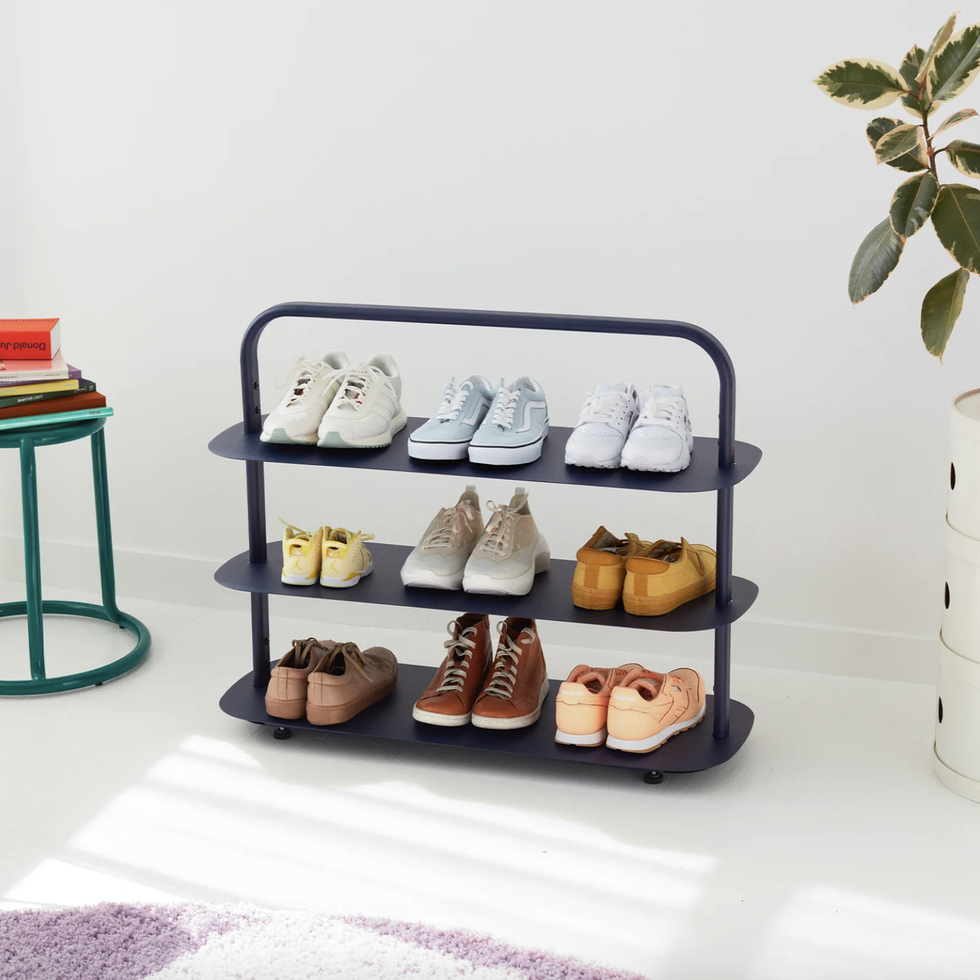
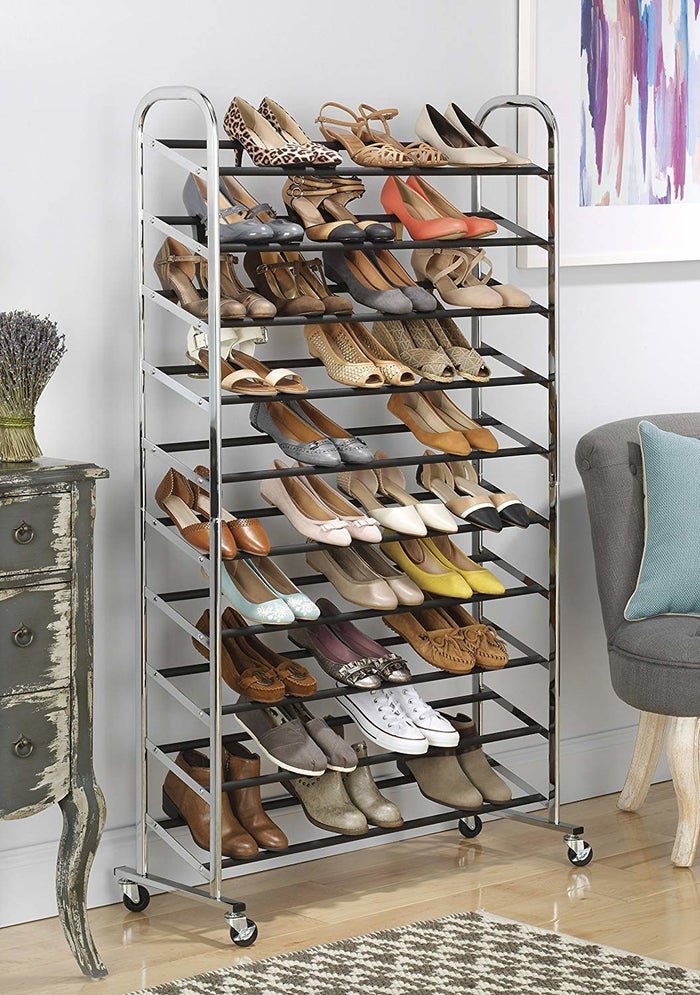
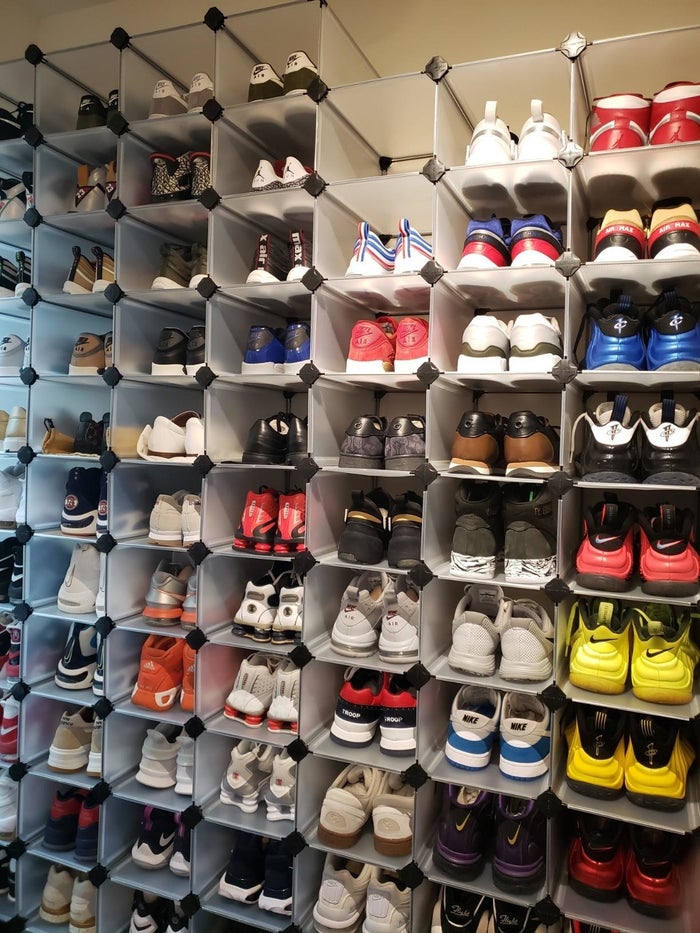
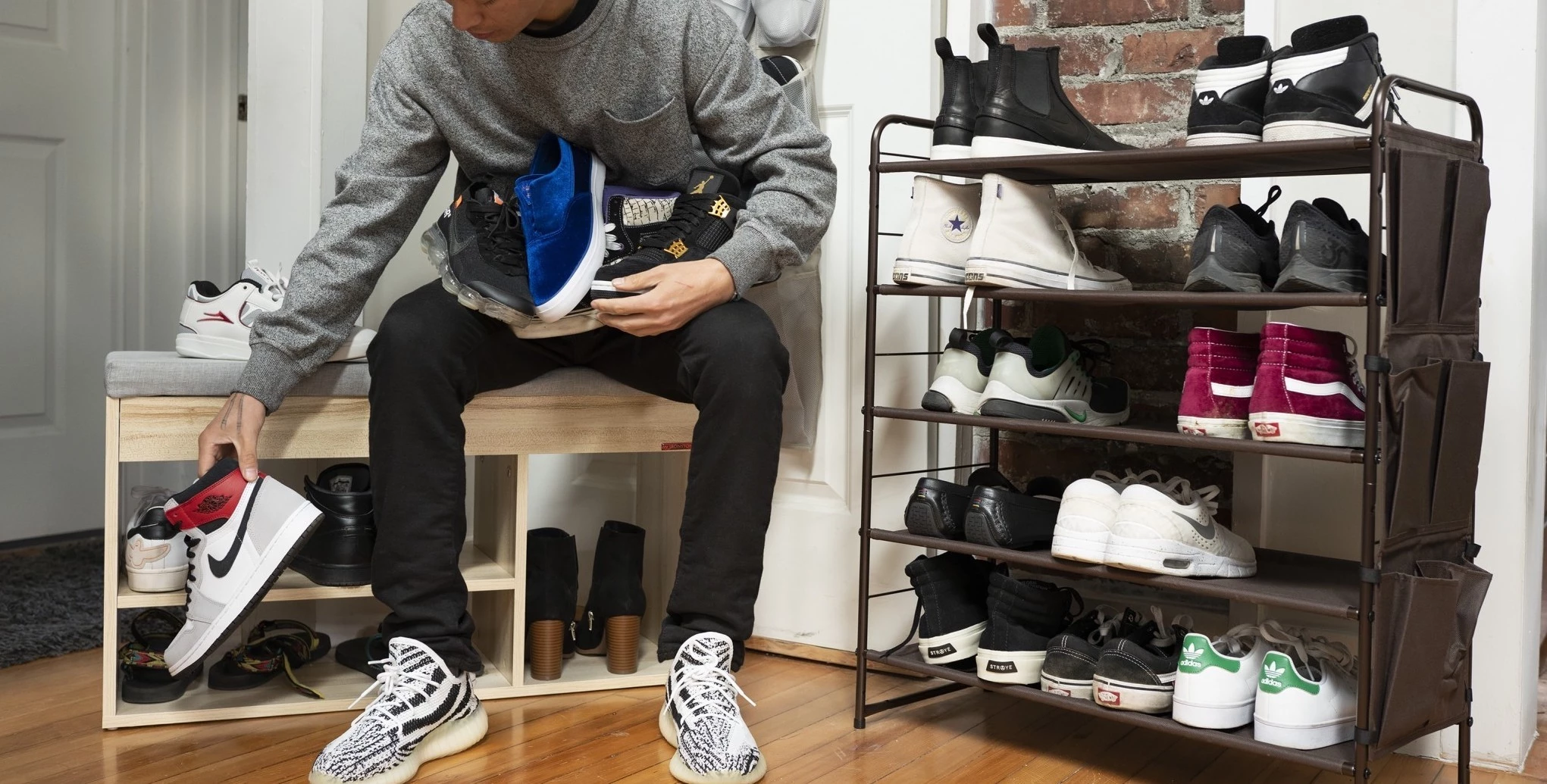
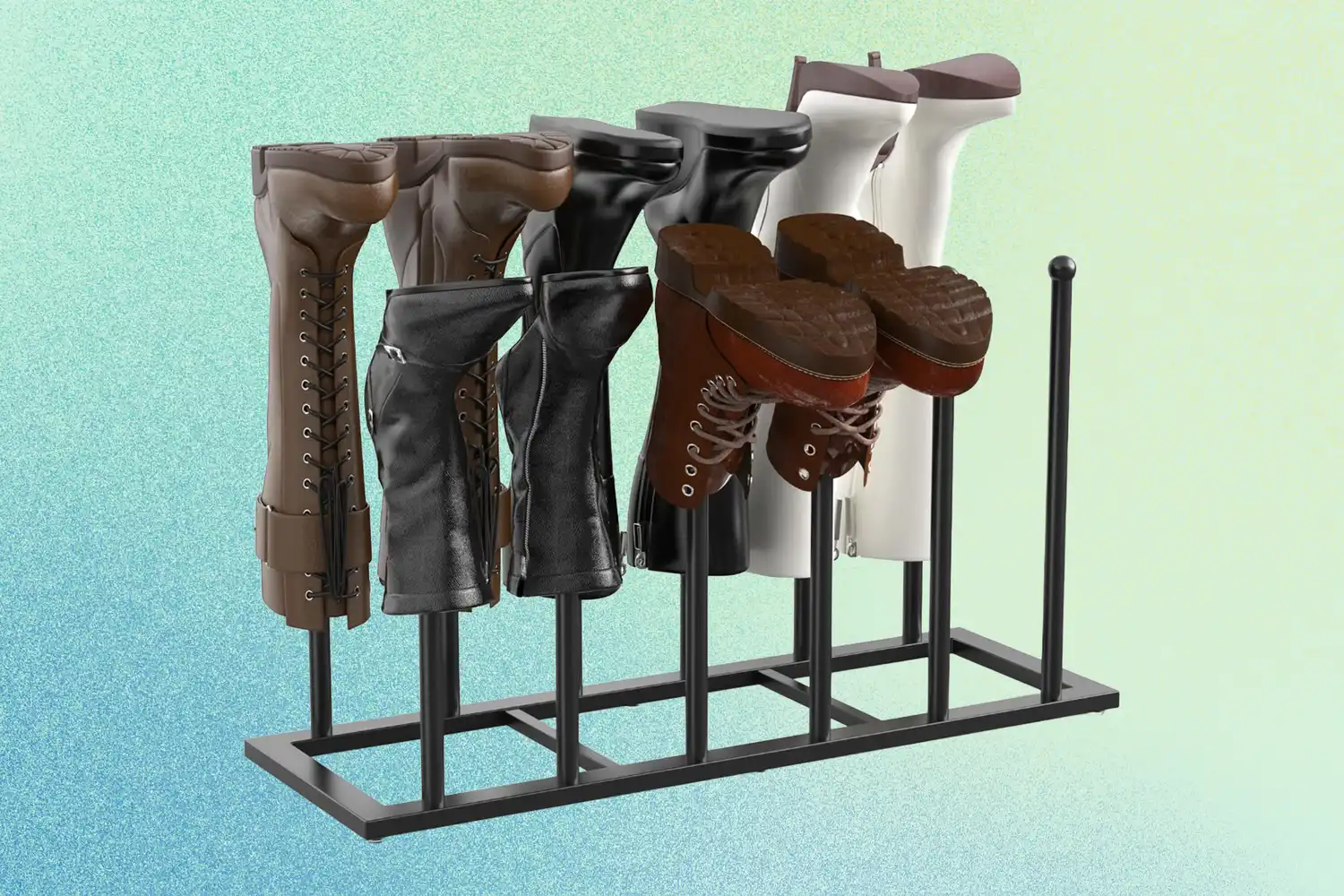
Following decluttering, shoes should be sorted into categories, such as sneakers, sandals, and heels, as well as by season, formality, and frequency of use. This categorization helps in determining the most appropriate storage solutions. Subsequently, an assessment of available storage space is necessary, which may require creative solutions for limited areas. Ideally, similar types of shoes should be stored together for easy access. The article then details strategies for everyday shoes, recommending designated spots near entryways. Options include two or three-tier shoe racks for frequently used pairs, or vertical racks for larger families. Standing shoe cubbies are suggested for slimmer shoes, offering individual slots to keep pairs separated, though they may not accommodate bulkier footwear. Over-the-door organizers are useful for flat shoes in coat closets, arranged by wear frequency or family member height. For inclement weather, a boot tray made of rubber or a rack with vertical rods can collect debris and allow boots to dry, ideally placed in a mudroom or garage.
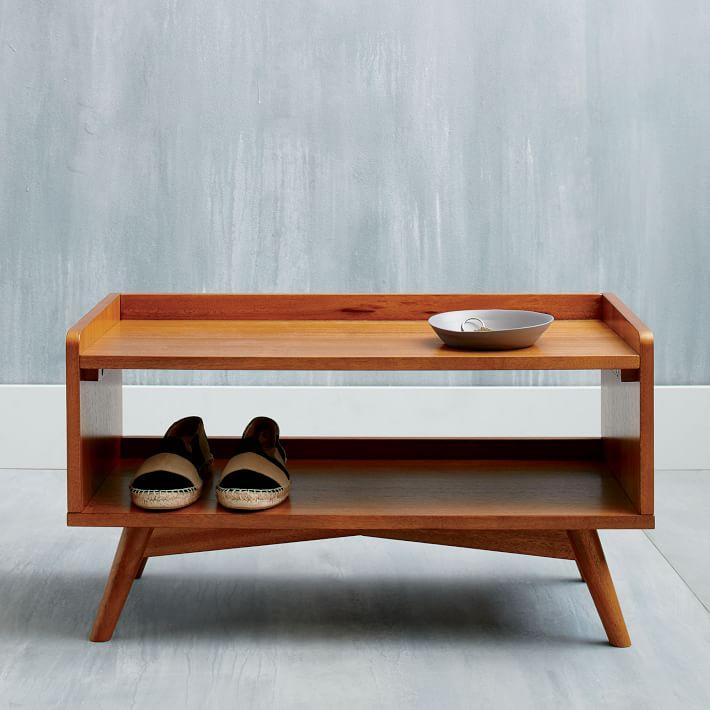
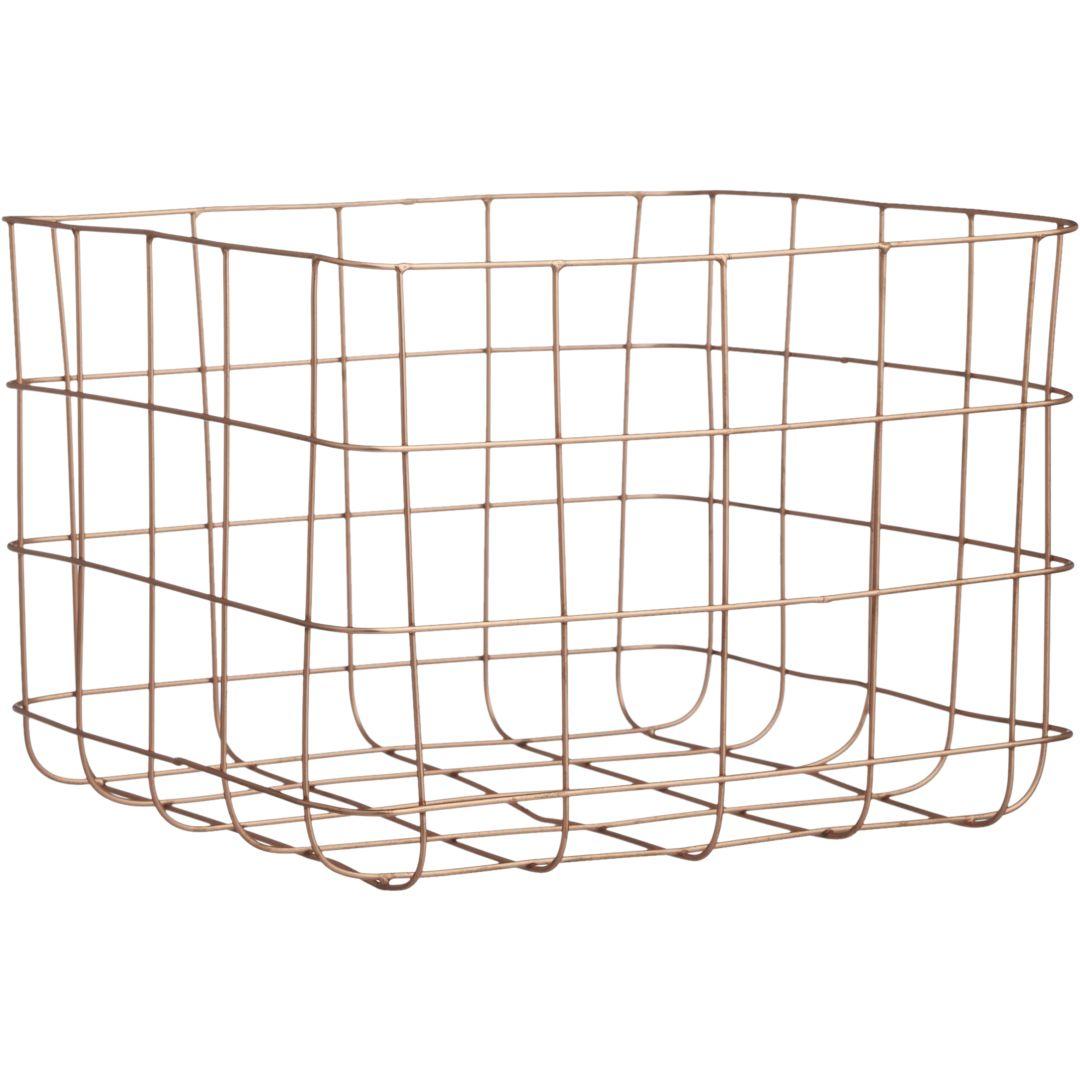
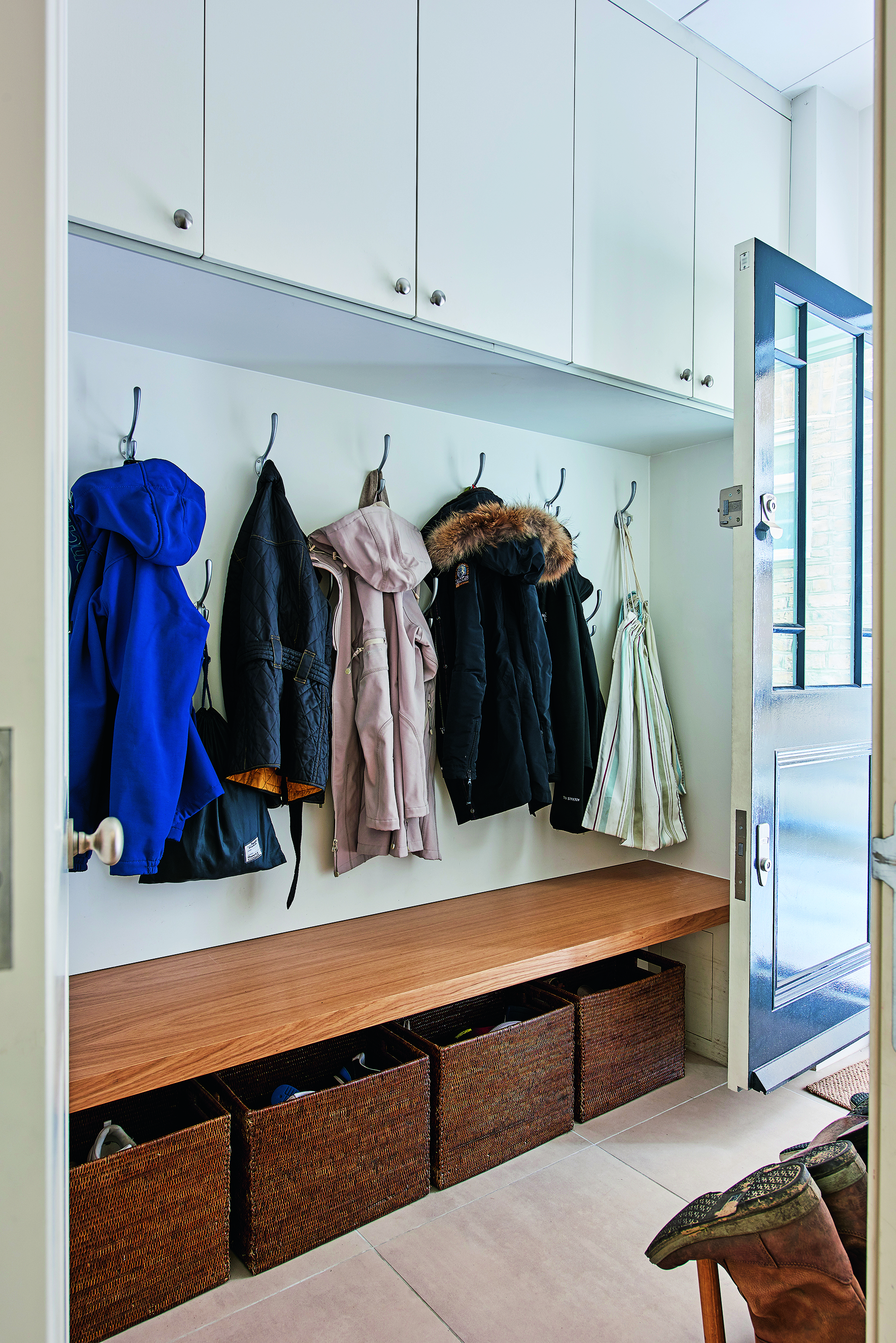
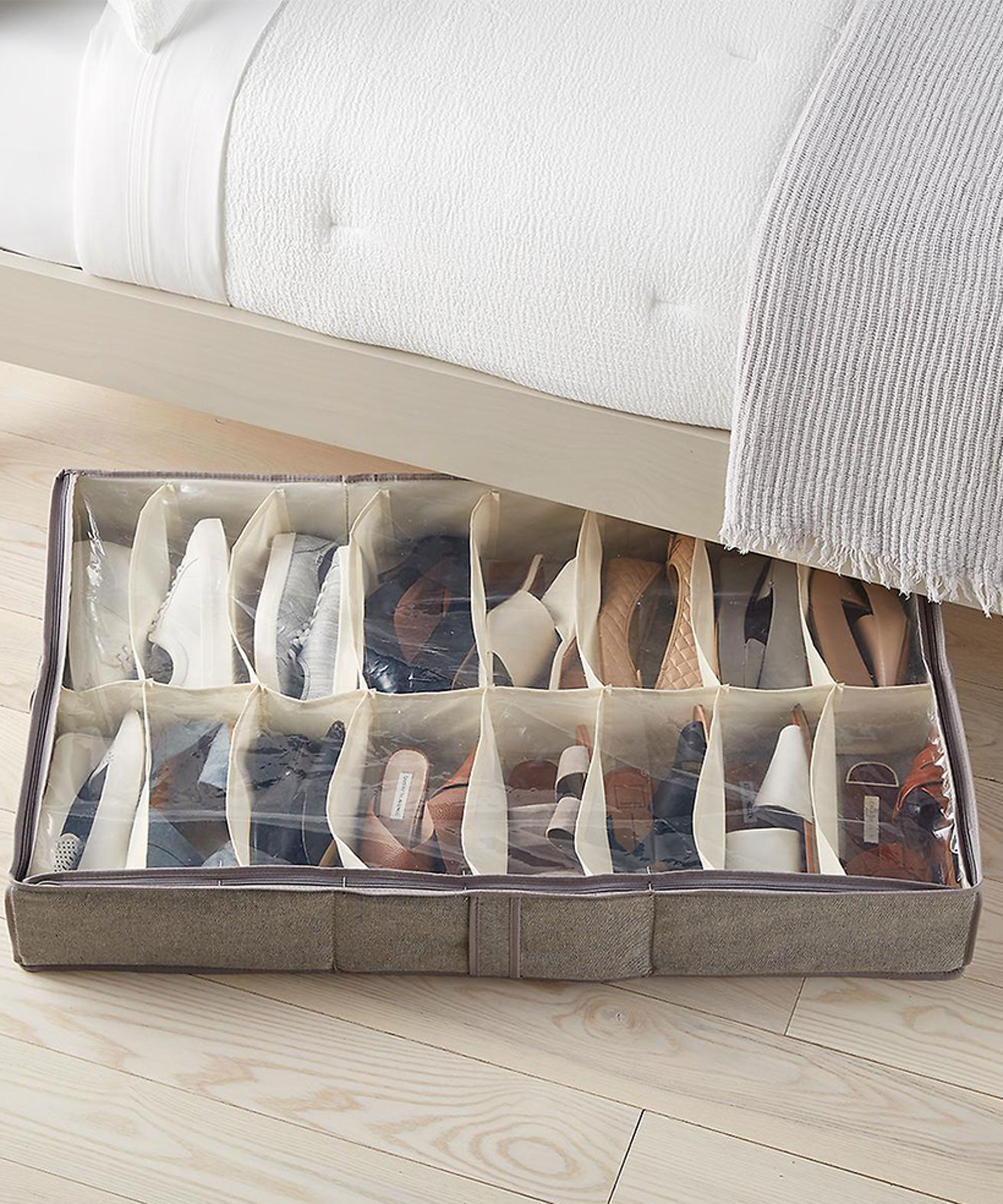
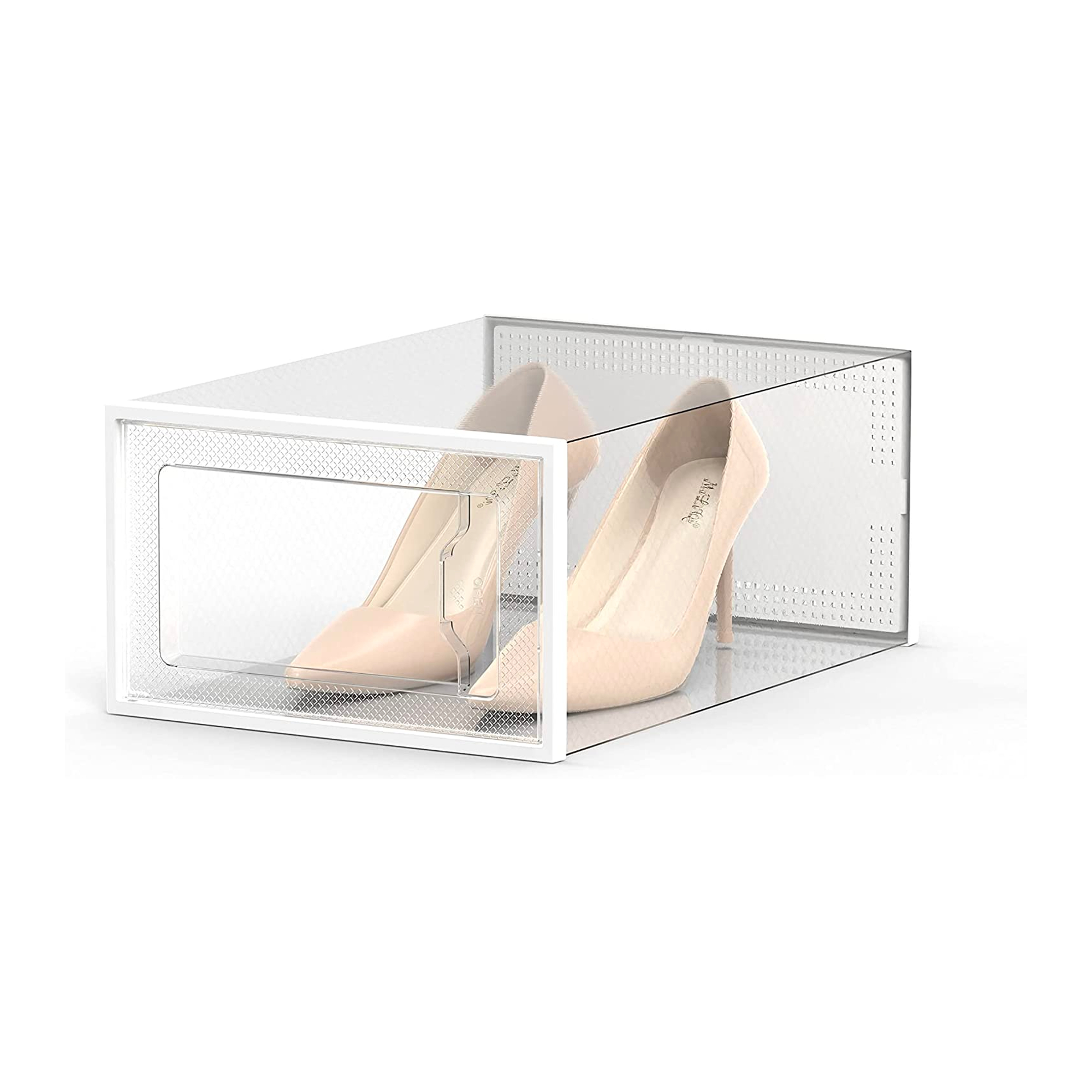
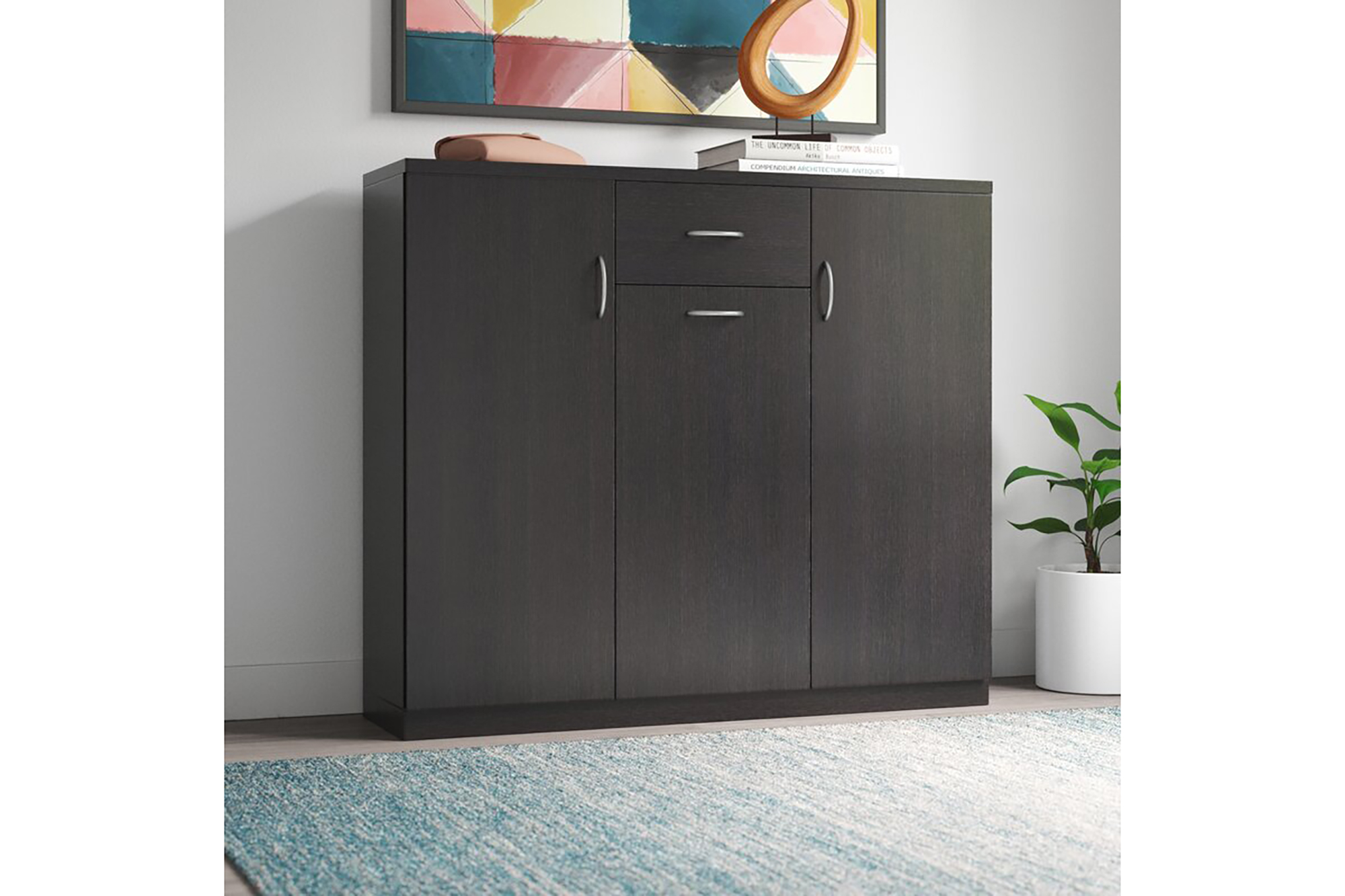
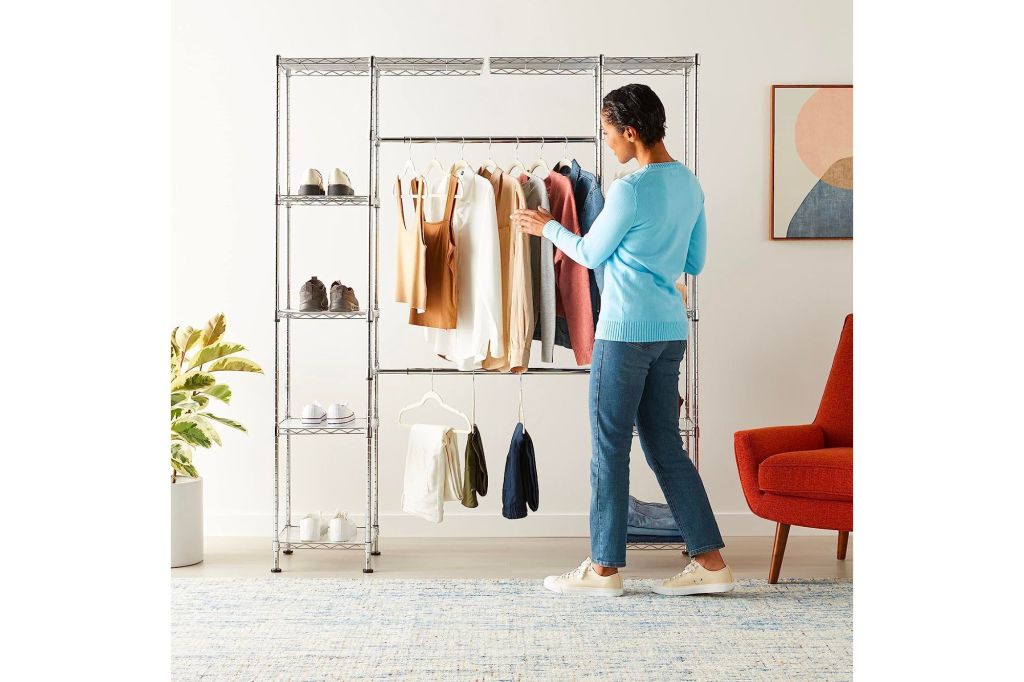
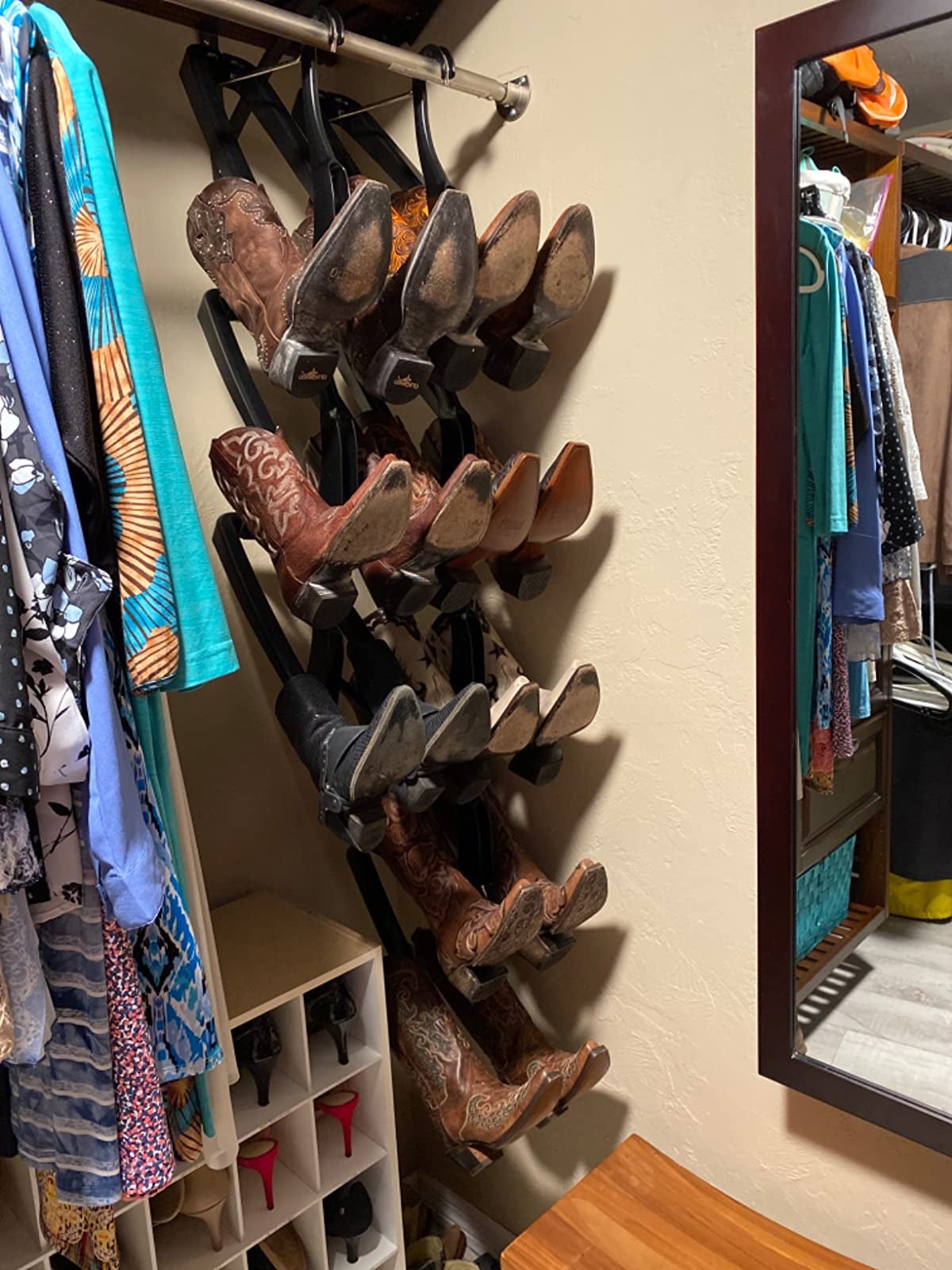
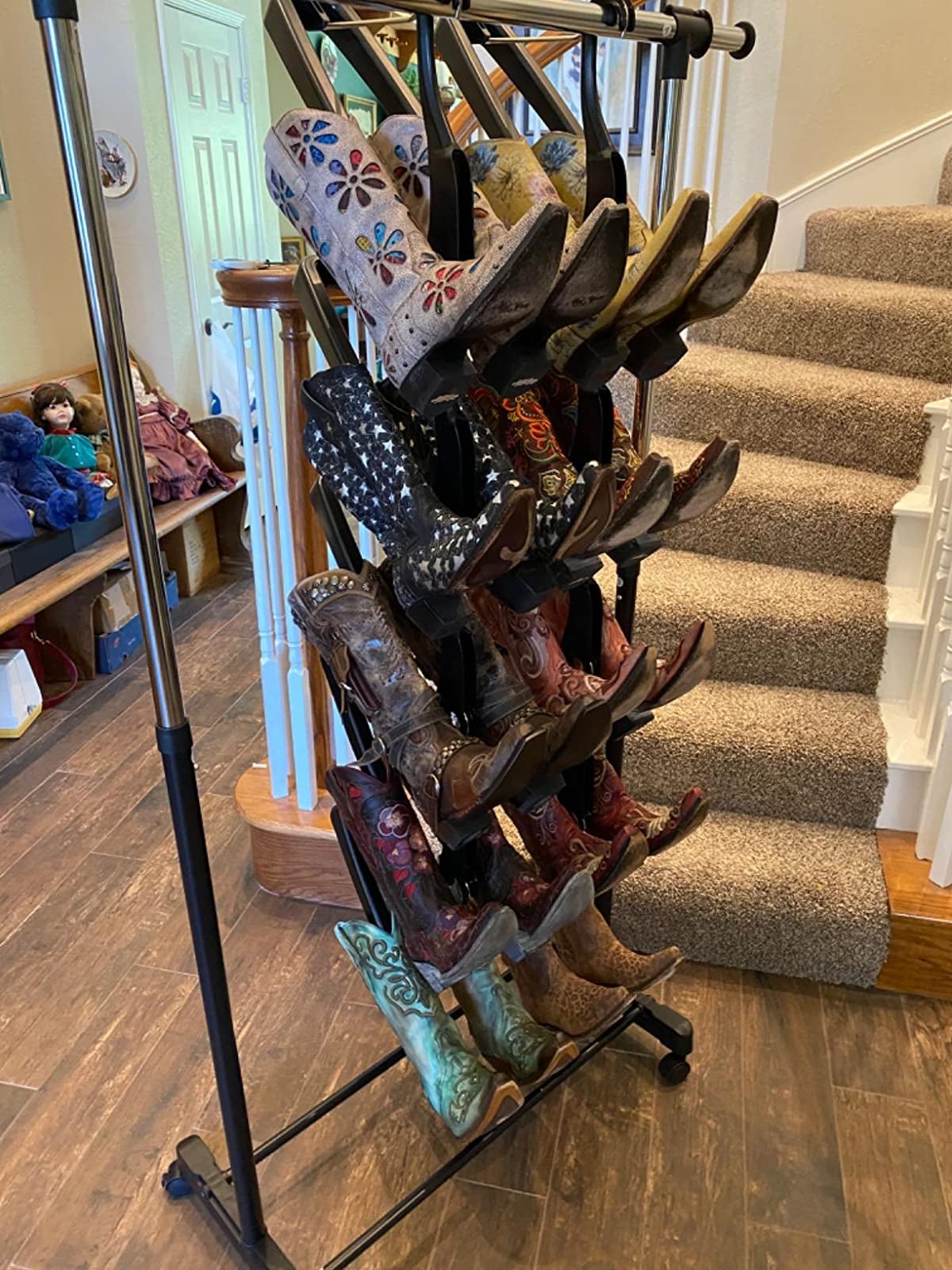
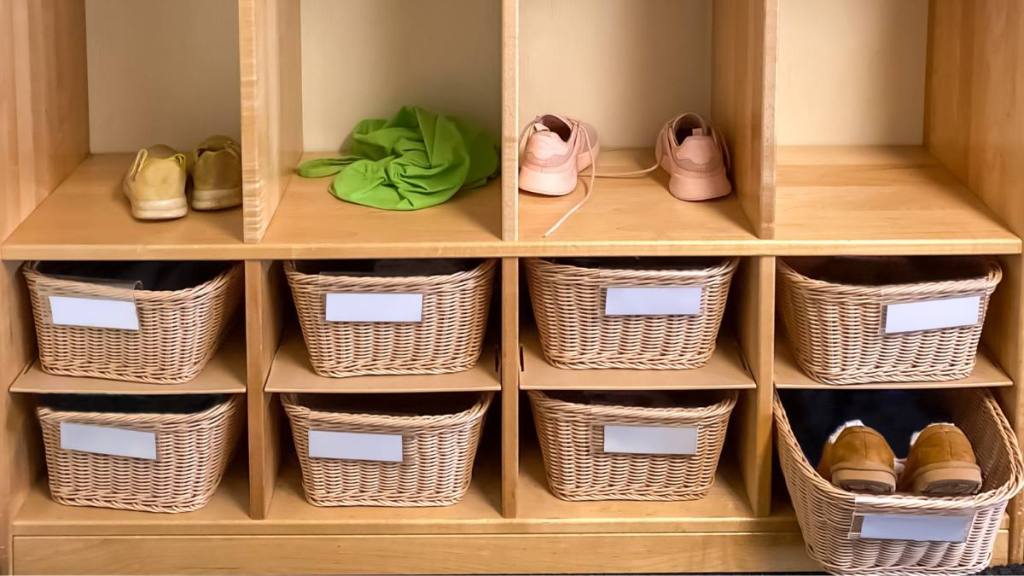
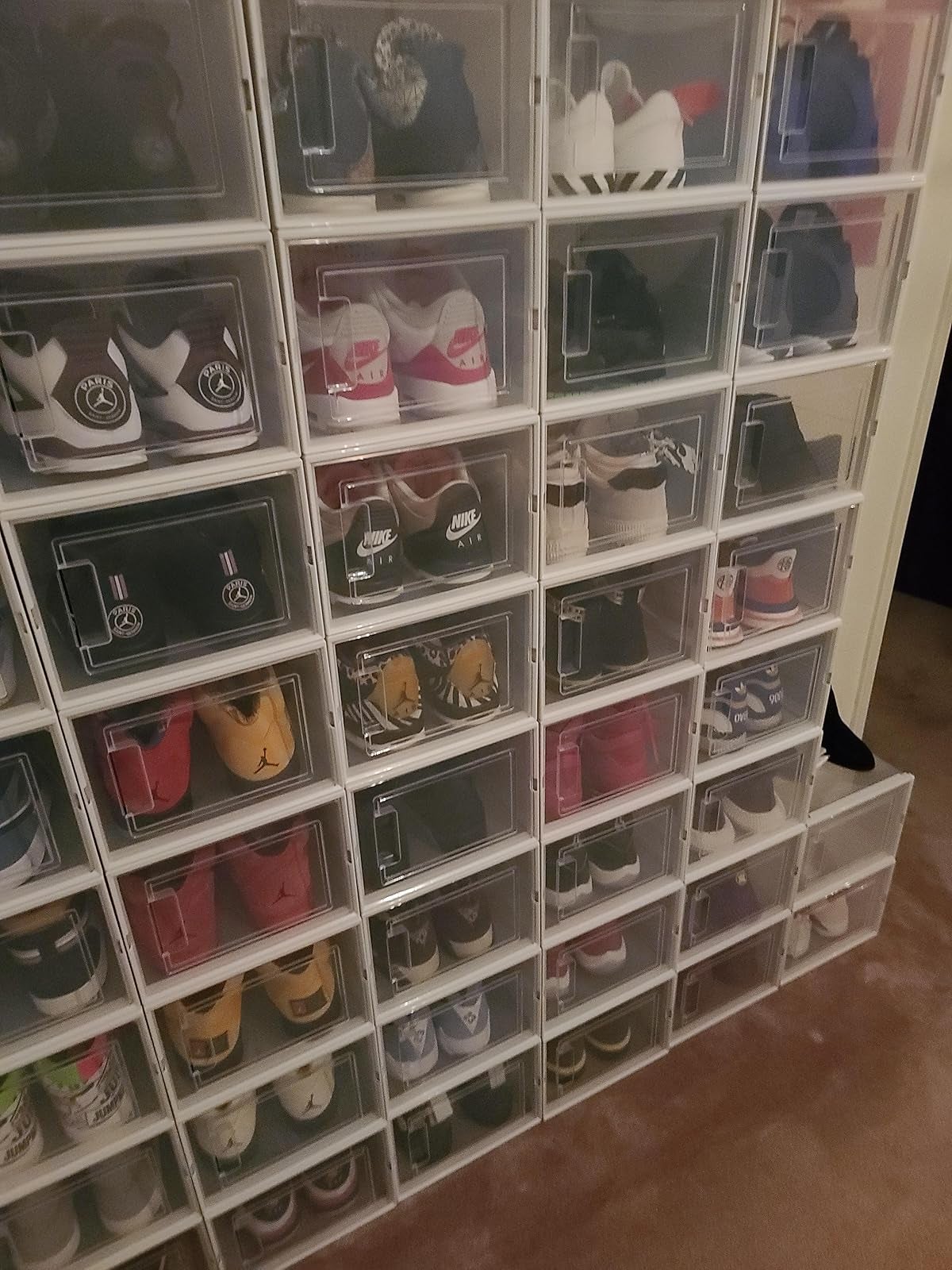
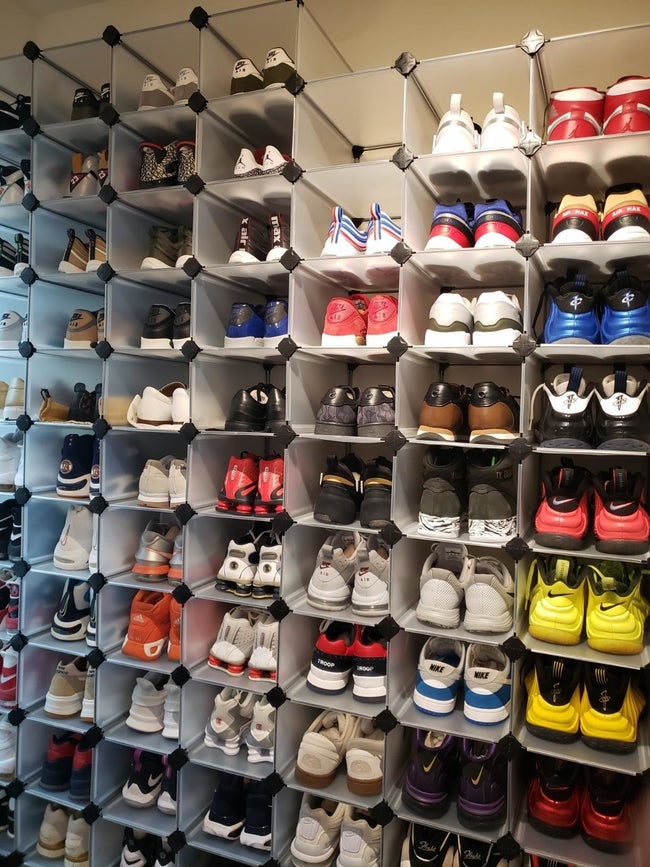
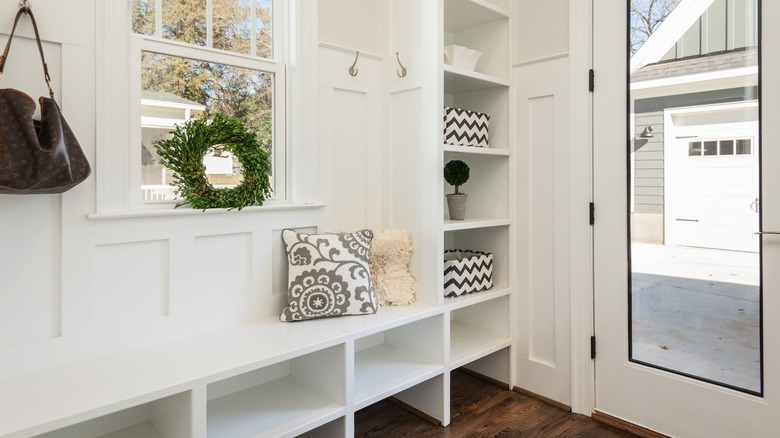
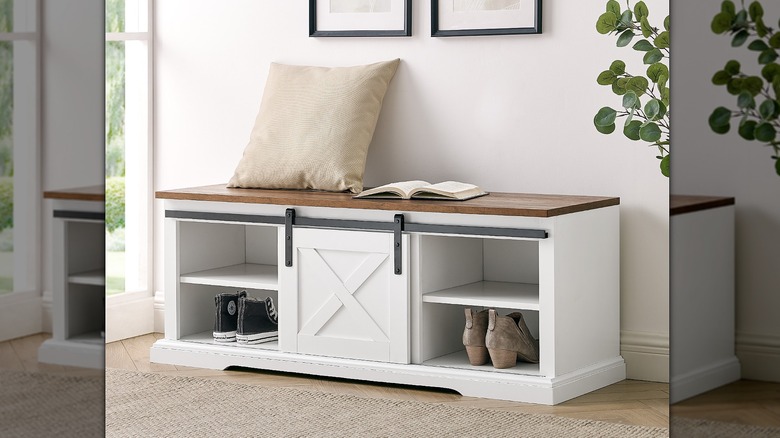
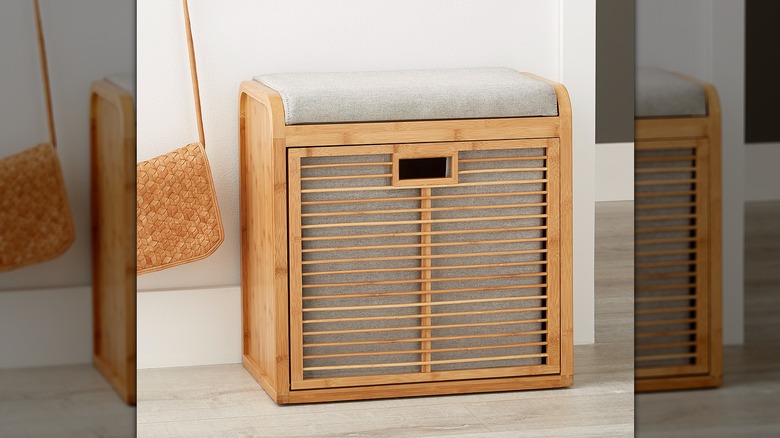
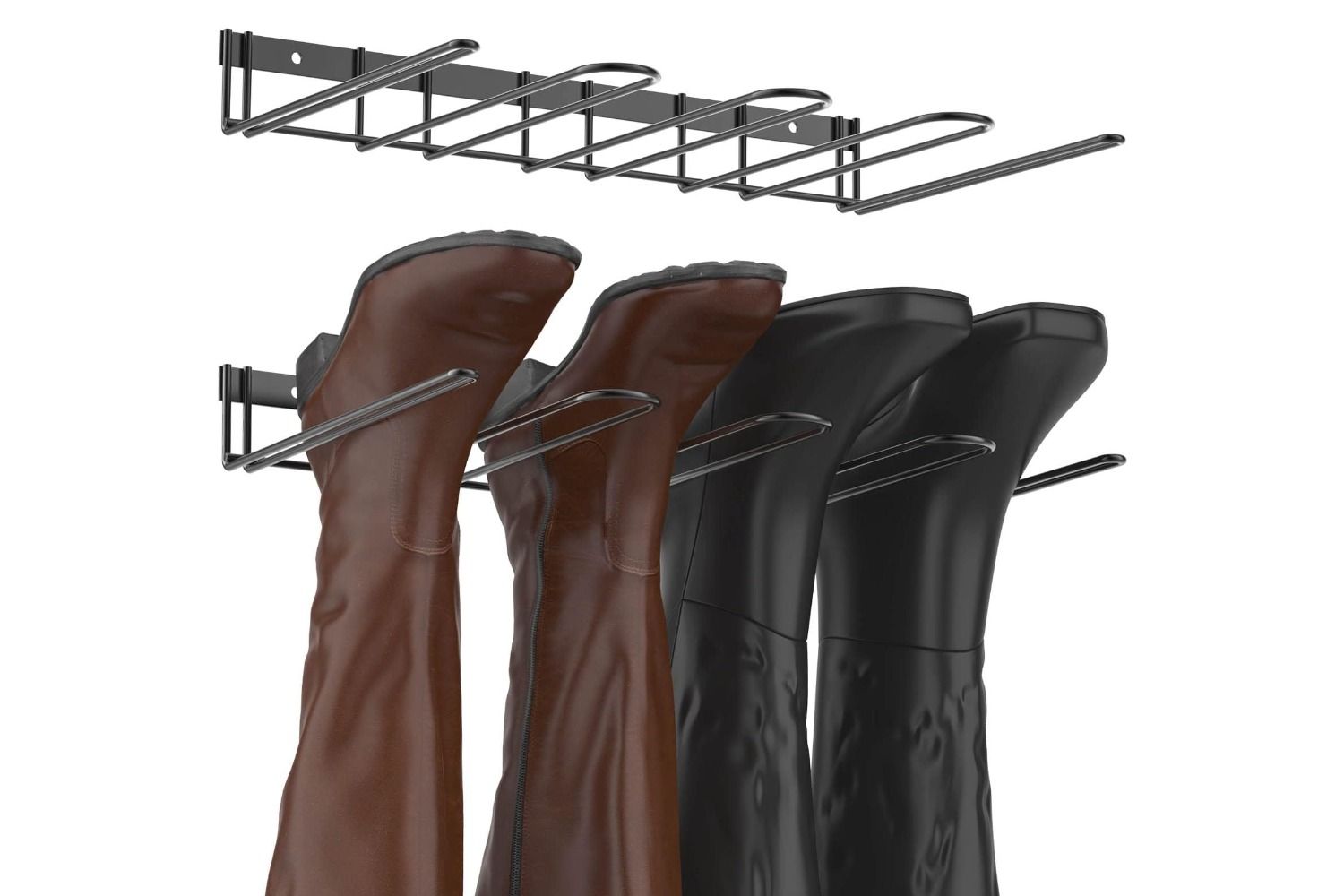
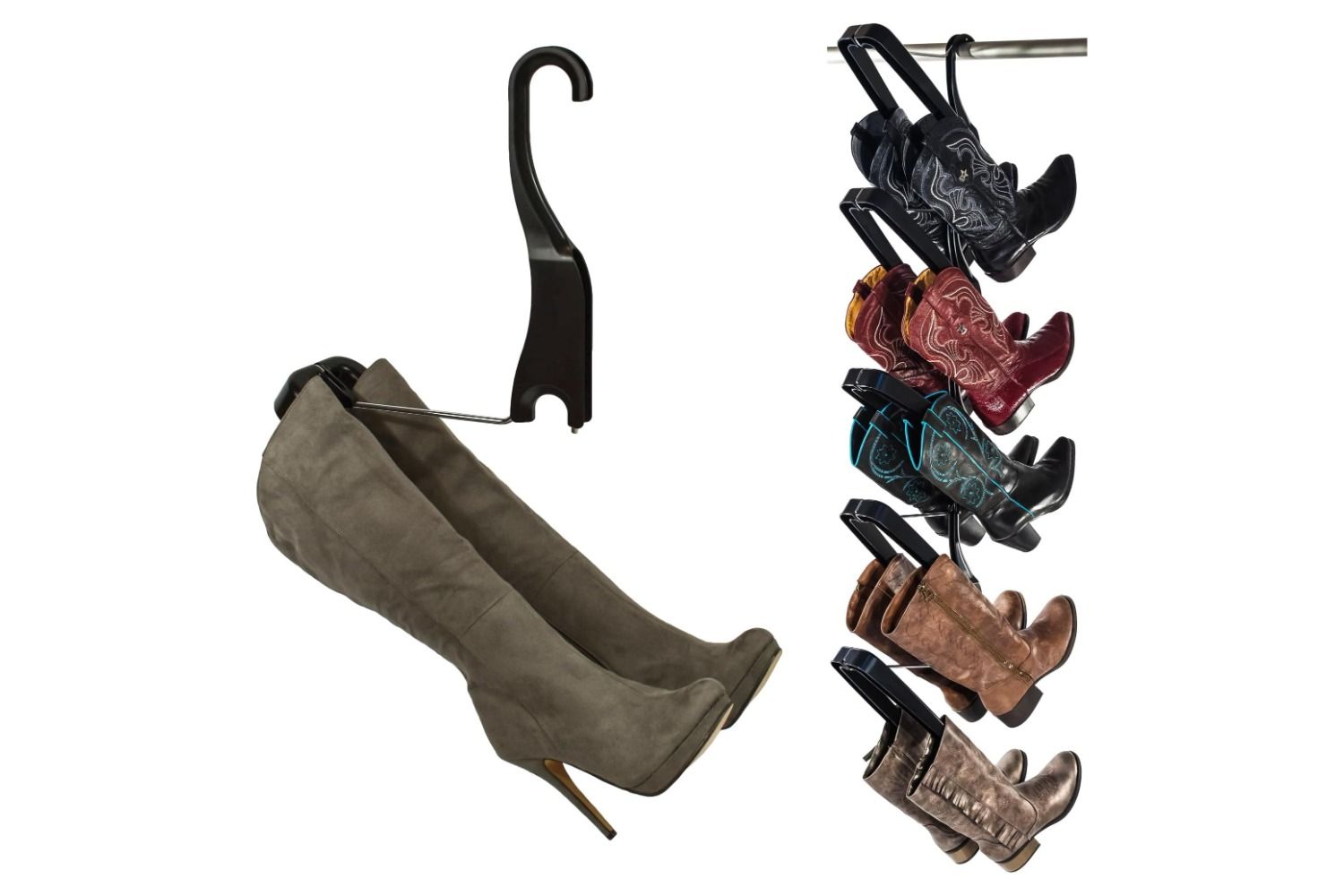
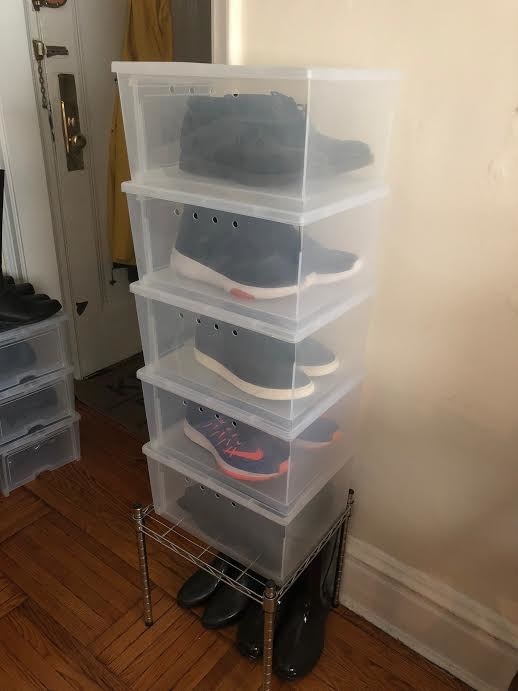
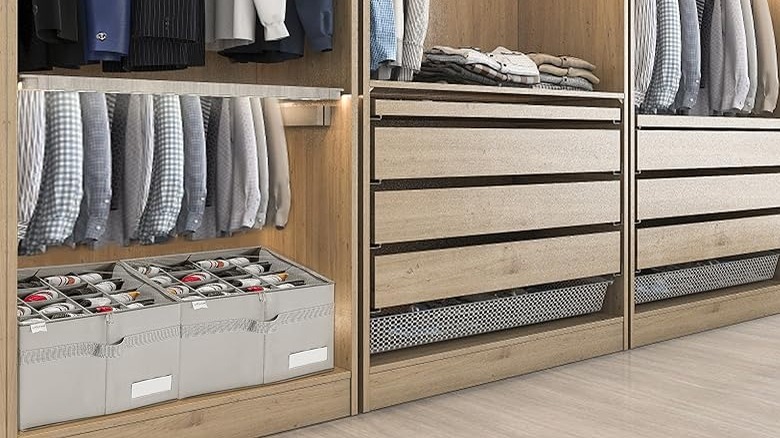
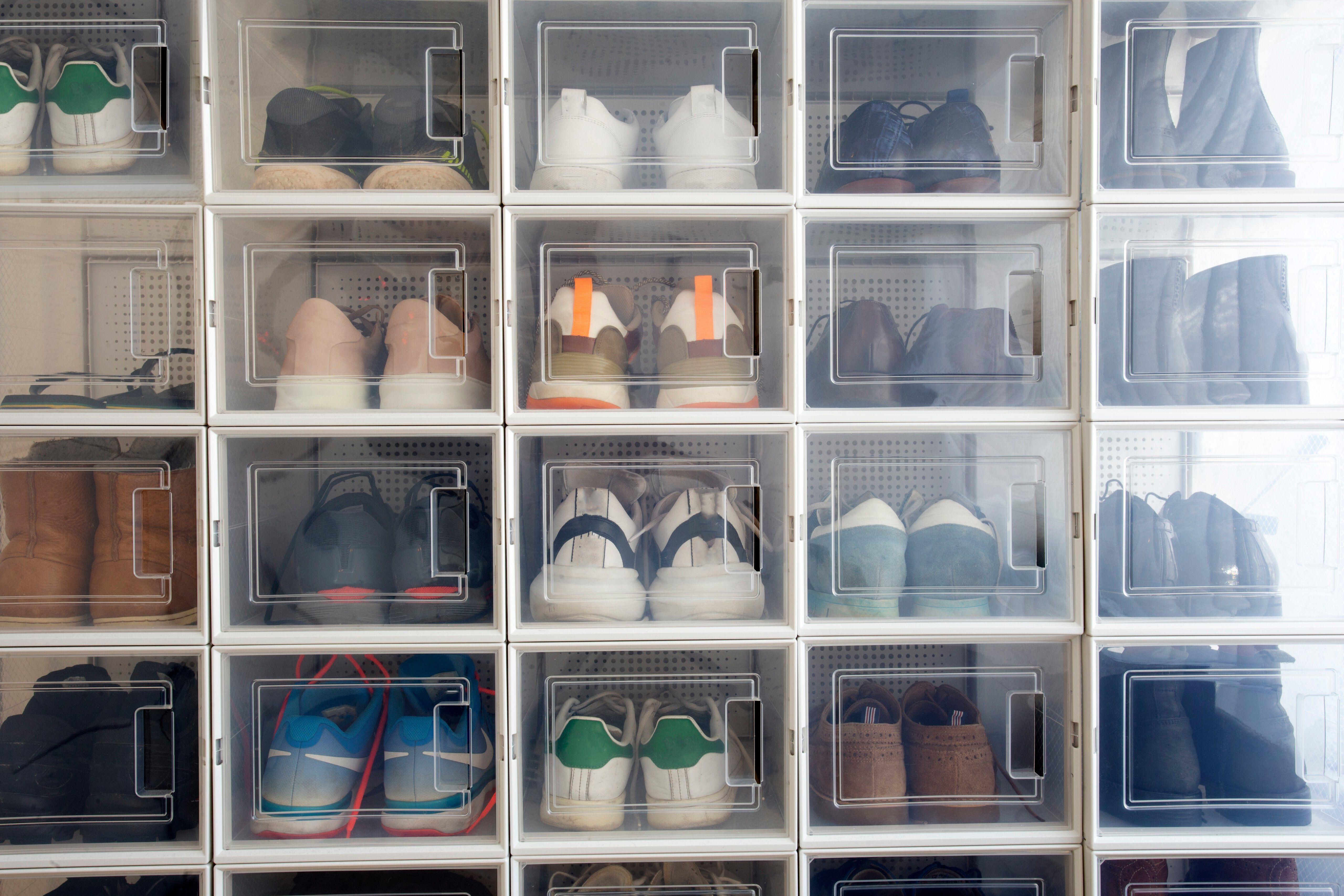
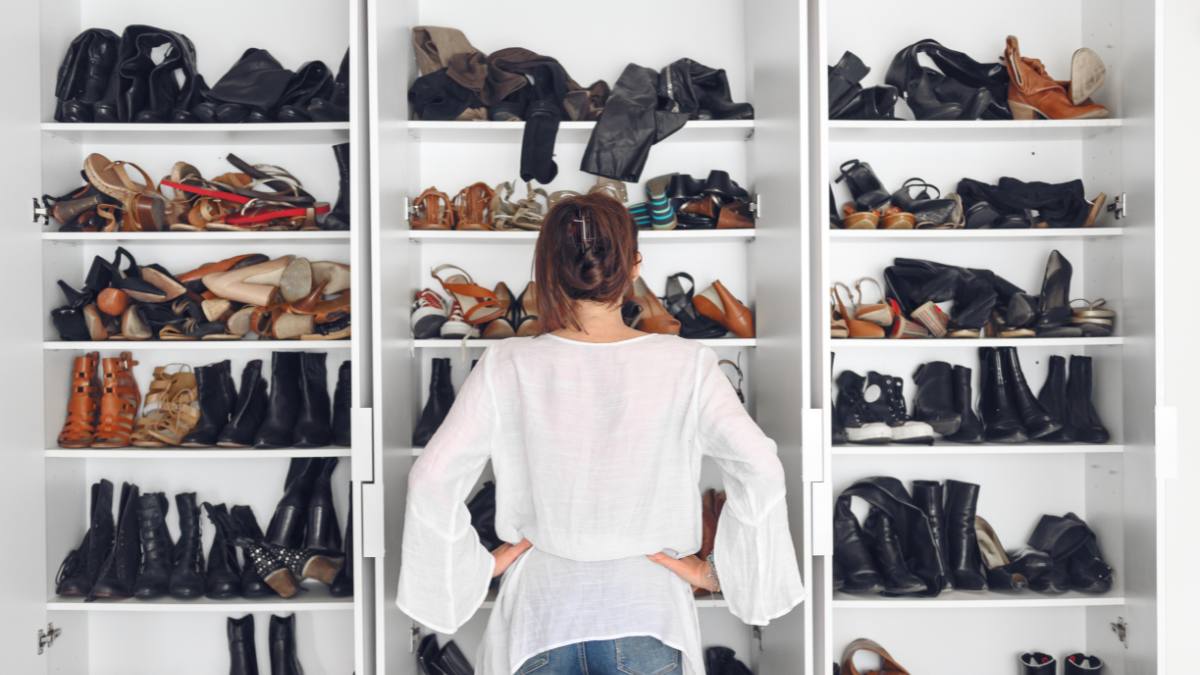
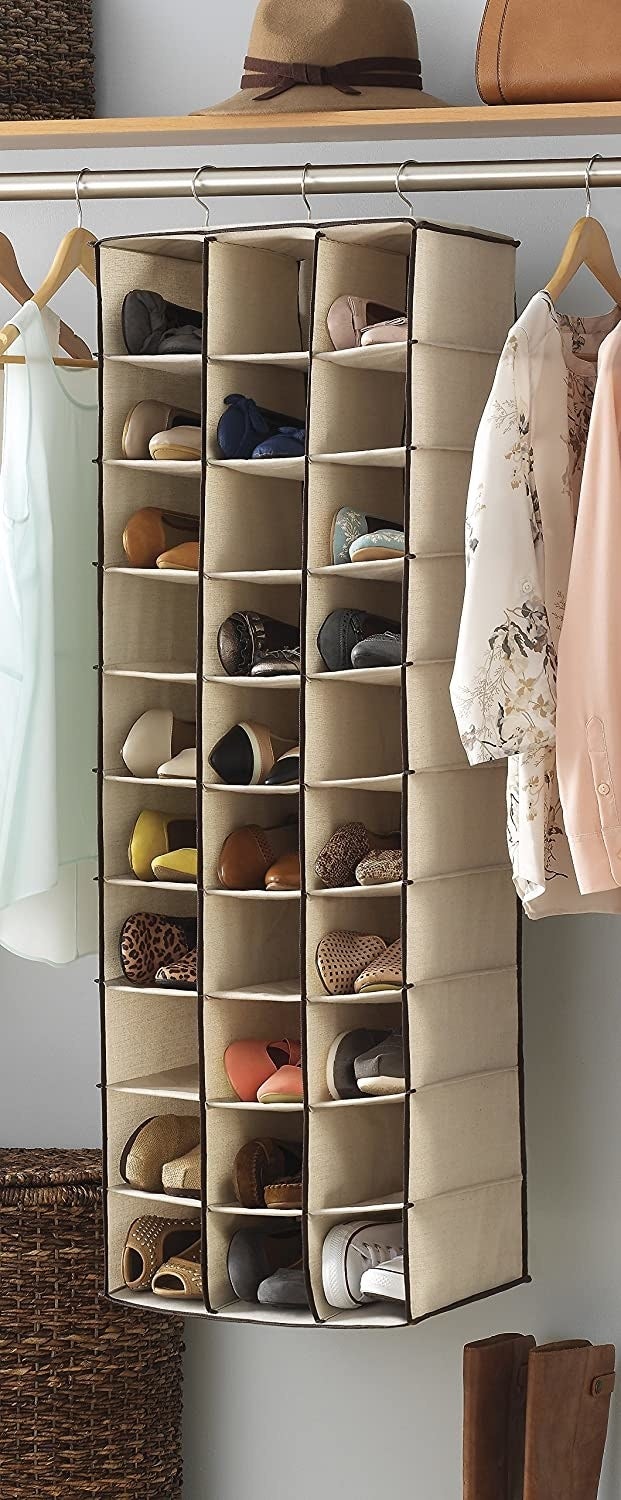
For formal shoes, which are worn less frequently, storage away from high-traffic areas is recommended. These can be placed in primary closets or on shelves in spare bedroom closets. A heel rail, an ideal DIY project, involves installing shallow picture shelves on a wall to hang high heels, best suited for stiletto or block heels. Protective, breathable, and stackable shoe boxes with clear designs and drop-front lids are excellent for special shoes, allowing them to be stored efficiently on high shelves without disturbing the stack. Seasonal storage involves rotating shoes based on the time of year. Under-bed storage containers are perfect for off-season footwear, keeping items like winter boots or summer sandals out of the way. Drawstring bags or stuffed boots in labeled totes can also be used for storage in basements or attics. Boot clip hangers are effective for hanging mid-calf to over-the-knee boots made of malleable materials, preventing creasing and maintaining their shape, though care should be taken with delicate materials to avoid indents. The final step is selecting the best shoe organizers based on established categories and available space, utilizing options like hanging shoe cubbies for smaller, flatter shoes, decorative oversized baskets for casual footwear in mudrooms, or storage benches with hidden compartments for dual functionality in entryways. These methods collectively aim to create an organized and clutter-free living environment while preserving the condition of one's shoe collection.
#ShoeOrganization #HomeStorage #Decluttering #ClosetOrganization #FootwearCare #SpaceSaving #OrganizationalTips #ShoeOrganization #HomeStorage #Decluttering #ClosetOrganization #FootwearCare #SpaceSaving #OrganizationalTips
0 comment in total
 No comments yet
You may also like
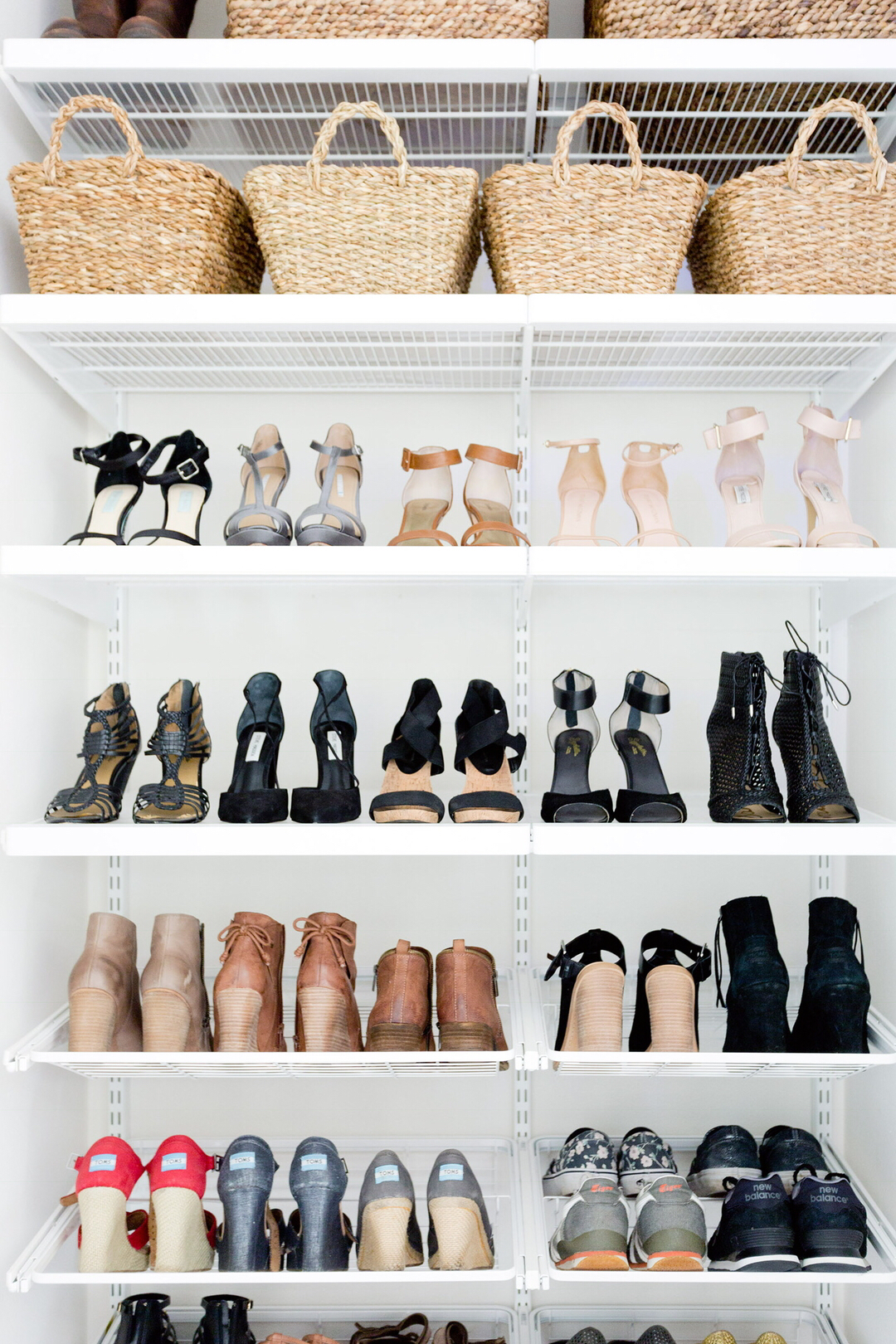
7 Expert Shoe Organizing Tips You Need In Your Life

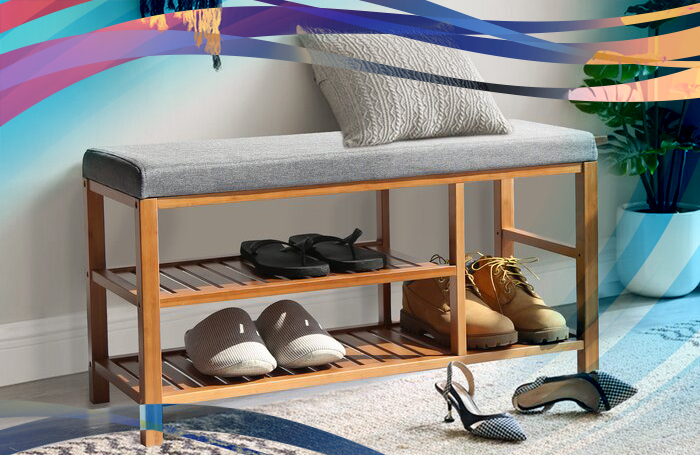
11 shoe storage ideas that will make staying organized so much easier
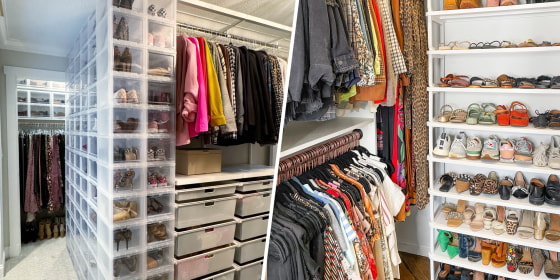
The best shoe racks 2025, according to professional organizers

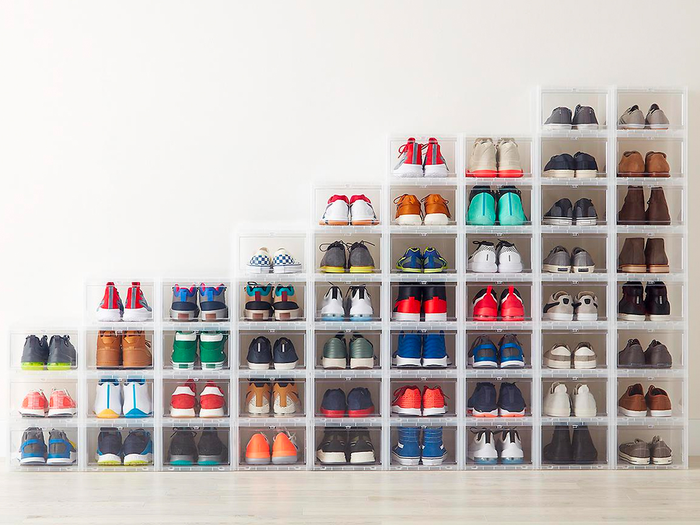
14 shoe organization ideas that make the most of your space
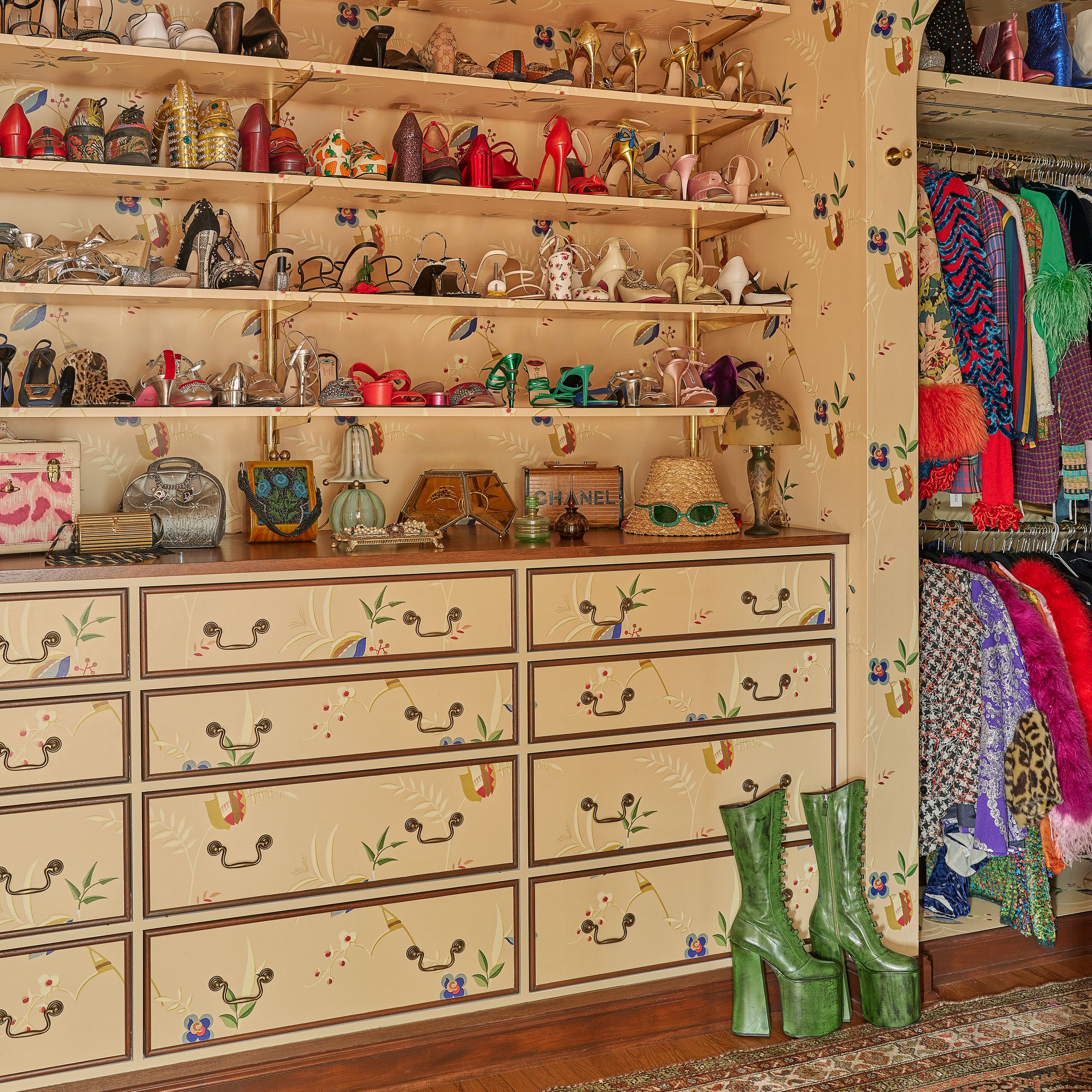
The Best Shoe Organizers Are the Heroes of Any Messy Closet

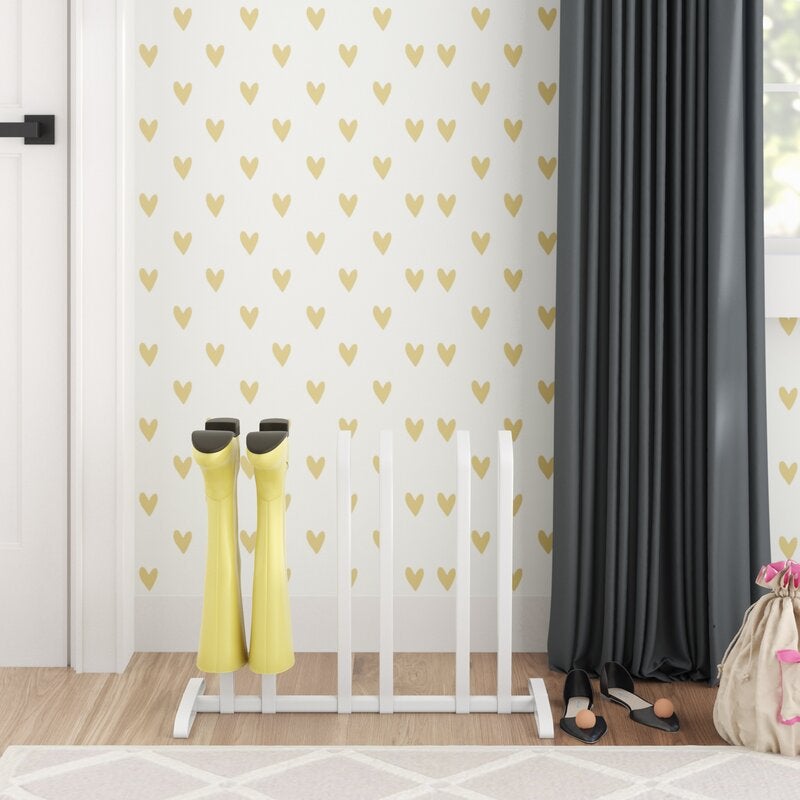
17 Of The Best Boot Racks And Organizers To Defeat Closet Clutter Once And For All


Creating A Shoe Closet Worthy of Carrie Bradshaw
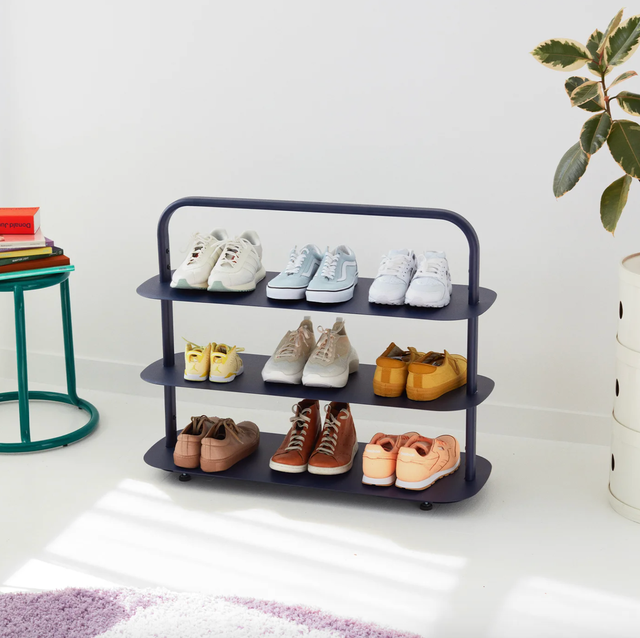
Low on Space? Here's 25 Clever Shoe Storage Ideas for Small Spaces

Organize shoes – 10 top tactics to keep footwear neat

Organizing Pros Share the Shoe Storage Solutions That Save Space! Ideas for Every Kind of Footwear

The Best Shoe Organizer

40 Shoe Organizers That Will Marie Kondo Your Life
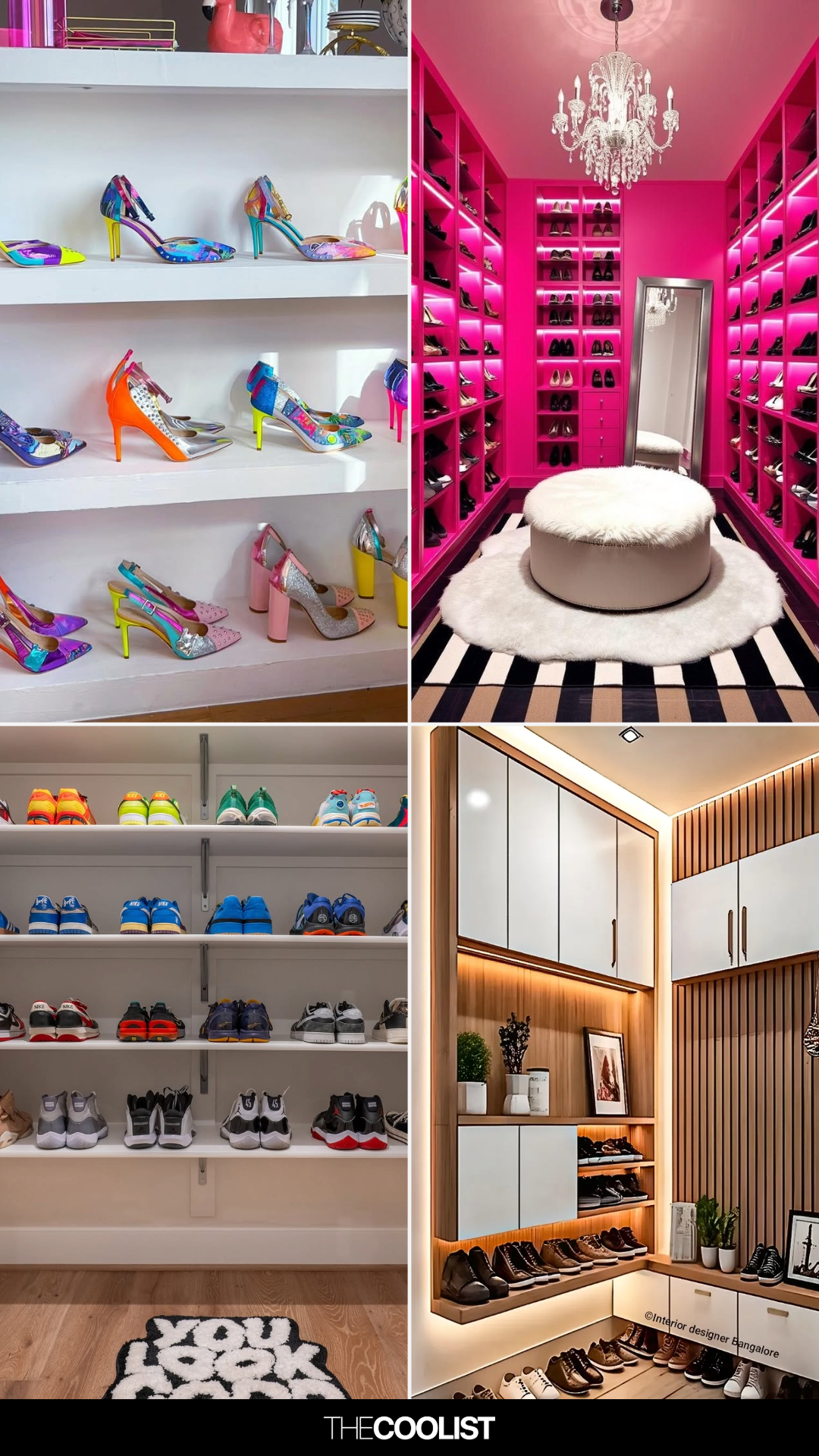
30 Shoe Closet Organization Ideas That Stop Your Closet From Looking Like a Disaster Zone

28 Products That’ll Help You Better Organize Your Shoes
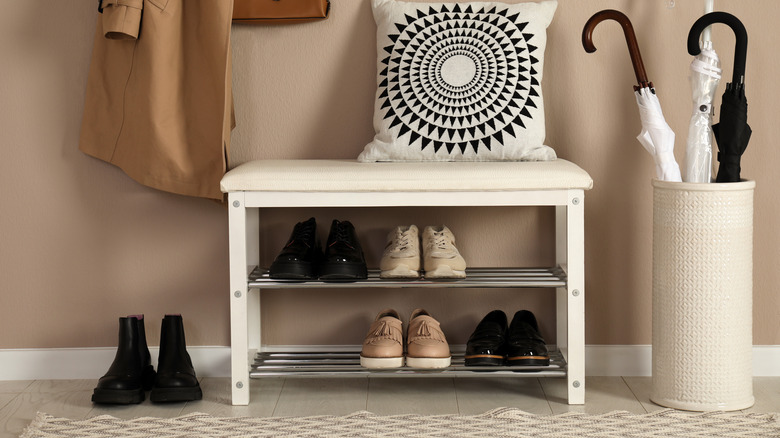
The 7 Best Shoe Storage Benches To Help You Stay Organized In Style
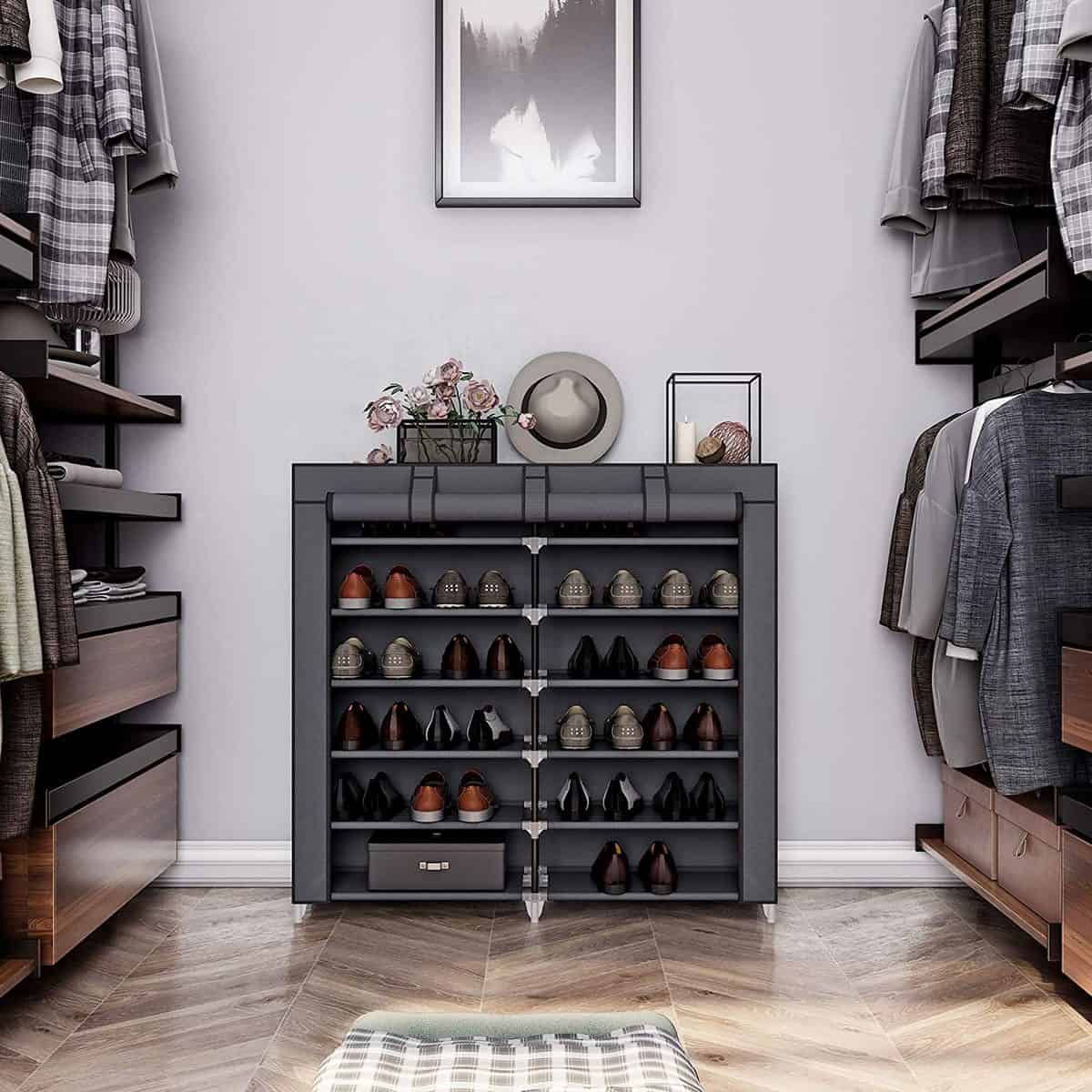
These Are The 10 Best Shoe Organizers of 2023
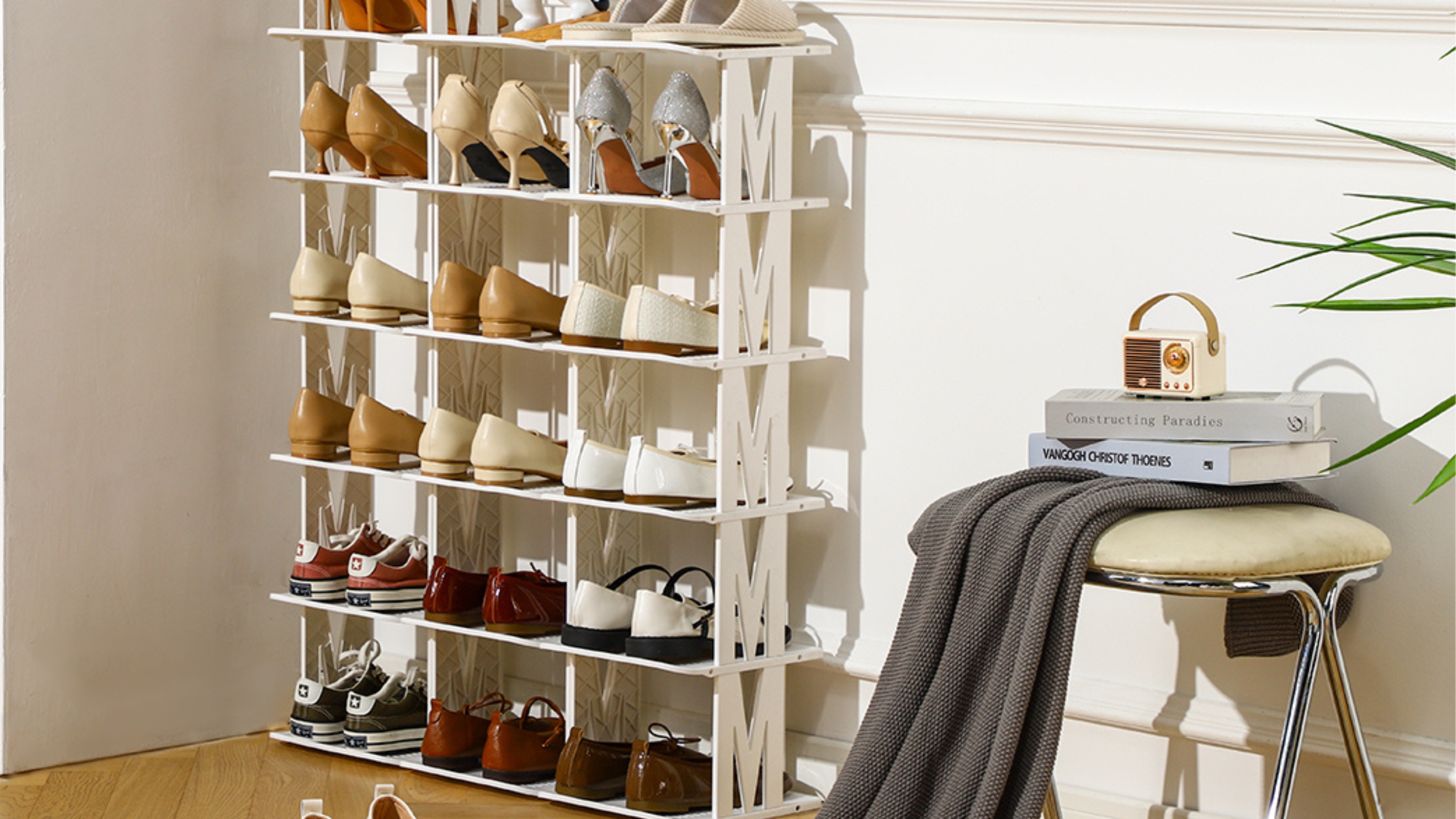
The 6 best Amazon shoe organizers to get your closet in order, ASAP


The 20 Very Best Shoe Organizers
11 Amazon Organizing Hacks That’ll Keep Your Boots in Pristine Condition—and Off Your Closet Floor

Clear Up Closet Clutter With A Shoe Organizer That Has Many Benefits