1/6
Got milk? New exhibition explores the dark side of dairy
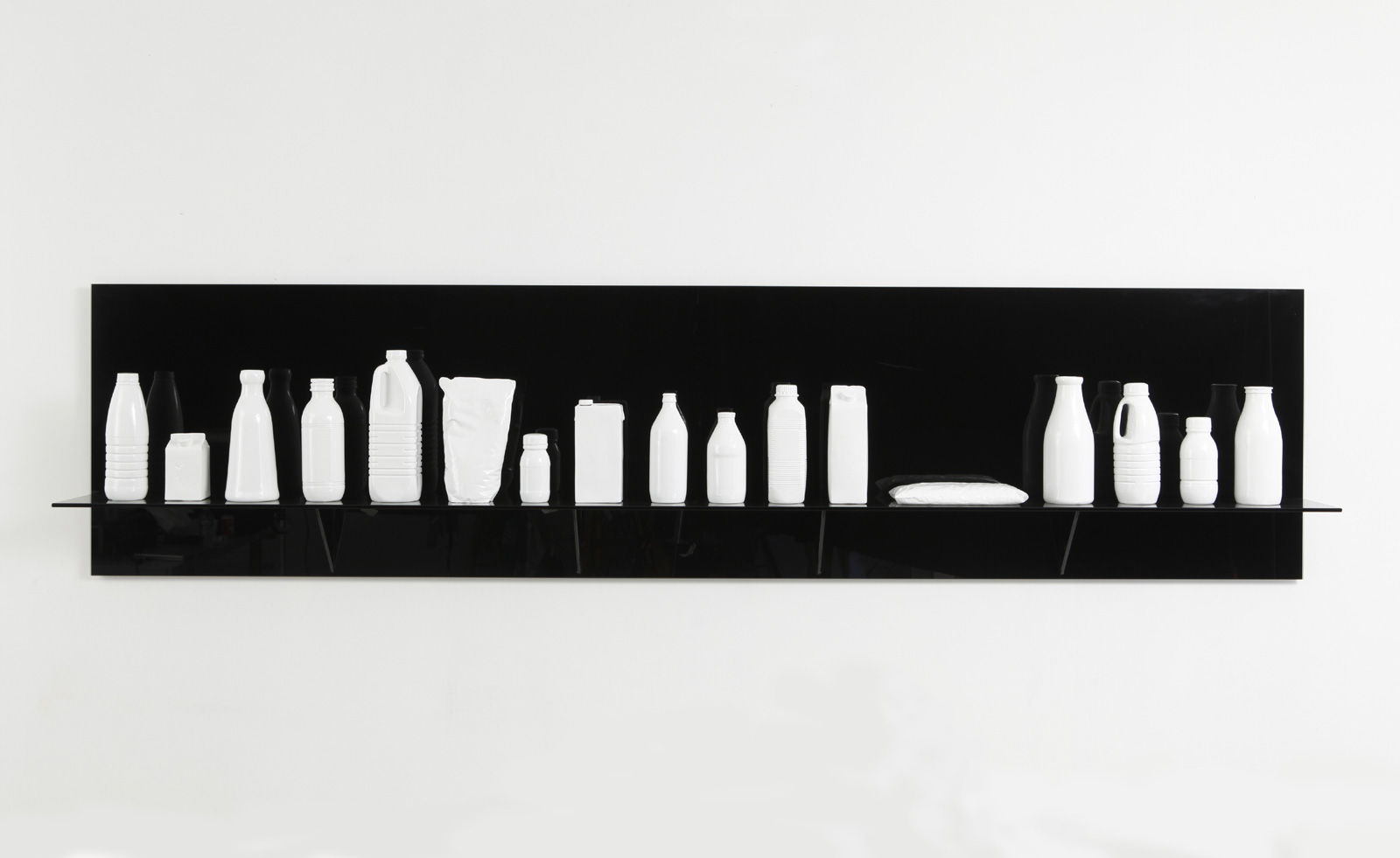
The Wellcome Collection in London is hosting a new art exhibition titled 'Milk,' which delves into the socio-political aspects of milk through various artworks and cultural artifacts. This exhibition, curated by Marianne Templeton and Honor Beddard, aims to explore the multifaceted role of milk in human lives, transcending its common perception as merely a dietary staple. It examines how milk intersects with political, cultural, and economic spheres, highlighting its complex significance.
The curators emphasize that milk, a ubiquitous item in daily life—whether in beverages or infant feeding routines—serves as a lens to address broader questions about diet, food systems, and the politics of infant nutrition. The exhibition also explores the intricate relationships between humans, animals, and the environment. It prompts visitors to consider their dietary choices and the factors influencing them, particularly in the context of the UK, where dairy milk has been a dietary cornerstone for over a century. The exhibition acknowledges the growing availability of milk alternatives and the current crossroads facing the dairy industry post-Brexit, including the need for climate-conscious agricultural practices. Furthermore, it touches upon emerging trends such as the online market for human milk and the development of synthetic human milk.
The exhibition features a diverse range of media, blending historical artifacts with contemporary art. Examples include ancient terracotta models of mules carrying cheese from the 3rd or 2nd century BC, juxtaposed with works by modern artists like Julia Bornefeld, Sarah Pucill, Hetain Patel, and Lucy + Jorge Orta. These pieces are presented alongside materials like 1930s marketing advertisements and a 19th-century feeding bottle, all contributing to a comprehensive exploration of how milk became integral to daily diets.
A significant theme in the exhibition is the political role of milk, particularly its use in marketing campaigns that often depicted white nuclear families, reinforcing specific societal norms. The exhibition also addresses the historical influence of figures like Herbert Hoover, who, through eugenicist ideologies, manipulated the public's perception of 'natural' milk and its connection to social purity. These historical references are balanced with personal narratives that critically examine the influence of formula companies on breastfeeding narratives, linking these issues to broader themes of empire and exploration.
A new commission by Ilana Harris-Babou, titled _Let Down Reflex_, is highlighted as a key piece. This work integrates personal testimonies about breastfeeding from the artist's family members with a wider political commentary on infant feeding. It scrutinizes the relationship between individuals and maternal healthcare systems, exposing inequalities within these structures and their impact on choices available to new parents. The piece also references the lullaby 'All the pretty horses,' drawing a connection between the traumatic history of enslaved African mothers separated from their infants to wet-nurse enslavers' children, and contemporary severe inequalities in Black maternal health outcomes in the US and UK.
The exhibition's non-chronological arrangement allows for a thematic exploration, demonstrating that historical issues surrounding milk remain relevant today. For instance, the section on Scientific Motherhood includes 1930s crochet infant weighing scales, used by health visitors to monitor infant development. The exhibition critiques how these standardized measurements, while seemingly benign, can induce feelings of shame and anxiety in parents, potentially undermining breastfeeding success. The curators aim to provoke visitors into questioning why milk is considered essential, who defines 'good health,' and how food systems are built on specific values. They hope visitors will reflect on the impact of milk's standardization and regulation, and the role of science and industry in shaping contemporary perceptions of milk in Britain.
#ArtExhibition #WellcomeCollection #Milk #DairyIndustry #FoodSystems #MaternalHealth #SocialPurity #CulturalArtifacts #ContemporaryArt #ArtExhibition #WellcomeCollection #Milk #DairyIndustry #FoodSystems #MaternalHealth #SocialPurity #CulturalArtifacts #ContemporaryArt
 No comments yet
Love ice cream? Thank these Philadelphia women and people of color.


Collector Celebrates Milk Cans