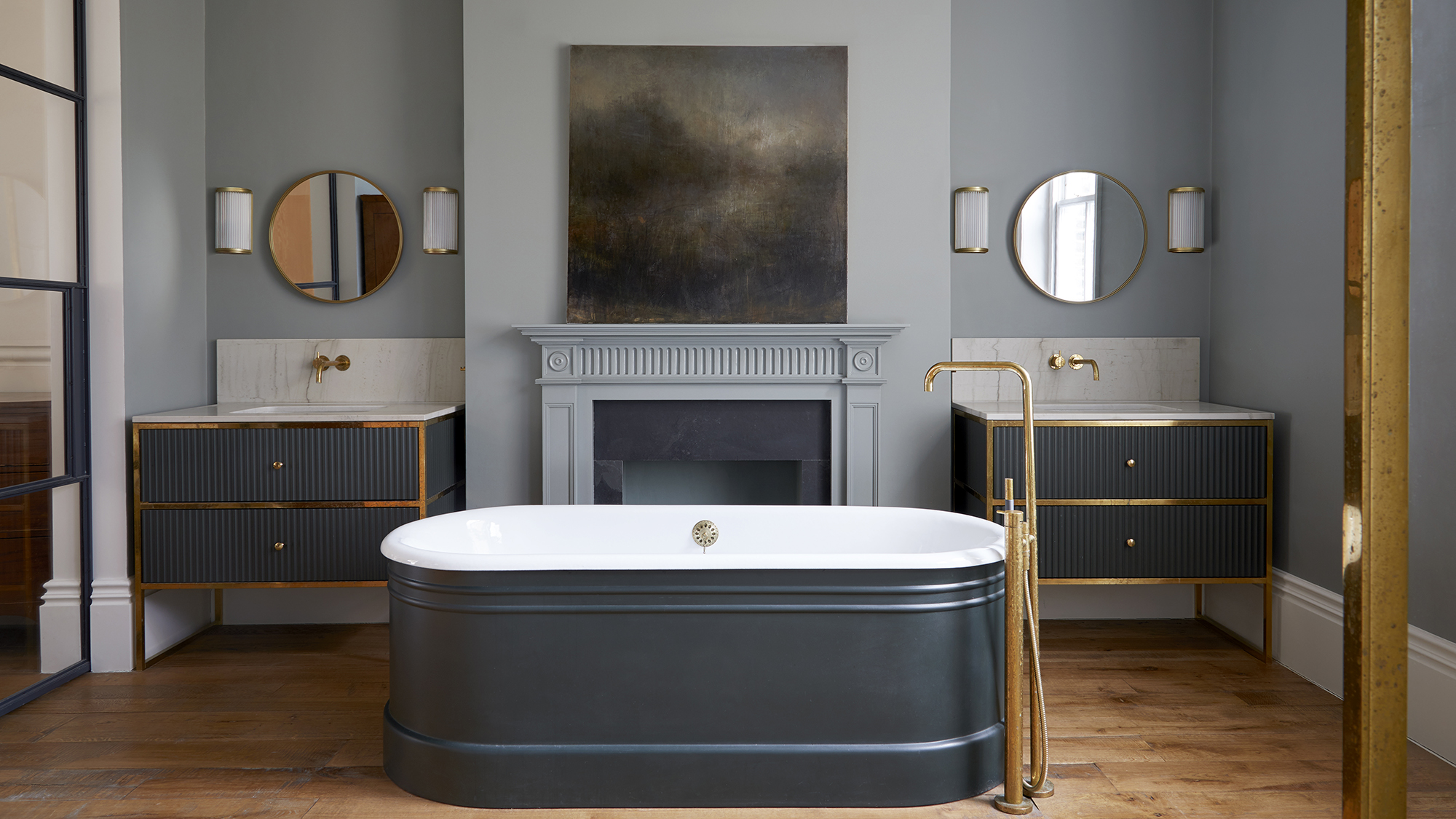
1/12
Gray bathroom vanity ideas – 11 practical and stylish designs
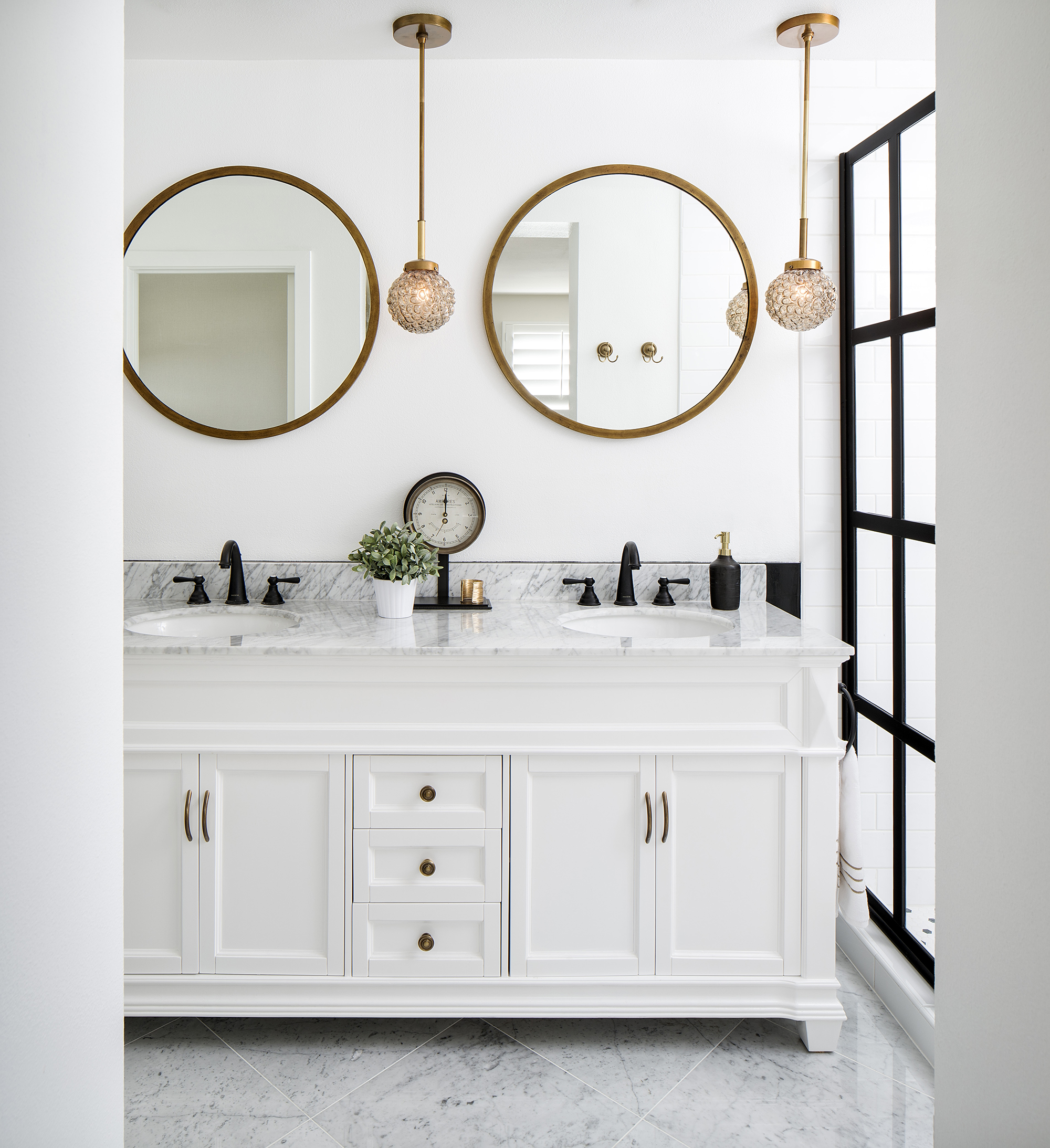
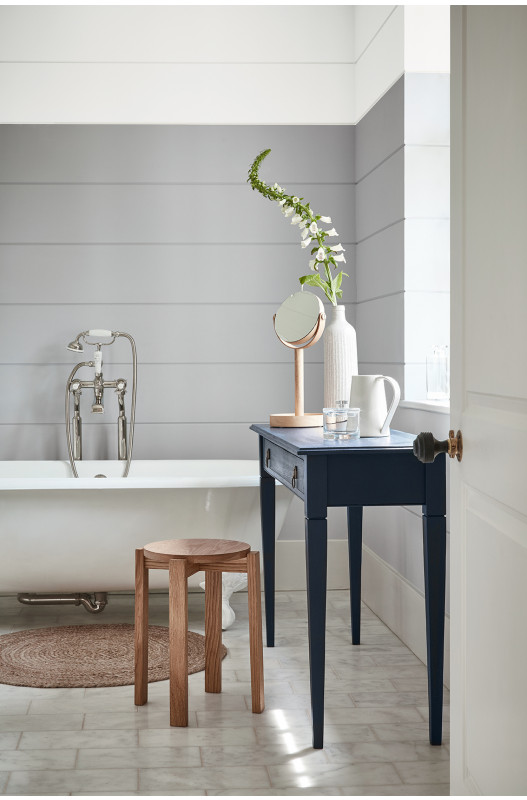
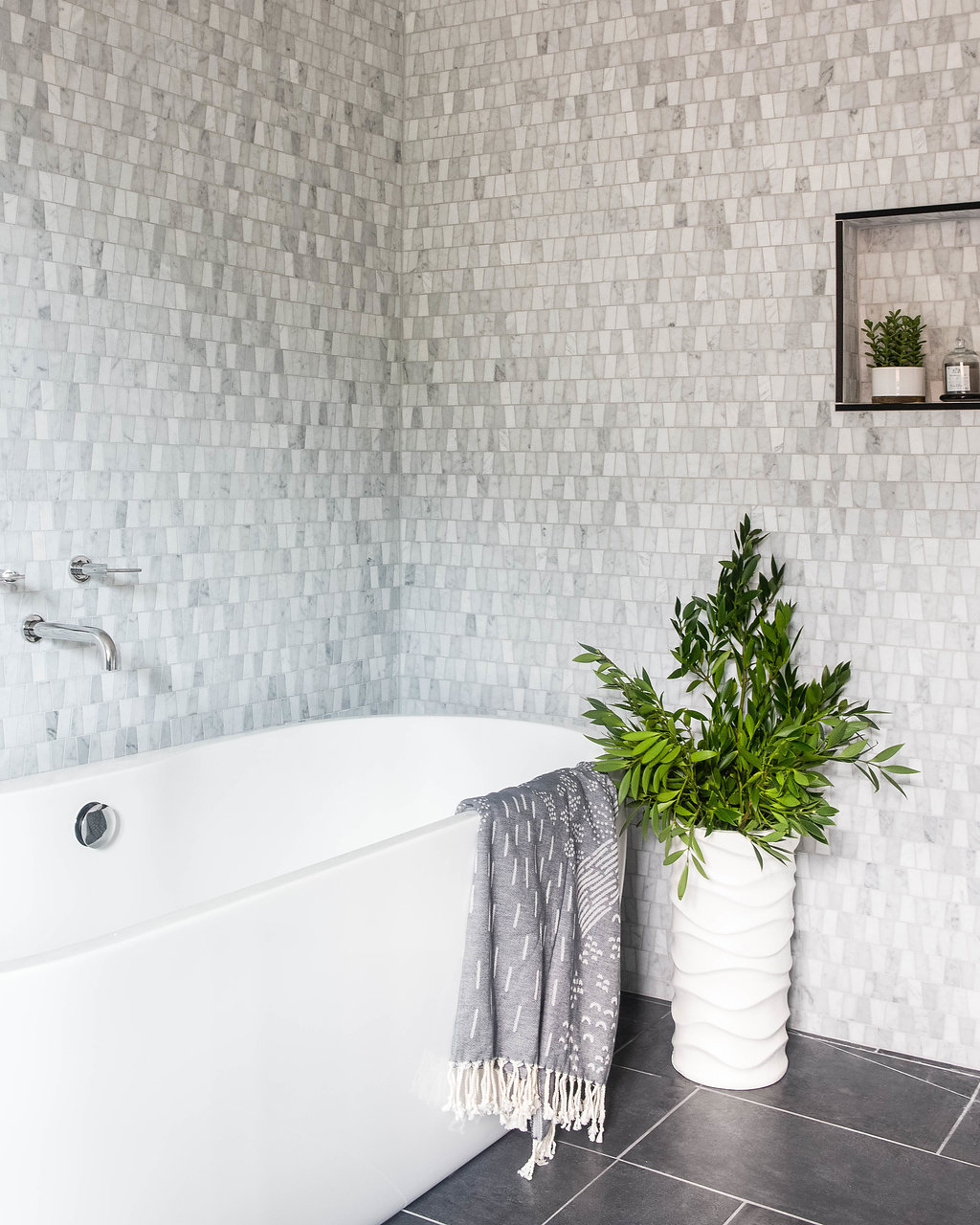
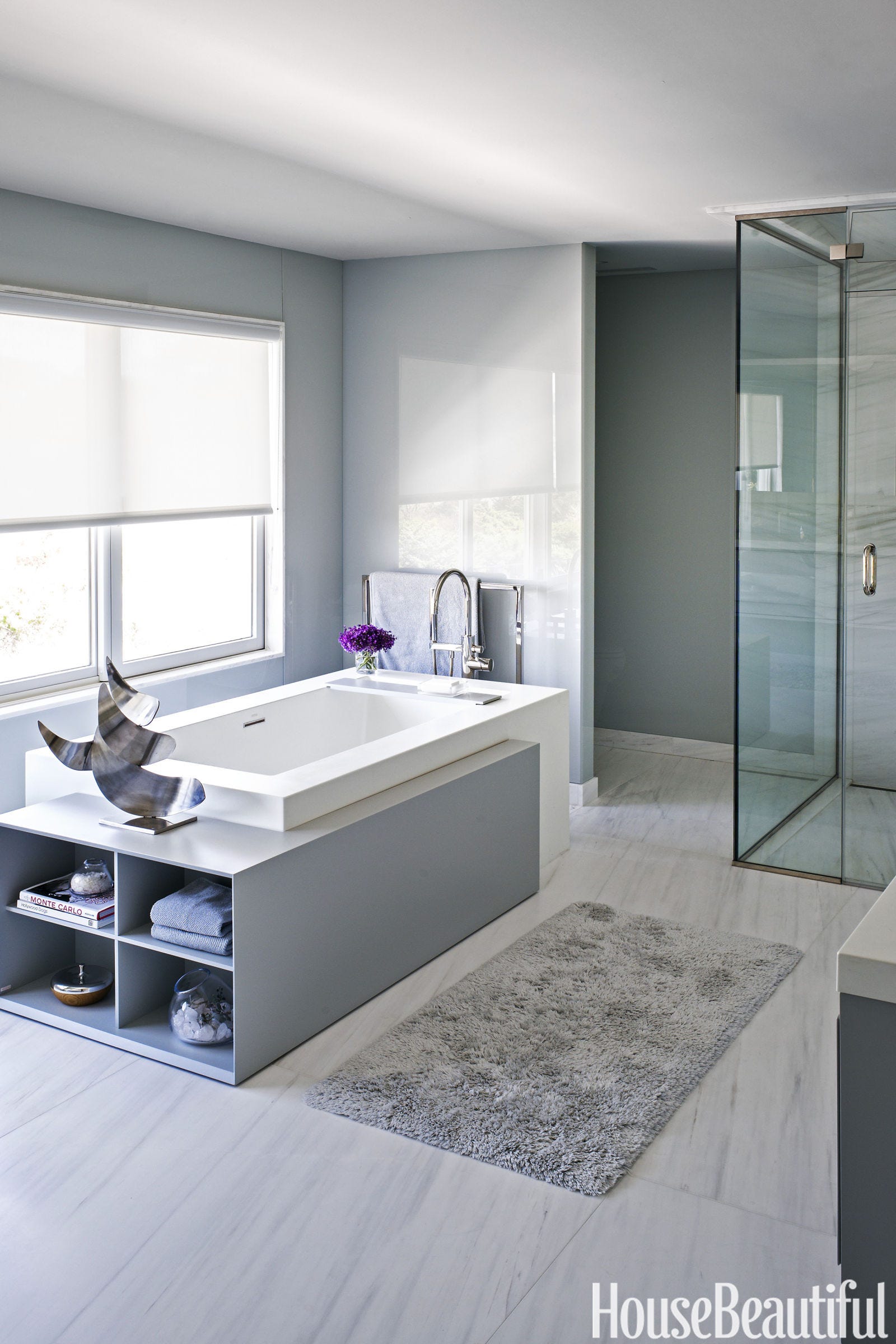
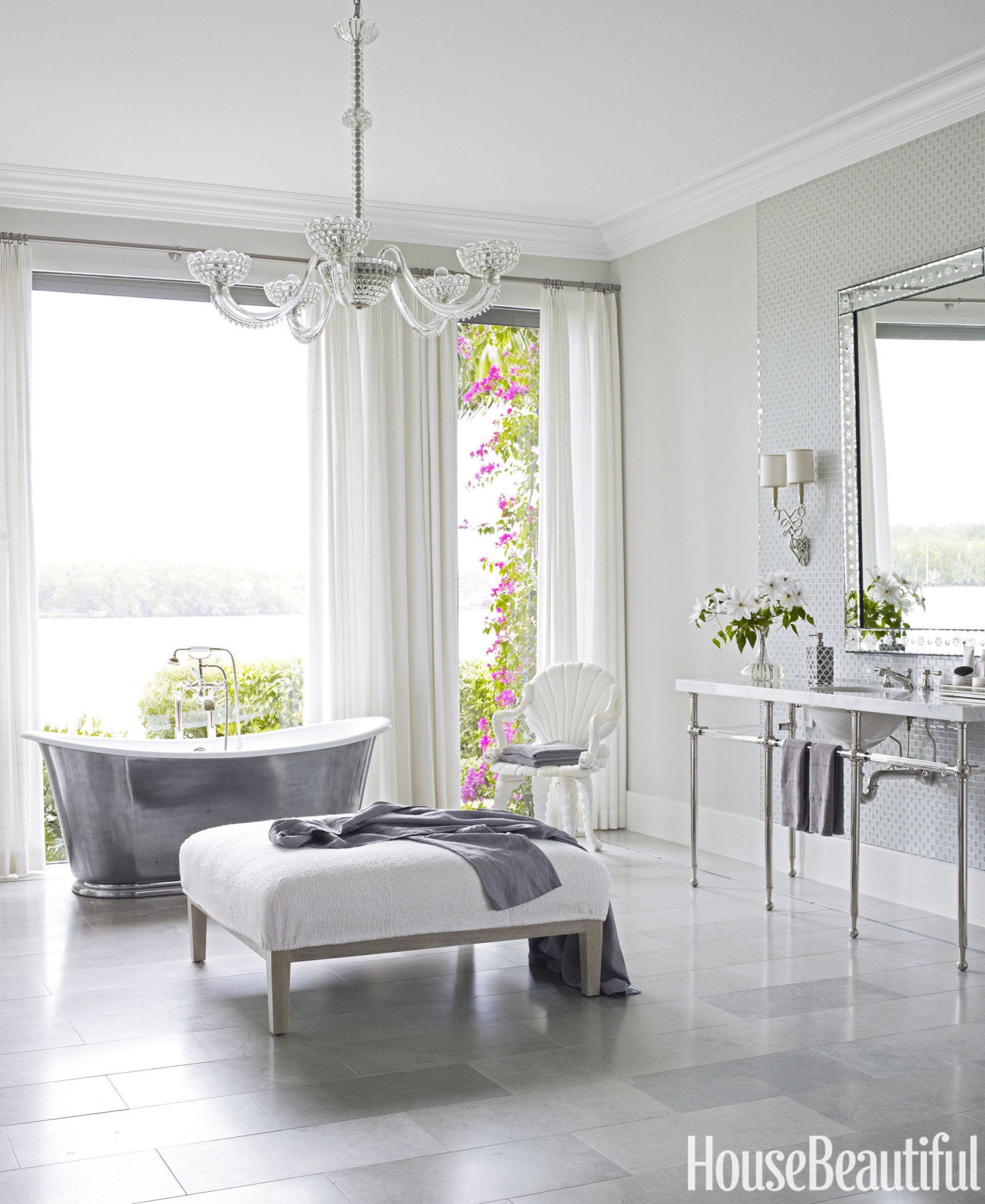
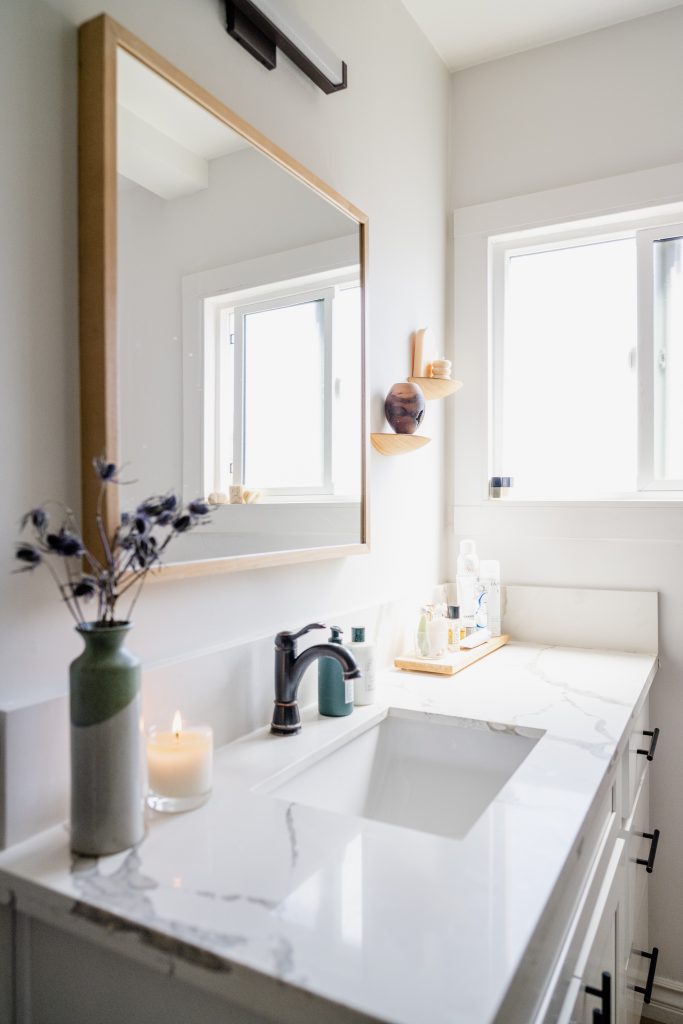
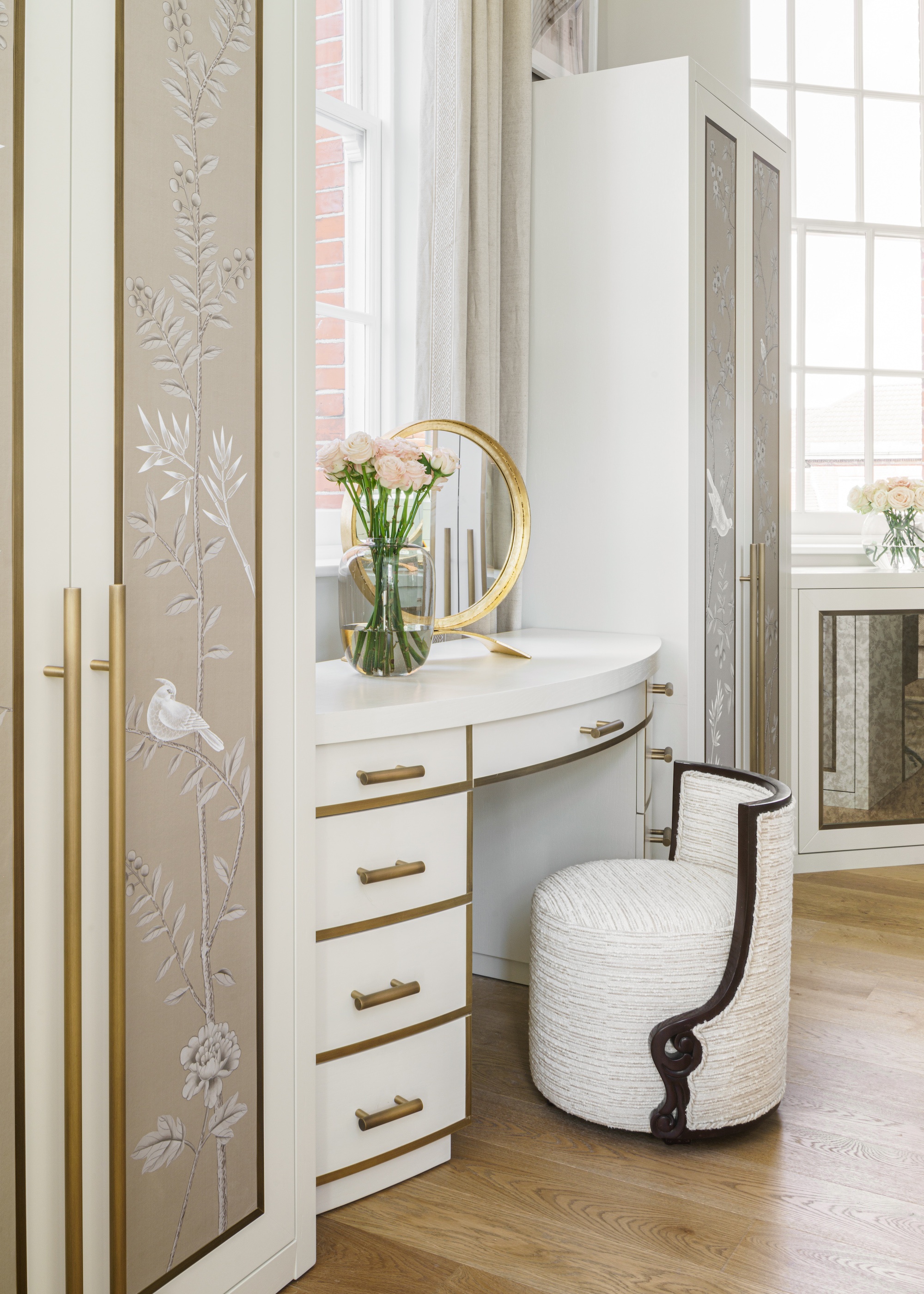
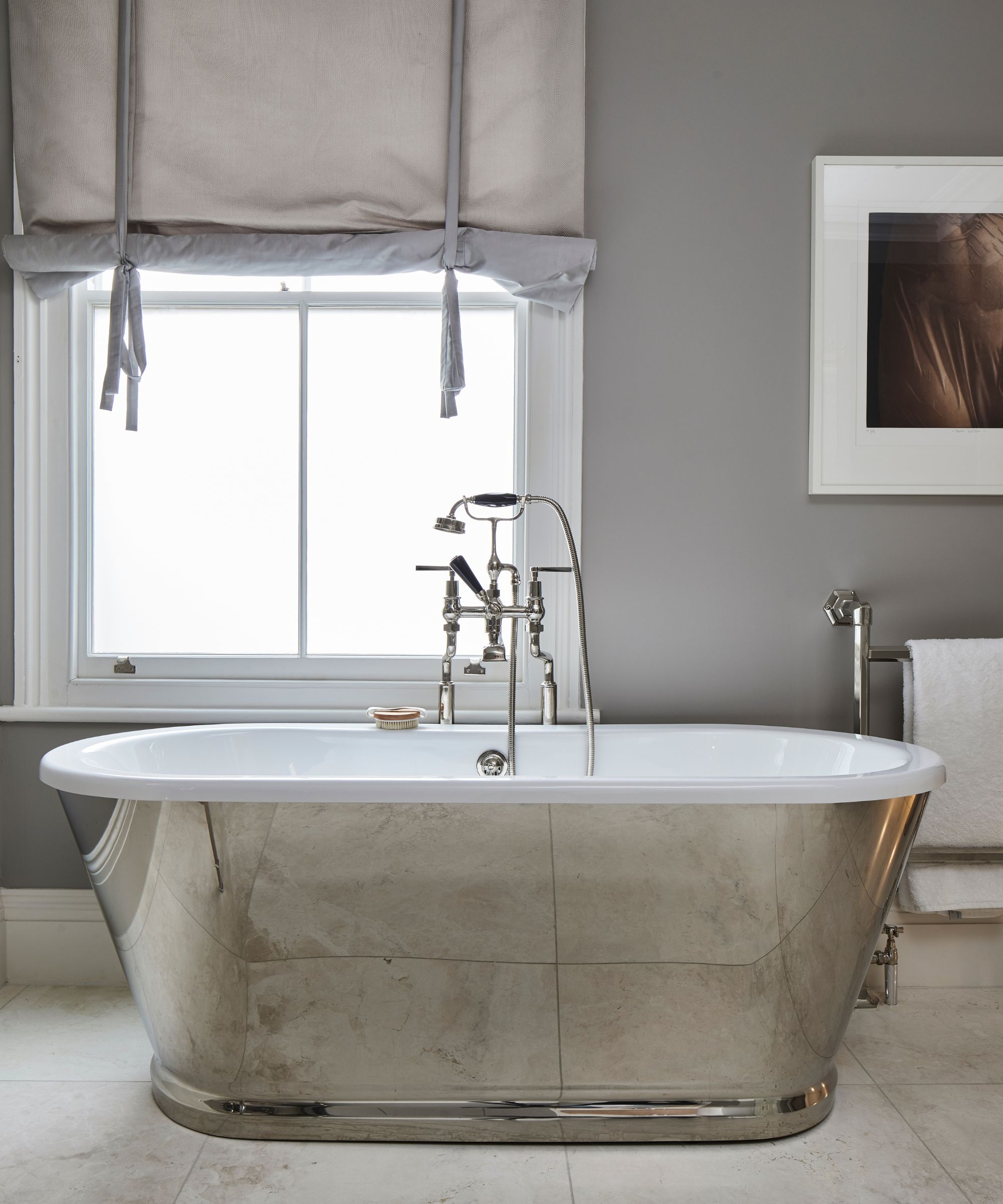
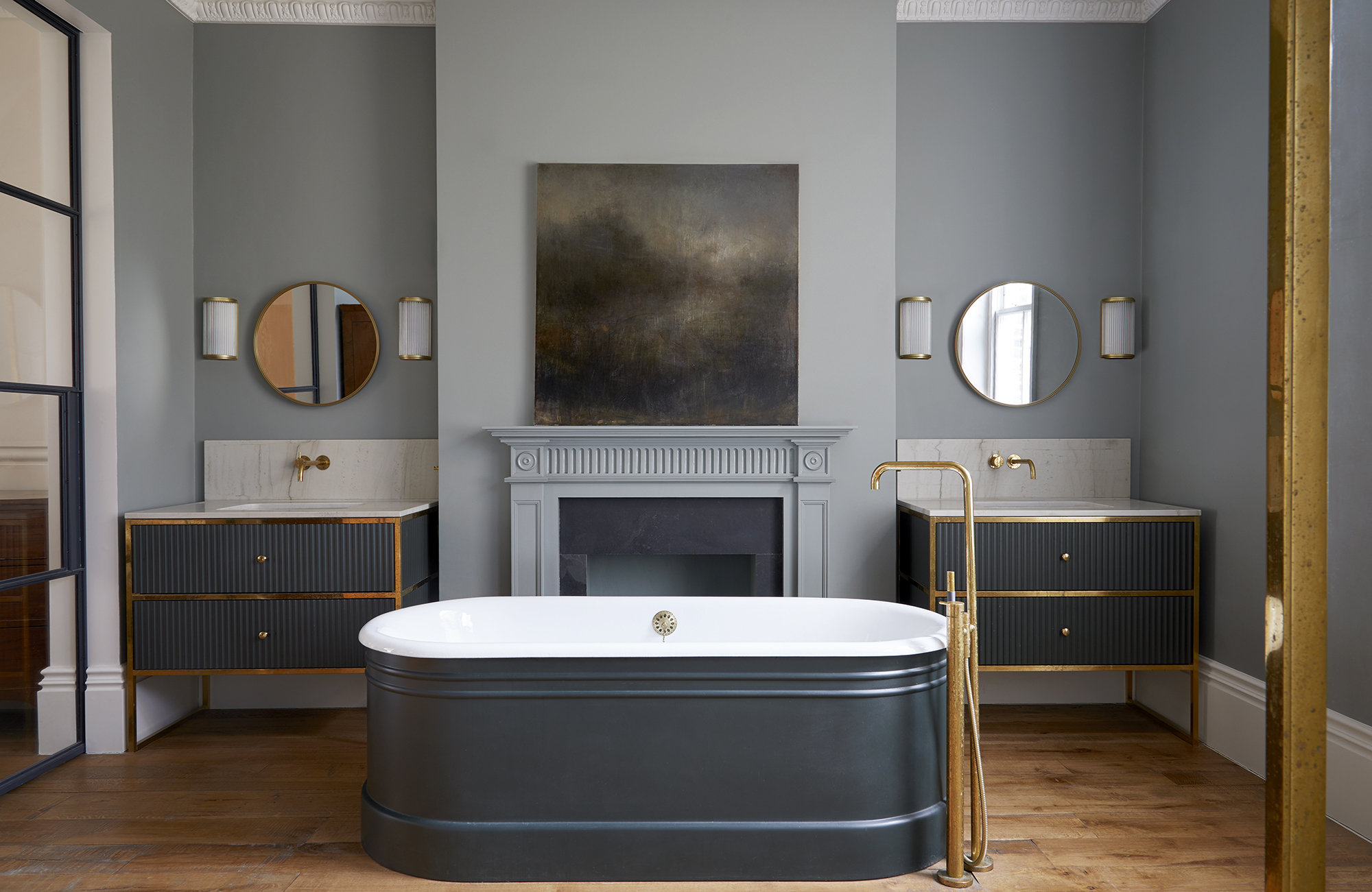
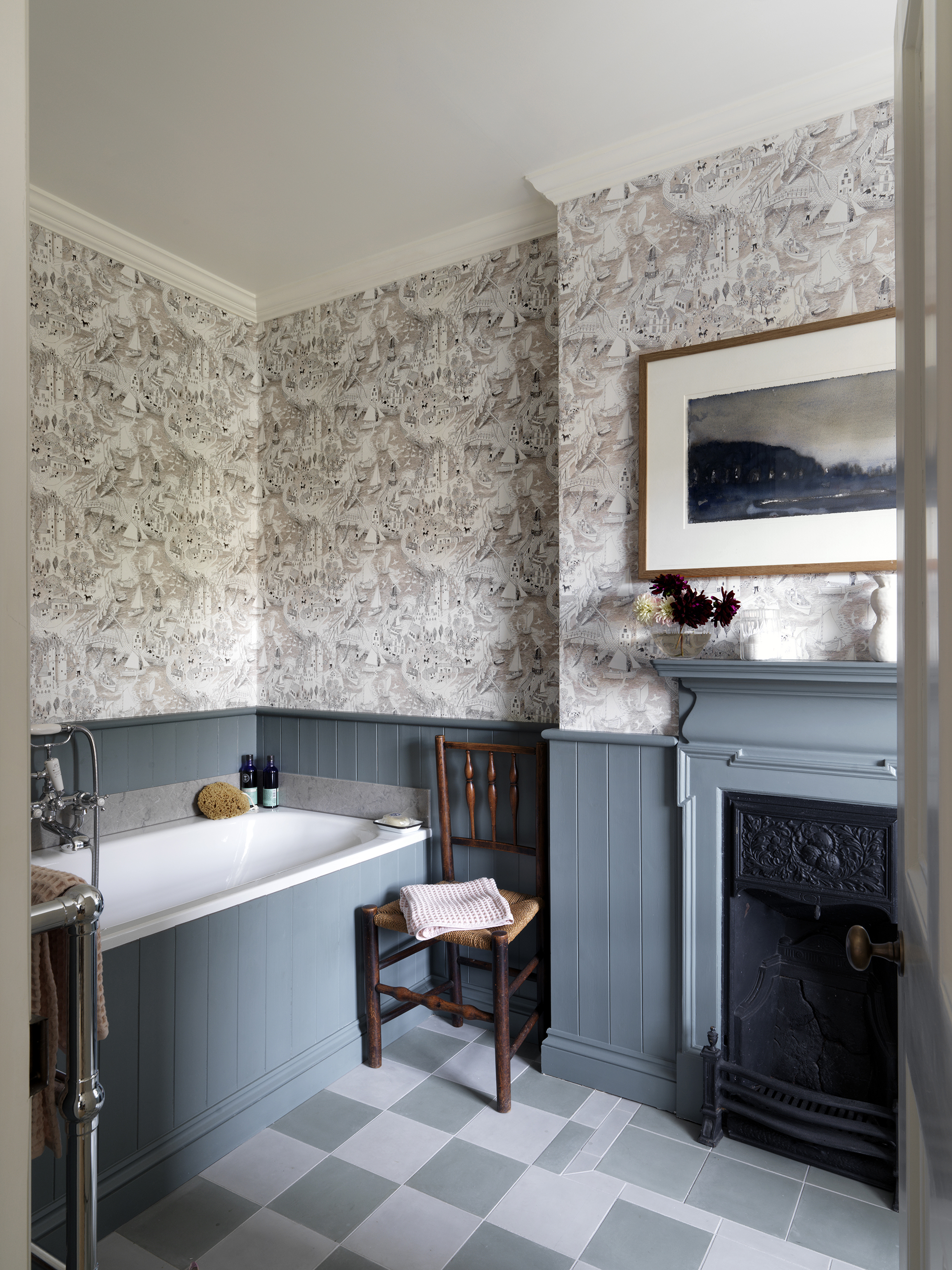
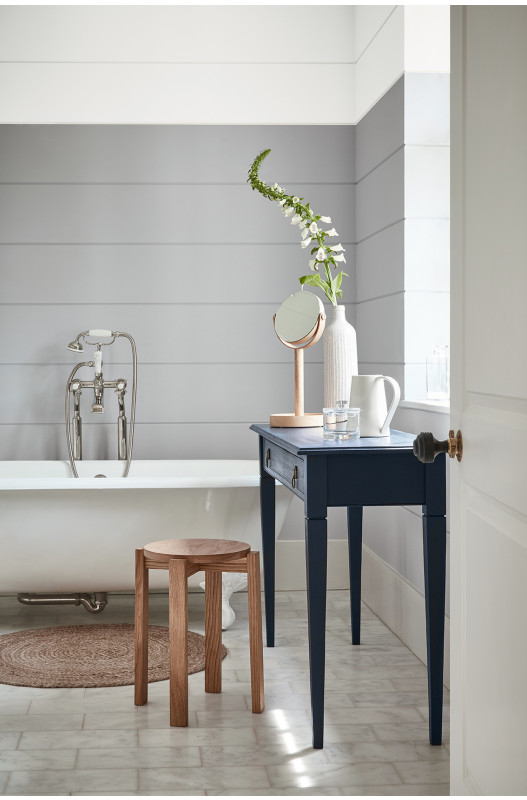
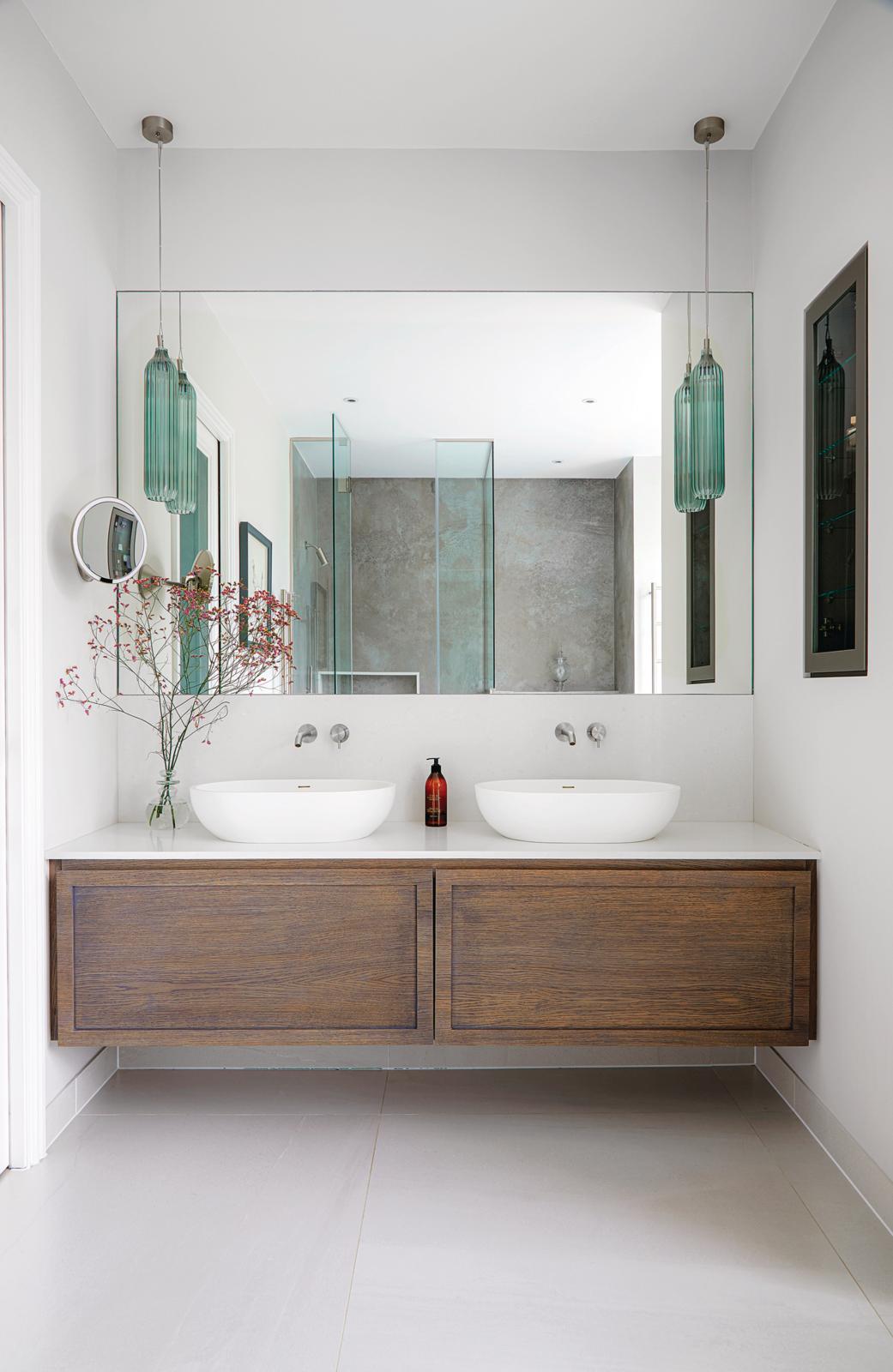
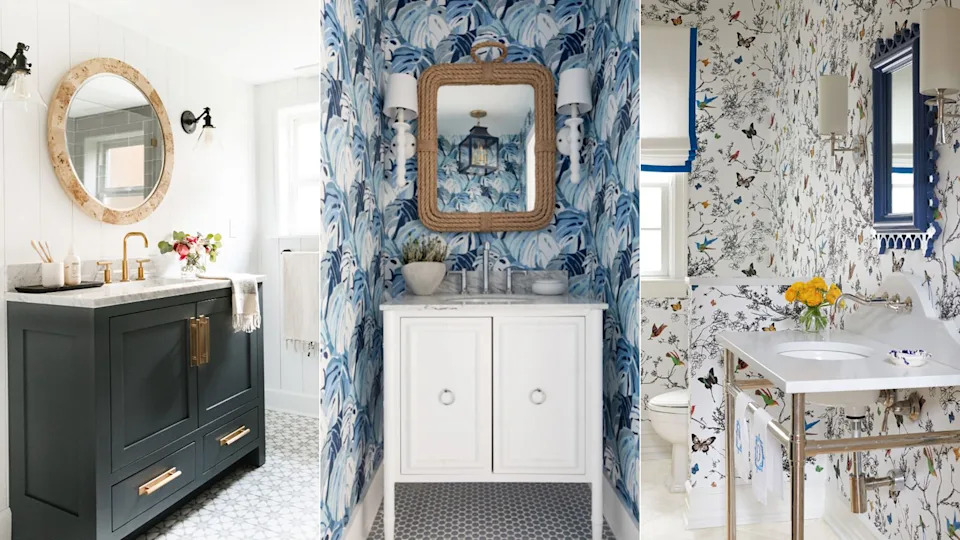
Gray bathroom vanity units offer a versatile and timeless choice for bathroom design, serving both a functional purpose by combining sinks with storage and significantly impacting the room's visual aesthetic. Gray's neutral character allows it to pair with various color schemes and styles, from traditional to contemporary, making it a practical option for any bathroom. When selecting a gray vanity, important considerations include size, functionality, shape, and the specific tone of gray that best complements the overall space. The decision should also factor in whether the vanity is intended to be a statement piece or to blend seamlessly into the background, and if ample storage is a priority or an open-frame design for a lighter feel is preferred.
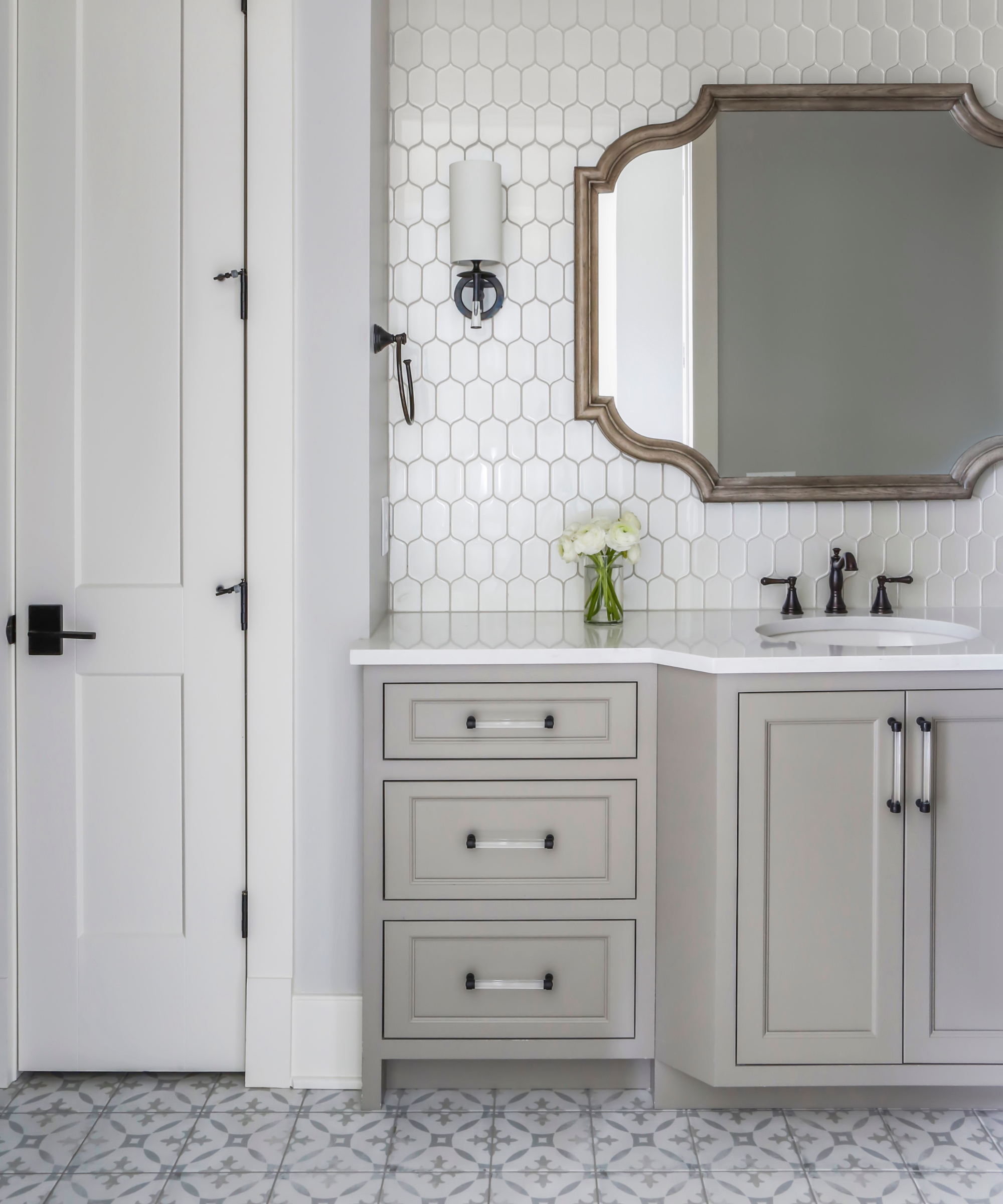
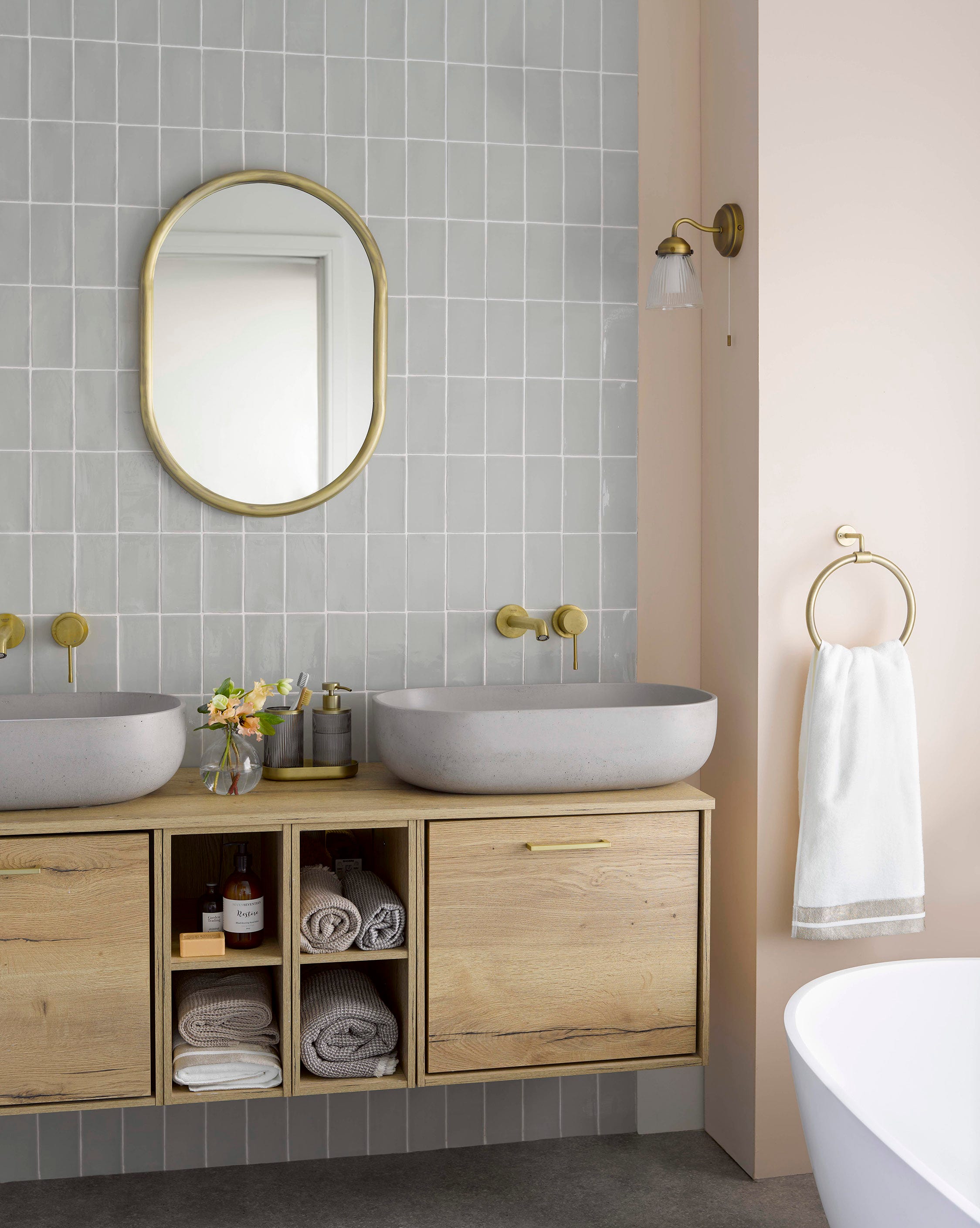
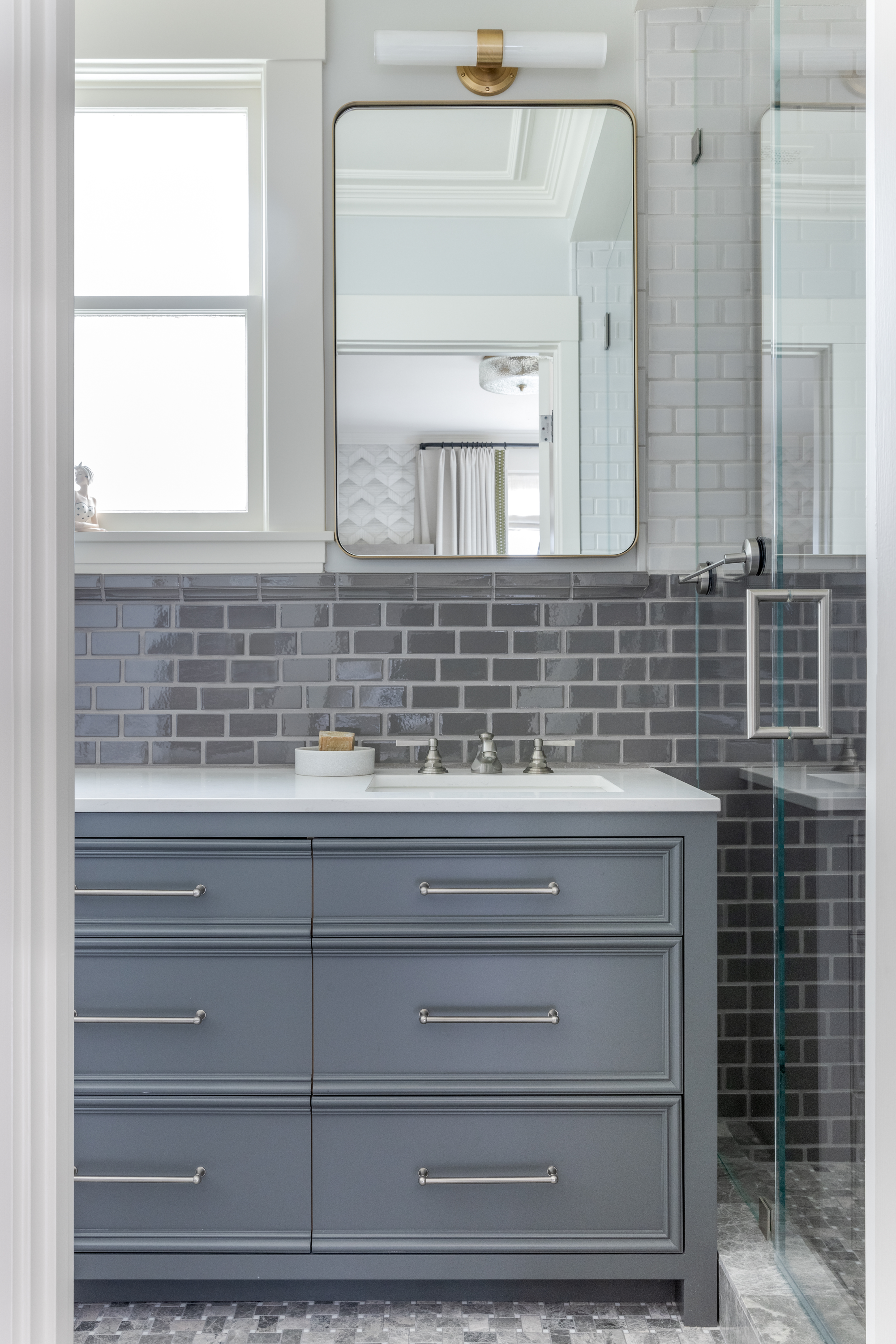
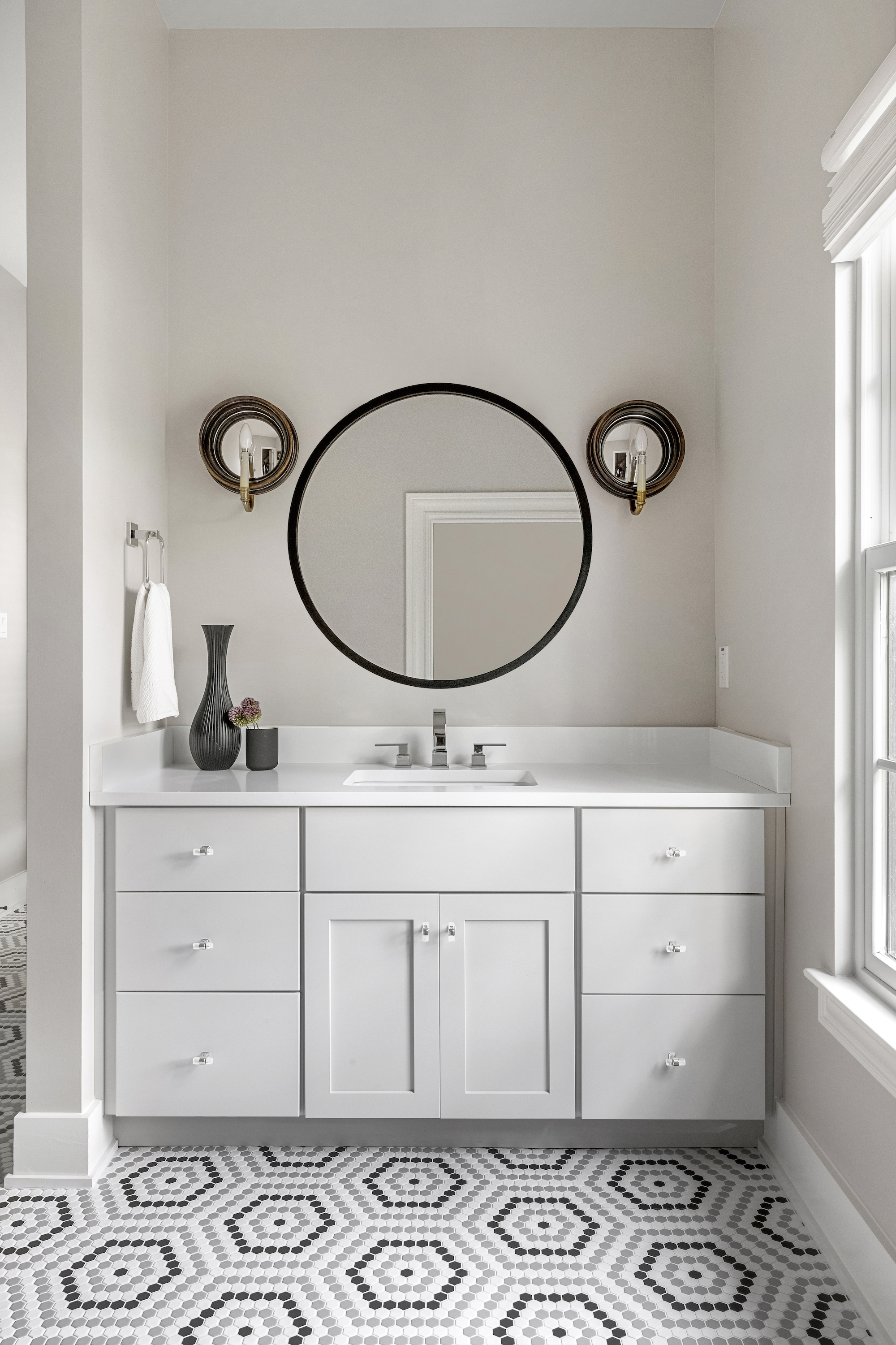
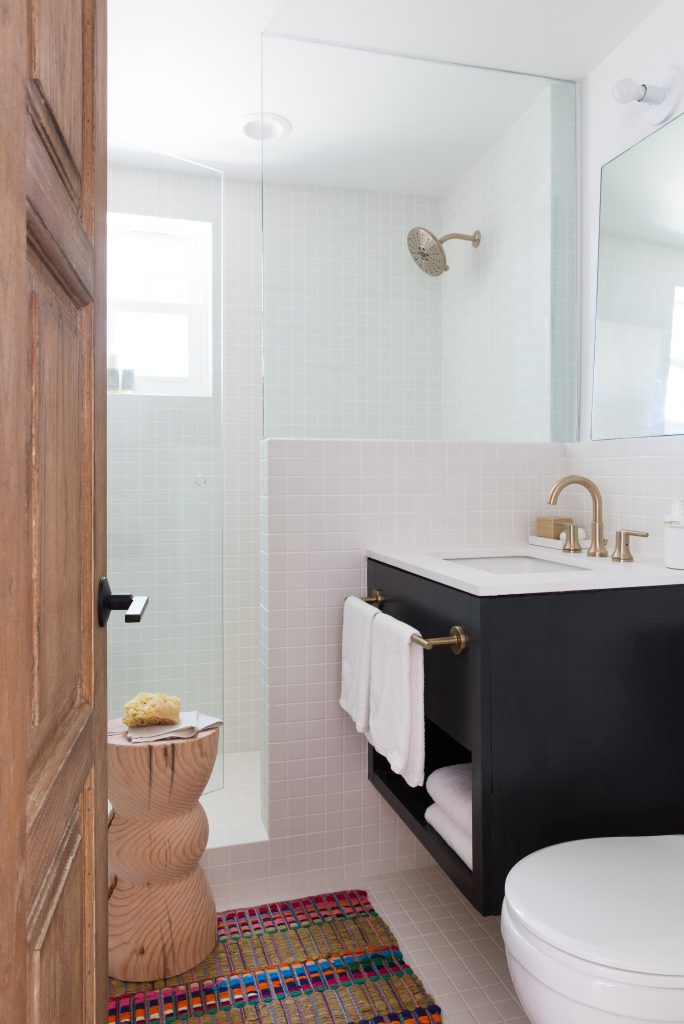
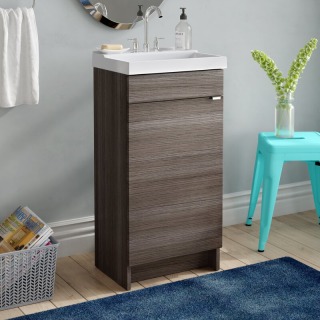
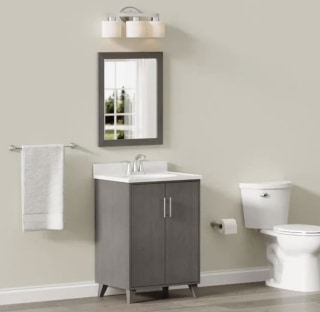
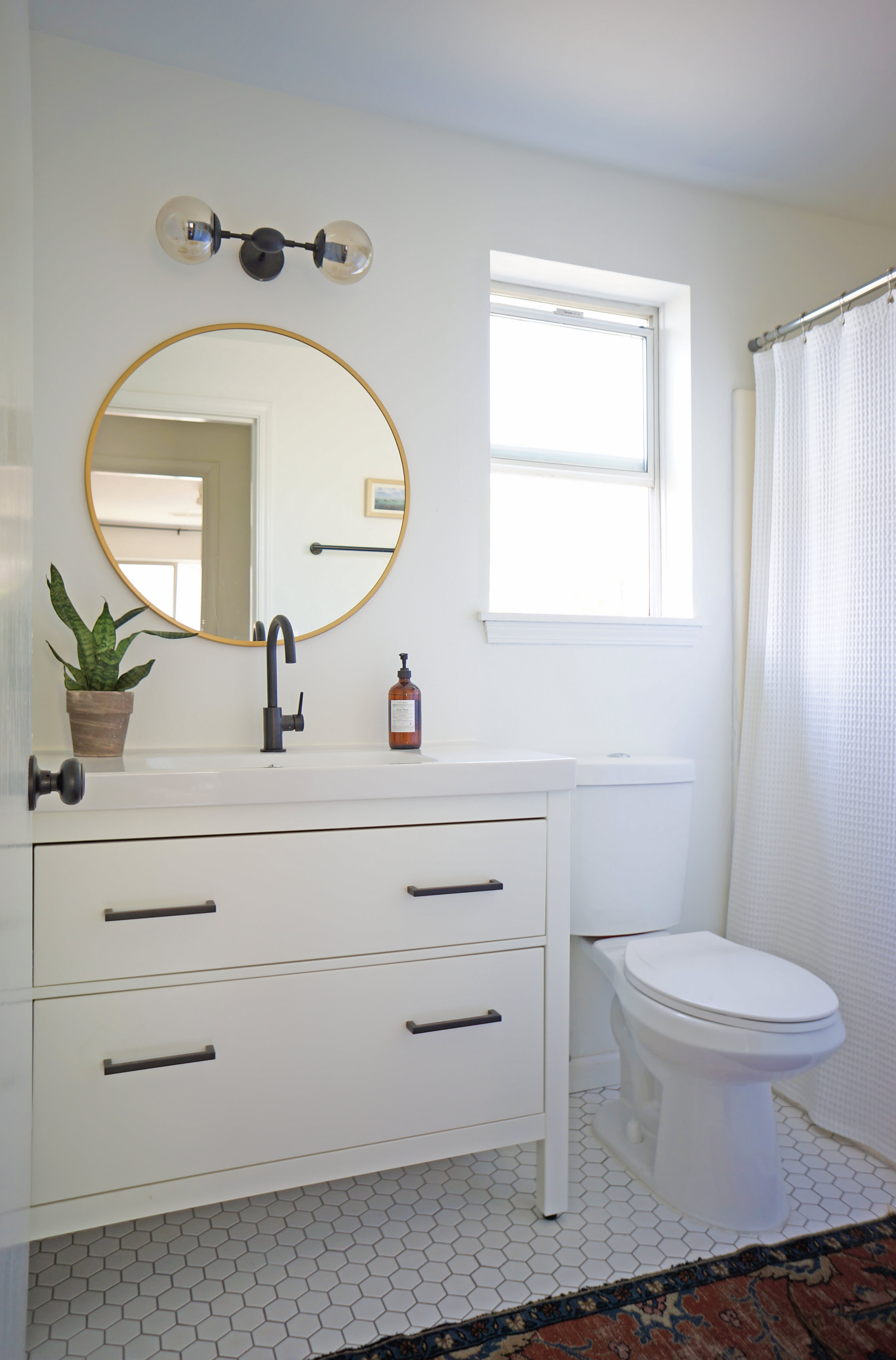
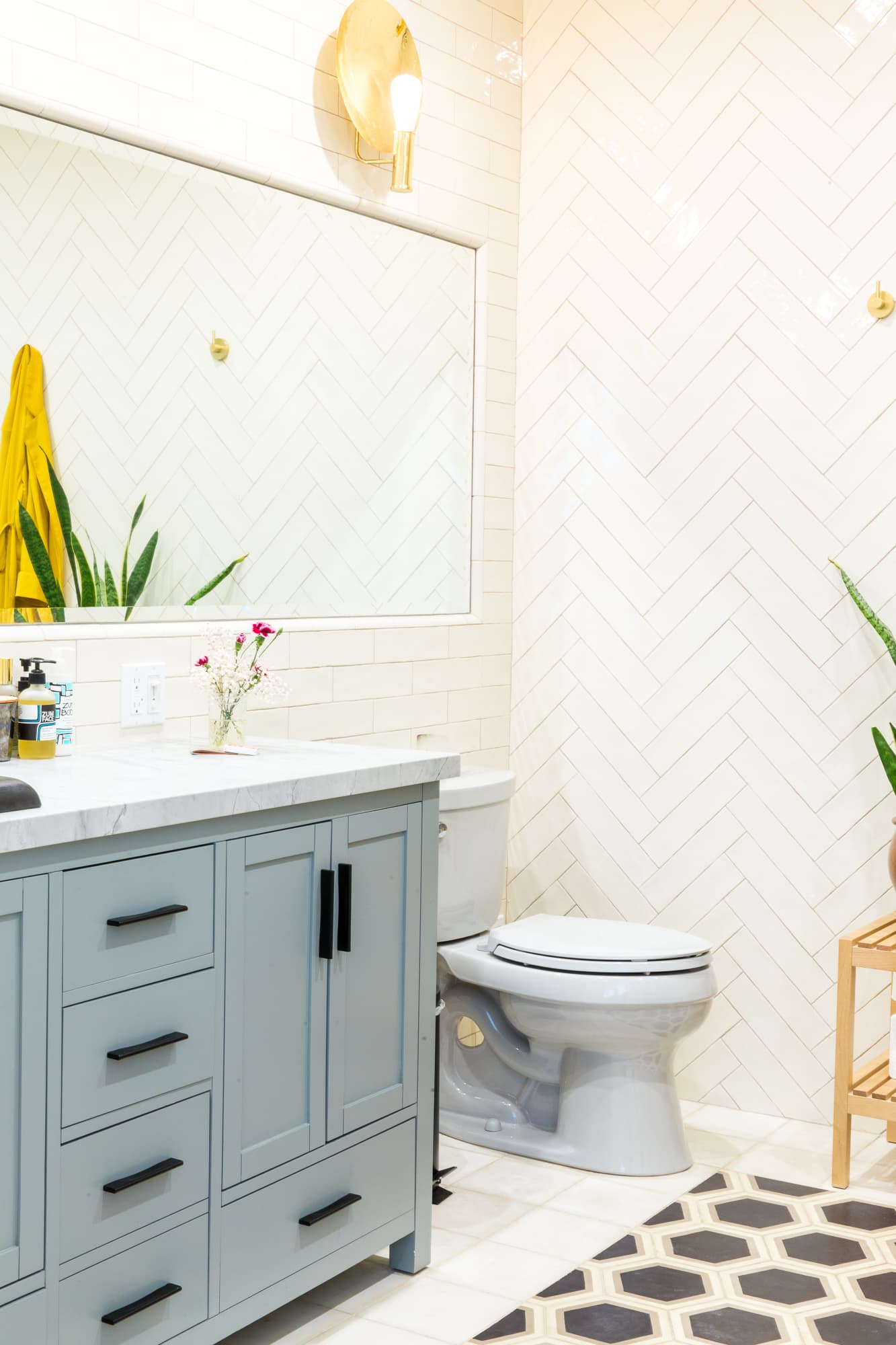
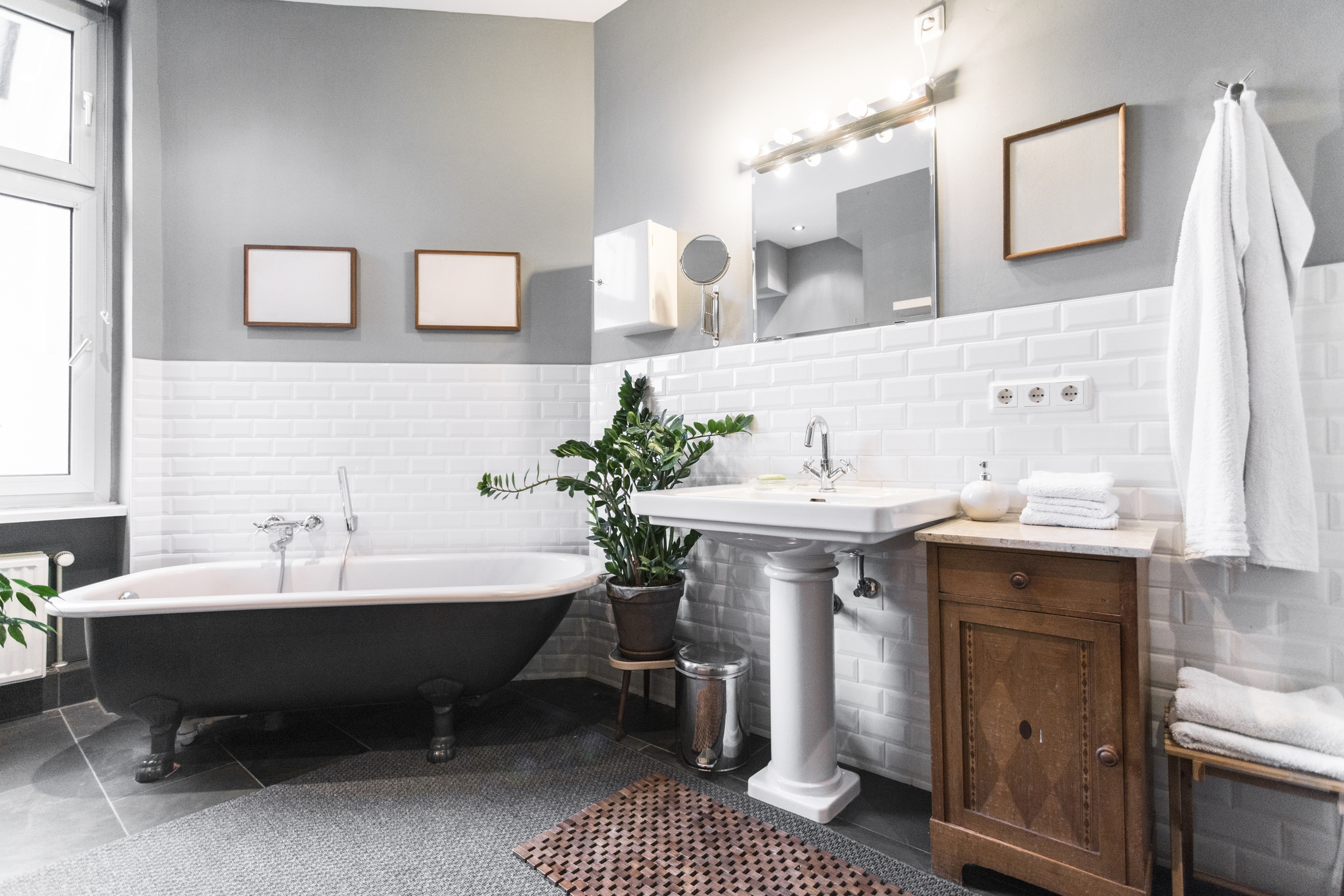
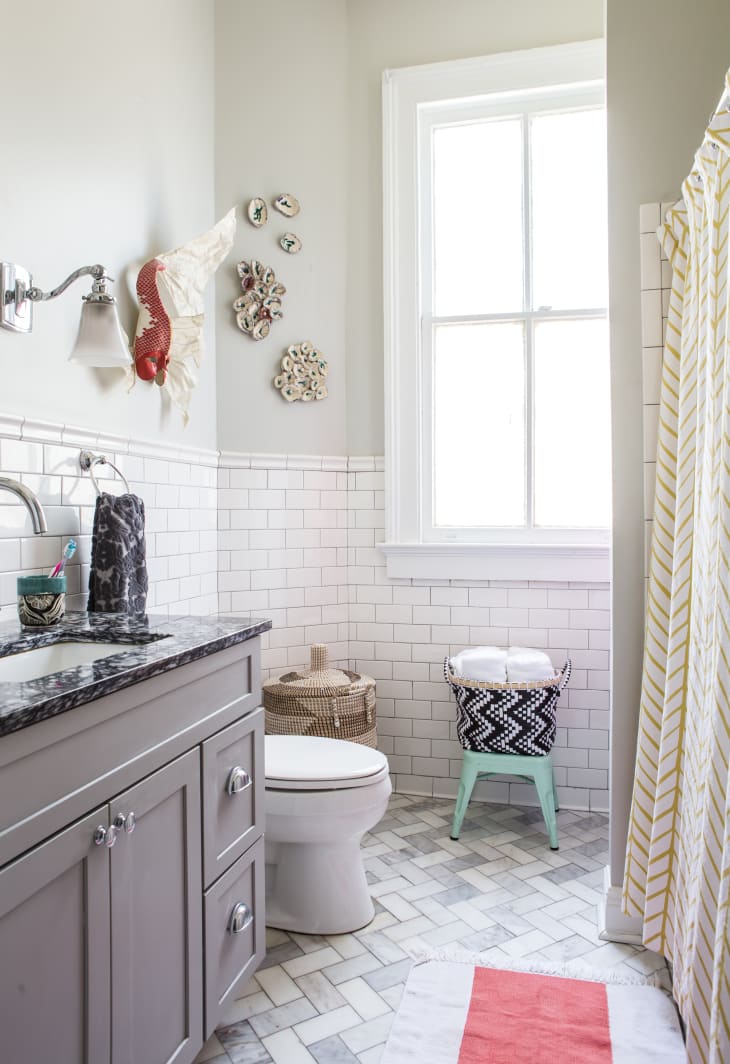
Various design approaches to gray bathroom vanities can create distinct atmospheres. A classic shaker design in gray offers a timeless appeal that suits both traditional and contemporary settings, ensuring longevity in style. Darker gray vanities can act as a focal point, introducing depth and structure, particularly in white or gray and white bathrooms that might otherwise lack varied tones or textures. In contrast, lighter grays can enhance the sense of space and create an uplifting atmosphere, especially beneficial for larger double vanities that could appear too dominant in a darker shade. Open-frame gray vanities are ideal for smaller bathrooms, creating an illusion of spaciousness, especially when combined with a neutral palette and natural wood elements.
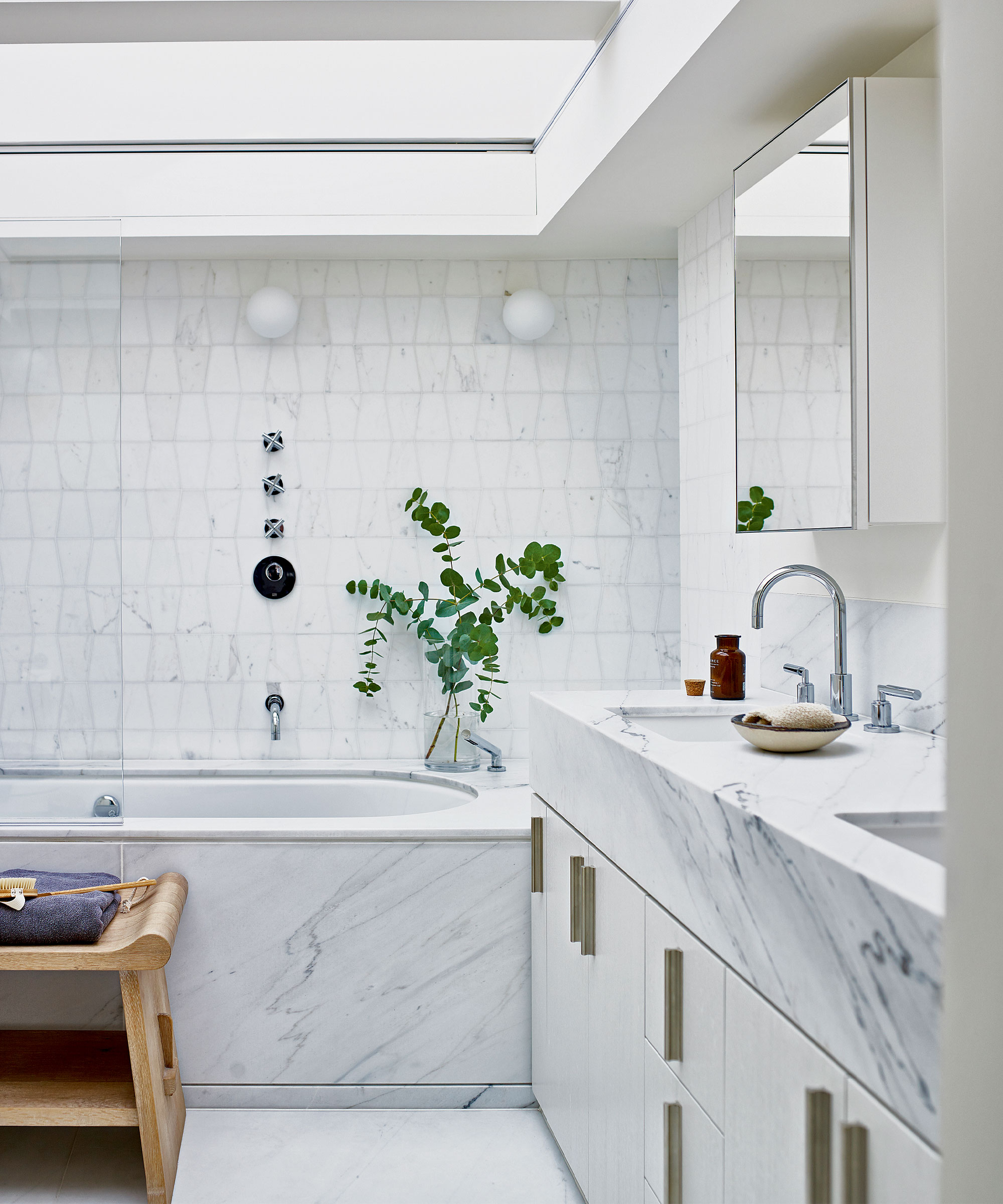
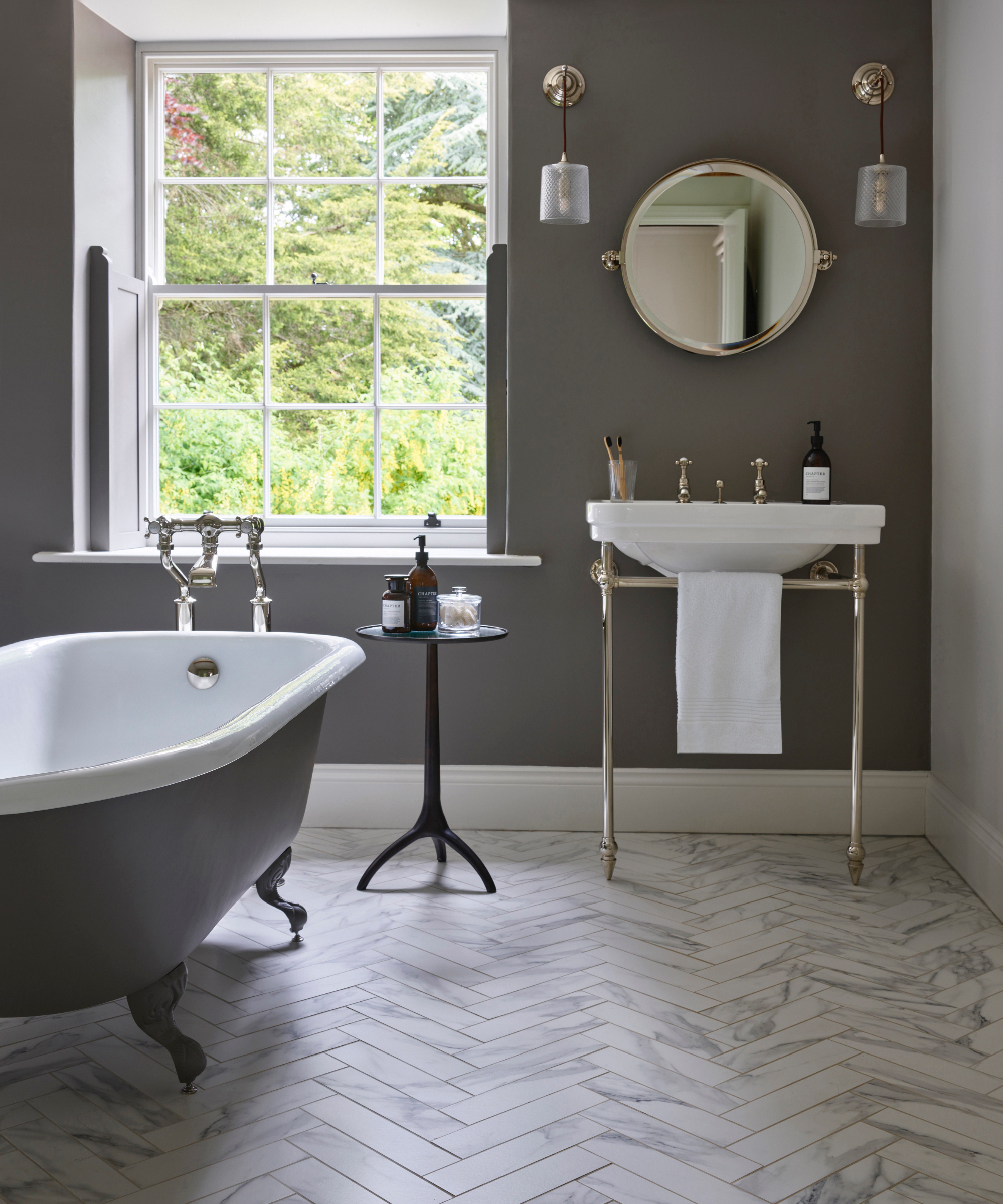
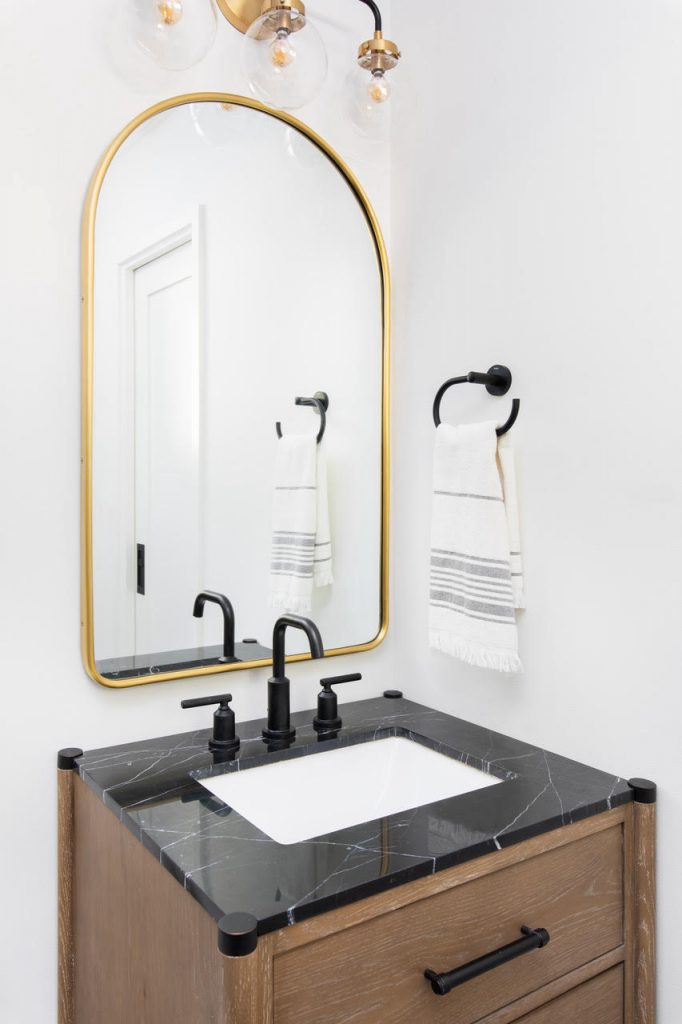
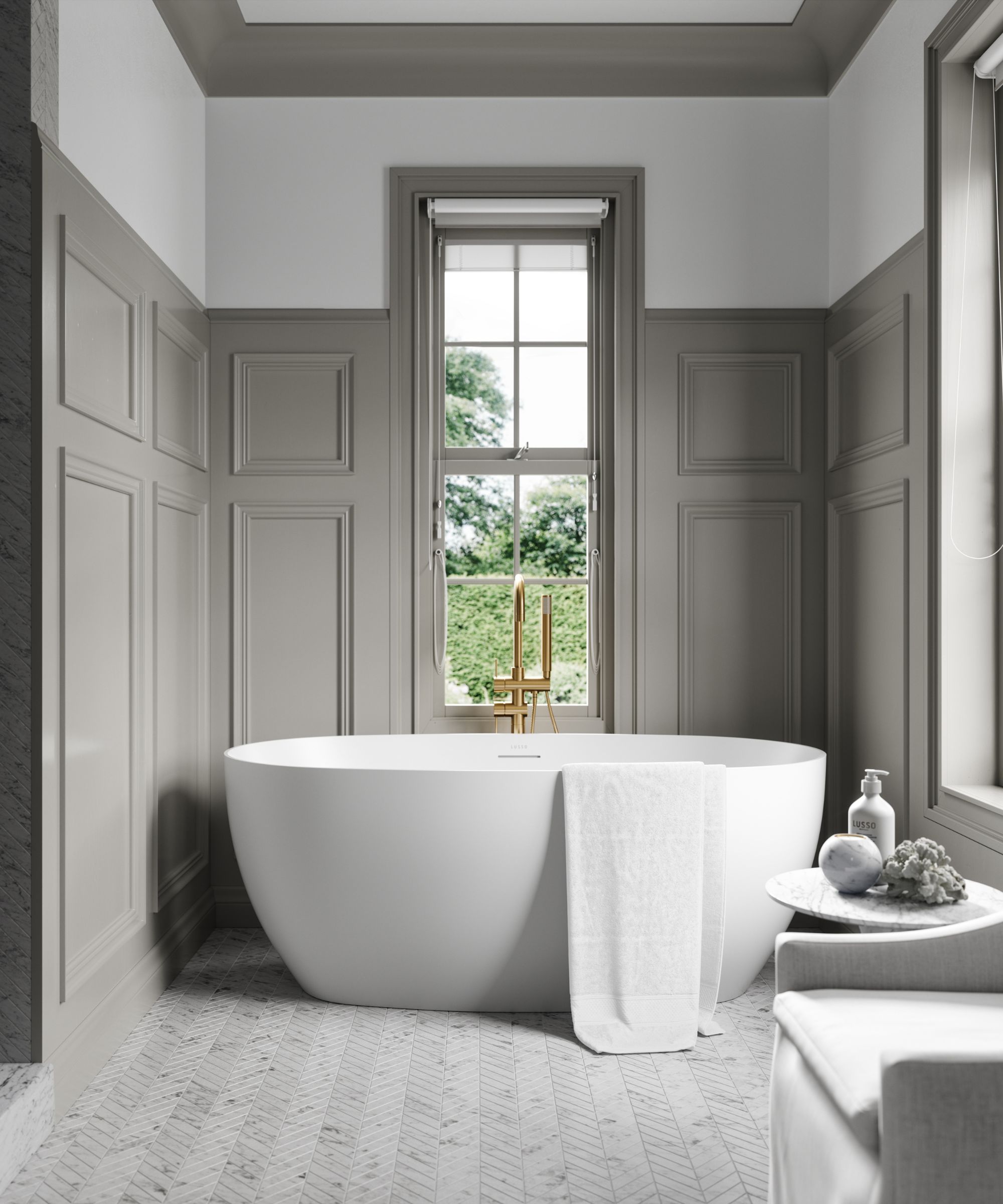
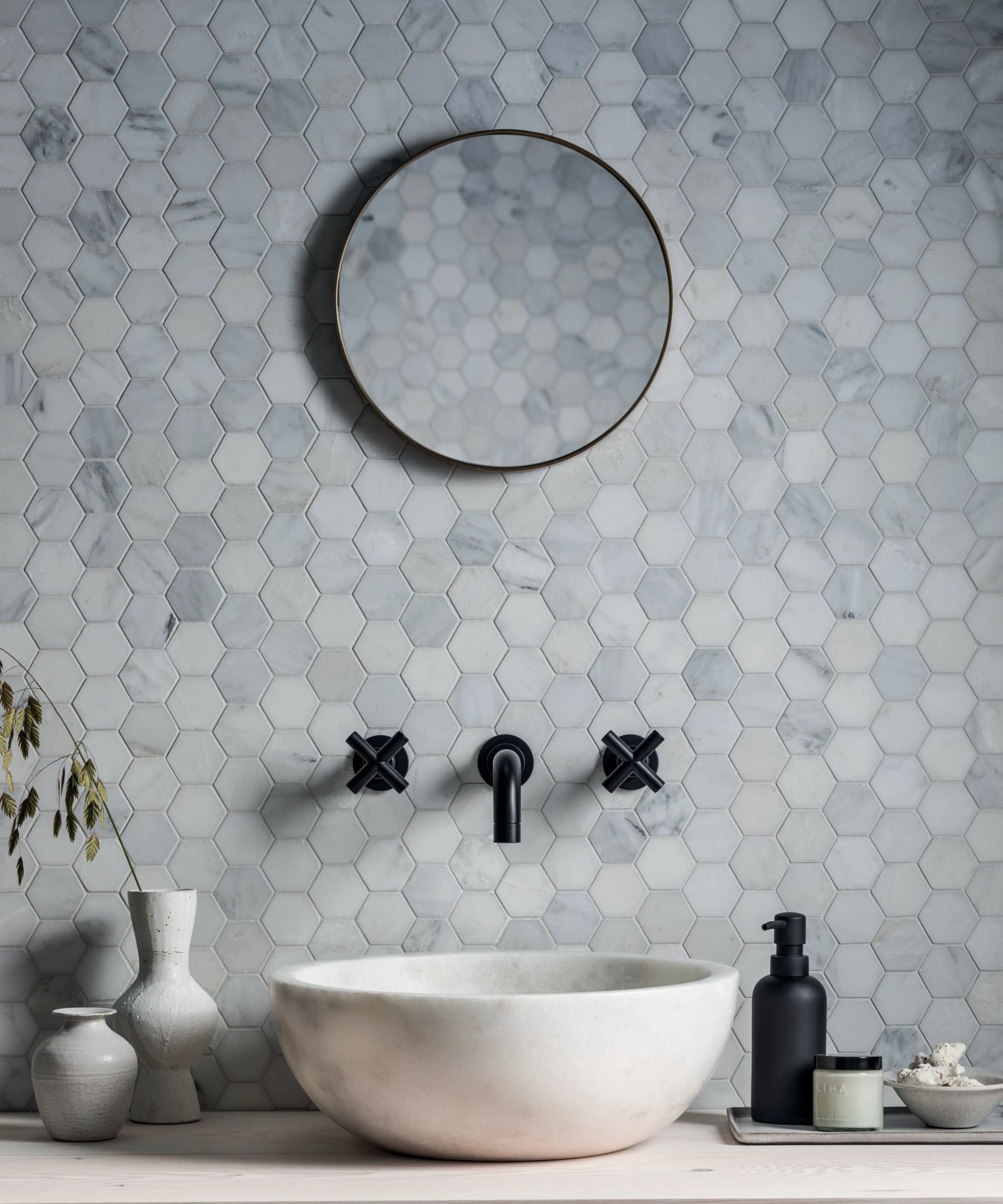
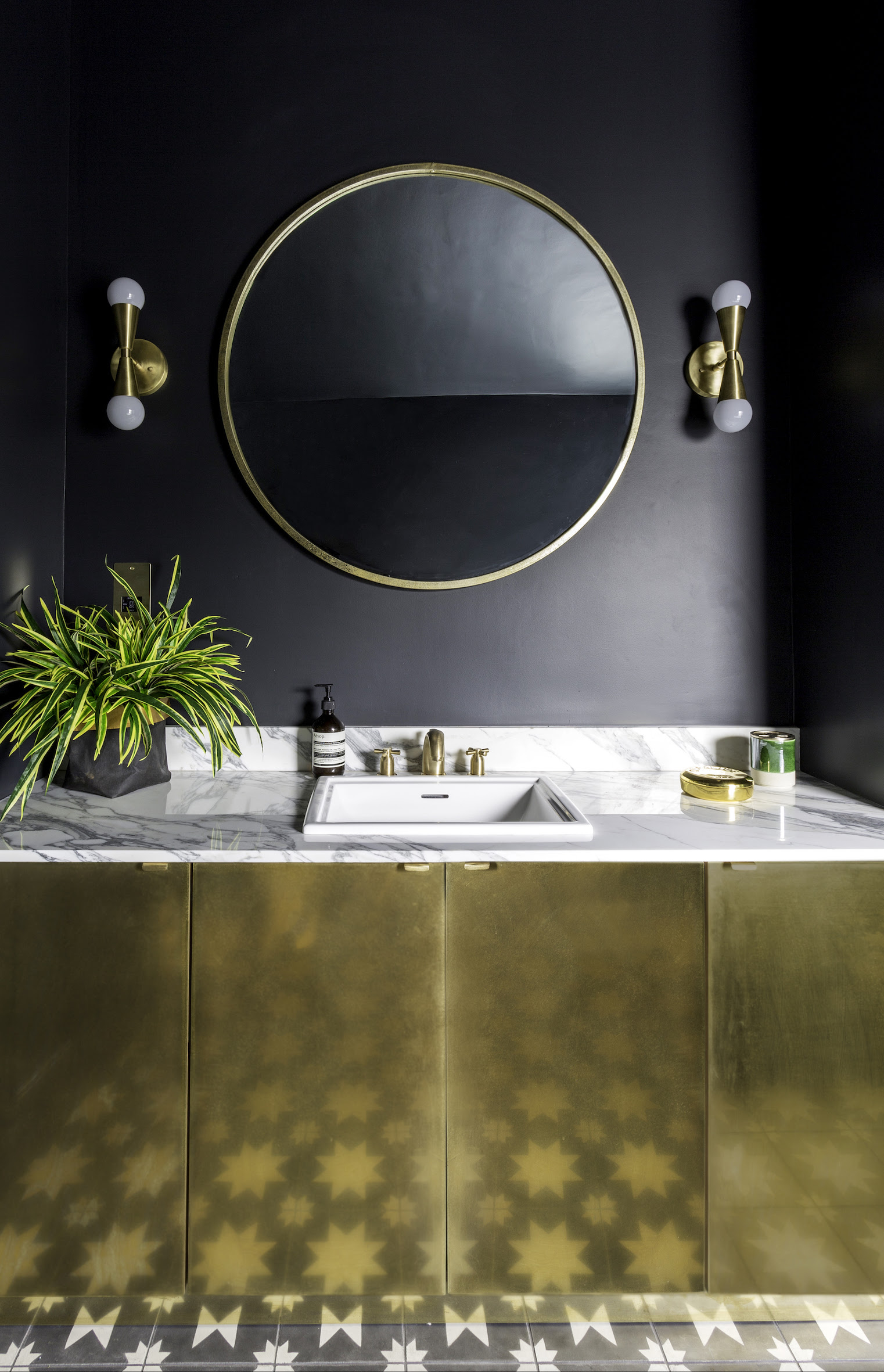
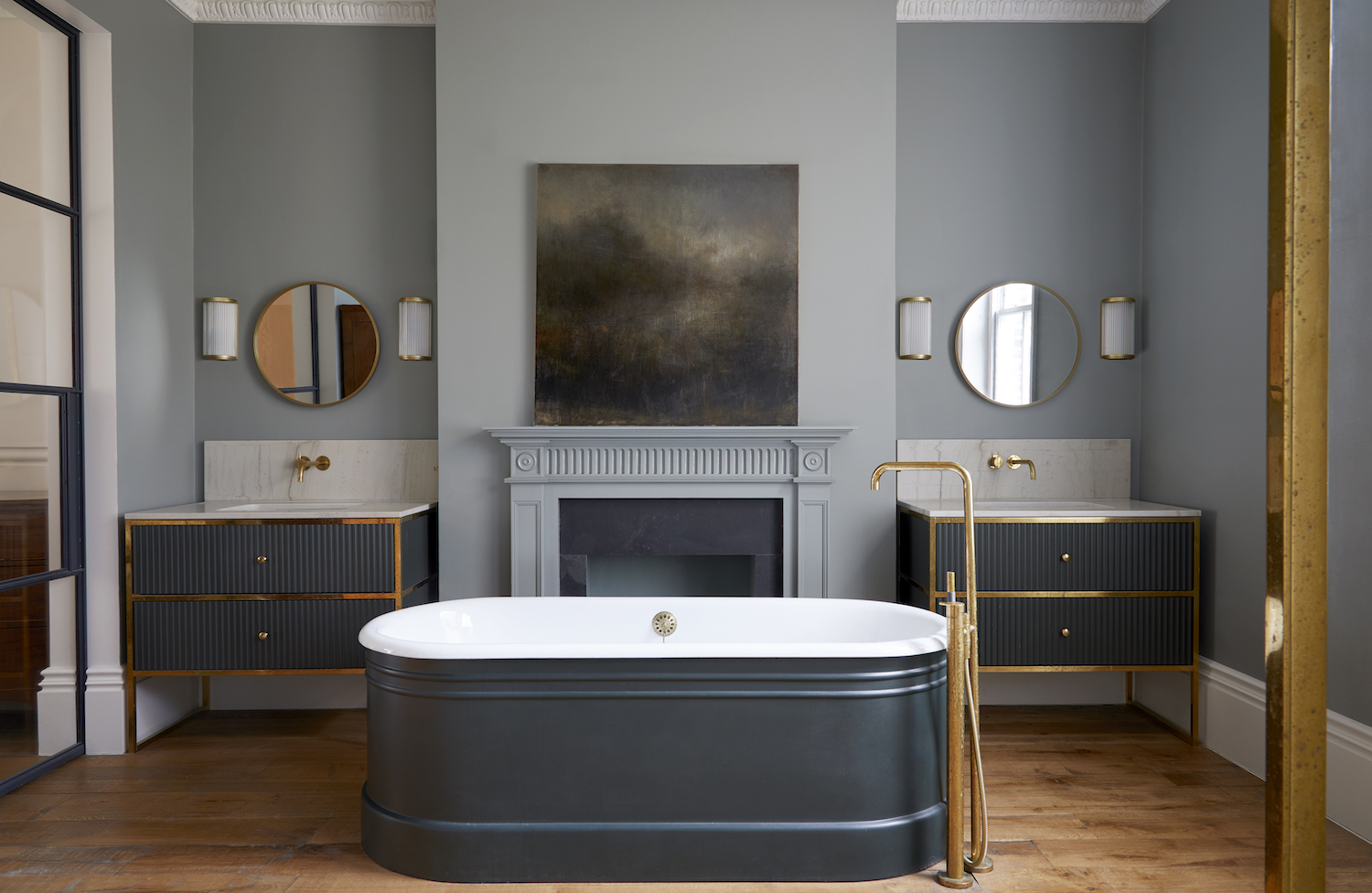
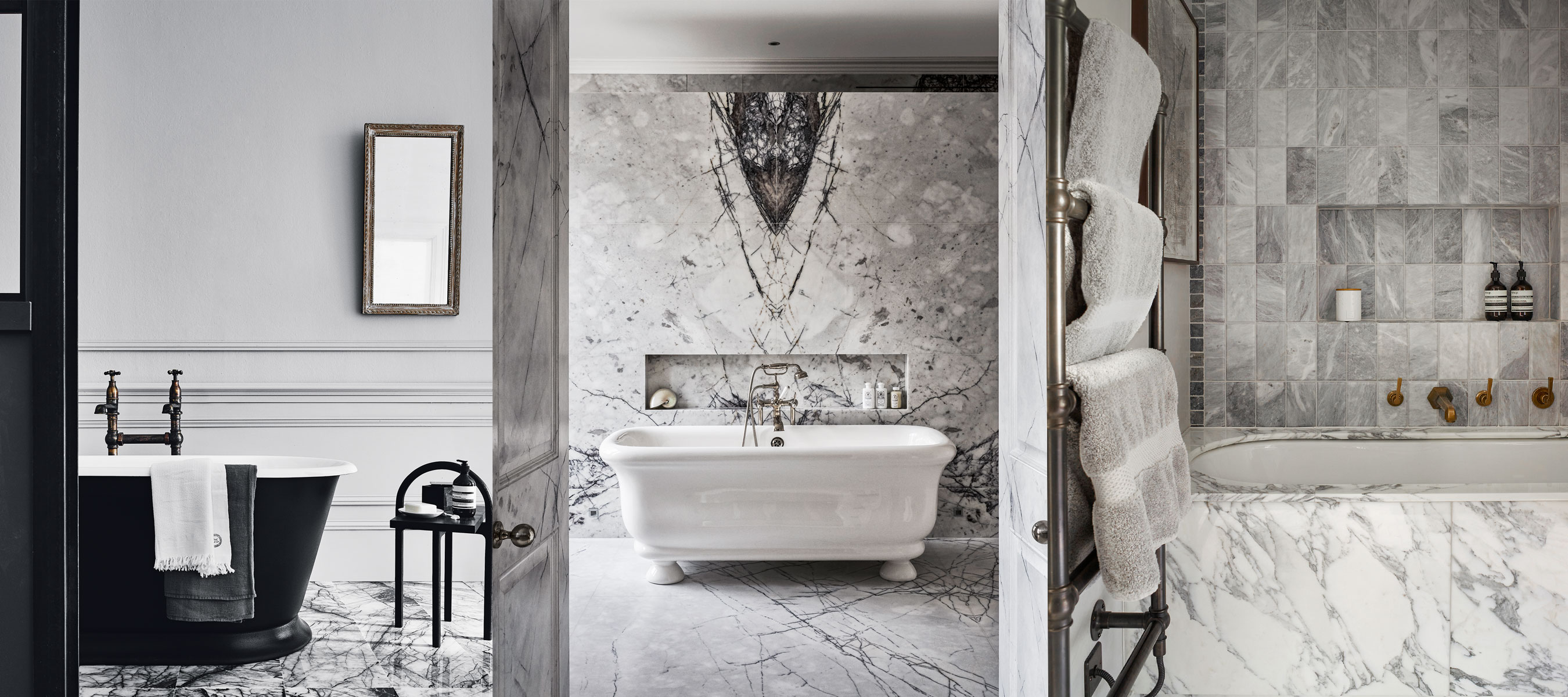
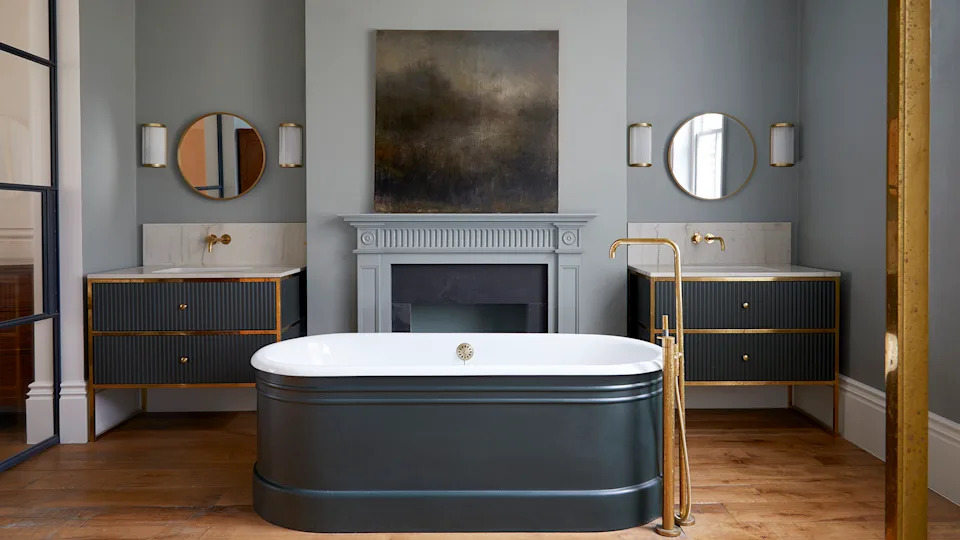
Custom-made gray vanities provide maximized storage, tailored to fit the specific dimensions and needs of a bathroom, integrating seamlessly when painted to match wall colors. For a touch of luxury, gray vanities can incorporate metallic details like brass, adding sophistication through sleek lines and reeded drawer fronts. Combining different shades of gray with white highlights can create a balanced monochrome bathroom with depth and structure, often complemented by textured flooring such as herringbone marble. Introducing natural materials like grained wooden vanities and veined marble tiles helps prevent gray bathrooms from appearing cold or clinical, adding warmth and interest.
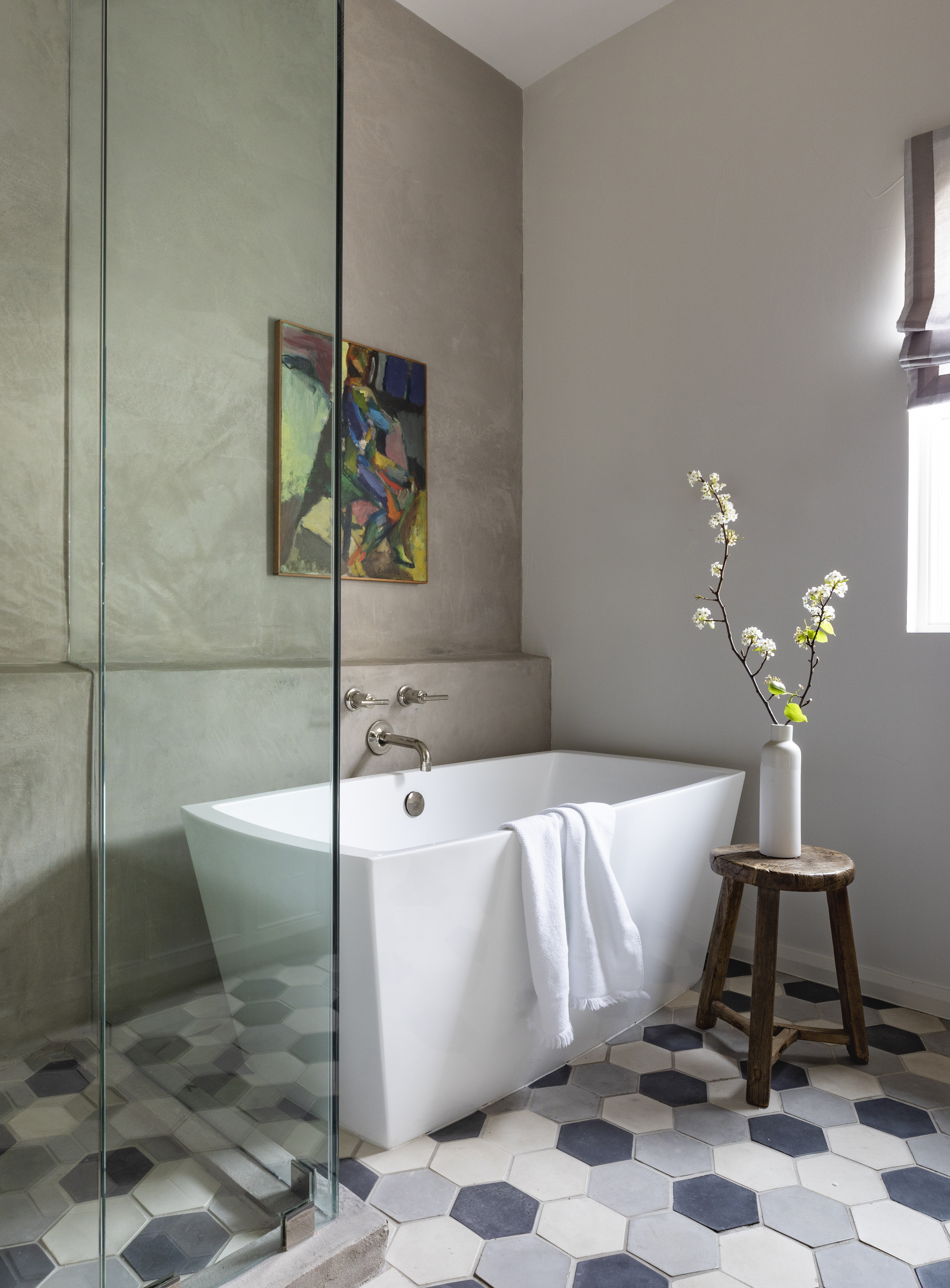
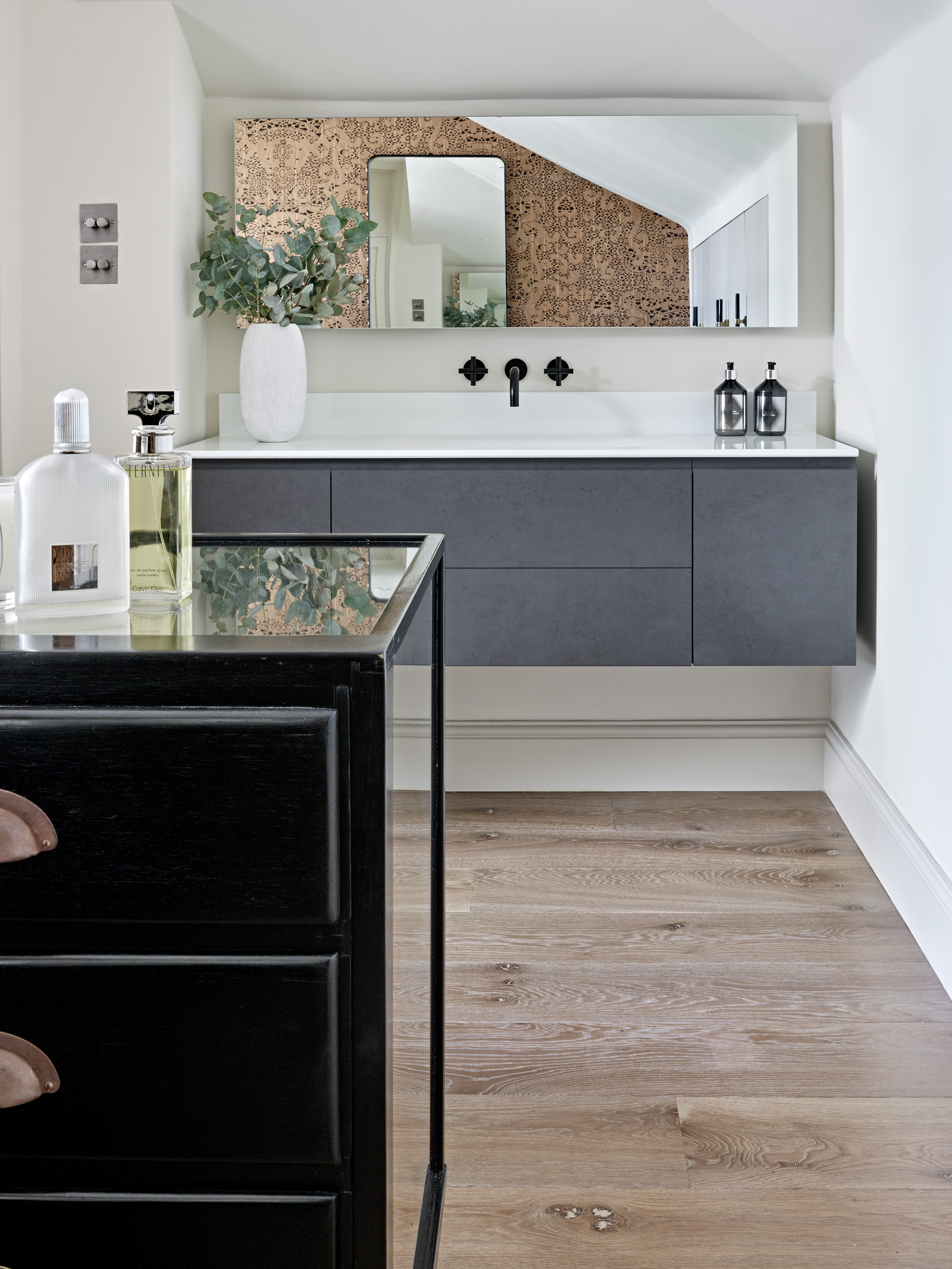
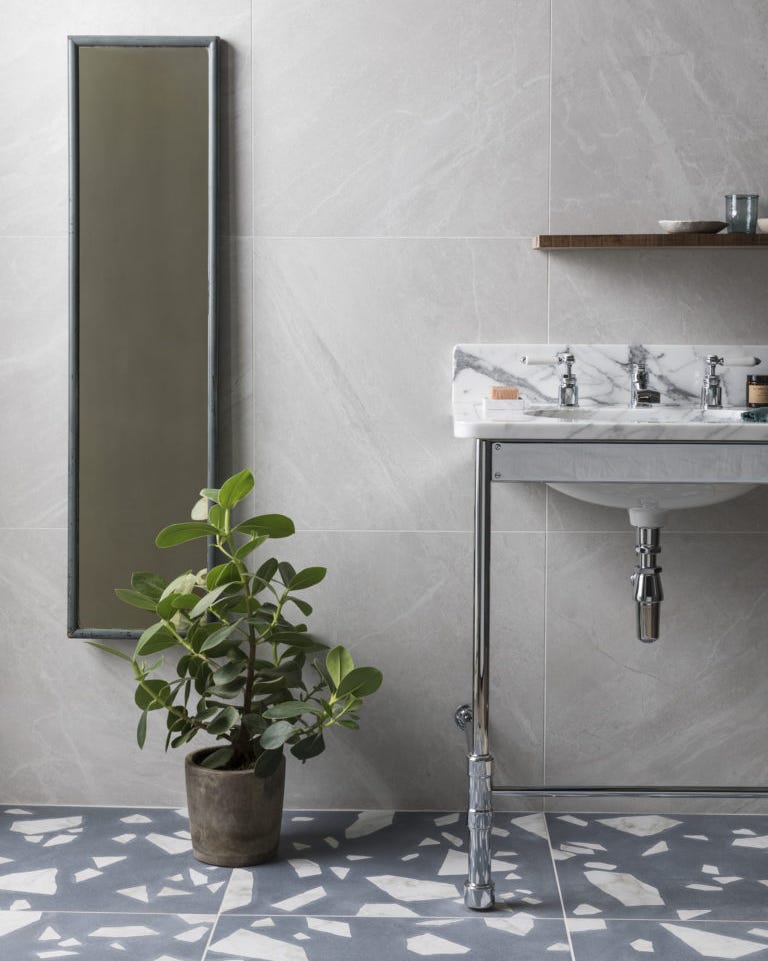
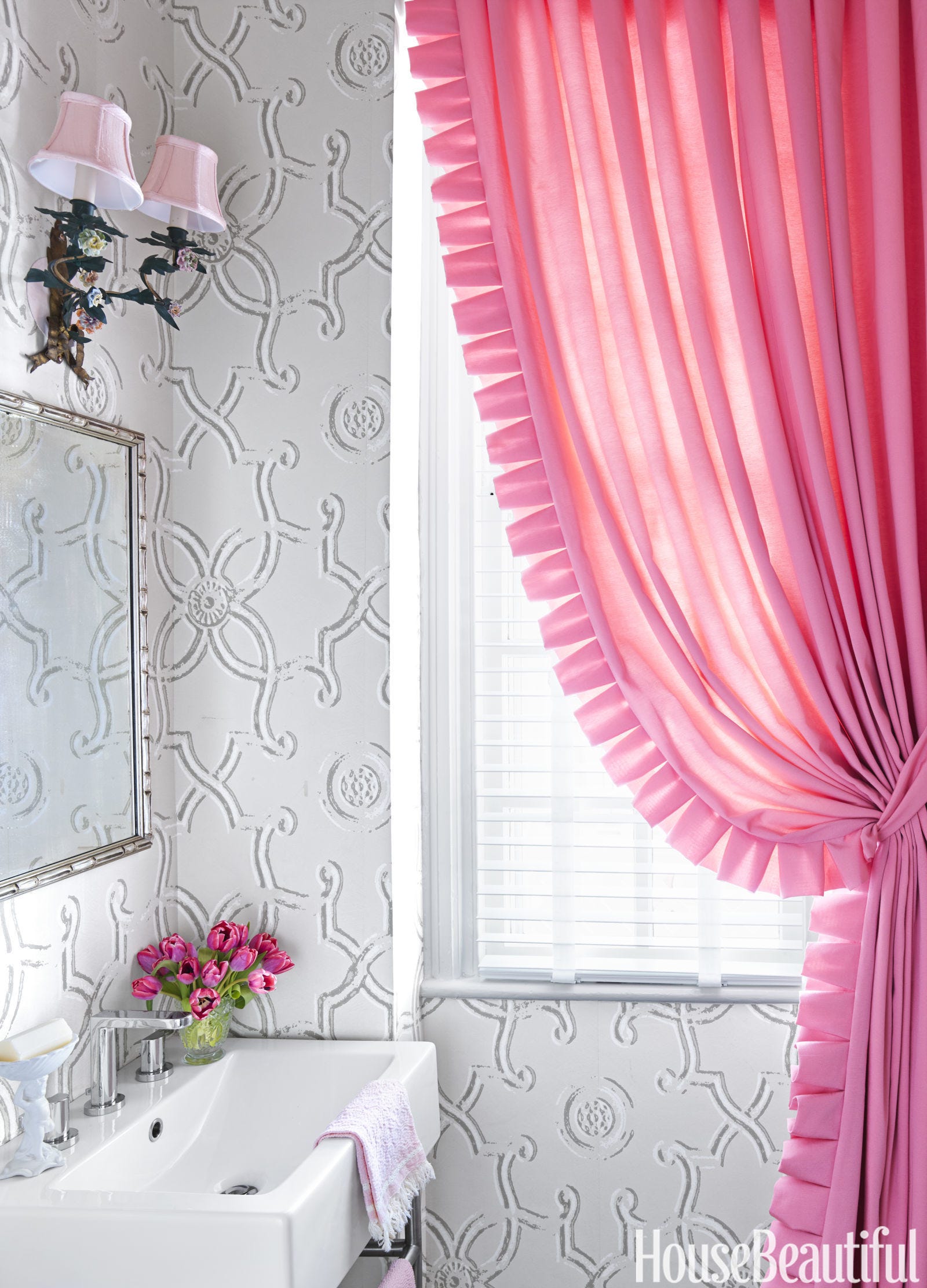
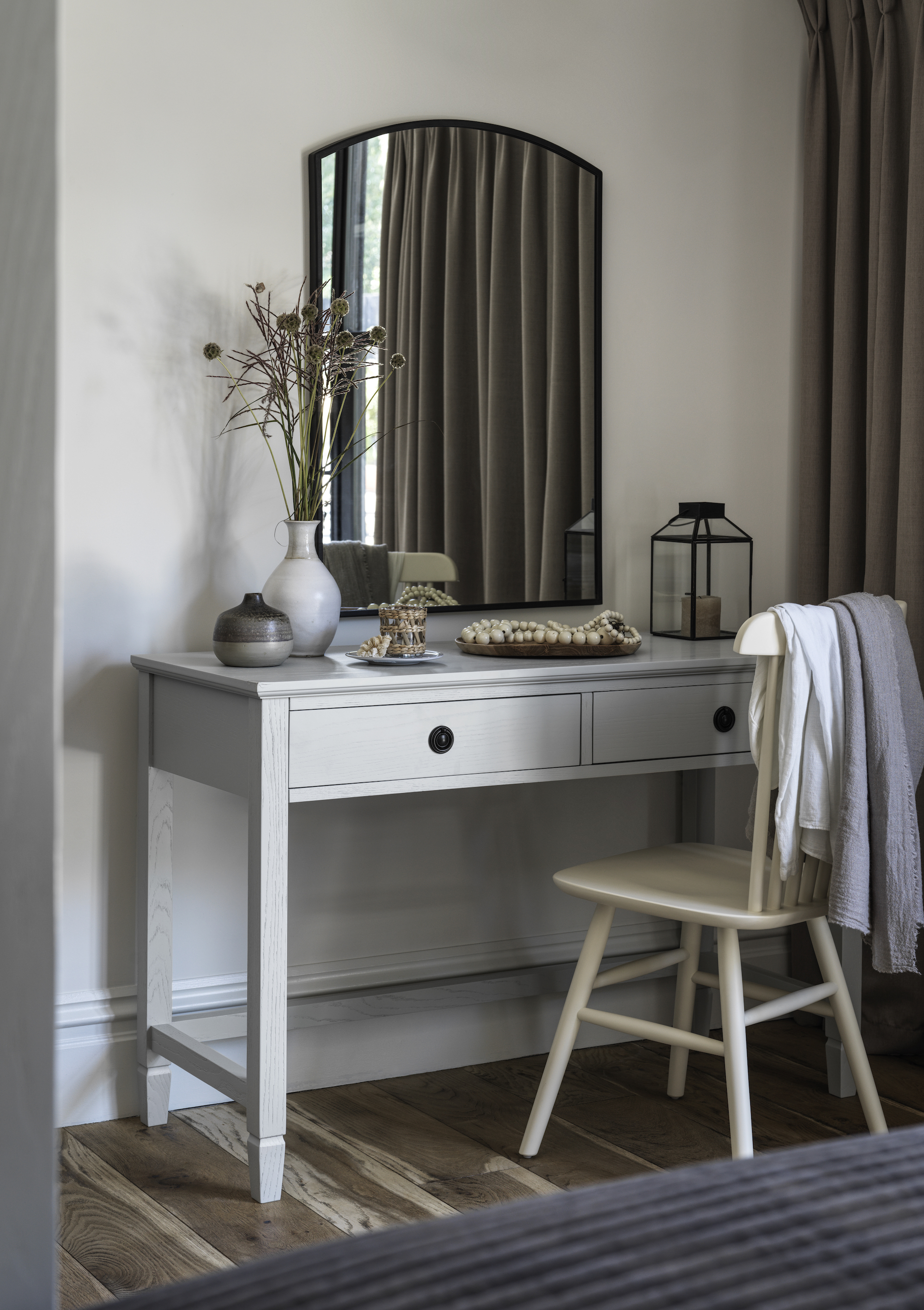
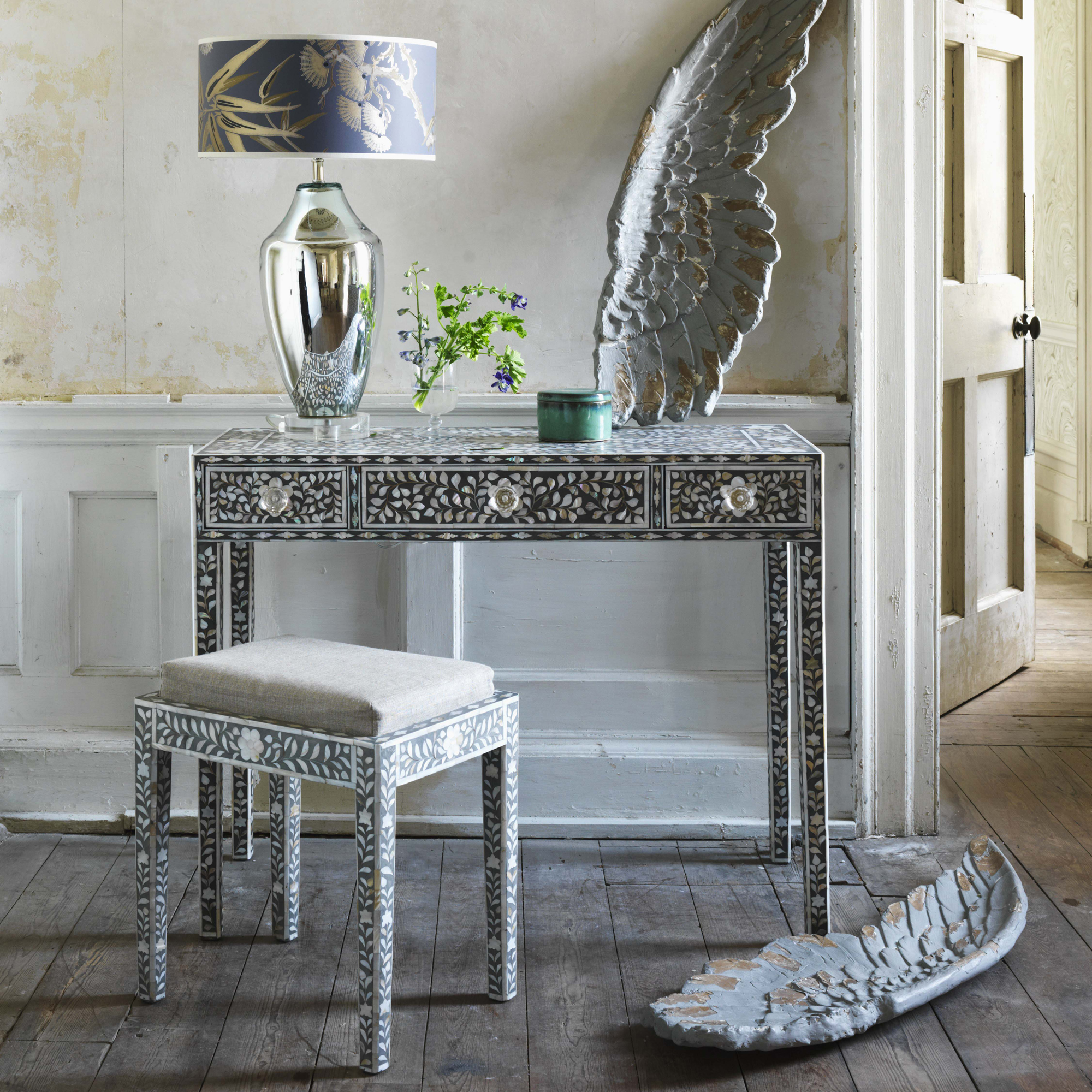
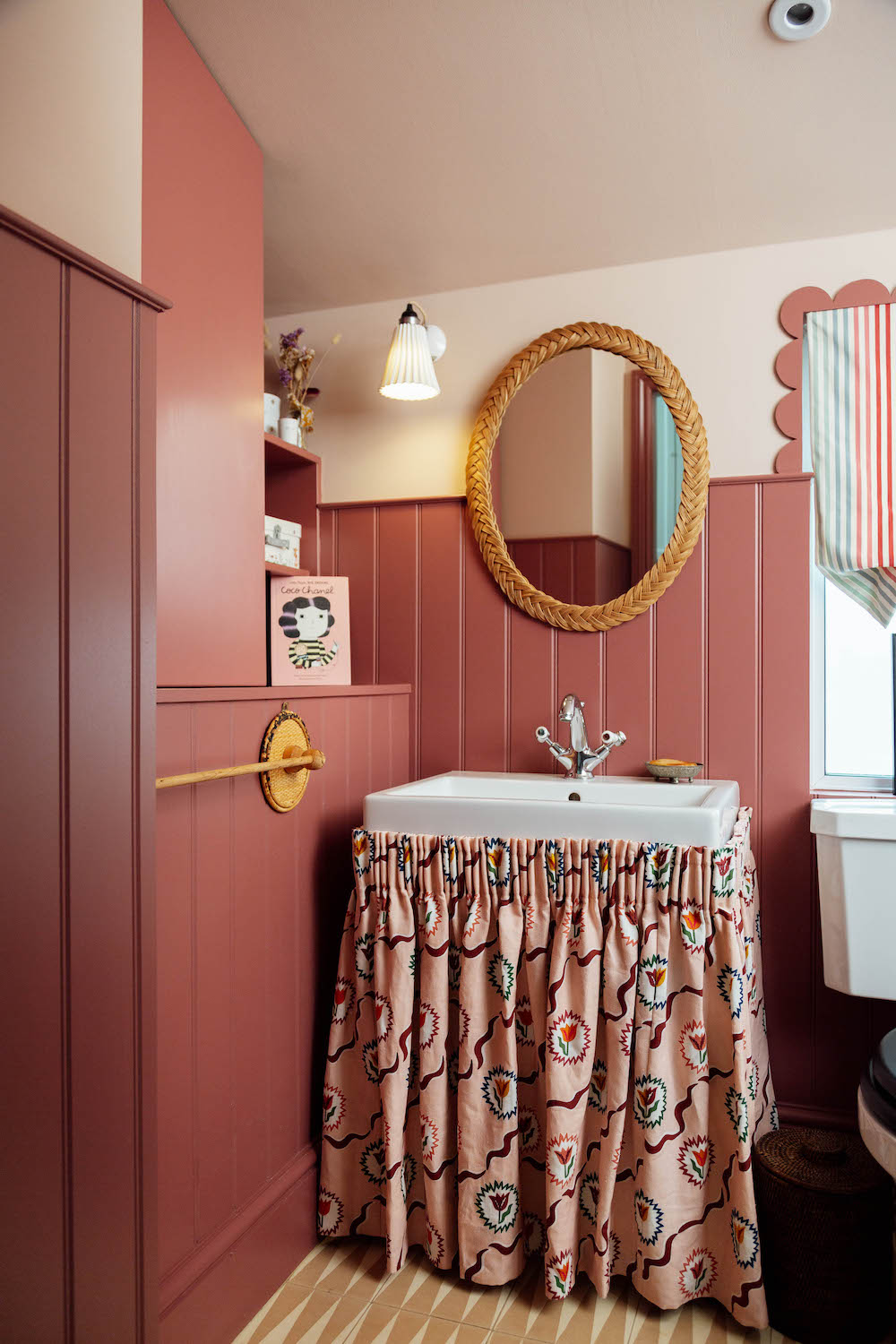
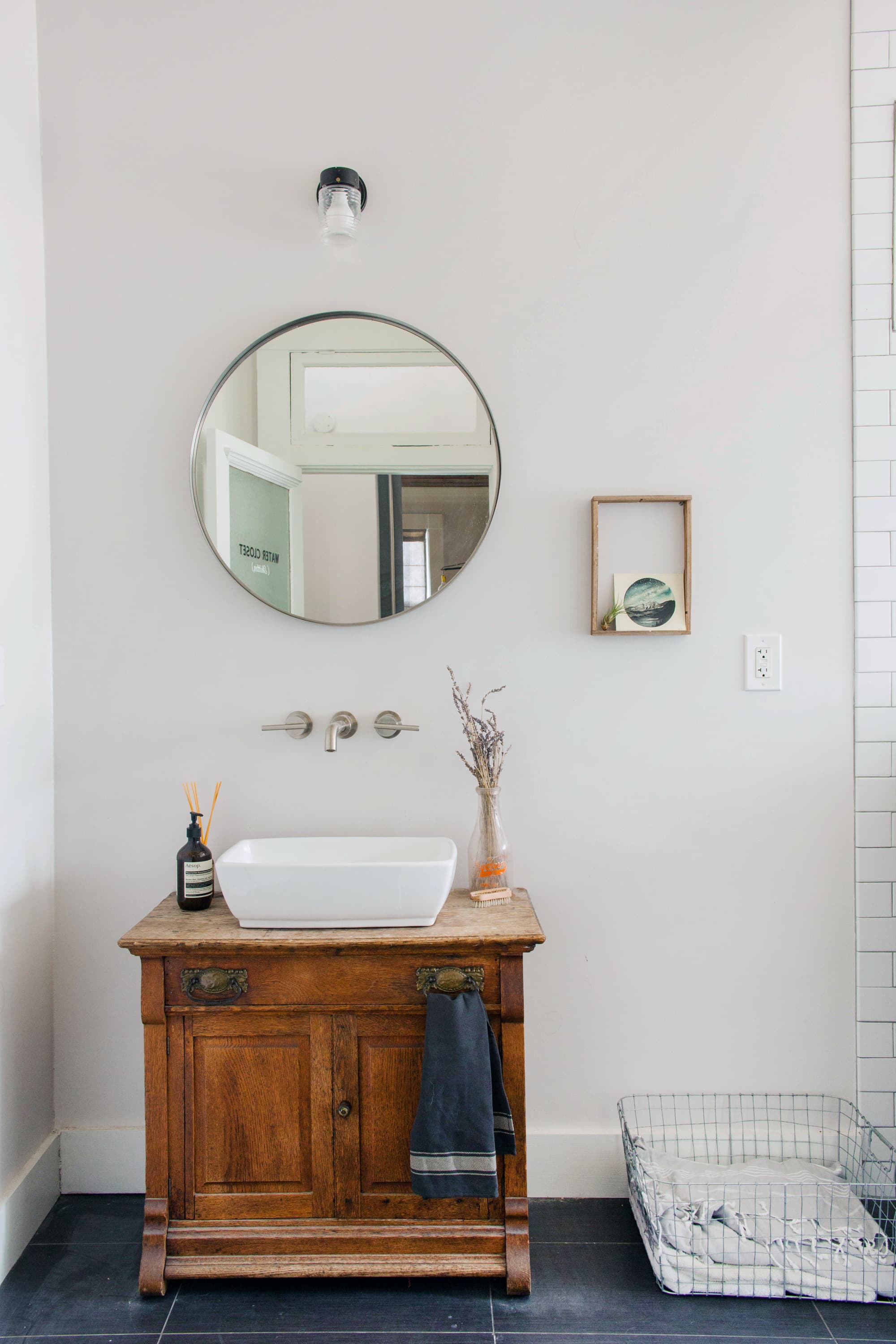
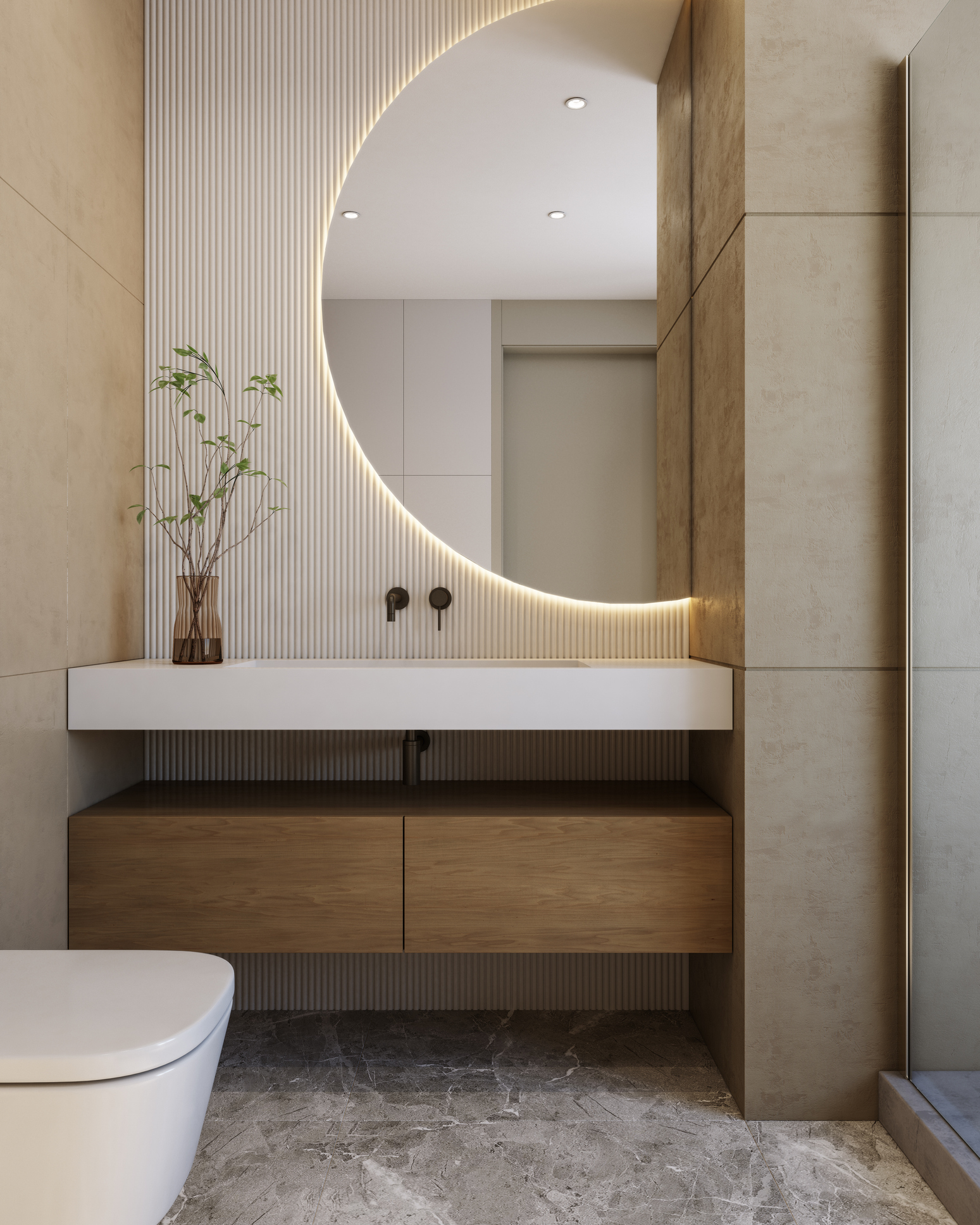
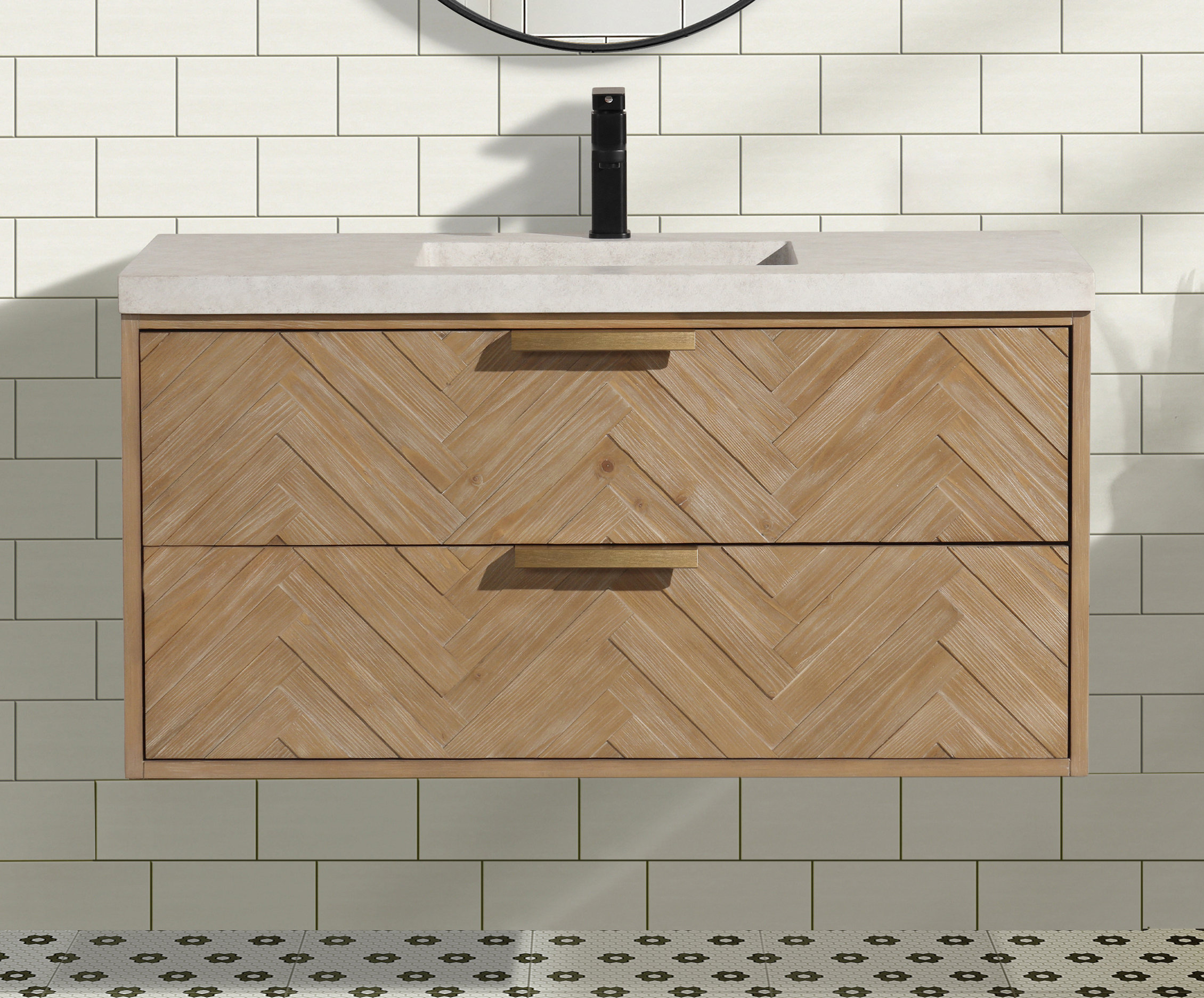
For bathrooms with patterned floor tiles, a raised or floating gray vanity allows the flooring to remain a prominent feature. Asymmetrical designs can make a contemporary statement, offering practical benefits like ample countertop space when featuring a single sink. Upcycling vintage furniture into a gray vanity provides a budget-friendly and characterful solution, contributing to sustainability efforts. Gray's versatility extends to color pairings; it harmonizes with most colors on the color wheel, from pastels like pink and yellow to vibrant teal. Designers suggest that pairing gray with warmer tones, wood accessories, and plants can prevent the space from feeling cold. The choice between darker or lighter gray cabinets relative to wall colors depends on the desired effect: darker cabinets create a focal point against light walls, while matching cabinet and wall colors create a sense of spaciousness. Conversely, light cabinets against dark walls offer a striking design feature.
#BathroomDesign #GrayVanity #InteriorDesign #BathroomDecor #HomeRenovation #ShakerStyle #StorageSolutions #ColorPalette #SpaceSavingIdeas #BathroomDesign #GrayVanity #InteriorDesign #BathroomDecor #HomeRenovation #ShakerStyle #StorageSolutions #ColorPalette #SpaceSavingIdeas
0 comment in total
 No comments yet
You may also like
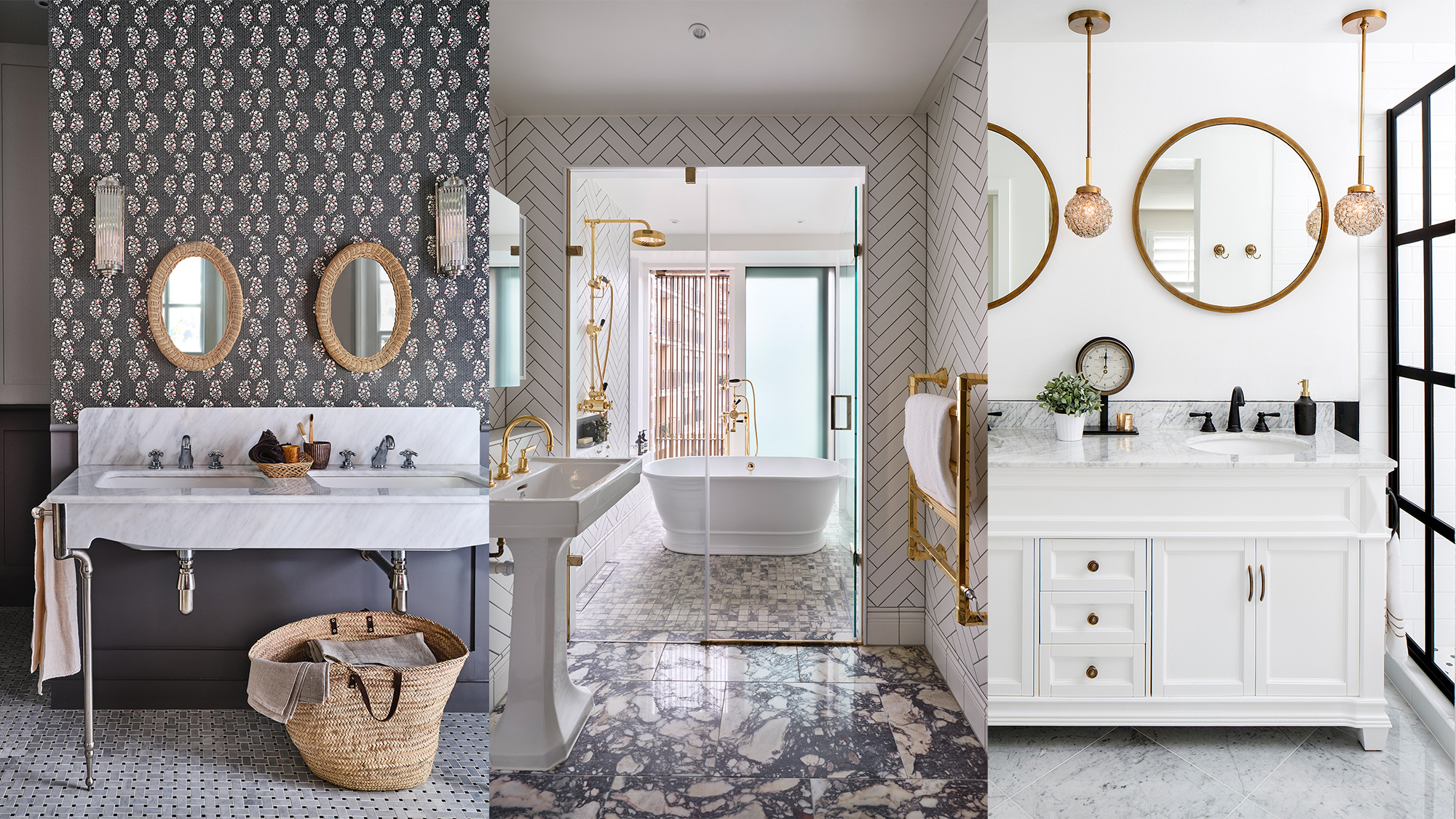
Grey and white bathroom ideas – 11 inspiring monochrome schemes

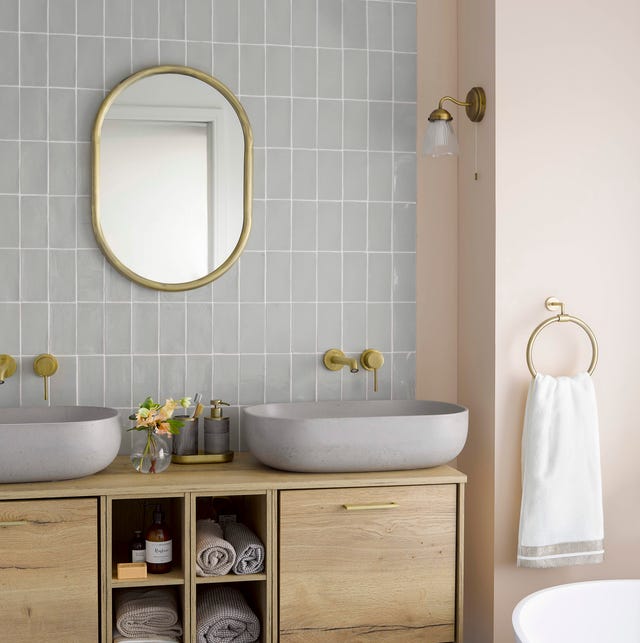
16 Grey Bathroom Ideas You Can Replicate At Home

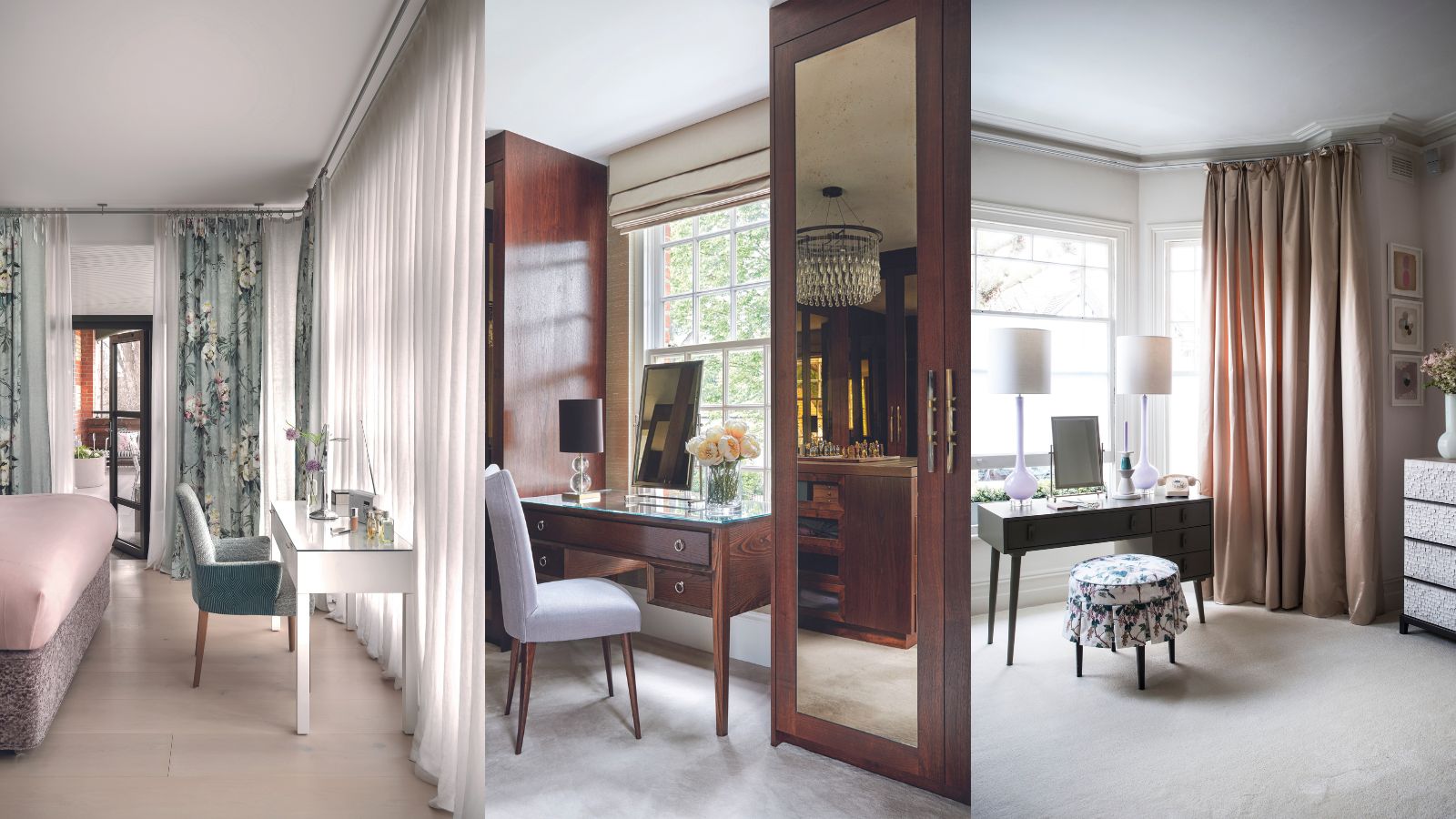
Bedroom vanity ideas – 11 designs for a beautiful and organized space
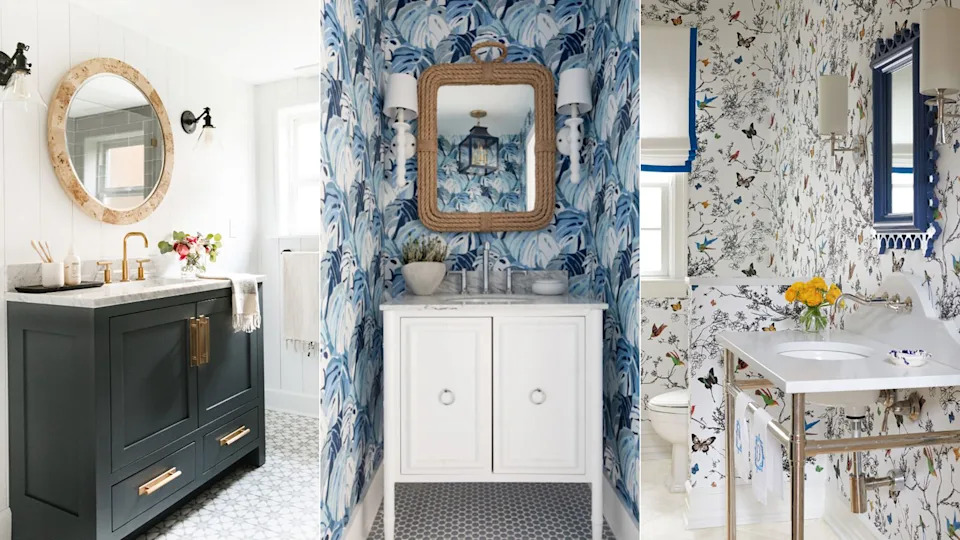
Bathroom vanity ideas – 20 ideas for a stand out vanity area

18 grey bathroom ideas – modern ways to style this versatile shade

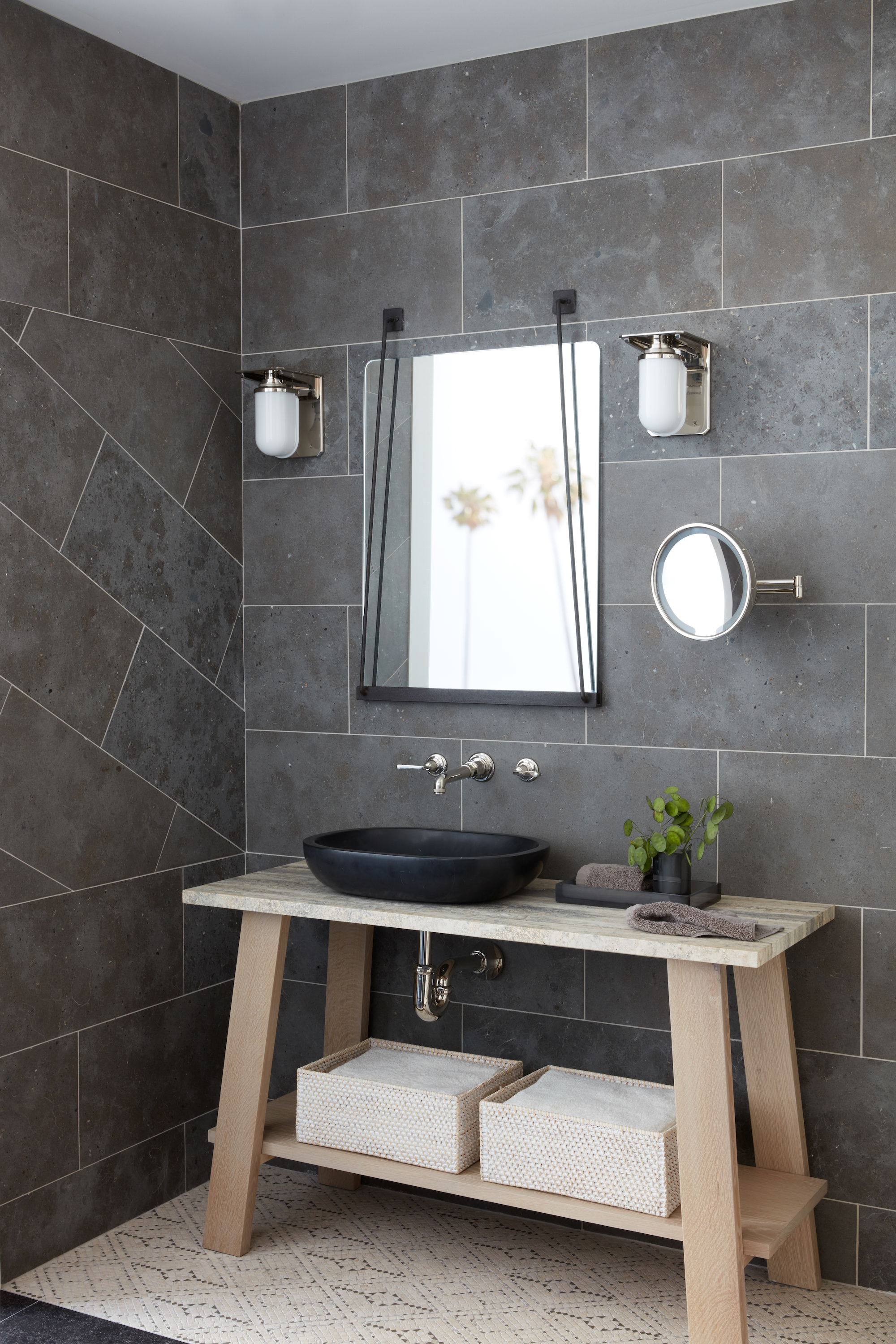
12 grey tile ideas for bathrooms – inspiring looks from a color classic

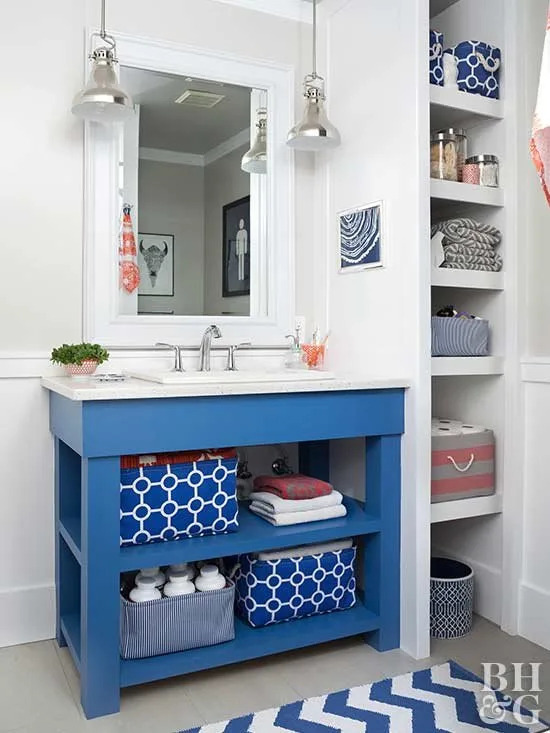
18 DIY Bathroom Vanity Ideas

Bathroom vanity ideas - experts explain how to use the most stylish materials and smartest designs
Gray bathroom ideas – 12 ways to decorate with warm, neutral and cool tones
21 Gray Bathroom Ideas That Balance Sophistication and Serenity

Soothing gray and white bathroom ideas- 7 ways to decorate with this classic pairing
Here Are Your Best Bets for Cheap Bathroom Vanities
Gray bathroom vanity ideas – 11 practical and stylish designs
14 Gorgeous Gray Bathrooms That Look So Relaxing
12 vanities that’ll add style and substance to your bathroom

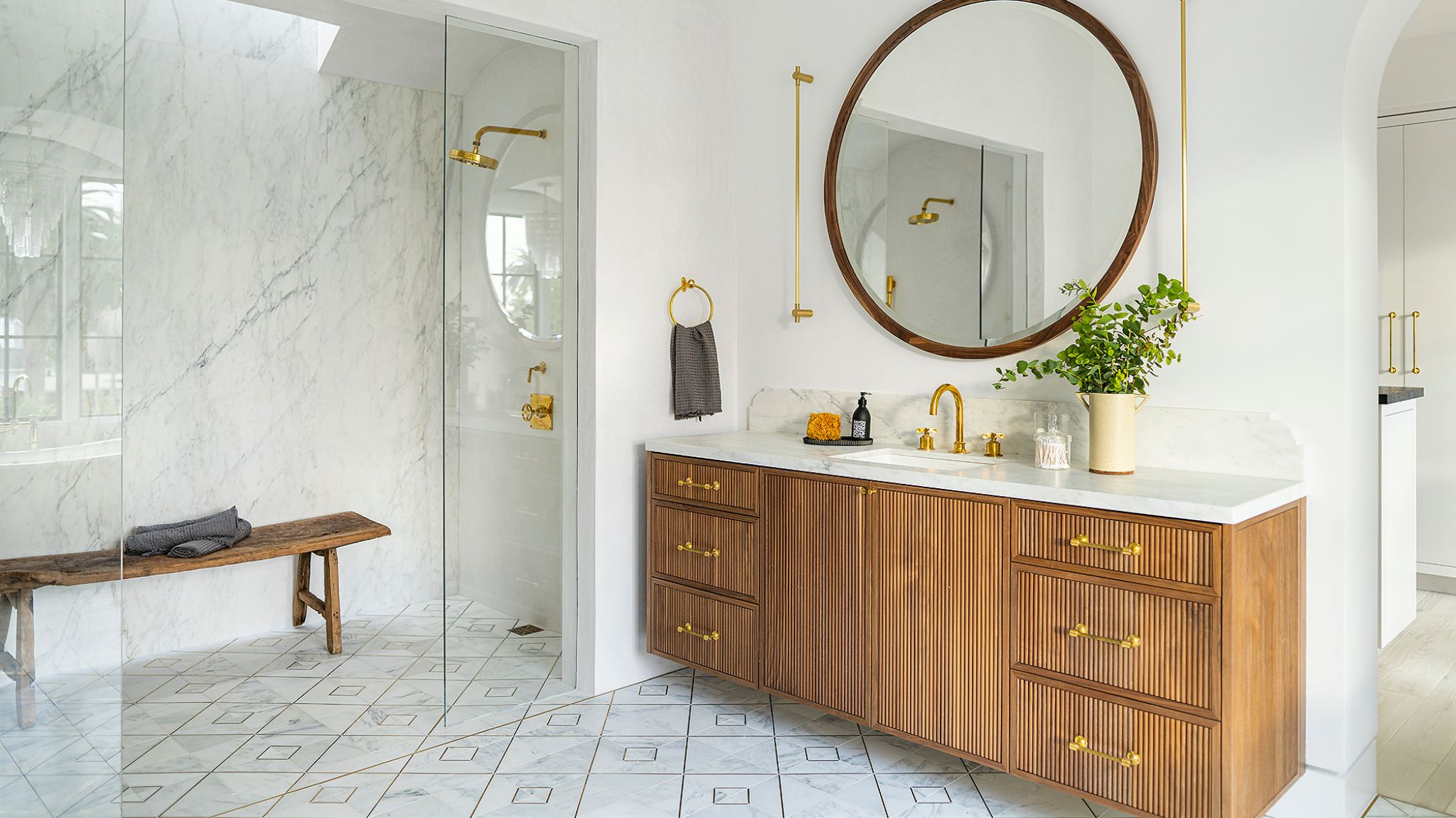
Types of Bathroom Vanity — A Handy Guide to Help Design Your Bathroom
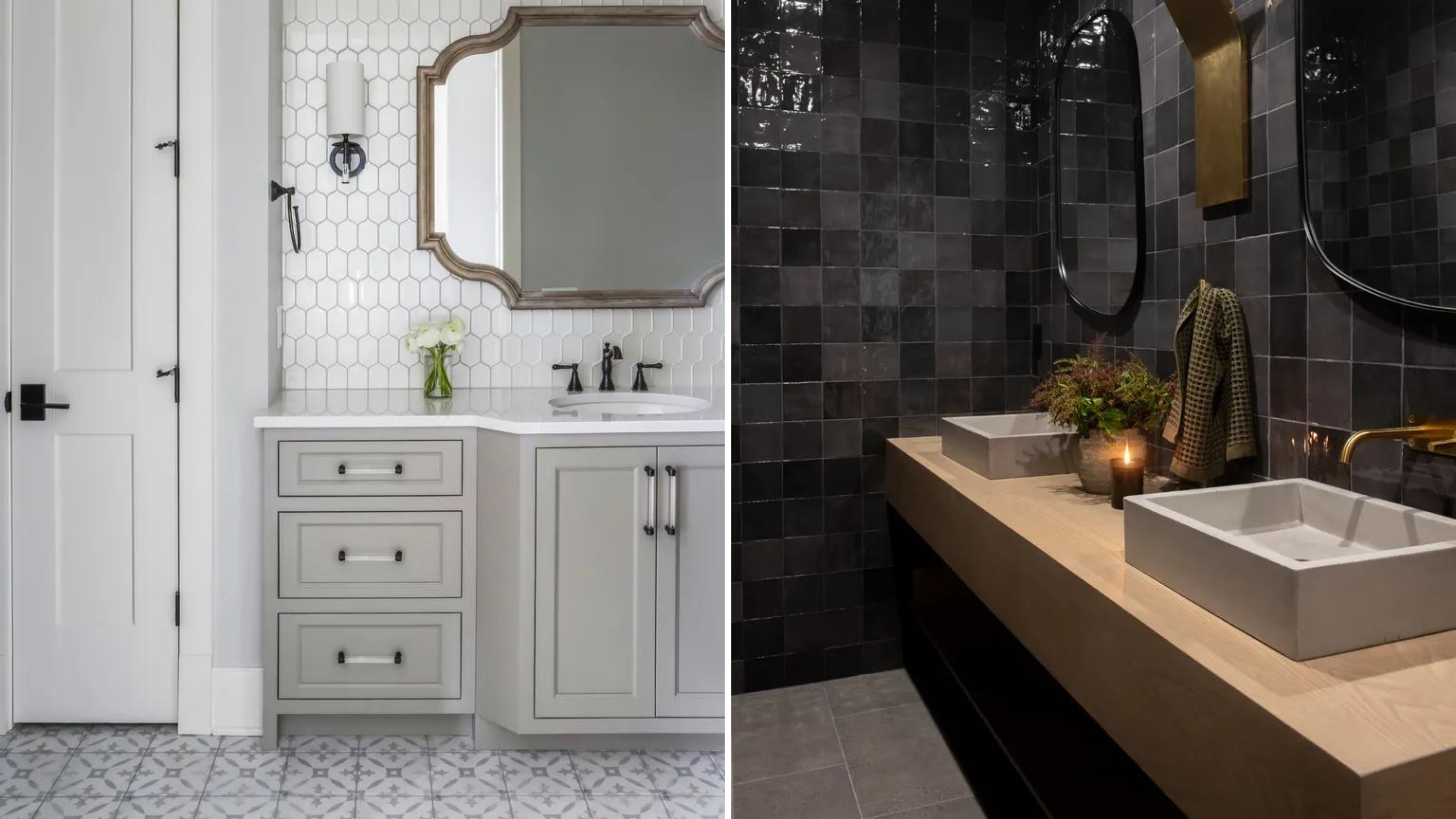
10 stunning gray small bathroom ideas to create dramatic, cozy or sleek looks in compact spaces
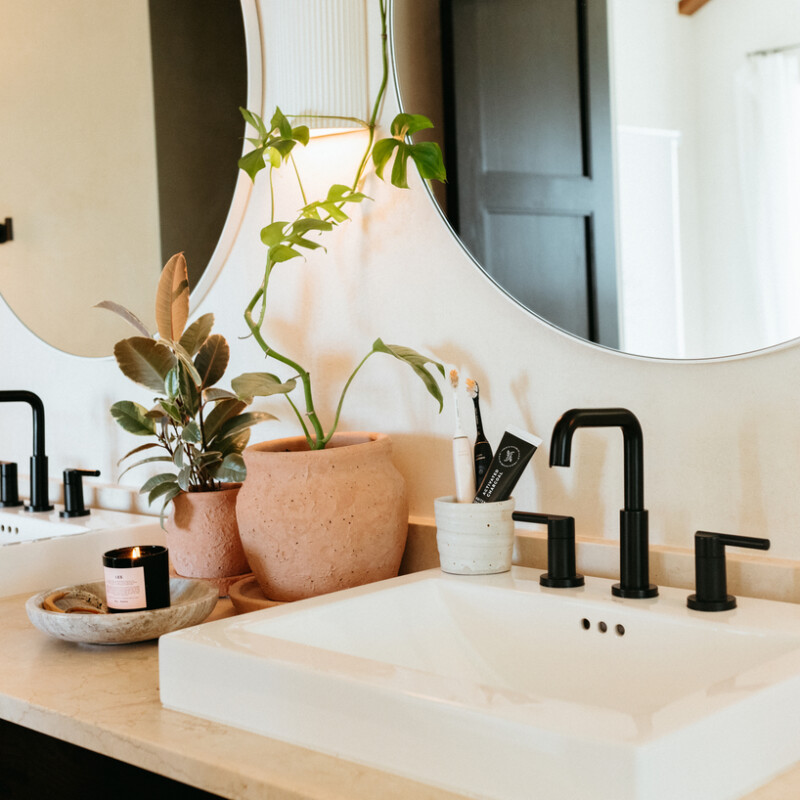
15 Bathroom Vanity Ideas that Merge Beauty and Utility

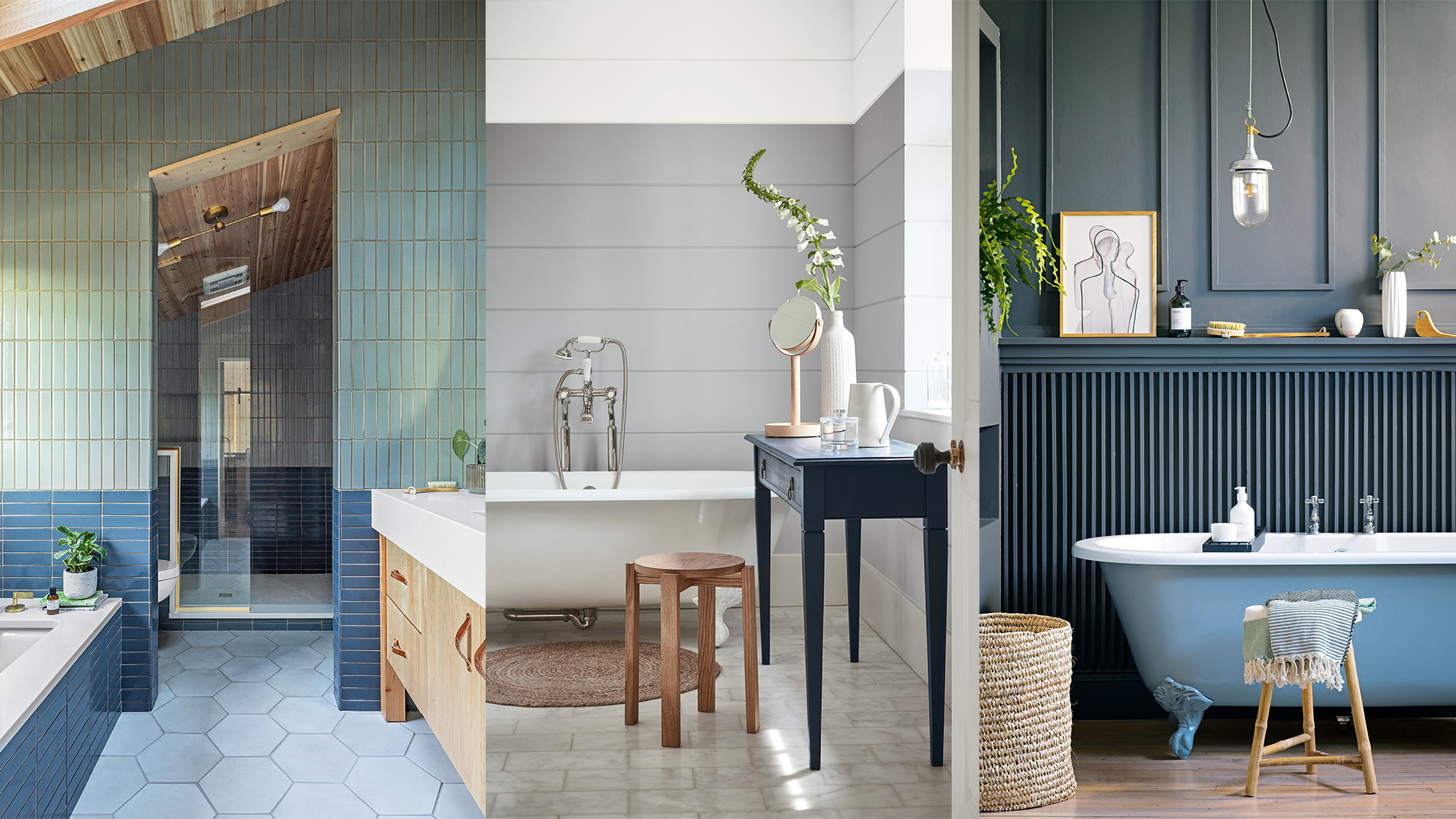
Blue and gray bathroom ideas – 11 cool and calming schemes
Bathroom vanity ideas – 20 ideas for a stand out vanity area