1/9
Room design ideas: Abigail Ahern shares her very best
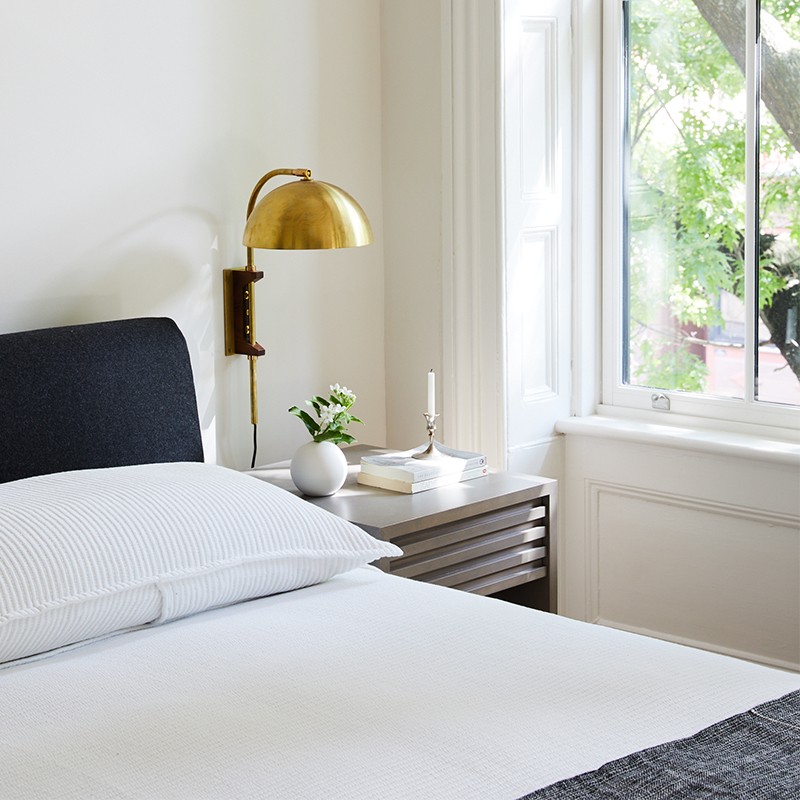
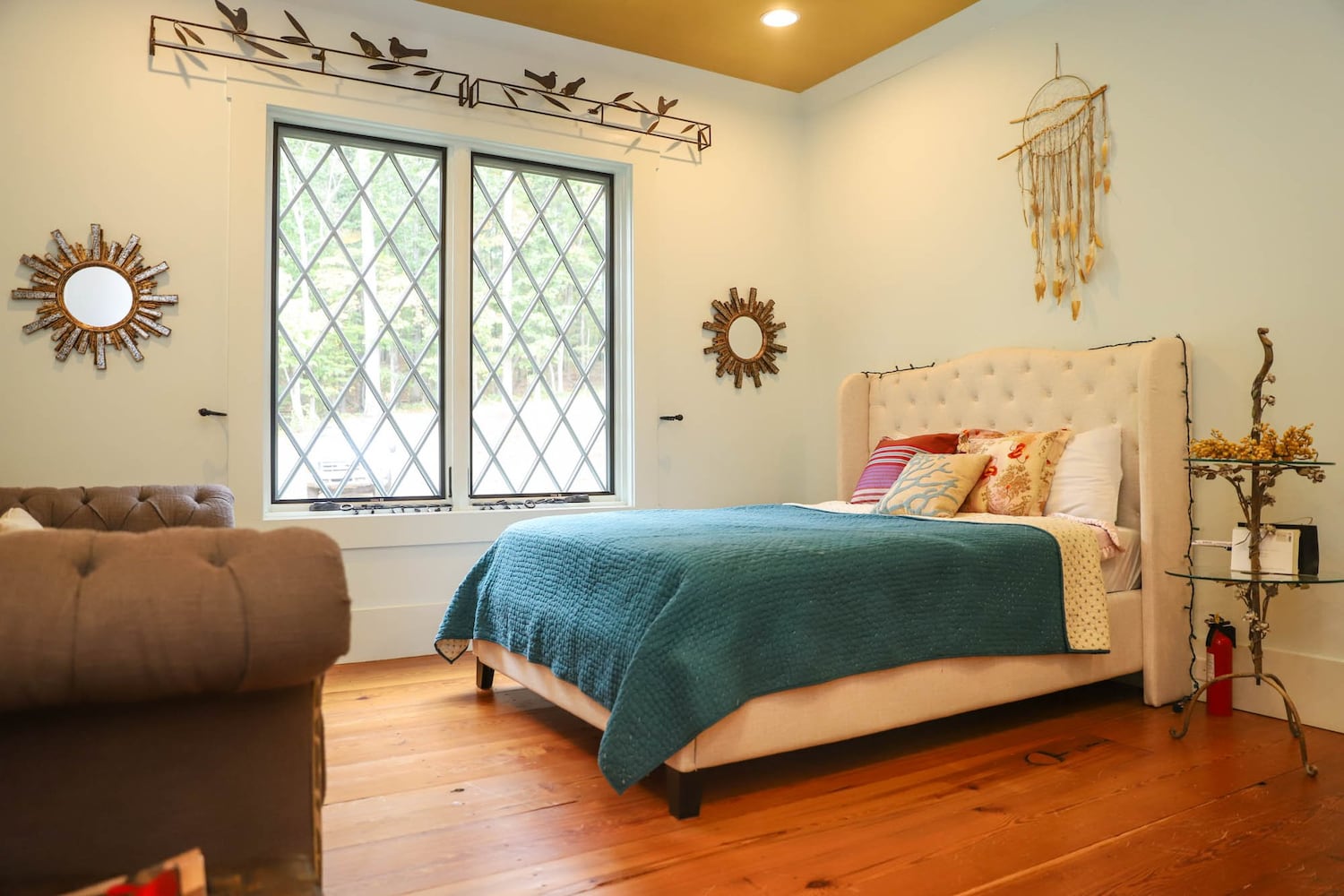
The article presents room design ideas from maximalist expert Abigail Ahern, focusing on creating personalized and character-filled homes. Ahern, known for her 'more is more' philosophy, encourages bold color palettes, luxurious textiles, diverse patterns, and embellishments, contrasting with minimalist aesthetics. Her new book, *Everything*, serves as a guide for individuals to express their personalities through home design, especially relevant given the increased time spent indoors.
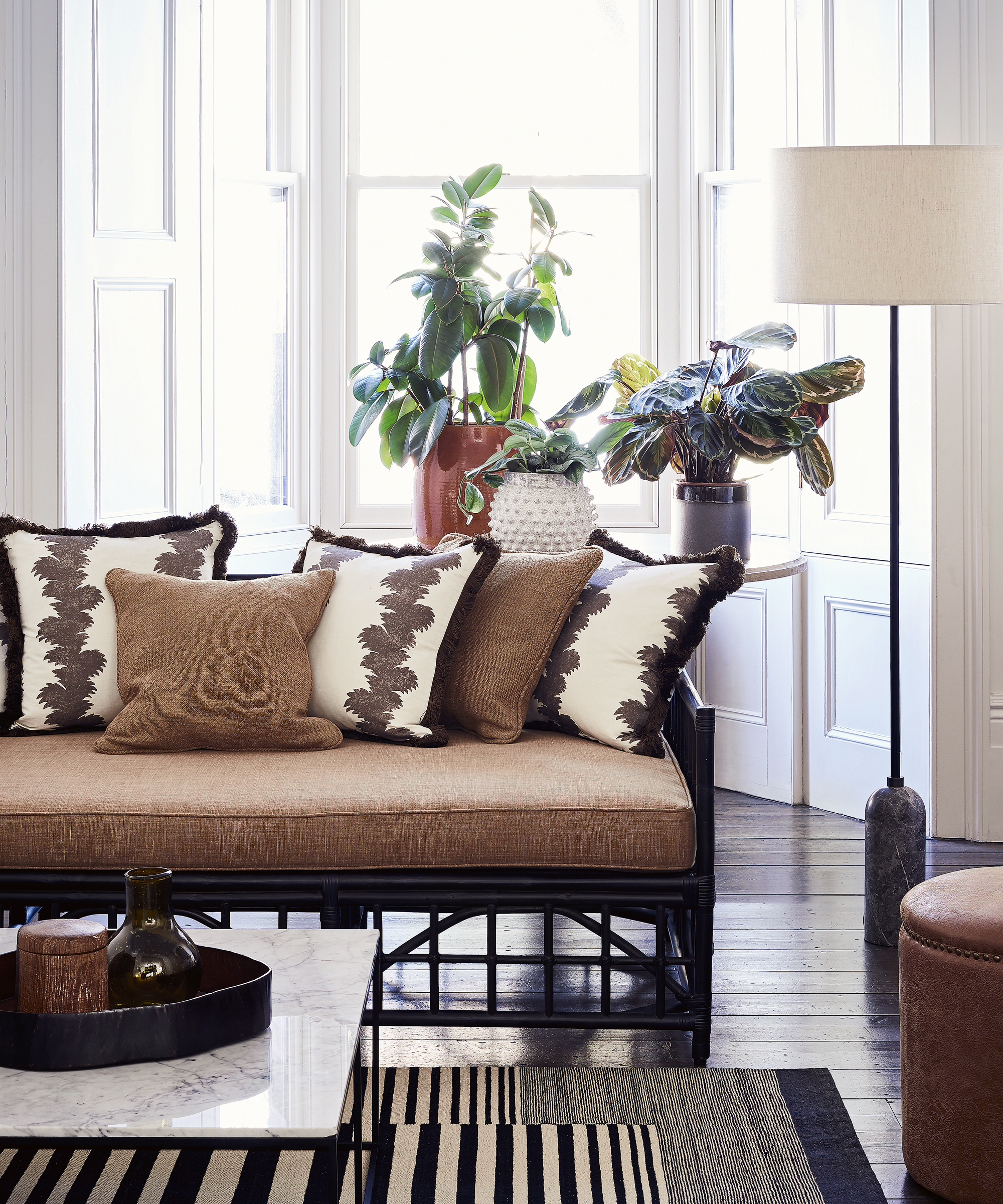
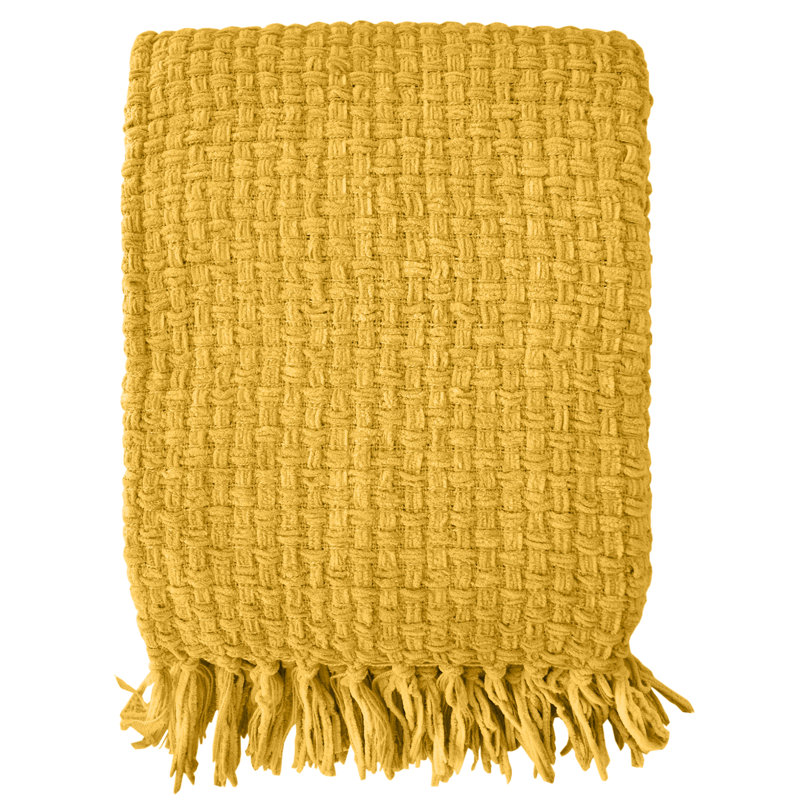
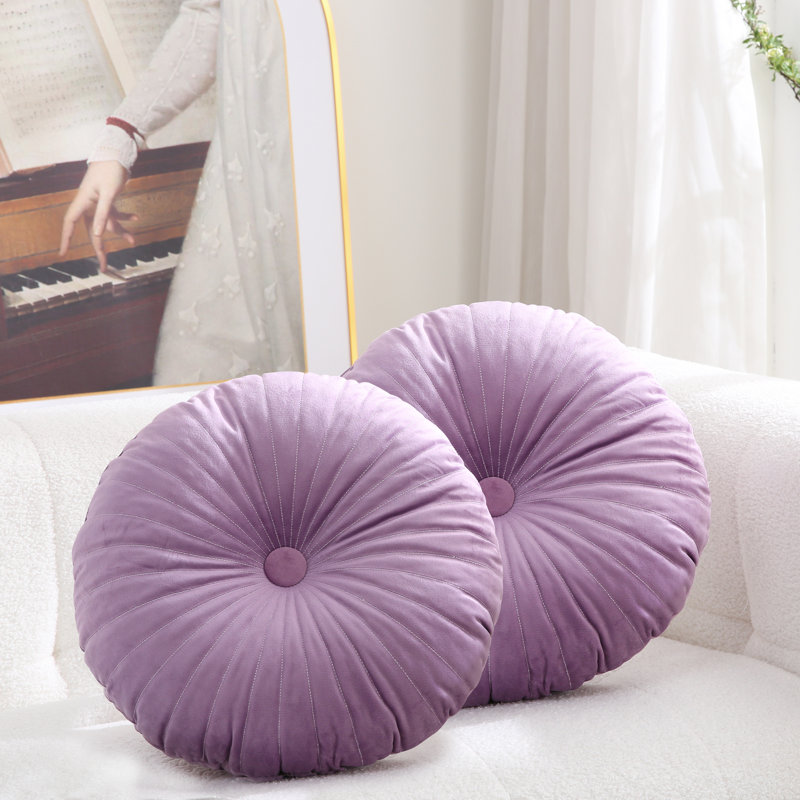
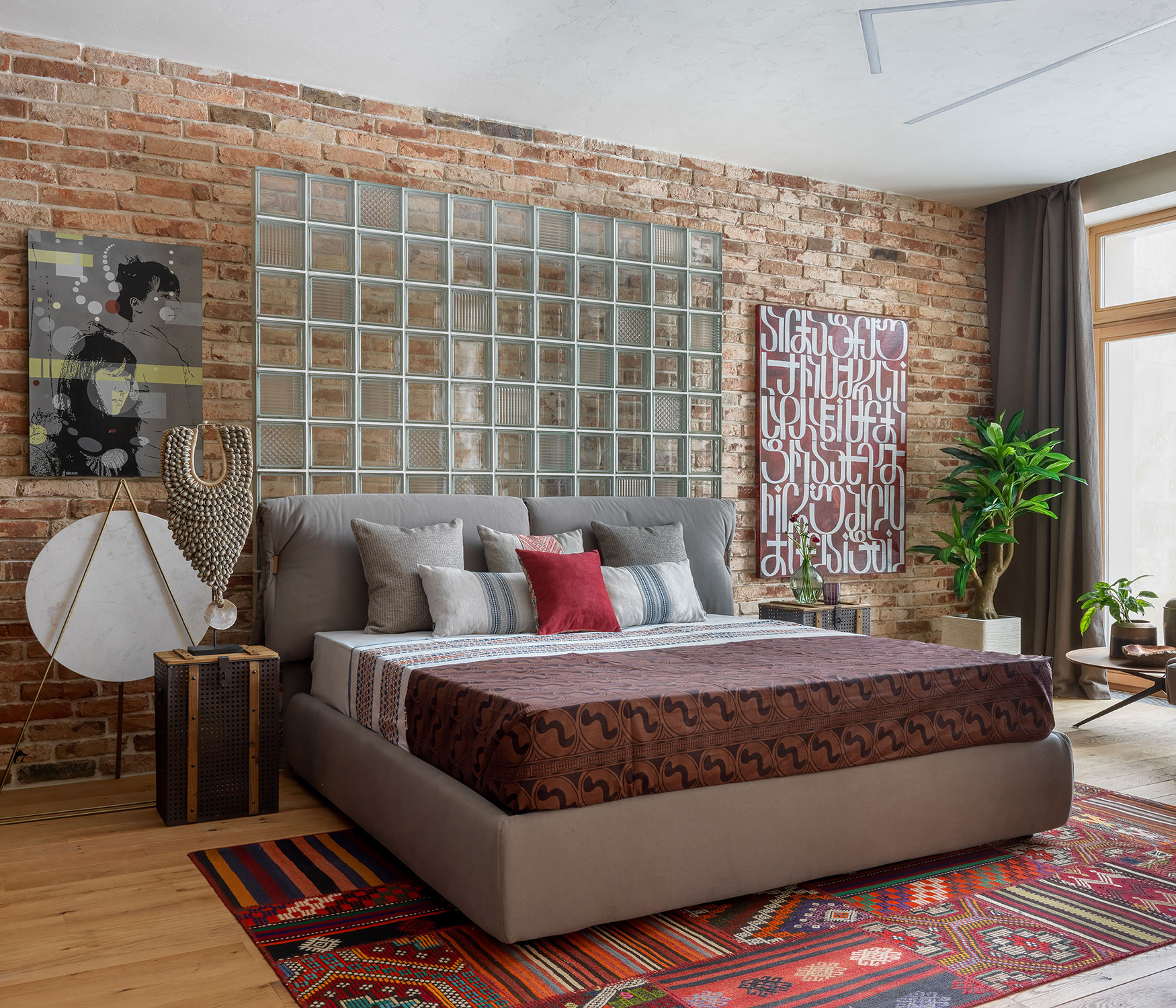
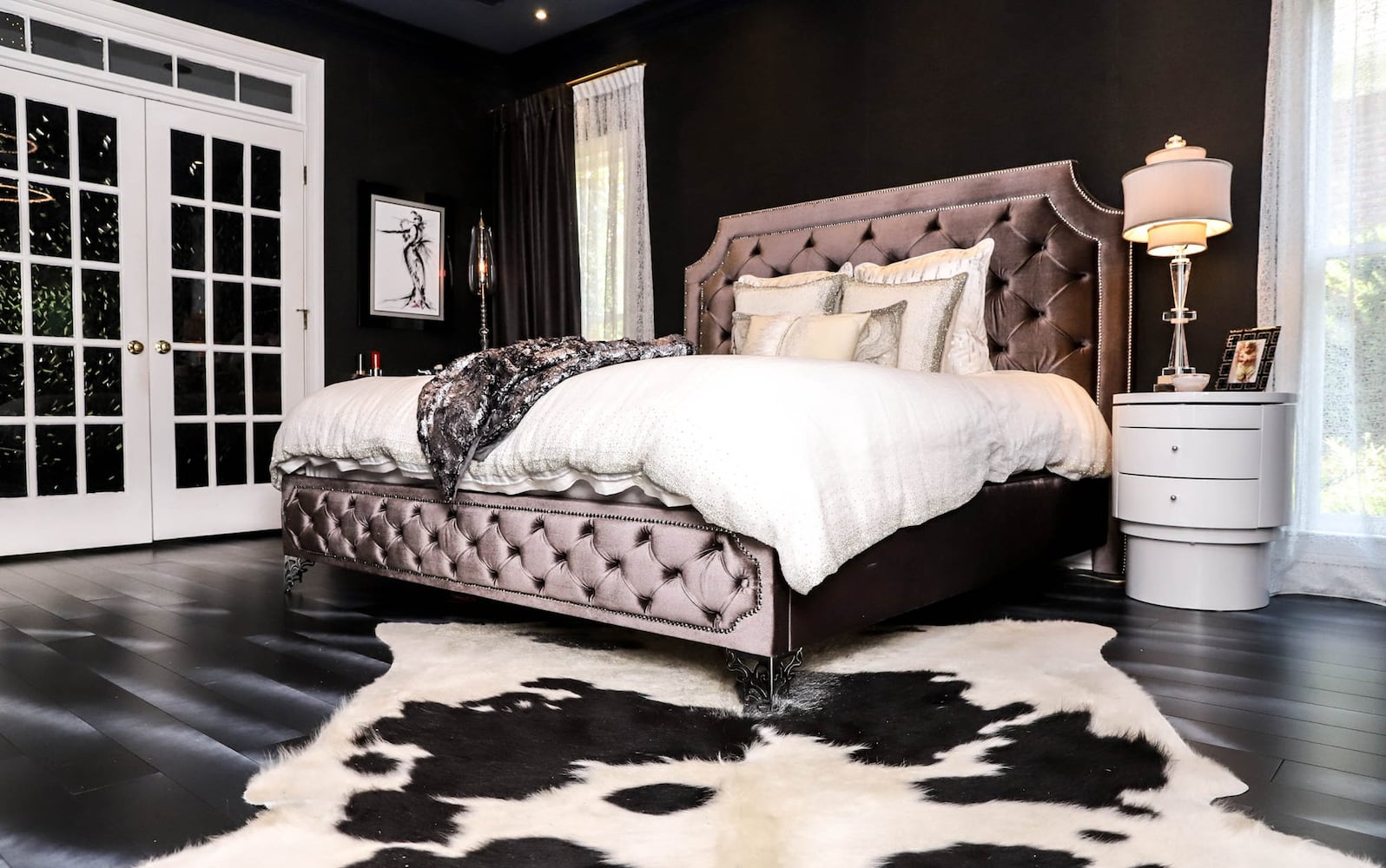
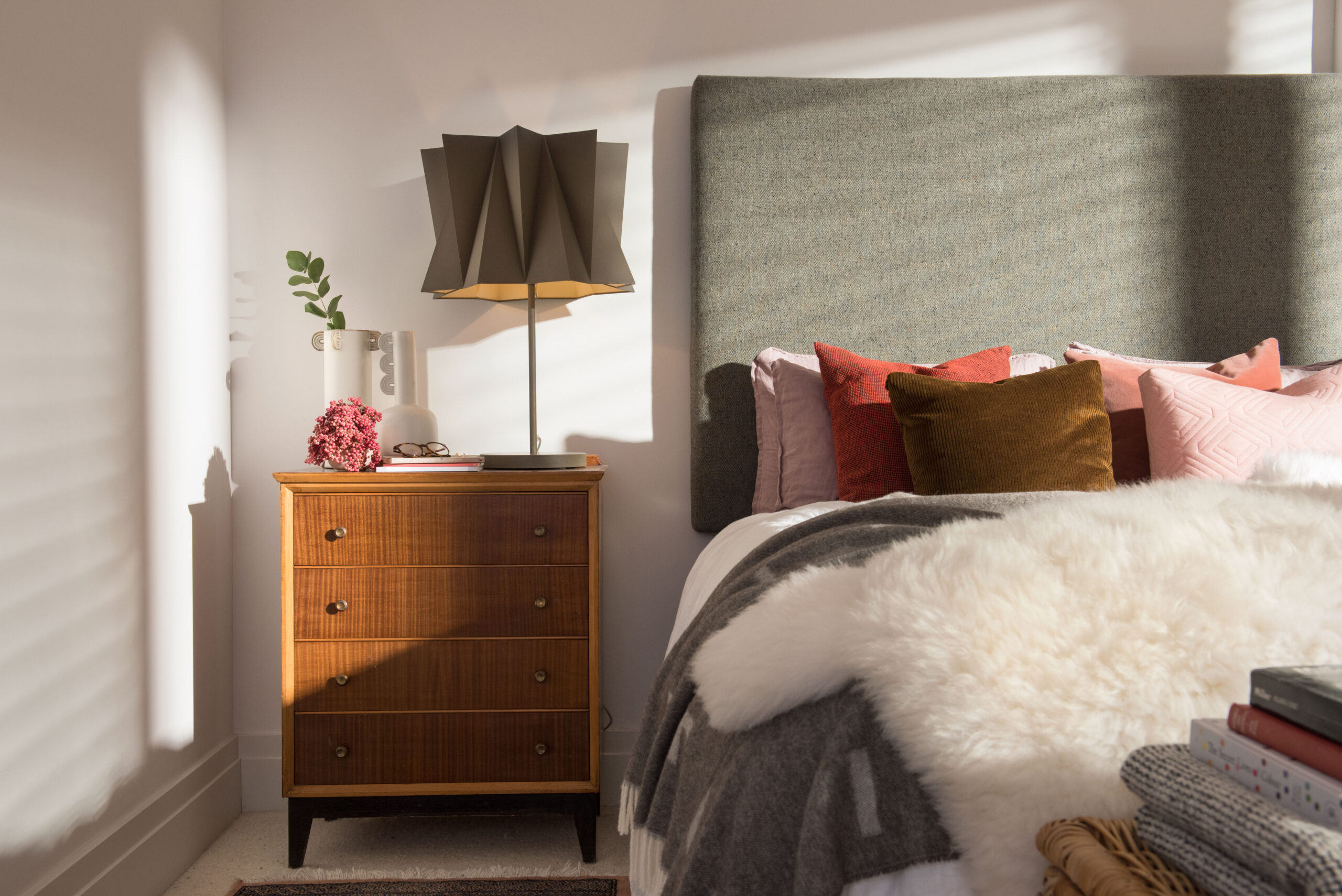
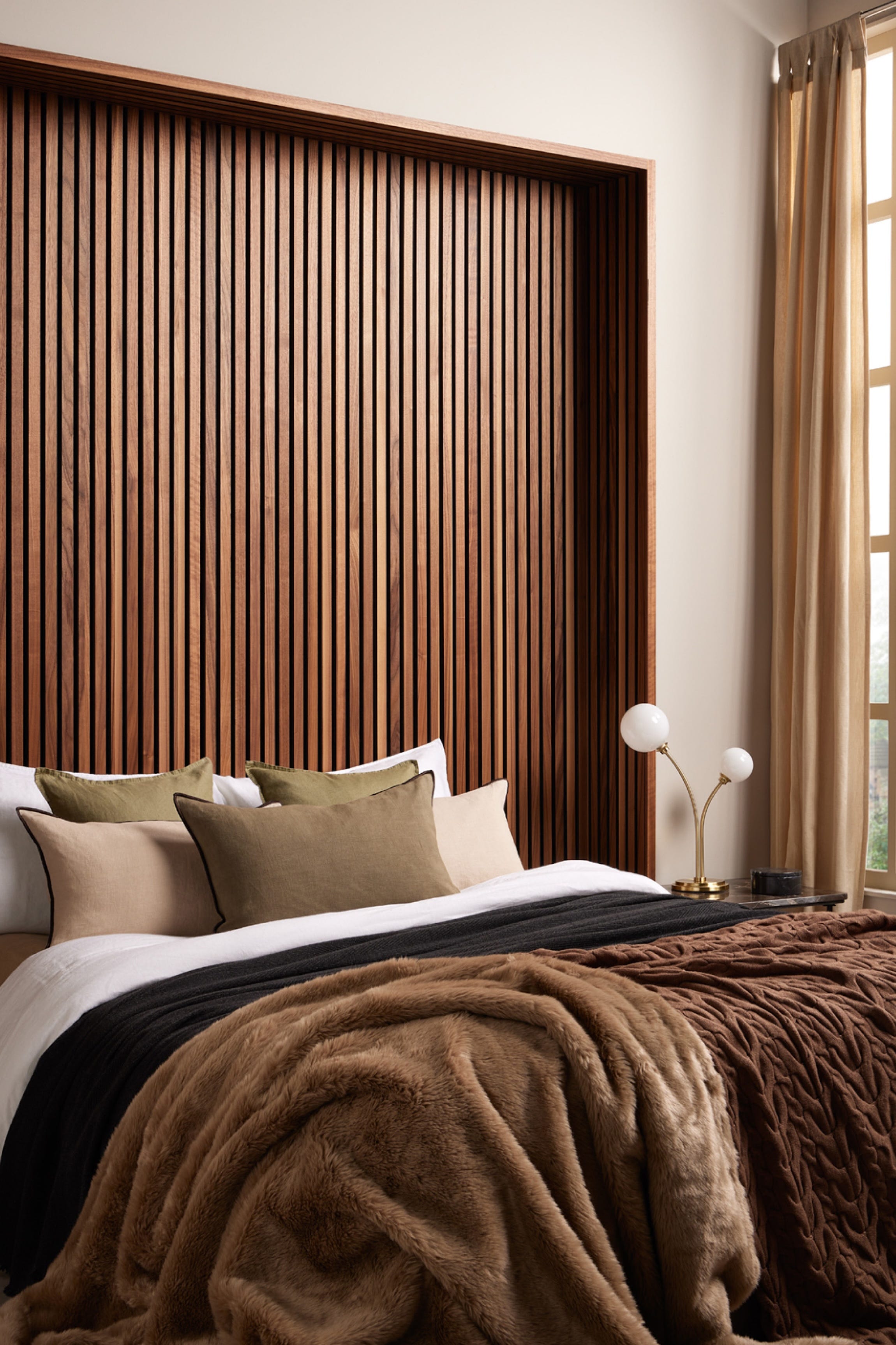
Ahern emphasizes the importance of incorporating tactile textures to add depth and interest to a space. She suggests mixing various textures, such as shaggy rugs, metallic accents, woolly cushions, and fluffy throws, to create friction and visual richness. A key principle highlighted is the 'golden rule' of repetition, where any single texture should be used at least three times within a space to ensure cohesion and harmony. This approach helps prevent a room from feeling disjointed and contributes to a well-integrated maximalist design.
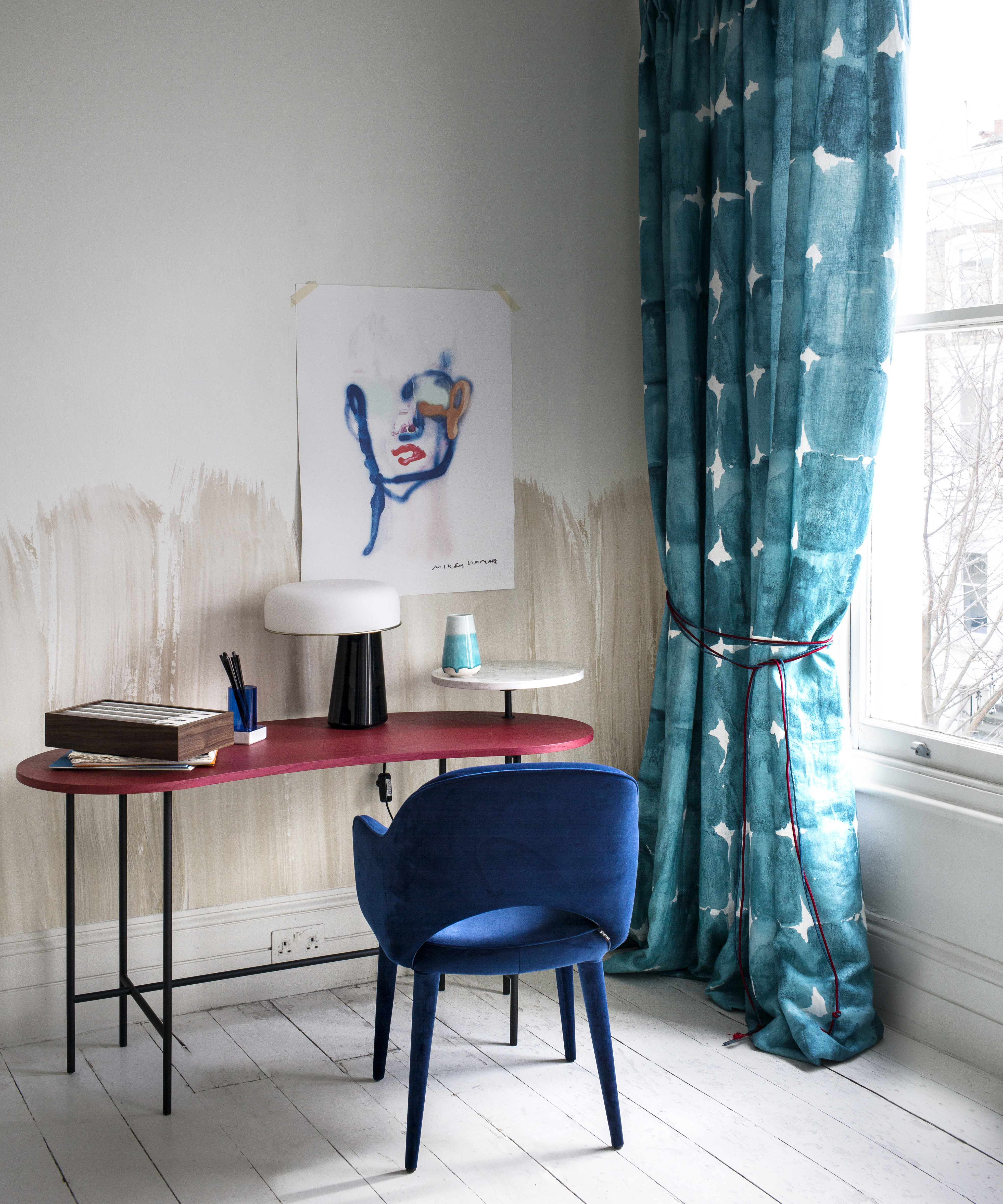
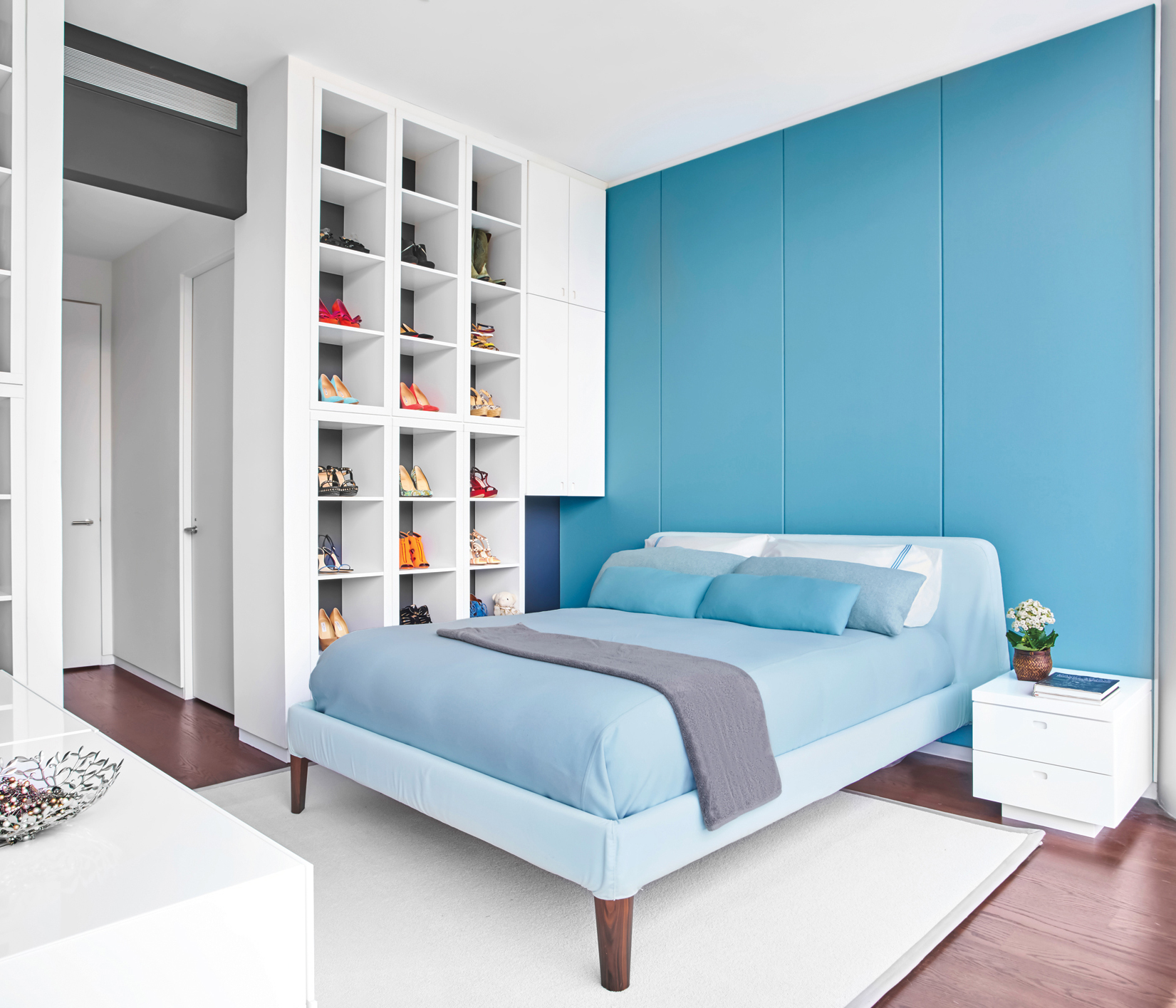
Regarding color, Ahern advocates for intuition over apprehension, particularly when considering dark hues for smaller rooms. She advises against seeking external opinions, as color choices often provoke fear in others, and encourages designers to trust their own instincts. To inject vitality into predictable spaces, she recommends introducing a few colors that seemingly deviate from the main palette, thereby infusing the room with unexpected life and energy.
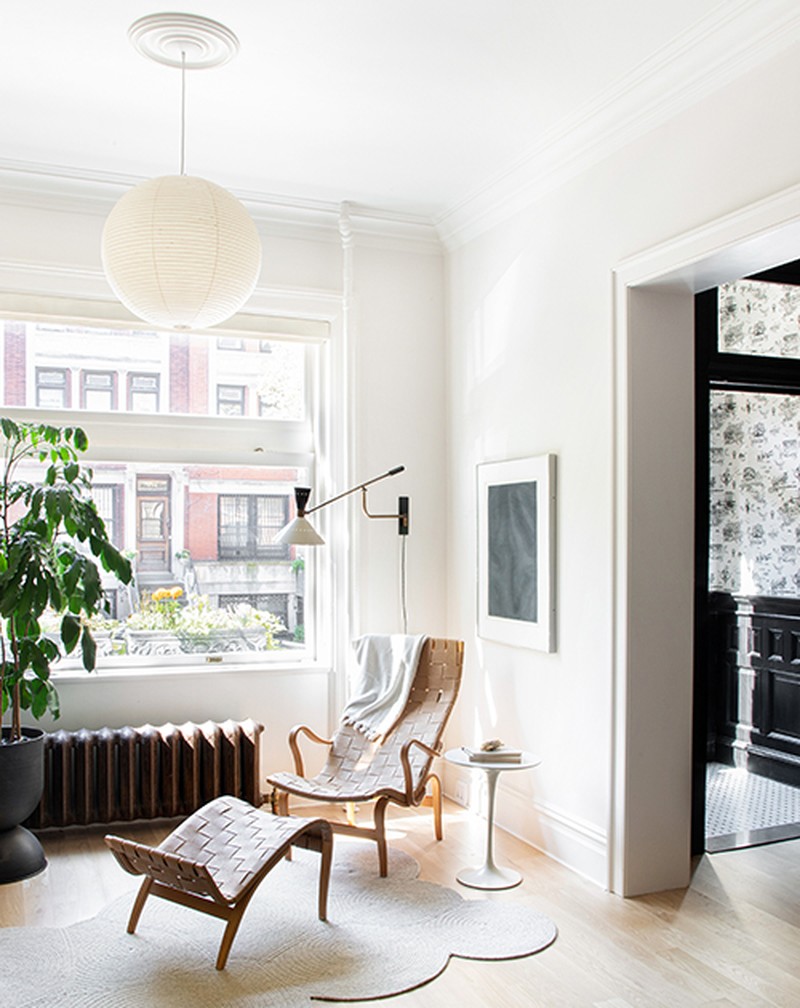
For furniture arrangement, Ahern prioritizes traffic flow but advises against overthinking it. The primary goal is to ensure ease of movement without obstruction. A distinctive tip from Ahern is to float furniture in the middle of a room, even in compact spaces, to foster intimate conversation areas. She argues that pushing furniture against walls can make a room feel institutional, akin to a waiting room, and encourages regular rearrangement to revitalize the home's ambiance.
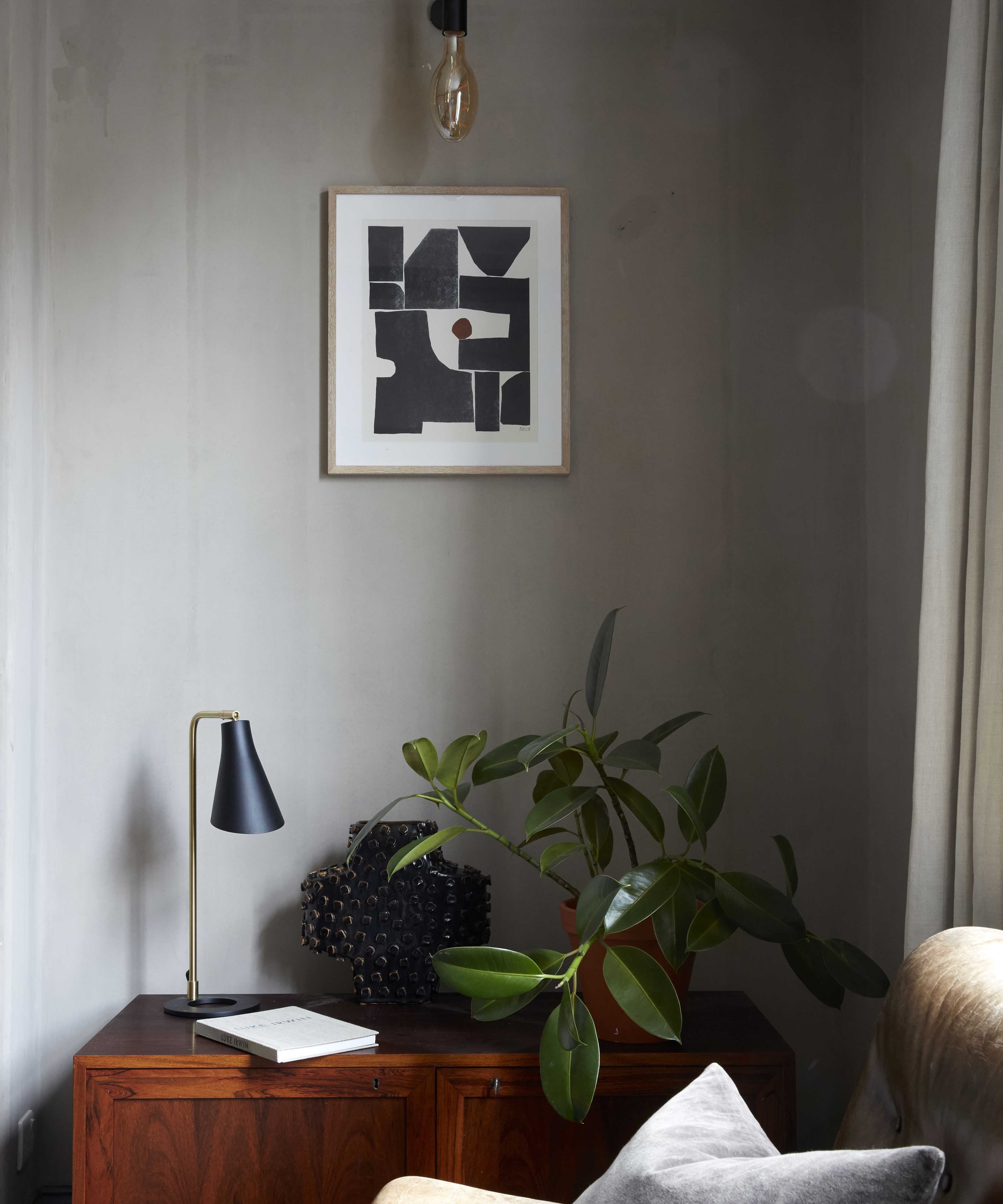
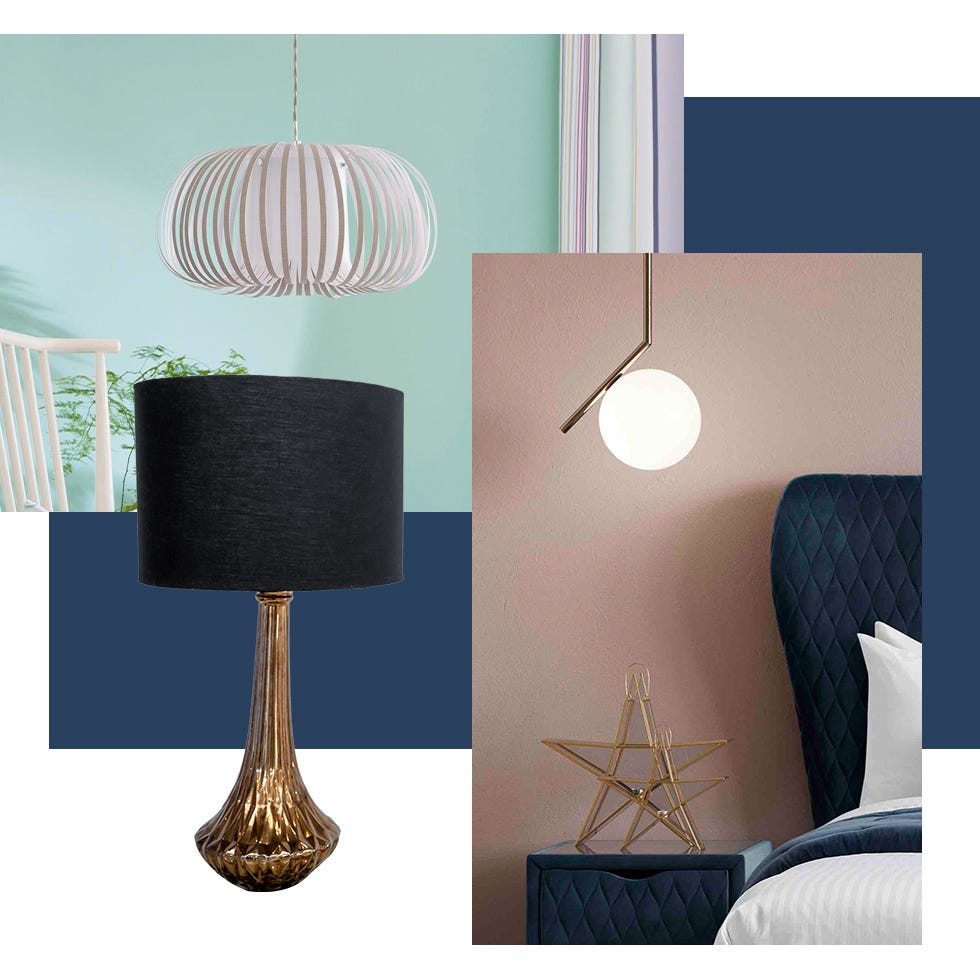
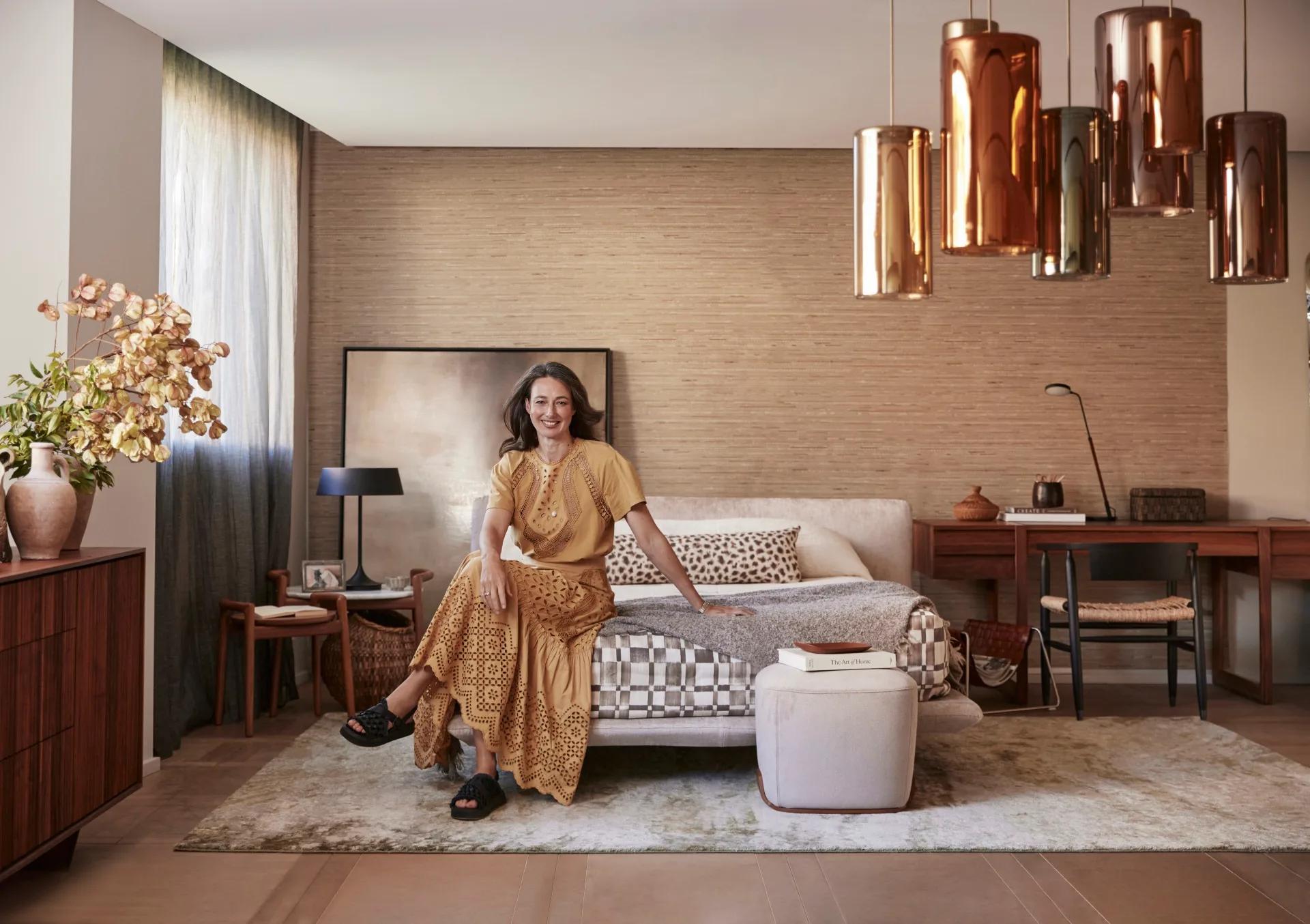
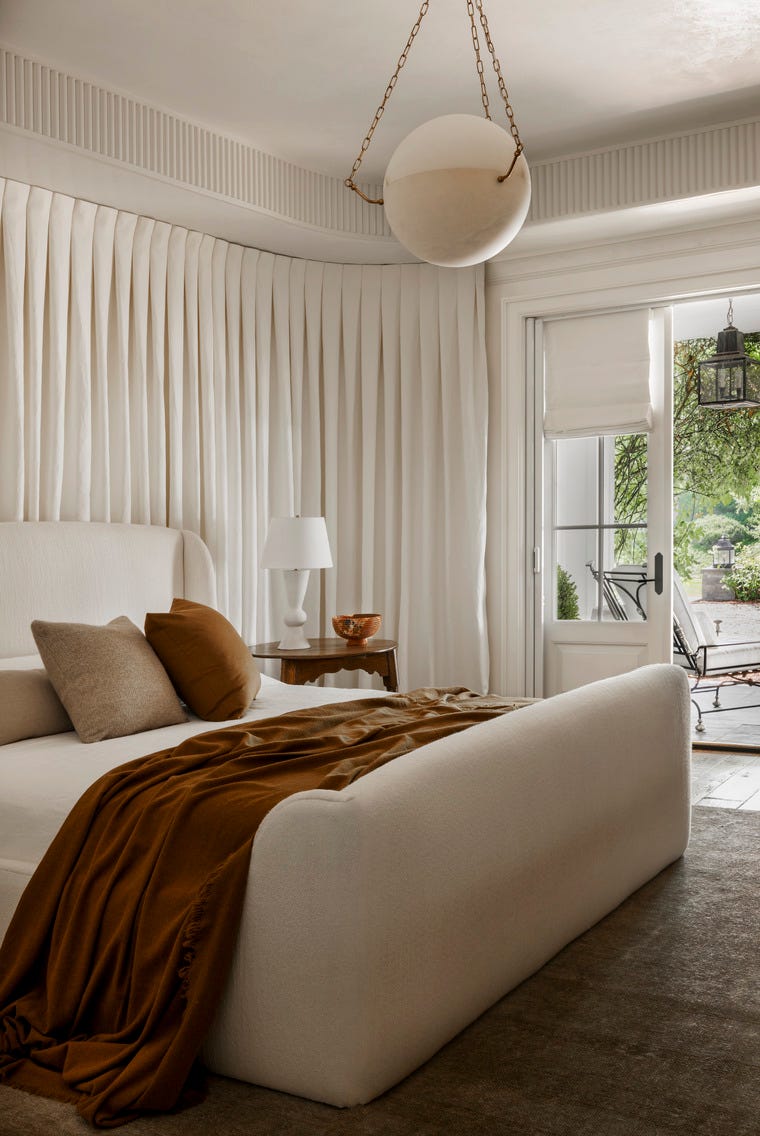
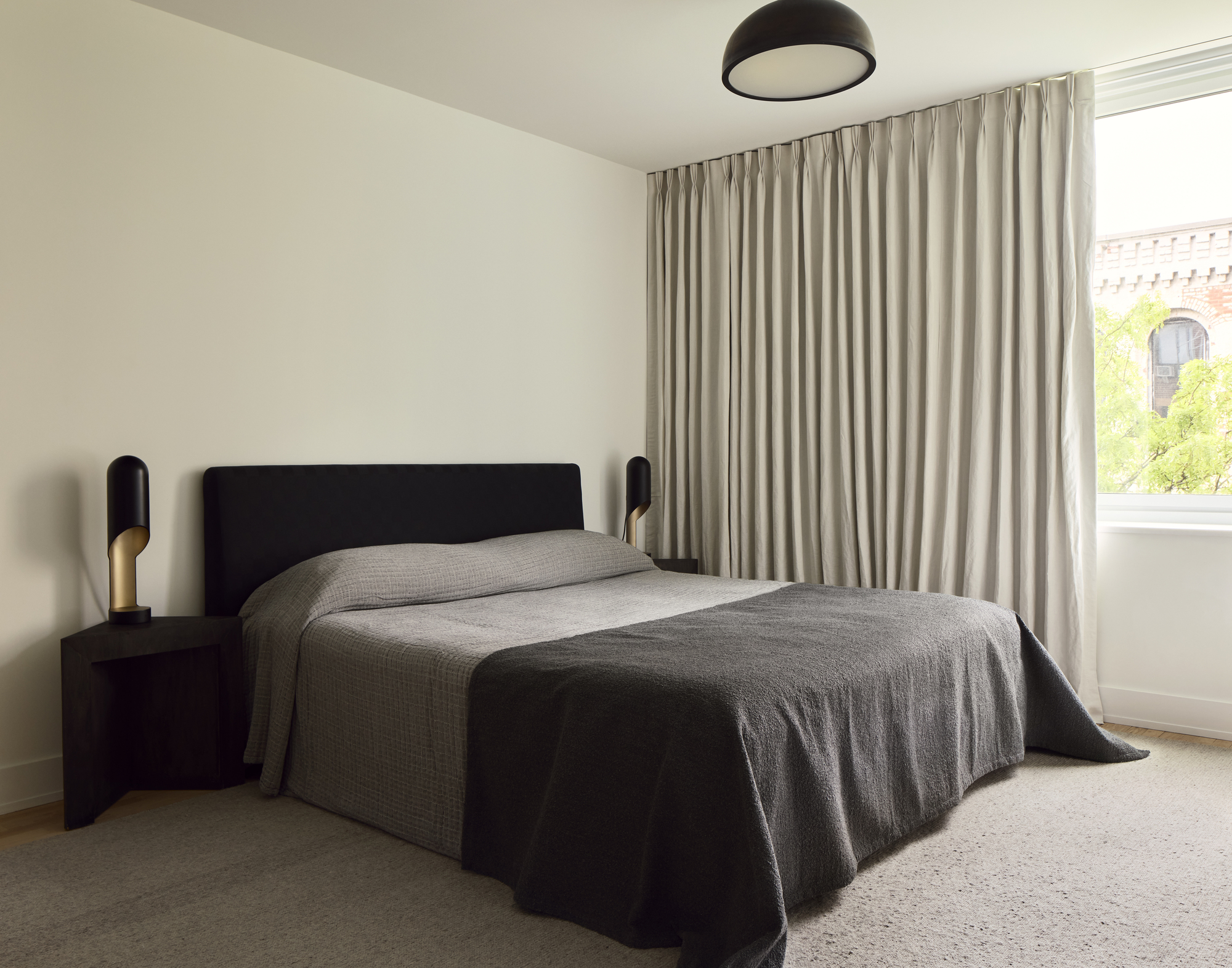
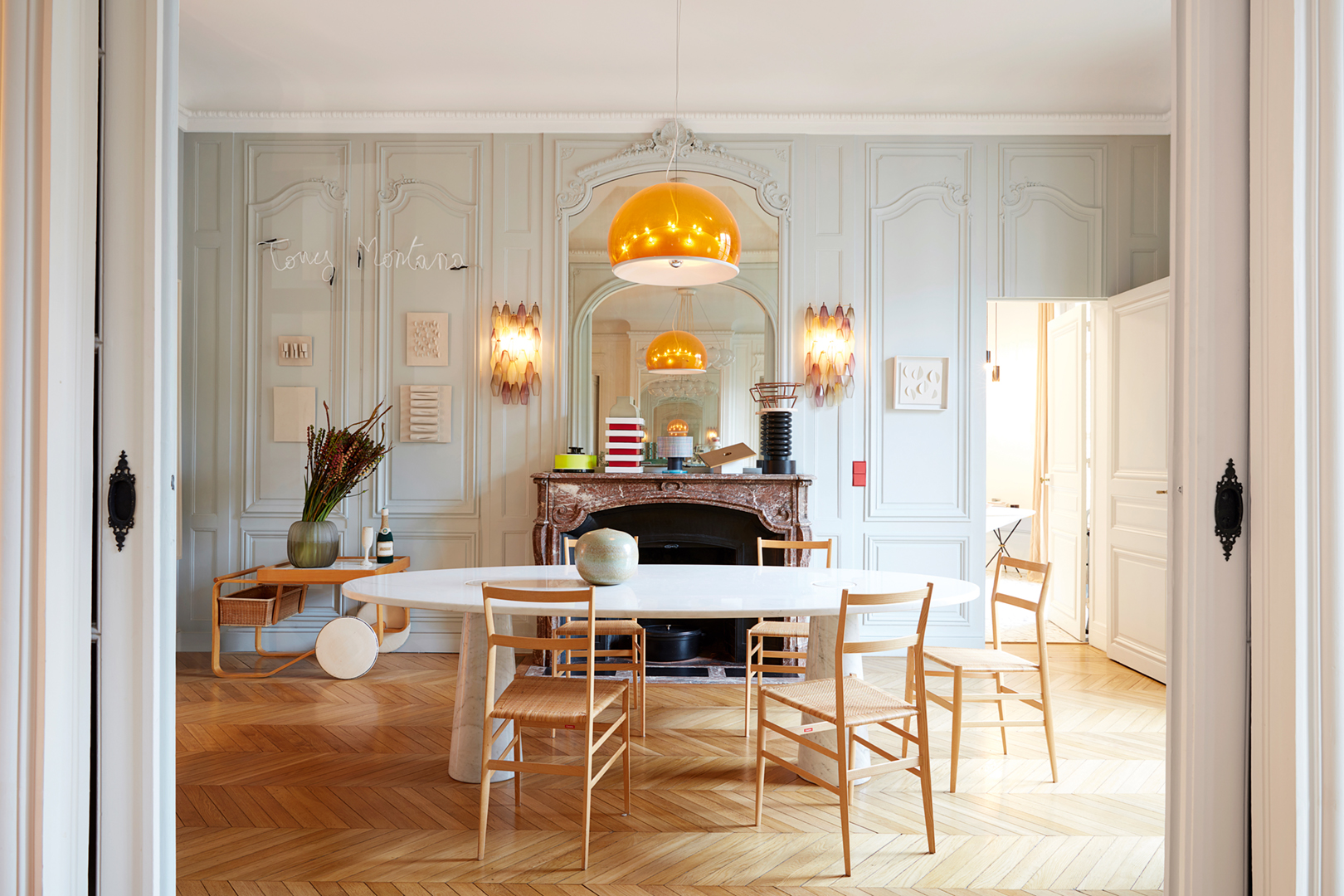
Lighting plays a crucial role in transforming a dull space into a cozy retreat. While acknowledging the vast array of styles, Ahern prefers lighting fixtures that complement existing decor rather than overtly standing out. She specifically recommends investing in table lamps, which can either blend with the room's style or serve as an interesting focal point. Mixing two different table lamps with similar colors or geometric shapes can introduce visual symmetry. For dramatic effect and definition, pendants are suggested.
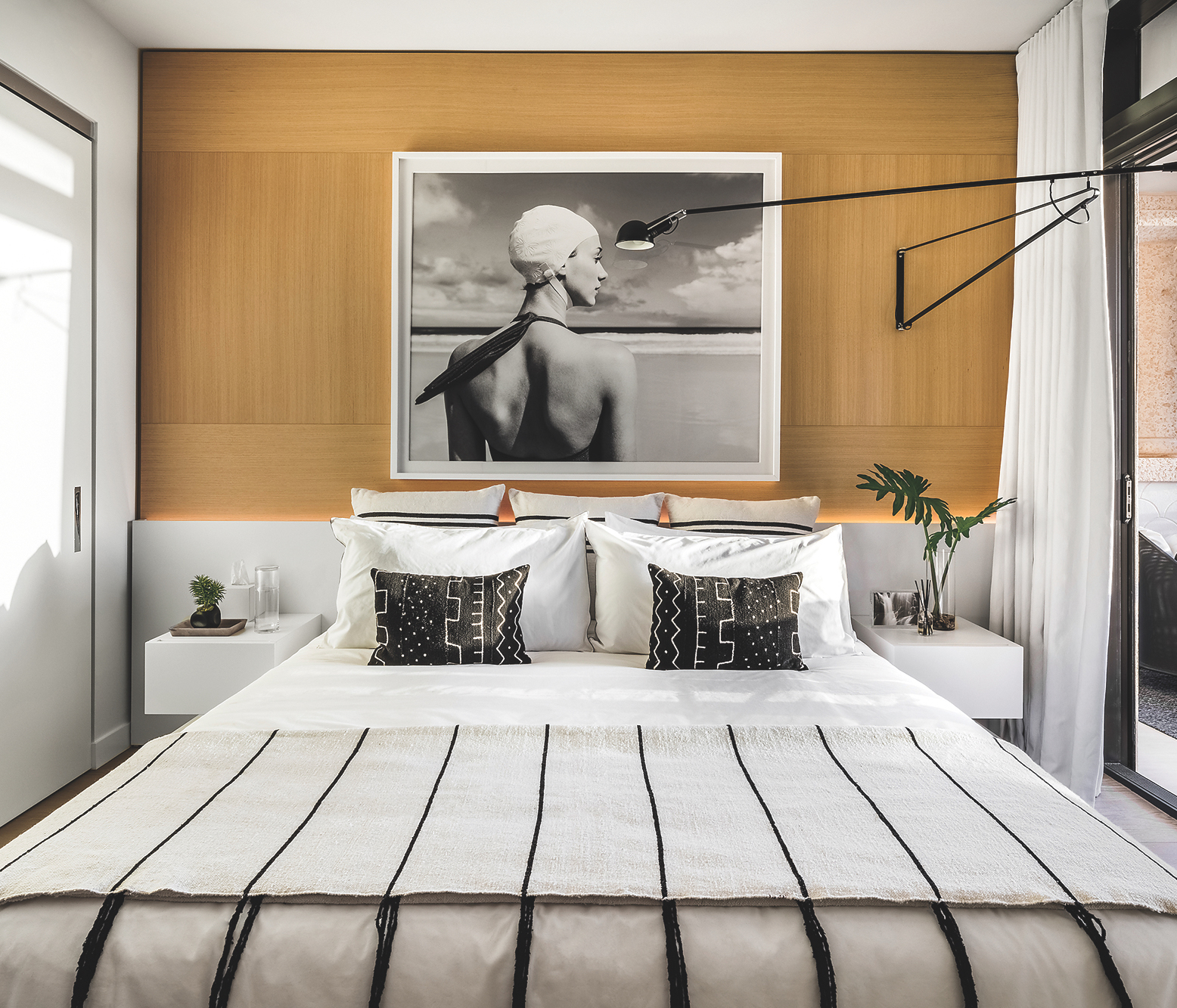
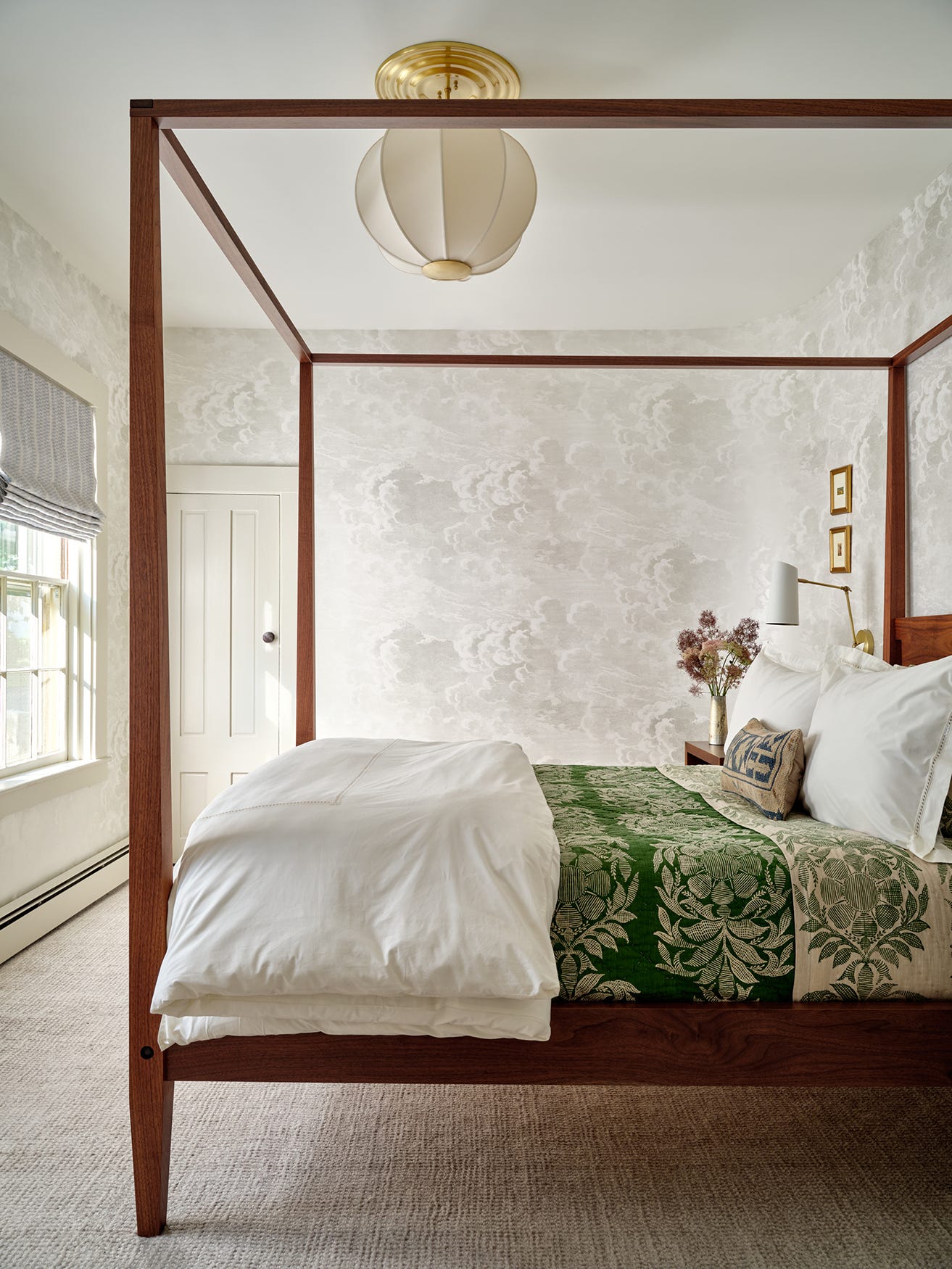
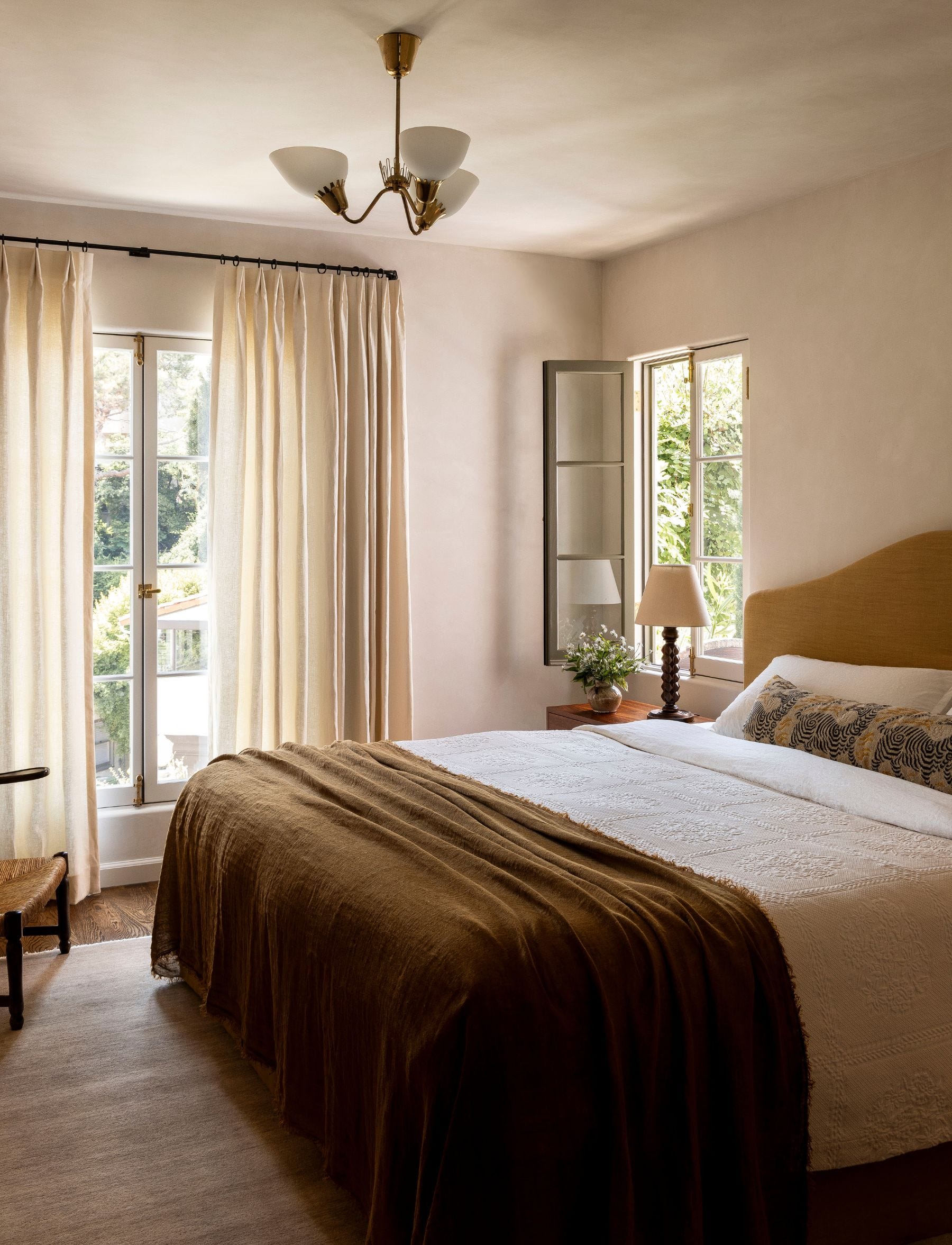
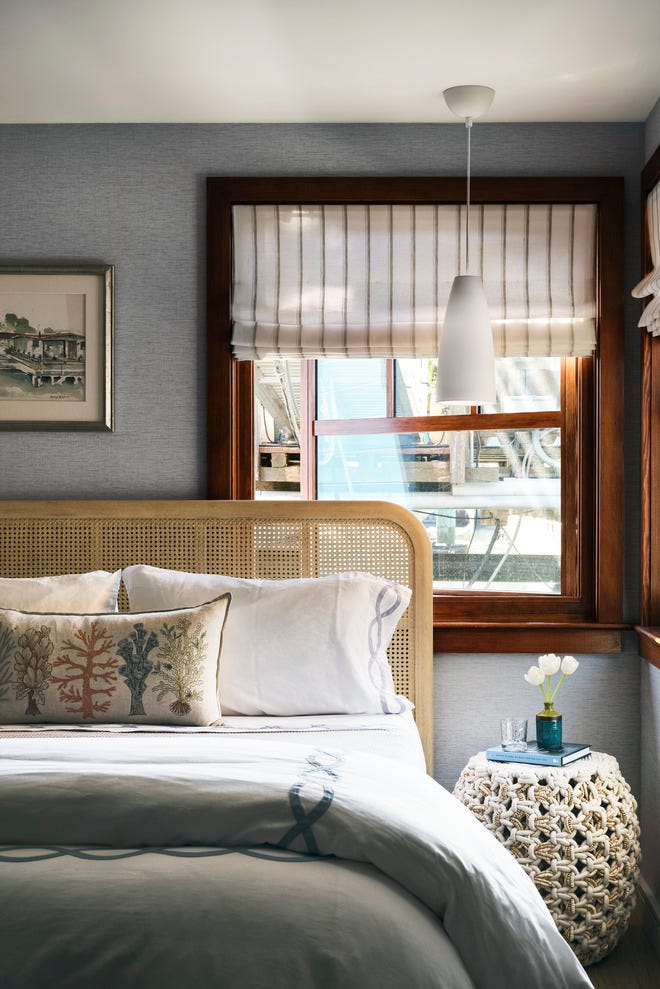
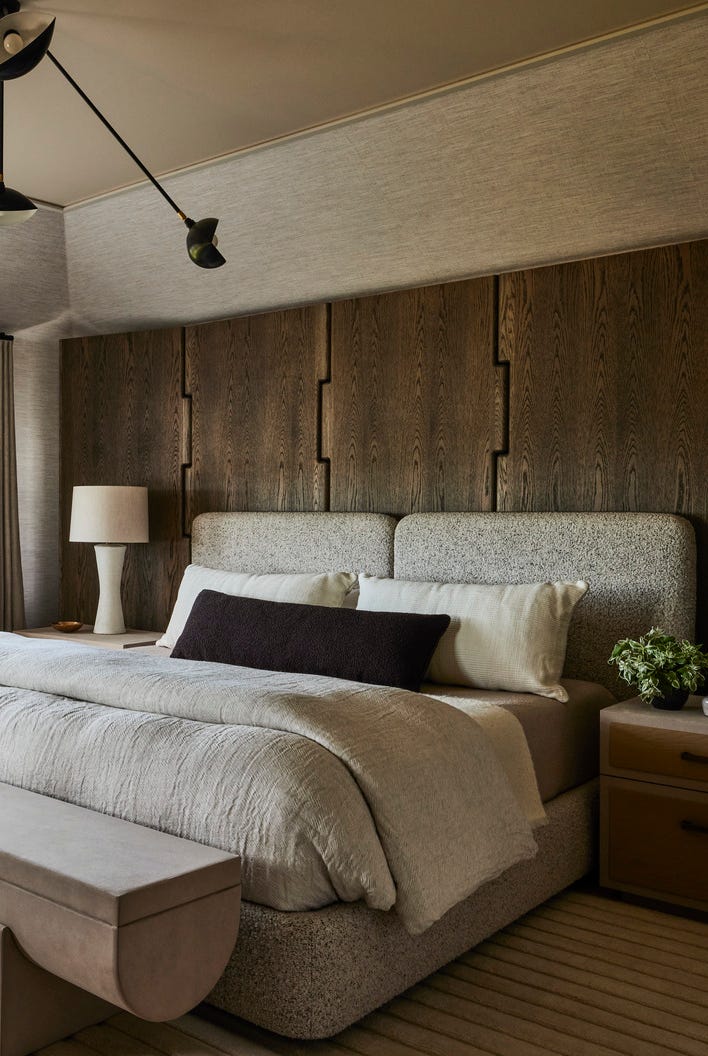
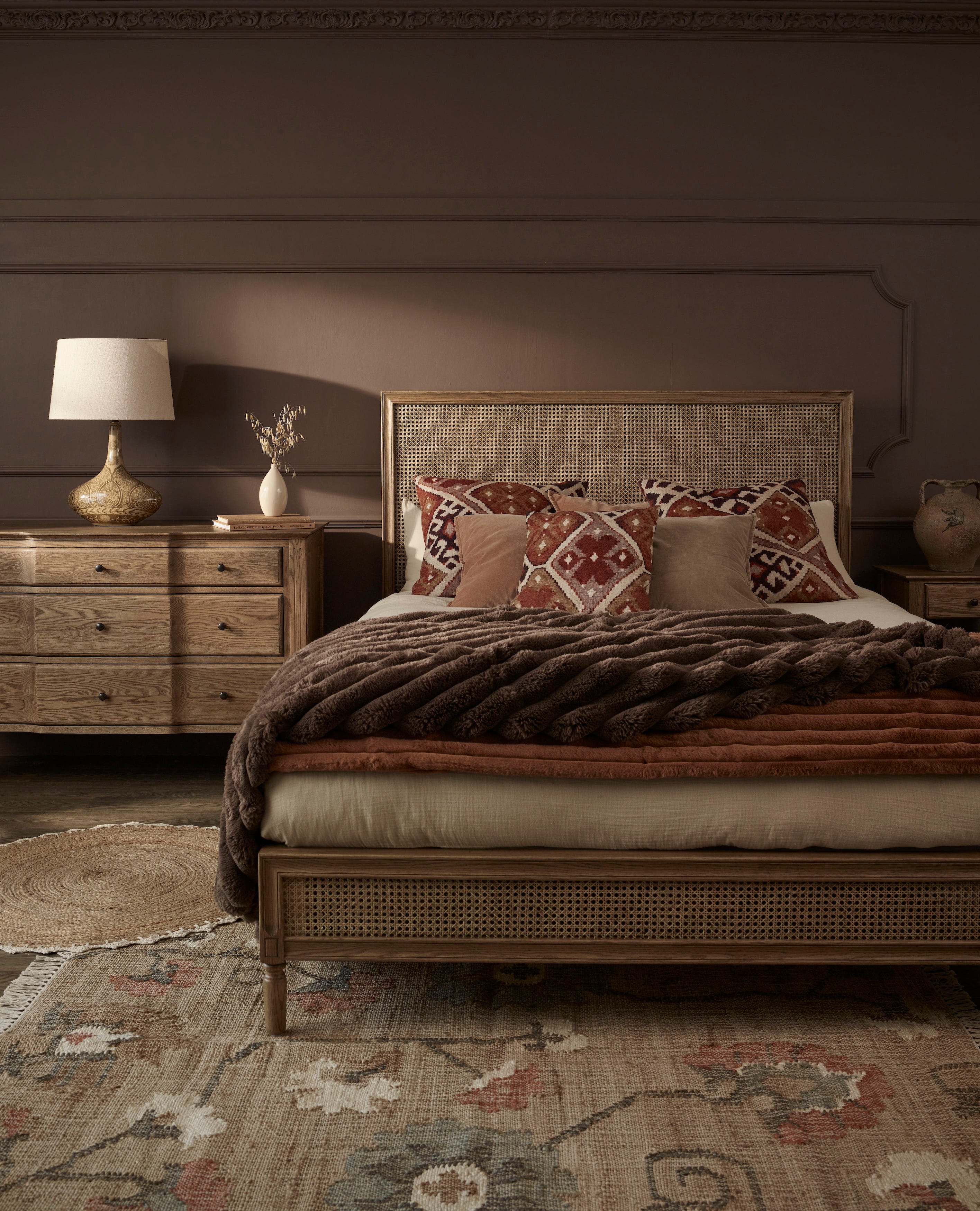
Layering materials is another essential technique for creating depth. Ahern advises against matching materials too closely, such as a grey ceramic coffee table with a grey concrete floor, instead suggesting a marble alternative. Incorporating rustic elements like rattan or cane and blending shiny with matte finishes adds complexity. For a cozy atmosphere, the article highlights the warmth of wood, with finer grains offering formality and larger grains providing a casual feel, or a combination of both for a richer effect.
To avoid a monotonous, catalogue-like appearance, Ahern stresses the importance of varying heights and scales within a room. She suggests combining tall and short, thin and plump items, such as placing a small chair next to a larger table. Oversized lamps or sculptures can serve as captivating focal points, creating visual interest without clutter. The article emphasizes that grand gestures often yield the most mesmerizing results.
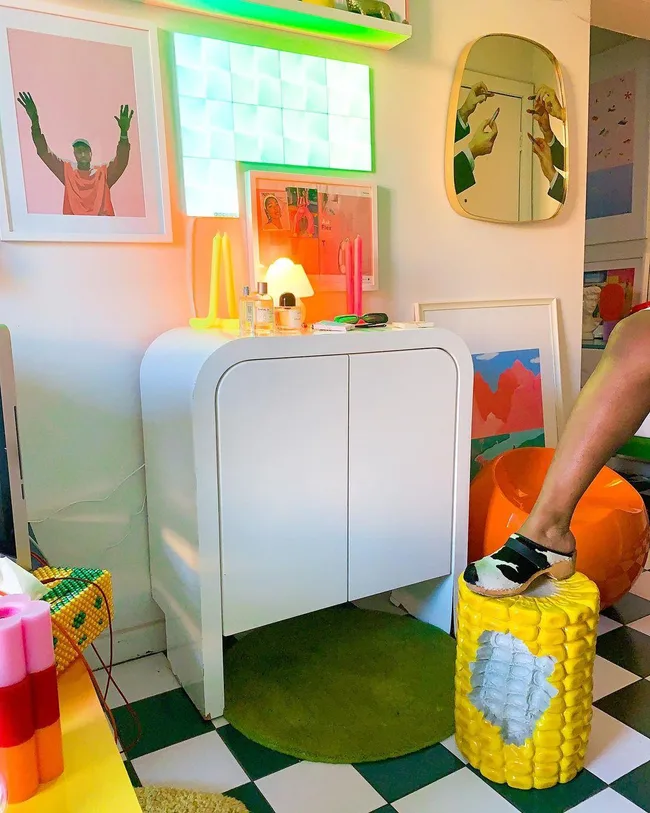
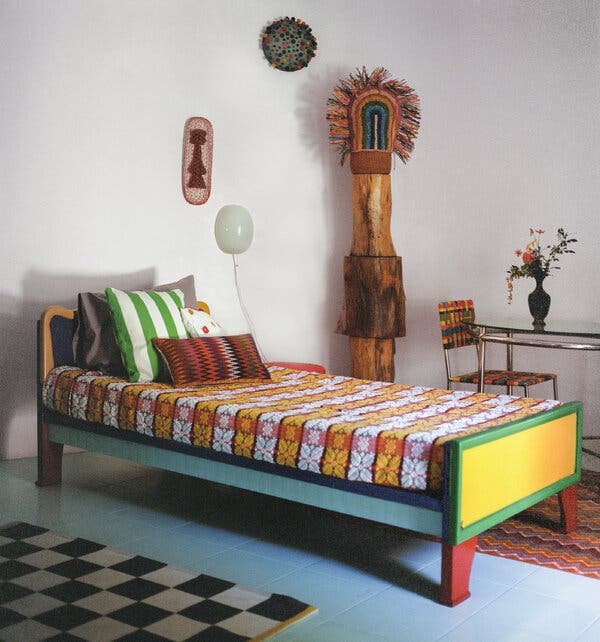
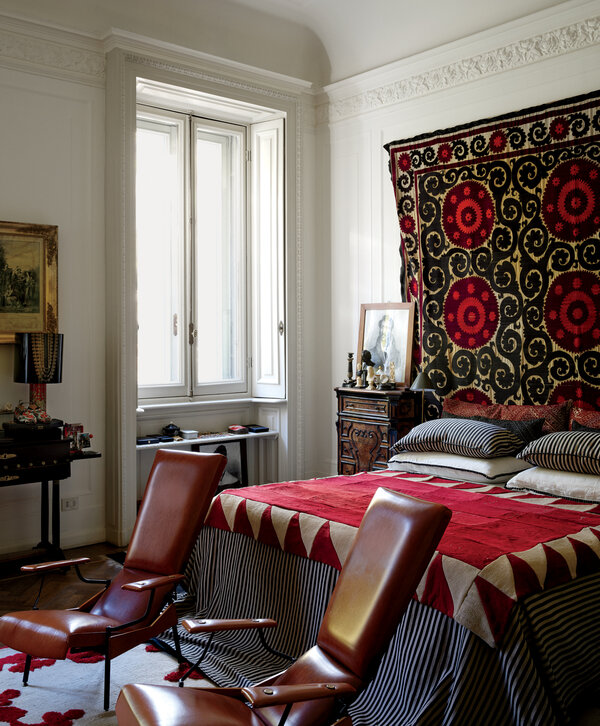
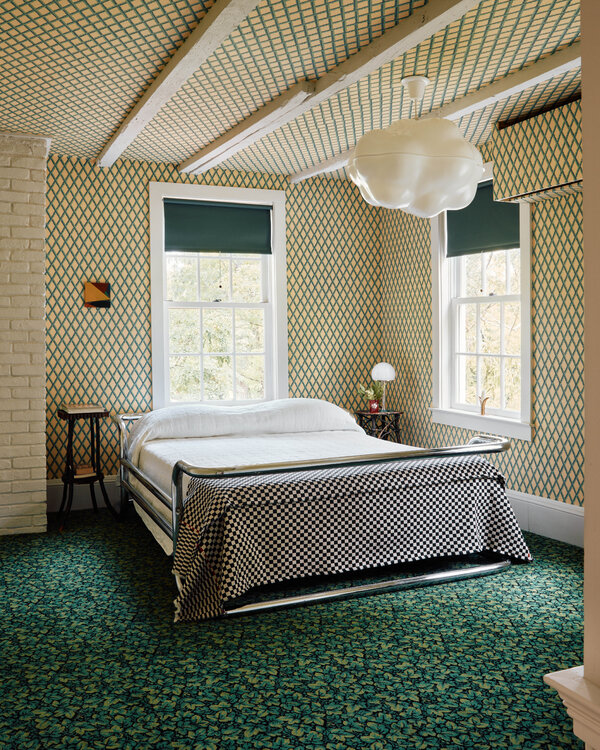
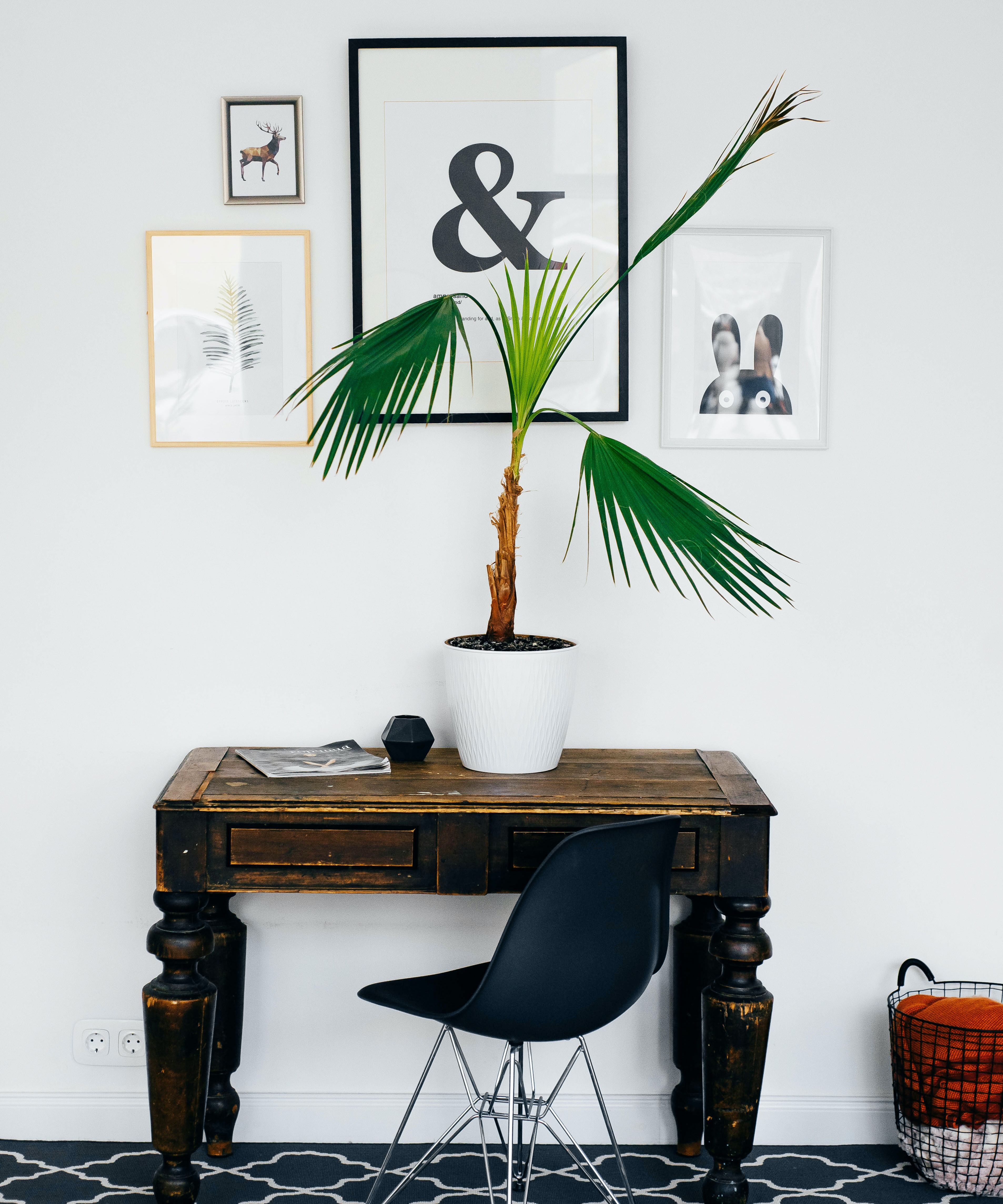
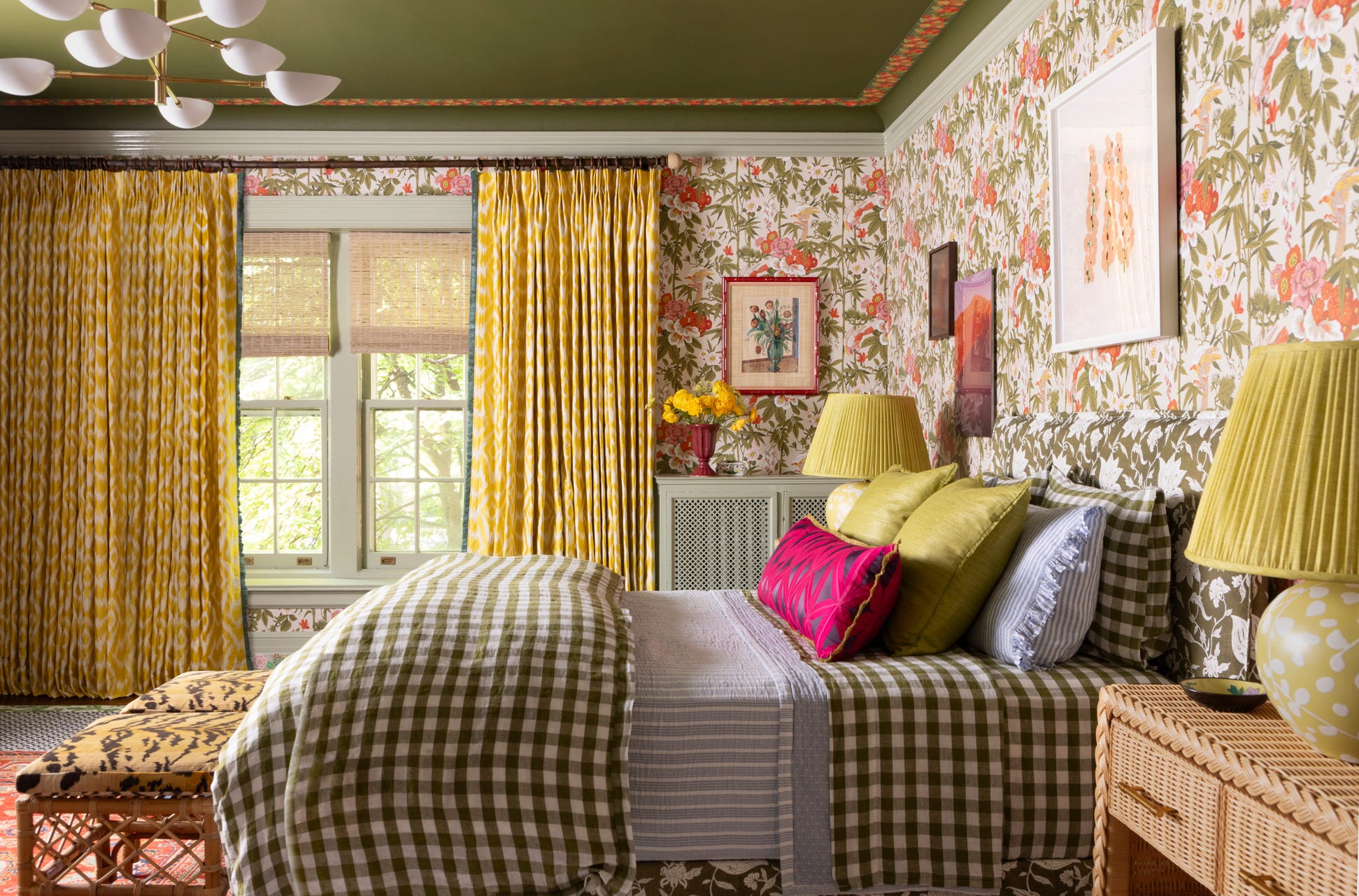
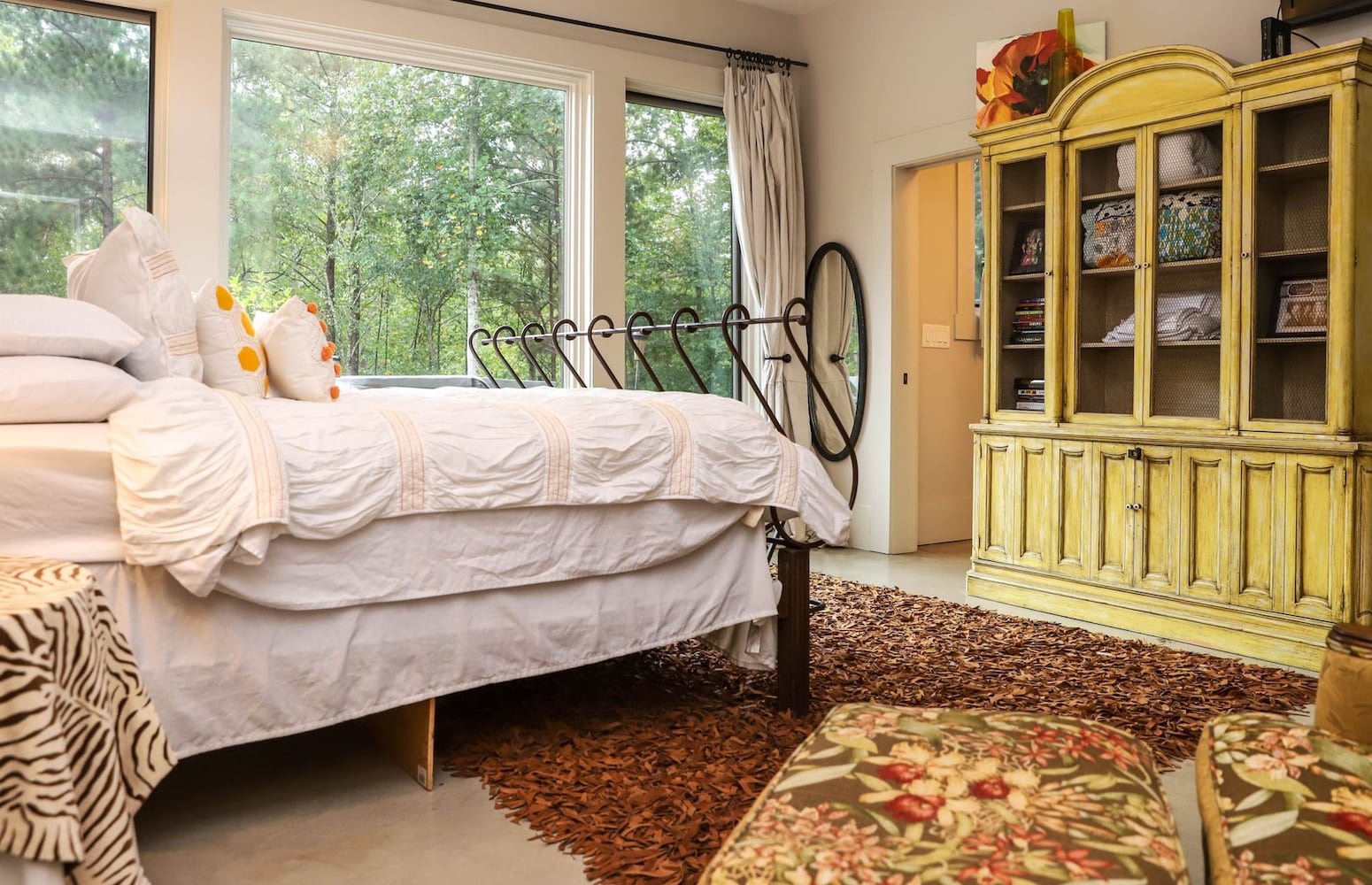
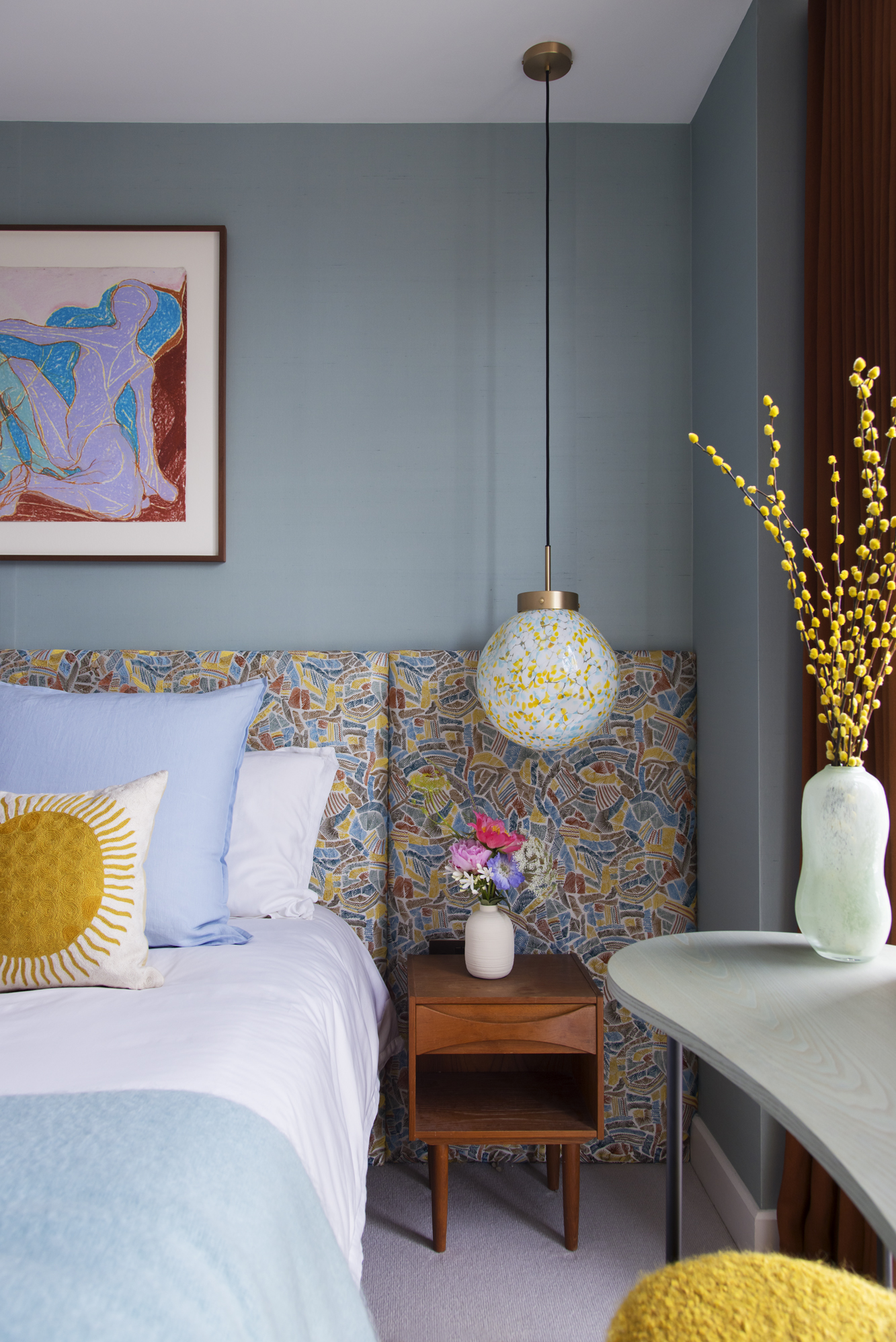
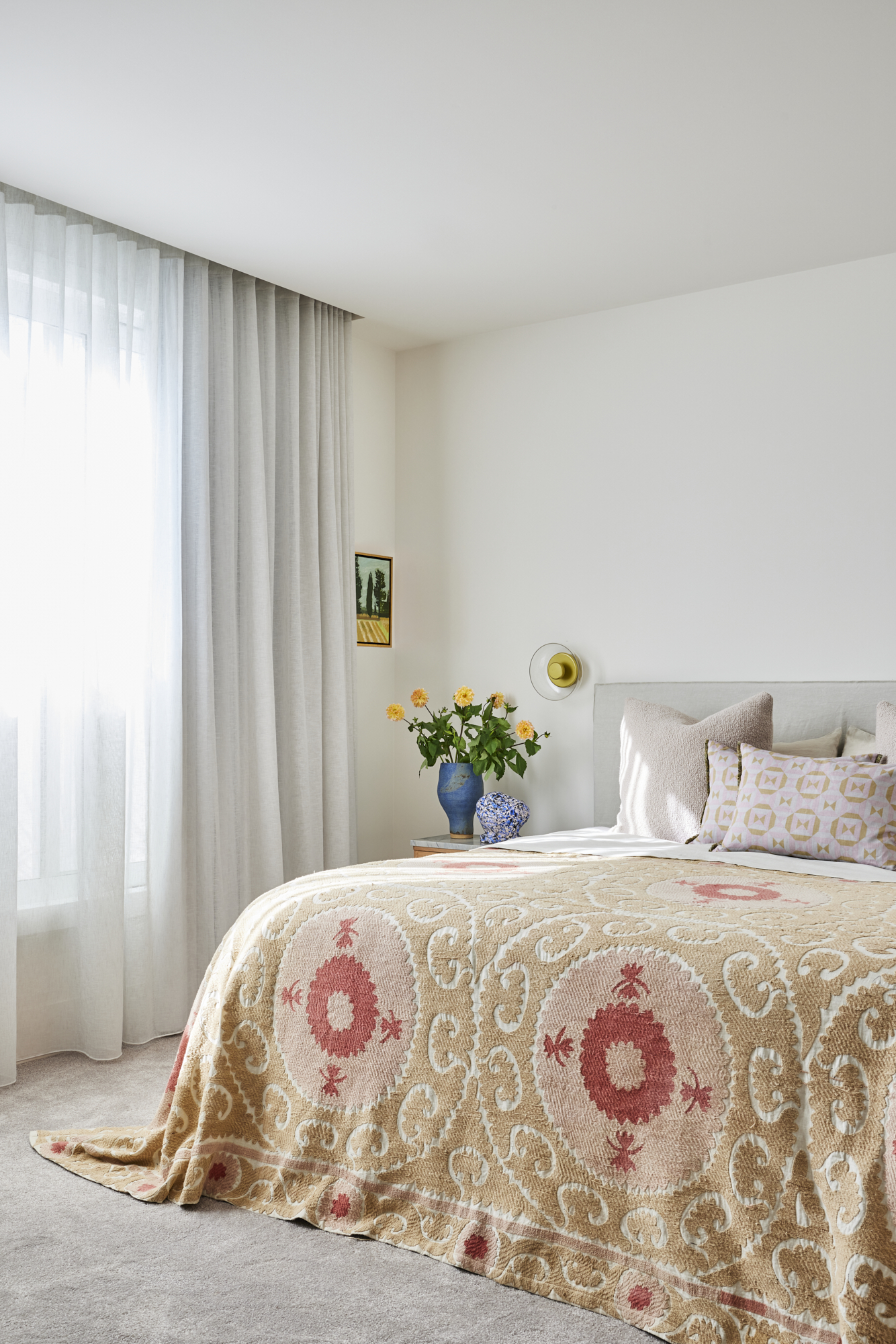
Finally, the article underscores the need to inject personality through pattern. Homes should reflect their occupants' individuality. Creating a gallery wall with beloved prints, or clustering patterned cushions on a solid-colored sofa, are immediate ways to add dimension. For those feeling more adventurous, mixing patterns through rugs and wallpapered walls is encouraged, combining graphic with organic elements or leopard print with florals. Incorporating diverse cultural influences can also create a fascinating design. To maintain an eclectic yet cohesive look, linking motifs, scales, and colors is crucial.
#AbigailAhern #MaximalistDesign #InteriorDesign #HomeDecor #RoomDesign #TexturalElements #ColorTheory #FurnitureArrangement #LightingDesign #PatternMixing #AbigailAhern #MaximalistDesign #InteriorDesign #HomeDecor #RoomDesign #TexturalElements #ColorTheory #FurnitureArrangement #LightingDesign #PatternMixing
0 comment in total
 No comments yet
You may also like
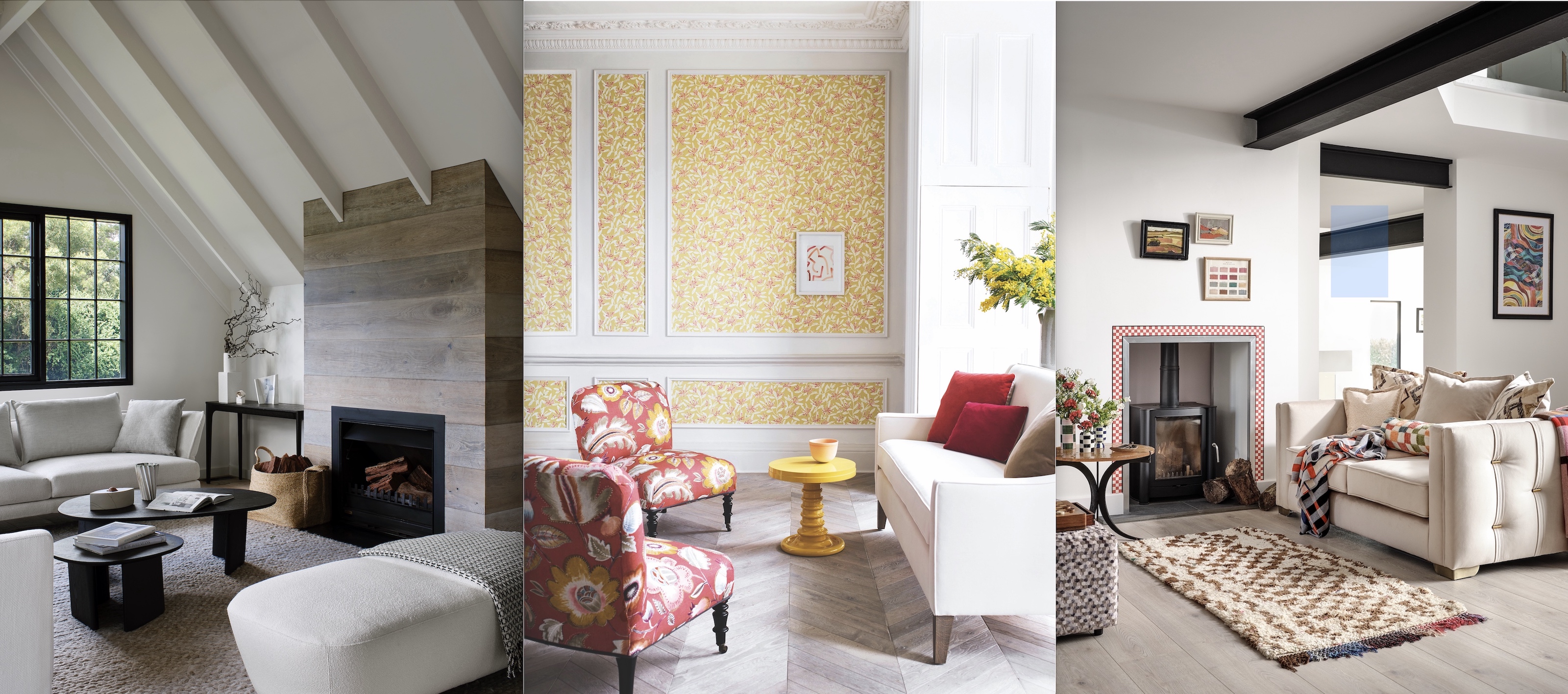
The 10 commandments for arranging living room furniture, according to this top designer


Anne Hathaway breaks a cardinal color rule with her living room seating
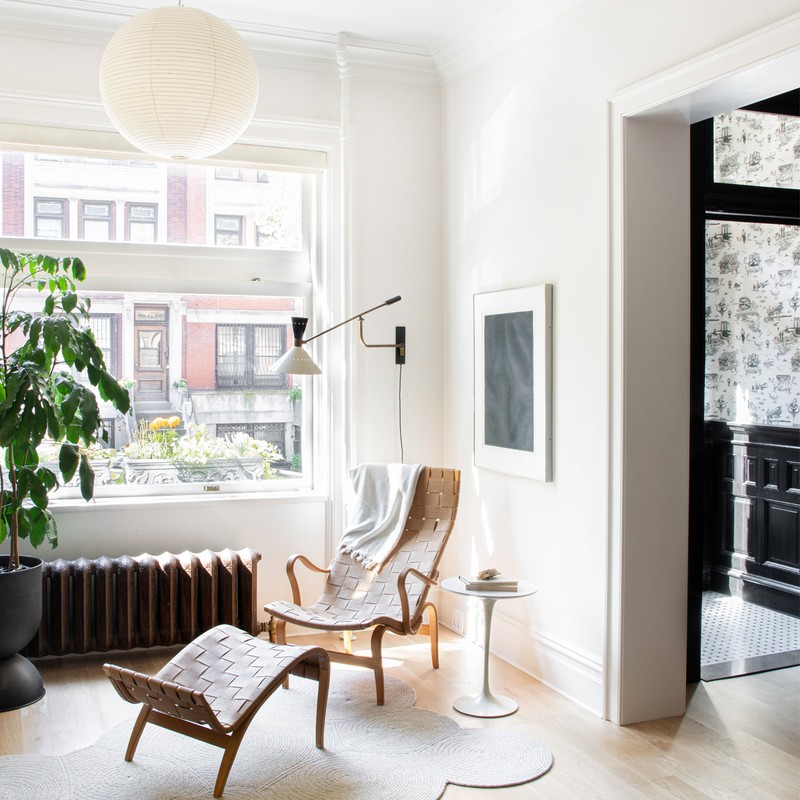
19 Tips From A Top Interior Designer

Interior Designer Shares How to Make Childhood Bedroom Look Better

How 11 Top Fashion Designers Decorate Their Bedrooms

Abigail Ahern reveals her golden rule for putting small framed artwork up on your walls
An interior designer shares her thoughts on achieving the perfect bedroom

The Best Tips From Designers on Decorating the Bedroom of Your Dreams


10 Bedroom Design Ideas Inspired By The Most Stylish Creatives On Instagram

9 Influencers Who Have the Absolute BEST Bedrooms On the Internet
Designers' Best Tips and Tricks for a Beautiful Primary Bedroom
The 12 Essential Modern Bedroom Ideas for Those Who Want Good Slumber With a Side of Style
Room Decorating and Design Ideas

6 editors share their bedroom decorating hacks
Dream about the luxurious bedrooms inside these Atlanta homes
Bedroom inspiration and bedroom decorating ideas
Our Favorite Bedrooms
15 Dreamy Bedroom Design Ideas Where Creativity Meets Comfort


5 golden rules of home décor from an Irish interior designer

The Joanna Gaines-Approved Layout Tweak That’ll Make Your Living Room Look Super High-End