1/9
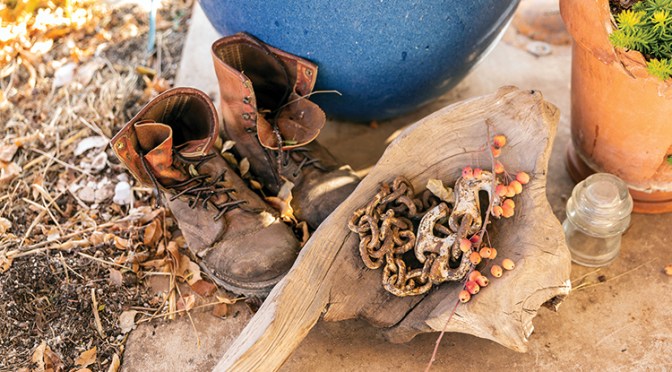
The Huntress
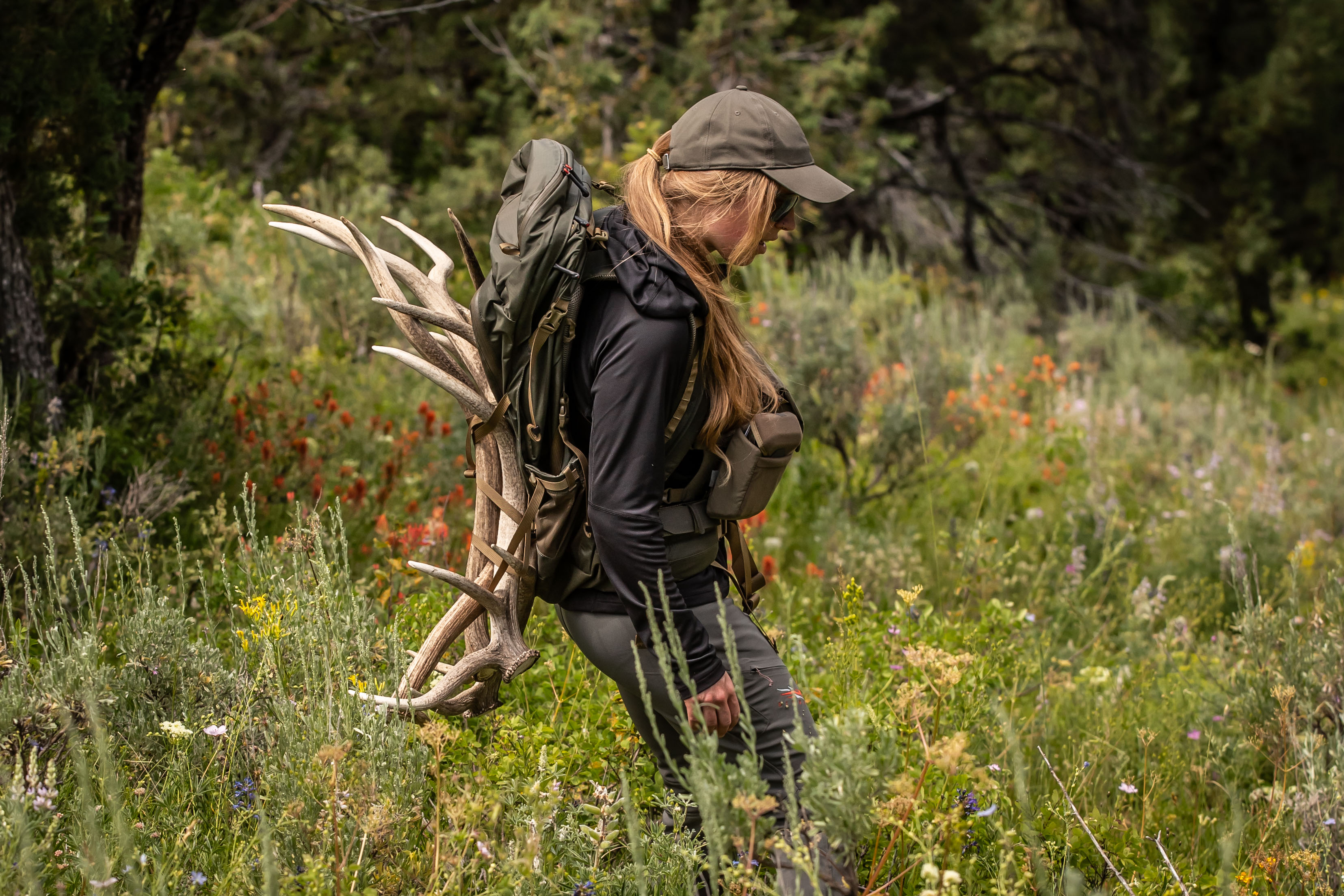
The article profiles Christie Green, ASLA, a landscape architect based in Santa Fe, New Mexico, who runs a one-woman practice called Radicle. Green's work is driven by a mission to repair humanity's fractured relationship with nature, particularly with the plants and animals consumed for sustenance. A significant aspect of her personal life and professional philosophy involves hunting for the majority of her meat, an activity that has profoundly influenced her understanding of ecological systems and her design approach. She views hunting not merely as a hobby but as a visceral connection to the natural world, fostering an awareness of vegetation, water availability, and wildlife patterns that she integrates into her landscape projects.
Green's journey into landscape architecture was unconventional. Raised between Alaska and Texas, she developed an early appreciation for wild landscapes. After graduating from the University of California, Berkeley, and working with an environmental education organization called Bioneers, she became deeply involved in the politics of food. This led her to start a design/build company focused on edible plantings and backyard gardens, aiming to counter monoculture agriculture. However, the commercial demands of larger projects often compromised her initial vision, leading to dissatisfaction. The 2008 recession forced her to scale back, inadvertently providing an opportunity to reassess her career path. At nearly 40, she enrolled in the graduate landscape architecture program at the University of New Mexico, where she was recognized for her intelligence, humility, and dedication as a student, even as a single mother commuting daily from Santa Fe.
After completing her graduate studies, Green rebranded her firm as Radicle, symbolizing the embryonic root of a seedling. She committed to undertaking only projects that aligned with her core values, such as an outdoor recreational facility for the Ohkay Owingeh Pueblo and the landscape for an immersive art installation. She also ventured into art, using a rented warehouse as a studio to host salons and create installations that explored themes of consumption, waste, and societal ideals. Her art often draws parallels to ecological processes, such as a piece involving mounted elk scat to highlight nature's efficient nutrient cycling.
A recurring theme throughout Green's work is food and challenging the mindless approach to consumption. She advocates for a deeper connection to the provenance of food, emphasizing the importance of understanding where sustenance comes from, whether wild or cultivated. Her projects demonstrate a pragmatic and ecologically conscious aesthetic, often utilizing natural or repurposed materials and focusing on long-term sustainability. An exemplary project is the Española Healing Foods Oasis, a community garden developed with Tewa Women United. This project transforms a neglected urban space into a public ethnobotanical garden, employing traditional Tewa techniques for dryland cultivation and water harvesting. The garden not only provides edible and medicinal plants culturally significant to the Tewa people but also serves as a testing ground for innovative ecological strategies like mycoremediation to address environmental contamination.
Green's approach is characterized by an intuitive and iterative process, often involving years of soil building and allowing landscapes to evolve naturally. Her designs are not merely aesthetic but deeply functional and responsive to the environment and human behavior. Her work is seen as a bridge between indigenous knowledge and Western technology, translating complex ecological ideas into tangible, community-focused projects. While her uncompromising environmental ethic may limit her clientele, it underscores her commitment to a holistic and integrated understanding of humanity's place within the natural world, reflecting a life lived in the liminal space between urban and rural, wild and cultivated.
#ChristieGreen #Radicle #LandscapeArchitecture #EnvironmentalDesign #SustainableDesign #FoodSystems #IndigenousKnowledge #EcologicalRestoration #CommunityGardens #ChristieGreen #Radicle #LandscapeArchitecture #EnvironmentalDesign #SustainableDesign #FoodSystems #IndigenousKnowledge #EcologicalRestoration #CommunityGardens
 No comments yet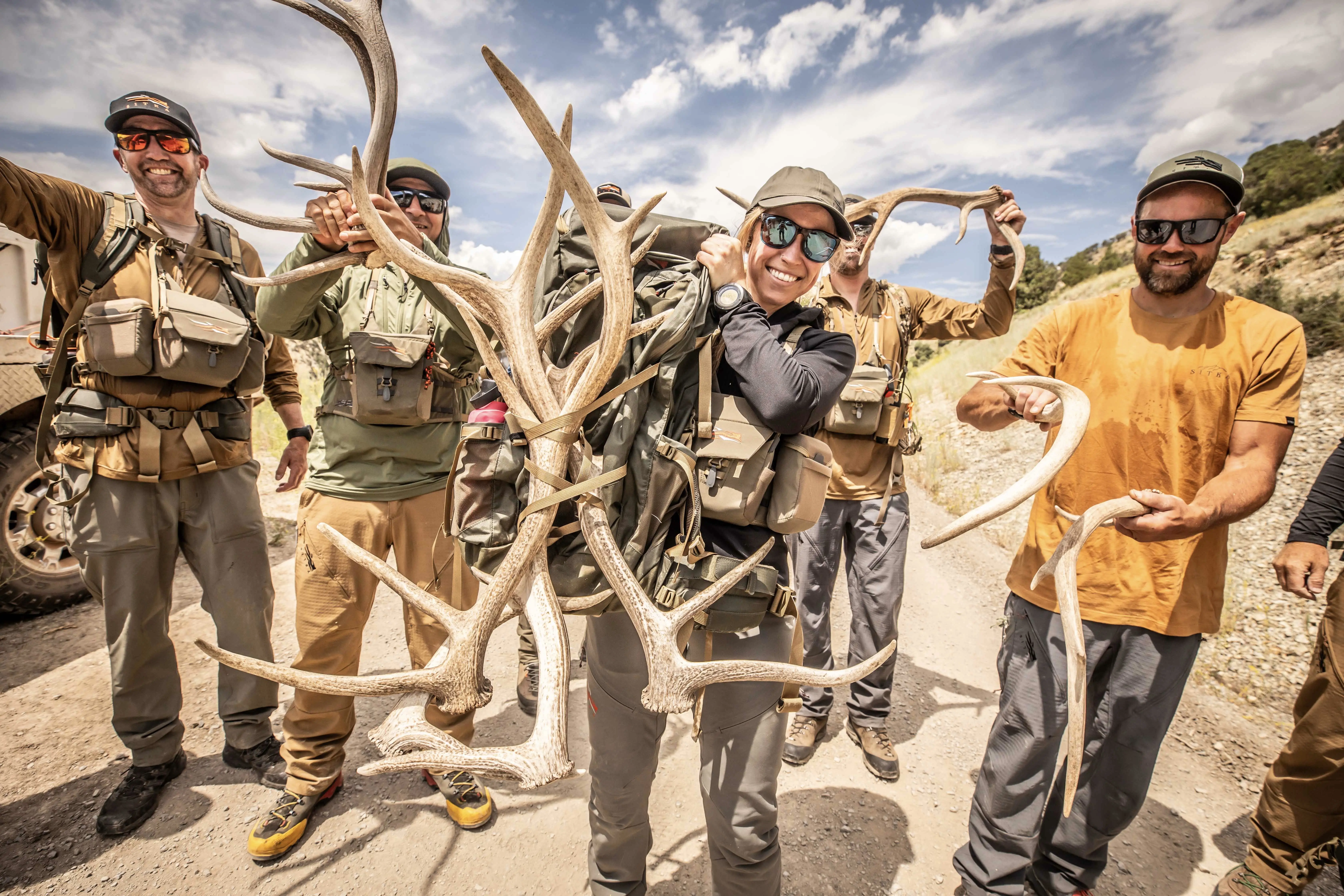
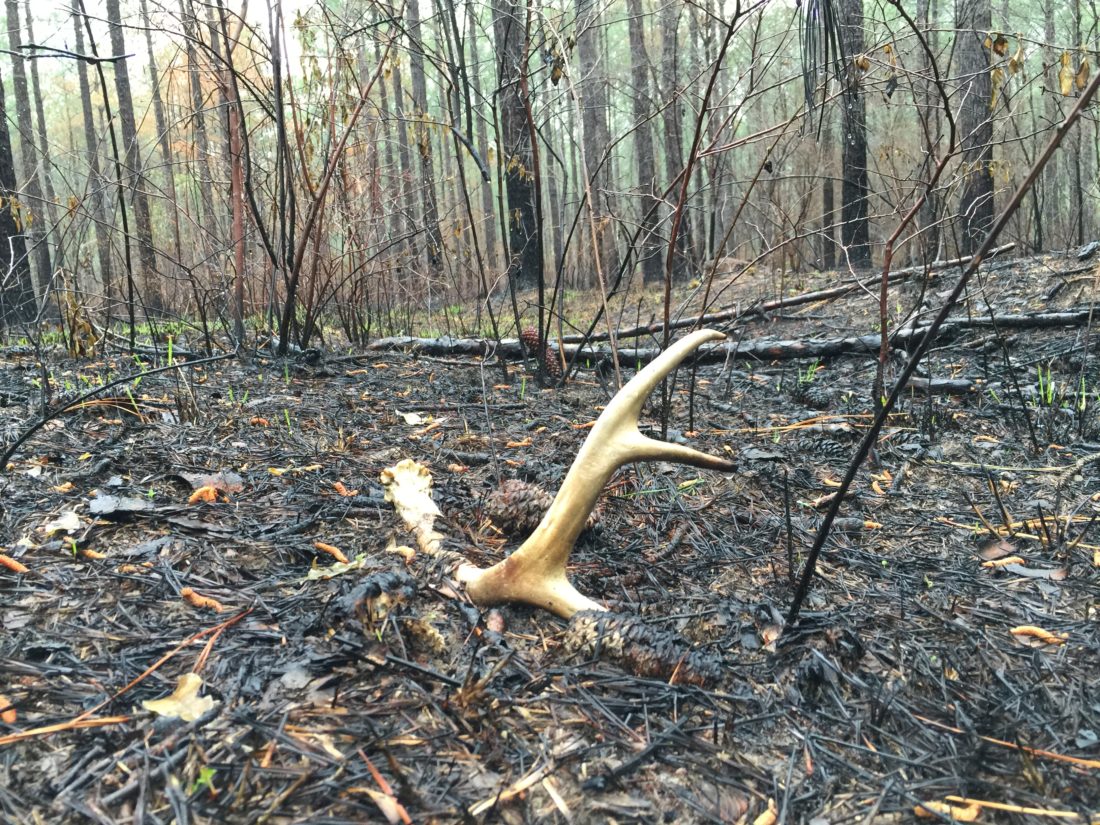
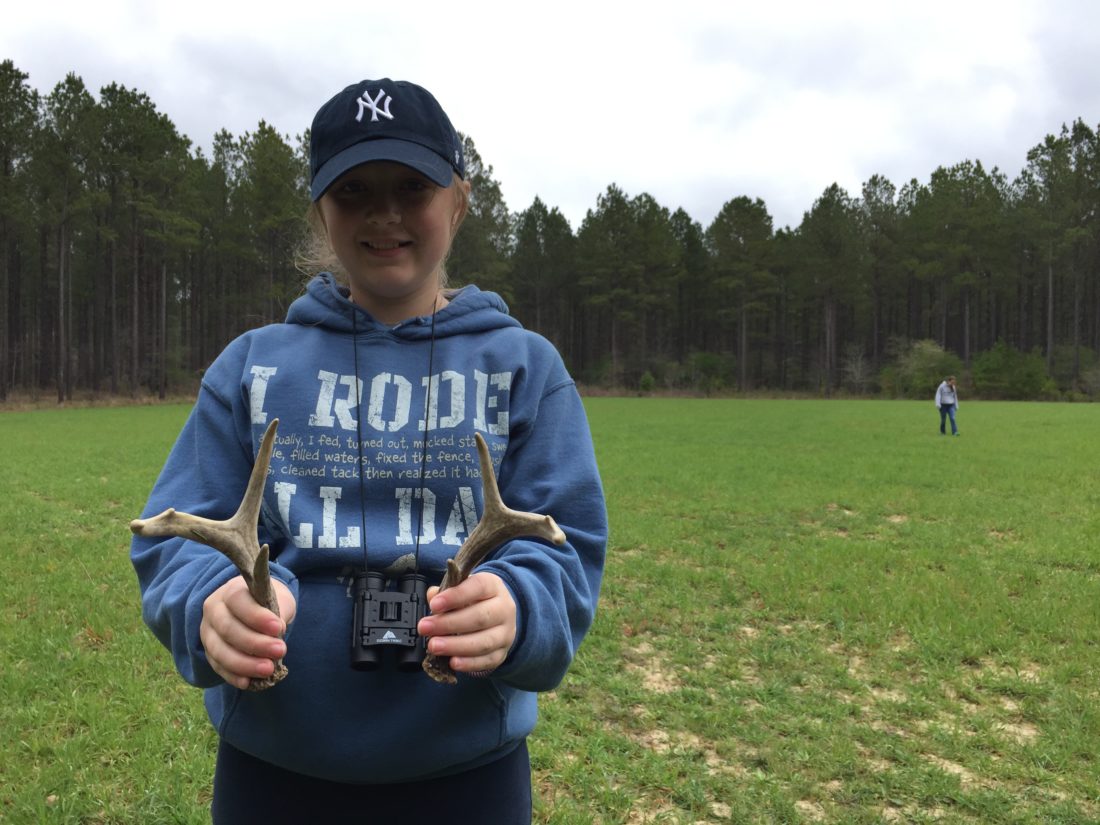
Treasure Hunting for Antlers: An Intro to Shed Hunting
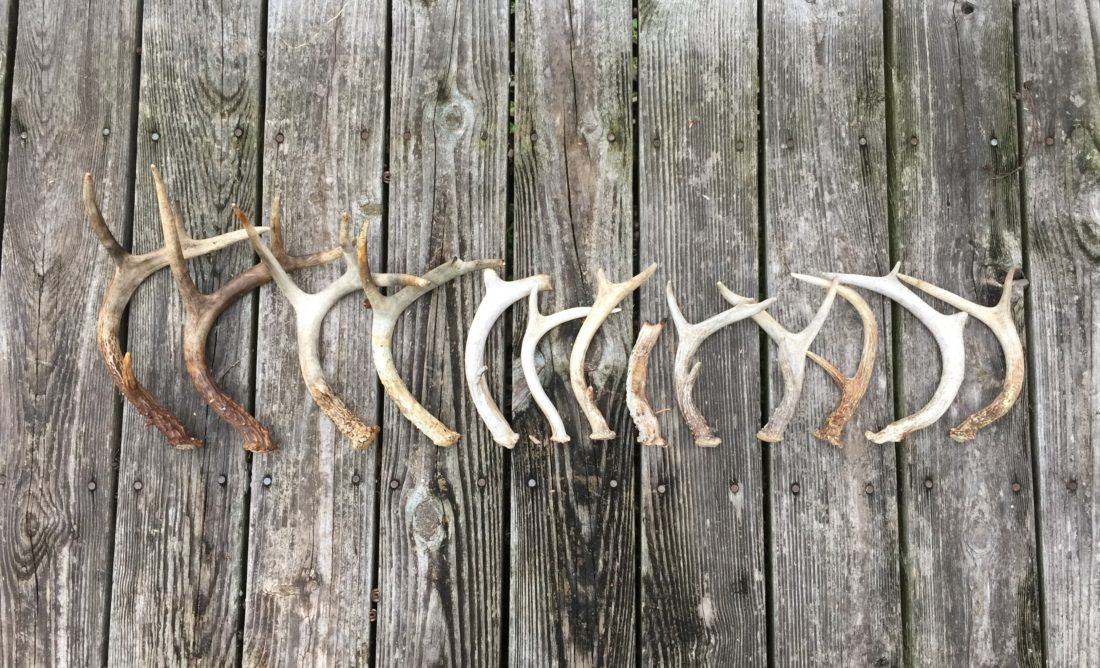
The Southerner’s Guide to Shed Hunting