23 Ways to Divide a Room With Bookshelves and Switch Up Your Layout
Bookshelves offer a versatile and stylish solution for dividing rooms, particularly beneficial for college students, studio apartment dwellers, small-space residents, and homes with open-plan layouts. They serve to create distinct zones within a larger area, enhancing privacy, organization, and aesthetic appeal. Various methods and styles can be employed to achieve this, ranging from simple freestanding units to custom-built architectural integrations.
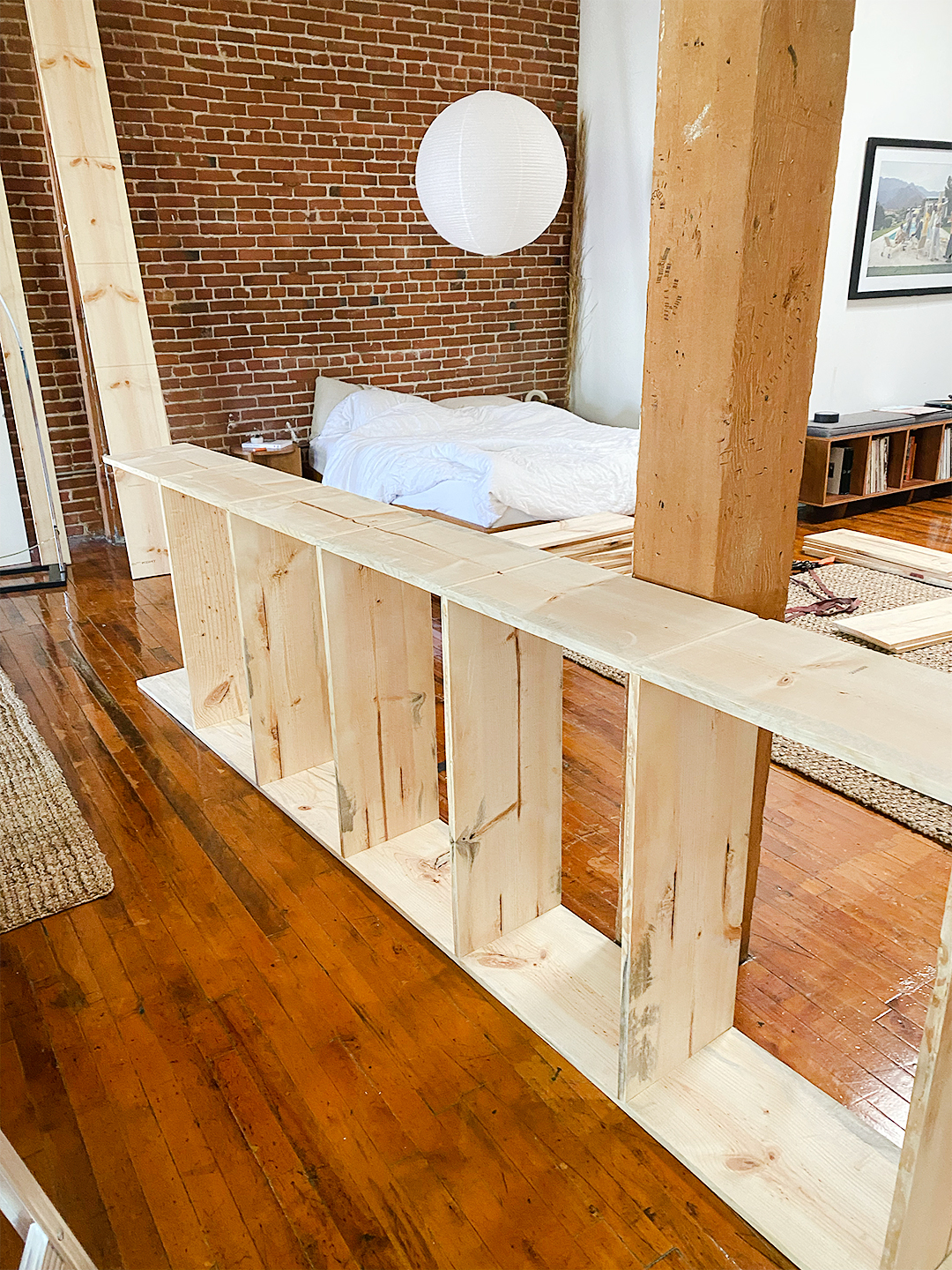
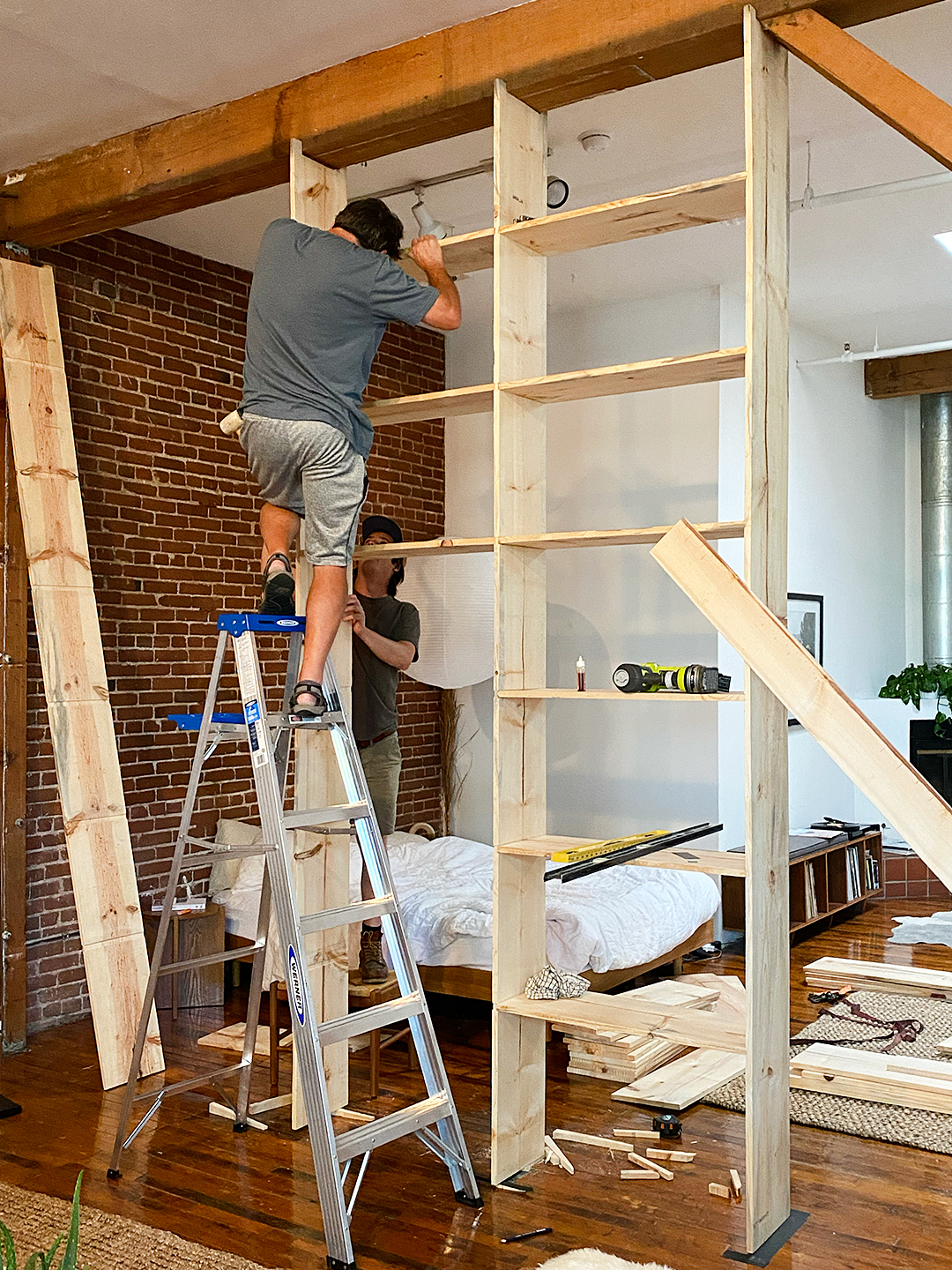
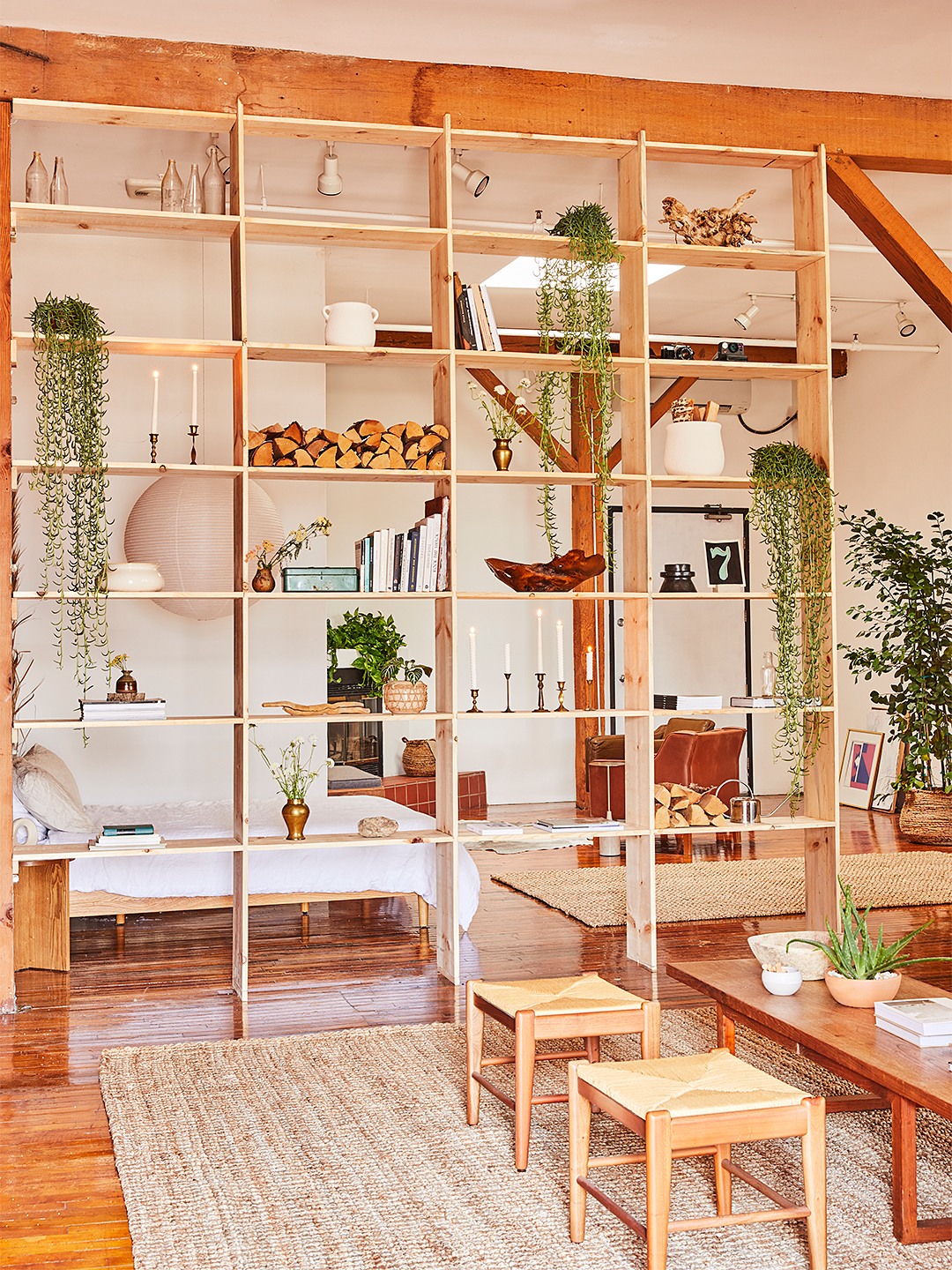
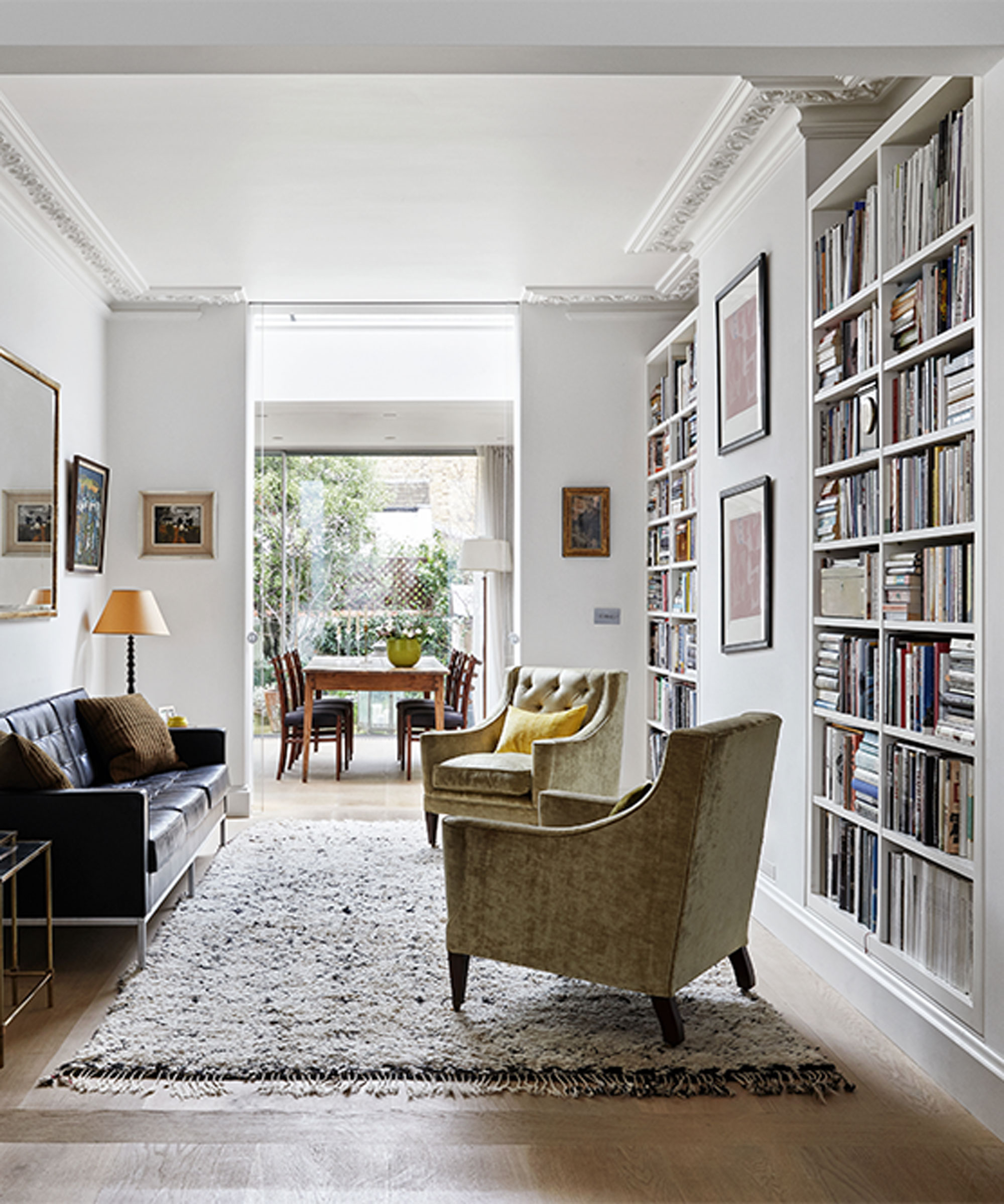
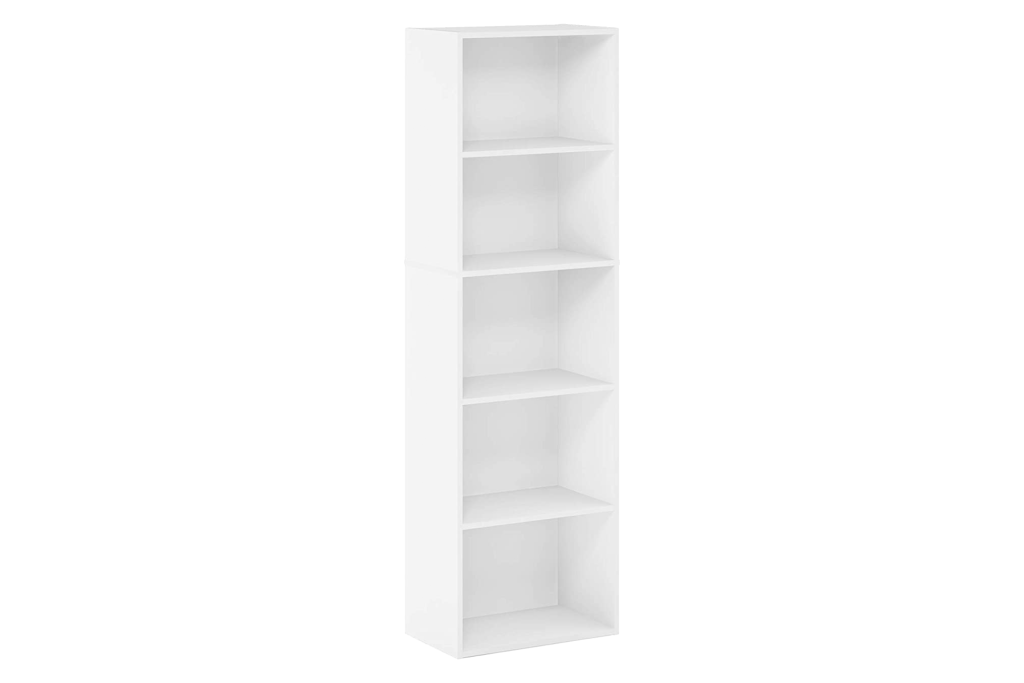
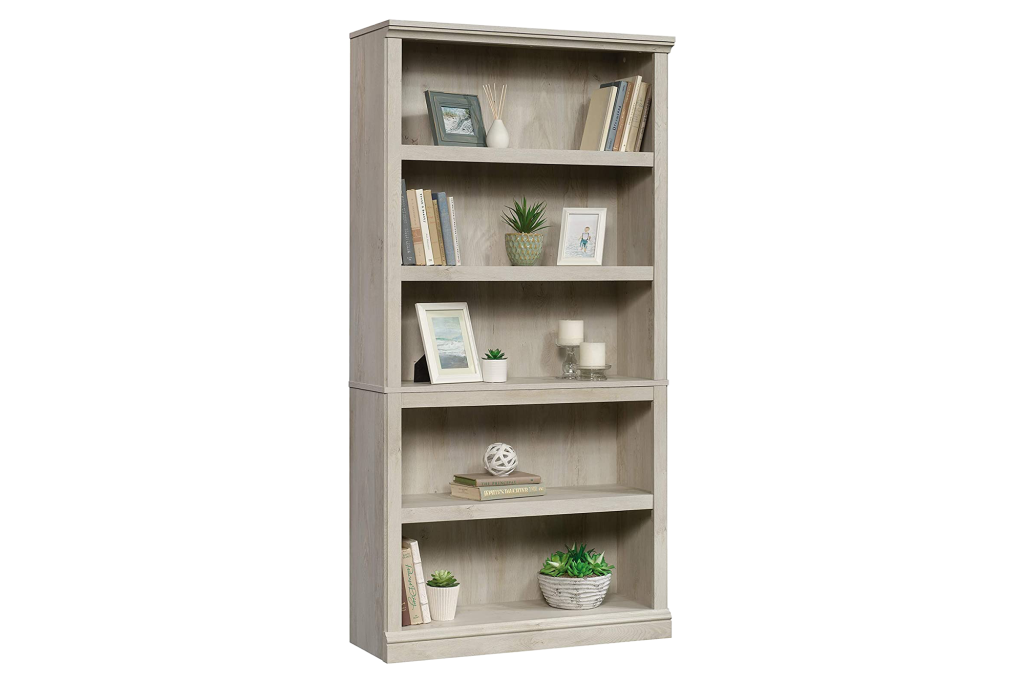
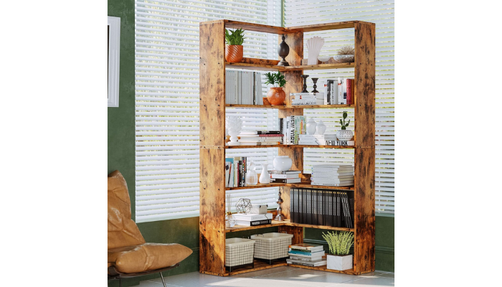
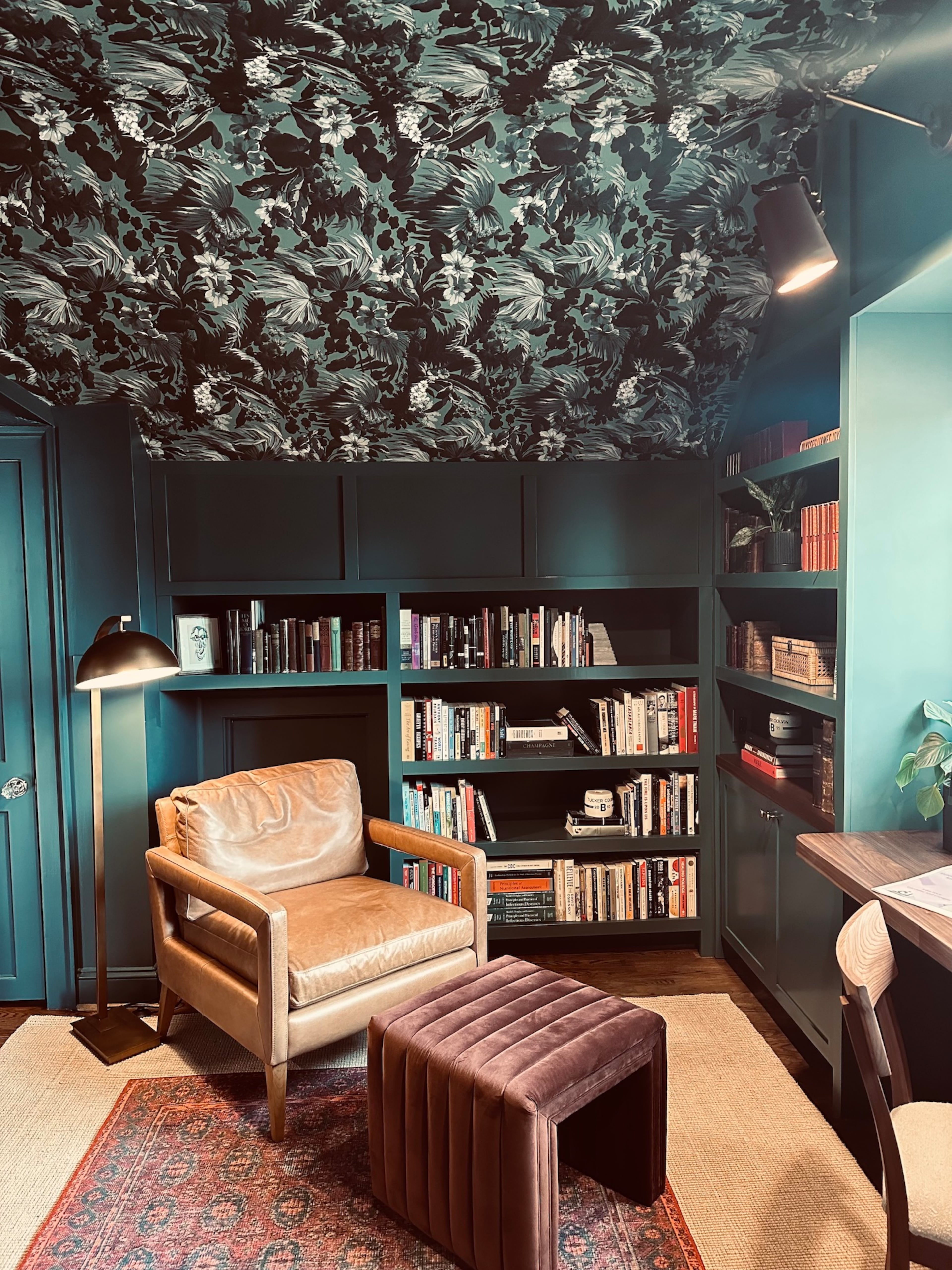
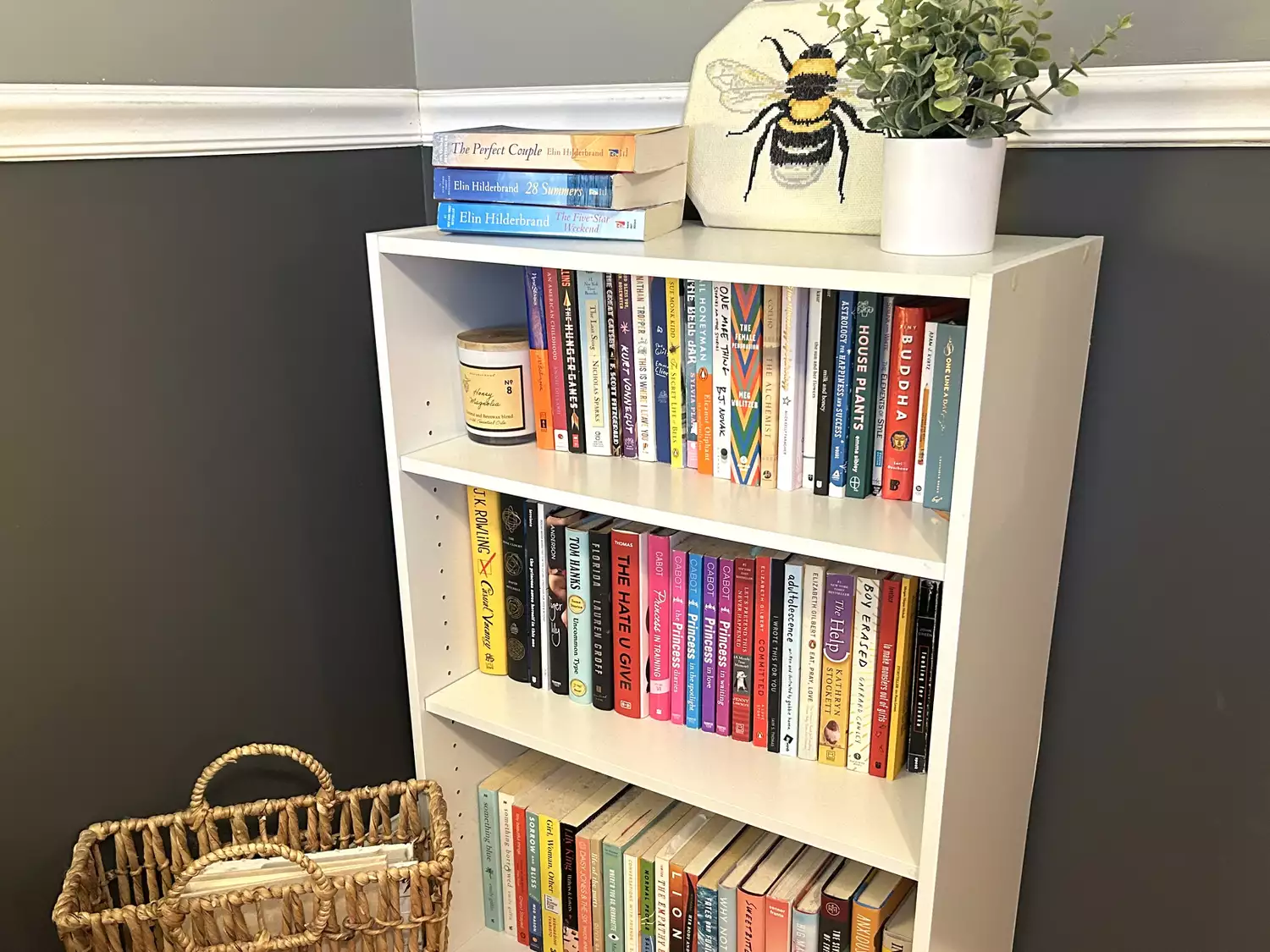
One common approach involves stacking bookcases to create a sense of privacy and separation, especially in open-plan studios or lofts where a sleeping area needs to be distinguished from a living space. Decorating the top of these stacked units with objects and plants can help them blend seamlessly into the room's design. Tall bookshelf room dividers are effective in wider openings between adjacent rooms, providing more substantial separation. These can be integrated with comfortable seating and lighting to establish cozy reading nooks, further defining the space.
Low and wide bookcases are ideal for structuring open-plan rooms with challenging angles, such as A-frame homes, by defining specific areas like family-friendly reading rooms while maintaining an open feel. For modern, open-concept apartments, wood slat-backed open shelving can divide areas like the kitchen from the main living space. Custom-built solutions, like white oak vertical screens with floating shelves, offer partial privacy while allowing natural light to flow through, often incorporating built-in desks or Murphy beds to maximize utility.
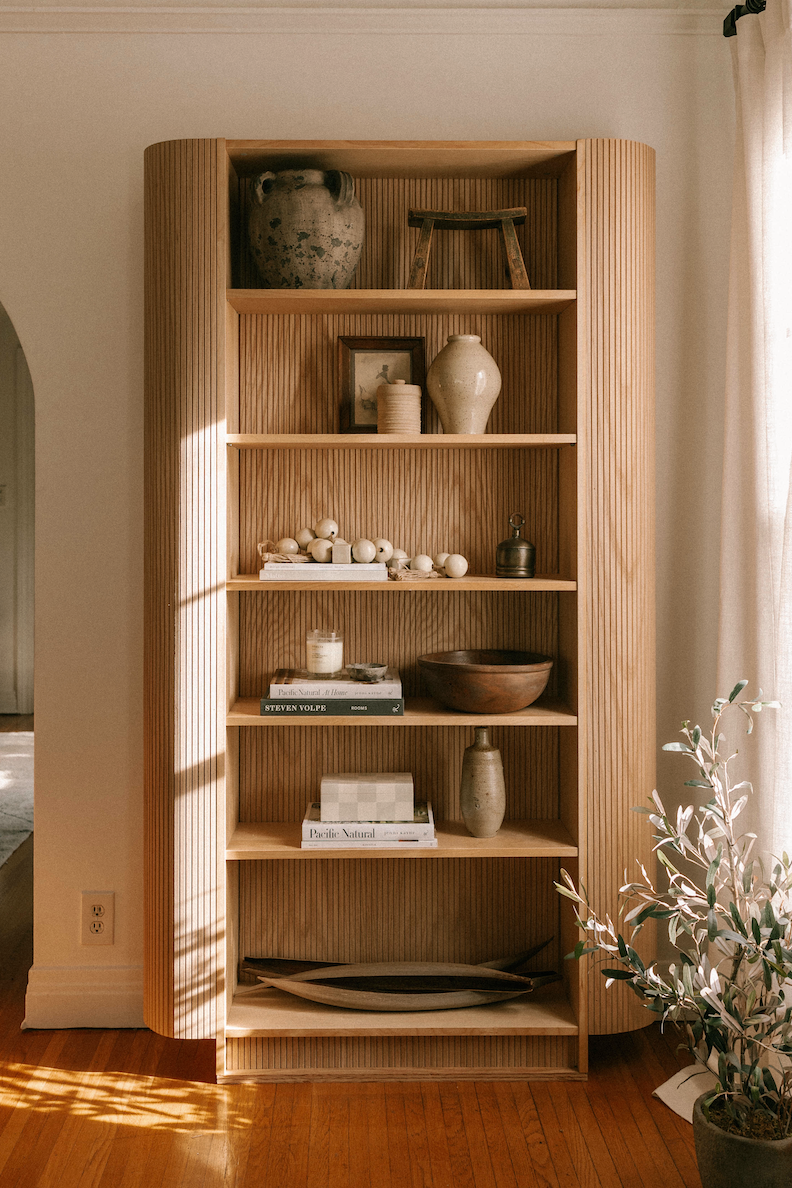
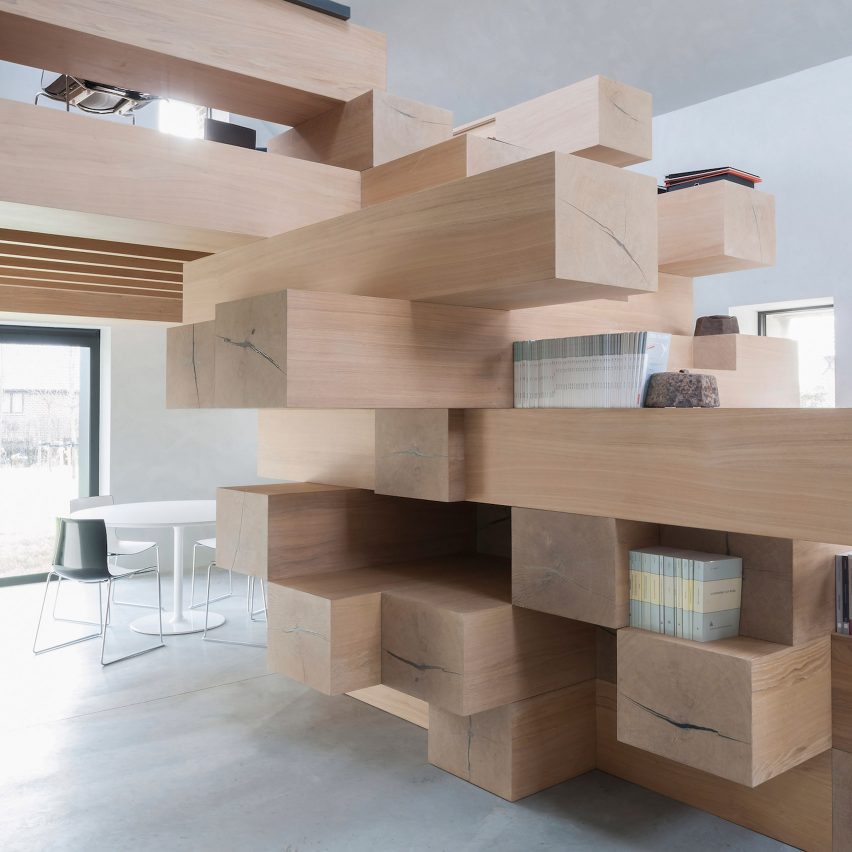
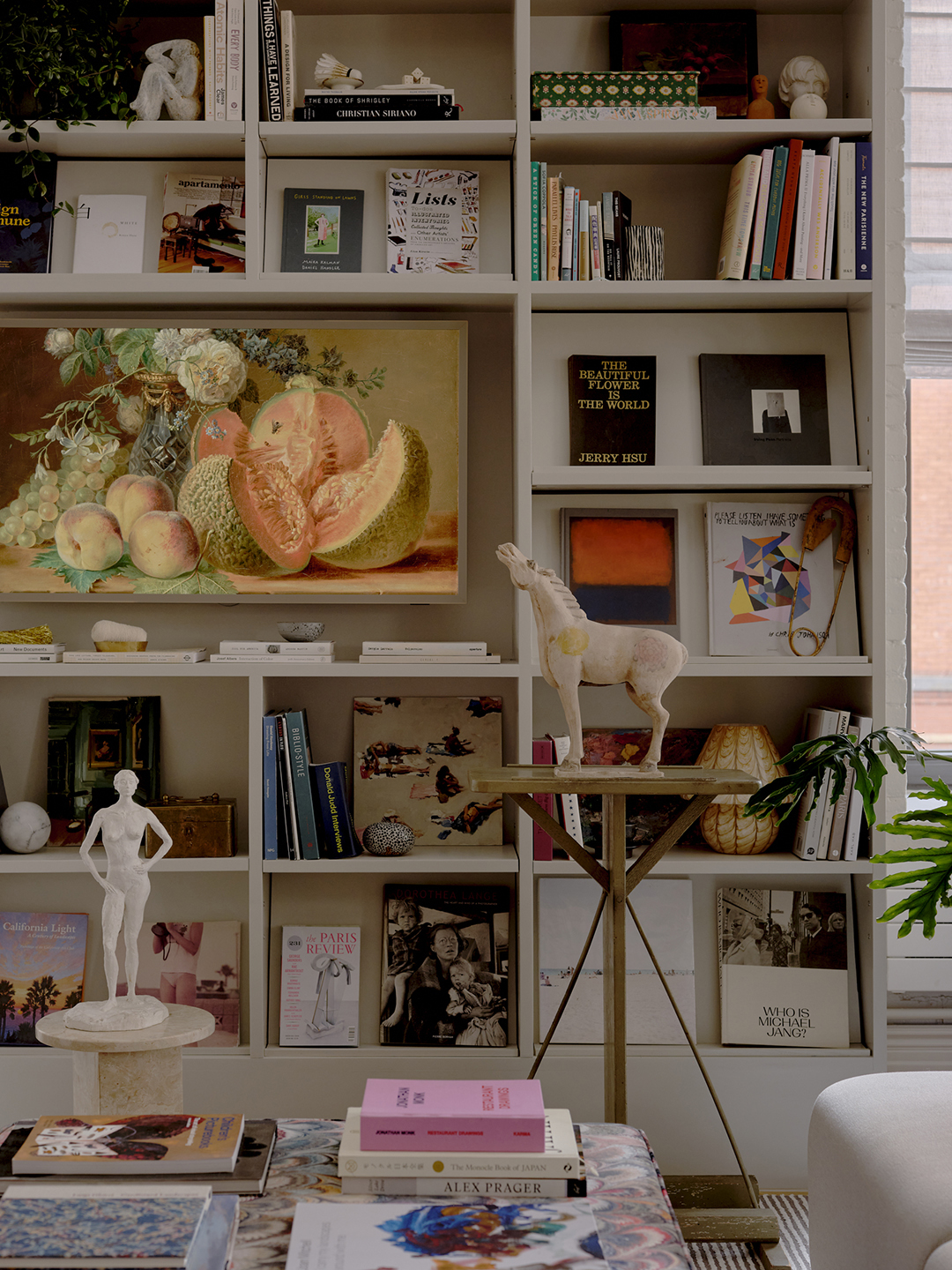
Bookshelves can also create an entryway in homes lacking a distinct foyer, positioning a low unit near the front door to delineate the entrance without blocking views or light. For more privacy, a taller unit can be used. Ceiling-mounted shelf units provide a light and airy partition, suitable for both large and small spaces, complementing existing built-in bookcases or accent wallpaper. Floating bookcases are effective in breaking up long, rectangular rooms, creating separate functional zones when placed centrally. Natural wood bookcases with modern, asymmetrical designs can display books and objects, serving as a focal point.
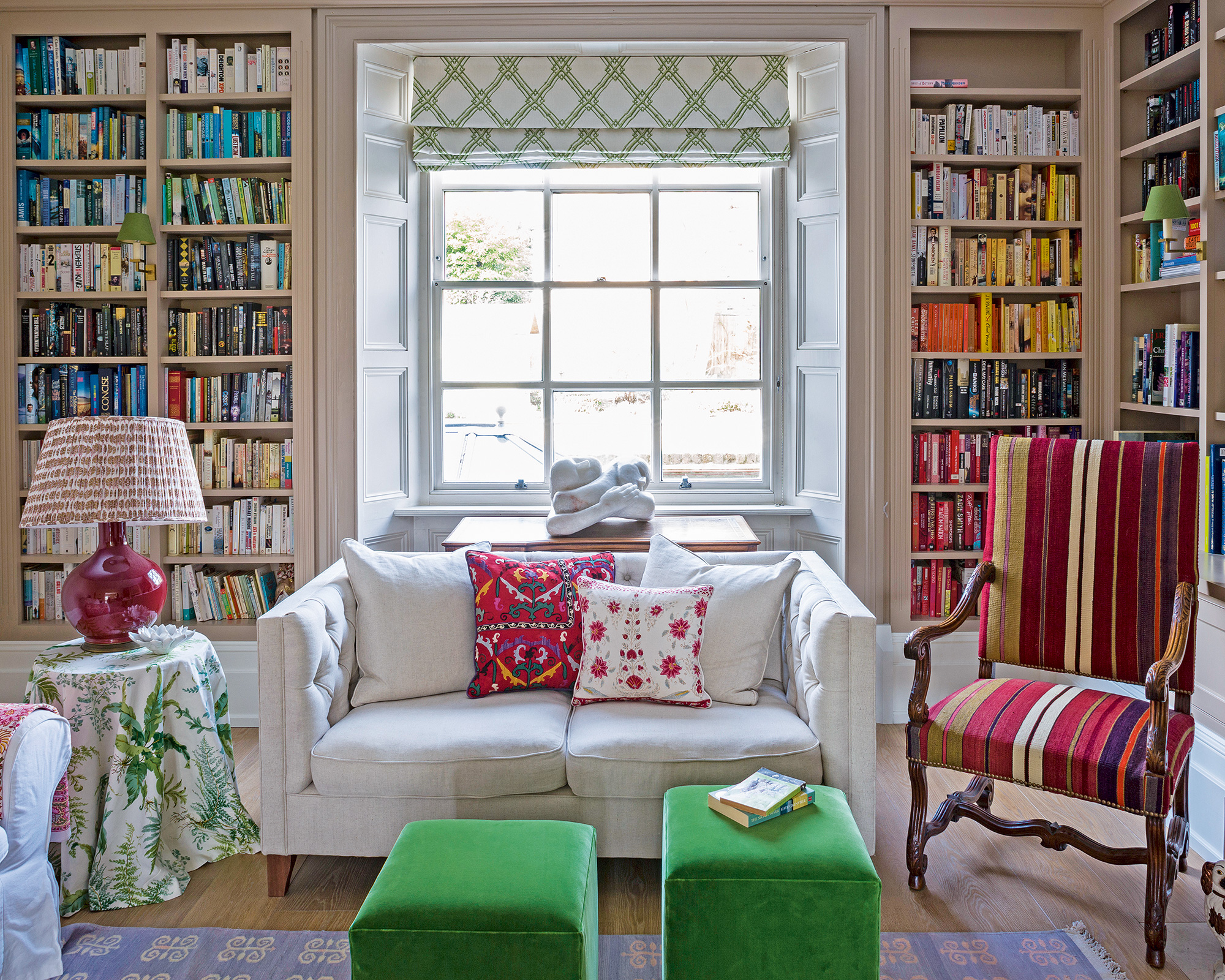
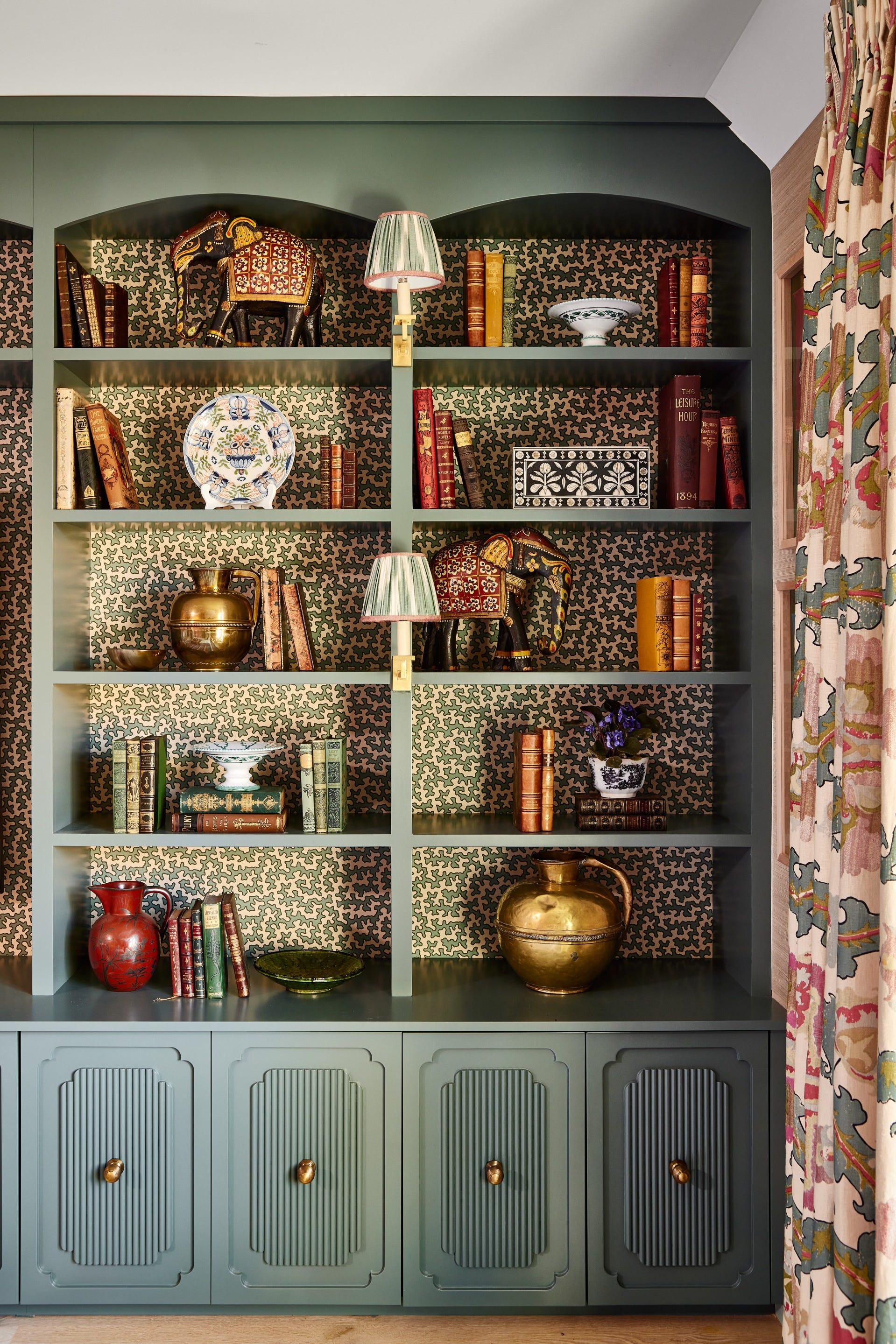
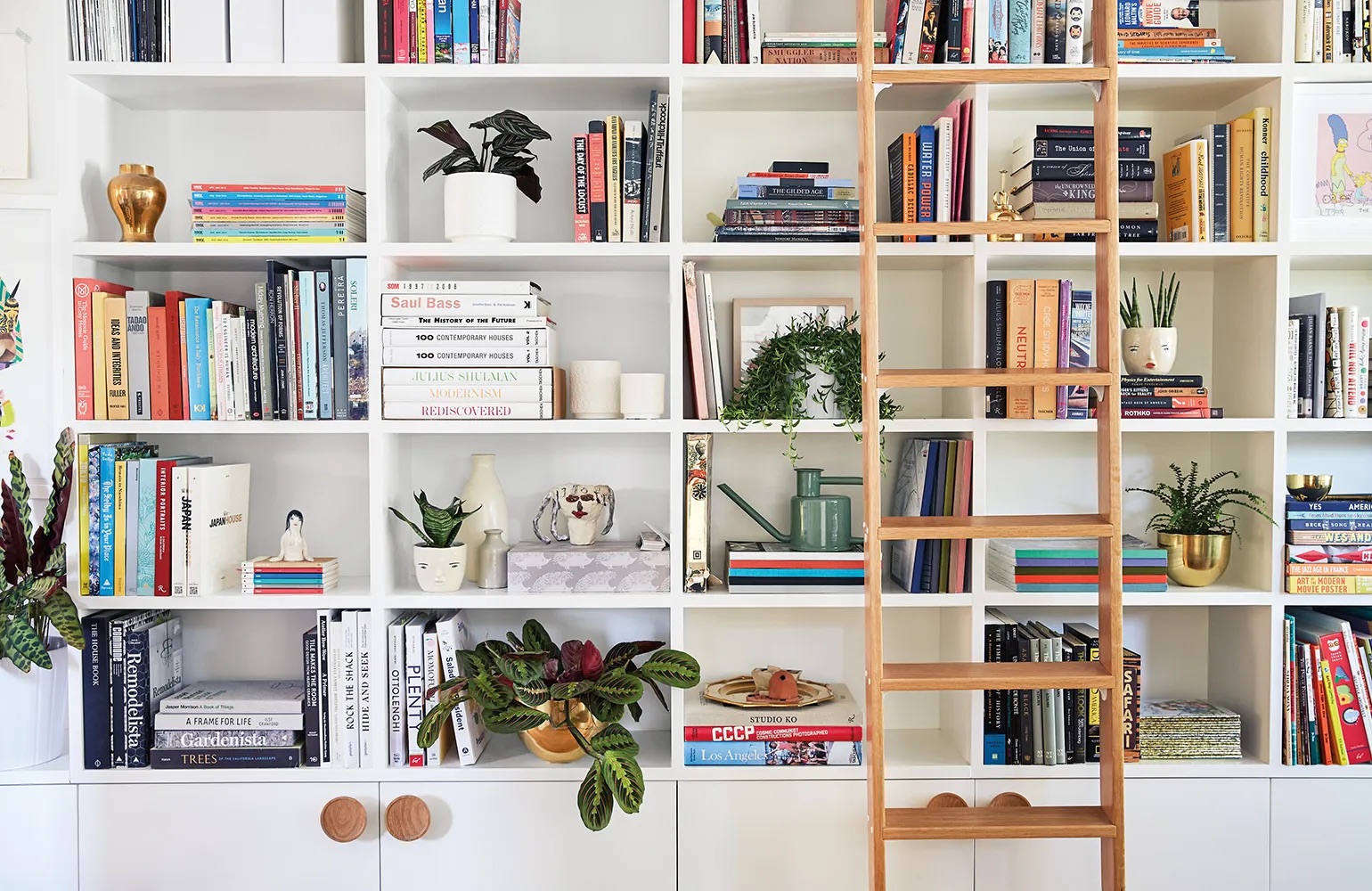
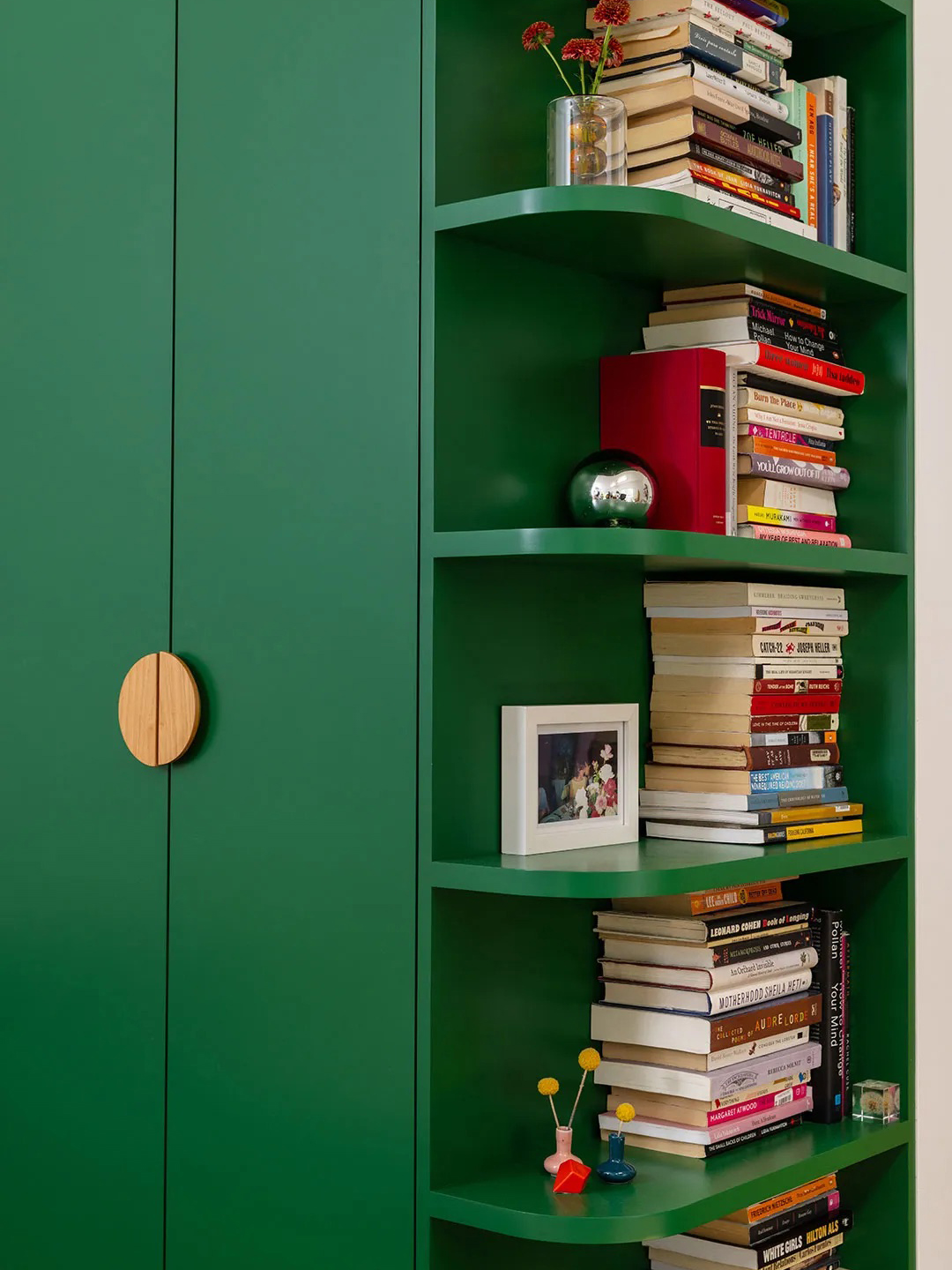
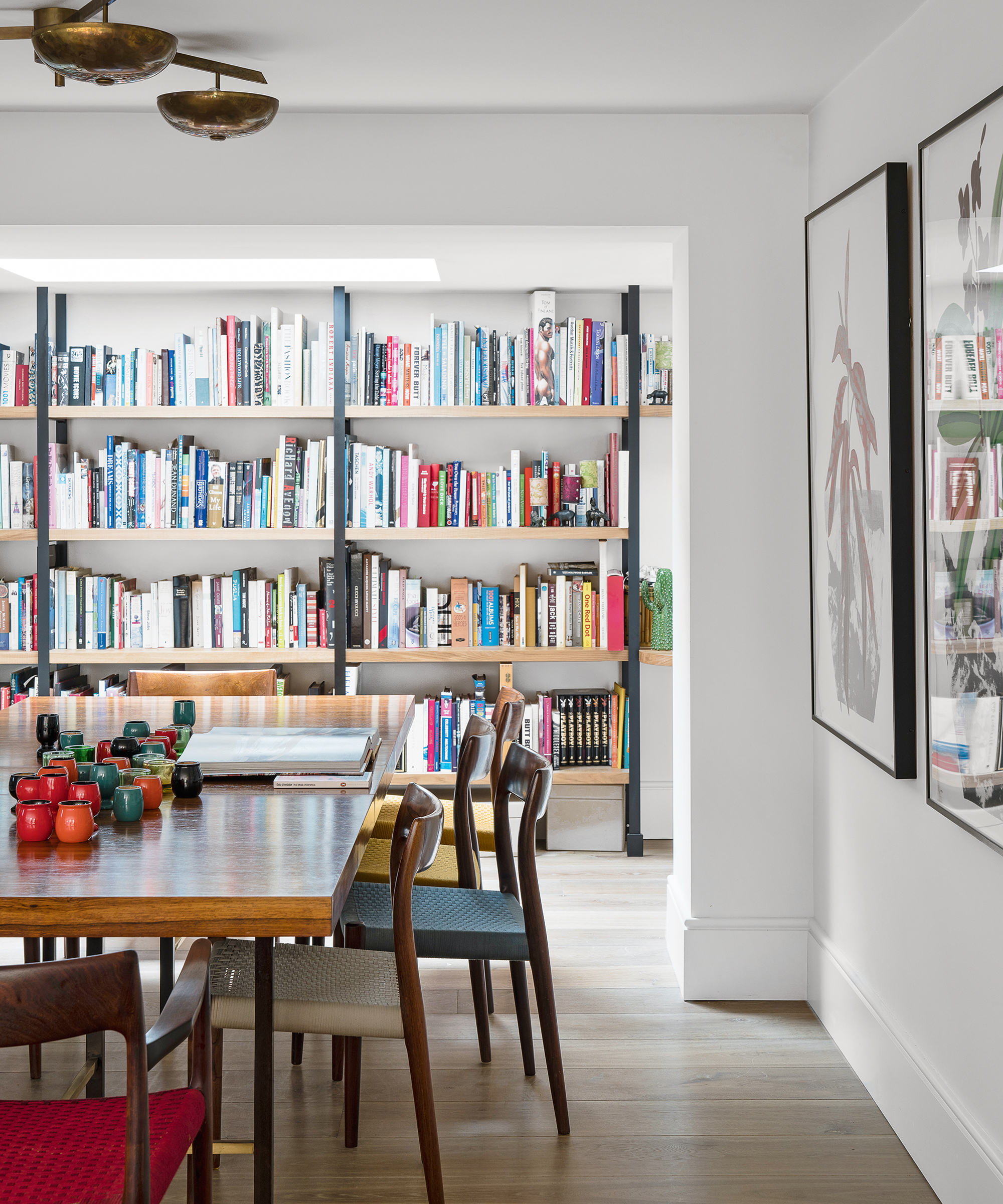
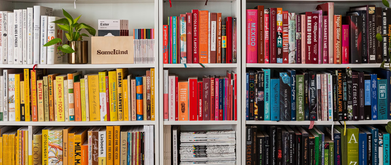
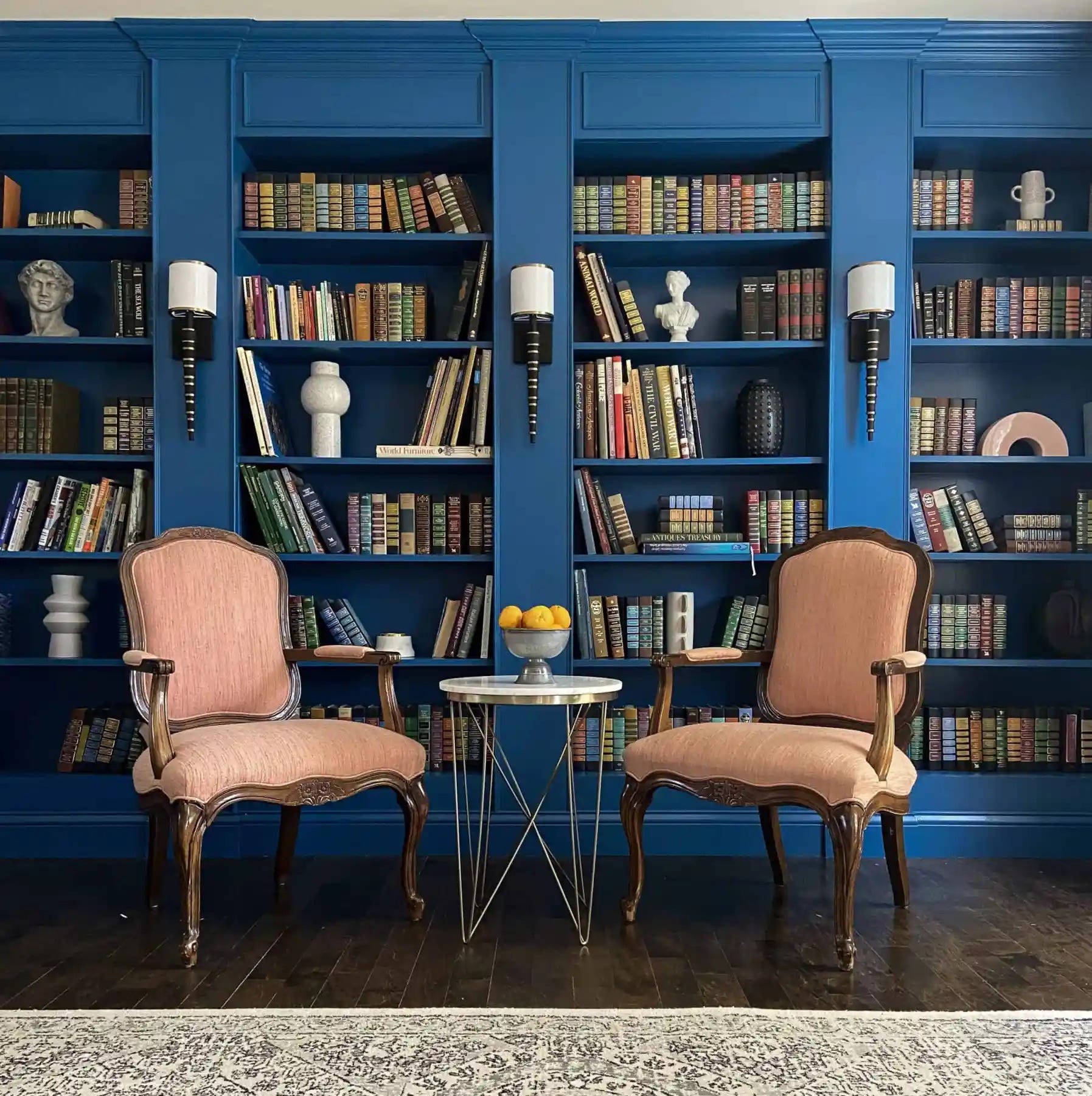
DIY bookshelf walls built around large doorways can visually separate a living room from a foyer. These can be styled creatively, such as organizing books by color for a vibrant effect. In dining areas, a wall of bookshelves can divide the kitchen from the dining room, used for both book storage and displaying decorative objects. Half or pony walls with integrated shelving offer a way to create separation between living and dining rooms while maintaining an open feel. Painting these structures the same color as the walls can make them appear integrated and airy, serving as a display for art.
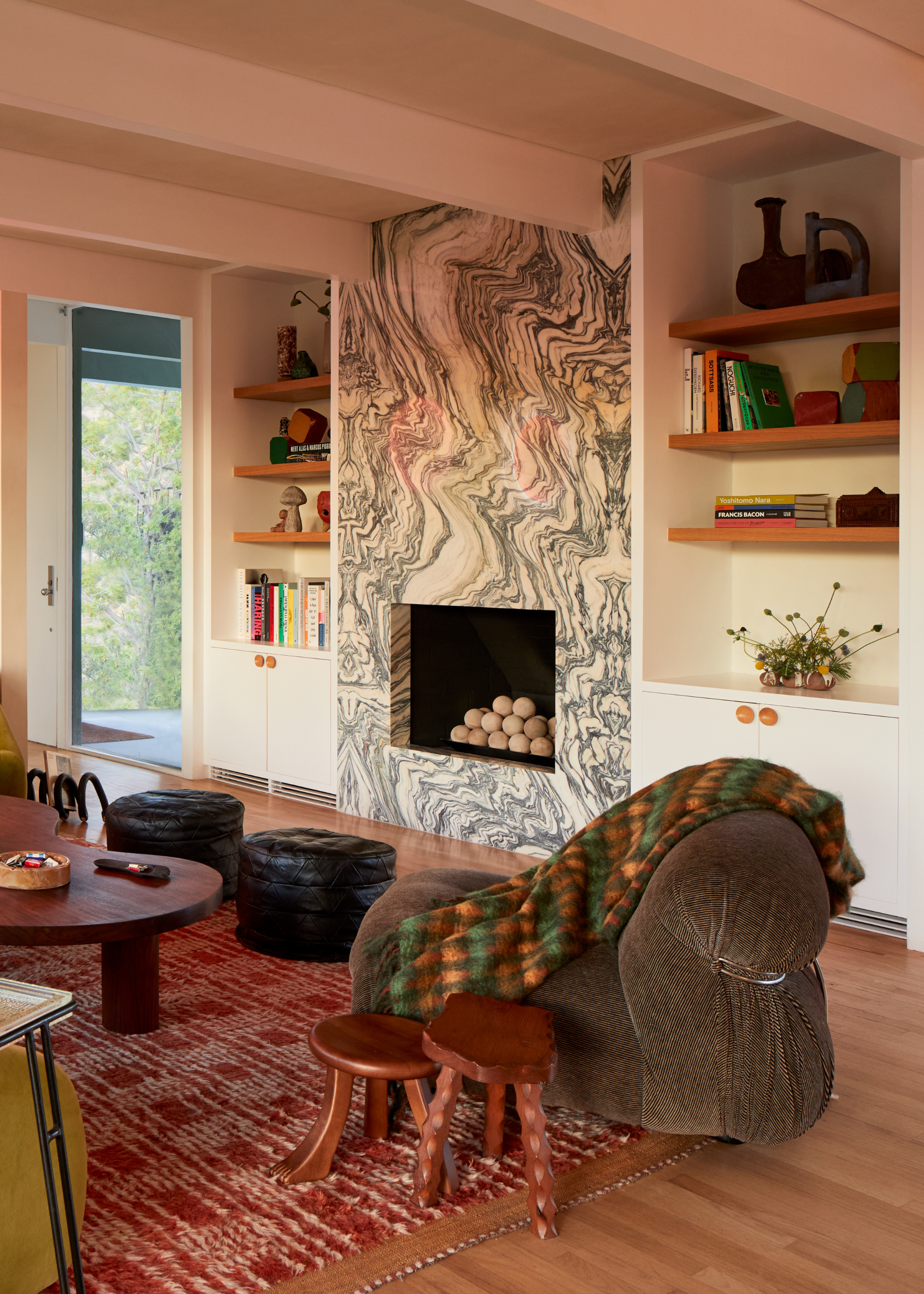
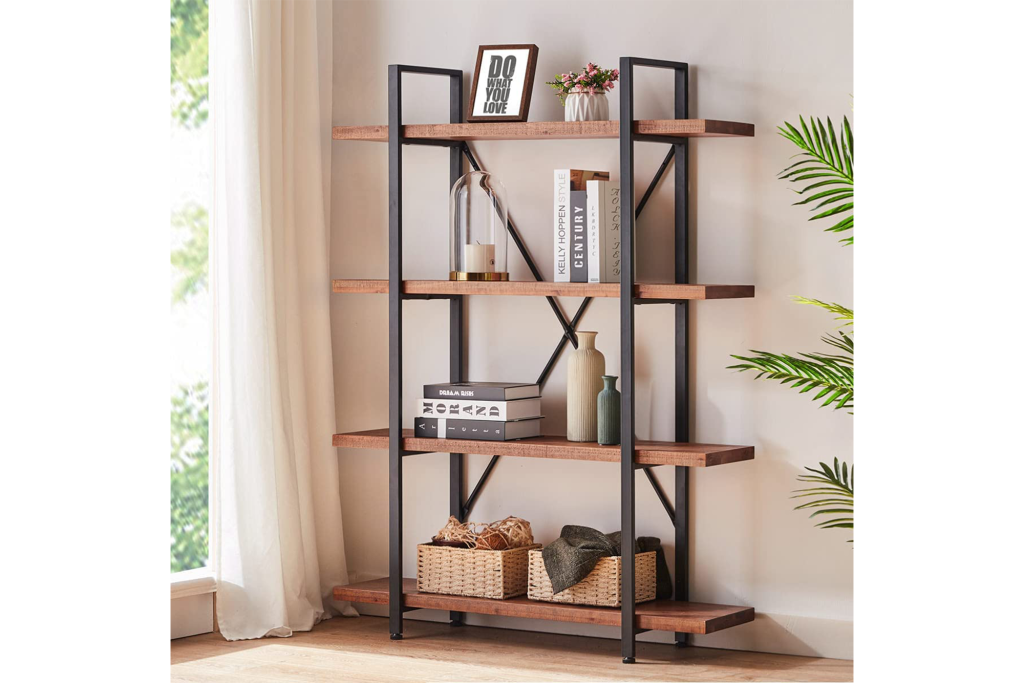
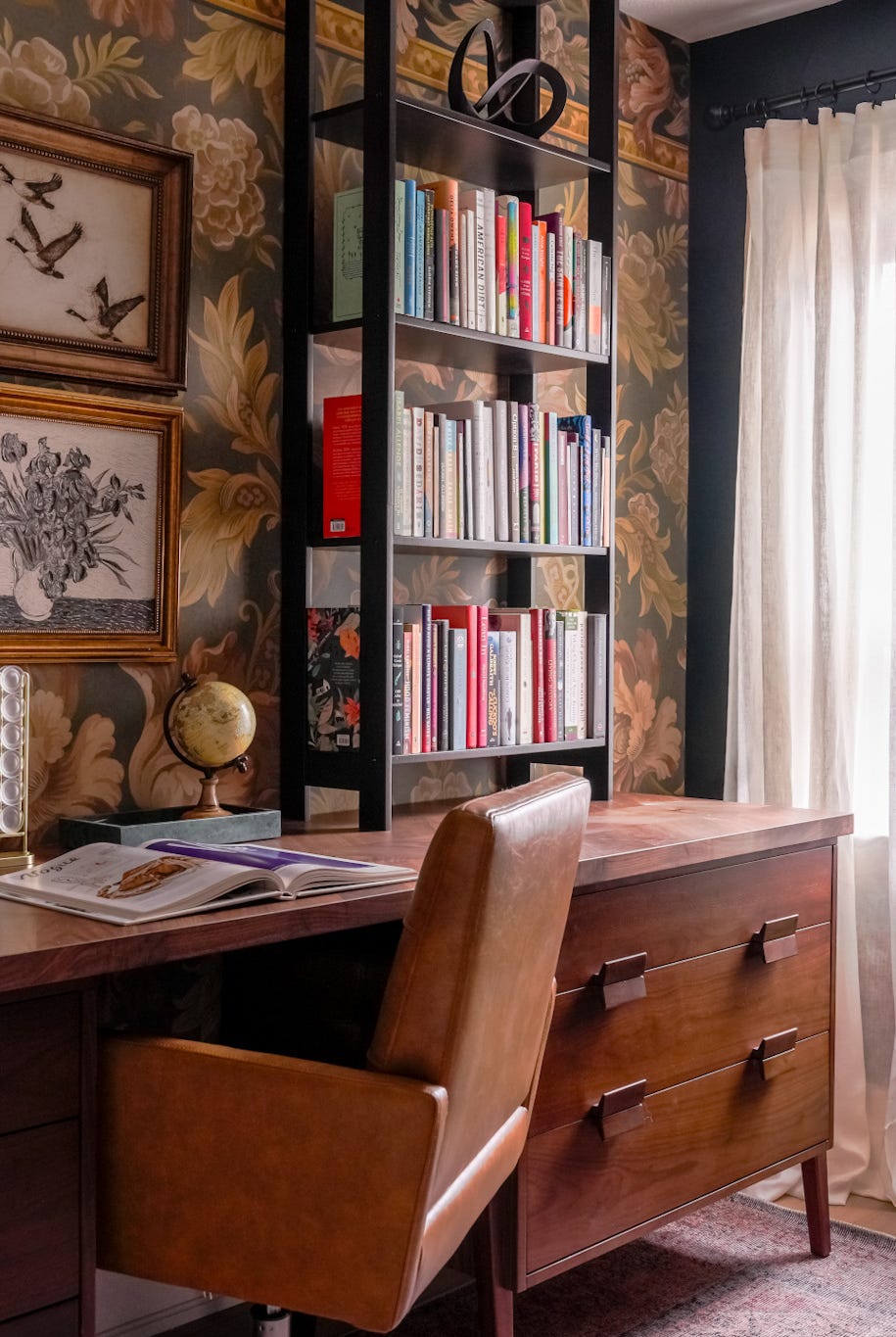
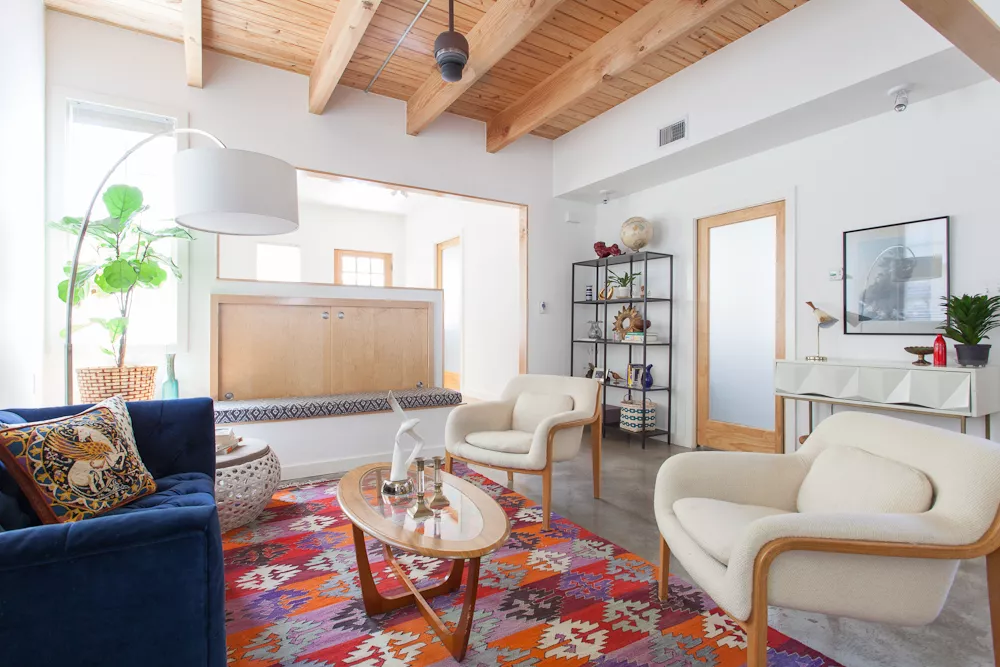
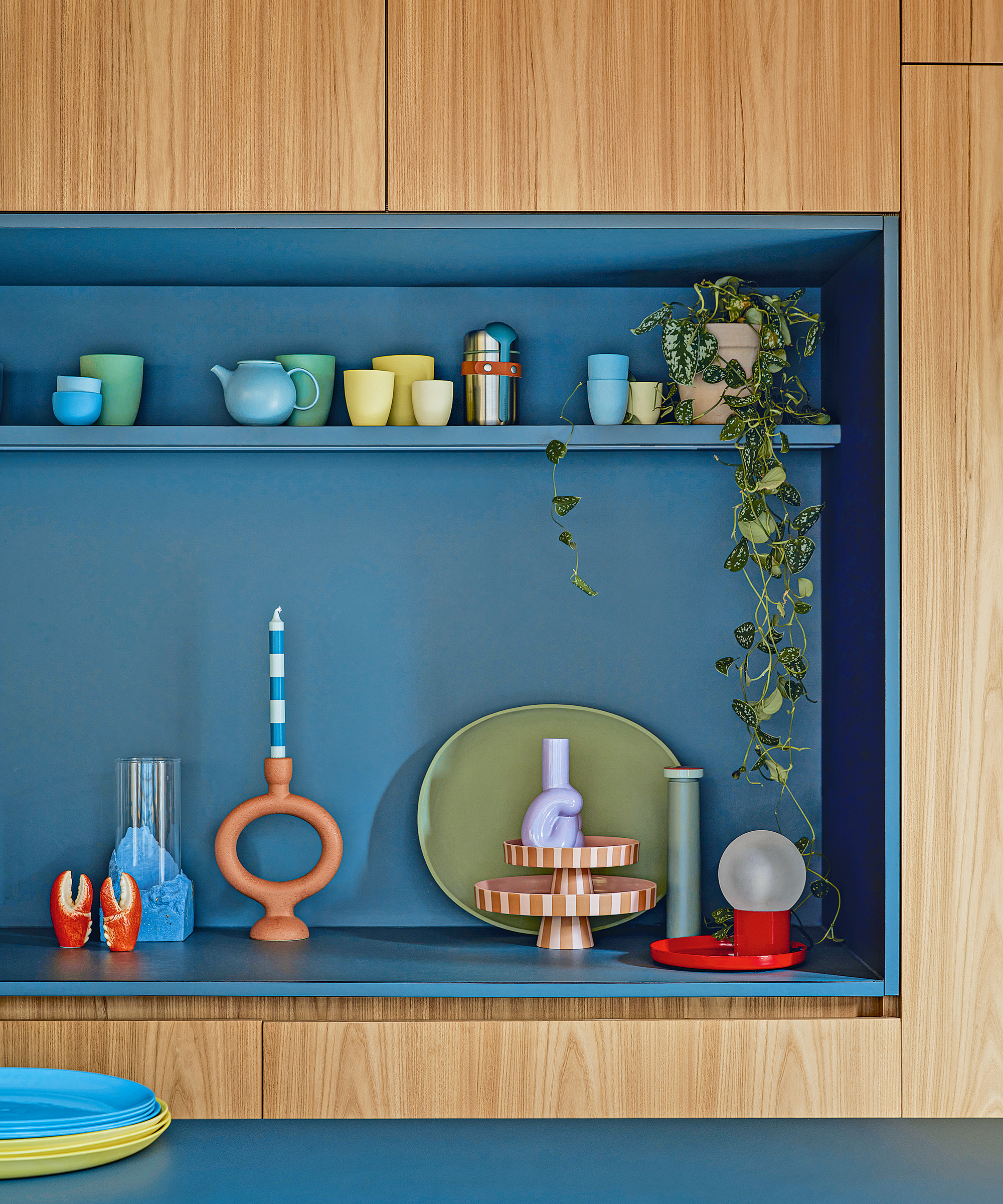
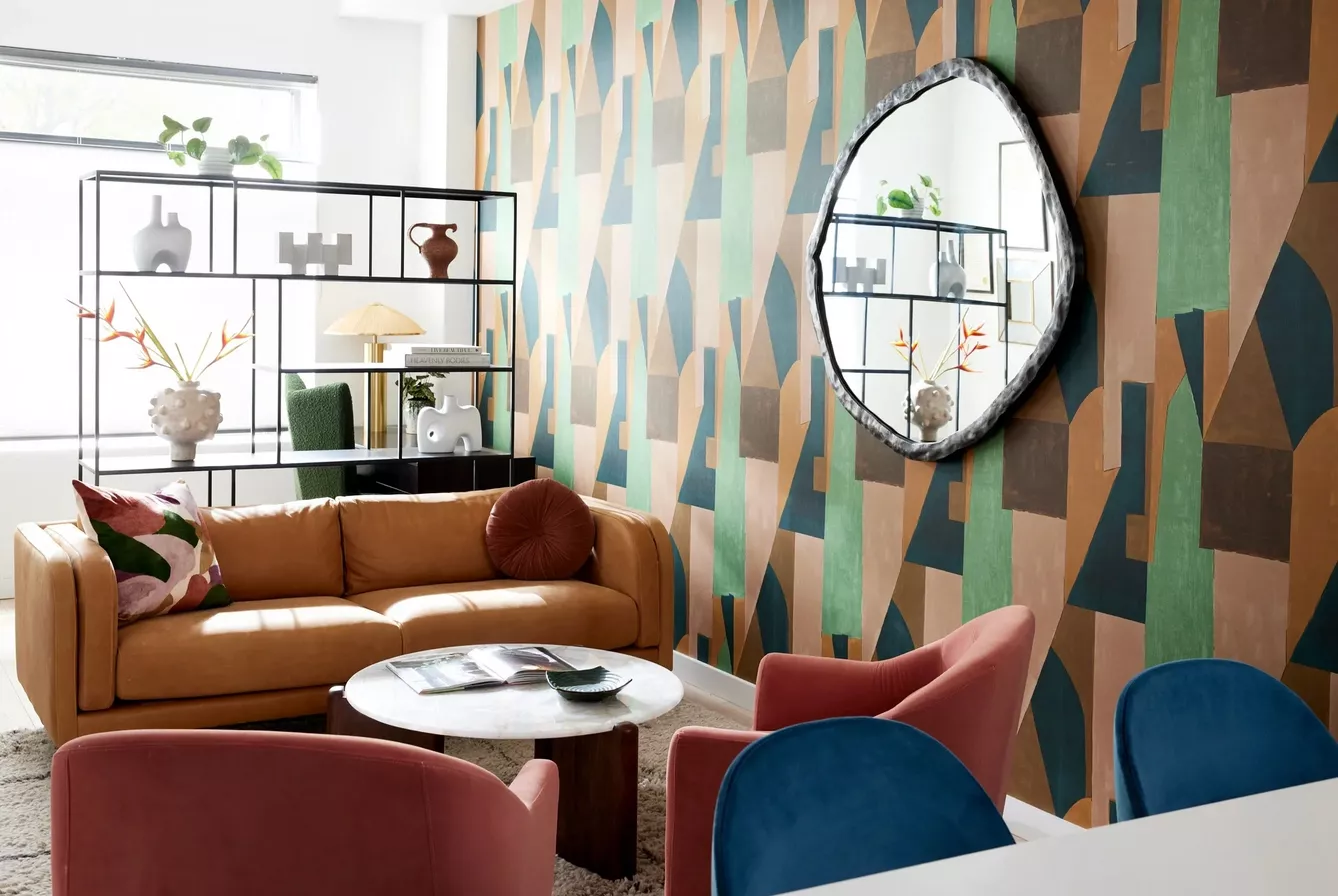
For remote work, freestanding bookshelves can create a small home office in a corner of a living room. Modern metal shelves, when styled with objects, allow light to pass through, connecting the workspace to the rest of the room. In attic bedrooms or lofts, a large bookshelf can define the sleeping area, providing storage and a snug atmosphere. Bookcases integrated into the architecture, mimicking modernist designs, can be part of the home's structure, blending with wall tones or natural wood finishes. Open wall niches can be transformed into display shelves, using natural wood and reflective materials to add separation and light.
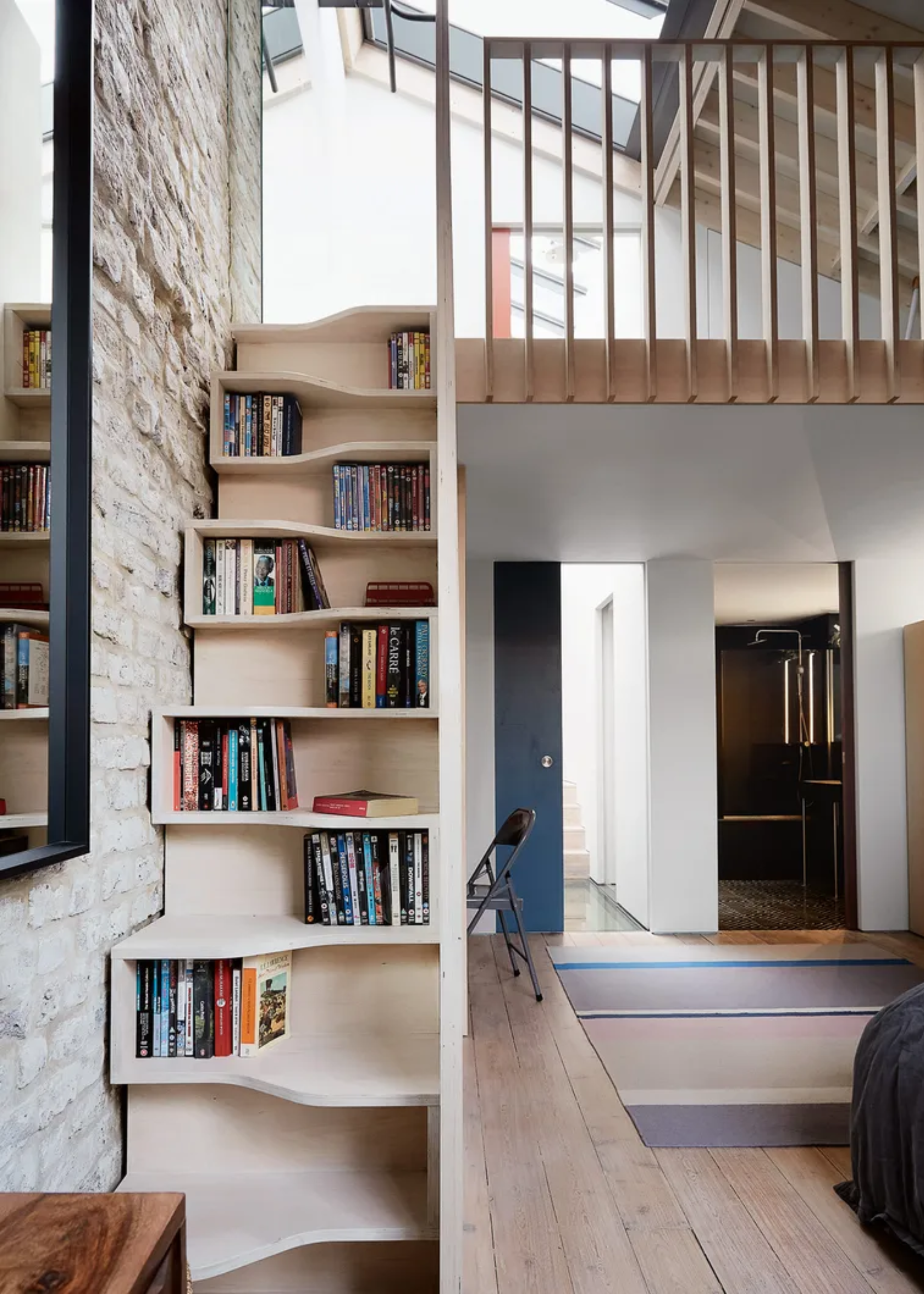
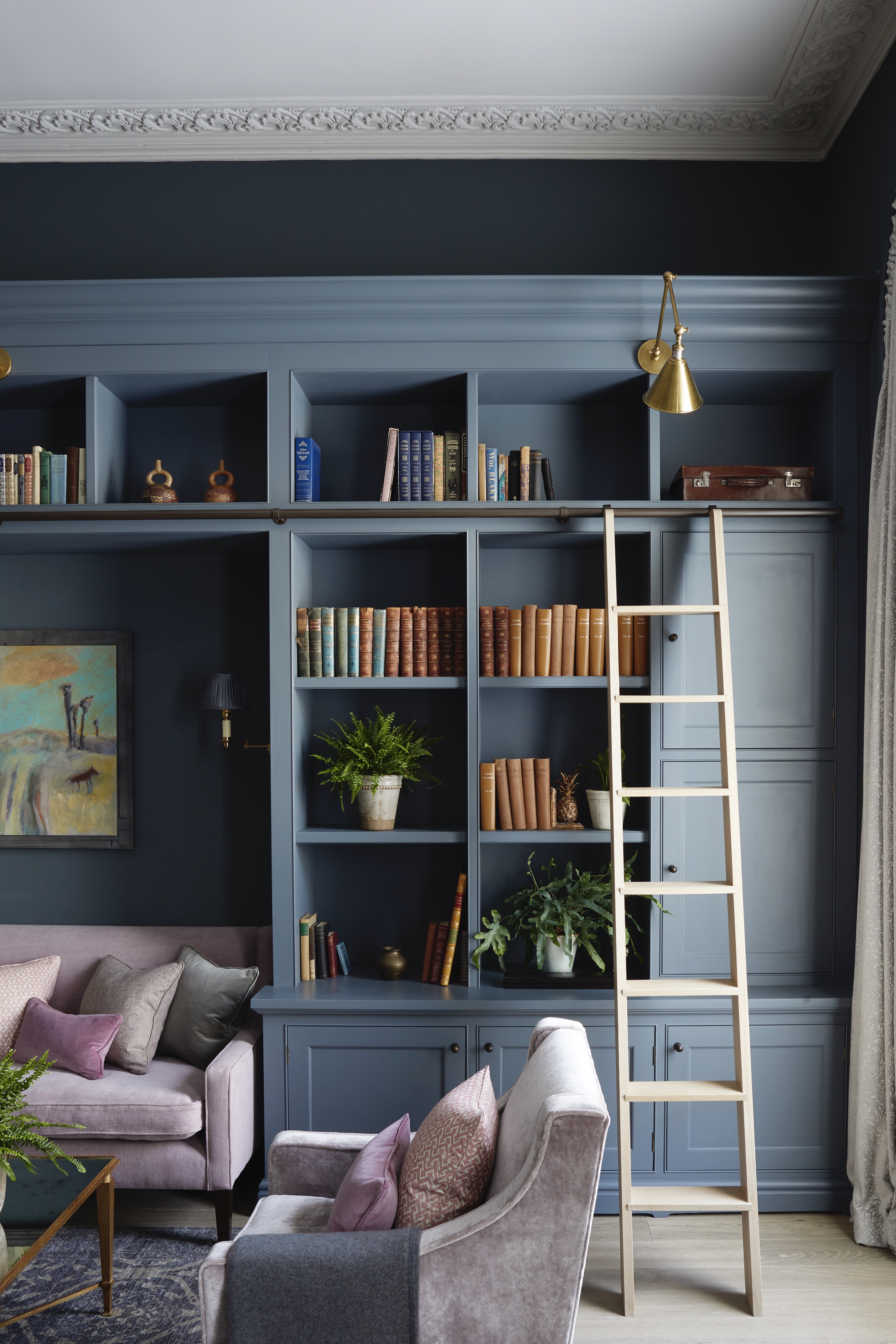
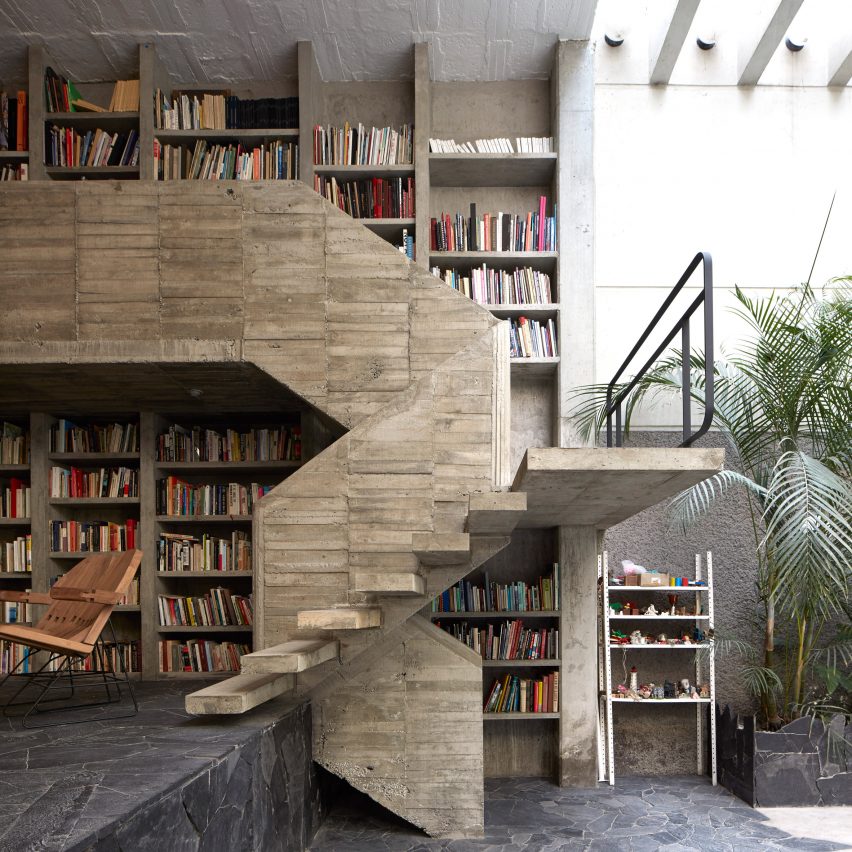
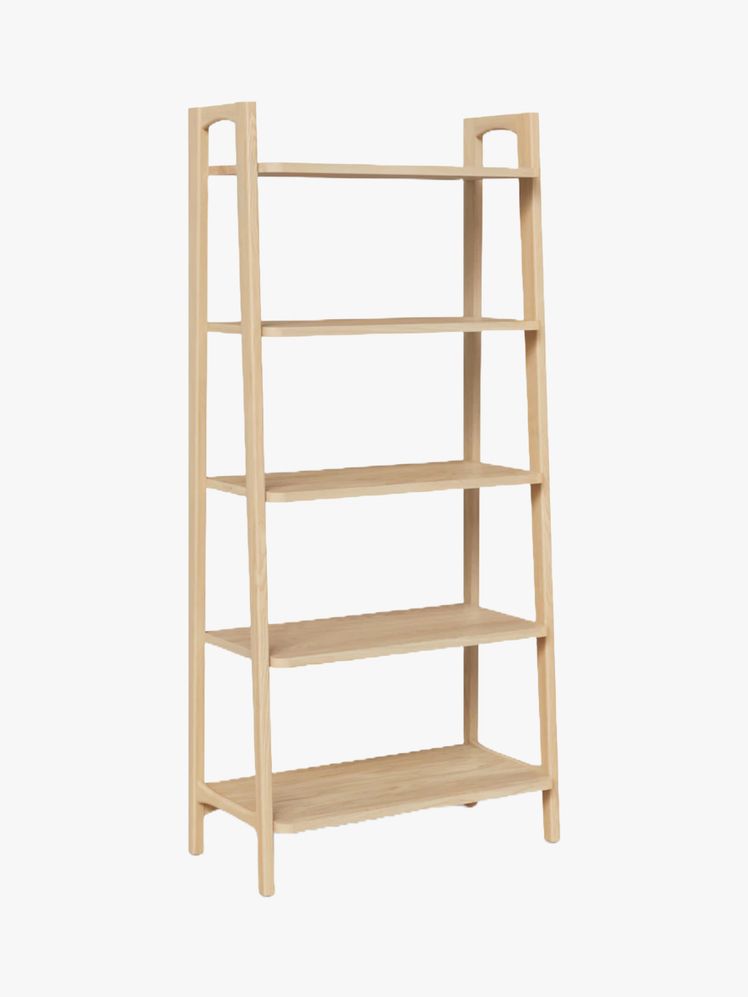
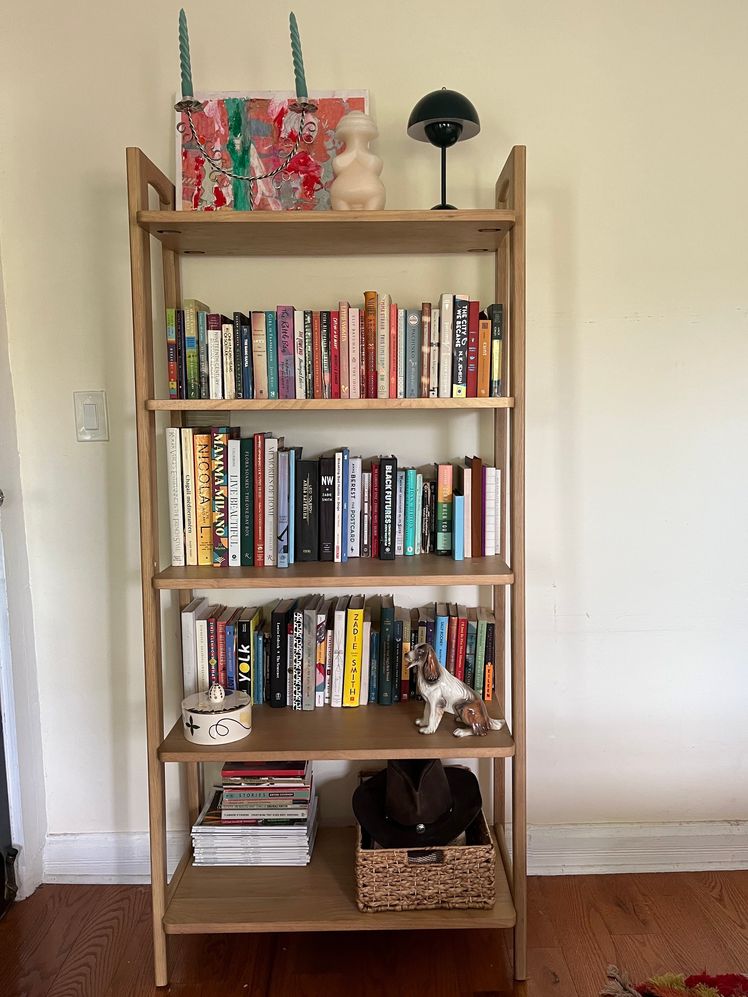
Bookshelves can also be incorporated into staircase designs to divide space while preserving natural light, often seen in ADU kitchens and living rooms with custom cabinetry. Kitchen islands can function as room dividers, and adding shelving to the outer side provides storage for cookbooks or other items. For budget-conscious renters, mobile islands with built-in cubbies can replicate this effect. In smaller spaces where traditional bookcases might feel cramped, leaning ladder-style bookshelves can define areas like a dining space from a seating area, offering a lighter visual barrier.
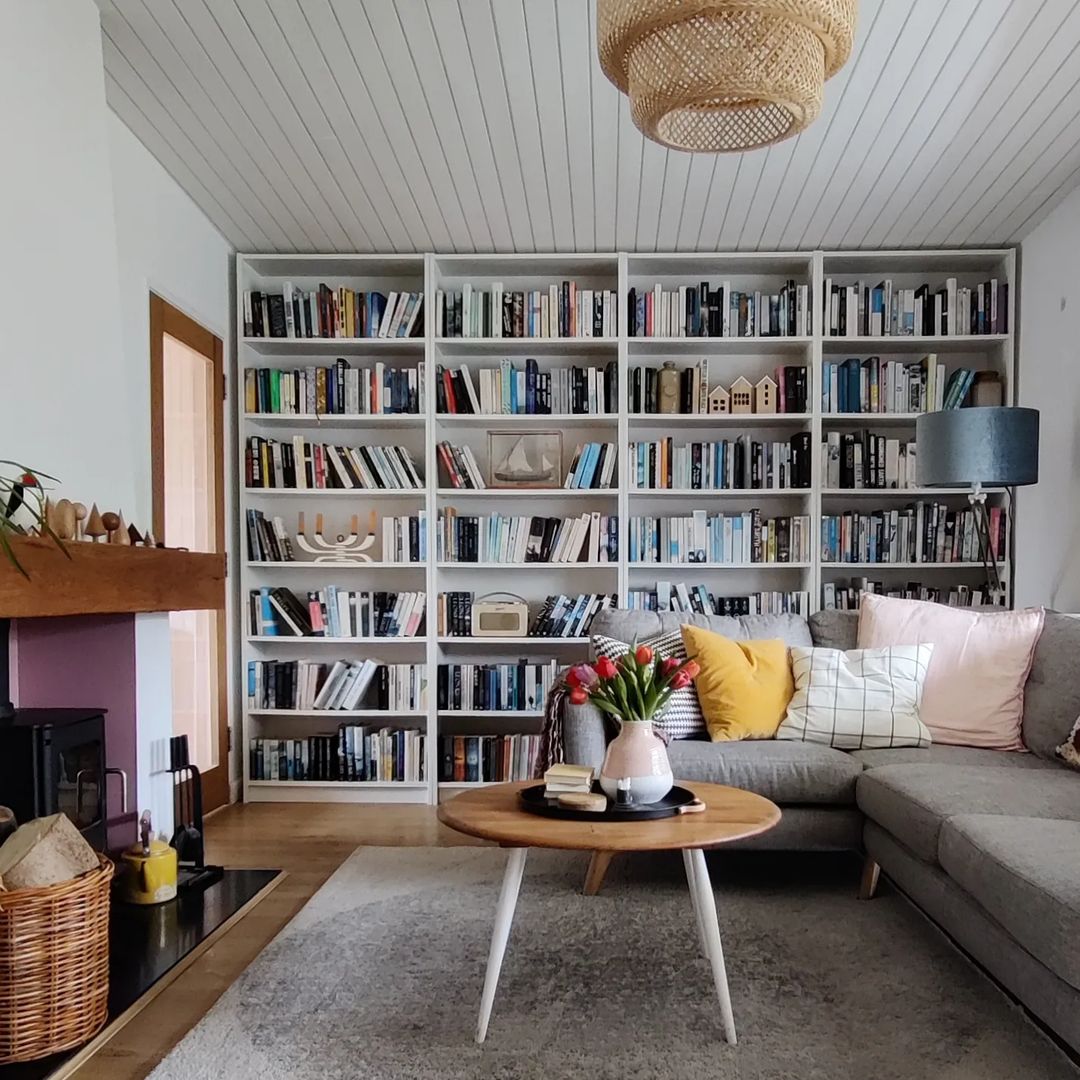
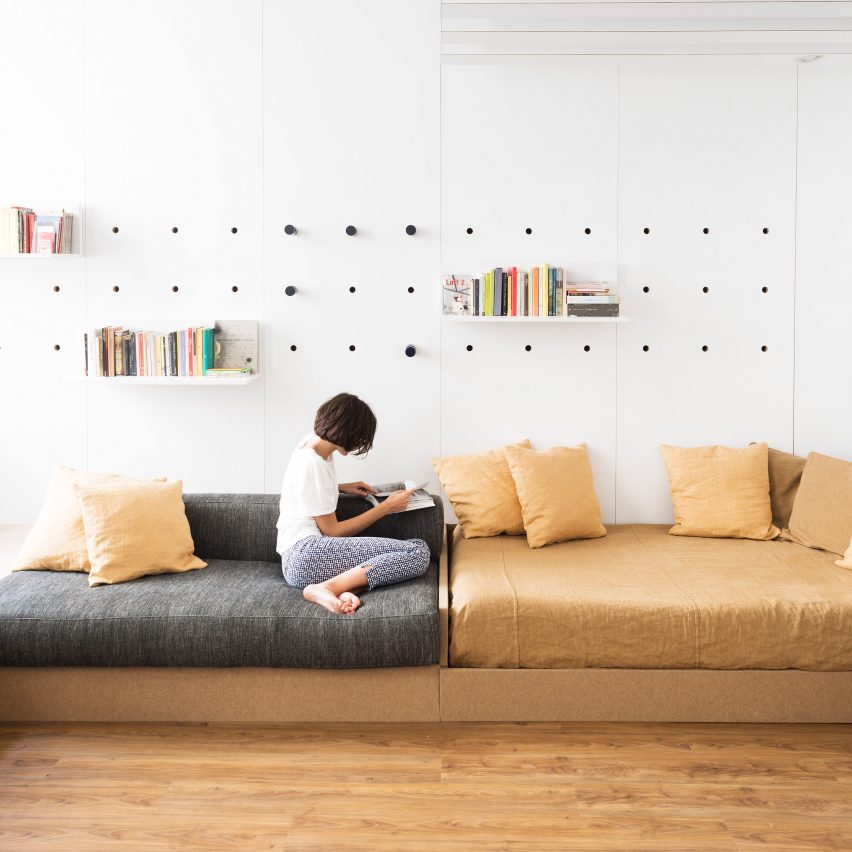
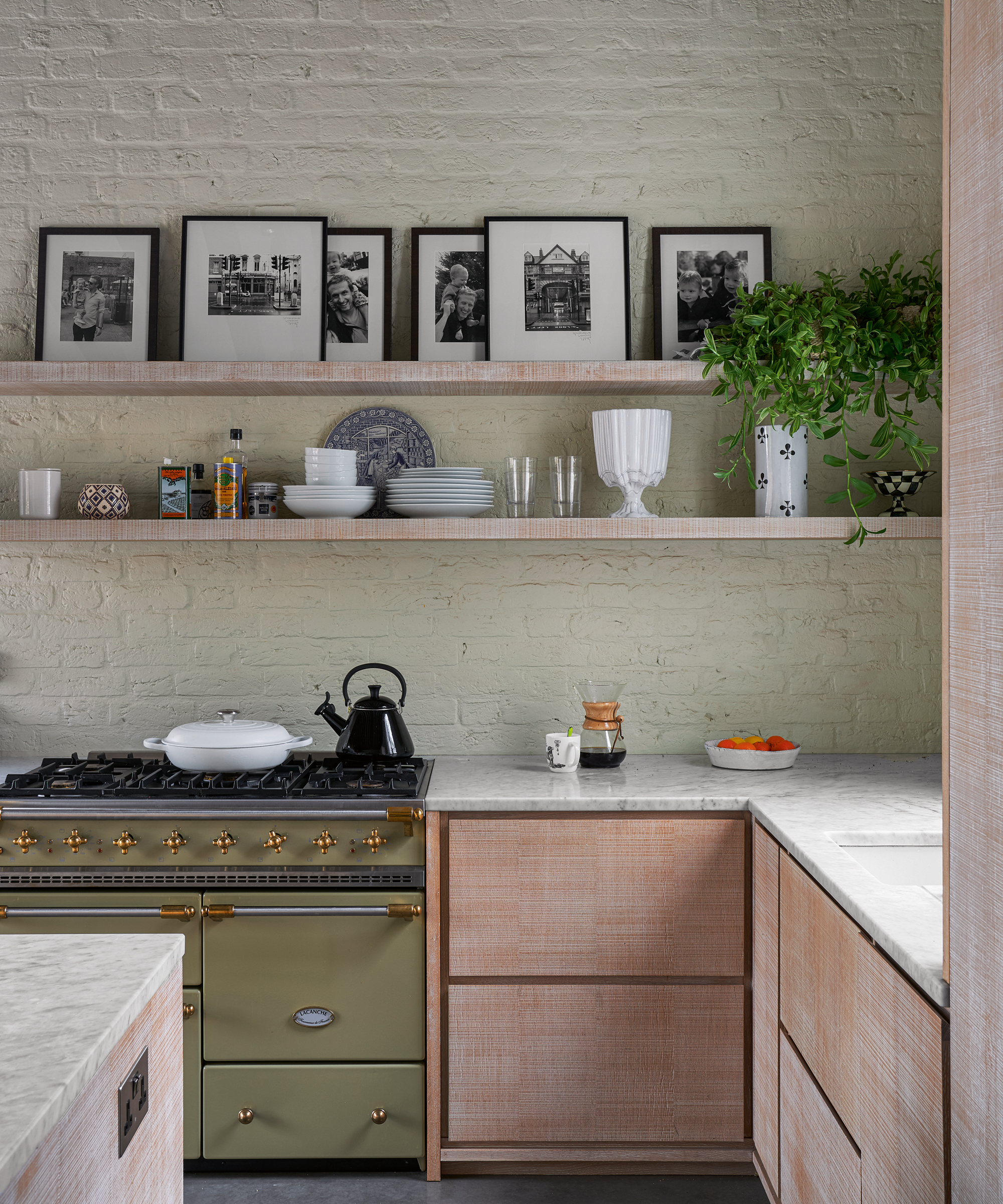
DIY built-in bookshelves flanking a sofa can create a cozy room-within-a-room feel, or an affordable dedicated reading nook. Hinged bookcases can conceal hidden rooms, such as en suites or home offices, offering a functional and discrete division. DIY shelving above a half wall, with geometric patterns and stained wood, can create visual separation in modern spaces. Display shelving on the outer side of kitchen base cabinetry with integrated countertops can separate open kitchens from living areas. Upcycled shelving units, like those made from old closet doors, can block views of the kitchen while providing storage.
Finally, a bookshelf safety wall can divide an adult loft bed space from the rest of the room, doubling as decor and providing easily accessible storage for books. When choosing to float a bookcase, ensuring it is solidly made and weighted with objects is crucial for safety. For the most affordable room division, visual cues like paint, wallpaper, and furniture placement can define zones, supplemented by freestanding room dividers or curtains. These varied applications demonstrate the adaptability of bookshelves in home design, offering functional and aesthetic benefits for space optimization.
#RoomDividers #BookshelfIdeas #SpaceSavingSolutions #HomeOrganization #InteriorDesign #SmallSpaceLiving #DIYHomeDecor #StorageSolutions #RoomDividers #BookshelfIdeas #SpaceSavingSolutions #HomeOrganization #InteriorDesign #SmallSpaceLiving #DIYHomeDecor #StorageSolutions
0 comment in total
 No comments yet
You may also like
The DIY Bookshelf in This Stylist’s L.A. Loft Doubles as a Seriously Cool Room Divider
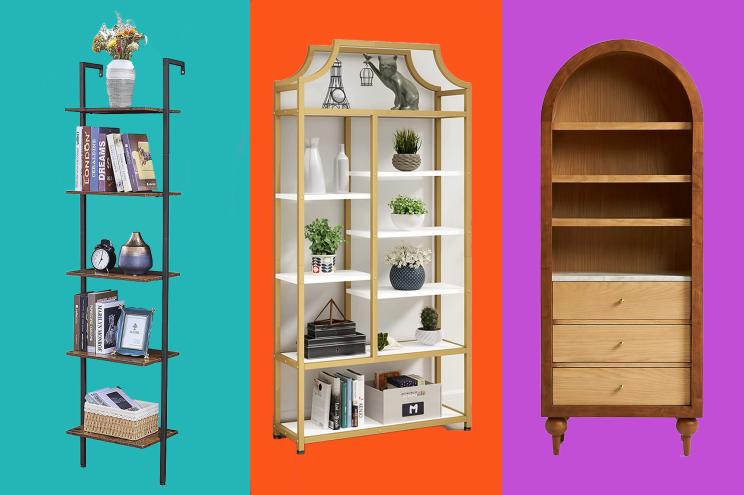
The 20 best bookshelves, plus tips from an interior designer
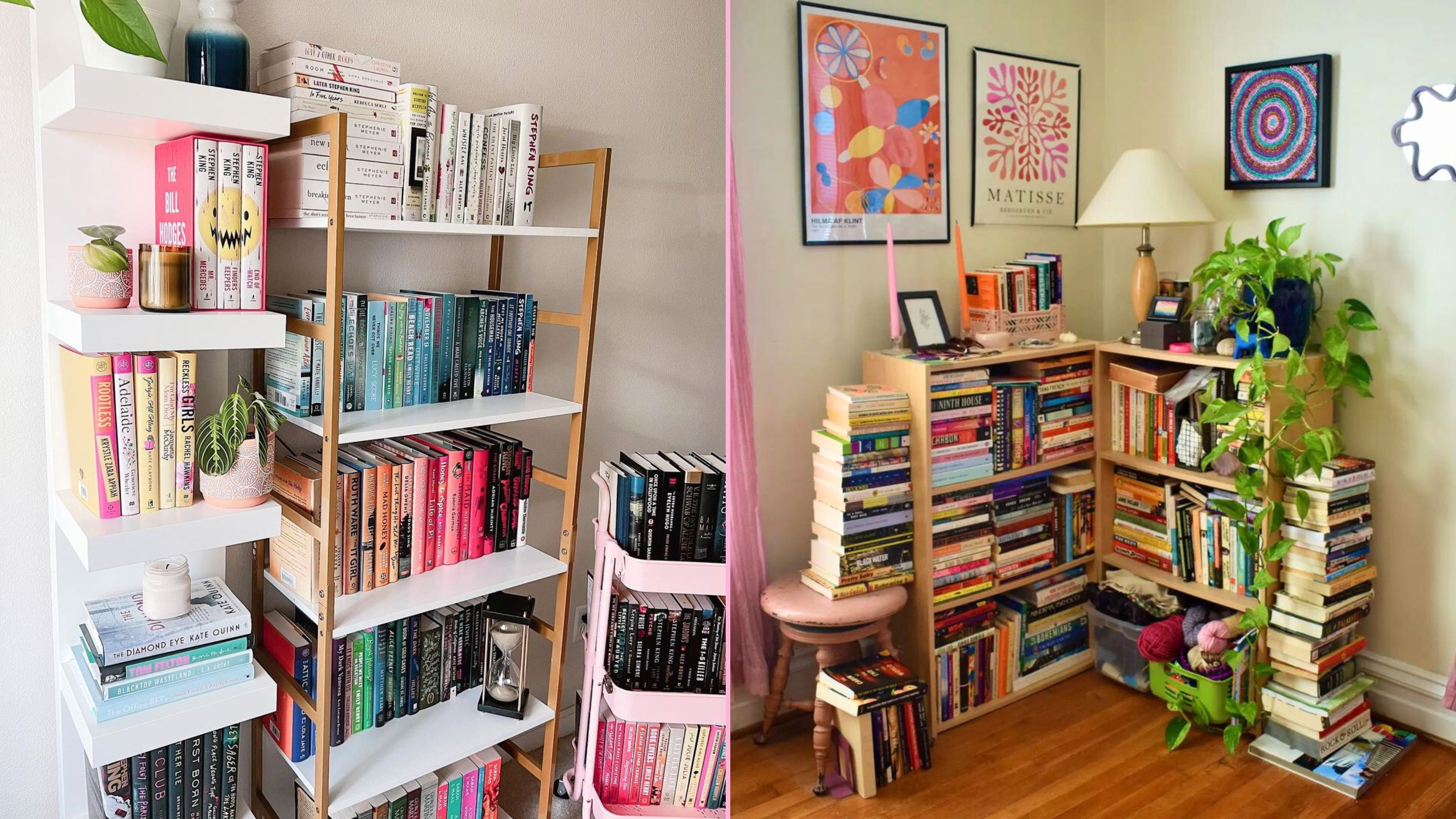
These living room bookshelf ideas will help you live your bookworm fantasy

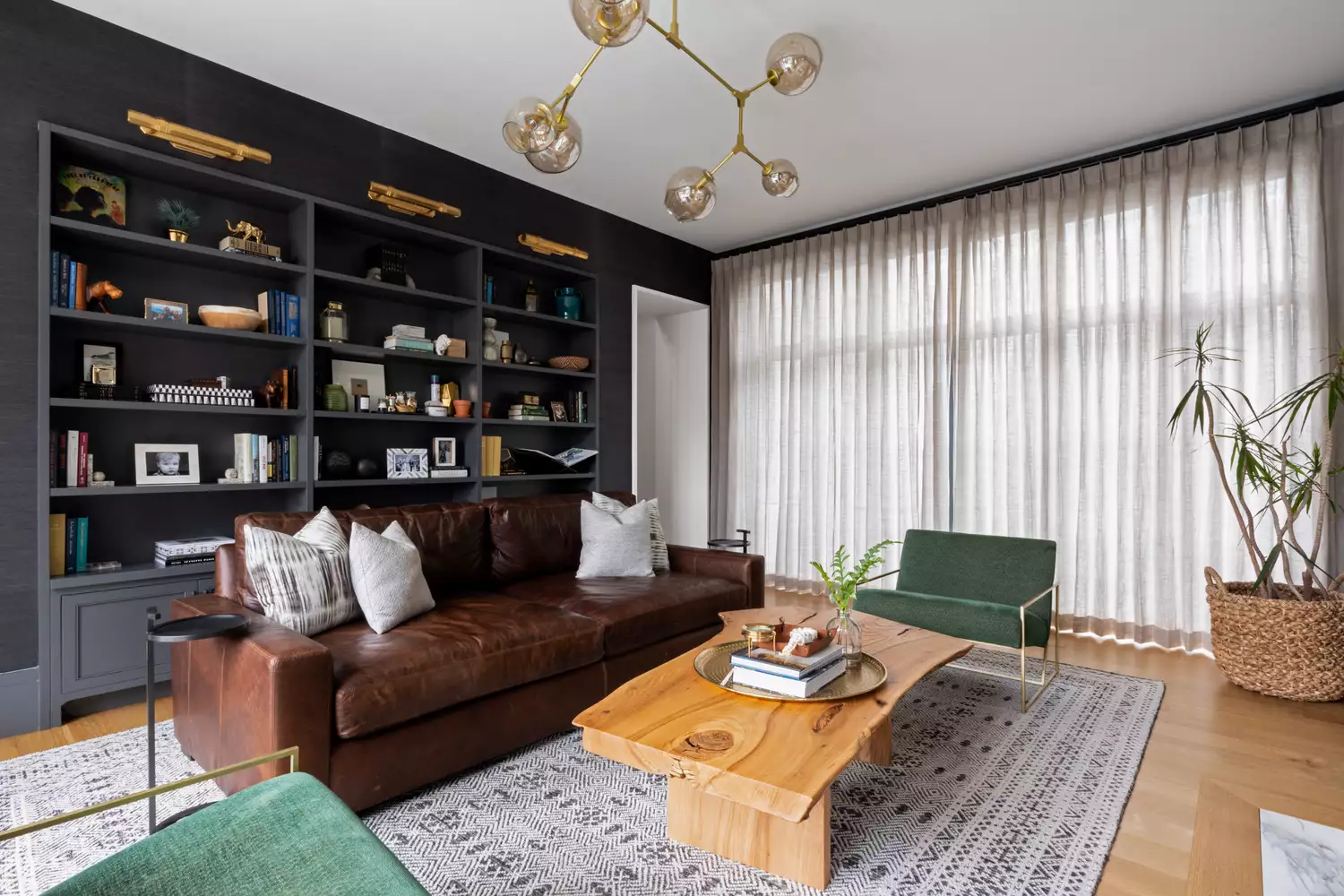
50 Bookshelf Decor Ideas to Keep Your Growing Collection Organized and Stylish
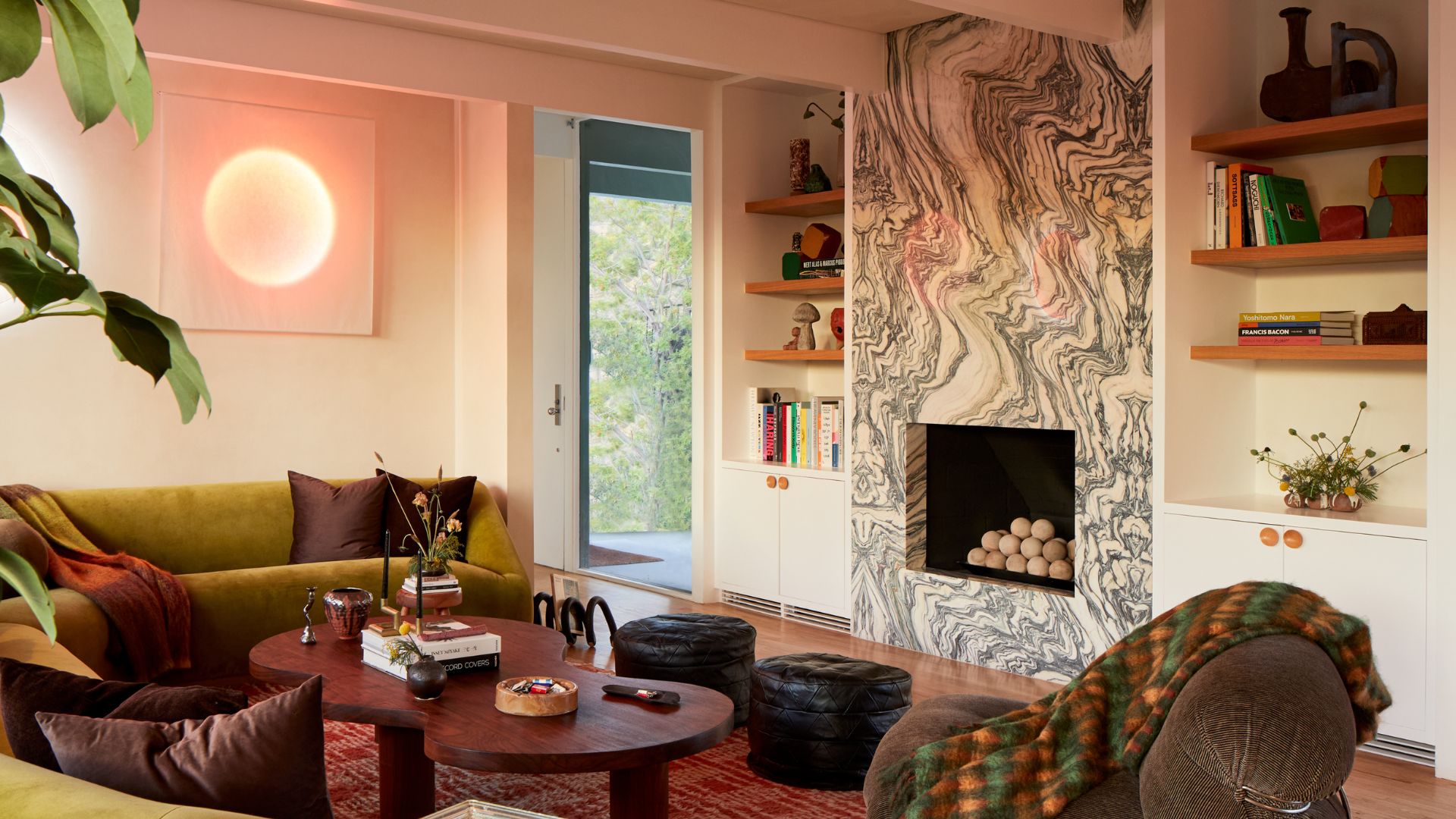
Wait, These Might Be the Most Creative, Interesting Ways to Store Your Books — Without Your Home Feeling Like a Stuffy Library

The Best Bookshelves for Every Kind of Room
52 Ways To Decorate Your Bookshelf, From Styling Tips To Paint Colors
The Space People Struggle to Style the Most—And How to Master It

Organizing a bookshelf – 15 ways to keep on top of your tomes

These living room bookshelf ideas will help you live your bookworm fantasy

10 shelving designs that are perfect for book lovers
Shelving ideas – how to add personality, style and storage to any room

28 Bookshelf Styling Ideas That Instantly Upgrade Your Living Room’s Whole Vibe
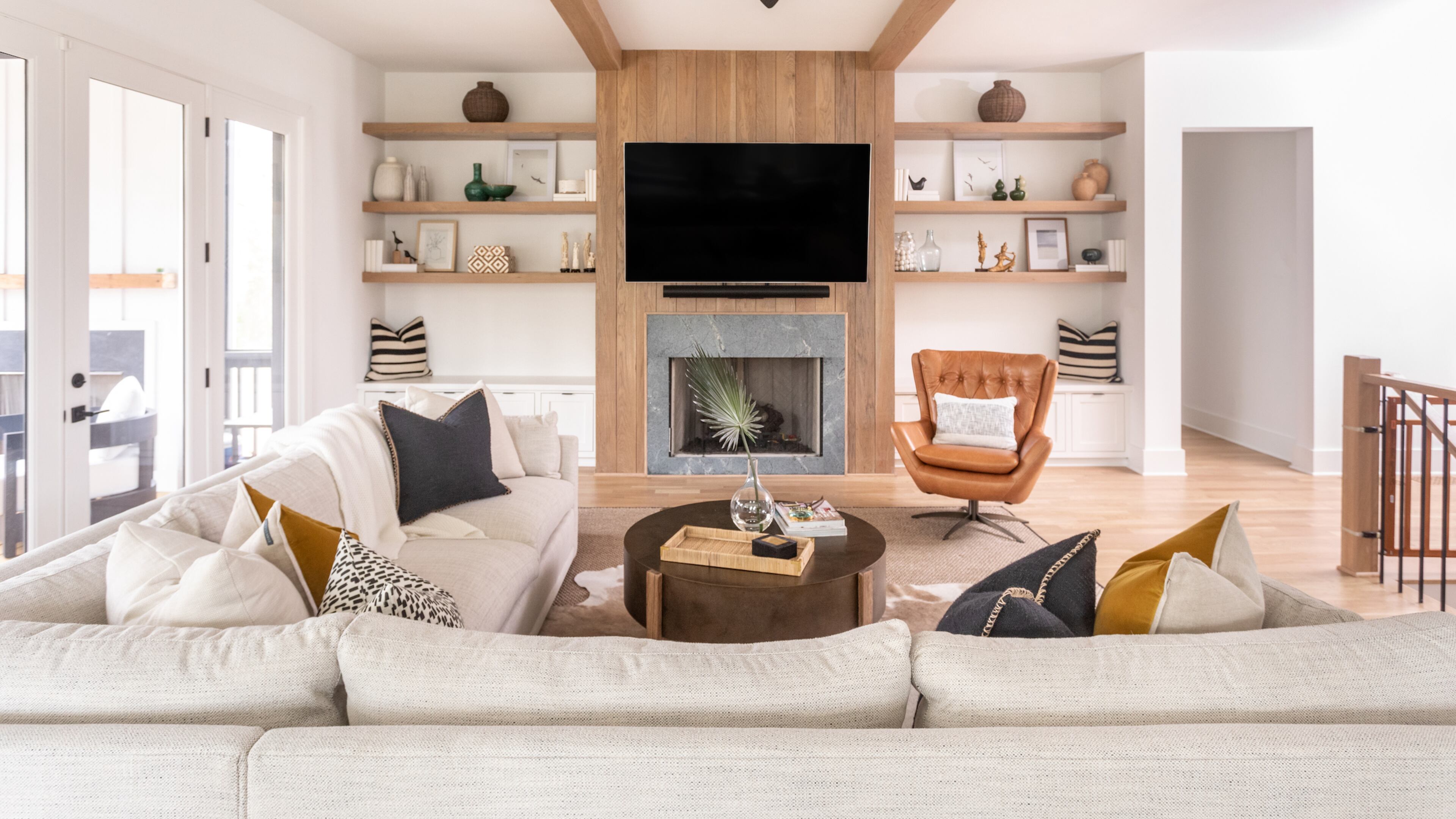
Experts suggest ways to make your shelfie shine
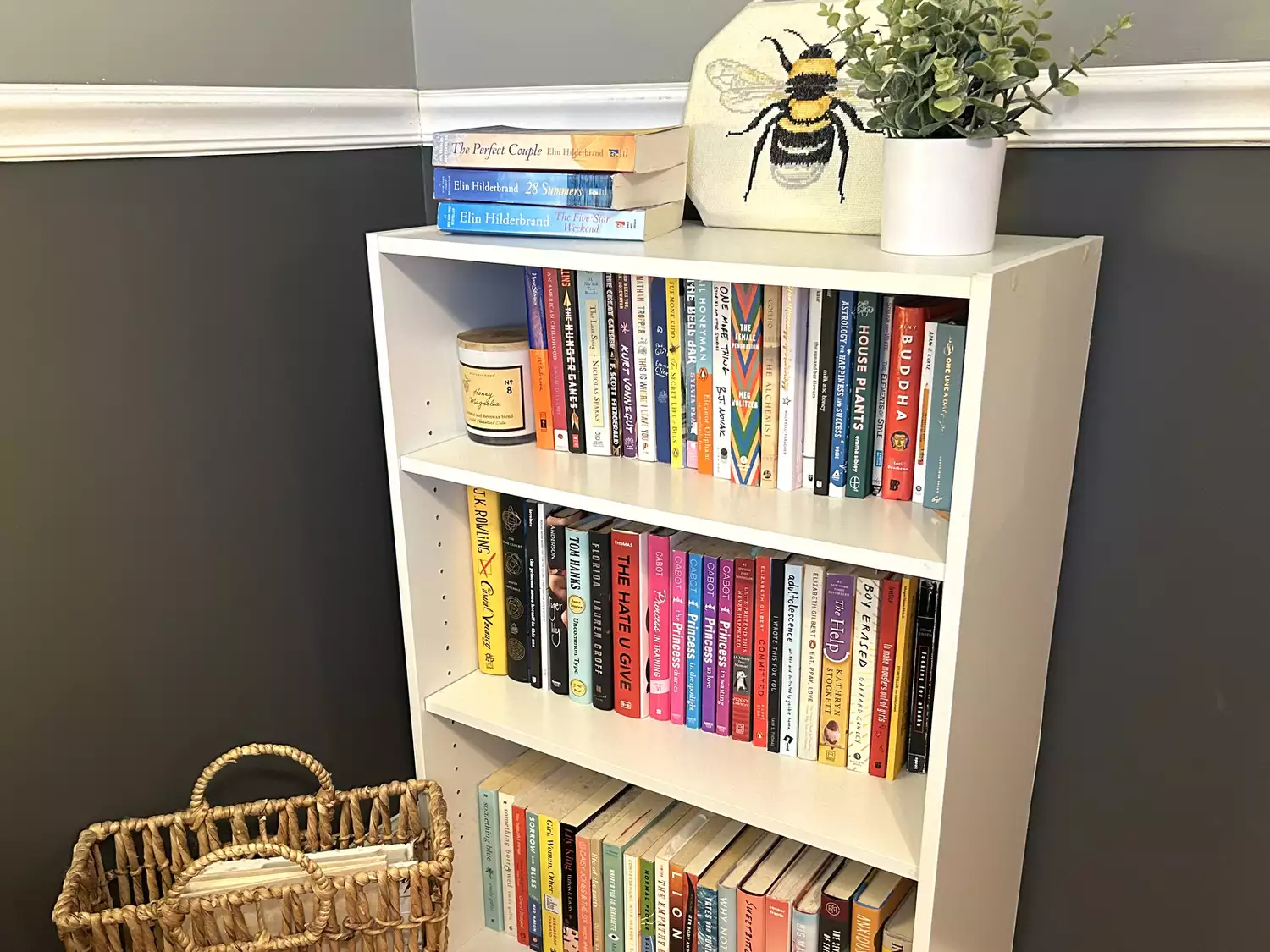
We Are Huge Bookworms—These Are Our Favorite Bookshelves to House Our Growing Collections
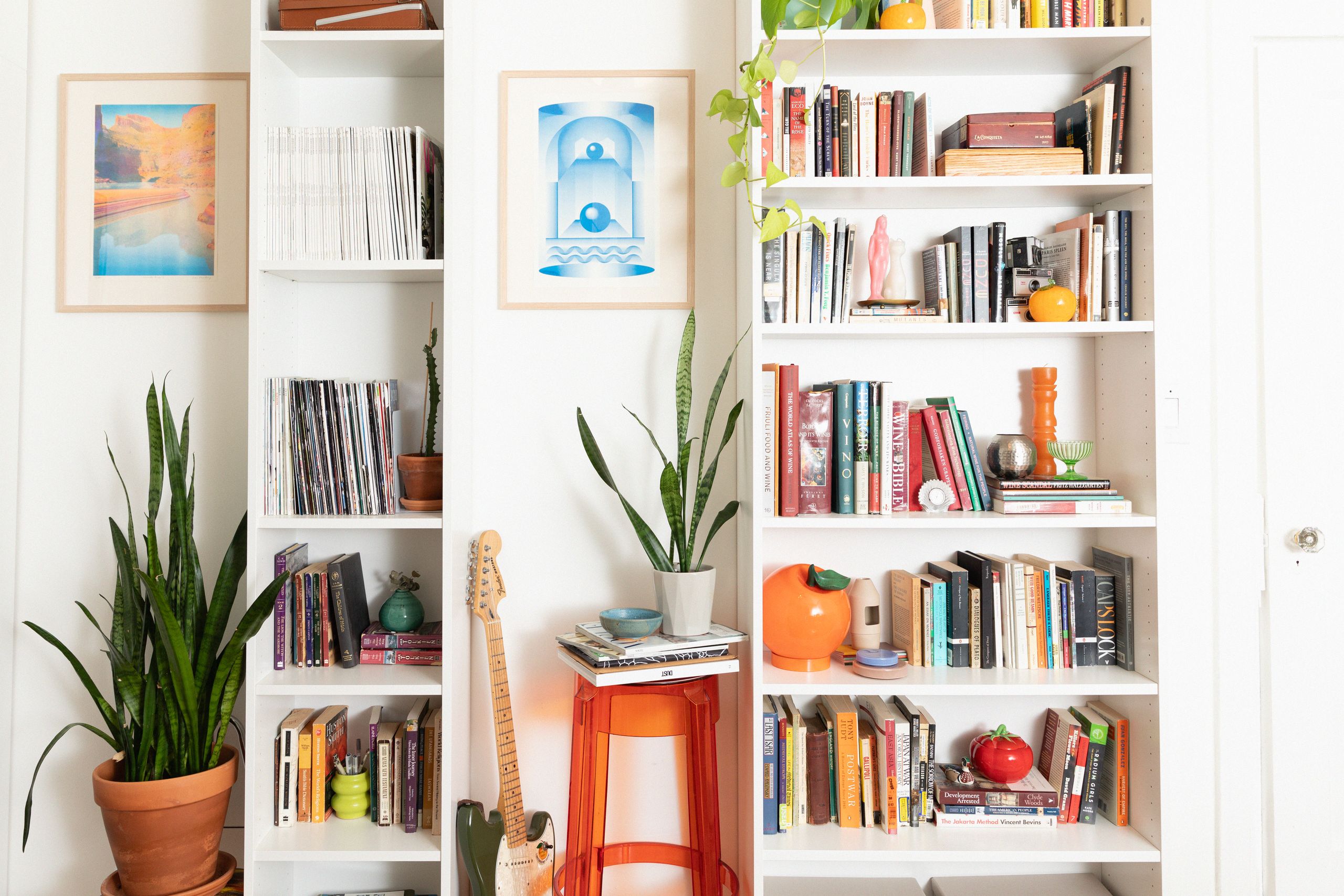
The Best Bookshelves for Bulking Up Your Reading Collection

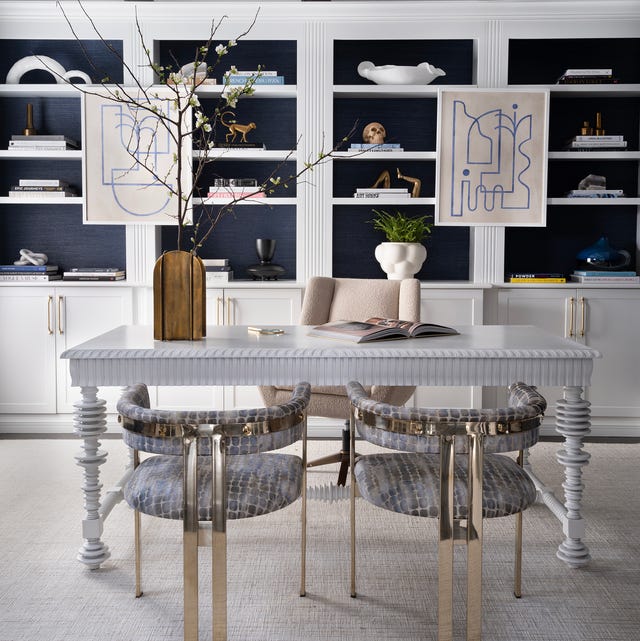
13 Designer Styling Secrets to Elevate Your Bookcases

28 Creative Ways to Upgrade Your Bookshelves

These Small Bookcases and Bookshelves Are the Perfect Solve for Extra Storage
The Insider: How to make your shelving sexy