1/10
Are Green Kitchen Cabinets a Good Idea?
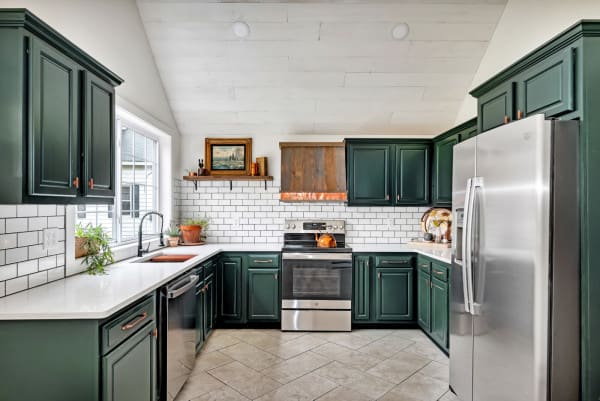
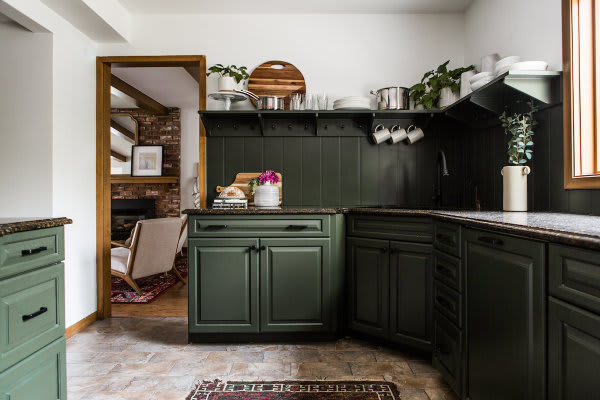
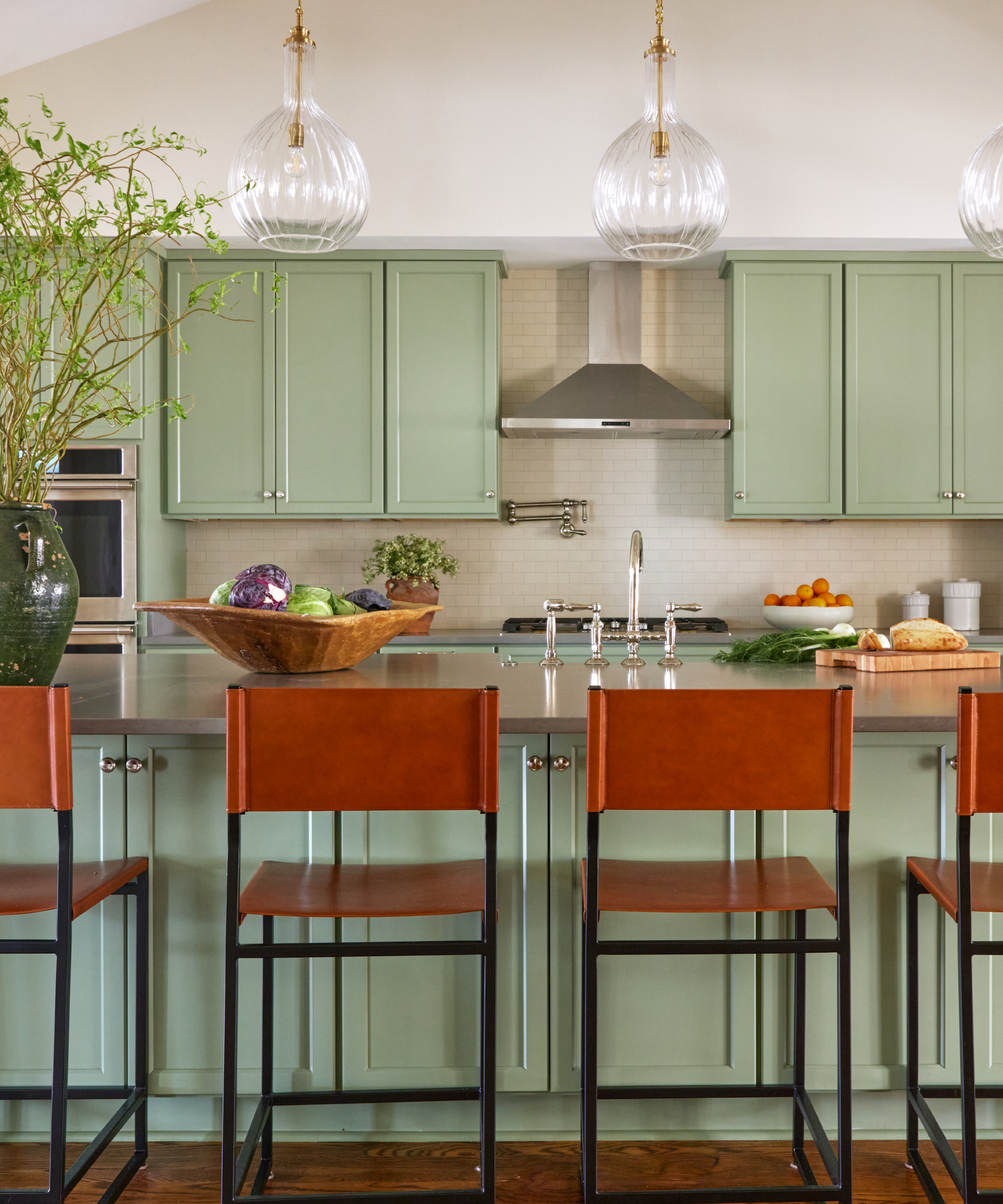
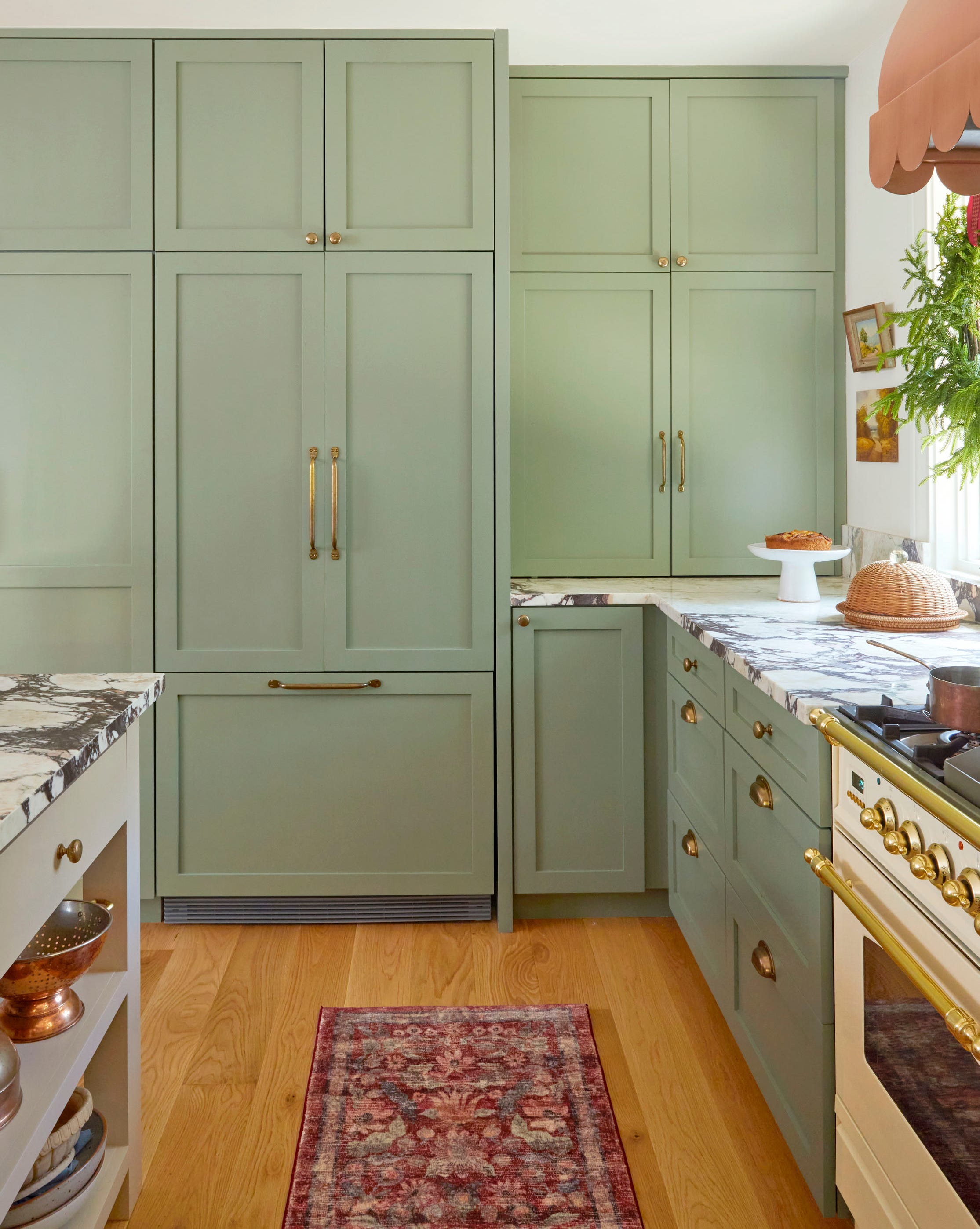
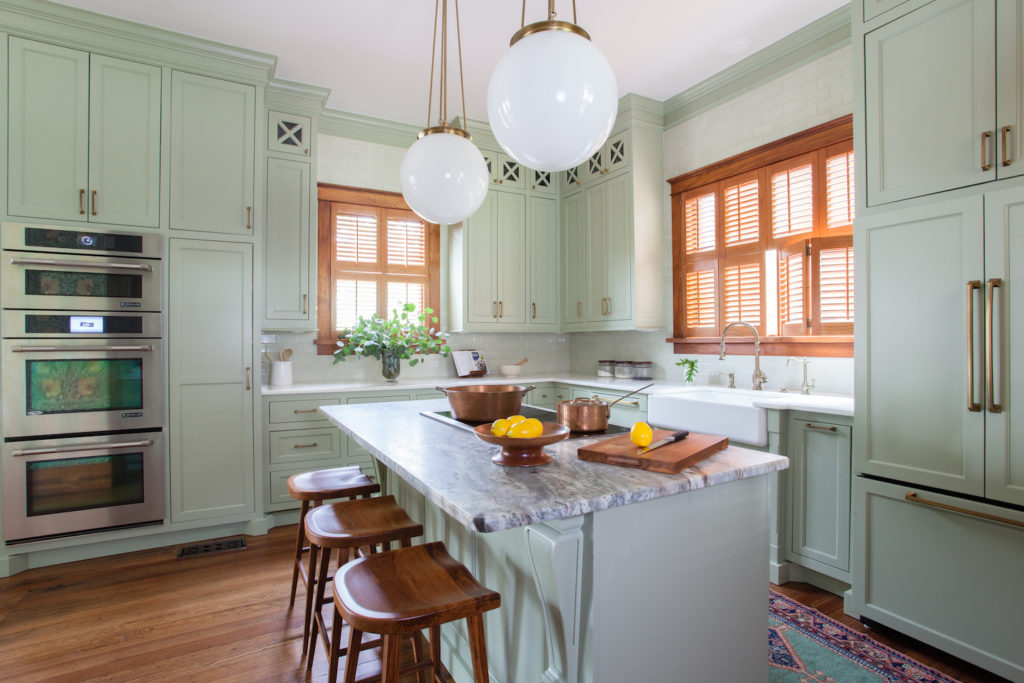
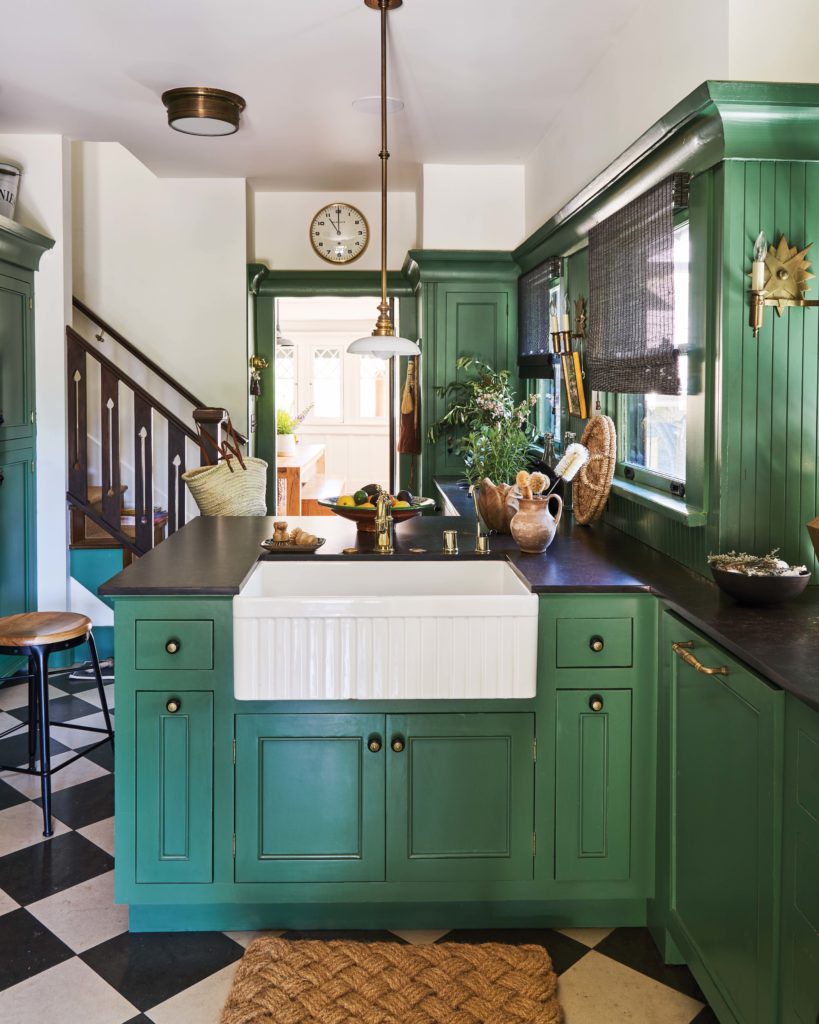
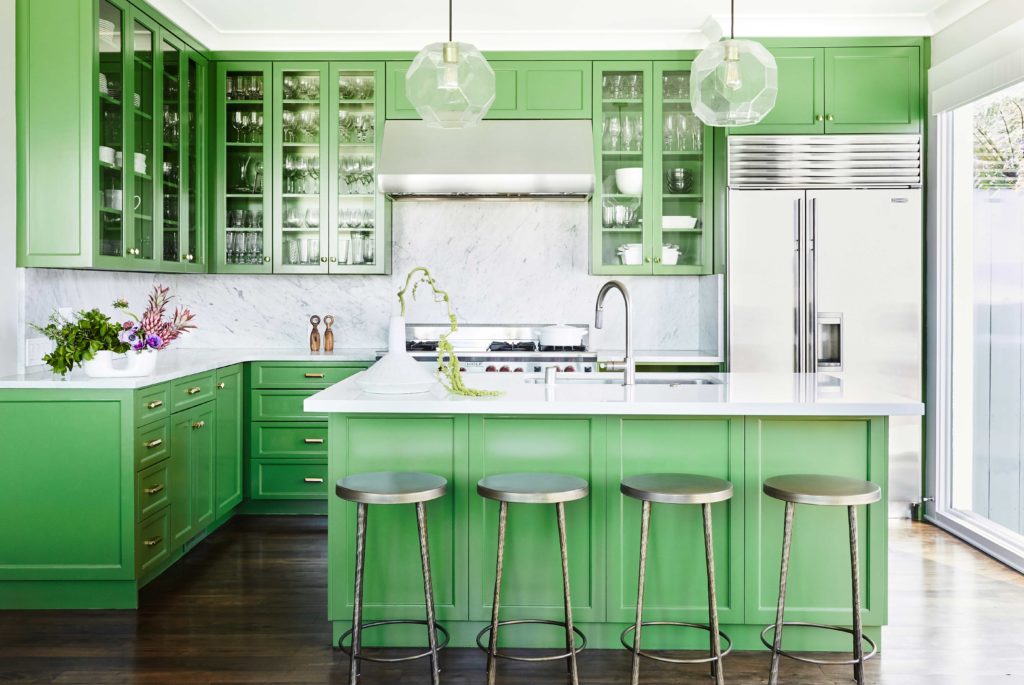
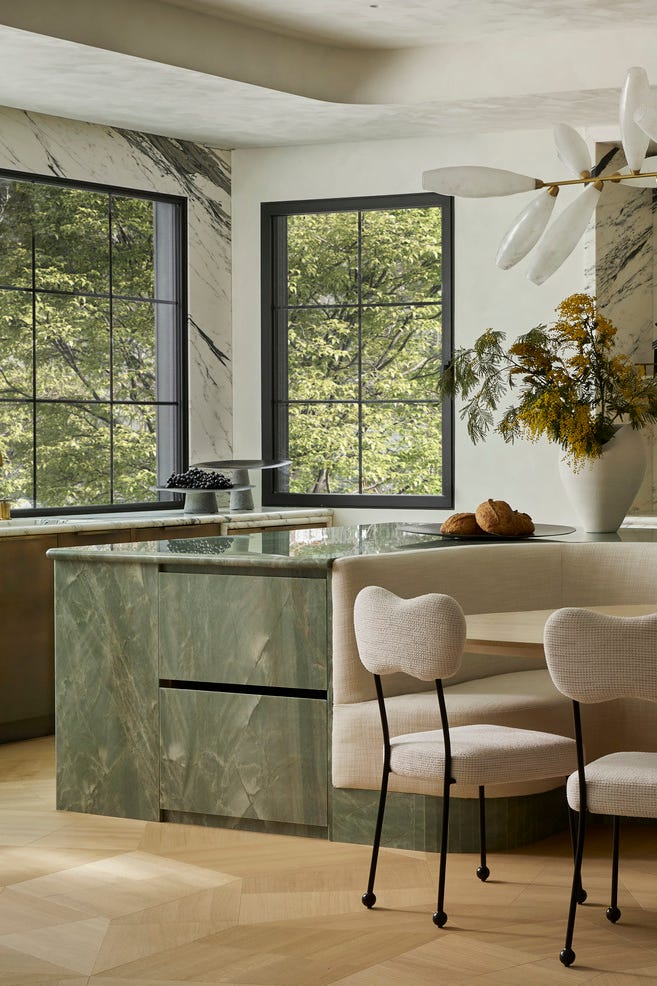
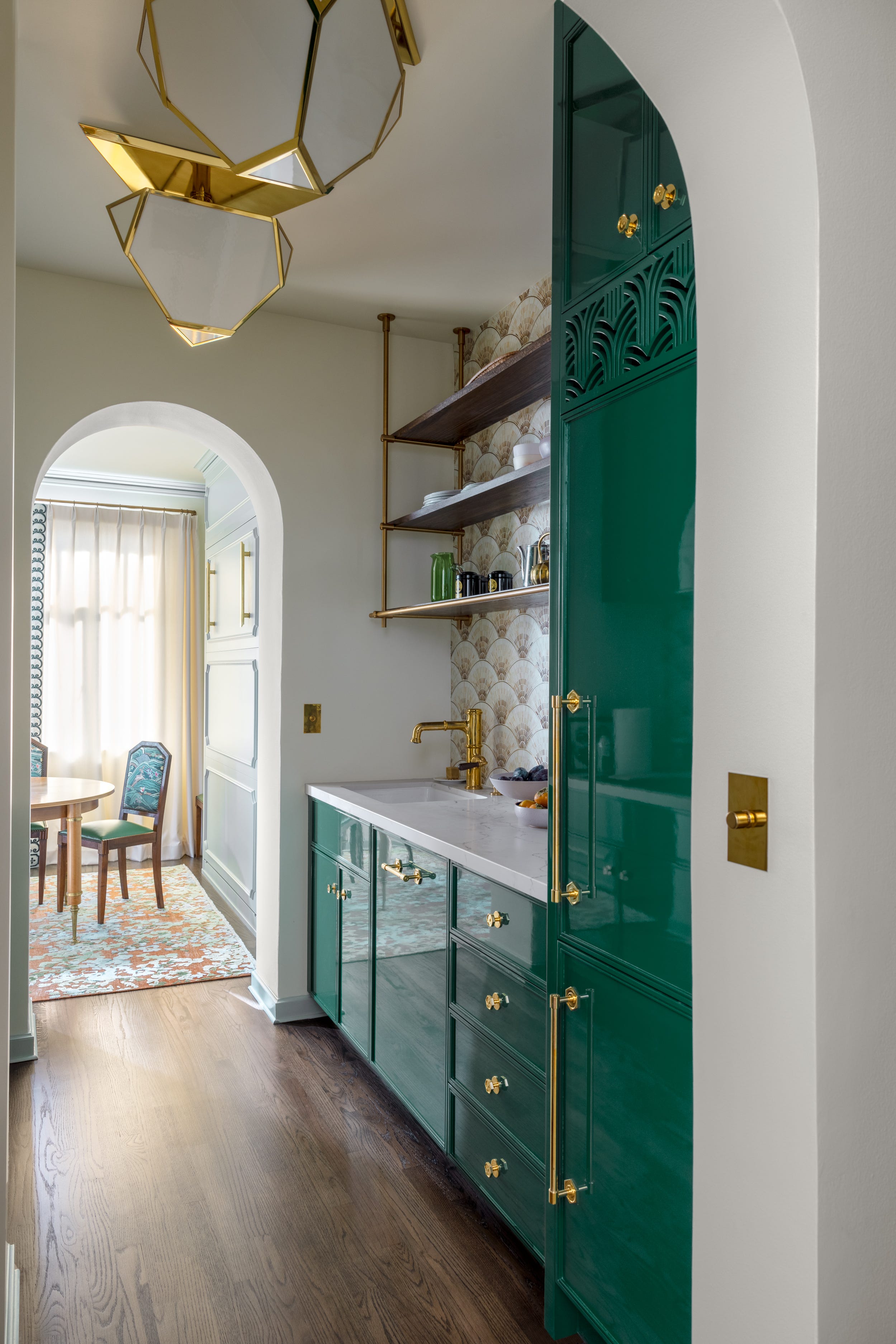
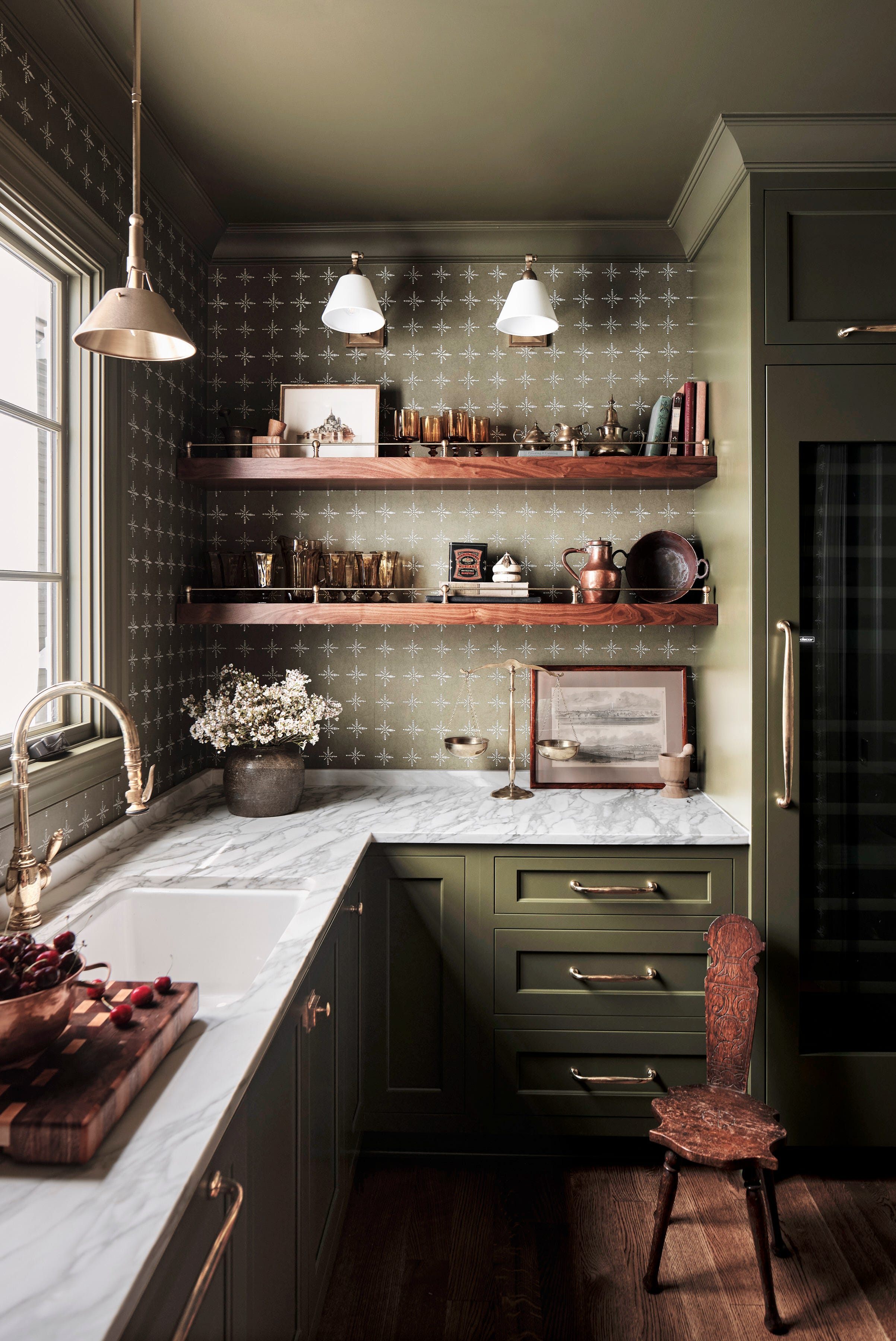
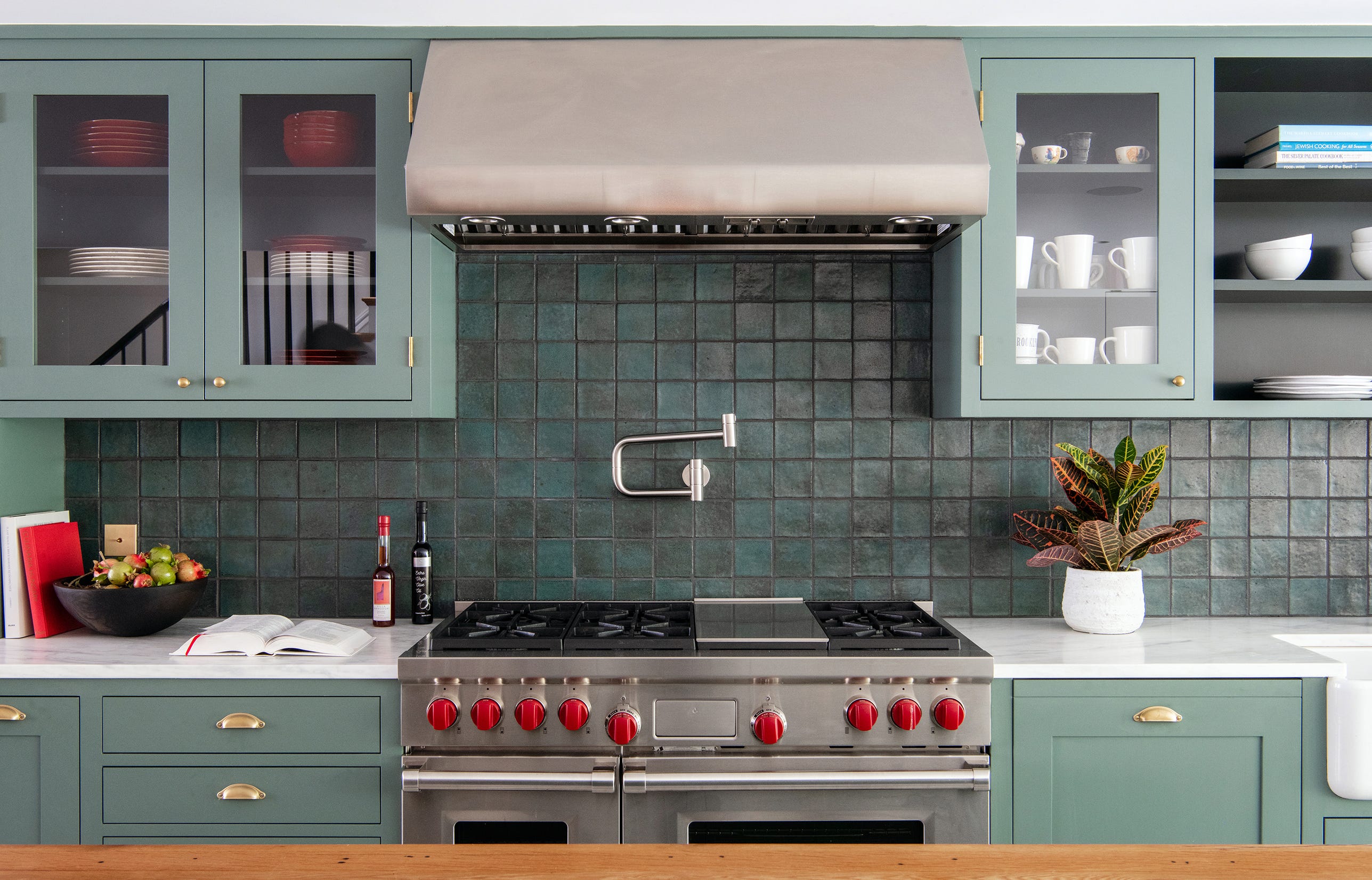
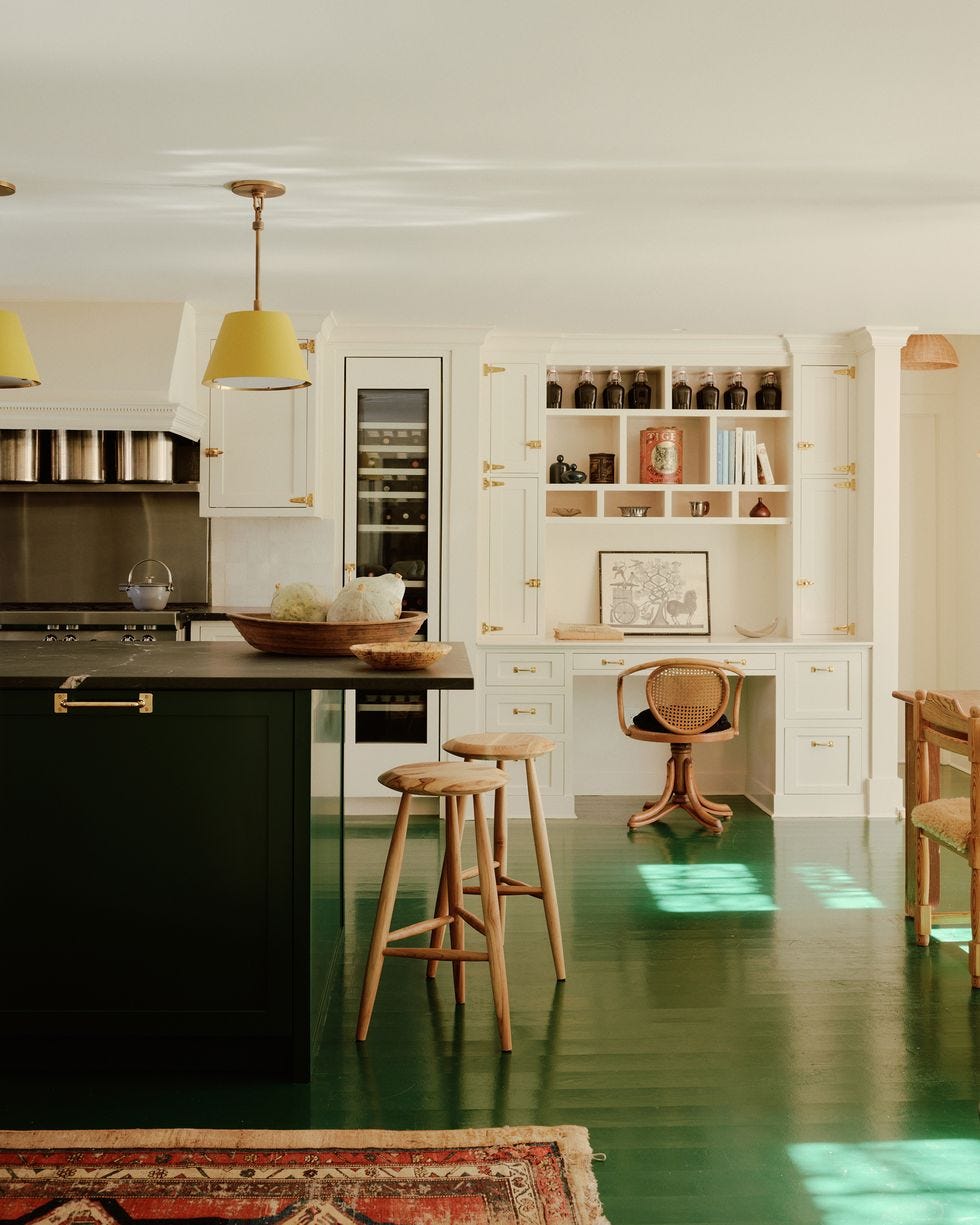
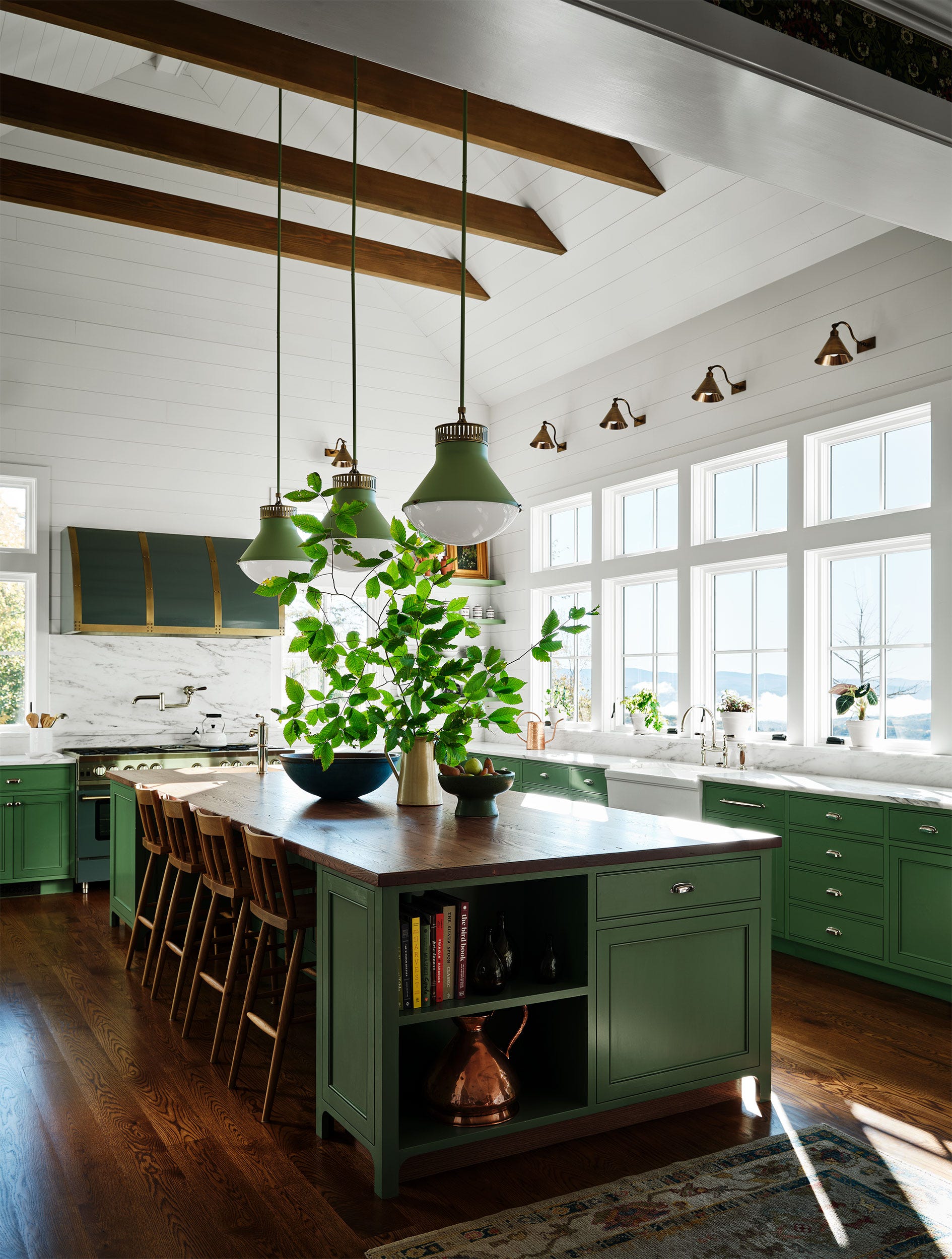
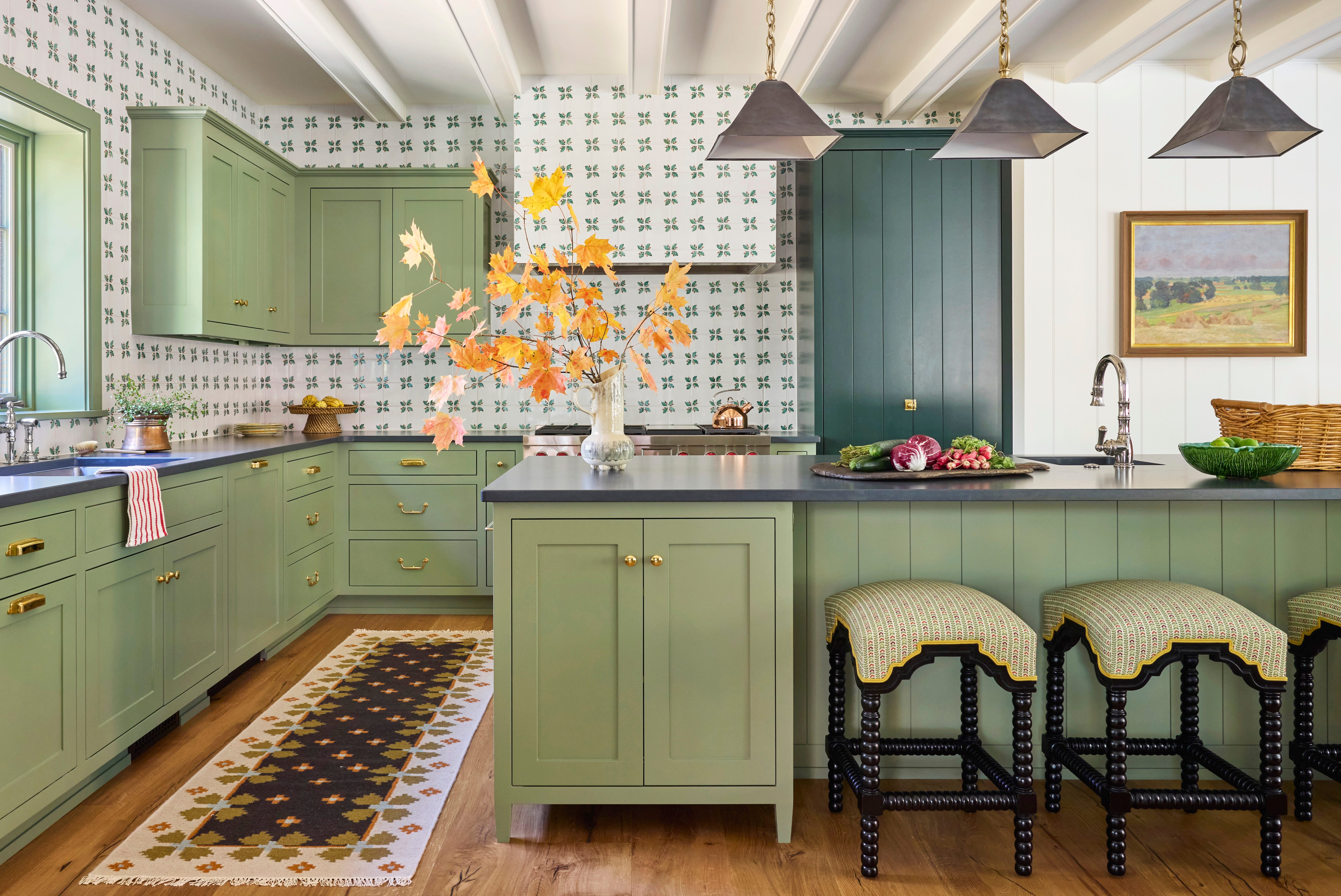
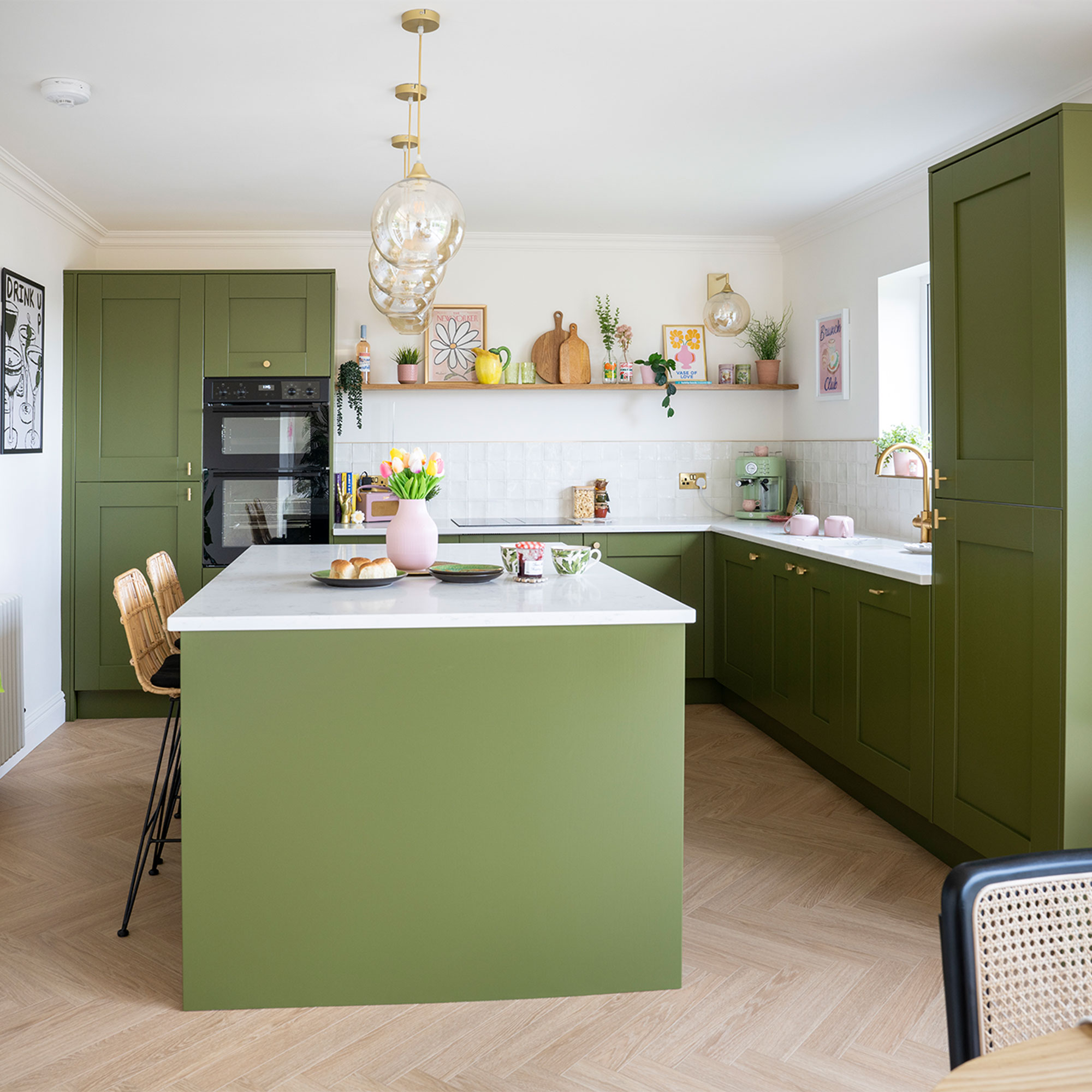
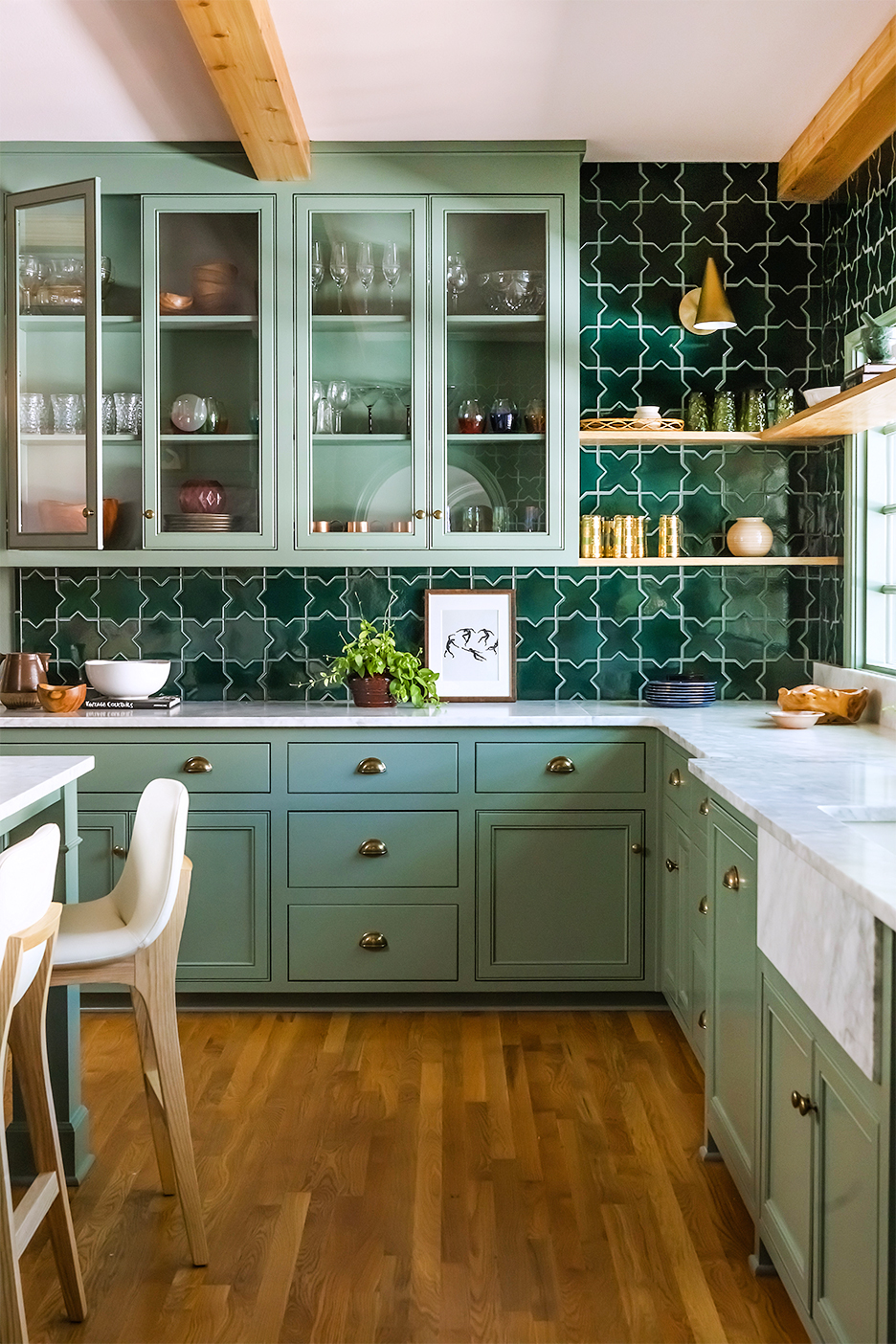
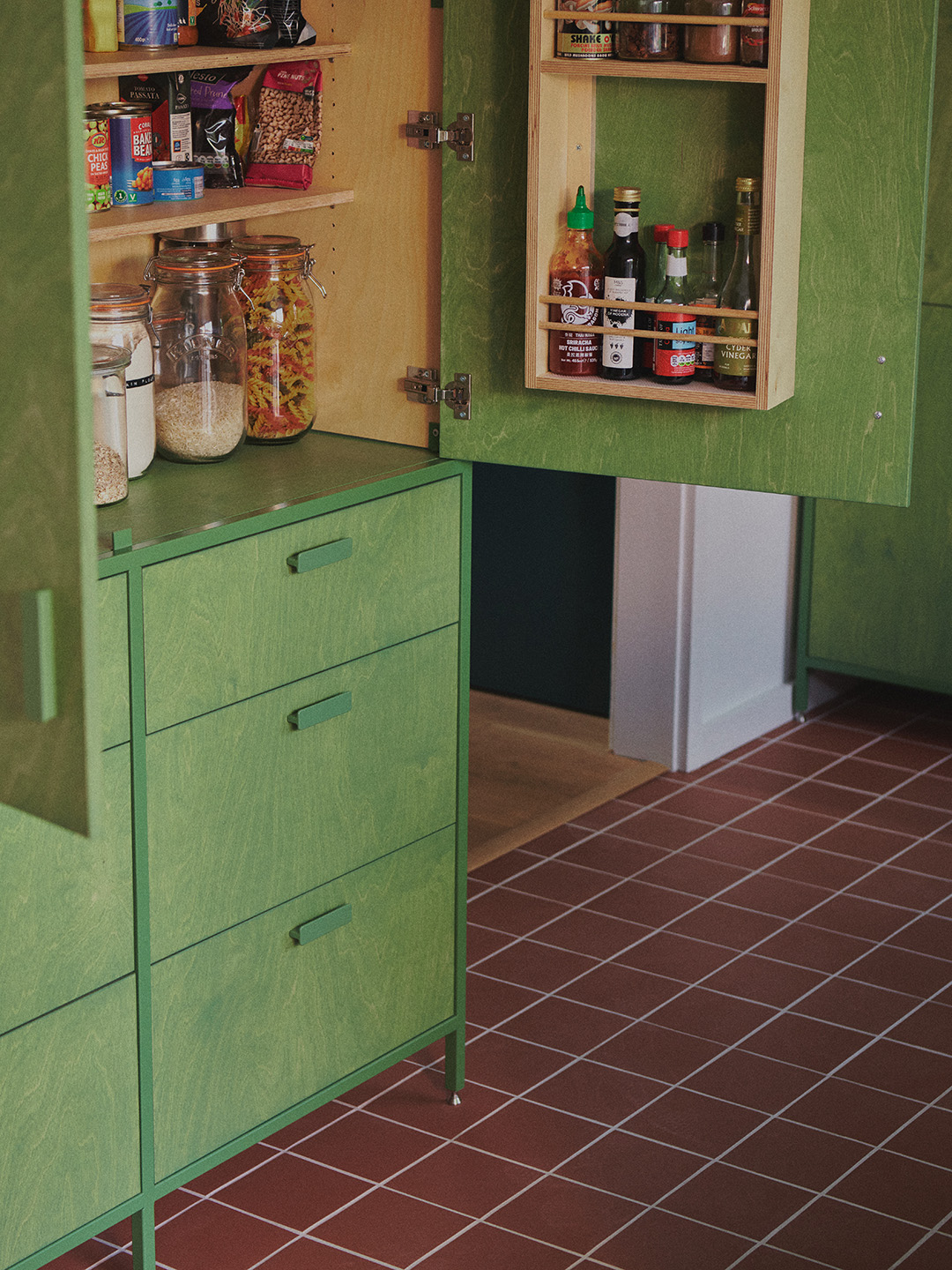
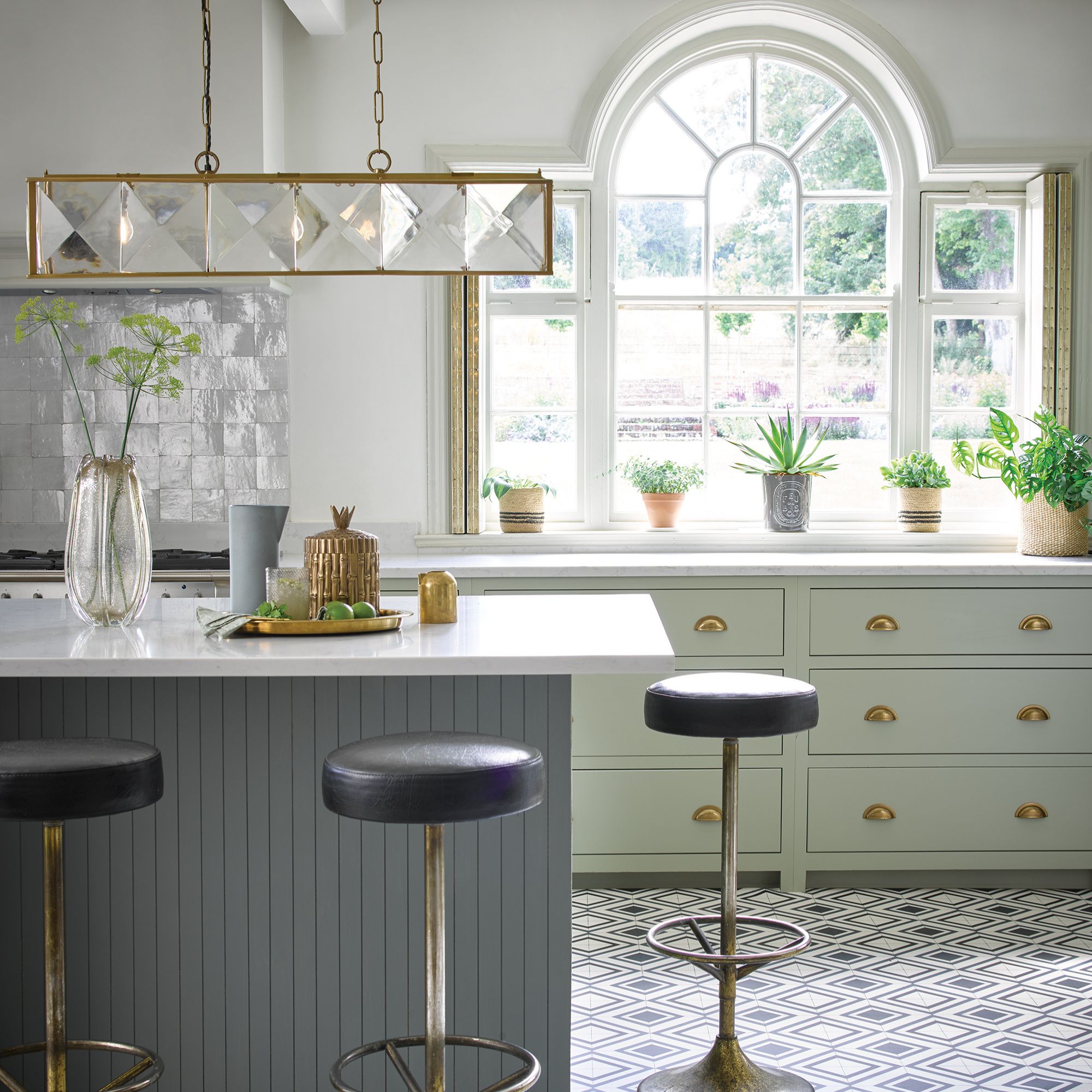
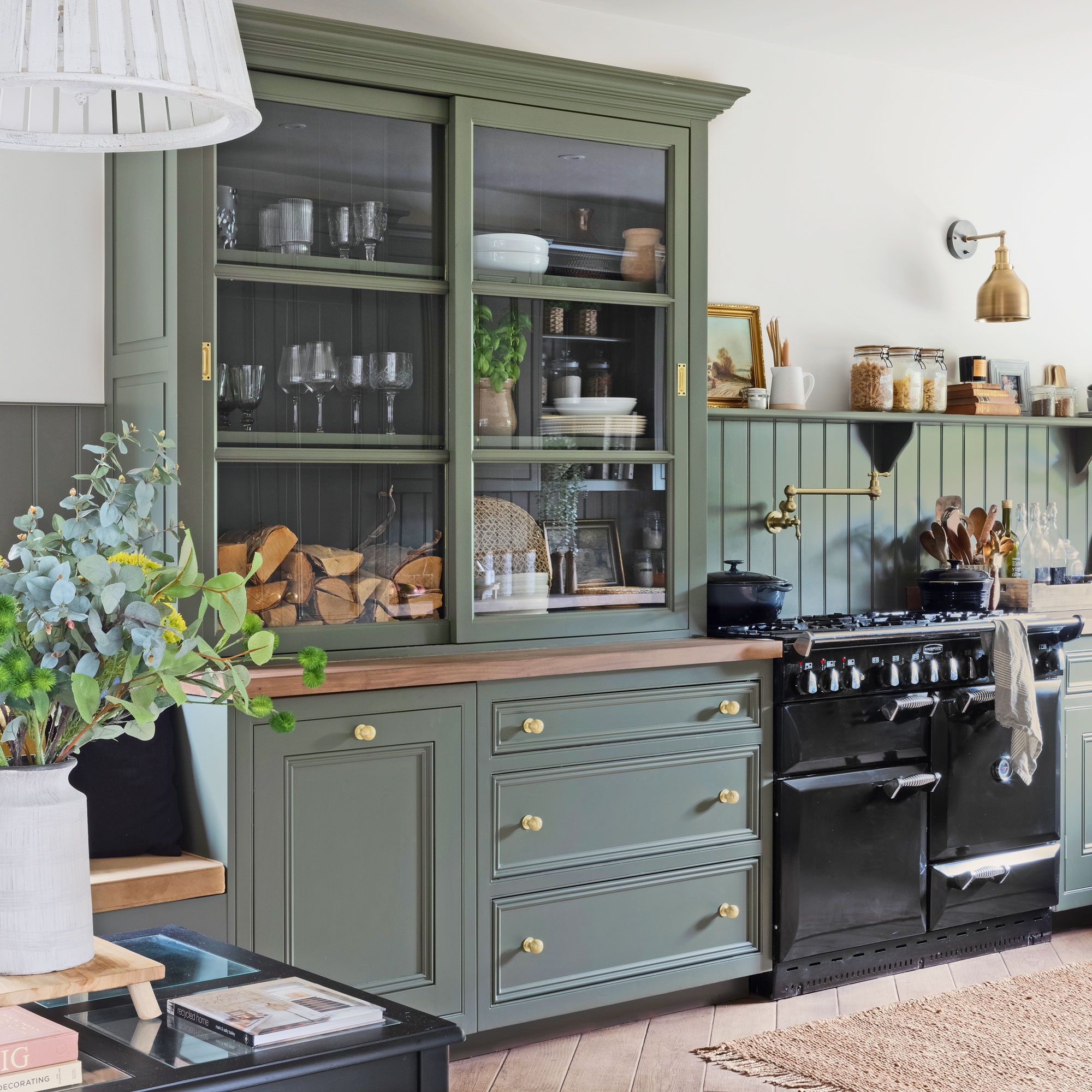
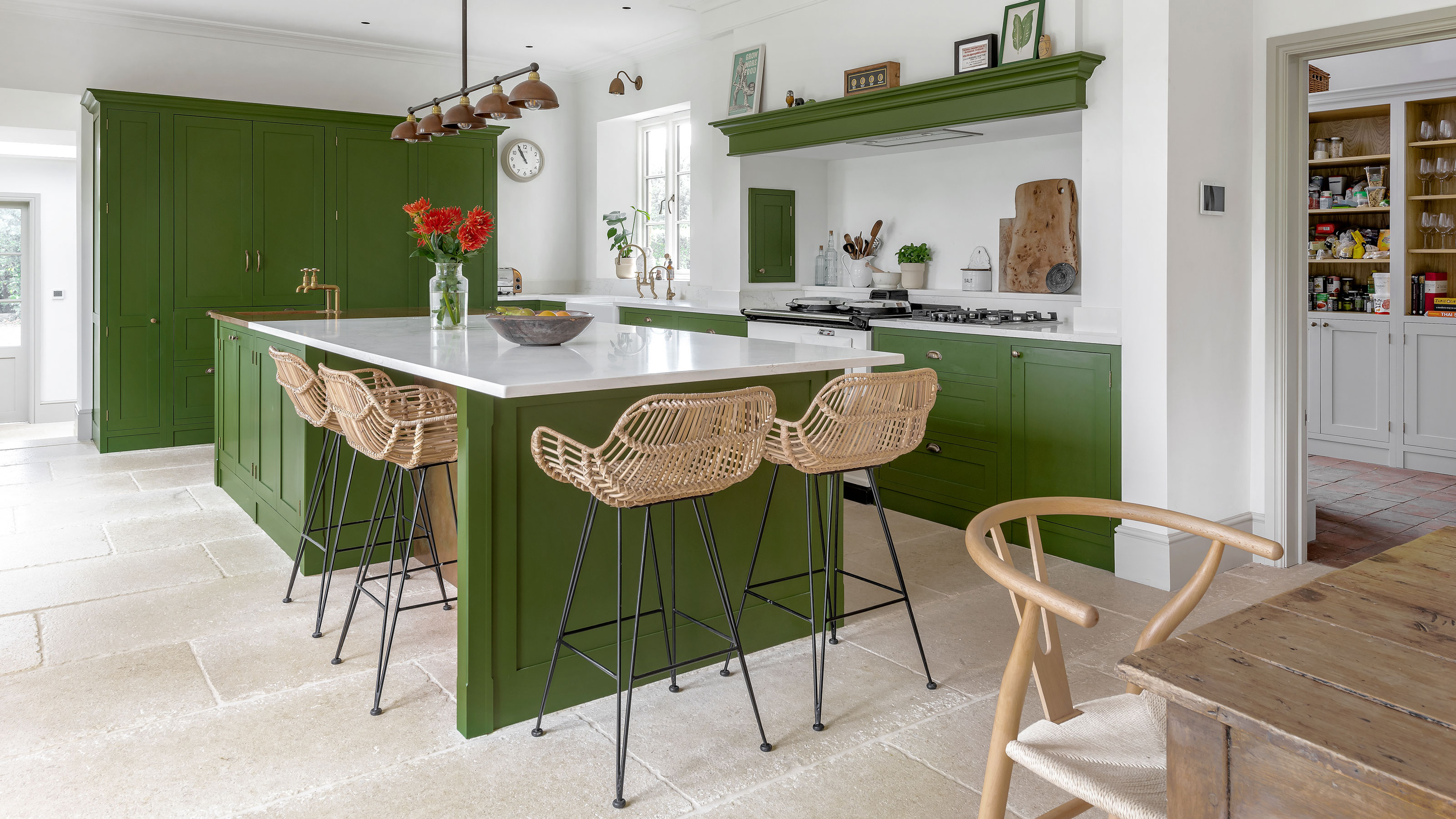
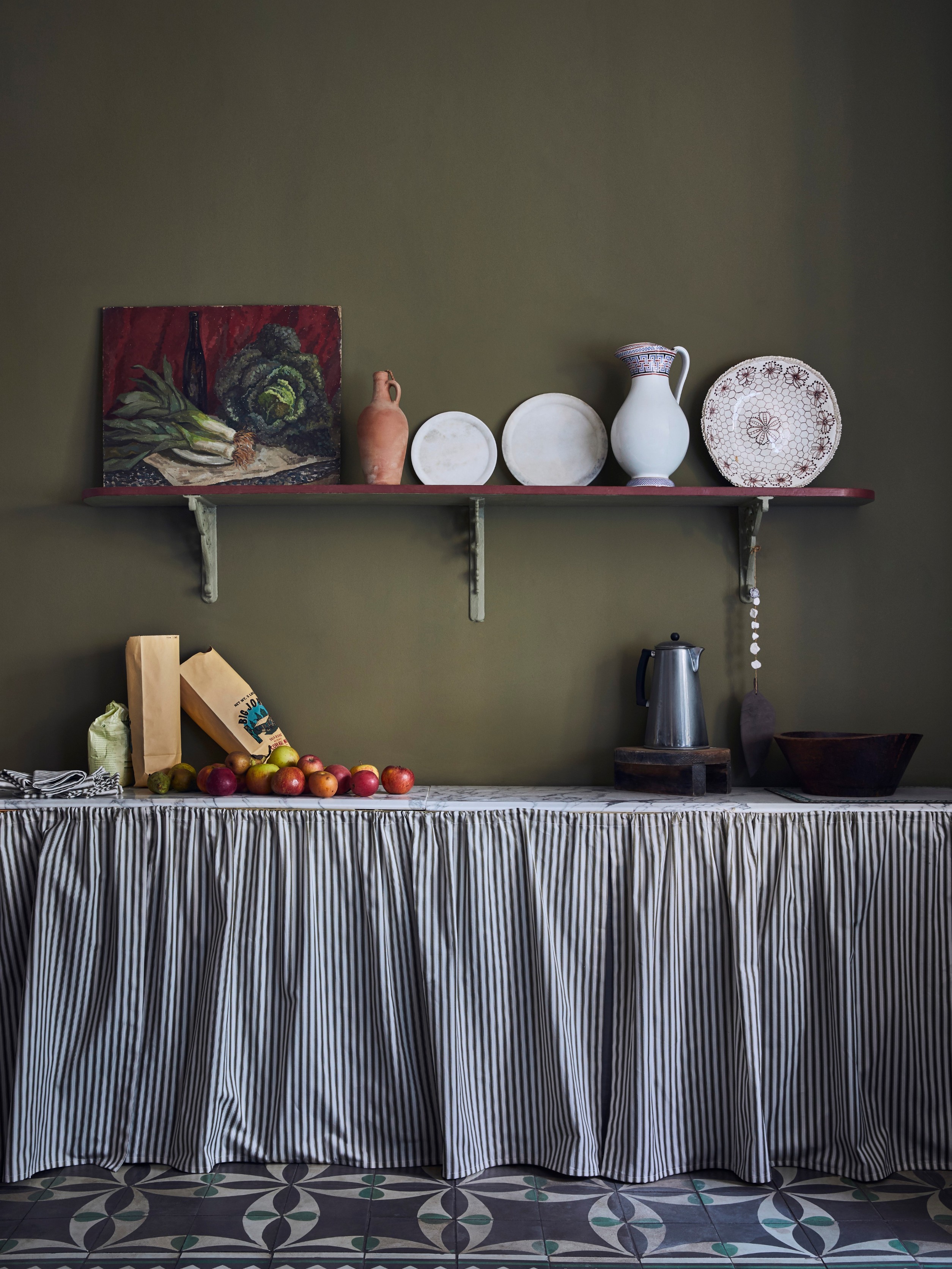
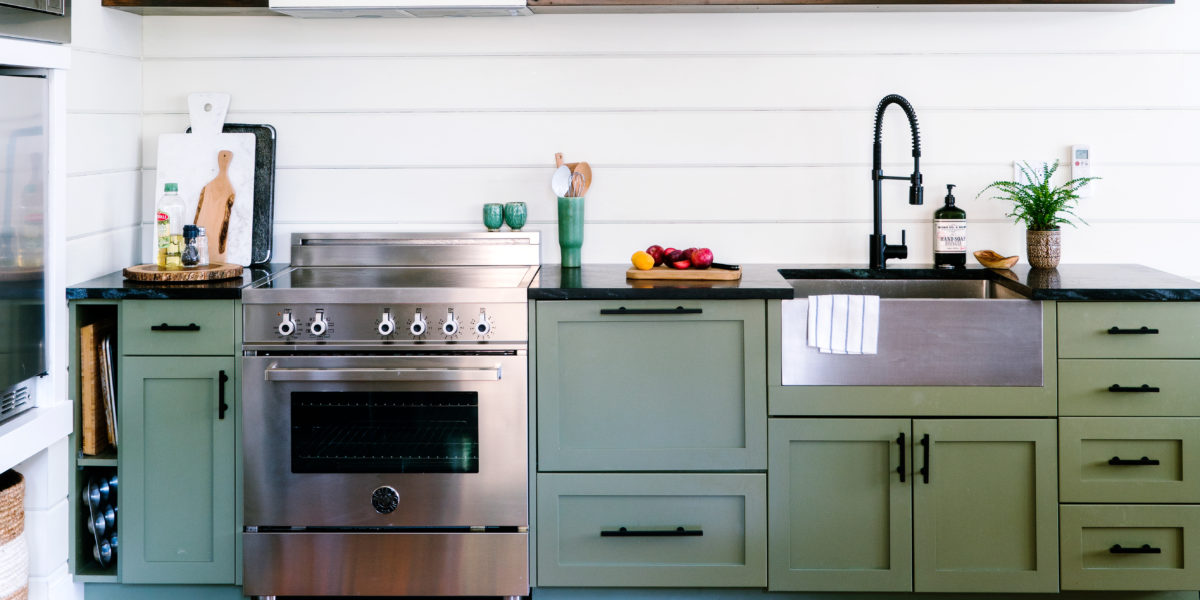
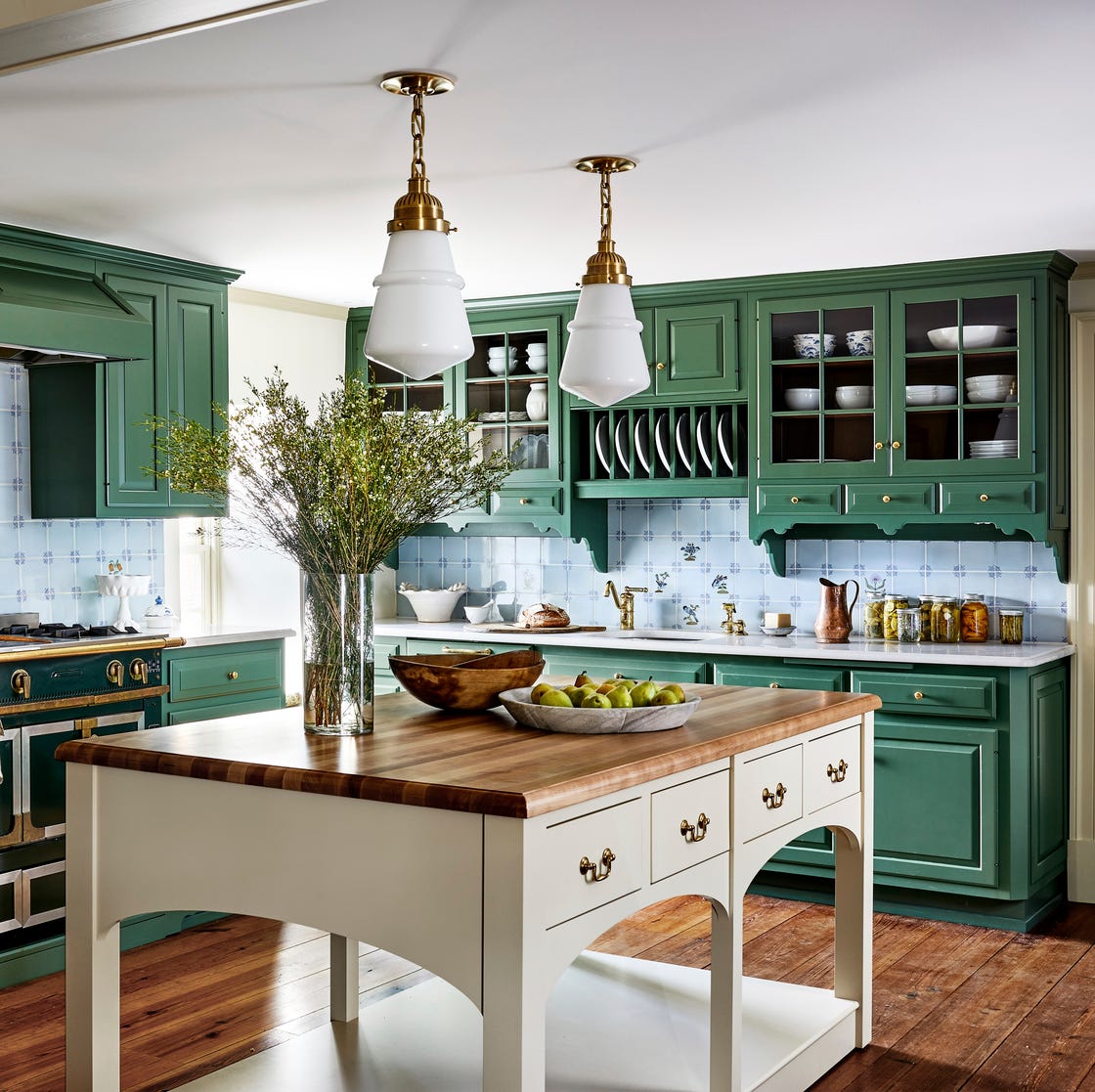
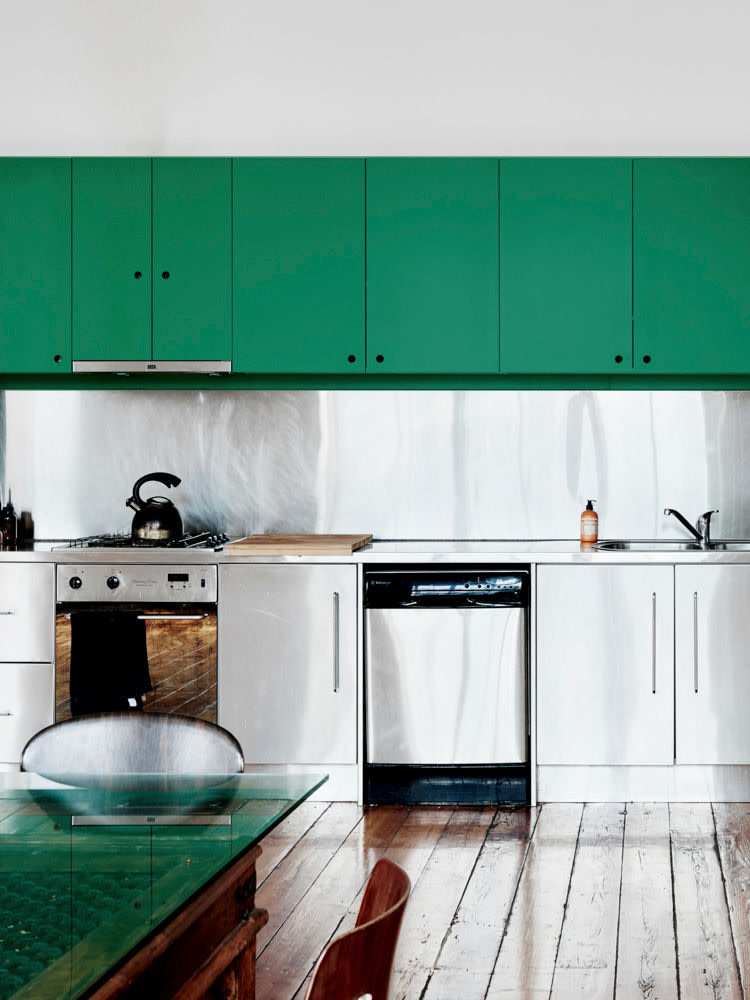
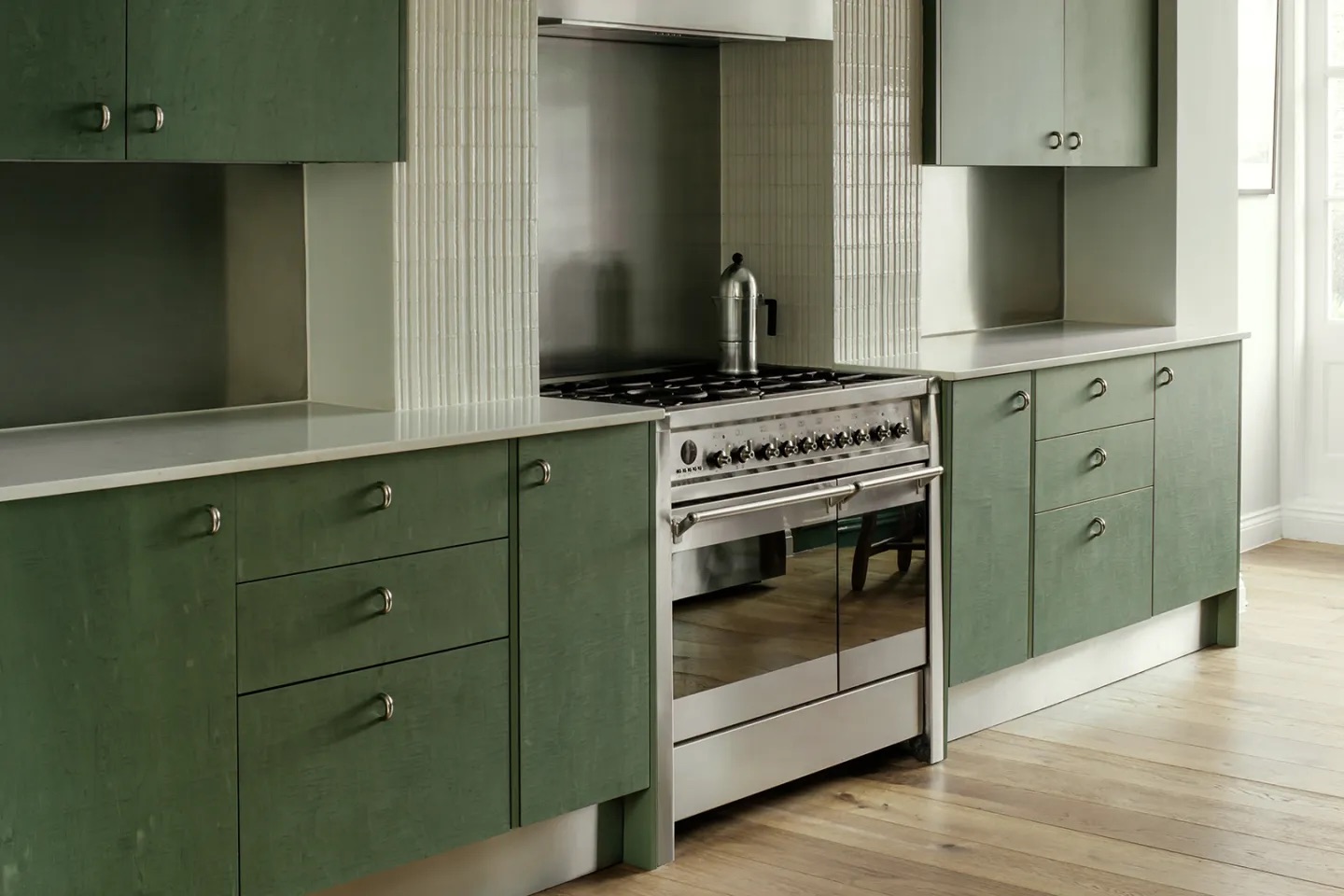
The increasing popularity of green kitchen cabinets prompts a discussion on their longevity and aesthetic appeal. While some express skepticism about the trend, fearing it might become dated like the avocado green kitchens of the 1970s, design experts suggest that green can be a timeless choice if selected carefully. Michael Winn, CEO and founder of Winn Design + Build, emphasizes that green's versatility allows it to transcend mere trendiness, particularly when choosing classic cabinet styles and more subdued, natural shades. Laura Hildebrandt of Interiors by LH notes that green has historical roots in kitchens and dining spaces, citing examples from Mount Vernon and Julia Child's blue-green kitchen, which maintained its appeal over time. She attributes the enduring quality of green to its natural origins, linking it to the calming and inherently appealing colors found in nature, such as trees, plants, and produce.
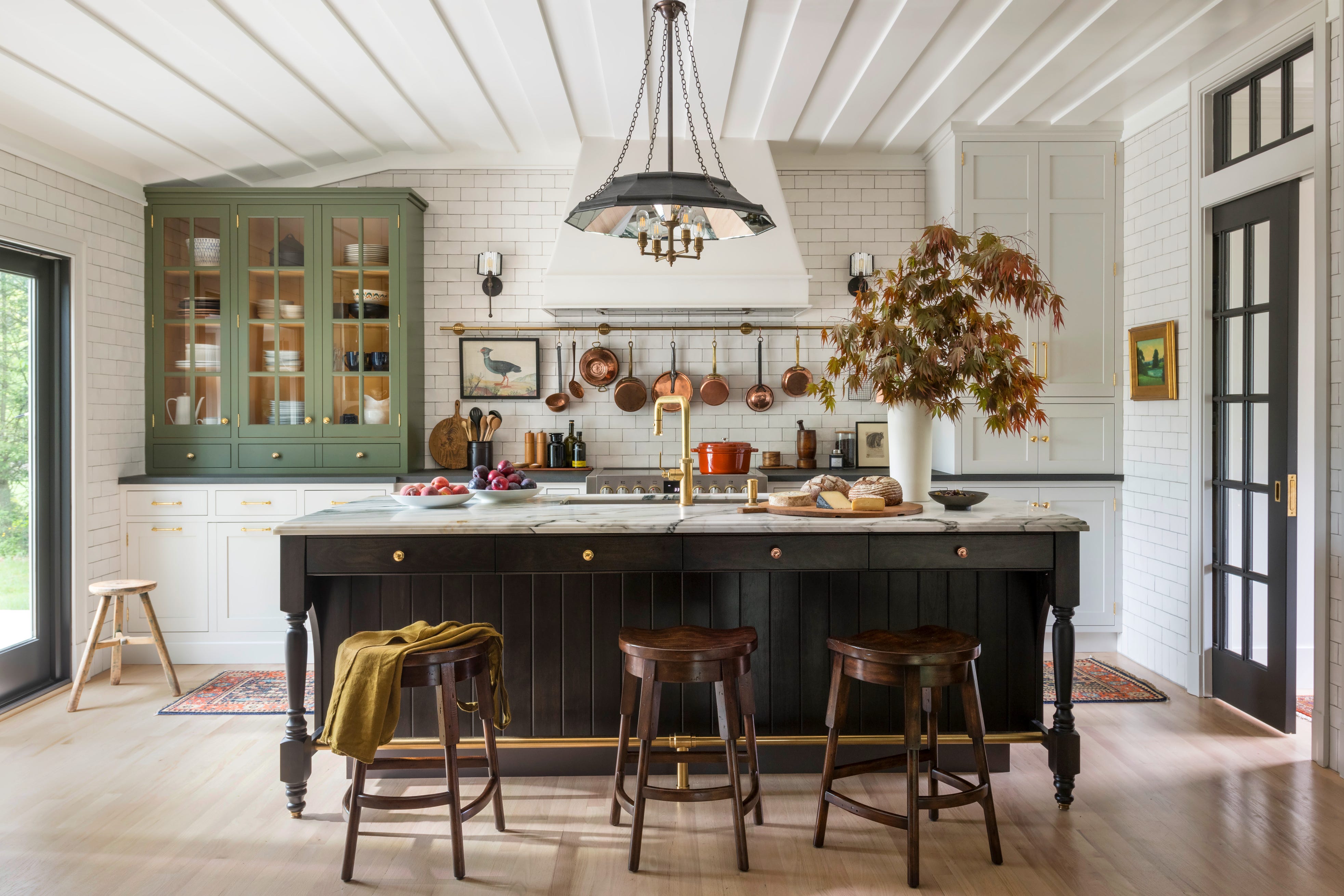
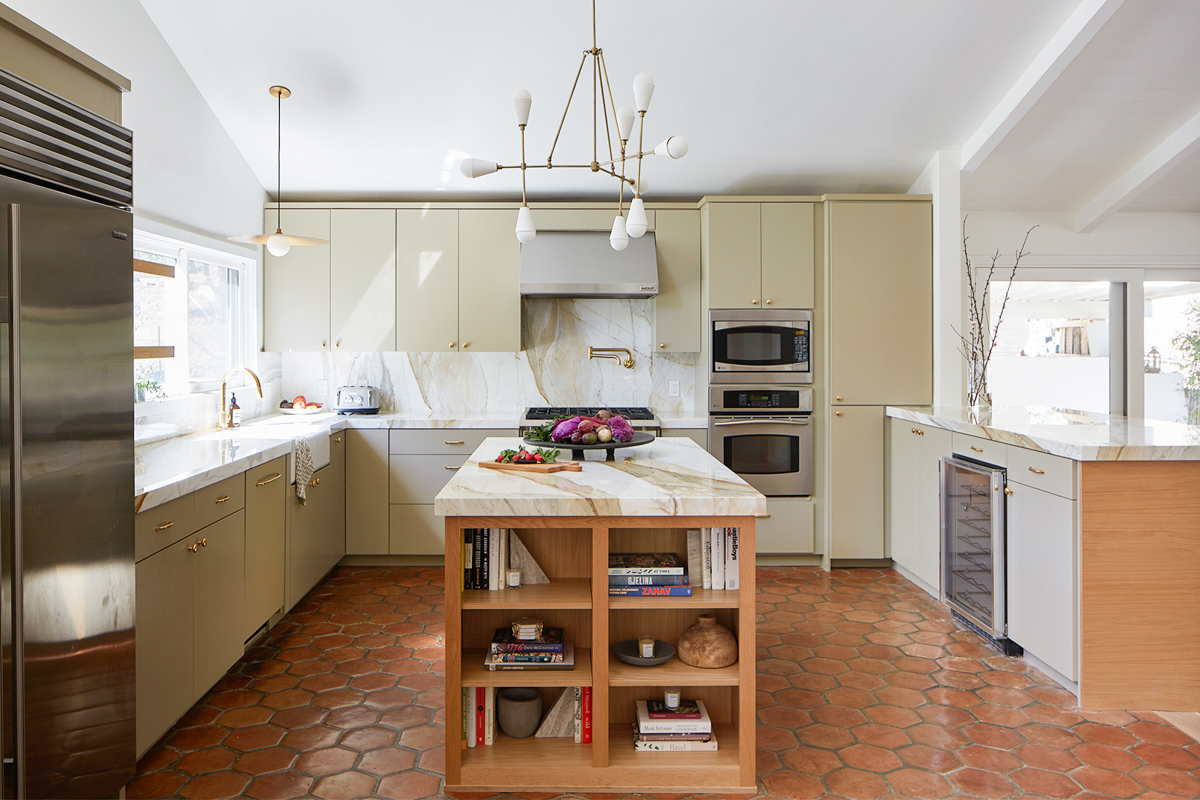
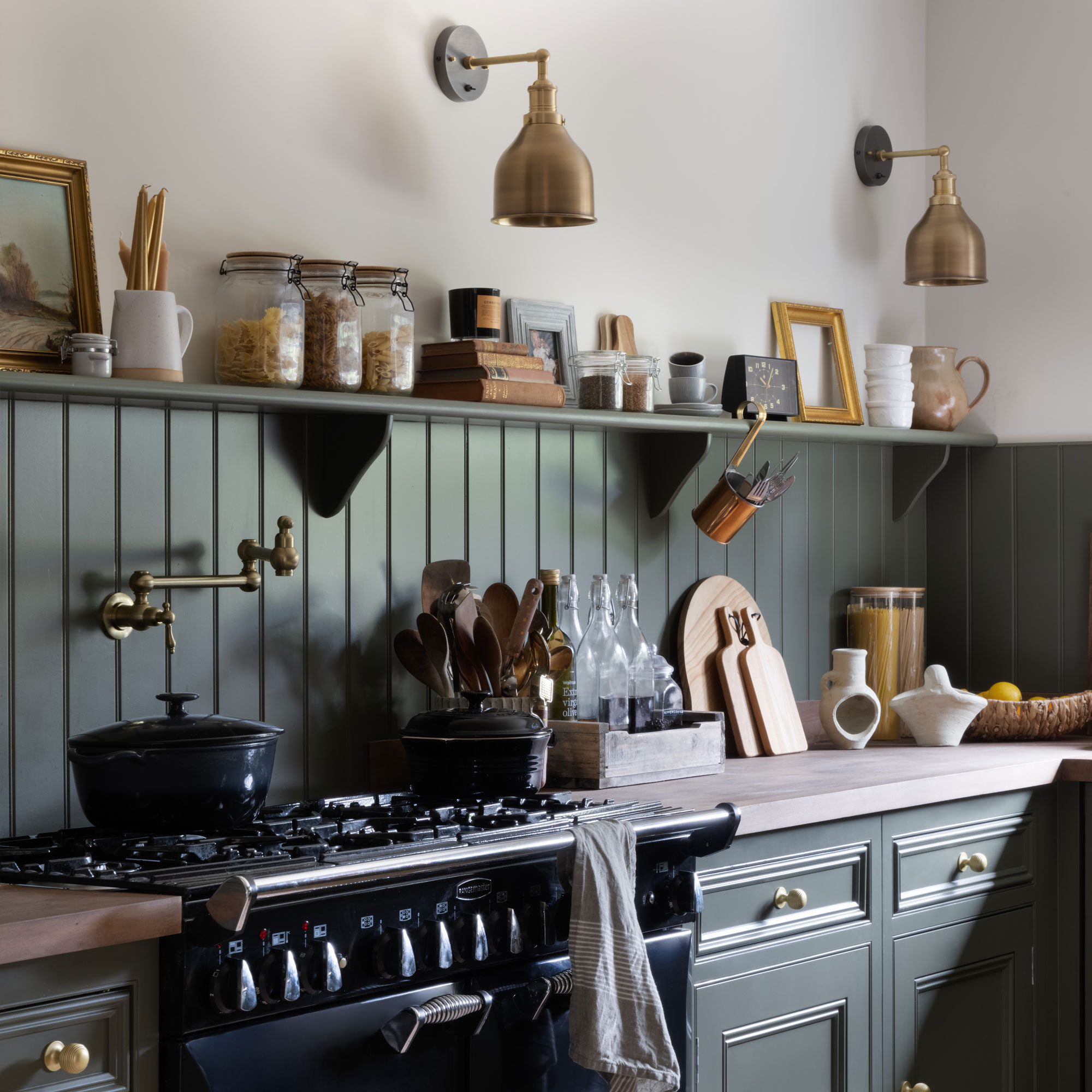
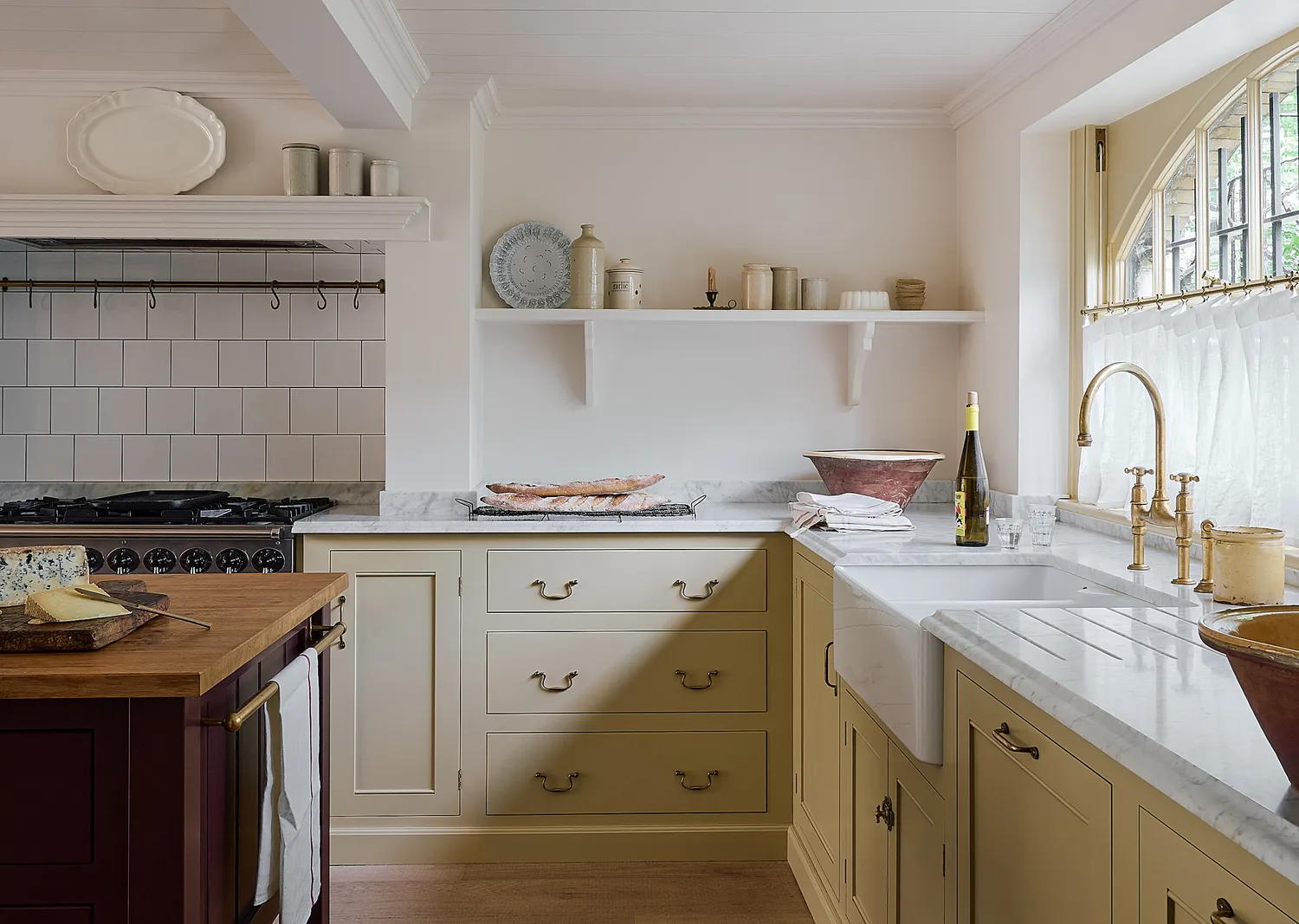
Maedeh Ziaei Moayyed, senior designer at TriVistaUSA, expands on this, predicting that other nature-inspired colors like warm terra cottas, sandy beiges, and creamy whites will also gain traction in kitchens. These colors contribute to a calming and organic atmosphere, aligning with a growing interest in sustainable and wellness-focused design. The article offers five key tips for homeowners considering green cabinets. Firstly, to ensure the cabinets stand the test of time, it is recommended to pair them with classic styles and natural materials. The dated appearance of 1970s avocado green was often less about the color itself and more about its combination with less tasteful materials like Formica and linoleum, and its overuse in all kitchen elements. Zoë Feldman of Zoë Feldman Design points out that modern design moves away from such monolithic color schemes, suggesting that even avocado green could be re-evaluated in a contemporary context.
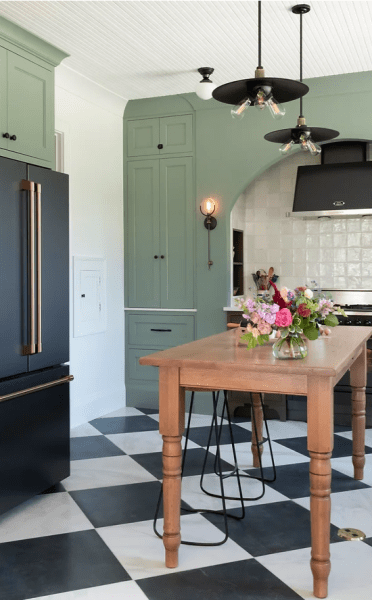
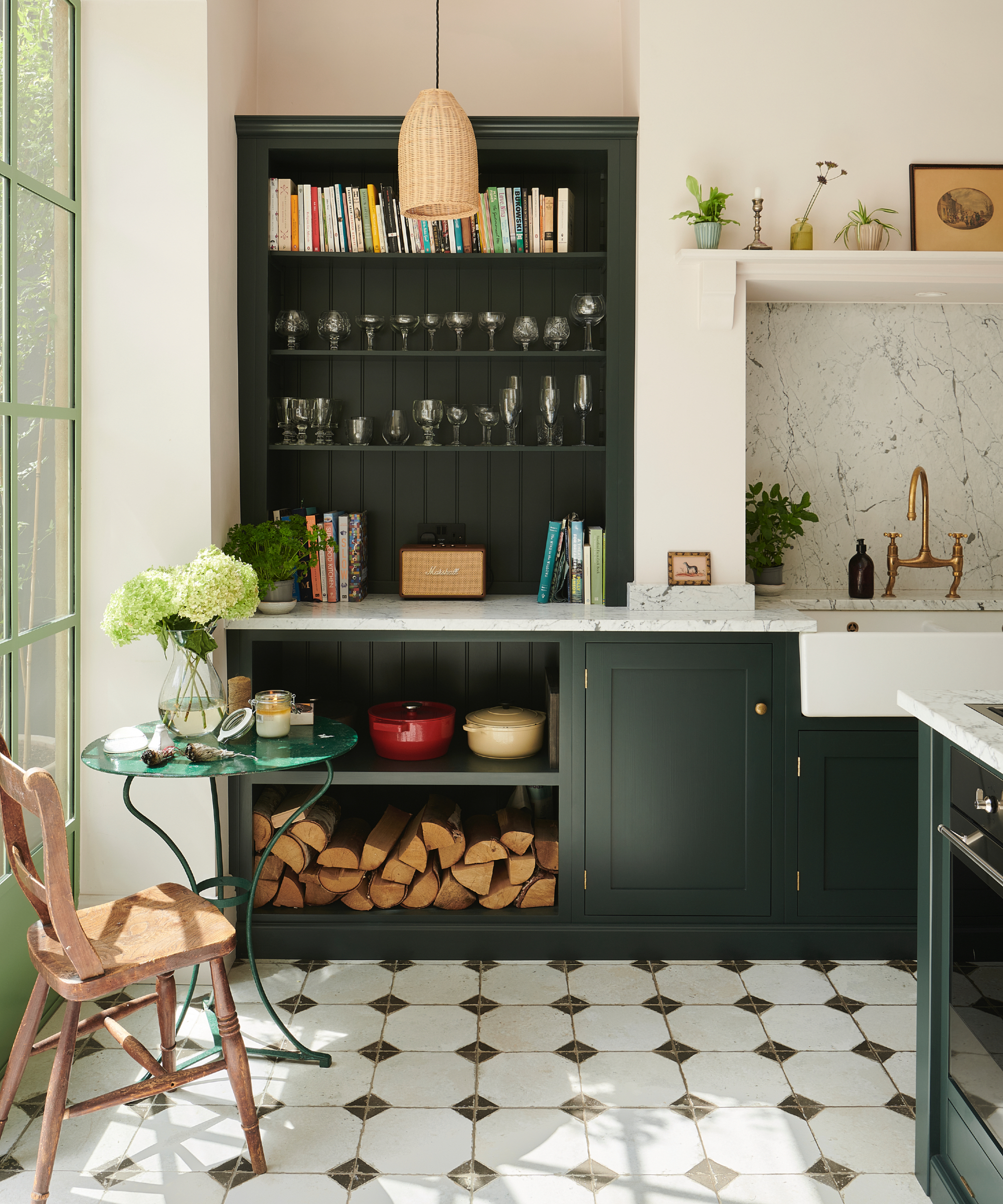
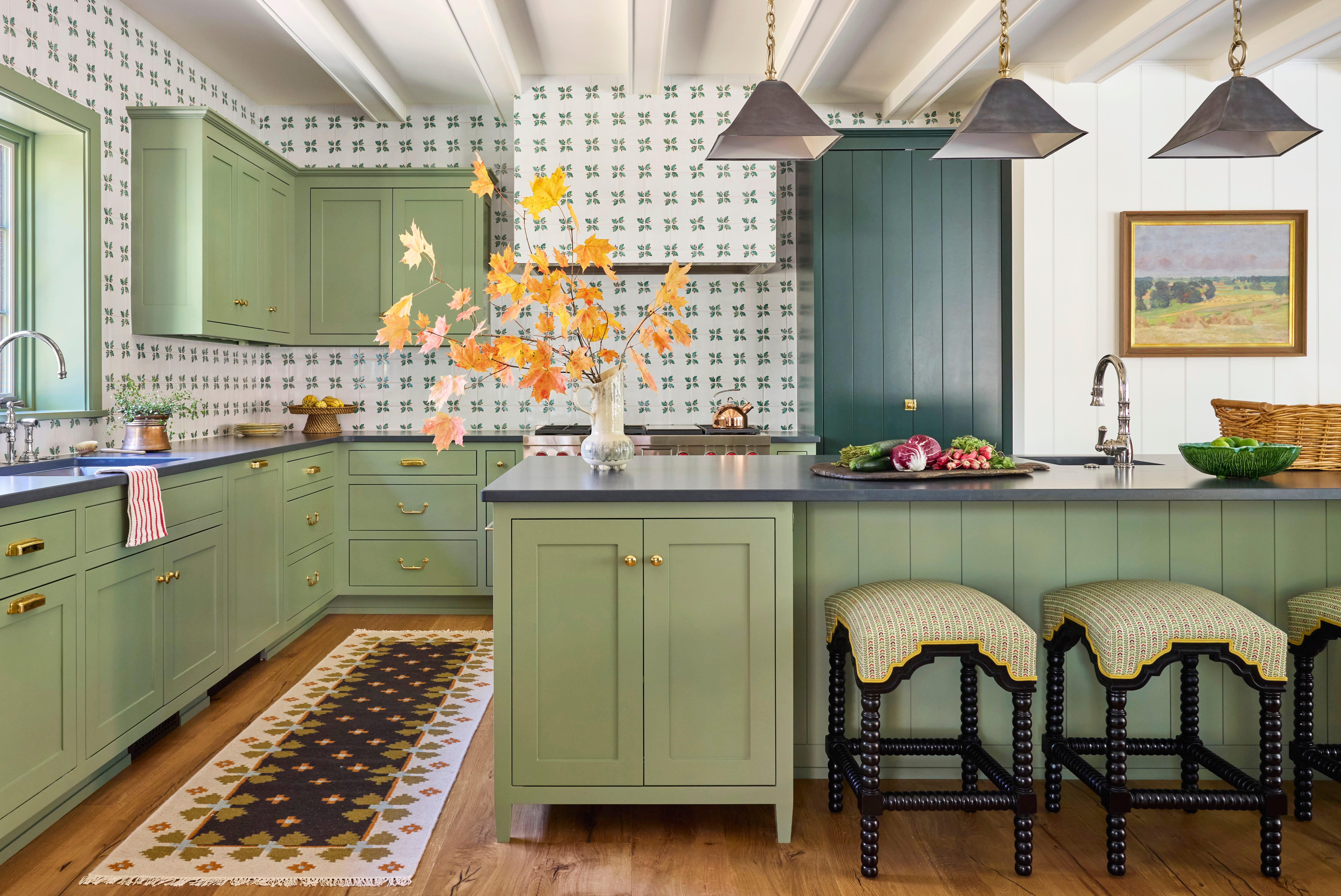
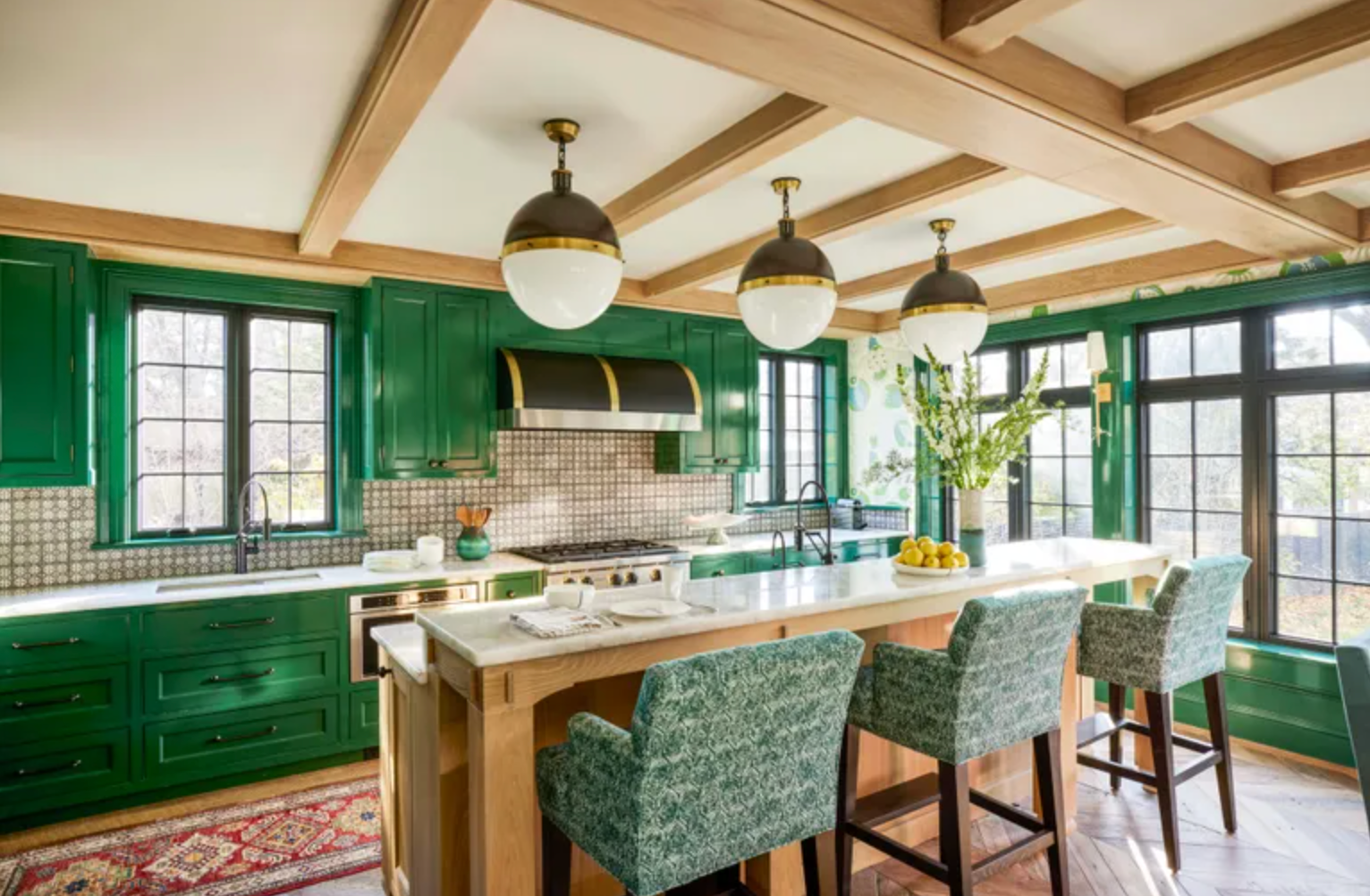
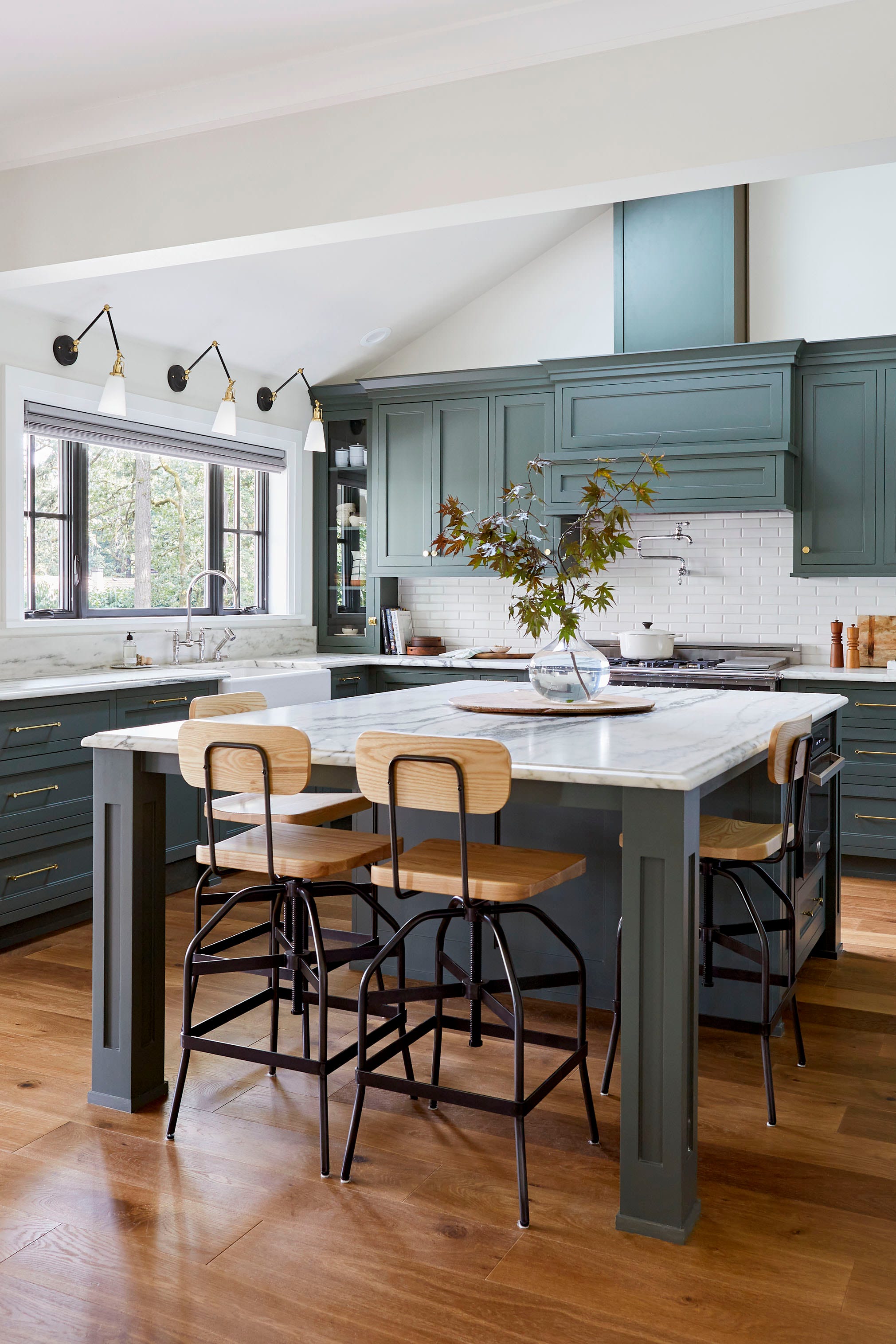
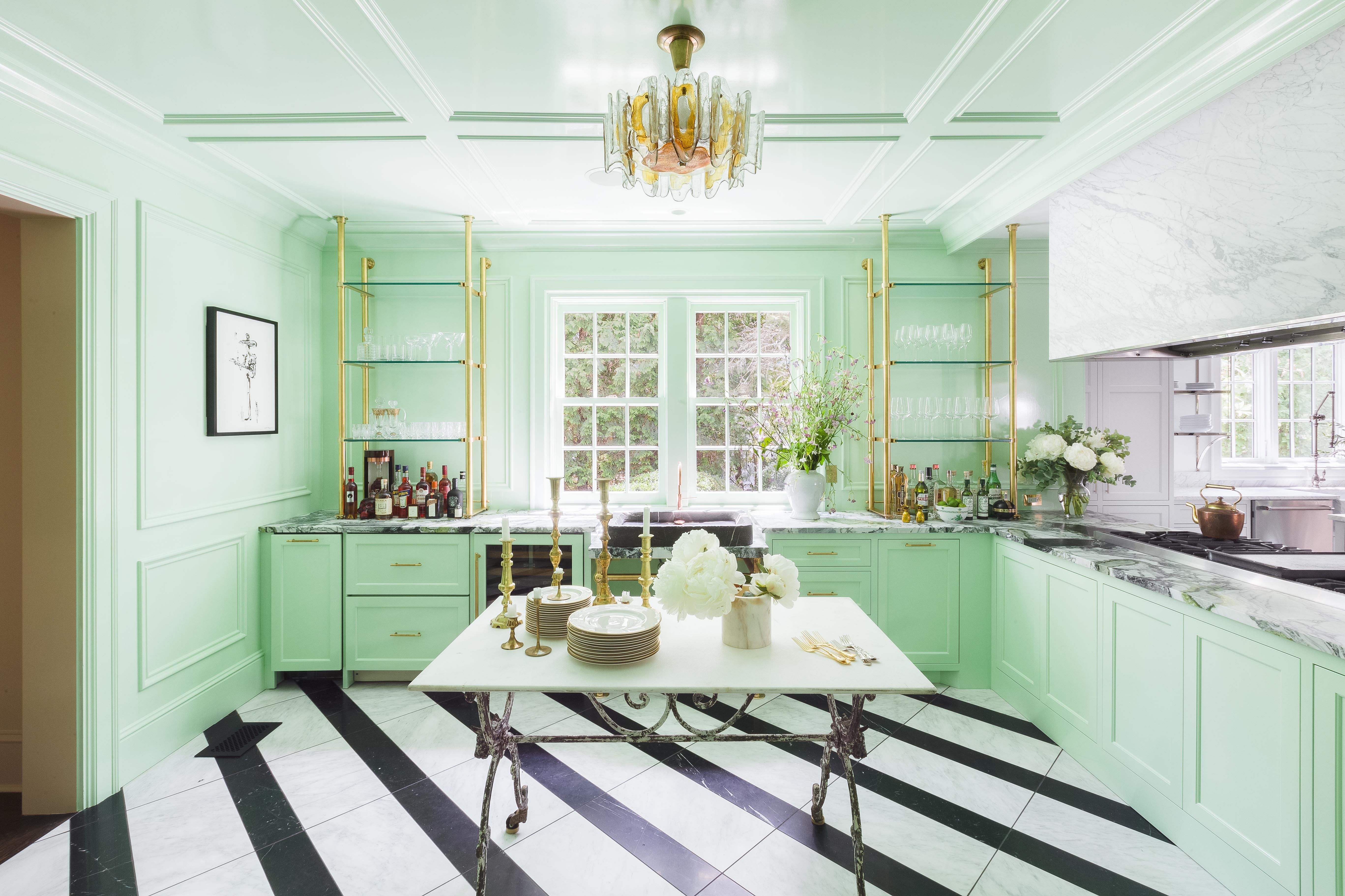
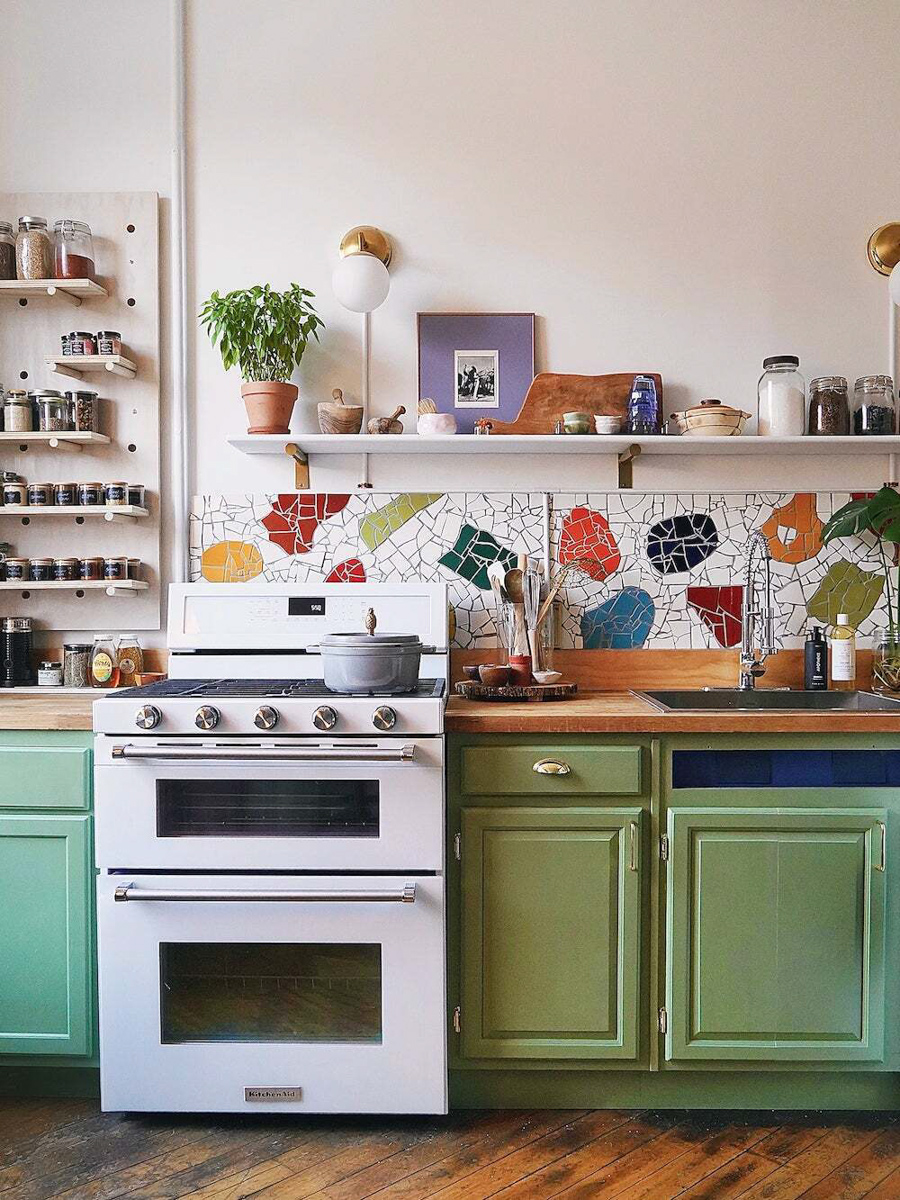
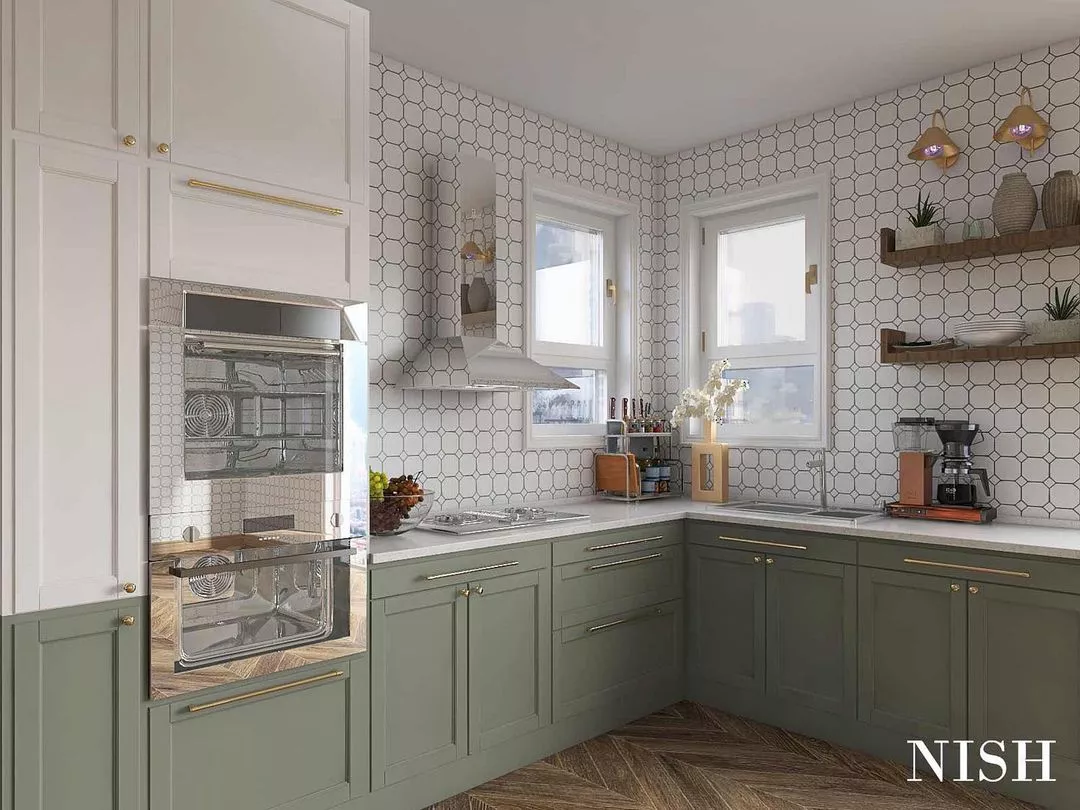
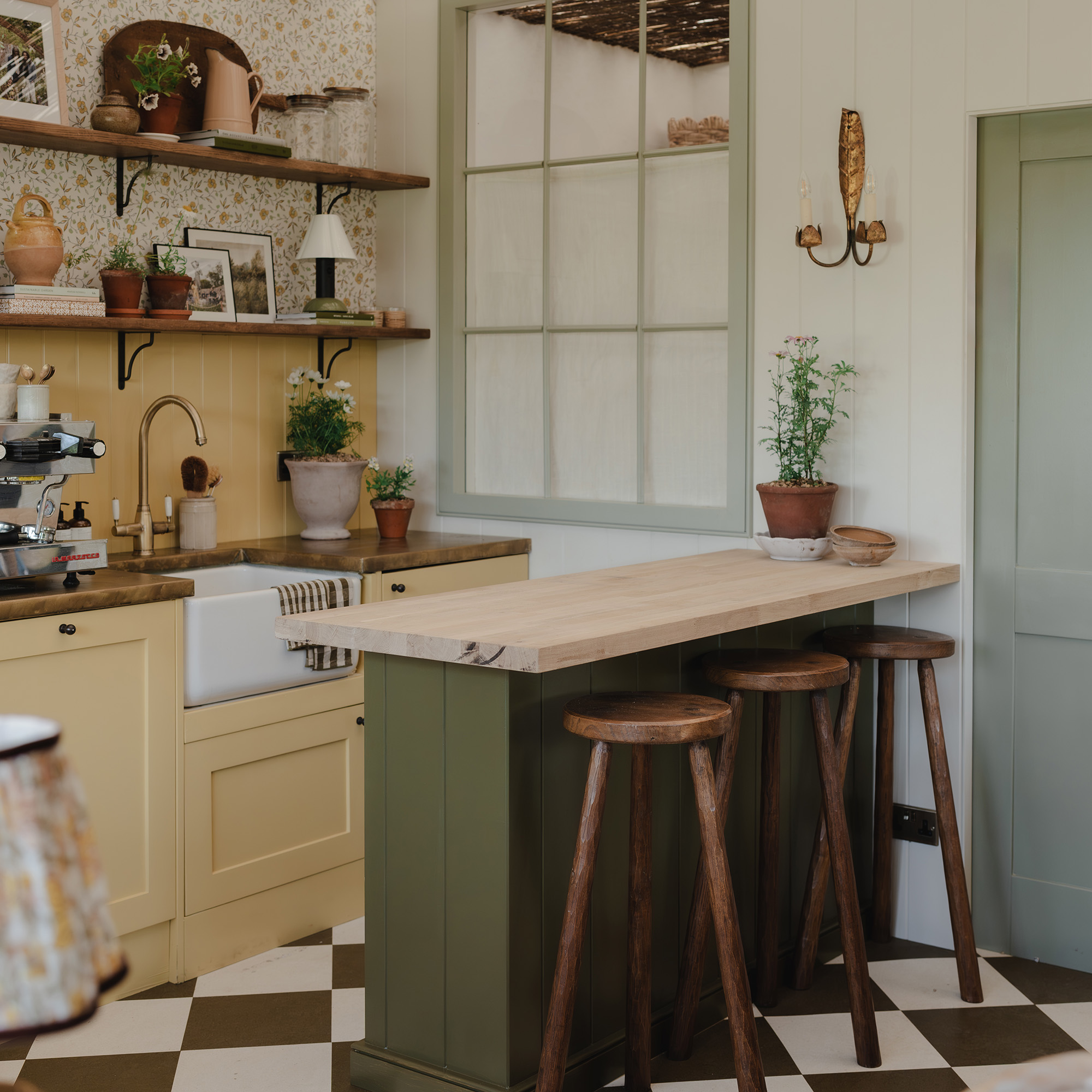
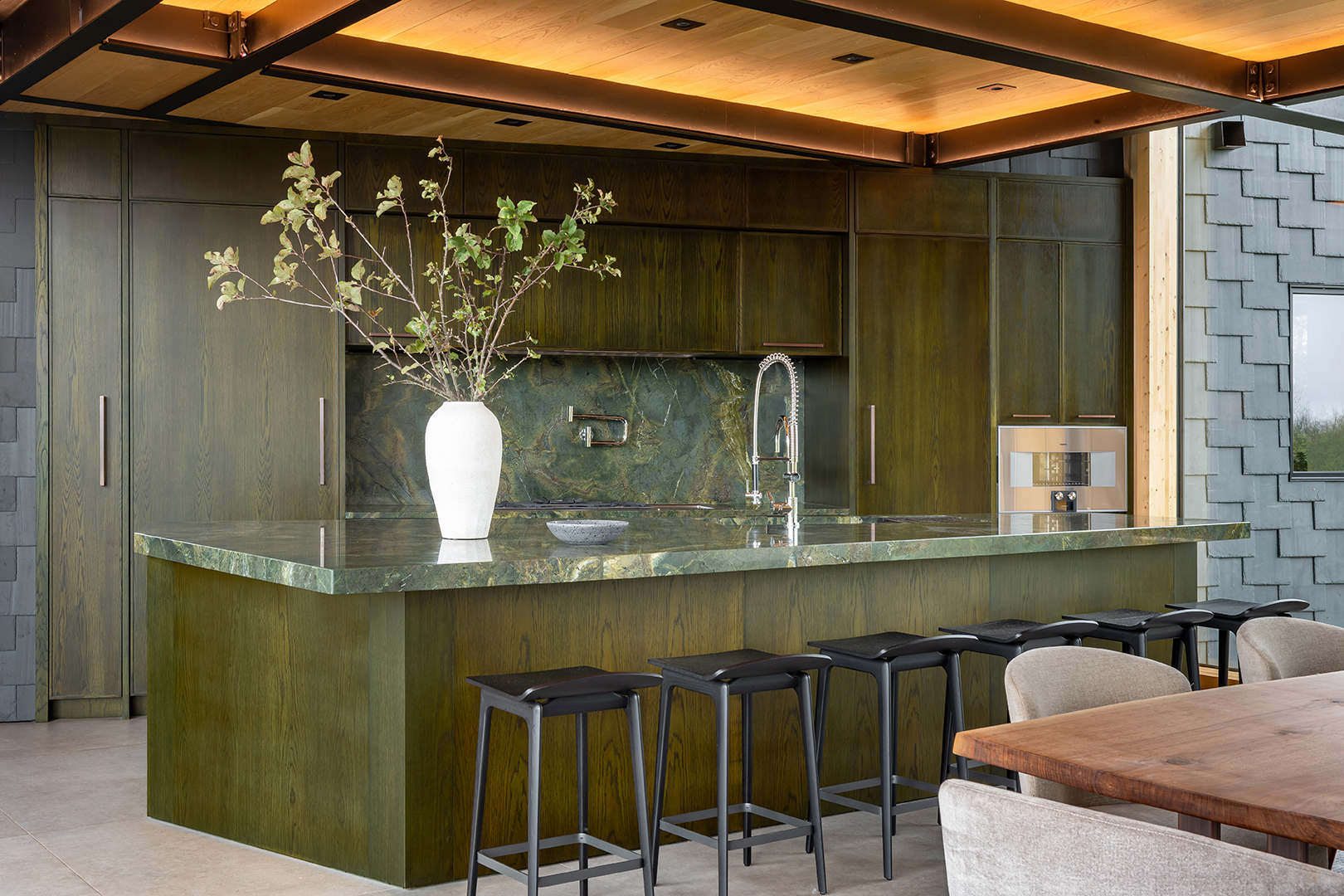
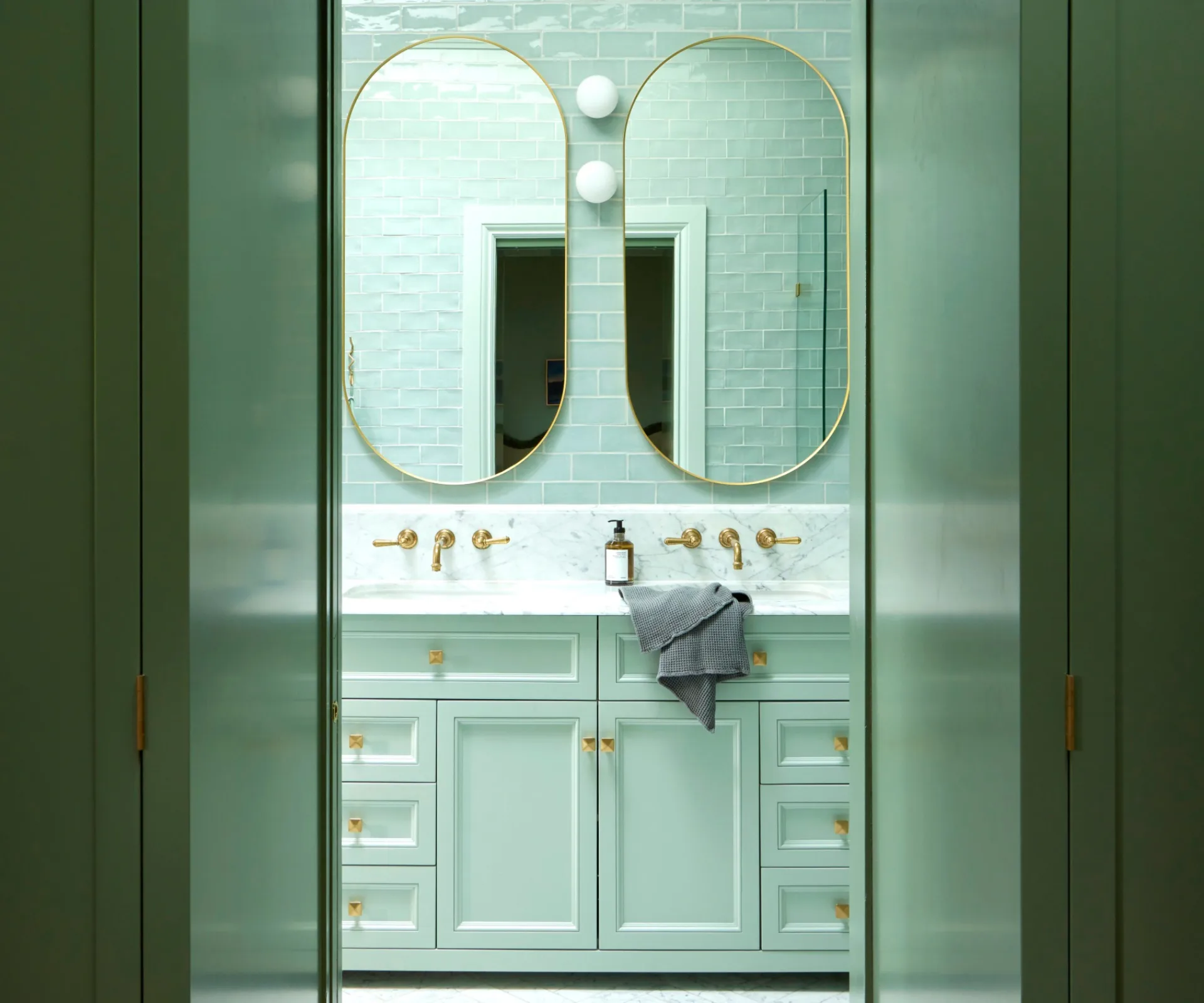
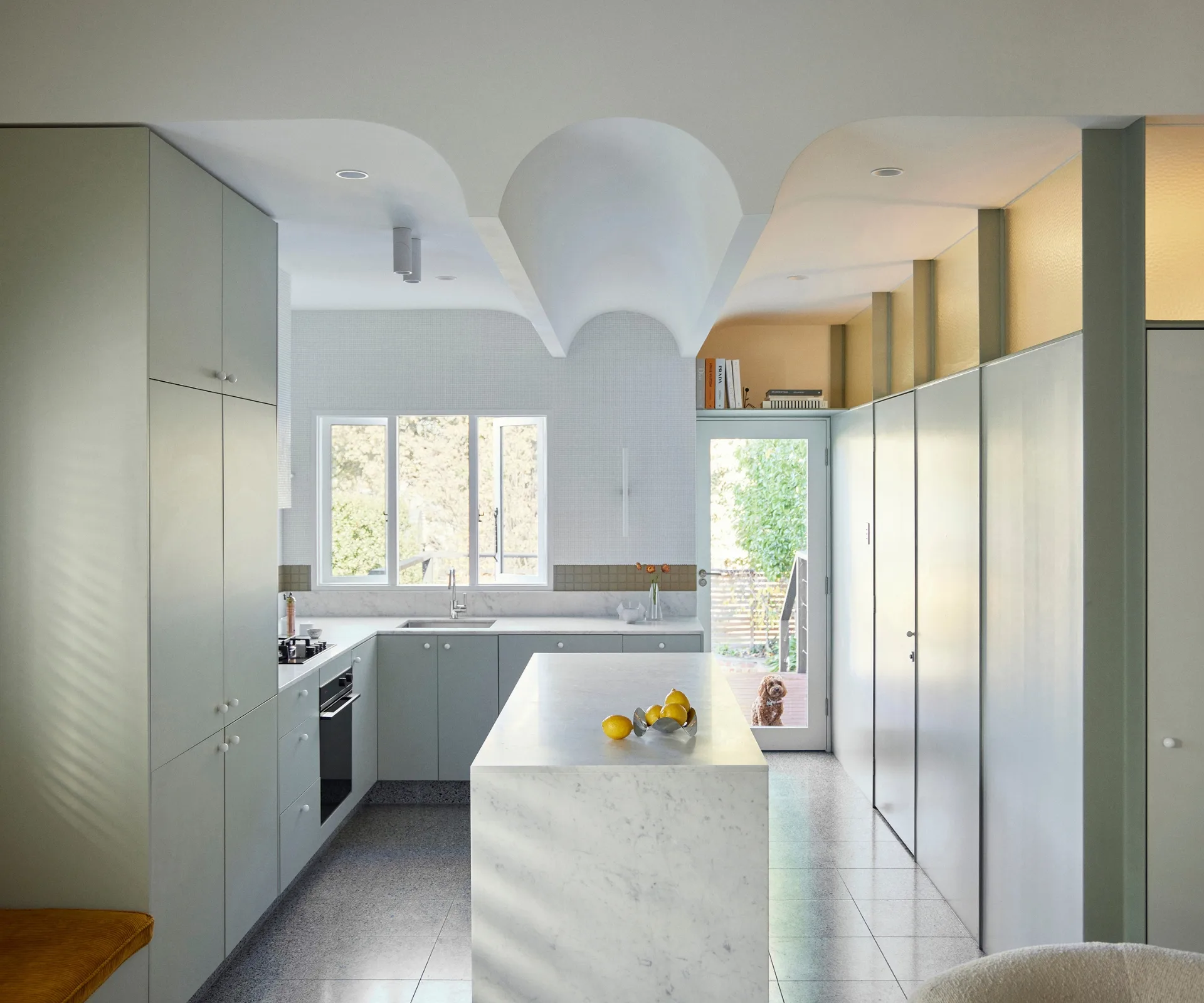
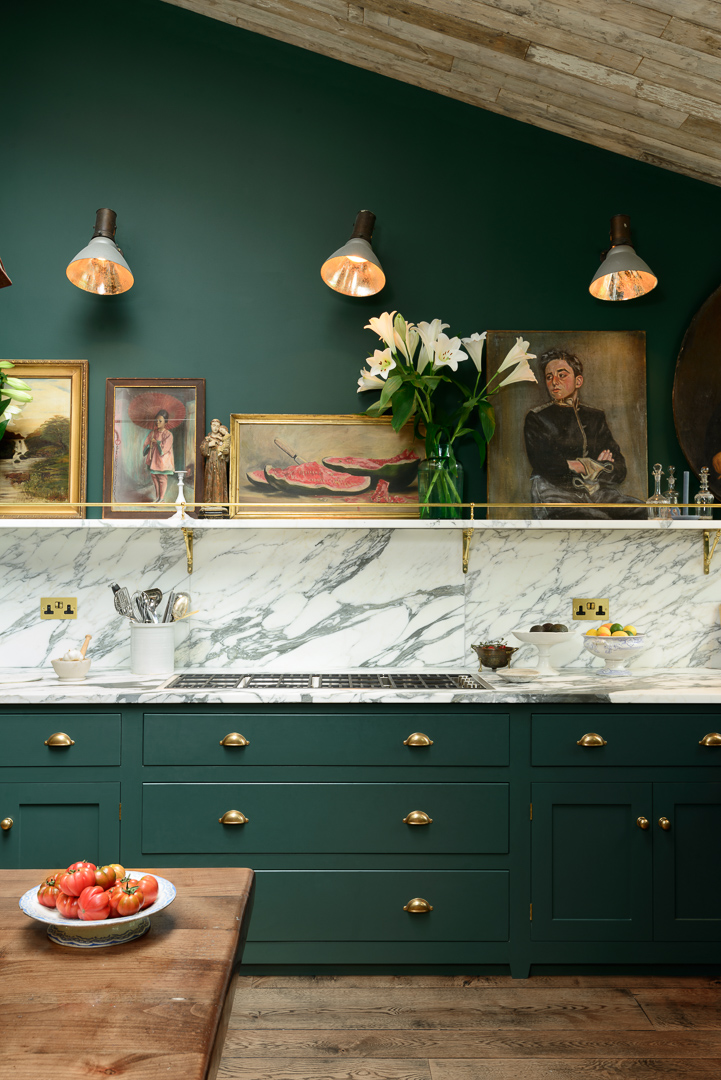
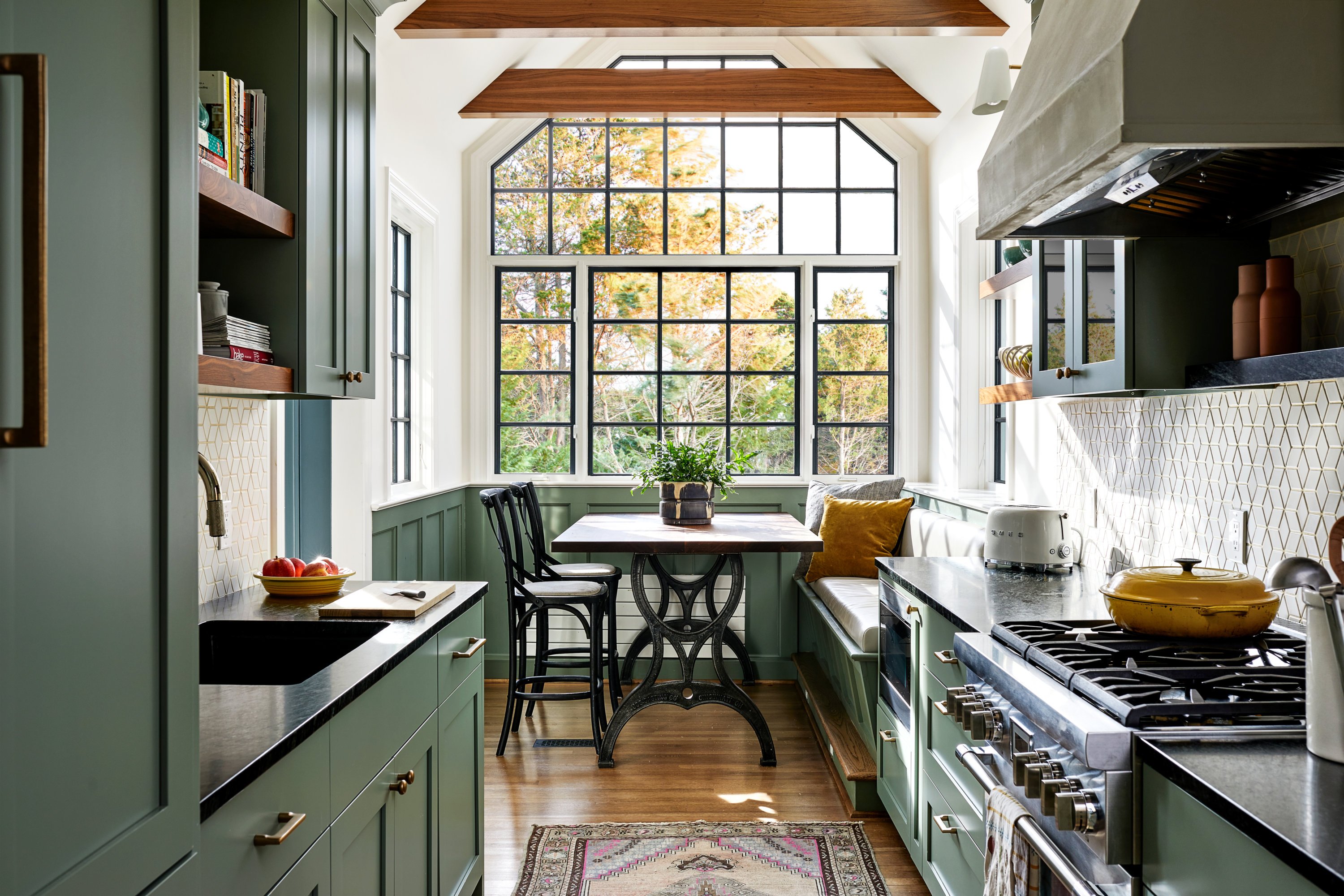
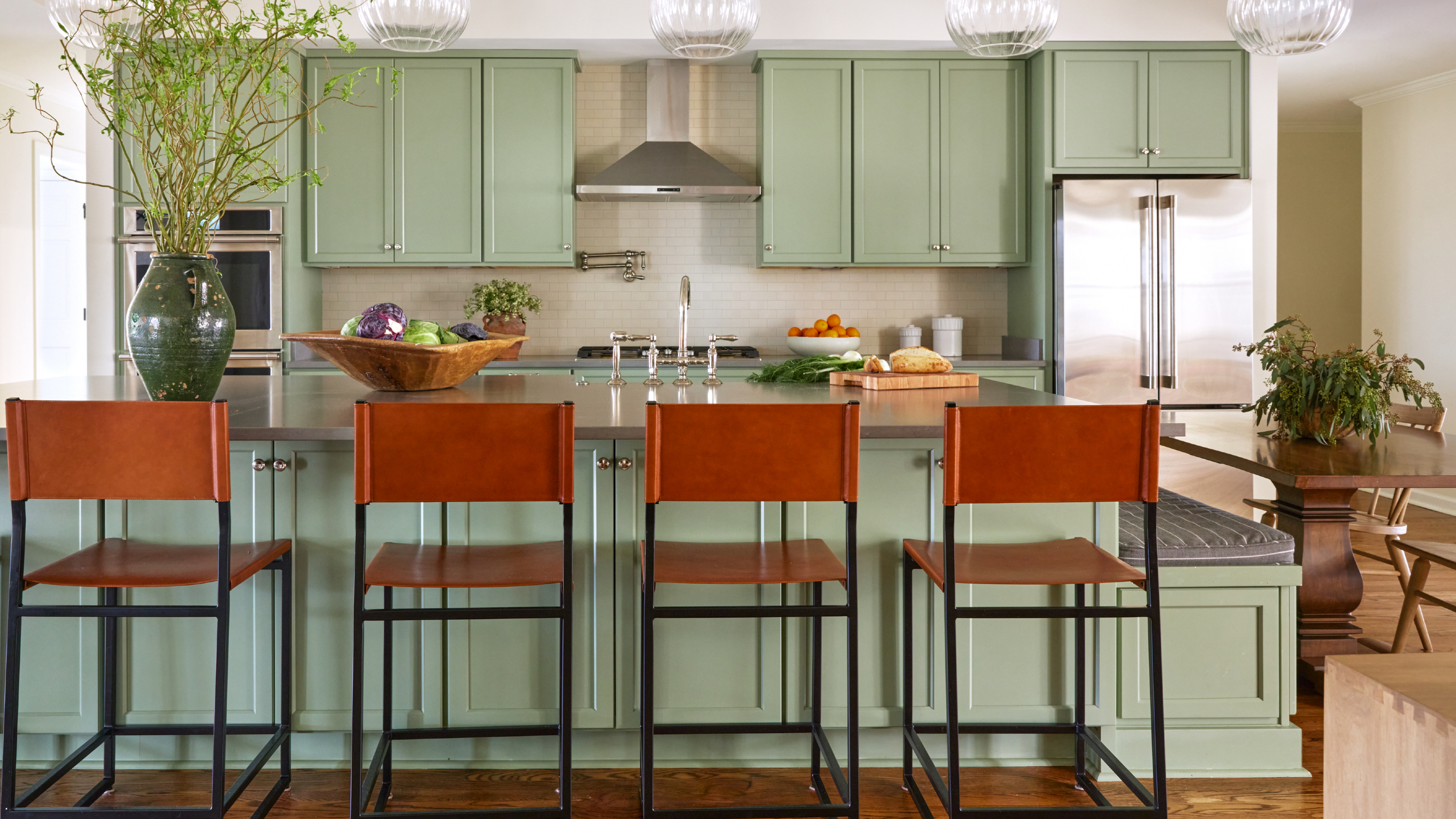
Secondly, the size of the kitchen and the amount of natural light it receives should influence the shade of green chosen. Lighter greens can make smaller kitchens feel more open, while darker greens can add sophistication to larger spaces. If a dark green is desired in a small kitchen, balancing it with lighter elements, reflective finishes, and strategic lighting is crucial to prevent the space from feeling cramped. Thirdly, the architectural style of the home also plays a role in color selection. Emerald or forest green might suit a contemporary kitchen, while softer sages are more appropriate for a charming cottage or farmhouse style.
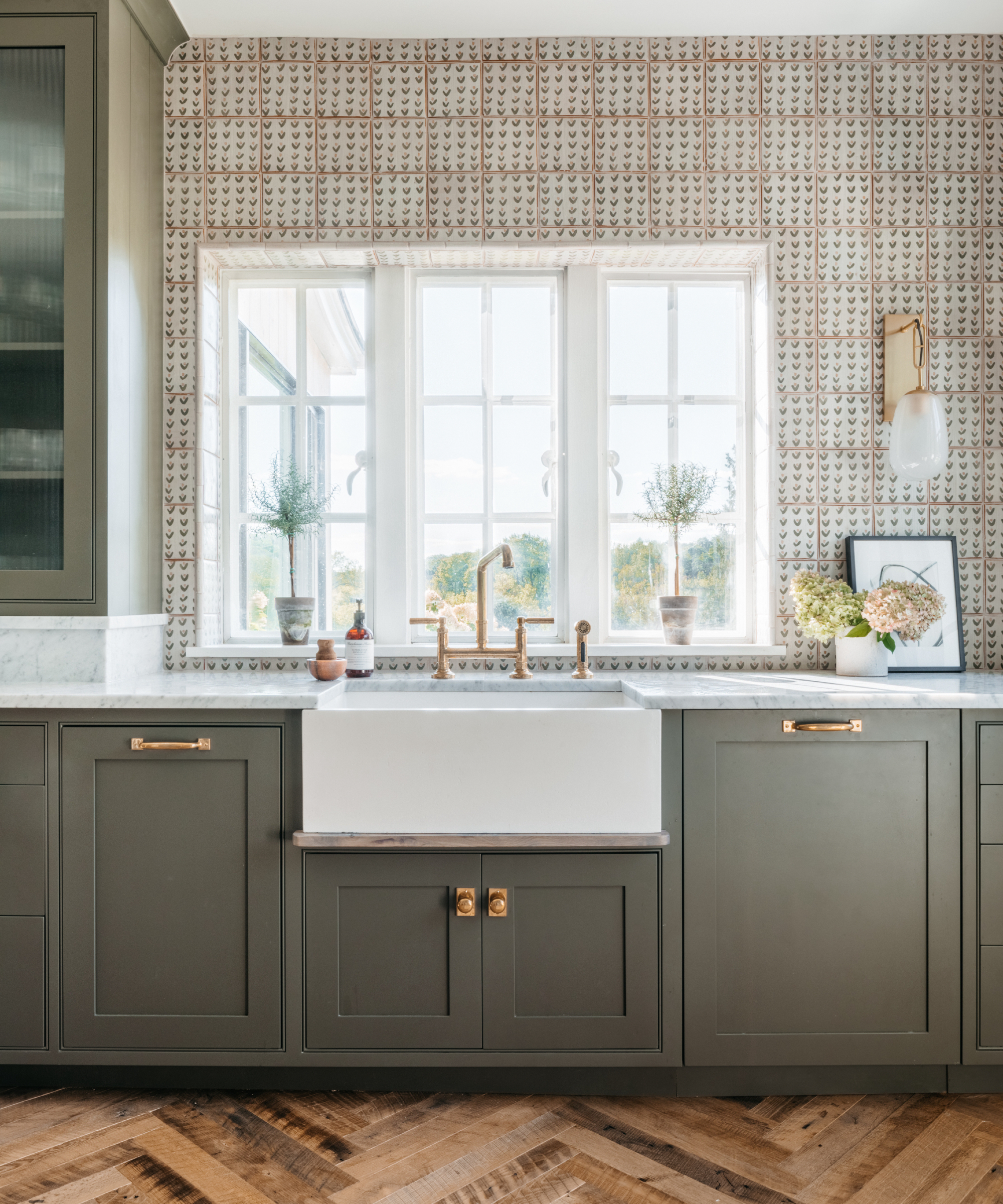
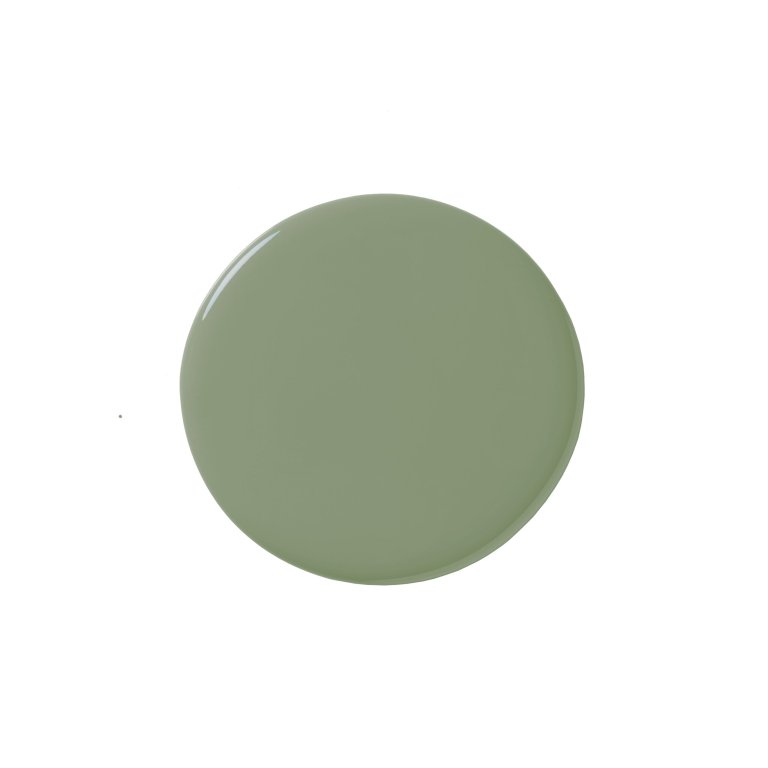
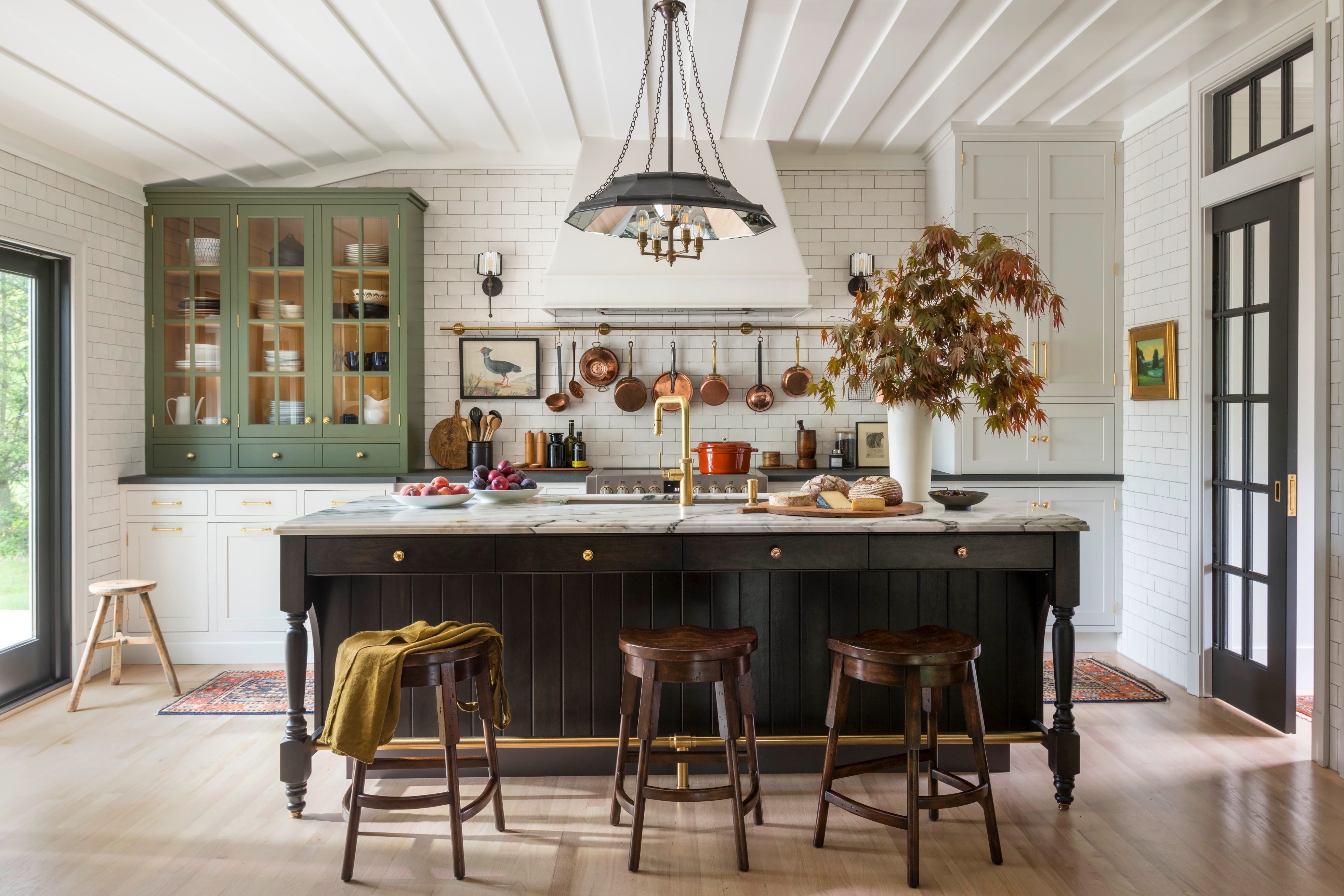
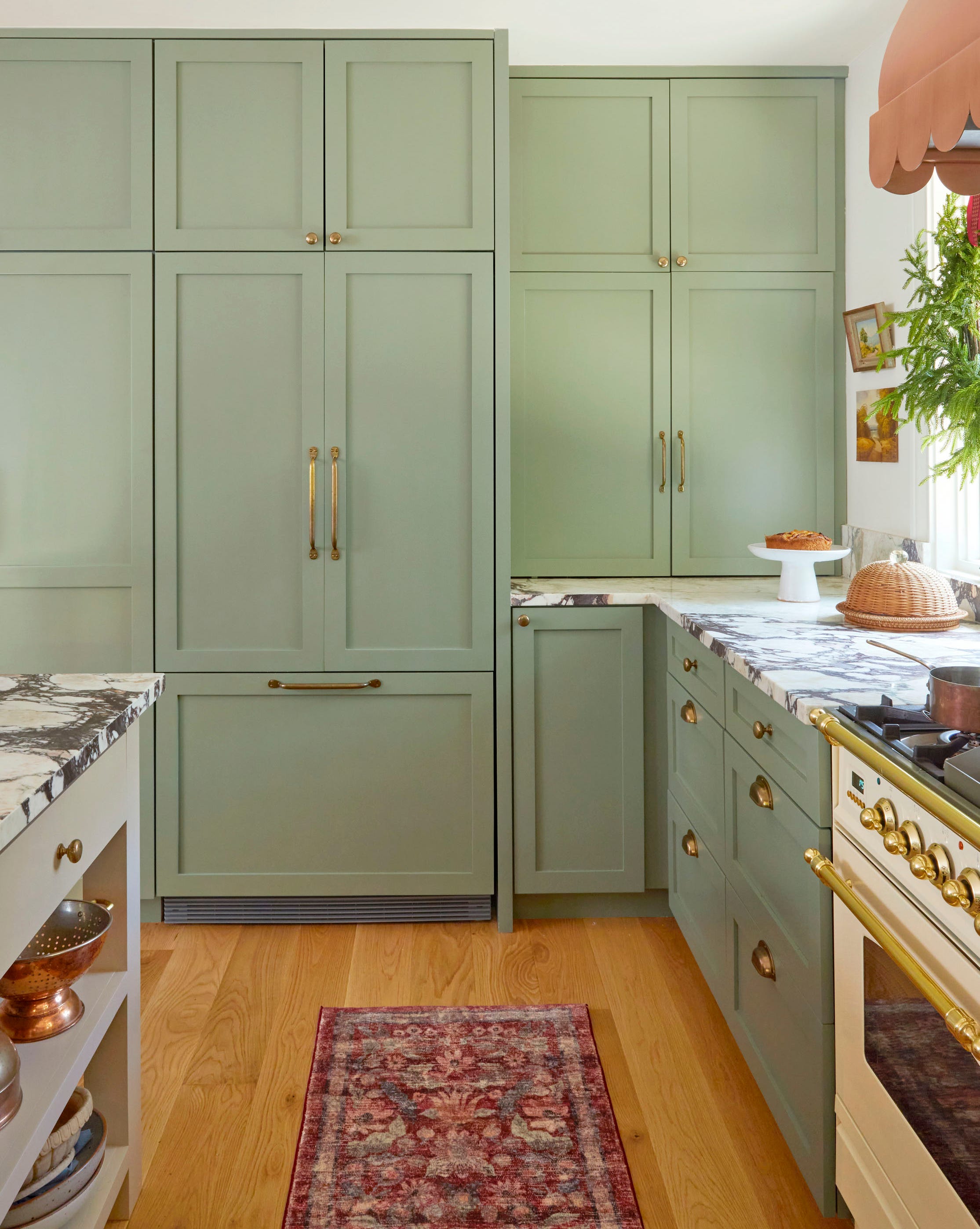
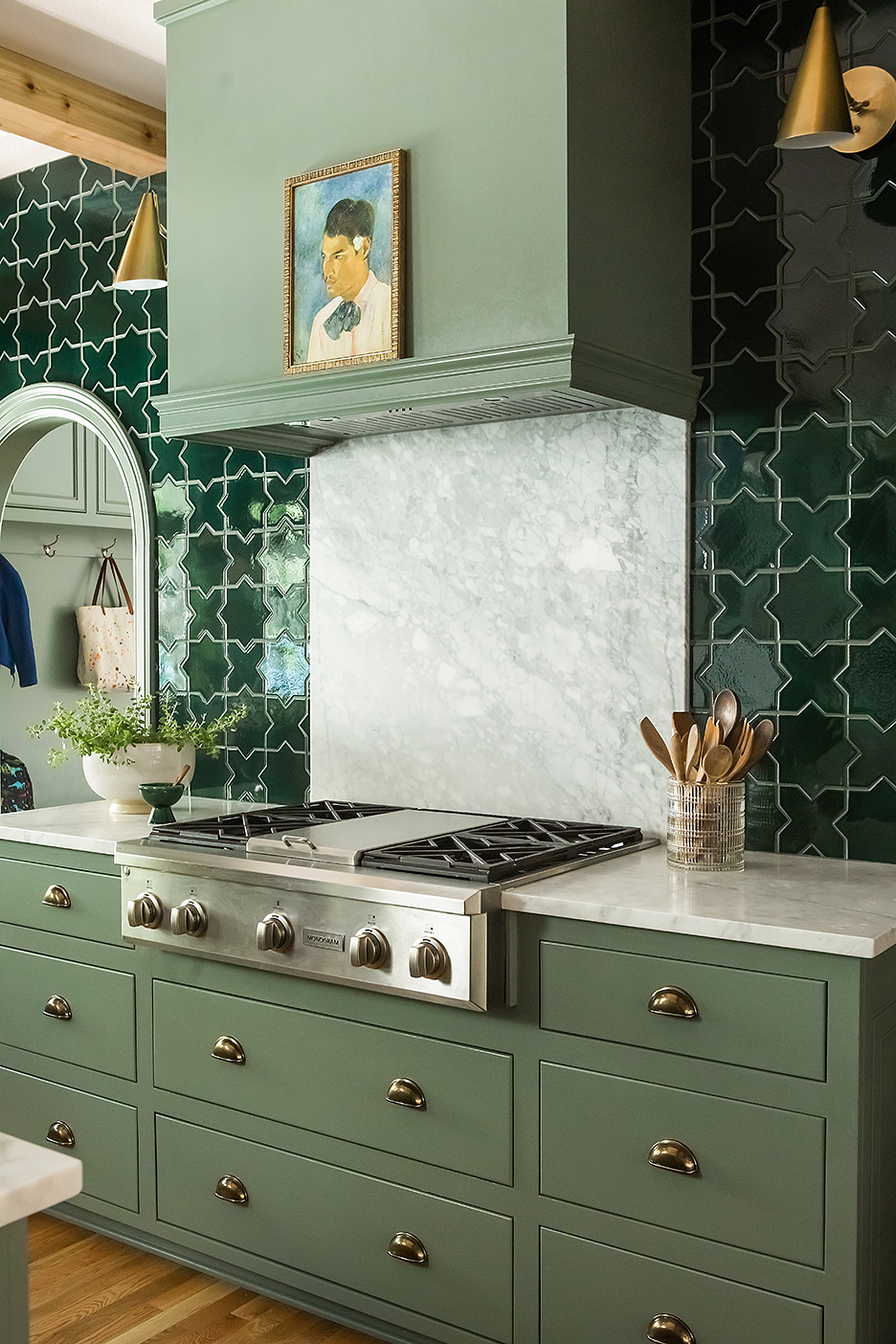
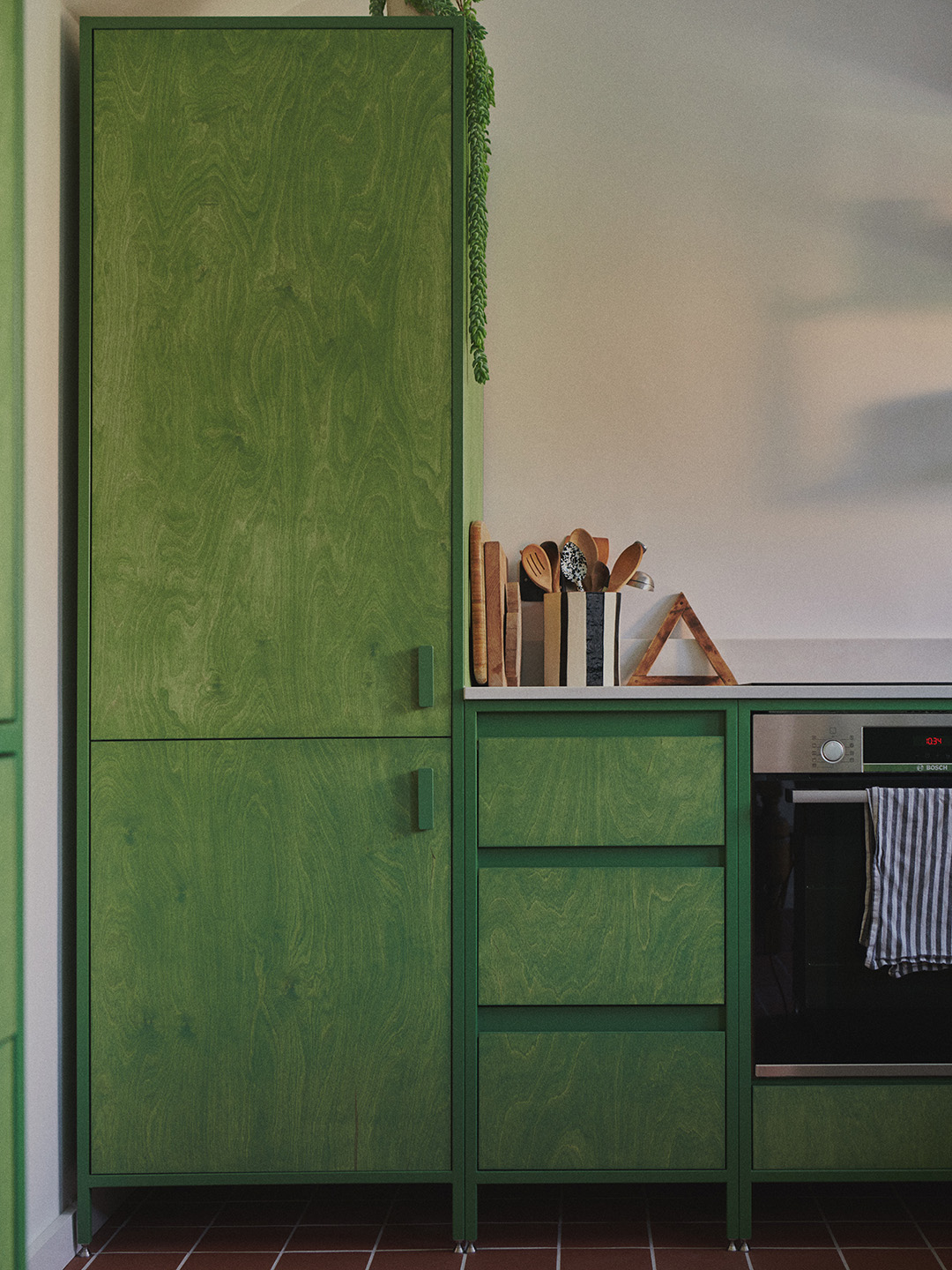
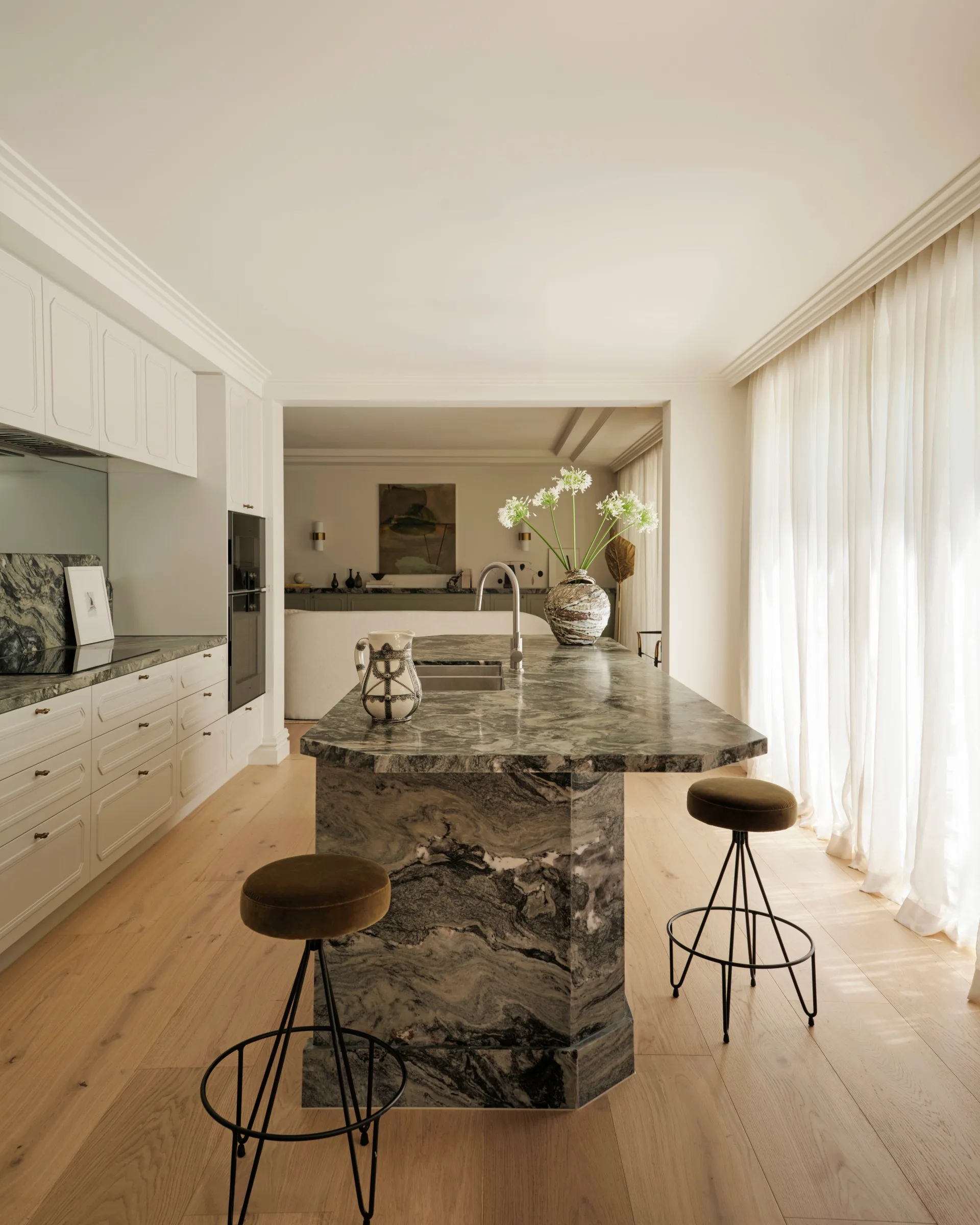
Fourthly, the finish of the cabinets is important. Matte finishes offer a contemporary and understated look, satin is subtle and easy to clean, and glossy finishes can enhance the perception of space by reflecting light. Finally, understanding the undertones of the chosen green is essential for coordinating the rest of the kitchen's design. Greens with yellow undertones, like sage, pair well with warm neutrals such as beige, taupe, and gray, as well as light woods like oak and maple, creating a cozy environment. Greens with blue undertones, such as emerald, are best complemented by cool neutrals like slate gray, brushed silver, or chrome, which highlight their elegance and boldness. Local designers also share their favorite green paint picks, including Benjamin Moore’s Rushing River, Farrow & Ball’s Pea Green and Pigeon, Sherwin-Williams’s Inverness, and Benjamin Moore’s Essex Green, each offering different aesthetic qualities and pairings for various kitchen styles.
#GreenKitchenCabinets #KitchenDesign #InteriorDesignTrends #HomeDecor #ColorTheory #NaturalMaterials #DesignTips #Cabinetry #HomeStyling #GreenKitchenCabinets #KitchenDesign #InteriorDesignTrends #HomeDecor #ColorTheory #NaturalMaterials #DesignTips #Cabinetry #HomeStyling
0 comment in total
 No comments yet
You may also like
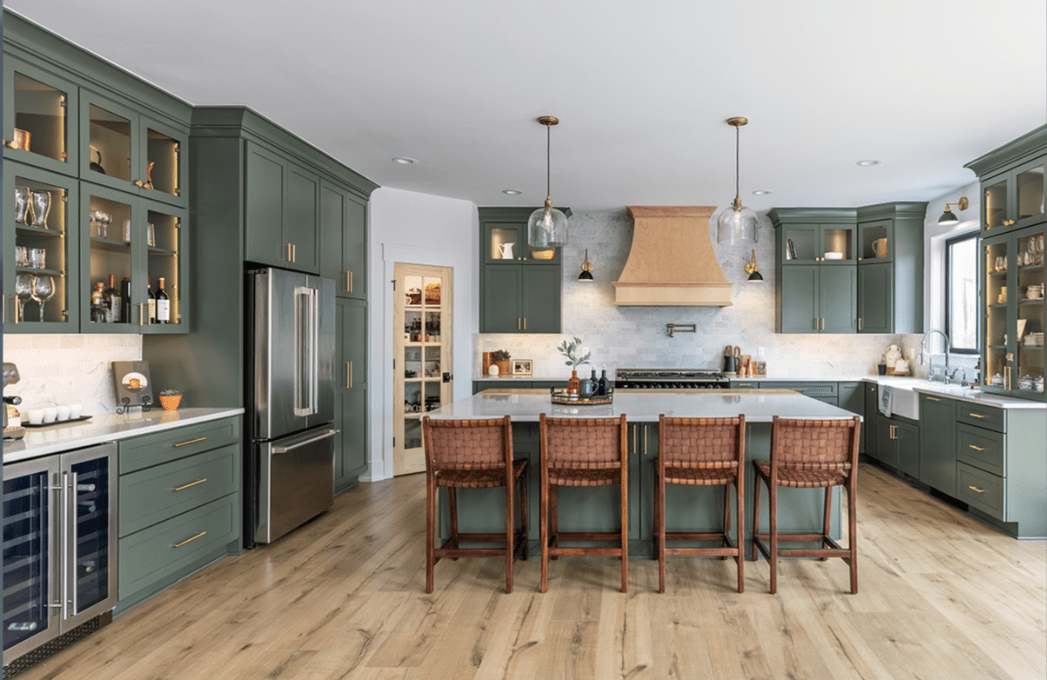
37 Green Kitchen Cabinet Ideas To Start 2025 in Style
Make a Bold Move with Green Kitchen Cabinets
From Racing Green to Barbour Coat Green: The British-Inspired Kitchen Look You’ll See Everywhere
White Kitchen Cabinets Had a Good Run, But This Color Is the Future

9 green kitchen cabinet ideas for a fresh look

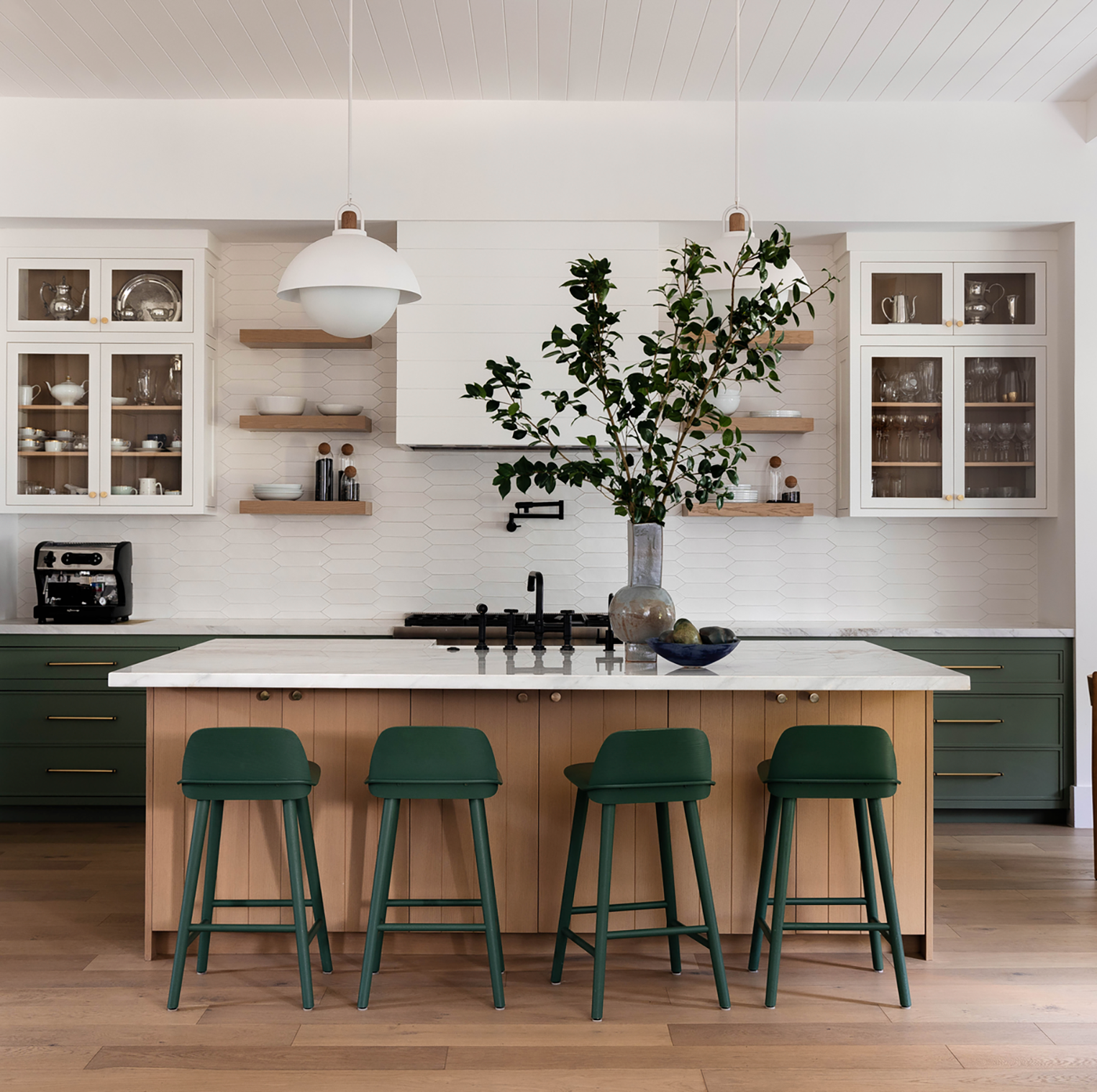
Designers Love Using THIS Color to Make a Kitchen Look More "Expensive"

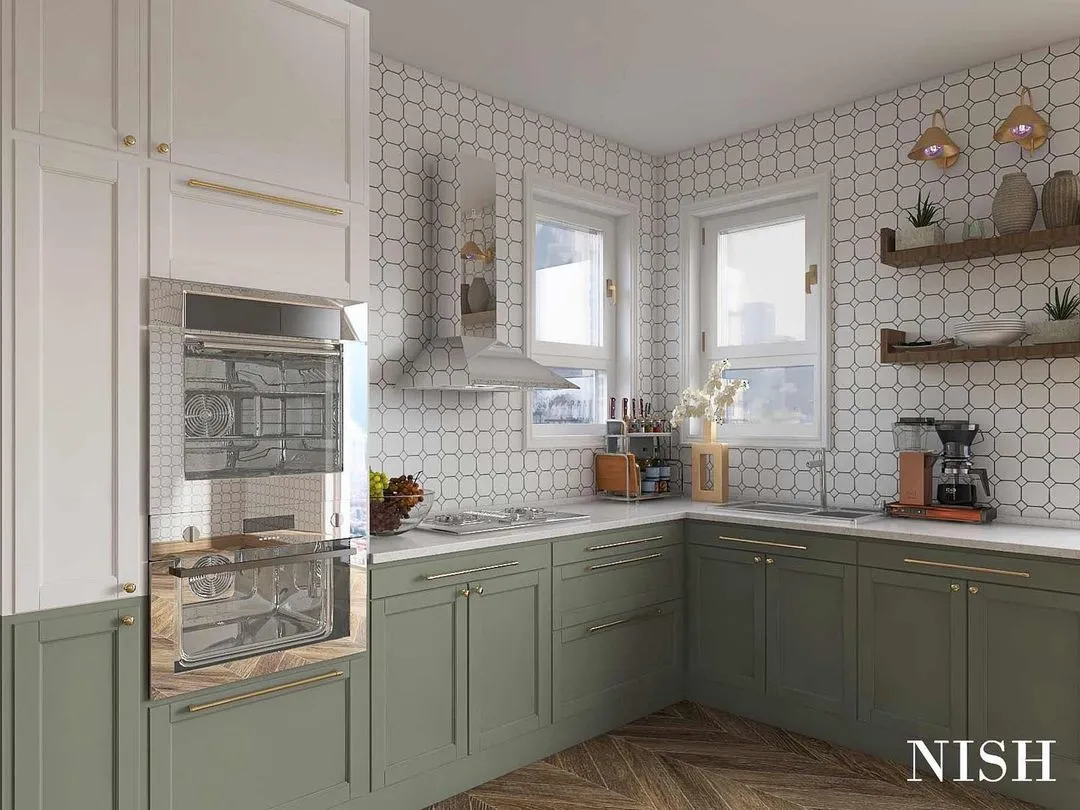
22 Ideas for Painting Your Kitchen Cabinets Sage Green

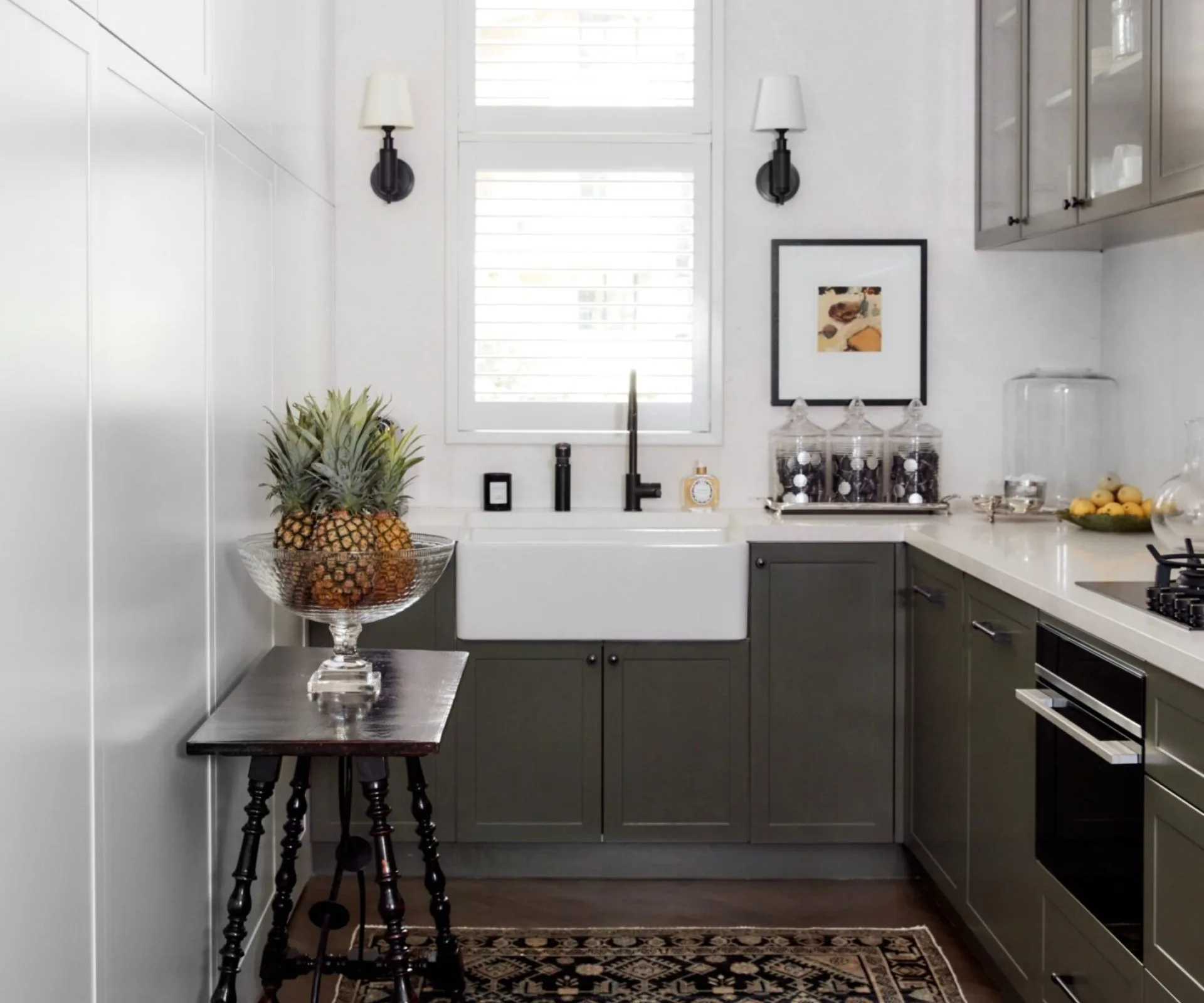
22 green kitchens that are guaranteed to induce envy

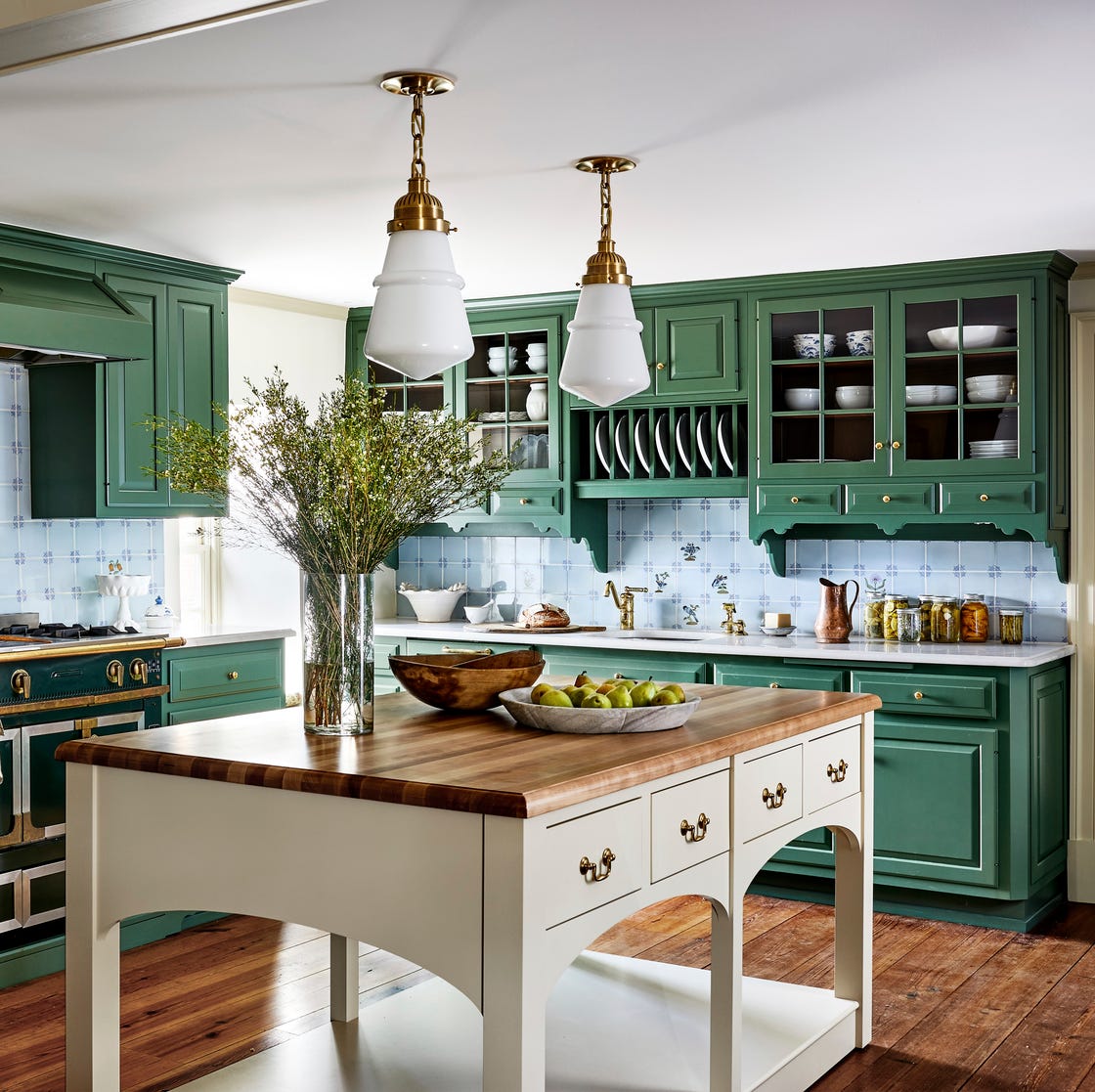
Green Kitchens Are Here to Stay!
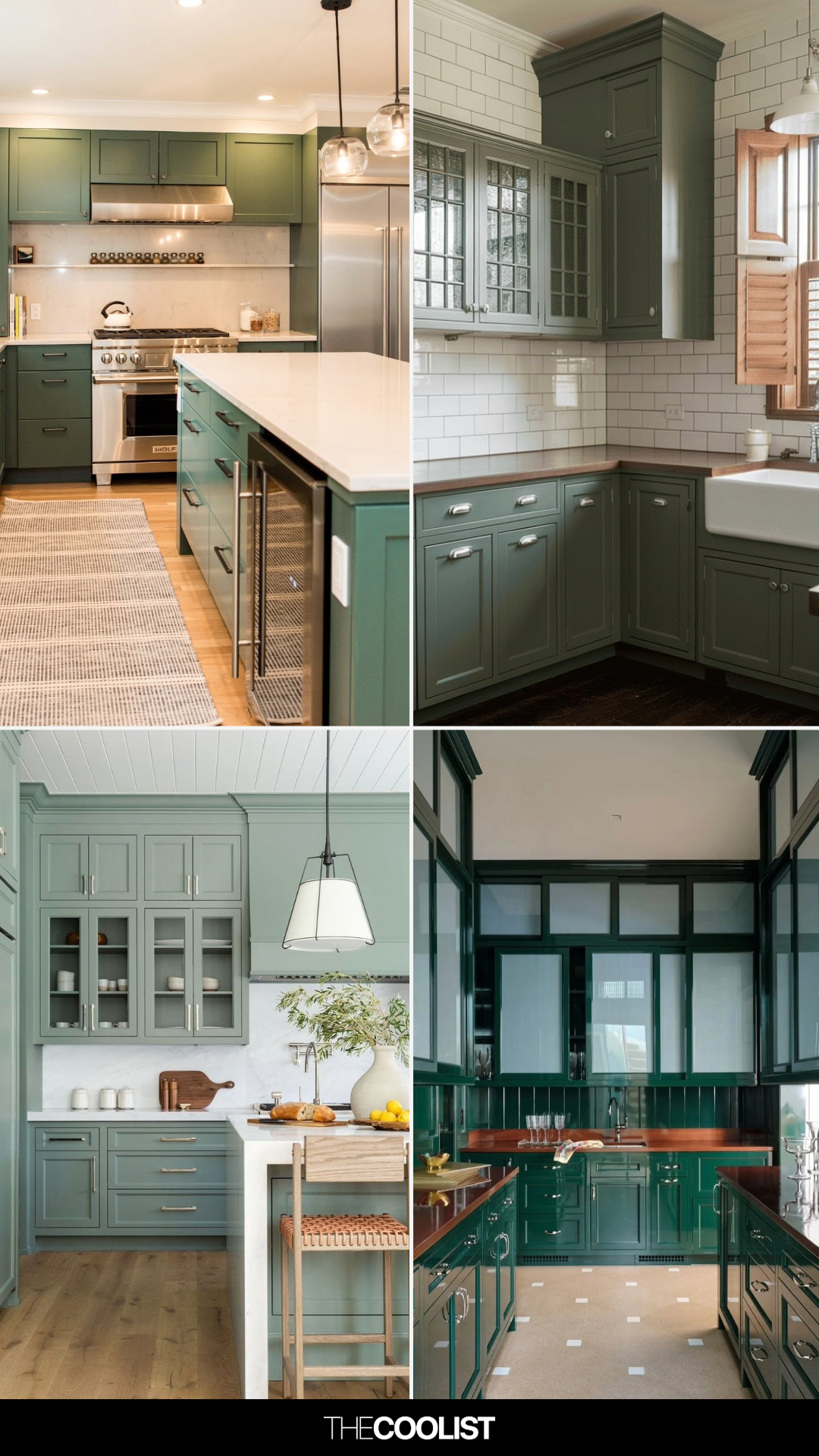
26 Green Kitchen Cabinet Ideas That Fix the “I Want Color But Not Too Much” Struggle
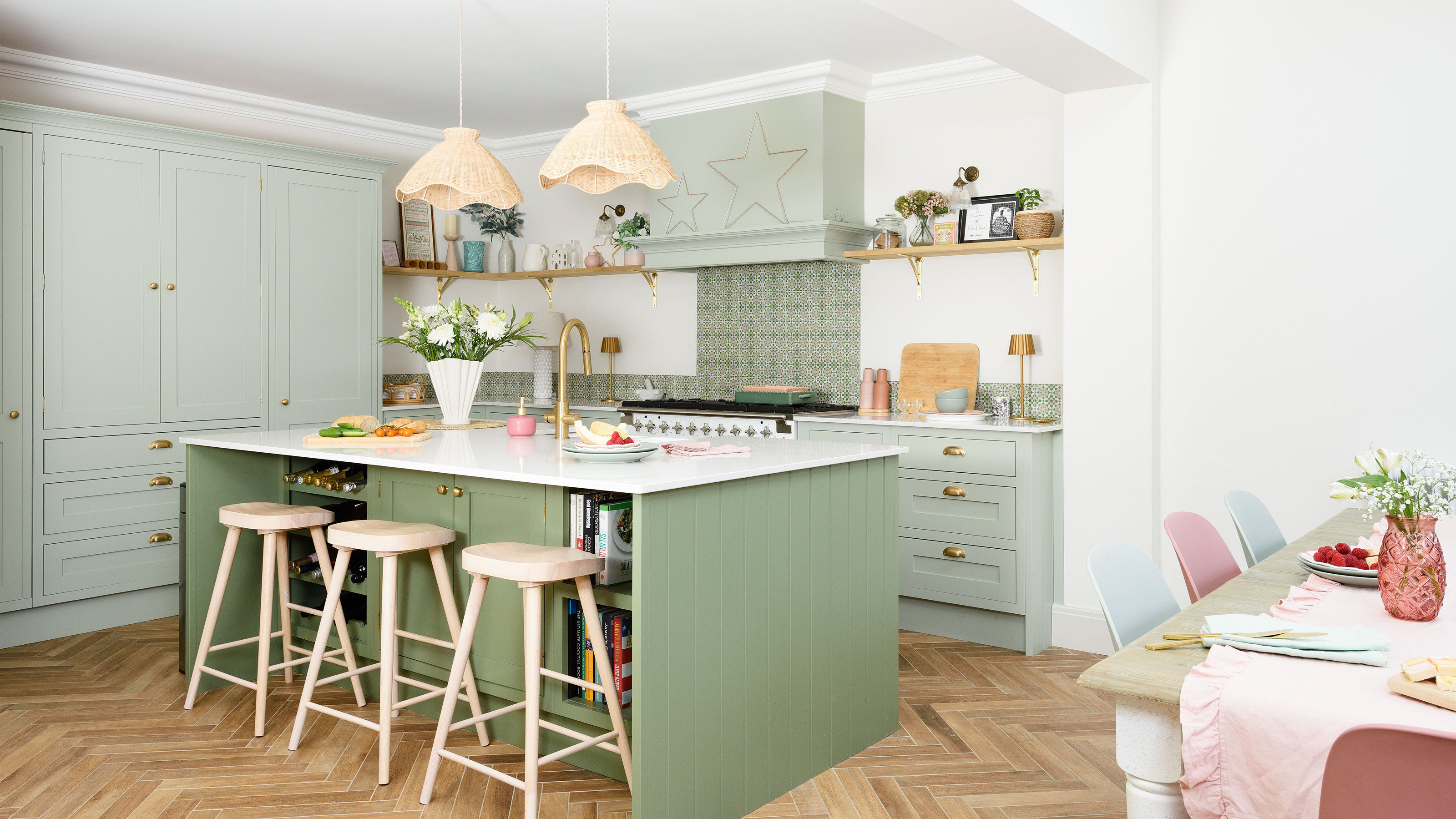
19 green kitchen ideas – verdant shades guaranteed to breathe life into your cooking space
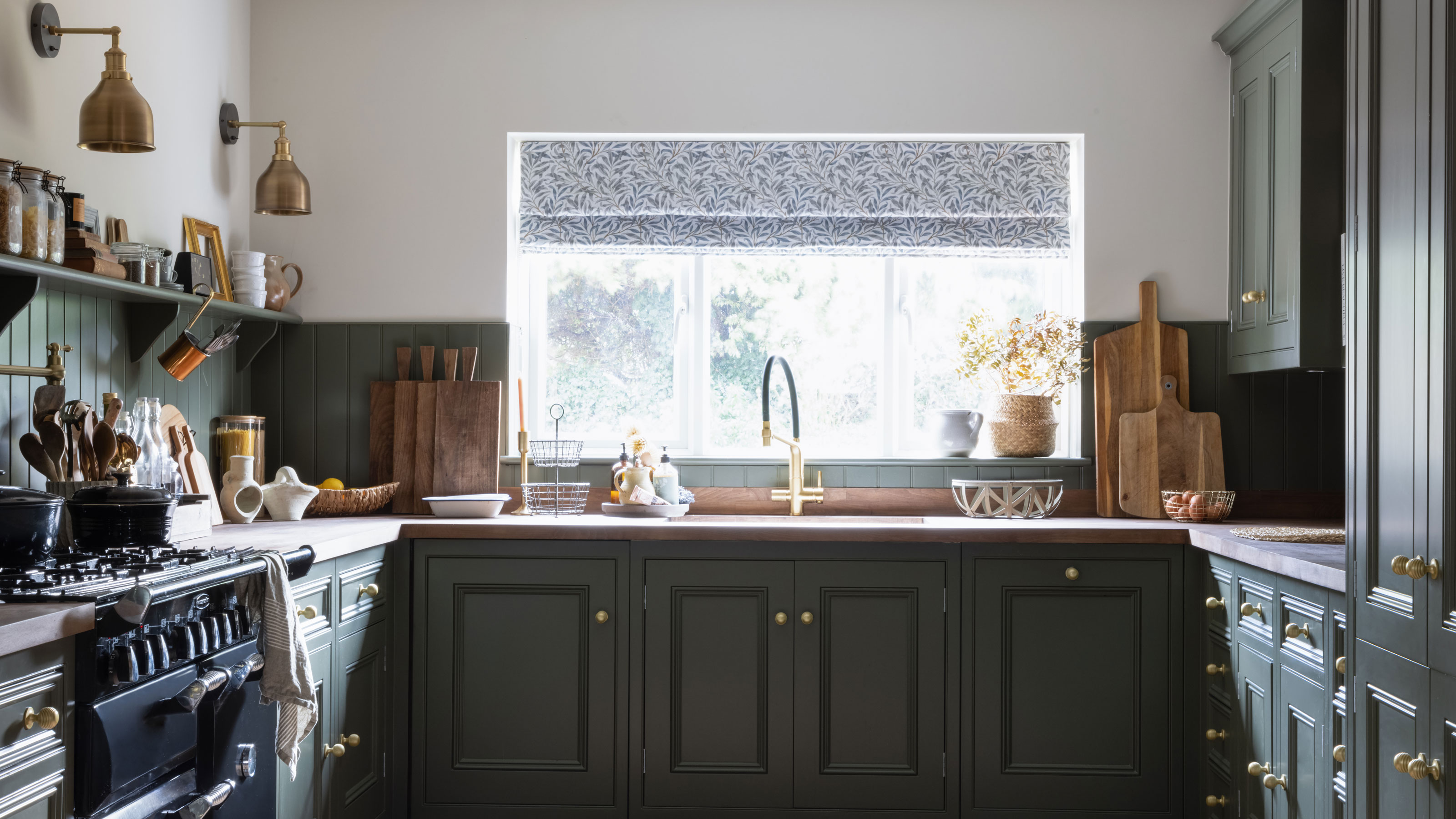
These are the 3 wall colours to avoid if you have a green kitchen - and the expert-approved shades to try instead
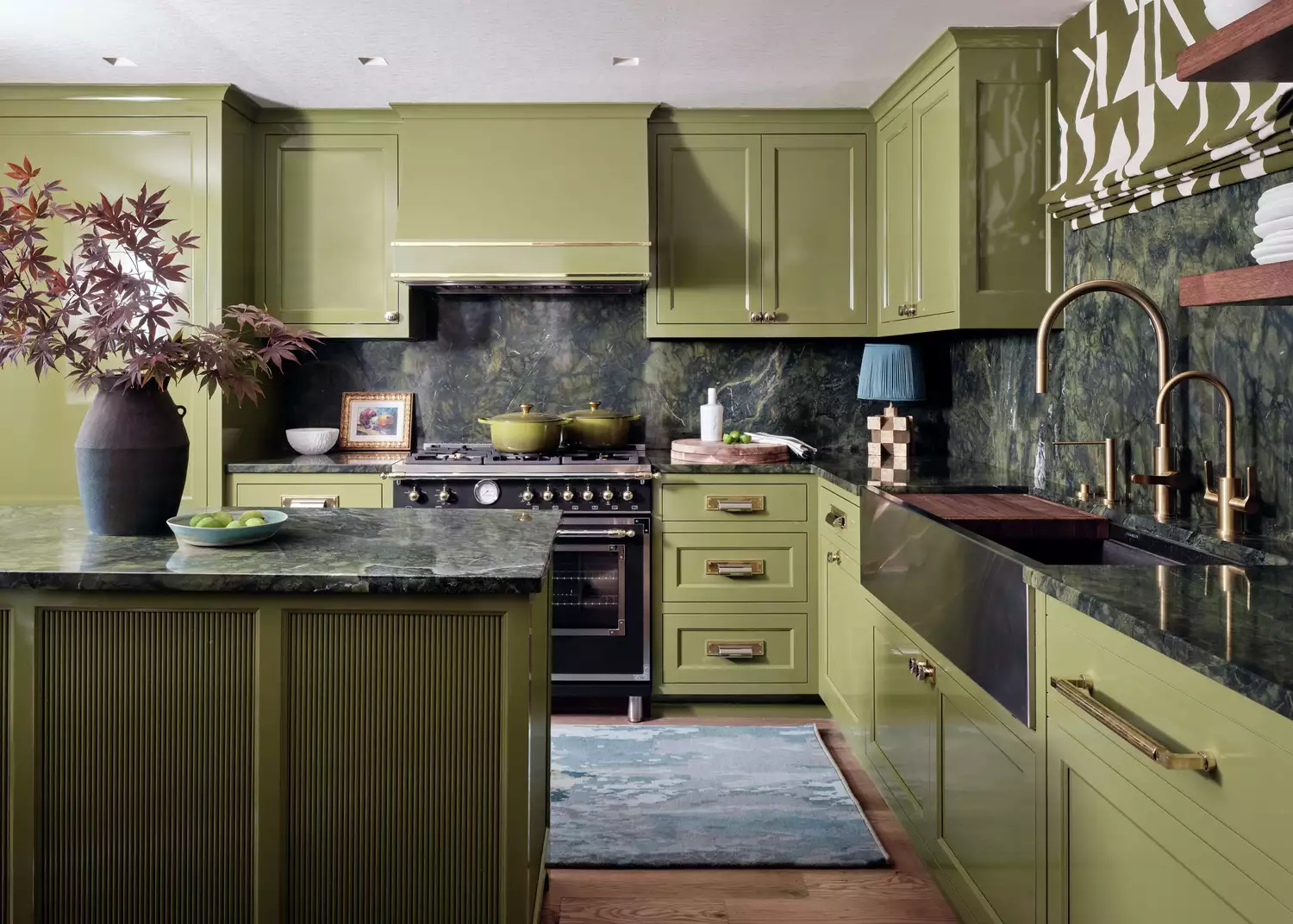
16 Green Kitchen Cabinet Ideas for a Timeless and Stylish Space
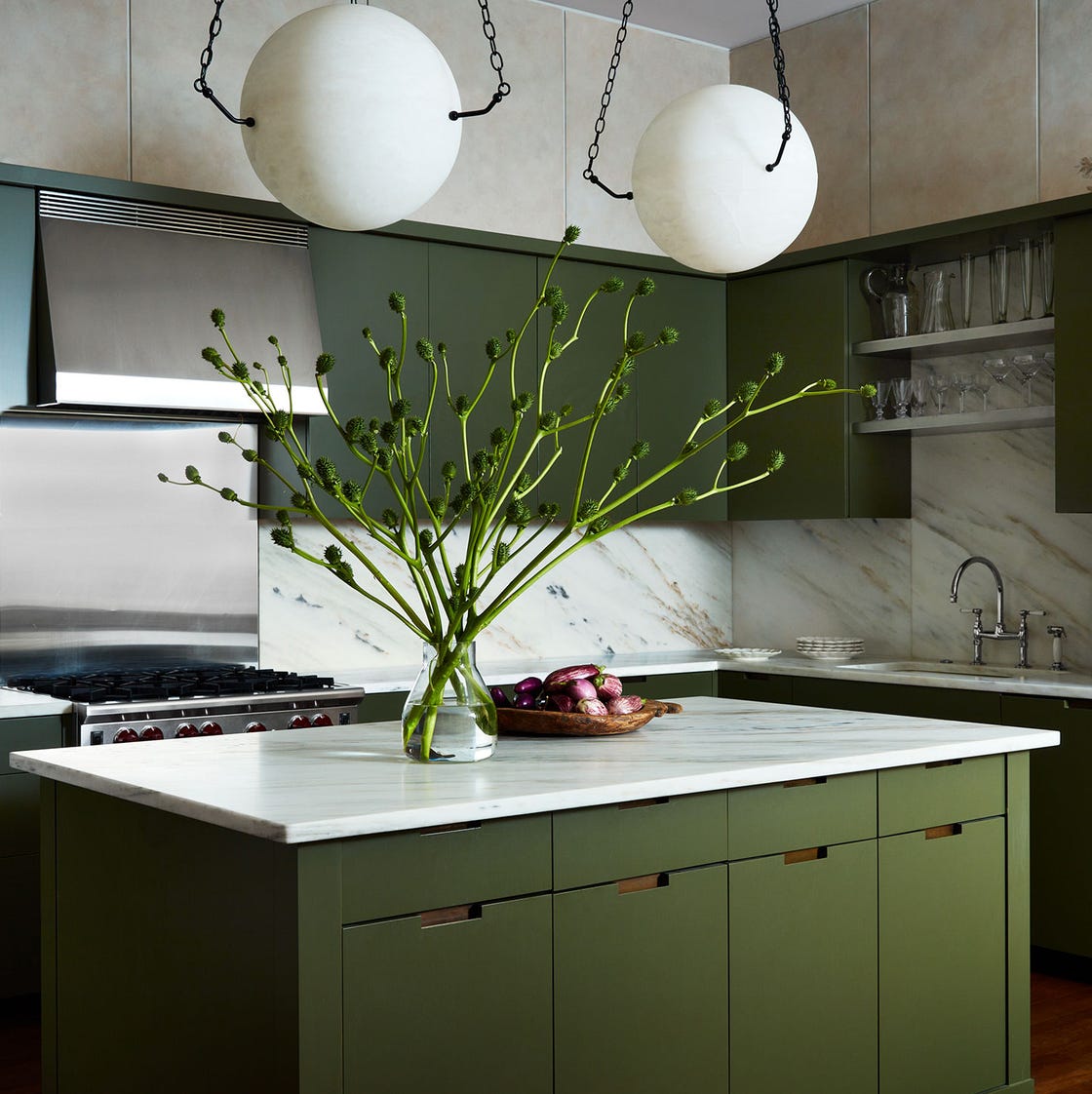
37 Green Kitchen Ideas for the Freshest Cooking Space Ever in 2025
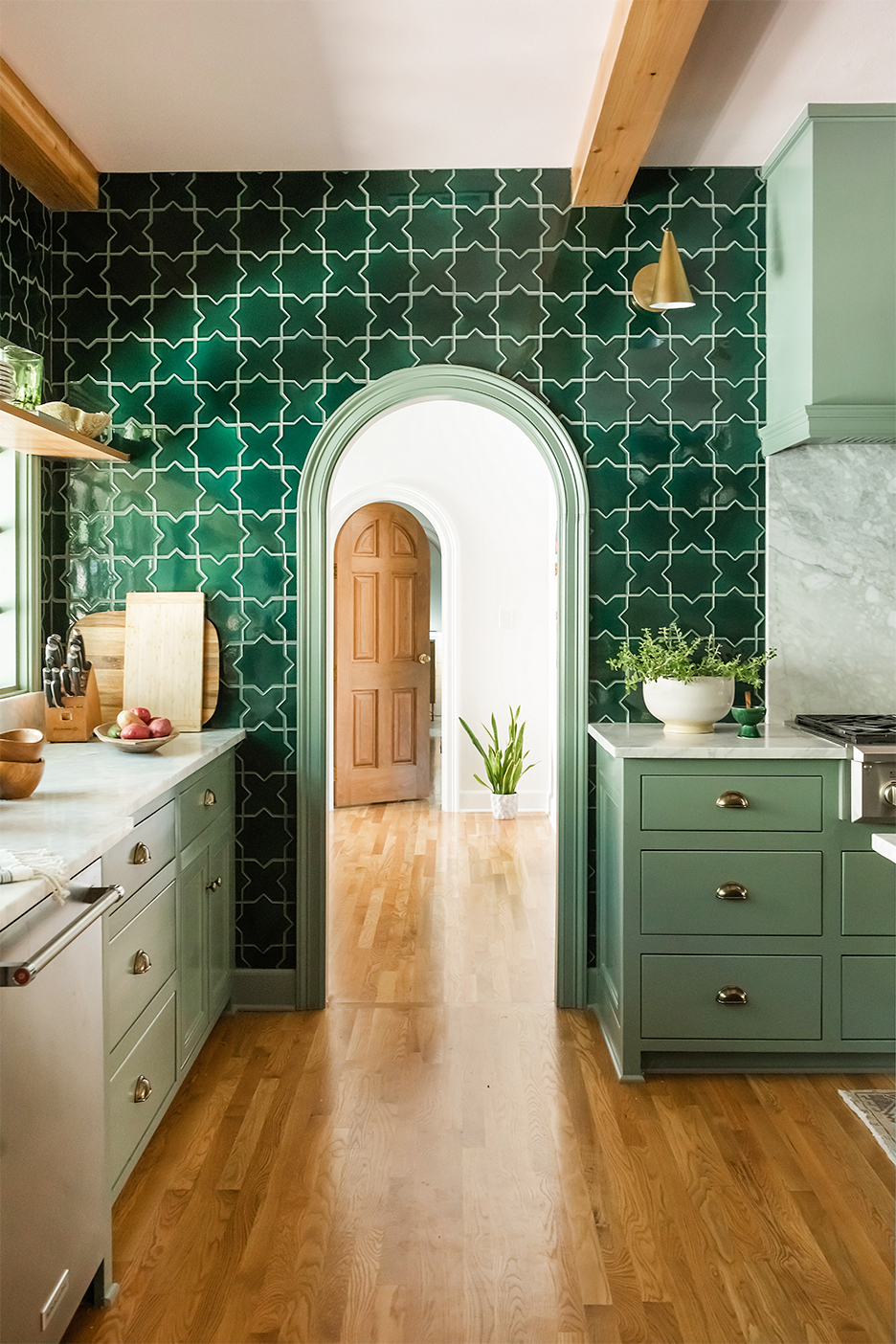
So You Want a Green Kitchen—Here’s a Pretty Perfect Example
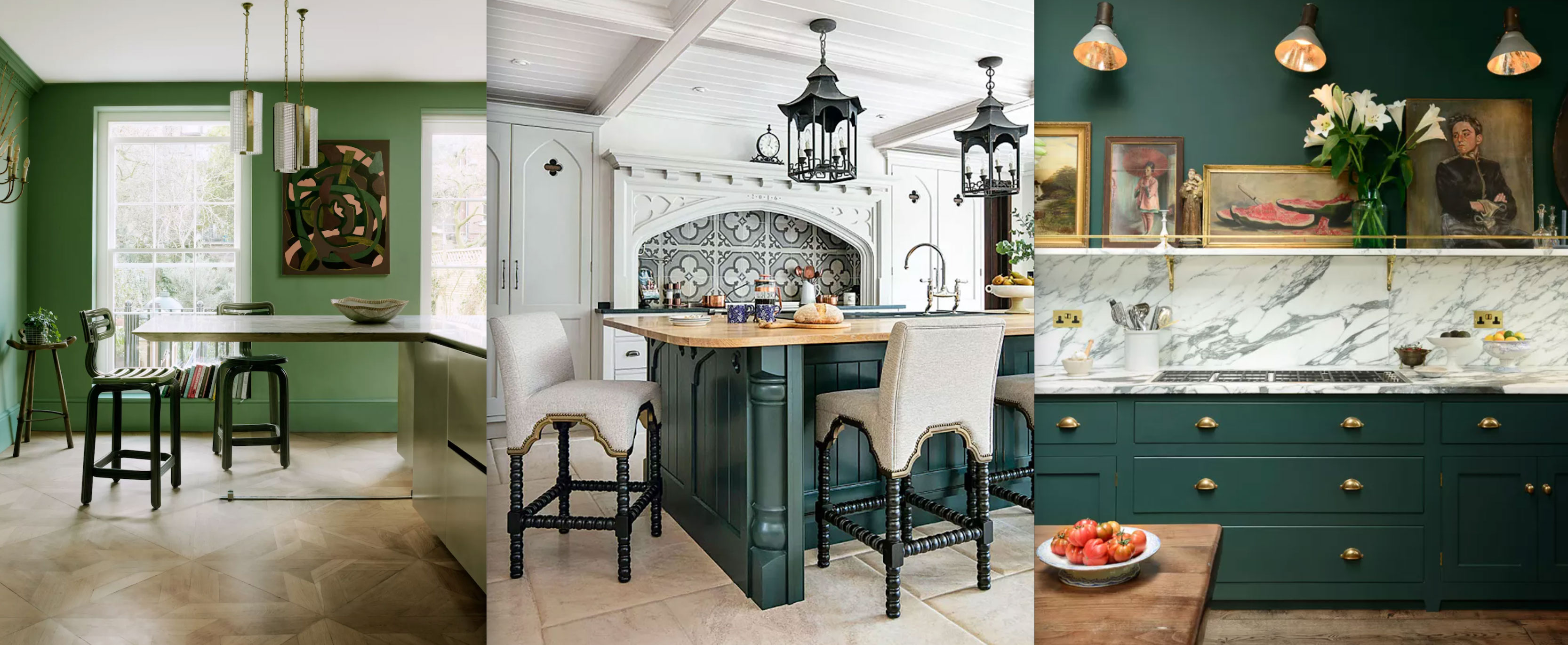
Green kitchen ideas: 16 ways to use olive, sage, apple and more

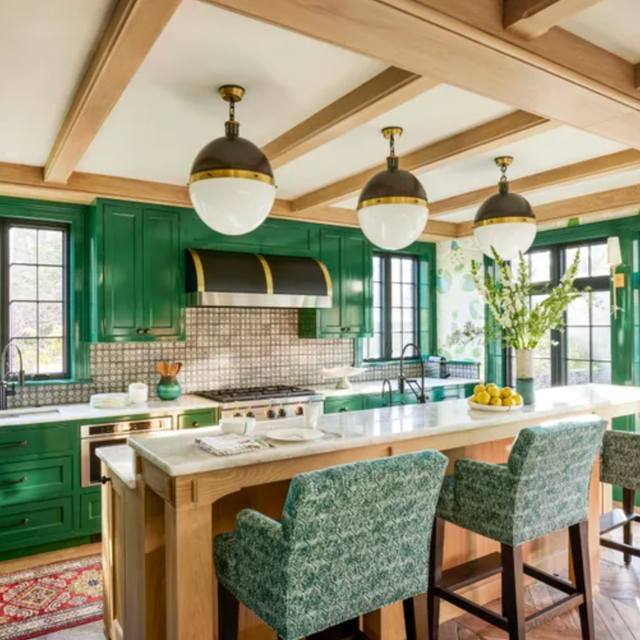
15 Green Kitchens You're About to Envy Hard

The 14 Paint Colors Featured in Our Favorite Green Kitchens

The Green Kitchen Trend Is Evolving in 2026

The 6 Most Popular Kitchen Cabinet Paint Colors for 2026, According to Designers