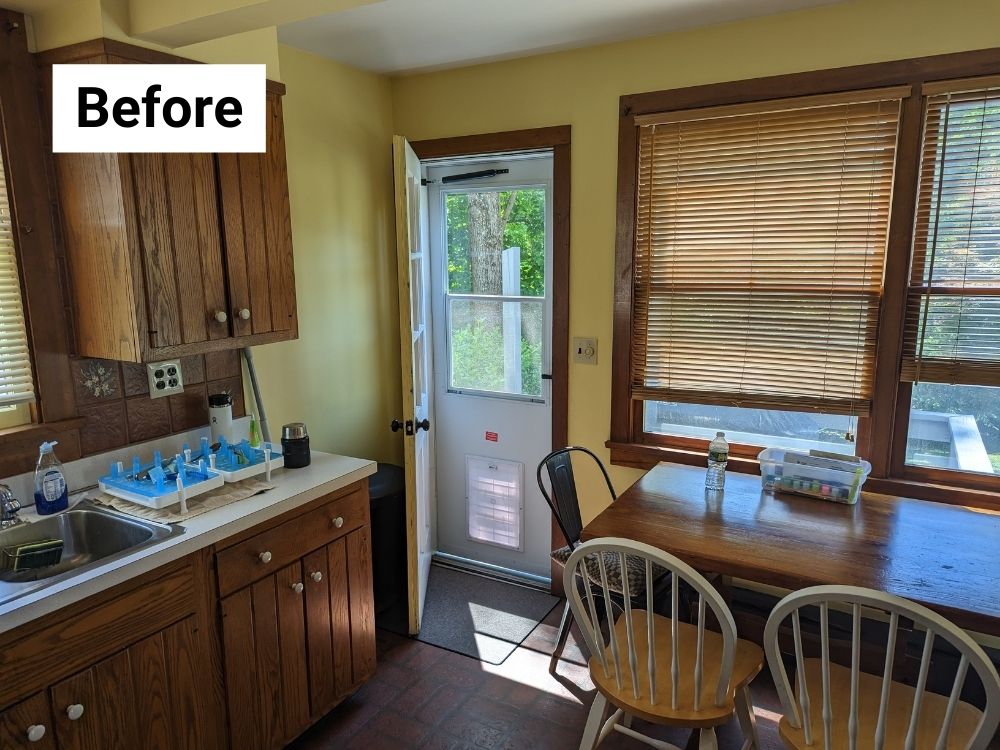
1/7
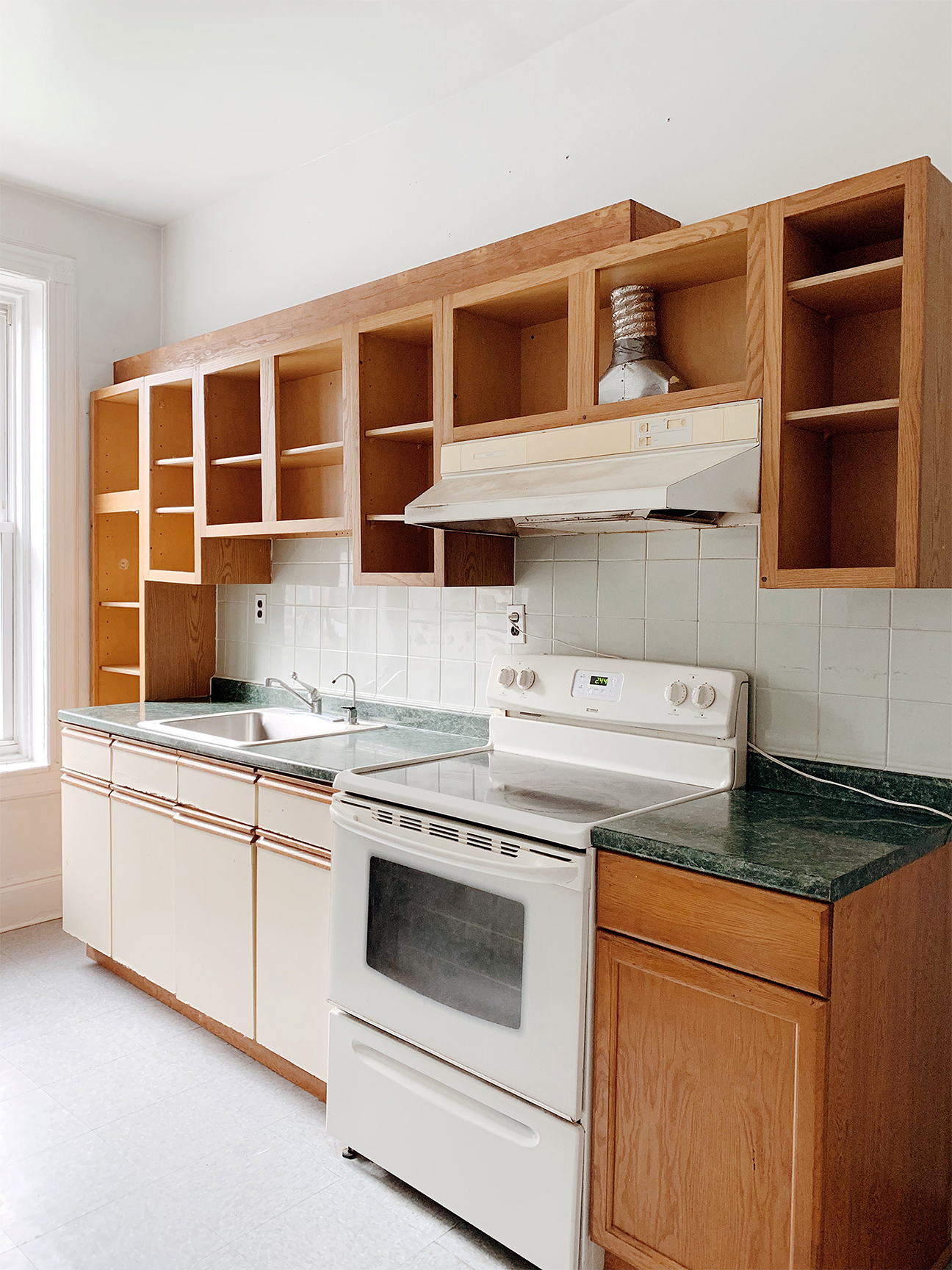
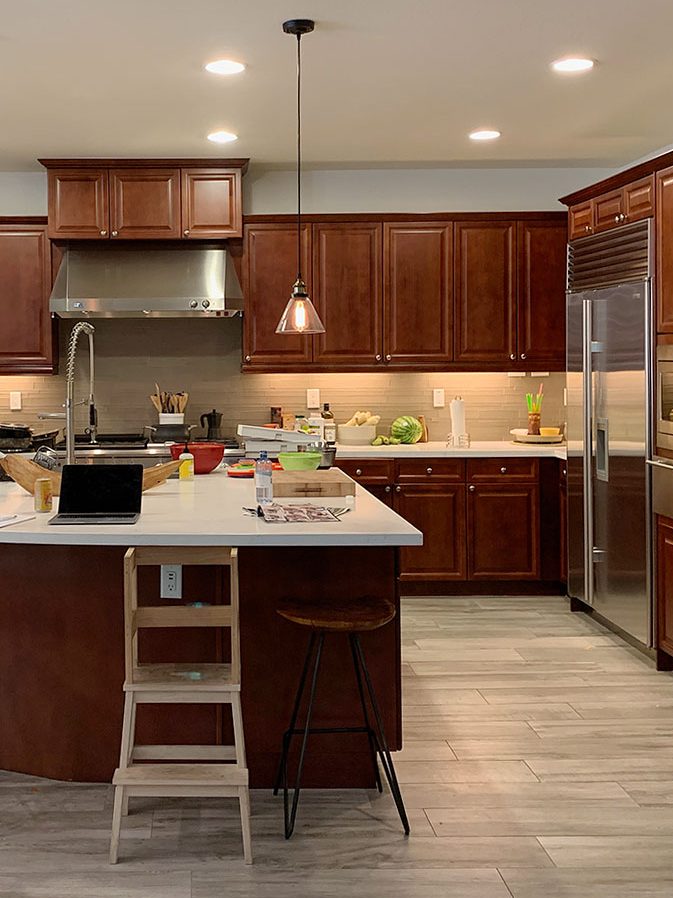
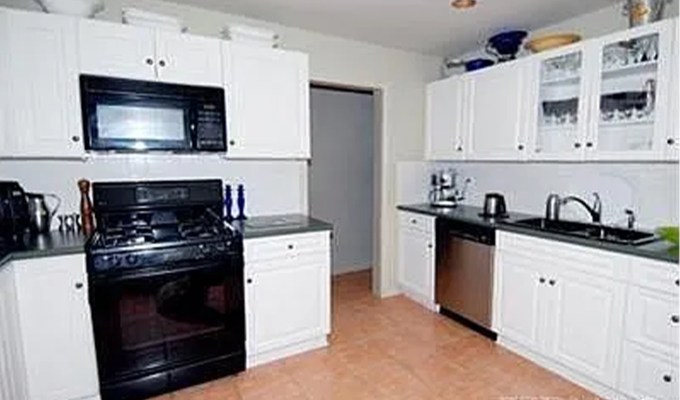
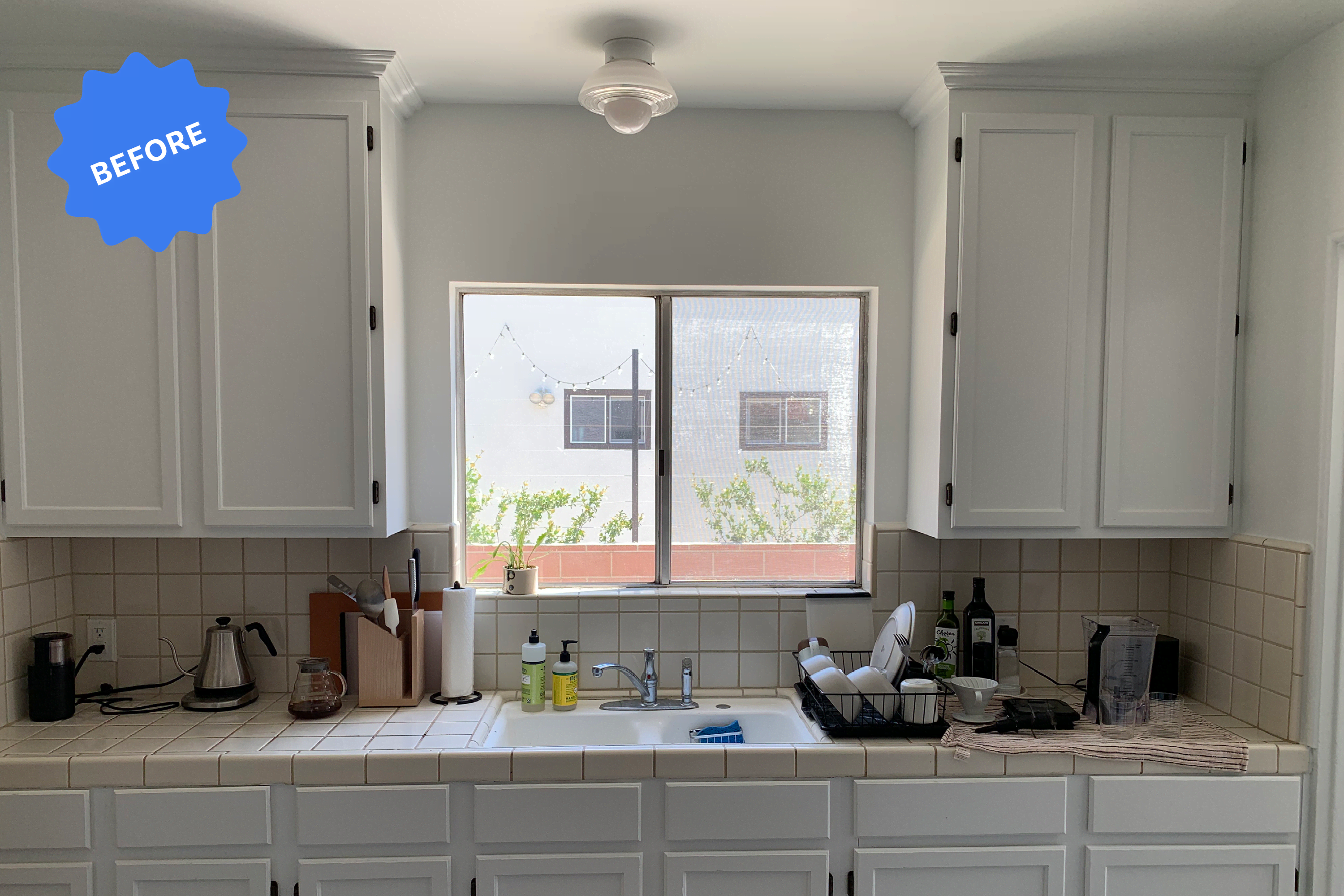
Why I'm an Advocate for a "Slow Reno" (and My 1970s Kitchen Has Taken 13 Months to Update So Far)
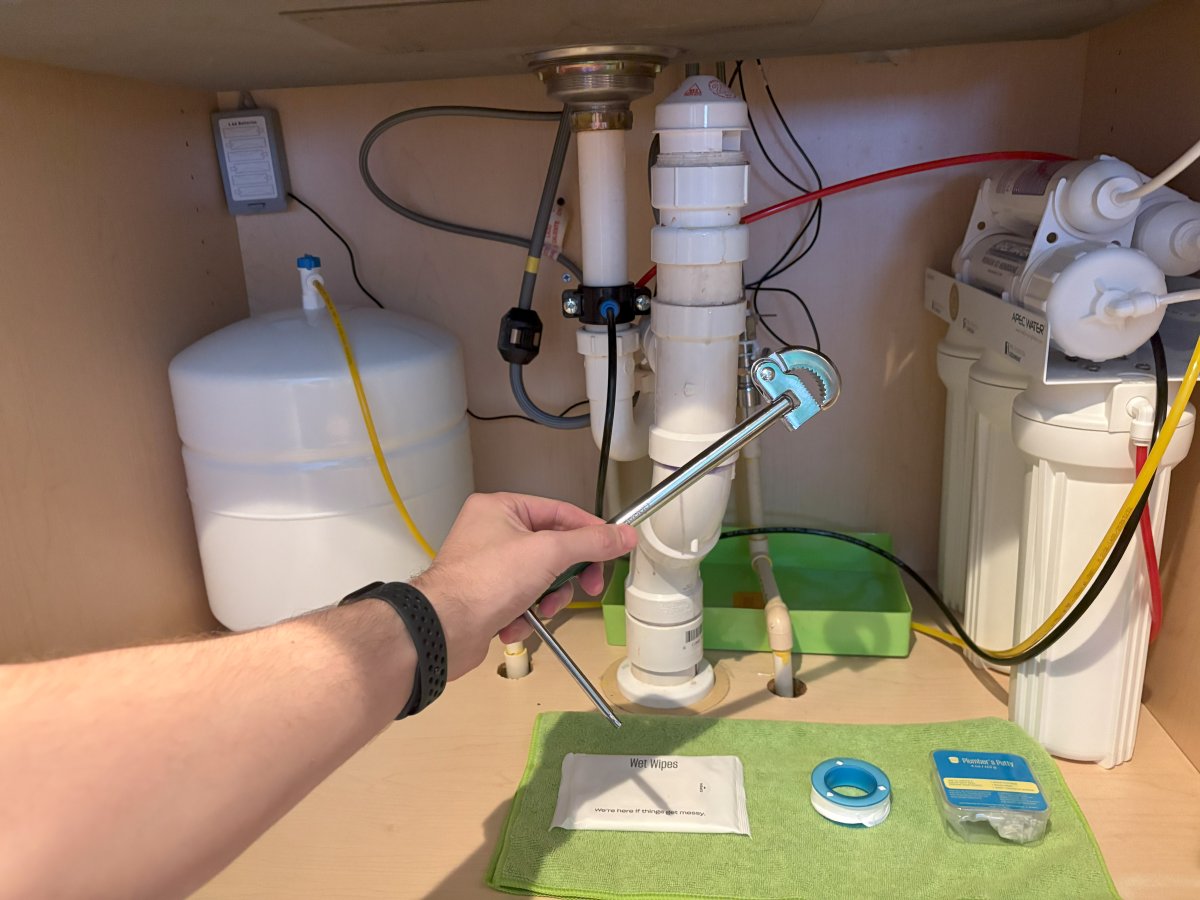
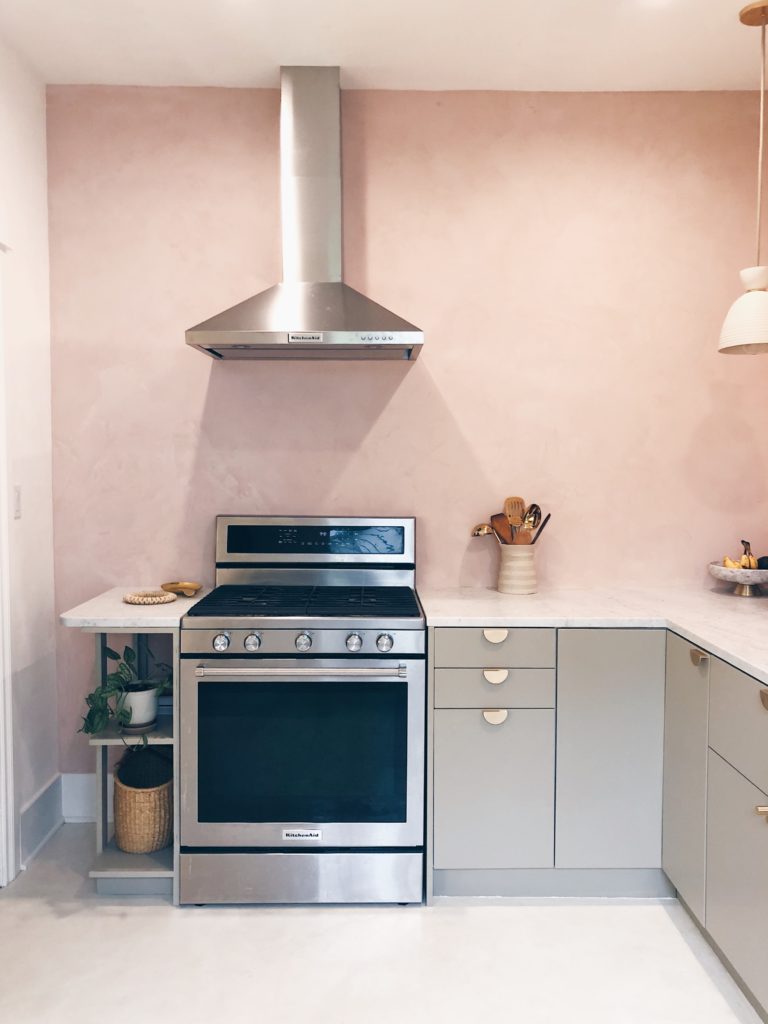
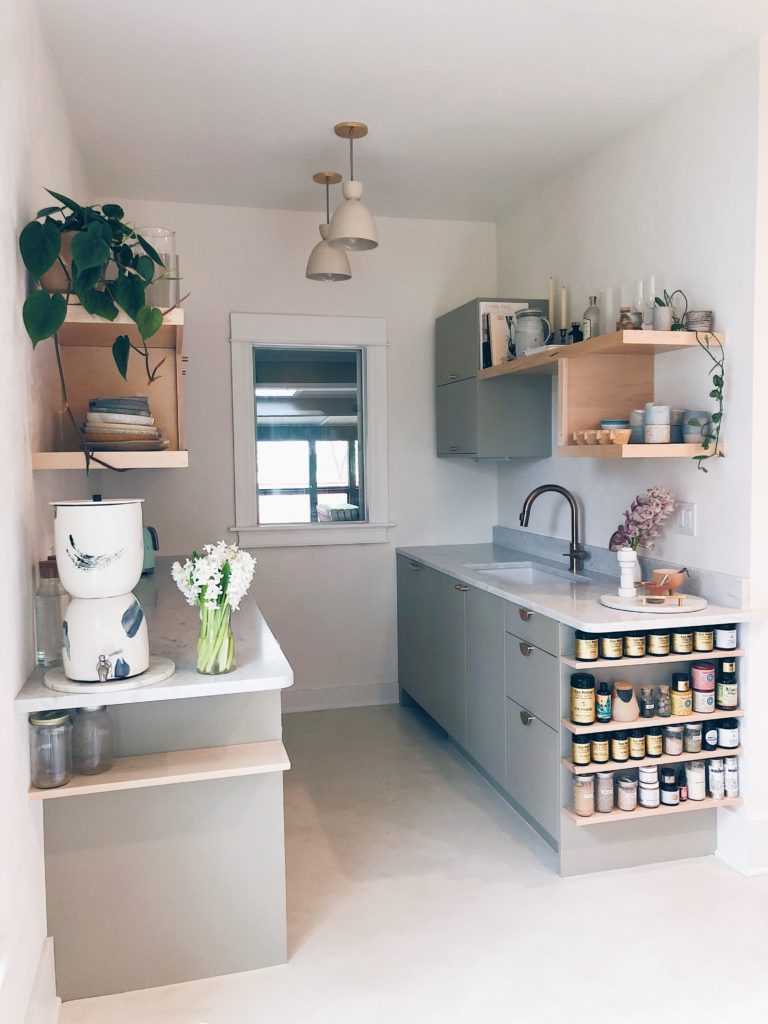
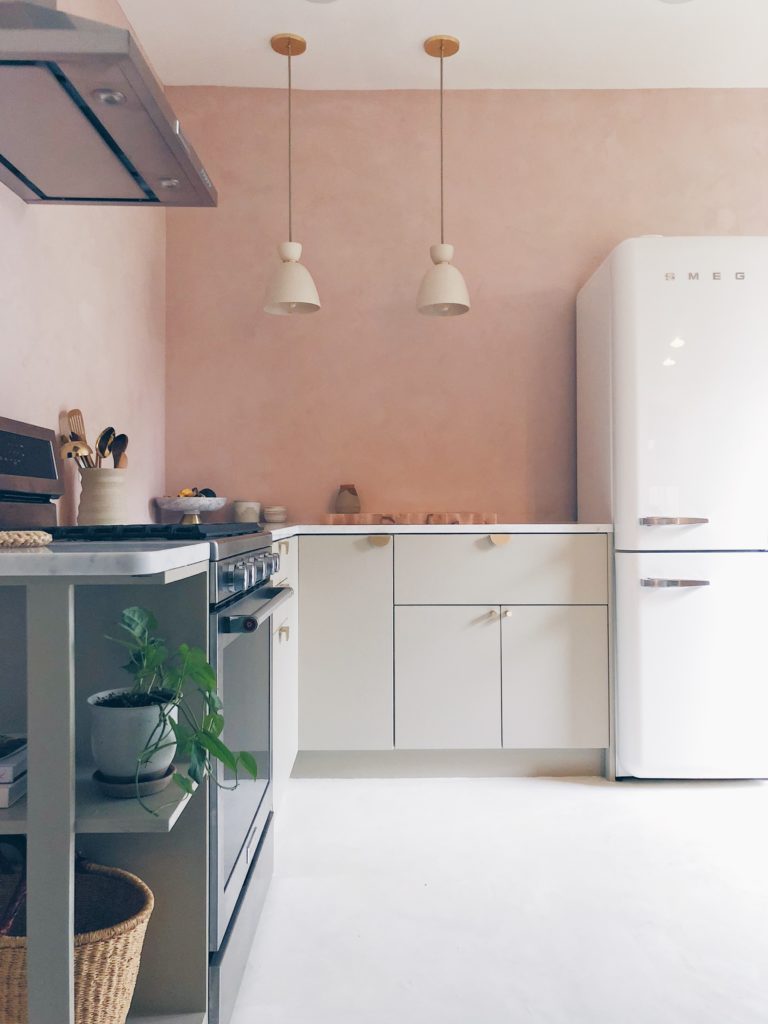
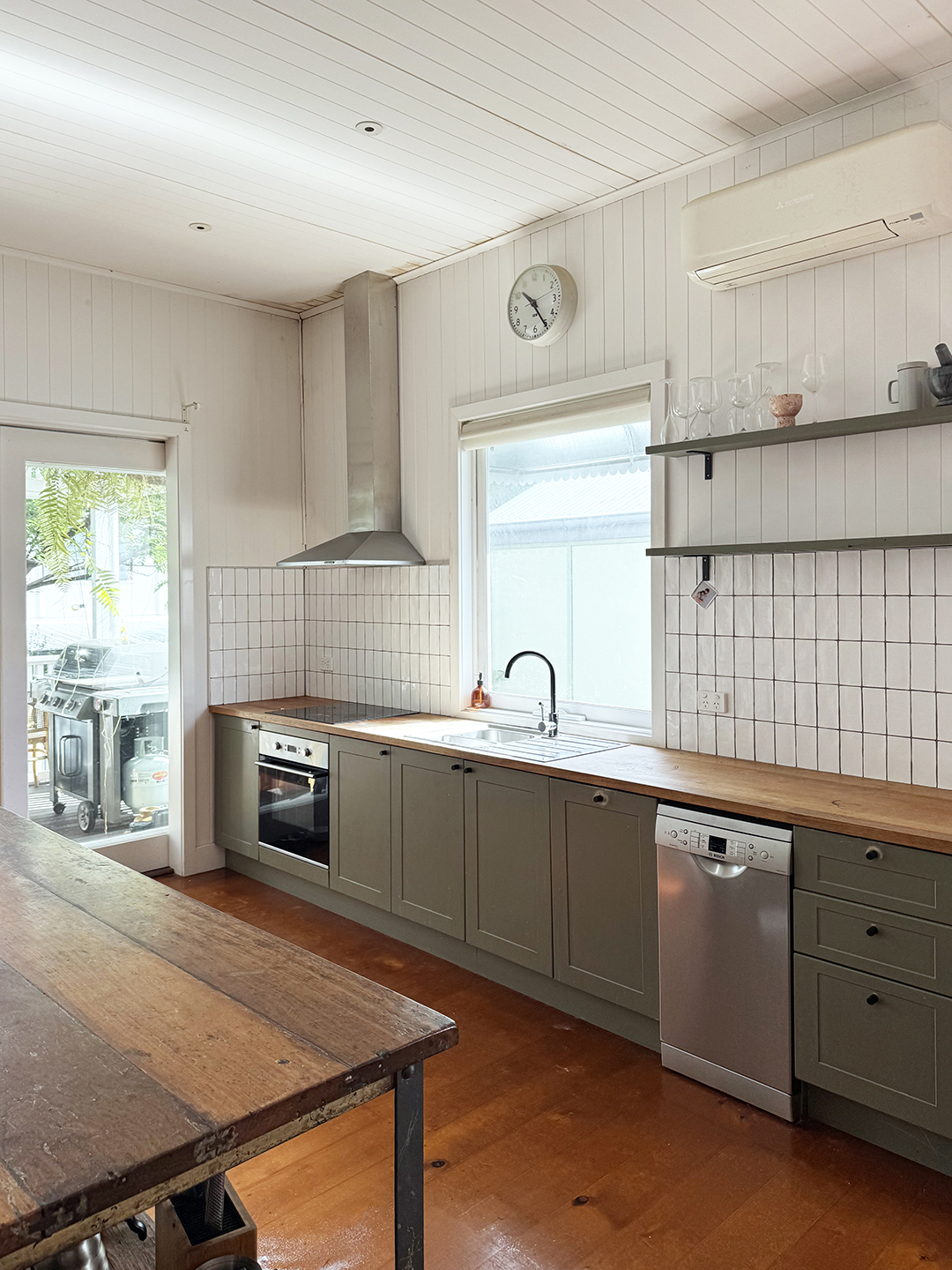
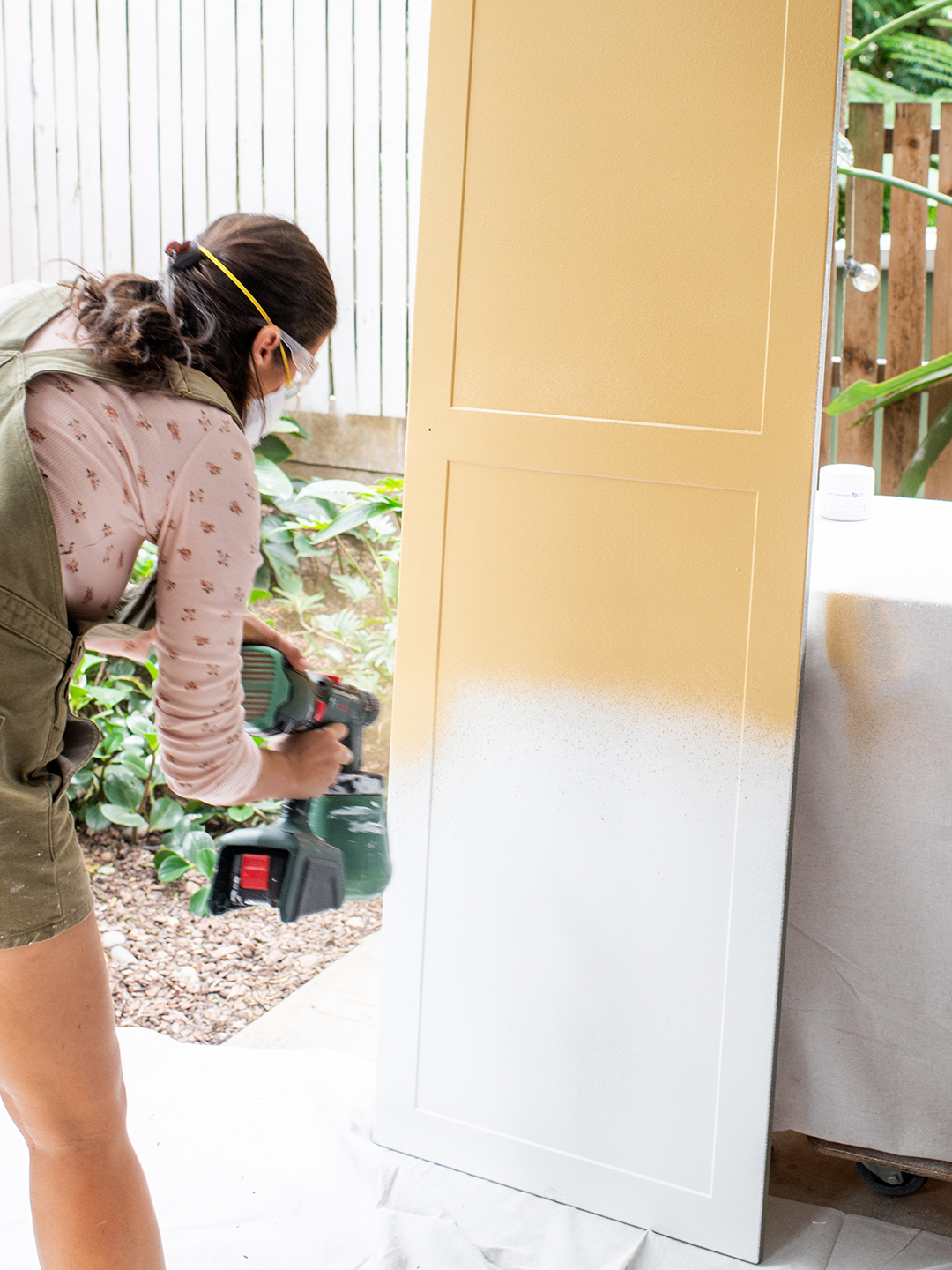
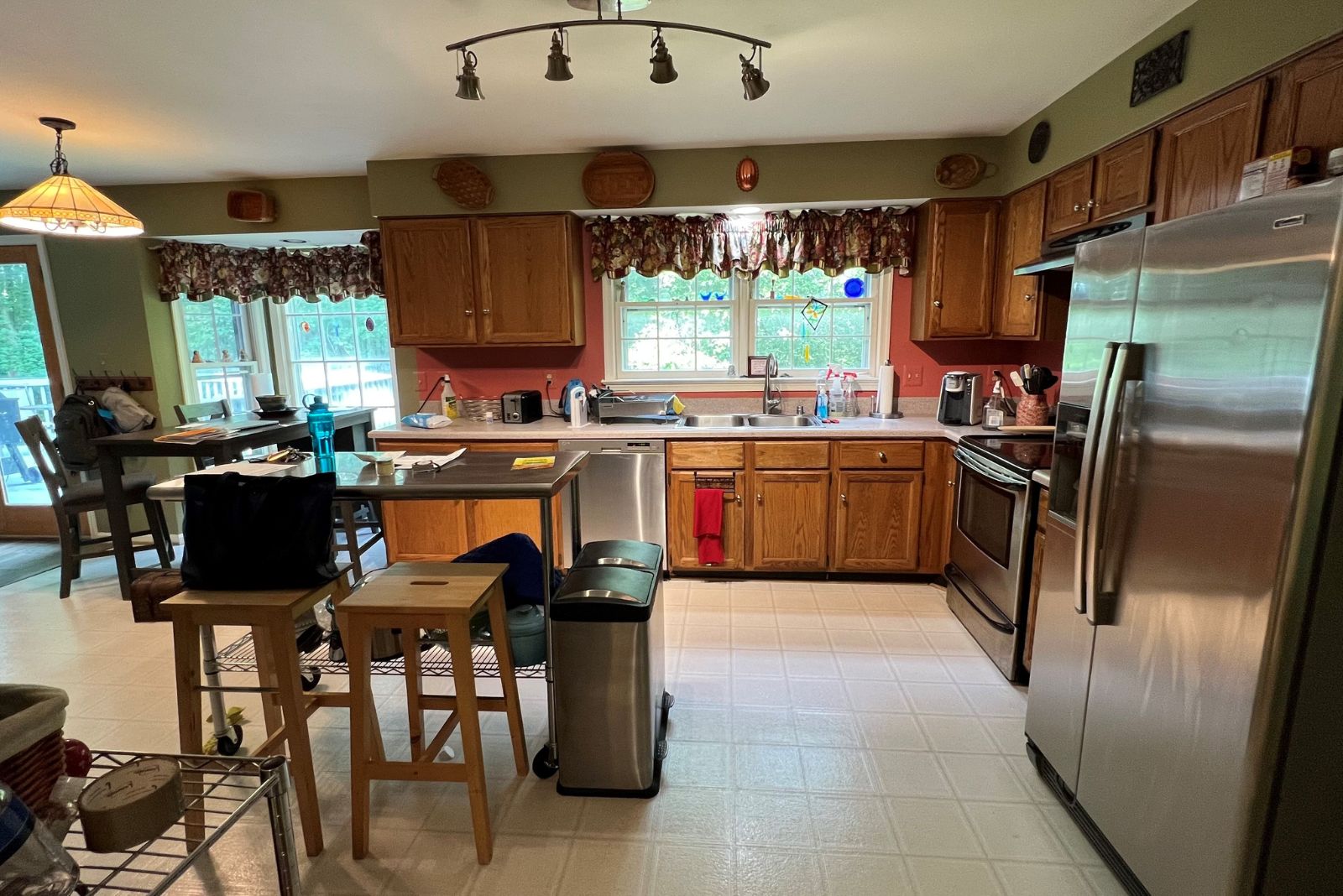
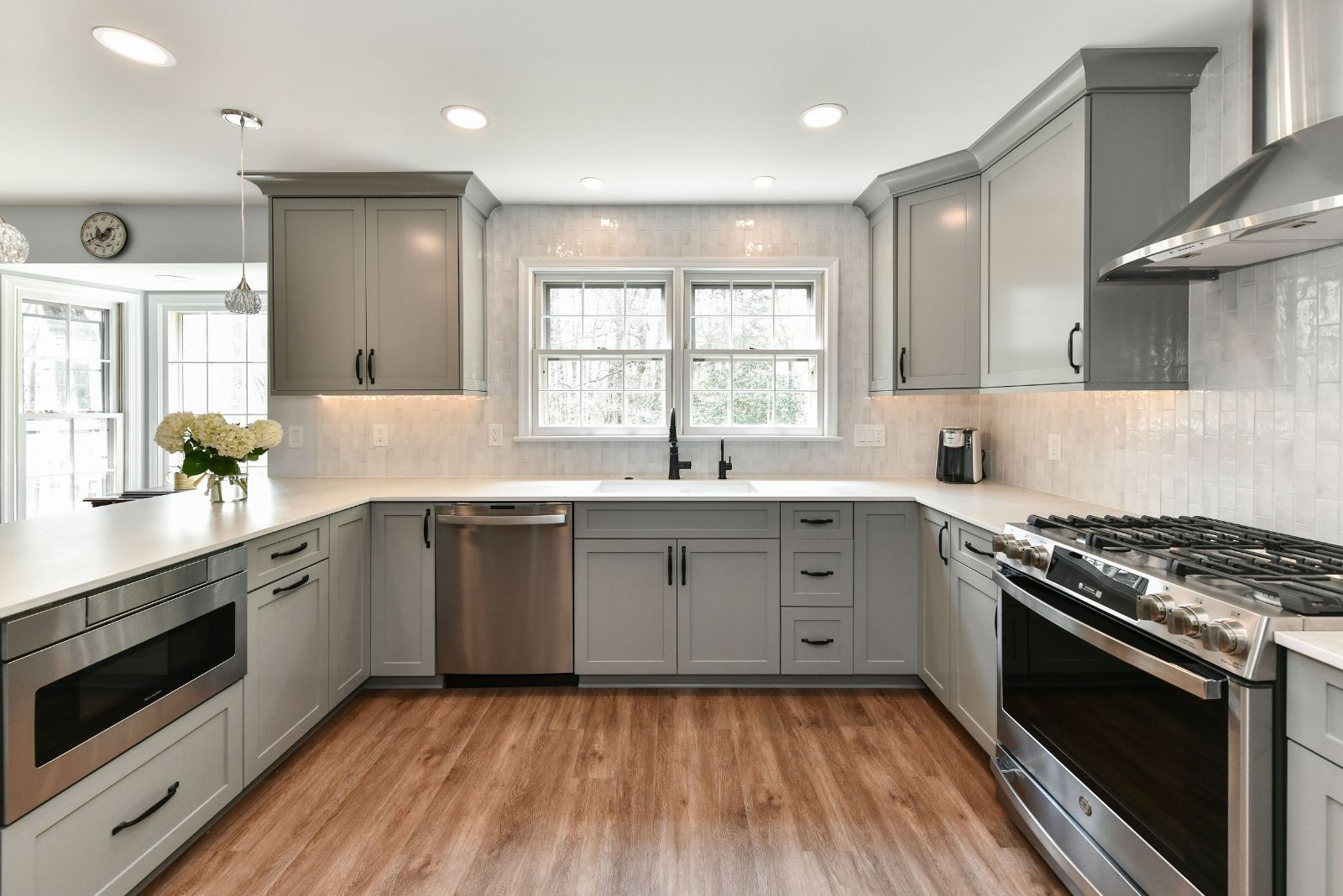
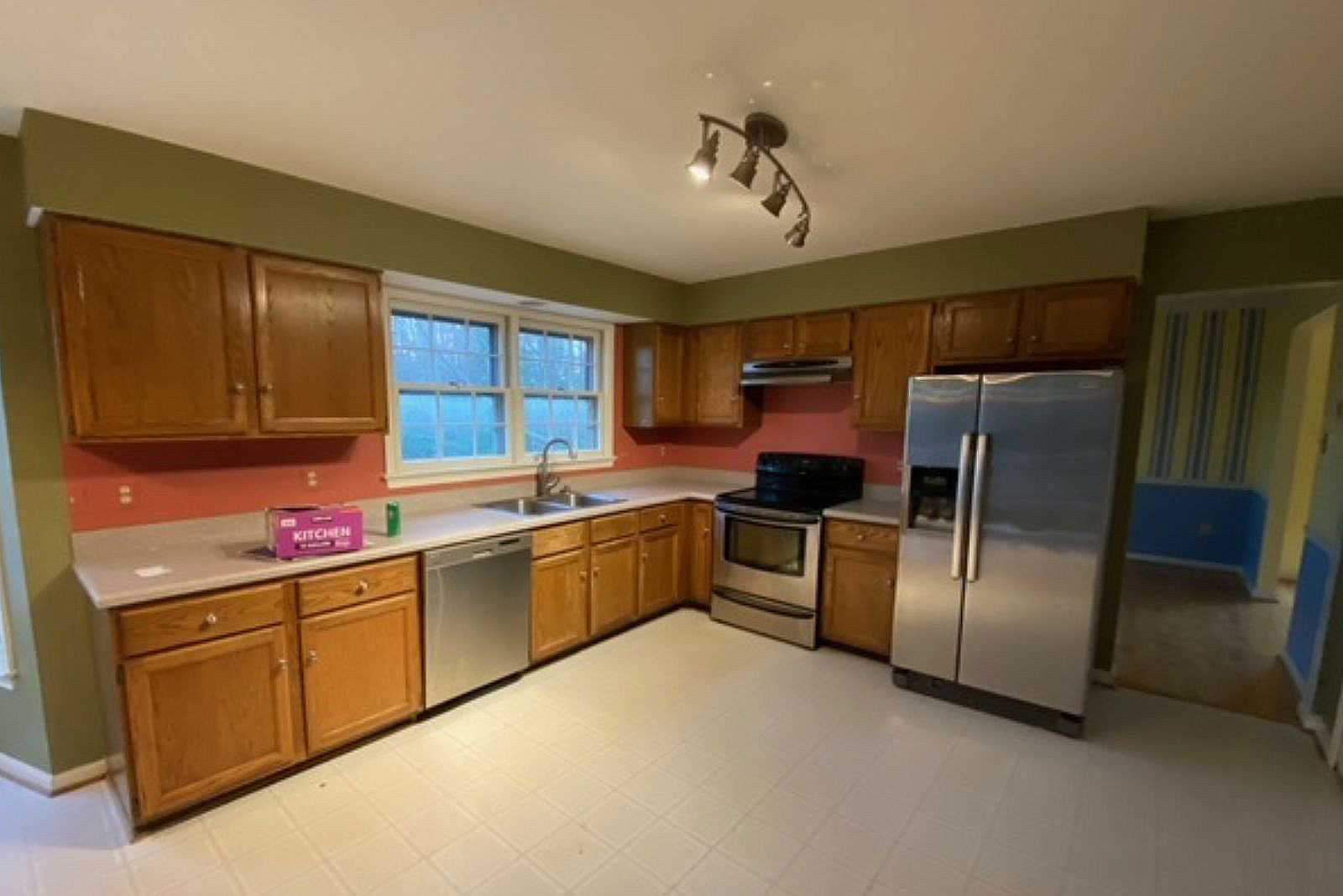
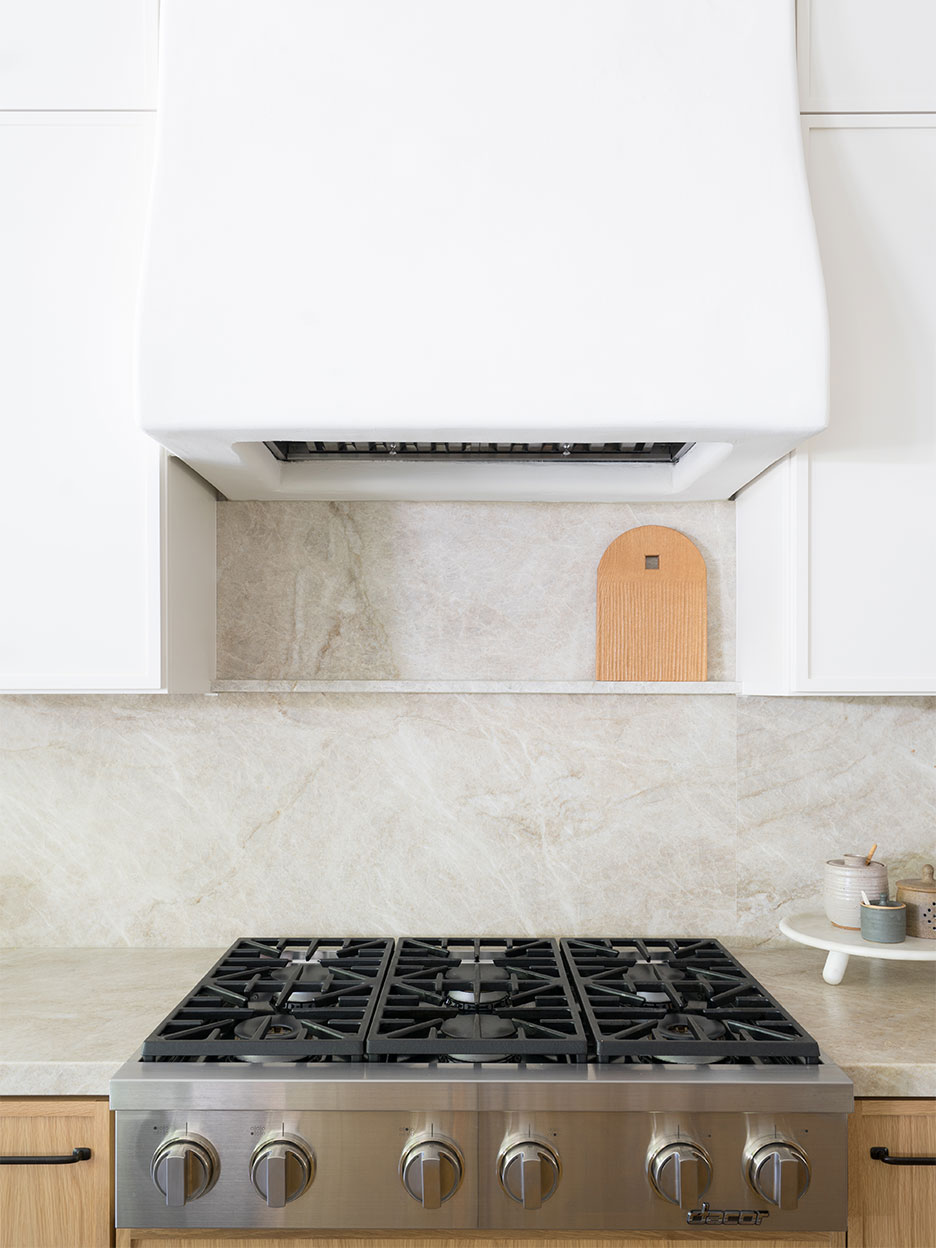
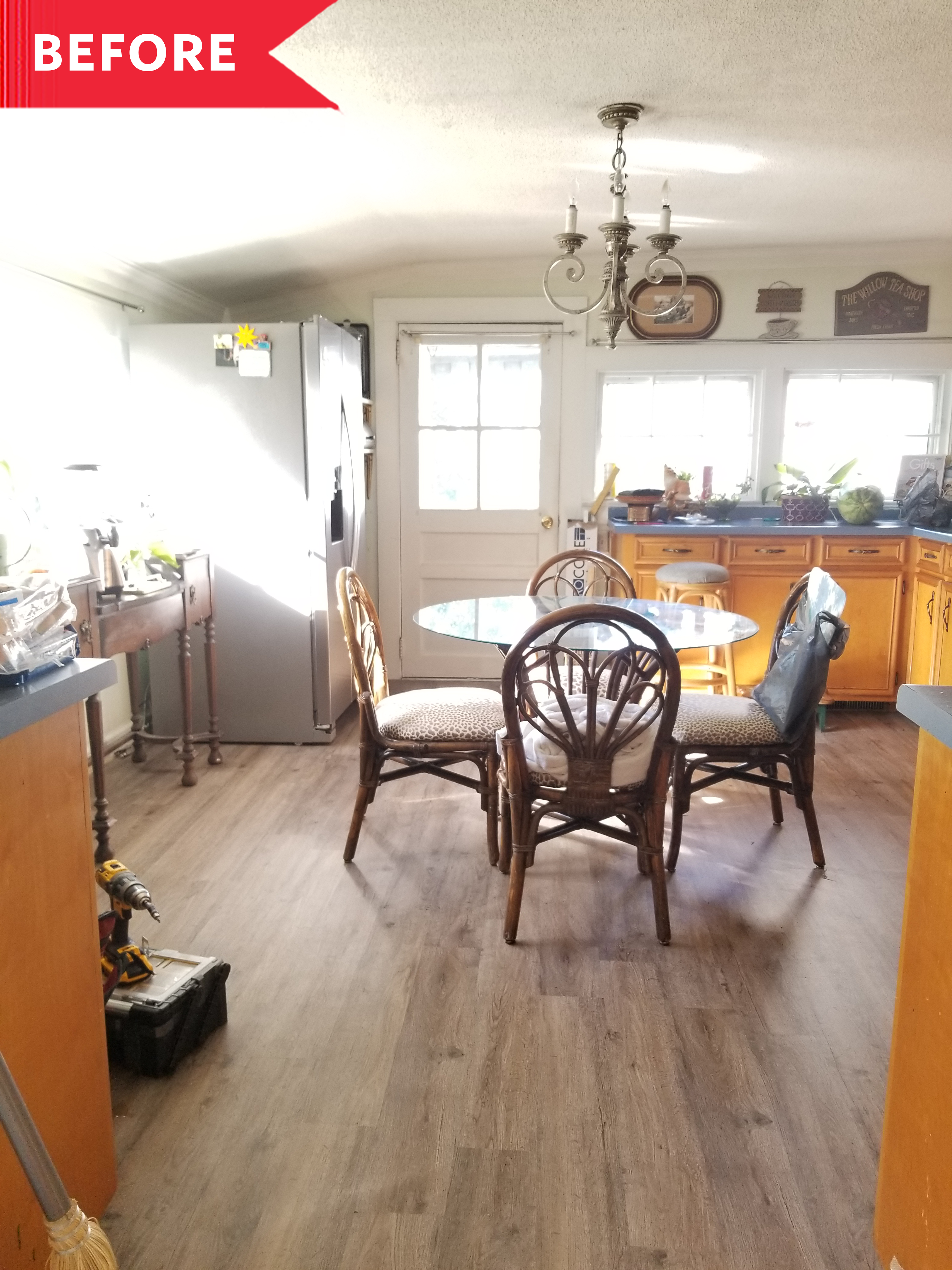
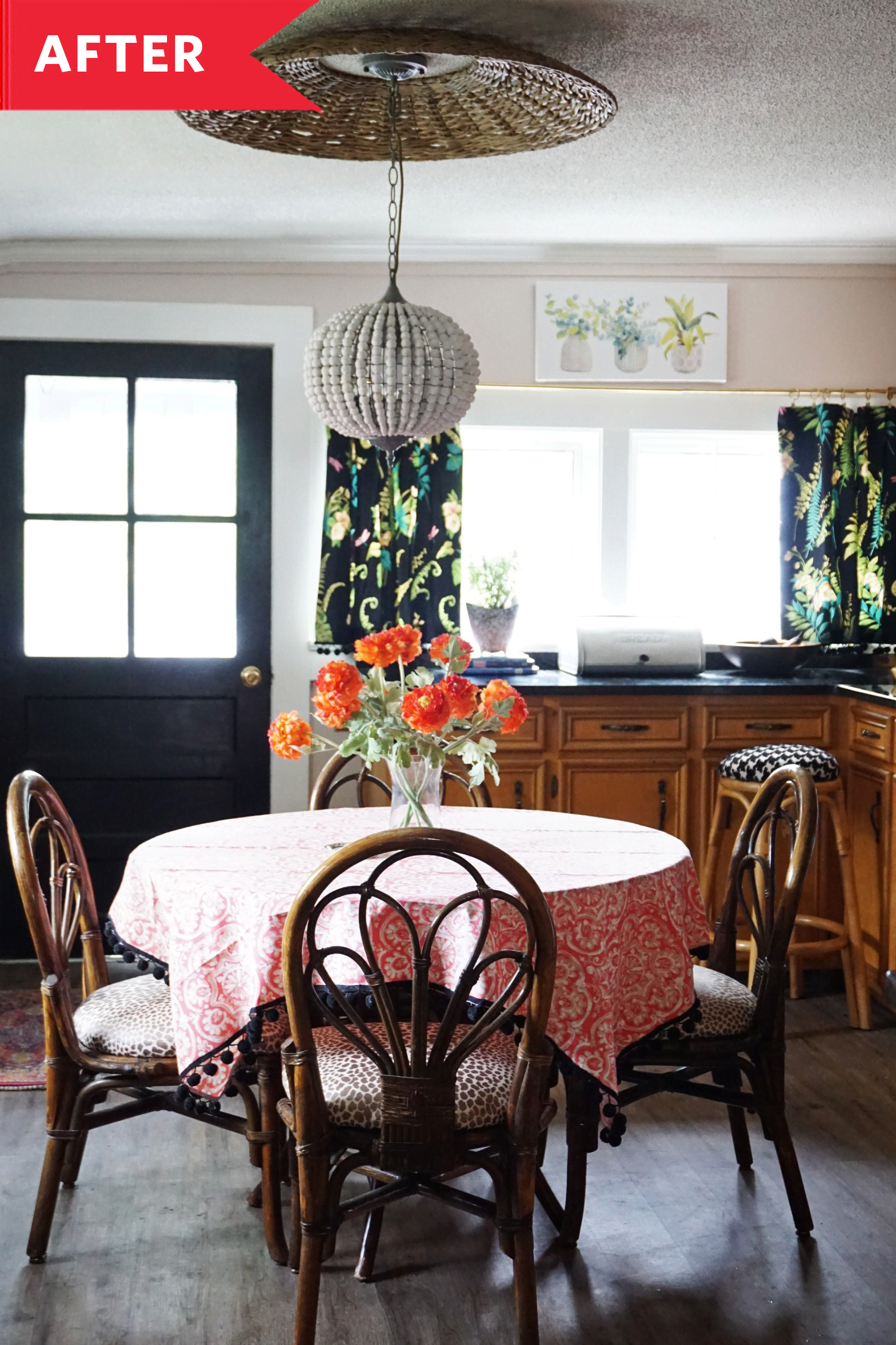
The author discusses the concept of a "slow reno," a renovation approach that deliberately extends over a longer period, often several months or more. This method breaks down a large transformation into smaller, manageable projects that align with an individual's schedule, energy levels, and budget. Each phase can be completed over a weekend or two, allowing time to live with the changes before moving to the next stage. While primarily DIY-focused, a slow reno can incorporate professional help for specific tasks, such as electrical work or painting.
One significant advantage of a slow reno is the ability to spread out costs, making a large investment like a kitchen remodel more financially feasible. The national average for a minor kitchen remodel in 2023 was around $27,492, a substantial amount if paid in lump sums. By phasing the project, homeowners can purchase tools and materials as needed, avoiding immediate financial strain. This staggered purchasing also allows for strategic shopping during sales events throughout the year, such as President’s Day, Memorial Day, Prime Day, and Black Friday. The author successfully used price trackers, social media alerts, and store loyalty programs to secure significant discounts on paint, appliances, and other renovation supplies.
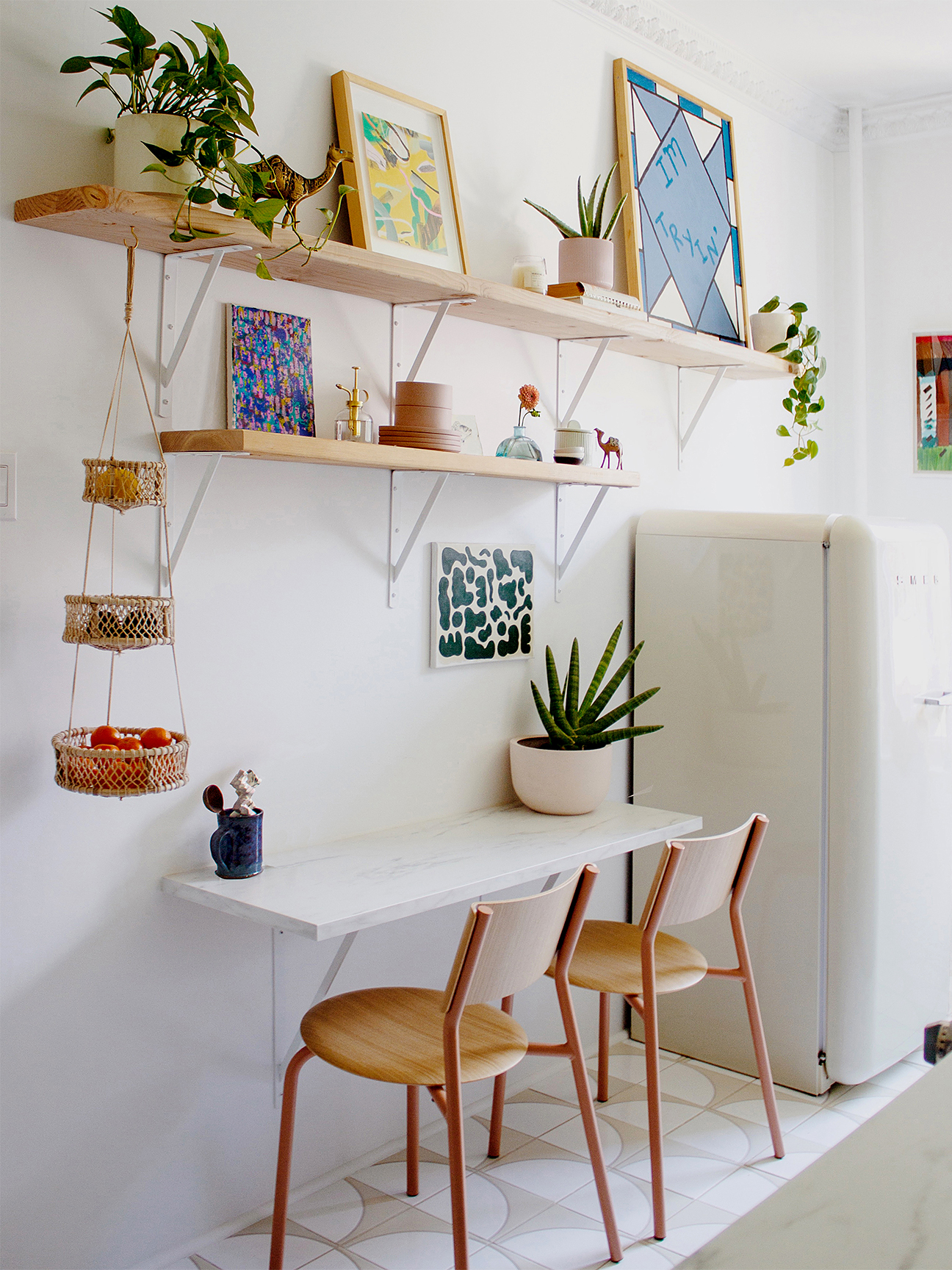
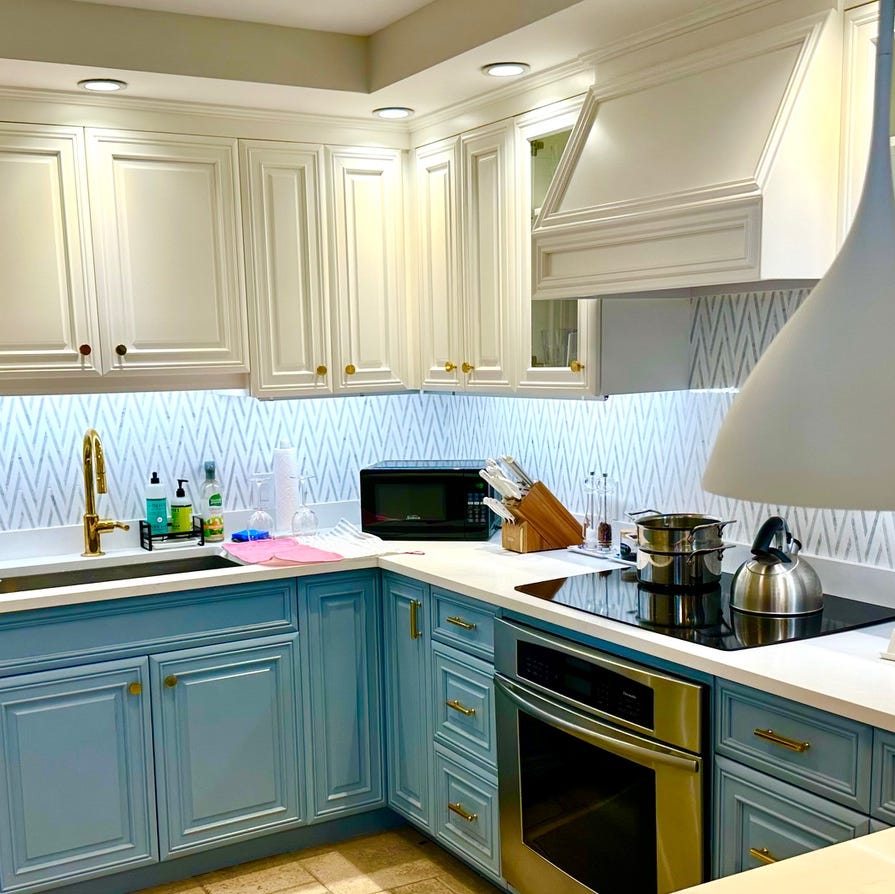
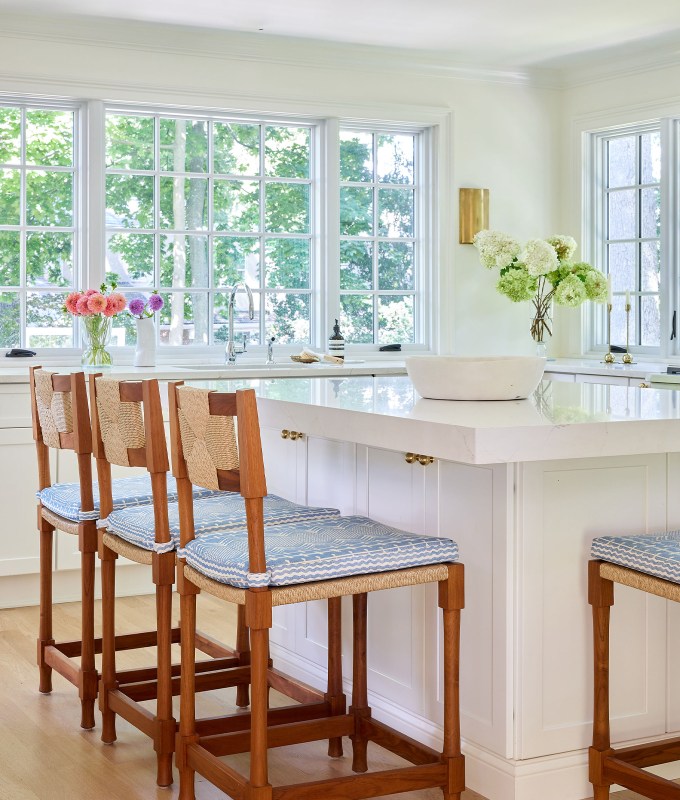
Another benefit highlighted is the opportunity to source secondhand treasures. A prolonged renovation timeline provides ample time to hunt for unique, pre-loved furnishings and materials from antique warehouses, estate sales, auctions, and online marketplaces like Facebook Marketplace. This not only saves money but also contributes to an environmentally responsible approach by diverting items from landfills. These curated secondhand pieces can add an immediate lived-in charm and personality to the renovated space, preventing it from looking overly new or sterile.
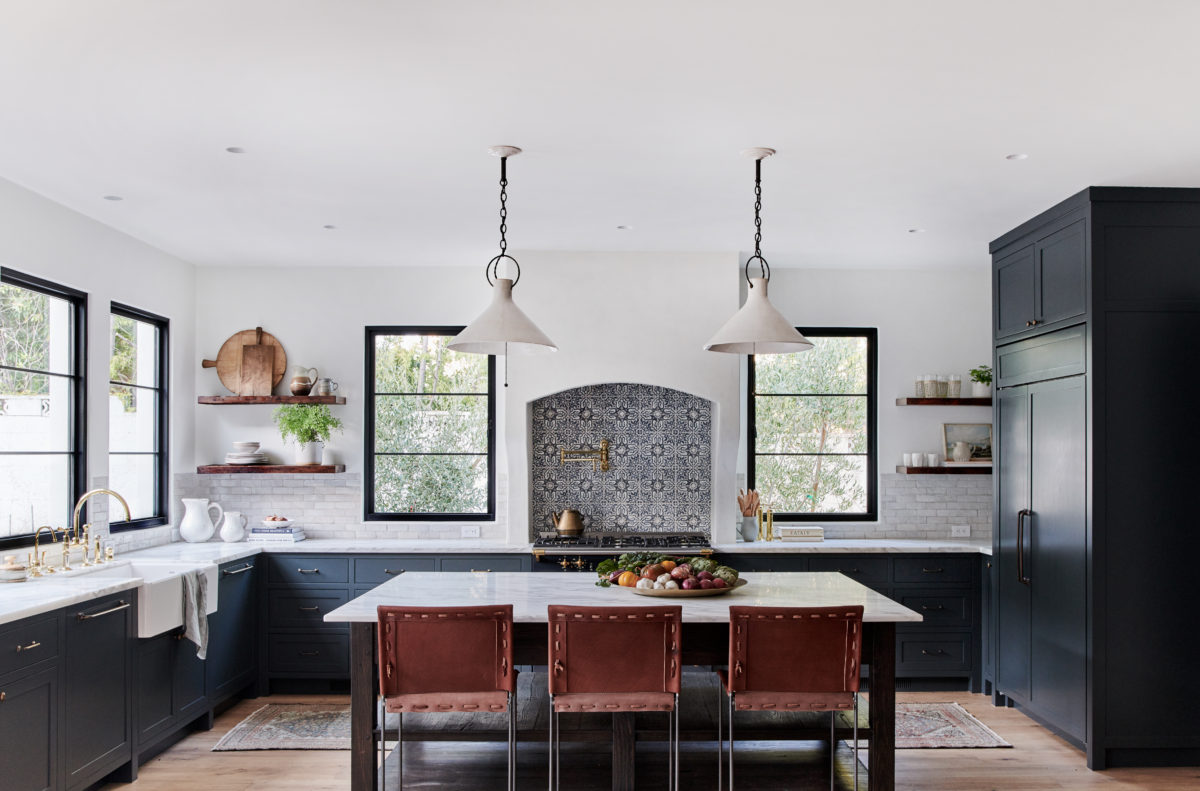
Furthermore, a slow reno allows homeowners more time to live with and evaluate design decisions, reducing the likelihood of regrets. Each completed phase can be experienced for a few weeks, providing insights into how new cabinet arrangements or layout changes impact functionality and aesthetics. This iterative process ensures that subsequent upgrades align with the homeowner's practical needs and preferences for the space, preventing impractical choices or impulsive splurges. The extended timeframe also helps in avoiding transient design trends. By not rushing decisions, homeowners are more likely to select classic, enduring designs that will remain appealing long-term, rather than falling for fleeting fads that quickly go out of style.
#SlowReno #KitchenRemodel #DIYRenovation #HomeImprovement #BudgetRenovation #SecondhandFurniture #DesignDecisions #CostSavings #SlowReno #KitchenRemodel #DIYRenovation #HomeImprovement #BudgetRenovation #SecondhandFurniture #DesignDecisions #CostSavings
0 comment in total
 No comments yet
You may also like
This Rental Kitchen Reno Took Just 3 Weeks to Pull Off

I Had This Simple Kitchen Upgrade For Only 6 Months—And It’s Worth Every Penny

This DIYer’s Sunny Kitchen Makeover Only Took 3 Swaps

Fast Kitchen & Bath Refresh with Improveit Home Remodeling
We’re Calling It: This Is the Year for a Kitchen Renovation
I’ve Renovated Over 30 Kitchens, This Is My Top Tip for Remodeling on a Budget

'I ditched B&Q paint for an eco-friendly range and it's transformed my home'
Before and After: 4 Things I Wish I Knew Before My Kitchen Renovation

'After Two Decades, My Galley Kitchen Really Needed An Update'

Still Doing This in Your Kitchen? A Designer Says It’s the Fastest Way to Date Your Home

Reno of the Month: Tips for turning your 1980s home into a transitional beauty


This $50,000 Kitchen Remodel Features a Mix of High-End and Affordable Finds
With a little pro advice, a kitchen refresh creates a clean look without the expense of a total remodel
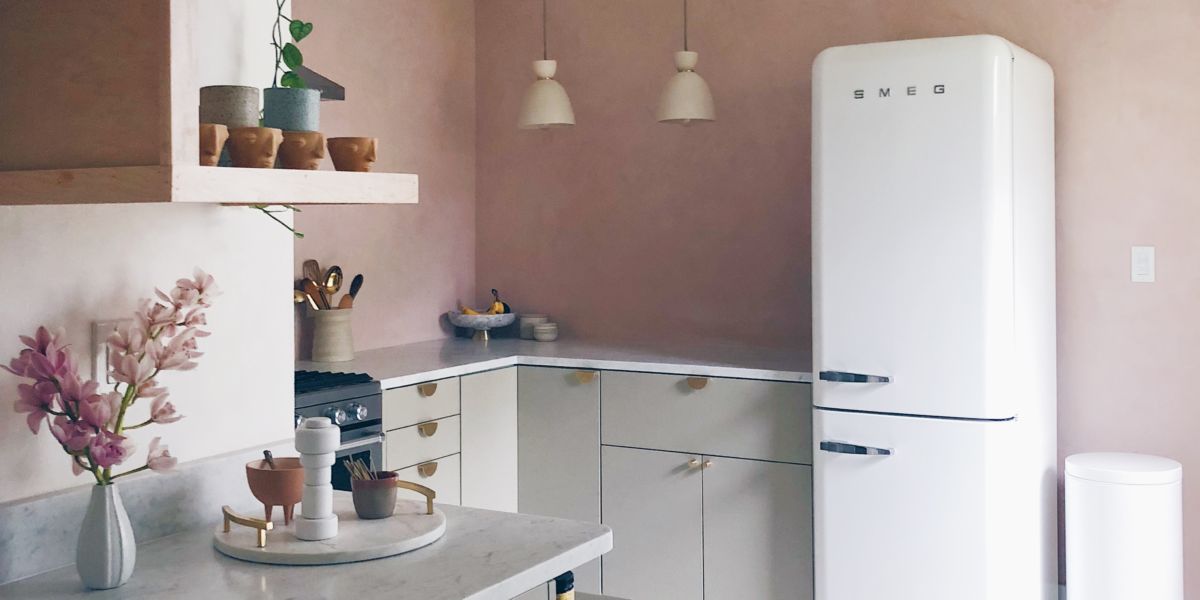
From Mauve Walls to Sleek Countertops, This Portland Kitchen Is Springtime Goals
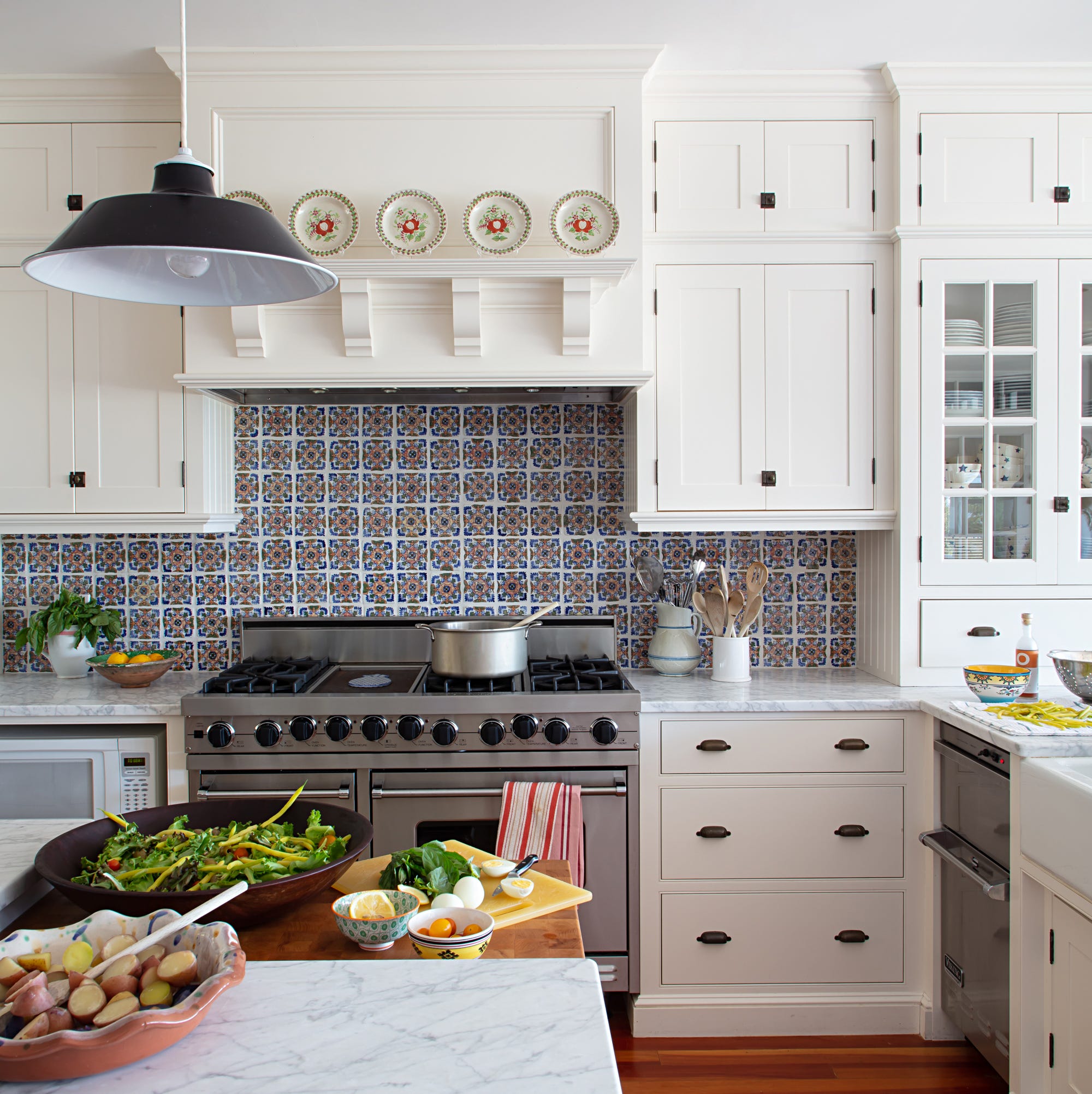
Designers Say Making This Small Change Can "Transform" Your Kitchen

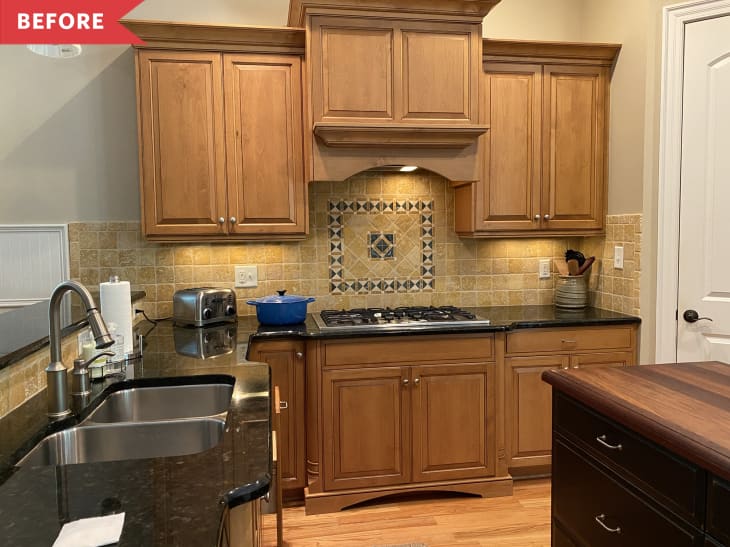
Before and After: These 5 Redos Make Dated Wood Kitchens Look Modern — Without Refinishing the Cabinets
Guide to Denver's Home Renovation Scene

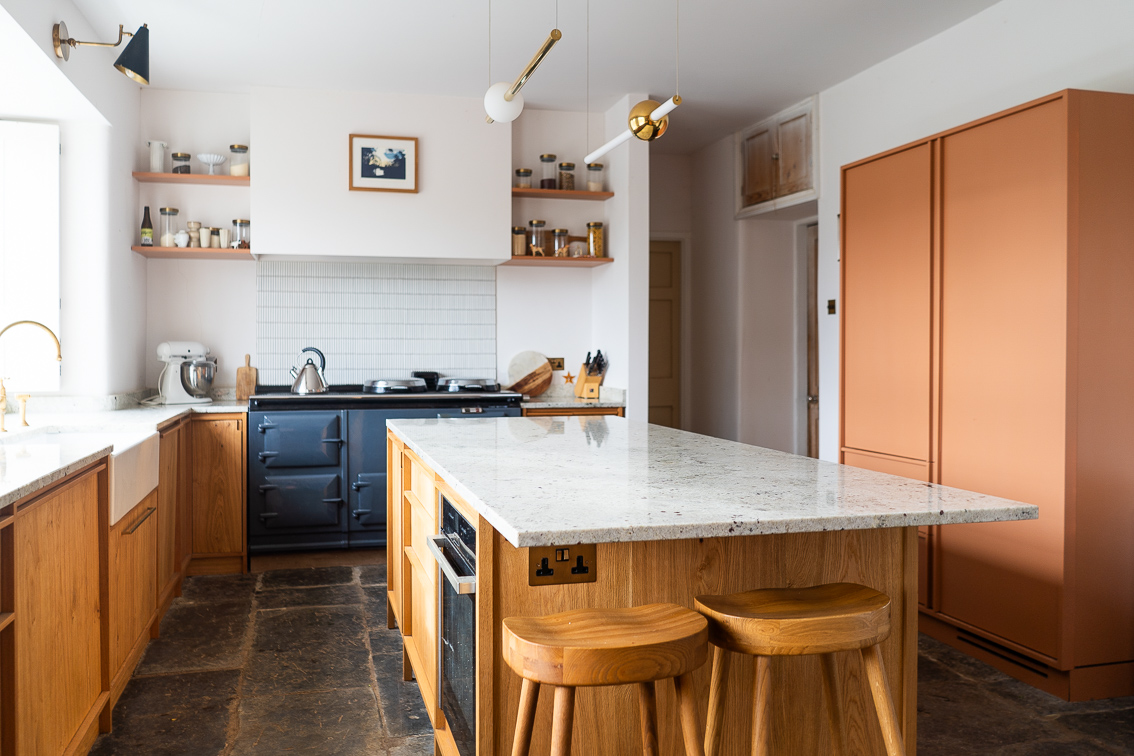
I remodeled my kitchen two years ago – this is what I regret and the design elements I am still loving
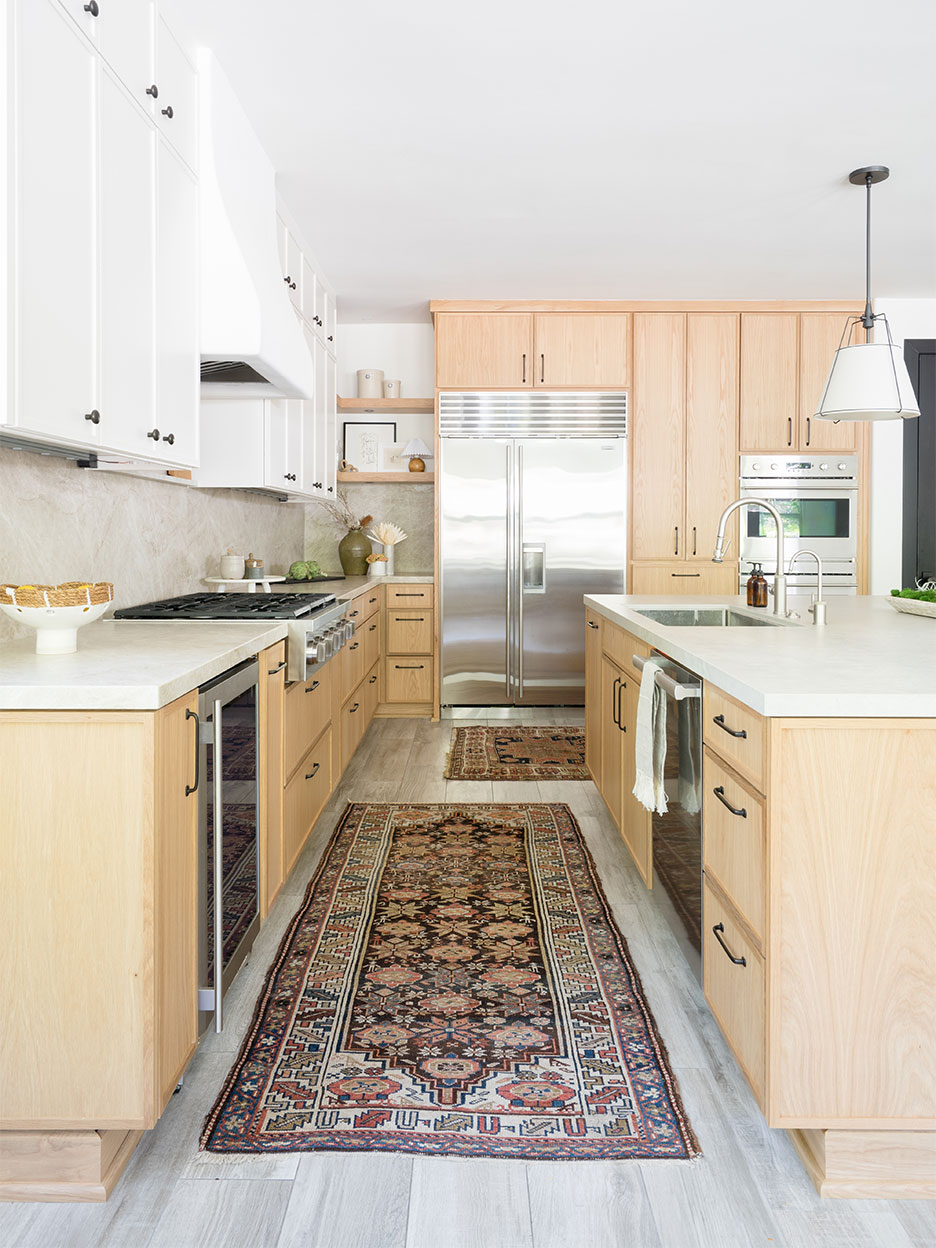
We Found a Contemporary Alternative to Shaker Cabinets in This Kitchen Reno

Fast Kitchen & Bath Refresh with Improveit Home Remodeling