Why your kitchen sponge could be dirtier than your toilet seat
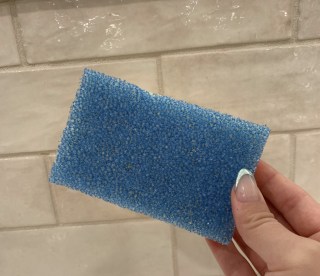
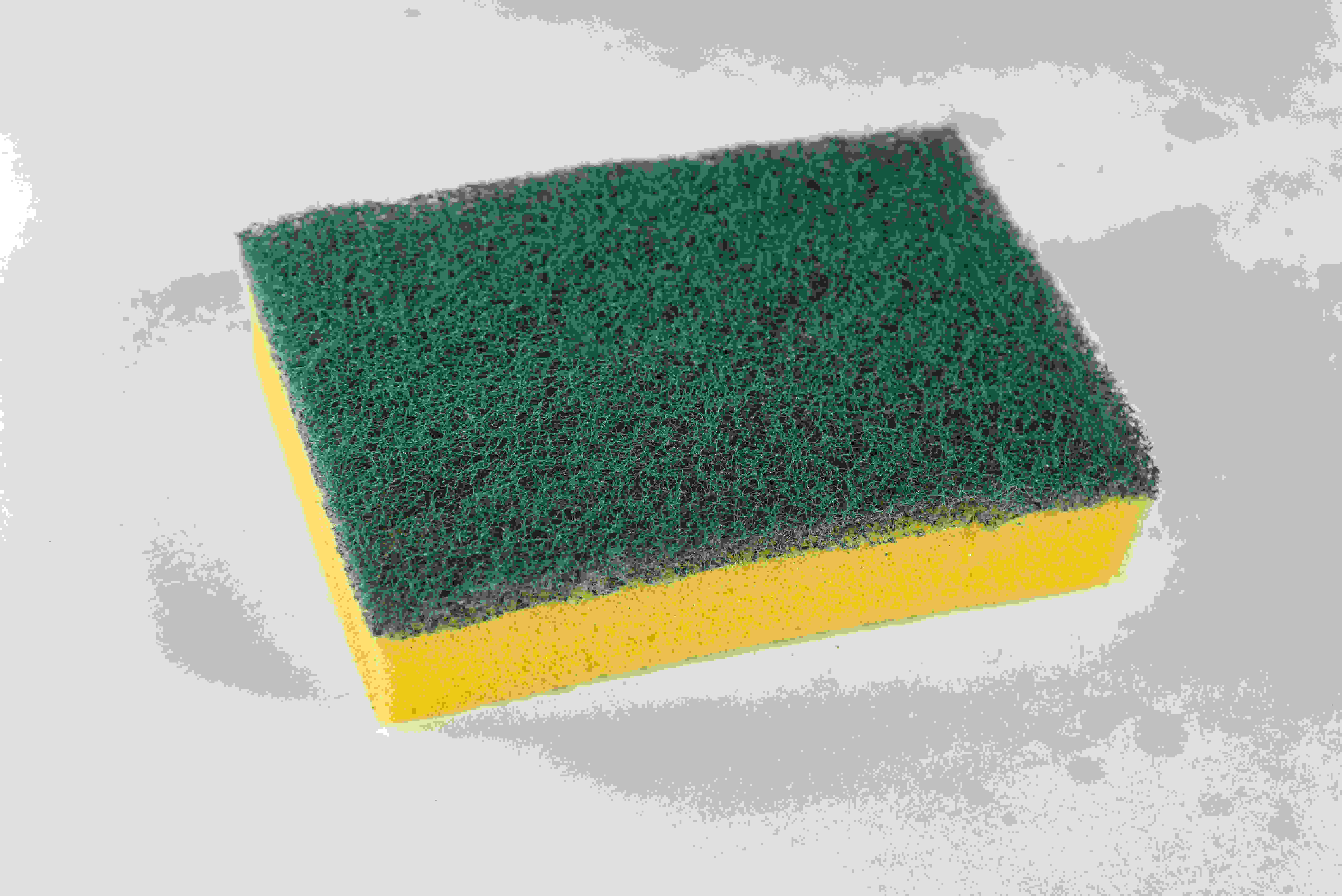
Research indicates that kitchen sponges are often significantly dirtier than toilet seats, challenging common perceptions of household hygiene. A study published in *Scientific Reports* found that kitchen sponges can harbor hundreds of bacterial types, with some samples containing more bacterial organisms per square centimeter than an average toilet bowl. The primary reason for this high bacterial load is the inherent nature of sponges: they are moist, warm, and absorbent, creating an ideal environment for microbial growth. Sponges routinely collect food particles, oils, and moisture from dishes and countertops, which provide ample nutrients for bacteria to thrive.
In contrast to toilets, which are frequently cleaned with strong disinfectants, kitchen sponges are often neglected, remaining damp and warm after use until they degrade. Even attempts to clean sponges, such as microwaving or boiling, may not eliminate all bacteria and can paradoxically lead to the dominance of more resistant and dangerous strains. Dr. Mercy Wanjiru, a microbiologist at Kenyatta National Hospital (KNH), highlights that sponges, despite appearing clean after washing dishes or wiping surfaces, are replete with germs. This negligence establishes a cycle where bacteria not only survive but multiply, with some households extending the use of a single sponge for more than two weeks.
The bacterial species identified in kitchen sponges are pathogenic and include *Escherichia coli*, *Salmonella*, *Staphylococcus aureus*, and *Campylobacter*. These bacteria are capable of causing serious health issues such as food poisoning, skin infections, and diarrhea. The issue is particularly pronounced in Kenya, where a 2023 survey by Consumer Insight Africa revealed that 68% of Nairobi households use the same sponge for two weeks or longer, and 40% rarely or never disinfect them. In lower-income areas and informal settlements, sponges are often repurposed for cleaning various surfaces, which further facilitates the spread of bacteria throughout the kitchen environment.
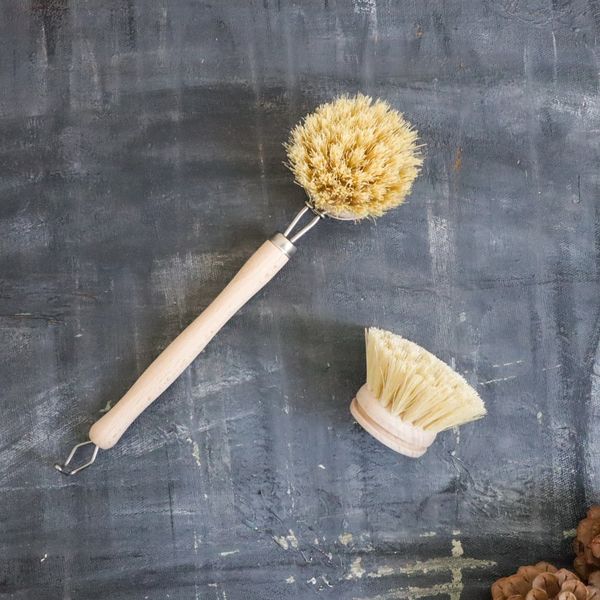
To mitigate this health risk, health experts recommend several simple yet effective measures. It is advised to replace kitchen sponges at least once a week and ensure they dry completely between uses. A recommended practice involves soaking sponges in hot water and wringing them out before air-drying them outdoors, similar to kitchen cloths. Safer alternatives such as dishcloths or silicone scrubbers, which dry more quickly and are easier to clean, are also suggested. Crucially, households should adopt the practice of using separate cleaning materials for dishes and other surfaces to prevent cross-contamination. Furthermore, it is important to use distinct sponges for cleaning children's utensils and store them separately, as children are particularly vulnerable to infections. This emphasizes that consistent hygienic practices for kitchen sponges are vital for preventing household-related infections, underscoring that a toilet, if regularly sanitized, is likely cleaner than a commonly used kitchen sponge.
#KitchenHygiene #BacterialGrowth #HouseholdGerms #FoodSafety #PublicHealth #CleaningTips #Sponges #KitchenHygiene #BacterialGrowth #HouseholdGerms #FoodSafety #PublicHealth #CleaningTips #Sponges
0 comment in total
 No comments yet
You may also like
The 10 Best Kitchen Sponges 2025, Tested by an Editor
7 unexpected things you can clean in the dishwasher to easily refresh the hardest-working micro-elements of your home

8 Things You Should Never Clean with a Swiffer

6 Things That Are Actually Making Your Bathroom Look Grosser Than It Is, Cleaners Say

Your Sink Is Dirtier Than Your Toilet Seat — Keep Your Sponge Clean With These 6 Caddies

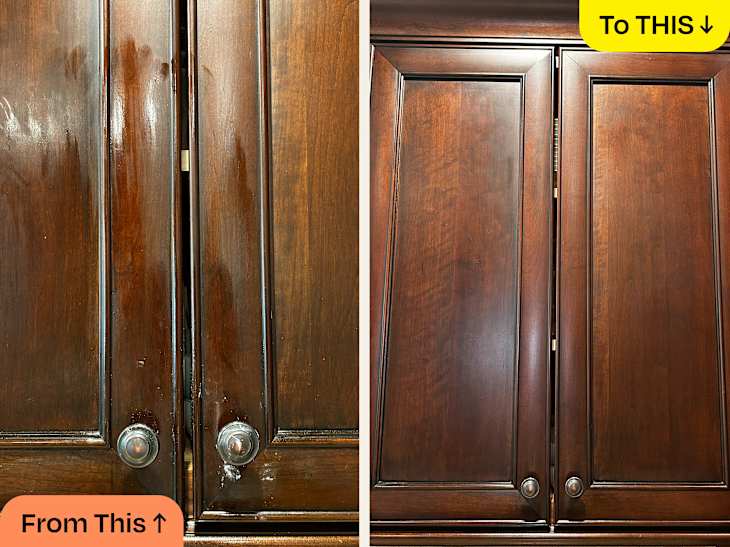
I Just Discovered a Brilliant 2-Minute Cabinet Cleaning Trick (It Was Hiding in My Pantry!)
The One Cleaning Product That’s Ruining Your Countertops, Experts Warn

Kitchen cabinets won't be greasy or sticky if you use 3 household items cleaners love
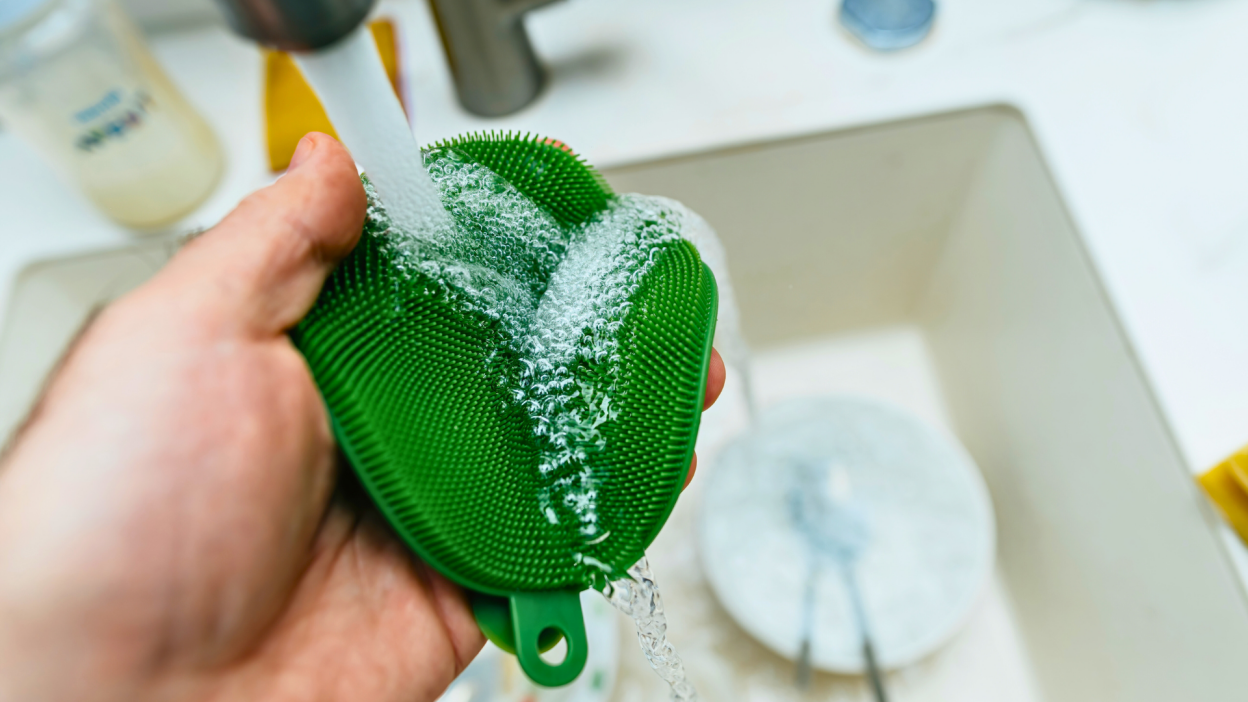
Nine of My Favorite Products for Cleaning the Kitchen

Your Kitchen Cabinets Deserve Better—Here’s How to Clean Them the Right Way

Squeegee Every Time You Shower — and More Bathroom Cleaning Hacks | Reviews by Wirecutter
See How I Transformed My Kitchen Sink with This $12 Eco-Friendly Gem

The Surprising Cleaning Supplies Experts Say to Never Use in Your Bathroom
I’ve Gotten Rid of All the Plastic Scrubbers, Sponges, and Brushes in My Kitchen

Ask Wirecutter: How Do I Get My Husband to Throw Away Our Nasty Old Kitchen Sponges?

5 Bathroom Cleaning Mistakes Even The Tidiest People Make
16 Things In Your Kitchen You NEED To Clean More Often, According To Experts
32 Small Ways To Make Your Kitchen Look Like An “After” Shot On HGTV

Three simple ways to clean hob and splashback - Mrs Hinch fans have 'never looked back'

Commonly-Stained Kitchen Surfaces—And How to Make Them Look Brand New Again