1/6
21 Types of Candles Every Candle-Lover Should Know
Candles serve as versatile tools for creating ambiance, setting moods, and introducing a cozy atmosphere within a home. Their diversity in type, wax composition, and wick material offers a wide range of options for various preferences and applications. From traditional beeswax to modern flameless varieties, understanding the characteristics of different candles can guide informed choices for decor, celebrations, and even therapeutic purposes.
Beeswax candles, for instance, are renowned for their natural properties. They are a byproduct of beekeeping, biodegradable, and considered eco-friendly. These candles are characterized by their warm golden color, subtle honey scent, and a bright, warm-toned flame. They burn cleanly and for extended periods, acting as natural air purifiers, making them suitable for holders and wreaths due to their minimal dripping tendency and long burn time.
Wood wick candles offer a unique sensory experience with their distinctive crackling sound, which adds to their charm. Their wider wicks facilitate a longer and more even burn compared to cotton wicks, and they burn cleanly, especially when properly trimmed. These candles contribute to a hygge-inspired, cozy feeling within a space.
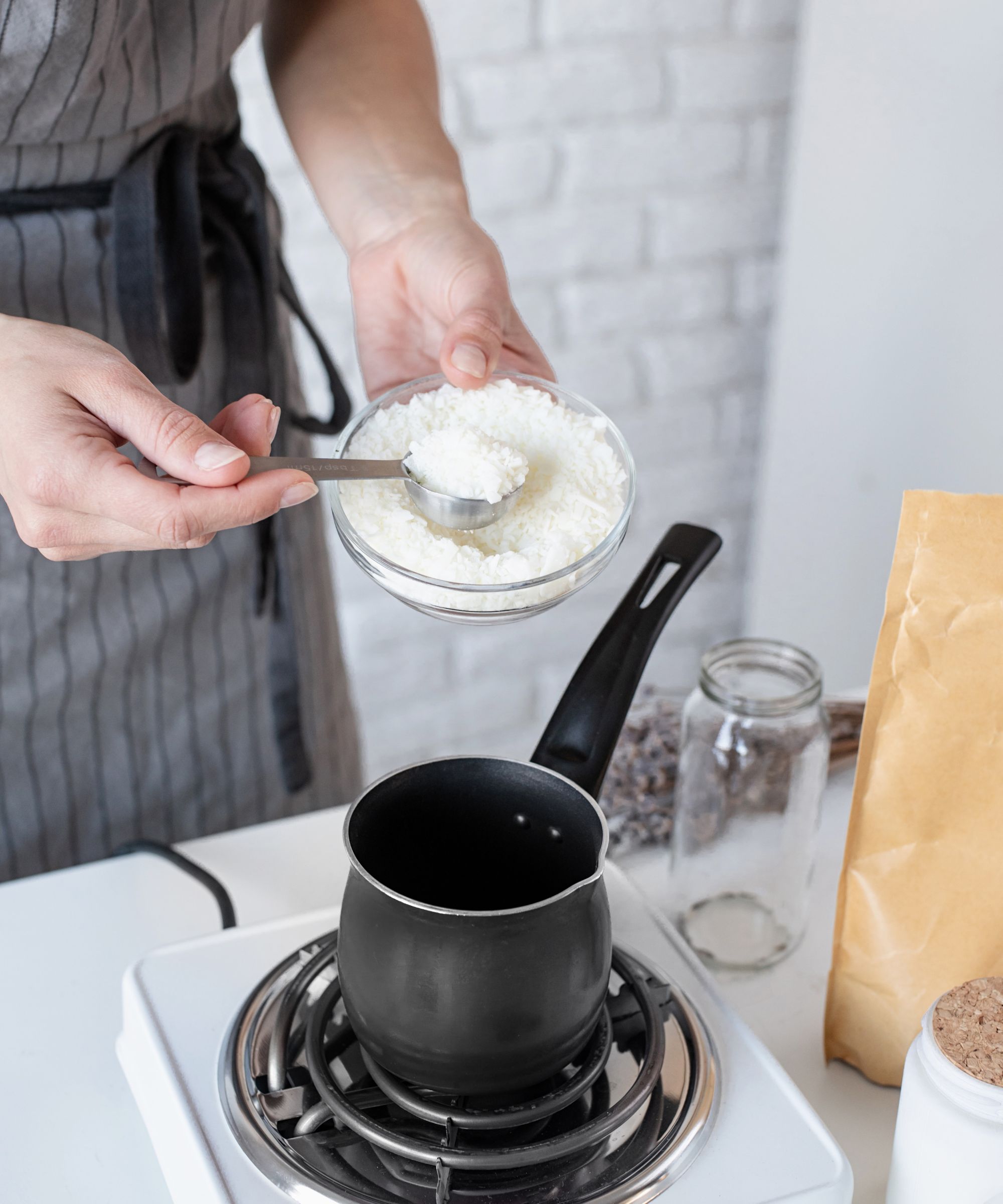
Soy candles are made from soybeans and are free of artificial materials, offering a clean-burning and natural light source. Their eco-friendly nature, derived from a renewable source, results in a slower and cleaner burn with a bright, cool-toned, almost fluorescent flame. This makes soy wax a popular and healthier alternative to paraffin wax, particularly for container candles.
Specialized candles cater to specific events or functionalities. Sparklers and trick candles are common for celebrations like birthdays, offering visual spectacle or playful surprise. Floating candles, designed to float and burn in water, enhance festive table settings. Citronella candles, infused with lemongrass oil, serve as natural insect repellents for outdoor activities, emitting a citrus scent.
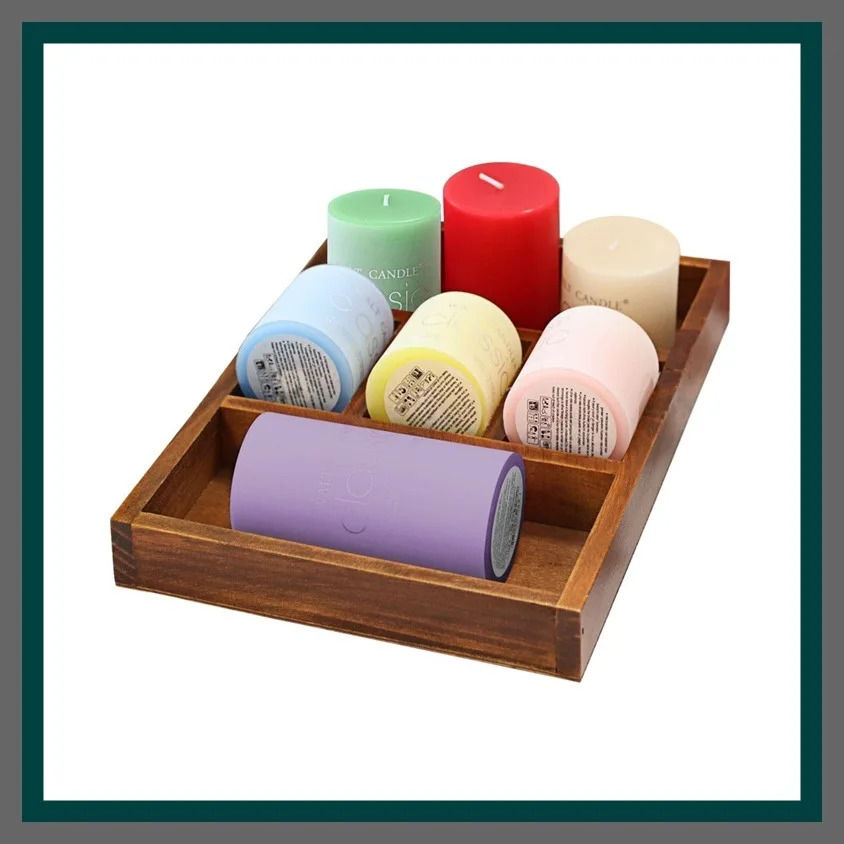
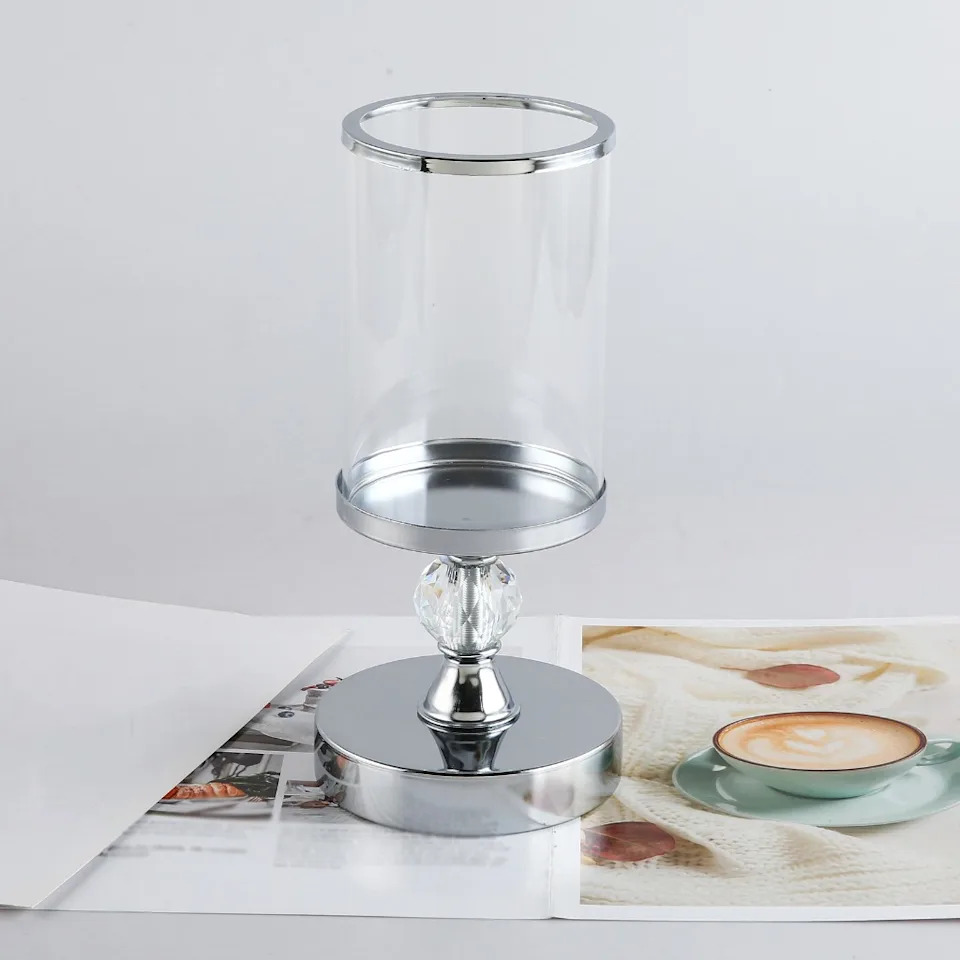
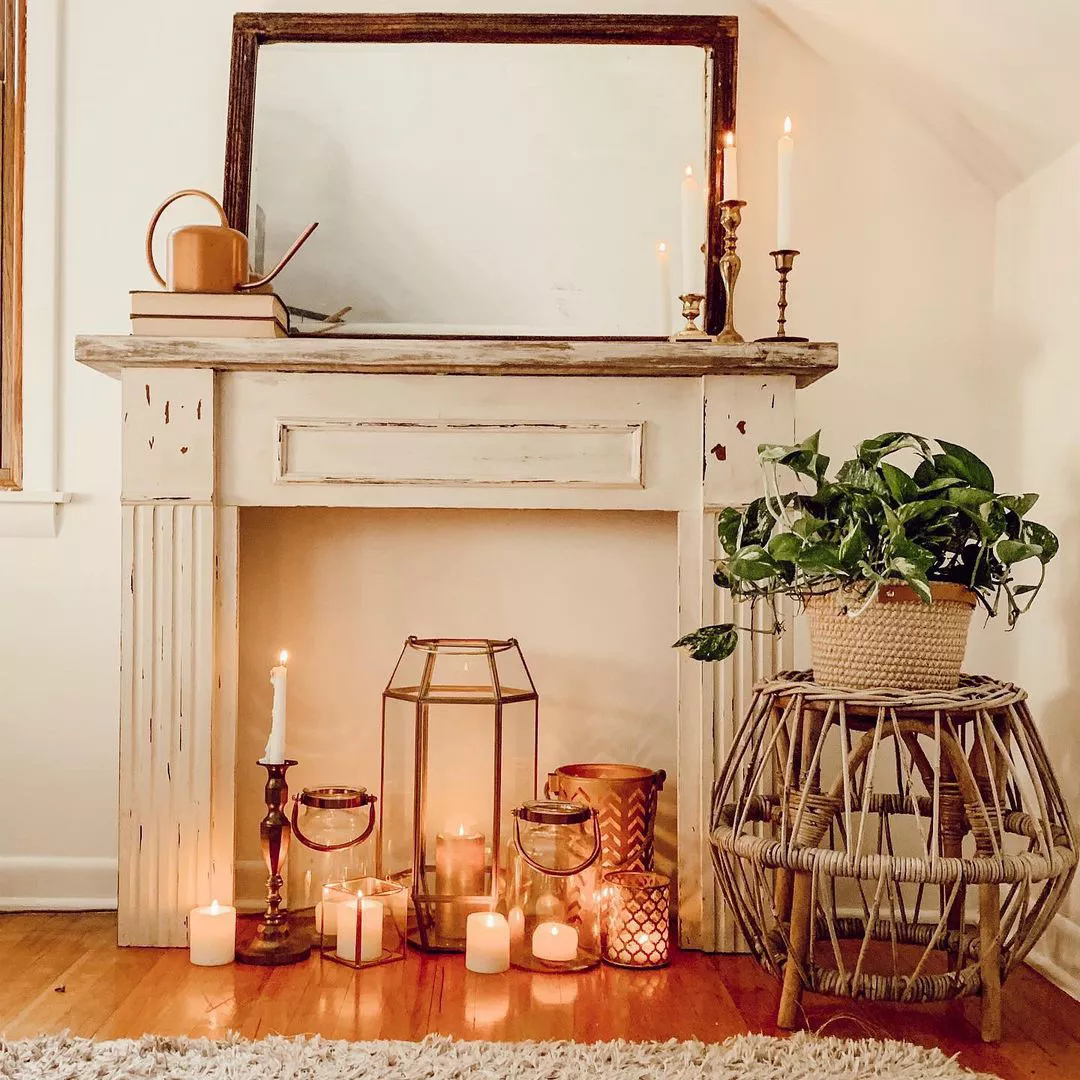
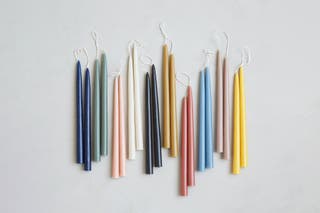
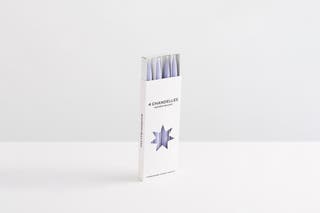
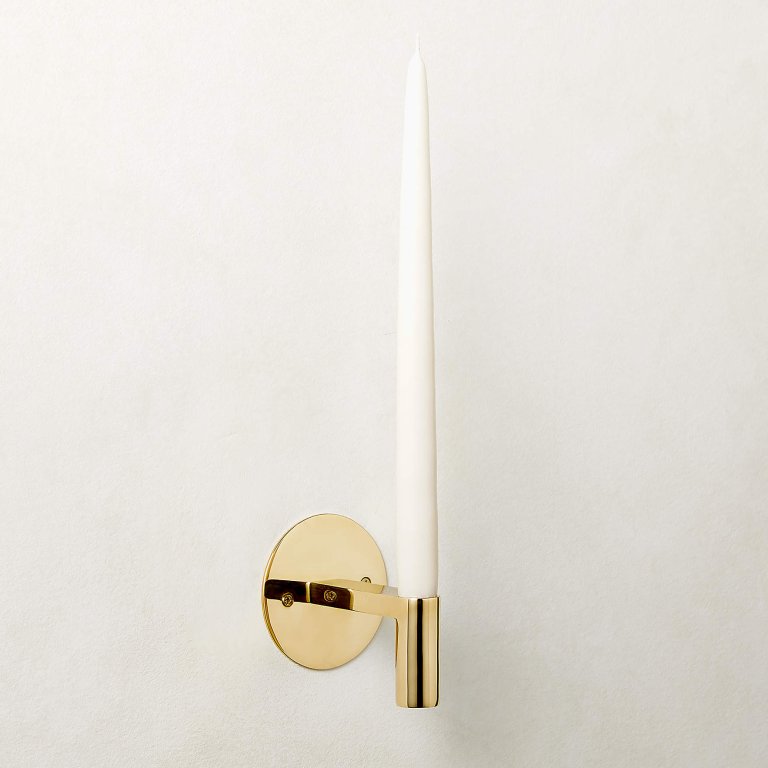
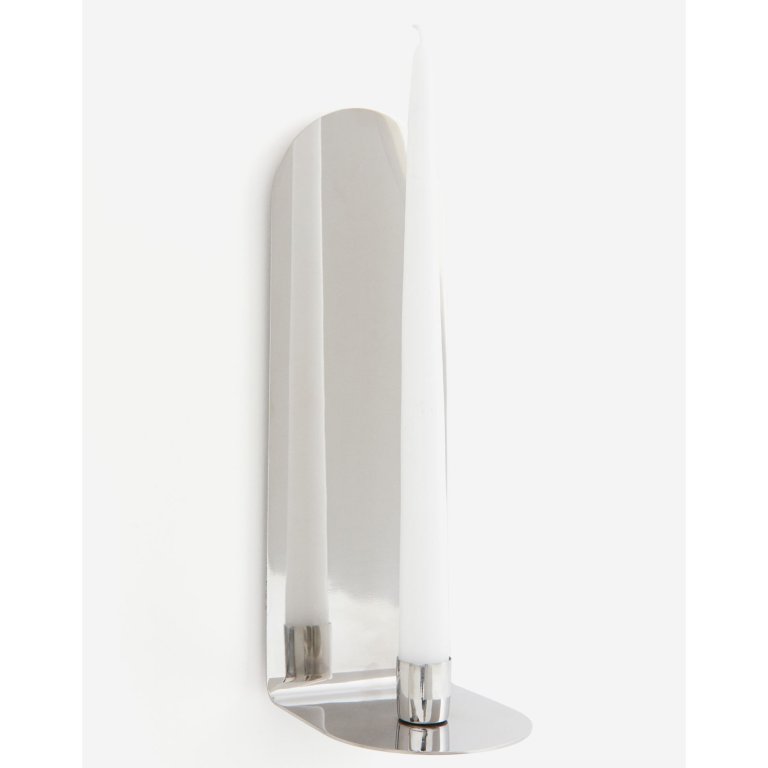
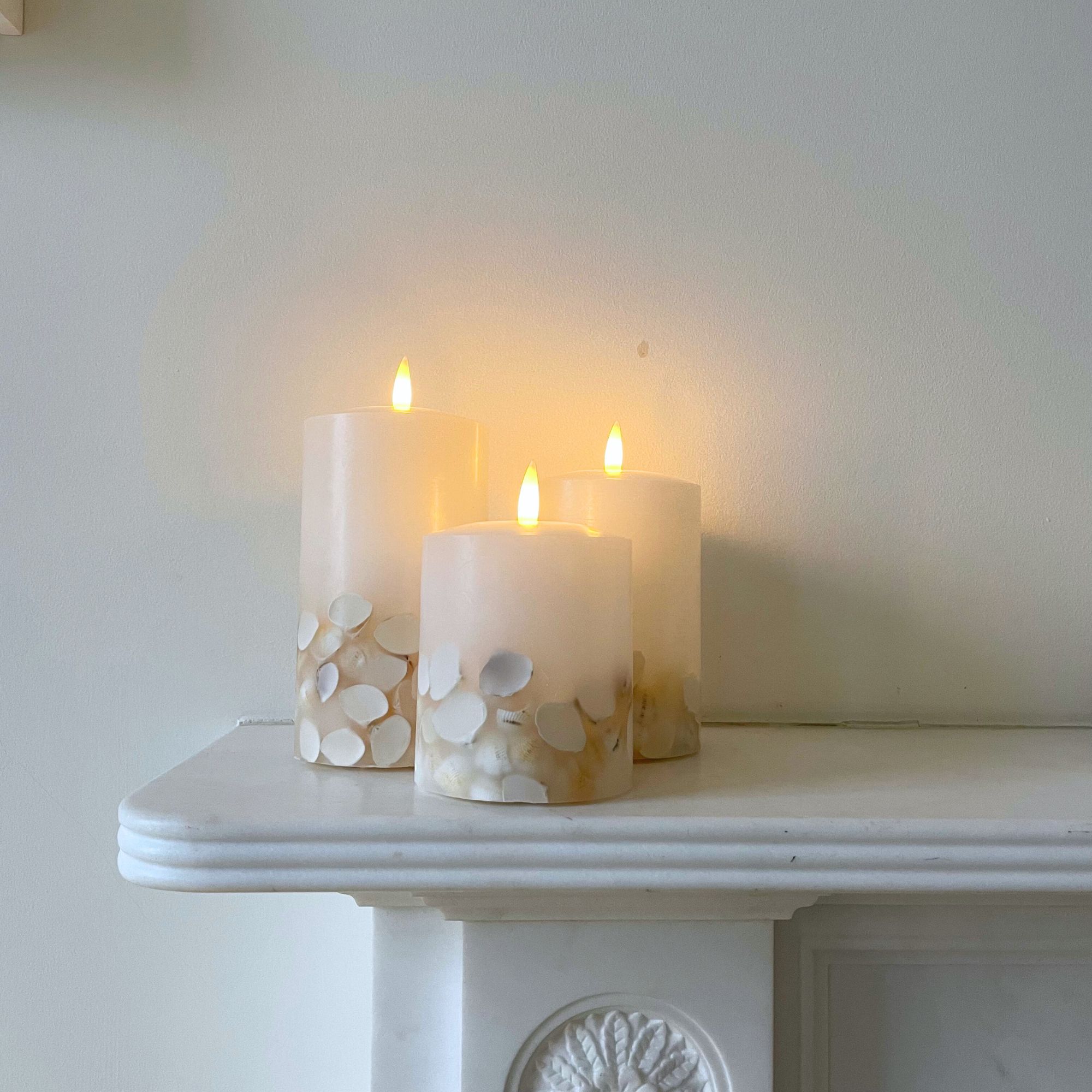
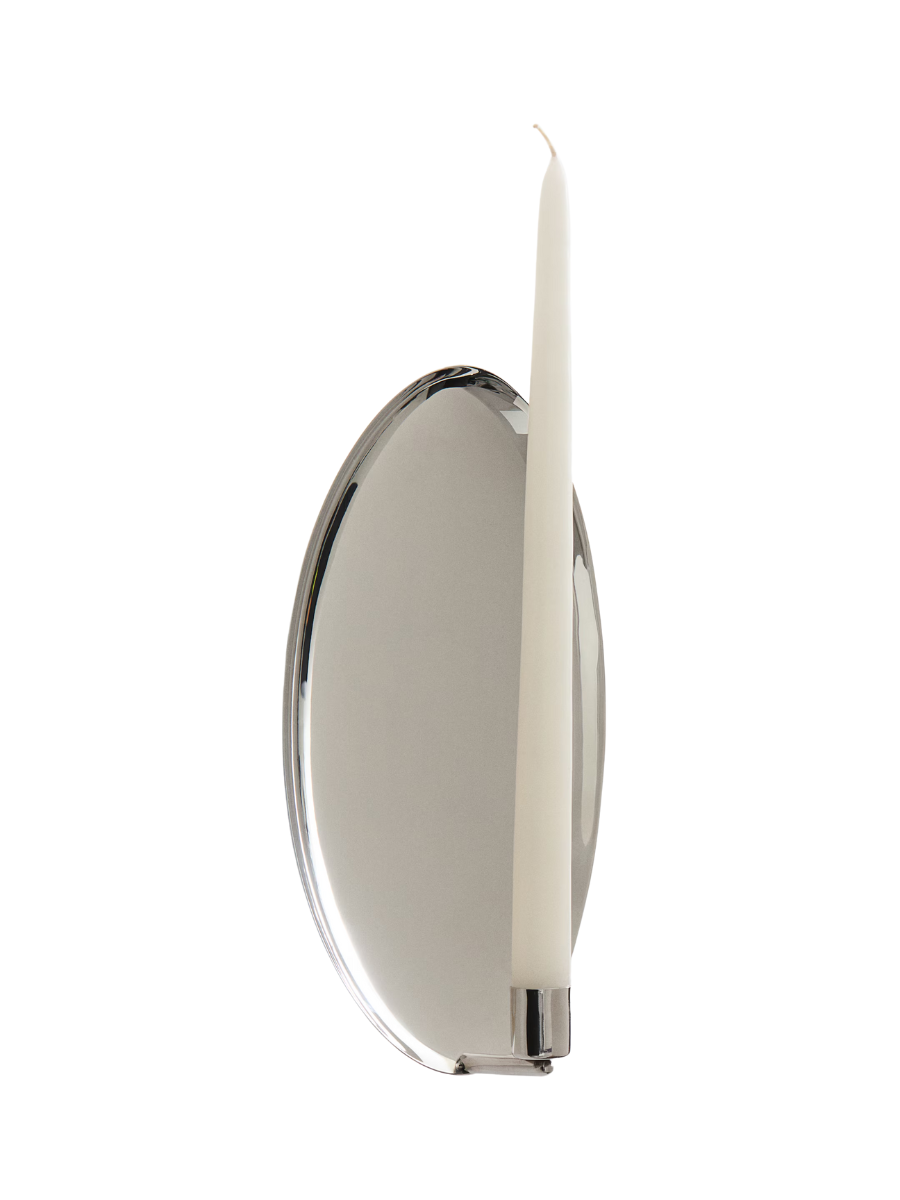
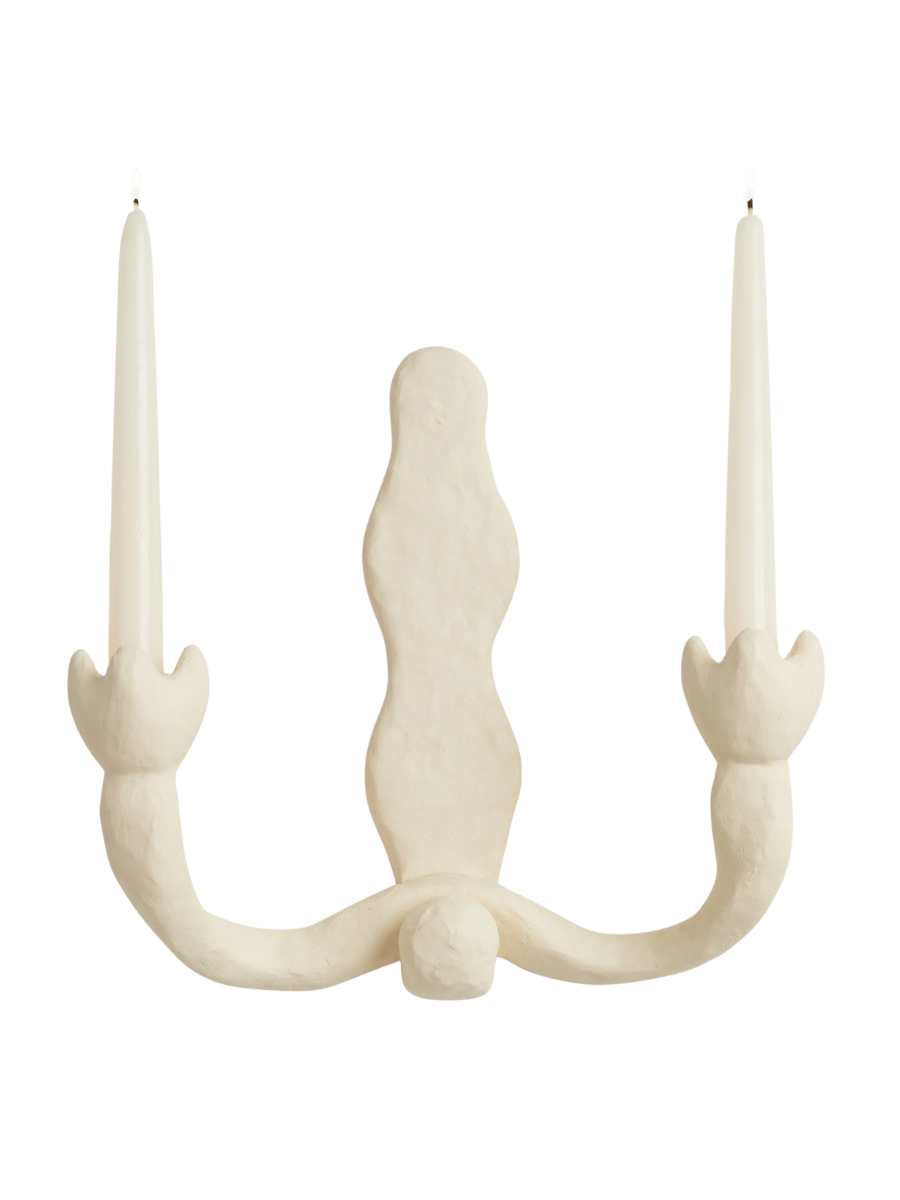
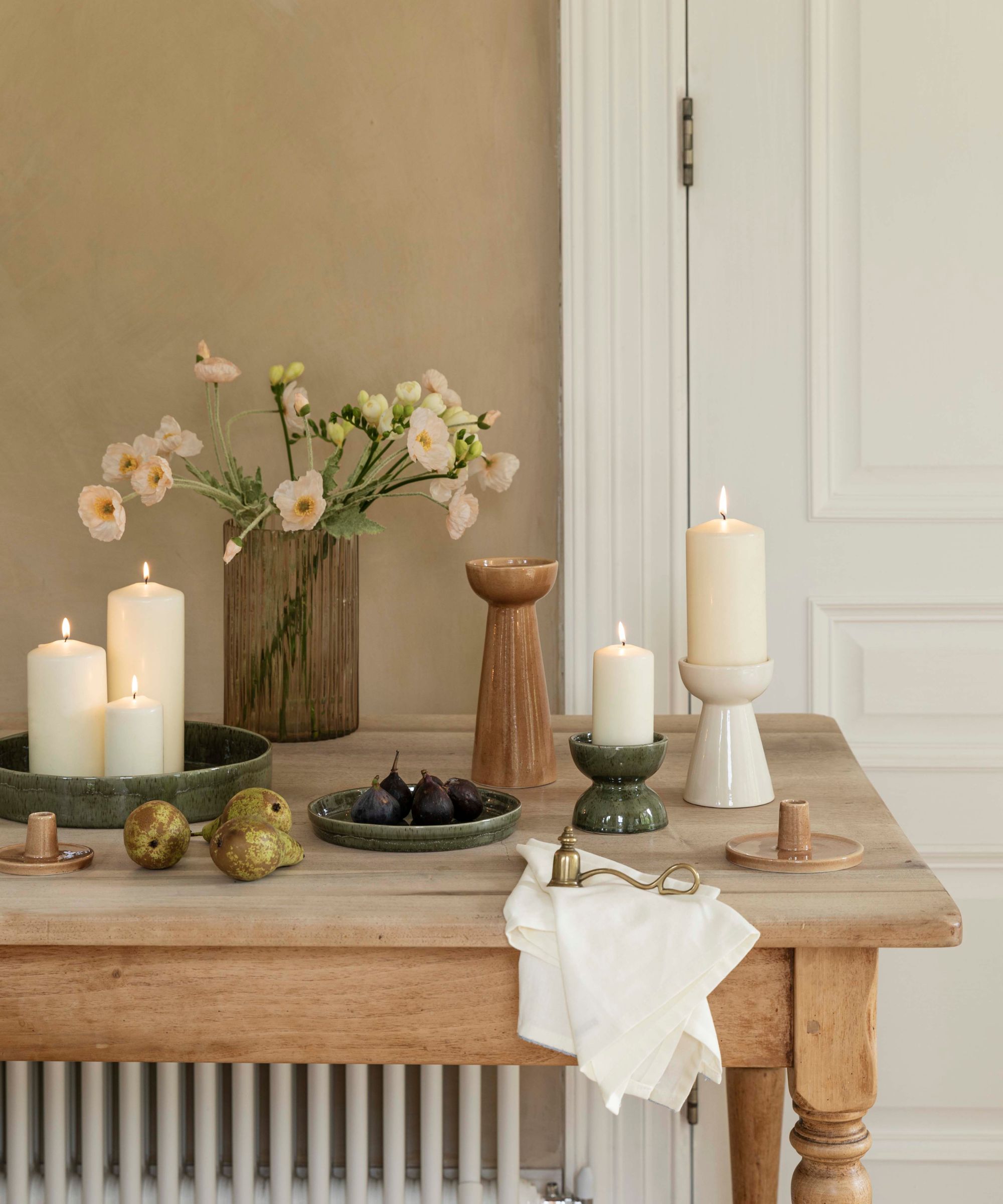
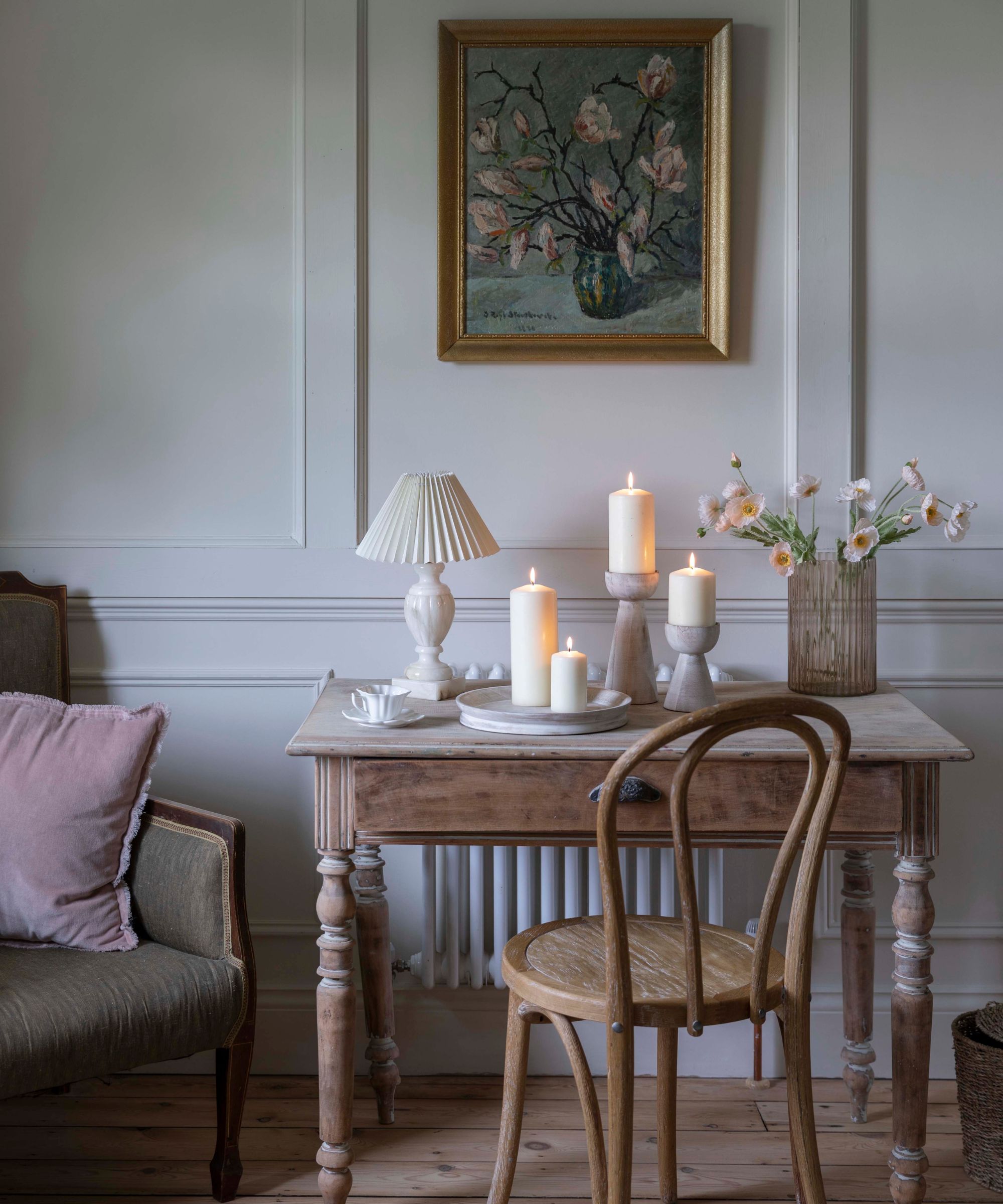
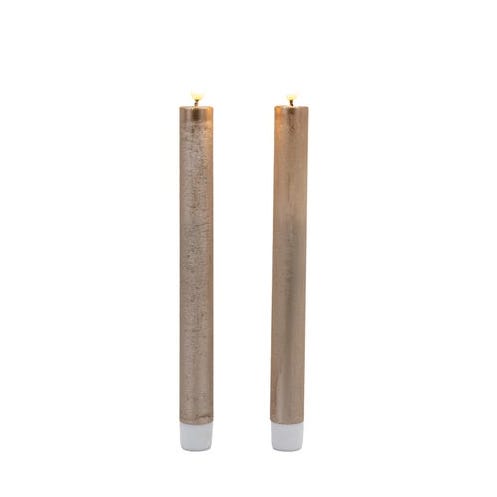
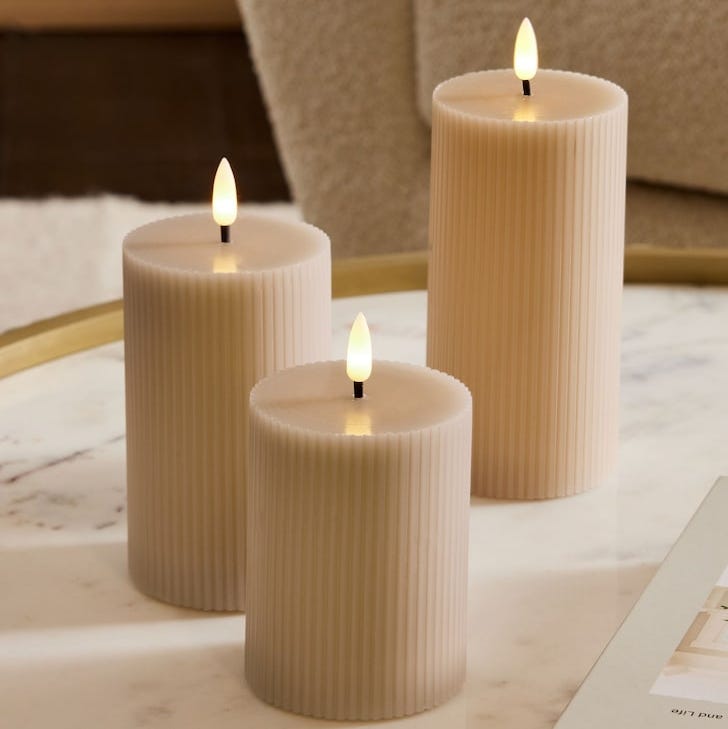
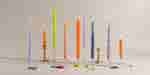
Taper and pillar candles are primarily decorative. Taper candles are long, thin, and require holders, often used for formal dining or holiday decor, and come in various colors and shapes. Pillar candles, made from dense wax, are self-supporting and come in diverse shapes and sizes, serving as decorative accents or mood lighting. Safety precautions, such as never leaving candles unattended, are crucial when using these types.
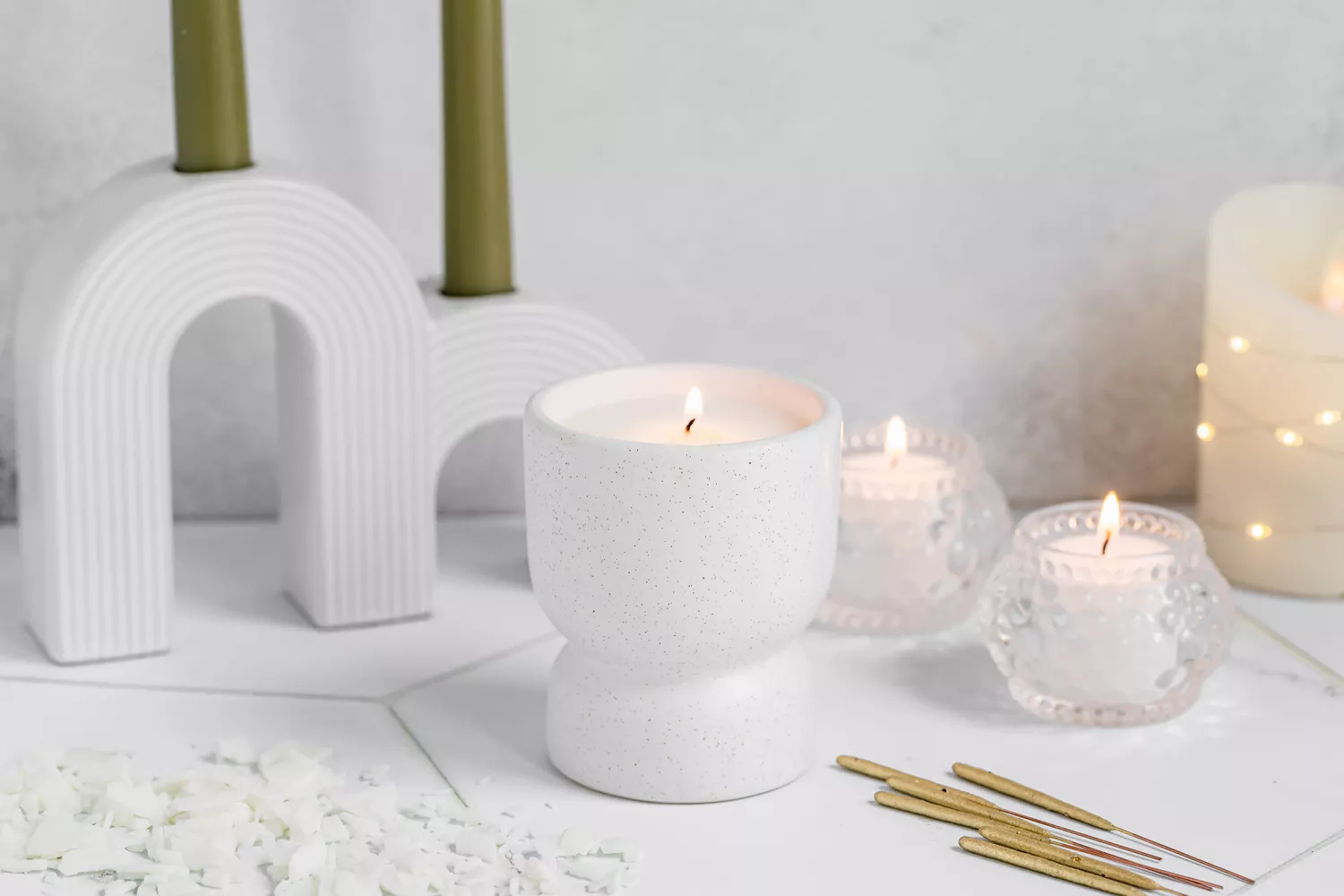
Smaller candles like tealights and votives are ideal for accent lighting and creating ambiance. Tealights, the smallest type, come in metal or plastic containers and are used for decorative purposes, with a burn time of up to five hours. Votive candles, similar in size but without a container, melt into their holders and are perfect for table or shelf ambiance.
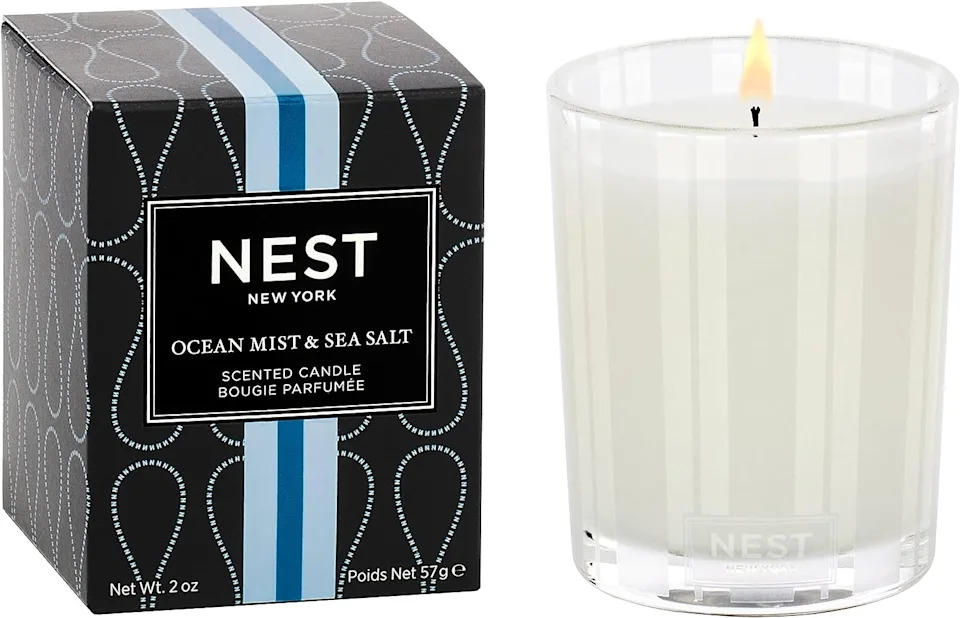
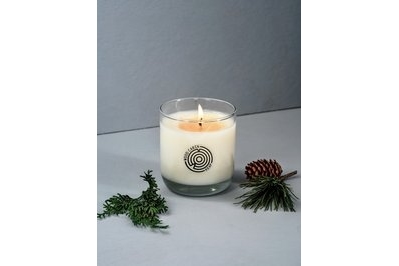
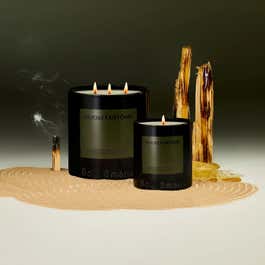
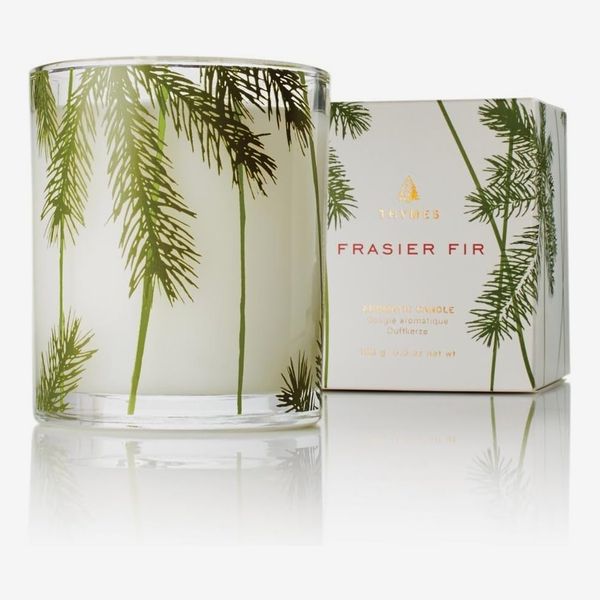
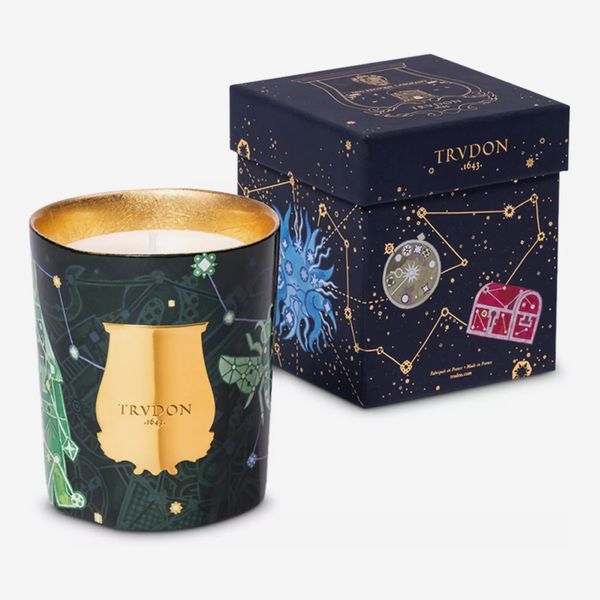
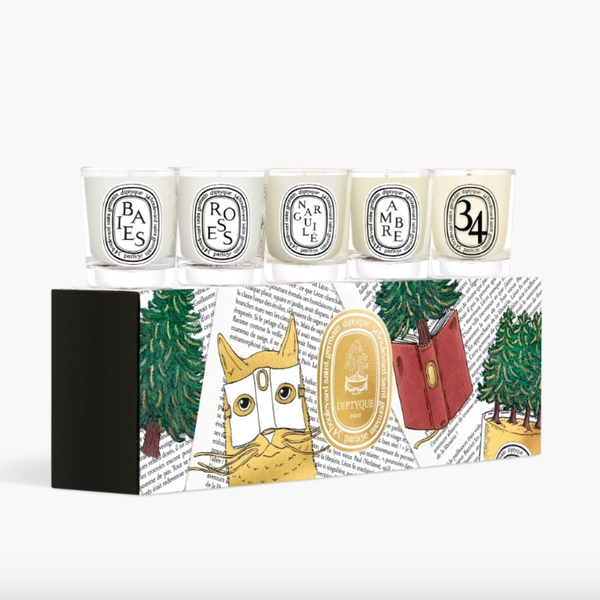
Scented candles, infused with essential oils or artificial fragrances, provide aromatic experiences, popular for seasonal or holiday themes and aromatherapy. Multiple wick candles offer maximum illumination and fragrance throw due to their faster, more even burn. Container candles, housed in non-flammable vessels, combine the candle and holder, available in various forms and fragrances, and are popular for home candle-making.
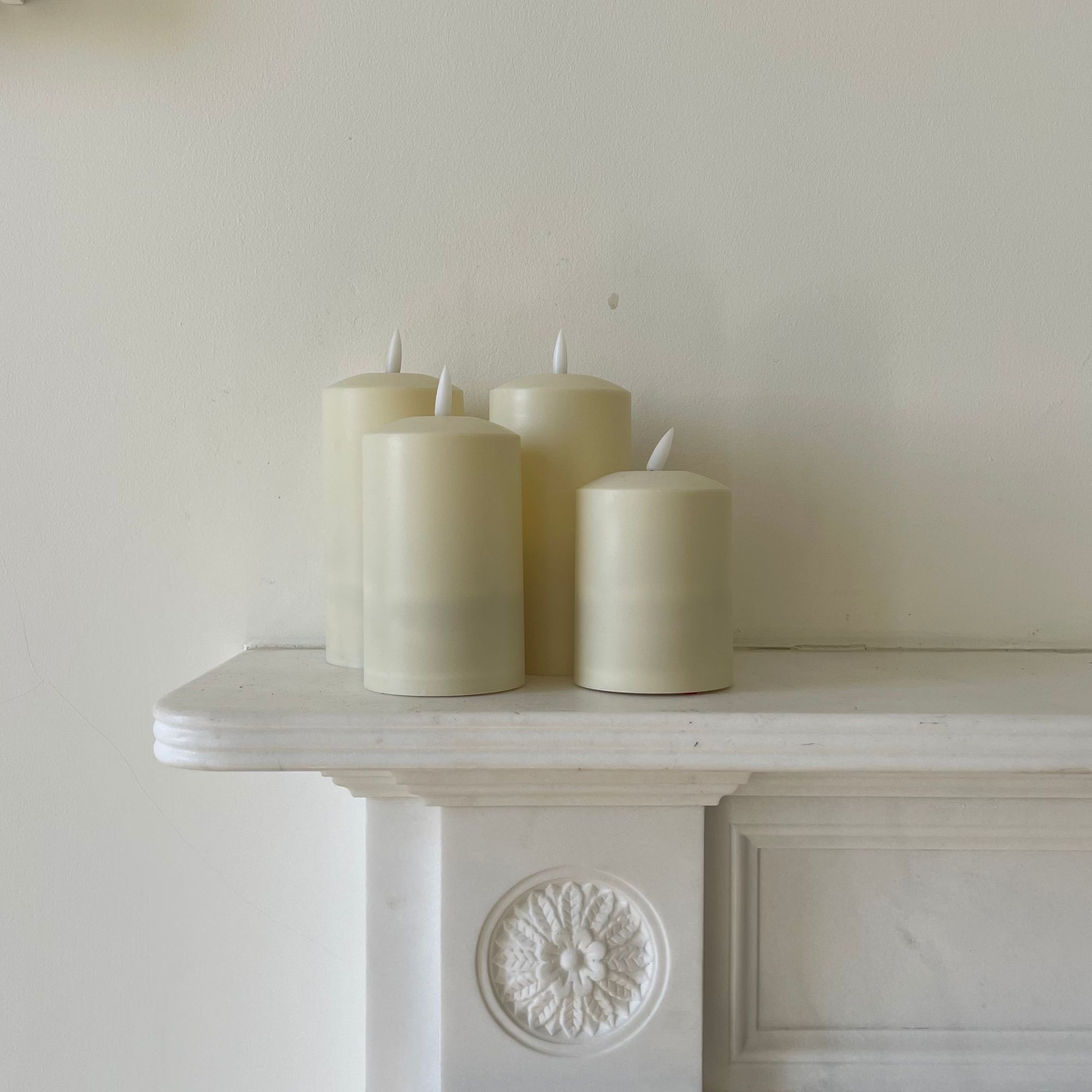
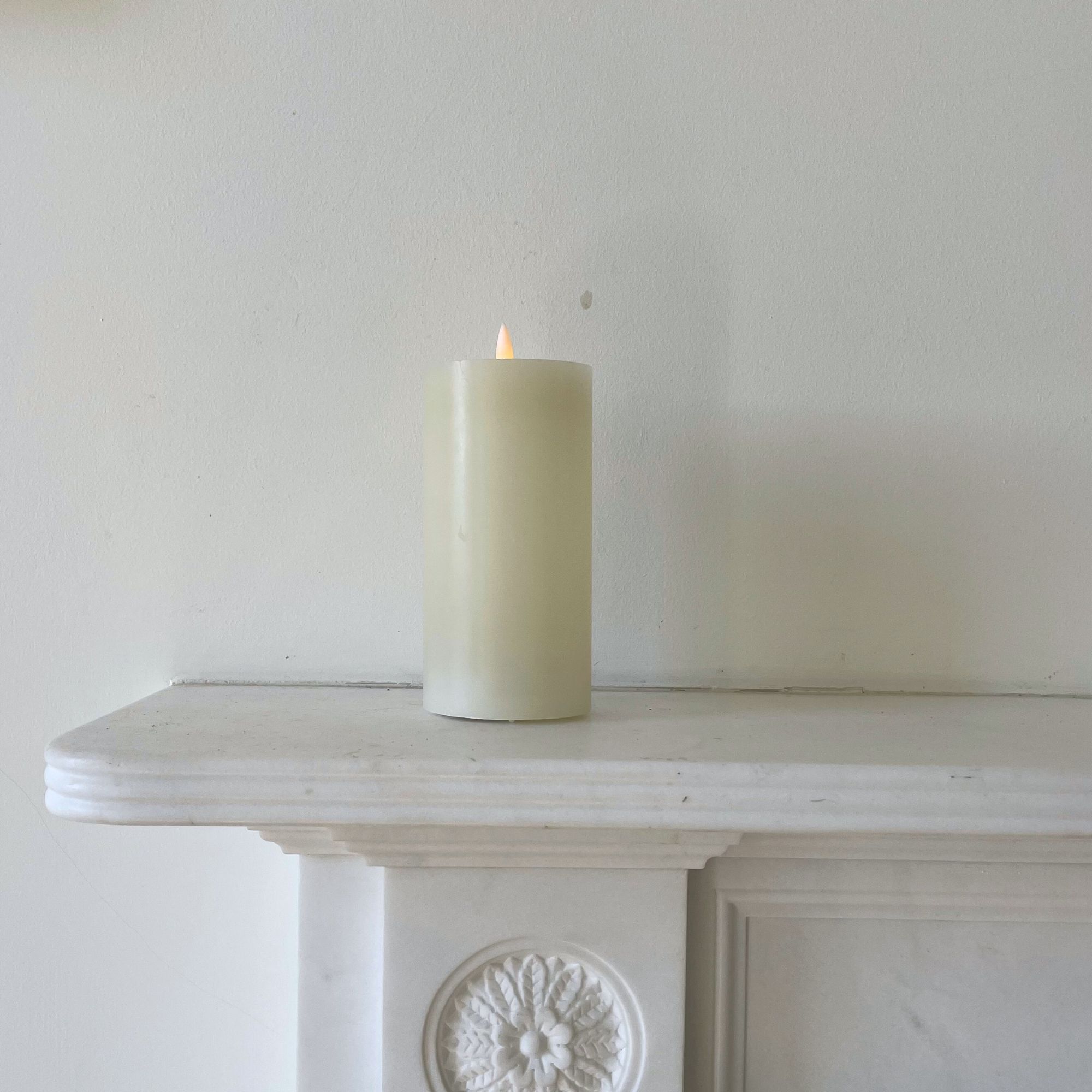
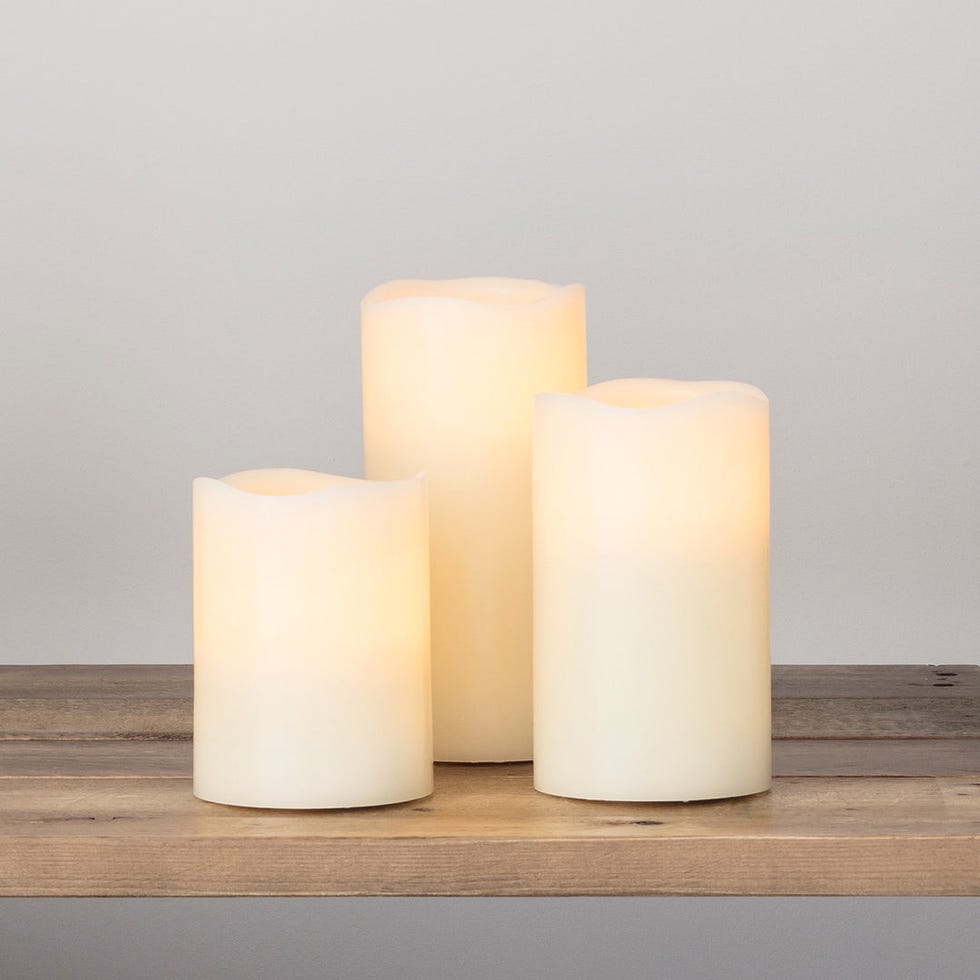
Paraffin wax, a petroleum byproduct, is the most common and inexpensive wax used in candles. It holds fragrance well due to its odorless nature, making it popular for scented candles, despite environmental concerns. Flameless candles offer a safe alternative to traditional candles, mimicking their glow without an open flame, wax drips, or smoke, making them suitable for both indoor and outdoor use. Unscented candles provide light and warmth without fragrance, ideal for those sensitive to scents or for dining settings where food aromas should not be overpowered. Gel candles, made from resin and mineral oil, offer extended burn times and brighter illumination, often incorporating decorative elements within their clear medium. Bayberry wax candles, a traditional holiday favorite, are rare and derive from the bayberry plant, possessing a strong natural scent and distinct olive-green color.
Ultimately, selecting a candle involves considering its purpose, desired aesthetic, scent profile, and burn characteristics, including environmental impact, to choose the most appropriate type for any given situation.
#CandleTypes #HomeDecor #InteriorDesign #BeeswaxCandles #WoodWickCandles #SoyCandles #ScentedCandles #FlamelessCandles #CandleSafety #CandleTypes #HomeDecor #InteriorDesign #BeeswaxCandles #WoodWickCandles #SoyCandles #ScentedCandles #FlamelessCandles #CandleSafety
0 comment in total
 No comments yet
You may also like

Candle buying guide: 5 types of candle, how to use them and make them last longer
12 Moody Candle Wall Sconces That Deliver More Romance Than a Lightbulb Ever Could| domino

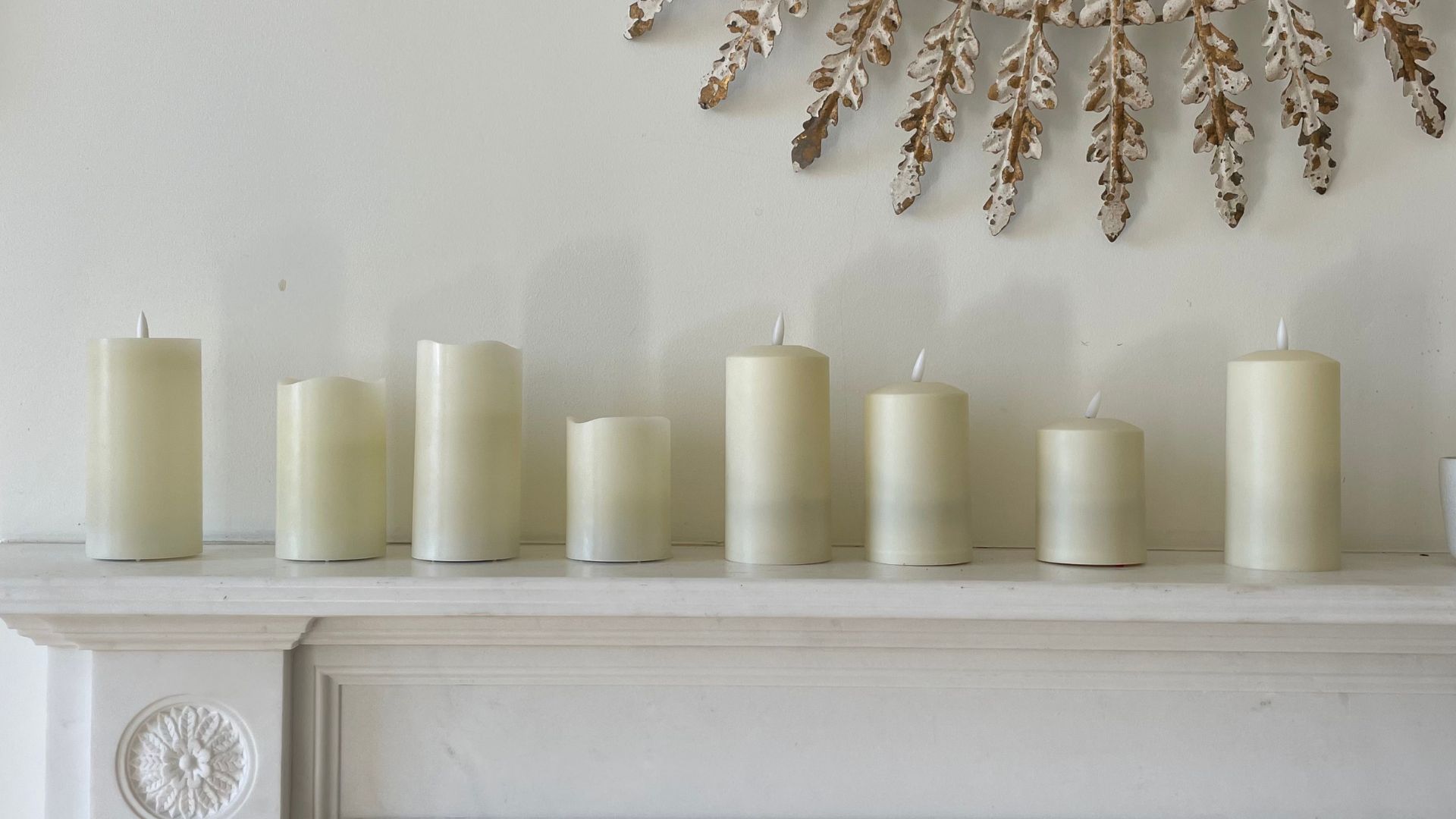
12 of the best flameless candles – to safely create a cosy ambience

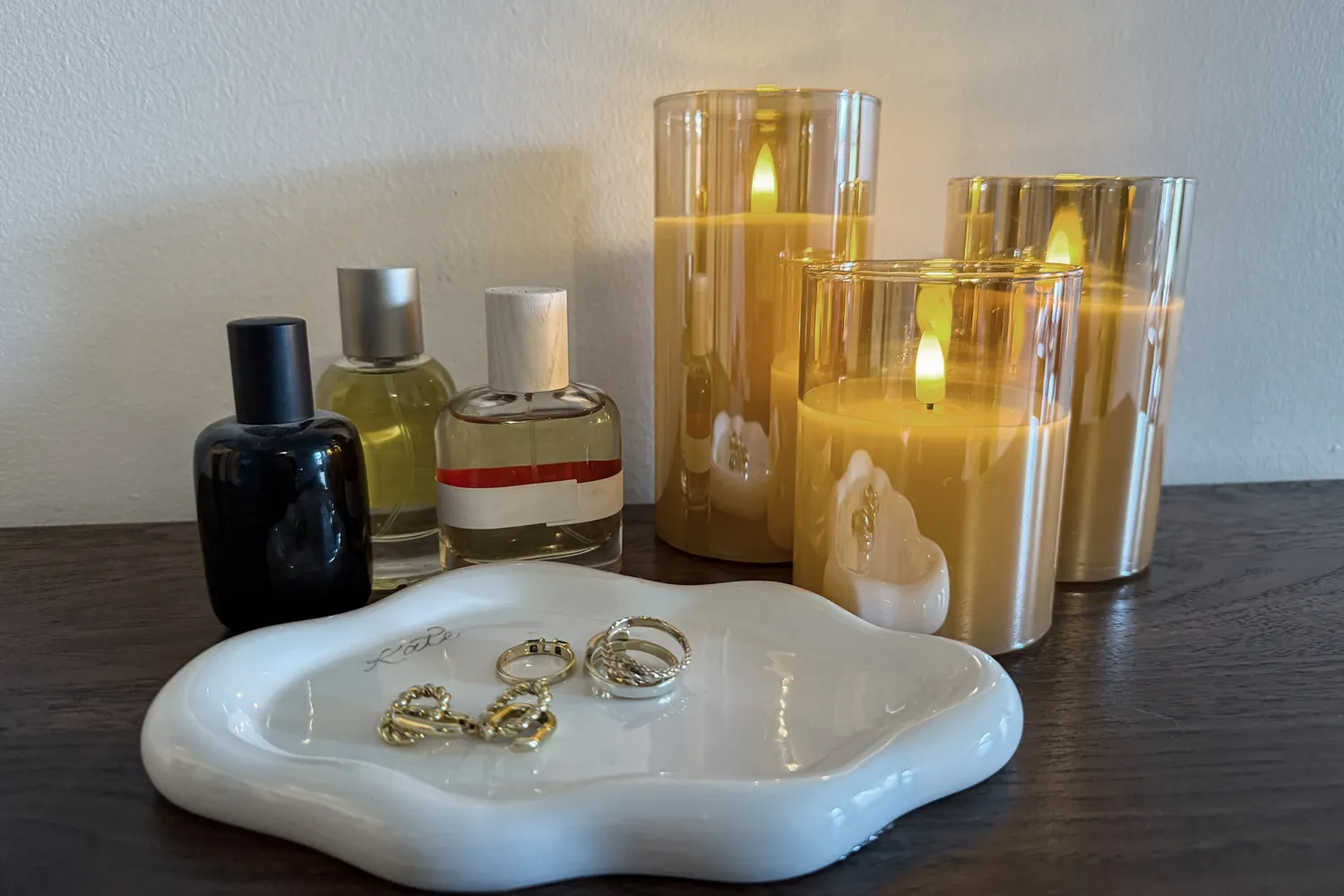
10 Flameless Candles That Convinced Us to Stop Lighting Real Ones


The Very Best Scented Candles

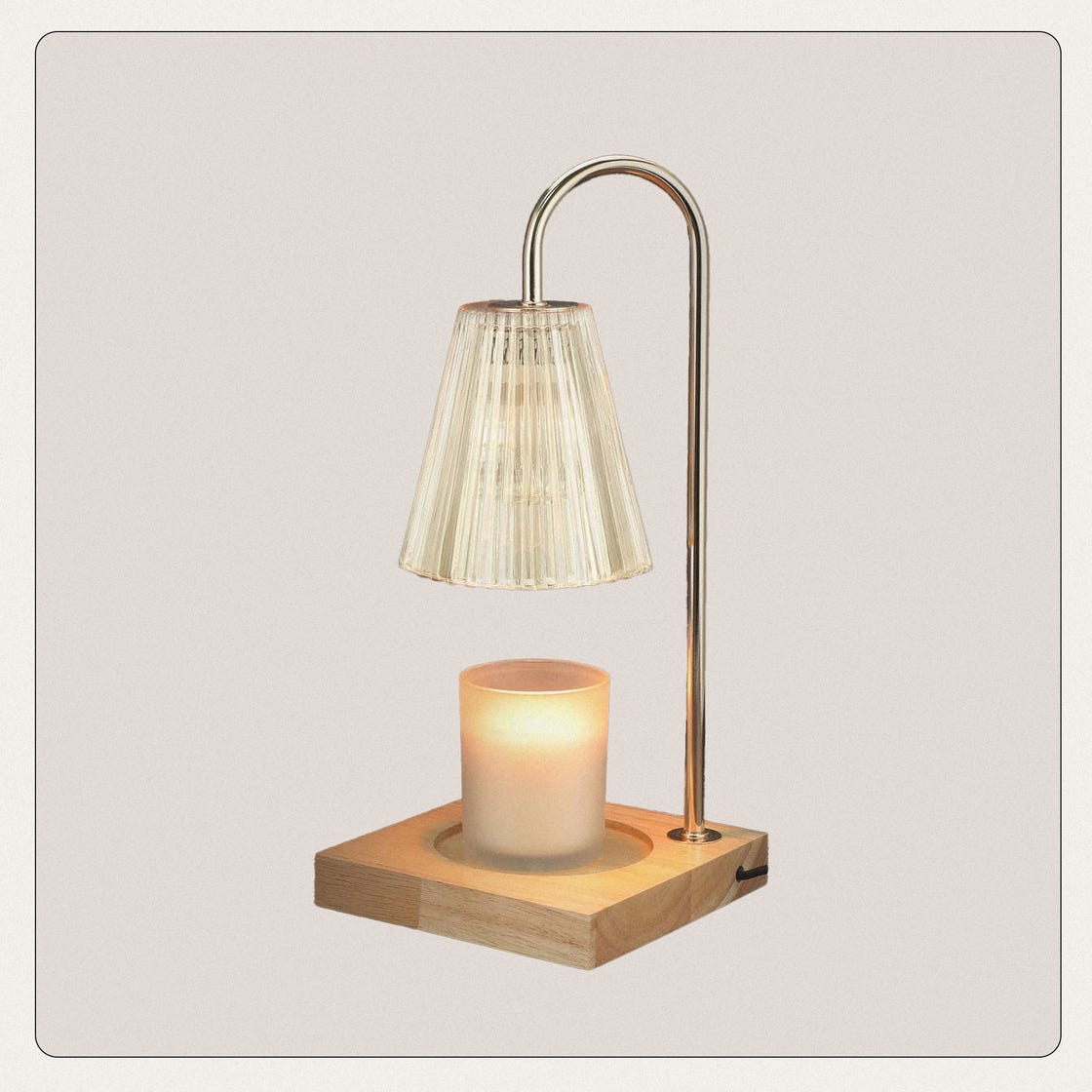
Our Senior Commerce Director Loves Her Viral $34 Candle Warmer Lamp

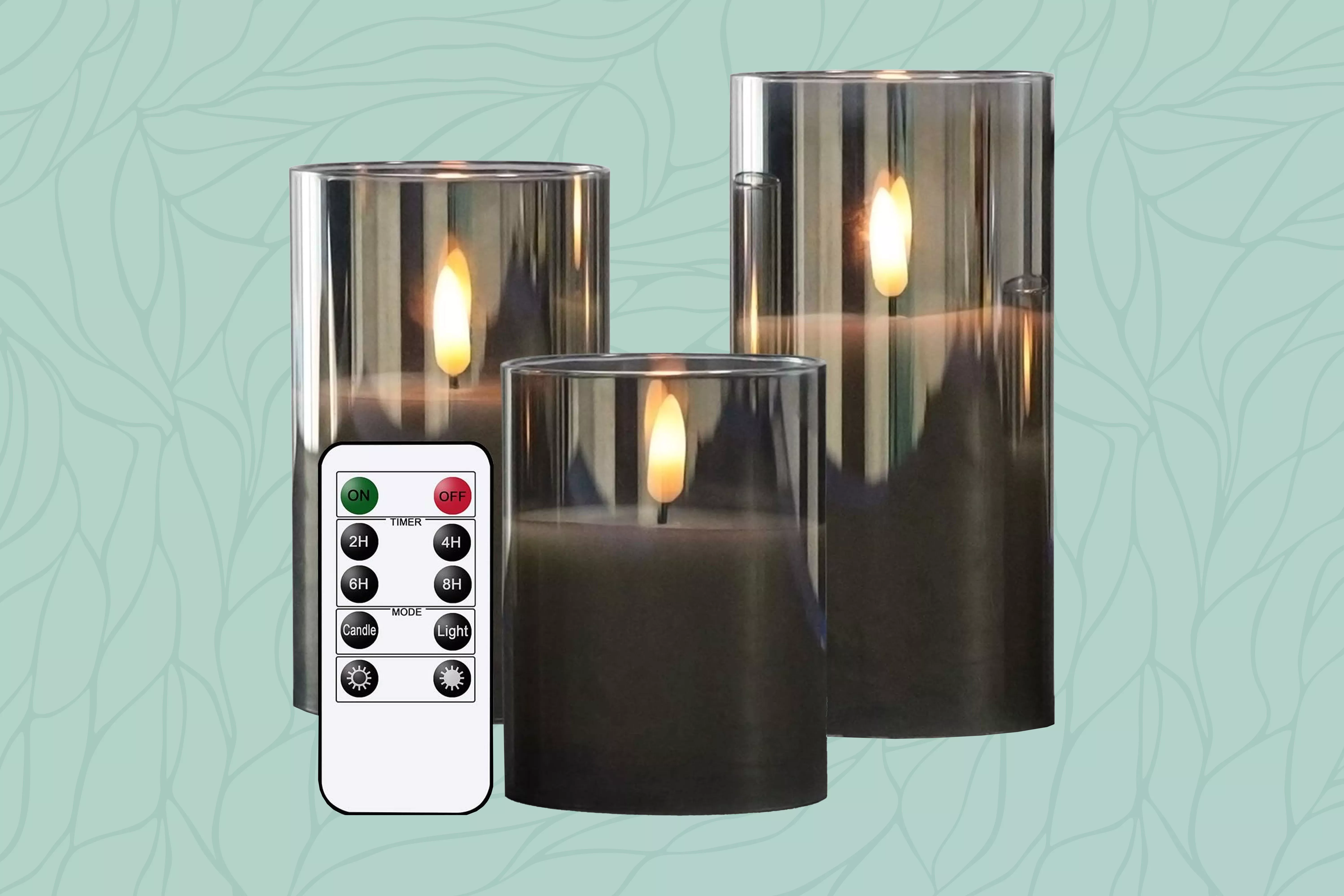
The 7 Best Flameless Candles, Reviewed by BHG

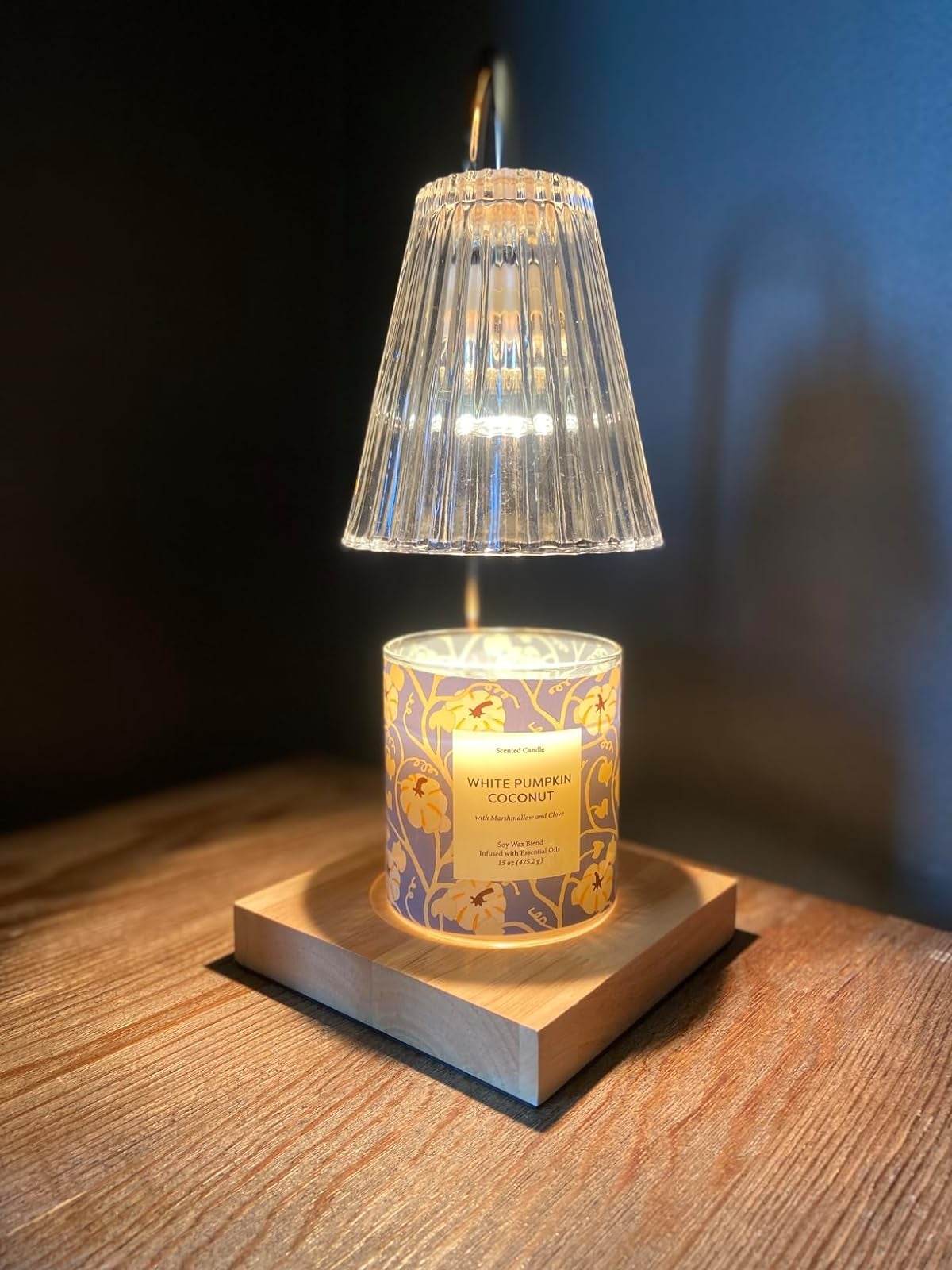
32 Candle Warmers That’ll Help Your Favorite Scents Last Longer (With No Open Flame)
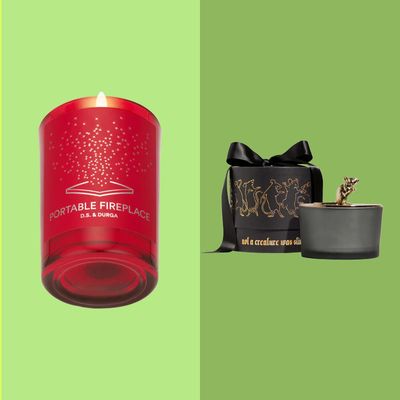
I Burn Candles All Through the Holidays. Here Are My Favorites.
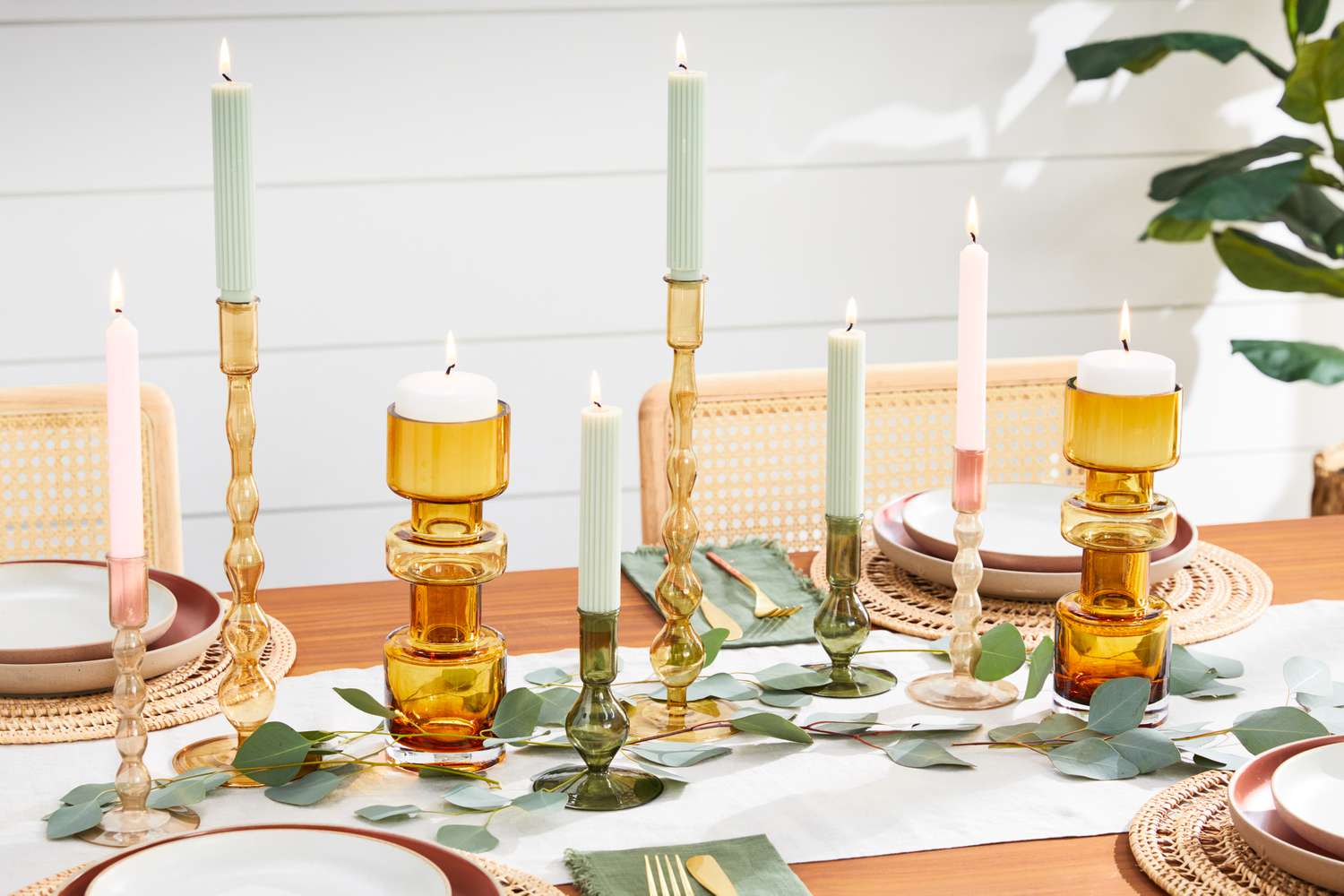
20 Ideas for Decorating With Candles Throughout Your Home

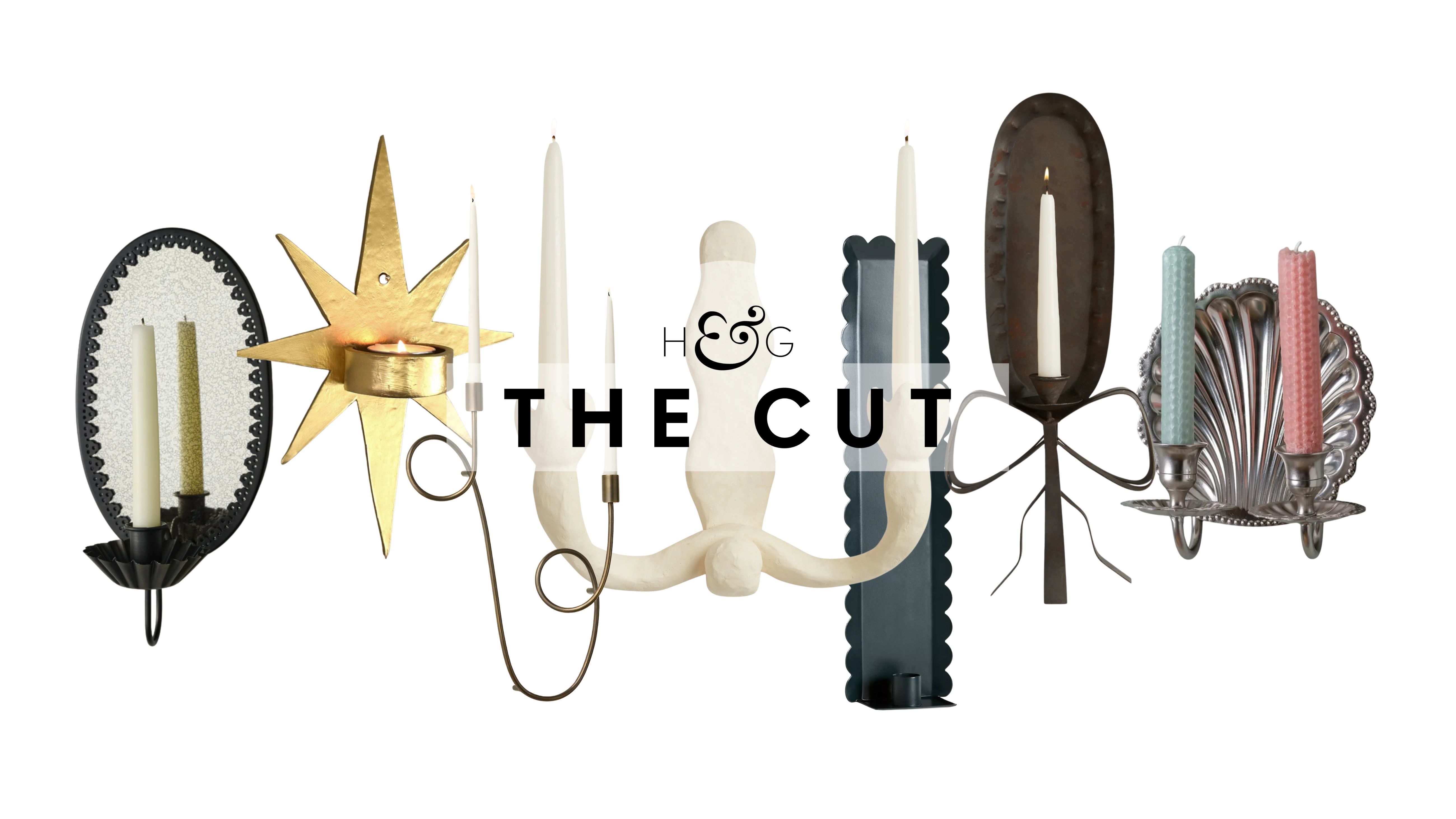
Forget About Lightbulbs, The Quickest Way to Add Ambiance to Any Room Is With Candle Sconces – Shop Our Style Editor's Pick of the Best

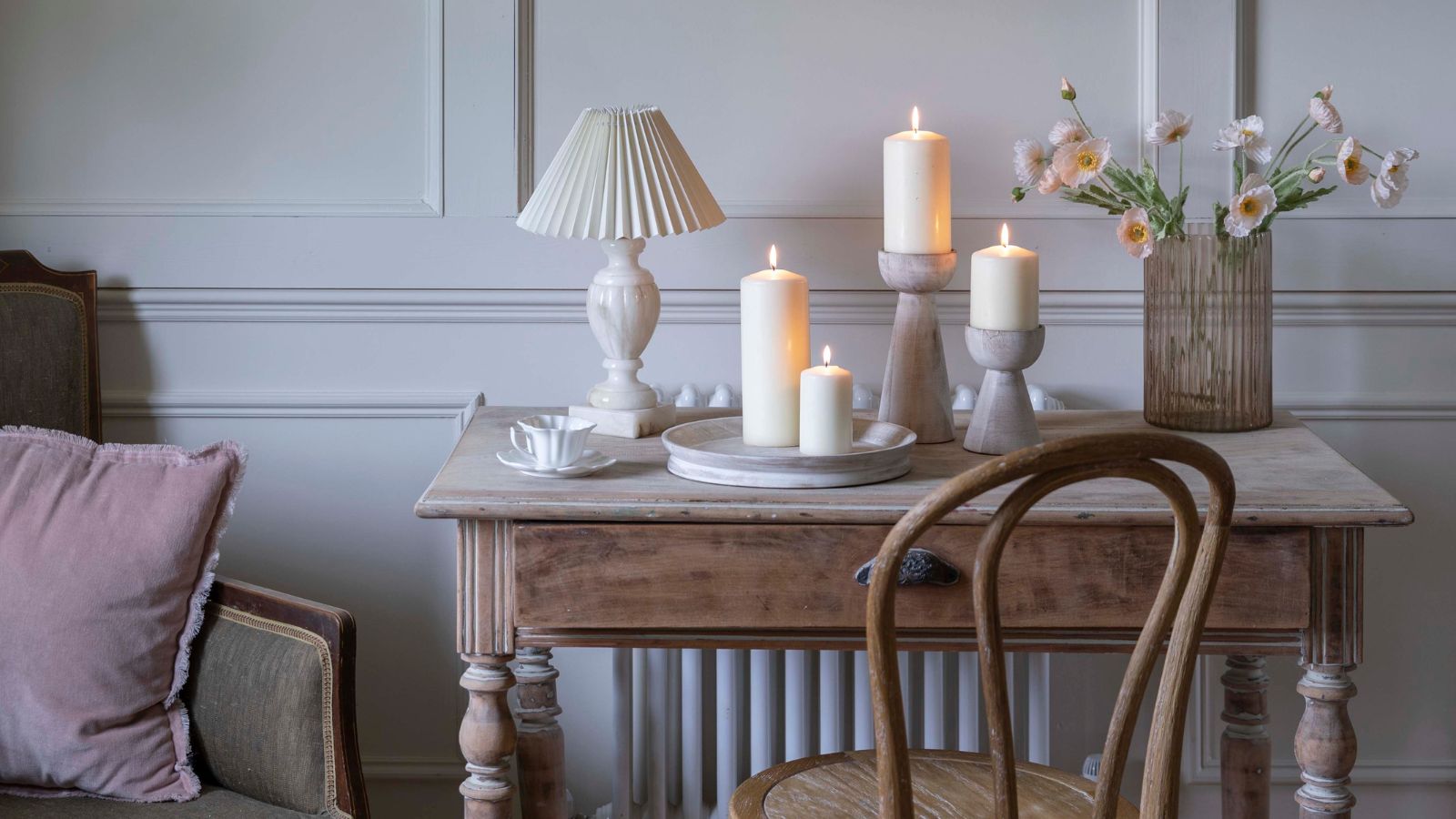
How to make LED candles look like the real thing
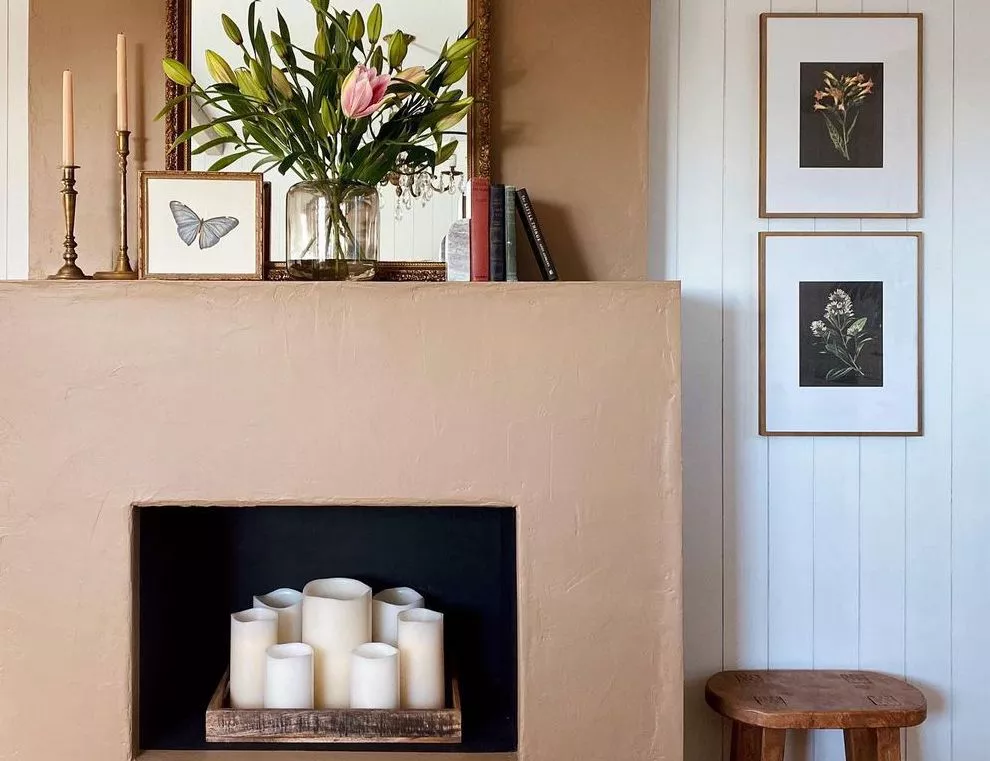
24 Ideas for Displaying Candles in Your Fireplace

11 Candle Sconces That Create the Coziest Atmosphere Ever
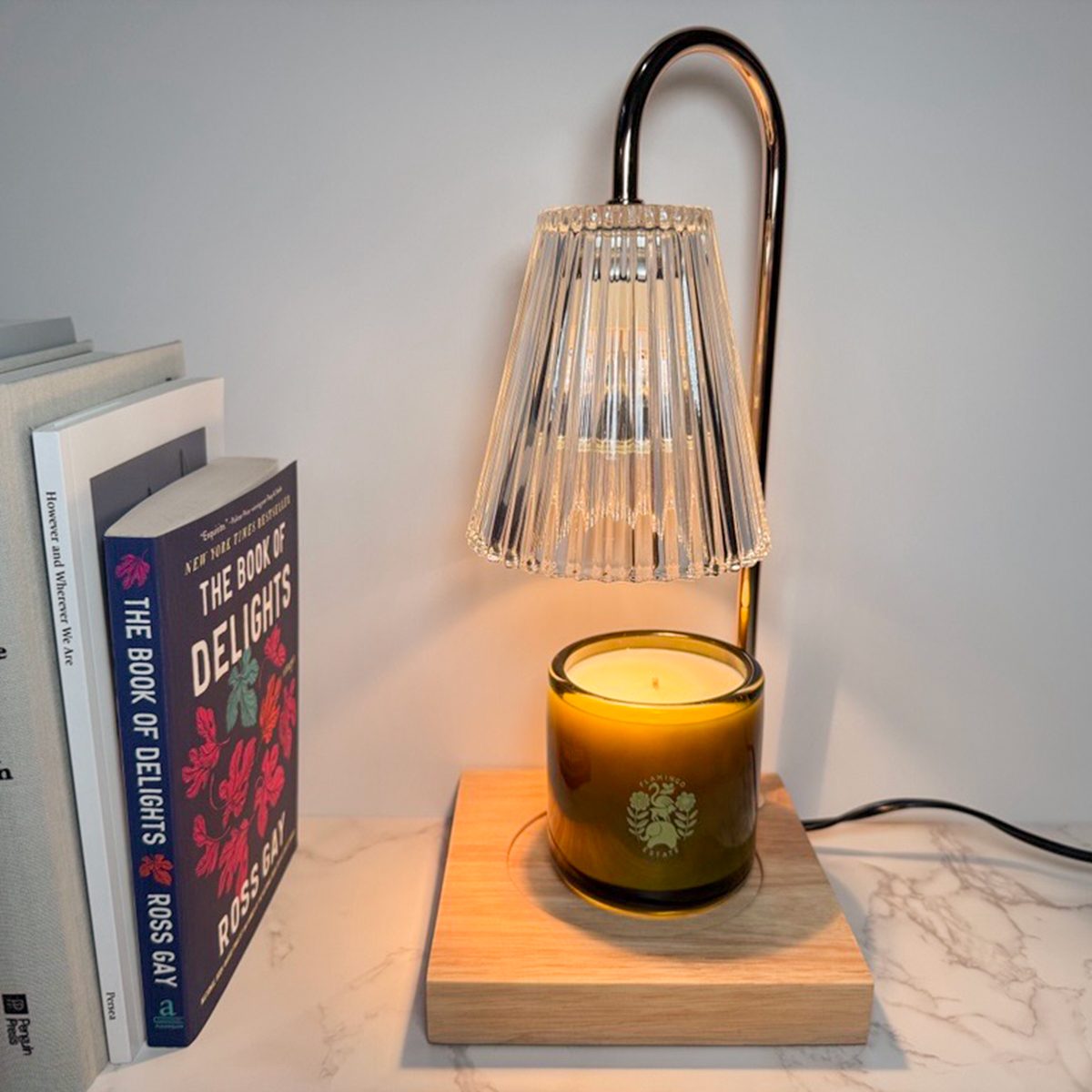
We Tried the Internet’s Favorite Candle Warmer Lamp—Here’s Our Review

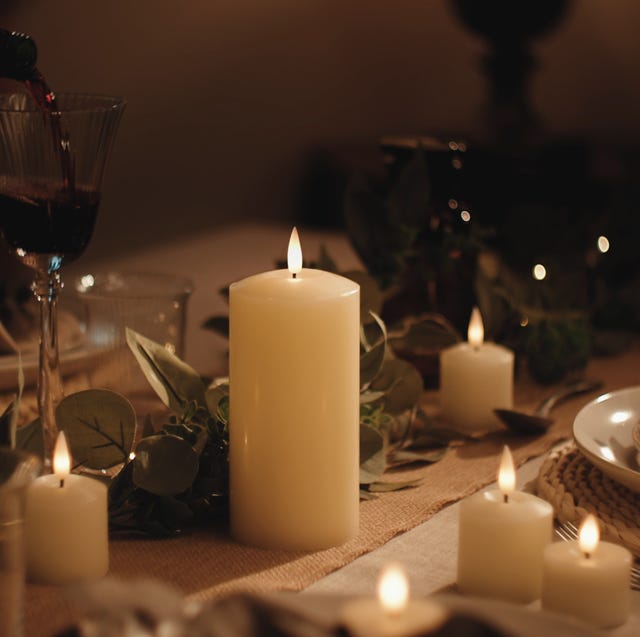
17 LED candles we're adding to our wish list
Our Favorite Tapered Candles | Reviews by Wirecutter
Candle Warmers Are for Cool Girls and You Need One ASAP
The 4 Best Candle Warmer Lamps Our Editors Have Tested

The 6 Best Flameless Candles to Elevate Your Tablescapes