1/10
9 Laundry Rooms That Will Make You Want To Sort and Fold
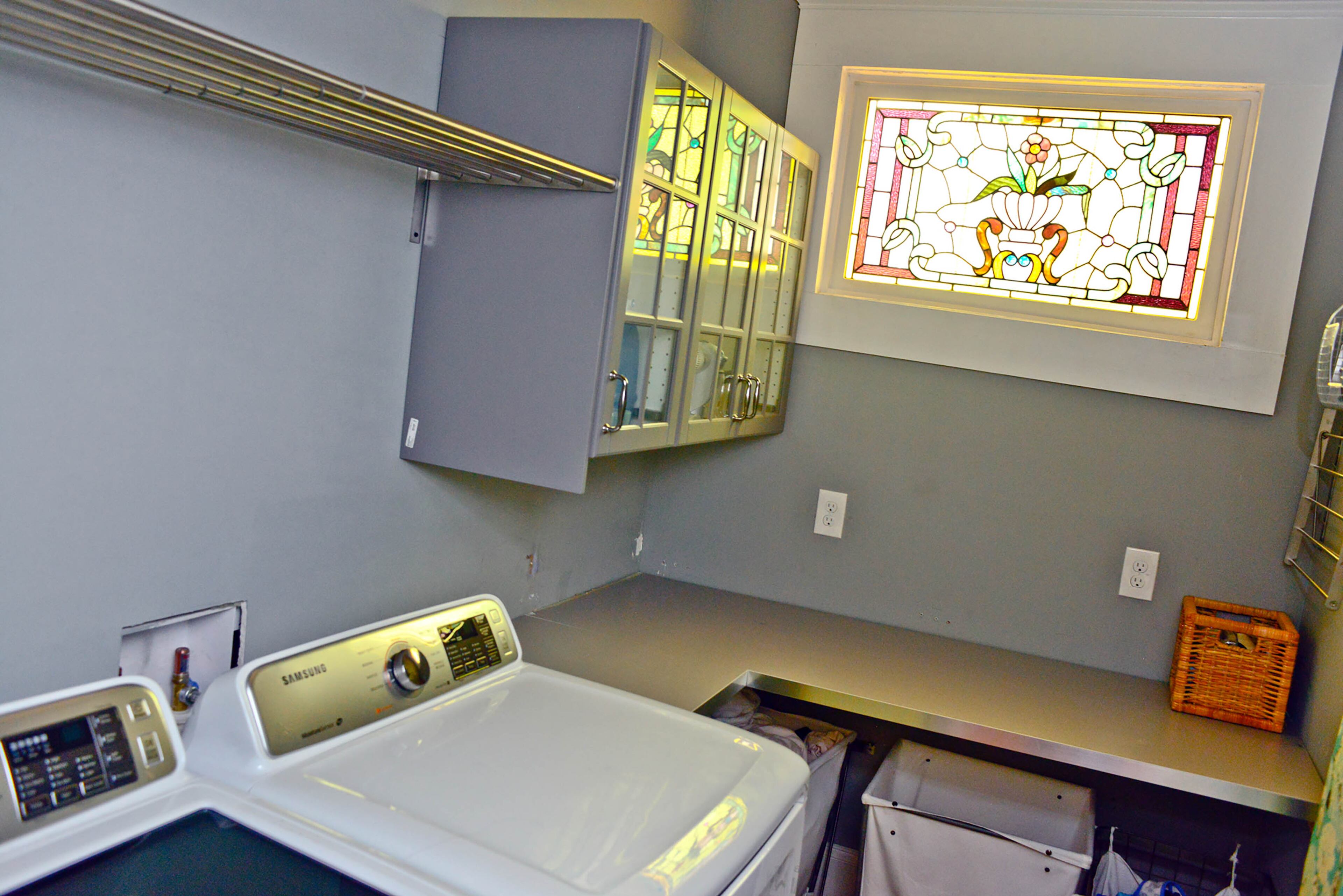
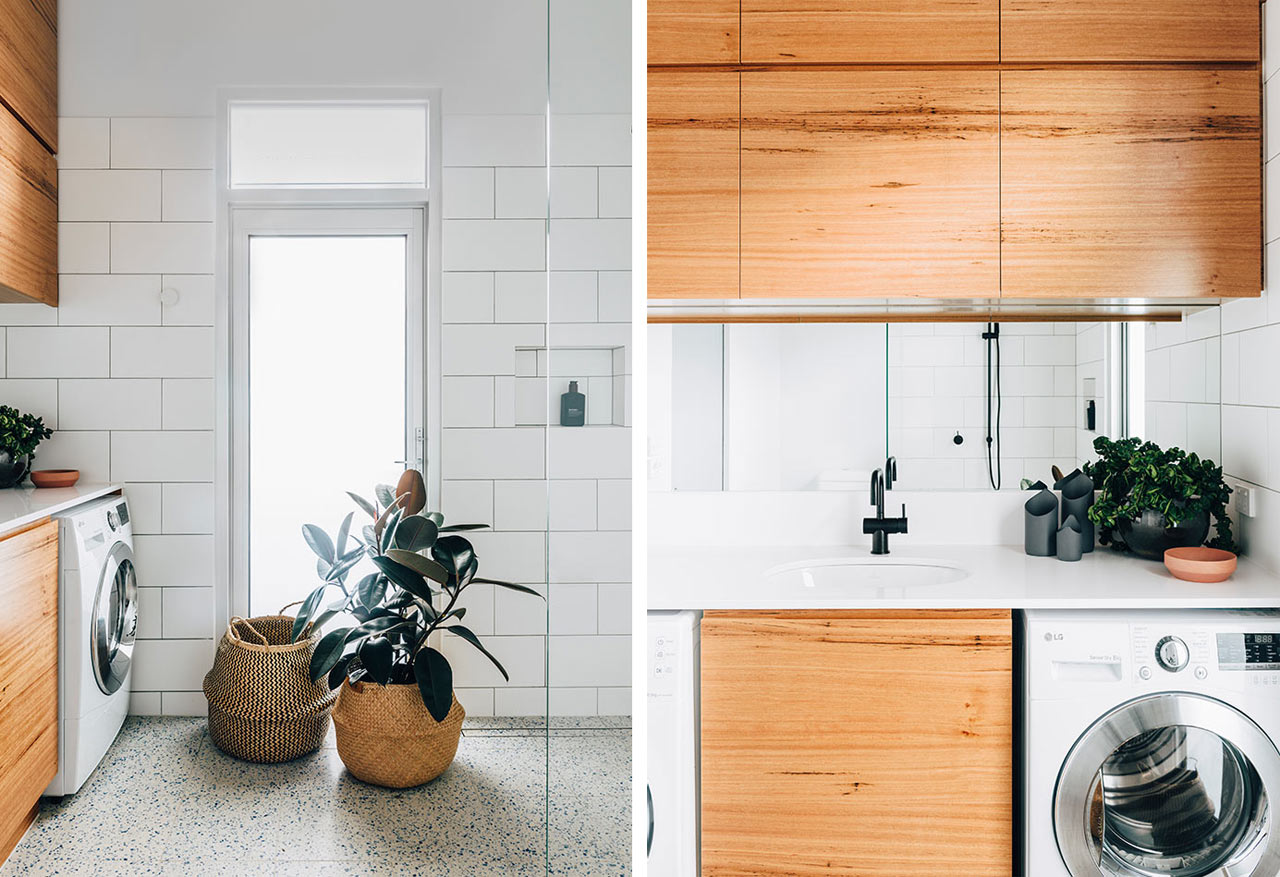
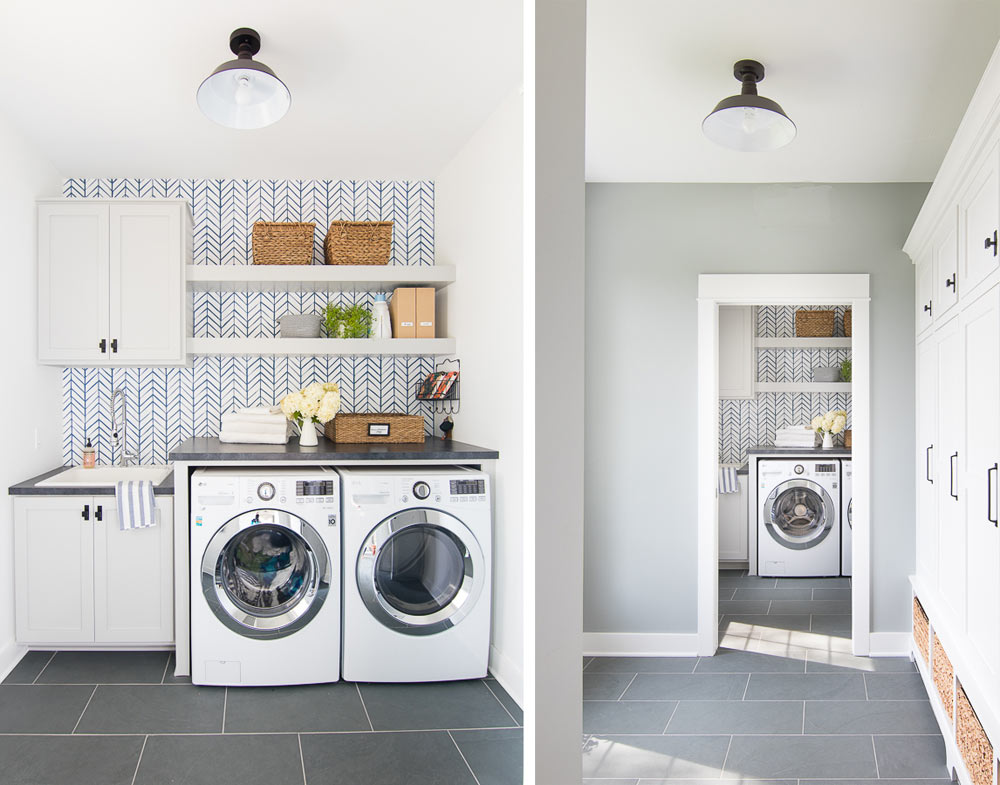
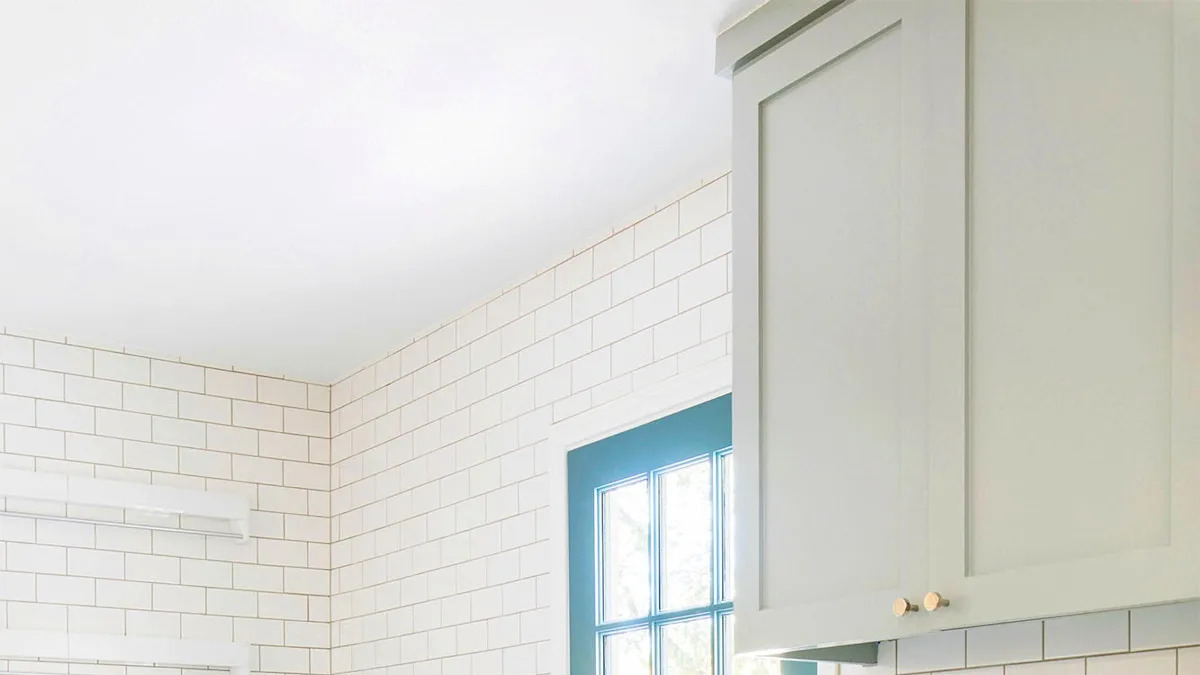
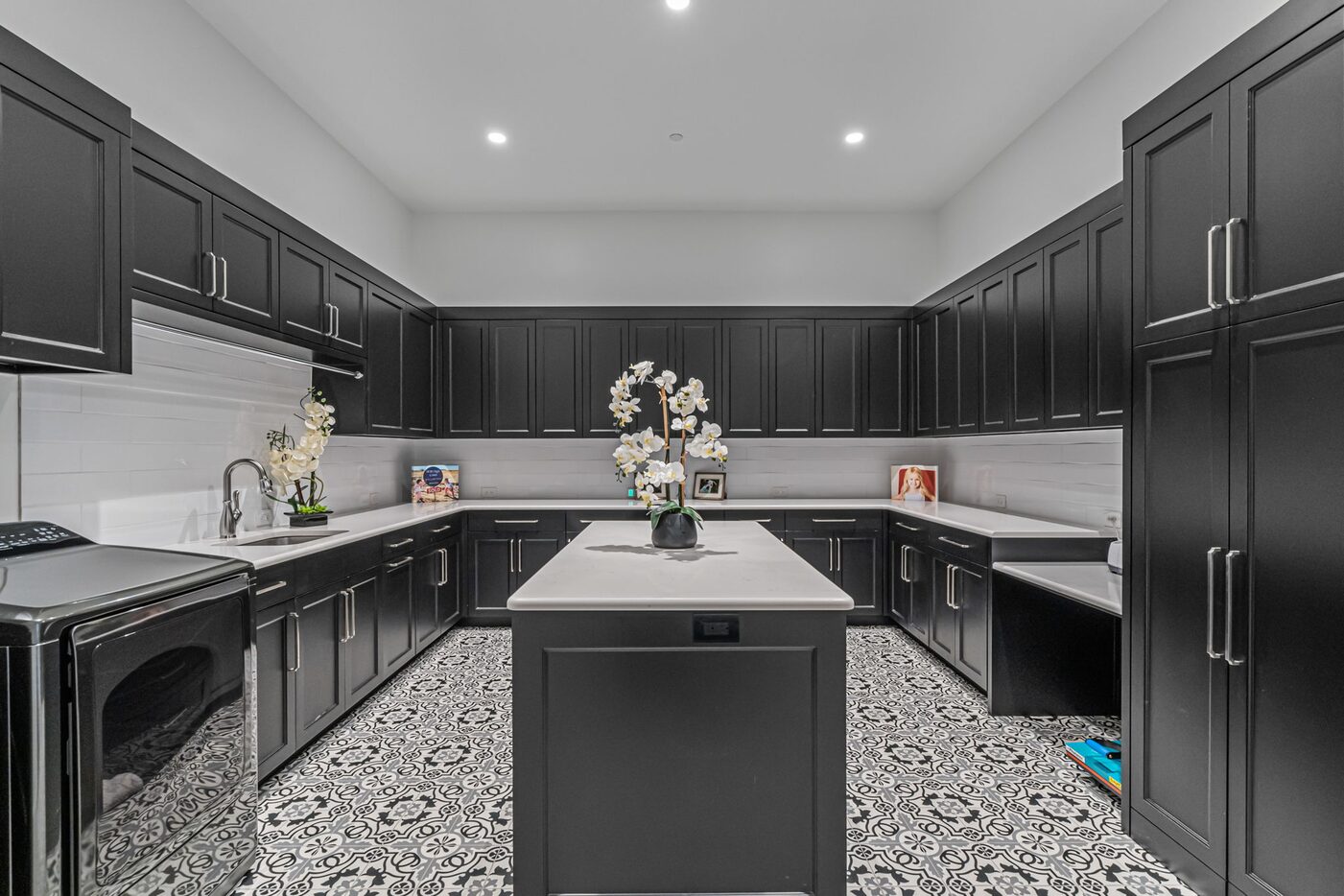
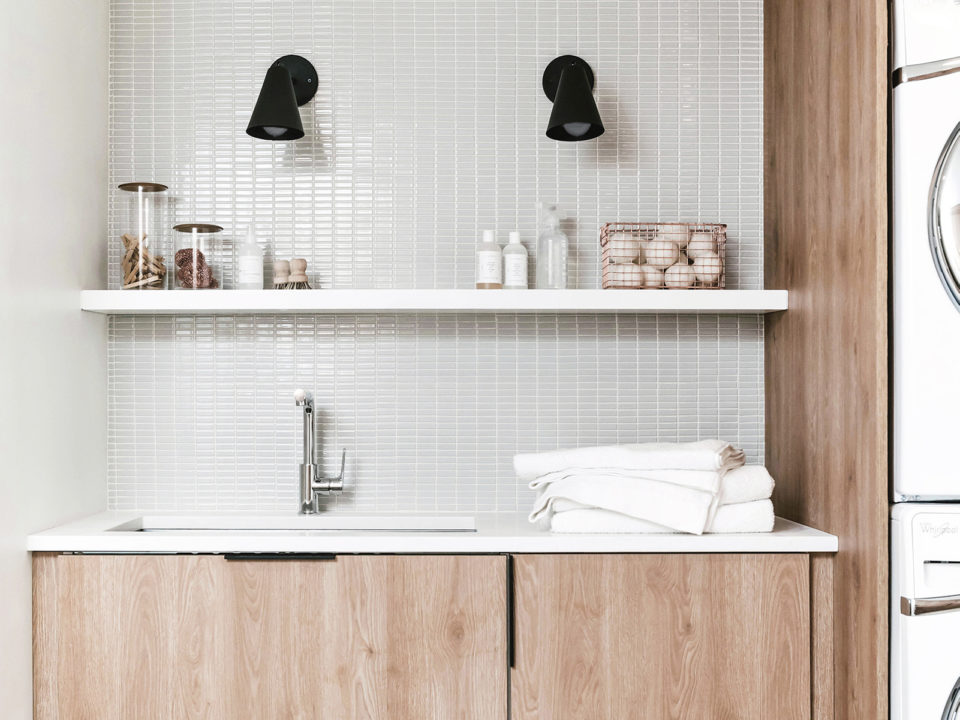
This article explores various design strategies and practical tips to transform a utilitarian laundry room into an aesthetically pleasing and highly functional space. It emphasizes that doing laundry does not have to be a dreaded chore when the environment is upgraded. The article is structured around three main themes: Texture & Pattern, Color Pop, and Storage Solutions, drawing insights from Denver-based interior designers.
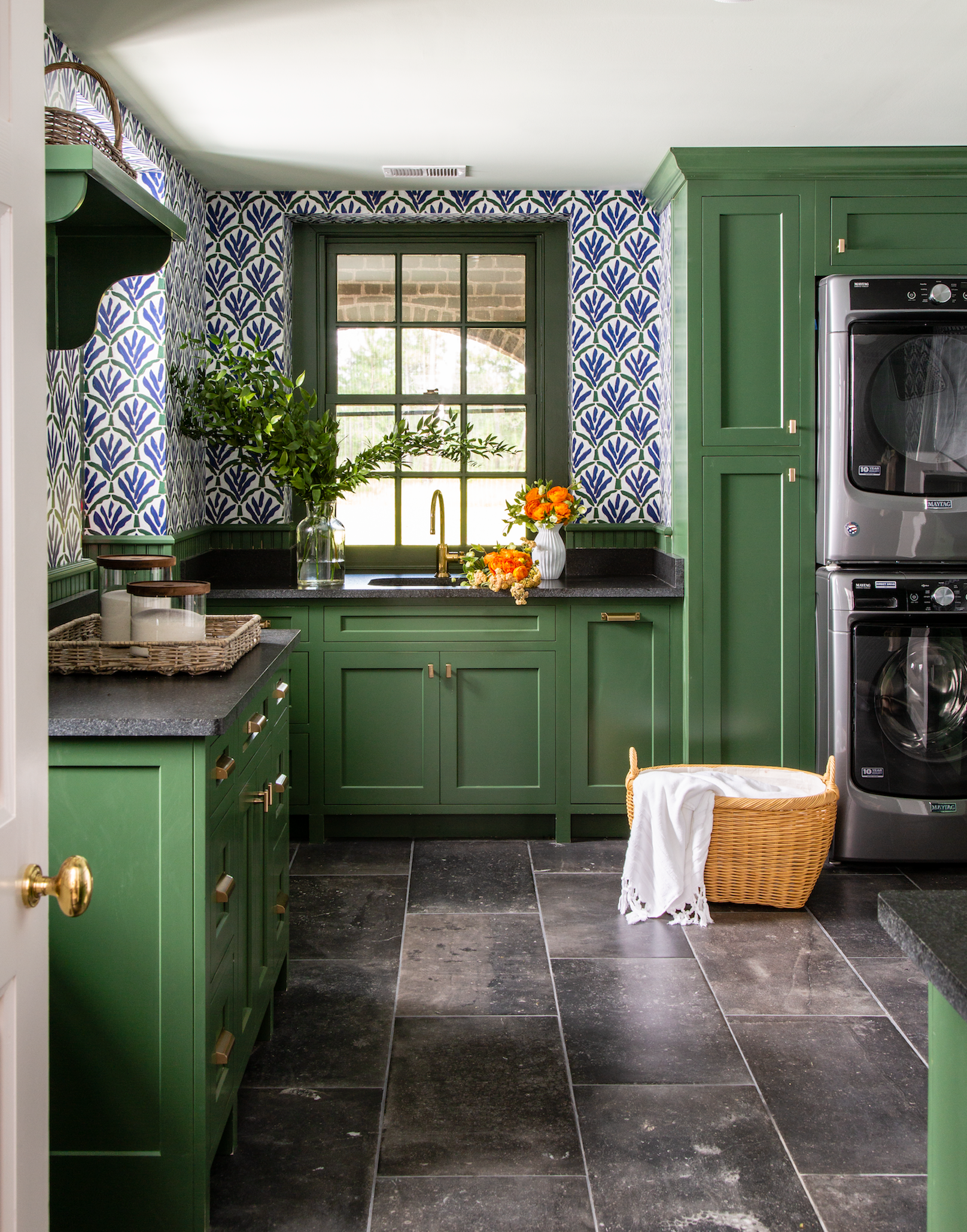
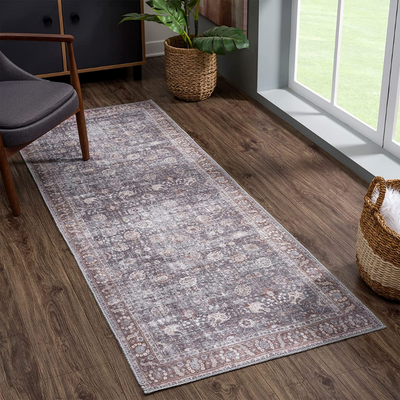
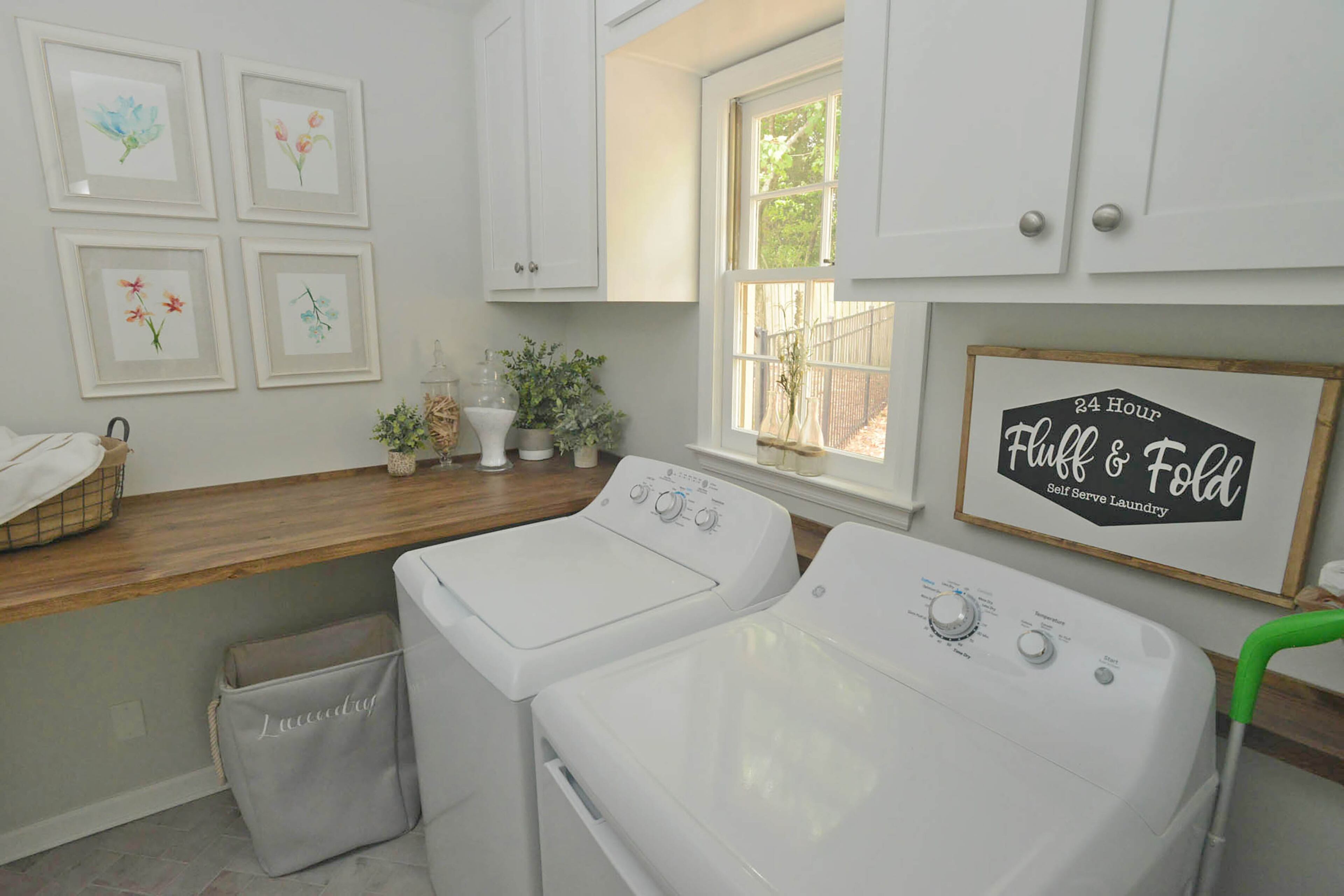
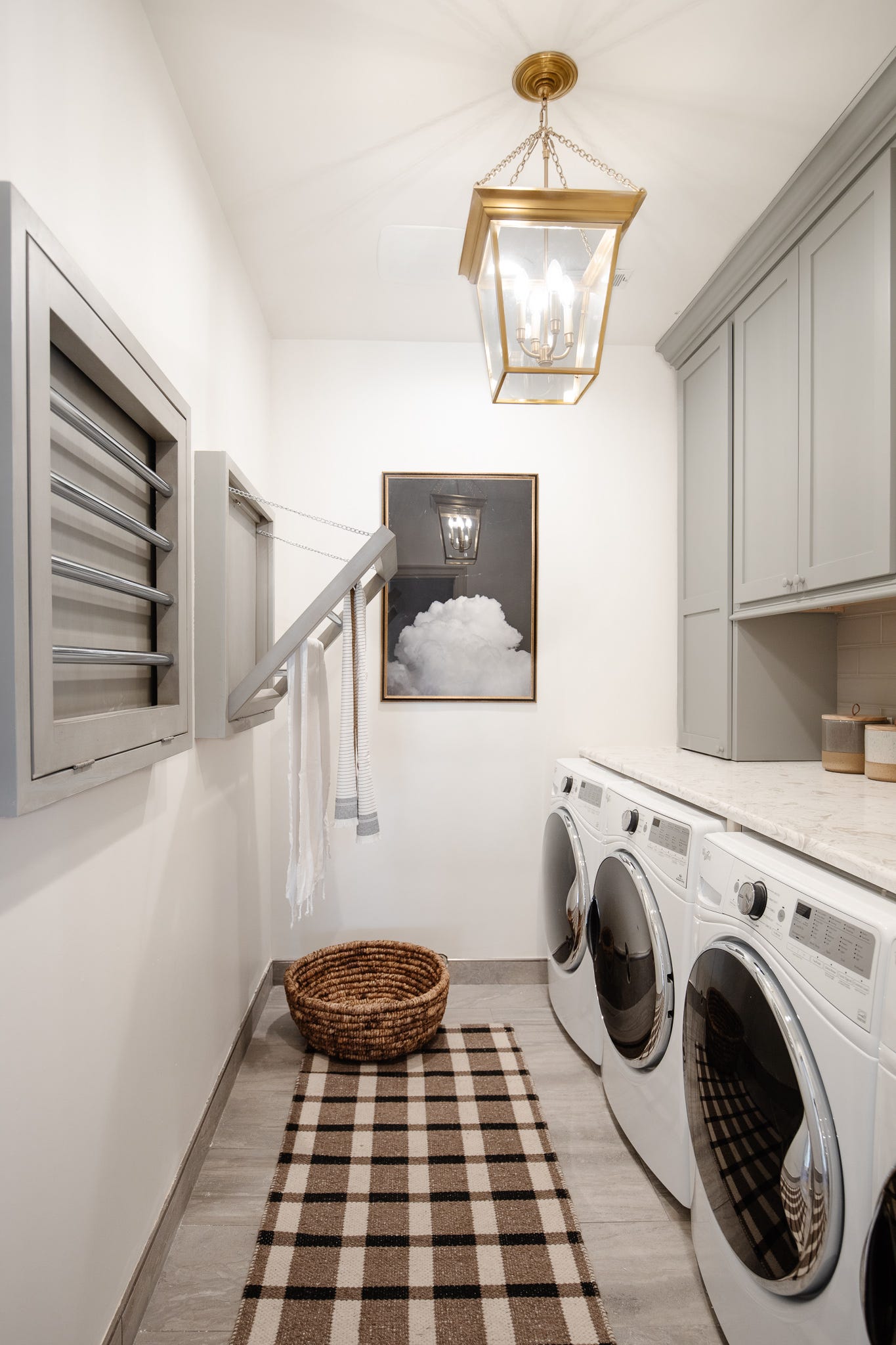
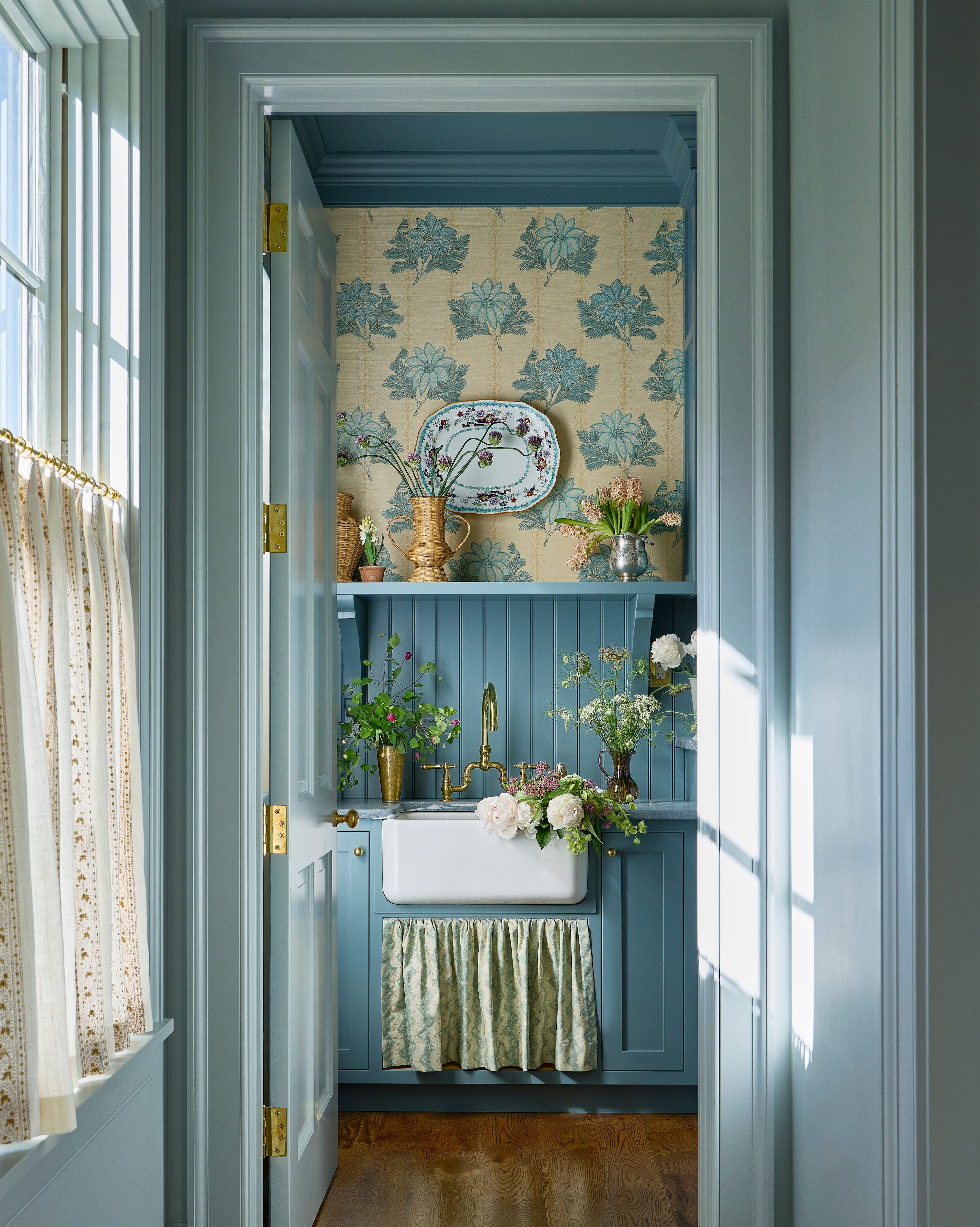
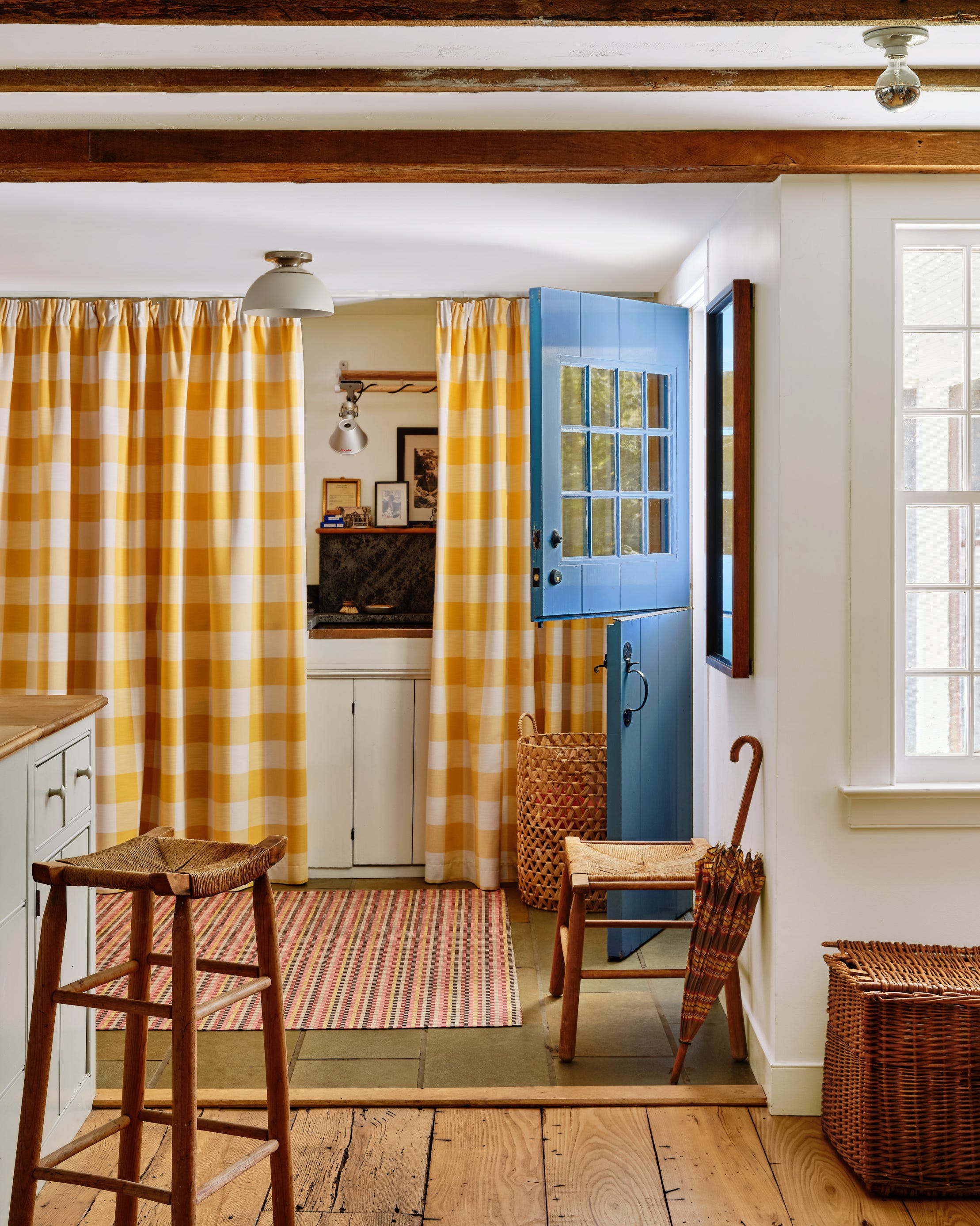
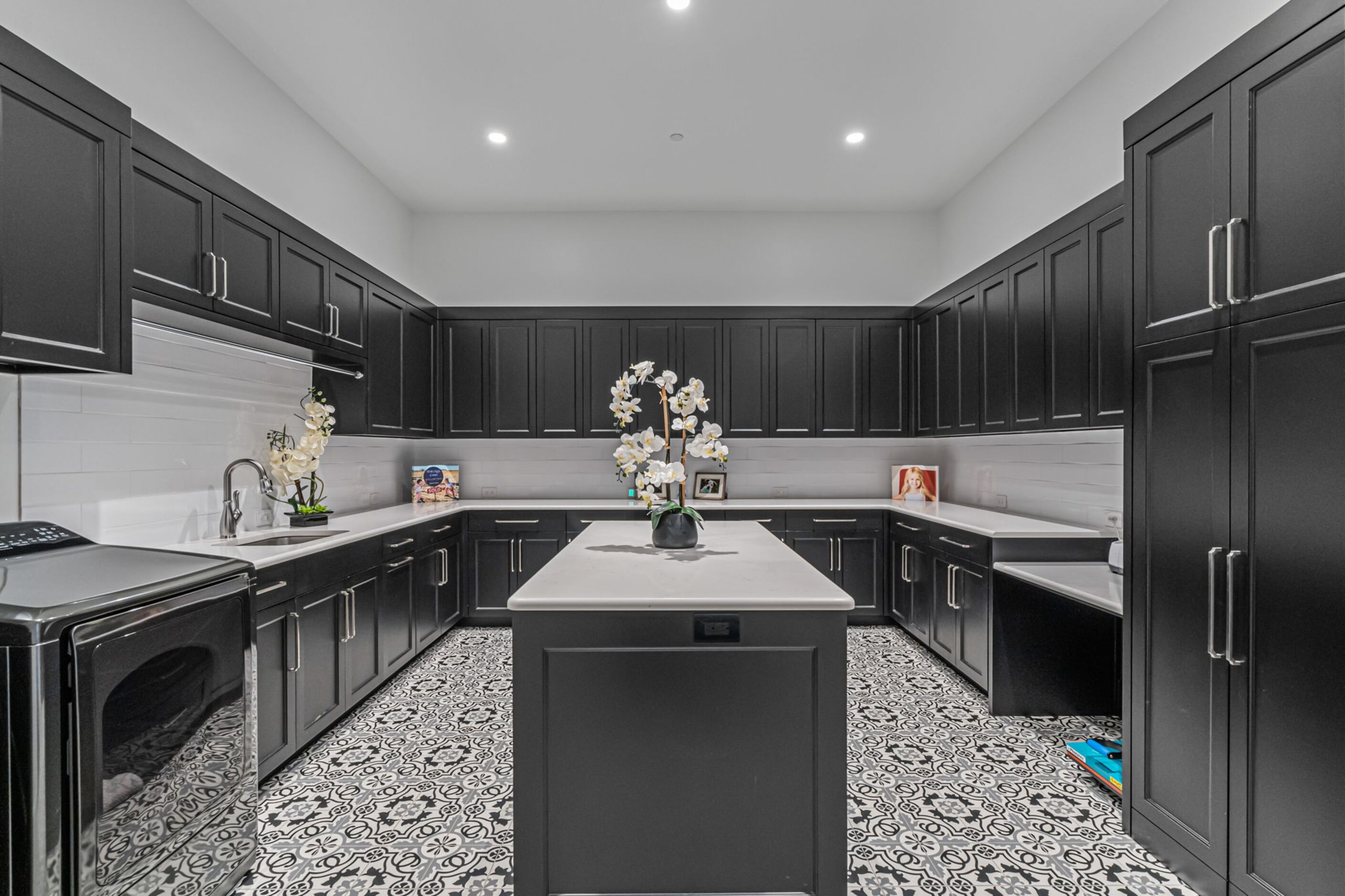
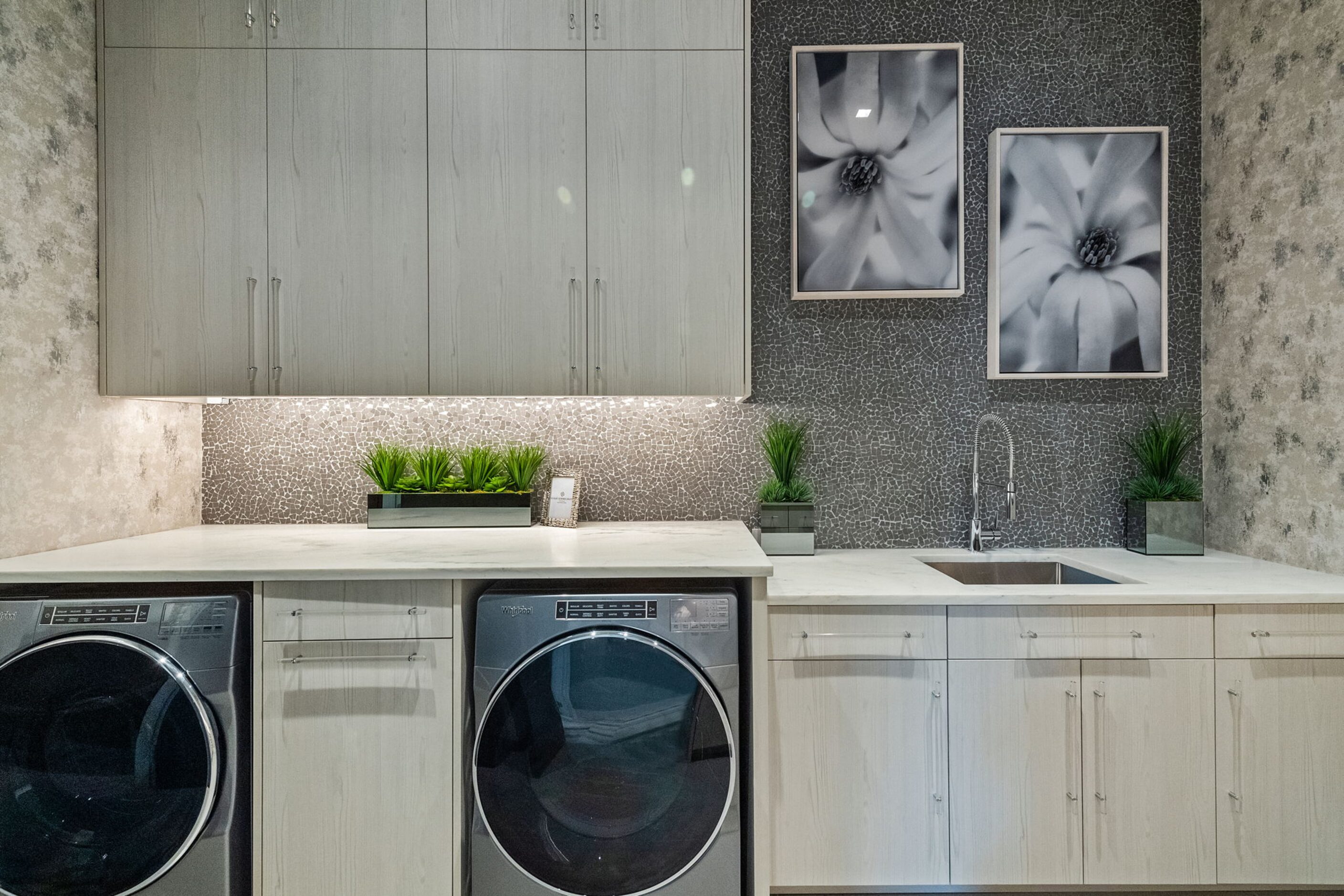
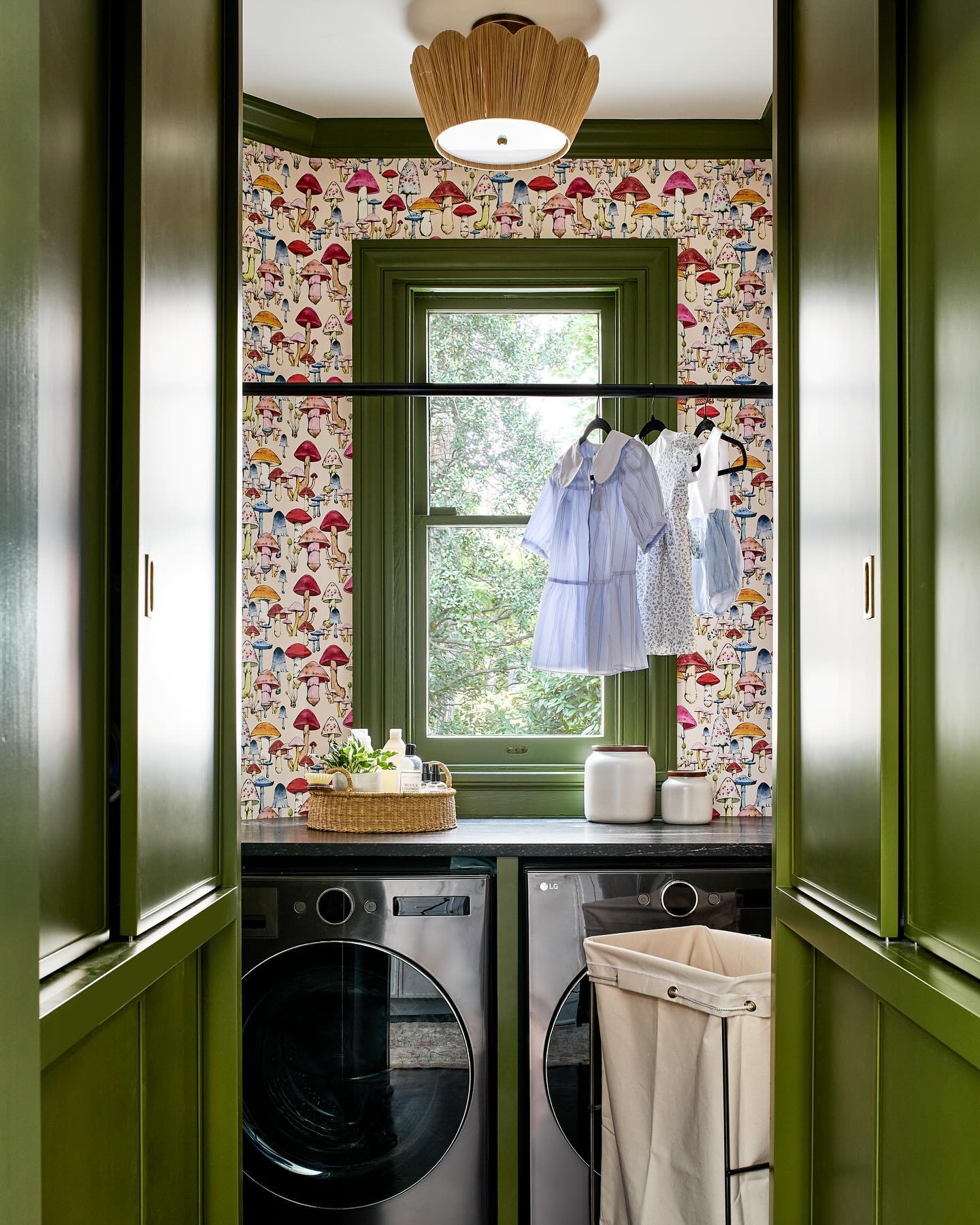
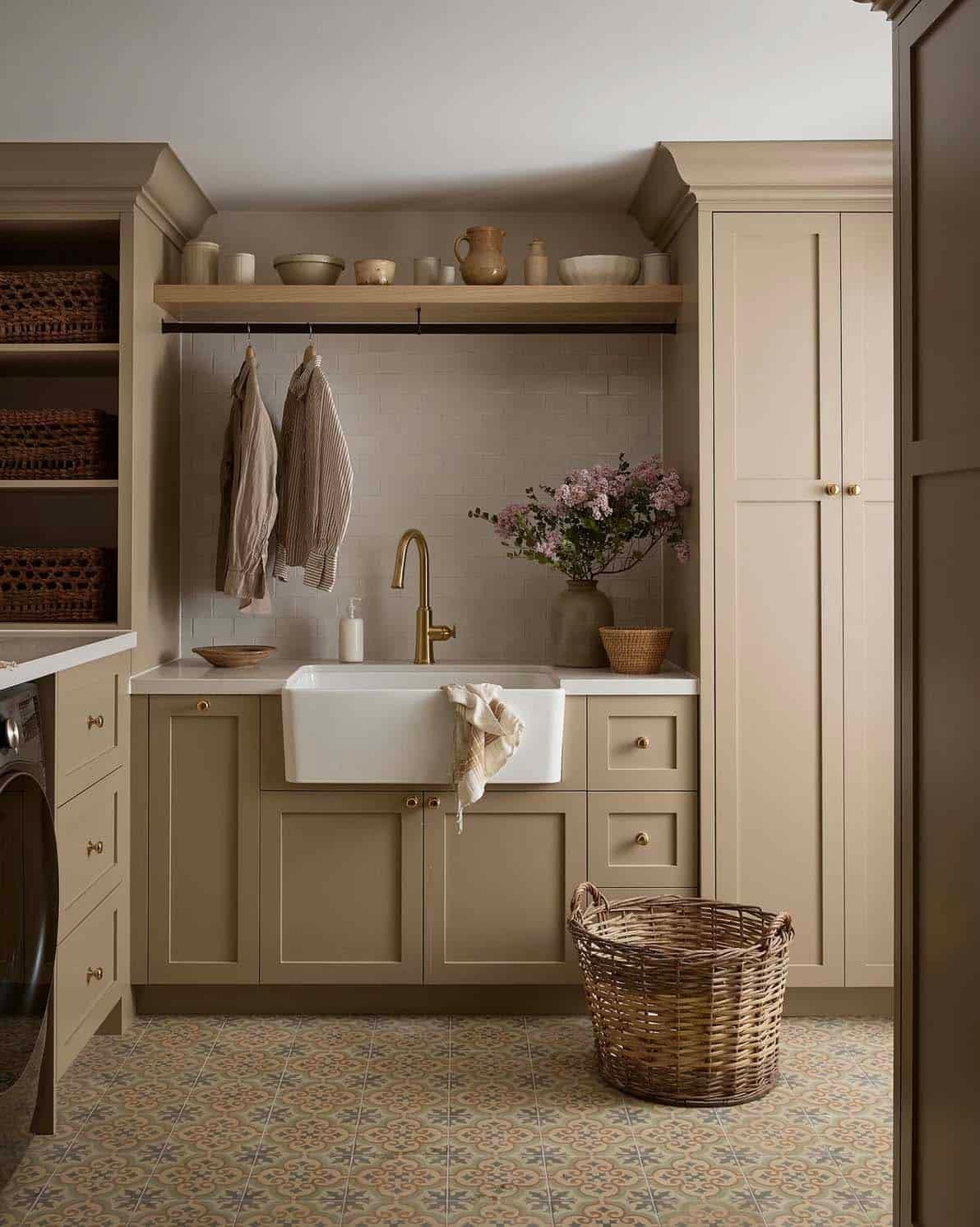
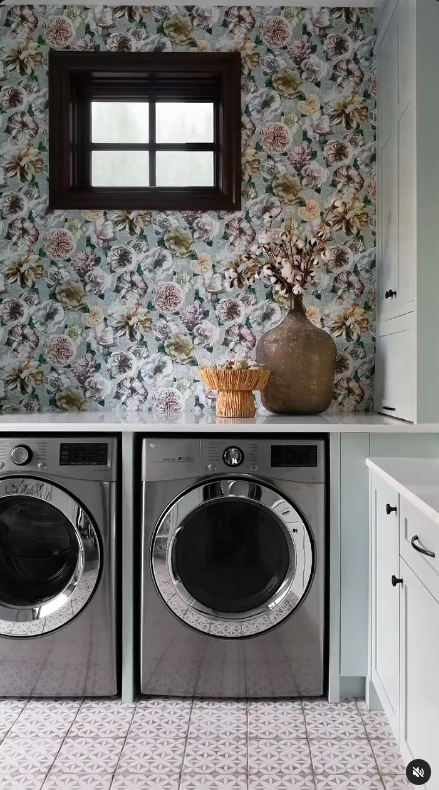
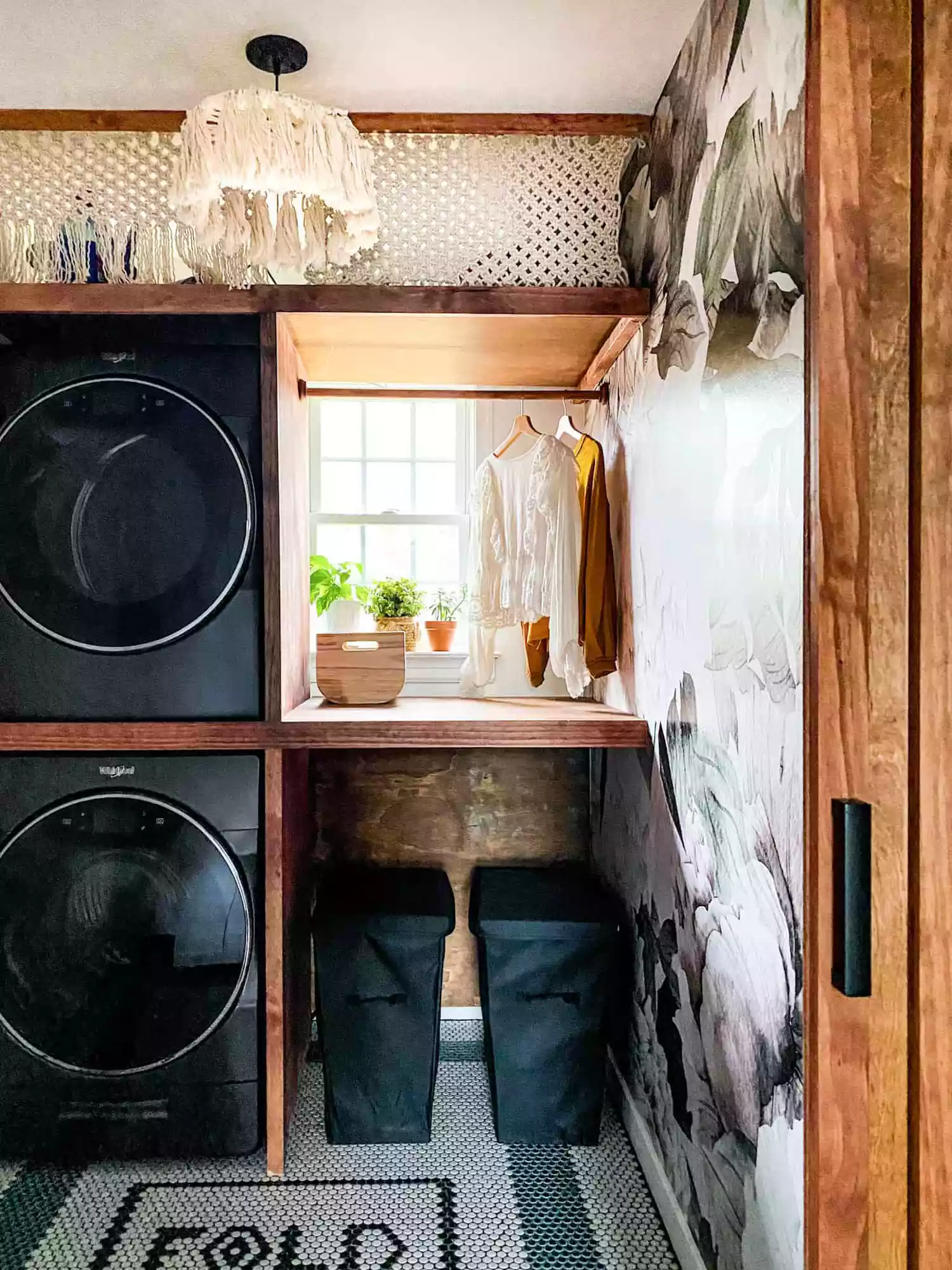
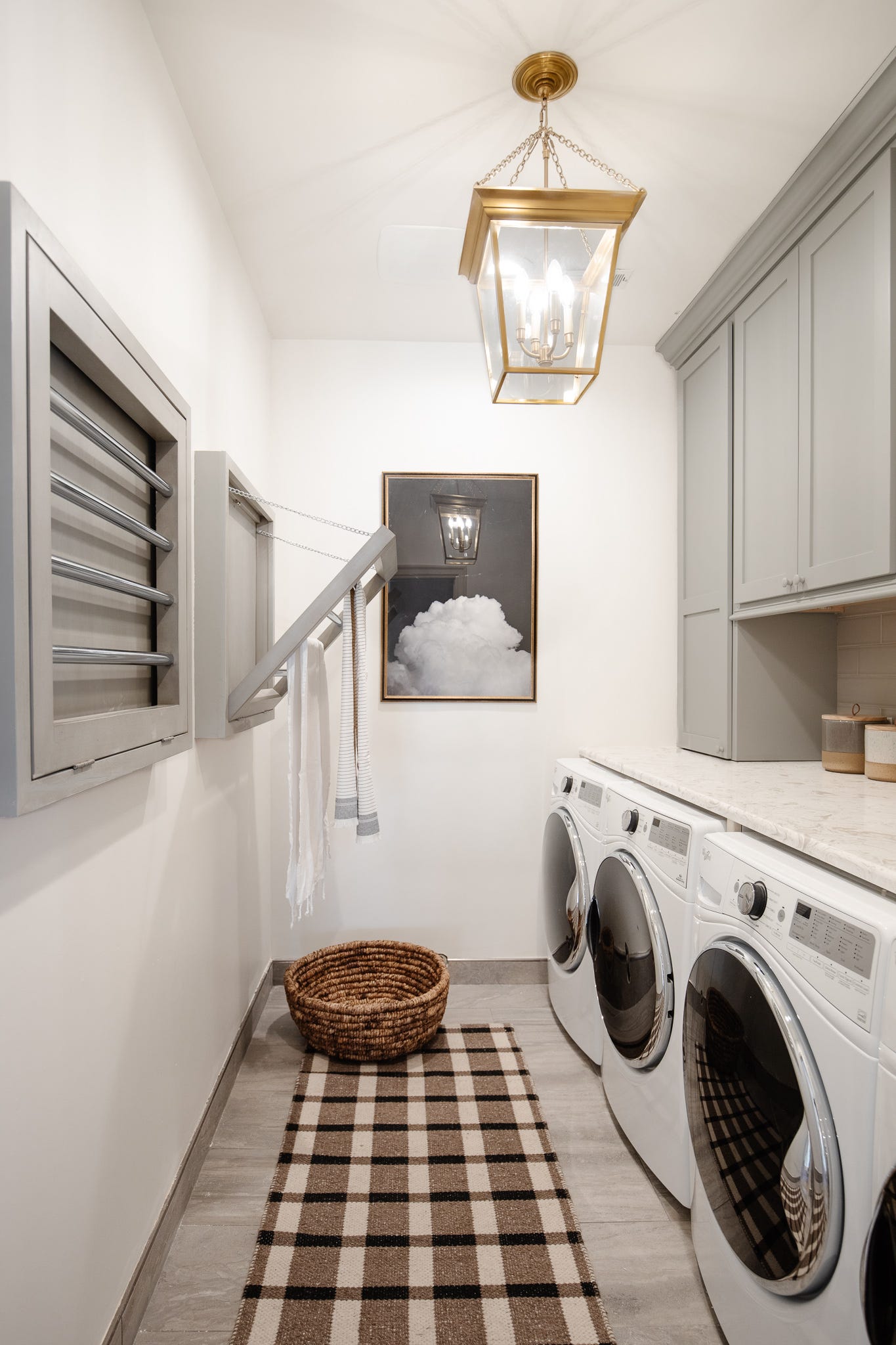
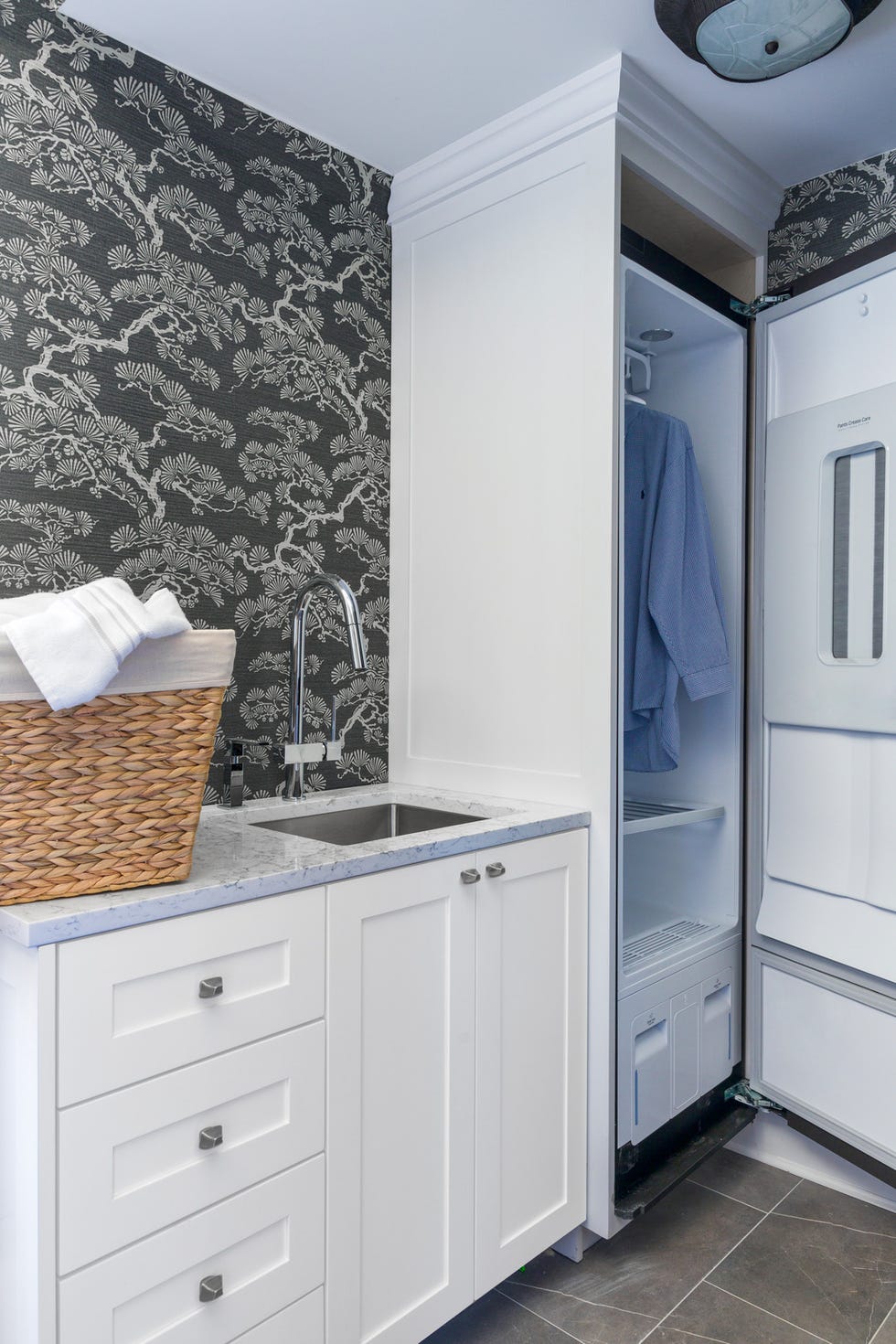
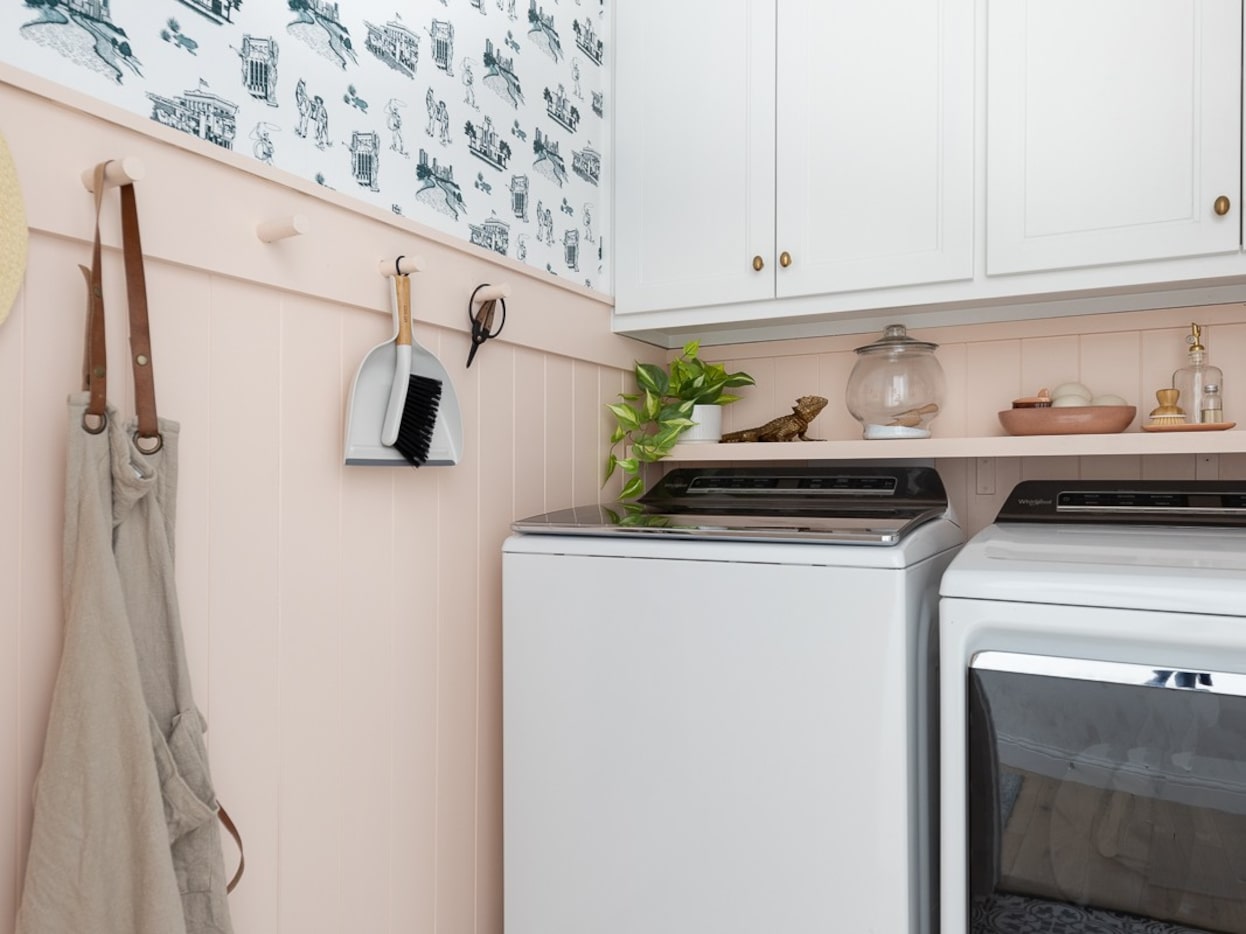
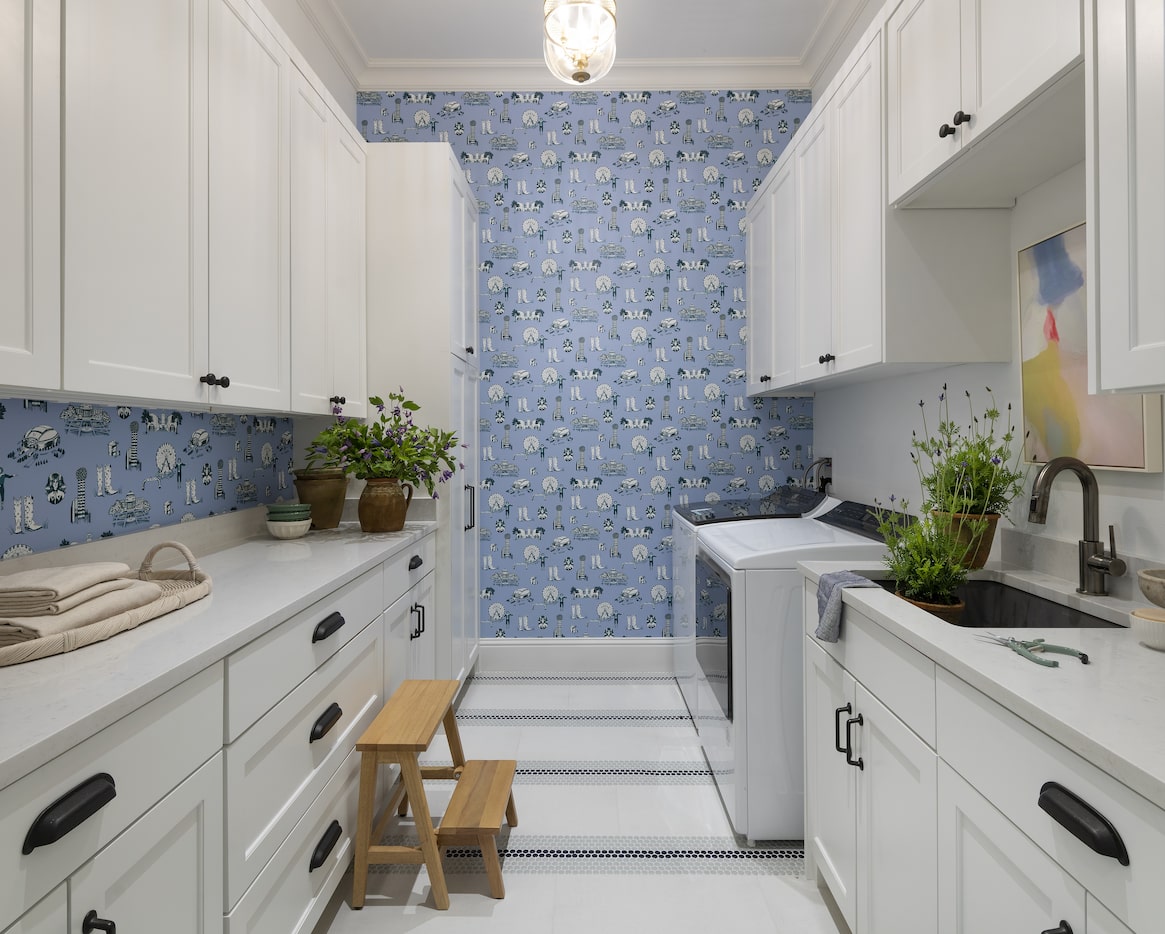
The first section, "Texture & Pattern," highlights the importance of incorporating diverse patterns and textures to give laundry rooms a unique character. Cassy Kicklighter Poole, owner of Kaleidoscope Design, suggests using multiple patterns while maintaining a cohesive color palette or shared themes. She advises paying close attention to the scale of patterns, recommending a mix of large and small designs to create visual contrast and complementarity. Poole illustrates this concept by likening it to assembling an outfit, where different pattern scales can work together harmoniously. She also advocates for contrasting textures, such as combining hard surfaces with soft elements like Roman shades or canvas bins, to add depth and sophistication to the room. The goal is to move away from the perception of a laundry room as merely a chore-oriented area and instead infuse it with brightness and energy.
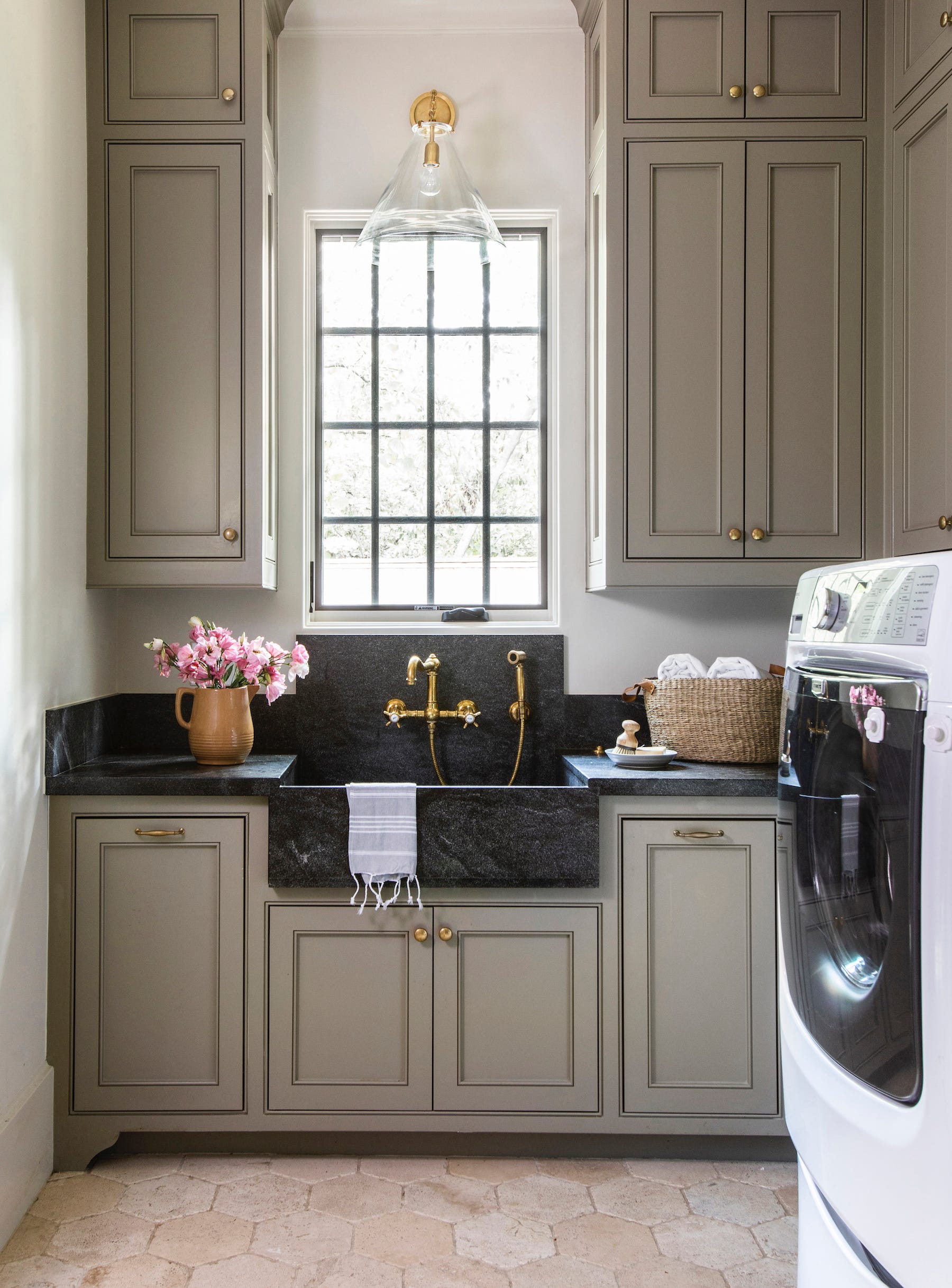
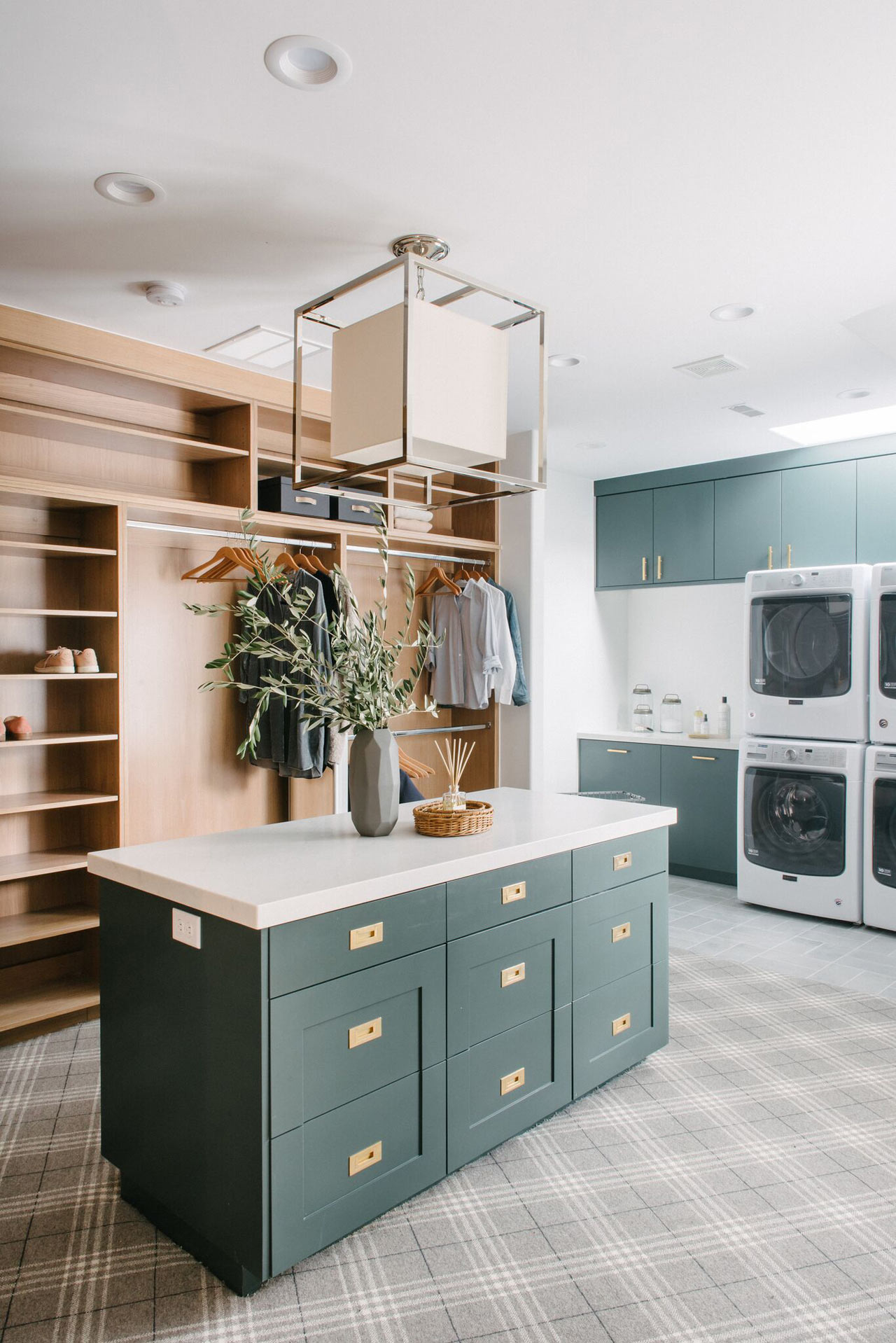
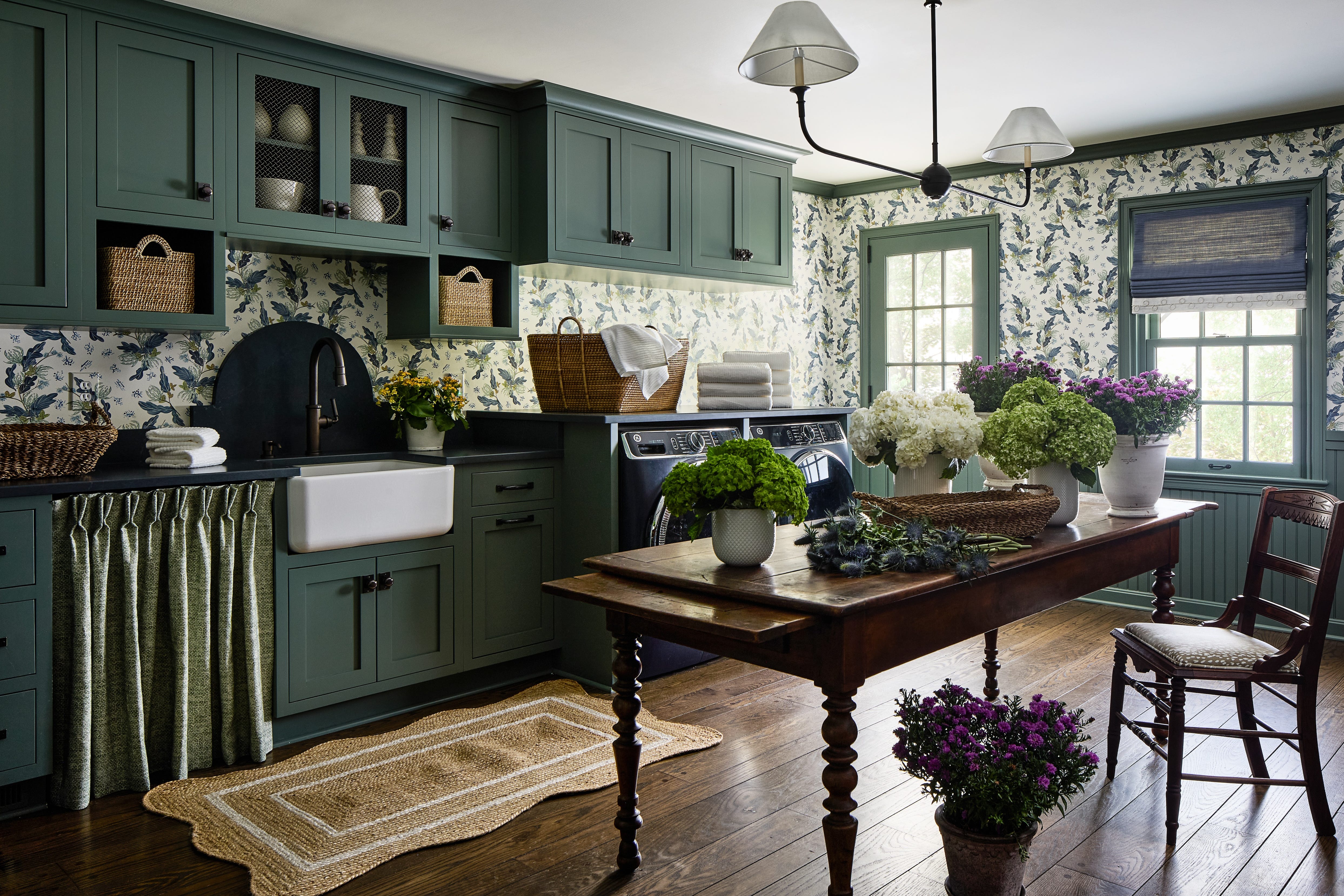
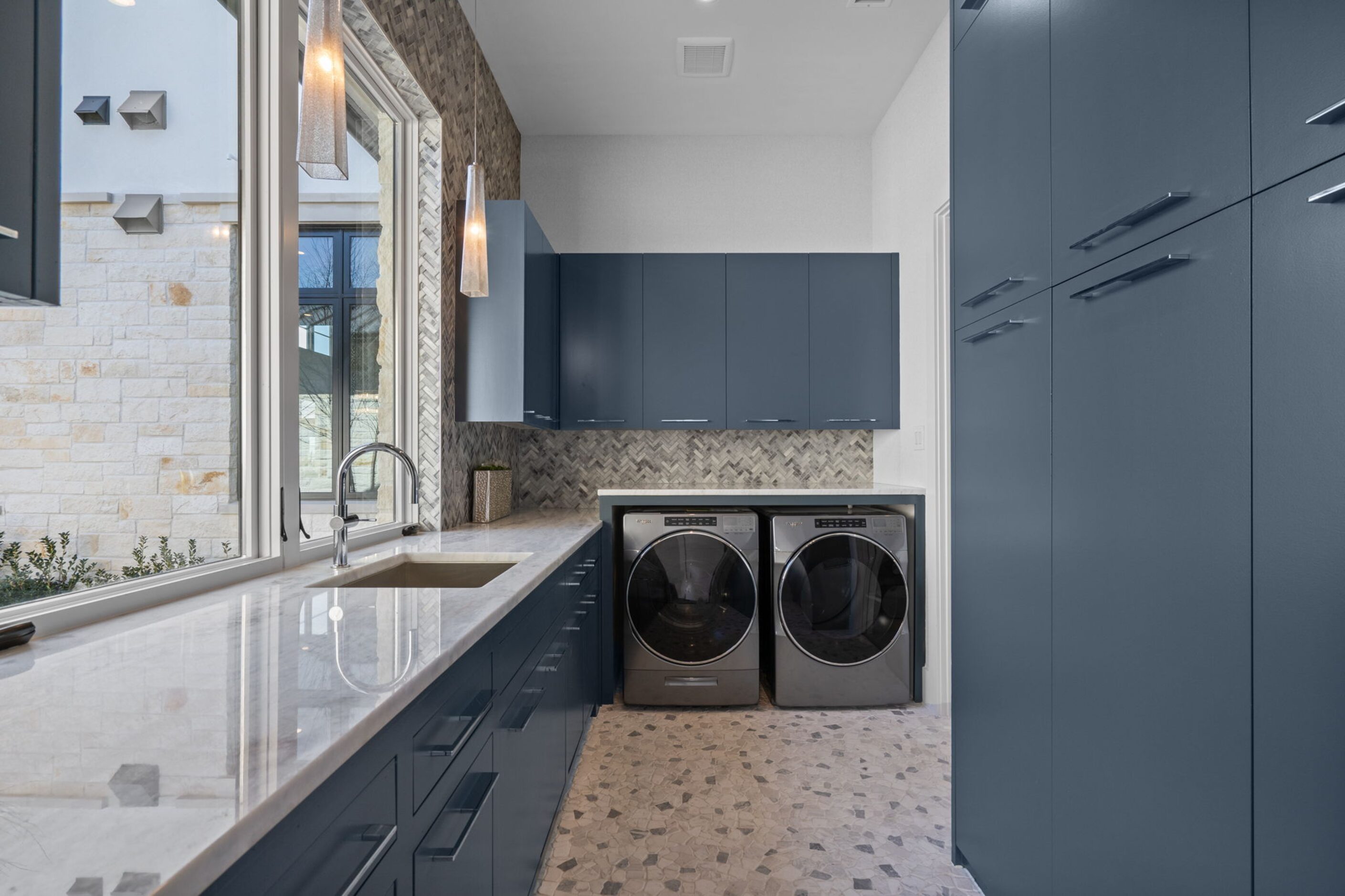
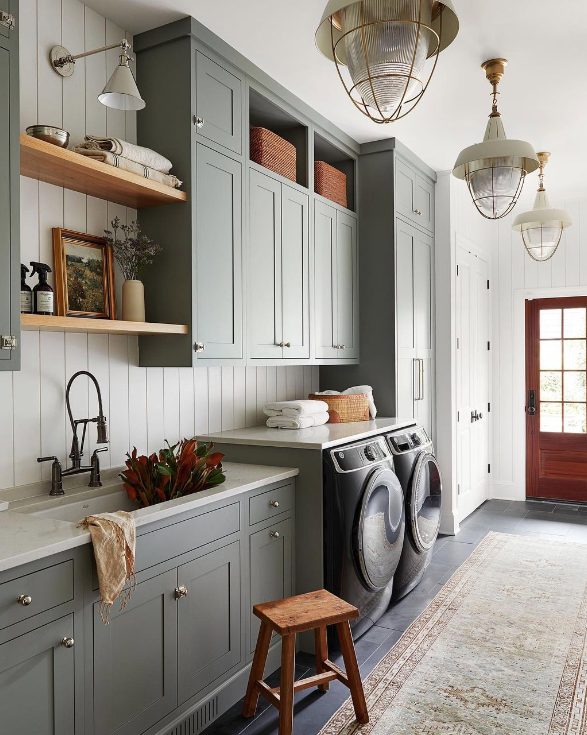
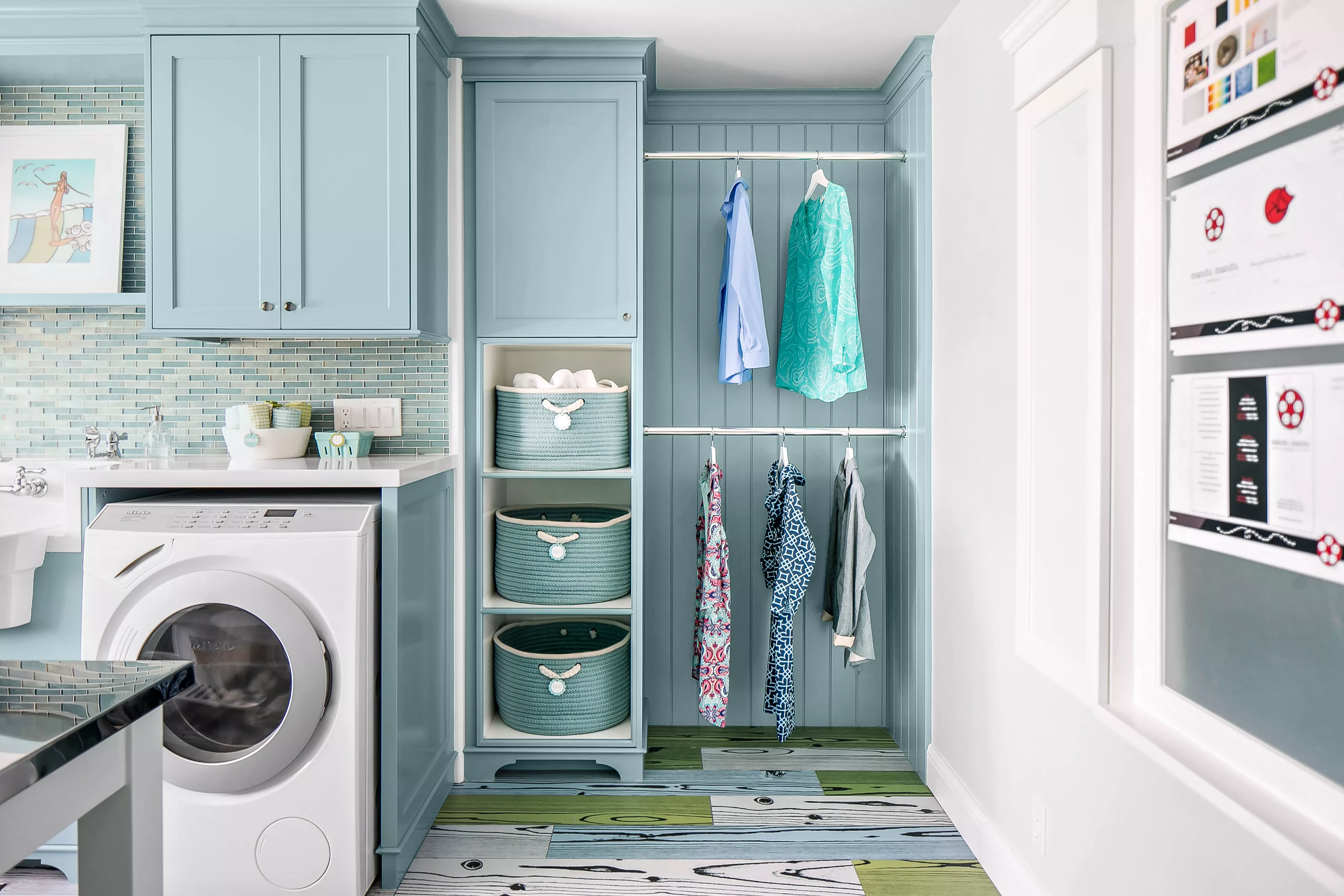
The second section, "Color Pop," delves into using vibrant colors to make the laundry space more inviting and cheerful. Emily Tucker, owner of Emily Tucker Design, suggests that bold, rich, or bright colors can transform the mood of a laundry room. She encourages homeowners to select cabinet colors they might typically avoid in larger living areas, as these smaller, functional spaces offer an ideal opportunity for experimentation. Tucker advises choosing colors with deep, rich, and slightly gray undertones, as these tend to read more pleasantly than overly bright or electric hues. For those hesitant to commit to full-color cabinetry, she offers a transitional approach: painting only the panel profiles on cabinet doors in a bold color while keeping the main cabinets white. This method allows for subtle color integration and can build confidence for more extensive color application. Additionally, Tucker proposes using solid-colored tiles arranged in a pattern for flooring as an alternative to patterned tiles, adding visual interest without overwhelming the space.
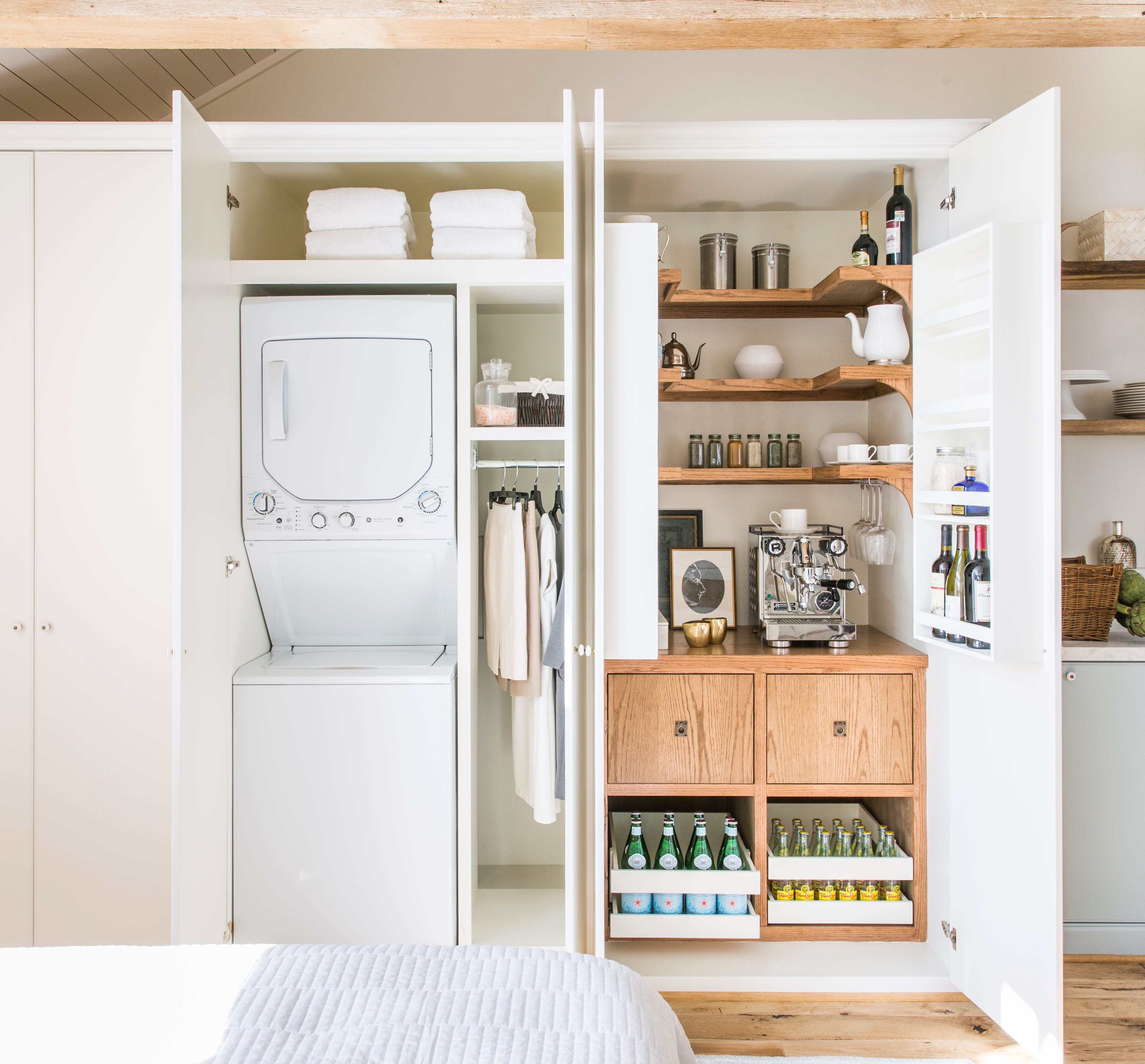
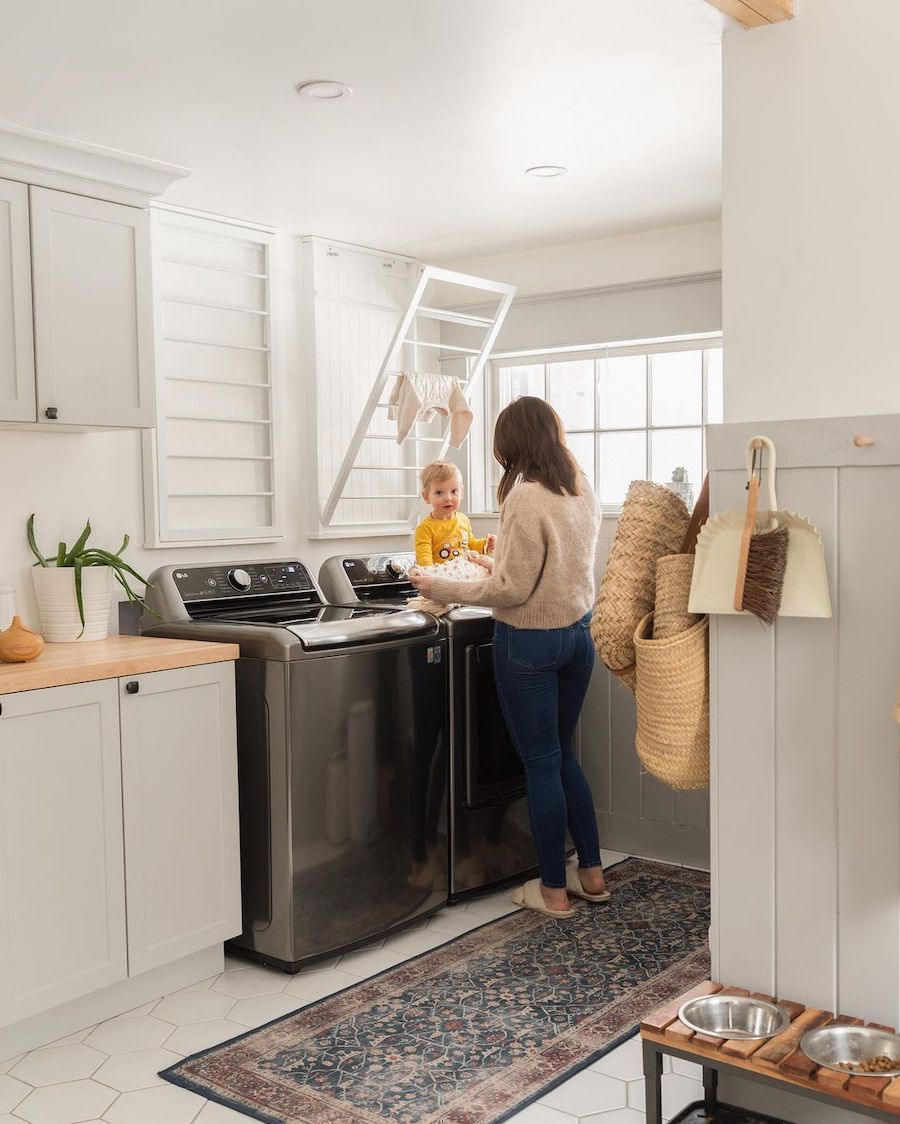
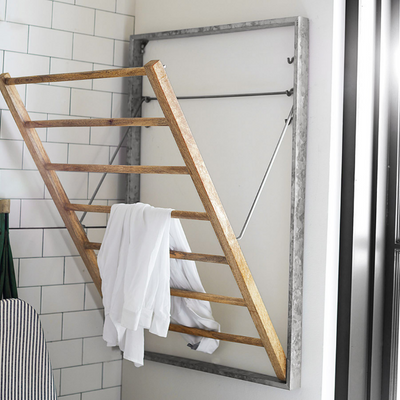
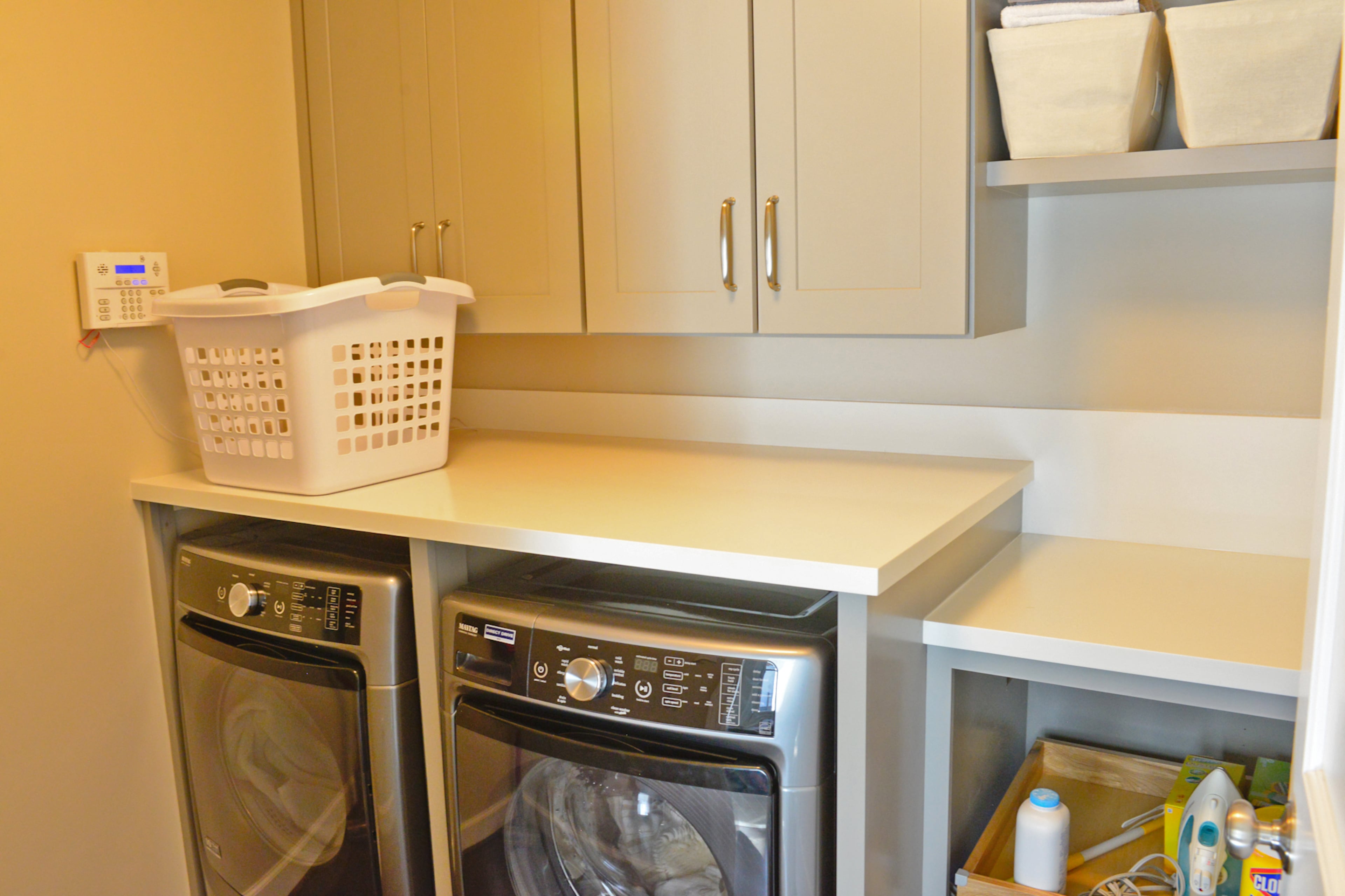
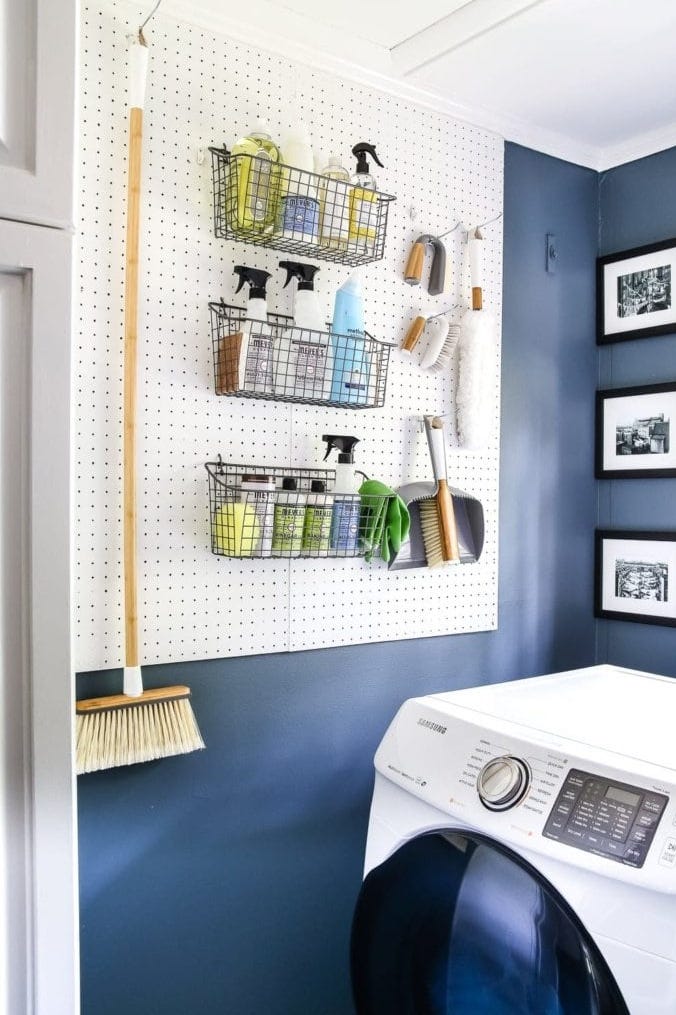
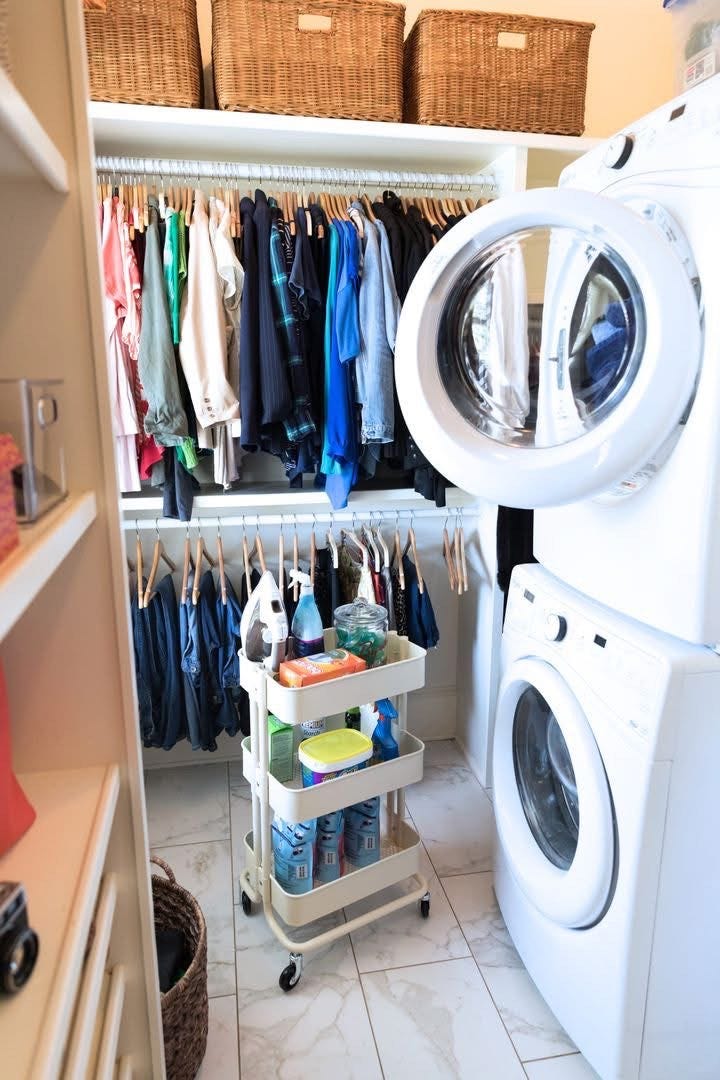
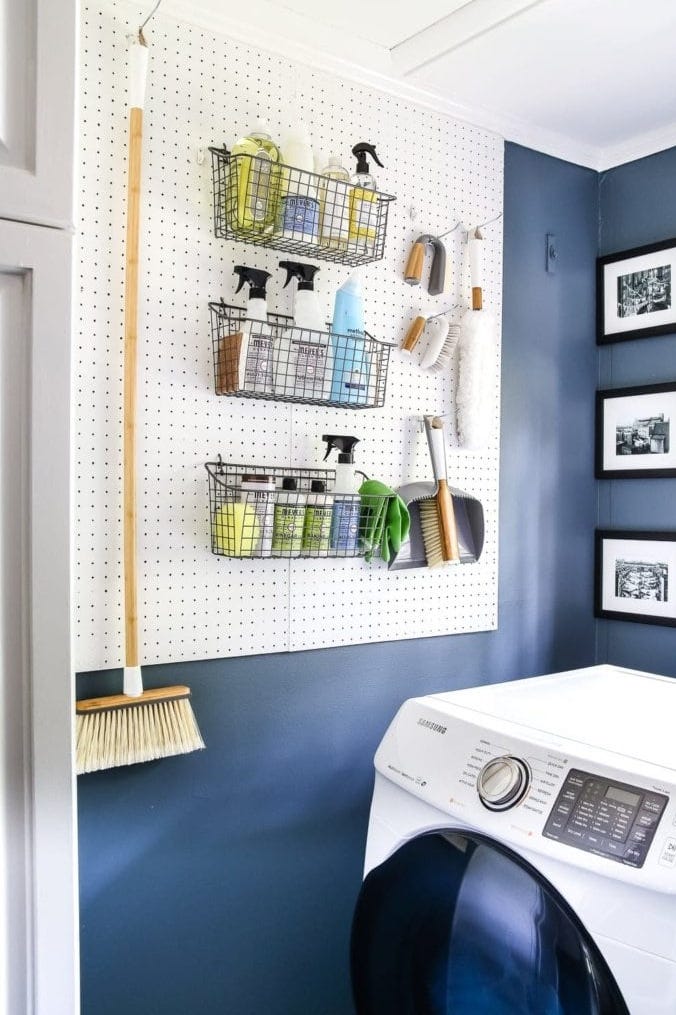
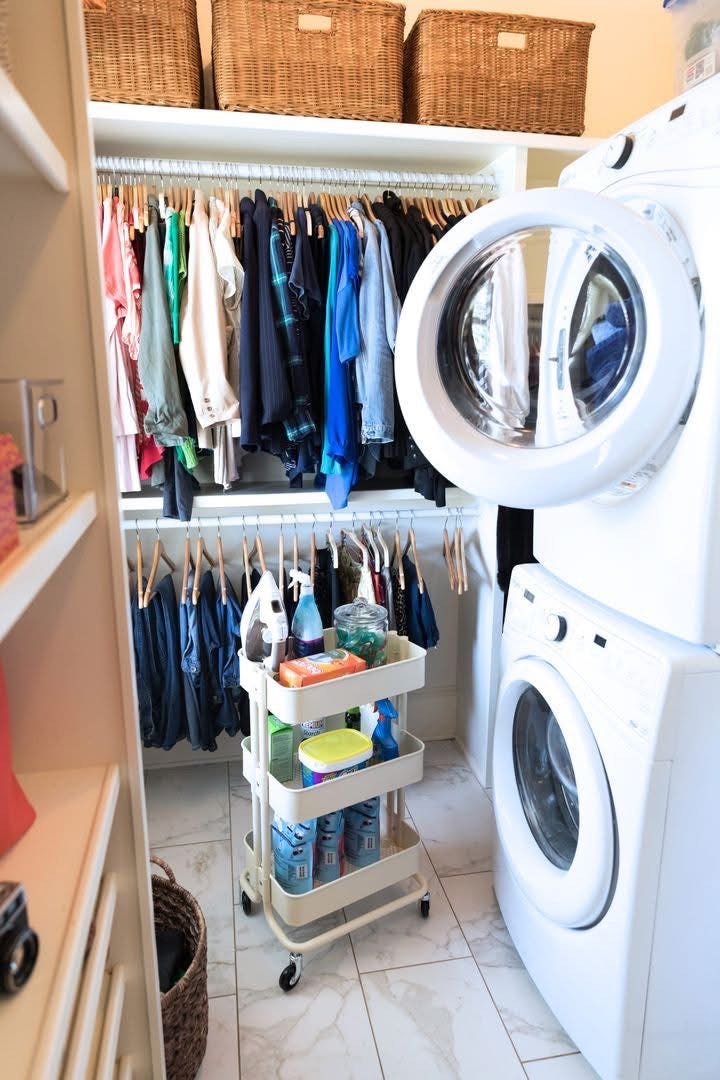
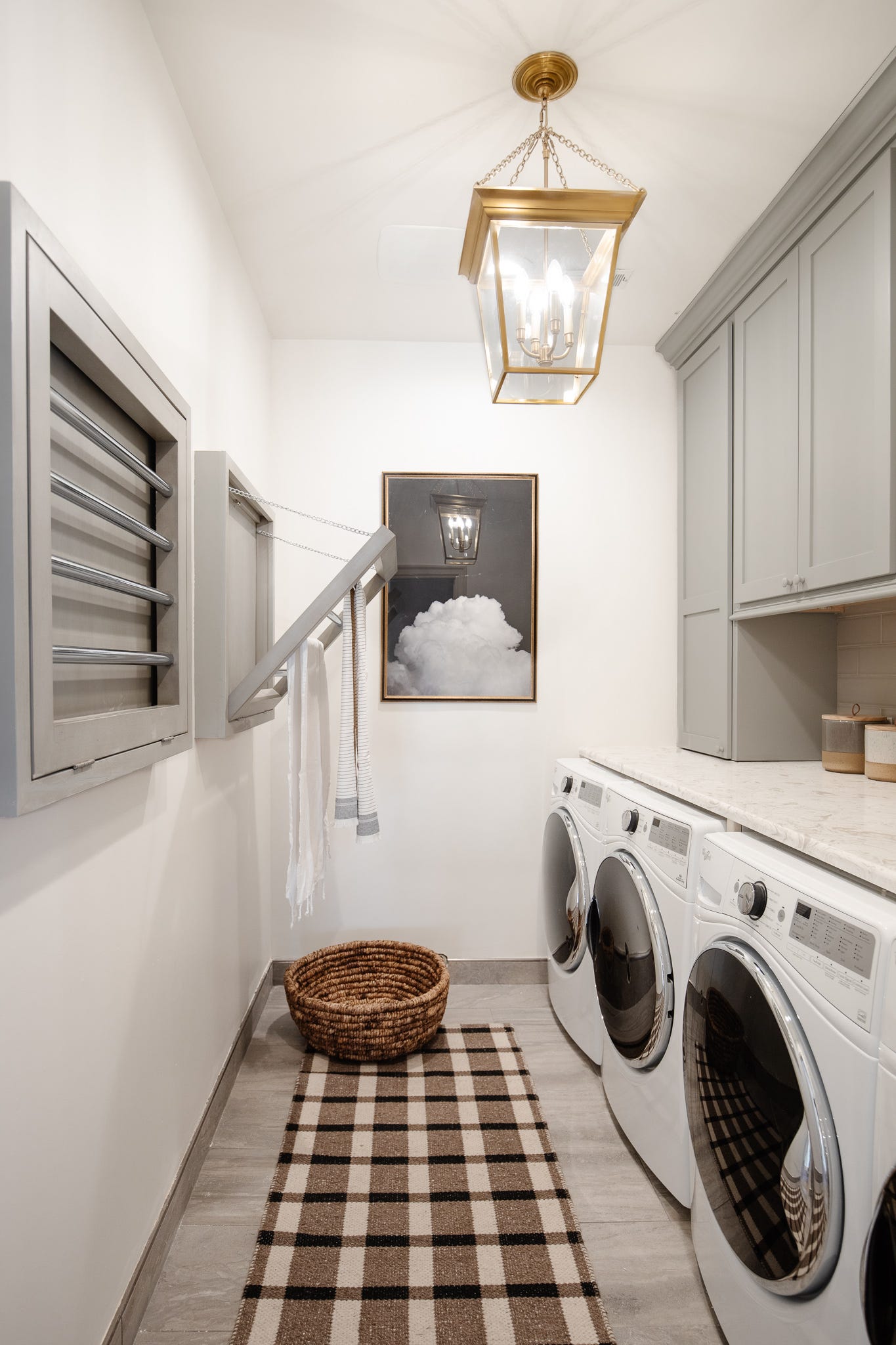
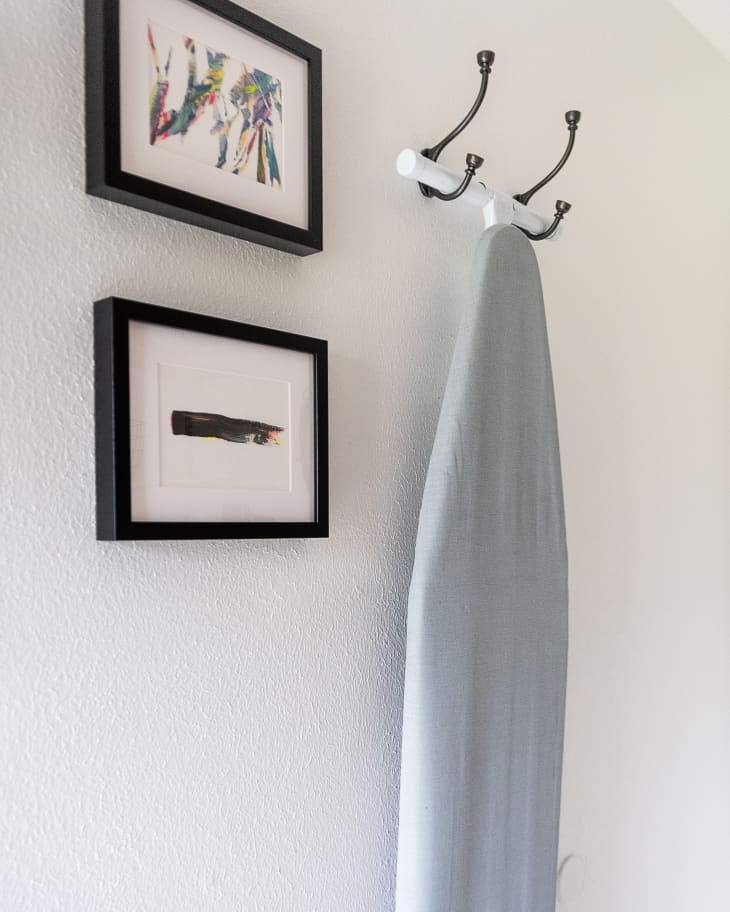
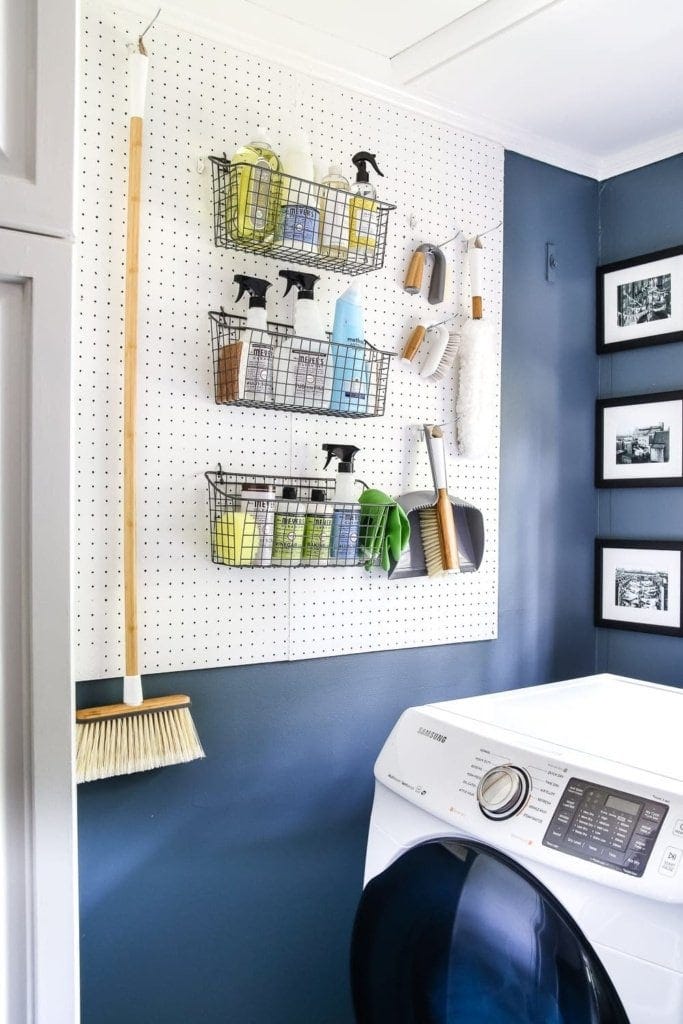
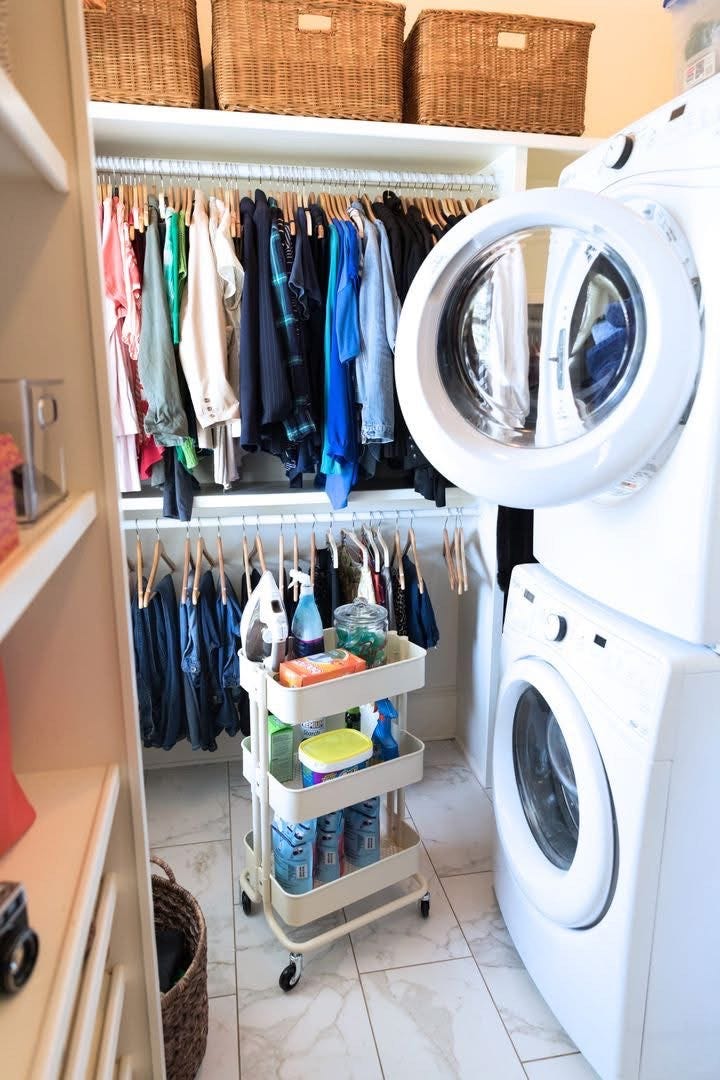
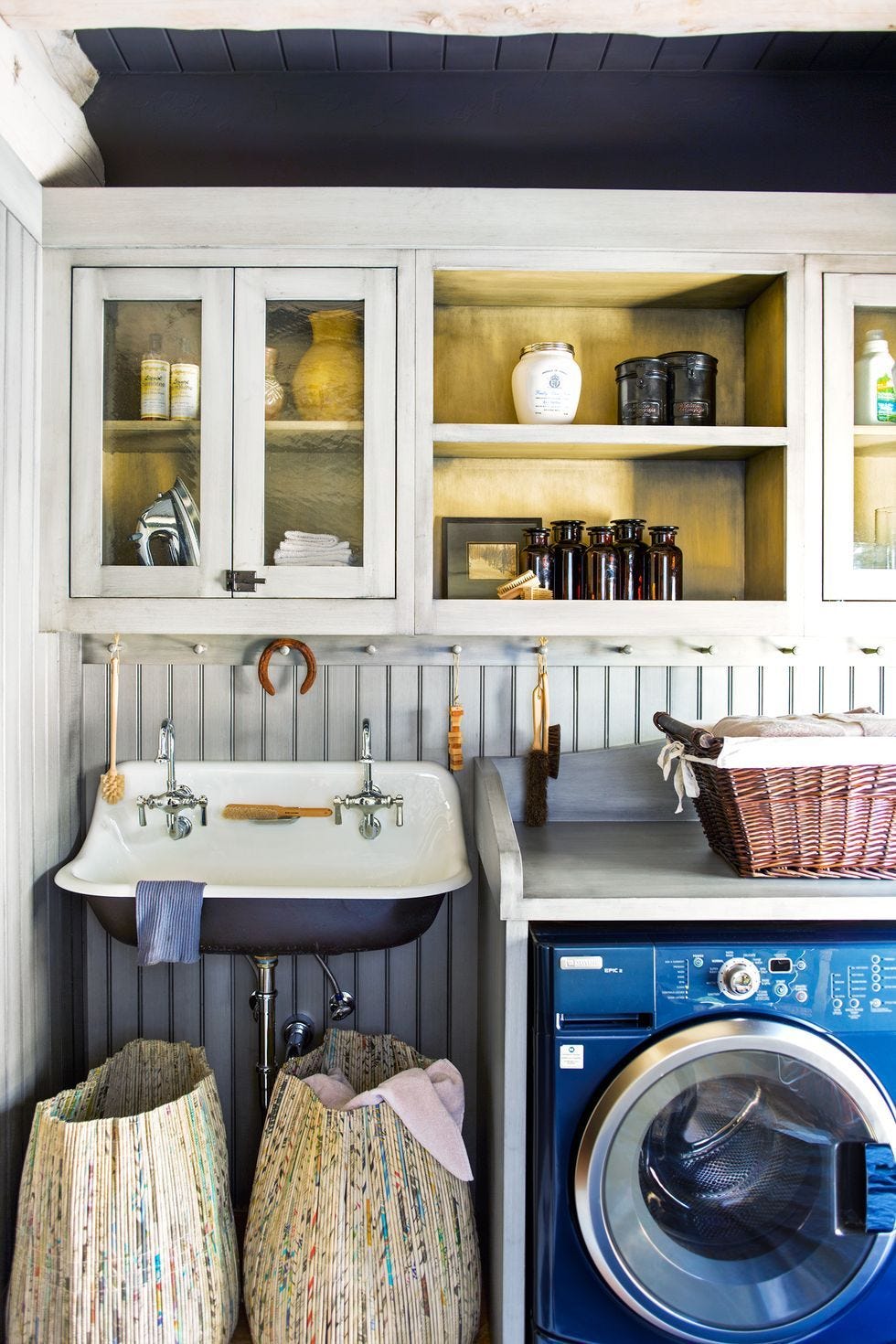
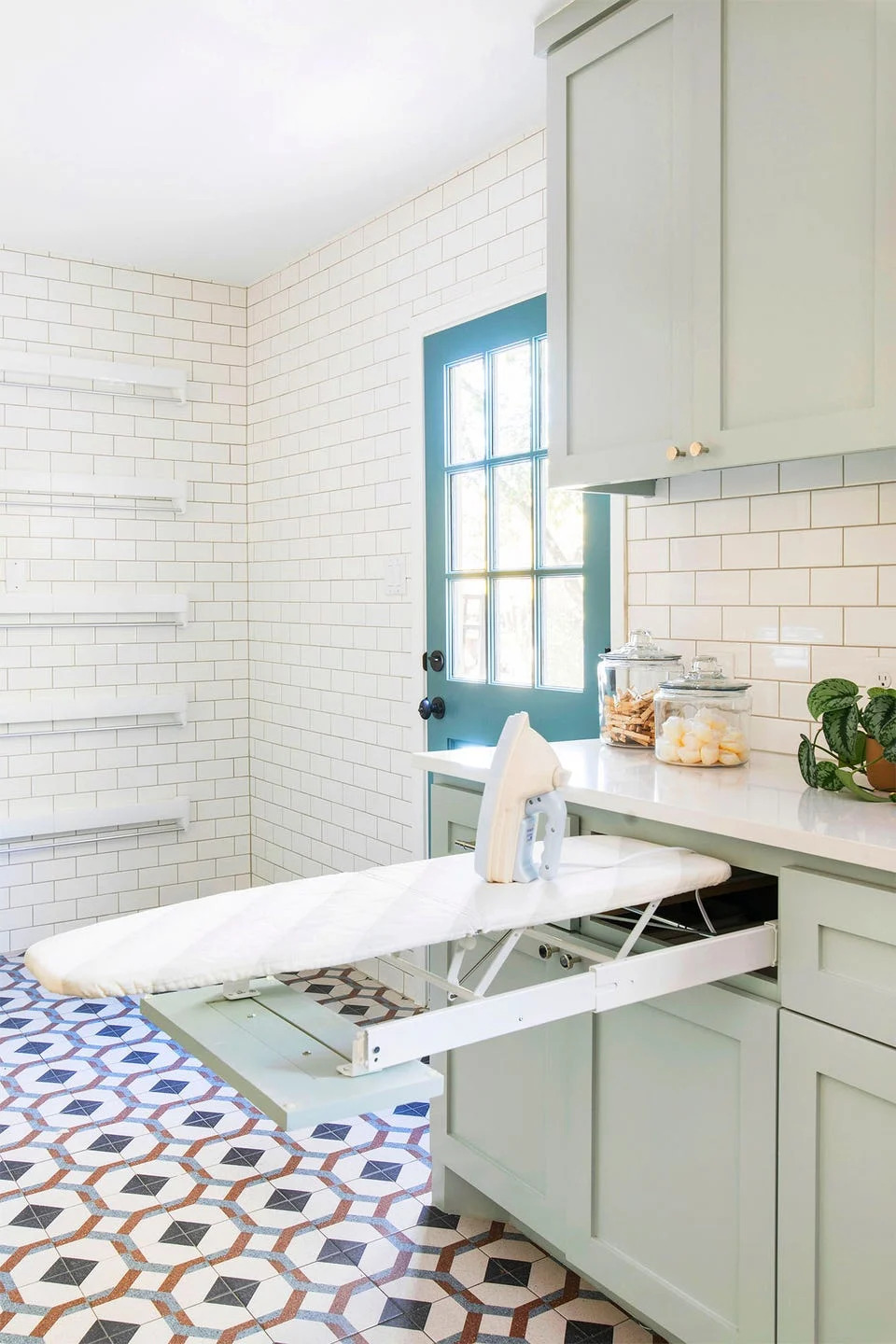
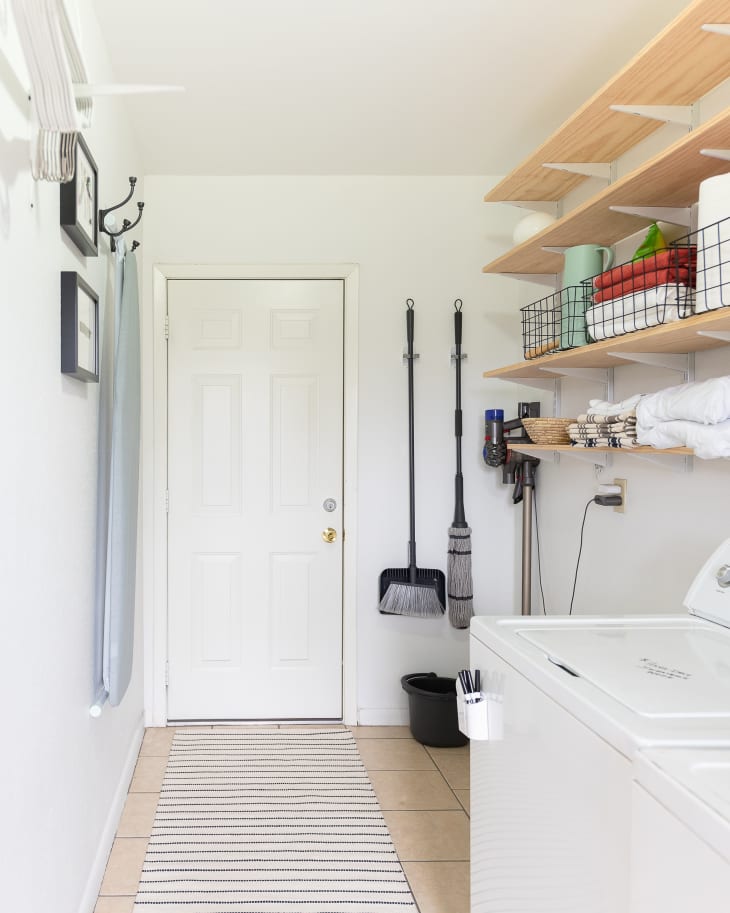
Finally, "Storage Solutions" focuses on the practical aspects of laundry room design, emphasizing that functionality should precede aesthetics. Chris Awadalla, principal of Sanctuary Kitchen & Bath Design, stresses that the primary goal of any remodel should be to enhance the room’s usability. He recommends that homeowners thoroughly assess their specific storage needs, considering activities like ironing and the necessity for items such as waste bins. Awadalla advises collaborating with a designer to create a list of essential items and to think creatively about integrating storage, whether through hidden solutions or organized setups. An example provided is the use of integrated ironing boards, such as those from Iron-A-Way, combined with practical shelving and bins. The article also highlights the benefit of incorporating ample workspace, suggesting a mobile work table on casters as an adaptable solution for tasks like stain removal and clothes folding, thereby making the laundry process more efficient and less burdensome.
#LaundryRoomDesign #HomeImprovement #InteriorDesign #FunctionalSpaces #HomeDecor #StorageSolutions #ColorPalette #TextureAndPattern #DenverDesigners #LaundryRoomDesign #HomeImprovement #InteriorDesign #FunctionalSpaces #HomeDecor #StorageSolutions #ColorPalette #TextureAndPattern #DenverDesigners
0 comment in total
 No comments yet
You may also like
13 Inspiring Laundry Rooms That Will Help Make Yours a Favorite Place in the Home
13 laundry room organization ideas to try | Shop TODAY
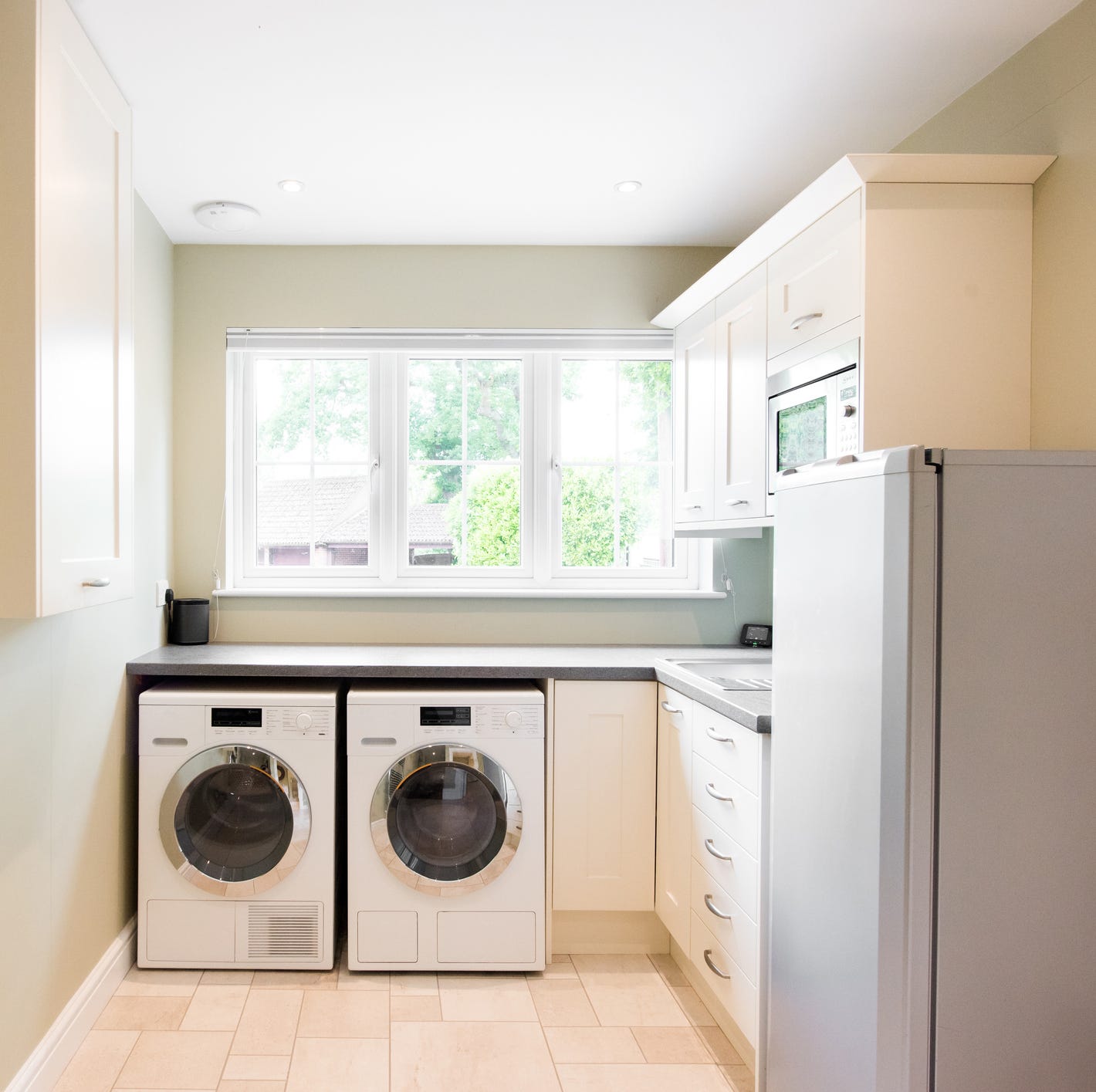
The Best Laundry Room Hacks

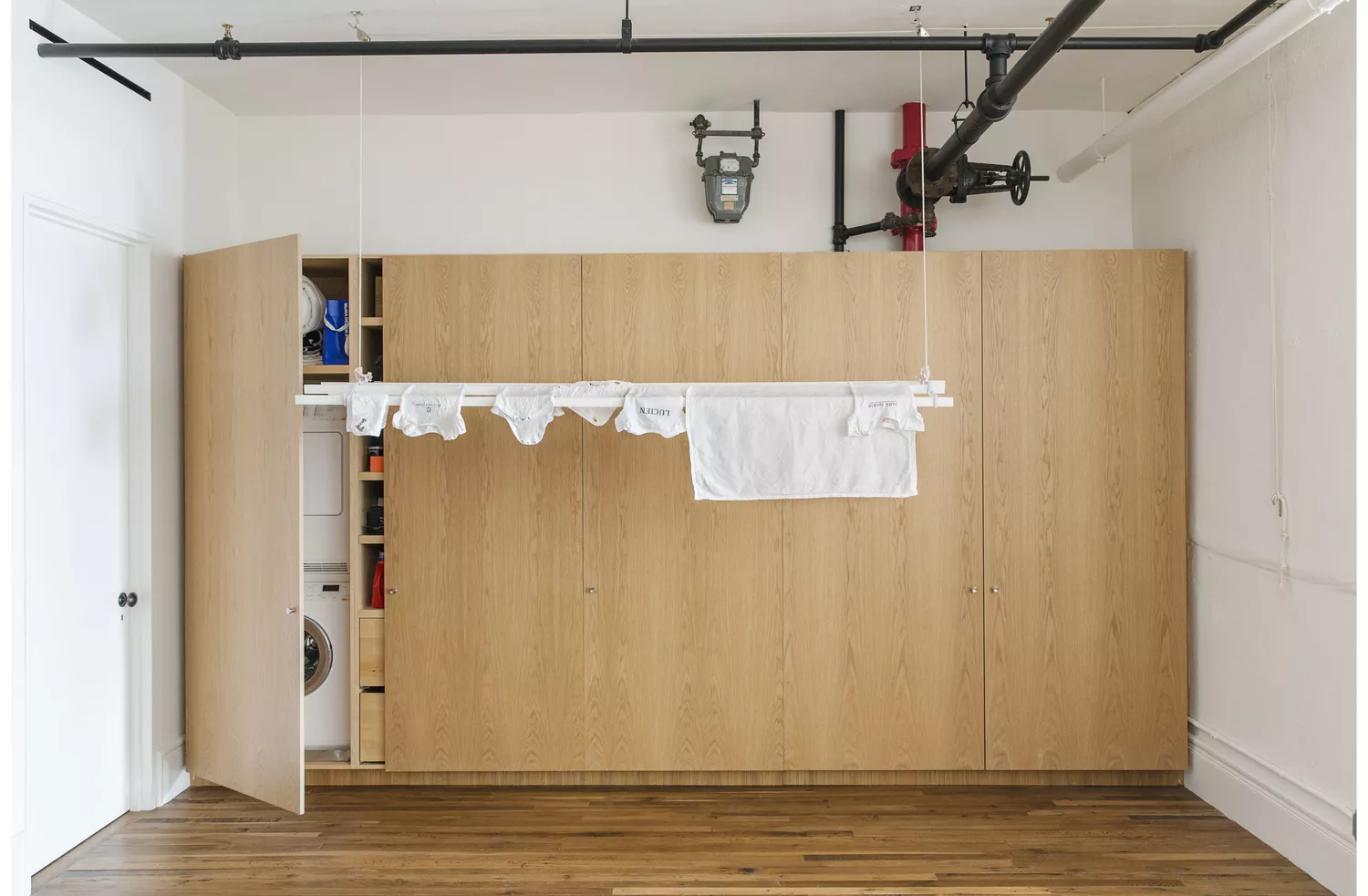
38 Stylish Laundry Rooms with Stacked Washer Dryers

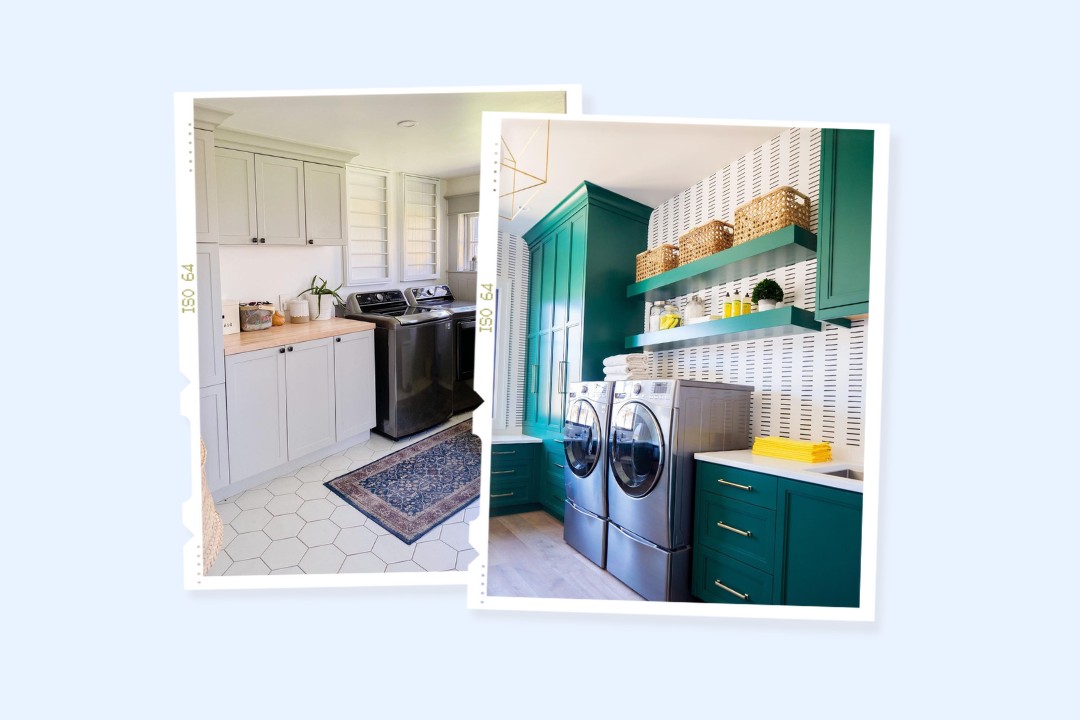
10 Pretty Laundry Room Designs That’ll Actually Make You Want to Do Chores
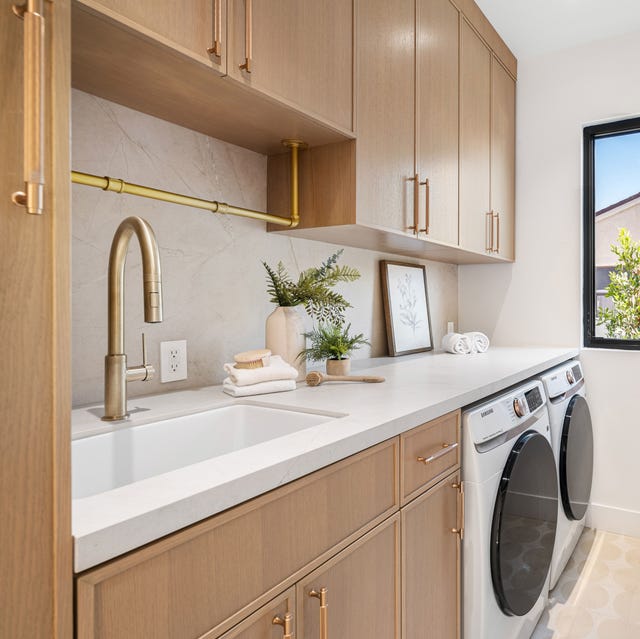
15 Brilliant Laundry Room Hacks Professional Organizers Swear By

Laundry Room Arranging Tips You’ll Love
15 Clever Laundry Room Hacks Pro Organizers Swear By
Make over your laundry room with these fresh and organizational designs
15 Brilliant Laundry Room Hacks Professional Organizers Swear By

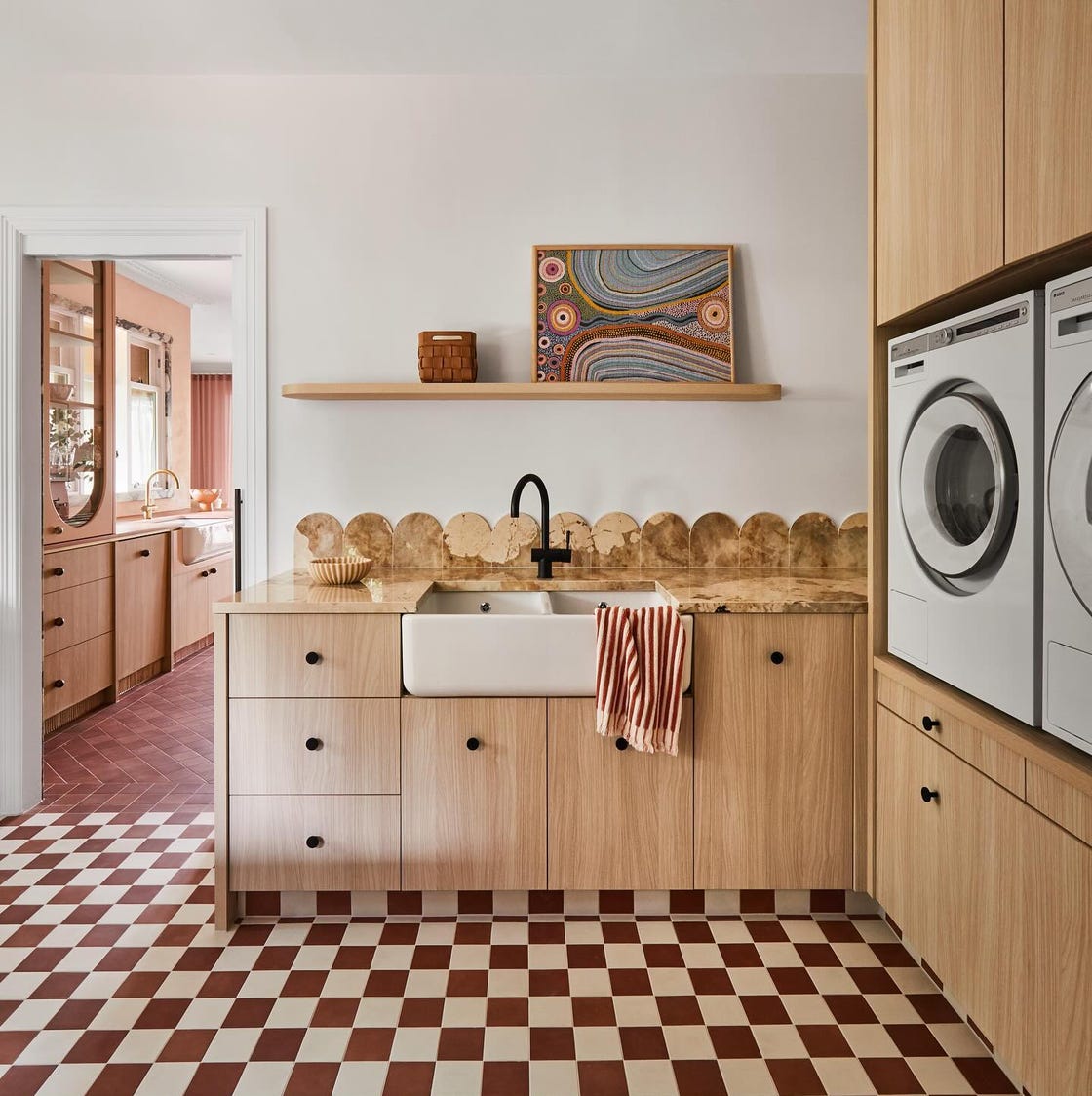
These Pretty Laundry Room Cabinet Ideas Make Me WANT to Do Chores

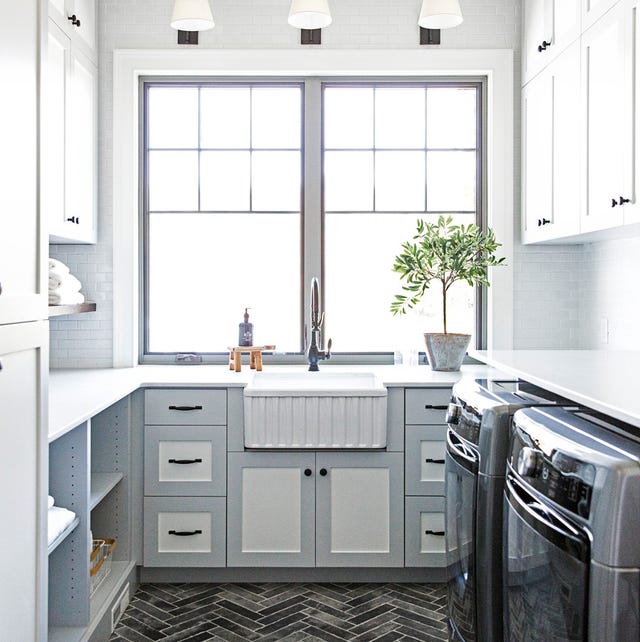
This Dreamy Laundry Room is Packed With Smart, Stylish, and Space-Saving Ideas

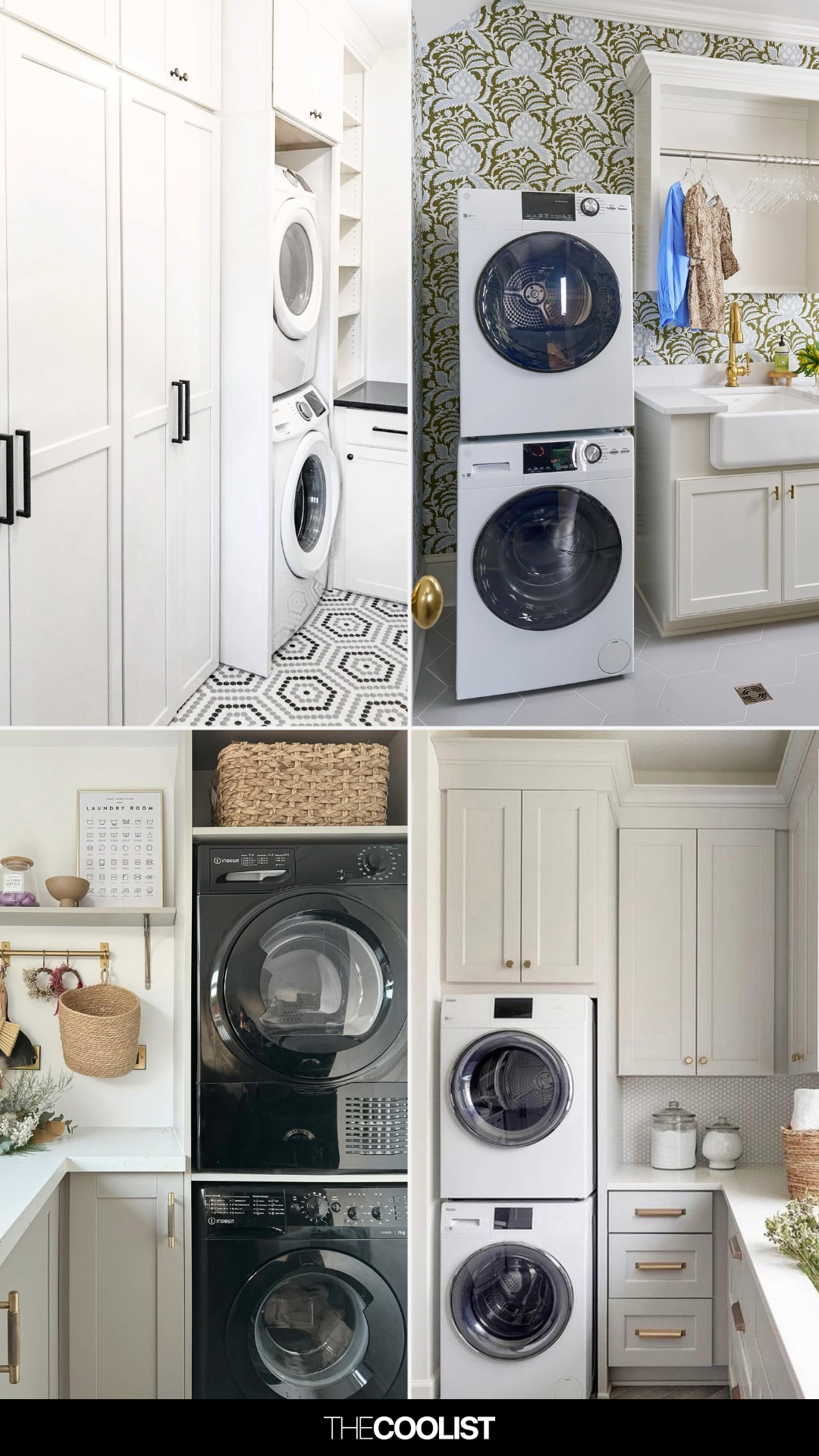
19 Stacked Laundry Room Ideas That Maximize Space and Efficiency
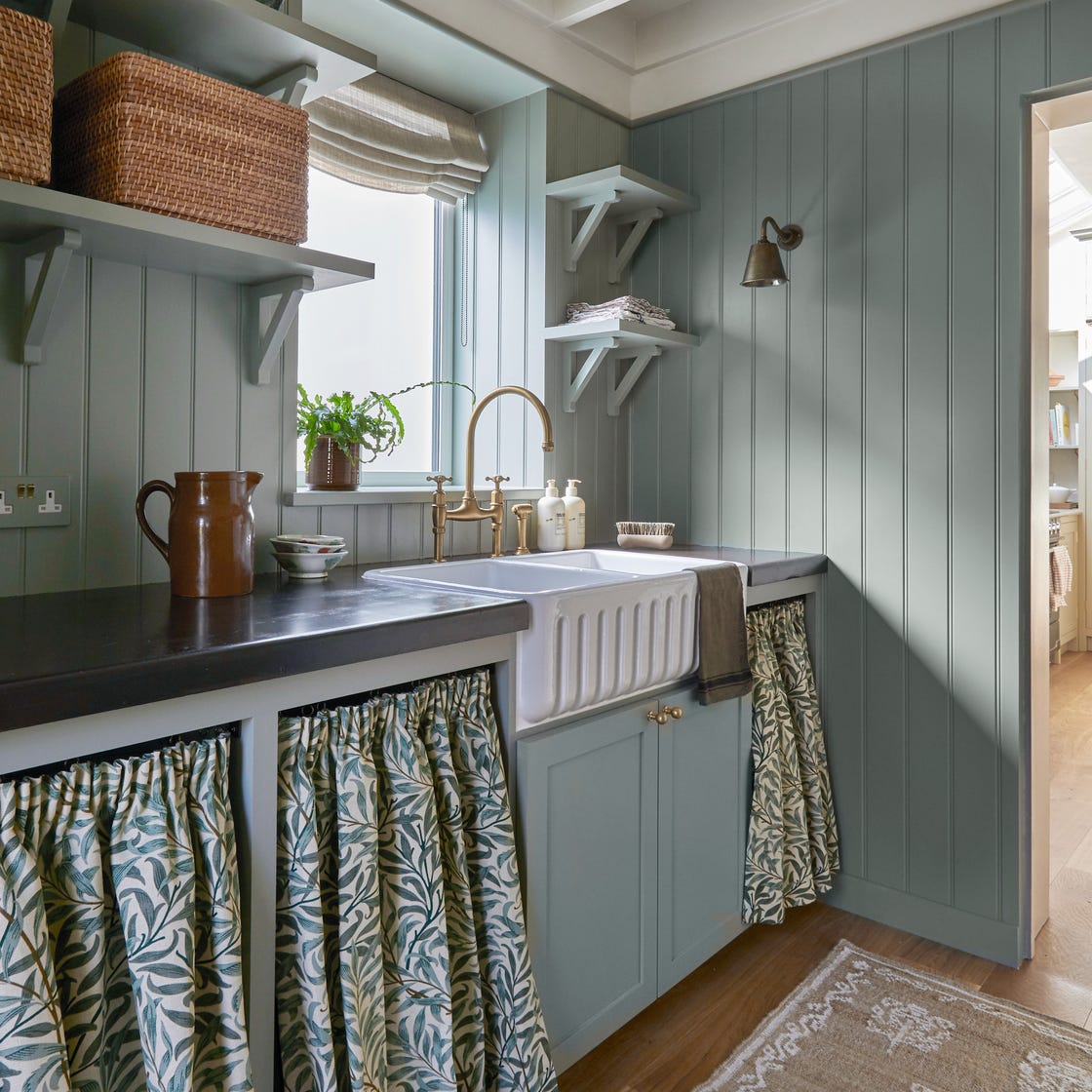
These Laundry Room Ideas Will Make You Actually Look Forward to Laundry Day
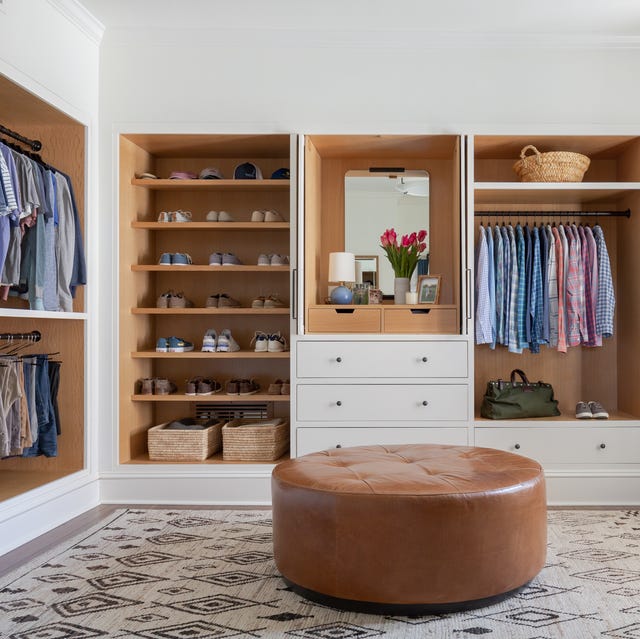
10 Clever Ways to Organize a Small Laundry Room
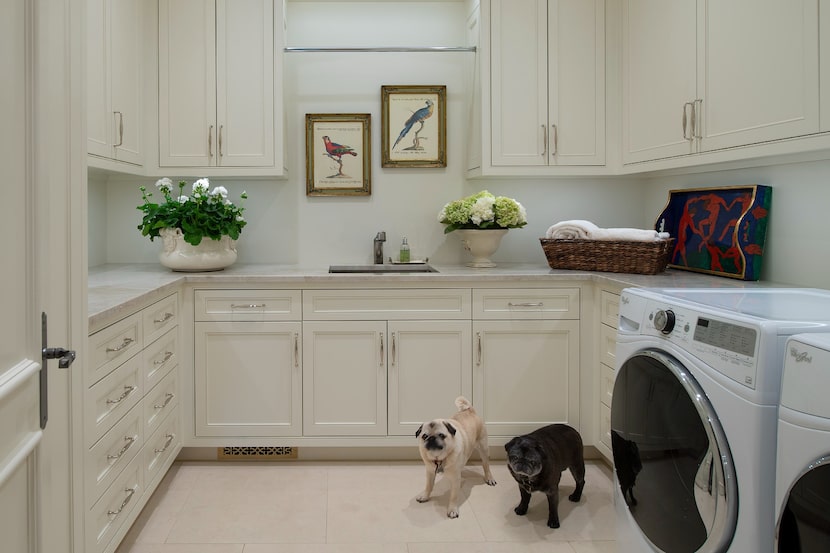
Laundry isn’t a chore when you have a pretty laundry room. Get inspired with these designs

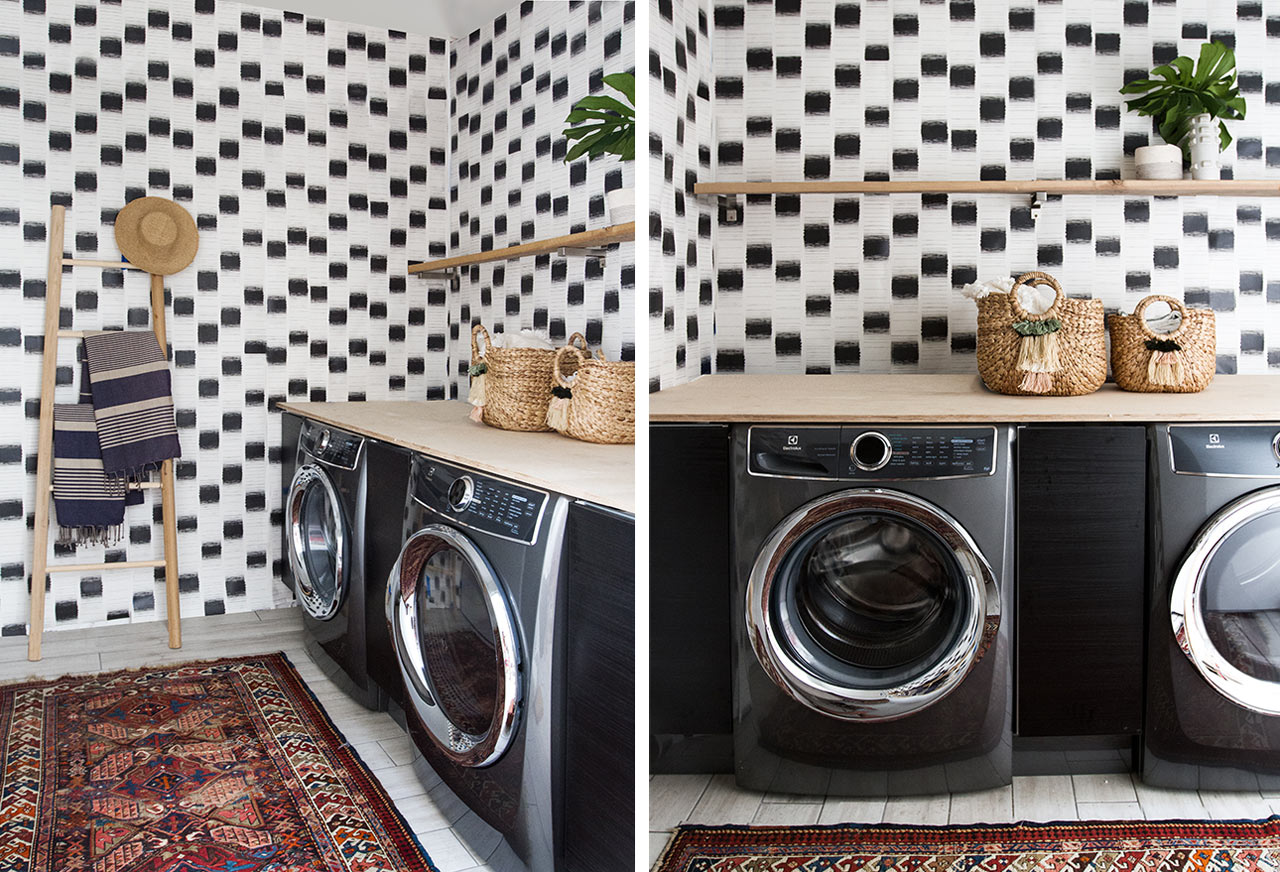
Modern Laundry Rooms That Will Make Laundry More Fun

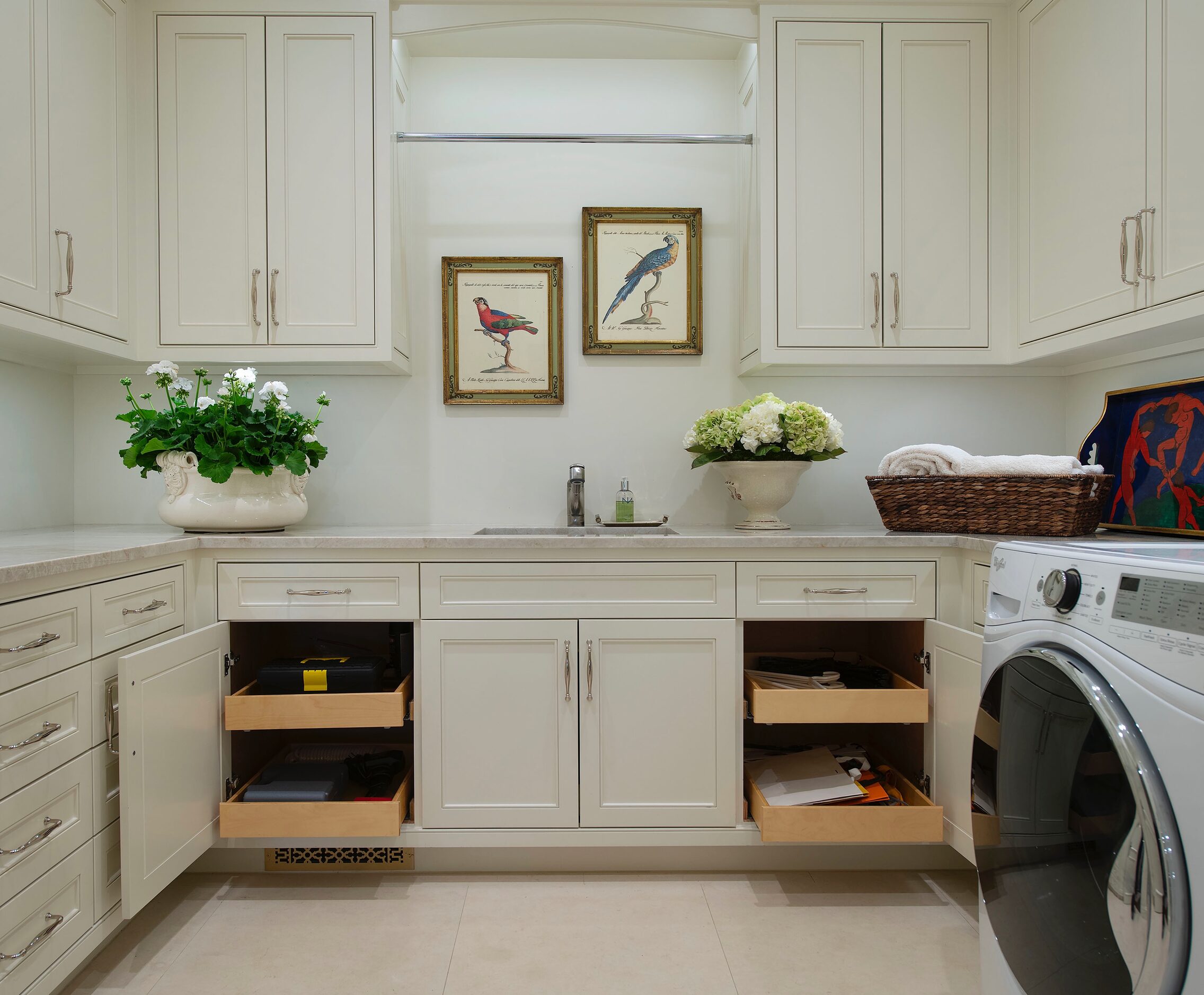
Find style ideas for big laundry rooms:
22 Clever Hacks That Will Organize Your Laundry Room Instantly
26 Laundry Room Organization Ideas for a More Functional Space