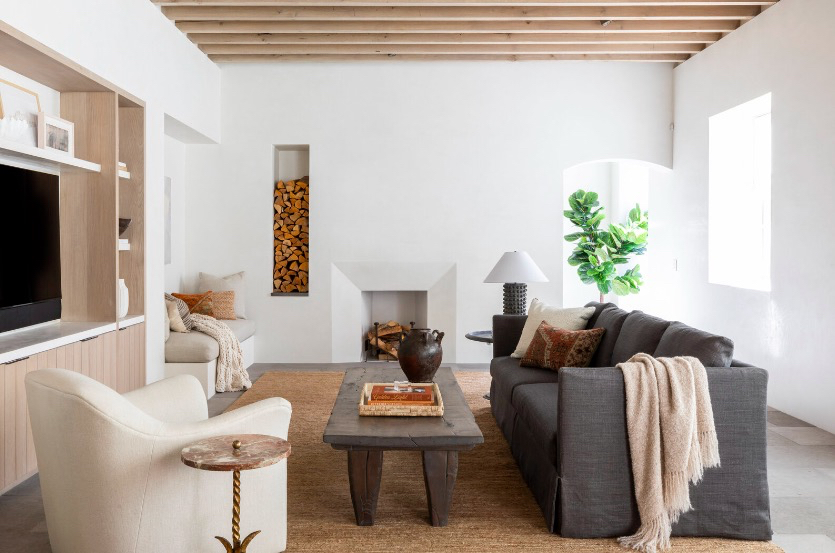
1/10
How to simplify a small living room – 10 designer approved tips for instantly more calming decor
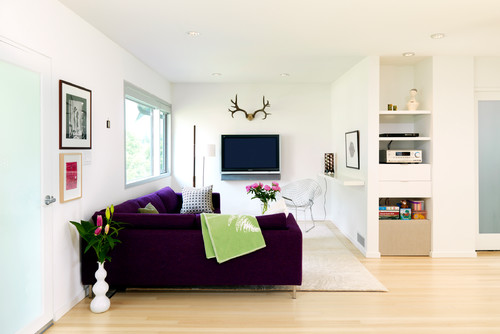
The article presents ten designer-approved tips for simplifying a small living room, focusing on creating a chic, calm, and effortlessly stylish space that makes the most of its dimensions. The central idea is not to embrace extreme minimalism but rather to design spaces that feel inherently 'right,' avoiding over-complication and ensuring everything serves a purpose, thereby downplaying the small dimensions in favor of overall beauty and functionality.
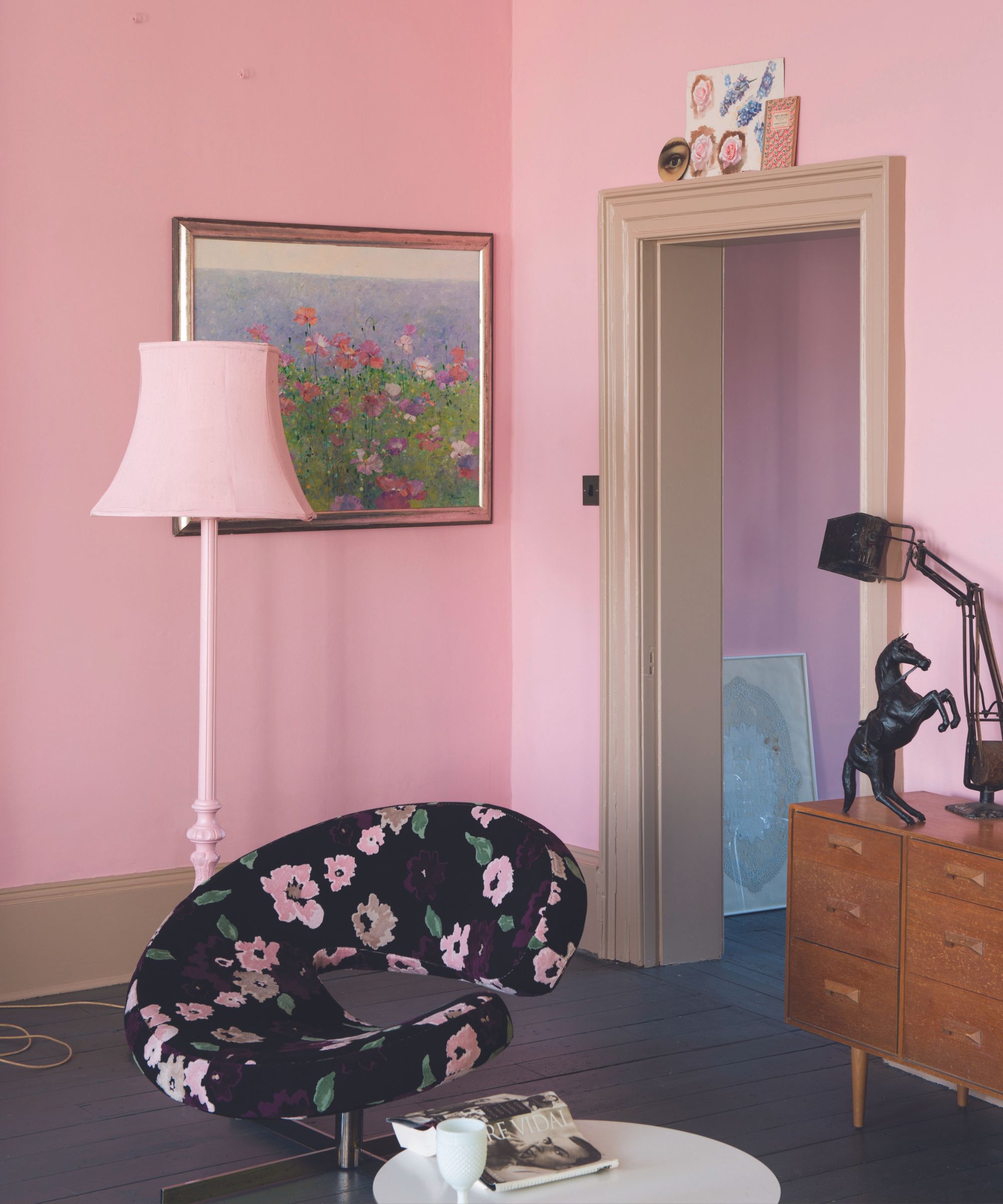
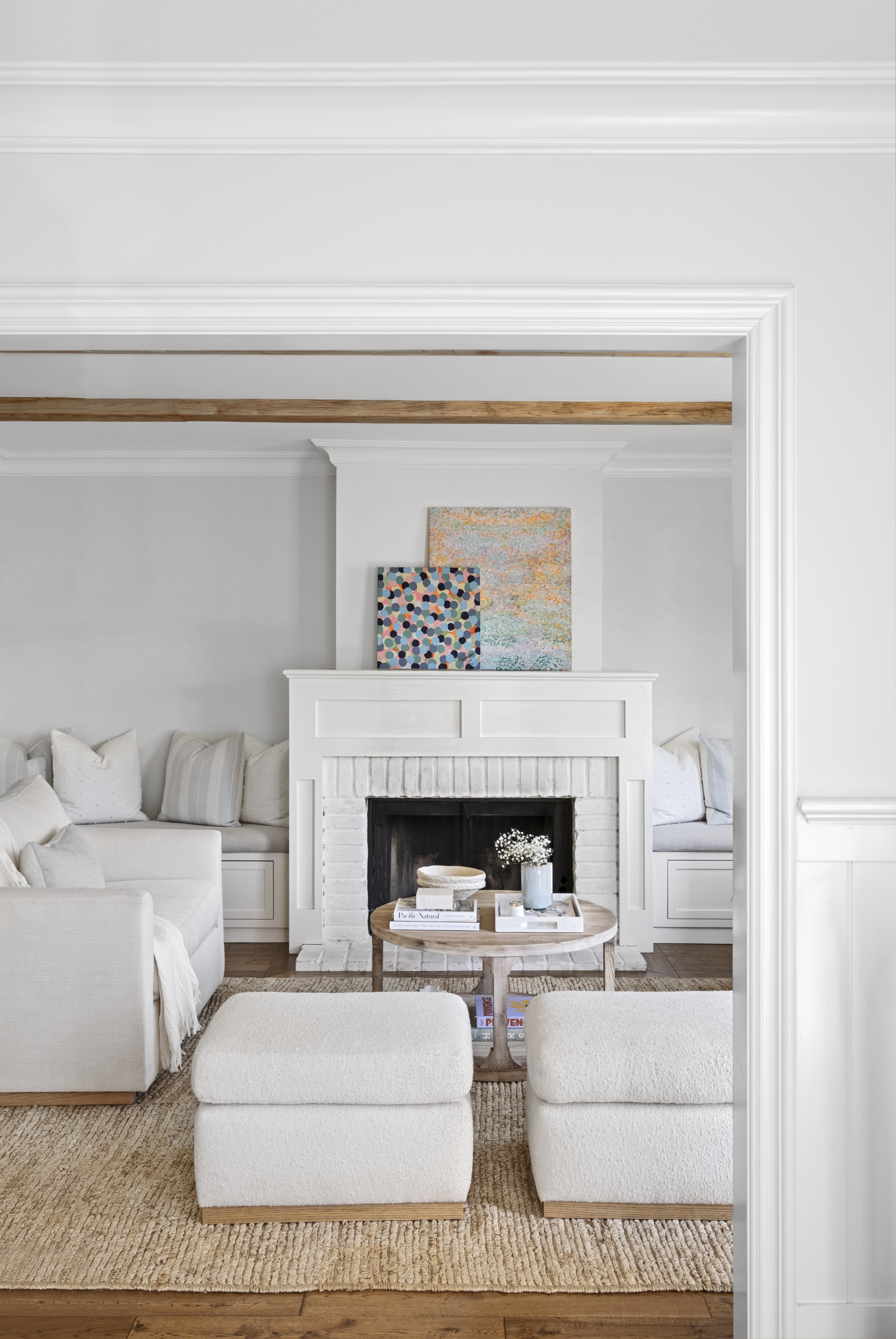
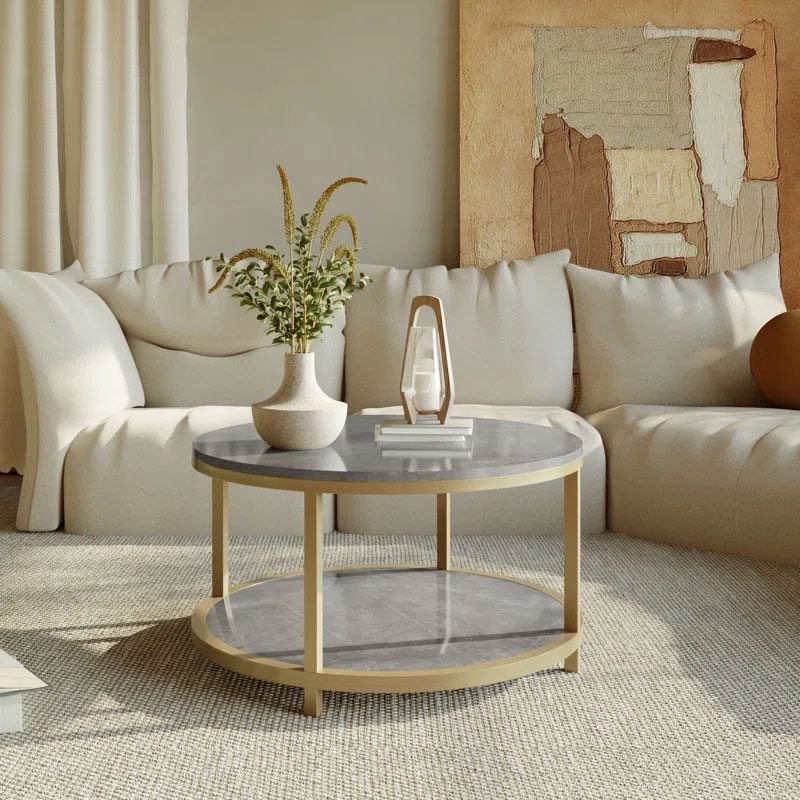
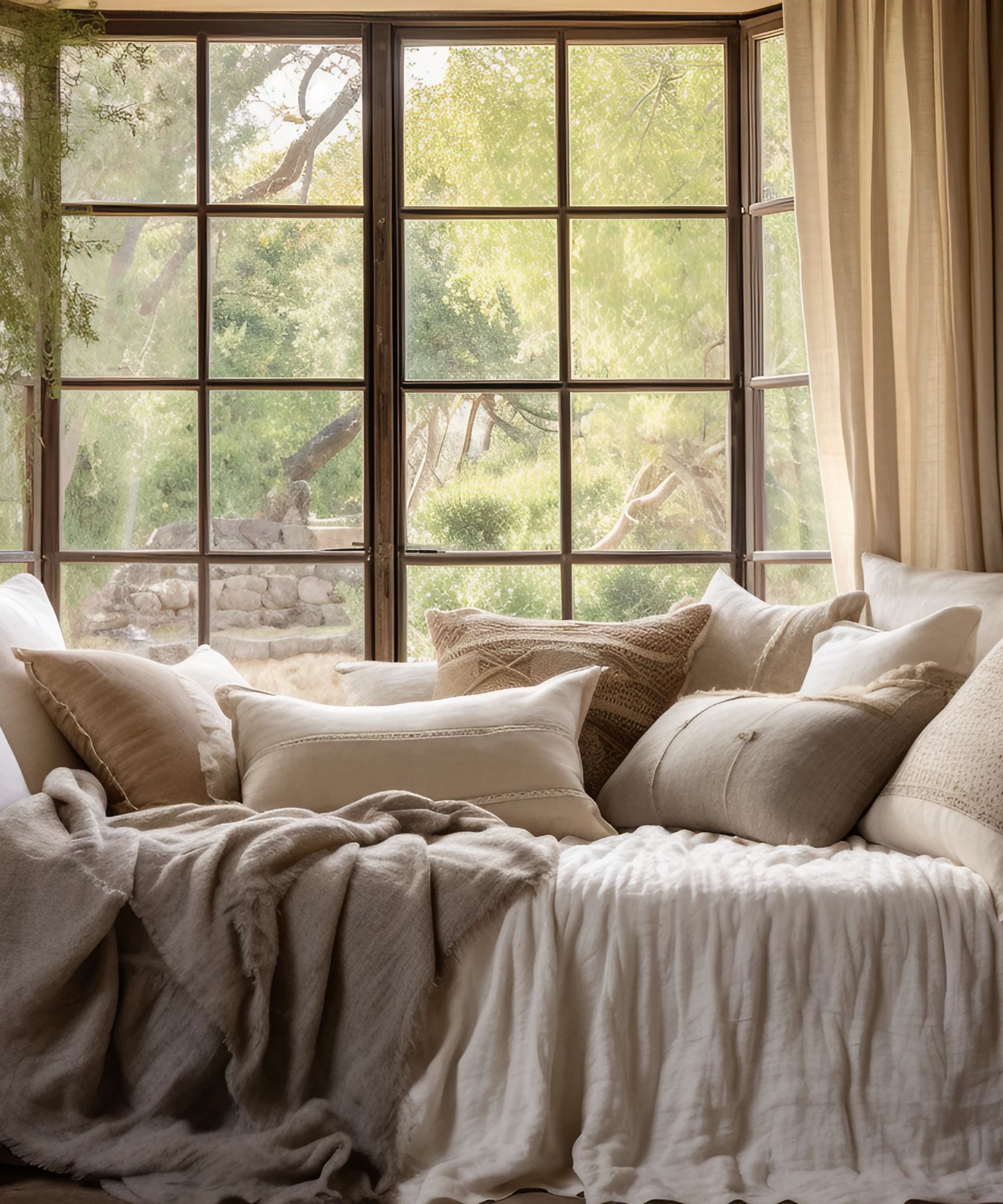
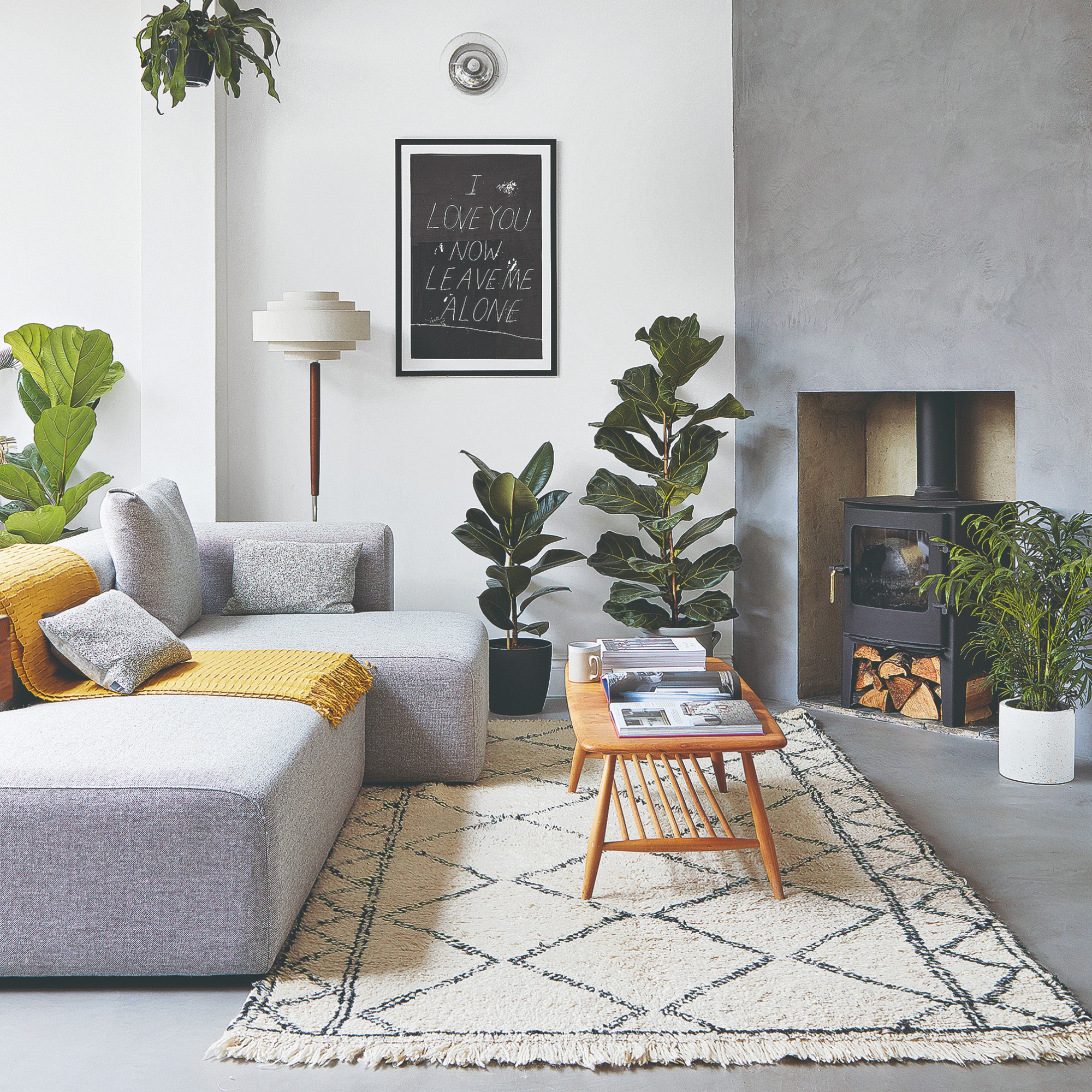
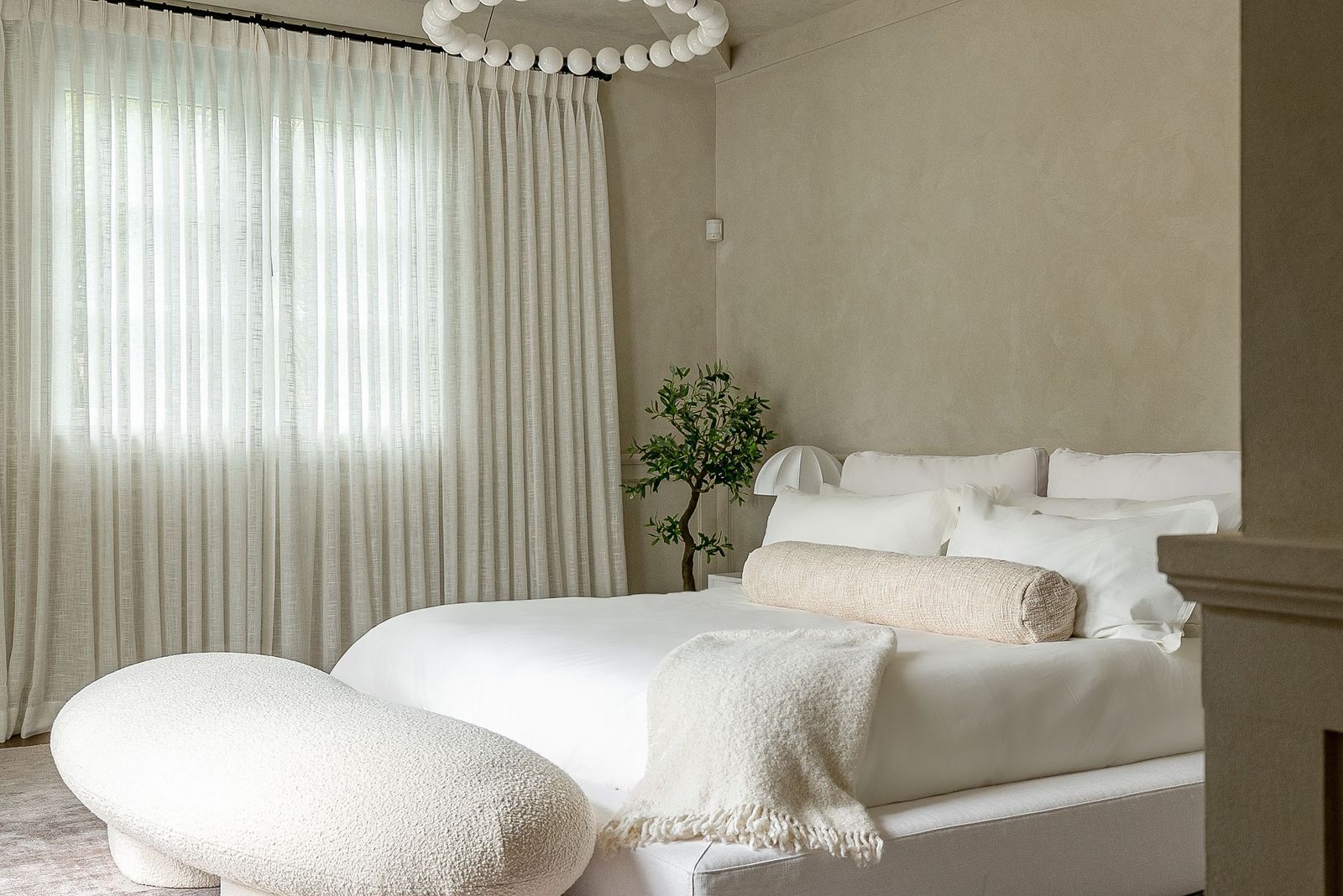
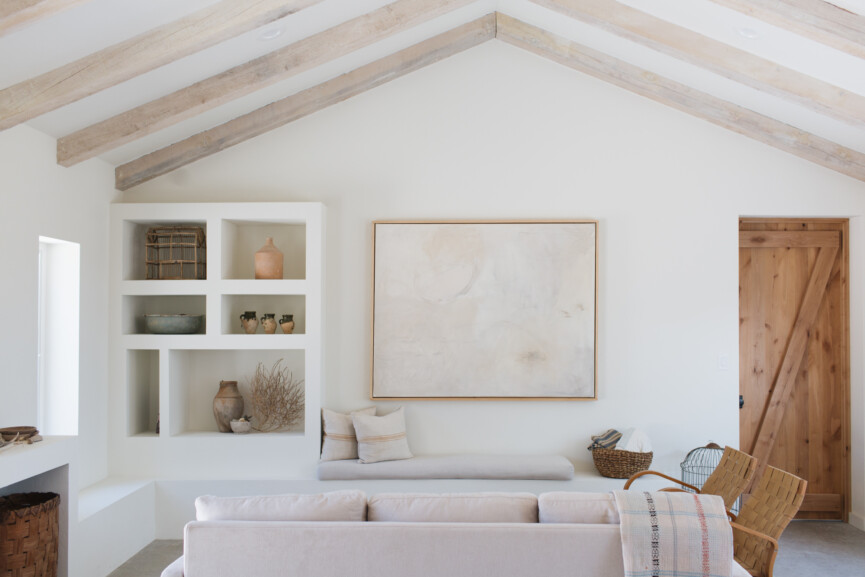
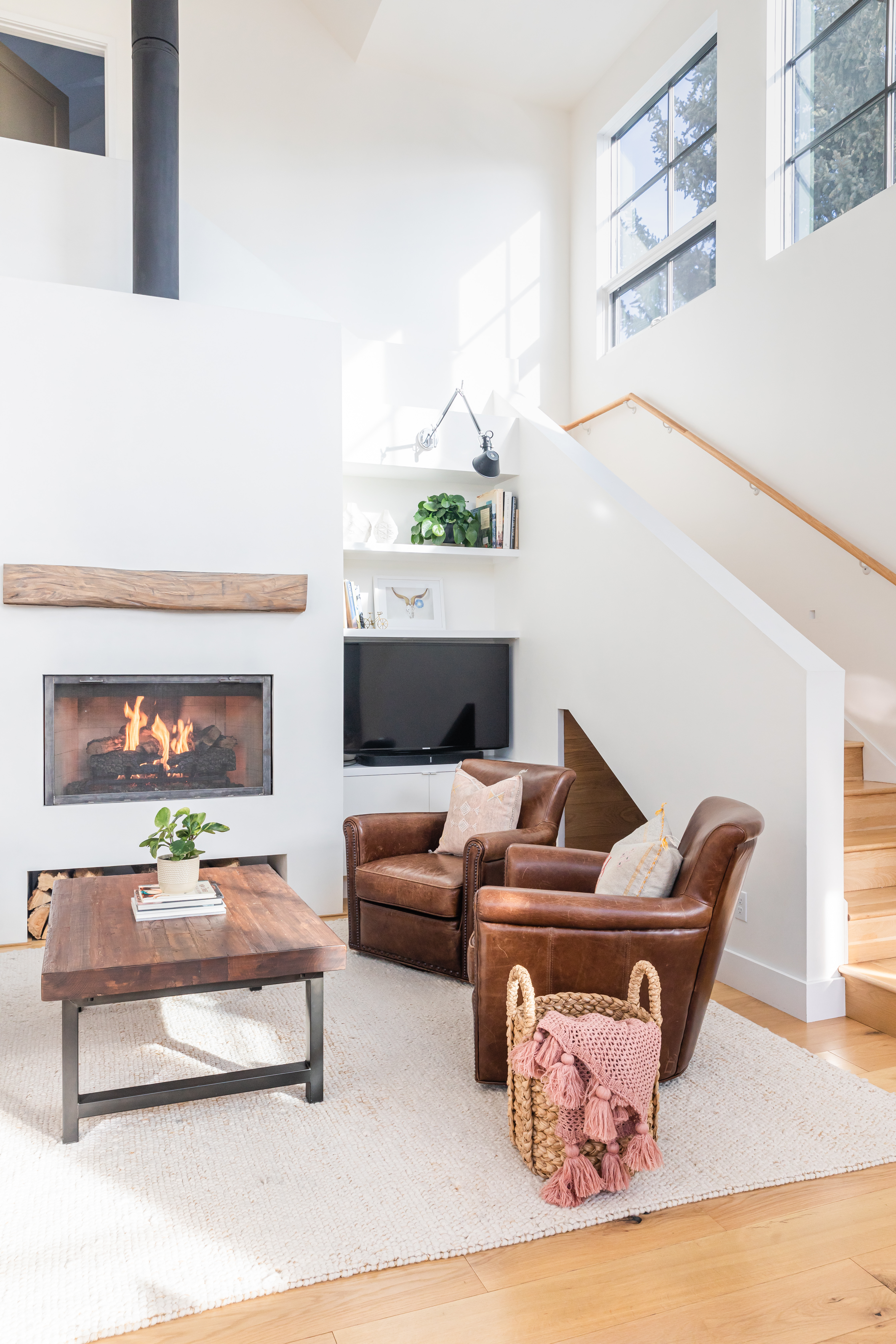
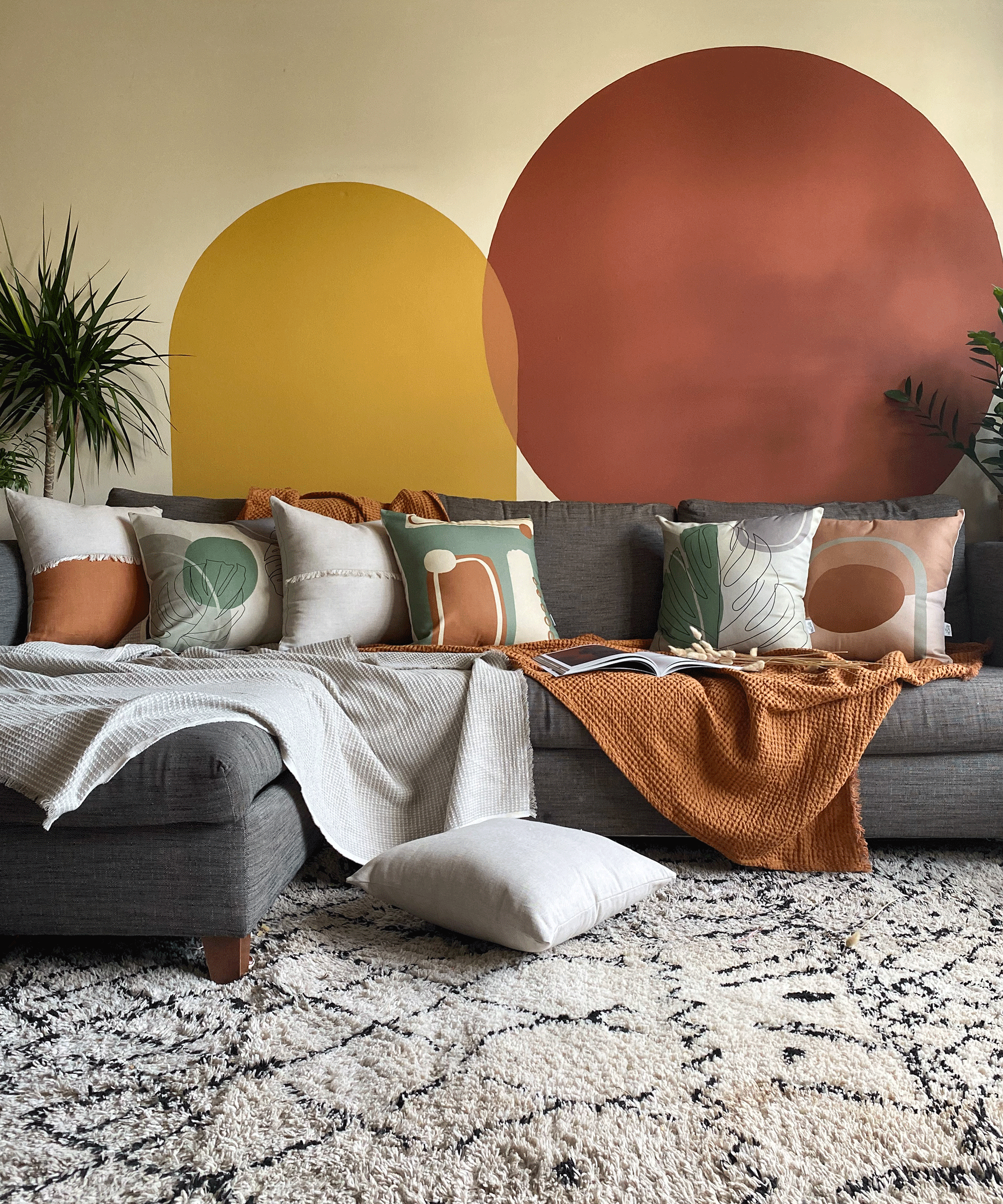
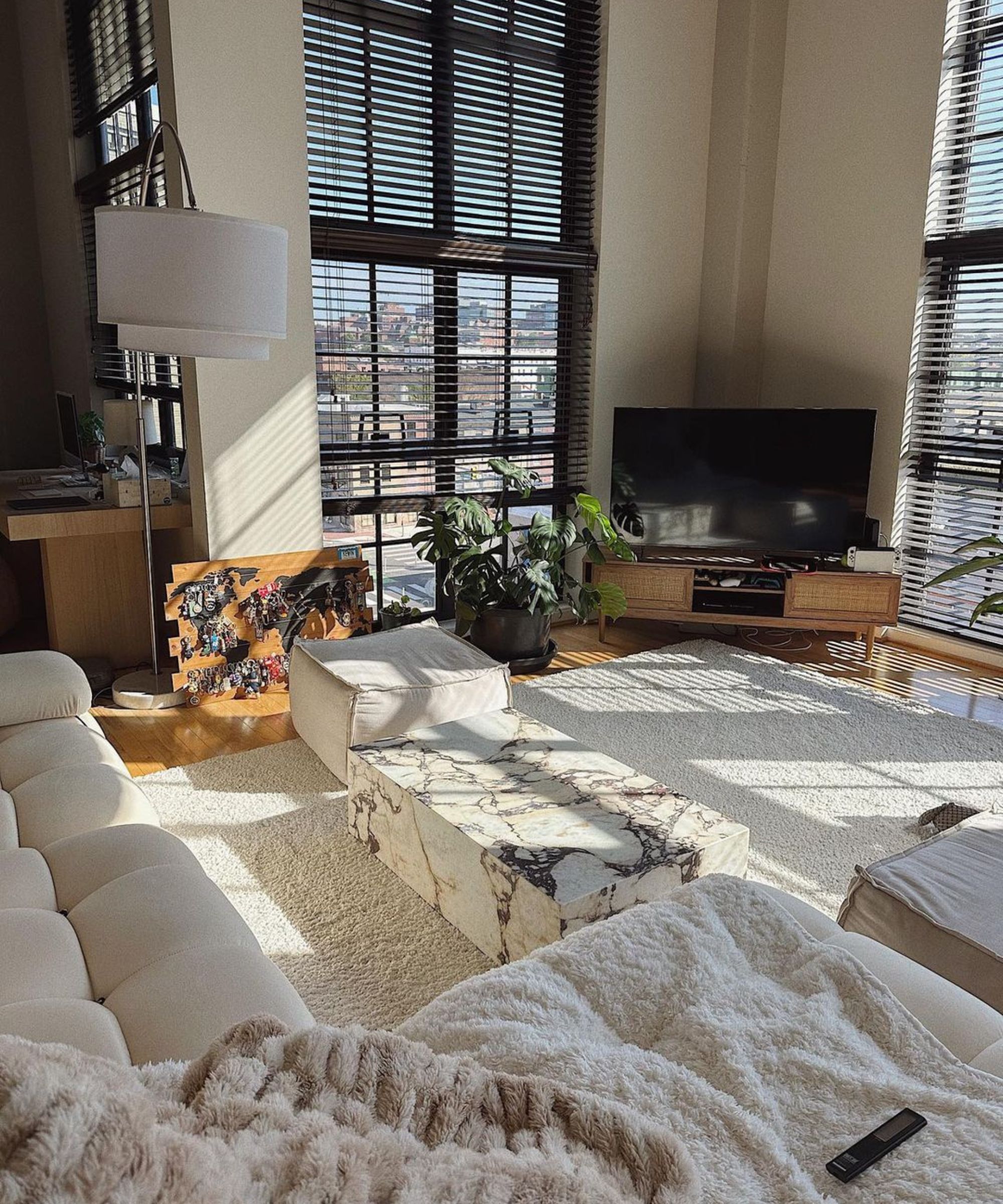
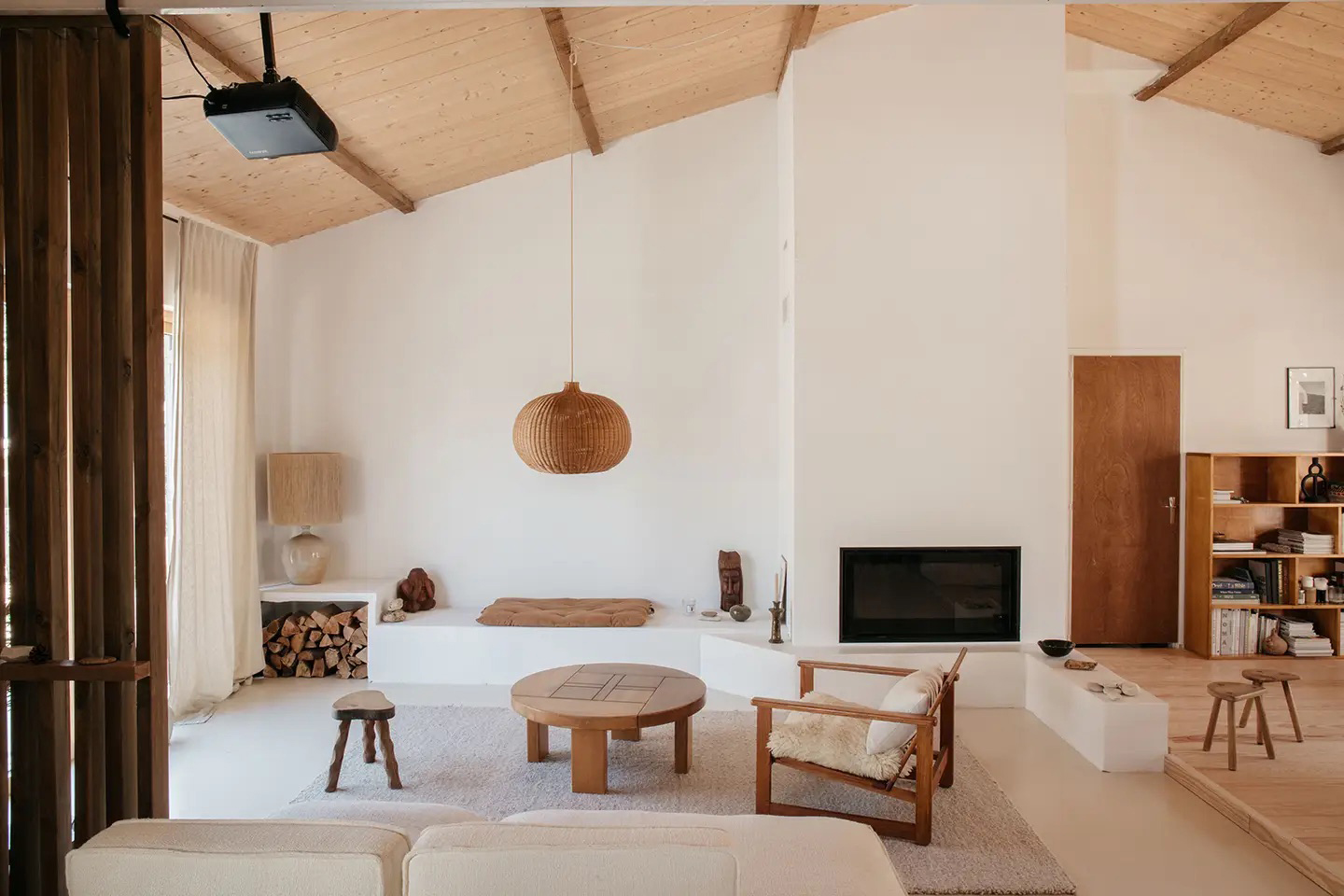
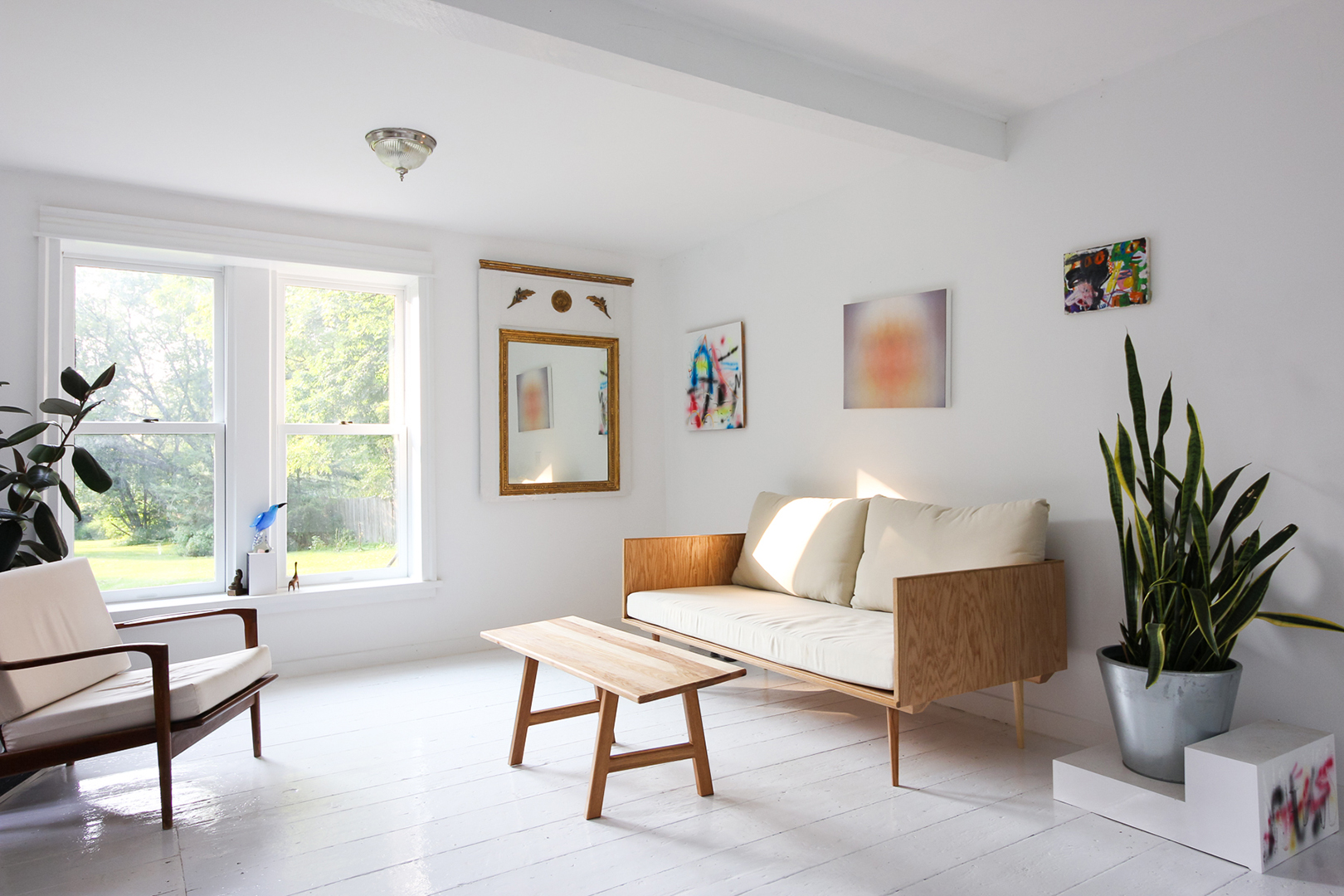
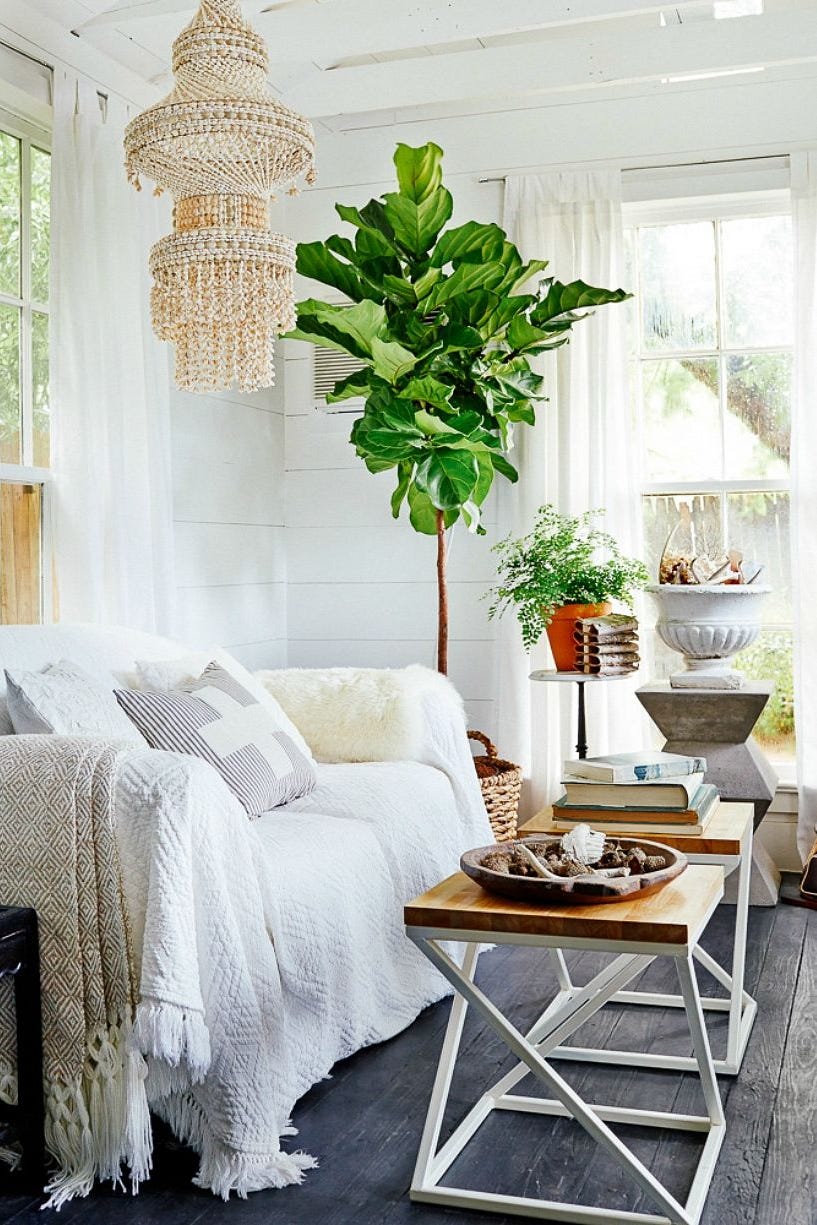
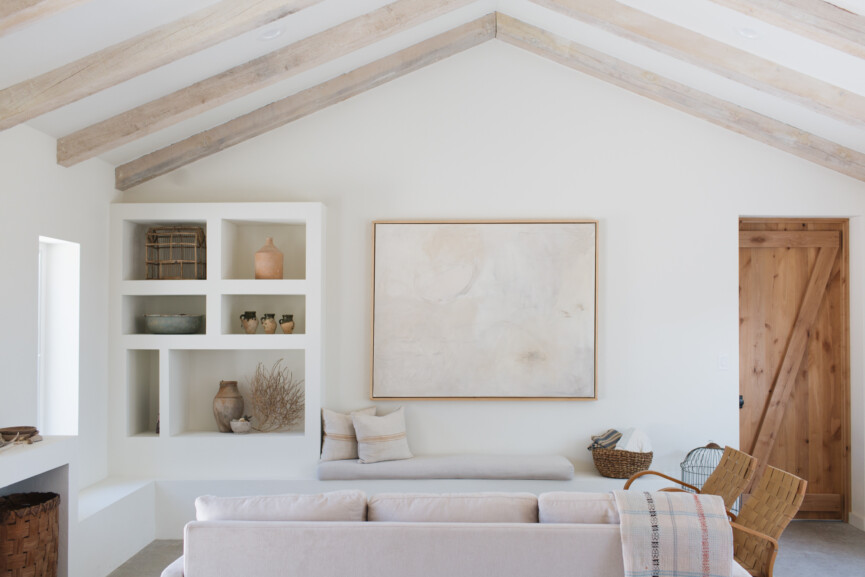
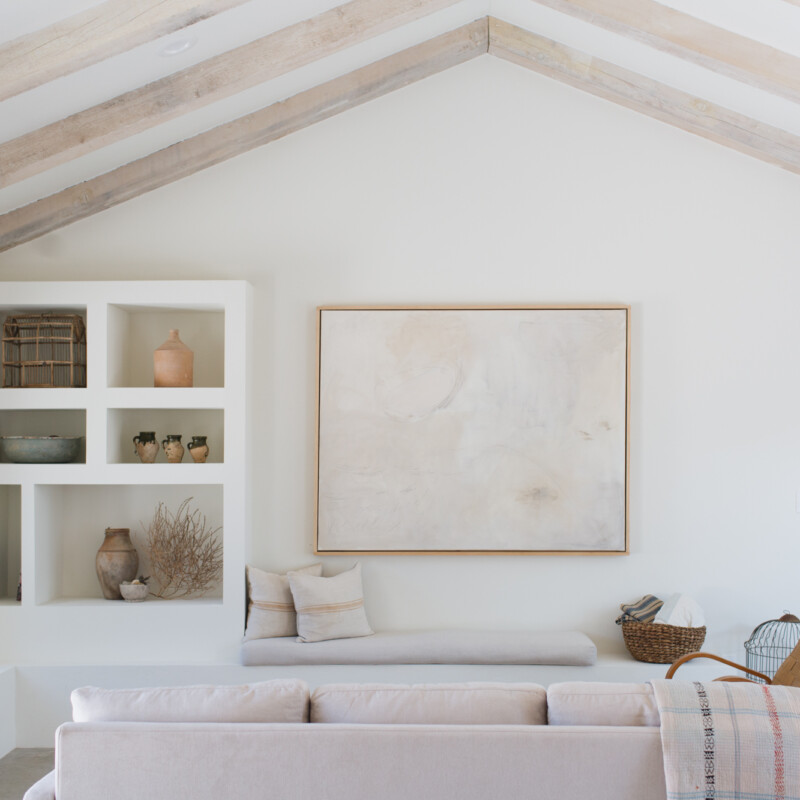
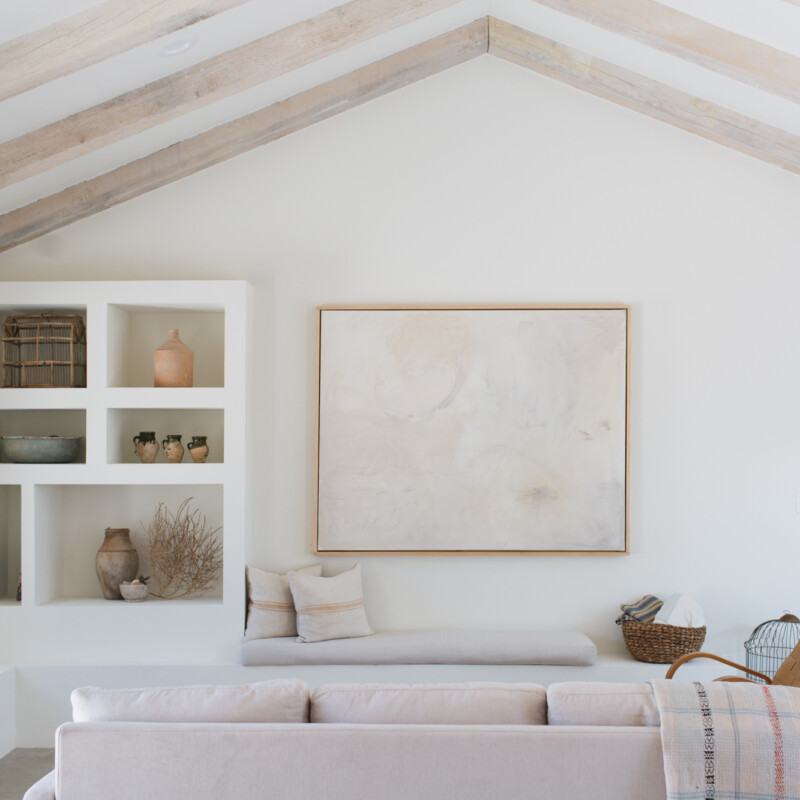
The first tip emphasizes a simple color scheme, particularly recommending neutrals like white paint. Designers suggest that a neutral base provides a blank canvas, adding lightness and brightness, allowing pops of color to emerge naturally through cherished decor items. This approach leverages texture and interesting shapes to add visual depth and interest without overwhelming the space, and a white living room is highlighted as a classic choice for small areas.
The second tip focuses on creating a layout that reflects how the space is used, prioritizing functionality and flow. It is crucial to consider the focal point of the room, suggesting views or integrated joinery rather than the television. Designers advise ensuring effortless movement through the room, considering seating arrangements for comfortable conversation, and planning for flexibility to accommodate various gatherings, ultimately aligning the layout with the residents' lifestyle.
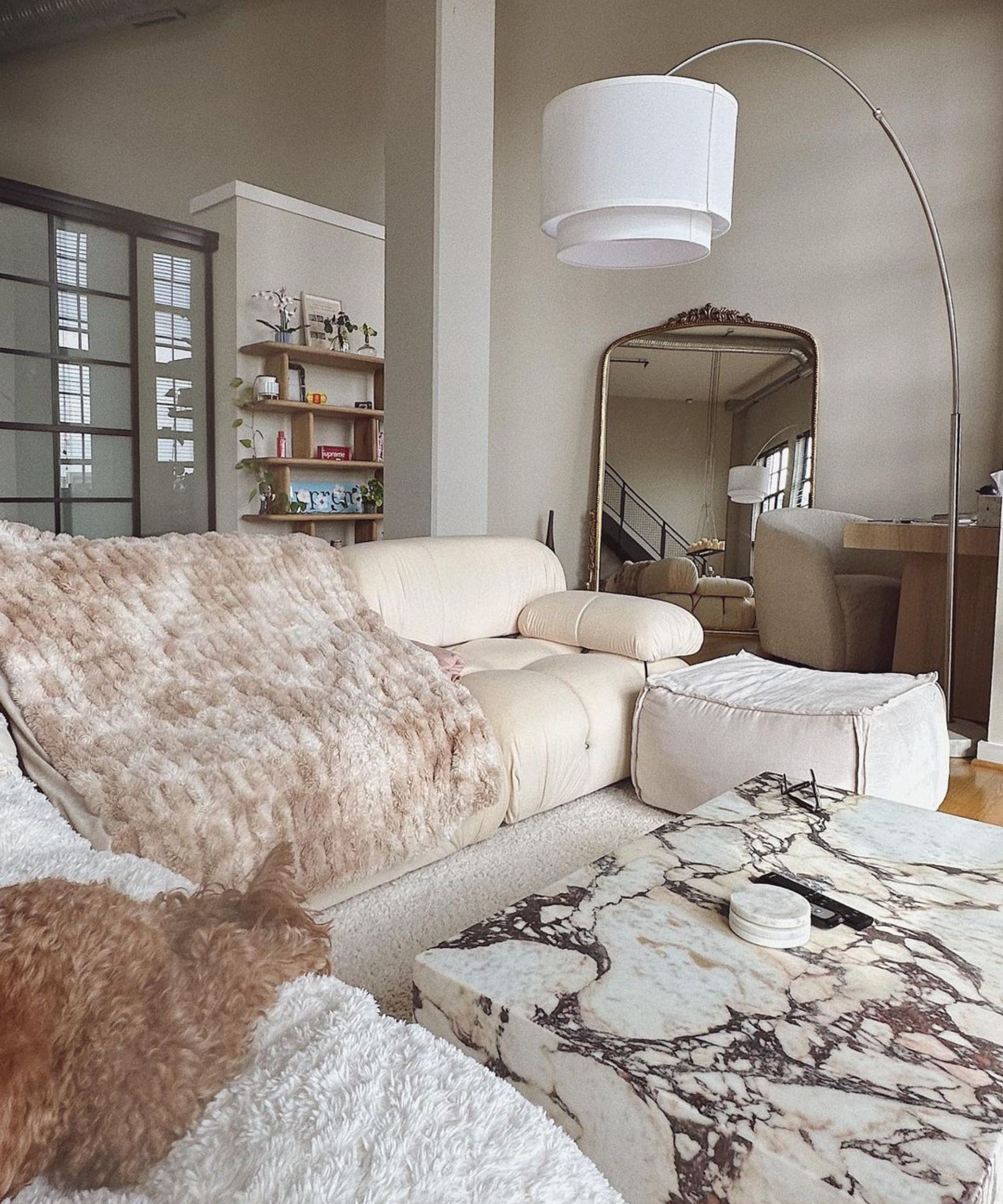
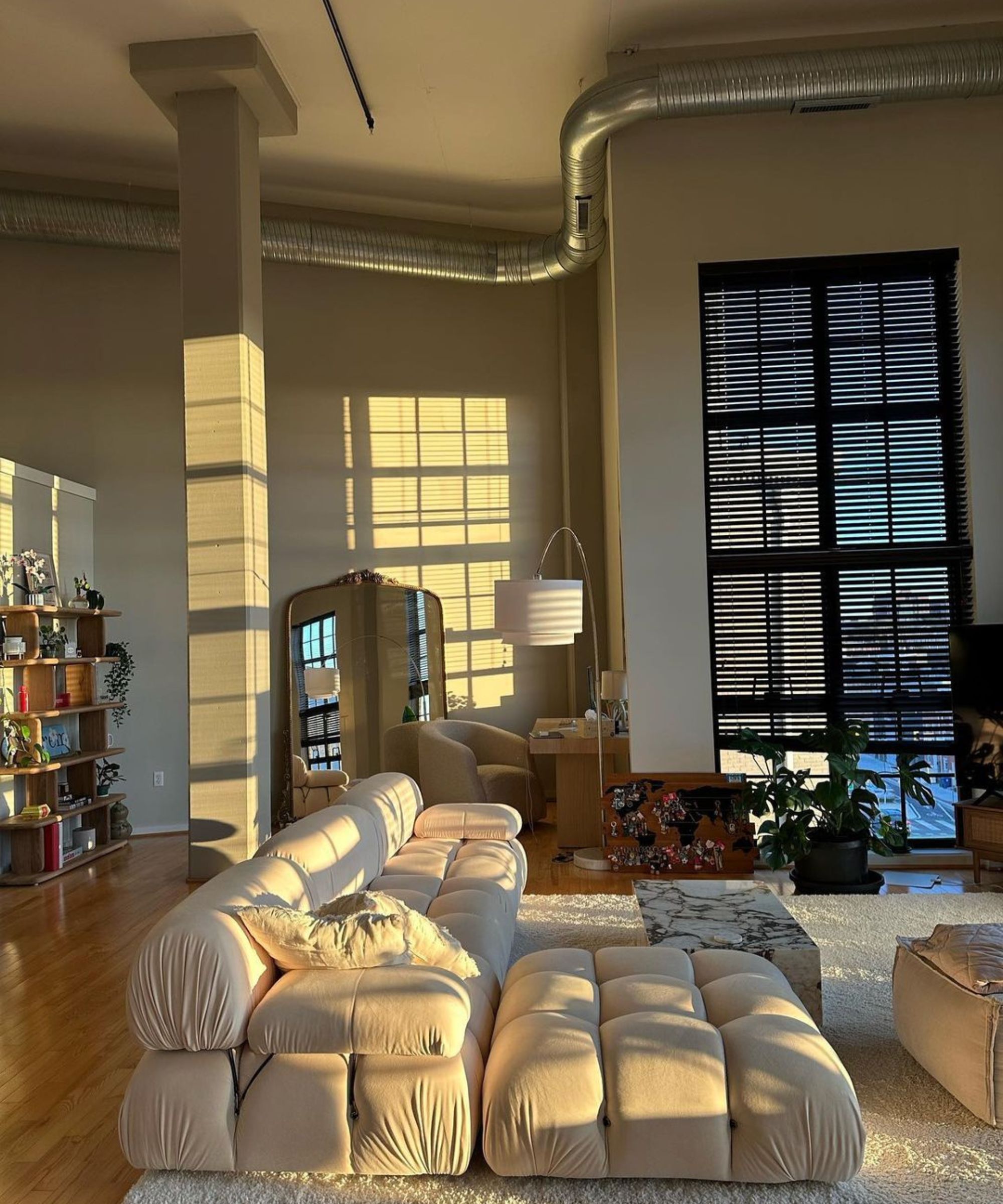
Third, the article counter-intuitively recommends using large furniture pieces in small rooms. Filling a small space with many small items can clutter it and make it appear smaller. Instead, selecting fewer, larger pieces with appropriate proportions helps the room feel simpler and more stylish. The advice includes choosing sofas with open legs, low backs, and clean lines to maintain a sense of openness and avoid a heavy appearance, emphasizing careful selection for scale and form.
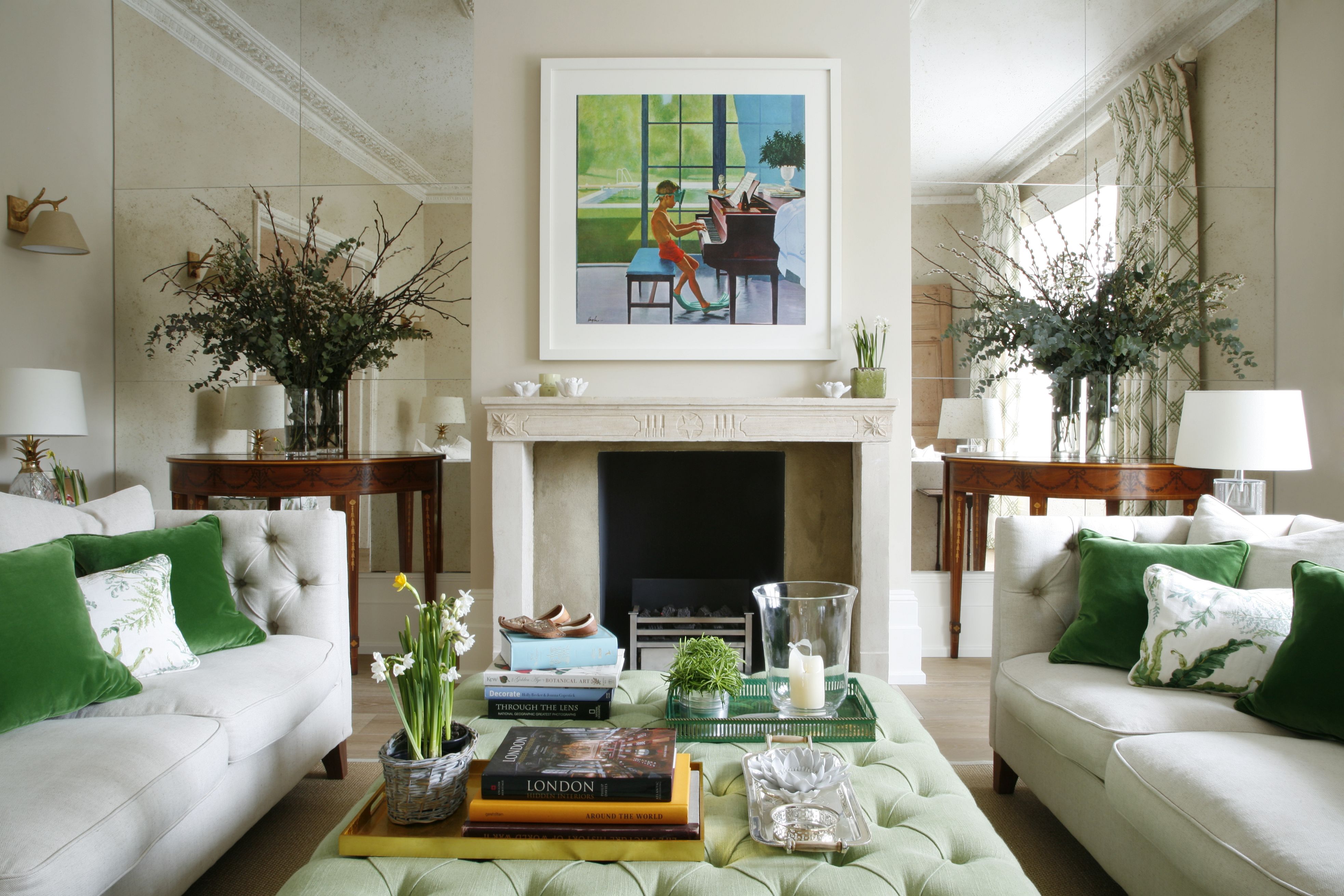
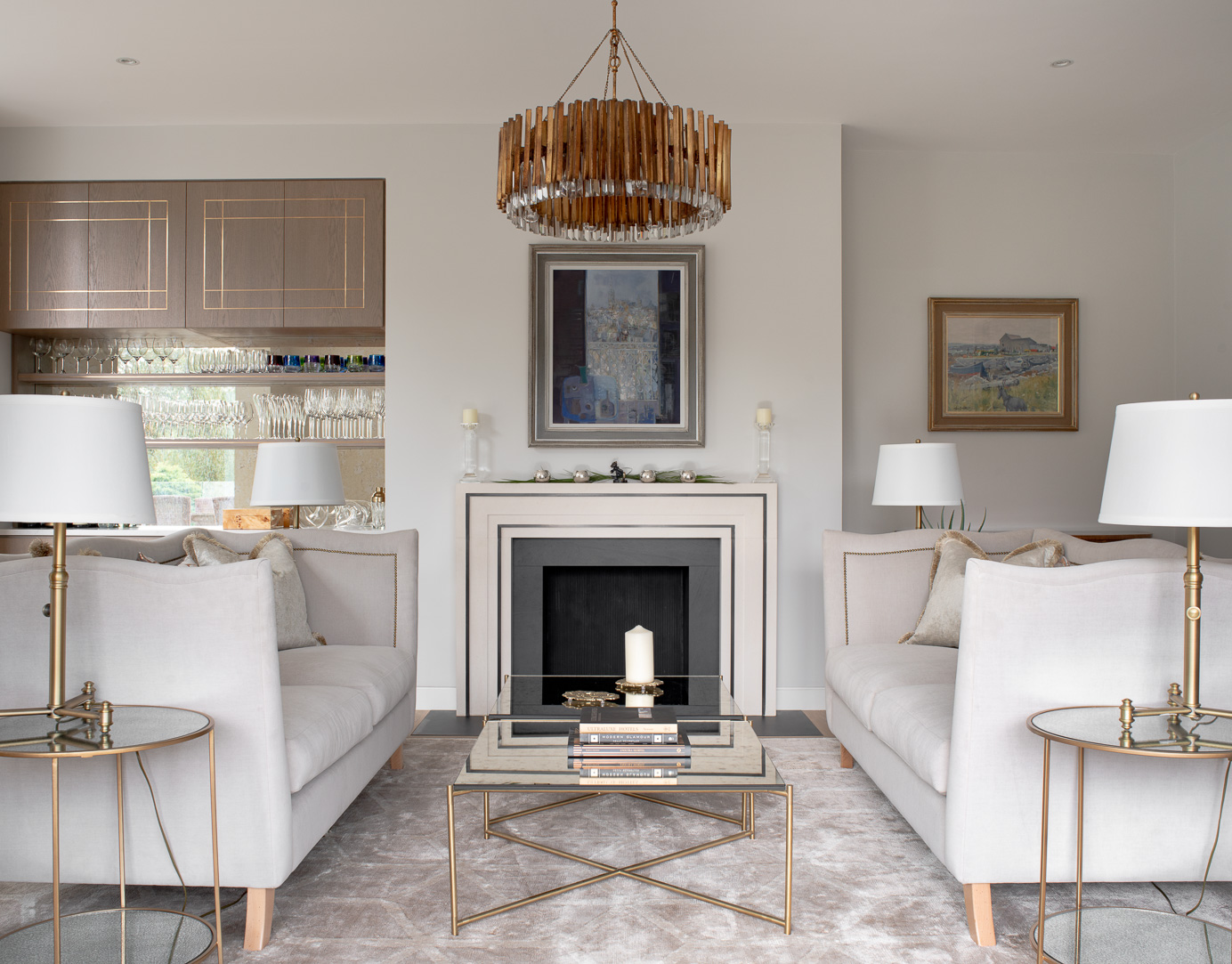
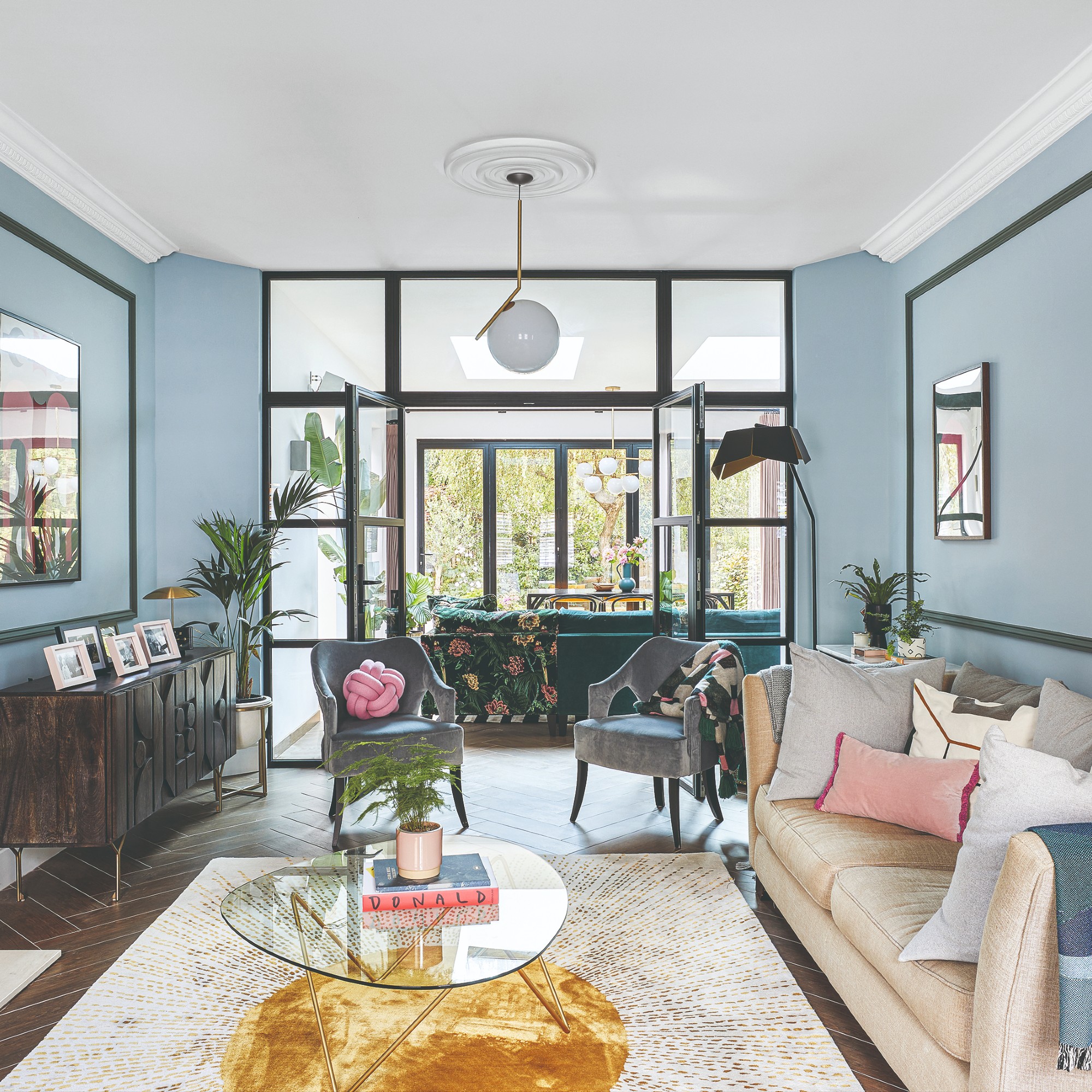
Fourth, symmetry and repetition are highlighted as ways to simplify a small living room visually. These design elements are inherently easy on the eyes and create an immediate sense of balance and order. The article explains that this doesn't lead to boring spaces but can be achieved through matching items like chairs and lamps, while still allowing for interesting shapes, styles, and finishes to keep the layout modern and cohesive.
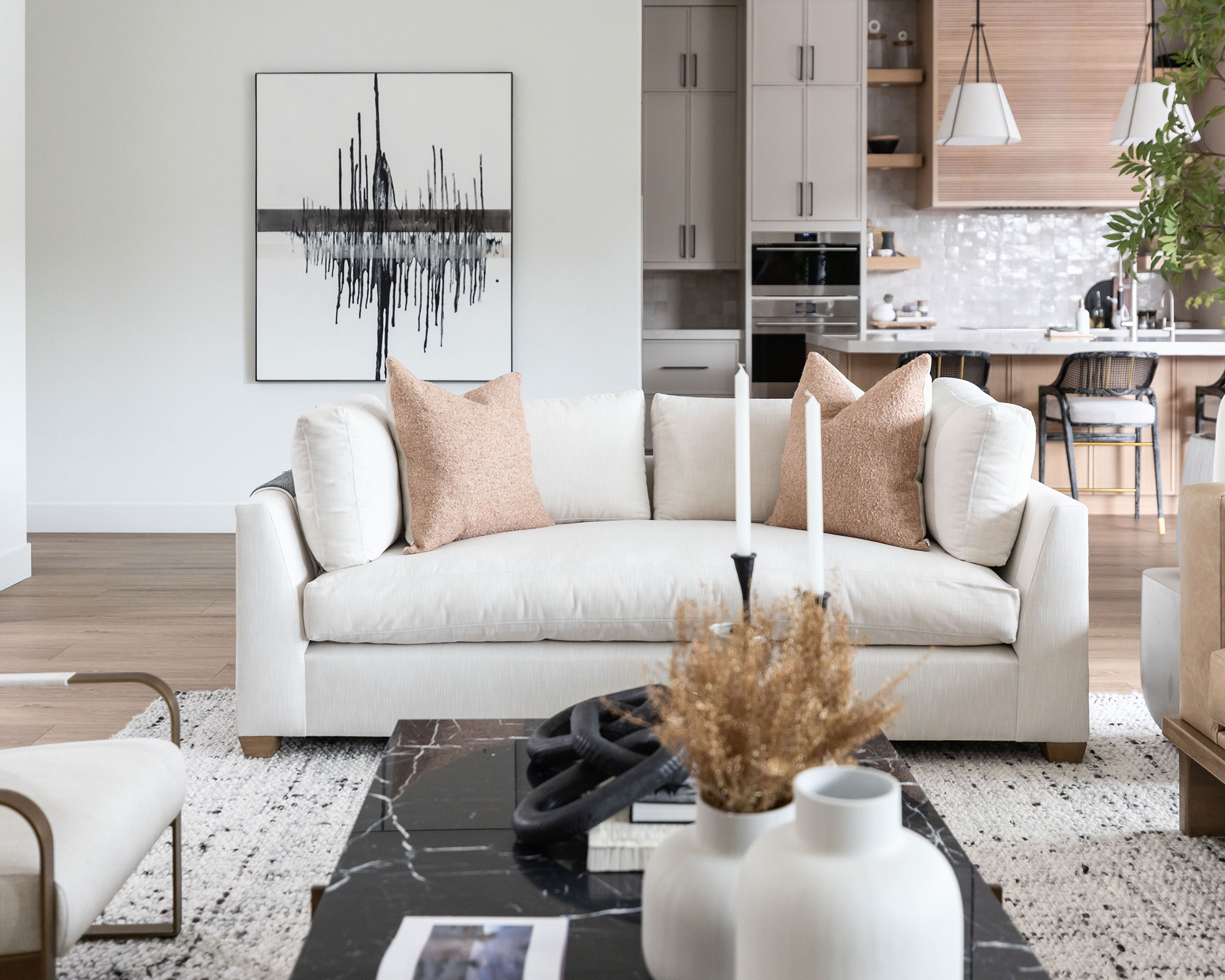
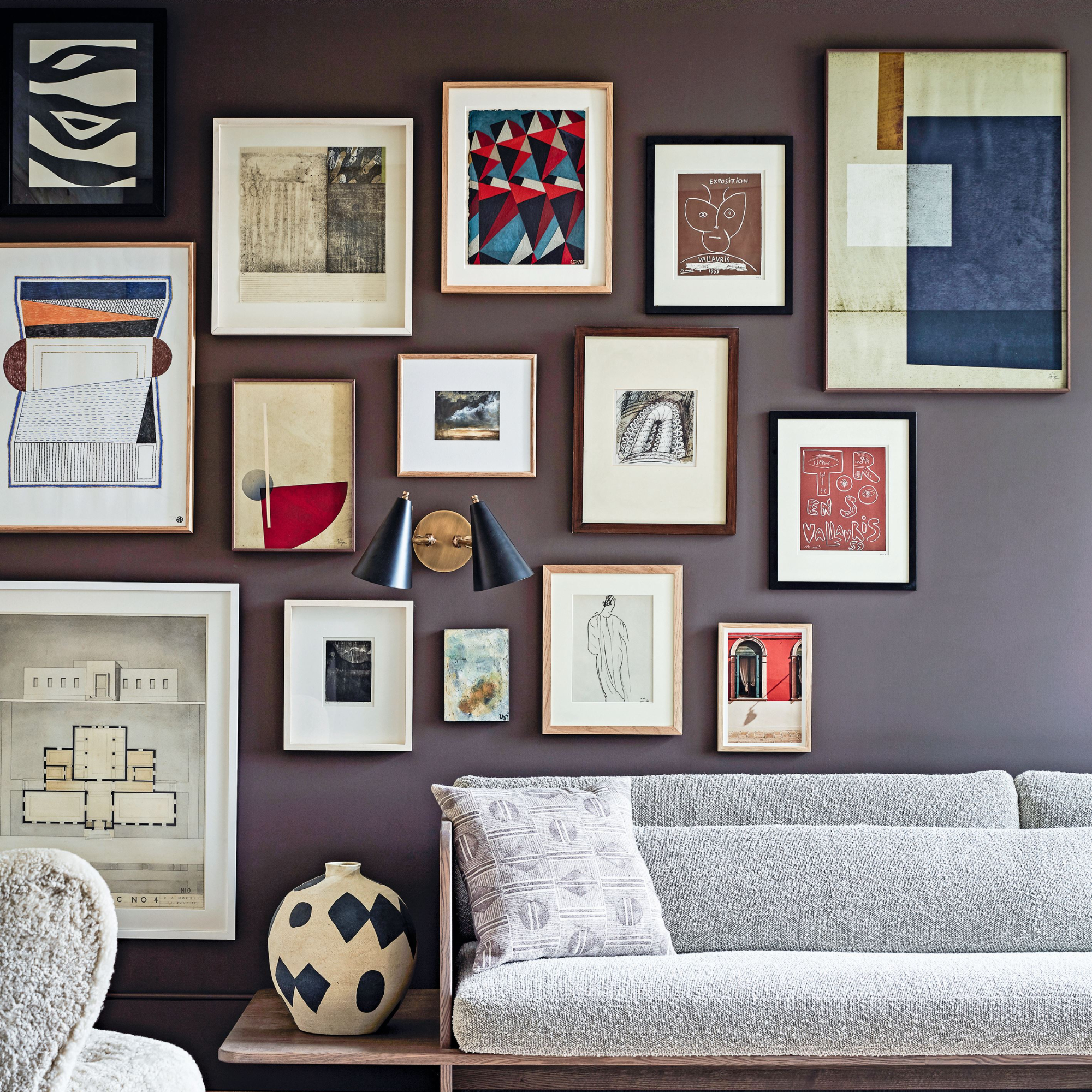
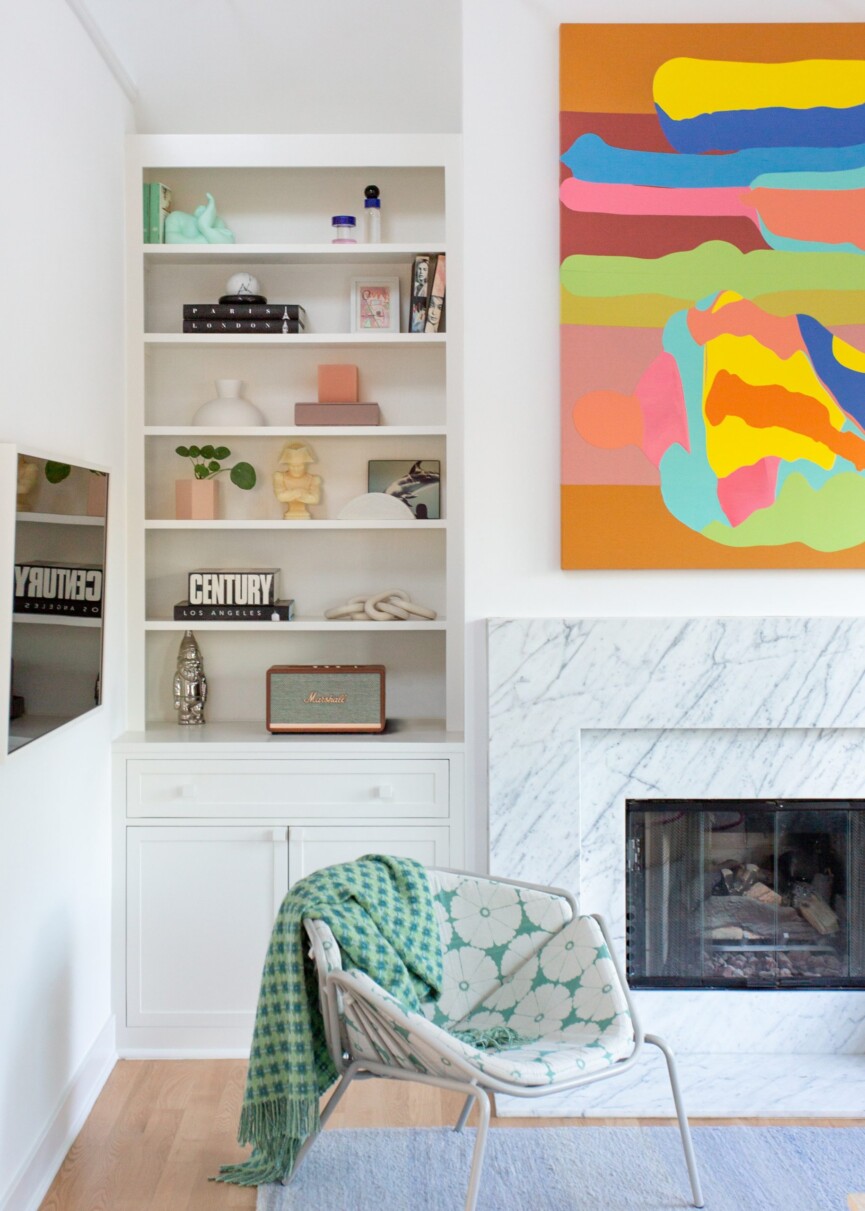
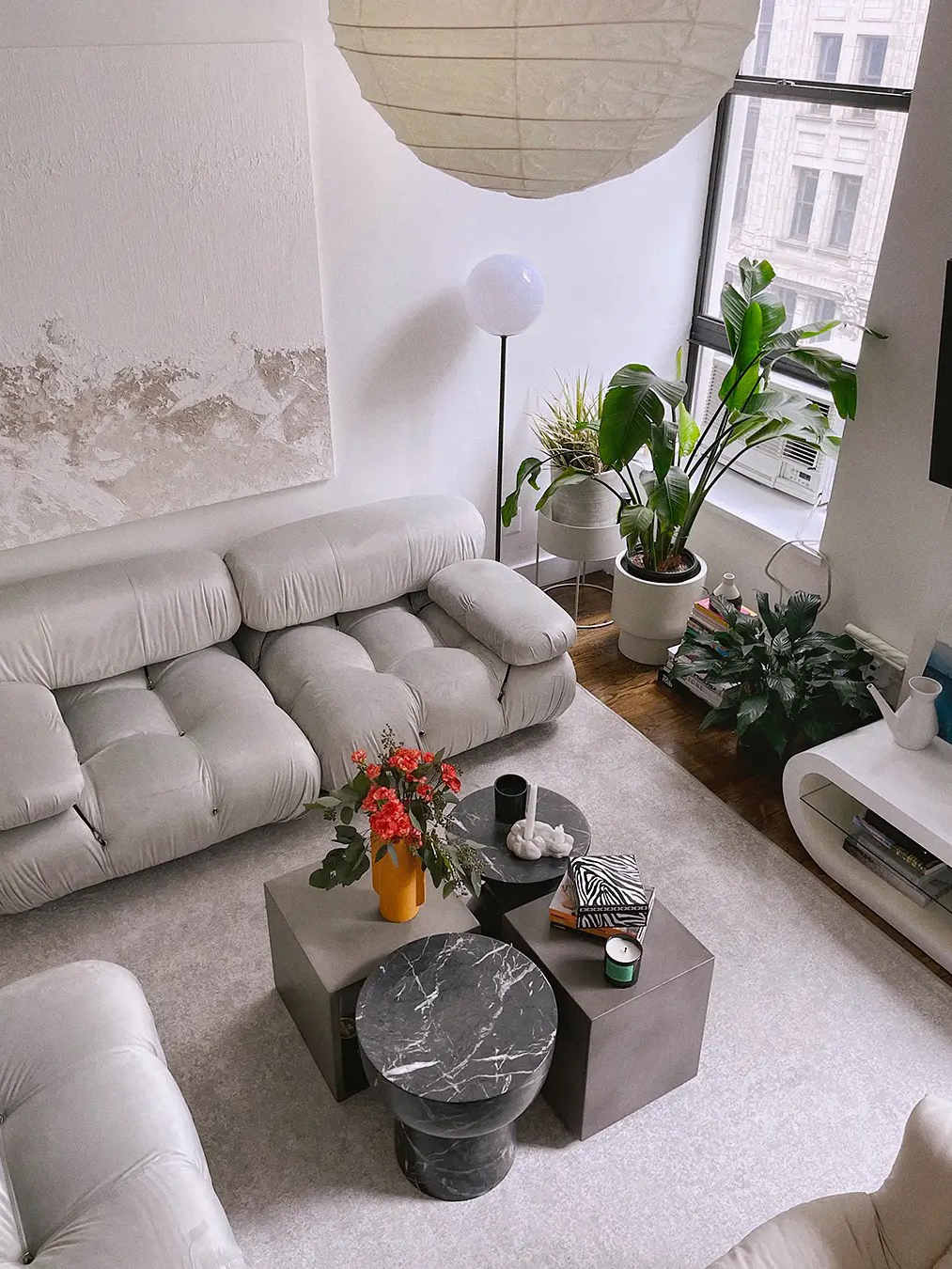
The fifth tip suggests using a single piece of large-scale artwork to reduce visual clutter. Rather than a collection of smaller prints, a large statement piece can fill a wall effectively, create a central focal point, and ground the space. This approach helps to simplify the visual field and make the room appear larger, especially when combined with a backdrop of lighter wall paint.
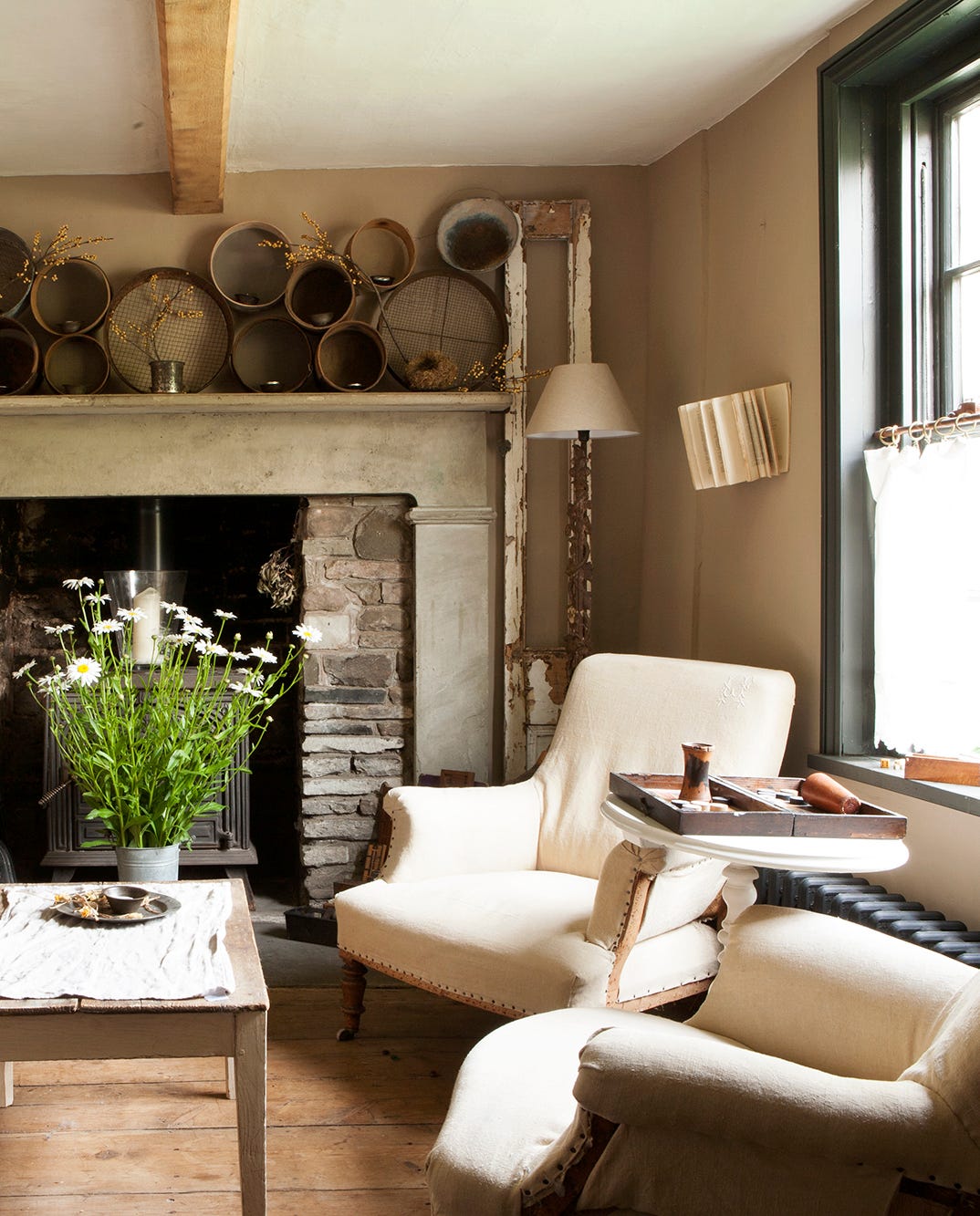
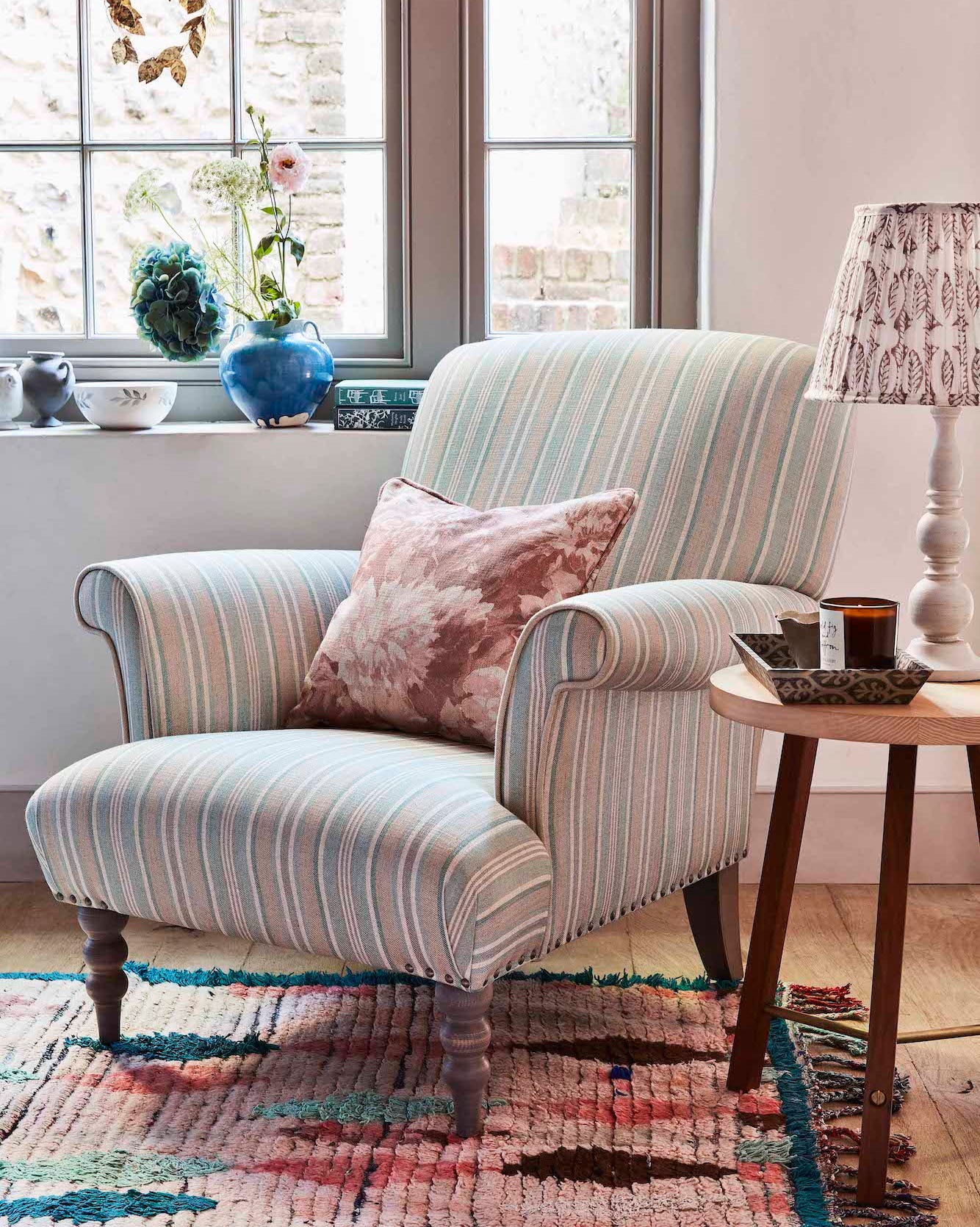
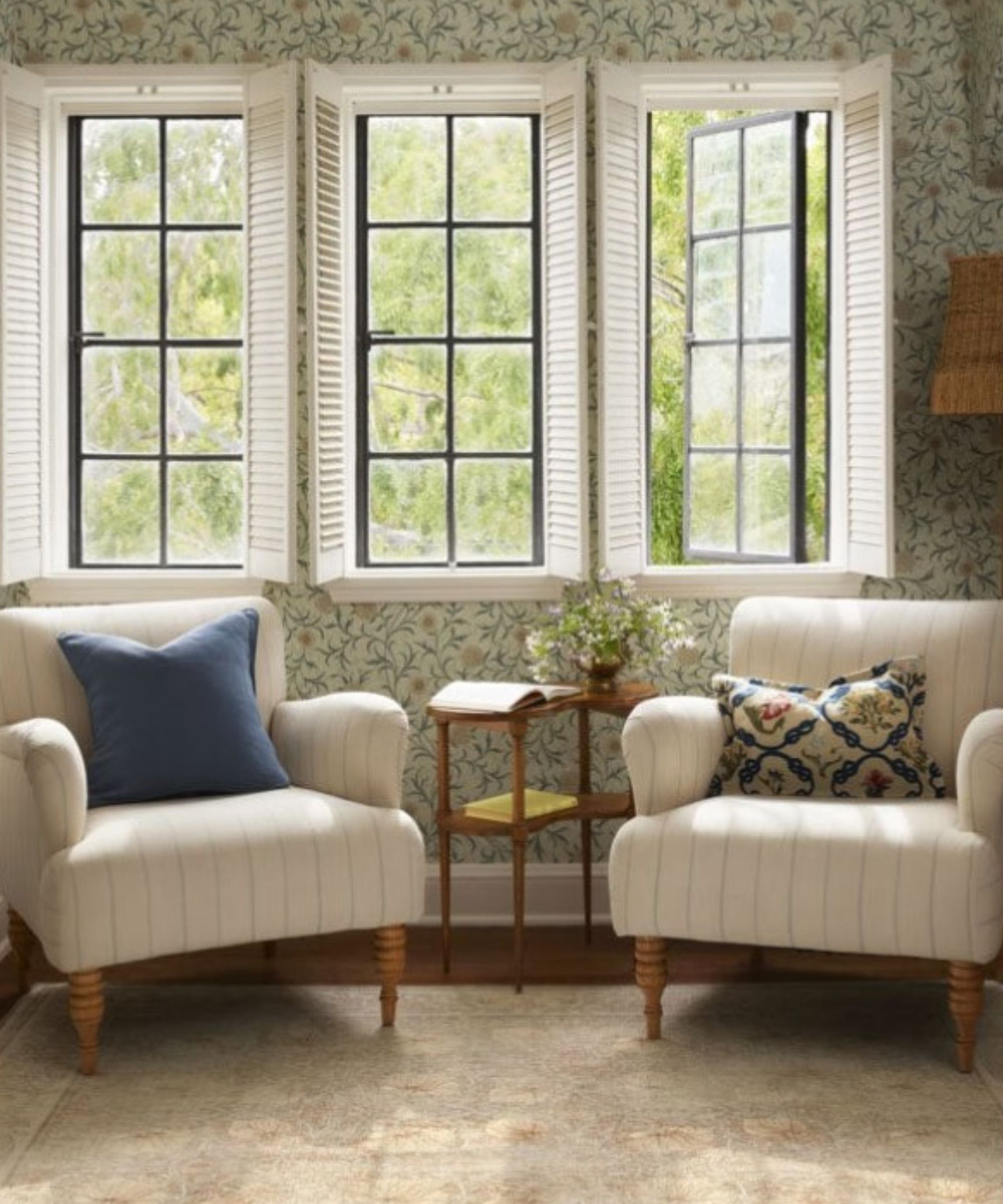
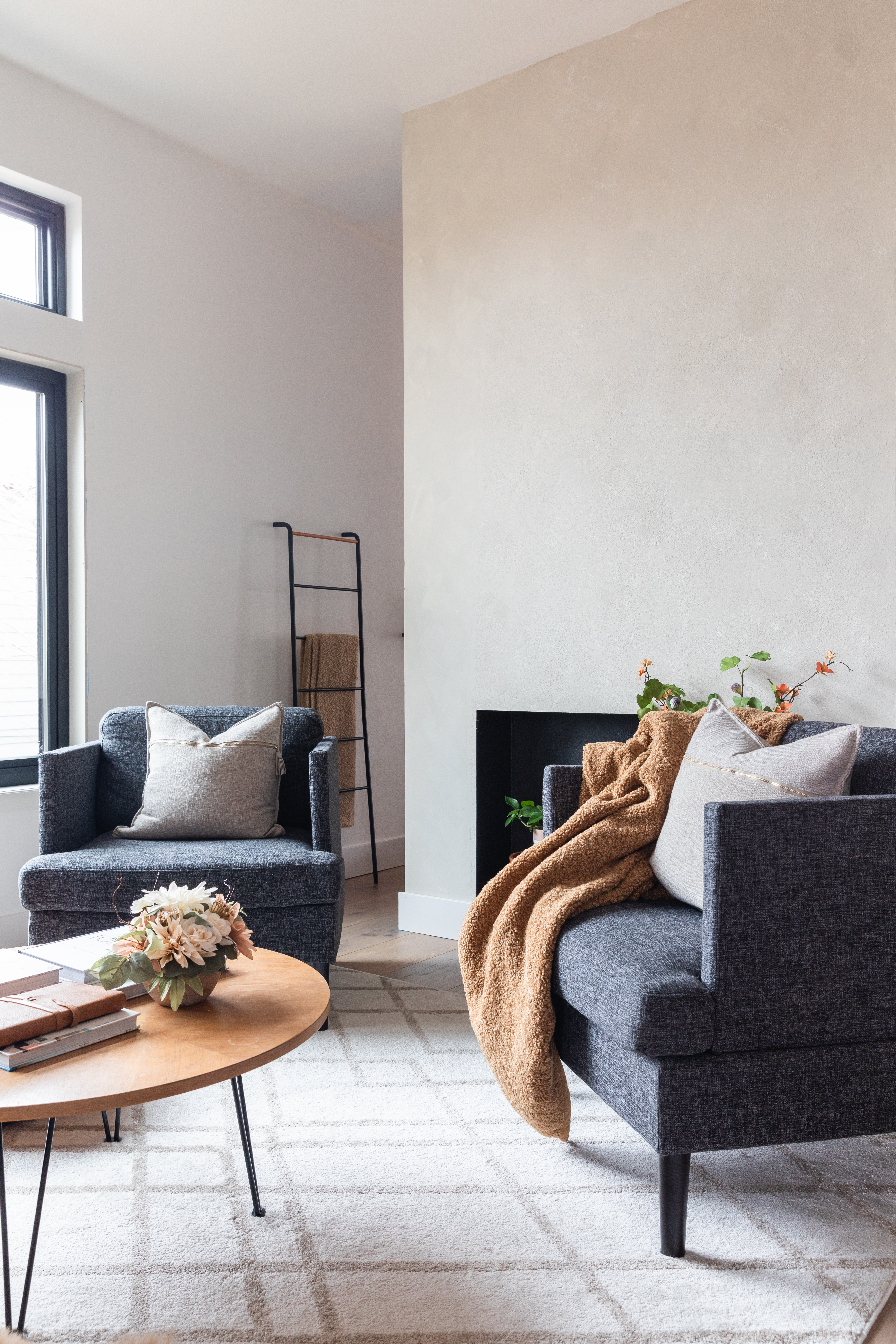
Sixth, considering all seating options is important, particularly for rooms that cannot accommodate a standard sofa. The article proposes ditching the traditional couch in favor of an array of comfortable armchairs. This alternative offers less bulk and greater flexibility in layout, promoting a more sociable arrangement that can effectively fill the space while facilitating conversation and connection.
Seventh, disguising the television is recommended to maintain an aesthetically pleasing environment. Options include concealing it behind automated wall panels, sliding paintings, or integrating it into dark-colored shelving units. This prevents the TV from becoming a stark focal point and allows other design elements, such as a beautiful accent wall, to take prominence.
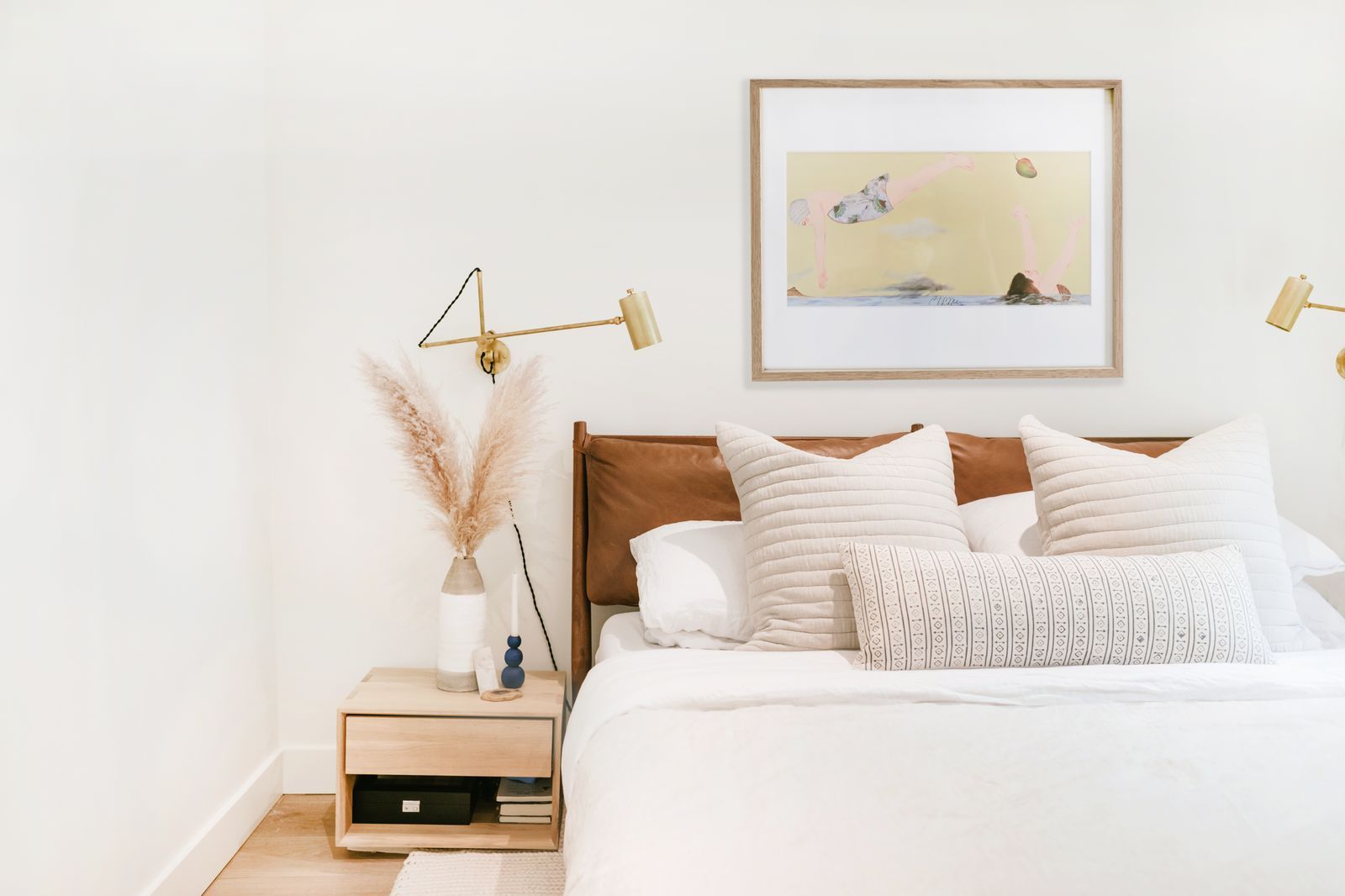
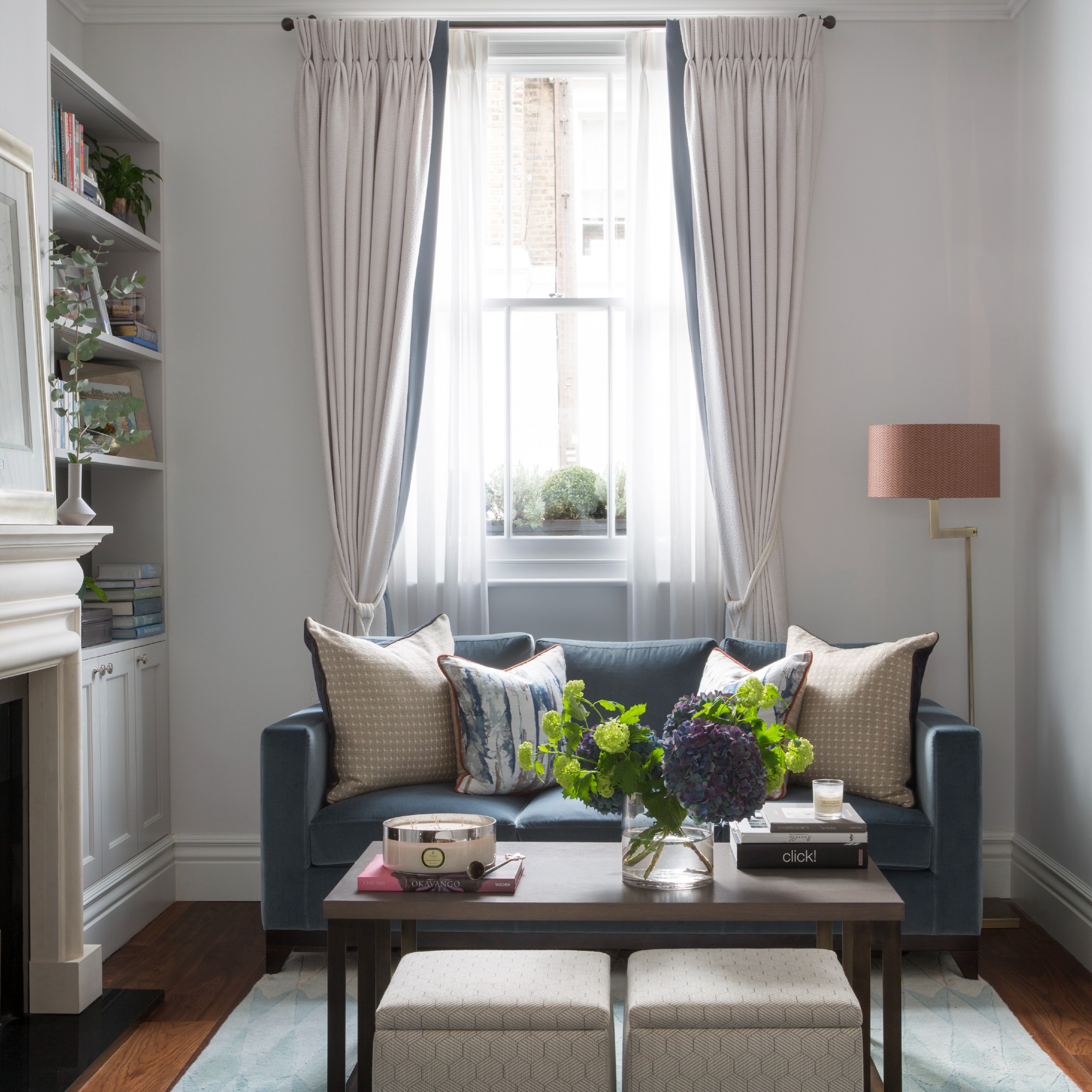
Eighth, focusing on low-intensity and low-positioned lighting is crucial. Living room lighting should serve as decor, especially in small spaces where visual clutter is undesirable. Utilizing table lamps and floor lamps at eye level creates a soft glow and a comfortable ambiance, avoiding harsh overhead lighting. Wall-mounted plug-in sconces are also suggested for accent lighting and decoration without occupying floor space.
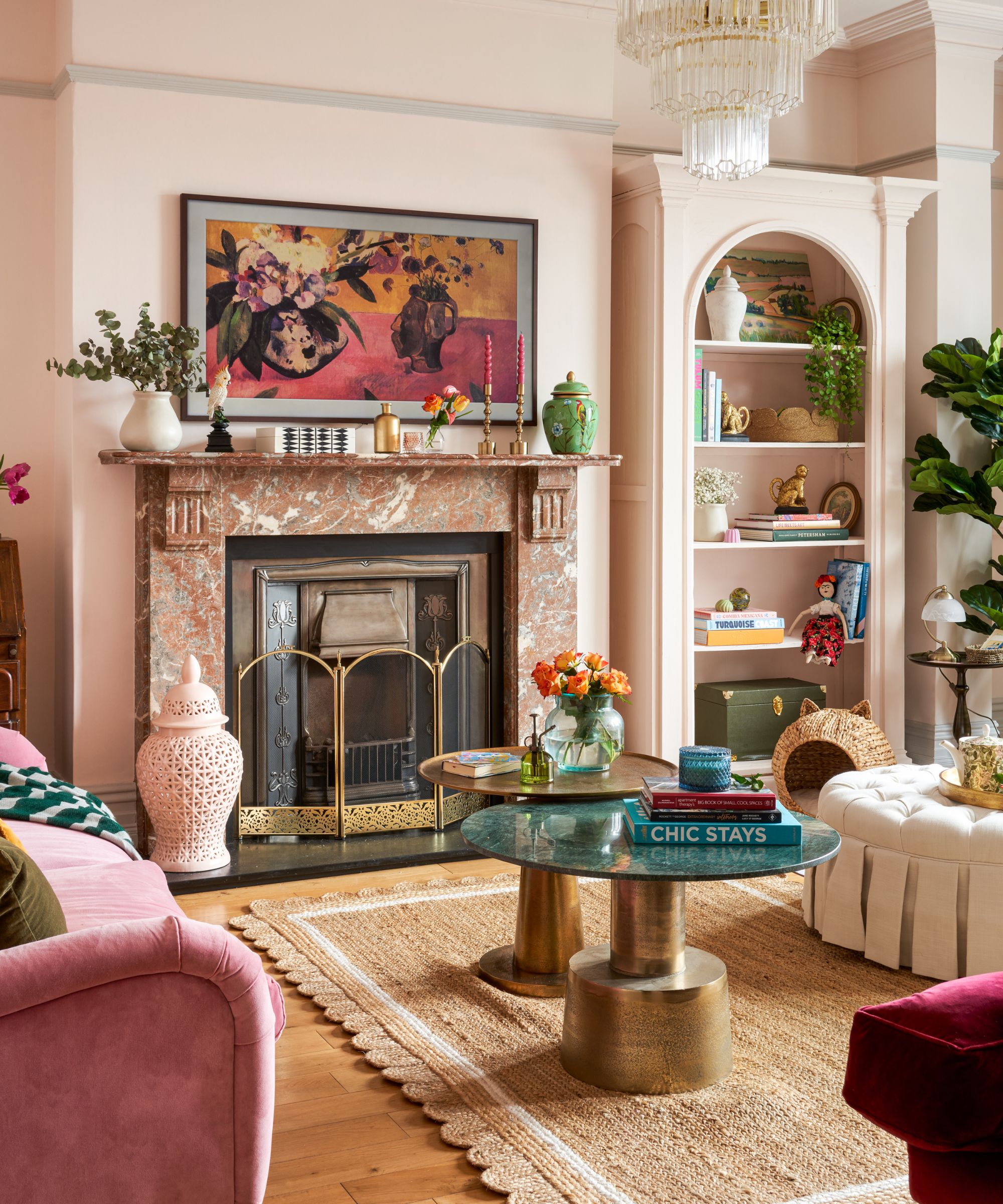
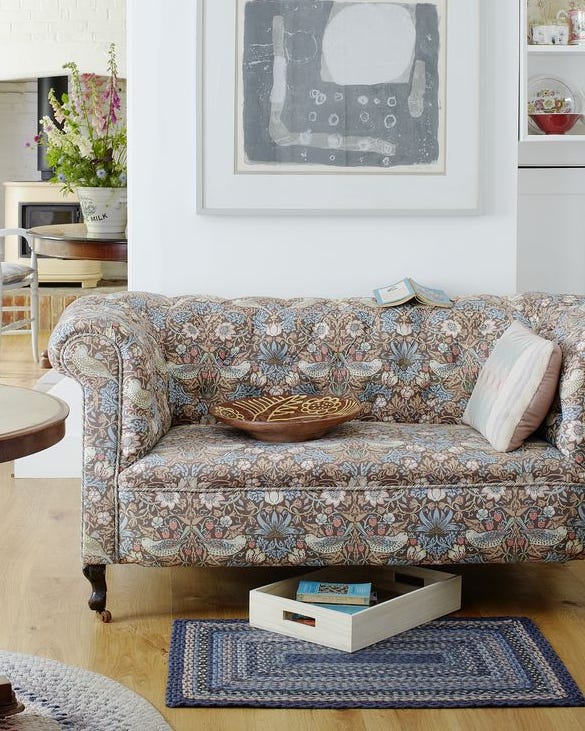
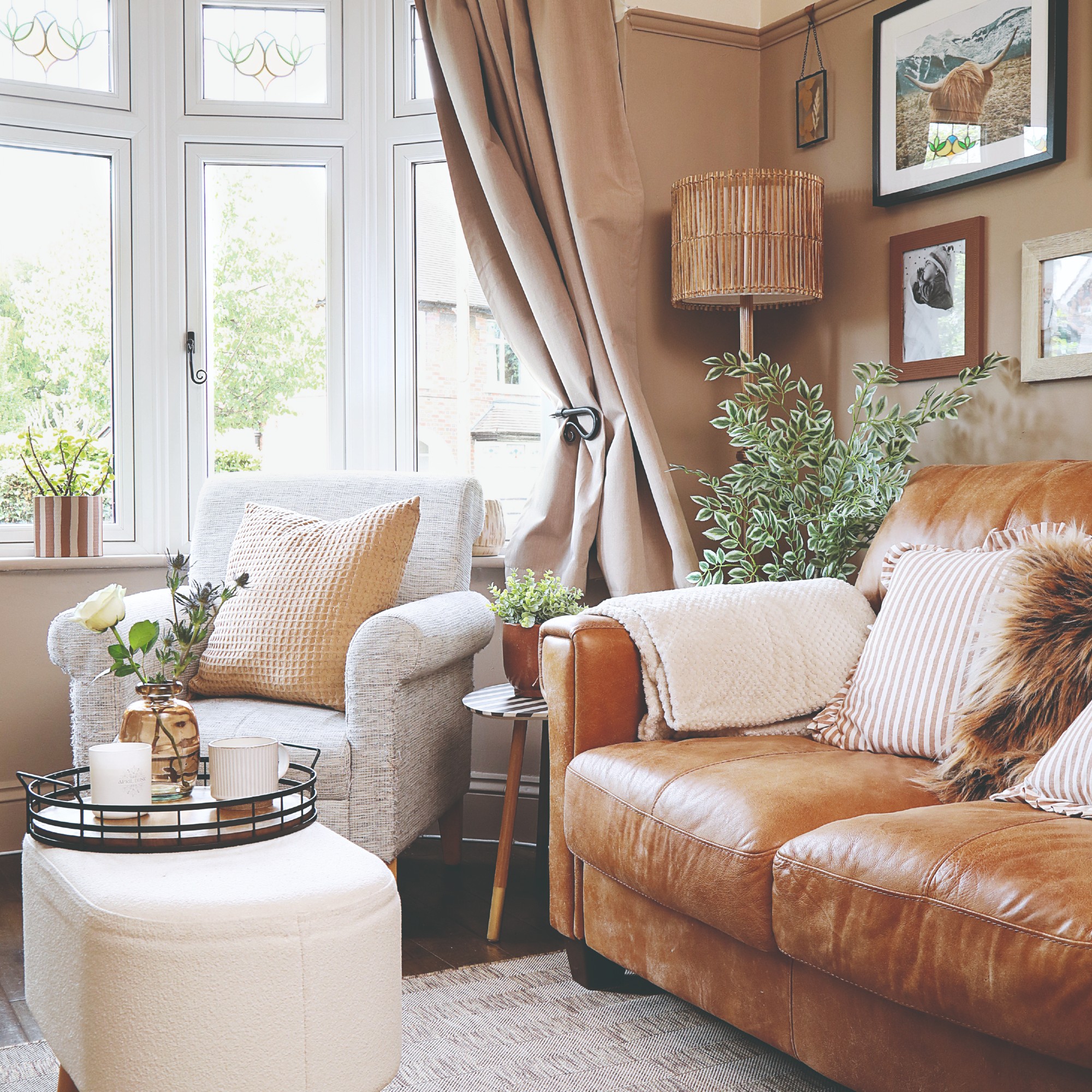
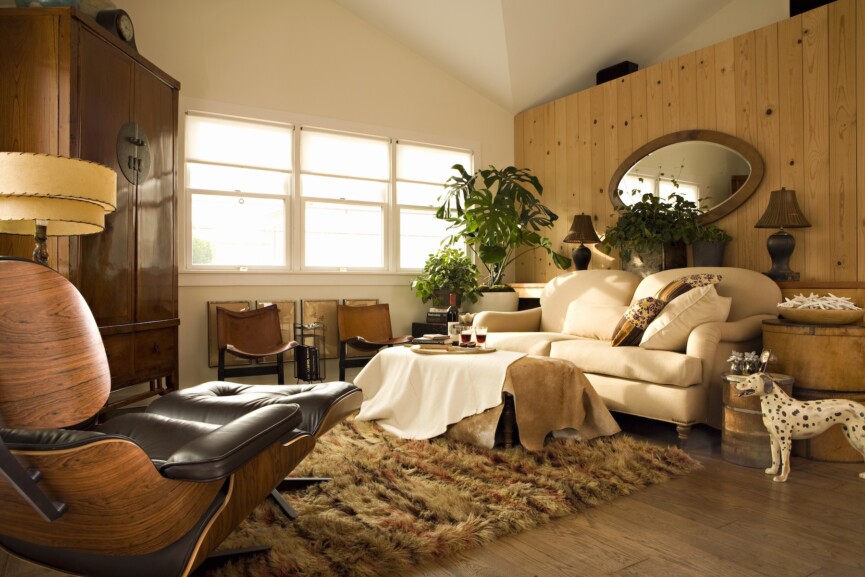
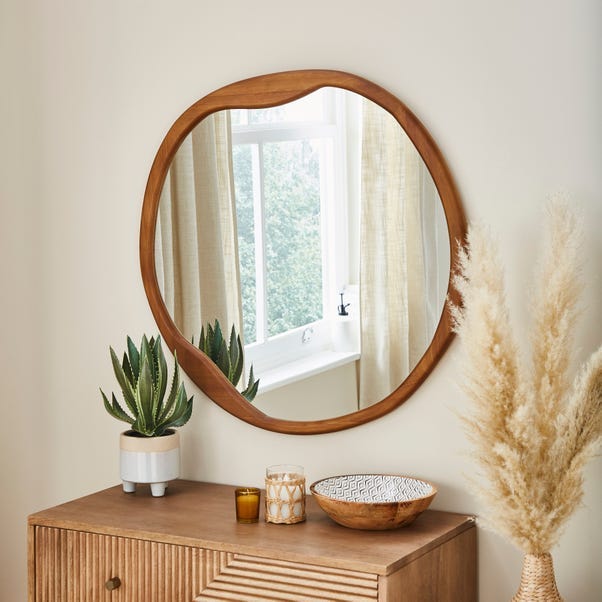
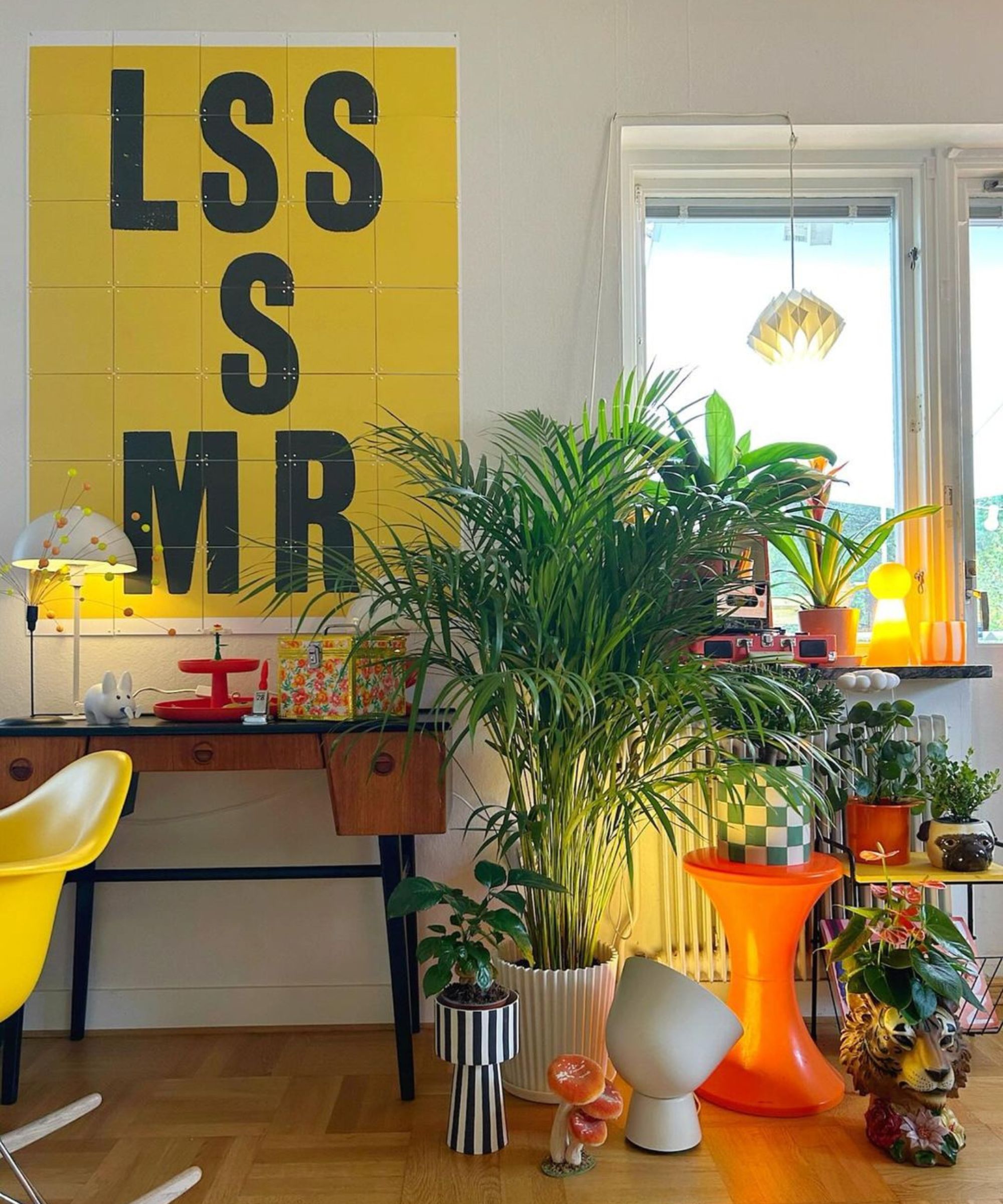
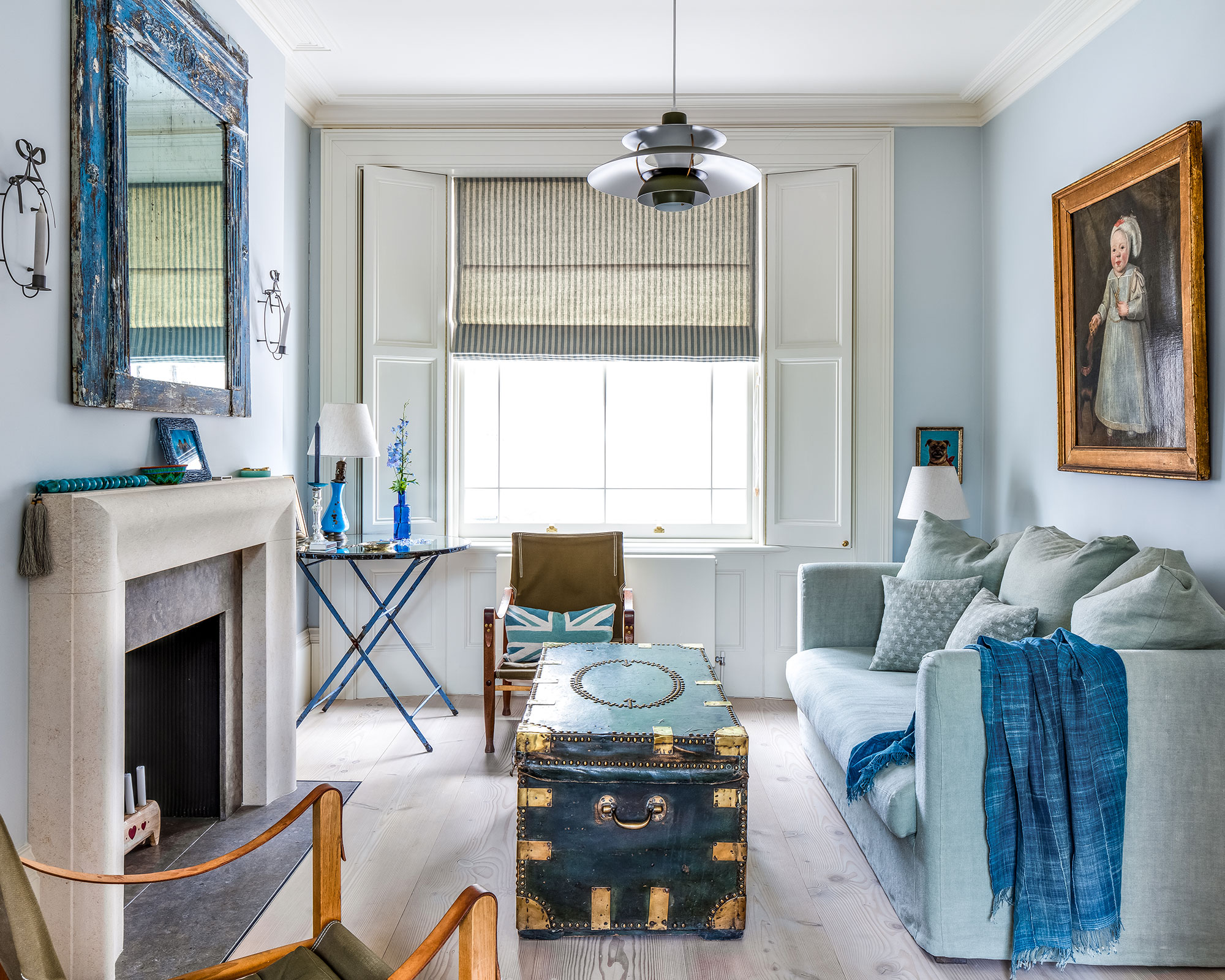
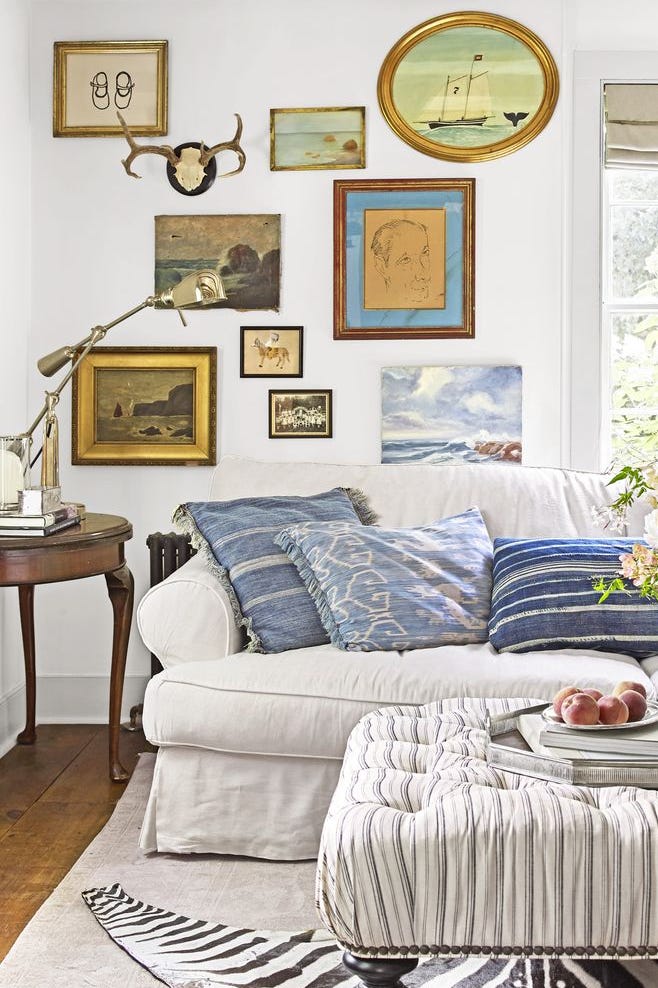
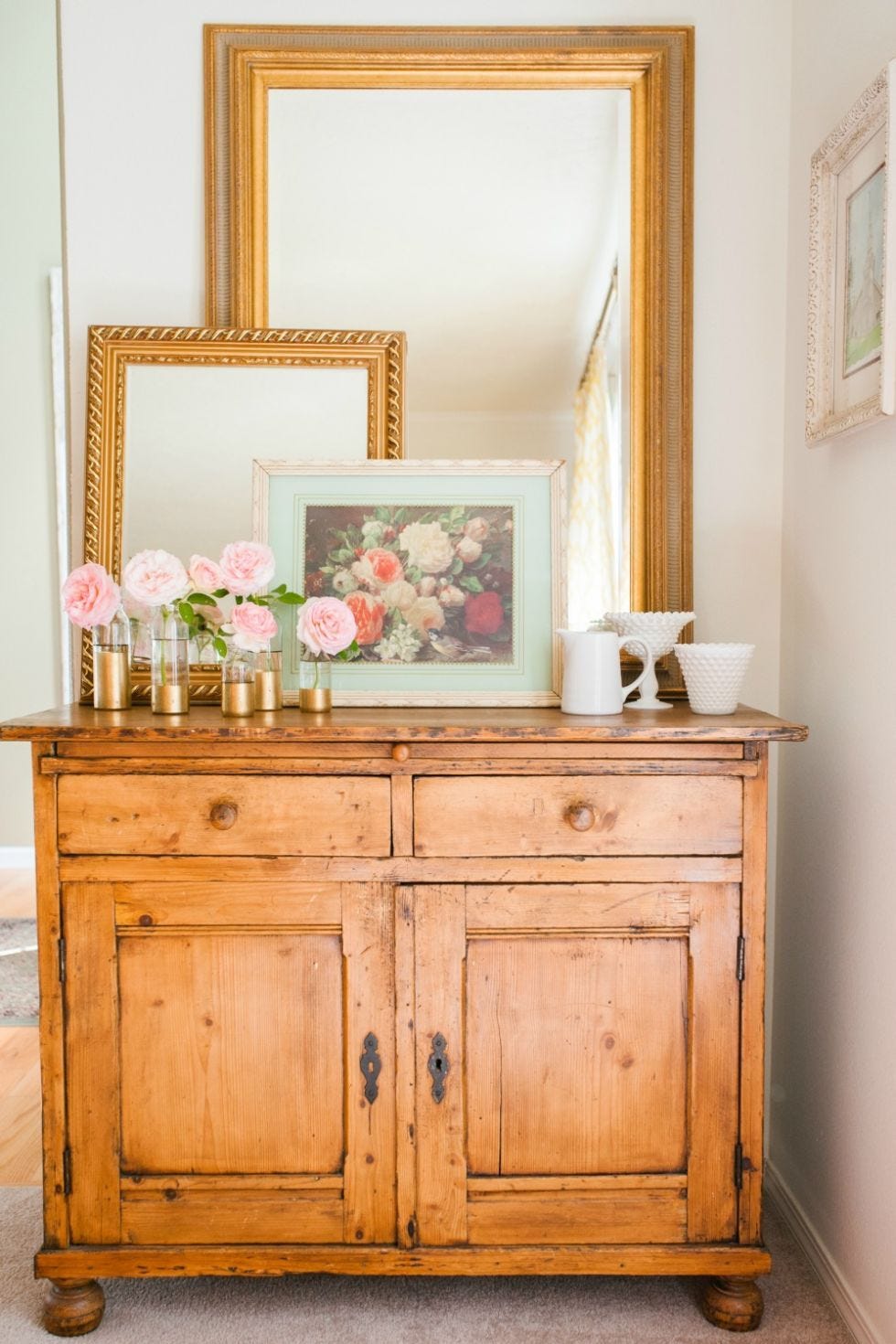
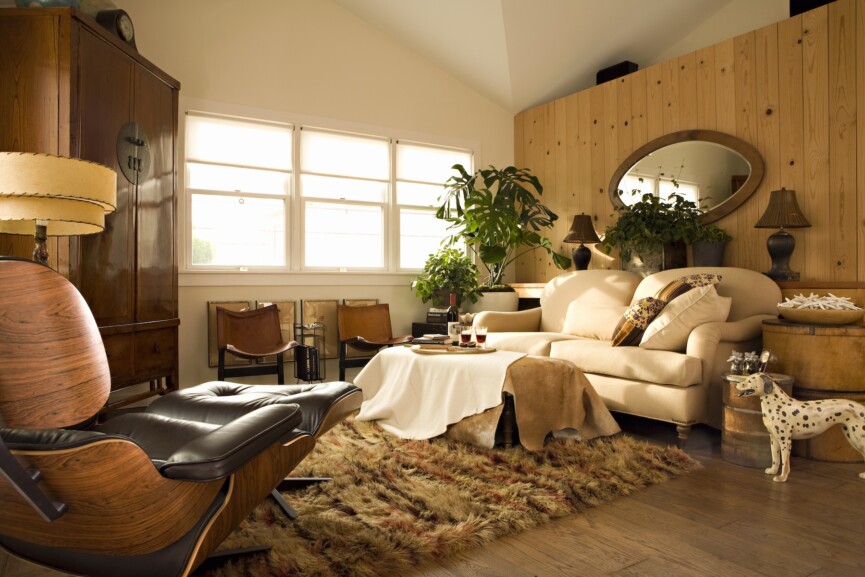
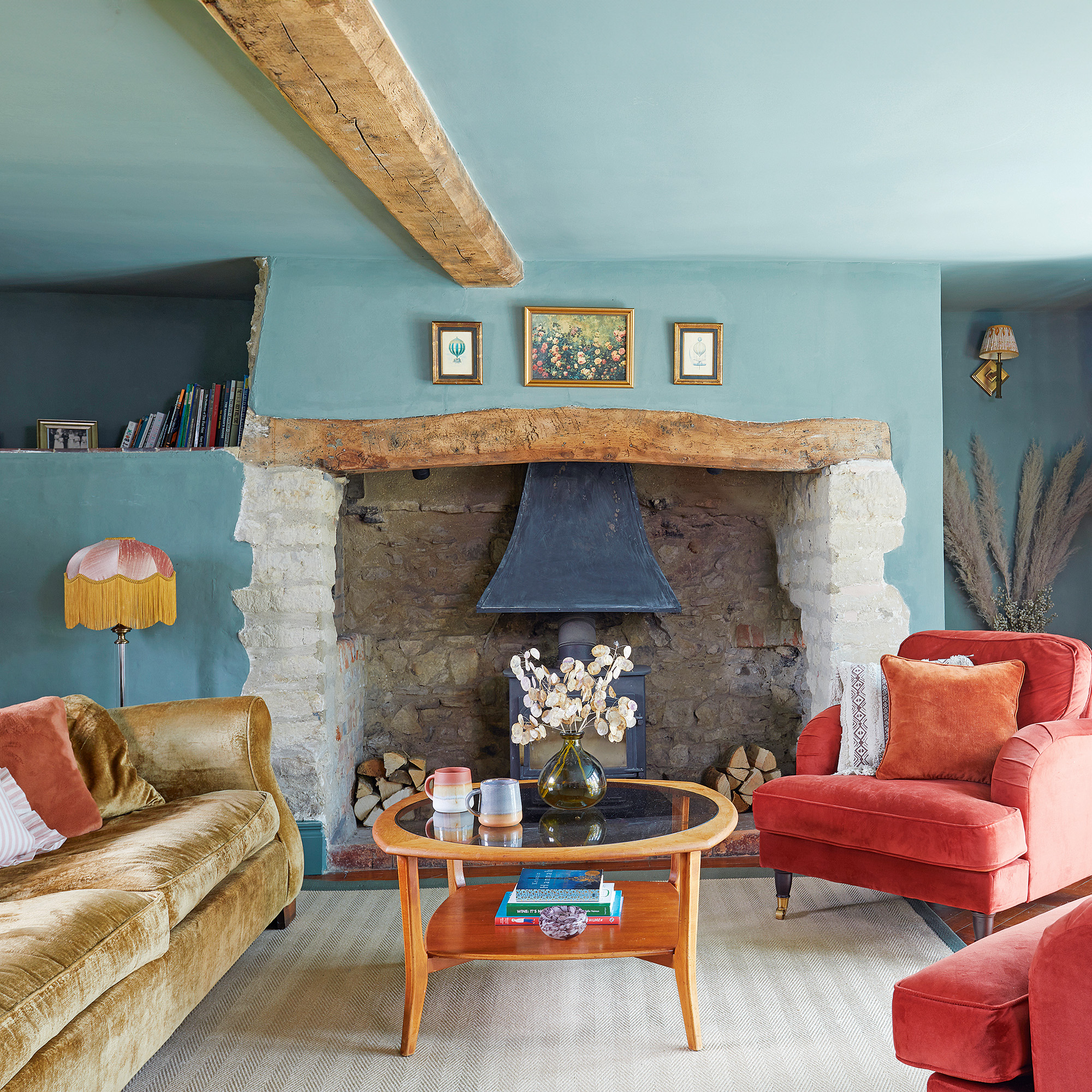
Ninth, adding interest with unusual silhouettes and natural materials is advised. Each piece of furniture and decor should contribute to the overall aesthetic, balancing shapes and materials. Incorporating eclectic elements like vintage rugs, greenery, and artwork, along with natural materials such as jute, linen, and wool blends, creates a layered look and grounds the space. A mix of unique vintage pieces with new items adds a special touch and prevents the room from feeling unfinished.
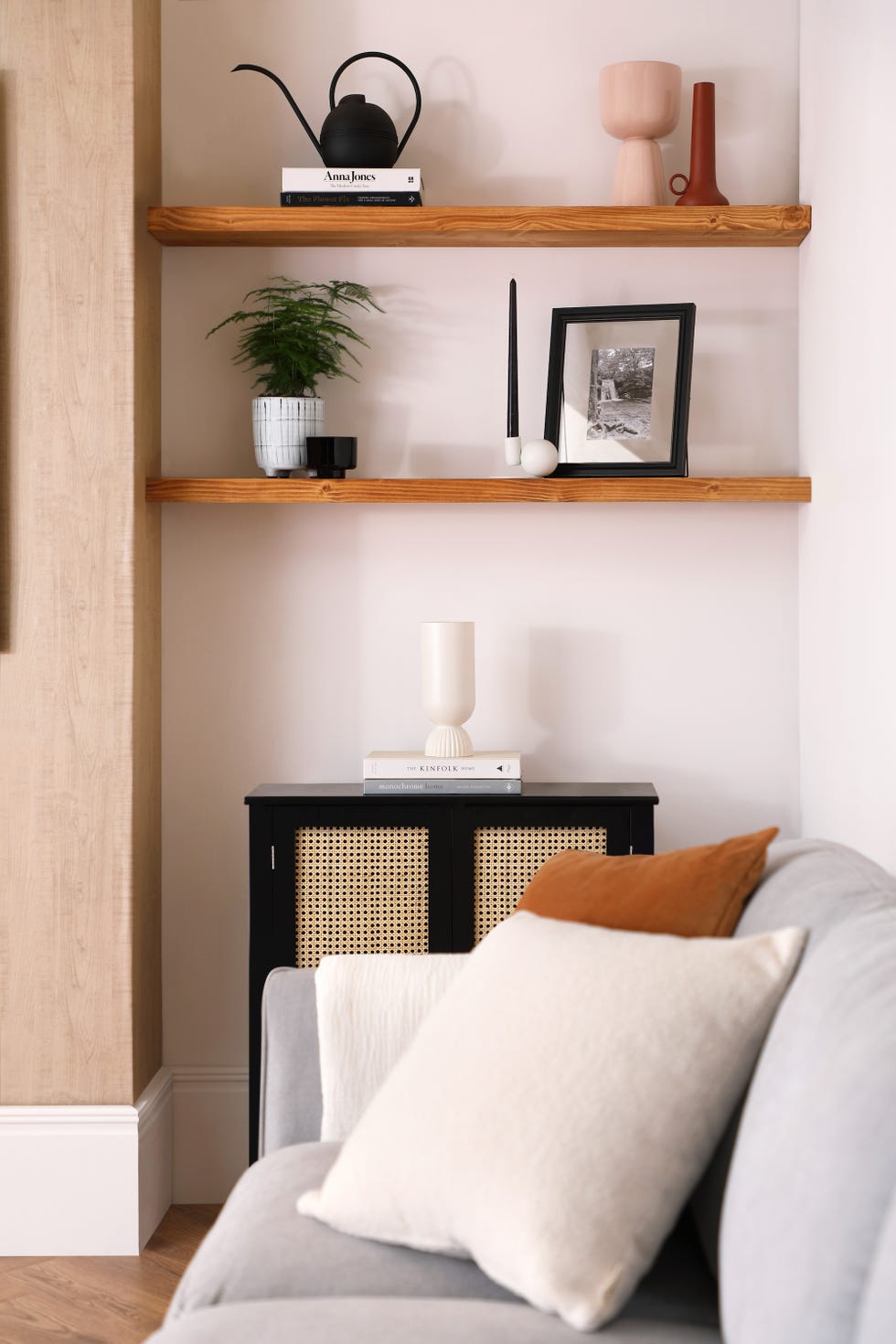
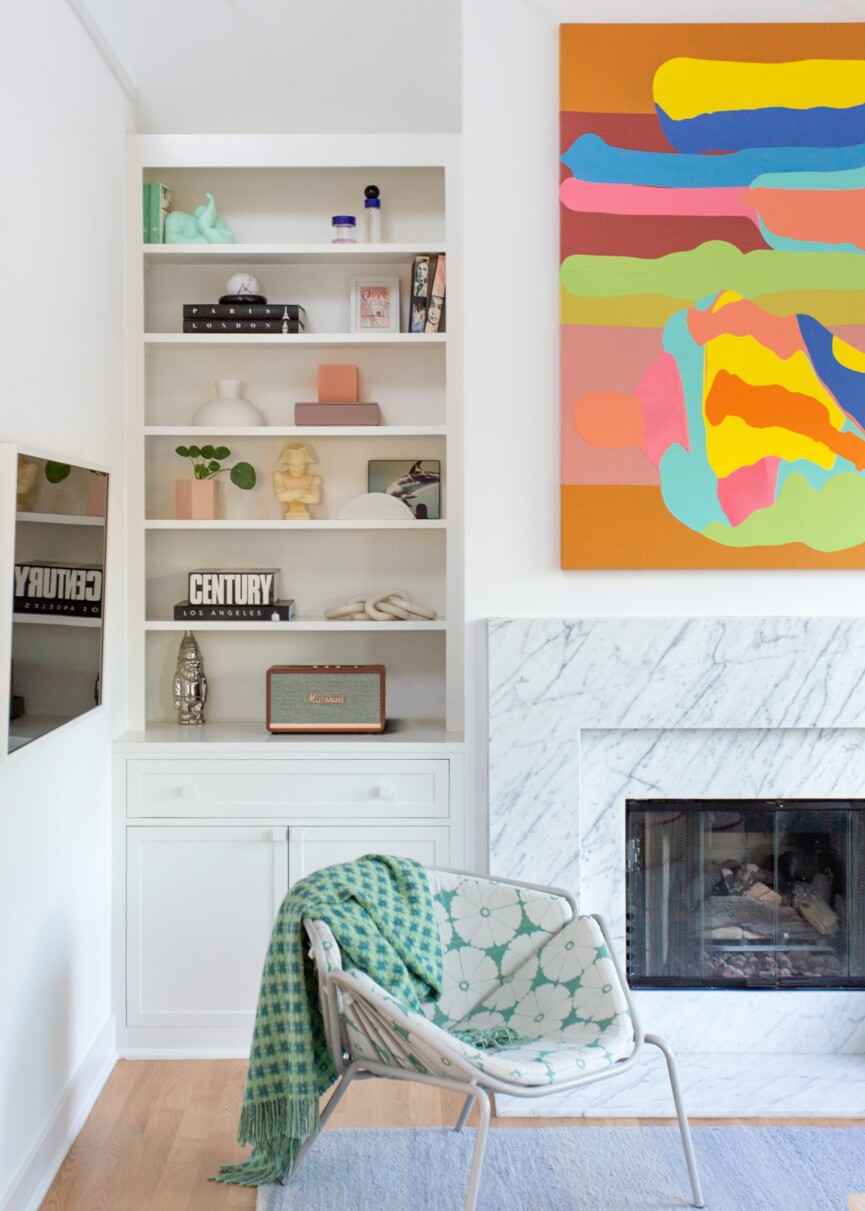
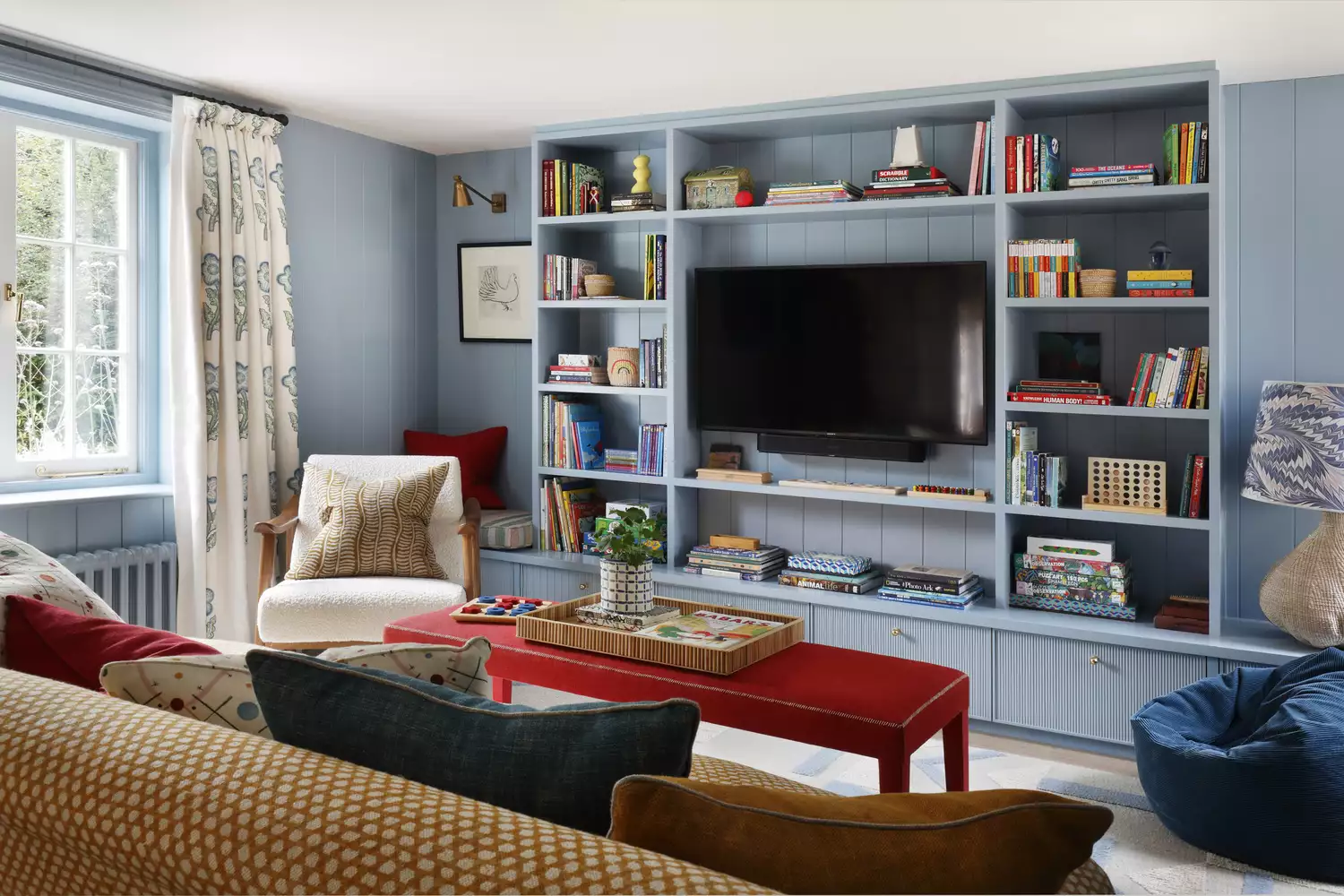
Finally, the tenth tip emphasizes minimizing furniture through built-in storage. Built-in bookcases, for instance, can be customized to fit exact dimensions, maximizing storage while occupying minimal floor space. These can also blend seamlessly into the room's decor and become attractive features. Lighting these shelves is also important to avoid them appearing as dark holes, with options including recessed LEDs or strategically placed sockets for lamps to maintain flexibility and visual appeal.
#SmallLivingRoom #InteriorDesign #HomeDecor #SpaceOptimization #FurnitureArrangement #ColorSchemes #LightingDesign #BuiltInStorage #MinimalistAesthetic #Symmetry #SmallLivingRoom #InteriorDesign #HomeDecor #SpaceOptimization #FurnitureArrangement #ColorSchemes #LightingDesign #BuiltInStorage #MinimalistAesthetic #Symmetry
0 comment in total
 No comments yet
You may also like
How to refresh a small living room — 5 easy tips designers swear by

I asked 8 interior designers what you shouldn’t put in a small living room – these 3 things kept coming up
10 small living room layout ideas to make you rethink your set up

We Asked Designers How to Make a Small Living Room Look Larger Instantly—And We're Trying This ASAP

7 gorgeous minimalist small living room ideas — say bye-bye to bland

11 minimalist bedroom design tricks to create a calming space

7 Things That Always Make Your Living Room Feel Cramped, According to Designers
15 Small Living Room Decor Ideas That Won't Sacrifice Your Style

Design tips and tricks for decorating a small living room
Home design ideas: Simple goes a long way in a living room

6 furniture items that will make a living room look bigger, according to design experts
The Top 10 Small Living Room Ideas From Interior Designers

7 Things Minimalists Would Never Put in Their Living Room

Tiny Living Room? These 10 Small-Space Solutions Will Transform Your Home
Small living room ideas – 38 clever ways to plan and decorate a compact space

7 narrow living room ideas – how to turn an awkwardly shaped space into a dreamy lounge
This is how to make a small living room cozy, according to interior designers
How to make your living room look bigger: 7 tips to fool the eye

8 Minimalist Living Room Ideas That Are Still Totally Practical

12 Furniture Combinations For Living Rooms With Limited Space