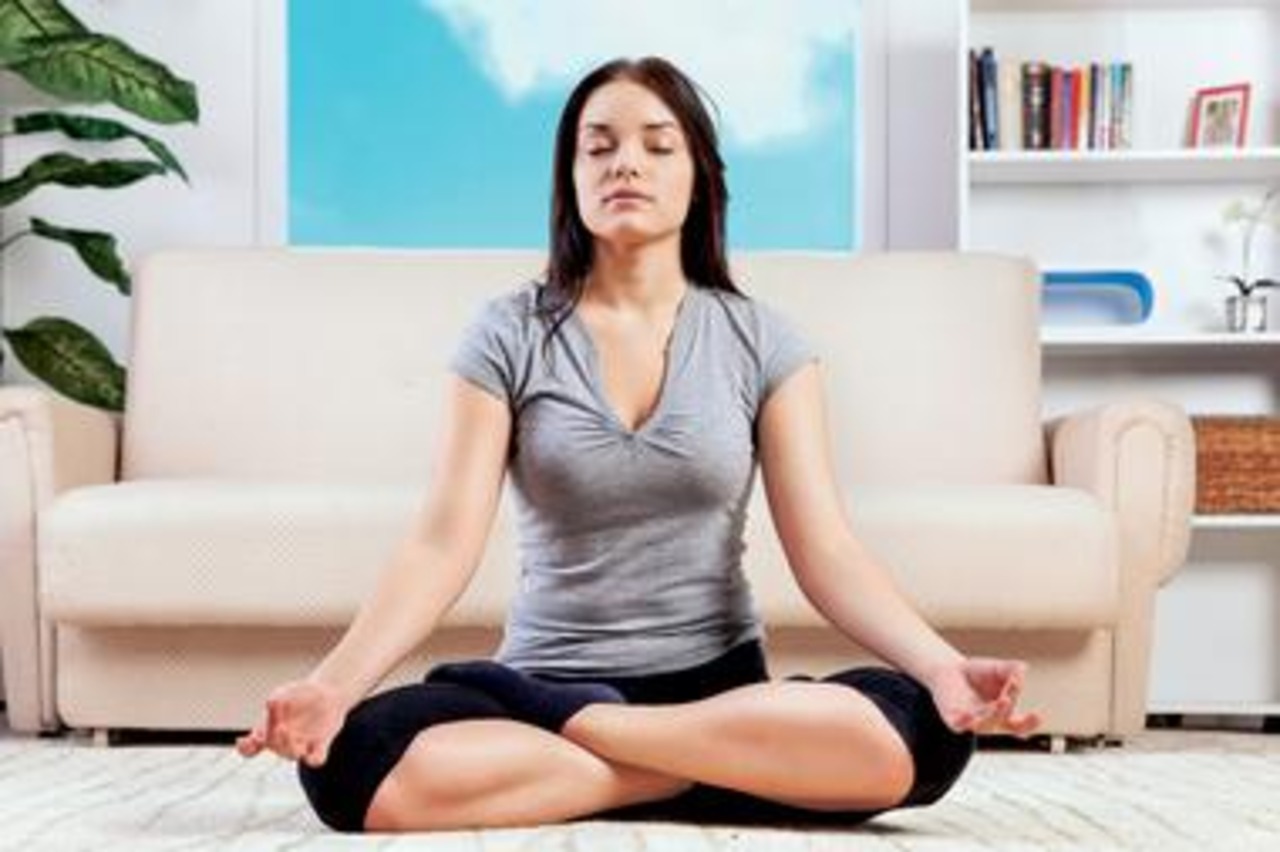
Zen-inspired decorating ideas create relaxing apartment living spaces
This article explores how renters can transform their apartments into serene, spa-like retreats by incorporating Zen-inspired decorating ideas. The core principle revolves around creating a calming, minimalist environment, which is particularly well-suited for smaller living spaces commonly found in apartments. The initial step in achieving a Zen atmosphere is decluttering. Interior design experts Marissa Matiyasic and Kathleen Bliss Goldfarb emphasize that neatness and organization are paramount, advising the removal of any visible work-related items or disarray, such as stacks of mail or laundry, as clutter detracts from a sense of relaxation.
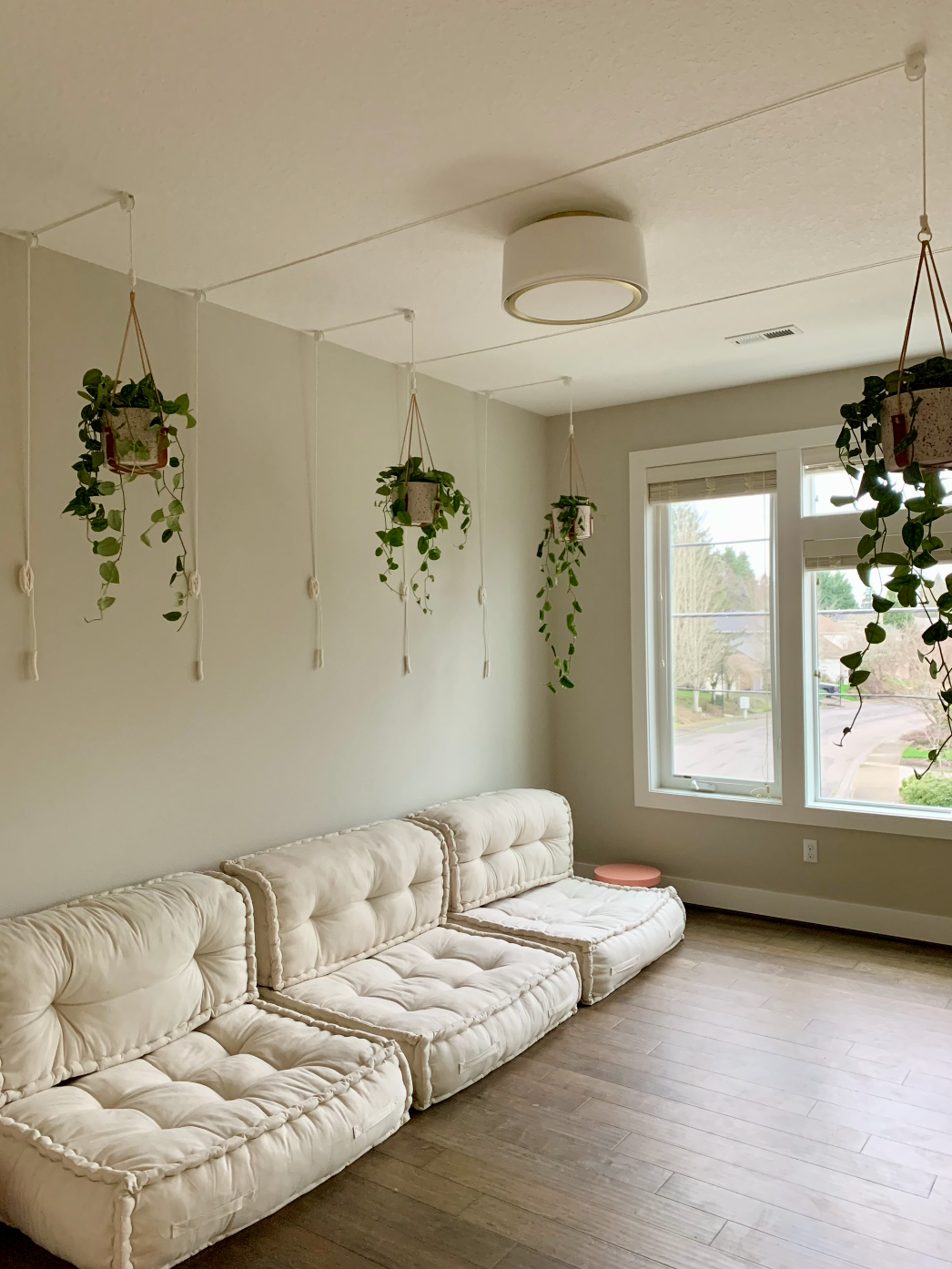
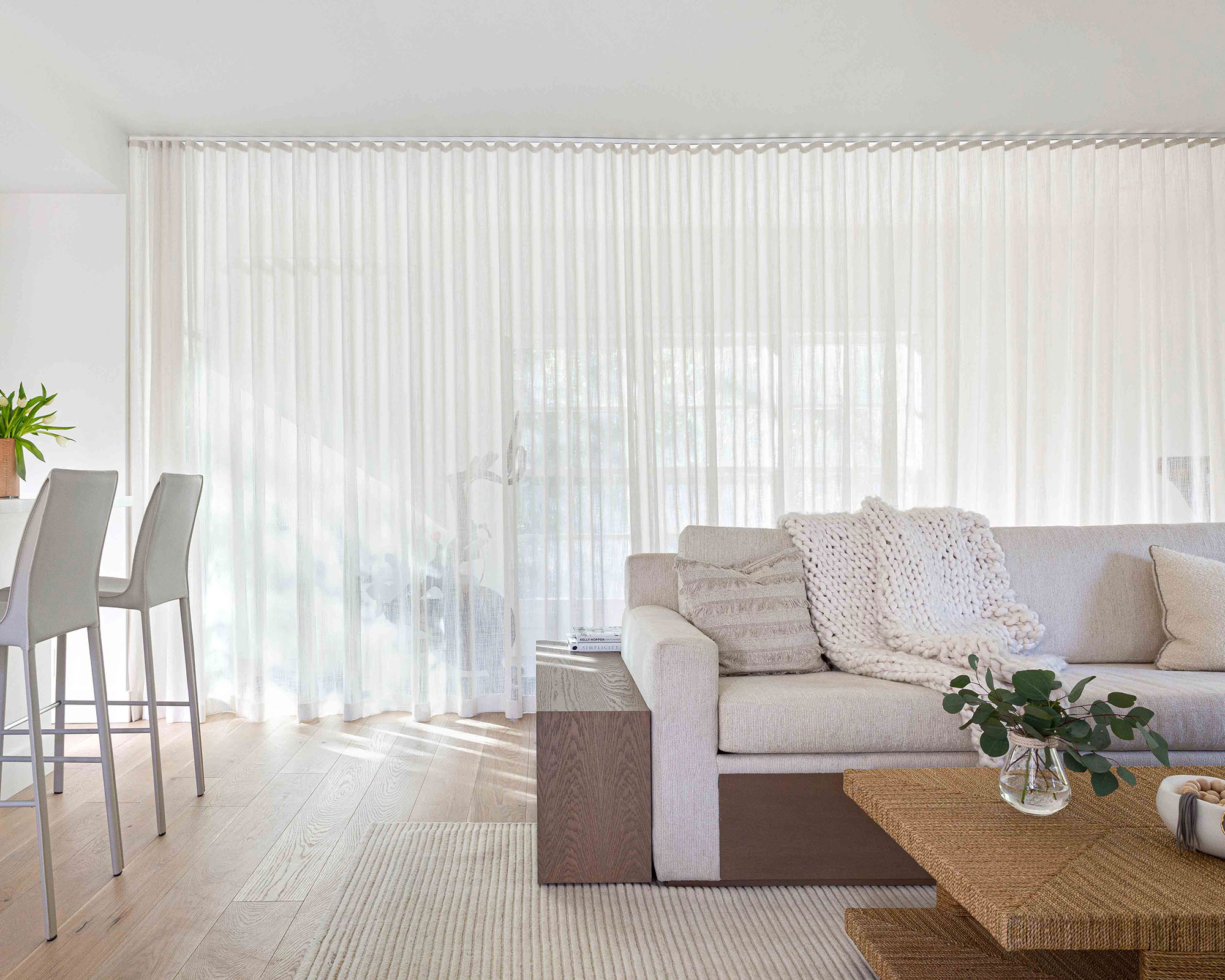
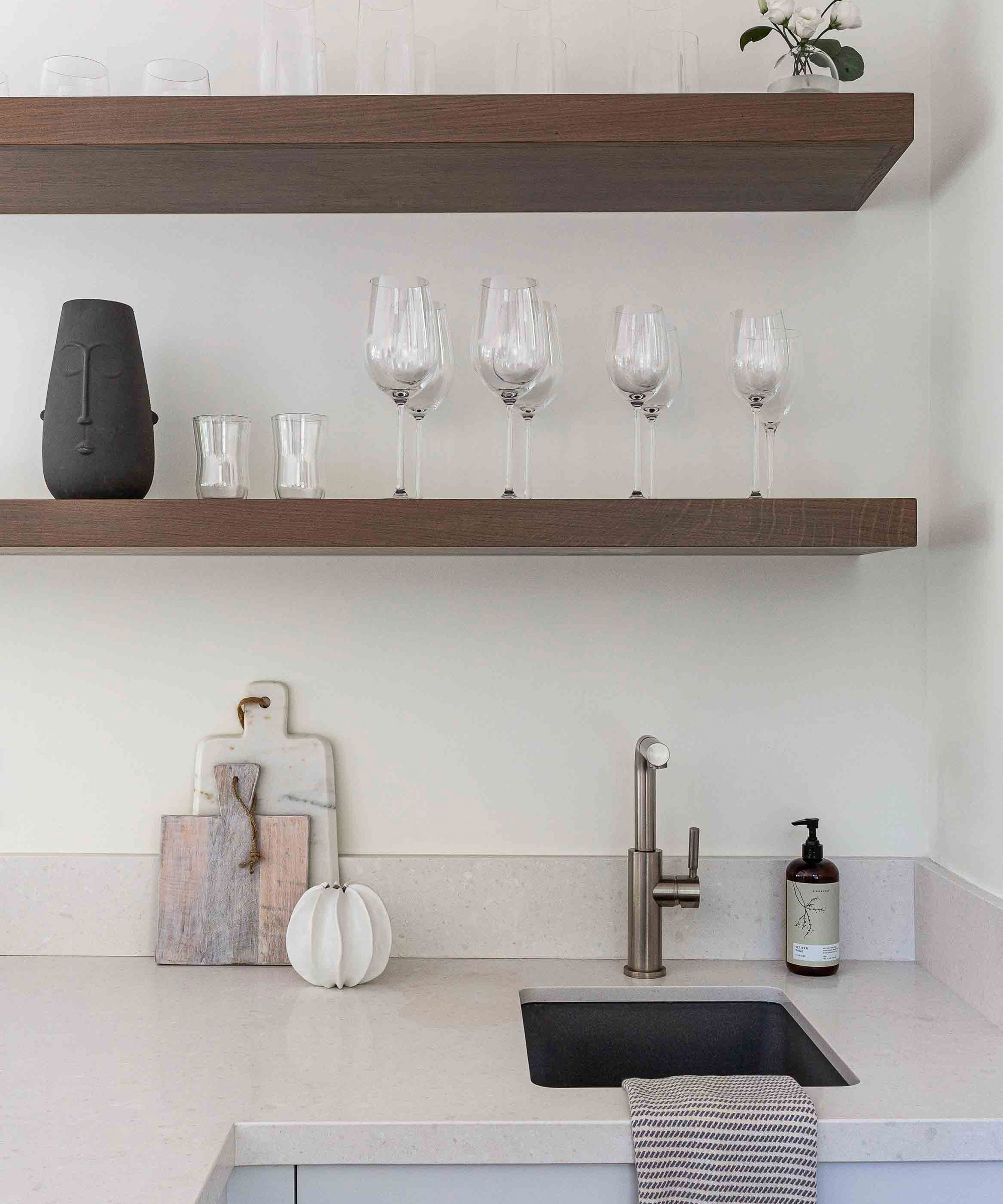
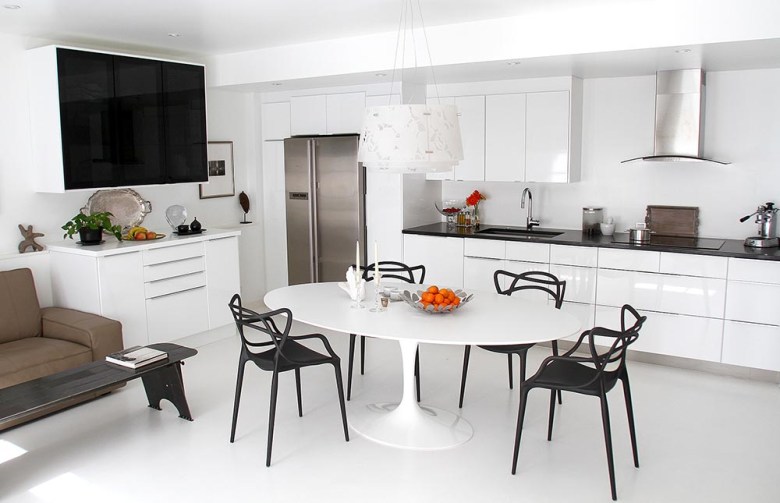
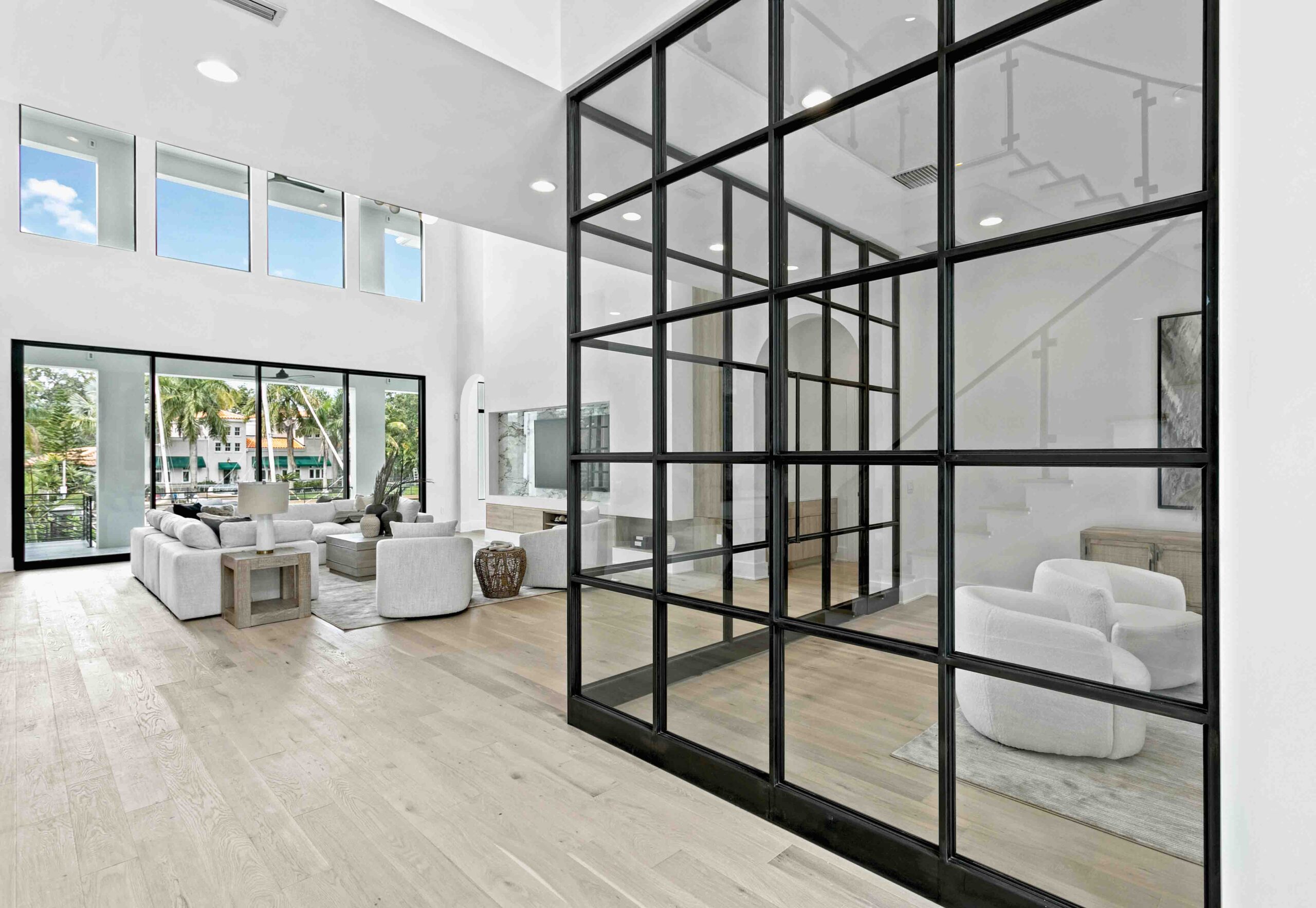
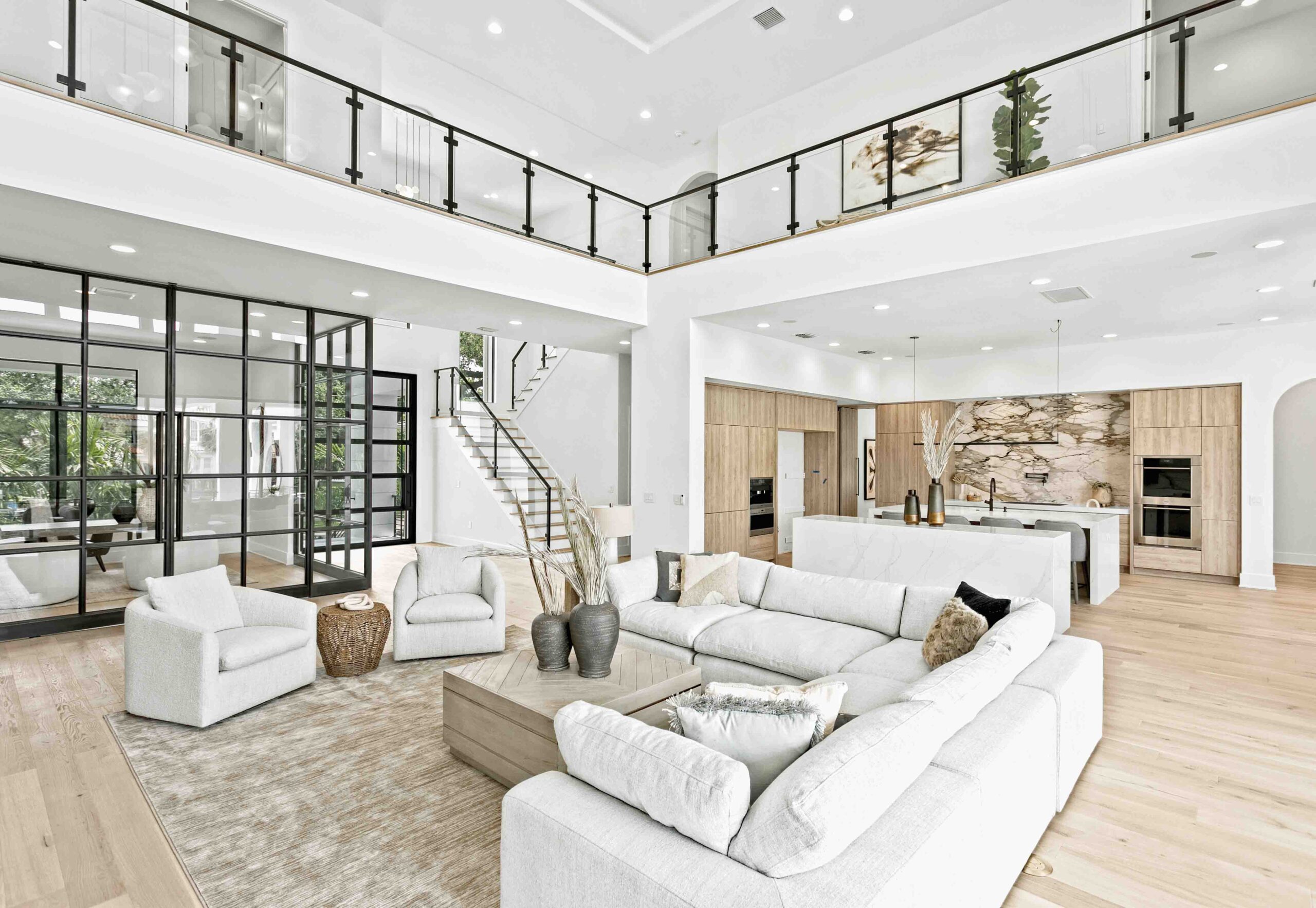
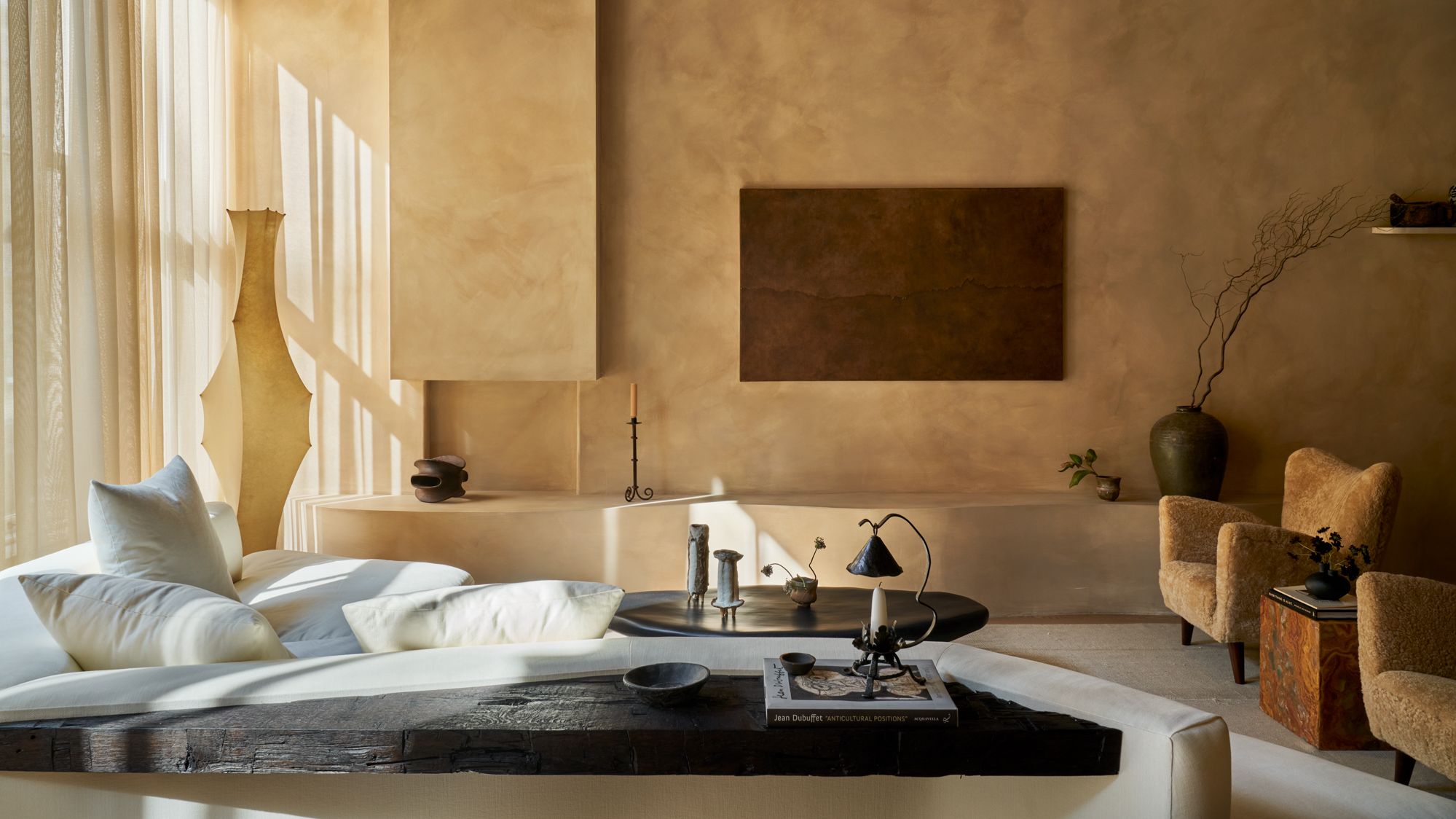
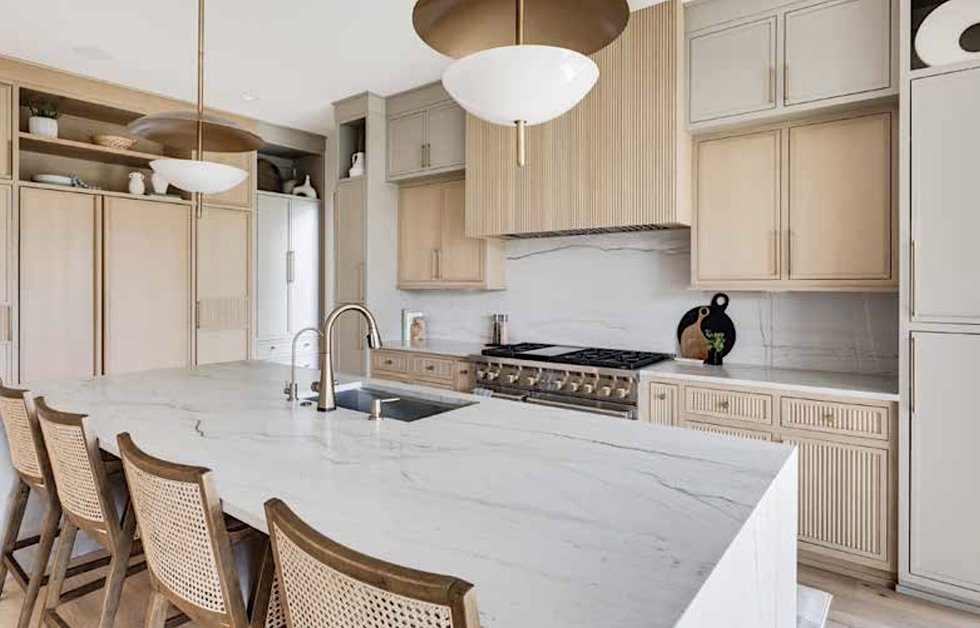
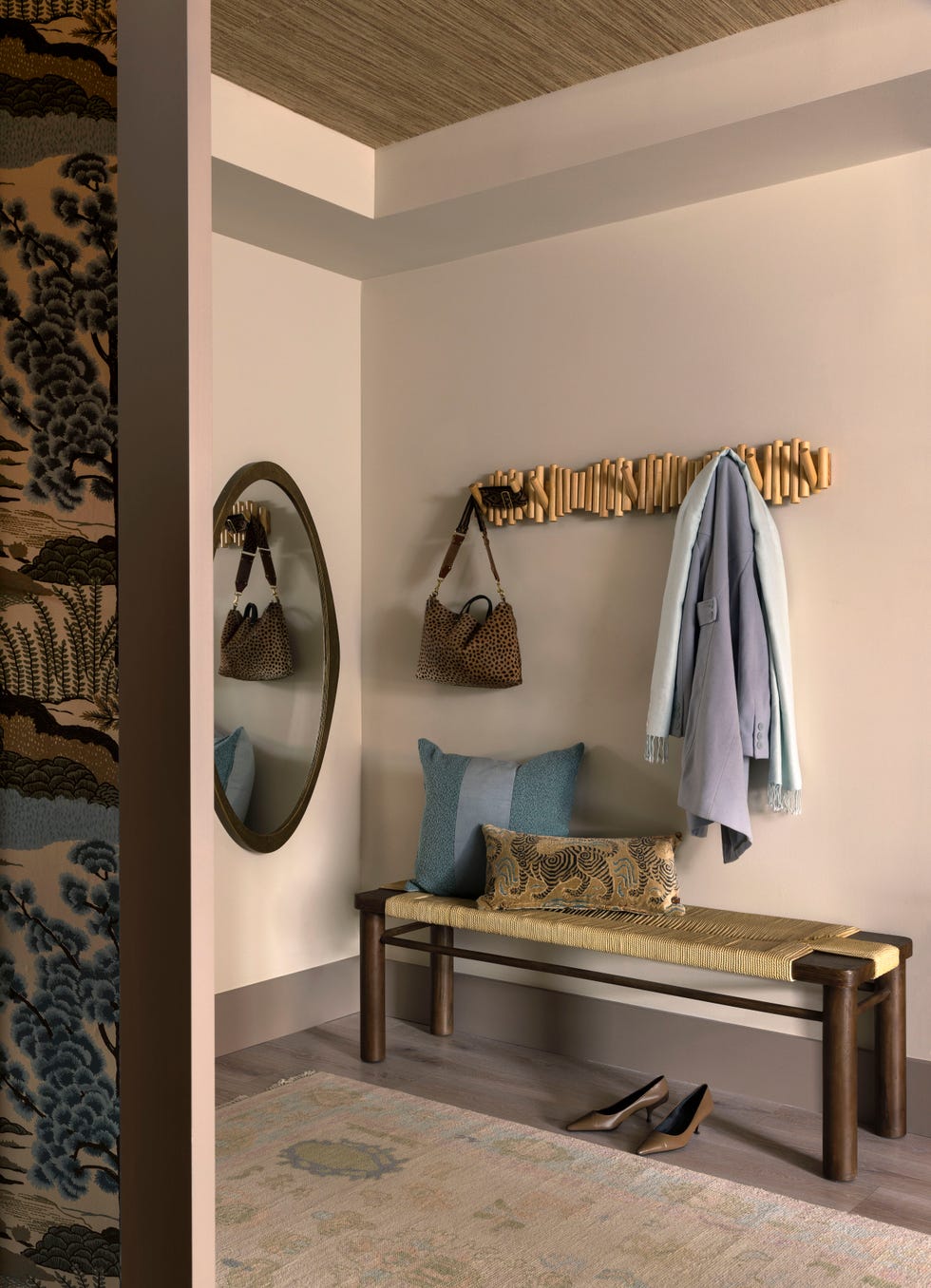
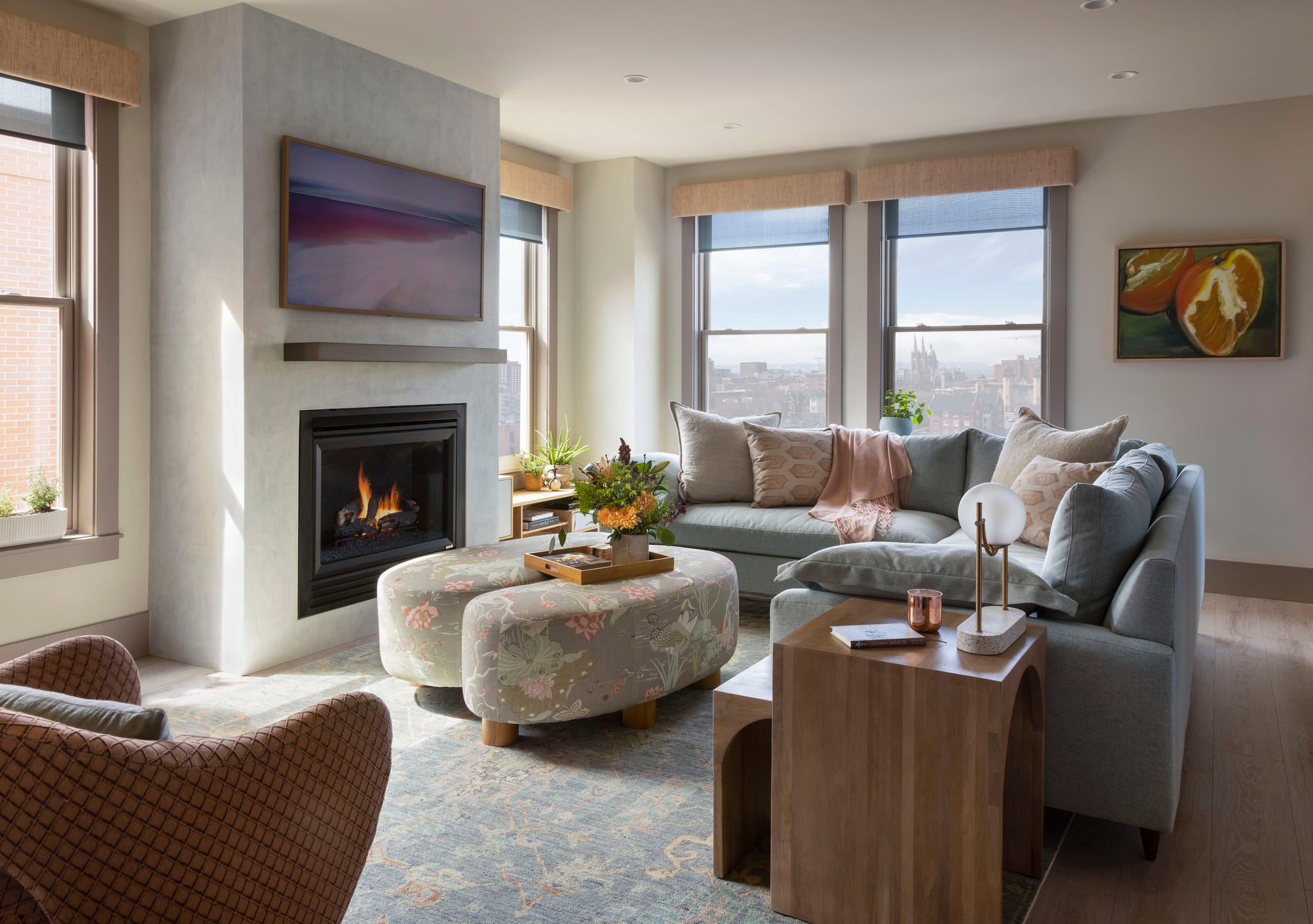
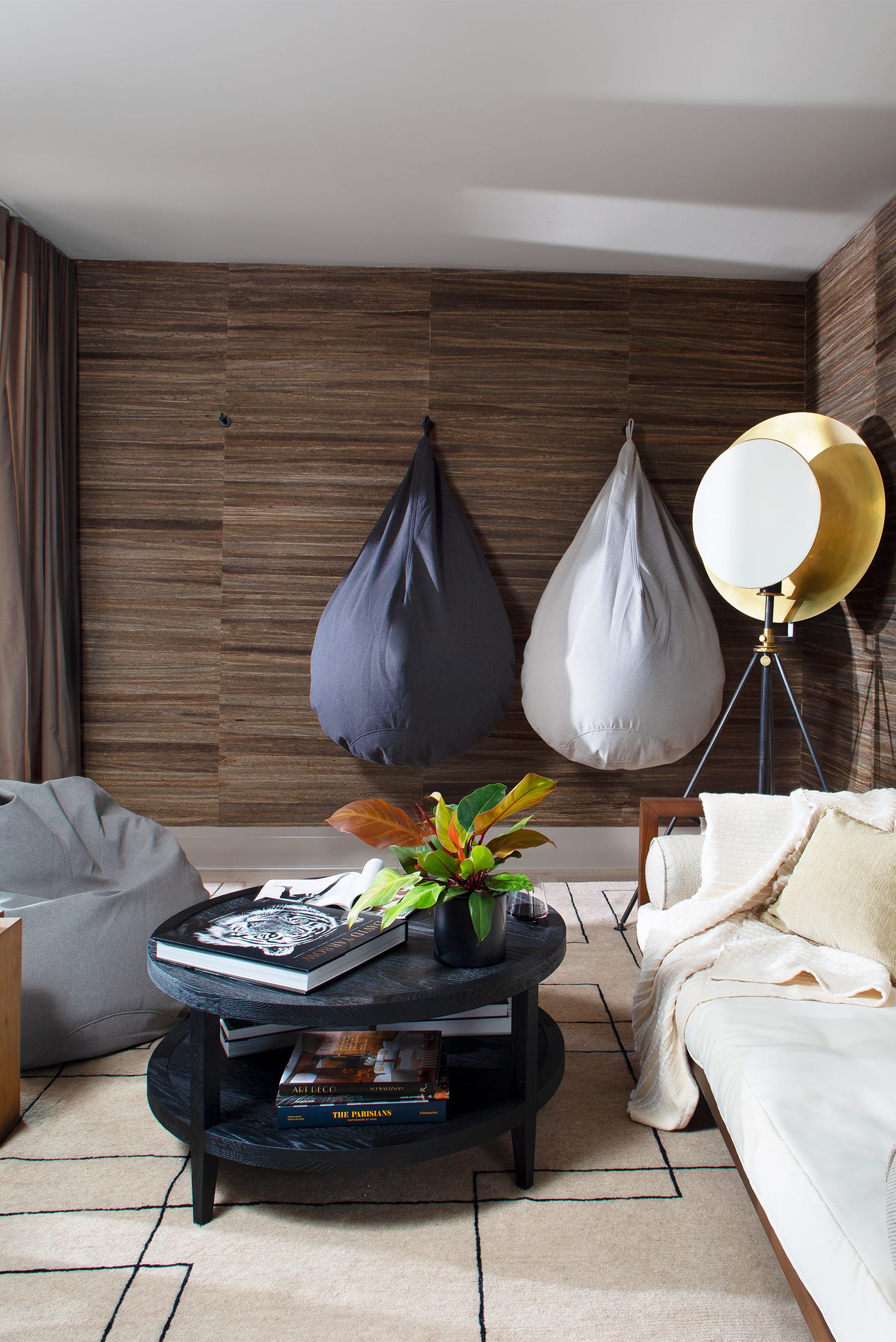
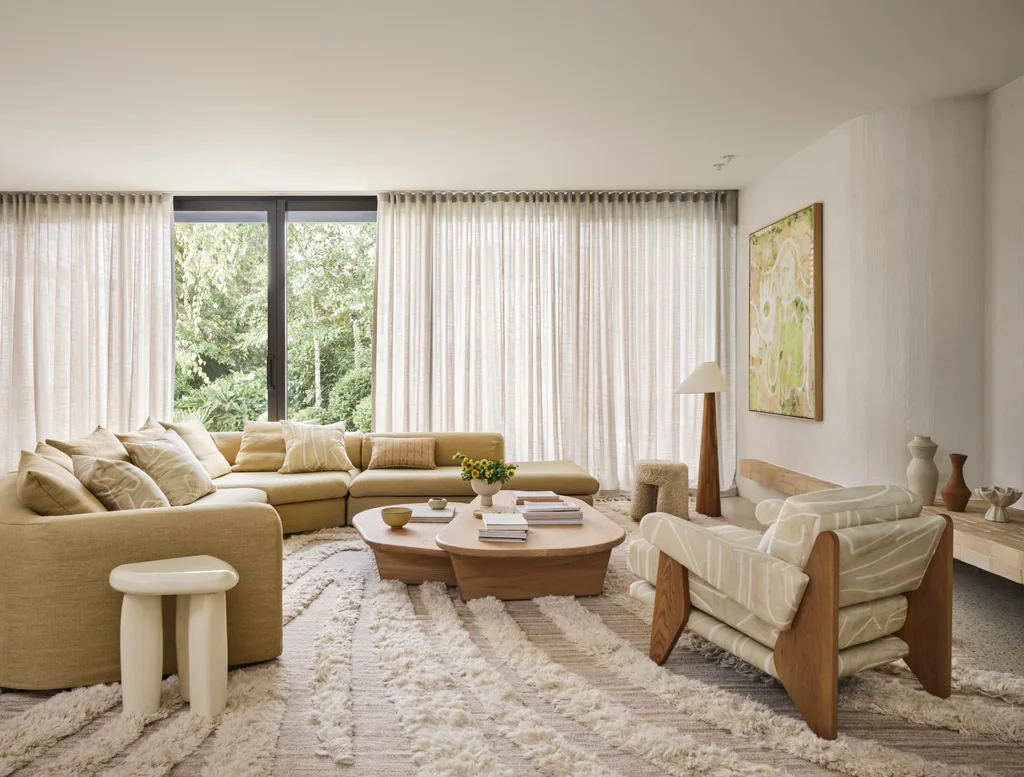
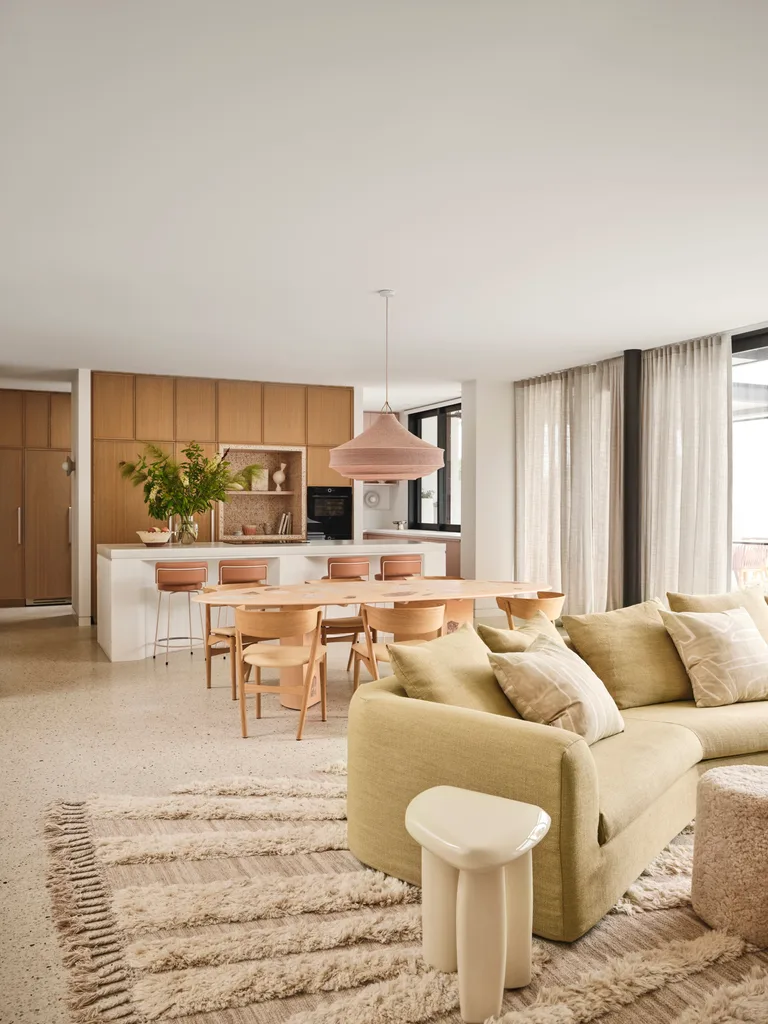
Simplicity in design and décor is another crucial element. The article suggests adopting a predominantly muted color palette, such as light grey, creams, lattes, and soft coffee hues, with only occasional pops of more vibrant color. These lighter shades not only contribute to a tranquil mood but also create the illusion of a larger room. For individuals with numerous photos or collection items, consolidating them into a single collage is recommended to maintain a clean aesthetic and avoid visual clutter. This approach helps to open up the living space, making it feel more expansive and uncluttered.
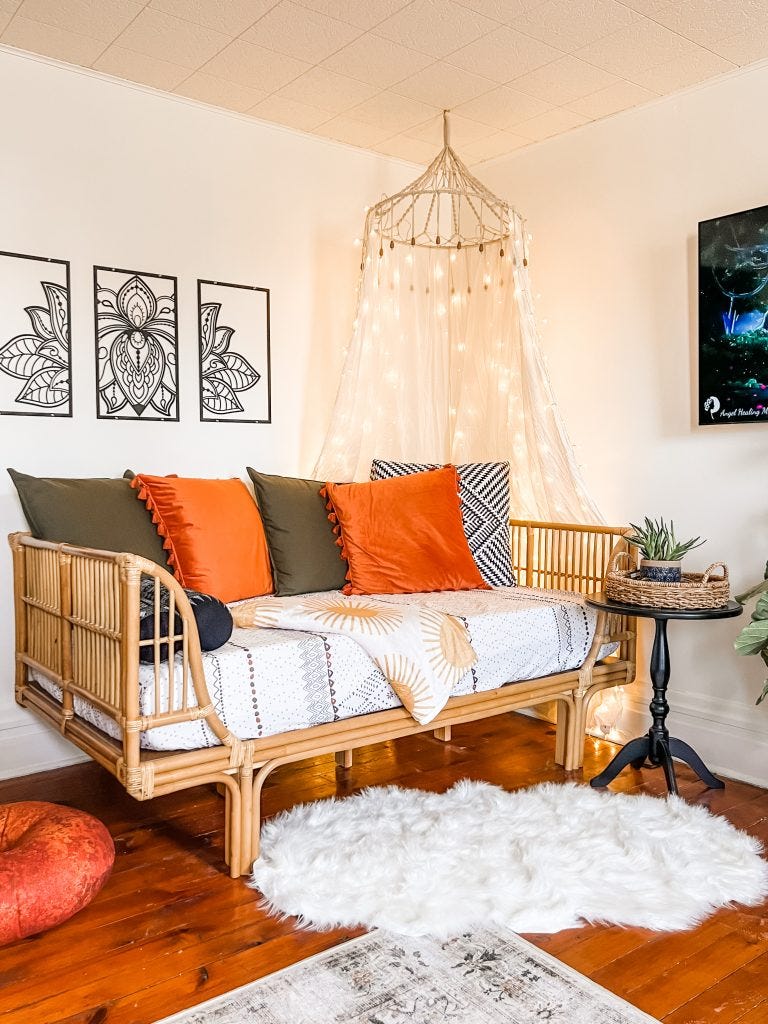
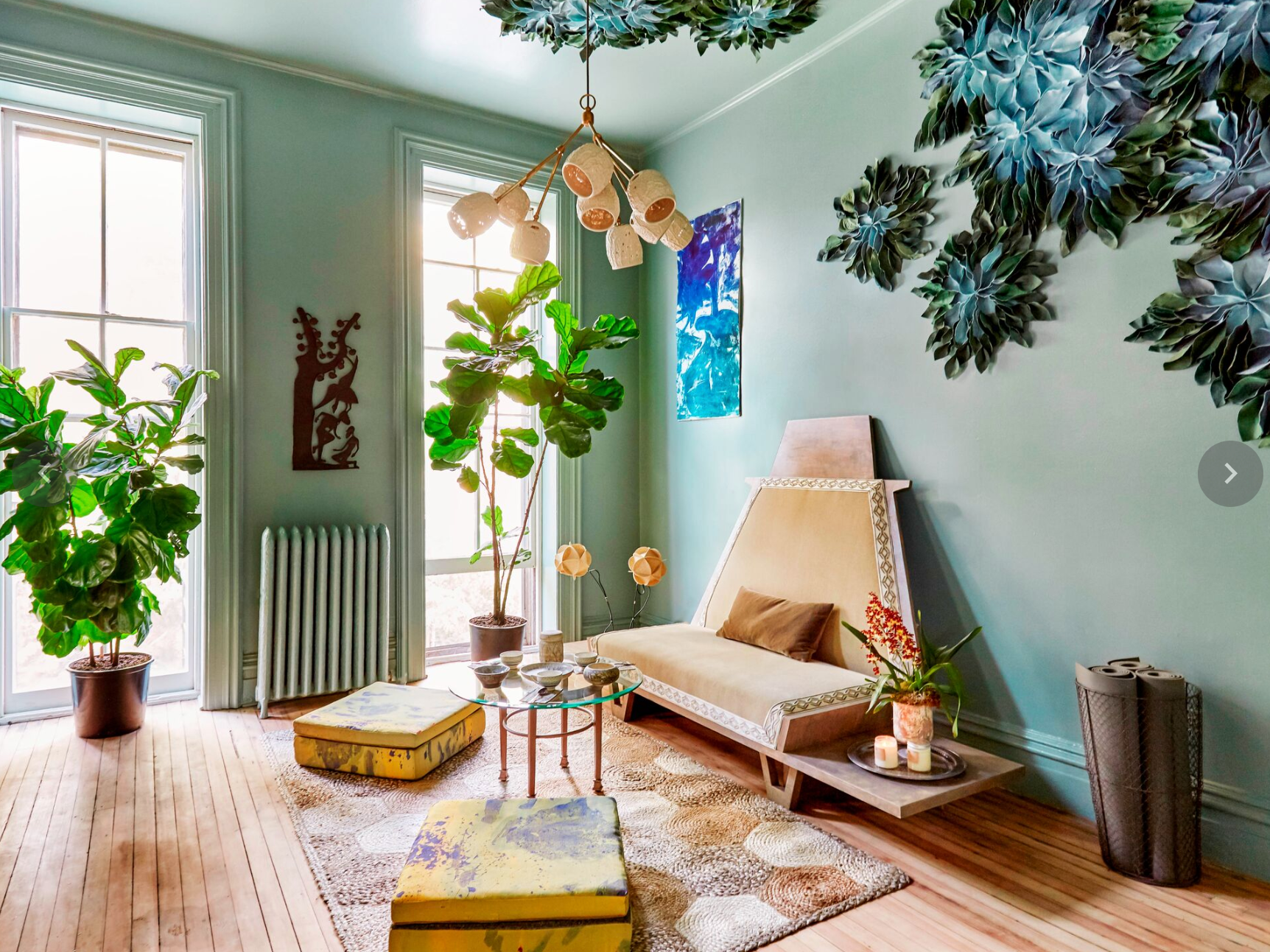
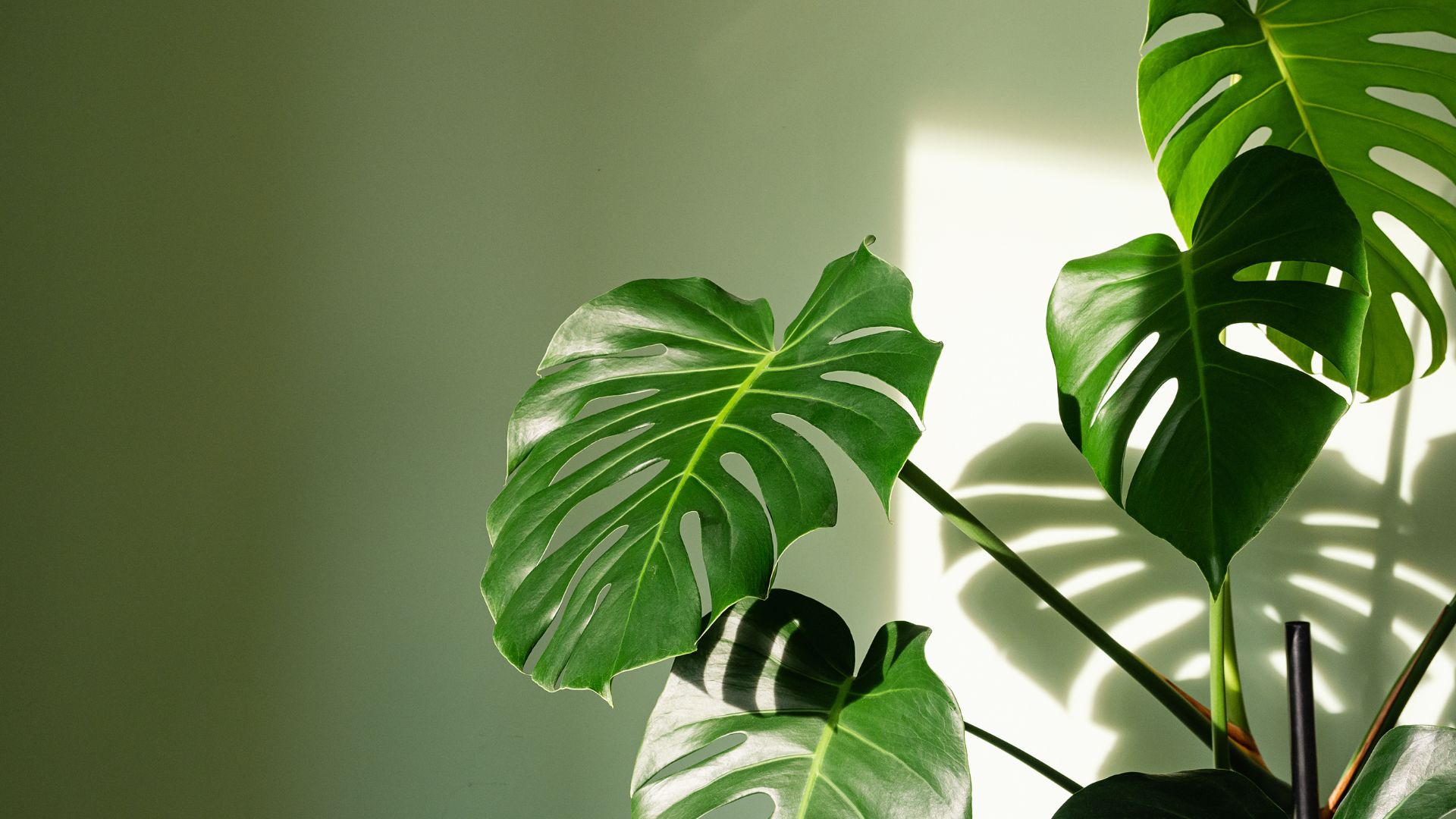
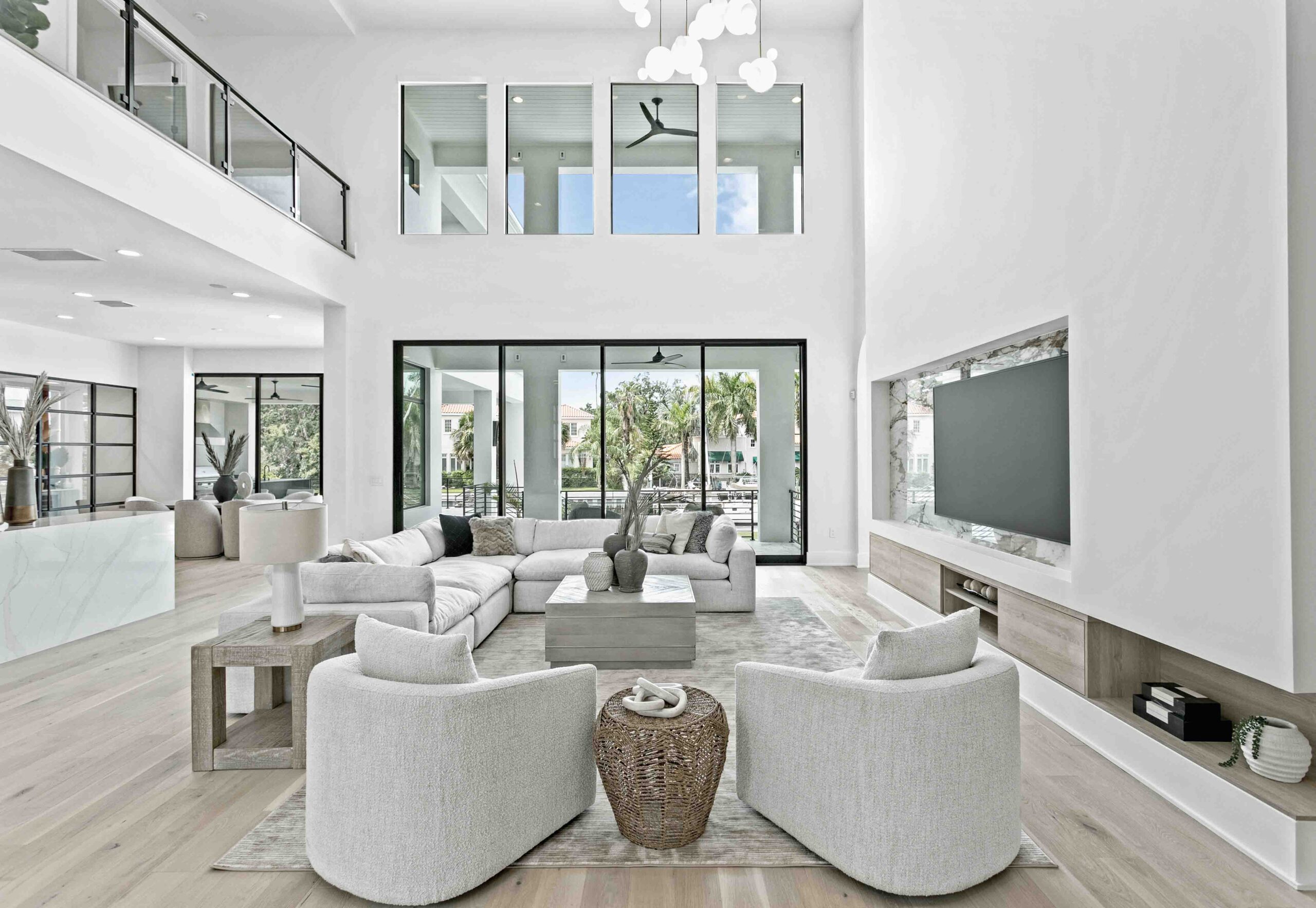
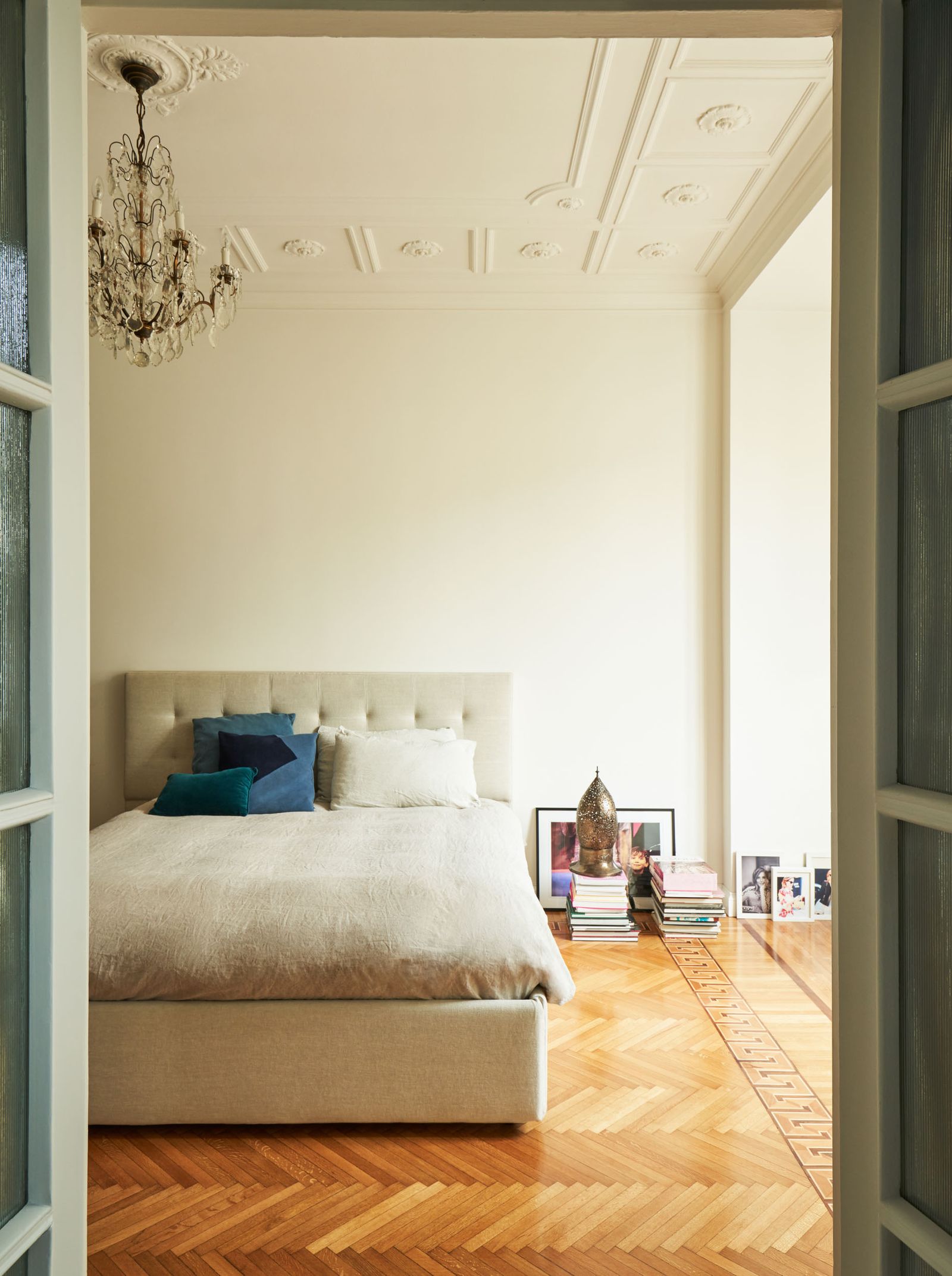
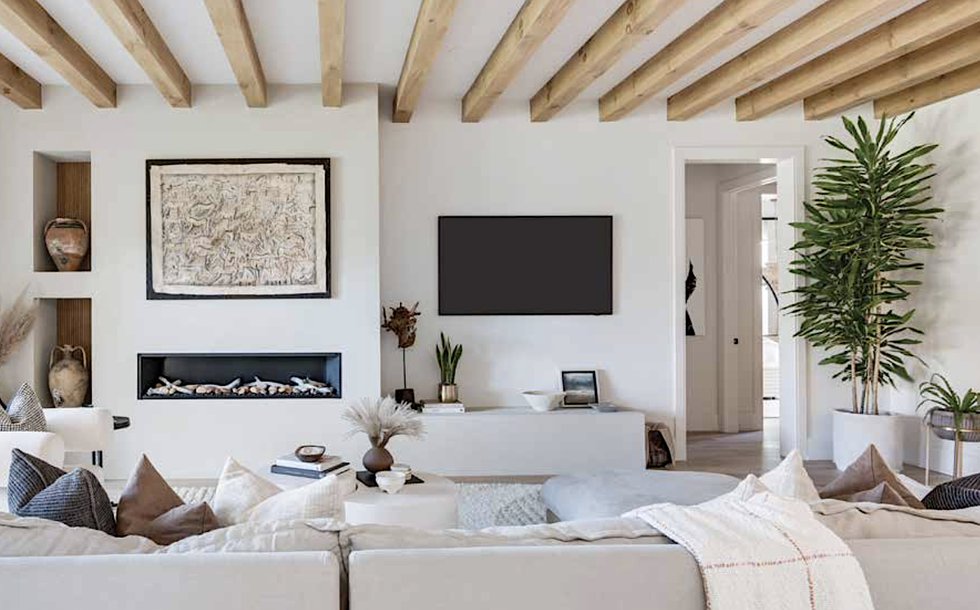
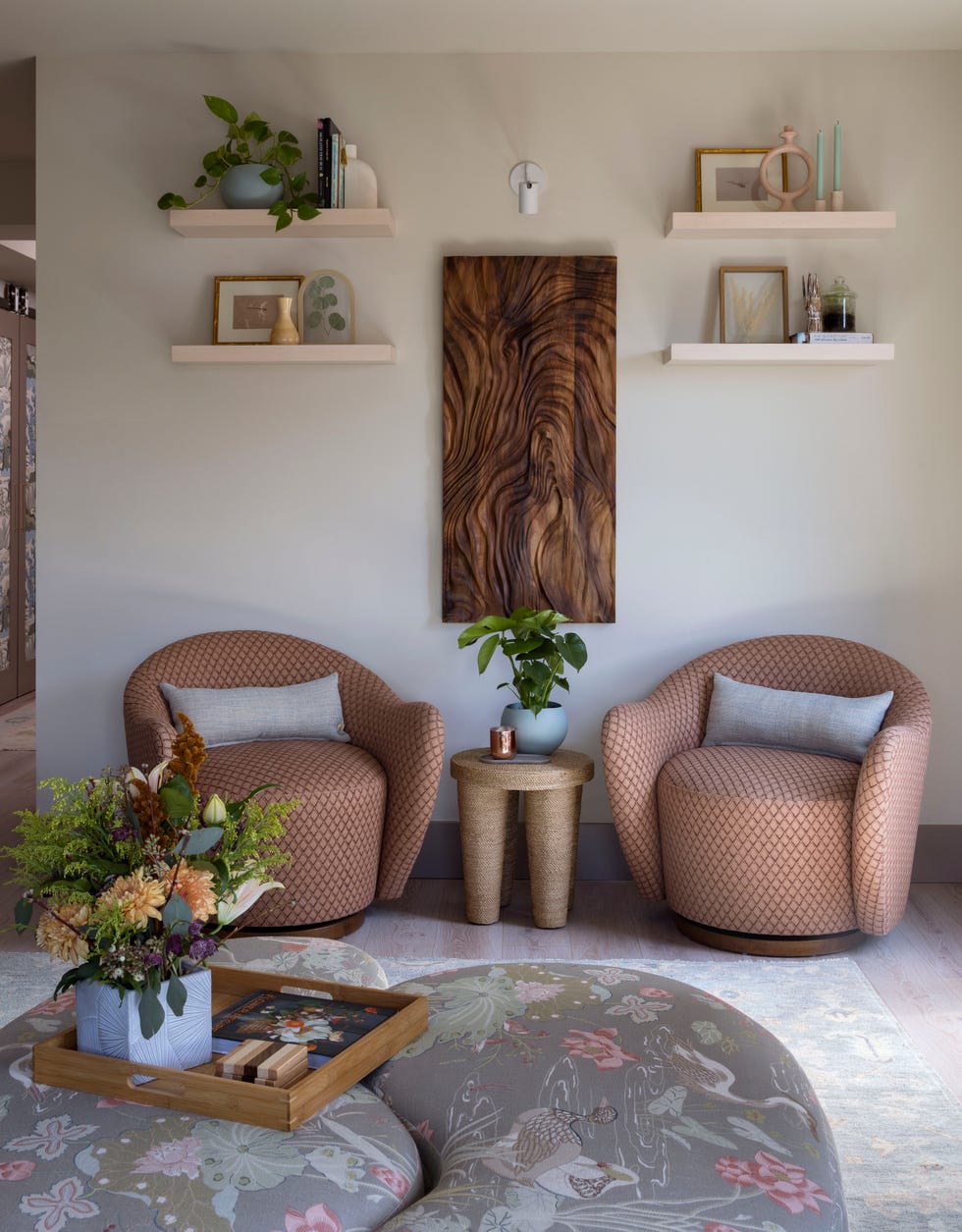
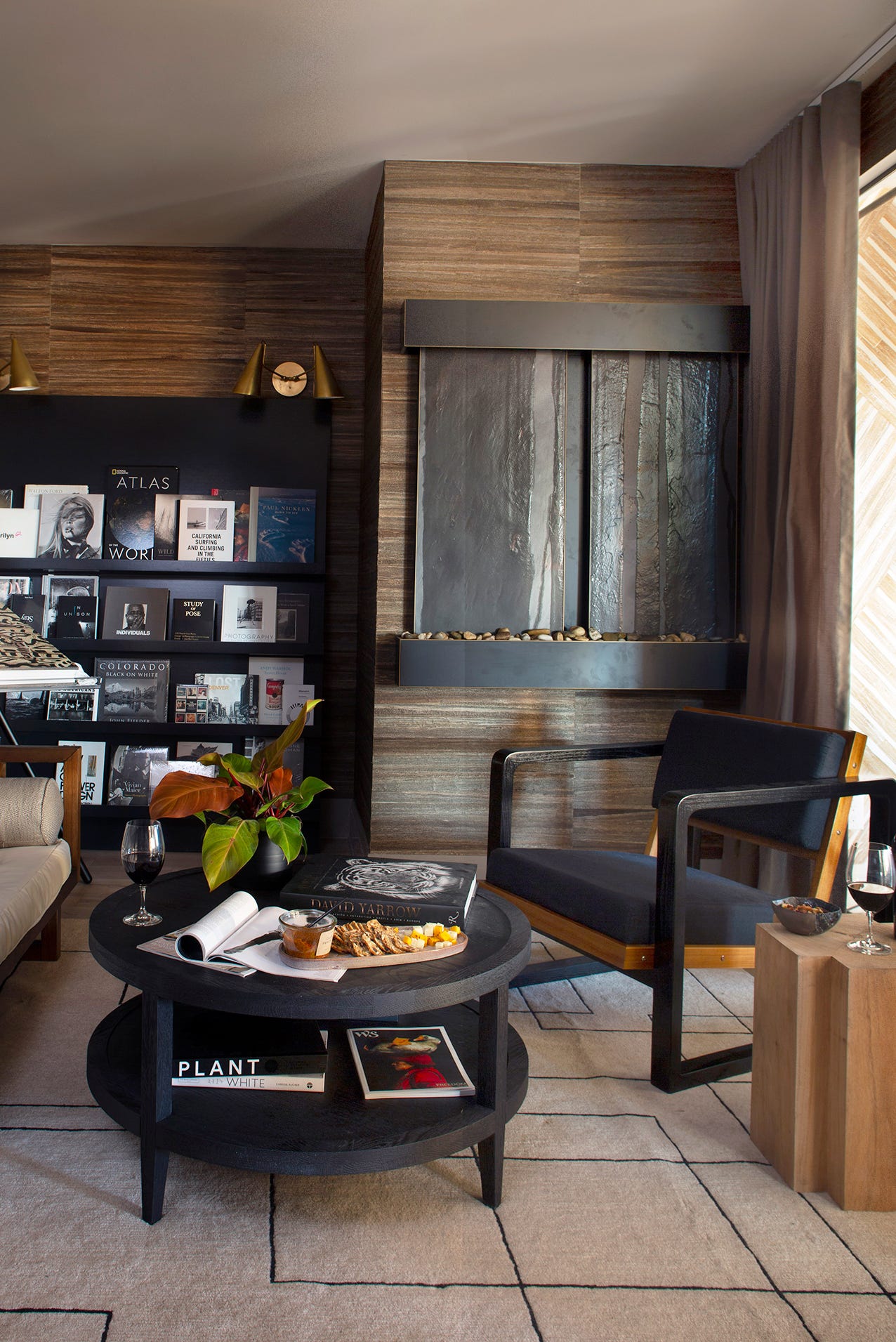
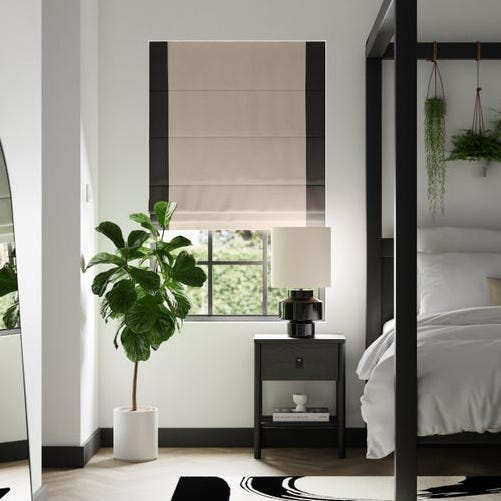
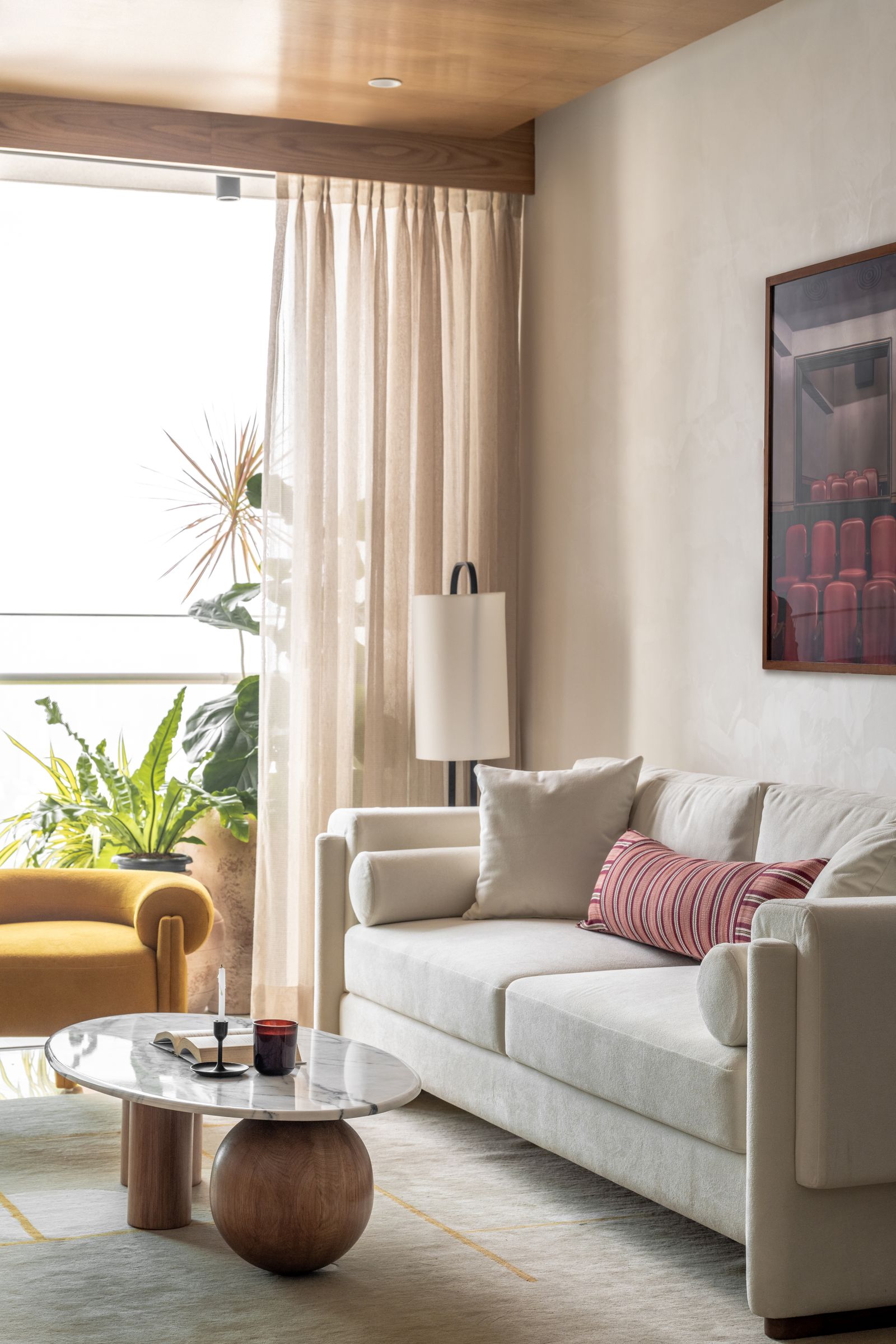
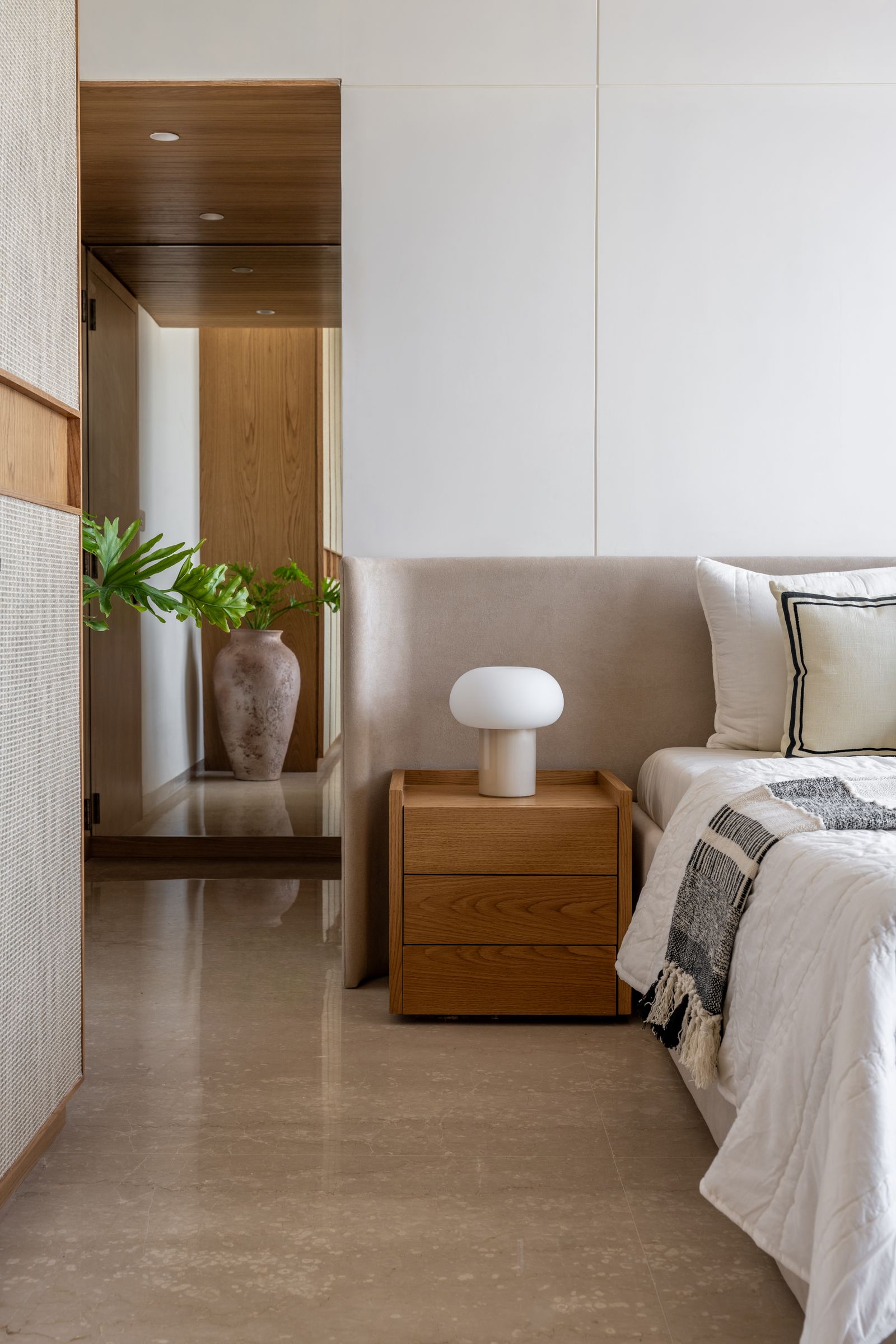
Specific room-by-room recommendations are provided to guide renters in applying these Zen principles. For living rooms and bedrooms, the focus is on white or fresh neutral colors, like grey or beige, known for their calming effects. White bedding and window treatments, along with understated artwork such as a single hanging scroll or a black-and-white drawing, contribute to a simple, Zen-like appearance. Furniture should feature clean lines and incorporate natural materials and wood tones. Elements like bonsai plants, matchstick, or natural woven blinds are suggested to introduce earthy textures. Shoji screens, with their sliding wood panels and rice paper, are highlighted for their ability to diffuse soft light and add a chic, calming effect.
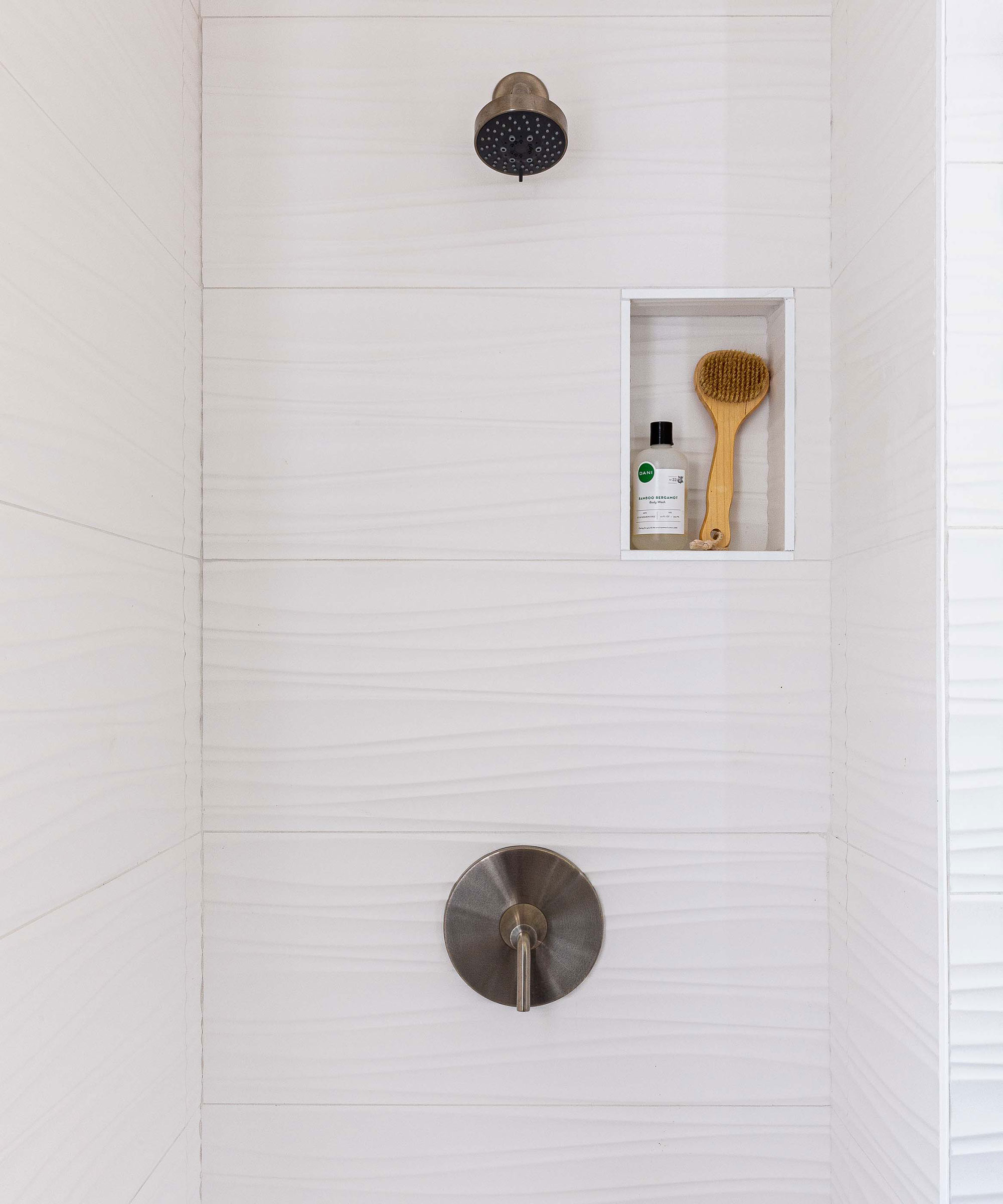
In bathrooms, the article advises investing in high-quality white towels and displaying them neatly. Decorative 3M Command Hooks offer a stylish and temporary solution for hanging towels. Luxurious spa-like amenities, including quality soaps, lotions, and calming scents like ylang-ylang and neroli, can further enhance the Zen ambiance. For those with space, a teak bench or an orchid/bamboo plant can introduce organic elements. A sleek, waterproof CD player is also recommended for playing relaxing music, as sound is an integral part of the spa experience.
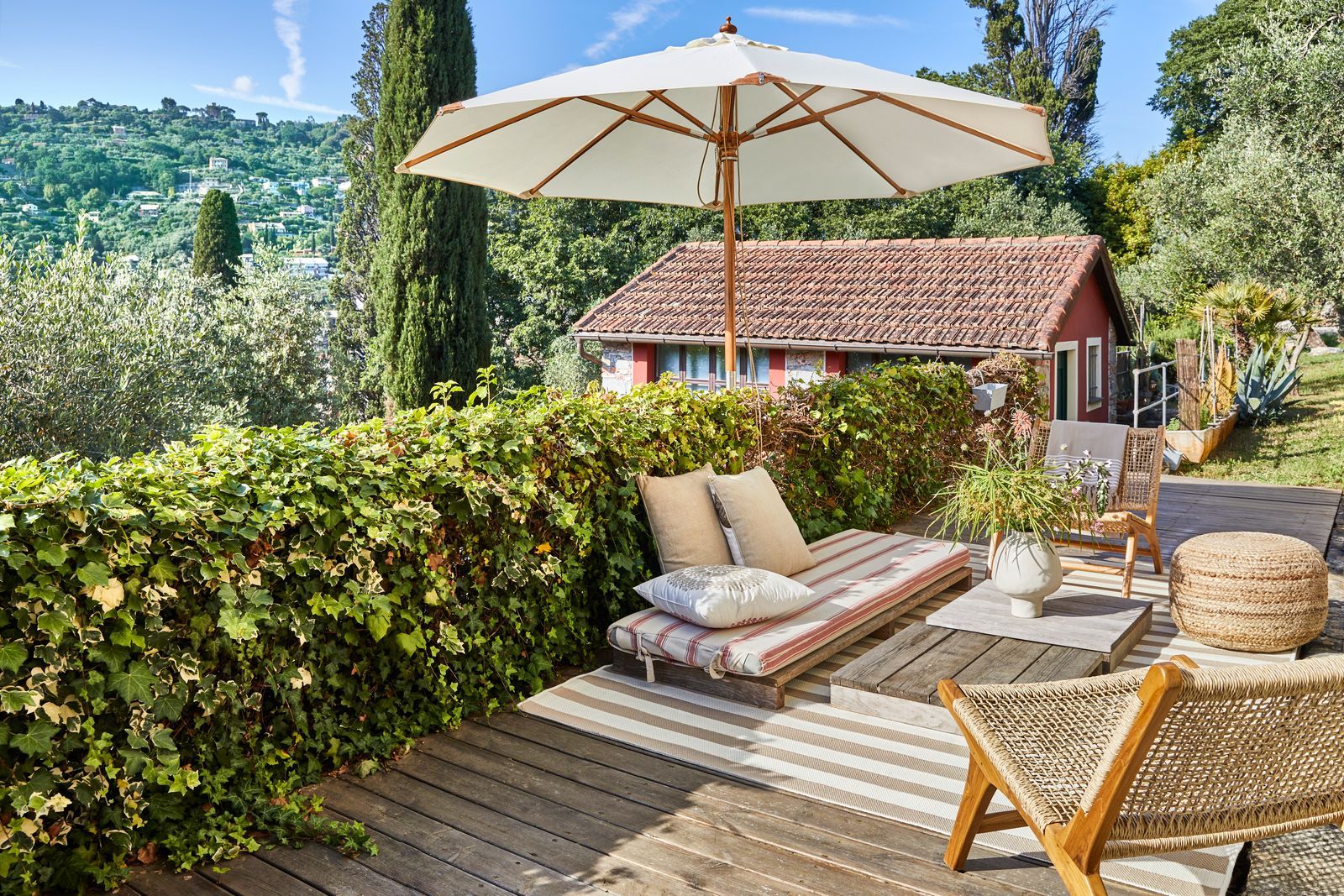
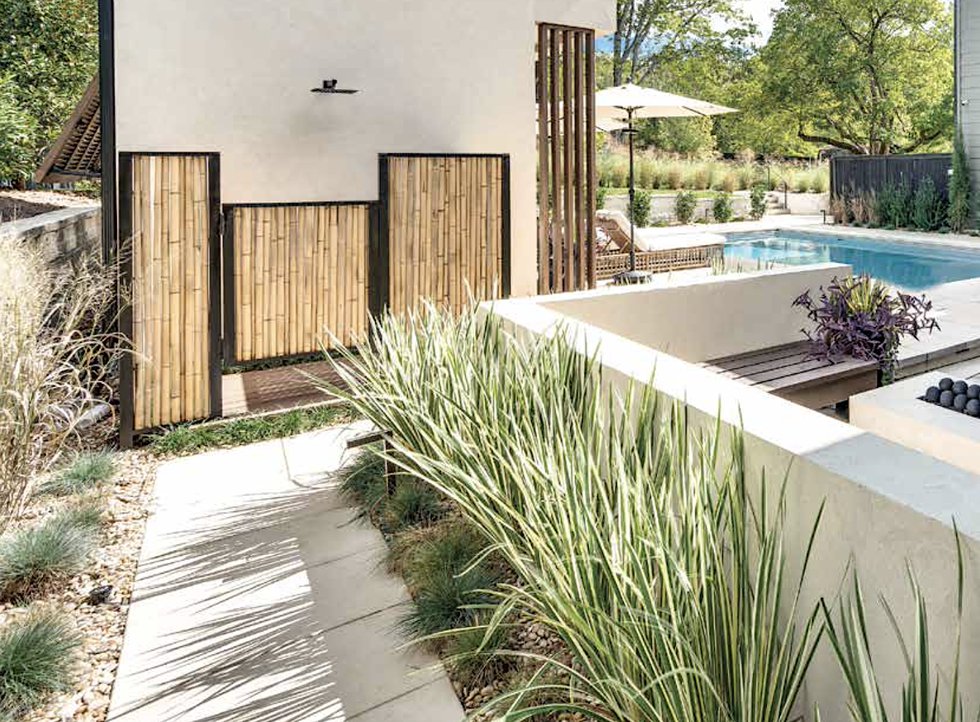
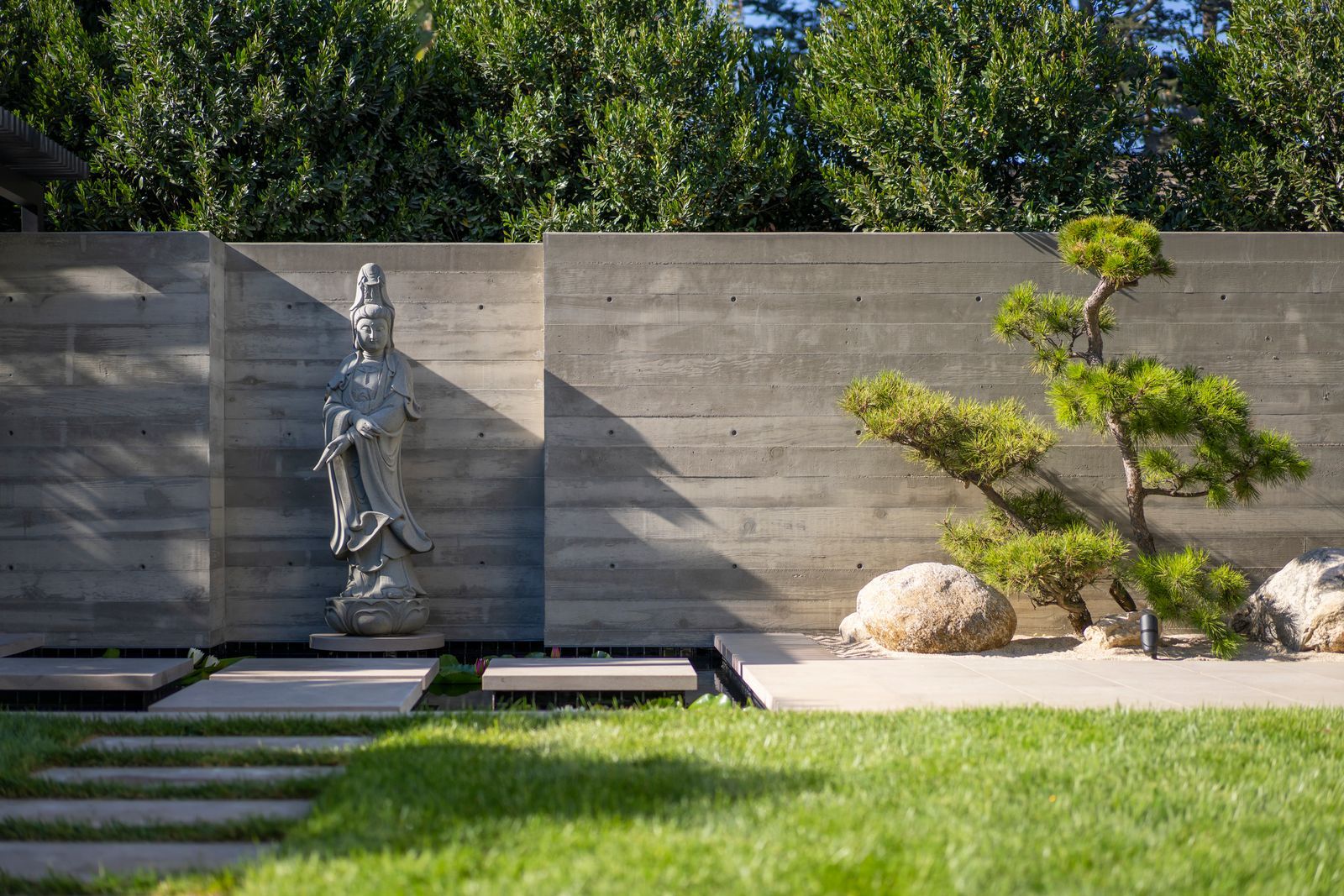
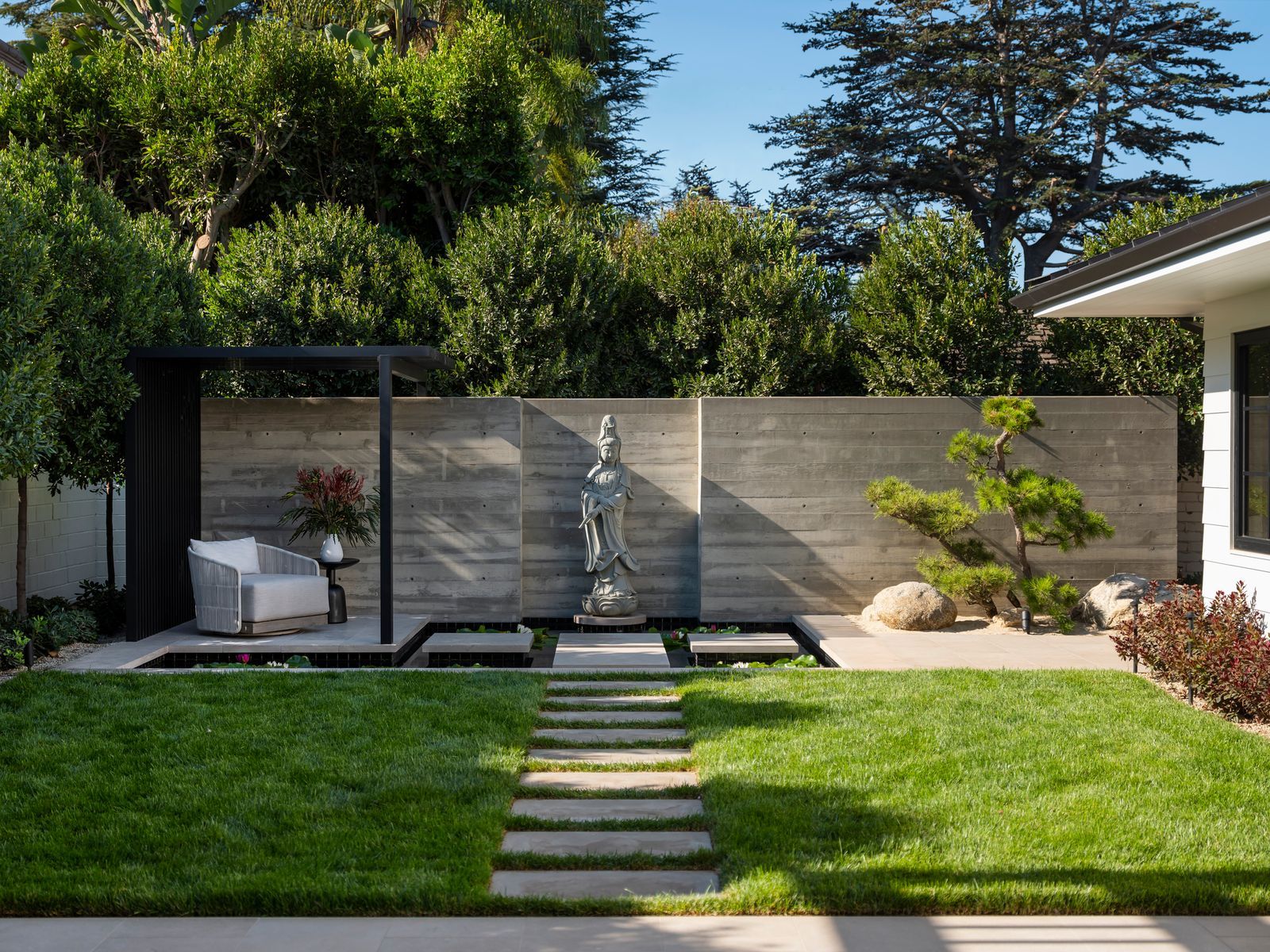
For balconies and patios, the goal is to create an inviting outdoor sanctuary. Natural wood furniture paired with neutral cushions, throw pillows, and outdoor rugs made from bamboo, seagrass, or sisal can add color and texture while maintaining simplicity. Accessories such as small Buddha statues, wooden wind chimes, and special lighting like hanging sphere lights contribute to a contemplative mood. Green elements, including bamboo plants and tall potted grasses, are encouraged, as are sand and rock gardens. A bubbling water feature is considered essential for a complete outdoor Zen space, with various fountain options available to suit different needs. The article concludes by outlining the seven ruling principles of Zen meditative practice that underpin this design philosophy: Asymmetry (Fukinsei), Simplicity (Kanso), Austerity (Koko), Naturalness (Shizen), Subtle Profundity (Yugen), Freedom from Worldly Attachments (Datsuzoku), and Silence (Seijaku), all of which contribute to creating a tranquil environment.
#ZenDecor #ApartmentLiving #InteriorDesign #MinimalistStyle #RelaxingHome #Decluttering #CalmingColors #NaturalElements #SpaInspired #HomeSanctuary #ZenDecor #ApartmentLiving #InteriorDesign #MinimalistStyle #RelaxingHome #Decluttering #CalmingColors #NaturalElements #SpaInspired #HomeSanctuary
0 comment in total
 No comments yet
You may also like
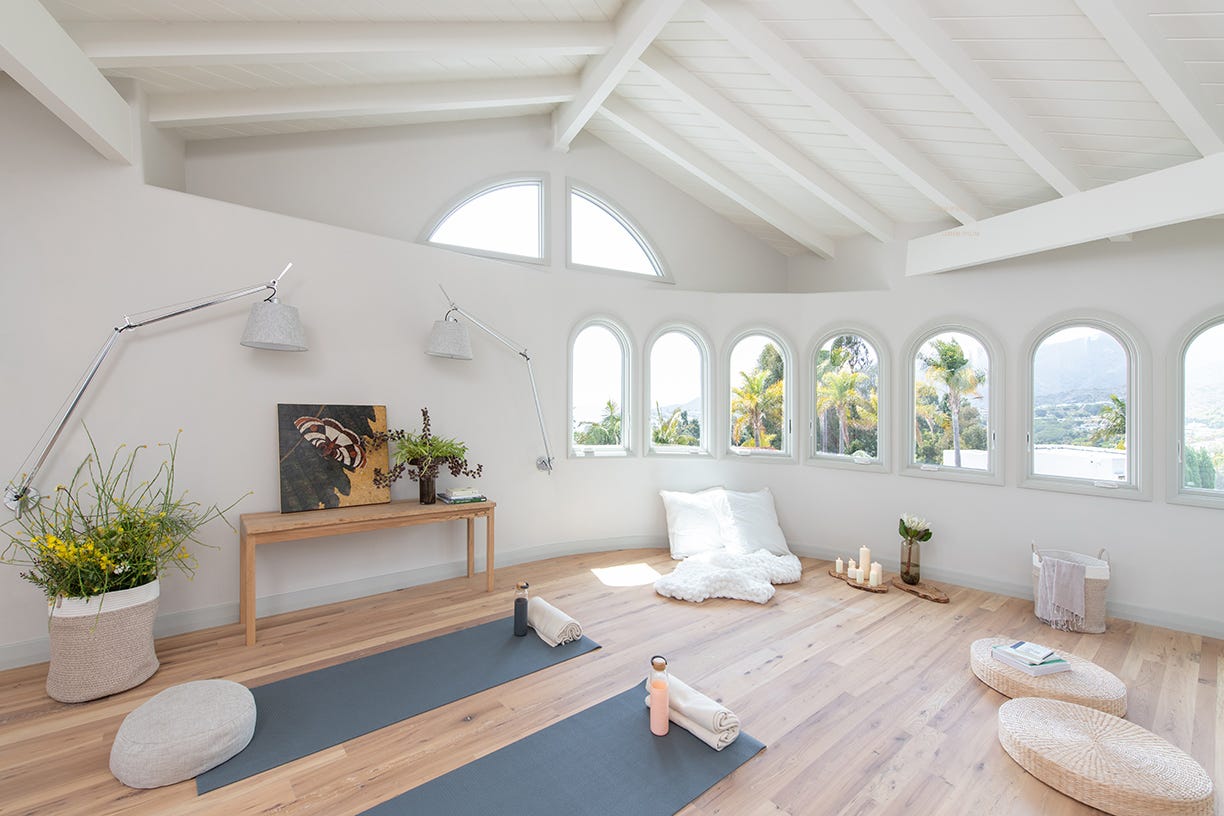
These Meditation Rooms Will Encourage You to Find Inner Serenity

Nine tips on how to turn a living room Zen

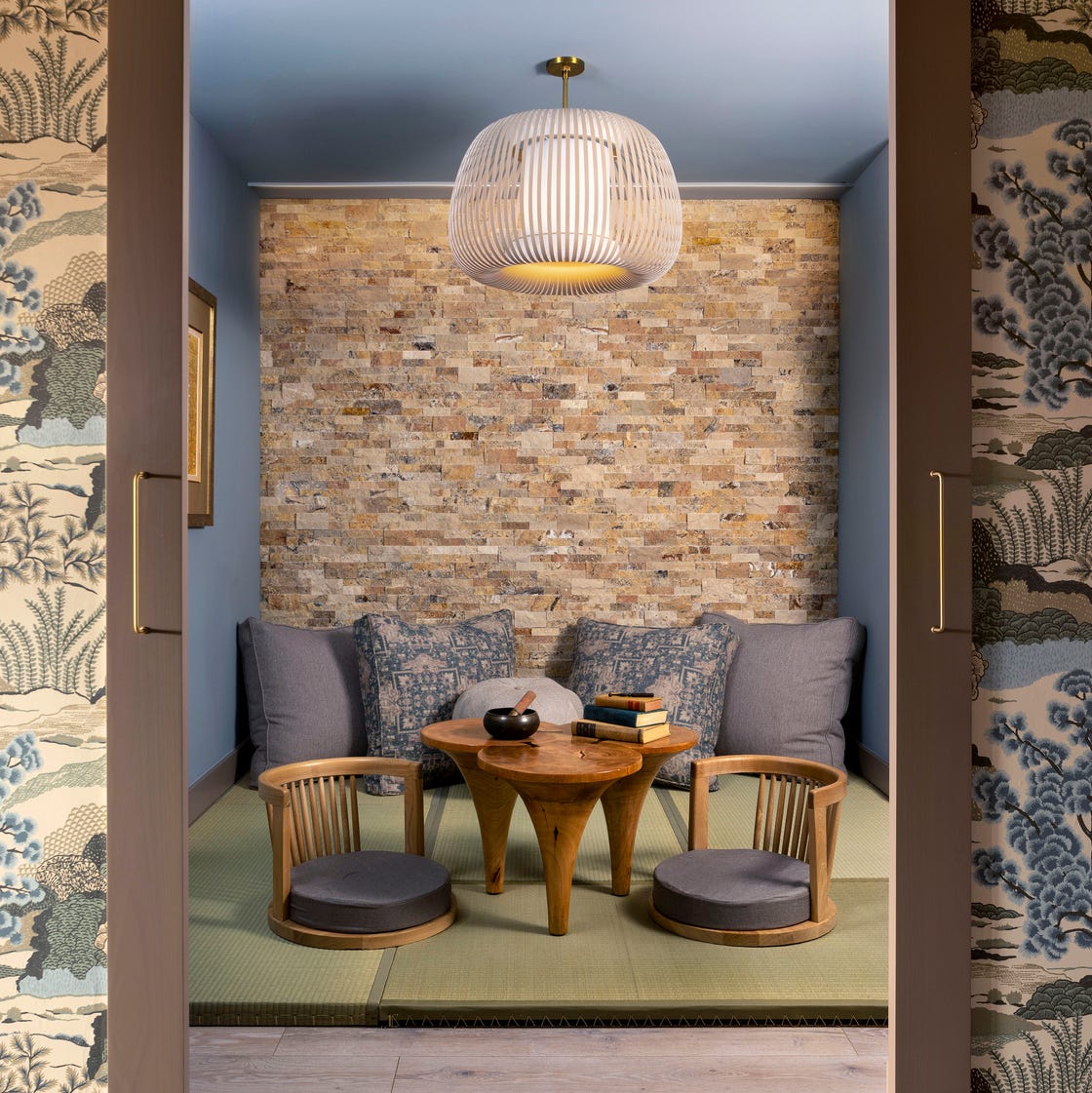
How A Dated Denver Penthouse Was Transformed Into the Ultimate Zen Retreat
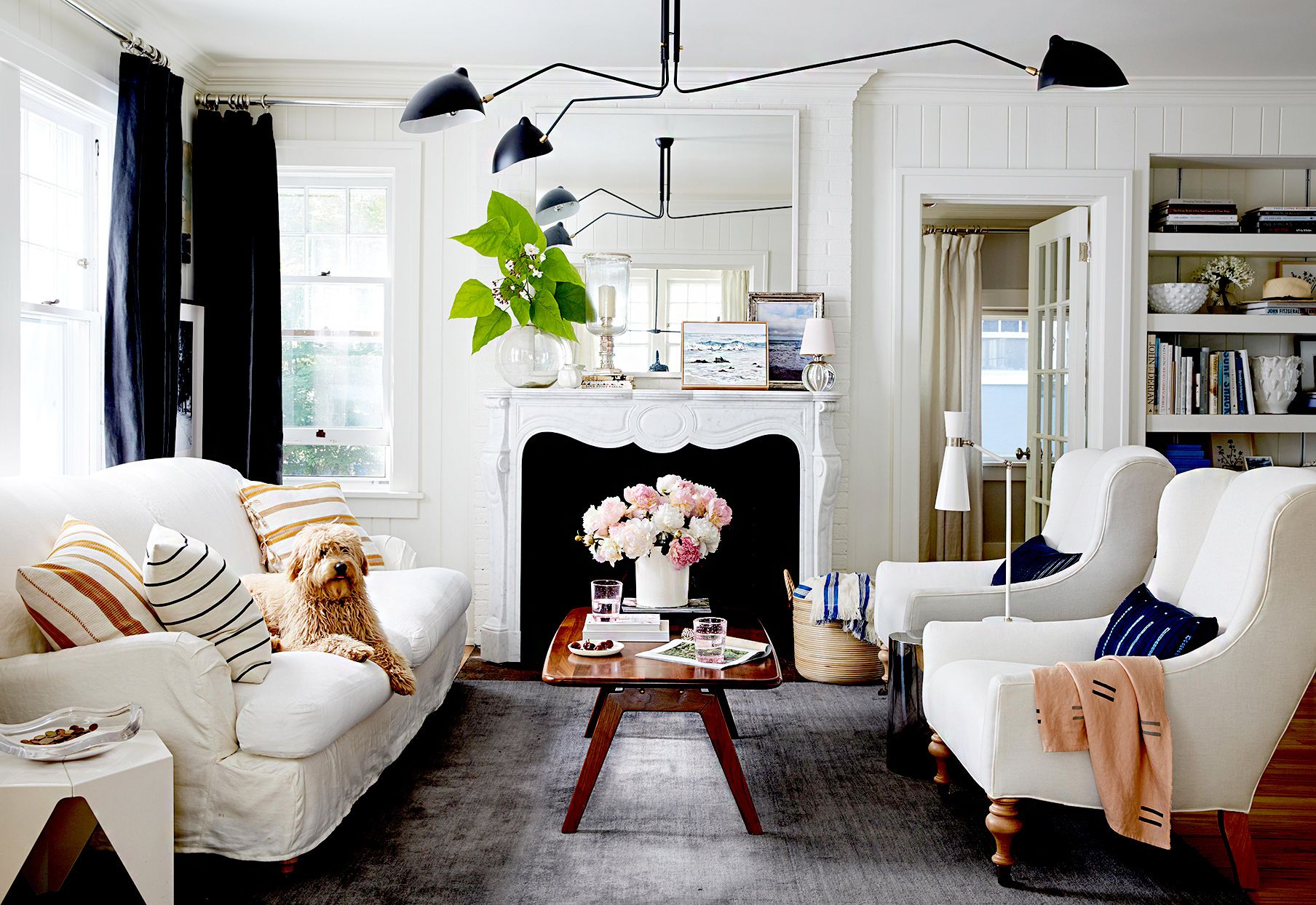
15 Soothing Decor Ideas to Help You Relax and Unwind at Home

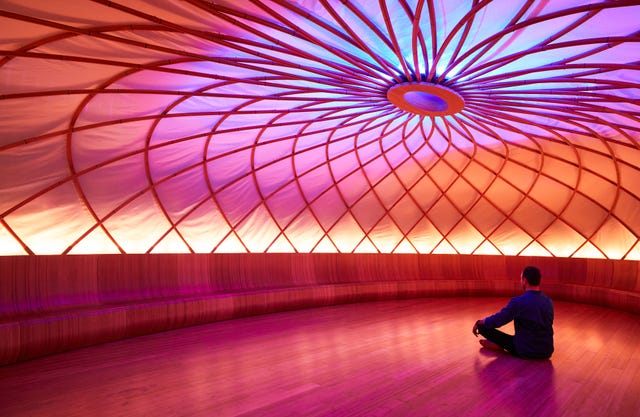
How To Create A Meditation Space That's Also Tech-Friendly
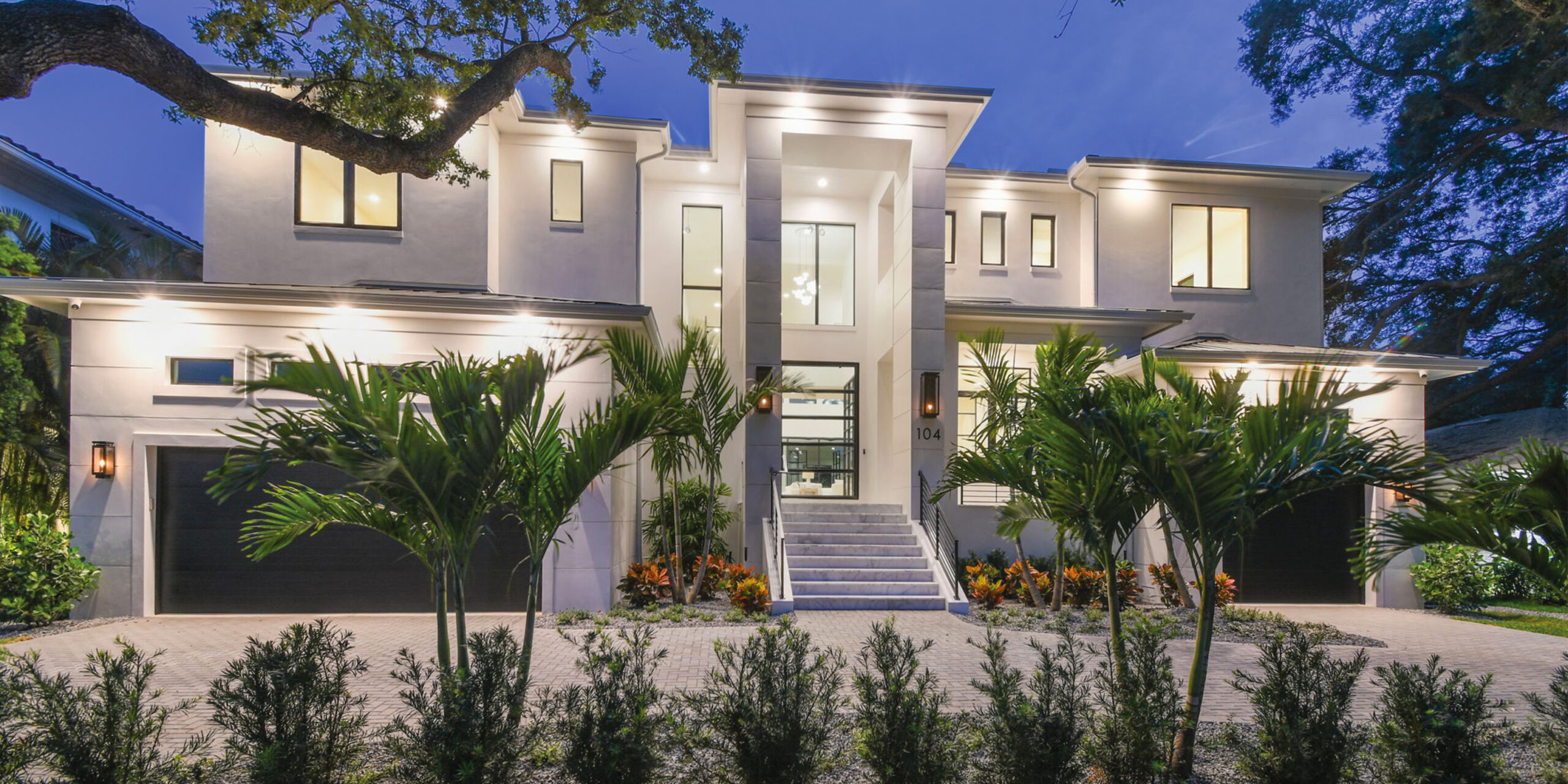
Home Design: Modern Zen

A $35 Globe Vase Rounds Out the Chill Vibe of a Domino Editor’s Zen Den

A soft and grounded palette anchors this zen-inspired holiday home

How to transform your home into a zen oasis: 32 expert tips


Four great home interior ideas to get more Zen in your life

26 Peaceful Homes That Feel Like Zen Sanctuaries

How to transform your bedroom into a wellbeing sanctuary, according to experts
Japanese Living Room Design Is Trending—Here’s How to Achieve the Style

Meditation Space at Home: 4 Ideal Spots to Block Out the World

Say Ohm: Meditation Room Ideas for Instant Destressing
This 1,100-square-foot Mumbai home embodies a quiet stillness

7 clever design tips to borrow from this zen retreat in California

At Home: a Zen Abode

Zen Interior Design Infuses This California Home With Elegance and Serenity

Discover serenity: 5 ways to create your zen corner at home | Hindustan Times