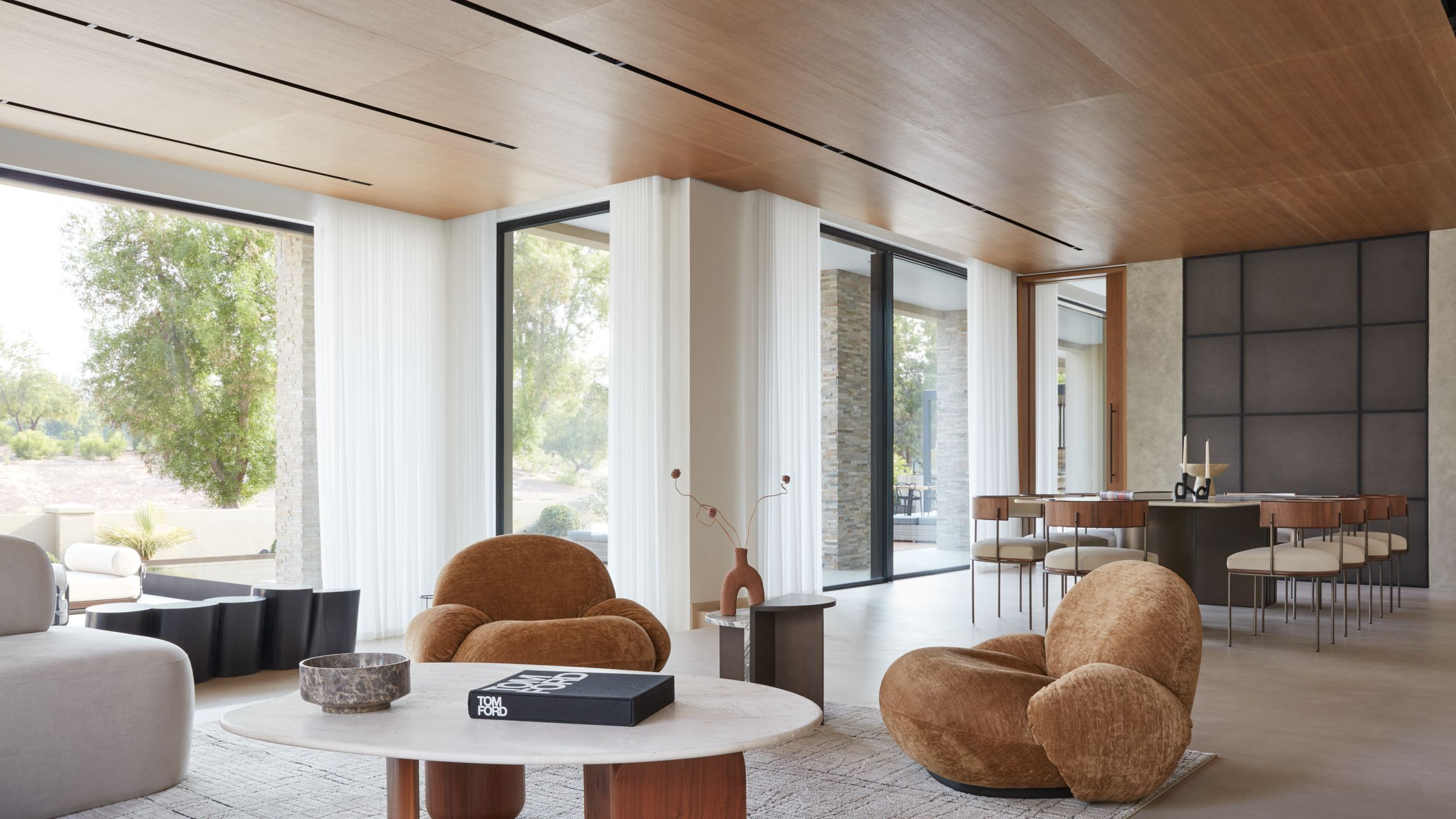
1/14
This Zen Dubai Villa Puts a Fresh Spin on Japandi-Style Interiors
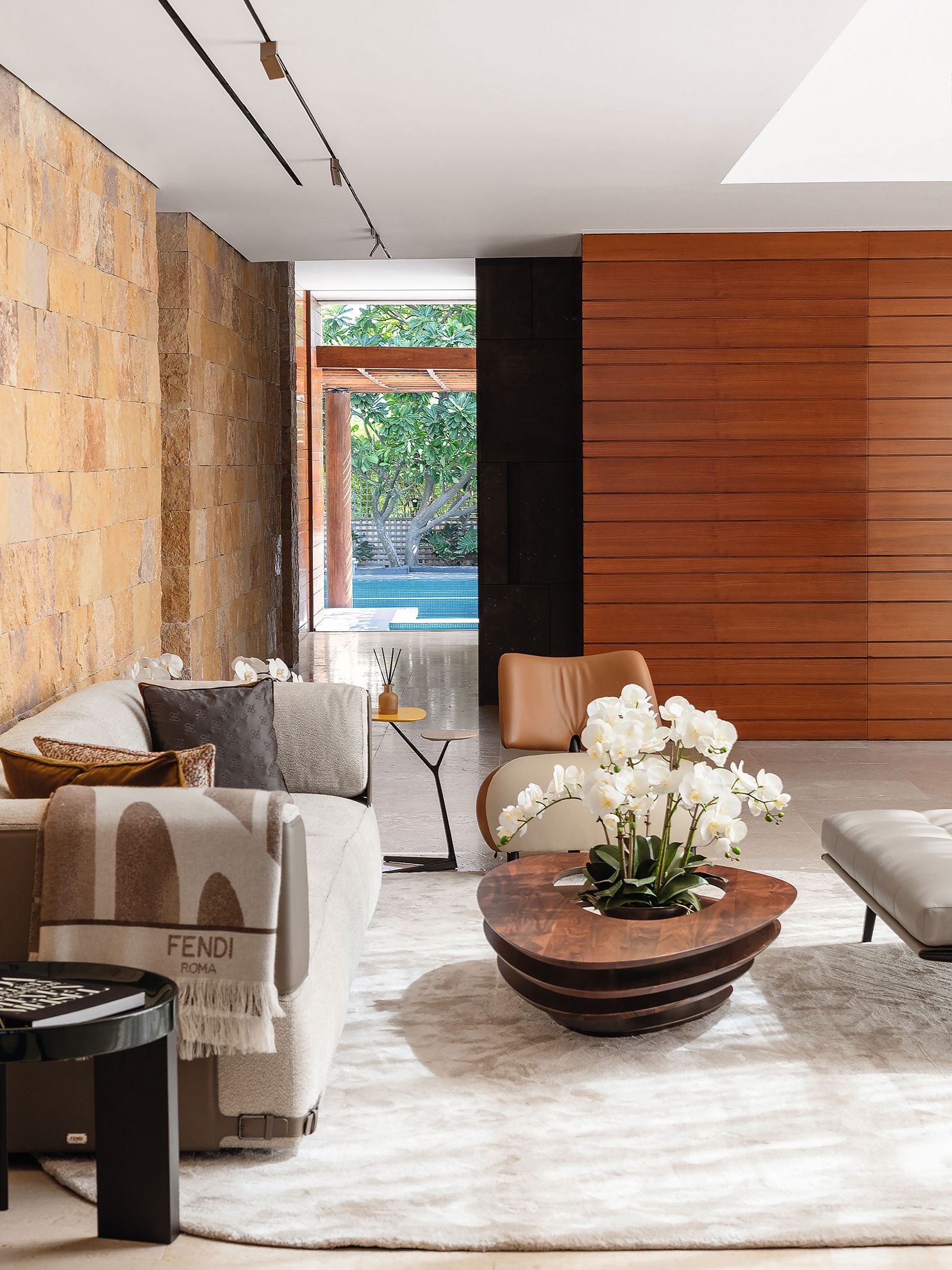
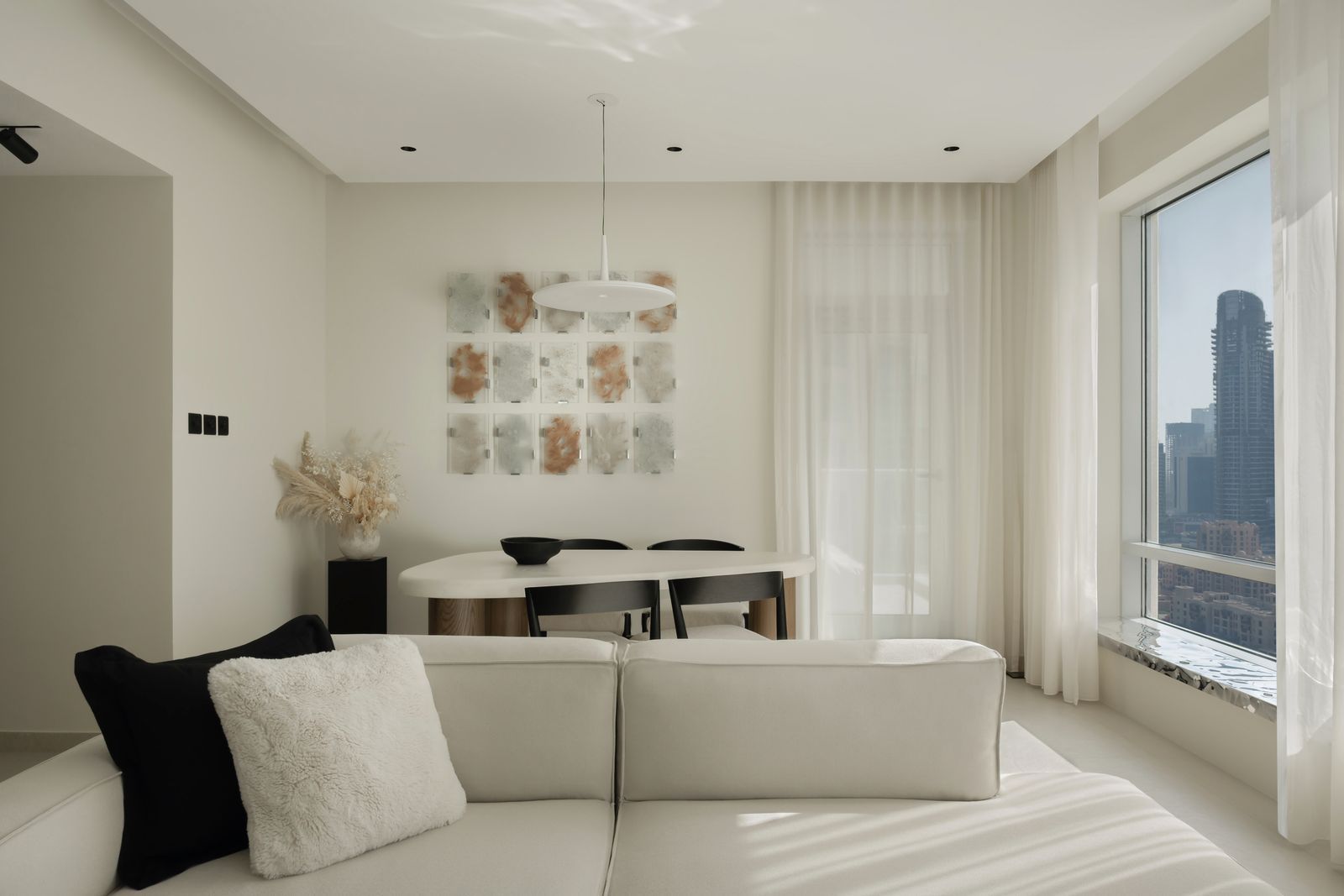
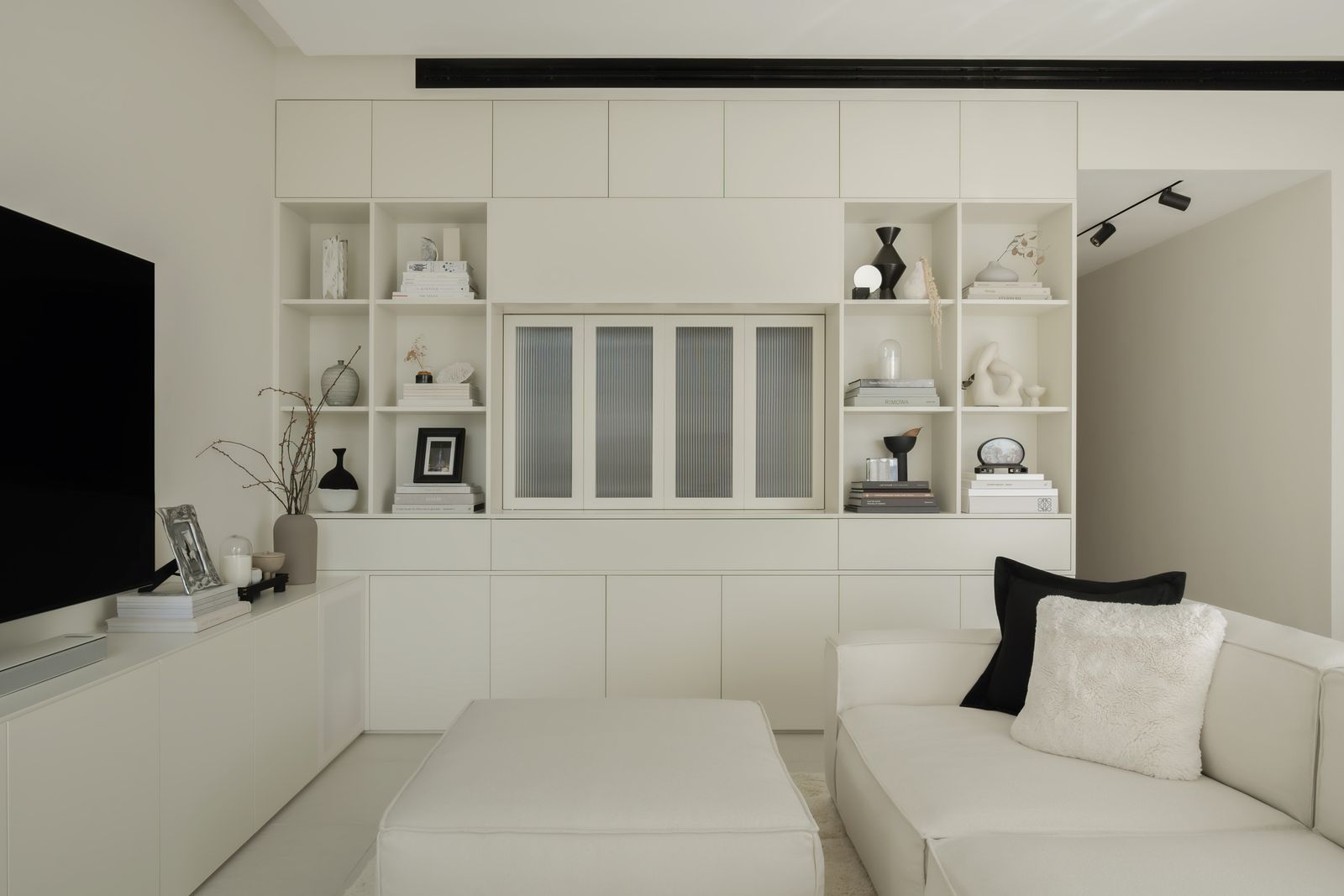
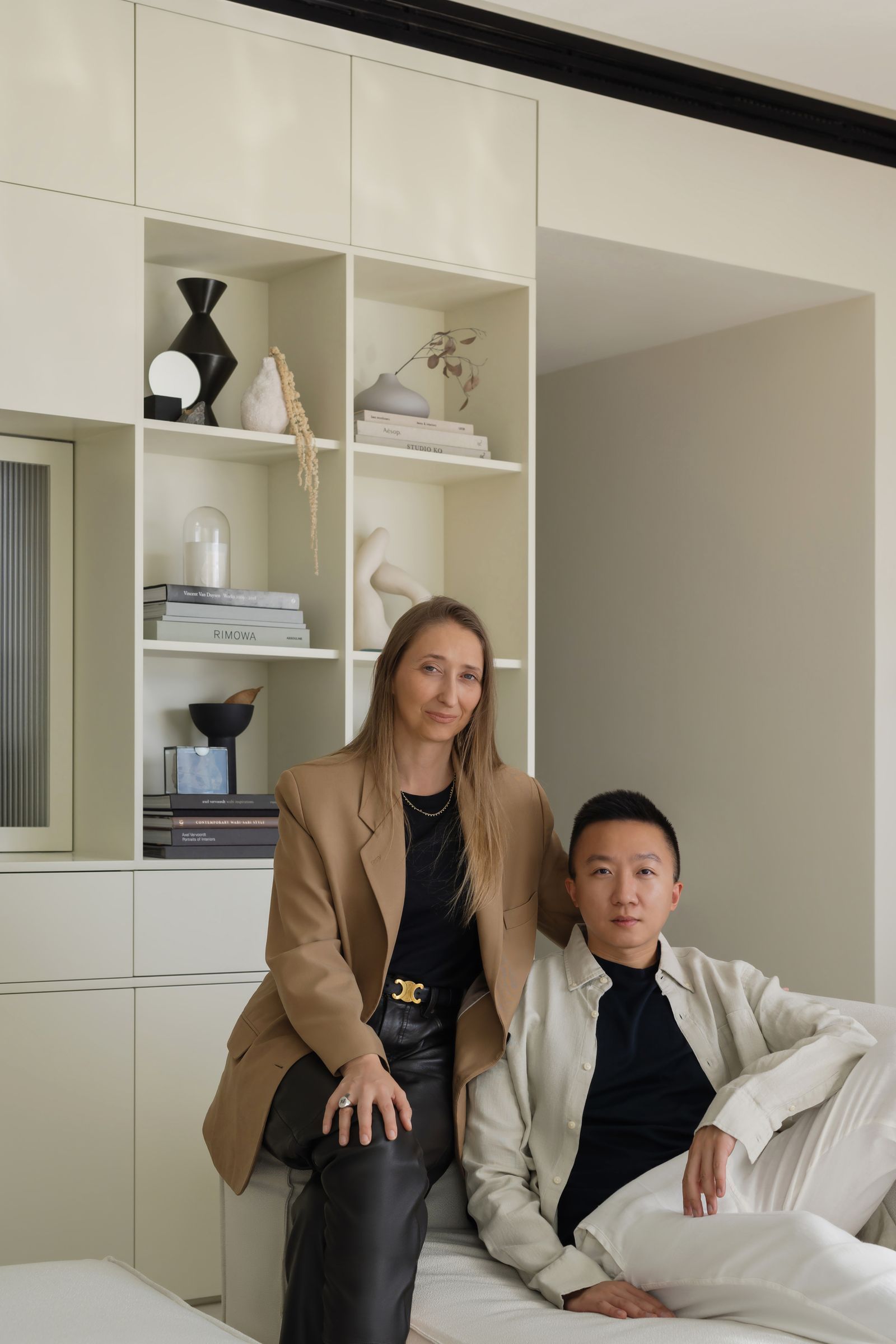
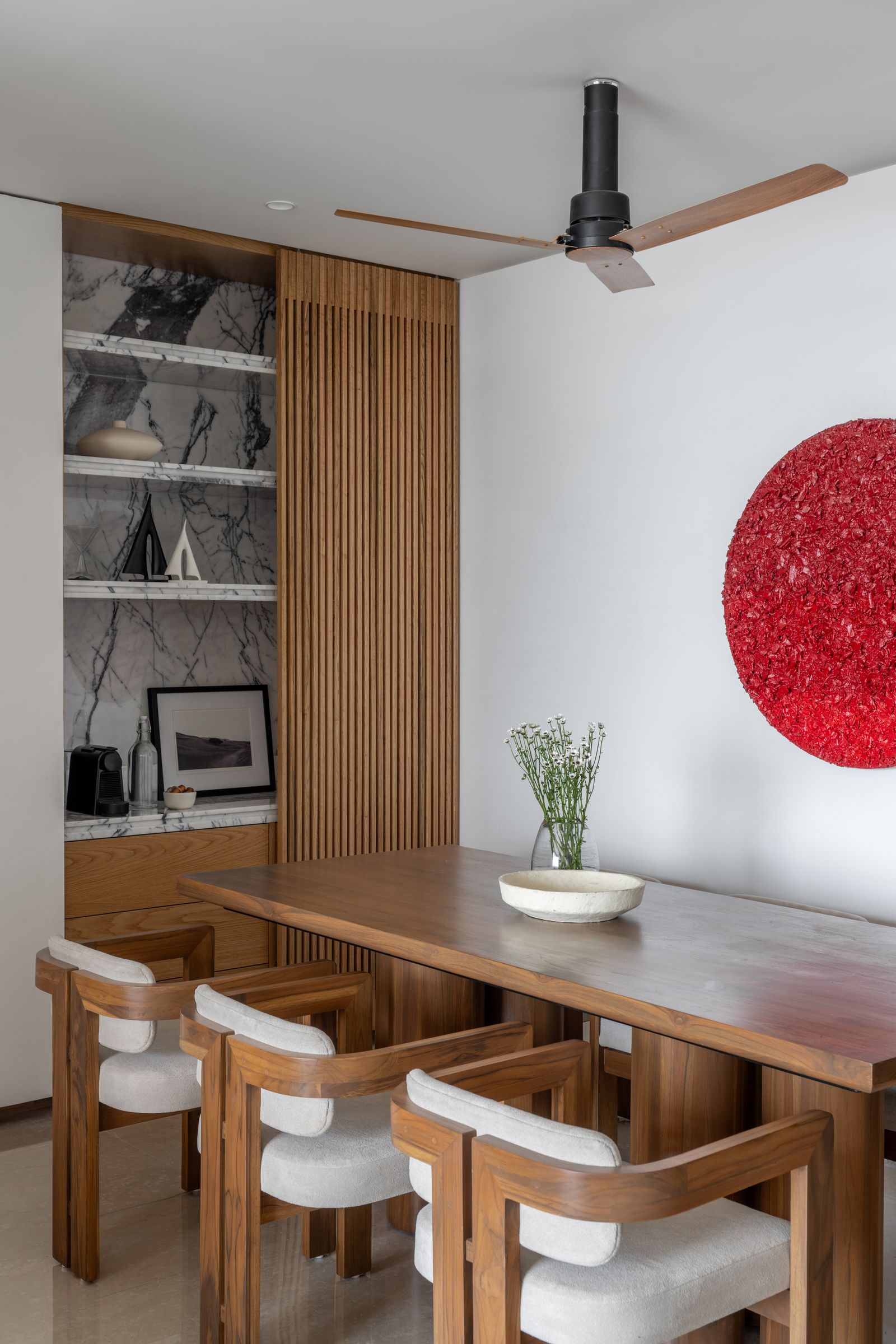
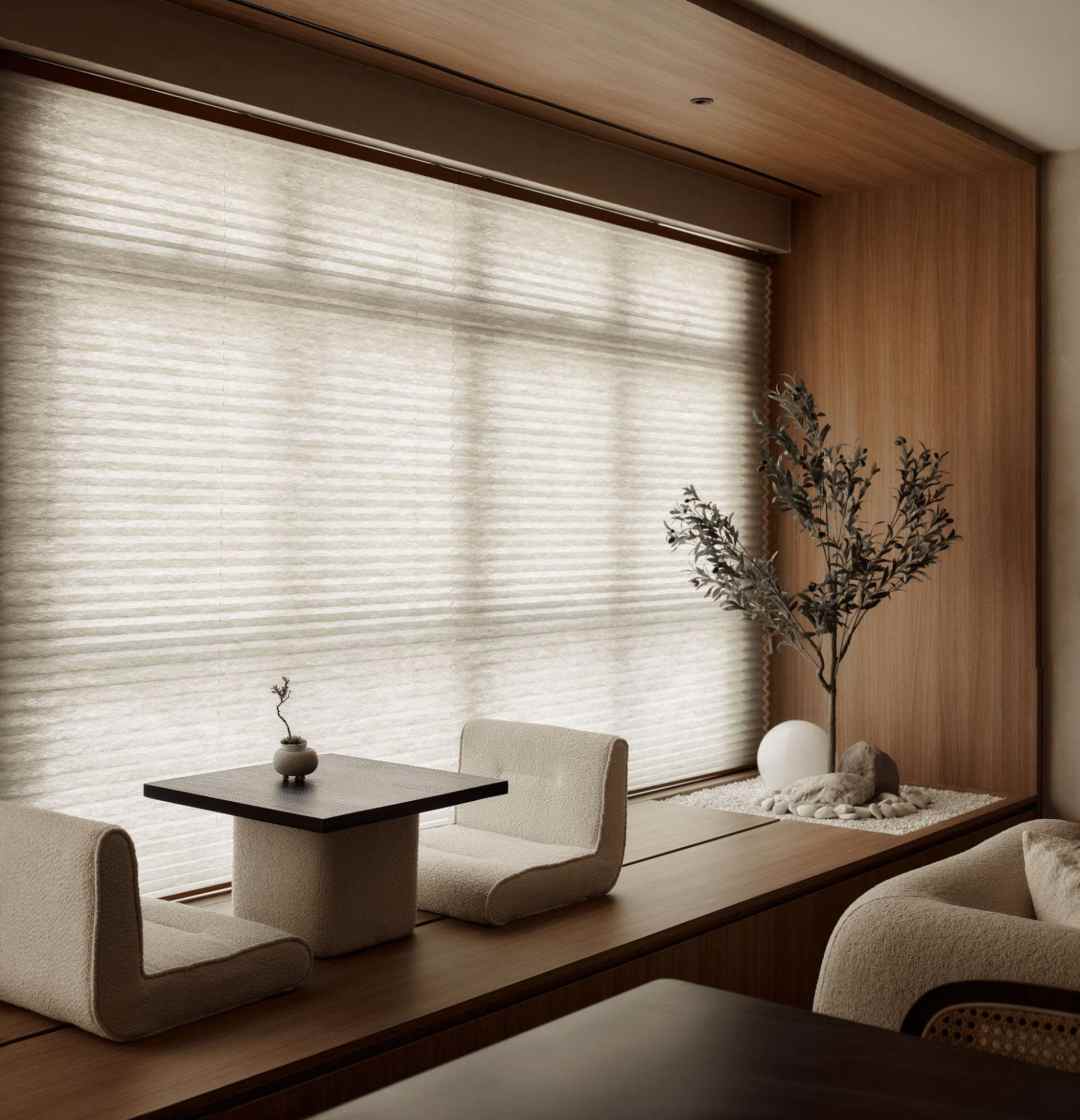
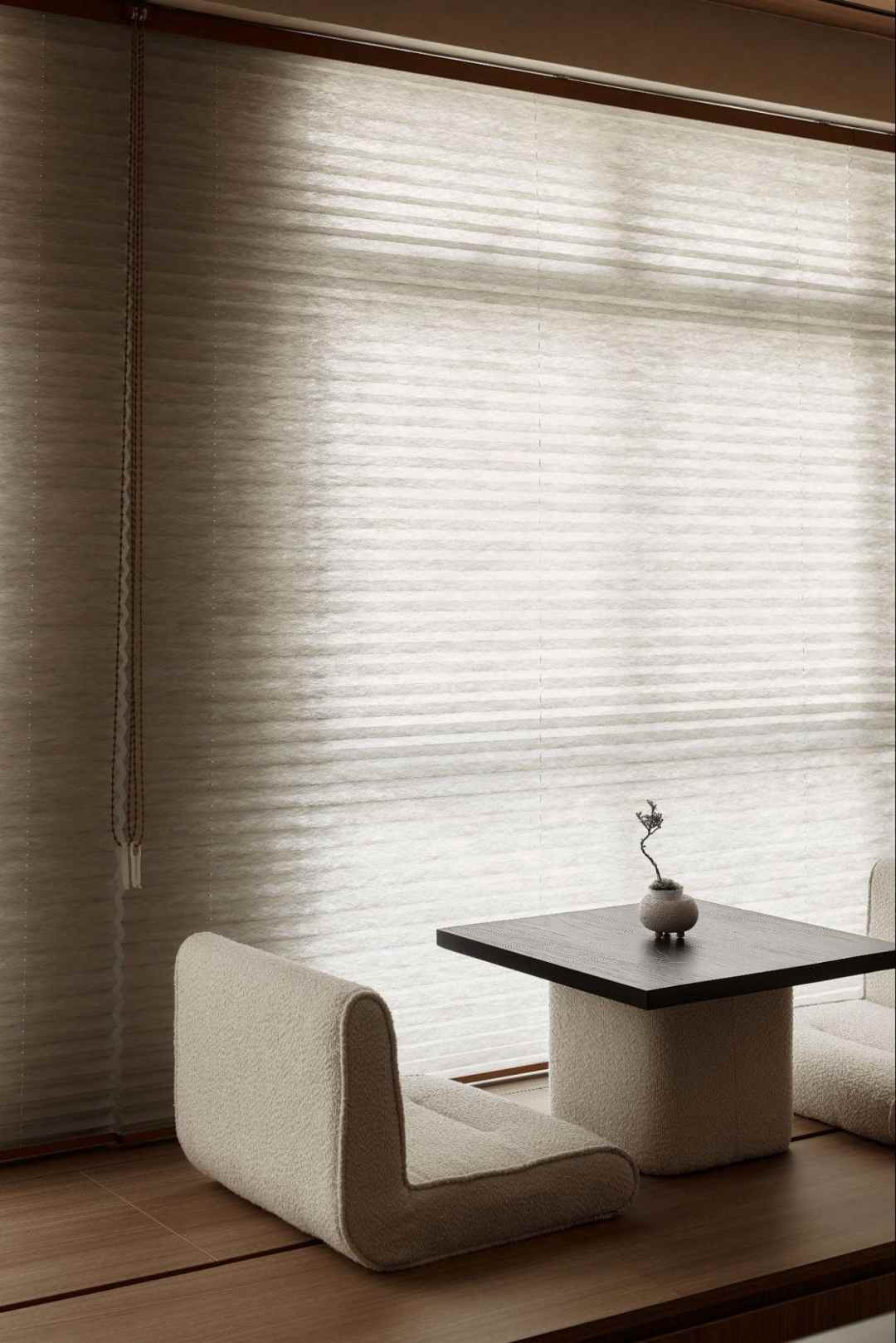
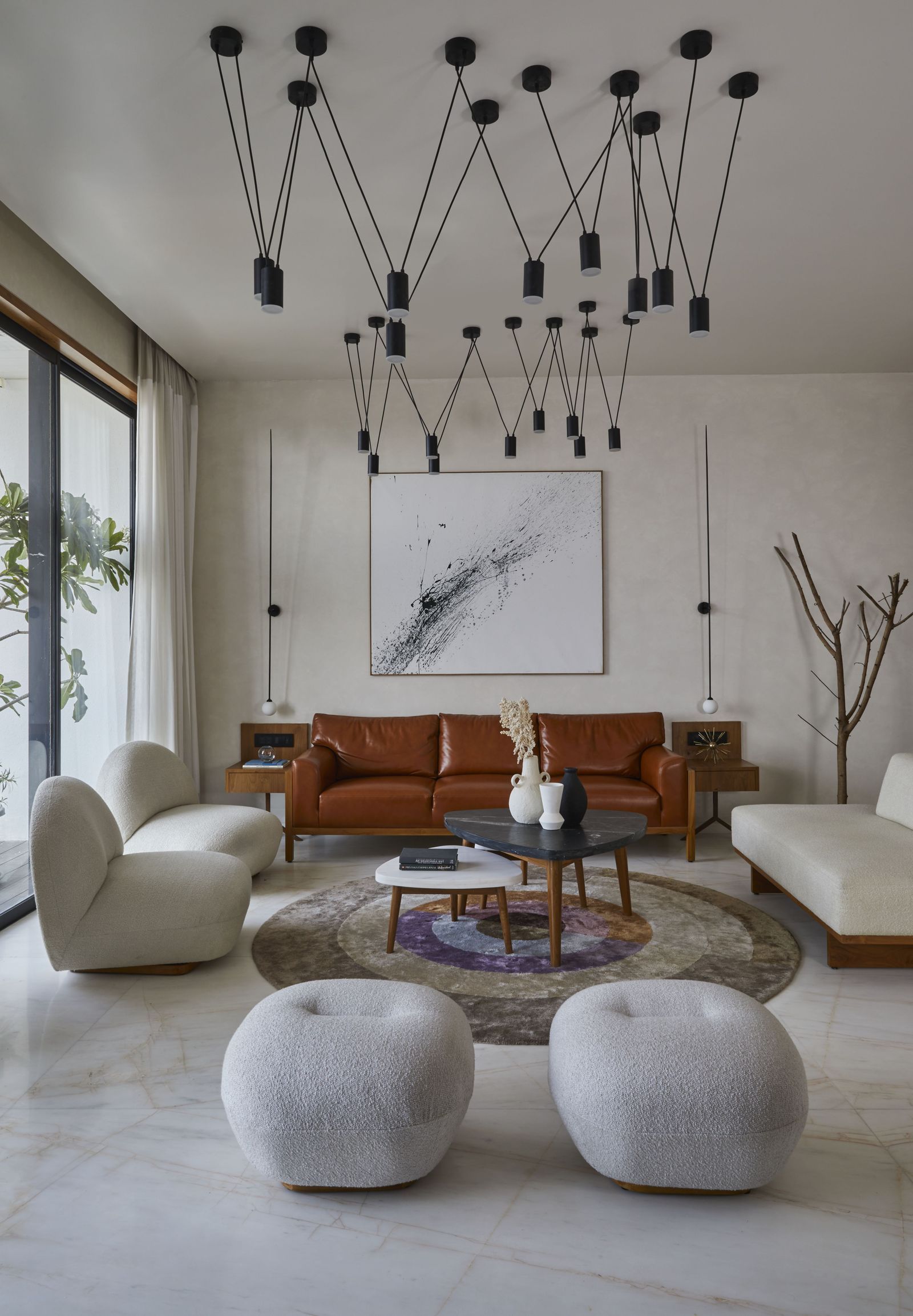
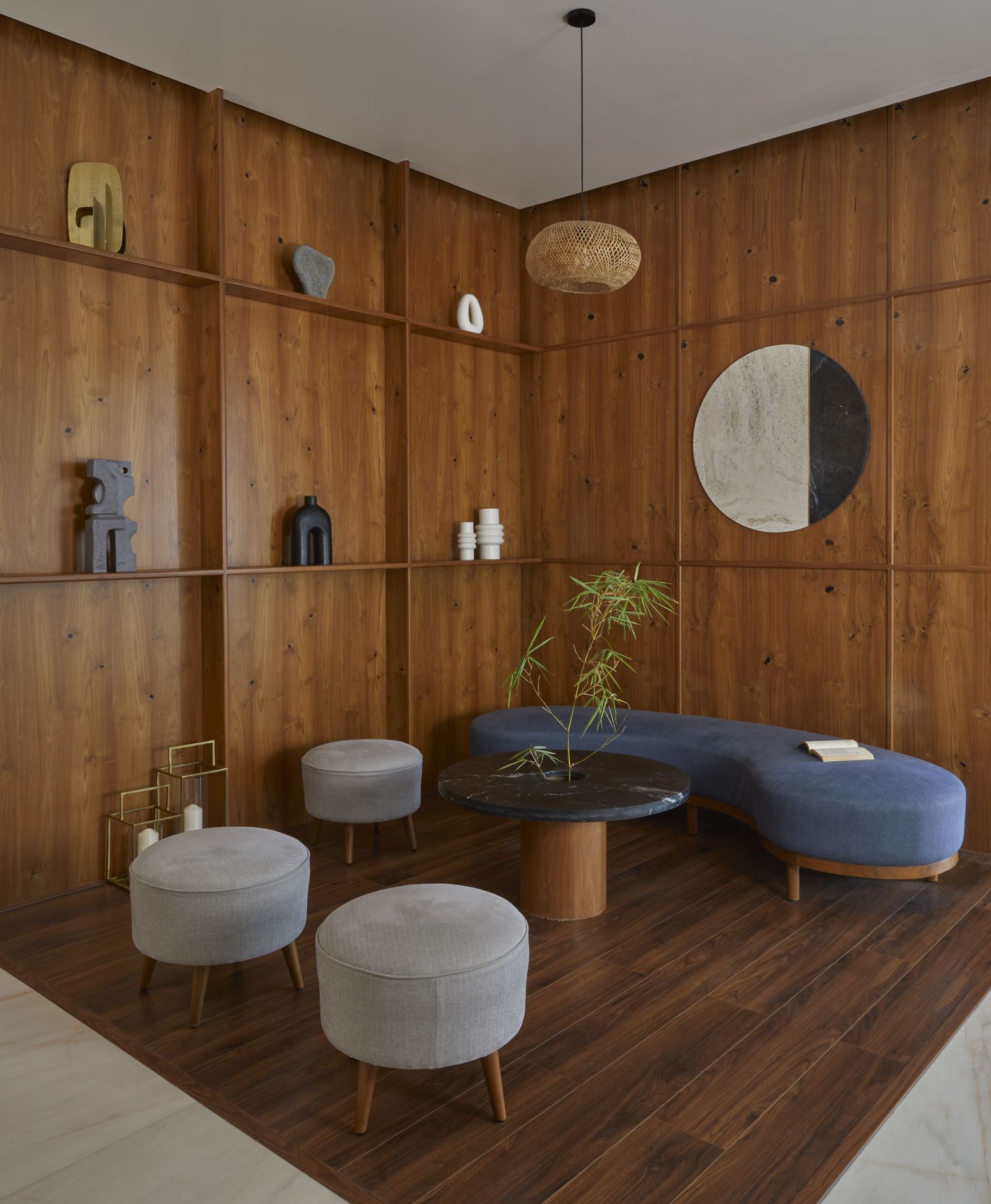
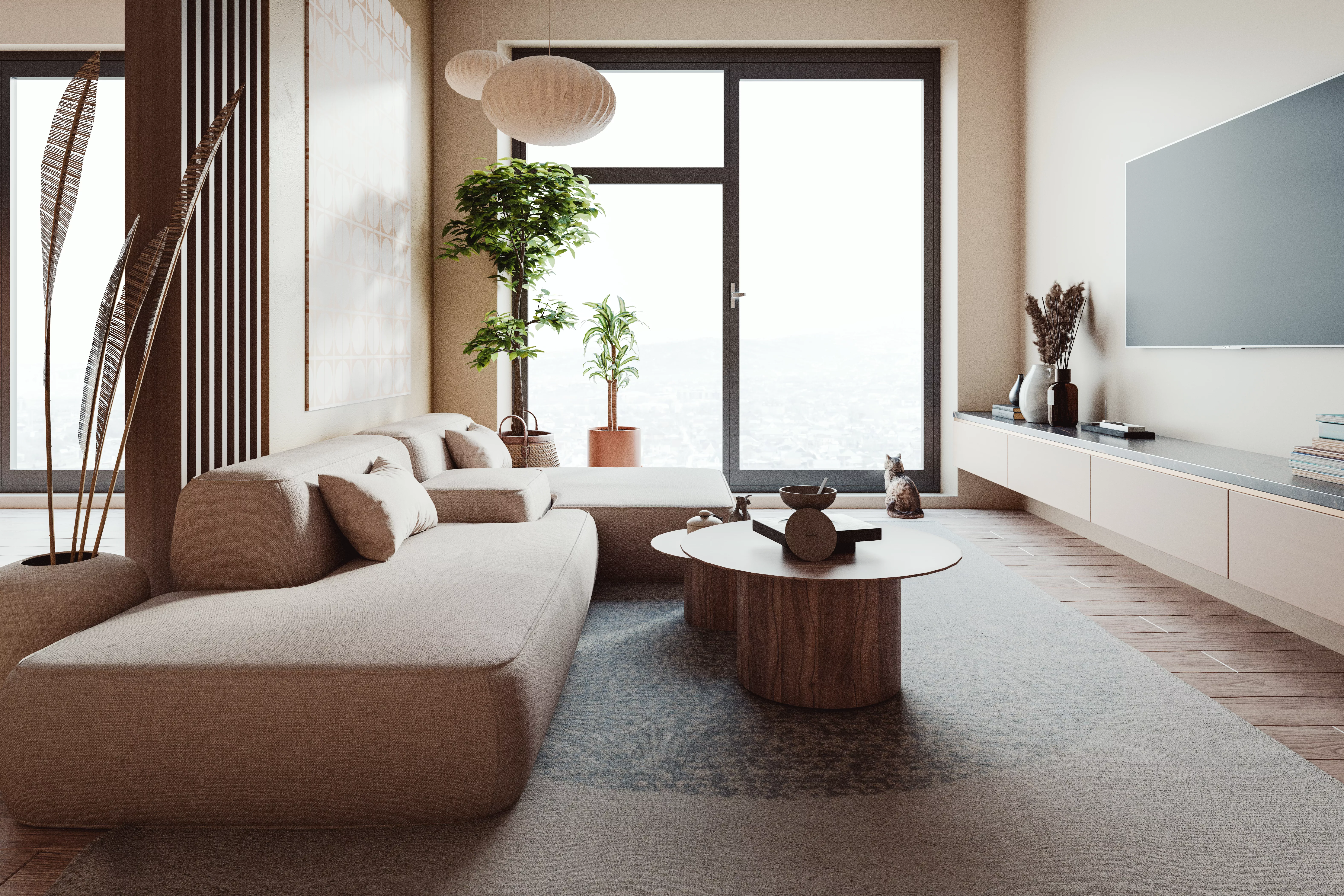
In the prestigious Jumeirah Golf Estates of Dubai, a seven-bedroom villa designed by Monica Arango of C’est ici Design showcases a successful fusion of Japanese and Scandinavian interior styles, known as Japandi. This design philosophy, celebrated for its minimalism and tranquility, is subtly infused with elements reflecting the local desert landscape and innovative material use. The project aimed to create a serene, uncluttered, and functional 'forever home' for a design-savvy lawyer couple, balancing high-end furniture with bespoke pieces.
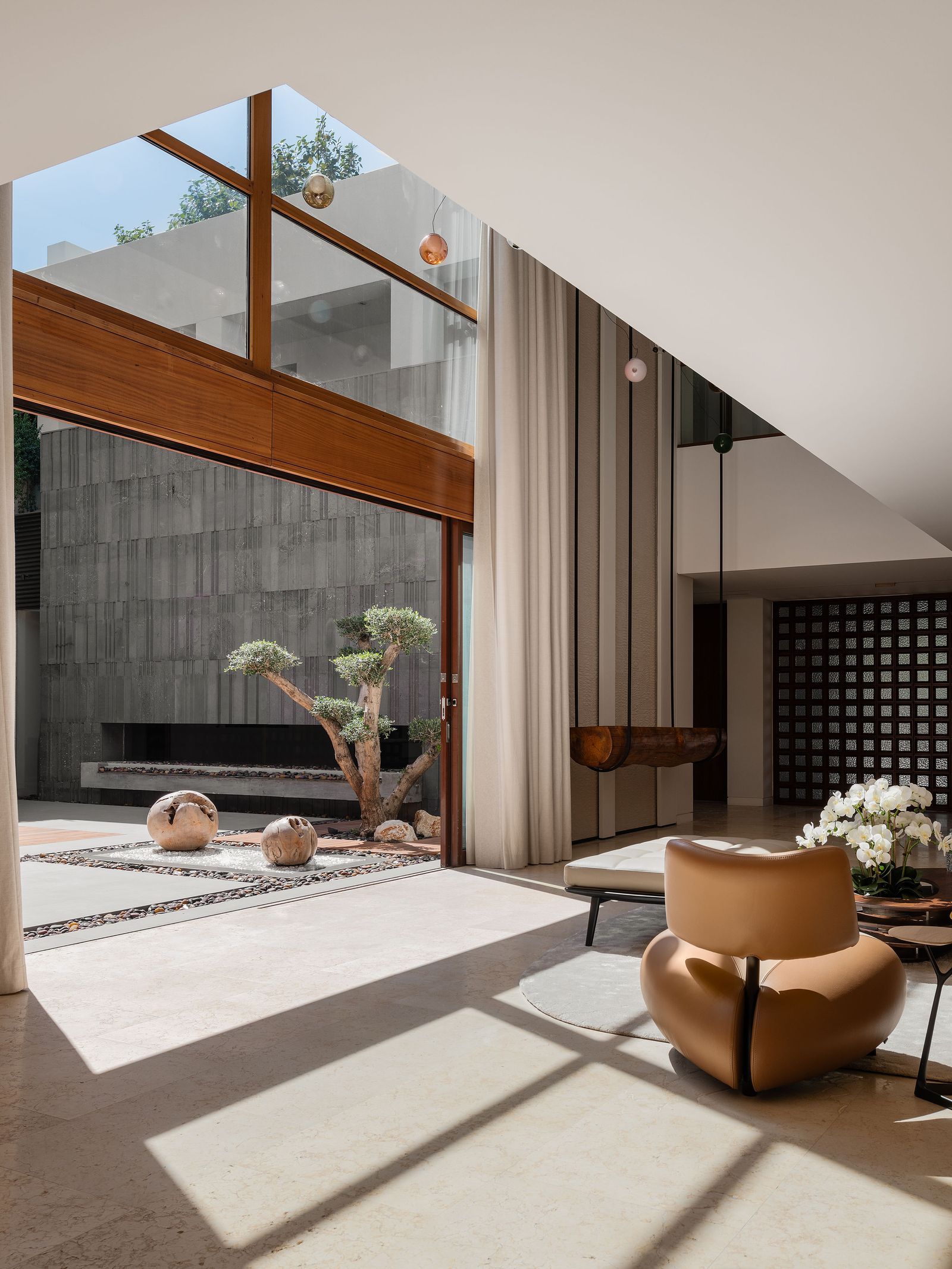
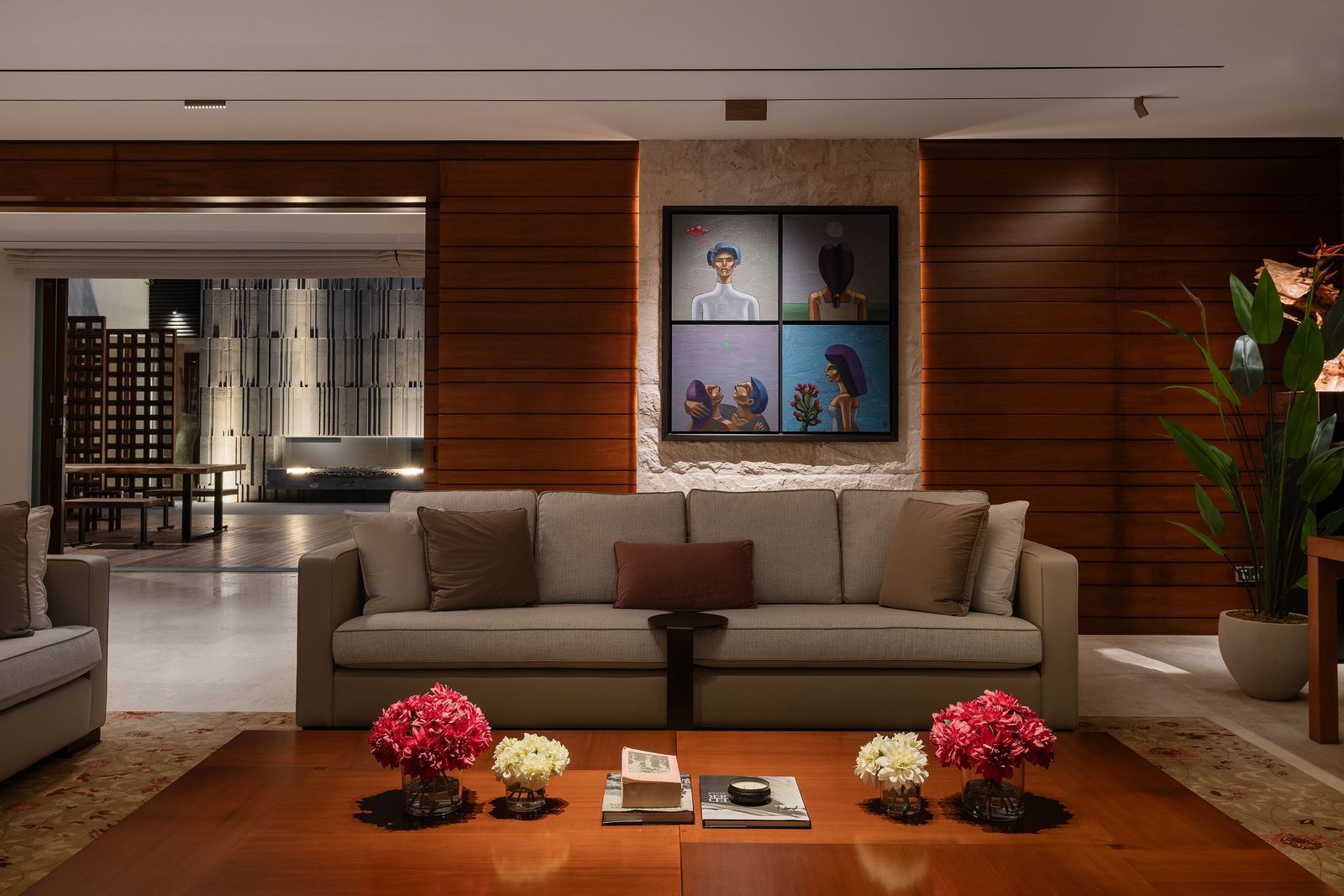
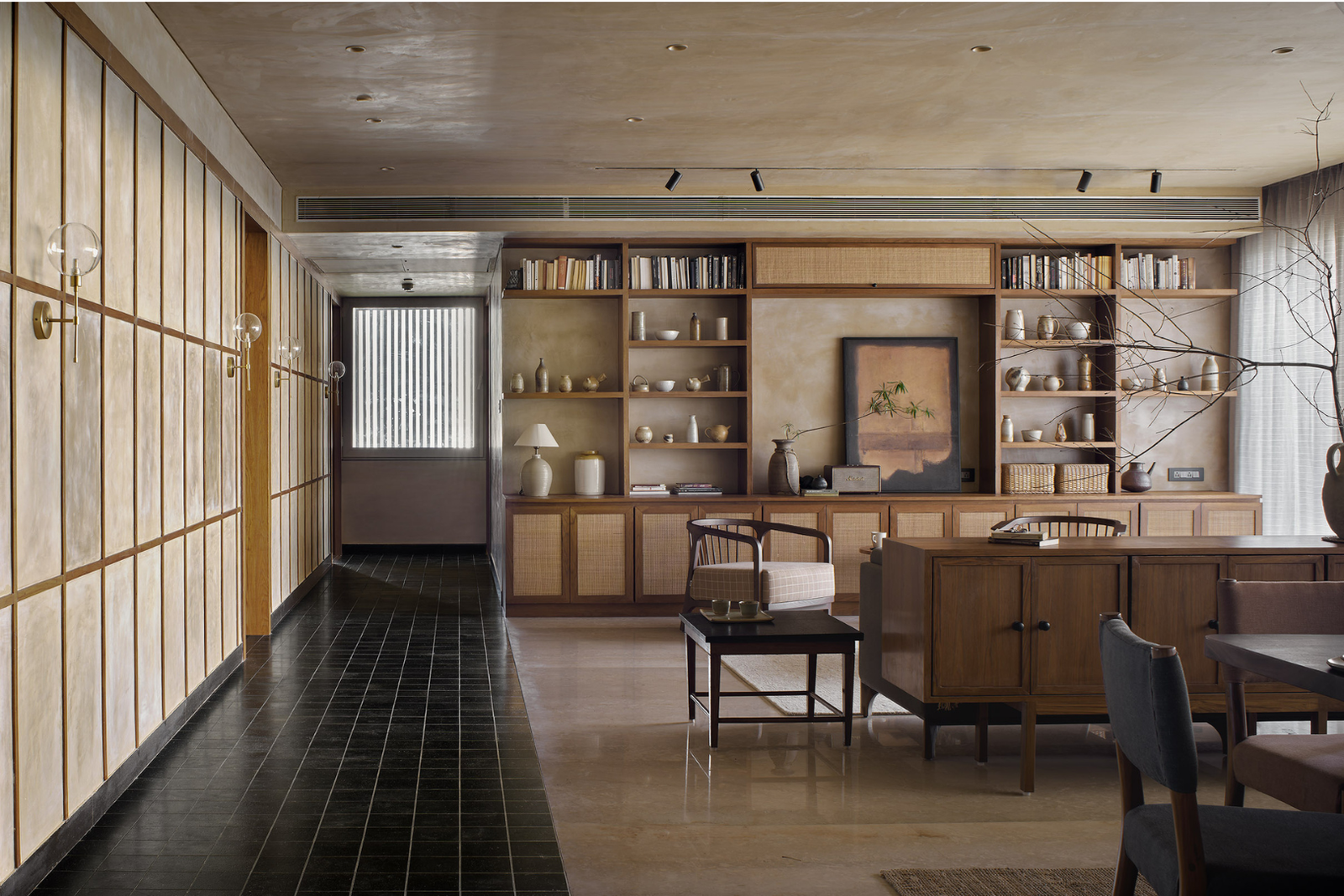
The villa's design journey began with a focus on creating a calm and expansive living environment. Arango, who also managed the building work, drew inspiration from Japanese architectural principles, incorporating low-level furniture, multi-purpose sliding screens, and carefully framed views. A micro-cement flooring extends throughout the villa, from the basement to the upper floors, providing a neutral and resilient base that highlights the textures and colors of the textiles and furniture. The material palette is rich and varied, combining natural elements like wood, linen, ceramic, and marble with rustic stone, textured plaster, and high-performance man-made surfaces. This juxtaposition of materials contributes to the home's sophisticated yet understated luxury.
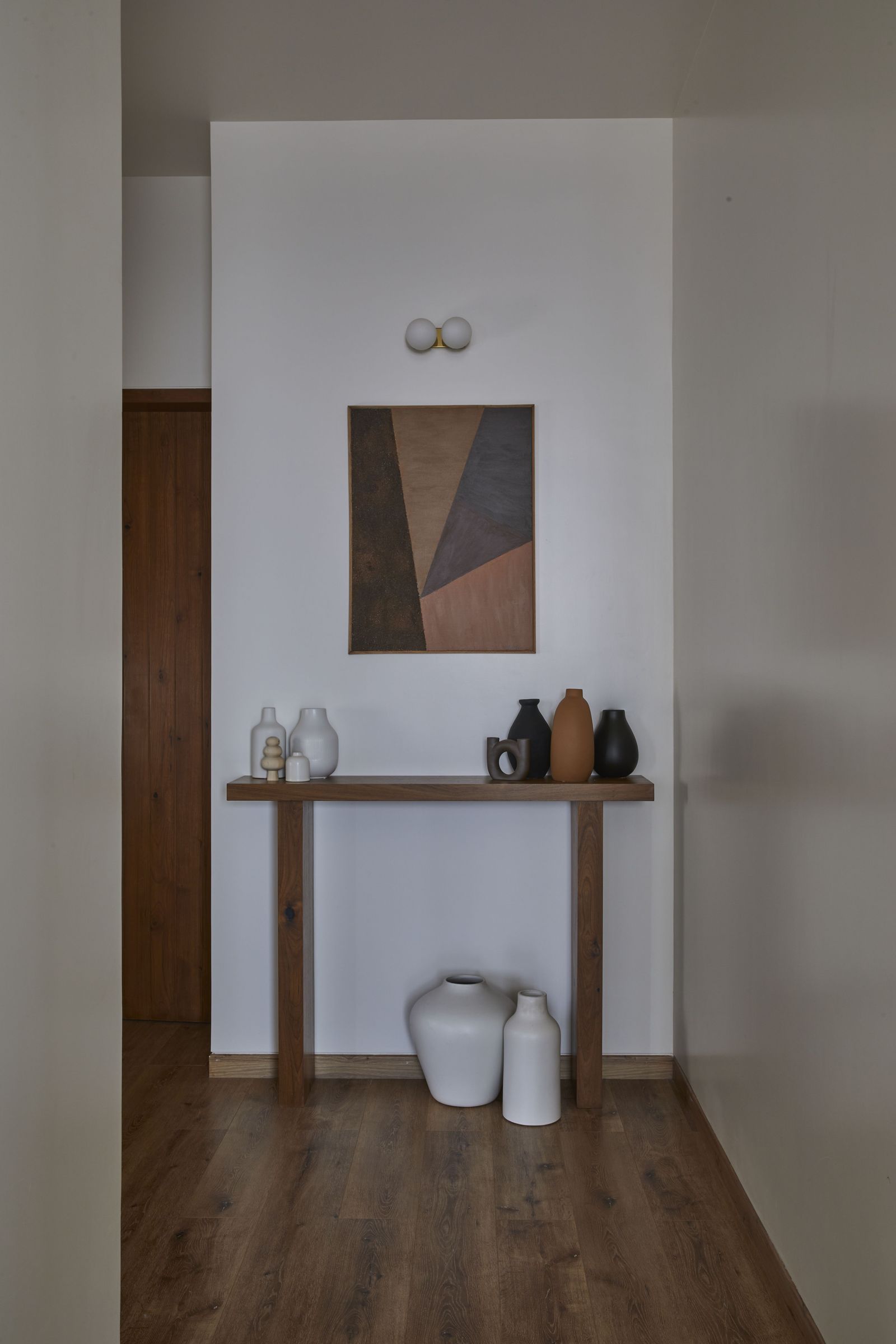
The color scheme primarily features creamy neutrals, complemented by warm browns that echo the surrounding desert terrain, effectively anchoring the house within its locale. Open-plan, double-height spaces further enhance the feeling of expansiveness, mirroring the vastness of the landscape. A significant aspect of the design involved commissioning over 40 bespoke pieces from C’est ici Design, ensuring they integrate seamlessly with the architecture rather than appearing as standalone objects. Notable custom elements include a console crafted from raw wood and Emperador marble in the entrance atrium, and a room divider with pivoting linen panels, inspired by Japanese shoji screens, which elegantly delineates spaces without interrupting the fluid layout. Overhead, organic-shaped glass pendant lights contribute to the ethereal ambiance.
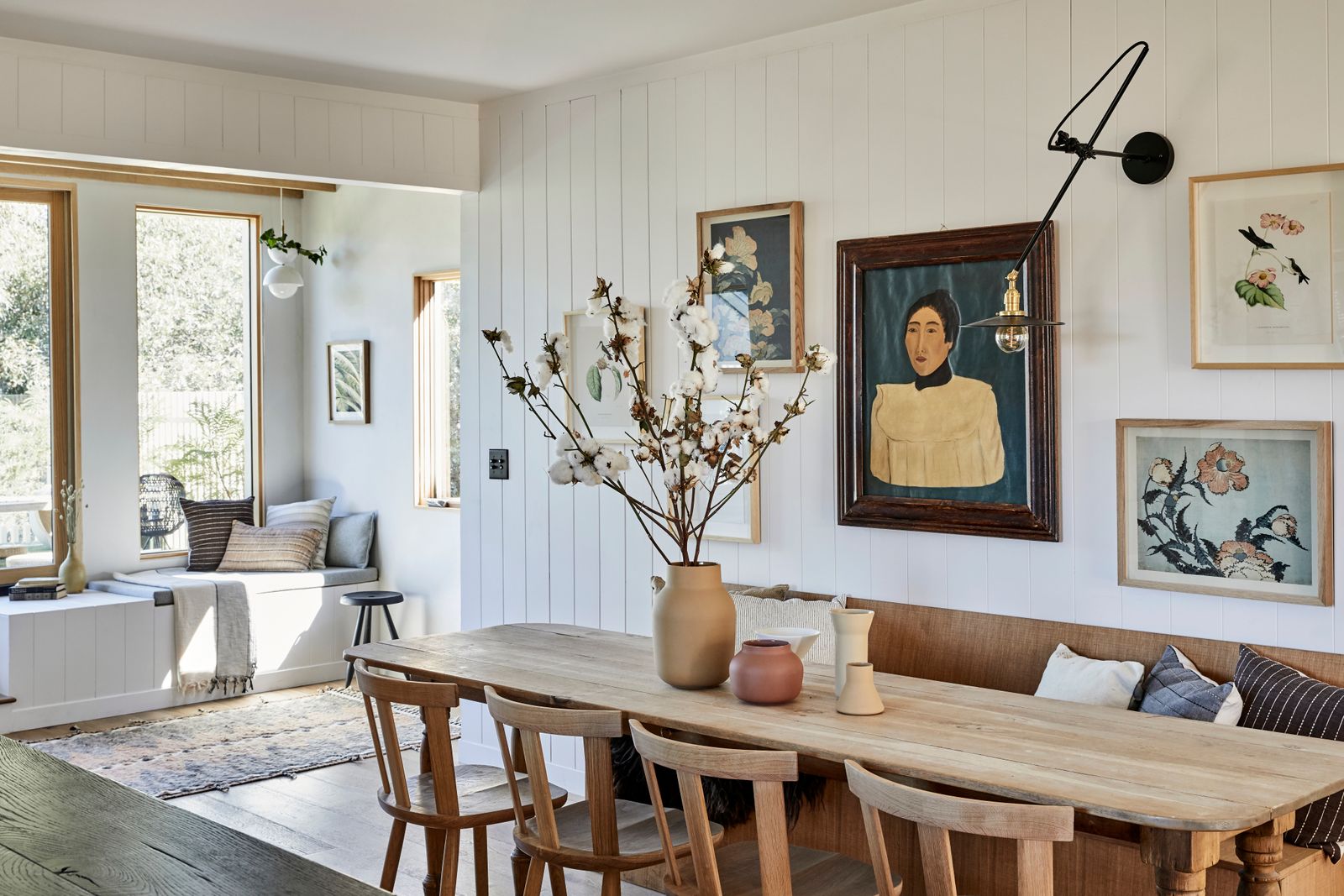
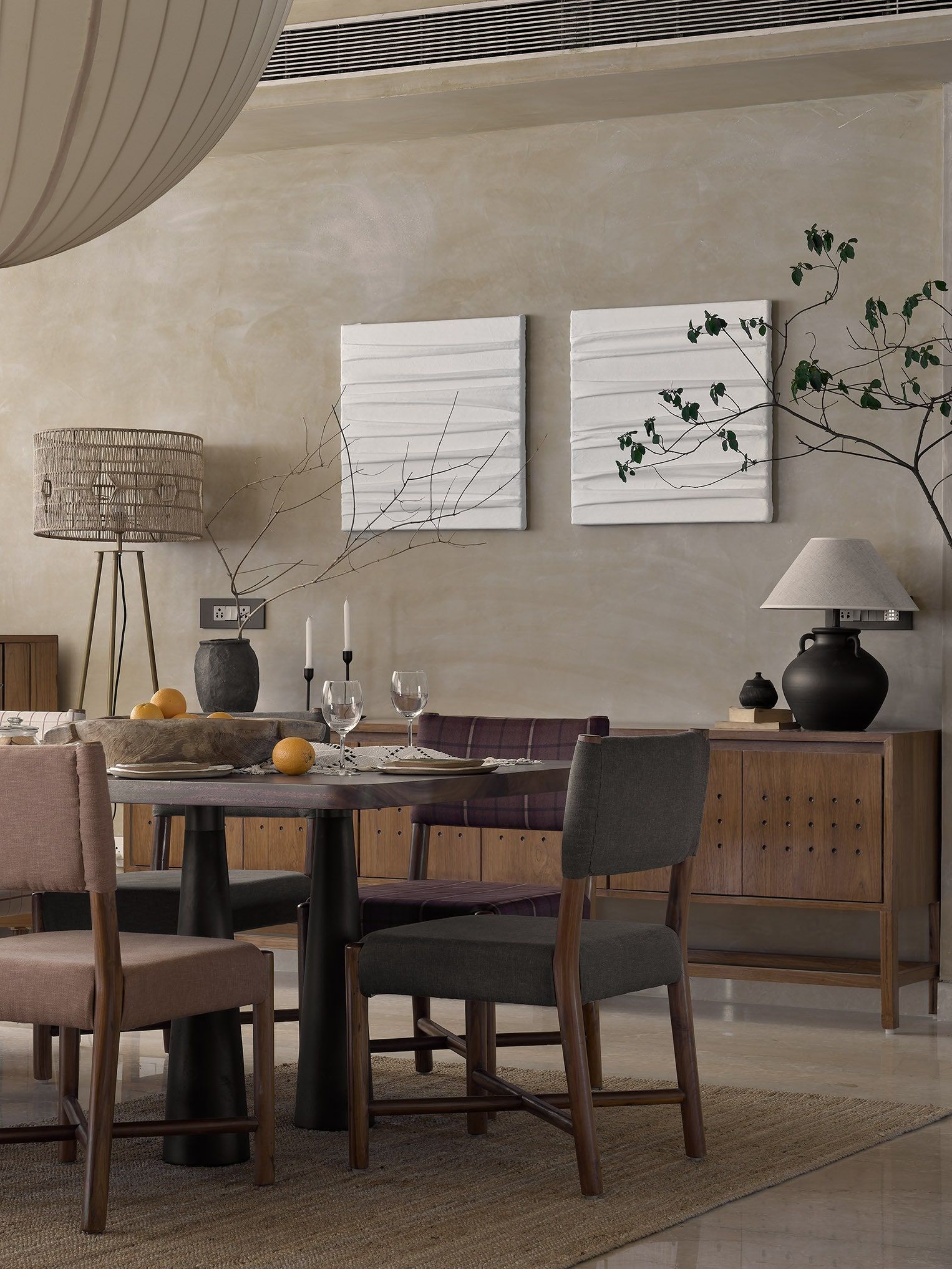
Technological innovation is also central to the design, particularly through the extensive use of Dekton, an ultra-compact stone from Cosentino. Dekton was chosen for various surfaces, including the informal dining table in Danae finish, the formal dining table in Khalo, and the bar counter in masculine black Kira. This material not only offers a wide range of aesthetic choices but is also lauded for its sustainability, being a carbon-neutral surface produced from recycled materials. This commitment to sustainable and durable materials ensures the home is not only aesthetically pleasing but also future-proof.
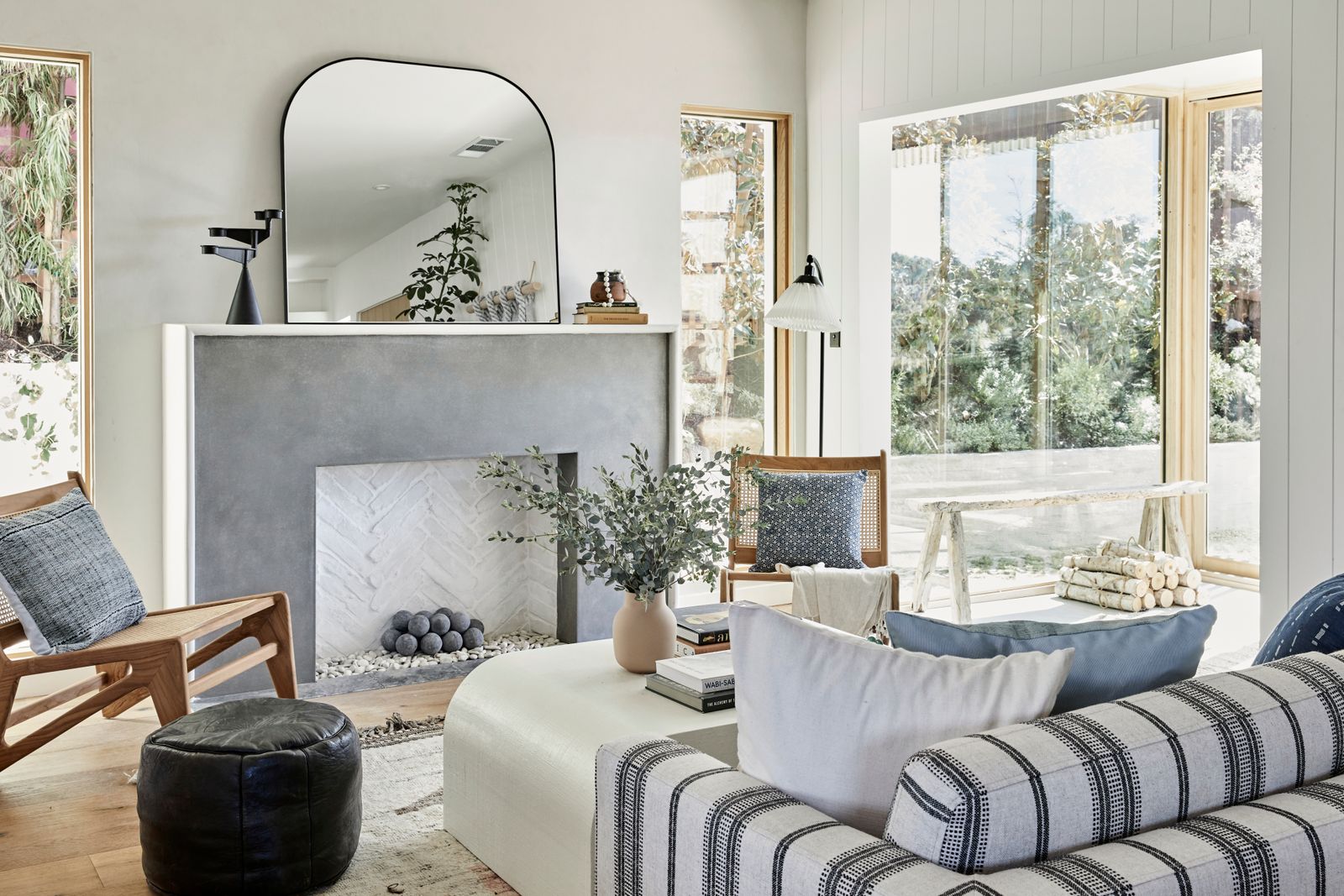
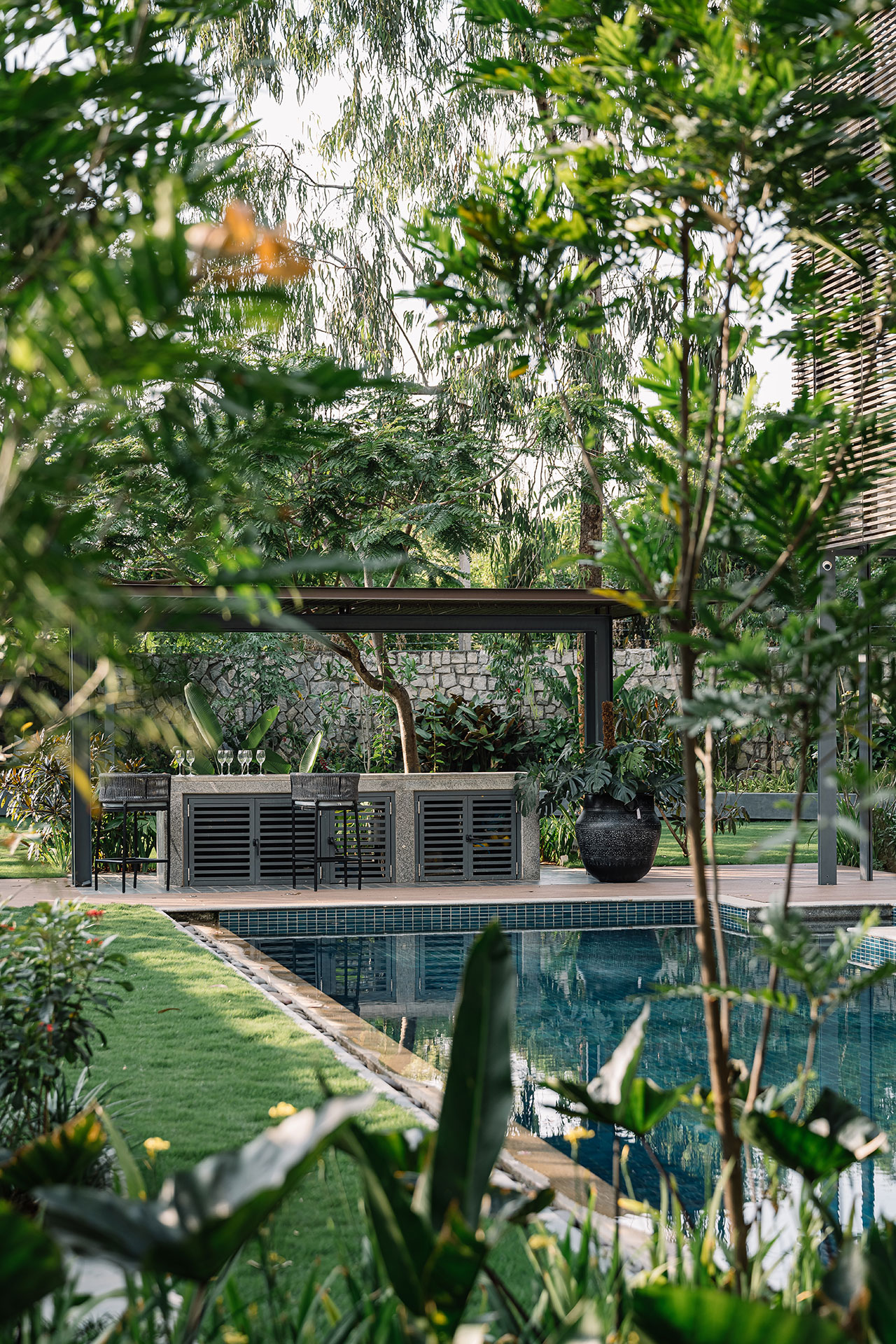
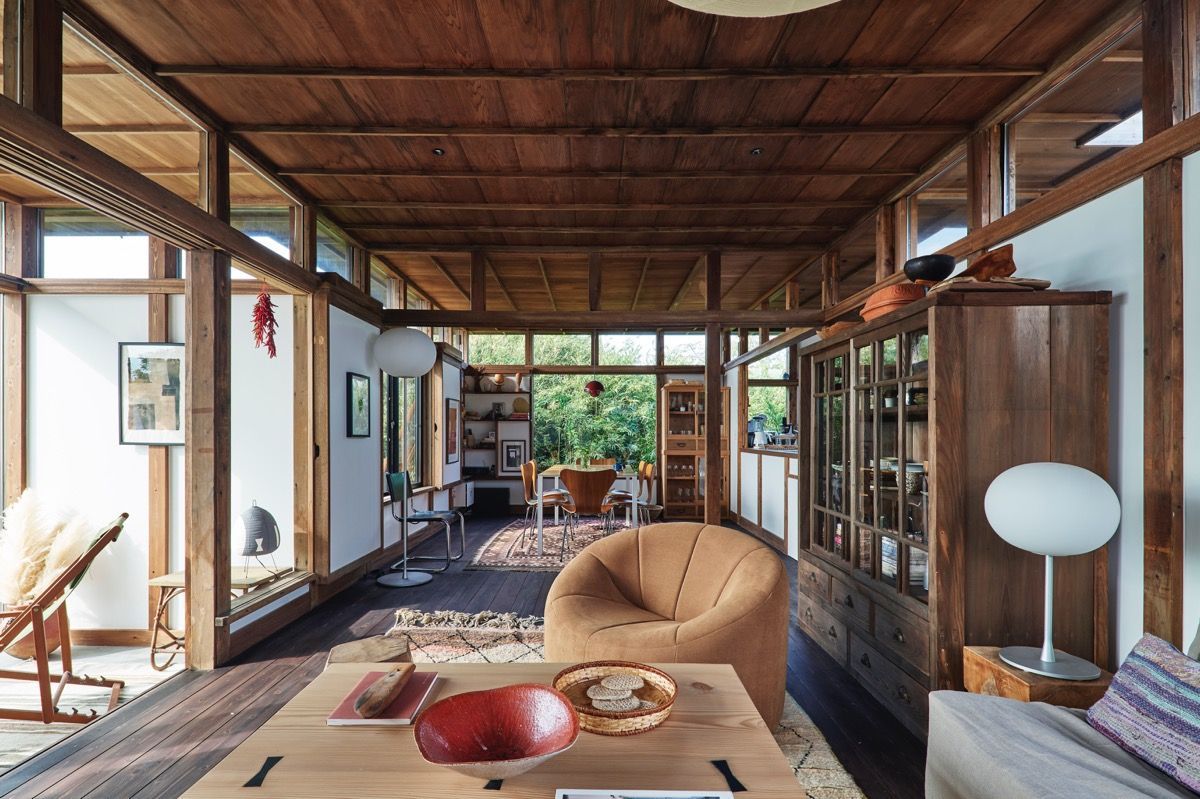
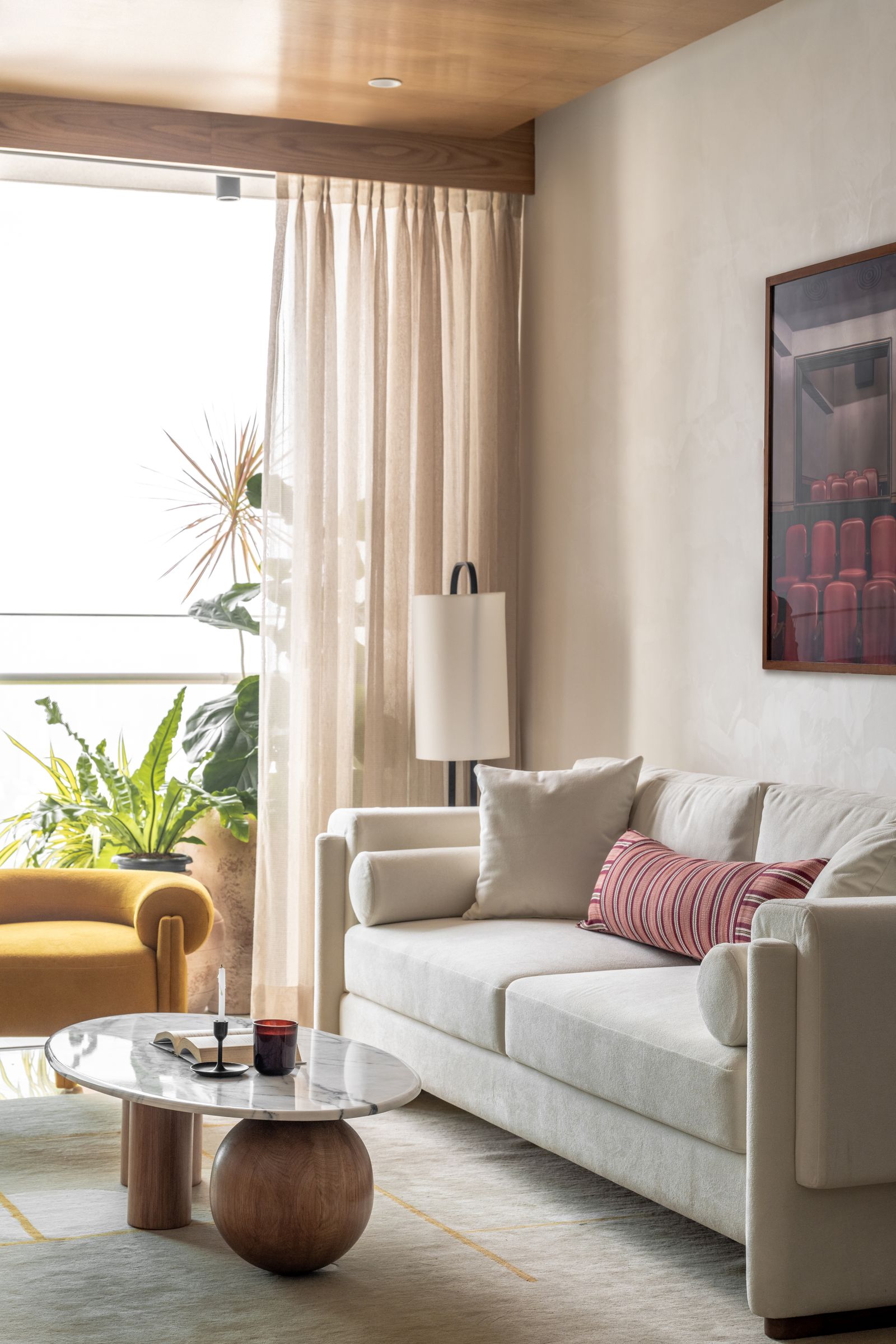
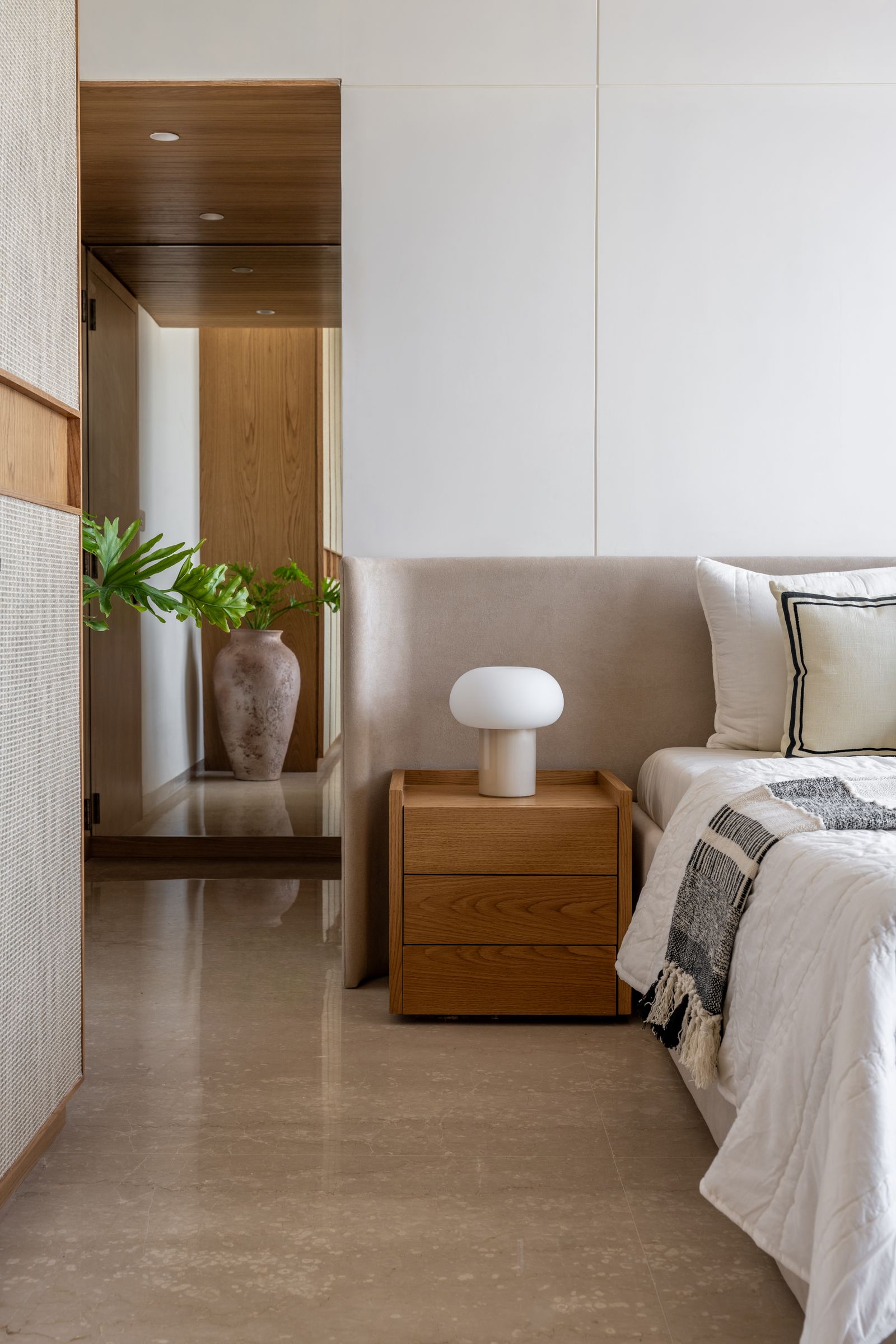
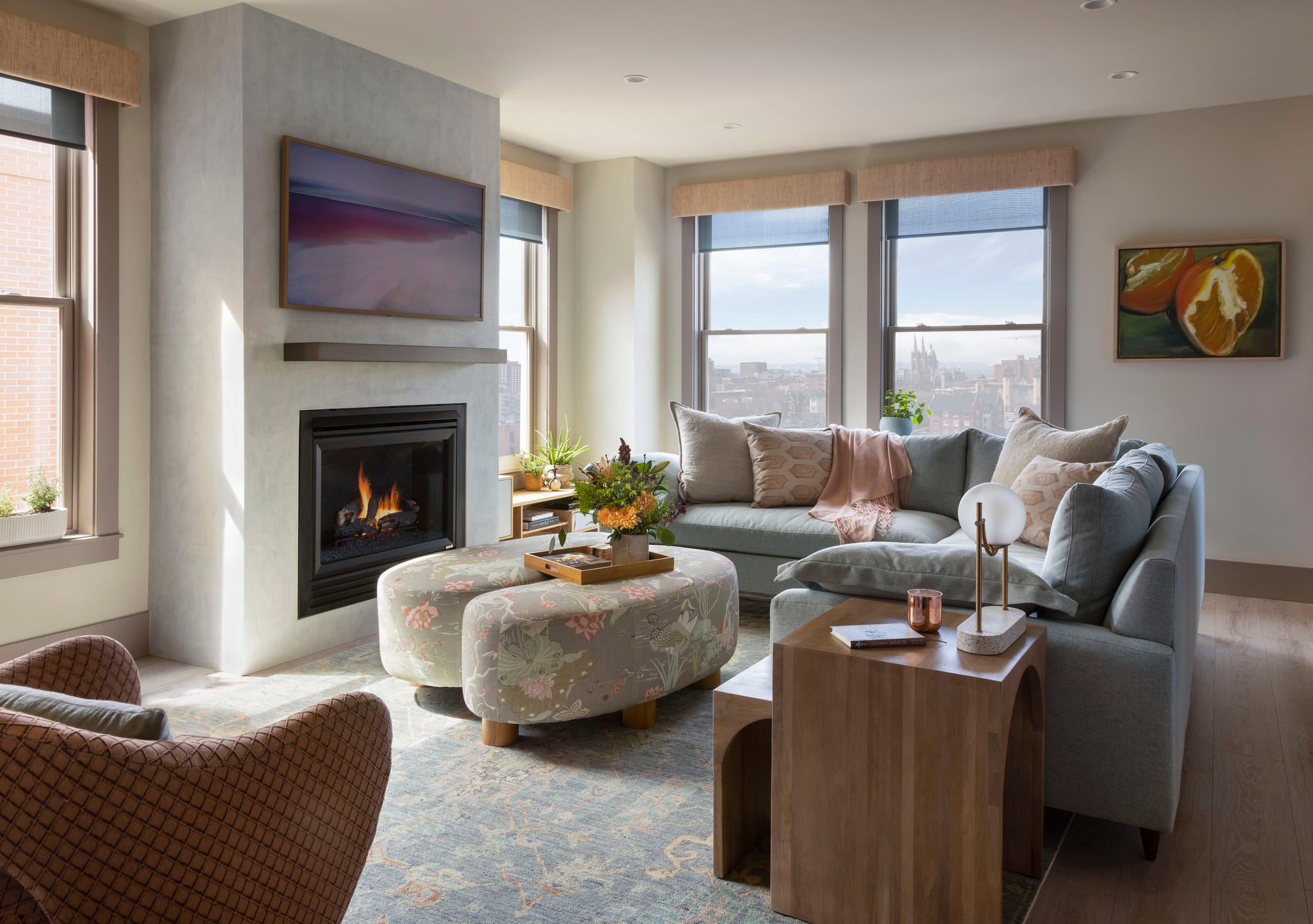
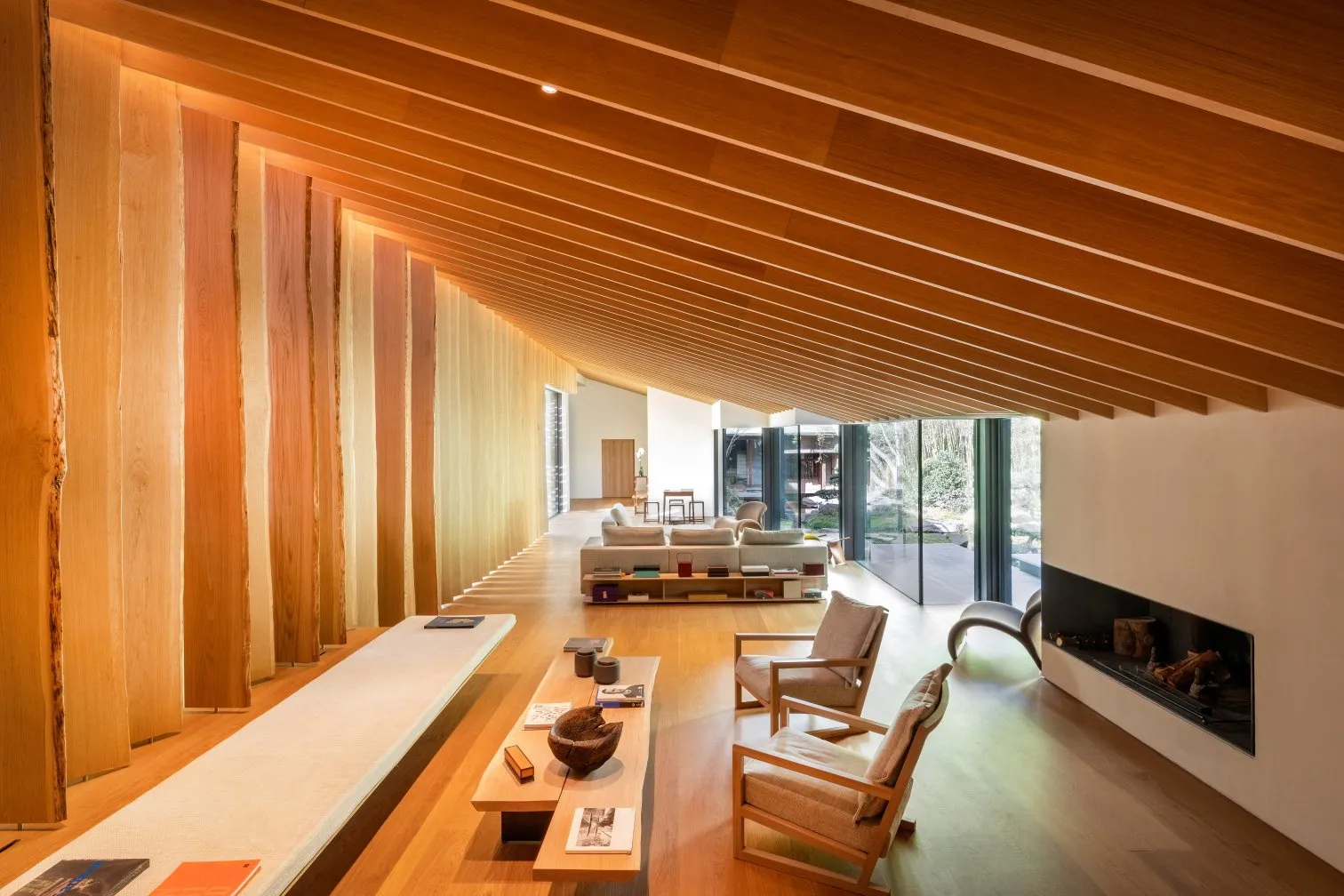
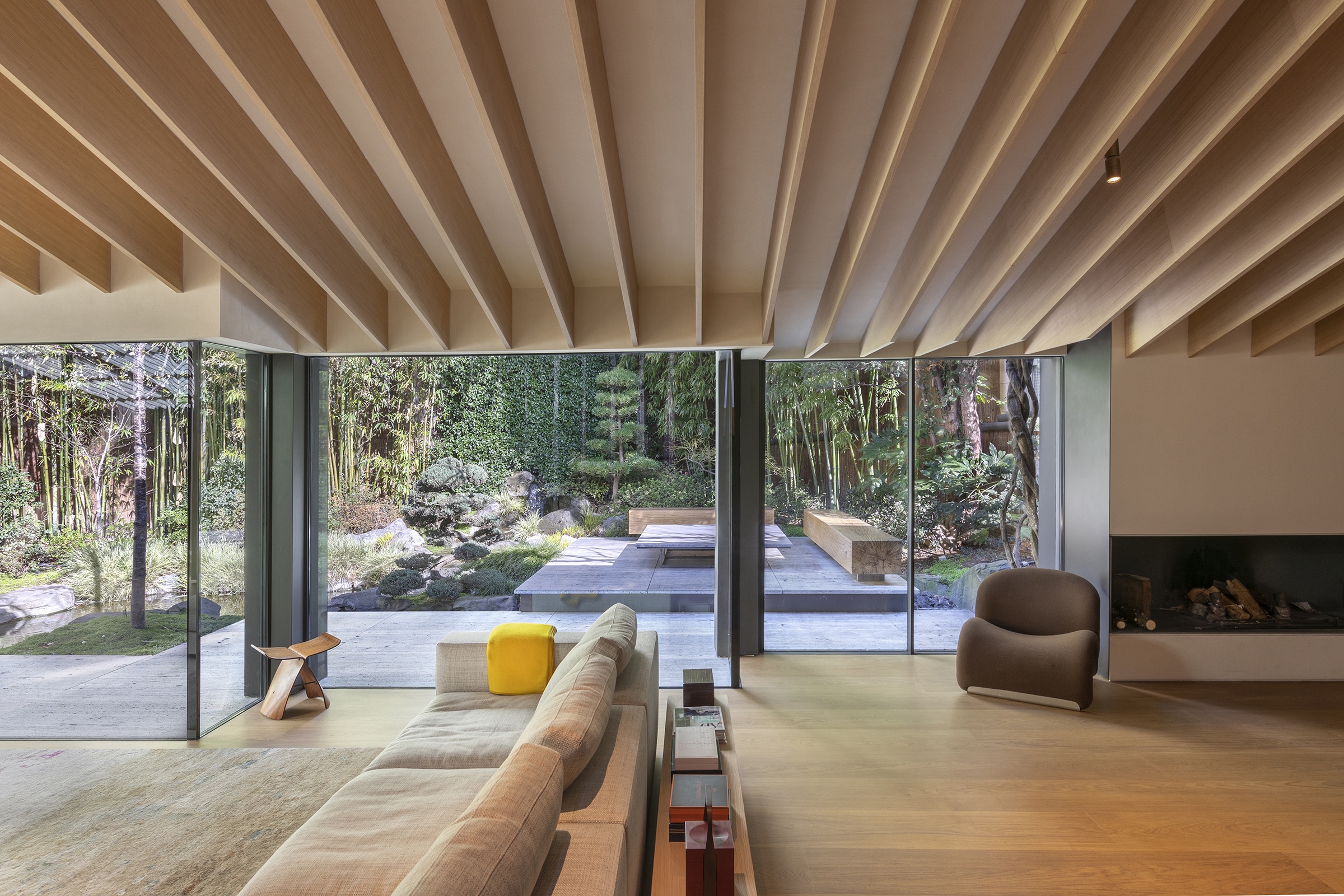
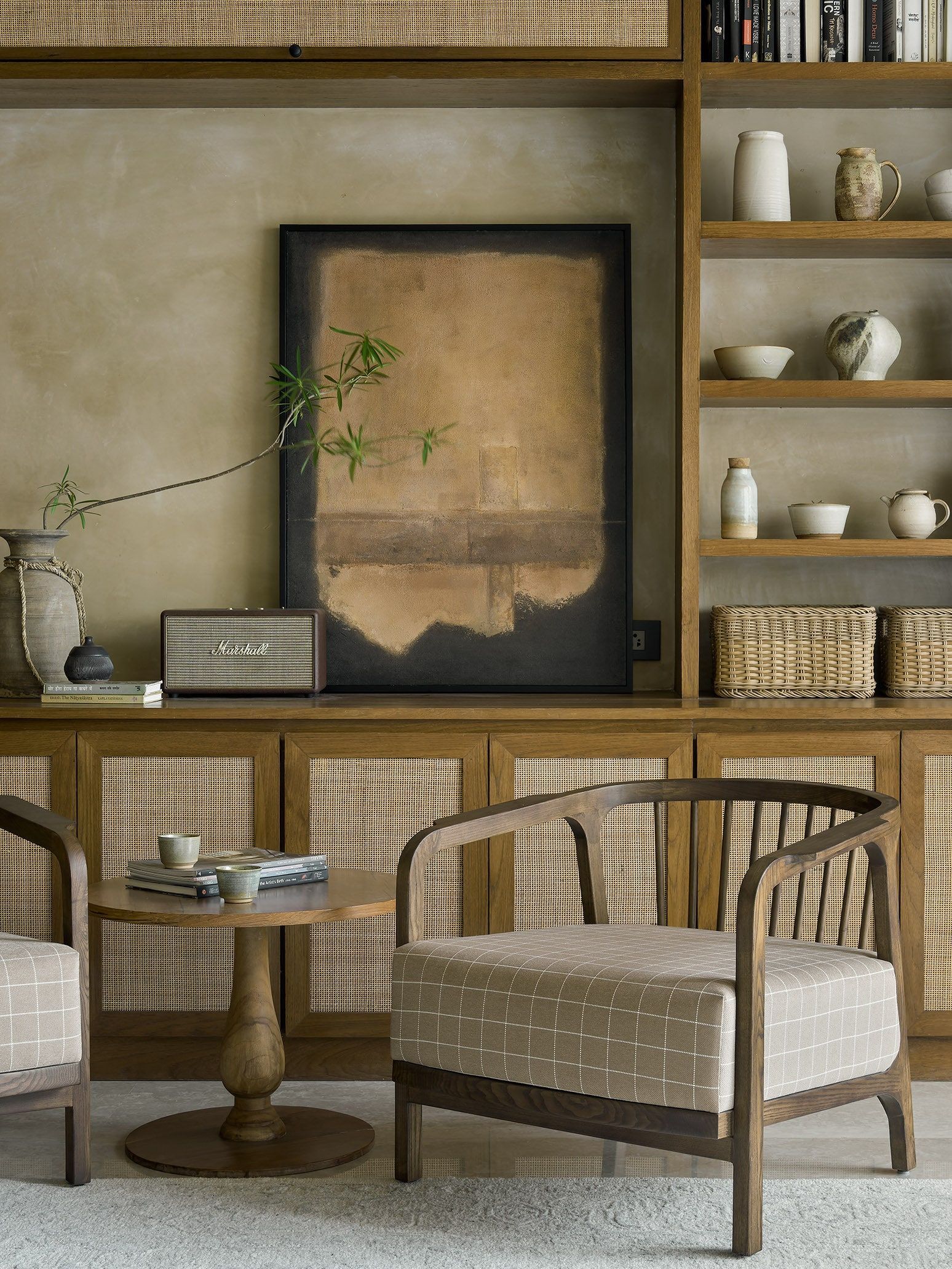
Throughout the villa, the Japandi aesthetic is consistently applied. In the living room, Gubi Pacha armchairs offer restful views of an oriental-style garden through large picture windows. A custom-made cocktail bar features CNC-carved Japanese-style shutters, continuing the theme. Bedrooms maintain a pared-down elegance with bespoke benches, layered screens, and textured fabrics. Various woods, including oak and walnut, are utilized extensively for warmth and as framing devices, such as sculptural sliding door frames and ceiling treatments, particularly in the formal living room, bar, and dining area. Arango emphasizes the versatility and natural beauty of wood, likening its aging process to that of fine wine. The harmonious blend of Japanese serenity, Scandinavian functionality, and a touch of local Dubai essence creates a uniquely opulent yet timeless and functional living space.
#JapandiStyle #DubaiVilla #InteriorDesign #MonicaArango #MinimalistDesign #SustainableMaterials #BespekeFurniture #CosentinoDekton #LuxuryLiving #JapandiStyle #DubaiVilla #InteriorDesign #MonicaArango #MinimalistDesign #SustainableMaterials #BespekeFurniture #CosentinoDekton #LuxuryLiving
0 comment in total
 No comments yet
You may also like
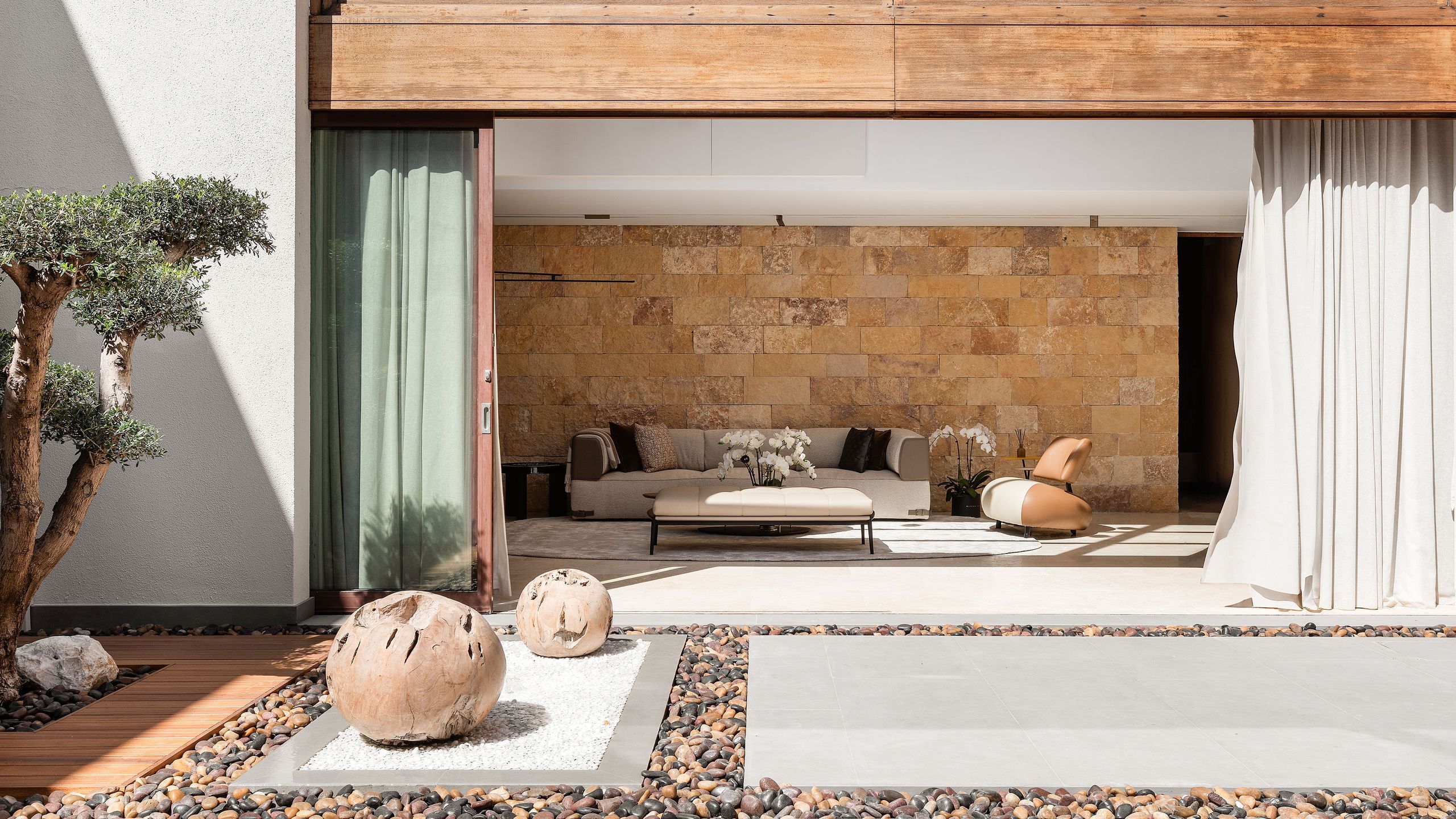
Tour A Zen Dubai Villa That Was Inspired by Nature
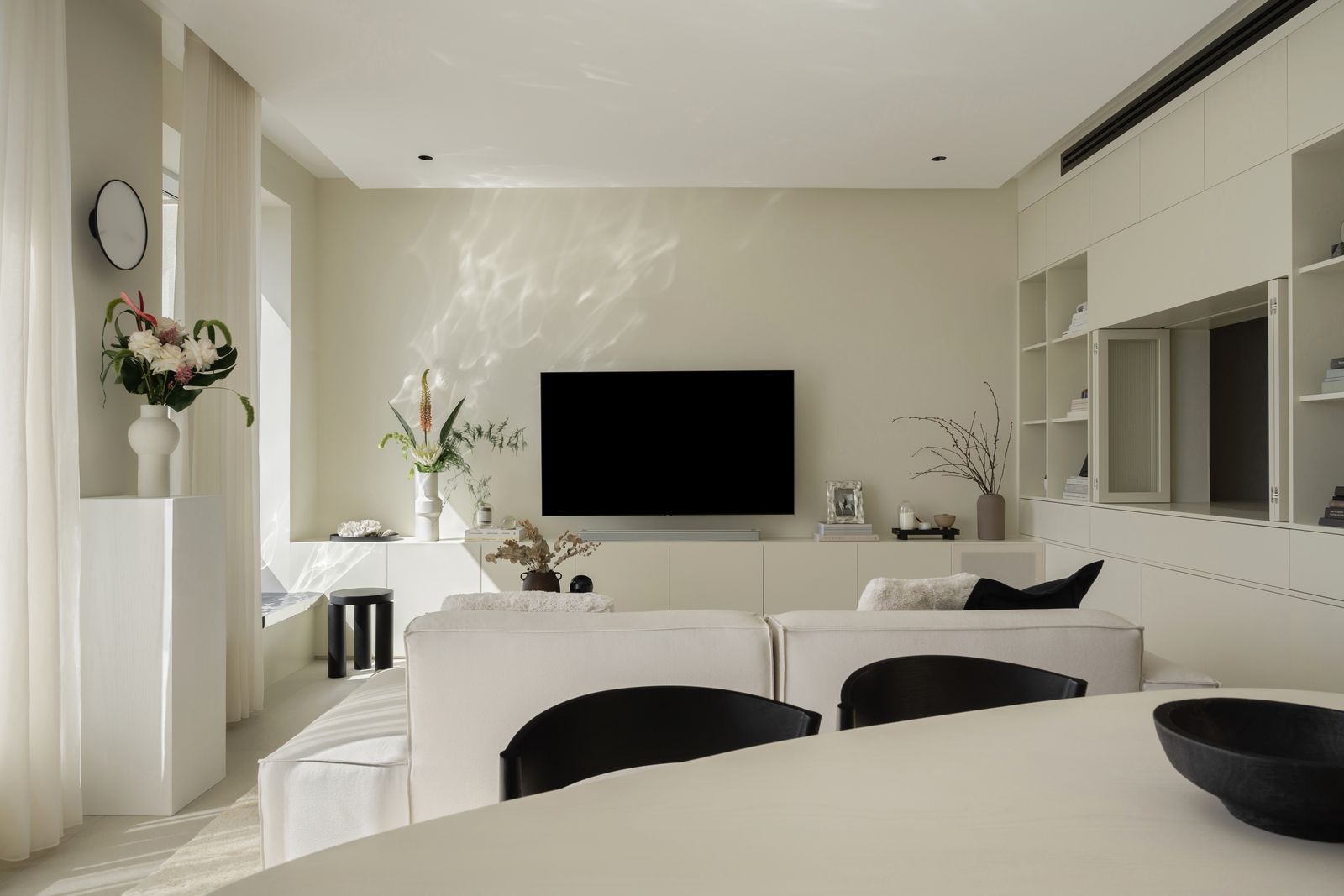
This Zen Dubai Apartment Is a Masterclass in Minimal Interiors
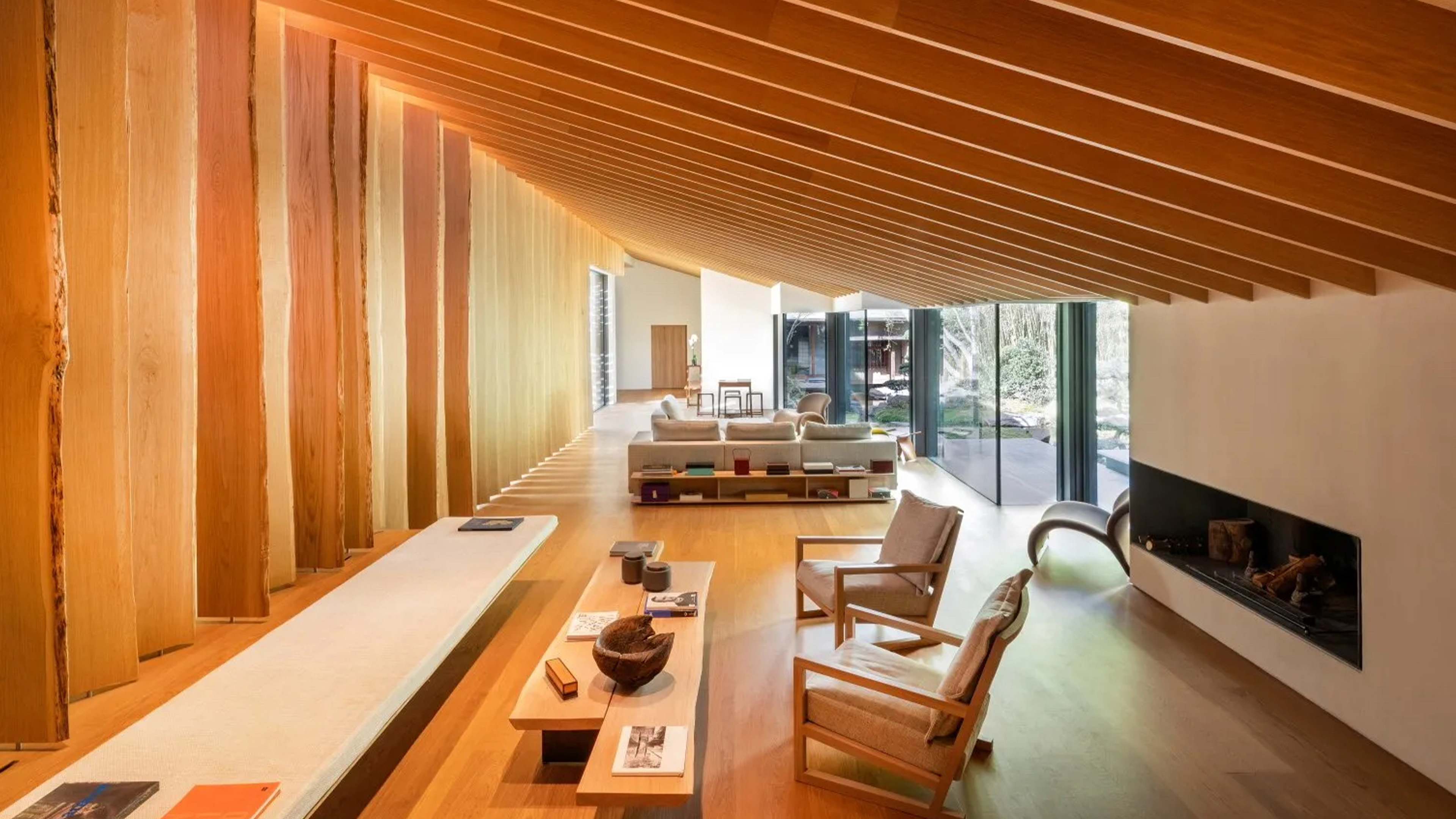
Designer Kenzo Takada's Japanese home in the heart of Paris

Homeowner who can’t afford interior designer goes DIY and finds new career

A Japandi-Style Home Transforms Into a Zen Paradise

This 1,100-square-foot Mumbai home embodies a quiet stillness

Nothing but pure Zen vibes in this Japanese-inspired home in Hong Kong
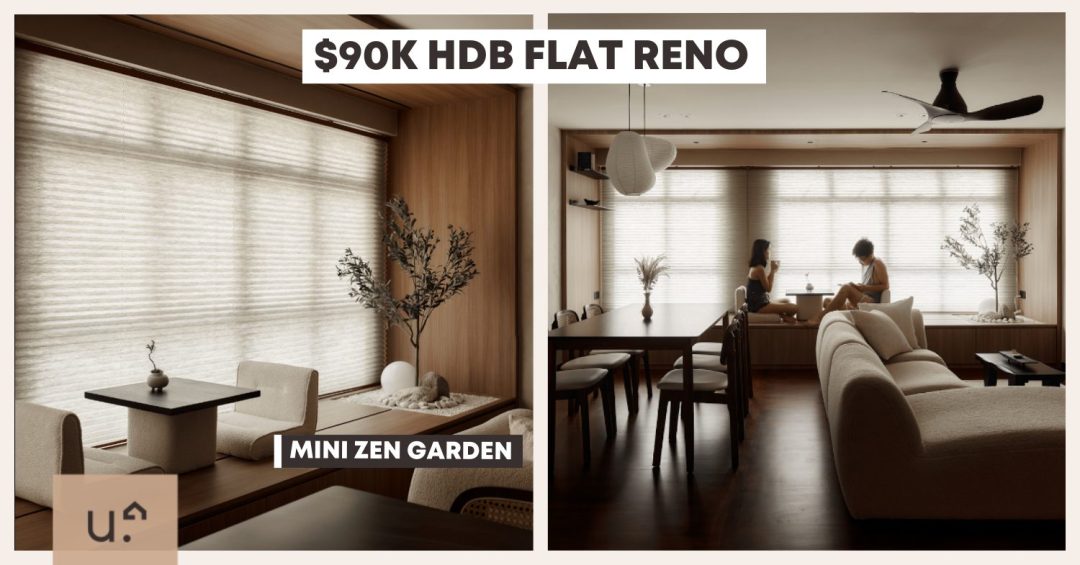
This Japandi-Inspired 5-Room HDB Flat Has A Window Seating Corner With A Chashitsu Space & Tiny Zen Garden

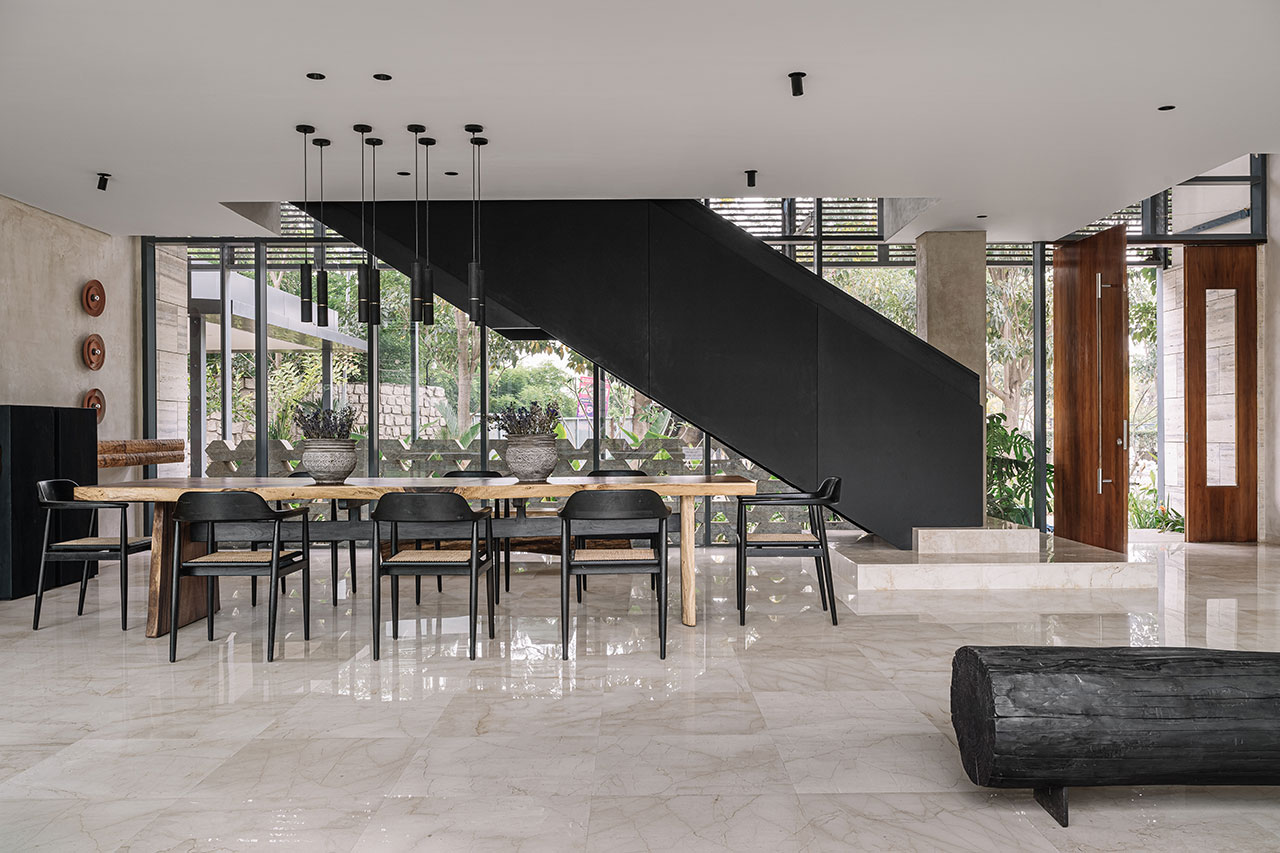
The Villa Tabebuia Offers Zen-Inspired Tranquility in Bangalore

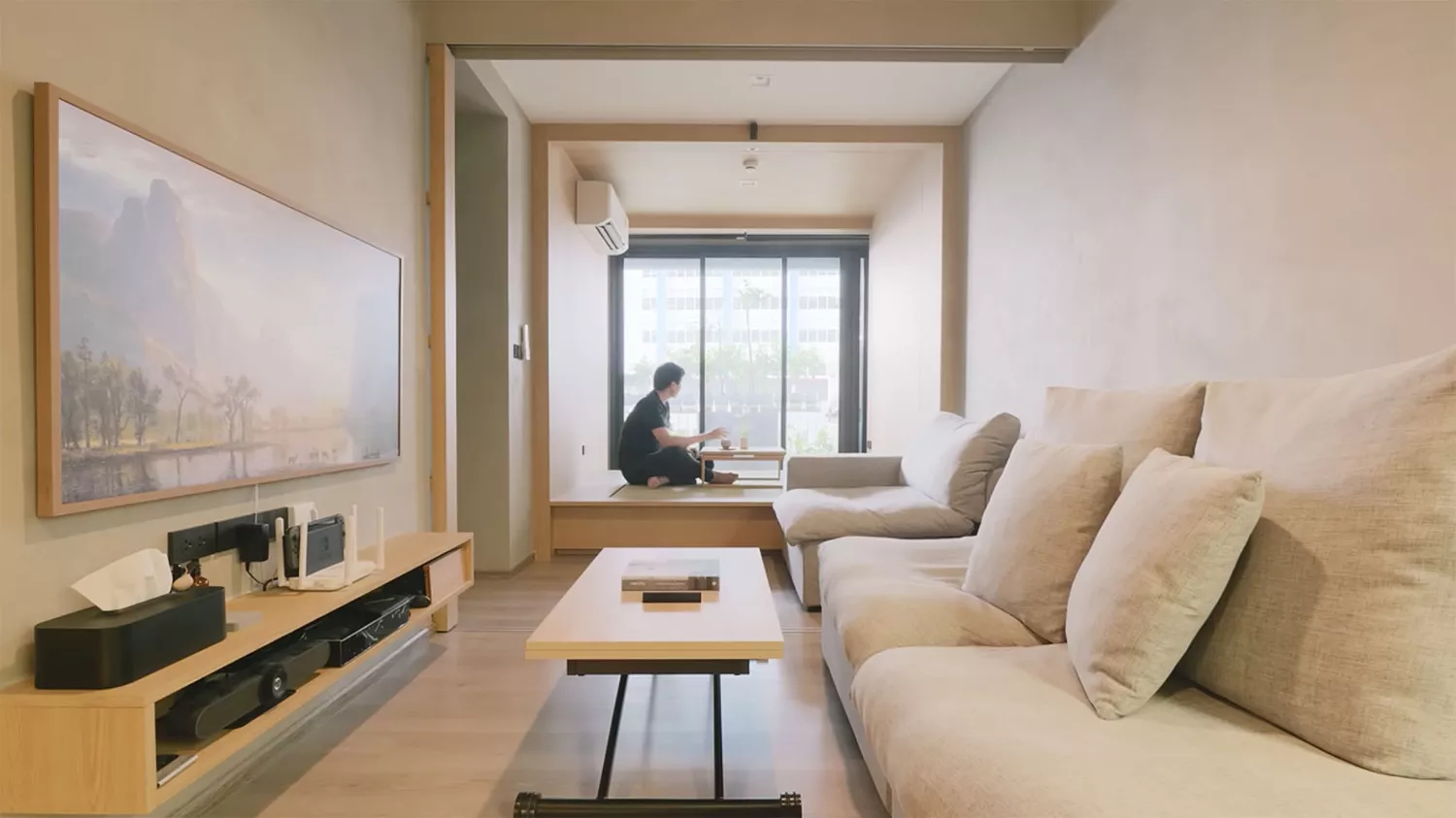
Zen-Like Micro-Apartment Renovation Is Inspired by Japanese Inns
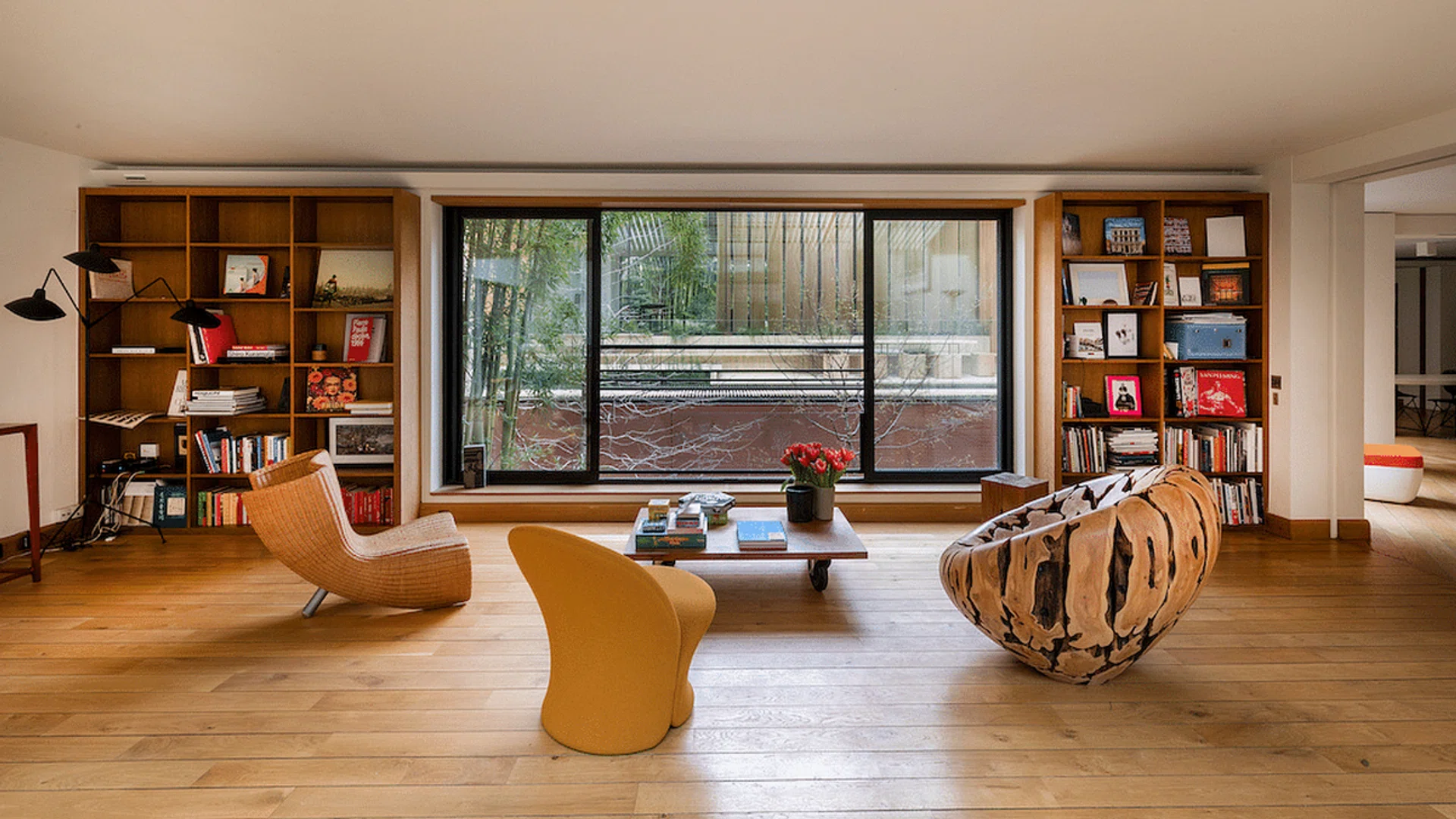
Late fashion designer, Kenzo Takada's personal Japanese home in the heart of Paris
Japanese minimalism brings zen to this Alibaug penthouse
Japanese-inspired design turns this beach house into a Zen retreat

An Architect’s Hidden Tropical Sanctuary Inspired by Japanese Zen Gardens

furuya design reworks japanese island bungalow into nature-immersed SANU home
5 homes that bring serene Japanese-inspired design to life
A 75-Year-Old Japanese House Was Transformed Into a Zen Weekend Hideaway
How A Dated Denver Penthouse Was Transformed Into the Ultimate Zen Retreat
This Japanese-Inspired Inn Is One of Mexico City's Best Kept Secrets

Japanese Living Room Design Is Trending—Here’s How to Achieve the Style