Antiques and Collecting | 1800s painted ceramic urn fetches pretty penny
The perception of ceramic artistry often defaults to the creators who mold and shape the pieces, such as dinnerware designers or those who craft unique forms through clay modeling or innovative glazes. However, this interpretation was not always universal. Historically, particularly during the 1700s and 1800s, a distinct class of artists specialized in decorating porcelains. These decorators meticulously applied paintings of diverse subjects, including gardens, floral arrangements, portraits, religious narratives, and architectural scenes. Complementing these painted artworks, other artisans would often create ormolu mountings, enhancing the overall aesthetic and value of the pieces.
Moving into the early 20th century, a popular hobby emerged among housewives: ceramic painting. Both amateur enthusiasts and professional artists would purchase plain white porcelain, often imported from countries like Germany, Japan, and England, and then adorn them with designs that resonated with American tastes. Magazines of the era frequently provided instructions and patterns, facilitating this creative endeavor. Specialized paints were developed to ensure the durability of these decorations on glazed vases or dinner plates, even through washing. Nevertheless, modern dishwashers, with their higher heat settings, pose a challenge to the longevity of these historical painted designs, sometimes leading to their degradation.
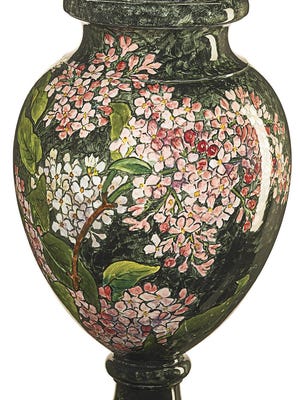
Among the notable professional ceramic decorators was John Bennett, born in Staffordshire, England, in 1840. Bennett honed his craft at Doulton & Co. in the 1870s before relocating to New York around 1876 to establish his own ceramic business. His career took a turn in 1882 when he retired, moved to New Jersey, and continued to decorate pottery, marking his pieces with "W. Orange-N.J." Bennett passed away in 1907, leaving behind a legacy of ceramic paintings characterized by their asymmetrical compositions of vibrant flowers and natural motifs. His artistic style was significantly influenced by both the aesthetic movement and the arts and crafts movement, making his works highly sought after and valuable in today's market.
An exemplary piece of Bennett's work is a large covered urn, standing 16½ inches high, prominently signed with his name. This urn features intricate clusters of pink and white hydrangea blossoms and lush green leaves, set against a striking black background. This particular piece was sold by the Rago Arts and Auction Center for $5,000, plus a buyer’s premium, underscoring the significant value placed on his artistry.
The article also addresses a reader's inquiry about a collection of painted lead figures, comprising five animals and seven human figures, each two inches tall and dating back approximately 100 years. The standing figures are marked, with at least one bearing the inscription "Made in England, Britains Ltd., London." The inquiry seeks to ascertain their value and potential selling venues.
Historically, Germany was a primary producer of lead toy soldiers and other figures in the early 1800s. Britains, an English toy manufacturer, pioneered the production of hollow-cast lead figures in 1893. The company ceased manufacturing lead figures in 1967 due to concerns about lead poisoning, subsequently transitioning to plastic figures. Therefore, if the reader's Britains figures are solid lead, they predate 1967. The article suggests that if the figures retain bright paint, they might not be as old as 100 years. The purchase price of such items can often serve as a reasonable indicator of their resale value. Specialized auctions for toy soldiers typically prefer full sets. Alternatively, online platforms like eBay offer avenues for selling individual lead figures. Military figures are generally the most popular and command the highest prices within this collecting niche. The article concludes with a list of current prices for various antiques, including a Libbey glass bowl, a Jens Risom for Knoll chair, a folk art advertising sign, and a Madame Alexander doll, providing a snapshot of market values for diverse collectibles.
#Antiques #Collecting #CeramicArt #JohnBennett #PaintedPorcelain #LeadFigures #BritainsLtd #HomeDecor #AuctionResults #Antiques #Collecting #CeramicArt #JohnBennett #PaintedPorcelain #LeadFigures #BritainsLtd #HomeDecor #AuctionResults
0 comment in total
 No comments yet
You may also like
5 Rules for Identifying Antique and Vintage Ceramics—Plus the Types That Are Most Valuable

8 most expensive antiques in the world

These Target Vases Look Like They Cost Hundreds More Than They Do


Antique Originals

5 Rules for Identifying Antique and Vintage Ceramics—Plus the Types That Are Most Valuable

These Vintage Items Hiding in Grandma's Kitchen Could Be Worth a Fortune


pulpo + hermann august weizenenger finish ceramic vases with an iridescent sheen
Experts Say These Rare Antique Glassware Finds Are Always Worth Buying at Vintage Stores
12 Expensive-Looking Vases That Start at $10
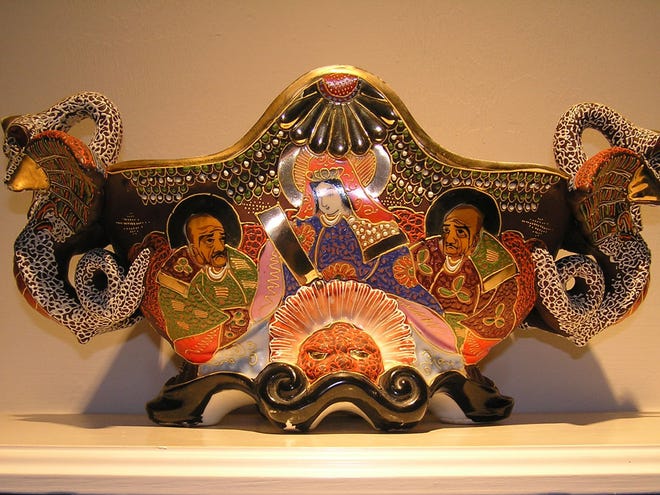
These Moriage pottery pieces will create excitement in the marketplace
Aldi Is Selling a Gorgeous $15 Rattan Vase Similar to a Crate & Barrel Style 6x the Price

These Chic, Affordable Vases Are Delivering All the Vibes
This $15 Target Vase Looks Like Something I Scored at an Estate Sale
These Affordable Target Ceramics Look Expensive And Artisan-Made

A midcentury gem gets a polish in LA
The Latest Home Decor Trend Will Bring Old World Charm To Your Space

The Pottery Barn Items That Will Give You The Best Value


AD’s Guide to the Best Ceramic Brands and Online Pottery Shops

9 Ceramic Gifts for Every Type of Food Person

Trash or Treasure: Sculpture Is spelter, not bronze, but still desirable