1/6
Frances Palmer Reveals Her Secrets for Arranging a Splendid Summer Centerpiece
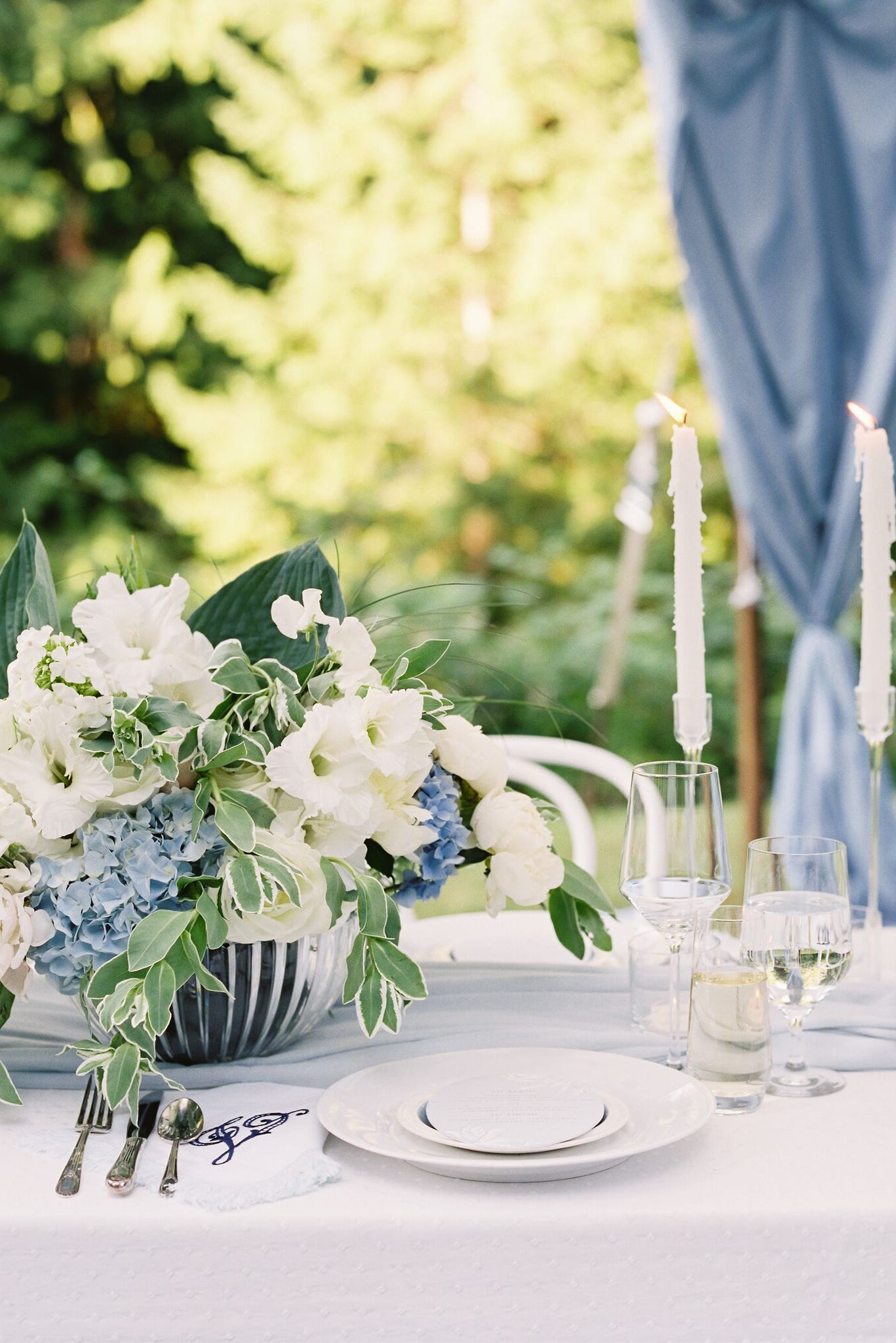
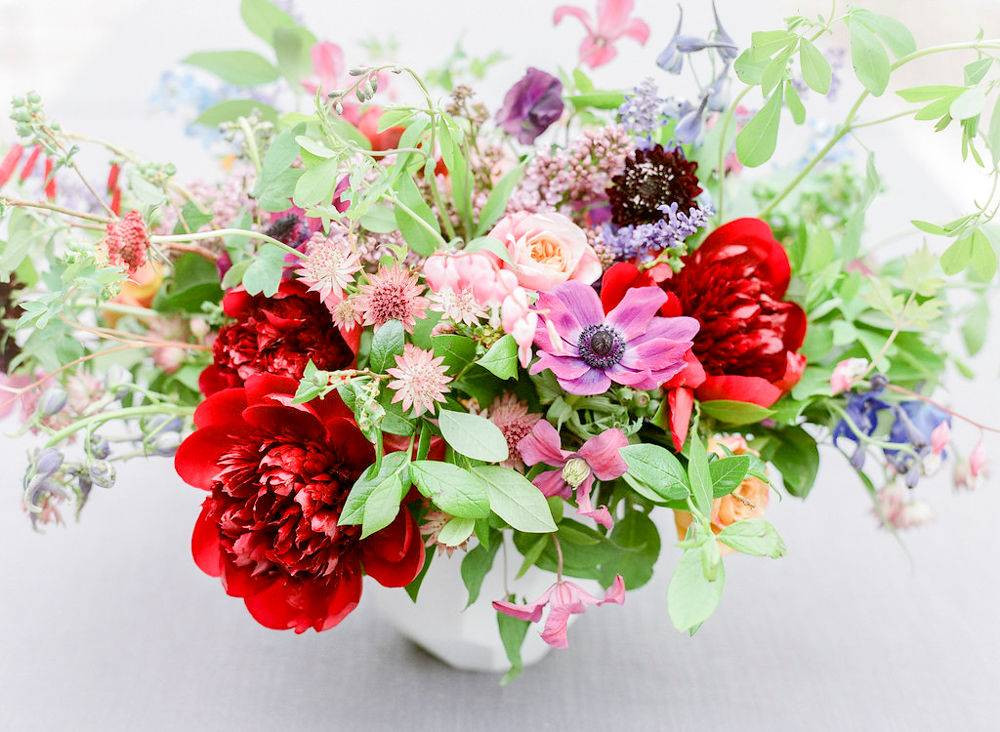
Frances Palmer, a renowned ceramicist, gardener, and writer, shares her insights into creating vibrant summer floral arrangements directly from her Connecticut garden. Palmer emphasizes the symbiotic relationship between her ceramics studio and her garden, viewing them as two integrated halves of her creative world. She explains that her journey into pottery began in her 30s after moving from New York City to Connecticut, and while ceramics became her livelihood, growing flowers became an indispensable part of her artistic process.
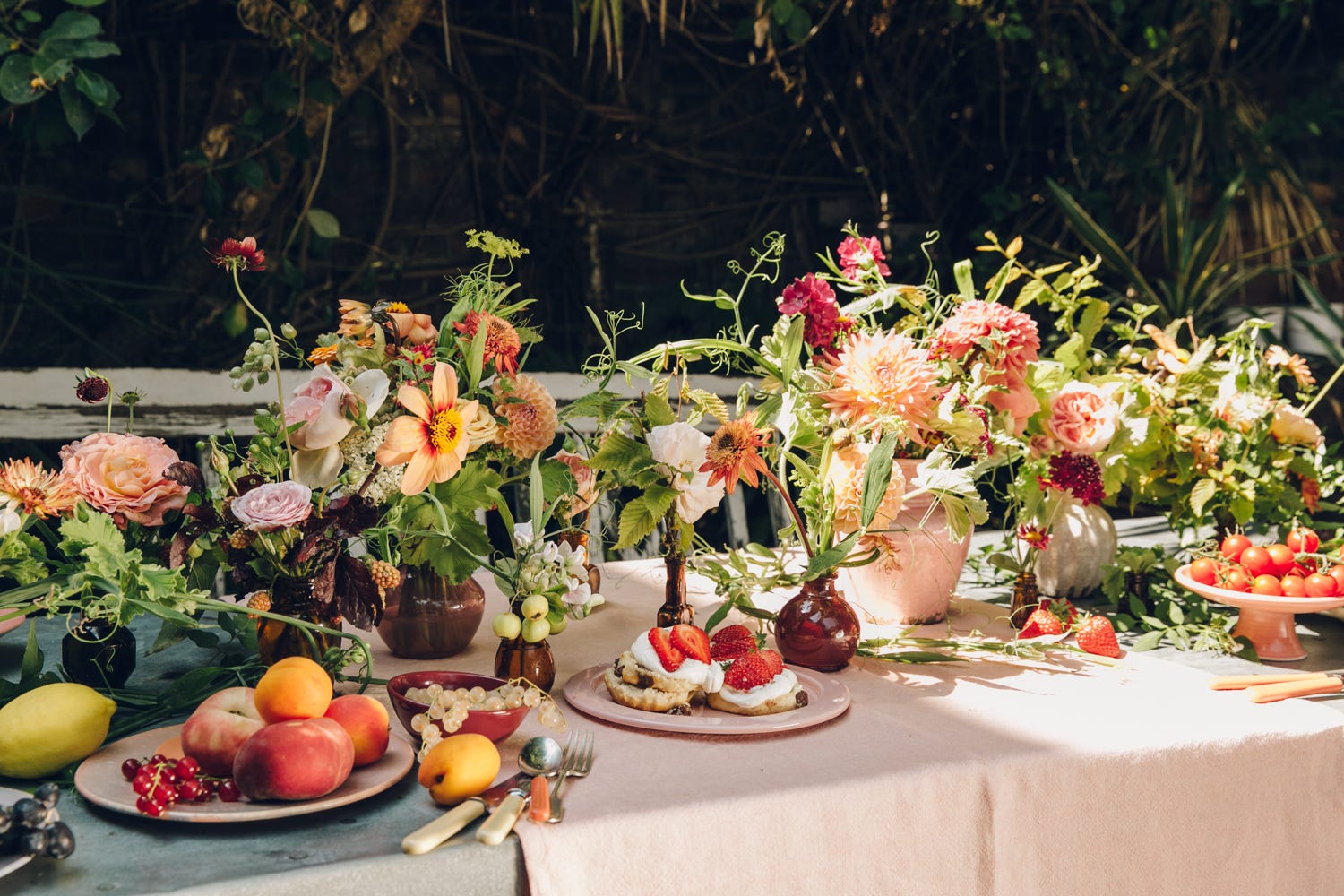
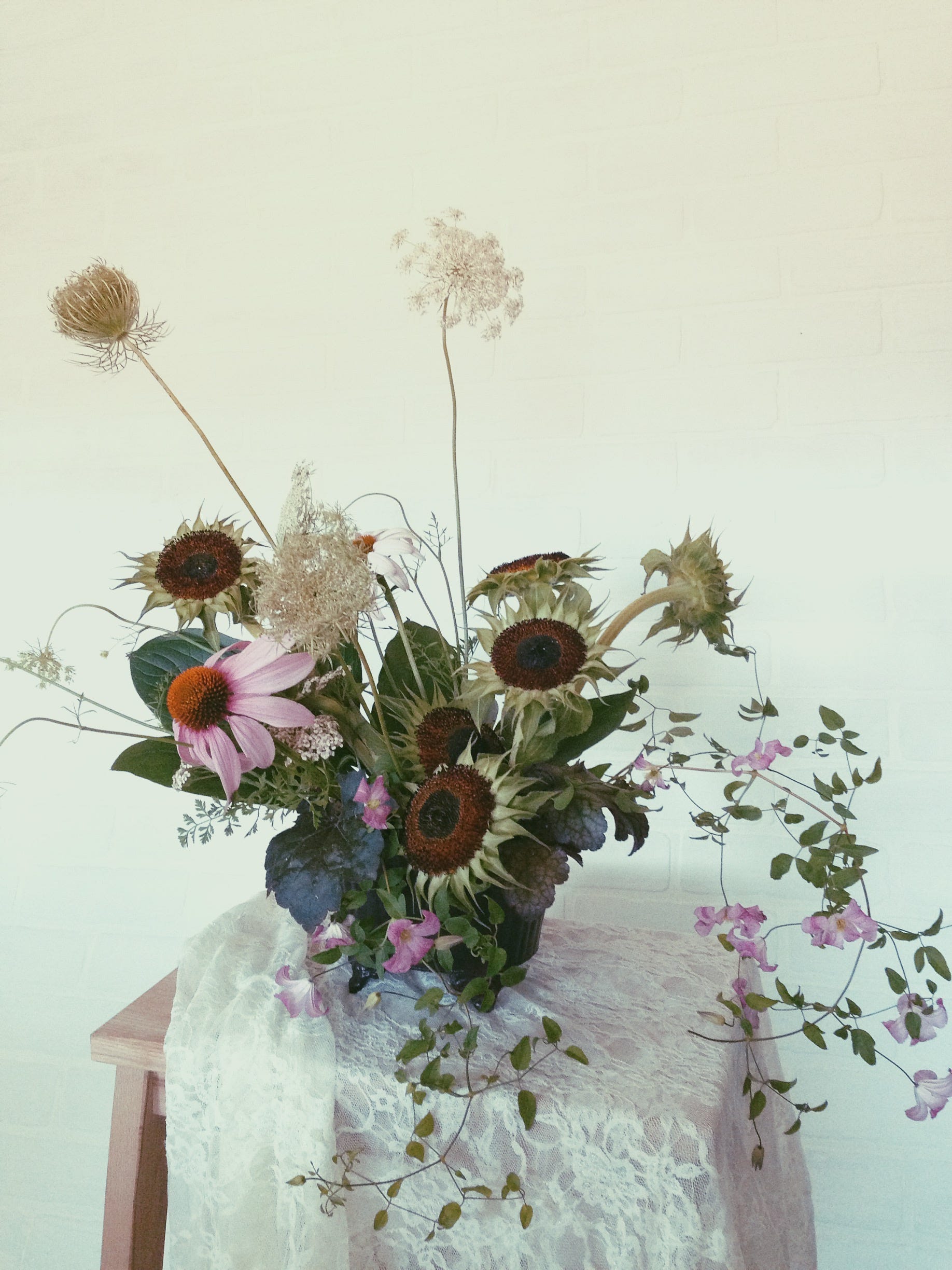
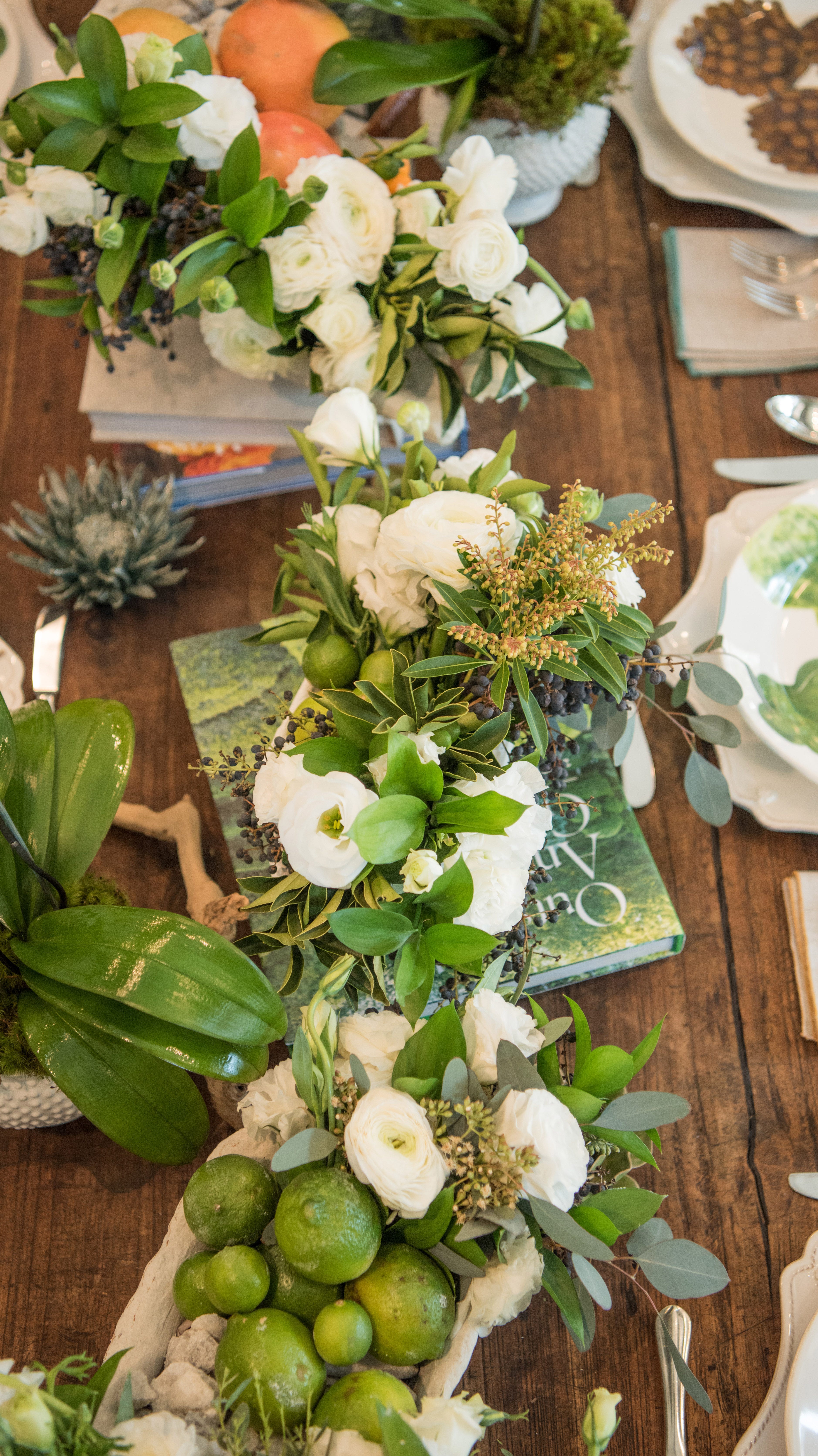
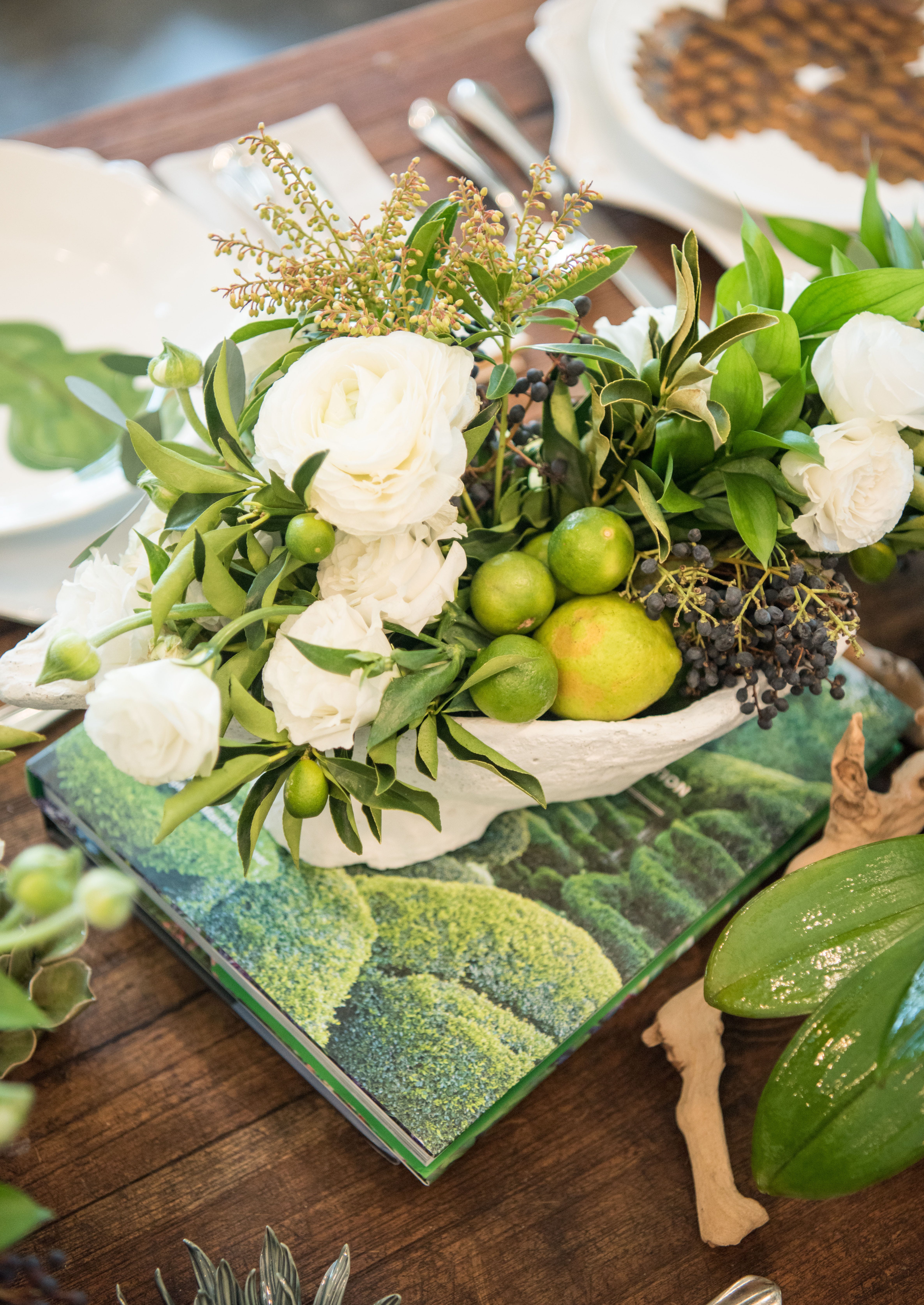
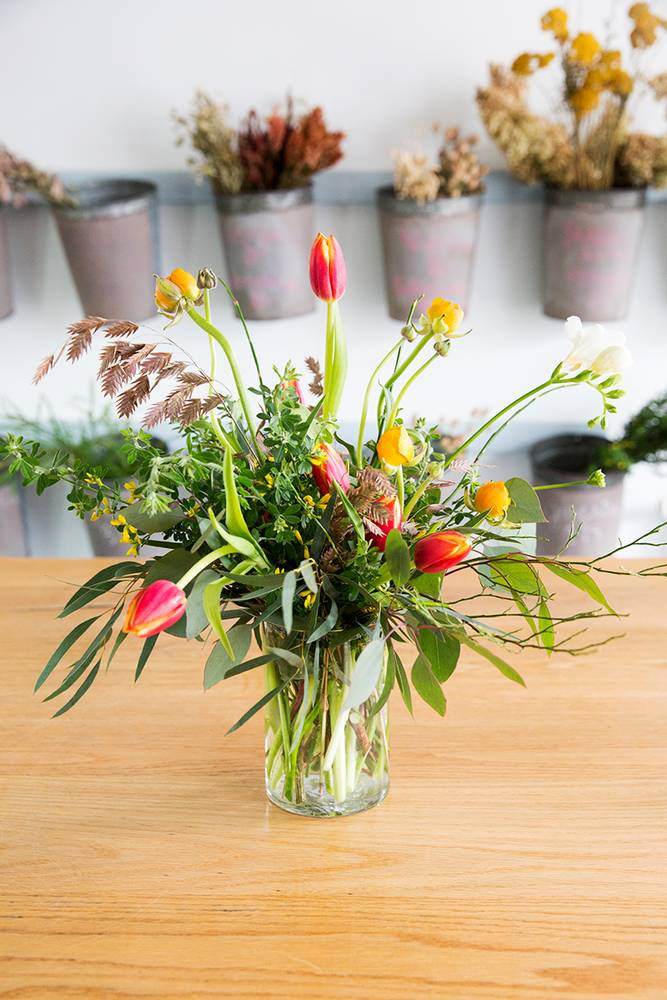
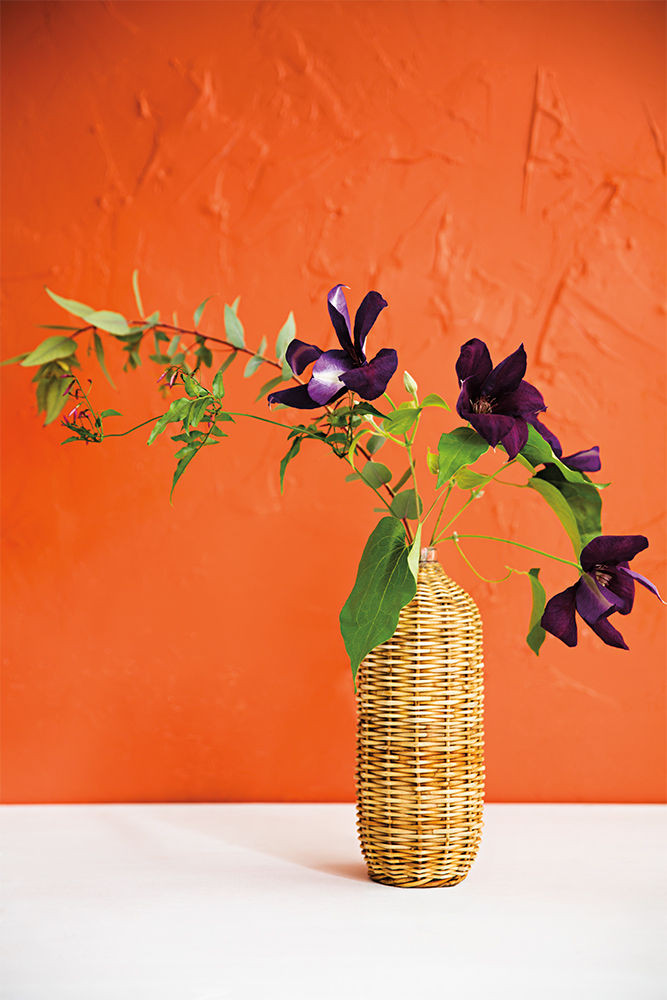
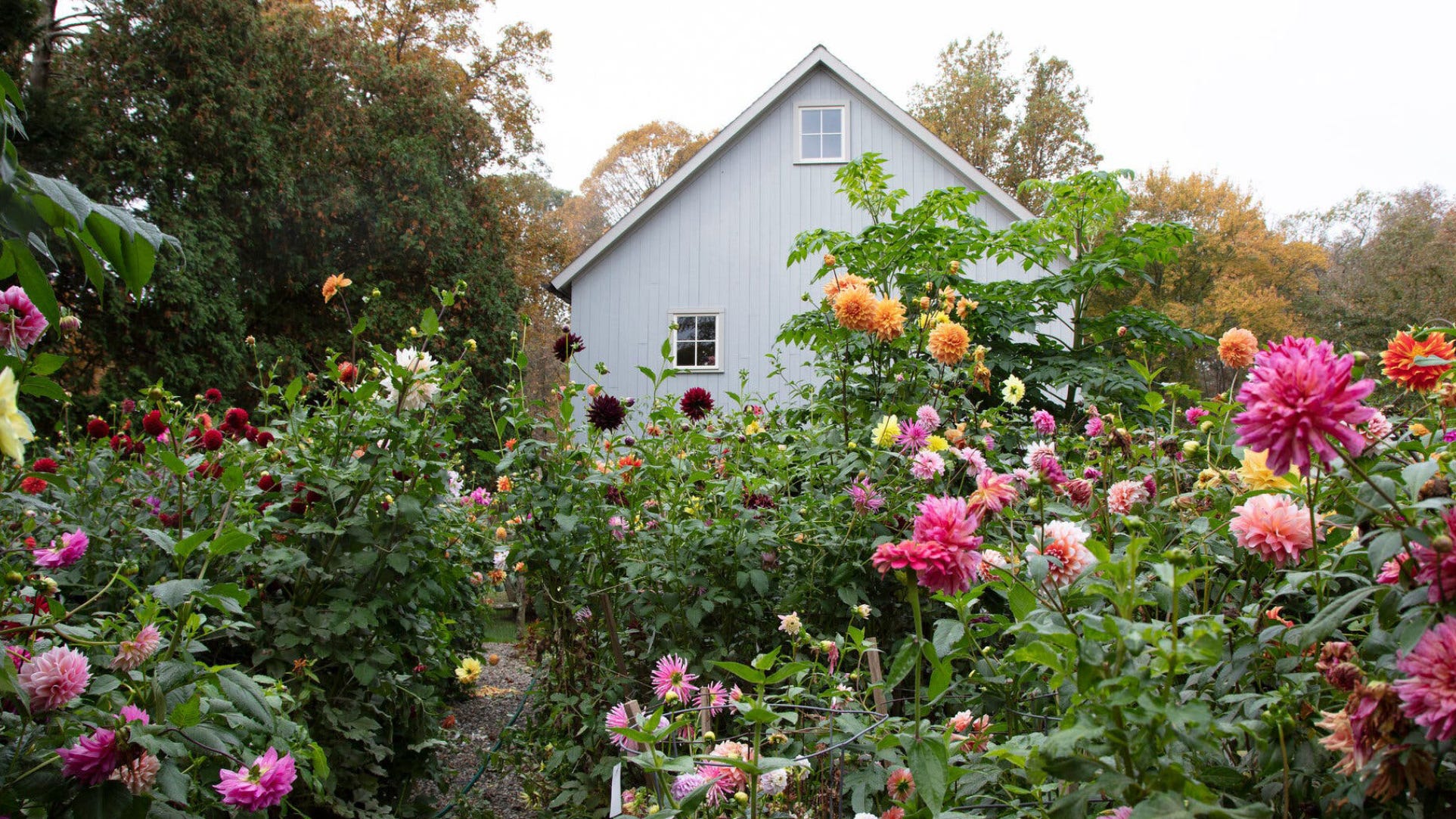
Palmer's approach involves a constant dialogue between her garden and her pottery. She cultivates specific flowers to complement her ceramic vessels and, conversely, designs new pots with particular blooms in mind, such as large, narrow vases to support tall Oriental lilies. The vernal season, from mid-May to mid-June, is highlighted as a period of rejuvenation and continuity in her garden, filled with iconic summer blooms like peonies, bearded irises, roses, and flowering branches such as dogwood and smoke bush. She describes how she meticulously clips, gathers, and composes these diverse plants into arrangements that serve as a seasonal snapshot.
A core philosophy of Palmer’s gardening is that everything planted must be 'cuttable,' whether it's a tree, shrub, or stemmed blossom. She continually edits her garden to ensure its components are suitable for arrangements, resulting in a dynamic and ever-evolving tapestry of colors and forms that bloom from early spring until the first frost. This trial-and-error approach, she notes, embraces the inherent variability of nature and her craft, from weather conditions impacting her garden to kiln variations affecting her ceramics. She encourages an open and receptive attitude toward these variables, finding constant surprise and inspiration in them.
For those aspiring to create their own cutting gardens, Palmer advises patience, acknowledging that developing a successful garden tailored to one’s specific climate and space takes time. She stresses that learning from unsuccessful attempts is crucial and encourages self-compassion, reminding readers that gardening mastery is a continuous journey. When it comes to arranging flowers, she advocates for a similar approach of personal discovery, urging individuals to experiment and find what they personally enjoy and what works best for them.
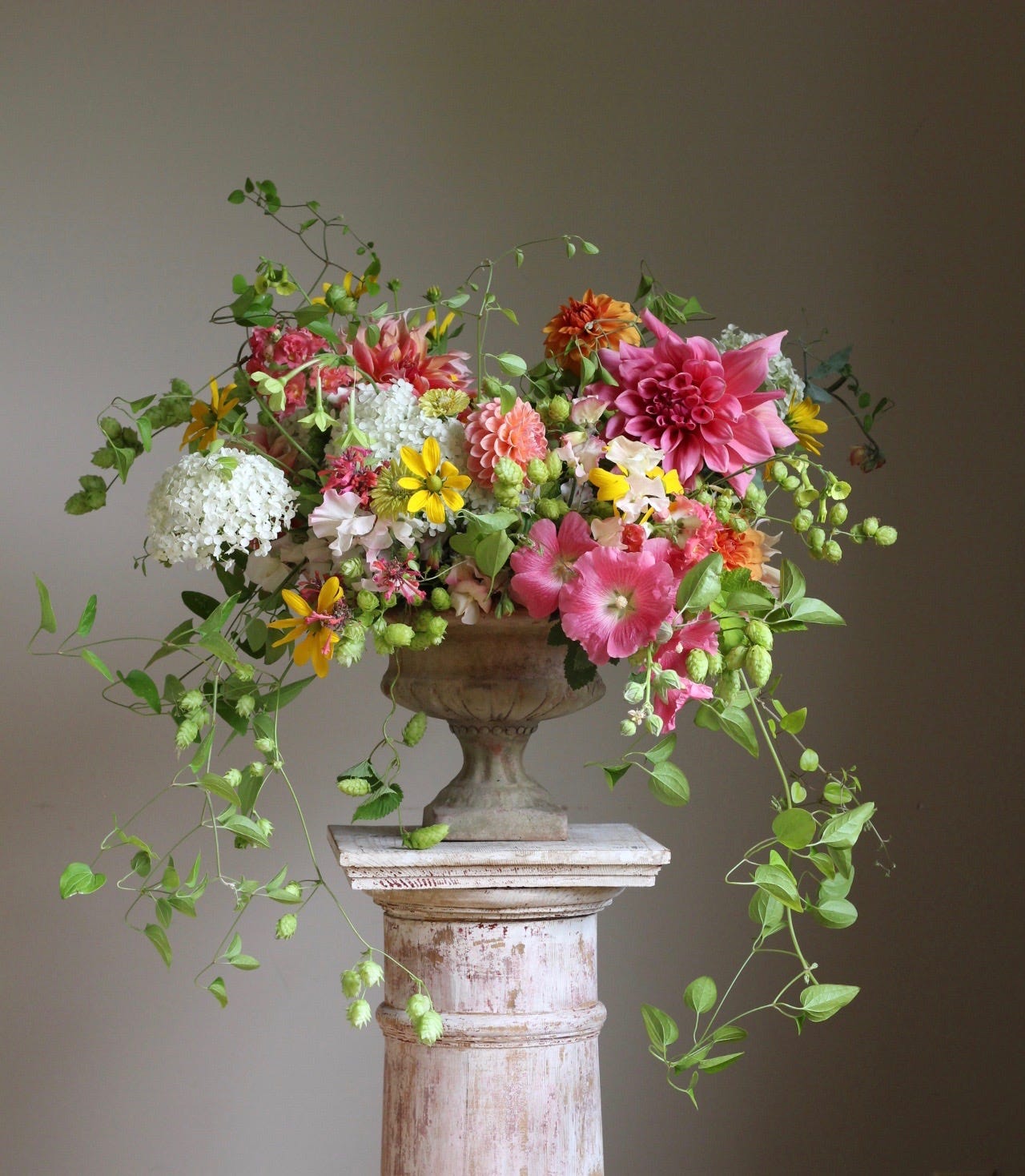
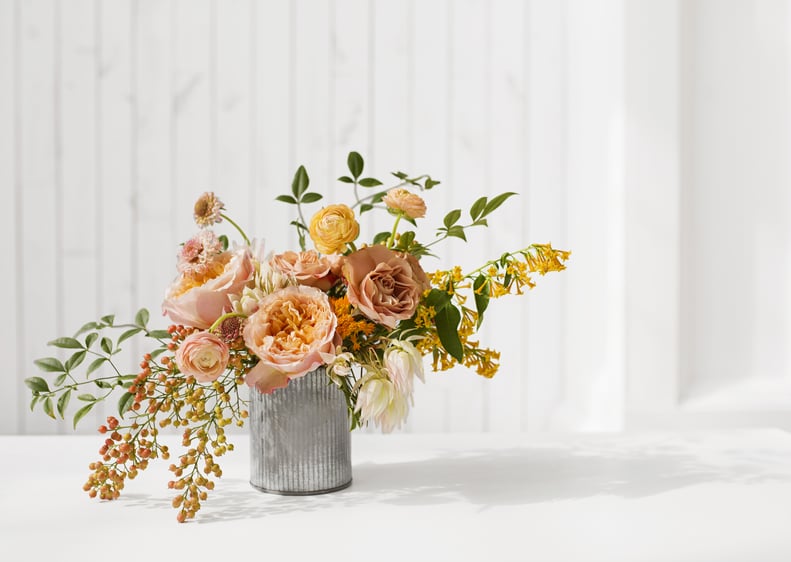
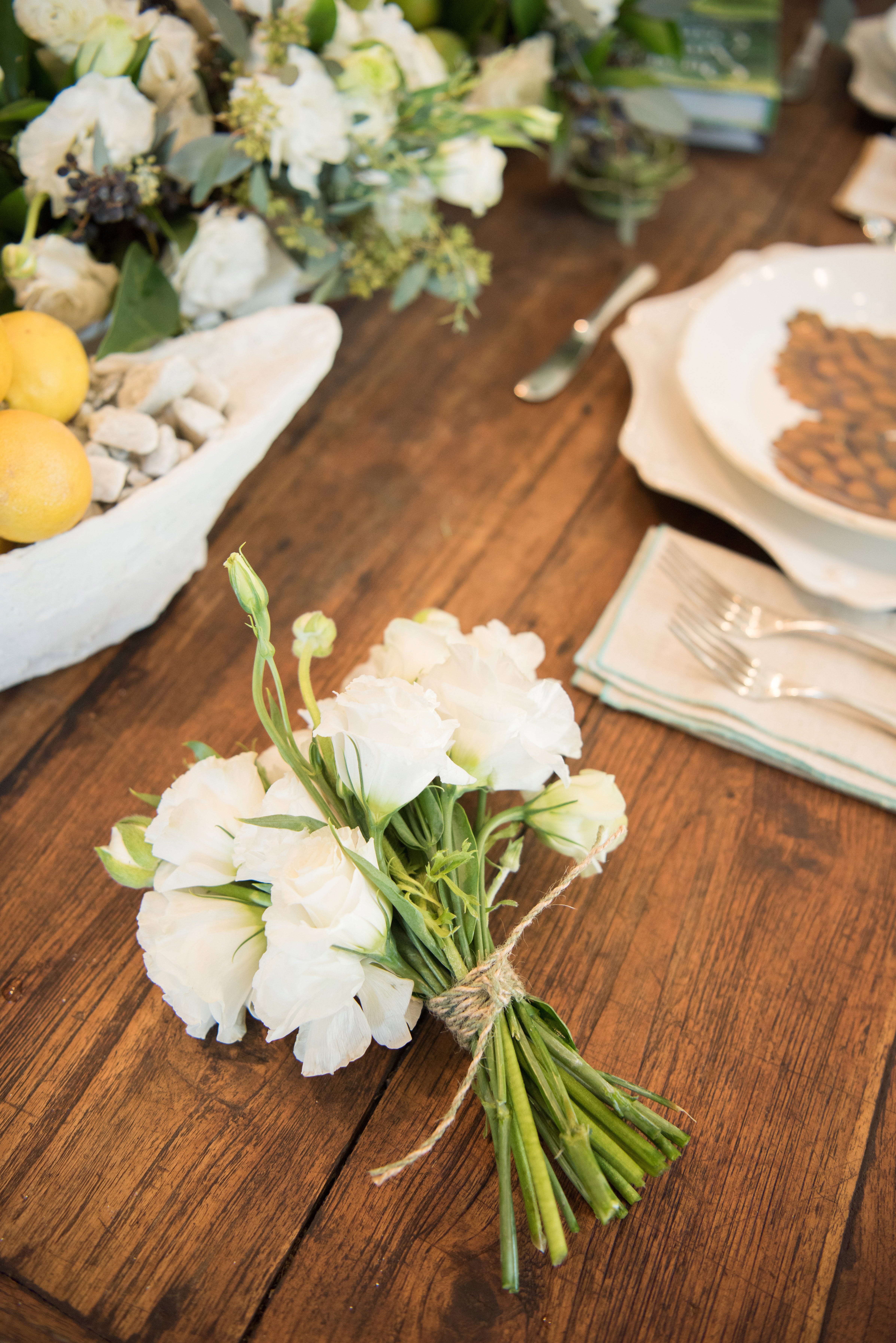
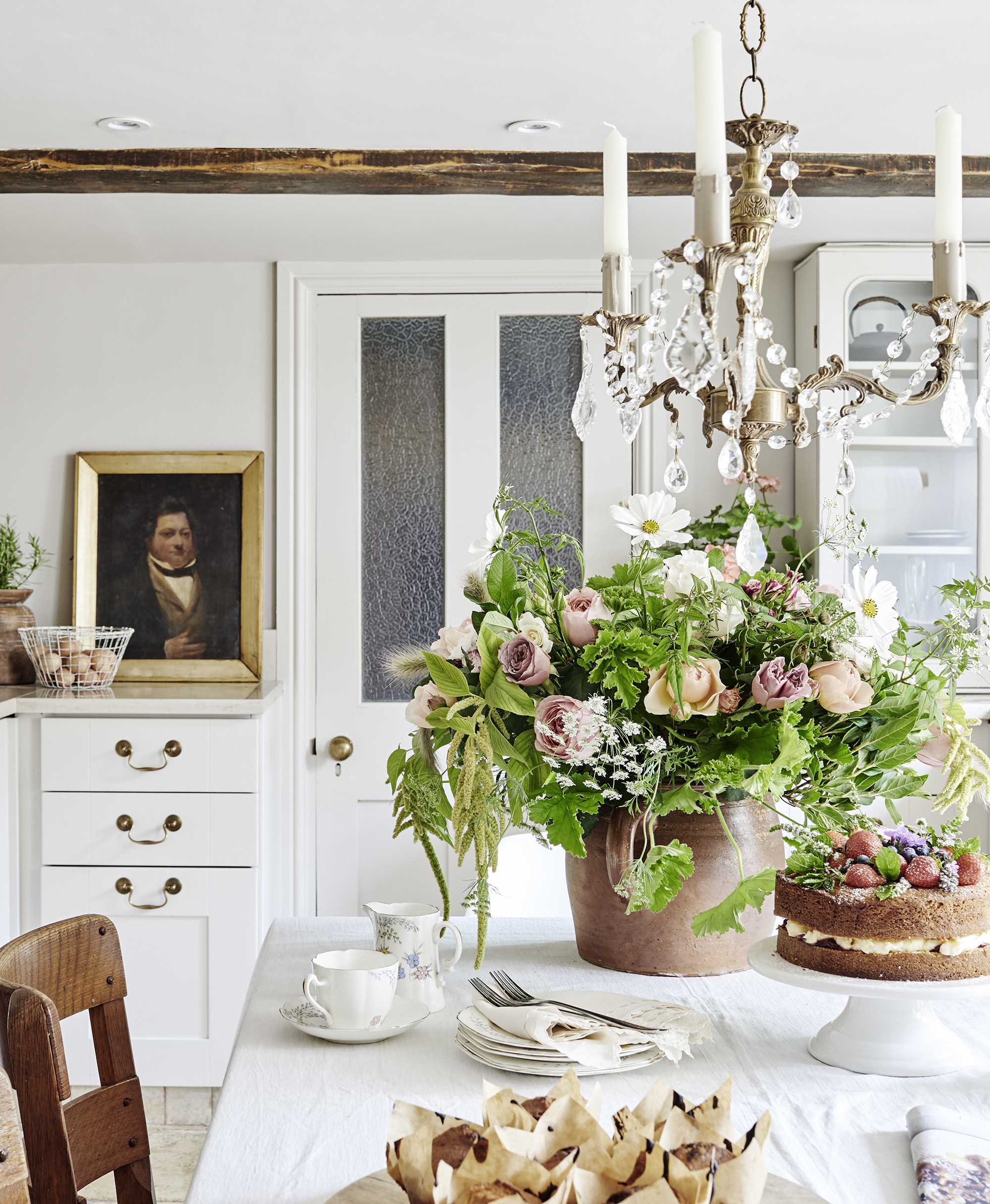
Palmer details her arranging technique, which notably avoids the use of tape or wire. Instead, she builds the base of her arrangements using the plant material itself, starting with branches or flowers with robust stalks to create a sturdy foundation. She advises against overthinking the process, suggesting that consistent practice is key to developing a natural intuition for arrangement. Her belief is that with fresh flowers and beautiful containers, it is challenging to go wrong. She cites her wide-mouth urn as an example of a vessel perfectly suited for bountiful displays, capable of supporting tall elements like flowering dogwood and calycanthus alongside peonies, bearded irises, and roses.
#FrancesPalmer #FlowerArranging #SummerCenterpiece #CuttingGarden #Ceramicist #GardenDesign #HomeDecor #FloralDesign #ConnecticutGarden #FrancesPalmer #FlowerArranging #SummerCenterpiece #CuttingGarden #Ceramicist #GardenDesign #HomeDecor #FloralDesign #ConnecticutGarden
0 comment in total
 No comments yet
You may also like
Kelly Wearstler’s summer hosting hack has all my guests asking about my flower arrangements – it’s simple but striking

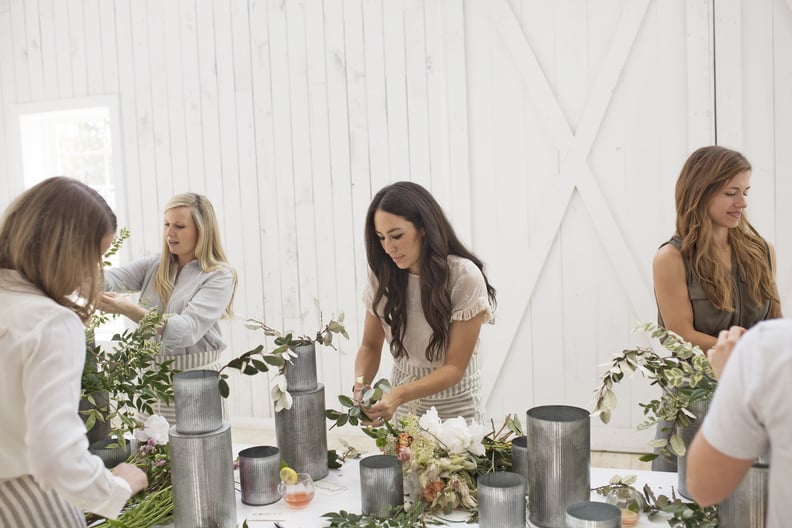
Joanna Gaines's 5 Must-Read Tips For Creating Stunning Flower Arrangements

Joanna Gaines Shares Her 9 Top Tips For Welcoming Summer Vibes Into Your Home

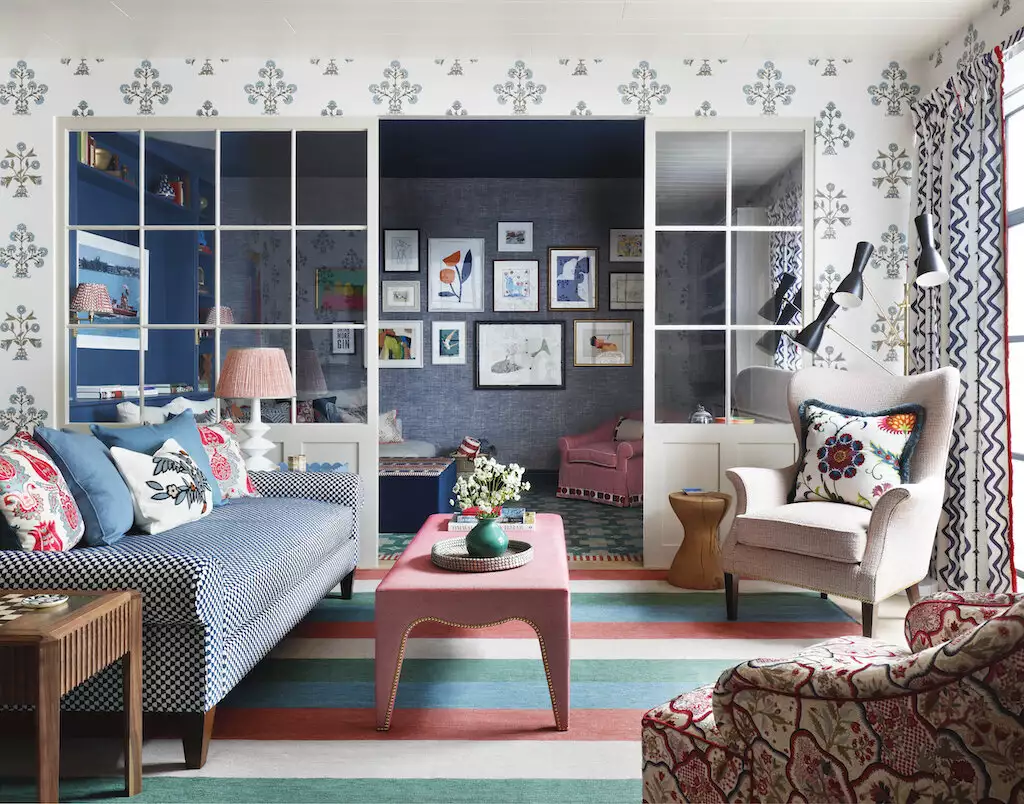
Floral Patterns Are Trending This Summer—How to Mix and Match Them Like a Designer

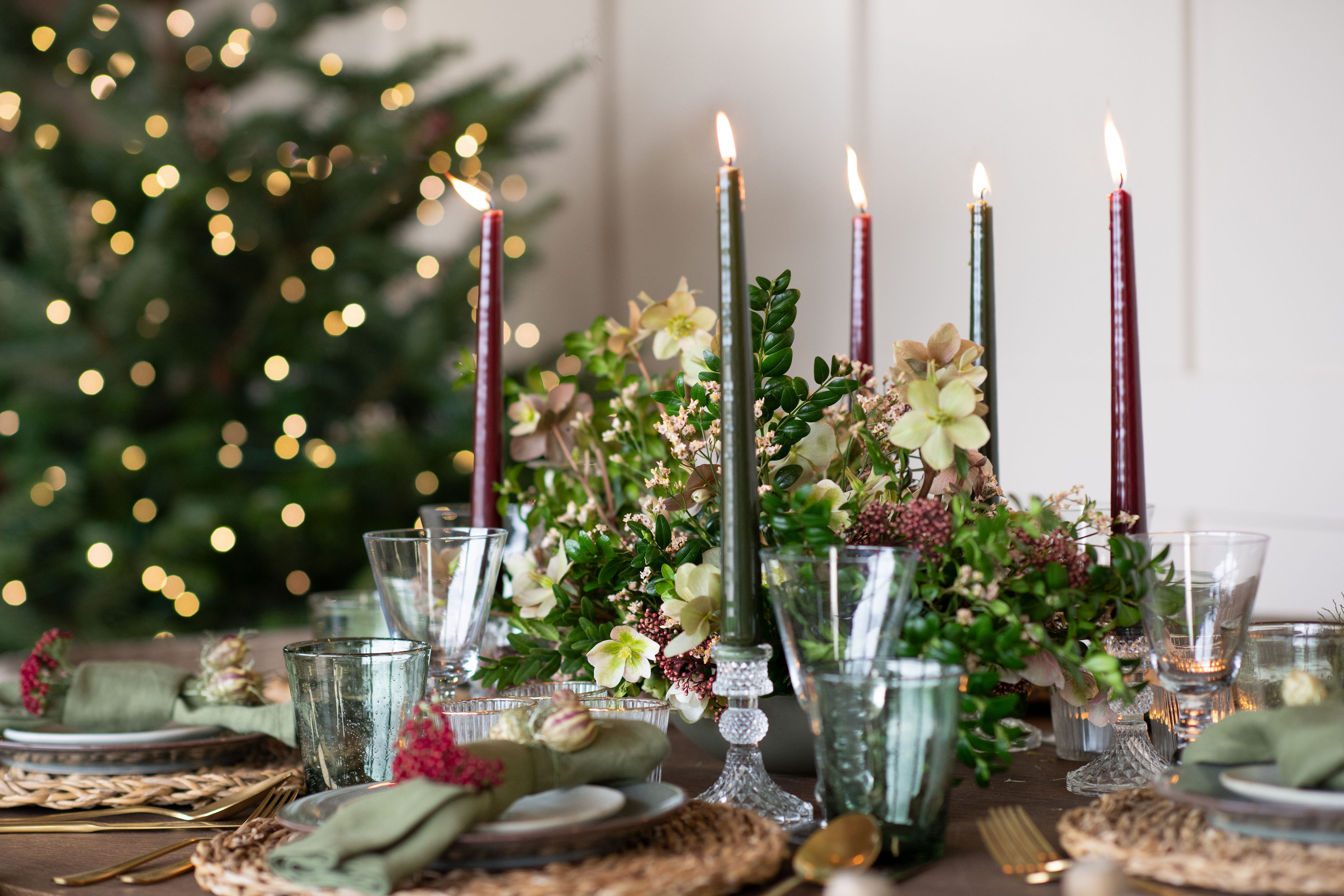
Royal florist Philippa Craddock offers her top tips on creating the perfect table centerpiece
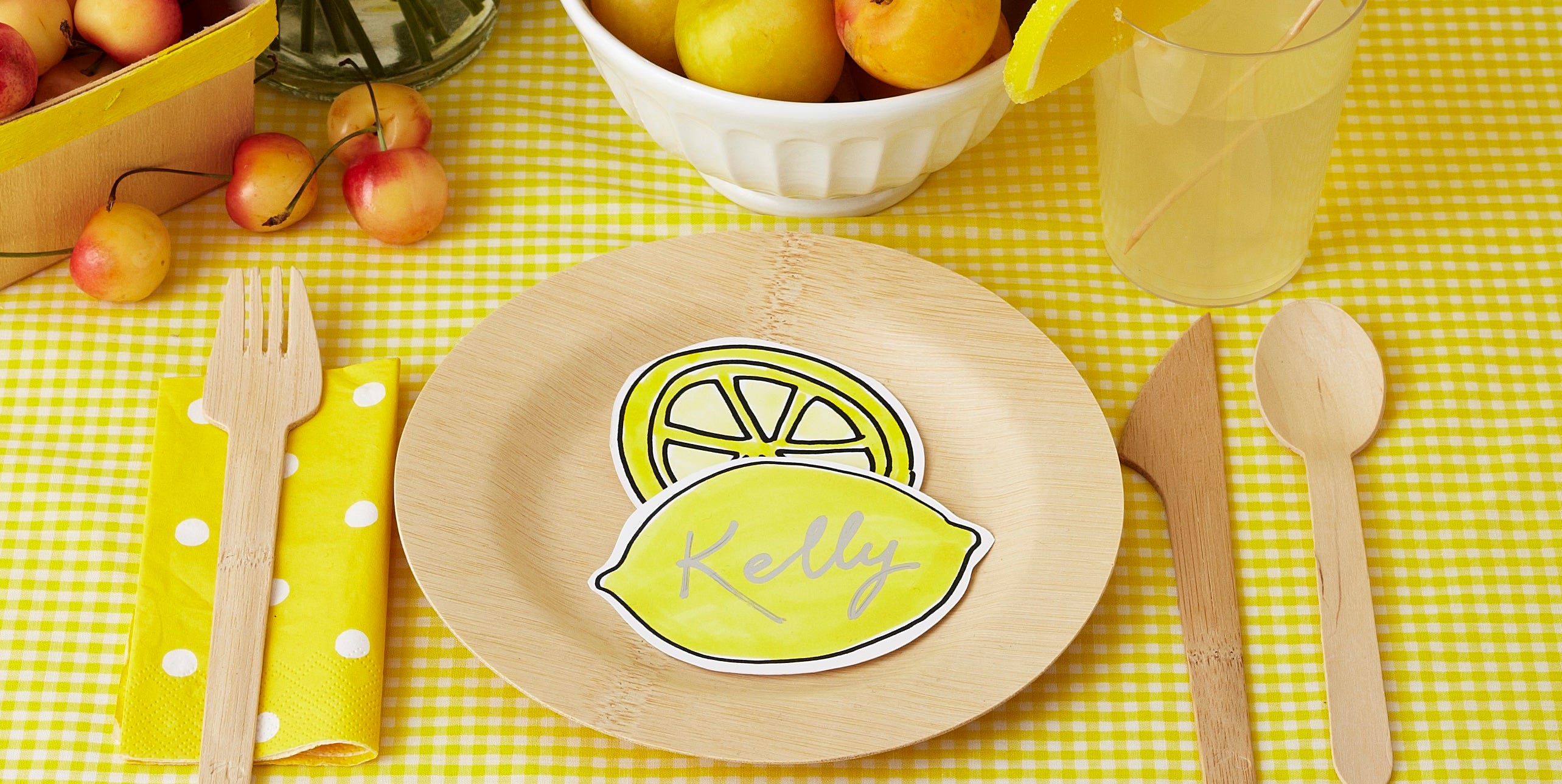
Our Favorite Summer Table Decor Ideas for a Memorable Bash

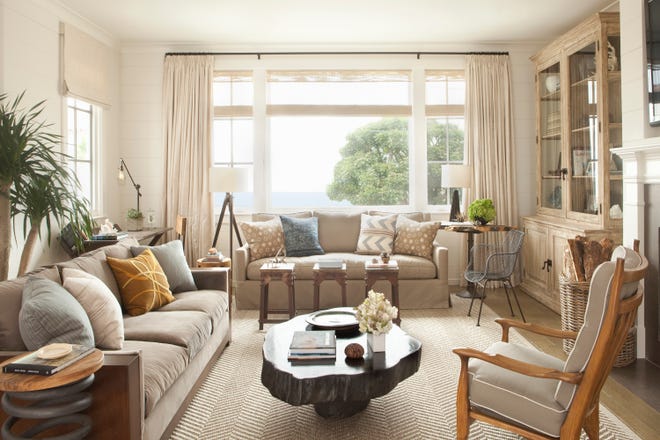
Summer can inspire decor all year
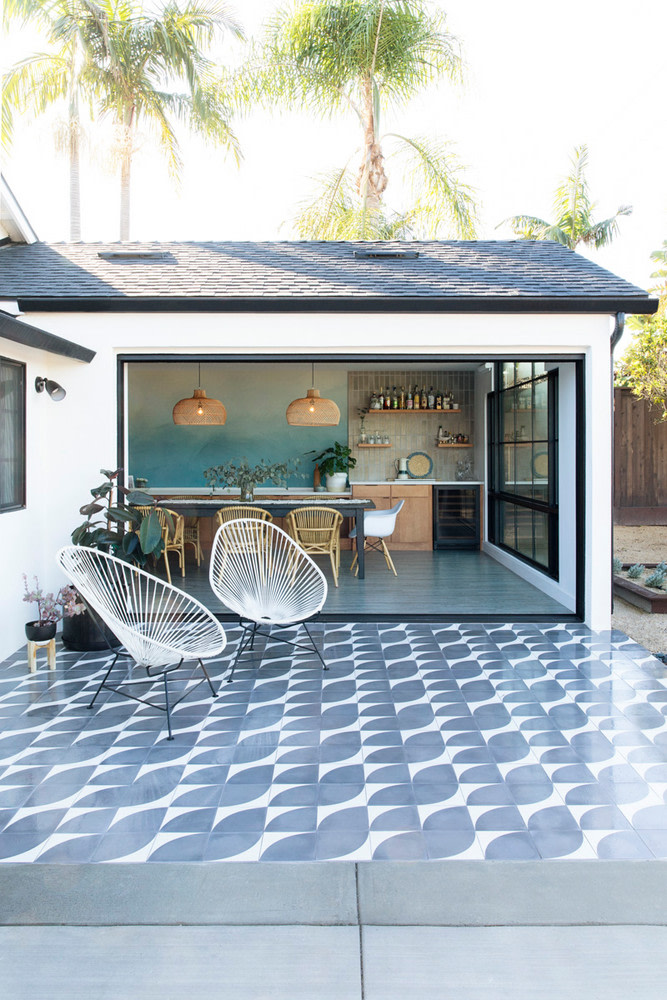
This Pattern-Perfect Home Captures the Essence of Summer

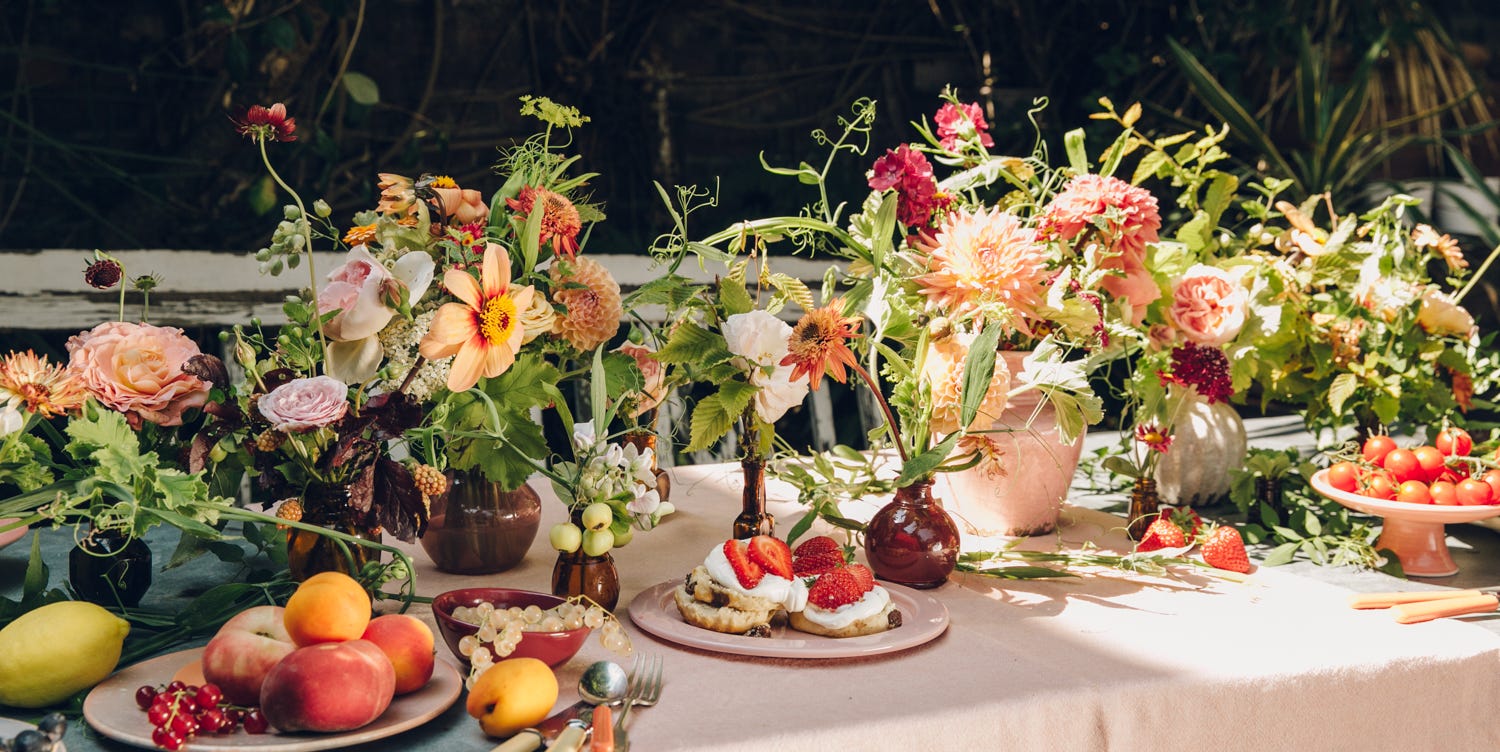
8 Summer Arrangement Ideas
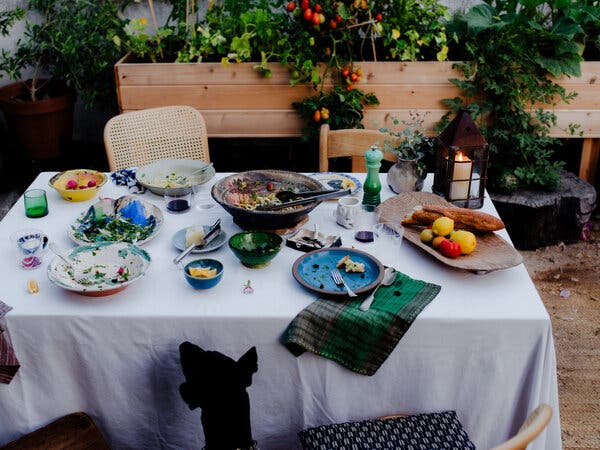
How to Style a Table for a Laid-Back Summer Meal (Published 2021)
A Floral Spring Tablescape Anyone Can Make
8 summer table centerpiece ideas to elevate your seasonal hosting
4 Essentials Every Colorful Summer Table Needs, According to an A-List Stylist

Design experts share how to create a candle centerpiece

Easy Spring Centerpiece Ideas That Wow
Throw a GORGEOUS Summer Party With These Designer-Approved Ideas
Bright linen, fresh flowers, food trivia cards: Summer style for tables

How to Set an Elegant Summer Tablescape

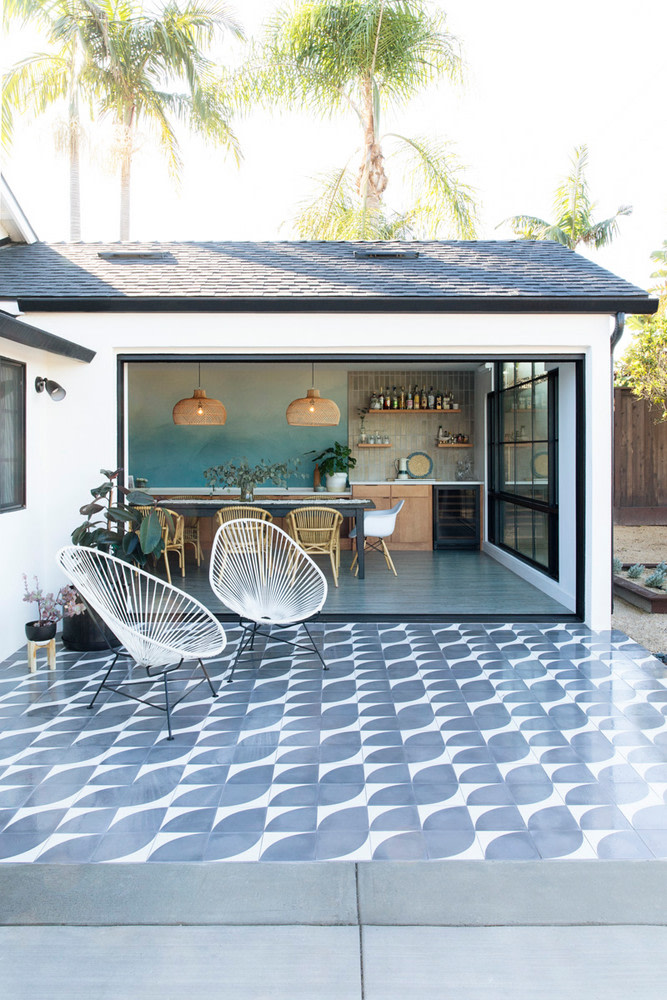
This Pattern-Perfect Home Captures the Essence of Summer

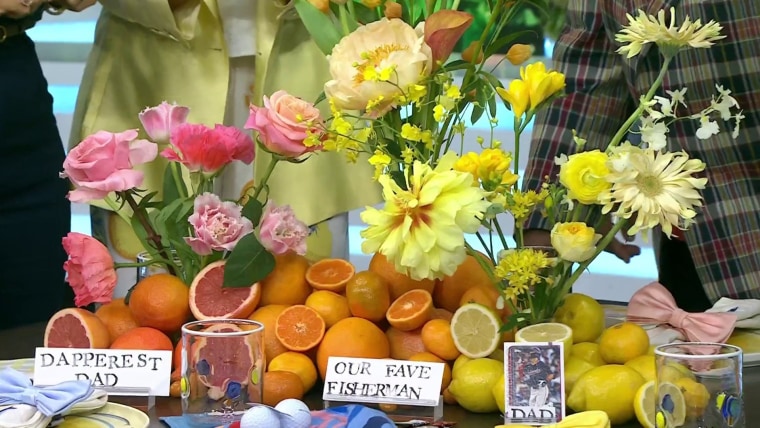
How to Use Flowers and Fruit to Decorate Your Table for Summer