Tips for recycling flowers, pots and vases
This article offers practical advice on how to properly recycle various floral items, emphasizing sustainable practices for household waste management. It addresses common misconceptions about what can be recycled through standard curbside programs and suggests alternative methods for items that do not fit these criteria.
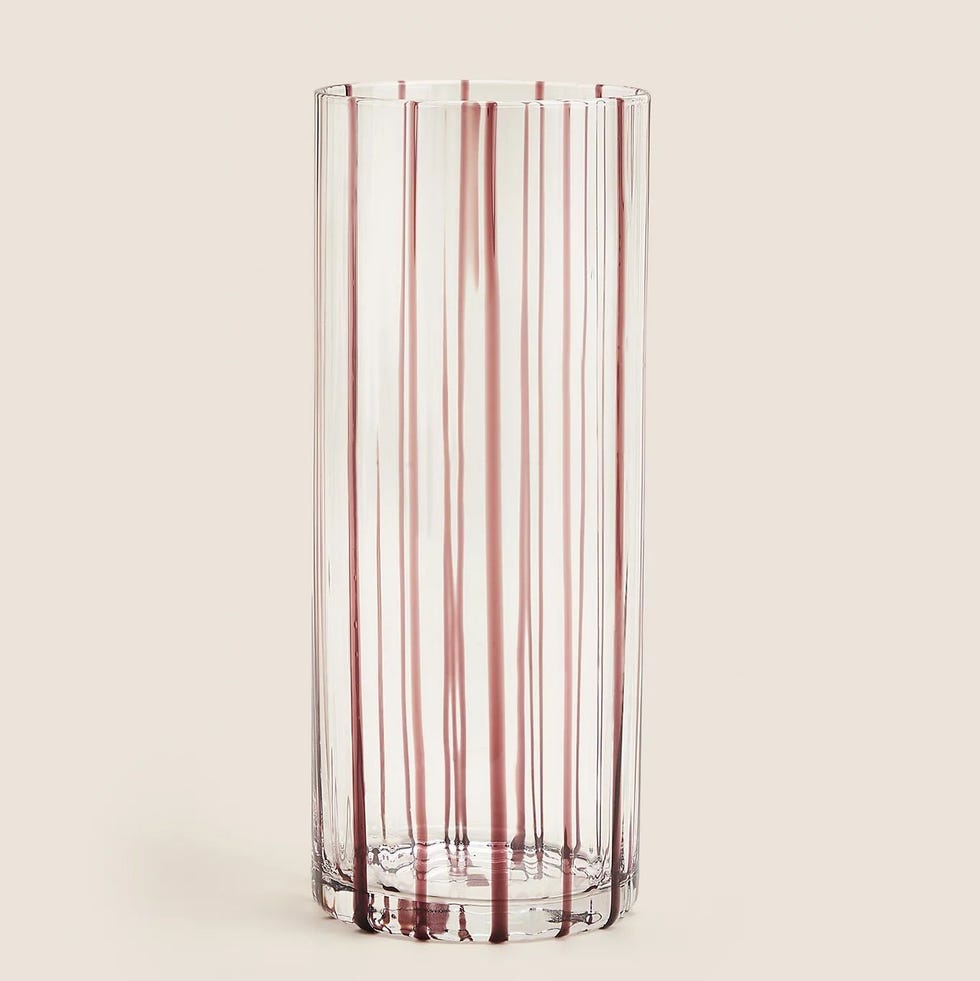
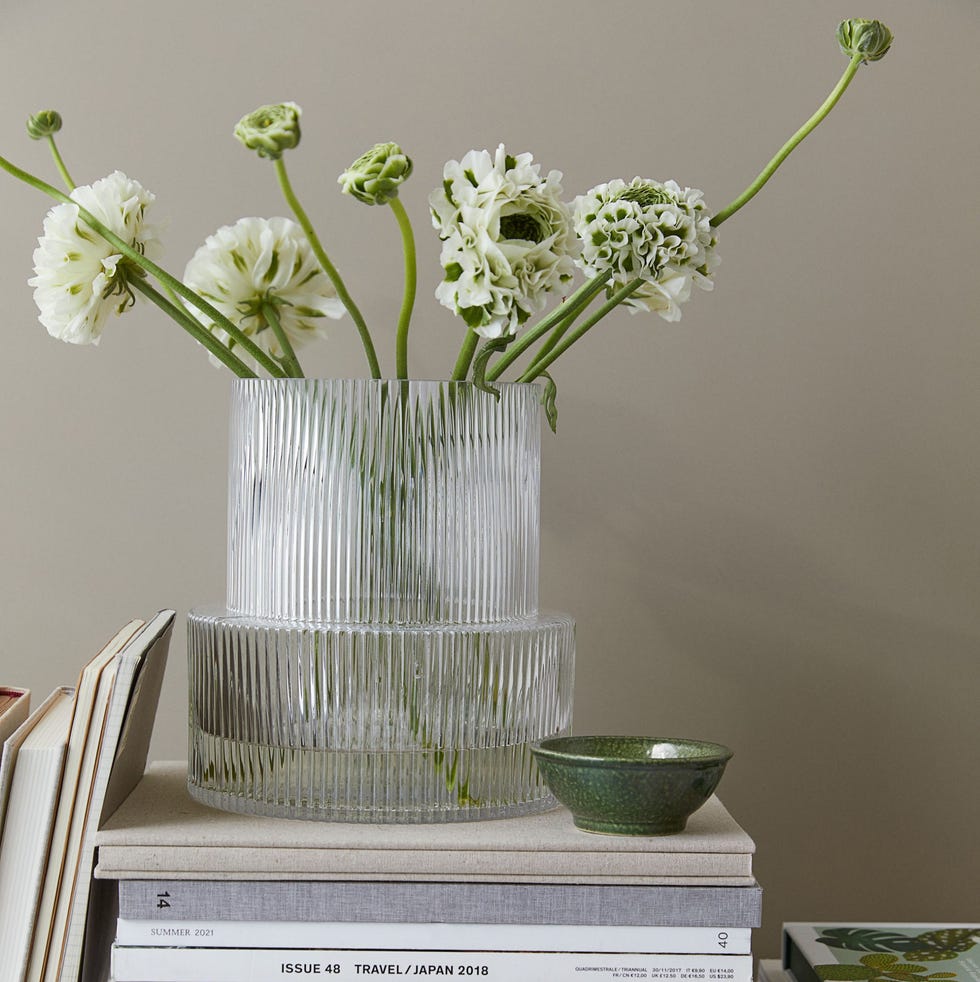
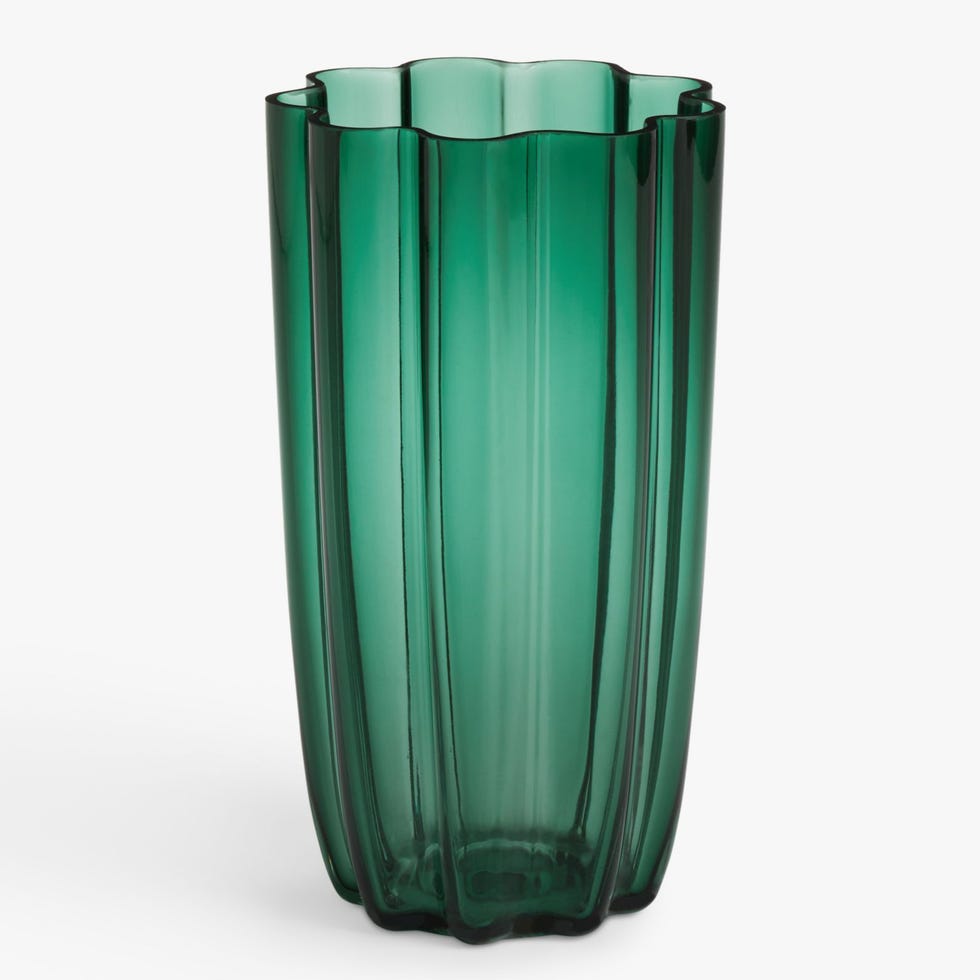
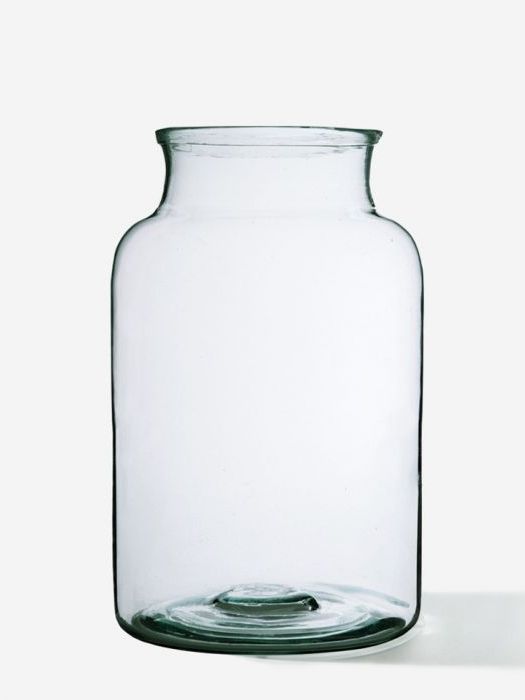
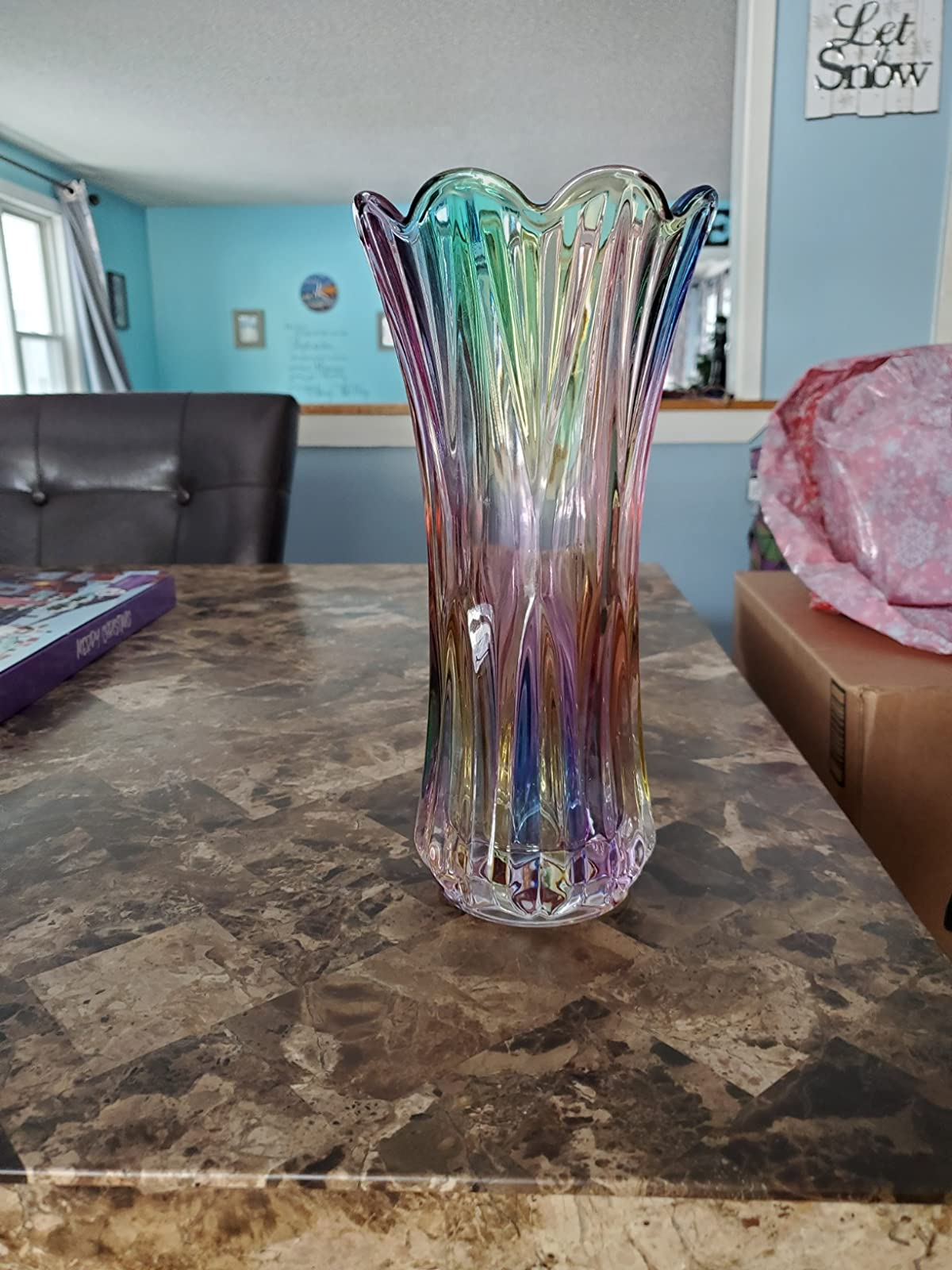
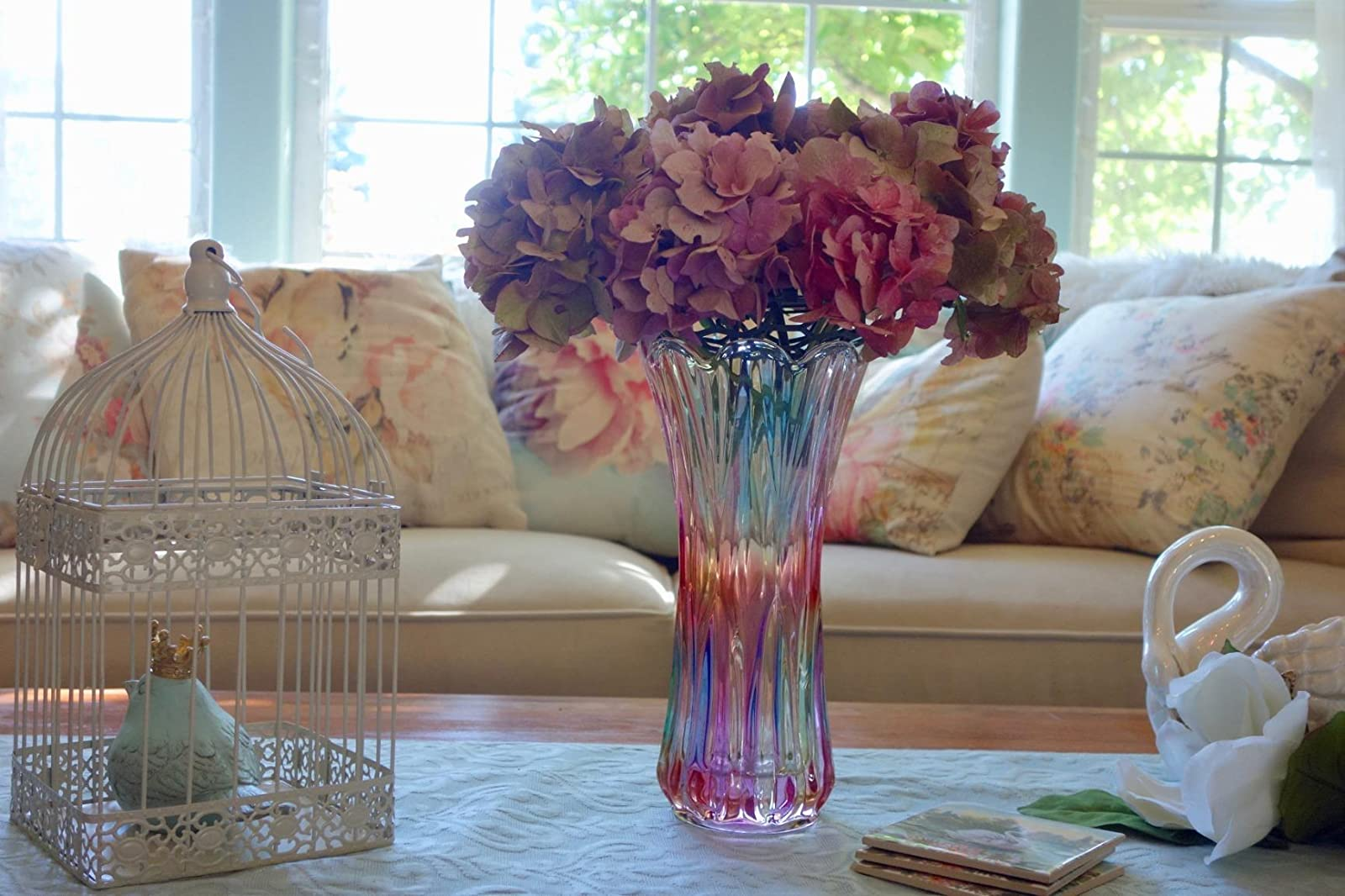
For glass vases, the article clarifies that only glass bottles and jars are typically accepted in residential recycling bins. Usable glass vases should be donated to thrift stores like Savers, Goodwill, or Salvation Army. Broken glass, however, must be safely contained in a box before being disposed of in the regular trash to prevent injury.
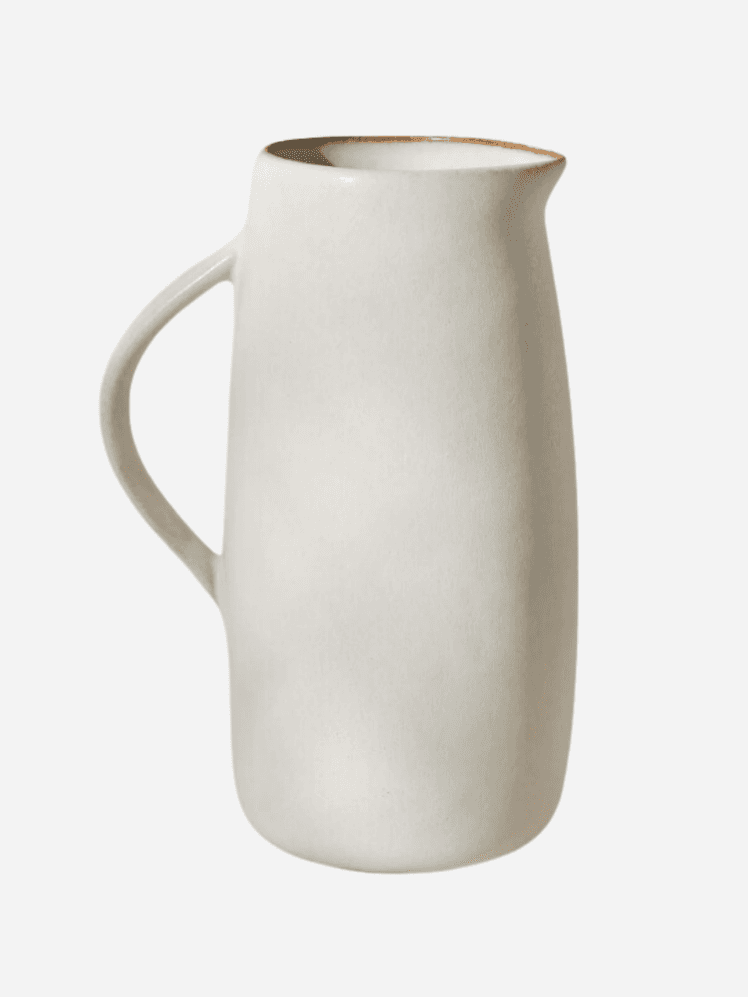
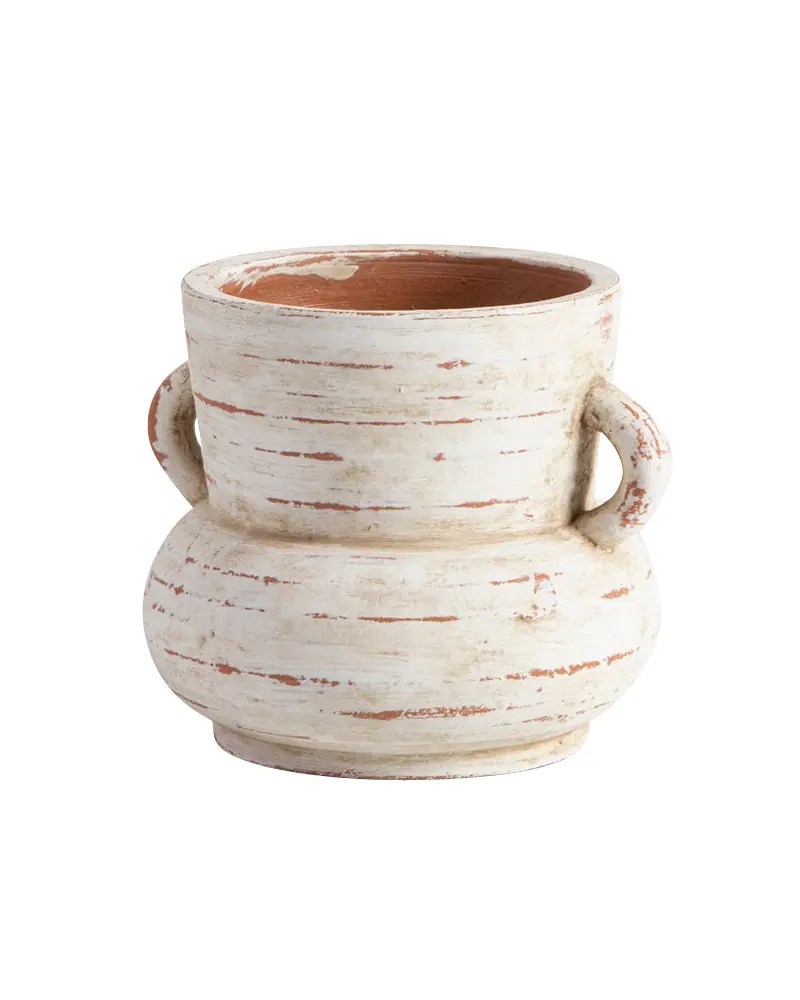
Regarding flowerpots, the article specifies that only plastic flowerpots are suitable for home recycling bins, provided they are empty and rinsed. Terracotta and ceramic pots are not accepted in standard recycling programs; instead, they should be reused for future planting, donated if in good condition, or discarded with general trash. Black plug trays, commonly used for seedlings, are also designated for the trash.
The article also covers floral wire, noting that despite being metal, it generally cannot be recycled in residential bins. Only metal cans, lids, and foil are typically accepted. Floral wire, categorized as scrap metal, requires separate drop-off recycling options. Readers are directed to resources like atoz.rirrc.org/items/scrap-metal for local scrap metal recycling facilities.
Bouquet wrapping, often made of cellophane, is identified as non-recyclable through plastic bag and film recycling programs found in grocery or big-box stores. This is because cellophane does not possess the necessary stretchability required for these specific recycling processes, and therefore, it should be placed in the trash.
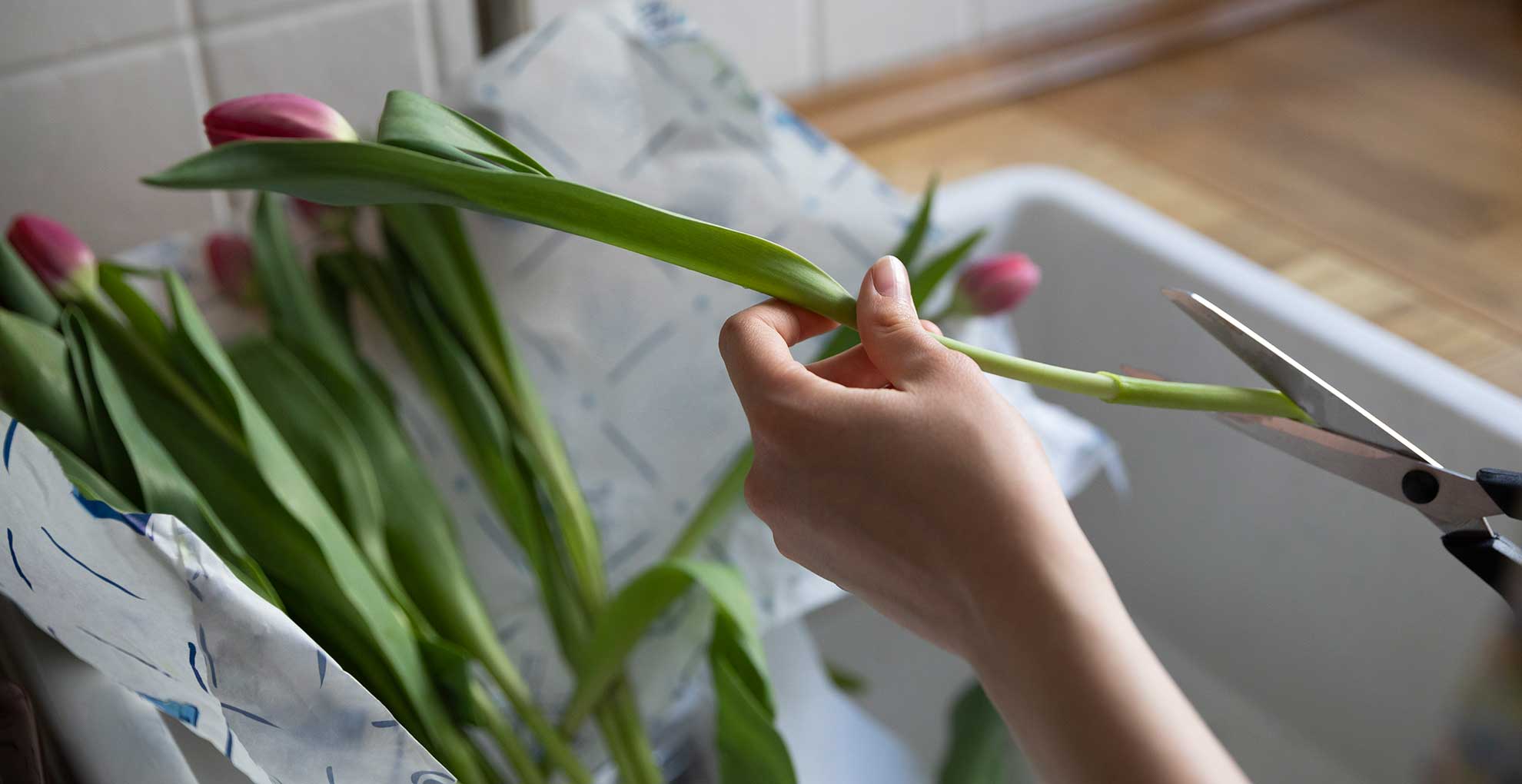
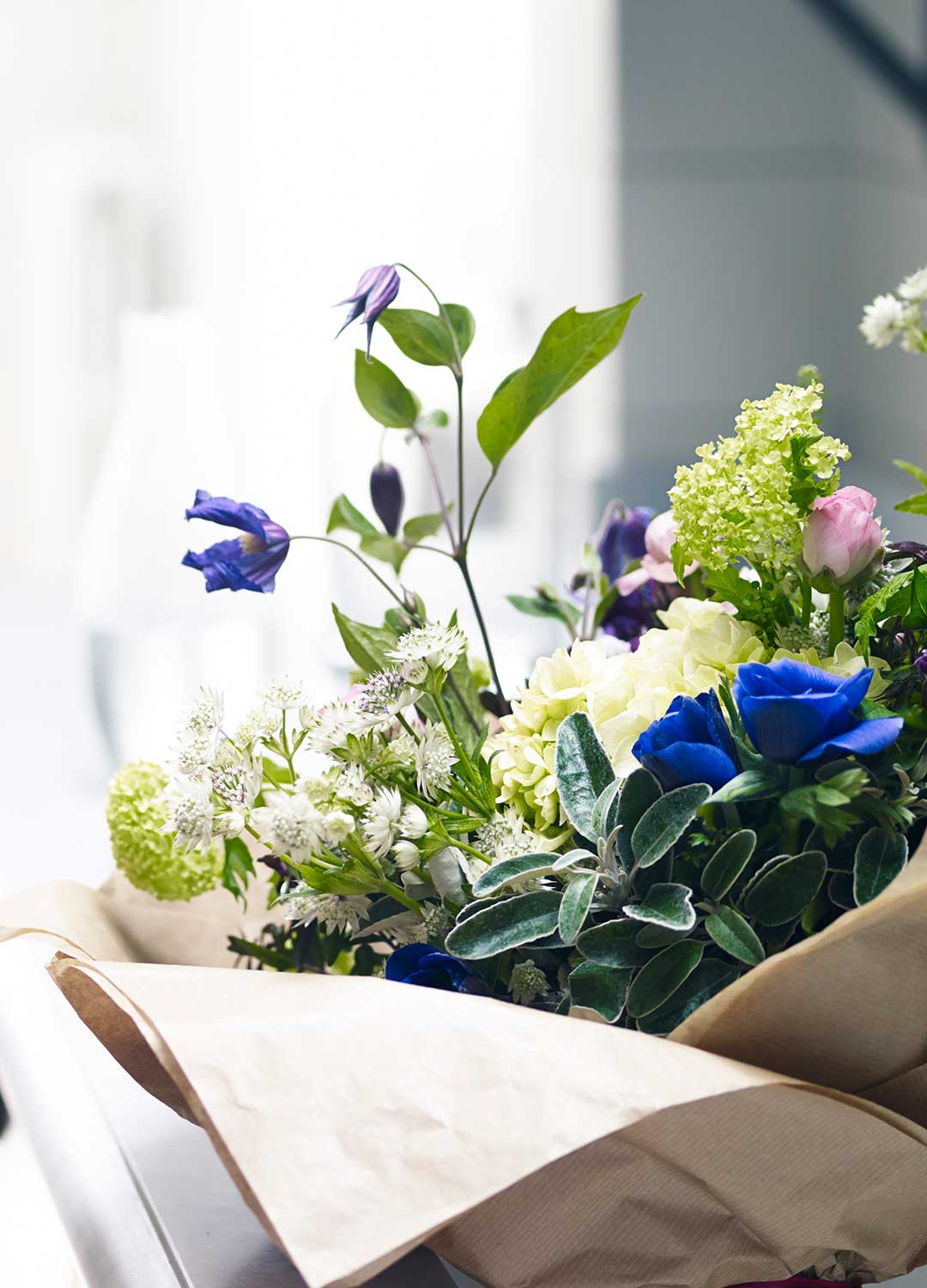
Finally, the article advocates for composting dead flowers, recommending that they be cut into smaller pieces (thirds or fourths) to expedite decomposition. It also provides information on purchasing compost bins from the Rhode Island Resource Recovery Corporation, including location, operating hours, and accepted payment methods. The author, Krystal Noiseux, is identified as the education and outreach manager for the Rhode Island Resource Recovery Corporation, reinforcing the expertise behind the recycling guidelines provided.
#RecyclingTips #GreenLiving #HomeRecycling #WasteManagement #FlowerCare #Composting #HouseholdWaste #RecyclingTips #GreenLiving #HomeRecycling #WasteManagement #FlowerCare #Composting #HouseholdWaste
0 comment in total
 No comments yet
You may also like

RS Recommends: The Coolest Flower Vases for Every Studio Space

18 best stylish vases and statement jugs
How to arrange flowers like a professional – these 7 rules are all you need according to floral experts

Upcycle jars into stunning vases with this woman's DIY hack

Gardening experts reveals how to make your cut flowers last longer
'It’s an excellent way of offsetting everyday aesthetic behaviors' – I never throw these 3 common bathroom items away, here’s why
5 Simple Steps to Style Dried Flowers


How to Match Flowers to Containers
The six vases you need for every kind of flower arrangement

8 Highly Giftable Vases | Reviews by Wirecutter

7 Flower Subscription Services Perfect for You (or Your Best Bud)


22 Unique Vases to Spruce Up Your Home This Spring
How to Keep Roses Alive and Looking Their Best For as Long as Possible
34 Flower Vases That Are Ready To Make Your Room Bloom

NASA Is Sending Tide Detergent to Space—Here’s How It’s Going to Make Laundry Better for the Earth


Steal These Florists' Tips to Create Better Bouquets at Home
How to make cut flowers last longer – 7 expert tips for getting the most out of your bouquet


30 Funky/Statement Vases To Elevate Your Home
The 15 best flower vases for gifts, decor and more in 2023
Why You Should Skip the Toxic Floral Foam for Your Flowers (and What to Use Instead)