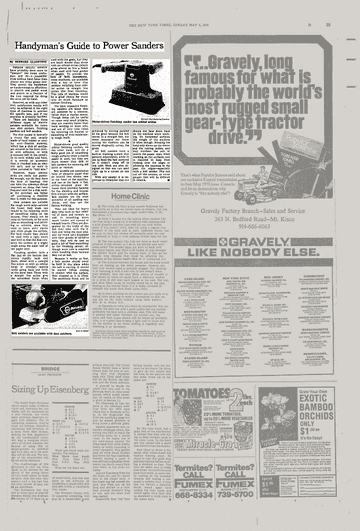
Handyman's Guide to Power Sanders (Published 1976)
Portable electric sanders have revolutionized woodworking for home craftsmen and DIY enthusiasts, significantly reducing the labor and time required for smoothing and polishing wood and plastic. Achieving satisfactory results, however, depends on selecting the appropriate machine for the specific task and handling it correctly. There are three primary types of electric sanders available for home use: disk sanders, finishing sanders, and belt sanders.
Disk sanders feature a round, flat pad with sandpaper attached. While often sold as an accessory for electric drills, dedicated disk sanders are preferable for frequent use due to the power and bearing requirements. These sanders are best suited for rough work, such as removing paint or smoothing exterior siding, but are not recommended for furniture, wall paneling, or cabinets as they can leave swirl marks and gouge surfaces. Proper technique involves using a light touch and contacting the surface at a slight angle with only the outer half of the paper.
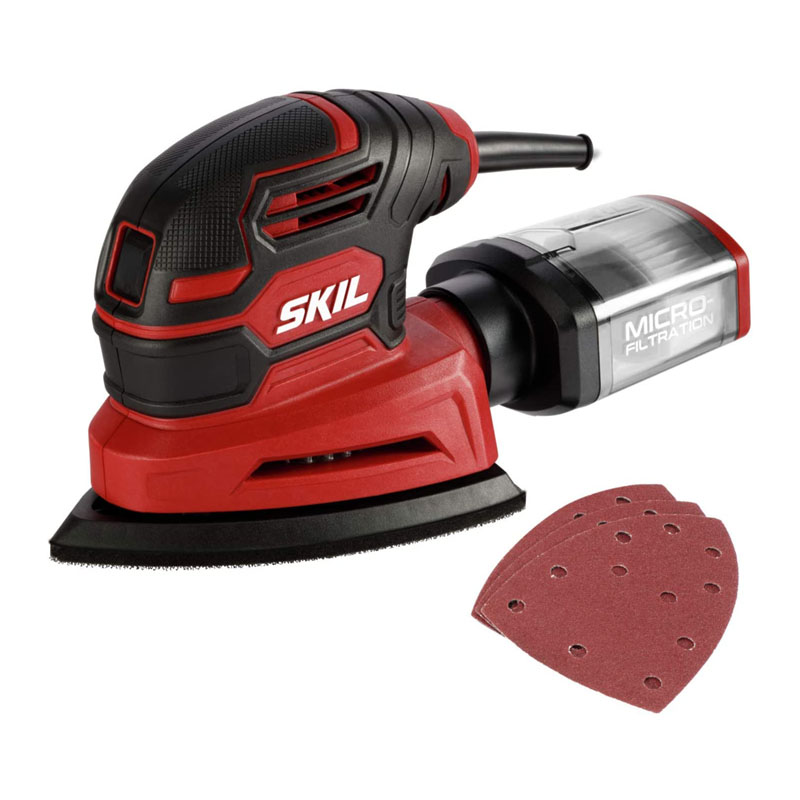
Finishing sanders have a flat pad that moves rapidly back and forth. They can operate with either a straight-line action or an orbital motion. Straight-line sanders produce the smoothest finish when used with the grain but are slower. Orbital sanders are faster and provide a nearly fine finish with finer grit papers. Some advanced models offer switchable actions, combining the speed of orbital with the precision of straight-line, making them ideal for furniture and cabinet finishing. Vibrator-powered finishing sanders are the least expensive but are only effective for small projects and are significantly slower than motor-driven versions, offering little advantage over hand sanding for removing old finishes or smoothing rough surfaces. Motor-driven orbital finishing sanders can smooth rough surfaces with coarse paper but are slower for paint and varnish removal compared to disk or belt sanders.
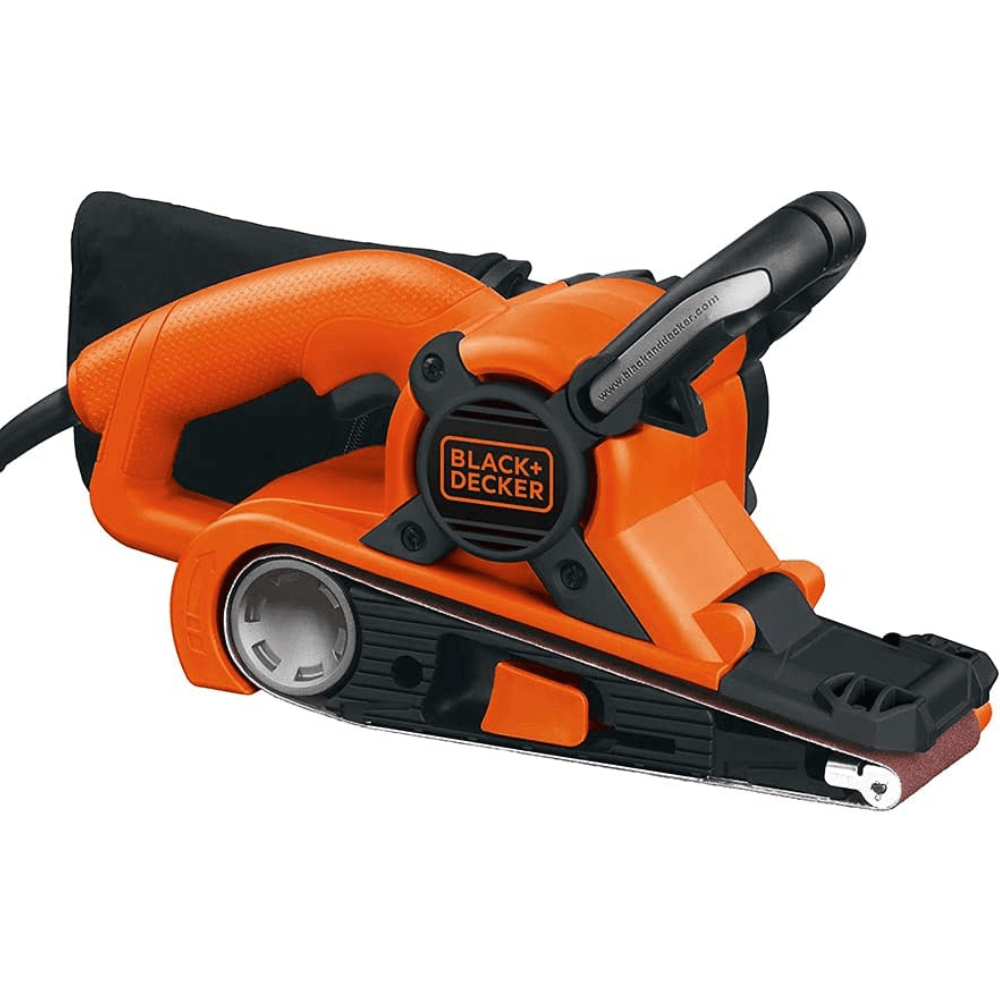
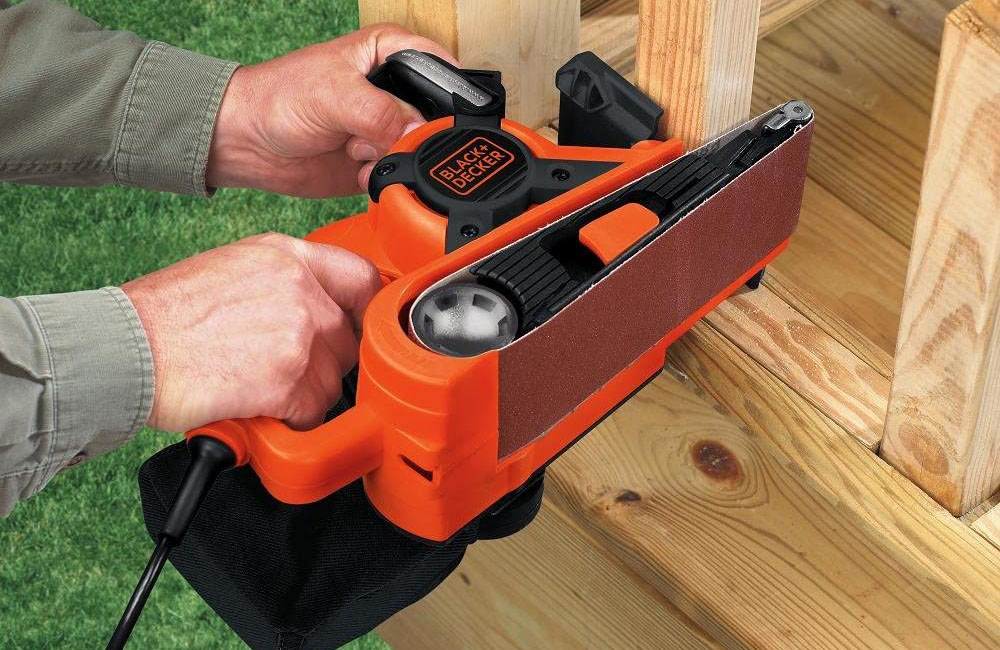
Belt sanders are the most powerful and fastest-working sanding machines. They utilize continuous abrasive belts that rotate around two drums, with a spring-mounted plate ensuring firm contact. Belt sanders are excellent for heavy-duty tasks like rapid paint and varnish removal, as well as smoothing rough or warped boards. The 3-inch size is popular for home use. With finer abrasive belts, they can achieve a finish comparable to finishing sanders, though they require more care due to their rapid cutting action. It is crucial never to hold a belt sander in one place while it's running; it should be started before contact and stopped upon lifting. For the smoothest finish, move parallel to the grain, though diagonal movement can be used for faster cutting. All belt sanders have a tracking system for belt alignment and are often designed to sand close to corners on one side.
Regardless of the sander type, applying excessive pressure is counterproductive. The machine's weight is often sufficient for horizontal surfaces. Pressing too hard slows the motor, reduces cutting efficiency, and can overheat the unit or scorch the paper. When working on flat surfaces, care must be taken to avoid rocking over edges or allowing the machine to dip, particularly with belt sanders, as this can cut off corners or create difficult-to-remove gouges.
#PowerSanders #WoodworkingTools #HomeImprovement #DIYProjects #SandingTechniques #ToolGuide #HomeCraftsman #PowerSanders #WoodworkingTools #HomeImprovement #DIYProjects #SandingTechniques #ToolGuide #HomeCraftsman
0 comment in total
 No comments yet
You may also like
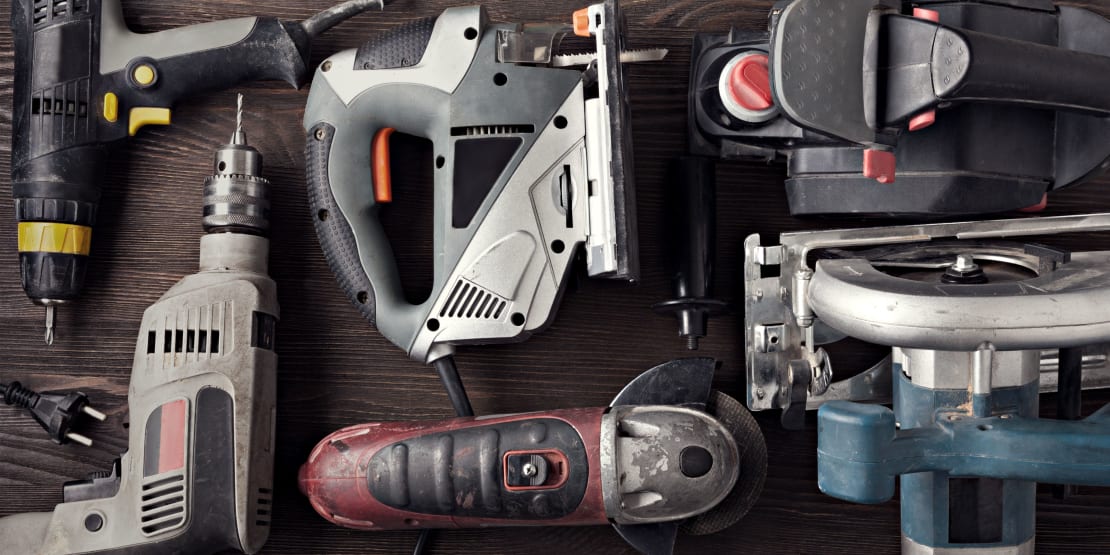
10 Essential Power Tools For DIYers

After Researching and Testing Various Options, These Are Our 4 Favorite Drywall Sanders

The Best Sanders for Furniture
These 10 Best Cordless Brad Nailers Are Worthy Additions to Your Shop in 2025

Home improvement tools for the handy person in your life

Best DIY Tools To Have for Homeowners in 2025, Tested by Editors
Hate Tough Sanding Jobs? You'll Love These Easy-to-Use Drywall Sanders