1/5
The rule of three is the secret behind every beautiful home - here's how it works
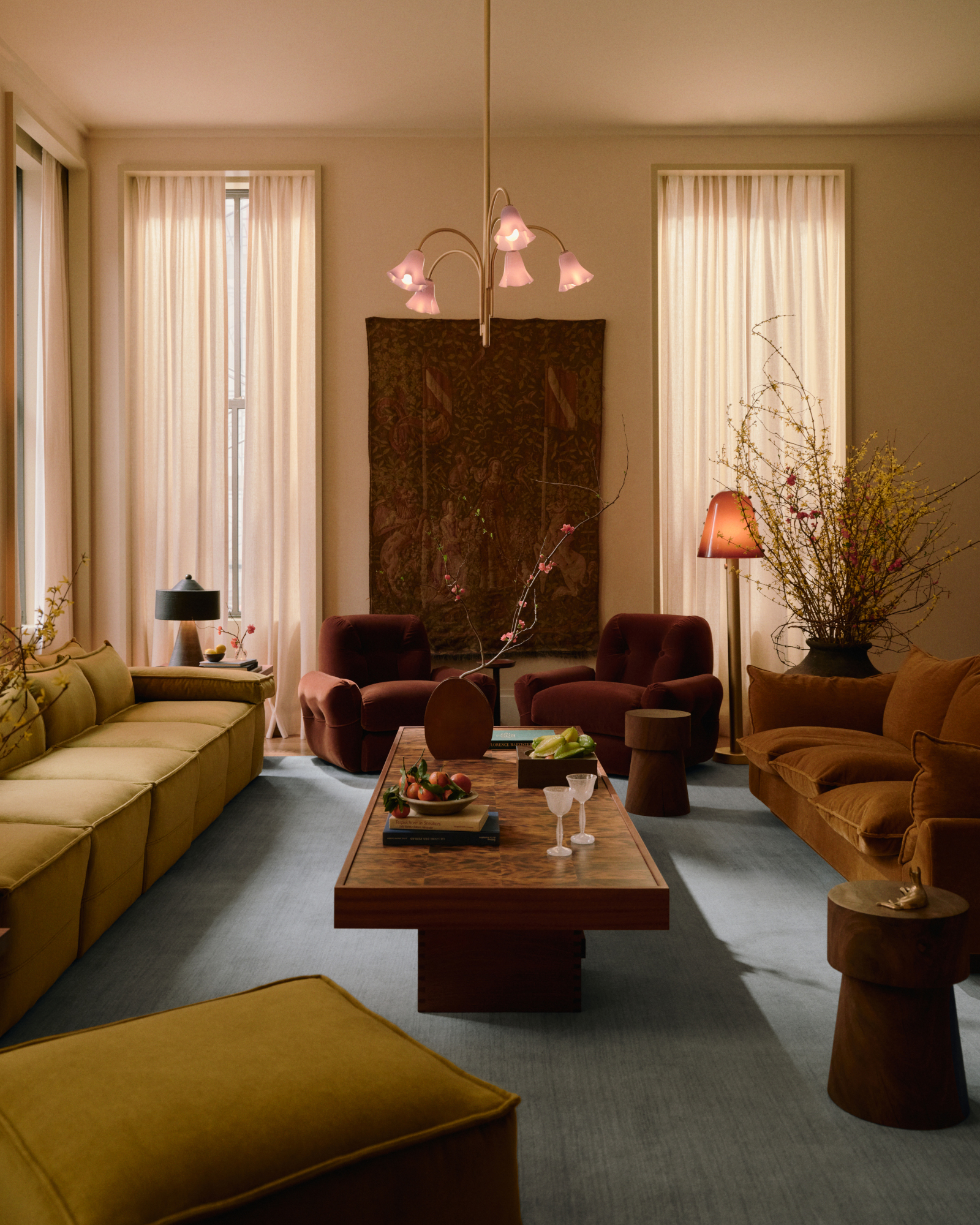
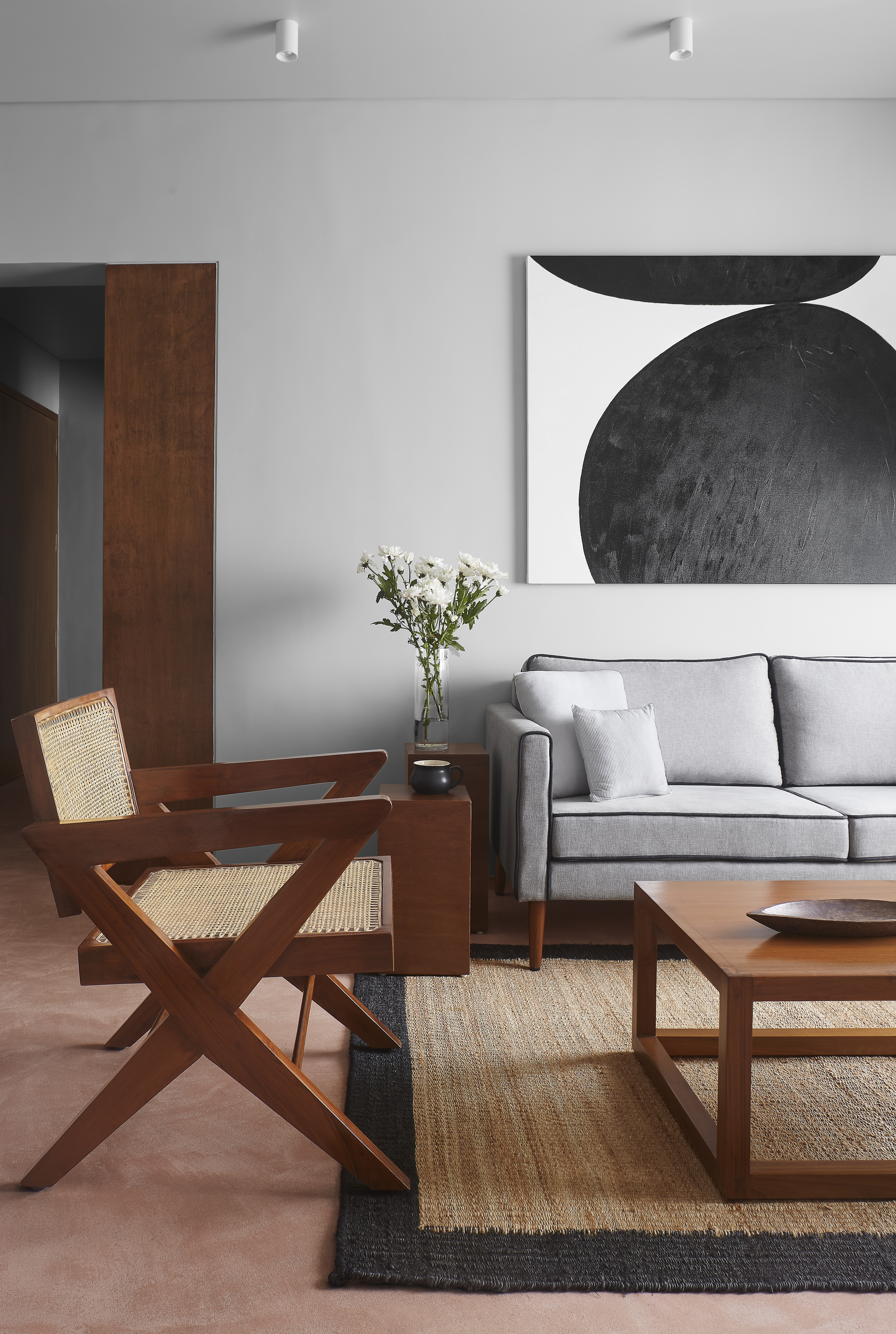
The rule of three is a fundamental guideline in interior design, often applied even unknowingly, to create balance and aesthetic appeal within a space. This principle suggests that grouping objects, colors, textures, or patterns in odd numbers, particularly in sets of three, is inherently more pleasing to the human eye than arrangements involving even numbers. While not a strict commandment, this rule serves as a valuable framework for making design and styling decisions, helping to alleviate the stress associated with achieving a harmonious look.
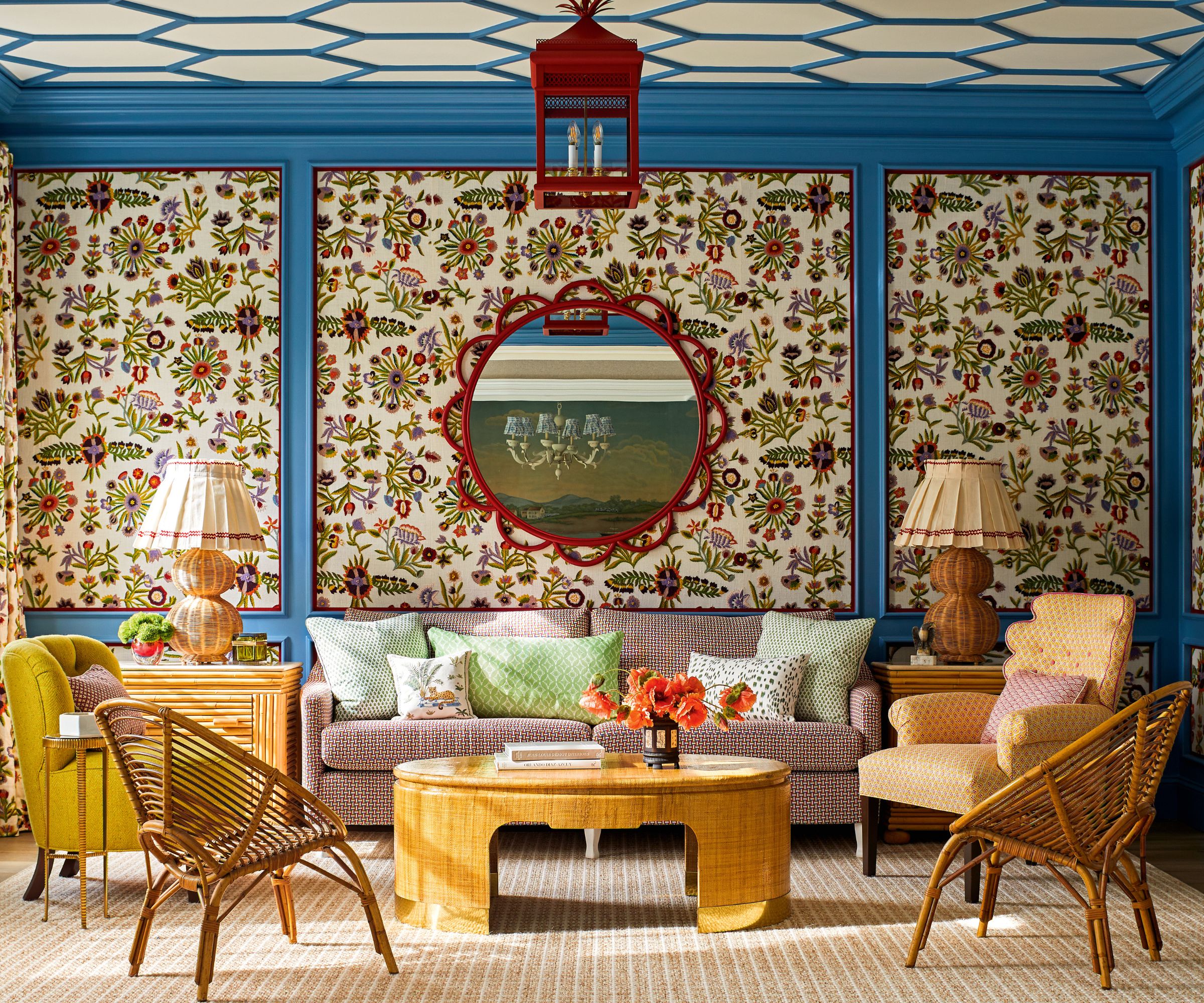
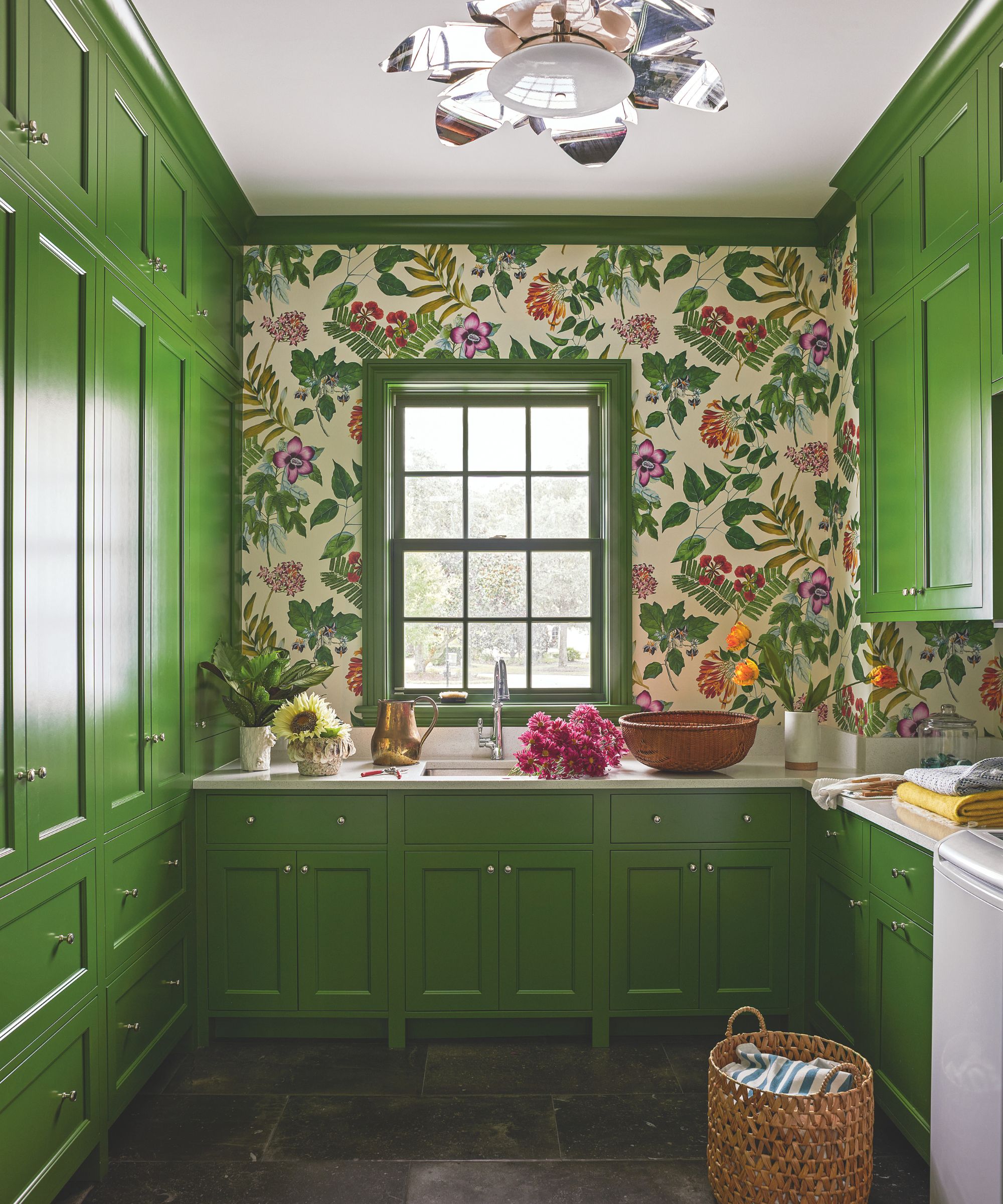
According to Emma Deterding, Founder and Creative Director of Kelling Designs, the effectiveness of the rule of three stems from the principle of odd numbers, which naturally draws the eye and enhances beauty. This guideline can be broadly applied to various design elements. For example, one might use three distinct colors on a piece of furniture or incorporate three different prints or patterns within a room. The primary objective is to cultivate a balanced and cohesive aesthetic while simultaneously injecting personality and character into the environment. Its flexibility allows for adaptation to suit individual preferences and specific design contexts, offering numerous benefits in achieving an inviting space.
The widespread popularity of the rule of three is attributed to how humans process visual information. Samantha Wilson, Interior Designer and Founder of Collection Noir, notes that humans tend to process information better when objects are grouped in odd numbers. When applied to interior design, this creates a sense of natural calm and harmony, making a room feel more welcoming. The rule assists in evenly distributing design elements, thereby establishing balance and symmetry. Groupings of three items, for instance, naturally draw visual interest and can effectively establish a focal point within a room. Its versatility across different design elements and styles further solidifies its utility.
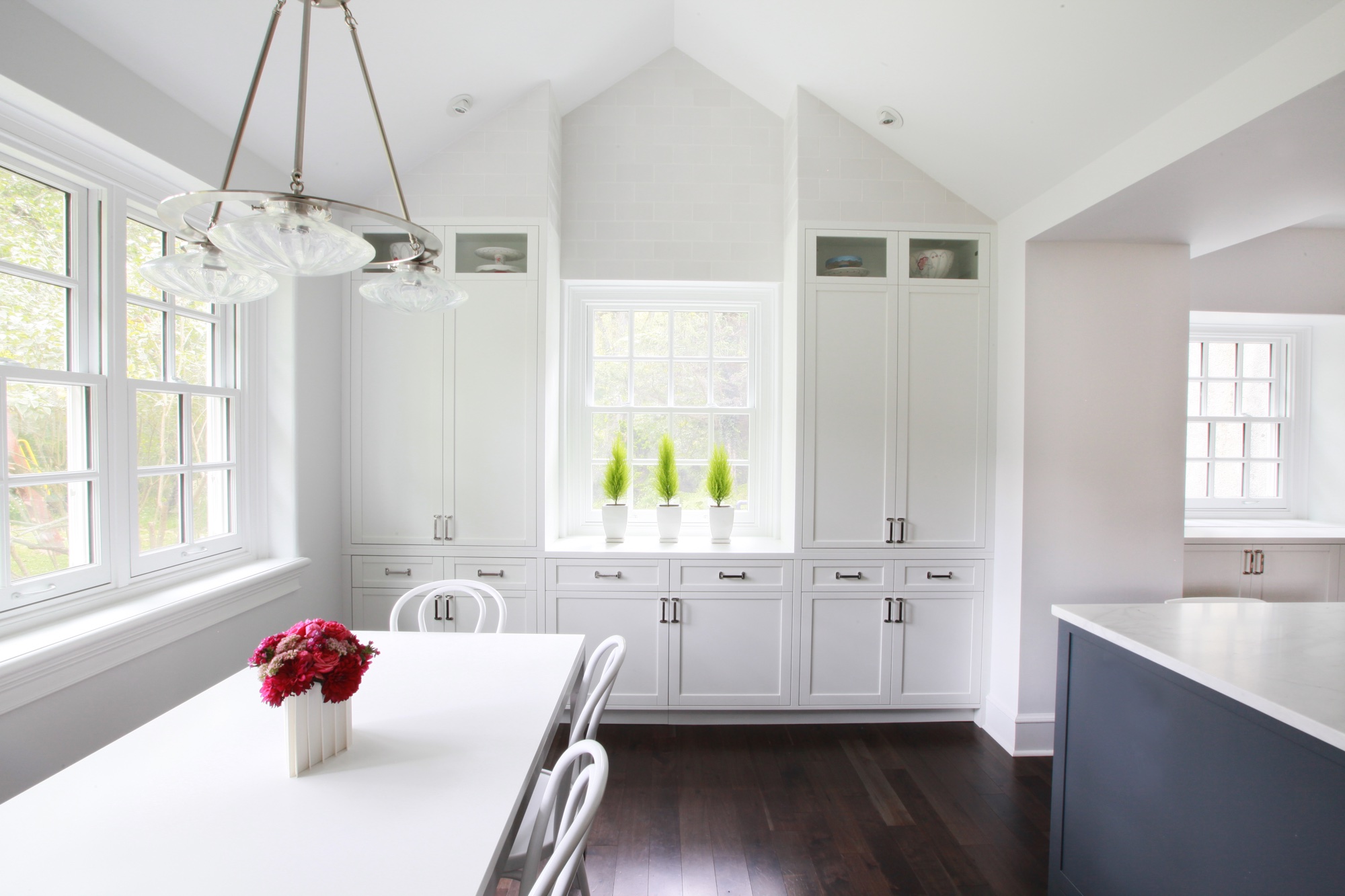
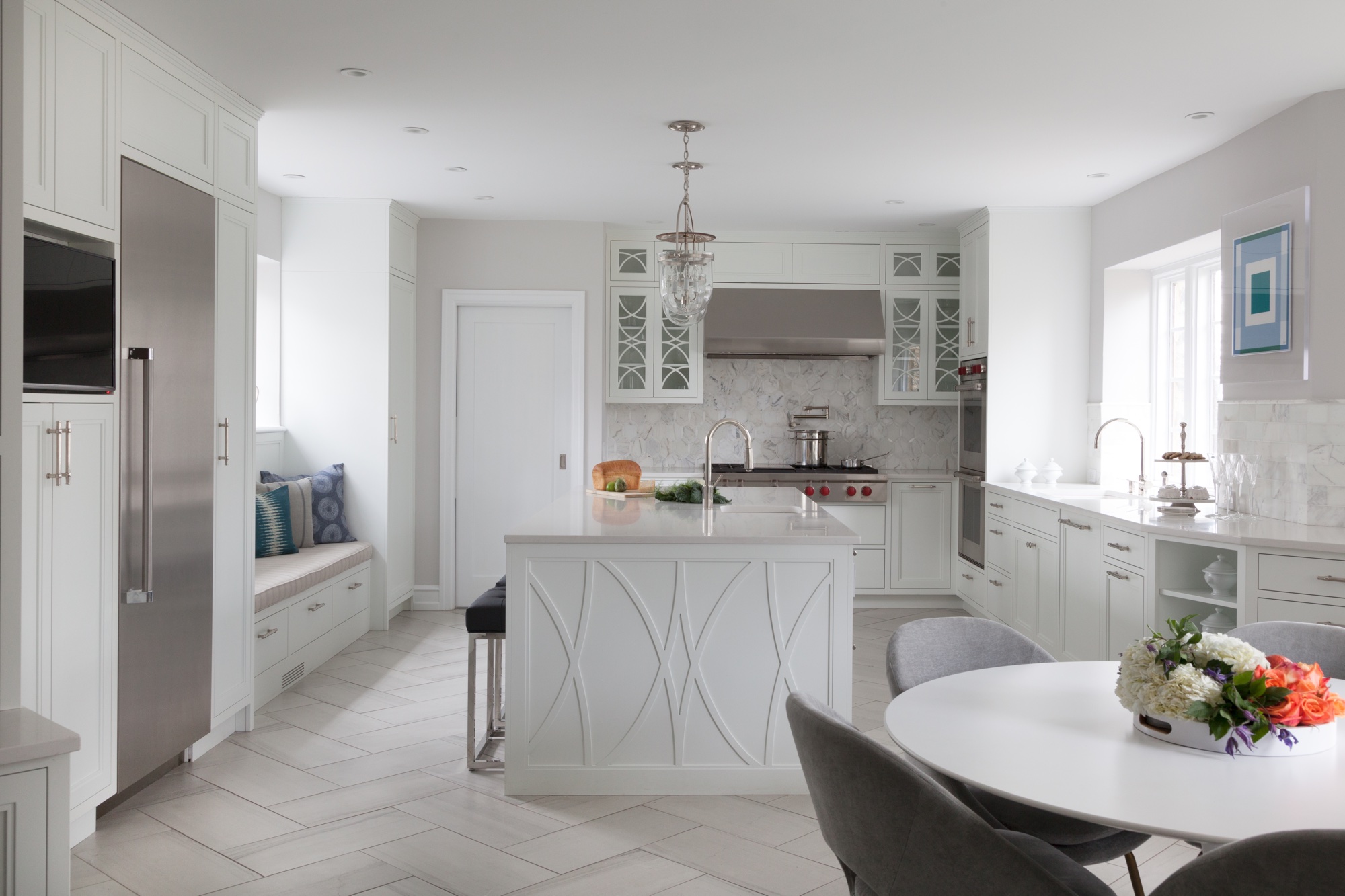
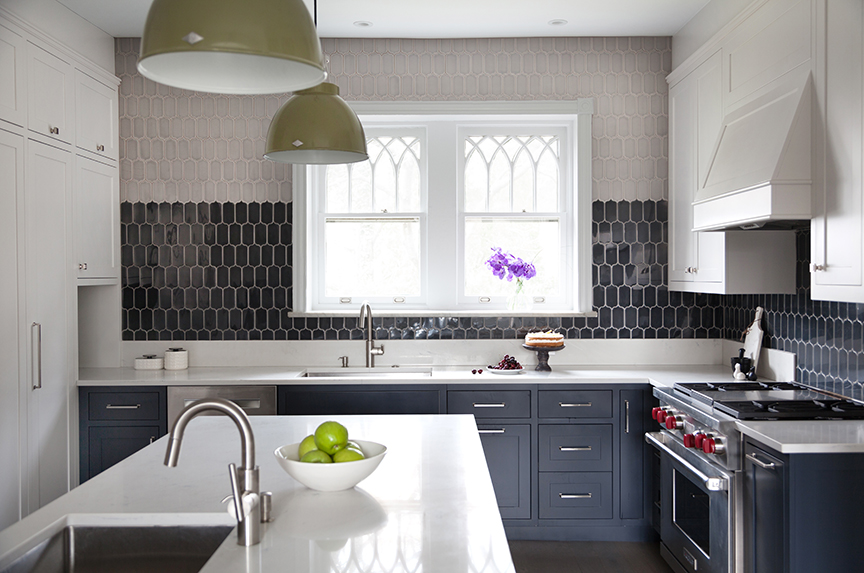
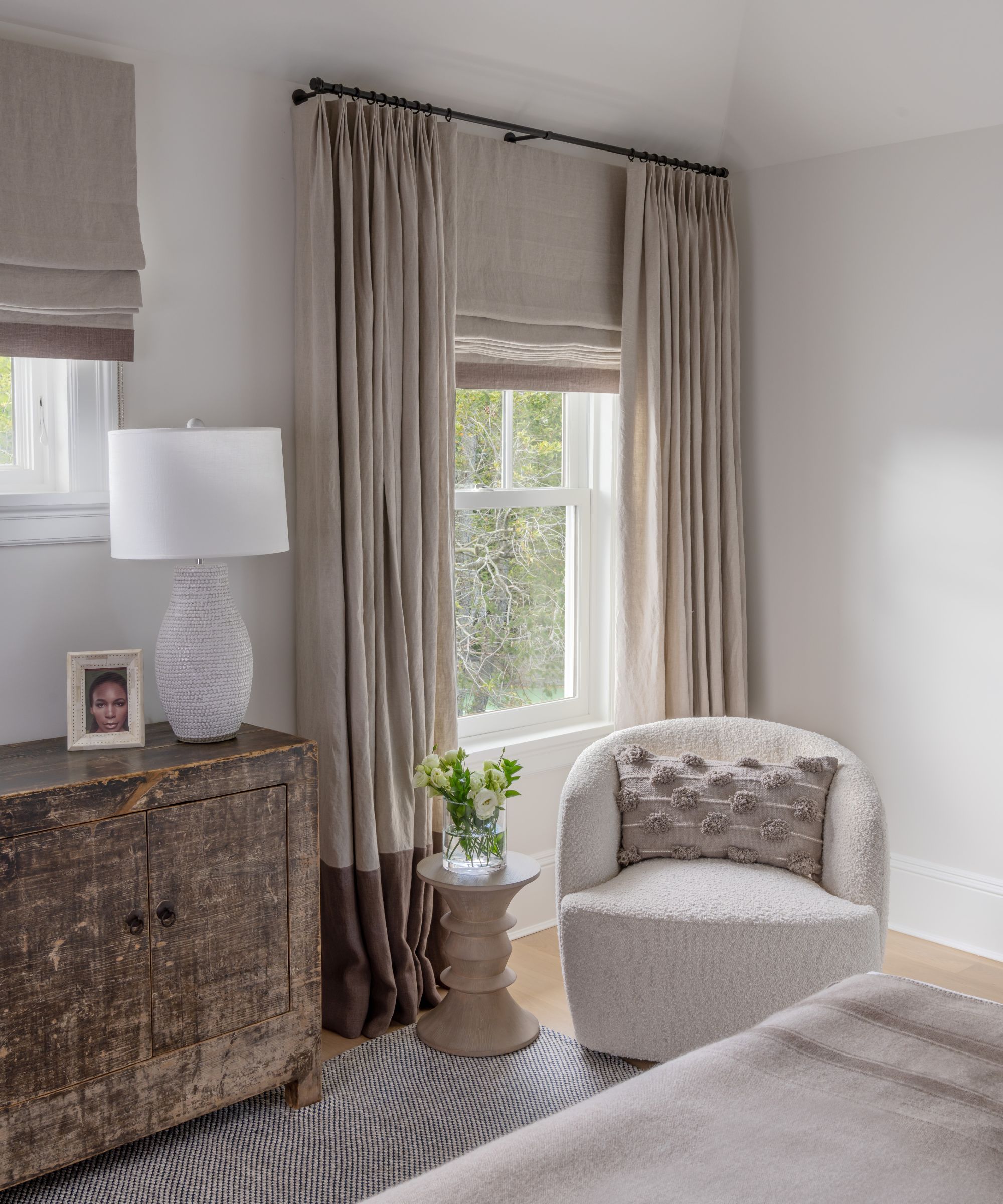
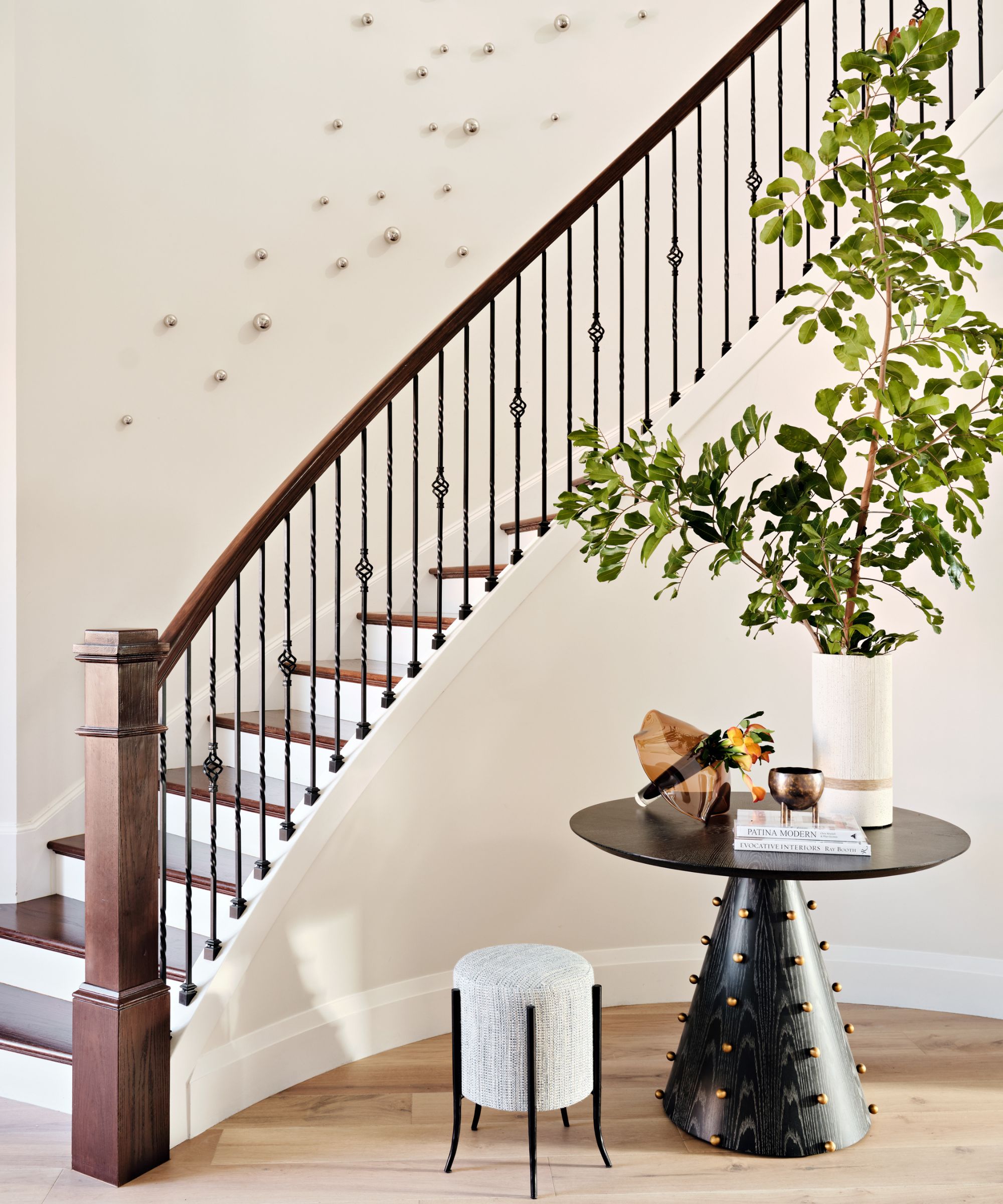
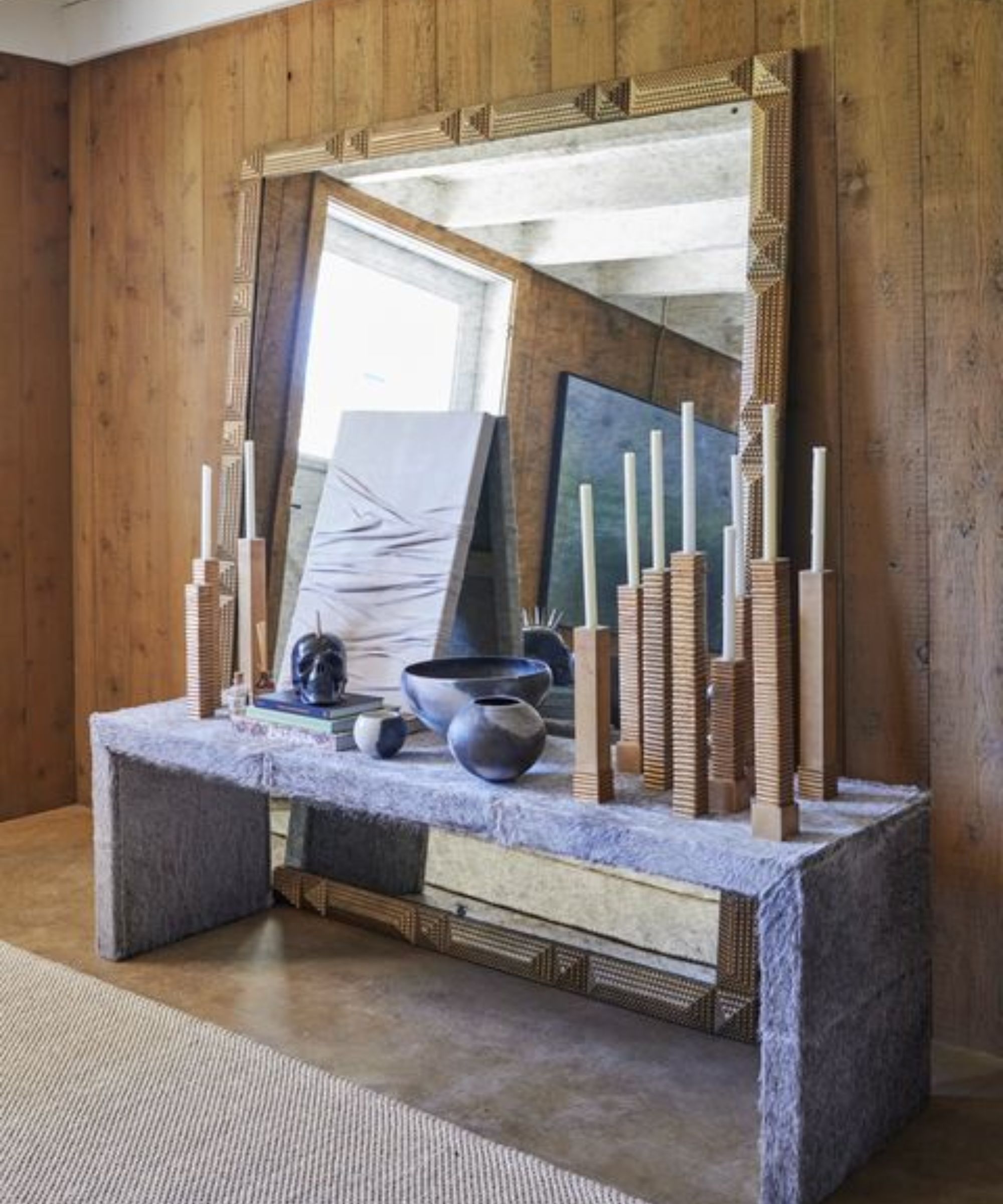
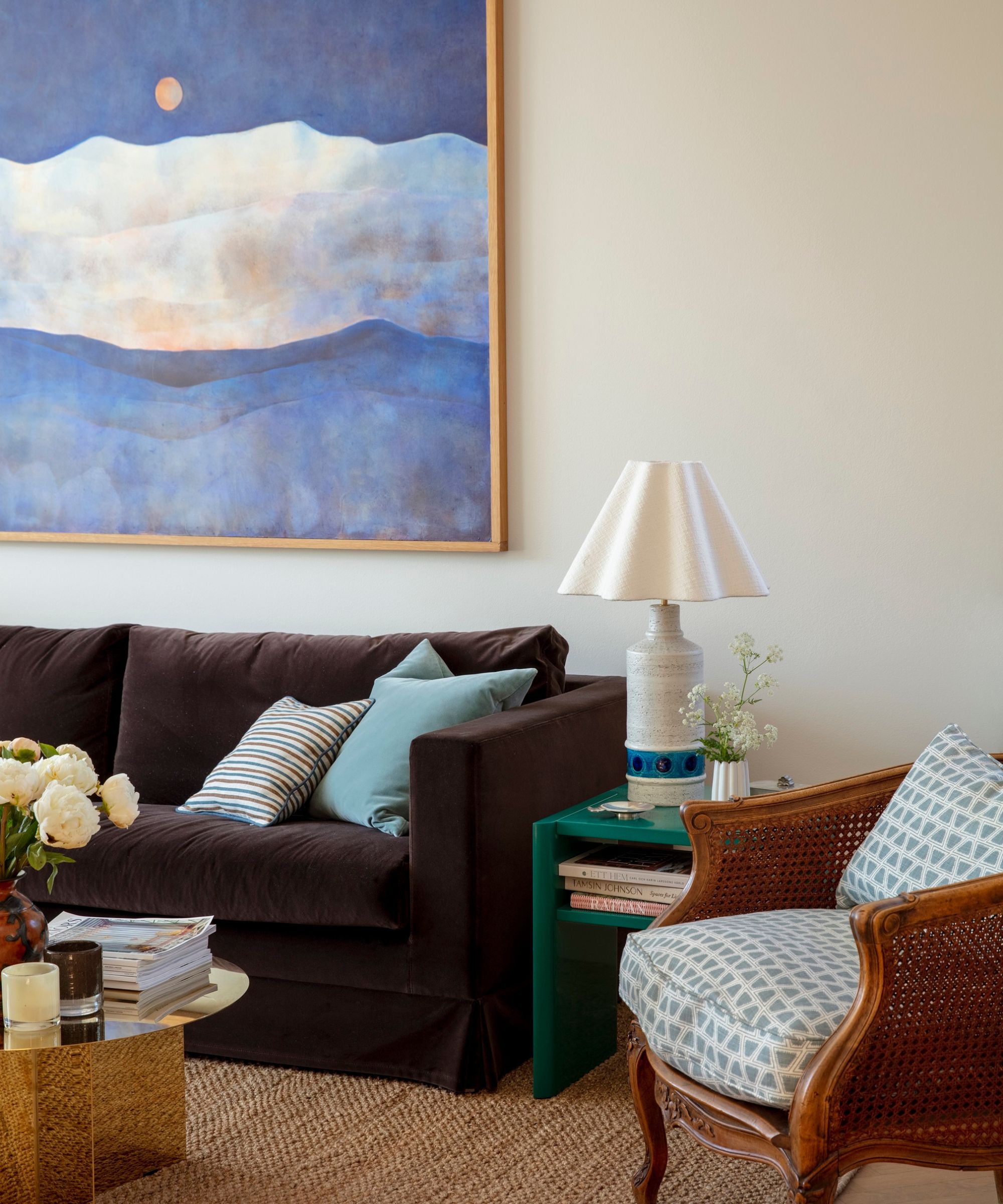
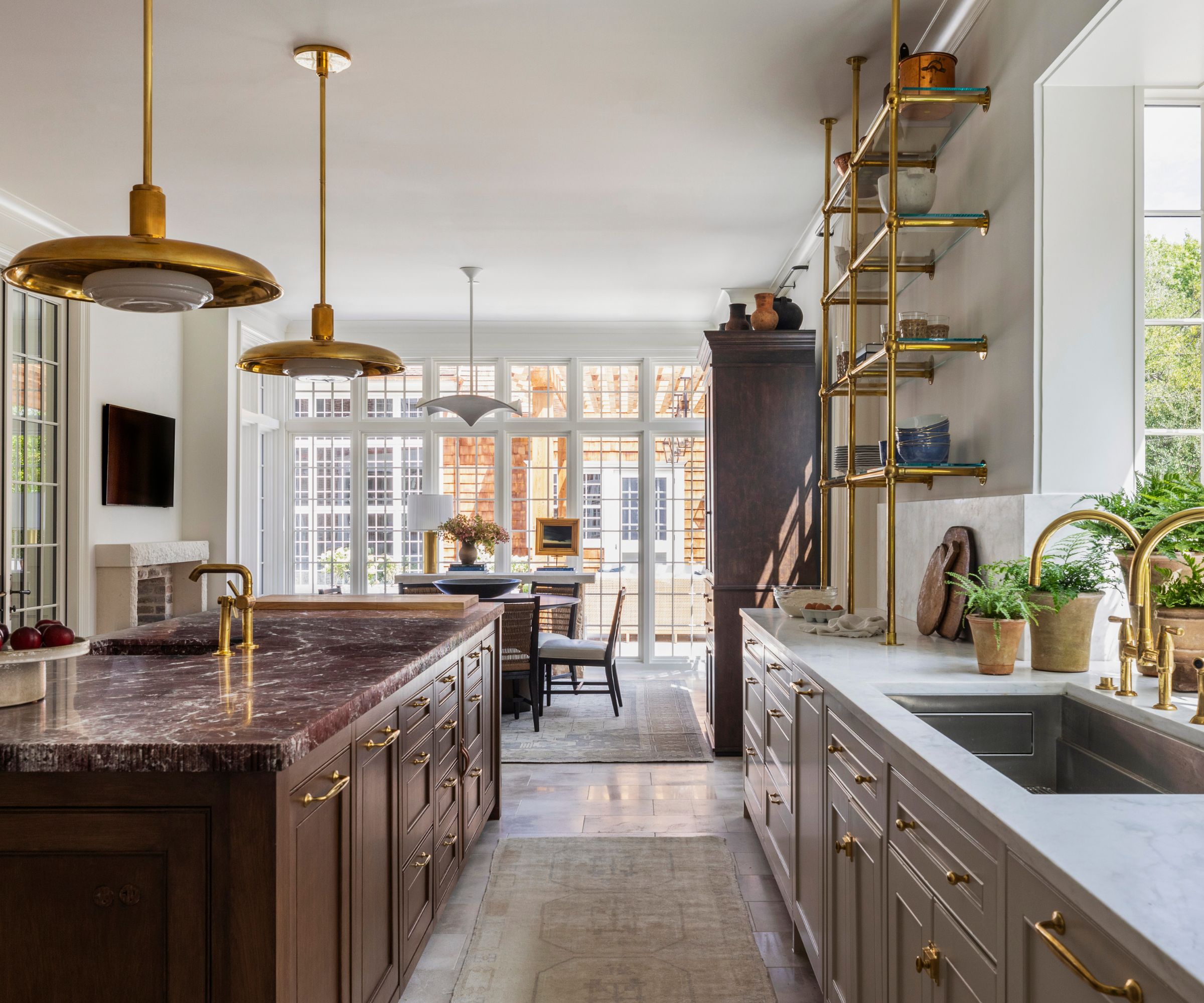
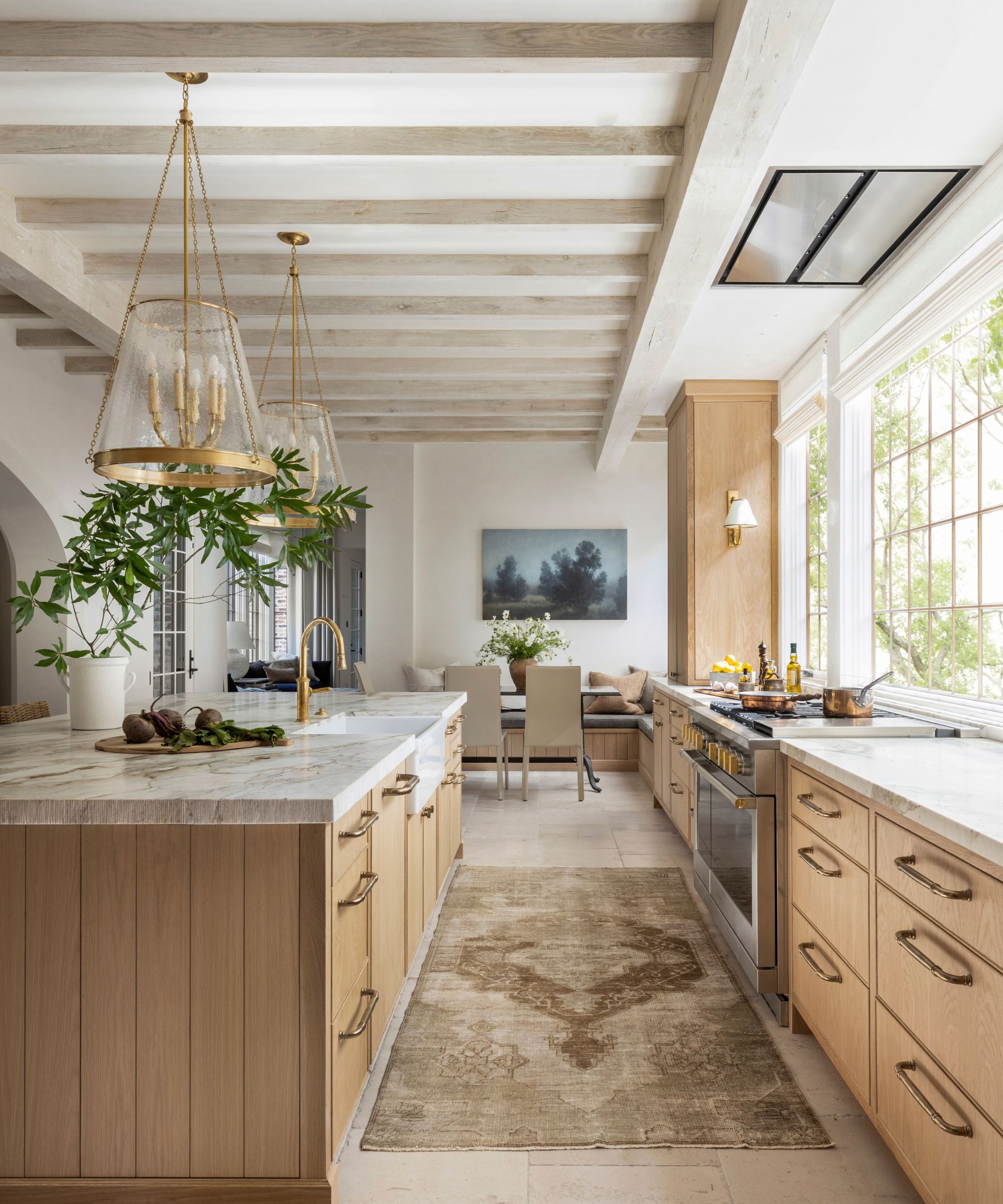
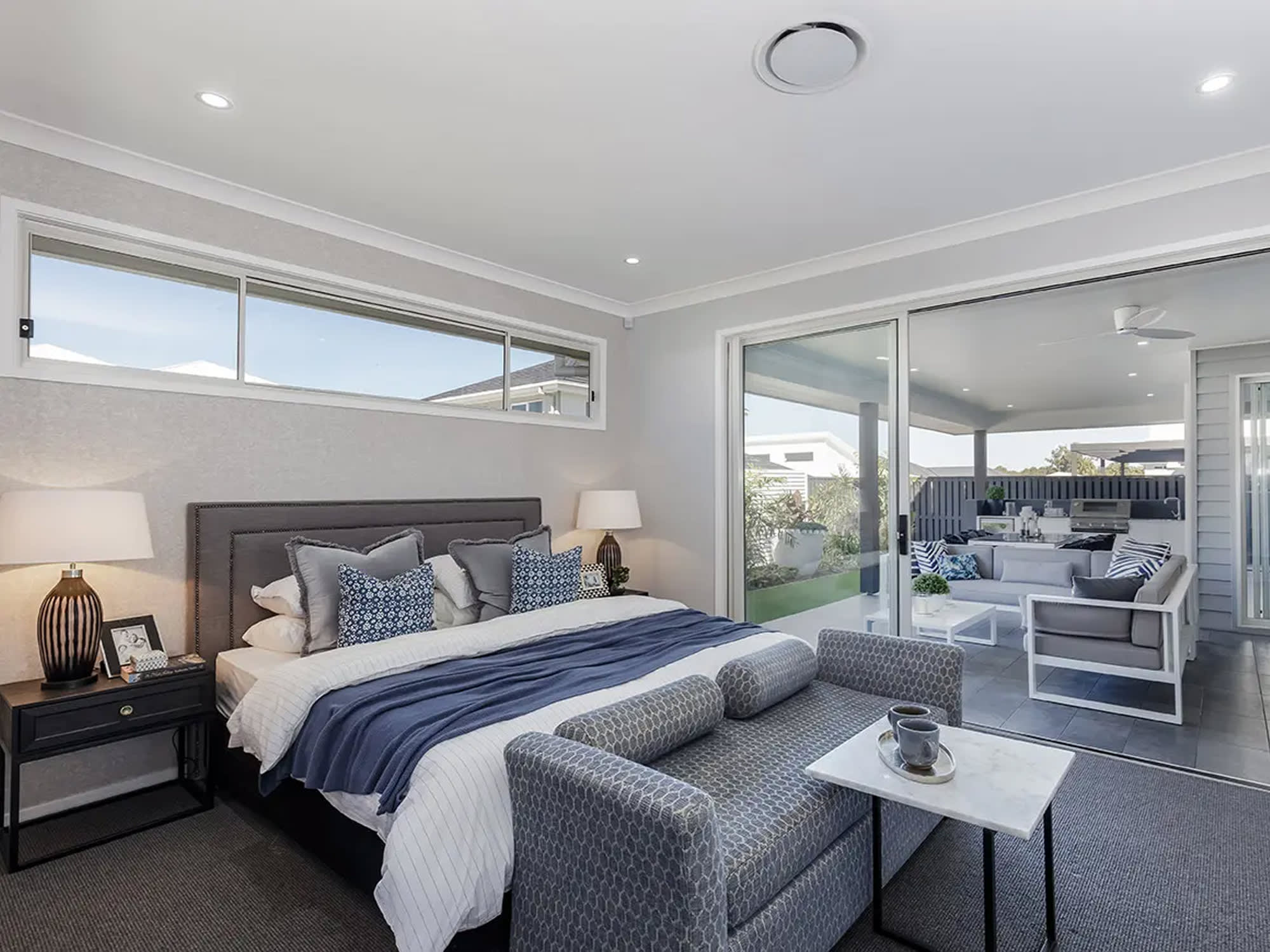
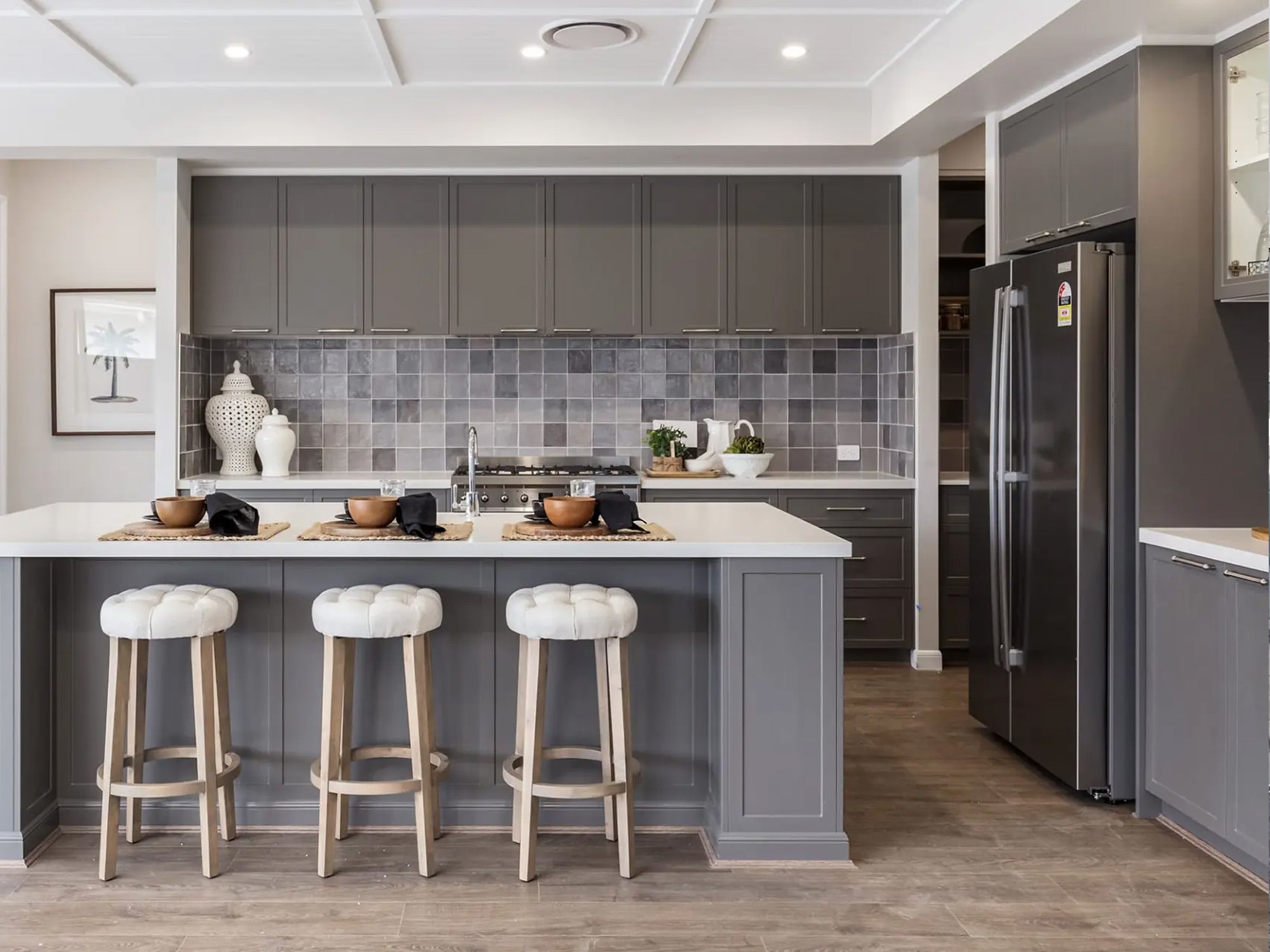
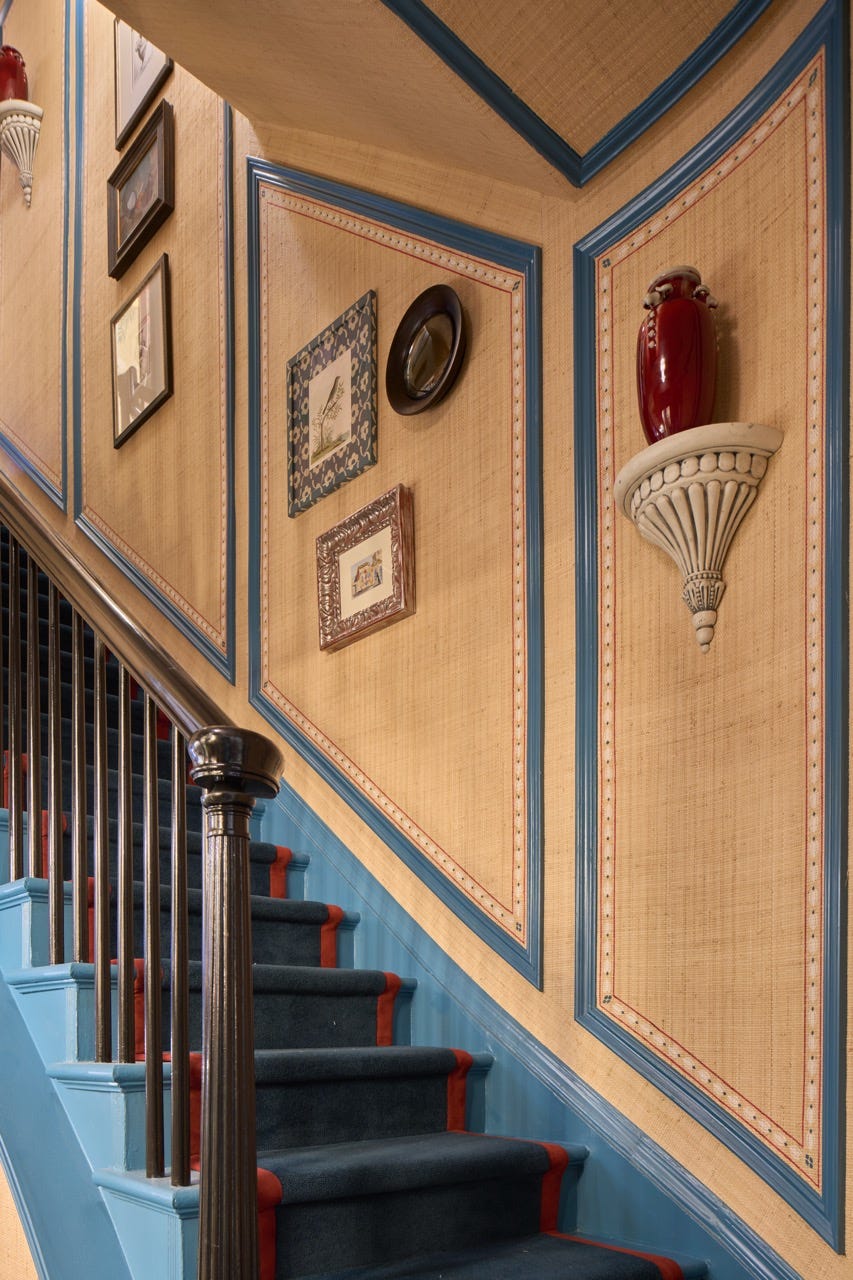
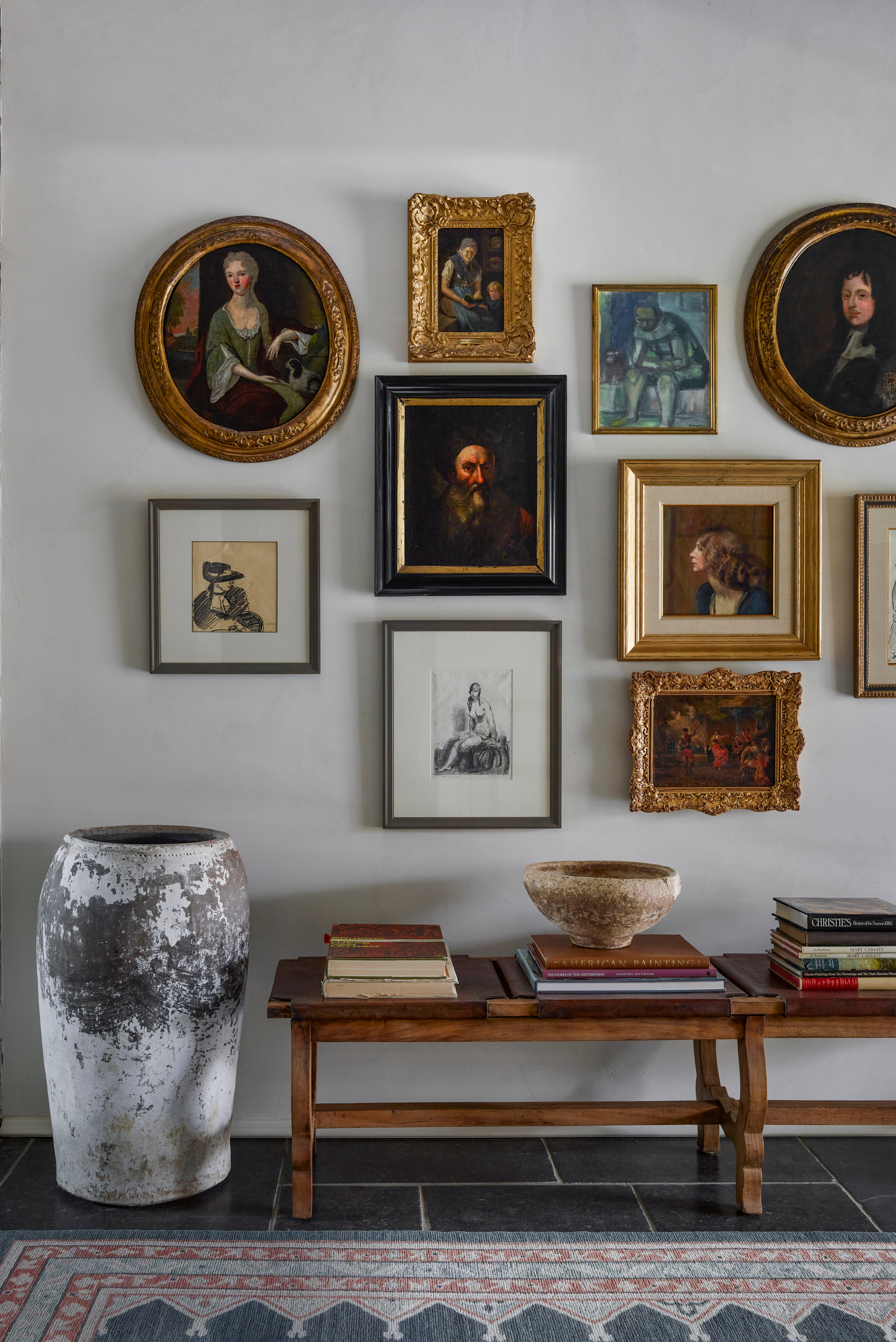
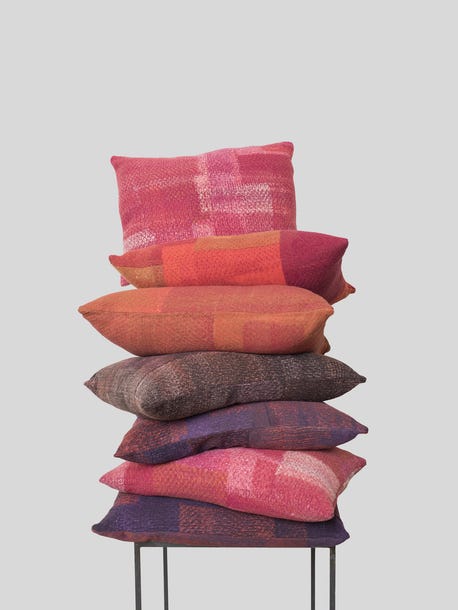
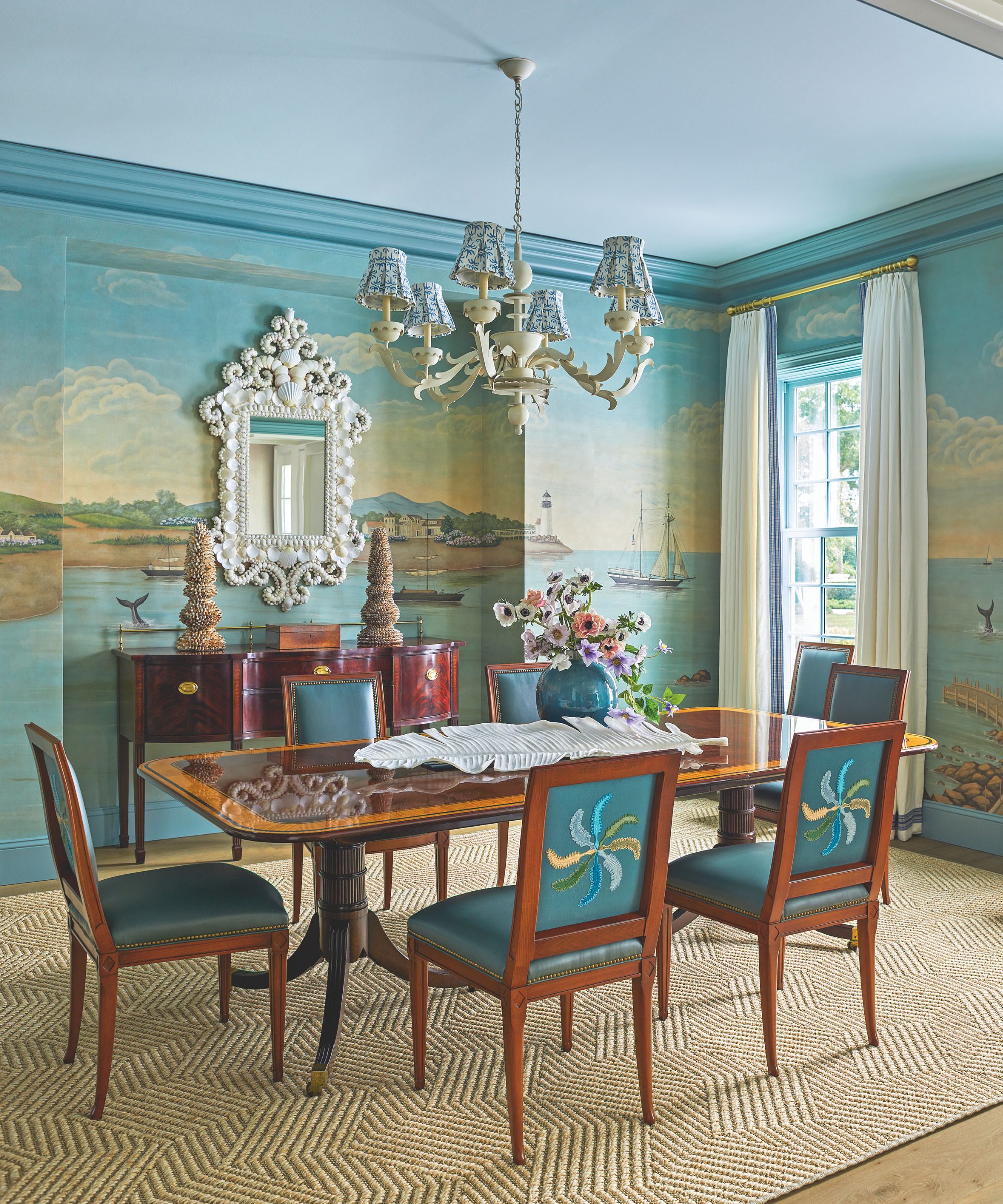
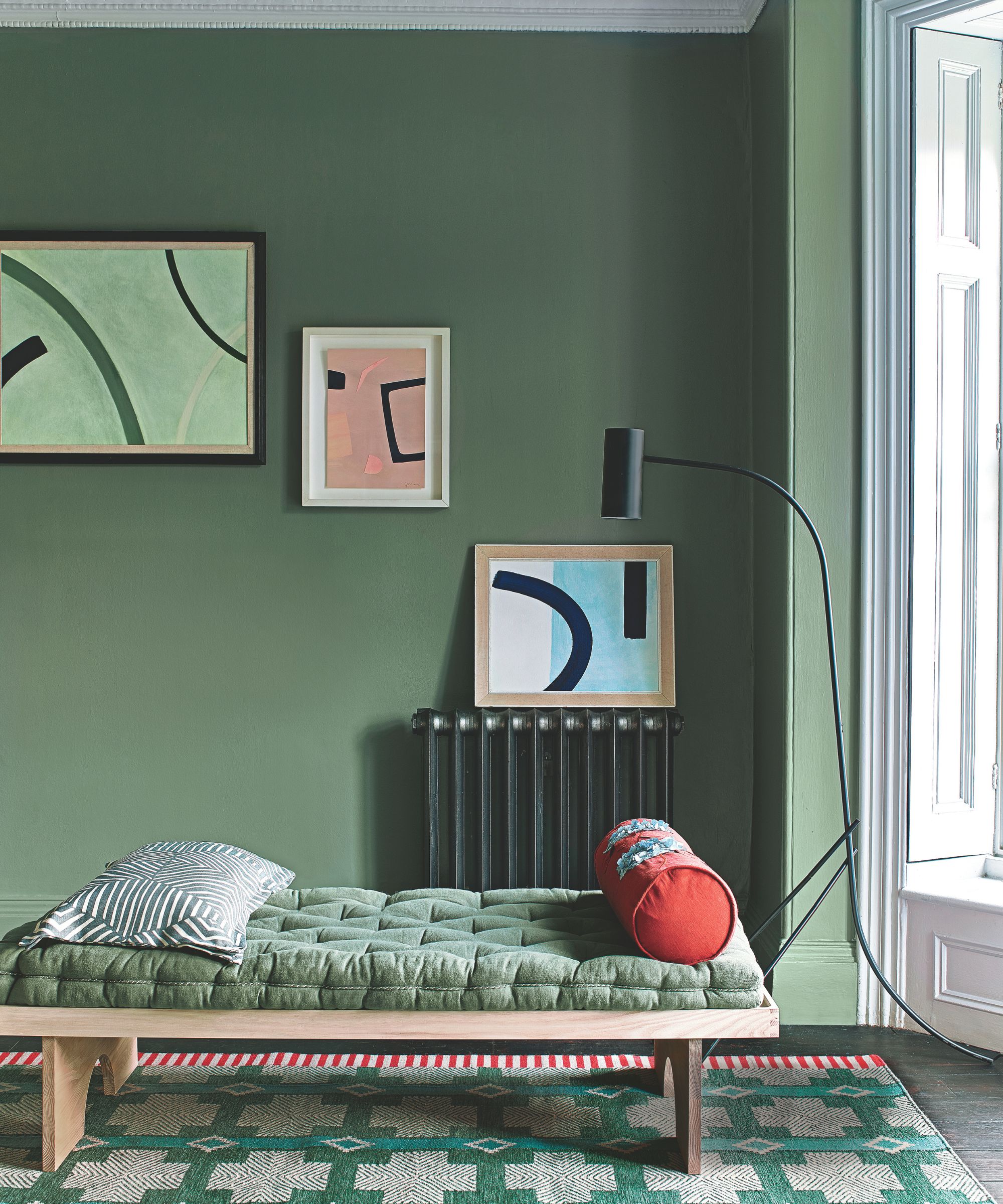
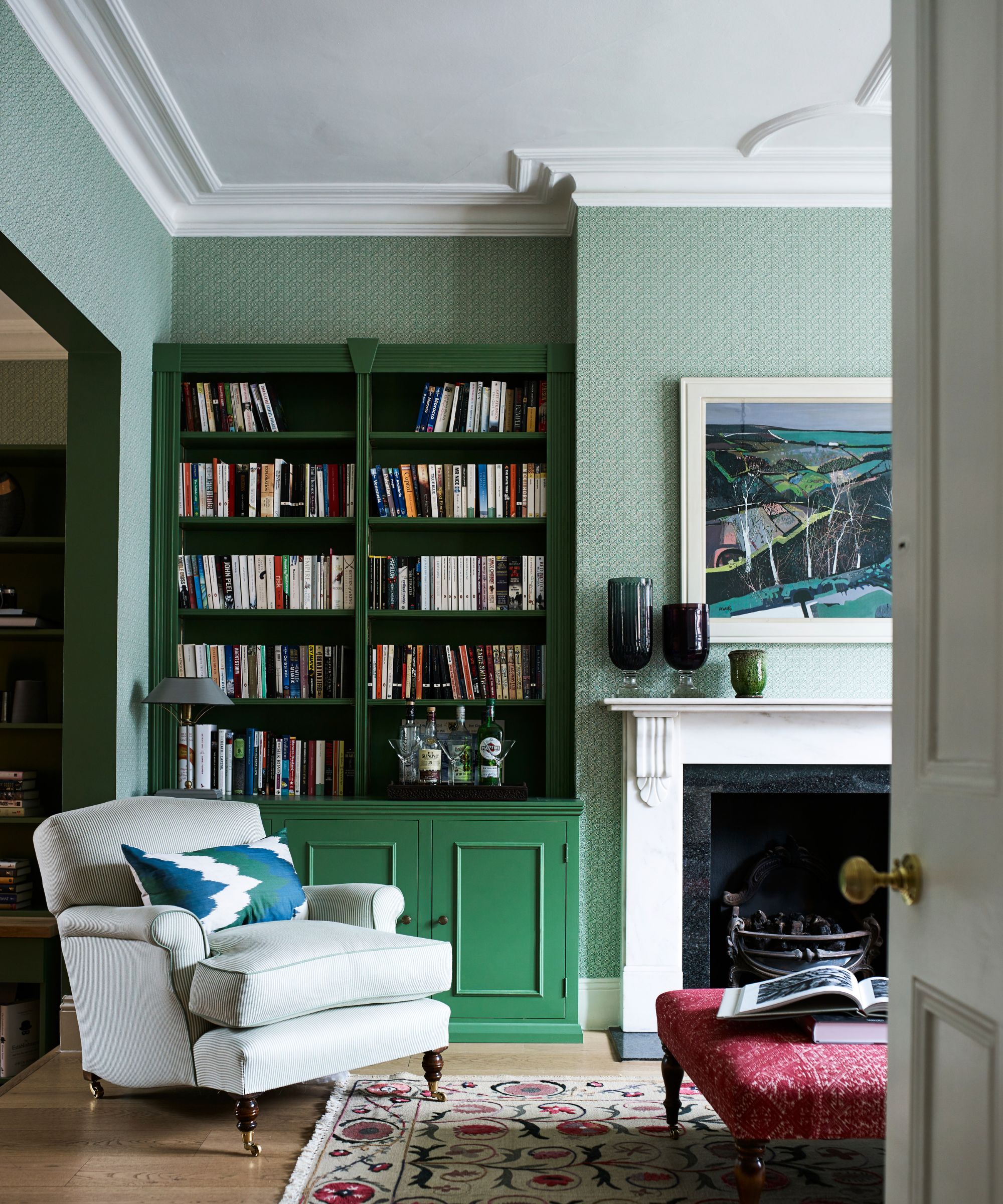
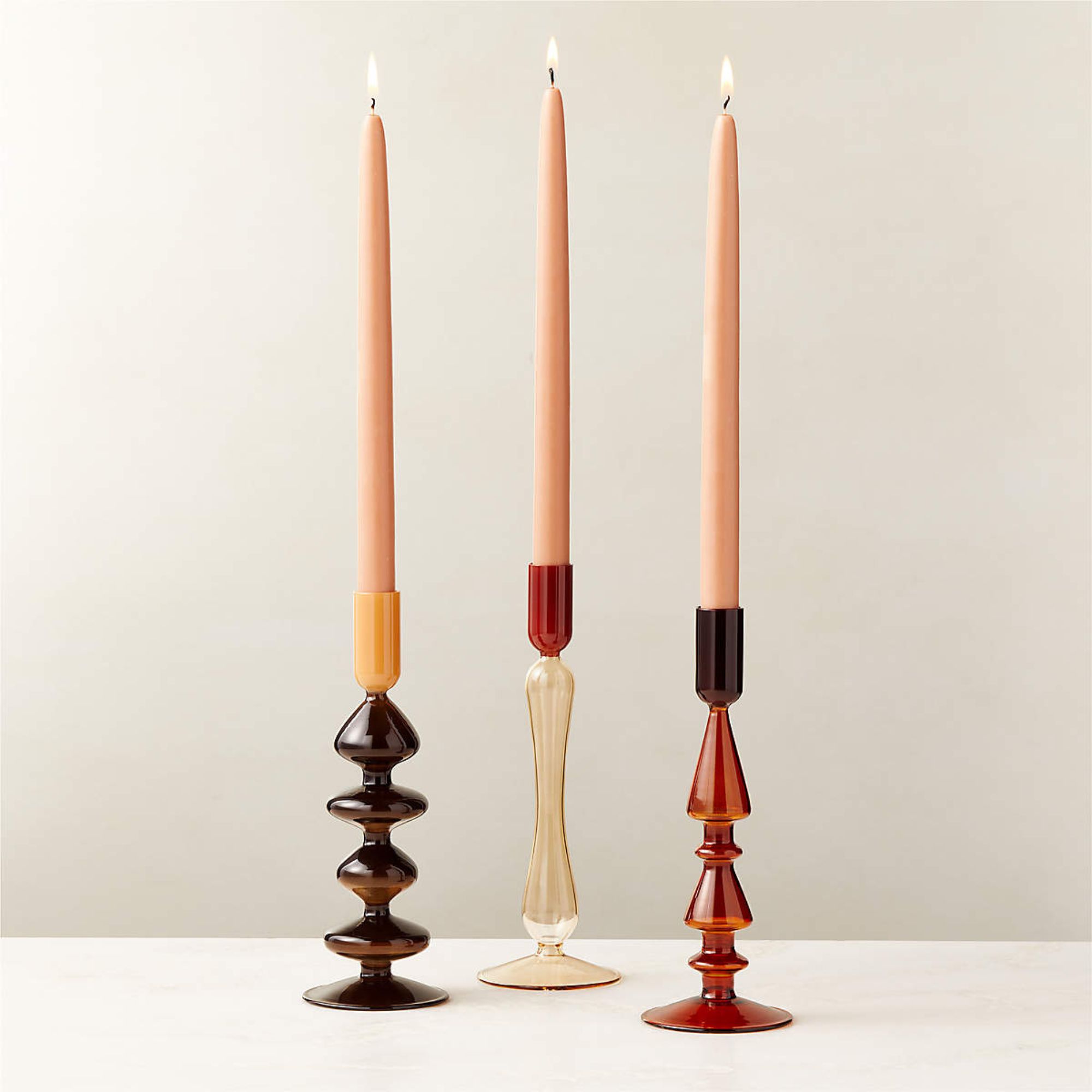
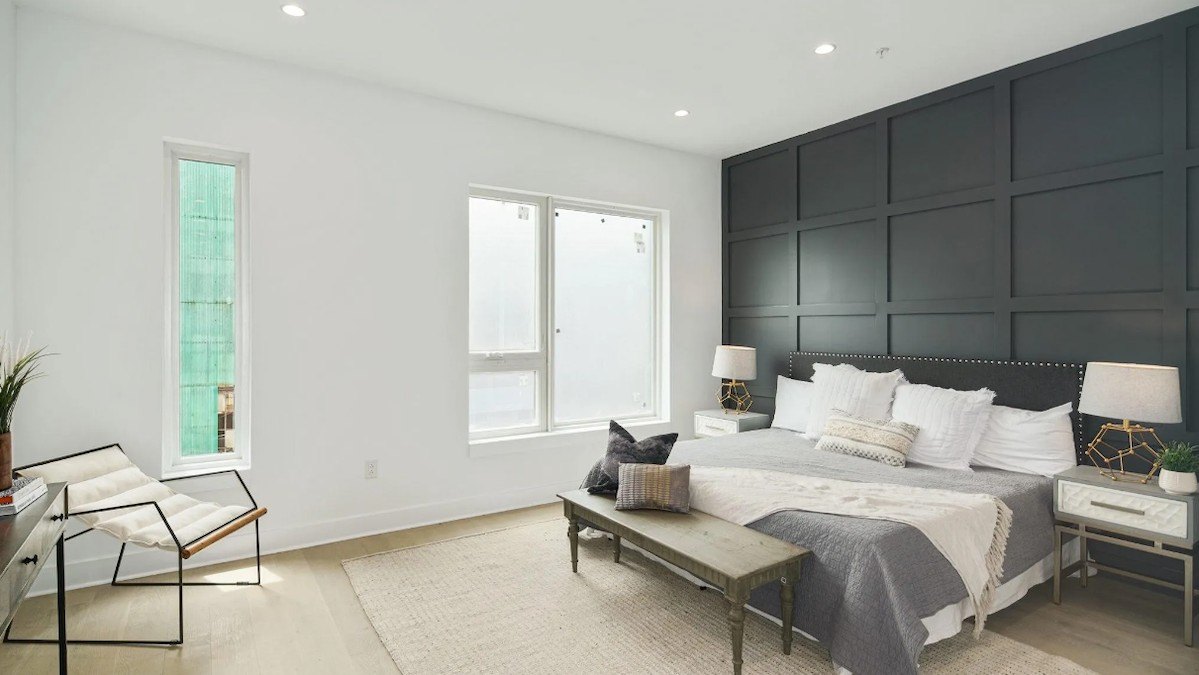
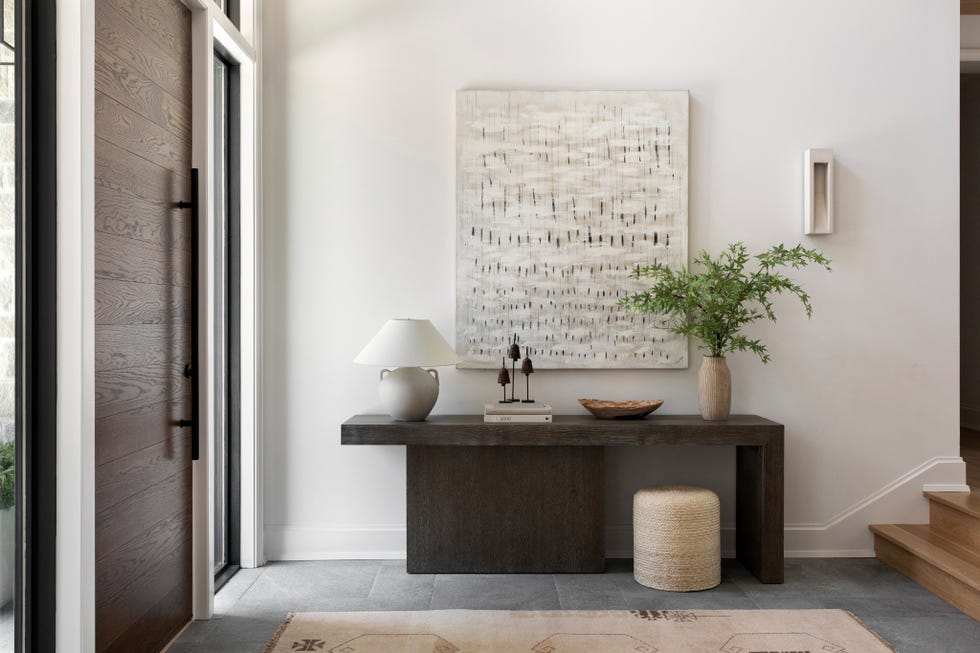
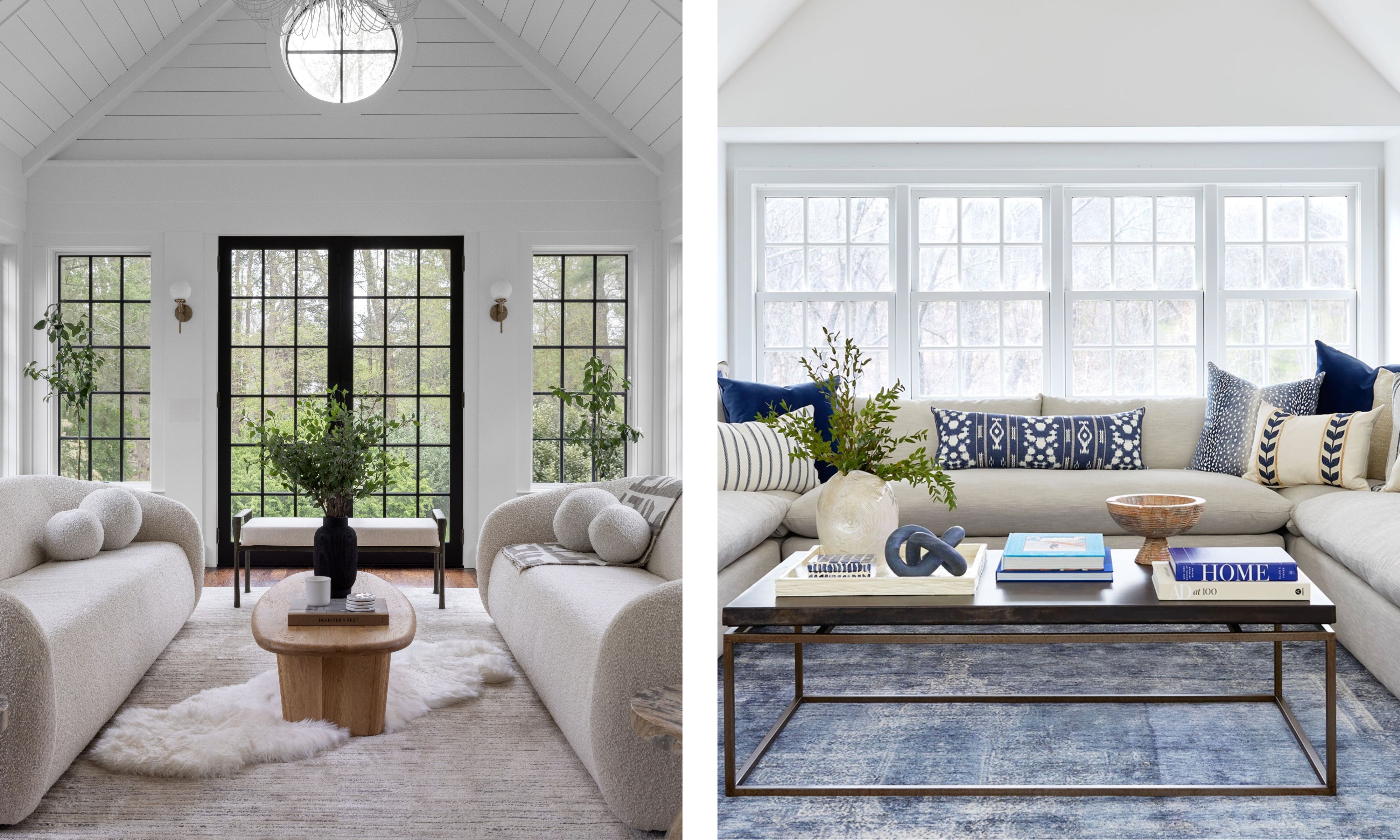
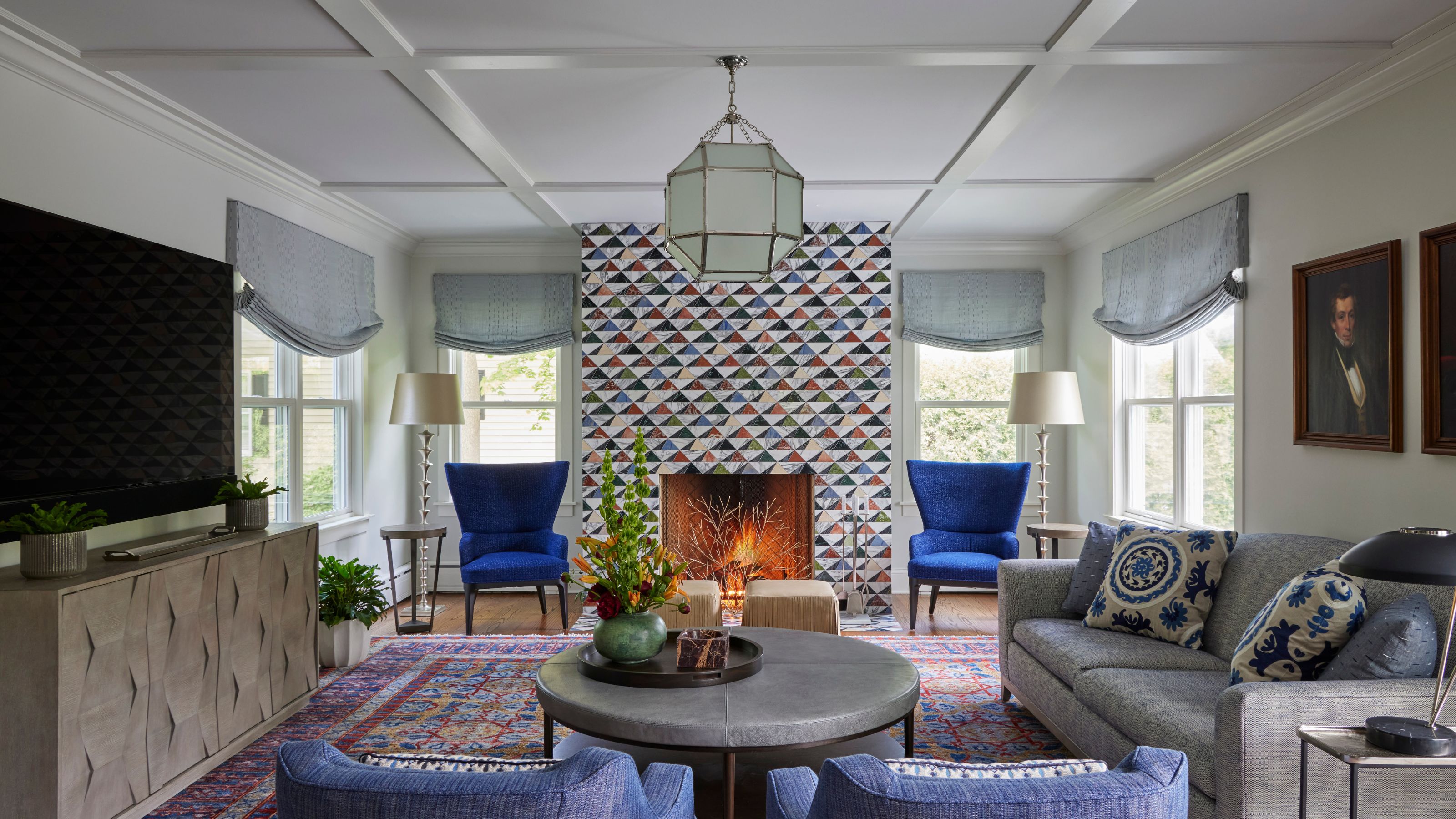
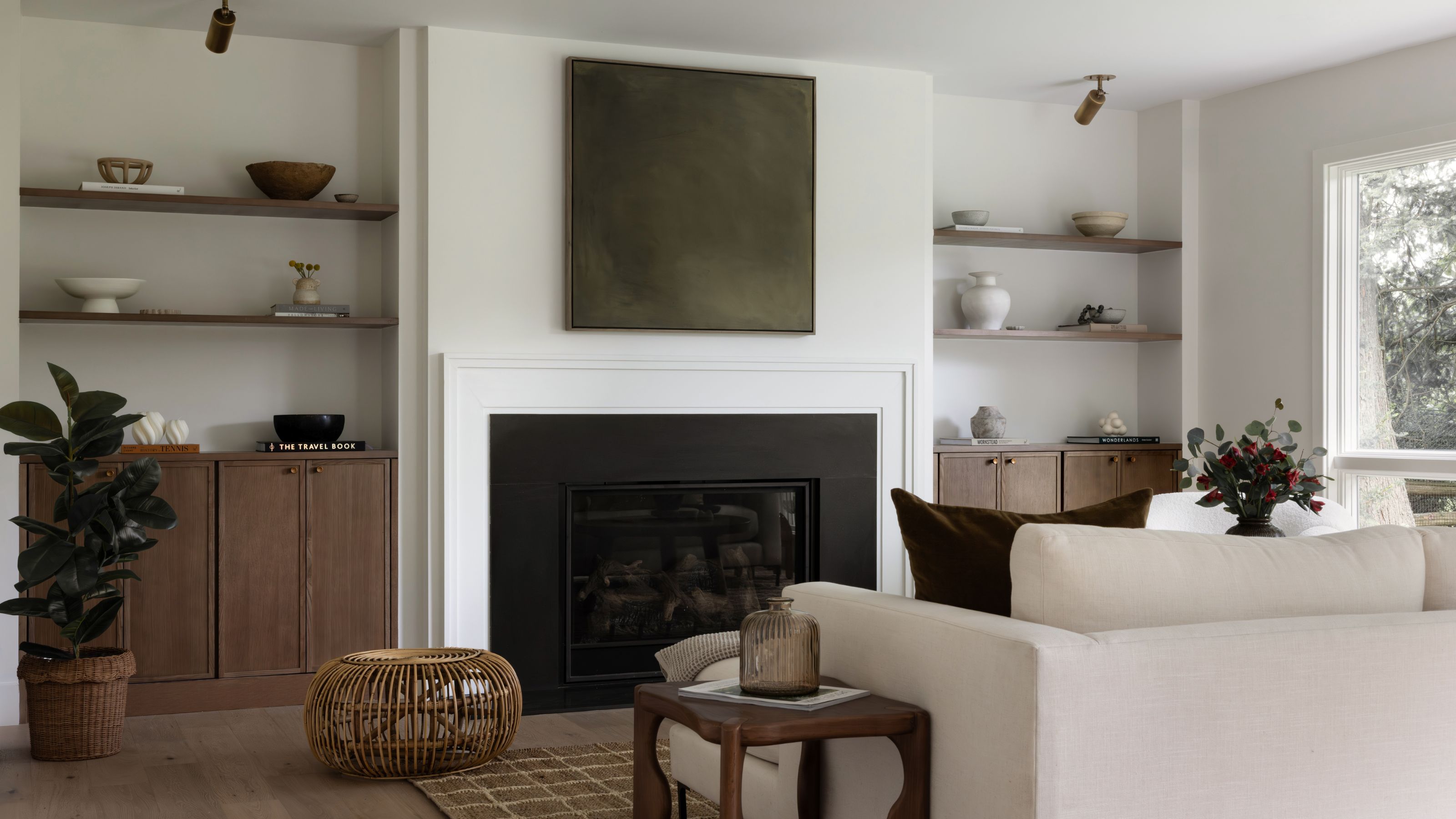
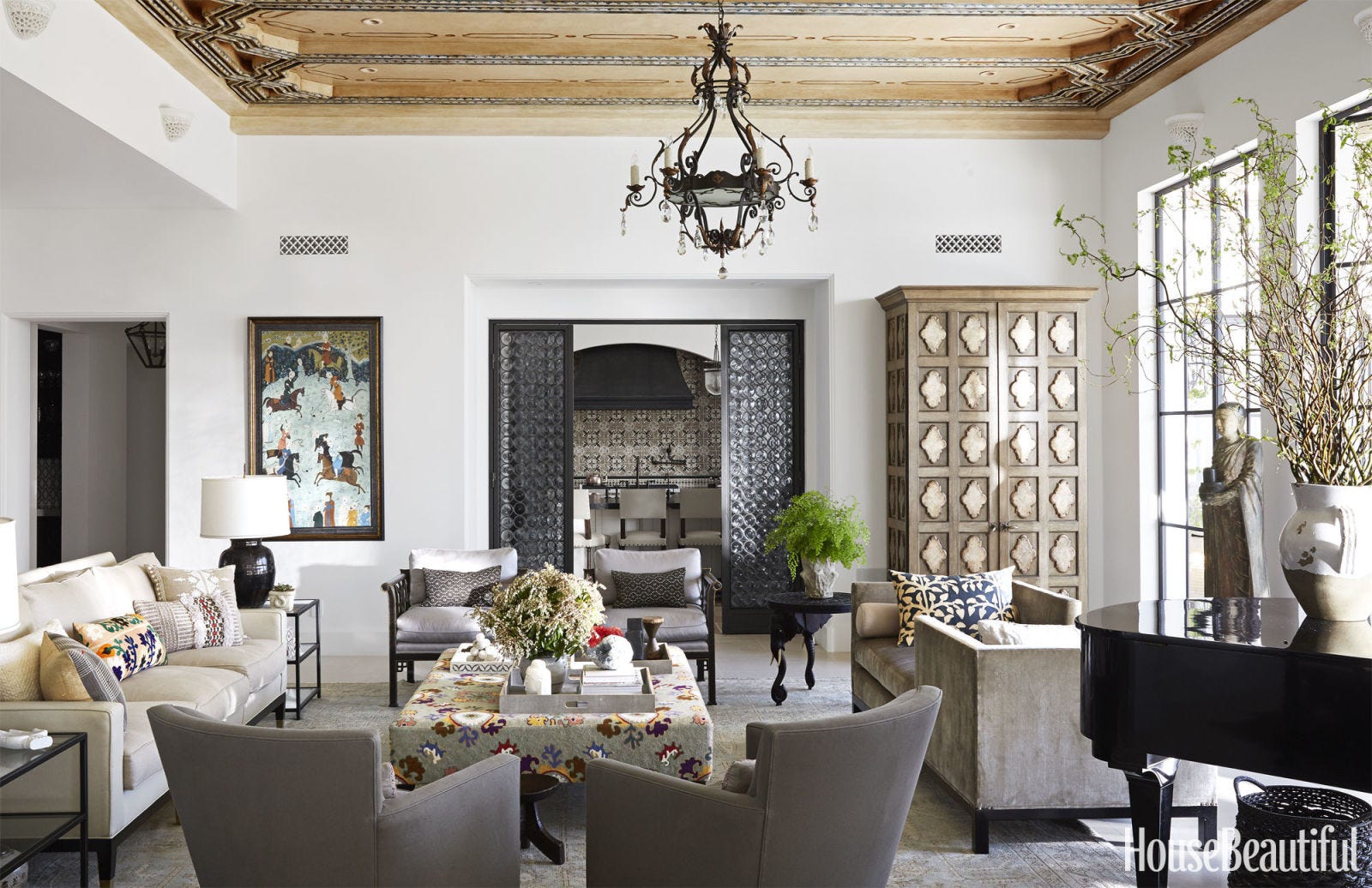
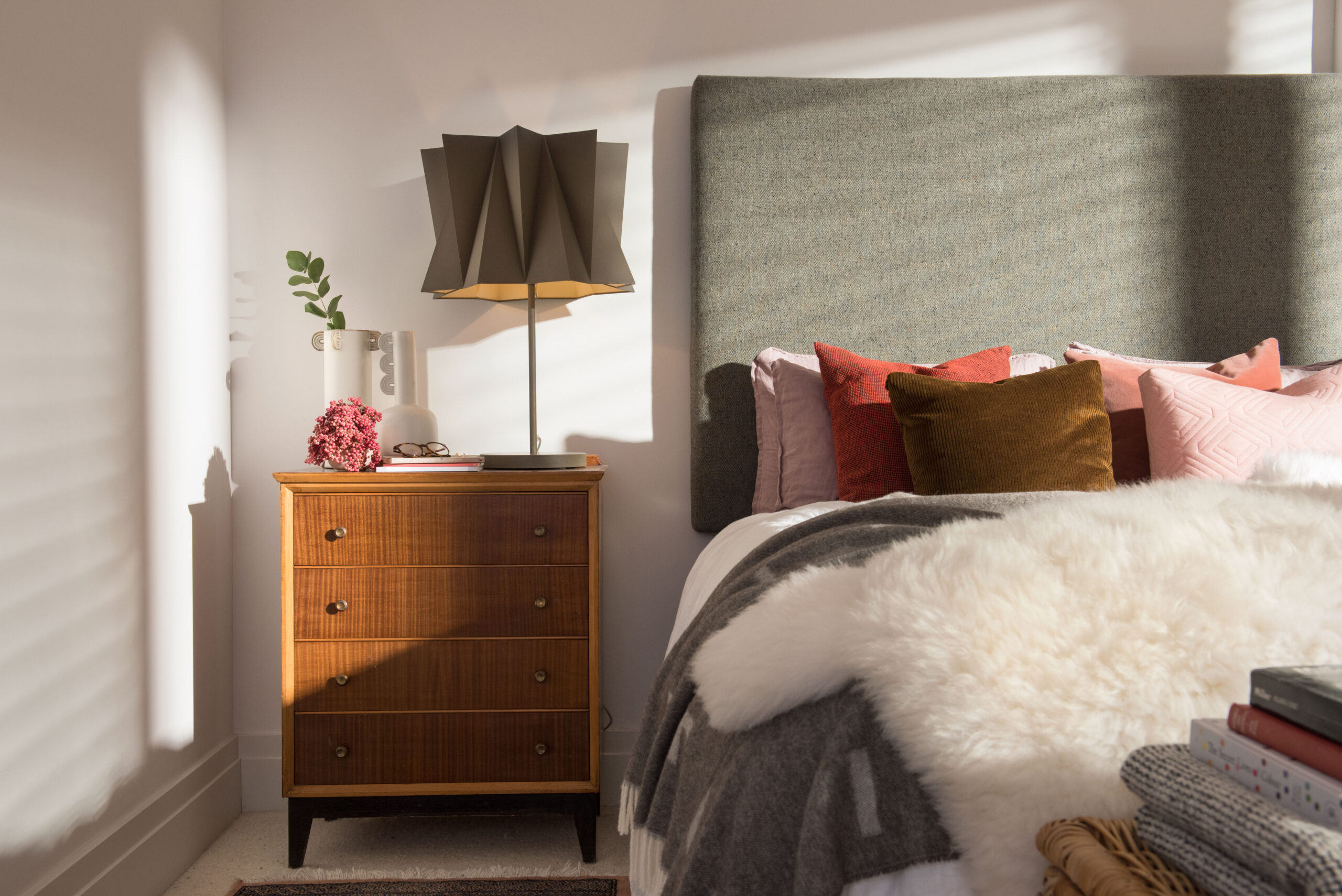
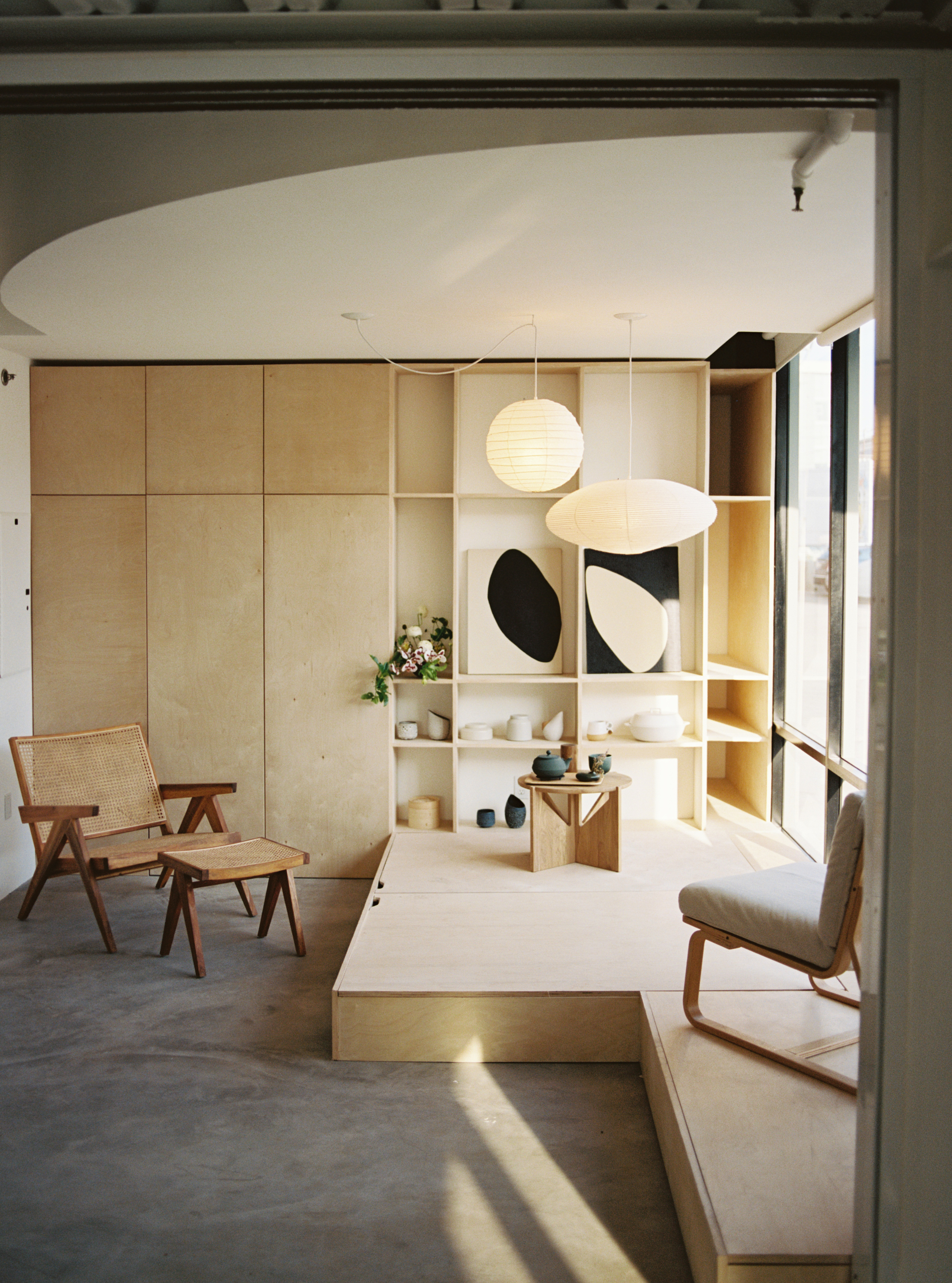
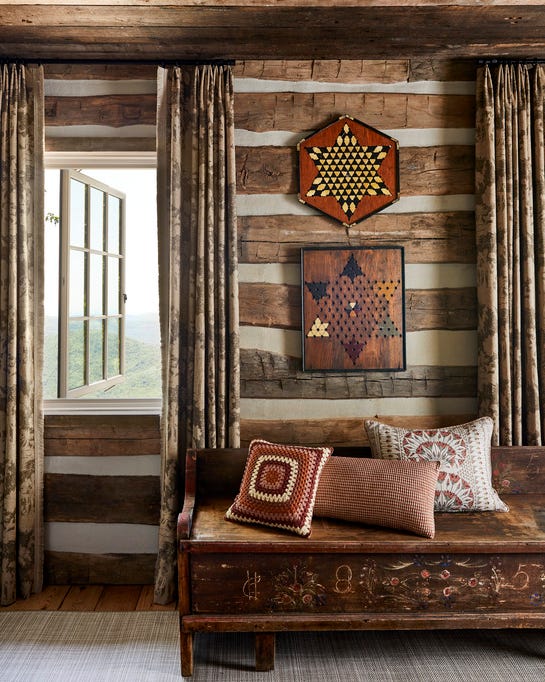
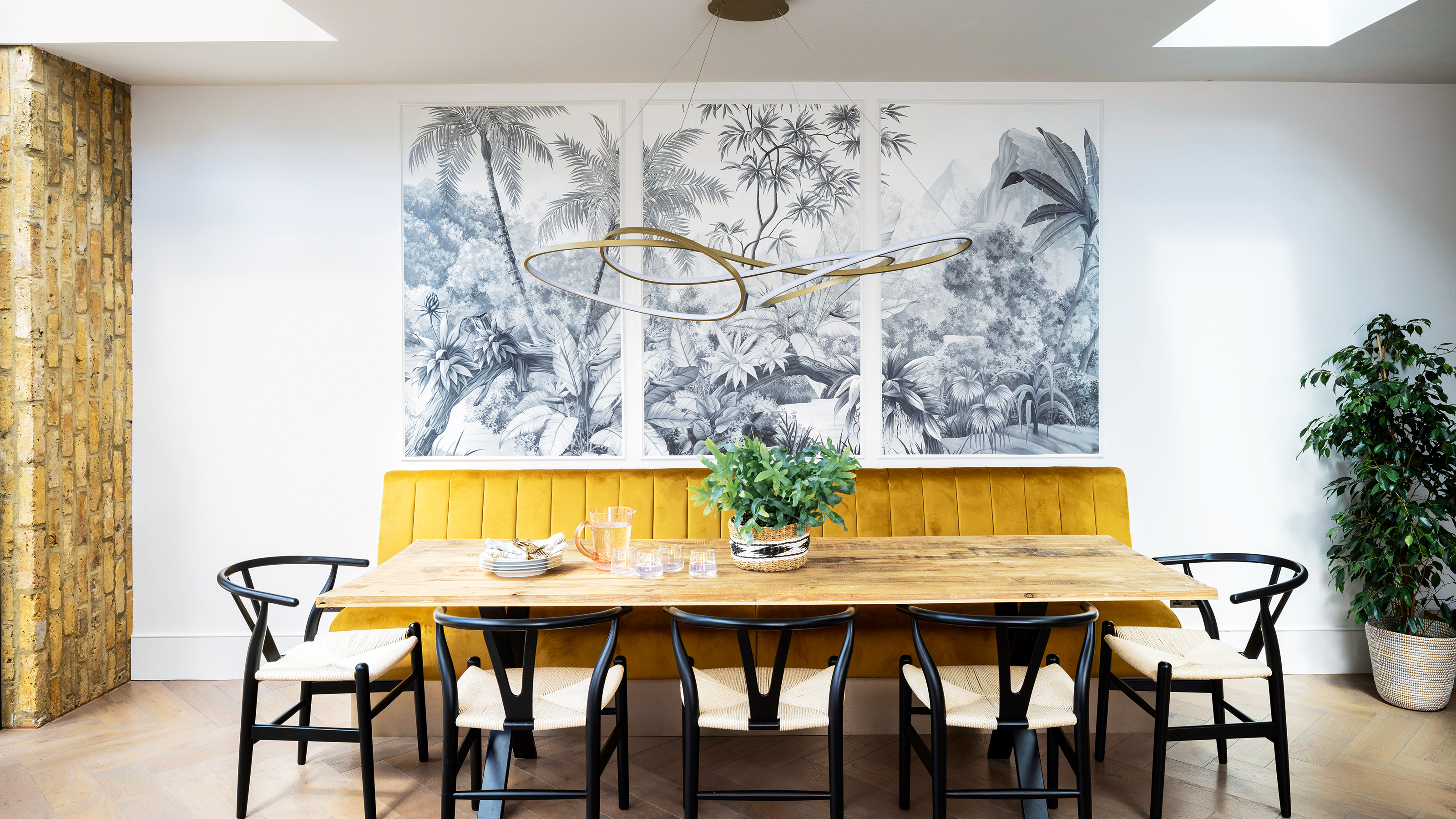
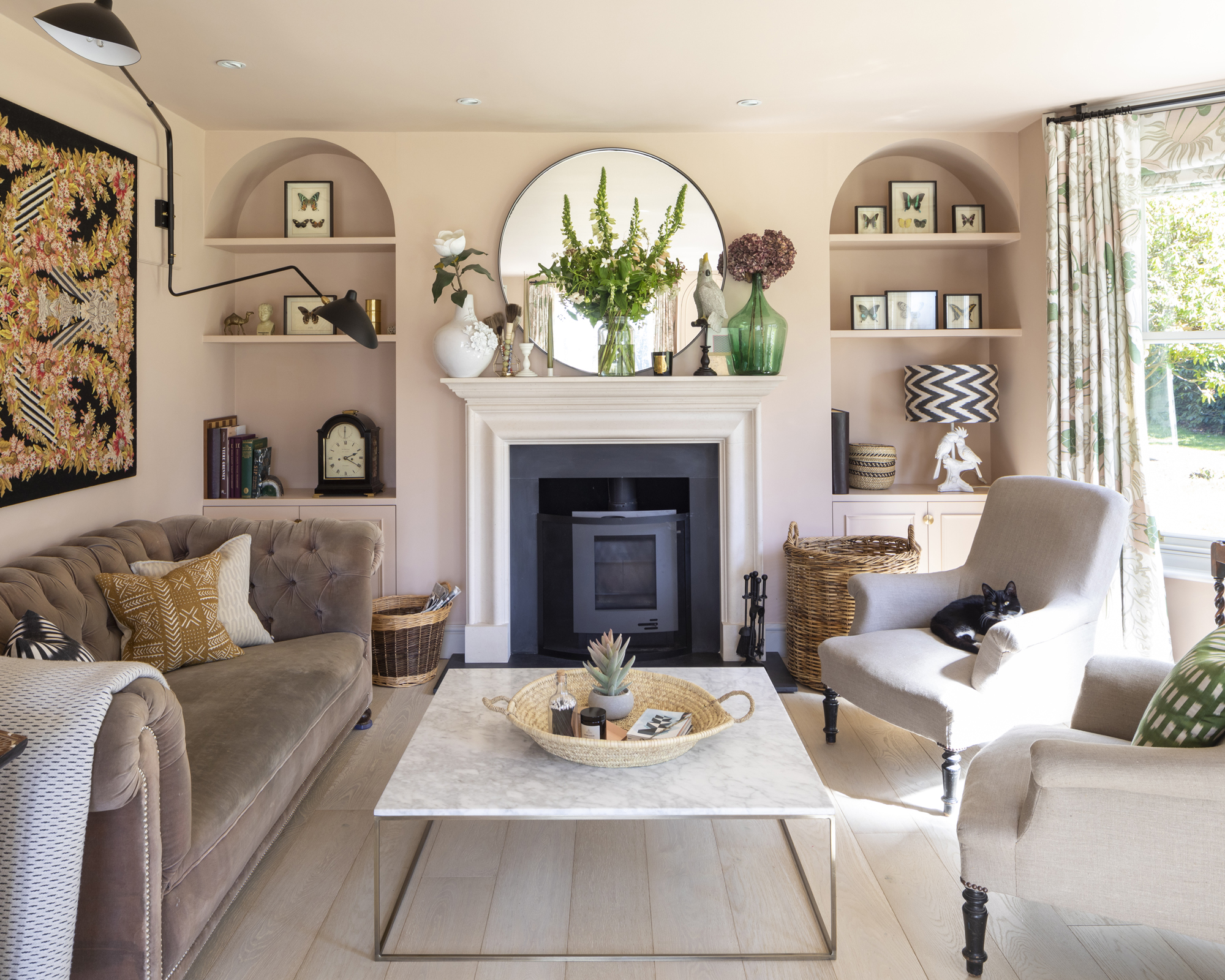
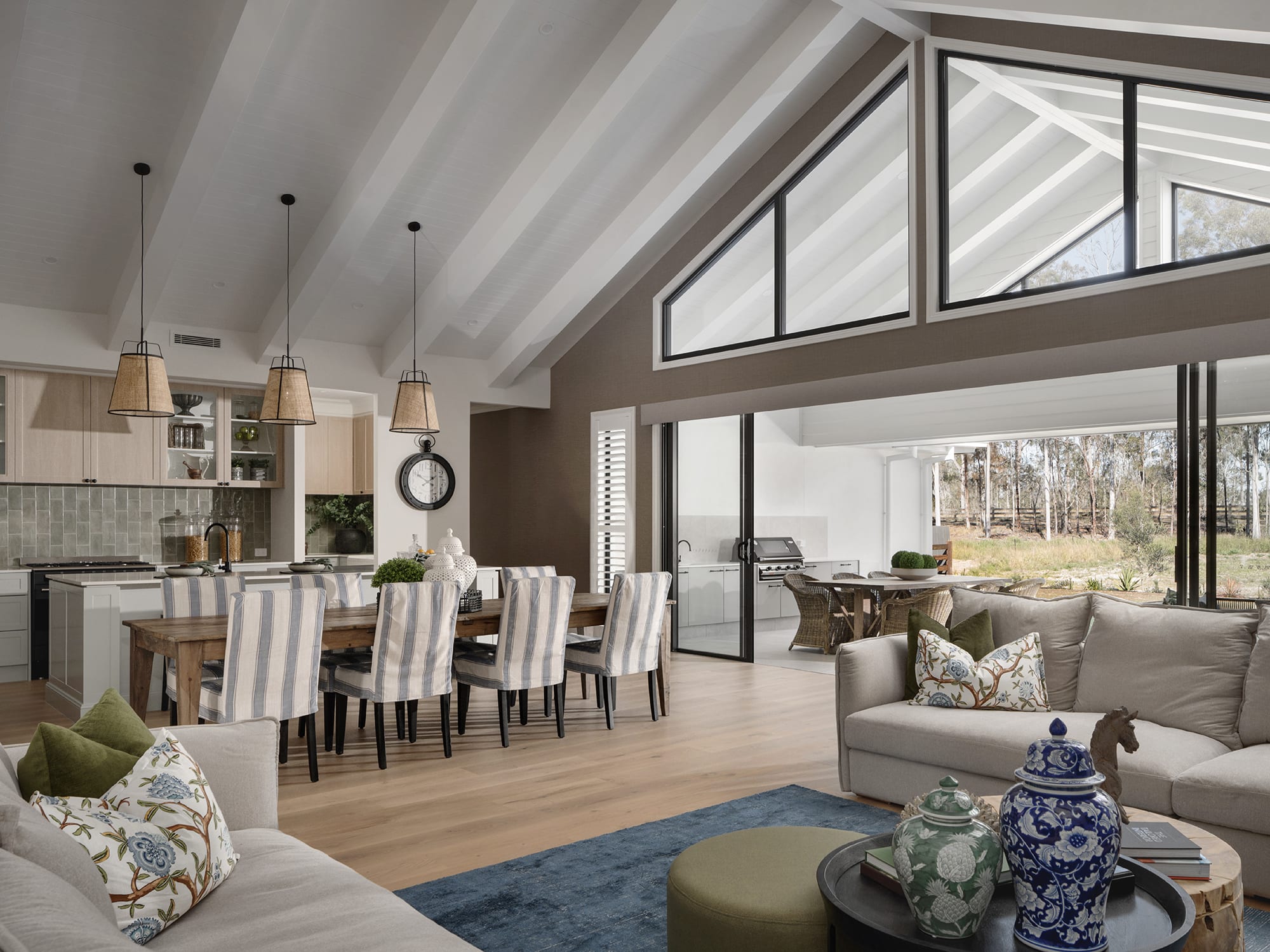
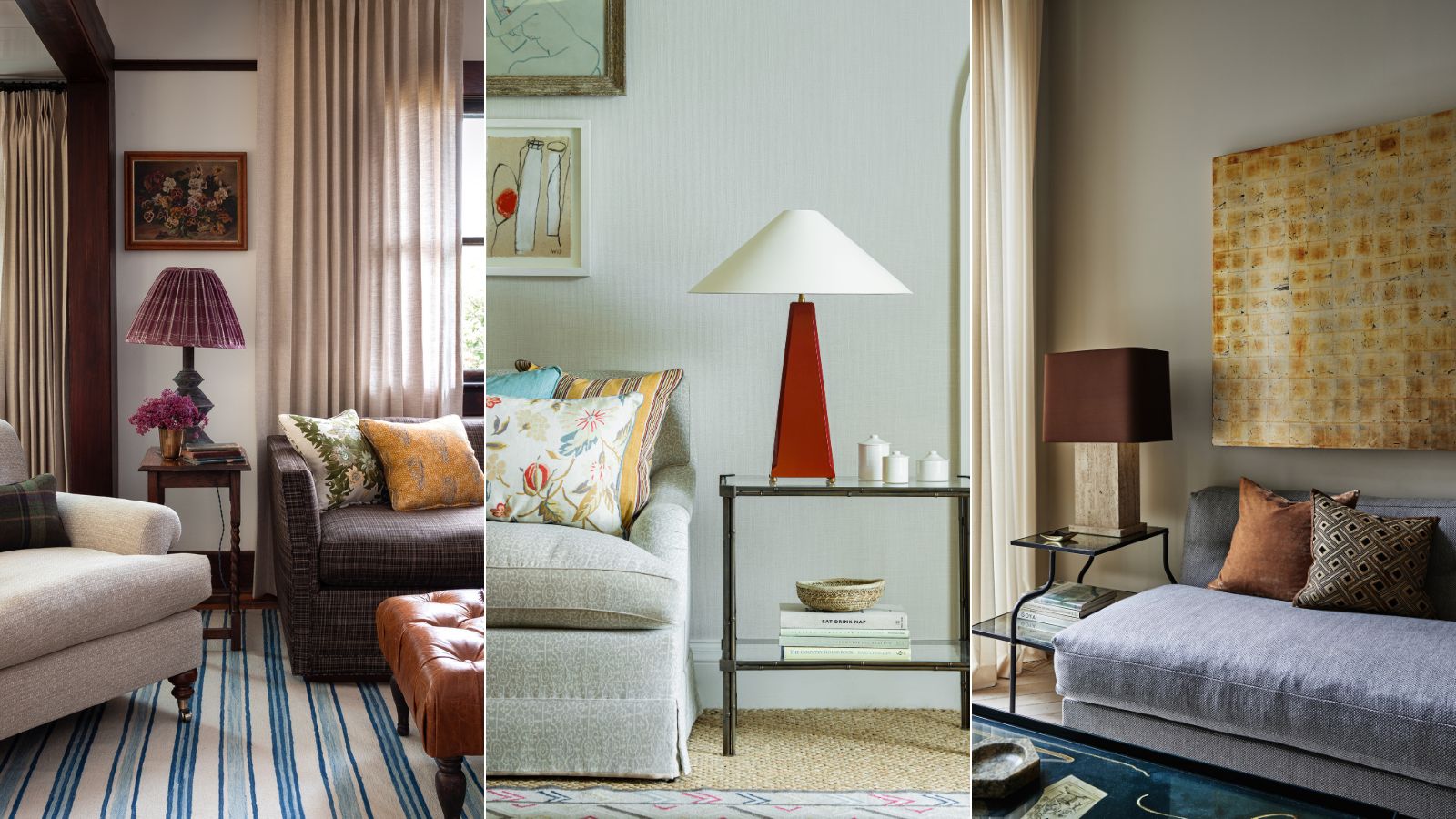
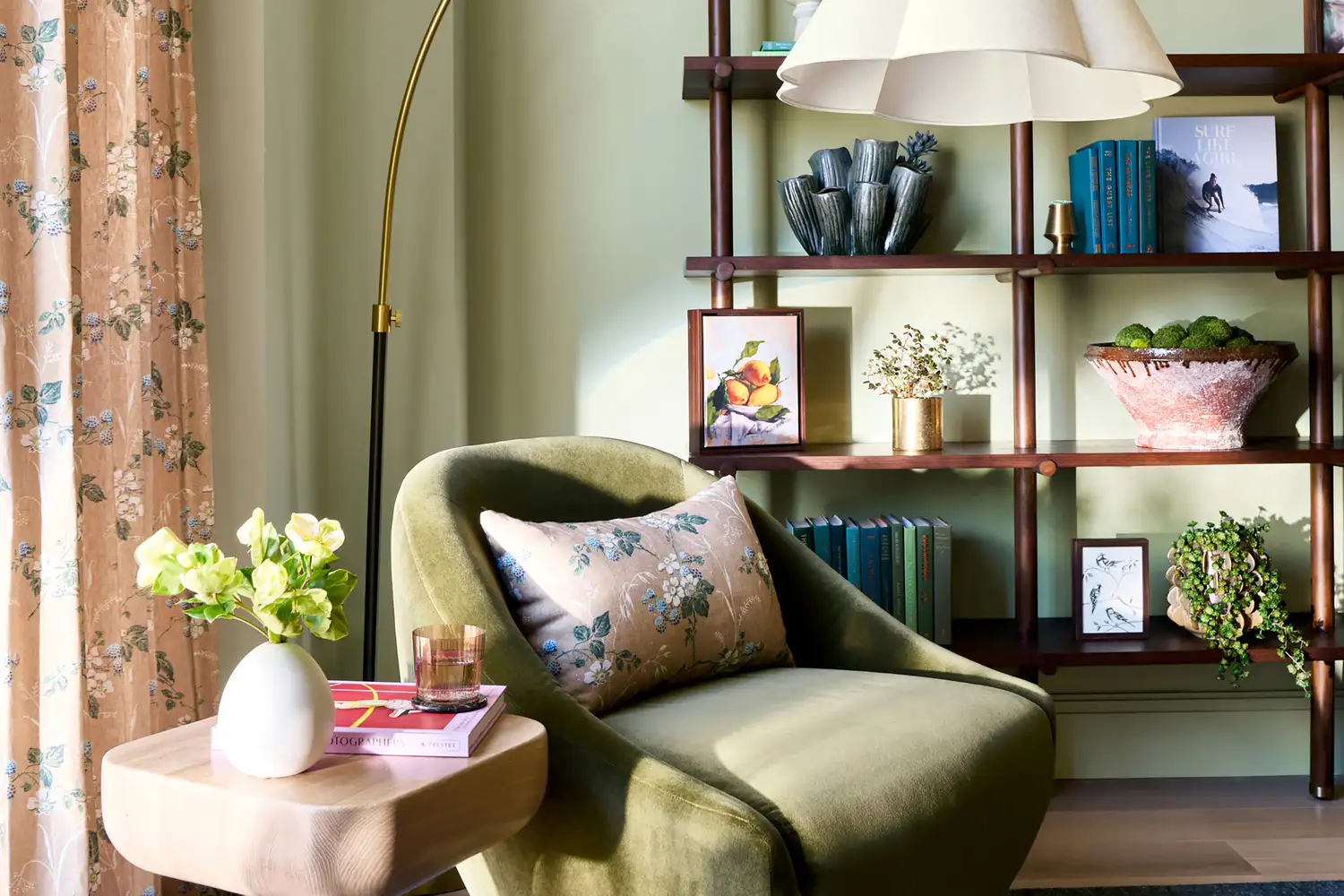
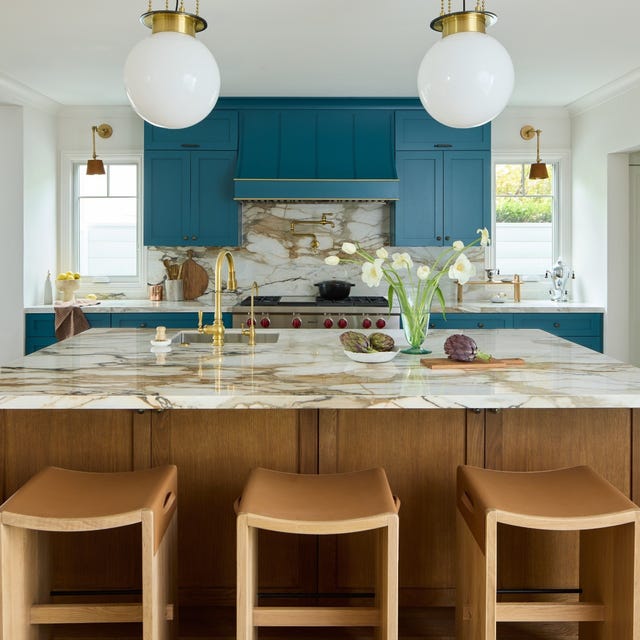
Practical applications of the rule of three are numerous. For cushions, arranging them in odd numbers, such as two large ones with a smaller one centered, provides balance and symmetry. When displaying objects, grouping them in threes, especially with variations in height, shape, and texture, transforms them into a more engaging feature. For lighting, installing three pendant lights over a dining table or kitchen island not only ensures ample illumination but also creates visual balance and makes a statement. Similarly, hanging three pieces of art in a row can form a curated feature wall that introduces harmony, proving effective across diverse interior styles.
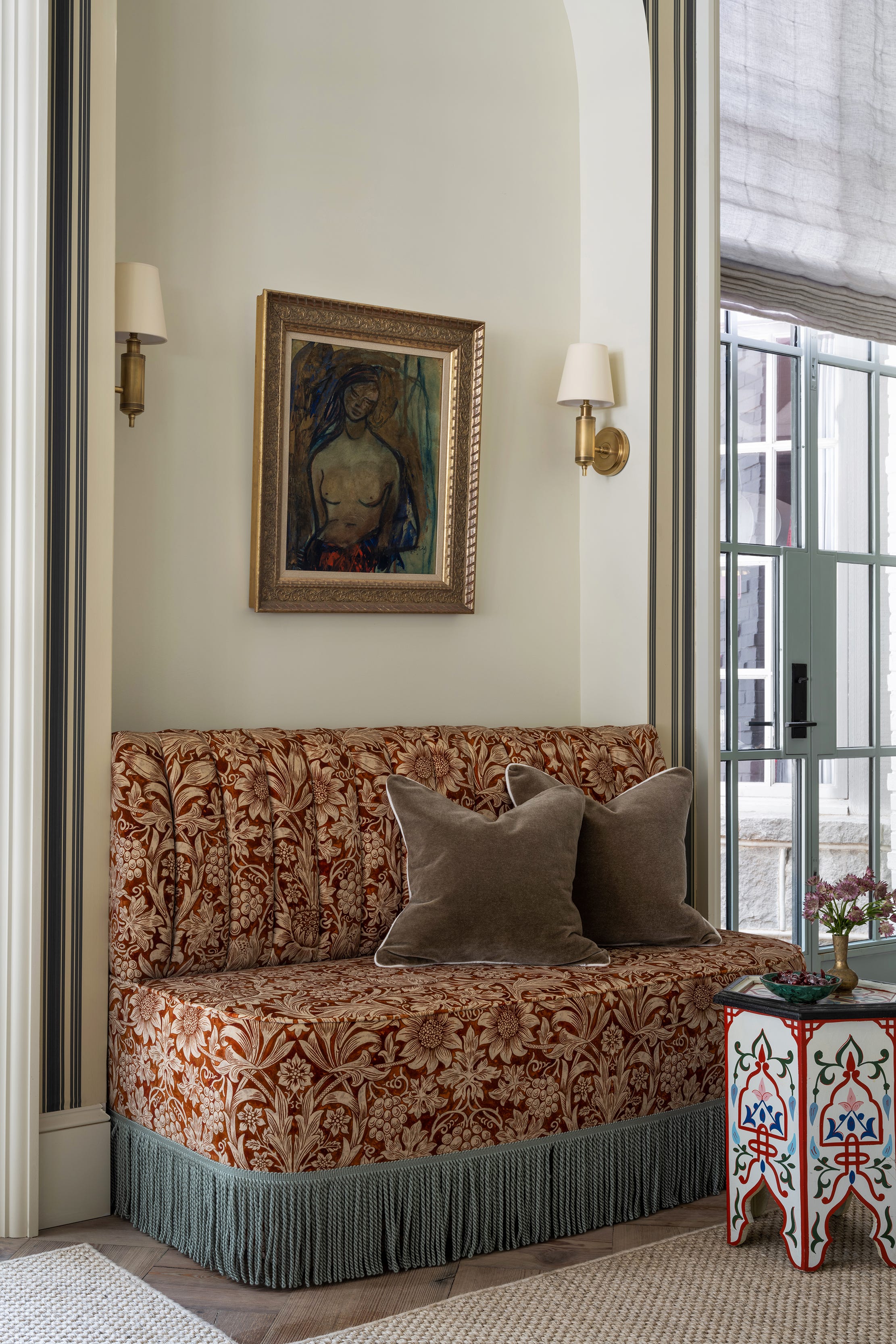
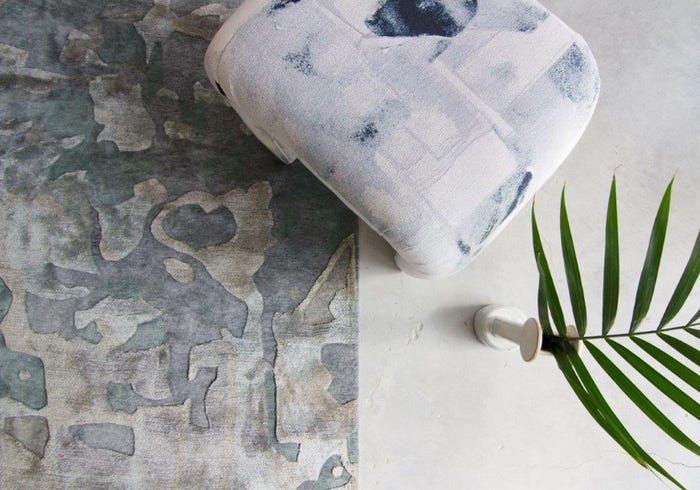
Further enhancing the rule of three, designers can manipulate textures and colors within grouped items. Emma Deterding advises that using three items with similar design features, such as color, shape, or material, contributes to a harmonious aesthetic. For example, three cushions on a sofa sharing the same pattern but featuring different colors can effectively tie a color scheme together. Conversely, the rule can be used to create contrast by combining three different items with varying colors, textures, or shapes, such as three pendant lights of different sizes and finishes. This adaptability allows the rule to serve both unifying and contrasting design goals, proving its significance in achieving a thoughtfully designed space.
#RuleOfThree #InteriorDesignPrinciples #HomeDecor #DesignTips #AestheticBalance #VisualHarmony #StylingGuideline #DecoratingIdeas #RoomDesign #RuleOfThree #InteriorDesignPrinciples #HomeDecor #DesignTips #AestheticBalance #VisualHarmony #StylingGuideline #DecoratingIdeas #RoomDesign
0 comment in total
 No comments yet
You may also like
The rule of thirds – how experts use this design trick for successful schemes

6 Tips For Creating The Perfect Home For Any Life Stage
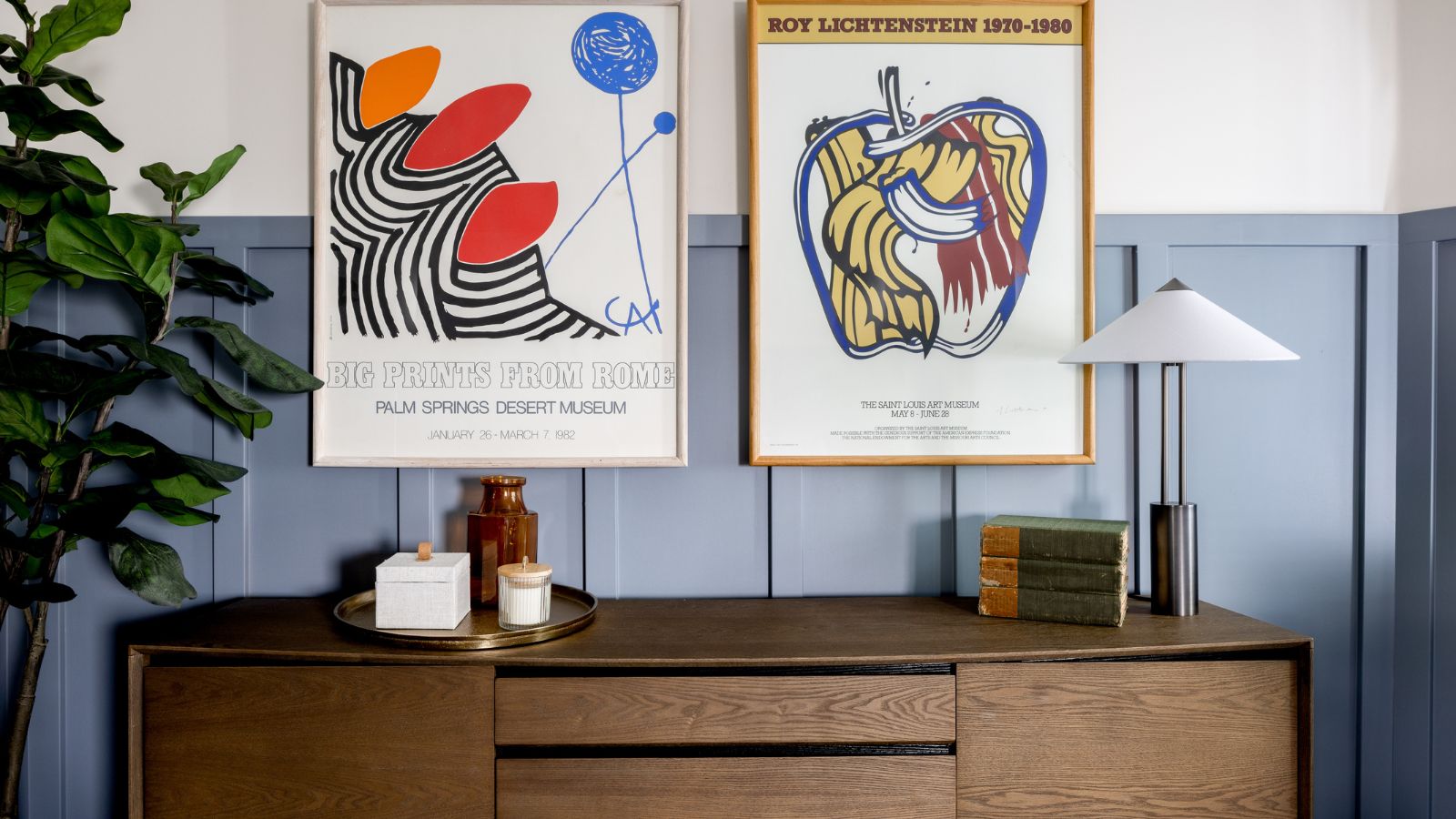
I tried the 3-5-7 styling rule – and it made my home feel more curated

Zendaya uses the 'rule of three' design principle to bring a rhythmic pattern to her coffee table
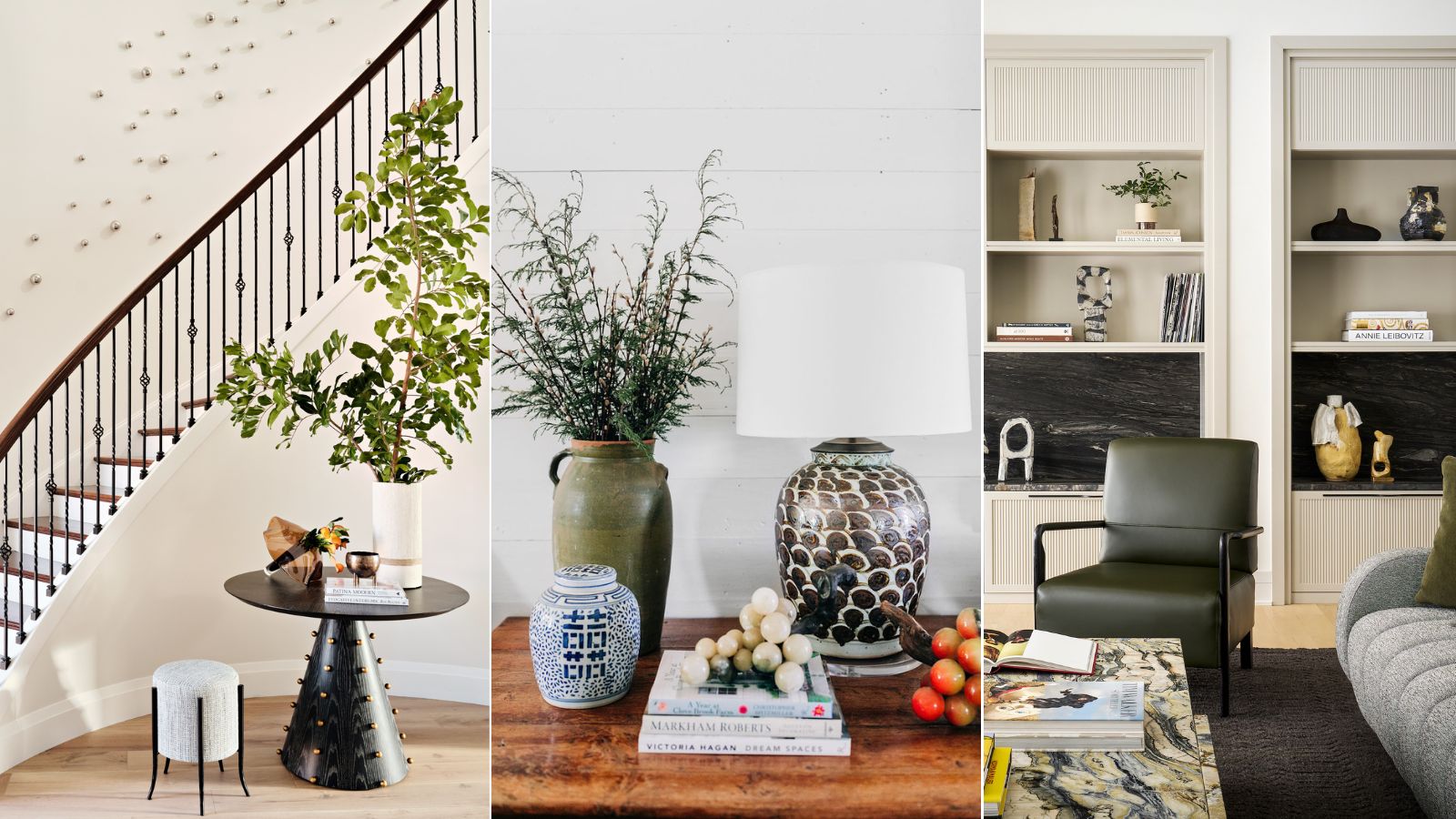
12 vignette ideas that make for a collected, curated arrangement
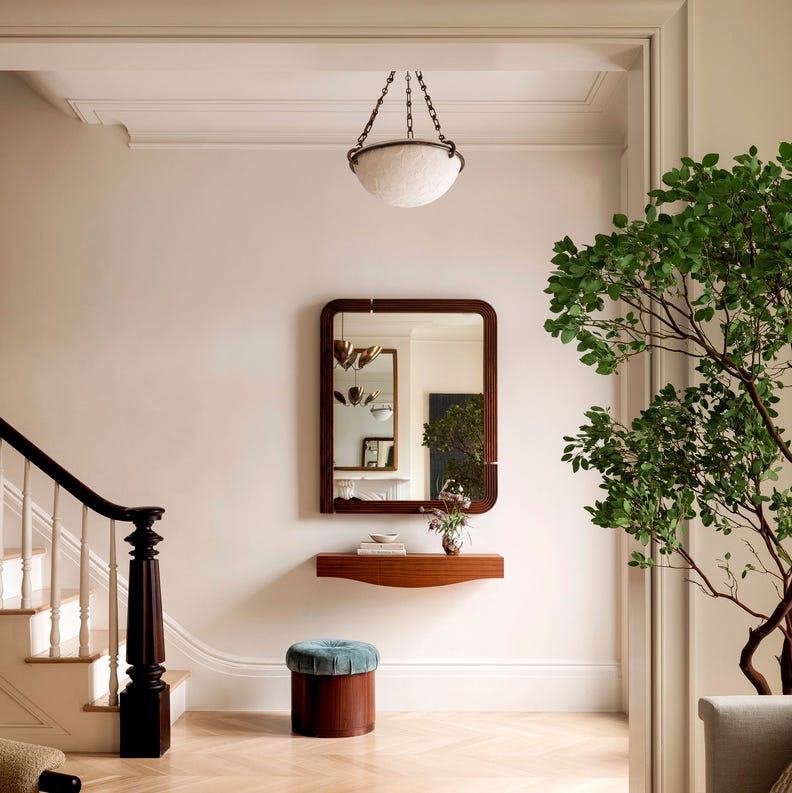
This is the Fastest Way To Get an Elegant-Looking Home

The ‘Rule of Thirds’ for Making Your Home Look More Expensive for Less Money

5 golden rules of home décor from an Irish interior designer

This interior-designer-approved vignette formula will transform under-used corners in an instant
The 'Rule of 3' Is the Designer Trick for Styling Everything From Bookshelves to Coffee Tables—Here's How to Master It
Designers Are Ditching the "Rule of Threes" for THESE Genius Styling Alternatives
Oh, so It's This Nature-Inspired Color Rule That's the Reason Your Home's Scheme Doesn't Feel Like It's Working

Why Designers Use the Rule of Thirds in Every Design Project

Homestyle: Attention to detail
The Library: The Key Principles That Define a Well-Designed Home – And Why They Work
Make Any Room Look Camera-Ready with These Easy Tricks from Stylists
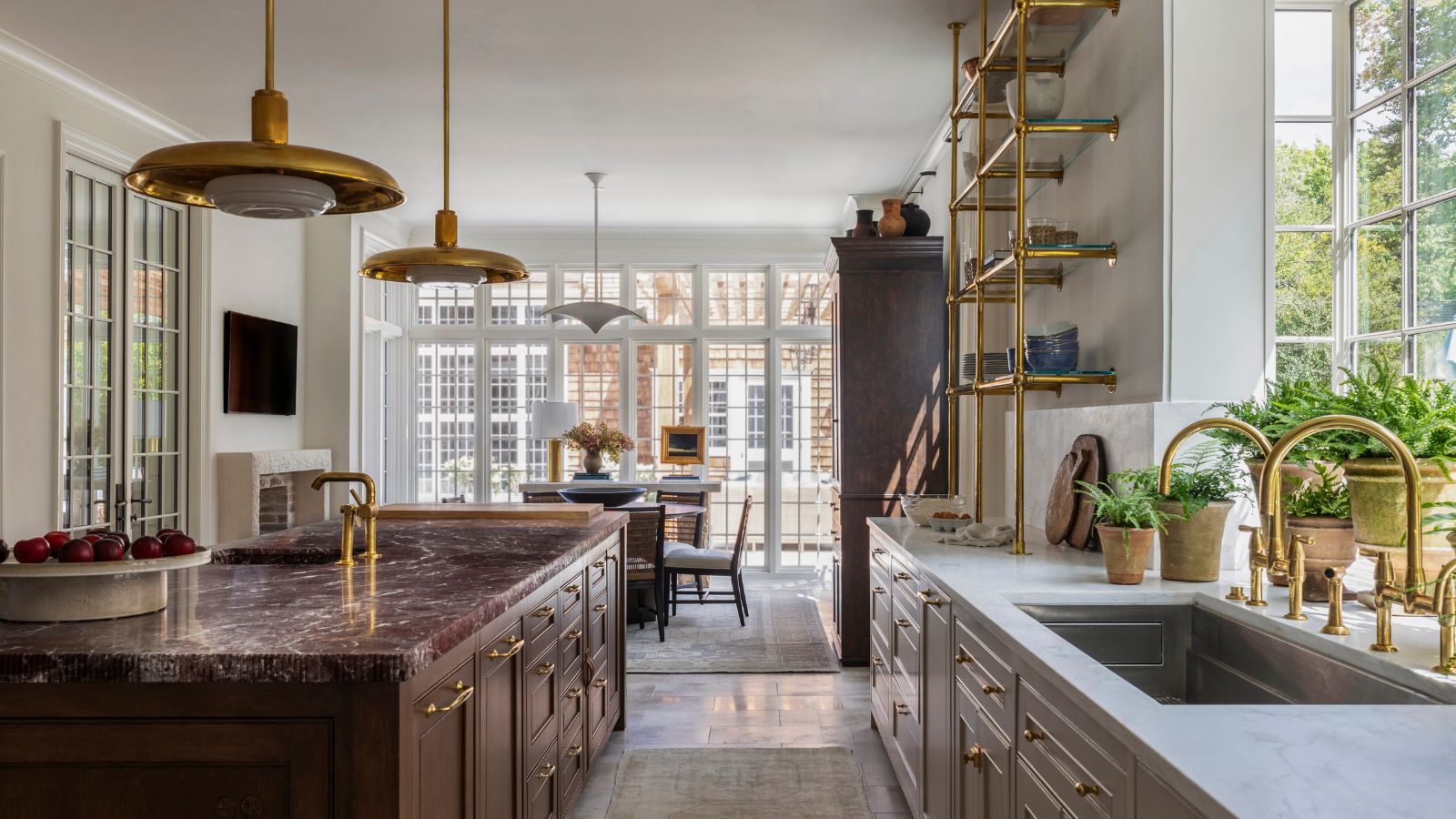
The Kitchen Lighting 'Rule Of 3' Will Instantly Make Your Space Look Expensive – And Designers Swear By It For A Perfectly Layered Scheme
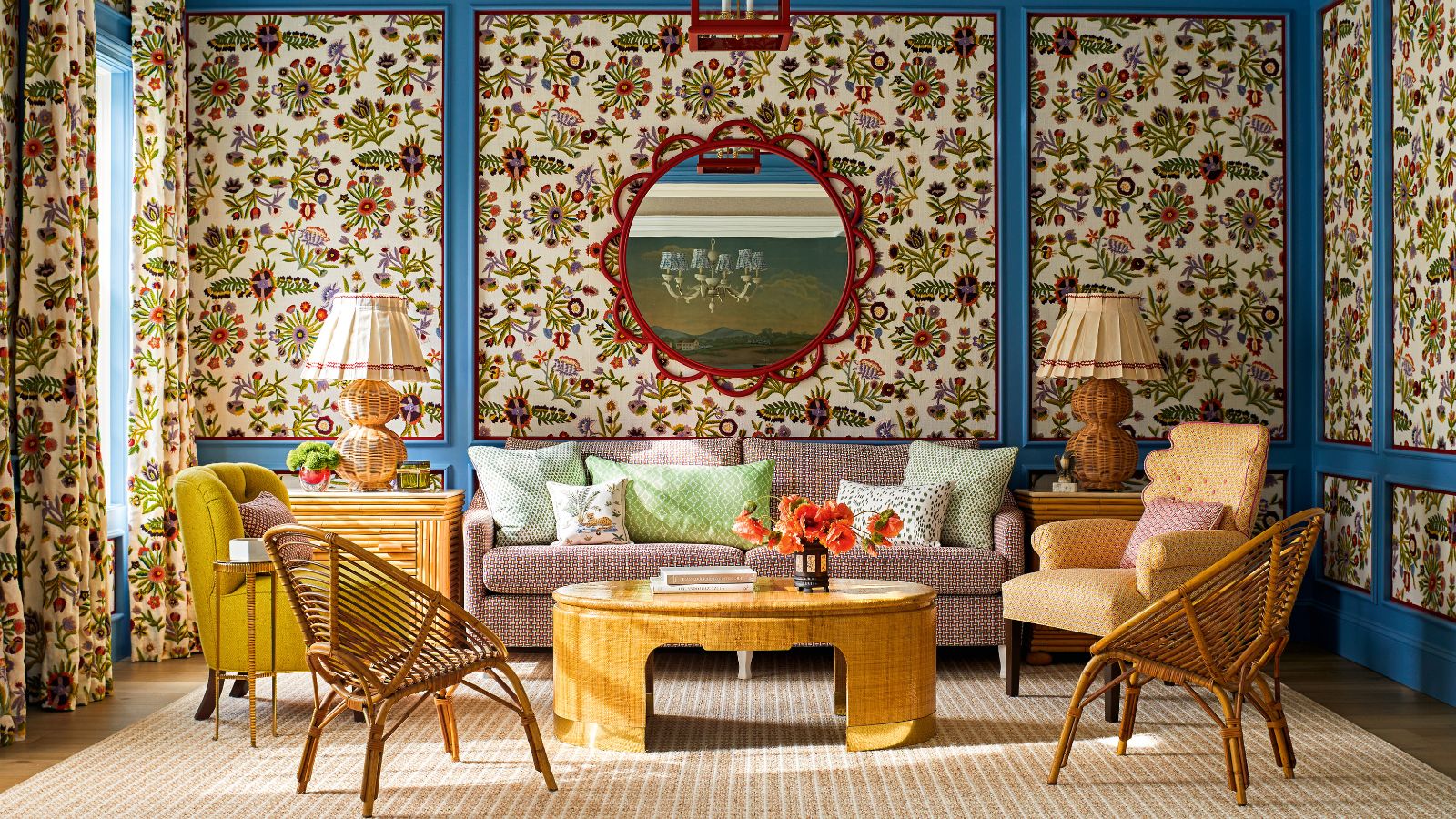
This house is a lesson on how to design an elegant home that authentically tells the story of the people who live there
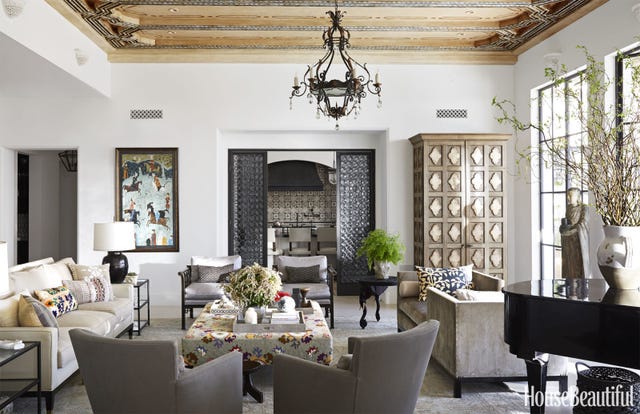
This California Home Proves the Power of Pattern

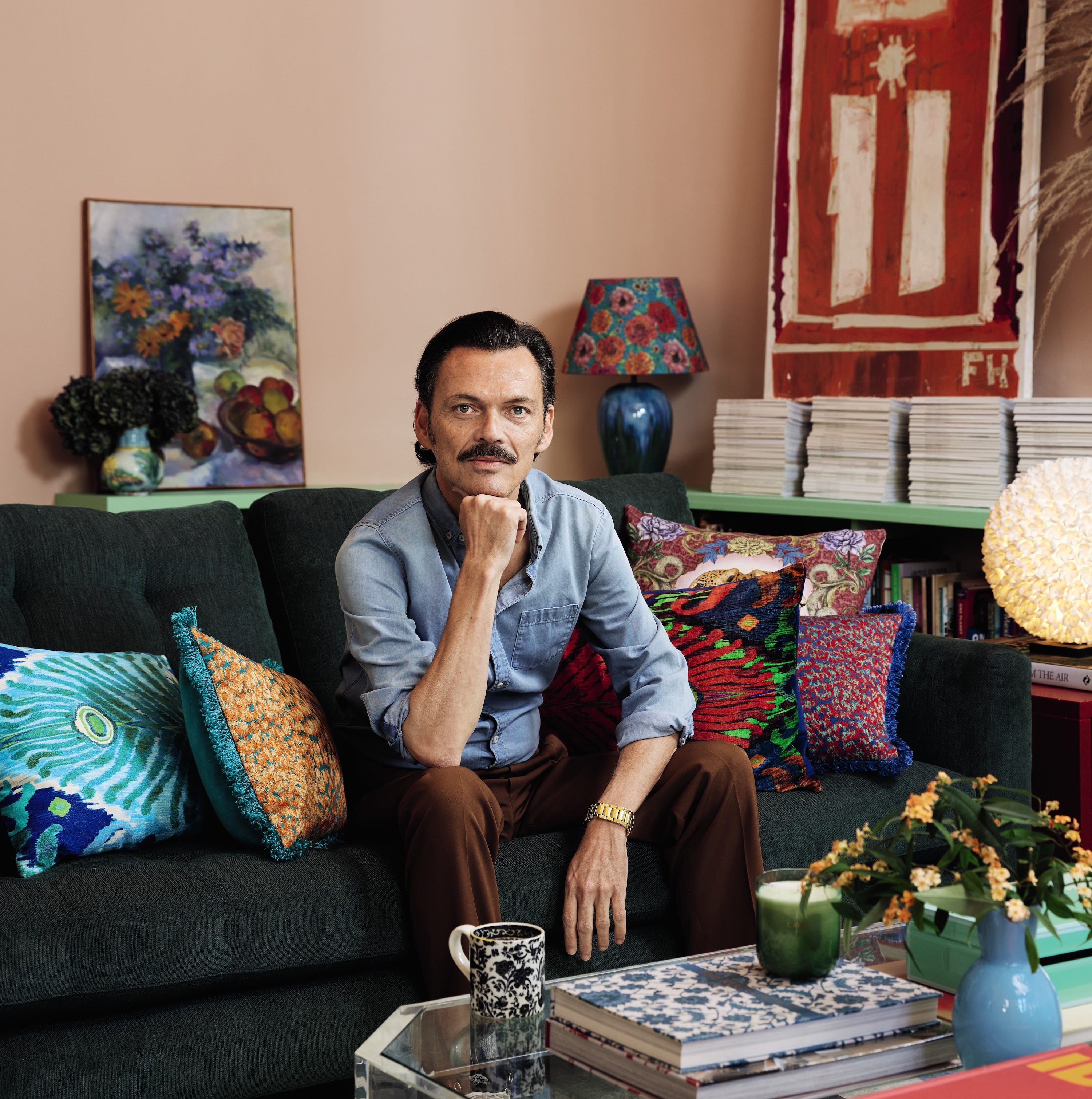
One minute masterclass: Brightening neutral interiors with the rule of three