14 Types of Pumpkins You'll See This Fall
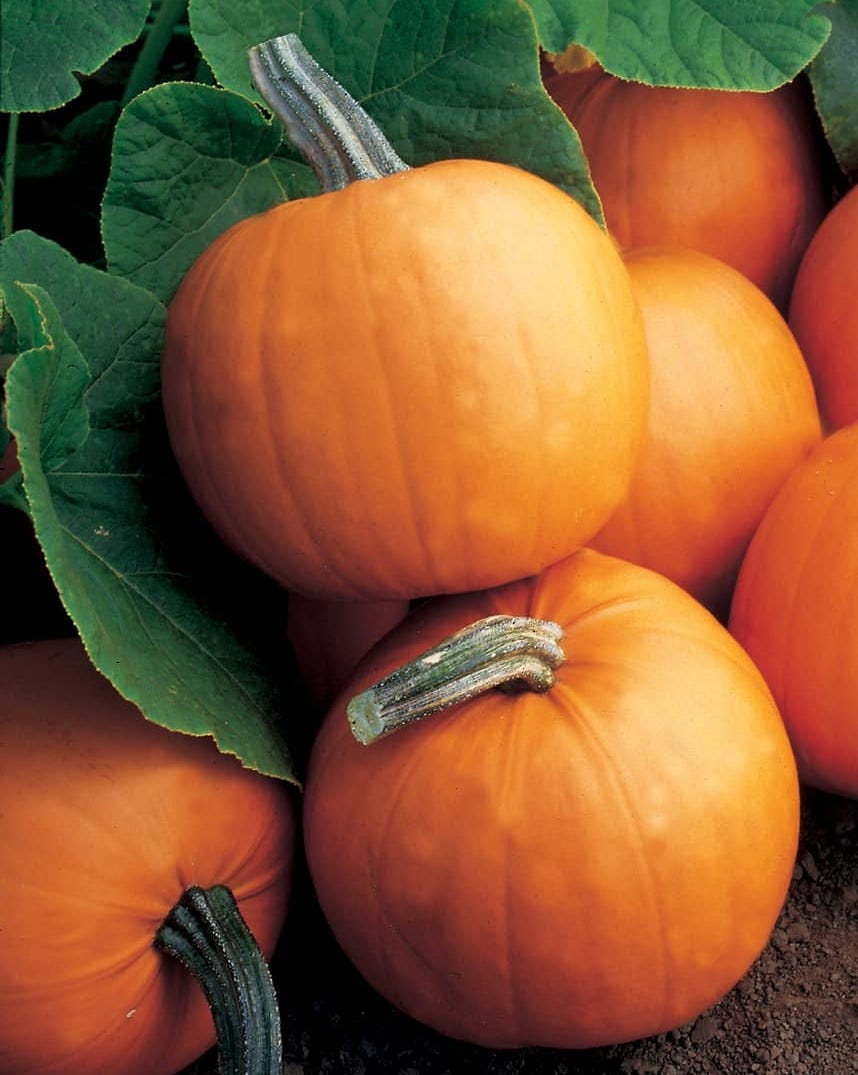
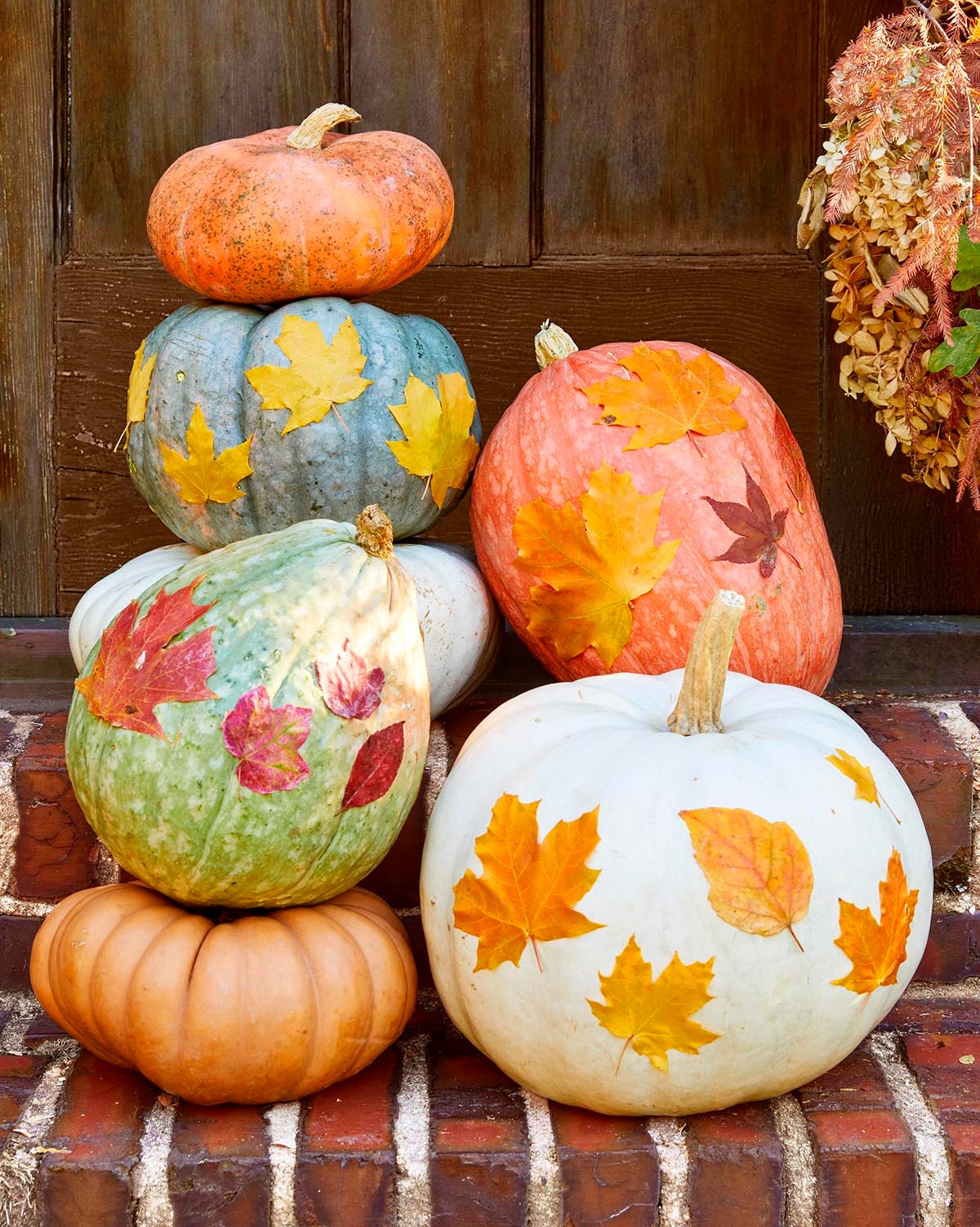
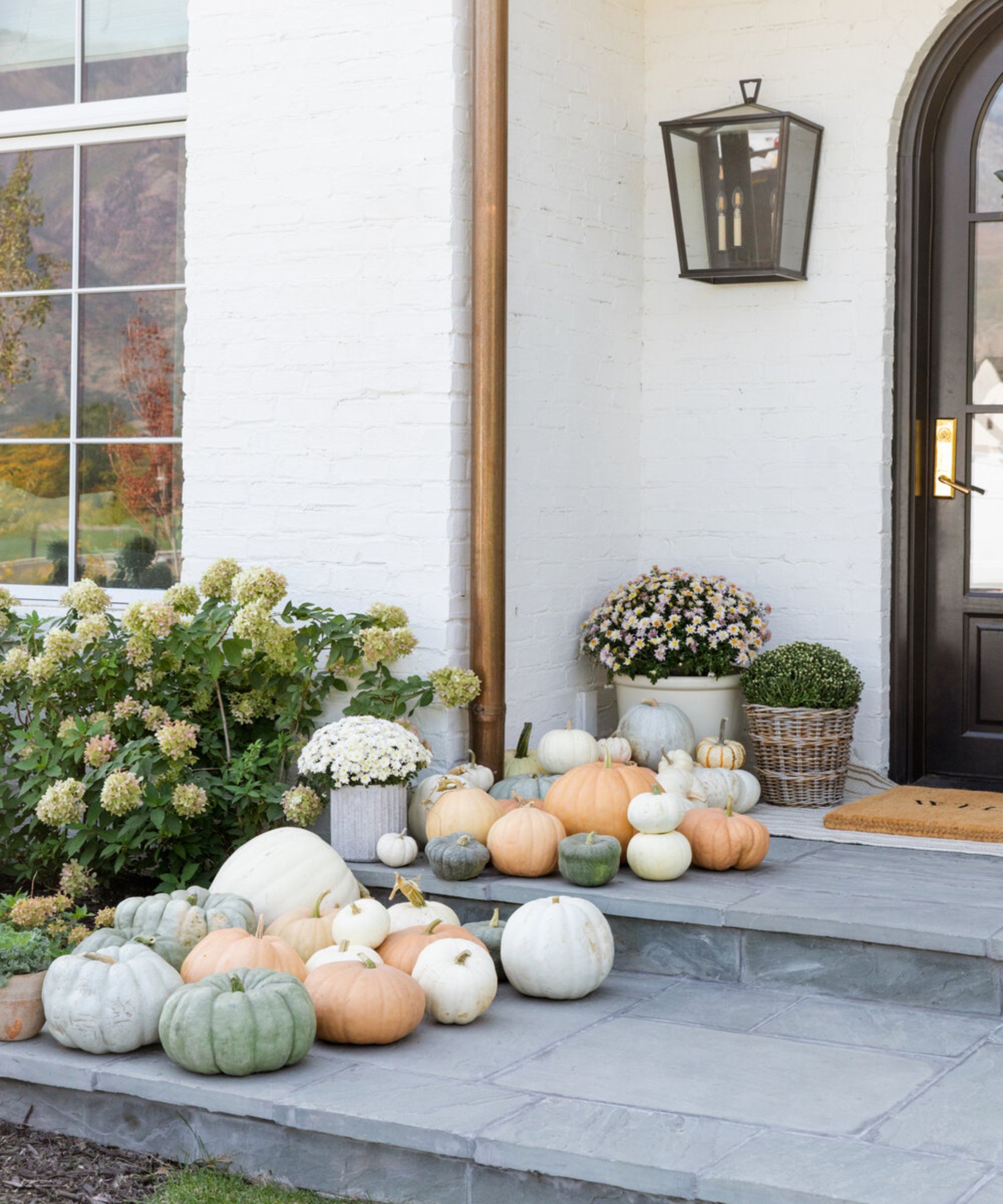
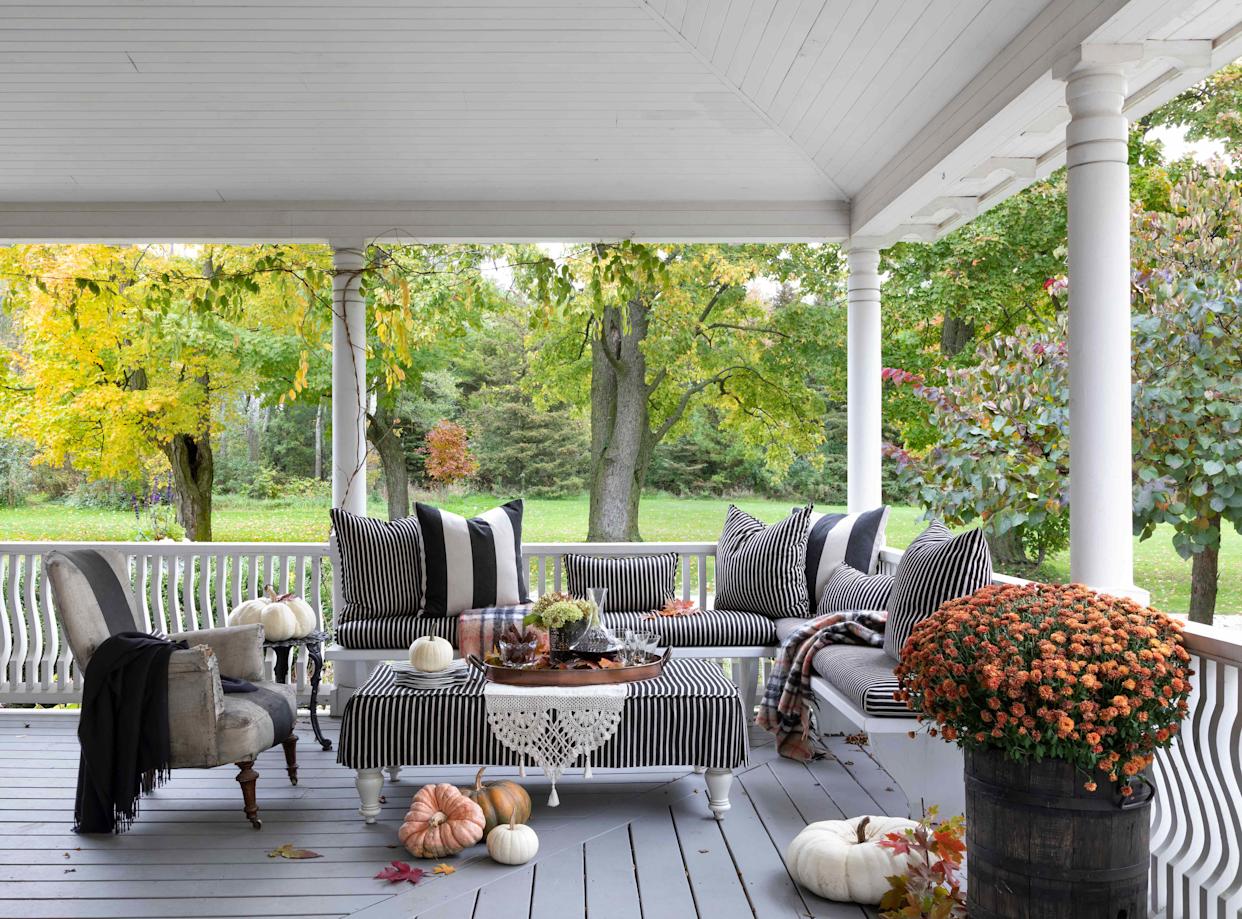
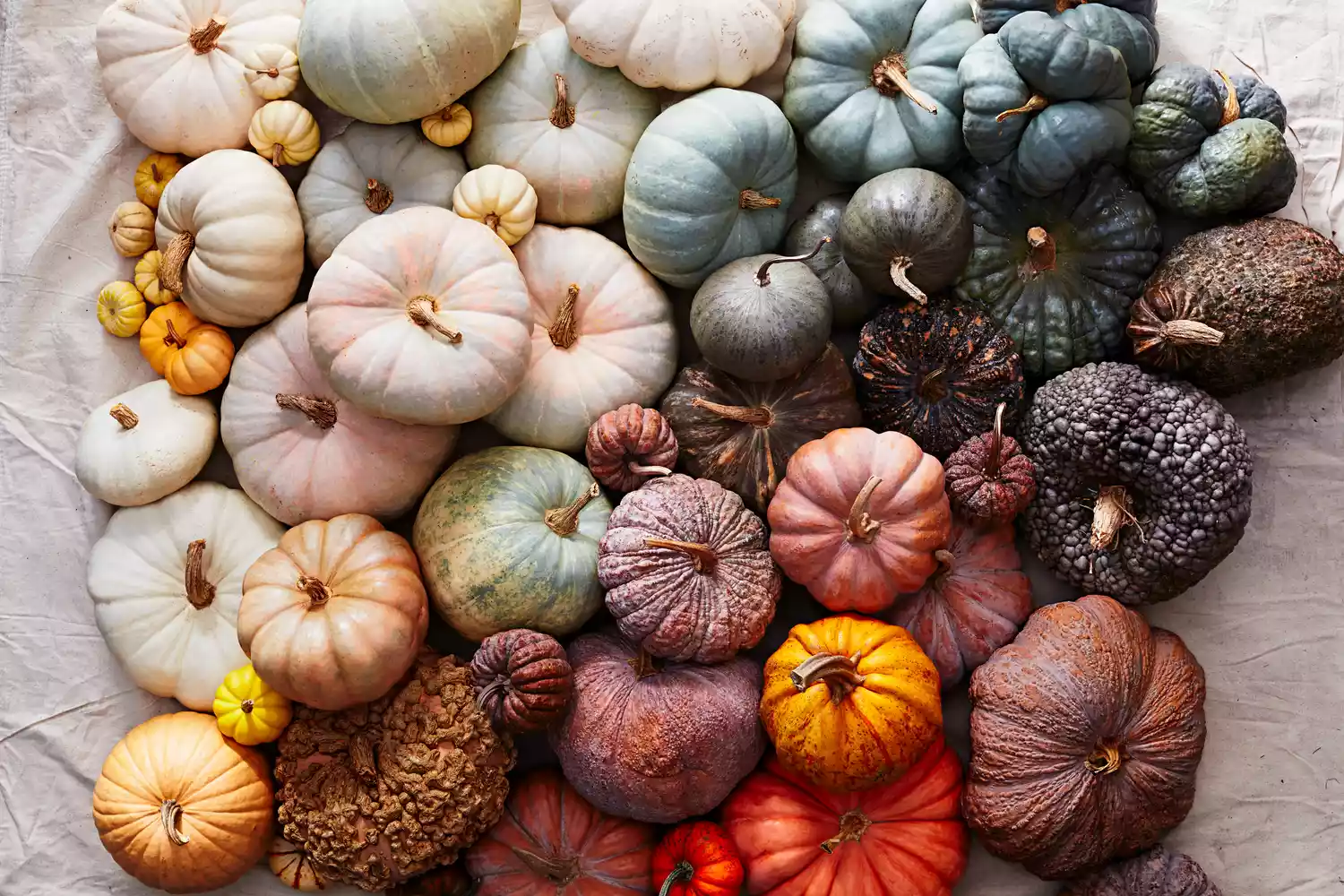
Pumpkins, gourds, and squashes, all belonging to the genus *Cucurbita*, offer a wide array of options for both culinary and decorative purposes during the fall season. Beyond the classic orange, these fruits come in diverse shapes, sizes, and colors, providing versatility for various decorative themes. Five common domesticated species of *Cucurbita* exist: *Ficifolia*, *Maxima*, *Argyrosperma*, *Moschata*, and *Pepo*. The ability of these species to cross-pollinate within their own kind leads to a fascinating variety of offspring, each with distinct characteristics.
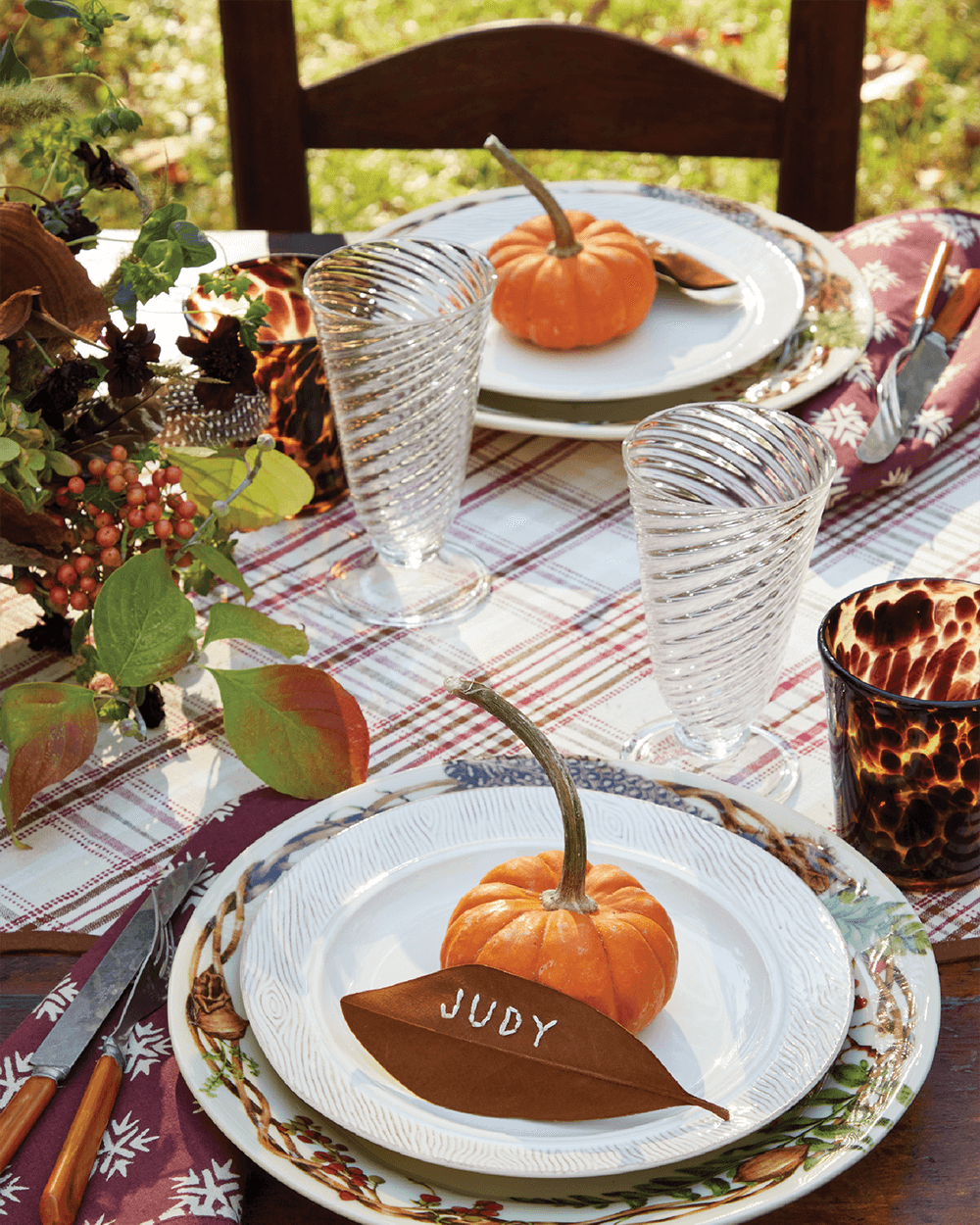
Several specific pumpkin varieties highlight this diversity. Turban Squash, for instance, is a visually unique winter squash identifiable by its unusual shape, resembling one squash bursting from another. While primarily decorative, it is also edible and can be roasted, steamed, or pureed. Jack-Be-Little pumpkins are small, edible, and uniformly orange when ripe, making them ideal for individual table settings or small-space decorations. The Field Trip F1 Hybrid, weighing 5 to 7 pounds, features long, sturdy stems, making it suitable for children to handle and for creating clustered displays with visual interest.
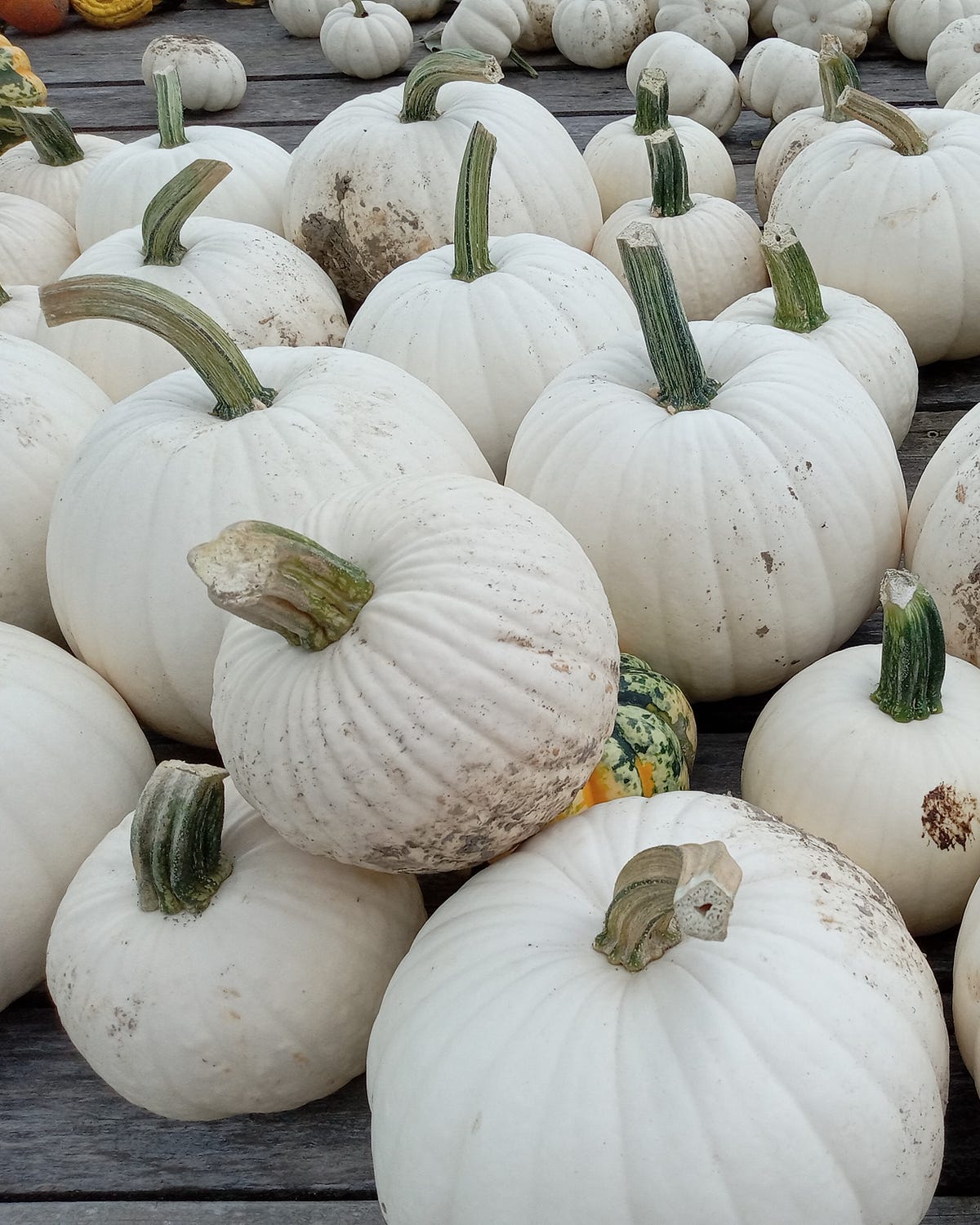
The Rouge Vif D'Etampes, also known as the Cinderella pumpkin, is a classic French heirloom renowned for its attractive shape and vivid red color, making it a popular choice for autumn displays. It is also used in French soup stocks. Jarrahdale, an Australian heirloom, is flavorful and ranges in color from dusty gray to greenish-blue, making it both delicious to eat and suitable for muted fall decorations. Baby Boo pumpkins are distinctive for their bright white hue and long, green handles, perfect for decorative seasonal displays where color contrast is desired. Other notable white varieties include Lumina, Sirius Star, and Super Moon.
Fairytale pumpkins, or Musquee de Provence, are heavily lobed and prized by chefs for their sweet, creamy flavor, while also being aesthetically pleasing for seasonal décor. The Long Island Cheese pumpkin, dating back to the 19th century, has a color resembling pale cheese, light ribbing, and a sweeter taste, adding sheen and texture to decorative arrangements. Galeux d'Eysines, a French heirloom, features unique knobby, shell-like bumps caused by sugar buildup under its salmon-peach skin, offering a spooky element for Halloween scenes.
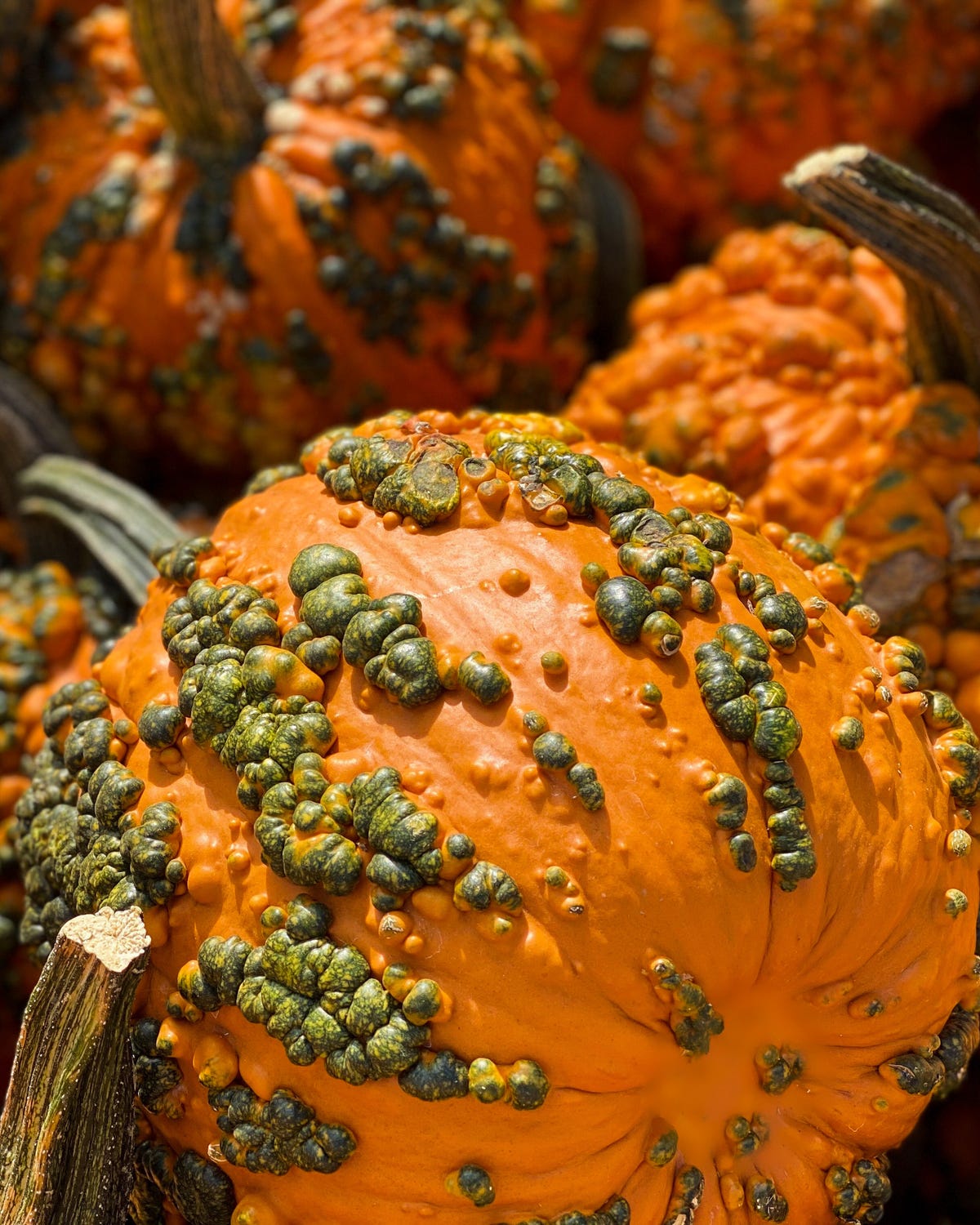
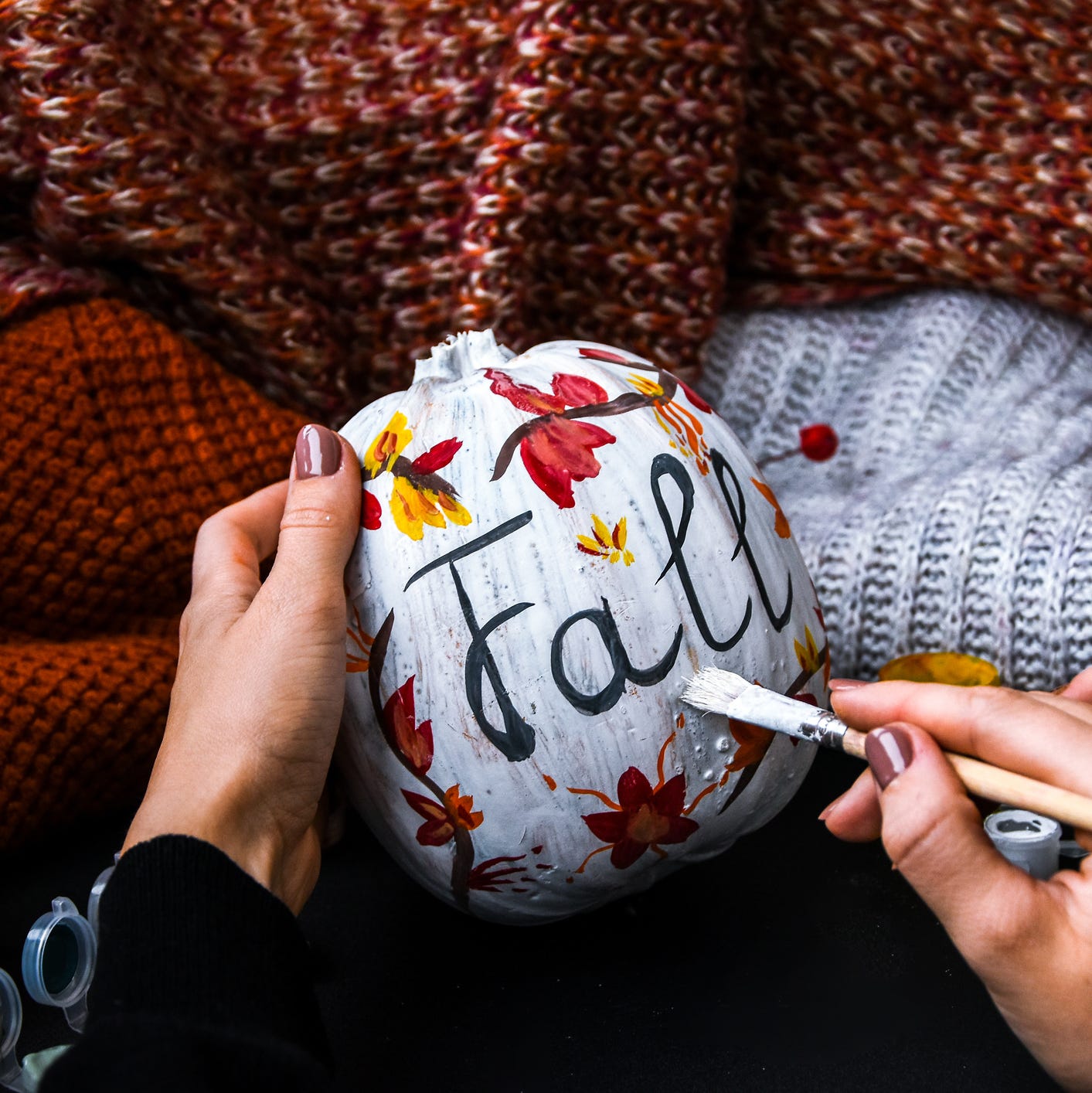
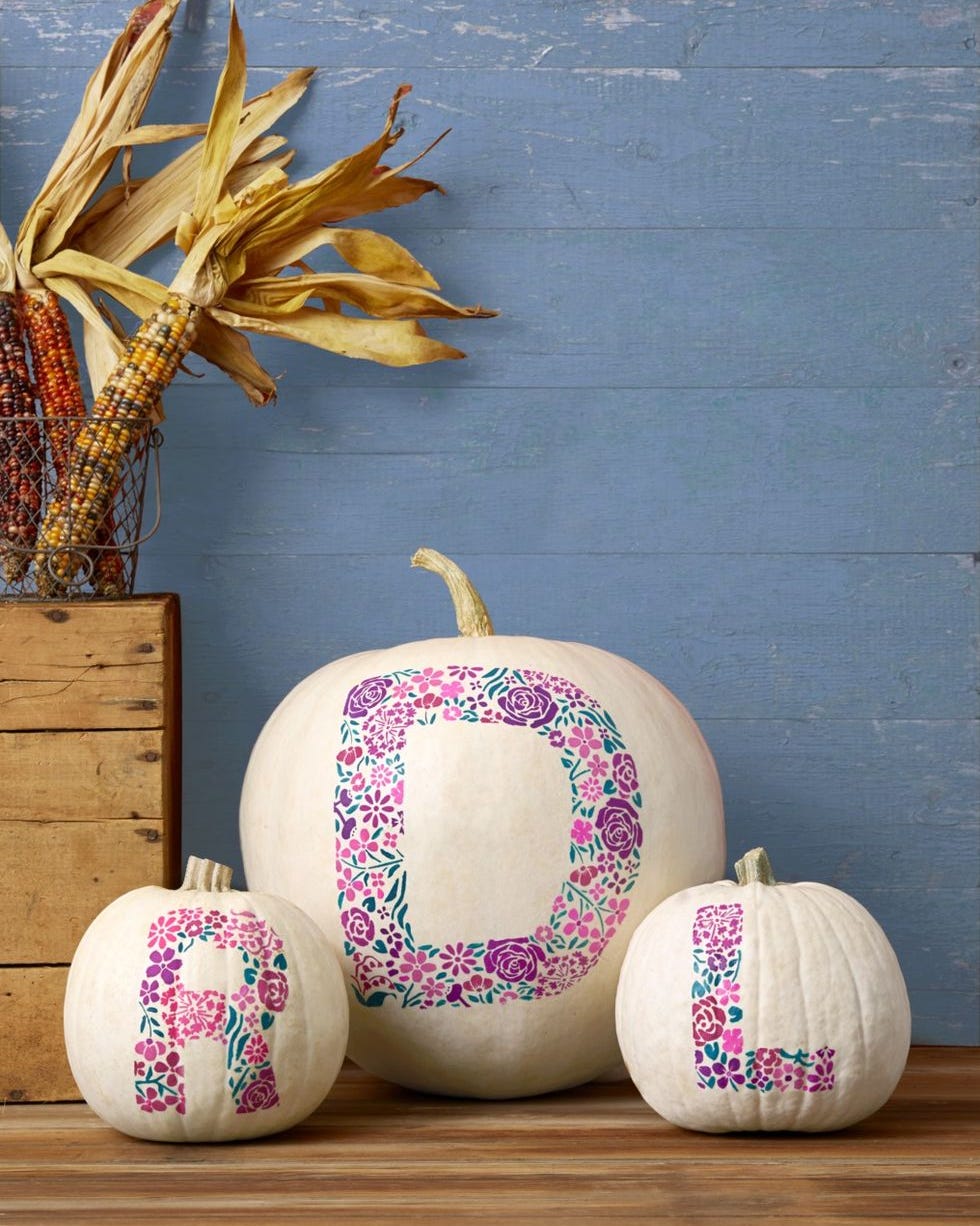
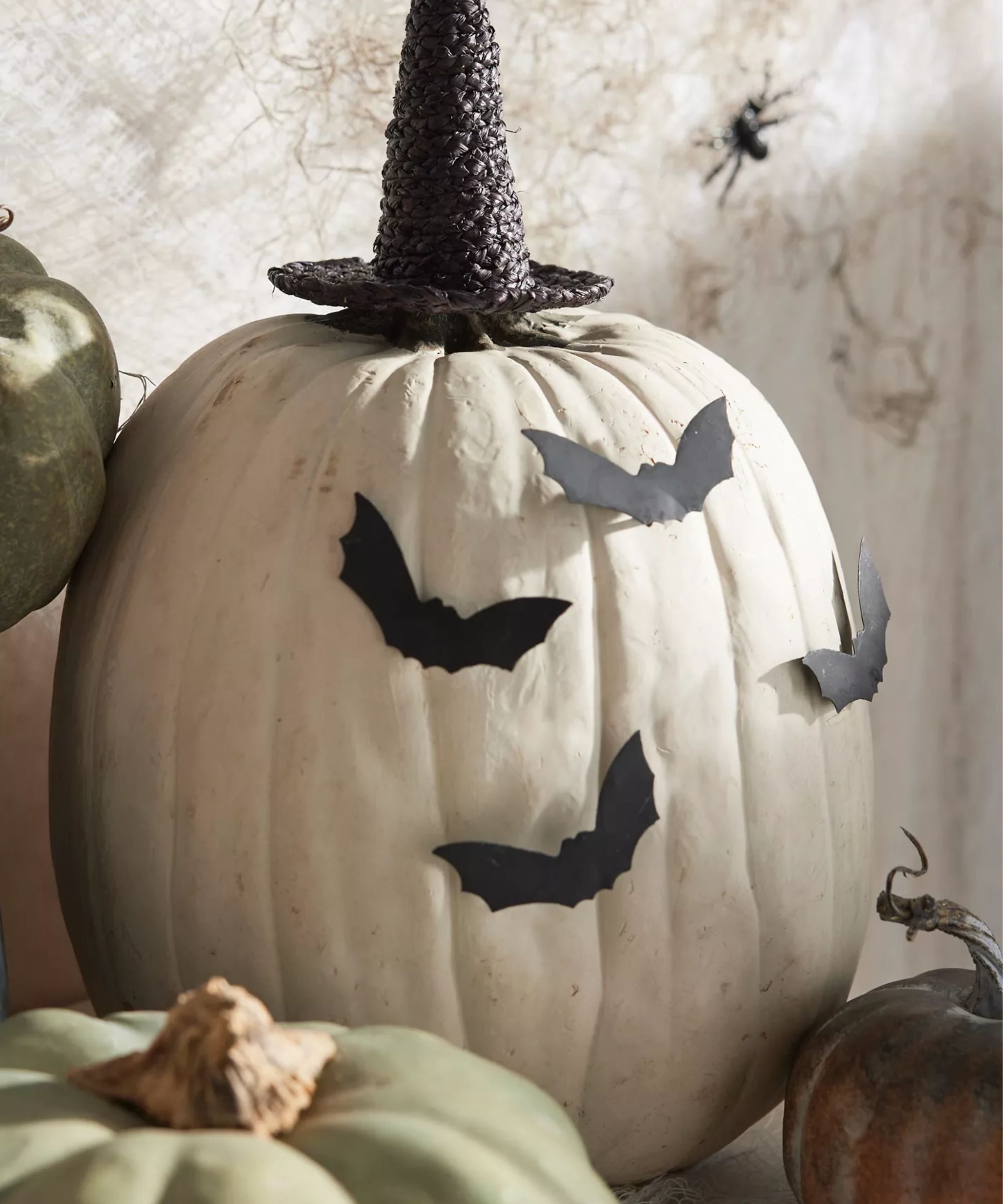
The Tandy F1 Hybrid presents understated butternut-colored skin with a slightly oval shape and a strong green stem, making it visually striking and excellent for pies and canning. Black Futsu, a rare Japanese specialty, is recognized by its black, warty skin and nutty, fresh flavor, ripening in winter storage as its skin transitions from black to chestnut. Warty Goblin F1 Hybrid pumpkins are explicitly designed for Halloween, with lurid, lumpy warts against shiny skin that invite touch. The One Too Many F1 Hybrid is a round white fruit with reddish veining, reminiscent of bloodshot eyes, making it a unique and decorative conversation starter. Lastly, Cotton Candy pumpkins are luminous white gourds with white flesh that is both sweet and delicious, as well as being perfect for painting and carving. These varieties collectively offer a wide spectrum of options for both consumption and autumnal aesthetics.
#PumpkinVarieties #FallDecor #SeasonalDecorating #EdiblePumpkins #OrnamentalPumpkins #WinterSquash #HeirloomPumpkins #HalloweenDecor #HarvestSeason #PumpkinVarieties #FallDecor #SeasonalDecorating #EdiblePumpkins #OrnamentalPumpkins #WinterSquash #HeirloomPumpkins #HalloweenDecor #HarvestSeason
0 comment in total
 No comments yet
You may also like
20 Different Types of Pumpkins That Are the Pick of the Patch

Festive pumpkin-themed decor to warm up your kitchen this fall season

12 Dollar Tree Stacking Pumpkin DIYs You Need For Affordable Fall Decor
Your Family Decorator: October means it is time for pumpkins
This Year’s Cutest Fall Trend? Painted Pumpkins You Can DIY in Minutes
53 creative pumpkin carving ideas to try this Halloween

It’s Not Too Late to Carve a Pumpkin—We Found the Most Unique Designs This Year
25 Outdoor Fall Decor Ideas to Make Your Porch Feel Cozy Through Thanksgiving
10 Typical Autumn Flowers That You Can Try Out

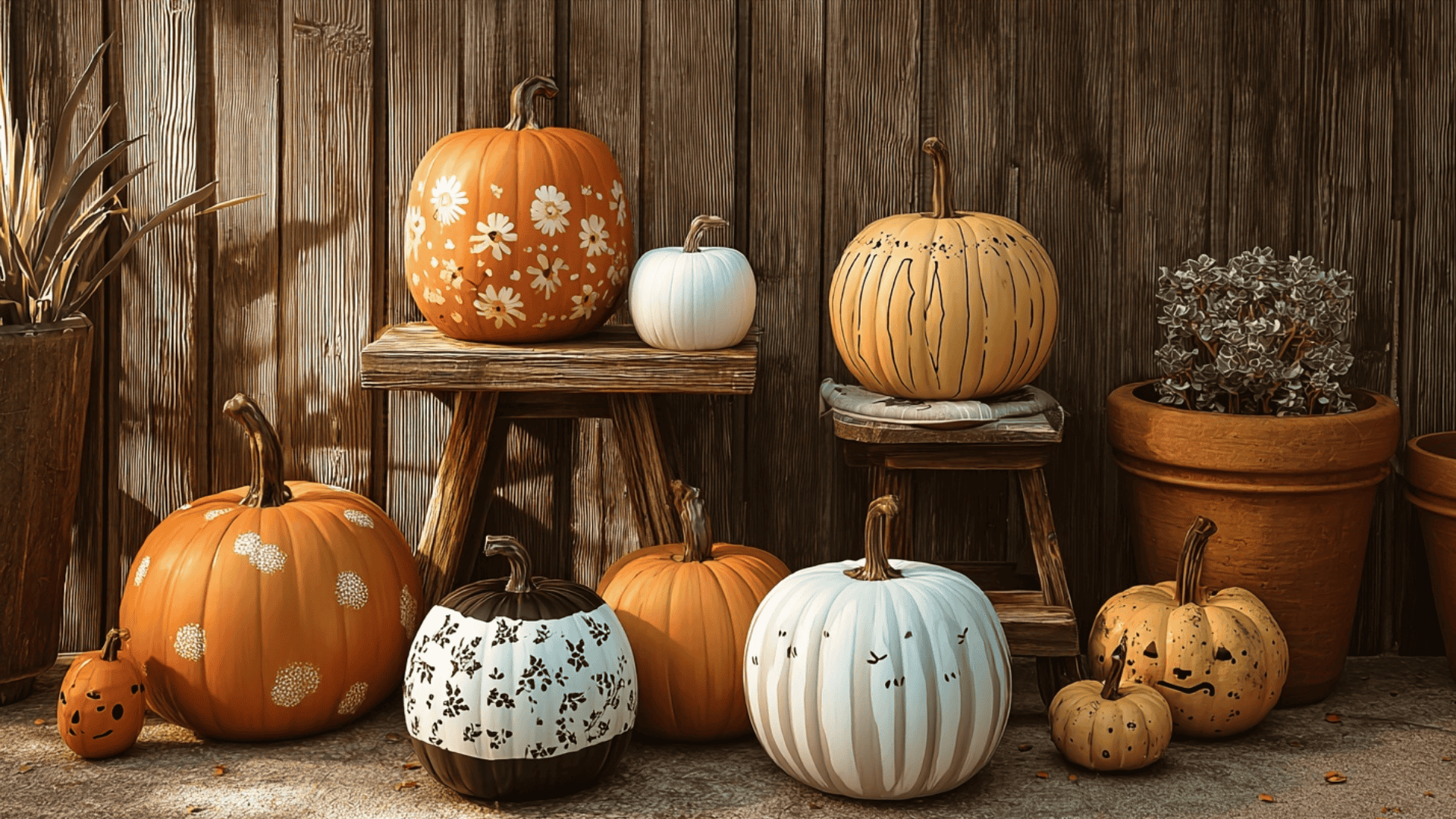
33 DIY Fall Pumpkin Painting Ideas for All Ages
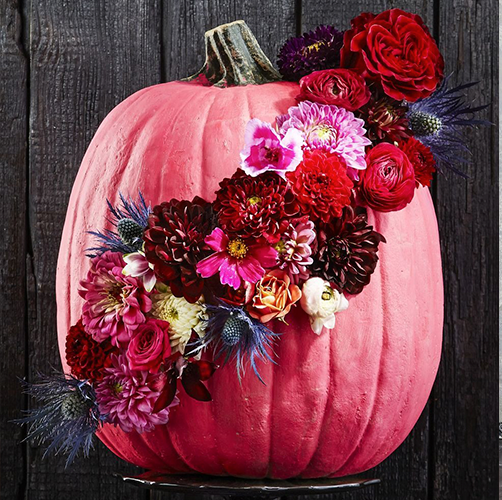
Give Basic Pumpkins an Entirely New Look with Nature-Inspired Patterns

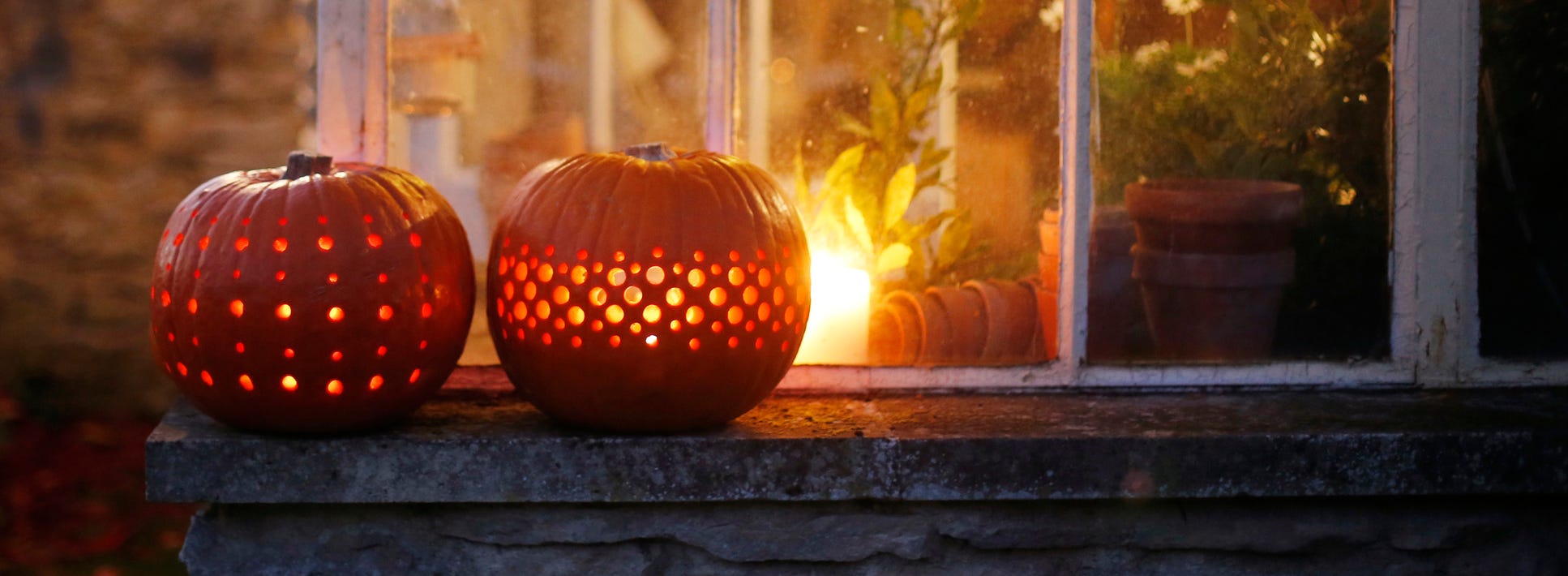
These Clever Pumpkin Carving Ideas Will INSTANTLY Boost Your Seasonal Curb Appeal
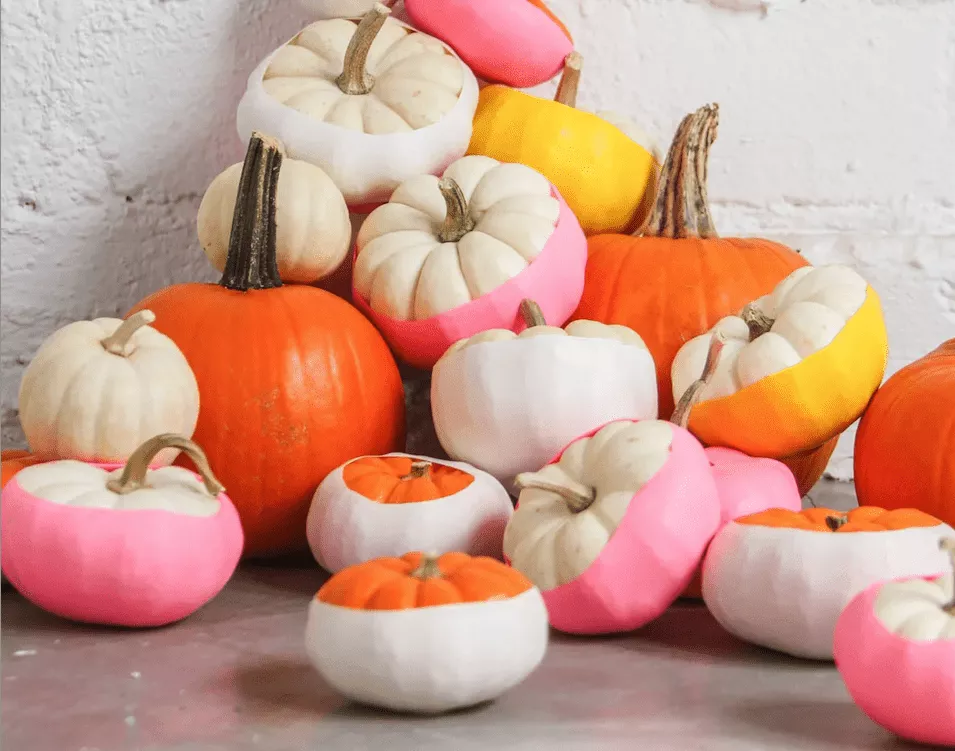
90 Pumpkin Decorating Ideas to Celebrate Fall, From Scary Ghosts to Wicked Witches
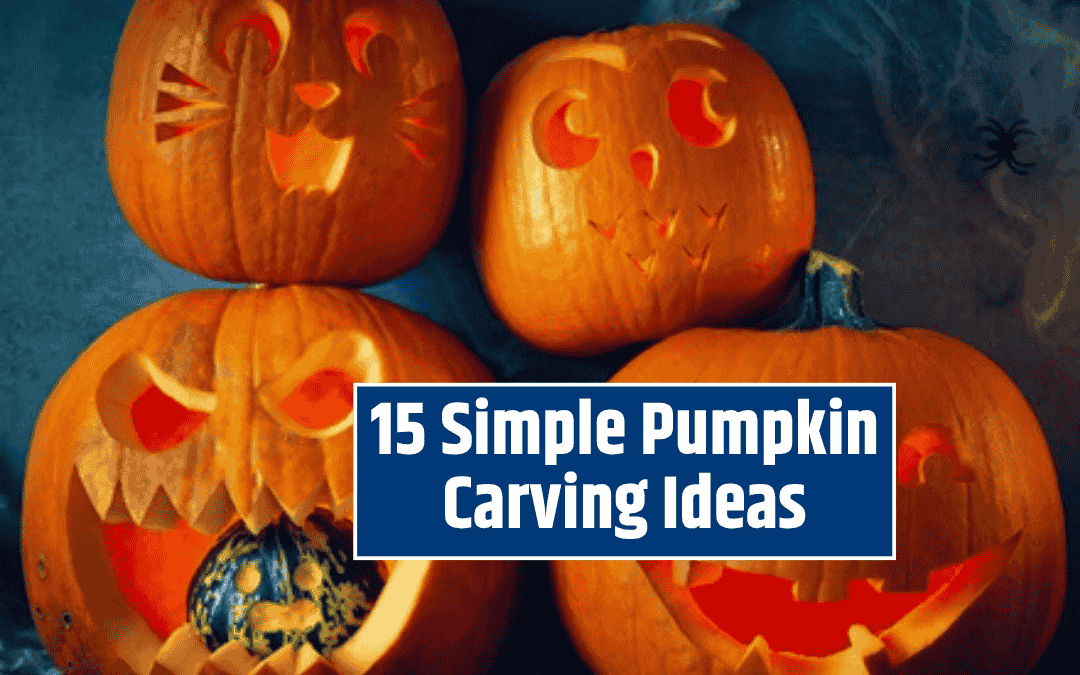
15+ Pumpkin Carving Ideas 2025 – Simple & Easy Pumpkin Ideas for Halloween

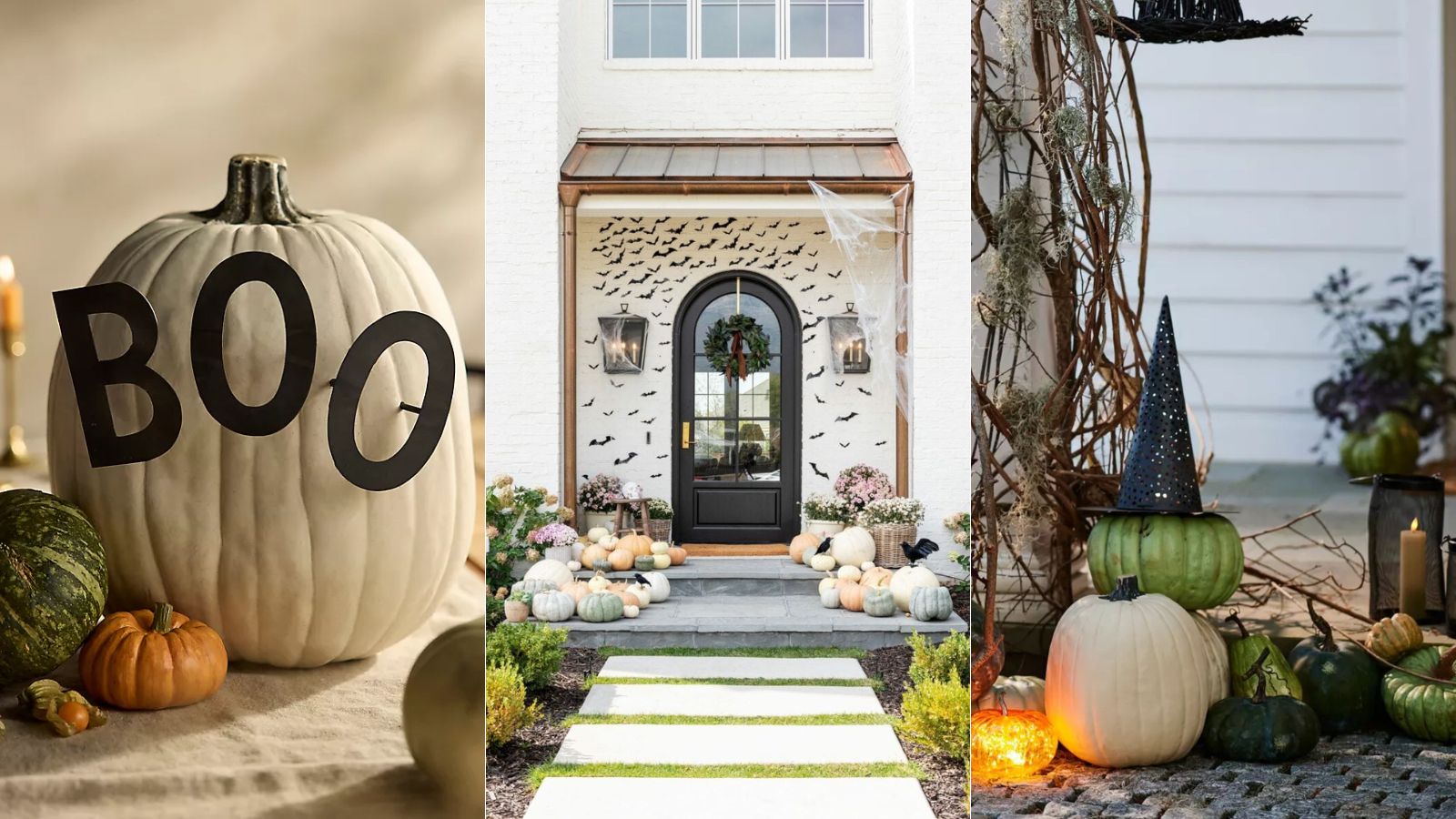
No one is carving their pumpkins this year – here are the most elegantly eerie no-carve pumpkin ideas I'm doing instead

It's time to look beyond pumpkin spice – 10 fall colors designers swear by for a cozy, seasonal, and timeless look
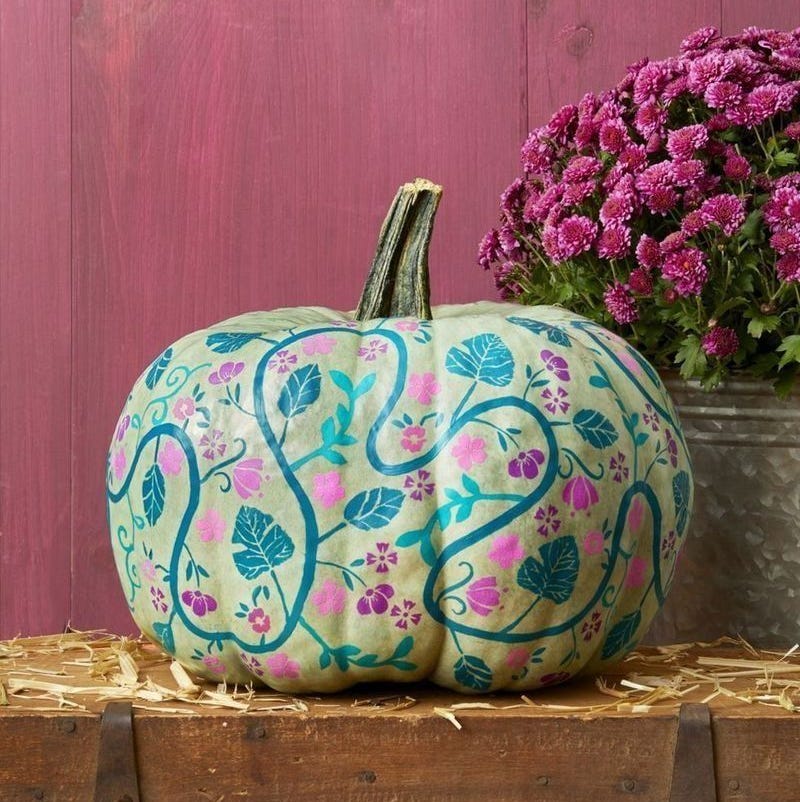
These Pretty Painted Pumpkin Ideas Will Convince You to Skip the Carving
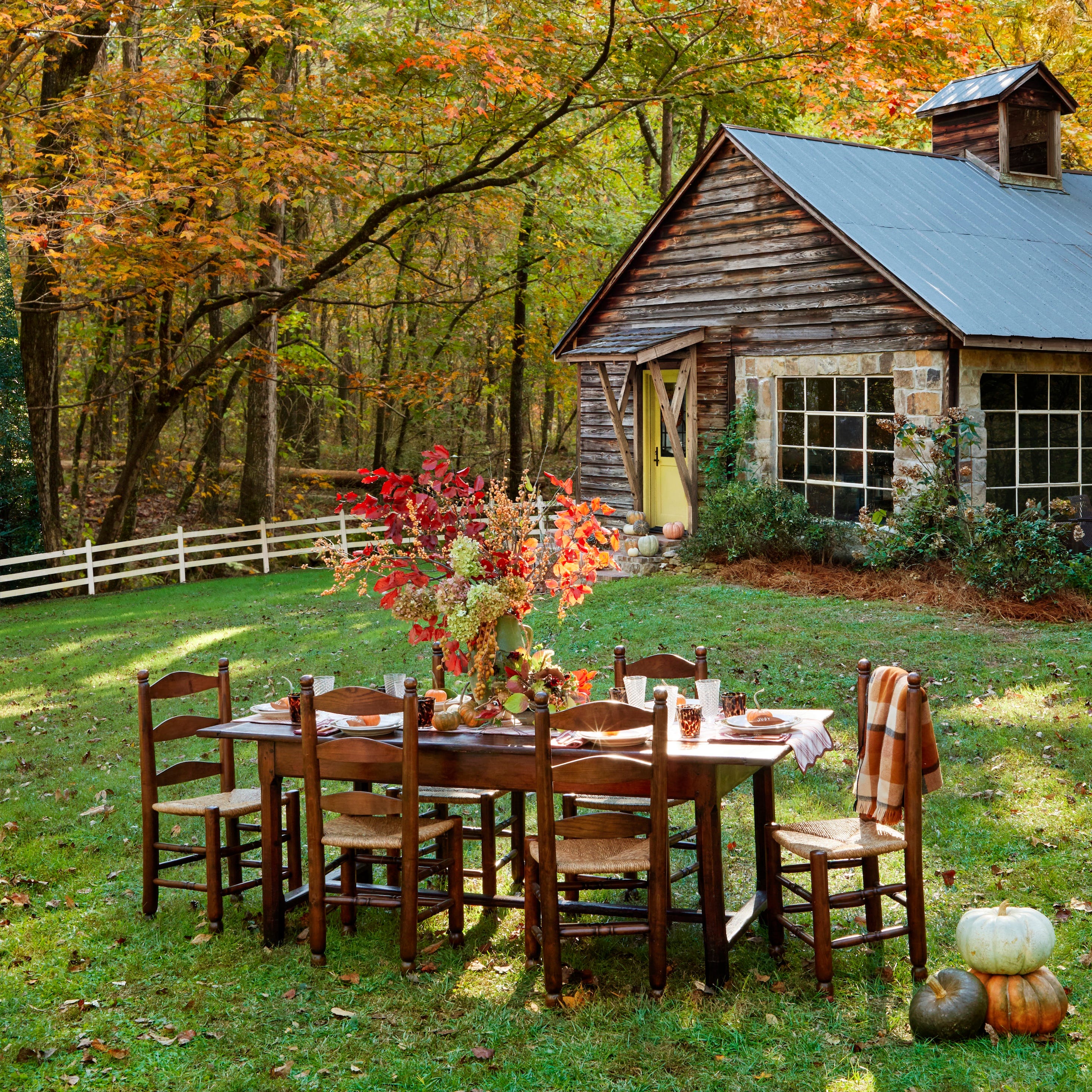
Bring on the Pumpkins: Set the Prettiest Fall Table With These Cozy, Creative Ideas
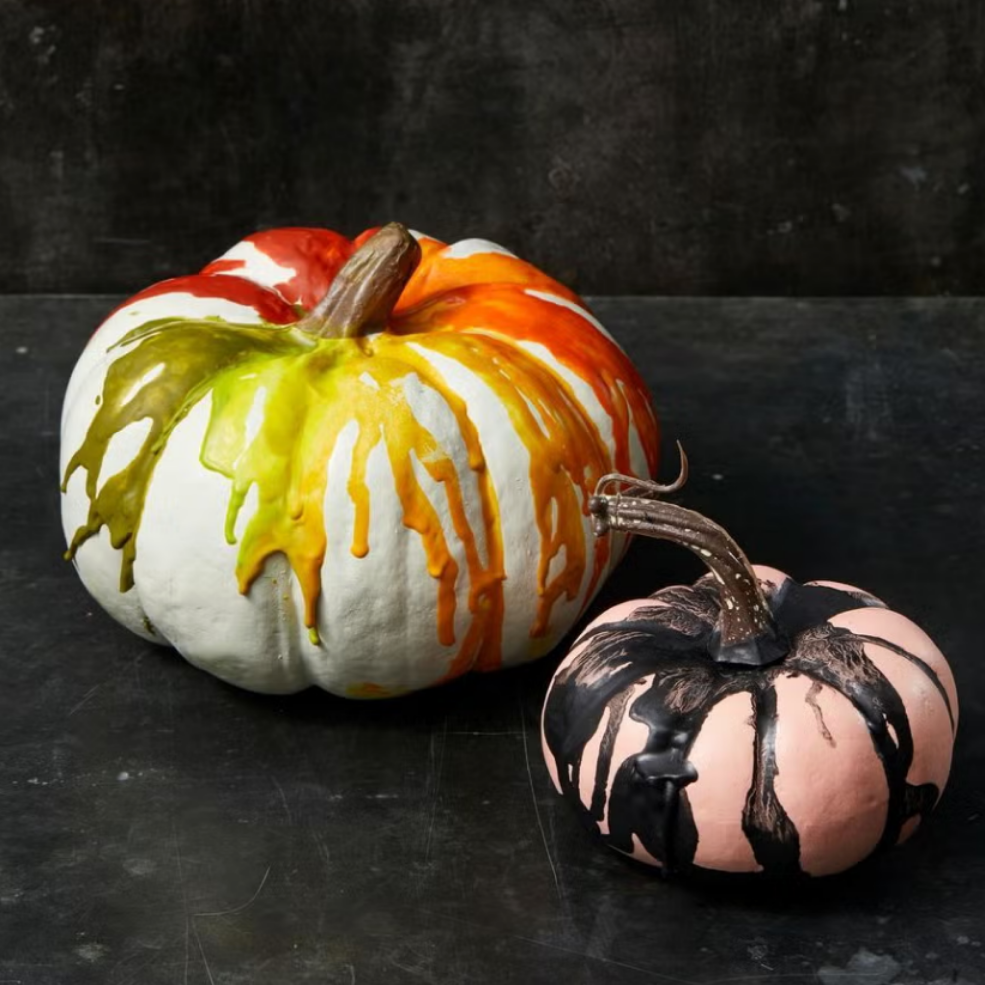
Forget Carving—Avoid the Mess With These Easy Pumpkin Painting Ideas

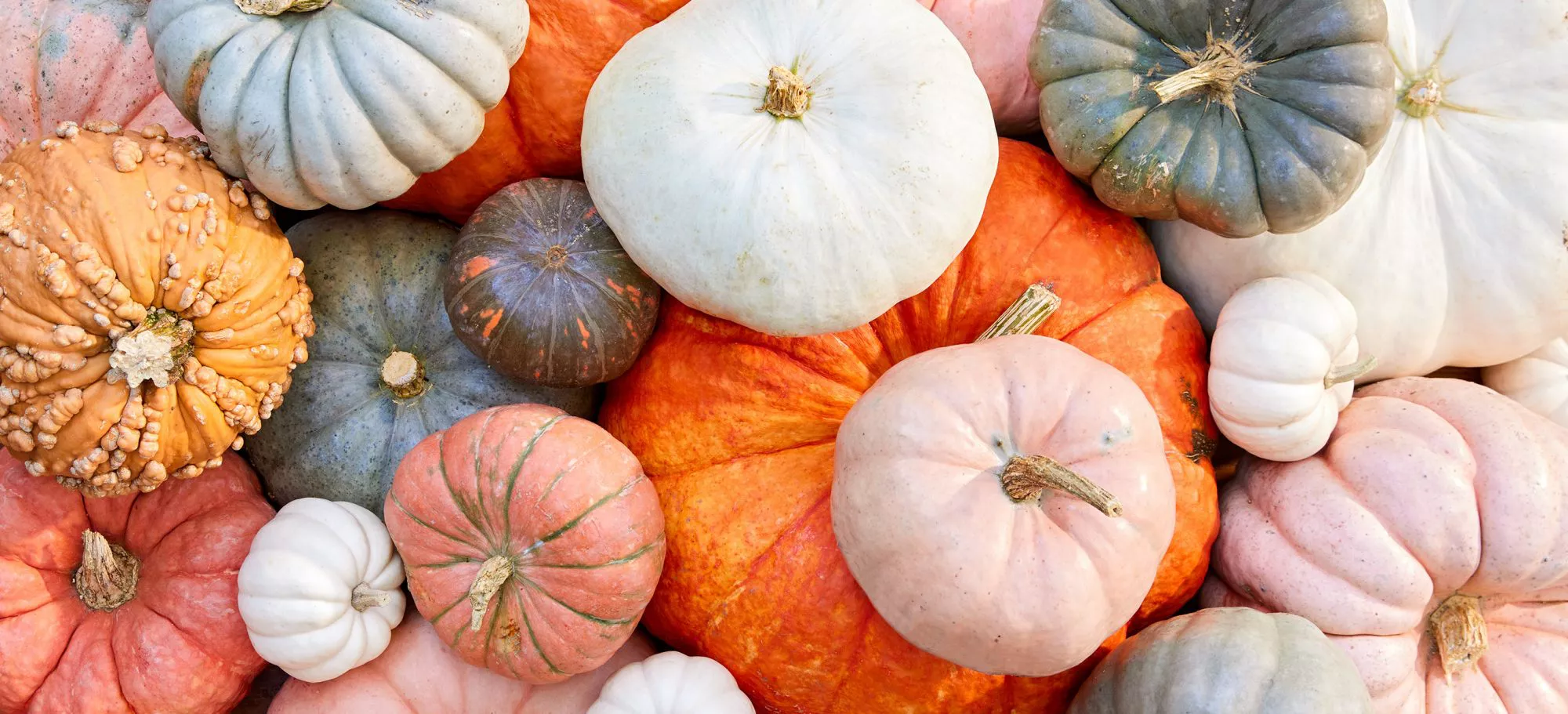
Here's What Kind of Pumpkin You Should Pick This Fall, Based on Your Zodiac Sign