1/8
It’s Official: Windowsill Succulents Are Out, Statement Succulents Are In
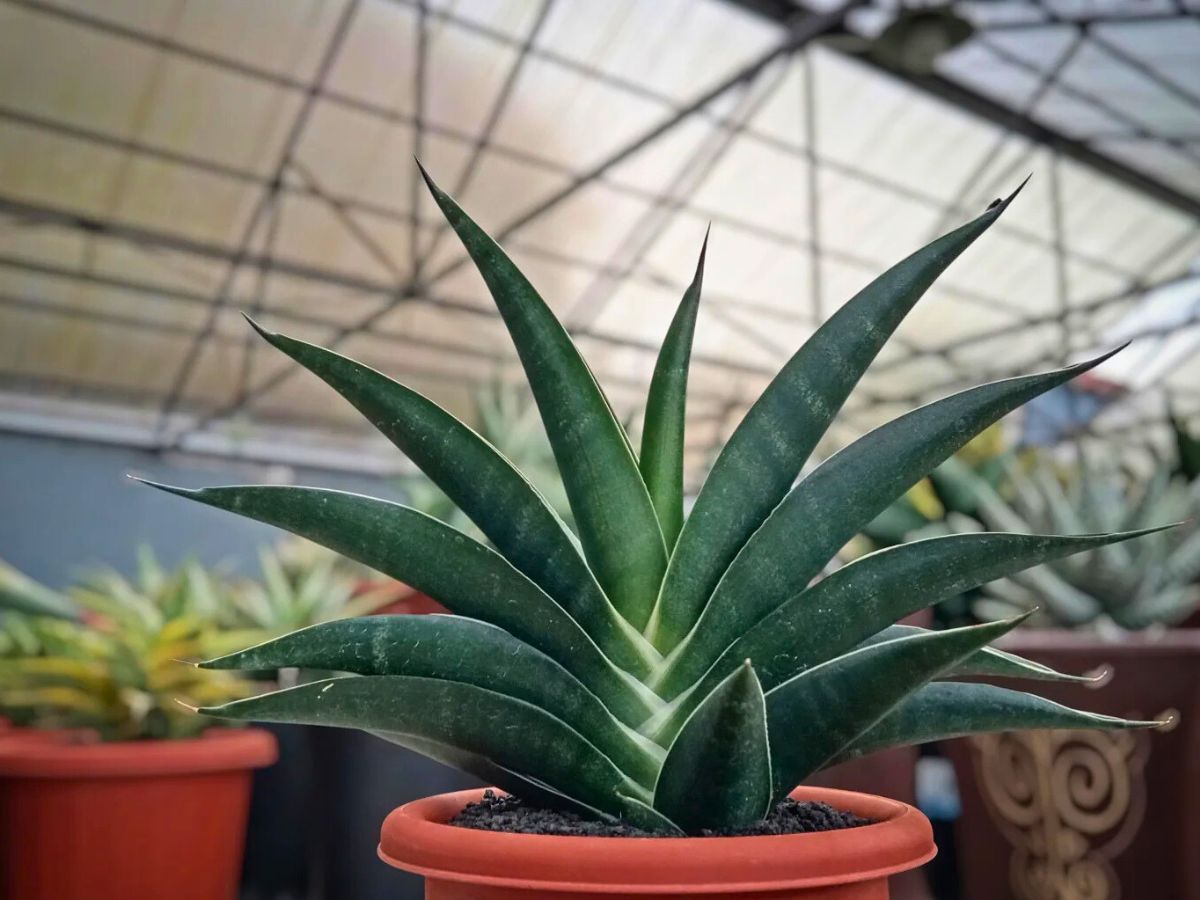
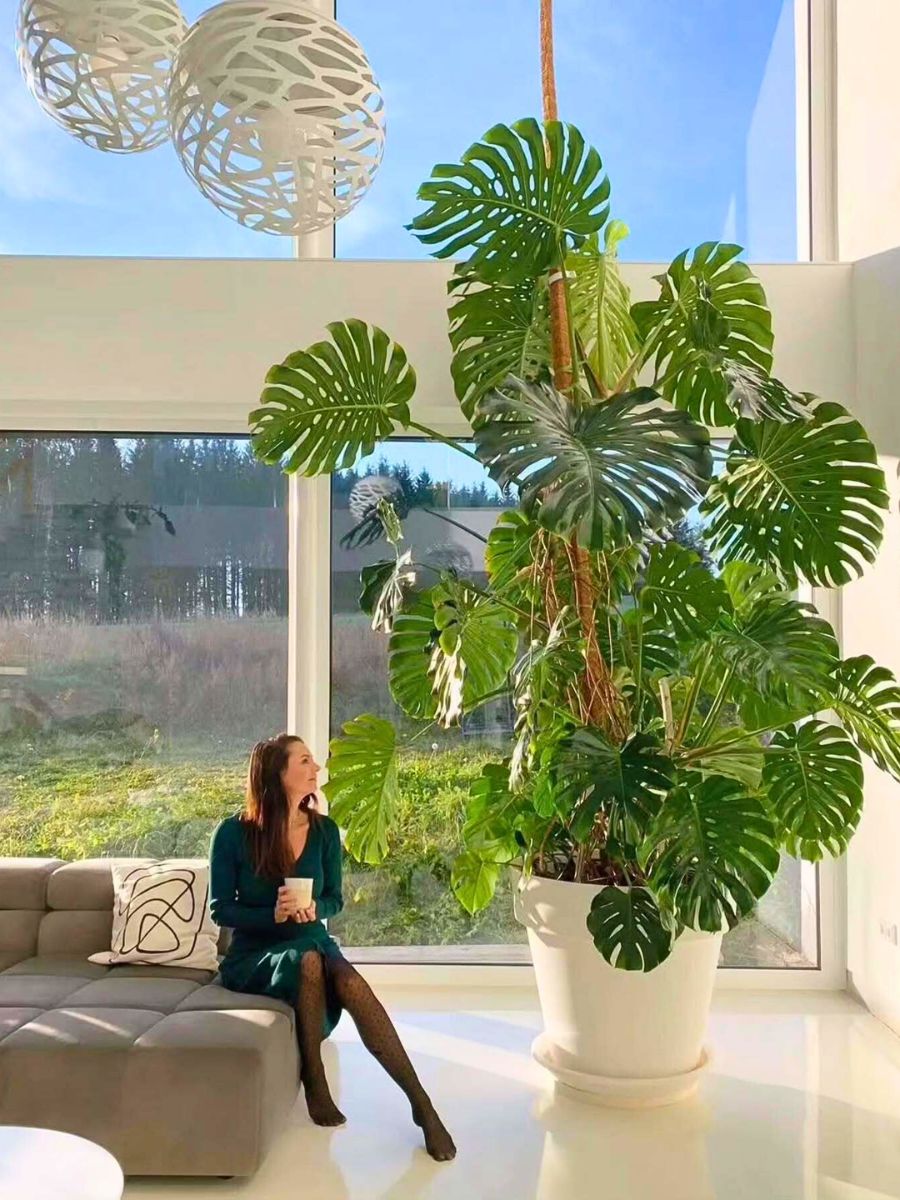
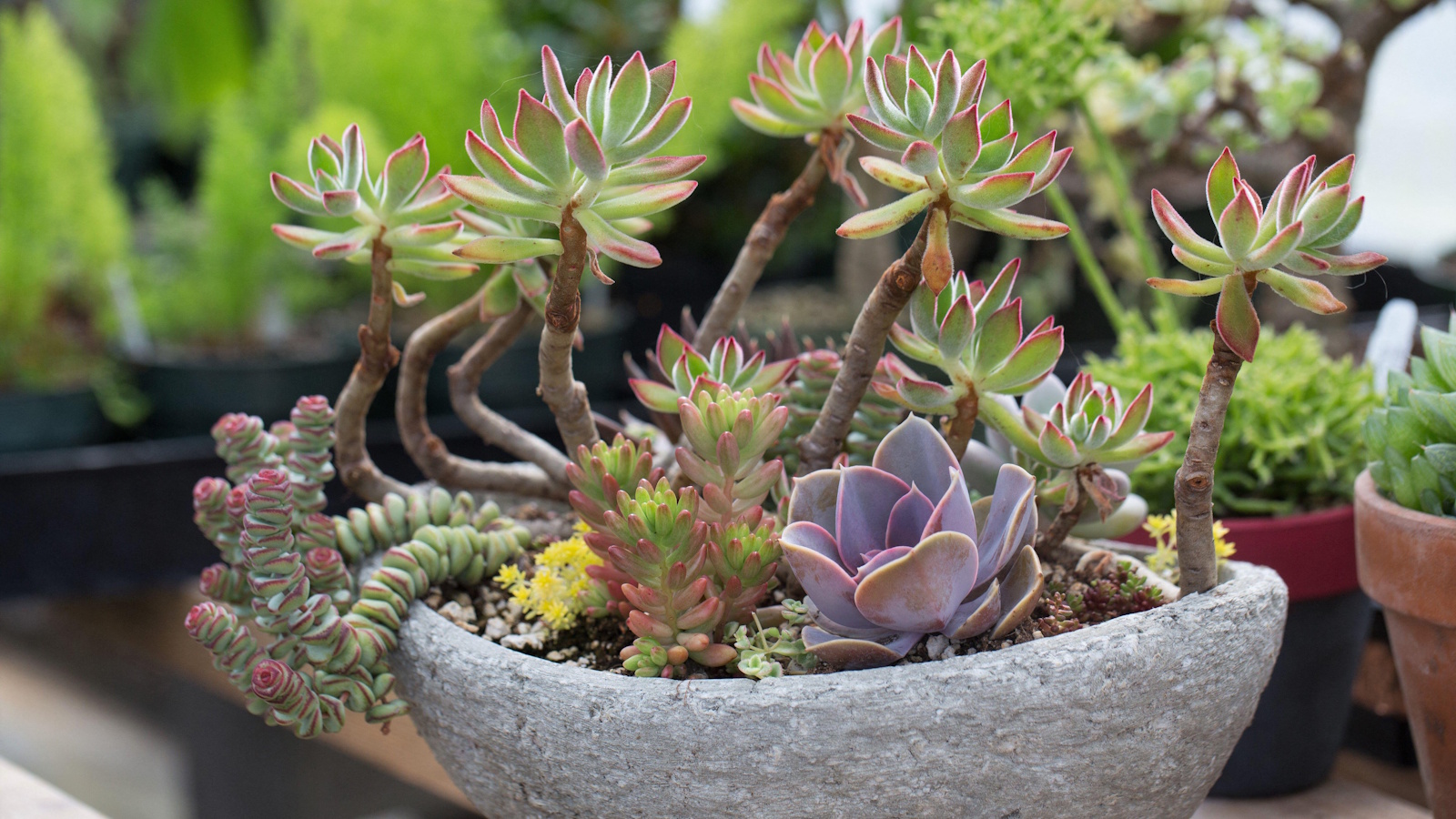
Succulents are becoming increasingly recognized as key elements in interior design, moving beyond their traditional role as mere filler plants to become statement pieces. These plants offer a wide array of shades, shapes, and textures, enabling them to effortlessly enhance any room's aesthetic. This trend extends beyond common indoor succulents to encompass oversized, variegated, and uniquely shaped varieties that capture attention and introduce an element of intrigue into a living space. Despite their dramatic appearance, these statement succulents typically require the same low-maintenance care as more familiar types, making them easy to integrate into existing indoor plant collections.
The article highlights five specific statement succulents, chosen with input from a houseplant expert, Anastasia Borisevich of Plantum, to add dramatic flair to any home. The first, Tree Houseleek (Aeonium), is ideal for those seeking a tall succulent. Known for its long, arching stems and rosettes of thick, fleshy leaves, it develops a unique, trunk-like stem as it matures, offering an alternative to traditional indoor trees. Native to the Canary Islands, it thrives in direct sunlight, making it suitable for sunny conservatories or south-facing windows. A notable variety is Aeonium arboreum 'Black Rose' for its dark foliage, and cuttings can be rooted at home, with rooting hormone assisting the propagation process.
The second featured succulent is Crassula 'Buddha's Temple', a smaller yet impactful plant that typically grows to about six inches. This hybrid cultivar, derived from Crassula pyramidalis and Crassula perfoliata var. minor, is characterized by its tightly stacked leaves arranged along a slender stem, creating a distinctive architectural form. It produces clusters of pink or white flowers in warmer months, provided it receives ample direct sunlight. Anastasia advises feeding this succulent with specialized fertilizer every four weeks from mid-spring to fall.
Next is the African Milk Tree (Euphorbia trigona), a striking succulent known for its dark-green upright stem and multiple branches. While it can flower, this is extremely rare indoors, as it requires conditions mimicking its native Central African desert habitat. Its impressive stem structure makes it a decorative plant, but caution is advised due to its irritant sap, making it unsuitable for bedrooms. Proper watering involves allowing the soil to dry out between waterings, with increased frequency in summer and reduced watering in winter. A soil moisture meter can prevent overwatering.
The fourth variety is the Spiral Aloe (Aloe polyphylla), an unusual aloe with foliage that grows in a distinctive spiral pattern. When multiple plants are arranged in a pot, they form a visually satisfying display. Native to Southern Africa, it requires bright sun and well-draining succulent soil. As a rarer houseplant, it might be found in specialist nurseries, or enthusiasts can attempt to grow it from seed.
Finally, the Variegated String of Pearls (Senecio rowleyanus 'Variegata') offers a subtle yet elegant statement. Similar to the regular String of Pearls, this variety features variegated foliage with creamy-pink hues on its pea-sized leaves. Given sufficient bright light, it can produce small white and pink daisy-like flowers in spring and summer. This plant is ideal for utilizing vertical space, cascading beautifully from bookshelves or shelves. Consistent watering is crucial to prevent the leaves from shriveling. It is also easily propagated from stem cuttings, allowing for the creation of new plants or enhancing the fullness of the original one.
For those considering planting succulents and cacti together, it is important to ensure they have compatible care requirements, as some varieties, like tropical humidity-loving succulents and desert cacti, have vastly different environmental needs. Researching specific plant needs is essential before combining them to ensure their survival and health. The article also recommends various succulent accessories, including a concrete bowl planter, succulent fertilizer, and indoor garden tools, to aid in their care and display.
#StatementSucculents #IndoorPlants #HouseplantCare #HomeDecor #SucculentVarieties #GardeningAdvice #PlantumExpert #ArchitecturalPlants #LowMaintenancePlants #StatementSucculents #IndoorPlants #HouseplantCare #HomeDecor #SucculentVarieties #GardeningAdvice #PlantumExpert #ArchitecturalPlants #LowMaintenancePlants
0 comment in total
 No comments yet
You may also like
3form’s Ivory Flora Collection Launches a Fresh Take on Biophilia
Bye-Bye Boring Drapes, The Once-Dated Trend for Luxuriously Dramatic Window Treatments Is Back – and Designers Very Much Approve

Fake Plastic Trees and Artificial Houseplants We Don’t Hate

Designers Are Calling It: This Is The Next Mushroom Lamp
It’s not an accent wall anymore. It’s a ‘statement’ wall.


Side Tables With Animal Feet Are Now Officially a Thing
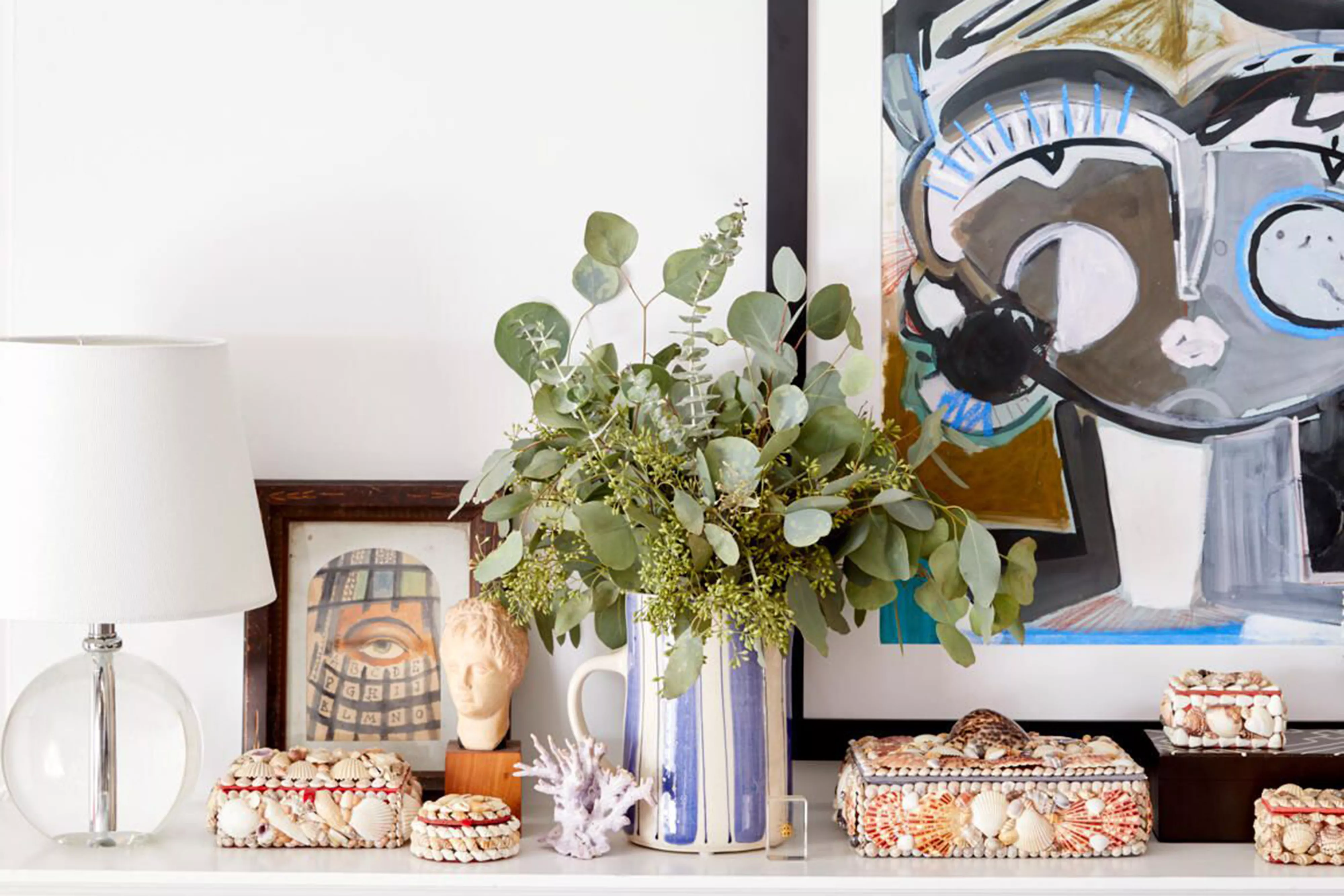
Step Aside, Florals—Shells Are the "It" Decor Motif of This Spring


Slim Skins: Towards a New Glazed Façade System

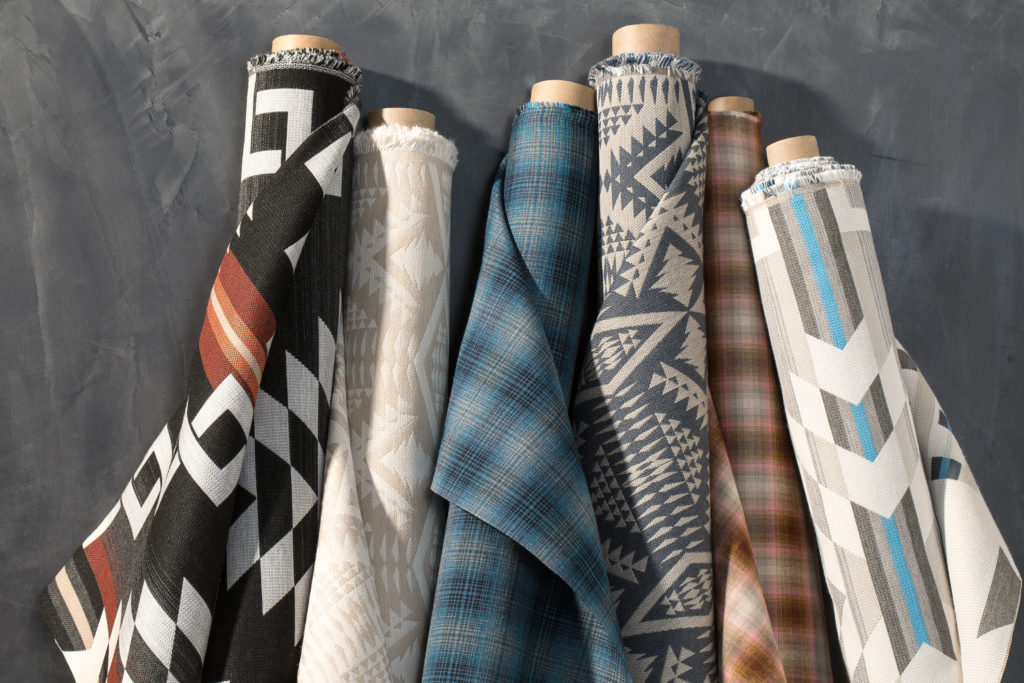
Pendleton Now Makes Shades!

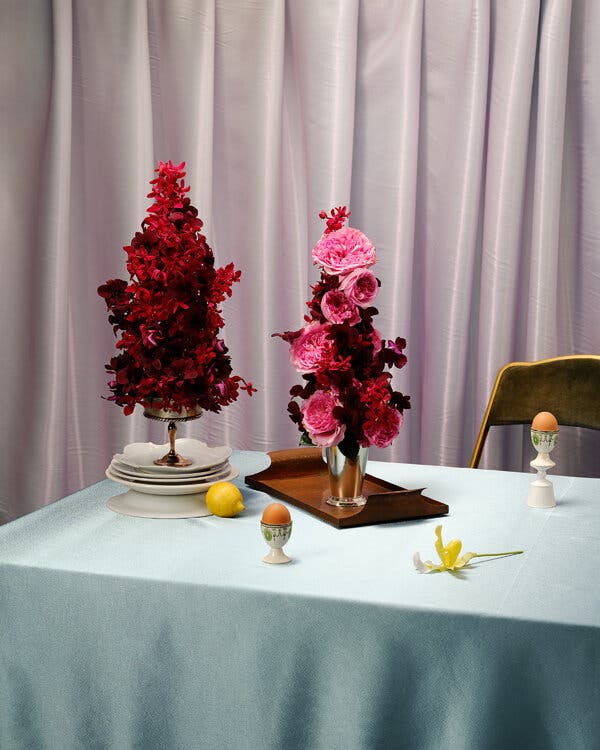
Flower Arrangements Are Reaching New Heights (Published 2024)
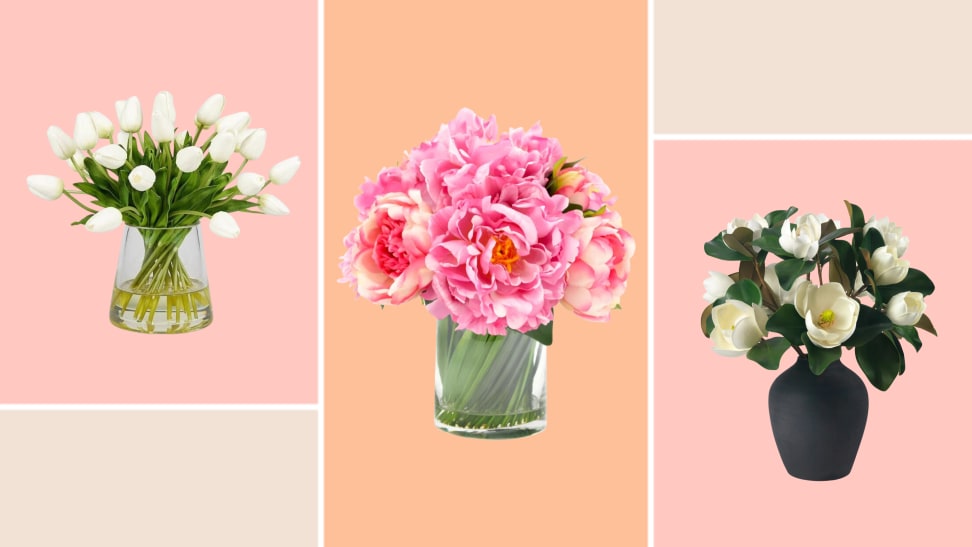
Faux flowers got upgraded: Shop these realistic-looking blooms

Material Just Launched Tableware and—Shocker—It’s Gorg

This Dramatic Window Treatment Is Making A Comeback—And We Couldn't Be More Thrilled
Floors, Walls, Furniture—Cork Has Come a Long Way From Basic Office Pinboards

Trending Houseplants Shaping the Year Ahead

Wall-to-Wall Carpet Is Back (and We’re Not Mad About It!)


It's Official: Chartreuse Is the New Slime Green
Moss-Core, Squishy Shapes, and 6 Other Trends We’re Super Excited About Right Now
Ornament is no longer a crime. And the new trims on the coatings confirm it
Goodbye, Marble—This Moody Counter Trend Is Taking Over