1/3
The Incredible Disappearing TV
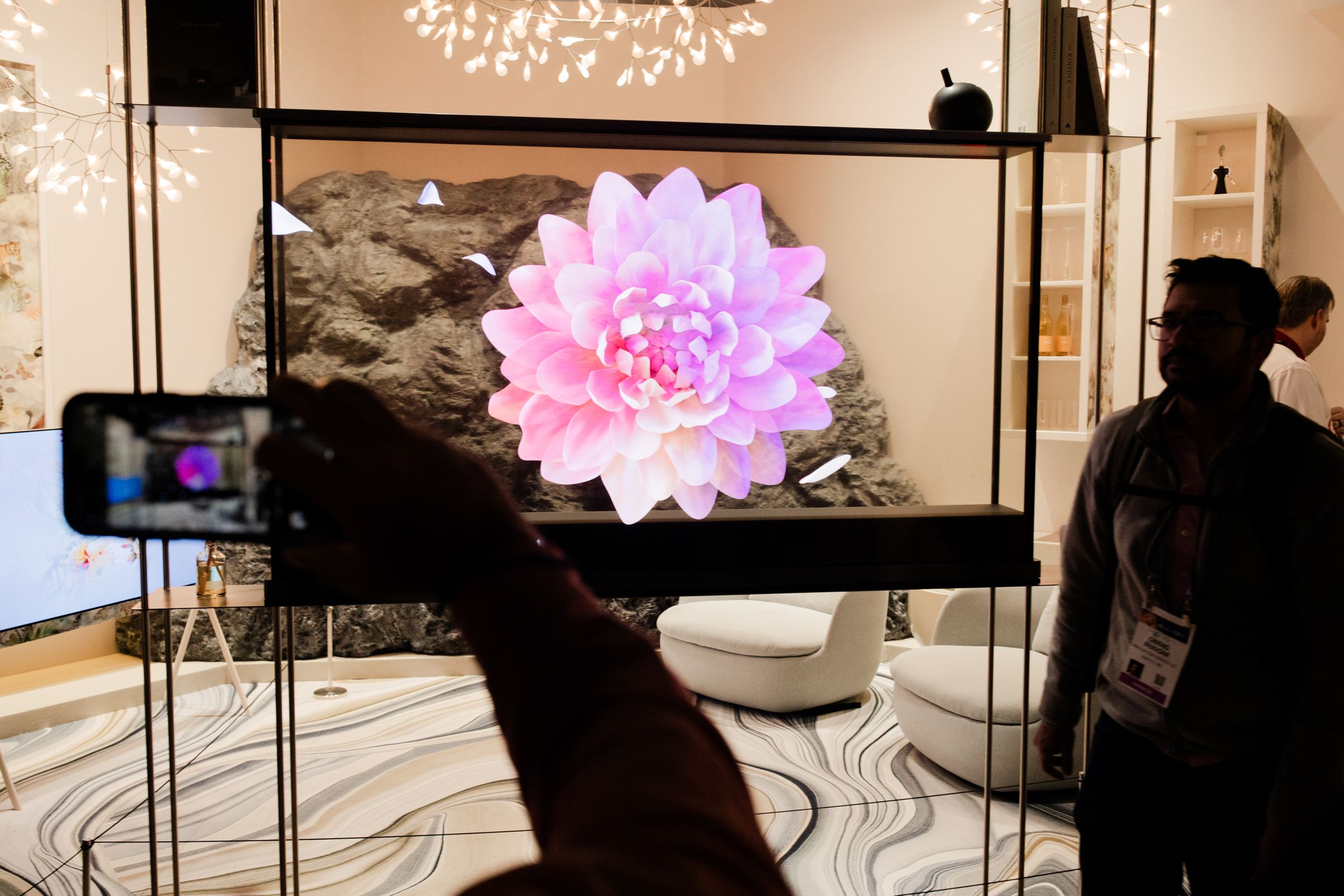
The television industry is undergoing a significant transformation, moving beyond the traditional focus on larger and brighter screens to prioritize designs that minimize the TV's visual presence in a living space. While CES 2024 showcased many advancements in display technology, including massive, high-luminosity screens, the most notable innovations aim to make the television nearly invisible. This shift is led by companies like Samsung and LG, which are introducing groundbreaking transparent displays. Samsung's transparent MicroLED screen creates images on what appears to be clear glass, while LG's transparent TV, resembling an empty fish tank, projects images that mimic holograms, with an optional black backdrop for enhanced contrast.
Beyond these cutting-edge transparent models, other designs also contribute to this trend of integrating televisions more seamlessly into home aesthetics. Samsung's "The Frame" TV, initially launched in 2017, features a matte screen that can display fine art when not in use, effectively transforming into a framed painting. Hisense introduced its own version, the CanvasTV, at CES this year. Roll-up screens, such as LG's expensive rollable television showcased at CES 2021, offer another solution for concealing the display. Projector technology has also advanced significantly, with 4K projectors now serving as viable TV replacements that blend into a room more discreetly than large traditional screens.
Industry experts like Paul Gagnon from Circana explain that this push is driven by the desire to eliminate the "black hole" effect of a large, dark TV screen dominating a room. While transparent screen technology has existed in commercial applications for years, its high cost and energy consumption have prevented widespread consumer adoption until recently. Gagnon notes that most consumers still prioritize affordable, high-quality screens for viewing content, suggesting that transparent TVs may not become the mainstream standard, but rather a niche luxury for those seeking aesthetic integration.
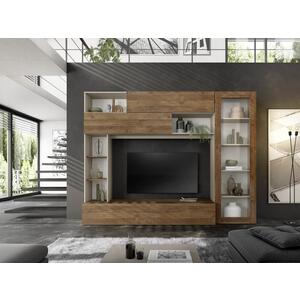
Interior designers are also recognizing and adapting to this trend. Max Humphrey, an interior designer in Portland, Oregon, initially worked to conceal TVs using rolling doors or cabinet fixtures. However, he observed that clients often left these covers open due to frequent TV usage. This led him to shift his approach from hiding TVs to incorporating them thoughtfully into the room's design, considering their surroundings to prevent them from drawing undue attention. While excited about transparent screens, Humphrey expresses uncertainty about their practical integration into typical homes, suggesting they might initially be better suited for secondary rooms like kitchens or bedrooms due to their novelty and current high price point. It will take time for the technology to become more affordable for widespread adoption in various home settings.
Despite the emergence of personal media consumption devices like mixed-reality headsets such as Apple’s Vision Pro, the traditional television is unlikely to disappear. Gagnon emphasizes that while personal content feeds are convenient, they cannot replicate the communal experience of watching TV together. The television maintains its role as a digital hearth and a centerpiece for family home entertainment, a function that personal devices cannot fully replace. The race to make televisions disappear is primarily an aesthetic and integration challenge, not a movement towards their complete obsolescence.
#TelevisionTechnology #HomeDesign #TransparentDisplays #CES2024 #LG #Samsung #InteriorDesign #ConsumerElectronics #SmartHome #TelevisionTechnology #HomeDesign #TransparentDisplays #CES2024 #LG #Samsung #InteriorDesign #ConsumerElectronics #SmartHome
 No comments yet
Show
TV & media units


‘Home Improvement’ Wasn’t Cancelled For The Reasons You Think


HGTV Is Making an Unexpected Play for Reality TV’s Biggest Trend

I Am Obsessed With The Tiny TVs Of ‘Escape To The Country’