We Asked an Organizer How She Keeps the Area Under Her Sink Tidy—And It’s Surprisingly Easy
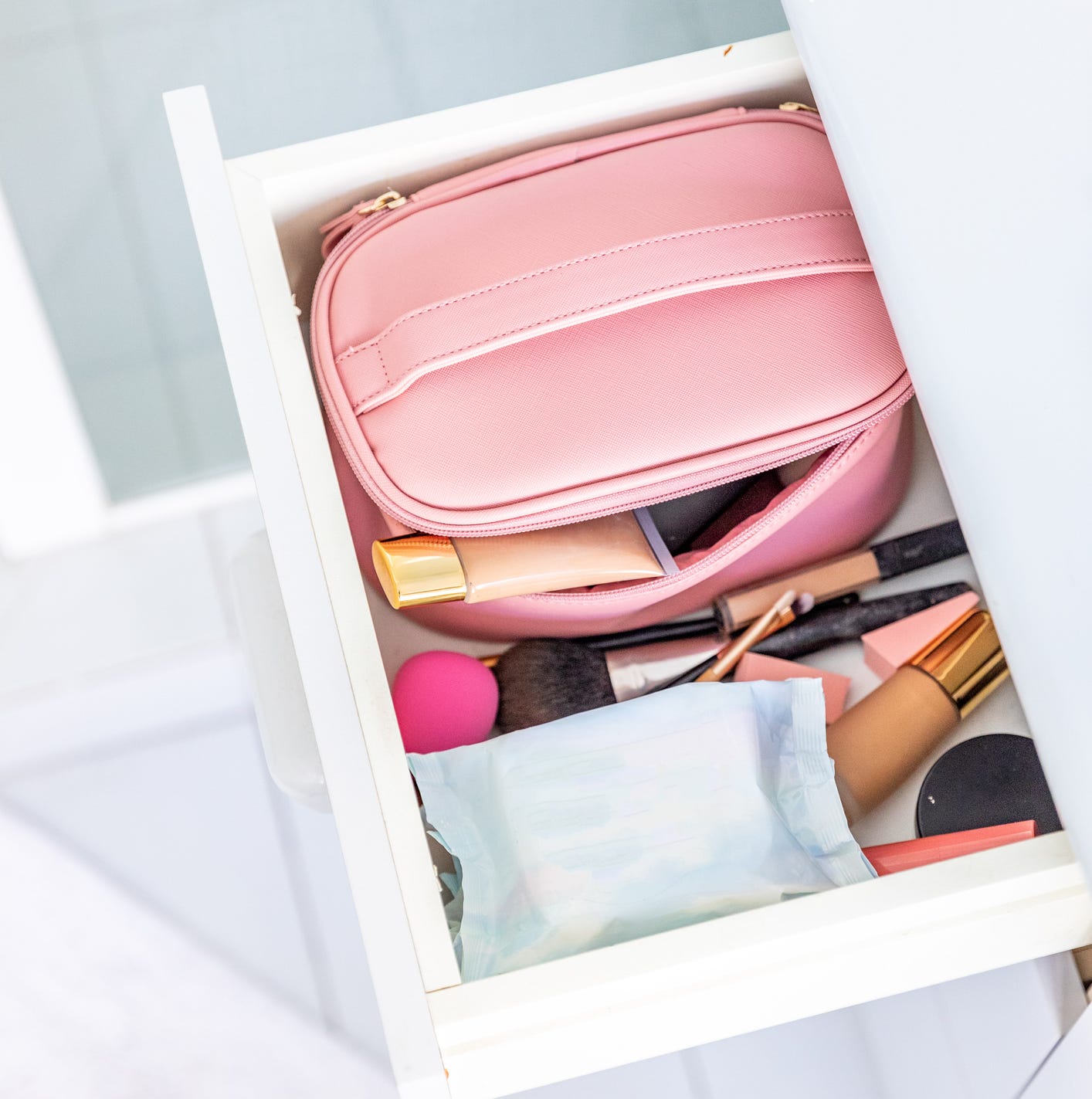
Maintaining an organized under-the-sink area can be a challenge, often leading to a cluttered space due to its hidden nature. However, a professional home organizer, Devon Fegen-Herdman, provides practical strategies to transform this often-neglected space into an orderly and functional storage area. The process begins with a comprehensive decluttering effort. It's essential to remove everything from beneath the sink to identify and discard expired, unused, or misplaced items. This initial step also offers an opportunity to thoroughly clean the cabinet interior, setting a clean foundation for reorganization.
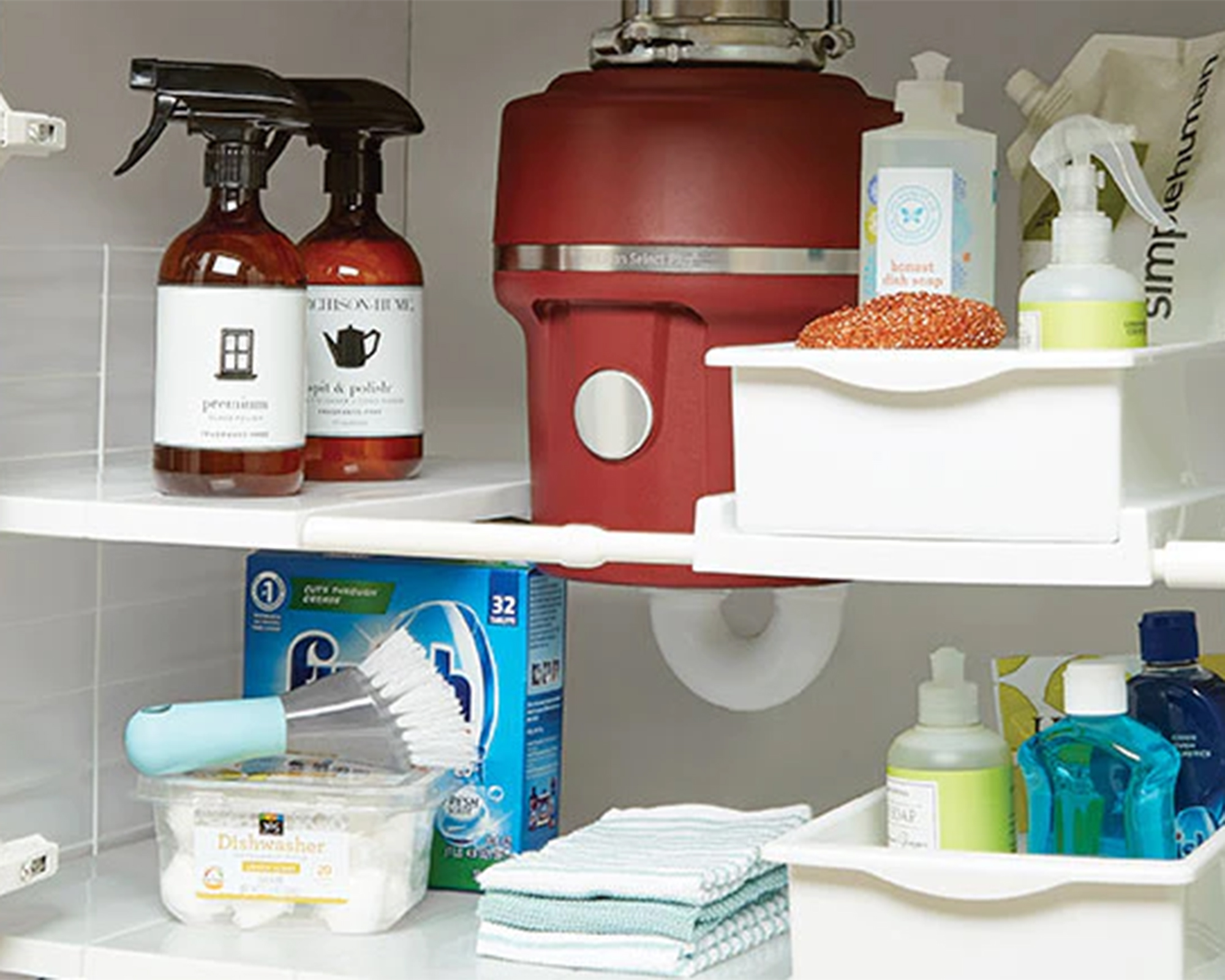
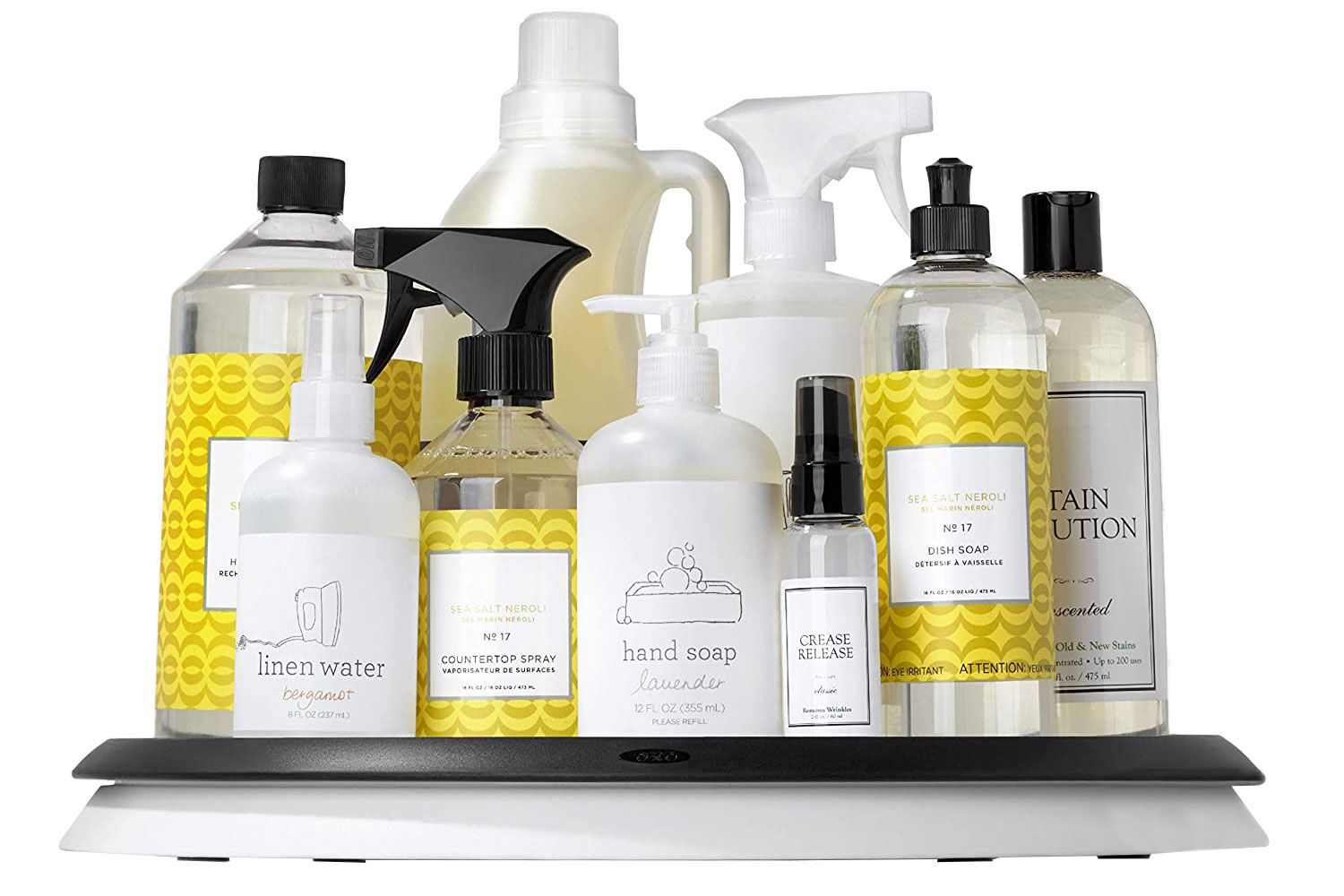
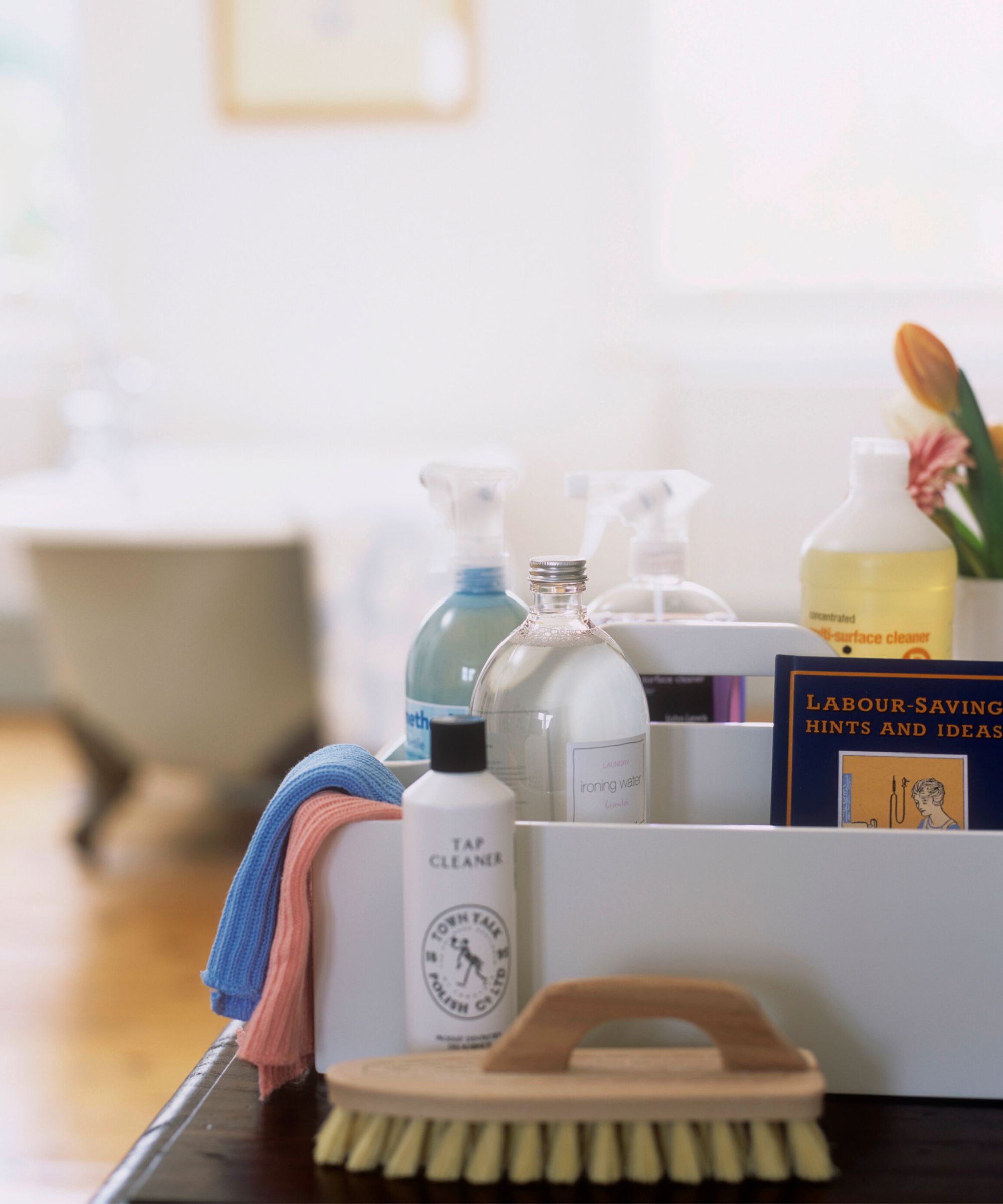
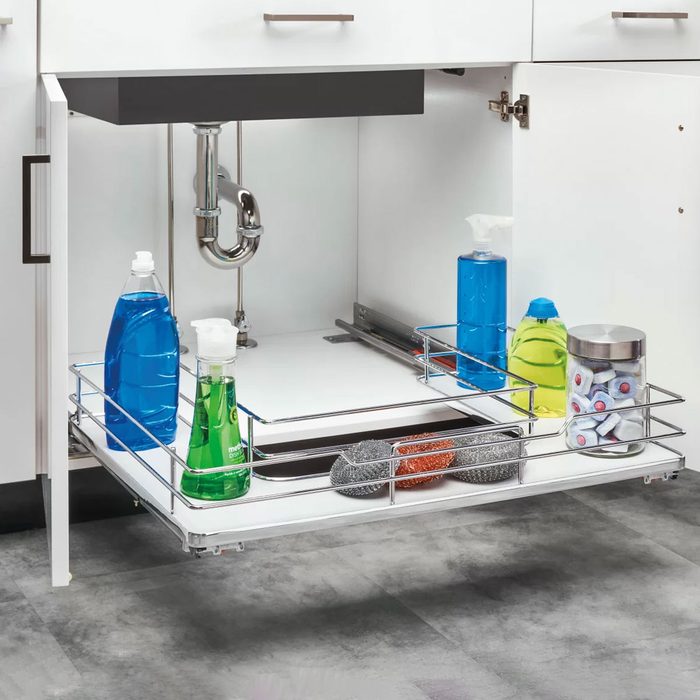
Once the area is clear, the next critical step is to determine which items truly belong under the sink. Fegen-Herdman suggests that the kitchen sink cabinet should primarily house cleaning supplies, such as dish soap, dishwasher pods, and trash bags. Any items that do not fit into these categories, like extra toiletries or pantry overflow, should be relocated to more suitable storage locations, such as a hall closet, laundry room, or another designated area in the home. This selective approach prevents the under-sink space from becoming a dumping ground for miscellaneous household goods.
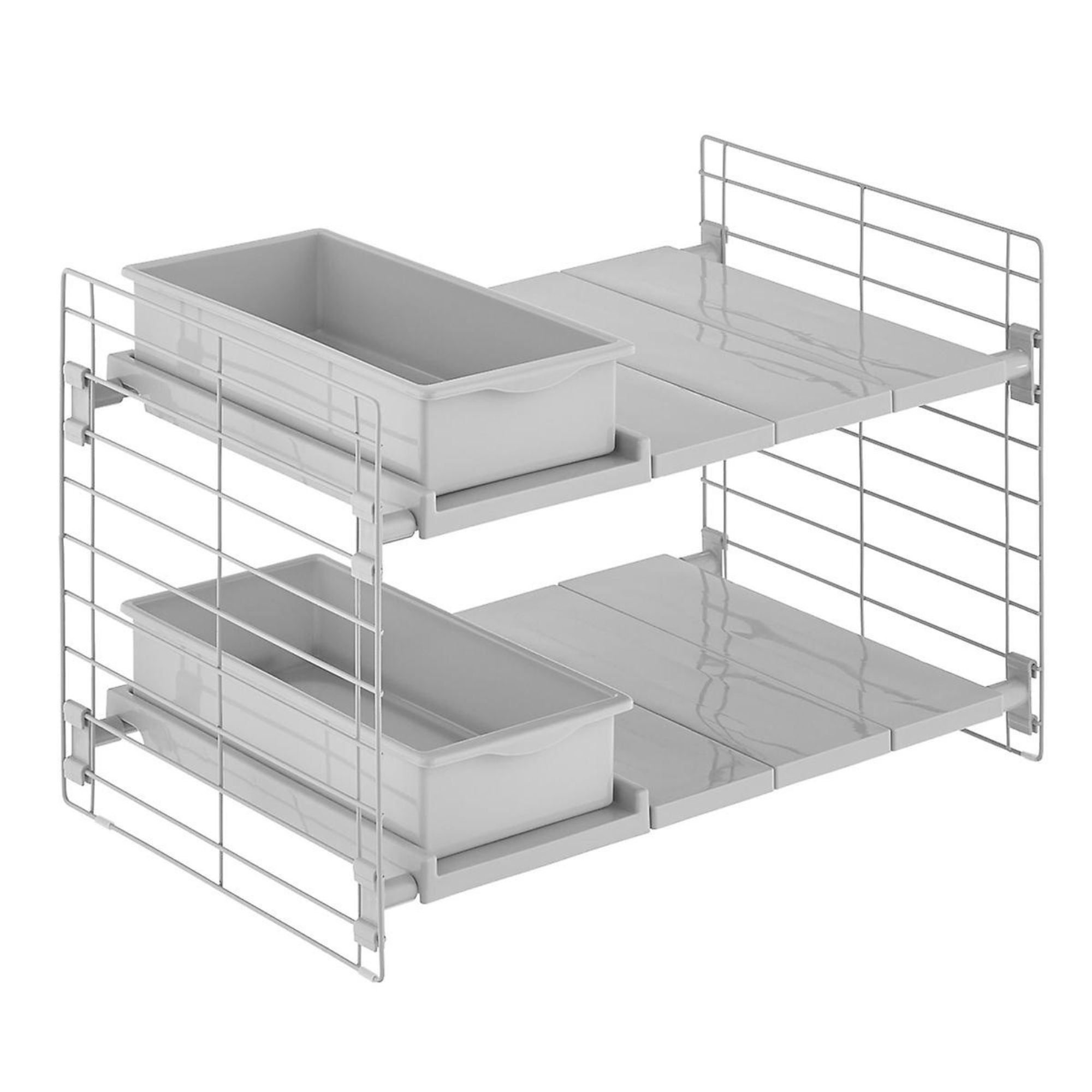
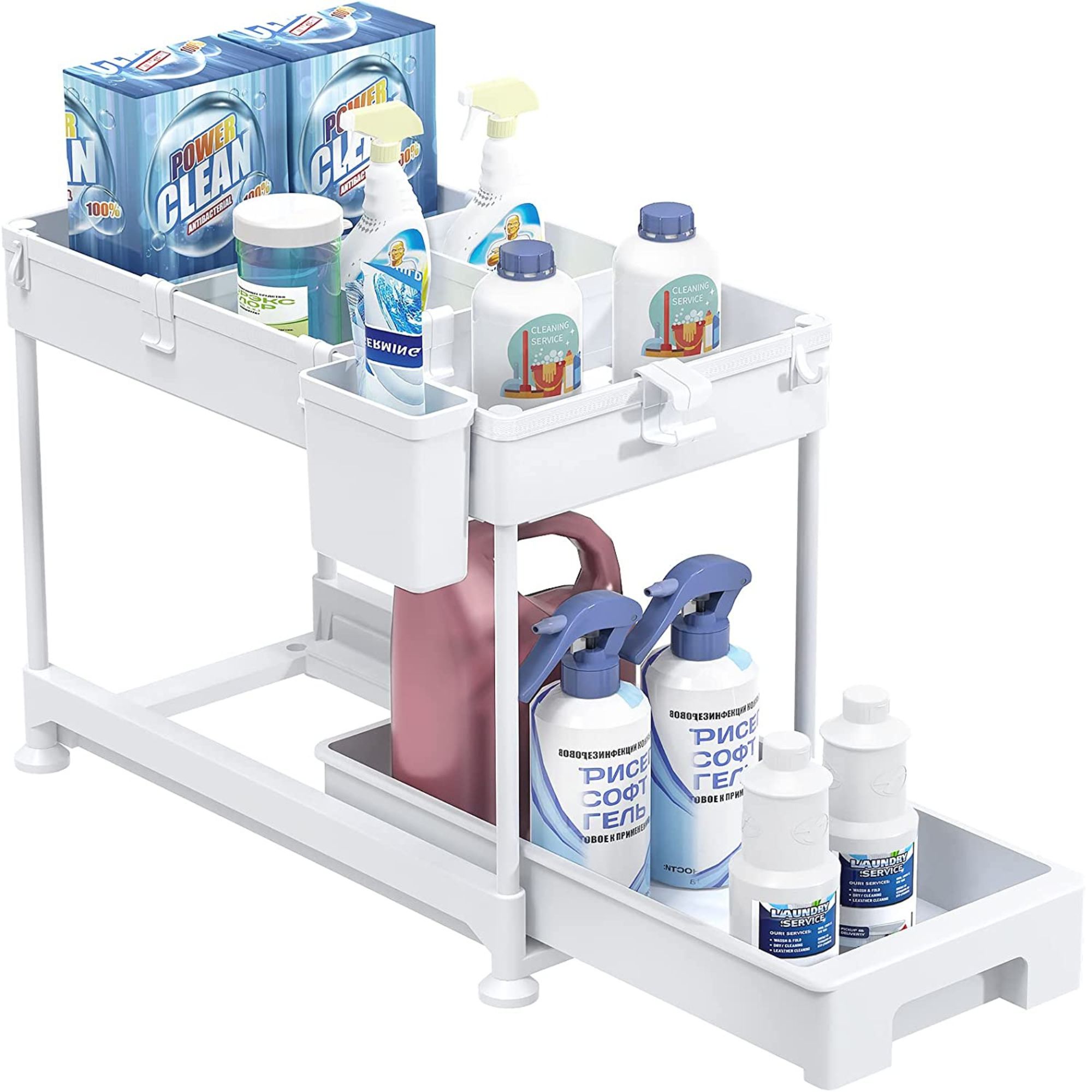
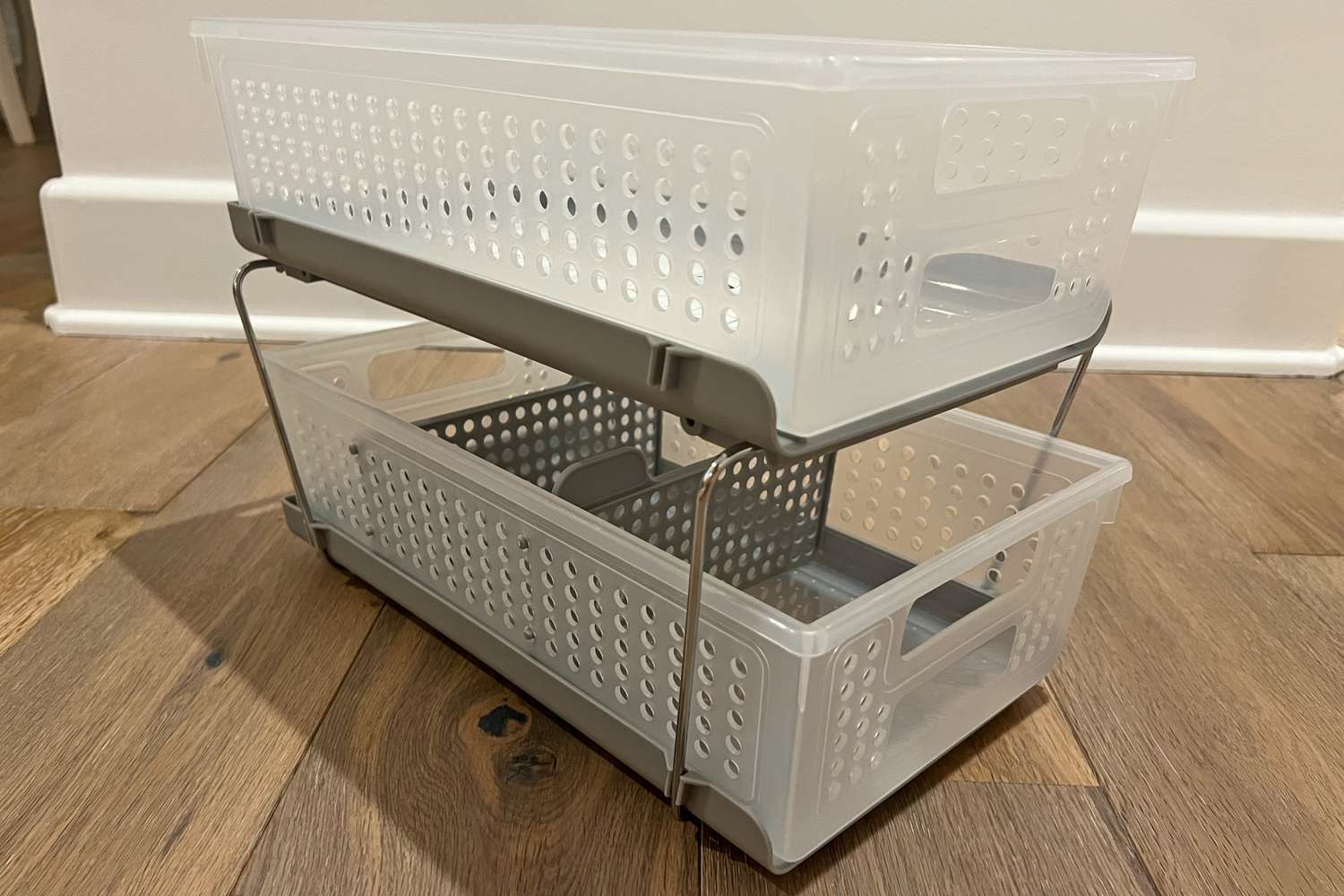
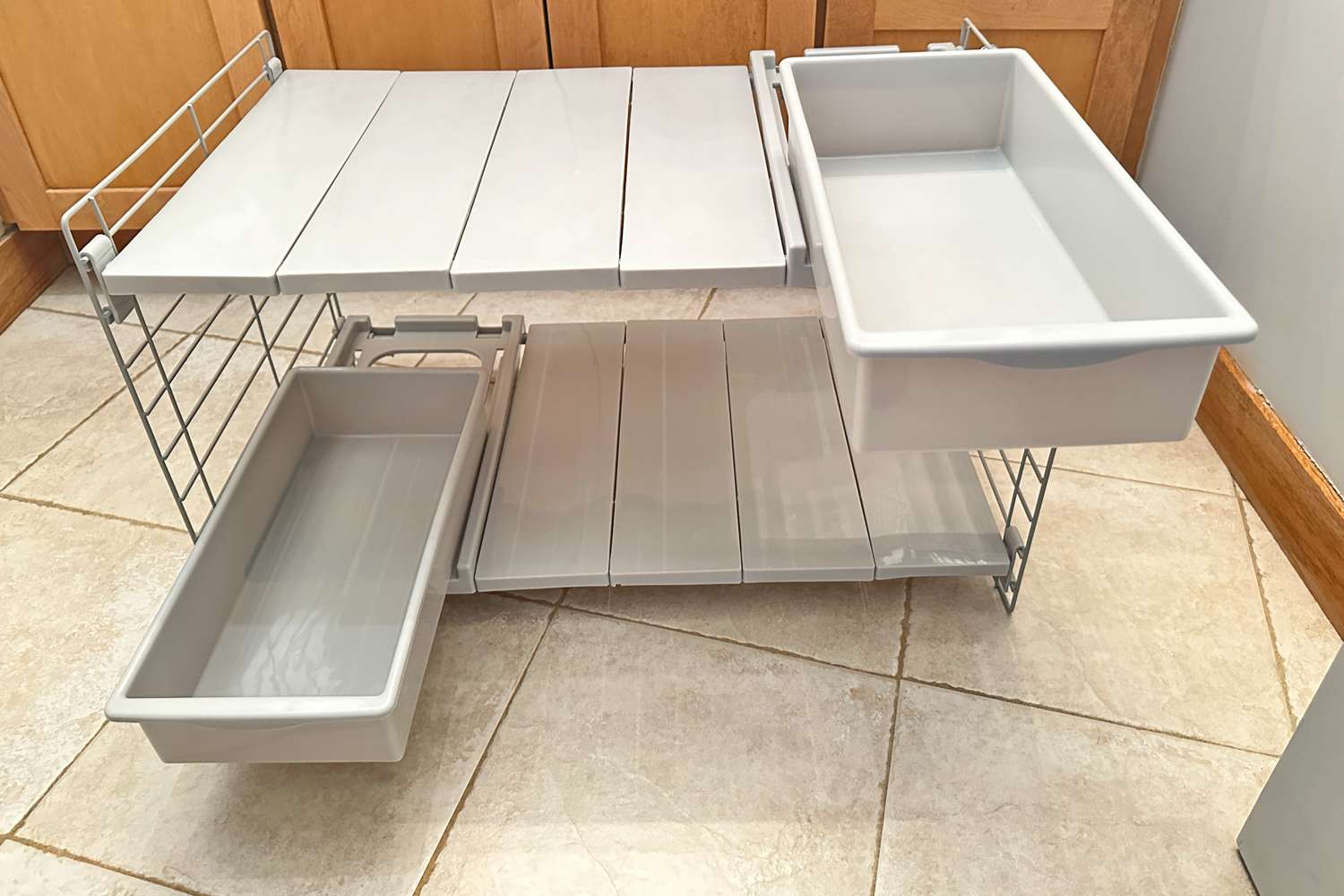
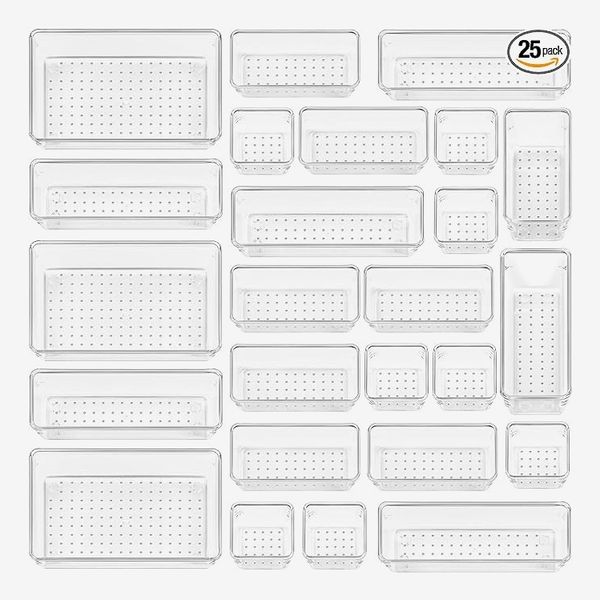
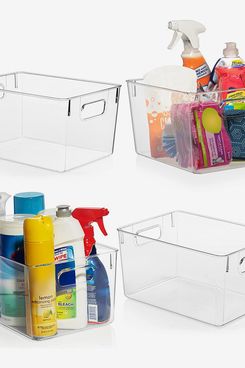
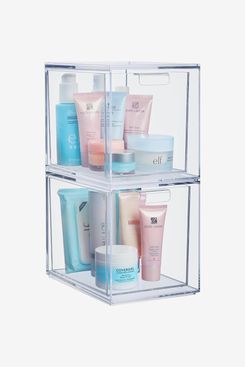
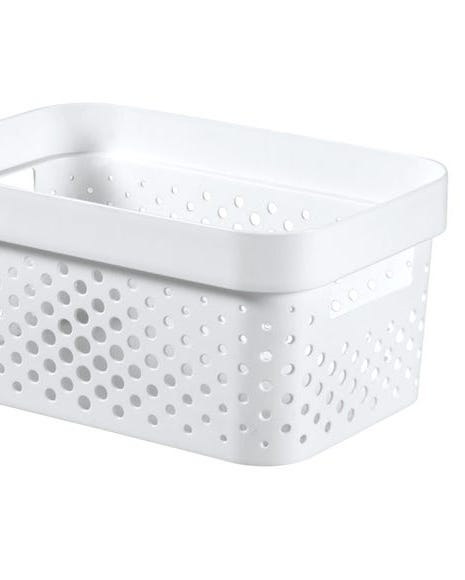
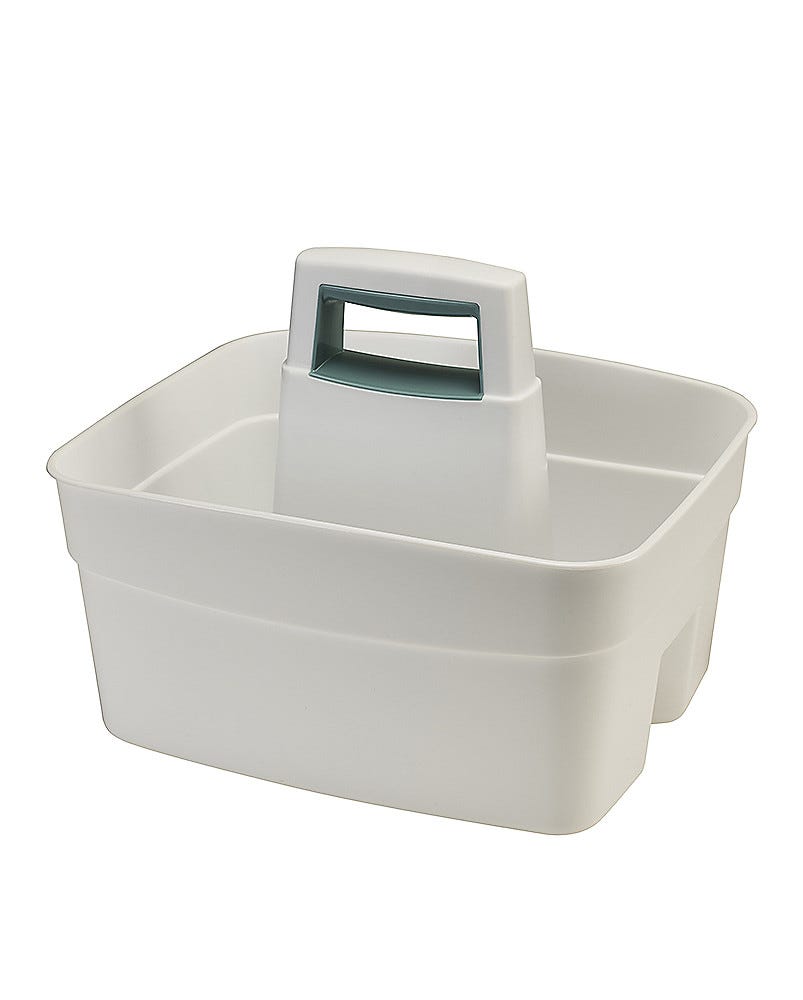
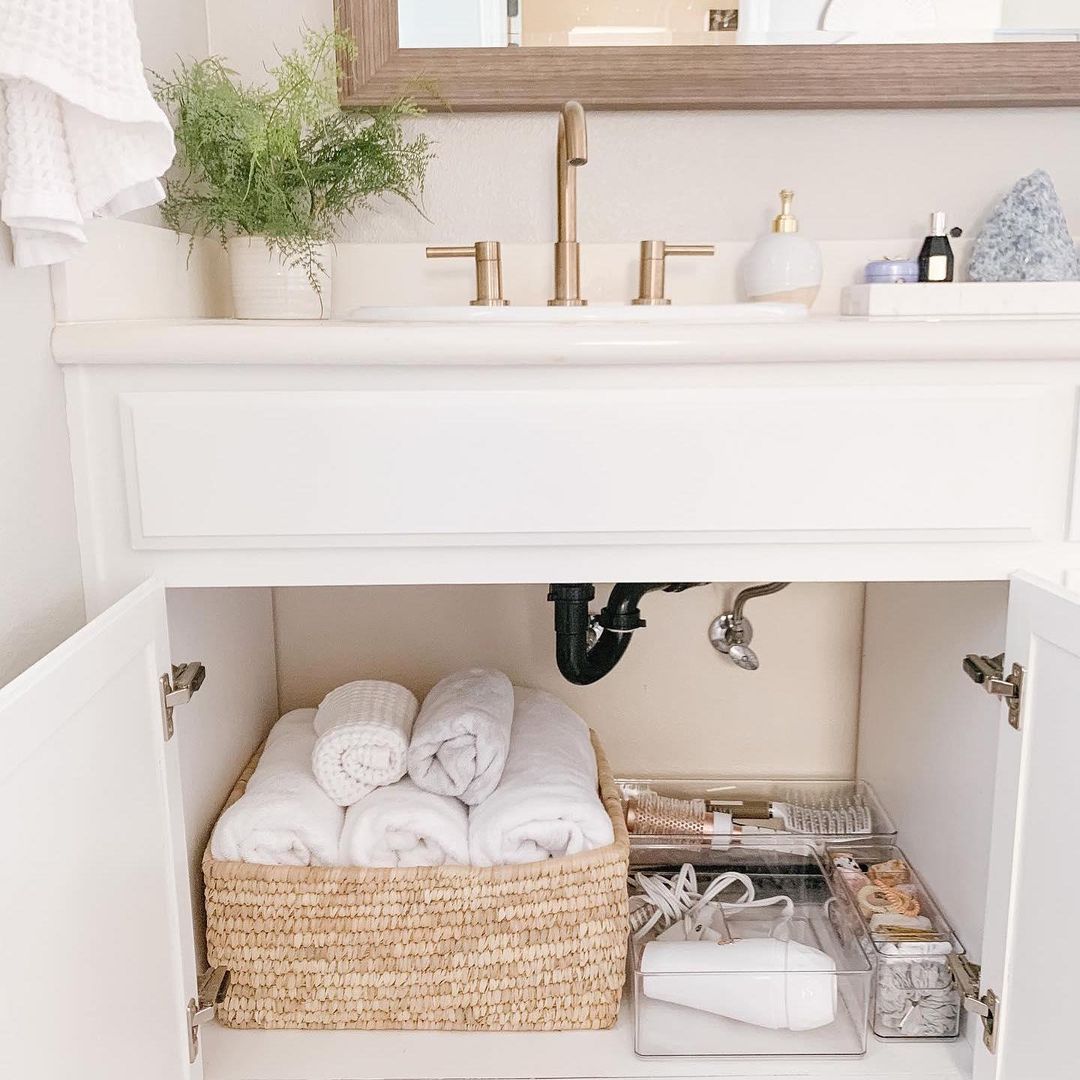
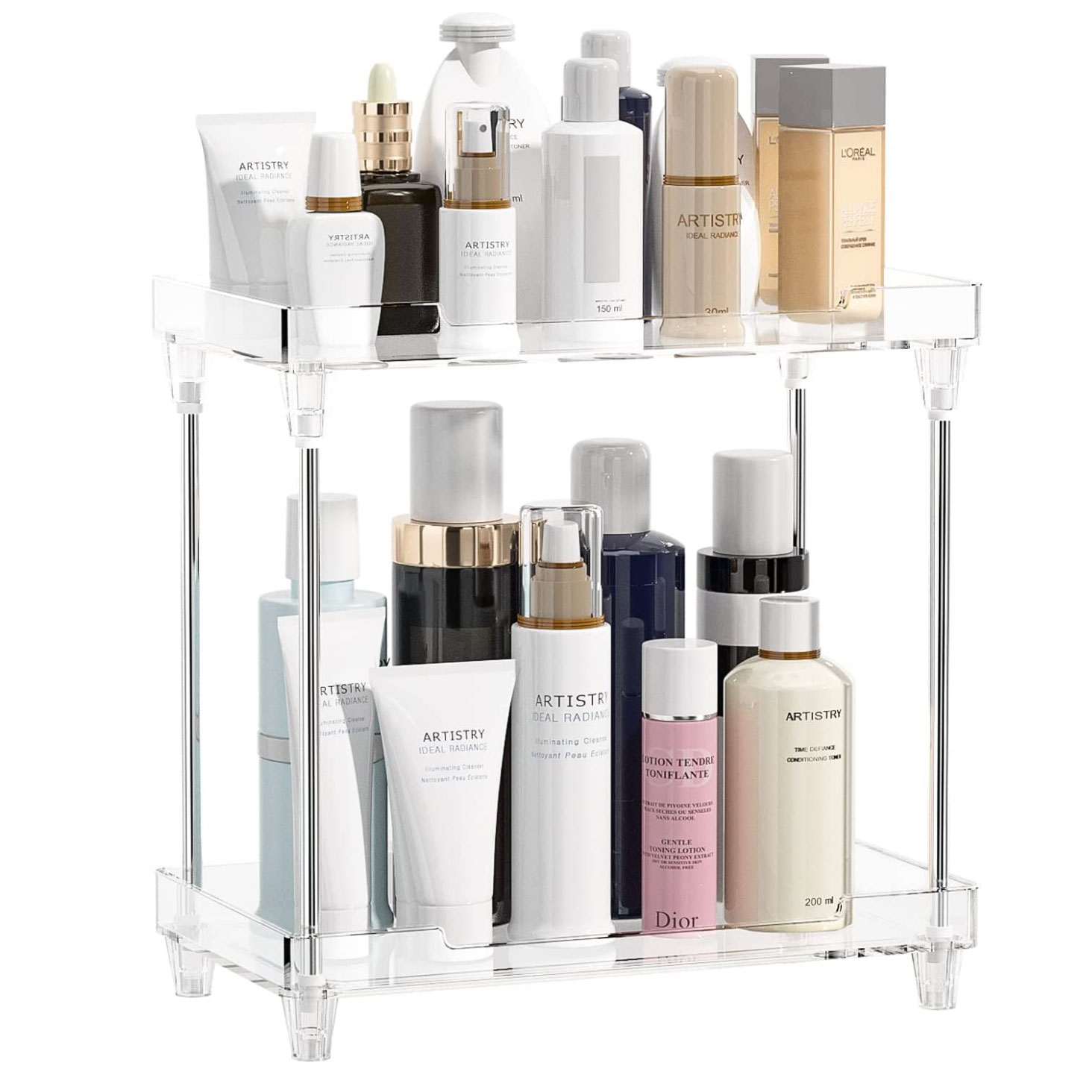
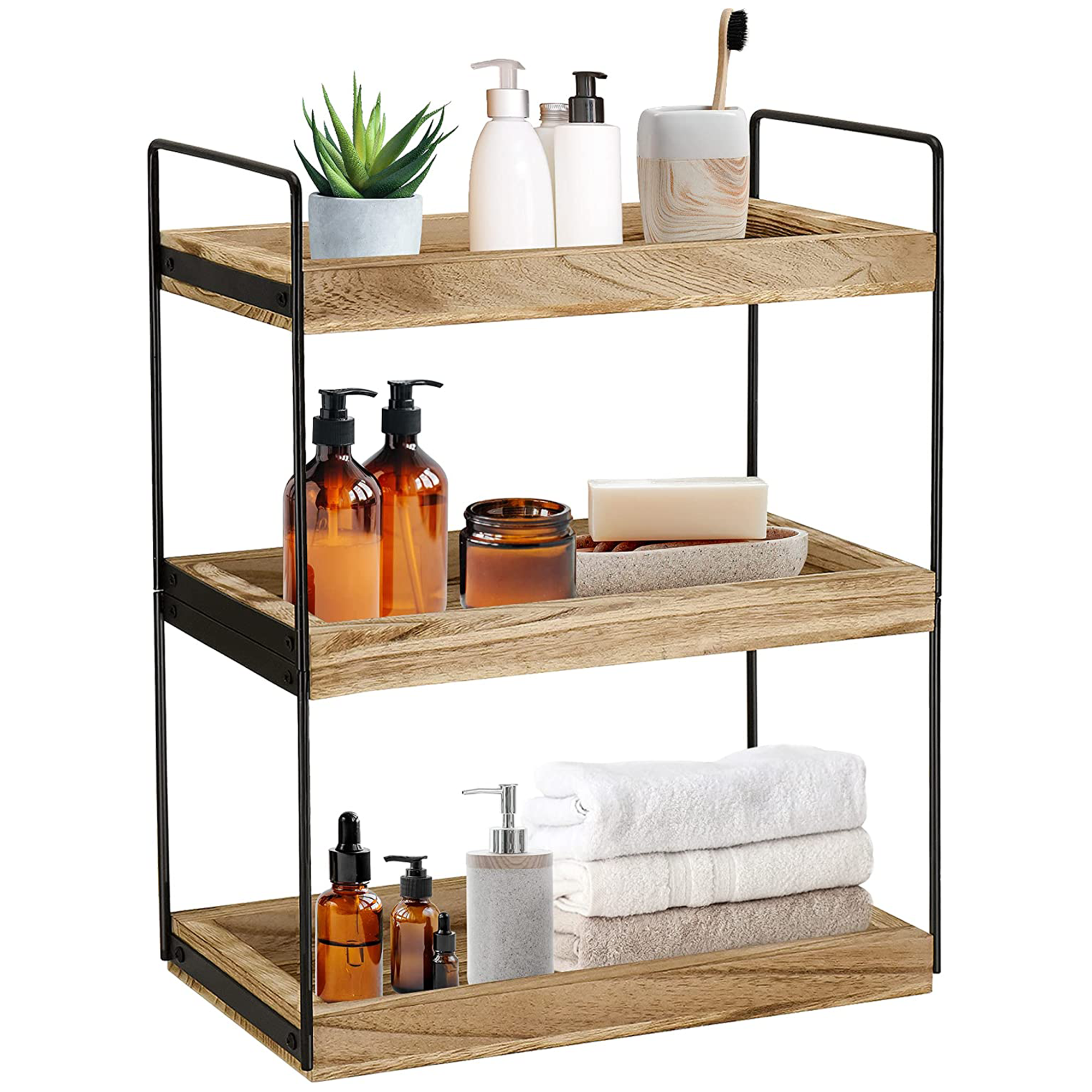
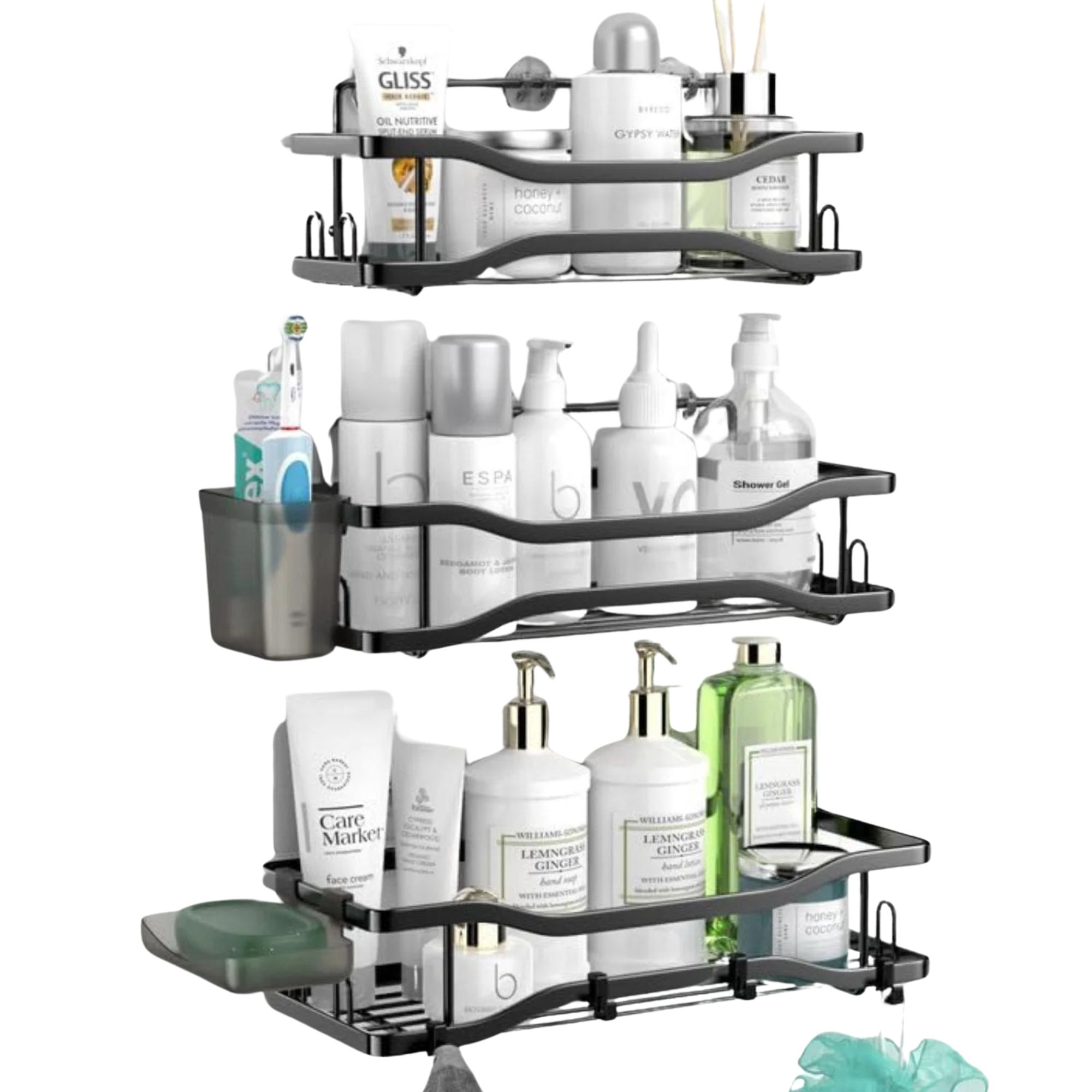
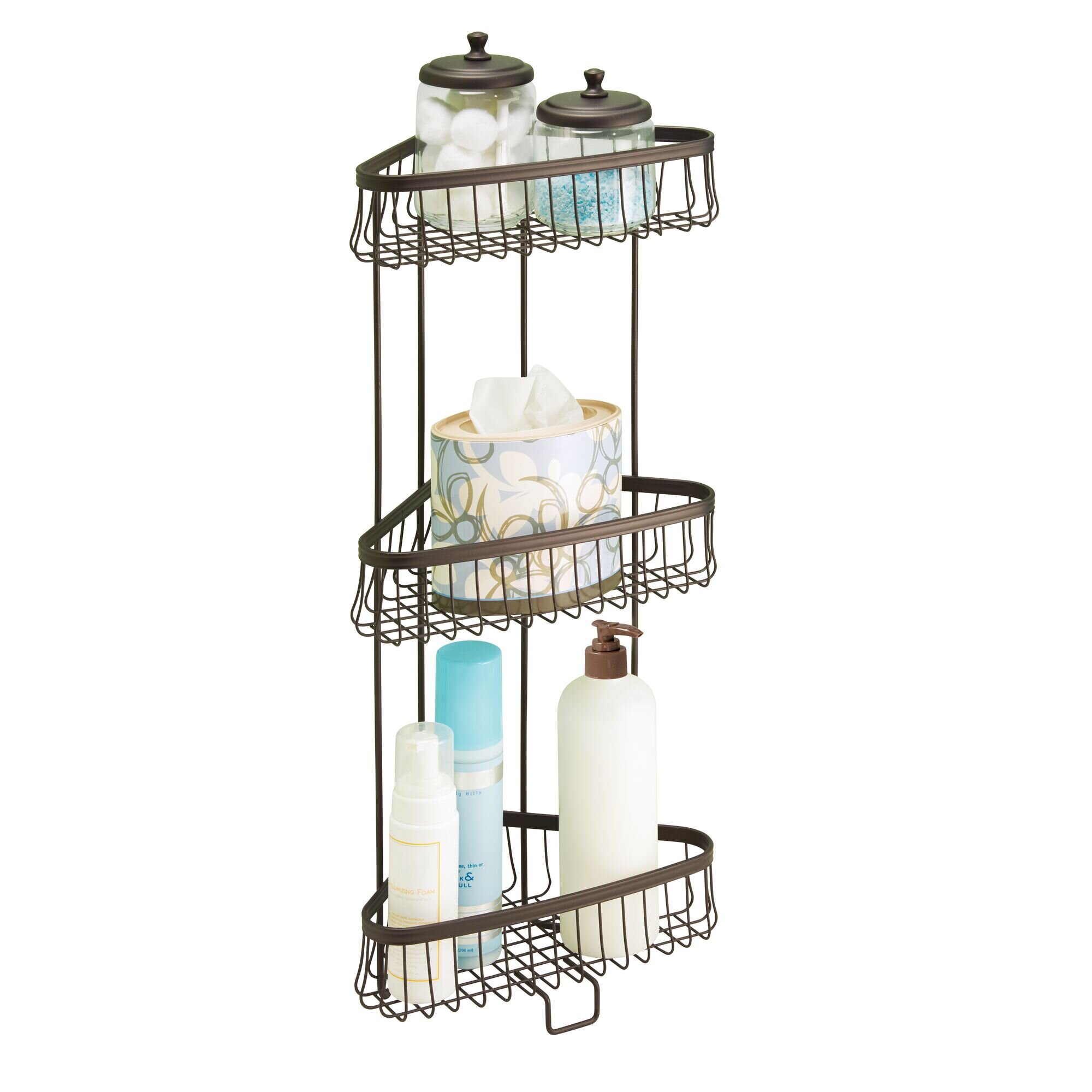
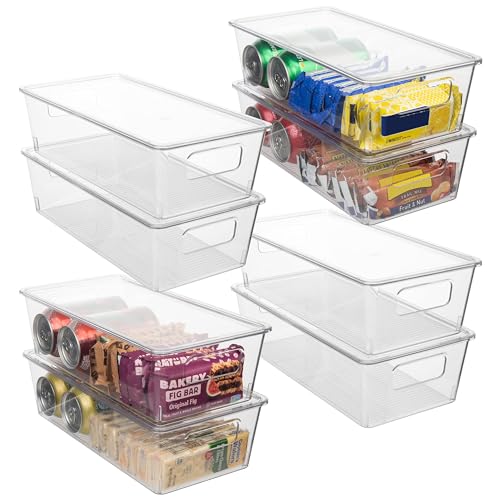
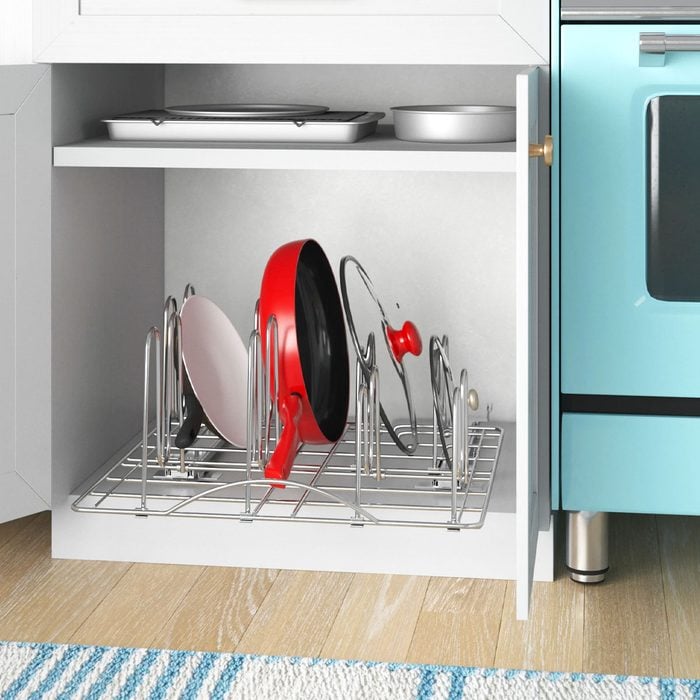
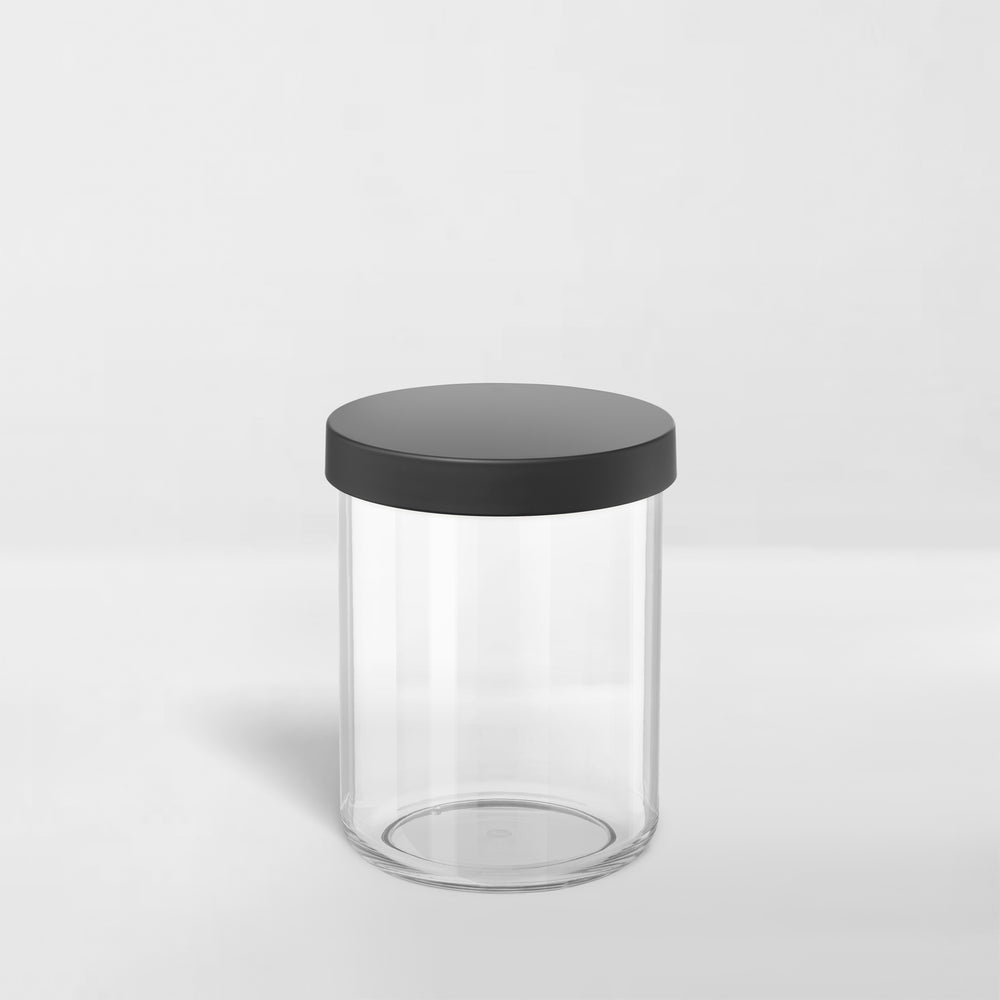
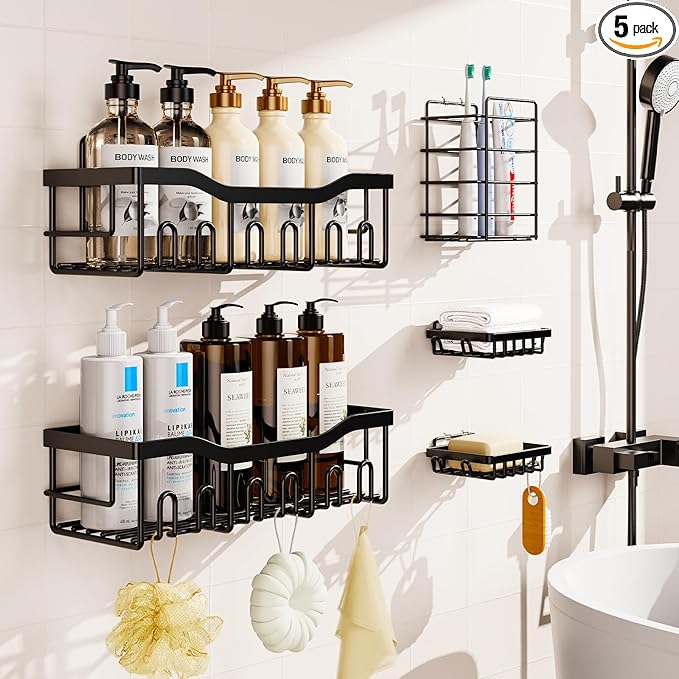
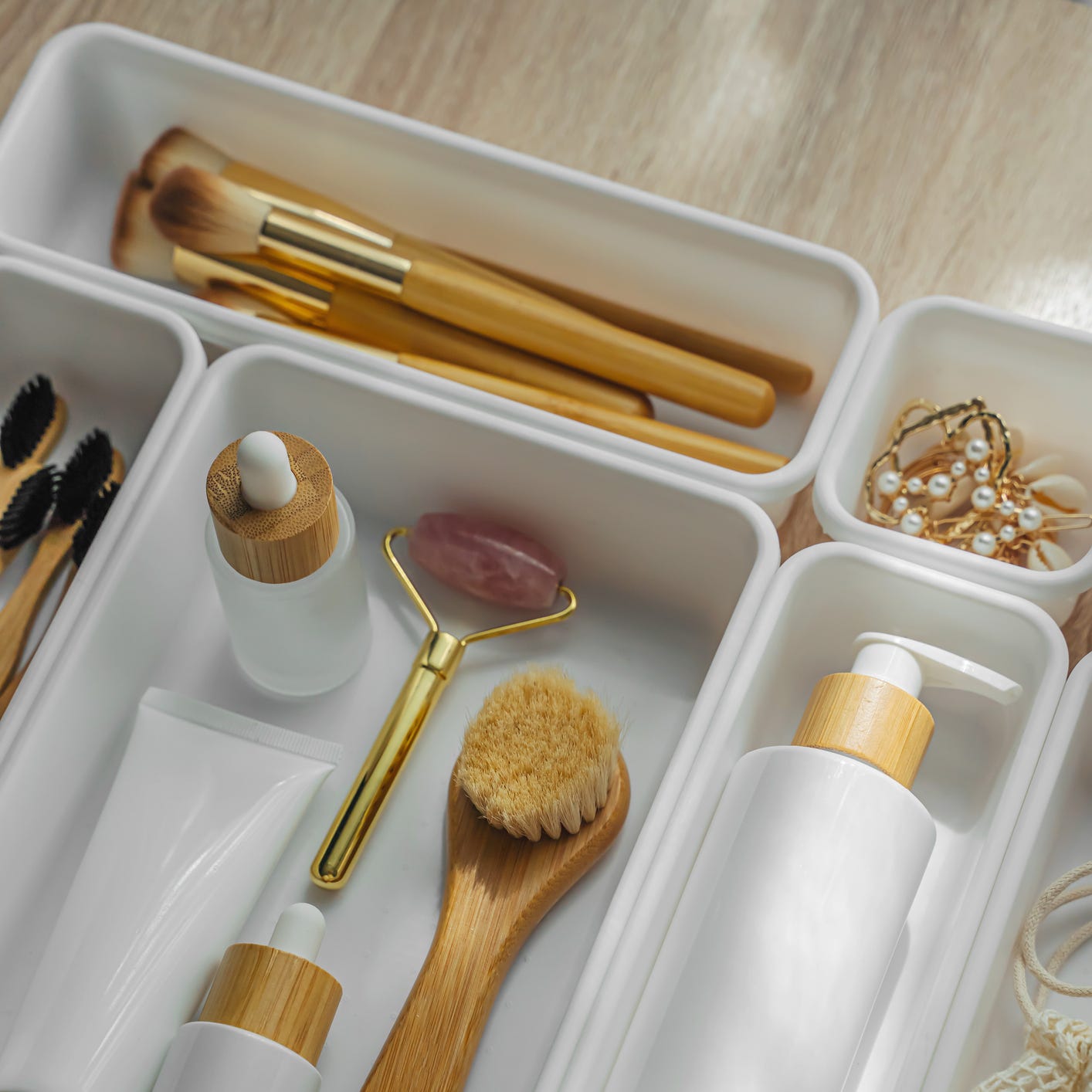
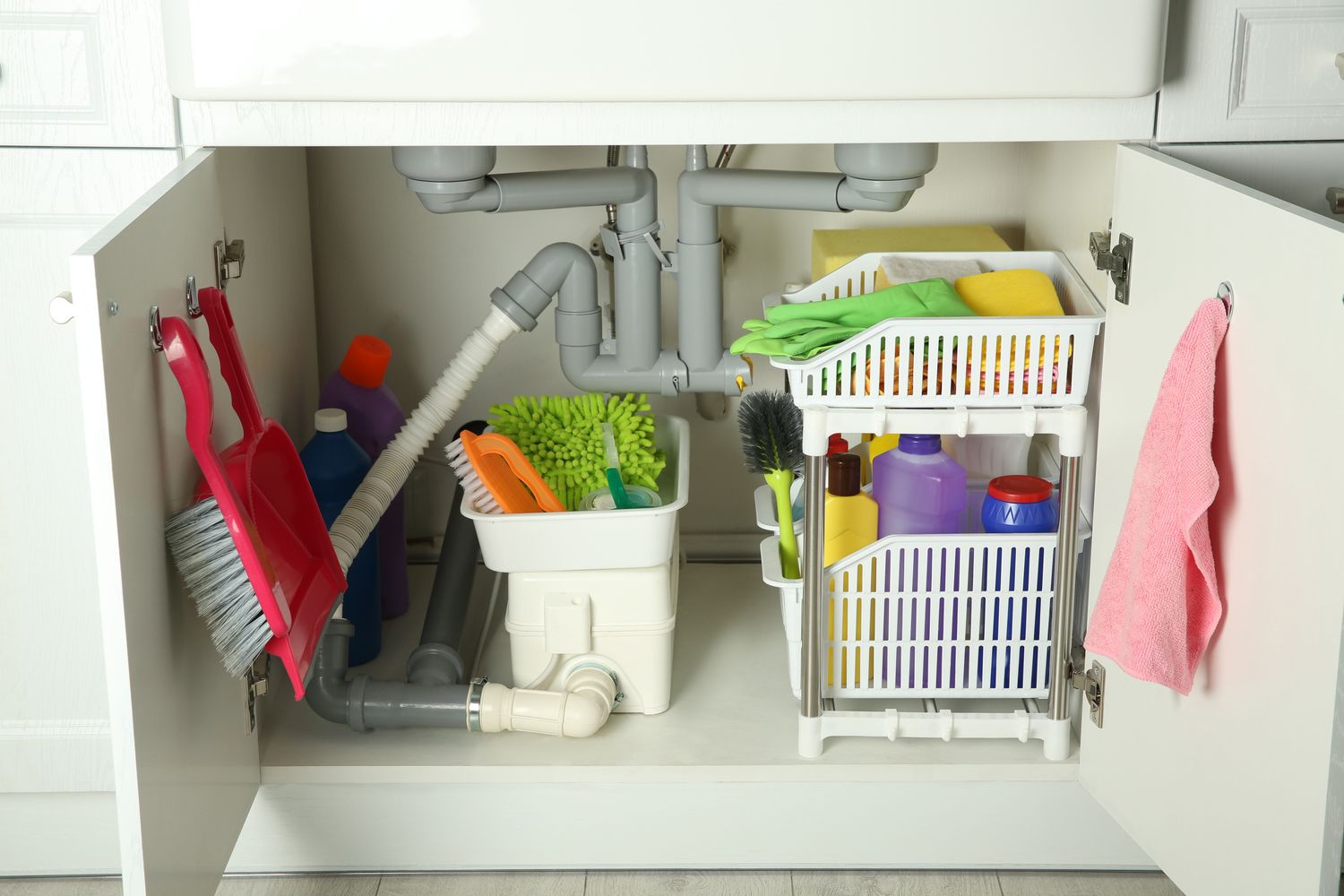
After sorting, the remaining items should be grouped by type. For instance, all cleaning solutions should be kept together, and dish-related items should form another category. This categorization simplifies the selection of appropriate storage solutions. Various organizational tools can be employed, ranging from simple bins to more elaborate pull-out drawers that can be mounted to the cabinet floor. Over-the-door organizers are also highly recommended for maximizing vertical space, with options like plastic grocery bag dispensers or bottle holders for frequently used liquids and sponges.
To ensure long-term organization, Fegen-Herdman emphasizes the importance of labeling all bins and containers. Clear labels help in quickly identifying contents, making it easier to return items to their designated spots and maintain order. Strategic placement of items is another key tip: frequently used products should be placed at the front for easy access, while less-used items can be stored towards the back. This arrangement minimizes the need to rummage through the cabinet, preventing disarray.
Finally, managing bulk supplies realistically is crucial for preventing clutter. Fegen-Herdman advises against storing excessive quantities of cleaning supplies under the sink. Ideally, only one or two bottles of each cleaner should be kept there, with replacements purchased only when current supplies are nearly depleted. For other bulk items like paper towels or extra cleaning products, it's better to store them in less frequently accessed areas such as a basement, garage, or pantry overflow space. By adopting these methods, the under-the-sink area can remain tidy, efficient, and free from overwhelming clutter.
#HomeOrganization #UnderSinkStorage #DeclutteringTips #ProfessionalOrganizer #CleaningSupplies #StorageSolutions #KitchenOrganization #HomeImprovement #TidyHome #HomeOrganization #UnderSinkStorage #DeclutteringTips #ProfessionalOrganizer #CleaningSupplies #StorageSolutions #KitchenOrganization #HomeImprovement #TidyHome
0 comment in total
 No comments yet
You may also like
From fluffy towels to medicine cabinets: 9 things professional organisers never keep in the bathroom

Better Under-the-Sink Storage Starts With One of the Best Organizers—Here Are the Top 9 We Tested

I Swear by Using This Bedroom Staple to Tidy Up My Bathroom

How to Organize Under Your Bathroom Sink So That It's Both Tidy and Functional
How to declutter a bathroom according to the experts


A Professional Organizer’s Guide to Minimizing Bathroom Clutter
5 Items You Absolutely MUST Toss in Your Bathroom, According to Pro Organizers

15 Clever Under-Sink Organizers to Tame Any Mess

14 ways to organize that nightmare space under the kitchen sink, according to experts
Woman's Creative IKEA Solution Keeps Vanity Clutter Neat And Organized

How to organize cleaning supplies – 12 tips to clean up your cleaning cabinet

'Organize Your Life': Tools and tips to keep your bathroom clean and tidy

6 Tricks Professionals Always Use to Keep Their Bathrooms Clean for Longer
Under sink storage ideas and solutions to get organised

4 successful, simple and impactful organizing tools our home editors love using in their bathrooms
7 Bathroom Vanity Items Organizers Urge You to Throw out ASAP
11 items not to store in a bathroom cabinet, and what experts say to do instead
How to organize bathroom countertops for good, according to the pros

Make the most of your vanity space with 4 bargain storage steals our pros say are worth investing in
25 Low-Effort Ways To Keep Your Bathroom Clean