1/8
Best lighting for a makeup vanity – the 5 secrets to a flattering glow-up for your get-ready spaces
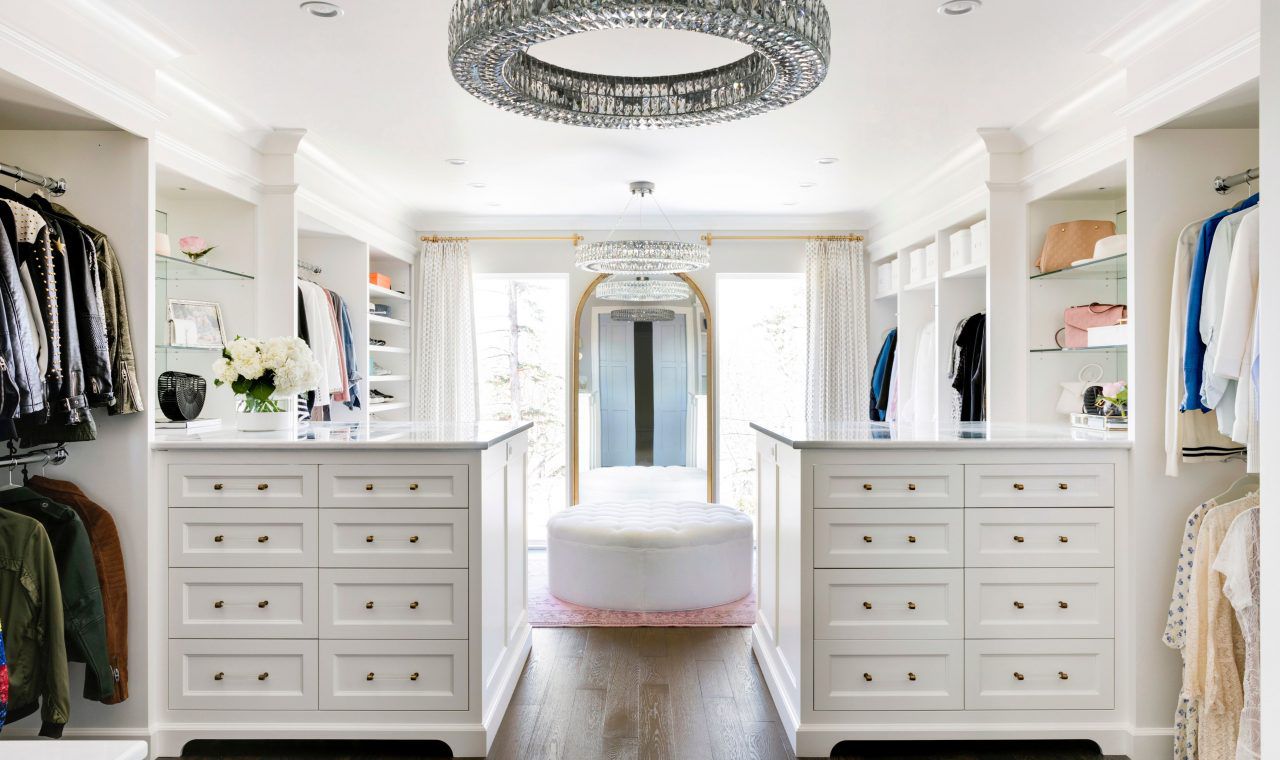
Achieving optimal lighting for a makeup vanity is crucial for effective makeup application and a flattering appearance. The quality and placement of lighting significantly impact how makeup appears, influencing evenness and coverage. When selecting lighting, both functionality and aesthetics are important. Popular options include plug-in sconces, LED lights, and fluorescent bulbs, though the latter is generally considered unflattering for makeup.
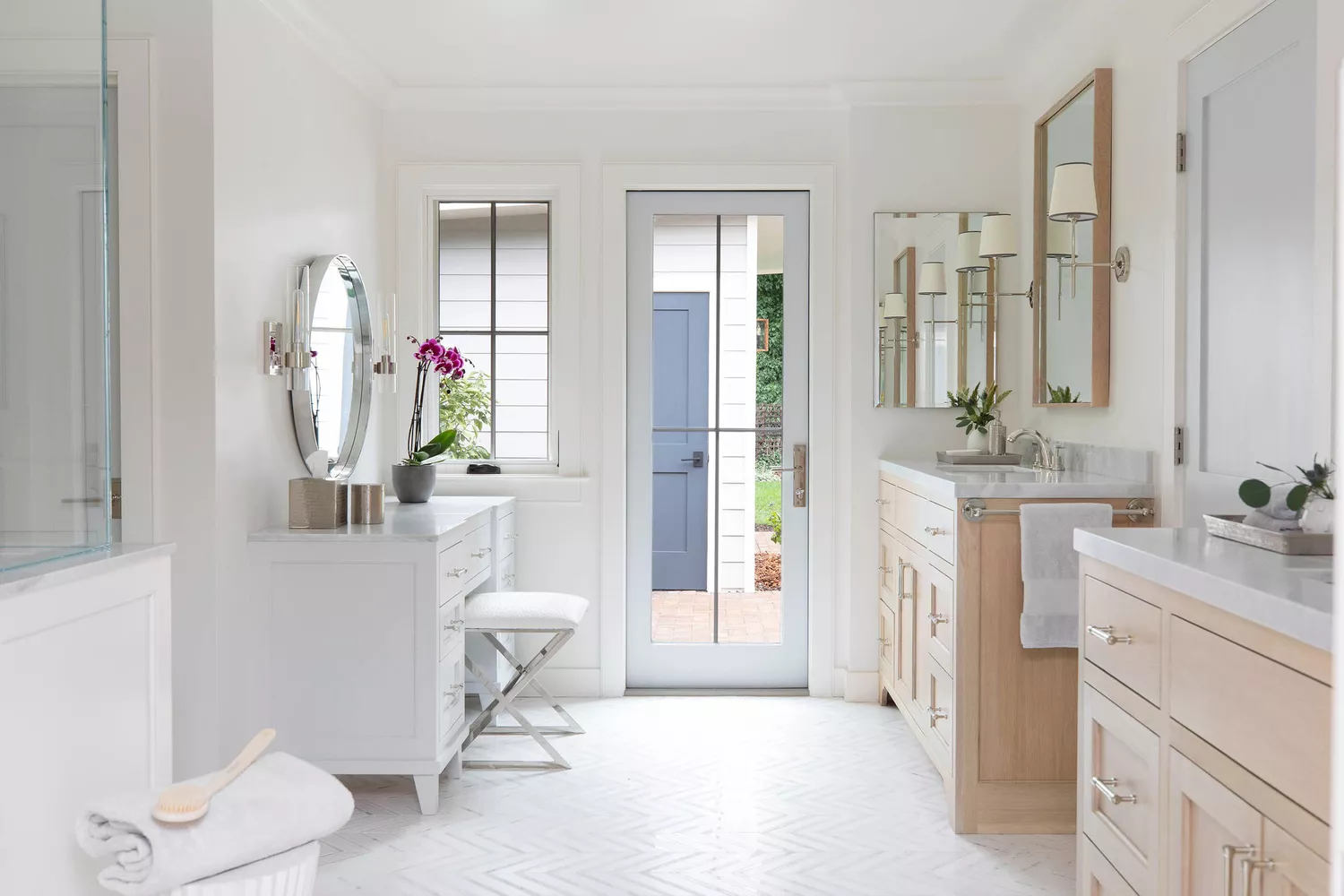
Natural light is identified as the most ideal lighting source because it accurately represents colors and closely mimics outdoor conditions. When natural light is available, positioning the makeup vanity to face a window is recommended to maximize its benefits. However, natural light's changing intensity and direction can cast shadows, necessitating careful placement. In rooms with limited natural light, artificial lighting becomes paramount, and it's often advisable to turn off overhead lights to prevent unwanted shadows.
The type of bulb used is a critical factor in artificial lighting. Incandescent bulbs are discouraged due to environmental concerns, and fluorescent bulbs are known for their unflattering light. LED lighting is highly recommended for its energy efficiency, brightness, and adjustability in terms of shade and intensity. When choosing LEDs or other bulbs, the correlated color temperature (CCT) is important. A CCT of around 2700 kelvins is often suggested for a slightly warm, soft glow that is generally flattering. However, some designers suggest a slightly cooler temperature of 3000k for more accurate makeup application, noting that warmer lights (below 2700k) can be overly flattering and mask imperfections.
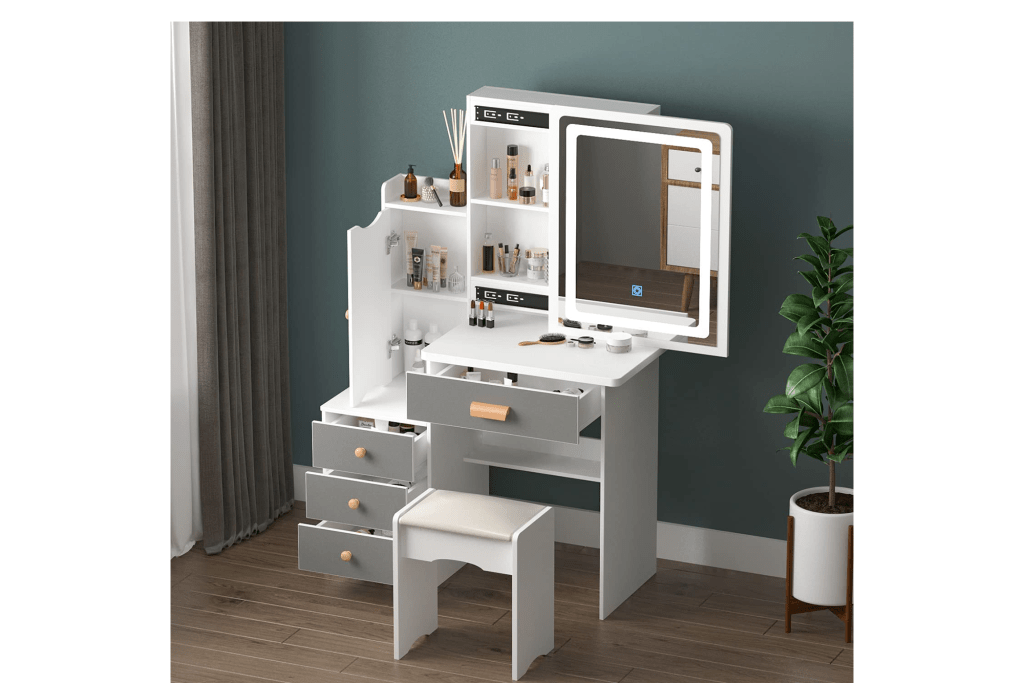
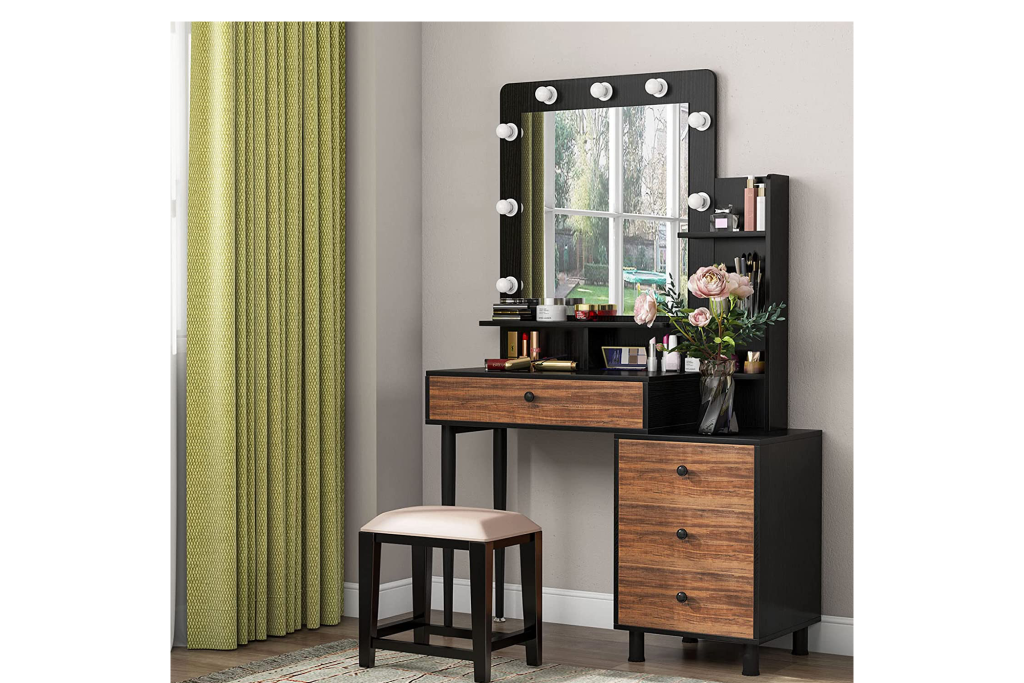
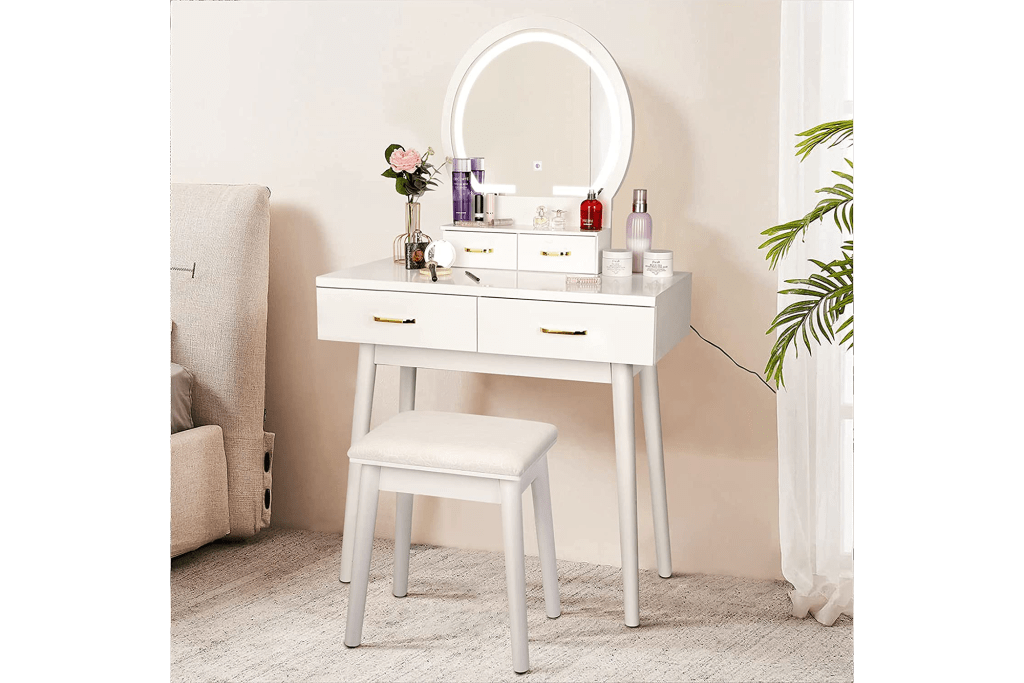
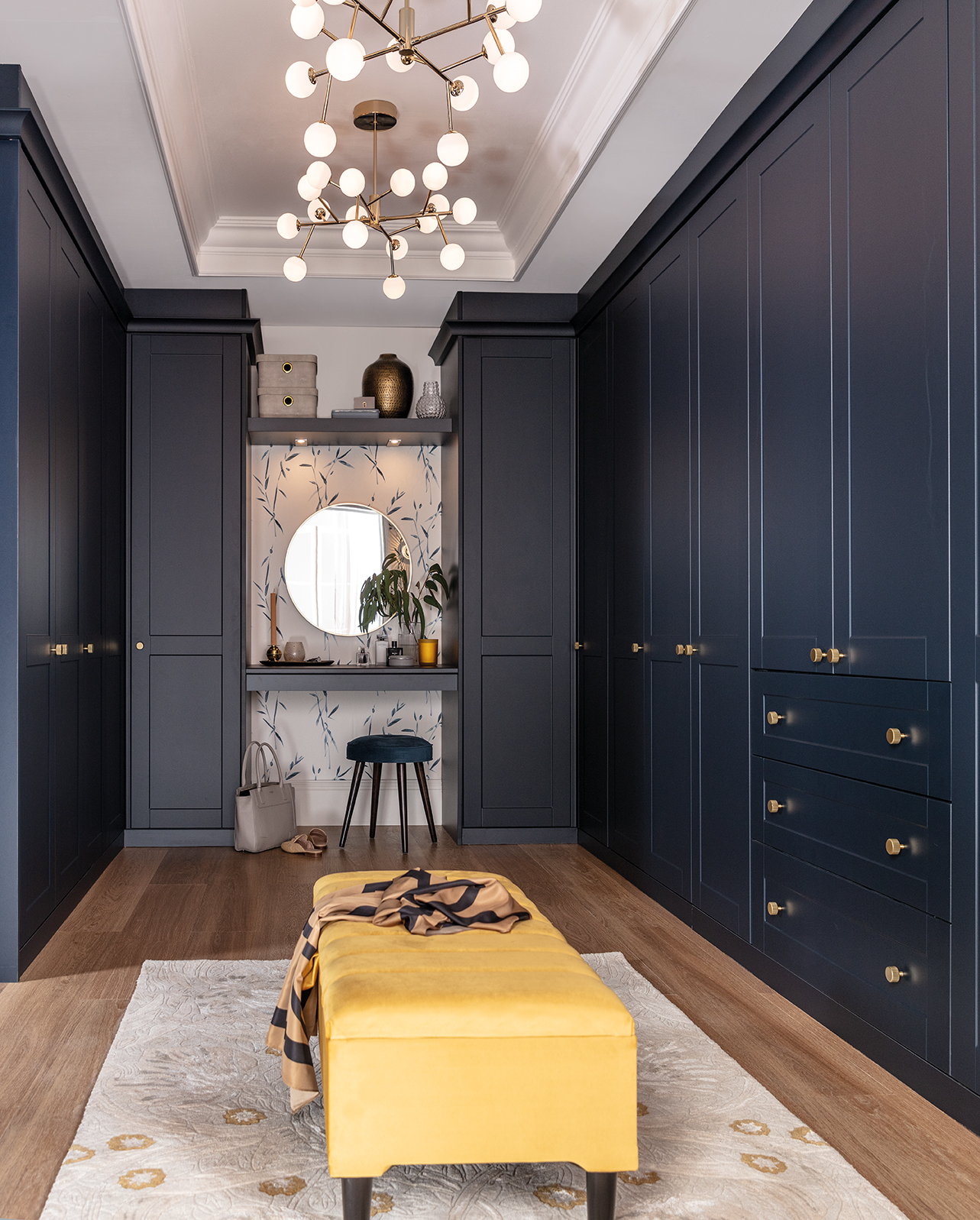
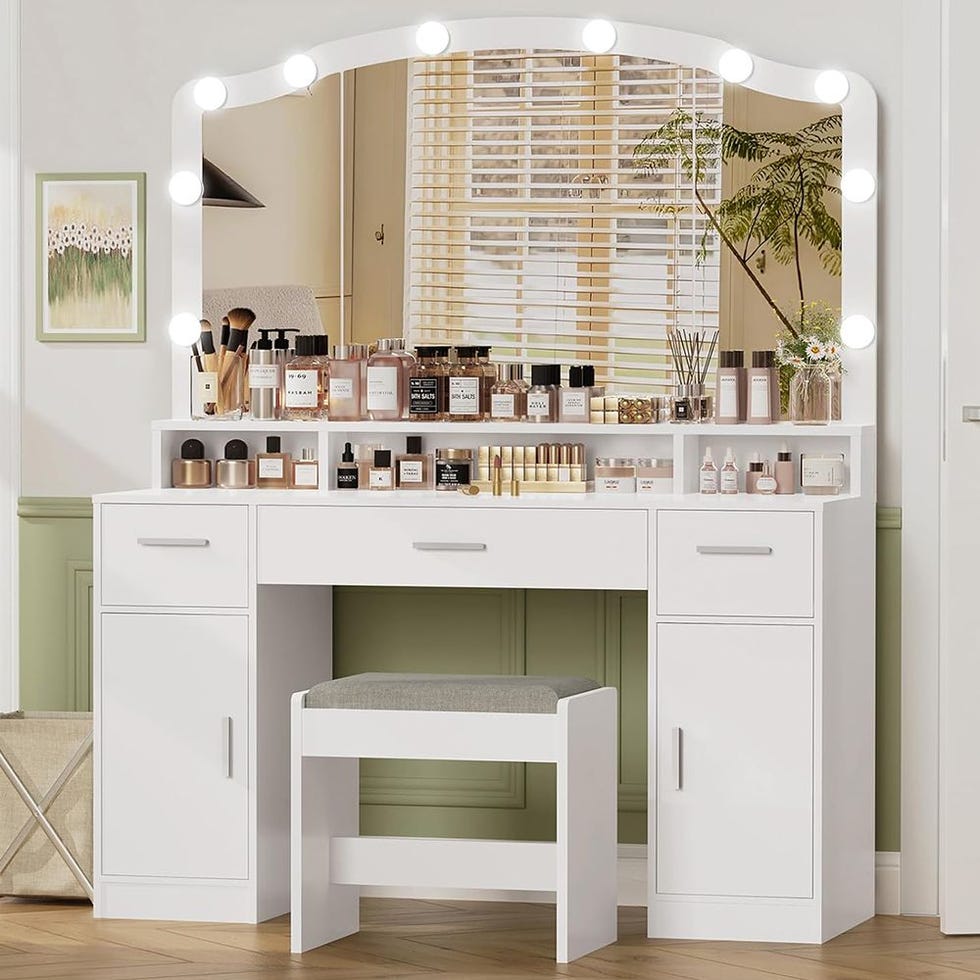
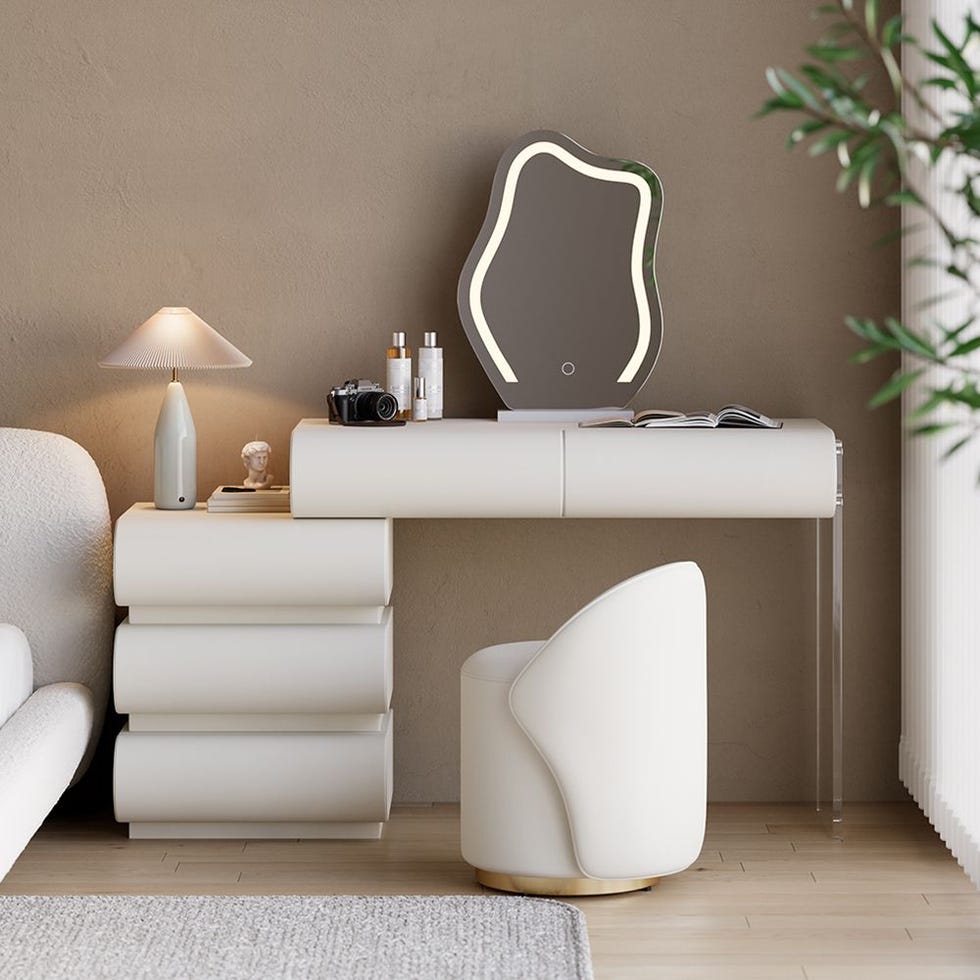
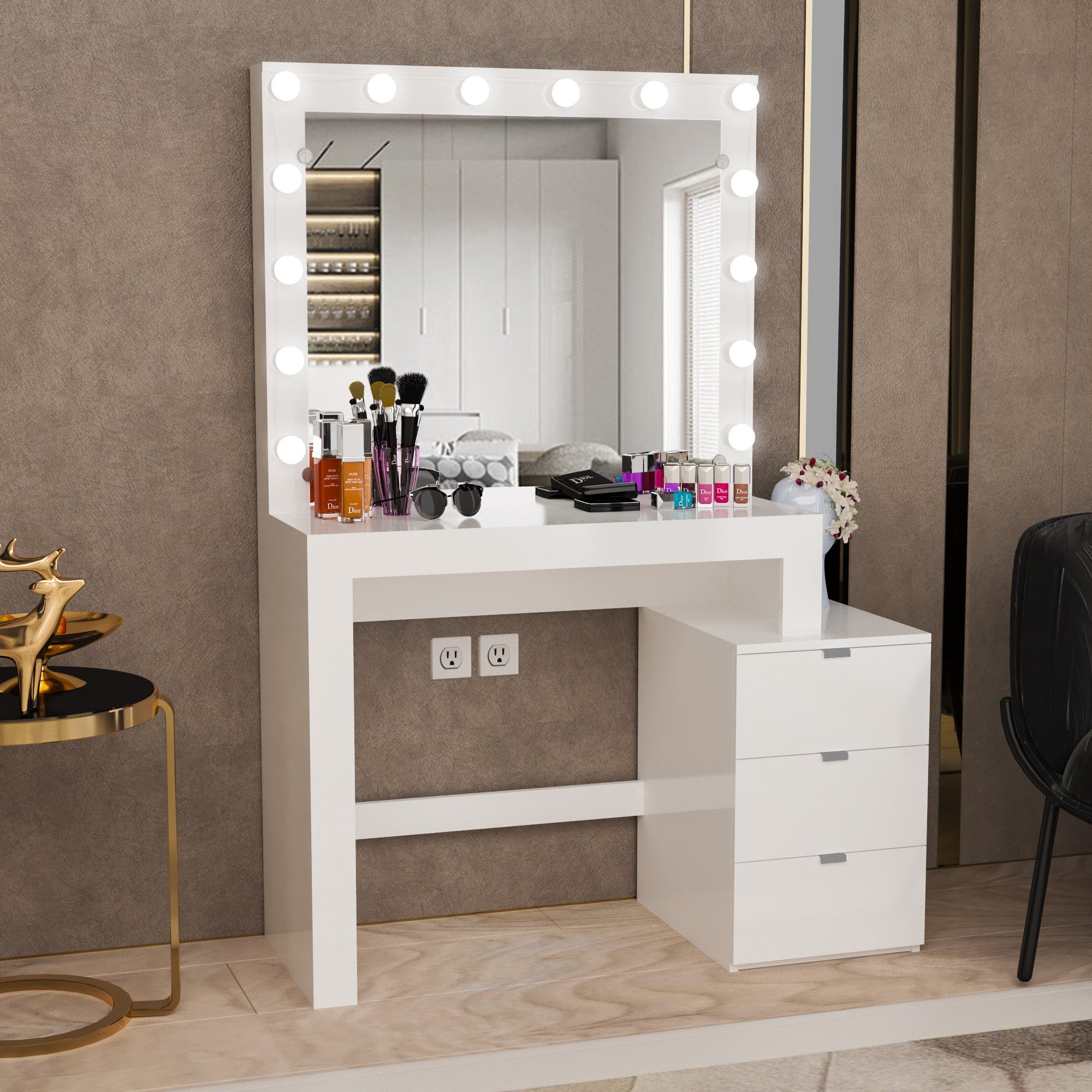
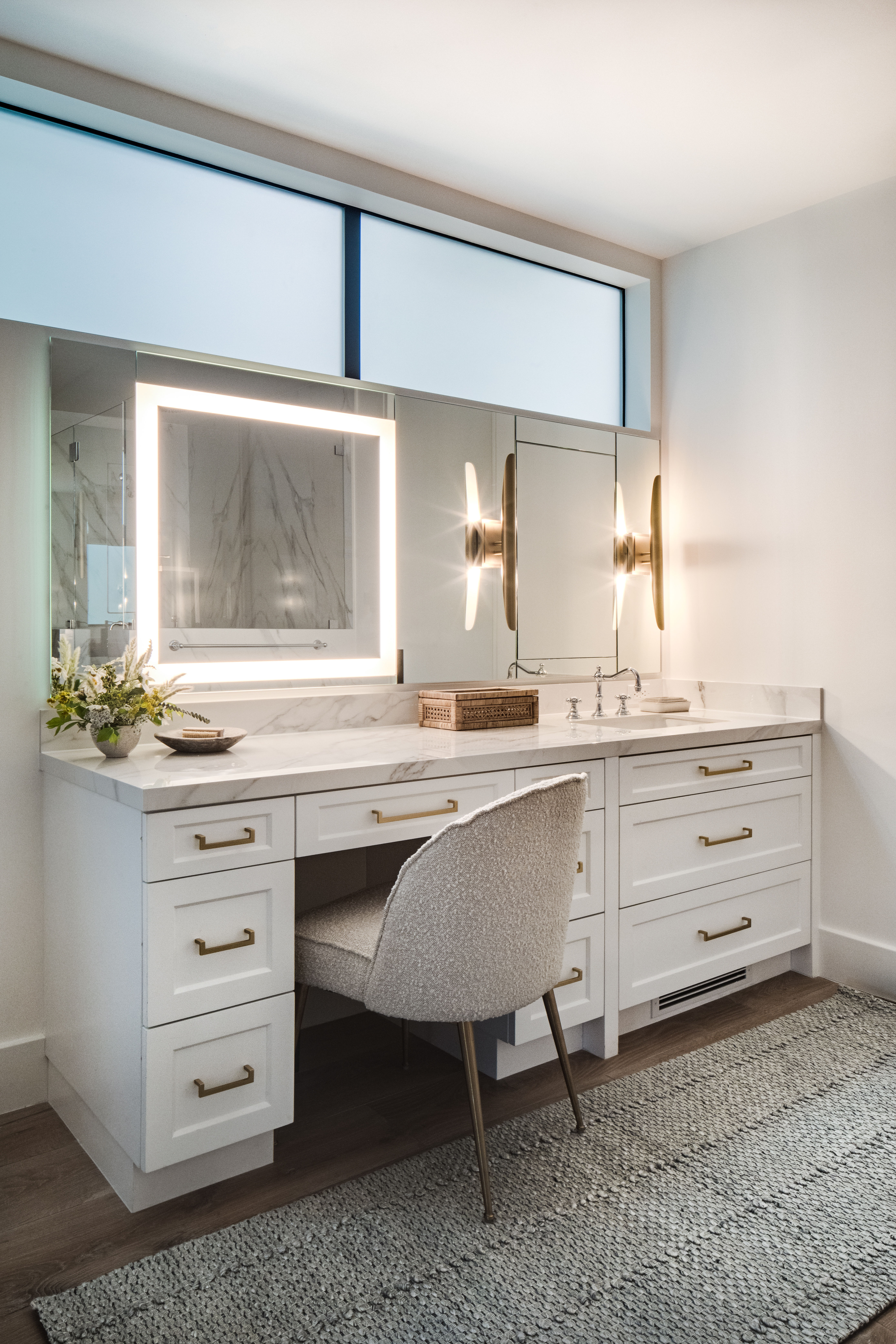
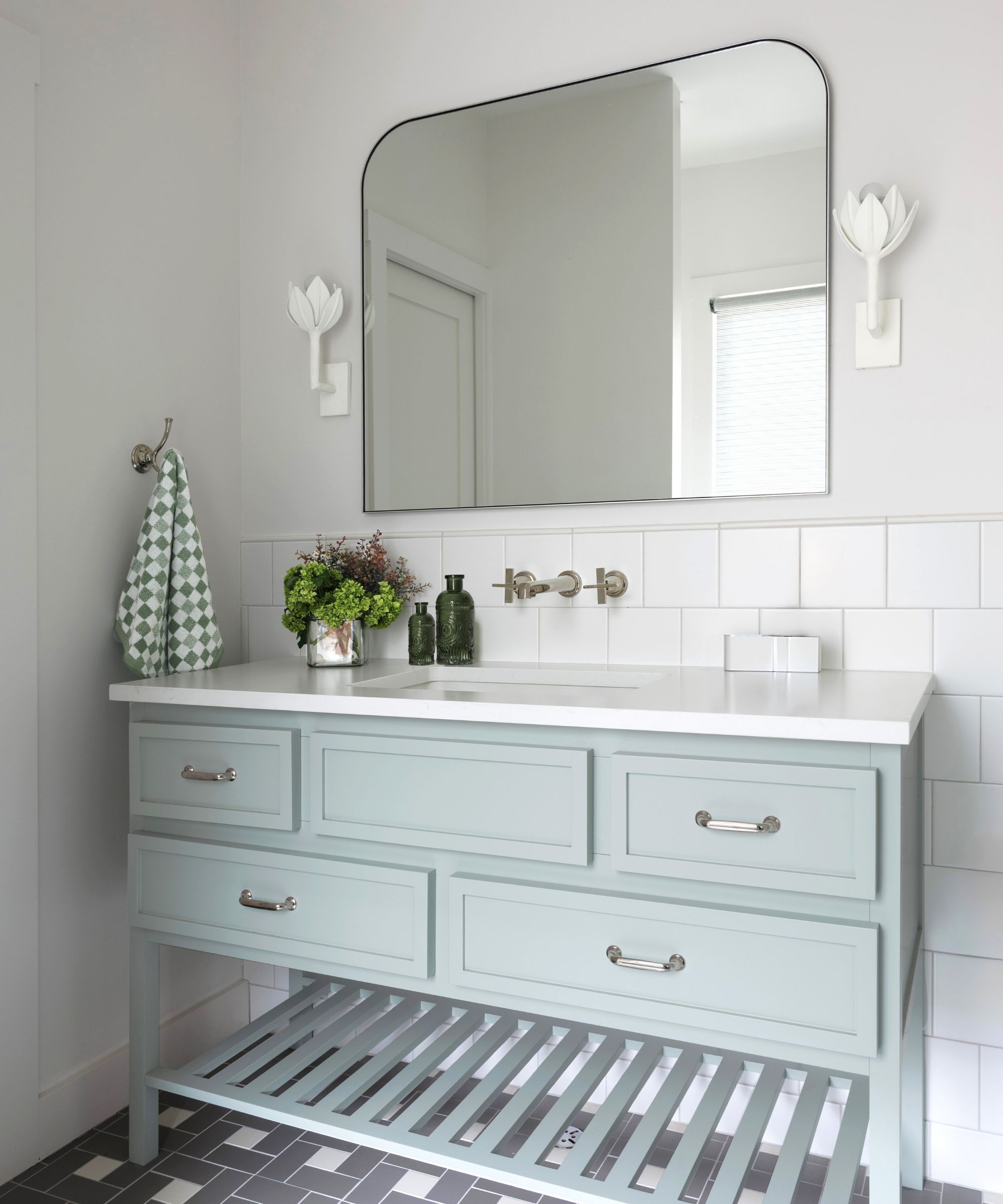
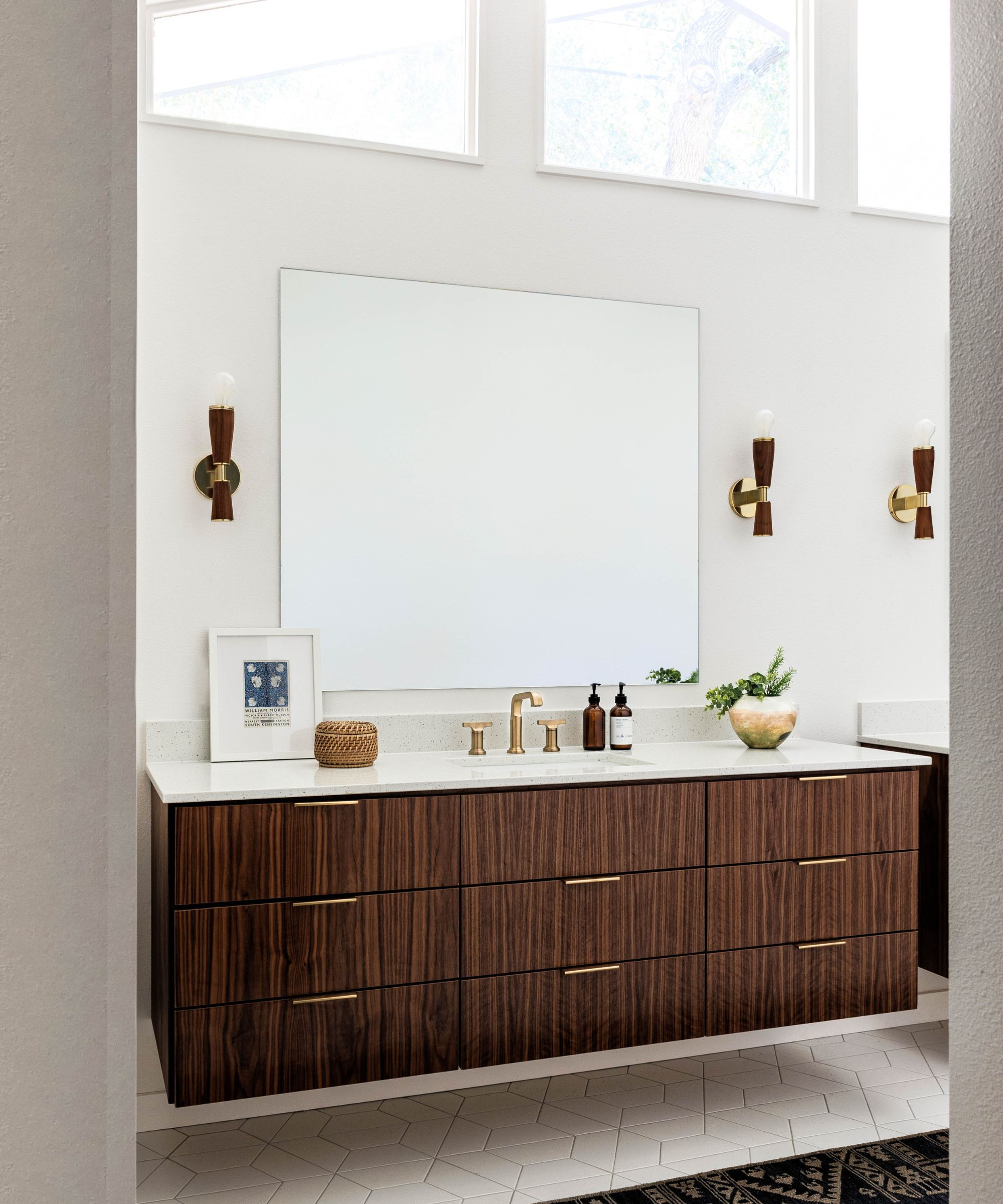
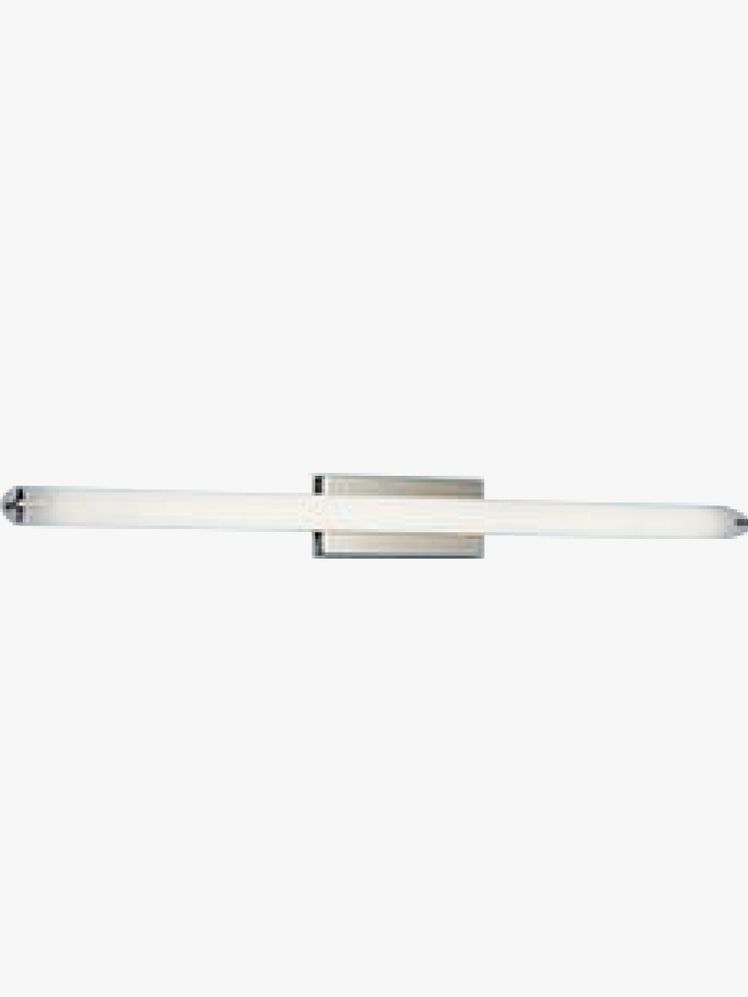
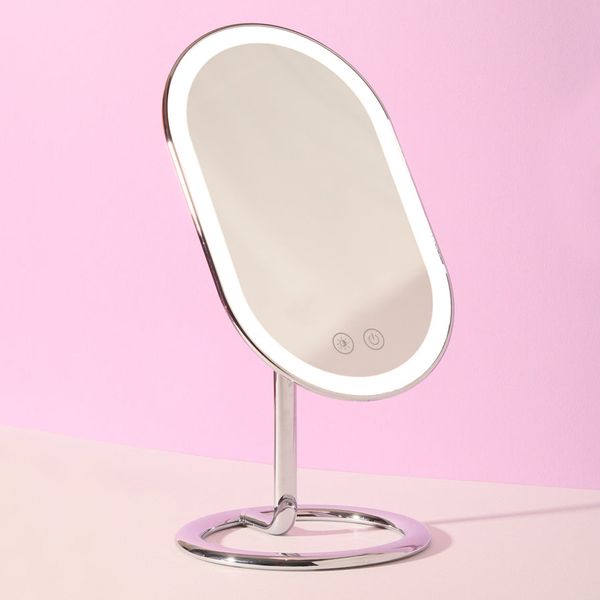
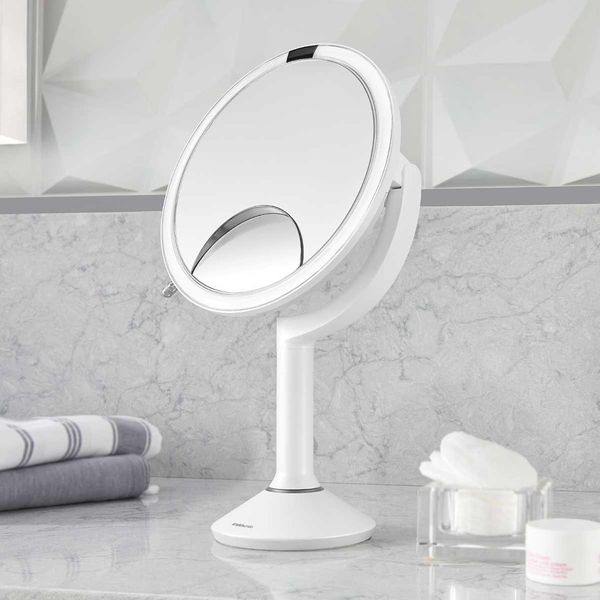
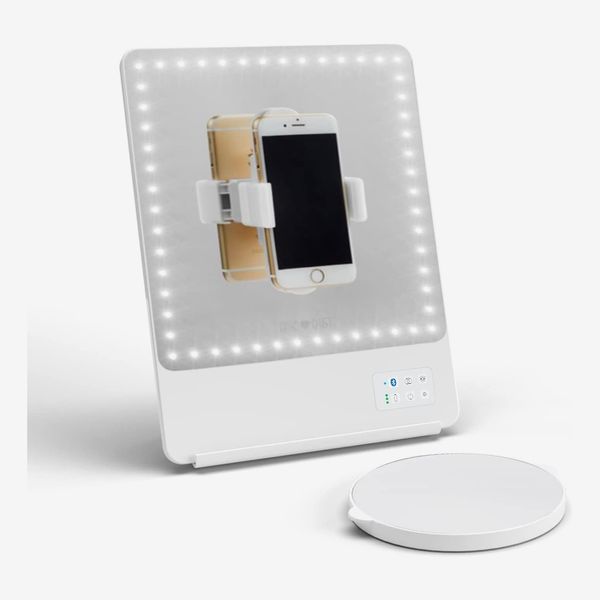
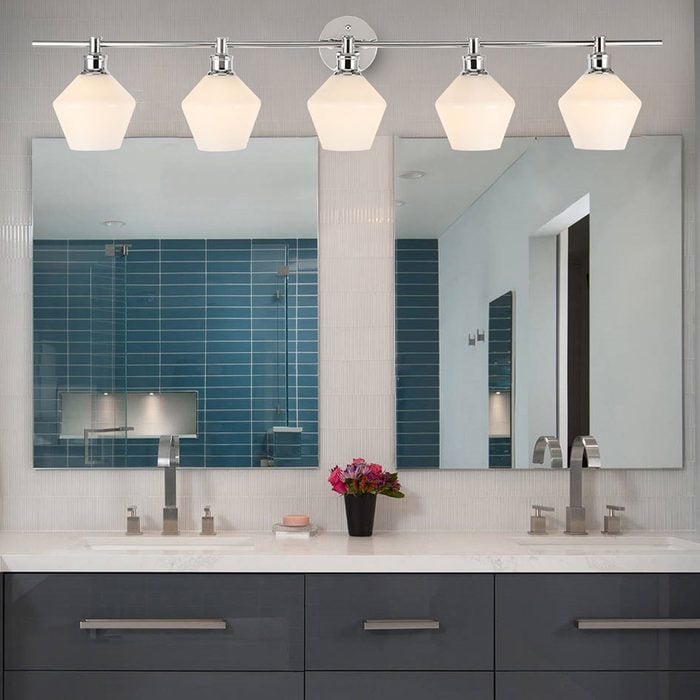
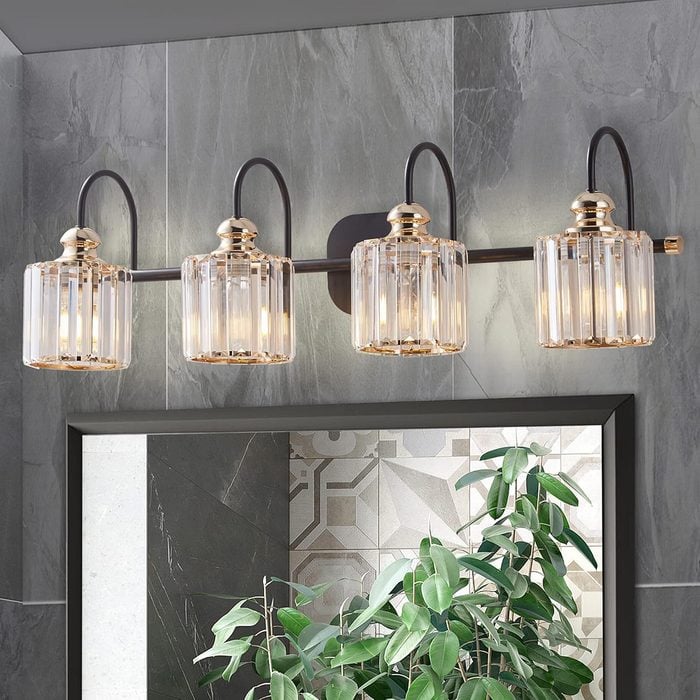
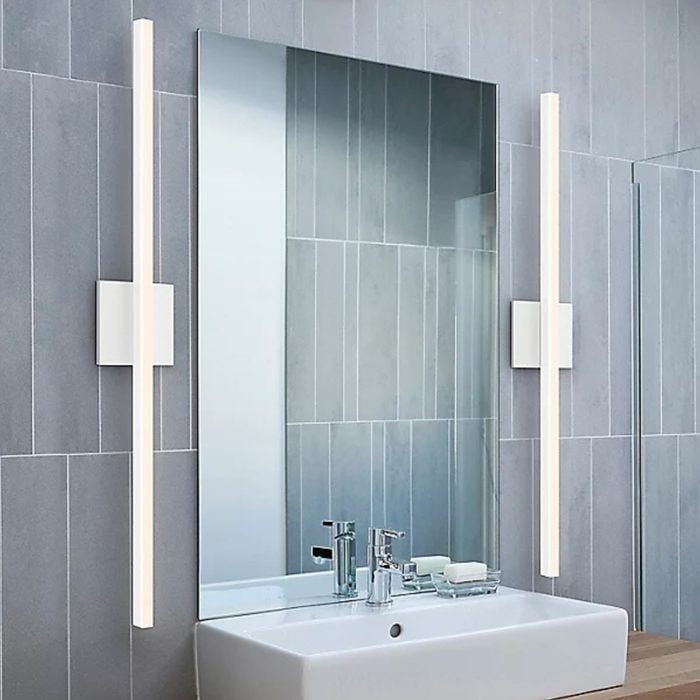
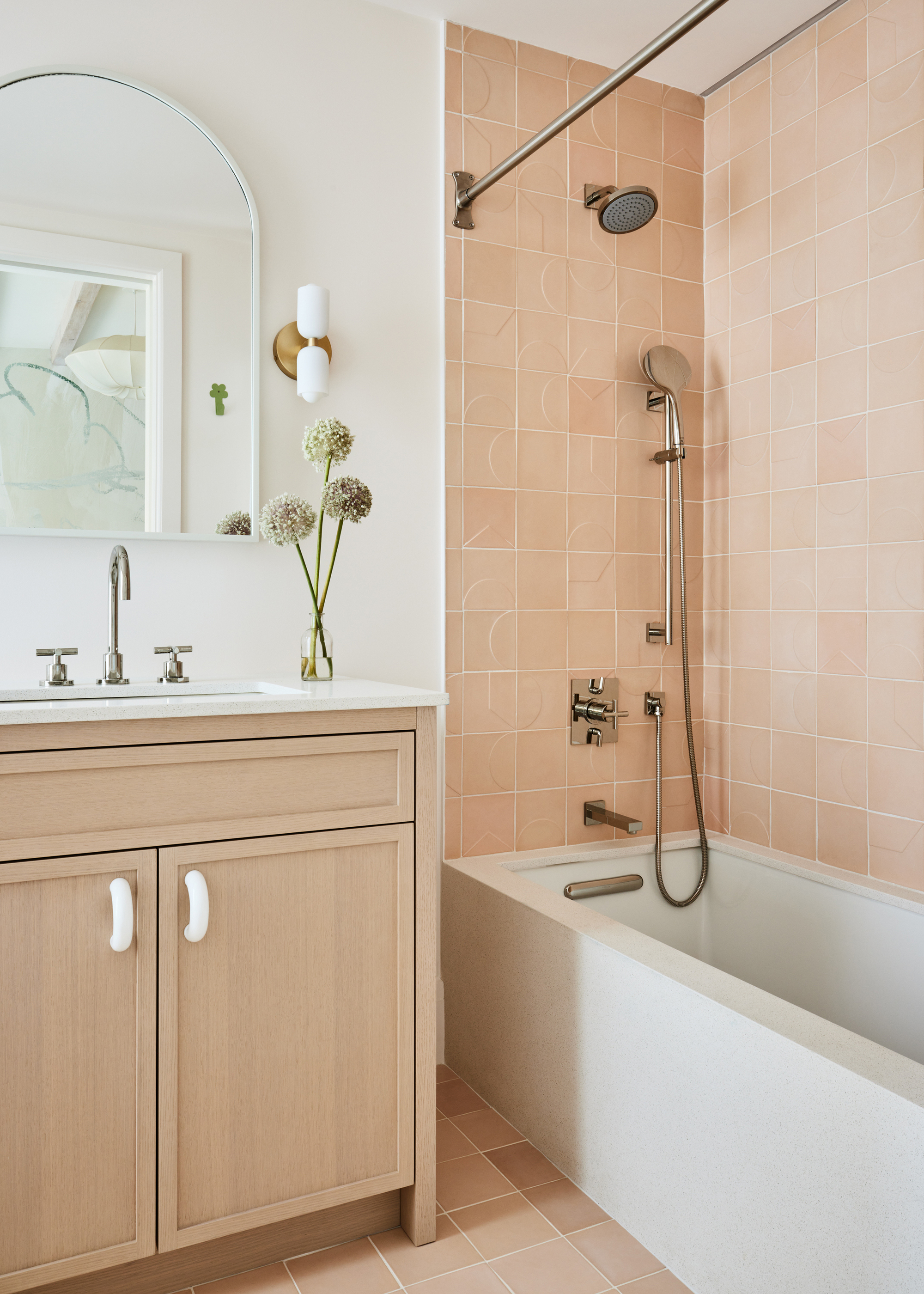
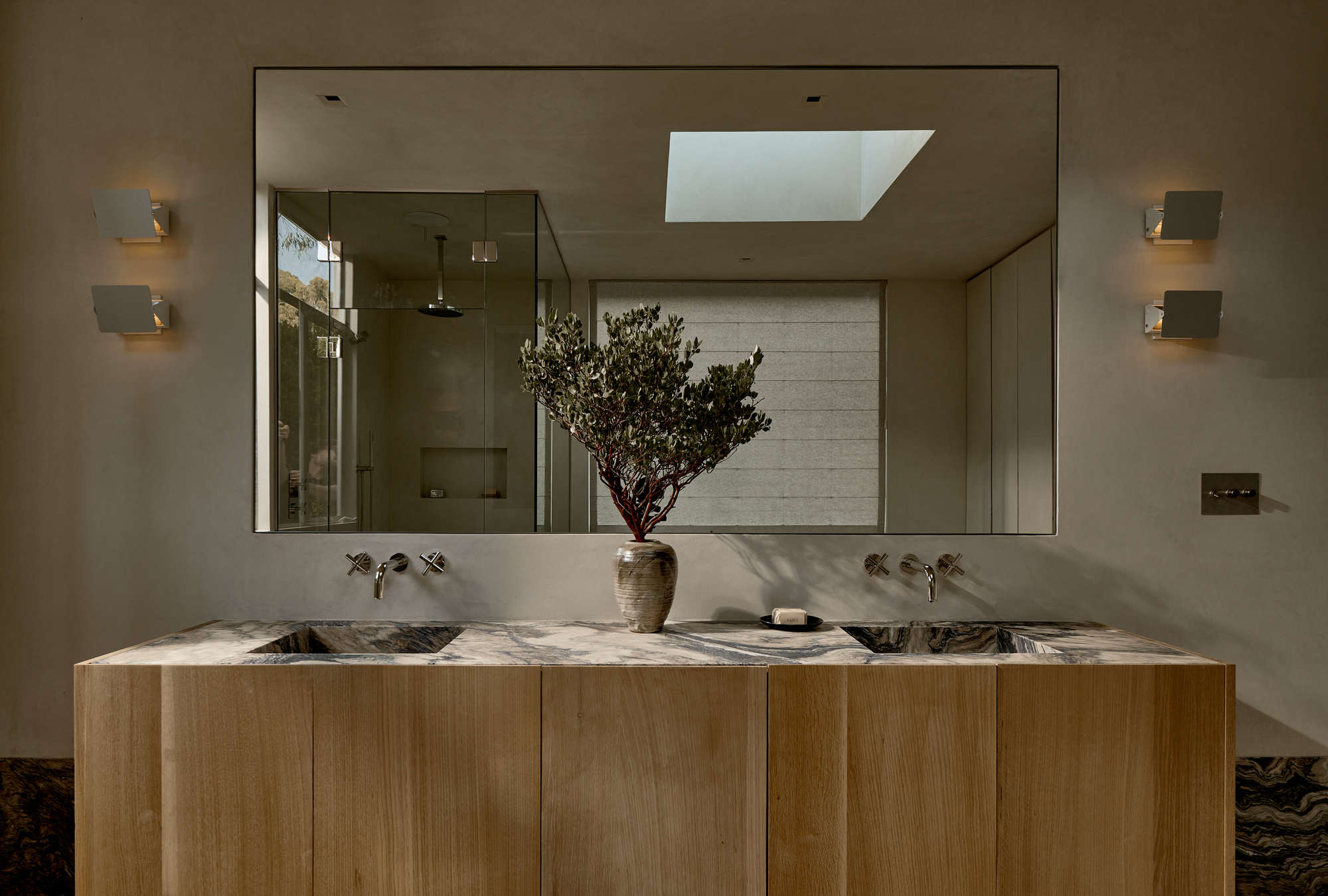
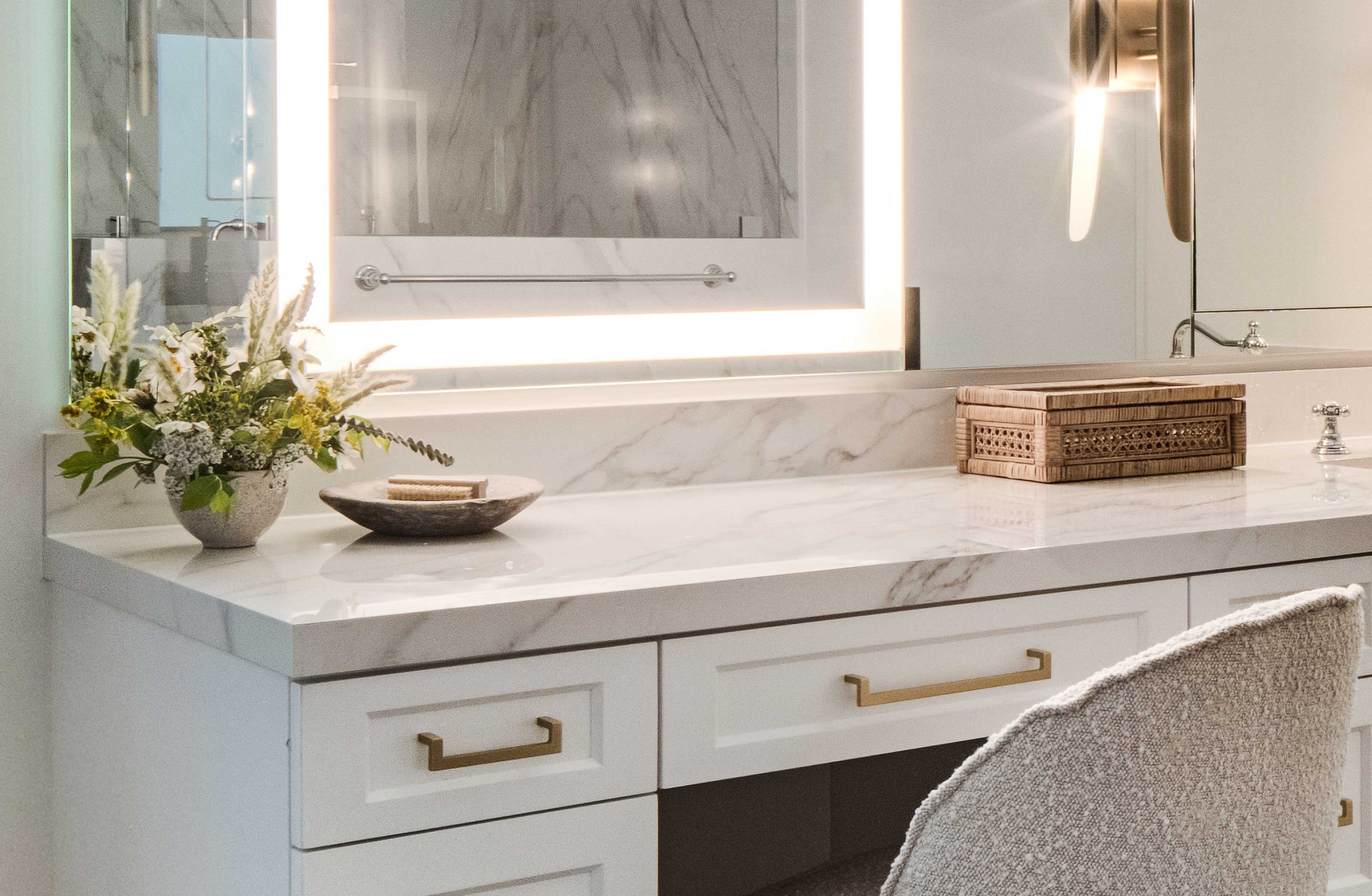
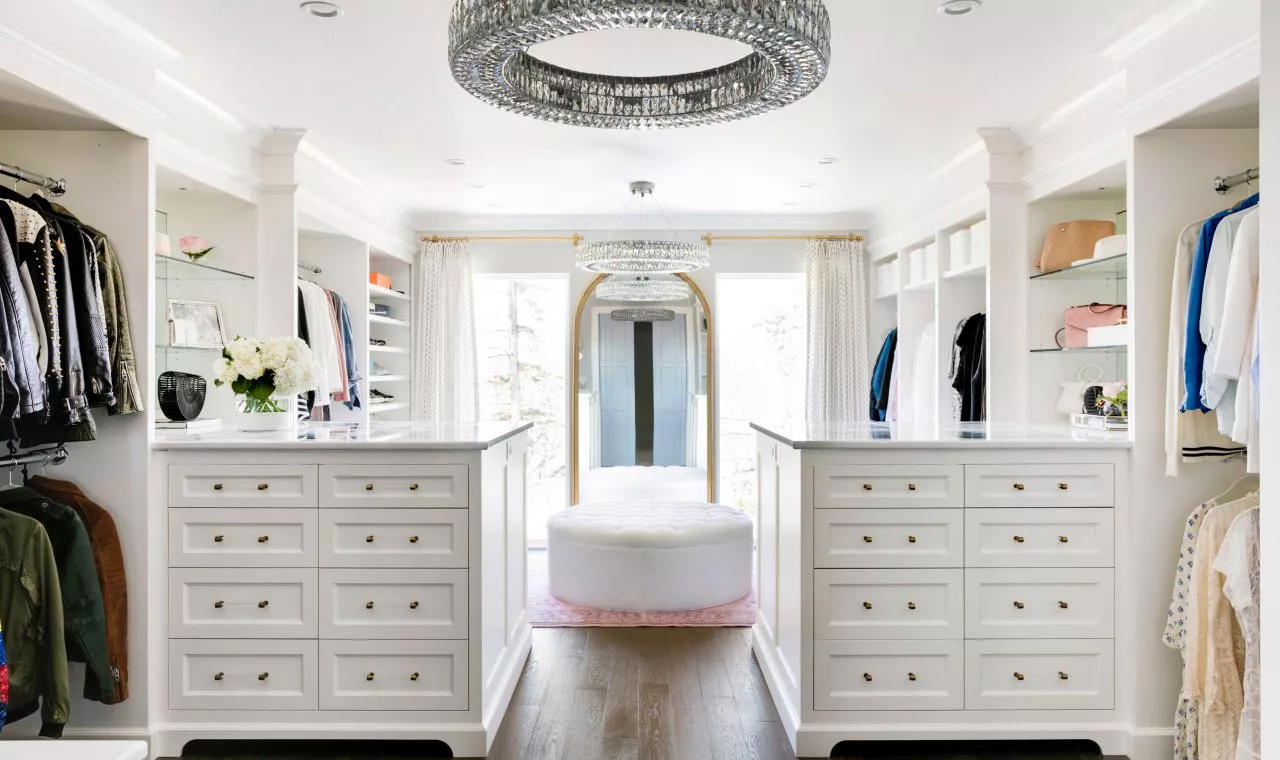
Lighting should ideally come from the sides of the mirror or encircle it, rather than directly from above. Overhead lighting can cast harsh shadows on the face, making even makeup application difficult. Therefore, direct frontal lighting is preferred to ensure even light distribution. Designers suggest utilizing multiple light sources to achieve comprehensive coverage. This can include front-facing lights, such as integrated mirror lighting or sconces placed on either side of the mirror at face level. Additionally, some overhead lighting with even distribution, like a multi-light semi-flush ceiling fixture, can complement the primary light sources. A small lamp on the vanity can also provide uplighting and ambiance. Integrated LED mirrors offer a convenient all-in-one solution, particularly beneficial in smaller spaces, as they provide bright and even illumination without requiring additional fixtures. Using frosted glass for bulbs can help diffuse light, creating a softer and more pleasant glow.
Finally, installing dimmer switches for vanity lighting is highly recommended. Dimmers allow for precise control over brightness, enabling users to adjust the lighting to suit different needs, whether it's brighter light for makeup application or a softer ambiance. This flexibility is especially useful as natural daylight changes throughout the day, allowing the artificial lighting to be adapted accordingly for consistent and flattering results.
#MakeupVanityLighting #HomeLighting #InteriorDesign #BedroomLighting #LEDLighting #NaturalLight #BulbChoice #LightingFixtures #DimmerSwitches #MakeupVanityLighting #HomeLighting #InteriorDesign #BedroomLighting #LEDLighting #NaturalLight #BulbChoice #LightingFixtures #DimmerSwitches
0 comment in total
 No comments yet
You may also like
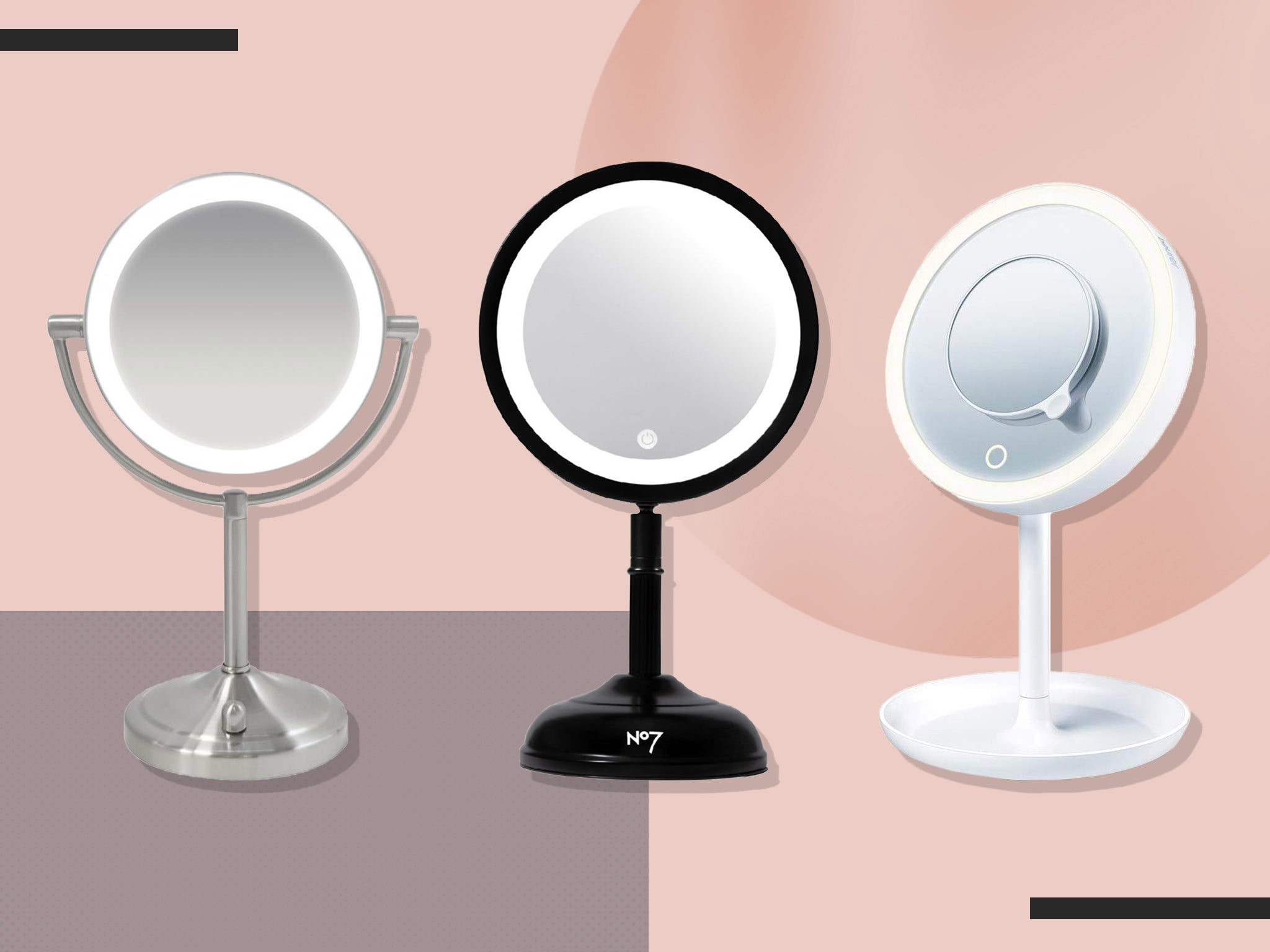
Best light up vanity mirrors you need to perfect your make-up routine
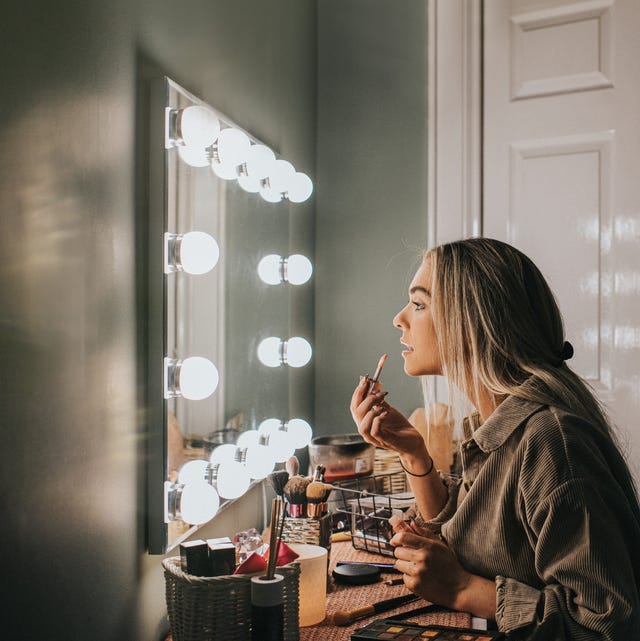
These Stunning Makeup Vanities Will Give You Main Character Energy
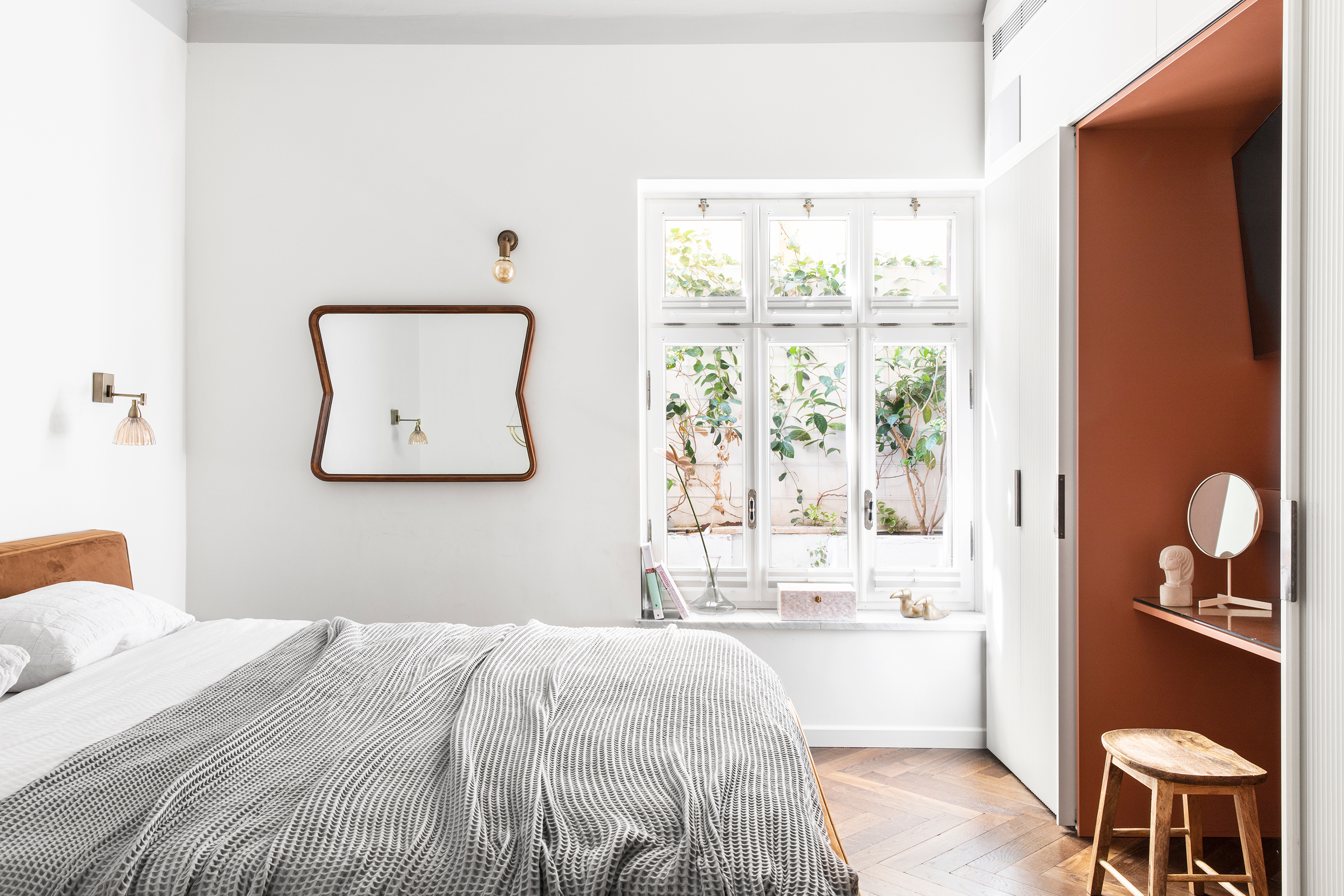
Makeup vanity ideas – 8 stylish get-ready areas that work for bedrooms of any size

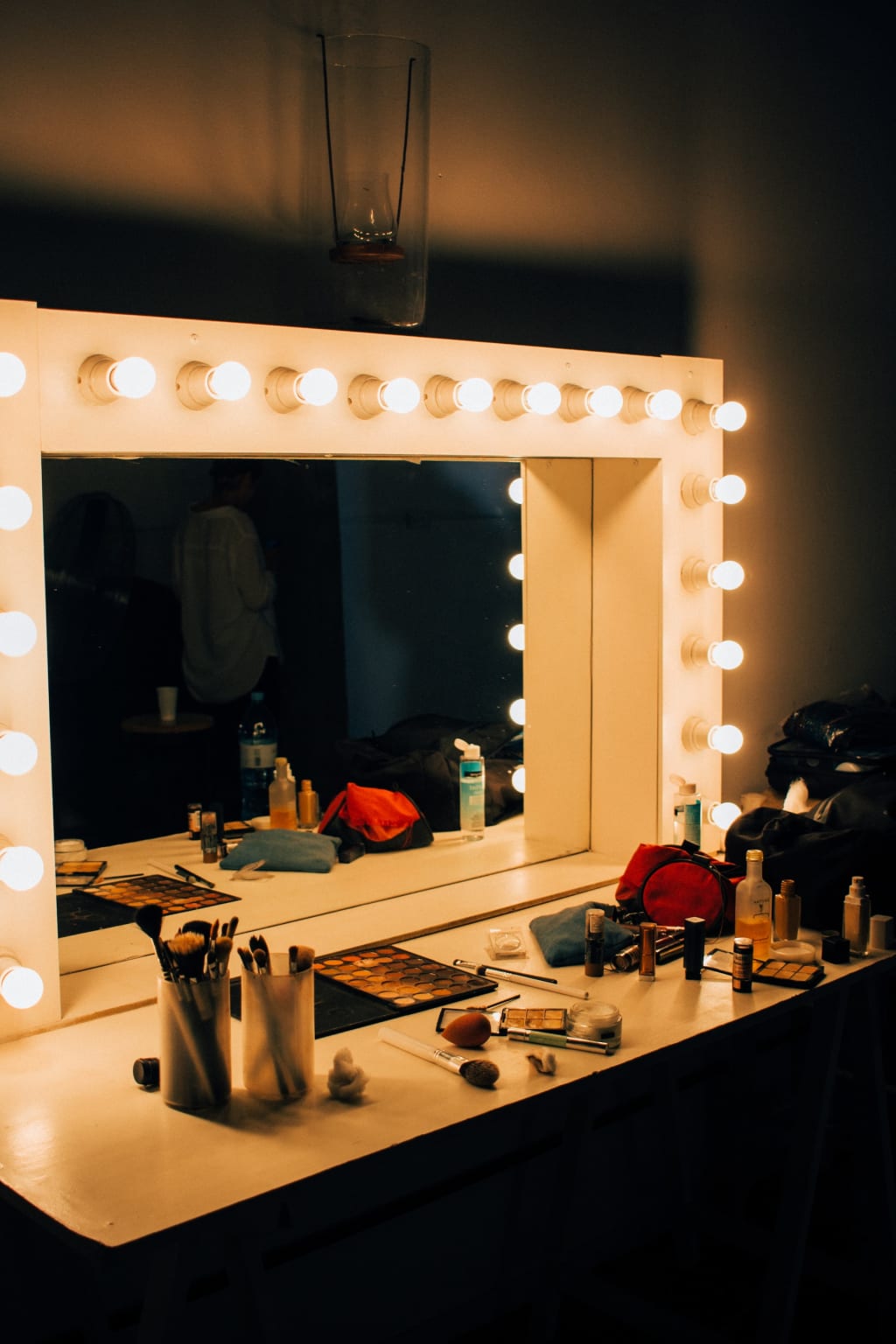
6 Best Makeup Mirrors to Step Up Your Beauty Routine

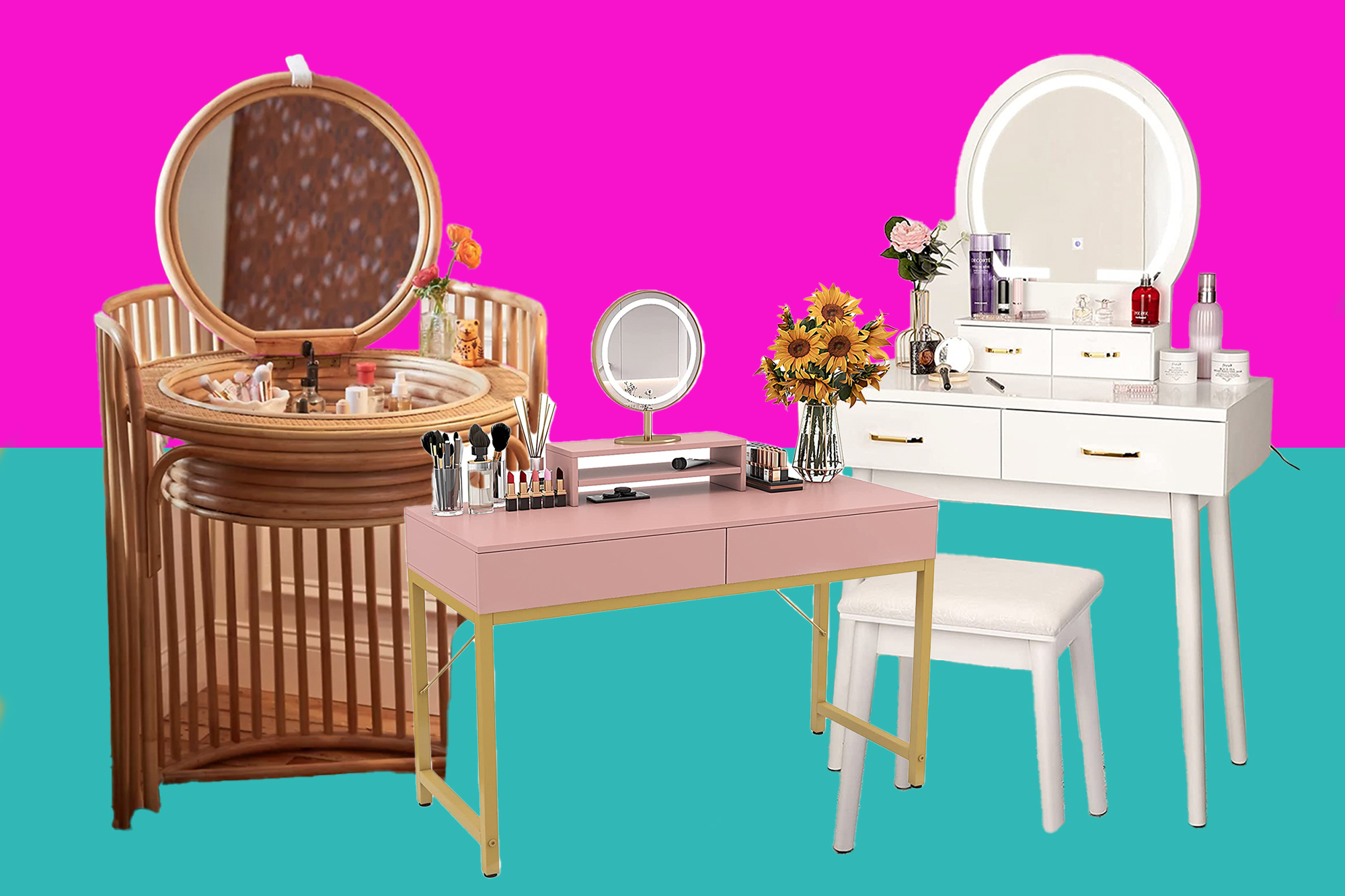
The 20 best makeup vanities for getting ready in full glam
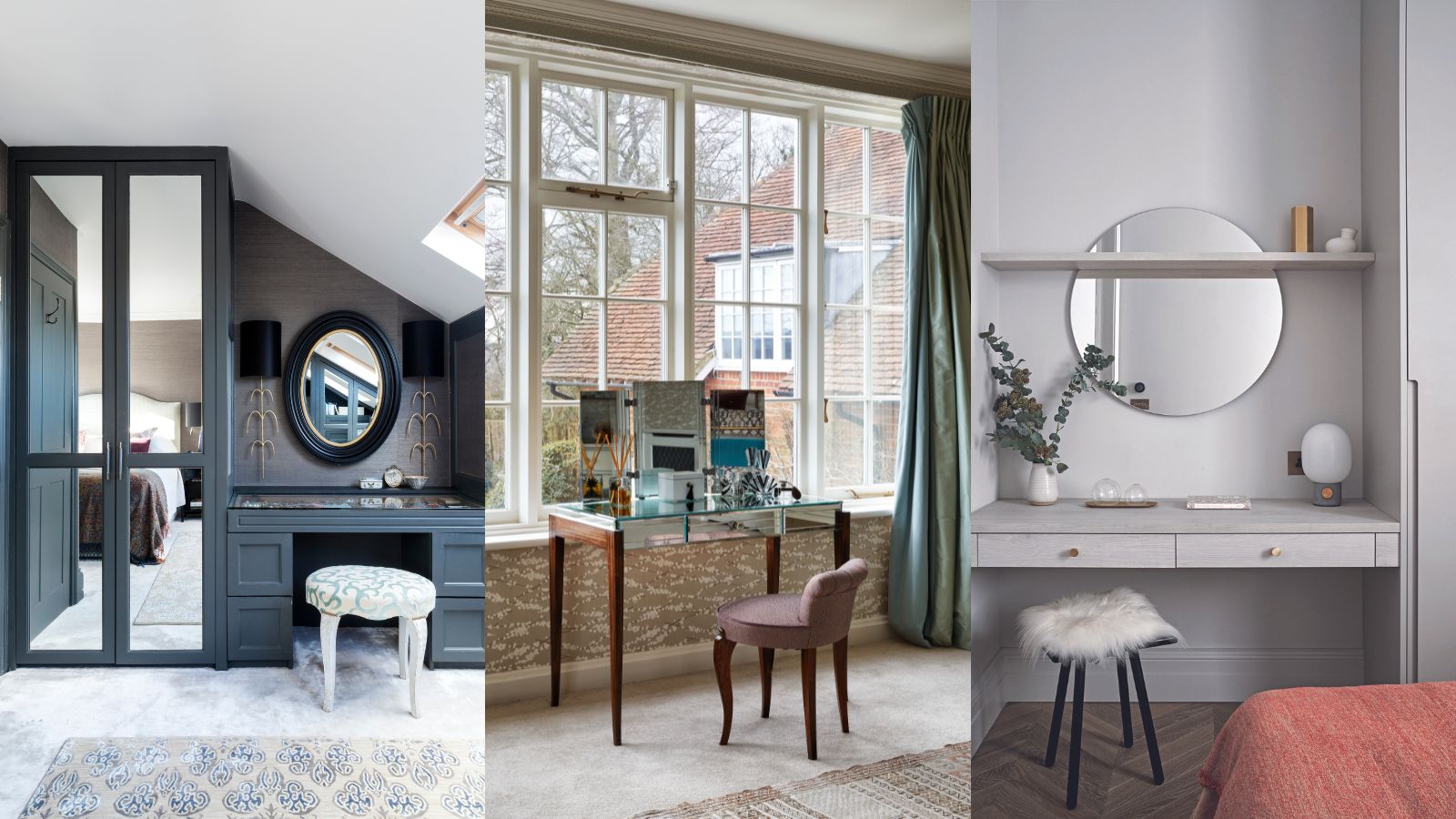
Makeup vanity ideas – 10 looks for a beautiful and ordered space
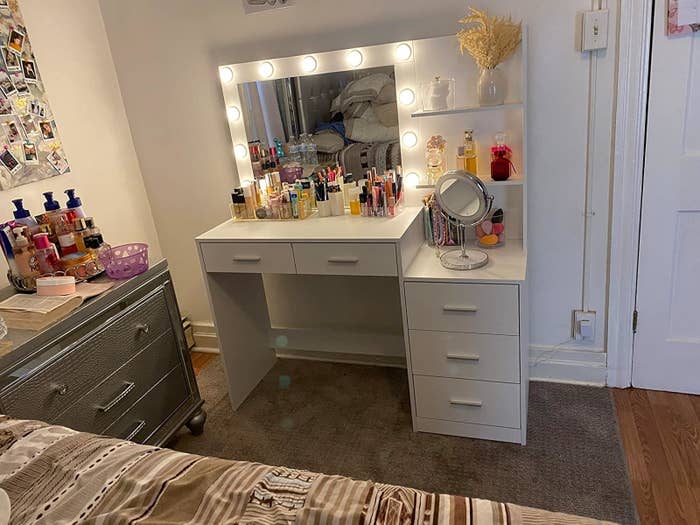
30 Makeup Vanities To Upgrade Your Getting Ready Routine
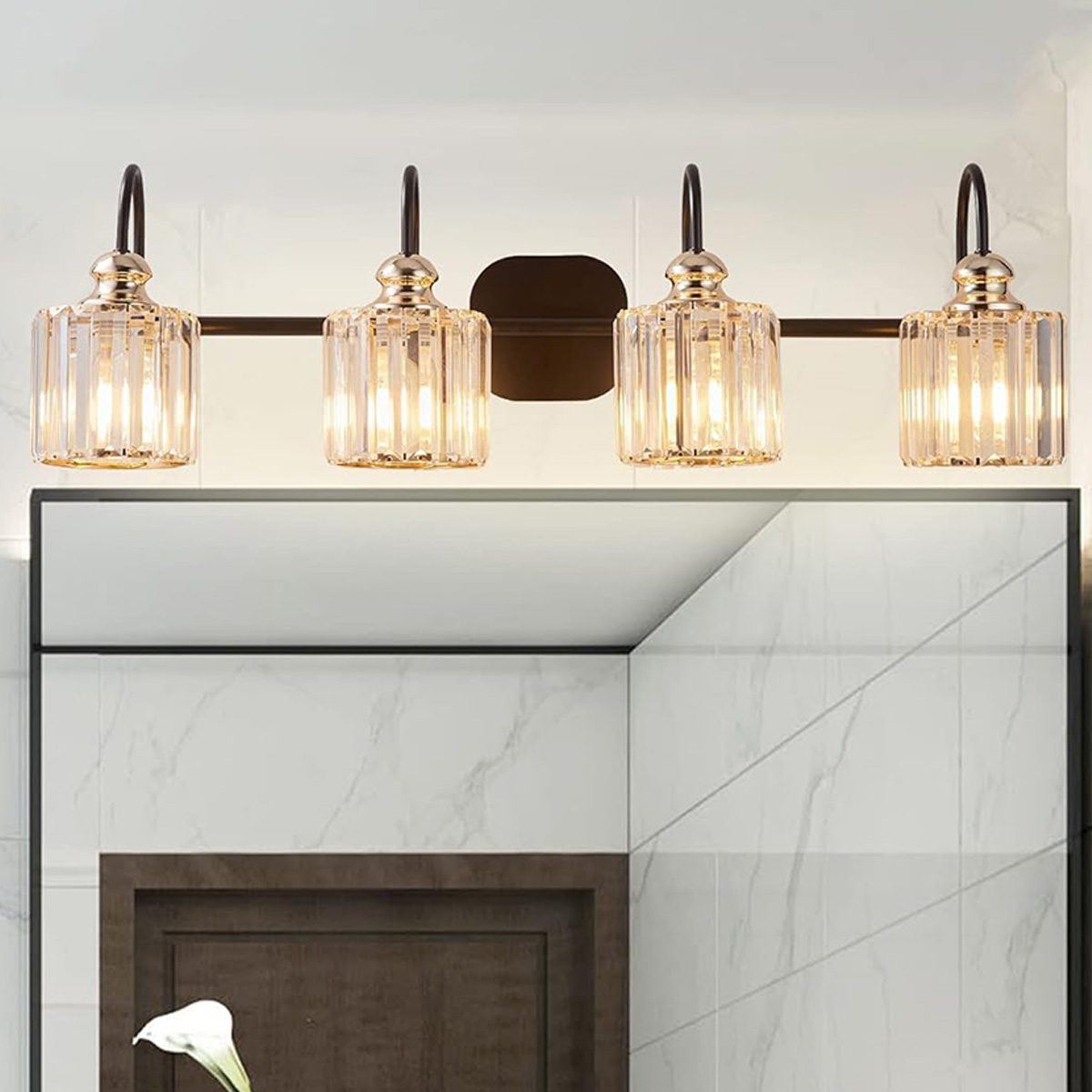
8 Best Bathroom Vanity Lights To Liven Your Space

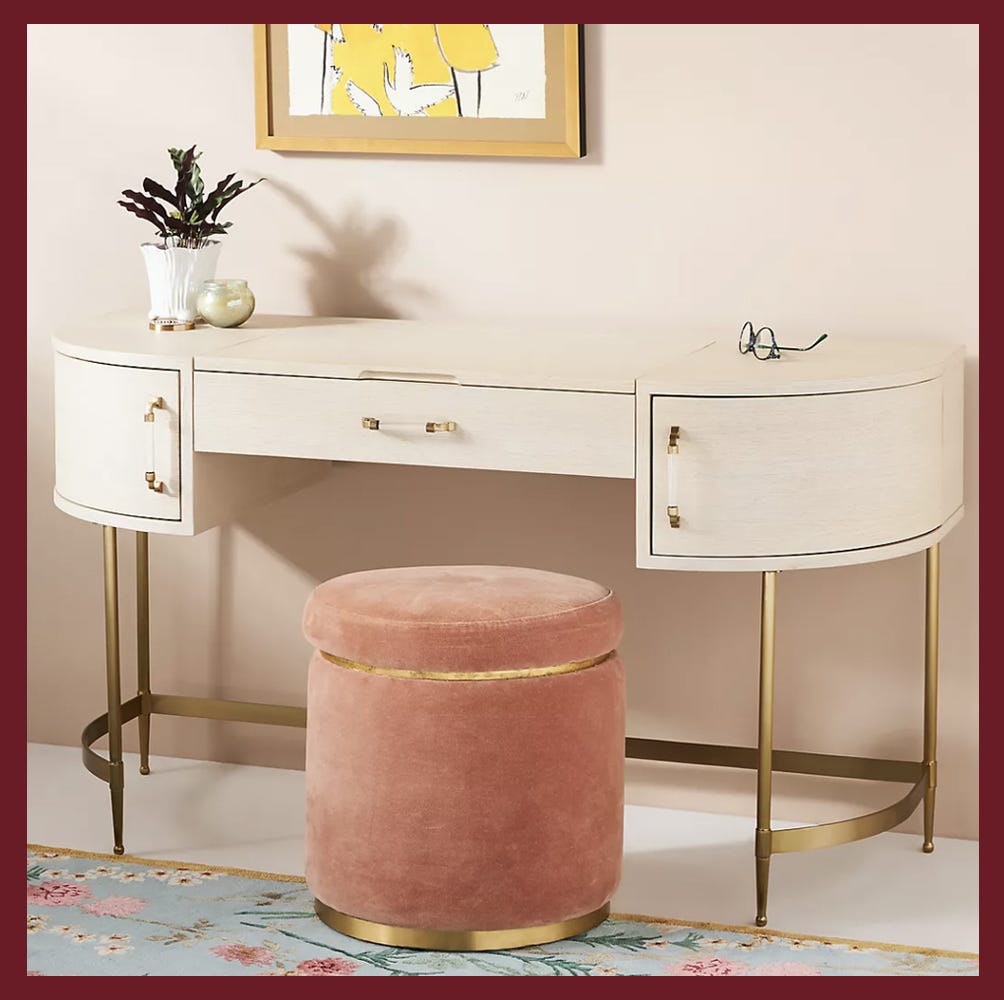
The Sleekest Makeup Vanities to Upgrade Your Glam Routine

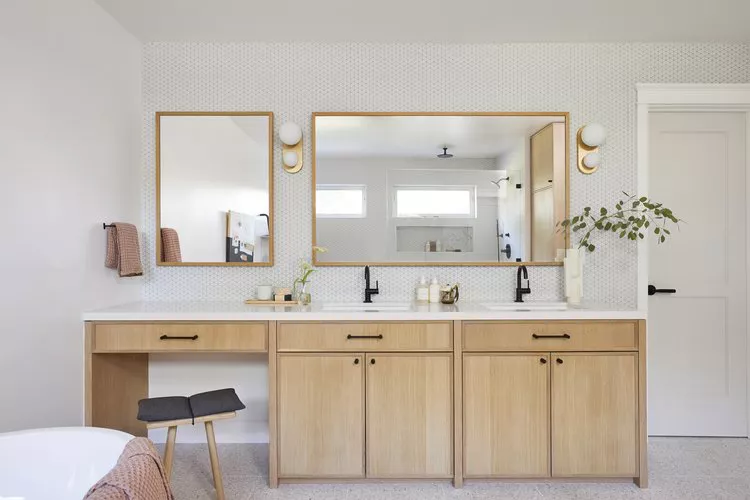
20 Makeup Vanity Ideas That Make Getting Ready Feel Like a Treat

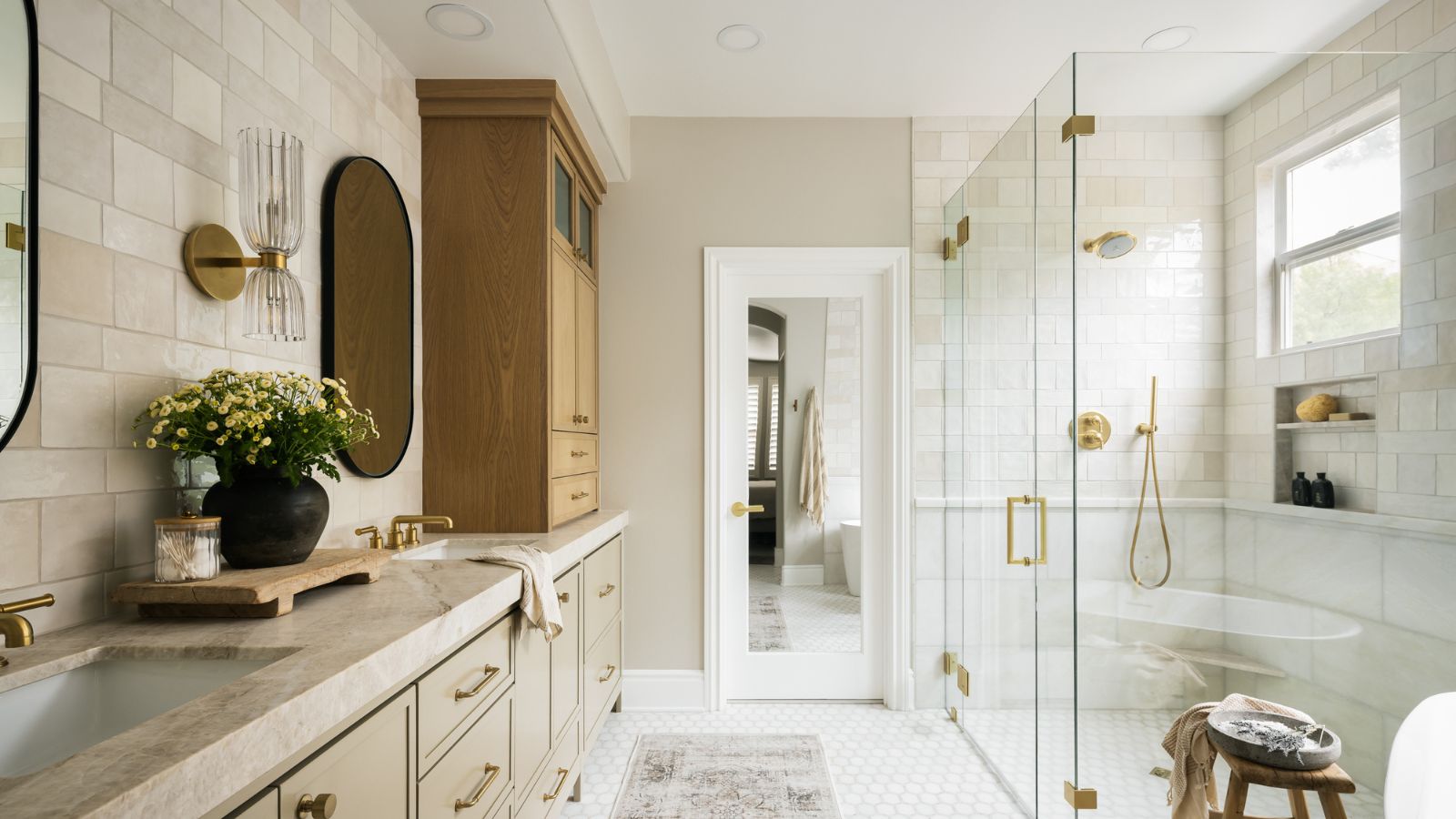
6 designer-approved bathroom vanity lighting ideas

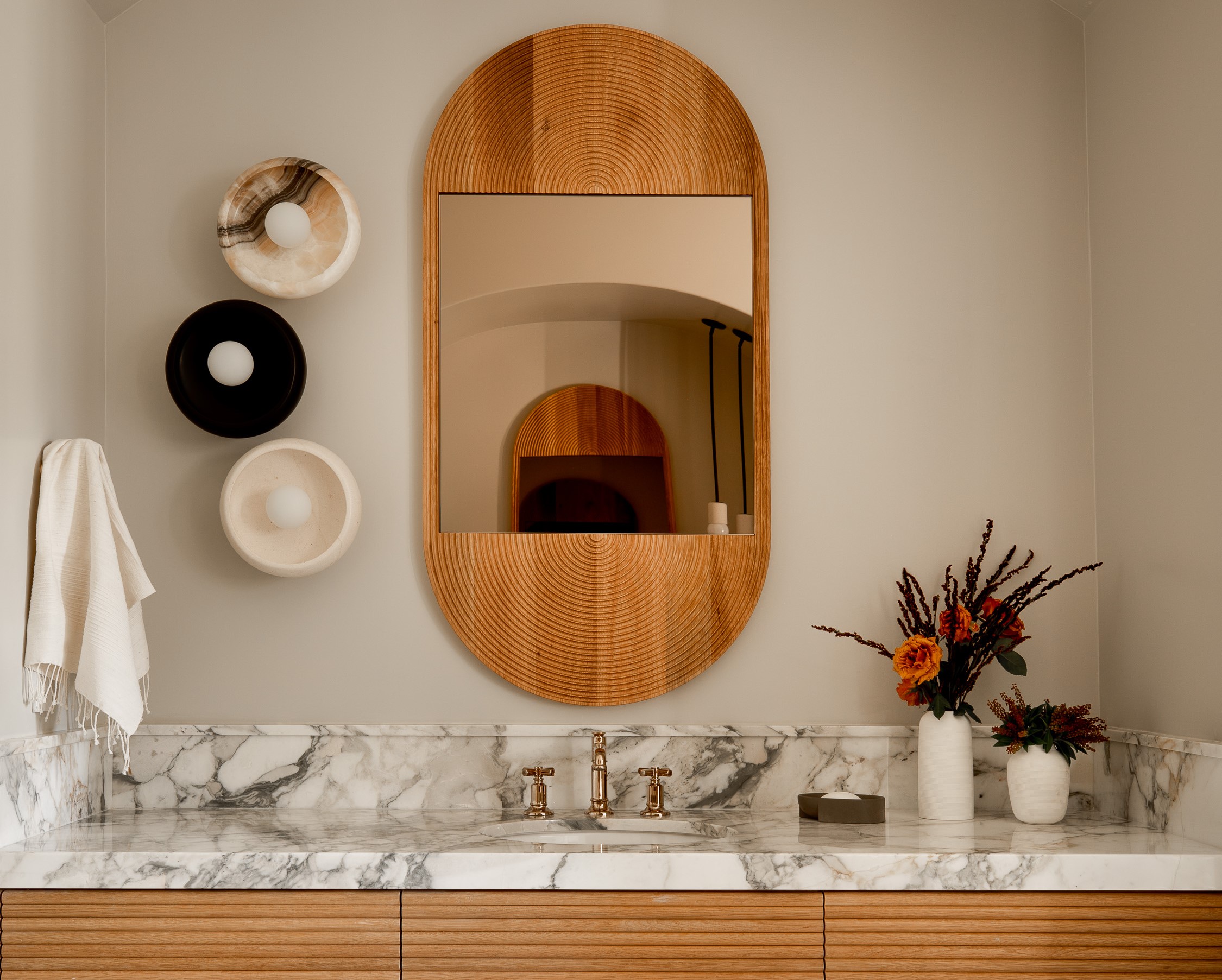
What's the Most Flattering Light For a Bathroom? 7 Designer Tricks to Give Your Space a Glow-Up
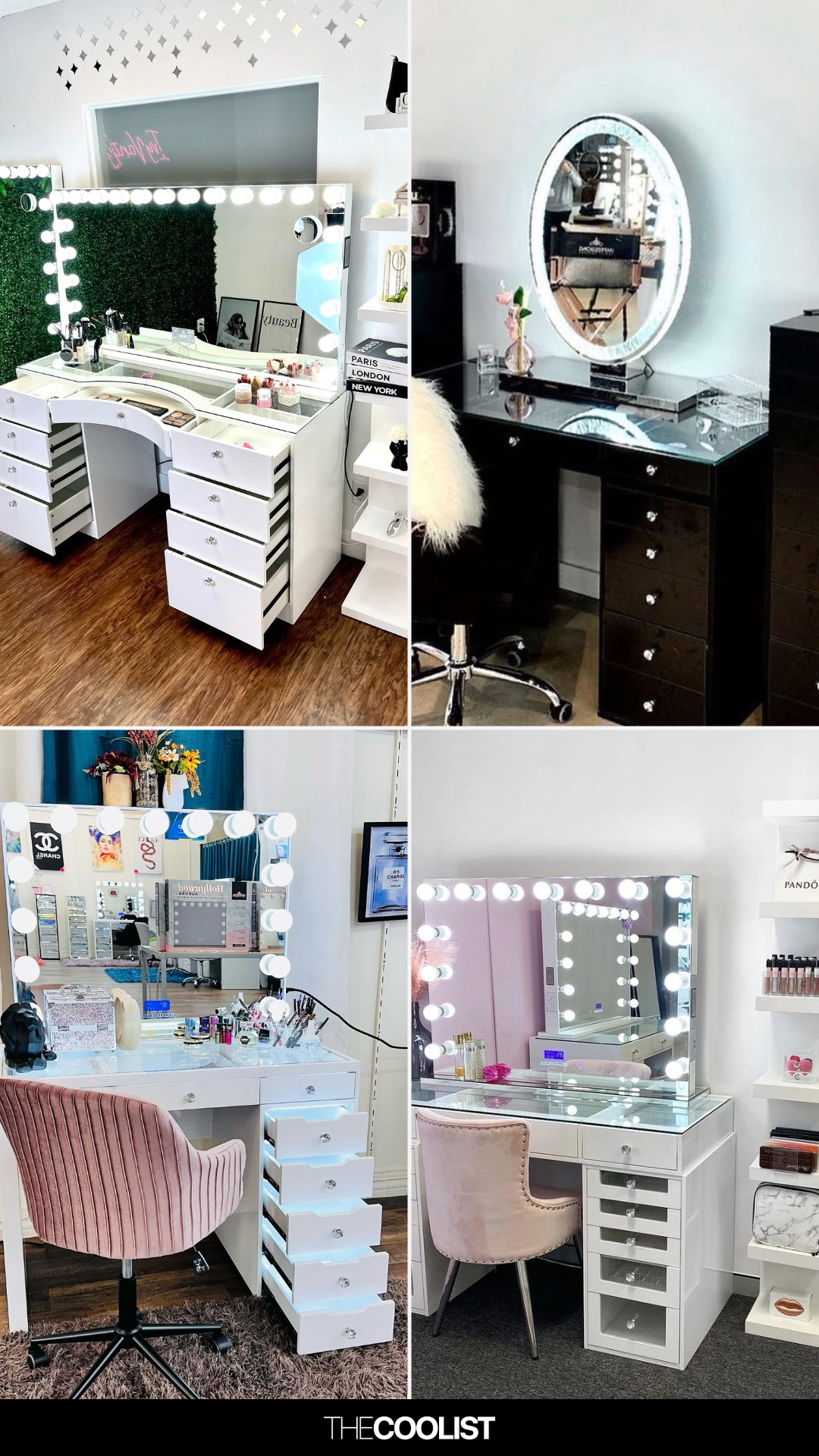
24 Insanely Chic Makeup Vanity Ideas That Make Getting Ready Feel Like a Photoshoot


These Makeup Vanities Will Upgrade Your Getting Ready Routine

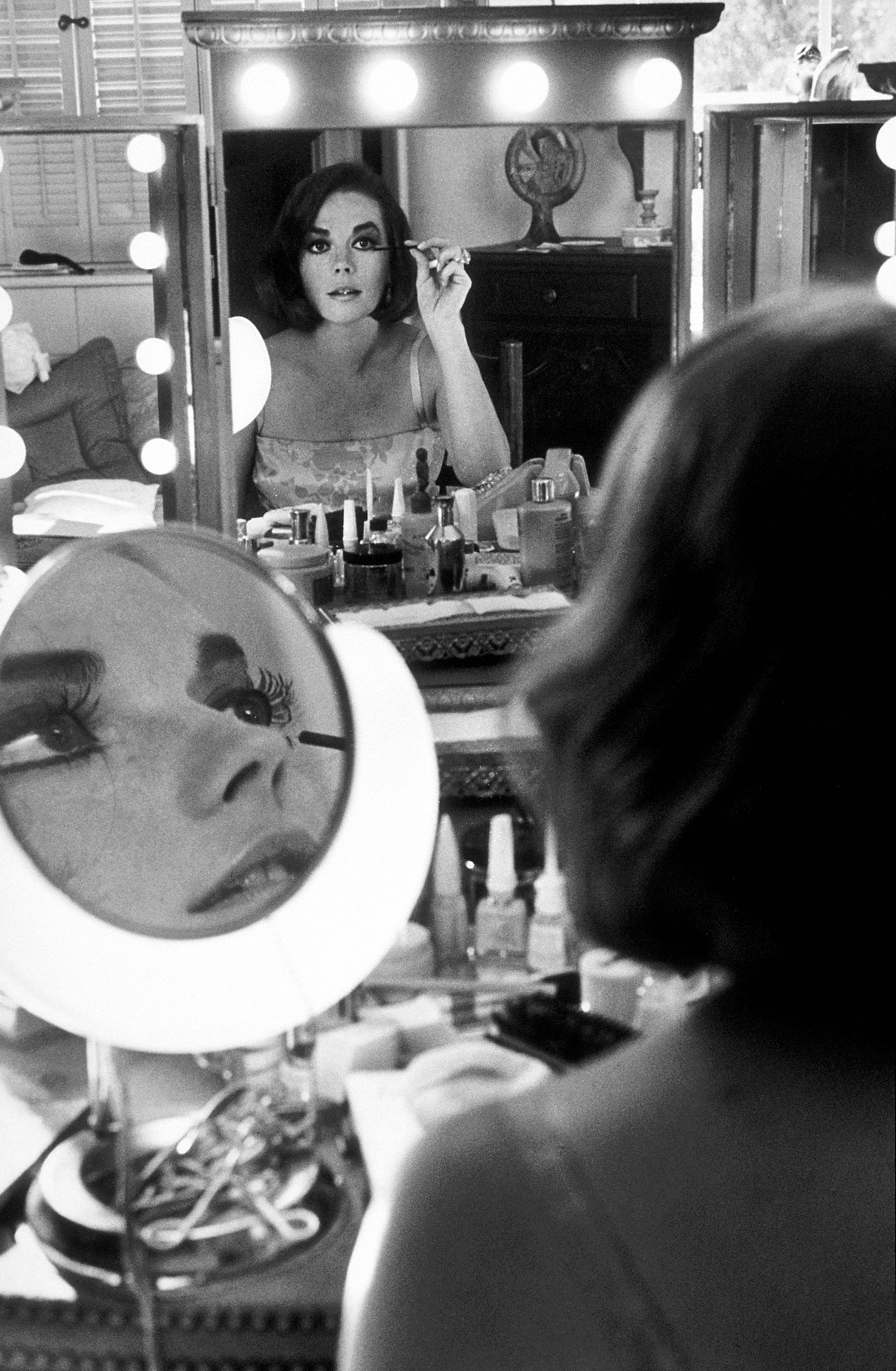
11 Expert Tips for Building an Influencer-Worthy Glam Room
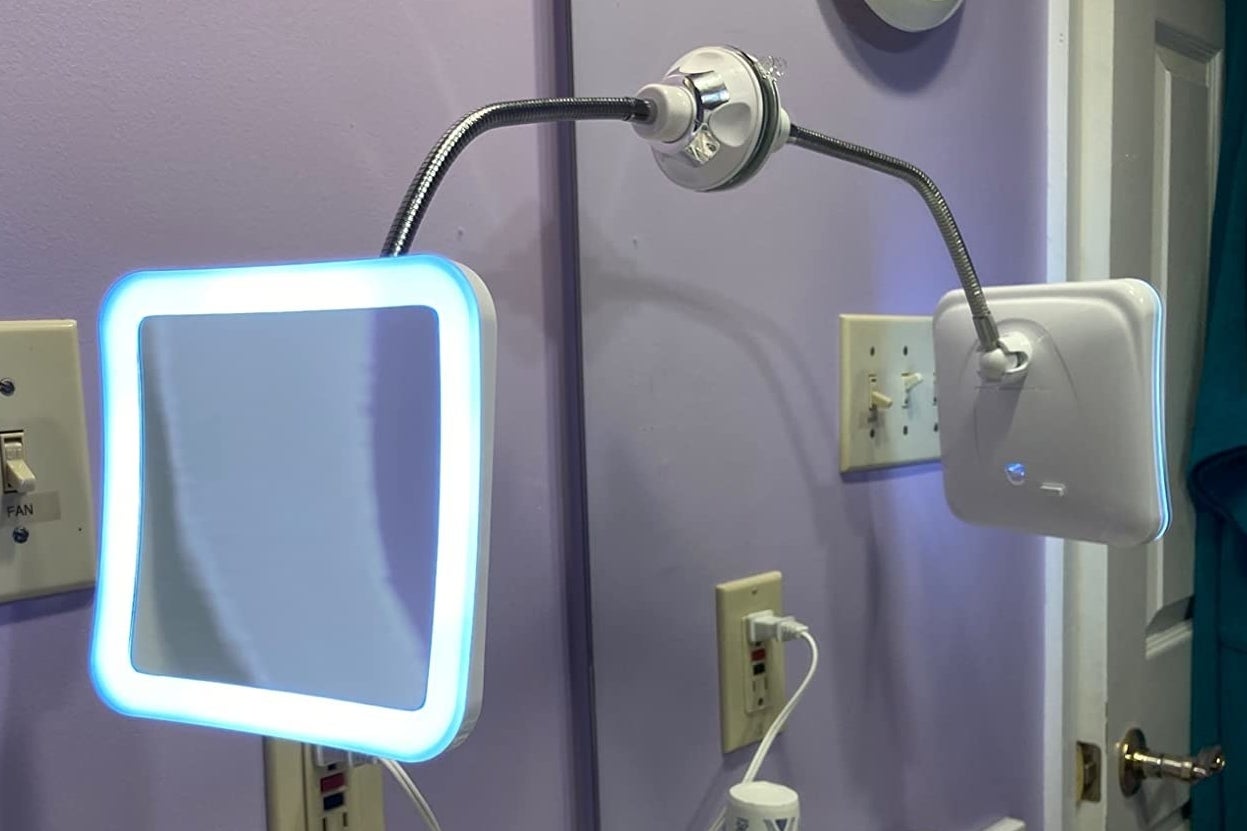
23 Lighted Mirrors For Absolutely Flawless Makeup Every Time You Go Out
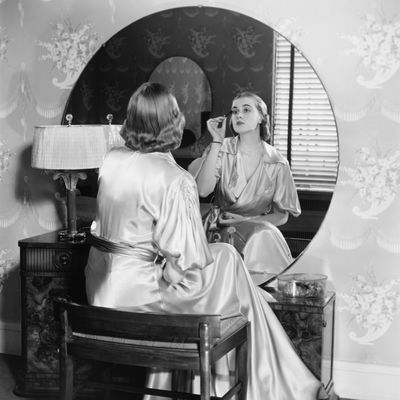
The Best Makeup Vanities, According to Interior Designers and Makeup Artists
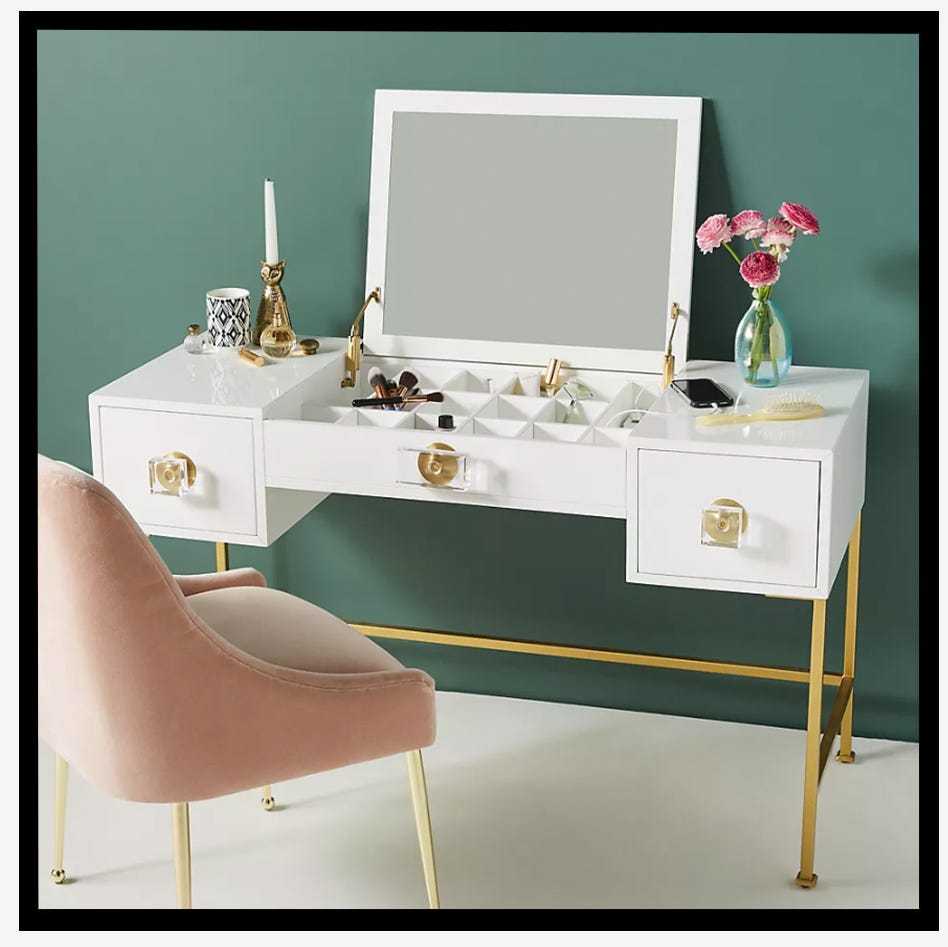
The 15 Best Makeup Vanities to Polish Off Your Glam

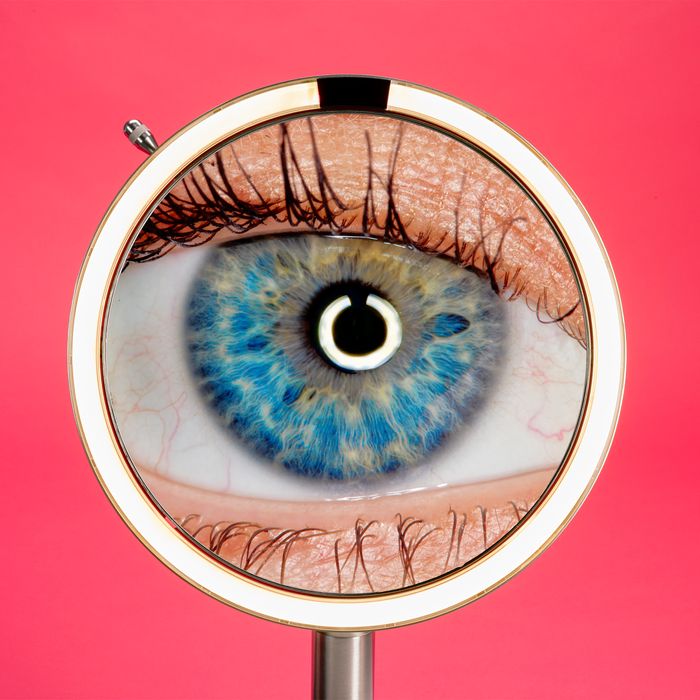
The 11 Very Best Lighted Makeup Mirrors
15 Closet Lighting Ideas to Create a Brighter Wardrobe